
Balch Springs City Zoning Code
ARTICLE IV
- SITE DEVELOPMENT REQUIREMENTS
Sec. 90-4.01. - Landscape Requirements
A.
Purpose
Landscape Requirements provide guidelines concerning landscape, trees, vegetation and other materials to ensure aesthetic appeal and minimize adverse impacts of light, noise, movement or activities throughout the City.
B.
Landscaping Regulations
1.
Nonresidential Landscaping Requirements
Nonresidential Landscaping shall be required according to the following sections.
a.
Landscaped Edge Along Street Right-of-Way
All retail, commercial, industrial and other nonresidential uses shall comply with the following requirements:
i.
Landscaped Edge
A landscaped edge shall be provided adjacent to all streets.
(a)
The landscaped edge shall be the following minimum widths, exclusive of street Right-of-Way:
(i)
Landscaped edge width adjacent to an Interstate: 20 Feet
(ii)
Landscaped edge width adjacent to an Arterial: 15 Feet
(iii)
Landscaped edge width adjacent to a Collector: Ten Feet
(b)
Within the landscaped edge, one Large Tree (Shade) shall be planted per 30 feet of street frontage. The Planning Director may approve the grouping or clustering of trees to accommodate driveway spacing, utilities, drainage facilities or similar site features.
(c)
All required trees shall be a minimum three-inch caliper from Table 6: Approved Plant Material List.
ii.
Vehicle Headlight Screening Abutting the Landscaped Edge
Where parking lots, drives, and access easements abut the landscaped edge, Shrubs shall be planted to form a contiguous buffer adjacent to the Landscape Edge.
(a)
Shrubs shall be from five-gallon containers at the time of planting.
(b)
The number of required Shrubs shall be calculated solely on the area of the required landscaped edge.
(c)
Shrubs shall be planted in planting beds.
(d)
A berm may be placed within the landscaped edge in lieu of the required Shrubs unless needed for a headlight screen. (See 90-4.01.B.1.d for possible additional landscaping requirements.)
(e)
The berm must be 18 to 40 inches above the average grade of the street and parking lot curbs.
(f)
The slope of the berm shall not exceed a 33 percent grade.
iii.
No more than 50 percent of the required plant materials shall be of the same species.
iv.
Any permeable surface not occupied by trees, shrubs, planting beds, signs or other permitted fixtures shall be planted with turf or other living ground cover.
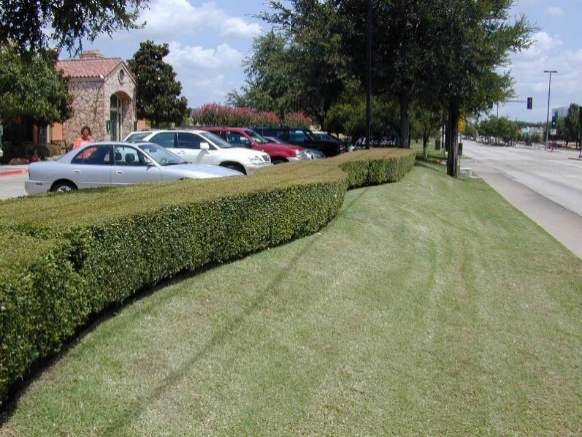
Figure 1: Parking Lot Headlight Screening
b.
Interior Parking Lot Landscaping
Any nonresidential parking area that contains more than ten parking spaces shall provide interior landscaping in addition to the required Landscaped Edge (90-4.01.B.1.a.i):
i.
Interior Parking Lot Landscaping shall include all areas within the paved boundaries of the parking lot as well as planting islands, curbed areas, corner lots, parking spaces and all interior driveways and aisles.
(a)
Landscaped areas outside of the parking lot may not be used to meet the Interior Parking Lot Landscaping requirement.
ii.
There shall be ten square feet of Interior Parking Lot Landscaping for each parking space or fraction thereof.
iii.
Three-foot parking buffer shall be provided for 90-degree parking with two rows facing each other.
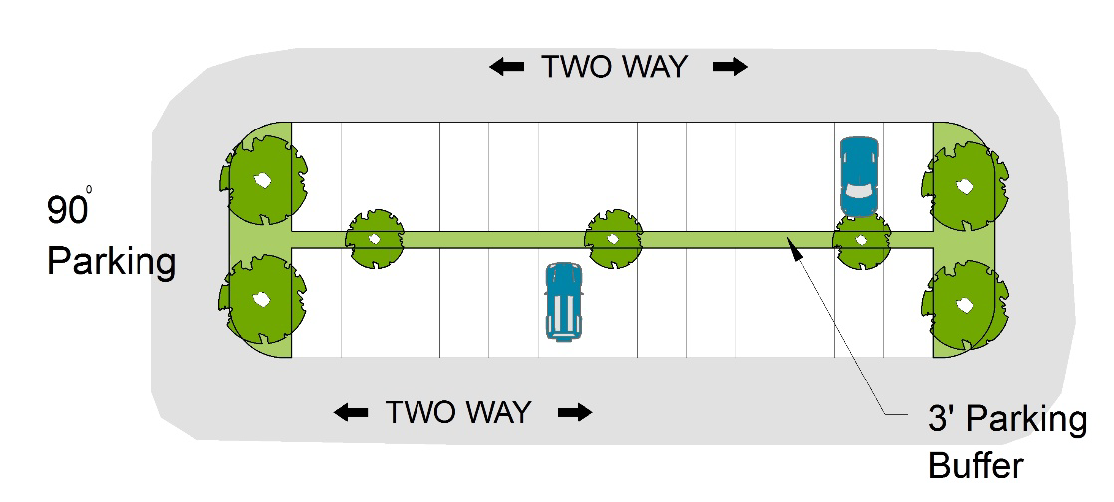
Figure 2: Three-foot buffer requirement for 90-degree parking
iv.
There shall be one Large Tree (Shade) tree or an Small Tree (Ornamental) for every ten parking spaces or fraction thereof. All required trees shall be a minimum three-caliper from Table 6: Approved Plant Material List.
v.
All landscaped areas shall be protected by a raised six-inch concrete curb or wheel stops.
vi.
Where an existing parking area is altered or expanded to increase the number of spaces to more than ten, Interior Parking Lot Landscaping shall be provided on the new portion of the lot in accordance with the above standards.
vii.
The requirements listed above shall not apply to structured parking garages.
viii.
The landscaping requirements shall not be taken away from the dimensions of any parking spaces.
c.
Landscaping for Corner Lots
Corner lots at the intersection of two or more Arterial shall comply with the following landscaping requirements in addition to the required plantings for the Landscaped Edge and Interior Parking Lot Landscaping:
i.
A minimum of ten percent of the site area shall be devoted to landscaping;
ii.
A minimum landscaped area of 900 square feet shall be located at the intersection corner of the lot.
(a)
This landscaped area shall be provided within an area measured a minimum distance of 40 feet from the projected corner of the intersection on both sides of the lot.
d.
Landscaping/Screening for Parking Lots Adjacent to Residential Areas
Where parking is within 50 feet of residentially zoned property and is not screened from view by a wall, berm or other screen, a continuous screen of must be placed adjacent to the parking. The required landscaping shall comply with the following regulations:
i.
Shrubs shall be five-gallon minimum at the time of planting and planted in planting bed.
ii.
The required Shrubs shall create a minimum three-foot tall screen within two years of the date of planting.
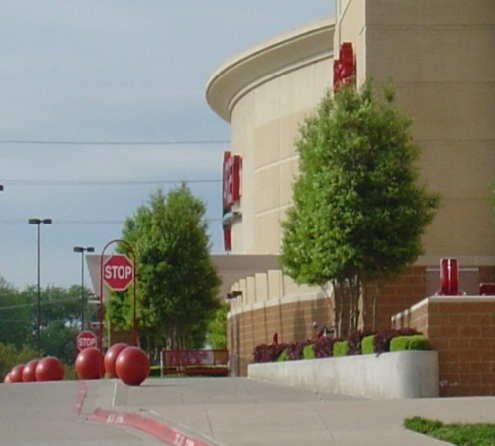
Figure 3: Building with Foundation Plantings
e.
Foundation Plantings for Buildings 50,000 Square Feet or Larger
i.
Foundation plantings are required for buildings or groups of contiguous buildings that are 50,000 square feet or larger.
ii.
One shall be required for every ten thousand square feet of gross building area.
iii.
These trees shall be three-inch minimum caliper.
iv.
These trees shall be planted within 30 feet of the front facade.
v.
These plantings are intended to provide pedestrian areas while breaking up the large areas of impervious surface.
vi.
Trees can be grouped or planted in singular form.
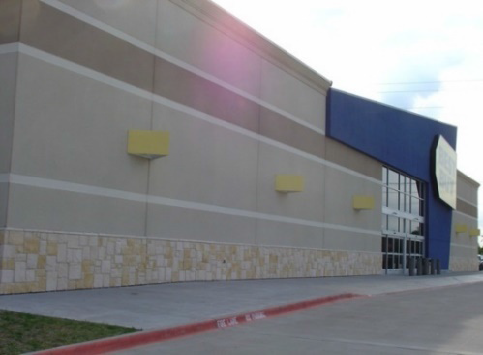
Figure 4: Building without Foundation Plantings
vii.
These tree plantings should be placed so as not to impede sign visibility or pedestrian safety.
viii.
Trees intended for foundation plantings shall meet the following criteria:
(a)
Trees planted less than four feet from the back of curb shall be planted in a tree grate with a minimum diameter width of four feet.
(b)
Small Tree (Ornamental)s may be substituted for Large Tree (Shade)s at a building's foundation at the rate of five Ornamental Trees for each required Large Tree (Shade) (5:1).
(i)
Small Tree (Ornamental)s shall have a minimum size of three-inch caliper.
(ii)
Multi-trunked trees will be required to meet a three-inch requirement based on standard nursery trade specifications.
(c)
Trees may be placed in groups with appropriate spacing for the species.
(d)
The requirements of this section may be reduced if approved by the Planning Director and when additional pedestrian features such as plazas, seating areas, fountains and outdoor recreation facilities are provided. These facilities must occupy an area equal to or greater than five percent of the building's total square footage.
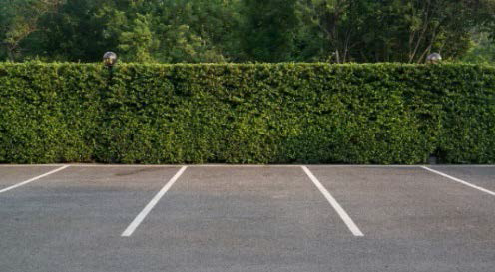
Figure 5: Landscape Buffer
f.
Landscaping for Nonresidential Areas Adjacent to Residential Areas
A 20-foot wide landscaped buffer shall be provided adjacent to an existing residential or vacant land zoned for residential uses.
2.
Residential Landscaping Requirements
Residential Landscaping shall be required in all Residential Zoning Districts according to the following sections. Any area within M, Mixed Use District, H, Highway Development, or PD, Planned Development District containing landscaping standards shall be regulated by the more restrictive standards.
a.
Multi-Family and Single-Family Attached (Duplexes, Townhomes) Landscaping Requirements
i.
Landscape Edge
A landscaped edge shall be provided adjacent to all streets.
(a)
The landscaped edge shall be a minimum width of 15 feet, exclusive of street Right-of-Way.
(b)
Within the landscaped edge, one Large Tree (Shade) shall be planted per 30 feet of Landscaped Edge. The Planning Director may approve the grouping or clustering of trees to accommodate driveway spacing, utilities, drainage facilities or similar site features.
(c)
Trees shall be three-inch caliper minimum per Table 6: Approved Plant Material List.
ii.
Shrub Buffer for Parking Lots and Drives
Where parking lots and drives abut the landscaped edge, shrubs shall be planted to form a contiguous buffer along the common boundary line.
(a)
The number of required Shrubs shall be calculated solely on the area of the required landscaped edge.
(b)
Shrubs shall be five-gallon minimum at the time of planting and planted in planting beds.
(c)
A berm may be placed within the landscaped edge in lieu of the required shrubs unless needed for a headlight screen.
(d)
The berm must be 18 to 40 inches above the average grade of the street and parking lot curbs.
(e)
The slope of berm shall not exceed a 33 percent grade.
iii.
No more than 50 percent of the required plant materials shall be of the same species.
iv.
Any permeable surface not occupied by trees, shrubs, plantings beds, signs or other permitted fixtures shall be planted with turf or other living ground cover.
v.
Parking areas shall be landscaped in addition to the required landscaped edge.
(a)
Twenty square feet of landscaping for each parking space shall be provided within the paved boundaries including one Large Tree (Shade) or Ornamental Tree per ten parking spaces.
(b)
All required trees shall be a minimum three-caliper from Table 6: Approved Plant Material List.
vi.
All landscaped areas shall be protected by a raised six-inch concrete curb or wheel stop.
vii.
One Large Tree (Shade) or Small Tree (Ornamental) per 1,000 square feet of required open space (e.g., required yards) shall be provided.
viii.
No site developed prior to the effective date of this section shall be required to conform to the landscaping requirements of this section unless the site is redeveloped or there is a 30 percent or more increase in the existing square footage of building area and/or reconstruction of the existing parking lot.
ix.
Additional Multi-Family Landscape Requirements
The multi-family complex shall be landscaped in accordance with Subsection 90-4.01.B., Landscaping Regulations. If more than one apartment building is permitted to be placed upon a single lot, the following areas shall be landscaped:
(a)
A 20-foot strip along the front and rear of the buildings as measured from the foundation.
(b)
A 15-foot strip along all other sides of the buildings as measured from the foundation.
(c)
That area adjacent to building corners determined by extending the front, rear, and side landscape limits to their point of intersection.
(d)
Any additional landscape area that is needed to meet the City's requirements shall be indicated and fully described upon the plat.
b.
Landscaping Requirements for Single-Family Developments
i.
Two Large Trees (Shade) or Small Tree (Ornamental) shall be provided in residential subdivisions for each lot.
ii.
Trees shall be three-inch caliper minimum per Table 6: Approved Plant Material List.
iii.
All required trees must be planted prior to request for final building inspection of the dwelling unit.
3.
Landscape Maintenance Requirements
a.
This subsection (90-4.01.B.3) shall not apply to Single-Family lots for Single-Family structures.
b.
All plant material shall be maintained in a healthy and growing condition, and must be replaced with plant material of similar variety and size if damaged, destroyed, or removed.
c.
Landscaped areas shall be kept free of trash, litter, weeds and other such materials or plants not a part of the landscaping.
d.
An automatic irrigation system with rain and freeze sensors is required for all landscaping except for Single-Family residences.
e.
All cut areas front, side and rear must have sod for erosion control.
f.
Any Developer desiring to install and maintain landscaping materials and irrigation facilities within the City Right-of-Way must first receive written approval from the Planning Director.
g.
Replacement of dead landscaping shall occur prior to the issuance of a certificate of occupancy.
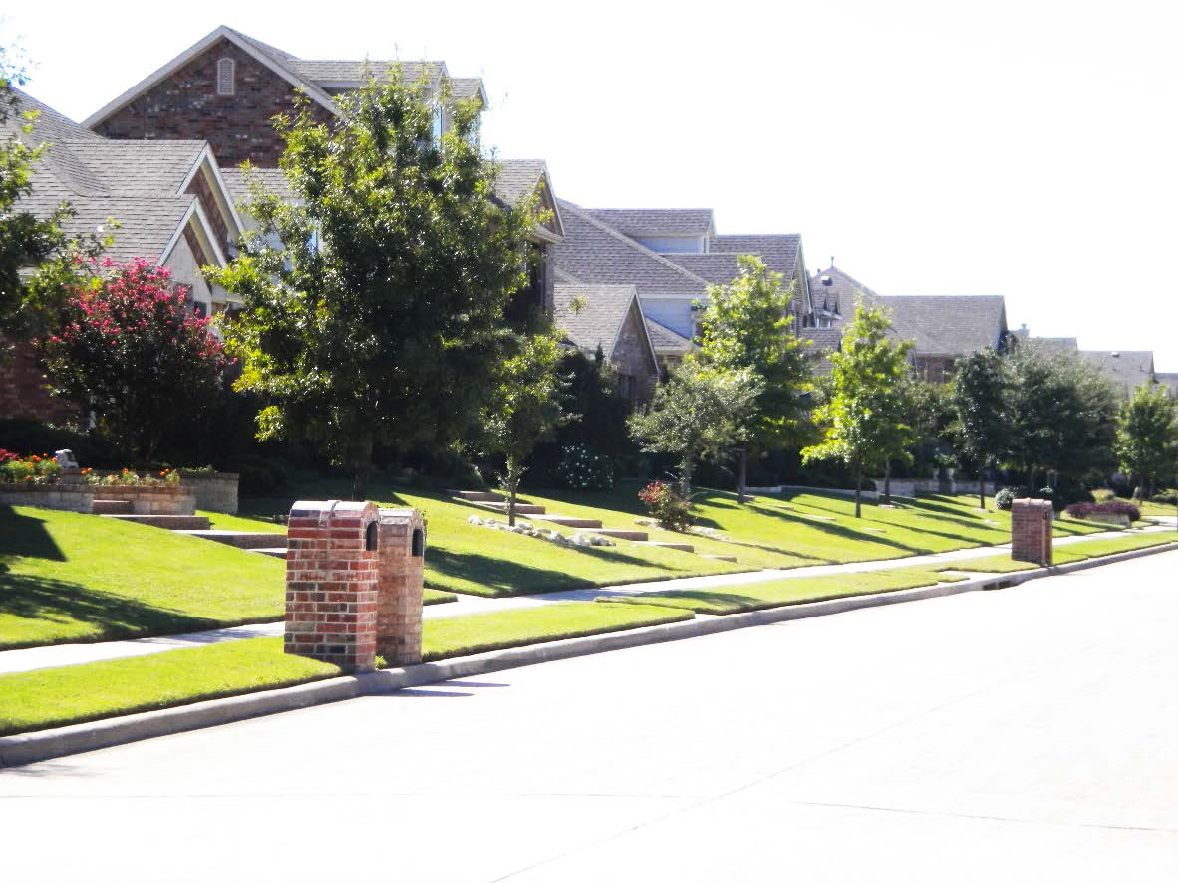
Figure 6: Landscaping in Single-Family Developments
4.
Approved Plant Materials
a.
The use of artificial plants or turf are prohibited.
b.
Use of drought tolerant plants are encouraged to meet the requirements of the ordinance.
c.
The following is the approved plant material list for plant materials required in the ordinance:
5.
Alternative Compliance for Landscape Requirements
A request for Alternative Compliance may be submitted and acted upon in accordance with Section 90-7.01, Alternative Compliance. The Planning Director may approve the following, based upon a finding that the proposed alternative is, at a minimum, equivalent to and meets the spirit and intent of this Subsection 90-4.01.B., Landscaping Regulations.
a.
Location or Type of Required Landscape Materials
i.
Alternatives or minor changes to the location or type of required landscape materials may be required due to unusual topographic constraints, visibility restrictions, siting requirements, preservation of existing stands of native trees or similar conditions, or in order to maintain consistency of established front yard setbacks.
ii.
These minor changes may vary the location of required landscape materials, but may not reduce the amount of required landscape area or the amount of landscape materials.
b.
Required Landscaping Edges and Buffers
i.
Alternatives or minor changes to the required landscaped edges and buffers along a street frontage if immediately adjacent properties on both sides (at side property lines) may have a smaller or no landscape buffer, in order to maintain consistency between an existing parking lot and drive aisle alignments.
ii.
If an alternative landscape edge or buffer is granted, an equal amount of landscape area and trees shall be provided elsewhere on the site as may be deemed appropriate by the Planning Director.
c.
Landscaping for Nonresidential Areas Adjacent to Residential Areas
i.
Partial or complete relief may be provided from the landscaping buffer requirement within 90-4.01.B.1.f, if the applicable lot is smaller than two acres.
ii.
If an alternative buffer is granted, adequate screening shall be provided to ensure an equivalent buffer effect.
C.
Tree Preservation and Mitigation Requirements
1.
Purpose
The purpose of this section is to conserve, protect, and enhance existing healthy and safe trees and natural landscape on land that is being developed. It is not the intent of this section to require a tree removal permit to remove trees located on existing developed sites.
2.
Applicability
a.
All residential and nonresidential properties must first obtain a tree removal permit for development or redevelopment purposes.
b.
If a tree has sustained damage which creates an immediate hazard to life or property, the Planning Director may approve the removal of such tree.
c.
An Application for a tree removal permit shall be filed with the Planning Director and shall include the location, species, caliper, height and canopy coverage of all trees proposed to be removed. The Planning Director shall promptly approve or deny the application and may include conditions for approval.
d.
All existing single-family residential developments shall be exempt from 90-4.01.C.2.a.
3.
Tree Preservation Survey
a.
A tree survey shall be required with submittals of each of the following:
i.
A detail plan;
ii.
A subdivision Plat;
iii.
Plans required for a Building Permit.
b.
If the proposed detail plan, plat or building permit will not result in new construction or expansion of existing development, a tree survey shall not be required.
4.
Tree Preservation Regulation
a.
The tree survey shall identify the location, species, caliper and approximate canopy coverage of all healthy trees which are three-inch caliper in size or larger when measured at 4½ feet above the ground.
b.
Trees identified by survey shall be preserved in accordance with the following requirements:
i.
A minimum of 60 percent of the trees which are three-inch caliper in size or larger shall be preserved.
ii.
If more than 40 percent of such trees are removed, then each caliper inch of the largest trees removed in excess of 40 percent must be replaced with one caliper inch of a new tree of a species included on the tree list set forth in 90-4.01.C.4.b.v.
(a)
The minimum size replacement tree is three-inch caliper. For the purposes of this section, tree replacement calculations shall begin with the largest tree removed and continue in descending order. For example, in a lot of ten trees, five of which are eight-inch caliper and five of which are four-inch caliper, four of the four-inch caliper trees and one of the eight-inch caliper trees are removed; therefore, one tree must be replaced to meet such requirement. The tree that must be replaced is the largest tree removed; in this case, the eight-inch caliper tree shall be replaced. However, the eight-inch caliper tree may be replaced with one eight-inch caliper tree, with two four-inch caliper trees, or any combination of trees three-inch caliper or larger which adds up to eight caliper inches.
iii.
Ninety percent of the healthy and growing trees which are classified as "large" on the tree list set forth in 90-4.01.C.4.b.v of this section and which are ten-inch caliper in size or larger must be preserved.
iv.
Eighty percent of the healthy and growing trees which are classified as "small," on the tree list set forth in 90-4.01.C.4.b.v of this section and which are four-inch caliper in size or larger must be preserved.
v.
Trees to be replaced must be included in the following list:
c.
All trees to be preserved shall be identified as such and shall be included on the landscape and screening plan.
d.
Existing trees may be used to fulfill tree planting requirements pertaining to screening and landscaping if such trees are in a healthy and growing condition.
e.
Existing trees to be preserved shall be protected by barricades or other acceptable methods during site preparation and construction to provide an area having one foot of radius for each caliper inch when measured at 4½ feet above the ground.
i.
The protected area shall not be used for vehicle or equipment parking or storage of materials.
ii.
A minimum of 75 percent of the protected area shall be maintained as permeable landscape area at grades existing prior to site development. Such area shall be maintained on a permanent basis following completion of site development.
f.
If any tree is removed in violation of the requirements set forth in this section, including an injury to a tree resulting from failure to follow required tree protection measures which causes, or may reasonably be expected to cause, the tree to die, the city shall have the authority to enact the following administrative and civil penalties on the owner of the property from which the tree was removed:
i.
A monetary penalty of $100.00 per caliper inch of width of the removed tree; and
ii.
Replacement with a new tree having a total tree caliper width equivalent to twice that of the removed tree. Such replacement tree shall have a minimum caliper width of three inches and shall be planted in a location approved by the director of planning and zoning. Funds paid to the city as tree removal penalties shall be deposited in a special account and used by the city to provide and support landscape planting on public property.
g.
The Board of Adjustment shall have the authority or jurisdiction to consider or grant Zoning Variance to the requirements of this section.
5.
Fee in Lieu of Tree Replacement
a.
The City Council may approve payment of a fee in lieu of replacement trees.
b.
The fee shall be equal to the cost of the replacement trees and shall include the installation or planting cost. The Applicant shall submit a written estimate from a nursery as verification of the cost.
c.
The fee in lieu option is available for only the following cases:
i.
If the proposed Development is heavily treed and the existing tree canopy would prohibit the growth of the replacement trees, or
ii.
If the required replacement trees were to be installed, then the replacement trees would be planted under the canopy of an existing tree.
6.
Critical Root Zone Protection
a.
Each tree to be preserved shall have a Critical Root Zone surrounding the tree, measured at the drip line.
b.
The following activities are prohibited in the Critical Root Zone:
i.
Storage or parking vehicles, building materials, refuse, excavated spoils or dumping of poisonous or hazardous materials on or around tree and roots. Poisonous or hazardous materials include, but are not limited to, paint, petroleum products, concrete or stucco mix, dirty water or any other material which may be harmful to tree health;
ii.
The use of tree trunks as a winch support, anchorage, temporary power pole, sign posts or other similar function;
iii.
Cutting of tree roots by utility trenching, foundation digging, placement of curbs and trenches and other miscellaneous excavation without prior approval of the City;
iv.
Soil disturbance or grade change;
v.
Impervious paving;
vi.
Vehicular traffic; and
vii.
Drainage changes.
c.
The following restrictions apply during construction near the Critical Root Zone:
i.
All trees shall be protected by a fence, frame, or box constructed around the drip line of the preserved tree.
ii.
A minimum of three inches of mulch or compost shall be spread beneath the drip line of the preserved tree.
iii.
No person shall excavate any ditches, tunnels or trenches, place any paving material or place any drive or parking area within the drip line without prior written approval of the Planning Director at the time of Site Plan.
iv.
No rope, wire, nails, advertising posters, or other contrivance shall be attached.
(Ord. No. 3154-17, § 1, 4-10-2017)
Sec. 90-4.02. - Screening Standards
A.
Purpose
Standards set forth in this subsection establish the screening requirements for the various land uses and zoning districts.
B.
General Requirements
1.
Screening Required Between Nonresidential and Residential
a.
Residential screening wall is required for new subdivisions along Arterial streets.
b.
A masonry screening wall separating a nonresidential zoning district from a residential zoning district shall be required pursuant to this section.
c.
A required masonry screening wall shall be at least six feet in height, but not more than eight feet, unless specifically permitted or required by this Section or unless approved by a PD, Planned Development District, Site Plan, or Specific Use Permit.
2.
Responsibility for Constructing the Screening Wall
a.
When new construction abuts the boundary of an existing development, then the Developer of the new construction, regardless of whether the new construction is residential or nonresidential, shall erect the screening wall adjacent to the common property line with the existing development. The screening wall shall extend along the entire shared portion of the common property line.
b.
The design and construction material of the screening wall shall be as specified in 90-4.02.B.4.
3.
Screening Walls for Loading Docks
a.
Nonresidential uses with loading docks or delivery entrances that front a Collector or Arterial shall be screened by a minimum six-foot tall masonry screening wall to obscure views of loading docks and loading spaces.
b.
Loading docks and delivery entrances within the I, Industrial District are exempt from the above requirement of 90-4.02.B.3.a.
c.
The following standards apply if service or loading dock areas are adjacent to residential uses:
i.
Service/loading areas shall be screened from view at a height of eight feet at the residential property line.
ii.
This eight-foot wall must screen the entire loading dock or space.
iii.
Screening materials shall utilize similar masonry materials to the building's façades.
4.
Screening Wall Materials
a.
Any screening wall required by this Section shall be constructed of the following materials:
i.
Brick, stone, or split-face concrete masonry unit; or
ii.
Pre-cast concrete wall or poured-in-place concrete wall with a similar appearance as brick, stone or split-face concrete masonry unit.
b.
All construction materials shall be earth-tone masonry colors including white.
i.
Where a masonry screening wall is constructed of split-face concrete masonry units or pre-cast concrete or poured-in-place concrete with a similar appearance as brick, the decorative or split-face side of the wall shall face the adjacent residential properties or street.
ii.
An unfinished Haydite block wall or a wall with non-earth tone colors shall be prohibited.
iii.
Smooth-faced concrete masonry units shall not be permitted as a construction material for a screening fence.
5.
Screening Wall Design
a.
If masonry is used on the main building, then all masonry walls shall be constructed with the same masonry materials as the main building.
b.
The screening wall shall be designed and constructed to prevent any drainage or erosion problems.
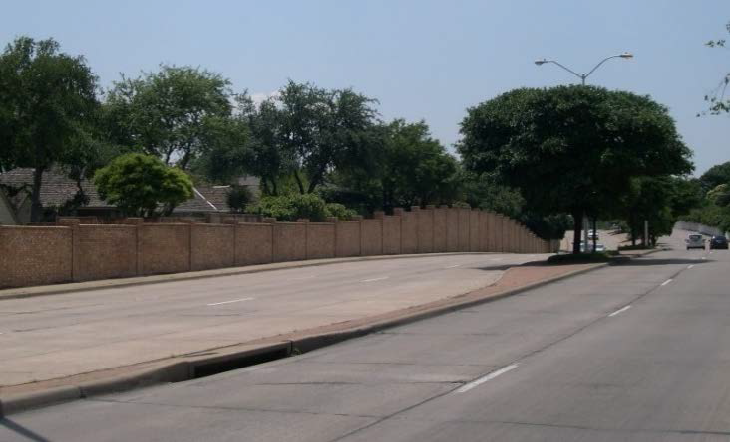
Figure 7: Screening Wall - Masonry
6.
Mechanical Equipment Screening Requirements for Nonresidential Properties
a.
General
i.
In all nonresidential development, all mechanical equipment whether ground-mounted, roof-mounted or otherwise attached to the building shall be screened from view.
ii.
Mechanical equipment areas shall be constructed, located and screened to prevent interference with the peace, comfort, and repose of the occupants of any adjoining building or residence.
iii.
The location, construction, and screening of all mechanical equipment shall be shown on the Site Plan or design drawings.
b.
Ground-Mounted Mechanical Equipment
i.
Ground-mounted mechanical equipment, with the exception of an electricity delivery provider's distribution equipment, shall be placed behind a screening wall or Living Screen equal to or greater than one foot above the height of the unit.
ii.
The screening wall shall be constructed of masonry materials.
c.
Roof-Mounted Mechanical Equipment
i.
Roof-mounted mechanical equipment shall be screened from view with a parapet wall, mansard roof or alternative architectural element.
ii.
The height of the screening element shall be equal to or greater than the height of the mechanical unit(s) provided that the element shall not extend more than six feet above the roof.
iii.
When the height of a mechanical unit exceeds the maximum permitted height of the screening feature, an additional roof setback for the unit shall be required at a ratio of two horizontal feet for each additional one foot of vertical height above the maximum six feet.
iv.
Screening for mechanical equipment shall apply to new building construction only.
7.
Screening of Outdoor Waste Storage
a.
General
i.
Waste storage areas housing refuse containers, dumpsters, and similar facilities shall be constructed, located, and screened to prevent interference with the peace, comfort and repose of the occupants of any associated or neighboring building or residence.
ii.
The location, construction and screening of all waste storage areas shall be shown on the Site Plan.
b.
Screening Required
i.
Refuse containers, trash dumpsters/containers, trash compactors, box compactors, and other similar containers shall be screened on three sides with a masonry screening wall that shall be constructed to a minimum height of one foot above the container height, but shall not exceed eight feet in height.
ii.
The container shall be screened by the masonry wall capable of screening the area.
iii.
The screening wall shall be similar to or extensions of the development's architectural design.
c.
Incidental Use Requirement and Location Standards
Refuse containers, trash dumpsters/containers, trash compactors, box compactors, and other similar containers that are used for waste disposal purposes shall:
i.
Only be allowed as an incidental use; and
ii.
Only be allowed when located behind the building line established by the structure and not within any required landscaped area.
8.
See Outside Storage Standards.
(Ord. No. 3154-17, § 1, 4-10-2017)
Sec. 90-4.03. - Parking Standards
A.
Vehicle Parking and Space Regulation
1.
Required Minimum and Maximum Parking for Residential Uses:
2.
Required Minimum and Maximum Parking for Nonresidential Use
3.
Required Minimum and Maximum Parking for Mixed Uses
B.
Parking Dimensions and Surfaces
1.
Parking Dimensions
A minimum space of at least nine feet by 18 feet shall be provided for each vehicle.
2.
Surface Material
All areas within the City that are used for the parking of motor vehicles shall be paved with impervious surface materials and shall be constructed in accordance with the following minimum specifications:
a.
Reinforced concrete shall have a five-inch minimum thickness, 3,000 psi, on four-inch cushion and shall be reinforced with No. 4 bars, 24-inch centers both.
b.
Asphaltic concrete shall have a four-inch thick type D HMAC on a six-inch crushed stone base or four percent lime stabilized soil compacted to not less than 95 percent as determined by TSDHPT test method Tex-113-E.
C.
Loading Space
1.
Nonresidential uses permitted by the zoning ordinance shall provide permanently maintained off-street loading spaces with adequate access.
2.
Each loading space shall measure no less than ten feet wide by 25 feet long and shall have a vertical clearance of at least 14 feet and a backing space of at least 24 feet.
3.
Buildings of 20,000 square feet or less shall require one loading space. Buildings in excess of 20,000 square feet shall require two loading spaces.
4.
Loading spaces shall not be located any closer than ten feet to any existing or proposed rights-of-way, or closer than 20 feet to any residential use or any property zoned for residential uses.
5.
No loading space shall be erected within a fire access zone.
D.
Parking Garages/Vertical Stacked Parking and Modular Automated Parking Systems (MAPS)
1.
Parking garage arrangements shall be permitted at a height not to exceed four stories.
2.
Vertically stacked parking arrangements and modular automated parking systems shall be permitted. Vertically stacked systems which are not automated and which require vehicles and or lifts to access the stacked vehicle storage system shall provide a standard drive aisle between bays. Additional clearances may be required upon review by the appropriate building code official and the fire code official.
3.
Modular automated parking systems (MAPS) are not required to meet the standard parking space or drive aisle dimensions. They are required to meet all other applicable codes and ordinances.
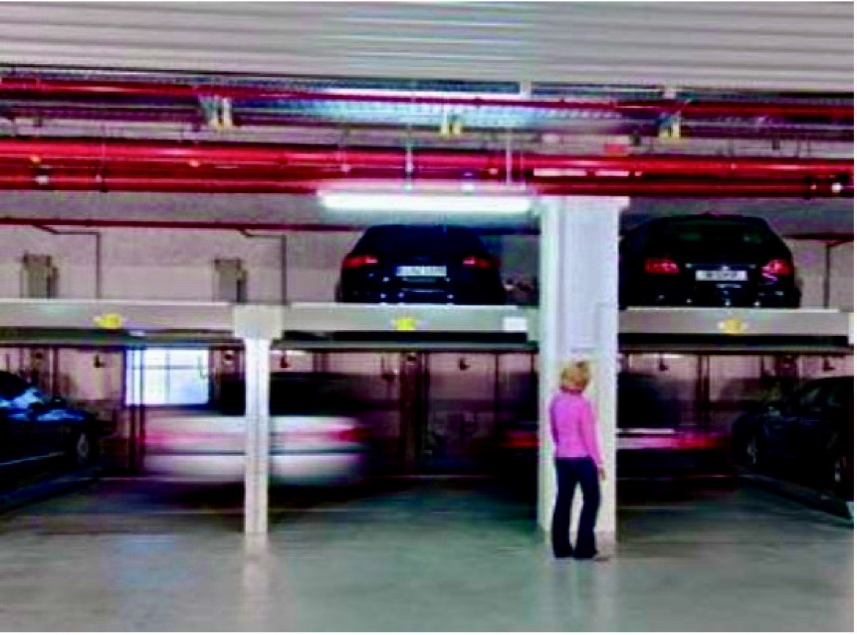
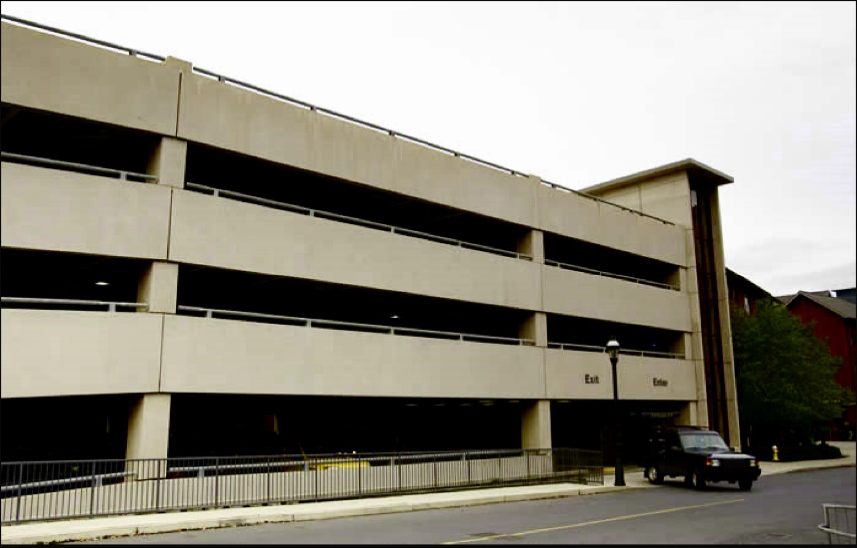
Figure 8: Parking Garage
4.
Minimum Parking Surface Area
a.
No owner, occupant or person in charge of property zoned residential shall cause, suffer, permit or allow the construction, placement or maintenance of a driveway or minimum improved parking surface on such property which covers more than 50 percent of the front yard.
b.
It is an affirmative defense to prosecution under this subsection if a driveway is:
i.
A circular drive connecting to a street or alley by at least two driveway approaches, and covers not more than 65 percent of the yard; or
ii.
Within a residential front yard and parking is prohibited or restricted by ordinance on that portion of the street abutting the yard, and the driveway covers not more than 65 percent of the yard.
5.
Violation; Penalty
a.
Any person who violates any provision of this article shall be deemed guilty of a misdemeanor and, upon conviction, shall be fined a sum not to exceed $2,000.00. Each day a violation of this section continues shall constitute a separate offense.
b.
Nothing in this section is intended to diminish in any respect deed restrictions which may impose more stringent requirements than this section.
(Ord. No. 3154-17, § 1, 4-10-2017)
Sec. 90-4.04. - Lighting Standards
A.
Purpose
The purpose of this subsection is to:
1.
Reduce the problems created by improperly designed and installed outdoor lighting;
2.
Reduce problems of glare on operators of motor vehicles, pedestrians and land uses;
3.
Minimize light trespass;
4.
Reduce the energy and financial costs of outdoor lighting by establishing regulations, which limit the area that certain kinds of outdoor lighting fixtures can illuminate; and
5.
Preserve the night sky as a natural resource.
B.
General Requirements
The following standards shall apply to all exterior lighting except public street lighting and other lighting that is specifically exempted by this subsection:
1.
Buffer Areas and Required Setback Areas
Light sources or luminaires are prohibited in buffer areas and within required setback yard areas except on pedestrian walkways and hike and bike trails.
2.
Outdoor Advertising Lighting
a.
Light for outdoor advertising shall be designed to function as full cutoff type of luminaires.
b.
The temporary use of lasers and spotlights that project light into the sky may be allowed subject to the restrictions of temporary outdoor lighting. The applicant is responsible for acquiring a signed letter from the FAA stating that the proposed lighting is acceptable.
c.
See Figure 9: Shielded/Cutoff Light Sources for examples.
3.
Shielded Light Source Required
a.
All luminaires located on nonresidential use properties shall be designed so that the light source (bulb or lamp) is completely shielded from direct view of at a point three feet above grade on the lot line abutting a Residential Property.
b.
In all other instances, the light source must be completely shielded from direct view of at a point six feet above grade on the lot line.
c.
See Figure 9: Shielded/Cutoff Light Sources for examples.
4.
Light Trespass Limitation
All luminaires located on private property shall be designed or positioned so that the maximum illumination at the property line next to a Residential Property shall not exceed one-quarter foot-candle and shall not exceed one-half foot-candle adjacent to a street right-of-way.
5.
Canopy Lighting
Lighting recessed for canopies covering fueling stations at automobile service stations and drive-through facilities shall not illuminate abutting properties and the luminaires shall be designed so that the light source and lenses (bulb or lamp) are completely shielded from direct view at a point five feet above the grade on the lot line.
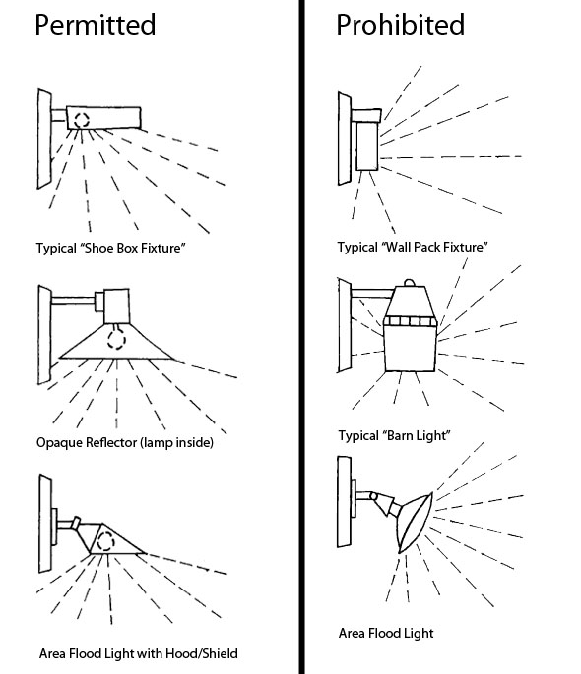
Figure 9: Shielded/Cutoff Light Sources
6.
Wall or Roof Lighting
a.
Wall or roof lighting may be used to illuminate the pedestrian walkways, entrance areas and yard areas within 30 feet of the building.
b.
No wall or roof lighting shall be used to illuminate areas for motor vehicle parking or access unless the Building Official finds the following:
i.
That the proposed lighting is not in conflict with the stated purpose;
ii.
That the proposed lighting will not unreasonably harm or restrict public health, safety and welfare or create a nuisance; and
iii.
The proposed lighting will not result in an impairment of vision creating a hazard for vehicular or pedestrian traffic.
7.
Open Area Used for Motor Vehicle Parking, Storage or Access
a.
Any open area used for motor vehicle parking, storage or access may be illuminated with freestanding luminaires.
b.
Freestanding luminaires are permitted to be a maximum of 30 feet in height.
c.
When a luminary is located within 100 feet of a Residential Property the maximum permitted luminaires height shall be 20 feet.
d.
All luminaires must have a total cutoff angle equal to or less than 90 degrees.
e.
The use of exterior lighting with a cutoff angle greater than 90 degrees shall be permitted only when the Building Official finds the following:
i.
That the proposed lighting is not in conflict with the stated purpose;
ii.
That the proposed lighting will not unreasonably harm or restrict public health, safety and welfare or create a nuisance; and
iii.
The proposed lighting will not result in an impairment of vision creating a hazard for vehicular or pedestrian traffic.
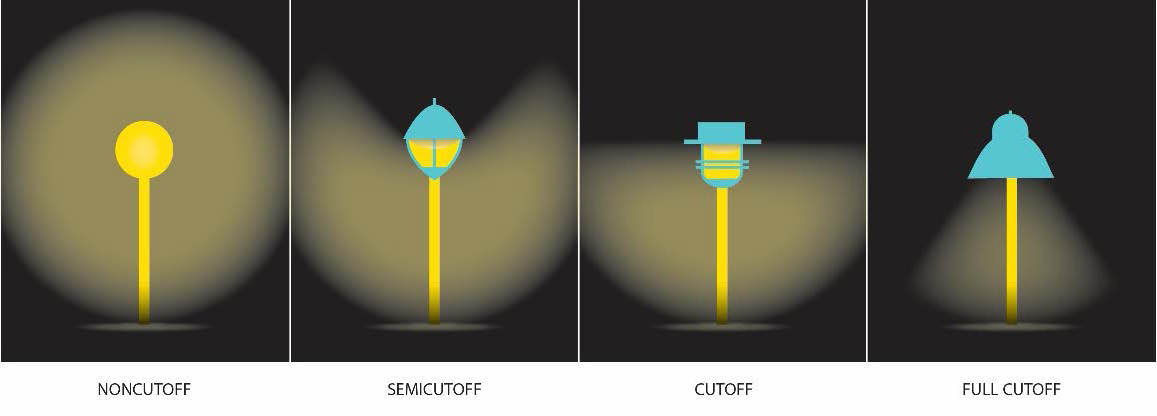
Figure 10: Examples of Cut-Off Angles
8.
Signs
Externally illuminated signs, advertising displays, building identification, and monument signs shall use top-mounted light fixtures which shine light downward and which are fully shielded or upward with pin-pointed light which are fully shielded.
9.
Flags, Statues, and Other Similar Objects
Outdoor light fixtures used to illuminate flags, statues, or any other objects mounted on a pole, pedestal, or platform shall use a very narrow cone of light for the purpose of confining the light to the object of interest and minimize spill-light and glare.
10.
Buildings
Building façades and architectural features of buildings may be floodlighted when the following conditions are met:
a.
Floodlight fixtures are equipped with shields and are located so as to limit the fixture's direct light distribution to the façade or feature being illuminated;
b.
The configuration of the floodlight installation shall block all view to the floodlight fixture's lamps from adjacent properties; and
c.
The maximum luminance of any floodlighted surface does not exceed the foot-candles specified in the Illuminating Engineering Society of North America Lighting Handbook for floodlighting surfaces.
11.
Exterior Lighting Plan
a.
Submission of Plan
i.
Applicability
A lighting plan shall be required anytime exterior lighting is proposed, or modified, that is associated with a use of greater intensity than a one- or two-family dwelling.
ii.
Submission Official
The lighting plan shall be submitted to the Building Official.
iii.
Submission Criteria
The submission shall contain but shall not necessarily be limited to the following:
(a)
Plans indicating the location of the exterior lighting on the premises, and the type of illuminating devices, fixtures, lamps, supports, reflectors, and other devices;
(b)
Description of the illuminating devices, fixtures, lamps, supports, reflectors, and other devices and the description may include, but is not limited to, catalog cuts by manufacturers and drawings (including sections where required) and height of the luminaires; and
(c)
Photometric plan and data sheets, such as that furnished by manufacturers, or similar to that furnished by manufacturers, showing the angle of cut off or light emissions.
iv.
Once the plan is approved by the Building Official, the exterior lighting of the property shall conform to the approved lighting plan.
v.
A lighting plan required by this Subsection 90-4.04.B.11, Exterior Lighting Plan, shall expire at the same time that the approved Site Plan for which it was submitted expires.
b.
Lamp or Fixture Substitution
Should any outdoor light fixture or the type of light source therein be changed after the issuance of the Building Permit or Certificate of Occupancy and Compliance, a change request with adequate information, as required in 90-4.04.B.11.a above herein, to ensure compliance with the Zoning Ordinance must be submitted to the Building Official for review and approval prior to the substitution.
12.
Prohibited
a.
Prohibited Lighting Fixtures
i.
"Cobra head" type lighting fixtures having dished or "drop" lenses or refractors shall be prohibited.
ii.
See Figure 9: Shielded/Cutoff Light Sources for examples.
b.
Lights Prohibited from Flickering or Flashing
Flickering or flashing lights shall be prohibited.
13.
Illumination
a.
Intensity of Illumination
The intensity of illumination projected from one property to another property is determined by the zoning district classification of the adjacent property and shall not exceed the following intensities, as measured from the property line of the adjacent property:
b.
Maximum Outdoor Illumination Level
The maximum computed or measured outdoor illumination level on a property shall not exceed 20 foot-candles outdoors at any point, except that lighting under canopies (such as for service stations) shall not exceed 30 foot-candles.
c.
Measurement of Illumination
i.
Meter required
(a)
Lighting levels of outdoor lighting shall be measured in foot-candles with a direct-reading portable light meter with a color and cosine corrected sensor with multiple scales.
(b)
Reading accuracy should be within ± five percent.
(c)
The meter shall be tested and calibrated by an independent commercial photometric laboratory or manufacturer within one year of date of use as attested to by a certificate issued by such laboratory.
ii.
Horizontal Method of Measurement
(a)
The meter sensor shall be mounted not more than six inches above ground level in a horizontal position.
(b)
Readings shall be taken only after the cell has been exposed to provide a constant reading.
(c)
Measurements shall be made when the meteorological optical range is six miles or further so that measurements will not be adversely affected by atmospheric scatter.
(d)
Measurements shall be made after dark with the existing questioned light sources on, then with the same sources off.
(e)
This procedure eliminates the effects of moonlight and other ambient light.
(f)
The difference between the two readings shall be compared to the foot-candle ratings listed in 90-4.04.B.13.
iii.
Vertical Method of Measurement
(a)
The meter sensor shall be mounted at five feet above ground level in a vertical position, perpendicular to the property line and facing the outdoor lighting in question.
(b)
Readings shall be taken only after the cell has been exposed to provide a constant reading. Measurements shall be made after dark with the existing questioned light sources on, then with the same sources off.
(c)
This procedure eliminates the effects of moonlight and other ambient light.
(d)
The difference between the two readings shall be compared to the foot-candle ratings listed in 90-4.04.B.13.
14.
Exemptions
The following are exempt from the standards contained in the Zoning Ordinance:
a.
Decorative Seasonal Lighting
Decorative seasonal lights used for temporary purposes.
b.
Residential Dwellings
i.
Lighting for residential dwellings, provided that:
(a)
The lamps have a power rating of less than or equal to 75 watts,
(b)
A cutoff component is incorporated in the design of the luminaires, and
(c)
The lighting level at the property line shall not exceed the maximum level specified within the Zoning Ordinance.
ii.
The maximum lighting level at the property line may be exceeded in cases where the lamp is turned on and off by a motion sensor and the lamp is not on for a continuous period exceeding ten minutes.
c.
Specific Signs
Signs of the type constructed of translucent materials and wholly illuminated from within are exempt from the shielding requirement.
d.
Temporary Emergency Lighting
Temporary emergency lighting used by police, fire fighters, or other emergency services, as well as all vehicular luminaires.
e.
Hazard Warnings
Hazard warning luminaires, which are required by federal and state regulatory agencies.
f.
Residential Party Lights
i.
Residential party lights for social gatherings. Such temporary outdoor lighting includes, but is not limited to, strings of lights and lanterns.
ii.
The party lights shall be removed within two weeks after a social gathering.
g.
Specific Recreation
i.
Because of their unique requirement for nighttime visibility and their limited hours of operations, ball diamonds, playing fields and tennis courts are exempted from the general standards of this section.
ii.
Lighting for these outdoor recreational uses shall be shielded to minimize light and glare from spilling over onto a residentially used or zoned property.
iii.
The maximum permitted illumination at the residential property line shall not exceed two foot-candles.
h.
Public Street or Sidewalk Projects
The City Council may vary from the requirements of this section as part of the approval of public street or sidewalk projects.
(Ord. No. 3154-17, § 1, 4-10-2017)
Sec. 90-4.05. - Supplementary Regulations
A.
Carport Regulation
1.
Carports are allowed in all zoning districts subject to issuance of a building permit. Carports shall:
a.
Be separated from the main structure.
b.
Be restricted to 16-foot height.
c.
Have trim fascia on all exterior sides and have internal gutter system.
d.
Be open on all four sides.
e.
Comply with all zoning ordinance requirements.
2.
If no portion of the carport structure encroaches beyond the front building line of the primary residential structure and exists entirely within the side or rear yard of the lot, the structure may be built to the side or rear yard property lines, provided that the carport structure has a gutter diverting rainfall runoff to the sides of the structures and onto the surface of the host property.
3.
A carport shall be constructed of a minimum of 22-gauge metal, wood or masonry. No storage of any type other than vehicular storage is permitted within a carport structure. The parking surface of the carport must be of similar material as the driveway surface.
4.
Carports may be constructed in both front and rear driveway areas.
B.
Fencing Regulations
1.
Fencing Regulations for Residential Districts
a.
Only metal or masonry columns for support.
b.
A fence must be finished on all sides.
c.
Barb wire is allowed in residential zoning for agricultural purposes only, with a minimum of two acres.
d.
Electrical fence may be allowed on residential zoned property of two acres or more. Electrical current shall be no more than 12 volts DC pulsating charge, with one foot separation between electrical fence and existing fence on interior side of fence only.
e.
Fences exceeding four feet in height shall not be constructed on lot lines parallel to a street, public place or public way or outside building lines unless the owner of the fence has received prior written approval from the Chief Building Official.
2.
Fencing Regulations for Nonresidential Districts
a.
Only metal or masonry columns for support.
b.
A fence must be finished on all sides.
c.
Barb wire is allowed in commercial zoning for safety purposes only. Barb wire shall have a clearance from the ground minimum six feet and maximum eight feet, allowing no more than ten feet overall fence height.
d.
Concrete blocks are an allowable material.
e.
Commercial Property using metal panels as a fence material shall be installed vertically with factory applied color and must be of all same color.
f.
Electrical fence may be allowed on commercial zoned property. Current shall be no more than 12 volts DC pulsating charge, with one foot separation between electrical fence and existing fence on interior side of fence only.
3.
Trash Enclosures
a.
All dumpsters or trash enclosures must be enclosed on at least three sides.
b.
Must be of non-see-through (solid) material.
c.
Shall be built to an architectural standard consistent with the main structure, or material approved by Building Official.
d.
Minimum height of enclosure to be seven feet.
e.
Minimum eight-inch concrete pad.
(Ord. No. 3154-17, § 1, 4-10-2017)
Sec. 90-4.06. - Design Standards
A.
Exterior Building Materials
1.
Residential Development
a.
Masonry Regulations for Residential Buildings
i.
All buildings within the corporate limits of the city, hereinafter placed, built or commenced to be used for residential purposes, shall have exterior walls of at least 80 percent masonry, with 20 percent other approved material (cementitious-fiber siding with at least 50-year warranty) of the total building of all new construction structures, including all frame work surrounding all doors and windows, exclusive of doors, windows, the area above top plate line, gables and roofs.
ii.
The 80 percent masonry requirement shall also apply to all additions or modifications to the principal building and to all attached garages.
iii.
As used herein, "masonry" shall mean brick or stone or stucco. "Stucco" shall mean exterior Portland cement, hand-applied in three coats to a minimum thickness of three-fourths inches. Exposed or painted cement, concrete or cinder blocks, fiber cement siding or other materials of similar characteristics shall not be permitted or considered as masonry.
iv.
Any home additions or modifications shall be built to an architectural standard consistent with the main structure in terms of exterior wall coverings and roofing.
b.
Masonry Regulations for Accessory Buildings
i.
If the main structure is not of brick or masonry exterior construction, the accessory building of over 120 square feet shall be built to a minimum architectural standard consistent with the main structure in terms of exterior wall coverings and roofing.
ii.
All detached accessory buildings of 121 square feet up to 399 square feet herein after shall be restricted to maximum height of no more than 12 feet and have exterior walls consistent with the main structure or with any approved siding material with the exception of corrugated metal.
iii.
All detached accessory buildings of 400 square feet or larger herein shall be restricted to maximum height of no more than 16 feet and have exterior walls consistent with the main structure or with any approved material with the exception of corrugated metal.
2.
Nonresidential Development
a.
Masonry Regulations for Nonresidential Buildings
i.
Elevations facing Right-of-Way must be 100 percent masonry.
ii.
Rear elevations (not facing the public Right-of-Way) may be of other approved material.
b.
Masonry Regulations for Accessory Buildings
i.
Elevations facing Right-of-Way must be 100 percent masonry.
ii.
Rear elevations (not facing the public Right-of-Way) may be of other approved material.
B.
Architectural Standards
1.
Nonresidential Development
a.
Nonresidential Building Orientation
Any building within view of a public Right-of-Way shall either face such Right-of-Way or shall have a facade facing such Right-of-Way in keeping with the character of the Front Façade.
b.
Nonresidential Design Elements Requirements
Following is a list of design elements that, based upon the size of a building (see 90-4.06.B.1.c below), shall be incorporated into a building's design:
c.
A building's floor area shall determine the minimum number of required design elements (See Table 12: Menu of Nonresidential Design Elements implemented in its construction as set forth in the table below:
d.
Nonresidential Front Façade Entry Requirements
i.
A Front Façade shall be articulated and designed to present a distinctive entry presence, emphasizing the building's entry point along the façade.
ii.
Each building shall provide a sheltered entry.
e.
Nonresidential Building Articulation
Façade depth and height articulation shall be required on the front façade of a building, per the following:
i.
Depth articulation of at least three feet shall be required for every 30 feet of building façade length. Depth articulation applies only below the roofline.
ii.
Height articulation for flat roofs of at least five feet shall be required for every 50 feet of building façade length. Pitched roofs do not require height articulation.
f.
Tripartite Building Design/Composition
i.
Buildings shall incorporate a tripartite building composition (base, middle and top).
ii.
The tripartite shall be proportioned to the other elements of the tripartite and the overall structure.
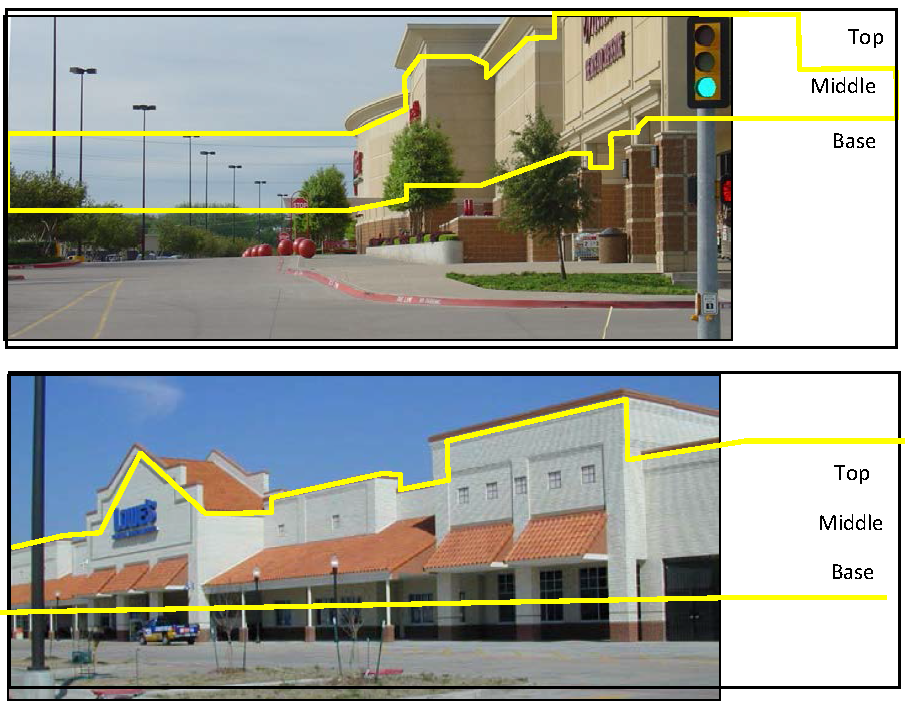
Figure 11: Tripartite Building Design/Composition
g.
Roof Design Standards
i.
All structures shall be constructed with a pitched roof, flat roof with a parapet, true mansard roof, or any combination thereof.
ii.
All flat roof surfaces shall be screened from ground level views so that such roof surfaces are not visible.
iii.
Parking structure decks shall not be considered roofs.
iv.
Roofs of stairwells and elevator machine rooms and other similar spaces shall be exempt from roofing design standards so long as they are not visible from ground level. For the purpose of this paragraph, visible shall be defined as "capable of being seen at a height of six feet while standing at the highest grade on the property line."
h.
Alternative Compliance for Design Standards
A request for Alternative Compliance may be submitted and acted upon in accordance with Section 90-7.01, Alternative Compliance. The Planning Director may approve the following, based upon a finding that the proposed alternative is, at a minimum, equivalent to and meets the spirit and intent of this Section 90-4.06, Design Standards.
i.
Nonresidential Design Elements
(a)
Alternatives to the nonresidential design elements listed in Table 12.
(b)
Alternatives shall, in the determination of the Planning Director, produce a similar or greater level of architectural design than the elements listed in Table 12.
ii.
Nonresidential Building Articulation
(a)
Alternative articulation standards which differ from the requirement found in 90-4.06.B.1.e may be approved.
(b)
Alternative articulation standards shall, in the determination of the Planning Director, produce a same or greater level of articulation than the requirement found in 90-4.06.B.1.e.
2.
Residential Developments
a.
Single-Family Anti-Monotony Standards
All new single-family residential developments shall have at least four of the following seven elements, single-family homes built with public funds shall be exempt from this requirement:
i.
Front Facades or Elevations
No single front facade of a home may be duplicated within six lots as measured along the curb line.
ii.
Front Wall Massing
There shall be no uninterrupted wall length for 15 feet along any front façade of the dwelling unit.
iii.
Varying Front Setbacks
Variations of the front setback of at least five feet shall be required, building shall not be within the required front setback established within Dimensional Standards for Residential Districts.
iv.
Covered Front Porch
(a)
Percent of single-family units.
No less than 35 percent of the total number of single-family units in any platted block should contain a front covered porch that is permanently attached to and an integral part of the primary structure constructed of like and similar materials to those of the primary structure.
(b)
Front setback encroachment
The front porch can be allowed to encroach into the minimum required front setback by eight feet.
(c)
Minimum dimensions
Each covered front porch shall be a minimum 80 square feet and have a minimum depth from the primary structure of eight feet.
v.
Architectural Relief Required
Two-story single-family structures shall not have more than one side with fewer [than] two outside corners. Outside corners shall be defined according to the following illustration:
(a)
Illustration of prohibited design.
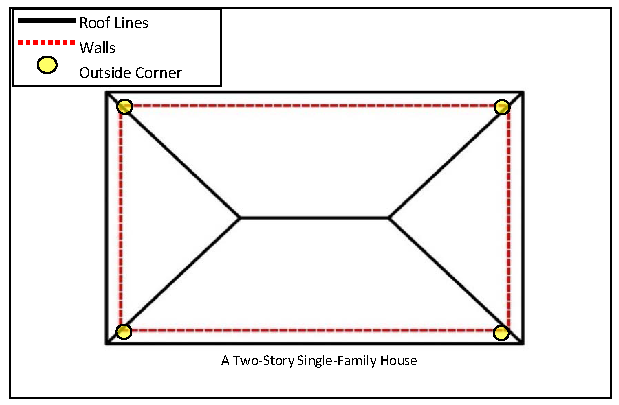
Figure 12: Architectural Relief Prohibited Design
(b)
Illustration of allowed design.
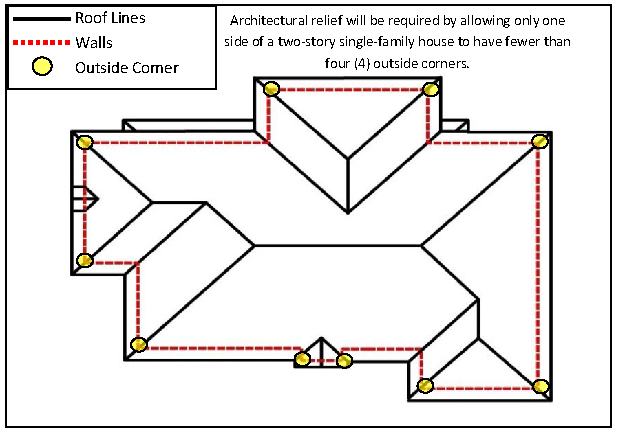
Figure 13: Architectural Relief Allowed Design
vi.
Architectural Focal Point
One of the following architectural focal points should be incorporated into each housing unit:
(a)
Chimney
The exterior veneer of a chimney constructed as part of or an extension to the exterior wall of a residential structure must be constructed of like or similar brick or other masonry material to that of the primary structure. The exterior veneer of chimneys shall not be constructed of wood or lumber products.
(b)
Window Enhancements
The use of transoms, bay windows, stained glass, or other similar window enhancements.
vii.
Minimum Roof Pitch
A minimum 4:12 roof pitch shall be required for each primary structure.
b.
Standards for Garages for Single-Family Units
The placement of garages in a neighborhood can have a substantial impact on a neighborhood's visual appearance. If alleys are not used in the design of a neighborhood, then driveways must be attached to the street. As a result, a smaller amount of space is available for on-street parking in smaller lot subdivisions. Typically, when no alley is present, a common design layout is for the garage to be placed facing the street. This design layout generally establishes the garage as the most dominant visual feature from the view of the street, and it generally does not contribute to the visual appeal of a neighborhood and does not conform to the image of quality neighborhoods established in the Comprehensive Plan.
i.
Applicability
(a)
All Single-Family lots of 10,000 sq. ft. or greater in size and lots for single-family homes built with public funds shall be exempt from this section.
(b)
When an existing single-family residential Block has 75 percent or more lots with single-family houses that do not comply with standards included in this section, the Planning Director may authorize a waiver for a new single-family house to have a garage design that does not comply with this section but reflects the existing garage designs within the Block.
ii.
Garage and driveway design option
All applicable single-family units shall have one of the following driveway and garage configurations:
(a)
The driveway shall be designed in a letter "J" formation and connected to a garage with a side entrance as shown below.
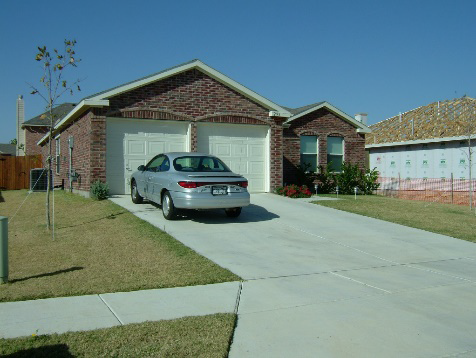 | 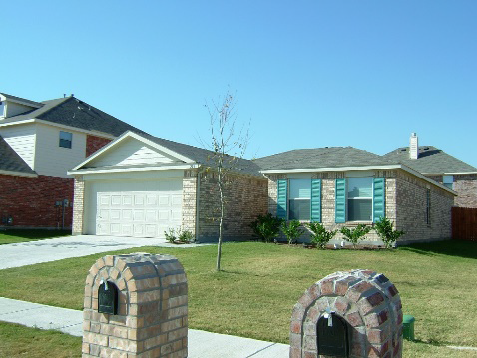 |
| Figure 14: Prohibited Garage Design | |
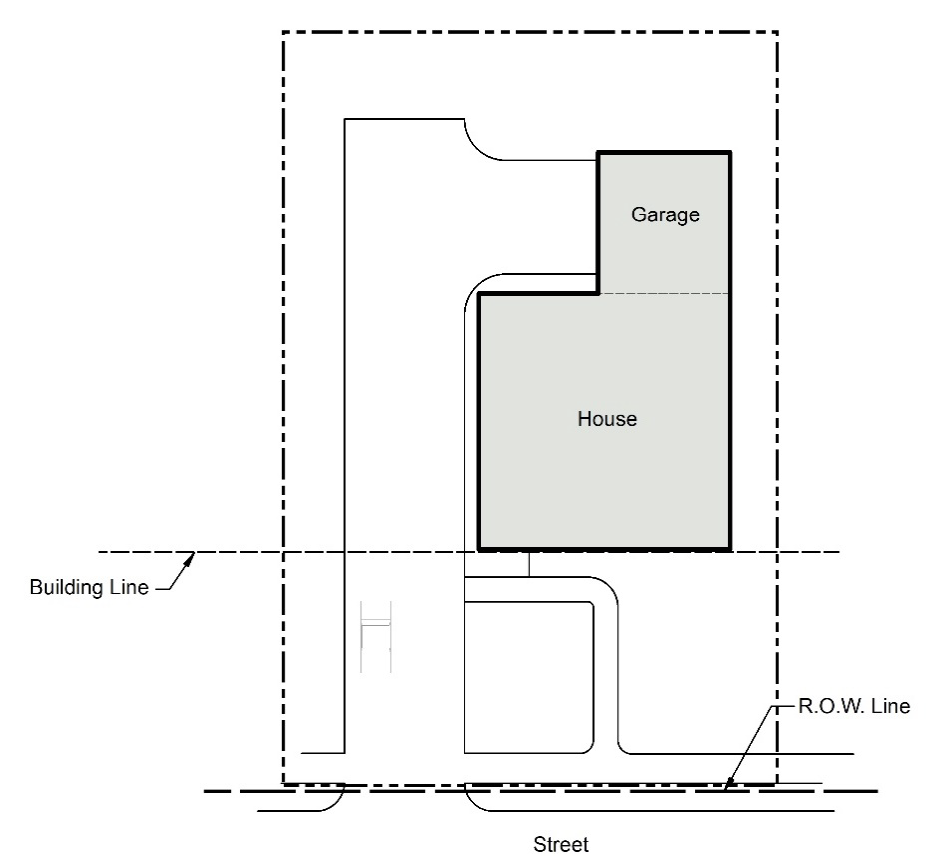
Figure 15: J-Driveway with the Garage behind the House
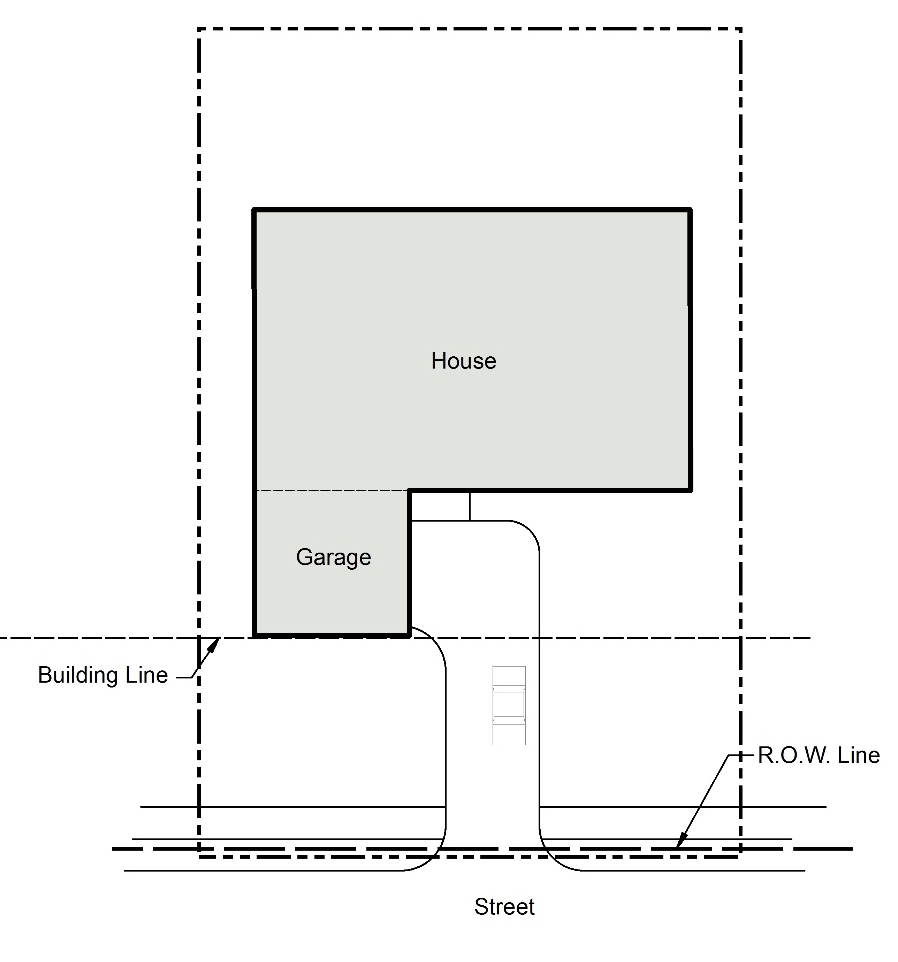 | 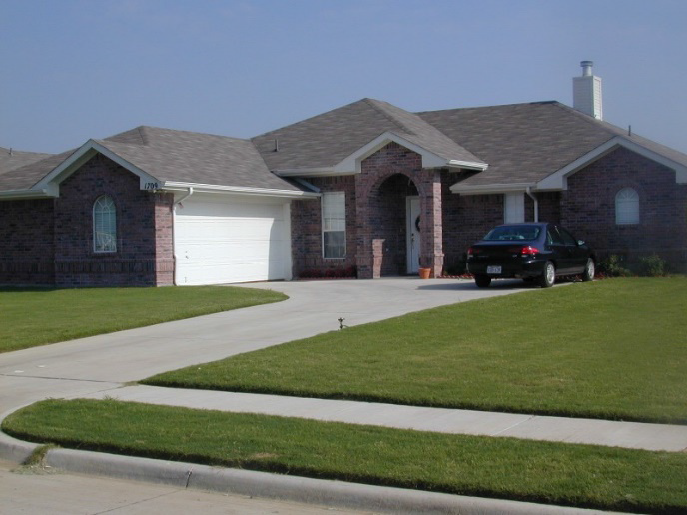 |
| Figure 16: J-Driveway with the Garage in the front of the House | |
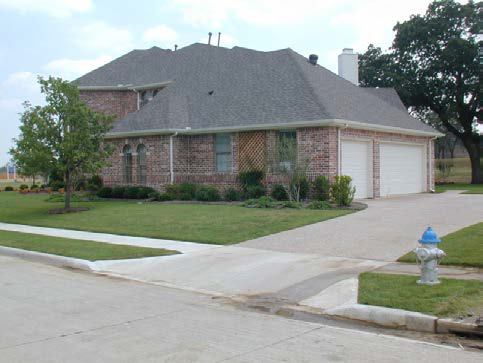 | 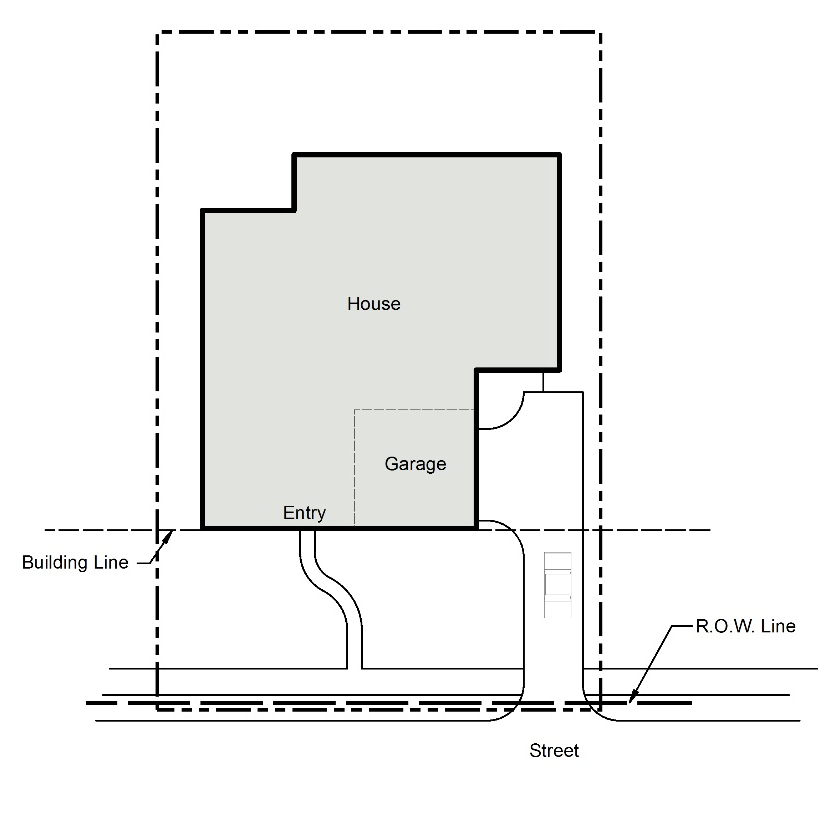 |
| Figure 17: J-Driveway with the Garage in the Front and Side of the House | |
(b)
The driveway is designed straight to a garage that is set back 15 feet from the front building line; or
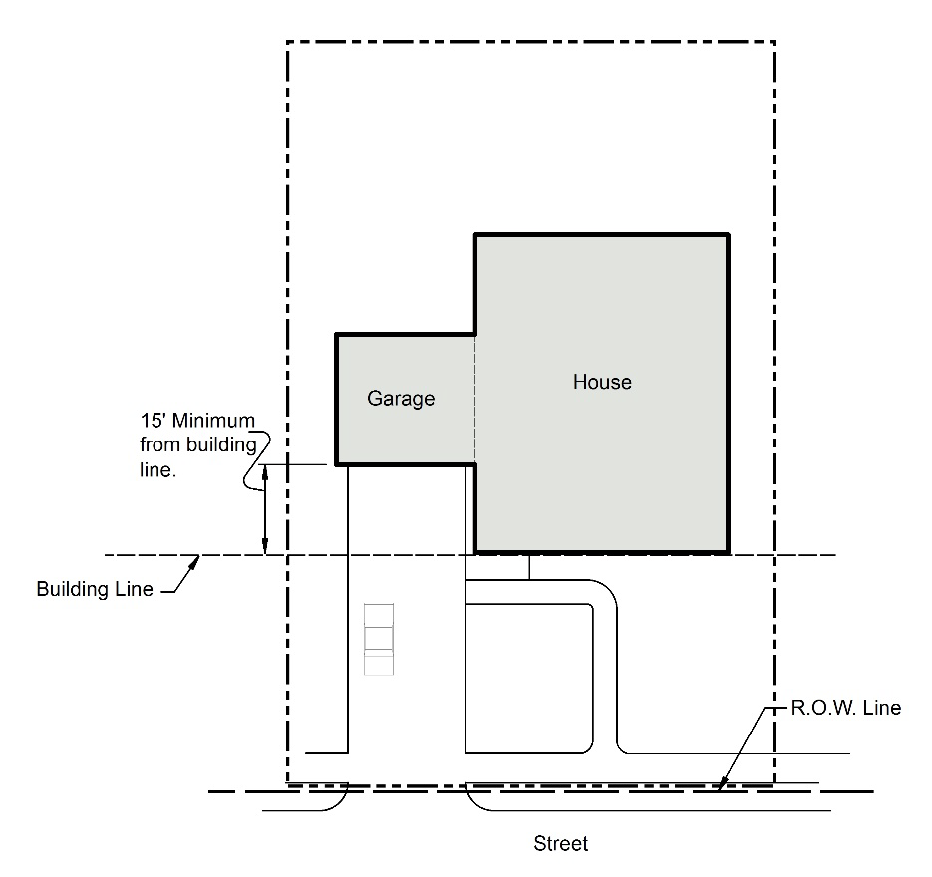
Figure 18: Straight Driveway with a 15' Minimum Garage Setback from the Front Building
Line
(c)
The driveway is designed and connected to a detached garage and is located in the rear yard of the property.
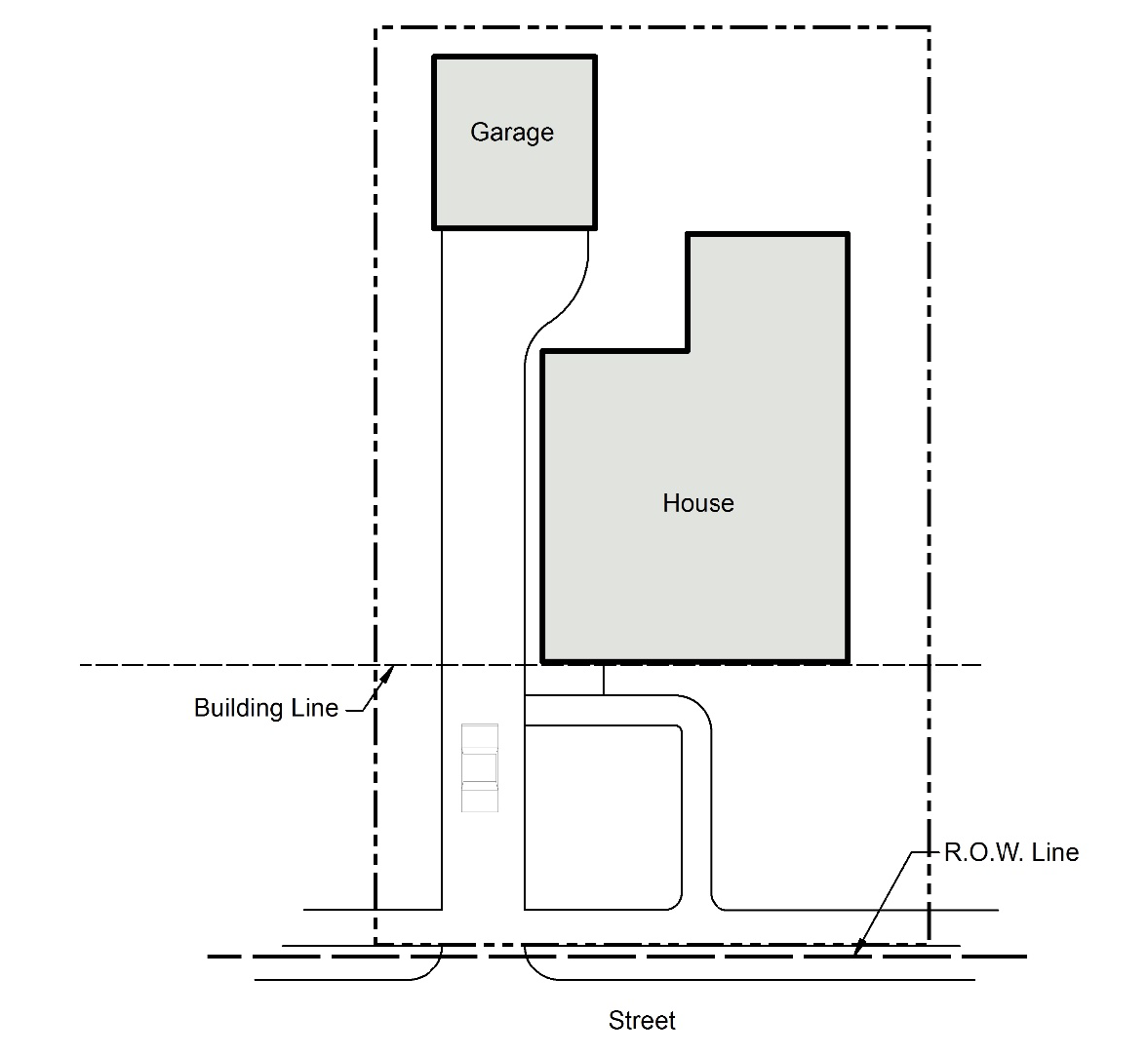
Figure 19: Straight Driveway with Detached Garage
iii.
Enclosed spaces and driveway width
Each single-family unit shall have a minimum of two enclosed parking spaces with a minimum driveway width of 16 feet.
iv.
J-Drive Turning Radius and Backing Space
Each J-Drive shall have one of the following combinations of turning radius and backing space:
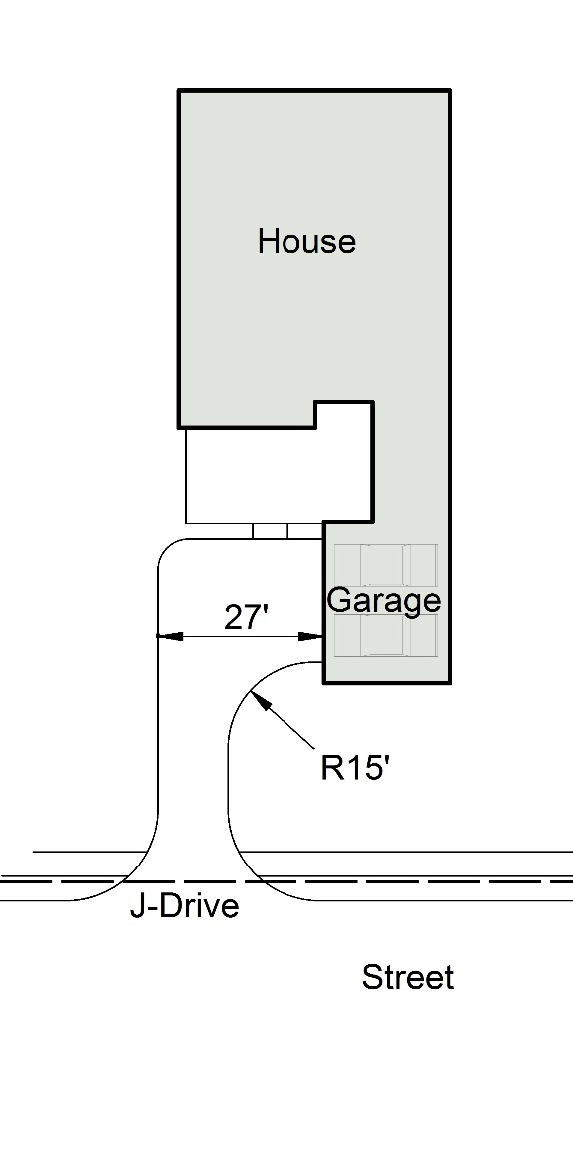 | 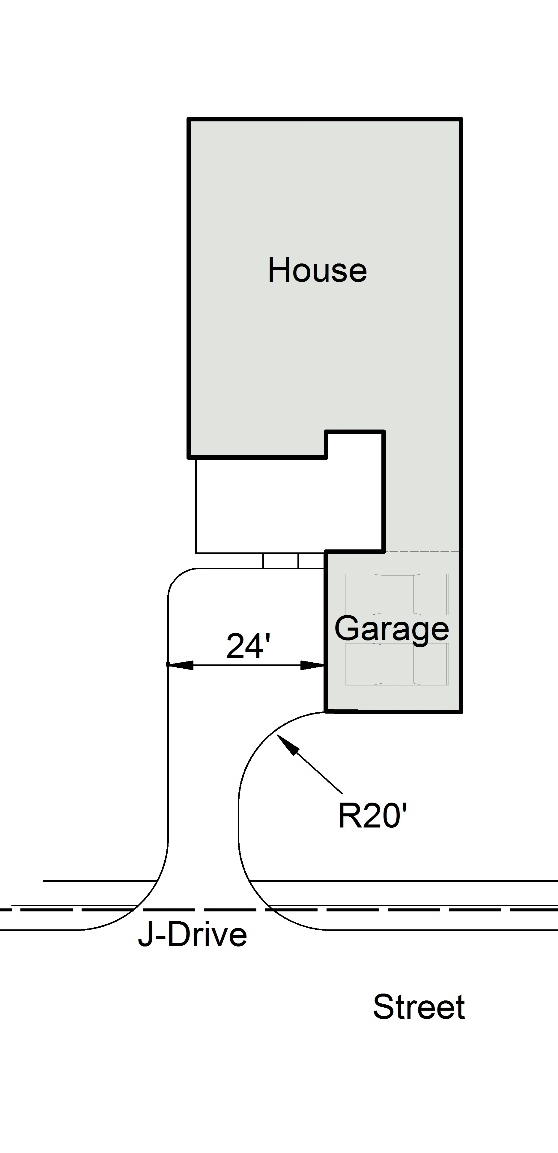 |
| Figure 20: J-Drive Turning Radius and Backing Space | |
(Ord. No. 3154-17, § 1, 4-10-2017)
Sec. 90-4.07. - Mixed Use Frontage Standards
A.
Intent
The frontage standards intend to shape buildings and sites to enhance the public realm, resulting in a consistent, safe, and appealing streetscape. Each frontage type establishes design expectations that take into account the character of adjacent streets, civic spaces, and pedestrian areas. Within the Mixed-Use (M) district, several combinations of frontage are established below. When designated for a specific property, the frontage applies. For example, M-A would mean rules for the Mixed-Use (M) district, and Pedestrian Frontage (A) would be applied. By applying the appropriate frontage type, development within the Mixed-Use districts will:
1.
Promote walkable and engaging edges along streets and public spaces;
2.
Ensure a coherent relationship between private development and the public realm;
3.
Determine locations where higher levels of pedestrian activity, civic presence, or vehicular access are prioritized; and
4.
Support the overall goals of the Mixed-Use districts by integrating building form, site design, and frontage conditions.
B.
Frontages Established
The following Mixed-Use frontages are established:
1.
Type A - Pedestrian Frontage
2.
Type B - Civic Frontage
3.
Type C - General Frontage
4.
Type D - Boulevard Frontage
C.
Map of Frontage Types
Frontages are required on the properties and of the type in accordance with the map included as Figure 1.
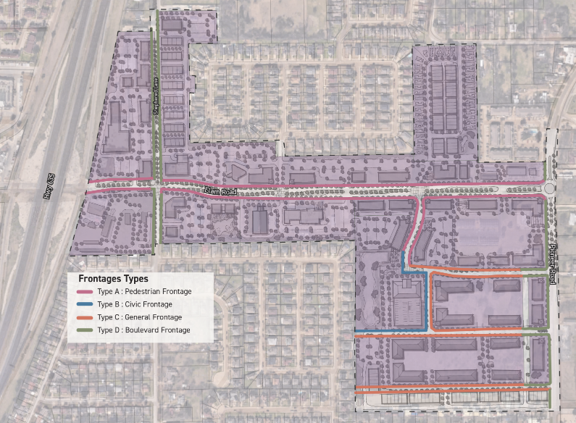
Figure 1: M, Mixed Use District Frontage Map
D.
Frontage Dimensions
1.
Type A Pedestrian Frontage
a.
The intent of this frontage is to establish a cohesive and engaging street environment that enhances the pedestrian and mixed-use experience. This is achieved by incorporating design elements that provide comfort and visual interest, including height, shading features, adequate transparency, clearly identifiable entry points, and engaging streetscapes.
b.
Type A Pedestrian Frontage shall comply with the following standards:
| Table 1: Type A - Pedestrian Frontage | ||||||
|---|---|---|---|---|---|---|
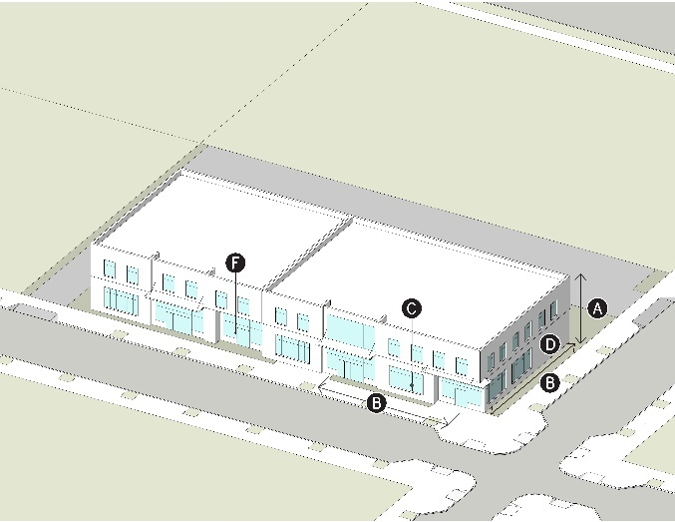 | 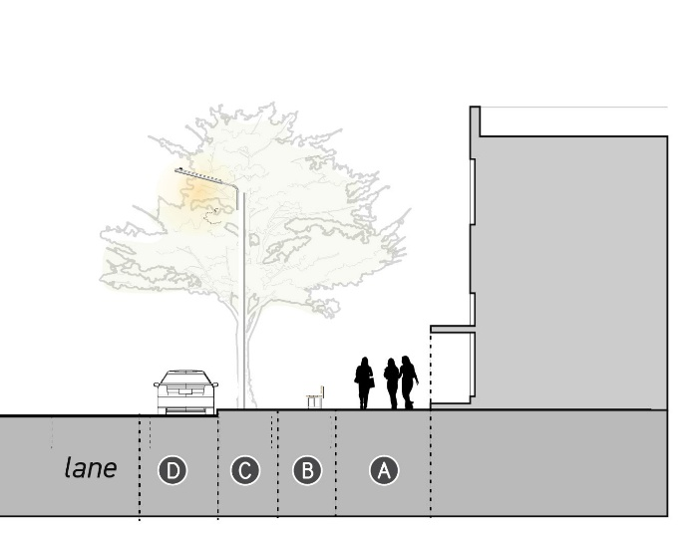 | |||||
| 1-1: Public Realm | 1-2: Streetscape | |||||
| Building | Back of Curb | |||||
| A | Height in feet (min/max) | 18'/70' | A | Pedestrian zone (min) | 10' | |
| A | Height in stories (min/max) | 1/5 | B | Furniture zone (min) | 6' | |
| B | Width (max) | 150' | C | Street tree planting |
Tree Grates
per § 90-4.07(F) | |
| Build-to width (min) | 90% | Driveway spacing (min) | Not allowed | |||
| Active depth (min) | 9' | On-Street Parking | ||||
| Parking | D | Parallel parking | Allowed | |||
| Parking setback (min) | D | Head-in/angle parking | Allowed | |||
| Windows | Streetscape Guidelines | |||||
| C | Ground story transparency (min) | 50% |
Cool paving
Shade for Pedestrians Pedestrian Seating Low Impact Development Pedestrian Lighting Street Cross-Sections |
See §
90-4.07(E) | ||
| D | Blank wall width (max) | 15' | ||||
| Doors | ||||||
| E | Street-facing entry spacing (min) | 40' | ||||
| F | Entry feature | required | ||||
2.
Type B Civic Frontage
a.
The intent of this frontage is to establish a frontage with visually appealing civic destinations that are distinctive and signal their civic use through memorable architectural features. These frontages have deeper setbacks to provide a foreground for civic buildings.
b.
Type B Civic Frontage shall comply with the following standards:
| Table 2: Type B - Civic Frontage | ||||||
|---|---|---|---|---|---|---|
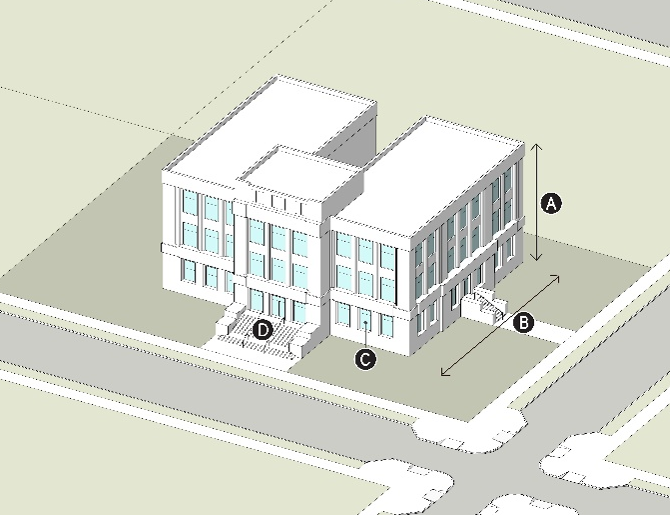 | 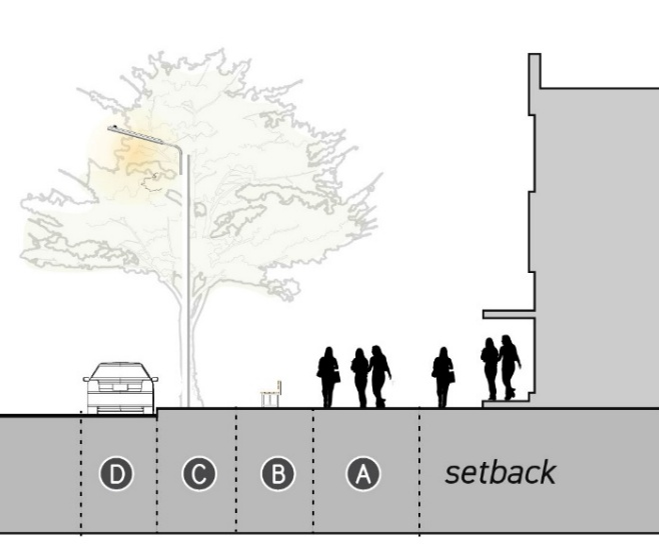 | |||||
| 2-1: Public Realm | 2-2: Streetscape | |||||
| Building | Back of Curb | |||||
| A | Height in feet (min/max) | 18'/54' | A | Pedestrian zone (min) | 10' | |
| A | Height in stories (min/max) | 1/4 | B | Furniture zone (min) | 6' | |
| B | Width (max) | 200' | C | Street tree planting |
Tree Lawn,
Tree Grates per § 90-4.07(F) | |
| Build-to width (min) | 80% | Vehicle access spacing (min) | 150' | |||
| Active depth (min) | 9' | On-Street Parking | ||||
| Parking | D | Parallel parking | Allowed | |||
| Parking setback (min) | 40' | D | Head-in/angle parking | Not Allowed | ||
| Windows | Streetscape Guidelines | |||||
| C | Ground story transparency (min) | 35% |
Cool paving
Shade for Pedestrians Pedestrian Seating Low Impact Development Pedestrian Lighting Street Cross-Sections |
See §
90-4.07(E) | ||
| D | Blank wall width (max) | 20' | ||||
| Doors | ||||||
| E | Street-facing entry spacing (min) | 100' | ||||
| F | Entry feature | required | ||||
3.
Type C General Frontage
a.
The intent of this frontage is to establish a frontage with less prescribed character for secondary streetscapes that form a network of convenient connections. The frontage adds visual interest, mitigates thermal discomfort, while remaining flexible to accommodate diverse forms of development.
b.
Type C General Frontage shall comply with the following standards:
| Table 3: Type C - General Frontage | ||||||
|---|---|---|---|---|---|---|
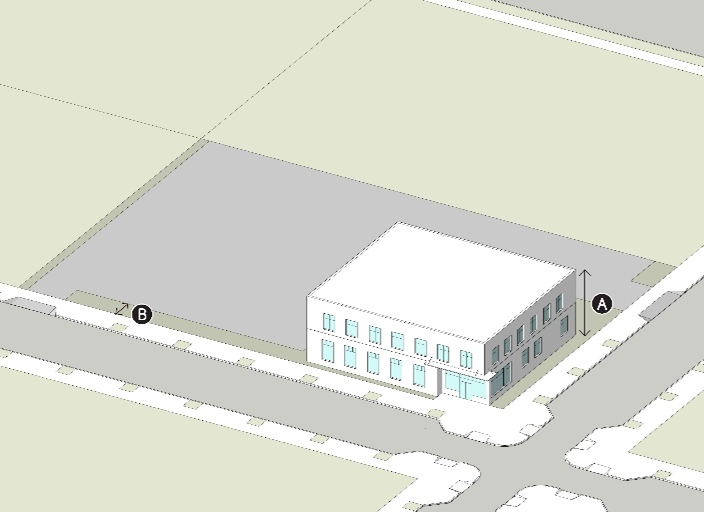 | 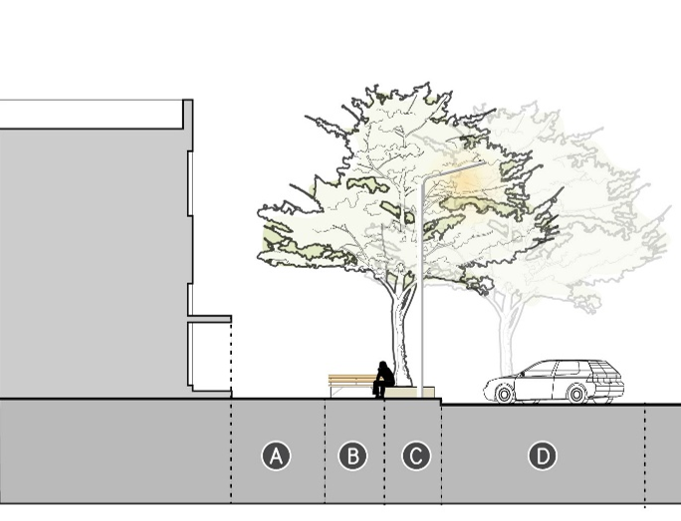 | |||||
| 3-1: Public Realm | 3-2: Streetscape | |||||
| Building | Back of Curb | |||||
| A | Height in feet (min/max) | 24'/40' | A | Pedestrian zone (min) | 8' | |
| A | Height in stories (min/max) | 2/4 | B | Furniture zone (min) | 4' | |
| B | Width (max) | N/A | C | Street tree planting |
Tree Lawn
per § 90-4.07(F) | |
| Build-to width (min) | 50% | Vehicle access spacing (min) | As Needed | |||
| Active depth (min) | N/A | On-Street Parking | ||||
| Parking | D | Parallel parking | Allowed | |||
| Parking setback (min) | 15' | D | Head-in/angle parking | Not Allowed | ||
| Windows | Streetscape Guidelines | |||||
| C | Ground story transparency (min) | N/A |
Cool paving
Shade for Pedestrians Pedestrian Seating Low Impact Development Pedestrian Lighting |
See §
90-4.07(E) | ||
| D | Blank wall width (max) | N/A | ||||
| Doors | ||||||
| E | Street-facing entry spacing (min) | N/A | ||||
| F | Entry feature | N/A | ||||
4.
Type D Boulevard Frontage
a.
The intent of this frontage is to establish a gracious, tree-lined corridor for a major street carrying significant traffic.
b.
Type D Boulevard Frontage shall comply with the following standards:
| Table 4: Type D - Boulevard Frontage | ||||||
|---|---|---|---|---|---|---|
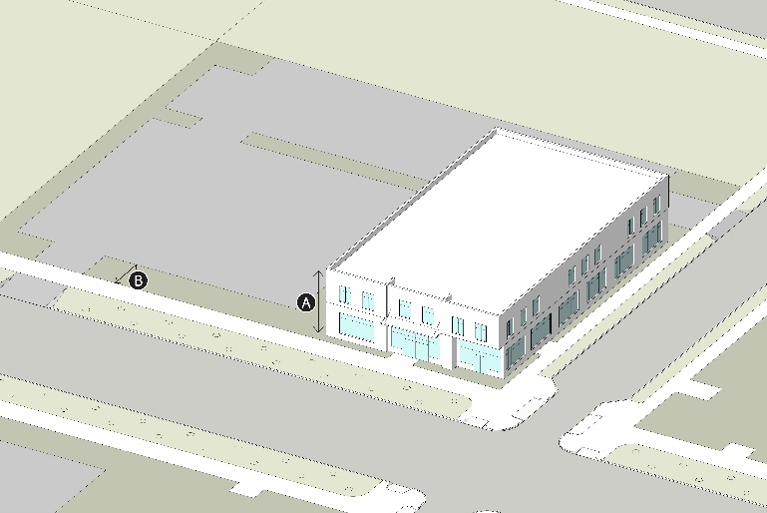 | 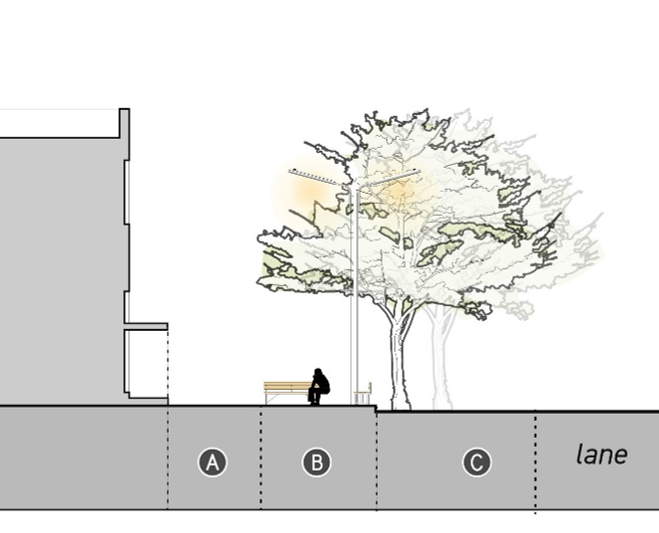 | |||||
| 4-1: Public Realm | 4-2: Streetscape | |||||
| Building | Back of Curb | |||||
| A | Height in feet (min/max) | 18'/70' | A | Pedestrian zone (min) | 8' | |
| A | Height in stories (min/max) | 2/5 | B | Furniture zone (min) | 12' | |
| B | Width (max) | N/A | C | Street tree planting |
Tree Lawn
per § 90-4.07(F) | |
| Build-to width (min) | 50% | Driveway spacing (min) | 150' | |||
| Active depth (min) | N/A | On-Street Parking | ||||
| Parking | D | Parallel parking | Not Allowed | |||
| Parking setback (min) | 15' | D | Head-in/angle parking | Not Allowed | ||
| Windows | Streetscape Guidelines | |||||
| C | Ground story transparency (min) | 50% |
Cool paving
Shade for Pedestrians Pedestrian Seating Low Impact Development Pedestrian Lighting |
See §
90-4.07(E) | ||
| D | Blank wall width (max) | N/A | ||||
| Doors | ||||||
| E | Street-facing entry spacing (min) | N/A | ||||
| F | Entry feature | N/A | ||||
E.
Streetscape Guidelines
1.
Applicability
a.
These guidelines for frontages are intended to help street and streetscape designers build a beautiful and functional streetscape.
b.
Where a frontage is required, incorporation of a minimum of two (2) or more of the following streetscape features shall be utilized:
i.
Cool paving. See 90-4.07(E)(2)
ii.
Shade for Pedestrians. See 90-4.07(E)(3)(a)
iii.
Pedestrian Seating. See 90-4.07(E)(3)(b)
iv.
Low Impact Development. See 90-4.07(E)(3)(d)
v.
Pedestrian Lighting. See 90-4.07(E)(3)(e)
vi.
Alternative Amenity or Upgrades. Subject to the requirements of Section 90-4.07(E)(1)(c), the streetscape features required by subsection (b) herein may consist of an amenity, feature, or project upgrade not otherwise specifically listed in this Section.
c.
Alternative Amenity or Upgrades
i.
Proposed alternative amenity or upgrades to satisfy one (1) of the required streetscape features required by Section 90-4.07(E)(1)(b) may be made to the Planning Director. Such alternative amenity or upgrade shall:
(a)
Further the stated purposes of this Ordinance;
(b)
Provide a demonstrable public benefit, aesthetic enhancement, functional improvement, or community value; and
(c)
Be consistent with the Comprehensive Plan and any applicable adopted design standards.
ii.
Approval of any alternative amenity or upgrade shall be subject to written determination by the Planning Director that the proposal substantially complies with the intent of this Section.
(a)
The Planning Director will work with applicants to meet the guidelines to the maximum extent feasible as part of the site planning process. The Planning Director may approve, approve with conditions, or deny any proposed alternative amenity or upgrade based upon compliance with the standards as set forth herein.
2.
Pedestrian Zone
a.
Cool Pavement
i.
Cool pavement refers to a specialized paving material crafted to combat heat island effects by enhancing sunlight reflection and minimizing heat absorption. It has higher solar reflectance properties, which help lower surface temperatures and mitigate heat buildup during the day.
ii.
To mitigate heat directly above sidewalks and to maximize water retention on-site, new development should consider use of permeable surfaces for sidewalks. Permeable paving surfaces are constructed from materials that either have pores allowing stormwater to pass through or are nonporous blocks with spaces between them for water to flow.
iii.
Permeable surfaces for sidewalks contribute to cooling the area through an evaporative cooling process. As water filters through the pavement, a portion of it adheres to the surface and gradually evaporates. This evaporation requires heat energy from the surrounding environment to convert water from its liquid state to vapor. As a result, the pavement and the adjacent air are cooled down, mitigating heat buildup in the immediate vicinity. By facilitating this natural cooling mechanism, permeable pavements not only manage water effectively but also help create cooler microclimates in urban areas.
b.
Guidelines
i.
Cool pavement techniques should be considered for use in sidewalks, plazas, and any other paved pedestrian areas.
3.
Furniture Zone
a.
Shade for Pedestrians
i.
Intent
(a)
Providing shade for sidewalks is essential for enhancing pedestrian comfort, reducing heat exposure, and improving overall walkability. Shade is also helpful for maintaining cooler air temperatures for cars parked on adjacent streets.
ii.
Guidelines.
(a)
Three types of shade provision can be considered:
(1)
The following architectural and decorative elements on building facades:
Overhang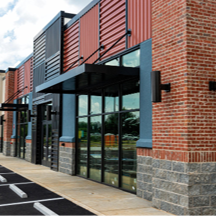 | Arcade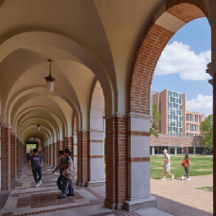 |
Awning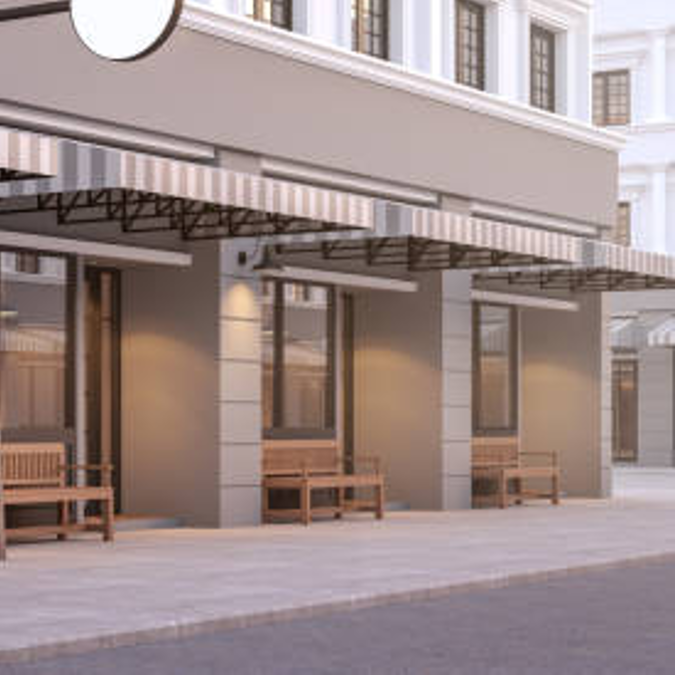 | Canopy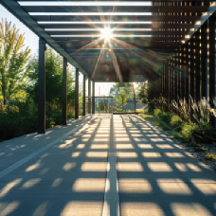 |
(2)
Standalone structures specifically designed to provide shade; and
(3)
The following shade trees:
Shade Sail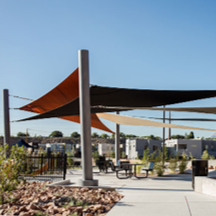 | Pergola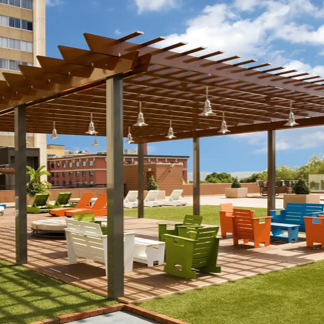 |
Umbrella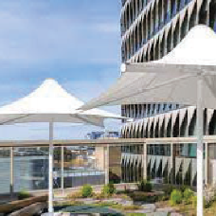 | Trees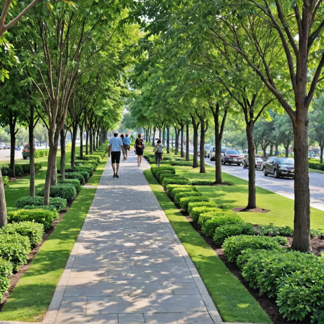 |
(b)
Shaded areas should be distributed throughout pedestrian areas and not concentrated in a single area.
b.
Pedestrian Seating
i.
Intent
(a)
Providing seating opportunities is a vital component of a well-designed public realm. To create vibrant streets that complement retail facades, it is essential to offer multiple and diverse seating options in shaded areas. Regularly spaced seating that people can rely on is particularly important for older users, especially in hot climates. Seating should be comfortable and encourage public use to enhance the liveliness of the area.
ii.
Guidelines.
(a)
Seating should be provided in the Furniture Zone near any retail frontage, and in plazas or other open pedestrian spaces.
(b)
Seating areas should be shaded.
(c)
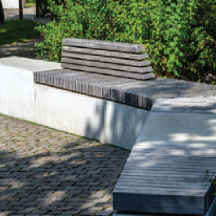
Seating should have a minimum depth of 18" and seats should be positioned between 16" and 20" in height.
(d)
At least half of any seating should provide backs for support.
(e)
Pedestrian areas should provide several seating options.
(f)
Linear seating should not be divided into smaller single-person modules.
Fixed Bench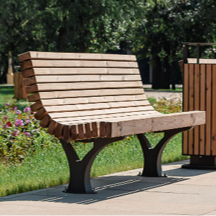 |
Planter Ledge
 |
Fixed Individual Seating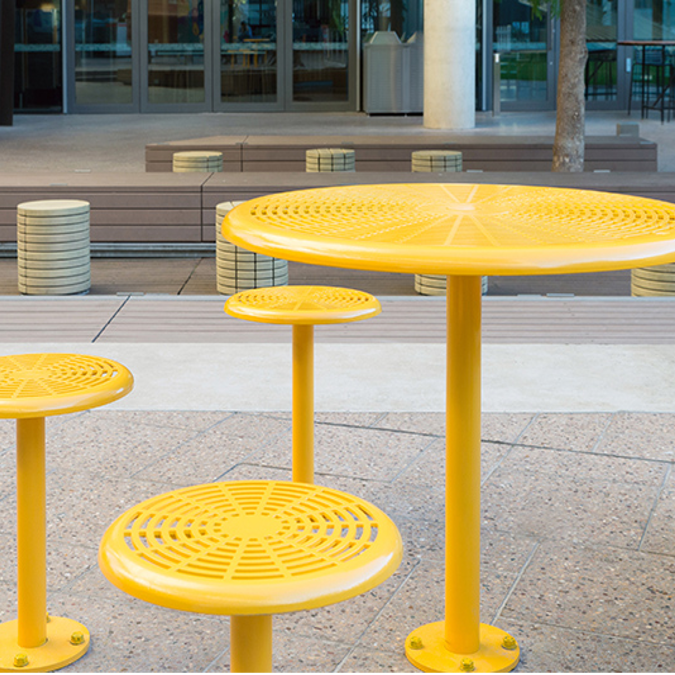 | Seating Steps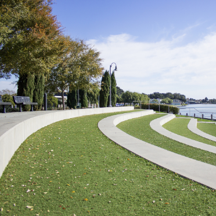 |
c.
Street Tree Planting
i.
Intent
(a)
Street trees provide comfort, shade, and visual interest, and are an essential element of vibrant and enjoyable streets that help provide shade and mitigate heat and air pollution. It is critical to achieve a balance between ample, lush planting and ensuring adequate visibility for retail facades, and sufficient parking space.
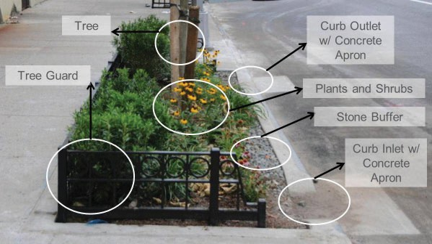
ii.
Guidelines.
(a)
Trees should be native to the Texas area. Example species include live oak, cedar elm, Spanish oak, Texas ash, and black cherry.
(b)
Trees should be planted:
(1)
In flush-to-grade or within at-grade planting beds measuring at least 5 feet by 5 feet. These beds should have a permeable area around the tree to allow water penetration while maintaining space for pedestrian movement.
(2)
In bioswale areas that will help distribute and retain rainwater collected along the curbs of streets, a curb inlet, tree guard, and a stone buffer shall be included.
(c)
Soil depth should be a minimum of 42" for tree planting.
d.
Low Impact Development
i.
Intent
(a)
Low Impact Development (LID) refers to a sustainable approach to land development and stormwater management that mimics natural hydrological processes. The goal of LID is to mitigate the impacts of urbanization on natural water systems by managing stormwater runoff close to its source. This approach helps to reduce flooding, improve water quality, and conserve natural resources. LID techniques emphasize preserving natural landscapes, minimizing impervious surfaces, and integrating green infrastructure to manage stormwater through infiltration, evapotranspiration, and reuse.
ii.
Guidelines
(a)
Use permeable pavements, such as pervious concrete or porous asphalt, to allow stormwater to infiltrate into the ground rather than running off into drainage systems.
(b)
Where sites are adjacent to open space, integrate rain gardens, or bioretention areas, to capture and treat stormwater runoff from rooftops, sidewalks, and driveways. Design rain gardens and bioretention areas with native plants that can tolerate periodic inundation and help filter pollutants from runoff.
(c)
Create bioswales along streets and parking lots to capture and filter stormwater runoff before it enters drainage systems.
(d)
Preserve existing trees where possible, and incorporate new tree planting during development.
(e)
Install rainwater harvesting systems to capture and store rainwater for irrigation and other non-potable uses.
e.
Pedestrian Lighting
i.
Intent
(a)
Street lighting should prioritize a dark sky at night, minimizing light pollution and glare to create a more pleasant and sustainable urban environment. By using shielded fixtures and directing light downward, street lights can effectively illuminate roadways and pedestrian pathways while reducing unnecessary light spillage into the night sky. This approach not only conserves energy but also supports wildlife habitats and enhances visibility for motorists and pedestrians alike.
ii.
Guidelines
(a)
Minimize light pollution by using shielded fixtures that direct light downward to minimize light spillage into the night sky and surrounding areas.
(b)
Avoid over-lighting by selecting fixtures with appropriate brightness levels and light distribution patterns tailored to specific street classifications and pedestrian needs.
(c)
Choose energy-efficient light sources and incorporate solar-powered lighting.
F.
Frontage Landscaping
1.
Applicability
a.
Tree lawn and tree grate requirements shall apply to all new development, redevelopment, and street frontage improvements within the Mixed-Use (MU) District where frontages are applicable, unless expressly waived or modified by the City.
2.
Tree Grate Standards
a.
Tree grates must be placed around any tree required to provide grates in Sec. 90-4.07(D). Tree grates may optionally be provided in tree lawn areas that will have high pedestrian traffic, as determined by the City Engineer.
b.
Tree grates must be installed following tree installation, prior to opening adjacent sidewalk areas to the general public, and:
i.
Shall comply with ADA standards and be slip resistant;
ii.
Provide breakaway feature for tree grate opening; and
iii.
Ensure proper grades and minimize steep grade breaks to reduce tripping hazards.
c.
Tree grates must be noted on the landscape plan and approved during site plan review.
3.
Tree Lawn Standards
a.
Minimum Width
i.
Tree lawns shall have a minimum width of five (5) feet.
ii.
Where utilities, street furnishings, or constrained right-of-way conditions exist, the City may approve a reduced width of not less than four (4) feet, provided tree health and pedestrian safety are maintained.
b.
Tree Planting Requirements
i.
Street Trees Required. Tree lawns shall contain street trees planted at an average spacing of one (1) tree per fifty (50) linear feet of street frontage.
ii.
Tree Type. Trees shall be large-canopy shade trees selected from the City's approved plant list.
c.
Ground Cover
i.
Tree lawns shall be planted with turfgrass, native ground cover, or approved low-impact landscaping.
ii.
Impervious materials are prohibited within tree lawns except for approved sidewalks, tree grates, or utility access.
iii.
Tree lawns may incorporate functional stormwater methods (e.g., bioswale).
(Ord. No. 3316-26, § 4, 3-9-2026)

