
Buncombe County Unincorporated
City Zoning Code
City Zoning Code
DIVISION 1
GENERALLY
Sec. 78-576. - Title.
This article shall be known and may be cited as "The Zoning Ordinance of Buncombe County, North Carolina" and may be referred to as the "zoning ordinance."
(Ord. No. 09-12-01, § 1, 12-1-09)
Sec. 78-577. - Authority.
In pursuance of the authority conferred by state law, the Buncombe County Board of Commissioners hereby ordain and enact into law this article.
(Ord. No. 09-12-01, § 1, 12-1-09)
Sec. 78-578. - Purpose.
The purpose of this article is to ensure orderly, attractive, and economically sound development and to protect existing property values within Buncombe County.
(Ord. No. 09-12-01, § 1, 12-1-09)
Sec. 78-579. - Jurisdiction.
The provisions of this article shall apply to the portion of Buncombe County specifically identified and delineated on the zoning map entitled "The Official Zoning Map of Buncombe County, North Carolina." Such map and all explanatory matter thereon accompany and are hereby made a part of this article by reference. The ordinance shall be on file in the office of the Buncombe County Board of Commissioners.
(Ord. No. 09-12-01, § 1, 12-1-09)
Sec. 78-580. - Exemptions.
This article shall in no way regulate, prohibit, or otherwise deter any bona fide farm and its related uses, except that any use of such property for non-farm purposes shall be subject to the provisions of this article.
This article shall in no way regulate, prohibit, or otherwise deter any public safety communications tower except that written notice by certified mail of the intent to erect a public safety communications tower shall be sent to all adjoining landowners of the proposed facility and to all owners of property within 500 feet of the proposed facility. No building permit shall be issued for a period of 30 days after sending the notice, unless written statements are received from all parties required to be notified indicating that they have no objection to the facility.
This article shall not deter building modifications or retrofit interventions which are necessary to accommodate the Americans with Disabilities Act (ADA). The zoning administrator shall be granted authority to make necessary exemptions regarding ADA specific retrofits which do not comply with this article; except that if the decision involves mitigating factors, a larger community impact, or the need for the retrofit is unclear, the zoning administrator may defer decisions to the board of adjustment.
(Ord. No. 09-12-01, § 1, 12-1-09; Ord. No. 11-04-13, § 1, 4-5-11; Ord. No. 14-01-01A, § 2, 3-4-14)
Sec. 78-581. - Definitions.
The following words, terms, and phrases, when used in this article, including overlay districts, shall have the meanings ascribed to them in this section, except where the context clearly indicates a different meaning:
Accessory use means a use customarily incidental and subordinate to the principal use or building and located on the same lot with such principal use or building.
Adult entertainment establishment means any establishment which would be considered an adult bookstore, adult motion-picture theater, adult mini-motion-picture theater, or adult live entertainment business as each is defined in G.S. 14-202.10. This definition does not include bona-fide massage parlors.
Airport means property that is maintained for the landing, refueling and takeoff of aircraft and for the receiving and discharge of passengers and cargo traveling by air, to include aviation related facilities, structures, and property.
Alley means a public way which affords only a secondary means of access to abutting property.
Amusement park means establishments of the type known as "amusement parks," "theme parks," and "kiddie parks," which group together and operates in whole or in part a number of attractions, such as mechanical rides, amusement devices, refreshment stands, and picnic grounds and all associated activities. This definition specifically excludes camps, motion picture theaters, museums, art galleries, arboreta and botanical and zoological gardens.
Apartment means a part of a building consisting of rooms intended, designed or used as a residence by an individual or single family.
Apartment, garage means a part of a garage consisting of rooms intended, designed or used as a residence by an individual or a single family.
Applicant means the party applying for permits or other approval required by this article.
Asphalt plant means an establishment, whether portable or nonportable, engaged in petroleum refining, manufacturing asphalt-type roofing materials, asphalt and tar paving mixtures and paving block made of asphalt and various compositions of asphalt or tar with other materials; and the recycling of old asphalt into asphalt-type material.
Aviation-related means any activity, use, facility, structure, service, property used for any operational purpose related to, in support of, or complementary to the flight of aircraft to and from the airport, to include convenience concessions serving the public.
Ballast is a device used with an electric-discharge lamp to obtain the necessary circuit conditions (voltage, current, and waveform) for starting and operating.
Bed and breakfast inn means a private, owner-occupied business with four to 20 guests where overnight accommodations and a morning meal are provided to guests for compensation and where the bed and breakfast inn is operated primarily as a business.
Board of adjustment means a body composed of those appointed members whose duties, powers, and procedures are set forth in division 3 of this article.
Bona fide farm means all land on which agricultural operations are conducted as the principal use, to include cultivation of crops and the husbandry of livestock.
Buffer strip means vegetation consisting of evergreen trees or shrubs located along the side and rear lot lines.
Building means any structure having a roof supported by columns or by walls and intended for shelter, housing, or enclosure of persons, animals or chattels. The connection of two buildings by means of an open passageway, deck, or other such open structure, without a roof, shall not be deemed to make them one building. The word "building" includes the word "structure."
Building, accessory means a detached building subordinate to the main building on a lot and used for purposes customarily incidental to the main or principal building and located on the same lot.
Building height means the vertical distance of any building or structure, as measured from the highest ground level at the structure foundation to the uppermost point of the roof. For purposes of the Steep Slope/High Elevation and Protected Ridge Overlay Districts only, building height means the average of the vertical distance measured from the highest ground level at the structure foundation to the uppermost point of the roof and the vertical distance measured from the lowest ground level at the structure foundation to the uppermost point of the roof.
Building, principal means a building used for the same purpose as the principal use of the lot.
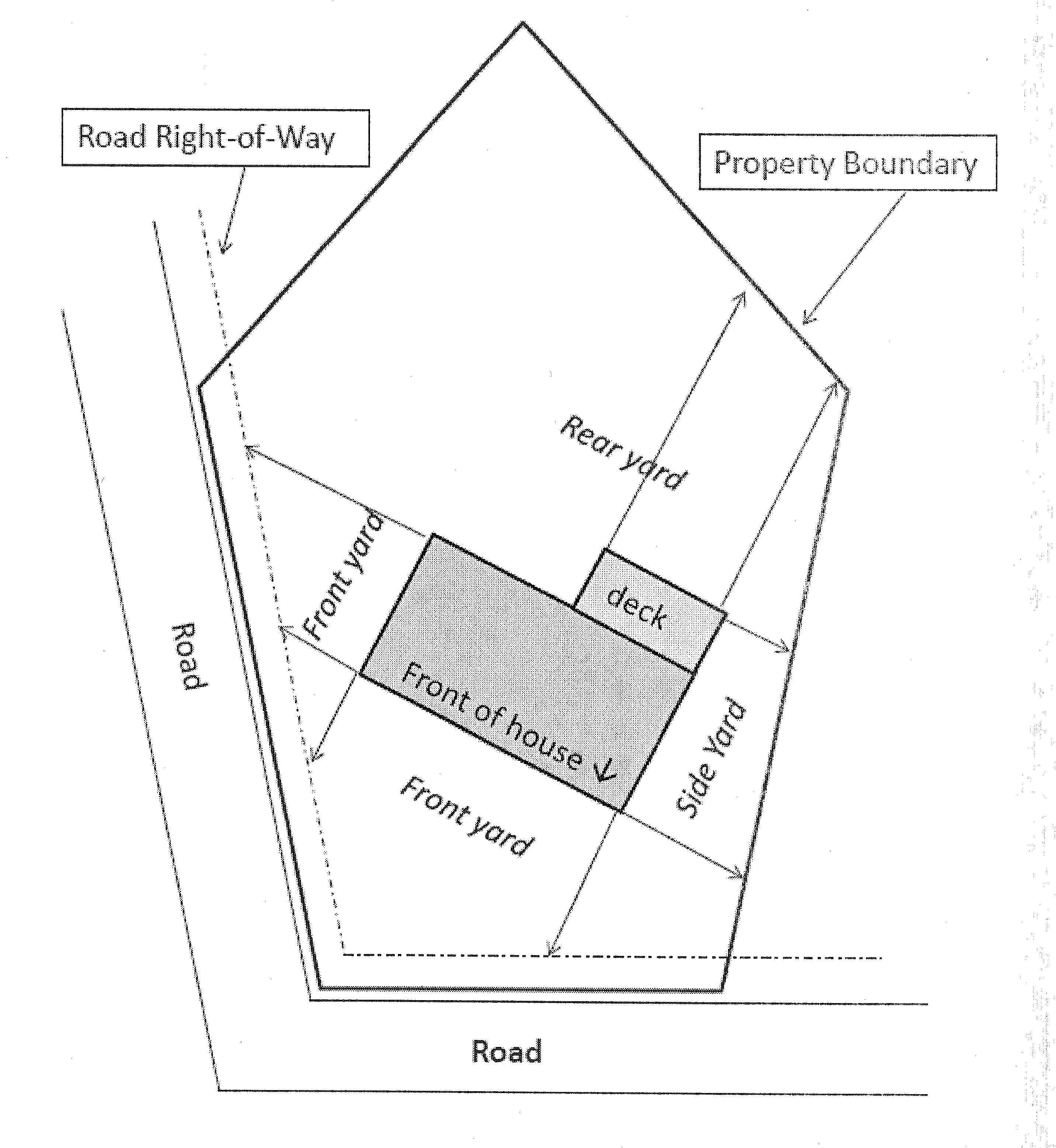
Building, setback line means a line delineating the minimum allowable distance between the property line and a building on a lot, within which no building or other structure shall be placed except as otherwise provided. Front setback lines shall be measured from the road right-of-way, the maintenance line for the public road that does not have a defined right-of-way, or the property line if neither a road right-of-way or maintenance line is present.
Candela is the metric unit for luminous intensity (that is, power emitted by a light source in a particular direction, with wavelengths weighted by the luminosity function, a standardized model of the sensitivity of the human eye).
Cargo/freight terminals, operations and activities means transportation establishments furnishing services incidental to air, motor freight, and rail transportation including but not limited to freight forwarding services; freight terminal facilities; packing, crating, inspection and weighing services; postal/package service bulk mailing distribution centers; transportation arrangement services; and trucking facilities, including transfer and storage.
Chip mill means any nonportable wood-chipping facility that stands alone and apart from a sawmill or a pulpmill, and whose purpose is to provide wood chips to an off-site fabricating facility including, but not limited to, a papermill or oriented strand board (OSB) mill.
Community oriented development means a single and/or multifamily residential development or a mixed-use development which includes single and/or multifamily affordable or workforce housing units. Bonuses in density and/or minimum lot size may be provided in return for sustainable development elements and/or the provision of community amenities.
Concrete plant means an establishment, whether portable or nonportable, primarily engaged in manufacturing hydraulic cement, including Portland, natural, and masonry cements delivered to a purchaser in a plastic and unhardened state. This industry includes production and sale of central-mixed concrete, shrink-mixed concrete, and truck-mixed concrete. Also included are the manufacture of concrete products from a combination of cement and aggregate.
Condominium means ownership of single units in a multiunit structure with common areas and facilities in accordance with G.S. Chapter 47C, North Carolina Condominium Act, and any other applicable state law.
Crematory shall mean any facility designed for the cremation of human or animal remains. A crematory shall be considered the principle use of the property and it shall be treated as the same zoning classification as an incinerator. A crematory may only be considered an accessory use if located on the same property as a funeral home and if the remains are prepared for cremation at the funeral home and not transferred from another operation.
Crest means the uppermost line of a mountain or chain of mountains from which the land falls away on at least two sides to a lower elevation or elevations.
Crypto-currency mining operation means a process to verify transactions on the blockchain, enter new cryptocurrency unit into circulation, or perform other hardware or software processes to generate crypto information, processing, or distribution using computer servers. Crypto-currency mining operations are not permitted in Buncombe County.
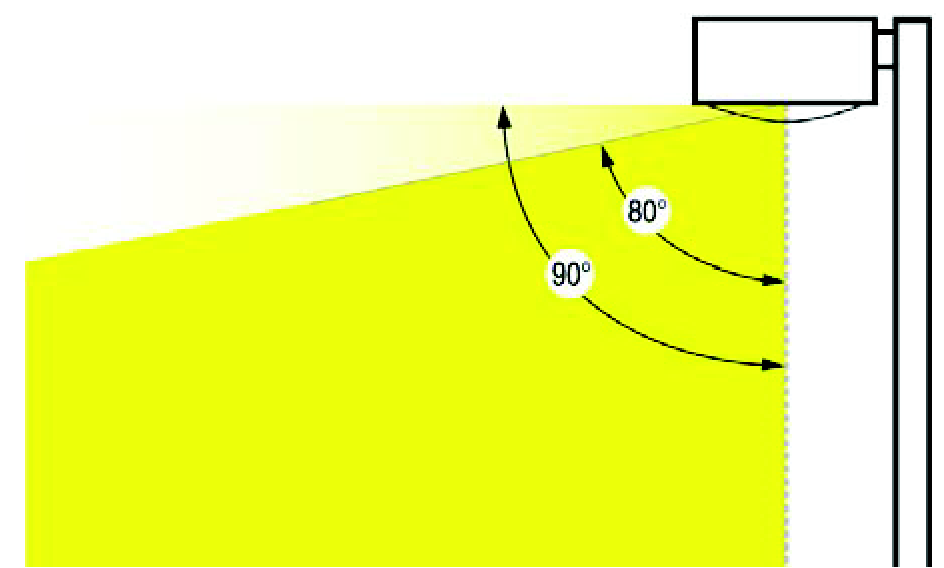
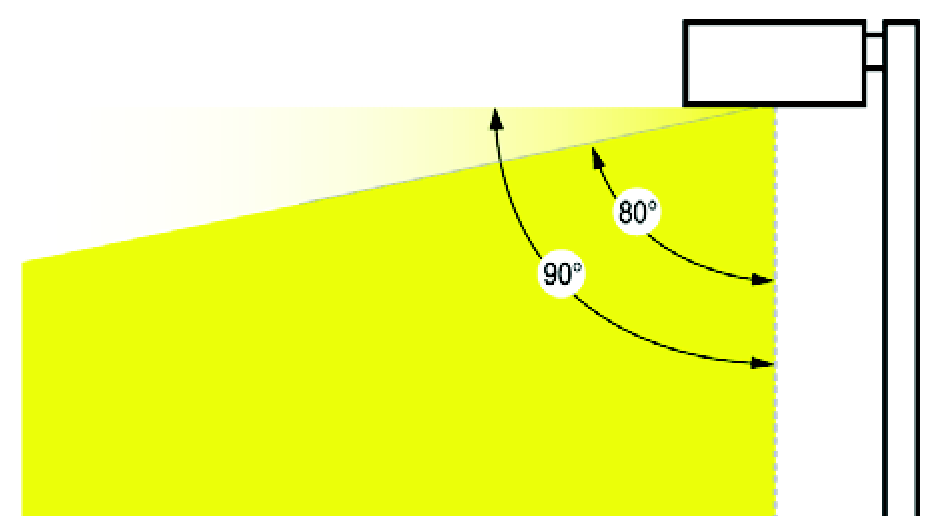
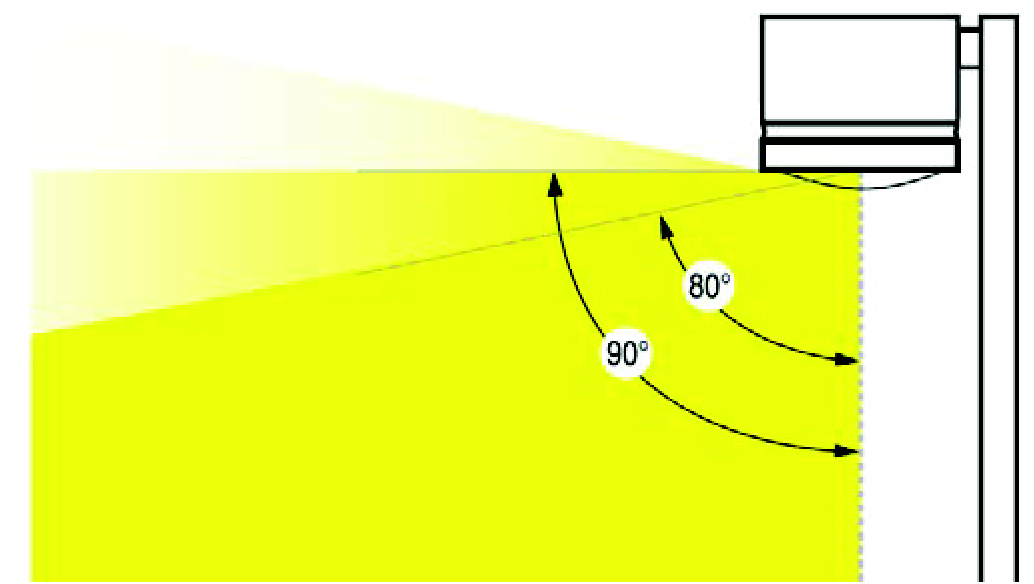
Cutoff means a luminaire light distribution where the candela per 1,000 lamp lumens does not exceed 25 (2.5 percent) at or above an angle of 90 degrees above nadir, and 100 (ten percent) at or above a vertical angle 80 degrees above nadir. This applies to all lateral angles around the luminaire.
Data center means a facility of 5,000 square feet or greater, containing a grouping of computer servers and associated equipment and systems used for the remote storage, processing, or distribution of data, for purposes other than crypto-currency mining operations. Data centers less than 5,000 square feet shall be regulated as manufacturing and processing operations.
Day nursery and private kindergarten means a use of land and buildings to provide group care for children.
Diameter at breast height (DBH) means the outside bark diameter measured at 4.0 feet above the ground level on the uphill side of the tree.
Drop-in or short-term child care center means a facility that is not located in a home, that provides care to preschool children for no more than four hours a day such as "mother's morning out" church programs and is not licensed by the State of North Carolina.
Dusk-to-dawn utility/security light means a luminaire that is specifically designed to operate continuously from dusk to dawn, by means of a timer or electronic sensor, that is used as a utility, yard or security light, and whose light output equals or exceeds 2,000 lumens.
DUA means dwelling units per acre.
Dwelling, single-family means a building arranged or designed to be occupied by one family.
Dwelling, two-family means a building arranged or designed to be occupied by two families living independently of each other.
Dwelling, multifamily means any building or buildings which contain more than one residential dwelling unit on a single lot including, but not limited to, apartment houses and condominiums. For purposes of the open use district only, multifamily dwelling means six or more units on a single lot.
Dwelling, single-family attached means townhouses, row houses, condominiums, or group houses for single-family dwellings, having or sharing one or more common walls or other parts of the structure, and whose ownership may be divided into lots for individual sales.
Dwelling unit means a building, or portion thereof, providing complete and permanent living facilities for one family.
Easement means a grant by a property owner of a strip of land for specified purpose and use by the public, a corporation or persons.
Emergency housing means the use of travel trailers, manufactured housing, building-code compliant structures for habitation, or other FEMA-approved shelters as a temporary use, related to a declared federal, state, or local disaster, for people: (1) experiencing homelessness, or inadequate shelter resulting from disaster related damages; or (2) assisting with disaster recovery efforts through a government, agency, non-profit, or company.
Family means one or more persons occupying a single dwelling unit, provided that unless all members are related by blood or marriage, no such family shall contain over five persons, but further provided that domestic servants employed on the premises may be housed on the premises without being counted as a family.
Family care home means an adult care home having two to six residents. The structure of a family care home may be no more than two stories high and none of the aged or physically disabled persons being served there may be housed in the upper story without provision for two direct exterior ground-level accesses to the upper story. A family care home shall be deemed a residential use of property for zoning purposes and shall be a permissible use in all residential districts. Family care homes shall not house residents who are dangerous to others as defined in G.S. 122C-3(11), as may be amended.
Footcandle (FC) is a quantitative unit which measures the amount of light (illumination) falling onto a given point. One footcandle equals one lumen per square foot. For the purposes of this article, footcandles shall be measured or calculated when the luminaires are new.
Full cutoff means a luminaire light distribution where zero candela intensity occurs at or above an angle of 90 degrees above nadir. Additionally the candela per 1,000 lamp lumens does not numerically exceed 100 (ten percent) at or above a vertical angle of 80 degrees above nadir. This applies to all lateral angles around the luminaire.
Glare means the effect produced by a light source within the visual field that is sufficiently brighter than the level to which the eyes are adapted, to cause annoyance, discomfort, or loss of visual performance and ability.
Gross floor area means the total floor area of all buildings in a project including the basements, mezzanines and upper floors, exclusive of stairways and elevator shafts. It excludes separate service facilities outside the main building such as boiler rooms and maintenance shops.
Gross residential density means the number of dwelling units proposed to be built, divided by the area of the tract being developed.
Group home means a residential single or multifamily structure or structures in which the residents are supervised and/or mentored but not provided medical treatment, and where the residents are not considered a danger to others. This definition does not include summer or other seasonal camps operated as private recreation.
Guest house and servant quarters means an attached or separate dwelling unit used for the residence of domestic servants or the temporary lodging of guests, not including dwelling units for which rent or other considerations are paid by the occupants.
Hazardous waste facility means any industrial facility that stores, handles, processes or manufactures any material, substance or product that is considered to be a Class 1 explosive; a Class 2, Division 2.3 gas (gases toxic by inhalation); a Class 6 toxic material or infectious substance; or a Class 7 radioactive substance or material, all as classified by the United States Department of Transportation Hazard Classification System. This term shall also mean any industry or facility that is a large quantity generator of hazardous waste as that term is defined by the North Carolina Department of Environment and Natural Resources.
Health care facility means a residential treatment facility that houses patients on a short or long-term basis and provides medical or psychiatric care on site. These facilities include but are not limited to the following, as defined by the NC Division of Health Services: adult care homes, assisted living residences, chemical dependency facilities, combination homes, health care facilities, freestanding licensed hospice facilities, hospitals, hospital facilities, long-term care facilities, multiunit assisted housing with services, nursing facilities, nursing homes, nursing home facilities, psychiatric facilities, and rehabilitation facilities.
Home occupation means an occupation conducted entirely within a dwelling or accessory structure and carried on by the occupants thereof, provided that: (1) the use of the dwelling unit for the home occupation shall be clearly incidental and secondary to the use of the dwelling for residential purposes, and such occupation shall not occupy more than 25 percent of the total floor space of the dwelling or the entire accessory structure; and (2) there shall be no display, no outside storage, no change in the outside appearance of the building or premises, or other visible evidence of the conduct of such home occupation other than an unlighted sign located on the premises and not over two square feet in area; and (3) no more than two persons not in residence on the premises shall be employed in connection with the home occupation; and (4) no traffic shall be generated by such home occupation in greater volumes than would normally be expected in a residential neighborhood, and any needed parking must be off the street and other than in a required front yard; and (5) no equipment or process shall be used in such home occupation which creates noise, vibration, glare, fumes, odors, or electrical interference detectable to the normal senses off the lot; and (6) in the case of electrical interference, no equipment or process shall be used which creates visual or audible interference in any radio or television receivers off the premises, or causes fluctuations in line voltage off the premises.
Illuminance means the amount of light (luminous flux index) at a point on a surface (measured in footcandles).
Impervious surface means any surface that, in whole or in part, restricts or prevents the natural absorption of water into the ground. Such surfaces may include, but are not limited to, gravel, concrete, asphalt or other paving material, and all areas covered by the footprint of buildings or structures.
Incinerator shall mean (a) any enclosed device that burns material other than the classic boiler fossil fuels, such as natural gas, coal, unadulterated wood, or fuel oil, is a principal use on any lot or parcel, and uses controlled flame combustion and neither meets the criteria for classifications as a boiler, sludge dryer, or carbon regeneration unit, nor is listed as an industrial furnace; or (b) meets the definition of "infrared incinerator" or "plasma arc incinerator" or any other device meant to burn solid, liquid, or gaseous waste material. This definition does not apply to afterburners, flares, fume incinerators, and other similar devices used to reduce process emissions of air pollutants. Specifically excluded from this definition and any regulation under this chapter are those incinerators that are constructed and/or operated by or on behalf of any federal, state, or local governmental entity; provided, however, that this exclusion from regulation only applies to those incinerators not operating as a hazardous waste facility.
Individual sewer system means any septic tank, privy, or other facility serving a single source with a design capacity of 3,000 gallons per day or less.
Individual water system means any well, spring, stream, or other source used to supply a single connection.
Junk means old or scrapped copper, brass, rope, rags, batteries, paper, trash, rubber, debris, waste, dismantled or wrecked automobiles, or parts thereof, iron, steel, and other old scrap ferrous or nonferrous material.
Junkyard means a parcel of land on which waste material or inoperative vehicles and other machinery are collected, stored, salvaged, or sold. This definition does not include motor vehicles impoundment lot or tow yard.
Kennel means an establishment licensed to house dogs, cats, or other household pets and where grooming, breeding, training, or selling of animals may be conducted.
Land disturbing activity means any use of, or operation on, the land by any person in residential, industrial, educational, institutional, or commercial development, highway and road construction and maintenance that results in a change in the natural cover or topography and that may cause or contribute to sedimentation.
Landfill means a site within which is deposited solid waste material including trash, construction debris, garbage, or industrial waste. The term "landfill" shall include a disposal facility or part of a disposal facility where solid waste is placed in or on land and which is not a land treatment facility, a surface impoundment, an injection well, a hazardous waste long-term storage facility, or a surface storage facility.
Light source refers to the element of a lighting fixture that is the point of origin of the lumens emitted by the fixture.
Light trespass is unwanted light spilling onto an adjacent property and/or an excessive brightness (i.e., glare) that occurs in the normal field of vision.
Lot means a parcel of land occupied or capable of being occupied by a building or group of buildings devoted to a common use, together with the customary accessories and open spaces belonging to the lot. The word "lot" includes the words "plot" or "parcel."
Lot depth means the mean horizontal distance between front and rear lot lines.
Lot of record means any lot for which a plat has been recorded in the office of the Buncombe County Register of Deeds, or described by metes and bounds, the description of which has been so recorded.
Lumen is the quantitative unit used to identify the amount of light emitted by a light source. A lamp is generally rated in lumens.
Luminaire (light fixture) is a complete lighting unit consisting of a lamp or lamps and ballast(s) (when applicable) together with the parts designed to distribute the light, to position and protect the lamps, and to connect the lamps to the power supply.
Lux is a unit of illuminance; one lux equals one lumen per square meter. One footcandle equals 10.76 lux (often rounded to ten lux for ease of use).
Manufactured home, HUD-labeled means a manufactured home bearing the manufacturer's label certifying that the home has been inspected in accordance with the requirements of the U.S. Department of Housing and Urban Development and is constructed in conformance with the Federal Manufactured Home Construction and Safety Standards in effect on the date of manufacture. The Certification Label (also known as a "HUD tag") is a metal plate that is affixed to the outside of the manufactured home. Title 24 Code of Federal Regulations § 3280.11(b) states, "The label shall be approximately two inches by four inches in size and shall be permanently attached to the manufactured home by means of four blind rivets, drive screws, or other means that render it difficult to remove without defacing it. It shall be etched on 0.32-inch thick aluminum plate. The label number shall be etched or stamped with a three-letter designation which identifies the production inspection primary inspection agency and which the Secretary shall assign. Each label shall be marked with a six-digit number which the label supplier shall furnish..." All manufactured homes built after June 15, 1976 are required to have one or more label(s) attached to them.
Manufactured/mobile home park means any premises where three or more mobile homes are parked for living and sleeping purposes, or any premises used or set apart for the purpose of supplying to the public parking space for three or more mobile homes for living and sleeping purposes, and which include any buildings, structures, vehicles, or enclosures used or intended for use as part of such mobile home park.
Manufactured/mobile home, residential means a structure which is transportable in one or more sections; designed to be used as a year-round, single-family residential unit; which is built on a permanent chassis and designed to be used with or without a permanent foundation when connected to the required utilities; and which does not meet the standards established by the North Carolina Residential Building Code.
Materials recovery facility means an establishment primarily engaged in (1) operating facilities for separating and sorting recyclable materials from nonhazardous waste streams (i.e., garbage); and/or (2) operating facilities where commingled recyclable materials such as paper, plastics, used beverage cans, and metals are sorted into distinct categories.
Medical clinic means a facility for examining, consulting with, and treating patients with medical, dental, or optical problems on an out-patient basis with no overnight admission.
Mining and extraction operation means any establishment or business primarily engaged in dressing and beneficiating of ores; the breaking, washing and grading of coal; the crushing and breaking of stone; and the crushing, grinding, or otherwise preparing of sand, gravel, and nonmetallic chemical and fertilizer minerals.
Modular home means a dwelling unit constructed in accordance with the standards set forth in the North Carolina State Building Code and composed of components substantially assembled in a manufacturing plant and transported to the building site for final assembly on a permanent foundation. Among other possibilities, a modular home may consist of two or more sections transported to the site in a manner similar to a manufactured home (except that the modular home meets state building codes) or may consist of a series of panels or room sections transported on a truck and erected or joined together on the site.
Motor sports facility means any facility, track, or course upon which racing or motor sporting events are conducted including, but not limited to vehicles, motorcycles, all-terrain vehicles, motor scooters, go-carts, etc.
Motor vehicles impoundment lot or tow yard means a storage place for towed motor vehicles until they are placed back in the control of the owner or the impounding agency. This definition does not include junkyard.
Nadir is the point directly below the luminaire.
Nonconforming use means any parcel of land, use of land, building, or structure existing at the time of adoption of this article, or any amendment thereto, that does not conform to the use or dimensional requirements of the district in which it is located.
Noncutoff means a luminaire light distribution where there is no candela limitation in the zone above the light source.

Open space means a part or portion of the project area unoccupied and unobstructed from the ground upward.
Parking space means an area for parking a vehicle plus the necessary access space.
Parks means any public or private land managed primarily as vegetated open space for recreational, aesthetic, or educational use.
Permitted use means a use which is allowed in specific zoning districts and which such use might be further regulated or restricted in applicable overlay districts.
Personal landing strip means a landing strip or heliport for personal use of the tenant or owner of the site, not available for public use, and with no commercial operations.
Planned unit development, level II (PUDII) means more than four principal buildings or uses on a single lot or any principal building with a gross floor area of 50,000 square feet or more. PUDIIs must include only commercial and/or industrial uses such as retail trade; professional and business offices; storage and warehousing; and manufacturing uses and shall not include places of worship. Relatively small and low-impact additions to a building already greater than 50,000 square feet and located greater than 50 feet from any adjoining property may not trigger the definition of a PUDII at the discretion of the zoning administrator.
Planned unit development, level I (PUDI) means more than four principal buildings or uses on a single lot; any principal building with a gross floor area of 25,000 square feet or more; any residential complex of more than eight units; or a subdivision of more than ten lots where building envelopes are defined, areas are set aside for open space and/or amenities, and a decrease in minimum lot size and/or interior setbacks is desired. A PUDI may be comprised of residential uses; a mix of residential and nonresidential uses; or the following nonresidential uses: health care facilities; private or public utility stations and substations, pumping stations, water and sewer plants, water storage tanks; recreation uses; schools; and vacation rental complexes and shall not include places of worship.
Planning board means a body composed of those members organized and appointed by the board of commissioners under the authority granted in G.S. 160D-301. The power of the planning board to perform its duties is granted in chapter 58, article II, of this Code.
Postal and parcel delivery services means a post office or other packing and shipping facility which does not include warehousing or bulk sorting of shipments.
Private utilities and related facilities means utility structures including, but not limited to, pumping stations, electricity generation facilities, transformers, utility poles, transmission lines, and pipelines that require a specific location to provide service. These facilities are considered to be private facilities if they are accessories to the facility or development upon which they are located and do not provide service to exterior properties or customers. This definition does not include telecommunications towers or public safety communications towers as defined by this section or their related infrastructure. Private utilities intended to serve up to two, single-family residential units are considered a permitted accessory use to the residential structure provided that the footprint does not exceed 10,000 square feet.
Property line means any boundary line of a lot or parcel of real property.
Pub means an eating and drinking establishment catering primarily to the surrounding neighborhood and having a seating capacity of not greater than 75 persons.
Public or private utilities and related facilities footprint means the cumulative area occupied by a utility operated by a single entity. For the purposes of this article, the footprint shall include any areas disturbed, altered from natural conditions, or made impervious during the installation of the utility, any area occupied by equipment pertaining to the facility, and any area fenced or secured against access to the facility, or any buffer or easement area required to surround the facility. The footprint calculation does not apply to utilities which are contained entirely underground and which do not include any structures as defined by this ordinance or any energy collection devices. For the purposes of footprint calculation, any facilities owned or operated by the applicant shall be included if said facilities lie within 1,320 feet of the proposed facility.
Public safety communications tower means any tower exceeding 20 feet in height erected for the purpose of transmitting and relaying critical voice and data communications for public safety personnel including but not limited to emergency services, law enforcement and fire protection services.
Public sewer system means any sewer system owned and operated by the county, the Metropolitan Sewerage District, Avery's Creek Sanitary District, or other sewer treatment facility serving two or more connections, or the development of a community-type sewer system having a design capacity of greater than 3,000 gallons per day, or any wastewater treatment system having a discharge to surface waters when approved by the N.C. Department of Environment and Natural Resources, Division of Water Quality.
Public utilities and related facilities means utility structures including, but not limited to, pumping stations, electricity generation facilities, transformers, utility poles, transmission lines, and pipelines that require a specific location to provide service. This definition does not include telecommunications towers or public safety communications towers as defined by this section or their related infrastructure.
Public water system means water systems serving 15 or more residential connections or serving 25 or more year-round residents which are classified as public water supplies by state law, and which plans and specifications must be approved by the N.C. Department of Environment and Natural Resources, Public Water Supply Section. Also, water supply systems serving from two to 14 connections shall be regulated by the Buncombe County Board of Health, and plans shall be approved by the Buncombe County Health Center, Environmental Health Services.
Recreation use, nonprofit means an indoor or outdoor recreation facility operated on a nonprofit basis, according to the laws of the state.
Recreation use, profit means an indoor or outdoor recreation facility operated on a profit basis.
Recreational facilities are those facilities, not otherwise categorized on the permitted use table, utilized for one or more sports or recreation activities such as, but not limited to, bowling, skating, water sports, baseball, basketball, tennis, golf, riding, hiking, fishing or similar sports or recreational uses.
Residence means any building, structure or portion thereof which is designed, arranged, or used for a residential occupancy, but shall not include a motel, hotel, rooming house, or vacation rental.
Retail business means an establishment selling commodities and/or providing services directly to the consumer.
Retaining wall means a wall or a cumulative system of walls or manmade soil retention systems designed to resist lateral soil pressure and hold back, or "retain," higher level ground behind it. Retaining walls and retaining wall systems providing a cumulative vertical relief greater than ten feet are subject to the requirements set forth in this article and in chapter 26, article VIII of the Buncombe County Code of Ordinances. For the purposes of this article, methods of soil retention regulated shall include, but not be limited to: cast-in-place walls, soil nailing, modular systems, h-beam systems, boulder walls, and gabions.
Ridge means the elongated crest or series of crests at the apex or uppermost point of intersection between two opposite slopes or sides of a mountain.
Rooming house means accommodations in which, for compensation, lodging is provided and the owner and/or operator of the establishment maintains their residence at the site. A rooming house shall be limited to no more than ten rental units. A rooming house with more than ten rental units shall be deemed a hotel or motel for the purposes of this ordinance.
Semi-cutoff means a luminaire light distribution where the candela per 1,000 lamp lumens does not exceed 50 (five percent) at or above an angle of 90 degrees above nadir, and 200 (20 percent) at or above a vertical angle 80 degrees above nadir. This applies to all lateral angles around the luminaire.
Setback means a continuous strip of land, measured perpendicular from the plane of the building or structure out to the closest property line or road right-of-way.
Shield is a device that is attached onto or inserted into a luminaire to alter the direction of light being emitted. A luminaire that has a shield attached or inserted is considered to be "shielded."
Shooting range, outdoor commercial means an improved area that is commercially operated for the use of rifles, shotguns, pistols, silhouettes, skeet, trap, black powder, air guns, archery, or any other similar sport shooting in an outdoor environment.
Site specific development plan means a plan of land development submitted to the county for purposes of obtaining a zoning or land use permit or approval pursuant to division 6 of this article. Notwithstanding the foregoing, neither a variance, a sketch plan, nor any other document that fails to describe with reasonable certainty the type and intensity of use for a specified parcel or parcels of property shall constitute a site specific development plan.
Skirting, manufactured home means a solid, opaque, continuous and unbroken, non-structural enclosure of a foundation crawl space, attached to the structure and extending from the bottom of the structure to the ground. The term "skirting" is synonymous with the term "underpinning."
Slaughtering plant means an establishment primarily engaged in slaughtering animals or poultry/small game. For purposes of the open use district, this definition includes slaughtering plants that conduct processing of animals or poultry/small game, including dressing, packing, freezing, canning, cooking, and/or curing of animals or poultry/small game or their carcasses. This definition specifically excludes slaughtering and processing activities performed for personal use only.
Solid waste management facility means (1) land, personnel, and equipment in the management of solid waste including a transfer station, landfill, or materials recovery facility. Specifically excluded from this definition are incinerators and drop-off recycling centers; and those solid waste management facilities that are constructed and/or operated by or on behalf of any federal, state, or local governmental entity; provided, however, that this exclusion from regulation only applies to those solid waste management facilities not operating as a hazardous waste facility.
Special use means a use which is permitted in specified zoning districts only after review by the board of adjustment and found to meet specific conditions and procedures as set forth in this article so as to maintain the safety and general welfare of the community.
Street, road, or highway means a right-of-way for vehicular traffic which affords the principal means of access to abutting properties.
Structure means that which is built or constructed. For the purposes of the dimensional requirements set forth in this article, the following structures are exempt from the setback requirements of this section: detached structures less than 12 feet in length on any given side and less than ten feet in height, incidental to a residential use; utility poles; fences ten feet in height or less; and on-premises signage.
Subdivision means all divisions of a tract or parcel of land into two or more lots, building sites, or other divisions when any one or more of those divisions are created for the purpose of sale or building development (whether immediate or future) and includes all division of land involving the dedication of a new street or a change in existing street. This definition does not include a subdivision of land considered to be an alternative path hillside development subdivision.
Subdivision, alternative path hillside development is a subdivision of land as defined by and approved under the standards of The Land Development and Subdivision Ordinance of Buncombe County, section 70-68(f).
Subdivision, conservation development is a subdivision of land as defined by and approved under the standards of the Land Development and Subdivision Ordinance of Buncombe County, section 70-69.
Telecommunications tower means any tower exceeding 20 feet in height erected for the purpose of transmitting or receiving telephonic or radio signals over the airwaves as a commercial service, but shall not include any structures erected solely for a noncommercial individual use such as residential television antennas, satellite dishes, or ham radio antennas; a commercial use that is purely incidental to other business activities of the owner; or AM radio towers.
Townhome means a single-family attached dwelling unit in which each unit has its own access to the outside, no unit is located over another unit, each unit is separated from any other unit by one or more vertical common fire-resistant walls, and where each individual unit is located on an individual lot of record.
Transfer station means a permanent structure with mechanical equipment used for the collection or compaction of solid waste prior to the transportation of solid waste for final disposal.
Travel trailer means a vehicle primarily designed as a temporary or seasonal dwelling for travel, recreation, or vacation uses, including moveable park model homes, travel trailers, recreational vehicles (RV), and other similar vehicles and uses. and similar transportable structures.
Travel trailer park means a parcel of land designed and equipped to accommodate three or more travel trailers.
Utility pole means a structure owned by a public utility that is designed for and used primarily to carry lines, cables, or wires for telephone, cable television, or electricity, or to provide lighting.
Vacation rental means no more than two single-family homes with a combined total no more than 9,000 square feet gross floor area which are rented for two days or more to tourists, vacationers, or similar transients.
Vacation rental complex means two single-family homes or one single-family home with a combined total of more 9,000 square feet of gross floor area or a group of more than two separate vacation rental units adjacent to each other and held in common ownership which are rented out for two days or more to tourists, vacationers, or similar transients. A vacation rental complex shall include no more than ten separate vacation rental units. A development consisting of more than ten vacation rental units shall be considered a hotel or motel for purposes of this ordinance except within the Open Use District (OU) where it shall be considered a vacation rental complex and shall be required to obtain a special use permit.
Vehicular canopy is a roofed, open, drive-through structure designed to provide temporary shelter for vehicles and their occupants while making use of a business' services.
Yard means a space on the same lot with a principal building open, unoccupied, and unobstructed by buildings or structures from ground to sky except where encroachments and accessory buildings are expressly permitted.
Yard, front means an open, unoccupied space on the same lot with a principal building, extending the full width of the lot and situated between the street or property line and the front line of the building, projected to the side lines of the lot.
Yard, rear means an open, unoccupied space on the same lot with a principal building, extending the full width of the lot and situated between the rear line of the lot and the rear line of the building projected to the sidelines of the lot.
Yard sale means a retail sale on residential property not to be conducted for more than two weeks per year.
Yard, side, means an open, unoccupied space on the same lot with a principal building, situated between the building and the side lot line and extending from the rear line of the front yard to the front line of the rear yard.
Zoning administrator means an official of the county charged with enforcing and administering this article.
Zoning map means the official zoning map of Buncombe County.
Zoning vested right means a right pursuant to G.S. 160D-108.1 to undertake and complete the development and use of property under the terms and conditions of an approved site specific development plan.
(Ord. No. 09-12-01, § 1, 12-1-09; Ord. No. 10-05-09, § 1, 5-18-10; Ord. No. 10-10-07, § 1(a), 10-5-10; Ord. No. 11-04-13, § 1, 4-5-11; Ord. No. 11-04-14, § 1, 4-19-11; Ord. No. 11-04-15, § 1, 4-19-11; Ord. No. 11-10-01, § 1, 10-4-11; Ord. No. 11-10-06, § 1, 10-18-11; Ord. No. 12-01-13, § 1, 1-17-12; Ord. No. 14-01-01, § 2, 1-7-14; Ord. No. 14-02-02, § 2, 2-4-14; Ord. No. 14-05-02, § 2, 5-13-14; Ord. No. 16-04-13, § 2(Exh. A), 4-5-16; Ord. No. 17-01-16, § 2, 1-17-17; Ord. No. 17-06-09, §§ 1, 2, 6-6-17; Ord. No. 19-04-07, § 2(Exh. A), 4-2-19; Ord. No. 21-05-06, § 1(Exh. A), 5-4-21; Ord. No. 24-11-07, § 2(Exh. A), 11-19-24; Ord. No. 24-11-08, § 2(Exh. A), 11-19-24; Ord. No. 25-08-07, Att., 7-15-25)
Sec. 78-582. - Violations.
Whenever, by the provisions of this article, the performance of any act is prohibited, or whenever any regulation, dimension, or limitation is imposed on the use of any land, or on the erection or alterations or the use or change of use of a structure, or the uses within such structure, a failure to comply with such provisions of this article shall constitute a separate violation and a separate offense.
(Ord. No. 09-12-01, § 1, 12-1-09)
Sec. 78-583. - Penalties for violations.
(a)
No penalty under this section shall be issued prior to issuing a notice of violation except for civil penalties issued in accordance with section 78-583(d). The notice of violation shall be served by certified or registered mail to the person's last known address, or by personal service or by posting the violation conspicuously on the property.
(b)
Any owner or occupant who has received a notice of violation may appeal the decision of the zoning administrator in accordance with section 78-623.
(c)
Any person violating this article of this chapter shall be subject to the remedies as set forth in Code section 1-7.
(d)
The county may assess a $100.00 per day civil penalty for each day that the property is in violation of this article. The civil penalty shall be effective upon receipt of the notice of violation but shall be waived if the zoning administrator determines the person remedied the violation within 30 days of receipt of the notice of violation.
(e)
If the person issued the civil penalty fails to pay the penalty, the county may seek to recover the civil penalty by filing a civil action in the nature of a debt and/or refer the debt to the state debt setoff program for collection.
(f)
The zoning administrator may reduce the civil penalty upon a determination that the person responsible for the violation acted in good faith and cooperated with the planning department to remedy the violation.
(g)
The county may enforce this article by using one or any combination of the foregoing remedies. Nothing in this section shall limit any other remedy provided by law or this chapter.
(Ord. No. 09-12-01, § 1, 12-1-09; Ord. No. 11-04-15, § 1, 4-19-11)
Sec. 78-584. - Remedies for violations of article.
(a)
If a building or structure is erected, constructed, reconstructed, altered, repaired, converted, moved or maintained, or any building, structure, or land is used in violation of this article, the zoning administrator, in addition to other remedies, may institute any appropriate action or proceedings to prevent the unlawful erection, construction, reconstruction, alteration, repair, conversion, moving, maintenance or use; to restrain, correct or abate the violation; to prevent occupancy of the building, structure or land; or to prevent any illegal act, conduct of business or use in or about the premises.
(b)
The only activities that may take place outside the areas of disturbance documented on an approved site plan are:
(1)
Fire fuel reduction (fire fuel reduction may include the installation of firebreaks in the area immediately adjacent to structures and the removal of underbrush);
(2)
Control of invasive species listed in the invasive species table in this section. Other species may be approved by the planning department when demonstrated to be non-native invasive species;
(3)
Removal of dead or diseased specimens;
(4)
Maintenance of the area to ensure adequate screening and buffering (i.e., selective thinning of saplings);
(5)
Maintenance of the area to ensure public health and safety; and
(6)
Nonmotorized passive recreation (such as running, walking, biking trails, gardening, primitive camping areas, and similar low impact outdoor activities). The location, type, and materials which will be used to construct passive recreation facilities shall be submitted on the preliminary plans and shall be approved by the planning department. The development of passive recreation areas within the natural state area shall not exceed five percent of the total acreage of the tract.
When removing vegetation for the purposes of exceptions (1) through (5) above, vegetation can only be removed through the use of hand-held devices (i.e., chainsaws, pole pruners, hedge trimmers, weed eaters, etc.). Bulk application of chemical herbicides is prohibited. The removal of vegetation shall be conducted in such a manner as to preserve ground cover (through a vegetated cover or through the use of a substrate that will prevent sediment run-off from the site). Removal of healthy tree specimens greater than three-inch diameter at breast height (DBH) is prohibited except when installing passive recreation facilities.
Invasive Species
(c)
Any land disturbance percentage in amounts that exceed those specified in this article shall be replanted according to the following re-vegetation plan.
Re-vegetation Plan
All planted species shall be on a ten-foot by ten-foot spacing. A mix of one overstory and one understory species from the table above, appropriate for site elevation and aspect, shall be planted on each 100 square feet.
Pines shall be three to four feet in height, with a minimum stem diameter at the ground of one inch. The root ball shall be 14—18 inches.
Hardwoods shall be 14—18 inches in height, with a minimum stem diameter at the ground of one-half to three-fourths inches. These trees can be bare-rooted at planting.
All overstory and understory plants shall be limed and slow-release fertilizer stakes shall be inserted around each plant.
All plants shall be mulched with organic mulch to control weeds. Mulch shall extend two feet around each plant.
(d)
Any impervious surface percentage in amounts that exceed those specified in this article shall be removed.
(Ord. No. 09-12-01, § 1, 12-1-09; Ord. No. 10-10-07, § 1(b), 10-5-10)
Sec. 78-585. - Abrogation or greater restrictions.
When provisions of this article require a greater width or size of yards or courts, or require a lower height of a building or fewer number stories, or require a greater percentage of lot to be left unoccupied, or impose other higher standards than are required in any other statute or local ordinance or regulation, provisions of this article shall govern. When the provisions of any other statute or local ordinance or regulation require a greater width or size of yards or courts, or require a lower height of a building or a fewer number of stories, or require a greater percentage of a lot to be left unoccupied, or impose other higher standards than are required by the provisions made by this article, the provisions of that statute or local ordinance or regulation shall govern.
(Ord. No. 09-12-01, § 1, 12-1-09)

