
Fairhope City Zoning Code
ARTICLE XI
RENEWABLE ENERGY SYSTEMS
Sec. 48-461.- Purpose and intent.
The purpose of this section is to provide standards for the installation and use of renewable energy systems as accessory uses within the City of Trenton. These regulations seeks to protect properties from incompatible uses in the interest of property values, public health and the welfare of the community while promoting the use of alternative energy sources, where appropriate. This article provides a process to facilitate the use of these systems in a manner that minimizes adverse impacts and promotes the health, safety and welfare of the community.
(Ord. No. 1769, § 1(Att. 48.11.1), 9-21-2020)
Sec. 48-462. - Accessory use.
Renewable energy systems shall be considered as an accessory use subject to the provisions of this section.
(1)
Roof mounted-solar. Roof mounted solar energy systems shall be considered a permitted accessory use in all districts subject to the regulations contained herein and all other building, electrical and any other applicable permits or authorizations. Roof mounted solar energy systems shall be approved administratively. Petitions that do not meet the requirements set forth herein, may be considered in accordance with the city's special use procedures (See Article X, Division 2.)
(2)
Ground mounted-solar. Ground mounted solar energy systems shall be considered an accessory use in all zoning districts and shall require a special use permit pursuant to Article X, Division 2 and section 48-463 herein.
(3)
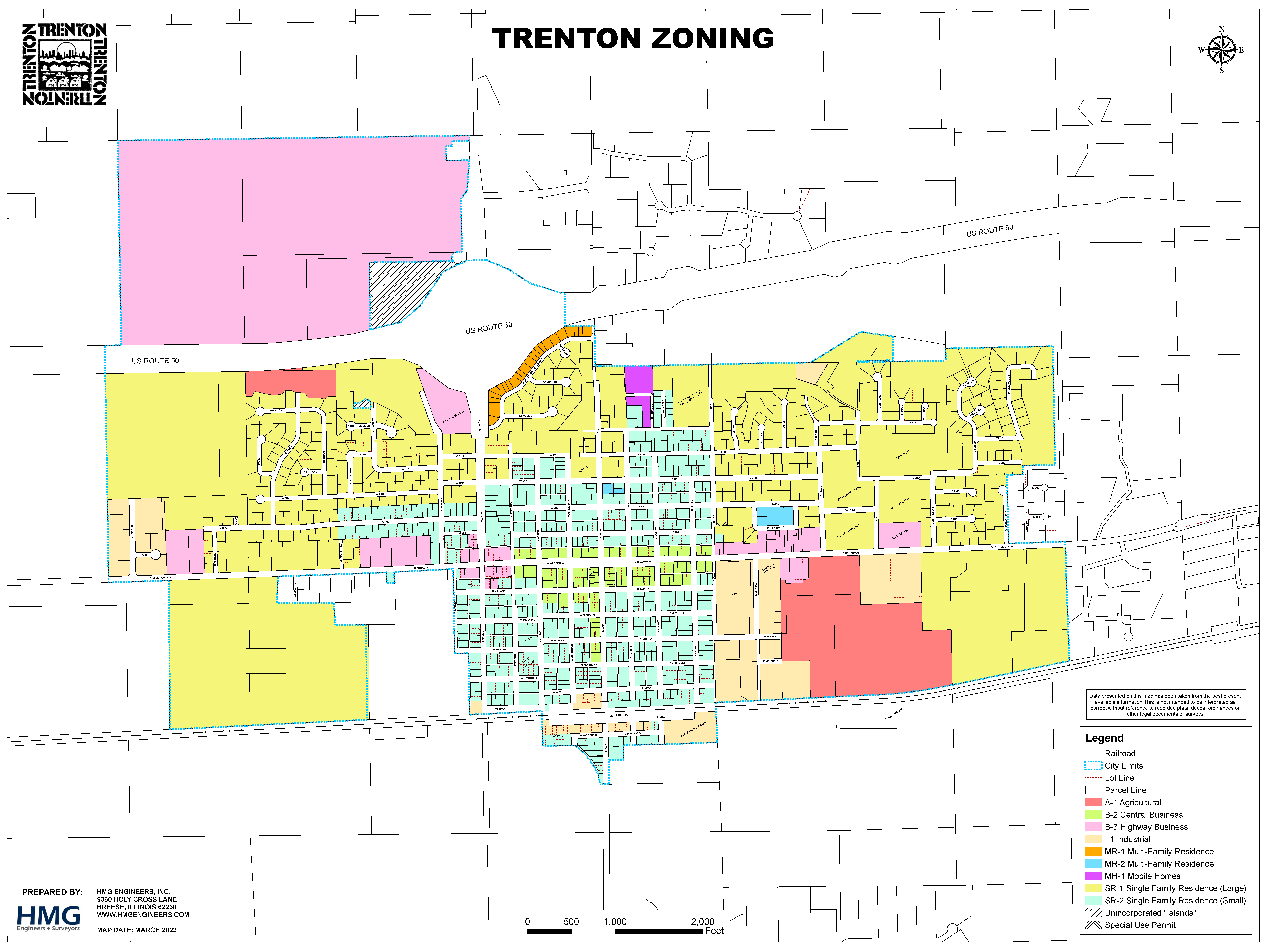
Wind. Wind energy systems shall be considered an accessory use in the A1, B1, B2, B3, and I-1 zoning districts and shall only be allowed in these districts via special use permit pursuant to the procedures and requirements in Article X, Division 2 and section 48-463 herein.
(Ord. No. 1769, § 1(Att. 48.11.2), 9-21-2020)
Sec. 48-463. - Requirements.
The requirements set forth in this section shall govern the construction and/or installation of all renewable energy systems:
(1)
Solar energy systems, general. Solar energy collectors shall be documented by the manufacturer as being non-reflective pursuant to recognized engineering standards showing reflectivity of less than 30 percent or shall be placed such that concentrated sunlight or glare shall not be directed onto nearby properties or streets. Documentation showing an architectural rendering of the proposed installation with an analysis of potential glare and reflection potential, and including all appropriate wind and snow load calculations, sealed by a professional engineer, must be submitted with the application.
(2)
Roof mounted solar energy systems, residential zoning districts.
a.
Solar energy collectors installed in residential zoning districts shall be: (a) installed parallel to the plane of the roof (flush mounted); or (b) made part of the roof design (capping or framing compatible with the color of the roof or structure); or (c) designed consistent with the definition of "building- integrated renewable energy system".
b.
Reserved.
c.
Roof-mounted solar energy systems shall be placed no more than eight inches higher than the roof surface and shall not project vertically above the peak of a sloped roof to which it is attached.
d.
When located on a sloped roof, solar energy collectors should be positioned in a symmetrical fashion and centered on the plane of the roof on which they are located.
e.
When located on a sloped roof, solar energy collectors shall be setback at least the distance of the roof overhang.
f.
All exterior electrical or plumbing lines must be painted in a color scheme that matches as closely as possible the color of the structure and the materials adjacent to the lines when visible from all directions.
g.
Where applicable, a letter from the trustees of the subdivision where the solar energy system is proposed shall be submitted with any renewable energy system application located in a residential area demonstrating the trustees have reviewed the request.
(3)
Roof mounted solar energy systems—Non-residential zoning districts.
a.
Building (roof) mounted solar energy systems installed in non-residential zoning districts should be installed (a) parallel to the plane of the roof (flush mounted); or (b) made part of the roof design (capping or framing compatible with the color of the roof or structure) or (c) designed consistent with the definition of "building integrated system".
b.
Reserved.
c.
Building (roof) mounted solar energy systems should be placed no more than eight inches higher than the roof surface and shall not project vertically above the peak of a sloped roof to which it is attached.
d.
When located on a sloped roof, solar energy collectors shall be setback at least the distance of the roof overhang
e.
All exterior electrical or plumbing lines must be painted in a color scheme that matches as closely as possible the color of the structure and the materials adjacent to the lines when visible in all directions.
(4)
Ground mounted solar energy systems—All zoning districts.
a.
Ground mounted solar energy systems shall only be located in the side or rear yard of a property.
b.
Ground mounted solar energy systems and supporting structures shall not exceed the accessory structure height limitations in the zoning district in which the property is located. In commercial districts with no such requirement, a maximum height of 20-feet is hereby established. Height shall be measured from average grade at the base of the supporting structure to the highest edge of the system.
c.
Ground mounted solar energy systems must be substantially screened from public view (including adjacent properties and public rights-of-way) by fencing, walls, plantings or other architectural feature or any combination thereof; provided, however, that screening shall not be required to be so dense, so tall or so located as to render the equipment essentially non-functional.
d.
Where applicable, a letter from the trustees of the subdivision where the solar energy system is proposed shall be submitted with any renewable energy system application located in a residential area demonstrating the trustees have reviewed the request.
(5)
Wind energy system, general.
a.
Wind energy systems are permitted only in the AG, B1, B2, B3 and, LI zoning districts, or for schools, universities, parks and other institutional uses located on a lot containing at least five acres and subject to the requirements of this section.
b.
Ground mounted wind energy systems affixed to a monopole tower are permitted only in the AG, B1, B2, B3 and, LI zoning districts subject to the approval of a special use permit pursuant to the procedures and requirements of Article X, Division 2 of the city's zoning regulations.
c.
Noise shall not exceed Clinton County noise ordinance standards as applicable. The applicant shall provide noise rating information at time of application.
d.
Wind energy system shall not be located in the front yard of property in any zoning district or affixed to the side of a structure facing the frontage.
e.
No more than one ground-mounted wind energy systems may be installed on any commercially-zoned property. Building-integrated or roof-mounted wind energy systems shall not be subject to these limitations.
f.
Wind energy systems shall be painted or manufactured of a material of a neutral color so as to blend into the surroundings and shall not be reflective or metallic in color. Illumination of wind energy systems shall be prohibited, except as may be required by any state or federal agency of competent jurisdiction. No commercial signage or attention getting device shall be permitted, except regulatory signage required by any local, State or Federal agency of competent jurisdiction.
g.
Applicants will provide, as part of their application, such renderings and drawings bearing a professional engineer's seal along with data and calculations as needed to show that wind and snow loads, etc. appropriate to the installation.
h.
Ground-mounted wind energy systems and their supporting structures are limited to a combined maximum height of 100-feet (tower mounted). Roof mounted wind energy systems shall not exceed a height of ten feet above the peak roof height, except as modified through the city's special use permit procedures.
i.
Wind energy systems must meet the principal use and accessory structure setback requirements of the district in which they are located if mounted directly on a roof or other elevated surface of a structure. If the wind energy system is attached to a free-standing tower the setback from all property lines shall be a minimum distance equal to the height of the tower or 15 feet, whichever is more restrictive. The setback shall be measured from the furthest outward extension of all moving parts.
(Ord. No. 1769, § 1(Att. 48.11.3), 9-21-2020; Ord. No. 1815, § 2A., B., 3-27-2023)
Sec. 48-464. - Procedure for review.
Roof mounted solar energy systems may be approved administratively in accordance with section 48-463 (b), (c) unless otherwise forwarded to the joint planning and zoning commission for review and approval by the city council pursuant to section 48-467. All other renewable energy system applications shall require review by the joint planning and zoning commission and approval by the city council pursuant to the city's special use permit procedures set forth in the city's zoning regulations Article X, Division 2.
(Ord. No. 1769, § 1(Att. 48.11.4), 9-21-2020)
Sec. 48-465. - Building permits required.
A land use permit issued by the City of Trenton along with such other permits as required under the applicable Clinton County building codes are required prior to the installation of any renewable energy system. The owner of a renewable energy system shall ensure that it is installed and maintained in compliance with applicable building, fire and safety codes adopted by the city and any other state or federal agency of competent jurisdiction. All wiring associated with a renewable energy system shall be underground or contained within a conduit or raceway that complements the building materials of the principal structure.
(Ord. No. 1769, § 1(Att. 48.11.5), 9-21-2020)
Sec. 48-466. - Abandonment.
Any renewable energy systems that are noticeably in disrepair for a period exceeding six months without repair or restoration procedures substantially underway shall be removed from the property and the structure and/or site restored at the owner's expense.
(Ord. No. 1769, § 1(Att. 48.11.6), 9-21-2020)
Sec. 48-467. - Alternative compliance.
In unusual circumstances arising from the unique location or character of the proposed site and/or surrounding land uses or structures, if site-specific alternative standards would provide results that are equal to or superior to those included in section 48-463, the joint planning and zoning commission may, upon review of the plans, recommend to the city council, approval of an applicant's request for alternative standards, provided the purpose of these regulations will be satisfied and the alternative standards will have no adverse impact on any other property or unreasonably disturb the peaceful occupancy of adjoining or nearby property.
(1)
Procedure. An application for alternative compliance shall be prepared and submitted in accordance with the submittal requirements and procedures as set forth in section 48-463 herein and Article X, Division 2 "special uses". The special use permit application shall clearly identify the modifications and alternatives proposed and ways in which the plan will better accomplish the intent of these design standards than would an approach which complies with these design standards. The joint planning and zoning commission shall review all such applications and provide their recommendation to the city council. The city council may approve, approve with conditions or deny the application.
(2)
Application. All applications for an alternate energy use shall include the appropriate documentation necessary for city staff to review and make a recommendation to the joint planning and zoning commission.
(3)
Review criteria. To approve an alternative approach, the city must find that the proposed alternative approach accomplishes the intent of these standards as well as or better than would an approach which complies with these standards and the alternative standards will have no adverse impact on any other property or unreasonably disturb the peaceful occupancy of adjoining or nearby property.
(Ord. No. 1769, § 1(Att. 48.11.7), 9-21-2020)
Sec. 48-468. - Definitions.
See "Renewable Energy Systems" in Article II, section 48-32, definitions.
(Ord. No. 1769, § 1(Att. 48.11.8), 9-21-2020)
Sec. 48-469. - Minimum occupant requirements.
Refer to the city's building code and occupancy requirements.
(Ord. No. 1769, § 1(Att. 48.11.9), 9-21-2020)
APPENDIX A
LAND USE TABLE
The land use table provides a tabular summary of the principal land uses allowed within each zoning district. Please refer to the specific district regulations and all other applicable requirements and procedures contained in chapter 48.
A.
Permitted (by-right): Uses identified in a zoning district column of the use table with a "*" are "permitted by-right" and shall be permitted in such zoning district subject to all other requirements of this zoning ordinance.
B.
Special uses: Uses identified in a zoning district column of the use table with an "S" are "special uses" and shall be permitted in such zoning district in accordance with the standards and procedures contained in Article X.
C.
Unlisted uses: Any use not shown as a use permitted by right or special use in a zoning district is specifically prohibited in that district. Uses not listed have been determined either not to be appropriate in any district, incompatible with certain existing uses, or sufficiently rare or unexpected as to be incapable of being listed at the time of adoption of this Code. Any use not shown as a use permitted by right or a special use in any zoning district, but constituting a use that is required to be permitted by law, shall be subject to the conditions of the most appropriate zoning district and the following requirements.
1.
The use shall be permitted only to the extent required by law;
2.
The use shall be approved only as a special use in the city's "I-1" industrial district, except if by law it is required to be permitted by right;
3.
The use shall be located no closer than 1,000 feet from any residence, residential property, park, school, or church, except as may be modified by the city council via a special use permit;
4.
The use shall maintain a distance of at least 1,000 feet from any other such use having the same description, except as may be modified by the city council via a special use permit.
City of Trenton, IL Land Use Table
(Ord. No. 1769, § 1(Exh. A), 9-21-2020)
(Ord. No. 1769, § 1(Exh. A), 9-21-2020; Ord. No. 1816, § 2, 3-27-2023)

