
Fitchburg City Zoning Code
ARTICLE IX
WELLHEAD PROTECTION
Sec. 22-743.- Purpose and authority.
(a)
The residents of the city depend exclusively on groundwater for a safe drinking water supply. Certain land use practices and activities can seriously threaten or degrade groundwater quality. The purpose of this article, the wellhead protection ordinance (hereafter "this article" or "WHP ordinance"), is to institute land use regulations and restrictions to protect the municipal water supply of the city and promote the public health, safety and general welfare of the residents.
(b)
Statutory authority of the city to enact these regulations was established by the Wisconsin Legislature in 1983, Wisconsin Act 410 (effective May 11, 1984), which specifically added groundwater protection, in Wis. Stats. §§ 59.69(1) and 62.23(7)(c) to the statutory authorization for county and municipal planning and zoning to protect the public health, safety and welfare. In addition, under Wis. Stats. § 62.23(7)(c), the city has the authority to enact this article, effective in the incorporated areas of the city, to encourage the protection of groundwater resources.
(Ord. No. 2010-O-09, § 22.301, 10-12-2010)
Sec. 22-744. - Application of regulations.
The regulations specified in this WHP ordinance shall apply within the city's corporate limits. If there is a conflict between this article and the other zoning ordinance provisions, the more restrictive provision shall apply.
(Ord. No. 2010-O-09, § 22.302, 10-12-2010)
Sec. 22-745. - Definitions.
The following words, terms and phrases, when used in this article, shall have the meanings ascribed to them in this section, except where the context clearly indicates a different meaning:
Applicant means an individual, partnership, association, corporation, municipality or state agency, or other legal entity who causes activities which are regulated by this chapter.
Aquifer means a saturated, permeable geologic formation that contains and will yield significant quantities of water.
Domestic wastewater means a combination of liquid and water-carried wastes and wastewater discharged from toilets, conveniences, or other sanitary plumbing facilities, which contain no incompatible pollutants exceeding the limitations set forth in the sewer use ordinance, and which contain no substances prohibited by the terms of the sewer use ordinance, or by the Madison Metropolitan Sewage District (MMSD).
Municipal water supply means the municipal water supply of the City of Fitchburg.
Recharge area means the area which encompasses all areas or features that, by surface infiltration of water, reaches the zone of saturation of and aquifer that supplies groundwater to a well. This area extends beyond the city's corporate limits.
State of Wisconsin authorizing agency means the State of Wisconsin Department of Commerce or successor agencies or other regulating agencies.
UST facilities means underground fuel oil or gasoline storage tank facilities, including but not limited to, fueling stations and storage tanks, both public and private.
(Ord. No. 2010-O-09, § 22.303, 10-12-2010)
Sec. 22-746. - Groundwater protection overlay districts.
(a)
Restricted zone. The primary portion of the Fitchburg wells recharge areas to be protected is an area of land having a radius of 1,200 feet, whose center is offset 600 feet south of each municipal well. If any portion of a parcel falls within the above defined radius the whole parcel shall be considered within the restricted zone. The restricted zones for each well shall more specifically be defined as the areas outlined in the maps attached hereto as exhibits A through H and incorporated herein as if fully set forth. Any parcel that is outlined in exhibits A through H that is later divided by a certified survey map or plat will be considered removed from the restricted zone if the new parcel limits fall outside the above defined radius. These lands are subject to land use and development restrictions because of their close proximity to the well fields and the corresponding threat of contamination.
(b)
Management zone. Lands outside the restricted zone but within the corporate limits of the city shall be considered in the "management zone." The city reserves the right to require applications for approval in this zone, in accordance with section 22-750, for uses considered restricted in the restricted zone and to require additional environmental monitoring/structures. All underground gasoline and fuel oil storage tanks in this zone shall be approved and installed in accordance with section 22-752.
(Ord. No. 2010-O-09, § 22.304, 10-12-2010)
Sec. 22-747. - Requirements for existing facilities and land uses.
The following requirements apply to the existing facilities within the restricted zone at the time of enactment of such zone which may cause or threaten to cause environmental pollution include, but are not limited to, the state department of natural resources draft or current list of "Inventory of Sites or Facilities Which May Cause or Threaten to Cause Environmental Pollution" kept on file in the director of public work's office, the state department of commerce's list of underground storage tanks, list of facilities with hazardous, solid waste permits, and all other facilities which are considered a restricted use in restricted uses, section 22-749, all of which are incorporated herein as if fully set forth.
(1)
Such facilities as above shall provide copies of all federal, state and local facility operation approvals, permits, or certificates; operational safety plans; and ongoing environmental monitoring results to the city.
(2)
Such facilities shall provide additional environmental or safety structures/monitoring as deemed necessary by the city, which may include but is not limited to, the production of any and all environmental statements detailing the extent of chemical use and storage on the property, stormwater runoff management and/or groundwater monitoring.
(3)
Such facilities as above cannot engage in or employ a use, activity, or structure listed in restricted uses, section 22-749, which they did not engage in or employ at the time of enactment of a restricted zone, and can only expand, replace or rebuild those present uses, activities, equipment, or structures on the site or property of record associated with the facility at the time of enactment of a restricted zone, and in a manner that improves the environmental and safety technologies already being utilized. No existing use, activity, or structure listed as a restricted use shall be expanded, replaced, modified, or rebuilt unless a conditional use permit is granted for such expansion, replacement, modification, or rebuilding. This section does not apply to normal maintenance or minor repairs.
(4)
If deemed necessary by the city, such facilities shall have the responsibility of divesting, filing and maintaining, with the city, a current contingency plan satisfactory to the city, which details how they intend to respond to any emergency which may cause or threaten to cause environmental pollution that occurs at their facility, including notifying municipal, county and state officials.
(Ord. No. 2010-O-09, § 22.305, 10-12-2010)
Sec. 22-748. - Permitted uses.
The following uses are permitted in the restricted zone. An approval application shall be submitted in accordance with section 22-751(1) for all uses not listed here or in section 22-749.
(1)
Public and private parks, playgrounds and beaches, provided there are no on-site wastewater disposal systems or holding tanks.
(2)
Wildlife, natural, and woodland areas.
(3)
Biking, hiking, skiing, nature, equestrian and fitness trails.
(4)
Residential which is municipally sewered.
(5)
Unsewered (single-family) existing residential lots which meet all the requirements of Wis. Admin. Code ch. COMM 83 and the separation distance requirement of section 22-750(3).
(6)
Commercial office and retail activities listed in sections 22-247 and 22-248, excluding agriculture production, which are municipally sewered and only discharge domestic wastewater into the sewer system.
(7)
Limited road salting.
(Ord. No. 2010-O-09, § 22.306, 10-12-2010)
Sec. 22-749. - Restricted uses.
The following uses are restricted within the restricted zone. An approval application shall be submitted in accordance with section 22-751(2) for all restricted uses. These uses are restricted based on the high probability that activities associated with these uses will cause groundwater contamination.
(1)
Animal confinement facilities, animal waste spreading, and animal waste storage except animal waste storage facilities regulated by the county.
(2)
Stockyards and feedlots.
(3)
Rendering plants and slaughterhouses.
(4)
Wastewater treatment and spray facilities.
(5)
Septic or sludge spreading, storage or treatment.
(6)
Septic wastewater and sewage lagoons, pits, spreading, storage and treatment.
(7)
Private on-site wastewater treatment systems or holding tanks receiving 8,000 gallons per day or more.
(8)
Bulk fertilizer and/or pesticide facilities.
(9)
Hazardous and/or toxic material waste facilities and/or storage.
(10)
Buried hydrocarbon and/or hazardous chemical storage tanks. Hazardous chemicals are identified by OSHA criteria under 40 CFR 370.
(11)
UST facilities.
(12)
Coal, salt and deicing material storage.
(13)
Asphalt products manufacturing.
(14)
Dry cleaning, exterminating, and printing and duplicating businesses.
(15)
Bus or truck terminals.
(16)
Railroad yards and maintenance stations.
(17)
Junkyards or auto salvage yards.
(18)
Paint, coating, electroplating and wood preserving facilities and/or manufacturing.
(19)
Radioactive waste facilities.
(20)
Chemical manufacturers (Standard Industrial Classification Major Group 28).
(21)
Industrial lagoons and pits.
(22)
Pesticide and fertilizer dealer, transfer or storage.
(23)
Motor vehicular service stations, repair, renovation and auto body repair.
(24)
Nonmetallic earthen materials extraction or sand and gravel pits.
(25)
Landfills, solid waste and recycling facilities.
(26)
Cemeteries.
(27)
Stormwater infiltration basins without pretreatment, including vegetative filtration and/or temporary detention.
(Ord. No. 2010-O-09, § 22.30, 10-12-2010)
Sec. 22-750. - Separation distances.
The following separation distances as specified in the Wis. Admin. Code ch. NR 811 shall be maintained and shall not be exempted as listed in section 22-746 or as later amended by the state.
(1)
50 feet between a municipal well and a storm sewer main.
(2)
200 feet between a municipal well and any sanitary sewer main, sanitary sewer manhole, lift station or a single-family residential fuel oil tank. A lesser separation distance may be allowed for sanitary sewer mains where the sanitary sewer main is constructed of water main materials and joints and successfully air pressure tested in place to meet current Standard Specifications for Sewer and Water Construction in Wisconsin. In no case may the separation distance between a municipal well and a sanitary sewer main be less than 50 feet.
(3)
400 feet between a municipal well and a septic system, tank or soil absorption unit receiving less than 8,000 gallons per day, a cemetery or a storm water drainage pond.
(4)
600 feet between a municipal well and any gasoline or fuel oil storage tank installation that has received written approval from Department of Commerce or its designated agent under Wis. Admin. Code § COMM 10.10.
(5)
1,000 feet between a municipal well and land application of municipal, commercial or industrial waste; industrial, commercial or municipal wastewater, lagoons or storage structures; manure stacks or storage structures; and septic tanks or soils absorption units receiving 8,000 gallons per day or more.
(6)
1,200 feet between a municipal well and any solid waste storage, transportation, transfer, incineration, air curtain destructor, processing, wood burning, one time disposal or small demolition facility; sanitary landfill; coal storage area; gasoline or fuel oil storage tanks that have not received written approval from Department of Commerce or its designated agent under Wis. Admin. Code § COMM 10.10; bulk fuel storage facilities; and pesticide handling or storage facilities.
(Ord. No. 2010-O-09, § 22.308, 10-12-2010)
Sec. 22-751. - Exemptions and waivers.
The city shall review all written exemption requests for all uses not listed in section 22-748 for approval. All determinations shall be made by the city within 60 days of the request for approval, provided however, that this 60 day period of limitations may be extended by the city for good cause as determined in the sole and absolute discretion of the city. No exemption shall be granted for UST Facilities and to the separation distances listed in section 22-750.
(1)
Approval application for uses not listed in sections 22-748 and 22-749. All requests shall be in writing, whether on or in substantial compliance with forms to be provided by the city, and may require an environmental assessment report prepared by a licensed professional engineer specialized in environmental engineering. Supplemental information which must be submitted to the city shall include:
a.
Name and address of the applicant.
b.
Name and address of the owner of the property.
c.
Description of proposed use.
d.
Location of proposed use in relation to existing and proposed city public water supply wells.
Said application shall be forwarded to the zoning administrator for recommendation from the director of public works. The director of public works shall have the ability to request additional information if necessary.
(2)
Application for uses listed in section 22-749. All requests shall be in writing, whether on or in substantial compliance with forms to be provided by the city, and may require an environmental assessment report prepared by a licensed environmental engineer. Supplemental information which must be submitted to the city shall include:
a.
Name and address of the applicant.
b.
Name and address of the owner of the property.
c.
Proposed use.
d.
Location of proposed use in relation to existing and proposed city public water.
e.
Site plan of the project showing layout of the restricted use.
f.
Contingency plan for public notification in event of an emergency, or discovery of a release of contaminants.
Said application shall be forwarded to the zoning administrator for recommendation from the director of public works. The director of public works shall have the ability to request additional information if necessary.
(3)
Review process. All the following factors shall be considered during the review process:
a.
The city's responsibility, as a public water supplier, to protect and preserve the health, safety and welfare of its citizens.
b.
The degree to which the proposed land use practice, activity or facility may seriously threaten or degrade groundwater quality in the city.
c.
The economic hardship which may be faced by the landowner if the application is denied.
d.
The availability of alternative options to the applicant, and the cost, effect and extent of availability of such alternative options.
e.
The proximity of the applicant's property to other potential sources of contamination.
f.
The location of the applicant's property in the restricted zone.
g.
The existing condition of the city's groundwater flow, including topography, depth of soil, extent of aquifer, depth of water table and location of private wells.
h.
Any other hydrogeological data or information which is available from any public or private agency or organization.
i.
The potential benefit, both economic and social, from the approval of the applicant's request for permit.
If the director of public works, in consultation with the zoning administrator, determines to approve the application, an approval letter shall be sent to the applicant with the terms and conditions of approval and statement that the applicant agrees to comply with the terms and conditions set forth by the city.
(4)
Conditional approval. Any approvals granted will be made conditional and may include environmental and/or safety monitoring which indicates whether the facility may be emitting any releases or harmful contaminants to the surrounding environment. The city may require that a bond be posted for future monitoring and cleanup costs if deemed necessary at the time of granting an exemption.
(5)
Revocation of approval. The city's approval may be rescinded or revoked, prior to its expiration date, if the city, upon a determination, after notice and hearing before the board of public works, that rescission or revocation is appropriate and that any one or more of the following have occurred:
a.
Provisions of this article have been violated, and the violations have not been or cannot be satisfactorily remedied in a time frame acceptable to the city.
b.
Conditions imposed on the approval have been violated, and the violations have not been or cannot be satisfactorily remedied in a time frame acceptable to the city.
c.
Use of the property is discontinued for a period of one year.
d.
Applicant is required by state or federal regulations or state authorizing agency to permanently discontinue use.
(6)
Application costs. The applicant shall be solely and exclusively responsible for any and all costs associated with the application, including the following:
a.
The cost of an environmental impact study if so required by the city or its designee.
b.
The cost of groundwater monitoring or groundwater wells if required by the city.
c.
The costs of an appraisal for the property of other property evaluation expense if required by the city or its designee.
d.
The costs of city's employee's time associated in any way with the application based on the hourly rate paid to the employee multiplied by a factor, determined by the city, representing the city's costs for expenses, benefits, insurance, sick leave, holidays, overtime, vacation and other similar benefits.
e.
The cost of city equipment employed.
f.
The cost of mileage reimbursed to the city employees.
(7)
Abrogation and greater restrictions. Nothing set forth in this chapter shall be construed as or is intended to be a waiver or release of any other agreements, rules, regulations, or permits previously adopted or issued pursuant to law. However, where this article imposes greater restrictions, the provisions of this article shall govern.
(Ord. No. 2010-O-09, § 22.309, 10-12-2010)
Sec. 22-752. - Requirements for proposed UST facilities.
(a)
Approval. UST facility approval is required for all proposed UST facilities as outlined in section 22-746(b).
(1)
Approval application. A person desiring to install a UST facility shall file with the city clerk a copy of all applicable federal, state and county permit applications for the proposed UST installation and shall obtain written approval from the city prior to commencing the installation. Supplemental information which must be submitted to the city shall include name and address of the applicant, the name and address of the owner of the property, the location of proposed UST facility in relation to existing and proposed city public water supply wells, site plan of project showing layout of proposed UST facility, and a contingency plan for public notification in event of an emergency, or discovery of a release of contaminants.
(2)
Review of application. The city clerk shall forward a completed application to the zoning administrator for determination of compliance with provisions of this article. If the zoning administrator, in consultation with the director of public works, determines that the application is complete and the requirements of this article are met, a UST facility approval letter shall be sent to the applicant with the terms and conditions of approval and statement that the applicant agrees to comply with the terms of this article.
(3)
Term of approval. The city's approval of the UST facility shall coincide with the terms of the underground storage tank permit issued for the UST facility by the state authorizing agency. The city's approval may be transferred to a new owner or assign upon notice to the city via a copy of the registration of change of ownership submitted to state authorizing agency by the new owner or assign. UST facility approval shall be renewed provided that owner submits to city copies of the following:
a.
All state authorizing agency UST permit renewal forms and accompanying material. Upon receipt of the renewed state UST permit, the owner shall provide a copy to the city.
b.
An affidavit confirming that the UST facility is in compliance with the requirements of the expiring UST facility approval letter.
c.
A statement confirming that the UST facility conforms with the requirements of any current UST-WHP or wellhead protection ordinance.
(4)
Revocation of approval. The city's approval may be rescinded or revoked, prior to its expiration date, the common council upon a determination, after notice and hearing, that rescission or revocation is appropriate and that any one or more of the following have occurred:
a.
Provisions of this article have been violated, and the violations have not been or cannot be satisfactorily remedied in a time frame acceptable to the city.
b.
Conditions imposed on the approval have been violated, and the violations have not been or cannot be satisfactorily remedied in a time frame acceptable to the city.
c.
Use of the property is discontinued for a period of one year.
d.
UST facility owner is required by state or federal regulations or state authorizing agency to permanently close the UST facility.
(5)
Abrogation and greater restrictions. Nothing set forth in this chapter shall be construed as or is intended to be a waiver or release of any other agreements, rules, regulations, or permits previously adopted or issued pursuant to law. However, where this article imposes greater restrictions, the provisions of this article shall govern.
(b)
Design requirements. Underground storage tanks shall be designed and installed in accordance with applicable federal, state and local statutes and codes, Wis. Admin. Code § COMM 10.51 or its successor statute or code, and as specified herein. Where there is conflict between this article and applicable statutes and codes, the more restrictive shall apply.
(1)
Tanks shall be double wall with interstitial monitoring. Fiberglass reinforced plastic external corrosion protection shall be required if a steel tank is used.
(2)
Piping shall be double walled noncorrosive pipe.
(3)
Spill and overfill prevention shall consist of equipment that will restrict flow to tank when at 95 percent full, alert, operator one minute prior to overfilling, and provide automatic shutoff of flow into storage tank so none of the fittings on tank top are exposed to product.
(4)
Tank leak detection shall consist of interstitial monitoring with sensors between tank walls.
(5)
Piping leak detection shall consist of automatic line leak detection, and interstitial monitoring.
(6)
Provide deep burial submersible containment sump to contain leakage and install sensors to monitor the piping interstitial space.
(7)
Provide deep burial dispenser pan containment to contain leakage from dispenser and stall pan sensors to monitor the interstitial space of the piping.
(Ord. No. 2010-O-09, § 22.310, 10-12-2010)
Sec. 22-753. - Inspections.
Subject to applicable provisions of law, the city or authorized representative thereof shall be permitted to enter private property at any reasonable time, with reasonable cause or with prior notification, for such purposes as inspection, observation, measurement, sampling, and records examination pertaining to the requirements of this chapter to ensure that activities are in accordance with the provisions of sections 22-747 through 22-752. Upon request of the entity which is the subject of the inspection, and if permitted by the state Public Records Law, information obtained as a result of the inspection shall be maintained as confidential. If the owner or tenant does not consent to the entry of the appointed individual for the above stated purposes, the board of public works may apply to a court of competent jurisdiction for an appropriate warrant or other authority to enter said property.
(Ord. No. 2010-O-09, § 22.311, 10-12-2010)
Sec. 22-754. - Variances and administrative appeals.
(a)
The owner of an existing or proposed restricted use may appeal any decision of the zoning administrator and/or director of public works, with such appeals being accomplished in accordance with the rules established under section 22-643. A variance may be requested from the requirements of this code within the rules and procedures set forth by the board of appeals and in section 22-644. Variances will not be granted where environmental protection will be compromised as deemed by the board of appeals. A variance shall not be granted from any design standard or requirement of state or federal law, nor may any variance be granted which results in requirements which are less stringent than those of state or federal law.
(b)
A request for variance shall include a detailed analysis as prepared, certified and sealed by a professional engineer as to why the variance is being requested, proposed method of installation and potential environmental risk of proposed installation versus required installation.
(c)
A request for variance will be acted on by zoning board of appeals with input from the board of public works. The board of public works will submit input within 30 days from date of filing appeal. If variance is approved, it shall be noted as a condition on the restricted use approval letter and shall run for the period of the approval or such shorter period as established in the approval.
(Ord. No. 2010-O-09, § 22.312, 10-12-2010)
Sec. 22-755. - Remediation; cost reimbursement.
(a)
In the event that the individual and/or facility causes the release of any contaminants which endanger or potentially threaten the city's groundwater supply, the individual and/or facility is responsible for seeing that the activity causing said release shall immediately cease, the contingency plan for public notification shall be immediately initiated and remedial action satisfactory to the city and other state or federal agency with jurisdiction shall promptly occur. The city's requirements are in addition to any other state or federal requirements. The city may take steps to protect the groundwater if an imminent threat exists or the person fails to do so when requested by the city.
(b)
The individual/facility shall be responsible for all costs of remediation and shall reimburse the city for its direct and indirect costs incurred for inspection, oversight, review and documentation of the remedial action.
(1)
City consultant fees (legal and/or engineering) at the invoice amount plus administrative costs for oversight, review and documentation.
(2)
The cost of city employees' time associated in any way with cleanup based on the hourly rate paid to the employee multiplied by a factor determined by the city representing city's cost for expenses, benefits, insurance, sick leave, holidays, overtime, vacation, and similar benefits.
(3)
The cost of city equipment employed.
(4)
The cost of mileage reimbursed to city employees attributed to the cleanup.
(c)
The applicant, or any other person shall also be responsible for any and all costs incurred or damages suffered by the city or other affected persons, if they cause or contribute contamination of the city's groundwater supply.
(d)
Following any release or threatened release, the city may require additional test monitoring and/or facility improvements and/or may revoke city approval of the application pursuant to sections 22-751 and 22-752.
(Ord. No. 2010-O-09, § 22.313, 10-12-2010)
Sec. 22-756. - Enforcement and penalties.
(a)
Any person who violates, neglects or refuses to comply with any of the provisions of this chapter, shall, upon conviction thereof, forfeit not less than $100.00 nor more than $500.00, plus the costs of prosecution for each violation. Each day a violation exists or continues shall constitute a separate offense.
(b)
The city may seek restraining orders, injunctive relief and/or any other available legal remedy to obtain compliance with the provisions of this article and/or protect the city's groundwater supply from contamination. If the city prevails in whole or in part in pursuit of such legal remedies, the city shall be entitled to recover its litigation costs, including actual reasonable attorney's fees.
(c)
If a person fails or refuses to pay all costs or make all reimbursement as required in section 22-755, then the city may levy such amounts due as a special charge against the property upon which the potential contamination is located or any other property owned by the person within the city and collect the amounts due in accordance with the procedures of Wis. Stats. § 66.0703.
(d)
These enforcement provisions are not intended to be mutually exclusive nor do they preclude private claims or actions. The city may pursue enforcement actions it deems appropriate under the circumstances.
(Ord. No. 2010-O-09, § 22.314, 10-12-2010)
Sec. 22-757. - Conflict, interpretation and severability.
(a)
Conflict and interpretation of provisions. If the provisions of the different chapters of this Code conflict with or contravene each other, the provisions of each chapter shall prevail as to all matters and questions arising out of the subject matter of such chapter. In their interpretation and application, the provisions of this article shall be held to be the minimum and are not deemed a limitation or repeal of any other power granted by state law.
(b)
Severability of code provisions. If any section, subsection, sentence, clause or phrase of the Code is for any reason held to be invalid or unconstitutional by reason of any decision of any court of competent jurisdiction, such decision shall not affect the validity of any other section, subsection, sentence, clause or phrase or portion thereof. The common council hereby declares that they would have passed this Code and each section, subsection, sentence, clause, phrase, or portion thereof irrespective of the fact that any one or more sections, subsections, sentences, clauses, phrases, or portions may be declared invalid or unconstitutional.
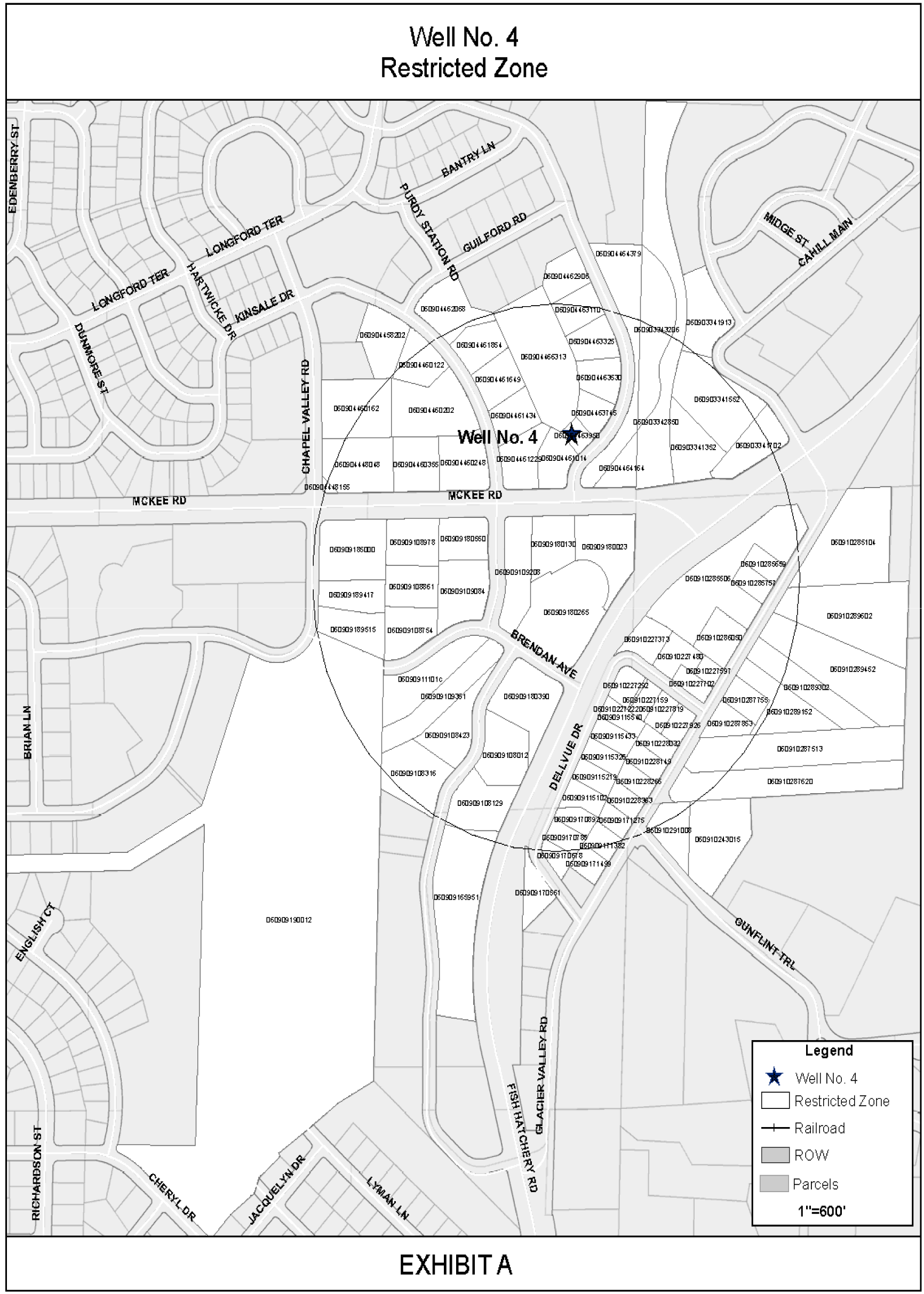
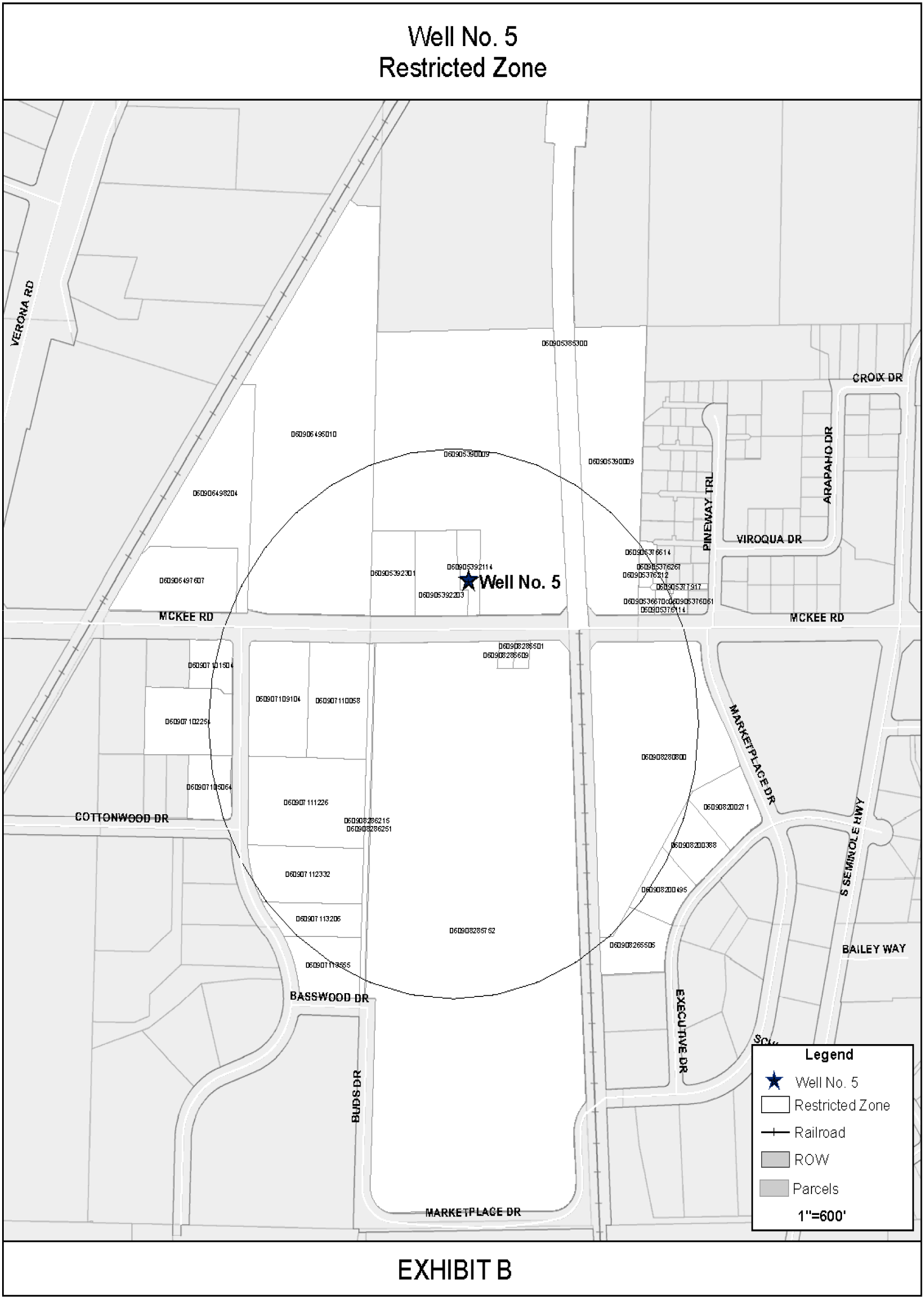
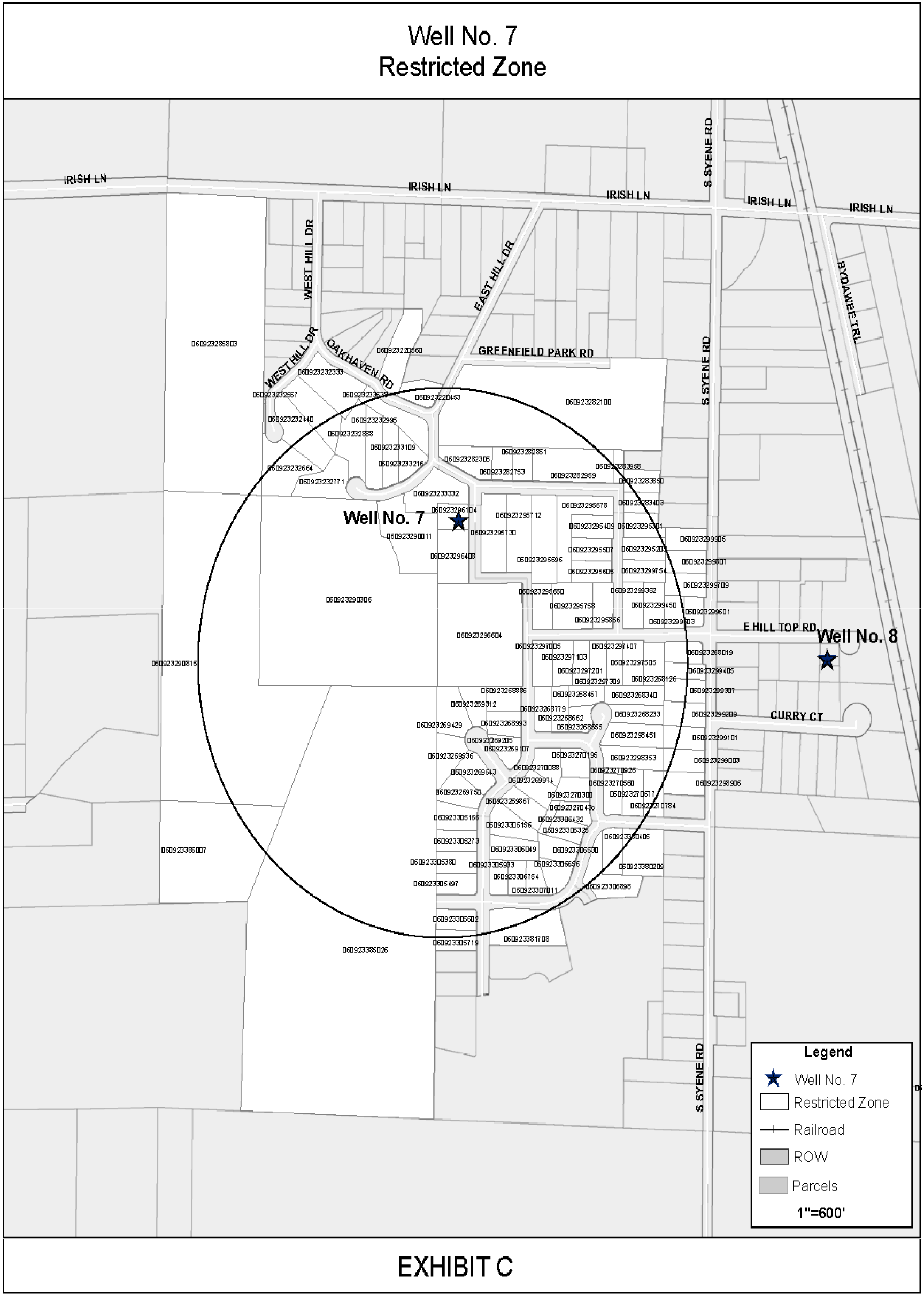
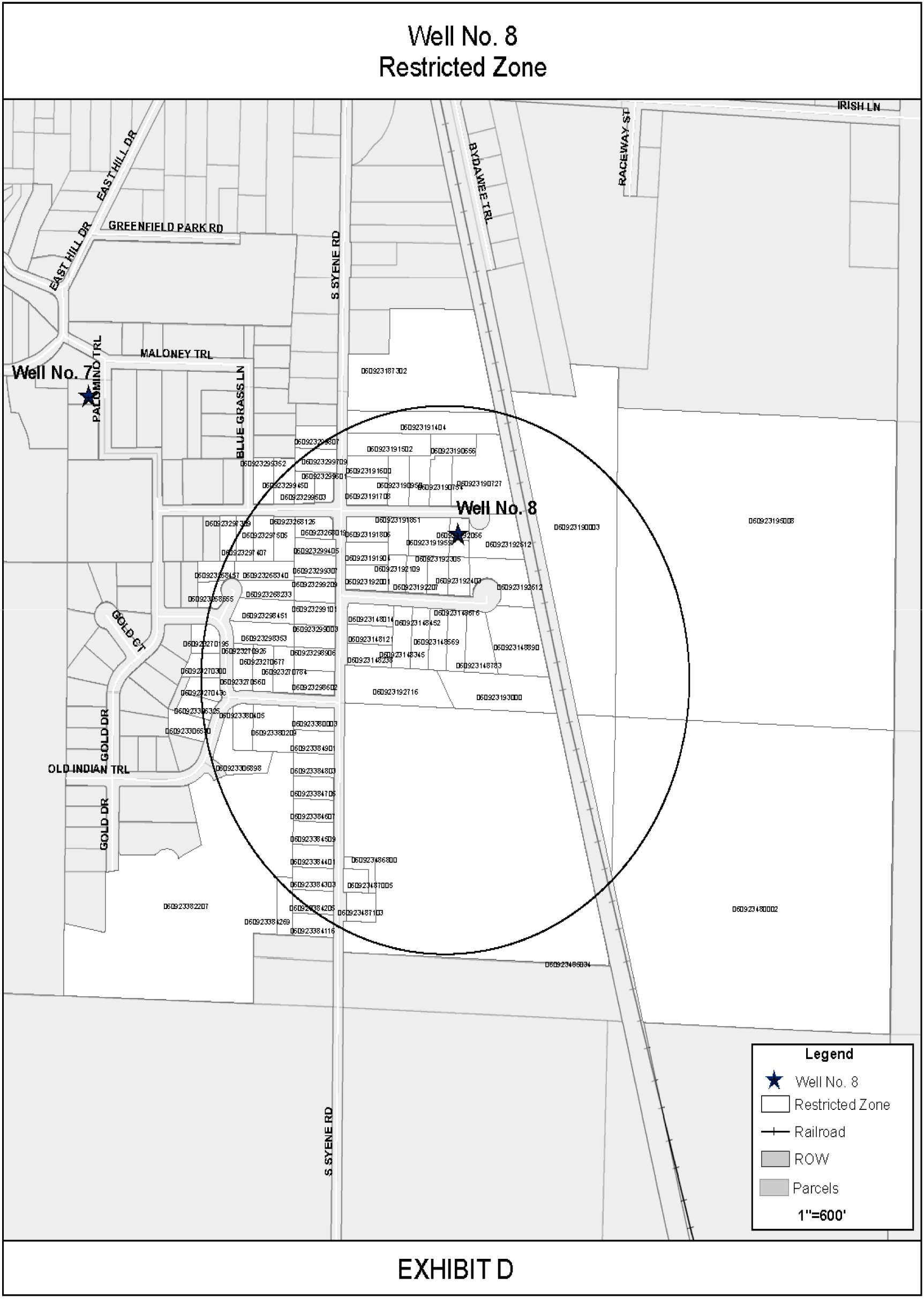
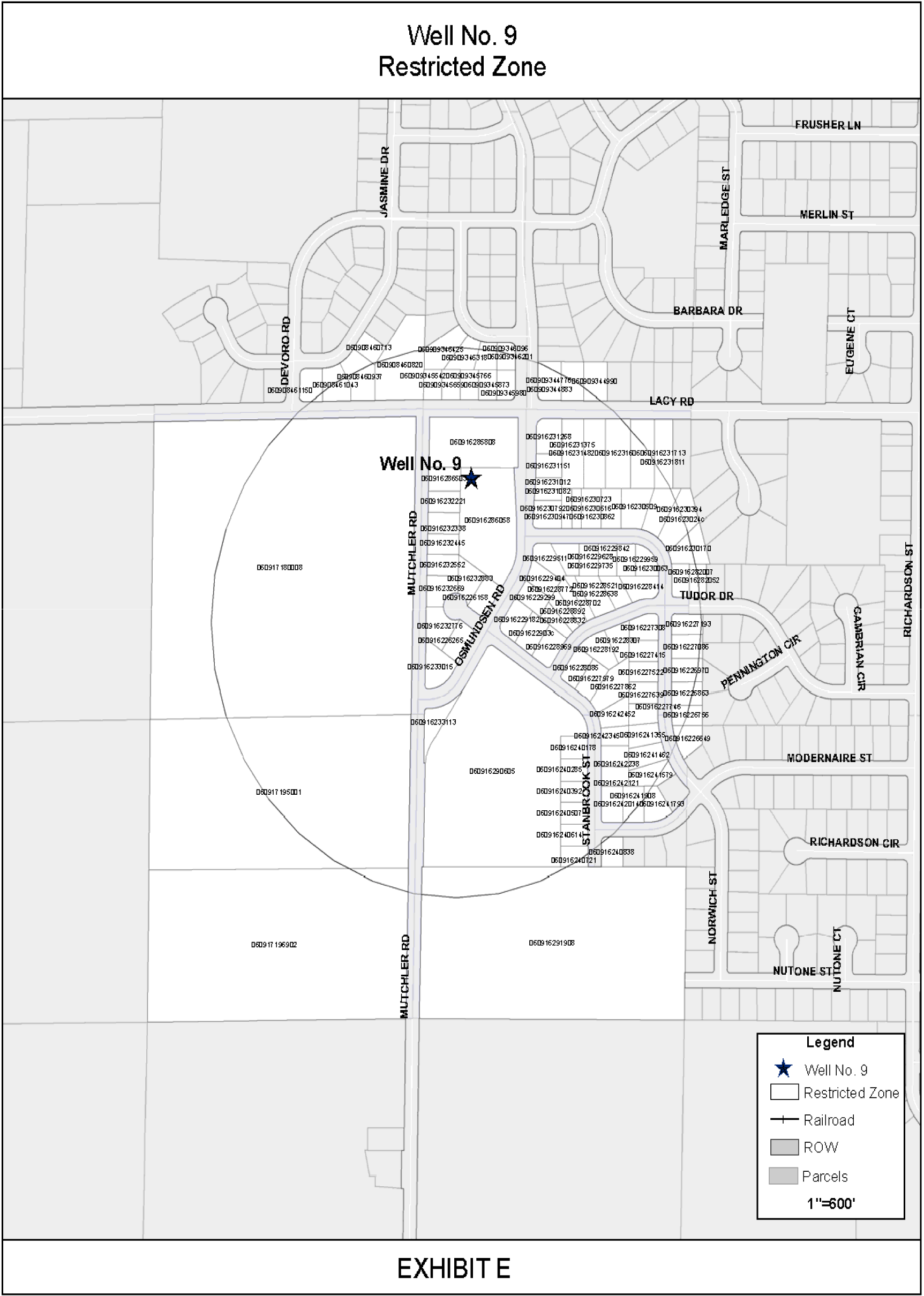
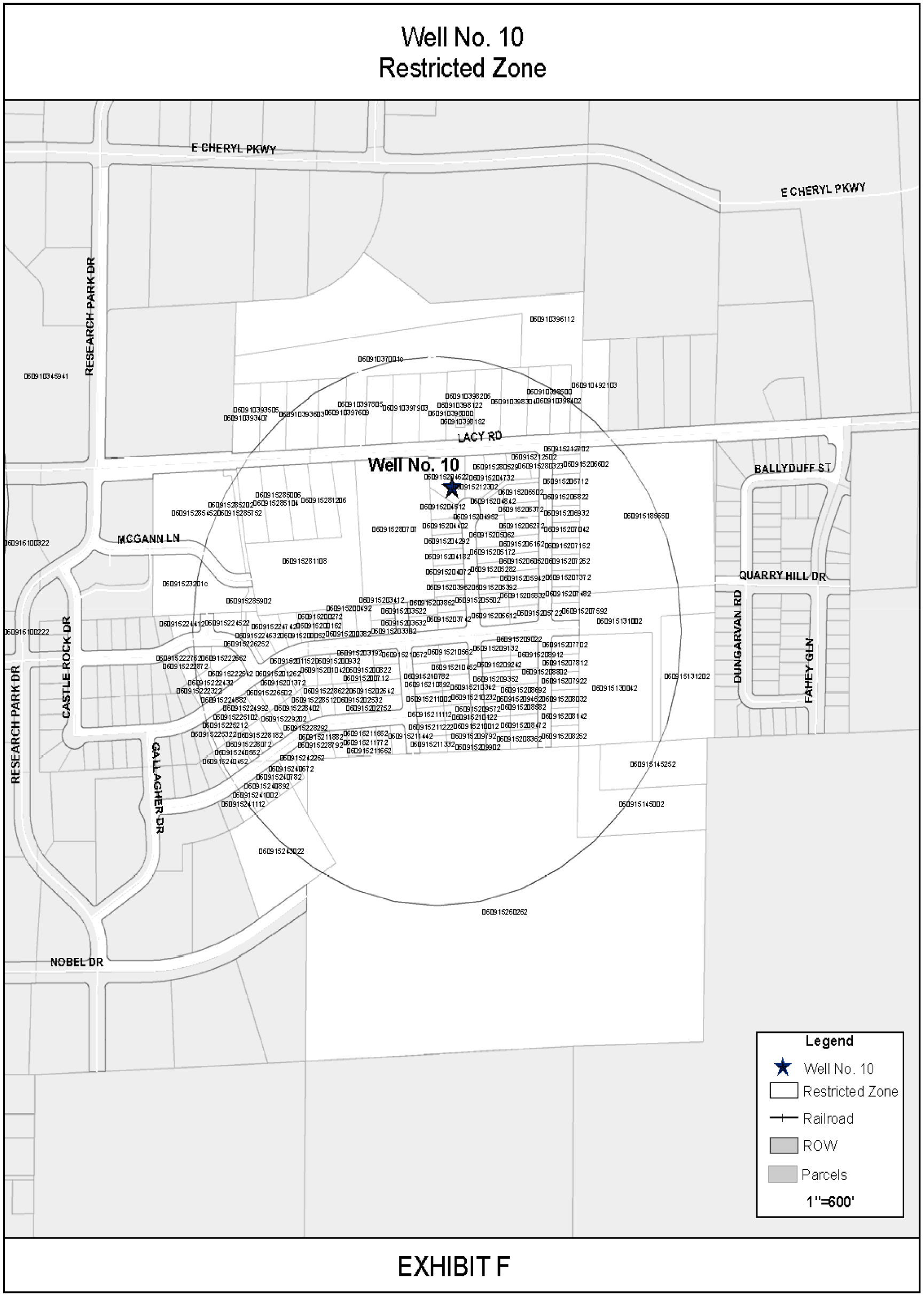
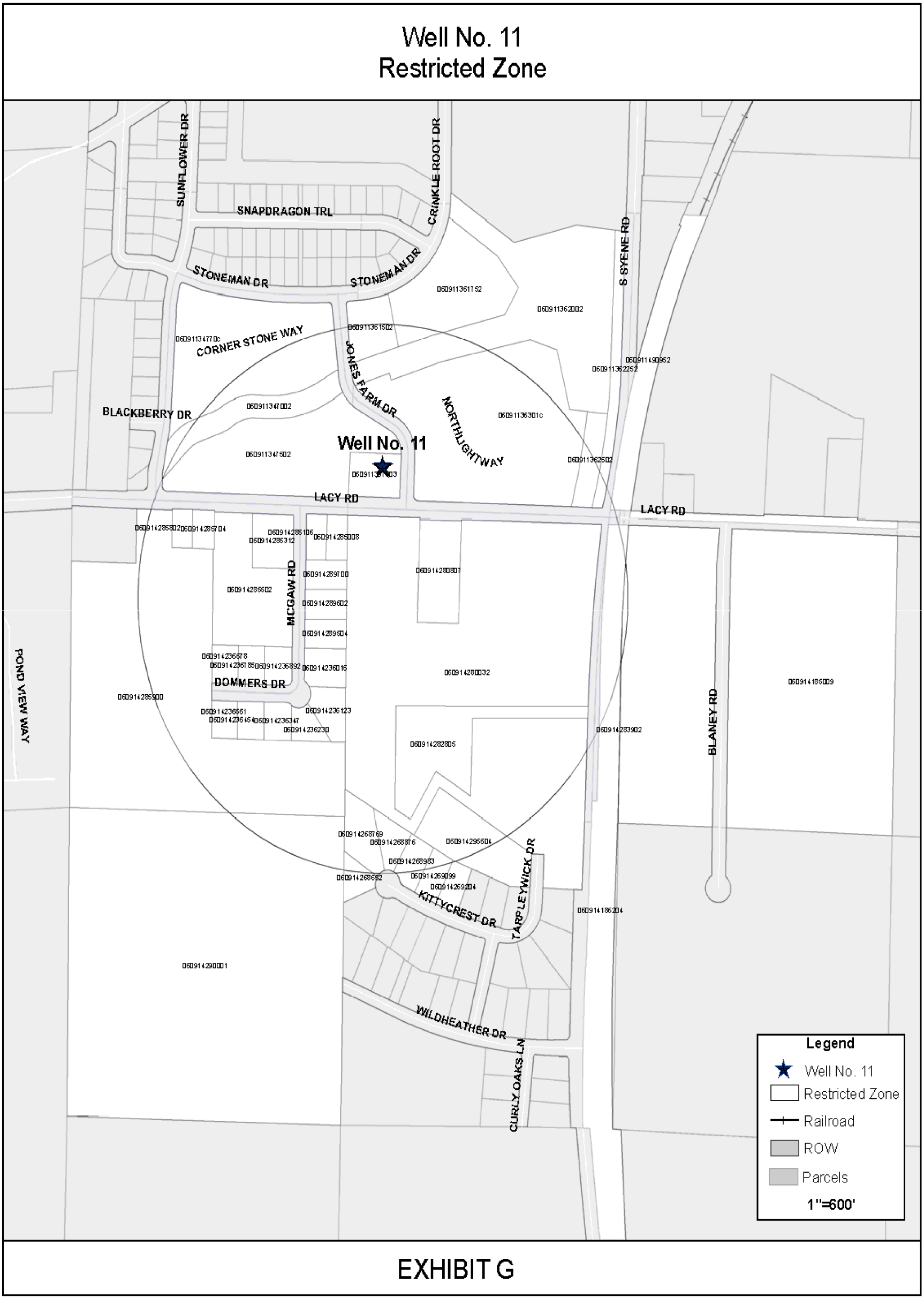
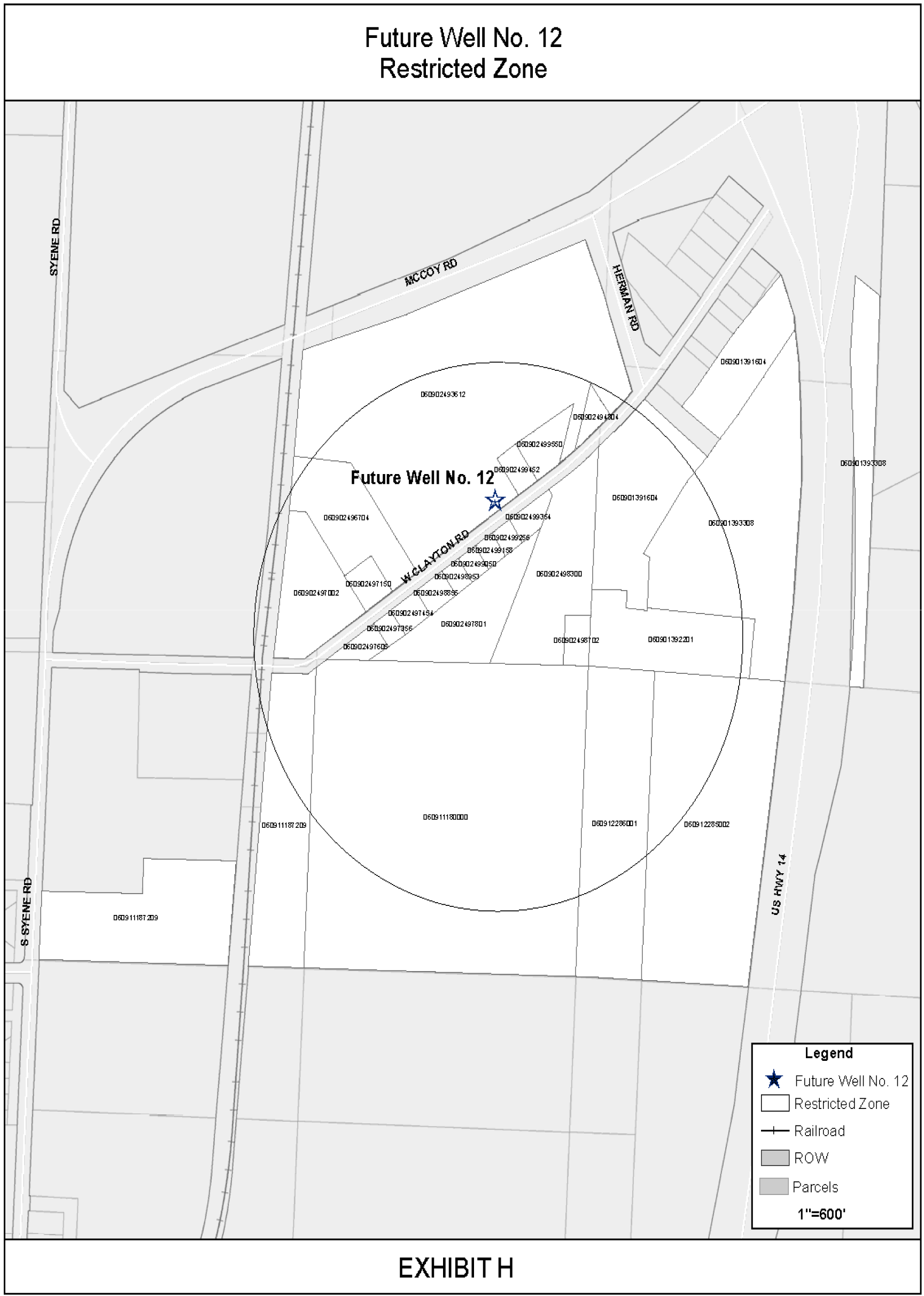
The following exhibits are available in color in the official ordinance book in the clerk's office for viewing:
(Ord. No. 2010-O-09, § 22.315, 10-12-2010)

