
Marion County Unincorporated
City Zoning Code
City Zoning Code
DIVISION 2
ZONING CLASSIFICATION2
Editor's note— Ord. No. 17-08, § 2(Exh. A), adopted April 11, 2017, amended Art. 4, Div. 2 in its entirety to read as herein set out. Former Art. 4, Div. 2, §§ 4.2.1—4.2.7, pertained to similar subject matter, and derived from Ord. No. 13-20, § 2, adopted July 11, 2013.
Sec. 4.2.1. - Zoning Classifications.
A.
Intent and purpose of. In order to regulate the location, height, bulk and size of buildings and other structures; the percentage of the lot, tract, or parcel which may be occupied; the size of lots, tracts or parcels, courts and green spaces; the density and distribution of population; the location and uses of land, buildings and structures for trade, industry, residential, recreation, public activities or other purposes in the unincorporated area of Marion County shall be zoned according to the subsequent sections.
(Ord. No. 17-08, § 2(Exh. A), 4-11-2017; Ord. No. 24-08, § 1(Att. 1), 4-16-2024)
Sec. 4.2.2. - General requirements for all agricultural classifications.
A.
Contained in the following sections are the allowed land uses, building and lot standards (including minimum setbacks), other general requirements, and permitted uses specified for all agricultural zoning classifications.
B.
Where the setback requirements set forth herein preclude development of the parcel or tract; and where the parcel or tract could be developed in conformance with the zoning code in effect prior to the adoption of this Code; the prior requirements shall prevail.
C.
Special requirements for all agricultural zoning classifications:
(1)
All setbacks shall be measured from the foundation or wall; however, eaves, roof overhangs, pilasters, chimneys and fireplaces may protrude two and one-half feet into a required setback
(2)
No structure or building may be erected, placed upon or extend over any easement unless approved in writing by the person or entity holding said easement
(3)
Outdoor ground and building lighting shall not cast direct light on adjacent properties.
(4)
The sale, either retail or wholesale, of hay, either locally grown or imported from outside the State of Florida, is allowed as an accessory use on a working farm, as defined in CH 604.50 FS, where hay is already produced and sold. This provision is not permitted in the A-3 zoning classification.
(5)
On A-1 zone parcels residential complexes for agricultural employees are allowed as an accessory use and may be clustered provided central water and sewage facilities are provided. Dwelling units may be conventional construction, or manufactured housing.
(6)
On legal non-conforming lots or parcels of one acre or less in size or lots up to nine and nine-tenths acres in size, the density per acre limitation for horses, mules, donkeys, sheep, cattle, goats, swine, beefalo and other large farm animals is as follows:
(a)
The minimum square footage of contiguous open pasture area, not including the dwelling and the garage (either attached or detached) shall be 9,000 square feet for the first animal and 6,000 square feet for each additional animal.
(b)
The total number of such animals that may be kept shall not exceed four per acre except offspring, which may be kept until weaned.
(7)
Requirements of the Storage of Manure:
(a)
Manure shall not be allowed to accumulate causing a nuisance or hazard to the health, welfare, or safety of humans or animals.
(b)
The outside storage of manure in piles (two cubic yards or greater) shall not be permitted within 100 feet of any lot line and/or any residence.
(c)
Compliance with Article 5 Springs Protection Zone standards.
(8)
Requirements for Solar Facilities:
(a)
Solar facilities shall be a permitted use in all Agricultural land use districts and zoning classifications and shall require the submittal and approval of a Major Site Plan application meeting all criteria contained within the LDC. Additionally, solar facilities are subject to the following criteria:
(1)
Buffers per Section 6.8.6 is required around the perimeter boundary of the project site, solar facilities are considered IND use.
(2)
All mechanical equipment, including solar panels and similar structures, shall be set back a minimum of 100 feet from all property boundaries.
(3)
The solar facility power inverters and similar equipment shall be oriented towards the interior of the site and away from adjacent properties and be set back a minimum of 300 feet from the property boundary.
(4)
Solar Facilities must include a stormwater management system that complies with all sections of the LDC, and specifically mitigates the conversion of sheet flows to concentrated flows to meet pre-development rates and volumes.
(b)
Solar Facilities are subject to all applicable regional, state, and federal regulations, and more specifically, as follows:
(1)
Impacts to wetlands may be allowed to the extent permitted by state, regional, and federal agencies, provided impacts are offset by mitigation consistent with said agencies.
(2)
State or federally listed plant and animal species shall be protected pursuant to the requirements and recommendations of the Florida Fish and Wildlife Conservation Commission and the United States Fish and Wildlife Service.
(c)
The following maximum height provisions shall apply to solar facilities:
(1)
Light poles: twenty (20) feet
(2)
Ground mounted solar panels or modules: twenty (20) feet for top edge at full tilt.
(3)
Roof mounted systems shall not exceed thirty-five (35) feet in height.
(4)
There are no maximum height provisions for transmission lines, substations, and collector yards.
(d)
Physical access to solar facilities shall be restricted by fencing or walls. Razor wire is prohibited. All fencing and wall details shall be shown on the required site plan. The fencing or walls shall be located on the inside edge of the perimeter buffer such that the buffer plantings are between the fence or wall and the adjacent properties.
(e)
The location of points of interconnection from the site to the grid, including any on-site overhead power lines shall be shown on the site plan. Interconnection points and on-site power lines shall be located in a manner that avoids undue visual impacts to adjacent properties to the maximum extent practicable.
(f)
Accessibility for emergency services vehicles shall be required and shown on the Major Site Plan.
(g)
The owner shall provide a decommissioning plan in recordable form for approval by the Board of County Commissioners governing the removal and cleanup of the project site to run with the land as a restrictive covenant, governing the removal and cleanup of the subject property upon the occurrence of the facilities final operation, and upon such approval the owner shall then record the plan in the Official Records of Marion County, Florida and provide the recorded document to the county for inclusion in its file.
(h)
Any approval of a solar facility does not create any actual or inferred solar energy system easement against adjacent property and/or structures. The owner and/or property owner of a solar facility shall not infer or claim any rights to protective writs to any caused shadows or operating ineffectiveness against future development adjacent to or higher than the property location of the solar facility. The approval of any solar facility granted by Marion County shall not create any future liability or infer any vested rights to the owner and/or property owner of the solar facility on the part of the County for any future claims against said issuance of approval of the solar facility that result from reliance on this section or any administrative decision lawfully made thereunder.
D.
Permitted Uses:
Accessory use aircraft hangars in approved fly-in communities shall be permitted and include a maximum height of 30 feet.
Beekeeping Operations
Pigeon lofts meeting the requirements of Sec. 4.3.20
Pot-bellied pigs as pets
Silos, not exceeding 100 feet in height
Single-family guest cottage/apartment Refer to Sec. 4.3.18
Yard sales (up to three per year)
Solar Energy Facilities pursuant to F.S. § 163.3205
E.
Owners of properties located on waterbodies considered "non-ESOZ" waterbodies may elect to designate the yard fronting on the waterbody as the new front or rear yard of the property.
(Ord. No. 17-08, § 2(Exh. A), 4-11-2017; Ord. No. 24-08, § 1(Att. 1), 4-16-2024; Ord. No. 25-56, § 1(Att.), 12-2-2025)
Sec. 4.2.3. - General Agriculture (A-1) zoning classification.
A.
Intent of classification. The General Agriculture zoning classification is intended to preserve agriculture as the primary use. This zoning classification in the Urban Area may be used for agriculture until it is rezoned to another permitted classification.
B.
Agricultural Zoning classification Permitted and Special Uses. See table 4.2-1 below.
C.
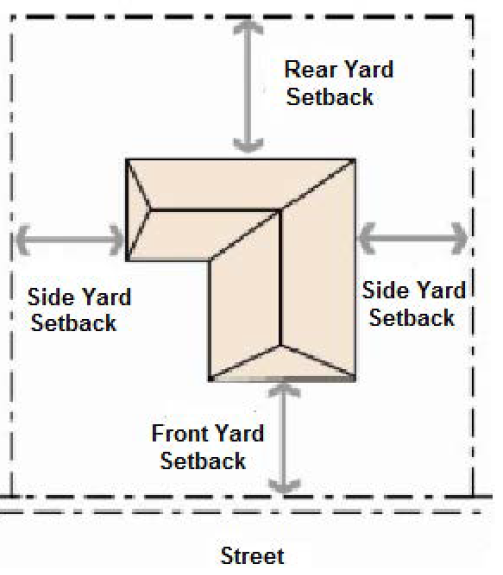
Property Development Regulations. See table 4.2-2 and figure 4.2-1 below.
(Ord. No. 17-08, § 2(Exh. A), 4-11-2017; Ord. No. 24-08, § 1(Att. 1), 4-16-2024)
Sec. 4.2.4. - Improved Agriculture (A-2) zoning classification.
A.
Intent of classification. The Improved Agriculture classification is intended to provide for general farming and animal husbandry with accessory uses, involving substantial improvement and development, and for which certain restrictive zoning is necessary to minimize conflicts and protect the character of the area.
B.
Agriculture Zoning Classification Permitted and Special Uses. See table 4.2-1 below.
C.
Property Development Regulations. See table 4.2-2 and figure 4.2-1 below.
(Ord. No. 17-08, § 2(Exh. A), 4-11-2017; Ord. No. 24-08, § 1(Att. 1), 4-16-2024)
Sec. 4.2.5. - Residential Agriculture Estate (A-3) zoning classification.
A.
Intent of classification. The Residential Agricultural Estate Classification is intended to provide for areas whose present or prospective use is animal husbandry with attendant agricultural and accessory uses; providing a rural or farm atmosphere in which single family home ownership may be combined with small parcel development and where the growing of supplemental food supplies for families will be encouraged. It is also intended to permit a reasonable use of the property while protecting prime agricultural or natural area from urban encroachment and preventing rapid expansion of demands on public facilities such as school, roads, and water and sewer lines.
B.
Agriculture Zoning Classification Permitted and Special Uses. See table 4.2-1 below.
C.
Property Development Regulations. See table 4.2-2 and figure 4.2-1 below.
Table 4.2-1 Agricultural Zoning Classification Permitted and Special Uses Table
Table 4.2-2 Agricultural Classification Property Development Regulations Table
Figure 4.2-1 Agricultural Classification Property Development Regulations Diagram
(Ord. No. 17-08, § 2(Exh. A), 4-11-2017; Ord. No. 24-08, § 1(Att. 1), 4-16-2024)
Sec. 4.2.6. - Requirements for all residential zoning classifications.
A.
Contained in this section are the allowed land uses, building and lot standards (including minimum setbacks), and other general requirements specified for these zoning classifications.
B.
These zoning classifications may apply for sites subject to the density exceptions provisions in Sec. 4.3.2.
C.
General Requirements for all residential classifications:
(1)
Lot orientation. In residential zoning classification R-1, R-2, R-3, and R-4 a single-family residential dwelling, irrespective of construction method shall be situated on the lot so that the external wall which, by design, is intended to be the front, generally faces a street adjoining the lot.
(a)
This requirement shall not apply in either of the following situations:
1.
The dwelling is located on a "flag" lot; or
2.
The dwelling is setback at least 100 feet from the street right-of-way on an interior lot.
(b)
Alternatively, relief to this requirement is subject to the following conditions:
1.
Any dwelling which cannot practically be located on the subject lot in any other manner; and,
2.
The dwelling shall have sufficient architectural treatment so that the end wall does not appear to be an end wall, including at a minimum an entry feature consisting of a porch and an entry door. All construction of the entry feature must meet the applicable construction codes for the dwelling unit type.
(2)
Movable awnings, may not project over three feet into a required setback.
(3)
No structure may be erected, placed upon, or extend over any easement unless approved in writing by the person or entity holding said easement.
(4)
All setbacks shall be measured from the foundation or wall if no foundation is present; however, eaves, roof overhangs, pilasters, chimneys and fireplaces may protrude two feet into the setback.
(5)
See Environmentally Sensitive Overlay Zone (ESOZ) in Article 5 for alternative lot and building standards for properties within that zone.
(6)
Residentially zoned parcels located on a waterbody that is not listed in Table 5.2.1 (ESOZ) of this code, Sec. 5.2.2.A. may declare the lakeside as the front yard in determining the placement of accessory structures, provided all setbacks are observed.
(7)
Private building for housing dogs, cats or similar small domesticated pets.
(8)
Accessory structures shall be located in the rear or side yard provided required setbacks are observed; for properties one (1) acre or less, accessory structures require a minimum eight (8) feet rear and side yard setbacks consistent with the Section.
(9)
Accessory use aircraft hangars in approved fly-in communities shall be permitted and include a maximum height of 30 feet.
(10)
Outdoor ground and building lights shall not cast direct light on adjacent properties.
D.
Requirements for keeping chickens in residential zoning classifications:
(1)
Chicken shall mean a female of Gallus domesticus or a hen. Chicken shall not include the following:
(a)
Any male chicken or rooster.
(b)
Any duck, goose, turkey, peafowl, guinea fowl or other poultry or fowl.
(2)
Number of chickens may not exceed six.
(3)
Roosters are prohibited.
(4)
Duplex, townhome, multi-family and similar units are prohibited from keeping chickens.
(5)
Hens must be contained within a covered and fully enclosed chicken coop from dusk to dawn and inside a coop and/or a fenced pen area the remainder of the time. The coop and fenced pen area must be located in the side or rear lot behind the principal structure.
(6)
It shall be unlawful for any person to allow hens to run at large upon the streets, alleys, public or private rights-of-way or other public places, or upon the property of any other person.
(7)
The coop and fenced pen area shall be setback 20 feet, based on the closest portion of the coop or fenced pen area, from any adjacent residential principal structure or accessory that contains a residential unit.
(8)
The coop and fenced pen area shall comply with all other zoning classification setback requirements.
(9)
The coop and pen area must be kept in a clean sanitary manner, free of insects and rodents, offensive odors, excessive noise, or any other condition, which could potentially cause a nuisance (i.e. the coop should be cleaned frequently).
(10)
Stored feed must be secured in metal containers to prevent mice and other pests.
(11)
No routine slaughtering of the hens is allowed on the subject site.
(12)
Hens are to be kept for personal use of the residents of the site and no on-site retail sale of eggs, manure or hens shall occur.
E.
Zoning lot and building standards shall conform to the standards outlined for each residential classification within the sections that follow.
F.
General requirements in RR-1 Zoning, RE Zoning and in any zoning classification permitted by special use: For the keeping of horses, the minimum square footage of pasture area not including the dwelling shall be 9,000 square feet for the first horse and 6,000 square feet for each additional horse. The total number of horses shall not exceed four per acre, except foals, which may be kept until weaned.
G.
Pigeon lofts meeting the requirements of Sec. 4.3.20, on lots one acre or larger except in MH and PMH classifications.
(Ord. No. 17-08, § 2(Exh. A), 4-11-2017; Ord. No. 24-08, § 1(Att. 1), 4-16-2024)
Sec. 4.2.7. - Rural Residential (RR-1) zoning classification.
A.
Intent of Zoning Classification. The Rural Residential Zoning Classification provides for rural residential development with home sites and certain agricultural uses, which are compatible with rural residential development. All residentially zoned parcels of record located in Rural Lands are eligible for rezoning to this classification. Agriculturally zoned parcels shall not be rezoned to this classification.
B.
Residential Zoning Classification Permitted and Special Uses. See table 4.2-3 below.
C.
Property Development Regulations. See table 4.2-4 and figure 4.2-2 below.
(Ord. No. 17-08, § 2(Exh. A), 4-11-2017; Ord. No. 24-08, § 1(Att. 1), 4-16-2024)
Sec. 4.2.8. - Residential Estate (R-E) zoning classification.
A.
Intent of classification. The Residential Estate Zoning Classification provides for low-density urban residential development with large lot home sites and certain agricultural uses, which are compatible with residential development.
B.
Residential Zoning Classification Permitted and Special Uses. See table 4.2-3 below.
C.
Property Development Regulations. See table 4.2-4 and figure 4.2-2 below.
(Ord. No. 17-08, § 2(Exh. A), 4-11-2017; Ord. No. 24-08, § 1(Att. 1), 4-16-2024)
Sec. 4.2.9. - Single Family Dwelling (R-1) zoning classification.
A.
Intent of classification. The Single Family Dwelling Zoning Classification is intended to provide areas for medium-density residential development.
B.
Residential Zoning Classification Permitted and Special Uses. See table 4.2-3 below.
C.
Property Development Regulations. See table 4.2-4 and figure 4.2-2 below.
(Ord. No. 17-08, § 2(Exh. A), 4-11-2017; Ord. No. 24-08, § 1(Att. 1), 4-16-2024)
Sec. 4.2.10. - One and Two-Family Dwelling (R-2) zoning classification.
A.
Intent of Classification. The One- and Two-Family Dwelling Zoning Classification is intended to provide areas for medium and high- density residential development and includes both one-family and two-family dwellings.
B.
Residential Zoning Classification Permitted and Special Uses. See table 4.2-3 below.
C.
Property Development Regulations. See table 4.2-4 and figure 4.2-2 below.
(Ord. No. 17-08, § 2(Exh. A), 4-11-2017; Ord. No. 24-08, § 1(Att. 1), 4-16-2024)
Sec. 4.2.11. - Multiple-Family Dwelling (R-3) zoning classification.
A.
Intent of Classification. The Multi-Family Dwelling Zoning Classification is intended to provide for high-density and urban residential development, including multi-family dwellings in areas served by public or private water and sewer facilities.
B.
Residential Zoning Classification Permitted and Special Uses. See table 4.2-3 below.
C.
Property Development Regulations. See table 4.2-4 and figure 4.2-2 below.
D.
Addition to Multiple Family Dwelling (R-3). When multiple-family residential uses are provided within 100 feet of the boundary edge of the parcel, the following shall apply to that development when the abutting existing use is a single-family use or the zoning classification that permits only single-family residential uses:
a.
A multiple-family structure may not exceed a height that is twice the height of the closest existing single-family residence: however, the height of the multiple-family structure shall also not exceed the maximum height allowed in the abutting residential zoning classification.
b.
If single-family residential classification zoned land directly adjacent to the parcel is vacant land, then the height of a multiple-family structure within the parcel shall not exceed the maximum height allowed in the abutting residential single-family residential classification.
(Ord. No. 17-08, § 2(Exh. A), 4-11-2017; Ord. No. 24-08, § 1(Att. 1), 4-16-2024; Ord. No. 24-30, § 1(Att. A), 12-9-2024)
Editor's note— Ord. No. 24-30, § 1(Att. A), adopted Dec. 9, 2024 and Ord. No. 25-10, § 1(Att. 1), adopted April 8, 2025, subsequently amended the former subsections E. and F. of § 4.2.11. While the previous Ord. No. 24-08 removed said subsections, at the direction of the county, the amendement to subsection E. in Ord. No. 24-30 has been retained and renumbered as subsection D.
Sec. 4.2.12. - Mixed Residential (R-4) zoning classification.
A.
Intent of Classification. The Mixed Residential Zoning Classification is intended to provide for medium-density, single family or two-family, residential development utilizing a mix of single or double-wide manufactured homes and conventional construction homes.
B.
Residential Zoning Classification Permitted and Special Uses. See table 4.2-3 below.
C.
Property Development Regulations. See table 4.2-4 and figure 4.2-2 below.
(Ord. No. 17-08, § 2(Exh. A), 4-11-2017; Ord. No. 24-08, § 1(Att. 1), 4-16-2024)
Sec. 4.2.13. - Manufactured Housing (MH) zoning classification.
A.
Intent of Classification. The Manufactured Housing (MH) Zoning Classification is intended to provide residential areas for manufactured housing development. Manufactured Housing dwelling units shall conform to the requirements of the National Manufactured Home Construction and Safety Standards (HUD Code).
B.
Residential Zoning Classification Permitted and Special Uses. See table 4.2-3 below.
C.
Property Development Regulations. See table 4.2-4 and figure 4.2-2 below.
D.
All units shall also comply, if applicable, with Sec. 4.3.6, Manufactured Home, and Park Trailer and Recreational Vehicle Regulations of this Code.
(Ord. No. 17-08, § 2(Exh. A), 4-11-2017; Ord. No. 24-08, § 1(Att. 1), 4-16-2024)
Sec. 4.2.14. - Manufactured Housing Park (P-MH) zoning classification.
A.
Intent of Classification. The Manufactured Housing Park Zoning Classification is intended to provide tracts of land designed to create a sense of community and maintained or used for the purpose of renting individual sites for manufactured homes.
B.
Residential Zoning Classification Permitted and Special Uses. See table 4.2-3 below.
C.
Property Development Regulations. See table 4.2-4, and figures 4.2-2 and 4.2-3 below.
Table 4.2-3 Residential Zoning Classification Permitted and Special Uses Table
Table 4.2-4 Residential Classification Property Development Regulations Table
1 Smaller lots sizes may be approved administratively through the waiver process in Article 2, Division 10 including DRC, Development Review Committee, recommendation and approval by the Board.
2 Smaller lots sizes may be approved administratively through the waiver process in Article 2, Division 10 including DRC, Development Review Committee, recommendation and approval by the Board.
Figure 4.2-2 Residential Classification Property Development Regulations Diagram
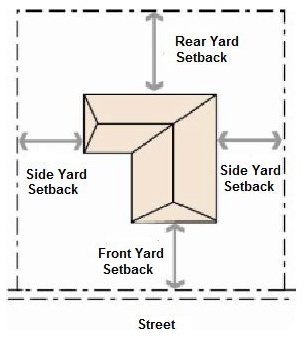
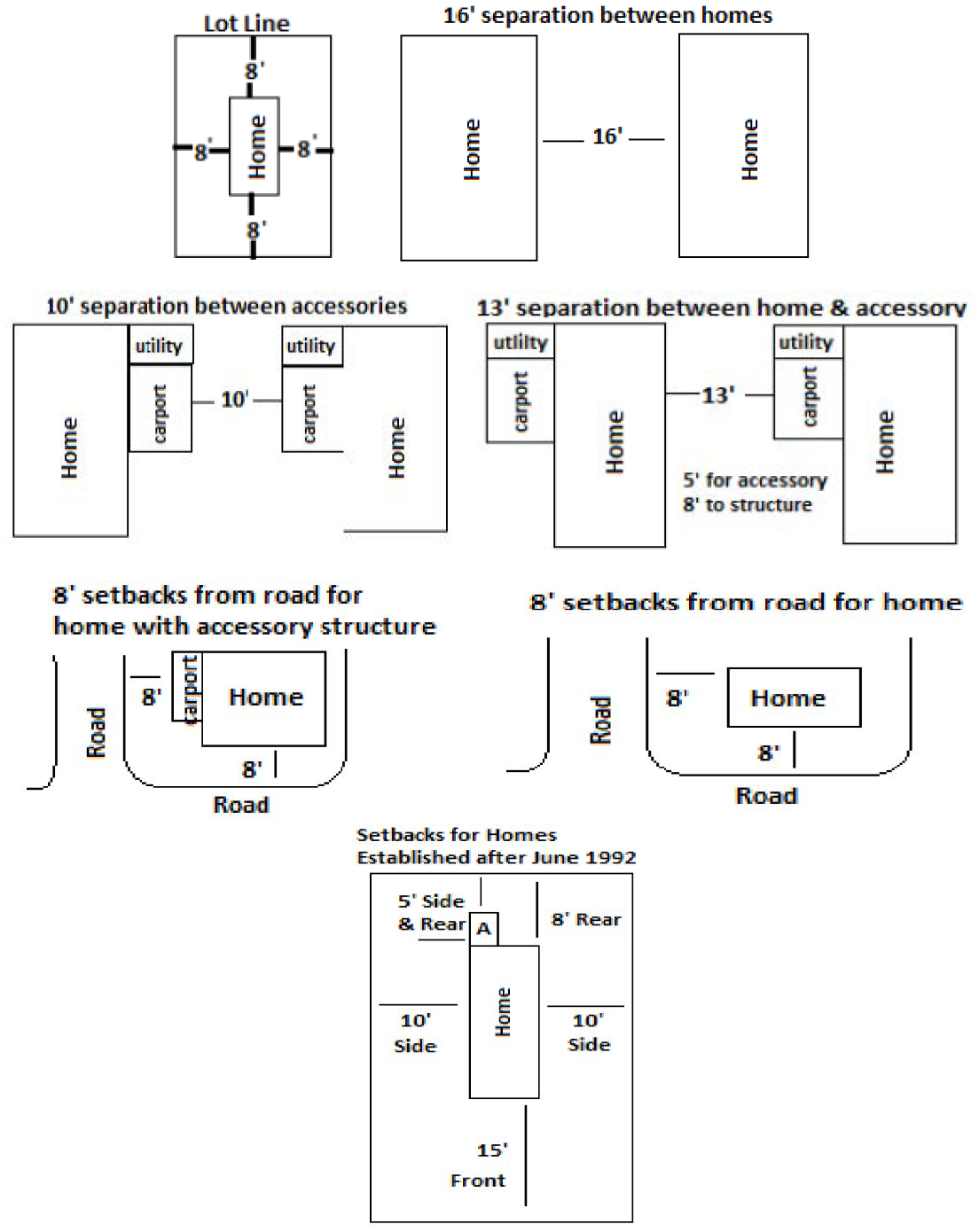
Figure 4.2-3 Mobile Home Park Classification Property Development Regulations Diagram
Diagramed Setbacks for Manufactured Home Parks Established on or prior to June 11, 1992
(Ord. No. 17-08, § 2(Exh. A), 4-11-2017; Ord. No. 24-08, § 1(Att. 1), 4-16-2024)
Sec. 4.2.15. - Requirements for all commercial and industrial zoning classifications.
A.
Within commercially zoned classifications, unless otherwise noted the listed uses shall mean the sale of finished products or units.
B.
No structure may be erected, placed upon or extend over any easement unless approved in writing by the person or entity holding said easement.
C.
All security residences or residential units must be of similar construction and architectural style as the primary structure.
D.
All security or residential units must be to the side or rear of the primary structure and location shall be approved administratively.
E.
Ground and building lights shall be confined to the property and shall not cast direct light on adjacent properties. The maximum height of a light pole shall be 35 feet in all commercial zoning classifications except B-1 and RAC where the maximum height is 25 feet.
F.
For all other outdoor lighting requirements, refer to Sec. 6.19.6.
G.
Trash containers shall be screened from public view, using opaque materials.
H.
All setbacks shall be measured from the outside wall of buildings or structures and from the concrete curb surrounding gas pumps; however, eaves, roof overhangs or pilasters may protrude two feet into a required setback. Gas pump island canopies may protrude ten feet into a required setback.
I.
Screening of Activities. Areas used for parking of commercial vehicles, or storage of vehicles, or outdoor storage or uses shall be screened, buffered or fenced in such a manner as to screen said areas from view from access streets, freeways and incompatible adjacent properties. Such screening shall form a complete opaque screen up to a point eight feet in vertical height.
(Ord. No. 17-08, § 2(Exh. A), 4-11-2017; Ord. No. 24-08, § 1(Att. 1), 4-16-2024)
Sec. 4.2.16. - Residential Office (R-O) zoning classification.
A.
Intent of Classification. The Residential Office Zoning classification is intended to provide areas where residential uses and certain office uses which are compatible with residential development may be allowed to coexist. This normally occurs through the conversion of single-family dwellings to specific office uses. This zoning classification is to be considered a restricted commercial zoning classification.
B.
Commercial Zoning Classification Permitted and Special Uses. See table 2.4-5 below.
C.
Development Standards. See table 2.4-6 below.
D.
Special Requirements:
(1)
Existing residential uses will be allowed to continue as a permitted use of an existing residential structure until such time as the dwelling unit is converted through change of occupancy, sale, or lease for office or other permitted uses.
(2)
The front setback area shall not be utilized for the display, or storage of goods, commodities or merchandise offered for sale or rent whether on a temporary or permanent basis, unless permitted through the Temporary or Special Event Permitting Process. Refer to Sec. 4.3.16 for procedures to obtain either a Temporary Use Permit or a Special Event Permit.
(3)
Uses allowed in this zoning classification shall be located within an enclosed structure.
E.
See Environmentally Sensitive Overlay Zone (ESOZ) in Article 5 for alternative lot and building standards for properties within that zone.
(Ord. No. 17-08, § 2(Exh. A), 4-11-2017; Ord. No. 24-08, § 1(Att. 1), 4-16-2024)
Sec. 4.2.17. - Neighborhood Business (B-1) zoning classification.
A.
Intent of Classification. The Neighborhood Business Classification is intended to provide for neighborhood retail and shopping facilities that would be appropriate with surround residential areas. All commercial activity involving retail sales or rentals shall take place in a completely enclosed building.
B.
Commercial Zoning Classification Permitted and Special Uses. See table 2.4-5 below.
C.
Development Standards. See table 2.4-6 below.
D.
Special Requirements:
(1)
The front setback area shall not be utilized for the display, or storage of goods, commodities or merchandise offered for sale or rent whether on a temporary or permanent basis, unless permitted through the Temporary or Special Event Permitting Process. Refer to Sec. 4.3.16 for procedures to obtain either a Temporary Use Permit or a Special Event Permit.
(2)
All setbacks shall be measured from the outside wall of buildings or structures and from the concrete curb surrounding gas pumps; however, eaves, roof overhangs, or pilasters may protrude two feet into a required setback.
E.
Buffering Requirements. Buffers shall be provided consistent with the provisions of Section 6.8.6; however, for a proposed Industrial use adjoining a Right-of-Way wherein any form of Residential use is adjacent to that right-of-way across from the Industrial use, that buffer shall be upgraded to a D-Type Buffer in lieu of a C-Type Buffer.
(Ord. No. 17-08, § 2(Exh. A), 4-11-2017; Ord. No. 17-25, § 1(Exh. A), 10-3-2017; Ord. No. 24-08, § 1(Att. 1), 4-16-2024)
Sec. 4.2.18. - Community Business (B-2) zoning classification.
A.
Intent of Classification. The Community Business classification provides for the shopping and limited service needs of several neighborhoods, a community, or a substantial land area. Retail stores are intended to include general merchandise, fashion, durable goods, and personal services. All commercial activity involving retail sales or rentals shall take place in a completely enclosed building.
B.
Commercial Zoning Classification Permitted and Special Uses. See table 2.4-5 below.
C.
Development Standards. See table 2.4-6 below.
D.
Special Requirements:
(1)
All commercial activities involving retail sales or rentals shall take place in a completely enclosed building. Restaurant, garden center, plant nursery, boat, golf cart, LSV, bicycle and lawnmower sales, rentals, and displays may take place outside, if any lawnmowers, golf carts, LSVs and bicycles being displayed outside are stored inside the sales building after business hours.
(2)
Screening of Activities. Areas used for parking of commercial vehicles, or storage of vehicles, or outdoor storage or uses shall be screened, buffered or fences in such a manner as to screen said areas from view from access streets, freeways and incompatible adjacent properties. Such screening shall form a complete opaque screen up to a point eight feet in vertical height. Items for outside storage that are not for display for retail or rental purposes shall be located in the side or rear yard area and shall be subject to the buffering requirements below, and the additional requirements of Section 6.8.6.
(3)
Within commercially zoned classifications, unless otherwise noted the listed uses shall mean the sale of finished products or units.
E.
Buffering Requirements. Buffers shall be provided consistent with the provisions of Section 6.8.6; however, for a proposed Industrial use adjoining a Right-of-Way wherein any form of Residential use is adjacent to that right-of-way across from the Industrial use, that buffer shall be upgraded to a D-Type Buffer in lieu of a C-Type Buffer.
(Ord. No. 17-08, § 2(Exh. A), 4-11-2017; Ord. No. 17-25, § 1(Exh. A), 10-3-2017; Ord. No. 24-08, § 1(Att. 1), 4-16-2024)
Sec. 4.2.19. - Specialty Business (B-3) zoning classification.
A.
Intent of Classification. The Specialty Business classification is intended to provide areas for the development of special commercial facilities requiring large parcels of land, which require access, by motor vehicles of all types including tractor- trailer units.
B.
Commercial Zoning Classification Permitted and Special Uses. See table 2.4-5 below.
C.
Development Standards. See table 2.4-6 below.
D.
Special Requirements:
(1)
All setbacks shall be measured from the outside wall of buildings or structures and from the concrete curb surrounding gas pumps; however, eaves, roof overhangs, or pilasters may protrude two feet into a required setback.
(2)
The display of motor vehicles, recreational vehicles and trailers, farm tractors and equipment, and heavy construction equipment, which are for sale or lease, may be exhibited in the front setback; however, the front setback shall be increased to a minimum of 85 feet.
(3)
All uses allowed in this zoning classification shall be located within an enclosed structure with the following exceptions:
(a)
All outdoor activities and outdoor storage of materials, components, and finished goods shall be located in side or rear yard areas and shall be fenced and buffered from view from surrounding properties
(b)
Temporary storage or parking of motor vehicles, recreational vehicles, trailers, farm tractors and equipment, which are for, inventory or in for repair shall be located in side or rear yard areas where they are buffered from view from adjacent properties.
(c)
The temporary parking of commercial vehicles in truck stop facilities or public parking lots or facilities
(4)
Within commercially zoned classifications, unless otherwise noted the listed uses shall mean the sale of finished products or units.
E.
Buffering Requirements. Buffers shall be provided consistent with the provisions of Section 6.8.6; however, for a proposed Industrial use adjoining a Right-of-Way wherein any form of Residential use is adjacent to that right-of-way across from the Industrial use, that buffer shall be upgraded to a D-Type Buffer in lieu of a C-Type Buffer.
(Ord. No. 17-08, § 2(Exh. A), 4-11-2017; Ord. No. 24-08, § 1(Att. 1), 4-16-2024)
Sec. 4.2.20. - Regional Business (B-4) zoning classification.
A.
Intent of Classification. The Regional Business classification is intended to create a zoning classification to provide for the development of regional shopping centers; to establish and maintain intensive commercial activities and specialized service establishments that require centralized locations within a large service area; to provide a full range of merchandise and services usually obtainable in major department stores and their complimentary specialty shops; and to permit the development of major financial and administrative complexes that may serve a region and require a conspicuous and accessible location convenient for motorists.
B.
Commercial Zoning Classification Permitted and Special Uses. See table 2.4-5 below.
C.
Development Standards. See table 2.4-6 below.
D.
Special Requirements:
(1)
All uses allowed in this zoning classification shall be located within an enclosed structure with the following exceptions:
(a)
All outdoor activities and outdoor storage of materials, components, and finished goods shall be located in side or rear yard areas and shall be fenced and buffered from view from surrounding properties.
(b)
Temporary storage or parking of motor vehicles, recreational vehicles, trailers, farm tractors and equipment, which are for, inventory or in for repair shall be located in side or rear yard areas where they are buffered from view from adjacent properties.
(c)
The temporary parking of commercial vehicles in truck stop facilities or public parking lots or facilities.
(d)
Within commercially zoned classifications, unless otherwise noted the listed uses shall mean the sale of finished products or units.
E.
Reserved.
F.
Buffering Requirements. Buffers shall be provided consistent with the provisions of Section 6.8.6; however, for a proposed Industrial use adjoining a Right-of-Way wherein any form of Residential use is adjacent to that right-of-way across from the Industrial use, that buffer shall be upgraded to a D-Type Buffer in lieu of a C-Type Buffer.
(Ord. No. 17-08, § 2(Exh. A), 4-11-2017; Ord. No. 24-08, § 1(Att. 1), 4-16-2024)
Sec. 4.2.21. - Heavy Business (B-5) zoning classification.
A.
Intent of Classification. The Heavy Business classification is intended to provide for those uses such as retail or wholesale, repair and service, which may require larger parcels for the outside storage of materials or equipment in inventory or waiting repair. Businesses are intended to serve clients and customers from a regional area providing access for large delivery trucks.
B.
Commercial Zoning Classification Permitted and Special Uses. See table 2.4-5 below.
C.
Development Standards. See table 2.4-6 below.
D.
Special Requirements:
(1)
All setbacks will be measured from the outside wall of buildings or structures and from the concrete curb surrounding gas pumps; however, eaves, roof overhangs, or pilasters may protrude two feet into a required setback.
(2)
The display of items allowed within this zoning classification that are for sale or lease, may be displayed within the front setback. The front setback will be increased to a minimum of 85 feet for structures or buildings.
(a)
Sales, rentals and display of motor vehicles, farm equipment, manufactured homes, motorcycles, landscape contractor's yard supplies, farm tractors, trailers, utility/storage sheds, restaurant service, garden center items, lawn mowers, bicycles, boats, golf carts, and plant nursery are permitted outside in this classification. All outdoor activities and outdoor storage of materials, components, and finished goods shall be located in side or rear yard areas and shall be fenced and buffered from view from surrounding properties.
(b)
Temporary storage or parking of motor vehicles, recreational vehicles, trailers, farm tractors and equipment, which are for, inventory or in for repair shall be located in side or rear yard areas where they are buffered from view from adjacent properties.
(c)
The temporary parking of commercial vehicles in truck stop facilities or public parking lots or facilities.
E.
Buffering Requirements. Buffers shall be provided consistent with the provisions of Section 6.8.6; however, for a proposed Industrial use adjoining a Right-of-Way wherein any form of Residential use is adjacent to that right-of-way across from the Industrial use, that buffer shall be upgraded to a D-Type Buffer in lieu of a C-Type Buffer.
(Ord. No. 17-08, § 2(Exh. A), 4-11-2017; Ord. No. 24-08, § 1(Att. 1), 4-16-2024)
Sec. 4.2.22. - Recreational Resort (RR) zoning classification.
A.
Intent of Classification. The Recreational Resort Classification is intended to provide for commercial and institutional recreational development in rural or urban areas adjacent to or within the Ocala National Forest or other natural recreation areas including but not limited to the Silver River State Park, the Florida Greenway, and Rainbow River Park or on lands fronting on lakes or rivers. The uses allowed in this classification are water-related, water-dependent, or natural resource dependent and are necessary for the support of the guests and the immediate population.
B.
Commercial Zoning Classification Permitted and Special Uses. See table 2.4-5 below.
C.
Development Standards:
(1)
Minimum Lot Area
(a)
1,500 square feet for Park model or travel trailer, without additions
(b)
2,400 square feet for Park model trailer, with additions
(c)
4,000 square feet for Manufactured homes
(d)
20,000 square feet for Group Campsite
(2)
Minimum Lot Width:
[(a)]
30 feet for Park model or travel trailer, without additions
[(b)]
35 feet for Park model trailer, with additions
[(c)]
40 feet for Manufactured homes
(3)
Maximum Building Height: 40 feet
(4)
Maximum Impervious Area: 40% of gross parcel area
(5)
Minimum Land Area for Recreation Facility: 8 acres
D.
Setbacks:
(1)
Minimum Front Setback
(a)
20 feet for Manufactured home and Park model sites (8 feet for RV Parks designed and constructed prior to June 11, 1992)
(b)
If parking is provided elsewhere, this setback may be reduced to 8 feet
(2)
Minimum Side Setback
(a)
15 feet Separation between units
(b)
(8 feet for RV Parks designed and constructed prior to June 11, 1992)
(3)
Minimum Rear Setback
(a)
10 feet for Manufactured home or Park model sites. (8 feet for RV Parks designed and constructed prior to June 11, 1992)
E.
Accessory Structures/Uses:
(1)
Additions (where noted) include screen room, awning, carport, utility room and storage shed.
(2)
Accessory uses (where permitted) require a 10' separation between additions, and must be located in a side or rear yard only.
(3)
Setbacks for accessory uses in Recreational Vehicle Parks designed and constructed prior to June 11, 1992 shall be separated by a minimum of 10 feet on the side and rear.
F.
Special Requirements:
(1)
The proposed development or existing development shall have a total land area sufficient to meet all site design standards in this Code including, but not limited to: land required providing setbacks from abutting rights-of-way, water bodies, buffers, stormwater management, off-street parking and circulation, protection of wetlands or other provisions that may require land area to be set aside.
(2)
Temporary occupancy living accommodations for recreation or travel use which may include but are not limited to the following: fifth wheel travel trailer, travel trailers, camping trailer, truck camper, motor home, van conversion, tent vehicles and tents, cabins or bunk house sleeping quarters.
(3)
Park model trailers or manufactured homes may also be used as temporary occupancy living quarters, when owned by the property owner.
(4)
Developments proposed for private lands within one mile of or within the proclamation boundary of the Ocala National Forest shall be reviewed by the USDA Forest Service. Comments shall be considered by the county in granting approval for the proposed development.
(5)
Lake and riverine wetlands and grass beds shall be protected in accordance with Article 5 and Florida Department of Environmental Protection. Any environmental disruptions will be mitigated. All proposed projects located within the Environmentally Sensitive Overlay Zone shall comply with the requirements of Article 5 of this Code.
(6)
Proof of permits or exemptions by other regulatory agencies shall be provided to the Director prior to obtaining a building permit.
G.
Access and Parking Requirements:
(1)
Access to the recreational resort shall be from a federal, state, or county maintained roadway.
(2)
Internal streets shall provide safe and convenient access to spaces and appropriate resort facilities. Alignment and gradient shall be properly adapted to topography. Construction and maintenance shall provide a well-drained, paved surface. Such surfaced roadways shall be of adequate width to accommodate anticipated traffic, and in all cases shall meet the minimum width of 12 feet per lane.
(3)
Streets serving less than 50 spaces may be used as part of a pedestrian circulation system. If the relation of individual space locations to facilities within the resort calls for establishment of pedestrian ways, they shall be provided, preferably as part of a common open space system away from streets, but otherwise as sidewalks. No common access to such pedestrian ways or to facilities within the resort shall be through an individual space.
(4)
Temporary living accommodation spaces or permanent dwelling units shall be located with access to internal streets as to provide for convenient vehicular ingress and egress, and shall not have direct access to adjoining public rights-of- way.
(5)
Temporary living accommodation spaces shall be located in relation to pedestrian ways and principal destinations within the resort as to provide for safe and convenient pedestrian access to such destinations.
(6)
All parking and non-water dependent facilities must be built on upland areas.
(7)
Only boat docks, boat launching ramps and fueling facilities may be located within the one percent (100-year) flood plain. Fuel storage tanks shall be located on the upland area outside of the one percent (100-year) flood plain, and shall be designed to contain spills.
(8)
Boat launching/docking/marine facilities must provide vehicular-trailer parking at the rate of one space per boat if public launching is allowed.
H.
Building and Construction Standards:
(1)
All facilities within the resort shall be served by a central water and sewage system. Fire flow and pressure shall be provided by the constructed water supply system. Refer to Article 6.
(2)
Service buildings equipped with toilets, lavatories, showers, and laundry facilities shall be provided in accordance with Department of Health requirements.
(3)
All temporary living accommodation units owned by the property owner shall be permanently anchored in accordance with the manufacturer's instructions or ANSI A225.1, latest edition.
(4)
All temporary living accommodations, manufactured homes or park model trailers, owned and rented by the property owner shall be under skirted using stucco with a simulated block, brick or stone finish.
(5)
All side setbacks shall be measured from wall to wall of adjacent living units. The front setback shall be measured from the edge of paving.
(6)
Accessory uses and structures shall be substantially related to and in the context of the character of the development and shall be located in the rear or side yard, provided the required setbacks are observed.
(7)
Storage sheds or facilities, provided by the property owner, shall be permitted provided they do not exceed 100 square feet in floor area per storage shed and the shed will fit within the required setbacks below.
(8)
Porches, either screened or unscreened, may be erected on the site provided setbacks can be met. They shall be so designed as to be self-supporting and capable of being removed from the dwelling unit.
(9)
Where fireplaces, cooking shelters or similar facilities for open fires or outdoor cooking are provided within spaces or elsewhere, they shall be so located, constructed, maintained and used so as to minimize fire hazards and smoke nuisance within the resort and in adjoining areas.
(10)
Only boat docks, boat launching ramps and fueling facilities may be located within the one percent (100-year) flood plain. Fuel storage tanks shall be located on the upland area outside of the one percent (100-year) flood plain, and shall be designed to contain spills.
(11)
Boat launching/docking/marine facilities must provide vehicular-trailer parking at the rate of one space per boat if public launching is allowed.
(Ord. No. 17-08, § 2(Exh. A), 4-11-2017; Ord. No. 24-08, § 1(Att. 1), 4-16-2024)
Sec. 4.2.23. - Rural Commercial (RC-1) zoning classification.
A.
Intent of classification. The Rural Commercial classification is intended to provide for agricultural related commercial uses that would be appropriate on Rural Lands not located in a Rural Activity Center. All undeveloped commercial parcels located in the Rural Lands shall rezone to this reclassification prior to applying for development approval.
B.
Commercial Zoning Classification Permitted and Special Uses. See table 2.4-5 below.
C.
Development Standards. See table 2.4-6 below.
D.
Special Requirements:
(1)
All setbacks shall be measured from the outside wall of buildings or structures and from the concrete curb surrounding gas pumps; however, eaves, roof overhangs, or pilasters may protrude two feet into a required setback.
(2)
All uses allowed in this zoning classification shall be located within an enclosed structure with the following exceptions:
(a)
Farm building construction yard, bulk gypsum, lime, ground limestone or sulfur, farm storage structures, farm equipment, implements and supplies, and similar uses with outdoor activities and outside storage of materials. Components and finished goods shall be fenced and screened from view from surrounding properties.
(b)
Temporary storage or parking of farm tractors, machinery and equipment, farm irrigation equipment, horse trailers and farm wagons, which are for inventory or in for repair, shall be in areas where they are screened from view from adjacent properties having dissimilar land uses.
E.
The display of farm tractors, machinery and equipment, farm irrigation equipment, horse trailers and farm wagons, which are for sale or lease, may be exhibited in the front setback.
F.
Buffering Requirements: The table below is a modified version of Table 6.8-2 of the Land Development Code and provides the type of buffer required between a proposed use and an existing use, or in the absence of an existing use. Refer to Section 6.8.6 for additional requirements.
(Ord. No. 17-08, § 2(Exh. A), 4-11-2017; Ord. No. 24-08, § 1(Att. 1), 4-16-2024)
Sec. 4.2.24. - Rural Activity Center (RAC) zoning classification.
A.
Intent of classification. The Rural Activity Center classification is intended to provide for the shopping and limited services needed by residents in the rural area, and encourage and allow for mixed use nodes of residential (single-family and multi- family), commercial uses, and agricultural-related commercial uses to meet the daily needs of residents in the Rural Area to reduce trips to the urban areas of the county for daily needs and services.
B.
Commercial Zoning Classification Permitted and Special Uses. See table 2.4-5 below.
C.
Development Standards. See table 2.4-6 below.
D.
Special Requirements.
(1)
Retained zoning. All property located in a Rural Activity Center as of the adoption date of this Code which is zoned B- 1, B-2, B-3, B-4, B-5, M-1, or M-2 shall retain its respective zoning classification, however, uses shall be limited to the uses designated above for a Rural Activity Center.
(2)
Proposed rezoning. Vacant property shall retain its respective zoning classification until such time as the property is to be developed. The property shall then be rezoned to RAC, Rural Activity Center Classification.
(3)
Single family dwelling units will be allowed on the second floor above shops or stores, or as attached ground floor units at the rear of the business, or as detached dwelling units at the rear of the shop or store. Dwelling units shall not exceed the density of two dwelling units per gross acre and are primarily for use by the business owner or employees.
(4)
Residential development within the Rural Activity Centers shall be permitted at a density of up to two dwelling units per gross acre on properly zoned parcels qualifying for alternate development standards in Article 3, or on a non- contiguous parcel of record in the Rural Area of the as set forth in Appendix A of the Comprehensive Plan and set forth in Section 4.3.2 of the Land Development Code
(5)
All setbacks shall be measured from the outside wall of buildings or structures and from the concrete curb surrounding gas pumps; however, eaves, roof overhangs, or pilasters may protrude two feet into a required setback.
(6)
All uses allowed in this zoning classification shall be located within an enclosed structure with the following exceptions:
(a)
Farm building construction yard, bulk gypsum, lime, ground limestone or sulfur, farm storage structures, farm equipment, implements and supplies, and similar uses with outdoor activities and outside storage of materials. Components and finished goods shall be fenced and screened from view from surrounding properties.
(b)
Temporary storage or parking of farm tractors, machinery and equipment, farm irrigation equipment, horse trailers and farm wagons, which are for inventory or in for repair, shall be in areas where they are screened from view from adjacent properties having dissimilar land uses.
(c)
The display of farm tractors, machinery and equipment, farm irrigation equipment, horse trailers and farm wagons, which are for sale or lease, may be exhibited in the front setback.
E.
Buffering Requirements: The table below is a modified version of Table 6.8-2 of the Land Development Code and provides the type of buffer required between a proposed use and an existing use, or in the absence of an existing use. Refer to Section 6.8.6 for additional requirements.
(Ord. No. 17-08, § 2(Exh. A), 4-11-2017; Ord. No. 24-08, § 1(Att. 1), 4-16-2024)
Sec. 4.2.25. - Recreation Vehicle Park (P-RV) zoning classification.
A.
Intent of Classification. The Recreational Vehicle Park classification is intended to provide for the rental of areas or spaces that may include manufactured homes, park models, camper and tent vehicles, fifth wheel travel trailer, travel trailers, camping trailer, truck camper, motor home, van conversion, tent vehicles and tents, cabins or bunk house sleeping quarters. The uses allowed in this classification may be water-related, water-dependent, or natural resource dependent and are necessary for the support of the guests and the immediate population.
B.
Commercial Zoning Classification Permitted and Special Uses. See table 2.4-5 below.
C.
Development Standards:
(1)
Minimum Lot Area:
(a)
1,500 square feet for Park model or travel trailer, without additions
(b)
2,400 square feet for Park model trailer, with additions
(c)
4,000 square feet for Manufactured homes
(2)
Minimum Lot Width:
(a)
30 feet for Park model or travel trailer, without additions
(b)
35 feet for Park model trailer, with additions
(c)
40 feet for Manufactured homes
(3)
Maximum Building Height: 40 feet
D.
Setbacks:
(1)
Setbacks in Recreational Vehicle Parks designed and constructed prior to June 11, 1992 shall have front, side, and rear setbacks of 8 feet for main structures, and 10-foot rear and side setbacks for accessory use structures.
(2)
Minimum Front Setback:
(a)
0 feet for Manufactured home and Park model sites if parking is provided elsewhere, this setback may be reduced to 8 feet.
(3)
Minimum Side Setback:
(a)
15 feet for Manufactured home sites
(b)
15-foot separation unit to unit or unit to addition for Park Models
(4)
Minimum Rear Setback:
(a)
10 feet for Manufactured home or Park model sites.
(5)
Accessory uses (where permitted) require a 10 feet separation between additions, and must be located in a side or rear yard only. Refer to Section 4.3.5.D for additional accessory structure standards.
E.
Special Requirements:
(1)
A park shall consist of two or more units.
(2)
All side setbacks shall be measured from the wall of one unit or addition to the wall of the adjacent unit or addition.
(3)
Outdoor ground lighting shall not cast direct light on offsite dwellings.
(4)
A service building equipped with toilets, lavatories, showers, and laundry facilities shall be provided.
(5)
All additions on individual spaces must be constructed to standard building code.
(6)
Indoor, outdoor display or storage is limited to permitted uses and must adhere to buffering requirements as outlined in Sec. 6.8.6 of this Code.
(7)
Under skirting shall be provided for all units used for rental purposes and for mobile homes that rent spaces for more than 12 months.
Table 4.2-5 Commercial Zoning Classification Permitted and Special Uses Table
Table 4.2-6 Industrial Classification Property Development Regulations Table
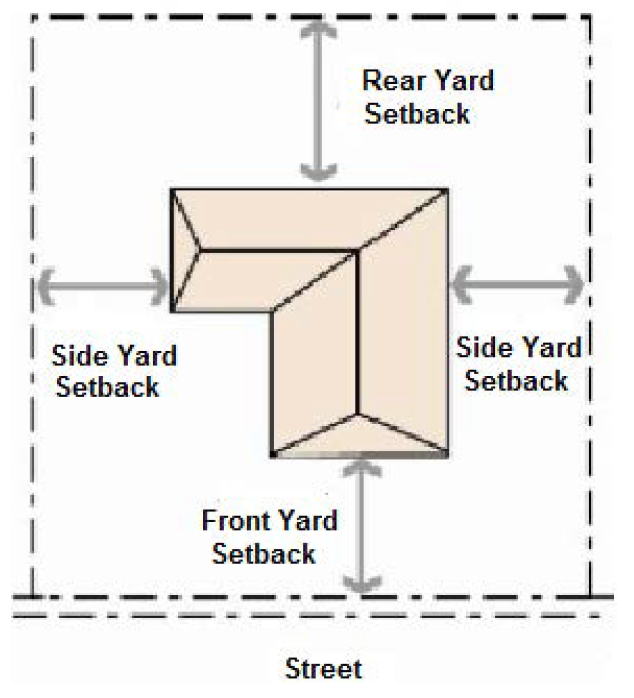
Figure 4.2-1 Commercial Classification Property Development Regulations Diagram
(Ord. No. 17-08, § 2(Exh. A), 4-11-2017; Ord. No. 24-08, § 1(Att. 1), 4-16-2024)
Sec. 4.2.26. - Industrial Complex (I-C) zoning classification.
A.
Intent of classification. The Industrial Complex classification is intended to provide for the development of integrated wholesale and special retail businesses which require office, research and development, manufacturing, repair, service, sales, warehouse storage and distribution facilities. These businesses may require larger parcels for the outside storage of materials or equipment in inventory or awaiting repair.
B.
Industrial Complex Zoning Classification Permitted and Special Uses. See table 4.2-7 below.
C.
Property Development Regulations. See table 4.2-8 below.
D.
Special Requirements:
(1)
All setbacks shall be measured from the outside wall of buildings or structures and from the concrete curb surrounding gas pumps; however, eaves, roof overhangs, or pilasters may protrude two feet into a required setback.
(2)
Areas used for parking of commercial vehicles, or storage of vehicles, or outdoor storage shall be screened, buffered or fenced to screen said areas from view from access streets, freeways and incompatible adjacent properties. Such screening shall form a complete opaque screen up to a point eight feet in vertical height.
(3)
Phased developments are allowed. Consideration shall be given to transportation facilities (rail and highway) traffic circulation, parking, utility needs, aesthetics, and compatibility.
E.
Buffering Requirements. Buffers shall be provided consistent with the provisions of Section 6.8.6; however, for a proposed Industrial use adjoining a Right-of-Way wherein any form of Residential use is adjacent to that right-of-way across from the Industrial use, that buffer shall be upgraded to a D-Type Buffer in lieu of a C-Type Buffer.
(Ord. No. 17-08, § 2(Exh. A), 4-11-2017; Ord. No. 24-08, § 1(Att. 1), 4-16-2024)
Sec. 4.2.27. - Light Industrial (M-1) zoning classification.
A.
Intent of classification. The Light Industrial classification is intended to provide land for primarily the manufacture of small articles and products which do not involve the use of any materials, processes, or machinery or production of a product likely to be detrimental to nearby or adjacent residential or business property. Phased developments are allowed. Consideration shall be given to transportation facilities (rail and highway) traffic circulation, parking, utility needs, aesthetics, and compatibility.
B.
Light Industrial Zoning Classification Permitted and Special Uses. See table 4.2-7 below.
C.
Property Development Regulations. See table 4.2-8 below.
D.
Special Requirements:
(1)
All setbacks shall be measured from the outside wall of buildings or structures and from the concrete curb surrounding gas pumps; however, eaves, roof overhangs, or pilasters may protrude two feet into a required setback.
(2)
Areas used for parking of commercial vehicles, or storage of vehicles, or outdoor storage shall be screened, buffered or fenced to screen said areas from view from access streets, freeways and incompatible adjacent properties. Such screening shall form a complete opaque screen up to a point eight feet in vertical height.
E.
Buffering Requirements. Buffers shall be provided consistent with the provisions of Section 6.8.6; however, for a proposed Industrial use adjoining a Right-of-Way wherein any form of Residential use is adjacent to that right-of-way across from the Industrial use, that buffer shall be upgraded to a D-Type Buffer in lieu of a C-Type Buffer.
(Ord. No. 17-08, § 2(Exh. A), 4-11-2017; Ord. No. 24-08, § 1(Att. 1), 4-16-2024)
Sec. 4.2.28. - Heavy Industrial (M-2) zoning classification.
A.
Intent of Classification. The Heavy Industrial classification is intended to provide for those manufacturing activities which create some undesirable effects and are not compatible with other zoning classifications. Phased developments are allowed. Consideration shall be given to transportation facilities (rail and highway) traffic circulation, parking, utility needs, aesthetics, and compatibility.
B.
Heavy Industrial Zoning Classification Permitted and Special Uses. See table 4.2-7 below.
C.
Property Development Regulations. See table 4.2-8 below.
D.
Special Requirements:
(1)
All setbacks shall be measured from the outside wall of buildings or structures and from the concrete curb surrounding gas pumps; however, eaves, roof overhangs, or pilasters may protrude two feet into a required setback.
(2)
Areas used for parking of commercial vehicles, or storage of vehicles, or outdoor storage shall be screened, buffered or fenced to screen said areas from view from access streets, freeways and incompatible adjacent properties. Such screening shall form a complete opaque screen up to a point eight feet in vertical height.
E.
Buffering Requirements. Buffers shall be provided consistent with the provisions of Section 6.8.6; however, for a proposed Industrial use adjoining a Right-of-Way wherein any form of Residential use is adjacent to that right-of-way across from the Industrial use, that buffer shall be upgraded to a D-Type Buffer in lieu of a C-Type Buffer.
(Ord. No. 17-08, § 2(Exh. A), 4-11-2017; Ord. No. 24-08, § 1(Att. 1), 4-16-2024)
Sec. 4.2.29. - Rural Industrial (R-I) zoning classification.
A.
Intent of classification. The Rural Industrial classification is intended to provide land for agricultural related research, agricultural assembly operations, or agricultural manufacturing uses. All undeveloped industrial parcels located in Rural Lands, as designated by the Marion County Comprehensive Plan as amended, which are not in a Rural Activity Center and which are zoned M-1 or M-2 shall retain their respective zoning. Prior to filing for development approval, the property owner shall apply to rezone the property to this zoning classification.
B.
Rural Industrial Zoning Classification Permitted and Special Uses. See table 4.2-7 below.
C.
Property Development Regulations. See table 4.2-8 below.
D.
Special Requirements:
(1)
All setbacks shall be measured from the outside wall of buildings or structures and from the concrete curb surrounding gas pumps; however, eaves, roof overhangs, or pilasters may protrude two feet into a required setback.
(2)
Areas used for parking of commercial vehicles, or storage of vehicles, or outdoor storage shall be screened, buffered or fenced to screen said areas from view from access streets, freeways and incompatible adjacent properties. Such screening shall form a complete opaque screen up to a point eight feet in vertical height.
(3)
Phased developments are allowed. Consideration shall be given to transportation facilities (rail and highway) traffic circulation, parking, utility needs, aesthetics, and compatibility.
E.
Buffering Requirements. Buffers shall be provided consistent with the provisions of Section 6.8.6; however, for a proposed Industrial use adjoining a Right-of-Way wherein any form of Residential use is adjacent to that right-of-way across from the Industrial use, that buffer shall be upgraded to a D-Type Buffer in lieu of a C-Type Buffer.
Table 4.2-7 Industrial Zoning Classification Permitted and Special Uses Table
Table 4.2-8 Industrial Classification Property Development Regulations Table
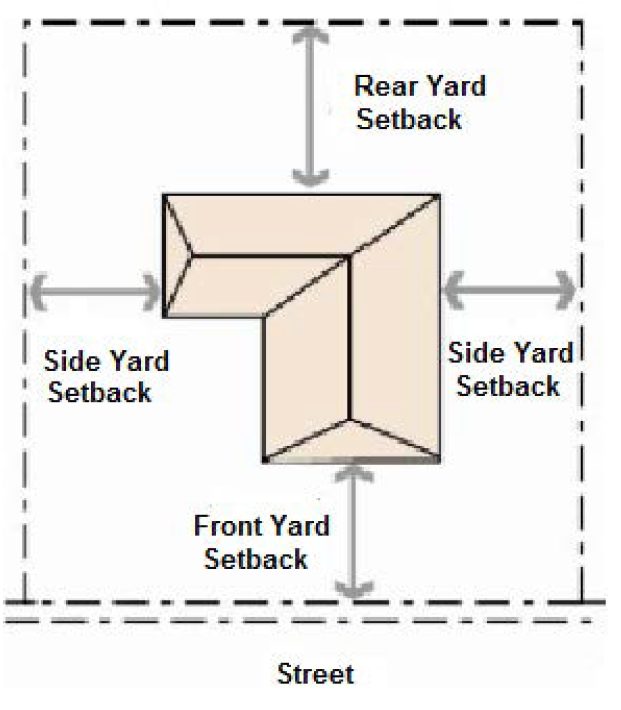
Figure 4.2-5 Industrial Classification Property Development Regulations Diagram
(Ord. No. 17-08, § 2(Exh. A), 4-11-2017; Ord. No. 24-08, § 1(Att. 1), 4-16-2024)
Sec. 4.2.30. - Government Use (G-U) classification.
A.
Intent of Classification. The Governmental Use classification is intended to apply to those areas where the only activities conducted are those of the U. S. Government, State of Florida, and Marion County Board of Commissioners, Marion County School Board or incorporated communities in Marion County.
B.
Permitted Use:
Fire station Library
Park and recreation areas up to ten acres in size Post Office
Sheriff's Substation
Government owned assembly/auditorium/conference center up to 250 seats Government Administrative Use such as office buildings and similar uses
C.
Special Uses (requiring permit): Airport
Armory Equipment yards
Garbage transfer station
Gas meter facility and supply lines, high pressure (except where such permits are pre-empted by state or federal regulations)
Government owned assembly/auditorium/conference center greater than 250 seats
Hospital (County owned) Landfill, any type
Landfill, construction, and demolition
Park and recreation areas greater than ten acres in size
Penal institution, jail
Post Office (US Postal Service owns land and building)
Schools
Sewage treatment plants with an inflow exceeding 5,000 gallons per day
Sprayfields or other type of effluent disposal area when application rate exceeds 5,000 gallons per day, if allowed by law
Water wellfields
D.
Development Standards:
Minimum Lot Area: None
Minimum Lot Width: None
Maximum Building Height: 50 feet
Maximum Floor Ratio: 1.0
E.
Setbacks:
Minimum Front Setback: 40 feet
Minimum Rear Setback: 25 feet
Minimum Side Setback: 10 feet
F.
Special Requirements
1.
For items requiring a special use permit approval, applications shall be accompanied by Architectural renderings and conceptual plan for the proposed facilities.
(Ord. No. 17-08, § 2(Exh. A), 4-11-2017; Ord. No. 24-08, § 1(Att. 1), 4-16-2024; Ord. No. 25-28, § 1(Att.), 7-1-2025)
Sec. 4.2.31. - Planned Unit Development.
A.
Intent of classification. The Planned Unit Development Classification is intended to provide a process for the evaluation of unique individually planned residential, commercial, industrial, and mixed use developments, which may not otherwise be permitted in the standard zoning classifications established by this Division. The purpose of a PUD is to:
(1)
Plan land as a whole to be developed as a single operation or as defined in a series of phases;
(2)
Simplify the procedure for obtaining approval of proposed development through the simultaneous review by the county of proposed land use, special uses, accessory uses, and structures that are related to and complement the area within and surrounding the PUD, lot and setback consideration, public needs and requirements, and health and safety factors;
(3)
Provide flexibility in design to take the greatest advantage of natural and protected resources, land, trees, living species, historical and other features;
(4)
Allow a variety of housing types and compatible neighborhood arrangements that promote residential diversity and a larger selection of living environments and living units;
(5)
Provide the developer sufficient freedom to take a creative approach to the use of land and related physical development, as well as utilizing innovative techniques to enhance the visual character of the community; and
(6)
Design the environment in a multi-modal manner that enhances pedestrian, bicycle, and transit connectivity within the development and in connecting to the surrounding community.
B.
Permitted uses:
(1)
Any permitted use, special use, or accessory use in any zoning classification listed within the County's LDC, including, manufactured buildings or manufactured homes, may be considered in a PUD, provided the proposed use is consistent with the County's future land use designation for the site, and the provisions of the LDC for each use.
(2)
Uses identified as ordinarily requiring a Special Use Permit in the Division may be authorized as permitted within all or a part of a PUD without the necessity of a separate SUP application, Division 2.8 review and approval as long as the following apply to the requested use:
(a)
The special use is identified for inclusion within the PUD as part of the PUD Conceptual Plan materials,
(b)
The special use is accessory to and completely internal to the PUD wherein the internal location is sufficiently internal to the PUD that the location(s) of the special use are setback equal to, or greater than, any required supplemental minimum surrounding property owner public notice area and/or any related protection zone for that use (e.g., telecommunications tower, wellhead protection area, etc.), and
(c)
The special use is consistent with the Comprehensive Plan, demonstrates compliance with the general SUP application review criteria listed in Sec. 2.8.2.C, and demonstrates compliance with any specific requirements applicable to that special use as may be listed elsewhere within this Code.
(3)
Owners of parcels within the PUD may subsequently request the authorization of additional special uses following approval of the PUD by undertaking the SUP application process for the proposed additional use without applying for an amendment to the PUD
(4)
As part of any PUD, the PUD shall set forth the permitted uses and all incorporated special uses by using one or more of the following methods, provided the uses are consistent with the PUD site's Comprehensive Plan future land use designations and their provisions of this section:
(a)
Incorporate by reference one, or more, of the standard zoning classifications as listed elsewhere in this Division.
(b)
Provide an independent specific list of uses for the PUD,
(c)
Provide an independent specific list of prohibited uses for the PUD.
(5)
For the PUD, the intended character of the PUD shall be identified, including the structure types, architectural styles, ownership forms, amenities, and community management form (e.g., property owner association, community development classification, municipal service unit, etc.) or suitable alternative, all of which must be approved by the Board upon final consideration of the PUD approval.
C.
Minimum project size. The minimum acreage requirement for a PUD classification is ½ half acre, and all acreage must be under common ownership or control at the time of submitting for and obtaining approval of a rezoning application for a PUD zoning.
D.
Density/Intensity:
(1)
Maximum. The maximum allowable density/intensity for a PUD cannot exceed that established by the Comprehensive Plan Future Land Use Designation(s) for the site, along with any density or intensity bonuses and/or transfers acquired for the site as enabled by the Comprehensive Plan and the LDC; however, if the PUD site is vested for a higher density/intensity as established consistent with the Comprehensive Plan and the LDC, the PUD may propose densities and/or intensities consistent with the vested status.
(2)
Approval. The final maximum density/intensity permitted shall be established by the Board upon recommendation of the Development Review Committee and the Planning and Zoning Commission. The Board is not obligated to authorize the maximum density/intensity as potentially allowed by the Comprehensive Plan future land use designation(s) and/or bonuses and/or transfers acquired for the PUD site. The criteria for establishing a maximum density/intensity includes existing zoning, adequacy of existing and proposed public facilities and services, site characteristics, and the requirements of the Comprehensive Plan for any residential or non-residential land use involving the area in question, with additional focus on the compatibility of the PUD's proposed uses with the adjoining and surrounding properties.
(3)
Increases. Density/intensity increases may be attained through any of the following methods, consistent with the Comprehensive Plan and LDC provisions:
(a)
Transfer of Development Rights (TDR) Program (Division 3.4),
(b)
Transfer of Vested Rights (TVR) Program (Division 3.4),
(c)
Rural Land development density bonuses (Sec. 3.3.3).
(4)
Blending. The Comprehensive Plan Future Land Use Element Table 2-1 - Urban Area Low Residential, medium Residential, High Residential, Urban Residential, Commercial, Employment Center, and Commerce Center Increases. Density/intensity increases may be attained through any of the following methods, consistent with the Comprehensive Plan and LDC provisions.
(5)
Averaging.
(a)
The gross amount of density/intensity of uses in a PUD may be allocated to any area of the total PUD site; however, proposed uses that are subject to the special setback and/or protection zone/area requirements shall be required to comply with those applicable standards as established within the Comprehensive Plan and this Code both within, and to areas outside the boundary, of the PUD.
(b)
The PUD may propose alternative setback and/or protection zone/areas meeting the intent of the Code for uses internal to the PUD site as part of the PUD review and consideration, subject however to the Comprehensive Plan.
(c)
If the PUD is for a cluster type project that must be enabled as a PUD as established by the Comprehensive Plan (e.g., Rural Residential Cluster or Hamlet Division 3.3), then the PUD shall be subject to compliance with the applicable natural open space preservation requirements, with the remaining lands available for development then being eligible for density and/or intensity averaging, subject to any special requirements of the particular PUD cluster type as required by the Comprehensive Plan and this Code.
(6)
Perimeter Buffer. Whenever a PUD abuts existing development with lower density and/or intensity land uses, the Board may impose special perimeter buffer requirements to maintain compatibility with the existing adjoining use. The PUD must comply with the minimum buffer requirements as established in this Code, or an alternative design meeting the intent of the Code may be proposed for consideration. If an alternative design is proposed, the proposal shall include, at a minimum, scaled typical vertical and horizontal cross-sections of the buffer, including depictions of all proposed alternative buffer improvements and scaled representations of the existing principal structures and improvements that are located on the adjoining properties being buffered from the PUD.
E.
Site Development Standards:
(1)
Access.
(a)
Vehicles. All properties resulting from a PUD shall have paved access to paved public or private street right-of-way; however, ingress/egress or cross-access easements may be proposed as an alternative to a right-of-way as part of the PUD, provided all access is paved.
(b)
Non-vehicular. The PUD shall include pedestrian and/or bicycle facilities internally to address internal circulation needs and externally to provide for integration of the PUD to surrounding existing for future facilities.
(c)
Multi-modal. The PUD shall include multi-modal design accommodating pedestrian, bicycle, transit, and vehicular access focusing on integrating the modes with the proposed PUD uses and expected activity levels and/or focus (e.g., employment, residential, institutional, etc.).
(d)
Parking and loading. Parking and loading spaces shall be provided consistent with the requirements for developed uses as listed in Section 6.11.8; however alternative parking and loading standards may be proposed, provided such standards are based on accompanying technical information and analysis provided by a qualified professional. The use of shared parking is encouraged, along with the integration of parking as part of a multi-use structure as provided in Section 4.2.6.D.(8).
(e)
Utilities. All appropriate utility infrastructure shall be made available to and provided for the PUD.
(f)
Stormwater. All appropriate and necessary stormwater infrastructure shall be provided for the PUD development to ensure compliance this Code.
(g)
Minimum construction. All access, regardless of mode and/or infrastructure, shall be provided in compliance with the requirements of Article 6.
(2)
Easements:
(a)
Provision. Easements shall be provided to address the maintenance and upkeep of all PUD infrastructure (e.g., Stormwater systems, utilities, etc.) and/or when necessary to allow adjoining property owners reasonable access for the maintenance and upkeep of improvements (e.g., access for zero-lot line structure, etc.). Any easements necessary shall be provided, established, and conveyed consistent with the provisions of Article 6.
(b)
Encroachment. No principal or accessory structure may be erected, placed upon, or extend over any easement unless authorized in writing by the entity holding title to said easement, with such authorization being recorded in the Marion County Official Records. Such authorizations may include, and are encouraged to set forth, terms and conditions, regarding the easement encroachment (e.g., duration, maintenance, removal, sunset, etc.) for reference by all current and future parties.
(3)
Setbacks and separations:
(a)
All PUD setbacks and separations shall be set forth with the PUD, and be identified in a manner that addresses principal and accessory structures for all setback directions and separations as follows:
1.
Similar to the authorization of uses in Section 4.2.6.A.(4), the PUD may use or reference an existing standard zoning classification's setback standards or propose alternative setbacks.
2.
The front yard setback for all PUDs shall ensure the safe and effective provision of services, maintenance, and support of the PUD development (e.g., multi-modal access, utility lines, landscaping, etc.).
3.
All setbacks for principal and accessory structures shall be provided in both typical illustration and table format. The typical illustration and table shall be included on all development plan submissions as related to the development type, and shall particularly be provided on the Master Site Plan and/or Final Plat Plan.
(b)
All setbacks shall be measured from the foundation, walls, or similar building structural support components and/or habitable areas; however eaves, roof overhangs, and other similar non-habitable architectural features may encroach or protrude by not more than two feet into any required setback.
(c)
Building pop-outs, cantilevers, and/or other extensions that project outward from the principal structure, particularly those that make up habitable space, shall comply with established principal structure setbacks; however, the PUD may propose authorized encroachments not to exceed two feet into any setback, subject to compliance with building construction standards (e.g., fire code) for the encroachment structure, except no encroachment into an established front yard setback is permitted.
(d)
Structure to structure.
1.
Separations between structures shall comply with the setbacks set forth for the PUD.
2.
In the event specific setbacks are not be applicable (e.g., multiple-family development), then the following shall apply:
a.
At a minimum, structures on the same property shall be separated by a minimum of ten feet, In the event a dedicated easement is between the structures, the separation between structures shall be increased to provide a minimum of five feet of separation from each structure to the boundary of the easement, and
b.
All structures shall comply with applicable fire code and building code separation and/or construction requirements.
(4)
Heights:
(a)
All PUD maximum heights shall be set forth with the PUD, and be identified in a manner that addresses height limits for all principal and accessory structures as follows:
1.
Similar to the authorization of uses in Section 4.2.6.A.(4), the PUD may use or reference an existing standard zoning classification's maximum height standard or propose alternative height limits.
2.
The maximum height limit for all PUDs shall be seventy-five feet; however, an alternative maximum height limit may be proposed, subject to ensuring the safe and effective provision of services, maintenance, and support of the PUD development (e.g., fire service/ladder truck) and the provision of sufficient buffering to surrounding uses both within and outside the PUD.
3.
All maximum height limits for principal and accessory structures shall be provided in both typical illustration and table format. The typical illustration and table shall be included on all development plan submissions as related to the development type, and shall particularly be provided on the Master Site Plan and/or Final Plat Plan.
(b)
Dissimilar Uses:
1.
Residential and non-residential. When commercial, industrial, or institutional uses are provided within a PUD within 100 feet of the boundary edge of the PUD, the following shall apply to that development when the abutting existing use or zoning classification outside the PUD is residential:
a.
A non-residential structure may not exceed a height that is twice the height of the closest existing abutting residential structure; however, the height of the non-residential structure shall also not exceed the maximum height allowed in the abutting residential zoning classification.
b.
If the residential zoned land directly adjacent to the PUD is vacant land, then the height of a non-residential structure within the PUD shall not exceed the maximum height allowed in the abutting residential classification.
c.
An alternative height limit may be proposed; however, it is the PUD applicant's responsibility to fully demonstrate the alternative will be sufficiently mitigated to address potential impacts of the increased height of the non-residential use in relation to the existing residential use and/or residential zoning classification; however, the Board is not obligated to agree and/or accept the alternative proposal.
2.
Single-family and multiple-family residential. When multiple-family residential uses are provided within a PUD within 100 feet of the boundary edge of the PUD, the following shall apply to that development when the abutting existing use is a single-family use or the zoning classification outside the PUD permits only single-family residential uses:
a.
A multiple-family structure may not exceed a height that is twice the height of the closest existing single-family residence; however, the height of the multiple-family structure shall also not exceed the maximum height allowed in the abutting residential zoning classification.
b.
If single-family residential classification zoned land directly adjacent to the PUD is vacant land, then the height of a multiple-family structure within the PUD shall not exceed the maximum height allowed in the abutting residential single-family residential classification.
c.
An alternative height limit may be proposed; however, it is the PUD applicant's responsibility to fully demonstrate the alternative will be sufficiently mitigated to address potential impacts of the increased height of the multiple-family residential use in relation to the existing residential use and/or residential zoning classification.
(5)
Outdoor Lighting. Outdoor lighting shall be provided to support and encourage a safe and secure environment within the PUD, while limiting potentially adverse impacts within the PUD and to surrounding properties as follows:
(a)
Illuminate the following:
1.
Potentially dangerous and/or hazardous locations to promote and maintain health and safety (e.g., roadway intersections, cross-walk locations, etc.).
2.
Structures and facilities to discourage and deter criminal activity (e.g., loading docks, utility facilities, etc.).
3.
Structures and facilities consistent with their authorized hours of operation (e.g., recreation facilities, business, etc.).
(b)
All lighting shall be installed in a manner to illuminate the identified structure, facility, or activity while ensuring the lighting does not cast direct light on adjacent dwellings or properties in a negative manner, or cast light in an upward manner so as to illuminate the night sky and/or become a hazard to air navigation.
(c)
All outdoor lighting shall be provided consistent with the provisions of Section 6.12.14 and Division 6.19.
(6)
Buffers. Buffers shall be provided externally and internally, between the PUD and surroundings and between internal PUD uses, in order to maintain compatibility between uses and avoid and/or limit adverse impacts between uses and nuisance situations as follows:
(a)
Buffers shall be provided between the proposed PUD uses and the PUD's surroundings, and between the PUD's internal uses, in a manner that conforms to the requirements of Section 6.8.6; however, a PUD may propose alternative buffer standards and designs provided the intent of the buffer requirement is satisfied,
(b)
A PUD may propose the elimination of internal buffers within the PUD; however for significantly dissimilar uses (e.g., residential versus industrial), mechanisms to ensure future PUD residents and occupants are aware of the elimination of such requirements may be required in response to such a proposal.
(7)
Open Space:
(a)
For a PUD implementing a Rural Land - Residential Cluster, Rural Land - Hamlet, or Rural Community development form as authorized by the Comprehensive Plan future land use element and Division 3.3, the PUD shall be subject to the following:
1.
The PUD shall identify all the required natural open space (NOS) acreage to be permanently conserved consistent with the Comprehensive Plan and this Code, with particular attention to Sec. 6.6.6.A., along with the intended form and/or method of conservation.
2.
If the PUD is also subject to a native habitat vegetation preservation requirement as listed in Section 6.6.5, the minimum 15% native habitat to be preserved should be included within the natural open space, thereby simultaneously complying with the NOS and native habitat conservation requirements; additionally, the applicant is encouraged to preserve as much of the native habitat within the NOS as possible.
3.
The PUD shall provide a minimum of five percent improved open space as provided in Section 6.6.6.B, with this improved open space being focused on satisfying the recreation facility needs of the PUD as listed in (c) below
For all other PUDs, whether residential, institutional, commercial, industrial, or mixed-use, improved open space (IOS) consistent with Section 6.6.6.B shall be provided as a minimum of 20 percent of the PUD gross land area.
(c)
Design Criteria:
1.
IOS shall be permanently set aside and shall be designated on the PUD and be established as separate properties/tracts to be owned and managed by a governing association for the PUD, whether a private property owners association, community development district, or municipal service unit, unless otherwise approved by the Board upon recommendation by the DRC.
2.
The PUD's minimum required IOS amounts shall be listed on the PUD's related plans, and shall be depicted to depending on the level of development review, allowing for more general with conceptual and proceeding to detailed for platting and/or site planning.
3.
IOS is intended to be integrated into the PUD design and provide the primary avenue for satisfying overall landscaping requirements for all development as required in Divisions 6.7, 6.8, and 6.9.
4.
IOS shall be integrated throughout the PUD to provide a linked access system to the IOS.
5.
IOS shall be improved, including compatible structures, to the extent necessary to complement the PUD uses.
(d)
Improved Open Space Eligibility Standards:
1.
Landscape buffers required for the PUD perimeter to surrounding properties, and within the PUD to provide internal buffering shall be counted at 100 percent,
2.
Parks, playgrounds, beaches, bikeways, pedestrian walks, equestrian trails, and other similar improved, usable outdoor areas shall be counted at 100 percent,
3.
Up to 25 percent of stormwater facilities may be counted to satisfy area/acreage requirements for required IOS. A higher percentage may be approved by DRC, depending on the design and lay of the facility, wherein the stormwater facilities provide a stable, dry, surface for extended periods of time and are not subject to erosion and/or damage to key design components when subjected to active use by PUD residents, employees, and patrons.
4.
Parking areas and road rights-of-way may not be included in calculations of IOS; however, separate tracts exclusive of rights-of-way providing landscaping buffers, or landscaped pedestrian, bicycle and other non-vehicular multi-use trails may be classified as IOS.
5.
Waterbodies in the PUD may be used to partially fulfill IOS space or recreational space requirements in accordance with the following criteria:
a.
Waterbodies available and used for active water oriented recreation uses such as boating, kayaking, canoeing, paddle boarding, fishing, water/jet skiing, and swimming may be used in calculations of IOS area of waterbodies but shall not exceed 50 percent of the total IOS; however the adjoining recreational lands supporting the active water oriented recreation uses may be counted at 100 percent.
b.
Waterbodies not available or used for the noted active water oriented recreation uses may be used in calculations of IOS but shall not exceed 10 percent of the total IOS; however the adjoining recreational lands supporting the waterbody that are established as recreation/amenity space may be counted at 100 percent recreational space. Only those waterbodies which are available to the development for water oriented recreation use such as boating, fishing, water skiing, swimming and have associated recreational land areas may be used in meeting these requirements.
6.
If golf courses and/or driving ranges are provided to partially fulfill recreation space requirements, a maximum of 60 percent of the golf course and/or driving range land may be counted toward the required IOS. A golf course, driving range, and waterbodies combined cannot exceed 75 percent of the required IOS.
(8)
Maximum Commercial Use Area in a Residential PUD in a Residential Future Land Use Designation.
(a)
Ratio. Commercial uses may be provided within the PUD, at a ratio of two acres of commercial use area per each 250 dwelling units, with a minimum of 250 units required before any commercial use area may be authorized in the PUD.
(b)
Intensity. The type of commercial uses permitted in the commercial use area shall comply with the following:
1.
Those uses permitted in the B-1 (Neighborhood Business Classification) for projects of a size equal to or greater than 250 dwelling units but less than 800 dwelling units; and
2.
Those uses permitted in the B-2 (Community Business Classification) for projects of a size equal to or greater than 800 dwelling units.
3.
More intense commercial uses and special uses may be permitted by the Board upon review and recommendation of the Development Review Committee, consistent with Section 4.2.6.A.
(c)
Internal. The commercial use areas shall be situated internally to the PUD and buffered so as not to create a detrimental effect on adjacent internal residential areas. Said areas shall be located so as to best serve the residents of the project. Said areas shall not be located at the perimeter of the project with frontage on or direct access to an existing functionally classified or major through road so as to attract a market substantially outside of the project; however, a PUD that provides for the creation of a new internal functionally classified or major through road which is not access controlled and is open and available to the public may establish the commercial use area along that roadway, subject to compliance with the traffic and access management provisions of Divisions 6.11 and 6.12.
(d)
The commercial use area shall be specifically included in the development schedule.
F.
Procedure for Rezoning to the Planned Unit Development (PUD) Classification
(1)
Pre-application stage. A pre-application meeting shall be conducted before a PUD rezoning application can be accepted.
(a)
Pre-application meeting. The pre-application meeting is a service provided at no cost to the prospective applicant and is intended to provide for an informational exchange between the applicant and the administrative staff and will be arranged by the Growth Services Department. At a minimum, the applicant will be advised of the PUD procedures and requirements, forms, application materials, guidelines, checklists, the comprehensive plan, zoning and other land development regulations.
(b)
The applicant need not submit any official plans, however, the more information provided to staff for the proposed PUD assists staff in providing guidance. At a minimum, the applicant is encouraged to present at least a sketch plan of the proposed PUD, as well as the following recommended items:
1.
Parcel number,
2.
Intent and character of the development,
3.
Legal property description and/or metes and bounds, especially if different from the description of the parcel number provided,
4.
A location and aerial map,
5.
Total size of the project,
6.
Location and names of streets and rights-of-way,
7.
The number and type of residential units, if any, along with their intended ownership method, and
8.
The number and type of non-residential uses.
(2)
PUD Rezoning Application Submittal and Development Review.
(a)
Following the pre-application meeting, a Rezoning Application to a PUD classification shall be submitted pursuant to Division 2.7, accompanied by a Conceptual Plan, Master Plan, Major Site Plan or Preliminary Plat.
(b)
At a minimum, the PUD Rezoning Application shall be accompanied by a Conceptual Plan, in compliance with Division 2.13 and this Section, along with accompanying documentation for review by the County Growth Services Department and shall provide documentation addressing the following:
1.
The name of the proposed PUD shall be centered at the top of the sheet along the long dimension of the sheet.
2.
Vicinity map that depicts relationship of the site to the surrounding area within a 1 mile radius.
3.
Drawing of the boundaries of the property showing dimensions of all sides.
4.
Provide the acreage of the subject property along with a legal description of the property.
5.
Identify the Comprehensive Plan future land use and existing zoning of the subject property and for all properties immediately adjacent to the subject property.
6.
Identify existing site improvements on the site.
7.
A list of the uses proposed for the development.
8.
A typical drawing of an interior lot, corner lot, and cul-de-sac lot noting setback requirements. For residential development, the typical drawings will show a standard house size with anticipated accessory structure.
9.
Proposed zoning and development standards (setbacks, FAR, building height, etc.).
10.
Identify proposed phasing on the plan.
11.
Identify proposed buffers.
12.
Identify access to the site.
13.
Preliminary building lot typicals with required yard setbacks and parking lot locations.
14.
Preliminary sidewalk locations.
15.
Proposed parallel access locations.
16.
Show 100 year floodplain on the site.
17.
Show any proposed land or right of way dedication.
18.
Identify any proposed parks or open spaces.
19.
A note describing how the construction and maintenance of private roads, parking areas, detention areas, common areas, etc. will be coordinated during development and perpetually after the site is complete.
20.
Architectural renderings or color photos detailing the design features, color pallets, buffering details.
(3)
Recommendation. Following consideration of the development plan by the Development Review Committee (DRC), the DRC shall make a recommendation for approval, approval with conditions, or for denial to the Planning and Zoning Commission and to the Board. The rezoning and the corresponding development plan will then require public hearings before the Planning and Zoning Commission and Board of County Commissioners for approval.
(4)
Final Development Plans.
(a)
The final development plan (either entire project or phase), submission, shall include but not be limited to, a master plan, a major site plan, improvement plan, a preliminary plat and/or final plat, as deemed necessary for the specific project.
(b)
The final development plan shall be in accordance with requirements of the Land Development Code and shall be considered by the DRC. At the direction of the Board, DRC, or Growth Services Director, the final development plan may be brought back to the Board for final action.
(c)
If necessary, a final development plan (entire project or phase) may be submitted with the conceptual plan for consideration.
(d)
Submittal of a Master Plan, Major Site Plan, Improvement Plan, Preliminary Plat and/or Final Plat for review will require the items listed above in B.(1) for the Conceptual Plan submittal, plus the following additional items (as outlined under the table in Section 2.11-1 "Application Requirements");
1.
Title block (Sec. 2.12.3).
2.
Front page requirements (Sec. 2.12.4).
3.
Concurrency (as per Division 1.8).
4.
Location of septic systems and wells.
5.
Boundary and topographic survey (1 ft. intervals for 100 ft. beyond project boundary).
6.
NRCS soil survey.
7.
USGS Quad map showing contributing watershed(s) and project boundary.
8.
National Wetland inventory map.
9.
Environmental assessment of listed species and vegetative communities onsite.
10.
Karst and geologic assessment on and offsite within 200 ft. of project boundary.
11.
Marion-friendly landscaped areas, parks, recreation areas and natural areas to be retained (Sec. 2.12.21 and 2.12.25).
12.
Traffic impact analysis.
13.
Construction entrance and route plan.
14.
Photometric plan for non-residential development.
15.
Building elevation plans for non-residential development.
16.
Phasing plan, if proposed.
17.
Architectural renderings or color photos detailing the design features, color pallets, buffering details.
G.
Maintenance agreement. A developer shall file a legally constituted maintenance association agreement, or such documents as are necessary to show how the common areas are to be improved, operated and/or maintained. Such documents shall be subject to review by the County and shall be recorded in the office of the Clerk of the Circuit Court for Marion County.
H.
Conditions of Approval. The Growth Services Department staff, the Development Review Committee, and the Planning and Zoning commission may recommend to the Board that the PUD rezoning/development plan be approved, be approved subject to stated conditions, or denied. All conditions approved by the Board shall functionally be deemed included as part of approving any PUD development plan by the Board.
I.
Granting of PUD Zoning. Upon approval of the PUD zoning by the Board, a Final Development Plan may proceed for final DRC approval. A Conceptual Plan shall not be required to obtain further DRC review unless the Board requires revisions to the plan.
J.
PUD Time Limits.
(1)
The Board may establish time limits for the submittal of a master plan, major site plan, preliminary plat, or final plat for the development of an approved conceptual plan.
(2)
Any such time limits may be extended by the Board for reasonable periods upon the petition of the developer for an amendment to the conceptual plan and based upon good cause, as determined by the Board; provided that any such extension of time shall not automatically extend the normal expiration date of a building permit, site plan approval, or other development order. If time limits contained in the approved development plan are not completed or not extended for good cause, no additional permits will be approved.
(3)
Time limits for completion and close out of master plans, major site plans, preliminary plats, and final plats once approved shall be according to Article 2 of this Code Review and approval procedures:
K.
PUD Amendments:
(1)
Changes to the plan of development which will affect the following items shall be subject to review and approval by Development Review Committee:
(a)
Changes in the alignment, location, direction or length of any internal local street,
(b)
Changes or adjustments in lot or parcel development standards which do not reduce the minimum lot or parcels standards listed in item (a)3,
(c)
Changes in commercial gross leasable areas (GLA) for individual lots or tracts which do not result in increased overall GLA square footage,
(d)
Changes in industrial building square footage or lot coverage percentage which do not result in increased overall building square footage or total lot coverage percentage,
(e)
Changes in mixed use land uses and overall dwelling unit densities, or commercial GLA square footage or industrial building square footage or total lot coverage percentage, which do not result in an increase to the above categories,
(f)
Reorientation or slight shifts or changes in building or structure locations including setbacks,
(g)
Major changes listed below which are subject to final review and approval by the Board.
(2)
Changes which will modify or increase the density or intensity of items shall be subject to review and approval by the Board through the PUD rezoning application process.
(a)
Intent and character of the development.
(b)
Location of internal and external arterial or collector streets and connection points between and to those streets within the development.
(c)
Minimum lot/parcel sizes including heights or project design standards based on use such as residential vs. non-residential.
(d)
Building setbacks.
(e)
Dwelling unit types or mixes and maximum development density and units.
(f)
Maximum commercial gross leasable areas (GLA) for individual lots or tracts and project wide.
(g)
Industrial building square footage or lot coverage percentage for individual lots or tracts and project wide.
(h)
Minimum size and general location of common open space including buffer areas or zones and method of ownership and maintenance.
(i)
Conservation open space areas with intended method of preservation ownership or maintenance.
(j)
Location of water and sewage facilities.
L.
Timing.
(1)
The Preliminary Plat or Major Site Plan for the first phase of development shall be submitted within five calendar years after approval of the PUD Zoning and/or the Master or Conceptual Plan by the Board.
(2)
Construction Commencement. Construction of a development under a PUD shall commence within five years from the date of passage of the ordinance approving the granting of the PUD rezoning, and shall proceed to completion in accordance with the phasing program, if any contained, within the approved PUD materials.
(3)
Upon written application, the Board may authorize extensions of any time period specified hereinabove, at any time prior to the expiration of such time period but each such extension shall not exceed one year at a time.
M.
Revocation.
(1)
A PUD shall be deemed revoked if one or more of the following circumstances occurs:
(a)
The application for approval of the final development plan is not filed within five years from the date of approval of the Preliminary Plat or Major Site Plan,
(b)
Construction does not commence within five years from the date of approval of the final development plan,
(c)
For a PUD with a phasing plan, the initial phase of construction has not commenced within five years of the approval of the PUD,
(d)
The construction of any of the subsequent phases has not commenced or is not completed in accordance with the terms of the phasing plan,
(e)
The developer requests revocation of the PUD.
(2)
Revocation of a PUD Special Use. A special use authorized within a PUD as part of the approved PUD pursuant to Section 4.2.6.A.(2) shall be subject to revocation and removal from the PUD's authorized uses by the Board under any of the following circumstances:
(a)
Failure to submit the final development plan within five years from the date of approval of the Preliminary Plat or Major Site Plan; or
(b)
Failure to commence construction of the proposed use within five years from and after the date of the filing of the final plan.
(c)
Following the issuance of occupancy permits, abandonment, or other failure to utilize the property for the purposes permitted by the PUD special use for a period of two months out of any consecutive six month period.
(d)
Failure to meet the PUD development plan and/or conditions as approved for the special use and PUD development plan shall constitute grounds for the repeal of the PUD and/or PUD special use approval by the Board of County Commissioners.
A PUD plan that expires or is revoked shall cause the property to revert to the zoning classification that existed prior to the rezoning of the PUD, and any Special Use approved and permitted onsite at the time of the expiration or revocation shall no longer be considered valid onsite.
(Ord. No. 17-08, § 2(Exh. A), 4-11-2017; Ord. No. 19-27, §§ 1, 2(Exh. C), 11-26-2019; Ord. No. 24-08, § 1(Att. 2), 4-16-2024)

