
Newmarket City Zoning Code
ARTICLE III
- DIMENSIONAL REQUIREMENTS
Sec. 32-84. - Road frontage.
All new lots are required to meet the road frontage requirements of this section.
(1)
Purpose. Road frontage requirements address several policy issues. First, frontage is required to ensure safe access to each property by the property owner, emergency service vehicles, delivery vehicles, and guests. Second, longer frontage requirements can be one component of a system to help protect the capacity of arterial roads by reducing the number of lots along that road, thus reducing the number of curb cuts and resulting traffic conflict points. This contributes to the goal of lessening vehicle congestion in the streets. Third, frontage requirements affect the spacing of buildings, thus impacting neighborhood character, ensuring adequate sunlight and air circulation, preventing overcrowding of land and undue concentration of population, and securing safety from fires and other dangers.
(2)
All lots shall front on:
a.
A state or town road with a classification of Class I, II or V, as defined in RSA 229:5;
b.
A private road, either: Constructed to town standards as required by the subdivision regulations of the planning board at the time the lots were created; or for which adequate financial security has been posted to ensure proper construction; or
c.
A Class VI road proposed to be improved to current town standards and for which adequate financial security has been posted with the town to ensure completion of the improvements.
(3)
Length of frontage. The minimum length of frontage in each district is specified in the dimensions table.
(4)
Open space design. The provisions of article VI of this chapter permit reduction of certain road frontage standards.
(Ord. of 2-14-1996, § 3.01; Ord. of 06-21-2017)
Sec. 32-85. - Lot size.
All new lots are required to meet the lot size requirements of this section.
(1)
Purpose. Lot size requirements are an important component in addressing many of the general purposes of this chapter, including lessening vehicle congestion in the streets, securing safety from fires and other dangers, providing adequate sunlight and air circulation, preventing overcrowding of land and avoiding undue concentration of population, enhancing pedestrian travel, contributing to community character and quality neighborhoods.
(2)
Minimum lot size. The minimum lot size in each district is specified in the dimensions table. Note additional requirements in sections 32-153, 32-155, and 32-157.
(3)
Open space design. The provisions of article VI of this chapter permit reduction of certain lot size standards.
(Ord. of 2-14-1996, § 3.02; Ord. of 06-21-2017)
Sec. 32-86. - Residential density.
Residential density shall not exceed the requirements of this section. Residential density is measured as specified in section 32-89, Dimensional table.
(1)
Purpose. Control of residential density is an important component in addressing many of the general purposes of this chapter, including lessening vehicle congestion in the streets, preventing overcrowding of land, avoiding undue concentration of population, facilitating adequate provision of public facilities, utilities and services, assuring proper use of natural resources, and contributing to community character and quality neighborhoods.
(2)
Open space design. The provisions of article VI of this chapter do not permit an increase of residential density. The standards for residential density shall apply regardless of the pattern of development.
(Ord. of 2-14-1996, § 3.03; Ord. of 06-21-2017; Ord. No. 01-2024/2025, § 2, 6-18-2025)
Sec. 32-87. - Setbacks.
Structures shall be set back from property lines in conformance with the minimum and maximum setback requirements set forth in this section.
(1)
Purpose. Control of setbacks is important for a variety of reasons. The proximity of a structure to a road affects the character of the neighborhood, encourages or discourages pedestrian activity, and may block site distance for cars at an intersection or driveway. The proximity of a structure to abutting lots affects fire safety, the provision of adequate sunlight and air circulation for this and neighboring lots and structures, and the availability of space for site amenities such as landscaping, driveways and so forth. In this chapter, maximum setbacks are required in certain instances. While the minimum is applied in most communities, the maximum setback is still unusual and warrants further explanation. The maximum setback is applied in the village area, where it is highly desirable to site the buildings close to the sidewalks and streets. The resulting built environment provides for a visually consistent streetscape, and enhances the pedestrian character of the village by forcing the buildings to be close to the sidewalks and preventing on-site parking in front of the buildings.
(2)
Structure setbacks. Minimum and maximum setbacks from roads and other property boundaries are specified in the dimensions table. Maximum setbacks shall not apply to accessory structures.
(3)
Open space design. The provisions of article VI of this chapter may permit reduction of certain setback standards.
(4)
Special exceptions.
a.
The zoning board of adjustment can relax the maximum setback in the M-2 district to a maximum of 25 feet by granting a special exception when the following condition is met:
1.
The area within the front setback will be used for outdoor restaurant seating, retail display, or other active use associated with the permitted use. In no case shall parking be permitted within the front setback.
b.
In cases where the setback requirements have changed since a subdivision was approved, and where the current requirements are more restrictive than those in effect at the time of the subdivision approval, the zoning board of adjustment may reduce the current setback requirement to that permitted at the time of the subdivision approval by granting of a special exception. The zoning board of adjustment shall grant a special exception when the following conditions are met:
1.
Application of the current setback standards would render the lot unbuildable; or
2.
The zoning board of adjustment determines that the former setback requirements are sufficient to secure the purposes of this section.
(Ord. of 2-14-1996, § 3.04; Ord. of 06-21-2017)
Sec. 32-88. - Structure height.
Structure heights shall not be less than the minimum nor more than the maximum requirements set forth in this section.
(1)
Purpose. Control of structure height is important for a variety of reasons. Structure height is related to fire safety and the fire department's ability to protect public safety. However, there are other important issues beyond the immediate safety issue. Structure height strongly affects the character of the neighborhood and the allowance of adequate sunlight and air circulation. It is a critical control of intensity of use, especially for nonresidential uses. In this chapter, both minimum and maximum structure heights are required in certain instances. While the maximum is applied in many communities, the minimum requirement is unusual and warrants further explanation. The minimum height requirement is applied in the M-2 district, where it is highly desirable to maintain a relatively consistent visual facade of tall buildings along the village streets. Most buildings will have multiple stories, providing lower rent commercial or residential space over the more desirable street level space. Other buildings, especially those which serve a civic function such as churches, are suitably tall even without the multiple stories, so there is no restriction on the number of stories.
(2)
Structure height. Both minimum and maximum structure heights are specified in section 32-89, Dimensions table and section 32-90, Building typologies. Maximum structure height shall apply to all structures, but minimum structure height shall apply only to primary structures and not to accessory structures.
(3)
Open space design. The provisions of article VI of this chapter do not permit alteration of structure height requirements. The standards for structure height shall apply regardless of the pattern of development.
(4)
Special exception. The zoning board of adjustment can relax the maximum structure height limit to a maximum of 60 feet by granting a special exception when the following conditions are met:
a.
The proposed structure, which exceeds the height limit, must exceed the height limit to fulfill its unique purpose, such as an agricultural silo, church steeple, or a communications antenna.
b.
There shall be no occupied floor space above the standard height limit.
(Ord. of 2-14-1996, § 3.05; Ord. of 06-21-2017; Ord. No. 01-2024/2025, § 2, 6-18-2025)
Sec. 32-89. - Dimensions table.
The following dimensional requirements shall apply:
* See section 32-241 for residential density requirements specific to mill redevelopment.
***B-3 district additional setbacks:
1.
The maximum residential density for multifamily residential housing in the M-1 district is as stated in section 32-45(b)(2)b.6.
2.
The planning board may waive the road setbacks, side and rear setbacks and height restrictions within the M-2A district to match the conformity of adjacent buildings, through the issuance of a special use permit pursuant to section 32-46A(d).
(Ord. of 06-21-2017; Ord. No. 01-2024/2025, § 2, 6-18-2025)
Sec. 32-90. - Building typologies.
| Building Type | Dimensional Standards | Building Type Reference Diagram | |
|---|---|---|---|
| Small and Simple Shop | Allowable Units | 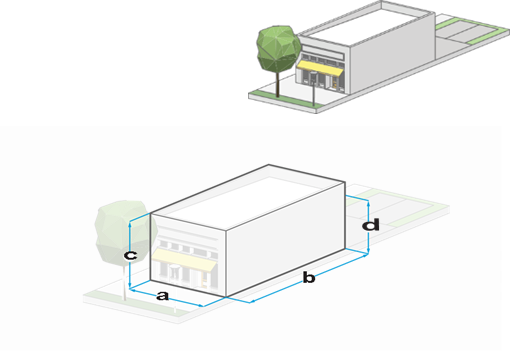 | |
| Units | 2 max | ||
| Building Form | |||
| a. Building Width | 30 ft. max | ||
| b. Building Length | 60 ft. max | ||
| Description: Moderately scaled building type comprised of up to 2 units | c. Total Stories | 1 story max | |
| d. First Floor Height | 9 ft. min, 14 ft. max | ||
| e. First Floor Elevation | 0 ft. min | ||
| Fenestration | |||
| First Floor | 50% min | ||
| Front Elevation | 50% min | ||
| Live and Work | Allowable Units | 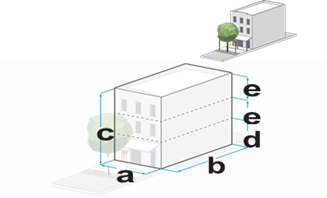 | |
| Units | 3 Max | ||
| Building Form | |||
| a. Building Width | 30 ft. max | ||
| b. Building Length | 60 ft. max | ||
| Description: Moderately scaled building type comprised of up to 3 units | c. Total Stories | 3 stories max | |
| d. First Floor Height | 9 ft. min, 15 ft. max | ||
| e. Upper Floor Height | 9 ft. min, 15 ft. max | ||
| Fenestration | |||
| First Floor | 20% min | ||
| Upper Floor Elevation | 20% min | ||
| Stacked Duplex | Allowable Units | 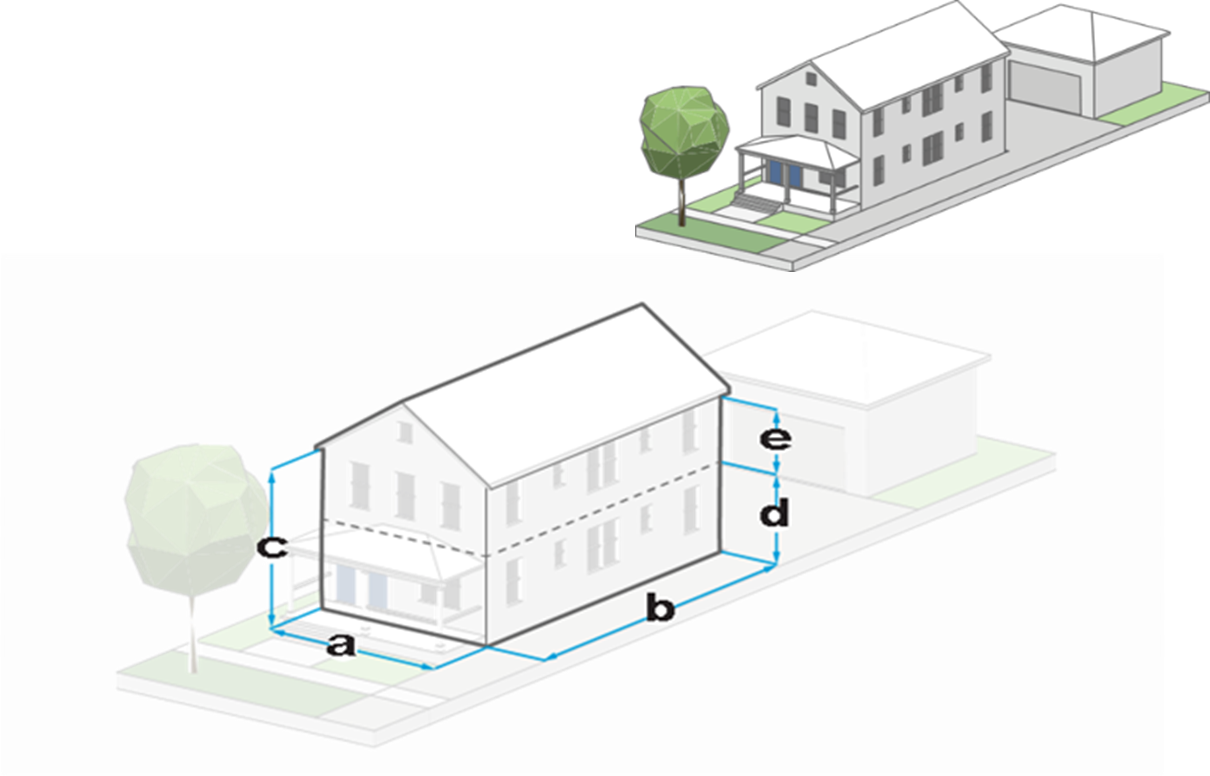 | |
| Units | 2 max | ||
| Building Form | |||
| a. Building Width | 50 ft. max | ||
| b. Building Length | 60 ft. max | ||
| Description: A moderately scaled type comprised of up to 2 units | c. Total Stories | 2 stories max | |
| d. First Floor Height | 9 ft. min, 15 ft. max | ||
| e. Upper Floor Height | 9 ft. min, 12 ft. max | ||
| First Floor Elevation | 2 ft. min | ||
| Fenestration | |||
| First Floor Fenestration | 20% min | ||
| Upper Floor Fenestration | 20% min | ||
| Side-By-Side Duplex | Allowable Units | 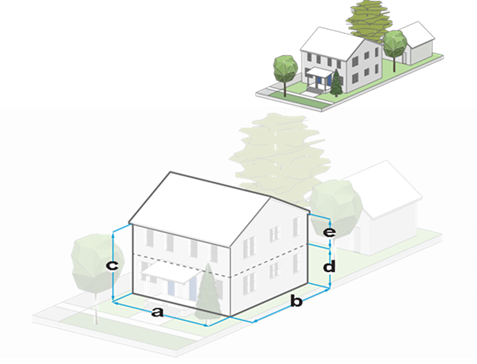 | |
| Units | 2 | ||
| Building Form | |||
| a. Building Width | 50 ft. max | ||
| b. Building Length | 60 ft. max | ||
| Description: A moderately scaled type comprised of up to 2 units | c. Total Stories | 2 stories max | |
| d. First Floor Height | 9 ft. min, 15 ft. max | ||
| e. Upper Floor Height | 9 ft. min, 12 ft. max | ||
| First Floor Elevation | 2 ft. min | ||
| Fenestration | |||
| First Floor | 20% min | ||
| Front Elevation | 20% min | ||
| Front-Back Duplex | Allowable Units | 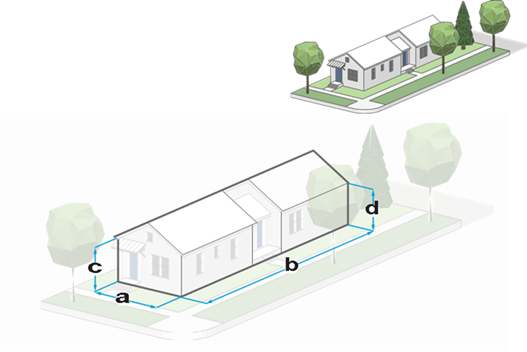 | |
| Units | 2 max | ||
| Building Form | |||
| a. Building Width | 36 ft. max | ||
| b. Building Length | 75 ft. max | ||
| Description: A moderately scaled type comprised of up to 2 units | c. Total Stories | 1 story max | |
| d. First Floor Height | 9 ft. min, 15 ft. max | ||
| Fenestration | |||
| First Floor Fenestration | 20% min | ||
| Upper Floor Fenestration | 20% min | ||
| Purpose-Built 4-Unit Apartment House | Allowable Units | 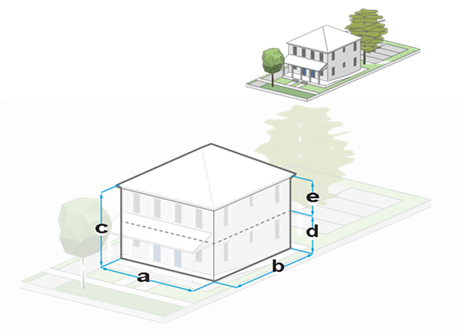 | |
| Units | 4 max | ||
| Building Form | |||
| a. Building Width | 50 ft. max | ||
| b. Building Length | 75 ft. max | ||
| Description: A moderately scaled type comprised of up to 2 units | c. Total Stories | 2 stories max | |
| d. First Floor Height | 9 ft. min, 15 ft. max | ||
| e. Upper Floor Height | 9 ft. min, 12 ft. max | ||
| First Floor Elevation | 2 ft. min | ||
| Fenestration | |||
| First Floor | 20% min | ||
| Front Elevation | 20% min | ||
| Multi-Tenant Main Street | Allowable Units | 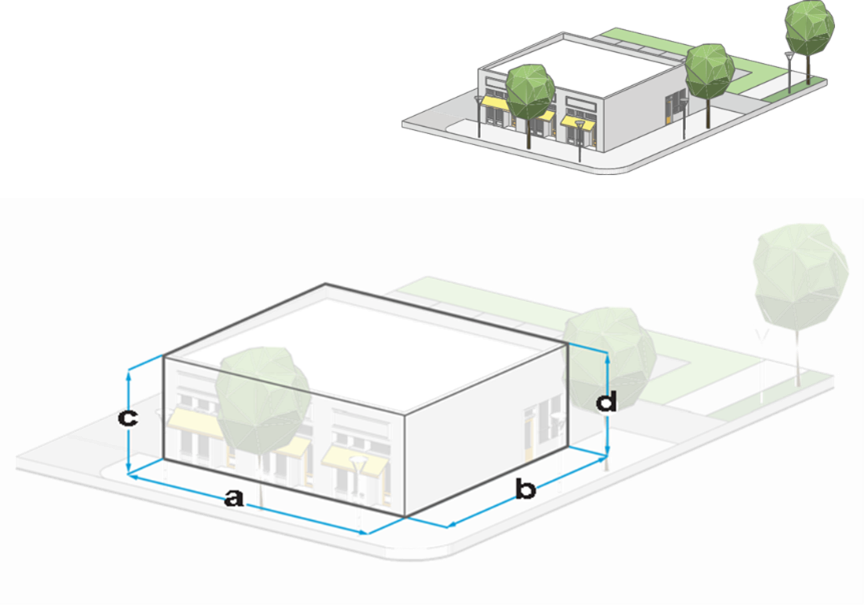 | |
| Units | 6 max | ||
| Building Form | |||
| a. Building Width | 60 ft. max | ||
| b. Building Length | 75 ft. max | ||
| Description: A moderately scaled type comprised of up to 6 units | c. Total Stories | 1 story max | |
| d. First Floor Height | 9 ft. min, 15 ft. max | ||
| e. Upper Floor Elevation | 9 ft. min, 12 ft. max | ||
| f. First Floor Elevation | 0 ft. min | ||
| Fenestration | |||
| First Floor Fenestration | 50% min | ||
| Front Elevation | 50% min | ||
| Small Apartment Building | Allowable Units | 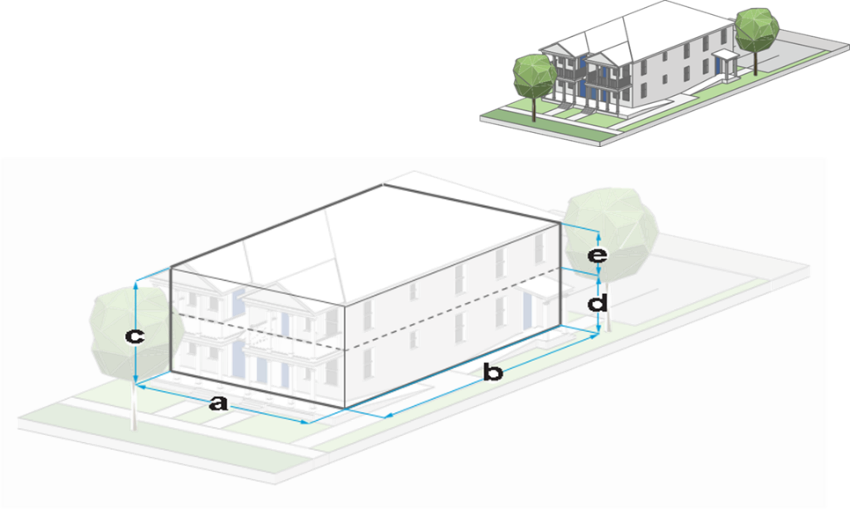 | |
| Units | 6 max | ||
| Building Form | |||
| a. Building Width | 60 ft. max | ||
| b. Building Length | 75 ft. max | ||
| Description: A moderately scaled type comprised of up to 6 units | c. Total Stories | 2 stories max | |
| Townhouses | Allowable Units | 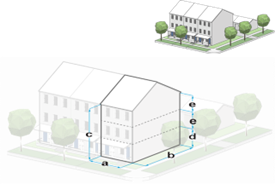 | |
| Units | 6 units connected max. | ||
| Building Form | |||
| a. Building Width | 25 ft. max | ||
| b. Building Length | 50 ft. max | ||
| Description: A moderately scaled type comprised of 1 unit | c. Total Stories | 2 min, 3 max | |
| d. First Floor Height | 9 ft. min, 15 ft. max | ||
| e. Upper Floor Height | 9 ft. min, 12 ft. max | ||
| First Floor Elevation | 2 ft. min | ||
| Fenestration | |||
| First Floor Fenestration | 20% min | ||
| Upper Floor Fenestration | 20% min | ||
| Small Main Street | Allowable Units | 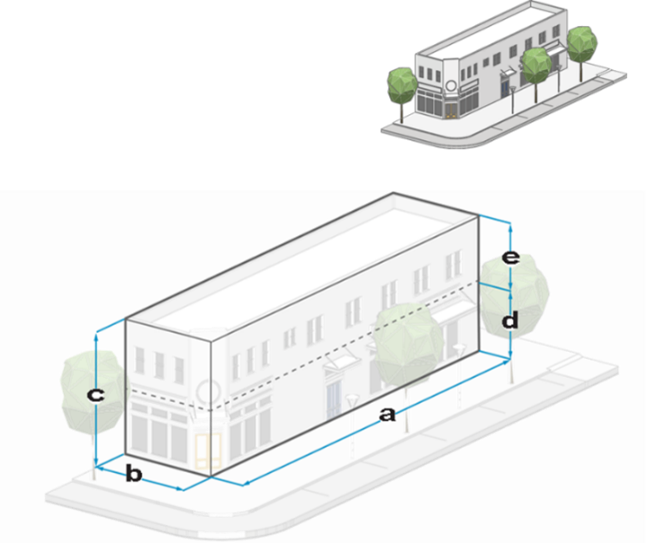 | |
| Units | 6 max | ||
| Building Form | |||
| a. Building Width | 40 ft. max | ||
| b. Building Length | 75 ft. max | ||
| Description: A moderately scaled type comprised of up to 6 units | c. Total Stories | 2 stories max | |
| d. First Floor Height | 9 ft. min, 15 ft. max | ||
| e. Upper Floor Height | 9 ft. min, 12 ft. max | ||
| First Floor Elevation | 0 ft. min | ||
| Fenestration | |||
| First Floor Fenestration | 20% min | ||
| Upper Floor Fenestration | 20% min | ||
| Walk-Up Courtyard Apartments | Allowable Units | 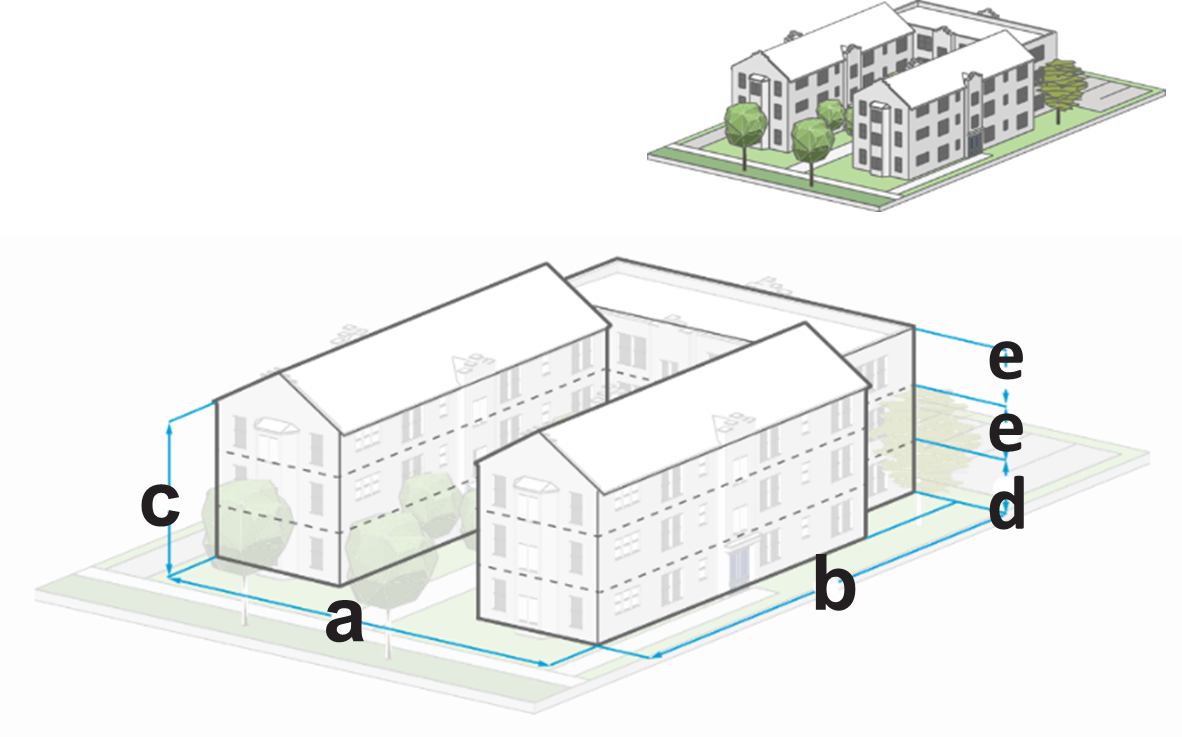 | |
| Units | 16 max | ||
| Building Form | |||
| a. Building Width | 95 ft. max | ||
| b. Building Length | 100 ft. max | ||
| Description: A moderately scaled type comprised of up to 16 units | c. Total Stories | 3 story max | |
| d. First Floor Height | 9 ft. min, 15 ft. max | ||
| e. Upper Floor Height | 9 ft. min, 12 ft. max | ||
| First Floor Elevation | 2 ft. min | ||
| Fenestration | |||
| First Floor Fenestration | 20% min | ||
| Upper Floor Fenestration | 20% min | ||
| Walk-Up Apartment Building | Allowable Units | 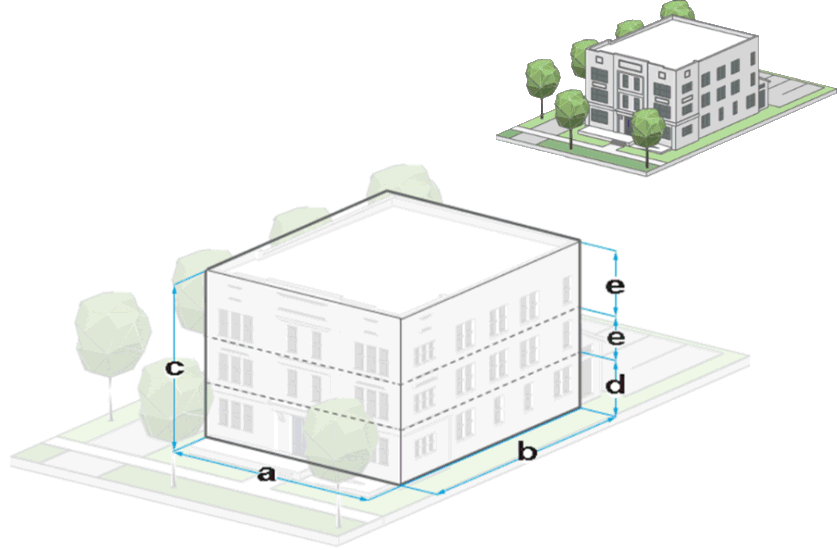 | |
| Units | 8 max | ||
| Building Form | |||
| a. Building Width | 60 ft. max | ||
| b. Building Length | 75 ft. max | ||
| Description: A moderately scaled type comprised of up to 8 units | c. Total Stories | 3 stories max | |
| d. First Floor Height | 9 ft. min, 15 ft. max | ||
| e. Upper Floor Height | 9 ft. min, 12 ft. max | ||
| First Floor Elevation | 2 ft. min | ||
| Fenestration | |||
| First Floor Fenestration | 20% min | ||
| Upper Floor Fenestration | 20% min | ||
| Large 4-12 Unit Main Street | Allowable Units | 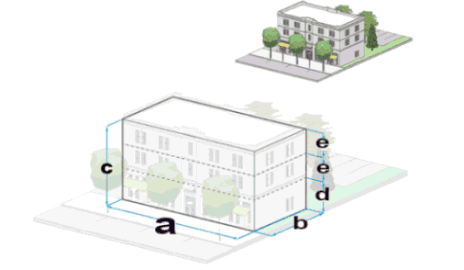 | |
| Units | 12 max | ||
| Building Form | |||
| a. Building Width | 80 ft. max | ||
| b. Building Length | 75 ft. max | ||
| Description: A moderately scaled type comprised of up to 12 units | c. Total Stories | 3 stories max | |
| d. First Floor Height | 9 ft. min, 15 ft. max | ||
| e. Upper Floor Height | 9 ft. min, 12 ft. max | ||
| Fenestration | |||
| First Floor | 20% min | ||
| Front Elevation | 20% min | ||
| f. Building Width | 60 ft. max | ||
(Ord. No. 01-2024/2025, § 2, 6-18-2025)

