
Acworth City Zoning Code
SECTION 73
6- - SPECIAL PURPOSE DISTRICTS
For each of the following districts, the minimum standards are required as outlined herein.
73-6.1.1 - Site Plan-Specific Minimum Requirements.
A.
Establishment of Standards.
While the applicant is proposing standards by way of submitting the following documents as exhibits that will become the regulatory material applied to the particular site, approval authority solely rests at the discretion of the Mayor and Board after consulting with the public, staff, and evaluation of the appropriate review and approval criteria for Zoning Map Amendments. Failure of any component of the proposed mixed-use development to meet the review and approval criteria is grounds for denial.
1.
Overall Development Standards (ODS). In addition to the minimum standards set forth by this Section, development of the mixed-use development is governed by the ODS that designate the standards of zoning and development for the property. These standards replace the development standards in the Zoning Ordinance and development regulations and should include, at a minimum, the following:
a.
Permitted and prohibited uses;
b.
Proportions of gross land/floor area for each proposed use;
c.
Maximum lot coverage;
d.
Maximum building coverage;
e.
Minimum open space;
f.
Minimum and maximum building heights;
g.
Minimum lot size;
h.
Required yard setbacks;
i.
Maximum block length;
j.
Parking requirements;
k.
Environmental buffers and limitations;
l.
Design standards; and
m.
Building massing.
2.
Overall Development Plan (ODP). Development of the mixed-use development is also governed by the ODP, which includes a series of plans and design-related documents regulating the development of the property. At a minimum, the ODP shall include the following:
a.
Analysis of Existing Conditions. An analysis of existing site conditions, including a boundary survey and topographic map of the site that shall include information on all existing manmade and natural features, utilities, all streams and easements, and features to be retained, moved or altered. The existing shape and dimensions of the existing lot to be built upon including the size, measurement, and location of any existing buildings or structures on the lot shall be included.
b.
Overall Master Plan. A master plan outlining all proposed regulations and calculations which shall include, but not be limited to, information on all proposed improvements including proposed building footprints, entrances, densities, parking ratios, open space, height, sidewalks, yards, under and over-head utilities, internal circulation and parking, landscaping, grading, lighting, drainage, amenities, proposed fee simple and condominium lot boundaries, and similar details and their respective measurements.
c.
Phasing Plan. Should a mixed-use development be expected to require five (5) years or longer to complete in its entirety, a phasing plan shall be provided by the applicant that indicates the timeframe for construction and development of different aspects/uses of the development.
d.
Traffic Impact Study. A traffic impact study shall be prepared following and meeting the standards of the GRTA Development of Regional Impact technical guidelines with appropriate improvements proposed that mitigate the identified impacts.
e.
Architectural Pattern Book. An Architectural Pattern Book demonstrating building materials, features, exterior finishes, windows, doors, colors, and other features affecting exterior appearance, such as signs, mechanical systems, fencing, etc. The pattern book shall include renderings/elevations of proposed buildings.
f.
Streetscape Standards. Any combination of plans and cross-sections demonstrating minimum street construction standards, dimensions, materials, landscaping, furniture, ownership arrangements, and other elements like on-street parking that may be proposed.
3.
Applications shall include any additional information deemed necessary and policy standards.
4.
Design Standards.
a.
Innovative and cohesive design is encouraged and welcomed as a means to enhance the overall quality of the built environment.
b.
Design of built environment shall minimize conflict between service vehicles, private automobiles, and pedestrians circulating within the site.
c.
Building entries shall be readily identifiable and accessible, with at least one (1) main entrance facing and opening directly onto a connecting walkway with pedestrian frontage.
d.
Building materials shall blend with those existing on adjacent properties.
e.
There shall be structural variations in roof lines to reduce the massive scale of structures and add visual interest.
f.
All building facades facing public rights-of-way shall have at least thirty (30%) percent fenestration.
73-6.1.2 - MU, Mixed Use District.
A.
Purpose.
The mixed-use zoning category is established for the purpose of providing a compatible mixture of commercial, employment, residential, recreational, civic, and/or cultural uses which are planned and developed as a unit. A mixed-use development should complement surrounding areas through context-sensitive design and an appropriate mix of uses. Among the goals of the mixed-use zoning category are the following:
1.
Encourage residential uses in conjunction with commercial activities in order to create an active street life, enhance the vitality of businesses, and reduce vehicular traffic below what these uses would create in independent developments;
2.
Provide opportunities for horizontal and vertical mixed-use developments to be combined into unified development sites;
3.
Encourage compatibility between residential and commercial uses, offering integrated building patterns and appropriate buffers and transitions where they are warranted given the scale and intensity of uses;
4.
Ensure that the appearance and effects of buildings and uses are harmonious with the character (topography, economy, society) of the area in which they are located.
B.
Effect and Procedure.
No mixed-use zoning district may be established without the approval of Overall Development Standards (ODS) and an Overall Development Plan (ODP) by the Mayor and Board of Aldermen through the Zoning Map Amendment process. Approvals shall be considered site specific and shall be subject to the major and minor amendment proceedings for all Zoning Map Amendments.
C.
Minimum Eligibility Requirements.
1.
The location of a mixed-use district is restricted to areas which are designated mixed-use in the Acworth Comprehensive Plan and Future Land Use Map, or within the Opportunity zone designated by the Department of Community Affairs in 2020 or key redevelopment areas identified in an Acworth Redevelopment Plan. This district is intended to permit the planning and development of parcels of land that are suitable in location and character for the uses proposed as unified and integrated developments in accordance with detailed development plans.
2.
Proposals for mixed-use zoning designations may not utilize substantial portions of already completed development to satisfy the use mix requirement outlined herein.
3.
Any development standards not expressly defined or omitted by the ODS and/or ODP shall be regulated by the Zoning Ordinance and other applicable ordinances. To the extent that the approved ODS and ODP for a mixed-use district contradict the development regulations and this Zoning Ordinance, the approved ODS and ODP for the mixed-use district governs.
4.
Design shall be determined based upon the context and guidance of the Comprehensive Plan and any specific character area plan (e.g.: Downtown Master Plan) in which the proposed development is located, as applicable.
5.
Mixed-use districts shall have a minimum contiguous area of seven (7) acres.
6.
Structures in mixed-use zoning districts shall be limited in height to three (3) stories or 45 feet. Structures that are located within the Opportunity Zone designated by the Department of Community Affairs in 2020 are afforded a maximum height of five (5) stories or 70 feet.
7.
Mixed-use districts shall provide a mix of at least two (2) different uses (lodging/residential, institutional, office, retail sales) from the "Use Categories" table provided herein. This is referred to as the "use mix requirement."
a)
This provision is not satisfied if the proposed uses are identified in the same use category (e.g.: townhomes and multi-family).
b)
While other uses are permitted in the Mixed-use district, only uses referenced in the table may satisfy the use mix requirement.
c)
A maximum of 70% of the gross floor area of the development is permitted to be dedicated to any lodging/residential uses.
d)
There is no minimum floor area for uses that are not used to satisfy the use mix requirement.
8.
Density shall be limited to 12 units per acre. Developments located within the Opportunity Zone designated by the Department of Community Affairs in 2020 shall be limited to 30 units per acre if a minimum of 10% of units are preserved in perpetuity as workforce housing (calculation determined by 80% AMI). Density limitations, in addition to all other requirements, are subject to scrutiny under the review standards based on what is appropriate for the context and by policy.
9.
Parking space counts shall be required in accordance with this chapter, unless the proposal includes a shared parking study prepared by a design professional in accordance with industry standards that provides for an alternate number of parking spaces based on demonstrated offset peak demand for the spaces dedicated to different uses.
D.
Prohibited Uses.
1.
Adult entertainment;
2.
Eating and drinking establishments with a drive-thru;
3.
Smoke shops including CBD, Delta-8;
4.
Stand-alone telecommunications towers;
5.
Surface parking lots.
73-6.1.3 - SLC, Senior Living Community.
A.
Purpose and Intent.
The SLC district is intended to provide opportunities for development of residential facilities, to include assisted and independent, for residents aged 55 years and older. These areas are established to provide senior housing designed in a compatible and complementary manner so as to function as a singular and integrated land use. This zoning district may serve as a transitional zone between commercial/office uses and residential districts of a lesser intensity.
B.
Effect and Procedure.
No senior living community zoning district may be established without the approval of Overall Development Standards (ODS) and an Overall Development Plan (ODP) by the Mayor and Board of Aldermen through the Zoning Map Amendment process. Approvals shall be considered site specific and shall be subject to the major and minor amendment proceedings for all Zoning Map Amendment.
C.
Minimum Eligibility Requirements.
1.
The location of a senior living community district is restricted to areas which are designated residential in the Acworth Comprehensive Plan and Future Land Use Map, or within the any federal or the Opportunity zone designated by the Department of Community Affairs in 2020 or key redevelopment areas identified in an Acworth Redevelopment Plan. This district is intended to permit the planning and development of parcels of land that are suitable in location and character for senior living in accordance with detailed development plans.
2.
Proposals for senior living community zoning designations may not utilize substantial portions of already completed development to satisfy the use mix requirement outlined herein. The definition of what constitutes a substantial amount shall be determined through reasonable assessment by the Zoning Official.
3.
Any development standards not expressly defined or omitted by the ODS and/or ODP shall be regulated by the Zoning Ordinance and other applicable ordinances. To the extent that the approved ODS and ODP for a mixed-use district contradict the development regulations and this Zoning Ordinance, the approved ODS and ODP for the senior living community district governs.
4.
Design shall be determined based upon the context and guidance of the Comprehensive Plan and any specific character area plan (e.g.: Downtown Master Plan) in which the proposed development is located, as applicable.
5.
Senior living community districts shall have a minimum contiguous area of five (5) acres. A minimum of three (3) acres is required for key redevelopment areas identified in an Acworth Redevelopment Plan.
6.
Structures in mixed-use zoning districts shall be limited in height to three (3) stories or 45 feet. A minimum of four (4) stories is permitted for key redevelopment areas identified in an Acworth Redevelopment Plan.
73-6.1.4 - RC, Residential Conservation Planned Unit Development.
A.
Purpose and Intent.
The RC district is intended to provide opportunities for development through flexibility of design in order to promote environmentally sensitive and efficient uses of the land. To achieve this, the RC district provides suitable areas for single-family attached and detached housing at medium densities in exchange for a minimum amount of greenspace/open space. These districts may also serve as transitional zones between light commercial/office uses and areas reserved for lower density single family uses. This district is intended to be site-plan specific and shall require submission of a detailed site-plan at the time of rezoning application.
B.
Permitted Uses.
1.
Dwelling, single family detached.
2.
Dwelling, single family attached (duplexes and triplexes).
3.
Private parks and playgrounds.
C.
Supplemental Uses.
1.
Dwelling, accessory unit.
2.
Home occupations.
3.
Garage sales.
4.
Group living.
5.
Mobile food vendors.
6.
Short-term rentals.
D.
Accessory Uses.
1.
Garage sales.
2.
Swimming pools.
3.
Accessory structures.
4.
Solar collection devices.
5.
Co-locations of telecommunications antennas and towers.
E.
Special Uses Permitted by Board of Aldermen.
1.
Bed and Breakfast.
2.
Cemeteries and mausoleums.
3.
Cottage-style development.
4.
Dwelling, single family attached (townhome).
5.
Places of assembly (religious institutions, neighborhood recreation centers and swimming pools, or non-commercial club houses and lodges).
F.
Bulk and Area Regulations.
73-6.2.1 - Character Overlay District (COD).
A.
General.
1.
Intent. The intent of the Character Overlay District (COD) is to set a standard for the design, form and use of properties within the identified corridor that is reflective of the character of the area. The Overlay is intended to support and protect the development and redevelopment in the district all the while ensuring consistency and compatibility with the respective character of the properties. These criteria are intended to elicit high quality materials, enhanced pedestrian experience, an appropriate scale, and a development pattern that effectively implements the City's planning and visioning documents.
2.
Prohibited Uses. The following uses are prohibited in the COD, regardless of whether the underlying zoning district allows the use:
a.
Animal Boarding.
b.
All "other financial services (check cashing, pawnshop, other)".
c.
Equipment and material storage.
d.
Extended stay lodging.
e.
Mobile food vendors (defined herein as soliciting to the general public).
f.
Tattoo parlors.
g.
Vape shop or smoke store.
h.
Vehicle equipment sales, service.
i.
Vehicle maintenance and repair, minor.
j.
Vehicle maintenance and repair, major.
k.
All "other wireless facilities".
l.
Liquor Stores.
m.
Gas Stations & Convenience Stores.
A.
Applicability.
1.
Any work proposed that is visible from the street, facing streets, facing main parking lots, and adjacent to, or visible from required open spaces, unless otherwise noted.
B.
Exemptions.
1.
An Overlay Approval Certificate (OAC) is not required if the work to be performed falls within the following:
a.
General exterior maintenance or minor, in-kind repairs;
b.
Any activity that is not visible from a public right-of-way, with the exception of relocation or demolition;
c.
Items listed below:
i.
Paved pathways less than five (5) feet wide and all sidewalks on the public right-of-way;
ii.
Interior changes that do not affect the exterior of the building;
iii.
The addition, modification, or removal of any vegetation, including specimen trees;
iv.
The temporary boarding of openings that will not exceed 60 days; and/or
v.
Replacement or installation of new fencing or screens.
C.
Residential Building Design Standards.
1.
The Mayor and Board of Aldermen will review the OAC application for consistency and compatibility with the adjacent and surrounding properties to ensure that the integrity of the proposed application is appropriate for the character area.
D.
Non-Residential Building Design Standards.
1.
The Mayor and Board of Aldermen will review the OAC application for consistency and compatibility with the adjacent and surrounding properties to ensure that the integrity of the proposed application is appropriate for the character area.
E.
Review Process.
1.
Prior to the submittal of an application for an OAC that will require review by the Mayor and Board of Aldermen, the applicant is required to participate in a pre-application meeting with the COD Committee.
2.
If a request for an OAC is determined to necessitate review by the Planning and Zoning Commission (i.e. rezone, variance, etc.), the applicant may apply for an OAC and a zoning request concurrently.
3.
Following review of the OAC application for completeness by staff, the applicant shall follow the process as outlined below:
a.
The applicant will obtain a public notice sign from the Development Department.
b.
No less than 15 days prior to the scheduled public hearing the applicant must post the public notice sign on the primary road frontage of the property in public view.
c.
The applicant or his/her representative shall attend the scheduled public hearing and present details of their application to the Mayor and Board of Aldermen for consideration.
F.
Supplemental Review Guidelines.
1.
Mayor and Board may utilize any of the following residential and non-residential guidelines listed below as well as any other guidelines within the Code of Ordinances and/or other Boards and Commissions guidelines or recommendations, where applicable. For properties that are determined to be 50 years or older, the Mayor and Board will utilize guidelines established and set forth in Acworth's Local "Design Guidelines" for historic districts as adopted by the City of Acworth's Historic Preservation Commission and/or the United States Secretary of the Interior's Standards for the Treatment of Historic Properties with Guidelines for Preserving, Rehabilitating, Restoring & Reconstructing Historic Buildings.
Residential Building Design Standards (suggestions).
Floor area minimum in the COD shall be reduced to 1,000 square feet.
Exterior Finish Materials.
a.
Exterior building materials shall be primarily brick, stone, other masonry, glass, wood, or cementitious fiberboard. Other materials such as vinyl may be used only as accent and trim materials. Masonry shall be unpainted.
b.
All exposed foundation walls on all sides of the building shall be faced with brick, stone, or marble.
c.
Metal shall be permitted only as metal split seam roofing or as an architectural accent comprising a maximum often percent (10%) of any one facade. Acceptable metal materials are limited to architectural metal panels, architectural metal cladding, metal mesh, and perforated metal. Examples of metal materials not permitted include but are not limited to stock PEMB metal skins commonly referred to as 'R-panel' and sheet metal systems with exposed fasteners, except as required for perforated metal.
Architectural Guidelines.
d.
Private outdoor space:
i.
Front porch (minimum 30 square feet in area).
ii.
Front-facing balcony (minimum 50 square feet in area).
iii.
Rear terrace (minimum 100 square feet in area).
iv.
Rooftop terrace (minimum 150 square feet in area).
v.
Private yard space with at least one tree (minimum 150 square feet in area).
e.
Architectural projection:
i.
Projection window (bay or bow).
ii.
Turret.
iii.
Covered balcony or porch.
f.
Roof element:
i.
Dormers.
ii.
Front gable or pediment.
iii.
Rooftop terrace.
iv.
Varied gable system.
v.
Cornice detailing.
g.
Unit or façade.
i.
Change in brick/stone color or a change in masonry material.
ii.
Change in window composition.
iii.
Projection or recess of an architectural feature that is a minimum of 5 feet deep or 15 feet tall (used to distinguish and separate facades vertically because of the significance of the projection).
h.
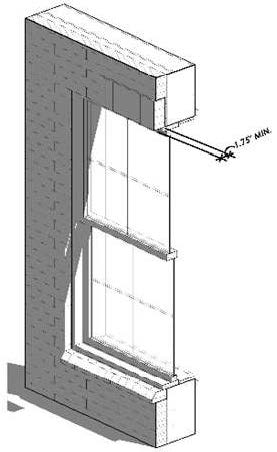
Recessed Window Systems. Window systems recessed from the façade of the building a minimum of one and three-quarters (1.75) inches. This reveal shall be accomplished through the design of the window casing reveals and frames.
Non-Residential Building Design Standards (suggestions).
Exterior Finish Materials.
a.
Primary Building Materials.
i.
Primary building materials shall be used on at least 70% of any building façade, calculated on the basis of each individual façade.
ii.
Primary building materials include unpainted brick, including full-depth and half- depth masonry brick; stone, including unpainted natural stone, unpainted cast stone having the appearance of natural stone; and unpainted terracotta.
b.
Secondary Building Materials.
i.
Secondary building materials may be used on up to 30% of any exterior building façade, calculated on the basis of each individual façade.
ii.
Secondary building materials include wood, including natural wood or cement-based artificial wood siding; shingles, including wood or cement-based shakes and shingle.
c.
Other Standards.
i.
Building materials, other than those expressly identified in this Section, may be used on up to ten percent (10%) of any exterior building façade, provided they have not been prohibited by this Section.
ii.
Material proportion calculations shall not include building foundations, window systems, and doors. Proportions are calculated on the basis of each individual façade.
iii.
Materials shall continue around the corner of the building onto façades not visible from the public street a minimum depth of one (1) architectural bay.
iv.
Prohibited Materials. Synthetic stucco, concrete masonry units (CMU), and vinyl are not permitted as exterior finish materials.
v.
Building façades shall be constructed of no more than three (3) primary materials and/or colors. Additional materials may be used as secondary, trim, or accent materials.
vi.
Awnings. Plastic and vinyl awnings are prohibited. Materials repurposed into textiles for use on an awning is prohibited.
2.
Building Articulation on Street Facing Facades. The ground story of non-residential facades fronting Main Street may contain the following elements as illustrated in Image 6.2.1.C.3 below.
a.
Cornice/Articulated Floor Line. The cornice visually separates one floor from the adjacent floor(s). The cornice can be articulated with a change of color, pattern, or material.
b.
Sign Board. A sign board shall be an area between the cornice and window system where a wall sign is placed. The sign board shall be a minimum of two (2) feet in height and shall extend the width of each architectural bay.
c.
Transom. Transoms are horizontally articulated windows located below the sign board. The window system shall extend the full width of the architectural bay or tenant space but may be separated by mullions and muntins consistent with the design aesthetic. Grilles are prohibited.
d.
Recessed Entry. Recessed entries are important to the retail experience to protect the users from inclement weather, increase the amount of space in which to display merchandise, and to ease the transition of users to and from the public realm. Entryways shall be recessed from the plane of the shopfront façade a minimum of three (3) feet.
e.
Display Window. Display windows provide frames for retail users to display merchandise and contribute to the active and vibrant character along the historic street front. Display windows shall not be separated with mullions, muntins, or grilles.
f.
Bulkhead. Bulkheads shall be a minimum of 18 inches in height and shall extend the full length of the architectural bay or tenant space.
g.
Fenestration. Fenestration proportions shall comply with standards in this Section Grilles, other faux features, and metal shopfront window systems are prohibited.
3.
Wall Projections. In order to avoid large expanses of flat (one-dimensional) exterior walls along sidewalks, building façades over 50 feet in length along a street may incorporate wall projections or recesses a minimum of 12 inches in depth. The combined length of such recesses and projections shall constitute at least 20% of the total façade length along the public street.
4.
Vertical Divisions. Each structure may provide a minimum of one of the following to divide the façade into vertical divisions at increments no greater than 100 feet as measured along the base of the façade.
a.
A change of façade material and window system from grade to roof; or
b.
Change of building height of at least one story; or
c.
A change in façade composition and/or architectural style from grade to roof; or
d.
An open space or pedestrian passage with a minimum width often (10) feet and a minimum depth of 30 feet.
e.
Similar means intended to convey the impression of separate buildings.
f.
Change in color alone, window system alone, or setback alone, do not satisfy this requirement.
5.
Rooflines. Building roof lines along street-facing façades shall change at least once every 200 feet of façade length. This change shall occur for a minimum length of 20 feet and be accomplished through at least one of the following:
a.
A change of roof parapet wall height and material.
b.
A change of roof cornice design.
c.
A change in the number of stories.
d.
A change in roof-shape.
6.
Blank Walls. Blank wall area applies to ground and upper story façades visible from a street (not including an alley) or open space.
a.
Blank wall area is measured in linear feet applied in both vertical and horizontal directions.
b.
There shall be no more than 20 feet of blank wall area.
c.
Blank wall area can be broken up or interrupted to meet these provisions with any one of the following interventions:
i.
Fenestration.
ii.
Substantial material change. Changing or alternating paint colors alone does not constitute a material change.
iii.
Façade articulation greater than 12 inches in depth.
iv.
Patterns and designs articulated with building materials.
v.
Vertical green walls, made of landscaped material specified for vertical, climbing growth.
d.
Where balconies are incorporated into the building design, they shall be integral to the façade.
e.
Balconies on stepped-back stories may be independently secured, extending from the façade as a cantilever.
f.
Juliet balconies are prohibited.
7.
Window Systems.
a.
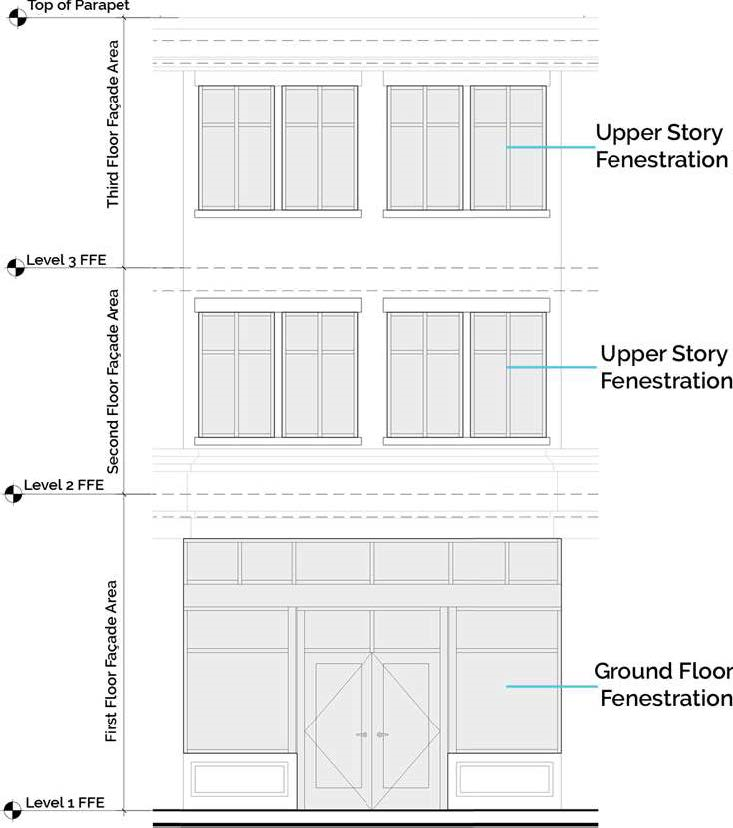
A minimum of 50% of commercial façades and 25% of residential facades shall be covered with fenestration. Fenestration percentage is calculated based on façade area and by floor. The façade area used to determine fenestration is measured from the top of the finished door to the top of the finished floor above or top of a roof parapet.
b.
Fenestration requirements apply to façades that abut a public or private street (not including an alley), or a required open space.
c.
Glass used to satisfy fenestration requirements shall be unpainted, shall have a transparency (visible light transmission) higher than 70 percent (70%) and shall have an external reflectance of less than 15 percent (15%). Transparency and external light reflectance shall be established using the manufacturer's specifications.
d.
Glazed doors, window frames, sashes, mullions, and similar features that are integral to the window system count towards fenestration requirements. Opaque doors and windows do not.
e.
No shades, blinds, or other coverings are permitted on the ground floor fenestration of any non-residential building.
f.
Grilles, inoperable shutters, and other faux window treatments are prohibited.
g.
Window systems shall be recessed from the façade of the building a minimum of three (3) inches. This reveal shall be accomplished through the design of the window casing reveals and frames.
Image 6.2.1.C.3.-Building Articulation Features
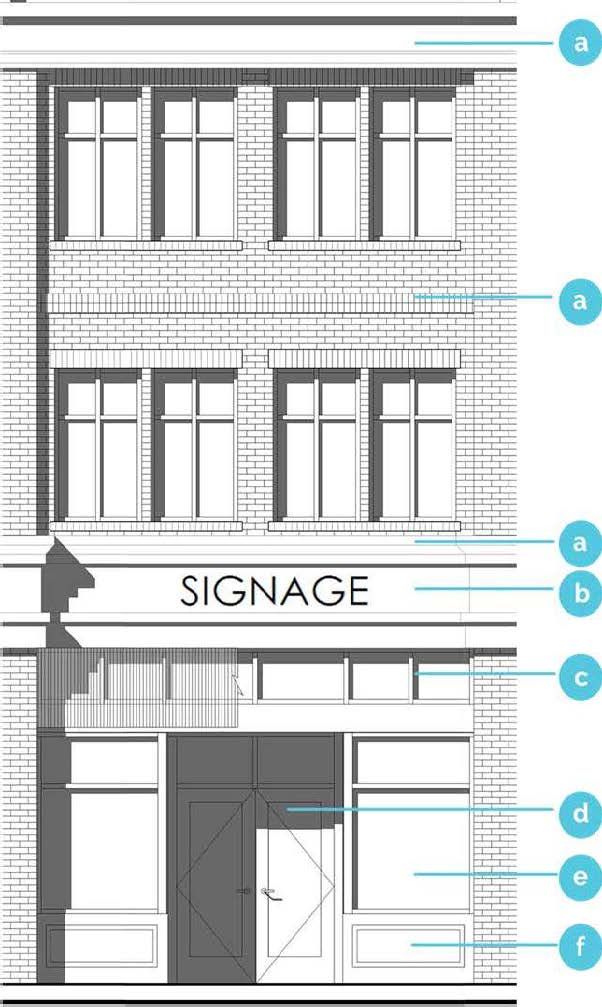
Image 6.2.1.C.7-Blank Wall Areas
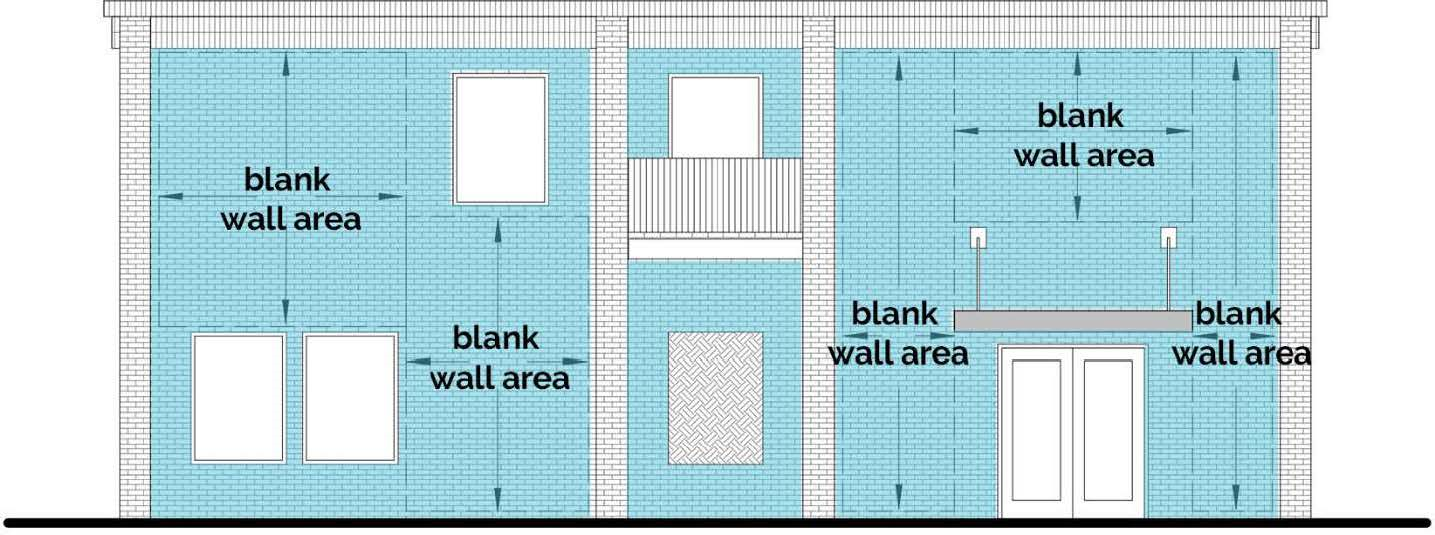
Image 6.2.1.C.9.-Fenestration Calculations
73-6.3.1 - RRX, Railroads and Railroad Crossings.
A.
Purpose and Intent.
The RRX, Railroads and railroad crossings, district is intended to identify and provide suitable areas for railroad-related transportation purposes; as well as to protect the health, safety and welfare of the public from distracting signs and advertising.
B.
Uses Permitted by Right.
1.
Railroads and railroad-related transportation purposes.
2.
Accessory uses and structures incidental to any legal permitted use.
73-6.3.2 - PPF, Public Parks, Facilities, and Other Public Services.
A.
Purpose and Intent.
The PPF, Public Parks, Facilities, and Other Public Services district is intended to identify and provide suitable areas for public parks and public facility purposes including, but not limited to open space, parks, playgrounds, trails, and structures designed for public use or recreation.
B.
Uses Permitted by Right.
1.
Public lakes and beaches.
2.
Public natural open space.
3.
Public parks and/or playground facilities.
4.
Public use buildings including, but not limited to, administrative or recreation.
5.
Public Golf Courses.
6.
Public campgrounds.
7.
Trail head facilities.
8.
Trails for pedestrian or non-motorized.
9.
Public boat mooring facilities.
10.
Public parking lot.
11.
Public cemetery.
12.
Railroads and railroad-related transportation purposes.
13.
Public utilities.
14.
Accessory uses and structures incidental to any legal permitted use.
15.
Other uses which are substantially similar in character and impact to those uses enumerated above.
73-6.3.3 - A/R-20, Single Family Residential.
A.
Purpose and Intent.
The A/R-20 district is established to provide locations for single-family residential uses or residentially compatible institutional and recreational uses which are within or on the edge of properties delineated for any residential category as defined and shown on the Cobb County Comprehensive Plan: A Policy Guide, adopted November 27, 1990. When residentially compatible institutional and recreational uses are developed within the A/R-20 district, they should be designed and built to ensure intensity and density compatibility with adjacent single-family detached dwellings and otherwise to implement the stated purpose and intent of this chapter. This district is reserved for properties located in the northern Cobb Parkway Corridor as identified in City of Acworth Resolution No. RS2015-06.
B.
Uses Permitted by Right.
1.
Golf courses, public and private.
2.
Livestock, nondomestic and wild animals, and poultry.
3.
Nonprofit (seasonal use) fishing lakes.
4.
Parking for vehicles.
5.
Private parks.
6.
Radio, television and other communication towers and antennas, subject to section 134-273.
7.
Recreation grounds other than tennis courts and golf courses.
8.
Residential, agricultural, farm and wood products and livestock and poultry sales.
9.
Riding stables (minimum 2 acres).
10.
Single-family dwelling units (detached).
C.
Supplemental Uses.
1.
Cottage food operators.
D.
Accessory Uses.
1.
Accessory dwelling units.
2.
Home Occupation.
E.
Special Uses Permitted by Board of Aldermen.
1.
Bed and Breakfast.
2.
Cemeteries and mausoleums.
3.
Places of assembly (religious institutions, neighborhood recreation centers and swimming pools, or non-commercial club houses and lodges).
4.
Special Event Home.
F.
Bulk and Area Regulations.
73-6.3.4 - A/R-30, North Single Family Residential.
A.
Purpose and Intent.
The A/R-30 district is established to provide locations for single-family residential uses or residentially compatible institutional and recreational uses which are within or on the edge of properties delineated for any residential category as defined and shown on the Cobb County Comprehensive Plan: A Policy Guide, adopted November 27, 1990. When residentially compatible institutional and recreational uses are developed within the R-30 district, they should be designed and built to ensure intensity and density compatibility with adjacent single-family detached dwellings and otherwise to implement the stated purpose and intent of this chapter. This district is reserved for properties located in the northern Cobb Parkway Corridor as identified in City of Acworth Resolution No. RS2015-06.
B.
Permitted Uses.
1.
Golf courses, public and private.
2.
Livestock, nondomestic and wild animals, and poultry.
3.
Nonprofit (seasonal use) fishing lakes.
4.
Parking for vehicles.
5.
Private parks.
6.
Radio, television and other communication towers and antennas, subject to section 134-273.
7.
Recreation grounds other than tennis courts and golf courses.
8.
Residential, agricultural, farm and wood products and livestock and poultry sales.
9.
Riding stables (minimum 2 acres).
10.
Single-family dwelling units (detached).
11.
Temporary uses.
C.
Supplemental Uses.
a.
Cottage food operators.
D.
Accessory Uses.
a.
Accessory Dwelling Units.
b.
Home Occupations.
E.
Special Uses Permitted by Board of Aldermen.
1.
Places of assembly (religious institutions, neighborhood recreation centers and swimming pools, or non-commercial club houses and lodges).
2.
Special Event Home.
3.
Bed and Breakfast.
F.
Bulk and Area Regulations.
73-6.3.5 - A/R-40, Single Family Residential.
A.
Purpose and Intent.
The A/R-40 district is established to provide locations for single-family residential uses or residentially compatible institutional and recreational uses which are within or on the edge of properties delineated for any residential category as defined and shown on the Cobb County Comprehensive Plan: A Policy Guide, adopted November 27, 1990. When residentially compatible institutional and recreational uses are developed within the R-40 district, they should be designed and built to ensure intensity and density compatibility with adjacent single-family detached dwellings and otherwise to implement the stated purpose and intent of this chapter. This district is reserved for properties located in the northern Cobb Parkway Corridor as identified in City of Acworth Resolution No. RS2015-06.
B.
Permitted Uses.
1.
Cottage food operators.
2.
Golf courses, public and private.
3.
Livestock, nondomestic and wild animals, and poultry.
4.
Nonprofit (seasonal use) fishing lakes.
5.
Parking for vehicles.
6.
Private parks.
7.
Radio, television and other communication towers and antennas.
8.
Recreation grounds other than tennis courts and golf courses.
9.
Residential, agricultural, farm and wood products and livestock and poultry sales.
10.
Riding stables (minimum 2 acres).
11.
Single-family dwelling units (detached).
C.
Supplemental Uses.
1.
Accessory dwelling units.
2.
Home occupations.
D.
Special Uses Permitted by Board of Aldermen.
1.
Places of assembly (religious institutions, neighborhood recreation centers and swimming pools, or non-commercial club houses and lodges).
2.
Cemeteries and mausoleums.
3.
Special Event Home.
4.
Bed and Breakfast.
E.
Bulk and Area Regulations.
73-6.3.6 - A/RR, Rural Residential.
A.
Purpose and Intent.
The A/RR district is established to provide locations for large useable areas for limited residential, agricultural, park and open space needs. This district also serves to correlate growth with utility, service and transportation needs until urbanization is warranted. A/RR uses or residentially compatible institutional and recreational uses should be located within or on the edge of properties delineated for any residential category as defined and shown on the Cobb County Comprehensive Plan: A Policy Guide, adopted November 27, 1990. When residentially compatible institutional and recreational uses are developed within the RR district, they should be designed and built to ensure intensity and density compatibility with adjacent single-family detached dwellings and otherwise to implement the stated purpose and intent of this chapter. This district is reserved for properties located in the northern Cobb Parkway Corridor as identified in City of Acworth Resolution No. RS2015-06.
B.
Permitted Uses.
1.
Agricultural produce stands with a minimum of four (4) off street parking spaces.
2.
Clubs or lodges (noncommercial).
3.
Commercial greenhouses and plant nurseries, so long as set back at least 100 feet from any residential property line.
4.
Designated recycling collection locations.
5.
Farm and garden supply stores.
6.
Field crops.
7.
Golf courses, public and private.
8.
Livestock, nondomestic and wild animals, and poultry.
9.
Nonprofit (seasonal use) fishing lakes.
10.
Parking for vehicles.
11.
Private parks.
12.
Radio, television and other communication towers and antennas, subject to section 134-273.
13.
Recreation grounds other than tennis courts and golf courses.
14.
Residential, agricultural, farm and wood products and livestock and poultry sales.
15.
Riding stables (minimum 2 acres).
16.
Single-family dwelling units (detached).
C.
Supplemental Uses.
1.
Cottage food operators.
D.
Accessory Uses.
1.
Accessory dwelling units.
2.
Home occupations.
E.
Special Uses Permitted by Board of Aldermen.
1.
Places of assembly (religious institutions, neighborhood recreation centers and swimming pools, or non-commercial club houses and lodges).
2.
Cemeteries and mausoleums.
3.
Special Event Home.
F.
Bulk and Area Regulations.
73-6.3.7 - A/R-80, Single Family Residential.
A.
Purpose and Intent.
The A/R-80 district is established to provide locations for single-family residential uses or residentially compatible institutional and recreational uses which are within or on the edge of properties delineated for any residential category as defined and shown on the Cobb County Comprehensive Plan: A Policy Guide, adopted November 27, 1990. When residentially compatible institutional and recreational uses are developed within the A/R-80 district, they should be designed and built to ensure intensity and density compatibility with adjacent single-family detached dwellings and otherwise to implement the stated purpose and intent of this chapter. This district is reserved for properties located in the northern Cobb Parkway Corridor as identified in City of Acworth Resolution No. RS2015-06.
B.
Permitted Uses.
1.
Golf courses, public and private.
2.
Livestock, nondomestic and wild animals, and poultry.
3.
Nonprofit (seasonal use) fishing lakes.
4.
Parking for vehicles.
5.
Private parks.
6.
Radio, television and other communication towers and antennas, subject to section 134-273.
7.
Recreation grounds other than tennis courts and golf courses.
8.
Residential, agricultural, farm and wood products and livestock and poultry sales.
9.
Riding stables (minimum 2 acres).
10.
Single-family dwelling units (detached).
C.
Supplemental Uses.
1.
Cottage food operators.
D.
Accessory Uses.
1.
Accessory dwelling unit.
2.
Home occupations.
E.
Special Uses Permitted by Board of Aldermen.
1.
Places of assembly (religious institutions, neighborhood recreation centers and swimming pools, or non-commercial club houses and lodges).
2.
Cemeteries and mausoleums.
F.
Bulk and Area Regulations.

