
Hooper City Zoning Code
CHAPTER 2
BASE ZONE REGULATIONS
10-2-1 Base Zones Established
For the purpose of this Title, the incorporated territory of Hooper City, Utah, is divided into the following base zones whose boundaries are established on the Official Zoning Maps of the City of Hooper. The Official Zoning Maps are made a part of this Title, as well as such other map or maps that are duly adopted. Said Official Zoning Maps properly attested, shall be placed and remain on file in the office of the Clerk of the City Council of Hooper City.
- AGRICULTURE
- RESIDENTIAL
- COMMERCIAL
- INDUSTRIAL
10-2-2 Public Utility Substations
Property for public utility substations and for other public utility use shall be conditional uses in all base zones and shall be screened from neighboring uses with a masonry wall, solid board fence, shrubbery or by other means, as required by the Planning Commission. Public utility substations, or other public utility property, may be allowed with less than the required lot area, setbacks, width, yards and building size for the zone in which it is located.
O-2014-5
O-2017-01
O-2019-03
O-2022-04
O-2015-3
O-2019-04
10-2A-1 Purpose
- Purpose Statement of the Agriculture (A) Zone:
- Promote the public health, safety, and welfare of the people of Hooper City by encouraging the protection of prime agricultural lands; to ensure the important environmental features of the State and Hooper City are protected and enhanced;
- Implement the Hooper City General Plan goal to protect prime agricultural land and to maximize opportunities for agricultural activities and an agricultural lifestyle in areas designated as Agriculture on the General Plan Generalized Future Land Use Map;
- Allow the development of agricultural industries and agriculture service establishments when such uses do not take prime agricultural land out of crop production;
- Protect agricultural and range land uses and wildlife management areas from undue adverse impacts from adjacent development.
10-2A-2 General Requirements
- All development shall be in accord with the regulations in HCC 10-4.
- Access shall comply with the regulations of HCC 10-4A-3.
10-2A-3 Allowed Uses
Table 10-2A-1 lists principal permitted (P), accessory (A), conditional (C), or prohibited (—) uses within the agriculture zone.
- Conditional uses shall be approved in accord with the procedures in HCC 10-5.
Table 10-2A-1: Allowed Use within the Agriculture Zone P=principal permitted; A=accessory; C=conditional; (-)=prohibitedAllowed Use Agriculture Dist. Accessory structure, >1500 square feet C Accessory structure, ≤ 1500 square feet A Agricultural service establishment C Agricultural structure A Agricultural use P Aircraft landing field (private ownership) C Airport (public ownership) C Animal boarding with outside runs C Animal clinic, animal hospital, or veterinary office C Auction establishment, outdoor C Automotive, hobby A Bed and breakfast establishment C Campground - Cemetery C Church C Club or lodge or social hall C Composting facility, commercial C Dangerous or protected animals C Day care home, group A Dwelling, additional farm C Dwelling, caretaker for an approved use A Dwelling, mobile home - Dwelling, secondary attached or detached C Dwelling, single family detached P Explosive manufacturing or storage C Fence, barbed wire, electric wire, or other A Flammable substance storage C Fuel cell A Golf course and country club (only on non-farm open space) - Grain elevator P Home occupation A Kennel, commercial C Kennel, hobby A Livestock confinement facility, more than one AU per 10,000 square feet (HCC 10-4A-16.1) C Keeping of Livestock (HCC 10-4A-16.1) A Manufactured home P Meat packing facility C Mortuary A Nursery, wholesale (only) P Office, relating to an approved use A Office, temporary construction A Outdoor storage P Pit, mine, or quarry C Portable classroom A Power plant C Processing plants for agricultural and dairy products C Public or quasi-public use C Race track, vehicle or animal C Railroad switching yard P Residential care facility - Roadside produce stand A Sanitary landfill, restricted C School, public or private C Seasonal farmworker housing C Shooting range (outdoor or indoor) C Slaughterhouse C Soil or water remediation C Stable or riding school, commercial C Swimming pool, private A Temporary living quarters A Tower or antenna structure, commercial C Tower or antenna structure, private A Truck stop C Water system, community C Winery A
10-2A-4 Dimensional Standards
Table 10-2A-2 shall be used for development in the Agriculture zone.
Table 10-2A-2: Dimensional Standards for Agricultural Base Zone Property
| Dimensional Standards | A |
| Property size (in acres) | 10 minimum |
| Minimum street frontage (in feet) | 100 |
| Principal Structure:
Set back (feet) from street: 1. Arterial, collector, or section line street | 50 |
| 2. Other roadway | 30 |
| 3. Property line not fronting a roadway | 25 |
| Accessory Structure: Set back (feet) from: | |
| 1. Side property line on arterial or collector street | 50 |
| 2. Side property line on local street | 30 |
| 3. Interior side property line | 20 |
| 4. Rear property line | 20 |
| Maximum coverage (in %) | 5 |
| Maximum height (in feet) | 35 |
| Maximum lot width and depth (in feet) | NA |
| Minimum property width and depth (in feet) | 100 |
10-2B-1 Purpose
The purpose of this Article is to implement the Hooper City General Plan. These zones are intended to provide appropriate density for residential development based on the availability of essential public services, the surrounding land uses, and the applicable General Plan designation. The purpose statements of the individual residential base zones are as follows:
- Low Density Residential (R1) Zone:
- Provide opportunities for low density development of detached single family dwellings where the minimum lot size is 40,000 square feet.
- Low-Medium Density Residential (R.75) Zone:
- Provide opportunities for low to medium density development of detached single family dwellings where the minimum lot size is 30,000 square feet.
- Medium Density Residential (R2) Zone:
- Provide opportunities for medium density residential development of detached single family dwellings and the minimum lot size is 20,000 square feet.
- High Density Residential (R3) Zone:
- Provided opportunities for higher density residential development where the predominant character of land use is detached single family dwellings and the minimum lot size is 13,000 square feet. A limited number of duplexes and/or twin homes are permitted in this zone as set forth in HCC 10-2B-4 paragraph B.
- High Density Residential (R4) Zone:
- Provided opportunities for higher density residential development where the predominant character of land use is detached single family dwellings and the minimum lot size is 10,000 square feet.
- R4 Zones created by this paragraph will be allowed only if the property, owned by one owner as of August 15, 2013, directly abuts/adjoins property zoned as R4 as of August 15, 2013.
- In order for an R4 Zone to be approved, the property must be in an area outlined on the Hooper City sewer master plan allowing access to the City’s sewer system. No lots with septic tanks will be approved in an R4 Zone created after August 15, 2013.
- A limited number of duplexes and/or twin homes are permitted in this zone as set forth in HCC 10-2B-4 paragraph B.
- Residential Open Space (ROS) Zone:
- Provide opportunities for clustered residential development, while preserving open space, where the predominant character of land use is detached single family dwellings. The base density is one (1) dwelling unit per acre. The density may be increased to a maximum density of one and one-half (1.5) dwelling units per acre, as set forth in HCC 10-2B-3.
- High Density Residential (PATIO) Zone:
- Provide opportunities for higher density residential development where the predominant character of the land use is patio homes and limited numbers of attached single family, duplex and fourplexes. The High Density Residential (Patio) Zone has a base density of six (6) dwelling units per acre.
- High Density Residential (PUD) Zone:
- Provide opportunities for a variety of dwelling units that allows imaginative concepts of neighborhoods and housing options and provides variety in the physical development pattern of the City. The High Density Residential (PUD) Zone has a base density of six (6) dwelling units per acre.
- Provide opportunities for a variety of dwelling units that allows imaginative concepts of neighborhoods and housing options and provides variety in the physical development pattern of the City. The High Density Residential (PUD) Zone has a base density of six (6) dwelling units per acre.
Amended by Ord. O-2014-5 on 12/18/2014
Amended by Ord. O-2017-01 on 10/1/2018
Amended by Ord. O-2019-03 on 11/21/2019
Amended by Ord. O-2022-04 Adding R.75 Zone on 6/2/2022
10-2B-2 General Requirements
- All development shall be in accord with the regulations in HCC 10-4.
- Access shall comply with the regulations of HCC 10-4A-3.
10-2B-3 Residential Open Space (ROS) Zone Requirements
- Area: The ROS Zone shall be treated as an “overlay” zone and shall only be applied to residential zoned parcels or groups of parcels that are no smaller than fifteen (15) acres in area, and which are located in specified sensitive areas identified on the Official Zoning Map, attached to this ordinance. Sensitive areas are defined as parcels abutting the Hooper or Howard Sloughs or impacted by the 200-foot “no structure” setback along the sloughs defined later in this ordinance, or parcels abutting the proposed Legacy Highway Corridor.
- Density: The ROS Zone has a base density of one (1) dwelling unit per acre, which may be developed either as 1) 40,000 square-foot minimum lots, or 2) smaller, clustered lots with the remaining land preserved as open space. However, the allowable density in the ROS Overlay Zone may be increased, if all structures in the development are clustered, based upon the following:
- A density bonus of 1/10 dwelling unit per acre shall be allowed for every three percent (3%) of the gross area contained within the development that is dedicated toward the preservation of open space, up to a maximum of one and one-half (1.5) dwelling units per acre.
- The City Council shall have the right to determine and approve an appropriate maximum density to be applied on all developments in the ROS Overlay Zone, according to the guidelines set forth in Table 10-2B-1 below. Considerations in determining the appropriate density include but shall not be limited to the following factors and conditions:
- water sources and availability,
- infrastructure needs and the City’s ability to maintain new infrastructure,
- the City’s ability to maintain the open space areas within an ROS development should the Home Owner’s Association fail to meet the open space maintenance requirements, as shown in paragraph E.
Table 10-2B-1: ROS Zone Densities* 40,000 square feetPercentage of Open Space Provided 0% 3% 6% 9% 12% 15% Maximum Units Per Acre 1 1.1 1.2 1.3 1.4 1.5 Minimum # Acres of Open Space 0 2 2 2 2 2.25 Minimum Development Acres 1* 66.7 33.3 22.2 16.7 15.0 Max. # Lots on Minimum Acres 1 73.3 40 28.9 23.3 22.5 Minimum Lot Square Footage 13,000 13,000 13,000 13,000 13,000 13,000
- Minimum Lot Size and Width: All lots within an ROS Zone shall have a minimum size of 13,000 square feet and a minimum width of 100 feet.
- Design Standards: All structures in the ROS Zone shall be regulated by the following design standards:
- Building Materials. At least sixty percent (60%) of the exterior finish materials of all elevations of all buildings shall consist of either brick, stone, fluted block, colored textured block, glass, stucco and wood. The remaining percentage of the exterior finish materials shall consist of either brick, stone, cultured stone, stucco, exterior insulated finish system E.I.F.S. or wood or vinyl siding. Other finishing materials may be used if approved by the City Council. However, sheet metal, corrugated metal, and PVC shall be prohibited except for metal shingles, trim, soffits, facia, mansards and similar architectural features.
- Roof Pitch. The minimum roof pitch shall be six feet (6') of rise to twelve feet (12') of run.
- Open Space:
- By allowing higher density in developments where a percentage of property is preserved as open space as described in paragraph A, the City intends to provide an incentive to developers to design residential projects with large open areas that are aesthetically pleasing and are suitable for recreational uses. In order to satisfy the intent of the open space requirements of paragraph A, the open space must be a contiguous area of open space at least two (2) acres in size and may be located on one or more parcels. The open space shall be integrated into the residential development and must consist of large areas suitable for recreational uses. Open areas having any dimension of less than forty (40) feet or other open areas that are not practically useable for recreational purposes because of their location, size, dimensions or other characteristics shall generally not be considered as meeting the intent of the open space requirement.
- Prior to the approval of any final plat for a development, the owner/developer of a project shall establish a non-profit homeowners’ association, a trust or other similar mechanism acceptable to the City (hereinafter collectively referred to as an “HOA”), which shall be formed for the purpose of assuming responsibility for the ongoing maintenance of the open space areas. The owner/developer shall submit all documents necessary for the establishment and function of the HOA to the City for review and approval prior to receiving approval of any final plat. Such documents shall include provisions for the allocation of the costs of open space maintenance between the lot owners, an effective means of enforcement and collection of maintenance costs from the lot owners, and a provision that all property owners within the development automatically become a member and/or participant in the HOA upon obtaining an ownership interest in any lot in the development.
- The owner/developer of a project shall be responsible for the initial development and installation of all improvements required for the open space areas. The improvements to the open space areas (including sprinkler systems and landscaping where applicable) shall be substantially completed no later than six (6) months after the sale of thirty percent (30%) of the lots in the development. The owner/developer shall also be responsible for the ongoing maintenance and upkeep of the open space areas until such time as at least eighty percent (80%) of the lots in the development have been sold and developed, and the owner/developer has transferred the responsibility for maintenance of the open space to the City. After the sale and development of eighty percent (80%) of the lots in the development, the City shall be responsible for the maintenance of all open space areas in conformance with the requirements of this section.
- Both the preliminary and the final plat shall designate all open space areas as “public common area.” As used throughout this section, the terms “open space” and “public common area” are considered to be synonymous.
- Every lot owner in the development shall have an undivided and equal interest in the common areas. The undivided interest in a common area may not be separated or sold separately from the ownership of each individual lot. Each lot owner is responsible for an equal part of the taxes assessed on the common areas.
- All open space must be developed and subsequently maintained by the City as recreational uses such as parks, playgrounds, athletic fields, pathways for pedestrians/bicyclists/equestrians, landscaped open spaces, and other similar uses for the common use and benefit of all of the owners of the lots in the development and/or the public. Primary buildings may not be constructed in open space areas, but accessory buildings that are subordinate to and customarily incidental to the primary recreational use (such as maintenance and equipment storage buildings) shall be allowed. The open space areas must be controlled in such a way as to prevent the open spaces from becoming a nuisance. The City may, through its employees, enter onto the open space at any reasonable time for legitimate City purposes. Said access shall be provided from public streets, where reasonably possible. The public will be granted access across and through open spaces along the sloughs as approved by the City Council.
- All property owners within the development are required to be, and upon obtaining an ownership interest in any lot in the development, automatically become a member and/or participant in the HOA established by the developer for the maintenance of the open space. If, for any reason the HOA ceases to exist or fails to maintain the open space areas as required, the lot owners shall be equally responsible for their respective share of such maintenance. If the HOA and/or the owners fail to maintain the open space areas, the City shall have the right to:
- Enter upon the open space areas through its employees or contractors to complete the maintenance work.
- After completion of the maintenance work, the City shall cause to be prepared an itemized statement of all expenses incurred in completing the maintenance work, including all necessary administrative costs.
- The City shall elect at the time the work is completed to bring suit or charges in court or elect to refer the matter to the county treasurer for inclusion in the tax notice of the property owner.
- In the event the City elects to refer the matter to the county treasurer, the City shall make, in triplicate, an itemized statement of all expenses incurred in the maintenance work and shall deliver the three copies of said statement to the county treasurer within ten days after the completion of the work. [See Utah Code § 10-11-3.] The City shall request in writing that the county treasurer take such action as provided by law, requesting that the amount payable to Hooper City be included in the tax notices to the property owner and that upon collection of said money it be paid by the county treasurer to Hooper City. The City shall also cause the same to become a lien upon the lands involved by filing the appropriate papers with the county assessor.
- If the City elects to collect the amount set forth in the itemized statement, the City shall mail a copy thereof to the owner and/or occupant demanding payment within twenty (20) days of the date of mailing. Said notice shall be deemed delivered when mailed by registered mail addressed to the property owner’s last known address. In the event the owner or occupant fails to make payment of the amount set forth in said statement to the city treasurer within 20 days, the City may bring suit or charges in an appropriate court of law. In the event collection of said coasts are pursued through the courts, the City may sue for and receive judgment upon all of said costs of maintenance together with reasonable attorney’s fees, interest and court costs. The City may execute on such judgment in the manner provided by law.
- The City Council will work with the Hooper Irrigation Company to determine the required quantity of water for the open space areas of the subdivision once the City has been informed of the planned open space improvements.
- No subdivision may occur in the open space areas and no development, except for recreational facilities as described above, shall be allowed in any area designated as open space.
- Both the preliminary and final plat shall include the provisions of paragraphs E,6 through 9 as covenants, conditions and restrictions that shall be deemed to run with the land.
- The owner/developer of a project shall be required to record with the office of the Weber County Recorder a separate declaration of covenants, conditions and restrictions which includes all of the provisions listed in paragraphs E,6 through 9 as covenants, conditions and restrictions. The declaration of covenants, conditions and restrictions shall be made applicable to all property included within the development.
- The Planning Commission may deny a preliminary plat and the City Engineer may deny a final plat if the open space shown on the plat does not comply with the provisions or intent of the open space requirements described in this section.
Amended by Ord. O-2017-01 on 10/1/2018
Amended by Ord. O-2019-03 on 11/21/2019
10-2B-4 Allowed Uses
Unless otherwise specified in the specific use standards of HCC 10-5, Table 10-2B-2 lists principal permitted (P), accessory (A), conditional (C), or prohibited (—) uses within each residential zone.
- Conditional uses shall be approved in accord with the procedures in HCC 10-5.
- Permitted uses for duplexes and twin homes for Zones R1, R.75, R2, R3, R4 and ROS shall conform to the following regulations and standards:
- Development Ratio: The number of duplexes and twin homes constructed in new developments shall not exceed ten percent (10%) of the total lots in the development. Subdivision must have ten (10) lot minimum to qualify.
- Lot Sizes: Minimum lots sizes for duplexes and twin homes shall be:
- R1 Zone: 40,000 square feet
- R.75 Zone: 30,000 square feet
- R2 Zone: 20,000 square feet
- R3 Zone: 15,000 square feet
- R4 Zone: 12,000 square feet
- ROS Zone: 15,000 square feet
- R1 Zone: 40,000 square feet
- Lot Frontage: Minimum frontage on a public street for duplexes and twin homes shall be 120 feet. Frontage for twin homes must be divided equally between the twin homes.
- Other Dimensions: All other setbacks and dimensional requirements for R1, R.75, R2, R3, R4, and ROS zones defined herein shall apply to duplexes and twin homes.
- Plat: Lots in platted subdivisions intended for duplexes or twin homes shall be clearly noted on the Preliminary and Final Plat.
- Design Standards:
- Unification: Appearance of the building should blend in with the surrounding homes. Design, construction, wall and roof coverings are to be of like materials that have been and will be used in the area.
- Visual Relief: Attached dwelling units shall have visual relief in facade and roofline which adds variety and rhythm to the design and avoids monotonous straight lines.
- Building Materials: At least fifty percent (50%) of the exterior finish materials of all sides of the building shall consist of either brick, stone, fluted block, colored textured block, glass, stucco or fiber cement siding (hardie board). The remaining percentage of the exterior finish materials shall consist of either brick, stone, cultured stone, stucco, exterior insulated finish system (EIFS), hardie board, wood, or vinyl siding. Other exterior finishes may be approved by the City Council upon recommendation from the Planning Commission. However, sheet metal, corrugated metal, and PVC shall be prohibited except for metal shingles, soffits, facia, mansards and similar architectural features.
- Roof Pitch: The minimum roof pitch shall be six feet (6') rise to twelve feet (12') run.
- Parking: A minimum of a two-car garage is required for each dwelling unit. Units shall be designed so the predominate feature of the unit is not the garage. Living space shall be provided between the two garages.
- Design Review: Building floor plans and elevations showing exterior building material, colors, and size of all duplexes or twin homes shall be provided with all other required documentation at the Planning Commission Preliminary Plat review phase.
Table 10-2B-2: Allowed Use in Residential Zones
P=principal permitted; A=accessory; C=conditional; (-)=prohibited
| Allowed Use | R1 | R.75 | R2 | R3 | R4 | ROS | HDR | PUD |
| Accessory structure, ≤ 200 square feet | A | A | A | A | A | A | - | A |
| Accessory structure, <1200 square feet | A | A | A | A | A | A | - | - |
| Accessory structure 1201 to 1600 square feet | A | A | A | C | C | C | - | - |
| Accessory structure 1601 to 1800 square feet | A | A | C | C | C | C | - | - |
| Accessory structure 1801 to 2000 square feet | A | C | C | C | C | C | - | - |
| Accessory structure > 2000 square feet | C | C | C | C | C | C | - | - |
| Agricultural structure | A | A | A | A | A | A | - | - |
| Agricultural use | P | P | P | P | P | P | - | - |
| Amusement or recreation facility, indoor (only) | - | - | - | - | - | - | - | C |
| Animal clinic, animal hospital, or veterinary office | - | - | - | - | - | - | - | - |
| Automotive, hobby | A | A | A | A | A | A | - | - |
| Bed and breakfast establishment | C | C | C | C | C | C | - | - |
| Boarding house | - | - | - | - | - | - | - | - |
| Cemetery | C | C | C | C | C | C | - | - |
| Children's treatment facility | C | C | C | C | C | C | - | - |
| Church | C | C | C | C | C | C | C | C |
| Club or lodge or social hall | C | C | C | C | C | C | C | P |
| Dangerous or protected animals | C | C | C | C | C | C | - | - |
| Day care facility | C | C | C | C | C | C | - | - |
| Day care home, group | C | C | C | C | C | C | C | C |
| Drug and alcohol treatment facility | C | C | C | C | C | C | - | - |
| Dwelling, mobile home | - | - | - | - | - | - | - | - |
| Dwelling, Townhouse | P | P | P | P | P | P | P | P |
| Dwelling, secondary attached | P | P | P | P | P | P | P | - |
| Dwelling, secondary detached | C | C | C | C | C | C | - | - |
| Dwelling, single family detached | P | P | P | P | P | P | P | P |
| Dwelling, multi-family | - | - | - | - | - | - | P | P |
| Dwelling, single family attached (duplex) (HCC 10-2B-4 paragraph B) | P | P | P | P | P | P | P | P |
| Dwelling, single family attached (twin home) (HCC 10-2B-4 paragraph B) | P | P | P | P | P | P | P | P |
| Fence, barbed wire or electric wire | A | A | C | - | - | C | - | - |
| Fence, other | A | A | A | A | A | A | A | A |
| Foster home, group | C | C | C | C | C | C | - | - |
| Golf course and country club | C | C | C | C | C | C | C | C |
| Home occupation | A | A | A | A | A | A | C | C |
| Kennel, commercial | C | C | - | - | - | - | - | - |
| Kennel, hobby | C | C | C | C | C | C | - | - |
| Keeping of Livestock (HCC 10-4A-16.1) | A | A | A | C | C | C | - | - |
| Livestock confinement facility, more than one AU per 10,000 sq. ft. of property (HCC 10-4A-16.1) | - | - | - | - | - | - | - | |
| Manufactured home | C | C | C | C | - | C | - | C |
| Manufactured home park | - | - | - | - | - | - | - | - |
| Mortuary | - | - | - | - | - | - | - | - |
| Nursery, retail (only) | C | - | - | - | - | - | - | - |
| Nursing facility, skilled | - | C | C | C | C | C | - | - |
| Office, relating to an approved use | A | A | A | A | A | A | - | - |
| Office, temporary construction | A | A | A | A | A | A | - | - |
| Outdoor storage | A | A | A | A | A | A | - | - |
| Portable classroom | A | A | A | A | A | A | - | - |
| Public infrastructure facility | C | C | C | C | C | C | C | C |
| Public or quasi-public use | C | C | C | C | C | C | C | C |
| Residential care facility | C | C | C | C | C | C | C | C |
| Roadside produce stand | A | - | - | - | - | - | - | - |
| School, public or private | C | C | C | C | C | C | - | - |
| Stable or riding arena, commercial | C | - | - | - | - | - | - | - |
| Swimming pool, private | A | A | A | A | A | A | A | A |
| Taxidermy | C | - | - | - | - | - | - | - |
| Tower or antenna structure, commercial | C | C | C | C | C | C | C | C |
| Tower or antenna structure, private | A | A | A | A | A | A | - | C |
| Water system, community | C | C | C | C | C | C | C | C |
Amended by Ord. O-2014-5 on 12/18/2014
Amended by Ord. O-2015-3 on 6/18/2015
Amended by Ord. O-2017-01 on 10/1/2018
Amended by Ord. O-2019-03 on 11/21/2019
Amended by Ord. O-2019-04 on 1/5/2020
Amended by Ord. O-2022-04 Adding R.75 Zone on 6/2/2022
10-2B-5 Dimensional Standards
Table 10-2B-3 shall be used for development in the respective residential zones.
Table 10-2B-3: Dimensional Standards in Residential Zones
| Dimensional Standard | R1 | R.75 | R2 | R3 | R4 | ROS4 (Discontinued) | HDR 4 (Discontinued) | PUD4 (Discontinued) |
| Minimum property size: 1
1. Single family detached dwelling 2. Single family attached dwellings (duplexes or twin homes): HCC 10-2B-4 paragraph B | 40,000 | 30,000 | 20,000 | 13,000 15,000 | 10,000 12,000 | 13,000 | N/A | N/A |
| Roadway frontage (in feet) Single family attached dwellings (duplexes or twin homes): HCC 10-2B-4 paragraph B | 150 | 140 | 130 | 100 120 | 85 120 | 100 | N/A | N/A |
Roadway frontage for cul-de-sacs (in feet) Measured at property line or 1 foot behind sidewalk | 150 | 140 | 130 | 120 | 120 | |||
| Principle Structure: Setback (feet) from: 1. Any property line on an arterial or collector street | 35 | 35 | 35 | 35 | 35 | 30 | 25 | 25 |
| 2. Front property line on a local street or private road | 35 | 35 | 35 | 35 | 35 | 25 | 25 | 20 |
| 3. Interior side property line (per side) | 202 | 202 | 153 | 10 | 10 | 5/story | 5/story | 5/story |
| 4. Side property line on local street | 20 | 20 | 20 | 20 | 20 | 20 | 20 | 16 |
| 5. Rear property line | 20 | 20 | 20 | 20 | 20 | 15 | 15 | 15 |
| Maximum coverage Impervious Surface (in percent) | 65 | 65 | 65 | 65 | 65 | 25 | N/A | N/A |
1 In square feet unless otherwise noted.
2Minimum of 40 feet total side setback width (both sides together) with a minimum side setback requirement of 10 feet.
3Minimum of 30 feet total side setback width (both sides together) with a minimum side setback requirement of 10 feet.
4Not included in current general plan.
Table 10-2B-4 Accessory Structure Requirements in a Residential Zone
| Dimensional Standard (in feet) | R1 | R.75 | R2 | R3 | R4 | ROS | HDR | PUD1 |
| Accessory Structure: | ||||||||
| Setback (feet) from: | ||||||||
| 1. Side property line on arterial or collector street | 30 | 30 | 30 | 30 | 25 | 30 | 25 | 25 |
| 2. Side property line on local street | 20 | 20 | 20 | 20 | 20 | 20 | 20 | 20 |
| 3. Interior side property line with a side public utility easement | 10 | 10 | 10 | 10 | 5 | 10 | 10 | 10 |
| 4. Interior side property line without a side public utility easement measured at drip edge | 5 | 5 | 5 | 5 | 5 | 5 | 5 | 5 |
| 5. Rear property line with a rear public utility easement | 10 | 10 | 10 | 10 | 10 | 10 | 10 | 10 |
| 6. Rear property line without a rear public utility easement measured at drip edge | 5 | 5 | 5 | 5 | 5 | 5 | 5 | 5 |
| Maximum accessory building height in feet | 25 | 25 | 25 | 18 | 18 | 18 | 18 | 18 |
| Minimum Distance Between Buildings | 10 | 10 | 10 | 10 | 10 | 10 | 10 | 10 |
1 Accessory structures in the High Density Residential (PUD) Zone shall not exceed two hundred (200) square feet in size per HCC 10-2F-3.
Amended by Ord. O-2014-5 on 12/18/2014
Amended by Ord. O-2017-01 on 10/1/2018
Amended by Ord. O-2019-03 on 11/21/2019
Amended by Ord. O-2022-04 Adding R.75 Zone on 6/2/2022
10-2B-6 Accessory Structure Requirements In A Residential Zone
To facilitate the placement of accessory buildings and structures on a residential lot that already has a principal residential structure established, the following requirements are identified:
- A land use review or sketch review shall be obtained prior to the construction of any accessory building or structure for which a building permit is not required. An application form, lot plan showing streets, existing buildings, dimensions, easements and setbacks for the proposed accessory building and other information as needed shall be submitted for review.
- Agricultural use accessory structures require an Application for Building Permit Exemption and must meet the minimum requirements as defined by State law. An application form, lot plan showing streets, existing buildings, dimensions, easements and setbacks for the proposed accessory building and other information as needed shall be submitted for review.
- Accessory buildings must be constructed in such a manner that snow, rain, debris, etc. from the roof does not infringe onto adjoining property.
- Accessory buildings and structures must be constructed to have a fire resistant rating to meet the adopted building code for Hooper City.
- Minimum yard requirements for all accessory buildings in residential zones are as follows:
- Location: Accessory buildings may not be located between a street and the front building line of a main building.
- Side Yard Accessory Building, Interior Lot: An accessory building or structure may be located in the side yard of an interior lot but not within the required minimum main building side yard and not within ten feet (10’) of the dwelling or main building measured from the drip edge of the building or structure. The distance between an accessory building and a dwelling on an adjacent property may not be less than is allowed between dwellings or main buildings.
- Side Yard Accessory Building, Corner Lot: An accessory building or structure may be located in the side yard between a street and the side of the dwelling or main building on a corner lot but not within the required minimum main building side yard and no closer than ten feet (10’) from the dwelling or main building measured from the drip edge of the building or structure.
- Rear Yard Accessory Building: An accessory building may be located in a rear yard no closer than ten feet (10’) from a dwelling or main building, and no closer than five feet (5’) from the side or rear property line or boundary and cannot be built on a public easement
- Height Consideration: No detached accessory structure, located in an R-1 or R-2 zone, shall have a height of more than twenty-five feet (25’) measured from the lowest adjacent grade to highest point of the structure. No detached accessory structure in any zone, other than R-1 or R-2, shall have a height of more than eighteen feet (18’) measured from the lowest adjacent grade to the highest point of the structure. Accessory structures over these requirements require a conditional use permit and a building permit. Exception- Maximum height for an Agricultural Building is thirty-five (35) feet.
- Buildings used for the housing or shelter of animals shall be located a minimum distance of fifty feet (50’) from any existing dwelling owned by another person or neighborhood street right of way line and, if approved with a conditional use permit, a minimum of twenty feet (20’) from any collector street right of way line.
- A structure that is used as an accessory dwelling unit for a single family and may or may not be attached to the principal dwelling unit property. It must meet all setbacks and side yard requirements. No part of the accessory dwelling unit may extend beyond the furthest rear corner of the primary residential structure. The detached accessory dwelling unit should not exceed twenty five (25) feet in height and but be at least 400 square feet of living area and cannot exceed 960 square feet of living area, exclusive of garage, covered porch, or patio. The aesthetics and design of the accessory dwelling until should be consistent and complimentary to the principal dwelling unit. The property owner must occupy one of the units as their primary residence.
Amended by Ord. O-2014-5 on 12/18/2014
Amended by Ord. O-2017-01 on 10/1/2018
Amended by Ord. O-2019-03 on 11/21/2019
10-2C-1 Purpose
The purpose of this Article is to provide commercial base zones to implement the commercial land policies of the General Plan. These base zones are intended to provide separate and distinct allowed commercial uses based on the availability of urban services, the surrounding land uses, and the general plan designation for the area. The purpose statement of each commercial base zone is as follows:
Limited Office (LO) Zone: The purpose of the LO Zone is to provide administrative, professional, and business office uses near residential base zones.
Neighborhood Commercial (C1) Zone: The purpose of the C1 Zone is to establish commercial areas near residential areas that provide for the sale of limited merchandise and services required by the population primarily living within the immediate area.
Community Commercial (C2) Zone: The purpose of the C2 Zone is to establish areas for community shopping and clustered commercial activities along arterial streets that provide for the sale of a full range of merchandise and services required of persons living within several neighborhood service areas, as well as a rural trade area.
10-2C-2 General Requirements
- All development shall be in accord with the regulations in HCC 10-4.
10-2C-3 Allowed Uses
Table 10-2C1 lists the principal permitted (P), accessory (A), conditional (C), or prohibited (—) uses within each commercial base zone.
- Conditional uses shall be approved in accord with the procedures in HCC 10-5.
Table 10-2C-1: Allowed Use in Commercial Base Zones
P=principal permitted; A=accessory; C=conditional; (-)=prohibitedAllowed Use LO C1 C2 Agricultural structure A A A Agricultural use P P P Amusement or recreation facility, indoor - C P Amusement or recreation facility, outdoor - C C Animal Boarding with outside runs - C P Animal clinic, animal hospital, or veterinary office - P P Auction establishment, outdoor - C C Automobile or recreational vehicle sales
or service- C P Automobile, major repair - - P Bank P P P Bar, brew-pub, or night club - C P Bed and breakfast establishment - C C Boarding house - C C Campground - C C Car wash - C C Cemetery C C C Church C C C Clinic, medical (excluding animal or veterinary) P P P Club or lodge or social hall C C C Contractor’s yard or shop - - P Crematory - - C Day care facility C C C Drive-up window service C C P Drug and alcohol treatment facility C - - Dwelling, caretaker for an approved use A A A Farm, garden, lumber, or building supply store - - P Fence A A A Gasoline or diesel fuel sales facility - C P Heavy equipment sales or service - - P Hospital C - C Hotel or motel C C P Kennel, commercial - C C Laundromat - P P Mortuary P P P Nursery, wholesale (only) - P P Office building P P P Office, relating to an approved use A A A Office, temporary construction A A A Off-street parking facility - P P Outdoor storage - C A Package and letter delivery service - - P Personal, business, or professional service P P P Portable classroom A - A Public or quasi-public use C C C Radio and television broadcasting station C C P Recreational vehicle park - C C Recycling center - - P Research and development facility C - C Residential care facility C C - Restaurant or eating place C P P Retail sales relating to an approved use A A A Retail store C P P School, public or private C - - School, vocational or trade C - P Shooting range, indoor (only) C C P Storage facility, self-service C C P Studio C P P Swimming pool, private A A A Tower or antenna structure, commercial C C C Tower or antenna structure, private A A A Transit facility - P P Truck stop - - C Water system, community C C C
10-2C-4 Dimensional Standards
Table 10-2C-2 and Table 10-2C-3 shall be used for development in the respective commercial base zones.
Table 10-2C-2: Minimum Setbacks in Commercial Base Zones
| Minimum Setbacks (in feet) | LO | C1 | C2 | |||
| Standard | Abutting Residential | Standard | Abbutting Residential | Standard | Abbutting Residential | |
| Front yard setback | 20 | varies 1 | 20 | 20 | 20 | 20 |
| Side street setback | 20 | varies 1 | 20 | 20 | 20 | 20 |
| Interior side yard setback | 10 | 10 | 0 | 10 | 0 | 20 |
| Rear yard setback | 10 | 20 | 0 | 20 | 0 | 20 |
Note: 1 The front and side street setback shall be as set forth in the abutting residential zone with the most restrictive standards. Table 10-2C-3: Dimensional Standards in Commercial Base Zones
| Dimensional Standards | LO | C1 | C2 |
| Property size | 6,000 square feet | 6,000 square feet | 6,000 square feet |
| Maximum coverage (%) | 50 | 50 | NA |
| Maximum structure height (in feet) | 35 | 35 | 50 |
| Minimum street frontage (in feet) 1 | 30 | 30 | 30 |
| Minimum property depth (in feet) | 100 | 100 | 100 |
Note: 1 This requirement may be modified if requested as part of an approved final plat.
10-2D-1 Purpose
The purpose of this Article is to provide industrial base zones to implement the general plan. These base zones are intended to provide separate and distinct allowed industrial uses based on the availability of urban services, the surrounding land uses, and the applicable General Plan designation for the area. The purpose statement of each industrial base zone is as follows:
Limited Industrial (M1) Zone: The purpose of the Limited Industrial Zone is to encourage light industrial development by providing and protecting an environment exclusively for such development, subject to standards that protect the nearby residential, commercial, agricultural, and public uses of property from hazards, noise, and other disturbances. Professional offices, financial institutions, and other similar uses may be appropriate when they provide services to the neighboring limited industrial businesses and/or employees.
General Industrial (M2) Zone: The purpose of the General Industrial Zone is to encourage heavy industrial development by providing and protecting an environment for such development, subject to standards that protect public health, safety and welfare.
10-2D-2 General Requirements
- All development shall be in accord with the regulations in HCC 10-4.
- Access shall comply with the regulations of HCC 10-4A-3.
10-2D-3 Allowed Uses
Table 10-2D-1 lists the principal permitted (P), accessory (A), conditional (C), or prohibited (—) uses within each industrial base zone.
- Conditional uses shall be approved in accord with the procedures in HCC 10-5.
Table 10-2D-1: Allowed Use in Industrial Base Zones
P=principal permitted; A=accessory; C=conditional; (-)=prohibitedAllowed Use M1 M2 Agricultural structure A A Agricultural use P P Aircraft landing field (private ownership) C C Aircraft (public ownership) C C Amusement or recreation facility, indoor (only) C - Animal Boarding with outside runs P - Animal clinic, animal hospital, or veterinary office P - Asphalt or concrete ready-mix plant - P Auction establishment, outdoor C C Automobile or recreational vehicle sales or service P P Automobile, major repair P P Bank - - Brewery or distillery C P Cemetery C C Clinic, medical (excluding animal or veterinary) - - Club or lodge or social hall C - Composting facility, commercial - P Contractor’s yard or shop P P Dangerous or protected animals C C Day care facility - - Dwelling, caretaker for an approved use A A Explosive manufacturing or storage - C Farm, garden, lumber, or building supply store P P Fence A A Flammable substance storage C C Foundry C P Freight or truck terminal - P Fuel cell A A Gasoline or diesel fuel sales facility A A Grain elevator P P Heavy equipment sales or service P P Junk yard or automobile wrecking yard - C Kennel, commercial C - Laundry or linen supply P P Manufacture of electronic or electrical products P P Manufacture or processing of hazardous chemicals or gases - C Manufactured home storage P P Meat packing facility - C Nursery, wholesale (only) P P Office building C - Office, relating to an approved use A A Office, temporary construction A A Off-street parking facility P P Outdoor storage P P Package and letter delivery service P P Personal, business, or professional service C - Pit, mine, or quarry C C Power plant - C Processing plant for agricultural or dairy products C P Product fabrication, assembly, or packaging P P Public or quasi-public use C C Railroad switching yard - P Recycling center P P Recycling plant - P Research and development facility P P Restaurant or eating place C C Retail sales relating to an approved use A A Roadside produce stand A - Sawmill or planning mill - P School, vocational or trade P - Storage facility, self-service P P Structure greater than 10,000 square feet P P Studio P - Tannery - P Tower or antenna structure, commercial C C Tower or antenna structure, private A A Transit facility - - Vehicle impound yard - P Warehouse P P Water system, community C C Winery P P
10-2D-4 Dimensional Standards
Table 10-2D-2 and Table 10-2D-3 shall be used for development in the respective industrial base zones.
Table 10-2D-2: Minimum Setbacks in Industrial Base Zone
| Minimum Setbacks (in feet) | M1 | M2 | ||
| Standard | Abutting Residential | Standard | Abutting Residential | |
| Front yard setback | 20 | 20 | 20 | 20 |
| Flanking street setback | 15 | 20 | 15 | 20 |
| Rear yard setback | 0 | 15 | 0 | 15 |
| Side yard setback | 0 | 15 | 0 | 15 |
Table 10-2D-3: Dimensional Standards in Industrial Base Zones
| Dimensional Standards | M1 | M2 |
| Minimum property size (in square feet) | NA | NA |
| Maximum coverage (%) | 80 | 80 |
| Maximum structure height (in feet) | 50 | 50 |
| Minimum street frontage (in feet) | 30 | 30 |
| Minimum property depth (in feet) | 100 | 100 |
10-2E-1 Purpose
The purpose of High Density Residential (Patio) Zone is to allow diversification in the residential uses and to encourage a more efficient use of the land master planned for such. The requirements of this zone shall supplement other applicable codes and regulations, including State and Federal regulations. This article establishes as the City’s standard an improved means of real estate development as it allows the City to appropriately manage real estate development and open space conservation. The City’s subdivision standards set forth in HCC 10-6 are still pertinent to this Article, when developing a HDR (Patio) Zone. In addition to the general purposes set forth elsewhere, the purposes of the City in establishing the High Density Residential (Patio) Zone are as follows:
- To allow a developer to more closely tailor a development project to a specific user group, such as retired persons.
- To provide greater design flexibility and efficiency in the siting of future development and infrastructure, including the opportunity to reduce length of roads, utility runs, and the amount of paving required for development;
- Encouraging good neighborhood design, while ensuring compliance with the intent of the Subdivision Ordinance.
- To implement adopted goals and policies, as set forth in the City’s General Plan;
- To create neighborhoods with direct physical and visual access to open land, with amenities in the form of connected neighborhood open space, and with a strong neighborhood identity;
- To provide flexibility for landowners to minimize impacts on cultural, environmental, recreational, ecological and historical resources;
- To provide standards for landowners and subdividers to minimize development impacts;
- To reduce dependence on automobile transportation in and between neighborhoods.
10-2E-2 Definitions - High Density Residential (Patio) Zone
PATIO HOME: A dwelling that is detached or attached on one side to another dwelling. On the side opposite the shared wall, the homes typically have a patio or small yard and with exterior maintenance and landscaping provided through an association fee.
10-2E-3 Applicability
This article shall apply only to the areas that have been mastered plan for High Density Residential (Patio) and have been determined to be for the benefit and common good of the community. (No additional property may be re-zoned in the City using this zone unless the General Plan is amended and additional areas of the community are designated to this zone and it has been determined by the City Council that this zone change is for the benefit and good of the community. Rezoning will only be considered if the Vacuum Sewer station, for the requested rezoning location, is deemed able to accommodate the higher density.) This article blends traditional methodology and open space design methodology in an effort to carry out the City’s conservation and development goals.
10-2E-4 Permitted Uses
The following uses are permitted by right provided the parcel and building meet all other provisions of this ordinance and any other applicable ordinances of Hooper City.
- Single Family residential development where the majority of the of the land use is patio homes. Other allowable residential uses include mixed use housing types, specifically attached single family dwellings, and duplexes (fourplexes only to meet the moderate income housing option).
- Neighborhood and/or civic open spaces such as village greens, plazas, commons, fountains, sculptural art pieces, picnic areas, community gardens, trails, and similar low-impact or passive recreational uses. Specifically excluded are motorized off-road vehicles, shooting ranges, and other uses similar in character and potential impact as determined by the City.
- Active noncommercial recreation areas, such as playing fields, playgrounds, courts, and bikeways. Parking facilities for these facilities may also be allowed, and they shall generally be all-weather-surfaced and unlighted; be properly drained; and provide safe egress and ingress.
- Conservation of open land in its ecological state (for example, wetland).
- Water supply and Vacuum Pump Station and storm water detention areas designed, landscaped, and available for use as an integral part of the open space.
- Governmental or public utility buildings and related uses. Specifically not included are business facilities, storage of heavy equipment, storage of materials other than water, trucking and repair facilities, housing of repair crews, and sanitary landfills.
- Easements for drainage, sewer or water lines, or other public purposes including limited access to uses on green space land.
- Above-ground electrical utility rights-of-way for lines over 69 kv and street rights-of-way may traverse green space land, but shall not count toward the required green space land.
10-2E-5 Minimum Development Requirements
All HDR (Patio) Zone developments shall comply with all minimum development requirements as provided in this section and all other applicable requirements within HCC 10-6.
- General Regulations:
- Within reasonable exceptions, a minimum of ten (10) acres, and a maximum of twenty 20) acres is required within HDR (Patio) Zone with a minimum of forty percent (40%) of the acreage in relative open space or common space, excluding required right of way (ROW) and other City infrastructure,
- The minimum front set back for all buildings (excluding fences) will be twenty-five foot (25’) and thirty foot (30') setback on all collector or arterial streets and will meet all City standards. The required setback area shall be landscaped.
- The required parking for each unit shall be provided for by an attached garage.
- Road widths shall meet City Standards and be approval by the City Engineer
- Compatibility:
- The front of the units developed on the periphery of the project shall front onto the public streets. When units abut two (2) parallel streets, the fronts of the units shall face the public street bordering the development, units which are on corners, may front either street. The Planning Commission may waive this provision due to unusual topographic features or unusual condition; provided that such a waiver does not negatively impact the continuity of the existing streetscape.
- The type of exterior building material and ratio of surface coverage for the proposed facade for other than single-family dwelling units shall be approved by the Planning Commission. The surrounding existing uses will be considered by the Planning Commission when approving the building materials to be used.
- Design Theme:
- Entrance designs to the development are required. The minimum entrance design to the development shall consist of a monument sign naming the development surrounded by a variety of ground cover, shrubs, and/or trees, which shall be approved by the planning commission.
- Attached dwelling units consisting of more than 3 residences shall have visual relief in facade and roofline which adds variety and rhythm to the design and avoids monotonous straight lines.
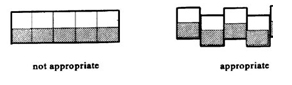
- The location, along with building elevations sharing exterior building material, colors, size, and general footprint of all dwelling units and other main buildings and amenities shall be shown on the concept plan submitted for review.
- Open Space and Landscaping: Landscaping requirements will be determined by the City’s current landscaping ordinance.
- All open or common space around or adjacent to building lots shall be landscaped by the developer and maintained through a lawfully organized home owners association.
- In the HDR (Patio) Zone a minimum of forty percent (40%) of the entire site shall be in open green space. Each phase of development shall provide its proportionate required open green space needed for that phase. The open space landscape plan shall be reviewed and approved by the Planning Commission and City Council.
- The concept plan shall include all special features, such as fountains, signs, walking paths, inviting entryways. Open space should be the focal point of the overall development. Community facilities should be grouped around these open spaces and easily accessible to pedestrians.
- Developments shall be designed to preserve and incorporate the natural features of the land into the development. Natural features include drainage swales, rock outcroppings, stream corridors, and concentrated native stands of large shrubs or trees.
- Landscaping, fencing, and other improvement plans for common or open spaces shall be included in the concept plan submitted for review. Landscaping shall be designed in accordance with an appropriate theme, and shall provide unity and aesthetic appeal to the project.
- Developed common activity area for single-family and attached dwelling units shall be provided as follows:
- Each phase of development shall provide its proportionate required open green space needed for that phase.
- At a minimum, developed common activity area shall include either a playground with play equipment and/or pathways with benches and tables in a natural landscaped area.
- Street trees shall be placed along all interior roads in accordance with the City’s tree ordinance.
- The development shall have a unified landscaping design of trees, shrubs, and theme lighting and any required street and parking lighting. Natural features, streams, fountains, waterfalls, sculptures and other design elements which create interest and visual unity and displays creativity in providing usable open space for the residents of the development are encouraged. A planting plan must be submitted at preliminary review.
- The following are guidelines for landscape design. Individual projects may vary but all will be reviewed and approved by the Planning Commission:
- The shrubs and ground covers proposed should be low water user plants.
- Shrub areas shall be mulched to reduce watering demands.
- The use of 2-inch or larger caliper deciduous trees is required. The placement and types of deciduous trees shall take into consideration use of the trees for summer cooling and winter solar access. Evergreen trees, consisting of at least 25% of the total trees, should be used as windbreaks, screening and accent plants.
- The irrigation system must use secondary water where available and shall be designed to water plants of similar water needs. The irrigation system shall be designed to achieve 70% efficiency as determined a standard water audit.
- No more than ten percent (10%) of the entire landscaping surface area may be in rocks or other nonliving ground cover. The Planning Commission may waive this provision due to unusual topographic features or unusual conditions; provided that such a waiver does not negatively impact the continuity of the existing overall and low water usage landscape design.
10-2E-6 Discretionary Density Bonuses
The City may allow, and will not unreasonably withhold approval of, additional density in developments in residential zones falling within the High Density Residential (Patio) Zone. Additional density may only be granted in exchange for one or a combination of public benefits, outlined as five (5) options below. The use of these options shall be in keeping with the City’s Master Plan and support City goals. At least four (4) options must be utilized by the developer to achieve one-hundred Percent (100%) of the maximum allowable density bonus, which is an increase of 2 dwelling units per yield plan acreage. The quid pro quo arrangement for exchanging public benefits for additional density shall be memorialized by a written agreement between the parties. The City maintains the right to accept or reject land to be dedicated to the City under any of the following options. The base densities are established in HCC 10-2B. Options are as follows:
| Options | Bonus Units Per Acre |
| 1. Provision of Moderate-Income Housing within Residential Mixed Use Development | Up to 1 |
| 2. Trail development | .25 |
| 3. Endowment Fund | .5 |
| 4. Additional Open Space | .25 |
| 5. Energy Efficient Home | .25 |
10-2E-7 Density Bonus Design Requirements
- Provision of Moderate-Income Housing within Residential Mixed Use Development: The City may allow a density increase when the subdivision proposal provides moderate-income housing if it is determined during the City’s annual reviews that there is need for moderate income housing. Moderate-income housing is defined in the City’s General Plan (Moderate Income Housing Section). This type of housing should be blended into mixed use residential development, with the character associated with Traditional Neighborhood Development (discussed in the City’s General Plan, Open Space/Green Infrastructure Section). In this case, “mixed use” means providing a Varity of housing types and sizes to accommodate households of different ages, sizes, and incomes. This allows for developments containing varying lots sizes and densities, and allowing for other types of housing, such as attached single-family residences, duplexes, fourplexes, and patio homes. Mixed use residential development can be designed to provide a neighborhood center or focus. For example, the neighborhood center may be a public facility such as a common green or square, a park or recreational facility, or even a school, library, or small retail area if the City’s planned commercial nodes are a part of a larger residential development. The following table will determine the number of additional dwelling units that may be permitted. For each moderate income housing unit (MIH) provided (whether single family detached or single family attached, including duplexes, and patio homes) under this section a maximum of 1 additional dwelling unit may be permitted. These additional bonus units would not be built as moderate income housing. Moderate income housing, whether designed to be fully-owned or rented, shall be blended throughout the subdivision, to create a residentially mixed-use development. No more than 25% of the original units in a subdivision can be designated as moderate income housing.
Percentage of Units
Designated as Moderate
Income HousingBonus Unit
Units Per
Acre5% .25 10% .5 15% .75 25% 1 - Trail development:
The City shall encourage trail development which will lead towards a walkable community. These trails should be within the development and provide access to commercial areas, master planned parks, recreational facilities, and other trail networks.
A density bonus of .25 units per acre for trail development may be awarded based on the following criteria:- Trails must have a minimum width of 10’ feet and a minimum shoulder (without obstruction) of 5 feet, be designed for multiple uses (pedestrian/bicycles), allow for proper tree clearances for users, free of barriers and obstructions and usable by people in wheelchairs. All trails will be designed to the required specification set by the City Planning Department.
- Trails must include amenities such as benches, trees, signage, lighting, landscaping, and be designed to create both genuine security as well as perceived security and should integrate any unique features of the area.
- Trails must show they can provide now or in the future access to other trail networks, commercial areas, master planned parks, or other recreational facilities.
- Endowment Fund:
When open space land is to be donated to a land trust, the City, or another entity, the City may grant a density bonus to generate additional income to the applicant. The primary reason for generating this additional income would be to endow a permanent fund to offset continuing costs of maintaining the city’s open space land (e.g., costs such as mowing meadows, removing invasive plants, paying insurance premiums and local taxes), including costs associated with active or passive recreation facilities. Spending from this fund should be restricted to expenditure of interest so that the principal may be preserved.
Because additional dwellings, beyond the maximum that would ordinarily be permitted on a property, may reasonably be considered to be nearly entirely net of development costs and therefore to represent extraordinary profit, applicants opting for this form of density bonus shall donate 2% percent of the projected gross revenue of the entire project, including endowment lots, to the city’s open space maintenance endowment fund. These funds shall be transferred by the developer to the city. The maximum bonus density a development may receive under this option shall be .5 additional dwelling units per acre may be permitted.
Calculation to determine donation amount:
Example
Total projected gross revenue: ($5,325,000*.02)
Total donation amount $106,500 - Additional Open Space:
If additional open space is provided to increase the percentage of overall open space (not leftover space between buildings), and increases the flow of uninterrupted open space through the entire development, linking dwellings and recreational amenities, and brings the total open space area to fifty percent (50%) of the entire development, .25 additional dwelling units per acre may be permitted. - Energy Efficient Home:
ENERGY STAR is the Environmental Protection Agency's national qualification for energy efficiency. ENERGY STAR qualified homes are independently verified to be up to 30% more efficient than state energy code. These savings are based on heating, cooling, and hot water energy use and are typically achieved through a combination of measures like building envelope upgrades, high-efficiency windows, upgraded HVAC and weatherization.
Builders must be enrolled in the program through Rocky Mountain Power and be certified through them. During construction, a HERS rater will review building components and verify compliance with the Rocky Mountain Power ENERGY STAR New Homes Program certification requirements. Key points of verification will occur at:- first site visit - after insulation is installed and before drywall starts
- second site visit - after complete installation of the drywall and the mechanical ventilation/cooling systems
10-2E-8 Special Consideration
Where the development requires construction of or participation in initial construction of a Vacuum Pump Station by the developer, a consideration of bonus densities will be used to facilitate the construction. This will be determined by City Planning Department and must then be recommended by the Planning Commission and approved by the City Council.
10-2E-9 Submission And Review Process
The HDR (Patio) Zone approval process consist of three (3) basic review steps. They are:
- Submission and review of a conceptual sketch plan. The purpose of this step is to evaluate the appropriateness of the development based on the consideration of the existing features of the proposed site and the relationship to adjacent properties. Conceptual Sketch Plan Review Process: Prior to the submission of a proposal, the applicant shall meet with the city planning department to discuss the proposal and its appropriateness for development in this zone. Upon completion of the pre-application meeting with the city planning department, the applicant shall present the conceptual sketch plan to the Planning Commission. The purpose of this presentation is to provide the applicant with an opportunity to present why the development plan proposal is appropriate for the site. The Planning Commission may comment as to the potential suitability of the site for a HDR (patio) zone and present any concerns or comments they may have for the applicant relative to the proposed development.
- Submission and review of a preliminary plat based on the conceptual sketch plan. The purpose of this step is to determine if the preliminary plat shall be granted. Preliminary plat approval will follow all requirements listed within HCC 10-6.
- Submission and review of a final plat. The purpose of this step is to review compliance with all requirements listed within HCC 10-6. Upon approval of the final plat it shall then be recorded.
10-2E-10 Final Plat Recordation Requirements For A HDR (Patio) Zone
- Requirements: For purposes of recordation, the final approved plat shall be recorded as a subdivision and be included in the subdivision plat records of the Weber County recorder's office. Recordation by the City shall only take place after all of the necessary signatures are obtained, all approvals given, and all bonds and fees are posted with the City.
- Covenants, Conditions and Restrictions:
- The City shall require the applicant to submit for recording covenants, conditions and restrictions which will provide adequate guarantees for the permanent retention and maintenance of open space area, landscaping, natural features, and architectural design standards. The covenants, conditions and restrictions shall include, at a minimum, provisions for:
- The establishment of a homeowners' association, unless the property will continue to be held in single ownership by either a corporation, partnership or an individual and restrictions are recorded requiring establishment of a homeowners' association in the event that the unity of title is not maintained; and
- A notice to subsequent owners of the need to obtain City approval of changes to the development, which may require either an amendment to the final plat;
- Each phase submitted for review shall include covenants, conditions and restrictions for approval;
- Where covenants, conditions and restrictions are imposed upon the development, two (2) copies of the declaration of covenants, conditions and restrictions shall be submitted to the City signed and prepared for recording at the Weber County recorder's office prior to approval of a final plat.
- The City shall require the applicant to submit for recording covenants, conditions and restrictions which will provide adequate guarantees for the permanent retention and maintenance of open space area, landscaping, natural features, and architectural design standards. The covenants, conditions and restrictions shall include, at a minimum, provisions for:
10-2F-1 Purpose
The purpose of this Planned Unit Development (PUD) Zone is to allow diversification in the relationship of residential uses to their sites. Further, its intent is to encourage a more efficient use of the land and the reservation of a greater proportion of common space for recreational and visual use than other residential zones may provide and to encourage a variety of dwelling-units that allows imaginative concepts of neighborhood and housing options and provides variety in the physical development pattern of the City. This will allow the developer to more closely tailor a development project to a specific user group, such as retired persons.
The intent of this Zone is to encourage good neighborhood design while ensuring compliance with the intent of the Subdivision and Zoning Ordinances. All dwelling units are to be held in private individual ownership. However, the development shall contain common or open space and amenities for the enjoyment of the planned community that are developed and maintained through an active Homeowner's Association or similar organization with appointed management.
Adopted by Ord. O-2014-5 on 12/18/2014
10-2F-2 Applicability
- This chapter shall apply only to areas that have been master planned for High Density Residential (PUD) and have been determined to be for the benefit and common good of the community. No additional property may be re-zoned in the City using this zone unless the General Plan is amended and additional areas of the community are designated to this land use and it has been determined by the City Council that this zone change is for the benefit and good of the community. Rezoning will only be considered if the infrastructure (water, sewer, streets, etc.) for the requested rezoning location, is deemed able, or can be improved at the expense of the developer, to accommodate the higher density.
- One of the following conditions must also exist in order for the use of this zone to be considered in the City:
- the development area shall be a transitional residential buffer to commercial, industrial, and/or retail zones, as established in the General Plan or
- the development design shall include a direct connection to a major arterial, minor arterial, or major collector roadway.
- City may approve use of this chapter as long as the proposed development complies with the purposes of this zone.
- A Planned Unit Development must have a minimum of five (5) acres with a minimum of forty (40) percent of the total acreage in open space excluding roadways, buildings, and other infrastructure. Amenities which are available for common use such as a community center may be included in the open space calculation, excluding parking lots.
- Density: The overall density of the development shall not exceed six (6) dwelling units per acre.
10-2F-3 Permitted Uses
The following are permitted uses by right provided the parcels and buildings meet all other provisions of this Title and any other applicable ordinances of Hooper City.
- Single-family residential development with no more than four (4) dwelling units attached.
- Accessory uses and buildings (under two-hundred (200) square feet).
- Neighborhood and/or civic open spaces such as village greens, plazas, commons, fountains, sculptural art pieces, picnic areas, community gardens, trails, and similar low-impact or passive recreational uses. Specifically excluded are motorized off-road vehicles, shooting ranges, and other uses similar in character and potential impact as determined by the City.
- Active non-commercial recreation areas, such as playing fields, playgrounds, courts, and bikeways. Parking facilities for these facilities may also be allowed, and they shall generally be all-weather-surfaced and unlighted; be properly drained; and provide safe egress and ingress.
- Conservation of open land in its ecological state (for example, wetland).
- Water supply, sewage facilities and storm water detention areas designed, landscaped, and available for use as an integral part of the open space.
- Governmental or public utility buildings and related uses. Specifically not included are business facilities, storage of heavy equipment, storage of materials other than water, trucking and repair facilities, housing of repair crews, and sanitary landfills.
- Easements for drainage, sewer or water lines, or other public purposes including limited access to uses on green space land.
Adopted by Ord. O-2014-5 on 12/18/2014
10-2F-4 Conditional Uses
Conditional uses are listed in Table 10-2B-2 and may be permitted conditional uses after approval as specified in HCC 10-5A-4 and HCC 10-5B-4.
Adopted by Ord. O-2014-5 on 12/18/2014
10-2F-5 Minimum Lot Standards
All lots shall be developed and all structures and uses shall be placed on lots in accordance with the following standards:
- Lot Width: Determined by development plan
- Front Yard: See Table 10-2B-3.
- Side Yards: A minimum of sixteen (16) feet between attached units
- Rear Yard: A minimum of fifteen (15) feet
- Building Height: As allowed by current adopted building code, with a maximum height of thirty (30) feet to the top of the roof structure.
- Road Right-of-Way: Sixty (60) feet which shall include curb, gutter and sidewalk improvements.
Adopted by Ord. O-2014-5 on 12/18/2014
10-2F-6 Development Plan And Agreement Requirements
- Subdivision Ordinance requirements per HCC 10-6 shall generally apply to Planned Unit Development communities, including, but not limited to, plats, construction drawings, approval letters from utility companies and other entities, etc., as well as Planning Commission and City Council public hearings. The developer shall submit a Residential Development Plan of all project phases for City consideration and approval and shall integrate the proposed development plan into a development agreement between the developer and City. The development agreement shall undergo an administrative review process to ensure compliance with adopted City ordinances and standards with approval by the City Council. The subdivider shall develop the property in accordance with the development agreement and current City ordinances in effect on the approval date of the agreement, except when Federal, State, County, and/or City laws and regulations, promulgated to protect the public's health, safety, and welfare, require future modifications under circumstances constituting a rational public interest. The Land Use Authority shall use the submitted development plan and agreement with the design amenities and unique development features and merits of the development as part of the determination for overall development dwelling-unit density up to a maximum of six (6) dwelling units per acre.
- The development plan submitted for review shall include a Utility Master Plan drawing for culinary water, secondary water, sanitary sewer, land drainage and storm draining showing how the entire development will be served. Submit written evidence of preliminary review and approval from utility companies regarding proposed master-planned utilities.
- The development plan submitted for review shall show the location and building elevations with exterior building materials, size, and general footprint of all dwelling units and other main buildings and amenities.
- Entrance designs to the development are required as part of the development plan. The minimum entrance design to the development shall consist of an attractive and durable monument sign naming the development surrounded by a variety of ground cover, shrubs, and/or trees, which shall be approved by the Planning Commission.
- The development plan submitted for review shall include landscaping, fencing, and other improvement plans for common or open spaces, with the landscaping designed in accordance with an approved theme to provide unity and aesthetics to the project. The plan shall include all special features, such as ponds, fountains, signs, walking paths, inviting entryways, etc., together with a landscape planting plan. Open space and recreational areas should be the focal point for the overall design of the development, with various community facilities grouped in places well related to these open spaces and easily accessible to pedestrians.
- The proposed development shall show it will not be detrimental to the health, safety, or general welfare of persons residing adjacent to the proposed development.
- A Planned Unit Development community shall be of sufficient composition and arrangement to enable its feasible development as a complete unit, managed by a legally-established Homeowners Association and governed by enforceable, duly recorded Covenants, Conditions and Restrictions (CC&R's).
- On phased developments, common use amenities such as clubhouse, swimming pool, village greens, etc., must be completed as part of the first phase of the development.
Adopted by Ord. O-2014-5 on 12/18/2014
10-2F-7 Design Standards
The Land Use Authority shall approve the required common-building theme. The design shall show detail in the unification of exterior architectural style, building materials, and color and size of each unit; however, the intent is not to have the design so dominant that all units are identical. Residential dwellings shall comply with the following regulations:
- Regulations for All Residential Structures:
- Each residential structure shall have a permanent connection to all available utilities and separate utility billing.
- Any and all appendages or accessory uses, such as steps, carports, garages, storage buildings, decks, and awnings or additions and alterations, shall comply with the adopted edition of the International Residential Code.
- Every residential dwelling shall have a minimum fully enclosed two (2) car garage (attached or detached) having a minimum outside width of twenty (20) feet (as measured from outsides of foundation) and having at least four hundred (400) square feet in total floor area. The Hooper City Building Department shall not issue a building permit for construction of residential structure(s) unless plans for such structure(s) include the garage described in this article.
- Reasonable Accommodation. None of the requirements of this Chapter shall limit any reasonable accommodation necessary to allow the establishment or occupancy of a residence for anyone with a disability as protected under the Fair Housing Amendments Act of 1988.
- The developer shall landscape all open or common space around or adjacent to building lots and maintain the same through a lawfully-organized Homeowner's Association, residential management company, or similar organization. Landscaping shall comply with City standards and specifications.
- Street trees shall be placed along all interior roads in accordance with the City's street tree standards.
- The development shall have a unified landscaping design of trees, shrubs, and theme lighting and any required street and parking lighting. Natural features, streams, fountains, waterfalls, sculptures and other design elements which create interest and visual unity and displays creativity in providing usable open space for the residents of the development are encouraged.
- The following are guidelines for landscape design. Individual projects may vary but all will be reviewed and approved by the Planning Commission:
- The shrubs and ground covers proposed should be low water user plants.
- Shrub areas shall be mulched to reduce watering demands.
- The use of 1½-inch or larger caliper deciduous trees is required. The placement and types of deciduous trees shall take into consideration use of the trees for summer cooling and winter solar access. Evergreen trees, consisting of at least 25% of the total trees, should be used as windbreaks, screening and accent plants.
- The irrigation system must use secondary water where available and shall be designed to water plants of similar water needs. The irrigation system shall be designed to achieve 70% efficiency as determined by a standard water audit.
- The landscape design should incorporate, where appropriate, low water usage landscape features and low maintenance landscape features, such as rocks and other nonliving ground cover. The City Council, based upon recommendations from the Planning Commission, will make the final determination as to the extent of the low water usage landscaping that will be permitted in the development.
- Regulations for New Residential Construction must meet one (1) of these two (2) options:
- Option 1: All single-family dwellings, duplexes, and detached and attached town homes shall have the front exterior walls constructed with a minimum seventy-five (75) percent of brick, rock, or stone and the remainder covered with stucco. On corner lots, the street side of the structure shall have fifty (50) percent, or up to a maximum height of four (4) vertical-feet of wainscot, composed of brick, rock, or stone. These coverage requirements shall be calculated by first determining square footage of the total wall areas, based on measurements of the front and side elevations of the structure from foundation to top-plate line of the uppermost level, excluding openings for windows and doors, and multiplying that square footage by the applicable percentage. Homebuilders may only include brick, rock, or stone in these percentage requirements if clearly shown on the City-approved, stamped set of front and side elevations. Hidden areas, such as front porches, shall not qualify towards the percentage requirements; however, City staff may credit gables with brick, rock, or stone towards the percentage requirements. The installation of aluminum or vinyl siding shall be allowed on the rear of homes.
- Option 2: All single-family dwellings, duplexes, and detached and attached town homes shall have the front exterior walls constructed with a minimum thirty (30) percent brick, rock, or stone and the remainder covered in a painted fiber cement siding (hardie board, hardie plank or equal) with a minimum 15-year warranty on the painted surfaces. On corner lots, the·street side of the structure shall have fifty (50) percent, or up to a maximum height of four (4) vertical-feet of wainscot, composed of brick, rock, or stone. These coverage requirements shall be calculated by first determining square footage of the total wall areas, based on measurements of the front and side elevations of the structure from foundation to top-plate line of the uppermost level, excluding openings for windows and doors, and multiplying that square footage by the applicable percentage. Homebuilders may only include brick, rock, or stone in these percentage requirements if clearly shown on the City-approved, stamped set of front and side elevations. Hidden areas, such as front porches, shall not qualify towards the percentage requirements; however, City staff may credit gables with brick, rock, or stone towards the percentage requirements. The installation of aluminum or vinyl siding shall only be allowed on the rear of homes.
Adopted by Ord. O-2014-5 on 12/18/2014
10-2F-8 Street Design
The Land Use Authority may approve an alternative street design so long as it maintains the City's minimum rights-of-way. The developer shall dedicate all street rights-of-way to the City.
Adopted by Ord. O-2014-5 on 12/18/2014
10-2F-9 Off-Street Parking And Loading
Off-street parking and loading shall be as specified in HCC 10-4. The City may limit or eliminate street parking or other use of City rights-of-way as a result of the employment of limited or alternative street designs within the development.
Adopted by Ord. O-2014-5 on 12/18/2014

