
Jasper City Zoning Code
ARTICLE VI
BUILDING REGULATIONS
Sec. 94-91. - Location of buildings.
(a)
Every building hereafter erected, converted, enlarged, reconstructed, moved, or structurally altered shall be located on a lot as defined in division 7.1, except as approved by the city council.
(b)
Except for the following uses, only one principal building, together with its customary accessory buildings, shall be permitted to occupy each lot:
(1)
Public/institutional buildings;
(2)
Multiple-family dwellings in the R-2 and R-3 districts;
(3)
Commercial, mixed use, and industrial buildings in the C-1, C-2, CBD, and M-1 districts.
(c)
If a lot is to be occupied by two or more related buildings for residential purposes, the front side of a dwelling structure shall not be erected so as to face the rear side of another dwelling structure within the same lot or on adjoining properties, except where differences in terrain and elevation would provide effective visual separation or the units are more than 60 feet apart.
(d)
Dwelling structures which are front face to front face or back face to back face or front face to back face shall be not less than 60 feet apart. Dwelling structures which are side face to side face shall be not less than 20 feet apart. Dwelling structures which are side face to front face or back face shall be not less than 40 feet apart.
(Ord. No. 2021-01, § 1(Attch.), 2-1-2021)
Sec. 94-92. - Setbacks.
(a)
Every part of a lot within a required setback shall be unobstructed and open to the sky, except as provided by this section or the accessory use provisions of section 94-51. Projections such as sills, window air conditioning units, chimneys, cornices and ornamental features may extend into a setback to the distance allowed by Table 94-92.
(b)
Notwithstanding any other provision of this chapter, fences, walls, hedges, driveways, and any structure required as part of a buffer, may be permitted in any required setback or along the boundary of any yard provided that no fence, wall, hedge, or buffer structure along the streets abutting any corner lots shall violate the corner visibility provisions of section 94-93.
(c)
Features allowed to encroach in required setbacks. Building and site features are allowed to obstruct or encroach into required setbacks to the extent indicated in the following table. If no distance is specified, the feature is allowed to extend to the applicable property line(s):
(d)
Front yards.
(1)
Where an official line has been established for the future widening or opening of a street or major thoroughfare upon which a lot abuts, the depth of a front or side yard shall be measured from such official line to the nearest line of the building.
(2)
On through lots, the required front yard shall be provided on each street.
(3)
Double-frontage and corner lots shall meet the minimum front yard requirements on the sides adjacent to both streets and the remaining yards shall be considered side yard requirements.
(e)
Side yards. For the purpose of the side yard regulations, a group of commercial buildings separated by common or party walls shall be considered as one building occupying a lot.
(Ord. No. 2021-01, § 1(Attch.), 2-1-2021; Ord. No. 2023-07, § 1(a)(Exhs. 1—3), 6-5-2023)
Sec. 94-93. - Corner visibility.
No sign, fence, wall, hedge, planting, or other obstruction to vision, extending to a height in excess of three feet above the established street grade, shall be erected, planted, or maintained within the area of a corner lot that is included between the lines of the intersecting streets and a straight line connecting them at points 25 feet distant from the intersection of the street lines.
(Ord. No. 2021-01, § 1(Attch.), 2-1-2021)
Sec. 94-94. - Height of buildings.
No building shall be erected, convened, enlarged, reconstructed, moved, or structurally altered to exceed the height limit herein established for the district in which such building is located.
(a)
Exceptions.
(1)
Public and semipublic service buildings, hospitals, institutions, places of worship, and schools, may be erected to a height not to exceed 100 feet, provided the required side yard and rear yards shall be increased by at least one foot for each one foot of additional building height above the height regulations for the district in which the building is located.
(2)
Farm buildings and farm-related structures are not subject to building height limits when located on bona fide farms.
(3)
Belfries, clock towers, cupolas, domes, flag poles, and spires may exceed maximum building limits, provided they are not intended for human occupancy.
(4)
Bulkheads, elevator and equipment penthouses, chimneys, water tanks, and similar structures may exceed maximum height limits, provided they do not cover more than 25 percent of the total roof area of the building on which they are located.
(5)
Telecommunications towers and antennas are subject to their own special height limits (see section 94-65, Telecommunications towers).
(6)
Building-mounted solar energy systems may extend up to three feet above the applicable maximum zoning district height limit, provided they do not extend more than five feet above the roof line (see also section 94-64, Solar energy systems).
(Ord. No. 2021-01, § 1(Attch.), 2-1-2021)
Sec. 94-95. - Dimensional regulations.
No building or use shall be erected, convened, enlarged, moved, or structurally altered except in conformity with the minimum space requirements (i.e., the lot area, floor area, and building height, etc.) for the district in which such building is located.
(Ord. No. 2021-01, § 1(Attch.), 2-1-2021)
Sec. 94-96. - Building architecture.
(a)
Intent. These criteria are intended to address a building's appearance and requirements for the use of high-quality materials.
(b)
Residential standards. The building design regulations of this section apply to all buildings except single-family residential buildings in any zoning district, any buildings located in the Central Business District (CBD), and any buildings located in airports within the General Commercial District (C-2) or the General Industry District (M-1), or both.
(1)
Exterior finish materials.
a.
Exterior building materials shall be primarily brick, stone, other masonry, glass, wood, true hard coat stucco, or cementitious fiberboard. Other materials such as vinyl may be used only as accent and trim materials.
b.
All exposed foundation walls on all sides of the building shall be faced with brick, stone, or marble.
c.
Metal shall be permitted only as metal split seam roofing or as an architectural accent that comprises a maximum of ten percent of the building façade. Acceptable metal materials are limited to architectural metal panels, architectural metal cladding, metal mesh, and perforated metal. Prohibited metal materials include, but are not limited to: stock PEMB metal skins commonly referred to as "R-panel" and sheet metal systems with exposed fasteners, except as required for perforated metals.
(2)
Architectural requirements.
a.
Each unit shall be required to provide an attached or detached garage a minimum of 11 feet by 25 feet in size of interior clear space.
b.
Every unit shall provide a minimum of one architectural projection such as a bay or bow window, front porch, or other architectural feature approved by the zoning official.
(3)
The zoning official may waive the regulations for finish materials and architectural requirements for accessory structures if the majority of the accessory structure is shielded by either the principal structure, a privacy fence, vegetative screening, or similar material.
(c)
Commercial standards. The building design regulations of this section apply to all buildings except single-family residential buildings in any zoning district and any buildings located in the Central Business District. The general design standards apply to all facades visible from the street, facing streets, and adjacent to or visible from open spaces.
(1)
Exterior finish materials.
a.
Exterior building materials shall be primarily brick, glass, wood, stucco, stone, textured concrete masonry, or cementitious fiberboard.
b.
Materials shall continue around the corner of the building to facades not visible from the public street a minimum depth of 20 feet.
c.
Metal shall be permitted only as metal split seam roofing or as an architectural accent that comprises a maximum of ten percent of the building façade. Acceptable metal materials are limited to architectural metal panels, architectural metal cladding, metal mesh, and perforated metal. Prohibited metal materials include, but are not limited to: stock PEMB metal skins commonly referred to as "R-panel" and sheet metal systems with exposed fasteners, except as required for perforated metals.
(2)
Fenestration.
a.
Fenestration shall be provided for a minimum of 35 percent of the length of all building facades.
b.
The length of facade without intervening fenestration or entryway shall not exceed 20 linear feet.
c.
Fenestration shall not utilize painted glass, reflective glass, or other similarly treated or opaque windows.
(Ord. No. 2021-01, § 1(Attch.), 2-1-2021; Ord. No. 2020-24, § 1, 4-5-2021; Ord. No. 2021-06, § 1, 5-3-2021; Ord. No. 2021-07, § 1, 5-3-2021; Ord. No. 2021-13, § 1, 6-7-2021; Ord. No. 2023-07, § 1(a)(Exhs. 1—3), 6-5-2023)
Sec. 94-97. - Downtown design standards.
(a)
Intent. These criteria are intended to address a building's appearance and integration into the Central Business District. The criteria are intended to elicit high quality materials, enhanced pedestrian experience, an appropriate scale, and a development pattern that effectively implements the city's planning and visioning documents.
(b)
Applicability.
(1)
The building design regulations of this section apply to all buildings in the Central Business District (CBD) except single-family residential buildings, or unless otherwise expressly stated.
(2)
Applicable façades. The building design standards apply to all facades visible from the street, facing streets, and adjacent to or visible from open spaces.
(3)
New construction. These standards apply to new construction in their entirety.
(4)
Improvements, alterations, and modifications. For existing structures, these standards shall apply when any improvements, alterations, or modifications are made to an applicable façade, as defined above. An existing façade is only required to comply to the extent that the characteristics being modified cannot be made more deficient than previously existed prior to the improvements.
(c)
Exterior finish materials.
(1)
Exterior building materials shall be primarily painted or unpainted brick; stone, including unpainted natural stone, unpainted cast stone having the appearance of natural stone; and unpainted terracotta.
(2)
Materials shall continue around the corner of the building to facades not visible from the public street a minimum depth of 20 feet.
(3)
Metal shall be permitted only as metal split seam roofing or as an architectural accent that comprises a maximum of ten percent of the building façade.
(4)
Prohibited materials. Stucco, synthetic brick or stone, concrete masonry units (CMU), corrugated metal, and vinyl are not permitted as exterior finish materials.
(5)
Prohibited color palette. The use of bright, neon, and/or fluorescent colors is prohibited.
(d)
Fenestration.
(1)
Fenestration shall be provided for a minimum of 50 percent of the length of all building facades.
(2)
The length of facade without intervening fenestration or entryway shall not exceed 20 linear feet.
(3)
Fenestration shall not utilize painted glass, reflective glass, or other similarly treated or opaque windows.
(4)
Building façades shall be constructed of no more than three primary materials and/or colors. Additional materials may be used as secondary, trim, or accent materials.
(e)
Shopfront design standard.
(1)
The ground story of all buildings with a commercial use on the ground floor in the CBD shall contain the following elements as illustrated in Figure 94-97:
a.
Cornice/articulated floor line. The cornice visually separates one floor from the adjacent floor(s). The cornice can be articulated with a change of color, pattern, or material.
b.
Sign board. A sign board shall be an area between the cornice and window system where a wall sign is placed. The sign board shall be a minimum of two feet in height and shall extend the width of each architectural bay.
c.
Transom. Transoms are horizontally articulated windows located below the sign board. The window system shall extend the full width of the architectural bay or tenant space but may be separated by mullions and muntins consistent with the design aesthetic. Grilles are prohibited.
d.
Recessed entry. Recessed entries are important to the retail experience to protect the users from inclement weather, increase the amount of space in which to display merchandise, and to ease the transition of users to and from the public realm. Entryways shall be recessed from the plane of the shopfront façade a minimum of three feet.
e.
Display window. Display windows provide frames for retail users to display merchandise and contribute to the active and vibrant character along the historic street front. Display windows shall not be separated with mullions, muntins, or grilles.
f.
Bulkhead. Bulkheads shall be a minimum of 18 inches in height and shall extend the full length of the architectural bay or tenant space.
g.
Grilles, other faux features, and metal shopfront window systems shall be prohibited.
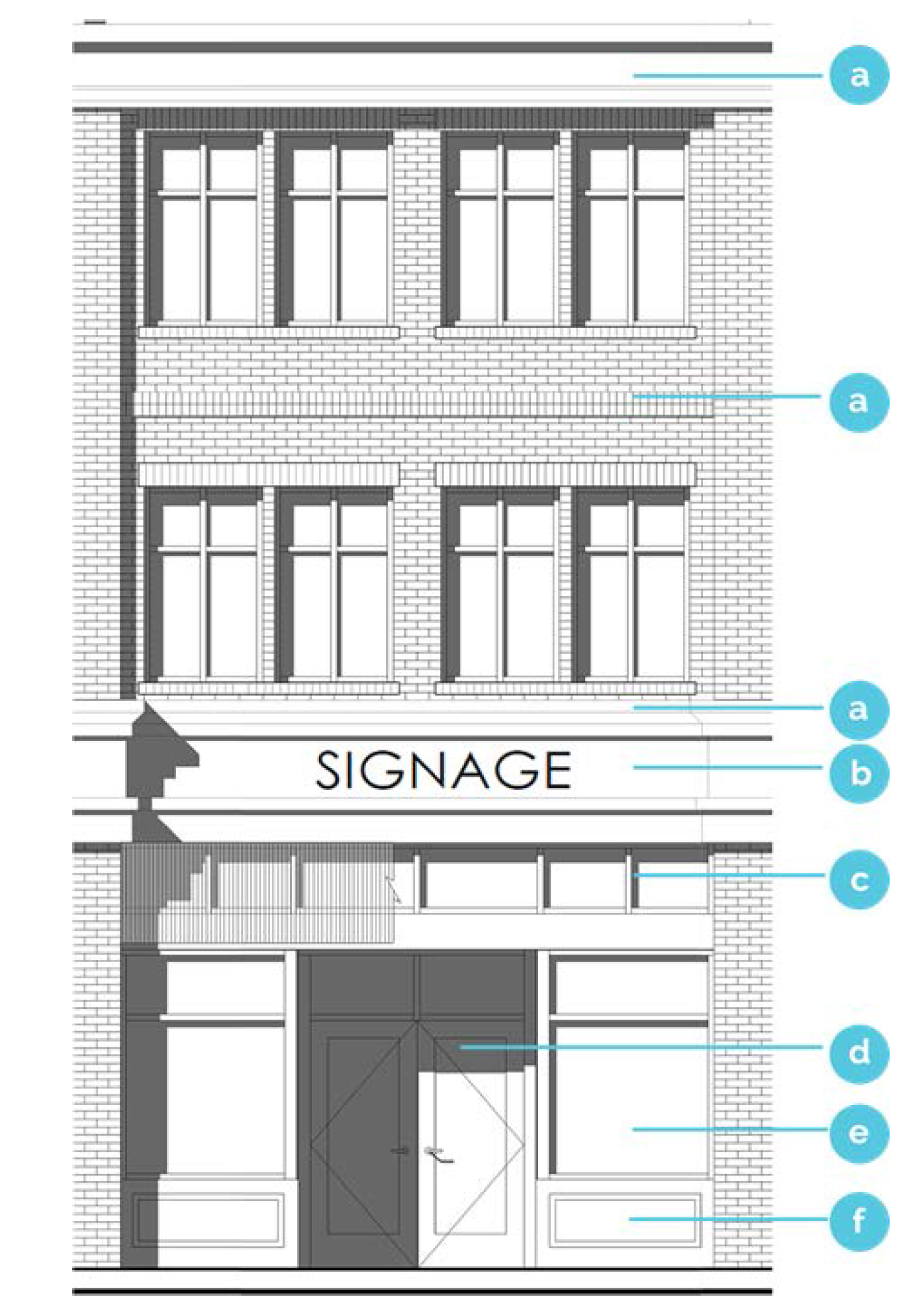
Figure 94-97. Shopfront Design Standards
(Ord. No. 2021-01, § 1(Attch.), 2-1-2021; Ord. No. 2023-07, § 1(a)(Exhs. 1—3), 6-5-2023)
Sec. 94-98. - Applicability.
The sustainable development measures in this section shall be addressed by all new developments or redevelopments, as defined by this chapter.
(Ord. No. 2021-01, § 1(Attch.), 2-1-2021)
Sec. 94-99. - Calculation and evaluation.
(a)
Minimum points required.
(1)
All commercial, multi-family, and mixed-use projects, unless otherwise noted, shall achieve a minimum of four points from any combination of the sustainable development measures as valued in Table 94-100, Sustainability measures.
(2)
Single-family developments shall achieve a minimum of one point per lot. Individual lot development or redevelopment is not required to fulfill sustainability requirements of this division.
(b)
Minimum requirements of the measure. All points shall be awarded based on meeting the minimum requirements of each sustainability measure, as indicated in this section.
(c)
Required documentation. The following documentation is required:
(1)
Documentation of which measures and total number of points the applicant will achieve shall be indicated on the development permit application submitted to the city.
(2)
Documentation is required to clearly illustrate the extent to which the minimum requirements of each of the selected measures is to be met through permanent construction or policies.
(Ord. No. 2021-01, § 1(Attch.), 2-1-2021)
Sec. 94-100. - Sustainability measures.
(a)
Energy category measures.
(1)
Renewable energy. Incorporate renewable energy generation on-site. The following renewable energy generation sources are applicable: solar thermal or photovoltaics, ground-sourced heating or cooling; fuel cells or microturbines using non-fossil fuel, wind energy conversion; other means of generating electricity without using a fuel, such as kinetic, heat exchange as approved by the zoning official.
(2)
Green roof. Install a vegetated roof for at least 50 percent of any building roof area or roof deck; a minimum of 500 square feet is required to receive credit.
(3)
Energy efficient fixtures. Installation of ENERGY STAR appliances and LED light bulbs for a minimum of 80 percent of the fixtures and equipment. If there is not an ENERGY STAR option available in the market, those fixtures do not need to be included in the calculation.
(b)
Water category measures.
(1)
Building water efficiency. Installation of WaterSense plumbing fixtures with the following minimum efficiency rates:
a.
Toilets: 1.1. gpf.
b.
Urinal: 0.125 gpf.
c.
Faucets/aerators: 1.0 gpm, unless a higher flow rate is dictated by sink use (e.g., kitchen prep sink).
(2)
Stormwater runoff. Install bioswales in lieu of a minimum of ten percent traditional stormwater facilities. Bioswale boundaries shall be recorded at Pickens County Superior Court with a five-foot easement radius.
(3)
Pervious pavement. Install an open grid or pervious pavement system on 65 percent of all hardscape surface areas, including sidewalks, plazas, courtyards, parking lots, and driveways. The water shall be directed into the groundwater or other acceptable storm accommodation per the zoning official.
(4)
Water reclamation. Install a water collection device to be used in lieu of potable water for irrigation, water features, etc.
(c)
Transportation category measures.
(1)
Bicycle storage. Provide long-term bicycle storage using lockable, enclosed bicycle storage units for ten percent of required motor vehicle parking with no more than ten spaces required (e.g.: if a site requires 50 motor vehicle parking spaces, a minimum of five enclosed bicycle storage spaces shall be provided to receive credit for this measure).
(2)
Bicycle repair center. Provide a designated bicycle repair center open to the public and consisting of, at least one air pump, water, and basic tools for minor repairs.
(d)
Sustainable certification. Certification through EarthCraft, LEED, Green Globes (three globes minimum to receive credit for this measure), National Green Building Standard (NGBS) (silver minimum to receive credit for this measure), or another third-party certification program approved by the zoning official.
(e)
Alternative measures. The applicant may submit an alternative sustainable development measure for approval by the zoning official. The measure shall further a sustainability goal and shall not be considered standard practice for current developments. The measure shall be unrelated to any of the other measures defined in this section. Based upon their review, the zoning official shall approve for the number of points to be awarded. Required documentation shall clearly illustrate that the measure furthers a sustainability goal.
(Ord. No. 2021-01, § 1(Attch.), 2-1-2021)

