
Kersey City Zoning Code
CHAPTER 21
ZONING DISTRICT REGULATIONS
ARTICLE III. - EXCEPTIONS AND ENCROACHMENTS
The following table identifies permitted exceptions and encroachments into required setbacks and height limits.
ARTICLE IV. - PERMITTED USE AND DIMENSIONAL STANDARDS TABLES.
This Article classifies the uses allowed by zone district in order to identify the activities that support the health, safety, and welfare of the people that live and work in all areas of Kersey.
Section 21-1. - Purpose.
The zoning regulations and districts, as herein set forth which have been made in accordance with the comprehensive plan of the Town, are designed to encourage the most appropriate use of land throughout the Town and to ensure a logical growth of the various physical elements of the Town; to lessen congestion in the streets; to secure safety from fire, panic and other dangers; to provide adequate light and air; to improve housing standards; to prevent the overcrowding of land; to avoid undue concentration of population; to facilitate the adequate provision of transportation, water, sewage, schools, parks and other public requirements and in general, to promote health, safety and general welfare of the community.
Section 21-2. - Zoning Districts Established.
For the purposes of this Chapter, the Town is divided into the following zoning districts:
(a)
AG Agriculture District
(b)
R-N Residential Neighborhood
(c)
R-MU Residential Mixed-Use
(d)
MHP Mobile Home Park
(e)
D-MU Downtown Mixed-Use
(f)
C-MU Commercial/Employment Mixed-Use
(g)
I Industrial
(h)
PUD Planned Unit Development Overlay
Section 21-3. - Official Zoning Map.
The boundaries of the zoning districts are shown upon the official map designated Town of Kersey Official Zoning Map, and all future changes of zoning districts shall be reflected on the Zoning District Map, as may from time to time be revised, updated or redrafted. The official zoning district map adopted and to be used for present reference shall be the map with the most recent date of publication that has been signed by the Town Clerk and the Mayor.
(a)
Interpretation of Zoning District Boundaries. In the event uncertainty is deemed to exist on the zoning district map, district boundaries shall be on section lines, lot lines, the center lines of highways, streets, alleys, railroad rights-of-way or such lines extended; municipal corporation lines; natural boundary lines, such as streams; or other lines to be determined by the use of scales shown on the map.
(b)
Amendment Upon Zoning or Modification. Upon enactment of any ordinance annexing and establishing zoning or modifying existing zoning for any property, and upon final passage thereof, the Town shall amend the prior existing official map to include the annexed area with the proper zoning classification or show the amended classification, as the case may be
(c)
Cost For Amending Zoning. Any person who proposes zoning for property being annexed or proposes modifying existing zoning shall bear the entire cost of amending the official zoning map, including all notification costs. The Town shall provide applicants with a copy of the current fee schedule and fee agreement form.
(d)
Public Inspection; Storage of Original. The official zoning district map shall be available and on display at the Town Hall during normal business hours.
Section 21-20. - AG Agriculture District.
(a)
Intent. To support the preservation, management and productive use of natural resource areas including agriculture, water, wildlife habitat and minerals.
(b)
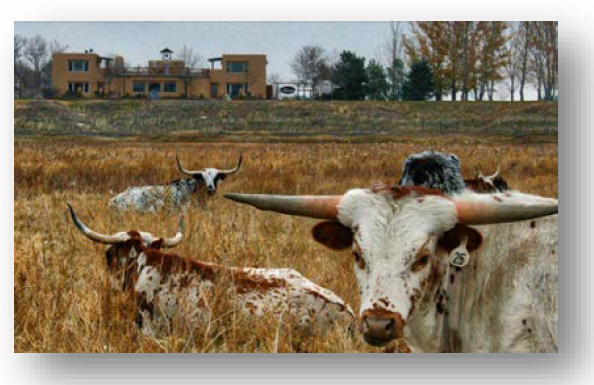
Characteristics. The AG district aims to preserve the rural landscape, promote sustainable agriculture, and support compatible economic activities while protecting the environment and fostering a sense of community.
(1)
Predominant Land Use: This district is primarily characterized by expansive open spaces dedicated to agricultural activities, including crop cultivation, livestock raising, and the production of farm-related products.
(2)
Development and Infrastructure: Development in this district is typically minimal, with limited infrastructure and public services such as water and fire protection.
(3)
Parcel Size and Configuration: Parcels within this district are generally large to accommodate agricultural operations.
(4)
Compatible Uses:
a.
Tourism and Recreation: Agri-tourism and recreational activities that leverage the natural resources and rural character of the area are encouraged, such as event centers, farm stays, and camping facilities. These uses should be designed to minimize conflicts with agricultural operations.
b.
Residential: Residential development is permitted but should be clustered to preserve agricultural land and buffered from active farming areas to mitigate potential conflicts.
(c)
Locational Criteria. Located on the outskirts of the community and along the South Platte River corridor. It is important to buffer agricultural uses from other uses because agricultural production may include a variety of potential hazards including heavy farm equipment, irrigation ditches, herbicides, pesticides, livestock, and open burning.
(d)
Density and Dimensional Standards. The following table is a summary of the district-specific dimensional standards.
Table 21-20.1
(e)
Additional Standards.
(1)
Commercial Vehicles. Parking and operation of one commercial vehicle may be permitted on property less than 35 acres in size. Parking and operation of up to five commercial vehicles on property greater than 35 acres in size when used to haul agricultural goods, equipment or livestock, as long as the number of trips does not exceed 60 per day from the property. No additional commercial vehicles are allowed, unless part of a commercial or industrial use otherwise permitted as a Use by Special Review.
(2)
Caretaker's Residence. A caretaker's residence is permitted subject to compliance with Article V, Use Regulations.
(f)
Management Plan. Each development in the agricultural district shall have a Management Plan addressing the following:
(1)
HOA protective covenants for architectural control.
(2)
Fencing.
(3)
Irrigation system, including sources of water.
(4)
Stormwater facilities.
(5)
Roads.
(6)
Trails.
(7)
Common areas.
(8)
Privately owned open space.
(9)
Landscape maintenance.
(10)
Managed individual wastewater treatment systems.
(11)
Peak season design and annual water requirements (if using agricultural water source).
(12)
Livestock management plan (if applicable). Livestock management plans shall address the following:
a.
Perimeter fencing and containment areas.
b.
Gates.
c.
Lighting.
d.
Landscaping.
e.
Barn or outbuilding materials and construction.
f.
Maintenance of pasture, corral and barn areas, including types of animals and carrying capacity each area can accommodate and timeframe they will be used.
g.
Treatment of manure.
h.
Storage of feed, trailers, equipment, etc.
i.
Rodent and insect control.
j.
Weed management.
k.
Water management, including plans for managing runoff from pastures and corrals to prevent water pollution and soil erosion and details about water sources for livestock and how they will be protected from contamination.
l.
Odor and noise control, including specific measures to minimize odor from manure storage and handling, consideration of prevailing winds and distances to sensitive areas and measures to mitigate noise from livestock and any associated activities, especially during sensitive hours.
m.
Liquid and solid waste disposal.
n.
Traffic and access, plans for managing vehicle access and traffic associated with the operation, ensuring safety and minimizing impacts on local roads.
o.
Emergency preparedness, plans for handling emergencies like disease outbreaks, fires, or natural disasters, including evacuation procedures for livestock.
p.
In addition to the written livestock management plan, a plot plan is required indicating locations and types of fencing, barns and outbuildings, corrals, pastures, arenas and any other information deemed necessary by Town Staff.
(13)
Recreation management plan (if applicable). Recreation management plans shall address the following:
a.
Activity Areas:
1.
Designated areas: Clearly define areas for each activity to minimize conflicts and ensure user safety.
i.
Hunting areas should be well-marked and separated from other recreational activity areas.
ii.
Water skiing and boating areas should be in open water away from swimming and fishing areas.
iii.
Camping areas should be accessible but away from incompatible activity areas.
iv.
Archery and target practice ranges should be designed with safety backstops and clear sightlines.
2.
Buffer areas: Establish buffer areas between incompatible activities to further reduce conflicts. Demonstrate how the operation will be compatible with neighboring properties.
3.
Carrying capacity: Determine the maximum number of users each activity area can accommodate safely and sustainably.
b.
Resource Management:
1.
Habitat conservation: Identify and protect critical habitats for fish, wildlife, and plant species. Explain the measures to minimize the impact of recreational activities on sensitive areas.
2.
Water quality protection: Monitor and manage water quality to ensure it remains suitable for recreation and aquatic life.
3.
Erosion control: Implement best management practices to prevent soil erosion and protect water quality.
c.
User Management:
1.
Licenses: Specify the system for checking permits and licenses for specific activities, such as hunting and fishing.
2.
User education: Specify how users will be informed about responsible recreation practices, safety guidelines, and regulations. (Consider hunter safety, boating safety, leave not trace principles, etc.)
3.
Enforcement: Specify the system for monitoring compliance with regulations and addressing violations.
d.
Infrastructure and Facilities:
1.
Access: Provide adequate access points and trails for different user groups while minimizing impacts on the environment.
2.
Facilities: Explain how facilities will be maintained, such as boat ramps, fishing piers, campgrounds, picnic areas, archery ranges, and target practice areas.
3.
Signage: Show plans for signage to guide users and provide safety information.
e.
Safety and Risk Management: Specify safety regulations for all activities and the methods of enforcement of the regulations.
f.
Emergency preparedness: Specify the plan for responding to accidents, injuries, and natural disasters, including access and evacuation procedures and coordinating with emergency service providers.
g.
Risk mitigation: Identify and assess potential risks associated with each activity and implement measures to reduce those risks.
Section 21-21. - R-N Residential Neighborhood District.
(a)
Intent. To preserve and enhance the traditional development pattern and character of "Old Town" Kersey, while providing a range of housing options on small- to medium-sized lots. The district aims to encourage walking and neighborly interaction through thoughtful design and the inclusion of civic spaces.
(b)
Characteristics.
(1)
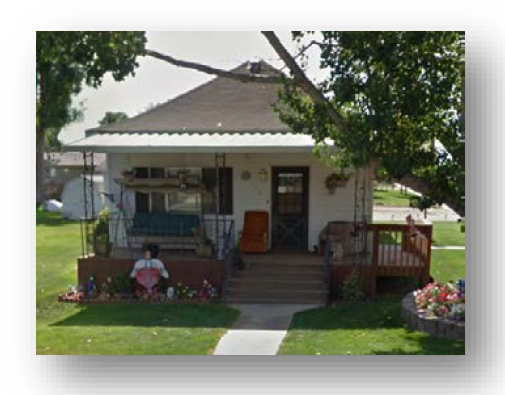
Predominant Land Use: This district has a predominance of single-unit dwellings, complementary accessory dwellings, and supportive neighborhood uses.
(2)
Public Frontage: Homes within this district are oriented toward the street, have porches, open fences and tree-lined streets to encourage pedestrian activity.
(3)
Compatible Uses: Include neighborhood-serving facilities like churches, libraries, schools, and community buildings, as well as parks and home occupations.
(c)
Locational Criteria. R-N neighborhoods should be well-connected to key community amenities like parks, trails, schools, and neighborhood centers, ideally with direct access via major streets. Internally, a network of collector and local streets, along with sidewalks and pedestrian/bike paths, should facilitate safe and convenient movement within the neighborhood.
(d)
Dimensional Standards. The following table is a summary of the district-specific dimensional standards.
Table 21-21.1
(Ord. No. 2026-0002, § 1, 1-13-2026)
Section 21-22. - R-MU Residential-Mixed-Use District.
(a)
Intent. To provide a variety of high-density residential uses, located near necessary infrastructure, employment opportunities, and supportive civic and community uses.
(b)
Characteristics.
(1)
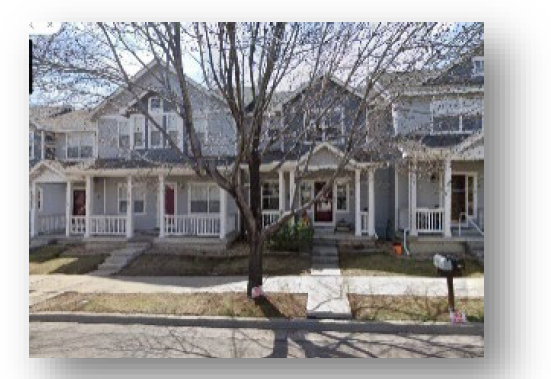
Predominant Land Use: Primarily residential but may include complementary small-scale commercial and recreational uses. A mixture of housing types is present including single-family homes, townhouses, and multi-family homes. Contains activity centers to bring the neighborhood together and features that celebrate the culture, nature, or history of the area.
(2)
Public Frontage: Buildings have stoops and porches and are oriented toward the tree-lined streets to encourage pedestrian activity.
(3)
Compatible Uses
a.
Diverse housing types, including single-family homes, townhomes, and multi-family dwellings.
b.
Small-scale commercial establishments that serve the daily needs of residents, such as cafes, shops, and services.
c.
Recreational amenities like parks, plazas, and community gardens to foster social interaction and enhance the quality of life.
d.
Activity centers and gathering spaces that promote a sense of community and belonging, including facilities like churches, libraries, schools, and community buildings, as well as parks and home occupations.
e.
Design features that celebrate the local culture, natural environment, or historical context of the area.
(c)
Locational Criteria. R-N neighborhoods should be well-connected to key community amenities like parks, trails, schools, and neighborhood centers, ideally with direct access via major streets. Internally, a network of collector and local streets, along with sidewalks and pedestrian/bike paths, should facilitate safe and convenient movement within the neighborhood.
(d)
Dimensional Standards. The following table is a summary of the district-specific dimensional standards.
Table 21-22.1
(Ord. No. 2026-0002, § 1, 1-13-2026)
Section 21-23. - MHP Mobile Home Park District.
(a)
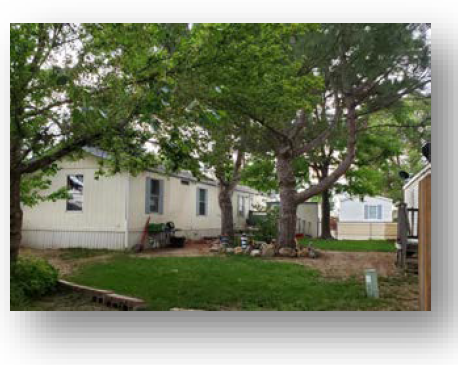
Intent. To provide stable, long-term neighborhoods of manufactured homes and tiny houses on individual spaces with shared amenities, safe and efficient internal circulation, and adequate off-street parking and storage, while preserving manufactured housing as an important source of attainable housing within the town.
(b)
Characteristics. This is a high density, small lot residential neighborhood with community open space, internal pedestrian connections, and well-managed parking areas, including designated guest parking and storage areas for oversized and recreational vehicles.
(c)
Locational criteria. MHP neighborhoods should be located near collector and arterial streets with access to major employment and activity centers, schools, and parks and shall be designed with safe vehicular and pedestrian access to those facilities, including coordinated driveway locations and, where practicable, shared access with adjoining development.
(d)
Dimensional Standards. The following table is a summary of the district-specific dimensional standards.
Table 21-23.1
(e)
Additional Standards and Requirements. Mobile home parks shall not be established in any zoning district other than the MHP Mobile Home Park District, and then only if established in strict conformity with these regulations.
(1)
Locations Within the Town Where Mobile Homes May Be Placed. It shall be unlawful for any person to place or park either temporarily or permanently or permit the placing or the parking either temporarily or permanently, of any mobile home at any location within the Town except within the confines of a licensed mobile home park. This Section shall not apply to temporary construction offices at a construction site.
(2)
License Required for Mobile Home Parks. No person shall develop or attempt to develop or operate any area for use as a mobile home park until he or she has applied for a license and the Board of Trustees has approved such application. A renewal of a license may be approved by the appropriate administrative official.
(3)
Application for License. Any person may apply for a mobile home park license by completing a written application blank from the Town Clerk and by providing the information and other documentation to show compliance with this Article. The application shall include at least the following:
a.
Name and address of the applicant;
b.
Location and legal description of the mobile home park;
c.
A complete plan of the park including showing the location of streets, water lines, sewer lines, fire hydrants and all other items generally required by the Town for development of a subdivision;
d.
A set of legal documents showing ownership of the property to be developed as a mobile home park.
e.
Evidence that the property is located entirely within a zoning district which allows mobile home parks.
f.
Evidence that the property, either because of its natural condition or because of existing or planned alterations, such as grading or the installation of storm sewers, is capable of being properly and rapidly drained so as to eliminate standing water. These facts regarding drainage must be established by a written report issued by a licensed engineer.
g.
A plot plan, prepared by a licensed engineer or architect, must be submitted to the Board of Trustees. The plot plan shall show the following information: the location and dimensions within the property sought to be licensed of each individual mobile home space, the location, dimensions and type of surfacing of the streets and sidewalks throughout the total property area; the location and dimensions of the recreation facilities; the location and dimensions and type of construction of the service building; the location and dimensions of the parking area for campers, boats and other such items; the location of water and sewer lines and storm sewers; and the location of utility and light poles for illumination of streets and sidewalks within the property area. The plot plan shall be deemed satisfactory only if it appears therefrom that all of the requirements set forth in Section (f) below will be met.
h.
Landscape Plan. A landscape plan shall be submitted with the license application. The landscape plan shall: (i) be prepared and stamped by a Colorado licensed landscape architect; and (ii) demonstrate compliance with Chapter 20, Community Design and Development Standards, Article 1, Section 20-16, Landscape Design Standards, as amended. The plan shall show the location, type, and size of all proposed plant materials; irrigation concept; required buffers and screening; and landscaping within and around parking areas, internal streets, open spaces, and along the perimeter of the park. Final landscape and irrigation construction documents shall be submitted and approved prior to issuance of building permits or commencement of site development activities and shall be consistent with the approved plan.
i.
Parking demand study.
1.
Applicability. A parking demand study shall be required with any application for a new mobile home park, expansion of an existing mobile home park by more than ten percent of its spaces, or a major redevelopment that reconfigures internal streets or common parking areas.
2.
Purpose. The study shall demonstrate that the proposed number and configuration of off-street parking and storage spaces are sufficient to meet expected resident, guest, and service vehicle demand without causing chronic on-street overflow parking, obstruction of internal circulation, or interference with emergency access.
3.
Study content. At a minimum, the study shall:
i.
Describe the proposed number and type of dwelling units, bedrooms per unit, and any accessory uses expected to generate additional parking demand.
ii.
Identify proposed parking supply by type (resident designated space, resident common, guest, accessible, oversized/recreational vehicle storage).
iii.
Analyze expected parking demand using at least one nationally recognized data source (such as ITE Parking Generation or comparable empirical studies) and, where available, local data from existing manufactured housing communities of similar size and design.
iv.
Evaluate potential for shared parking among uses within the park and for reduced automobile ownership due to location near transit or services, if applicable.
v.
Provide a site plan showing parking layout, dimensions, and pedestrian connections.
4.
Review and conditions. The town may require an increase or, where supported by the study and surrounding context, allow a modest reduction of up to 20 percent in the minimum required parking, subject to conditions such as:
i.
Provision of additional guest parking near recreation areas and community facilities.
ii.
Designation and enforcement of the oversized vehicle storage area.
iii.
Implementation of parking management practices (e.g., space assignment, towing policies consistent with state law) included in a recorded park management plan.
j.
Each application must be accompanied by an application fee per the town's adopted fee schedule and a deposit of the amount necessary to pay all required staff review fees, building permit fees, sewer tap fees, water tap fees, meter fees, drainage fees and any other fees and costs which are normally assessed by the town in a subdivision development project.
k.
Prior to approving an application, the board of trustees may require evidence that the applicant has or will enter into a contract with some commercially satisfactory person for the removal of trash and garbage from the mobile home park and may further condition the granting of a license on the signing of a valid agreement between the applicant and the town regarding the delivery of water by the town to the mobile home park and the payment therefor.
(4)
Approval of application for license. If it appears from the application form and supporting information and data that the requirements of this Article have been met and that all improvements required by the Town have been made and the same has been certified to the Board of Trustees by the Building Inspector, then the Board of Trustees shall issue the license. However, under proper circumstances, the Board of Trustees may issue a temporary license at such time as at least two and one-half (2.5) acres have been fully developed and completed. The temporary license will entitle the applicant to permit owners or users of mobile homes to occupy only the completed portion of the mobile home park. At the time of issuing a temporary license, the Board of Trustees may set a deadline for the full completion of the entire mobile home park and may issue the temporary license so that it will be in effect only until such deadline. If any standards or any of the requirements of this Article change between the time of granting a temporary license and the granting of a final license, the applicant hereunder shall be required to conform to the stricter terms. (Ord. 166 §5, 1985)
(f)
Required developments and improvements. A mobile home park shall be developed, improved and operated as follows:
(1)
The mobile home park shall be divided into spaces with one (1) space for each mobile home. No mobile home shall be located within the space unless there shall be at least fifteen (15) feet of clearance between the mobile home and all other mobile homes on either side and unless the back-to-back clearance between single-wide or standard mobile homes is at least ten (10) feet and the back-to-back clearance between double-wide mobile homes is at least fifteen (15) feet. No mobile home or appurtenance thereto shall extend beyond any sidewalk in front of the mobile home or beyond the front line of the mobile home space.
(2)
All mobile home spaces shall abut upon an internal private street or drive lane built to town street or fire access standards, but in no case less than 24 feet in width for two-way traffic and 16 feet for one-way traffic with posted one-way operation, exclusive of on-street parking areas. Curb radii, grades, and clearances shall comply with adopted fire code and emergency access requirements, and turnarounds shall be provided where dead end segments exceed the maximum length permitted by fire code. There shall be unobstructed access to and from each mobile home space to a public street, alley or highway. All driveways shall be paved or hard surfaced.
(3)
Sidewalks of not less than five feet in width shall be provided from all mobile home spaces to the service building and along all driveways. The sidewalks shall be paved or hard surfaced. Continuous sidewalks or pedestrian paths at least five feet in width shall be provided on at least one side of all internal streets and along the primary access drive from the public street to the park interior, connecting all spaces to common facilities, mail kiosks, and recreation areas.
(4)
All driveways and sidewalks shall be illuminated at night to provide a minimum illumination at ground level of three (3) ten-foot candles.
a)
Minimum parking supply.
i.
Resident parking. A minimum of two off-street parking spaces shall be provided per manufactured home or tiny house space. At least one of the required spaces shall be located on, or immediately adjacent to, the individual space it serves.
ii.
Guest parking. A minimum of 0.25 guest parking spaces per manufactured home or tiny house space (one space per four units) shall be provided in common parking areas dispersed throughout the park and clearly signed or marked for guest use. Where a parking demand study demonstrates higher guest parking demand, the town may require additional guest parking.
iii.
Visitor serving nonresidential uses. Any community building, leasing office, or other nonresidential use within the park shall provide off-street parking in accordance with the town's general off-street parking schedule, in addition to the spaces required for dwellings.
b)
Dimensional and design standards.
i.
Parking space dimensions. Standard spaces shall be a minimum of nine feet in width and 18 feet in length. Compact spaces may be allowed only in common guest parking areas, up to ten percent of the total supply, and shall be a minimum of eight by 16 feet and clearly signed as "Compact."
ii.
Surfacing. All required parking spaces, drive aisles, and internal streets shall be paved with asphalt, concrete, or equivalent hard surface. Gravel surfacing is not permitted for required parking spaces, except in designated recreational vehicle storage areas where dust control measures are provided.
iii.
Striping and signage. All parking spaces in common areas shall be striped and maintained, and guest parking spaces shall be signed as such. Accessible spaces shall be provided and signed in accordance with the Americans with Disabilities Act and the Town's building code.
iv.
Location. Required parking may be located on individual spaces, along internal streets where width allows, or in common parking courts, provided that no dwelling is located more than 150 feet walking distance from at least one of its assigned spaces.
c)
Oversized vehicles and storage. Each mobile home park shall provide a separate, screened storage area for campers, boats, trailers, oversized work trucks, and similar vehicles or units, sized at a minimum of one storage space per ten dwelling spaces. Such vehicles shall not occupy required resident or guest parking spaces and shall not be parked within individual mobile home spaces, internal streets, or recreation areas.
(6)
For any mobile home park there shall be set aside for playground and recreational facilities an area of at least 200 square feet for each mobile home space. Required recreation areas shall be centrally located where practicable, directly accessible by sidewalk, and improved with age-appropriate active and passive recreation amenities such as turf play areas, seating, and hard surface courts. This area shall be made available for use only by residents of the mobile home park and their guests and shall be open for such use during normal daylight hours.
(7)
Each mobile home park shall have a separate area set aside exclusively as a parking area for campers, camper trailers, boats, boat trailers, tractors, trucks and other such vehicles or units, none of which shall be placed within the mobile home spaces.
(8)
An adequate supply of water for drinking and domestic purposes shall be supplied to all occupants of the mobile home park at all times. All water connections shall be made to the public water supply of the Town and such supply shall be used exclusively. All water for the mobile home park shall be delivered through a master meter, and the charges to be paid by the licensee to the Town shall be the subject of a formal agreement entered into prior to the licensing of the mobile home park.
(9)
All sewage both from the individual mobile home and from the service building shall be collected and delivered to the existing or any future sewage system of the Town.
(10)
Garbage and trash shall be hauled from the mobile home park by a commercially responsible person or firm engaged in the business of garbage and trash hauling.
(11)
Landscaping. All mobile home parks shall be landscaped in accordance with an approved landscape plan prepared by a Colorado licensed landscape architect and in full compliance with Chapter 20, Community Design and Development Standards, Article 1, Section 20-16, Landscape Design Standards. Required landscaping shall be installed prior to issuance of a certificate of occupancy for new parks or expanded phases, or in accordance with an approved phasing plan and any associated financial security.
(g)
Requirements after licensing. After a mobile home park has been licensed, the licensee:
(1)
Shall not permit any camper, camper trailer, boat, boat trailer, tractor, truck or vehicle other than a car or pick-up truck to be kept in or at a mobile home space.
(2)
Shall not permit any building, lean-to or any other structure to be placed upon a mobile home space; provided, however that each mobile home space may be equipped with one (1) carport and a carport may be constructed so as to provide additional space for storage. However, all such carports and built-in storage facilities shall be constructed strictly in accordance with the building code of the Town and only after the issuance of a building permit.
(3)
The licensee shall maintain all required parking, drive aisles, and storage areas in a safe, operable, and properly striped condition, and shall enforce park rules to prevent parking in yards, recreation areas, or any location that blocks sidewalks, fire lanes, hydrants, or required clearances.
(4)
Sidewalks, walkways, driveways, parking spaces, and similar areas shall be kept in a proper state of repair, free from hazardous conditions, and graded and drained so as not to create erosion, ponding, or public nuisances.
(5)
Shall not permit more than one outbuilding located upon the mobile home premises, which outbuilding shall be of a size of ten feet by ten feet or less.
(6)
Shall not transfer the mobile home park or any portion thereof to a new owner unless notice of intent to transfer is given to the town at least 60 days prior to the actual transfer.
(7)
Shall pay an annual license renewal fee per the adopted town fee schedule. If any transfer takes place, the new owners shall not be required to pay a new fee at the time of transfer and the old owner shall not be entitled to any fee refund.
(h)
Application to existing mobile home parks.
(1)
This article shall apply to any mobile home park in existence on the effective date of this amendment, as well as to any future mobile home parks constructed or proposed within the town. Existing mobile home parks lawfully established prior to that date that do not conform to one or more of the dimensional, parking, circulation, or design standards of this section shall be deemed legal nonconforming mobile home parks and may continue in operation, subject to the provisions of this subsection.
(2)
Routine maintenance, repair, and replacement of individual manufactured homes within an existing mobile home park shall be allowed without triggering full compliance with the updated standards of this section, provided that such work does not increase the degree of nonconformity related to setbacks, spacing, parking, or circulation.
(3)
Any expansion of an existing mobile home park that increases the number of spaces by more than ten percent, or any major redevelopment that reconfigures internal streets, common parking areas, or recreation areas, shall require the expanded or redeveloped portion of the park to be brought into full compliance with the standards of this section, including, but not limited to, parking, circulation, sidewalks, open space, and landscaping. To the extent practicable, such projects shall also reduce, rather than increase, existing nonconformities in the remainder of the park.
(4)
As a condition of approval for an expansion or major redevelopment subject to subsection (3), the town may require a phasing plan that identifies specific incremental improvements to parking, sidewalks, lighting, landscaping, and recreation areas within the existing portions of the park, to be completed within a defined schedule that is reasonably related to the scope and cost of the proposed project.
(5)
Nothing in this subsection shall be construed to exempt existing mobile home parks from compliance with applicable health, safety, fire, building, or property maintenance codes, or from the parking management and maintenance obligations set forth in subsection (g).
(i)
Enforcement. The Building Inspector or the Chief of Police shall be empowered to make investigations to determine whether any person is violating this Article and to initiate such court proceedings as may be necessary to have such violations determined, abated and punished. No court action shall be initiated until the owner or last licensed owner of a mobile home park has been notified in writing of the violation and such notification has been hand-delivered or mailed by regular mail to the owner at least seven (7) days prior to initiation of any court proceedings. (Ord. 166 §9, 1985)
(j)
License suspension. Any municipal official may petition the Board of Trustees to suspend the license of the licensee who is convicted of any violation of this Article or if any violation continues to exist more than twenty (20) days after written notice of the violation in accordance with Section (i) above has been mailed or delivered to the owner. No suspension shall be effective until at least seven (7) days after mailing by regular mail with first class postage affixed to the owner or last known address of the licensee. (Ord. 166 §10, 1985)
(k)
Notice of intention to suspend license. The licensee shall be entitled to be heard by the Board of Trustees and to present evidence bearing on the question of whether or not a suspension is warranted pursuant to this Article. Each suspension shall continue in force until the cause of the suspension has been fully corrected and until the Board of Trustees deems a license shall be reinstated, reissued or renewed. A license granted pursuant to this Article may also be suspended by the procedures set forth herein for a violation of any requirements imposed by state law or violation of regulations issued by an agency of the State pertaining to anchoring or tying down mobile homes as a safety precaution.
(l)
Uniform codes apply. The uniform codes of the Town, including building code, fire code, traffic code, plumbing code, electrical code and any other codes adopted by the Town, shall be applicable to a mobile home park.
(m)
Penalty and revocation of license. Any person violating any of the provisions of this Article shall be guilty of a misdemeanor and shall be deemed guilty of a separate offense for each and every day or portion thereof during which any such violation is committed, continued or permitted, and upon conviction of any such violation, such person shall be punishable by a fine as set forth in this Code.
(Ord. No. 2026-0002, § 5, 1-13-2026)
Section 21-24. - D-MU Downtown-Mixed-Use District.
(a)
Intent. To provide a mixture of commercial, residential, and institutional uses that contribute to a vibrant, active and walkable downtown.
(b)
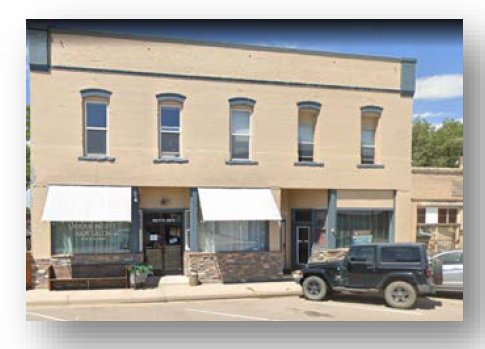
Characteristics. A linear commercial district with complementary residential (i.e. commercial uses on the bottom floor and residential or office space on upper levels) and civic uses that are primarily oriented to 1st Street, Hill Street, or the railroad. Architecture includes a harmonious blend of materials like brick, glass, and wood to create a visually captivating streetscape.
(c)
Locational Criteria. Along Hill Street, 1st Street, extends to the west and east along the Latham Ditch/railroad corridor. The D-MU corridor's commercial viability relies on careful planning for automobiles, but it should accommodate pedestrians, bicycles, and transit. Because of the heavy truck traffic, special design features may be necessary for the buildings to be accessible and visible to someone driving by, while also practical for transit, bicycle, and pedestrian use.
(d)
Dimensional Standards. The following table is a summary of the district-specific dimensional standards.
Table 21-24.1
(e)
Additional Standards. Because this District may be adjacent to less intensive uses, it includes development standards that are intended to minimize the impact on nearby properties.
(1)
Lighting.
a.
Outdoor lighting shall be arranged so it neither unreasonably disturbs occupants of adjacent residential properties nor interferes with traffic. The light source shall be concealed by a full cutoff lighting fixture so that the light source is not visible from any street right-of-way or adjacent properties. In order to direct light downward and minimize the amount of light spill into the night sky and onto adjacent properties, all lighting fixtures shall be cutoff fixtures.
b.
The use shall extinguish all outdoor lighting that is not fully shielded at close of business or 11:00 p.m., whichever is earlier.
c.
The maximum permitted illumination at the property line shall be 2 footcandles.
d.
Outdoor light fixtures shall not exceed 24 feet in height.
e.
Fixtures shall be mounted in such a manner that the cone of light is contained on-site and does not cross any property line of the site.
f.
Only lighting used to accent architectural features, landscaping or art may be directed upward, provided that the fixture shall be located, aimed, or shielded to minimize light spill into the night sky.
g.
Limit lighting to periods of activity. The use of sensor technologies, timers or other means to activate lighting during times when it will be needed is encouraged to conserve energy, provide safety and promote compatibility between different land uses. Lower lighting levels at off-peak times are encouraged as a safety measure.
(2)
Noise.
a.
Outdoor public address or loudspeaker systems are prohibited except as permitted at special events.
b.
The proposed land uses and activities shall be conducted so that any noise generated on the property will not violate the Town's noise regulations in Article X Noise of the Kersey Municipal Code, and so that any vibration created by the use of the property will be imperceptible without instruments at any point along the property line.
(3)
Minimize impact on adjacent properties.
a.
All outdoor storage shall be screened from adjacent properties. Screening shall be achieved through walls, architectural features and landscaping and shall be visually impervious.
b.
Adjoining properties shall be protected from the external effects of permitted outdoor vehicle or equipment display or storage areas by the establishment of landscaped buffers or an opaque fence or wall at least five (5) feet high, by the location of landscaped employee or public parking areas, or by other means to achieve the same protection purpose.
c.
Any processes that create intense glare or heat, whether direct or reflected, that is perceptible from any point along the site's property lines, shall be conducted within an enclosed building or be effectively screened from public view. If the source of the glare is proposed to be screened with plant material, then the applicant must show that the screening will be effective year-round.
d.
Vehicles being serviced or stored for customers shall not be parked on streets, alleys or public sidewalks.
e.
All waste shall be deposited into completely enclosed containers concealed from adjacent properties.
Section 21-25. - C-MU Commercial Mixed-Use District.
[(a)]
Intent. To serve as a major job center for the community and provide locations for a variety of workplaces including business parks, light industrial uses, research and development activities and offices.
[(b)]
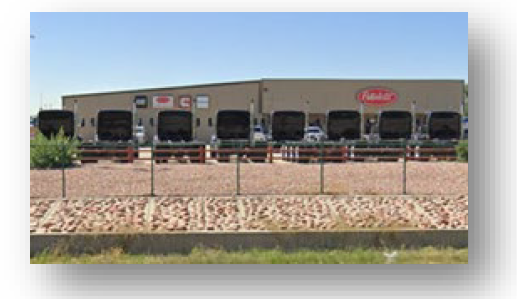
Characteristics. Typically, large parcels with business parks, large scale commercial (i.e. "big box retail), industrial and a variety of complementary uses that complement or support the primary workplace uses such as business services, convenience shopping, childcare, lodging, restaurants and high-density residences.
[(c)]
Locational Criteria. High-traffic employment zones need highway or arterial access. Due to the intensity of these developments, location and transition and buffering between lower density uses is important to shield quieter uses from noise, traffic, lights, etc. Developments must have well-integrated utilities, transportation and open space networks that encourage pedestrian flow with smart design.
[(d)]
Dimensional Standards. The following table is a summary of the district-specific dimensional standards.
Table 21-25.1
[(e)]
Additional Standards. Because this District is intended to be primarily in Kersey's growth area and may be adjacent to less intensive uses, this district includes development standards that are intended to minimize the impact on nearby properties. Since this district may be utilized along the Highway 34 corridor, special design features may be necessary for the buildings to be accessible and visible to someone driving by, while also practical for multi-modal transit.
(1)
Lighting.
a.
Outdoor lighting shall be arranged so it neither unreasonably disturbs occupants of adjacent residential properties nor interferes with traffic. The light source shall be concealed by a full cutoff lighting fixture so that the light source is not visible from any street right-of-way or adjacent properties. In order to direct light downward and minimize the amount of light spill into the night sky and onto adjacent properties, all lighting fixtures shall be cutoff fixtures.
b.
The use shall extinguish all outdoor lighting that is not fully shielded at close of business or 11:00 p.m., whichever is earlier.
c.
The maximum permitted illumination at the property line shall be 2 footcandles.
d.
Outdoor light fixtures shall not exceed 24 feet in height.
e.
Fixtures shall be mounted in such a manner that the cone of light is contained on-site and does not cross any property line of the site.
f.
Only lighting used to accent architectural features, landscaping or art may be directed upward, provided that the fixture shall be located, aimed, or shielded to minimize light spill into the night sky.
g.
Limit lighting to periods of activity. The use of sensor technologies, timers or other means to activate lighting during times when it will be needed is encouraged to conserve energy, provide safety and promote compatibility between different land uses. Lower lighting levels at off-peak times are encouraged as a safety measure.
(2)
Noise.
a.
Outdoor public address or loudspeaker systems are prohibited except as permitted at special events.
b.
The proposed land uses and activities shall be conducted so that any noise generated on the property will not violate the Town's noise regulations in Article X Noise of the Kersey Municipal Code, and so that any vibration created by the use of the property will be imperceptible without instruments at any point along the property line.
(3)
Minimize impact on adjacent properties.
a.
All outdoor storage shall be screened from adjacent properties. Screening shall be achieved through walls, architectural features and landscaping and shall be visually impervious.
b.
Adjoining properties shall be protected from the external effects of permitted outdoor vehicle or equipment display or storage areas by the establishment of landscaped buffers or an opaque fence or wall at least five (5) feet high, by the location of landscaped employee or public parking areas, or by other means to achieve the same protection purpose.
c.
Any processes that create intense glare or heat, whether direct or reflected, that is perceptible from any point along the site's property lines, shall be conducted within an enclosed building or be effectively screened from public view. If the source of the glare is proposed to be screened with plant material, then the applicant must show that the screening will be effective year-round.
d.
Vehicles being serviced or stored for customers shall not be parked on streets, alleys or public sidewalks.
e.
All waste shall be deposited into completely enclosed containers concealed from adjacent properties.
Section 21-26. - I Industrial District.
(a)
Intent. To provide locations for a variety of workplaces such as manufacturing, indoor and outdoor storage, warehousing, and a wide range of commercial and industrial operations.
(b)
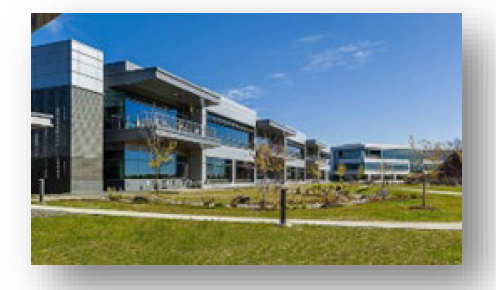
Characteristics. Typically, large parcels with large-scale buildings in a campus-type setting.
(c)
Locational Criteria. Located on an arterial or near Highway 34. Due to the intensity of these developments, location and transition and buffering between lower density uses is important to shield quieter uses from noise, traffic, lights, etc. Developments must have well-integrated utilities, transportation and open space networks that encourage pedestrian flow with smart design.
(d)
Dimensional Standards. The following table is a summary of the district-specific dimensional standards.
Table 21-26.1
[(e)]
Additional Standards.
(1)
Caretaker's Residence. A caretaker's residence is permitted subject to compliance with Article IV, Use Regulations.
(2)
Industrial Uses. Refer to the use-specific standards in Article IV, Use Regulations.
Section 21-27. - Planned Unit Development (PUD) Overlay District.
(a)
Intent. The intent of the PUD Overlay Zone is to encourage innovative and high-quality development that is compatible with the underlying zoning district. It provides flexibility in design, density, and land use mix to achieve superior projects that incorporate community goals such as efficient land use, diverse housing options, environmental sensitivity, and community benefits. This overlay is not intended to circumvent base zoning regulations, but to build upon them through a collaborative process between developers and the community.
(b)
Characteristics. Same as the underlying zone district, unless expressly modified by the PUD Plan.
(c)
Locational Criteria. Located consistent with the underlying zone district.
(d)
Dimensional Standards. Same as the underlying zone district, unless expressly modified by the PUD Plan.
(e)
Additional Standards.
(1)
Permitted Uses. Any uses permitted in the underlying zone district are permitted within an approved PUD Overlay.
(2)
Additional Uses. Additional uses not permitted in the underlying zone district may be requested for inclusion in a PUD Plan along with the type of review for such use, whether it's a permitted use or use by special review. The application must enumerate the additional use being requested, the proposed type of review, and how the use meets the intent of this overlay district. The decision maker shall approve an additional use only if it satisfies criteria a. through d. For each approved additional use, the decision maker shall determine the applicable type of review and may grant a requested type of review if it would not be contrary to the public good.
a.
The use advances the intent of the PUD Overlay District and furthers the goals and policies of the Town's Comprehensive Plan and adopted plans and policies;
b.
The use complies with applicable Code provisions regarding the natural environment, including but not limited to water, air, noise, storm water management, wildlife, vegetation, wetlands and the natural functioning of the environment;
c.
The use is compatible with the other proposed uses within the requested PUD Overlay and with the uses permitted in the zone district or districts adjacent to the proposed PUD Overlay; and
d.
The use is appropriate for the property or properties within the PUD Overlay.
(3)
Prohibited Uses. All uses that are not expressly allowed in an approved PUD Plan, in the underlying zone district shall be prohibited.
(4)
Significant Public Benefit. To justify the flexibility granted by a PUD Overlay, proposed developments must provide significant public benefits beyond those typically achieved through standard zoning. These benefits may include:
1.
Diverse land uses;
2.
Innovative development practices;
3.
Efficient use of land and energy;
4.
Public amenities appropriate to the project's scale; or
5.
Alignment with Town plans and policies.
(5)
High-Quality, Environmentally Sensitive Design. PUDs must demonstrate high-quality design that is sensitive to the environment and capitalizes on the site's natural features. This includes, but is not limited to, considering the impacts on water resources, air quality, noise levels, stormwater management, wildlife habitats, vegetation, wetlands, and the overall ecological balance of the site.
Section 21-28. - Exceptions and Encroachments Table.
Table 21-28.1 Exceptions and Encroachments Table.
Section 21-40. - Permitted Use Table.
(a)
Organization of the Table. In the Permitted Use Table, land uses are classified into general use categories and specific uses based on common functional, product, or physical characteristics such as the type and amount of activity, the type of customers or residents, how goods or services are sold or delivered, and site conditions. This classification provides a systematic basis for assigning present and future land uses into appropriate zoning districts.
(b)
General Application of Uses.
(1)
Uses by Right and Uses Requiring Additional Review.
a.
Uses by Right: A "P" in a cell of the Permitted Use Table indicates that the use is automatically permitted in a zone district, provided they comply with all applicable requirements of this Code. Failure to meet these requirements may result in project denial by the Town.
b.
Uses Requiring Special Review: An "S" in a cell of the Permitted Use Table indicates that the is not automatically permitted but may be approved by the Board of Trustees if the applicant demonstrates specific justifications and meets the use-specific standards outlined in this Code.
c.
Prohibited Uses: A blank cell in the Permitted Use Table indicates that the use is not allowed in that zoning district.
(2)
Unlisted Uses. When a proposed principal or accessory land use is not specifically identified as permitted in a zoning district, the Town Manager may permit the use if it meets the following criteria:
a.
Similarity to Permitted Uses: The Town Manager determines that the proposed use is either:
1.
Included in the definition of a listed use, or
2.
So similar to a listed use that it should be treated the same.
b.
Compatibility: The proposed use is substantially compatible with the permitted uses and character of the zoning district, meaning it:
1.
Is consistent with the district's purpose, intent, character and land uses within a zone district.
2.
Does not generate excessive negative externalities beyond what is typical. Externality" means any off-site effect of a land use, including but not limited to impacts on traffic circulation and parking, noise levels, air and water quality, visual character of the area, demand for public services (e.g., schools, utilities, fire protection), property values, public health and safety.
3.
Is not anticipated to significantly affect property values or hinder the normal use of surrounding properties.
c.
Factors for Determination: To determine whether a proposed use generates excessive externalities, the Town Manager shall evaluate the following factors in comparison to similar uses allowed in the district:
1.
Scale of activity: Including size of the building, lot coverage, number of employees, hours of operation, and intensity of use.
2.
Transportation impacts: including traffic generation, parking demand, traffic circulation, access points, and potential impacts on pedestrian and bicycle safety.
3.
Environmental impacts: including stormwater runoff, air quality (including dust and odor), noise pollution, light pollution, vibration, and potential impacts on natural resources.
4.
Impacts on public infrastructure and services: Including demands on water and sewer systems, electricity, roads, schools, fire protection, police services, and other public facilities.
(c)
Multiple Principal Uses Permitted. Multiple principal uses on one lot shall be allowed in the AG, R-MU, D-MU, C-MU, and I zoning districts if each individual use is allowed in the zoning district and all uses can be accommodated within the zoning district's dimensional standards and comply with all use-specific conditions or standards required of any of the principal uses.
(d)
Required Governmental Approvals, Licenses, Permits, and Operational Rules. All uses shall have a current permit as required by the Town, Weld County, the State of Colorado, and/or the federal government to have an approval, license, or permit to operate are required to have that State approval, license, or permit in effect at all times.
Table 21-40.1 PERMITTED USES TABLE
(Ord. No. 2025-0008, § 1(Exh. A), 6-10-2025)
Section 21-50. - Purpose.
This Article classifies the uses allowed by zone district in order to identify the activities that support the health, safety, and welfare of the people that live and work in all areas of Kersey. This Article also includes standards that may apply to a specific use.
Section 21-51. - General Standards.
The use-specific standards listed in this section apply to those uses listed on the same line of the Permitted Use Table, regardless of whether those uses are shown as allowed or uses by special review.
(a)
These use-specific standards cannot be modified through the use by special review process, but relief may be granted through a variance.
(b)
Should any use-specific standards conflict with the standards in Chapter 21, Article II, Zoning District Descriptions and Standards, these use-specific standards shall apply unless otherwise stated.
(c)
Natural medicine facilities. (Facilities shall comply with the Kersey Land Use Code, Community Design and Development Standards, General Industrial Performance Standards and Building Code.
(1)
Operation.
a.
Hours. Natural medicine facilities shall only operate between 9:00 a.m. and 5:00 p.m., Monday through Friday, excluding holidays.
b.
Public view. All windows, doors, and other openings must be treated or screened to fully obstruct visibility into any areas where natural medicine is stored, processed, administered, or consumed. All operations must occur indoors.
(2)
Location restrictions.
a.
Home-based operations. No natural medicine facility shall operate out of a residential home or accessory structure.
b.
Proximity restrictions. Natural medicine facilities must be located at least 1,000 feet from residential dwellings, daycares, schools, parks, or places of worship, measured from property line to property line.
(3)
Management plan. Every natural medicine facility shall have a management plan that addresses the following:
a.
Product storage. Natural medicine must be stored indoors in permanent structures (not trailers, tents, or vehicles) within UL-rated safes or vaults when not in use.
b.
Odor mitigation. Facilities must use air filtration and ventilation system that prevent odors from being detectable beyond the property boundaries.
c.
Waste disposal. Secure disposal procedures must comply with state regulations; no natural medicine waste may be placed in exterior refuse containers. All disposal shall occur within a secured, monitored, and enclosed area.
d.
Processing. The use of hazardous or volatile substances (e.g., butane, propane, ethanol, acetone) in processing is strictly prohibited.
e.
Emergency response. Facilities must maintain an emergency response plan including evacuation procedures, emergency contacts, and steps for responding to fire, chemical spill, or medical emergencies. This plan must be provided to the town and local emergency services prior to operation.
f.
Facility access controls. Access to areas containing natural medicine or natural medicine products must be restricted to authorized personnel only and secured by electronic entry or keycard access systems.
g.
Facilities shall implement protocols to prevent the diversion of natural medicine to individuals not authorized under the CNMC. These protocols shall include inventory tracking and staff background checks.
(4)
Security. All natural medicine facilities shall have:
a.
Facilities must maintain a Colorado Natural Medicine Division-approved security plan for the secure storage of natural medicine and natural medicine products. This plan shall be submitted to the town prior to beginning operation. Updates shall be provided to the town within ten business days of any changes.
b.
A video surveillance system that provides coverage of all facility entrances and exits. In addition, facilities shall share surveillance footage with local law enforcement within 24 hours of a request.
c.
A security alarm system that provides coverage of all facility entrances and exits, rooms with exterior windows, rooms with interior walls or walls shared with other building tenants, roof hatches, skylights, and storage rooms containing safes or vaults.
d.
Annual security audits performed by a third party, with results submitted to the town upon completion.
(5)
On-Site Security Personnel. If the town determines through the special use review process that on-site security personnel are necessary due to facility size or location, such staffing may be required as a condition of approval.
(6)
Lighting. Primary entrances, parking lots and exterior walkways of a natural medicine business must be illuminated with downward facing security lights to ensure visibility after dark for facilitators, participants, and employees. Upward-facing or strobe lighting is prohibited.
(7)
Signage. All signs must comply with the town's sign code and the following restrictions:
a.
Prohibited content. No sign shall include imagery, symbols or language that directly appeals to individuals under 21 years of age. This includes, but is not limited to, the use of cartoons, illustrations of minors, or any visual or textual references to products, activities, or themes primarily associated with minors.
b.
Illumination. Signs shall not be illuminated after business hours.
c.
Wall sign size. Signs may not exceed 16 square feet for wall-mounted signs.
d.
Freestanding sign size and height. One freestanding sign per lot, not to exceed eight square feet in area or six feet in height.
e.
Prohibited sign types. Temporary, portable signs, and digital signs are prohibited.
(8)
Inspections. The town may conduct unannounced inspections during business hours. Refusal to comply triggers automatic use by special review permit suspension.
(Ord. No. 2025-0008, § 1(Exh. A), 6-10-2025)
Section 21-52. - Residential Uses.
(a)
Accessory Dwelling Units.
(1)
The accessory dwelling unit must be located on a legal, platted lot, in a zoning district that permits single-unit dwellings on individual lots.
(2)
There shall be only one accessory dwelling unit on any lot.
(3)
The accessory dwelling unit must comply with the applicable zoning standards.
(4)
The accessory dwelling unit shall not conflict with existing structures or utilities upon the property.
(5)
Reserved.
(6)
The accessory dwelling unit may not be larger or taller than the primary residence on the property and shall not be smaller than 500 square feet or larger than 750 square feet.
(7)
The accessory dwelling unit shall be in compliance with all applicable building and fire codes as adopted by the Town and shall be placed on a permanent foundation.
(8)
Construction of the accessory dwelling unit shall not cause additional stormwater to be discharged onto adjacent residential lots.
(9)
Motor homes, multi-purpose trailers, and recreational vehicles may not be used for accessory dwelling units.
(10)
If the utility demand analysis shows that additional raw water is needed to serve the accessory dwelling unit, the applicant shall provide additional raw water as required by the Kersey Municipal Code.
(11)
An accessory dwelling unit shall not be established or constructed before the establishment or construction of the principal use or structure.
(12)
Accessory dwelling units shall not be permitted as the exclusive use of any property.
(13)
Accessory dwelling units shall not be located closer to the front property line than the principal structure.
(14)
An accessory dwelling unit may be integrated into the principal dwelling structure or located in a detached, accessory structure such as a garage and shall be located on the same lot as the principal single-family detached unit.
(15)
The accessory dwelling unit shall not be used for short-term rental in any residential district.
(16)
The accessory dwelling units shall not be sold separately from the principal dwelling.
(b)
Accessory Caretaker Dwelling. A caretaker dwelling is permitted as an accessory use in the Agricultural (Ag) and Industrial (I) zoning districts.
(1)
The dwelling must be subordinate to the primary agricultural or industrial use.
(2)
The caretaker's unit must be occupied by an employee of the agricultural or industrial use on the property, a majority owner, or an immediate family member of the property owner.
(3)
Only one caretaker unit is allowed per parcel or use, whichever is less.
(4)
The accessory caretaker dwelling may not be larger or taller than the primary residence on the property and shall not be smaller than 500 square feet or larger than 2,200 square feet, excluding the garage area.
(5)
A deed restriction shall be recorded stating that the caretaker's unit is tied to the primary use and cannot be sold separately.
(c)
Dwelling, Tiny House.
(1)
Each tiny house used as a primary or accessory dwelling shall be installed on a permanent foundation;
(2)
Each tiny house shall comply with the requirements for water supply, wastewater services, electric service, utilities, and fire protection established by the Town or the applicable service provider.
(3)
Wheels must be removed from a tiny house dwelling when it is installed on a lot or parcel.
(d)
Home Occupations. Home occupations shall be allowed as a permitted accessory use provided that all of the following conditions are met:
(1)
Such use shall be conducted entirely within a dwelling and carried on by the inhabitants living there, or such use shall be conducted entirely within an accessory building located on the premises with the dwelling in which the persons carrying on the occupation live;
(2)
Such use shall be clearly incidental and secondary to the use of the dwelling and shall not change the character thereof;
(3)
If the occupation is located in the dwelling, the total area used for such purposed shall not exceed twenty percent (20%) of the floor area of the dwelling, except where the home occupation is a licensed board and care home or a day care home which meets the applicable state requirements;
(4)
The maximum number of vehicle trips per day for clients who may visit the home-based business is fifteen (15);
(5)
There shall be no exterior advertising or use of any signs except for the one (1) unlighted sign not larger than two (2) square feet;
(6)
There shall be no exterior storage on the premises of material or equipment used as a part of the home occupation;
(7)
There shall be no offensive noise, vibration, smoke, dust, odors, heat or glare noticeable at or beyond the property line;
(8)
Home occupations shall provide additional off-street parking area adequate to accommodate all needs created by the home occupation;
(9)
Express permission for the home occupation shall be obtained from the Town before a home occupation is commenced. The home occupation may be granted by the Town Administrator only if the criteria set forth in this Section are met and the home occupation would not change or threaten to change the residential character of the neighborhood, considering the nature of the proposed home occupation itself and the presence of pre-existing home occupations in the neighborhood;
(10)
The following home occupations are prohibited in all districts:
a.
Adult-oriented use;
b.
Occupations that involve highly combustible materials or any material.
c.
Occupations that are objectionable due to unsightliness, odor, dust, smoke, noise, glare, heat, vibration, or similar disturbances;
d.
Retail sales, including but not limited to firearms sales;
e.
Any use that involves serving food, beverages, or meals to customers who visit the site for that purpose;
f.
Heavy equipment or automobile repair, unless all operations are conducted inside a fully enclosed structure;
g.
Occupations where the dimensions, power rating, or weight of equipment and tools used exceed that of normal household equipment and tools;
h.
Occupations that cause abnormal automotive or pedestrian traffic;
i.
Animal day care and grooming or kennel;
j.
Dispatch centers where employees meet at the dwelling unit and are sent to other locations; and
k.
Any other use that is not listed as a permitted or use by special review in any zoning district in the Town.
(11)
If a home occupation request is denied by the Town Manager, the applicant may appeal such denial to the Board of Trustees. The appeal shall be filed with the Town Clerk within fifteen (15) days after the denial by the Town Manager, and the appeal shall be acted on by the Board of Trustees within sixty (60) days after denial.
(Ord. No. 2026-0002, § 1, 1-13-2026)
Section 21-53. - Institutional, Civic and Public Uses.
(a)
Places of Worship or Assembly.
(1)
Single Unit Dwelling. A single-household dwelling unit, located on the same lot as the religious assembly use may be permitted as an accessory use to the facility.
(2)
Maximum Building Size. The maximum gross floor area of a structure containing this use is limited to:
a.
15,000 square feet in the R-N and R-MU zoning districts.
Section 21-54. - Commercial Uses.
(a)
Adult Entertainment.
(1)
No adult entertainment use is allowed within 1,000 feet of any residentially zoned property, property used for a dwelling, school, assembly use, public park, other adult entertainment use, or liquor licensed establishment subject to the Colorado Liquor Code, all of which are collectively referred to as protected properties. This distance is measured from the closest property line of the protected property to the closest property line of the adult entertainment use.
(2)
Adult use buildings, entries, windows, and openings shall be located, covered, or screened in a manner to prevent a view into the interior from any public or private street or other public or semi-public area.
(3)
All adult enterprises shall comply with Chapter 6 Business Licenses and Regulations, Article IV Supplemental Standards in the Kersey Municipal Code.
(b)
Animal Daycare and Grooming.
(1)
Animals shall not be permitted outside except within a secure animal run.
(2)
No outdoor animal run shall be permitted within 500 feet of any residential district.
(c)
Artisan Manufacturing. Artisan production includes fabrication and textiles such as apparel manufacturing, jewelry making, wood and metal working, pottery and glass making, and equivalents typically not permitted in non-industrial zone districts.
(1)
Artisan manufacturing is intended to be compatible with surrounding commercial development.
(2)
An allowance for public viewing or customer service space is required, such as teaching, equipment rentals or showrooms and ancillary sales of goods produced on-premises.
(3)
In general, artisan manufacturing limits external impacts associated with nuisances such as odor, vibration, smoke, gas, dust, sound, soot, heat, glare or lighting.
(4)
It also limits utility usage.
(5)
All activities except loading and outdoor product displays shall occur within buildings; outdoor storage/repair is prohibited.
(6)
Loading docks and service doors should not face residential uses.
(d)
Bar, Microbrewery, Microdistillery, Microwinery, or Tavern.
(1)
Bars, microbreweries, microdistilleries, micro-wineries or taverns within 100 feet of a residential district shall close any outdoor seating areas between the hours of 10:00 p.m. and 7:00 a.m.
(2)
Bars, microbreweries, microdistilleries, micro-wineries or taverns within 100 feet of a residence shall require a use by special review.
(e)
Bed and Breakfast.
(1)
The maximum number of bedrooms shall be six.
(2)
The business owner or manager of the bed and breakfast establishment shall reside on the property or within 500 feet of the property.
(3)
Any kitchen and dining facilities shall serve only residents and their guests. No cooking facilities such as stoves, hot plates, or microwave ovens are permitted in the guest rooms.
(4)
Each guest stay shall be limited to a maximum of 30 consecutive days.
(5)
A bed and breakfast shall not conduct any other commercial activities (other than providing lodging and meals for residents and their guests) such as for-profit private parties or receptions, retail sales, or similar activities.
(f)
Campground/Recreation Vehicle Park
(1)
Occupancy. No person shall stay in any campground more than 180 days per calendar year. The Town Manager may grant an extension for one additional 90-day period if a formal written request is submitted with good reason shown by the owner or manager of the campground.
(2)
Access and Circulation. Road systems within a campground and recreational vehicle park are required. If the road system is for one-way traffic only, directional signs shall be installed. Entries, access drives, and parking areas shall meet Town dimensional, fire code, grading, drainage, and dust control requirements as applicable.
(3)
Sites.
a.
Each site shall be clearly marked and identified with a sign or symbol attached to a post or tree on or near the site, indicating the type of recreational vehicle that may be parked on the site, if any.
b.
Each site that accommodates a recreational vehicle shall include a parking space for one vehicle in addition to the recreational vehicle. That parking space shall be constructed so no portion of the vehicle extends onto any roadway within or adjacent to the campground or recreational vehicle park.
c.
No permanent or semi-permanent structures, such as cabins, lean-tos, accessory structures, sheds, or habitable buildings, whether placed on a permanent foundation or not, shall be erected on a site except by the owner/operator of the property when used in connection with the operation or maintenance of the property.
(4)
Landscaping. Each campground and recreational vehicle park shall be landscaped in accordance with the Landscaping Standards set forth in the Community Design Principles and Development Standards and shall provide a visual and noise buffer from adjacent uses and roadways to prevent erosion.
(5)
Pedestrian Circulation. An internal pedestrian circulation system connecting individual campsites and recreational vehicle sites with shared facilities and services and with the perimeter sidewalk along at least one abutting street, shall be provided, and shall have an all- weather surface at least five feet in width.
(6)
Sanitary Facilities.
a.
Every campground and recreational vehicle park shall include a minimum of one sanitary facility.
b.
All sanitary facilities shall comply with the requirements of the Americans with Disabilities Act Standards for Accessible Design.
c.
Required toilet, lavatory, and bathing fixtures shall be provided in accordance with the Colorado Department of Public Health and Environment's regulations for campgrounds and recreation areas set forth in 6 CCR 1010-9 as now existing or amended in the future, or as otherwise required by the Weld County Department of Public Health and Environment official.
(7)
Sanitary Waste Station.
a.
A minimum of one sanitary waste station shall be provided in all new recreational vehicle parks and campgrounds that accommodate recreational vehicles where individual sewer hookups are not available for all sites.
b.
The sanitary waste station shall be connected to the campground and recreational vehicle park water supply and provide facilities for washing recreational vehicle waste-holding tanks and for cleaning the general area of the sanitary station.
(8)
Refuse Disposal.
a.
The storage, collection, and disposal of refuse shall be performed to minimize accidents, fire hazards, air pollution, odors, insects, rodents, or other nuisance conditions.
b.
All trash collection areas shall comply with Community Design Principles and Development Standards, Screening.
c.
All trash containers shall be wildlife-proof.
(9)
Fire Safety.
a.
Fires will be permitted only in facilities that have been provided for such purposes, such as fire rings or designated firepits.
b.
Approved designated outdoor campfire locations, if provided, shall be in areas where they will not constitute fire hazards to vegetation, undergrowth, trees, recreational vehicles, camping units, and structures.
(10)
Maintenance. Each campground and recreational vehicle park shall comply with the requirements of the Colorado Department of Public Health and Environment (CDPHE) regulations for Campgrounds and Recreation Areas (6 CCR 1010-9 as now existing or amended in the future).
(g)
Childcare Center.
(1)
Any outdoor play area shall be enclosed by a decorative solid wood fence or masonry wall with vegetative screen if it is adjacent to a residence. Fencing and landscaping shall comply with the Town Code.
(h)
Commercial Kennel.
(1)
All kennels shall be enclosed within a building that prevents any sounds in excess of the maximum permissible noise levels for residential zoning districts, set forth in C.R.S. 25-12-103, as now existing or as hereafter amended.
(2)
Animals shall not be permitted outside except within a secure animal run;
(3)
Animals shall be secured inside the facility between the hours of 8:00 p.m. and 8:00 a.m.
(4)
No outdoor animal run shall be permitted within 500 feet of any residential district.
(i)
Firing Range, Indoor and Outdoor
(1)
General Standards.
a.
Alcoholic beverages shall not be sold, dispensed, stored, or consumed on-site.
b.
The facility shall be designed to comply with the National Rifle Association's Range Source Book: A Guide to Planning and Construction.
c.
The facility shall be operated and managed in accordance with all federal, state, and local laws and regulations related to the use, sale, rental, and transportation or firearms.
d.
The hours of operation of an indoor or outdoor firing range shall be limited to 7:00 a.m. to 10:00 p.m.
(2)
Additional Standards for Indoor Firing Ranges.
a.
The design and construction of each indoor firing range shall completely confine all ammunition rounds within the building and in a controlled manner to prevent unauthorized use.
b.
The design and construction of each indoor firing range shall ensure that the noise created by firing rounds of ammunition does not exceed 70 decibels at any property line.
(3)
Additional Standards for Outdoor Firing Ranges.
a.
All firing stations shall be at least 1,000 feet from each property line.
b.
The owners, operators, tenants, or occupants of an outdoor firing range shall implement appropriate environmental management practices for containing, controlling, and removing lead from the range in accordance with the latest edition of "Best Management Practices for Lead at Outdoor Shooting Ranges" from the U.S. Environmental Protection Agency.
(j)
Recreation and Entertainment, Outdoor.
(1)
If located within 100 feet of a residential zoning district, the hours of operation shall be limited to 7:00 a.m. to 10:00 p.m.; provided that outdoor sports fields conducting sports events associated with any school, college, university, skilled educational facility, or religious or secular assembly shall be permitted to operate until 12:00 midnight.
(k)
Small Animal Veterinary Clinic and Hospital Regulations.
(1)
All facilities of a small animal veterinary clinic or a small animal veterinary hospital, including all treatment rooms, cages, pens, kennels and exercise runs, shall be maintained within a completely enclosed, soundproof building.
(2)
All such veterinary clinics and hospitals shall be designed and constructed in a manner that reasonably mitigates any emission of odor to persons owning, occupying or patronizing properties adjacent to such clinics or hospitals.
(3)
All such veterinary clinics and hospitals shall be designed and constructed in a manner that reduces the sound coming from any such clinic or hospital to the level of sixty-five (65) decibels at any given abutting property line.
(4)
No such veterinary clinic or hospital shall board any animal for any length of time except where such boarding is necessary to provide surgical or other medical care to the animals.
(l)
Vehicle Repair, Minor.
(1)
No outdoor storage of vehicle parts, discarded tires, or similar materials shall be permitted.
(2)
The nearest point of the building in which the repair activity occurs shall be more than 50 feet from the boundary of any residential zoning district.
Section 21-55. - Industrial Uses.
(a)
General Industrial Performance Standards. To protect public health and safety, and to minimize environmental impacts, all industrial uses shall comply with the following minimum performance standards. The Board of Trustees may impose stricter standards during the review process, based on the specific nature of the proposed industrial use and its potential impacts on the surrounding area.
(1)
Environmental Performance.
a.
Air Quality. Industrial operations shall minimize air emissions, including dust, fumes, odors, and other pollutants. Operators shall implement best management practices to control emissions and comply with all applicable federal, state, and local air quality regulations.
b.
Water Quality. Industrial operations shall protect surface water and groundwater quality. Operators shall implement measures to prevent spills, leaks, and runoff of pollutants and comply with all applicable federal, state, and local water quality regulations.
c.
Noise Control. Industrial operations shall minimize noise impacts on surrounding properties and comply with Kersey Municipal Code noise standards. Operators shall implement best management practices to control noise at the source, along its path, and at the receiver and comply with all applicable federal, state, and local noise ordinances.
d.
Waste Management. Industrial operations shall implement a comprehensive waste management plan that addresses waste reduction, reuse, recycling, and proper disposal. The plan shall comply with all applicable federal, state, and local waste management regulations.
(2)
Site Design and Operations.
a.
Setbacks. Industrial facilities shall maintain adequate setbacks from property lines, public rights-of-way, residential areas, and other sensitive land uses. Setback distances may be increased based on the specific nature of the industrial use and its potential impacts.
b.
Landscaping and Screening. Industrial facilities shall provide landscaping and screening to minimize visual impacts on surrounding properties. Landscaping shall include a mix of trees, shrubs, and groundcover to provide year-round visual screening and reduce noise and dust impacts.
c.
Lighting. Outdoor lighting shall be designed and installed to minimize light pollution and glare on adjacent properties and utilize full-cutoff fixtures.
d.
Traffic and Parking. Industrial facilities shall provide adequate off-street parking and loading areas to minimize traffic congestion and impacts on public streets.
e.
Hours of Operation. Hours of operation may be limited to minimize impacts on surrounding properties, particularly residential areas.
f.
Loading Areas. The view of loading areas shall be minimized where visible, especially from the front line of the lot and from public and private rights-of-way, public and private park and open space areas, and residential zoning districts, through the use of landscaping and screening required by Landscaping, Screening, and Fencing standards.
(3)
Emergency Preparedness and Response.
a.
Emergency Response Plan. Industrial facilities shall develop and maintain an emergency response plan that addresses potential hazards associated with the operation, including fires, spills, releases, and natural disasters.
b.
Communication. The plan shall include procedures for communication with emergency responders and the community in the event of an emergency.
c.
Training. Employees shall be trained on emergency response procedures.
(4)
Inspections and Enforcement.
a.
Inspections. Authorized representatives of the Town shall have the right to inspect industrial facilities to ensure compliance with these standards and any permit conditions.
b.
Enforcement. The Town may take enforcement action, including fines, penalties, or revocation of permits, for violations of these standards.
(5)
Additional Standards. The Board of Trustees may impose additional standards specific to the nature of the industrial use, such as: storage of hazardous materials, dust control measures, odor control measures, vibration control measures, traffic management plans.
(b)
Agricultural Operations with Livestock.
(1)
Location and Setbacks: Livestock confinement operations shall be located at least 50 feet from any state or federal highway right-of-way, subject to review by the Colorado Department of Transportation. Further setbacks may be required based on the size of the operation and proximity to residential areas, water bodies, and other sensitive land uses.
(2)
Manure Management. Manure shall be handled and disposed of in a sanitary manner approved by the Weld County Department of Public Health and Environment and Colorado Department of Public Health and Environment to minimize odor, prevent water contamination, and protect air quality. Appropriate manure storage structures and/or approved land application methods shall be utilized. The manure storage site shall have a surface, in accordance with the confined animal feeding operation control regulations (5 CCR 1002-19), which does not permit seepage or percolation of manure pollutants into the ground. Manure piles shall not be allowed to exist or deteriorate to a condition that facilitates excessive odors, flies, insect pests, or pollutant runoff. Regular inspection and maintenance of manure storage and handling facilities are required.
(3)
Pest Control. Suitable and environmentally responsible chemical and/or biological controls shall be implemented for rodent and insect control.
(4)
Equipment and Area Sanitation. Equipment and areas on the property, such as feed bunks, feed bunk aprons, water tanks, feeding devices, manure piles, trash dumpsters, animal pens, feed mixing areas, structures, and other similar equipment and areas, shall be constructed and maintained in a sanitary manner to prevent nuisance conditions.
(5)
Animal Welfare. Animals shall be provided with adequate space, access to clean water and appropriate feed, and regular veterinary care. Housing structures shall provide adequate ventilation, temperature control, and protection from the elements. The use of inhumane practices, such as excessive confinement or cruel treatment, is prohibited.
(6)
Odor Control. Operators shall implement odor management plans to minimize the impact of odors on surrounding properties. Odor control measures may include, but are not limited to:
a.
Proper manure storage and handling techniques
b.
Use of odor-reducing additives or technologies
c.
Vegetation buffers
d.
Restrictions on operation during certain weather conditions.
(7)
Cleaning and Maintenance. Adequate mechanical means for scraping, grading, and cleaning of the confinement area shall be provided at all times. Scraping, grading, and cleaning shall be performed regularly and as approved by the Weld County Department of Public Health and Environment.
(8)
Drainage and Water Quality Protection. Drainage facilities or improvements shall be constructed to protect any adjacent rivers, streams, or other bodies of water from pollution, as approved by the Weld County Department of Public Health and Environment. Runoff control measures, such as berms, vegetated filter strips, or retention ponds, may be required. All runoff retention and containment facilities shall meet and be maintained in accordance with the state department of health's confined animal feeding operation control regulation (5 CCR 1002-19). The property owner shall be responsible for any additional requirements issued by the Colorado Department of Public Health and Environment, Colorado Water Quality Control Division, and the Weld County Department of Public Health and Environment.
(9)
Groundwater Monitoring. Groundwater monitoring wells may be required to evaluate impacts on the groundwater table. The number, placement, construction, and monitoring of wells shall be at the direction of the Weld County Department of Public Health and Environment.
(10)
Air Quality. Uses on the property shall comply with the Colorado Air Quality Commission's air quality regulations. Fugitive dust shall be confined on the property.
(11)
Waste Disposal. All associated liquid and solid wastes shall be stored and removed for final disposal in a manner that protects against surface and groundwater contamination.
(12)
Emergency Response Plan. Operators shall develop and maintain an emergency response plan for handling events such as disease outbreaks, animal escapes, or manure spills. The plan shall include:
1.
Communication protocols with local authorities and emergency responders;
2.
Containment procedures to prevent environmental contamination;
3.
Cleanup requirements; and
4.
Procedures for the humane handling of animals during emergencies.
(13)
Inspections. Sites shall be subject to periodic inspections by the Weld County Department of Public Health and Environment and/or other relevant agencies to ensure compliance with these standards.
a.
Performance Standards and Enforcement. Anyone feeding livestock shall be responsible for using best management practices. An operator shall be in violation of these standards when:
1.
A complaint is received by the Town and verified by the Weld County Department of Public Health and Environment; and
2.
The Weld County Department of Public Health and Environment sends written notice to the operator requiring a plan and timeline for correction to be submitted within a specified reasonable period of time; and
3.
The operator fails to respond to the written notice within the specified period of time; or
4.
The operator fails to implement the plan of correction within the proposed timeline.
5.
The Town and Weld County Department of Public Health and Environment will use the performance standards outlined in this section to verify a complaint and evaluate the presence of a nuisance condition.
(c)
Mining and Extraction. The policies outlined below represent minimum standards for the operation of mining and extraction activities. These standards are in addition to the Colorado Division of Reclamation, Mining and Safety standards. Stricter standards may be imposed by the Board of Trustees during the review process to ensure the protection of the health, safety and welfare of the inhabitants of the Town.
(1)
Air Quality. Operator shall implement dust suppression measures (e.g., water spraying, covered conveyors) and use low-emission equipment and vehicles must be employed during all phases of operation, including excavation, processing and transport. All dust and air emissions shall be monitored continuously and comply with standards established by the Colorado Department of Public Health and Environment and the Colorado Air Quality Control Commission.
(2)
Berms and Buffering. The mining operator or owner shall install and maintain a landscaped, irrigated buffer with a minimum width of 50 feet along the entire perimeter of the gravel mine property adjacent to any public right-of-way, residential areas, and other less intensive uses. The berms shall meet engineering standards for slope stability and be a minimum of 8 feet tall with a 3:1 slope. This buffer shall include a mix of evergreen and deciduous trees, shrubs, and groundcover to provide year-round visual screening and reduce noise and dust impacts. In floodplains, the buffer width may need to be increased, and the plant selection should prioritize flood-tolerant species. The buffer should be designed using bioengineering techniques to accommodate flood flows, stabilize slopes and prevent erosion.
(3)
Community Design Standards. Unless exempted by Colorado law or regulations or the terms of an operating permit or license issued by the State of Colorado, all uses shall comply with all provisions of Chapter 2 Community Design and Development Principles, including landscaping, buffering and screening, lighting, fencing, etc.
(4)
Emergency Preparedness. Operator shall submit an Emergency Preparedness Plan to the Town and Platte Valley Fire Protection District. The plan shall include procedures for fire suppression, spill containment and cleanup, equipment failure response, natural disaster response, evacuation and shelter-in-place procedures. The plan shall establish clear communication procedures with local emergency services and the community in case of emergencies.
(5)
Hours of Operation. All sand and gravel operations shall be conducted Monday through Saturday, during the hours of daylight except in the case of public or private emergency, or to make necessary repairs to equipment. This restriction shall not apply to the operation of administrative and executive offices or repair facilities located on the property. Operators must notify the Kersey Police Department and Platte Valley Fire Protection District in the case of extended operations due to emergencies or necessary repairs.
(6)
Mining Setback. All operators must submit a slope stability analysis prepared by a professional engineer licensed in the State of Colorado, that demonstrates proposed setbacks are safe. In addition, no excavation or processing of sand and gravel shall be permitted nearer than fifty (50) feet to the boundary of adjacent property, easement or irrigation ditch or right-of-way, nor nearer than one hundred twenty-five (125) feet to any existing residence, unless by written agreement the owners of such adjacent property consent to a lesser distance and the Board of Trustees approves such lesser distance. The Board of Trustees may set a greater distance than mentioned above when, in its opinion, it is justified. Existing trees and ground cover along public road frontage and drainage ways shall be preserved, maintained and supplemented, if necessary, for the depth of the setback in order to protect against and reduce noise, dust and erosion.
(7)
Noise Control. The mining operator shall implement best management practices to address noise at its source, along its path and at the receiver.
a.
Operational practices. Utilize white noise backup beepers, circular traffic patterns to minimize the need to back up, limit the idling time of trucks and heavy machinery, set and enforce speed limits for haul trucks to reduce noise caused by braking and acceleration, ensure regular maintenance of vehicles and equipment to reduce noise from faulty exhaust systems, engines, and mechanical components, and utilize quieter hauling methods, such as conveyor belts instead of trucks to the maximum extent possible.
b.
Control along the path.
1.
Construct earthen berms and plant trees or shrubs to act as natural sound barriers between the mining site and surrounding areas.
2.
Locate noisy operations as far away as possible from sensitive receptors like residential areas.
3.
Create buffer zones between the mining site and sensitive receptors by maintaining a minimum distance or setback. These zones should include vegetation or other noise-dampening features.
c.
Control at the receiver. Design buildings to insulate sound and provide hearing protection to workers and visitors in noisy areas.
d.
Monitoring and measurement. Conduct regular noise monitoring to assess the effectiveness of noise control measures and maintain records of monitoring data.
e.
Noise limits. Operations shall comply with all applicable local, state, and federal noise regulations, including the noise standards set forth in C.R.S. 25-12-103 as now existing or as hereafter amended.
(8)
Road Maintenance and Improvements. The mining operator or owner shall enter into a road maintenance and improvement agreement with the Town and/or Weld County as appropriate and shall bear the proportionate cost of all Town road and bridge improvements, repairs, and maintenance necessitated by the proposed mining operation.
a.
Truck haulage and traffic routes shall be designed to avoid residential areas, commercial areas, environmentally and visually sensitive areas, schools and other civic buildings, and roads designated by the Town as congested roads to the maximum extent practicable.
b.
Alternative haul routes shall be developed where the haul route impacts the health, safety, and welfare of the local area.
c.
The operator shall contribute to the cost of repairing local roads or infrastructure impacted by heavy truck traffic beyond regular maintenance, based on wear studies or inspections.
d.
As a condition of approval, the Town may impose restrictions on the hours of operation and the number of trucks that may access the mine to avoid damage to roads caused by heavy vehicle use, weather conditions, or water saturation.
e.
All access roads from sand and gravel operations to public highways, roads or streets, or to adjoining residential structures, shall be paved or otherwise treated to minimize dust conditions on all parts of such access roads which are located within one-fourth (¼) mile of the public highway, road, street or adjoining residential structure.
f.
The first 100 feet of any access road connecting the mining operation to a public road shall be paved with asphalt or concrete and meet the following specifications.
1.
The paved section be at least 24' wide to accommodate two-way traffic and shall extend from the edge of the existing paved public road to at least 100 feet into the mining property.
2.
The pavement shall comply with Kersey Engineering Standards for commercial driveways and include a minimum 2% cross slope for drainage. Adequate drainage facilities shall be installed to prevent water from flowing onto the public road.
3.
The paved section shall serve as a tire cleaning area to remove mud and debris from vehicle tires before entering public roads. Additional tire cleaning measures, such as rumble strips or a tire wash station, may be required if the paved section alone is insufficient.
4.
The mining operator shall be responsible for maintaining the paved section in good condition. Any damage, potholes, or excessive wear shall be repaired promptly. Failure to maintain the paved entrance in good condition may result in fines or suspension of operations.
(9)
Stockpiles. The operator shall excavate, store overburden, excavate materials, or dike in locations and using means that protect public facilities and adjacent structures from damage and that do not increase any drainage or flooding on property not owned by the operator.
a.
Where topsoil is removed, sufficient arable soil shall be set aside, for respreading over the excavated area.
b.
Stockpiles of soil, overburden, or other materials shall be stabilized to prevent erosion and the growth of weeds. Stabilization methods may include:
1.
Seeding with a quick-growing, non-invasive ground cover within 30 days of stockpile creation.
2.
Applying erosion control blankets or other physical barriers.
3.
Chemical stabilization (with approval from the Weld County Department of Public Health and Environment).
4.
The selected stabilization method must be suitable for the local climate and soil conditions and must provide effective erosion and weed control.
5.
Ongoing maintenance, including reseeding, repair of erosion control measures, and trimming, shall be performed as necessary to ensure adequate cover and prevent the establishment of noxious or invasive weed species.
c.
Install stormwater management systems around stockpiles to prevent runoff from causing erosion or contaminating nearby water bodies.
(10)
Waste Management. All mining shall develop and implement a comprehensive Waste Management Plan that addresses waste characterization and segregation; waste minimization and reduction strategies; proper handling, storage, and disposal methods for different waste types; recycling and resource recovery initiatives; and monitoring and reporting procedures.
(11)
Water Quality and Management.
a.
All water uses and discharges shall conform to standards established by the Colorado Water Pollution Control Commission and the water laws of Colorado.
b.
The operator shall obtain all necessary water rights and permits for water use and discharge.
c.
The operator shall implement measures to prevent erosion and sedimentation of surface waters.
(12)
Weeds. The operator will submit and implement an integrated weed management plan to prevent the spread of noxious weeds. Property shall be maintained in such a manner that grasses and weeds are not permitted to grow taller than ten inches. In no event shall the property owner allow the growth of noxious weeds on the site.
(13)
Financial Assurance. In addition to the financial surety required by the Colorado Division of Reclamation, Mining and Safety, the operator shall provide financial assurance in the form of a bond, letter of credit, or other mechanism acceptable to the Town to cover the costs of:
a.
Repairing any damage to public infrastructure (e.g., roads, bridges) caused by the mining operation.
b.
Remediating any environmental damage caused by the mining operation.
c.
The amount of financial assurance shall be determined by the Town based on the size and scope of the mining operation and the potential risks involved.
(14)
Inspections. Authorized representatives of the Town, Weld County, and/or the Colorado Department of Public Health and Environment shall have the right to enter and inspect the mining operation at any reasonable time to ensure compliance with these regulations and any permit conditions. If violations are identified, the operator shall be notified in writing and given a reasonable timeframe to correct the deficiencies. Inspection reports shall be made available to the public upon request, subject to any applicable confidentiality restrictions.
(15)
Cancellation of Permit. The Board of Trustees shall have the power to cancel permits for violation of any of these regulations or conditions imposed by the Board. The Board of Trustees shall cause to be served written notice upon the permittee at the address contained in the permit setting out a clear and concise statement of the violations and directing the permittee to correct such violation within thirty (30) days. If the violations have not been corrected, Board of Trustees shall direct the permittee to appear before the Board of Trustees, not less than ten (10) days nor more than thirty (30) days after the date of service notice. The Board of Trustees shall hold a hearing to determine the nature and extent of the alleged violation and shall have the power, upon good cause being shown, to cancel or revoke the permit heretofore issued to the permittee, to require the Town or its agents to enter upon the premises and to take the corrective measures required by the Board of Trustees; the cost to be assessed against the permittee and his or her sureties.
(d)
Oil and Gas Facilities.
(1)
General. The application shall comply with all applicable Colorado Energy and Carbon Management Commission, Colorado Air Quality Control Commission, Colorado Department of Public Health and Environment, and federal Environmental Protection Agency laws, regulations, and standards.
(2)
Setback Requirements.
a.
All oil and gas facilities shall be located:
1.
At least 2,000 feet from any occupied structure as measured from the pad boundary;
2.
At least 2,000 feet from the nearest boundary of a platted lot smaller than 15 acres in area as measured from the pad boundary;
3.
At least 200 feet from any adjacent property's boundary line as measured from the pad boundary;
4.
At least 100 feet from public or private rights-of-ways as measured from the pad boundary;
5.
Outside of a 100-year floodplain or at least 500 feet from the edge of any perennial surface water body, the ordinary highwater mark of any perennial or intermittent stream or the edge of any riparian area, whichever is the greater distance, as measured from the pad boundary, unless Colorado Parks and Wildlife has waived or modified the setback from the stream, surface water, or the riparian area following in accordance with Colorado Energy and Carbon Management Commission rules 309 and 1202.
b.
All access roads shall be at least 250 feet from each property line of the parcel on which oil and gas operations are to occur, excluding property lines with other properties in the I district.
(3)
Noise and Vibration. The facility shall prevent adverse impacts to public health, safety and welfare, and the environment, by eliminating or minimizing and mitigating noise and vibration impacts to surrounding land uses.
(4)
Light Trespass. The facility shall prevent adverse impacts to public health, safety and welfare, and the environment, by eliminating or minimizing and mitigating light trespass beyond the boundaries of the parcel on which oil and gas operations occur.
(5)
Air Quality.
a.
The construction and operation of any oil and gas facility shall avoid causing degradation to air quality, including but not limited to any violation of the National Ambient Air Quality Standards.
b.
The installation and operation of any oil and gas facility shall eliminate, capture, or minimize all potentially harmful emissions, minimize dust associated with onsite activities and traffic
c.
The applicant shall demonstrate how the operator will prevent and mitigate gas leaks and air emissions.
(6)
Emergency Preparedness and Response.
a.
Oil and gas operations shall avoid risks of emergency situations such as explosions, fires, gas, oil or water pipeline leaks, ruptures, hydrogen sulfide or other toxic gas or fluid emissions, and hazardous material vehicle accidents or spills.
b.
Oil and gas operations shall ensure that, in the event of an emergency, adequate practices, procedures, and infrastructure are in place to protect public health and safety and repair damage caused by emergencies.
c.
Oil and gas operators shall submit to the Town an emergency management plan approved by local emergency service providers covering all proposed oil and gas operations.
(7)
Adequate Water Supply. Applications for proposed oil and gas facilities shall demonstrate that the available water supply is the least detrimental to the environment among the available sources and adequate to meet the needs of the facility.
(8)
Water Quality. Oil and gas facilities shall prevent adverse impacts to public health, safety, welfare, and the environment and avoid causing degradation to surface or ground waters within the Town.
(9)
Grading, Drainage, and Erosion. To prevent adverse impacts to the environment, oil and gas facilities shall not cause significant erosion or sedimentation and shall be conducted in accord with the grading, drainage and erosion control plan.
(10)
Risk Analysis. The applicant shall perform and maintain documentation of a risk analysis that anticipates potential risks associated with oil and gas development, particularly in and around land uses, and shall maintain (1) a safety management plan, and (2) an emergency response and preparedness plan to address each of the risks identified in the risk analysis.
(11)
Abandoned Wells. The applicant shall prevent adverse impacts to public health, safety, welfare, and the environment, and eliminates or minimizes and mitigates risks associated with abandoned wells.
(12)
Wetlands Protection. Oil and gas facilities shall prevent adverse impacts to the environment and avoid causing degradation to wetlands within the Town. Among other methods to achieve compliance with this standard, the proposed oil and gas facility shall not alter historic drainage patterns and/or flow rates or shall include mitigation measures approved by the Town to compensate for anticipated drainage impacts.
(13)
Flammable Materials.
a.
The location of flammable materials on site shall conform to all Colorado Energy and Carbon Management Commission safety standards and the Town fire code.
b.
A minimum 15 foot buffer, free of weeds and dried grasses, shall be required around flammable materials or combustion equipment.
(14)
Cultural and Historic Resources. Oil and gas facilities shall avoid causing degradation of cultural or historic or archaeological resources, sites eligible for designation as a historical landmark, or sites in the National Historic Register. The operator shall obtain and maintain approval from the Colorado State Historic Preservation Office detailing required protection and mitigation measures to be implemented to preserve any historical or cultural resources potentially affected by the proposed facility and shall provide a copy of such approval to the Town, in consultation with the surface owner and subject to any confidentiality requirements.
(15)
Land Disturbance. The installation and operation of any oil and gas facility shall avoid causing degradation to the surface of the property used for the operation of the facility, and shall minimize:
a.
disturbances to the natural topography and existing vegetation,
b.
unnecessary or excessive site disturbance, and
c.
the amount of cut and fill, to the maximum extent practicable.
(16)
Natural Resources. The installation and operation of any oil and gas facility, pipeline, workover site, or oil and gas access road shall avoid causing degradation to the environment and wildlife including to wetlands; floodplain; ponds; creeks, streams and drainageways; migratory birds and raptors; prairie dogs; burrowing owls; state and federal threatened and endangered species for both flora and fauna; any other applicable wildlife concerns including den sites for mammals, like coyotes and foxes; fish and other aquatic life; wildlife corridors; significant habitat; natural landmarks and prominent natural features such as distinctive rocks, outcroppings, and landforms; vegetation including grasses, shrubs, and trees; and visual or scenic resources as identified in the comprehensive plan, open space, parks, recreation and trails master plan, the oil and gas location's environmental assessment or 20-Day Environmental Clearance Letter.
(17)
Odor. Oil and gas facilities shall control, minimize and mitigate odors to prevent odors, including chemical odors, from oil and gas facilities from affecting the health and welfare of the public and to comply with Colorado Department of Public Health and Environment, Air Quality Control Commission, Regulation No. 2 Odor Emissions, 5 CCR 1001-4, Regulation No. 3, 5 CCR 1001-5, Regulation No. 7, 5 CCR 1001-9, Pt. D, and Colorado Energy and Carbon Management Commission odor requirements. The operator shall notify the Town Manager no later than 24 hours after receiving an odor complaint and shall cooperate with the Town in responding to complaints.
(18)
Recreational Activity. Oil and gas facilities shall avoid causing degradation to the quality and quantity of recreational activities in the Town, including without limitation designated environmental resources, open spaces, trails, and recreational uses, as identified in the comprehensive plan or other plan adopted by the Town Board of Trustees.
(19)
Transportation, Roads, and Access.
a.
Oil and gas facilities shall be designed and implemented to avoid or minimize and mitigate impacts to physical infrastructure of the Town transportation system, ensure public safety, and maintain quality of life for other users of the Town transportation system, adjacent residents, and affected property owners.
b.
Roadways within and providing access to oil and gas facilities shall be approved by the Town engineer prior to use by oil and gas construction or operating equipment.
c.
The Board of Trustees may require the applicant or operator to pay a proportionate share of anticipated added costs to repair or rebuild Town roads following caused by the use of such roads by vehicles associated with the oil and gas operation.
(e)
Nonconforming Oil and Gas Facilities.
(1)
Continuation. Oil and gas facilities that were legally established before the effective date of one or more of the Town oil and regulations shall be allowed to continue and to make ordinary repairs and maintenance on those nonconforming facilities, so long as the operations otherwise remain legal and comply with applicable permit requirements.
(2)
Extension, Expansion, and Alteration.
a.
Legal nonconforming oil and gas facilities shall only be extended or altered in a manner that decreases or does not expand the nonconforming use.
b.
Any extension or expansion of a legal nonconforming oil or gas facility onto land outside the originally established area of operations shall comply with the requirements of this Section.
(3)
Relocation. A legal nonconforming oil or gas facility shall not be moved, in whole or in the relocation brings the facility into compliance with the requirements of this section.
(4)
Abandonment. If any legal nonconforming oil or gas facility is abandoned for a period of one year or more, the facility shall not be renewed until the Town Manager has determined that the renewed use will comply the standards and requirements in this Section.
(5)
Damage or Destruction. A legal nonconforming oil or gas facility that is damaged or destroyed by an "act of God" or through any manner not willfully accomplished by or for the owner may be restored, regardless of the extent of damage or destruction. Restoration of the operation shall be contingent upon the following:
a.
The owner has acquired the permits required for construction and for operation of the restored oil and gas facility.
b.
The facility shall not be restored in a manner that expands the nonconforming use.
c.
The facility shall be restored within one year of the date of damage or destruction. A one-time extension of up to one year may be granted by the Town Manager upon findings that:
1.
There would be a substantial hardship to the owner without the extension; and
2.
Within the first eight months after the destruction, the owner has substantially cleaned up and removed all unusable portions of the damaged facility.
(f)
Storage.
(1)
Indoor and outdoor storage is only permitted as an accessory use to a permitted industrial use or an approved conditional industrial use located on the same lot or parcel.
(2)
Each outdoor storage site shall be graded for drainage, surfaced with concrete, asphalt or another improved surface approved by the Town Manager based on durability, appearance, and dust control.
(3)
Emergency access lanes required by the fire service provider shall be maintained to, around, and through the storage area.
(4)
All outdoor storage areas shall be outside any parking, traffic circulation, right-of-way, and/or landscaping area that serves the site.
(5)
The height of any items stored outside shall not exceed the height of any screening wall, fence, or vegetation, unless the item is located at least 100 feet inside the screening wall, fence, or vegetative screen.
(6)
Uses shall not have vehicle access points from or channel the traffic generated by the use onto a local residential street.
(7)
The bulk storage of highly flammable or explosive liquids, solids, or gasses above ground is only permitted in the I zoning district. Any such storage will require approval of a use by special review permit, and all tanks, drums, or other storage enclosures for such materials shall meet all applicable local, state, and federal standards and guidelines for public health and safety and fire protection.
(8)
The view of loading areas shall be minimized where visible, especially from the front line of the lot and from public and private rights-of-way, public and private park and open space areas, and residential zoning districts, through the use of landscaping and screening required by Landscaping, Screening, and Fencing standards.
(g)
Self-Service Storage.
(1)
Only storage of goods and materials are allowed in self-storage rental spaces. The use of storage spaces as a location to conduct a business is prohibited.
(2)
The storage of hazardous materials is prohibited. Storage of feed, fertilizer, grain, soil conditioners, pesticides, chemicals, explosives and other hazardous materials, asphalt, brick, cement, gravel, rock, sand and similar construction materials, inoperable vehicles, or bulk storage of fuels shall be prohibited.
(3)
The use of power tools, paint sprayers, or the servicing, repair or fabrication of furniture, boats, trailers, motor vehicles, lawn mowers, appliances, and other similar equipment on the premises is prohibited.
(4)
Where the site is adjacent to a residential zoning district or residential use, loading docks are prohibited on the side of the facility facing the residential zoning district or use.
(5)
Public access shall only be permitted between 6:00 a.m. and 10:00 p.m.
(6)
In the C-MU district, all storage shall be contained within a fully enclosed structure that:
a.
Is at least a two-story structure with storage units on upper floors with access doors to storage units accessed from interior hallways.
b.
Does not have any garage doors or access doors to any storage unit facing any public street, park, or open space, unless the doors are screened from all visible public streets, parks, and open spaces.
(h)
Wireless Communication Facilities (WCF).
(1)
Purpose. The purpose of this section is to:
a.
Provide for the managed development, installation, maintenance, modification, and removal of wireless communications infrastructure in the Town with the fewest number of wireless communication facilities WCFs to complete a network without unreasonably discriminating against wireless communications providers of functionally equivalent services, including all of those who install, maintain, operate, and remove WCFs;
b.
Promote and protect the public health, safety, and welfare by reducing the visibility of WCFs to the fullest extent possible through techniques including but not limited to camouflage design techniques and undergrounding of the equipment associated with WCFs where technically feasible;
c.
Encourage the location of WCFs in nonresidential areas in a manner that minimizes the total number of WCFs needed throughout the community;
d.
Encourage the collocation of WCFs on new and existing sites;
e.
Encourage owners and users of WCFs to locate them, to the maximum extent possible, in areas where the adverse impact to the community is minimized;
f.
Enhance the ability of wireless communications service providers to provide such services to the community quickly, effectively, and efficiently; and
g.
Comply with all federal laws and regulations regarding WCFs, including but not limited to regulations related to eligible facilities as defined by federal regulations.
(2)
Applicability. The requirements set forth in this section shall not apply to:
a.
Any WCF lawfully operating on the effective date of this Code that is inconsistent with the provisions of this Code, which shall be deemed a nonconforming use.
b.
Any WCF for which a permit has been properly issued prior to the effective date of this Code shall not be required to comply with this section except:
1.
Changes and additions to pre-existing WCFs (including trading out of antennas for an equal number of antennas) shall meet applicable requirements of this section.
2.
Any modifications to a pre-existing WCF that qualifies as an application for an eligible facility shall be evaluated under this section.
c.
Amateur radio antennas that are owned and operated by a federally licensed amateur radio station operator or are used exclusively for receive-only antennas, provided the antenna is no taller than the distance from the base of the antenna to the property line.
d.
Antennas used for reception of television, multichannel video programming, and radio such as Over the Air Reception Device (OTARD) antennas, television broadcast band antennas, and broadcast radio antennas, provided that the antenna complies with all applicable standards in this Code related to accessory uses, and provided the antenna is no taller than the distance from the base to the property line. The Town Manager has the authority to approve modifications to the height restriction related to OTARD antennas and OTARD antenna structures if the Town Manager determines that modifications are necessary to comply with federal law.
e.
A WCF installed upon the declaration of a state of emergency by the federal, state, or local government, or a written determination of public necessity by a governmental agency with authority to issue such declaration.
(3)
Operational Requirements.
a.
Federal and State Requirements. All WCFs shall meet the current standards and regulations of the Federal Aviation Administration (FAA), the Federal Communications Commission (FCC) and any other agency of the federal or state government with the authority to regulate WCFs or structure heights. If such standards and regulations are changed, then the owners of the WCF shall bring such facility into compliance with such revised standards and regulations within the time period mandated by the controlling federal or state agency. All applicants are responsible to ensure that they comply with federal and state regulations, including, but not limited to Americans with Disabilities Act and other regulatory requirements.
b.
Radio Frequency Standards. All WCFs shall comply with federal standards for radio frequency emissions. If concerns regarding compliance with radio frequency emissions standards for a WCF have been made to the Town, the Town may request that the owner or operator of the WCF provide information demonstrating compliance. If the Town Manager determines that the information suggests that the WCF may not be in compliance, the Town may request the owner or operator of the WCF to submit a certification from a qualified engineer that the proposed WCF complies with all applicable radio frequency emission health standards.
c.
Operation and Maintenance. To ensure the structural integrity of WCFs, the owner of a WCF shall ensure that it is maintained in compliance with the standards contained in applicable local building and safety codes in effect at the time of original installation or modification. If upon inspection at any time, the Town concludes that a WCF fails to comply with such codes and constitutes a danger to persons or property, then, upon written notice being provided to the owner of the WCF, the owner shall have 30 days from the date of notice to bring such WCF into compliance. Upon good cause shown by the owner, the Town building official may extend such compliance period not to exceed 90 days from the date of said notice. If the owner fails to bring such WCF into compliance within that time period, the Town may remove such WCF at the owner's expense.
d.
Abandonment and Removal. If a WCF has not been in use for a period of six months, the owner of the WCF shall notify the Town of the non-use and shall indicate whether re-use is expected within the ensuing three months. Any WCF that is not operated for a continuous period of six months shall be considered abandoned. The Town, in its sole discretion, may require an abandoned WCF to be removed. The owner of the WCF shall remove the same within 60 days of receipt of written notice from the Town. If the WCF is not removed within said 60 days, the Town may remove it at the owner's expense and any approved permits for the WCF shall be deemed to have expired. The Town reserves the right to pursue available legal remedies.
e.
Hazardous Materials. No hazardous materials as defined in C.R.S. 25-15-101 shall be permitted in association with WCFs, except those necessary for the operations of the WCF and only in accordance with all applicable laws governing such materials.
f.
Collocation. No WCF owner or operator shall unreasonably exclude a telecommunications competitor from using the same facility or location. Upon request by the [director], the owner or operator shall provide evidence explaining why collocation is not possible at a particular facility or site.
g.
Cameras. Placement of cameras or other surveillance on WCFs shall be used exclusively for the safety and security of the WCFs. No data secured through the use of camera, video, and biometric sensors (including facial recognition software) installed on WCFs shall be collected and shared without the expressed prior consent of residents. Data collected from WCF security surveillance equipment will not be shared with law enforcement except within well-defined exigent circumstances. The applicant must identify in its application whether cameras or other surveillance equipment are to be used.
(4)
Design Standards for all WCF.
a.
All WCFs shall be designed by a professional engineer licensed to practice in the State of Colorado and shall meet all zoning district dimensional standards.
b.
Camouflage, Concealment, or Camouflage Design Techniques.
1.
All WCFs and any transmission equipment shall, to the maximum extent practicable, use camouflage design techniques and not be readily apparent. Techniques may include but are not limited to the use of materials, colors, textures, screening, undergrounding, or other design options that will visually blend the WCF to the surrounding natural setting and/or built environment. Design, materials, and colors of WCFs shall be similar to those found in the surrounding natural or built environment on adjacent parcels.
2.
If the Town Manager determines that an WCF is proposed to be located in areas of high visibility or high visual sensitivity (such as an area with historic structures or unique natural features) the Town Manager may require that they shall be designed to minimize their visible profile, which may include but is not limited to requiring that they be further camouflaged, depressed, or located behind earth berms.
3.
The camouflage design may include the use of alternative tower structures should the Town Manager determine that such design meets the intent of this section and that the community is better served by an alternative tower structure.
4.
All WCFs shall be constructed out of or finished with non-reflective materials on visible exterior surfaces, unless otherwise required by regulations of the Federal Aviation Administration or other federal air safety authority.
c.
Collocation. WCFs shall be designed and constructed to permit the facility to accommodate WCFs from at least two wireless service providers on the same WCF unless the Town approves an alternative design based upon construction, engineering, and design constraints. Collocation shall not be required when it would materially compromise the camouflage design intent of the WCF. Upon request by the Town Manager, the owner or operator shall provide evidence explaining why collocation is not possible at a particular facility or site.
d.
Lighting. WCFs shall not be artificially lighted, unless required by the Federal Aviation Administration or other applicable governmental authority, or the WCF is mounted on a light pole or other similar structure primarily used for lighting purposes. If lighting is required, the Town may review the available lighting alternatives and approve the design that would cause the least disturbance to the surrounding views. Lighting shall be shielded or directed to the greatest extent possible to minimize the amount of glare and light falling onto nearby properties, particularly residences.
e.
Noise. Noise generated on the site must not exceed the levels permitted by the Town noise ordinance, except that a WCF owner or operator shall be permitted to exceed noise standards for a reasonable period of time during repairs.
f.
Landscaping and Screening.
1.
The siting of WCFs shall not reduce the area required to be landscaped under this Code.
2.
All WCF tower and alternative tower sites shall comply with the applicable landscaping, screening, and fencing requirements.
3.
Existing vegetation and grades on the WCF site shall be preserved to the maximum extent practicable.
4.
When any part of a WCF is visible from the public right-of-way or adjacent properties, it shall be screened from public view in a manner consistent with the camouflage and concealment methods described in subsection a, above. Screening may include the use of architectural elements, fencing, landscaping, or other suitable screening methods for the site.
g.
Fire Protection. WCFs shall comply with the standards and requirements of the fire protection service provider in the area where the WCF is located.
h.
Residential Buildings. Attached WCFs shall only be located on structures used principally for residential purposes, if the use is a multi-household dwelling, a large FHAA group home, or a large group residential facility.
(5)
Design Standards for Specific WCFs.
a.
Facilities Attached to Base Stations.
1.
Roof mounted WCFs, including the antenna, support structures and screening, shall not project more than 10 feet above the roof line of a building.
2.
If placed on a structure or building which is nonconforming due to setbacks or height, the addition of antennas or equipment shall not increase the nonconformity.
3.
Façade mounted WCFs, including the antenna, support structures and screening, shall not extend above the top of the structure or the parapet wall, or, in the case of a pitched roof, above the fascia.
4.
WCFs attached to base stations shall use camouflage design techniques. If an antenna is installed on a structure other than a tower or alternative tower structure, such as a base station (including, but not limited to the antennas and accessory equipment) it shall be of a neutral, non-reflective color that is identical to, or closely compatible with, the color of the supporting structure, or uses other camouflage/concealment design techniques so as to make the antenna and related facilities as visually unobtrusive as technically feasible.
5.
Any ground-mounted equipment shall be located in a flush-to-grade underground equipment vault, unless otherwise authorized by the Town Manager.
b.
Alternative Tower Structures Not in the Right-of-Way. Alternative tower structures not in the right-of-way shall:
1.
Be designed and constructed to look like a building, facility, structure, or trees typically found in the area or other natural feature.
2.
Be camouflaged/concealed consistent with other existing natural or manmade features in or near the location where the alternative tower structure will be located.
3.
Be architecturally compatible with the surrounding area.
4.
Be the maximum size needed to obtain coverage objectives while maintaining compatibility with the context and character of the surrounding area. Height or size of the proposed alternative tower structure shall not exceed the maximum building height limitations of the underlying zoning district.
5.
Be sited in a manner that evaluates the proximity of the facility to residential structures and residential district boundaries.
6.
Be compatible with the surrounding topography and landscape.
c.
Towers
1.
Towers shall be subject to the maximum height limitations of the underlying zoning district.
2.
Tower structures should use existing landforms, vegetation, and structures to aid in screening the facility from view or blending in with the surrounding built and natural environment.
3.
All towers shall be enclosed by security fencing or wall and shall also be equipped with an appropriate anti-climbing device.
4.
Towers shall be compatible with the surrounding tree coverage and foliage. In residential and mixed-use districts, towers shall be set back a distance equal to the tower height or the minimum building setbacks in the underlying zoning district, whichever is greater.
5.
Monopoles that taper from the base to the tip are preferred over lattice and guy towers with support, except in the Ag zoning district where they may be appropriate if demonstrated to be less visually obtrusive.
d.
Accessory Equipment and Transmission Equipment
1.
All transmission equipment and accessory equipment shall be grouped as closely as technically possible.
2.
Transmission equipment and accessory equipment shall be located out of sight whenever possible by locating within equipment enclosures. Where such alternate locations are not available, the transmission equipment and accessory equipment shall be camouflaged or concealed in a manner appropriate to the character of the site.
3.
Transmission equipment and accessory equipment shall be of a neutral, nonreflective color that is identical to, or closely compatible with, the color of the supporting structure or uses other camouflage/concealment design techniques to make the equipment as visually unobtrusive as possible, including, for example, painting the equipment to match the structure.
(6)
Compliance with Other Laws. All work done in association with the approved application for an eligible facility shall be completed in accordance with all generally applicable laws, regulations or other rules reasonably related to public health and safety, including but not limited to, building and safety codes.
(7)
Remedies. In addition to any other remedies available under this Code, the applicants and the Town may bring a claim related to § 6409 of the federal Spectrum Act (codified at 47 U.S.C. 1455) to any court of competent jurisdiction.

