
Lawrenceville City Zoning Code
ARTICLE 23
- HISTORIC DISTRICT ORDINANCE
23-1.- Statement of purpose and intent.
The Town of Lawrenceville recognizes the value and importance of the creation of a separate regulated zone for its downtown, from here referred to as "the district". This overlay is a specific regulatory tool that provides the framework for future development in accordance with the town's 2007 Vision and development goals. The Lawrenceville Vision statement's preamble:
Historic Lawrenceville is the vibrant shining star of Southern Virginia. Downtown Lawrenceville is an eclectic, walkable, charming area enriched by an interaction between higher education institutions and a diverse local community. A wonderful quality of life makes Lawrenceville's downtown a destination for nature lovers, business leaders, entrepreneurs and artists. The town has a reputation as a welcoming and warm respite for families, students, historians and visitors from across the nation.
In an effort to fulfill this Vision, the overlay is intended to provide a more secured investment environment, a transparent and swift approval process for new and redevelopment proposals, and protection of Lawrenceville's historic and cultural assets. Development and redevelopment within the district will also be compatible with and promote the following town objectives:
23-1a. Encourage development that is aligned with the town's 2008 Comprehensive Plan objectives.*
23-1b. Encourage development that is aligned with the town's 2008 revitalization plan.**
23-1c. Encourage the development of residential, commercial, institutional, and mixed-use buildings that increase business activities, enhance historic typologies, and that make economic restructuring possible.***
23-1d. Improve the town's pedestrian environment and civic amenities to create inviting and valuable public spaces.
23-1e. Protect Lawrenceville's significant historic buildings and structures.
(Ord. of 7-13-2010)
*Note—2008 Lawrenceville Comprehensive Plan, Chapter V: Plan for the Future., part 5: Future Land Use Trends and Likely Development Scenarios., pp. V-7 through V-9. The plan recommends the creation of overlay zones for areas in and directly adjacent to downtown. It also recommends amending the zoning ordinance to allow for housing above ground floor retail.
**Note—Land Planning and Design Associates, Draft Downtown Revitalization Plan., pp. 11—27. The recently submitted plans for revitalization discusses an array of creative ways to enhance Lawrenceville's downtown, including improving sidewalks, crosswalks, and increasing the area of pedestrian space. Façade improvements to buildings along streets is also seen as a way to mitigate blight in downtown. Amenities that are applicable to this ordinance can be found in the plan's recommendations for physical improvements. "Site Furnishings" such as Benches, Planters, Trash receptacles, and Light Posts are all recommended improvements. Some emphasis was also placed upon including the proper street trees and signage throughout downtown.
***Note—Accordino, John., Wilson, Craig, Lawrenceville Downtown Enhancement Plan, Part II: Marketing/Branding and Economic Restructuring Plans. Plan calls for strategies to incorporate increased retail activity especially in the food preparation and dining markets. It also calls for downtown, market rate housing. The overlay intends to provide the regulatory framework for these recommendations.
23-2. - Overlay zoning concept and planning.
23-2a. Conceptual basis. The concept of the overlay zone was originally developed, in part, as a response to the rigidity and complexity of conventional Euclidean land use regulations that provide little flexibility and greater constraints when trying to redevelop or improve land. The overlay is a complete zone placed on top of a designated area or zone identifying special provisions or covenants in addition to, or in place of, the original zone.*
As a planning tool, special incentives can be written into the overlay that provide for an easier approval process as well as a more secure investment environment. Overlays also create a mechanism to implement comprehensive plan objectives for local government and help to coordinate land use and transportation planning. For example, many towns maintain historic districts and have very specific covenants that must be followed when building or redeveloping a site. Development within historic overlays often include standards for form including, paint color, architectural type, lot size, tree species, sidewalks, street width, and other details that affect appearance. Other overlays may focus upon the use of land such as natural resource protection overlays which may have incentives toward "green" building practices, walkability, and higher densities.
One of the direct benefits of the overlay is the potential for attracting development. By securing an area with an overlay, it sends a strong message to the development community that their investment is safe and will not be undermined by incompatible uses.
23-2b. Power to establish.**
2b-i.
Title. An ordinance regulating and restricting the use of buildings, structures, and land, and providing for the administration, enforcement and amendment thereof in the Town of Lawrenceville, and for said purpose of dividing the town into districts. This ordinance shall be known and cited as the "Zoning Ordinance of the Town of Lawrenceville, Virginia."
2b-ii
Authority. Whereas, by act of the General Assembly of Virginia, Code of Virginia, § 15.2-2280 et seq., and amendments thereto, any locality may, by ordinance, classify the territory under its jurisdiction or any substantial portion thereof into districts of such number, shape and size as it may deem best suited to carry out the purposes of this article, and in each district it may regulate, restrict, permit, prohibit, and determine the following:
• The use of land, buildings, structures and other premises for agricultural, business, industrial, residential, floodplain and other specific uses;
• The size, height, area, bulk, location, erection, construction, reconstruction, alteration, repair, maintenance, razing, or removal of structures;
• The areas and dimensions of land, water, and air space to be occupied by buildings, structures and uses, and of courts, yards, and other open spaces to be left unoccupied by uses and structures, including variations in the sizes of lots based on whether a public or community water supply or sewer system is available and used; or
• The excavation or mining of soil or other natural resources.
2b-iii.
Purpose, intent. Be it therefore ordained by the Lawrenceville Town Council upon recommendation of the Town of Lawrenceville Planning Commission and having given due notice of public hearings on the proposed zoning ordinance and having held such hearings, that the zoning regulations and districts herein set forth are for the purpose of promoting and improving public health, safety, convenience or welfare and to plan for the future development of the town and of further accomplishing the objectives of Code of Virginia, § 15.2-2200 et seq., as amended, and therefore, the following is hereby known as the Zoning Ordinance of the Town of Lawrenceville, Virginia, together with the accompanying official zoning map. This zoning ordinance is inclusive by design. This ordinance allows uses specifically identified with the ordinance. Uses not specifically identified within the ordinance are not allowed. This ordinance has been designed to:
• Provide for adequate light, air, convenience of access, from fire, flood, and other dangers;
• Reduce or prevent congestion in the public streets;
• Facilitate the creation of a convenient, attractive and secure community;
• Facilitate the provision of adequate police and fire protection, disaster evacuation, civil defense, transportation, water, flood protection, parks, playgrounds, forests, recreational facilities, and other public requirements;
• Protect against one or more of the following: overcrowding of land, undue density of population in relation to the community facilities existing or available, obstruction of light or air, danger and congestion in travel and transportation, or loss of life, health or property from fire, flood, panic, or other dangers; and
• Encourage economic development activities that provide desirable employment and enlarge the tax base.
2b-iv.
Matters considered in the drawing of this ordinance. This zoning ordinance and map are developed with reasonable consideration for the existing use and character of property; and the existing land use plan, the suitability of property for various uses, the trends of growth or change, the current and future requirement of the town as to land for various purposes as determined by population and economic studies and other studies; the transportation requirements of the town; the housing, parks, playgrounds, recreation areas, and other public services; for the conservation of natural resources, and the preservation of floodplain, and the conservation of properties and their values and the encouragement of the most appropriate use of land throughout the town.
(Ord. of 7-13-2010)
*Note—Euclidean here is used to denote any zoning pattern that segregates all land uses to a point where mobility is feasible primarily by individual automobile and income levels are stratified.
**Note—The Code of the Town of Lawrenceville, Virginia., Appendix A., Zoning., Article 1, Title, Authority, Purpose, 2006 Municode.com
23-3. - Definitions.
Ancillary. Ancillary buildings are secondary structures that are nearly adjacent to a primary building often used for garages, offices, workshops, small apartments, or storage. Within traditional neighborhoods, ancillary dwellings play a critical role in providing affordable housing as well as supplemental income for property owner.
Cornices. An outward projecting element upon the top of a building that visually frames or "crowns" the structure.
Bollards. A strong and decorative post that can be used to frame a public space for pedestrians.
Kiosks. A large, permanent structure used for displaying important information about a place. Uses for kiosks include town maps, event displays, municipal notices, newspapers and periodicals, refreshments, and in some cases small retail items.
Lintels. A horizontal support beam above a door or window.
Massing. The relationship between a structures size and shape with its adjacent surroundings.
Mission style. Usually referred to when describing the architectural details of historic Spanish missions of the 19th century where an emphasis on archways, arcades, and plastered stucco were characteristic.
Pilasters. Any column on a building that is only slightly protruding from the face of a wall or acting solely ornamental, such as on the edges of an entrance.
Porticos. A portico is a large porch at the entrance of a building with a roof and columns.
String course. Often made of brick, the string course is a band of larger or protruding masonry that emphasizes the separation between floors or elements of a building.
Typologies. The study or classification of types according to distinct characteristics.
Xeriscaping. Gardening or plant production that requires little or close to no water. Xeriscaping is often used in extreme dry climates and upon roof-tops.
(Ord. of 7-13-2010)
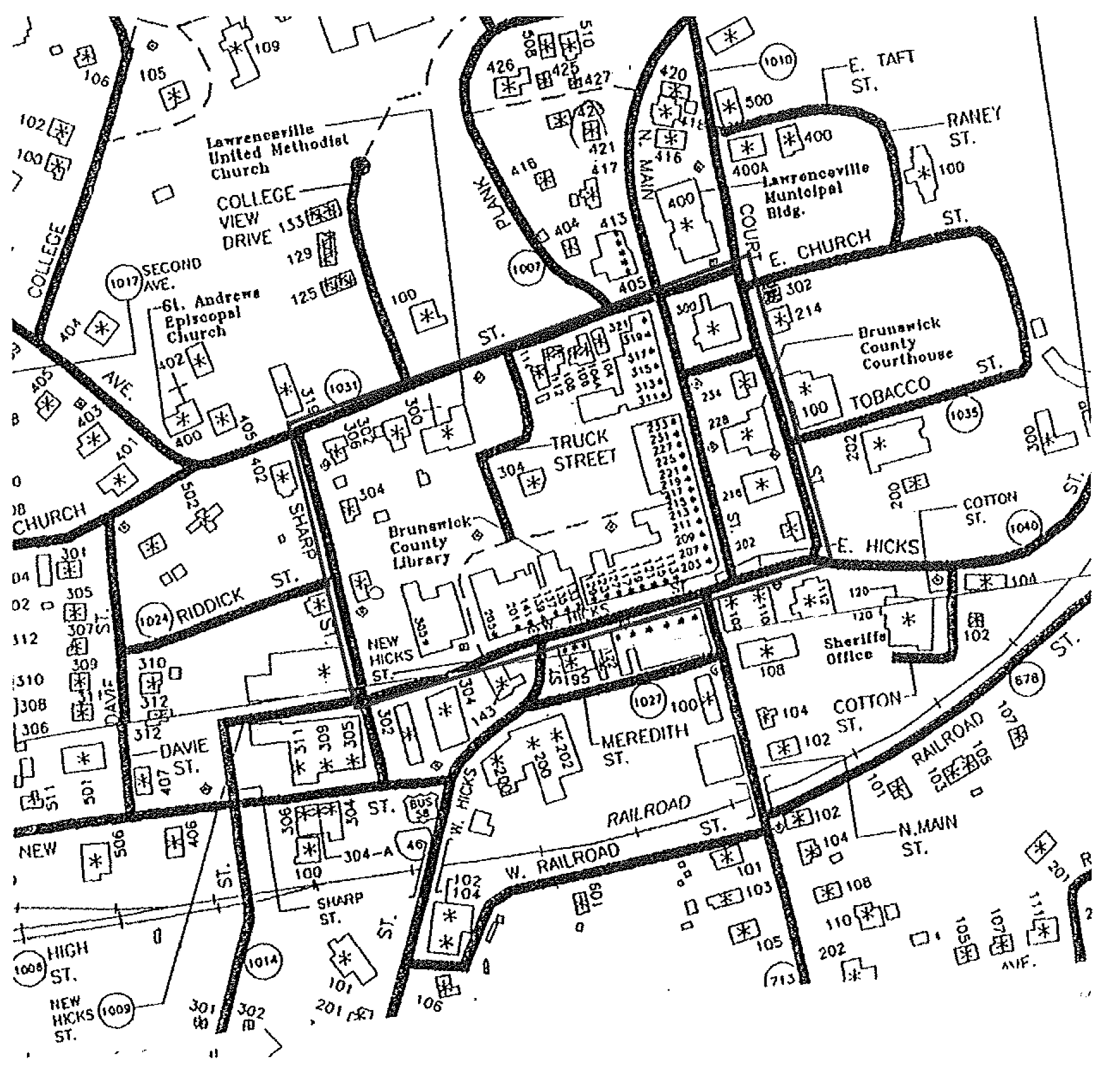
23-4. - Historic district boundaries.
Historic overlay district. The district shall be bounded as follows: The district shall be begin at the intersection of Sharp Street and Church Street, and proceed up Church Street to the intersection of Court Street, proceed down Court Street to the intersection East Hicks Street, proceed up East Hicks Street that turns into New Hicks until the Sharp Street intersection, proceed down Sharpe Street until the intersection of Church Street. All buildings fronting this described boundary line would be in the historic overlay district. The historic overlay district is the same as the residential inspection district, but will apply to all buildings within the district, not only the ones with residential units.
(Ord. of 7-13-2010)
23-5. - General development standards.
23-5a. Ancillary structures: For those structures that accompany or play an accessory role toward a primary building, the following standards apply:
i.
exterior features upon the primary building that are of an original or historic character shall be retained or incorporated during new construction. This includes, but is not limited to, walls, windows, roof lines, doors, paint colors, general building materials, fencing, walkways, and landscaping.
ii.
Any ancillary structures used for residential purposes must follow existing general building codes of the town.
23-5b. Building heights: The general building height of any new construction shall not exceed four stories or 50 feet. Neighboring buildings shall maintain an equal or single story differential.
23-5c. Building exterior appearance: Building design for rehabilitation and new construction shall match that of existing buildings in the district and should strive to emulate the following design characteristics:
23-5c-i. The architectural massing of buildings should show a defined base, middle, and top segments and shall not exceed 80 feet in horizontal width on any one street facing building.
23-5c-ii. Corner buildings shall incorporate side walls as frontage, with windows and awnings so as to encourage visibility and attractive street-life. Corner buildings are encouraged to be used for alfresco dining establishments.
23-5c-iii. For all non-dining, general uses, awnings and canopies shall generally be encouraged for all buildings at the ground level and shall not extend more than 4 feet over the sidewalk and not less than 3 feet from the building. The goal is a unified appearance of entrances. Colors and materials are approved by the district commission.
23-5c-iv. Building materials: when replacing building materials within the DISTRICT consideration shall be taken to insure compatibility with existing historic materials.
23-5c-v. Lawrenceville typological details: various details that exist in Lawrenceville's historic buildings should be emulated as often as possible such as unique and historic windows, doors, signage, cornices, finials, etc. (See Diagram 2: Anatomy of historic district building façade)
23-5d Crosswalks: Where possible crosswalks shall include curb extensions to increase pedestrian safety and street attractiveness. Crosswalk width should be no less than 6 feet at both end and mid-block crossings. Crosswalks shall be constructed of a brick, stone, or masonry material and be of a compatible color.
23-5e. Residential densities: Prior to this ordinance, residential densities within Lawrenceville's historic downtown were not regulated. Any future new residential structures or development within the district shall be a minimum of 30 units per acre for apartments and condominiums or a maximum of 30 for mixed use buildings. These densities will provide for a compatible appearance to the existing buildings on Main Street. (add images) While there may exist some instances for 15—18 units per acre townhouse densities, such as along borders and gateways, single family detached shall not be permitted within the district.
23-5f. Façade: Façades shall follow the general recommendations outlined within the current Downtown Revitalization Plan.* Generally speaking, façades should be constructed and articulated with a variety of materials to provide some visual stimulation to pedestrians, including varied colors and materials historic to Lawrenceville. Windows and balconies are encouraged to provide added street life and safety. Reflective glass and exposed cinder block is not permitted. Entryways to buildings shall be emphasized as well as first floor windows. The following architectural amenities are encouraged during the new construction of buildings within the district. Cornices, string course, window sills, outdoor patios, lintels, pilasters, porticos, and window boxes. Vacant buildings owners are encouraged to maintain the building facades and appearances in a manner that is pleasing to the general public and is approved by the Historic District Commission.
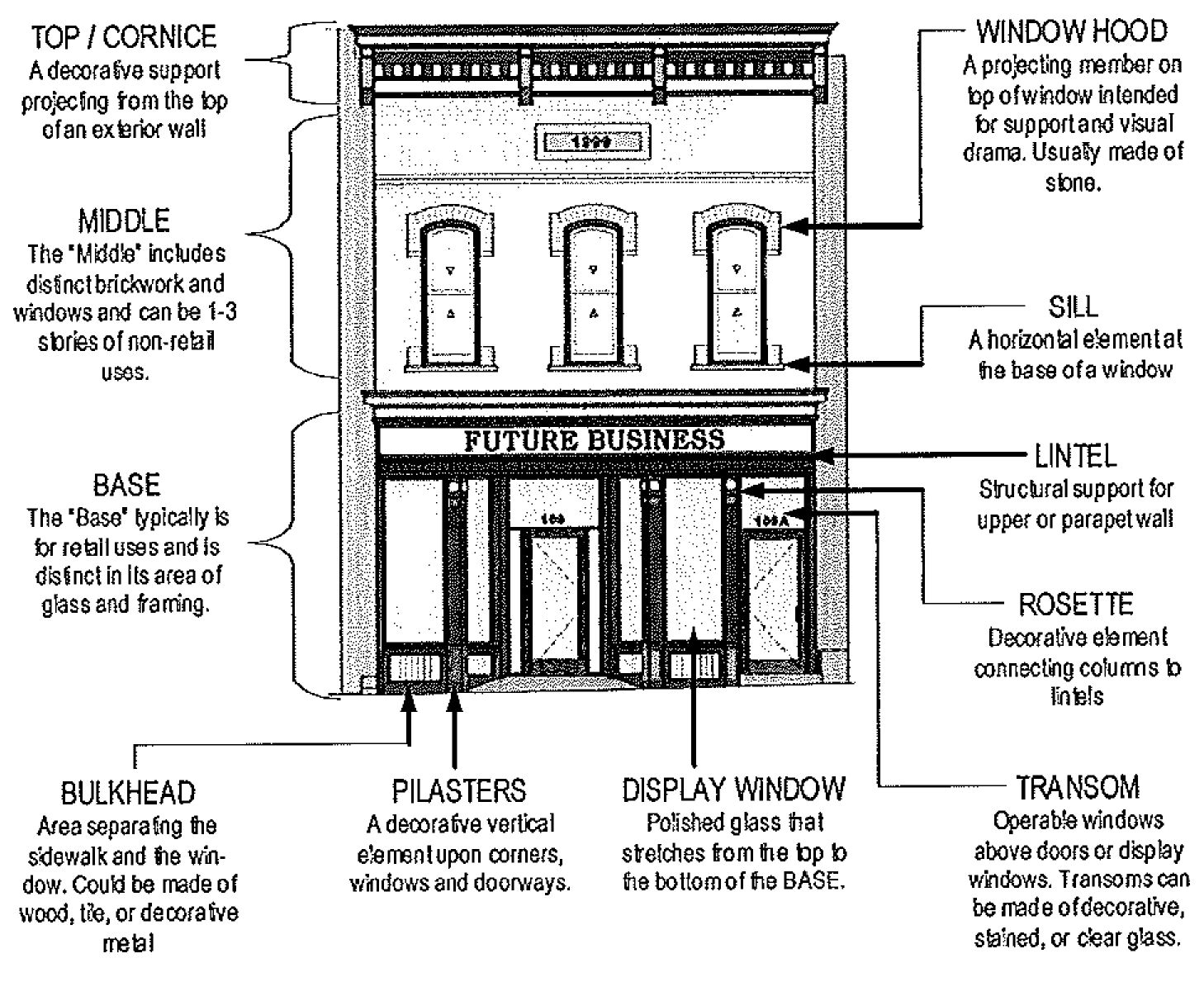
Diagram 2: Anatomy of a historic district building facade.
Shows the various details expected to include when constructing a new or rehabilitation an existing mixed-use building facade.
23-5g. Fencing: Fencing is prohibited throughout the district except for areas that may be specifically dedicated to screening. (see screening) The type of fencing acceptable includes 4 foot wood picket or iron fencing that is of a wrought, mission, or other ornamental pattern subject to the approval of the district commission.
23-5h. Lot coverage and floor area ratio (Main Street F.A.R.): Both the Lot Coverage as well as the Floor Area Ratio (FAR) shall follow the traditional pattern of existing Main Street buildings. The existing FAR is approximately 1:.5 to 1:1. Stories above 2 are acceptable within the district when this set-backs are followed, however, single storied buildings are not permitted. (see Diagram 1 for lot coverage for building footprints) Careful attention toward building frontage shall ensure a continuous street wall with building orientations that are parallel and address the street, avoiding gaps between facades. Setbacks within the district shall be 0 with Side-Yards generally 0 unless otherwise permitted by commission.
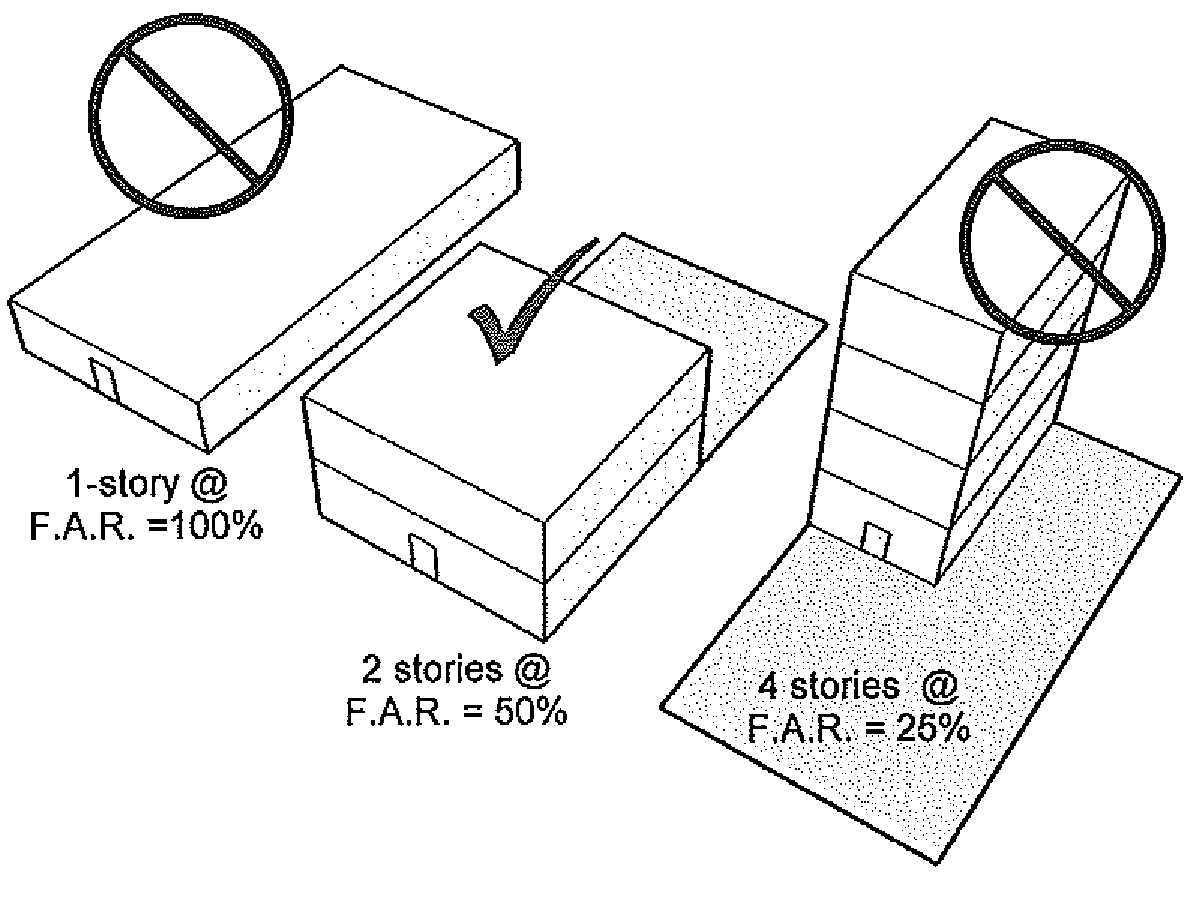
Diagram 1: Distinguishing Floor Area Ratio (F.A.R.)
Shows three separate ways to achieve F.A.R. of 1:1. The Lot Coverage can be seen in 100, 50, and 25% examples.
The Setbacks and Side-Yards are seen as acceptable when at zero (0).
Stories greater than 2 are acceptable when setbacks and Side-Yard setback requirements are followed.
23-5i. Landscaping: permitted landscaping within the district shall consist of street trees, hanging baskets, planter boxes, and roof-top gardens or xeriscaping. Within those areas where land uses are primarily residential, any major landscaping alterations shall be submitted to the district commission for approval in the form of a landscape plan that includes the species of plants and their position on the property. The intent of the ordinance is to preserve the historic character and uniform look of the district. For a list of acceptable street trees, refer to the Lawrenceville 2008 Revitalization Plan, Appendix E "Shade Trees".
23-5j. Land uses: The use of land within the district shall follow a pattern of mixed uses for lots and buildings. Generally speaking, commercial, institutional, civic, office, and residential shall be incorporated into the District. Commercial examples may include yet are not limited to: restaurants, cafés, bakeries, florists, dry cleaners, banks, pharmacies, antique shops, arts and crafts supplies, book stores, general retail stores, apparel, pet shops, tobacco shops, hardware, general office supplies, telecommunications retailers, hotels, hostels, and any other commercial businesses suitable for the scale and themes for downtown.
Institutional or civic uses suitable yet not limited to: government offices, libraries, local health and human services buildings, college offices, classrooms, and bookstores, etc.
23-5k. Lighting: Public lighting styles for the district shall be contiguous throughout streets and public spaces, unless otherwise needed for special circumstances.
23-5l. Parking: all residential parking shall be located behind buildings with entrances from the side or rear. Parking decks are permitted behind buildings only.
23-5m. Screening: Proper screening shall be employed to trash collection areas, loading areas, transformers, and HVAC systems. Screening shall be constructed with the intent of matching the materials and characteristics of the adjacent buildings. Where public utilities are concerned the Town shall maintain a uniform design and type for all screening.
23-5n. Public signage: A standardized sign type and material shall remain contiguous for all public signs, including those for traffic, information, and direction. Informational signs shall follow the recommendations of the Downtown Revitalization Plan. The color for all municipal signs within the district shall be dark brown with white, Times New Roman, or similar font. (see Part O-ix "color scheme") Private signage shall attempt to conform to the following basic principles for size and design:
23-5o. Private signage: All new and improved signage shall be submitted to the district commission for approval prior to construction.
23-5p. Streetscape amenities:
23-5p-i. Bollards: Bollards shall be used as either permanent or temporary (removable) barriers to vehicular traffic in key locations within the district. They shall be made of a style complimentary to rest of village amenities and be between 30" and 40" high and between 30" and 60" apart. Bollards shall be made to hold connecting chains where necessary.
23-5p-ii. Benches and movable chairs: Benches shall reflect the historic nature of the Town and be made of durable material, preferably cast iron. Benches shall be constructed with center arm rests to avoid sleeping.
23-5p-iii. Newspaper stands and kiosks: Newspaper and free periodical or informational stands shall be singular units that house 4—6 periodicals, painted dark brown or black. Stands shall be conveniently located at strategic locations within the district adjacent and parallel to curb. Informational Kiosks shall be made to reflect the historic scheme of the district, allow areas for public information, and town and county message boards.
23-5p-iv. Public art: Public art that is approved by the Historic Overlay District Commission is encouraged.
(Ord. of 7-13-2010)
*Note—(See Part VI, Architectural Guidelines)
23-6. - Permitting and approval process.
23-6a. Thirtieth. To pass and enforce all bylaws, rules, regulations and ordinances which it may deem necessary for the good order and government of the town, the management of its property, the conduct of its affairs, the peace, comfort, convenience, order, morals, health and protection of its citizens or their property, and to do such other things and pass such other laws as may be necessary or proper to carry into full effect, all power, authority, capacity, or jurisdiction, which is or shall be granted to or vested in said town, or in the council or officers thereof, or which may be necessarily incident to a municipal corporation.
23-6b. Incentives: Approvals for conforming uses within the District will be given special priority over non-conforming and other town applications for building, rehab, and zoning. (tap fee waiver, other) The intent is to create an attractive development environment for investors.
23-6c. Existing regulations: For all other permitting regulations refer to The Code of Lawrenceville, Virginia, Part II Code of ordinances, Appendix A: Zoning; Article 12 "Site Plan Review Requirements", Article 13 "General Provisions", Article 14 "Provisions for Appeal", and Article 15 "Violation and Penalty".
(Ord. of 7-13-2010)
State Law reference— Counties, cities and towns, Code of Virginia, title 15.2; powers of cities and towns, Code of Virginia, § 15.2-1100 et seq.; Penalties for violation of ordinances, Code of Virginia, § 15.2-1429.
23-7. - Inventory of historic structures.
"The Lawrenceville Historic District includes a large part of the incorporated area of the county seat of Brunswick County. The district includes the historic core, the courthouse square, several commercial blocks of the late 19th and early 20th centuries lining Main and Hicks streets and residential areas with dwellings primarily from the last quarter of the 19th century through 1940. The largest concentration of domestic architecture is from the period 1890 to 1920, built principally for the labor force of the Atlantic and Danville Railroad. Among the styles of architecture represented are Federal, Greek Revival, Queen Anne, Bungalow, Craftsman, American Four-Square and Colonial Revival. Public resources include a 1906 elementary school, a baseball diamond complex built by the CWA and WPA in 1934 and 1935. Saint Paul's College, founded in 1888, occupies a large site in the northern part of the historic district.*
*Note—U.S. Department of the Interior., National Park Service., Lawrenceville Historic District., Lawrenceville, Virginia National Register of Historic Places Continuation Sheet Section 7 Page 1.
CHURCH STREET
104 Church Street, 1940, 1 story, masonry, store, Commercial Style.
104-A Church Street, 1956, 2 story, masonry, store, Commercial Style, NOT CONTRIBUTING.
106 Church Street, 1890, 2 story, frame, apartment, Late 19th-Early 20th Century Movement.
108 Church Street, 1924, 2 story, masonry, apartment, Commercial Style.
112 Church Street, 1948, 2 story, masonry, store, Commercial Style.
114 Church Street, 1895, 2 story, masonry, triplex, Colonial Revival.
300 Church Street, 1906, 2 story, masonry, church, Gothic Revival.
302 Church Street, 1900, 1 story, frame, single family, Late 19th- Early 20th Century American Movement.
306 Church Street, 1890, 2 story, frame, single family, Colonial Revival.
319 Church Street, 1948, 1 story, masonry, medical office, Rectangular Plan, NOT CONTRIBUTING.
402 Church Street, 1930, 1½ story, masonry, single family, Late 19th -Early 20th Century American Movement.
405 Church Street, 1905, 2 story, frame, single family, Late 19th-Early 20th Century American Movement.
502 Church Street, 1937, 2 story, masonry, single family, Tudor Revival.
504 Church Street, 1936, 2 story, masonry, single family, Colonial Revival.
COURT STREET
216 Court Street, 1900, 2 story, masonry, office, Craftsman.
302 Court Street, 1870, 2 story, frame, duplex, mid-19th Century.
HICKS STREET
102 East Hicks Skeet, 1910, 3 story, masonry, office, Commercial Style.
110 East Hicks Street, 1915,2 story, masonry, store, Commercial Style.
300 East Hicks Street, 1935, 1 story, frame, swim pool, No Style.
300 East Hicks Street, 1935, swimming pool structure, concrete, No Style.
108 North Hicks Street, 1890, 2 story, frame, store, No Style Listed.
129 North Hicks Street, 1960, 1 story, masonry, store, Modem Movement, NOT CONTRIBUTING.
0 Hicks Street, 1956, two-lane, cast in place Steel reinforced bridge, concrete with Gothic railing & NOT CONTRIBUTING
101 South Hicks Street. 1954. 1 story. Masonry. motor garage. Commercial Style, NOT CONTRIBUTING.
102-4 South Hicks Street, 1924, 1 story. Masonry, Commercial style.
106 South Hicks Street, 1915, 2 story, masonry, office, Colonial Revival.
201 South Hicks Street, 1900, 2 story, frame, single family, Late 19th and 20th Century Revivals.
301 South Hicks Street, 1900, 1 story, frame, single family, Other.
303 South Hicks Street, 1900, 1 story, frame, single family, Late 19th-Early 20th Century American Movements.
304 South Hicks Street, 1901, sanctuary w/ 2 story classroom/office wing, masonry, church, Late Gothic Revival.
401 South Hicks Street, 1900, 2 story, frame, single family, Other.
403 South Hicks Street, 1900, 2 story, frame, single family, Other.
405 South Hicks Street, 1900, 1 story, frame, single family, Late 19th and 20th Century Revivals.
409 South Hicks Street, 1980, 1 story, masonry, Post Office, Other, NOT CONTRIBUTING.
411 South Hicks, 1942, altered 1991, 1 and 2 story, masonry, office, Other, NOT CONTRIBUTING
102 West Hicks Street, 1915, 3 story, masonry, store, Commercial Style.
106 West Hicks Street, 1928, 2 story, masonry, store, Commercial Style.
108 West Hicks Street, 1928, 1 story, masonry, store, Commercial Style.
112 West Hicks Street, 1930, 2 story, masonry, store, Modem Movement.
114-A West Hicks Street, 1924, 1 story, masonry, store, Modem Movement.
114-B West Hicks Street, 1914, 3 story, masonry, store, Commercial Style.
118 West Hicks Street, 1913, 2 story, masonry, store, Commercial Style.
126 West Hicks Street, 1986, 1 story, steel, mobile home/store, Other, NOT CONTRIBUTING.
128 West Hicks Street, 1919, 2 story, masonry, store, Commercial Style.
130 West Hicks Street, 1922, 2 story, masonry, store, Commercial Style.
132 West Hicks Street, 1922, 2 story, masonry, store, Italian Renaissance.
113 West Hicks Street, 1899, 2 story, masonry, store, Commercial Style.
115 West Hicks Street, 1900, 2 story, masonry, store, Commercial Style.
121 West Hicks Street, 1902, 1 story, masonry, store, Commercial Style.
123 West Hicks Street, 1956, 1 story, masonry, store, Commercial Style, NOT CONTRIBUTING.
127 West Hicks Street, 1925, 1 story, masonry, store, Commercial Style.
129 West Hicks Street, 1928, 1 story, masonry, store, Commercial Style.
133 West Hicks Street, 1930, 1 story, masonry, library annex, Commercial Style.
135 West Hicks Street, 1916, 3 story, masonry, library, International Style.
137 West Hicks Street, 1941, 1 story & masonry, store, Commercial style.
139 West Hicks Street, 1900. 1 story, Masonry, store, Commercial Style.
141 West Hicks Street, 1900, 1 story & masonry, store, Commercial style
NORTH MAIN STREET—EVEN SIDE
102 North Main Street, 1950, 1 and 2 stories, masonry, Lodge Hall, No Style Listed, NOT CONTRIBUTING.
104 North Main Street, 1947, 1 ID story, frame, single family, Colonial Revival. 108 North Main Street, 1924, 1 story, masonry, warehouse, Commercial Style.
202 North Main Street, 1998, 3 story, masonry, courthouse, Classical Revival, NOT CONTRIBUTING.
216 North Main Street, 1884, 2 story, masonry, office, Romanesque.
228 North Main Street, 1854, 2 story, masonry, courthouse, Greek Revival.
234 North Main Street, 1941, 1½ story, masonry, library, Colonial Revival.
234 North Main Street, 1911, Granite Confederate Monument, object, Classical Revival.
NORTH MAIN STREET—ODD SIDE
203 North Main Street 1890, 2 story, masonry, store, Art Deco.
205 North Main Street, 1912, 2 story, masonry, store, Commercial Style.
207 North Main Street, 1885, 3 story masonry, store, Late 19th and 20th Century Revivals.
209 North Main Street, 1890, 2 story, masonry, store, Commercial Style.
213 North Main Street 1890, 2 story, Masonry, store, Commercial Style.
215 North Main Street 1916, 2 story, masonry, office, Commercial style.
219 North Main Street, 1924, 2 story, masonry, office, Classical Revival.
221 North Main street 1900, 2 story, masonry, store, commercial Style.
225-27 North Main Street, 1930, 2 story, masonry, store, Commercial Style.
229-3 1 North Main Street, 1850, 2 story, masonry, store, Commercial Style.
233 North Main Street, 1880, 2 story, masonry, store, Late 19th and 20th Century Revivals.
307 North Main Street, 1885, 3 story, masonry, store, Late 19th and 20th Century Revivals.
311 North Main Street, 1895, 2 story, masonry, store, Commercial Style.
313 North Main Street, 1895, 2 story, masonry, store, Commercial Style.
317 North Main Street, 1895, 2 story, masonry, store, Commercial Style.
319 North Main Street, 1918, 2 story, masonry, store, Commercial Style.
321 North Main Street, 1930, 1 story, masonry, store, Commercial Style.
405-7 North Main Street, 1960, 1 story, masonry, store, Commercial Style, NOT CONTRIBUTING.
MEREDITH STREET
100 Meredith Street, 1924, 1 story, masonry, restaurant, Commercial Style.
200 Meredith Street, 1905, 1 story, masonry, store, Commercial Style.
NEW HICKS STREET
201 New Hicks Street, 1960, 1 story, masonry, store, Commercial Style, NOT CONTRIBUTING.
205 New Hicks Street, 1948, 2 story, masonry, store, Commercial Style.
301-5 New Hicks street, 1955, 1 story, masonry, store, Commercial Style, NOT CONTRIBUTING.
302 New Hicks Street, 1958, 1 story, masonry, store, Commercial Style, NOT CONTRIBUTING.
304 New Hicks Street, 1980, 1 story, masonry, store, Modem movement, NOT CONTRIBUTING.
SHARPE STREET
201 Sharp Street, 1950, 1 story, masonry, factory, No Style Listed, NOT CONTRIBUTING.
206 Sharp Street, 1918, 1 story, masonry, warehouse, No Style Listed.
304 Sharp Street, 1950, 1½ story, frame, single dwelling, Colonial Revival, NOT CONTRIBUTING.
TRUCK STREET
304 Truck Street, 1909, 1 story, masonry, duplex, Late 19th-Early 20th Century American Movement
(Ord. of 7-13-2010)
23-8. - Appeals.
(To be determined by district commission and Council.)
(Ord. of 7-13-2010)
23-9. - Violations and penalties.
(To be determined by district commission and Council.)
(Ord. of 7-13-2010)
23-10. - Rental inspection district codes.
[See chapter 18, article II, division 3.]
(Ord. of 7-13-2010)

