Tappahannock City Zoning Code
ARTICLE XX
HISTORIC OVERLAY ZONE
Sec. 22-230.- Purpose.
a.
Safeguard the heritage of the Town by preserving areas and structures which reflect elements of its cultural, social, economic, political, or architectural history or prehistory;
b.
Stabilize and improve property values in the area of historic district and strengthen the local economy;
c.
Foster civic beauty;
d.
Promote the use and preservation of historic districts for the education, welfare, and pleasure of the residents of the County, State of Virginia, and the United States of America;
e.
Develop an awareness among property owners of the value of preserving, protecting and restoring areas of historical significance;
f.
Enable the Town government to identify and officially designate structures and sites of historical and cultural importance to the Town in order to protect, preserve, and promote the continued use and enhancement of the identified structures and sites; and, in order to make such structures and sites eligible for specific benefits conferred by this and other Town ordinances and policies which may be adopted.
Sec. 22-231. - Definitions.
The following definitions shall be construed to include the future, the singular to include the plural, and the plural to include the singular.
Appurtenances and Environmental Settings. Include walkways, driveways (whether paved or not), trees, landscaping, rocks and open space located within the existing or proposed Historic Overlay Zone.
Commission. The Tappahannock Planning Commission.
Day. A business day when the Tappahannock Town government is open for business.
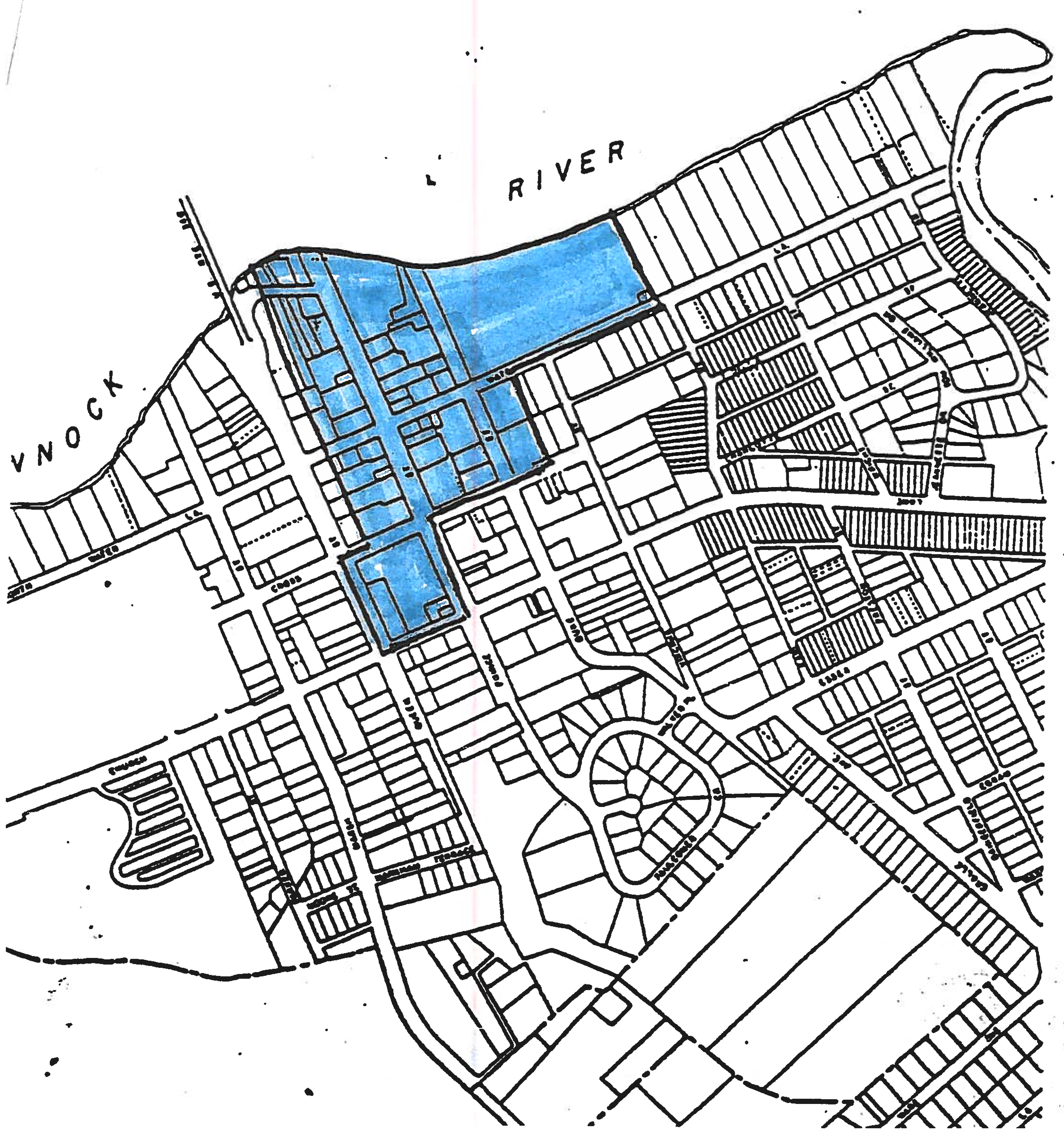
Historic Overlay Zone. An area, designated by the Tappahannock Mayor and Council as provided herein, containing significant features, woodlands, vegetation, structures, sites, monuments, landmarks, farmland, and/or archaeological sites. The area shall be accurately described by a metes and bounds description or a boundary survey and posted on the Town Zoning Map.
The area shall include such property as is essential for historical or environmental protection. Additional area may be included or added if determined by the Commission to be of benefit or to enhance the Historic Overlay Zone site.
Historic Resource. A term used to identify a historic site, property, or any item interpreted as a structure, as defined in Structure.
Minimum Maintenance. A required protective maintenance of historic overlay zoned structures and sites. Minimum maintenance shall be interpreted to be the minimum building codes currently enforced by the Town of Tappahannock this determination shall be made by the zoning administrator and building official.
Ordinary Maintenance. That which does not alter the exterior features of a Historic Site or Historic Resource within a Historic Overly Zone. Exterior features include the architectural style, design, and general arrangement of the exterior, the color, nature, and texture of building materials; and the type and style of all windows, doors, light or Historic Resource within a Historic Overlay Zone. Basically, ordinary maintenance is that which will have no material effect on the historical, architectural, cultural, or archaeological value of the Historic Site or Historic Resource within a Historic Overlay Zone. This definition or ordinary maintenance applies, whenever appropriate, to the appurtenances and environmental setting of the property, as well as the building, structure or object itself.
Specific items to be considered as "ordinary maintenance" include:
1.
Repair or replacement of roofs, gutters, siding, external doors and windows, trim, lights, and other appurtenant fixtures with like materials of like designs.
2.
Landscaping, except the removal of significant healthy trees.
3.
Paving repair using like materials of like design.
4.
Repainting of surfaces using the same or substantially the same color.
Structure. A combination of material to form a construction that is stable; including, but not limited to, buildings, stadiums, reviewing stands, platforms, staging, observation towers, trestles, bulkheads, piers, wharves, sheds, coal bins, shelter, fences and display signs.
The term "structure" shall include natural and manmade land formations and appurtenances and environmental settings.
The term "structure" shall be interpreted as if followed by the words, or part thereof.
Sec. 22-232. - Power to Establish.
Code of Virginia, § 15.2-2306, as amended, gives the Town of Tappahannock the power to designate historic landmarks, and to establish, change, lay out, and define zones which are deemed to be of historic or architectural value, following the procedures as per this section of the zoning ordinance.
Sec. 22-233. - Structural and Site Standards Specifications.
The Historic Overlay Zone is a special district to be superimposed on other districts contained in these regulations and is to be so designated by a special symbol for its boundaries on the Zoning Map. The uses, housing types, minimum lot requirements, minimum yard requirements, maximum height, and accessory uses and accessory signs shall be determined by the regulations applicable to the other zone over which the Historic Overlay Zone is superimposed except as the other zone regulations may be modified by application of the regulations in the Historic Overlay Zone.
Sec. 22-234. - Permitted Uses.
A building or land shall be used only for the following purposes, and except as provided herein, in each case subject to approval by the Zoning Administrator and in accordance with the standards set forth in this Article and the standards and procedures set forth in this Article.
a.
Any use, accessory use, or sign permitted in the zoning district in which the premises are situated and upon which the Historic Overlay Zone is superimposed. The normal maintenance of an historic area or building or the charging of admission fees for visitors, or the conduct of visitors tours, or centers or services within the Historic Overlay Zone shall not be considered as commercial uses.
b.
Any conditional use or special exception permitted in the zoning district in which the premises are located subject to the procedures and standards of this Ordinance for approval of special exception uses.
c.
Any special exception or variance permitted in the zoning district in which the premises are located, subject to the procedures and standards of this Ordinance for approval of special exceptions and variances and subject to specific findings of the Board of Zoning Appeals regarding the purposes and standards of the Historic Overlay Zone; provided, however, that if said special exception or variance is of such a minor nature as to be exempted from review by the Board of Zoning Appeals by the terms of the regulation in the Historic Overlay Zone, then no such review or report shall be required.
Sec. 22-235. - Designation of Historic Overlay Zones.
a.
Designating Body. Historic Overlay Zones shall be designated by the Town Council in accordance with the procedures established by this ordinance.
b.
Petition for Designation or Removal of Designation. Petition for designation of a Historic Overlay Zone or removal of said designation may be initiated by the owner of the site or by the owner's agent, by the Planning Commission, or by any interested person, group, or organization.
c.
Criteria for Designation. The following criteria are to be considered when making the determination to designate a resource eligible for classification as a Historic Overlay Zone.
1.
Historic and Cultural Significance. The historic property (i.e. property, site or structure):
(a)
Has significant character, interest or value as part of the development, heritage, or cultural characteristics of the Town, County, State, or Nation;
(b)
Is the site of a historic event;
(c)
Is a site that has yielded, or may be likely to yield, information important in prehistory or history;
(d)
Is identified with a person or a group of persons who influenced society; or,
(e)
Exemplifies the cultural, economic, social, political, or historic heritage of the town.
2.
Architectural and Design Significance. The historic resource:
(a)
Embodies the distinctive characteristics of a type, period, style, or method of construction;
(b)
Represents the work of a master craftsman, architect, or builder;
(c)
Possesses high artistic values;
(d)
Represents a significant and distinguishable entity whose components may lack individual distinction; or,
(e)
Represents an established and familiar visual feature of the Town, due to its singular physical characteristics or landscape.
Should a Historic Overlay Zone no longer meet the above criteria and the specific criteria for which it was originally designated, the Historic Overlay Zone designation may be removed by legislative action of the Town Council after receipt of a recommendation from the Planning Commission.
Should a Historic Overlay Zone have received Town authorized or administered preservation grants, loans, or special property tax incentives, the Town Council may require that those funds received thorough grants, loans or tax incentives be reimbursed in full to the Town prior to the site being removed from the Historic Overlay Zone designation.
Sec. 22-236. - Procedures for Petition for Designation or Removal.
a.
Planning Commission Recommendation.
1.
Petitions for Historic Overlay Zone designation or removal of a Historic Overlay Zone designation shall be filed with the Zoning Administrator. The petitions concerning Historic Overlay Zone designation shall include a completed Historic Overlay Zone Application form and additional information as required by the Administrator to make a well informed decision. The application and all attachments shall be forwarded to the Planning Commission.
2.
Within 45 days of receiving an application for designation or removal of a Historic Overlay Zone and the Planning Commission shall hold a public hearing in accordance with the procedure set forth in Sections 22-254 and 22-255.
3.
Following the public hearing the Planning Commission shall have 60 days to review the application before forwarding the Historic Overlay Zone Application and its recommendations to the Town.
b.
Planning Commission Review Requirements. For petitions initiated by other than the owner, the applicant must abide by the following criteria:
1.
Notify the owner of the property at least 30 days prior to the Planning Commission's scheduled meeting to discuss the application:
2.
Clearly identify the significance of the site with regard to the Town;
3.
State the need for the site to be designated a Historic Overlay Zone;
4.
Demonstrate how the public interest will be served by having the site designated a Historic Overlay Zone;
5.
Demonstrate that the designation will not create an undue burden or hardship for the property owner;
6.
Consider the property owner's comments and desires; and
c.
Town-Related Duties. The Town Council, upon receipt of recommendations regarding a Historic Zone Overlay Application from the Planning Commission, shall:
1.
Schedule a public hearing with relation to the case by publishing a notice of the time and place of such hearing in a newspaper of general circulation in the Town at least 15 days in advance of said hearing.
2.
Inform the affected property owner(s) via written notice to be postmarked at least 15 days in advance of the scheduled public hearing of the date, time, and place of said hearing.
3.
Hold a public hearing at which parties in interest and citizens shall have an opportunity to be heard.
4.
Prepare a finding of facts based upon the criteria for designation listed in this section of the Ordinance and upon the comments of owners of property within the proposed overlay district.
It shall be the policy of the Town government to carefully consider the impact of any proposed zoning, special exception use, permitted uses (such as, but not limited to, public utility buildings and structures including radio and television broadcasting stations), utility distribution lines, public buildings and structures, public (State, County, or Town) roads and rights-of-way, or development upon officially designated Historic Overlay Zones and, to the greatest degree practical, avoid or minimize any adverse effects.
5.
Upon finding that a proposed site meets the criteria of this Ordinance, and that such designation is in the general interest of the citizens of Tappahannock, the Town Council may designate or remove the site as a Town Historic Overlay Zone and cause the site to be posted on or removed from the official Town Zoning Map.
6.
In the event of a denial of an application, the applicant shall receive a written notification of the reasons for such denial to be postmarked within five days of the Mayor and Council decision.
7.
A majority vote of the Town Council will be required to designate the site as a Town Historic Overlay Zone.
Sec. 22-237. - Outside Consultation Permitted.
The Planning Commission may obtain comments from appropriate County, State and Federal agencies; and from appropriate private organizations including, but not limited to, educational institutions and local historical societies.
Sec. 22-238. - Powers and Duties of the Commission.
The Commission shall have the following powers and duties:
a.
To review applications for designation of or removal of Historic Overlay Zones, and to forward recommendations to the Town Council who will approve or disapprove the designation of or removal of a Historic Overlay Zone.
b.
To review and decide on applications for Historic Overlay Zone Permits.
c.
To employ consultants or other temporary personnel, consistent with Town contract provisions, as deemed necessary to assist the Planning Commission in the accomplishment of its functions. Said consultants or other personnel shall be compensated as may be provided for in the Town budget.
d.
Gifts. The Planning Commission shall have the right to recommend to Town Council the acceptance of gifts for the exercise of the Planning Commission's functions under this Article.
e.
Purchase of Historical Easements. The Planning Commission shall recommend to Town Council the purchase of architectural easements in connection with structures located in or adjacent to the Historic Overlay Zone. Such easement shall grant to the Planning Commission, residents of the Historic Overlay Zones, and the general public the perpetual right to have the exterior appearance of any structure upon which it is applied retained in substantially the same character as when the easement took effect.
f.
To maintain and update an inventory of historic resources within the Town.
g.
To make recommendations to the Zoning Administrator on courses of action in the event of subdivision of land within a Historic Overlay Zone as it relates to the preservation of the historic resources, of the architectural setting, and of the environmental setting in which the resource is located.
h.
To recommend courses of action to the Zoning Administrator in the event of subdivision of land containing an identified Historic Resource as it relates to the preservation of the historic resources, of the architectural setting, and of the environmental setting in which the resource is located.
i.
To review any legislation and proposal affecting historic preservation, including preparation of master plans, and to make recommendation on said legislation and proposal to appropriate authorities.
j.
Reserved.
k.
To research Town historic resources and recommend applicable sites and structures to the Town Council for designation as Historic Overlay Zone(s).
l.
To serve as a clearinghouse for information on historic preservation for Town government, individuals, citizens' associations, historical societies, and local advisory committees; to provide information and educational materials for the public; and, to undertake activities to advance the goals of historic preservation in the Town of Tappahannock.
m.
To regularly inform the State Historical Preservation Office of addition or removal of Town Historic Overlay Zones and of new information or data found or researched regarding historic sites or structures in the Town.
(Town Council Amended on 10-9-2007)
Editor's note— Subsection j was omitted from Historic Zone Overlay adoption language on 10-9-2007, therefore, at the direction of the town and at the editor's discretion, it has been reserved.
Sec. 22-239. - Historic Overlay Zoning Permits.
a.
Before the construction, alteration, reconstruction, repair, moving or demolition of any structure is made within a designated Historic Overlay Zone, any proposed changes that would affect the exterior appearance of a structure, the individual(s), firm or corporation proposing to make the construction or change shall file with the Zoning Administrator a Historic Overlay Zoning Permits for permission to build, alter, repair, reconstruct, move, demolish, or make an addition. If the proposed changes require a Town zoning permit as determined by this Zoning Ordinance, a completed zoning permit shall accompany the Historic Overlay Zoning Permits application to be filed with the Commission.
b.
Every such application shall be accepted or rejected by the Zoning Administrator after receiving the decision of the Planning Commission.
c.
Application to the Planning Commission is not required for ordinary maintenance as defined in Definitions.
d.
Specific Items Requiring Historic Overlay Zoning Permit. A Historic Overlay Zoning Permit must be filed for the following specific items whether or not a Tappahannock Building Permit is required.
1.
Repair or replacement of roofs, gutters, siding, external doors and windows, external trim, external lights, and other external appurtenant fixtures, with different materials of different design.
2.
Removal of a building, structure, or object, or a visible portion thereof, including out-buildings.
3.
New construction or any enlargement, modification, or alteration of the exterior of an existing building, structure or object which require a building permit.
4.
Removal, replacement, or enclosure of porches.
5.
Basic alteration of materials, including installation of siding, shingles, or masonry facing.
6.
Removal of significant healthy trees.
7.
Installation or removal of fencing or fence-walls.
8.
Permanent installation or removal of shutters.
9.
New paving or modification of paving materials in front of building line.
10.
Removal, modification, or alteration of exterior architectural features.
11.
First time painting, removal of paint or substantially changing the color of paint.
12.
Exterior sandblasting.
13.
Performing any grading, excavating, construction, or substantially modifying, changing, or altering the environmental setting.
14.
Erecting or causing to be erected any sign or advertisement (with the exception of those signs which are erected temporarily for such purposes as advertising the sale of the property site or promoting a political view point) on exterior structures or in the environmental setting.
15.
Any other act which does not constitute ordinary maintenance but which modifies, alters, or otherwise affects the exterior features of a Historic Resource within a Historic Overlay Zone.
Sec. 22-240. - Criteria for Review of Application and Permits for Alterations to Designated Historic Overlay Zones.
a.
In reviewing applications and permits filed under the provisions of Section 22-122, Historic Overlay Zoning Permit, the Commission, and the Zoning Administrator shall give consideration to:
1.
The historic or architectural value and significance of the structures and its relationship to the historic value of the surrounding area;
2.
The relationship of the exterior architectural features of the structure to the remainder of the structure and to the surrounding area;
3.
The general compatibility of exterior design, arrangement, texture and materials proposed to be used;
4.
The extent to which the building or structure would be harmonious with, or incongruous to, the environmental setting of a designated Historic Overlay Zone. It is not the intent of this Ordinance to discourage contemporary architectural expression, or to encourage the emulation of existing buildings or structures of historical architectural interest in specific detail. Harmony or incompatibility will be evaluated in terms of the appropriateness of materials, scale, size, height, and placement of new building in their relationship with existing structures; and,
5.
Any other factors including aesthetic and environmental factors which the Planning Commission deems pertinent.
b.
Limitation of Considerations. The Planning Commission normally shall consider only exterior features of a structure. The Commission shall not disapprove an application except with respect to one or more factors specified above. Furthermore, the Commission will not limit new construction, alteration or repairs to any one architectural style of a given chronological period.
c.
Strictness and Leniency in Judgment of Plans. The Commission shall be strict in its judgment of plans affecting those structures designated as having significant historic or architectural value. The Commission may be lenient in its judgment of plans of structures of little historic value or for plans involving new construction, unless such plans would seriously impair the historic or architectural value of the surrounding area.
Sec. 22-241. - Action On Applications For Historic Overlay Zoning Permits.
a.
Applications for issuance of an Historic Overlay Zoning Permit shall be filed with the Zoning Administrator. The Historic Overlay Zoning Permits, provided by the Planning Office, shall have all pertinent information completed upon submittal of the application and, if a Tappahannock Building Permit is deemed required as per this Ordinance, a completed Building Permit Application must be filed with the said Historic Overlay Zoning Permit.
b.
Upon the filing of a completed application, within 15 days the Zoning Administrator shall forward the application and all attachments to the Planning Commission which shall have 30 days to make a recommendation.
c.
The Planning Commission shall consider the application at it regularly scheduled meeting.
d.
Actions of the Commission.
1.
Within 15 days after an application is presented and reviewed at a Planning Commission meeting, the Commission shall make its decision public.
2.
The Commission shall instruct the Zoning Administrator to:
(a.)
Issue the permit; or,
(b.)
Issue the permit subject to such conditions as are necessary to ensure conformity with the provisions and purpose of this section; or
(c.)
Deny the permit.
3.
The applicant shall receive a written notification of the Commissions decision within 15 days. In the event of a denial of a permit, reasons for such denial shall be included with the written notification.
4.
If, after a public appearance, the Commission finds that denial of the permit applied for will result in the denial of reasonable use of the property, or impose undue hardship on the owner and, within a period of 90 days after the public appearance, no economically feasible plan for the preservation of the structure has been demonstrated by those seeking preservation, the Commission must then instruct the Zoning Administrator to issue a permit with, if applicable, such reasonable conditions which will further the intent and purposes of this section.
e.
Reserved.
f.
Reserved.
g.
In the event that any party is aggrieved by a decision of the Commission, then 30 days from the date on which the Commission's decision is made public, said aggrieved party may appeal to the Court of jurisdiction which will review the Commission's decision based on the record of the proceedings before the Commission.
h.
Miscellaneous provisions:
1.
The applicant for a permit shall have the responsibility of providing information sufficient to support the application and the burden of persuasion on all questions of fact which are to be determined by the Commission. Properties subject to deeds of easement held by other Historic Preservation organizations shall submit proof of approval of exterior architectural review by the organization holding the easement.
2.
Any permit issued by the Zoning Administrator may be subject to such conditions imposed by the Commission as are reasonably necessary to assure that work in accordance with the permit shall proceed and be performed in a manner not injurious to those characteristics and qualities of the historic resource which are of historical, architectural, archaeological, or cultural value.
3.
In the event that there is a conflict between the permit and the requirements of the building code, the permit would control provided that all health and safety requirements are met.
(Town Council Amended on 10-9-2007)
Editor's note— Subsections e and f were omitted from Historic Zone Overlay adoption language on 10-9-2007, therefore, at the direction of the town and at the editor's discretion, they have been reserved.