
Elk River City Zoning Code
DIVISION 7
COMMERCIAL OR BUSINESS DISTRICTS24
Cross reference— Licenses and business regulations, ch. 38.
Sec. 30-1022. - C-1 central business district.
(a)
Purpose. The C-1 central business district is appropriate for retail, service, and commercial uses to serve the shopping and service needs of the residents and surrounding community, as distinguished from highway commercial uses. The central business district is intended to encourage uses and designs that are consistent with the historic character of the central business district. Emphasis shall be placed on pedestrian access and design standards with flexibility to preserve the historic character of the central business district. Uses shall be designed to eliminate any nuisance or incompatibility with surrounding uses.
(b)
Permitted uses. Permitted uses in the C-1 district are as follows:
(1)
Bed and breakfasts establishments, non-homeowner-occupied (shall only be allowed in an existing single family residential structure).
(2)
Brewer taprooms, (producing less than 10,000 barrels of malt liquor annually).
(3)
Brewpubs.
(4)
Business offices.
(5)
Day cares.
(6)
Financial institutions.
(7)
Firearms, sale of.
(8)
Funeral homes.
(9)
Health care facilities, outpatient.
(10)
Hotels.
(11)
Personal service establishments.
(12)
Physical recreation or training.
(13)
Public parks.
(14)
Restaurants, class I.
(15)
Retail sales.
(c)
Accessory uses. Accessory uses in the C-1 district are as follows:
(1)
Parking lots.
(2)
Private recreational facilities.
(3)
Signs (as permitted in section 30-851 et seq.).
(4)
Structures, accessory.
(d)
Conditional uses. Conditional uses in the C-1 district are as follows:
(1)
Apartments (subordinate to the principal use).
(2)
Brewer taprooms, (producing less than 10,000 or more barrels of malt liquor annually).
(3)
Commercial recreational facilities.
(4)
Governmental facilities.
(5)
Health care facilities, inpatient.
(6)
Hospital.
(7)
Kennel, commercial.
(8)
Liquor establishments, on-sale.
(9)
Motor vehicle service stations.
(10)
Nonprofit clubs, lodges or halls.
(11)
Religious institutions.
(12)
Residential, multiple-family (provided that business/commercial uses occupy the ground floor below the residential use).
(13)
Restaurants, class II.
(14)
Saunas, steam baths, and heat-bathing rooms.
(e)
Architectural standards. No provision of section 30-938 except subsection 30-938(2) pertaining to building materials applies to this district.
(Code 1982, § 900.12(10); Ord. No. 02-04, § 2, 4-15-2002; Ord. No. 05-05, § 3, 3-21-2005; Ord. No. 05-08, § 1, 4-4-2005; Ord. No. 07-07, § 2, 7-16-2007; Ord. No. 09-06, § 3, 7-20-2009; Ord. No. 12-11, § 2, 7-16-2012; Ord. No. 15-03, § 3, 1-20-2015; Ord. No. 16-23, § 1, 11-7-2016; Ord. No. 18-03, § 1, 3-19-2018; Ord. No. 19-15, § 9, 8-19-2019)
State Law reference— Similar provisions, Minn. Stats. § 462.357, subd. 1.
Sec. 30-1023. - C-2 office district.
(a)
Purpose. The C-2 office district is intended to buffer residential districts from arterial streets or from commercial districts and to provide a district which is compatible with and may reasonably adjoin residential districts. The office district provides for the location and development of offices and other service and light commercial uses which are subject to more restrictive controls.
(b)
Permitted uses. Permitted uses in the C-2 district are as follows:
(1)
Bed and breakfast establishments, non-homeowner-occupied.
(2)
Business offices.
(3)
Day cares.
(4)
Financial institutions.
(5)
Funeral homes.
(6)
Health care facilities, outpatient.
(7)
Personal service establishments.
(8)
Public parks.
(c)
Accessory uses. Accessory uses in the C-2 district are as follows:
(1)
Parking lots.
(2)
Private recreational facilities.
(3)
Signs (as permitted in section 30-851 et seq.).
(4)
Structures, accessory.
(d)
Conditional uses. Conditional uses in the C-2 district are as follows:
(1)
Governmental facilities.
(2)
Health care facilities, inpatient.
(3)
Hospitals.
(4)
Religious institutions.
(5)
Saunas, steam baths, and heat-bathing rooms.
(e)
Architectural standards. No provision of section 30-938 except subsection 30-938(2) pertaining to building materials applies to this district.
(Code 1982, § 900.12(11); Ord. No. 02-04, § 2, 4-15-2002; Ord. No. 05-05, § 4, 3-21-2005; Ord. No. 05-08, § 1, 4-4-2005; Ord. No. 05-09, § 1, 4-4-2005; Ord. No. 09-06, § 3, 7-20-2009; Ord. No. 18-03, § 2, 3-19-2018; Ord. No. 19-15, § 10, 8-19-2019)
Sec. 30-1024. - C-3 highway commercial district.
(a)
Purpose. The purpose of the C-3 highway commercial district is to recognize the need for commercial establishments on or serving with immediate access to major highways. Permitted land uses should take advantage of the highway access in a manner which other business districts are not afforded. In addition to retail and commercial uses, quasi-industrial and wholesale enterprises that do not meet an industrial setting and have considerable customer contact are acceptable in the highway commercial district.
(b)
Permitted uses. Permitted uses in the C-3 district are as follows:
(1)
Brewer taprooms, (producing less than 10,000 barrels of malt liquor annually).
(2)
Brewpubs.
(3)
Business offices.
(4)
Carwash facilities.
(5)
Day cares.
(6)
Dry cleaning establishments.
(7)
Financial institutions.
(8)
Firearms, sale of.
(9)
Funeral homes.
(10)
Garden centers.
(11)
Health care facilities, outpatient.
(12)
Hotels.
(13)
Liquor establishments, on-sale.
(14)
Motels.
(15)
Motor vehicle service stations.
(16)
Motor vehicle sales (maintenance and repair prohibited).
(17)
Personal service establishments.
(18)
Physical recreation and training.
(19)
Produce markets.
(20)
Public parks.
(21)
Restaurants, class I.
(22)
Restaurants, class II.
(23)
Retail sales.
(c)
Accessory uses. Accessory uses in the C-3 district are as follows:
(1)
Cocktail rooms.
(2)
Outdoor display (not to exceed one percent of the lot area).
(3)
Parking lots.
(4)
Private recreational facilities.
(5)
Signs (as permitted in section 30-851 et seq.).
(6)
Structures, accessory.
(d)
Conditional uses. Conditional uses in the C-3 district are as follows:
(1)
Brewer taprooms, (producing 10,000 or more barrels of malt liquor annually).
(2)
Commercial recreational facilities.
(3)
Equipment rentals.
(4)
Governmental facilities.
(5)
Health care facilities, inpatient.
(6)
Hospitals.
(7)
Kennel, commercial.
(8)
Landscaping contractor yards (outside of the urban service district).
(9)
Liquor establishments, off-sale (municipally owned).
(10)
Manufacturing, light (enclosed with related retail sales).
(11)
Microdistilleries.
(12)
Ministorage (provided that the use is on unplatted land outside the urban service district).
(13)
Motor vehicle repair shops.
(14)
Motor vehicle sales.
(15)
Motor vehicle specialty service stations.
(16)
Pawnshops.
(17)
Religious institutions.
(18)
Saunas, steam baths, and heat-bathing rooms.
(19)
Shopping centers.
(20)
Veterinary clinics.
(e)
Architectural standards. No provision of section 30-938 except subsection 30-938(2) pertaining to building finish and subsection 30-938(3) pertaining to roofs applies to this district.
(Code 1982, § 900.12(12); Ord. No. 02-04, § 2, 4-15-2002; Ord. No. 05-07, § 2, 4-4-2005; Ord. No. 05-08, § 1, 4-4-2005; Ord. No. 07-07, § 3, 7-16-2007; Ord. No. 09-06, § 3, 7-20-2009; Ord. No. 09-07, §§ 1, 2, 8-17-2009; Ord. No. 12-11, § 3, 7-16-2012; Ord. No. 14-17, § 1, 11-17-2014; Ord. No. 15-03, § 4, 1-20-2015; Ord. No. 16-16, § 2, 7-18-2016; Ord. No. 17-22, § 1, 10-16-2017; Ord. No. 18-03, § 3, 3-19-2018; Ord. No. 19-05, § 1, 3-18-2019; Ord. No. 19-15, § 11, 8-19-2019; Ord. No. 21-13, § 1, 12-20-2021)
Sec. 30-1025. - Reserved.
Editor's note— Ord. No. 18-03, § 4, adopted March 19, 2018, repealed § 30-1025, which pertained to C-4 community commercial district and derived from Code 1982, § 900.12(13); Ord. No. 07-07, § 4, adopted July 16, 2007; Ord. No. 09-06, § 3, adopted July 20, 2009; Ord. No. 09-07, §§ 3, 4, adopted Aug. 17, 2009; Ord. No. 12-11, § 4, adopted July 16, 2012.
Sec. 30-1026. - DD downtown district.
(a)
Purpose. As downtown Elk River changes, future preservation as well as any new construction should reinforce the general character and quality of the existing downtown. The design of new construction should take into consideration the location of the proposed building(s) as well as incorporate traditional design elements and techniques that are currently represented in existing structures.
The intent of the downtown district is to preserve this distinctive character with the appearance that there are multiple buildings that are distinctly different from one another yet will allow a uniform mass of building with the appearance of vertical separation. These standards shall be the framework for any new development and designs shall strive for creative traditional architectural character, while clearly being an expression of the architecture of its own time.
(b)
Permitted uses. The following uses shall be permitted uses in the downtown district, subject to the design standards set forth in subsections (e) and (f) and the site plan review process set forth in subsection (g) of this section:
(1)
Brewer taprooms (producing less than 10,000 barrels of malt liquor annually).
(2)
Brewpubs.
(3)
Business offices.
(4)
Commercial recreational facilities.
(5)
Day cares.
(6)
Dry cleaning establishments.
(7)
Financial institutions.
(8)
Health care facilities, outpatient.
(9)
Hotels.
(10)
Nonprofit clubs, lodges or halls.
(11)
Personal service establishments.
(12)
Physical recreation and training.
(13)
Public parks.
(14)
Residential, multiple-family (provided that business/commercial uses at street level occupy the floor).
(15)
Residential facilities (one to six persons).
(16)
Restaurants, class I.
(17)
Retail sales.
(c)
Accessory uses. Accessory uses in the downtown district are as follows:
(1)
Firearms, sale of.
(2)
Parking lots.
(3)
Private recreational facilities.
(4)
Signs (as permitted in section 30-851 et seq.).
(d)
Conditional uses. The following uses shall be conditional uses in the downtown district, subject to the design standards set forth in subsections (e) and (f) and the procedures and standards for the approval of conditional use permits set forth in sections 30-651—30-659 of this chapter:
(1)
Brewer taprooms, (producing 10,000 or more barrels of malt liquor annually).
(2)
Funeral homes.
(3)
Governmental facilities.
(4)
Health care facilities, inpatient.
(5)
Hospitals.
(6)
Liquor establishments, on-sale.
(7)
Produce markets.
(8)
Residential facilities (seven to 16 persons).
(9)
Saunas, steam baths, and heat-bathing rooms.
(e)
Exterior building finishes. New development within the downtown district shall utilize the exterior building materials set forth in this section.
(1)
Primary facades.
a.
The following are acceptable building materials for primary facades:
1.
Modular brick—Jumbo brick shall not be allowed.
2.
Cut stone such as granite, marble and limestone.
3.
Architectural stone.
4.
Acid etched architectural precast concrete panels.
5.
Architectural metal, not to exceed 25 percent of the unit area.
b.
The following are acceptable accent materials for primary facades:
1.
EIFS, stucco and other cementitious coating.
2.
Wood (in the storefront area, bay windows, cupola's and/or corner bays only).
3.
Integrally colored split face (rock face) concrete masonry units (CMU) that have a dimensional characteristic of brick (not to exceed 16 inches in length nor four inches in height).
4.
Integrally colored burnished block.
5.
Ceramic, porcelain, hand crafted or fired tile.
6.
Treated brick (such as glazed, dyed or painted).
7.
Architectural precast concrete.
8.
Fiber cement siding/trim (in the storefront area, bay windows, cupola's and/or corner bays only).
c.
Accent material are required on both primary and secondary facades and shall comply with the following requirements:
1.
Ten to 20 percent of the total unit area (unit width x downtown building height) shall be of an material, different than that of the main body of material.
2.
Accent materials shall not be concentrated in any one location.
(2)
Secondary facades.
a.
The following are acceptable building materials for secondary facades:
1.
Brick.
2.
Stucco, EIFS and other cementitious coating.
3.
Integrally colored split face (rock face), burnished or glazed CMU (excluding plain or painted).
4.
Any material that is acceptable for primary facades.
(f)
Architectural standards and guidelines. It is the intent of the city to promote and encourage high standards of creative, traditionally based, architectural design in the downtown district. Therefore, new development within the downtown district shall comply with the following design standards and guidelines. The restoration, remodeling and/or expansion of existing buildings shall, to the maximum extent possible, bring exterior facades back to the appearance they had when they were originally constructed, or maintain a similar architectural style to the original construction, or comply to the extent possible with these design standards and guidelines.
(1)
The building.
Standards:
a.
The building shall not be setback more than six feet from a front property line. Side yards shall maintain a zero lot line setback.
b.
Unit widths directly facing Main Street and Jackson Avenue shall be between 20 and 30 feet and may be increased to 90 feet on corner units. Unit widths shall be clearly defined.
c.
Building height shall be at least two stories but not less than 24 feet and shall not exceed four stories or 45 feet. However, at least 25 percent of a development areas facade, above the third story, must be stepped back at least ten feet from the overall facade surface.
d.
A primary facade's color/shade/hue shall be different than adjacent units.
e.
A stringcourse, located at the second floor line, shall be provided to separate the lower facade and the upper facade.
f.
A stringcourse is not required for residential units that have direct access to the street (i.e. row house type unit).
g.
Heating, ventilation and air conditioning (HVAC) grilles/screens shall be painted the same color as surrounding material.
h.
Utility connections shall be screened with a material that is the same as the primary facade material.
Guidelines:
a.
The setback of buildings at the intersection of two streets will be subject to review for adequate pedestrian and vehicular visibility.
b.
All unit widths are encouraged to be proportioned to those on Main Street and Jackson.
c.
Unit widths adjacent to one another are encouraged to vary by at least 48 inches in width.
d.
Primary facade building elevations parallel to the street are favored.
(2)
Storefront.
Standards:
a.
Shall be 50 to 70 percent glazing and not extend to the unit edges.
b.
Lower facade architectural detail elements, such as pediments, shall not extend above the bottom of the stringcourse line.
c.
Medallions on a given unit shall not be the same medallions on the two adjacent units to each side.
d.
Storefront treatments shall not extend across multiple units in attempts to unify them into a single unit.
Guidelines:
a.
No more than two medallions are recommended in the lower facade.
b.
Maintain a regular pattern or rhythm with other facades along the street.
c.
Masonry columns, piers and/or pilasters are encouraged and should compliment and/or match the material used on the upper facade to help define the storefront patterns and rhythms.
(3)
Kickplates.
Standards:
a.
Shall be 18 to 24 inches in height.
b.
Excluding wood shakes, kickplates may be of an acceptable accent building material.
c.
Color shall be neutral, blend and compliment with the major building materials.
(4)
Display area.
Standards:
a.
Sills shall be directly above the top of the kickplate.
b.
Mirrored glass shall not be allowed.
c.
Wood and/or metal framing shall be finished a color to coordinate with the building's overall color scheme.
(5)
Transom area.
Standards:
a.
Shall be the same as the primary facade building material.
b.
The transom area, if it has no awnings, shall have at least 40 to 50 percent of the area devoted to a change in material pattern that is unique, but similar to adjacent units.
c.
Glass block and/or stained glass will be allowed. Mirrored glass shall not be allowed.
Guidelines:
a.
Transoms may be illuminated from the inside.
b.
Incorporation of signage into the transom area is a desirable element.
(6)
Entrances.
Guidelines:
a.
Entrance doors should have a minimum 45 percent glass, unless it is the entrance door to a residential unit at street level (i.e. a row house type unit).
b.
Framing materials should be the same as the overall storefront design.
c.
Entrance should reflect the character and scale of space it accesses.
(7)
Upper facade.
Standards:
a.
An articulated cornice at least 24 inches in height shall be required for each building unit width. Cornice detailing shall be achieved through, but not limited to, corbelling, varied ornamental moldings and reliefs.
b.
The same cornice detail shall not be the same as the two adjacent units to each side.
c.
Cornice design shall be integrated as an overall part of the design and shall be of a primary facade building material or architectural precast concrete.
d.
Medallions on a given unit shall not be the same medallions on the two adjacent units to each side.
e.
The parapet panel, if greater in height than four feet, shall have at least 35 to 40 percent of the area devoted to a change in material pattern or as a relief from the main facade.
f.
Upper facade treatments shall not extend across multiple units in attempts to unify them into a single unit.
Guidelines:
a.
The cornice projection should be proportionate to the scale of the building and to the detail of the cornice.
b.
Cornice heights are encouraged to vary in height from unit to unit by at least 24 inches.
c.
No more than four medallions are recommended in the upper facade.
(8)
Upper floor windows.
Standards:
a.
A minimum of three windows or grouping of windows per floor per unit width shall be provided in the upper facade.
b.
Only single-hung, double-hung, casement and fixed windows shall be allowed.
c.
Window widths in the upper primary facade shall not be greater than 36 inches.
d.
The grouping of windows shall not exceed nine feet in width.
e.
Windowsills are required on all widows and shall be articulated with an acceptable primary facade building material or architectural precast concrete.
f.
Mirrored glass shall not be allowed.
g.
Wood and/or metal framing shall be finished in a color to coordinate with the building's overall color scheme.
h.
Window air conditioners shall not be allowed in primary facades.
i.
Balconies on primary facades (excluding facades that face the river) shall not be deeper than 24 inches.
j.
Lintels shall be of an acceptable primary facade building material or architectural precast concrete.
k.
Design and detail of bay, bowed and/or boxed windows shall be different from unit to unit.
Guidelines:
a.
On primary upper facades, the sum of window widths per floor should equal 40 to 45 percent of the total unit width.
b.
Upper facade windows are encouraged to align directly above one another from floor to floor.
c.
All upper primary facade windowsills, on a given floor in a given unit, are preferred to be at the same height.
(9)
Awnings.
Standards:
a.
Awnings shall be of a weather treated canvas/fabric material in either a solid or vertical striped pattern.
b.
Awnings may be either fixed or operable.
c.
Awnings, if desired, shall be placed at a minimum over all storefront windows of a unit width.
d.
Awnings for upper facade windows shall be individual to each opening.
e.
With the exception of dome awnings, the end of awnings shall project out perpendicular from building.
f.
Awnings shall not extend to the unit edges.
g.
The same style and color of awning shall not extend beyond one unit width.
h.
The bottom of the fringe shall not be lower than seven feet four inches or higher than eight feet from the sidewalk.
i.
Lower facade awnings shall not extend above the bottom of the stringcourse line.
j.
No signage shall be placed on the ends of the awing.
k.
If signage is to be located on an awning field, it shall not exceed 25 percent of total field area in the lower facade and be limited to only one awning per unit.
l.
Lettering, not to exceed four inches in height, shall be allowed on the awning fringe.
Guidelines:
a.
Awnings for upper facade windows are encouraged to be the same style and color as the awnings, if present, in the lower facade.
b.
Awning colors should be muted, and should coordinate with building facade color scheme, adjoining buildings and the streetscape.
c.
Simple pitched awning profiles are preferred and box awnings (enclosed from below) are discouraged.
d.
All awnings should be designed to fit the opening that is intended to cover.
e.
Canopies are discouraged and will be subject to review for appropriate scale and proportion.
f.
Awnings should extend between a distance of three to four feet from face of building.
(10)
Lighting.
Standards:
a.
Fixtures that are not allowed in the downtown district are: visible fluorescent bulbs, colored bulbs (except for temporary seasonal decoration), internally illuminated awnings, strobe lights and flashing elements.
Guidelines:
a.
Historically accurate fixtures and appropriately scaled contemporary fixtures, such as but not limited to, gooseneck, wall mounted lantern and shielded fluorescents are preferred.
b.
Exposed or painted metal finishes are most appropriate for lighting fixtures in the downtown. Fixture color(s) should be muted, and should coordinate with facade and signage color scheme.
c.
Lighting at building facades should serve only to illuminate entries, adjacent pedestrian areas and displays, or to highlight significant architectural features.
d.
Lighting may be placed at doorways, below awnings, in display windows and as needed to illuminate signage or architectural features.
(11)
Fences and railings.
Standards:
a.
Fencing shall be metal and finished in a dark, solid color.
b.
Railings located in the lower facade shall be metal and finished in a dark, solid color.
c.
Fences used to screen parking areas shall be within a height range of four feet—zero inches and six feet—zero inches.
d.
Plain or painted concrete masonry units shall not be allowed for fences, walls or enclosures.
e.
Chain link fencing shall not be allowed.
Guidelines:
a.
Masonry walls, in conjunction with a wrought iron fence, should be installed to no more than two feet above public side walk.
b.
Balconies and/or patios should utilize decorative metal railings which coordinate with the design and color scheme of the building.
(12)
Enclosures.
Standards:
a.
Dumpsters shall be within enclosures constructed of the same material and colors as those used in the building.
b.
Enclosures must be at least six feet in height and provide full screening of equipment and dumpsters.
(13)
Parking.
Standards:
a.
Parking shall be provided underground, behind a building, within a building, or within a parking structure.
b.
Residential parking shall be at a rate of 1.25 stalls per unit.
c.
Off street parking shall be shielded from view of major streets using dense landscaping, open fencing with landscaping, and/or a masonry wall with open fencing.
(g)
Process.
(1)
Site plan review of permitted uses. Proposals for the construction of new buildings and structures, and the restoration, remodeling or expansion of existing buildings and structures, within the downtown district shall be reviewed by the director of planning, or their designee, to determine if they meet the standards set forth in subsections (e) and (f). No building permit shall be issued until this review process has been completed.
(2)
Application. Applications for site plan review within the downtown district shall be filed with the director of planning, or their designee, on a form prescribed by the city and shall be accompanied by such plans and information as may be required by the city, including building elevations which specify exterior building materials and provide sufficient design detail to evaluate compliance with subsections (e) and (f).
(3)
Review. The director of planning, or their designee, shall have 15 days from the date a completed application for site plan review is accepted by the city to determine if the proposed building materials and design meet the requirements of subsections (e) and (f), and to approve or deny site approval. If the director of planning, or their designee, denies site plan approval, the denial shall be accompanied by a written statement setting forth how the proposal does not comply with the design standards of subsections (e) and (f).
(4)
Appeal. If the director of planning, or their designee, denies site plan approval, the applicant may appeal this denial pursuant to the requirements and procedures set forth in section 30-634 of this chapter.
(Ord. No. 03-13, § 2, 8-18-2003; Ord. No. 05-07, § 3, 4-4-2005; Ord. No. 05-08, § 1, 4-4-2005; Ord. No. 09-05, § 1, 6-15-2009; Ord. No. 09-06, § 3, 7-20-2009; Ord. No. 12-11, § 5, 7-16-2012; Ord. No. 15-03, § 5, 1-20-2015; Ord. No. 18-03, § 5, 3-9-2018; Ord. No. 19-15, § 12, 8-19-2019)
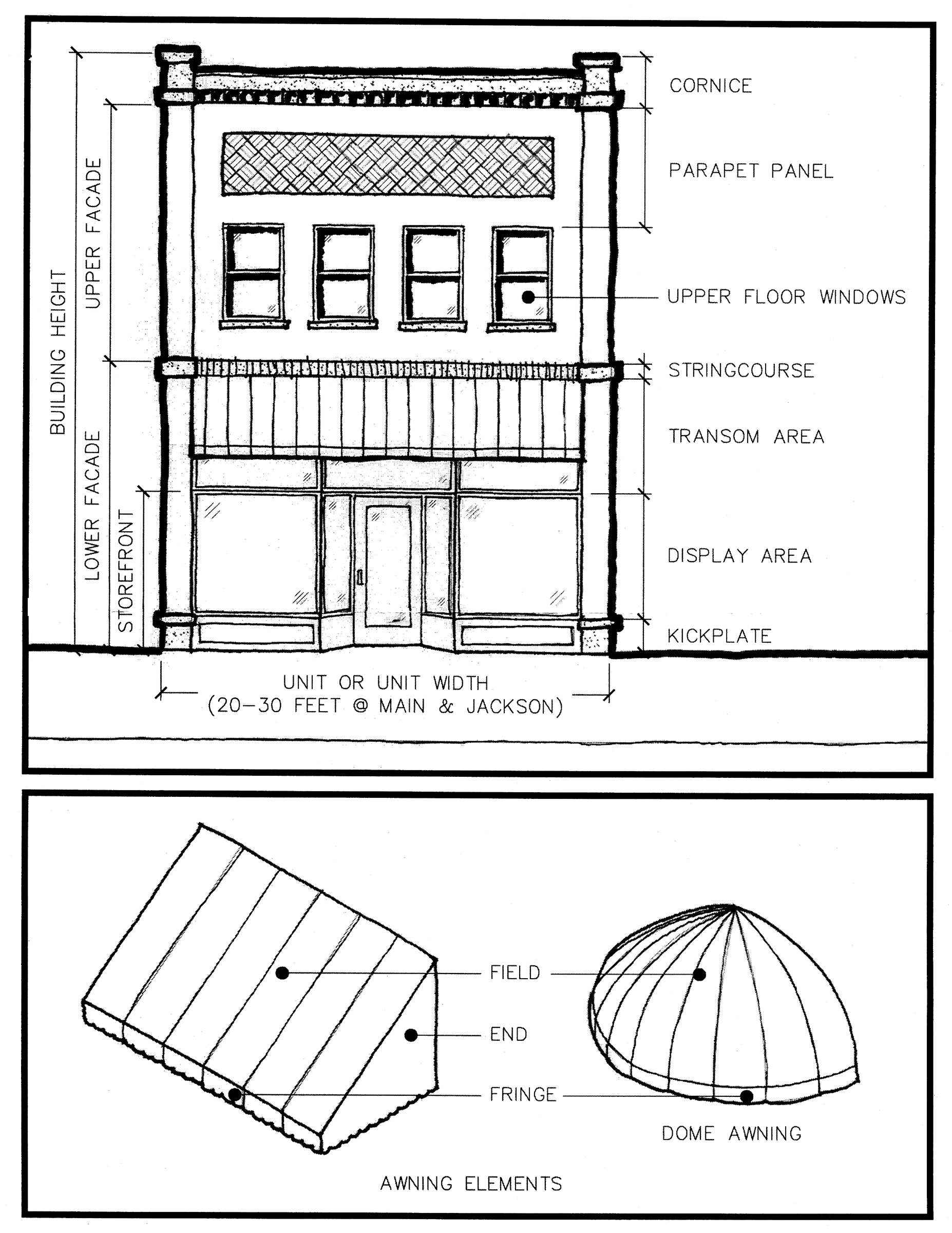
Downtown District regulations
Sec. 30-1027. - XCR extreme commercial recreation.
(a)
Purpose. The extreme commercial recreation district is intended to provide lodging, retail, and a variety of commercial recreation uses that are more intense in nature than traditional recreational uses. Some uses may include, but are not limited to, off road racing, hotels, and training facilities.
(b)
Permitted uses.
(1)
Agriculture uses.
(2)
Business offices.
(3)
Horticulture uses.
(4)
Public parks.
(5)
Restaurants, class I (requires city services).
(6)
Restaurants, class II (requires city services).
(7)
Retail sales.
(c)
Accessory uses.
(1)
Overflow event parking.
(2)
Signs (as permitted in section 30-851 et seq.).
(3)
Structures, accessory.
(d)
Conditional uses.
(1)
Active use storage.
(2)
Active recreation and physical endurance facilities.
(3)
Campground (for a period of no more than seven consecutive days)
(4)
Conference and event centers.
(5)
Festivals.
(6)
Hotels (requires city services).
(7)
Limited stay lodging.
(8)
Live entertainment establishments.
(9)
Off road racing facilities.
(10)
Outdoor storage, provided the storage area:
a.
Is accessory to a principal permitted, interim, or conditional use; and
b.
Complies with the accessory structure setback requirement applicable to the property; and
c.
Is no larger than 30 percent of the building area; and
d.
Includes screening so as to provide a visual barrier. Any such barrier shall reduce visibility in a manner that restricts vision of the object being screened, but is not required to totally block the vision of any such object.
1.
Screening shall consist of two or more of the following:
i.
A compact evergreen or deciduous hedge or evergreen, overstory and ornamental trees of sufficient width and density; or
a.
Hedge material must be at least three feet in height.
b.
Deciduous trees must be at least two inches in diameter as measured six inches above the ground.
c.
Coniferous trees must be at least six feet in height.
ii.
An earth berm of sufficient height to provide an effective screen throughout the year; or
a.
Earth berms shall not have a slope of more than three feet horizontal to one foot vertical or be located within any street right-of-way unless otherwise approved by the city engineer.
iii.
A screening fence constructed of one or more of the following materials:
a.
Factory finished metal or vinyl panels.
b.
Wood.
(11)
Swap meets.
(12)
Water sports facility.
(e)
Interim uses. Interim uses shall be permitted for no more than five years, or when the property is platted, whichever occurs first.
(1)
Concrete/asphalt products and processing.
(2)
Gravel mining.
(3)
Kennels, commercial.
(4)
Residential occupations.
(5)
Veterinary clinics.
(6)
Wind turbines.
(Ord. No. 15-21, § 1, 7-20-2015; Ord. No. 18-09, § 2, 6-18-2018; Ord. No. 23-24, § 8, 11-20-2023)
Secs. 30-1028—30-1040. - Reserved.
_____
Sec. 30-1041. - Principal structures.
Principal structures shall comply with the following dimensional regulations:
1 Must hook up to city sewer and water if within the city sewer district.
(Code 1982, § 900.18(1); Ord. No. 15-23, § 3, 7-20-2015; Ord. No. 16-15, § 1, 7-18-2016)
Sec. 30-1042. - Accessory structure setbacks.
Accessory structures shall comply with the following dimensional regulations:
1 Swimming pools shall be set back a minimum of eight feet from the side yard and rear yard lot lines and must comply with the required front yard setback as per this subdivision II. Swimming pools must comply with the fencing requirements found in section 30-796.
(Code 1982, § 900.18(2); Ord. No. 15-23, § 4, 7-20-2015; Ord. No. 15-31, § 3, 9-21-2015)

