
Escambia County Unincorporated
City Zoning Code
City Zoning Code
CHAPTER 3
ZONING REGULATIONS
Sec. 3-1.1 - Purpose of chapter.
(a)
General. This chapter establishes county zoning districts necessary to implement the distribution and extent of land uses prescribed by the future land use categories and related policies of the comprehensive plan. Regulations for each district specify the allowable uses of land and structures, the density and intensity of those uses, and other standards that define what portion of any parcel a structure or use may occupy. Special purpose overlay zoning districts further specify allowable uses and other requirements in areas of unique character or condition. Compliance with the provisions of this chapter is evaluated by the administrative authorities described in chapter 1 according to the compliance review processes prescribed in chapter 2. More specifically, this chapter is intended to:
(1)
Provide for the orderly and efficient distribution of agricultural, residential, commercial, mixed-use, industrial, recreational, conservation, and other land uses to meet the physical, social, civic, security, economic, and other needs of present and future populations.
(2)
Promote sustainable land development that minimizes sprawl, avoids the under-utilization of land capable of sustaining higher densities or intensities, and maximizes the use of public investments in facilities and services through urban infill and redevelopment.
(3)
Promote the economic stability of existing land uses that are consistent with the comprehensive plan, protecting them from intrusions by incompatible land uses and ensuring that new development is compatible in character and size.
(4)
Preserve the character and quality of residential neighborhoods.
(5)
Promote both mixed-use buildings and mixed-use neighborhoods, where residential and business uses may overlap to the enhancement and benefit of both.
(6)
Balance individual property rights with the interests of the community to create a healthy, safe and orderly living environment.
(Ord. No. 2015-12, § 1(Exh. A), 4-16-2015)
Sec. 3-1.2 - Purpose of article.
This article establishes general provisions that apply to all zoning district regulations within the chapter. The regulations applicable to specific zoning districts are prescribed in the remaining articles of this chapter.
(Ord. No. 2015-12, § 1(Exh. A), 4-16-2015)
Sec. 3-1.3 - Zoning and future land use.
(a)
Generally. Together the future land use (FLU) categories of the comprehensive plan and zoning districts of the LDC form the primary location-specific land use regulations of the county. Within each FLU, one or more zoning districts implement and further refine the distribution and extent of allowable land uses. The identification or classification of a use or activity as allowed by the applicable future land use category and zoning district does not constitute the required approval to carry out that use or activity. Consistency with FLU and zoning only indicates that, upon appropriate review and approval for compliance with the provisions of the LDC, the use or activity may be established, reestablished or expanded.
(b)
Official maps. The areas of the county subject to each future land use category established within the comprehensive plan are recorded on the official future land use map of Escambia County. Similarly, the areas of each zoning district established in this chapter are recorded on the official zoning map of Escambia County. The zoning map is adopted and incorporated here by reference and declared to be part of the LDC. The information shown on the map has the same force and effect as the text of the LDC. Both official maps are represented and maintained digitally in the county's geographic information system (GIS) and shall be accessible to the public via the county's website, www.myescambia.com.
(c)
Boundary determinations. If uncertainty exists regarding the boundary of any FLU category or zoning district, the boundary shall be determined by the planning official in consideration of the following:
(1)
Natural features. A boundary that reflects a clear intent to follow a particular natural feature such as a stream or shoreline shall be understood to follow the feature as it actually exists and move with the feature should it move as a result of natural processes.
(2)
Manmade features. A boundary shown on the official map as approximately following a right-of-way, parcel line, section line, or other readily identified manmade feature shall be understood to coincide with that feature.
(3)
Parallel or extension. A boundary shown on the official map as approximately parallel to a natural or manmade feature shall be understood as being actually parallel to that feature; or if an apparent extension of such a feature, then understood as an actual extension.
(4)
Metes and bounds. If a boundary splits an existing lot or parcel, any metes and bounds description used to establish the boundary shall be used to determine its location.
(5)
Scaling. If the specific location of a boundary cannot otherwise be determined, it shall be determined by scaling the mapped boundary's distance from other features shown on the official map.
(d)
Split parcels. The adopted zoning districts and FLU categories are parcel-based, but their boundaries are not prohibited from dividing a parcel. For parcels split by these boundaries, including overlay district boundaries, only that portion of a parcel within a district or category is subject to its requirements. Where a zoning district boundary divides a parcel that is ten acres or less in size and not part of a platted residential subdivision, the zoning district of the larger portion may be applied to the entire parcel if requested by the parcel owner, consistent with the applicable FLU category, and in compliance with the location criteria of the requested zoning. Zoning map amendment is otherwise required to apply a single district to a split-zoned parcel.
(e)
Land with no designations. No zoning is adopted for military bases, state college and university campuses, and other such lands for which the regulations of the LDC are not intended. Public rights-of-way have no designated zoning or future land use, but where officially vacated right-of-way is added to abutting parcels the future land use categories and zoning districts applicable to the abutting parcels shall apply to their additions at the time of the vacation approval, with no further action required by the county.
Land that otherwise has no adopted zoning, and is not within an area determined by the county to be excluded from zoning, shall have zoning established by zoning map amendment. If the land also has no approved future land use category, one shall be adopted according to the process prescribed for such amendments prior to, or concurrently with, board of county commissioners (BCC) approval of the zoning.
(f)
Map amendment. Changes to the boundaries of adopted FLU categories or zoning districts, whether owner initiated or county initiated, are amendments to the official county maps and are authorized only through the processes prescribed in chapter 2 for such amendments.
(g)
Future land use designations. The future land use categories established within the comprehensive plan and referenced in the LDC are designated by the following abbreviations and names:
AG Agriculture
AR Agriculture residential
RC Rural community
MU-S Mixed-use suburban
MU-U Mixed-use urban
C Commercial
I Industrial
P Public
REC Recreation
CON Conservation
MU-PK Mixed-use - Perdido Key
MU-PB Mixed-use - Pensacola Beach
(h)
Zoning district designations. The zoning districts established within this chapter are designated by the following groups, abbreviations and names:
(1)
Residential. The purposes of the following districts are primary residential:
RR Rural residential
LDR Low density residential
MDR Medium density residential
HDR High density residential
LDR-PK Low density residential - Perdido Key
MDR-PK Medium density residential - Perdido Key
HDR-PK High density residential - Perdido Key
LDR-PB Low density residential - Pensacola Beach
MDR-PB Medium density residential - Pensacola Beach
HDR-PB High density residential - Pensacola Beach
(2)
Nonresidential. The purposes of the following districts are primarily mixed-use and nonresidential:
a.
Mixed-use. The mixed-use districts are:
RMU Rural mixed-use
LDMU Low density mixed-use
HDMU High density mixed-use
MDR/C-PB Medium density residential and commercial - Pensacola Beach
HDR/C-PB High density residential and commercial - Pensacola Beach
b.
Commercial and industrial. The commercial and industrial districts are:
Com Commercial
Com-PK Commercial - Perdido Key
CC-PK Commercial core - Perdido Key
CG-PK Commercial gateway - Perdido Key
GR-PB General retail - Pensacola Beach
Rec/R-PB Recreation retail- Pensacola Beach
CH-PB Commercial hotel - Pensacola Beach
HC/LI Heavy commercial and light industrial
Ind Industrial
c.
Other. The other nonresidential districts are:
Agr Agricultural
Rec Recreation
Con conservation
Pub Public
PR-PK Planned resort - Perdido Key
Rec-PK Recreation - Perdido Key
PR-PB Preservation - Pensacola Beach
Con/Rec-PB Conservation and recreation - Pensacola Beach
G/C-PB Government and civic - Pensacola Beach
(3)
Overlay. The purposes of the following districts are to supplement requirements of the underlying zoning districts:
Barr-OL Barrancas Overlay
Brn-OL Brownsville Overlay
Eng-OL Englewood Overlay
Pfox-OL Palafox Overlay
SH-OL Scenic Highway Overlay
Warr-OL Warrington Overlay
PK-OL Perdido Key Towncenter Overlay
(4)
Outlying Landing Field 8 ("OLF-8") Master Plan Area. Zoning districts specific to the OLF-8 Master Plan Area are established separately within the OLF-8 Design Code. The OLF-8 Design Code also establishes zoning district-based development standards that replace or supplement LDC standards.
a.
OLF-8 maps. The regulating and supporting maps of the OLF-8 Master Plan Area enumerated below are hereby adopted and incorporated herein by reference. The information shown on the maps has the same force and effect as the text of the LDC. The maps are represented and maintained digitally in the county's Geographic Information System (GIS) and shall be accessible to the public via the county's website, www.myescambia.com.
1.
OLF-8 Master Plan Map dated August 27, 2021 (Exhibit "A" to Ord. No. 2021-39).
2.
OLF-8 Regulating Plan Maps dated August 26, 2021 (Exhibit "B" to Ord. No. 2021-39).
3.
OLF-8 Development Areas Map dated August 26, 2021 (Exhibit "C" to Ord. No. 2021-39).
4.
OLF-8 Thoroughfare Classification Map dated August 27, 2021 (Exhibit "D" to Ord. No. 2021-39).
5.
OLF-8 Thoroughfare Hierarchy Map dated August 26, 2021 (Exhibit "E" to Ord. No. 2021-39).
b.
OLF-8 documents. The regulating and supporting documents for the OLF-8 Master Plan Area enumerated below are hereby adopted and incorporated herein by reference. The information contained in the documents has the same force and effect as the text of the LDC. The documents shall be maintained by the planning official.
1.
OLF-8 Design Code dated September 16, 2021 (Exhibit "F" to Ord. No. 2021-39).
2.
OLF-8 Civil and Environmental Analysis dated July 1, 2021 (Exhibit "G" to Ord. No. 2021-39).
3.
OLF-8 Green Infrastructure Implementation dated July 19, 2021 (Exhibit "H" to Ord. No. 2021-39).
4.
OLF-8 Transportation Report dated May 2021 (Exhibit "I" to Ord. No. 2021-39).
(i)
Zoning implementation of FLU. The zoning districts of this chapter are established to implement the future land use categories adopted in chapter 7 of the comprehensive plan. One or more districts may implement the range of allowed uses of each FLU, but only at densities and intensities of use consistent with the established purposes and standards of the category. The Perdido Key districts (article 4) implement the MU-PK category and areas of the conservation and recreation categories applicable to Perdido Key. The Pensacola Beach districts (article 5) implement the MU-PB category and areas of the conservation and recreation categories applicable to Santa Rosa Island. The mainland districts (article 2) implement only those FLU categories prescribed within the regulations of each district. In any conflict between the existing zoning of a parcel and its applicable FLU, the provisions of the future land use prevail, subject to any confirmation of vested rights. Such conflicts may be resolved through the zoning and FLU map amendment processes prescribed in article 7 of chapter 2. However, no future rezoning to a mainland district is authorized if not prescribed by the district for the applicable FLU as summarized in the following table:
For every combination of mainland zoning district and FLU category represented by the table, "Yes" indicates a zoning district that may be established to implement the FLU. "No" indicates a zoning district that does not implement the FLU and may not be established within the FLU, primarily for the inconsistency noted.
(Ord. No. 2015-12, § 1(Exh. A), 4-16-2015; Ord. No. 2015-56, § 1, 12-10-2015; Ord. No. 2017-33, § 1, 5-25-2017; Ord. No. 2017-34, § 1, 5-25-2017; Ord. No. 2017-40, § 1, 7-6-2017; Ord. No. 2017-65, § 1, 11-30-2017; Ord. No. 2021-39, § 2, 11-4-2021; Ord. No. 2021-24, § 2, 5-20-2021)
Sec. 3-1.4 - Allowed uses.
(a)
Generally. The uses of land and structures are limited to those identified within the applicable zoning district as "permitted uses" or "conditional uses," and to their valid accessory uses, unless other uses are secured through applicable vesting, nonconformance, or temporary use provisions of the LDC. Uses not so identified or secured are prohibited, and the conducting of any prohibited use is a violation of the LDC punishable as provided by law and ordinance. The burden is on the landowner, not the county, to show that a use is allowed. Even when allowed, uses are subject to the general development standards of chapter 5 and the use and location regulations established in chapter 4.
(b)
Conditional uses. The identification of a use as conditional within a zoning district is an indication that, given certain existing or imposed conditions, the use may be appropriate for some locations in that district. The appropriateness of the use is determined through discretionary county review of an applicant's demonstration that specific conditions will assure compatibility with surrounding uses. Conditions applicable to all conditional uses are established in the conditional use process provisions of chapter 2. Additional conditions applicable to a specific use may be established by the LDC where the conditional use is established.
(c)
Accessory uses and structures. Uses and structures accessory to permitted uses and approved conditional uses are allowed as prescribed by the supplemental use regulations of chapter 4 unless otherwise prohibited by the applicable zoning district. Where more than one zoning district applies to a parcel, an accessory use or structure may not be established in one zoning district to serve a primary use in the other district if the principal use is not allowed in the district in which the accessory use is located.
(d)
Single-family dwellings and lots of record. A single-family dwelling is a vested and conforming principal use on any existing lot of record within any zoning district and future land use category, regardless of applicable density, available lot access, and lot width along any street right-of-way. A single-family dwelling may be authorized for construction on a lot of record in compliance with all remaining applicable requirements of the LDC. Additionally, where a lot of record is completely divided by and along the boundary of an existing public right-of-way, the two separate areas of the lot may each be authorized for a single-family dwelling, regardless of density, lot width, and whether the two areas are retained in common ownership.
(e)
Mix of uses. Unless clearly indicated otherwise in the LDC, the identification of multiple permitted or conditionally permitted uses within a zoning district allows any mix of those uses within an individual development, parcel, or building, regardless of any designation or other characterization of the district as mixed-use. A mix of uses generally does not modify the development standards and regulations applicable to any individual use within the mix.
(f)
Classifying uses. Classifying a particular land use is the discretionary process of determining whether the use is one already identified in the LDC as allowed by right (permitted use) or by special approval (conditional use).
(1)
Information. The planning official, or board of adjustment (BOA) on appeal, shall obtain the information necessary to accurately classify a use. At a minimum, the applicant shall describe in writing the nature of the use and the county shall utilize public records, site investigations and other reliable sources of information, including the Land-Based Classification Standards of the American Planning Association and the North American Industry Classification System (NAICS) of the U.S. Department of Commerce.
(2)
Rules for classification. Classifying a use is not specific to any individual site, project or applicant, but shall be appropriate and valid for all occasions of the use. Use classification shall be guided by chapter 1 provisions for interpreting the LDC and the following rules:
a.
If a use is defined in the LDC, that definition shall be applied to the classification.
b.
The reviewing authority shall not read an implied prohibition of a particular use into a classification.
c.
Classification is limited to giving meaning to the uses already allowed within the applicable zoning district. No policy determinations shall be made on what types of uses are appropriate within the district.
d.
When the use regulations are ambiguous, the purpose and intent of the zoning district and the nature of the uses allowed within it shall be considered.
e.
Classification is not based on the proximity of the proposed use to other uses.
f.
The use or activity determines the classification, not property ownership, persons carrying out the use or activity, or other illegitimate considerations.
g.
Generally, the function rather than the form of a structure is relevant to its classification.
(3)
Determinations. All classifications determined by the planning official shall be recorded to ensure consistency with future classifications. A use not determined to be one specifically identified in the LDC as permitted or conditionally permitted may be proposed to the planning board for consideration of subsequent zoning district use amendment.
(g)
Temporary uses and structures. Temporary uses and structures are allowed as prescribed by the supplemental use regulations of chapter 4 unless otherwise modified or prohibited by the applicable zoning district.
(h)
Outdoor storage. Outdoor storage is allowed as prescribed by the supplemental use regulations of chapter 4 unless modified or prohibited by the applicable zoning district.
(i)
Subdivision. The subdivision of land to accommodate the permitted uses or approved conditional uses of the applicable zoning district is allowed as prescribed by the standards of chapter 5 unless otherwise prohibited by the district.
(j)
Medical use of cannabis. Section 381.986, Florida Statutes (2018), as amended, and Florida Administrative Code Chapter 64-4, as amended, authorize a limited number of dispensing organizations throughout the State of Florida to cultivate, process, and dispense medical cannabis for use by qualified patients. The dispensing organizations must be approved by the Florida Department of Health and, once approved, are subject to state regulation and oversight.
(1)
Intent. The intent of this article is to establish the criteria for the location and permitting of facilities that dispense medical cannabis by state authorized dispensing organizations in accordance with Section 381.986, Florida Statutes (2018), as amended, and Florida Administrative Code Chapter 64-4, as amended.
(2)
Applicability. The provisions of this section shall be applicable in the unincorporated areas of Escambia County. This section shall only be construed to allow the dispensing of medical cannabis by a state-approved dispensing organization for medical use. The sale of cannabis or marijuana is prohibited in Escambia County except in accordance with this provision.
This provision does not exempt a person from prosecution in any criminal offense related to impairment or intoxication resulting from the use of medical cannabis or relieve a person from any requirement under law to submit to a breath, blood, urine, or other test to detect the presence of a controlled substance.
(Ord. No. 2015-12, § 1(Exh. A), 4-16-2015; Ord. No. 2015-54, § 1, 12-10-2015; Ord. No. 2017-5, § 1(Exh. A), 1-5-2017; Ord. No. 2017-27, § 1, 5-4-2017; Ord. No. 2019-2, § 1(Exh. A), 1-10-2019)
Sec. 3-1.5 - Site and building requirements.
(a)
Generally. Each zoning district establishes its own site and building requirements which define physical limits to the development of district parcels. These requirements, in combination with other district provisions, the use and location regulations of chapter 4, and the general development standards of chapter 5, define the limits for all development within the district.
(b)
Modifications. Except as may be authorized in this article for the clustering of dwelling units, modifications to the strict application of site and building requirements may only be granted according to the compliance review processes prescribed in chapter 2, and only if not excluded by other provisions of the LDC.
(c)
Street frontage. For the application of site and building requirements and other LDC provisions to any lot with no street frontage, the planning official shall determine a front lot line in consideration of lot orientation, access, and other relevant conditions. The planning official shall also determine the appropriate rear lot line for any lot with multiple street frontages.
(d)
Density. The number of dwelling or lodging units allowed within a parcel is determined by the product of the total (gross) development parcel area and the maximum density allowed by the applicable zoning district. When the calculated number of allowable units for a parcel result in a fraction greater than or equal to 0.5 units, rounding up to the next whole unit is permitted. However, in the division of an existing lot of record for two single-family lots, the product of the area and density for each proposed lot shall be at least one dwelling unit without rounding, unless the lots are created by the division of an existing public right-of-way. Regardless of the maximum density allowed, each lot of record is vested for a single-family dwelling as established in the preceding section.
(e)
Lot width and area. All new lots shall provide the minimum width and area required by the applicable zoning, except that parcels created for public utilities or preserved for recreation, conservation, or open space need only have width sufficient for access to that limited use. Any existing lot of record that contains less width or area than required by the applicable zoning district may be used for any use allowed within that district if the use complies with all other applicable regulations, including buffering and use-specific minimum lot area.
(f)
Lot coverage. The maximum amount of impervious and semi-impervious coverage allowed for any lot is established by the minimum percent pervious lot coverage required by the applicable zoning district. The amount allowed by zoning remains subject to other limitations of the LDC and any approved stormwater management plan for the lot.
(g)
Setbacks and yards. The minimum setbacks and yards for structures are those required by the applicable zoning district or as otherwise may be stipulated in SRIA lease agreements for lands on Pensacola Beach.
(1)
Multiple frontage. For corner and other lots with multiple street frontage, the front setback shall apply to the frontage of the assigned street address and the side setback shall apply to any street frontage that adjoins the addressed frontage, except where the planning official may determine these applications to be impractical for an existing individual lot.
(2)
Nonconformance. For a structure that is nonconforming with regard to any zoning required setback, a structural alteration, enlargement, or extension to it that creates no greater encroachment by distance into the substandard setback is not considered an increase in nonconformance and does not require a variance.
(3)
Accessory structures. Accessory structures shall be limited to side and rear yards and be at least five feet from any interior side or rear lot line except where specifically allowed as encroachments. Accessory dwellings shall be limited to the setbacks required for the principal dwelling.
(4)
Distance between dwellings. Where the applicable zoning district allows more than one dwelling on a single lot, the minimum horizontal distance between such dwellings shall not be less than twice the side yard distance required by the district, but shall not be required to exceed 15 feet, and the minimum distance between any structures shall not be less than the minimum required by the Florida Building Code.
(5)
Encroachments by building features. Every part of a required yard shall be open from its lowest point to the sky, unobstructed except for the ordinary projection of sills, belt courses, cornices, buttresses, awnings, eaves and similar building features. No such projection shall extend more than 24 inches into any yard, except roof overhangs, awnings, outside stairways, and balconies which may extend up to 48 inches into any yard provided the building setback is otherwise at least ten feet
(6)
Encroachment of porch or terrace. An open, unenclosed and uncovered paved terrace or a covered porch may extend into the required front yard no more than ten feet.
(h)
Structure heights. The maximum structure heights allowed by the applicable zoning district are modified by the following:
(1)
Agricultural structures. Structures such as cotton gins, granaries, silos, and windmills associated with permitted agricultural uses may exceed the district height limits if not in conflict with any applicable airport or airfield height restrictions.
(2)
Rooftop structures. The district height limits do not apply to belfries, chimneys, church spires, cooling towers, elevator bulkheads, flag poles, television reception antennae, roof-mounted tanks, mechanical equipment rooms, or similar rooftop structures that comply with all of the following conditions:
a.
They do not separately or in combination with other rooftop structures exceed ten percent of the horizontal roof area.
b.
They do not exceed applicable airport or airfield height restrictions.
c.
They do not exceed otherwise applicable height limitations by more than 15 feet or ten percent of actual building height, whichever is greater.
(Ord. No. 2015-12, § 1(Exh. A), 4-16-2015; Ord. No. 2017-27, § 1, 5-4-2017; Ord. No. 2017-62, § 1, 11-2-2017; Ord. No. 2018-27, § 1, 7-5-2018; Ord. No. 2019-18, § 2, 4-4-2019)
Sec. 3-1.6 - Compatibility.
(a)
Generally. Zoning districts provide the primary means to establish and maintain the necessary balance between the needs and interests of different land uses, allowing neighboring uses to coexist successfully in a stable fashion over time, protecting the investments in each. Although zoning separates generally incompatible development, inclusion as a permitted use within a district does not alone ensure compatibility with other district uses.
(b)
Location criteria. Location criteria are established within some zoning districts to promote compatibility among uses, especially new nonresidential uses in relation to existing residential uses. Most criteria are designed to create smooth transitions of use intensity from large-scale concentrations of general commercial uses near major street intersections to small-scale dispersed neighborhood commercial uses in proximity to residential areas. Such transitions prevent the adverse impacts of continuous strip commercial development along major streets and avoid negative or blighting influences of some commercial uses on adjacent residential neighborhoods.
(1)
Intersection distance. Any distance from a street intersection that is required by location criteria shall be measured along the street right-of-way that forms the frontage of the subject parcel to the nearest point of intersection with the other street right-of-way. A proposed use or rezoning of a parcel will be considered in compliance with the required distance where at least 75 percent of the parcel frontage is within the required distance.
(2)
Local streets as collectors. For the purposes of location criteria only, and on a case-by-case basis, a local street not classified by the Florida Department of Transportation as a collector street may be designated by the county engineer as a collector if all of the following conditions exist for the applicable street segment:
a.
Twenty-two-foot width of pavement (two lanes) or more.
b.
Posted speed limit of 35 mph or more.
c.
Signalized intersection on the segment or at its termini.
d.
Connection to a collector or arterial street.
e.
Average annual daily traffic at least 1,500 vehicles.
(c)
Other measures. In addition to the location criteria of the zoning districts, landscaping, buffering, and screening may be required to protect lower intensity uses from more intensive uses, such as residential from commercial or commercial from industrial. Buffers may also be required to protect natural resources from intrusive activities and negative impacts of development such as trespass, pets, vehicles, noise, lights, and stormwater.
(Ord. No. 2015-12, § 1(Exh. A), 4-16-2015)
Sec. 3-1.7 - Clustering dwelling units.
(a)
Purpose. Where the presence of wetlands, floodways, and other protected resources reduces the developable area of a parcel and thereby physically constrains the number of dwelling units practical to develop within the parcel, site and building requirements of the applicable zoning district may be modified as prescribed in this section. The modifications are approved through the applicable site plan or subdivision review process and are intended to provide modest relief for the clustering of dwelling units outside of protected resources. Modifications are not intended to compensate for all parcel development limitations from on-site resources, nor do they guarantee the same residential density that may be developable within a parcel of equivalent area having no protected resources.
(b)
Eligible areas. The provisions of this section apply to all areas of the county except Perdido Key and Pensacola Beach, the Airfield Influence Planning Districts (AIPDs) as defined in article 4 of chapter 4, and any other areas that may be specifically excluded by the LDC. Additionally, the adopted provisions of the Escambia County Mid-West Optional Sector Plan prevail for any development subject to that plan.
(c)
Eligible development. The provisions of this section apply to any dwelling units, attached or detached, within any proposed predominantly residential development allowed by the applicable zoning and on contiguous lands under unified control as these terms are defined in chapter 6.
(d)
Eligible resources. The provisions of this section apply to those resources identified by the county as protected and imposing sufficient constraints within proposed development to support dwelling unit clustering. For these purposes, sufficient development constraints are presumed to exist when the total area of those resources comprise no less than 15 percent of the gross development parcel area and one or more eligible resources comprises a contiguous area of no less than ten percent of the parcel area. The following resources are eligible under the preservation conditions noted:
(1)
Wetlands and habitat. For wetlands or the habitat of threatened or endangered species, as defined for the natural resources regulations in chapter 4, 100 percent of the resource area shall remain undisturbed and preserved as prescribed in the environmental provisions of the DSM. However, a portion of the resource area may be used for necessary access to developable non-resource area, provided no less than 90 percent of the resource area is undisturbed and preserved. Additionally, the platting of lots must be entirely outside of the wetlands and habitat, including any required buffers.
(2)
Floodways. For a floodway, as defined for the floodplain management regulations in chapter 4, the platting of lots and all other development must be entirely outside of the floodway.
(3)
Prime farmland. For prime farmland, as defined in chapter 6, the platting of lots and all other development must be entirely outside of the prime farmland. Additionally, any subdivision shall designate the resource area on the plat for agricultural or undeveloped open space use.
(4)
Historical resources. For historical or archeological resources, as defined for those resource regulations in chapter 4, the platting of lots and all other development must be entirely outside of the resource areas. Additionally, the sites and artifacts of the resources shall be protected by the dedication of a perpetual conservation easement for their preservation, or by the donation of land to a public agency approved by the county for the preservation of resources with known historical or archaeological value.
(e)
Eligible modifications. The provisions of this section apply to modifications of specific site and building requirements of the applicable zoning district. They do not modify any mitigation requirements for impacts to protected resources. The maximum number of dwelling units available within a development remains the product of the gross development parcel area and the maximum density of the district, but the following requirements may be modified within the stated limits:
(1)
Lot width. Except within the LDR zoning district, the minimum lot width may be reduced by up to ten percent, but to no less than 20 feet for cul-de-sac lots and 40 feet for all other lots.
(2)
Front and rear setbacks. The minimum front structure setback may be reduced to 20 feet and the minimum rear setback may be reduced to 15 feet.
(3)
Side setbacks. The minimum side structure setbacks may be reduced by up to ten percent, but to no less than five feet.
(4)
Distance between dwellings. The minimum distance between dwellings on the same parcel, prescribed in this article as twice the minimum side structure setback, may be reduced by up to ten percent of the unmodified side setback of the zoning district and subject to any prevailing structure separation requirements of the state building code.
(Ord. No. 2017-62, § 1, 11-2-2017)
Editor's note— Ord. No. 2017-62, § 1, adopted Nov. 2, 2017, deleted the former § 3-1.7, and enacted a new § 3-1.7 as set out herein. The former section pertained to density bonuses and derived from Ord. No. 2015-12, § 1(Exh. A), adopted April 16, 2015.
Sec. 3-1.8 - Density and uses savings clause.
(a)
General. The owner of any parcel of land that had the residential density of its applicable zoning district decreased or had permitted land uses of that district eliminated as a result of the April 16, 2015, adoption of the LDC, may apply to have the previous residential density or permitted land uses reinstated. Only residential density and permitted land uses listed on the date of adoption shall be eligible for reinstatement pursuant to this section. Applications shall be approved, unless reinstating the previous residential density or land uses would cause the parcel's density or uses to become inconsistent with the existing applicable future land use (FLU) category. If the density or land uses would become inconsistent with the existing applicable FLU, approval for reinstatement shall be granted only after a FLU amendment consistent with the previous density and uses has been approved and adopted according to the amendment provisions in article 7 of chapter 2. All applications for reinstatement and FLU amendments made pursuant to this section shall be submitted to the planning official and processed at no cost to the land owner.
(b)
Applicability. This section is not intended to authorize density or land uses that are otherwise limited by the LDC. These limitations include, but are not limited to, the provisions of the overlay zoning districts, the airport/airfield environs, floodplain management, or location criteria.
(Ord. No. 2015-38, § 1, 9-24-2015)
Sec. 3-2.1 - Purpose of article.
This article establishes the zoning districts that apply to all areas of the county under the jurisdiction of the board of county commissioners (BCC), except Perdido Key and Santa Rosa Island. Each district establishes its own permitted and conditional land uses, site and building requirements, and other provisions consistent with the stated purposes of the district. District provisions are subject to all other applicable provisions of the LDC and may be modified by the requirements of overlay districts as prescribed in article 3.
(Ord. No. 2015-12, § 1(Exh. A), 4-16-2015)
Sec. 3-2.2 - Agricultural district (Agr).
(a)
Purpose. The agricultural (Agr) district establishes appropriate areas and land use regulations for the routine agricultural production of plants and animals, and such related uses as silviculture and aquaculture. The primary intent of the district is to avoid the loss of prime farmland to other uses, its division into smaller parcels of multiple owners, and other obstacles to maintaining or assembling sufficient agricultural acreage for efficient large-scale farming. Other than agricultural production, non-residential uses within the agricultural district are generally limited to rural community uses that directly support agriculture, and to public facilities and services necessary for the basic health, safety, and welfare of a rural population. The absence of urban or suburban infrastructure is intentional. Residential uses within the district are largely self-sustaining, consistent with rural land use and limited infrastructure. Single-family dwellings are allowed at a very low density sufficient for the needs of the district's farm-based population.
(b)
Permitted uses. Permitted uses within the agricultural district are limited to the following:
(1)
Residential.
a.
Manufactured (mobile) homes, excluding new or expanded manufactured home parks or subdivisions.
b.
Single-family dwellings (other than manufactured homes), detached only. Maximum single-family lot area within any proposed subdivision of 100 acres or more of prime farmland shall be one and one-half acres.
See also conditional uses in this district.
(2)
Retail sales.
a.
Medical marijuana dispensing facilities. Where ancillary to cultivation or processing, dispensing of medical marijuana shall also be permitted in the Agr Zoning district.
b.
No other retail sales except as permitted agricultural and related uses in this district.
(3)
Retail services. No retail services except as permitted agricultural and related uses or as conditional uses in this district.
(4)
Public and civic.
a.
Cemeteries, including family cemeteries.
b.
Clubs, civic or fraternal.
c.
Educational facilities, including preschools, K—12, colleges, and vocational schools.
d.
Emergency service facilities, including law enforcement, firefighting, and medical assistance.
e.
Funeral establishments.
f.
Places of worship.
g.
Public utility structures 150 feet or less in height, including telecommunications towers.
See also conditional uses in this district.
(5)
Recreation and entertainment.
a.
Campgrounds and recreational vehicle parks on lots five acres or larger.
b.
Golf courses, tennis centers, swimming pools, and similar active outdoor recreational facilities, including associated country clubs.
c.
Hunting clubs and preserves.
d.
Marinas, private only.
e.
Off-highway vehicle commercial recreation facilities on lots 20 acres or larger.
f.
Parks without permanent restrooms or outdoor event lighting.
g.
Passive recreational uses, including hiking and bicycling.
h.
Shooting ranges.
See also conditional uses in this district.
(6)
Industrial and related. Borrow pit and reclamation activities 20 acres minimum and subject to local permit and development review requirements per Escambia County Code of Ordinances, part I, chapter 42, article VIII, and land use regulations in part III, the land development code, chapter 4.
(7)
Agricultural and related.
a.
Agriculture, including raising livestock, storing harvested crops, and cultivation of nursery plants. A minimum of two acres for keeping any farm animal on site and a maximum of one horse or other domesticated equine per acre.
b.
Agricultural processing, minor only.
c.
Agricultural research or training facilities.
d.
Aquaculture, marine or freshwater.
e.
Farm equipment and supply stores.
f.
Kennels and animal shelters on lots two acres or larger.
g.
Produce display and sales of fruit, vegetables and similar agricultural products. All structures for such uses limited to nonresidential farm buildings.
h.
Silviculture.
i.
Stables, public or private, on lots two acres or larger.
j.
Veterinary clinics. A minimum two acres for boarding animals.
(8)
Other uses. Airports, private only, including crop dusting services.
(c)
Conditional uses. Through the conditional use process prescribed in chapter 2, the BOA may conditionally allow the following uses within the agricultural district:
(1)
Residential. Group living, limited to nursing homes, assisted living facilities, hospice facilities, and other uses providing similar services, assistance, or supervision.
(2)
Retail services.
a.
Bed and breakfast inns.
b.
Medical clinics, including those providing out-patient surgery, rehabilitation, and emergency treatment.
(3)
Public and civic.
a.
Cinerators.
b.
Community service facilities, including auditoriums, libraries, museums, and neighborhood centers.
c.
Hospitals.
d.
Offices for government agencies or public utilities.
e.
Public utility structures greater than 150 feet in height, including telecommunications towers, but excluding any industrial uses.
f.
Warehousing or maintenance facilities for government agencies or public utilities.
(4)
Recreation and entertainment.
a.
Canoe, kayak, and float rental facilities.
b.
Parks with permanent restrooms or outdoor event lighting.
c.
Zoos and animal parks.
(5)
Industrial and related.
a.
Mineral extraction, including oil and gas wells, not among the permitted uses of the district.
b.
Power plants.
c.
Salvage yards, not including any solid waste facilities.
d.
Solid waste collection points and transfer facilities.
e.
Wastewater treatment plants.
(d)
Site and building requirements. The following site and building requirements apply to uses within the agricultural district:
(1)
Density. A maximum density of one dwelling unit per 20 acres.
(2)
Floor area ratio. A maximum floor area ratio of 0.25 for all uses.
(3)
Structure height. No maximum structure height unless prescribed by use.
(4)
Lot area. No minimum lot area unless prescribed by use.
(5)
Lot width. A minimum lot width of 100 feet at the street right-of-way for all new lots.
(6)
Lot coverage. Minimum pervious lot coverage of 30 percent (70 percent maximum semi-impervious and impervious cover) for all uses.
(7)
Structure setbacks. For all principal structures, minimum setbacks are:
a.
Front and rear. Forty feet in the front and rear.
b.
Sides. On each side, five feet or ten percent of the lot width at the street right-of-way, whichever is greater, but not required to exceed 15 feet.
(8)
Pre-existing residential structures. Any property zoned Agr that has a residential structure which predates the Agr zoning designation, may sever out the residential structure from the parent parcel onto a parcel no smaller than one acre and the residential structure shall remain a conforming use.
(9)
Other requirements. Refer to chapters 4 and 5 for additional development regulations and standards.
(e)
Location criteria. The following location criteria apply to uses within the agricultural district:
(1)
Prime farmland. All new or expanded uses shall be located to avoid the loss of prime farmland. Where such loss cannot be avoided, it shall be limited to five acres or ten percent of the development parcel area, whichever is greater.
(2)
Nonresidential uses. All nonresidential uses shall be located to avoid nuisance, hazard, and other adverse impacts to surrounding residential uses. Retail sales and services shall be located along collector or arterial streets. Industrial uses shall be on parcels that comply with the location criteria of the industrial (Ind) zoning district.
(f)
Rezoning to Agr. Agricultural zoning may be established only within the agriculture (AG), agriculture residential (AR), and rural community (RC) future land use categories. The district is suitable for prime farmland, agriculturally used or assessed areas, large tracts of open space, woodlands, or fields, but not for areas with central sewer or highly developed street networks. The district is appropriate to provide transitions between areas zoned or used for conservation or outdoor recreation and areas zoned or used for more intense uses.
(Ord. No. 2015-12, § 1(Exh. A), 4-16-2015; Ord. No. 2016-42, § 1, 12-8-2016; Ord. No. 2017-5, § 2(Exh. B), 1-5-2017; Ord. No. 2019-2, § 2(Exh. B), 1-10-2019; Ord. No. 2019-18, § 3, 4-4-2019; Ord. No. 2021-8, § 1, 2-4-2021; Ord. No. 2021-24, § 3, 5-20-2021)
Sec. 3-2.3 - Rural residential district (RR).
(a)
Purpose. The rural residential (RR) district establishes appropriate areas and land use regulations for low density residential uses and compatible non-residential uses characteristic of rural land development. The primary intent of the district is to provide for residential development at greater density than the agricultural district on soils least valuable for agricultural production, but continue to support small-scale farming on more productive district lands. The absence of urban and suburban infrastructure is intentional. Residential uses within the RR district are largely self-sustaining and generally limited to detached single-family dwellings on large lots, consistent with rural land use and limited infrastructure. Clustering of smaller residential lots may occur where needed to protect prime farmland from non-agricultural use. The district allows public facilities and services necessary for the basic health, safety, and welfare of a rural population, and other non-residential uses that are compatible with agricultural community character.
(b)
Permitted uses. Permitted uses within the RR district are limited to the following:
(1)
Residential.
a.
Manufactured (mobile) homes, excluding new or expanded manufactured home parks or subdivisions.
b.
Single-family dwellings (other than manufactured homes), detached only, on lots four acres or larger, or on lots a minimum of one acre if clustered to avoid prime farmland.
See also conditional uses in this district.
(2)
Retail sales. No retail sales except as permitted agricultural and related uses in this district.
(3)
Retail services. Bed and breakfast inns. No other retail services except as permitted agricultural and related uses or as conditional uses in this district.
(4)
Public and civic.
a.
Cemeteries, including family cemeteries.
b.
Clubs, civic or fraternal.
c.
Educational facilities, K—12, on lots one acre or larger.
d.
Emergency service facilities, including law enforcement, firefighting, and medical assistance.
e.
Funeral establishments.
f.
Places of worship on lots one acre or larger.
g.
Public utility structures 150 feet or less in height, excluding telecommunications towers.
See also conditional uses in this district.
(5)
Recreation and entertainment.
a.
Campgrounds and recreational vehicle parks on lots five acres or larger.
b.
Golf courses, tennis centers, swimming pools and similar active outdoor recreational facilities, including associated country clubs.
c.
Marinas, private.
d.
Parks without permanent restrooms or outdoor event lighting.
e.
Passive recreational uses.
See also conditional uses in this district.
(6)
Industrial and related. [Reserved.]
(7)
Agricultural and related.
a.
Agriculture, including raising livestock, storing harvested crops, and cultivation of nursery plants. A minimum of two acres for keeping any farm animal on site and a maximum of one horse or other domesticated equine per acre.
b.
Aquaculture, marine or freshwater.
c.
Farm equipment and supply stores.
d.
Kennels and animal shelters on lots two acres or larger.
e.
Produce display and sales of fruit, vegetables and similar agricultural products. All structures for such use limited to nonresidential farm buildings.
f.
Silviculture.
g.
Stables, public or private, on lots two acres or larger.
h.
Veterinary clinics. A minimum of two acres for boarding animals.
(8)
Other uses. [Reserved.]
(c)
Conditional uses. Through the conditional use process prescribed in chapter 2, the BOA may conditionally allow the following uses within the RR district:
(1)
Residential.
a.
Group living, limited to nursing homes, assisted living facilities, hospice facilities, and other uses providing similar services, assistance, or supervision.
b.
Manufactured (mobile) home parks on land zoned VR-1 prior to adoption of RR zoning.
c.
Two-family dwellings (duplex) and multifamily dwellings up to four units per dwelling (triplex and quadruplex) on land zoned VR-1 prior to adoption of RR zoning.
(2)
Retail services. Medical clinics, including those providing out-patient surgery, rehabilitation, and emergency treatment.
(3)
Public and civic.
a.
Community service facilities, including auditoriums, libraries, museums, and neighborhood centers.
b.
Educational facilities not among the permitted uses of the district.
c.
Hospitals.
d.
Offices for government agencies or public utilities.
e.
Public utility structures greater than 150 feet in height, and telecommunications towers of any height, excluding any industrial uses.
f.
Warehousing or maintenance facilities for government agencies or public utilities.
(4)
Recreation and entertainment.
a.
Hunting clubs and preserves.
b.
Off-highway vehicle commercial recreation facilities on lots 20 acres or larger.
c.
Parks with permanent restrooms or outdoor event lighting.
d.
Shooting ranges.
(5)
Industrial and related.
a.
Borrow pit and reclamation activities 20 acres minimum and subject to local permit and development review requirements per Escambia County Code of Ordinances, part I, chapter 42, article VIII, and land use regulations in part III, the land development code, chapter 4.
b.
Mineral extraction, including oil and gas wells.
c.
Power plants.
d.
Salvage yards, not including any solid waste facilities.
e.
Solid waste collection points and transfer facilities.
f.
Wastewater treatment plants.
(6)
Other uses. Airports, private only, including crop dusting facilities.
(d)
Site and building requirements. The following site and building requirements apply to uses within the RR district:
(1)
Density. A maximum density of one dwelling unit per four acres.
(2)
Floor area ratio. A maximum floor area ratio of 0.25 for all uses.
(3)
Structure height. No maximum structure height unless prescribed by use.
(4)
Lot area. No minimum lot area unless prescribed by use.
(5)
Lot width. For a new lot with a majority of its frontage along the outside of a street right-of-way curve whose radius is 100 feet or less, the minimum lot width at the right-of-way is 40 feet. The minimum width for all other new lots is 100 feet at the right-of way.
(6)
Lot coverage. Minimum pervious lot coverage of 30 percent (70 percent maximum semi-impervious and impervious cover) for all uses.
(7)
Structure setbacks. For all principal structures, minimum setbacks are:
a.
Front and rear. Forty feet in the front and rear.
b.
Sides. On each side, five feet or ten percent of the lot width at the street right-of-way, whichever is greater, but not required to exceed 15 feet.
(8)
Other requirements.
a.
Farm animal shelters. Stables or other structures for sheltering farm animals shall be at least 50 feet from any property line and at least 130 feet from any dwelling on adjacent property.
b.
Chapters 4 and 5. Refer to chapters 4 and 5 for additional development regulations and standards.
(e)
Location criteria. The following location criteria apply to uses within the RR district:
(1)
Prime farmland. All new or expanded uses shall be located to avoid the loss of prime farmland. Where such loss cannot be avoided, it shall be limited to five acres or ten percent of the development parcel area, whichever is greater.
(2)
Nonresidential uses. All nonresidential uses shall be located to avoid nuisance, hazard and other adverse impacts to surrounding residential uses. Retail sales and services shall be located along collector or arterial streets. Industrial uses shall be on parcels that comply with the location criteria of the industrial (Ind) zoning district
(f)
Rezoning to RR. Rural residential zoning may be established only within the agriculture residential (AR) and rural community (RC) future land use categories. The district is suitable for rural areas not used to support large farming operations due to economic viability, soil productivity, surrounding development, or similar constraints. The district is appropriate to provide transitions between areas zoned or used for agriculture, conservation, or outdoor recreation and areas zoned or used for rural mixed-use or low density residential.
(Ord. No. 2015-12, § 1(Exh. A), 4-16-2015; Ord. No. 2016-31, § 1, 8-4-2016; Ord. No. 2016-42, § 1, 12-8-2016; Ord. No. 2019-18, § 3, 4-4-2019; Ord. No. 2021-24, § 4, 5-20-2021)
Sec. 3-2.4 - Rural mixed-use district (RMU).
(a)
Purpose. The rural mixed-use (RMU) district establishes appropriate areas and land use regulations for a mix of low density residential uses and compatible nonresidential uses within areas that have historically developed as rural or semi-rural communities. The primary intent of the district is to sustain these communities by allowing greater residential density, smaller residential lots, and a more diverse mix of nonresidential uses than the agricultural or rural residential districts, but continue to support the preservation of agriculturally productive lands. The RMU district allows public facilities and services necessary for the health, safety, and welfare of the rural mixed-use community, and other non-residential uses that are compact, traditionally neighborhood supportive, and compatible with rural community character. District communities are often anchored by arterial and collector streets, but they are not characterized by urban or suburban infrastructure. Residential uses are generally limited to detached single-family dwellings, consistent with existing rural communities and limited infrastructure.
(b)
Permitted uses. Permitted uses within the RMU district are limited to the following:
(1)
Residential.
a.
Manufactured (mobile) homes, excluding new or expanded manufactured home parks or subdivisions.
b.
Single-family dwellings (other than manufactured homes), detached only, on lots one-half acre or larger.
See also conditional uses in this district.
(2)
Retail sales. The following small-scale (gross floor area 6,000 square feet or less per lot) retail sales with no outdoor storage:
a.
Automotive fuel sales.
b.
Convenience stores.
c.
Drugstores.
d.
Grocery or food stores, including bakeries and butcher shops whose products are prepared and sold on the premises.
e.
Hardware stores.
f.
Medical marijuana dispensing facilities.
See also permitted agricultural and related uses and conditional uses in this district.
(3)
Retail services. The following small scale (gross floor area 6,000 square feet or less per lot) retail services with no outdoor work or storage.
a.
Bed and breakfast inns.
b.
Personal services, including those of beauty shops, health clubs, pet groomers, dry cleaners, and tattoo parlors.
c.
Professional services, including those of realtors, bankers, accountants, engineers, architects, dentists, physicians, and attorneys.
d.
Repair services, including motor vehicle repair, appliance repair, furniture refinishing and upholstery, watch and jewelry repair, and small engine and motor services.
e.
Restaurants, excluding on-premises consumption of alcoholic beverages and drive-in or drive-through service.
See also permitted agricultural and related uses and conditional uses in this district.
(4)
Public and civic.
a.
Cemeteries, including family cemeteries.
b.
Clubs, civic or fraternal.
c.
Community service facilities, including auditoriums, libraries, museums, and neighborhood centers.
d.
Educational facilities, including preschools, K—12, colleges, and vocational schools, on lots one acre or larger.
e.
Emergency service facilities, including law enforcement, firefighting, and medical assistance.
f.
Funeral establishments.
g.
Offices for government agencies or public utilities, small scale (gross floor area 6,000 square feet or less per lot).
h.
Places of worship on lots one acre or larger.
i.
Public utility structures 150 feet or less in height, excluding telecommunications towers.
See also, conditional uses in this district.
(5)
Recreation and entertainment.
a.
Campgrounds and recreational vehicle parks on lots five acres or larger.
b.
Golf courses, tennis centers, swimming pools and similar active outdoor recreational facilities, including associated country clubs.
c.
Marinas, private only.
d.
Parks, with or without permanent restrooms or outdoor event lighting.
See also conditional uses in this district.
(6)
Industrial and related. Borrow pit and reclamation activities 20 acres minimum and subject to local permit and development review requirements per Escambia County Code of Ordinances, part I, chapter 42, article VIII, and location and use regulation part III, the land development code, chapter 4.
* Borrow pits require conditional use on land zoned RR prior to the adoption of the RMU zoning.
(7)
Agricultural and related.
a.
Agriculture, including raising livestock, storing harvested crops, and cultivation of nursery plants. A minimum of two acres for keeping any farm animal on site and a maximum of one horse or other domesticated equine per acre.
b.
Agricultural research or training facilities.
c.
Aquaculture, marine or freshwater.
d.
Farm equipment and supply stores.
e.
Produce display and sales of fruit, vegetables and similar agricultural products.
f.
Silviculture.
g.
Stables, public or private, on lots two acres or larger.
h.
Veterinary clinics, excluding outside kennels.
See also conditional uses in this district.
(8)
Other uses.
a.
Airports, private only, including crop dusting facilities.
(c)
Conditional uses. Through the conditional use process prescribed in chapter 2, the BOA may conditionally allow the following uses within the RMU district:
(1)
Residential.
a.
Group living, limited to nursing homes, assisted living facilities, hospice facilities, and other uses providing similar services, assistance, or supervision.
b.
Manufactured (mobile) home parks.
c.
Two-family dwellings (duplex).
(2)
Retail sales. Small-scale (gross floor area 15,000 square feet or less per lot) retail sales not among the permitted uses of the district, including outdoor display of merchandise, but excluding sales of liquor or motor vehicles.
(3)
Retail services.
a.
Boarding or rooming houses.
b.
Medical clinics, including those providing out-patient surgery, rehabilitation, and emergency treatment.
(4)
Public and civic.
a.
Cinerators.
b.
Hospitals.
c.
Offices for government agencies or public utilities with greater floor area than those among the permitted uses of the district.
d.
Public utility structures greater than 150 feet in height, and telecommunications towers of any height, excluding any industrial uses.
e.
Warehousing or maintenance facilities for government agencies or public utilities.
(5)
Recreation and entertainment.
a.
Hunting clubs and preserves.
b.
Off-highway vehicle commercial recreation facilities on lots 20 acres or larger.
c.
Shooting ranges.
(6)
Industrial and related.
a.
Mineral extraction, including oil and gas wells not among the permitted uses in the district.
b.
Power plants.
c.
Salvage yards, not including any solid waste facilities.
d.
Solid waste collection points and transfer facilities.
e.
Wastewater treatment plants.
(7)
Agricultural and related.
a.
Exotic animals, keeping or breeding.
b.
Kennels not interior to veterinary clinics.
(d)
Site and building requirements. The following site and building requirements apply to uses within the RMU district:
(1)
Density. A maximum density of two dwelling units per acre.
(2)
Floor area ratio. A maximum floor area ratio of 0.25 for all uses.
(3)
Structure height. No maximum structure height unless prescribed by use.
(4)
Lot area. No minimum lot area unless prescribed by use.
(5)
Lot width. For a new lot with a majority of its frontage along the outside of a street right-of-way curve whose radius is 100 feet or less, the minimum lot width at the right-of-way is 40 feet. The minimum width for all other new lots is 100 feet at the right-of-way.
(6)
Lot coverage. Minimum pervious lot coverage of 30 percent (70 percent maximum semi-impervious and impervious cover) for all uses.
(7)
Structure setbacks. For all principal structures, minimum setbacks are:
a.
Front and rear. Forty feet in the front and rear.
b.
Sides. On each side, five feet or ten percent of the lot width at the street right-of-way, whichever is greater, but not required to exceed 15 feet.
(8)
Other requirements.
a.
Farm animal shelters. Stables or other structures for sheltering farm animals shall be at least 50 feet from any property line and at least 130 feet from any dwelling on the property of another landowner.
b.
Chapters 4 and 5. Refer to chapters 4 and 5 for additional development regulations and standards.
(e)
Location criteria. The following location criteria apply to uses within the RMU district:
(1)
Prime farmland. All new or expanded uses shall be located to avoid the loss of prime farmland. Where such loss cannot be avoided, it shall be limited to five acres or ten percent of the development parcel area, whichever is greater.
(2)
Nonresidential uses. All new nonresidential uses shall be located to avoid nuisance, hazard and other adverse impacts to surrounding residential uses. Industrial uses shall be on parcels that comply with the location criteria of the industrial (Ind) zoning district. All other nonresidential uses that are not part of a predominantly residential development or a planned unit development, or are not specifically identified as exempt by district regulations, shall be on parcels that comply with at least one of the following location criteria:
a.
Proximity to intersection. Along an arterial or collector street, and within 200 feet of an intersection with another arterial or collector.
b.
Proximity to traffic generator. Along an arterial or collector street and within a one-quarter mile radius of an individual traffic generator of more than 600 daily trips, such as an apartment complex, military base, college campus, hospital, shopping mall, or industrial plant.
c.
Infill development. Along an arterial or collector street, in an area where already established nonresidential uses are otherwise consistent with the RMU district, and where the new use would constitute infill development of similar intensity as the conforming development on surrounding parcels. Additionally, the location would promote compact development and not contribute to or promote strip commercial development.
d.
Site design. Along an arterial street at the intersection with a local street that connects the arterial street to another arterial, and all of the following site design conditions:
1.
Any intrusion into a recorded residential subdivision is limited to a corner lot.
2.
Access and stormwater management is shared with adjoining uses or properties to the extent practicable.
3.
Adverse impacts to any adjoining residential uses are minimized by placing the more intensive elements of the use (solid waste dumpsters, truck loading/unloading areas, drive-thru facilities, etc.) furthest from the residential uses.
e.
Documented compatibility. A compatibility analysis prepared by the applicant provides competent substantial evidence of unique circumstances regarding the parcel or use that were not anticipated by the alternative location criteria, and the proposed use will be able to achieve long-term compatibility with existing and potential uses. Additionally, the parcel has not been rezoned by the landowner from mixed-use, commercial, or industrial zoning assigned by the county.
(f)
Rezoning to RMU. Rural mixed-use zoning may be established only within the rural community (RC) future land use category. The district is suitable for recognized rural communities, especially those developed around intersections of higher classification streets and in areas that are generally not agriculturally productive. The district is appropriate to reinforce the value of existing rural communities in serving surrounding areas and minimizing the need to travel long distances for basic necessities. Rezoning to RMU is subject to the same location criteria as any new nonresidential use proposed within the RMU district.
(Ord. No. 2015-12, § 1(Exh. A), 4-16-2015; Ord. No. 2016-31, § 1, 8-4-2016; Ord. No. 2016-42, § 1, 12-8-2016; Ord. No. 2017-5, § 2(Exh. B), 1-5-2017; Ord. No. 2019-2, § 2(Exh. B), 1-10-2019; Ord. No. 2019-18, § 3, 4-4-2019; Ord. No. 2021-29, § 1, 8-19-2021)
Sec. 3-2.5 - Low density residential district (LDR).
(a)
Purpose. The low density residential (LDR) district establishes appropriate areas and land use regulations for residential uses at low densities within suburban areas. The primary intent of the district is to provide for large-lot suburban type residential neighborhood development that blends aspects of rural openness with the benefits of urban street connectivity, and at greater density than the rural residential district. Residential uses within the LDR district are predominantly detached single-family dwellings. Clustering dwellings on smaller residential lots may occur where needed to protect prime farmland from non-agricultural use or to conserve and protect environmentally sensitive areas. The district allows non-residential uses that are compatible with suburban residential neighborhoods and the natural resources of the area.
(b)
Permitted uses. Permitted uses within the LDR district are limited to the following:
(1)
Residential.
a.
Manufactured (mobile) homes only within existing manufactured home parks or subdivisions, or on land zoned SDD prior to adoption of LDR zoning. No new or expanded manufactured home parks or subdivisions.
b.
Single-family dwellings (other than manufactured homes), detached and only one per lot, excluding accessory dwellings. Accessory dwellings only on lots two acres or larger. Attached single-family dwellings and zero lot line subdivision only on land zoned V-5 or SDD prior to adoption of LDR zoning.
c.
Two-family dwellings and multifamily dwellings up to four units per dwelling (triplex and quadruplex) only on land zoned V-5 or SDD prior to adoption of LDR zoning.
See also conditional uses in this district.
(2)
Retail sales. No retail sales.
(3)
Retail services. No retail services.
(4)
Public and civic.
a.
Cemeteries, family only.
b.
Public utility structures, excluding telecommunications towers.
See also conditional uses in this district.
(5)
Recreation and entertainment.
a.
Marinas, private only.
b.
Parks without permanent restrooms or outdoor event lighting.
See also conditional uses in this district.
(6)
Industrial and related. No industrial or related uses.
(7)
Agricultural and related. On land not zoned SDD prior to adoption of LDR zoning, agricultural production and storage is limited to food primarily for personal consumption by the producer. The following additional agricultural uses are allowed on lands zoned SDD prior to LDR zoning:
a.
Agriculture, but no farm animals except horses and other domesticated equines kept on site, and stables for such animals, accessory to a private residential use with a minimum lot area of two acres and a maximum of one animal per acre.
b.
Aquaculture, marine or freshwater.
c.
Produce display and sales of fruit, vegetables and similar agricultural products.
d.
Silviculture.
See also conditional uses in this district.
(8)
Other uses. [Reserved.]
(c)
Conditional uses. Through the conditional use process prescribed in chapter 2, the BOA may conditionally allow the following uses within the LDR district:
(1)
Residential.
a.
Accessory dwellings on lots less than two acres.
b.
Home occupations with non-resident employees.
(2)
Public and civic.
a.
Clubs, civic and fraternal.
b.
Educational facilities, excluding preschools or kindergartens independent of other elementary grades.
c.
Emergency service facilities, including law enforcement, firefighting, and medical assistance.
d.
Offices for government agencies or public utilities, small scale (gross floor area 6,000 square feet or less per lot).
e.
Places of worship.
f.
Public utility structures exceeding the district structure height limit, excluding telecommunications towers.
(3)
Recreation and entertainment.
a.
Golf courses, tennis centers, swimming pools and similar active outdoor recreational facilities, including associated country clubs.
b.
Parks with permanent restrooms or outdoor event lighting.
(4)
Agricultural and related. Horses and other domesticated equines kept on site, and stables for such animals, as a private residential accessory not among the permitted uses of the district, or for public riding on land zoned SDD prior to adoption of LDR zoning. A minimum lot area of two acres if accessory to a private residential use and a minimum ten acres if for public riding, with a maximum of one animal per acre for either use.
(d)
Site and building requirements. The following site and building requirements apply to uses within the LDR district:
(1)
Density. A maximum density of four dwelling units per acre.
(2)
Floor area ratio. A maximum floor area ratio of 1.0 for all uses.
(3)
Structure height. A maximum structure height of 45 feet. See height definition.
(4)
Lot area. No minimum lot area unless prescribed by use.
(5)
Lot width. For a new lot with a majority of its frontage along the outside of a street right-of-way curve whose radius is 100 feet or less, the minimum lot width at the right-of-way is 40 percent of the radius length, but not less than 20 feet. The minimum width for all other new lots is 60 feet at the right-of-way.
(6)
Lot coverage. Minimum pervious lot coverage of 30 percent (70 percent maximum semi-impervious and impervious cover) for all uses.
(7)
Structure setbacks. For all principal structures, minimum setbacks are:
a.
Front and rear. Twenty-five feet in the front and rear.
b.
Sides. On each side, five feet or ten percent of the lot width at the street right-of-way, whichever is greater, but not required to exceed 15 feet.
(8)
Other requirements.
a.
Horse shelters. Stables or other structures for sheltering horses or other domesticated equines shall be at least 50 feet from any property line and at least 130 feet from any dwelling on the property of another landowner.
b.
Chapters 4 and 5. Refer to chapters 4 and 5 for additional development regulations and standards.
(e)
Location criteria. All nonresidential uses within the LDR district shall be located to avoid nuisance, hazard and other adverse impacts to surrounding residential uses.
(f)
Rezoning to LDR. Low density residential zoning may be established only within the mixed-use suburban (MU-S) future land use category. The district is suitable for suburban areas with or without central water and sewer. The district is appropriate to provide transitions between areas zoned or used for rural residential or rural mixed-use and areas zoned or used for low density mixed-use or medium density residential.
(Ord. No. 2015-12, § 1(Exh. A), 4-16-2015; Ord. No. 2015-32, § 1, 8-20-2015; Ord. No. 2015-44, § 1, 10-8-2015; Ord. No. 2015-51, § 1, 11-5-2015; Ord. No. 2016-31, § 1, 8-4-2016; Ord. No. 2016-42, § 1, 12-8-2016; Ord. No. 2017-20, § 1, 4-6-2017; Ord. No. 2019-18, § 3, 4-4-2019)
Sec. 3-2.6 - Low density mixed-use district (LDMU).
(a)
Purpose. The low density mixed-use (LDMU) district establishes appropriate areas and land use regulations for a complementary mix of low density residential uses and compatible nonresidential uses within mostly suburban areas. The primary intent of the district is to provide for a mix of neighborhood-scale retail sales, services and professional offices with greater dwelling unit density and diversity than the low density residential district. Additionally, the LDMU district is intended to rely on a pattern of well-connected streets and provide for the separation of suburban uses from more dense and intense urban uses. Residential uses within the district include most forms of single-family, two-family and multifamily dwellings.
(b)
Permitted uses. Permitted uses within the LDMU district are limited to the following:
(1)
Residential.
a.
Manufactured (mobile) homes within manufactured home parks or subdivisions, including new or expanded manufactured home parks and subdivisions.
b.
Single-family dwellings (other than manufactured homes), attached or detached, including townhouses and zero lot line subdivisions.
c.
Two-family dwellings (duplex) and multifamily dwellings up to four units per building (triplex and quadruplex).
See also conditional uses in this district.
(2)
Retail sales. Small-scale (gross floor area 6000 sq. ft. or less per lot) retail sales, or retail sales within a neighborhood retail center no greater than 35,000 square feet per lot and containing a mix of retail sales and services. Retail sales including, medical marijuana dispensing facilities, sales of beer and wine, but excluding sales of liquor or motor vehicles, and exclude permanent outdoor storage, display, or sales.
See also conditional uses in this district.
(3)
Retail services. Small-scale (gross floor area 6,000 square feet or less per lot) retail services, or retail services within a neighborhood retail center no greater than 35,000 square feet per lot and containing a mix of retail sales and services. Retail services are limited to the following with no outdoor work or permanent outdoor storage:
a.
Bed and breakfast inns.
b.
Personal services, including those of beauty shops, health clubs, pet groomers, dry cleaners, and tattoo parlors.
c.
Professional services, including those of realtors, bankers, accountants, engineers, architects, dentists, physicians, and attorneys.
d.
Repair services, including appliance repair, furniture refinishing and upholstery, watch and jewelry repair, small engine and motor services, but excluding major motor vehicle or boat service or repair.
e.
Restaurants, including on-premises consumption of alcohol, but excluding drive-in or drive-through service.
See also conditional uses in this district.
(4)
Public and civic.
a.
Cemeteries, including family cemeteries.
b.
Educational facilities, including preschools, K—12, colleges, and vocational schools.
c.
Emergency service facilities, including law enforcement, firefighting, and medical assistance.
d.
Funeral establishments.
e.
Offices for government agencies or public utilities, small scale (gross floor area 6,000 square feet or less per lot).
f.
Places of worship.
g.
Public utility structures, excluding telecommunications towers.
See also conditional uses in this district.
(5)
Recreation and entertainment.
a.
Marinas, private only.
b.
Parks without permanent restrooms or outdoor event lighting.
(6)
Industrial and related. No industrial or related uses.
(7)
Agricultural and related. Veterinary clinics, excluding outside kennels. Agricultural production limited to food primarily for personal consumption by the producer, but no farm animals.
(8)
Other uses. [Reserved.]
(c)
Conditional uses. Through the conditional use process prescribed in chapter 2, the BOA may conditionally allow the following uses within the LDMU district:
(1)
Residential.
a.
Group living, including nursing homes, assisted living facilities, dormitories and residential facilities providing substance abuse treatment and post-incarceration reentry.
b.
Manufactured (mobile) homes outside manufactured home parks or subdivisions.
(2)
Retail sales.
a.
Liquor sales.
b.
Medium-scale (gross floor area greater than 6,000 square feet per lot, but no greater than 35,000 square feet) retail sales, excluding sales of motor vehicles and excluding permanent outdoor storage, sales, or display.
(3)
Retail services.
a.
Medium-scale (gross floor area greater than 6,000 square feet per lot, but no greater than 35,000 square feet) retail services, excluding outdoor work and permanent outdoor storage.
b.
Restaurants with drive-in or drive-through service.
(4)
Public and civic.
a.
Clubs, civic and fraternal.
b.
Community service facilities, including auditoriums, libraries, museums, and neighborhood centers.
c.
Offices for government agencies or public utilities, with gross floor area greater than 6,000 square feet.
d.
Public utility structures exceeding the district structure height limit, and telecommunications towers of any height, excluding any industrial uses.
e.
Warehousing or maintenance facilities for government agencies or public utilities.
(5)
Recreation and entertainment.
a.
Golf courses, tennis centers, swimming pools and similar active outdoor recreational facilities, including associated country clubs.
b.
Parks with permanent restrooms or outdoor event lighting.
(6)
Other uses. Self-storage facilities with a maximum lot area of one acre and no vehicle rental or outdoor storage.
(d)
Site and building requirements. The following site and building requirements apply to uses within the LDMU district:
(1)
Density. A maximum density of seven dwelling units per acre regardless of the future land use category.
(2)
Floor area ratio. A maximum floor area ratio of 1.0 within the MU-S future land use category and 2.0 within MU-U.
(3)
Structure height. A maximum structure height of 45 feet. See height definition.
(4)
Lot area. No minimum lot area unless prescribed by use.
(5)
Lot width. For a new lot with a majority of its frontage along the outside of a street right-of-way curve whose radius is 100 feet or less, the minimum lot width at the right-of-way is 40 percent of the radius length, but not less than 20 feet. The minimum width for all other new lots is as follows:
a.
Single-family detached. Forty feet at the street right-of-way for single-family detached dwellings.
b.
Two-family. Eighty feet at the street right-of-way for two-family dwellings.
c.
Multi-family and other. Eighty feet at the street right-of-way for multi-family dwellings and townhouse groups. No minimum lot width required by zoning for other uses.
(6)
Lot coverage. Minimum pervious lot coverage of 25 percent (75 percent maximum semi-impervious and impervious cover) for all uses.
(7)
Structure setbacks. For all principal structures, minimum setbacks are:
a.
Front and rear. Twenty feet in the front and 15 feet in the rear.
b.
Sides. Ten feet on each side of a group of attached townhouses. On each side of all other structures, five feet or ten percent of the lot width at the street right-of-way, whichever is greater, but not required to exceed 15 feet.
(8)
Other requirements. Refer to chapters 4 and 5 for additional development regulations and standards.
(e)
Location criteria. All new nonresidential uses proposed within the LDMU district that are not part of a predominantly residential development or a planned unit development, or are not identified as exempt by district regulations, shall be on parcels that satisfy at least one of the following location criteria:
(1)
Proximity to intersection. Along an arterial or collector street, and within 200 feet of an intersection with another arterial or collector.
(2)
Proximity to traffic generator. Along an arterial or collector street and within a one-quarter mile radius of an individual traffic generator of more than 600 daily trips, such as an apartment complex, military base, college campus, hospital, or shopping mall.
(3)
Infill development. Along an arterial or collector street, in an area where already established non-residential uses are otherwise consistent with the LDMU district, and where the new use would constitute infill development of similar intensity as the conforming development on surrounding parcels. Additionally, the location would promote compact development and not contribute to or promote strip commercial development.
(4)
Site design. Along an arterial street and at the intersection with a local street that serves to connect the arterial street to another arterial, and all of the following site design conditions:
a.
Any intrusion into a recorded residential subdivision is limited to a corner lot.
b.
Access and stormwater management is shared with adjoining uses or properties to the extent practicable.
c.
Adverse impacts to any adjoining residential uses are minimized by placing the more intensive elements of the use (solid waste dumpsters, truck loading/unloading areas, drive-thru facilities, etc.) furthest from the residential uses.
(5)
Documented compatibility. A compatibility analysis prepared by the applicant provides competent substantial evidence of unique circumstances regarding the parcel or use that were not anticipated by the alternative location criteria, and the proposed use will be able to achieve long-term compatibility with existing and potential uses. Additionally, that the following conditions exist:
a.
The parcel has not been rezoned by the landowner from mixed-use, commercial, or industrial zoning assigned by the county.
b.
If the parcel is within a county redevelopment area, the use will be consistent with the area's adopted redevelopment plan, as reviewed and recommended by the community redevelopment agency (CRA).
(f)
Rezoning to LDMU. Low density mixed-use zoning may be established only within the mixed-use suburban (MU-S) and mixed-use urban (MU-U) future land use categories. The district is suitable for suburban or urban areas with central water and sewer and developed street networks. The district is appropriate to provide transitions between areas zoned or used for low or medium density residential and areas zoned or used for high density mixed-use. Rezoning to LDMU is subject to the same location criteria as any new nonresidential use proposed within the LDMU district.
(Ord. No. 2015-12, § 1(Exh. A), 4-16-2015; Ord. No. 2015-44, § 2, 10-8-2015; Ord. No. 2016-31, § 1, 8-4-2016; Ord. No. 2016-42, § 1, 12-8-2016; Ord. No. 2017-5, § 2(Exh. B), 1-5-2017; Ord. No. 2019-2, § 2(Exh. B), 1-10-2019; Ord. No. 2019-18, § 3, 4-4-2019)
Sec. 3-2.7 - Medium density residential district (MDR).
(a)
Purpose. The medium density residential (MDR) district establishes appropriate areas and land use regulations for residential uses at medium densities within suburban or urban areas. The primary intent of the district is to provide for residential neighborhood development in an efficient urban pattern of well-connected streets and at greater dwelling unit density than the low density residential district. Residential uses within the MDR district are limited to single-family and two-family dwellings. The district allows non-residential uses that are compatible with suburban and urban residential neighborhoods.
(b)
Permitted uses. Permitted uses within the MDR district are limited to the following:
(1)
Residential.
a.
Manufactured (mobile) homes only within manufactured home parks or subdivisions. No new or expanded manufactured home parks, and new or expanded manufactured home subdivisions only on land zoned V-4 prior to adoption of MDR zoning.
b.
Single-family dwellings (other than manufactured homes), detached and only one per lot, excluding accessory dwellings. Accessory dwellings only on lots one acre or larger. Attached single-family dwellings and zero lot line subdivisions only on land zoned R-3 or V-4 prior to adoption of MDR zoning.
c.
Two-family dwellings only on land zoned R-3 or V-4 prior to adoption of MDR zoning, and multi-family dwellings up to four units per dwelling (quadruplex) only on land zoned V-4 prior to MDR zoning.
See also conditional uses in this district.
(2)
Retail sales. No retail sales.
(3)
Retail services. No retail services. See conditional uses in this district.
(4)
Public and civic. Public utility structures, excluding telecommunications towers.
See also conditional uses in this district.
(5)
Recreation and entertainment.
a.
Marinas, private.
b.
Parks without permanent restrooms or outdoor event lighting.
See also conditional uses in this district.
(6)
Industrial and related. No industrial or related uses.
(7)
Agricultural and related. Agricultural production limited to food primarily for personal consumption by the producer, but no farm animals. See also conditional uses in this district.
(8)
Other uses. [Reserved.]
(c)
Conditional uses. Through the conditional use process prescribed in chapter 2, the BOA may conditionally allow the following uses within the MDR district:
(1)
Residential.
a.
Accessory dwellings on lots less than one acre.
b.
Group living, excluding residential facilities providing substance abuse treatment, post-incarceration reentry, or similar services.
c.
Home occupations with nonresident employees.
d.
Townhouses not among the permitted uses of the district.
(2)
Retail services. Boarding and rooming houses.
(3)
Public and civic.
a.
Clubs, civic and fraternal.
b.
Educational facilities, excluding preschools or kindergartens independent of other elementary grades.
c.
Emergency service facilities, including law enforcement, firefighting, and medical assistance.
d.
Offices for government agencies or public utilities, small scale (gross floor area 6,000 square feet or less per lot).
e.
Places of worship.
f.
Public utility structures exceeding the district structure height limit, excluding telecommunications towers.
(4)
Recreation and entertainment.
a.
Golf courses, tennis centers, swimming pools and similar active outdoor recreational facilities, including associated country clubs.
b.
Parks with permanent restrooms or outdoor event lighting.
(5)
Agricultural and related. Horses or other domesticated equines kept on site, and stables for such animals, only as a private residential accessory with a minimum lot area of two acres and a maximum of one animal per acre.
(d)
Site and building requirements. The following site and building requirements apply to uses within the MDR district:
(1)
Density. A maximum density of ten dwelling units per acre regardless of the future land use category.
(2)
Floor area ratio. A maximum floor area ratio of 1.0 within the MU-S future land use category and 2.0 within MU-U.
(3)
Structure height. A maximum structure height of 45 feet. See height definition.
(4)
Lot area. No minimum lot area unless prescribed by use.
(5)
Lot width. For a new lot with a majority of its frontage along the outside of a street right-of-way curve whose radius is 100 feet or less, the minimum lot width at the right-of-way is 40 percent of the radius length, but not less than 20 feet. The minimum width for all other new lots is as follows:
a.
Single-family detached. Fifty feet at the street right-of-way for single-family detached dwellings.
b.
Two-family. Eighty feet at the street right-of-way or two-family dwellings.
c.
Multi-family and other. Eighty feet at the street right-of-way for townhouse groups and boarding or rooming houses. No minimum lot width required by zoning for other uses.
(6)
Lot coverage. Minimum pervious lot coverage of 30 percent (70 percent maximum semi-impervious and impervious cover) for all uses.
(7)
Structure setbacks. For all principal structures, minimum setbacks are:
a.
Front and rear. Twenty feet in the front and rear.
b.
Sides. Ten feet on each side of a group of attached townhouses. On each side of all other structures, five feet or ten percent of the lot width at the street right-of-way, whichever is greater, but not required to exceed 15 feet.
(8)
Other requirements.
a.
Stables. Stables shall be at least 50 feet from any property line and at least 130 feet from any residential dwelling on the property of another landowner.
b.
Chapters 4 and 5. Refer to chapters 4 and 5 for additional development regulations and standards.
(e)
Location criteria. All nonresidential uses within the MDR district shall be located to avoid nuisance, hazard and other adverse impacts to surrounding residential uses.
(f)
Rezoning to MDR. Medium density residential zoning may be established only within the mixed-use suburban (MU-S) and mixed-use urban (MU-U) future land use categories. The district is suitable for suburban or urban areas with central water and sewer and developed street networks. The district is appropriate to provide transitions between areas zoned or used for low density residential and areas zoned or used for high density residential or mixed-use.
(Ord. No. 2015-12, § 1(Exh. A), 4-16-2015; Ord. No. 2015-44, § 3, 10-8-2015; Ord. No. 2016-31, § 1, 8-4-2016; Ord. No. 2016-42, § 1, 12-8-2016; Ord. No. 2019-18, § 3, 4-4-2019)
Sec. 3-2.8 - High density residential district (HDR).
(a)
Purpose. The high density residential (HDR) district establishes appropriate areas and land use regulations for residential uses at high densities within urban areas. The primary intent of the district is to provide for residential neighborhood development in an efficient urban pattern of well-connected streets and at greater dwelling unit density and diversity than the medium density residential district. Residential uses within the HDR district include most forms of single-family, two-family and multifamily dwellings. Nonresidential uses within the district are limited to those that are compatible with urban residential neighborhoods.
(b)
Permitted uses. Permitted uses within the HDR district are limited to the following:
(1)
Residential.
a.
Group living, excluding dormitories, fraternity and sorority houses, and residential facilities providing substance abuse treatment, post-incarceration reentry, or similar services.
b.
Manufactured (mobile) homes only within existing manufactured home parks or subdivisions. No new or expanded manufactured home parks or subdivisions.
c.
Single-family dwellings (other than manufactured homes), attached or detached, including townhouses and zero lot line subdivisions.
d.
Two-family and multifamily dwellings. See also conditional uses in this district.
(2)
Retail sales. No retail sales, except as conditional uses in this district.
(3)
Retail services.
a.
Boarding and rooming houses.
b.
Child care facilities.
See also conditional uses in this district.
(4)
Public and civic. Public utility structures, excluding telecommunications towers.
See also conditional uses in this district.
(5)
Recreation and entertainment.
a.
Marina, private.
b.
Parks without permanent restrooms or outdoor event lighting.
See also conditional uses in this district.
(6)
Industrial and related. No industrial or related uses.
(7)
Agricultural and related. Agricultural production limited to food primarily for personal consumption by the producer, but no farm animals. See also conditional uses in this district.
(8)
Other uses. [Reserved.]
(c)
Conditional uses. Through the conditional use process prescribed in chapter 2, the BOA may conditionally allow the following uses within the HDR district:
(1)
Residential.
a.
Dormitories.
b.
Fraternity or sorority houses.
c.
Home occupations with nonresident employees.
(2)
Retail sales. Retail sales only within a predominantly residential multi-story building.
(3)
Retail services. Retail services only within a predominantly residential multi-story building.
(4)
Public and civic.
a.
Clubs, civic and fraternal.
b.
Educational facilities, excluding preschools or kindergartens independent of other elementary grades.
c.
Emergency service facilities, including law enforcement, firefighting, and medical assistance.
d.
Hospitals.
e.
Offices for government agencies or public utilities, small scale (gross floor area 6,000 square feet or less per lot).
f.
Places of worship.
g.
Public utility structures exceeding the district structure height limit, excluding telecommunications towers.
(5)
Recreation and entertainment.
a.
Golf courses, tennis centers, swimming pools and similar active outdoor recreational facilities, including associated country clubs.
b.
Parks with permanent restrooms or outdoor event lighting.
(6)
Agricultural and related. Horses or other domesticated equines kept on site, and stables for such animals, only as a private residential accessory with a minimum lot area of two acres and a maximum of one animal per acre.
(d)
Site and building requirements. The following site and building requirements apply to uses within the HDR district:
(1)
Density. A maximum density of 18 dwelling units per acre.
(2)
Floor area ratio. A maximum floor area ratio of 2.0 for all uses.
(3)
Structure height. A maximum structure height of 120 feet above highest adjacent grade.
(4)
Lot area. No minimum lot area unless prescribed by use.
(5)
Lot width. For a new lot with a majority of its frontage along the outside of a street right-of-way curve whose radius is 100 feet or less, the minimum lot width at the right-of-way is 40 percent of the radius length, but not less than 20 feet. The minimum width for all other new lots is as follows:
a.
Single-family detached. Forty feet at the street right-of-way for single-family detached dwellings.
b.
Two-family. Eighty feet at the street right-of-way for two-family dwellings.
c.
Multi-family and other. Eighty feet at the street right-of-way for multi-family dwellings, boarding or rooming houses, and townhouse groups. No minimum lot width required by zoning for other uses.
(6)
Lot coverage. Minimum pervious lot coverage of 20 percent (80 percent maximum semi-impervious and impervious cover) for all uses.
(7)
Structure setbacks. For all principal structures, minimum setbacks are:
a.
Front and rear. Twenty feet in the front and 15 feet in the rear.
b.
Sides. Ten feet on each side of a group of attached townhouses. On each side of all other structures, ten feet or ten percent of the lot width at the street right-of-way, whichever is less, but at least five feet. For structures exceeding 35 feet above highest adjacent grade, an additional two feet for each additional ten feet in height, but not required to exceed 15 feet.
(8)
Other requirements. Refer to chapters 4 and 5 for additional development regulations and standards.
(e)
Location criteria. All nonresidential uses within the HDR district shall be located to avoid nuisance, hazard, and other adverse impacts to surrounding residential uses.
(f)
Rezoning to HDR. High density residential zoning may be established only within the mixed-use suburban (MU-S) or mixed-use urban (MU-U) future land use categories. The district is suitable for urban areas with central water and sewer and developed street networks. The district is appropriate to provide transitions between areas zoned or used for medium density residential and areas zoned or used for high density mixed-use or commercial.
(Ord. No. 2015-12, § 1(Exh. A), 4-16-2015; Ord. No. 2015-56, § 2, 12-10-2015; Ord. No. 2016-31, § 1, 8-4-2016; Ord. No. 2016-42, § 1, 12-8-2016; Ord. No. 2019-18, § 3, 4-4-2019)
Sec. 3-2.9 - High density mixed-use district (HDMU).
(a)
Purpose. The high density mixed-use (HDMU) district establishes appropriate areas and land use regulations for a complimentary mix of high density residential uses and compatible nonresidential uses within urban areas. The primary intent of the district is to provide for a mix of neighborhood retail sales, services and professional offices with greater dwelling unit density and diversity than the low density mixed-use district. Additionally, the HDMU district is intended to rely on urban street connectivity and encourage vertical mixes of commercial and residential uses within the same building to accommodate a physical pattern of development characteristic of village main streets and older neighborhood commercial areas. Residential uses within the district include all forms of single-family, two-family and multifamily dwellings.
(b)
Permitted uses. Permitted uses within the HDMU district are limited to the following:
(1)
Residential. The following residential uses are allowed throughout the district, but if within a commercial (C) future land use category they are permitted only if part of a predominantly commercial development.
a.
Group living, excluding dormitories, fraternity and sorority houses, and residential facilities providing substance abuse treatment, post-incarceration reentry, or similar services.
b.
Manufactured (mobile) homes, including manufactured home subdivisions, but excluding new or expanded manufactured home parks.
c.
Single-family dwellings (other than manufactured homes), detached or attached, including townhouses and zero lot line subdivisions.
d.
Two-family and multifamily dwellings.
See also conditional uses in this district.
(2)
Retail sales. Small-scale (gross floor area 6000 sq. ft. or less per lot) retail sales including medical marijuana dispensing facilities, sales of beer and wine, but excluding sales of liquor, automotive fuels, or motor vehicles, and excluding permanent outdoor storage, display, or sales.
See also conditional uses in this district.
(3)
Retail services. The following small-scale (gross floor area 6,000 square feet or less per lot) retail services, excluding outdoor work or permanent outdoor storage:
a.
Bed and breakfast inns.
b.
Boarding and rooming houses.
c.
Child care facilities.
d.
Personal services, including those of beauty shops, health clubs, pet groomers, dry cleaners, and tattoo parlors.
e.
Professional services, including those of realtors, bankers, accountants, engineers, architects, dentists, physicians, and attorneys.
f.
Repair services, including appliance repair, furniture refinishing and upholstery, watch and jewelry repair, small engine and motor services, but excluding major motor vehicle or boat service or repair.
g.
Restaurants and brewpubs, including on-premises consumption of alcoholic beverages, but excluding drive-in or drive-through service and brewpubs with distribution of alcoholic beverages for off-site sales.
See also conditional uses in this district.
(4)
Public and civic.
a.
Preschools and kindergartens.
b.
Emergency service facilities, including law enforcement, firefighting, and medical assistance.
c.
Foster care facilities.
d.
Places of worship.
e.
Public utility structures, excluding telecommunications towers.
See also conditional uses in this district.
(5)
Recreation and entertainment.
a.
Marinas, private only.
b.
Parks without permanent restrooms or outdoor event lighting.
See also conditional uses in this district.
(6)
Industrial and related. No industrial or related uses.
(7)
Agricultural and related. Agricultural production limited to food primarily for personal consumption by the producer, but no farm animals.
(8)
Other uses. [Reserved.]
(c)
Conditional uses. Through the conditional use process prescribed in chapter 2, the BOA may conditionally allow the following uses within the HDMU district:
(1)
Residential.
a.
Dormitories.
b.
Fraternity and sorority houses.
c.
Manufactured (mobile) home parks.
(2)
Retail sales. Medium-scale (gross floor area greater than 6,000 square feet per lot, but no greater than 35,000 square feet) retail sales, including sales of beer and wine and automotive fuels, but excluding sales of motor vehicles and liquor, and excluding permanent outdoor storage, display, or sales.
(3)
Retail services.
a.
Medium-scale (gross floor area greater than 6,000 square feet per lot, but no greater than 35,000 square feet) retail services, excluding motor vehicle service and repair.
b.
Restaurants and brewpubs with drive-in or drive-through service and brewpubs with the distribution of on-premises produced alcoholic beverages for off-site sales.
c.
Small-scale (gross floor area 6,000 square feet or less per lot) major motor vehicle service and repair, excluding painting or body work and outdoor work.
(4)
Public and civic.
a.
Broadcast stations with satellite dishes and antennas, excluding towers.
b.
Cemeteries, including family cemeteries.
c.
Clubs, civic and fraternal.
d.
Community service facilities, including auditoriums, libraries, museums, and neighborhood centers.
e.
Cinerators.
f.
Educational facilities not among the permitted uses of the district.
g.
Funeral establishments.
h.
Hospitals.
i.
Offices for government agencies or public utilities.
j.
Public utility structures exceeding the district structure height limit and telecommunications towers of any height, excluding any industrial uses.
k.
Warehousing or maintenance facilities for government agencies or public utilities.
(5)
Recreation and entertainment.
a.
Amusement arcade centers and bingo facilities.
b.
Golf courses, tennis centers, swimming pools and similar active outdoor recreational facilities, including associated country clubs.
c.
Parks with permanent restrooms or outdoor event lighting.
(6)
Industrial and related. Microbreweries, microdistilleries, and microwineries.
(7)
Agricultural and related.
a.
Horses or other domesticated equines kept on site, and stables for such animals, only as a private residential accessory with a minimum lot area of two acres and a maximum of one animal per acre.
b.
Veterinary clinics.
(8)
Other uses.
a.
Self-storage facilities with a maximum lot area of one acre and outdoor storage limited to operable motor vehicles and boats. No vehicle rental.
b.
Structures of permitted uses exceeding the district structure height limit, excluding telecommunications towers.
(d)
Site and building requirements. The following site and building requirements apply to uses within the HDMU district:
(1)
Density. A maximum density of 25 dwelling units per acre.
(2)
Floor area ratio. A maximum floor area ratio of 1.0 within the commercial (C) future land use category and 2.0 within mixed-use urban (MU-U).
(3)
Structure height. A maximum structure height of 150 feet above highest adjacent grade.
(4)
Lot area. No minimum lot area unless prescribed by use.
(5)
Lot width. For a new lot with a majority of its frontage along the outside of a street right-of-way curve whose radius is 100 feet or less, the minimum lot width at the right-of-way is 40 percent of the radius length, but not less than 20 feet. The minimum width for all other new lots is as follows:
a.
Single-family detached. Forty feet at the street right-of-way for single-family detached dwellings.
b.
Two-family. Eighty feet at the street right-of-way for two-family dwellings.
c.
Multi-family and other. Eighty feet at the street right-of-way for multi-family dwellings, boarding or rooming houses, or townhouse groups. No minimum lot width required by zoning for other uses.
(6)
Lot coverage. Minimum pervious lot coverage of 20 percent (80 percent maximum semi-impervious and impervious cover) for all uses.
(7)
Structure setbacks. For all principal structures, minimum setbacks are:
a.
Front and rear. Twenty feet in the front and 15 feet in the rear.
b.
Sides. Ten feet on each side of a group of attached townhouses. On each side of all other structures, ten feet or ten percent of the lot width at the street right-of-way, whichever is less, but at least five feet. For structures exceeding 35 feet above highest adjacent grade, an additional two feet for each additional ten feet in height, but not required to exceed 15 feet.
(8)
Other requirements. Refer to chapters 4 and 5 for additional development regulations and standards.
(e)
Location criteria. All new nonresidential uses proposed within the HDMU district that are not part of a predominantly residential development or a planned unit development, or are not identified as exempt by district regulations, shall be on parcels that satisfy at least one of the following location criteria:
(1)
Proximity to intersection. Along an arterial or collector street and within 200 feet of an intersection with another arterial or collector.
(2)
Proximity to traffic generator. Along an arterial or collector street and within a one-quarter mile radius of an individual traffic generator of more than 600 daily trips, such as an apartment complex, military base, college campus, hospital, shopping mall or similar generator.
(3)
Infill development. Along an arterial or collector street, in an area where already established non-residential uses are otherwise consistent with the HDMU district, and where the new use would constitute infill development of similar intensity as the conforming development on surrounding parcels. Additionally, the location would promote compact development and not contribute to or promote strip commercial development.
(4)
Site design. Along an arterial street and at the intersection with a local street that serves to connect the arterial street to another arterial, and all of the following site design conditions:
a.
Any intrusion into a recorded residential subdivision is limited to a corner lot.
b.
Access and stormwater management is shared with adjoining uses or properties to the extent practicable.
c.
Adverse impacts to any adjoining residential uses are minimized by placing the more intensive elements of the use, such as solid waste dumpsters and truck loading/unloading areas, furthest from the residential uses.
(5)
Documented compatibility. A compatibility analysis prepared by the applicant provides competent substantial evidence of unique circumstances regarding the parcel or use that were not anticipated by the alternative criteria, and the proposed use will be able to achieve long-term compatibility with existing and potential uses. Additionally, the following conditions exist:
a.
The parcel has not been rezoned by the landowner from the mixed-use, commercial, or industrial zoning assigned by the county.
b.
If the parcel is within a county redevelopment district, the use will be consistent with the district's adopted redevelopment plan, as reviewed and recommended by the community redevelopment agency (CRA).
(f)
Rezoning to HDMU. High density mixed-use zoning may be established only within the mixed-use suburban (MU-S), mixed-use urban (MU-U) or commercial (C) future land use categories. The district is suitable for areas where the intermixing of uses has been the custom, where future uses are uncertain, and some redevelopment is probable. The district inappropriate to provide transitions between areas zoned or used for medium or high density residential and areas zoned or used for commercial. Rezoning to HDMU is subject to the same location criteria as any new nonresidential use proposed within the HDMU district.
(Ord. No. 2015-12, § 1(Exh. A), 4-16-2015; Ord. No. 2015-56, § 3, 12-10-2015; Ord. No. 2016-2, § 1, 1-7-2016; Ord. No. 2016-31, § 1, 8-4-2016; Ord. No. 2016-42, § 1, 12-8-2016; Ord. No. 2017-5, § 2(Exh. B), 1-5-2017; Ord. No. 2019-2, § 2(Exh. B), 1-10-2019; Ord. No. 2019-18, § 3, 4-4-2019)
Sec. 3-2.10 - Commercial district (Com).
(a)
Purpose. The commercial (Com) district establishes appropriate areas and land use regulations for general commercial activities, especially the retailing of commodities and services. The primary intent of the district is to allow more diverse and intense commercial uses than the neighborhood commercial allowed within the mixed-use districts. To maintain compatibility with surrounding uses, all commercial operations within the commercial district are limited to the confines of buildings and not allowed to produce undesirable effects on surrounding property. To retain adequate area for commercial activities, new and expanded residential development within the district is limited, consistent with the commercial (C) future land use category.
(b)
Permitted uses. Permitted uses within the commercial district are limited to the following:
(1)
Residential. The following residential uses are allowed throughout the district, but if within the commercial (C) future land use category they are permitted only if part of a predominantly commercial development:
a.
Group living, excluding dormitories, fraternity and sorority houses, and residential facilities providing substance abuse treatment, post-incarceration reentry, or similar services.
b.
Manufactured (mobile) homes, including new or expanded manufactured home parks or subdivisions.
c.
Single-family dwellings (other than manufactured homes), detached or attached, including townhouses and zero lot line subdivisions.
d.
Two-family and multifamily dwellings.
See also conditional uses in this district.
(2)
Retail sales. Retail sales, including medical marijuana dispensing facilities, sales of alcoholic beverages and automotive fuels, but excluding motor vehicle sales and permanent outdoor storage.
See also conditional uses in this district.
(3)
Retail services. The following retail services, excluding permanent outdoor storage:
a.
Car washes, automatic or manual, full service or self-serve.
b.
Child care facilities.
c.
Hotels, motels and all other public lodging, including boarding and rooming houses.
d.
Personal services, including those of beauty shops, health clubs, pet groomers, dry cleaners and tattoo parlors.
e.
Professional services, including those of realtors, bankers, accountants, engineers, architects, dentists, physicians, and attorneys.
f.
Repair services, including appliance repair, furniture refinishing and upholstery, watch and jewelry repair, small engine and motor services, but excluding major motor vehicle or boat service or repair, and outdoor work.
g.
Restaurants and brewpubs, including on-premises consumption of alcoholic beverages, drive-in and drive-through service, and brewpubs with the distribution of on-premises produced alcoholic beverages for off-site sales. The parcel boundary of any restaurant or brewpub with drive-in or drive-through service shall be at least 200 feet from any LDR or MDR zoning district unless separated by a 50-foot or wider street right-of-way.
See also conditional uses in this district.
(4)
Public and civic.
a.
Broadcast stations with satellite dishes and antennas, including towers.
b.
Cemeteries, including family cemeteries.
c.
Community service facilities, including auditoriums, libraries, museums, and neighborhood centers.
d.
Educational facilities, including preschools, K—12, colleges, and vocational schools.
e.
Emergency service facilities, including law enforcement, firefighting, and medical assistance.
f.
Foster care facilities.
g.
Funeral establishments.
h.
Hospitals.
i.
Offices for government agencies or public utilities.
j.
Places of worship.
k.
Public utility structures, including telecommunications towers, but excluding any industrial uses.
l.
Warehousing or maintenance facilities for government agencies or for public utilities.
See also conditional uses in this district.
(5)
Recreation and entertainment.
a.
Campgrounds and recreational vehicle parks on lots five acres or larger.
b.
Indoor recreation or entertainment facilities, including movie theaters, bowling alleys, skating rinks, arcade amusement centers, bingo facilities and shooting ranges, but excluding bars, nightclubs or adult entertainment facilities.
c.
Marinas, private and commercial.
d.
Parks without permanent restrooms or outdoor event lighting.
See also conditional uses in this district.
(6)
Industrial and related.
a.
Printing, binding, lithography and publishing.
b.
Wholesale warehousing with gross floor area 10,000 square feet or less per lot.
See also conditional uses in this district.
(7)
Agricultural and related.
a.
Agricultural food production primarily for personal consumption by the producer, but no farm animals.
b.
Nurseries and garden centers, including adjoining outdoor storage or display of plants.
c.
Veterinary clinics.
See also conditional uses in this district.
(8)
Other uses.
a.
Billboard structures.
b.
Outdoor storage if minor and customarily incidental to the allowed principal use, and if in the rear yard, covered, and screened from off-site view, unless otherwise noted.
c.
Parking garages and lots, commercial.
d.
Self-storage facilities, excluding vehicle rental.
(c)
Conditional uses. Through the conditional use process prescribed in chapter 2, the BOA may conditionally allow the following uses within the commercial district:
(1)
Residential.
a.
Group living not among the permitted uses of the district.
b.
Home occupations with nonresident employees.
(2)
Retail sales.
a.
Boat sales, new and used.
b.
Automobile sales, used autos only, excluding parcels fronting on any of the following streets: Sorrento Road/Gulf Beach Highway/Barrancas Avenue (SR 292); Blue Angel Parkway (SR 173); Pine Forest Road, south from Interstate 10 to State Road 173; Navy Boulevard (SR 295 and US 98); and Scenic Highway (SR 10A and US 90). Additionally, the parcel shall be no larger than one acre and provided with a permanent fence, wall, or other structural barrier of sufficient height and mass along all road frontage to prevent encroachment into the right-of-way other than through approved site access.
c.
Automobile rental limited to the same restrictions as used automobile sales.
d.
Utility trailer, heavy truck (gross vehicle weight rating more than 8,500 lbs.), and recreational vehicle sales, rental, or service limited to the same restrictions as used automobile sales.
(3)
Retail services.
a.
Restaurants not among the permitted uses of the district.
b.
Service and repair of motor vehicles, small scale (gross floor area 6,000 square feet or less per lot), excluding painting and body work and outdoor work and storage.
(4)
Public and civic.
a.
Cemeteries, including family cemeteries.
b.
Clubs, civic and fraternal.
c.
Cinerators.
d.
Homeless shelters.
(5)
Recreation and entertainment.
a.
Bars and nightclubs.
b.
Golf courses, tennis centers, swimming pools and similar active outdoor recreational facilities, including associated country clubs.
c.
Parks with permanent restrooms or outdoor event lighting.
(6)
Industrial and related.
a.
Borrow pits and reclamation activities 20 acres minimum and (subject to local permit and development review requirements per Escambia County Code of Ordinances, part I, chapter 42, article VIII, and land use and regulations in part III, the land development code, chapter 4.
* Borrow pits are prohibited on land zoned GMD prior to the adoption of the commercial (Com) zoning.
b.
Microbreweries, microdistilleries, microwineries.
(7)
Agricultural and related. Horses or other domesticated equines kept on site, and stables for such animals, only as a private residential accessory with a minimum lot area of two acres and a maximum of one animal per acre.
(8)
Other uses.
a.
Outdoor sales not among the permitted uses of the district.
b.
Outdoor storage not among the permitted uses of the district, including outdoor storage of trailered boats and operable recreational vehicles, but no repair, overhaul, or salvage activities. All such storage shall be screened from residential uses and maintained to avoid nuisance conditions.
c.
Self-storage facilities, including vehicle rental as an accessory use.
d.
Structures of permitted uses exceeding the district structure height limit.
(d)
Site and building requirements. The following site and building requirements apply to uses within the commercial district:
(1)
Density. A maximum density of 25 dwelling units per acre throughout the district. Lodging unit density not limited by zoning.
(2)
Floor area ratio. A maximum floor area ratio of 1.0 within the commercial (C) future land use category and 2.0 within mixed-use urban (MU-U).
(3)
Structure height. A maximum structure height of 150 feet above adjacent grade.
(4)
Lot area. No minimum lot area unless prescribed by use.
(5)
Lot width. For a new lot with a majority of its frontage along the outside of a street right-of-way curve whose radius is 100 feet or less, the minimum lot width at the right-of-way is 40 percent of the radius length, but not less than 20 feet. The minimum width for all other new lots is as follows:
a.
Single-family detached. Forty feet at the street right-of-way for single-family detached dwellings.
b.
Two-family. Eighty feet at the street right-of-way for two-family dwellings.
c.
Multi-family and other. Eighty feet at the street right-of-way for multi-family dwellings, boarding or rooming houses, or townhouse groups. No minimum lot width required by zoning for other uses or lots.
(6)
Lot coverage. Minimum pervious lot coverage of 15 percent (85 percent maximum semi-impervious and impervious cover) for all uses.
(7)
Structure setback. For all principal structures, minimum setbacks are:
a.
Front and rear. Fifteen feet in both front and rear.
b.
Sides. On each side of a single-family detached dwelling, ten feet or ten percent of the lot width at the street right-of-way, whichever is less, but at least five feet. For all other structures, including any group of attached townhouses ten feet on each side. For structures exceeding 35 feet above highest adjacent grade, an additional two feet for each additional ten feet in height.
(8)
Other requirements. Refer to chapters 4 and 5 for additional development regulations and standards.
(e)
Location criteria. All new nonresidential uses proposed within the commercial district that are not part of a planned unit development or not identified as exempt by the district shall be on parcels that satisfy at least one of the following location criteria:
(1)
Proximity to intersection. Along an arterial or collector street and within one-quarter mile of its intersection with an arterial street.
(2)
Proximity to traffic generator. Along an arterial or collector street and within a one-quarter mile radius of an individual traffic generator of more than 600 daily trips, such as an apartment complex, military base, college campus, hospital, shopping mall or similar generator.
(3)
Infill development. Along an arterial or collector street, in an area where already established nonresidential uses are otherwise consistent with the commercial district, and where the new use would constitute infill development of similar intensity as the conforming development on surrounding parcels. Additionally, the location would promote compact development and not contribute to or promote strip commercial development.
(4)
Site design. Along an arterial or collector street, no more than one-half mile from its intersection with an arterial or collector street, not abutting a single-family residential zoning district (RR, LDR or MDR), and all of the following site design conditions:
a.
Any intrusion into a recorded subdivision is limited to a corner lot.
b.
A system of service roads or shared access is provided to the maximum extent made feasible by lot area, shape, ownership patterns, and site and street characteristics.
c.
Adverse impacts to any adjoining residential uses are minimized by placing the more intensive elements of the use, such as solid waste dumpsters and truck loading/unloading areas, furthest from the residential uses.
(5)
Documented compatibility. A compatibility analysis prepared by the applicant provides competent substantial evidence of unique circumstances regarding the potential uses of parcel that were not anticipated by the alternative criteria, and the proposed use, or rezoning as applicable, will be able to achieve long-term compatibility with existing and potential uses. Additionally, the following conditions exist:
a.
The parcel has not been rezoned by the landowner from the mixed-use, commercial, or industrial zoning assigned by the county.
b.
If the parcel is within a county redevelopment district, the use will be consistent with the district's adopted redevelopment plan, as reviewed and recommended by the community redevelopment agency (CRA).
(f)
Rezoning to commercial. Commercial zoning may be established only within the mixed-use suburban (MU-S) mixed-use urban (MU-U), or commercial (C) future land use categories. The district is appropriate to provide transitions between areas zoned or used as high density mixed-use and areas zoned or used as heavy commercial or industrial. Rezoning to commercial is subject to the same location criteria as any new nonresidential use proposed within the commercial district.
(Ord. No. 2015-12, § 1(Exh. A), 4-16-2015; Ord. No. 2015-56, § 4, 12-10-2015; Ord. No. 2016-02, § 2, 1-7-2016; Ord. No. 2016-31, § 1, 8-4-2016; Ord. No. 2016-42, § 1, 12-8-2016; Ord. No. 2017-5, § 2(Exh. B), 1-5-2017; Ord. No. 2018-16, § 1, 4-5-2018; Ord. No. 2019-2, § 2(Exh. B), 1-10-2019; Ord. No. 2019-18, § 3, 4-4-2019)
Sec. 3-2.11 - Heavy commercial and light industrial district (HC/LI).
(a)
Purpose. The heavy commercial and light industrial (HC/LI) district establishes appropriate areas and land use regulations for a complementary mix of industrial uses with a broad range of commercial activities. The primary intent of the district is to allow light manufacturing, large-scale wholesale and retail uses, major services, and other more intense uses than allowed in the commercial district. The variety and intensity of non-residential uses within the HC/LI district is limited by the applicable FLU and their compatibility with surrounding uses. All commercial and industrial operations are limited to the confines of buildings and not allowed to produce undesirable effects on other property. To retain adequate area for commercial and industrial activities, other uses within the district are limited.
(b)
Permitted uses. Permitted uses within the HC/LI district are limited to the following:
(1)
Residential. Any residential uses outside of the industrial (I) future land use category, but if within the commercial (C) future land use category (and not the principal single-family dwelling on an existing lot of record), only as part of a predominantly commercial development; and excluding new or expanded manufactured (mobile) home parks and subdivisions. See also conditional uses in this district.
(2)
Retail sales. Retail sales including medical marijuana dispensing facilities, sales of alcoholic beverages, sales of automotive fuels, and sales of new and used automobiles, motorcycles, boats, manufactured (mobile) homes.
(3)
Retail services.
a.
Car washes, automatic or manual, full service or self-serve.
b.
Child care facilities.
c.
Hotels, motels and all other public lodging, including boarding and rooming houses.
d.
Personal services, including those of beauty shops, health clubs, pet groomers, dry cleaners and tattoo parlors.
e.
Professional services, including those of realtors, bankers, accountants, engineers, architects, dentists, physicians, and attorneys.
f.
Rental of automobiles, trucks, utility trailers and recreational vehicles.
g.
Repair services, including appliance repair, furniture refinishing and upholstery, watch and jewelry repair, small engine and motor services, and major motor vehicle and boat service and repair, but excluding outdoor work or storage.
h.
Restaurants and brewpubs, including on-premises consumption of alcoholic beverages, drive-in and drive-through service, and brewpubs with the distribution of on-premises produced alcoholic beverages for off-site sales. The parcel boundary of any restaurant with drive-in or drive-through service shall be at least 200 feet from any LDR or MDR zoning district unless separated by a 50-foot or wider street right-of-way.
i.
Taxi and limousine services.
See also conditional uses in this district.
(4)
Public and civic.
a.
Broadcast stations with satellite dishes and antennas, including towers.
b.
Cemeteries, including family cemeteries.
c.
Community service facilities, including auditoriums, libraries, museums, and neighborhood centers.
d.
Educational facilities, including preschools, K—12, colleges, and vocational schools.
e.
Emergency service facilities, including law enforcement, firefighting, and medical assistance.
f.
Funeral establishments.
g.
Homeless shelters.
h.
Hospitals.
i.
Offices for governmental agencies or public utilities.
j.
Places of worship.
k.
Public utility structures, including telecommunications towers, but excluding industrial uses not otherwise permitted.
See also conditional uses in this district.
(5)
Recreation and entertainment.
a.
Commercial entertainment facilities, indoor or outdoor, including state licensed pari-mutuel facilities, movie theatres, amusement parks, and stadiums, but excluding motorsports facilities. Carnival-type amusements shall be at least 500 feet from any residential district. Bars, nightclubs, and adult entertainment are prohibited in areas with the zoning designation HC/LI-NA or areas zoned ID-CP or ID-1 prior to adoption of HC/LI zoning.
b.
Commercial recreation facilities, passive or active, including those for walking, hiking, bicycling, camping, recreational vehicles, swimming, skateboarding, bowling, court games, field sports, and golf, but excluding off-highway vehicle uses and outdoor shooting ranges. Campgrounds and recreational vehicle parks require a minimum lot area of five acres.
c.
Marinas, private and commercial.
d.
Parks, with or without permanent restrooms or outdoor event lighting.
See also conditional uses in this district.
(6)
Industrial and related. The following industrial and related uses, except within MU-S:
a.
Light industrial uses, including research and development, printing and binding, distribution and wholesale warehousing, and manufacturing, all completely within the confines of buildings and without adverse off-site impacts.
b.
Marinas, industrial.
c.
Microbreweries, microdistilleries, and microwineries, except in areas with the zoning designation HC/LI-NA.
See also conditional uses in this district.
(7)
Agricultural and related.
a.
Food produced primarily for personal consumption by the producer, but no farm animals.
b.
Nurseries and garden centers, including adjoining outdoor storage or display of plants.
c.
Veterinary clinics, excluding outside kennels.
See also conditional uses in this district.
(8)
Other uses. Within MU-S, outside storage is permitted only when adequately screened per LDC regulations.
a.
Billboards structures, excluding areas zoned ID-CP, GBD, or GID prior to adoption of HC/LI zoning.
b.
Building or construction trades shops and warehouses, including on-site outside storage.
c.
Bus leasing and rental facilities, not allowed within MU-S.
d.
Deposit boxes for donation of used items when placed as an accessory structure on the site of a charitable organization.
e.
Outdoor adjacent display of plants by garden shops and nurseries.
f.
Outdoor sales.
g.
Outdoor storage of trailered boats and operable recreational vehicles, excluding repair, overhaul or salvage activities.
h.
Parking garages and lots, commercial, not allowed within MU-S.
i.
Sales and outdoor display of prefabricated storage sheds.
j.
Self-storage facilities, including vehicle rental as an accessory use.
(c)
Conditional uses. Through the conditional use process prescribed in chapter 2, the BOA, or the BCC as noted, may conditionally allow the following uses within the HC/LI district:
(1)
Residential. Caretaker residences not among the permitted uses of the district and for permitted non-residential uses.
(2)
Retail services. Restaurants not among the permitted uses of the district.
(3)
Public and civic. Cinerators.
(4)
Recreation and entertainment.
a.
Motorsports facilities on lots 20 acres or larger.
b.
Off-highway vehicle commercial recreation facilities on lots 20 acres or larger.
c.
Shooting ranges, outdoor.
(5)
Industrial and related. The following industrial and related uses, except within MU-S:
a.
Asphalt and concrete batch plants if within the industrial (I) future land use category and within areas zoned GID prior to adoption of HC/LI zoning.
b.
Borrow pits and reclamation activities 20 acres minimum (subject to local permit and development review requirements per Escambia County Code of Ordinances, part I, chapter 42, article VIII, and land use regulations in part III, the land development code, chapter 4).
* Borrow pits are prohibited on land zoned GBD, GID, and WMU prior to the adoption of the HC/LI zoning.
c.
Salvage yards not otherwise requiring approval as solid waste processing facilities.
d.
Solid waste processing facilities, including solid waste collection points, solid waste transfer facilities, materials recovery facilities, recovered materials processing facilities, recycling facilities and operations, resource recovery facilities and operations, and volume reduction plants.
The conditional use determination for any of these solid waste facilities shall be made by the BCC in lieu of any hearing before the BOA. The applicant shall submit a site boundary survey, development plan, description of anticipated operations, and evidence that establishes each of the following conditions in addition to those prescribed in chapter 2:
1.
Trucks have access to and from the site from adequately wide collector or arterial streets and do not use local residential streets.
2.
The scale, intensity, and operation of the use will not generate unreasonable noise, traffic, objectionable odors, dust, or other potential nuisances or hazards to contiguous properties.
3.
The processing of materials will be completely within enclosed buildings unless otherwise approved by the BCC.
4.
The plan includes appropriate practices to protect adjacent land and resources, minimize erosion, and treat stormwater; landscaping and buffering for adjacent uses; hours of operation; methods to comply with maximum permissible noise levels; means of access control to prevent illegal dumping; and plans for materials storage.
(6)
Agricultural and related. Kennels or animal shelters not interior to veterinary clinics.
(7)
Other uses.
a.
Structures of permitted uses exceeding the district structure height limit.
b.
Heliports.
(d)
Site and building requirements. The following site and building requirements apply to uses within the HC/LI district:
(1)
Density. A maximum density of 25 dwelling units per acre. Lodging unit density is not limited by zoning.
(2)
Floor area ratio. A maximum floor area ratio of 1.0 within the mixed-use suburban (MU-S), commercial (C) and industrial (I) future land use categories, and 2.0 within mixed-use urban (MU-U).
(3)
Structure height. A maximum structure height of 150 feet above highest adjacent grade, except that for any parcel previously zoned GBD and within the MU-S future land use category the mean roof height (average of roof eave and peak heights) of a building shall not exceed 45 feet above average finished grade.
(4)
Lot area. No minimum lot area unless prescribed by use.
(5)
Lot width. No minimum lot width required by zoning
(6)
Lot coverage. Minimum pervious lot coverage of 15 percent (85 percent maximum semi-impervious and impervious cover) for all uses. A maximum 75 percent of lot area occupied by principal and accessory buildings on lots of non-residential uses.
(7)
Structure setbacks. For all principal structures, minimum setbacks are:
a.
Front and rear. Fifteen feet in both front and rear.
b.
Sides. On each side of a single-family detached dwelling, ten feet or ten percent of the lot width at the street right-of-way, whichever is less, but at least five feet. For all other structures, including any group of attached townhouses, ten feet on each side. For structures exceeding 35 feet above highest adjacent grade, an additional two feet for each additional ten feet in height.
(8)
Other requirements.
a.
Access. For any industrial use south of Well Line Road, site access shall be provided by curb cuts on an arterial or collector street. Alternatively, a private or public street may link the site to an arterial or collector, provided that the private or public street does not traverse a residential subdivision or predominantly residential neighborhood between the site and the arterial or collector street.
b.
Parcels within MU-S previously zoned GBD. For any parcel previously zoned GBD and within the MU-S future land use category, additional requirements apply as mandated by the GBD performance standards and the site and building requirements in effect as of April 15, 2015, prior to the adoption of the current Land Development Code to ensure compatibility.
c.
Chapters 4 and 5. Refer to chapters 4 and 5 for additional development regulations and standards.
(e)
Location criteria. All new non-residential uses proposed within the HC/LI district that are not part of a planned unit development or not identified as exempt by district regulations shall be on parcels that satisfy at least one of the following location criteria:
(1)
Parcels along Hwy 29 or SR 95A. Parcels previously zoned GBD and within the MU-S future land use category which are located along and directly fronting U.S. Highway 29 or State Road 95A.
(2)
Proximity to intersection. Along an arterial street and within one-quarter mile of its intersection with an arterial street.
(3)
Site design. Along an arterial street, no more than one-half mile from its intersection with an arterial street, and all of the following site design conditions:
a.
Not abutting a RR, LDR or MDR zoning district.
b.
Any intrusion into a recorded residential subdivision is limited to a corner lot.
c.
A system of service roads or shared access is provided to the maximum extent feasible given the lot area, lot shape, ownership patterns, and site and street characteristics.
d.
Adverse impacts to any adjoining residential uses are minimized by placing the more intensive elements of the use, such as solid waste dumpsters and truck loading/unloading areas, furthest from the residential uses.
e.
Location in an area where already established non-residential uses are otherwise consistent with the HC/LI, and where the new use would constitute infill development of similar intensity as the conforming development on surrounding parcels. Additionally, the location would promote compact development and not contribute to or promote strip commercial development.
(4)
Documented compatibility. A compatibility analysis prepared by the applicant provides competent substantial evidence of unique circumstances regarding the parcel or use that were not anticipated by the alternative criteria, and the proposed use will be able to achieve long-term compatibility with existing and potential uses. Additionally, the following conditions exist:
a.
The parcel has not been rezoned by the landowner from the mixed-use, commercial, or industrial zoning assigned by the county.
b.
If the parcel is within a county redevelopment district, the use will be consistent with the district's adopted redevelopment plan, as reviewed and recommended by the community redevelopment agency (CRA).
(f)
Rezoning to HC/LI.
(1)
Generally. Heavy commercial and light industrial zoning may be established by rezoning only within the mixed-use urban (MU-U), commercial (C), or industrial (I) future land use categories. The district is appropriate to provide transitions between areas zoned or used for commercial and areas zoned or used for industrial. The district is suitable for areas able to receive bulk deliveries by truck in locations served by major transportation networks and able to avoid undesirable effects on nearby property and residential uses. Rezoning to HC/LI is subject to the same location criteria as any non-residential use proposed within the HC/LI district.
(2)
HC/LI-NA designation. Any applicant for rezoning to the HC/LI zoning district may request a HC/LI-NA designation prohibiting the subsequent establishment of any microbreweries, microdistilleries, microbreweries, bars, nightclubs, or adult entertainment uses on the rezoned property. The request shall be in the form of a notarized affidavit that acknowledges this use restriction and affirms that it is a voluntary request. Once approved according to the rezoning process of chapter 2, the HC/LI-NA zoning designation and its prohibitions shall apply to the property, regardless of ownership, unless the parcel is rezoned.
(Ord. No. 2015-12, § 1(Exh. A), 4-16-2015; Ord. No. 2015-24, § 1, 7-7-2015; Ord. No. 2015-56, § 5, 12-10-2015; Ord. No. 2016-2, § 3, 1-7-2016; Ord. No. 2016-42, § 1, 12-8-2016; Ord. No. 2017-5, § 2(Exh. B), 1-5-2017; Ord. No. 2017-65, § 2, 11-30-2017; Ord. No. 2018-25, § 1, 6-21-2018; Ord. No. 2018-30, § 2, 8-2-2018; Ord. No. 2019-2, § 2(Exh. B), 1-10-2019; Ord. No. 2019-18, § 3, 4-4-2019; Ord. No. 2025-12, § 2, 3-25-2025)
Sec. 3-2.12 - Industrial district (Ind).
(a)
Purpose. The industrial (Ind) district establishes appropriate areas and land use regulations for a broad range of industrial uses. The primary intent of the district is to accommodate general assembly, outdoor storage, warehousing and distribution, major repair and services, manufacturing, salvage and other such uses and activities that contribute to a diverse economic base but cannot satisfy the compatibility requirements and higher performance standards of other districts. The industrial district is also intended to provide appropriate locations and standards that minimize dangers to populations and the environment from heavy industrial activities, and to preserve industrial lands for the continuation and expansion of industrial production. Non-industrial uses within the district are limited to ensure the preservation of adequate areas for industrial activities. New or expanded residential development is generally prohibited.
(b)
Permitted uses. Permitted uses within the Industrial district are limited to the following:
(1)
Residential. No new residential uses, including accessory dwelling units, except caretaker residences for permitted nonresidential uses. Caretaker and vested single-family dwellings include manufactured (mobile) homes.
(2)
Retail sales. No retail sales except as permitted industrial and related uses.
(3)
Retail services. No retail services except as permitted industrial and related uses.
(4)
Public and civic.
a.
Cinerators, including direct disposition.
b.
Emergency service facilities, including law enforcement, firefighting, and medical assistance.
c.
Public utility structures, including telecommunications towers.
(5)
Recreation and entertainment. No recreation or entertainment uses.
(6)
Industrial and related.
a.
Bulk storage.
b.
Industrial uses, light and heavy, including research and development, printing and binding, distribution and wholesale warehousing, processing of raw materials, manufacturing of finished and semi-finished products, salvage yards, solid waste transfer and processing facilities, materials recovery and recovered materials processing facilities, landfills, concrete and asphalt batch plants, power plants, and mineral extraction.
c.
Solid waste collection points.
(7)
Agricultural and related. No agricultural or related uses except as permitted industrial and related uses.
(8)
Other uses. [Reserved.]
(c)
Conditional uses. Through the conditional use process prescribed in chapter 2, the BOA, or BCC as noted, may conditionally allow the following uses within the industrial district:
(1)
The BOA may conditionally allow the following uses:
a.
A permitted use of the industrial district to exceed the district structure height limit.
b.
Borrow pits and reclamation activities 20 acres minimum (subject to local permit and development review requirements per Escambia County Code of Ordinances, part I, chapter 42, article VIII, and land use regulations in part III, the land development code, chapter 4).
(2)
The BCC may conditionally allow solid waste processing facilities, including solid waste collection points, solid waste transfer facilities, materials recovery facilities, recovered materials processing facilities, recycling facilities and operations, resource recovery facilities and operations, and volume reduction plants.
For any of these solid waste facilities, the applicant shall submit, to the planning official or his designee, a site boundary survey, development plan, description of anticipated operations, and evidence that establishes each of the following conditions in addition to those prescribed in chapter 2 to the planning department:
a.
Trucks have access to and from the site from adequately wide collector or arterial streets and do not use local residential streets.
b.
The scale, intensity, and operation of the use will not generate unreasonable noise, traffic, objectionable odors, dust, or other potential nuisances or hazards to contiguous properties.
c.
The processing of materials will be completely within enclosed buildings unless otherwise approved by the BCC.
d.
The plan includes appropriate practices to protect adjacent land and resources, minimize erosion, and treat stormwater; landscaping and buffering for adjacent uses; hours of operation; methods to comply with maximum permissible noise levels; means of access control to prevent illegal dumping; and plans for materials storage.
(d)
Site and building requirements. The following site and building requirements apply to uses within the industrial district:
(1)
Density. Dwelling unit density limited to vested residential development.
(2)
Floor area ratio. A maximum floor area ratio of 1.0 for all uses.
(3)
Structure height. A maximum structure height of 150 feet above highest adjacent grade.
(4)
Lot area. No minimum lot area unless prescribed by use.
(5)
Lot width. A minimum width of 100 feet at the street right-of-way for all new lots.
(6)
Lot coverage. Minimum pervious lot coverage of 15 percent (85 percent maximum semi-impervious and impervious cover) for all uses. A maximum of 75 percent of lot area occupied by principal and accessory buildings.
(7)
Structure setbacks. For all principal structures, minimum setbacks are:
a.
Front and rear. Twenty-five feet in both front and rear.
b.
Sides. On each side of a single-family detached dwelling on an existing lot of record, ten feet or ten percent of the lot width at the street right-of-way, whichever is less, but at least five feet. For all other structures, 15 feet on each side.
(8)
Other requirements.
a.
Access. For any industrial use south of Well Line Road, site access shall be provided by curb cuts on an arterial or collector street. Alternatively, a private or public street may link the site to an arterial or collector, provided that the private or public street does not traverse a residential subdivision or predominantly residential neighborhood between the site and the arterial or collector street.
b.
Chapters 4 and 5. Refer to chapters 4 and 5 for additional development regulations and standards.
(e)
Location criteria. All new industrial uses proposed within the industrial district that are not part of a planned unit development shall be on parcels that satisfy all of the following location criteria:
(1)
Located so that the negative impacts of the uses on the functions of natural systems are avoided if possible, and minimized when unavoidable.
(2)
Accessible to essential public facilities and services at the levels of service adopted in the comprehensive plan.
(3)
Located on parcels of land large enough to adequately support the type of industrial development proposed and minimize any adverse impacts upon surrounding properties through effective buffering so that the proposed use is compatible with surrounding uses.
(f)
Rezoning to Ind. Industrial zoning may be established only within the industrial (I) future land use category. The district is appropriate where conflicts with other uses can be minimized through orderly zoning transitions and effective buffering, and where sufficient access to transportation and other public facilities is available. Rezoning to industrial is subject to the same location criteria as any new industrial use proposed within the industrial district.
(Ord. No. 2015-12, § 1(Exh. A), 4-16-2015; Ord. No. 2016-15, § 1, 2-18-2016; Ord. No. 2016-42, § 1, 12-8-2016; Ord. No. 2019-18, § 3, 4-4-2019)
Sec. 3-2.13 - Recreation district (Rec).
(a)
Purpose. The recreation (Rec) district establishes appropriate areas and land use regulations for outdoor recreational uses and open space. The primary intent of the district is to preserve and maintain parcels of land necessary or used for a system of public and private parks providing both active and passive recreational activities and amenities. Indoor recreation facilities are allowed within the recreational district if customarily incidental to the principal outdoor uses. Non-recreational uses are severely limited to ensure the preservation of district lands and provision of adequate areas for public recreation. New or expanded residential development is generally prohibited.
(b)
Permitted uses. Permitted uses within the recreation district are limited to the following:
(1)
Residential. No new residential uses, including accessory dwelling units, except caretaker residences for permitted nonresidential uses. Caretaker and vested single-family dwellings include manufactured (mobile) homes if allowed by any adjoining zoning.
(2)
Retail sales. Retail sales customarily incidental to permitted recreational uses.
(3)
Retail services. Retail services customarily incidental to permitted recreational uses.
(4)
Public and civic.
a.
Bird and wildlife sanctuaries.
b.
Parks and greenbelt areas.
c.
Public utility structures, including telecommunication towers.
See also conditional uses in this district.
(5)
Recreation and entertainment.
a.
Recreation facilities, outdoor, including parks, playgrounds, walking and hiking trails, campgrounds, off-highway vehicle trails, swimming pools, baseball fields, tennis courts, and golf courses, but excluding shooting ranges.
b.
Marinas, commercial only.
See also conditional uses in this district.
(6)
Industrial and related. No industrial or related uses.
(7)
Agricultural and related. No agricultural or related uses.
(8)
Other uses. [Reserved.]
(c)
Conditional uses. Through the conditional use process prescribed in chapter 2, the BOA may conditionally allow the following uses within the recreation district:
(1)
Public and civic. Emergency service facilities, including law enforcement, firefighting, and medical assistance.
(2)
Recreation and entertainment. Outdoor shooting ranges.
(d)
Site and building requirements. The following site and building requirements apply to uses within the recreation district:
(1)
Density. Dwelling unit density limited to vested development.
(2)
Floor area ratio. A maximum floor area ratio of 1.0 for all uses.
(3)
Structure height. No maximum structure height unless prescribed by use.
(4)
Lot area. No minimum lot area unless prescribed by use.
(5)
Lot width. No minimum lot width required by zoning.
(6)
Lot coverage. Minimum pervious lot coverage of 80 percent (20 percent maximum semi-impervious and impervious cover) for all uses.
(7)
Structure setbacks. For all principal structures, minimum setbacks are:
a.
Front and rear. Twenty-five feet in front and rear.
b.
Sides. On each side, five feet or ten percent of the lot width at the street right-of-way, whichever is greater, but not required to exceed 15 feet.
(8)
Other requirements. Refer to chapters 4 and 5 for additional development regulations and standards.
(e)
Location criteria. No location criteria established by the recreation district.
(f)
Rezoning to recreation. Recreation zoning may be established within all future land use categories except industrial and conservation.
(Ord. No. 2015-12, § 1(Exh. A), 4-16-2015; Ord. No. 2016-42, § 1, 12-8-2016; Ord. No. 2019-18, § 3, 4-4-2019)
Sec. 3-2.14 - Conservation district (Con).
(a)
Purpose. The conservation (Con) district establishes appropriate areas and land use regulations for the conservation of important natural resources. The primary intent of the district is to conserve wetlands, marshes, watersheds, coastal dunes, wildlife habitats and other environmentally sensitive lands, but allow for passive recreational opportunities and amenities consistent with the conservation future land use category. Non-conservation uses are severely limited to ensure the conservation of district resources and provision of appropriate areas for public recreation. Nonresidential uses within the conservation district are limited to activities that will have minimal impacts and where the educational benefits of the uses are determined to outweigh those impacts. New or expanded residential development is generally prohibited.
(b)
Permitted uses. Permitted uses within the conservation district are limited to the following:
(1)
Residential. No new residential uses, including accessory dwelling units, except caretaker residences for permitted nonresidential uses. Caretaker and vested single-family dwellings include manufactured (mobile) homes if allowed by any adjoining zoning.
(2)
Retail sales. No retail sales.
(3)
Retail services. No retail services.
(4)
Public and civic.
a.
Bird and wildlife sanctuaries.
b.
Educational use of natural amenities for public benefit.
c.
Parks and trails for passive recreation only.
d.
Preservation and conservation lands.
See also conditional uses in this district.
(5)
Recreation and entertainment. Only passive recreation and entertainment uses.
(6)
Industrial and related. No industrial or related uses.
(7)
Agricultural and related. See conditional uses in this district.
(8)
Other uses. [Reserved.]
(c)
Conditional uses. Through the conditional use process prescribed in chapter 2, the BOA may conditionally allow the following uses within the conservation district:
(1)
Public and civic. Public utility structures, including telecommunication towers.
(2)
Agricultural and related. The keeping of horses or other domesticated equines on site for public riding, and stables for such animals, on lots ten acres or more.
(d)
Site and building requirements. The following site and building requirements apply to uses within the conservation district:
(1)
Density. Dwelling unit density limited to vested development.
(2)
Floor area ratio. A maximum floor area ratio of 0.5 for all uses.
(3)
Structure height. A maximum structure height of 45 feet. See height definition.
(4)
Lot area. No minimum lot area unless prescribed by use.
(5)
Lot width. No minimum lot width required by zoning.
(6)
Lot coverage. Minimum pervious lot coverage of 80 percent (20 percent maximum semi-impervious and impervious cover) for all uses.
(7)
Structure setbacks. For all principal structures, minimum setbacks are:
a.
Front and rear. Twenty-five feet in front and rear.
b.
Sides. On each side, five feet or ten percent of the lot width at the street right-of-way, whichever is greater, but not required to exceed 15 feet.
(8)
Other requirements.
a.
Horse shelters. Stables or other structures for sheltering horses or other domesticated equines shall be at least 50 feet from any property line and at least 130 feet from any dwelling on the property of another landowner.
b.
Chapters 4 and 5. Refer to chapters 4 and 5 for additional development regulations and standards.
(e)
Location criteria. No location criteria established by the conservation district.
(f)
Rezoning to conservation. Conservation zoning may be established within all future land use categories. The district is suitable for all lands that have natural limitations to development due to sensitive environmental character, both publically owned conservation lands and private lands subject to similarly restrictive conservation easements.
(Ord. No. 2015-12, § 1(Exh. A), 4-16-2015; Ord. No. 2015-44, § 4, 10-8-2015; Ord. No. 2016-42, § 1, 12-8-2016; Ord. No. 2019-18, § 3, 4-4-2019)
Sec. 3-2.15 - Public district (Pub).
(a)
Purpose. The public (Pub) district establishes appropriate areas and land use regulations for publicly owned parcels with public uses generally having greater potential for adverse off-site impacts.
(b)
Permitted uses. Permitted uses within the public district are limited to the following:
(1)
Residential. No new residential uses, including accessory dwelling units, except caretaker residences for permitted nonresidential uses.
(2)
Retail sales. No retail sales except within permitted business parks.
(3)
Retail services. No retail services except within permitted business parks.
(4)
Public and civic.
a.
Correctional facilities, including detention centers, jails, and prisons.
b.
Educational facilities.
c.
Offices for government agencies or public utilities.
d.
Other public institutional uses.
(5)
Recreation and entertainment. No recreation or entertainment uses.
(6)
Industrial and related.
a.
Borrow pits and associated reclamation activities.
b.
Industrial uses within permitted industrial parks.
c.
Solid waste processing facilities, including solid waste collection points, solid waste transfer facilities, materials recovery facilities, recovered materials processing facilities, recycling facilities and operations, resource recovery facilities and operations, and volume reduction plants.
(7)
Agricultural and related. No agricultural or related uses.
(8)
Other uses. Conversion of suitable public lands for business or industrial park development.
(c)
Conditional uses. No conditional uses are available within the public district.
(d)
Site and building requirements. The following site and building requirements apply to uses within the public district:
(1)
Density. Dwelling unit density limited to vested residential development.
(2)
Floor area ratio. A maximum floor area ratio of 1.0 within the commercial (C) future land use category and 2.0 within mixed-use urban (MU-U).
(3)
Structure height. A maximum structure height of 150 feet above adjacent grade.
(4)
Lot area. No minimum lot area unless prescribed by use.
(5)
Lot width. No minimum lot width required by zoning.
(6)
Lot coverage. Minimum pervious lot coverage of 15 percent (85 percent maximum semi-impervious and impervious cover) for all uses.
(7)
Structure setback. For all principal structures, minimum setbacks are:
a.
Front and rear. Fifteen feet in both front and rear.
b.
Sides. Ten feet on each side. For structures exceeding 35 feet above highest adjacent grade, an additional two feet for each additional ten feet in height.
(8)
Other requirements. Refer to chapters 4 and 5 for additional development regulations and standards.
(Ord. No. 2015-12, § 1(Exh. A), 4-16-2015; Ord. No. 2015-24, § 1, 7-7-2015; Ord. No. 2016-42, § 1, 12-8-2016; Ord. No. 2019-18, § 3, 4-4-2019)
Sec. 3-3.1 - Purpose of article.
This article establishes overlay zoning districts that apply to areas of the county for which specific aesthetic, historic preservation, resource protection, redevelopment, or other public concerns have been identified. The overlays impose supplemental requirements to manage development not sufficiently managed by underlying zoning districts and may modify the allowable uses, site and building requirements, and other provisions of the underlying zoning.
(Ord. No. 2015-12, § 1(Exh. A), 4-16-2015)
Sec. 3-3.2 - Community redevelopment.
(a)
Generally. Community redevelopment areas within the county, and plans to reduce identified slum and blighted conditions within those areas, have been adopted by the board of county commissioners (BCC). The redevelopment plans provide guidance to enhance quality of life, encourage private sector reinvestment, promote sound economic development, and provide recommendations for capital improvement projects and other public sector enhancements. Redevelopment overlay zoning districts are established in this article to support these adopted redevelopment plans through land development regulations.
(b)
Community redevelopment agency (CRA). As part of the redevelopment strategy for designated redevelopment areas, the BCC created the community redevelopment agency (CRA) and authorized tools for redevelopment. Within the LDC compliance review processes the CRA manager or designee shall determine compliance with redevelopment overlay district regulations, particularly regarding land use and site and building requirements. In evaluating compliance, the CRA board may identify circumstances requiring a departure from some overlay requirements and may grant exceptions accordingly. Although financial hardship alone is not a basis to grant an exception, the CRA board may consider the following when requested to grant exceptions to overlay zoning district requirements:
(1)
Individual and public safety.
(2)
Unique site conditions or building characteristics.
(3)
Adverse effects of standards on the use of the property.
(4)
Public benefit.
(c)
Crime prevention through design. When designing any element within a redevelopment overlay district, including site layout, buildings, streets, signs, landscaping, and parking, crime prevention through environmental design (CPTED) principles shall be used. The CRA shall evaluate the following CPTED guidelines for development within the districts:
(1)
Territorial reinforcement. All building entrances, parking areas, pathways, and other elements should incorporate appropriate features that create or extend a "sphere of influence," express ownership, and clearly distinguish private areas from public ones.
(2)
Natural surveillance. The site layout, building, and landscape design should promote the ability to "see and be seen." Physical features and activities should be oriented and designed in ways that maximize the ability to see throughout the site.
(3)
Activity support. The site layout and building design should encourage legitimate activity in public spaces.
(4)
Access control. Walkways, fences, lighting, signage, and landscape should be located and designed to clearly guide people and vehicles to and from the proper entrances, directing the flow of people while decreasing the opportunity for crime.
(Ord. No. 2015-12, § 1(Exh. A), 4-16-2015; Ord. No. 2015-50, § 1, 11-5-2015)
Sec. 3-3.3 - Barrancas overlay (Barr-OL).
(a)
Purpose. The Barrancas overlay (Barr-OL) district establishes supplemental land use regulations to support the objectives of the adopted Barrancas area community redevelopment plan. The intent of the additional land use controls is to enhance the character of an area changed by the realignment of Barrancas Avenue and undergoing revitalization, and to alleviate the harmful effects of industrial pollutants on the waters of Bayou Chico.
(b)
Waterfront mixed-use area.
(1)
Function. Within the Barr-OL overlay district a waterfront mixed-use (WMU) area is established to take advantage of the deep water characteristics of Bayou Chico and preserve commercial and recreational waterfront. The intent of the area is to promote more consistent shoreline development and encourage residential uses along and around the waterfront; protect unique natural resources within and around the bayou; and preserve and encourage water-dependent and water-related support uses that do not degrade the natural resources of the bayou or prevent their restoration.
(2)
Location. The WMU area generally includes all land bounded on the north and east by the waters of Bayou Chico, and on the south and west by Olde Barrancas Avenue, Weis Lane, and Lakewood Road extending northwest from Weis Lane. The area extends from the east line of Lot 10, Block 3 of Lakewood subdivision (PB 2, P 30-E) to the east line of lots 5 and E of Brent Island subdivision (PB 4, P 78), but excludes: the area bounded by Lakewood Road, Audusson Avenue, and Browns Lane; Millwood Terrace subdivision (PB 12, P 22); and the area of a 13-lot development (Marina Villas, LLC) on the west side of Mahogany Mill Road and contiguous with the north side of Millwood Terrace. The waterfront mixed-use area is officially defined within the geographical information system (GIS) of the county.
(c)
Permitted uses. Permitted uses vary by location within the Barr-OL district.
(1)
District-wide. The following uses, if permitted by the underlying zoning district, are modified as noted throughout the overlay district:
a.
For any mix of permitted residential and nonresidential uses within the same building the non-residential uses shall occupy the first or bottom floor(s) and the residential uses shall occupy the second or upper floors.
b.
Motor vehicle service and repair is limited to small-scale (gross floor area 6,000 square feet or less per lot) minor services and repair, indoor only.
c.
Multifamily dwellings shall be in condominium form of ownership.
d.
Sidewalk sales and tent sales are allowed only as temporary events accessory to the permitted retail uses within the overlay and shall be conducted immediately adjacent to the principal business for no more than 14 days within a calendar year. The business shall make all necessary arrangements to keep public rights-of-way unobstructed and obtain all required permits.
(2)
Within WMU. The following uses are permitted within the WMU area, regardless of their status in the underlying zoning district:
a.
Water-dependent uses.
1.
Boat maintenance and repair yards that comply with the best management practices of the Florida Clean Boatyard Program of the Florida Department of Environmental Protection (FDEP).
2.
Expansion of existing bulk product facilities and terminal facilities (as defined in Florida Statutes) if the expansion is no closer than 300 feet to any residential use and provides noise and visual buffering from adjacent parcels and public rights-of-way.
3.
Commercial storage of boats.
4.
Commercial marine transport and excursion services, including ferries, captained charter services, sport fishing, and water taxis.
5.
Harbor and marine supplies and services, and ship chandleries, including the fueling of vessels.
6.
Marinas that comply with the best management practices of the Florida Clean Marina Program of the FDEP, including those berthing tugboats, fireboats, and pilot boats and providing similar services.
7.
Public landings for the loading and unloading of boats and ships.
8.
Marine research, education, and laboratory facilities.
9.
Seafood packaging and distribution for sales.
b.
Water-related support uses.
1.
Fabrication of marine-related goods.
2.
Fabrication, repair, and storage of fishing equipment.
3.
Marine products wholesaling, distribution, and retailing.
4.
Marine repair services and machine shops.
c.
Other uses. Residential uses, including multifamily, but not required to be part of a predominantly commercial development.
(d)
Conditional uses. The Barr-OL district does not modify the conditional uses of any underlying zoning districts except for those uses prohibited by the overlay.
(e)
Prohibited uses. Prohibited uses vary by location within the Barr-OL district.
(1)
District-wide. The following uses are prohibited throughout the overlay district regardless of their status in the underlying zoning district:
a.
Billboards.
b.
Boarding or rooming houses.
c.
Campgrounds or recreational vehicle parks.
d.
Carnival type amusements and amusement arcades.
e.
Commercial storage of boats, except within the waterfront mixed-use (WMU) area.
f.
Commercial outdoor storage of recreational vehicles.
g.
Deposit boxes for donation of used items.
h.
Fortune tellers, palm readers, psychics, and similar personal services.
i.
Manufactured (mobile) homes and manufactured home subdivisions and parks.
j.
Motor vehicle painting and outdoor motor vehicle repair or storage.
k.
Pawn shops and check cashing services.
l.
Self-storage facilities.
m.
Warehouses, distribution and wholesale, except within the WMU area.
(2)
Within WMU. The following uses are prohibited within the WMU area, regardless of their status in the underlying zoning district:
a.
Heavy industry, including salvage yards, materials recovery facilities, mineral extraction, concrete and asphalt batch plants, sewage treatment plants, chemical plants, and new bulk product facilities or terminal facilities as defined in F.S. ch. 376.
b.
Facilities for marine pollution control, oil spill cleanup, and servicing of marine sanitation devices.
c.
Storage facilities for any materials that are toxic or hazardous substances or nutrients (i.e., elements or compounds essential as raw material for organic growth and development, such as carbon, nitrogen, or phosphorus), or that become one when left to stand or when exposed to water, but not including petroleum and petroleum related products regulated by the Florida Pollutant Discharge Prevention and Control Act.
(f)
Site and building requirements. Site and building requirements vary by location within the Barr-OL district.
(1)
District-wide. The following requirements apply throughout the overlay district:
a.
Structure height. Except within the WMU area, a maximum structure height of 45 feet above highest adjacent grade. Any lower height required by use or underlying zoning district shall govern.
b.
Materials and colors. Building materials and colors shall avoid adverse visual impacts on surrounding properties. Accessory structures shall use the same or similar materials, color, and style of the primary structure's facade if visible from a public way.
c.
Street orientation. Buildings shall create desirable pedestrian environments between the buildings and adjacent streets through clear and visible orientation to the streets.
(2)
Within MDR or HDR zoning. The following requirements apply if the underlying zoning is medium density residential (MDR) or high density residential (HDR):
a.
Entry. The front facade of a residential building shall include the primary entry door, be street facing, and include a porch or stoop that complies with the following:
1.
Front porches. Front porches shall be a minimum of six feet deep and ten feet wide for two-story houses and four feet deep and ten feet wide for one-story houses and should otherwise match the scale of the primary facade.
2.
Stoops. Where buildings are elevated above grade, stoops providing connections to building entrances or porches shall be a minimum of five feet wide.
b.
Parking. All off-street parking shall be located in the rear yard or within a garage. For single-family detached dwellings, off-street parking can be located in a driveway, carport, or garage. For residential uses, any front-facing attached garage shall be set back an additional ten feet from the primary front facade and shall not exceed 25 percent of the width of that facade if the lot width is greater than 40 feet. All other garages must face the side or rear of the parcel.
(3)
Within HDMU or commercial zoning. The following requirements apply if the underlying zoning is high density mixed-use (HDMU) or commercial (Com):
a.
Structure setbacks. Front and side structure setbacks shall be consistent with adjacent structures. Rear setbacks shall be as required by the underlying zoning district. Where setback patterns are not clearly established, buildings shall be built to within ten feet of property lines.
b.
Building orientation. Buildings shall be oriented so that the principal facades are parallel or nearly parallel to the streets they face. On corner sites, buildings shall occupy the corner.
c.
Entry. Entrances shall be well lit, visible from the street, and easily accessible. Walkways separate from driveways shall lead to front doors where practical.
d.
Parking. Off-street parking areas shall be connected by walkways to the buildings they serve and comply with the following:
1.
Residential. Parking for residential uses shall be located in the rear yard or within a garage. Any front facing attached garage shall be set back at least eight feet from the primary front facade and not exceed 25 percent of that facade if the lot width is greater than 40 feet.
2.
Nonresidential. For new construction: parking for nonresidential uses shall be located in the rear or side yards unless provided as shared central parking through an easement or common ownership among contiguous properties. Curb cuts for such shared parking shall be limited to one 20-foot-wide access. Liner buildings or landscaping shall be used to screen parking from view from the street.
e.
Screening. All service and loading areas shall be entirely screened from off-site view.
f.
Scale. Buildings shall be designed in proportions to reflect human pedestrian scale and movement, and to encourage interest at the street level, which is best achieved when the ratio of street (not right-of-way) width to building height is between 1:2 and 1:3.
g.
Outdoor dining. Outdoor dining areas shall be appropriately separated from public walkways and streets using railings, wrought iron fences, landscaping, or other suitable materials such that a minimum unobstructed pedestrian path at least six feet wide is allowed along public rights-of-way.
(4)
Within WMU area. The following requirements apply within the waterfront mixed-use (WMU) area:
a.
Structure height. A maximum structure height of 100 feet above highest adjacent grade.
b.
Structure setbacks. For all principal structures, minimum setbacks of ten feet on each side, including any group of attached townhouses. For structures exceeding 35 feet above highest adjacent grade, an additional two feet for each additional ten feet in height.
Front porches, stoops, and balconies that extend beyond the primary building plane may encroach to within five feet of the property line. Steps leading to a front porch or stoop may encroach further, but not beyond the property line or onto public sidewalks.
Front and side setback lines should be consistent with adjacent structures. Where setback lines are not clearly established, buildings shall be built to within ten feet of property lines.
c.
Building orientation. Buildings shall be oriented so that the principal facade is parallel or nearly parallel to the streets they face. On corner sites, buildings shall occupy the corner.
d.
Entry. Walkways separate from driveways shall lead to front doors where practical.
e.
Parking. Parking and other non-habitable areas may comprise the first two floors of a mixed-use structure. Off-street parking areas shall be connected by walkways to the buildings they serve and comply with the following:
1.
Residential. Parking for residential uses shall be located in the rear yard or within a garage. Any front facing attached garage shall be set back at least ten feet from the primary front facade and not exceed 25 percent of that facade if the lot width is greater than 40 feet.
2.
Parking structures. Access to parking structures shall be limited to the side or rear of the structures and their street facades shall be concealed by liner buildings or be screened so as to provide the appearance of being an occupied use; i.e., with articulated building fronts, windows, etc.
f.
Screening. All service and loading areas and outdoor storage shall be entirely screened from off-site view by opaque fencing consisting of chain link fence with slats or privacy fence of wood, PVC, or vinyl, or by concrete or stucco walls.
g.
Signs. Site signage is limited to one freestanding monument sign per development parcel, scaled primarily for pedestrians, and not to exceed 100 square feet in area and 12 feet in height, except for multi-tenant development where the sign may be up to 300 square feet. Sign colors, materials, and lighting shall avoid adverse visual impacts on surrounding properties. Wall signs shall not obstruct design details, windows, or cornices of the buildings to which they are attached.
h.
Resource protection.
1.
Natural features. Natural features shall be protected and integrated into site design and development where possible.
2.
Shorelines. Natural vegetated shoreline erosion control solutions shall be implemented where there is a high likelihood of success and effectiveness. County evaluation of shoreline protection shall consider bathymetry, wave climate, sediment quality, and adjacent and surrounding shorelines.
3.
Septic tanks. If septic tanks are permitted they shall be located at least 100 feet from the mean high water line (MHWL) of the bayou.
i.
Dock materials. All docks, bulkheads, and seawalls constructed of treated wood products should use products registered for marine use by the U.S. Environmental Protection Agency or the Florida Department of Agriculture and Consumer Services. Other recommended materials include concrete, coated steel, recycled plastic, PVC, vinyl, and fiberglass.
(Ord. No. 2015-12, § 1(Exh. A), 4-16-2015; Ord. No. 2015-20, § 1, 7-7-2015; Ord. No. 2018-18, § 1, 4-5-2018; Ord. No. 2023-38, § 1, 12-7-2023)
Sec. 3-3.4 - Brownsville overlay (Brn-OL).
(a)
Purpose. The Brownsville overlay (Brn-OL) district establishes supplemental land use regulations to support the objectives of the adopted Brownsville area community redevelopment plan. The intent of the additional land use controls is to enhance the character of an area undergoing revitalization, support existing commercial corridors, and protect the unique and historic character of the Brownsville community.
(b)
Permitted uses. Within the Brn-OL district, for any mix of permitted residential and nonresidential uses within the same building, the non-residential uses shall occupy the first or bottom floors and the residential uses shall occupy the second or upper floors.
(c)
Conditional uses. The Brn-OL district does not modify the conditional uses of any underlying zoning districts except for those uses prohibited by the overlay.
(d)
Prohibited uses. The following uses are prohibited in the Brn-OL district regardless of their status in the underlying zoning district:
(1)
Billboards.
(2)
Manufactured (mobile) homes, and manufactured home subdivisions and parks.
(e)
Site and building requirements. The following site and building requirements apply only to nonresidential uses within the Brn-OL district:
(1)
Structure height. No structure height shall exceed 45 feet above highest adjacent grade. Any lower height required by use or underlying zoning district shall govern.
(2)
Materials and detailing. New structures, additions, and renovations shall use materials and detailing that maintain the distinct character and harmony of the redevelopment district. Vinyl or metal siding is prohibited on the primary facades of buildings adjacent to public rights-of-way. Accessory structures shall use the same or similar materials, color, and style of the primary structure's facade if visible from a public way.
(3)
Setbacks. New construction along Mobile Highway or Cervantes Street shall be set back a distance similar to that of adjacent buildings unless customer parking is provided adjacent to the street in support of CPTED principles. Exceptions may be granted if the setback is pedestrian oriented and contributes to the quality and character of the streetscape.
(4)
Facades.
a.
Front facades. Front building facades more than 80 feet in width shall be divided into increments by changes in materials, bay windows, wall offsets, or similar methods.
b.
Rear facade. A minimum of 15 feet of a building's rear facade facing a public right-of-way, parking area, or open space shall consist of transparent materials, not including reflective glass.
(5)
Natural features. Natural features shall be protected and integrated into site design and development where possible.
(6)
Signs. Site signage is limited to one freestanding monument sign per development parcel, scaled primarily for pedestrians, and not to exceed 100 square feet in area and 12 feet in height, except for multi-tenant development where the sign may be up to 300 square feet. Sign colors, materials, and lighting shall avoid adverse visual impacts on surrounding properties. Wall signs shall not obstruct design details, windows, or cornices of the buildings to which they are attached.
(7)
Lighting. Lighting should serve to illuminate facades, entrances, and signage to provide an adequate level of personal safety while enhancing the aesthetic appeal of the buildings. Building and signage lighting must be indirect, with the light source hidden from direct pedestrian and motorist view.
(8)
Parking. For new construction: off-street parking shall be located in the rear. If the lot orientation cannot accommodate adequate rear parking, parking may be located on the side.
(9)
Buffers and screening of outdoor storage. All outside storage shall be screened from public view. The screening shall use the same materials, color, and style as the primary building for architectural compatibility with the primary building. If the outside storage area is separate from the building it serves the following shall apply:
a.
Type. Only fences constructed of legitimate fencing materials (may or may not be opaque) or masonry, concrete or stucco walls may supplement buffers. Specifically, garage doors and sheets of roofing material do not qualify for fencing or wall materials.
b.
Screening of outdoor storage. Opaque fencing shall mean chain link fence with slats, privacy wooden fence, or privacy PVC/vinyl fence. A six-foot concrete or stucco wall may also be used to screen outdoor storage.
(Ord. No. 2015-12, § 1(Exh. A), 4-16-2015; Ord. No. 2018-18, § 1, 4-5-2018; Ord. No. 2023-38, § 1, 12-7-2023)
Sec. 3-3.5 - Englewood overlay (Eng-OL).
(a)
Purpose. The Englewood overlay (Eng-OL) district establishes supplemental land use regulations to support the objectives of the adopted Englewood area community redevelopment plan. The intent of the additional land use controls is to enhance the character of an area undergoing revitalization, support existing commercial areas, and protect the unique and historic character of the Englewood neighborhood.
(b)
Permitted uses. Within the Eng-OL district, for any mix of permitted residential and nonresidential uses within the same building, the nonresidential uses shall occupy the first or bottom floors and the residential uses shall occupy the second or upper floors.
(c)
Conditional uses. The Eng-OL district does not modify the conditional uses of any underlying zoning districts.
(d)
Prohibited uses. The following uses are prohibited in the Eng-OL district regardless of their status in any underlying zoning district:
(1)
Billboards.
(2)
Manufactured (mobile) homes, and manufactured home subdivisions and parks.
(e)
Nonresidential site and building requirements. The following nonresidential site and building requirements apply within the Eng-OL district.
(1)
Structure height. New or redeveloped buildings, or building additions, shall complement the existing pattern of building heights. No structure shall exceed 45 feet in height and any lower height required by the underlying zoning district shall govern.
(2)
Materials and detailing. New structures, additions and renovations shall be constructed to be long-lasting and use materials and detailing that maintain the distinct character and harmony of the Englewood Community Redevelopment District. Vinyl or metal siding is prohibited on the primary facades of buildings adjacent to public rights-of-way. All accessory structures shall use the same materials, color, and/or style of the primary facade if visible from a public way.
(3)
Setbacks. New construction shall be set back a distance similar to that of adjacent buildings unless customer parking is provided adjacent to the street in support of CPTED principles. Exceptions may be granted if the setback is pedestrian oriented and contributes to the quality and character of the streetscape.
(4)
Facades.
a.
Front facades. A front building facade more than 80 feet in width shall be divided into increments by changes in materials, bay windows, wall offsets, or similar methods.
b.
Rear facades. A minimum of 15 feet of a building's rear facade facing a public right-of-way, parking area, or open space shall consist of transparent materials, not including reflective glass.
(5)
Natural features. Natural features shall be protected and integrated into site design and development where possible. The applicant shall demonstrate how the development protects and incorporates existing vegetation.
(6)
Landscaping. Water conservation is encouraged through proper landscape plant selection, installation and maintenance practices. Native plant species are required. All non-residential development applications shall include a landscape plan as part of compliance review. The plan shall include the areas of natural vegetation to be protected, location and species of all plants to be installed, and an irrigation plan.
(7)
Signs. Site signage is limited to one freestanding monument sign per development parcel, scaled primarily for pedestrians, and not to exceed 100 square feet in area and 12 feet in height, except for multi-tenant development where the sign may be up to 300 square feet. Sign colors, materials, and lighting shall avoid adverse visual impacts on surrounding properties. Wall signs shall not obstruct design details, windows, or cornices of the buildings to which they are attached.
(8)
Lighting. Lighting in the overlay district should serve to illuminate facades, entrances and signage to provide an adequate level of personal safety while enhancing the aesthetic appeal of the buildings. Building and signage lighting must be indirect, with the light source hidden from direct pedestrian and motorist view.
(9)
Parking. Parking in the overlay district must adequately serve the users without detracting from the compact design that makes it a successful commercial center. For new construction: off-street parking must be located in the rear. If the lot orientation cannot accommodate adequate rear parking, parking on the side may be permitted.
(10)
Buffers and screening of outdoor storage. All outside storage must be screened from public view. The screening must use the same materials, color, and/or style as the primary building for architectural compatibility with the primary building and the building it is adjacent to. If the outside storage area is separate from the building it serves the following shall apply:
a.
Type. Only fences constructed of legitimate fencing materials (may or may not be opaque) or masonry, concrete or stucco walls may supplement buffers. Specifically, garage doors and sheets of roofing material do not qualify for fencing or wall materials.
b.
Screening of outdoor storage. Opaque fencing shall mean chain link fence with slats, privacy wooden fence, or privacy PVC/vinyl fence. A six-foot concrete or stucco wall may also be used to screen outdoor storage.
(Ord. No. 2015-12, § 1(Exh. A), 4-16-2015; Ord. No. 2018-18, § 1, 4-5-2018; Ord. No. 2023-38, § 1, 12-7-2023)
Sec. 3-3.6 - Palafox overlay (Pfox-OL).
(a)
Purpose. The Palafox overlay (Pfox-OL) district establishes supplemental land use regulations to support the objectives of the adopted Palafox area community redevelopment plan. The intent of the additional land use controls is to enhance the character of an area undergoing revitalization and support a mix of commercial, industrial, and residential uses within the Palafox area.
(b)
Permitted uses. Within the Pfox-OL district, for any mix of permitted residential and nonresidential uses within the same building, the non-residential uses shall occupy the first or bottom floor and the residential uses shall occupy the second or upper floors.
(c)
Conditional uses. The Pfox-OL district does not modify the conditional uses of any underlying zoning districts.
(d)
Prohibited uses. The following uses are prohibited in the Pfox-OL district regardless of their status in any underlying zoning district:
(1)
Manufactured (mobile) homes. The construction of modular homes is not prohibited.
(2)
Manufactured (mobile) home subdivisions and parks.
(e)
Nonresidential site and building requirements. The following nonresidential site and building requirements apply within the Pfox-OL district.
(1)
Structure height. New or redeveloped buildings, or building additions, shall complement the existing pattern of building heights. No structure shall exceed 45 feet in height and any lower height required by the underlying zoning district shall govern.
(2)
Materials and detailing. New structures, additions and renovations shall be constructed to be long-lasting and use materials and detailing that maintain the distinct character and harmony of the Palafox Community Redevelopment District. Vinyl or metal siding is prohibited on the primary facades of buildings adjacent to public rights-of-way. All accessory structures shall use the same materials, color, and/or style of the primary facade if visible from a public way.
(3)
Setbacks. New construction shall be set back a distance similar to that of adjacent buildings unless customer parking is provided adjacent to the street in support of CPTED principles. Exceptions may be granted if the setback is pedestrian oriented and contributes to the quality and character of the streetscape.
(4)
Facades.
a.
Front facades. A front building facade more than 80 feet in width shall be divided into increments by changes in materials, bay windows, wall offsets, or similar methods.
b.
Rear facade. A minimum of 15 feet of a building's rear facade facing a public right-of-way, parking area, or open space shall consist of transparent materials, not including reflective glass.
(5)
Natural features. Natural features shall be protected and integrated into site design and development where possible. The applicant shall demonstrate how the development protects and incorporates existing vegetation.
(6)
Landscaping. Water conservation is encouraged through proper landscape plant selection, installation and maintenance practices. Native plant species are required. All nonresidential development applications shall include a landscape plan as part of compliance review. The plan shall include the areas of natural vegetation to be protected, location and species of all plants to be installed, and an irrigation plan.
(7)
Signs. Site signage is limited to one freestanding monument sign per development parcel, scaled primarily for pedestrians, and not to exceed 100 square feet in area and 12 feet in height, except for multi-tenant development where the sign may be up to 300 square feet. Sign colors, materials, and lighting shall avoid adverse visual impacts on surrounding properties. Wall signs shall not obstruct design details, windows, or cornices of the buildings to which they are attached.
(8)
Lighting. Lighting in the overlay district should serve to illuminate facades, entrances and signage to provide an adequate level of personal safety while enhancing the aesthetic appeal of the buildings. Building and signage lighting must be indirect, with the light source hidden from direct pedestrian and motorist view.
(9)
Parking. Parking in the overlay district must adequately serve the users without detracting from the compact design that makes it a successful commercial center. For new construction: off-street parking must be located in the rear. If the lot orientation cannot accommodate adequate rear parking, parking on the side would then be permitted.
(10)
Buffers and screening of outdoor storage. All outside storage must be screened from public view. The screening must use the same materials, color, and/or style as the primary building for architectural compatibility with the primary building and the building it is adjacent to. If the outside storage area is separate from the building it serves the following shall apply:
a.
Type. Only fences constructed of legitimate fencing materials (may or may not be opaque) or masonry, concrete or stucco walls may supplement buffers. Specifically, garage doors and sheets of roofing material do not qualify for fencing or wall materials.
b.
Screening of outdoor storage. Opaque fencing shall mean chain link fence with slats, privacy wooden fence, or privacy PVC/vinyl fence. A six-foot concrete or stucco wall may also be used to screen outdoor storage.
(Ord. No. 2015-12, § 1(Exh. A), 4-16-2015; Ord. No. 2018-18, § 1, 4-5-2018; Ord. No. 2023-38, § 1, 12-7-2023)
Sec. 3-3.7 - Scenic Highway overlay (SH-OL).
(a)
Purpose. The Scenic Highway overlay (SH-OL) district establishes supplemental land use regulations to support the Pensacola Scenic Bluffs Highway Master Plan. The intent of the additional land use controls is to further the objectives of the plan, especially its protection of the unique scenic vista and environmental resources of the U.S. Highway 90 corridor and adjacent Escambia Bay shoreline. Controls established by the overlay work to alleviate the harmful effects of erosion and runoff caused by clearing natural vegetation and changing existing contours within the corridor, and to preserve the bluffs, wetland areas and scenic views along the bay for continued public access to and enjoyment of those views.
(b)
Boundary. The scenic highway overlay district includes all parcels adjoining the west side of the Pensacola Scenic Bluffs Highway (U.S. Highway 90 or Scenic Highway) and all property between the highway and Escambia Bay on the east side of the highway, north from the Pensacola city limit along the highway for approximately five miles to the county line at Escambia River.
(c)
Permitted uses. All of the uses permitted within the underlying zoning districts are permitted, subject to the site and building requirements of the overlay district.
(d)
Site and building requirements.
(1)
Structure height. Structures between Scenic Highway and Escambia Bay shall have a maximum height of 35 feet as measured from the highest adjacent grade. Nonresidential uses may exceed the height limit if granted conditional use approval by the board of adjustment. In addition to the other conditional use criteria, the requested height must be found not to interfere with the scenic attractiveness of the location as viewed from any plausible direction, and for every two feet in height over 35 feet, there shall be an additional one foot of front and side setback at the ground level.
(2)
Lot coverage. Maximum land area coverage by all structures, parking areas, driveways and other impervious surfaces shall not exceed 50 percent of the gross site area.
(3)
Setback. All structures shall be located a minimum of 35 feet from the scenic highway right-of-way unless precluded by lot configuration or topography. For purposes of this section, the term structures includes walls, posts, ornaments, decorations, decorative items, statues, sculptures, lights, light fixtures, landscaping, and all other customary yard accessories.
(4)
Building separation. The minimum distance between structures shall be 15 feet, and there shall be at least 100 feet between single-family dwellings and multifamily dwellings, residential group living, or public lodging.
(5)
Multi-use path. Based on the corridor management plan, a multi-use path on the east side of Scenic Highway is intended to run the full length of the corridor within the right-of-way, but at the maximum distance possible from the roadway pavement. Developers of property within the overlay are encouraged to maximize the innovative integration of a path extension into their development, but outside of the right-of-way on public property or on easements donated by private property owners.
(6)
Tree protection.
a.
A canopy tree protection zone is hereby established for all land within 20 feet of the right-of-way of Scenic Highway and Highway 90 from the Pensacola city limit to the Santa Rosa County line. No person or agency shall cut, remove, trim or in any way damage any tree in the canopy tree protection zone without a permit. Except in unique cases, permitted pruning shall not remove more than 30 percent of the existing tree material. Utility companies are not permitted to prune more than 30 percent of the existing tree canopy.
b.
Heritage Oak trees shall be preserved.
c.
Clearing of natural vegetation within the corridor shall require a land disturbance permit and is generally prohibited except for the minimum area needed for construction of allowable structures or view enhancement.
(7)
Landscaping. For developments otherwise subject to LDC landscaping requirements, a minimum ten-foot wide landscaped strip shall be required along any Scenic Highway frontage, and shall contain one tree for every 35 linear feet of frontage. The trees shall be of sufficient height at planting such that a six-foot view shed exists at planting. Preservation of existing plant communities within the required landscaped areas can be used to satisfy these requirements.
(8)
Orientation of nonresidential buildings. Orientation of nonresidential buildings shall be away from residential development within or adjacent to the district. Layout of parking and service areas, access, landscaping, yards, courts, walls, signs, lighting and control of noise and other potentially adverse influences shall be such as to promote protection of such residential development, and will include adequate buffering.
(9)
Fences. No fence within the overlay may be solid. No chain link fence shall be located between Scenic Highway and the principal building. Any other type of fence in this area shall not exceed three feet. Where single story structures are higher than the roadbed, there should be no wall, fence, structure or plant material located between the front building line and the roadbed that will obstruct the view from automobiles on the scenic route.
(10)
Structure location. All structures will be reviewed to assure conformance with the following criteria:
a.
The location shall afford maximum views of the bay from the street right-of-way.
b.
The location shall minimize impact on the natural bluff and plant material (other than pruning to enhance views).
c.
Provide underground utilities.
(Ord. No. 2015-12, § 1(Exh. A), 4-16-2015; Ord. No. 2017-28, § 1, 5-4-2017)
Sec. 3-3.8 - Warrington overlay (Warr-OL).
(a)
Purpose. The Warrington overlay (Warr-OL) district establishes supplemental land use regulations to support the objectives of the adopted Warrington area community redevelopment plan. The intent of the additional land use controls is to enhance the character of an area undergoing revitalization, especially along those commercial corridors that provide primary access or gateways to the adjoining military installations within the Warrington area.
(b)
Permitted uses. Within the Warr-OL district, the permitted uses of the underlying zoning districts are limited by the following:
(1)
Mix of uses. For any mix of residential and non-residential uses within the same building, the non-residential uses shall occupy the first or bottom floor and the residential uses shall occupy the second or upper floors.
(2)
Separation of same uses. Any two locations of the same use shall be separated by at least 2,500 feet as measured between the closest points of the two property boundaries for the following uses:
a.
Bars and nightclubs.
b.
Check cashing services.
c.
Pawnshops.
d.
Retail sales of alcohol for off-premises consumption.
e.
Tattoo parlors.
(c)
Conditional uses. The Warr-OL district does not modify the conditional uses of any underlying zoning districts except for those uses prohibited by the overlay and the requirement that uses be separated as required for permitted uses within the overlay.
(d)
Prohibited uses. The following uses are prohibited in the Warr-OL district regardless of their status in any underlying zoning district:
(1)
Manufactured (mobile) homes. The construction of modular homes is not prohibited.
(2)
Manufactured (mobile) home subdivisions or parks.
(e)
Nonresidential site and building requirements. The site and building requirements of nonresidential uses within the Warr-OL are modified as follows:
(1)
Setbacks. New construction must maintain the existing alignment of facades along the street front. Exceptions may be granted if the setback is pedestrian oriented and contributes to the quality and character of the streetscape.
(2)
Materials and detailing. New structures, additions and renovations shall be constructed to be long-lasting and use materials and detailing that maintain the distinct character and harmony of the Warrington Community Redevelopment District. Vinyl or metal siding is prohibited on the primary facades of buildings adjacent to public rights-of-way. All accessory structures shall use the same materials, color, and/or style of the primary facade if visible from a public way.
(3)
Facades.
a.
Front facade. A front building facade more than 80 feet in width shall be divided into increments by changes in materials, bay windows, wall offsets, or similar methods.
b.
Rear facades. A minimum of 15 feet of a building's rear facade facing a public right-of-way, parking area, or open space shall consist of transparent materials, not including reflective glass.
(4)
Awnings. Awnings are encouraged to enhance the character of Warrington while providing sun protection for display windows, shelter for pedestrians, and a sign panel for businesses.
(5)
Natural features. Natural features shall be protected and integrated into site design/development where possible. The applicant shall demonstrate how the development protects and incorporates existing vegetation.
(6)
Landscaping. Water conservation is encouraged through proper landscape plant selection, installation and maintenance practices. Native plant species are required. All nonresidential development applications shall include a landscape plan as part of compliance review. The plan shall include the areas of natural vegetation to be protected, location and species of all plants to be installed, and an irrigation plan.
(7)
Buffers and screening of outdoor storage. All outside storage must be screened from public view. The screening must use the same materials, color, and/or style as the primary building for architectural compatibility with the primary building and the building it is adjacent to. If the outside storage area is separate from the building it serves the following shall apply:
a.
Type. Only fences constructed of legitimate fencing materials (may or may not be opaque) or masonry, concrete or stucco walls may supplement buffers. Specifically, garage doors and sheets of roofing material do not qualify for fencing or wall materials.
b.
Screening of outdoor storage. Opaque fencing shall mean chain link fence with slats, privacy wooden fence, or privacy PVC/vinyl fence. A six-foot concrete or stucco wall may also be used to screen outdoor storage.
(8)
Signs. Site signage is limited to one freestanding monument sign per development parcel, scaled primarily for pedestrians, and not to exceed 100 square feet in area and 12 feet in height, except for multi-tenant development where the sign may be up to 300 square feet. Sign colors, materials, and lighting shall avoid adverse visual impacts on surrounding properties. Wall signs shall not obstruct design details, windows, or cornices of the buildings to which they are attached.
(9)
Lighting. Lighting in the overlay district should serve to illuminate facades entrances and signage to provide an adequate level of personal safety while enhancing the aesthetic appeal of the buildings. Building and signage lighting must be indirect, with the light source(s) hidden from direct pedestrian and motorist view.
(10)
Parking. Parking in the overlay district must adequately serve the users without detracting from the compact design that makes it a successful commercial center. For new construction: off-street parking must be located in the rear. If the lot orientation cannot accommodate adequate rear parking, parking on the side will be permitted.
(11)
If within HC/LI zoning. Development within the HC/LI zoning district is subject to the following design standards.
a.
Landscaping. A minimum ten-foot wide landscaped strip is required on all roadway frontages. The strip shall contain one tree and ten shrubs for every 35 linear feet of frontage. Preservation of existing plants within the required landscaped areas can be used to satisfy this requirement. Buffers required adjacent to residential districts shall include a minimum of two trees and 15 shrubs for every 35 linear feet of required buffer length.
b.
Vehicular use areas. Areas other than public rights-of-way, designed to be used for parking, storage of vehicles for rent or sales, or movement of vehicular traffic, shall be separated by a minimum five-foot wide landscaped strip from any boundary of the property on which the vehicular use area is located. The strip shall contain shrubs or ground covers with a minimum mature height of 24 inches and a maximum height of 30 inches. Plant material shall be spaced 18 inches to 24 inches apart, depending on mature size.
c.
Parking lots. Interior parking areas shall have one landscape island containing at least one tree and shrubs or ground covers as per the above specifications, for every eight contiguous spaces.
d.
Irrigation system. An irrigation system shall be installed for all landscaped areas of the site. All systems shall include rain sensors and all system materials used shall be ASTM approved.
e.
Existing development. Any change of use to a HC/LI use within the overlay district must meet the above standards.
(f)
Rezonings. Rezoning of commercial zoned property to a more intense zoning district is prohibited if located on an arterial roadway.
(Ord. No. 2015-12, § 1(Exh. A), 4-16-2015; Ord. No. 2015-21, § 1, 7-7-2015; Ord. No. 2018-18, § 1, 4-5-2018; Ord. No. 2023-10, § 2, 4-20-2023; Ord. No. 2023-38, § 1, 12-7-2023)
Sec. 3-3.9 - Perdido Key towncenter overlay (PK-OL).
(a)
Purpose. The Perdido Key towncenter overlay (PK-OL) district establishes supplemental development regulations to support the objectives of the adopted Perdido Key Master Plan. The intent of the additional regulations is to:
(1)
Enhance the character of the compact urban area undergoing revitalization into a walkable, attractive urban place that supports a mix of uses.
(2)
Provide for walkable streetscapes where active building frontages address sidewalks.
(3)
Provide for efficient vehicle and service access without undermining walkability.
(4)
Enhance the existing development fabric and provide an improved public realm.
(5)
Promote small-scale, incremental development, alongside larger development.
(6)
Discourage commercial strip development that breaks the urban street fabric and negatively impacts the pedestrian environment.
(b)
Permitted uses. The following uses are modified as noted throughout the PK-OL district:
(1)
Sidewalk retail sales and displays as special events regulated by the temporary use provisions in chapter 4, article 7 are allowed only if accessory to the permitted retail use within PK-OL and conducted immediately adjacent to the principal business for no more than 60 days within a calendar year.
(c)
Conditional uses. The following uses, if allowed as conditional use by the underlying zoning district, are modified as noted throughout the PK-OL district:
(1)
Motor vehicle service and repair is prohibited.
(d)
Block configurations. To develop the PK-OL district as an urban pedestrian-oriented area that facilitates pedestrian movement and ensures the accommodation of different types of uses, new blocks shall be human-scaled and comply with the following:
(1)
Blocks shall have a maximum perimeter of 2,000 feet as measured along the public street right-of-way perimeter. Any deviation from this standard shall require the approval of the planning official, but block perimeters that include civic space or environmental challenges (e.g., wetlands, habitat conservation plan area) may be exempted.
(2)
Where mid-block pedestrian passages are provided that are continually open to the public and connect two public streets, the block perimeter shall be measured from public rights-of-way to the mid-block pedestrian connections.
(3)
Mid-block pedestrian passages in mixed-use and commercial areas shall be a minimum of 12 feet wide. They may be hardscaped or softscaped and shall be well lit for security and comfort purposes.
(e)
Lot standards. The following lot standards shall apply to new lots created within PK-OL and shall supersede the underlying zoning district:
(1)
Minimum lot widths are reduced for residential uses as follows:
a.
Single-family detached lots: Thirty feet.
b.
Townhouse lots: Sixteen feet.
c.
Multifamily lots: Seventy-two feet.
(2)
Lots shall front on a minimum of one public right-of-way (vehicular or pedestrian) or civic space.
(f)
Building requirements. The following building requirements apply within PK-OL and shall supersede the underlying zoning district:
(1)
Setbacks.
a.
A minimum front setback of five feet is permitted for all retail uses, live-works and townhouses. A minimum front setback of ten feet is permitted for all other uses. However, where buildings exist on adjacent lots, the planning official may require that a proposed building match one or the other of the adjacent setbacks if those setbacks establish a dominant pattern.
b.
Front porches, stoops, bay windows and balconies are permitted to extend beyond the structure setback line and may encroach to within five feet of the property line. Steps leading to a front porch or stoop may encroach further, but not beyond the property line or onto public sidewalks. Galleries and arcades may encroach into the public sidewalk, in coordination with, and upon approval from the department of public works.
(2)
Frontages. Maintaining a consistent street-wall is a fundamental component for a vibrant and interesting pedestrian life and a coordinated public realm. Retail buildings closely aligned to the street edge, with consistent setbacks, provide a clear sense of enclosure to streets, enabling them to function as human-scaled, outdoor rooms. The placement of the building and design of the facade along the street edge should be given particular attention, as it is that portion of a building that is the primary contributor to pedestrian activity.
a.
Buildings shall be oriented so that the principal facade is parallel or nearly parallel to the primary street it faces for the minimum building frontage requirements.
b.
Minimum building frontage requirements shall be as follows:
1.
MDR-PK and HDR-PK: Fifty percent at front setback line.
2.
Com-PK: Sixty percent at front setback line.
3.
CC-PK: Seventy percent at front setback line.
4.
Rec-PK: None.
c.
Forecourts, courtyards and other such defined open spaces shall count towards minimum frontage build-out requirements.
d.
Building projections, such as arcades, galleries, terraces, porches and balconies shall count towards the minimum frontage buildout requirements.
e.
Exceptions to minimum frontage requirements may be permitted for lots that are constrained due to environmental conditions but shall require approval by the planning official. Permitted exceptions shall include:
1.
Streetscreen: A maximum of six feet high with a minimum 50 percent open above three feet.
f.
Landscape buffers: A minimum of three feet high at planting.
g.
Stoops shall be a minimum of five feet wide.
h.
Awnings on storefronts shall be a minimum of four feet deep. Adjustable roll-up awnings are encouraged.
i.
Porches shall be a minimum of six feet deep.
j.
Upon development or redevelopment of a lot, the property owner shall coordinate private frontage improvements with the public frontage as needed to conform to the Perdido Key Master Plan.
(3)
Building orientation and entries.
a.
Building orientation shall match the building it faces across a street, or open space such that the front of a building faces the front or side of buildings, except in instances when it faces existing buildings. Avoid facing building fronts to the rear of other buildings.
b.
Buildings shall have their principal pedestrian entrance along a street, pedestrian passage or open space with the exception of entrances off a courtyard, visible from public rights-of-way.
c.
All buildings with residential uses at grade shall be raised above the level of the sidewalk by a minimum of two feet, as measured from the average sidewalk elevation.
d.
Residential buildings with ground-floor units shall provide landscaping, walls, fences, stoops or similar elements to provide an attractive and private frontage to the building.
e.
Multifamily buildings shall provide protection from the elements with canopies, marquees, recesses or roof overhangs.
f.
All service and loading areas shall be entirely screened from public rights-of-way.
g.
Townhouses shall distinguish each unit entry with changes in plane, color, materials, front porches or front stoops and railings.
h.
Walls, landscaping, hedging, or fencing, when used in front yards shall not exceed three feet in height.
i.
Front yards of single-family dwellings may be unified into one common yard and treated as a single yard for the entire building.
(4)
Building massing, materials and details. Buildings should be designed in proportions to reflect human pedestrian-scale and movement, and to encourage interest at the street level. The following standards apply to all buildings:
a.
Buildings over 100 feet long shall be broken down to a scale comparable to adjoining properties, by articulating the building in plan or elevation. Varied pattern of window openings shall be encouraged for larger buildings.
b.
HVAC and mechanical equipment shall be integrated into the overall building design and not be visible from adjoining streets or open spaces. Through-wall units or vents are prohibited along street frontages and open spaces unless recessed within a balcony.
c.
Rooftop equipment shall be concealed by a parapet or screened architecturally with materials or elements consistent with the building design and designed to minimize its overall impact.
d.
The facades of mixed-use buildings shall differentiate commercial uses from residential uses with distinguishing elements and expression lines, architectural projections, changes in windows or materials.
e.
Vinyl or metal siding is prohibited on the primary facades of buildings adjacent to public rights-of-way.
f.
Buildings should shade fenestration facing south and west by means of elements such as roof overhangs, arcades, porches, awnings, loggias, or balconies.
g.
Accessory structures shall use the same or similar materials, color and style of the primary structure's facade if the accessory structure is visible from a public right-of-way.
h.
Window openings in masonry or stone walls shall recess into the thickness of the building wall.
i.
All outdoor storage and building utility equipment must be screened from public view. The screening must use the same materials, color and style as the primary building for architectural compatibility with the primary building and the building it is adjacent to. If the outdoor storage area is separate from the building it serves, the fence materials are limited to masonry, concrete, stucco, wood, PVC, and metal, excluding chain link.
(5)
Storefronts and dining establishments. Retail storefronts should be architecturally articulated through the varied use of high-quality durable materials, colors, display windows, entrances, awnings, and building signs; and their glazing, doors, and signage should be conceived as a unified design. Outdoor dining areas for food and beverage establishments are encouraged, with the tables, chairs, planters, trash receptacles and other elements of street furniture compatible with the architectural character of the building. The following standards apply to storefronts and outdoor dining:
a.
Retail shops shall provide a minimum of 16 feet of height from floor to floor.
b.
Retail shops shall provide a minimum of 70 percent glazing (void to solid ratio of surface area along primary facades at the ground level. Exceptions based on architectural merit may be granted by the planning official.
c.
Scale and configuration of large format retail buildings shall be compatible with the massing and urban character of adjacent buildings.
d.
Opaque, smoked, and reflective glass on storefront windows is prohibited unless limited to use as accent materials.
e.
Retail storefront materials at ground level shall be stone, brick, concrete, metal, glass, and/or wood.
f.
Awnings and canopies shall have a minimum depth of three feet and provide at least eight feet of clearance above the sidewalk.
g.
Outdoor dining areas on sidewalks, including within courtyards and public rights-of-way are allowed subject to the following standards and guidelines:
1.
Outdoor dining areas shall be separated from public walkways and streets using railings, wrought-iron fences, planters, landscaping and other suitable materials such that a minimum unobstructed pedestrian path of at least six feet wide is allowed along public rights-of-way.
2.
Access to store entrances shall not be impaired.
(g)
Parking. The needs of pedestrians, cyclists, and transit users shall be balanced with necessary parking. Parking should accommodate the minimum number of spaces necessary to support the uses it serves to support active and walkable transit-oriented development, not degrade the public realm, and remain compatible with surrounding neighborhoods. The following parking requirements apply within PK-OL and shall supersede the underlying zoning district:
(1)
Spaces required. Required off-street parking shall comply with the following requirements:
a.
The number of parking spaces for residential, government, and public utility uses shall be as per their underlying zoning district.
b.
Retail sales and services shall be permitted up to a 20-percent reduction in parking requirements in order to encourage redevelopment. Where permitted, on-street parking along all property lines shall count towards this parking requirement.
c.
Liner uses that line parking structures or lots with a depth of 30 feet or less shall be exempt from parking requirements.
d.
A minimum of one bicycle rack for bicycle parking shall be required for every 20 vehicular spaces.
(2)
Single-family detached and two-family. Residential parking location for single-family detached and two-family dwellings shall comply with the following:
a.
Parking for residential uses shall be located in the rear or side of the lot, or within a garage.
b.
Front-facing attached garages shall be set back at least 20 feet from the primary front facade and not exceed 40 percent of the width of that facade.
c.
Lots greater than 60 feet may be exempt from this requirement.
d.
If the lot orientation or the location of critical habitat cannot accommodate rear or side parking, parking in the front may be permitted.
e.
If the floodplain elevation requires raising the townhouse a minimum of six feet, up to 50 percent of the townhouse frontage may be used for parking purposes.
(3)
Townhouses and multifamily. Residential parking location for townhouses and multifamily shall comply with the following:
a.
Where alleys are provided, parking shall be accessed from the alleys. Where alleys are not provided, parking may be provided in shared parking courts in the rear yards or side yards if adequately screened or landscaped from view from the street. Parking for properties abutting the CCL shall be permitted to provide parking in the front if adequately screened or landscaped from view from the street.
b.
Shared parking through an easement or common ownership among contiguous properties is encouraged. Curb cuts for such shared parking shall be limited to one 20-foot wide access.
c.
If the lot orientation or the location of critical habitat cannot accommodate rear or front parking, parking in the front may be permitted.
d.
If the floodplain elevation requires raising the townhouse a minimum of six feet, up to 50 percent of the townhouse frontage may be used for parking purposes.
e.
If parking is provided in the front for multifamily buildings only, liner buildings or landscaping shall be used to screen parking from view from the street.
(4)
Nonresidential. Nonresidential parking location shall comply with the following requirements:
a.
Where alleys are provided, parking shall be accessed from the alleys. Where alleys are not provided, parking may be provided in shared parking courts in the rear yards or side yards if adequately screened or landscaped from view from the street.
b.
Shared parking through an easement or common ownership among contiguous properties is encouraged, but curb cuts for such parking shall be limited to one 20-foot wide access.
c.
If the lot orientation or the location of critical habitat cannot accommodate rear parking, parking on the side may be permitted.
d.
If parking can only be provided in the front, liner buildings or landscaping shall be used to screen parking from view from the street.
(5)
Above-grade structures. Above-grade parking structures, or portions of underground parking that protrude above grade shall comply with the following requirements:
a.
Street-facing facades of parking structures shall be concealed by liner buildings with a minimum depth of 20 feet or be screened on all levels so as to provide the appearance of an occupied use.
b.
Internal elements of parking structures such as pipes, fans and lights shall be concealed from public view.
c.
Pedestrian access into above-grade parking structures shall be directly from a street or public frontage for non-residential uses.
d.
In order to enhance and protect environmental sensitive lands and protected species, the planning official can incentivize development of above-grade structures within the HDR-PK zoning district, only if the following conditions exist:
1.
Parcels are under single ownership.
2.
Structure is part of a master plan.
3.
Structure is an amenity to commercial development.
(6)
Access and design. Shared access driveways are encouraged and access to and design of parking shall comply with the following requirements:
a.
Access to parking structures shall be limited to the side or rear of the structures where possible.
b.
Parking entrances shall not face common open spaces.
c.
Driveways for access to LDR-PK and MDR-PK lots shall be a maximum of ten feet wide. Driveways for access to all other lots shall be a maximum of 20 feet wide.
d.
In addition to other landscaping requirements, a minimum of five percent of the surface parking area shall be landscaped area within the parking and a minimum of one shade tree must be provided for every 20 vehicular parking spaces.
(h)
Common open space. As an important component of the public realm, common open spaces ranging in size and character will positively contribute to the vitality of the urban environment, enrich the civic spirit of a community and reinforce the area's habitat biodiversity and ecology. Common open space requirements for PK-OL shall be as follows:
(1)
Common open spaces shall be visible with a minimum of one side bordering a street unless constrained by natural conditions. Open spaces shall be entered directly from a street.
(2)
Paving within common open spaces should consist of pervious or impervious materials such as scored concrete, concrete pavers, stone, brick or gravel.
(3)
Common open space shall contain benches, trash receptacles and bike racks, in keeping with the scale of the space. All furnishings shall meet applicable county standards.
(4)
Landscaping within common open space shall comply with the standards of the LDC. Plants within common open spaces should require minimal maintenance and be horticulturally acclimatized to the region.
(i)
Landscaping. The general landscaping standards chapter 5, article 7 of apply within PK-OL. However, natural features within the overlay shall be protected and integrated into site development where possible, and water conservation is encouraged through proper landscape plant selection, installation and maintenance practices.
(j)
Lighting. Exterior lighting should serve to illuminate facades, entrances, and signage, and provide an adequate level of personal safety while enhancing the aesthetic appeal of buildings. The following lighting requirements within PK-OL supplement the general lighting standards in chapter 5, article 9 and supersede those standards where more restrictive:
(1)
Building and signage lighting shall be indirect, with the light source hidden from direct pedestrian view.
(2)
Street lights shall be designed to minimize light spillover.
(3)
Where located along or next to residential buildings, street lights shall have a maximum height of 12 feet and have shields to prevent upward cast lighting.
(4)
High pressure sodium and metal halide lamps are prohibited.
(5)
Street lights shall be designed to minimize light spillover. Where located next to residential uses, streetlights shall include shields as needed to prevent lighting from directly entering residential windows. Upward cast stray lights shall also be excluded or significantly limited through fixture reflection/refraction or shielding.
(6)
Street lights shall be placed to avoid conflict with street trees and sidewalks, and shall be placed to be convenient to service.
(k)
Signage. The intent of regulating signs that are visible from the public frontage is to ensure proper dimensional and placement with respect to the aesthetic character of the place or building in which they are located, to maintain or improve public safety, and to provide legible information for pedestrian, not just drivers. The following requirements within PK-OL supplement the general sign standards in chapter 5, article 8 and supersede those standards where more restrictive:
(1)
Signs with the following features shall be prohibited:
a.
Animated signs.
b.
Moving or flashing signs, including, but not limited to search lights, streamers and spinners.
c.
Inflatable signs, such as but not limited to balloons and gas-inflated signs.
d.
Portable signs, except for sidewalk signs.
e.
Other signs prohibited in chapter 5, article 8.
(2)
Permitted signs shall be restricted according to table PK-OL-1 for:
a.
The number of signs/sign type.
b.
The area of the sign.
c.
The text height of sign.
(3)
Signs are subject to removal in accordance with table PK-OL-1, and as follows:
a.
Signs permitted for a permanent period (P) are not subject to removal on the basis of a permitted period.
Signs permitted for a period of occupancy (O) shall be removed within 14 days of the end of occupancy.
b.
Signs permitted during business hours (B) shall be removed during all hours the establishment is not in operation.
c.
Any moveable signs should be removed from outdoor spaces during high winds or other weather conditions that might pose a hazard to public safety.
(4)
All signs shall provide the following clearances except where specified otherwise:
a.
Eight feet over pedestrian ways.
b.
Thirteen and one-half feet over vehicular ways and parking aisles.
(5)
Illuminated signs are permitted as follows:
a.
Fixtures shall be shielded to prevent glare.
b.
All signs must be illuminated by a light source external to the sign.
c.
Internal sign illumination is limited to window and wall signs within storefronts.
d.
Neon may be used on storefronts, on canopy signs and wall signs.
(6)
Specific to address signs:
a.
Address signs shall be constructed of durable materials.
b.
Address signs shall be attached to the front of the building, in proximity to the principal entrance or mailbox.
c.
Address signs shall be easily visible by using colors or materials that contrast with their background.
(7)
Specific to wall signs:
a.
All business shall be permitted one wall sign for each first story facade.
b.
Wall signs shall include only letters, background, lighting and an optional logo. They shall not list products, sales or other promotional messages.
c.
Wall signs shall not be wider than 90 percent of the width of the building facade or tenant space. They should be vertically aligned with the center of an architectural feature such as a storefront window, entry portal or width of a retail bay.
d.
Wall signs shall not obstruct design details, windows or cornices of the buildings to which they are attached. For individual tenants in a multi-tenant development, wall signs should not exceed 20 square feet per sign.
e.
Wall signs shall not project vertically above the roof line.
f.
Wall signs may be illuminated from dusk to dawn or during hours permitted by the lighting ordinance.
g.
If cut-out letters are used, they shall be individually attached to the wall or on a separate background panel, and shall be externally illuminated.
h.
Electrical raceways, conduits and wiring shall not be exposed, but be contained completely within the sign assembly.
i.
Where multiple band signs are present on a single building (i.e.: separate retail tenants), signage shall be coordinated in terms of scale, placement, color and materials.
(8)
Specific to marquee signs:
a.
Marquee signs are only permitted for civic and assembly uses.
b.
Marquee signs may project to within three feet of curbs.
c.
No portion of a marquee shall be lower than ten feet clear.
(9)
Specific to projecting signs:
a.
Projecting signs may be double-sided.
b.
Projecting signs may project up to four feet from facades.
c.
Text and graphics on the projecting sign shall be limited to the name and/or logo of the business.
d.
Projecting signs shall not encroach above the roof line.
e.
For buildings with multiple signs, mounting hardware and sign shapes, sizes and colors shall be coordinated.
(10)
Specific to sidewalk signs:
a.
Sidewalk signs shall not exceed 42 inches in height and 30 inches in width.
b.
Sidewalk signs shall not be located within three feet of a curb.
(11)
Specific to window signs:
a.
Letters may be painted directly on the window.
b.
Neon or hanging signs may be hung behind the glass.
c.
Vinyl applique letters applied to windows are permitted. Appliques shall consist of individual letters or graphics with no visible background.
d.
Window signs shall not interfere with the primary function of windows which is to enable passersby to see through windows into premises and view product displays.
(12)
Specific to corner signs:
a.
Corner signs are only permitted at building corners where each facade abuts a frontage.
b.
Corner signs may extend up to six feet above eaves or parapets.
(l)
Sidewalks and crossings. The design of the public realm, including sidewalks, crossings and other pedestrian amenities is intended to provide opportunities for a comfortable pedestrian circulation and an enhanced visual interest.
(1)
Pedestrian crossings shall be at a maximum 600 feet spacing along commercial areas and a maximum ¼ mile spacing within the PK-OL.
(2)
Sidewalks shall be provided on each block and shall be continuous on each side of the street, which has adjacent development.
(3)
Sidewalks shall align with one another and connect to open space trails and paths, providing an unbroken circulation system.
(4)
Except in open spaces, sidewalks shall be placed adjacent to the street with openings in the sidewalk to accommodate tree wells and/or landscape strips. Pedestrian paths through open spaces and mid-block passages shall serve as extensions to the street sidewalk system.
(5)
New sidewalks shall be a minimum width of six feet clear. Greater sidewalk widths shall be provided where retail is located.
Table PK-OL-1: General Signage Restrictions
Table PK=OL-2: Sign Types Illustrated
| Awning Sign | Canopy Sign |
 |  |
| Corner Sign | Marquee Sign |
 |  |
| Projecting Sign | Sidewalk Sign |
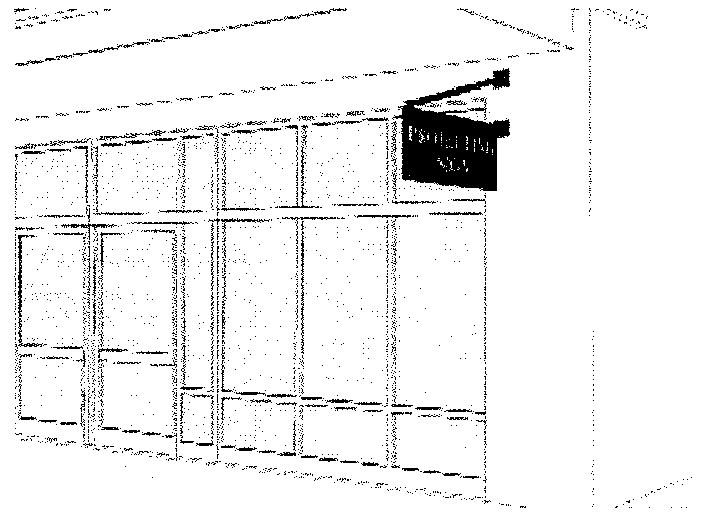 | 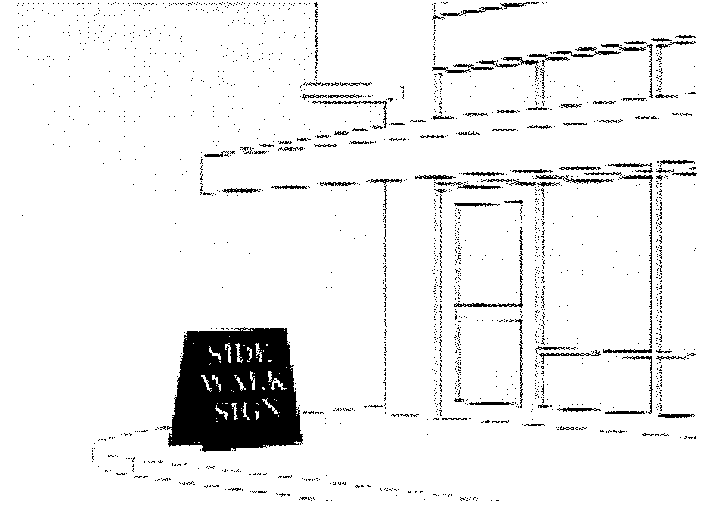 |
| Wall Sign | Painted Wall Sign |
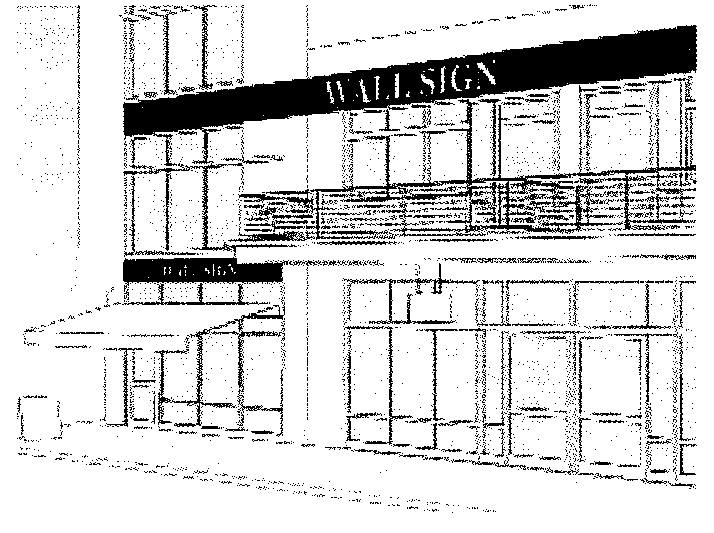 | 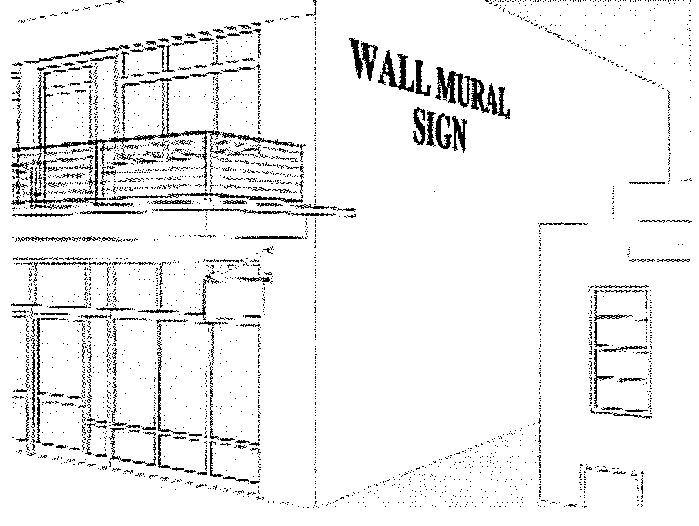 |
| Window Sign | |
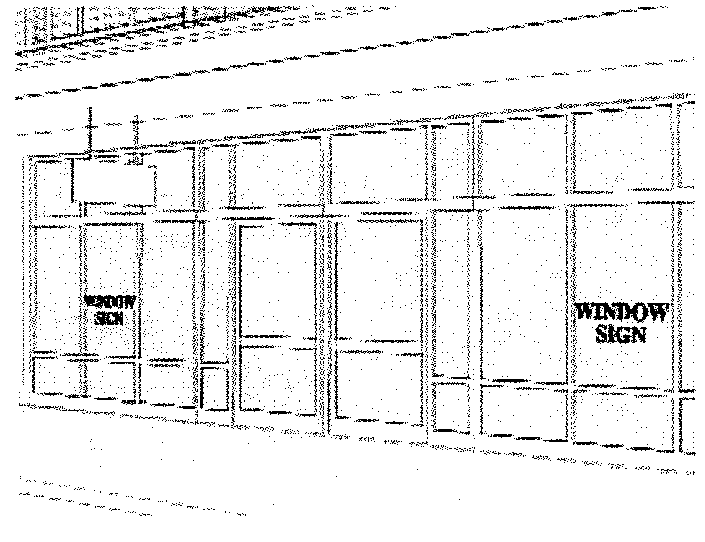 |
(Ord. No. 2016-25, § 2(Exh. A), 6-2-2016)
Sec. 3-4.1 - Purpose of article.
This article establishes the zoning districts that apply to all areas of Perdido Key under the jurisdiction of the BCC. Each district establishes its own permitted and conditional land uses, site and building requirements, and other provisions consistent with the stated purposes of the district, the adopted Perdido Key Master Plan and the Mixed-Use Perdido Key (MU-PK) future land use category. In addition to the dwelling and lodging unit density limits of MU-PK, district provisions are subject to all other applicable provisions of the LDC and may be modified by the requirements of the Perdido Key towncenter overlay (PK-OL) district as prescribed in article 3.
(Ord. No. 2015-12, § 1(Exh. A), 4-16-2015; Ord. No. 2016-25, § 4(Exh. C), 6-2-2016)
Sec. 3-4.2 - Low density residential district, Perdido Key (LDR-PK).
(a)
Purpose. The low density residential (LDR-PK) district establishes appropriate areas and land use regulations for residential uses at low densities and limited non-residential uses that are compatible with the residential neighborhoods and natural resources of the island.
(b)
Permitted uses. Permitted uses within the LDR-PK district are limited to the following:
(1)
Residential.
a.
Single-family detached dwellings, excluding manufactured (mobile) homes.
b.
Two-family dwellings.
(2)
Retail sales. No retail sales.
(3)
Retail services. No retail services.
(4)
Public and civic.
a.
Places of worship.
b.
Public utility structures, excluding telecommunications towers.
See also conditional uses in this district.
(5)
Recreation and entertainment. Marinas, private only. See also conditional uses in this district.
(c)
Conditional uses. Through the conditional use process prescribed in chapter 2, the BOA may conditionally allow the following uses within the LDR-PK district:
(1)
Residential. Home occupations with nonresident employees.
(2)
Public and civic.
a.
Emergency service facilities, including law enforcement, firefighting, and medical assistance.
b.
Public utility structures exceeding the district structure height limit, excluding telecommunications towers.
(3)
Recreation and entertainment.
a.
Golf courses, tennis centers, swimming pools and similar active outdoor recreational facilities, including associated country clubs.
b.
Parks, public.
c.
Recreational facilities, public.
(d)
Site and building requirements. The following site and building requirements apply to uses within the LDR-PK district:
(1)
Density. A maximum density of two dwelling units per acre.
(2)
Floor area ratio. A maximum floor area ratio of 1.0 for all uses.
(3)
Structure height. A maximum building height of 35 feet above the habitable first floor. However, the roof of an accessory boathouse shall not exceed 20 feet above mean sea level.
(4)
Lot area. No minimum lot area unless prescribed by use.
(5)
Lot width. For a new lot with a majority of its frontage along the outside of a street right-of-way curve whose radius is 100 feet or less, the minimum lot width at the right-of-way is 40 percent of the radius length, but not less than 20 feet. The minimum width for all other new lots is as follows:
a.
Single-family detached. Forty feet at the street right-of-way for single-family detached dwellings.
b.
Two-family. Fifty feet at the street right-of-way for two-family dwellings.
(6)
Lot coverage. Minimum pervious lot coverage of 30 percent (70 percent maximum semi-impervious and impervious cover) for all uses, and minimum open space of 35 percent of total parcel area.
(7)
Structure setbacks. For all principal structures, minimum setbacks are:
a.
Front and rear. Twenty-five feet in the front. Ten percent of the lot depth in the rear, but not required to exceed 25 feet.
b.
Sides. On each side, five feet or ten percent of the lot width at the street right-of-way, whichever is greater, but not required to exceed 15 feet.
(8)
Other requirements. Refer to chapters 4 and 5 for additional development regulations and standards.
(Ord. No. 2015-12, § 1(Exh. A), 4-16-2015; Ord. No. 2016-25, § 4(Exh. C), 6-2-2016; Ord. No. 2016-42, § 1, 12-8-2016; Ord. No. 2019-18, § 4, 4-4-2019)
Sec. 3-4.3 - Medium density residential district, Perdido Key (MDR-PK).
(a)
Purpose. The medium density residential (MDR-PK) district establishes appropriate areas and land use regulations for residential uses at medium densities and non-residential uses that are compatible with the residential neighborhoods and natural resources of the island.
(b)
Permitted uses. Permitted uses within the MDR-PK district are limited to the following:
(1)
Residential.
a.
Single-family dwellings, attached or detached, including townhouses but excluding manufactured (mobile) homes.
b.
Two-family and multifamily dwellings.
(2)
Retail sales. No retail sales.
(3)
Retail services. Child care facilities.
(4)
Public and civic.
a.
Kindergartens.
b.
Offices for government agencies or public utilities, small scale (gross floor area 6,000 square feet or less per lot).
c.
Places of worship.
d.
Public utility structures, excluding telecommunications towers.
See also conditional uses in this district.
(5)
Recreation and entertainment. Marinas, private only. See also conditional uses in this district.
(c)
Conditional uses. Through the conditional use process prescribed in chapter 2, the BOA may conditionally allow the following uses within the MDR-PK district:
(1)
Residential. Home occupations with non-resident employees
(2)
Public and civic.
a.
Emergency service facilities, including law enforcement, firefighting, and medical assistance.
b.
Public utility structures exceeding the district structure height limit, excluding telecommunications towers.
(3)
Recreation and entertainment.
a.
Golf courses, tennis centers, swimming pools and similar active outdoor recreational facilities, including associated country clubs.
b.
Parks, public.
c.
Recreation facilities, public.
(d)
Site and building requirements. The following site and building requirements apply to uses within the MDR-PK district:
(1)
Density. A maximum density of 4.5 dwelling units per acre.
(2)
Floor area ratio. A maximum floor area ratio of 1.0 for all uses.
(3)
Structure height. A maximum building height of four stories. However, an additional story may be utilized for parking in areas that clustering of development is necessary for permitting through the Perdido Key Habitat Conservation Plan.
(4)
Lot area. No minimum lot area unless prescribed by use.
(5)
Lot width. For a new lot with a majority of its frontage along the outside of a street right-of-way curve whose radius is 100 feet or less, the minimum lot width at the right-of-way is 40 percent of the radius length, but not less than 20 feet. The minimum width for all other new lots is as follows:
a.
Single-family detached. Forty feet at the street right-of-way for single-family detached dwellings.
b.
Two-family. Fifty feet at the street right-of-way for two-family dwellings.
c.
Townhouses and multi-family. Twenty feet at the street right-of-way for townhouses and 100 feet at the street right-of-way for multi-family dwellings. No minimum lot width required by zoning for other uses.
(6)
Lot coverage. Minimum pervious lot coverage of 30 percent (70 percent maximum semi-impervious and impervious cover) for all uses, and minimum open space of 35 percent of total parcel area.
(7)
Structure setbacks. For all principal structures, minimum setbacks are:
a.
Front and rear. Twenty-five feet in the front for single and two-family dwellings, and 15 feet for all other structures. Ten percent of the lot depth in the rear, but not required to exceed 25 feet.
b.
Sides. Ten feet at each end unit of a townhouse group. On each side of all other structures, five feet or ten percent of the lot width at the street right-of-way, whichever is greater, but not required to exceed 15 feet.
(8)
Other requirements. Refer to chapters 4 and 5 for additional development regulations and standards.
(Ord. No. 2015-12, § 1(Exh. A), 4-16-2015; Ord. No. 2016-25, § 4(Exh. C), 6-2-2016; Ord. No. 2016-42, § 1, 12-8-2016; Ord. No. 2019-18, § 4, 4-4-2019)
Sec. 3-4.4 - High density residential district, Perdido Key (HDR-PK).
(a)
Purpose. The high density residential (HDR-PK) district establishes appropriate areas and land use regulations for residential uses at high densities with compatible low intensity office and other retail service facilities.
(b)
Permitted uses. Permitted uses within the HDR-PK district are limited to the following:
(1)
Residential.
a.
Single-family dwellings, attached or detached, including townhouses but excluding manufactured (mobile) homes.
b.
Two-family and multifamily dwellings.
(2)
Retail sales. No retail sales.
(3)
Retail services. Small scale (gross floor area 6,000 square feet or less per lot) retail services limited to the following:
a.
Child care facilities.
b.
Professional services, including those of realtors, bankers, accountants, engineers, architects, dentists, physicians, and attorneys.
c.
Restaurants, including on-premises consumption of alcoholic beverages, if part of a condominium development offering resort-style amenities (e.g., swimming pools, spa, fitness center, salon, retail shops, clubhouse, water sports, tennis, golf).
(4)
Public and civic.
a.
Kindergartens.
b.
Offices for government agencies or public utilities, small scale (gross floor area 6,000 square feet or less per lot).
c.
Places of worship.
d.
Public utility structures, excluding telecommunications towers.
See also conditional uses in this district.
(5)
Recreation and entertainment. Marinas, private only. See also conditional uses in this district.
(c)
Conditional uses. Through the conditional use process prescribed in chapter 2, the BOA may conditionally allow the following uses within the HDR-PK district:
(1)
Residential. Home occupations with nonresident employees.
(2)
Public and civic.
a.
Emergency service facilities, including law enforcement, firefighting, and medical assistance.
b.
Public utility structures exceeding the district structure height limit, excluding telecommunications towers.
(3)
Recreation and entertainment.
a.
Golf courses, tennis centers, swimming pools and similar active outdoor recreational facilities, including associated country clubs.
b.
Parks, public.
c.
Recreation facilities, public.
(d)
Site and building requirements. The following site and building requirements apply to uses within the HDR-PK district:
(1)
Density. A maximum density of 12 dwelling units per acre.
(2)
Floor area ratio. A maximum floor area ratio of 1.0 for all uses.
(3)
Structure height. A maximum building height of eight stories. However, two additional stories may be utilized for parking in areas that clustering of development is necessary for permitting through the Perdido Key Habitat Conservation Plan.
(4)
Lot area. No minimum lot area unless prescribed by use.
(5)
Lot width. For a new lot with a majority of its frontage along the outside of a street right-of-way curve whose radius is 100 feet or less, the minimum lot width at the right-of-way is 40 percent of the radius length, but not less than 20 feet. The minimum width for all other new lots is as follows:
a.
Single-family detached. Forty feet at the street right-of-way for single-family detached dwellings.
b.
Two-family. Fifty feet at the street right-of-way for two-family dwellings.
c.
Townhouses and multi-family. Twenty feet at the street right-of-way for townhouses. One hundred feet at the street right-of-way for multi-family dwellings. No minimum lot width required by zoning for other uses.
(6)
Lot coverage. Minimum pervious lot coverage of 30 percent (70 percent maximum semi-impervious and impervious cover) for all uses, and minimum open space of 35 percent of total parcel area.
(7)
Structure setbacks. For all principal structures, minimum setbacks are:
a.
Front and rear. Twenty feet in the front for single and two-family dwellings, and ten feet for all other structures. Ten percent of the lot depth in the rear, but not required to exceed 25 feet.
b.
Sides. Ten feet at each end unit of a townhouse group. On each side of all other structures, five feet or ten percent of the lot width at the street right-of-way, whichever is greater, but not required to exceed 15 feet.
(8)
Other requirements. Refer to chapters 4 and 5 for additional development regulations and standards.
(Ord. No. 2015-12, § 1(Exh. A), 4-16-2015; Ord. No. 2016-25, § 4(Exh. C), 6-2-2016; Ord. No. 2016-42, § 1, 12-8-2016; Ord. No. 2019-18, § 4, 4-4-2019)
Sec. 3-4.5 - Commercial district, Perdido Key (Com-PK).
(a)
Purpose. The commercial district (Com-PK) establishes appropriate areas and land use regulations primarily for the retailing of commodities and selected services. The regulations are intended to permit and encourage essential neighborhood commercial uses while protecting nearby residential properties from adverse impacts of commercial activity.
(b)
Permitted uses. Permitted uses within the Com-PK district are limited to the following:
(1)
Residential.
a.
Single-family dwellings, attached or detached, including townhouses but excluding manufactured (mobile) homes.
b.
Two-family and multifamily dwellings.
(2)
Retail sales. Retail sales, including medical marijuana dispensing facilities, excluding outdoor display or sales. Sales of alcoholic beverages shall be at least 100 feet from any residential zoning district (LDR-PK, MDR-PK, and HDR-PK) as measured between the exterior wall of the store and the boundary of the residential zoning.
(3)
Retail services.
a.
Bed and breakfast inns.
b.
Child care facilities.
c.
Personal services, including those of beauty shops, health clubs, pet groomers, dry cleaners and tattoo parlors.
d.
Professional services, including those of realtors, bankers, accountants, engineers, architects, dentists, physicians, and attorneys.
e.
Restaurants. Those selling alcoholic beverages for on-premises consumption shall be at least 100 feet from any residential zoning district (LDR-PK, MDR-PK, and HDR-PK) as measured between the exterior wall of the restaurant and the boundary of the residential zoning.
(4)
Public and civic.
a.
Educational facilities, including K—12.
b.
Offices for government agencies or public utilities, small scale (gross floor area 6,000 square feet or less per lot).
c.
Kindergartens.
d.
Places of worship.
e.
Public utility structures, excluding telecommunications towers.
See also conditional uses in this district.
(5)
Recreation and entertainment.
a.
Bars and night clubs at least 100 feet from any residential zoning district (LDR-PK, MDR-PK, and HDR-PK) as measured between the exterior wall of the business and the boundary of the residential zoning.
b.
Marinas, private and commercial.
See also conditional uses in this district.
(c)
Conditional uses. Through the conditional use process prescribed in chapter 2, the BOA may conditionally allow the following uses within the Com-PK district:
(1)
Retail sales. Outdoor retail displays and sales not otherwise allowed by the supplementary use provisions in chapter 4, article 7.
(2)
Retail services. Motor vehicle service and repair, including fuel sales, but excluding paint and body work and any outdoor work or storage.
(3)
Public and civic. Warehousing or maintenance facilities for government agencies or for public utilities.
(4)
Recreation and entertainment.
a.
Campgrounds and recreational vehicle parks on lots five acres or larger.
b.
Other commercial recreation, entertainment, or amusement facilities not among the permitted uses of the district, including those for tennis, golf and miniature golf, pinball and other arcade amusements, bingo, waterslides, and amusement rides, but excluding off-highway vehicle uses, outdoor shooting ranges, and motorsports facilities. Carnival-type amusements shall be at least 500 feet from any residential district.
(d)
Site and building requirements. The following site and building requirements apply to uses within the Com-PK district:
(1)
Density. A maximum density of three dwelling units per acre. Density may be increased or decreased by density transfer to or from other commercially zoned Perdido Key lands (Com-PK, CC-PK, CG-PK, or PR-PK). Transfers are limited to contiguous land (exclusive of public streets) under unified control and may occur across public streets, excluding transfers to any parcels south of Perdido Key Drive.
(2)
Floor area ratio. A maximum floor area ratio of 1.0 for all uses.
(3)
Structure height. A maximum building height of four stories. However, an additional story may be utilized for parking in areas that clustering of development is necessary for permitting through the Perdido Key Habitat Conservation Plan.
(4)
Lot area. No minimum lot area unless prescribed by use.
(5)
Lot width. For a new lot with a majority of its frontage along the outside of a street right-of-way curve whose radius is 100 feet or less, the minimum lot width at the right-of-way is 40 percent of the radius length, but not less than 20 feet. The minimum width for all other new lots is as follows:
a.
Single-family detached. Forty feet at the street right-of-way for single-family detached dwellings.
b.
Two-family. Fifty feet at the street right-of-way for two-family dwellings.
c.
Townhouse and multi-family. Twenty feet at the street right-of-way for townhouses. One hundred feet at the street right-of-way for multi-family dwellings. No minimum lot width required by zoning for non-residential uses.
(6)
Lot coverage. Minimum pervious lot coverage of 25 percent (75 percent maximum semi-impervious and impervious cover) for all uses.
(7)
Structure setbacks. For all principal structures, minimum setbacks are:
a.
Front and rear. Twenty feet in the front for all single-family, two-family, three-family (triplex), and four-family (quadruplex) dwellings, but ten feet for all other dwellings, any non-residential, or mixed uses. Fifteen feet in the rear for all uses.
b.
Sides. Ten feet at each end unit of a townhouse group and ten feet on any side of a structure abutting a residential district if that side is not separated from the residential district by a public street, body of water, or similar manmade or natural buffer. Five feet on all other sides and for all other structures.
(8)
Other requirements. Refer to chapters 4 and 5 for additional development regulations and standards.
(Ord. No. 2015-12, § 1(Exh. A), 4-16-2015; Ord. No. 2016-25, § 4(Exh. C), 6-2-2016; Ord. No. 2016-42, § 1, 12-8-2016; Ord. No. 2017-5, § 3(Exh. C), 1-5-2017; Ord. No. 2019-2, § 3(Exh. C), 1-10-2019; Ord. No. 2019-18, § 4, 4-4-2019)
Sec. 3-4.6 - Commercial core district, Perdido Key (CC-PK).
(a)
Purpose. The commercial core (CC-PK) district establishes appropriate areas and land use regulations primarily for intense residential development and retailing of resort-related commodities and services. The regulations are intended to permit and encourage mixed-use development, including residential and lodging uses at high densities, and commercial uses associated with resort areas.
(b)
Permitted uses. Permitted uses within the CC-PK district are limited to the following:
(1)
Residential.
a.
Single-family dwellings, attached or detached, including townhouses but excluding manufactured (mobile) homes.
b.
Two-family and multifamily dwellings.
(2)
Retail sales. Retail sales, including medical marijuana dispensing facilities, excluding outdoor display or sales. Sales of alcoholic beverages shall be at least 100 feet from any residential zoning district (LDR-PK, MDR-PK, and HDR-PK) measured as the shortest distance between any exterior wall of the store and the boundary line of the residential zoning.
(3)
Retail services.
a.
Bed and breakfast inns.
b.
Child care facilities.
c.
Hotels and motels, including condo-hotels, at a maximum density of 25 units per acre.
d.
Personal services, including those of beauty shops, health clubs, pet groomers, dry cleaners and tattoo parlors.
e.
Professional services, including those of realtors, bankers, accountants, engineers, architects, dentists, physicians, and attorneys.
f.
Restaurants. Those selling alcoholic beverages shall be at least 100 feet from any residential zoning district (LDR-PK, MDR-PK, and HDR-PK) measured as the shortest distance between any exterior wall of the restaurant and the boundary line of the residential zoning.
(4)
Public and civic.
a.
Educational facilities, including K—12.
b.
Offices for government agencies or public utilities, small scale (gross floor area ≤ 6,000 square feet per lot).
c.
Kindergartens.
d.
Places of worship.
e.
Public utility structures, excluding telecommunications towers.
(5)
Recreation and entertainment.
a.
Bars and night clubs at least 100 feet from any residential zoning district (LDR-PK, MDR-PK, and HDR-PK) as measured between the exterior wall of the business and the boundary of the residential zoning.
b.
Campgrounds and recreational vehicle parks on lots five acres or larger.
c.
Marinas, private and commercial.
d.
Other commercial recreation, entertainment, or amusement facilities, including those for tennis, golf and miniature golf, pinball and other arcade amusements, bingo, waterslides, and amusement rides, but excluding off-highway vehicle uses, outdoor shooting ranges, and motorsports facilities. Carnival-type amusements shall be at least 500 feet from any residential district.
(c)
Conditional uses. Through the conditional use process prescribed in chapter 2, the BOA may conditionally allow the following uses within the CC-PK district:
(1)
Retail sales. Outdoor retail displays and sales not otherwise allowed by the supplementary use provisions in chapter 4, article 7.
(2)
Retail services. Motor vehicle service and repair, including fuel sales, but excluding paint and body work and any outdoor work or storage.
(3)
Public and civic. Warehousing or maintenance facilities for government agencies or for public utilities.
(d)
Site and building requirements. The following site and building requirements apply to uses within the CC-PK district:
(1)
Density. A maximum density of 13 dwelling units per acre or 25 lodging units per acre, or any combination of dwelling and lodging such that one dwelling unit equals 25/13 lodging units.
Density may be increased or decreased by density transfer to or from other commercially zoned Perdido Key lands (Com-PK, CC-PK, CG-PK, or PR-PK). Transfers are limited to contiguous land (exclusive of public streets) under unified control and may occur across public streets, excluding transfers to any parcels south of Perdido Key Drive.
(2)
Floor area ratio. A maximum floor area ratio of 6.0 for all uses.
(3)
Structure height. A maximum building height of 30 stories for hotels and 20 stories for all other buildings. However, additional stories may be utilized for parking in areas that clustering of development is necessary for permitting through the Perdido Key Habitat Conservation Plan. The number of additional stories that may be utilized for parking shall be determined by the planning official in conjunction with the habitat conservation plan manager.
(4)
Lot area. No minimum lot area unless prescribed by use.
(5)
Lot width. For a new lot with a majority of its frontage along the outside of a street right-of-way curve whose radius is 100 feet or less, the minimum lot width at the right-of-way is 40 percent of the radius length, but not less than 20 feet. The minimum width for all other new lots is as follows:
a.
Single-family detached. Forty feet at the street right-of-way for single-family detached dwellings.
b.
Two-family. Fifty feet at the street right-of-way for two-family dwellings.
c.
Townhouses and multi-family. Twenty feet at the street right-of-way for townhouses. No minimum lot width required by zoning for multi-family dwellings or other uses.
(6)
Lot coverage.
Pervious area. Minimum pervious lot coverage of 30 percent (70 percent maximum semi-impervious and impervious cover) for all single-family (attached or detached), two-family, and triplex and quadruplex forms of multi-family dwellings. For all other uses, minimum pervious lot coverage of 20 percent (80 percent maximum semi-impervious and impervious cover)
(7)
Structure setbacks. For all principal structures, minimum setbacks are:
a.
Front and rear. Ten feet in the front and 15 feet in the rear.
b.
Sides. Ten feet at each end unit of a townhouse group and ten feet on any side of a structure abutting a residential district if that side is not separated from the residential district by a public street, body of water, or similar manmade or natural buffer. On all other sides and for all other structures under ten stories, ten feet or ten percent of the lot width at the street right-of-way, whichever is greater, but not required to exceed 15 feet. Fifteen feet on the sides of structures ten stories or more.
(8)
Other requirements. Refer to chapters 4 and 5 for additional development regulations and standards.
(Ord. No. 2015-12, § 1(Exh. A), 4-16-2015; Ord. No. 2016-25, § 4(Exh. C), 6-2-2016; Ord. No. 2016-42, § 1, 12-8-2016; Ord. No. 2017-5, § 3(Exh. C), 1-5-2017; Ord. No. 2019-2, § 3(Exh. C), 1-10-2019; Ord. No. 2019-18, § 4, 4-4-2019)
Sec. 3-4.7 - Commercial gateway district, Perdido Key (CG-PK).
(a)
Purpose. The commercial gateway (CG-PK) district establishes appropriate areas and lands use regulations for gateways into Perdido Key. The intent is to provide an identity to the Key as a visually attractive, family style, resort community. The district is characterized by resort-related commercial uses, including hotels and motels, as well as high density residential development.
(b)
Permitted uses. Permitted uses within the CG-PK district are limited to the following:
(1)
Residential.
a.
Single-family dwellings, attached or detached, including townhouses but excluding manufactured (mobile) homes.
b.
Two-family and multifamily dwellings.
(2)
Retail sales. Retail sales, including medical marijuana dispensing facilities, excluding outdoor display or sales. Sales of alcoholic beverages shall be at least 100 feet from any residential zoning district (LDR-PK, MDR-PK, and HDR-PK) measured as the shortest distance between any exterior wall of the store and the boundary line of the residential zoning.
(3)
Retail services.
a.
Bed and breakfast inns.
b.
Child care facilities.
c.
Hotels and motels, including condo-hotels, at a maximum density of 25 units per acre.
d.
Personal services, including those of beauty shops, health clubs, pet groomers, dry cleaners and tattoo parlors.
e.
Professional services, including those of realtors, bankers, accountants, engineers, architects, dentists, physicians, and attorneys.
f.
Restaurants. Those selling alcoholic beverages shall be at least 100 feet from any residential zoning district (LDR-PK, MDR-PK, and HDR-PK) measured as the shortest distance between any exterior wall of the restaurant and the boundary line of the residential zoning.
(4)
Public and civic.
a.
Educational facilities, including K—12.
b.
Offices for government agencies or public utilities, small scale (gross floor area ≤ 6,000 square feet per lot).
c.
Kindergartens.
d.
Places of worship.
e.
Public utility structures, excluding telecommunications towers.
(5)
Recreation and entertainment.
a.
Bars and night clubs at least 100 feet from any residential zoning district (LDR-PK, MDR-PK, and HDR-PK) as measured between the exterior wall of the business and the boundary of the residential zoning.
b.
Campgrounds and recreational vehicle parks on lots five acres or larger.
c.
Marinas, private and commercial.
d.
Other commercial recreation, entertainment, or amusement facilities, including those for tennis, golf and miniature golf, pinball and other arcade amusements, bingo, waterslides, and amusement rides, but excluding off-highway vehicle uses, outdoor shooting ranges, and motorsports facilities. Carnival-type amusements shall be at least 500 feet from any residential district.
(c)
Conditional uses. Through the conditional use process prescribed in chapter 2, the BOA may conditionally allow the following uses within the CG-PK district:
(1)
Retail services. Motor vehicle service and repair, including fuel sales, but excluding paint and body work and any outdoor work or storage.
(2)
Public and civic. Warehousing or maintenance facilities for government agencies or for public utilities.
(d)
Site and building requirements. The following site and building requirements apply to uses within the CG-PK district:
(1)
Density. A maximum density of 12.5 dwelling units per acre or 25 lodging units per acre, or any combination of dwelling and lodging such that one dwelling unit equals two lodging units.
Density may be increased or decreased by density transfer to or from other commercially zoned Perdido Key lands (Com-PK, CC-PK, CG-PK, or PR-PK). Transfers are limited to contiguous land (exclusive of public streets) under unified control and may occur across public streets, excluding transfers to any parcels south of Perdido Key Drive.
(2)
Floor area ratio. A maximum floor area ratio of 6.0 for all uses.
(3)
Structure height. A maximum building height of ten stories. However, two additional stories may be utilized for parking in areas that clustering of development is necessary for permitting through the Perdido Key Habitat Conservation Plan.
(4)
Lot area. No minimum lot area unless prescribed by use.
(5)
Lot width. For a new lot with a majority of its frontage along the outside of a street right-of-way curve whose radius is 100 feet or less, the minimum lot width at the right-of-way is 40 percent of the radius length, but not less than 20 feet. The minimum width for all other new lots is as follows:
a.
Single-family detached. Forty feet at the street right-of-way for single-family detached dwellings.
b.
Two-family. Fifty feet at the street right-of-way for two-family dwellings.
c.
Townhouses and multi-family. Twenty feet at the street right-of-way for townhouses. No minimum lot width required by zoning for multi-family dwellings or other uses.
(6)
Lot coverage.
a.
Pervious area. Minimum pervious lot coverage of 30 percent (70 percent maximum semi-impervious and impervious cover) for all single-family, two-family (duplex), three-family (triplex), and four-family (quadruplex) dwellings, and minimum pervious lot coverage of 15 percent for all other uses.
b.
Building area. The maximum area of a development parcel occupied by all principal and accessory buildings is limited to 25 percent if the tallest building on the parcel is at least three stories, but less than five stories. If the tallest building is five stories or greater, the maximum building coverage is 20 percent of the parcel area.
The area applicable to these building coverage limits cannot be divided by any public street or right-of-way except one that creates public access to a waterway. If otherwise divided, the limits apply to each portion of the divided parcel as if separate parcels.
(7)
Structure setbacks. For all principal structures, minimum setbacks are:
a.
Front and rear. Ten feet in the front and 15 feet in the rear.
b.
Sides. Ten feet on any side of a structure abutting a residential district if that side is not separated from the residential district by a public street, body of water, or similar manmade or natural buffer. Five feet on all other sides and for all structures equal to or less than three stories. Ten feet on all other sides on structures more than three stories.
(8)
Other requirements. Refer to chapters 4 and 5 for additional development regulations and standards.
(Ord. No. 2015-12, § 1(Exh. A), 4-16-2015; Ord. No. 2016-25, § 4(Exh. C), 6-2-2016; Ord. No. 2016-42, § 1, 12-8-2016; Ord. No. 2017-5, § 3(Exh. C), 1-5-2017; Ord. No. 2019-2, § 3(Exh. C), 1-10-2019; Ord. No. 2019-18, § 4, 4-4-2019)
Sec. 3-4.8 - Planned resort district, Perdido Key (PR-PK).
(a)
Purpose. The planned resort (PR-PK) district establishes appropriate areas and land use regulations for large-scale planned resorts. The district allows for destination-type mixed uses that include residential and hotel development and supporting recreational and commercial facilities, all developed within a master planned area that includes extensive open space, adequate internal pedestrian and bicycle circulation, creative design, resort-related amenities, and adequate buffering.
(b)
Permitted uses. Permitted uses within the PR-PK district are limited to the following:
(1)
Residential.
a.
Single-family dwellings, attached or detached, including townhouses and zero lot line development, but excluding manufactured (mobile) homes.
b.
Two-family and multifamily dwellings.
(2)
Retail sales. Retail sales, excluding outdoor display or sales. Sales of alcoholic beverages shall be at least 100 feet from any residential zoning district (LDR-PK, MDR-PK, and HDR-PK) measured as the shortest distance between any exterior wall of the store and the boundary line of the residential zoning.
(3)
Retail service.
a.
Bed and breakfast inns.
b.
Child care facilities.
c.
Hotels and motels, including condo-hotels, at a maximum density of 25 units per acre.
d.
Personal services, including those of beauty shops, health clubs, pet groomers, dry cleaners and tattoo parlors.
e.
Professional services, including those of realtors, bankers, accountants, engineers, architects, dentists, physicians, and attorneys.
f.
Restaurants. Those selling alcoholic beverages shall be at least 100 feet from any residential zoning district (LDR-PK, MDR-PK, and HDR-PK) measured as the shortest distance between any exterior wall of the restaurant and the boundary line of the residential zoning.
(4)
Public and civic.
a.
Educational facilities, including K—12.
b.
Offices for government agencies or public utilities, small scale (gross floor area 6,000 square feet or less per lot).
c.
Kindergartens.
d.
Places of worship.
e.
Public utility structures, excluding telecommunications towers.
(5)
Recreation and entertainment.
a.
Bars and night clubs at least 100 feet from any residential zoning district (LDR-PK, MDR-PK, and HDR-PK) as measured between the exterior wall of the business and the boundary of the residential zoning.
b.
Campgrounds and recreational vehicle parks on lots five acres or larger.
c.
Marinas, private and commercial.
d.
Other commercial recreation, entertainment, or amusement facilities, including those for tennis, golf and miniature golf, pinball and other arcade amusements, bingo, waterslides, and amusement rides, but excluding off-highway vehicle uses, outdoor shooting ranges, and motorsports facilities. Carnival-type amusements shall be at least 500 feet from any residential district.
(6)
Other uses. Storage areas for personal use only by residents and guests of the planned resort. Such areas shall be screened by opaque fencing a minimum of six feet in height and supplemented with landscape material.
(c)
Conditional uses. Through the conditional use process prescribed in chapter 2, the BOA may conditionally allow the following uses within the PR-PK district:
(1)
Motor vehicle service and repair, including fuel sales, but excluding paint and body work and any outdoor work or storage.
(d)
Site and building requirements. The following site and building requirements apply to uses within the PR-PK district:
(1)
Density. A maximum density of five units per acre or 25 lodging units per acre, or any combination of dwelling and lodging such that one dwelling unit equals five lodging units.
Density may be increased or decreased by density transfer to or from other commercially zoned Perdido Key lands (Com-PK, CC-PK, CG-PK, or PR-PK). Transfers are limited to contiguous land (exclusive of public streets) under unified control and may occur across public streets, excluding transfers to any parcels south of Perdido Key Drive.
Building allocation, provision of open spaces, and preservation areas may be permitted among and between the planned resort district, commercial core district, commercial gateway district and the commercial district, provided the proposed development is a master planned development.
(2)
Floor area ratio. A maximum floor area ratio of 6.0 for all uses.
(3)
Structure height. A maximum building height of ten stories. However, two additional stories may be utilized for parking in areas that clustering of development is necessary for permitting through the Perdido Key Habitat Conservation Plan.
(4)
Lot area. No minimum lot area unless prescribed by use.
(5)
Lot width. For a new lot with a majority of its frontage along the outside of a street right-of-way curve whose radius is 100 feet or less, the minimum lot width at the right-of-way is 40 percent of the radius length, but not less than 20 feet. The minimum width for all other new lots is as follows:
a.
Single-family detached. Forty feet at both the street right-of-way for single-family detached dwellings.
b.
Two-family. Fifty feet at the street right-of-way for two-family dwellings.
c.
Townhouses and multi-family. Twenty feet at the street right-of-way for townhouses. No minimum lot width required by zoning for multi-family dwellings or other uses.
(6)
Lot coverage. A maximum 40 percent of development parcel area occupied by all principal and accessory buildings. Minimum pervious lot coverage of 30 percent (70 percent maximum semi-impervious and impervious cover) for all single-family, two-family (duplex), three-family (triplex), and four-family (quadruplex) dwellings, and minimum pervious lot coverage of 15 percent for all other uses.
(7)
Structure setbacks. All structures a minimum 25 feet from any publicly dedicated right-of-way. For all principal structures, additional minimum setbacks are:
a.
Front and rear. Twenty feet in the front and 15 feet in the rear.
b.
Sides. Ten feet on each side for buildings taller than three stories, five feet on each side for buildings equal to or less than three stories.
(8)
Other requirements.
a.
Master plan. A master plan of the entire development site for any resort development.
b.
Development area. A minimum ten acres for any resort development.
c.
Open space. A minimum 30 percent of total site area as open space, and at least 50 percent of the front yard remaining as open space.
d.
Building separation.
1.
A minimum ten feet between structures, excluding zero lot-line development. For structures over three stories, for every additional story from highest adjacent grade, an additional five feet of separation at the ground level.
2.
A minimum 50 feet between multi-family, hotel, or motel structures and any area designated for single-family dwellings.
e.
Sidewalks. Sidewalks providing pedestrian linkages to residential areas, recreational areas, commercial areas, and any locations where there is the potential conflict between pedestrian and vehicular traffic. Such conflict areas shall be marked with appropriate pavement markings to clearly indicate pedestrian crossings.
f.
Protection of residential uses. Orientation of commercial buildings away from adjacent residential uses. Layout of parking and service areas, access, landscape areas, courts, walls, signs, and lighting, and the control of noise and other potential adverse impacts, shall promote protection of residential uses and include adequate buffering.
g.
Site plan approval. Unified control of the entire area proposed for development and substantial conformance to the master plan for that area. The site plan shall include documentation of maximum project density, overall requirements for open space and preservation areas, building coverage, and allocation for incidental commercial uses. Development successors in title shall be bound by the approved site plan. Revision to an approved site plan shall remain in conformance with the master plan.
(Ord. No. 2015-12, § 1(Exh. A), 4-16-2015; Ord. No. 2016-25, § 4(Exh. C), 6-2-2016; Ord. No. 2016-42, § 1, 12-8-2016; Ord. No. 2019-18, § 4, 4-4-2019)
Sec. 3-4.9 - Recreation district, Perdido Key (Rec-PK).
(a)
Purpose. The recreation (Rec) district establishes appropriate areas and land use regulations to preserve and maintain land for outdoor recreational uses and open space.
(b)
Permitted uses. Permitted uses within the recreation district are limited to the following:
(1)
Residential. No new residential uses, including accessory dwelling units, except vested single-family dwellings.
(2)
Retail sales. Retail sales customarily incidental to permitted recreational uses.
(3)
Retail services. Retail services customarily incidental to permitted recreational uses.
(4)
Public and civic.
a.
Bird and wildlife sanctuaries.
b.
Parks and greenbelt areas.
c.
Public utility structures, excluding telecommunication towers.
See also conditional uses in this district.
(5)
Recreation and entertainment.
a.
Recreation facilities, outdoor, including parks, playgrounds, walking and hiking trails, campgrounds, off-highway vehicle trails, swimming pools, baseball fields, tennis courts, and golf courses, but excluding shooting ranges.
b.
Marinas, commercial only.
See also conditional uses in this district.
(6)
Industrial and related. No industrial or related uses.
(7)
Agricultural and related. No agricultural or related uses.
(c)
Conditional uses. Through the conditional use process prescribed in chapter 2, the BOA may conditionally allow emergency service facilities, including law enforcement, firefighting, and medical assistance within the recreation district.
(d)
Site and building requirements.
(1)
Density. Dwelling unit density limited to vested development.
(2)
Floor area ratio. A maximum floor area ratio of 1.0 for all uses.
(3)
Structure height. Two stories.
(4)
Lot area. No minimum lot area unless prescribed by use.
(5)
Lot width. No minimum lot width prescribed by zoning.
(6)
Lot coverage. Minimum pervious lot coverage of 80 percent (20 percent maximum semi-impervious and impervious cover) for all uses.
(7)
Structure setbacks. For all principal structures, minimum setbacks are:
a.
Front and rear. Twenty-five feet in front and rear.
b.
Sides. On each side, five feet or ten percent of the lot width at the street right-of-way, whichever is greater, but not required to exceed 15 feet.
(8)
Other requirements. Refer to chapters 4 and 5 for additional development.
(Ord. No. 2015-12, § 1(Exh. A), 4-16-2015; Ord. No. 2016-25, § 4(Exh. C), 6-2-2016; Ord. No. 2016-42, § 1, 12-8-2016; Ord. No. 2019-18, § 4, 4-4-2019)
Sec. 3-5.1 - Building heights.
(a)
Low and medium density districts. In the following zoning districts the maximum height shall be 35 feet above the bottom of the lowest horizontal structural member of the first habitable floor area; the first habitable floor shall be at or above the minimum elevation established for the applicable flood zone. The overall height of the structure may not exceed 45 feet above the finished ground level grade:
(1)
Low density residential.
(2)
Medium density residential.
(3)
Medium density residential/commercial.
(4)
General retail.
(5)
Recreation retail.
(b)
High density and nonresidential districts. In the following districts, the maximum height shall be 12 habitable stories plus not more than two stories of parking or storage:
(1)
High-density residential.
(2)
High-density residential/commercial.
(c)
Commercial core area. The maximum height shall be 18 habitable stories plus not more than two stories for parking or storage, excepting Gulf-front property which is not leased to a private party as of June 4, 1998, commonly referred to as "Casino Beach", and the Gulf from leasehold immediately to the east of and adjoining such property, all of which property shall be limited to three stories in height, habitable or otherwise (from the Hampton Inn, incorporating Crab's and westerly to the area immediately east of the Holiday Inn). This area is defined as being from the east line of Blocks C and H First Addition to Villa Sabine (p.b.5, p.75) to Avenida 10 (the commercial core).
(d)
Vested properties. The following properties are deemed vested insofar as the application of the height restrictions imposed by this ordinance:
(1)
Pensacola Beach Land Trust Property (east of Calle Marbella): Vested for 21 stories for each eight towers pursuant to the lease agreement between Pensacola Beach Land Trust Property and the Santa Rosa Island Authority dated June 30, 1997.
(2)
Santa Rosa Towers Condominium (Fort Pickens Road): Vested 17 stories (16 stories above parking), pursuant to the Final Judgment issued March 13, 1997, in Santa Rosa Dunes Association, Inc. And Lamar N. Coxe, Jr. v. Santa Rosa Island Authority; Escambia County, Florida; Gulfview Partnership and Santa Rosa Towers, Ltd. Case No. 96-1231-CA-01.
(3)
Gulfview Partnership parcel adjacent to Santa Rosa Towers: Vested to 17 stories (16 stories above parking), pursuant to the 1986 lease agreement between Gulfview Partnership and the Santa Rosa Island Authority and the option agreement between Gulfview Partners and Santa Rosa Towers, Ltd., dated April 3, 1998.
(Ord. No. 2015-12, § 1(Exh. A), 4-16-2015)
Sec. 3-5.2 - Low density residential (LDR-PB).
Areas delineated as low density residential are restricted to the development of single-family detached homes at densities up to and including four units per acre.
(1)
Site and building requirements.
Table LDR-PB
Notes:
1. Setbacks to be measured to outside walls with maximum of three feet of overhang allowed.
2. Front is defined as side facing main street or access. If water front property, then side facing water is rear.
3. If facing County Road 399 front or rear setback shall be 50 feet, for lots larger than 10,000 sq. sf.
4. If sound front lot, building front setback may be reduced to a minimum of 20 feet, only if erosion on Soundside has placed rear platted lot line in the Sound.
5. Corner lot (street side) setbacks shall be 25 feet. For irregular shaped lots the side setback restrictions may be based on ten percent of the average of the front and rear lines, but in no case shall be less than ten feet unless otherwise specified.
6. If Gulf front lot, rear building line shall be the State of Florida 1975 Coastal Construction Control Line (CCCL). In Lafitte Cove, as per recorded plat. In Villa Sabine, as per recorded plat.
7. If sound front lot, (Villa Primera and Villa Segunda subdivisions) building setbacks shall be 30 feet upland of the mean high water line, for structures deemed in compliance with current flood elevation requirements and whose shoreline has been stabilized; this relief is for lots whose platted rear line is in the Sound. All other structures shall maintain a building setback of 50 feet upland of the mean high water line.
Setbacks. Listed below are required setbacks for the existing single-family detached subdivisions located on Pensacola Beach.
(Ord. No. 2015-12, § 1(Exh. A), 4-16-2015; Ord. No. 2015-55, § 1, 12-10-2015)
Sec. 3-5.3 - Medium density residential (MDR-PB).
Areas delineated as medium density residential are restricted to the development of detached and multiple dwelling units at densities ranging from five units per acre up to and including 15 units per acre.
(a)
Permitted uses. The following types of uses are permitted under MDR-PB:
(1)
Duplexes.
(2)
Triplexes.
(3)
Multiple Dwellings.
(b)
Site and building requirements.
TABLE MDR-PB
Notes:
1. Setbacks to be measured to outside walls with maximum of three feet of overhang allowed.
2. Front is defined as side facing main street or access. If water front property, then side facing water is rear.
3. If facing County Road 399 front or rear setback shall be 50 feet, for lots larger than 10,000 sq. ft.
4. Corner lot setbacks shall be 25 feet. For irregular shaped lots the sideline restrictions may be based on ten percent of the average of the front and rear lines, but in no case shall be less than ten feet unless otherwise specified.
5. If Gulf front lot, building line shall be the most restrictive 50 feet landward of the crest of the primary dune line; or the State of Florida 1975 Coastal Construction Control Line (CCCL).
6. If sound front, building front setback line may be reduced to a minimum of 20 feet, only if erosion on the Soundside has placed the rear platted lot line in the Sound.
(Ord. No. 2015-12, § 1(Exh. A), 4-16-2015; Ord. No. 2015-55, § 2, 12-10-2015)
Sec. 3-5.4 - Medium density residential/commercial (MDR/C-PB).
Areas delineated as medium density residential/commercial are for mixed uses including medium density residential, motel, hotel and limited accessory retail uses. Densities shall be in the range of five to 15 units per acre for residential use and for a mix of residential and motel/hotel uses. For developments consisting solely of motel/hotel development, where the application of the five to 15 density range will result in a reduction of the existing number of units, or where such density restrictions will impede efficient motel/hotel development, the Santa Rosa Island Authority may, but shall not be obligated to, recommend conditional use approval to the Escambia County Board of Adjustments such that motel/hotel development may be increased up to a maximum of 20 units per acre. This special exception shall not apply to condominium dwellings which are made available for rental use.
(a)
Permitted uses. The following types of uses are permitted under MDR/C-PB:
(1)
Duplexes.
(2)
Triplexes.
(3)
Multiple dwellings.
(4)
Motel and hotels.
(5)
Restaurants.
(6)
Tourist related retail goods.
(7)
Marinas, etc.
(8)
Cocktail lounges and package stores.
(9)
Miscellaneous convenience goods stores.
(10)
Professional offices.
(11)
Realty and property rental offices.
(12)
Personal service establishments.
(13)
Medical marijuana dispensing facilities.
(b)
Conditional uses. The following types of use are conditional uses under MDR/C-PB: Temporary structures.
(c)
Site and building requirements.
TABLE MDR/C-PB
Notes:
1. Setbacks to be measured to outside walls with maximum of three feet of overhang allowed.
2. Front is defined as side facing main street or access. If water front property, then side facing water is rear.
3. If Gulf front, building line shall be the most restrictive of 50 feet landward of the crest of the primary dune line; or the State of Florida 1975 Coastal Construction Control Line (CCCL).
(Ord. No. 2015-12, § 1(Exh. A), 4-16-2015; Ord. No. 2015-55, § 3, 12-10-2015; Ord. No. 2019-2, § 4(Exh. D), 1-10-2019)
Sec. 3-5.5 - High density residential (HDR-PB).
Areas delineated for high density residential shall be developed for multiple dwelling developments in the range of 16 to 30 units per acre.
(a)
Permitted uses. The following types of use are permitted in HDR-PB: Multiple dwelling.
(b)
Site and building requirements.
TABLE HDR-PB
Notes:
1. Setbacks to be measured to outside walls with maximum of three feet of overhang allowed.
2. Front is defined as side facing main street or access. If water front property, then side facing water is rear.
3. If gulf front, building line shall be the most restrictive of 50 feet landward of the crest of the primary dune line; or the State of Florida 1975 Coastal Construction Control Line (CCCL). If sound front, building setback shall be established as 50 feet upland of the vegetation line.
4. Side setbacks to be determined on an individual basis.
(Ord. No. 2015-12, § 1(Exh. A), 4-16-2015; Ord. No. 2015-55, § 4, 12-10-2016)
Sec. 3-5.6 - High density residential/commercial (HDR/C-PB).
Areas delineated as high density residential/commercial are for mixed uses including high density residential, hotel and limited accessory retail uses. Densities shall be in the range of 16 to 30 units per acre for residential uses and for a mix of residential and hotel uses. For development consisting solely of hotel development, where the application of the 16 to 30 density range will result in a reduction of the existing number of units, or where such density restrictions will impede efficient hotel development, the SRIA may, but shall not be obligated to, recommend conditional use approval to the BOA such that hotel development may be increased up to a maximum of 50 units per acre. This conditional use shall not apply to condominium dwellings which are made available for rental use.
(a)
Permitted uses. The following types of use are permitted under HDR/C-PB:
(1)
Condominiums.
(2)
Motels and hotels.
(3)
Restaurants.
(4)
Tourist related retail goods.
(5)
Marinas, etc.
(6)
Cocktail lounges and package stores.
(7)
Miscellaneous convenience goods stores.
(8)
Professional offices.
(9)
Realty and property rental offices.
(10)
Personal service establishments.
(11)
Medical marijuana dispensing facilities.
(b)
Conditional uses. The following types of use are conditional uses in HDR/C-PB: Temporary structures.
(c)
Site and building requirements.
TABLE HDR/C-PB
Notes:
1. Setbacks to be measured to outside walls with maximum of three feet of overhang allowed.
2. Front is defined as side facing main street or access. If water front property, the side facing water is rear.
3. If Gulf front, building line shall be the most restrictive of 50 feet landward of the crest of the primary dune line; or the State of Florida 1975 Coastal Construction Control Line (CCCL). If sound front, building setback shall be established as 50 feet upland of the vegetation line.
(Ord. No. 2015-12, § 1(Exh. A), 4-16-2015; Ord. No. 2015-55, § 5, 12-10-2015; Ord. No. 2019-2, § 4(Exh. D), 1-10-2019)
Sec. 3-5.7 - General retail (GR-PB).
Areas delineated as general retail may be developed for uses pertaining to retail sales and services including motels (in accordance with the density provisions of medium density residential/commercial), restaurants, service stations, marinas, cocktail lounges, tourist related retail goods and professional services, sundries, convenience stores, groceries, professional offices, realty offices, personal service establishments, and substantially similar uses as determined by the Santa Rosa Island Authority Board.
(a)
Permitted uses. The following types of uses are permitted in GR-PB:
(1)
Motels and hotels.
(2)
Restaurants, indoor and drive-in.
(3)
Grocery stores.
(4)
Miscellaneous convenience goods stores.
(5)
Professional offices.
(6)
Realty and property rental offices.
(7)
Personal service establishments.
(8)
Convenience goods stores.
(9)
Professional offices.
(10)
Personal service establishments.
(11)
Realty and property rental offices.
(12)
Marinas.
(13)
Temporary structures with a limited use permit.
(14)
Medical marijuana dispensing facilities.
(b)
Site and building requirements.
TABLE GR-PB
Notes:
1. Setbacks to be measured to outside walls with maximum of three feet of overhang allowed.
2. Front is defined as side facing main street or access. If water front property, then side facing water is rear.
3. If Gulf-front, building line shall be the most restrictive of 50 feet landward of the crest of the primary dune line; or the State of Florida 1975 Coastal Construction Control Line (CCCL).
(Ord. No. 2015-12, § 1(Exh. A), 4-16-2015; Ord. No. 2015-55, § 6, 12-10-2015; Ord. No. 2019-2, § 4(Exh. D), 1-10-2019)
Sec. 3-5.8 - Recreation retail (Rec/R-PB).
Areas delineated as recreation retail are for retail establishments relating directly to a specific adjacent beach or other recreation area. Permitted uses include sandwich, fast food and other eating establishments, beachwear and tourist related sundry shops, gift shops, amusements and rental of recreation facilities, e.g. surfboards, jet skis, sailboats, and substantially similar uses as determined by the county.
(a)
Permitted uses. The following types of uses are permitted in Rec/R-PB:
(1)
Restaurants, indoor and drive-in.
(2)
Convenience goods stores.
(3)
Tourist related retail goods.
(4)
Tourist related personal and professional services.
(5)
Temporary structures with a limited use permit.
(b)
Site and building requirements.
TABLE REC/R-PB
Notes:
1. Setbacks to be measured to outside walls with maximum of three feet of overhang allowed.
2. Front is defined as side facing main street or access. If water front property, then side facing water is rear.
3. If Gulf-front, building line shall be the most restrictive of 50 feet landward of the crest of the primary dune line; or the State of Florida 1975 Coastal Construction Control Line (CCCL).
(Ord. No. 2015-12, § 1(Exh. A), 4-16-2015; Ord. No. 2015-55, § 7, 12-10-2015)
Sec. 3-5.9 - Commercial hotel (CH-PB).
Areas delineated as commercial hotel sites are intended primarily for hotel development in keeping with the hotel density guidelines established for hotel uses within the high density residential/commercial districts. This district also permits uses permitted in the recreation retail district.
(a)
Permitted uses. The following types of uses are permitted in CH-PB:
(1)
Motels and hotels.
(2)
Restaurants.
(3)
Tourist related retail goods.
(4)
Marinas, etc.
(5)
Cocktail lounges and package stores.
(6)
Miscellaneous convenience goods stores.
(7)
Professional offices.
(8)
Realty and property rental offices.
(9)
Personal service establishments.
(10)
Temporary structures with a limited use permit.
(b)
Site and building requirements.
TABLE CH-PB
Notes:
1. Setbacks to be measured to outside walls with maximum of three feet of overhang allowed.
2. Front is defined as side facing main street or access. If water front property, then side facing water is rear.
3. If Gulf-front, building line shall be the most restrictive of 50 feet landward of the crest of the primary dune line; or the State of Florida 1975 Coastal Construction Control Line (CCCL). If sound front, building setback shall be established as 50 feet upland of the vegetation line.
(Ord. No. 2015-12, § 1(Exh. A), 4-16-2015; Ord. No. 2015-55, § 8, 12-10-2015)
Sec. 3-5.10 - Preservation (PR-PB).
Areas delineated as preservation are environmentally sensitive and permanently set aside for the maintenance of all natural features. Such areas shall not be leased and public access may be restricted as deemed necessary by the SRIA board.
(a)
Permitted uses. The following types of uses are permitted in PR-PB:
(1)
Areas permanently set aside for preservation in natural state.
(2)
Areas temporarily set aside for natural revegetation.
(Ord. No. 2015-12, § 1(Exh. A), 4-16-2015)
Sec. 3-5.11 - Conservation/recreation (Con/Rec-PB).
Areas delineated as conservation/recreation are those set aside as open space where the need for recreation is balanced with the need for environmental conservation. Important natural site features, including dune formations, wetlands and areas of native vegetation shall not be eliminated or damaged. Depending on the specific characteristics of each site appropriate recreation uses may include, public parking, beach access boardwalks, nature trails, boat launching areas, docking facilities, picnic areas, restrooms, and other such related uses as may be approved by the Santa Rosa Island Authority consistent with legal requirements presently in force. Other uses may be approved by the county subject to appropriate studies which demonstrate that such uses are environmentally sound and in the public interest. Although all Gulf-front beaches are places in the conservation/recreation category only dune crosswalks and parking nodes shall be approved east of Avenida 10. The Santa Rosa Island Authority Board also retains the authority to establish temporary preservation areas within areas designated for conservation/recreation where such designations are needed to restrict public access and restore native vegetation.
(a)
Permitted uses. The following types of uses are permitted in Con/Rec-PB:
(1)
Picnic shelters and related facilities.
(2)
Service concessions.
(3)
Public beaches.
(4)
Public safety facilities.
(5)
Public rest shelters and restrooms.
(6)
Open parks and play areas.
(7)
Public parking areas.
(8)
Boat launching facilities.
(9)
Lifeguard facilities.
(10)
Nature trials.
(11)
Conservation areas.
(12)
Walkways to preserve dunes.
(13)
Small concession limited to food and drinks.
(Ord. No. 2015-12, § 1(Exh. A), 4-16-2015)
Sec. 3-5.12 - Government and civic (G/C-PB).
Areas designated for government and civic uses are intended to accommodate public services and civic facilities including government offices and operations, public utilities, schools, religious institutions, places of worship, community service organizations, and substantially similar uses as determined by the county.
(a)
Permitted uses. The following types of uses are permitted under G/C-PB:
(1)
Santa Rosa Island Authority uses.
(2)
Law enforcement uses.
(3)
Public safety uses.
(4)
Public utility and service structures.
(5)
Schools.
(6)
Places of worship.
(Ord. No. 2015-12, § 1(Exh. A), 4-16-2015)

