
Harlem City Zoning Code
ARTICLE V
- MANUFACTURED HOME REQUIREMENTS
Sec. 108-149. - Purpose.
The purpose of this article is to ensure that manufactured homes are installed on a site according to applicable federal and manufacturer's requirements. This article is also intended to ensure architectural compatibility of manufactured homes with adjacent single-family residences and other land uses through the application of architectural compatibility standards.
(Code 2004, § 152.095; Ord. No. 381, 4-10-2006)
Sec. 108-150. - Land use permit required.
No manufactured home shall be installed on any site, nor shall any such manufactured home be occupied or used for any purpose until and unless a community development director issues a land use permit. The community development director shall not issue a land use permit for installing, occupying, or using a manufactured home unless it is in conformity with all the provisions of this article.
(Code 2004, § 152.096; Ord. No. 381, 4-10-2006)
Sec. 108-151. - Basic installation requirements.
(a)
Foundation. Each manufactured home must be set on a permanent foundation.
(b)
Hauling mechanisms removed. The transportation mechanisms, including wheels, axles and hitch, must be removed prior to occupancy.
(c)
Installation regulations. The manufactured home shall be installed in accordance with the installation instructions from the manufacturer, as appropriate.
(d)
Approved septic system. Each manufactured home shall be connected to a public sanitary sewer system, or on-site septic system with capacity available as approved by the health officer.
(Code 2004, § 152.097; Ord. No. 381, 4-10-2006)
Sec. 108-152. - Type 1 compatibility standards.
(a)
Applicability. This section shall apply to only manufactured home parks (sections 108-177 through 108-181) within the city and is illustrated in figure 7.3.A.
(b)
Foundation. The manufactured home shall be placed on a permanent foundation.
(c)
Skirting. The entire perimeter area between the bottom of the structure and the ground of each manufactured home shall be skirted or underpinned with brick, masonry, finished concrete or siding of like or similar character to the manufactured home that completely encloses the perimeter of the undercarriage except for proper ventilation and access openings.
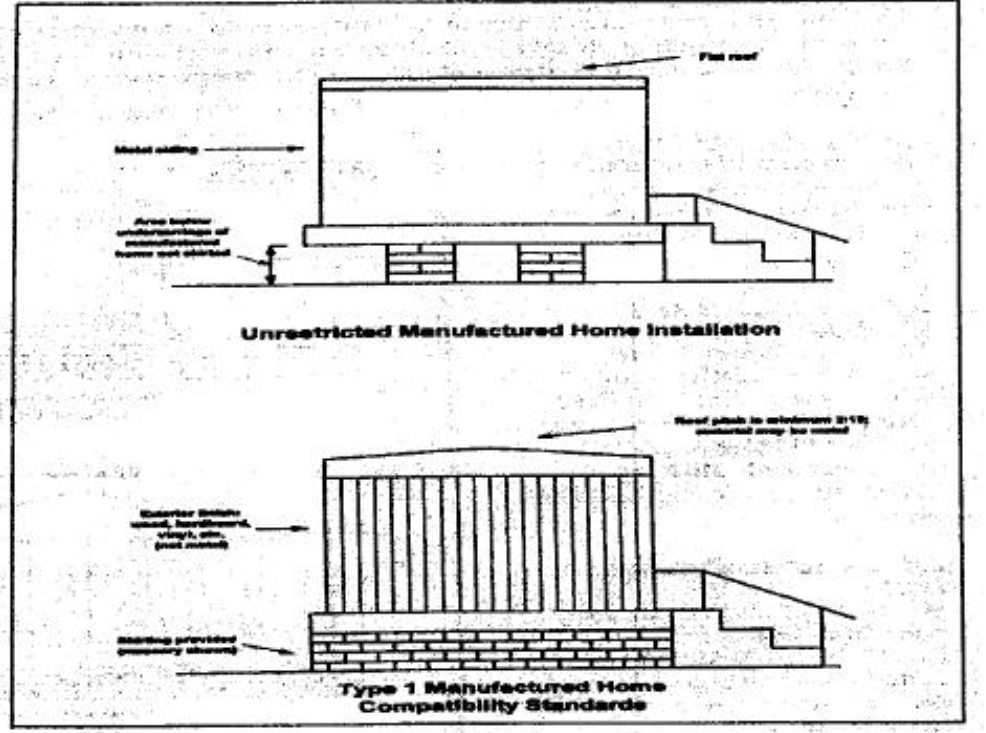
Figure 7.3.A. Manufactured Homes Unrestricted and Type 1
(d)
Exterior finish. The exterior siding of the manufactured home shall consist of wood, hardboard, vinyl, or plastic siding material.
(e)
Roof pitch and materials. The manufactured home shall have a pitched roof with a slope of at least two feet in height for each 12 feet in width. Roof materials shall be wood shake, tile, asphalt shingle, coated metal, or similar material.
(Code 2004, § 152.098; Ord. No. 381, 4-10-2006)
Sec. 108-153. - Type 2 compatibility standards.
(a)
Applicability. This section shall apply to all manufactured homes sited on lots located within 500 feet of two or more existing site-built single-family residences and is illustrated in figure 7.4.A.
(b)
Foundation. The manufactured home shall be placed on a permanent foundation.
(c)
Masonry skirting. The entire perimeter area between the bottom of the structure of each manufactured home and the ground, including stairways, shall be underpinned with masonry that completely encloses the perimeter of the undercarriage and attached stairways except for proper ventilation and access openings.
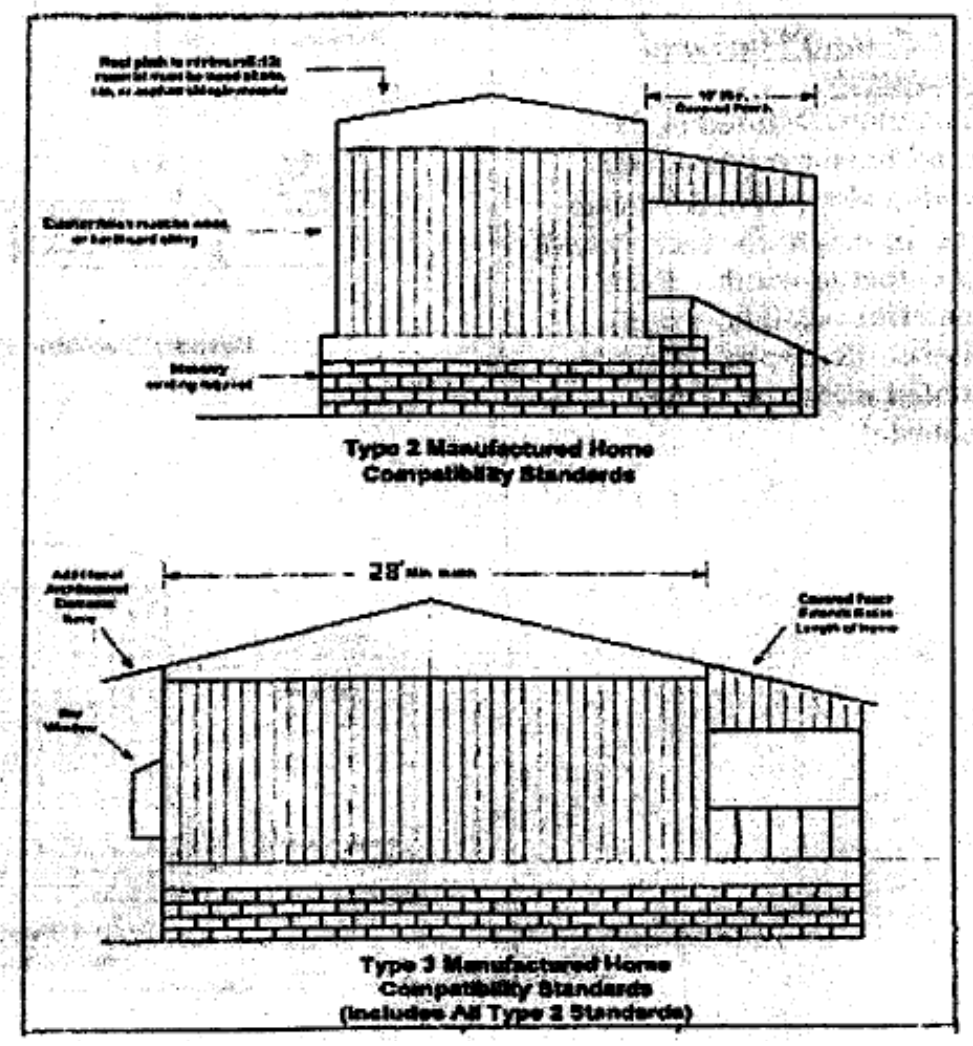
Figure 7.4.A. Manufactured Homes Types 2 and 3
(d)
Exterior finish. The exterior siding of the manufactured home shall consist of wood, hardboard, vinyl, or plastic siding material.
(e)
Roof pitch and materials. The manufactured home shall have a pitched roof with a slope of at least 6/12 roof pitch in height for each 12 feet in width. Roof materials shall be wood shake, tile, or asphalt shingle material.
(f)
Covered porch or deck. A covered porch, deck, or entry area at least ten feet by ten feet shall be added for each entrance to the manufactured home prior to occupancy.
(Code 2004, § 152.099; Ord. No. 381, 4-10-2006)
Sec. 108-154. - Compatibility standards.
(a)
Applicability. This section shall apply to areas where the strictest compatibility standards are necessary to ensure architectural harmony of manufactured homes with adjacent and nearby site-built homes and other land uses. These standards shall apply in addition to the type 2 compatibility standards provided in section 108-153 and are illustrated in figure 7.4.A.
(b)
Width. The manufactured home shall consist of two fully enclosed parallel sections and a total width of at least 28 feet.
(c)
Covered porch. A covered porch or deck shall be provided along the entire length of the manufactured home facing the front yard or street prior to occupancy, with a ten-foot minimum depth.
(d)
Additional architectural features. The manufactured home shall contain eaves with a minimum projection of six inches, window shutters, and at least one additional architectural feature such as dormers, bay windows, or another architectural feature that will provide equal compatibility with surrounding residences and land uses, as approved by the community development director.
(e)
Foundation. The manufactured home shall be placed on a permanent foundation.
(f)
Roof pitch and materials. The manufactured home shall have a pitched roof with a slope of at least 6/12 roof pitch in height for each 12 feet in width. Roof materials shall be wood shake, tile, or asphalt shingle material.
(Code 2004, § 152.100; Ord. No. 381, 4-10-2006)
Sec. 108-177. - Purpose.
This section regulates manufactured home parks and recreational vehicle and travel trailer parks and campgrounds, which provide for affordable permanent and temporary housing or seasonal recreational developments. Manufactured home parks are intended to provide for the leasing of spaces for the placement of manufactured homes, owned or rented by tenants, as well as spaces or campsites for recreational vehicles, within a planned residential community, park, or campground. A manufactured home park is different from a residential subdivision in that the individual spaces for manufactured homes, campsites, or recreational vehicles are leased rather than platted and sold. By requiring less land per home or vehicle space, manufactured home parks are built at densities greater than those for other detached dwellings. Service facilities such as laundry and leasing offices are often planned and provided as a part of the park development.
(Code 2004, § 152.105; Ord. No. 381, 4-10-2006)
Sec. 108-178. - Site plan review and land use permit required.
No manufactured home park shall be developed until and unless a site plan shall have been approved by the community development director and city engineer and a land use permit is issued by the community development director. The community development director shall not issue a land use permit for a manufactured home park unless it is in conformity with all the provisions of this division.
(Code 2004, § 152.106; Ord. No. 381, 4-10-2006)
Sec. 108-179. - Site conditions and site planning.
(a)
Site conditions. Manufactured home parks shall be sited on land that is not subject to hazards such as flooding, erosion, land subsidence, and areas with possible insect or rodent infestation. The condition of the soil, groundwater level, drainage, rock formations, and topography shall be appropriate for the use to ensure that no hazards to the property or to the health and safety of the occupants occurs.
(b)
Site planning. Planning for the manufacturing home park should be adapted to individual site conditions and the type of use or uses served, reflect advances in site planning techniques, and be adapted to the trends in the design of the manufactured home or recreational vehicle itself. Site planning and improvements shall provide for facilities and amenities appropriate to the needs of the occupants; safe, comfortable, and sanitary use by the occupants under all weather conditions; and practical and efficient operation and maintenance of all facilities at reasonable costs. The street and block pattern for the park shall be designed to attain proper sizes and shapes of manufactured home spaces so as to provide desirable areas and to reduce excessive length of street construction without impairing convenient circulation and access.
(Code 2004, § 152.107; Ord. No. 381, 4-10-2006)
Sec. 108-180. - General development requirements.
Manufactured home parks shall meet the following requirements:
(1)
Site frontage, access and minimum width. Properties containing manufactured home parks shall have a minimum of 200 feet of property frontage on a public street, and direct vehicular access to the manufactured home park shall be provided by means of an abutting public street with at least 200 feet of property frontage. The manufactured home park shall have a minimum lot width of 200 feet throughout the entire depth of the developed portion of the property. (See figure 8.3.A.)
(2)
Perimeter buffer or landscape screen. A minimum 20-foot wide buffer, where natural vegetation exists and provides a more or less opaque screen; or, where no natural vegetation forming an opaque screen exists, a minimum 20-foot wide landscape strip with evergreen trees that will grow to a height of at least six feet within three years shall be installed and maintained around the entire perimeter of the development, except for approved access and utility crossings. (See figure 8.3.A.)
(3)
Open space and recreational areas. A minimum of 20 percent of the site area shall be open space and recreational area, including the required perimeter buffer or landscape screen. A minimum of eight percent of the total site area, counted as part of the required 20 percent site area that is open space and recreation area, shall be devoted to one or more active recreation facilities.
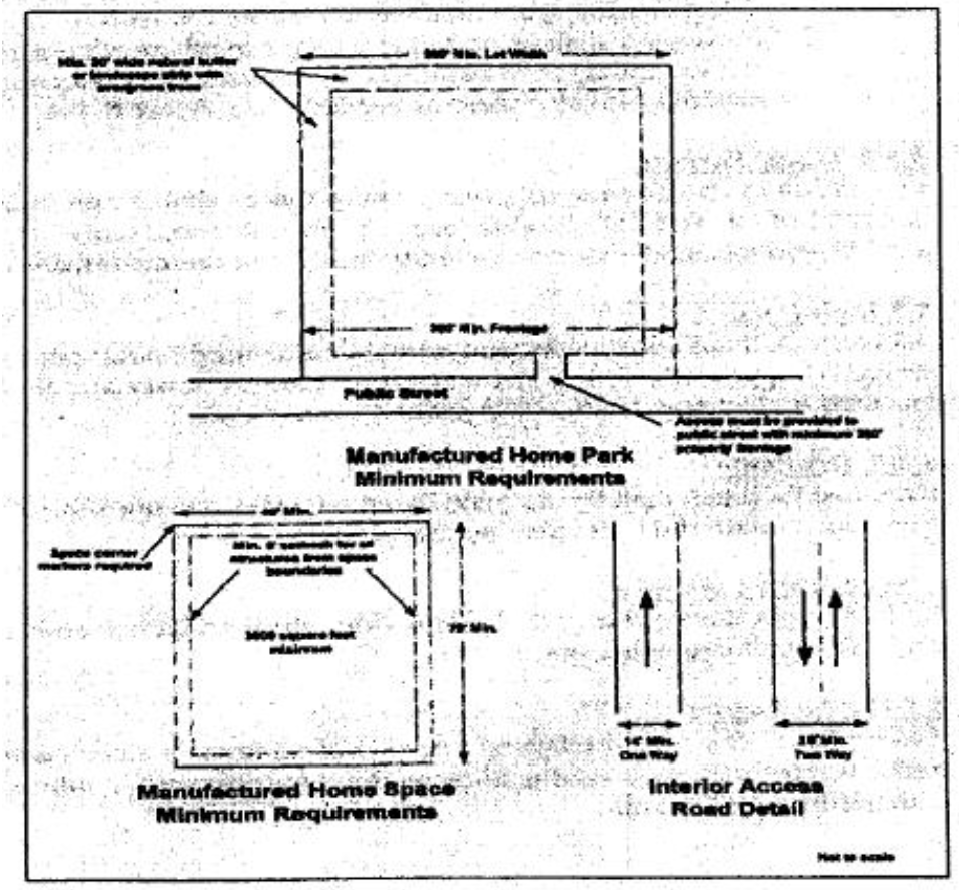
Figure 8.3.A. Manufactured Home Park Design
(4)
Community services. As part of the site plan review process, the developer may propose and the city may approve one or more other structures for manufactured home park occupants, such as laundries, storage, garages, and a park leasing or management office. Any structure that draws its trade from outside the park boundaries is prohibited.
(5)
Interior access roads, addresses and signing. The road system within the manufactured home park shall be designed to meet the requirements of the county fire marshal and the traveling public to include the following:
a.
All interior roads shall be private but constructed to provide fire apparatus access.
b.
All interior roads shall be paved.
c.
One-way interior roads shall be constructed with a minimum surface width of 14 feet, and shall be designated "no parking."
d.
Two-way interior roads shall be constructed with a minimum surface width of 24 feet, and shall be designated "no parking."
e.
Interior roads shall be clearly marked at each intersection with signs to identify traffic directions and space numbers served by the road.
f.
Driveways shall be provided on the site where necessary for convenient access to service entrances of buildings, to delivery and collection points for refuse and other material, and elsewhere as needed. (See figure 8.4.A.)
(6)
Guest parking. In addition to on-site parking, guest parking spaces shall be provided as part of the development, at a ratio of one parking space per each six manufactured home spaces. Guest parking spaces shall be grouped and distributed evenly throughout the manufactured home park.
(7)
Utilities. All manufactured home parks, and each manufactured home space within the park, shall be served by approved public water and public sanitary sewer and electricity. All utilities shall be installed underground with aboveground connections.
(8)
Drainage. Drainage facilities shall be designed by an engineer and are subject to the approval of the city engineer as part of the site plan review process.
(9)
Refuse collection. Each manufactured home park shall provide refuse collection pads at locations convenient to each manufactured home space.
(10)
Walkways. Sidewalks shall be required along one side of all interior streets and in areas where pedestrian traffic is expected, such as around recreation, management, mailbox groupings, if provided, and community services areas.
(11)
Park rules. The property owner or manager shall submit operating rules and regulations governing the park to the community development director prior to occupancy.
(Code 2004, § 152.108; Ord. No. 381, 4-10-2006)
Sec. 108-181. - Requirements for manufactured home spaces.
(a)
Design. Each manufactured home space shall be designed and constructed at such elevation, distance, and angle with respect to its access to provide for safe and efficient placement and removal of manufactured homes or recreational vehicles, as the case may be. Each manufactured home space shall be designed with no more than a five percent gradient and compacted with appropriate material to support maximum anticipated loads during all seasons.
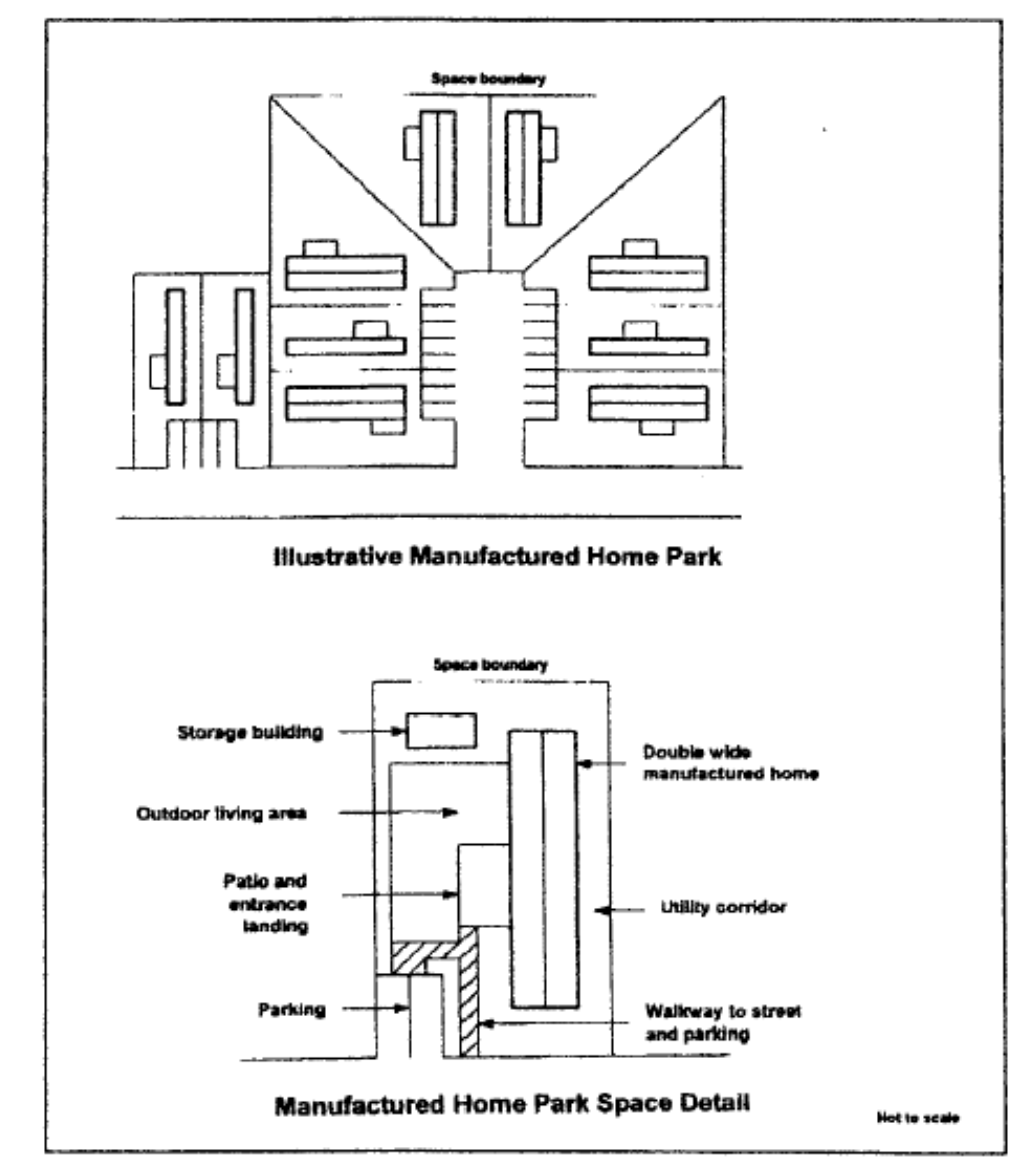
Figure 8.4.A. Manufactured Home Park and Spaces
(b)
Width, depth and size of spaces and markings. Each manufactured home space shall be at least 40 feet wide and 75 feet in depth. The minimum area for a manufactured home space shall be 10,000 square feet. The corners of each manufactured home space shall be clearly marked on the ground by permanent flush stakes, makers, or by other similar means. (See figure 8.4.A.)
(c)
Stands. Each manufactured home space shall be provided with a concrete pad of sufficient size to accommodate the typical manufactured home to be located within that space, and the pad should be large enough to accommodate a patio of at least 180 square feet and also provide for the anchoring of the home to secure it against movement; provided, however, that any individual stand shall be no less than 14 feet by 60 feet and spaces intended to serve double-wide homes shall be at least 24 feet by 60 feet. (See figure 8.4.A.)
(d)
Use of spaces. No more than one manufactured home or recreational vehicle shall occupy any individual space. Use of a manufactured home shall not be permitted in the manufactured home park. Accessory uses and structures on individual spaces may be permitted, subject to compliance with the development standards provided in this division.
(e)
Space identification numbers. Manufactured home space numbers at least four inches in height shall identify each space and shall remain readily identifiable while in use.
(f)
Parking. Two on-site parking spaces shall be provided on each manufactured home space or immediately off-site. (See figure 8.4.A.)
(g)
Walkways. A walkway at least two feet wide must be provided from each individual space to connect the manufactured home with the common walk or street. (See figure 8.4.A.)
(h)
Setbacks. No manufactured home shall be located closer than 20 feet to a manufactured home space boundary, and spaces shall be designed to provide for a minimum of 15 feet of separation between manufactured homes on abutting spaces. (See figure 8.4.A.)
(i)
Additions and accessory structures. Decks, porches, outdoor storage, or other exterior additions may be constructed or erected on a manufactured home space, subject to the approval of the manufactured home park management. No such accessory structure shall be located closer than five feet to a manufactured home space boundary. (See figure 8.4.A.)
(j)
Maximum density. The total number of spaces and total number of manufactured homes or recreational vehicles within the manufactured home park shall not exceed ten homes or vehicles or a combination thereof per acre.
(Code 2004, § 152.109; Ord. No. 381, 4-10-2006)

