
Labelle City Zoning Code
ARTICLE IV
- DISTRICT REGULATIONS
Sec. 4-56. - Establishment of districts; provisions for official zoning map.
(a)
The city is hereby divided into zones, or districts, as shown on the official zoning map which, together with all explanatory matter thereon, is hereby adopted by reference and declared to be a part of this chapter. The official zoning map shall be identified by the date of the adoption of the ordinance from which this chapter was derived, the signature of the mayor attested by the city clerk, and bearing the seal of the city under the following words:
"This is to certify that this is the official zoning map referred to in Section 1 of Ordinance Number 93 of the city of LaBelle, Florida,"
(b)
If changes are made in district boundaries or other matter portrayed on the official zoning map, such changes shall be entered on the official zoning map promptly after the amendment has been approved by the city commission, with an entry on the official zoning map as follows:
"On (date) , by official action of the City Commission the following (change) changes were made in the official zoning map: (description of change) ."
(c)
This entry shall be signed by the mayor and attested by the city clerk. No amendment to this chapter which involves matter portrayed on the official zoning map shall become effective until after such change and entry has been made on the map. No changes of any nature shall be made in the official zoning map or matter shown thereon except in conformity with the procedures set forth in this chapter. Any unauthorized change of whatever kind by any person shall be considered a violation of this chapter, and punishable as provided in section 4-5.
(d)
Regardless of the existence of purported copies of the official zoning map which may from time to time be made or published, the official zoning map, which shall be located in the office of the city clerk or other place easily accessible to the public, shall be the final authority as to the current zoning status of land and water areas, buildings and other structures in the city.
(e)
In the event that the official zoning map becomes damaged, destroyed, lost or difficult to interpret because of the nature of number of changes and additions, the city commission may by resolution adopt a new official zoning map which shall supersede the prior official zoning map. The new official zoning map may correct drafting or other errors or omissions in the prior official zoning map, but no such correction shall have the effect of amending the original official zoning map or any subsequent amendment thereof. The new official zoning map shall be identified by the signature of the mayor, attested by the city clerk, and bearing the seal of the city under the following words:
"This is to certify that this official zoning map supersedes and replaces the official zoning map adopted (date) , as part of Ordinance No. _____ of the city of LaBelle, Florida."
(f)
Unless the prior official zoning map has been lost, or has been totally destroyed, the prior map or any significant parts thereof remaining, shall be preserved, together with all available records pertaining to its adoption or amendment.
(Code 1967, § 25-1)
Sec. 4-57. - Rules for interpretation of district boundaries.
Where uncertainty exists as to the boundaries of districts as shown on the official zoning map, the following rules shall apply:
(1)
Boundaries indicated as approximately following the centerlines of streets, highways, or alleys shall be construed to follow such centerlines;
(2)
Boundaries indicated as approximately following platted lot lines shall be construed as following such lot lines;
(3)
Boundaries indicated as approximately following city limits shall be construed as following such city limits;
(4)
Boundaries indicated as following railroad lines shall be construed to be midway between the main tracks;
(5)
Boundaries indicated as following shore lines shall be construed to follow such shore lines, and in the event of change in the shore line shall be construed as moving with the actual shore line; boundaries indicated as approximately following the centerlines of streams, rivers, canals, lakes or bodies of water shall be construed to follow such centerlines;
(6)
Boundaries indicated as parallel to or extensions of features indicated in subsections (1) through (5) above shall be so construed. Distances not specifically indicated on the official zoning map shall be determined by the scale of the map;
(7)
Where physical or cultural features existing on the ground are at variance with those shown on the official zoning map, or in other circumstances not covered by subsections (1) through (6) above, the board of adjustment shall interpret the district boundaries;
(8)
Where a district boundary line divides a lot which was in single ownership at the time of passage of this Ordinance [Dec. 11, 1968] the board of adjustment may permit, as a special exception, the extension of the regulations for either portion of the lot not to exceed fifty (50) feet beyond the district line into the remaining portion of the lot.
(Code 1967, § 25-3)
Sec. 4-58. - Application of district regulation.
The regulations set by this chapter within each district shall be minimum regulations and shall apply uniformly to each class or kind or structure or land, and particularly, except as hereinafter provided:
(1)
No building, structure or land shall hereafter be used or occupied and no building or structure or part thereof shall be erected, constructed, reconstructed, moved or structurally altered except in conformity with all of the regulations herein specified for the district in which it is located.
(2)
No building or other structure shall hereafter be erected or altered:
a.
To exceed the height or bulk;
b.
To accommodate or house a greater number of families;
c.
To occupy a greater percentage of lot area;
d.
To have narrower or smaller rear yards, front yards, side yards, or other open spaces than herein required or in any other manner contrary to the provisions of this chapter.
(3)
No part of a yard, or other open space or off-street parking or loading space required about or in connection with any building for the purpose of complying with this chapter, shall be included as part of a yard, open space or off-street parking or loading space similarly required for any other building;
(4)
No yard or lot existing at the time of passage of this ordinance [Dec. 11, 1968] shall be reduced in dimension of area below the minimum requirements set forth herein. Yards or lots created after the effective date of the ordinance from which this section was derived shall meet at least the minimum requirements established by this chapter.
(5)
All territory which may hereafter be annexed to the city shall be considered to be in the R-1A District, until otherwise classified.
(Code 1967, § 25-4)
Sec. 4-59. - Schedule of district regulations adopted.
District regulations shall be as set forth in the schedule of district regulations, hereby adopted by reference and declared to be a part of this chapter, and in section 4-91 et seq., entitled "Supplementary District Regulations."
(Code 1967, § 25-6)
Sec. 4-60. - Single-family residential zone districts.
(a)
Intent and purpose. The intent and purpose of the single-family zoning districts is to preserve land for housing and provide housing opportunities for individual households. The regulations are intended to create, maintain and promote the development and redevelopment of these neighborhoods while preserving their existing residential character.
The regulations preserve the character of neighborhoods by providing three (3) different densities and development standards. These zones allow some nonhousehold living uses but not to an extent as to sacrifice the overall image and character of the neighborhood.
The regulations promote desirable residential areas by addressing aesthetically pleasing environments, safety, privacy, and recreational opportunities. The site development standards allow flexibility of development while maintaining compatibility within the city's various neighborhoods.
In addition, the regulations should provide clarity to property owners, developers, and neighbors about the limits of what is allowed. The city cannot anticipate or predict every unique situation or special circumstance. Special exceptions to these regulations may be requested by the property owner and considered by the city.
(b)
Advisory. The City of LaBelle adopted the Historic Oak Tree Ordinance and a Landscape Ordinance both of these codes will be applicable in single-family residential zoning classifications.
(c)
List of single-family residential classifications. The classification, map symbols and descriptions of the single-family residential districts are listed below.
(d)
Residential use development standards.
(1)
Permitted uses. Within a single-family residential district, the following uses shall be permitted:
a.
Public schools.
b.
Public parks of a passive recreational use (i.e. nature park).
c.
Single-family residence.
d.
City of LaBelle essential public utility stations.
e.
Mobile homes, limited to the Englewood and Pinewood subdivisions in accordance with supplementary regulations set forth in 4-89.
(2)
Construction standards.
a.
Area, yard and height requirements, see section 4-76 table.
b.
A residence must have a covered front entry of a minimum twenty (20) square feet and minimum five (5) feet in depth.
c.
For all new construction roof pitch must be a minimum of 5:12 and minimum overhang of twenty-four (24) inches, except for gable ends shall have a minimum of twelve (12) inches. This shall not apply to porches, patios, and/or additions to an existing home.
d.
Preengineered steel buildings and structural steel buildings must have permissible veneers or sidings. The veneers or sidings must be specifically manufactured or designed as siding materials.
(e)
Accessory uses for all single-family residential; purpose and intent. It is the purpose of the city to allow for accessory uses that will not negatively affect the neighborhood. It is the intent to eliminate the use of additional building sites for storage sites, accessory building and uses that detrimentally affect the neighboring properties. The primary residence shall be the singular focal point of the property from street view. Accessory buildings and uses should not draw attention from the primary residence.
(1)
Accessory buildings.
a.
Permitted accessory and storage buildings:
1.
Children's playhouses.
2.
Patios.
3.
Gazebos.
4.
Private barbeque pits or pavilions.
5.
Carports must be enclosed on at least three (3) sides. Decorative material, such as lattice may be used. Porticos, covered entries over driveways, are permissible and not considered a carport. A portico must be enclosed on at least two (2) sides (the exterior wall of the building would be considered one (1) side of the portico) allowing for a vehicle to drive through.
6.
Private garage.
7.
Pump house.
8.
Noncommercial greenhouses and plant nurseries.
9.
Tool houses and garden sheds.
10.
Garden work centers.
11.
Swimming pool (aboveground, inground, with or without enclosure).
12.
Similar type accessory uses.
13.
Guesthouses shall be permitted in R-1AA only in compliance with the following standards:
A.
Leasing or renting a guest accommodation facility shall constitute a violation of this LDC (Land Development Code).
B.
If a main residence is leased or rented, a guest accommodation facility accessory to it may not be occupied by the property owner, since that would constitute the unlawful utilization of single-family zoned property for two-family dwelling purposes.
C.
The following site design standards apply to all guest houses:
1.
Minimum lot area shall be thirty-two thousand six hundred seventy (32,670) square feet (¾ acre).
2.
The maximum floor area shall be forty (40) percent of the air-conditioned, enclosed living area (excluding garages, carports, patios, porches, utility areas, and the like) of the principal dwelling.
D.
The principal residence must be owner occupied.
E.
No more than one (1) guesthouse per principal residence.
b.
Accessory buildings shall not be constructed on a home site or buildable lot prior to the construction of the residence. A special exception may be granted to allow for an accessory building prior to construction of the residence. If granted, it must conform to all other provisions herein.
c.
Accessory buildings must be located in the rear or side yard, away from street frontages, not within setbacks and may not extend past the front face of the main building.
d.
Any accessory use or accumulation of household goods, open storage areas, and work shops must be buffered from all adjacent properties with vegetative buffers (refer: to the landscape ordinance for list of acceptable buffers—prepare examples of screening and buffering).
e.
Preengineered steel buildings and structural steel buildings must have permissible veneers or sidings. The veneers or sidings must be specifically manufactured or designed as siding materials.
_____
f.
Maximum building area, setbacks and proximity to main building:
(2)
Accessory uses.
a.
Within thirty (30) days from the date of adoption of this ordinance, recreational vehicles (all categories), trailers, equipment or watercraft parked or stored onsite, shall be in the rear yard away from street frontages. All vehicles must be registered in the name of the occupant(s). Notices of noncompliance shall include the following statement: "If you cannot comply within 60 days, please provide the city with your plan for compliance in writing. Your compliance plan must include how you will comply and how much time you will need to comply."
If rear yard is not accessible, then the side yard away from street frontage may be used. In either case, it (they) must be screened from neighbors' and street view with:
1.
Privacy fencing (finished surface must face neighbors or street view); fencing must be finished, i.e. plastic or vinyl fencing material, if wood fencing it must be pressure treated in accordance with section 4-84);
2.
Lattice and vegetative buffers and vine-type plant material; or
3.
A combination thereof.
Screening must be of equal length of object being screened, and a minimum of six (6) feet in height. Screening must be along at least one (1) side of the object, screening on additional sides may be required to properly screen the object from the neighbors' and the street view.
b.
Dog pens (including pens for other allowable pets) must be placed within thirty (30) feet of the main residence and in the rear yard, away from street frontages. Dog pens may not be within setbacks and may not exceed ten (10) percent of square feet of the residence. In R-1AA, pens must be within fifty (50) feet of the main residence.
c.
Appliances, including but not limited to refrigerators, freezers, washers, and dryers must be enclosed, either in the main residence, an accessory building or an enclosed area of the rear porch.
(f)
Nonpermitted uses in all single-family zones; purpose and intent. The City of LaBelle's purpose is to preserve the "hometown" atmosphere of LaBelle. The city's intent is to limit issues that are detrimental or negatively impact neighbors, property values and the community itself.
(1)
PODS, personal storage containers, Quonset hut-type buildings, truck trailers, or similar box style storage shall not be permitted.
(2)
No mobile homes.
(3)
For the purpose of this zoning district, if a use is not specifically permitted, it is assumed to be prohibited unless approved specifically by the city commission.
(g)
Special exceptions in all single-family zones.
(1)
Churches. Any facility must meet specific requirements of the city commission and all licensing authorities along with the following:
a.
Preengineered steel buildings and structural steel buildings must have permissible veneers or sidings. The veneers or sidings must be specifically manufactured or designed as siding materials.
b.
Meet the requirements of landscape ordinance for commercial developments, including but not limited to landscaping and buffering for parking areas.
c.
Church sign/bulletin board is permissible, but must not exceed twelve (12) square feet in area.
d.
Required parking spaces shall be calculated, as thirty (30) percent of the occupancy of the main building rating as determined by the fire inspector:
1.
Driveways and high traffic areas must be paved (concrete, asphalt, brick or pavers).
2.
A minimum of ten (10) parking places (including the required handicapped spaces) must be paved (concrete, asphalt, brick or pavers).
3.
The remainder of the parking may be paved, a dustless surface, grassed or a "living parking lot" as described in the landscape ordinance.
4.
Meet the requirements of the landscape ordinance.
(2)
Child care in the home. Must obtain all applicable licenses required by the state, Hendry County and the city; and must have written permission from the landlord, if applicable.
(3)
Golf courses and country clubs. Any facility must have a minimum of fifty (50) acres and meet the requirements of the city commission and all regulating authorities.
(4)
Bed and breakfast as per regulations of the Land Development Code of the City of LaBelle and any requirements of the city commission.
(5)
Roof pitch requirement contained in subsection (d)(2)c. may be the subject of a special exception application, but may not be less than 4:12.
(6)
Public parks of an active recreational nature or sports parks (i.e. Davis Pratt Park or Design a Dream at County Oaks Elementary).
(Code 1967, § 25-20; Ord. No. 2003-02, § 1, 2-13-03; Ord. No. 2003-10, § 1, 4-10-03; Ord. No. 2003-19, § i, 7-10-03; Ord. No. 2003-28, § i, 10-9-03; Ord. No. 2004-23, § I, 1-13-05; Ord. No. 2006-10, § I, 3-9-06; Ord. No. 2006-25, § I, 6-8-06; Ord. No. 2019-12, § 2, 8-8-2019; Ord. No. 2020-15, § 2, 11-12-2020)
Sec. 4-61. - Reserved.
Editor's note— Section I of Ord. No. 2003-19, adopted July 10, 2003, repealed § 4-61, which pertained to prohibited uses, and derived from Ord. No. 91-04, adopted Aug. 8, 1991.
Sec. 4-62. - Reserved.
Editor's note— Section I of Ord. No. 2006-04, adopted March 9, 2006, deleted § 4-62, which pertained to use requirements for residential district R-2T B, and derived from the 1967 Code, § 25-21; Ord. No. 2003-03, adopted March 13, 2003; Ord. No. 2003-16, adopted April 24, 2003; Ord. No. 2003-19, adopted July 10, 2003; and Ord. No. 2003-37, adopted March 11, 2004.
Sec. 4-63. - RNU (Residential Neighborhood Urban) zone.
4-63.1. Purpose and intent. The Residential Neighborhood Urban Zone (RNU) provides for areas of medium to high density with a variety of housing types to promote a sense of community, urban vitality and the efficient provision of infrastructure. This district is composed mainly of single family, two-family and multifamily dwellings. It is designed to encourage a suitable neighborhood environment for family life by including churches and schools, and to preserve the openness of the area by requiring minimum yard and area standards.
4-63.2. Definitions. Defined terms contained in this section are provided in section 2-4 of this Code.
4-63.3. Permitted uses. No use is permitted unless it is listed as a permitted or special exception use in this section.
1.
Permitted uses:
Accessory uses or buildings [see Appendix B, section 4-60(e)]
Assisted living facility
Congregate living facility
Duplex, triplexes, quadraplexes
Day care center
Family care home
Group care home
Home occupations
Parks and recreation facilities
Public/quasi-public utilities
Religious assemblies/church
Schools, public or private
Signs (in accordance with Appendix B, section 4-81)
Single-family detached units
Single-family attached units
Townhouse units
Mobile homes, limited to the Sunset Park and Ford Park subdivisions in accordance
with supplementary regulations set forth in 4-89.
2.
Special exceptions:
Temporary structures/buildings/uses
Rooming and boarding house
Multifamily dwellings greater than four (4) units
4-63.4. Residential development standards. In addition to the development standards established below, see Appendix B, section 4-76(a), residential property development standards.
1.
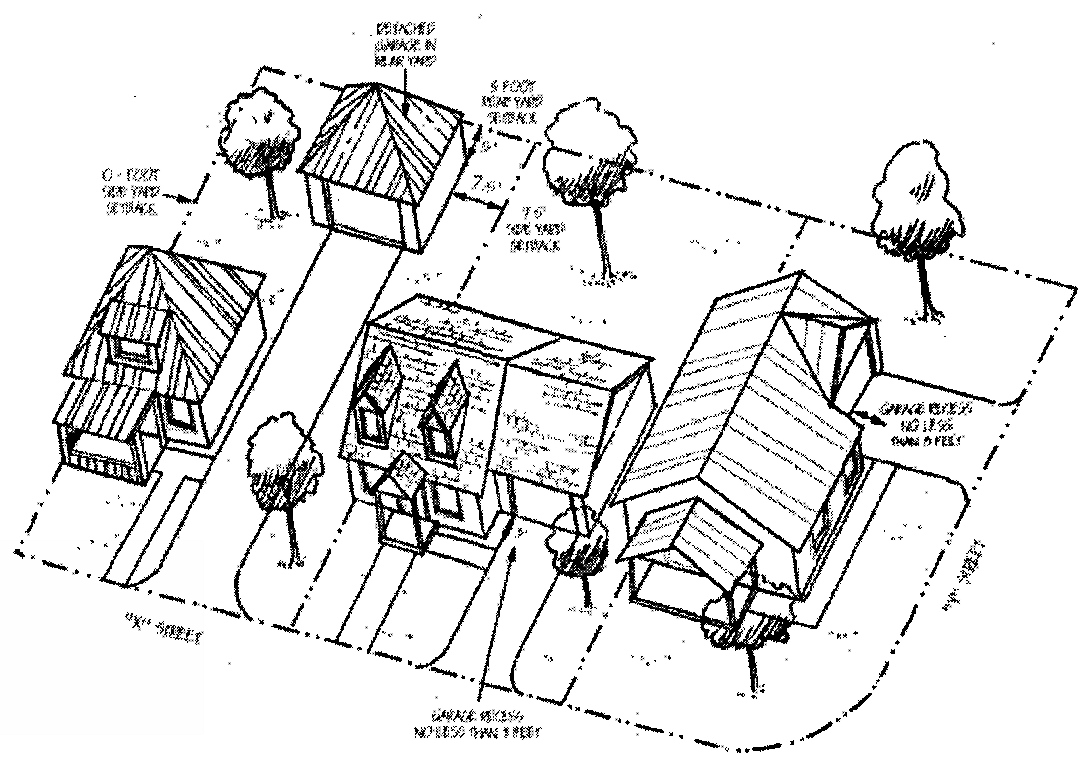
Garages. Whenever possible, garages or carports shall either be detached or shall face the side or rear lot line. If this is not possible, the garage or carport shall be recessed no less than three (3) feet from the front of the principal structure. In no instance shall the garage or carport be closer to the frontage street lot line than the front of the principal structure.
2.
Roofs.
(a)
Principal structures shall have a roof slope no flatter than a 5:12 pitch.
(b)
The roof of the principal structure shall include at least one (1) of the following:
(1)
At least one (1) dormer facing the street, if applicable to roof style.
(c)
Roof eaves shall project from the building wall a minimum of twelve (12) inches, measured horizontally, on at least the front and side elevations.
3.
Windows and entryways.
(a)
At least fifteen (15) percent of the area of a street-facing facade must include windows and main entryways.
(b)
Windows shall be square or vertical, at least as tall as it is wide; however two (2) or more vertical windows may be grouped together to provide a horizontal opening. Sunburst style windows are acceptable, as long as they meet these shape requirements.
(c)
Trim is required on all faces of the exterior. For example: shutters, stucco trim around windows or stucco band around the building.
4.
Porches and balconies.
(a)
The principal structure shall include a front porch or stoop at all main entrances that face a street.
(b)
All required porches that face a street shall be covered by a solid roof with a minimum pitch of 3:12. If the roof of a required porch is developed as a deck or balcony, it may be flat.
(c)
Single-family detached porches shall be a minimum of forty-eight (48) square feet.
(d)
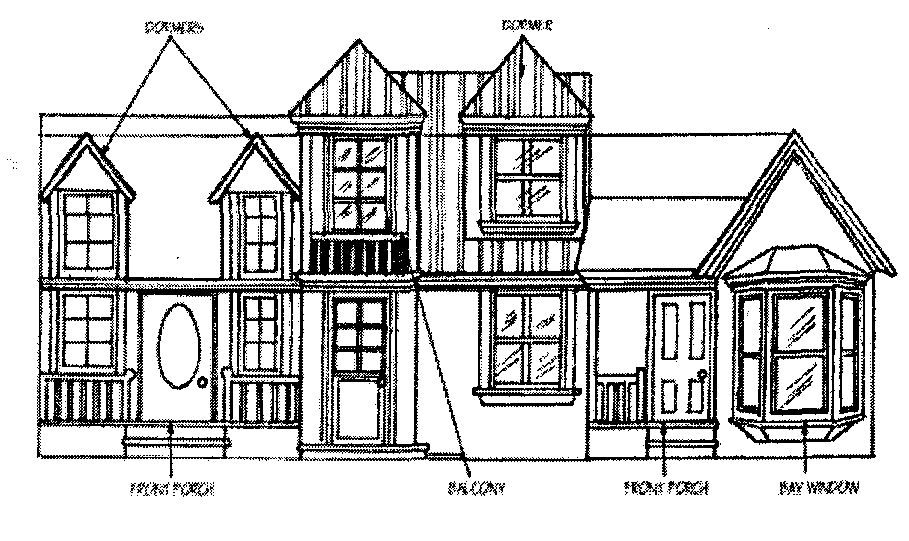
Duplexes, triplexes, quadraplexes and other multifamily dwelling units shall include at least two (2) of the following architectural elements:
(1)
Dormers;
(2)
Front porches;
(3)
Bay windows;
(4)
Balconies.
Required porches shall be a minimum of forty-eight (48) square feet. If the main entrance is for more than one (1) dwelling, the covered area provided by the porch shall be at least sixty (60) square feet.
5.
Walkways. A walkway shall extend from the sidewalk or street to the main entrance. The walkway shall be no less than five (5) feet in width and shall be constructed of concrete or landscape pavers.
6.
Driveways and off-street parking. Driveways shall be designed to avoid the domination of front yards by large expanses of impervious surface area, which deadens the streetscape and discourages pedestrian activity.
(a)
Parking areas for new buildings or structures shall be located in the rear or side of the principal structure. Detached single-family dwellings are exempt from this requirement [see section 4-76(a)1.].
(b)
All driveways and parking areas shall be constructed of a hard surface such as concrete, asphalt, landscape pavers or equivalent. Gravel, loose rock or mulch are not acceptable materials.
4-63.5. Nonresidential development standards. In addition to the development standards established below, see Appendix B, section 4-76(a), residential property development standards.
1.
Nonresidential permitted uses such as churches, day care centers or schools shall be designed in scale with the surrounding residential uses.
2.
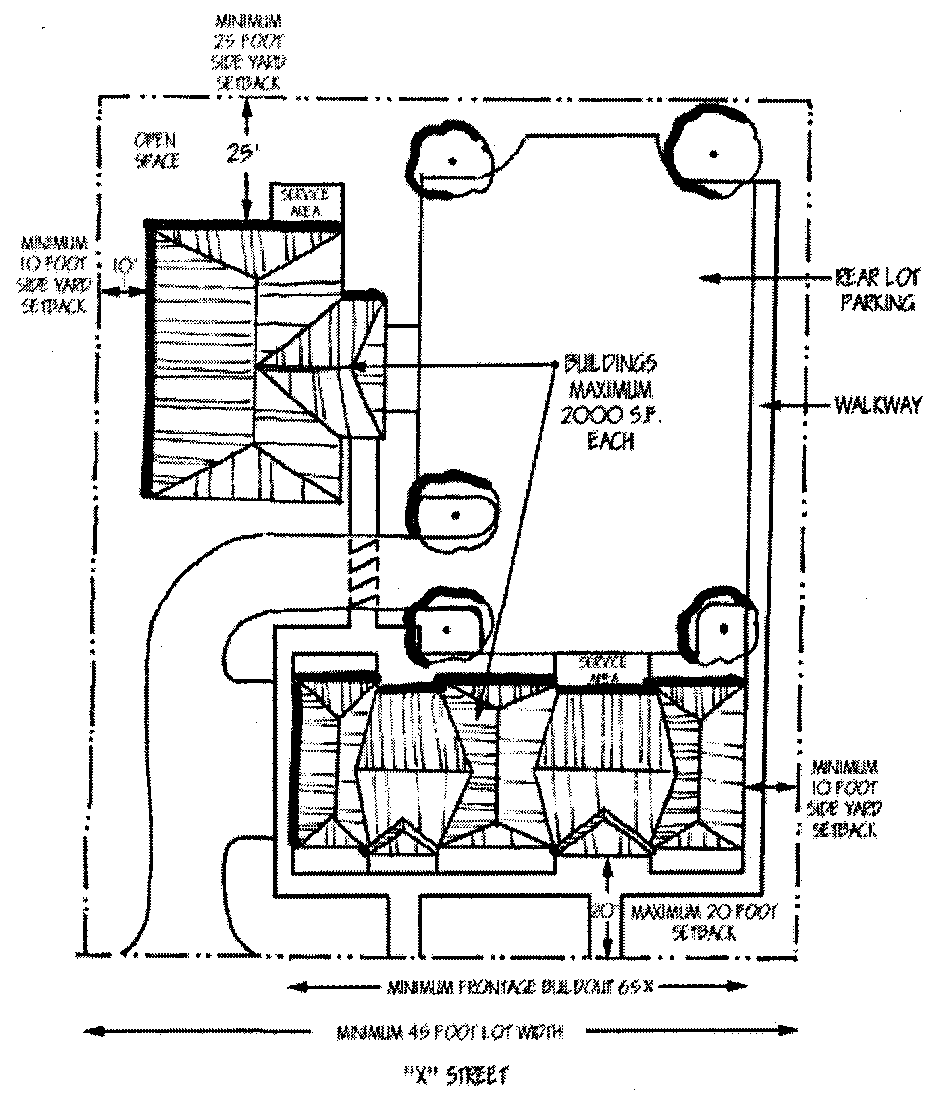
Parking areas for new buildings or structures shall be located in the rear or side of the principal structure. This subsection shall not apply to buildings that exist at the time of establishment of the RNU zoning district.
3.
Buildings shall contain ground level fenestration such as transparent windows, or openings at street level and shall conform to the commercial design standards established in LDC Appendix B, Article V.5, section 4-90.
4.
Service entrances or service yards shall be located only in the rear or side yard of the business use and shall be screened from adjacent residential uses by the installation and maintenance of a solid wall or fence with a minimum height of four (4) feet, or a vegetative hedge having a minimum mature height of four (4) feet. Trash receptacles shall be located at the rear of the site and shall be screened from view with a wall or fence and a gate.
A walkway shall extend from the sidewalk or street to the main entrance. The walkway shall be no less than five (5) feet in width and shall be constructed of concrete or landscape pavers.
5.
All driveways and parking areas shall be constructed of a hard surface such as concrete, asphalt, landscape pavers or equivalent. Gravel, loose rock or mulch are not acceptable materials.
(Ord. No. 2008-14, § I, 7-31-08; Ord. No. 2019-07, § 2, 5-9-2019; Ord. No. 2020-07, § 2, 7-9-20; Ord. No. 2020-15, § 2, 11-12-2020)
Sec. 4-64. - Use requirements for residential district R-2, duplex and single-family.
(a)
Intent and purpose. The regulations preserve the character of neighborhoods by providing density and development standards. The development standards work together to create desirable residential areas by promoting aesthetically pleasing environments, safety, privacy, and recreational opportunities. The site development standards allow flexibility of development while maintaining compatibility within the city's various neighborhoods. In addition, the regulations provide clarity to property owners, developers, and neighbors about the limits of what is allowed. The city commission cannot anticipate or predict every unique situation or special circumstance. Special exceptions to these regulations may be requested by the property owner and considered by the city commission.
(b)
Advisory. The City of LaBelle adopted the historic oak tree ordinance and a landscape ordinance both of these codes are applicable in all zoning classifications.
(c)
Residential use development standards.
(1)
Permitted uses. The following uses shall be permitted in R-2:
a.
Public schools.
b.
Public parks of a passive recreational use (i.e. Nature Park, Barron Park).
c.
Single-family residence.
d.
Duplex or two-family residence, provided that the following conditions, including the square footage requirements set forth in the table contained herein:
1.
Only one (1) entrance per street frontage (one (1) driveway entrance and one (1) front door). The single front door could be an entrance to a foyer opening for two (2) entrances. The elevation/facade shall be designed to appear to be a single-family residence.
2.
Trim is required on all faces of the exterior. For example: shutters, stucco trim around windows or stucco band around the building.
3.
Parking area and garages shall be located either in the rear or side. Refer to the landscape ordinance for regulations on parking areas and driveways.
4.
No duplex or two-family residence shall exceed more than three (3) bedrooms or two (2) bedrooms with a den/office per unit.
e.
City of LaBelle essential public utility stations.
(2)
Construction and design standards.
a.
Single-family and duplex construction shall conform to the following:
1.
Front entrance shall be a covered entry a minimum of twenty (20) square feet and five (5) feet in depth.
2.
For all new construction roof pitch must be a minimum of 5:12 and minimum overhang of twenty-four (24) inches, except gable ends shall have a minimum of twelve (12) inches, provided however this shall not apply to porch or patios.
b.
The minimum living area of a single-family unit is one thousand one hundred twenty (1,120) square feet. However each bedroom over two (2) bedrooms must be at least one hundred twenty (120) square feet per room. For the purpose of this paragraph utility rooms, walk-in closets, pantries or bathrooms are not considered rooms:
Example A: A three-bedroom house or a two-bedroom house with a den/office would both require a minimum of one thousand two hundred forty (1,240) square feet.
The minimum living area up to two (2) bedrooms is nine hundred (900) square feet per unit for duplex. Any additional bedroom(s) or room(s) must be a minimum of one hundred twenty (120) square feet per room. For the purpose of this paragraph utility rooms, walk-in closets, pantries or bathrooms are not considered rooms:
Example B: A three-bedroom duplex or a two-bedroom duplex with a den/office would both require a minimum of one thousand twenty (1,020) square feet per unit.
c.
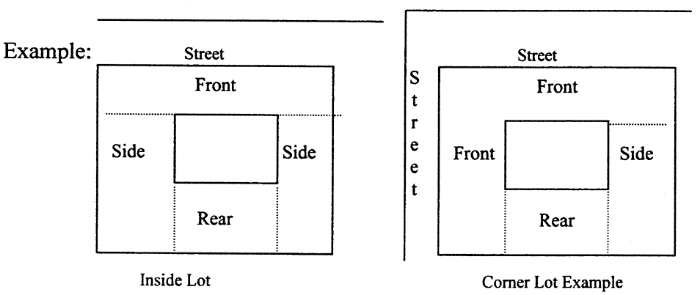
A "front" is defined as any portion of the property adjacent to a street, including lots that are contiguous in the rear and run from street to street. A "corner lot" will have two (2) fronts. For the purpose of setbacks, if there are two (2) front setbacks there will be one (1) side and one (1) rear setback. The rear shall be opposite the front entrance of the building, except for duplex(es). The "front yard" is the portion adjacent to the street. A "side yard" is defined as that portion of the yard along the side of the building extending to the rear lot line. A "rear yard" is the portion of the yard along the rear face to the side setback lines.
Lot Examples
d.
Area, yard and height requirements, see section 4-76 table.
(d)
Accessory uses; purpose and intent. It is the purpose of the city to allow for accessory uses that will not negatively affect the neighborhood. It is the intent to eliminate the use of additional building sites for storage sites, accessory building and uses that detrimentally affect the neighboring properties. The primary residence shall be the singular focal point of the property from street view. Accessory buildings and uses should not draw attention from the primary residence.
(1)
Accessory buildings.
a.
Permitted accessory and storage buildings:
1.
Children's playhouses.
2.
Patios.
3.
Gazebos.
4.
Private barbeque pits or pavilions.
5.
Carports must be enclosed on at least three (3) sides. Decorative material, such as lattice may be used. Porticos, covered entries over driveways, are permissible and not considered a carport. A portico must be enclosed on at least two (2) sides (the exterior wall of the building would be considered one (1) side of the portico) allowing for a vehicle to drive through.
6.
Private garage.
7.
Pump house.
8.
Noncommercial greenhouses and plant nurseries.
9.
Tool houses and garden sheds.
10.
Garden work centers.
11.
Swimming pool (aboveground, inground, with or without enclosure).
12.
Similar type accessory uses.
b.
Accessory buildings shall not be constructed on a site or buildable lot prior to the construction of the residence. A special exception may be granted to allow for an accessory building prior to construction of the main building. If granted, it must conform to all other provisions herein.
c.
Accessory buildings must be located in the rear or side yard, away from street frontages, not within setbacks and may not extend past the front face of the main building.
d.
Maximum building area, setbacks and proximity to main building.
e.
Preengineered steel buildings and structural steel buildings must have permissible veneers or sidings. The veneers or sidings must be specifically manufactured or designed as siding materials.
(2)
Accessory uses.
a.
Within six (6) months from the date of enactment of this ordinance, any recreational vehicles (all categories), trailers, equipment or watercraft, parked or stored onsite, must be in the rear yard away from street frontages. All vehicles must be registered in the name of the occupant(s). Notices of noncompliance shall include the following statement: "If you cannot comply within sixty (60) days, please provide the city with your plan for compliance in writing. Your compliance plan must include how you will comply and how much time you will need to comply.
If rear yard is not accessible, then the side yard away from street frontage may be used. In either case, it (they) must be screened from neighbors' and street view with:
1.
Privacy fencing (finished surface must face neighbors or street view); fencing must be finished, i.e. plastic or vinyl fencing material, if wood fencing it must be pressure treated in accordance with section 4-84);
2.
Lattice and vegetative buffers and vine-type plant material; or
3.
A combination thereof.
Screening must be of equal length of object being screened, and a minimum of six (6) feet in height. Screening must be along at least one (1) side of the object, screening on additional sides may be required to properly screen the object from the neighbors' and the street view.
b.
Dog pens (including pens for other allowable pets) must be placed within thirty (30) feet of the main residence and in the rear yard, away from street frontages. Dog pens may not be within setbacks and may not exceed ten (10) percent of square feet of the residence. Dog pens are not permissible in a multifamily development regardless of the zoning district.
c.
Appliances, including but not limited to refrigerators, freezers, washers, and dryers must be enclosed, either in the main residence, an accessory building or an enclosed area of the rear porch.
(e)
Nonpermitted uses; purpose and intent. The City of LaBelle's purpose is to preserve the "home town" quaint atmosphere of LaBelle. The city's intent is to limit issues that are detrimental or negatively impact neighbors and the community itself. The following are not permitted:
(1)
PODS, personal storage containers, Quonset hut-type buildings, truck trailers, or similar box style storage.
(2)
Mobile homes.
(3)
For the purpose of this zoning district, if a use is not specifically permitted, it is assumed to be prohibited unless approved specifically by the city commission.
(f)
Special exceptions.
(1)
Assisted living facility or nursing home.
(2)
Commercial daycare for children or adults.
(3)
Bed and breakfast inn as per regulations of land development code of the City of LaBelle and any requirements of the city commission.
(4)
Churches. Any facility must meet specific requirements of the city commission and all licensing authorities along with the following:
a.
Preengineered steel buildings and structural steel buildings must have permissible veneers or sidings. The veneers or sidings must be specifically manufactured or designed as siding materials.
b.
Meet the requirements of landscape ordinance for commercial developments, including but not limited to landscaping and buffering for parking areas.
c.
Church onsite sign/bulletin board is permissible, but must not exceed twelve (12) square feet in area.
d.
Required parking spaces shall be calculated, as thirty (30) percent of the occupancy of the main building rating as determined by the fire code inspector.
1.
Driveways and high traffic areas must be paved (asphalt, concrete, brick, or pavers).
2.
A minimum of ten (10) parking places (including the required handicapped spaces) must be paved (asphalt, concrete, brick, or pavers).
3.
The remainder of the parking area may be paved, dustless surface, grassed, or a "living parking lot" as described in the landscape ordinance.
4.
Meet the requirements of the landscape ordinance.
(5)
Multifamily residential uses, triplex, quadraplex or apartment buildings may be permitted as a special exception in R-2, provided however the proposed project complies with all the requirements of the land development code of the city.
(6)
Roof pitch requirement may be the subject of a special exception, provided however the roof pitch shall be no less than 4:12.
(Code 1967, § 25-22; Ord. No. 2002-05, § 1, 11-14-02; Ord. No. 2003-06, § 1, 3-13-03; Ord. No. 2003-17, § 1, 4-24-03; Ord. No. 2003-25, § I, V, 10-9-03; Ord. No. 2004-23, § I, 1-13-05; Ord. No. 2006-04, § I, 3-9-06; Ord. No. 2019-12, § 2, 8-8-2019)
Sec. 4-65. - R-2T residential zone district.
(a)
Intent and purpose. The intent of the regulations is to preserve the character of neighborhoods by providing different densities and development standards. The development standards work together to create desirable residential areas by promoting aesthetically pleasing environments, safety, privacy, and recreational opportunities. The site development standards allow flexibility of development while maintaining compatibility within the city's various neighborhoods. In addition, the regulations provide clarity to property owners, developers, and neighbors about the limits of what is allowed. The city commission cannot anticipate or predict every unique situation or special circumstance. Special exceptions to these regulations may be requested by the property owner and considered by the city commission.
(b)
Advisory. The City of LaBelle adopted the historic oak tree ordinance and a landscape ordinance both of these codes are applicable in all zoning classifications.
(c)
Residential use development standards.
(1)
Permitted uses. The following uses shall be permitted in R-2T:
a.
Public schools.
b.
Public parks of a passive recreational use (i.e. Nature Park, Barron Park).
c.
Single-family residence.
d.
Manufactured homes.
e.
Duplex residence.
f.
City of LaBelle essential public utility stations.
g.
Within six (6) months of the adoption of this ordinance all existing and new manufactured homes within the incorporated city limits regardless of zoning district shall be skirted. An additional six-months extension may be granted by the city commission, if applicant can prove to the satisfaction of the city commission the original deadline imposes a hardship upon the applicant.
1.
Examples of acceptable skirting materials are: concrete block, provided it has a finished surface, brick, hardi-board, vinyl lattice, and other types materials manufacture specifically for home skirting.
2.
Wood products, aluminum skirting, wire fencing or mesh is not permissible as skirting.
(2)
Construction and design standards.
a.
Single-family (site built or mobile) construction shall conform to the following:
1.
Minimum square footage shall be nine hundred (900) square feet and no less than thirteen (13) feet in width. The measurement for a manufactured home shall be the measurement of the box (not including the hitch) with verifiable title.
2.
Minimum roof pitch shall be 3:12.
3.
Front entrance shall be a covered entry a minimum of thirty-six (36) square feet and six (6) feet in depth. Raised structures must have a raised covered front entrance with railings. Steps must be permanently installed with railings along both sides. The steps may be wood, block, brick or appropriate building material. Portable steps are not acceptable for the front entrance.
4.
Rear entrance steps are required for raised structures. The top platform (top landing) must be a minimum of forty (40) inches wide by thirty-seven (37) inches deep with railings.
b.
Any additional bedroom(s) or room(s) must be minimum of one hundred twenty (120) square feet per room. For the purpose of this paragraph utility rooms, walk-in closets, pantries or bathrooms are not considered rooms:
Example A: A three-bedroom house or a two-bedroom house with a den/office would both require a minimum of one thousand twenty (1,020) square feet.
Example B: A three-bedroom or a two-bedroom manufactured home with a den/office would both require a minimum of one thousand twenty (1,020) square feet.
c.
Manufactured homes.
1.
If manufactured home has been previously titled, a structural inspection is required prior to the issuance of a permit.
2.
At the time of permit application, the hurricane wind zone determination must be provided by applicant verifying the wind zone code, square footage, length, width and age of the mobile home.
3.
No manufactured home, park model or recreational vehicle with recreational seals may be used as a residence, unless located in an RV Park (i.e. Aqua Isles and LaBelle Woods).
4.
A manufactured home moved to a new location, installed or setup within the city must be no more than five (5) years old.
5.
A certificate of occupancy shall not be issued until the building inspector has inspected the skirting to verify the use proper materials and correct installation.
d.
A "front" is defined as any portion of the property adjacent to a street, including lots that are contiguous in the rear and run from street to street. A corner lot will have two (2) fronts. For the purpose of setbacks, if there are two (2) front setbacks there will be one (1) side and one (1) rear setback. The rear shall be opposite the front entrance of the building. The "front yard" is the portion adjacent to the street. A "side yard" is defined as that portion of the yard along the side of the building extending to the rear lot line. A "rear yard" is the portion of the yard along the rear face to the side setback lines.
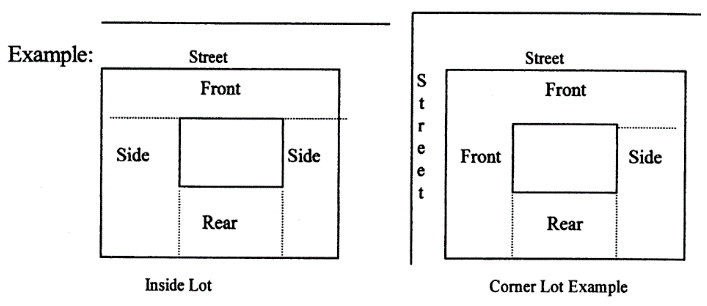
Lot Examples
e.
Area, yard and height requirements, see section 4-76 table.
(d)
Accessory uses; purpose and intent. It is the purpose of the city to allow for accessory uses that will not negatively affect the neighborhood. It is the intent to eliminate the use of additional building sites for storage sites, accessory building and uses that detrimentally affect the neighboring properties. The primary residence shall be the singular focal point of the property from street view. Accessory buildings and uses should not draw attention from the primary residence.
(1)
Accessory buildings.
a.
Permitted accessory and storage buildings:
1.
Children's playhouses.
2.
Patios.
3.
Gazebos.
4.
Private barbeque pits or pavilions.
5.
Carports must be enclosed on at least three (3) sides. Decorative material, such as lattice may be used. Porticos, covered entries over driveways, are permissible and not considered a carport. A portico must be enclosed on at least two (2) sides (the exterior wall of the building would be considered one (1) side of the portico) allowing for a vehicle to drive through.
6.
Private garage.
7.
Pump house.
8.
Noncommercial greenhouses and plant nurseries.
9.
Tool houses and garden sheds.
10.
Garden work centers.
11.
Swimming pool (aboveground, inground, with or without enclosure).
12.
Similar type accessory uses.
b.
Accessory buildings shall not be constructed on a site or buildable lot prior to the construction of the residence. A special exception may be granted to allow for an accessory building prior to construction of the main building. If granted, it must conform to all other provisions herein.
c.
Accessory buildings must be located in the rear or side yard, away from street frontages, not within setbacks and may not extend past the front face of the main building.
_____
d.
Maximum building area, setbacks and proximity to main building.
_____
e.
Preengineered steel buildings and structural steel buildings must have permissible veneers or sidings. The veneers or sidings must be specifically manufactured or designed as siding materials.
(2)
Accessory uses.
a.
Within six (6) months from the date of enactment of this ordinance, any recreational vehicles (all categories), trailers, equipment or watercraft, parked or stored onsite, must be in the rear yard away from street frontages. All vehicles must be registered in the name of the occupant(s). Notices of noncompliance shall include the following statement: "If you cannot comply within sixty (60) days, please provide the city with your plan for compliance in writing. Your compliance plan must include how you will comply and how much time you will need to comply."
If rear yard is not accessible, then the side yard away from street frontage may be used. In either case, it (they) must be screened from neighbors' and street view with:
1.
Privacy fencing (finished surface must face neighbors or street view); fencing must be finished, i.e. plastic or vinyl fencing material, if wood fencing it must be pressure treated in accordance with section 4-84);
2.
Lattice and vegetative buffers and vine-type plant material; or
3.
A combination thereof.
Screening must be of equal length of object being screened, and a minimum of six (6) feet in height. Screening must be along at least one (1) side of the object, screening on additional sides may be required to properly screen the object from the neighbors' and the street view.
b.
Dog pens (including pens for other allowable pets) must be placed within thirty (30) feet of the main residence and in the rear yard, away from street frontages. Dog pens may not be within setbacks and may not exceed ten (10) percent of square feet of the residence. Dog pens are not permissible in a multifamily development regardless of the zoning district.
c.
Appliances, including but not limited to refrigerators, freezers, washers, and dryers must be enclosed, either in the main residence, an accessory building or an enclosed area of the rear porch.
(e)
Nonpermitted uses; purpose and intent. The City of LaBelle's purpose is to preserve the "home town" quaint atmosphere of LaBelle. The city's intent is to limit issues that are detrimental or negatively impact neighbors and the community itself. The following are not permitted uses:
PODS, personal storage containers, Quonset hut-type buildings, truck trailers, or similar box style storage.
For the purpose of this zoning district, if a use is not specifically permitted, it is assumed to be prohibited.
(f)
Special exceptions.
(1)
Assisted living facility or nursing home.
(2)
Bed and breakfast inn as per regulations of land development code of the City of LaBelle and any requirements of the city commission.
(3)
Churches. Any facility must meet specific requirements of the city commission and all licensing authorities along with the following:
a.
Preengineered steel buildings and structural steel buildings must have permissible veneers or sidings. The veneers or sidings must be specifically manufactured or designed as siding materials.
b.
Meet the requirements of landscape ordinance for commercial developments, including but not limited to landscaping and buffering for parking areas.
c.
Church on site sign/bulletin board is permissible, but must not exceed twelve (12) square feet in area.
d.
Required parking spaces shall be calculated, as thirty (30) percent of the occupancy of the main building rating as determined by the fire code inspector.
1.
Driveways and high traffic areas must be paved (asphalt, concrete, brick, or pavers).
2.
A minimum of ten (10) parking places (including the required handicapped spaces) must be paved (asphalt, concrete, brick, or pavers).
3.
The remainder of the parking area may be paved, a dustless surface, grassed, or a "living parking lot" as described in the landscape ordinance.
4.
Meet the requirements of the landscape ordinance.
(5)
Multifamily residential uses, triplex, quadraplex or apartment buildings may be permitted as a special exception. The proposed project must comply with all the requirements of the land development code of the city.
(6)
Mobile home parks and RV parks. The proposed project must comply with all the requirements of the land development code of the city.
(Ord. No. 2003-25, §§ I, V, 10-9-03; Ord. No. 2003-27, §§ I, V, 11-13-03; Ord. No. 2004-23, § I, 1-13-05; Ord. No. 2006-04, § I, 3-9-06; Ord. No. 2019-12, § 2, 8-8-2019)
Sec. 4-66. - Use requirements for R-3, multifamily residential zone.
(a)
Intent and purpose. The intent and purpose of the multifamily zoning districts is to preserve land for multifamily (three (3) or more dwelling units) housing and provide opportunities for additional multifamily housing. These regulations are intended to create, maintain and promote the development and redevelopment of these neighborhoods while preserving their existing residential character. At the same time, they allow for some institutional and nonhousehold uses, but not to the extent as to sacrifice the overall residential neighborhood image and character. The regulations preserve the character of neighborhoods by providing density and development standards. The development standards work together to create desirable residential areas by promoting aesthetically pleasing environments, safety, privacy, and recreational opportunities. The site development standards allow flexibility of development while maintaining compatibility within the city's various neighborhoods. In addition, the regulations provide clarity to property owners, developers, and neighbors about the limits of what is allowed. The city commission cannot anticipate or predict every unique situation or special circumstance. Special exceptions to these regulations may be requested by the property owner and considered by the city commission.
(b)
Advisory. The City of LaBelle adopted the historic oak tree ordinance and a landscape ordinance both of these codes are applicable in all zoning classifications.
(c)
Residential use development standards.
(1)
Permitted uses. The following uses shall be permitted in R-3:
a.
Public schools.
b.
Public parks of a passive recreational use (i.e. Nature Park, Barron Park).
c.
Single-family.
d.
Multifamily residential uses, triplex, quadraplex and apartment buildings.
e.
City of LaBelle essential public utility stations.
f.
Mobile homes, limited to the Englewood subdivision in accordance with supplementary regulations set forth in Section 4-89 of this Code.
(2)
Construction and design standards.
a.
Construction shall conform to the following:
1.
Covered entry or entries must be provided, as follows:
(i)
One (1) covered entrance for an entire complex must be a minimum of one hundred twenty (120) square feet, no less than ten (10) feet in depth; or
(ii)
Individual covered entrances must a minimum twenty (20) square-foot covered entry.
(iii)
At the discretion of the building official, an exception may be granted to allow for a reduced individual covered entry per dwelling unit providing the front face of the dwelling unit is not flat, that is the face must be interrupted by a significant protrusion (i.e. a bay window, extended walls, etc).
2.
For all new construction roof pitch must be a minimum of 5:12 and minimum overhang of twenty-four (24) inches, except gable ends shall have a minimum of twelve (12) inches, provided however this shall not apply to porch or patios.
3.
Parking areas shall be located in the rear away from street frontages, screened from view of the properties abutting, adjoining and across the street from the development. Refer to special exceptions subsection (f) for more on parking areas.
4.
If the rear elevation/face of the building(s) are in view of the street, there must be either a "front facade" to create the appearance of the front or a buffer must be along the street frontage and contain double the elements required in Exhibit I of the landscape ordinance.
(i)
LaBelle Commons on Bryan Avenue is a good example of vegetative buffers screening the view of the rear face of buildings from the street.
(ii)
If the building(s) has more than one (1) floor, the buffer must be planted with trees that will gain sufficient height to screen the second floor, as well as, the first floor from the view of the street.
5.
Buildings must be concrete block stucco or a brick facade on the exterior wall surface (painted block exterior is not acceptable).
b.
The minimum square footage for each dwelling unit is as per the table above. All additional rooms must be minimum of one hundred twenty (120) square feet excluding closets. Utility rooms, walk-in closets, walk-in pantries and bathrooms are not counted as rooms. Maximum number of bedrooms per dwelling unit is three (3).
c.
The "build to" line is a range within which the front face of the building must be placed. In this section of the code the front "build to" line is not less than twenty (20) feet from the street and not more than thirty (30) feet from that street. Front setbacks shall be applied to all street frontages. A typical corner lot will have two (2) fronts, one (1) side and rear setback.
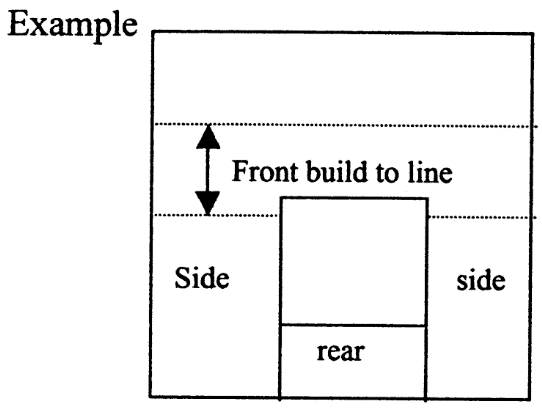
Build-to Line
The "front yard" is the portion adjacent to the street. A "side yard" is defined as that portion of the yard along the side of the building extending to the rear lot line. A "rear yard" is the portion of the yard along the rear face to the side setback lines.
d.
Area, yard and height requirements, see section 4-76 table.
(d)
Accessory uses; purpose and intent. It is the purpose of the city to allow for accessory uses that will not negatively affect the neighborhood. It is the intent to eliminate the use of additional building sites for storage sites, accessory building and uses that detrimentally affect the neighboring properties. The primary residence shall be the singular focal point of the property from street view. Accessory buildings and uses should not draw attention from the primary residence.
(1)
Accessory buildings.
a.
Permitted accessory and storage buildings:
1.
Children's playhouses.
2.
Patios.
3.
Gazebos.
4.
Private barbeque pits or pavilions.
5.
Carports must be enclosed on at least three (3) sides. Decorative material, such as lattice may be used. Porticos, covered entries over driveways, are permissible and not considered a carport. A portico must be enclosed on at least two (2) sides (the exterior wall of the building would be considered one (1) side of the portico) allowing for a vehicle to drive through.
6.
Private garage.
7.
Pump house.
8.
Noncommercial greenhouses and plant nurseries.
9.
Tool houses and garden sheds.
10.
Garden work centers.
11.
Swimming pool (aboveground, inground, with or without enclosure).
12.
Similar type accessory uses.
b.
Accessory buildings shall not be constructed on a site or buildable lot prior to the construction of the residence. A special exception may be granted to allow for an accessory building prior to construction of the main building. If granted, it must conform to all other provisions herein.
c.
Accessory buildings must be located in the rear or side yard, away from street frontages, not within setbacks and may not extend past the front face of the main building.
_____
d.
Maximum building area, setbacks and proximity to main building.
_____
e.
Preengineered steel buildings and structural steel buildings must have permissible veneers or sidings. The veneers or sidings must be specifically manufactured or designed as siding materials.
(2)
Accessory uses.
a.
Within six (6) months from the date of enactment of this ordinance, any recreational vehicles (all categories), trailers, equipment or watercraft, parked or stored onsite, must be in the rear yard away from street frontages. All vehicles must be registered in the name of the occupant(s). The storage is only permissible with a single-family use in the R-3 district. The storage is not permitted within a multifamily development refer to nonpermitted uses. If rear yard is not accessible, then the side yard away from street frontage may be used. In either case, it (they) must be screened from neighbors' and street view with:
1.
Privacy fencing (finished surface must face neighbors or street view); fencing must be finished, i.e. plastic or vinyl fencing material, if wood fencing it must be pressure treated in accordance with section 4-84);
2.
Lattice and vegetative buffers and vine-type plant material; or
3.
A combination thereof.
Screening must be of equal length of object being screened, and a minimum of six (6) feet in height. Screening must be along at least one (1) side of the object, screening on additional sides may be required to properly screen the object from the neighbors' and the street view.
b.
Appliances, including but not limited to refrigerators, freezers, washers, and dryers must be enclosed, either in the main residence, an accessory building or an enclosed area of the rear porch.
(e)
Nonpermitted uses; purpose and intent. The City of LaBelle's purpose is to preserve the "home town" quaint atmosphere of LaBelle. The city's intent is to limit issues that are detrimental or negatively impact neighbors and the community itself. The following uses are not permitted in R-3:
(1)
Reserved.
(2)
Duplexes.
(3)
Pods, personal storage containers, Quonset hut-type buildings, truck trailers, or similar box style storage.
(4)
Mobile homes, except as permitted in Section 4-89 in the Englewood subdivision.
(5)
Parking or storage of recreational vehicles (all categories), trailers, equipment or watercraft, unless in conjunction with a single-family use. Any recreational vehicles currently in a multifamily development must find alternative storage within six (6) months of the enactment of this ordinance.
(6)
Dog or animal pens.
(7)
For the purpose of this zoning district, if a use is not specifically permitted, it is assumed to be prohibited unless approved specifically by the city commission.
(f)
Special exceptions.
(1)
Assisted living facility or nursing home.
(2)
Commercial daycare for children or adults.
(3)
Bed and breakfast inn as per regulations of land development code of the City of LaBelle and any requirements of the city commission.
(4)
Churches. Any facility must meet specific requirements of the city commission and all licensing authorities along with the following:
a.
Preengineered steel buildings and structural steel buildings must have permissible veneers or sidings. The veneers or sidings must be specifically manufactured or designed as siding materials.
b.
Meet the requirements of landscape ordinance for commercial developments, including but not limited to landscaping and buffering for parking areas.
c.
Church onsite sign/bulletin board is permissible, but must not exceed twelve (12) square feet in area.
d.
Required parking spaces shall be calculated, as thirty (30) percent of the occupancy of the main building rating as determined by the fire code inspector.
1.
Driveways and high traffic areas must be paved (asphalt, concrete, brick, or pavers).
2.
A minimum of ten (10) parking places (including the required handicapped spaces) must be paved (asphalt, concrete, brick, or pavers).
3.
The remainder of the parking area may be paved, a dustless surface, grassed, or a "living parking lot" as described in the landscape ordinance.
4.
Meet the requirements of the landscape ordinance.
(5)
Roof pitch requirement may be the subject of a special exception, provided however the roof pitch shall be no less than 4:12.
(6)
Parking areas in multifamily complexes may be the subject of a special exception provided however the parking area shall not be visible from the street.
Example: Buildings facing a courtyard, parking around perimeter but facing streets.
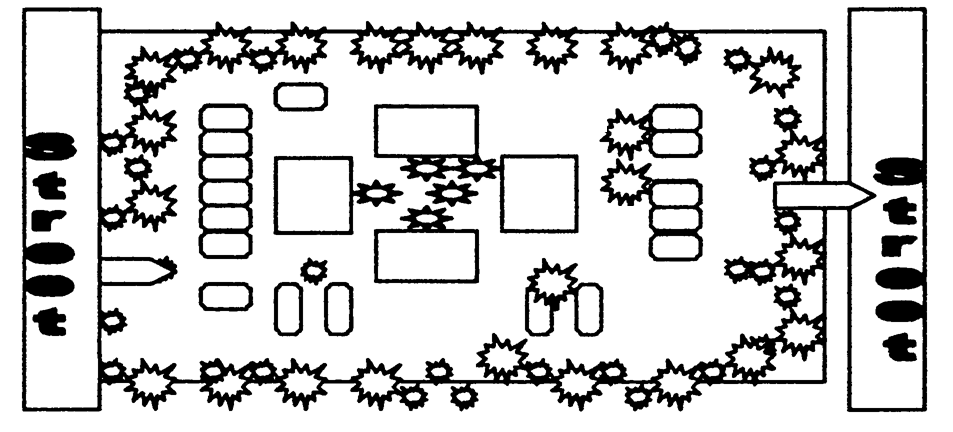
(7)
Special exception in R-1 and R-3 for Pinewood Subdivision and Englewood Subdivision. Within R-1 and R-3 zoning districts in Pinewood and Englewood Subdivisions only, current owners may request a special exception to replace their existing mobile home(s) and must meet the following criteria:
a.
Current owner is defined as an owner of both the property and the attached mobile home existing as of the date of adoption of this ordinance.
b.
A current owner in Pinewood Subdivision or Englewood Subdivision may replace the mobile home attached to their property in accordance with all of the following:
1.
The mobile home to be replaced was installed at time of adoption of this ordinance.
2.
Both the mobile home and the land are owned by the same entity.
3.
All newly setup manufactured homes within the incorporated city limits regardless of zoning district shall be skirted.
(i)
Examples of acceptable skirting materials are: concrete block, provided it has a finished surface, brick, hardi-board, vinyl lattice, and other types of materials manufactured specifically for home skirting.
(ii)
Wood products, aluminum skirting, wire fencing or mesh is not permissible as skirting.
4.
Minimum square footage shall be one thousand two hundred (1,200) square feet and no less than thirteen (13) feet in width. The measurement for a manufactured home shall be the measurement of the box (not including the hitch) with verifiable title.
5.
Minimum roof pitch shall be 3:12.
6.
Front entrance shall be a covered entry a minimum of thirty-six (36) square feet and six (6) feet in depth. Raised structures must have a raised covered front entrance with railings. Steps must be permanently installed with railings along both sides. The steps may be wood, block, brick or appropriate building material. Portable steps are not acceptable for the front entrance.
7.
Rear entrance steps are required for raised structures. The top platform (top landing) must be a minimum of forty (40) inches wide by thirty-seven (37) inches deep with railings.
8.
If the manufactured home has been previously titled, a structural inspection is required prior to the issuance of a permit.
9.
At the time of permit application, the hurricane wind zone determination must be provided by the applicant verifying the wind zone code, square footage, length, width and age of the mobile home.
10.
No manufactured home, park model or recreational vehicle with recreational seals may be used as a residence, unless located in an RV park (i.e. Aqua Isles and LaBelle Woods).
11.
A manufactured home moved to a new location, installed or setup within the city must be no more than five (5) years old.
12.
A certificate of occupancy shall not be issued until the building inspector has inspected the skirting to verify the use of proper materials and correct installation.
(Code 1967, § 25-23; Ord. No. 2003-04, § 1, 2-13-03; Ord. No. 2003-11, § 1, 4-10-03; Ord. No. 2003-26, §§ I, V, 10-9-03; Ord. No. 2006-04, § I, 3-9-06; Ord. No. 2006-25, § I, 6-8-06; Ord. No. 2019-12, § 2, 8-8-2019; Ord. No. 2020-15, § 2, 11-12-2020)
Sec. 4-67. - Residential mobile home park zone (MHP).
4-67.1. Purpose and intent. The mobile home park (MHP) zone provides for the location, regulation and placement of mobile home parks within the city limits. This zone establishes minimum standards in making mobile home parks safe, sanitary and fit for human habitation, assigning the responsibilities and duties of owners and operators of mobile home parks.
4-67.2. Definitions.
Mobile home park shall mean a contiguous parcel of land which has been developed for the placement
of mobile homes, manufactured homes and recreational vehicles (RV) and is owned by
an individual, firm, trust, partnership, public or private association, or corporation.
(Code 1967, § 25-36)
Mobile home space shall mean any portion of a mobile home park which is designated or used for occupancy of one (1) permitted family (see definition Appendix B, Chapter 2-4.74) unit, including its accessory structures and its outdoor living areas, but exclusive of space provided for the common use of tenants such as guest parking or recreational facilities. For purposes of this section, mobile home space shall include recreational vehicle space and manufactured home space, unless otherwise stated.
Mobile home shall mean a structure, transportable in one (1) or more sections which is eight (8) body feet or more in width, which is built on an integral chassis and designed to be used as a dwelling when connected to the required utilities and includes the plumbing, heating, air-conditioning, and electrical systems contained therein, F.S. § 320.01(1)(b)8(2)(a), or as amended.
Manufactured home means a mobile home fabricated on or after June 15, 1976, in an offsite manufacturing facility for installation or assembly at the building site, with each section bearing a seal certifying that it is built in compliance with the federal Manufactured Home Construction and Safety Standard Act, F.S. § 320.01(1)(b)8(2)(b), or as amended.
Recreational vehicle (RV) means a vehicular-type unit primarily designed as temporary living quarters for recreational, camping, or travel use, which either has its own motive power or is mounted on or drawn by another vehicle. For purposes of this section, this definition does not include camping trailer as defined in F.S. § 320.01(1)(b)2, or as amended.
Cross reference— Definitions and rules of construction generally, Part 2, Ch. 1, § 1-2, Code of Ordinances; specific standards for location of mobile homes in flood hazard areas, Part 2, Ch. 7, Art. III, Code of Ordinances.
4-67.3. Permitted uses. No use is permitted unless it is listed as a permitted or special exception use in this section.
A.
Permitted uses:
Accessory uses or structures/buildings [see Appendix B, section 4-60(e)]
Day care center
Home occupations
Manufactured homes
Mobile homes
Recreational vehicles
Private parks and recreation facilities
Private community facilities ancillary to and necessary for the efficient operation
of the mobile home park, including but not limited to laundry facilities, clubhouses,
postal centers, rental offices
Public/quasi-public utilities
Religious assemblies/church
Signs (in accordance with Appendix B, section 4-81)
B.
Special exceptions: Mobile home parks with more than twenty-five (25) percent of the park spaces as proposed for recreational vehicle (RV) spaces.
4-67.4. Mobile home park master plan. Any person(s) proposing the development or operation of a mobile home park shall be required to submit a master plan of the proposed development for review and approval prior to development.
A.
Application. Eight (8) copies of the master plan shall be submitted to the building official or designee, and shall include the following:
1.
A signed and sealed boundary survey and legal description of the entire project area, including all existing easements;
2.
The name, address and telephone numbers of the owner/developer and the agent;
3.
A location and surrounding use map, showing the relationship of the proposed development and the adjacent tracts or parcels, and the current land uses and future land use category and zoning designations of the surrounding properties.
B.
Master site plan details. A scaled site plan showing the proposed name of the mobile home park and the location, size and configuration of the following:
1.
All proposed or existing mobile home spaces, structures and private community facilities;
2.
Internal roadways, driveways and vehicular parking areas, utility connections, proposed easements and such other improvements as may be proposed for the entire park as well as individual sites;
3.
All proposed activity areas and open space, including the types of activities proposed in these areas;
4.
The location, type and extent of all proposed and required landscape and buffers;
5.
The location and nature of facilities for waste disposal, including water, wastewater, garbage disposal and sanitary sewer dump stations;
6.
The location of existing and proposed stormwater management areas.
7.
All pedestrian walkways and crosswalks.
(Code 1967, § 25-37)
4-67.5. Site design standards.
A.
Mobile home park.
1.
The mobile home park shall utilize contemporary design practices and shall avoid monotonous and obsolete rectilinear or herringbone design for the layout of mobile home spaces. (Code 1967, § 25-39)
2.
Private community facilities shall be provided that can serve as refuse facilities during severe weather conditions. Facility square footage shall be based on a minimum rate of thirty (30) square feet of community building area per mobile home space provided within the park.
3.
Recreational vehicle (RV) spaces shall be clustered in one area of the park to avoid adverse impacts to the permanent park occupants with regard to traffic and activity.
4.
All mobile home parks designed to include five (5) or more recreational vehicles shall include at least one (1) approved sanitary sewer dump station and bathroom, containing a sink, shower and toilet.
5.
Mobile home parks shall be located upon a contiguous parcel of land having an area of not less than ten (10) acres and a minimum frontage of one hundred seventy-five (175) feet upon a public roadway.
6.
All ingress and egress serving a mobile home park shall have a minimum separation of fifty (50) feet, measured centerline to centerline of said roadways, and shall have a minimum separation of one hundred twenty-five (125) feet from the intersection of two (2) public roadways, measured centerline to centerline.
7.
Required parking shall include a minimum of one (1) parking space at each mobile home space. Guest parking shall be provided at the community facility(ies).
8.
Mobile home parks shall have a minimum park perimeter building setback of not less than fifteen (15) feet, measured as defined in Appendix B, section 2-4.31.
9.
Recreational areas and open space shall be provided based on a minimum calculation of two hundred (200) square feet per proposed mobile home space, and shall be designated for community recreational/open space purposes within the mobile home park. No mobile home space, buffer strip, utility easement or roadway shall be counted as recreational/open space area in meeting this requirement.
10.
A utility easement shall be provided along the rear of each mobile home space. Such easement shall not be less than ten (10) feet in width. No permanent structures shall be located in such utility easement, and permitted structures shall be located so as not to impede access and maintenance to and within the easement.
11.
Each mobile home park shall provide adequate water lines and fire hydrants not more than five hundred (500) feet apart.
12.
Mobile home parks may have a designated storage area for recreational equipment such as campers, boats or travel trailers. The storage area shall be strategically located and adequately buffered to screen its view from all adjacent properties, including public rights-of-way. Equipment storage within a mobile home park shall only be permitted within these designated areas. Under no circumstances shall equipment located within the storage area be occupied.
13.
[Reserved.]
14.
Development of a mobile home park shall be subject to all permit requirements of other
governmental units having jurisdictional authority.
(Code 1967, § 25-40)
15.
In addition to the requirements of this article, mobile home parks shall meet the
requirements of all other jurisdictions having control over mobile home park development
or operation, including, but not limited to, the Division of Health of the Florida
Department of Health and Rehabilitative Services and the Florida Division of Motor
Vehicles. It shall remain the responsibility of the owner and agent to obtain all
necessary approvals and permits from the jurisdictions.
(Code 1967, § 25-42)
B.
Mobile home spaces.
1.
A building permit shall be required prior to the installation and/or occupancy of any mobile home or manufactured home. (Code 1967, § 25-41)
2.
All mobile home spaces shall be contiguous to and directly served by a paved roadway having a minimum width of twenty (20) feet.
3.
Each mobile home space and mobile home shall have proper connection for water, sewer and electric service.
4.
A permanent type material and construction compatible with the design and color of the mobile home shall be installed to enclose the open space between the bottom of the mobile home floor and the grade level of the mobile home stand, and shall be constructed to provide substantial resistance to heavy winds. Skirting shall be maintained in an attractive manner to preserve the appearance of the mobile home park. Sufficient screened ventilating areas shall be installed in the skirting.
5.
Waste facilities shall be screened from adjacent properties.
6.
All electric, telephone, and other lines from supply poles outside the park or other sources to each mobile home shall be placed underground.
7.
Any fuel storage shall be in accordance with applicable federal, state and local regulations.
8.
All roads, driveways and parking areas shall be lighted for safety and ease of movement of pedestrians and vehicles.
9.
Additional design standards such as setbacks and height are provided in Appendix B, Table 4-76(a).
(Ord. No. 2008-17, § I, 11-13-08)
Sec. 4-68. - Home-based businesses use requirements.
(1)
[Criteria to determine a valid home-based business.] The following criteria shall be employed to determine a valid home-based business and all the conditions must be complied with as listed herein:
(a)
All home-based businesses operated in or from a residence shall comply with federal, state and county rules and regulations, city license regulations specified herein and other applicable ordinances of the city.
(b)
One (1) other person, other than the license holder or members of the immediate family residing in the residence may be employed for a salary, commission or upon any other remunerative basis.
(c)
No condition shall be permitted which tends to cause or increase the fire hazard to the residence, such as storage of paints or other flammable materials in excess of normal family use.
(d)
No storage of materials, business equipment, trailers and/or supplies shall be allowed outside the residential structure nor shall any indoor display of materials, business equipment or supplies be visible from the outside of said structure; and no home-based business shall occupy more than fifteen (15) percent of the living area of the structure.
(e)
Home-based businesses shall not generate pedestrian or vehicular traffic beyond that which is reasonable to the use of the property for residential purposes.
(f)
Occupations not listed in section 11-29, schedule of fees, for occupational licenses of the City of LaBelle Code are prohibited as home-based businesses.
(g)
The appearance of the structure or premises shall in no way be altered, for the conduct of home-based businesses nor shall the conduct be such that the structure may be recognized as serving a nonresidential use either by color, materials, construction, lighting or hours of operation.
(h)
One (1) minimum size sign, not to exceed two hundred eighty-eight (288) square inches, as required by state or federal regulations shall be permitted, as follows:
1.
Must be mounted on the exterior wall of the residence near the front entrance.
2.
Must not be animated or lighted.
3.
Must be subtle and not be recognized as serving a nonresidential use either by color, materials, construction, lighting.
(2)
Penalty. Any person who violates any provision of this ordinance for which another penalty is not specifically provided shall, upon conviction, be subject to a civil penalty in accordance with the schedule set forth herein.
(a)
First violation .....$250.00
(b)
Second violation within any twelve-month period .....400.00
(c)
Third and consecutive violations within any twelve-month period (per offense) .....500.00
(d)
Each day is considered a separate offense.
(Ord. No. 2004-19, § I, 11-18-04; Ord. No. 2006-04, I, 3-9-06; Ord. No. 2008-17, § I, 11-13-08)
Editor's note— Section I of Ord. No. 2006-04, adopted March 9, 2006, deleted § 4-67, which had pertained to use requirements for residential districts R-3 B, and derived from Ord. No. 2003-26, adopted Oct. 9, 2003; and Ord. No. 2003-36, adopted March 11, 2004. Said ordinance further provided for the renumbering of § 4-67.5 as § 4-67. Ordinance No. 2008-17 moved § 4-67, entitled home-based business use requirements to § 4-68.
Sec. 4-69. - Reserved.
Editor's note— Section I of Ord. No. 2006-02, adopted Feb. 9, 2006, repealed § 4-69, which pertained to prohibited uses in the B-1 district, and carried no amendatory history. See § 4-70 within this chapter for similar provisions.
Sec. 4-70. - Business and industrial zones.
Purpose and intent.
The purpose and intent of the commercial and industrial zones is to provide the citizens of the City of LaBelle with convenient access to goods and services and to establish areas for economic development that will provide the citizens of LaBelle with high quality jobs. These zones provide business opportunity without adversely impacting the integrity of residential neighborhoods, diminishing the scenic quality of the city, or negatively impacting the safe and efficient movement of people, products and services.
4-70.1. Definitions. Defined terms contained in this section are provided in section 2-4 of this Code.
4-70.2. Business professional (B-1) zone.
Purpose and intent.
The business professional zone is the lowest intensity commercial zoning district within the city. It is intended to allow for commercial and office uses, located so as to serve adjoining residential neighborhoods and to encourage pedestrian-friendly business areas. The commercial services permitted are those where traffic generation, access, lighting and noise will be compatible with residential uses.
To create the neighborhood commercial character of this district, buildings should be placed along the street frontage with parking in the rear or side, with minimal driveway openings. Contiguous sidewalks from one (1) parcel to another should be encouraged to further strengthen the pedestrian experience. Architectural features that create an attractive facade and reduce building scale and mass should be used to serve as a transition from nearby residential areas. Required landscape as per Appendix B, section 4-80, should be used to develop a street tree pattern and to soften the view of buildings as they relate to the street.
Multifamily residential units above or to the rear of ground floor commercial or office use are encouraged as a component of developments within this district and are limited to a density established by the future land use designation.
A.
Permitted uses.
Refer to Appendix B, section 4-70.8.
B.
Development regulations.
Refer to Appendix B, section 4-76(b).
4-70.3. Business general (B-2) zone.
Purpose and intent.
The business general zone provides for the retailing of commodities and a wide variety of commercial establishments. The purpose of this district is to provide for the location and grouping of compatible retail enterprises having the common characteristics of dispensing commodities, providing professional services or providing personal services, which do not involve more than incidental or limited assembly, fabrication or storage of commodities. Due to the higher volumes of traffic associated with these types of uses, lands within this district should be located either on or in near proximity to major roadways where access to such roadways minimizes traffic impacts to local streets, businesses and residential areas.
Outdoor sales and storage that is accessory to the primary use is allowed in the B-2 zone. With the exception of the display for rent or sale of merchandise, all products, merchandise, equipment or any other material stored outside of the buildings, whether new or used, shall be hidden from view on all sides, except for necessary openings and gates, by a one hundred (100) percent opaque fence, wall or vegetative hedge, not less than six (6) feet high and no greater than ten (10) feet high. Additional height may be requested through the special exception process.
Quonset hut-type buildings, truck trailers, or similar box style storage shall not be permitted.
PODS or personal storage containers shall be allowed for temporary storage, not to exceed thirty (30) consecutive days at a time.
Accessory storage and/or sales areas must comply with Appendix B, section 4-85, Parking and landscape requirements [supplemental regulations].
A.
Permitted uses. Refer to Appendix B, section 4-70.8.
B.
Development regulations. Refer to Appendix B, section 4-76(b).
4-70.4. Business heavy (B-3) zone.
Purpose and intent.
The B-3, business heavy zone provides the opportunity for the most diverse and intensive types of commercial activities, while at the same time maintaining a clean and attractive community. The intent of this district is to provide a location for groups of compatible commercial uses with similar intensities and having the common characteristic of not involving more than incidental and minimal assembly, fabrication or storage of commodities. For example, establishments selling building materials would be compatible with a maintenance and repair facility, but not with a day care facility.
Outdoor sales and storage are allowed in the B-3 zone. With the exception of the display for rent or sale of merchandise, all products, merchandise, equipment or any other material stored outside of the buildings, whether new or used, shall be hidden from view on all sides, except for necessary openings and gates, by a one hundred (100) percent opaque fence, wall or vegetative hedge, not less than six (6) feet high and no greater than ten (10) feet high. Additional height may be requested through the special exception process.
Quonset hut-type buildings, truck trailers, or similar box style storage shall not be permitted.
PODS or personal storage containers shall be allowed for temporary storage, not to exceed thirty (30) consecutive days at a time.
Storage and/or sales areas must comply with Appendix B, sections 4-80 and 4-85, Parking and landscape requirements.
A.
Permitted uses. Refer to Appendix B, section 4-70.8.
B.
Development regulations. Refer to Appendix B, section 4-76(b).
4-70.5. Light industrial (I-1 and I-1A) zones.
Purpose and intent.
Light industrial zones (I-1 and I-1A) allow a range of more intensive commercial uses and services which are generally those uses that tend to utilize outdoor space in the conduct of business. The I-1 and I-1A zones permit intense commercial services such as maintenance, repair and outdoor sales establishments. Commercial uses that are supportive to the allowable uses of this district are also permitted.
Outdoor sales and storage are allowed in the I-1 and I-1A zones. With the exception of the display for rent or sale of merchandise, all products, merchandise, equipment or any other material stored outside of the buildings, whether new or used, shall be hidden from view on all sides, except for necessary openings and gates, by a one hundred (100) percent opaque fence, wall or vegetative hedge, not less than six (6) feet high and no greater than ten (10) feet high. Additional height may be requested through the special exception process.
Quonset hut-type buildings, truck trailers, or similar box style storage shall not be permitted.
PODS or personal storage containers shall be allowed for temporary storage, not to exceed thirty (30) consecutive days at a time.
Storage and/or sales areas must comply with Appendix B, sections 4-80 and 4-85, Parking and landscape requirements.
A.
Permitted uses. Refer to Appendix B, section 4-70.8.
B.
Development regulations. Refer to Appendix B, section 4-76(b).
4-70.6. Heavy industrial (I-2) zone.
Purpose and intent.
The purpose and intent of the heavy industrial (I-2) zone is to provide lands for manufacturing, processing, storage and warehousing, wholesaling, and distribution. Commercial uses that are supportive to the allowable uses of this district are also permitted, in addition to employment generating uses, such as offices, health care facilities, and laboratories.
Outdoor sales and storage are allowed in the I-2 zone. With the exception of the display for rent or sale of merchandise, all products, merchandise, equipment or any other material stored outside of the buildings, whether new or used, shall be hidden from view on all sides, except for necessary openings and gates, by a one hundred (100) percent opaque fence, wall or vegetative hedge, not less than six (6) feet high and no greater than ten (10) feet high. Additional height may be requested through the special exception process.
Quonset hut-type buildings, truck trailers, or similar box style storage shall not be permitted.
PODS or personal storage containers shall be allowed for temporary storage, not to exceed thirty (30) consecutive days at a time.
Storage and/or sales areas must comply with Appendix B, sections 4-80 and 4-85, Parking and landscape requirements.
A.
Permitted uses. Refer to Appendix B, section 4-70.8.
B.
Development regulations. Refer to Appendix B, section 4-76(b).
4-70.7. Accessory maintenance storage building.
A.
One (1) accessory structure per parcel is permitted within each business and industrial zone, for the purposes of storing on-site maintenance equipment. Building size shall be limited to .0045 square feet of the total parcel size or eight hundred (800) square feet, whichever is less.
Example: ½ acre parcel = 21,780 square feet × .0045 = maximum 98-square-foot accessory storage building.
B.
Accessory maintenance storage buildings shall be placed behind and/or to the side of the primary structure and shall maintain the setbacks established in the applicable zoning district.
C.
Quonset hut-type buildings, truck trailers, or similar box style storage shall not be permitted. PODS or personal storage containers shall be allowed for temporary storage, not to exceed thirty (30) consecutive days at a time.
Exception: If an existing primary structure is located in such a way as to prohibit the placement of an accessory storage building within the side or rear area of the existing structure, placement of the storage building may be allowed in front and to the side of the face of the primary structure; however, under no circumstances may the storage building encroach into a front yard setback area.
On corner lots, both street frontages shall be considered front yards for the purposes of this section.
Storage buildings that meet this exception must comply with Appendix B, sections 4-80 and 4-85, Parking and landscape requirements.
D.
If the adjacent properties located along the property lines of the proposed placement of the building are zoned as business or industrial, the minimum setback for the accessory building shall be five (5) feet.
If the adjacent properties are zoned residential, the setbacks established by the applicable zoning district shall apply.
E.
Height shall be limited to a maximum of twelve (12) feet. (See also Appendix B, section 2-4(3)27, definition of [building] height).
F.
The accessory maintenance storage building shall be architecturally compatible with the primary structure(s) on the site.
4-70.8. Business and industrial use table.
1 Must be enclosed by a minimum six (6) foot high perimeter, one hundred (100) percent opaque fence or wall and buffered as required by the landscape regulations.
2 Outside storage areas shall be placed or screened so that they cannot be viewed from a street.
P = Permitted
A = Accessory Use
SE = Special Exception
NP = Not permitted
(Ord. No. 2005-02, § I, 2-9-06; Ord. No. 2006-24, § I, 6-8-06; Ord. No. 2006-29, § I, 7-13-06; Ord. No. 2007-03, 4-12-07 Ord. No. 2008-02, § I, 4-10-08; Ord. No. 2010-03, § I, 3-11-10; Ord. No. 2012-01, § 2(Exh. A), 2-9-12; Ord. No. 2013-07, § 2, 7-11-13; Ord. No. 2019-07, § 2, 5-9-2019; Ord. No. 2021-02, § 2, 3-11-21)
Sec. 4-71.0. - Downtown business district.
4-71.1 INTENT
The intent and purpose of this Code is to enable, encourage and qualify the implementation of the following policies in order to preserve the historic context of the downtown business district:
• That downtown should be compact, pedestrian-oriented and mixed use.
• That ordinary activities of daily living should occur within walking distance of most dwellings.
• That civic, institutional, and commercial activity should be embedded in downtown, not isolated in remote single-use complexes.
• That a range of open space including parks, squares, and playgrounds should be distributed within downtown.
4-71.2.0 AUTHORITY
4-71.2.1 This Code was adopted to promote the health, safety and general welfare of the city and its citizens, including protection of the environment, conservation of land, energy and natural resources, more efficient use of public funds, health benefits of a pedestrian environment, historic preservation, education and recreation, reduction in sprawl development, and improvement of the built environment.
4-71.2.2 The regulating plan for downtown LaBelle is hereby established under this article as an infill regulating plan for the area designated as the downtown district in the city comprehensive plan.
4-71.2.3 Interpretation of the standards in the downtown business district (DBD) shall be the responsibility of the city planner or their designee. The regulating plan and code illustrations of this Code shall serve to guide city staff with regard to the city's intent for land development within the DBD. The images contained in this Code are meant to demonstrate the character intended for the DBD but are for illustrative purposes only.
4-71.2.4 A downtown review committee (DRC) is hereby established. Members of the DRC shall be selected and approved by the city commission. The purpose of the DRC is to provide staff support and review and provide recommendations of all proposed development within the DBD.
4-71.3.0 APPLICABILITY
4-71.3.1 The provisions of this Code, shall not be preempted by any previously adopted local or state codes that regulate public health and safety. Should any conflict arise between the provisions of this Code and the city land development code, the provisions of this Code shall apply.
4-71.3.2 The existing land development code shall continue to be applicable to issues not covered by this Code except where the existing local codes would be in conflict with Section 4-71.1.0, Intent.
4-71.3.3 Where in conflict, numerical metrics shall take precedence over graphic.
4-71.4.0 INTRODUCTION
The downtown business district (DBD) is created to support the downtown plan adopted in 2008. The DBD provides protection for both the existing historic downtown LaBelle context and proposed infill plan by:
• Maintaining and promoting the human-scale character, walkability and small-lot pattern of downtown LaBelle;
• Integrating the scale of planning concern from the community scale, down to the individual lot and its architectural elements;
• Ensuring compatibility through architectural, environmental, signage, lighting, hazard mitigation, and visibility standards, and
• Encouraging the efficiency of administrative approvals when appropriate, rather than decision by public hearing;
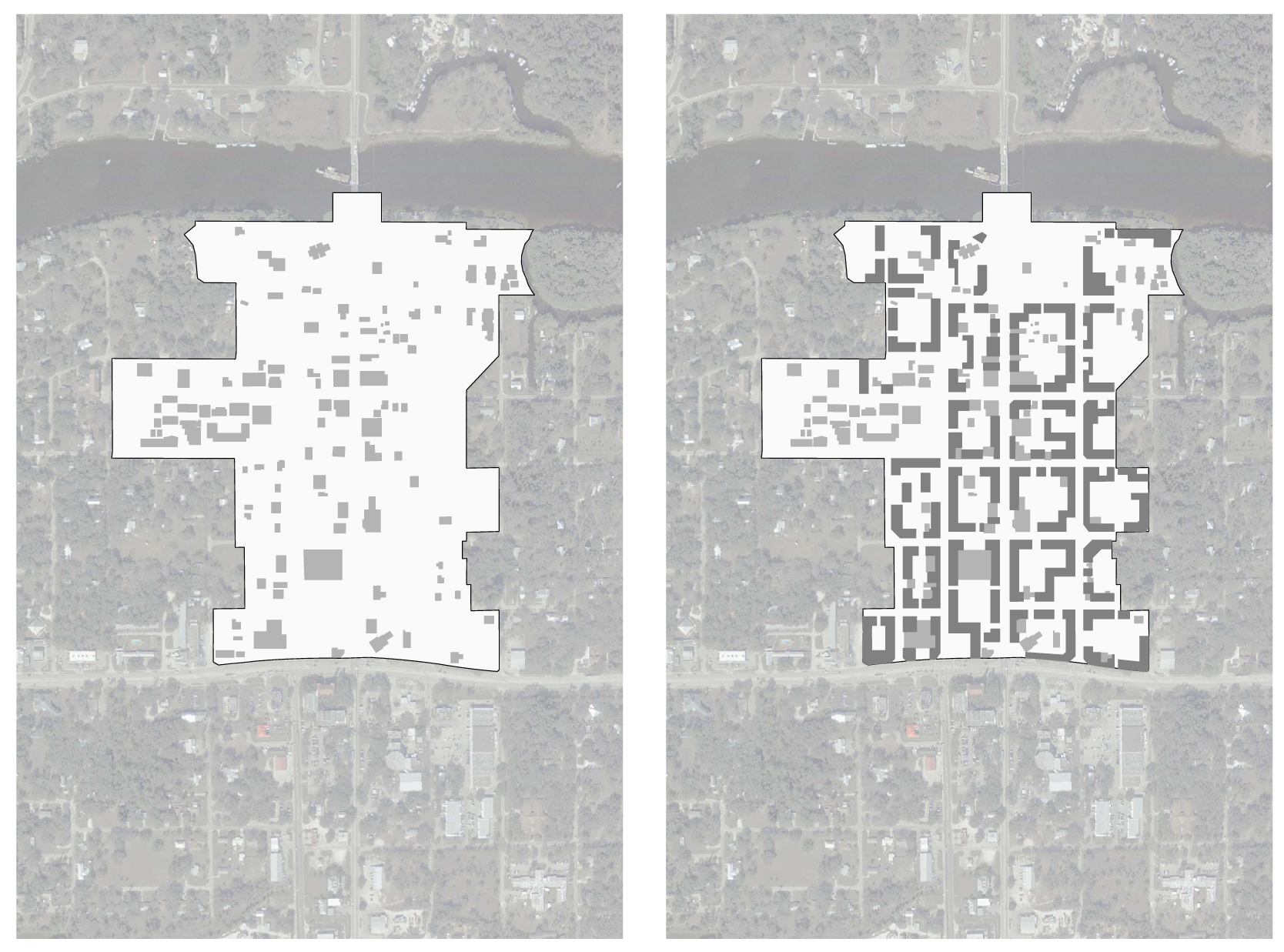
These illustrative figure-ground drawings serve to guide city staff and the DRC with regard to the city's intent for land development pattern in the downtown. These images are meant to demonstrate the character intended for the downtown and are for illustrative purposes only.
4-71.4.1 Transect-Based Planning
The DBD is a transect-based code. The rural to urban transect, similar to those found in nature, is typically divided into six (6) transect zones as shown in figure 1 below. These six (6) habitats vary by the level and intensity of their physical and social character, ranging from rural to urban context.
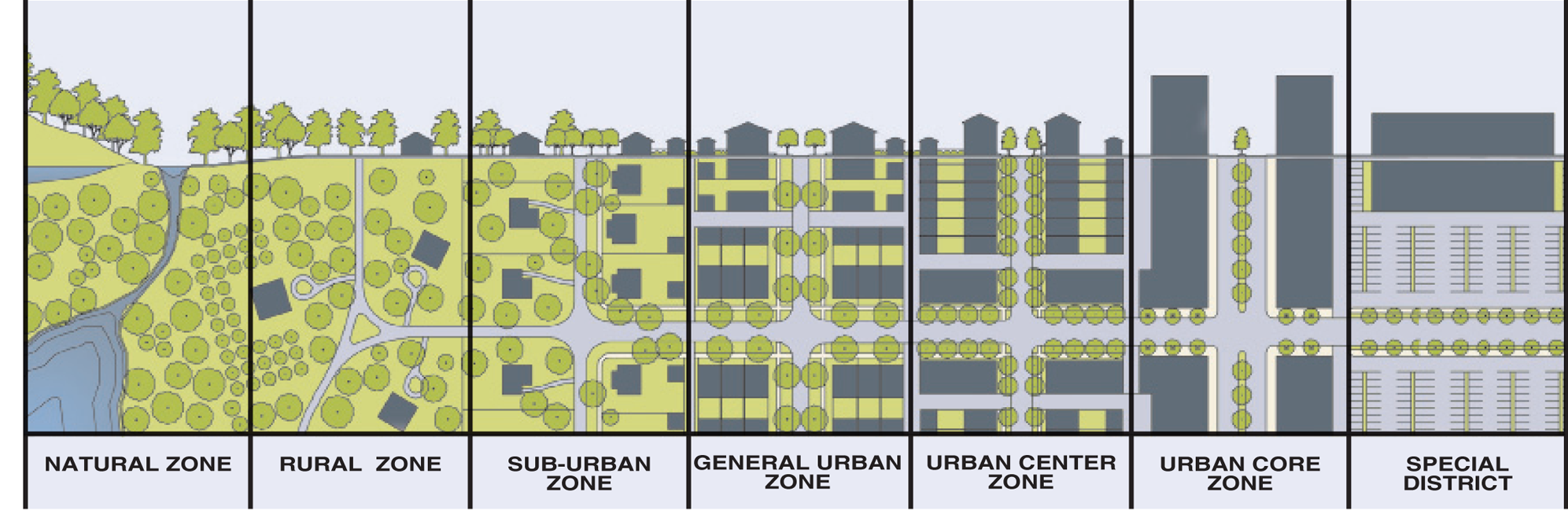
Figure 1: Transect Map
The DBD focuses on two (2) transects, downtown general and downtown center. Code elements are co-ordinated [coordinated] by these transect zones which apply to scales of regulation as shown in figure 2 below. The description of each of these transect zones is described in figure 3.
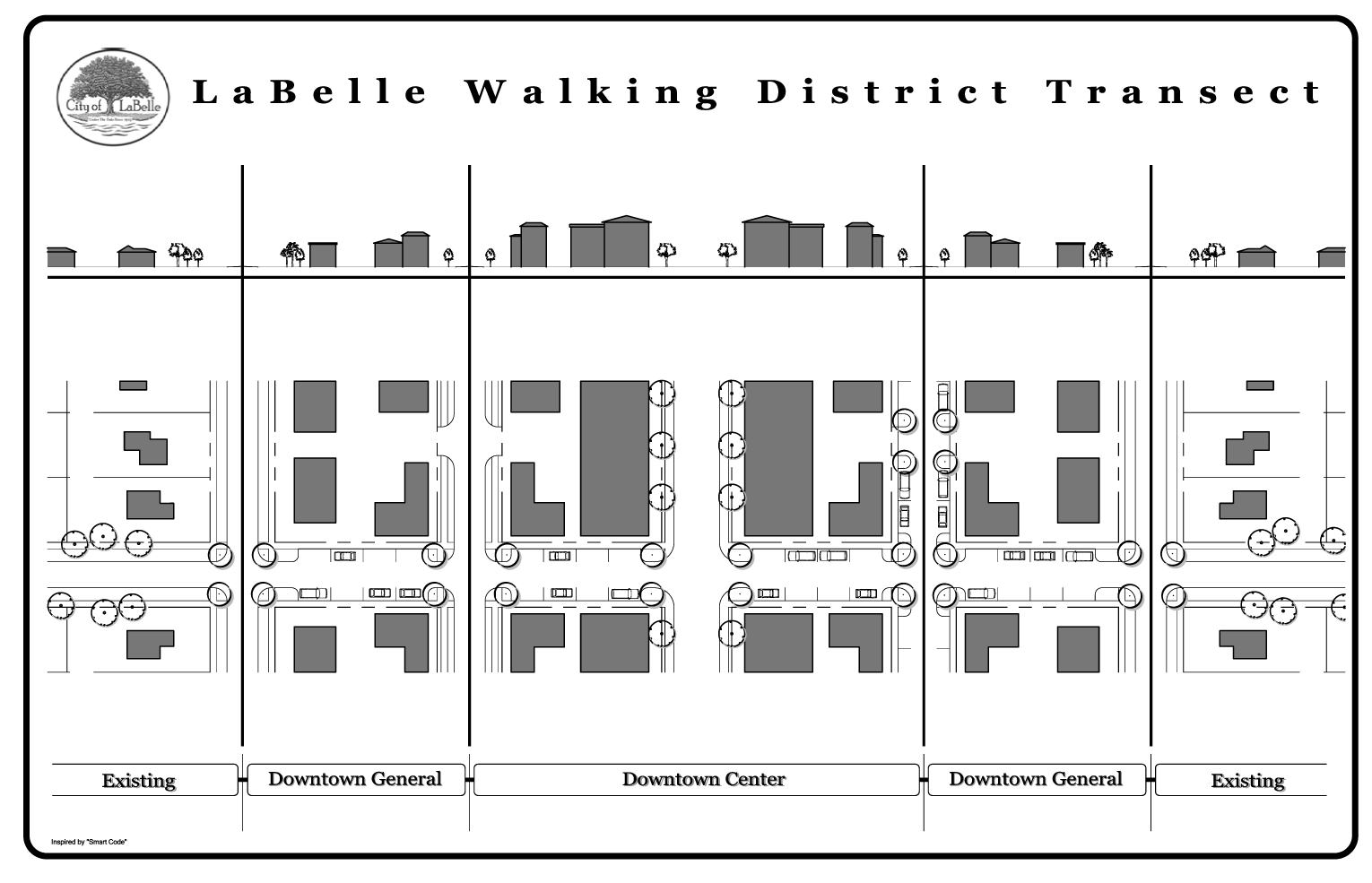
Figure 2: LaBelle Downtown Business District
| _____ | |||
 | DOWNTOWN GENERAL Downtown General Zone consists of a mixed use but primarily residential urban fabric. It may have a wide range of building types: single, sideyard, and rowhouses. Setbacks and landscaping are variable. Streets with curbs and sidewalks define medium-sized blocks. | General Character: | Mix of houses, townhouses & small apartment buildings, with scattered commercial activity; balance between landscape and buildings; presence of pedestrians |
| Building Placement: | Shallow to medium front and side yard set backs | ||
| Frontage Types: | Porches, fences, dooryards | ||
| Type Building Height: | 1- to 2-story with a few taller apartment buildings | ||
| Civic Space Types: | Squares and greens, pocket parks, playgrounds | ||
| Thoroughfare Types: | Streets, avenues, boulevards, bikeways | ||
| _____ | |||
 | DOWNTOWN CENTER Downtown Center Zone consists of higher density mixed use building that accommodate retail, offices, rowhouses and apartments. It has a tight network of streets, with wide sidewalks, steady street tree planting and buildings set close to the sidewalks. | General Character: | Shops with apartments and office above; townhouses, larger apartment houses, live-works, and civic buildings; predominantly attached buildings; trees within the public right-of-way' substantial pedestrian activity; frequent retail frontages |
| Building Placement: | Shallow setbacks or none; buildings oriented to street defining a street wall | ||
| Frontage Types: | Stoops, shopfronts, galleries | ||
| Type Building Height: | 1- to 3-story with some variation | ||
| Civic Space Types: | Plazas and squares, pocket parks, playgrounds | ||
| Thoroughfare Types: | Streets, commercial streets, avenues, boulevards, bikeways | ||
| _____ | |||
| Figure 3: Transect Descriptions | |||
4-71.4.2 Regulating Plan
The regulating plan depicts transects and street types suited to serve a fine-grained mix of uses. The city expects a mix of allowed uses to occur in all transects. The city will not require particular uses nor a particular distribution of uses, but strongly encourages the integration of residential and commercial uses. Uses allowable by right or by permit or that are prohibited are listed in Section 4-71.11.0.
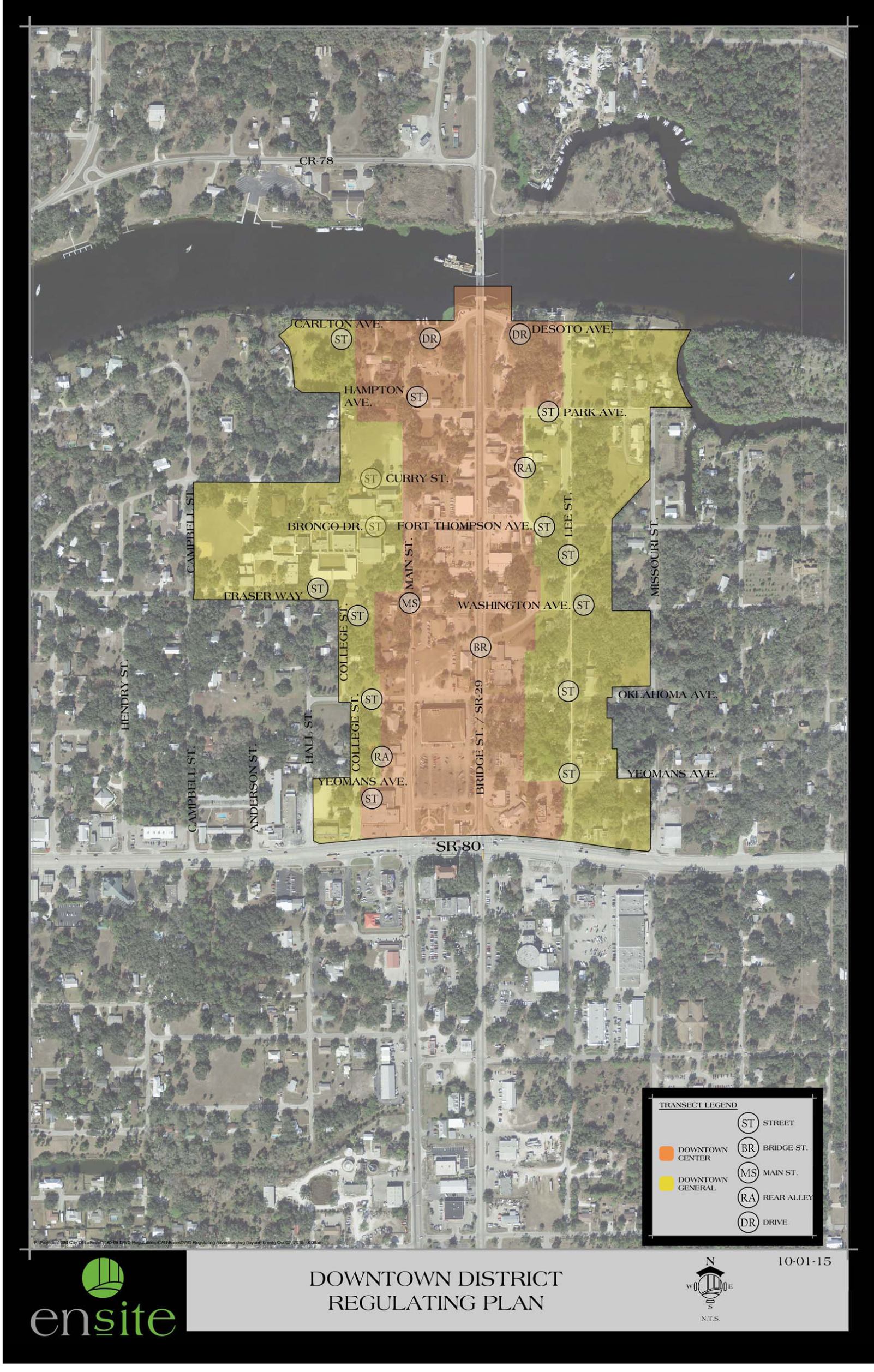
4-71.5.0 PEDESTRIAN ORIENTED AND WALKABLE
Walkability is the key feature in the design of the DBD and its adjacent neighborhoods. It results from a combination of a wide variety of places to shop, work, and be entertained, all within walking distance of one another, and properly detailed streets as ways to move between them. To make walking comfortable and safe along the streets of the district, certain details are required:
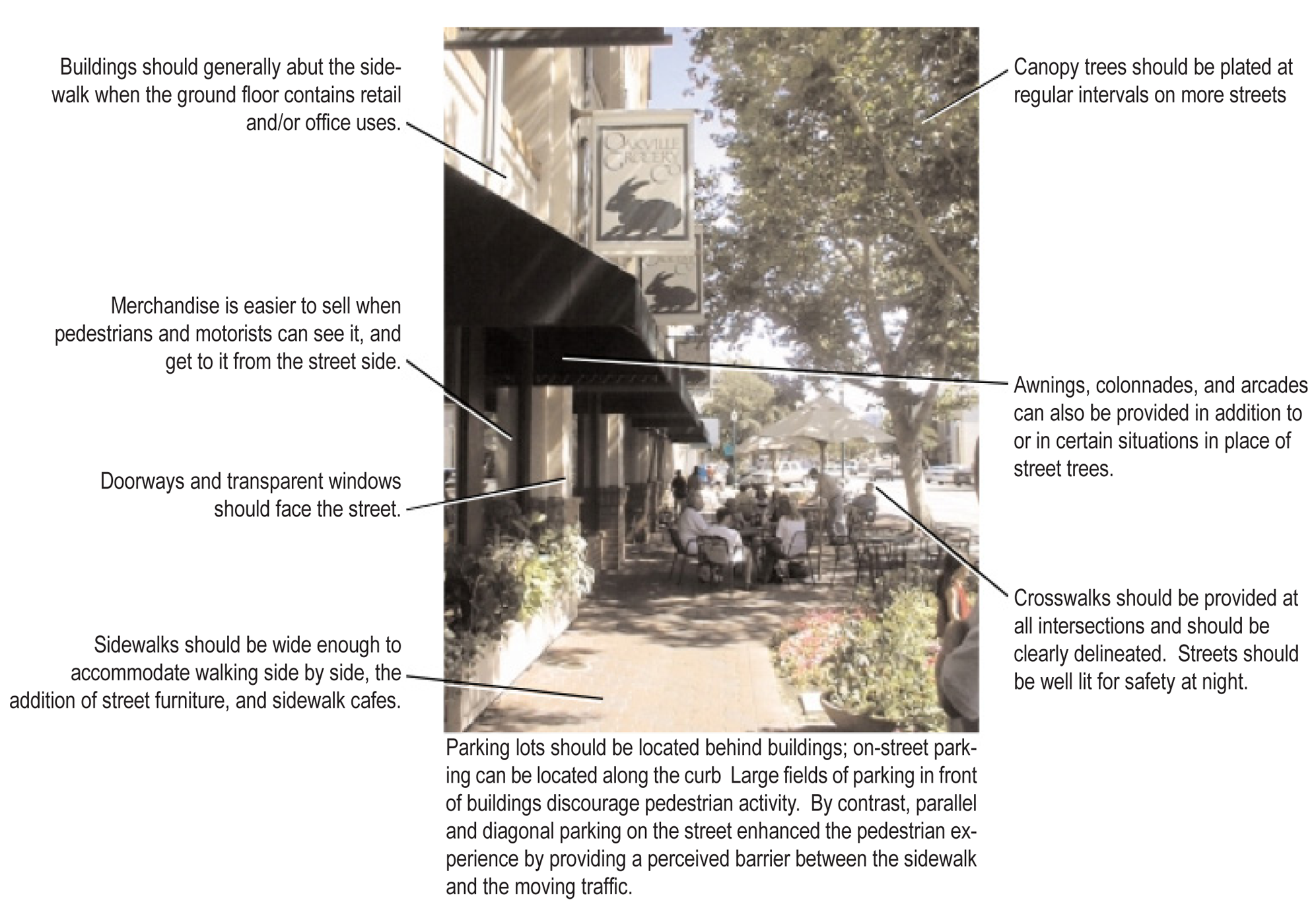
4-71.6.0 HOW TO USE THE DOWNTOWN BUSINESS DISTRICT CODE
1.
Determine whether your property falls within the downtown center or downtown general transect zone. (See regulating plan, 4-71.4.2)
2.
Determine whether your use is permitted in the transect zone your site is located in (see uses, 4-71.11.0).
3.
Determine which street type your property fronts (refer to regulating plan).
4.
Review the projecting façade elements and architectural guidelines (sections 4-71.8.0 and 4-71.9.0) which contain specific rules for building placement and form.
5.
Review signage requirements.
4-71.7.0 STREETS
Streets should be thought of as three-dimensional public rooms with the buildings serving as the walls. Deep building setbacks with large parking lots in front are devastating to the street space and overall pedestrian environment. The most effective way to improve this condition is to replace the suburban notion of a front setback for buildings (which implies that anything goes, as long as the building is somewhere behind the line) with the more appropriate build-to line (where one (1) must build up to a certain alignment).
Streets in the DBD should be designed according to their street type as identified on the regulating plan. Street type is based on street character and includes two (2) types: Street and drive. While the cross sections assume a given right-of-way, there is some variation in width throughout downtown. The cross sections provide guidance in how these streets should be redeveloped. A few exceptions are identified, specifically Bridge Street, Main Street, DeSoto Avenue and alleyways. (See regulating plan, 4-71.4.2 and cross sections below)
At the time of development, all properties within the DBD shall provide a minimum five-foot wide concrete sidewalk adjacent to the right-of-way line, dedicated to the city.
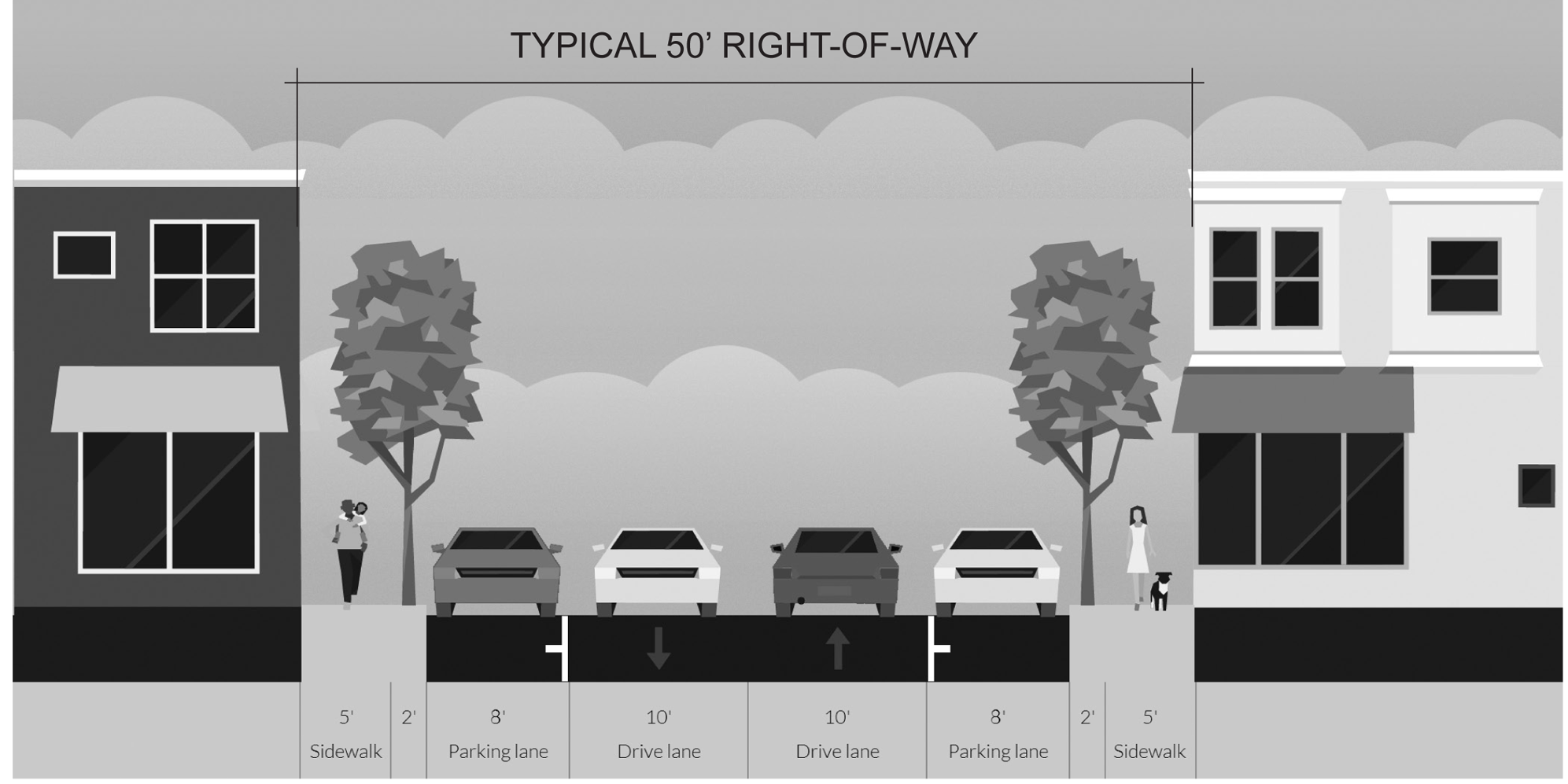
Figure 4: Street (ST) — Typical 50' Right-of-Way Cross Section
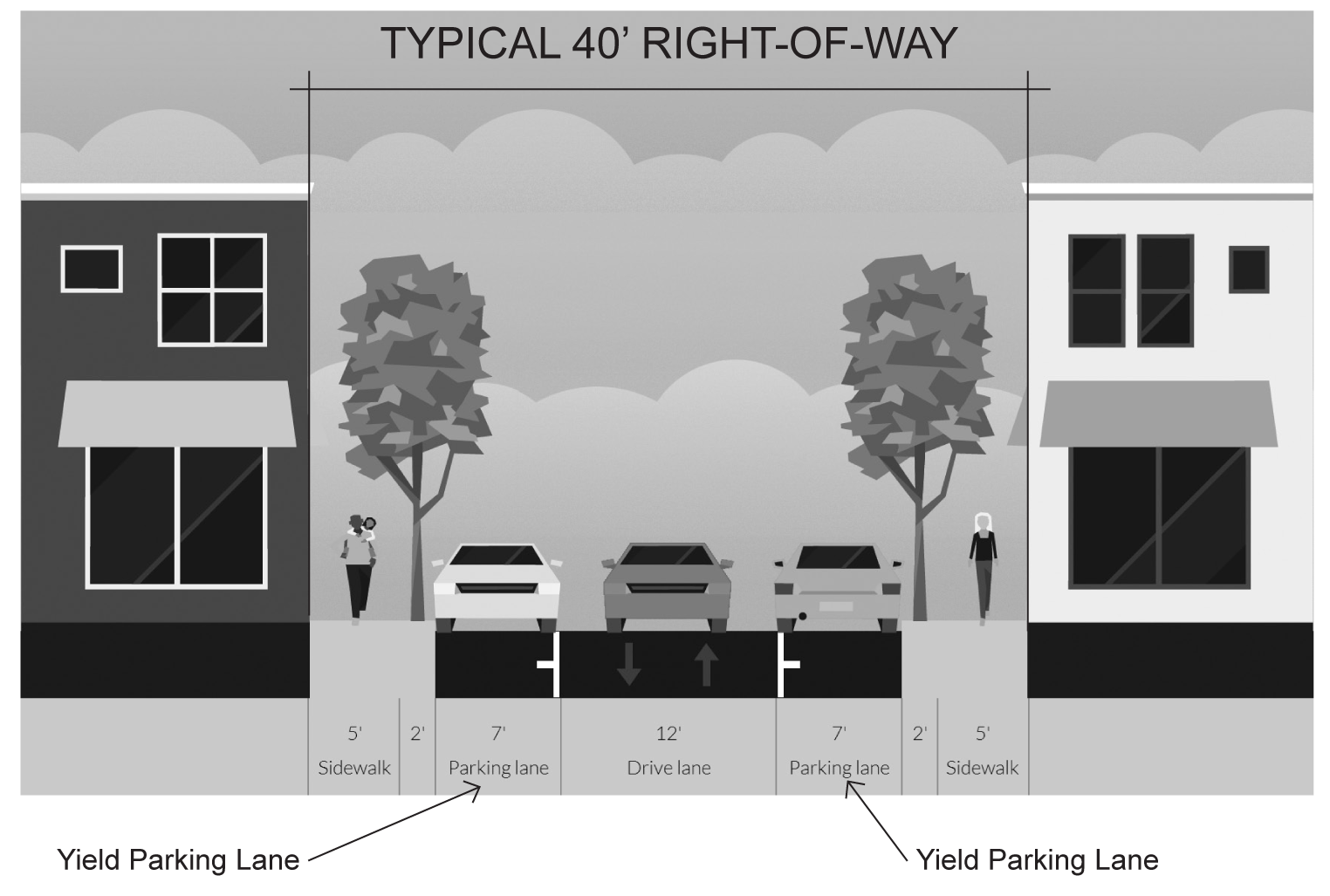
Figure 5: Drive (DR) — Typical 40' (or less) Right-of-Way*Private Dedication of 0' — 10'
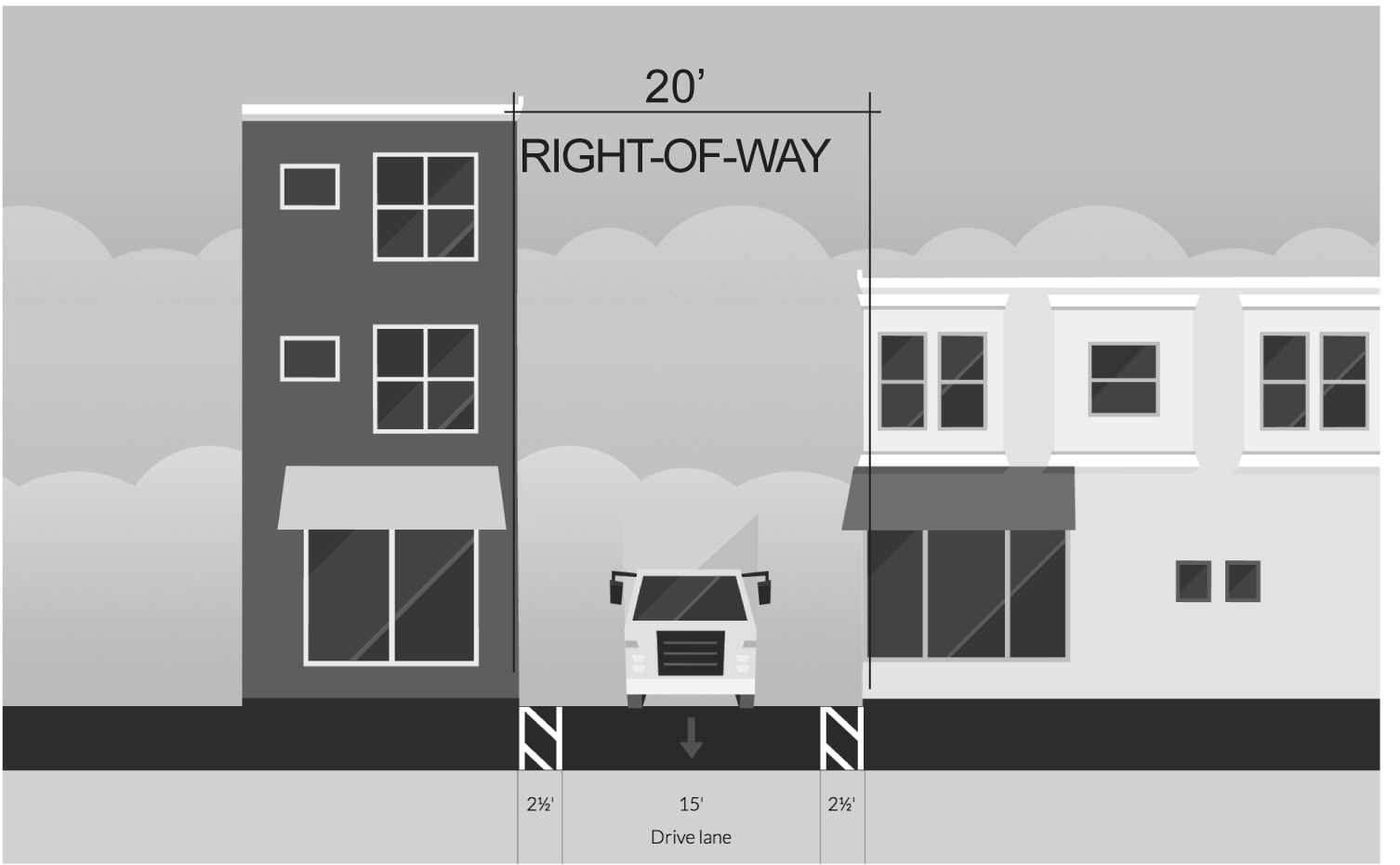
Figure 6: Typical 20' (or less) Alley Right-of-Way*Private Dedication of 0' — 10'
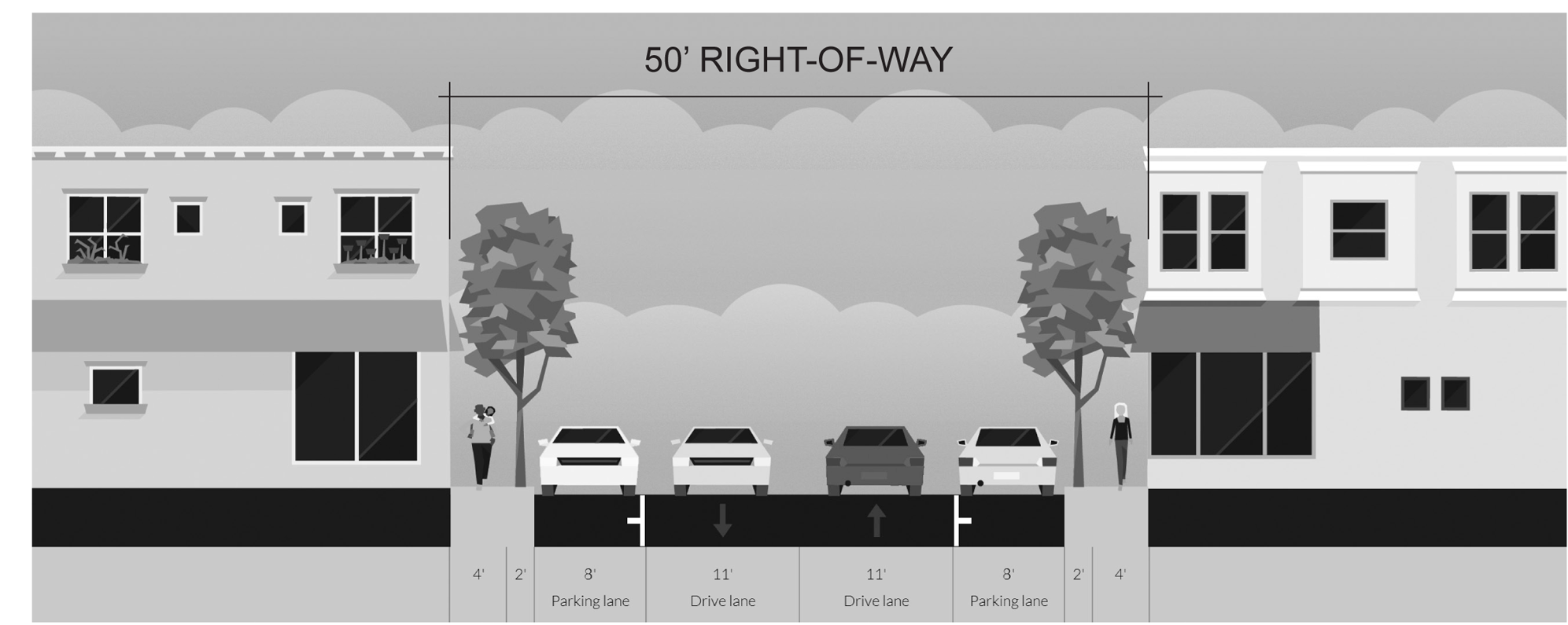
Figure 7: Main Street 50' Right-of-Way
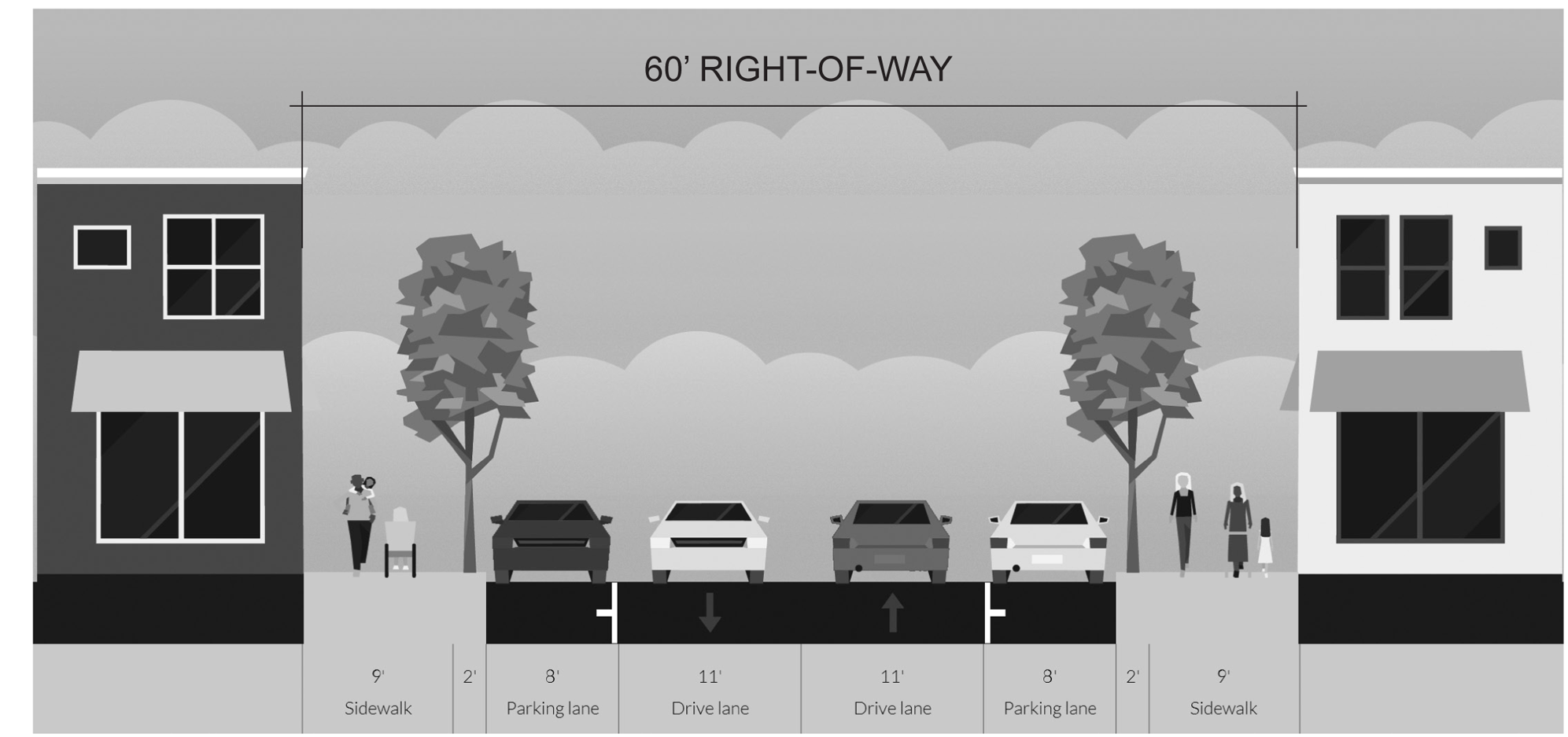
Figure 8: Bridge Street 60' Right-of-Way
4-71.8.0 BUILDING PLACEMENT AND FORM
Placement and form of buildings contributes to the physical definition of the streets and affirms the historic character of the downtown through preservation and renewal of historic buildings.
This section addresses building form and placement that are appropriate and acceptable in the downtown. There are five (5) frontage types to choose from.
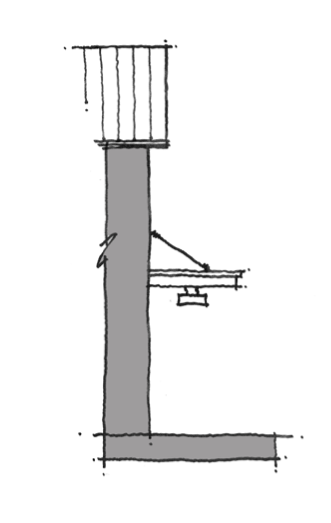
1.
Awnings.
Depth: 6 feet minimum
Height: 10 feet minimum clearance
Length: 75% — 100% of building front
a.
The above requirements apply to first-floor awnings. There are no minimum requirements for awnings above the first floor.
b.
Awnings shall occur forward of the build-to line and may encroach within the right-of-way, but shall not extend past the curb line.
c.
Awnings shall be made of fabric, aluminum, wood, metal or a combination thereof. High-gloss or plasticized fabrics are prohibited.
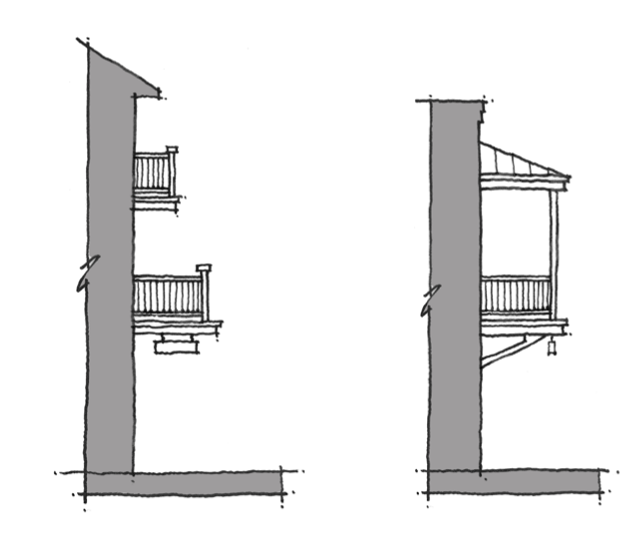
2.
Balconies.
Depth: 6 feet minimum for second floor balconies
Height: 10 feet minimum clearance
Length: 25% — 100% of building front
a.
Balconies shall occur forward of the build-to line and may encroach within the right-of-way, but shall not extend past the curb line.
b.
Balconies may have roofs, but must be open, un-air-conditioned parts of the building.
c.
On corners, balconies may wrap around the side of the building facing a side street.
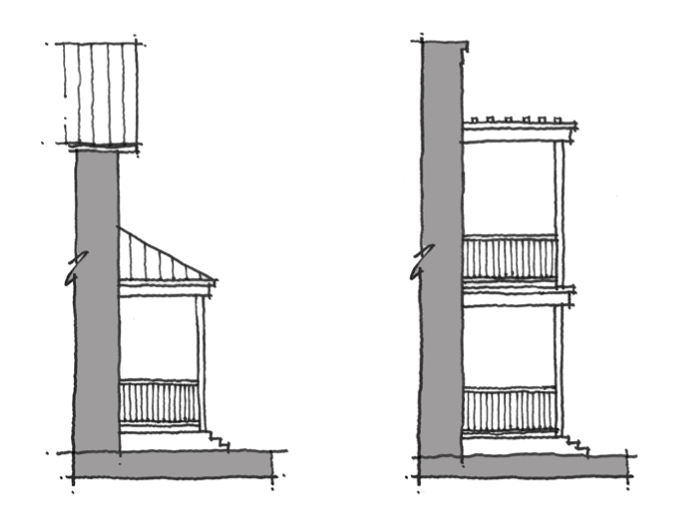
3.
Front porches.
Depth: 6 feet minimum
Length: 25% — 100% of building front
a.
Front porches may have multi-story verandas and/or balconies above.
b.
Front porches shall be forward of the build-to lines but shall not extend into the right-of-way.
c.
Front porches must be open, un-air-conditioned parts of the buildings. No more than seventy-five (75) percent of the floor area of a porch shall be screened if the porch extends forward of the build-to line.
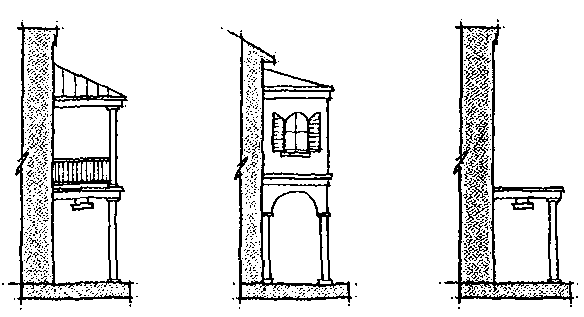
4.
Colonnades/arcade. This building type provides a covered walkway that is supported at its outer edge by columns. The area above the walkway may be open, covered, or enclosed as part of the habitable space of the building, however no enclosed habitable space may occur within the right-of-way.
Depth: 8 feet minimum from the build-to line to the inside column face
Height: 10 feet minimum clearance
Length: 75% — 100% of building front
a.
Columns shall be a maximum of six (6) inches wide in front of shop-front windows.
b.
Open multi-story verandas, awnings, balconies, and enclosed useable space shall be permitted above the colonnade.
c.
Colonnades shall only be constructed where the minimum depth can be obtained. Colonnades shall occur forward of the built-to line and may encroach within the right-of-way, but shall not extend past the curb line.
d.
On corners, colonnades may wrap around the side of the building facing the side street.
5.
Stoops.
Depth: 6 feet minimum, including steps
Length: 5 feet minimum
a.
Stoops are permitted and may occur forward of the build-to line.
b.
Sidewalks shall have clear access for pedestrians.
c.
Stoops may be covered, but not enclosed.
d.
Stoops are not allowed within the right-of-way.
4-71.9.0 ARCHITECTURAL GUIDELINES
A primary goal of the architectural guidelines is achieving authenticity of design elements that appropriately reflect the architecture style of a building and are consistent with the range of historical architecture styles in the city's Downtown Business District. The guidelines encourage construction that is functional considering Florida's climate, and that draws ornamentation and design elements from traditional materials.
4-71.9.1 General Requirements
The following shall be located in rear yards or side yards not facing side streets or on top of a building and screened from view from a public street:
• Window and wall air conditioners
• Electrical utility meters
• Air conditioning compressors
• Irrigation and pool pumps
• Electrical transformers
• Fire backflow apparatus
• Trash receptacles, including recycling
• Stationary/fixed kiosks such, as vending machines
• Any other device found to be inconsistent with the intent of this Code.
The following shall be located in the rear yards only:
• Antennas
• Permanent barbecues
• Satellite dish antennas
• Storage facilities
The following are prohibited:
• Clotheslines
• Reflective and/or bronze-tint glass
• Plastic or PVC roof tiles
• High-gloss awnings
• Fences made of chain link, barbed wire, or plain wire mesh
4.71.9.2 Architectural Styles
The following is a list of permitted architectural styles within the Downtown Business District to achieve functional and context appropriate architectural design standards.
These standards apply to all development and redevelopment, excluding single-family detached dwelling types. Additional characteristics and features (architectural language) are highly encouraged. Primary facade(s), defined as those visible from public rights-of-way, must provide the required architectural features as set forth below. The design style chosen shall be applicable on all facades of the buildings.
(1)
Florida Vernacular, generally including, but not limited to, Key West, Caribbean and Florida Cracker vernaculars.
a.
Required architectural features (primary facade(s)):
1.
Wood framed construction, generally with wood clapboard or similar siding;
2.
Covered verandas, porch, or colonnades at public entrances;
3.
Metal roof;
4.
Gable or hipped roof forms;
5.
Roof overhangs shall have a minimum projection of two (2) feet, six (6) inches.
b.
A minimum of one (1) of the following decorative features must be incorporated into the primary façade(s):
1.
Decorative shutters;
2.
Contrasting siding patterns;
3.
Decorative contrasting painted trim along roofline;
4.
Decorative contrasting painted entry door(s).
c.
Representative images of Florida vernacular.
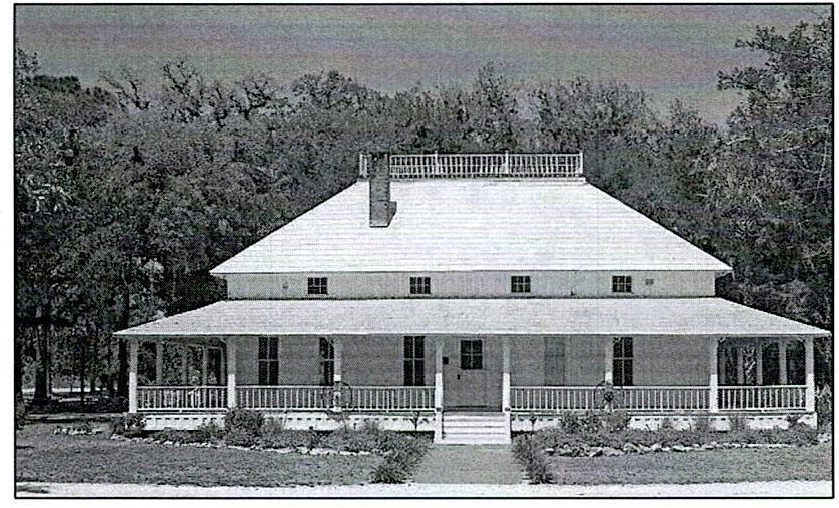
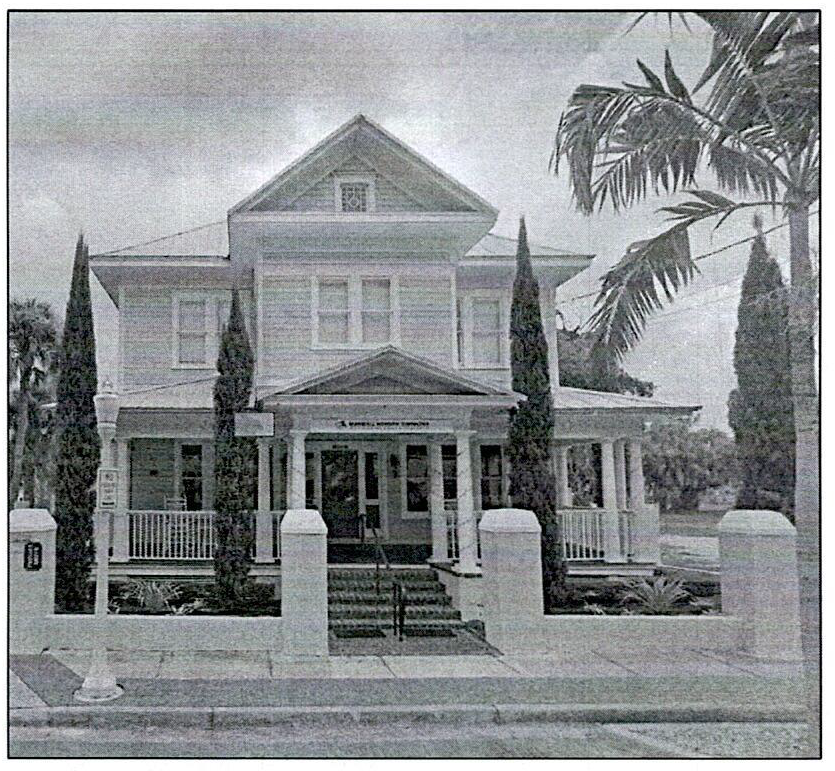
(2)
Mediterranean Revival.
a.
Required architectural features (primary facade(s)):
1.
Low pitched roofs consisting of barrel clay tiles or similar materials;
2.
Rounded arches over doorways, windows, and arcades, where applicable;
3.
Use of support columns or pilasters for function and design;
4.
Large focal entry way with elements tied into the building design, including complimentary material pallets, tile work, carvings, and/or iron accent pieces;
5.
Emphasizes on symmetry on facades, with evenly spaced windows and balanced proportions.
b.
A minimum of one (1) of the following decorative features must be incorporated into the primary façade(s):
1.
Decorative wrought iron for balconies, railings, and window grilles.
2.
Colorful, patterned tiles often found on stair risers, fountains, walls, and floors, adding vibrant accents to the otherwise neutral color palette.
c.
Representative images of Mediterranean Revival vernacular.
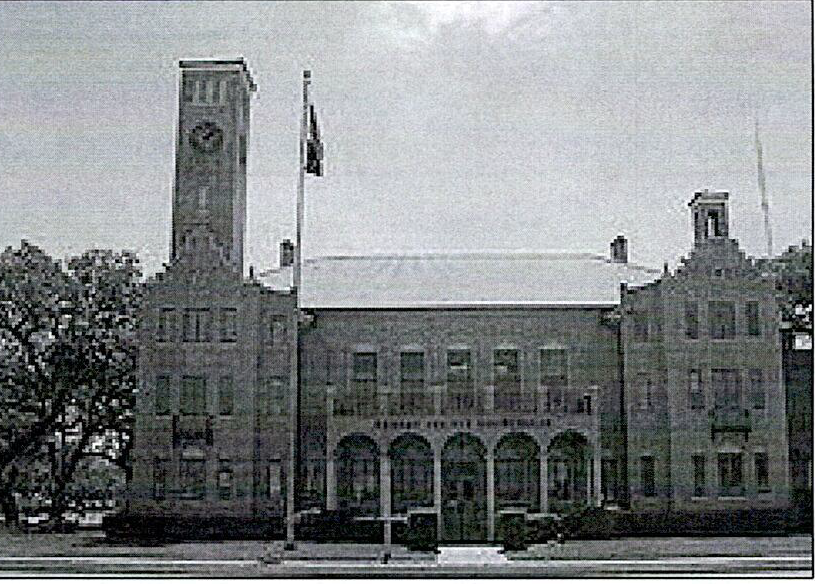
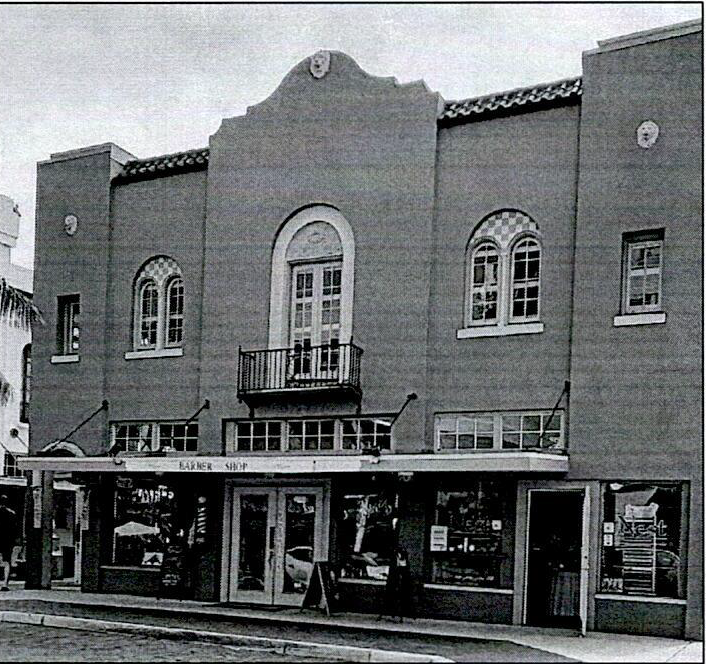
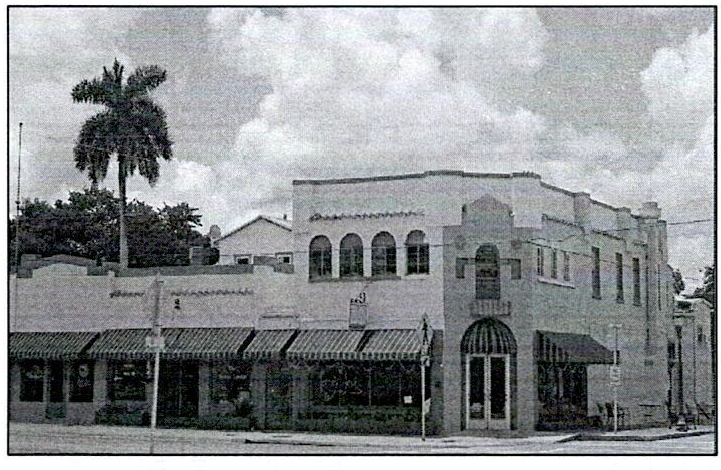
(3)
Miami Modern.
a.
Required architectural features (primary facade(s)):
1.
Flat roof with vertical projections above roof line.
2.
Smooth stucco wall surface with geometric designs.
3.
Use of glass, glass block, mirror, and terrazzo accents.
4.
Building design implements functional, open-air spaces, such as wide balconies, breezeways, and expansive sunshades.
5.
Use of angular, asymmetric, geometric features, such as windows, trim, and accents.
6.
Light colors with contrasting banding at roofline, around windows and entry.
b.
A minimum of one (1) of the following decorative features must be incorporated into the primary façade(s):
1.
Ornamental statement walls with geometric or abstract patterns.
2.
Geometric railing, columns/post or iron work.
c.
Representative images of Miami Modern vernacular.
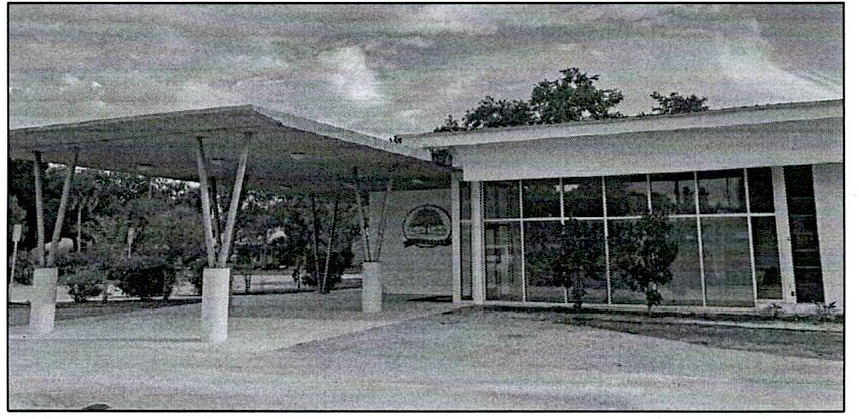
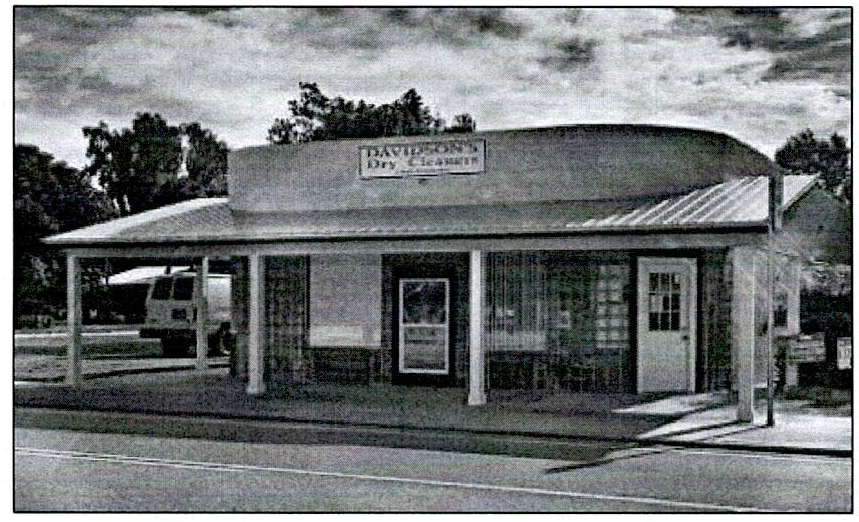
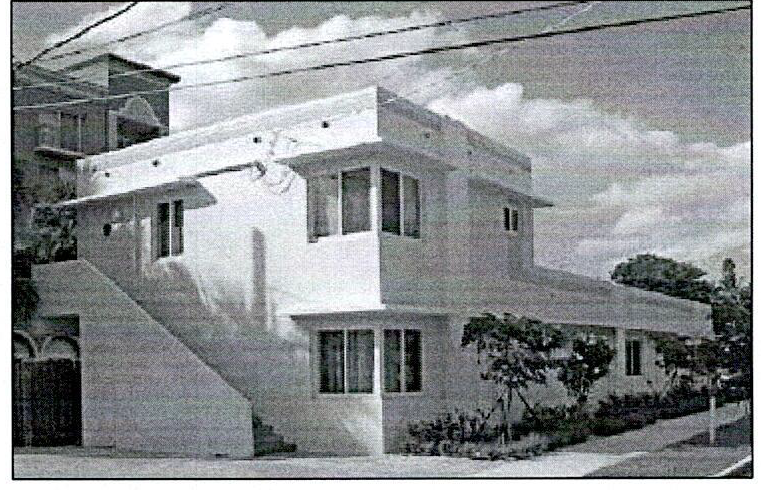
(4)
Sarasota School or Florida Modern vernacular.
a.
Required architectural features (primary facade(s)).
1.
Emphasis on structural connections between differing materials (such as the interface between wood and concrete).
2.
Use of elements such as glass, sliding glass doors to integrate indoor and outdoor spaces.
3.
Cantilevered overhangs shall have a minimum projection of four (4) feet.
4.
Minimalist aesthetic featuring clean lines and simple geometric forms.
5.
Emphasis on horizontal lines in the overall composition of the building(s).
b.
Representative Images of Sarasota School vernacular.
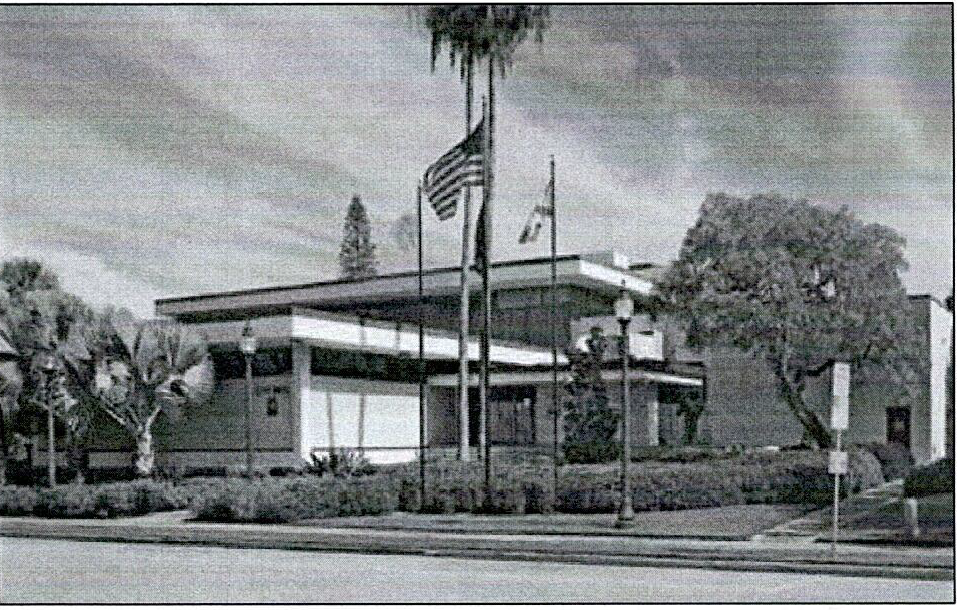
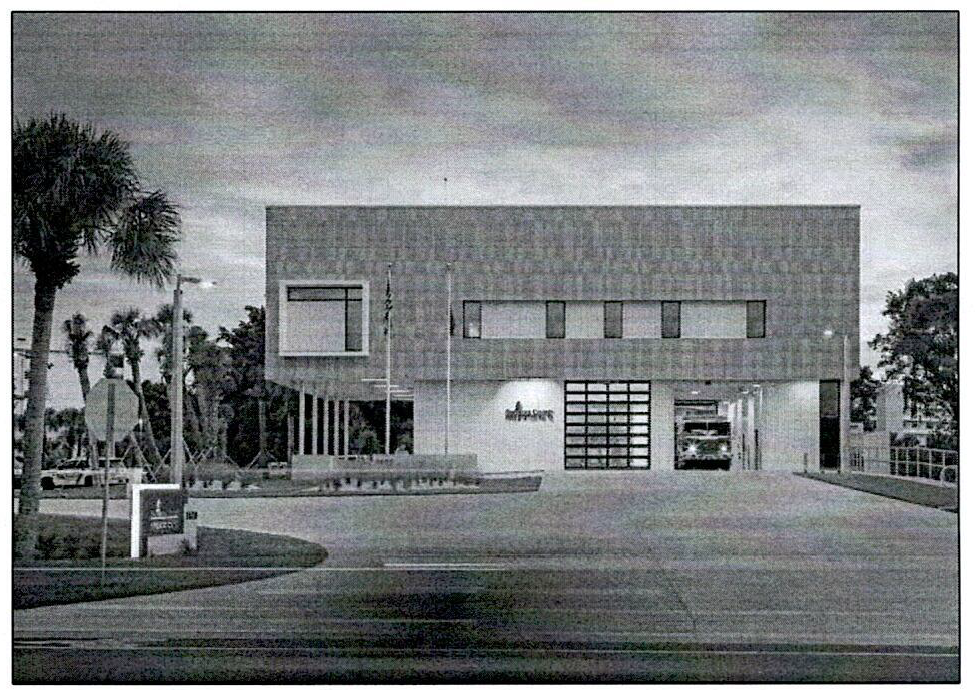
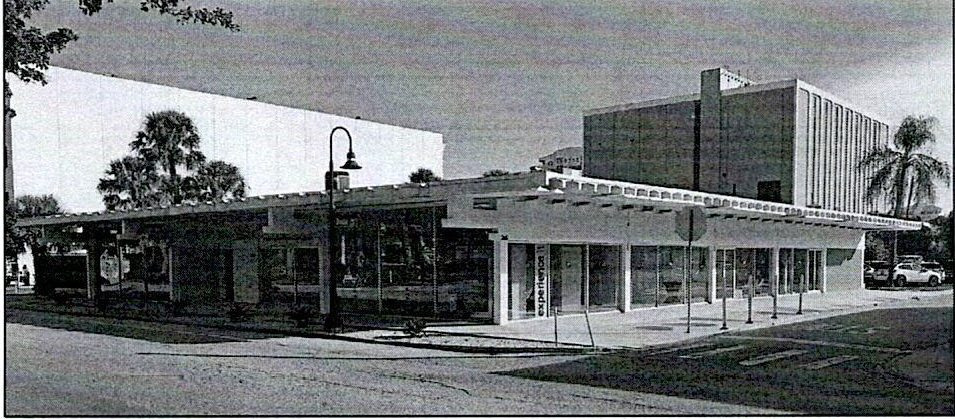
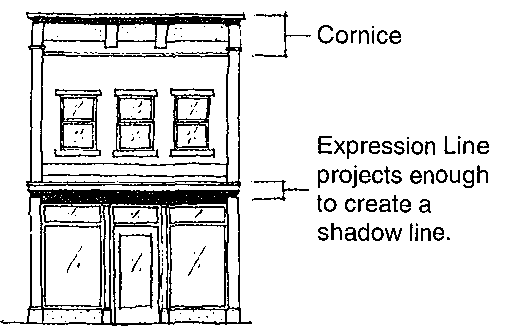
Desirable Façade
4-71.9.3 Building Walls
4-71.9.3.1 Expression Lines
An expression line shall delineate the division between the first story and the second story. A cornice shall delineate the tops of the façades. Expression lines and cornices shall either be moldings extending a minimum of two (2) inches, or jogs in the surface plane of the building wall greater than two (2) inches.
Expression lines are required for all buildings except single family units.
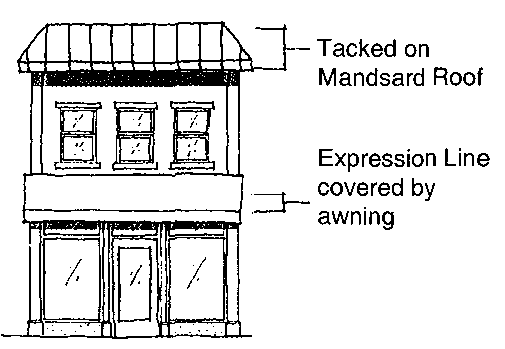
Undesirable Façade
4-71.9.3.2 Permitted Finish Materials
• Concrete masonry units with stucco (C.B.S.)
• Reinforced concrete with stucco
• Siding
• Brick
• Stone
• Wood: painted white, left natural (cypress and cedar preferred), or painted/stained with colors reviewed and approved by staff in conjunction with the DRC
• Painted exterior building surfaces shall have a matte or satin finish.
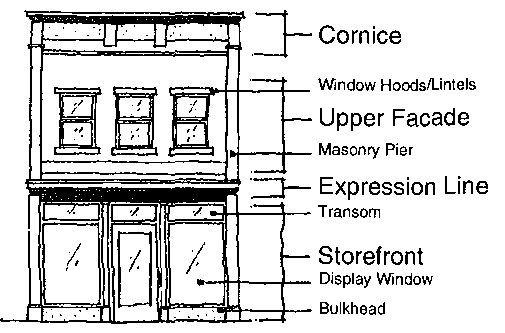
Building Components
4-71.9.3.3 Opacity and Façades
Each floor of any building façade facing a public space such as a park, square or street shall contain transparent windows covering fifteen (15) to seventy (70) percent of the wall area.
Retail storefronts only:
In order to provide clear views of merchandise in stores and to provide natural surveillance of exterior street spaces, the ground floor along the building frontage shall have transparent storefront windows covering no less than fifty (50) percent of the wall area.
4-71.9.3.4 Roofs and Gutters
Permitted Roof Types:
• Gabled
• Hipped
• Barrel vaulted
• Domed
• Downspouts are to match gutters in material and finish and shall connect to existing drainage systems whenever possible
• Flat with parapet of sufficient height to screen rooftop mechanical equipment
• Appurtenances may exceed beyond the height of a building
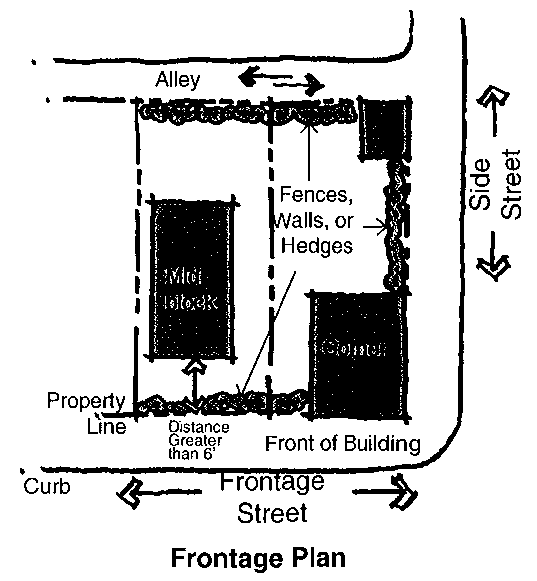
4-71.9.3.5 Garden Walls, Fences and Hedges
Fences, garden walls, or hedges are required and, if built, should be constructed along all un-built rights-of way which abut streets and alleys as shown in the diagram. Fences, garden walls and hedges shall be a minimum twenty-five (25) percent opaque and shall include openings no larger than necessary to allow automobile and pedestrian access.
Height — measured from finish grade at wall/fence location.
• Front yard: maximum height of thirty (30) to thirty-six (36) inches. Pillars and posts may extend up to six (6) inches more.
• Side and rear yards: maximum height of seventy-two (72) inches. Pillars and posts may extend up to six (6) inches more, to a maximum height of seventy-eight (78) inches.
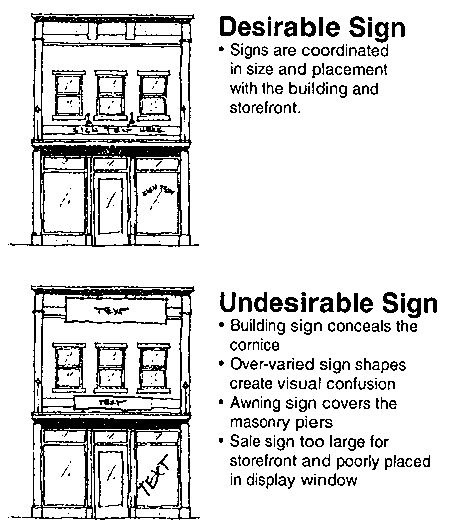
4-71.10.0 SIGNS
4-71.10.1 General Requirements
• All signs shall require a sign permit and are subject to a review by the DRC in order that signs are consistent and in harmony with the downtown character. Graphics in this section shall be used as non-binding guidelines, but the city planner or designee with recommendations from the DRC shall make a determination of appropriateness on a case by case basis.
• Signs that identify a building shall be flat against the façade or mounted projecting from the façade.
• Signs shall be externally lit. Individual letters and symbols may be internally lit or back-lit.
• A-frame or sandwich board signs are permitted without a sign permit, limited to eight (8) square feet and taken in and out daily.
• One (1) single or double-post yard sign per street frontage for each business may be permitted provided it is set back a minimum of six (6) feet from the property line provided it is set back a minimum of one-foot from the back edge of the sidewalk and does not exceed eight (8) square feet of sign copy (excluding posts), and does not exceed six (6) feet in height measured from the yard at the post location.
4-71.10.2 Finish Materials
Care should be taken that material choices compliment the architecture of the building.
• Wood: painted or natural
• Metal: copper, brass, galvanized steel
• Composite
• Concrete block and stucco
4-71.10.3 Configurations
• Maximum cumulative gross area of signs that identify a building on a given façade shall not exceed ten (10) percent of the building façade area.
• Maximum area of any single business sign mounted perpendicular to a given façade shall not exceed six (6) square feet.
• Protruding and hanging signs shall maintain a minimum clear height of eight (8) feet above a sidewalk.
• Window signs are permitted on one (1) window per business and must not cover more than twenty-five (25) percent of the window area.
Signage not described in this section shall be prohibited unless recommended for approval by the DRC and the city planner or designee.
4-71.11.0 USES
Uses in the DBD are categorized by transect zone. Allowable uses are permitted either by right or by administrative exception. Uses that are left blank on table 1 are not permitted.
4-71.12.0 GENERAL PROVISIONS
4-71.12.1 Maximum Block Size
The maximum perimeter of any aggregated new block shall be no more than one thousand six hundred (1,600) feet. The minimum dimension of each block face shall be no more than five hundred (500) feet. Pedestrian passages leading from the street to the middle of the block shall be provided at intervals no greater than two hundred fifty (250) feet.
4-71.12.2 Build-to Line and Height
4-71.12.2.1 Build-to Line
Build-to lines are established by transect zone. To ensure that buildings address the street, the build-to line is established using a minimum and maximum distance from the right-of-way line. Building design that offers variation in building placement is encouraged to add architectural interest, accommodate outdoor seating areas or special entryways, or other design features. Review and recommendation of building placement by the DRC is required.
Downtown center build-to line: Minimum zero (0) feet, maximum ten (10) feet from the right-of-way line
Downtown general build-to line: Minimum six (6) feet, maximum fifteen (15) feet from the right-of-way line
Frontage Percentage
Frontage percentage is the percentage of the width of a lot that is required to be occupied by the building's primary façade and within the setbacks established by the build-to line.
Downtown center frontage percentage: 80% to 100%
Downtown general frontage percentage: 60% to 100%
Exceptions From Build-to Lines and Frontage Percentages
Exceptions from build-to lines and frontage percentages may be granted by the city planner or designee to avoid significant oak trees with calipers greater than twelve (12) inches.
4-71.12.2.2 Height
Building height is established by transect zone. Height shall be measured from the finish floor elevation (FFE) of the proposed or existing building.
Buildings with pitched roofs: height is measured from the FFE to the midpoint of the eave facing the public street.
Buildings with flat roofs: height is measured from the FFE to the top of the cornice.
a.
Downtown center: 1 — 3 stories, maximum height of fifty-five (55) feet
b.
Downtown general: 1 — 2 stories, maximum height of forty-two (42) feet
4-71.12.3 Alleys
Alleys are encouraged in the DBD to minimize curb cuts and to provide access to parking and service areas behind buildings. Alley locations and dimensions are not fixed but shall be designed to accommodate the alley's purpose. Additional curb cuts shall be added only with the permission of the city planner or designee. Alleys may be incorporated into parking lots as drive aisles and fire lanes.
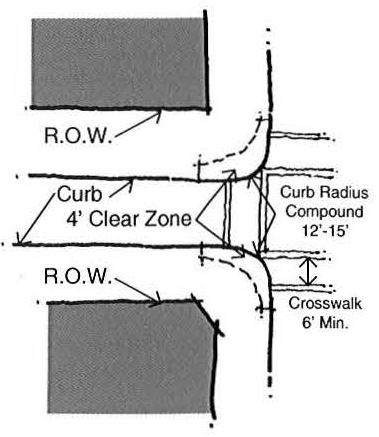
4-71.12.4 Corner Radii and Clear Zones
Corner curb radii shall be compound between twelve (12) feet and fifteen (15) feet. These turning radii are intended to shorten pedestrian crossings and inhibit drivers from turning corners at high speeds. To allow for emergency vehicles (e.g., fire trucks) to turn corners, a four-foot clear zone, measured from the face of curb at the radius shall be established free of all vertical obstructions including but not limited to telephone poles, sign poles, fire hydrants, electrical boxes, or newspaper boxes.
4-71.12.5 Street Trees
Streets shall be planted with regularly spaced live oak trees. Trees selection shall be coordinated with the city planner or designee. Placement should avoid obstructing storefronts and should be aligned with the striping of onstreet parallel parking spaces to allow for vehicular door openings.
Minimum specification shall be eight (8) feet in height, measured from the lowest tree branch.
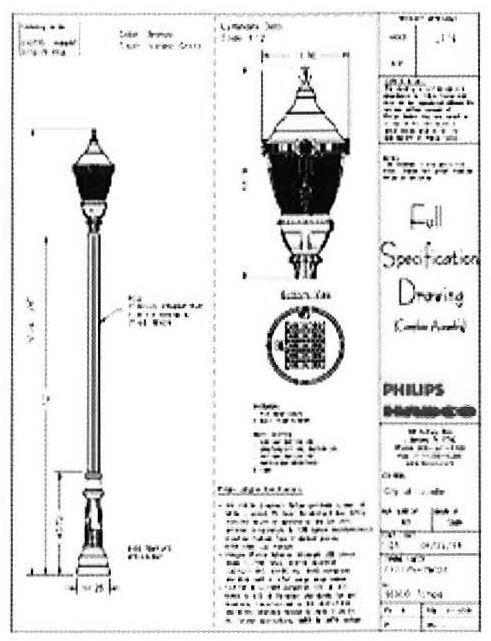
Figure 9: Approved Lighting Style
4-71.12.6 Street Lighting
Street lighting shall be provided on all streets and within all public rights-of-way. Street light fixtures shall be located between zero (0) and three (3) feet from the back of curb or edge of pavement, and shall not be placed within the pedestrian travel path. Street lights shall be placed at intervals sufficient to provide an average of one-half (0.5) foot candle of light within the public ROW. All street lights within the district shall be consistent in color height and style to the specified fixture in figure 9.
In the event that this model is no longer available, the following guidelines shall be used in choosing an alternative street light type:
• Alternative street light fixtures shall, to the greatest extent possible, be similar to the specification provided in this Code.
• Shall be constructed of marine grade metal to match the specification.
• Shall match the height of the specification.
• Shall have 4000k LED illumination.
• Alternative street light selection shall be determined by city staff with review by the DRC.
4-71.12.7 Civic Sites
Civic buildings are of special public importance. Civic buildings include, but are not limited to, municipal buildings, libraries, schools, parks and recreation facilities. Civic buildings do not include privately owned retail buildings, residential buildings, or office buildings. In order to provide greater flexibility to create a special architectural statement, civic buildings are not subject to build-to line, frontage percentage or building placement and form requirements. The DRC shall provide review and recommendation of the design of civic buildings to support and promote their importance and placement in the DBD.
4-71.13.0 PARKING
[4-71.]13.1 Parking Requirements
The intent of these parking regulations is to encourage a balance between compact pedestrian-oriented development and necessary car storage. The goal is to construct neither more nor less parking than is needed.
4-71.13.2 On-Street Parking
On-street parking is permitted throughout the district. Parking need not be contiguous with the building or the use it serves.
Minimum parking requirements in the DBD are as follows:
| Table 2.0: Required Parking | |||
|---|---|---|---|
| Downtown Center | Downtown General | Shared Parking Factor | |
| Residential | 1.0/dwelling | 1.4/dwelling | 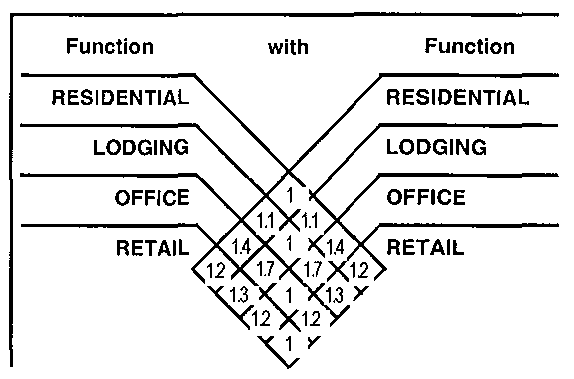 |
| Lodging | 0.5/bedroom | 0.75/bedroom | |
| Office | 1.0/500 s.f. | 0.5/350 s.f. | |
| Retail | 1.0/500 s.f. | 1.0/350 s.f. | |
| Other |
To Be Determined by
Administrative Exception | ||
Shared parking solutions are encouraged. Required parking minimums can be reduced by up to fifty (50) percent with a shared parking solution approved by the city planner or designee and reviewed by the DRC. The applicant shall provide a parking analysis justifying the proposed parking solution. How to calculate: determine the required parking per use and transect as described on table 2.0. Using the shared parking factor table above, determine the division quantity. Divide the total required parking by the division quantity to determine the reduced number of parking spaces.
Minimum parking space dimensions for parallel parking shall be seven (7) feet by twenty-two (22) feet with ten-foot drive lanes (see figures 4-8, section 4-71.7.0).
Parking shall be provided as necessary to meet the requirements of the Americans with Disabilities Act.
4-71.13.3 Off-Street Surface Parking Lot Placement
Off-street surface parking lots shall be set back a minimum of fifty (50) feet from the property line along all streets and shall conform to the clear zone setbacks described in section 4-71.12.4 and shall provide a wall, fence or hedge as required in section 4-71.9.2.5. The city planner or designee shall have discretion to make this requirement applicable elsewhere on prominent frontages, such as along key pedestrian connections, within significant vistas, and within important public spaces. Outbuildings serving as garages facing alleys shall be permitted within this setback.
4-71.13.4 Access to Off-Street Parking
Alleys may be incorporated into parking lots as standard drive aisles. Access to all properties adjacent to the alley shall be maintained. Access between parking lots across property lines is also encouraged.
Parking along alleys may be head-in, diagonal, or parallel.
Corner lots that have both rear and side access shall access parking through the rear (see diagram below).
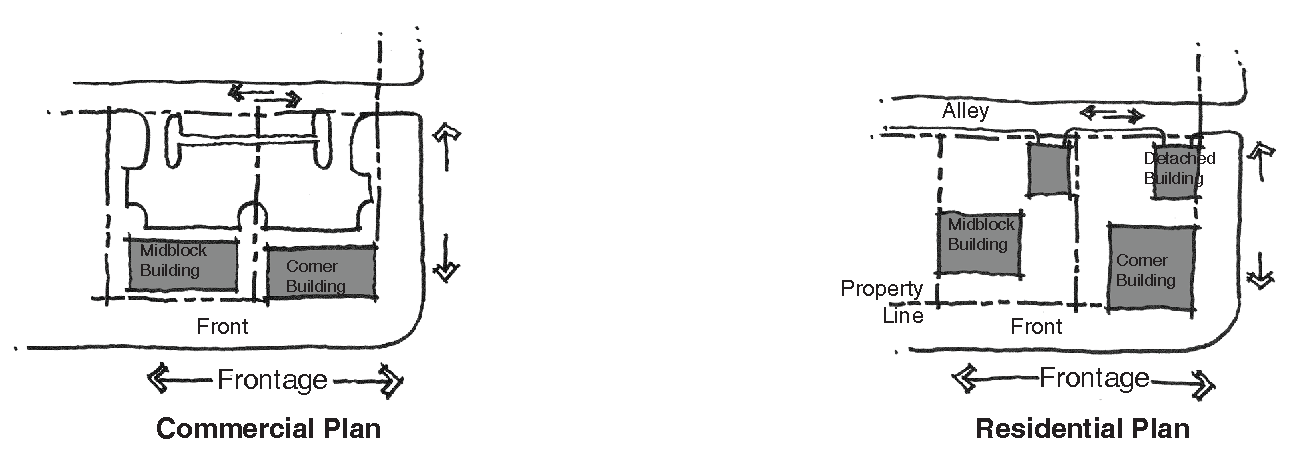
Circular drives are prohibited except for civic buildings.
Garage door(s) shall be positioned no closer to streets, squares, or parks than twenty (20) feet behind the principal plane of the building frontage. Garage doors facing streets, squares, or parks shall not exceed ten (10) feet in width. Where space permits, garage doors shall face the side or the rear, not the front.
4-71.13.5 Parking Lot Landscaping Requirements
Off-street parking lot landscaping requirements shall comply with section 4-80.12.
4-71.14.0 ACCESSORY STRUCTURES
Accessory structures are permitted and may contain parking, accessory dwelling units, storage space, and trash receptacles. Home occupation uses are restricted to owner plus one (1) employee, shall not include noxious or disruptive functions, and may not disrupt parking for neighboring residents.
Accessory structures shall not be greater than four hundred fifty (450) square feet in footprint and shall not exceed two (2) stories in height and shall conform to build-to-line requirements established by transect zone.
Caption: Large footprint buildings are wrapped in a liner of smaller buildings with
doors and windows facing the street
4-71.15.0 LARGE FOOTPRINT BUILDINGS
Buildings with a footprint greater than twenty thousand (20,000) square feet may be built within the DBD by planned unit development (PUD) approval only. Such buildings must abide by all rules in this code with the following special limitations:
a.
One-story buildings shall be at least twenty-four (24) feet in height. This may be accomplished with liner buildings or higher ceiling heights and/or parapets.
b.
Buildings are exempt from maximum lot size restrictions, however building footprints may not be larger than a single block.
c.
Loading docks, service areas and trash disposal facilities shall not face streets, parks, squares, or significant pedestrian spaces.
4-71.16.0 ADMINISTRATION OF THE DOWNTOWN LABELLE DEVELOPMENT CODE
4-71.16.1 Submittal Requirements
Applicants shall submit the following items to the building department for review:
1.
Site survey, no more than one (1) year old.
2.
Tree survey, no more than one (1) year old.
3.
Site plan, drawn to scale, which shall indicate:
• Lot lines;
• Building locations and orientations;
• Parking locations and number of spaces;
• Paved surfaces, materials and location(s);
• Site location diagram & legal description;
• Signage; and
• Landscaping.
4.
Building elevations illustrating all sides of structures.
5.
Grading plan.
6.
Parking analysis justifying the proposed parking solution.
7.
Digital version of the site plan and all exterior elevations of the proposed buildings and other related components of the proposed development in a format suitable for viewing on a web site. These should be at least eight hundred (800) by six hundred (600) dpi in either JPEG, PDF, or TIFF format.
8.
Written narrative describing the project intent.
4-71.16.2 Design Review by City Staff and the DRC
Applications are subject to review by city staff and the DRC. The city planner or designee shall schedule a meeting of the DRC to review the subject application. Such meeting shall be scheduled within thirty (30) days of receipt of the application. City staff or the DRC may request additional information from the applicant and a subsequent meeting may be necessary. If such a meeting is needed, it shall be scheduled within ten (10) days of receipt of the requested information.
Applicants are encouraged to attend the meeting of the DRC.
If the proposal adheres to the guidelines and design, is an allowed use, and offers a mix of uses as required for its specific area, the proposal will be approved by city staff.
4-71.17.0 ADMINISTRATIVE EXCEPTIONS AND VARIANCES
There shall be two (2) types of deviations from the requirements of this Code: Administrative exceptions and variances. Whether a deviation requires an administrative exception or a variance shall be determined by the city planner or designee.
4-71.17.1 Administrative Exception
An administrative exception is a ruling that would permit a practice that is not consistent with a specific provision of this Code but is justified by intent as set forth in section 4-71.1.3. The city planner or designee shall have the authority to approve or disapprove a request for an administrative exception.
Administrative exception requests will be evaluated using the following criteria:
a.
The proposed exception will not disturb nearby uses with excessive noise, lighting or obnoxious odor, and
b.
The proposed exception conforms to the DBD and is consistent with the city comprehensive plan.
4-71.17.2 Variance
A variance allows a modification of a requirement under this Code, provided that the modification is not contrary to the public interest and, due to special conditions, a literal enforcement of the ordinance would result in unnecessary hardship. Variances shall be processed through public hearing in accordance with section 4-42.
4-71.17.3 The request for an administrative exception or variance shall not subject the entire application to public hearing, but only that portion necessary to rule on the specific issue requiring the relief.
4-71.17.4 The following standards and requirements shall not be available for administrative exceptions or variances:
• The maximum dimensions of traffic lanes
• The residential densities established in the downtown district future land use category
4-71.17.5 Appeal of staff decision. The local planning agency (LPA) is hereby established as the review agency for appeal of a city staff decision. Appeals to decisions made by city staff shall be heard in a public hearing. Consideration of an appeal shall follow the guidelines established in the LPA may also provide a recommendation to the city commission for an amendment to or policy determination on the regulating code.
Appeals to decisions made by the LPA shall be heard in a public hearing before the city commission.
4-71.18.0 DURATION OF DESIGN REVIEW, ADMINISTRATIVE EXCEPTION, VARIANCE OR PUD
Approved design review plans, administrative exceptions, variances or PUD's shall expire eighteen (18) months from the date of approval unless, prior to the expiration date, a building permit is issued by the building official and construction has begun and is diligently being pursued toward completion. Approval for design review, administrative exception, variances or PUD's may be renewed for a maximum of one (1) additional year beyond the original date of expiration provided that a request for such renewal is submitted to the building department before the date of expiration.
The LPA may grant or deny a request for renewal, which may be appealed to the city commission.
4-71.19.0 PRE-EXISTING CONDITIONS
4-71.19.1 Non-Conforming Buildings and Uses
A.
Regardless of transfer of ownership, existing non-conforming buildings with a non-conforming use that do not conform the provisions of this Code may continue as they are until the building is reconstructed or substantially modified (see substantial modification, definition) such that the collective reconstructions or modifications within any three (3) year period are valued at more than either fifty thousand dollars ($50,000.00) or a total of fifty (50) percent of the assessed value of the structure in the most recently certified tax rolls, whichever is greater.
B.
Regardless of transfer of ownership, existing non-conforming buildings that do not conform to the provisions of this Code may change use within the same building, provided the new use is permitted in table 1 until the building is reconstructed or substantially modified such that the collective reconstructions or modifications within any three (3) year period are valued at more than either fifty thousand dollars ($50,000.00) or a total of fifty (50) percent of the assessed value of the structure in the most recently certified tax rolls, whichever is greater.
C.
Regardless of transfer of ownership, existing non-conforming buildings and non-conforming uses that have lost their non-conforming status as determined by article VI, entitled "Nonconforming Uses" may continue or change use within the same building, provided the new use is permitted in table 1, only with the administrative exception.
4-71.19.2 Significant structures. Any addition to or modification of a structure of having architectural, cultural or historical significance, that has been designated as such by the city commission, or to a building actually or potentially eligible for inclusion on a state, local or national historic register, shall be subject to approval by the city planner or their designee.
4-71.19.3 Non-Conforming Parking
The restoration or rehabilitation of an existing building that does not result in a substantial modification shall not require the provision of parking in addition to that existing, subject to city staff approval.
4-71.19.4 Non-Conforming Single-Family Buildings
Regardless of the dollar value of modifications, all existing non-conforming single-family residential buildings are not required to meet the standards in this Code as long as they do not increase their nonconformity in any way. Any changes in building height or footprint will need to comply with this Code for the portions that are added or modified only.
4-71.19.5 Non-Conforming Signage
All signage on private property must be brought up to the standards of this Code within seven (7) years of the adoption of this Code.
4-71.20.0 DEFINITIONS
Defined terms contained in this section are provided in section 2-4 of this Code.
(Ord. No. 2015-11, § 2, 10-8-15; Ord. No. 2019-07, § 2, 5-9-2019; Ord. No. 2024-07, § 2(Exh. A), 11-14-24)
Editor's note— Ord. No. 2015-11, § 2, adopted October 8, 2015, set out provisions for use herein as § 4-71. Prior to the adoption of those provisions, § 4-71 was repealed by Section I of Ord. No. 2006-02, adopted February 9, 2006. Former § 4-71 pertained to "Prohibited uses in the B-2 district."
Sec. 4-72. - Reserved.
Editor's note— Section I of Ord. No. 2006-02, adopted Feb. 9, 2006, repealed § 4-72, which pertained to use requirements for district B-3, and derived from § 25-25.1 of the 1967 Code. See § 4-70 within this chapter for similar provisions.
Sec. 4-73. - Reserved.
Editor's note— Section I of Ord. No. 2006-02, adopted Feb. 9, 2006, repealed § 4-73, which pertained to prohibited uses in the B-3 district, and carried no amendatory history. See § 4-70 within this chapter for similar provisions.
Sec. 4-74. - Reserved.
Editor's note— Section I of Ord. No. 2006-02, adopted Feb. 9, 2006, repealed § 4-74, which pertained to use requirements for industrial district I, and derived from § 25-26 of the 1967 Code. See § 4-70 within this chapter for similar provisions.
Sec. 4-75. - Reserved.
Editor's note— Section I of Ord. No. 2006-02, adopted Feb. 9, 2006, repealed § 4-75, which pertained to industrial zone district I-1A, and derived from Ord. No. 2004-22, adopted Dec. 9, 2004. See § 4-70 within this chapter for similar provisions.
Sec. 4-75.4. - Reserved.
Editor's note— Ord. No. 2016-1, § 2, adopted February 11, 2016, repealed § 4-75.4, in its entirety. Former § 4-75.5 pertained to "Hotel/motel location standards," and was derived from Ord. No. 2012-04, § 2(Exh. A), adopted May 10, 2012.
Sec. 4-75.5. - Bed and breakfast inns use requirements.
(a)
Definition: "Bed and breakfast inns" shall mean an owner-occupied or manager-occupied structure providing a limited number of guestrooms available on a daily rental basis and serving breakfast only.
(b)
Within all residential and business districts, bed and breakfast inns shall be permitted as a special exception and must meet the following criterion:
(1)
The following structures may be constructed, renovated or expanded to accommodate a bed and breakfast:
a.
An existing building, originally built and utilized as a single-family residence or converted to function as single-family residence;
b.
A historic building in any zoning classification, such as the Old Bank Building and the Forrey Building, designated by the City, State, or National Registry of Historic Places and must maintain its historic appearance; or
c.
New construction must maintain a residential character and/or historic appearance.
(2)
Guestrooms or suites.
a.
There shall be no more than ten (10) guestrooms.
b.
Guestrooms shall be at least one hundred (100) square feet, not including closet space.
c.
One (1) full bathroom per guestroom shall be provided.
d.
Only breakfast and snacks shall be served to overnight paying guests.
e.
Coffee makers and mini-refrigerators are permissible. No cooking is permissible in guestrooms.
(3)
The guest occupancy is limited to a maximum stay of fourteen (14) consecutive days.
(4)
In residential zoning districts, only one (1) sign per bed and breakfast is permissible. The sign shall have no illumination with a maximum sign area of four (4) square feet which may contain any or all of the following: the name of the proprietor, name of the bed and breakfast, address and/or phone number.
(5)
Bed and breakfast establishments must comply with appropriate health permits, building and fire codes, and business licenses, including but not limited to licenses from the division of hotel and restaurants and occupational licenses applicable to such use.
(6)
Off-street parking must provide for one (1) parking space per guest room up to five (5) guestrooms, then one-half (½) parking space per bedroom from six (6) to ten (10) guestrooms and two (2) for the owner/operator. The parking must be in the rear yard and buffered from public view and from the view of adjacent property owners.
(7)
Must comply with applicable landscape and buffering as required by the Land Development Code of the City of LaBelle.
(Ord. No. 2003-05, § 1, 3-13-03)
Sec. 4-76(a). - Residential property development regulations.
(1)
Any additional bedroom(s) or room(s) must be a minimum of one hundred twenty (120) square feet per room. For the purpose of these requirements utility rooms, walk-in closets, pantries or bathrooms are not considered rooms:
Example A: In R-2 a three-bedroom house or a two-bedroom house with a den/office would both require a minimum of one thousand two hundred forty (1,240) square feet.
Example B: A three-bedroom duplex or a two-bedroom manufactured home with a den/office would both require a minimum of one thousand twenty (1,020) square feet.
(2)
Distance between buildings shall be fifty (50) percent of the height of the tallest building, but no less than fifteen (15) feet.
(3)
See Appendix B, section 4-1, Definitions.
(4)
A special exception may be granted to allow a maximum height of forty-five (45) feet measured to the peak of the roof.
(5)
A "0" setback represents the side yard that abuts a common wall. For zero lot line development, it represents the setback adjacent to a property line, or the zero lot line side of the structure. Zero lot line development shall have a maximum of one (1) zero-foot side yard setback.
(6)
No more than six (6) dwelling units shall be contiguous. No contiguous group of townhouse or multifamily dwellings shall exceed one hundred fifty (150) feet in width.
(7)
Subject to county health department requirements for water and sewer hookup.
(8)
RV park areas may be designated within a mobile home park. See definitions and additional mobile home park requirements Appendix B, Article VII [§ 4-67].
(Ord. No. 99-5, § 1, 10-14-99; Ord. No. 2004-23, § I, 1-13-05; Ord. No. 2006-02, § I, 2-9-06; Ord. No. 2006-05, § I, 3-9-06; Ord. No. 2008-02, § I, 4-10-08; Ord. No. 2008-14, § I, 7-31-08)
Sec. 4-76(b). - Business and industrial property development regulations.
(1)
No more than one double row of parking and associated drive aisle is permitted within the front yard.
(2)
See Appendix B, § 4-1, Definitions.
(3)
See Appendix B, § 4-85.6, Exceptions to height regulations.
(4)
Subject to airport height guidelines.
(Ord. No. 2008-02, § I, 4-10-08; Ord. No. 2011-08, § 2(Exh. A), 1-12-12; Ord. No. 2015-11, § 2, 10-8-15; Ord. No. 2018-05, § 4, 2-11-18; Ord. No. 2020-07, § 2, 7-9-20)
Sec. 4-77. - Use requirements for agriculture district (AG).
(a)
[Permitted uses.] Within the agriculture (AG) district the following uses shall be permitted:
(1)
Farming;
(2)
Dairying;
(3)
Pasturage;
(4)
Apiculture;
(5)
Horticulture and the necessary accessory uses for packing, treating or storing the produce: provided, however, that the operation of any such accessory uses shall be secondary to that of the normal agricultural activities;
(6)
Floriculture;
(7)
Silviculture;
(8)
Animal husbandry, limited to domestic animals and livestock, but not to include primates, swine. A maximum of six (6) poultry per property are permitted, so long as the poultry are contained within a proper and humane enclosure; and, the poultry to do not create a nuisance as defined in this code.
(9)
Permanent or temporary structures on farm site for housing farm labor, with capacity of one (1) family for each ten (10) acres of agriculture site;
(10)
Riding academy or boarding stable, provided no building for housing animals shall be located within two hundred (200) feet of any residentially zoned property;
(11)
Single-family detached dwellings;
(12)
Public parks, playgrounds, play fields, and city buildings in keeping with the character and requirements of the district;
(13)
Houses of worship; provided that minimum parcel size shall not be less than two (2) acres;
(14)
Cemetery;
(15)
Private recreational camps;
(16)
Excavation, borrow pits not exceeding fifty thousand (50,000) cubic yards or five (5) acres per site.
(b)
Permitted accessory uses and structures. Uses and structures which are:
(1)
Customarily accessory and clearly incidental and subordinate to permitted or permissible uses and structures.
(2)
Located on the same lot as permitted principal use or structures, or on a contiguous lot in the same ownership and within the AG zoning district.
(c)
Special exceptions.
(1)
Any use comparable in nature and compatible with the allowable uses for agriculturally zoned property as described herein; and
(2)
Excavation, borrow pits exceeding fifty thousand (50,000) cubic yards or five (5) acres per site.
(d)
Minimum criteria. Special exception approval of excavations in the agriculture zoning district exceeding 50.000 cubic yards, or five (5) acres, may be granted by the city commission, subject to the procedures and criteria set forth in Sec. 4-41, and the following provisions:
(1)
An excavation application for the project has been filed and approved;
(2)
The excavation activity, including excavation pit and processing areas, is limited to no more than 25% of the total property acreage.
(3)
No blasting is proposed within one thousand feet (1.000') of an existing residence under separate ownership;
(4)
The excess material to be removed results from the minimum excavation required to:
i.
Meet South Florida Water Management District permit requirements; or
ii.
Provide a viable agricultural or recreational amenity that does not exceed eight feet below the dry season water table (DSWT) elevation; or
iii.
Excavate suitable materials based upon geotechnical data provided by a professional engineer registered in the State of Florida.
(5)
Hours of operation for use of equipment, hauling, and all associated excavation operations, including any ancillary activities that generate noise, shall be limited to Monday through Friday between the hours of 7:00 a.m. and 6:00 p.m., and Saturdays between the hours of 7:00 a.m. and 12:00 p.m. Blasting activities will be limited to Monday through Friday from 9:00 a.m. to 5:00 p.m. No excavation operations shall occur on Sundays, or holidays observed by the city commission, unless otherwise approved through the special exception process.
(6)
The period of excavation operations and hauling may not exceed three (3) years, unless otherwise approved by the city commission.
(7)
The city commission may allow for modifications to the criteria contained in this section, and may impose additional conditions on the special exception approval to mitigate adverse impacts, and uphold public health, safety and welfare. Excavation operations with repeat violations as defined in this code, must appear before the city commission during an advertised public hearing to determine if the special exception approval will be nullified, rescinded or modified.
(e)
Excavation plan required. Any applicant requesting special exception approval to remove excavated material to an off-site location must submit an "Excavation Plan" with the site work permit application so as to provide the Superintendent of Public Works, or designee, sufficient information to review the request for off-site hauling for compatibility in relation to external impacts. The "Plan" must include the following information:
(1)
The approximate location, shape and dimensions of the area to be excavated relative to all property lines, easements, rights-of-way, and existing and proposed structures;
(2)
The proposed slopes, the maximum and average depth, and the controlled water depth of the proposed excavation;
(3)
The estimated quantity of excavated material that will be hauled off-site;
(4)
The proposed truck traffic volume in trips per day;
(5)
The duration of the off-site hauling;
(6)
The destination of the removed excavated material and proposed haul route(s);
(7)
The proposed method to control dust, mud and debris along the proposed haul route:
(8)
Where blasting is proposed, the Applicant must provide a geotechnical report prepared by a professional engineer licensed in the State of Florida;
(9)
A reclamation plan and other appropriate documents accurately depicting the plan of reclamation, consistent with the reclamation performance standards established by the state permit. The reclamation plan shall include, but is not limited to: a reclamation schedule, planting and restoration plan, final grading plan, shoreline stabilization measures, and a cost estimate for required plantings prepared by a landscape architect licensed in the State of Florida;
(10)
Any other information deemed necessary by the Superintendent of Public Works to evaluate the request.
(f)
Minimum excavation design standards. All excavations subject to these provisions must demonstrate compliance with the following minimum design standards, unless alternative standards are approved by the city commission as part of the special exception.
(1)
Setbacks. Excavations shall be located on the property so that the top of bank of the excavation meets or exceeds the following minimum setbacks:
a.
100 feet from the right-of-way line or easement line of any existing or proposed private or public street, roadway, or access easement.
b.
100 feet from side, rear or abutting property lines, except where the excavation abuts a zoning district which allows residential uses, the setback shall be 500 feet from the residentially-zoned property.
c.
Minimum setbacks from jurisdictional wetlands will be determined using standards established by the South Florida Water Management District or the Department of Environmental Protection, as applicable.
(2)
Side Slopes. All side slopes must comply with the state and federal permit requirements.
(3)
Maximum Depths. Minimum and maximum depth of excavation shall be established as part of the approval based upon the geotechnical data provided by a professional engineer registered in the State of Florida.
(4)
Fencing. The excavation operation shall be enclosed with a minimum of a four-foot-tall fence with "no trespassing" signs placed no more than 100 feet apart. Any fencing may be removed upon final completion of reclamation and confirmation thereof by all governmental authorities with jurisdiction.
(g)
Restoration. Upon completion of the excavation operation, the subject property shall be restored as required by the 1986 State of Florida Resource Extraction Reclamation Act (F.S. ch. 378, pt. IV) and applicable state and federal permits.
(Ord. No. 2001-06, §§ 1, 2, 4-12-01; Ord. No. 2018-09, § 1, 10-10-18)

