
Leesburg City Zoning Code
ARTICLE II
ESTABLISHMENT OF ZONING DISTRICTS
Sec. 2.01.- Districts.
The incorporated portions of the city are hereby divided into ten classes of districts known as the following:
Sec. 2.02. - District boundaries and official zoning maps.
The boundaries of the above districts are shown on the set of maps designated "Official Zoning Maps, Leesburg, Georgia." These official zoning maps, together with all explanatory matter thereon, are hereby adopted and incorporated herein by this reference and hereby made a part of this zoning ordinance. The official zoning maps shall be identified by the signature of the mayor or city clerk and shall be labeled "Official Zoning Maps, Leesburg, Georgia." Where uncertainty exists with respect to the boundaries of any of the aforesaid districts as shown on the official zoning maps, the following rules shall apply:
(1)
Where zoning district boundaries are indicated as approximately following the centerlines of roads or highways or railroad right-of-way lines extended, such centerlines or railroad right-of-way lines or such lines extended, shall be construed to be such boundaries.
(2)
Where district boundaries are indicated as approximately following the county line, or the corporate limits line of any incorporated place or the militia district line of any militia district, or the land lot line of any land lot; such county line, corporate limits line, militia district line or land lot shall be construed to be such boundaries.
(3)
Where district boundaries are indicated as approximately parallel to the centerlines of streets or highways, such district boundaries unless otherwise specifically indicated, shall be construed as being parallel thereto, and each above district boundary shall be shown at scale on the official zoning map of the city.
(4)
Where district boundaries are indicated as approximately following the centerline of streambeds or riverbeds, such centerlines or such lines extended shall be construed to be such boundaries.
Sec. 2.03. - District boundary lines dividing a lot.
In the event that a district boundary line on the zoning map divides a lot of record held in one ownership on the date of passage of the zoning ordinance, each part of the lot so divided shall be used in conformity with the regulations established by this ordinance for the district in which each such parcel is located. Except, that if one zoning district comprises more than 75 percent of said lot area, a use allowed in the district of majority may be extended to the existing property lines beyond the district boundary line in accordance with setbacks and yard requirements of the district into which the use is encroaching, with the administrative approval of the planning director.
Sec. 2.04. - Overlay zoning district.
A.
Application.
1.
Overlay districts are supplemental to the underlying zoning district classifications established in the Leesburg Zoning Ordinance that governs all properties within the City of Leesburg. Within areas mapped as overlay zoning districts in this article, these overlay district regulations shall be overlaid upon and shall be imposed in addition to said underlying zoning regulations.
2.
The provisions of each overlay zoning district apply to all applicants for rezoning, special approval, variances, administrative review, land disturbance permit, plan review, and plat approval which incudes the creation of additional parcels or substantial reconfiguration of existing parcels, and building permits for all property and rights-of-way within the boundaries of the overlay district.
3.
Review and approval of administrative variances and enforcement of design guidelines shall be performed by the City of Leesburg Architectural Review Board, subject to meeting all the requirements of the Leesburg Zoning Ordinance.
4.
All applicable plan reviews, plat approvals, permits and zoning decisions for parcels located within each overlay district shall meet all the requirements of the base zoning district in which it is located and, in addition, shall meet the requirements of the overlay zoning district applicable to the parcel. All road and utility projects shall adhere to all requirements of the overlay zoning district.
5.
Any parcel of land that is wholly or partly within the boundary shall be included in the overlay district.
B.
Relationship to underlying zoning district standards. In any case where the standards and requirements of an overlay zoning district vary from those of the base zoning district, the standards and requirements of the overlay district shall govern. Uses existing at the time of the ordinance adoption shall be allowed to continue.
C.
Overlay zoning district boundary maps. Boundary maps for the Leesburg Overlay District are an integral part of the administration of this article. Copies of these maps are available for inspection during normal business hours.
D.
Map amendments. No change in the boundary of an overlay zoning district shall be authorized, except by the city commission pursuant to procedures stated.
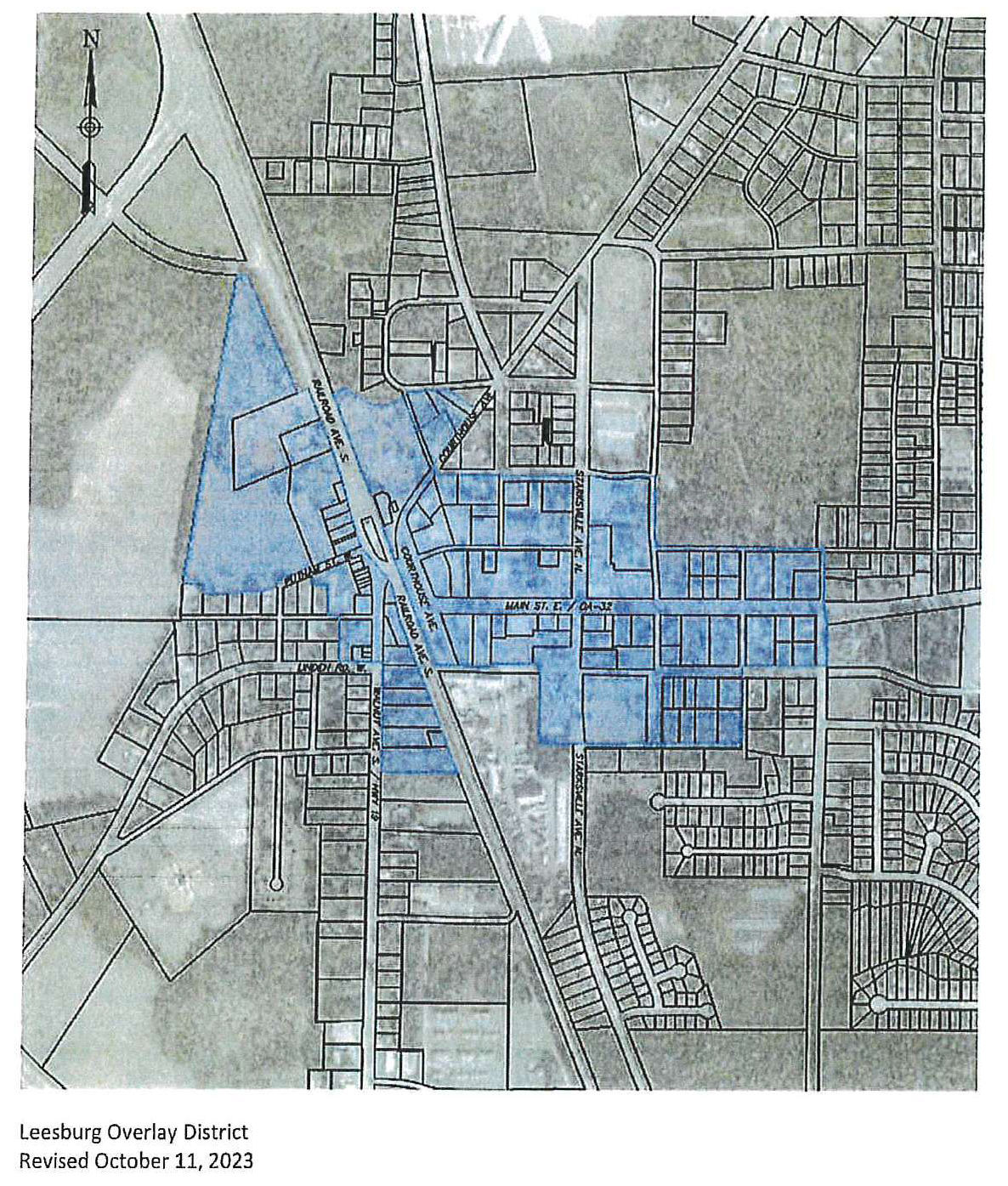
(Ord. of 6-5-2018; Res. of 2-4-2025(3), Exh. A)
Sec. 2.05. - Depot Area Overlay Zoning District.
(1)
Purpose and intent. The purpose of the Depot Area Overlay District is to support and enhance Downtown Leesburg as the historic crown of the city, with a focus on the historic Depot (Welcome Center) as its most sparkling jewel. The elements of the Leesburg Depot Area Overlay District shall influence the shape and scope of a new, updated and redefined downtown.
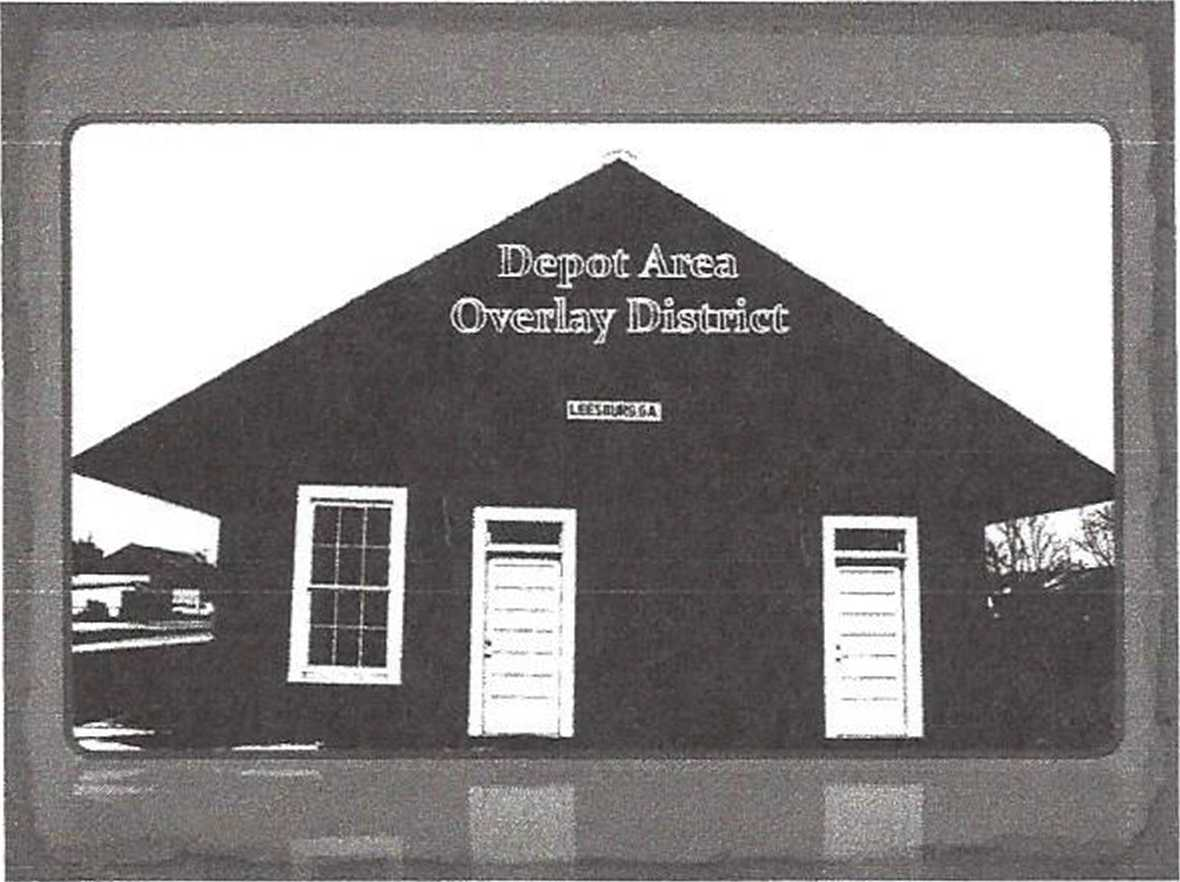
Heritage tourism development, with a focus on the Gateway Corridor of US 19/Walnut Avenue/The Dixie Highway; a thoroughfare into Leesburg, connecting Georgia to Florida, with a direct route from Atlanta to Tallahassee. The district is bounded by, and includes properties along portions of Walnut Avenue, Courthouse Avenue, Putnam Street, 3rd Avenue and Railroad Avenue in the downtown area.
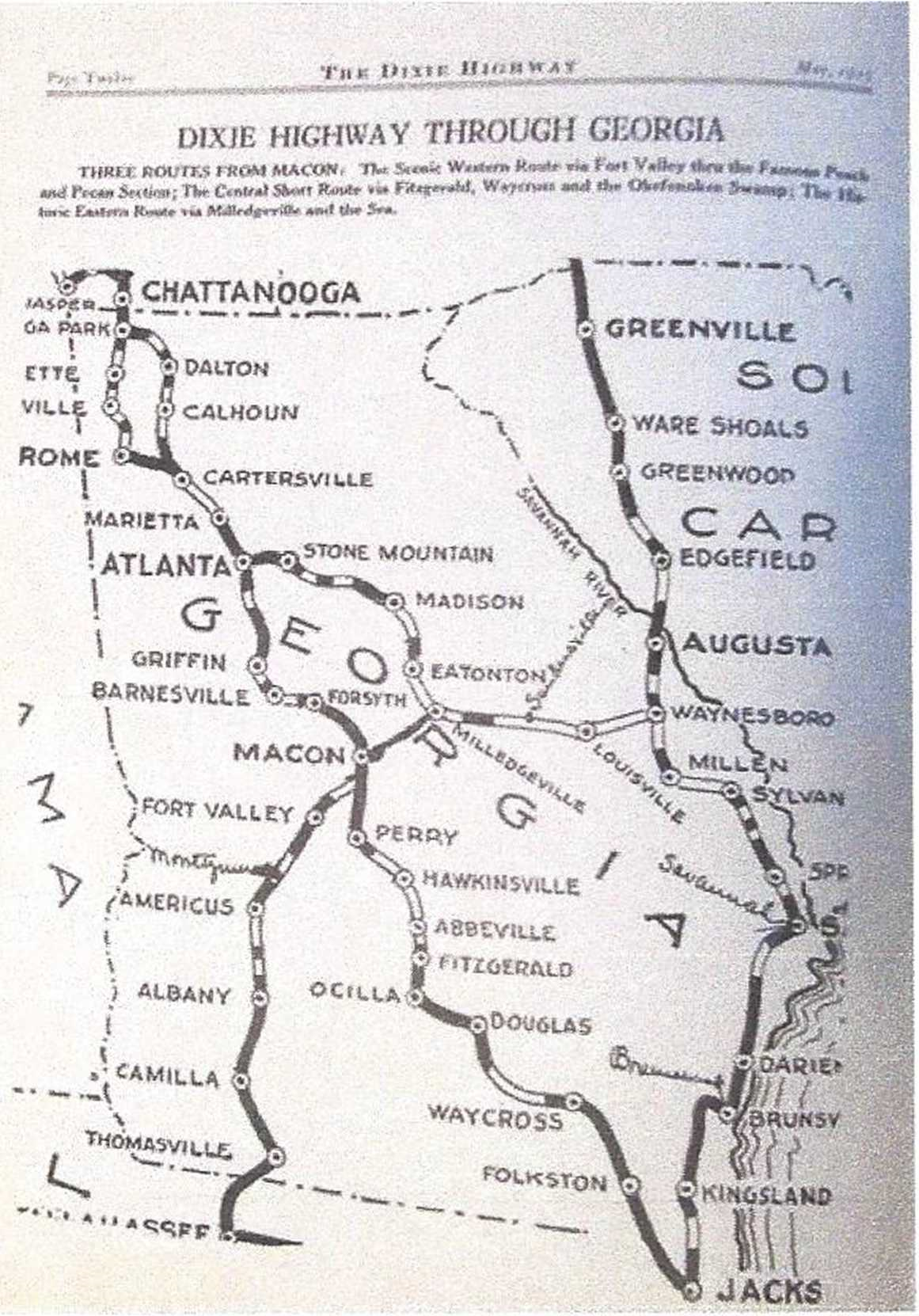
Dixie Highway
Credits: The Dixie Highway in Georgia's Photos in Facebook Page Timeline Photos
https://www.facebook.com/The-Dixie-Highway-in-Georgia-350040005075562/
The Depot Area Overlay District is intended to establish a Gateway Corridor and Heritage Tourism District within Leesburg. Heritage tourism protects historic, cultural, and natural resources in towns and cities by involving people in their community. The district will encourage creative entrepreneurship and local ownership of small businesses, specifically, in the historic storefronts on Walnut Avenue. The Welcome Center, located in the restored National Register Depot and home to the Chamber of Commerce, will provide an environment where residents and tourists can experience Leesburg's rich local history and culture, while celebrating hometown celebrities of: Luke Bryan, Phillip Phillips, Buster Posey and Carly Mathis, Miss Georgia 2013.

According to Georgia Economic Development
(2)
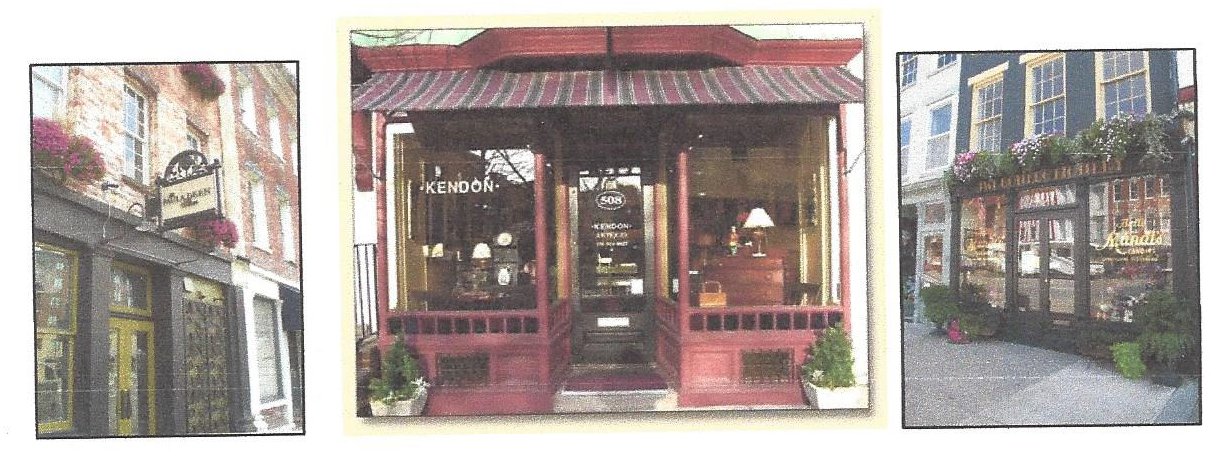
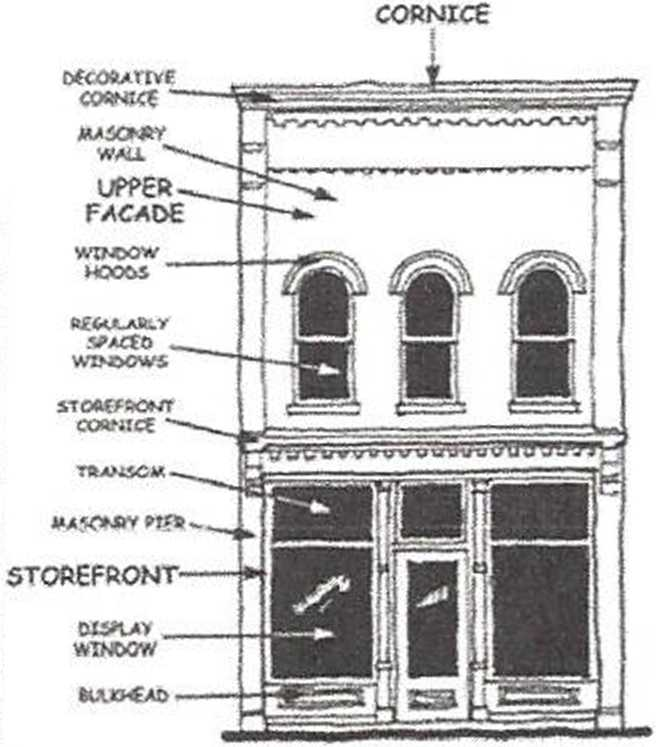
Storefront treatment. The storefront is the most important architectural feature of many historic commercial buildings. It also plays a crucial role in a store's advertising and merchandising strategy to draw customers and increase business.
(a)
Architectural elements of structures include:
1.
A primary entrance door provided on the sidewalk entrance level of the sidewalk or street.
2.
Provides large display window area.
3.
A glass transom located above the glass display window and entry door.
4.
Street address numbers, a minimum of six inches in height located above the primary pedestrian entrance.
(b)
The following standards shall apply for all new and renovated commercial buildings. Where a historic structure is being renovated and these requirements are not in keeping with historic elements of such building, such historic elements may be administratively approved by the director of planning, zoning, and engineering or his/her designee.
1.
Planters. Planters may be used in order to provide added visual interest and create a more attractive and welcoming atmosphere. Planters and the plants contained within them shall meet the following requirements:
a.
Planted material. All planters shall be constructed of metal, concrete, plastic, or wood. All planters shall have plants contained within them. If the plants within a planter die, the plants shall be replaced or the planter removed from the public right-of-way.
2.
Signage. No internally illuminated or LED multi-message signage allowed in the district. Hanging signs or signboards are appropriate for attached historic storefronts. Painted window signage is allowed for up to 25 percent of the display area.
(c)
Guidelines for designing replacement storefronts.
1.
Scale. Respect the scale and proportion of the existing building in the new storefront design.
2.
Materials. Select construction materials that are appropriate to the storefronts; wood, cast iron, and glass are usually more appropriate replacement materials than masonry which tends to give a massive appearance.
3.
Cornice. Respect the horizontal separation between the storefront and the upper stories. A cornice or fascia board traditionally helped contain the store's sign.
4.
Frame. Maintain the historic planar relationship of the storefront to the façade of the building and the streetscape (if appropriate). Most storefront frames are generally composed of horizontal and vertical elements.
5.
Entrances. Differentiate the primary retail entrance from the secondary access to upper floors. Entrances should be placed where there were entrances historically, especially when echoed by architectural detailing (a pediment or projecting bay) on the upper stories.
6.
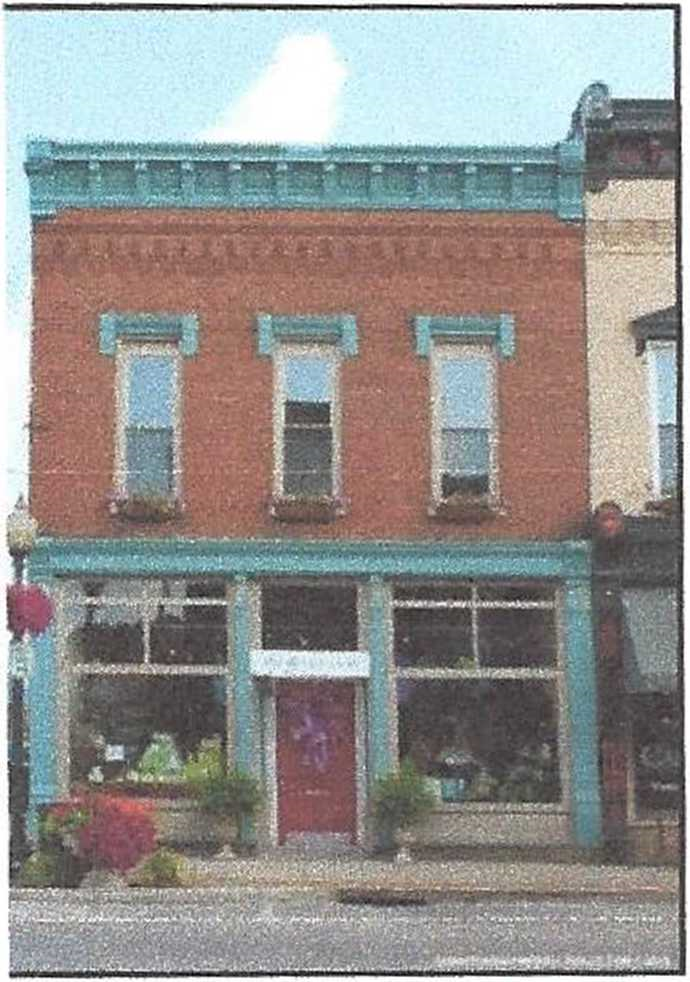
Windows. The storefront generally should be as transparent as possible. Use of glass in doors, transoms, and display areas allows for visibility into and out of the store.
7.
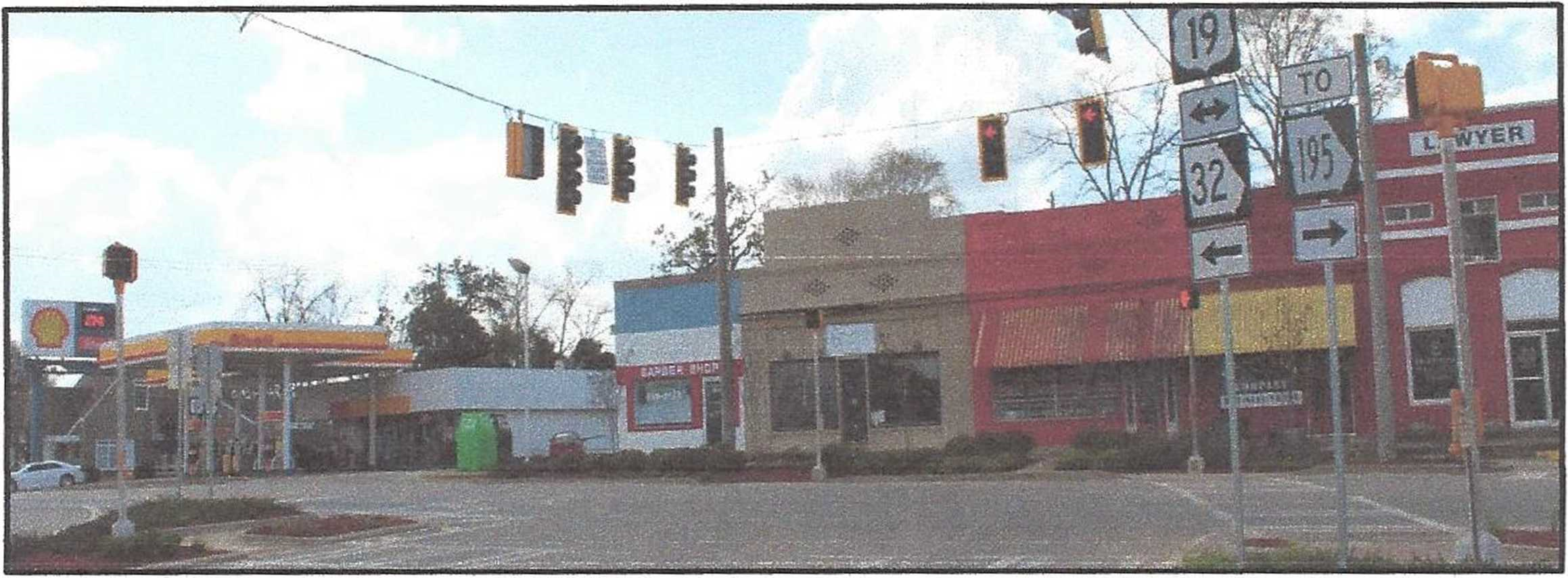
Secondary design elements. Keep the treatment of secondary design elements such as graphics and awnings as simple as possible in order to avoid visual clutter to the building and its streetscape.
(d)
Incompatible commercial uses within overlay district:
•
Tattoo parlors;
•
Check cashing, pay day loan, title loan and similar business operations;
•
Adult entertainment establishments;
•
New drive-thru windows;
•
New pawn shops or bail bonds business.
(e)
Incompatible site aesthetics and design within overlay district:
•
Donation boxes for clothing and household items;
•
Chain link fences in front yard (ornamental fences composed of wood, metal or similar material, not to exceed four feet in height are allowed);
•
Debris and overgrown landscaping;
•
Abandoned vehicles and vacant or deteriorated structures.
(3)
Encouragement of small business opportunities.
(a)
Live/work units. A live/work unit is defined as the use of a structure consisting of both a commercial/office and a residential component that is occupied by the same resident. The live/work unit shall be the primary dwelling of the occupant. Typically, the second floor of a commercial storefront shall be the residential area, consisting of a separate entrance and exit, and compliance with International Building Code for Residential living, and all other applicable codes adopted by the City of Leesburg Council. Approval of chief building official for residential living and commercial occupancy is required. The commercial portion of the unit contains the storefront with customer entrance and the structure retains the original commercial façade. The adaptable reuse of commercial structures as live/work units are intended for use by the following occupations: accountants; architects; artists and artisans; computer software and multimedia related professionals; consultants; engineers; fashion, graphic, interior and other designers; insurance, real estate and travel agents; boutique clothing, jewelry, cosmetics, painted furniture and decor or other specialty retail sales; photographers and similar occupations.
(b)
Leesburg encourages retail and business opportunities, essential for a thriving and successful community. A mix of small businesses with distinctive and unique character, can contribute to the downtown, providing residents and visitors, the opportunity to experience southern charm and talents! Entities like Goodson Pecans, Pretoria Fields Microbrewery, two local Georgia Grown businesses, offer a taste of Lee County agricultural commodities. Products and services may include celebrity souvenirs, local artist's wares, nature adventures on the creek, or at Pirates Cove or Chehaw Park. Various sports activities and tournaments are abundant all year long, with the moderate climate and excellent recreational facilities.
With the implementation of this overlay district and a vision for the future …
Leesburg would like to offer places to enjoy a meal or local culinary treats, explore nature, cheer for a team, listen to Luke Bryan or Phillip Phillips, ride some red dirt roads, or just sip a glass of sweet tea on the Depot Deck!
(4)
Downtown outdoor dining standards.
(a)
The following standards shall apply to all establishments located within the Depot Area District that are seeking to offer outdoor dining. All establishments seeking to offer outdoor dining shall submit an application to the city for approval by the planning, zoning, and engineering director. No establishment shall offer outdoor dining until such time as the establishment has been granted approval.
1.
Application process. The planning, zoning, and engineering department shall administer the downtown outdoor dining standards. All applications for outdoor dining will be reviewed by the planning, zoning, and engineering department for completeness and clarity.
2.
Application requirements. All establishments seeking to offer outdoor dining shall submit the following for review by the planning, zoning, and engineering department:
a.
Site plan. Applicants shall provide a site plan/drawing showing the proposed outdoor dining area with measurements (including a representation showing that at least four feet of unobstructed sidewalk space will remain for pedestrians and ADA accessibility compliance).
b.
Photos or drawing of furniture. Applicants shall provide photos or other graphic representation (including color and material) of barriers, planters, furniture and umbrellas, needed for the city to verify that the proposed furniture conforms to these design guidelines.
3.
Downtown outdoor dining standards.
a.
Furniture and fixtures. Outdoor dining furniture becomes a prominent part of the streetscape when used in the front of buildings, and such furniture needs to uphold the high standards applied to buildings and other improvements in and around the Depot Area District. A wide range of furniture styles, colors and materials are permitted.
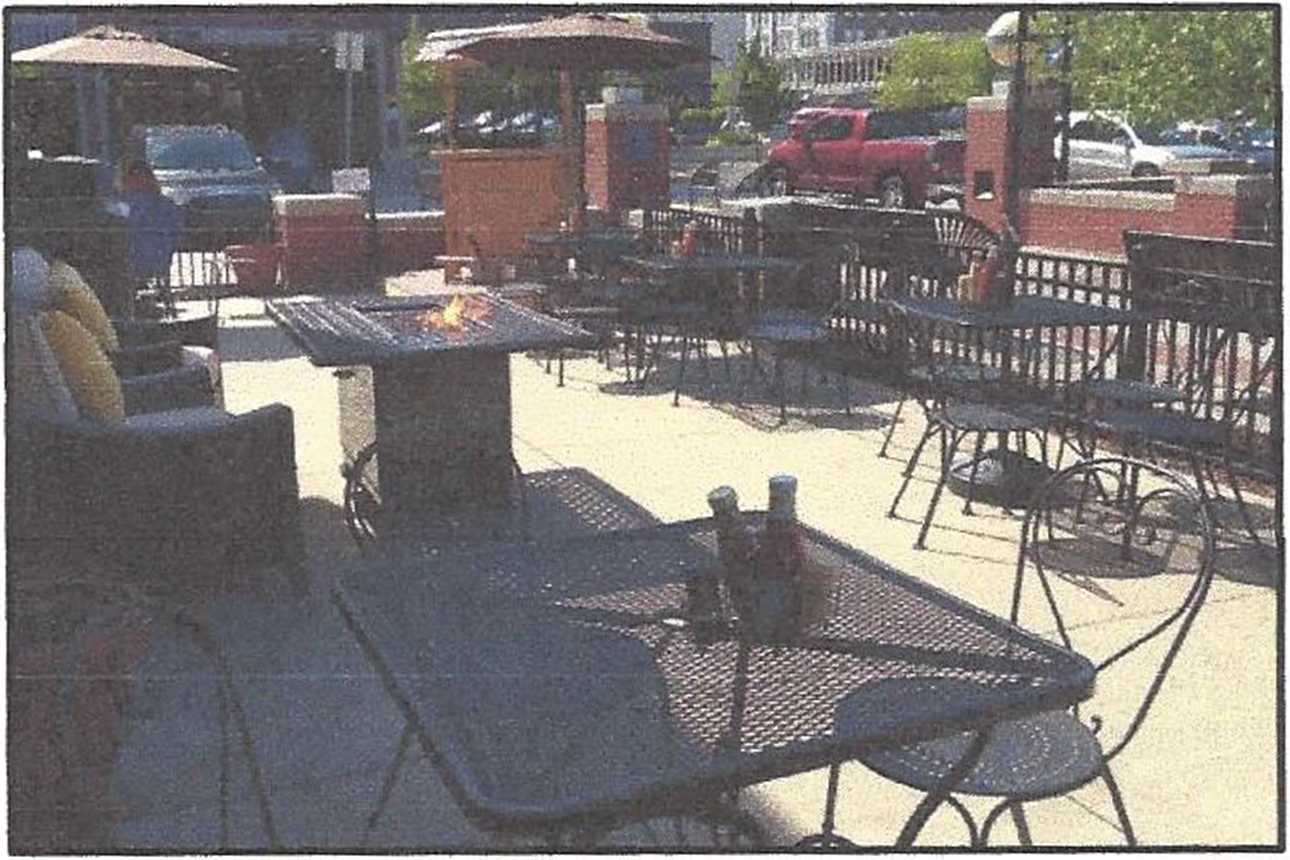
All furniture and fixtures shall be maintained in good visual appearance, without visible fading, dents, tears, rust, corrosion, or chipped or peeling paint. All furniture and fixtures shall be maintained in a clean condition at all times. All furniture and fixtures shall be durable and of sufficiently sturdy construction as not to blow over with normal winds.
To ensure a quality visual appearance in keeping with the historic context of downtown Leesburg's architecture, the following requirements apply to all furniture used for outdoor dining:
1.
Types of furniture prohibited furniture. All furniture other than tables, chairs and umbrellas are prohibited. Examples of prohibited furniture include, but are not limited to, serving stations, bar counters, shelves, racks, sofas, and televisions.
2.
Freestanding. Furniture and fixtures shall not be secured to trees, lampposts, street signs, hydrants, or any other street infrastructure by means of ropes, chains or any other such devices, whether during restaurant operating hours or at times when the restaurant is closed.
b.
Tables. Tables need to be functional, not only for patrons, but also for pedestrians, given the limited space available for outdoor dining on many downtown sidewalks. Outdoor dining furniture must also contribute to the overall atmosphere of the downtown commercial district and be complementary in both appearance and quality.
c.
Color. Tables may be colored or of a natural unpainted material (i.e., wood, metal, etc.). Tables are not permitted to be any fluorescent or other strikingly bright or vivid color.
d.
Chairs. Chairs, like other outdoor dining elements, must contribute to the overall atmosphere of the downtown commercial district and must be complementary in both appearance and quality. Chairs shall be colored or of a natural unpainted material (i.e., wood, metal, etc.). Chairs are not permitted to be of any fluorescent or other strikingly bright or vivid color. Upholstered chairs are permitted. Upholstery is not permitted to be of any fluorescent or other strikingly bright or vivid color.
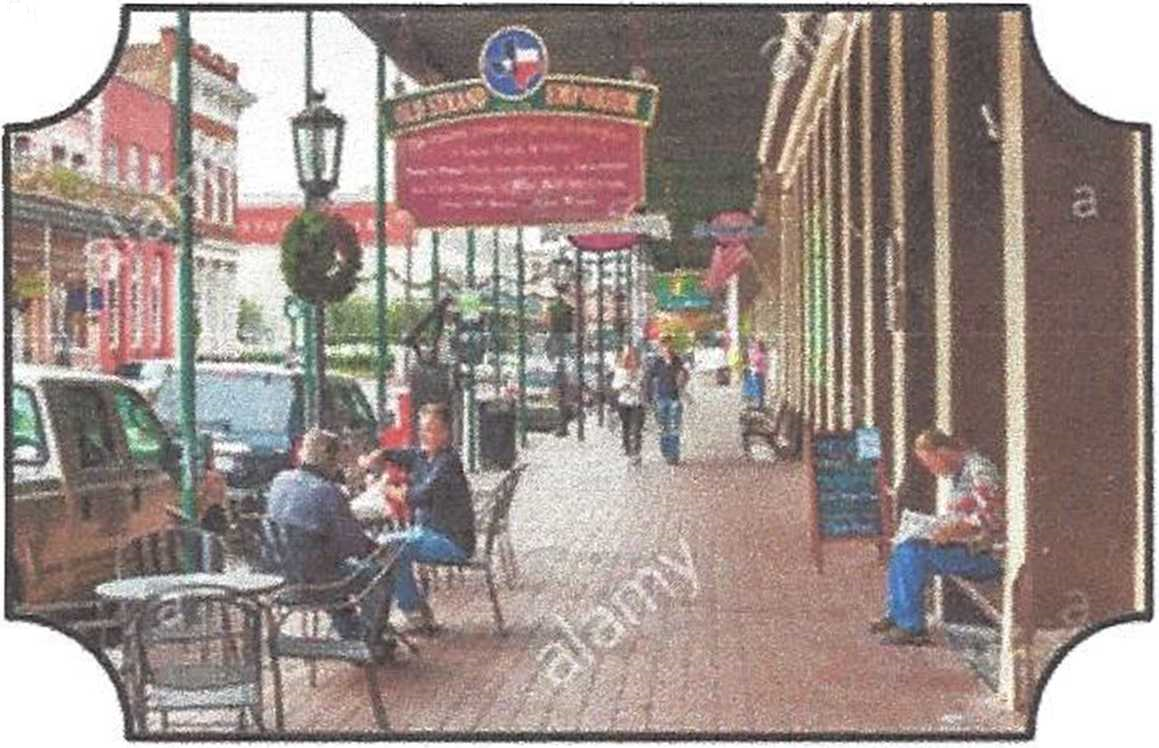
Matching or harmonious. All chairs used within a particular establishment's outdoor seating area must match or be harmonious with each other by being of visually similar design, construction and color.
e.
Umbrellas. Umbrellas can add a welcoming feel to outdoor dining areas and provide shelter from the elements, making their use desirable for outdoor dining applications. Appropriately designed and sized umbrellas are permitted for use under this outdoor dining program. Umbrellas must be contained within the outdoor dining area and shall comply with the following conditions:
1.
Contained within the outdoor seating area. To ensure effective pedestrian flow, all parts of any umbrella (including the fabric and supporting ribs) must be contained entirely within the outdoor seating area.
2.
Maximum height. Any part of an umbrella used in an outdoor seating area shall not exceed a height of 120 inches (ten feet) above the ground level, in order to avoid causing an undue visual obstruction of other businesses.
3.
Colors. Umbrellas must blend appropriately with the surrounding built environment. Umbrella fabric shall not be of any fluorescent or other strikingly bright or vivid color.
f.
Signage. No extra or additional signage shall be permitted as a result of an establishment's participation in this outdoor dining program. Moveable sandwich boards in compliance with the sandwich board sign regulations are permissible within and adjacent to outdoor dining areas.
g.
Setback from other businesses. Restaurants need to be mindful of adjoining businesses when using outdoor dining areas, making sure that neighboring businesses remain visible to pedestrians and motorists. Conduct business in such a way as would restrict or interfere with the ingress or egress of the abutting property owner or tenant, create a nuisance, increase traffic congestion or delay, constitute a hazard to traffic, life or property, or obstruct adequate access to emergency and sanitation vehicles.
(b)
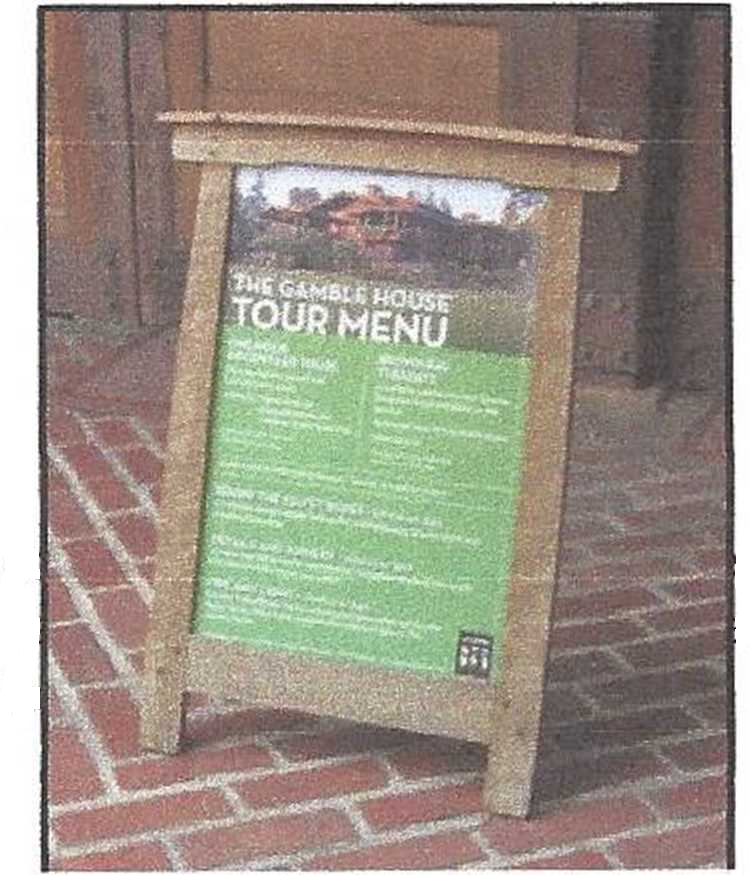
Sandwich board sign regulations. Sandwich board signs are permitted in the Depot Area District subject to the following standards:
1.
Sandwich board signs require a sign permit prior to the placement of the sign.
2.
Sandwich board signs shall be no larger than 32 inches in width and 48 inches in height and no materials such as papers, balloons, wind socks, etc., may be added to the sign to increase its height and/or width. The height of such signs may not be artificially increased above the allowed maximum by placing material underneath the base of such sign.
3.
One sandwich board sign allowed per business. Sandwich board signs must be secured to withstand strong winds and to prevent a roadway hazard.
4.
No sandwich board sign shall be placed in the public street right-of-way or in any public parking place.
5.
Sandwich board signs may be used only during the hours when the business is open to the public.
6.
No sandwich board sign shall be placed so as to obstruct vehicular traffic sight.
7.
All sandwich board signs shall be constructed of weather-resistant material and shall not contain any neon material and color.
8.
No sandwich board sign shall contain foil, mirrors, bare metal, lights of any kind, or other reflective materials which could create hazardous conditions to motorists, bicyclists, or pedestrians.
(5)
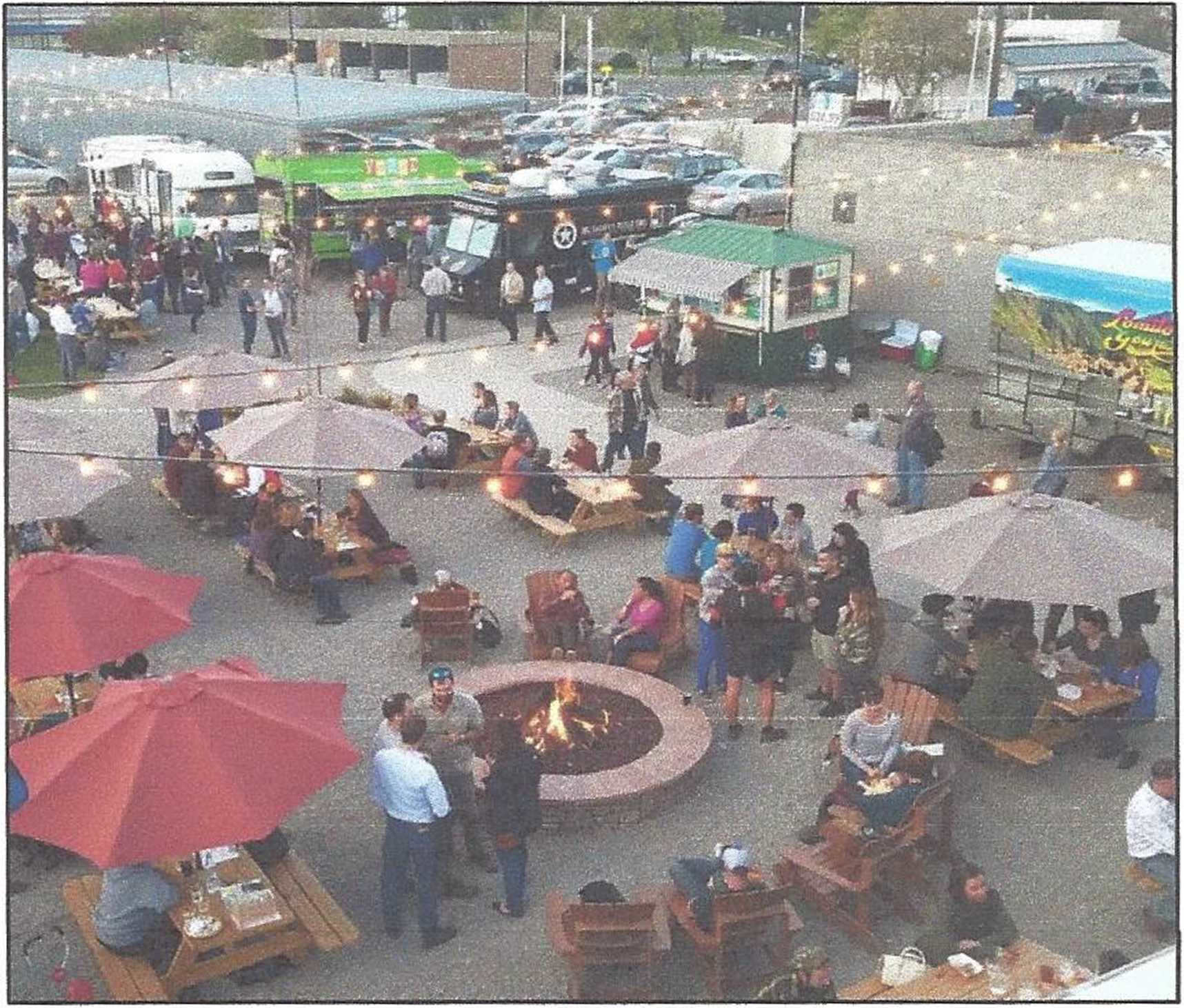
Mobile food vending units.
(a)
Mobile food vending shall require:
•
Environmental health approval;
•
Occupational tax certificate;
•
Site plan including: photos of site and a detailed layout. Include dimensions of the proposed sales area, required parking spaces, and location of the mobile food vending unit (truck or trailer).
(b)
Mobile food vending shall operate in accordance with the following regulations. No mobile food vending shall be permitted to operate in the following areas:
1.
Within 300 feet of an existing fixed location restaurant.
2.
Within a required landscape strip or buffer or improvement setback.
3.
Within ten feet of any street intersection or crosswalk.
4.
Within ten feet of any driveway or other curb cut access.
5.
In any area within 15 feet of a building entrance.
6.
On the median strip of a divided roadway.
7.
In front of display windows of a fixed location business.
8.
Within ten feet of any fire hydrant or fire escape.
9.
Within ten feet of any parking space or access ramp designated for persons with disabilities.
10.
Mobile food vending shall operate and sales may occur seven days a week.
(c)
Vendors shall keep the sidewalks, roadways and other spaces adherent to their vending sites or locations clean and free of paper, peelings, and refuse of any kind generated from their business. All trash and debris accumulating within 25 feet of any vending stand shall be collected by the vendor and deposited in a trash container.
(d)
Prohibited conduct. No mobile food vending may do any of the following:
1.
Obstruct pedestrian or motor vehicle traffic flow.
2.
Obstruct traffic signals or regulatory signs.
3.
Stop, stand or park any vehicle, trailer or other conveyance upon any street for the purpose of selling during the hours when parking, stopping and standing have been prohibited by signs or curb markings.
4.
Leave any mobile food vending unit unattended at any time or store, park, or leave such conveyance overnight.
5.
Use any mobile food vending unit that when fully loaded with merchandise, cannot be easily moved and maintained under the control of licensed vendor.
6.
Sound any device that produces a loud or raucous noise or operate a loudspeaker, public address system, radio, sound amplifier, or similar device to attract public attention.
(e)
Outdoor storage requirements.
1.
Outdoor storage: The keeping, in an unenclosed building, of any inventory, goods, material, merchandise, or vehicles in the same place for more than 24 hours whether for storage, display, processing or sale.
2.
Outdoor storage shall not be located in the area between the front of the principal structure and the public street.
3.
Outdoor storage shall be set back at least 15 feet from any side interior or rear property line. The setback distance shall be landscaped to provide a year round vegetative screen.
4.
Additionally, outdoor storage shall be screened, by a solid fence or wall at least six feet high, to screen view from adjacent property and public street. The fence shall be on the interior of the outdoor storage with vegetation planted in front of fencing to provide additional screening.
(f)
Reduction of commercial parking requirements. Due to limited parking space availability, shared parking is encouraged. Business owners and staff are encouraged to park off site, and leave the on-street parking spaces for customers. Required parking spaces may be provided off site within 1,000 feet of the use it serves. Parking at the Welcome Center as overflow spaces, may encourage pedestrian activities between the food court area and historic attached storefronts, adjacent to City Hall. Appropriate traffic calming measures and pedestrian signage should be installed in the area. The rear alley behind attached storefronts, shall be used for commercial loading and service areas only.
(Ord. of 6-5-2018)

