
Long Beach City Zoning Code
CHAPTER 21
15 - DEFINITIONS
21.15.010 - Purpose.
The purpose of this Chapter is to establish definitions for words, phrases and terms used in this Title, and unless the context clearly requires a different meaning, the following words, phrases and terms shall be defined as set forth in this Chapter.
(Ord. C-6533 § 1 (part), 1988)
21.15.020 - Rules of Construction.
The following general rules of construction shall apply to the provisions of this Title:
A.
The particular shall control the general.
B.
The word "shall" is mandatory and not discretionary. The word "may" is discretionary.
C.
In case of any difference of meaning or implication between the text of any provision and any caption, heading, illustration or figure, the text shall control.
D.
Words in the present tense include the future, and the words in the singular include the plural, and the plural the singular, unless the context clearly indicates the contrary.
E.
The words "activities" and "facilities" include any part thereof.
F.
The word "City" means the City of Long Beach, California.
G.
All public officials, bodies, and agencies to which reference is made are those of the City of Long Beach, California, unless otherwise indicated.
H.
Unless the context clearly indicates the contrary, the following conjunctions shall be interpreted as follows:
1.
"And" indicates that all connected items or provisions apply.
2.
"Or" indicates that the connected items or provisions apply singly or in any combination.
3.
"Either...or" indicates that the connected items or provisions shall apply singly, but not in combination.
4.
"Neither ... nor" indicates that the connected items or provisions shall not apply singly or in combination.
I.
"Occupied" shall be deemed to include the phrase "arranged, designed or intended to be occupied".
(Ord. C-6533 § 1 (part), 1988)
21.15.025 - Terms not defined.
Where terms are not defined through the methods authorized by this Section, such terms shall have ordinarily accepted meanings such as the context implies. Webster's Third New International Dictionary of the English Language, Unabridged, shall be considered as providing ordinarily accepted meanings.
(ORD-16-0028 § 12, 2016)
21.15.030 - Abandoned.
"Abandoned" means given up, deserted, forsaken, demolished or changed to another use. A nonconforming use shall be considered abandoned if not used for a period of one (1) year, if the business license establishing the use has expired, and remained expired, for a period of one (1) year or if the structure housing the use is demolished or rebuilt.
(Ord. C-7378 § 1, 1995: Ord. C-6533 § 1 (part), 1988)
21.15.040 - Abut.
"Abut" means touching or having a common boundary at some point (Figure 15-1).
(Ord. C-6533 § 1 (part), 1988)
21.15.045 - Accessory dwelling unit.
"Accessory dwelling unit" means an attached or a detached residential dwelling unit which provides complete independent living facilities for one or more persons. An accessory dwelling unit is an accessory use and not a principal use of land. It shall include permanent provisions for living, sleeping, eating, cooking, and sanitation, and shall be located on the same lot as the single-family dwelling to which it is subordinate (the primary dwelling), and shall have a separate exterior entrance. An accessory dwelling unit also includes the following:
A.
An efficiency unit, as defined in Section 17958.1 of the California Health and Safety Code.
B.
A manufactured home, as defined in Section 18007 of the California Health and Safety Code.
(ORD-17-0031 § 12, 2017)
21.15.050 - Accessory building, accessory structure.
"Accessory building or structure" means a detached or attached building or structure, the use of which is subordinate and customarily incidental to that of the main building or structure, or to the main use of the land. An accessory building or structure must be located on the same lot as the main building or structure.
(ORD-17-0031 § 1, 2017; Ord. C-6533 § 1 (part), 1988)
21.15.055 - Accessory tasting room.
"Accessory tasting room" means an accessory use associated with an Alcoholic Beverage Manufacturing (ABM) facility use that is devoted to the purchase, consumption and tasting of beer, wine or distilled spirits produced on site. Consumption, tasting and purchase of alcoholic beverages shall be limited to product produced on site. An accessory tasting room may also include ancillary retail sales directly associated with the primary ABM use. An accessory tasting room may not exceed thirty percent (30%) of the gross floor area (GFA) of the ABM facility, not including restrooms serving the accessory tasting room or ABM facility. Food may be sold in a form that is ready to eat at the time of sale; a full-service kitchen is not permitted in an accessory tasting room.
(ORD-15-0010, § 4, 2015)
21.15.060 - Accessory use.
"Accessory use" means a use that is customarily incidental and/or necessarily related to the principal use of the land, building, or structure. An accessory use is located on the same lot as the principal building or use and is dependent upon the principal use for the majority of its use or activity.
(Ord. C-6533 § 1 (part), 1988)
21.15.063 - Accessory use, residential.
"Accessory residential use" means a residential use that is customarily incidental and/or necessarily related to a principal nonresidential use of land, building, or structure. An accessory residential use is located on the same lot as the principal nonresidential building or use and is dependent upon the principal nonresidential use for the majority of its use or activity. The occupant of an accessory residential use is employed in or routinely conducts business in the nonresidential space. Accessory residential uses include, but are not limited to, a caretaker's or night watchman's residence (Section 21.15.445), an artist's studio and residence (Section 21.15.240), and parsonage (Section 21.15.2005). "Accessory residential use" does not include accessory dwelling units (Section 21.15.045).
(ORD-17-0031 § 2, 2017; Ord. C-6895 § 27, 1991)
21.15.064 - Acutely Hazardous Material.
"Acutely hazardous material" means the identical list of chemicals as the Extremely Hazardous Substances prepared by the Environmental Protection Agency and any supplemental amendments to that list. Each Extremely Hazardous Material has a Threshold Planning Quantity which is used for the compliance threshold for the Risk Management and Prevention Program, unless a lesser threshold has been established by the administering agency.
(Ord. C-7247 § 29, 1994)
21.15.064.5 - Adaptive reuse.
"Adaptive reuse" means a construction or remodeling project that reconfigures existing spaces, structures or buildings to accommodate a new use or to accommodate another purpose than what it was originally designed for.
(ORD-14-0004, § 2, 2014)
21.15.065 - Addition.
"Addition" means the expansion of an existing building by creating more building area. (Also see Sections 21.15.2275 and 21.15.2250.)
(Ord. C-6822 § 21, 1990)
21.15.070 - Adjacent.
"Adjacent" means situated near or close by. "Adjacent" includes real property across alleys, streets, public waterways or other public property (Figure 15-1).
(Ord. C-6533 § 1 (part), 1988)
21.15.080 - Adjoining.
"Adjoining" means a lot or parcel of land which shares all or part of a common lot line with another lot or parcel of land (Figure 15-1).
(Ord. C-6533 § 1 (part), 1988)
21.15.090 - Adjusted earnings.
"Adjusted earnings" means the earnings level established by the United States Department of Housing and Urban Development (HUD) for the Los Angeles/Long Beach standard metropolitan statistical area, as revised from time to time.
(Ord. C-6533 § 1 (part), 1988)
21.15.100 - Administrative service.
"Administrative service" means the research, analysis, communication, management and decision center related to the principal use on a site.
(Ord. C-6533 § 1 (part), 1988)
21.15.110 - Adult entertainment business.
"Adult entertainment business" refers to any use defined in this Section.
A.
"Adult bookstore" means an establishment having twenty percent (20%) or more of its stock in trade in books, magazines and other periodicals, videotapes or other similar materials on display or available for sale or viewing on the premises which are distinguished or characterized by their emphasis on matter depicting, describing or relating to specified sexual activities or specified anatomical areas.
B.
"Adult mini motion picture theater" means an enclosed building with a capacity for less than fifty (50) persons, which is used for presenting, on a regular and substantial basis, material distinguished or characterized by an emphasis on matter depicting or relating to specified sexual activities or specified anatomical areas for observation by patrons in the facility.
C.
"Adult motion picture arcade" means any place to which the public is permitted or invited and where coin or slug operated or electronically, electrically or mechanically controlled still or motion picture machines, projectors or other image producing devices are maintained to show images on a regular and substantial basis, where the images so displayed are distinguished or characterized by an emphasis on depicting or describing specific sexual activities or specified anatomical areas.
D.
"Adult motion picture theater" means an enclosed building with a capacity of fifty (50) or more persons, which is used for representing on a regular and substantial basis, material distinguished or characterized by an emphasis on matter depicting, describing or relating to specified sexual activities or specified anatomical areas for observation by patrons in the facility.
E.
"Cabaret" means a nightclub, theater or other establishment which features live performances by topless and/or bottomless dancers, exotic dancers, strippers, wrestlers, or similar entertainers, and where such performances are distinguished or characterized by an emphasis on specified sexual activities or display specified anatomical areas.
F.
"Model studio" means any premises on which there is conducted any business where, for any fee, compensation, consideration or gratuity, figure models who display specified anatomical areas are provided to be observed, sketched, drawn, painted, sculptured, photographed or otherwise depicted by persons paying such consideration or gratuity. For the purposes of this Section, "model studio" shall not be deemed to include:
1.
Any art studio or art gallery maintaining a business license in the City where the activity described in this Subsection is carried on as an activity that is accessory to the principal use, provided that the operator complies with the additional conditions and specifications as set forth in Chapter 21.51 entitled "Accessory Uses"; or
2.
Live nude art drawing or painting, or classes related thereto, that are conducted at an educational institution such as a private or public school, vocational school, college, or university qualified by the State Board of Education to give general academic instruction.
G.
"Sexual encounter center" means any business, agency or person who, for any form of consideration or gratuity, provides a place where three (3) or more persons may congregate, assemble or associate for the purpose of engaging in specified sexual activities or exposing specified anatomical areas.
H.
For the purposes of this Section, "specified anatomical areas" include the human male or female genitals, pubic hair, anus, cleft of the buttocks, or vulva with less than a fully opaque covering and/or covered male genitals in a turgid state. This provision may not be complied with by applying an opaque covering simulating the appearance of the specific anatomical part required to be covered.
I.
For the purpose of this Section, "specified sexual activities" include:
1.
Actual or simulated sexual intercourse, anal intercourse, oral or anal copulation, bestiality, pedophilia, necrophilia, direct physical stimulation of unclothed genitals, flagellation or torture in the context of sexual relationship, or the use of excretory functions in the context of a sexual relationship; or
2.
Clearly depicted human genitals in a state of sexual stimulation, arousal or tumescence; or
3.
Use of human or animal masturbation, sodomy, oral copulation, coitus, ejaculation; or
4.
Fondling or touching of nude human genitals, pubic region, buttocks or female breast; or
5.
Masochism, erotic or sexually oriented torture, beating or the infliction of pain; or
6.
Erotic or lewd touching, fondling or other contact with an animal by a human being; or
7.
Human erection, urination, menstruation, vaginal or anal irrigation.
J.
For the purpose of this Section, "regular and substantial basis" means presenting such material on four (4) or more days within any calendar month. Presenting such material on three (3) or fewer nonconsecutive days within a calendar month with at least seven (7) days between the days the material is presented shall be deemed occasional or incidental and not a violation. However, presenting such material on consecutive days or with less than a seven (7) day interval between showings is a violation. An establishment under one ownership or management at one (1) location shall be considered one (1) "business" even though there may be more than one (1) screening room or viewing room at that location.
(ORD-18-0018 § 2, 2018; ORD-12-0018(Emerg.) § 5, 2012; Ord. C-7961 § 1, 2004; Ord. C-7274 § 2, 1994: Ord. C-7064 § 1, 1992; Ord. C-6684 §§ 11, 12, 1990; Ord. C-6533 § 1 (part), 1988)
21.15.113 - Adult-Use Cannabis Dispensary.
A retail use (SIC Code 59) where cannabis goods or devices for the use of cannabis goods are offered, either individually or in any combination, for retail sale to customers at an on-site fixed location, including an establishment that also offers delivery of cannabis goods as part of a retail sale, in addition to on-site sales, in compliance with Titles 5.90 and 5.92
For adult-use delivery-only cannabis dispensary, see "Adult-Use Cannabis delivery-only dispensary".
(ORD-24-0025 § 3, 2024; ORD-18-0015 § 7, 2018)
21.15.114 - Adult-Use Cannabis Delivery-Only Dispensary.
A commercial use in which any person, entity, or operation, in whole or in part, whether operating for-profit or not-for-profit, and all associated owners, employees, managers, or agents engaged in both medicinal and adult-use commercial cannabis activity from a permitted premise that does not have a retail storefront, is not open to the public and by which the exchange of products is facilitated directly to an end-consumer through off-site delivery only, with no transactions physically occurring on-site at the facility.
For retail (SIC Code 59) adult-use cannabis dispensary, see "Adult-Use Cannabis Dispensary".
(ORD-24-0025 § 1, 2024)
21.15.120 - Aggrieved person.
"Aggrieved person" means any person who testified personally or through a representative at a public hearing; who informed the staff of the Zoning Division of the Department of Planning and Building in writing prior to hearing of an interest in the subject of a hearing; or who, for good cause, was unable to do either.
(Ord. C-6533 § 1 (part), 1988)
21.15.130 - Airport or aircraft landing field.
"Airport" or "aircraft landing field" means an area of land or water which is used or intended to be used for the landing and takeoff of aircraft; any appurtenant areas used or intended to be used for airport buildings or other airport facilities or rights-of-way; and all other airport buildings and facilities located thereon.
(Ord. C-6533 § 1 (part), 1988)
21.15.135 - Alcoholic beverage manufacturing.
"Alcoholic Beverage Manufacturing (ABM)" means a facility that is used for the production of alcoholic beverages including beer, wine and distilled spirits in accordance with a valid alcohol production license from the State of California. An ABM use may include an accessory tasting room as an accessory use. The accessory tasting room may not exceed thirty percent (30%) of the gross floor area (GFA) of the ABM facility, not including restrooms serving the accessory tasting room or ABM facility. Food may be sold in a form that is ready to eat at the time of sale; a full-service kitchen is not permitted in ABM facilities or accessory tasting rooms.
(ORD-15-0010 § 5, 2015)
21.15.140 - Alley.
"Alley" means a public or private way twenty feet (20') or less in width.
(Ord. C-6533 § 1 (part), 1988)
21.15.150 - Alteration.
See "Demolish" and "rebuild".
(Ord. C-6533 § 1 (part), 1988)
21.15.160 - Amortize, amortization.
"Amortize, amortization" means to reduce to no value by prorating over a period of time.
(Ord. C-6533 § 1 (part), 1988)
21.15.165 - Amusement/entertainment facilities.
"Amusement/entertainment facilities" means a principal commercial land use providing amusement or entertainment services in an indoor or outdoor facility, for the purpose of some leisure activity, including, but not limited to, arcade, computer arcade, escape rooms, laser tag, miniature golf, skating rink, tennis club, virtual reality rooms and similar uses.
(ORD-19-0028 § 28, 2019)
21.15.170 - Amusement machine.
"Amusement machine" means the following apparatus operated by or for a patron or patrons for amusement, diversion or sport in exchange for financial or other valuable consideration: juke boxes, batting cages, pinball machines, electronic or video games, shuffleboard games, mini-motion picture projectors, screens and structures, public video projectors, screens, stalls and structures, and the like.
(Ord. C-6533 § 1 (part), 1988)
21.15.180 - Amusement park.
"Amusement park" means a commercial entertainment land use located primarily in an outdoor setting and which consists of one (1) or more amusement rides.
(Ord. C-6533 § 1 (part), 1988)
21.15.190 - Amusement ride.
"Amusement ride" means a mechanical device which is not coin-operated; which provides motion or the sensation or the illusion of motion; and which does not provide transportation from one site to another. This includes carousels, ferris wheels, roller coasters, theaters or mini-theaters showing films intended primarily to create a sensation of movement, and the like. This does not include harbor tours, bus tours, shuttle buses, and the like.
(Ord. C-6533 § 1 (part), 1988)
21.15.195 - Animal boarding.
"Animal boarding" means a facility designed to accommodate the overnight stay and care of household pets including adequate eating, sleeping, and living provisions.
(ORD-19-0028 § 29, 2019)
21.15.196 - Animal daycare.
"Animal daycare" means a facility which provides non-medical care for animals on less than a twenty-four (24) hour basis. Animal daycare uses include but are not limited to, instructional training, recreation, and animal nurseries.
(ORD-19-0028 § 30, 2019)
21.15.197 - Animal lounge.
"Animal lounge" means a commercial land use primarily engaged with providing a space to allow individuals and adoptable household animals to engage in recreational opportunities with one another.
(ORD-19-0028 § 31, 2019)
21.15.200 - Antique shop.
"Antique shop" means any premises used for the sale of articles which are one hundred (100) or more years old or are collectible. Antique shop does not include secondhand store as defined in this Chapter.
(Ord. C-6533 § 1 (part), 1988)
21.15.205 - Apartment.
"Apartment" means a multi-family dwelling rented or leased to permanent occupants. No transient occupants are allowed unless the use is also approved and licensed as a hotel.
(Ord. C-6595 § 21, 1989)
21.15.210 - Appealable area.
"Appealable area" means that portion of the Coastal Zone seaward of the appealable area boundary, as established on a map adopted as part of the Long Beach Coastal Program.
(Ord. C-6533 § 1 (part), 1988)
21.15.220 - Arcade.
"Arcade" means a principal commercial entertainment land use consisting of five (5) or more amusement machines located within one (1) building or structure and operated in exchange for financial or other consideration. Any use or business with five (5) or more amusement machines shall be considered an arcade in addition to any other principal use of the land.
(Ord. C-6533 § 1 (part), 1988)
21.15.230 - Architectural protrusion.
"Architectural protrusion" means a projection from a wall of a building that is more than eight inches (8″) in width or projection, is an integral part of the design of that wall, but which provides no usable interior space.
(Ord. C-6533 § 1 (part), 1988)
21.15.240 - Artist studio.
"Artist studio" means a premises used for the creation of fine arts. An artist studio may contain living quarters as an accessory residential use (Section 21.15.063). When studio and residence are combined they are designated as "artist studio and residence" in the use table.
(Ord. C-6895 § 2, 1991: Ord. C-6533 § 1 (part), 1988)
21.15.245 - Assembly use.
"Assembly use" means any facility for public or private meetings or gatherings including community centers, religious assembly facilities, civic and private auditoriums, union halls, meeting halls for clubs and other membership organizations and other uses that are classified as assembly use under the California Building Code. This definition includes related facilities for the use of members and attendees such as kitchens, multi-purpose rooms, and storage. This definition does not include gymnasiums or other sports facilities, convention centers, or facilities such as day care centers and schools that are separately defined and regulated.
(ORD-18-0030 § 8, 2018)
21.15.250 - Attached.
"Attached" means the physical connection of two (2) structures sharing four feet (4′) or more of common wall.
(Ord. C-6533 § 1 (part), 1988)
21.15.260 - Attic.
"Attic" means the unfinished level between the ceiling of the top floor and the roof. Attic shall be an uninhabitable area.
(Ord. C-6533 § 1 (part), 1988)
21.15.270 - Auto detailing.
"Auto detailing" means an establishment which performs hand-washing, waxing and interior cleaning of passenger vehicles.
(Ord. C-6533 § 1 (part), 1988)
21.15.280 - Auto repair, major.
"Major auto repair" means a place providing a full range of repair and maintenance services for motor vehicles.
(Ord. C-6533 § 1 (part), 1988)
21.15.290 - Auto repair, minor.
A.
"Minor auto repair" means a place performing the following repair and maintenance services for motor vehicles:
1.
Tune-ups. Major and minor tune-up involving spark plugs, points, condensers, valve adjustment, carburetor overhaul, adjustment of fuel injection systems, fuel pump and all necessary filters;
2.
Lubrication. Oil changes and filter replacement, transmission and rear end oil change;
3.
Cooling System. Remove and replace radiator and repair of same (not including core repair or replacement); replace water pump, heater and other hoses; replace thermostats; recharge air conditioners;
4.
Drive Train. Replacement of transmission and motor support mounting; replacement of driveshaft universal bearings, center support bushing, accelerator and brake cables; minor repair of hydraulic systems; replacement of shock absorbers;
5.
Brakes. Remove and replace shoes and brake pads; rebuild master and wheel cylinders and disc caliper; adjustment of brakes. Machine work related to turning of drums or discs;
6.
Wheels. Adjust steering box; replacement of rubber bushings in suspension; wheel balancing; replacement of wheel bearings;
7.
Electrical. Charge battery; remove, repair and replace starter, alternator, generator and regulator; rewiring of automobile and lights; repair or replacement of gauges; installation of radios;
8.
Fuel System. Change gas tank; change and repair of fuel lines; replace fuel gauge sending unit; tail pipe and muffler replacement.
B.
"Minor auto repair" does not include:
1.
Cylinder head replacement;
2.
Valve grinding or replacement;
3.
Clutch replacement;
4.
Repair, replace transmission, rear end, rear axles, king pins;
5.
Body work;
6.
Engine replacement;
7.
Repair of fuel tank;
8.
Radiator or heater core repair or replacement;
9.
Painting;
10.
Fender repair;
11.
Engine or transmission removal; or
12.
Repair activities that require entry into the engine other than those specifically listed as approved as minor automobile repair.
C.
Any activity combining any activity in Subsection 21.15.290.A with any activity in Subsection 21.15.290.B shall be defined as "major auto repair".
(Ord. C-7663 § 2, 1999; Ord. C-6533 § 1 (part), 1988)
21.15.300 - Automobile service station.
"Automobile service station" means a place of retail business engaged in supplying goods essential to the normal operation of motor vehicles.
(Ord. C-6533 § 1 (part), 1988)
21.15.310 - Automobile wrecking.
"Automobile wrecking" means the dismantling, demolition or crushing of any automotive vehicle, for the storage of abandoned or irreparably damaged vehicles. A "wrecked automobile" means any vehicle with:
A.
Dented areas in excess of one (1) square foot;
B.
Rusted exterior body parts; and/or
C.
Broken glass.
(Ord. C-6533 § 1 (part), 1988)
21.15.320 - Awning.
"Awning" means a sunscreen cantilevered from the wall of a building.
(Ord. C-6533 § 1 (part), 1988)
21.15.330 - Balcony.
"Balcony" means an open area located either recessed or projected out from the walls of a building, without support from the ground or floors below. Balconies are four feet (4′) or more above grade and are open on one (1) or more sides except for a railing or parapet not more than forty-two inches (42″) high. Balcony does not include exterior corridor.
(ORD-16-0028 § 5, 2016; Ord. C-6533 § 1 (part), 1988)
21.15.335 - Bank.
"Bank" means any national and state bank, and any federal branch and insured branch; and includes any former savings association. The term "state bank" means any bank, banking association, trust company, savings bank, industrial bank (or similar depository institution which the Board of Directors finds to be operating substantially in the same manner as an industrial bank), or other banking institution which is engaged in the business of receiving deposits, other than trust funds; and is incorporated under the laws of any State or which is operating under the Code of Law for the District of Columbia, including any cooperative bank or other unincorporated bank the deposits of which were insured by the corporation on the day before the date of the enactment of the Financial Institutions Reform, Recovery, and Enforcement Act of 1989.
(ORD-13-0018, § 8, 2013)
21.15.340 - Basement.
"Basement" means any area or room in a structure in which the ceiling is not more than four feet (4′) above grade.
(Ord. C-6533 § 1 (part), 1988)
21.15.350 - Bay window.
"Bay window" means a window projecting from the wall of a building containing windows on all walls of the projection. The projecting bay is floor to ceiling in height, is not more than one-half (½) the width of the room from which it projects and is not less than fifty percent (50%) glass.
(Ord. C-7032 § 2, 1992: Ord. C-6533 § 1 (part), 1988)
21.15.360 - Bed and Breakfast Inn.
"Bed and breakfast inn" means a house, or portion thereof, where short-term stay lodging rooms and meals are provided. The operator of the inn shall live on the premises, or adjacent premises.
(Ord. C-6533 § 1 (part), 1988)
21.15.365 - Bicycle parking space.
"Bicycle parking space" means a space designated for parking a bicycle that includes a stationary object, such as a rack, locker or secure area, to which a bicycle can be locked.
Types of bicycle parking spaces include short-term and long-term spaces:
Short-term bicycle parking spaces are intended for visitors and customers with typical bike storage needs of up to 2 hours. These spaces are typically provided in the form of bike racks and bike corrals and may be located in a publicly accessible area.
Long-term bicycle parking spaces are intended for use by employees, residents, public transit users, and others with typical bike storage needs of more than 2 hours. These spaces are typically located in a secure, sheltered, weather protected, controlled-access area, such as a bike locker, bicycle room, garage, secure bike parking area, or basement.
(ORD-24-0033 § 1, 2024)
21.15.370 - Billboard.
"Billboard" means a sign that identifies or communicates a commercial or noncommercial message related to an activity conducted, a service rendered, or a commodity sold at a location other than where the sign is located. This includes, but is not limited to, electronic billboards, building graphics, supergraphics, building wraps, and wall drop signs containing off-site messages, and billboards painted or applied to building walls.
(ORD-12-0006, § 1, 2012; Ord. C-6533 § 1 (part), 1988)
21.15.372 - Billboard, abandoned.
A billboard shall be considered abandoned consistent with the definition and standards set forth in Section 2272 (Abandoned Display) of the Outdoor Advertising Act, California Business and Professions Code, as amended from time to time. If the billboard in question is not subject to the Outdoor Advertising Act, it shall be considered abandoned consistent with the definition of "abandoned" contained in Section 21.15.030 ("Abandoned") of this Title.
(ORD-12-0006, § 6, 2012)
21.15.374 - Billboard, electronic.
An electronic billboard is a billboard whose alphabetic, pictographic, or symbolic informational content can be changed or altered on a fixed display surface composed of electronically illuminated or electronically actuated or motivated elements. This includes billboards with displays that have to be preprogrammed to display only certain types of information (i.e., time, date, temperature) and billboards whose informational content can be changed or altered by means of computer-driven electronic impulses. This includes, without limitation, billboards also known as digital billboards or LED billboards.
(ORD-12-0006, § 6, 2012)
21.15.380 - Board and Care Home.
See "Residential Care Facility".
(Ord. C-6533 § 1 (part), 1988)
21.15.390 - Boardinghouse.
"Boardinghouse" means a house, or portion thereof, where food and lodging are provided for long-term occupancy. Boardinghouse does not provide care service.
(Ord. C-6533 § 1 (part), 1988)
21.15.400 - Body or Hearing Body.
"Body or hearing body" means the individual or group duly authorized by this Title to consider changes to, relief from or special consideration under the Zoning Regulations. This definition includes the City Council, City Planning Commission, the Zoning Administrator, and the Site Plan Review Committee.
(Ord. C-6533 § 1 (part), 1988)
21.15.410 - Building.
"Building" means any roofed structure built for the support, shelter or enclosure of persons, animals, chattels or property of any kind.
(Ord. C-6533 § 1 (part), 1988)
21.15.420 - Building Code.
"Building Code" means the building regulations of the City of Long Beach.
(Ord. C-6533 § 1 (part), 1988)
21.15.430 - Building Coverage.
"Building coverage" means "lot coverage". (See "lot coverage".)
(Ord. C-6533 § 1 (part), 1988)
21.15.440 - Business Support Service.
"Business support service" means a commercial land use consisting of activities performed for or products supplied to other commercial land uses. Business support services include printing, photocopying, business equipment rental and office supply.
(Ord. C-6533 § 1 (part), 1988)
21.15.441.1 - Cannabis cultivation.
An industrial use that engages in the commercial activity of planting, growing, harvesting, drying, curing, grading, or trimming of cannabis. This definition also includes a nursery which produces clones, immature plants, seeds, or other agricultural products specifically for the planting, propagation, and development of cannabis.
(ORD-20-0011 § 1, 2020; ORD-18-0015 § 8, 2018)
21.15.441.2 - Cannabis manufacturing/processing.
An industrial use (SIC Code 283) engaged in the production, conversion, preparation, propagation, deriving, processing, or compounding of cannabis goods either directly or indirectly or by extraction methods, or independently by means of chemical synthesis, or by a combination of extraction and chemical synthesis at a fixed location that packages or repackages cannabis goods or labels or relabels its container.
(ORD-18-0015 § 8, 2018)
21.15.441.3 - Cannabis distribution.
An industrial use (SIC Code 422) engaged in the transporting of third-party cannabis goods between licensed cannabis facilities, arranging for testing of cannabis goods, and conducting quality assurance review of cannabis goods to ensure compliance with all packaging and labeling requirements.
(ORD-20-0011 § 2, 2020; ORD-18-0015 § 8, 2018)
21.15.441.4 - Cannabis testing.
A professional service use (SIC Code 873) that offers or performs tests of cannabis goods and that is ISO/IEC 17025 accredited, or pending ISO/IEC 17025 accreditation, and licensed by the California Bureau of Cannabis Control that provides independent testing of marijuana or marijuana products.
(ORD-18-0015 § 8, 2018)
21.15.441.5 - Cannabis distributor, self-distribution.
An Industrial Use (SIC 422) engaged only in the distribution of cannabis goods that the subject licensee has cultivated or manufactured on-site. This definition does not permit the distribution of cannabis goods cultivated or manufactured by other third-party licenses.
(ORD-20-0011 § 5, 2020)
21.15.442 - Car title loans.
"Car title loan" means a short-term loan in which the borrower's car title is used as collateral. The borrower must be the lien holder (i.e., own the car outright). Car title loans can be regulated as either consumer or commercial loans by the State of California. This does not include loans for automobiles regulated by the Federal Trade Commission (FTC).
(ORD-13-0018, § 9, 2013)
21.15.445 - Caretaker residence.
A "caretaker residence" is an "accessory residential use" for the purpose of the twenty-four (24) hour maintenance or security of a nonresidential use.
(Ord. C-6895 § 28, 1991)
21.15.447 - Carport.
"Carport" means a permanent roofed structure over a driveway, built for the purpose of sheltering an automobile. A carport is supported by attachment to a building and/or freestanding posts, and is open on all sides that are not attached to a building. A carport may have a solid or trellised roof. "Carport" does not include "porte cochere," or any temporary or non-permanent structure.
(ORD-17-0031 § 13, 2017)
21.15.450 - Categorical Exclusion.
"Categorical exclusion" means those types of development excluded from a coastal development permit requirement pursuant to Public Resources Code Section 30610(d) and Sections 00130(c) and 00132(b) of the Local Coastal Program Implementation Regulations.
(Ord. C-6533 § 1 (part), 1988)
21.15.460 - Certificate of Occupancy.
"Certificate of occupancy" means the official certification that a premises conforms to the provisions of the Zoning Regulations and Building Code and may be used or occupied. Unless such a certificate is issued, a structure shall not be occupied.
(Ord. C-6533 § 1 (part), 1988)
21.15.470 - Chattel.
"Chattel" means any tangible, movable, personal property whatsoever, including, but not limited to: building materials, household furniture, appliances or motor vehicle parts, but not including duly licensed operable vehicles or recreational vehicles, boats, camper shells or off-the-road vehicles mounted thereon.
(Ord. C-6533 § 1 (part), 1988)
21.15.475 - Check cashing.
"Check cashing" is a commercial land use that generally includes some or all of a variety of financial services including cashing of checks, warrants, drafts, or other commercial paper serving the same purpose. "Check cashing" does not include a state or federally chartered bank, savings association, credit union, or industrial loan company. "Check cashing" also does not include a retail seller engaged primarily in the business of selling consumer goods, including consumables, to retail buyers that cashes checks or issues money orders for a minimum flat fee not exceeding two dollars ($2.00) per transaction as a service to its customer that is incidental to its main purpose or business.
(ORD-13-0018, § 1, 2013; Ord. C-7663 § 33, 1999)
21.15.480 - Child care—Large family daycare home.
"Large family daycare home" means a home providing accessory daytime care of seven (7) to fourteen (14) children, including those children of the daycare provider under ten (10) years of age.
(Ord. C-7550 § 1, 1998: Ord. C-7032 § 3, 1992: Ord. C-6533 § 1 (part), 1988)
21.15.490 - Child care—Small family daycare home.
"Small family daycare home" means a home providing accessory daytime care of eight (8) or less children, including those children of the daycare provider under ten (10) years of age.
(Ord. C-7550 § 2, 1998: Ord. C-7032 § 4, 1992: Ord. C-6533 § 1 (part), 1988)
21.15.500 - Chimney.
"Chimney" means that portion of a building enclosing a fireplace and flue, exterior to the walls of the building. Chimney does not include fuel storage areas, shelves, notches, voids, or contiguous storage areas not part of the operational firebox or flue and their enclosing walls. Chimneys, as projections, are limited to five feet (5′) in width.
(Ord. C-6533 § 1 (part), 1988)
21.15.510 - Reserved.
Editor's note— ORD-18-0030 § 16, adopted Dec. 11, 2018, repealed § 21.15.510 entitled "Church," which derived from Ord. C-6533 § 1 (part), 1988.
21.15.520 - Clinic, medical.
"Medical clinic" means an organization of medical professionals providing physical or mental health service or surgical care for the sick or injured. A medical clinic does not include inpatient or overnight accommodation.
(Ord. C-6533 § 1 (part), 1988)
21.15.530 - Coastal zone.
"Coastal zone" means that area of the City as designated in Section 17 of the Statutes of 1976 of the State, exclusive of the area of the Port of Long Beach, as included in the Port of Long Beach Master Plan.
(Ord. C-6533 § 1 (part), 1988)
21.15.540 - Coastally dependent.
"Coastally dependent" means and includes:
A.
Uses and facilities for waterborne transportation;
B.
Uses and facilities for waterborne or water's edge recreation;
C.
Uses and facilities for recovery of natural resources from a marine or submarine environment;
D.
Uses and facilities for research or monitoring the marine or submarine environment;
E.
Uses and facilities for energy generation or waste disposal; and
F.
Uses determined as coastally dependent by the Harbor Department, Harbor Commission or Coastal Commission in implementation of the port's certified local coastal program.
(Ord. C-6533 § 1 (part), 1988)
21.15.550 - Code.
"Code" means the Long Beach Municipal Code.
(Ord. C-6533 § 1 (part), 1988)
21.15.555 - Collectibles.
"Collectibles" means items whose value is derived from their aesthetic properties or an anticipation that they will increase in value rather than their functional properties; such as, coins, porcelain figurines, sports cards, stamps and the like.
(Ord. C-7047 § 29, 1992)
21.15.560 - Commercial.
"Commercial" means a category of land uses characterized by the exchange of goods and services for financial or other consideration.
(Ord. C-6533 § 1 (part), 1988)
21.15.562 - Commercial loans.
"Commercial loan" means a loan of a principal amount of five thousand dollars ($5,000.00) or more, or any loan under an open-end credit program, whether secured by either real or personal property, or both, or unsecured, the proceeds of which are intended by the borrower for use primarily for other than personal, family, or household purposes as defined in Section 22502 of the California Financial Code. For purposes of determining whether a loan is a commercial loan, the lender may rely on any written statement of intended purposes signed by the borrower. The statement may be a separate statement signed by the borrower or may be contained in a loan application or other document signed by the borrower. The lender shall not be required to ascertain that the proceeds of the loan are used in accordance with the statement of intended purposes.
(ORD-13-0018, § 10, 2013)
21.15.565 - Commercial recreation.
"Commercial recreation" means any recreational use and/or activity for which a fee is charged by a private, for profit person, partnership or corporation where that entity has the discretion to set the fee independently of the City's Recreation Commission or Council.
(Ord. C-7826 § 1, 2002: Ord. C-7032 § 45, 1992)
21.15.570 - Commercial storage/self-storage.
"Commercial storage/self-storage" means a commercial land use consisting of the rental of space for the storage of personal property (mini-warehouse) and the storage of recreational vehicles. An industrial warehouse is not considered commercial storage.
(Ord. C-7904 § 1, 2004: Ord. C-6533 § 1 (part), 1988)
21.15.575 - Commissary.
"Commissary" means a commercial kitchen facility used for cooking, preparing, and storing food to be primarily served and consumed off-site such as for use in mobile food facilities or vending carts. This definition includes multi-tenant shared kitchen facilities, order fulfillment kitchens, and catering kitchen facilities. The following uses are allowed when incidental to the kitchen facility: research and teaching facilities, commercial food processing, and order fulfillment pick-up lobbies. Commissaries can operate within a restaurant kitchen as an accessory use, or as a standalone use. "Commissary" includes "catering."
(ORD-26-0012 § 8, 2026)
21.15.580 - Commission.
"Commission" means the Planning Commission of the City.
(Ord. C-6533 § 1 (part), 1988)
21.15.590 - Communal housing.
"Communal housing" means housing for nonfamily groups with common kitchen and dining facilities but without medical, psychiatric or other care. Communal housing includes boarding house, lodging house, dormitory, fraternity house, commune, and religious home. Communal housing does not include handicapped or senior citizen housing, residential care facility, or convalescent hospital or parsonage as defined by this Code.
(ORD-18-0030 § 1, 2018; Ord. C-6533 § 1 (part), 1988)
21.15.595 - Community assembly.
"Community assembly" means a facility for public or private meetings including community centers, banquet centers, religious assembly facilities, civic auditoriums, union halls, meeting halls for clubs and other membership organizations. This definition includes functionally related facilities for the use of members and attendees such as kitchens, multi-purpose rooms, and storage. It does not include gymnasiums or other sports facilities, convention centers, cultural facilities or facilities such as day care centers and schools that are separately classified and regulated.
(ORD-18-0030 § 9, 2018)
21.15.600 - Community care facility.
See "Residential care facility".
(Ord. C-6533 § 1 (part), 1988)
21.15.602 - Community correctional reentry center.
"Community correctional reentry center" means a special group residency in which the California Department of Corrections contracts with a public or private entity for the establishment and operation of a facility with programs to increase the likelihood of a successful parole by providing inmates training in industrial employment skills and other counseling as required by the State of California.
(Ord. C-7392 § 2, 1996)
21.15.605 - Community garden.
"Community garden" means a plot of land where flowers, fruits, herbs, or vegetables are cultivated by individuals of a neighborhood (noncommercial activity).
(Ord. C-7378 § 22, 1995)
21.15.607 - Computer arcade.
"Computer arcade" means a principal commercial entertainment land use consisting of five (5) or more computer terminals rented to the public for the primary purpose of playing computer games. "Computer arcade" is synonymous with "internet cafe", "internet arcade", "cyber arcade", and other internet or computer based entertainment businesses. Four (4) or less computers used in this way at one (1) site shall be considered an accessory use, subject to the provisions of Section 21.51.205. Computers used for business purposes in conjunction with printing services shall be considered a business office support use.
"Computer cafe", "cyber cafe", or "internet cafe" means an accessory use consisting of ten (10) or less computers rented to the public for the primary purpose of internet access, subject to the provisions of Section 21.51.226. Facilities that have eleven (11) or more computers shall be considered computer arcades. The principal use of a computer cafe, cyber cafe, or internet cafe shall be a restaurant of any type as defined by this Title 21.
(Ord. C-7961 § 2, 2004: Ord. C-7881 § 6, 2003)
21.15.610 - Computer program consulting service.
"Computer program consulting service" means a professional office providing computer software consulting service. Such a service shall not include hardware maintenance and repair work.
(Ord. C-6533 § 1 (part), 1988)
21.15.620 - Conditional use.
"Conditional use" means a use of land that, due to the specific nature and unique characteristics of the use, requires special standards and discretionary review to insure conformance with the purpose of the Zoning Regulations.
(Ord. C-6533 § 1 (part), 1988)
21.15.630 - Conditional use permit.
"Conditional use permit" means the discretionary permit granted by an authorized hearing body to establish a specific conditional use, subject to specified standards.
(Ord. C-6533 § 1 (part), 1988)
21.15.635 - Consumer loans.
"Consumer loan" means a loan, whether secured by either real or personal property, or both, or unsecured (i.e., signature loan), the proceeds of which are intended by the borrower for use primarily for personal, family, or household purposes (the lender shall not be required to ascertain that the proceeds of the loan are used in accordance with the statement of intended purposes). For purposes of determining whether a loan is a consumer loan, the lender may rely on any written statement of intended purposes signed by the borrower. The statement may be a separate statement signed by the borrower, or may be contained in a loan application or other document signed by the borrower. In addition to the definition of consumer loan in California Finance Code Section 22230, a "consumer loan" also means a loan of a principal amount of less than five thousand dollars ($5,000.00), the proceeds of which are intended by the borrower for use primarily for other than personal, family, or household purposes.
(ORD-13-0018 § 11, 2013)
21.15.640 - Convalescent hospital.
"Convalescent hospital" means a facility providing long-term nursing, dietary and other medical services to convalescents or invalids but not providing surgery or primary treatments such as are customarily provided in a hospital. Convalescent hospital includes nursing home and rest home, but does not include general or specialized hospital or residential care facility. A convalescent hospital must be licensed by the State as such.
(Ord. C-6533 § 1 (part), 1988)
21.15.650 - Conversion.
"Conversion" means changing the original purpose of a building to different use.
(Ord. C-6533 § 1 (part), 1988)
21.15.660 - Corner cutoff.
"Corner cutoff" means the triangular area created by measuring from the corner of a lot six feet (6') by six feet (6') to ten feet (10') by ten feet (10') along each property line or driveway and connecting the points at the end of those lines (Figure 15-4).
(ORD-19-0028 § 1, 2019; Ord. C-6533 § 1 (part), 1988)
21.15.670 - Corner lot.
See "Lot, corner."
(Ord. C-6533 § 1 (part), 1988)
21.15.680 - Corral.
"Corral" means a pen or enclosure for confining livestock, as defined in this Title. It is generally a fenced-in area containing more than ninety-six (96) square feet of area which is open to the sky and which does not have a wall greater than six feet (6') in height.
(Ord. C-6533 § 1 (part), 1988)
21.15.690 - Corrosive.
"Corrosive" means any substance which in contact with living tissue will cause destruction of tissue by chemical action. Corrosive shall not refer to such action on inanimate surfaces.
(Ord. C-6533 § 1 (part), 1988)
21.15.700 - Courtesy parking.
"Courtesy parking" means parking provided on-premises or off-premises for visitors or customers as an accessory use.
(Ord. C-6533 § 1 (part), 1988)
21.15.705 - Courtyard.
"Courtyard" means any usable open space surrounded on two (2) sides or more of its perimeter by a wall of a building which is clear from the ground to the sky.
(Ord. C-6933 § 41, 1991)
21.15.707 - Cultural facility.
"Cultural facility" means a facility engaged in activities to serve and promote aesthetic and educational interest in the community that are open to the public on a regular basis. This definition includes performing arts centers for theater, music, dance, and events; spaces for display or preservation of objects of interest in the arts or sciences; libraries; museums; historical sites; aquariums; art galleries; and zoos and botanical gardens. Facilities may include space for classes or lectures. It does not include schools or institutions of higher education providing curricula of a general nature or facilities for assembly uses.
(ORD-18-0030 § 10, 2018)
21.15.710 - Curb level.
"Curb level" means the level of the established curb in front of a building, as measured at the center of the front. Where no curb level has been established, the City Engineer shall establish the curb level or its equivalent.
(Ord. C-6533 § 1 (part), 1988)
21.15.720 - Daycare center.
"Daycare center" means any facility which provides nonmedical care for an individual on less than a twenty-four (24) hour basis. Daycare center includes all daycare uses not qualifying as a child daycare home.
(Ord. C-6533 § 1 (part), 1988)
21.15.730 - Day nursery, preschool or nursery school.
See "Daycare center."
(Ord. C-6533 § 1 (part), 1988)
21.15.740 - Deck.
"Deck" means an open platform which is either: 1) ground-supported and freestanding or attached to a building; or 2) located upon the roof of a building.
(ORD-16-0028 § 6, 2016; Ord. C-6533 § 1 (part), 1988)
21.15.750 - Demolish.
"Demolish" means to remove or modify more than fifty percent (50%) of the exterior walls of an existing building or structure, as measured by the linear length of the walls or more of one or more major structural components including exterior walls, structural floor systems, roof framing systems, and foundation systems; to remove less than fifty percent (50%) of one or more major structural components where the proposed demolition of the component(s) would result in cumulative demolition meeting or exceeding fifty percent (50%) of the entire structure since January 1, 1977 (based on available City of Long Beach records); or to remove a structure or a portion of a structure, the cost of which equals or exceeds fifty percent (50%) of the market value of the structure before the start of construction based on documented construction bid costs and either an appraisal by a professional property appraiser or County assessor data, if it is based on current market values.
1.
A wall is considered to be demolished when any of the following occur above or below grade:
a.
Cladding or framing systems are altered in a manner that requires removal and replacement of fifty percent (50%) or more of those cladding or framing systems.
b.
Existing support for fifty percent (50%) or more of the wall is temporarily or permanently removed such that any portion of the remaining floors, roof, ceilings, or other building elements supported by the wall cannot remain freestanding without supplemental support.
c.
Additional reinforcement is needed for fifty percent (50%) or more of the wall including any remaining portions of the wall and cladding to provide structural support (e.g., addition of beams, joists and/or rafters, etc., whether alone or alongside existing/retained system elements).
2.
Roof framing and structural floor systems shall be considered to be demolished when any of the following occur:
a.
The roof and/or floor structural framing is altered in a manner that requires removal and replacement of fifty percent (50%) or more of the roof or floor structural framing system elements (e.g., trusses, joists, and rafters).
b.
The roof and/or floor structural framing system requires additional reinforcement for fifty percent (50%) or more of the roof and/or floor structural framing including any remaining portions of the roof or floor system to provide structural support (e.g., addition of beams, joists and/or rafters, etc., whether alone or alongside existing/retained system elements).
3.
Foundations shall be considered demolished and the entire structure shall be considered demolished when fifty percent (50%) or more of the foundation has been removed or modified as measured by horizontal surface area (slab foundation) or number of piers, posts caissons, and/or grade beams (pier and caissons).
4.
For structures without walls or roofs, including fences, patios, decks, or similar, "demolish" means to remove fifty percent (50%) or more of the foundation or structural elements.
"Modify" includes removal of both interior and exterior cladding of the wall sections. "Modify" does not include repairs associated with Section 21.27.090 - restoration of projects consisting solely of exterior façade remodels with no interior reconfiguration.
(ORD-19-0007 § 1, 2019; ORD-16-0028 § 7, 2016; Ord. C-7619 § 1, 1999: Ord. C-6533 § 1 (part), 1988)
21.15.760 - Density.
"Density" means the existing or projected number of rooms or dwelling units per unit of land.
(Ord. C-6533 § 1 (part), 1988)
21.15.770 - Density transfer.
"Density transfer" means permitting unused allowable densities in one area to be transferred to another area. Where density transfer is permitted, the average density over an area remains constant, but internal variations may occur.
(Ord. C-6533 § 1 (part), 1988)
21.15.780 - Detached building.
"Detached building" means a building which does not have a wall of four feet (4′) or more in length in common with another building. If two (2) buildings are connected only by breezeways, extended walls, extended roofs, fences, or joists, in the absence of a common wall, the buildings shall be considered detached buildings for the purpose of this definition.
(Ord. C-6533 § 1 (part), 1988)
21.15.790 - Development.
A.
"Development" means:
1.
The division of a parcel of land into two (2) or more parcels;
2.
The construction, reconstruction, conversion, structural alteration, relocation or enlargement of any structure;
3.
Any mining, excavation, landfill or land disturbance; or
4.
Any use or extension of the use of land.
B.
This definition includes, but is not limited to:
1.
Subdivision pursuant to the Subdivision Map Act (commencing with Section 66410 of the Government Code);
2.
Any other division of land, including lot splits, except where the land division is brought about in connection with the purchase of the land by a public agency for public recreational use;
3.
Change in the intensity of use of water, or of access thereto;
4.
Construction, reconstruction, demolition, or alteration of the size of any structure, including any facility of any private, public, or municipal utility; and
5.
The removal or harvesting of major vegetation other than for agricultural purposes, kelp harvesting, and timber operations which are in accordance with a timber harvesting plan submitted pursuant to the Z'berg-Nejedly Forest Practice Act of 1973 (commencing with Section 4511).
C.
As used in this Section, "structure" includes, but is not limited to, any building, road, pipe, flume, conduit, siphon, aqueduct, telephone line and electrical power transmission and distribution line.
(Ord. C-6533 § 1 (part), 1988)
21.15.800 - Development agreement.
"Development agreement" means an agreement entered into between the City of Long Beach and a contracting party which relates to a specific real property, subject to the terms of the agreement, pursuant to the provisions of this Title and Article 2.5, Chapter 4, Division I of Title 7 of the California Government Code.
(Ord. C-6533 § 1 (part), 1988)
21.15.810 - Development rights.
"Development rights" means the ability to use and improve a parcel of land as granted and regulated by the Zoning Regulations.
(Ord. C-6533 § 1 (part), 1988)
21.15.820 - Disposal.
"Disposal" means the abandonment, disposition or other removal of waste as a final action after use has been achieved or a use is no longer intended.
(Ord. C-6533 § 1 (part), 1988)
21.15.830 - Disposal site.
"Disposal site" means the location where any final disposition of waste occurs.
(Ord. C-6533 § 1 (part), 1988)
21.15.840 - District, zoning.
"Zoning district" means a section of the City delineated on the zoning map for which requirements and regulations uniformly govern the use, placement, spacing and size of land and buildings.
(Ord. C-6533 § 1 (part), 1988)
21.15.850 - Double-frontage lot.
See "Lot, through."
(Ord. C-6533 § 1 (part), 1988)
21.15.860 - Double zero side yard.
"Double zero side yard" means property developed to both side property lines (Figure 15-4).
(Ord. C-6533 § 1 (part), 1988)
21.15.870 - Drive-in restaurant.
See "Drive-through facilities."
(ORD-19-0016 § 1, 2019; Ord. C-6533 § 1 (part), 1988)
21.15.875 - Drive-through facilities.
Drive-through or Drive-up facilities. An establishment that sells products or provides services to occupants in vehicles, including drive-in or drive-up windows and drive-through services. Examples include, but are not limited to, fast-food restaurants, banks, dry cleaners, mortuaries, and pharmacies. Drive-through facilities do not include "click and collect" facilities in which an online order is picked up in a stationary retail business without use of a drive-in service.
(ORD-19-0016 § 9, 2019)
21.15.880 - Driveway.
"Driveway" means a private roadway for the exclusive use of the occupants of a property and their guests, and which provides vehicular access to parking spaces, garages, dwellings or other structures on a site. A driveway shall not be considered as a street nor as part of any required parking.
(Ord. C-6533 § 1 (part), 1988)
21.15.890 - Duplex (two-family dwelling).
"Duplex" means a building containing two (2) dwelling units.
(Ord. C-6533 § 1 (part), 1988)
21.15.900 - Dwelling.
"Dwelling" means a building or portion thereof designed or used exclusively for permanent residential occupancy by one (1) or more persons.
(Ord. C-6533 § 1 (part), 1988)
21.15.910 - Dwelling unit.
"Dwelling unit" means one (1) or more rooms designed, occupied or intended for occupancy as separate, self-contained, permanent living quarters. Separate housing units are those in which occupants live and eat separately from any other person in the building. Each dwelling unit has direct access from outside the building or through a common hall. Any area with a direct exterior access, a bathtub or shower, and a room other than the bathroom, which can together be locked off from the remainder of the building, will be considered a dwelling unit.
(Ord. C-7032 § 5, 1992: Ord. C-6533 § 1 (part), 1988)
21.15.915 - Dwelling unit, accessory.
See "Accessory dwelling unit."
(ORD-17-0031 § 14, 2017)
21.15.920 - Dwelling, multiple-family.
"Multiple-family dwelling" means a permanent building designed for or occupied by three (3) or more families living independently of each other. This includes apartment houses and condominiums, but does not include hotels, motels, communal housing, residential care facilities or convalescent hospitals.
(Ord. C-6533 § 1 (part), 1988)
21.15.930 - Dwelling, one-family.
See "single-family dwelling."
(ORD-17-0031 § 3, 2017; Ord. C-6533 § 1 (part), 1988)
21.15.935 - Dwelling, primary.
"Primary dwelling" means a single-family dwelling that is not an accessory dwelling unit. A primary dwelling is a principal use of land.
(ORD-17-0031 § 15, 2017)
21.15.940 - Easement.
"Easement" means a recorded right or interest in the land of another, which entitles the holder thereof to some use, privilege or benefit out of or over the land.
(Ord. C-6533 § 1 (part), 1988)
21.15.950 - Educational institution.
"Educational institution" means an institutional land use such as private or public school, college, or university qualified by the State Board of Education to give general academic instruction. Educational institution does not include vocational school as defined in this Chapter.
(Ord. C-6533 § 1 (part), 1988)
21.15.960 - Electrical distribution substation.
"Electrical distribution substation" means an assembly of equipment (fuel cells, microwave, cable, radio and/or other communication facilities) which is part of a system for distribution of electric power. At an electrical distribution substation, electric energy is normally received at a subtransmission voltage and is transformed to a lower voltage, and/or is produced at this lower voltage (in case a fuel cell is installed) for distribution to the consumer.
(Ord. C-6533 § 1 (part), 1988)
21.15.962 - Electrical generating station.
"Electrical generating station" means an installation containing prime movers, electric generators, auxiliary equipment, fuel storage and microwave, cable, radio and/or other communication facilities which are incorporated into the installation for the purpose of converting chemical, hydraulic and/or mechanical energy into electrical energy.
(Ord. C-6533 § 1 (part), 1988)
21.15.964 - Electronic or video game.
"Electronic game" or "video game" means any device predominantly motivated or activated by electronic and mechanical means which is designed to be operated by or for a patron or patrons and for which a fee is charged. Electronic or video game include video games and other devices of a predominantly electronic or electronic and mechanical nature considered to be substantially similar to such devices.
(Ord. C-6533 § 1 (part), 1988)
21.15.966 - Emergency shelter.
"Emergency shelter" means a dwelling area, provided on a short-term basis for the temporary housing of persons who are homeless, and where on-site supervision is provided whenever such shelter is occupied. An emergency shelter is an acceptable accessory use only when provided within an existing institutional building on a shared-use basis. A shared use exists when the sheltering of families or individuals in need of sanctuary is incidental to the primary institutional use for which the building is designed and intended.
(ORD-20-0026 § 1, 2020; Ord. C-6533 § 1 (part), 1988)
21.15.970 - Entertainment service.
"Entertainment service" means a commercial land use which provides the rental of space or equipment on a short-term basis for the purpose of some leisure time activity. Entertainment service includes movie theater, social club and bowling alley.
(Ord. C-6533 § 1 (part), 1988)
21.15.980 - Equipment.
"Equipment" means items, generally mechanical, used to perform an activity; it does not include clothing.
(Ord. C-6533 § 1 (part), 1988)
21.15.990 - Equipment, garden.
"Garden equipment" means equipment primarily used to maintain landscaped areas (e.g., lawn mowers or edgers); it does not include equipment used in the construction of planters, decks or patios.
(Ord. C-6533 § 1 (part), 1988)
21.15.993 - Event center.
"Event center" means an auditorium, convention center, stadium, coliseum, arena, sports facility, racetrack, pavilion, amphitheater, theme park, amusement park, fairgrounds, or other building, collection of buildings, or facility which is used exclusively or primarily for the holding of sporting events, athletic contests, contests of skill, exhibitions, conventions, meetings, spectacles, concerts, or shows, or for providing public amusement or entertainment. Event center is defined here for the purposes of implementing Section 21.41.175 and any other adopted or amended provisions of the Zoning Regulations implementing Section 65863.2 of the California Government Code (aka AB 2097).
(ORD-24-0033 § 2, 2024)
21.15.995 - Exterior remodeling.
"Exterior remodeling" means any change to the exterior facade of a building requiring a building permit, such as the changing of windows including frame and mullion systems, the changing of glazing when the new glazing has an exterior daylight reflectance of fifteen percent (15%) or more, or the addition or deletion of awnings, canopies, cornices, and the like.
(Ord. C-7047 § 30, 1992)
21.15.1000 - Facing.
"Facing" means orientation of the street frontage of a lot towards lots across the street.
(Ord. C-6533 § 1 (part), 1988)
21.15.1010 - Family.
"Family" means two or more persons that occupy a dwelling unit and live together as a single housekeeping unit. A family has established ties and familiarity with each other; jointly uses common areas, interacts with each other, shares meals, household activities and chores, expenses and responsibilities. Membership in a family is fairly stable as opposed to transient. Family members have some control over who becomes a member of the family, and the residential activities of the family are conducted on a non-profit basis. Typically each member of a family has access to all parts of the dwelling unit and the members of the family have close social, economic, and psychological commitments to one another.
(ORD-15-0015, § 1, 2015; Ord. C-6533 § 1 (part), 1988)
21.15.1020 - Fast-food restaurant.
See "Restaurant, fast-food".
(Ord. C-6533 § 1 (part), 1988)
21.15.1030 - Feasible.
"Feasible" means the ability to construct an improvement on a site from the standpoint of physical capabilities. It does not include economic desirability.
(Ord. C-6533 § 1 (part), 1988)
21.15.1040 - Fence height.
"Fence height" means the vertical dimension of a fence measured upward from the grade or from the adjacent top of curbline or alley, whichever is greater.
(Ord. C-6533 § 1 (part), 1988)
21.15.1050 - Financial service.
"Financial service" means a commercial land use involved with the exchange of money and services related to the financial system.
(Ord. C-6533 § 1 (part), 1988)
21.15.1054 - Fitness Facility.
"Fitness Facility" means a primarily indoor establishment, which may include weight training facilities; swimming or exercise pool; sport courts (basketball, etc.); exercise, yoga, and martial arts classes; sauna, spa or hot tub facilities; and similar activities that are primarily conducted indoors. Fitness Facilities may include locker rooms, snack bars, and childcare for patrons, incidental offices and storage space.
(ORD-18-0030 § 11, 2018)
21.15.1055 - Fixed bar.
"Fixed bar" means any counter which can accommodate seating on one (1) side and an area on the opposite side from which tavern or restaurant employees may serve alcoholic beverages exclusively to seated or standing patrons.
(Ord. C-7326 § 2, 1995: Ord. C-7032 § 46, 1992)
21.15.1060 - Flammable.
"Flammable" means and includes:
A.
A liquid which has a flash point at or below thirty-seven and eight-tenths degrees centigrade (37.8°C) (100°F), as defined by procedures described in Title 49, Code of Federal Regulations, Section 173.115;
B.
A gas for which a mixture of thirteen percent (13%) or less, by volume, with air, forms a flammable mixture at atmospheric pressure, or the flammable range with air at atmospheric pressure is wider than twelve percent (12%) regardless of the lower limits. Testing methods described in Title 49, Code of Federal Regulations, Section 173.115, shall be used;
C.
A solid which is likely to cause fires due to friction; to retain heat from processing; or which can be ignited under normal temperature conditions and when ignited burns so as to create a serious threat to public health and safety. Normal temperature conditions means temperatures normally encountered in the handling, treatment, storage and disposal of hazardous wastes;
D.
A gas, liquid, sludge or solid which ignites spontaneously or in dry or moist air at or below fifty-four and three-tenths degrees centigrade (54.3°C) (130°F) or upon exposure to water;
E.
A strong oxidizer.
(Ord. C-6533 § 1 (part), 1988)
21.15.1065 - Fleet service/company vehicle operations.
Establishments with fleet service or company vehicles providing transportation services, office equipment repair, appliance or electronic equipment repair, termite and pest control, or commercial or residential building maintenance services at off-site locations, or similar operations utilizing six (6) or more company vehicles.
(Ord. C-7550 § 15, 1998)
21.15.1070 - Floor area, gross (GFA).
"Gross floor area (GFA)" means the total area of all floors of a building, as measured to the outside surfaces of exterior walls. Gross floor area includes halls, stairways, elevator shafts, on grade, semi-subterranean, and subterranean garages, lofts and mezzanines, basements, and finished or habitable attics, except as otherwise defined or exempted in a specific Section of this Title. For the purposes of calculating GFA for all residential dwelling units, outdoor roof deck or balcony areas open to the sky or covered by patio cover or similar structure, when enclosed on all sides by a parapet, solid railing or building wall greater than three feet six inches (3'6") in height, shall be included. However, open areas within the building above normal ceiling height shall not be calculated. See also definitions for floor area ratio and lot coverage.
(ORD-19-0028 § 2, 2019; Ord. C-7326 § 3, 1995: Ord. C-6684 § 13, 1990: Ord. C-6533 § 1 (part), 1988)
21.15.1090 - Floor area ratio.
"Floor area ratio" means the numerical value obtained by dividing the gross floor area of a building or buildings located on a lot or parcel of land by the total area of the lot or parcel of land (Figure 15-6). For purposes of calculating Floor Area Ratio:
A.
For single-family dwellings, up to seven hundred (700) square feet of garage GFA shall be exempted.
B.
For multi-family dwellings, the GFA of all garage areas and parking structures shall be exempted.
C.
For all residential dwelling units, outdoor roof deck or balcony areas open to the sky or covered by a patio cover or similar structure, when enclosed on all sides by a parapet, solid railing or building wall greater than three feet six inches (3'6") in height, shall be included. However, open areas within the building above normal ceiling height shall not be calculated.
D.
For nonresidential buildings, the GFA of all garage areas and parking structures, utility and elevator core stairwells, and restrooms shall be exempted.
(ORD-19-0028 § 3, 2019; Ord. C-6533 § 1 (part), 1988)
21.15.1100 - Fortunetelling.
"Fortunetelling" means a commercial land use involving the foretelling of the future in exchange for financial or other valuable consideration. Fortunetelling shall be limited to uses where the fortune is told through astrology, augury, card or tea reading, cartomancy, clairvoyance, clairaudience, crystal gazing, divination, magic mediumship, necromancy, palmistry, psychometry, phrenology, prophecy, spiritual reading or any similar means. Fortunetelling does not include forecasting based on historical trends or patterns, religious or political dogma, or any of the previously listed arts when presented in an assembly of people who purchase tickets or means in exchange for the presentation at a site licensed for entertainment land uses.
(Ord. C-6533 § 1 (part), 1988)
21.15.1110 - Foster family home.
See "group home".
(Ord. C-6533 § 1 (part), 1988)
21.15.1120 - Fourplex (four-family dwelling).
"Fourplex" means a building containing four (4) dwelling units.
(Ord. C-6533 § 1 (part), 1988)
21.15.1130 - Fraternity house or sorority house.
"Fraternity house" or "sorority house" means a building, or a portion of a building, occupied by a chapter of a regularly organized college fraternity or sorority officially recognized by an educational institution.
(Ord. C-6533 § 1 (part), 1988)
21.15.1140 - Frontage.
"Frontage" means the length of that portion of a lot abutting a street.
(Ord. C-6533 § 1 (part), 1988)
21.15.1150 - Front lot line.
"Front lot line" is defined as follows:
A.
Corner Lot. On a corner lot, the shortest line separating the lot from an abutting street. When two (2) or more recorded lots or fractional lots are developed together, the Zoning Administrator shall determine the front lot line as that most consistent with development patterns on surrounding lots.
B.
Interior Lot. On an interior lot, the lot line between the lot and the street.
C.
Double Frontage. On a lot fronting on two (2) streets (other than a corner lot), both lot lines abutting the streets shall be considered front lot lines.
D.
Triangular or Gore-Shaped. On triangular or gore-shaped lots, any lot line separating the lot from an abutting street, and which is essentially a continuation of the front lot lines of abutting lots.
E.
Multiple Frontage. On a lot fronting on three (3) or more streets, the Zoning Administrator shall determine the front lot line based on traffic patterns and the appropriateness of the site plan.
F.
No Frontage. On a lot with no street frontage, the front lot line shall be the shortest lot line abutting any public property other than an alley. Wherever no public property abuts the lot, the front lot line shall be the shortest line abutting an alley.
(Ord. C-6533 § 1 (part), 1988)
21.15.1160 - Front yard, required.
"Required front yard" means the area between the front lot line and the required front setback line extending across the entire width of the lot (Figure 15-3), as prescribed for a given land use district.
(Ord. C-6533 § 1 (part), 1988)
21.15.1170 - Garage.
"Garage" means an accessory building, or portion of a building, used for the parking or temporary storage of automobiles for the occupants of the premises. A garage (except a parking structure) shall be enclosed on all sides and possess a fully closing door at the point of vehicular access.
(Ord. C-6533 § 1 (part), 1988)
21.15.1180 - General Plan.
"General Plan" means the adopted General Plan of the City of Long Beach.
(Ord. C-6533 § 1 (part), 1988)
21.15.1190 - Grade.
"Grade" is defined as follows:
A.
The average elevation at the front top of curbline.
B.
If the average elevation of the rear property line differs from that of the front top of curb by five feet (5′) or more, then grade shall be the plane connecting the average front elevation and the average rear elevation.
C.
In flood hazard areas, grade means the elevation at flood hazard level or grade as defined above, whichever is the highest point.
(Ord. C-6533 § 1 (part), 1988)
21.15.1200 - Group home.
"Group home" means any residential care facility for six (6) or fewer persons who are mentally disordered or otherwise handicapped or supervised. A group home must be licensed by the State under the provisions of Chapter 2 (commencing with Section 1400) of Division 2 of the Health and Safety Code. Group home does not include any facility for wards of the juvenile court.
(Ord. C-6533 § 1 (part), 1988)
21.15.1205 - Guardrail.
"Guardrail" means a protective railing required by the Uniform Building Code, designed to withstand the pressure specified in the Uniform Building Code. The height shall not exceed the minimum height required in the Uniform Building Code. "Open guardrail" means a guardrail that is visibly open (consisting of eighty percent (80%) of railing area to be open). A visually transparent wind screen shall be considered as open guardrail.
(Ord. C-6533 § 1 (part), 1988)
21.15.1210 - Guest parking.
"Guest parking" means parking spaces provided with a residential unit for intermittent use by visitors.
(Ord. C-6533 § 1 (part), 1988)
21.15.1220 - Guestroom.
"Guestroom" means any rented or leased room which is used or designed to provide sleeping accommodations for one (1) or more guests in apartments, hotels, motels, private clubs, lodges, and fraternal organizations. In a suite of rooms, each room that provides access to a common hall or direct access to the outside area shall be considered as one (1) guestroom.
(Ord. C-6533 § 1 (part), 1988)
21.15.1230 - Halfway house.
See "Residential care facility".
(Ord. C-6533 § 1 (part), 1988)
21.15.1240 - Handicapped housing.
"Handicapped housing" means any housing which is designed and physically improved to accommodate physically handicapped persons. Handicapped housing does not include residential care facility.
(Ord. C-6533 § 1 (part), 1988)
21.15.1250 - Hazardous material.
"Hazardous material" means any substance or mixture of substances which is toxic, corrosive, flammable, an irritant, a strong sensitizer; or which generates pressure through decomposition, heat or other means, if such substance or mixture of substances may cause substantial injury, serious illness or harm to humans, domestic livestock or wildlife. Hazardous material includes extremely hazardous material.
(Ord. C-6533 § 1 (part), 1988)
21.15.1260 - Hazardous waste.
"Hazardous waste" means any waste material or mixture of wastes which is toxic, corrosive, flammable, an irritant, a strong sensitizer; or which generates pressure through decomposition, heat or other means, if such a waste or mixture of wastes may cause substantial injury, serious illness or harm to humans, domestic livestock or wildlife. Hazardous waste includes extremely hazardous waste.
(Ord. C-6533 § 1 (part), 1988)
21.15.1270 - Hazardous waste area.
"Hazardous waste area" means any area where hazardous wastes are stored, mixed, handled, treated, discarded or disposed of.
(Ord. C-6533 § 1 (part), 1988)
21.15.1280 - Hazardous waste facility.
"Hazardous waste facility" means a facility which handles, stores, treats or disposes of a hazardous waste and which contains at least one (1) hazardous waste area. Hazardous waste facility does not include a facility using a biological process of the property of a producer treating oil, its products and water, and producing an effluent which is continuously discharged to navigable waters in compliance with a permit issued pursuant to Section 402 of the Federal Water Pollution Control Act (33 USC 1342).
(Ord. C-6533 § 1 (part), 1988)
21.15.1290 - Hazardous waste facility, off-site.
"Off-site hazardous waste facility" means an operation involving handling, treatment, storage or disposal of a hazardous waste in one (1) or more of the following situations:
A.
The hazardous waste is transported via a commercial railroad, a public road or public waters, where adjacent land is not owned by, or leased to, the producer of the waste.
B.
The hazardous waste is at a site which is not owned by, or leased to, the producer of the waste.
C.
The hazardous waste is at a site which receives hazardous waste from more than one (1) producer.
(Ord. C-6533 § 1 (part), 1988)
21.15.1300 - Hazardous waste facility, on-site.
"On-site hazardous waste facility" means an operation involving handling, treatment, storage or disposal of hazardous waste on land owned by, or leased to, a waste producer, and which received hazardous waste produced only by that producer. An operation that occurs after waste is transported by a commercial railroad, or on public waters or on a public road shall be considered an on-site operation only if the producer of the waste owns at least ninety percent (90%) of the linear frontage of the route traveled by the waste, or if the disposal site and the area where the hazardous wastes are generated are on the same continuous property.
(Ord. C-6533 § 1 (part), 1988)
21.15.1310 - Hazardous waste producer.
"Hazardous waste producer" means any use which results in the generation of hazardous waste.
(Ord. C-6533 § 1 (part), 1988)
21.15.1320 - Hedge.
"Hedge" means any cultivated plant growth which is sufficiently dense along a line as to obstruct passage of light, air or solid objects; it does not constitute a fence or garden wall.
(Ord. C-6533 § 1 (part), 1988)
21.15.1330 - Height of building.
A.
The height of a building with a sloped roof is the vertical distance above "grade", as defined in Section 21.15.1190, to the midpoint height of the highest sloped roof. A sloped roof may include, but is not limited to, a shed, hip, gable, gambrel, mansard or curved roof as shown on Figure 15-5 and is defined as a slanting surface covering the top of the structure. The measurement of this vertical distance is further described in Section 21.15.1335.
B.
The height of a building with a flat roof is the vertical distance above "grade", as defined in Section 21.15.1190, to the top of the railing, parapet or coping (whichever is higher). Examples of buildings with flat roofs are shown on Figure 15-5, and include a building with a mansard parapet. The height of a building with a mansard parapet is the vertical distance above "grade", as defined in Section 21.15.1190, to the top of the railing, parapet or coping (whichever is higher).
C.
The height of a stepped or terraced building is the maximum height of any segment of the building. The height of any dormer shall be considered the height of a separate roof. The highest roof or roof segment shall be utilized in determining compliance with the height limit.
D.
A sloped roof that includes an open roof deck that does not exceed ten percent (10%) of the footprint of the principal building is considered a sloped roof for purposes of measuring height. If the roof deck exceeds ten percent (10%) of the footprint of the principal building, the roof deck shall be considered a flat roof and building height shall be measured to the top of the railing, parapet, or coping (whichever is higher).
E.
Elevator and mechanical equipment penthouses shall not be included in the measurement of height for commercial buildings.
(Ord. C-7776 § 1, 2001: Ord. C-7729 § 1, 2001: Ord. C-6933 § 3, 1991: Ord. C-6822 § 1, 1990: Ord. C-6533 § 1 (part), 1988)
21.15.1335 - Height to midpoint of sloped roof.
"Height to midpoint of sloped roof" means the middle of the distance between the top of the ridge lines of the roof and the bottom of the ceiling of the highest story or mezzanine of the building. If the highest story or mezzanine has an open-beamed or cathedral ceiling, then height shall be measured from the top of the ridge to the bottom of the top plate of the wall supporting the roof. It is the intent of this provision that the sloped roof should not allow any greater volume in the building than a flat-roofed building with equal measured height.
(Ord. C-6822 § 2, 1990: Ord. C-6533 § 1 (part), 1988)
21.15.1338 - High crime.
"High crime" means a crime rate in a crime reporting district that is twenty percent (20%) above the City-wide average for all crimes.
(Ord. C-7032 § 47, 1992)
21.15.1340 - Highway.
"Highway" means any public right-of-way indicated as a highway on the transportation element of the General Plan.
(Ord. C-6533 § 1 (part), 1988)
21.15.1350 - Home occupation.
"Home occupation" means an accessory activity of a nonresidential nature which is performed within a dwelling unit or an accessory structure to the unit. The principal use of the dwelling unit must be a residential use, and the home occupation must be incidental to the residential use of the dwelling unit.
(Ord. C-6533 § 1 (part), 1988)
21.15.1360 - Horse.
"Horse" shall also include mule, burro, pony, jack, hinny, and all other quadrupeds of the genus equus.
(Ord. C-6533 § 1 (part), 1988)
21.15.1370 - Hospital.
"Hospital" means an institutional land use consisting of a facility licensed by the State Department of Public Health for the provision of clinical, temporary or emergency service of a medical, obstetrical or surgical nature to human patients, including overnight care of patients.
(Ord. C-6533 § 1 (part), 1988)
21.15.1380 - Hotel.
"Hotel" means a commercial land use for the rental of six (6) or more guestrooms or suites to primarily transient occupants for a period of not more than thirty (30) consecutive days. Hotel is distinguished from motel by having the entry to the guestrooms from a common interior corridor. (Also see definition for "bed and breakfast inn", "inn", "motel" and "residential care facility".)
(Ord. C-7047 § 1, 1992: Ord. C-6595 § 6, 1989: Ord. C-6533 § 1 (part), 1988)
21.15.1395 - Household pet.
See "Pet, household".
(Ord. C-6533 § 1 (part), 1988)
21.15.1400 - Housing Authority.
"Housing Authority" means the Housing Authority of the City, a public body functioning pursuant to the Housing Authorities Law of the State.
(Ord. C-6533 § 1 (part), 1988)
21.15.1410 - Housing, low cost.
"Low cost housing" means:
A.
Housing renting for a monthly rent of not more than thirty percent (30%) of the total monthly household income of low income households (defined to be a household earning less than eighty percent (80%) of the County median income); or
B.
Housing selling for a total purchase price not exceeding two and one-half (2½) times the annual household income of a low income household.
(Ord. C-6533 § 1 (part), 1988)
21.15.1420 - Housing, moderate cost.
"Moderate cost housing" means:
A.
Housing renting for a monthly rental of not more than thirty percent (30%) of monthly household income of a moderate income household (defined to be a household earning not more than one hundred twenty percent (120%) of the County median income); or
B.
Housing selling for a total purchase price not exceeding two and one-half (2½) times the annual household income of a moderate income household.
(Ord. C-6533 § 1 (part), 1988)
21.15.1430 - Housing, very low cost.
"Very low cost housing" means:
A.
Housing renting for a monthly rental of not more than thirty percent (30%) of monthly household income of a very low income household (defined to be a household earning not more than fifty percent (50%) of the County median income); or
B.
Housing selling for a total purchase price not exceeding two and one-half (2½) times the annual household income of a very low-income household, adjusted for family size.
(Ord. C-6533 § 1 (part), 1988)
21.15.1440 - Illumination, indirect.
"Indirect illumination" means illumination of a sign or other structure or feature by an internal or external light source which is shielded from persons viewing the structure or feature. Shielding shall consist of hoods or translucent material.
(Ord. C-6533 § 1 (part), 1988)
21.15.1450 - Incentive zoning.
"Incentive zoning" means a system under which a property developer is granted an increase in permitted density in exchange for providing low and moderate income housing pursuant to Section 65915 et seq. of the California Government Code.
(Ord. C-6533 § 1 (part), 1988)
21.15.1460 - Industrial.
"Industrial" means a category of land use comprised of those activities necessary to convert natural resources into finished products. These activities include all resource extracting, resource processing, manufacturing, assembling, storage, transshipping and wholesaling that precede the arrival of goods at a retail land use.
(Ord. C-6533 § 1 (part), 1988)
21.15.1465 - Inn.
"Inn" means a commercial land use for the rental of five (5) or fewer guestrooms, suites or dwelling units primarily to transient occupants for a period of not more than thirty (30) consecutive days.
(Ord. C-6595 § 22, 1989)
21.15.1470 - Institutional use.
"Institutional use" means a category of land use characterized by emphasis upon educational, cultural, or public service activities whether for profit or of a nonprofit nature.
(ORD-18-0030 § 2, 2018; Ord. C-6533 § 1 (part), 1988)
21.15.1475 - Interim housing.
"Interim housing" means any facility or site used or intended to be used as a place where sleeping or rooming accommodations are furnished on a temporary basis to persons who lack permanent housing. Interim housing facility includes, but is not limited to, emergency shelters, transitional housing, and bridge housing. Interim Housing uses may include accessory uses such as ancillary offices, personal storage, or amenities for pets.
(ORD-20-0026 § 15, 2020)
21.15.1480 - Interior lot.
See "Lot, interior".
(Ord. C-6533 § 1 (part), 1988)
21.15.1490 - Irritant.
"Irritant" means any non-corrosive substance which upon immediate, prolonged or repeated contact with normal living tissue will induce a local inflammatory reaction.
(Ord. C-6533 § 1 (part), 1988)
21.15.1500 - Junk.
"Junk" means any worn-out, cast-off or discarded article or material. Junk includes any vehicle or machinery being kept for use as parts or awaiting disposal.
(Ord. C-6533 § 1 (part), 1988)
21.15.1510 - Junk or salvage yard.
"Junk or salvage yard" means property used to break up, dismantle, sort, store, distribute or sell any scrap, waste material or junk. It does not include vehicle impound yards.
(Ord. C-6533 § 1 (part), 1988)
21.15.1520 - Kennel.
"Kennel" means any property where five (5) or more animals, other than fish, birds or horses, are kept, maintained, bred or raised for sale, breeding, participating in a commercial enterprise, or personal enjoyment.
(Ord. C-6533 § 1 (part), 1988)
21.15.1530 - Key lot.
See "Lot, key".
(Ord. C-6533 § 1 (part), 1988)
21.15.1540 - Kitchen.
"Kitchen" means any room or portion thereof containing facilities designed or used for the preparation of food, including a sink and stove, oven, microwave oven, range and/or hot plate.
(Ord. C-6533 § 1 (part), 1988)
21.15.1550 - Landscaping.
"Landscaping" means changing, rearranging or adding to the original vegetation or scenery of a piece of land to produce an aesthetic effect appropriate for the use of the land. It may include reshaping the land by moving the earth, as well as preserving the original vegetation or adding vegetation. Landscaping does not include artificial plant material.
(Ord. C-6533 § 1 (part), 1988)
21.15.1555 - Landscaping plan.
"Landscaping plan" means a plan which indicates the type, size and location of vegetative and accent material proposed for the landscaping of a site. Landscaping plan includes all irrigation and other devices necessary to maintain landscaping.
(Ord. C-6533 § 1 (part), 1988)
21.15.1560 - Laundry.
"Laundry" or "Laundromat" means an establishment to dry clean and/or wash and dry clothes brought in and carried away by the customer. This may include self-service or coin-operated facilities.
(ORD-18-0025 § 3, 2018; Ord. C-6533 § 1 (part), 1988)
21.15.1570 - Laundry, industrial.
"Industrial laundry" means an establishment where large quantities of clothes are washed and/or ironed but are collected and delivered primarily by laundry employees.
(Ord. C-6533 § 1 (part), 1988)
21.15.1575 - Liquor store.
"Liquor store" means any business selling general alcoholic beverages, also known as sale of distilled spirits or hard liquor, for off-premises consumption under a "Type 21 License" of the California Alcoholic Beverage Control Board. Liquor store does not include a business selling only beer and/or wine for off-premises consumption.
(Ord. C-6684 § 3, 1990)
21.15.1576 - Live-Work unit.
A unit that combines a work space and incidental residential occupancy by a single household in a structure that has been constructed for such use or converted from commercial or industrial use and structurally modified to accommodate residential and work activities in compliance with the California Building Code.
(ORD-18-0025 § 12, 2018)
21.15.1578 - Loading space.
"Loading space" means an off-street space, meeting the development standards as established in the parking standards for a zoning district, on the same lot or parcel with a building or use for the temporary parking of one vehicle while loading or unloading persons, merchandise or materials. See also Section 21.15.1990 "Parking space."
(ORD-24-0033 § 3, 2024)
21.15.1580 - Lodginghouse.
"Lodginghouse" means a house with three (3) or more guestrooms where lodging is provided for compensation and where meals are not served.
(Ord. C-6533 § 1 (part), 1988)
21.15.1590 - Lot.
"Lot" means an area of land, the boundaries of which have been established in conformance with the State Subdivision Map Act, and which has either been recorded via a final tract map or a "certificate of compliance" on record with the Los Angeles County Recorder.
(Ord. C-6533 § 1 (part), 1988)
21.15.1600 - Lot area.
"Lot area" means the total horizontal area within the lot lines of a lot, excluding lot lines that may extend into Alamitos Bay or Los Cerritos Channel.
(Ord. C-6533 § 1 (part), 1988)
21.15.1610 - Lot, corner.
"Corner lot" means a lot situated at the intersection of two (2) or more streets (Figure 15-1).
(Ord. C-6533 § 1 (part), 1988)
21.15.1620 - Lot coverage.
"Lot coverage" means the percentage of the area of the lot covered by a building at all levels. This includes the perimeter of the building as viewed from a plan view, plus the area of all accessory buildings and structures, including garages not fully below grade (unless exempted—See Section 21.31.225). Lot coverage does not include any open projections such as balconies and eaves. For the purpose of calculating Lot Coverage:
A.
For single-family dwellings, up to seven hundred (700) square feet of garage GFA may be exempted.
B.
For multi-family dwellings and non-residential buildings, the GFA of all garage areas and parking structures may be exempted.
(ORD-19-0028 § 4, 2019; Ord. C-7032 § 6, 1992: Ord. C-6533 § 1 (part), 1988)
21.15.1630 - Lot depth.
"Lot depth" means the average distance between the front and rear lot line (Figure 15-2).
(Ord. C-6533 § 1 (part), 1988)
21.15.1640 - Lot, interior.
"Interior lot" means a lot other than a corner lot (Figure 15-1).
(Ord. C-6533 § 1 (part), 1988)
21.15.1650 - Lot, key.
"Key lot" means the first interior lot to the rear of a reversed corner lot which is not separated therefrom by an alley (Figure 15-1).
(Ord. C-6533 § 1 (part), 1988)
21.15.1660 - Lot line, front.
See "Front lot line".
(Ord. C-6533 § 1 (part), 1988)
21.15.1670 - Lot line, rear.
See "Rear lot line".
(Ord. C-6533 § 1 (part), 1988)
21.15.1680 - Lot line, side.
See "Side lot line".
(Ord. C-6533 § 1 (part), 1988)
21.15.1690 - Lot, reversed corner.
"Reversed corner lot" means a corner lot in which the side lot line is substantially a continuation of the front lot line of the nearest lot to its rear (Figure 15-1).
(Ord. C-6533 § 1 (part), 1988)
21.15.1700 - Lot, through.
"Through lot" means a lot having frontage on two (2) parallel or approximately parallel streets (Figure 15-1).
(Ord. C-6533 § 1 (part), 1988)
21.15.1710 - Lot width.
"Lot width" means the horizontal distance between the midpoints of the side lot lines, measured at right angles to the line measuring lot depth (Figure 15-2).
(Ord. C-6533 § 1 (part), 1988)
21.15.1720 - Manufactured housing.
"Manufactured housing" means a structure, transportable in one or more sections, which, in the traveling mode, is eight (8) body feet or more in width, or forty (40) body feet or more in length, or, when erected on site, is three hundred twenty (320) or more square feet, and which is built on a permanent chassis and designed to be used as a dwelling with or without a permanent foundation when connected to the required utilities, and includes the plumbing, heating, air conditioning, and electrical systems contained therein; except that such term shall include any structure which meets all the requirements of this definition except the size requirements and with respect to which the manufacturer voluntarily files a certification and complies with the standards established under California Health and Safety Code, Division 13, Part 2. "Manufactured home" includes a mobile home subject to the National Manufactured Housing Construction and Safety Act of 1974 (42 U.S.C., Sec. 5401 et seq.).
(ORD-17-0031 § 4, 2017; Ord. C-6533 § 1 (part), 1988)
21.15.1725 - Massage establishment.
"Massage establishment" means any business that offers massage therapy in exchange for compensation, as more particularly defined in Subsection 5.58.020.L of this Code. "Massage establishment" includes massage as a primary use, or as an accessory use for a hotel over one hundred (100) rooms, physician, chiropractor, health club, beauty salon, nail salon, and the like.
(ORD-18-0018 § 3, 2018; Ord. C-6595 § 23, 1989)
21.15.1730 - Median income.
"Median income" means the most recent median income established by the United States Department of Housing and Urban Development (HUD) for the Los Angeles/Long Beach Standard Metropolitan Statistical area, as adjusted for the number of members of the household. For purposes of determining very low, low and moderate cost housing, the household size shall be correlated to housing sizes as follows:
(Ord. C-6533 § 1 (part), 1988)
21.15.1740 - Medical office.
"Medical office" means a commercial land use involved in the practice of medicine (not including psychiatric medicine or psychology services), but not including the overnight care of a patient.
(Ord. C-6533 § 1 (part), 1988)
21.15.1750 - Merchandise mall.
"Merchandise mall" means a retail commercial use in which six (6) or more retail sales businesses are conducted inside a building which has no permanent floor-to-ceiling walls separating the retail uses from each other. This term includes "bazaar", "indoor flea market", "indoor swap meet", "mini-mall", "mercantile center" and other similar words and phrases used to describe a merchandise mall.
(Ord. C-6533 § 1 (part), 1988)
21.15.1755 - Mezzanine.
"Mezzanine" shall be defined in accordance with the edition of the Uniform Building Code currently in effect in the City of Long Beach.
(Ord. C-6533 § 1 (part), 1988)
21.15.1755.5 - Microenterprise Home Kitchen Operation (MEHKO).
"Microenterprise Home Kitchen Operation (MEHKO)." A Microenterprise Home Kitchen Operation is an enterprise at a private home where food products are prepared, served, or packaged for sale to consumers. A MEHKO is subject to all State of California Health and Safety Code regulations (California Health and Safety Code § 113825).
(ORD-26-0009 § 7, 2026)
21.15.1756 - Micro-Unit.
"Micro-Unit" is a dwelling unit that is not subject to the density limitations or minimum unit size and unit mix requirements of the underlying zoning and which contains a full bathroom, kitchen facilities, and built-in storage within the Micro-Unit.
(ORD-20-0048 § 1, 2020)
21.15.1760 - Mixed use.
"Mixed use" means a building, structure or premises occupied by or used by two (2) or more principal types of use, any of which is permitted in a district independent of other uses.
(Ord. C-6533 § 1 (part), 1988)
21.15.1764 - Mobile food facility.
"Mobile food facility" means any vehicle (as defined in the California Vehicle Code) from which food, beverage, or other consumable product is offered for sale to the public. A mobile food facility shall operate in conjunction with a commissary or other permanent food facility for support. For the purpose of this proposed ordinance, mobile food facilities are distinct from non-motorized sidewalk vending, which is regulated by the California Safe Sidewalk Vending Act (SB 946) and the City's Sidewalk Vending Ordinance (LBMC Chapter 5.73).
(ORD-26-0012 § 9, 2026)
21.15.1765 - Mobile Food Truck.
Refer to "Mobile food facility".
(ORD-26-0012 § 1, 2026; Ord. C-7607 § 15, 1999)
21.15.1770 - Mobile home.
See "Manufactured housing."
(ORD-17-0031 § 5, 2017; Ord. C-6533 § 1 (part), 1988)
21.15.1780 - Mobile home park.
"Mobile home park" means an area or tract of land where one (1) or more spaces for the occupancy by a mobile home are provided, rented or offered for rent. Mobile home park does not include travel trailer park.
(Ord. C-6533 § 1 (part), 1988)
21.15.1790 - Modular housing.
"Modular housing" means a dwelling unit manufactured in a factory and capable of transport to a site by being carried on a trailer or upon wheels, in whole or in modular parts, and which is placed on a permanent foundation. Modular housing complies with the Building Code definition of a building.
(Ord. C-6533 § 1 (part), 1988)
21.15.1792 - Money orders.
"Money order" means a certificate issued that allows the stated payee to receive cash on-demand. A money order functions much like a check, in that the person who purchased the money order may stop payment.
(ORD-13-0018, § 12, 2013)
21.15.1793 - Money transfers.
"Money transfer" means a service that allows users to transfer funds between personal accounts.
(ORD-13-0018, § 13, 2013)
21.15.1795 - Mortgage brokers.
"Mortgage broker" means an individual or company that arranges mortgage financing between a borrower and a lender.
(ORD-13-0018, § 14, 2013)
21.15.1797 - Mortuaries, Cremation and Interment Services.
Mortuaries, Cremation and Interment Services refers to establishments primarily engaged in the provision of services involving the care, preparation or disposition of human dead other than in cemeteries. The following are Funeral, Cremation, and Interment Services use types:
A.
Cremating. Crematory services traditionally involving the purification and reduction of the human body by fire. Typical uses include crematories or crematoriums. Reduction of human body remains by chemical or other means can also be considered cremations.
B.
Interring. Interring services involving the keeping of human bodies other than buried in cemeteries. Typical uses include columbaria, mausoleums or cineraria.
C.
Mortuary. Undertaking or mortuary services such as preparing the dead for interring or burials, and arranging and managing funerals, memorials, viewings or other types of remembrance ceremonies. Beyond humans, remains of family pets could be included. Typical uses include mortuaries or funeral homes.
(ORD-13-0022, § 5, 2013)
21.15.1800 - Motel.
"Motel" means a commercial land use for the rental of six (6) or more guestrooms or suites to primarily transient occupants for a period of not more than thirty (30) consecutive days. Motel is distinguished from hotel by having entry individually and independently from outside the building or buildings. Motel also includes tourist court, motor court, motor lodge or any other designation intended to identify the premises as providing rental or overnight accommodations primarily to motorists.
(Ord. C-7047 § 2, 1992: Ord. C-6533 § 1 (part), 1988)
21.15.1810 - Motor vehicle.
"Motor vehicle" means a machine capable of self-propulsion, with or without human guidance, whether for the performance of work or as a mode of transportation.
(Ord. C-6533 § 1 (part), 1988)
21.15.1820 - Motorcycle.
"Motorcycle" means a two-wheeled or three-wheeled motor vehicle, generally with a saddle seat and a handlebar steering device, including, but not limited to, mopeds and sidecars.
(Ord. C-6533 § 1 (part), 1988)
21.15.1830 - Municipal Code.
"Municipal Code" means the Long Beach Municipal Code.
(Ord. C-6533 § 1 (part), 1988)
21.15.1835 - Mural.
"Mural" is used in regard to signs and means a graphical image, with or without text, that covers all or a portion of a building facade, and does not contain any advertising message, but consists of an artistic representation of a subject not for the purposes of creating a sign or billboard, as defined in this Title.
(ORD-12-0006, § 7, 2012)
21.15.1840 - Natural grade.
"Natural grade" means the surface of the ground prior to grading for development.
(Ord. C-6533 § 1 (part), 1988)
21.15.1850 - New Construction.
"New construction" means structures for which the "start of construction" was commenced on or after the effective date of this ordinance.
(Ord. C-6533 § 1 (part), 1988)
21.15.1855 - Nightclub.
"Nightclub" means any bar, cocktail lounge, dance club or similar establishment with an entertainment permit for live amplified music and dancing in conjunction with alcoholic beverage sales operating under a Type 48 Department of Alcoholic Beverage Control license (On-sale General—Public Premises). This also includes bars, taverns, karaoke bars and similar establishments with an entertainment permit for live amplified music and dancing where any food service is subordinate to the sale of alcoholic beverages.
(ORD-15-0002 § 2, 2015)
21.15.1859 - Noise ordinance.
"Noise ordinance" means Chapter 8.80 of the Long Beach Municipal Code.
(ORD-18-0025 § 13, 2018)
21.15.1860 - Nonconformity.
"Nonconformity" means a building, structure, parking lot use, sign or portion thereof which was lawfully established but which, due to the application of this Title, no longer conforms to the regulations of the zone in which it is located, as defined in this Title. "Nonconformity" includes the term "nonconforming."
(Ord. C-6533 § 1 (part), 1988)
21.15.1870 - Nuisance.
"Nuisance" means anything that interferes with the use or enjoyment of property, endangers personal health or safety or is offensive to the senses.
(Ord. C-6533 § 1 (part), 1988)
21.15.1880 - Nursing home.
See "Convalescent hospital."
(Ord. C-6533 § 1 (part), 1988)
21.15.1890 - Office.
"Office" means a place where business is transacted or a service is provided, with an emphasis on recordkeeping, clerical and administrative activities.
(Ord. C-6533 § 1 (part), 1988)
21.15.1900 - Open corridor.
"Open corridor" means an area providing access to a building or unit from a stairway or elevator, on the second story or above, and which is open on one (1) or more sides.
(Ord. C-6533 § 1 (part), 1988)
21.15.1910 - Open space, usable.
See "Usable open space."
(Ord. C-6533 § 1 (part), 1988)
21.15.1920 - Outdoor advertising.
See "Billboard."
(Ord. C-6533 § 1 (part), 1988)
21.15.1930 - Overlay zone.
"Overlay zone" means a set of zoning requirements that is described in the text of the Zoning Regulations, is mapped and is imposed in addition to those requirements of the underlying district.
(Ord. C-6533 § 1 (part), 1988)
21.15.1940 - Owner of property.
"Owner of property" means the owner of record on any parcel of real property as designated on the County Assessor's tax roll, or a holder of a subsequently recorded deed to the property.
(Ord. C-6533 § 1 (part), 1988)
21.15.1950 - Owner's authorized agent.
"Owner's authorized agent" means any person authorized to act for the owner of a property by virtue of a notarized statement of authorization, a proof of contract to purchase or a lease to the property.
(Ord. C-6533 § 1 (part), 1988)
21.15.1960 - Parcel.
"Parcel" means an area of land, the boundaries of which have not been legally established in conformance with the State Subdivision Map Act. Parcel is also referred to as a fractional lot.
(Ord. C-6533 § 1 (part), 1988)
21.15.1970 - Parking.
"Parking" means the stopping or stationary location of a vehicle without the operator present. Parking for seventy-two (72) hours or more shall be deemed storage.
(Ord. C-6533 § 1 (part), 1988)
21.15.1980 - Parking service.
"Parking service" means a commercial land use providing parking spaces for rent.
(Ord. C-6533 § 1 (part), 1988)
21.15.1990 - Parking space.
"Parking space" means an area on the same lot or parcel with a building or use meeting the development standards as established in the parking standards for a zoning district, which is accessible and available for the parking of one vehicle. See also Section 21.15.1578 "Loading space."
(ORD-24-0033 § 12, 2024; Ord. C-6533 § 1 (part), 1988)
21.15.2000 - Parking structure.
"Parking structure" means a garage with more than one (1) level of parking.
(Ord. C-6533 § 1 (part), 1988)
21.15.2005 - Parsonage.
"Parsonage" means an accessory residential use on the same property and occupied by employees of a church or other religious assembly or institutional use who provide spiritual guidance to members.
(ORD-18-0030 § 3, 2018; Ord. C-6895 § 29, 1991)
21.15.2007 - Passive park.
"Passive park" means a plot of land that is landscaped, maintained as open space, serves a neighborhood, and is used as an informal gathering place for relaxation and play. Passive park includes, but is not limited to, parquets, urban oases, and small space sites. Permitted improvements and features include, but are not limited to, walking paths, sitting areas, play equipment, tables, fire pits, barbecues, public restrooms, landscaped and natural open spaces, habitat reserves, lakes, streams, ponds and lagoons.
(ORD-10-0019 § 1, 2010; ORD-08-0029 § 1, 2008: Ord. C-7378 § 23, 1995)
21.15.2008 - Pawn shop.
"Pawn shop" means and includes any use where a person, other than banks, trust companies, or bond brokers, who may otherwise be regulated by law and authorized to deal in commercial papers, shares of stock, bonds and other certificates of value, who keeps a pawn office, or engages in, or carries on the business of receiving jewelry, precious stones, valuables, firearms, clothing or personal property, or any other article or articles in pledge for loans, or as security, or in pawn for the repayment of monies, and exacts an interest for such loans, or who purchases articles or personal property and agrees to resell such articles so purchased to the vendors thereof, or their assigns, at prices agreed upon at or before the time of such purchases, respectively. Pawn shop also includes any use engaging in cash for gold and the like.
(ORD-13-0026 § 2, 2013; ORD-13-0018 § 15, 2013)
21.15.2009 - Pay day loans.
"Pay day loans" offer a transaction whereby a person defers depositing a customer's personal check until a specific date, pursuant to a written agreement, as provided by California Financial Code Section 23035. Personal check includes the electronic equivalent of a personal check. Pay day loan (Deferred Deposit) businesses are regulated by the State of California, Department of Corporations, and do not include consumer loans or commercial loans.
(ORD-13-0018 § 16, 2013)
21.15.2010 - Permitted use.
"Permitted use" means a use by right which is specifically authorized in a particular zoning district. It is contrasted with conditional uses, which are authorized only if certain requirements are met following review and approval.
(Ord. C-6533 § 1 (part), 1988)
21.15.2020 - Personal service.
"Personal service" means a commercial land use involved in an activity applied to an individual or individual's possessions in exchange for financial or other considerations.
(Ord. C-6533 § 1 (part), 1988)
21.15.2030 - Pet, household.
"Household pet" means an animal customarily kept in a house, such as dogs, cats, fish, caged birds, rabbits and the like. No wild, exotic, or livestock animals shall be considered household pets.
(Ord. C-7780 § 1, 2001: Ord. C-6533 § 1 (part), 1988)
21.15.2040 - Pet shop.
"Pet shop" means any premises primarily used for the sale of household pets.
(Ord. C-6533 § 1 (part), 1988)
21.15.2050 - Planning Commission.
"Planning Commission" means the City Planning Commission.
(Ord. C-6533 § 1 (part), 1988)
21.15.2060 - Planning Officer.
"Planning Officer" means an employee of the Planning Bureau of the Department of Planning and Building with the position of Division Manager or above.
(Ord. C-6533 § 1 (part), 1988)
21.15.2070 - Plat.
"Plat" means a map, generally of a subdivision, showing the location, boundaries, and ownership changes of lot divisions. To plat means to subdivide.
(Ord. C-6533 § 1 (part), 1988)
21.15.2075 - Playground.
"Playground" means a plot of land used for and typically equipped with play equipment (swings, slides, sand box, or play sets) for recreational purposes. A playground includes but is not limited to tot-lots and small playgrounds. Accessory buildings and playfields are not permitted.
(Ord. C-7378 § 24, 1995)
21.15.2080 - Plot.
"Plot" is an indefinite term usually referring to a piece of usable property. Plot often is used synonymously, and mistakenly, with parcel or site to mean plat.
(Ord. C-6533 § 1 (part), 1988)
21.15.2090 - Plot plan.
"Plot plan" means a diagram of a lot, as seen from above, showing the outline of all structures on the lot and indicating the distance of the structures from the borders of the lot. It is similar to a site plan.
(Ord. C-6533 § 1 (part), 1988)
21.15.2100 - Plumbing facilities.
"Plumbing facilities" means any appliance or fixture attached to a potable water line, gas line, sewage line or plumbing waste line.
(Ord. C-6533 § 1 (part), 1988)
21.15.2110 - Police power.
"Police power" means the authority of government to exercise controls to protect the public health, safety, morals and general welfare. Zoning is one form of police power control.
(Ord. C-6533 § 1 (part), 1988)
21.15.2120 - Poolhall.
"Poolhall" means a primary commercial entertainment land use containing one (1) or more pool or billiard tables.
(Ord. C-6533 § 1 (part), 1988)
21.15.2130 - Porch.
"Porch" means a covered pedestrian entrance to a door of the building. Porch is synonymous with "veranda" or "loggia," all of which are located at the first floor level of a structure. Porch is not synonymous with "carport' or "porte cochere." A porch may include a roof partially supported by columns and/or a handrail.
(Ord. C-6533 § 1 (part), 1988)
21.15.2140 - Port-related.
"Port-related" means:
A.
Those primary port uses and facilities involving the loading or unloading of material or products from other means of transportation for loading onto ships for combining with products or materials unloaded from ships.
B.
Communications and transportation facilities and services necessary for the movement of ships in and out of the port.
C.
Those port-related uses or facilities related to storage of materials or products involved in shipping; or uses or facilities for transporting materials or products involved in shipping; or uses or facilities for selling, repairing, or servicing of ships or materials or products being shipped.
D.
Those port-dependent uses and facilities for manufacturing of products, whereby materials for the manufacturing are shipped to the site and a significant reduction in weight, bulk or difficulty in transporting occurs in the manufacturing process.
(Ord. C-6533 § 1 (part), 1988)
21.15.2150 - Porte cochere.
"Porte cochere" means a roofed structure open on three (3) sides, through which a vehicle may be driven and which is attached to a principal use building by a continuous roof leading to the principal entrance.
(Ord. C-6533 § 1 (part), 1988)
21.15.2160 - Premises.
"Premises" means a lot, parcel, tract or plot of land, together with the buildings and structures located thereon.
(Ord. C-6533 § 1 (part), 1988)
21.15.2165 - Primary dwelling.
See "Dwelling, primary."
(ORD-17-0031 § 16, 2017)
21.15.2170 - Principal use.
"Principal use" means the main use of land or structures, as distinguished from a secondary or accessory use. For example, a house is a principal use in a residential area, and a home occupation is an accessory use.
(Ord. C-6533 § 1 (part), 1988)
21.15.2180 - Private club.
"Private club" means a facility, institution or use belonging to or restricted for use and enjoyment by particular persons and their guests, and which is organized primarily for common social and recreational purposes.
(Ord. C-6533 § 1 (part), 1988)
21.15.2190 - Professional service.
"Professional service" means a commercial land use involved in the exchange of information and advice for financial consideration.
(Ord. C-6533 § 1 (part), 1988)
21.15.2195 - Public Library
"Public Library" means a nonprofit library maintained for public use and usually supported in whole or in part by local taxation. A library is a building or portion thereof where written, audio, visual, and other media are kept in some convenient order for use, but generally not for sale.
(ORD-18-0030 § 12, 2018)
21.15.2200 - Public utility service yard.
"Public utility service yard" means a premises used for the office, warehouse, storage yard, or vehicle and equipment maintenance of a public utility. Public utility service yard may include microwave, radio, cable and/or other communications equipment.
(Ord. C-6533 § 1 (part), 1988)
21.15.2210 - Public works project.
"Public works project" means any action undertaken by the City or agency under contract to the City to construct, alter, repair or maintain any City structure, utility or right-of-way. Public works project includes the erection of public signs, the painting or removing of street lines, parking space designations, or the painting or removing paint from curbs.
(Ord. C-6533 § 1 (part), 1988)
21.15.2215 - Publicly accessible exterior telephones.
"Publicly accessible exterior telephones (PAT)" shall mean an exterior telephone located on public property or on private property if the private property is open or accessible to the public, into which money may be deposited, or through which a credit card or telephone credit card number may be entered, for purposes of obtaining a telecommunications link to communicate with another who receives the communication by telephone or pager. Publicly accessible exterior telephones are prohibited unless an exterior telephone permit (PAT permit) has been approved by the Director of Financial Management pursuant to Chapter 5.71 of Title 5 of the Long Beach Municipal Code.
(Ord. C-7776 § 9, 2001)
21.15.2220 - Railroad yard.
"Railroad yard" means a facility used for the switching of railroad cars for the primary purpose of making up trains for transport to distant locations. Railroad yard does not include facilities for the loading and unloading of shipments to or from an individual business.
(Ord. C-6533 § 1 (part), 1988)
21.15.2225 - Realtor.
"Realtor" means a real estate agent, broker or an associate who holds active membership in a local real estate board that is affiliated with the National Association of Realtors or California Association of Realtors.
(ORD-13-0018 § 17, 2013)
21.15.2230 - Rear lot line.
"Rear lot line" means a line that is opposite and most distant from the front lot line. In the case of an irregular, triangular or gore shaped lot, the rear lot line is a straight line not less than ten feet (10′) long, within the lot, mostly nearly parallel to and at the maximum distance from the front lot line (Figure 15-2).
(Ord. C-6533 § 1 (part), 1988)
21.15.2240 - Rear yard, required.
"Required rear yard" means the yard contained in the space extending across the full width of the lot between the principal building and the rear lot line, and measured perpendicular to the building at its closest point to the rear lot line (Figure 15-3).
(Ord. C-6533 § 1 (part), 1988)
21.15.2250 - Rebuild.
"Rebuild" means:
1.
An addition or additions to a building whereby the (non-garage) area of the building is expanded by more than fifty percent (50%) over the building's existing size, such that the expanded structure contains 150 percent (150%) or more of the square footage of the structure prior to expansion. In calculating the fifty percent (50%) expansion, all construction after January 1, 1990, shall be included; or
2.
To modify more than fifty percent (50%) of the exterior walls, as measured by the linear length of the walls. "Modify" means removal of both interior and exterior cladding of the wall sections. "Modify" does not include repairs associated with Section 21.27.090 - Restoration, or projects consisting solely of exterior façade remodels with no interior reconfiguration.
"Rebuild" is used in conjunction with "demolish" (Section 21.15.750) for purposes of implementing Chapter 21.27 (Nonconformities) of this Title. On any project meeting the definition of "rebuild," any existing legal nonconformities on the structure may only continue to be maintained if it is not removed or modified as part of the project, intentionally or otherwise.
(ORD-16-0028 § 8, 2016; Ord. C-6822 § 3, 1990: Ord. C-6533 § 1 (part), 1988)
21.15.2260 - Recreation, commercial.
See definition for "Commercial recreation".
(Ord. C-7826 § 2, 2002: Ord. C-6533 § 1 (part), 1988)
21.15.2265 - Recreational park.
"Recreational park" means a plot of land used for formal and informal recreational activities. Recreational park includes, but is not limited to, playgrounds, playfields, and athletic courts (i.e., basketball, baseball, roller hockey, volleyball, and dog run).
(Ord. C-7378 § 25, 1995)
21.15.2270 - Recreational vehicle.
"Recreational vehicle" means a vehicle used for the conveyance and/or shelter of persons or goods for purposes of leisure time activities. This includes motor homes, travel trailers, vans, truck campers, camping trailers, boats and off the road vehicles.
Recreational vehicles shall not include the following vehicles designed and intended for commercial use and which have been converted to recreational use: airplanes, buses, moving vans, semitrailer vans, recreational vehicles used for economic gain, and "chattel".
(Ord. C-6533 § 1 (part), 1988)
21.15.2273 - Religious assembly.
"Religious assembly" is a type of community assembly use where a building or space is used primarily for persons to conduct worship or other religious ceremonies including, but not limited to, church, cathedral, mosque, shrine, synagogue or temple, and other religious worship places, facilities for religious instruction, incidental office, storage, and kitchen facilities. This definition does not include childcare facilities, schools (kindergarten through 12th grade), gymnasiums or other sports facilities.
(ORD-18-0030 § 13, 2018)
21.15.2275 - Remodel.
"Remodel" means to refurbish the interior of a building, including consolidating or separating rooms, adding cabinetwork, changing flooring, wall covering, electrical equipment, mechanical equipment and/or appliances. (Also see: Section 21.15.065 and Section 21.15.2250.)
(Ord. C-6822 § 22, 1990)
21.15.2280 - Residential.
"Residential" means a land use category with the principal purpose of providing shelter for human habitation on a long-term basis.
(Ord. C-6533 § 1 (part), 1988)
21.15.2290 - Residential care facility.
"Residential care facility" means any family home, group care facility or similar facility as determined by the Director of the State Department of Social Services. A residential care facility provides twenty-four (24) hour non-medical services, supervision or assistance essential for sustaining the activities of daily living or for the protection of the individual. Residential care facility includes board and care facilities, halfway houses, housing for wards of the juvenile court and the like.
(ORD-20-0026 § 2, 2020; Ord. C-6533 § 1 (part), 1988)
21.15.2300 - Resource recovery.
"Resource recovery" means the salvage of discarded materials or the conversion of the materials into a reusable, saleable or valuable form. Salvaged or converted materials shall not be considered waste.
(Ord. C-6533 § 1 (part), 1988)
21.15.2310 - Restaurant.
"Restaurant" means a commercial use engaged in the preparation and sale of food for immediate consumption. A restaurant includes a kitchen containing not less than a double sink, a range, an oven, and an exhaust canopy. Catering is an accessory use to a restaurant. A Restaurant does not include a Microenterprise Home Kitchen Operation (MEHKO).
(ORD-26-0009 § 1, 2026; ORD-18-0025 § 4, 2018; Ord. C-6684 § 14, 1990: Ord. C-6533 § 1 (part), 1988)
21.15.2320 - Restaurant, dinner.
"Dinner restaurant" means a restaurant which provides primarily table service to customers with limited takeout service. A Dinner restaurant does not include a Microenterprise Home Kitchen Operation (MEHKO).
(ORD-26-0009 § 2, 2026; Ord. C-6533 § 1 (part), 1988)
21.15.2330 - Restaurant, fast-food.
"Fast-food restaurant" means a restaurant which supplies food and beverages primarily in disposable containers and which is characterized by high automobile accessibility, self-service and short stays by customers. A Fast-food restaurant does not include a Microenterprise Home Kitchen Operation (MEHKO).
(ORD-26-0009 § 3, 2026; Ord. C-6533 § 1 (part), 1988)
21.15.2332 - Restaurant, ready-to-eat food.
"Ready-to-eat restaurant" means a use, whether it meets the definition of "restaurant" or not, that sells food in a form that is ready to eat at the time of sale, and is primarily designed for takeout, with on-site service area limited to one hundred fifty (150) square feet of dining/in front of counter area. Full service kitchens are not allowed in "ready-to-eat restaurants." Such uses as bakeries, delicatessens, donut shops, ice cream shops, and yogurt shops are common ready-to-eat restaurants. A Ready-to-eat restaurant does not include a Microenterprise Home Kitchen Operation (MEHKO).
(ORD-26-0009 § 4, 2026; Ord. C-7619 § 2, 1999: Ord. C-7326 § 4, 1995: Ord. C-6684 § 4, 1990)
21.15.2340 - Retail sales.
"Retail sales" means a commercial land use which provides for the exchange of goods directly to the ultimate consumer in exchange for financial or other considerations.
(Ord. C-6533 § 1 (part), 1988)
21.15.2350 - Reversed corner lot.
See "Lot, reversed corner".
(Ord. C-6533 § 1 (part), 1988)
21.15.2360 - Room.
"Room" means an area of a building fully enclosed by walls, windows, and/or doors, and a roof and floor. If a room is divided by walls, counters and/or cabinetry fifty percent (50%) or more across the width of the room, the divided areas shall be considered as separate rooms.
(Ord. C-6533 § 1 (part), 1988)
21.15.2370 - Room, primary.
"Primary room" means a living room, dining room or family room. In open floor plans which combine living room/dining room space, the living room/dining room shall be considered one (1) room.
(Ord. C-6533 § 1 (part), 1988)
21.15.2380 - Room, secondary.
"Secondary room" means all rooms other than primary rooms.
(Ord. C-6533 § 1 (part), 1988)
21.15.2382 - Safe parking site.
"Safe parking site" means a parking program, operated on property located outside of the public right-of-way and managed by an institutional organization or nonprofit provider that provides individuals and families with vehicles a safe place to park and sleep overnight while working towards a transition to permanent housing.
(ORD-20-0026 § 16, 2020)
21.15.2385 - Sandwiched lot.
"Sandwiched lot" means a lot that is sixty feet (60′) or less in width and contains a one- or two-story, single- or two-family dwelling that is adjoined on both sides by three (3) or more story buildings containing four (4) or more dwelling units each.
(Ord. C-6895 § 30, 1991)
21.15.2390 - School.
See "educational institution".
(Ord. C-6533 § 1 (part), 1988)
21.15.2395 - School, publicly run post-secondary.
A public post-secondary educational institution such as a university, community college, or trade school accredited by the State Board of Education that is publicly funded and operated by a public agency to give general academic instruction.
(ORD-20-0018 § 20, 2020)
21.15.2400 - Secondary housing unit.
See "Accessory dwelling unit."
(ORD-17-0031 § 6, 2017; Ord. C-6533 § 1 (part), 1988)
21.15.2401 - Reserved.
Editor's note— ORD-13-0026 § 3, adopted Dec. 3, 2013, repealed § 21.15.2401, entitled "Secondhand dealer", which derived from ORD-13-0018 § 18, 2013.
21.15.2410 - Single-family dwelling.
A single-family dwelling is a residential unit designed and intended for occupancy by one (1) family. A single-family dwelling contains one (1) kitchen for central preparation of meals. This definition includes manufactured housing (when placed on a foundation for permanent residency) and group homes. A single-family dwelling may be attached or detached, as follows:
A.
Detached. "Detached single-family dwelling" means one (1) dwelling unit located on a single lot with yard areas that separate that dwelling from other dwellings.
B.
Attached. "Attached single-family dwelling" means one (1) dwelling unit on a single lot with one (1) side wall in common with a dwelling on an adjoining lot.
(ORD-17-0031 § 7, 2017; Ord. C-6533 § 1 (part), 1988)
21.15.2420 - Secondhand store.
"Secondhand store" means a retail establishment that buys, sells, and/or trades used goods, including through consignment, which may include used clothing, furniture, household goods, jewelry, household appliances, musical instruments, business machines and office equipment, hand tools, and similar items. This definition does not include book stores, antique stores, sale of used farm or construction equipment, junk dealers, scrap/dismantling yards, sale of used cars or other vehicles, pawn shops, or establishments selling used jewelry, old coins and stamps.
(ORD-18-0025 § 5, 2018; Ord. C-6533 § 1 (part), 1988)
21.15.2430 - Senior citizen housing.
"Senior citizen housing" means any housing constructed and maintained exclusively for residents over fifty-five (55) years of age for active senior housing or over sixty-two (62) years of age for traditional senior housing, other than residential care facilities for the elderly. (There are two (2) types of senior citizen housing: active senior housing, and traditional senior housing.)
(Ord. C-6822 § 4, 1990: Ord. C-6533 § 1 (part), 1988)
21.15.2435 - Senior citizen housing, active.
The following conditions shall apply to housing for active senior citizens:
A.
Density shall be limited to that of the R-4-N Zoning District at the applicable lot width.
B.
The parking shall be provided as designated in Table 41-1A.
C.
The use shall not abut or adjoin an automobile service or repair use.
D.
The use shall comply with all applicable development standards of the R-4-N Zone except for height and setbacks which shall comply with the standards of the district in which the use is located.
(Ord. C-7663 § 34, 1999)
21.15.2440 - Senior citizen housing, congregate care.
"Congregate care senior citizen housing" means senior citizen housing which provides meal service at a central dining facility but does not provide twenty-four (24) hour services or supervision.
(Ord. C-6533 § 1 (part), 1988)
21.15.2450 - Service station.
See "Automobile service station".
(Ord. C-6533 § 1 (part), 1988)
21.15.2460 - Service yard.
"Service yard" means any premises used primarily for outdoor storage of outdoor vehicles and heavy equipment. Service yard permits maintenance of public utilities and public services such as microwave, radio, cable and/or other communication facilities; however, it does not permit major vehicle repair. "Service yard" does not include outdoor storage of materials for on-site retail or wholesale sales.
(Ord. C-6533 § 1 (part), 1988)
21.15.2470 - Setback line.
"Setback line" means a line across the front, sides or rear of any private or public property (Figure 15-3). The setback prohibits the subsequent erection of any building, fence or other structure in the area between such line and the lot line, except as otherwise provided by this Title.
(Ord. C-6533 § 1 (part), 1988)
21.15.2475 - Reserved.
Editor's note— ORD-20-0026 § 23, adopted July 14, 2020, repealed § 21.15.2475 entitled "Shelter," which derived from Ord. C-7064 § 7, 1992.
21.15.2480 - Shopping center.
"Shopping center" means a commercial land use consisting primarily of retail sales uses and consisting of three (3) or more lease areas on a single recorded lot.
(Ord. C-6533 § 1 (part), 1988)
21.15.2482 - Shopping center, neighborhood.
"Neighborhood shopping center" means a building containing three (3) or more tenant spaces of retail, personal service or restaurant use sharing off-street parking in the open between the building and the street. Neighborhood shopping centers do not exceed sixty thousand (60,000) square feet of gross floor area. Multi-tenant retail, personal service or restaurant use buildings or building complexes without parking, with enclosed parking, or with parking screened from the street by the building, shall not be a neighborhood shopping center.
(Ord. C-6684 § 15, 1990: Ord. C-6533 § 1 (part), 1988)
21.15.2484 - Shopping center, retail cluster.
"Retail cluster shopping center" means a shopping center containing less than sixty thousand (60,000) square feet of gross floor area, but without common open parking between the building and the street.
(Ord. C-6684 § 16, 1990: Ord. C-6533 § 1 (part), 1988)
21.15.2486 - Shopping center, regional.
"Regional shopping center" means a shopping center containing not less than one hundred thousand and one (100,001) square feet of floor area. A regional shopping center usually, but need not always, contains one (1) or more department stores.
(Ord. C-6533 § 1 (part), 1988)
21.15.2487 - Short-term rental.
"Short-term rental" means a residential dwelling unit, or portion thereof, that is offered or provided to a paying guest(s) by a short-term rental operator for thirty (30) or fewer consecutive nights. The term "short-term rental" shall not include hotels, motels, inns, or bed and breakfast inns.
(ORD-22-0012 § 1, 2022)
21.15.2488 - Side-by-side residential units.
Two-on-a-lot projects where the units are arranged side-by-side and the majority of both units are located in the front fifty percent (50%) of the lot.
(Ord. C-7550 § 16, 1998)
21.15.2490 - Side lot line.
"Side lot line" means any lot line not a front or rear lot line (Figure 15-2).
(Ord. C-6533 § 1 (part), 1988)
21.15.2500 - Side yard, required.
"Required side yard" means the space extending from the front yard to the rear yard between the principal building and the side lot line, measured perpendicular from the side lot line to the closest point of the principal building (Figure 15-3).
(Ord. C-6533 § 1 (part), 1988)
21.15.2510 - Sign.
"Sign" means any device or structure used for visual communication or attraction, including any announcement, declaration, demonstration, display, illustration, insignia, model, statue, or symbol used to identify a place, or to advertise or promote the interest of any person; together with all appurtenant components, backgrounds, and supporting structures, except the building upon which a sign is placed. Official traffic-control devices are specifically exempted from this definition. The official flags of nations, states, counties, cities and recognized nonprofit organizations shall not be considered signs, but flags, banners or similar devices containing a commercial message shall be signs.
(ORD-13-0014 § 1, 2013; Ord. C-6533 § 1 (part), 1988)
21.15.2520 - Sign, abandoned.
"Abandoned sign" means the sign face, frame and supporting pole or structure, and all appurtenances, of any sign for a business, institution, or other land use which has abandoned the premises for ninety (90) days or more, or any land use for which the business license has expired and remained expired for one (1) year. Abandoned sign also includes any promotional activity sign for which the permit has expired. Signs associated with a demolished or abandoned building shall also be considered abandoned signs. See also "Abandoned" (Section 21.15.030).
(ORD-13-0014 § 2, 2013; Ord. C-6533 § 1 (part), 1988)
21.15.2530 - Sign area.
"Sign area" means the entire face of a sign including the advertising surface and any framing, trim or molding. For signs with more than two (2) surfaces, the area is the maximum area of all display faces which are visible from any ground. If the supporting device is in itself a part of the sign, it shall be included in the calculation of the area of the sign.
(Ord. C-6533 § 1 (part), 1988)
21.15.2540 - Reserved.
Editor's note— ORD-13-0014 § 30, adopted Sept. 3, 2013, repealed § 21.15.2540, entitled "Sign, area identification", which derived from Ord. C-6533 § 1 (part), 1988.
21.15.2550 - Sign, awning.
"Awning sign" means a sign that is applied, painted or affixed to an awning.
(ORD-13-0014 § 3, 2013; Ord. C-6533 § 1 (part), 1988)
21.15.2560 - Reserved.
Editor's note— ORD-13-0014 § 30, adopted Sept. 3, 2013, repealed § 21.15.2560, entitled "Sign, backdrop wall", which derived from Ord. C-6533 § 1 (part), 1988.
21.15.2570 - Sign, banner.
See "Sign, promotional activity - commercial" (Section 21.15.2720).
(ORD-13-0014 § 4, 2013; Ord. C-6533 § 1 (part), 1988)
21.15.2570.5 - Sign, building identification.
"Building identification sign" means a sign which serves to identify only the name, address, and use or principal tenant of the premises upon which it is located and provides no other advertisements or product identification.
(ORD-13-0014 § 21, 2013)
21.15.2571 - Sign, changeable copy.
A sign whose copy is periodically changed to advertise events, sales, and the like, with detachable but motionless lettering that must be manually installed, usually on a series of parallel tracks. A changeable copy sign shall not include a "trivision" sign, electronic sign, electronic message center sign, or time, date, and temperature sign.
(ORD-13-0014 § 5, 2013; Ord. C-7550 § 17, 1998)
21.15.2573 - Sign, residential neighborhood or commercial district identification.
A "residential neighborhood identification sign" or "commercial district identification sign" identifies a residential neighborhood and/or commercial or industrial district(s), and may announce its geographical boundaries (i.e., now entering or leaving neighborhood or district name) within the City. This sign shall always identify that the respective neighborhood or district is part of the City.
(ORD-13-0014 § 6, 2013; Ord. C-7500 § 20, 1997)
21.15.2575 - Sign, cabinet.
"Cabinet sign" means sign with one or several faces, which contains all the text and/or logo symbols of each face upon a facing made of translucent and/or opaque material contained within a single enclosed cabinet, box or can. A cabinet sign may or may not be internally illuminated.
(ORD-13-0014 § 22, 2013)
21.15.2577 - Sign, electronic message center.
"Electronic message center sign" is a sign whose alphabetic, pictographic, or symbolic informational content can be changed or altered on a fixed display surface composed of electrically-illuminated or mechanically-driven changeable segments. This includes signs whose informational content can be changed or altered by means of computer- or circuit-driven electronic impulses. An electronic message center sign displays only on-site sign copy, information, and advertising; otherwise it shall be considered a billboard. Electronic message center sign does not include a sign that displays only time, date, and/or temperature if it is six (6) square feet or smaller.
(ORD-13-0014 § 7, 2013; Ord. C-7500 § 21, 1997)
21.15.2580 - Sign, freestanding.
"Freestanding sign" means a sign which is supported by a structure connected permanently to the ground, or displayed directly upon a base connected permanently to the ground, and which is not structurally connected to a building or other structure. This includes but is not limited to those signs known as "pole signs." See also "Monument sign" (Section 21.15.2620).
(ORD-13-0014 § 8, 2013; Ord. C-6533 § 1 (part), 1988)
21.15.2590 - Sign, freeway-oriented.
"Freeway-oriented sign" means a freestanding sign for a business which adjoins a freeway right-of-way and which is located within one thousand five hundred feet (1,500′) of the intersection of the freeway off-ramp with the surface street providing access to the premises on which the sign is located.
(Ord. C-6533 § 1 (part), 1988)
21.15.2595 - Sign, interior.
"Interior sign" means a sign that is located between one (1) and six (6) feet to the interior of any window through which the sign is visible.
(ORD-13-0014 § 23, 2013)
21.15.2600 - Sign, marquee/canopy.
"Marquee/canopy sign" means a sign that is attached to the vertical face or the soffit of a marquee or canopy. See "Awning sign" (Section 21.15.2550).
(ORD-13-0014 § 9, 2013; Ord. C-6533 § 1 (part), 1988)
21.15.2610 - Sign, menu board.
"Menu board sign" means a sign that is displayed for the use of drive-thru, fast-food restaurant patrons to identify the food and prices available on the site.
(Ord. C-6533 § 1 (part), 1988)
21.15.2620 - Sign, monument.
"Monument sign" means a sign that is displayed directly on the ground, on a base connected permanently to the ground, and which is not structurally connected to a building or structure. See also "Freestanding sign" (Section 21.15.2580).
(ORD-13-0014 § 10, 2013; Ord. C-6533 § 1 (part), 1988)
21.15.2630 - Sign, neighborhood marker.
"Neighborhood marker sign" means a sign placed upon a street light standard or traffic signal pole to identify a residential neighborhood or commercial district. These signs are administered by the Department of Public Works, and not regulated in Title 21 (see Section 21.44.240).
(ORD-13-0014 § 11, 2013; Ord. C-6533 § 1 (part), 1988)
21.15.2640 - Reserved.
Editor's note— ORD-13-0014 § 30, adopted Sept. 3, 2013, repealed § 21.15.2640, entitled "Sign, noncommercial", which derived from Ord. C-6533 § 1 (part), 1988.
21.15.2650 - Sign, off-premises.
See "Billboard."
(Ord. C-6533 § 1 (part), 1988)
21.15.2660 - Sign, on-premises.
"On-premises sign" means a sign that identifies or communicates a message related to the activity conducted, the service offered, or the commodity sold on the premises upon which the sign is located.
(Ord. C-6533 § 1 (part), 1988)
21.15.2665 - Sign, on-site directional.
"On-site directional sign" means a class of sign that directs persons to a destination within the subject site, typically a parking lot. An on-site directional sign contains simple information such as "Enter," "Exit," "This Way," or "Do Not Enter," as well as a business name and/or logo. An on-site directional sign is intended for traffic internal to the site, and is not directed at traffic on an adjacent road or right-of-way.
(ORD-13-0014 § 24, 2013)
21.15.2667 - Single Room Occupancy (SRO).
"Single Room Occupancy (SRO) facility" means any building intended to be designed or be used, or which are used, rented, or hired out, to be occupied, or which are occupied, for sleeping purposes by a maximum of two persons per unit, which is also the primary residence of those residents. The individual units shall be prohibited from containing cooking facilities and/or sanitary facilities but shall contain a sink and a bed. The SRO shall have on-site management. For purposes of this definition, a Single Room Occupancy facility does not include residential care homes, senior housing projects, rooming and board houses, hotels and motels, bed and breakfast lodging, vacation rentals, extended care facilities or hospitals. For classification purposes, a Single Room Occupancy facility shall be considered a Special Group Residence.
(ORD-15-0015 § 2, 2015)
21.15.2670 - Reserved.
Editor's note— ORD-13-0014 § 30, adopted Sept. 3, 2013, repealed § 21.15.2670, entitled "Sign, painted", which derived from Ord. C-6533 § 1 (part), 1988.
21.15.2680 - Reserved.
Editor's note— ORD-13-0014 § 30, adopted Sept. 3, 2013, repealed § 21.15.2680, entitled "Sign, pennant", which derived from Ord. C-6533 § 1 (part), 1988.
21.15.2690 - Reserved.
Editor's note— ORD-13-0014 § 30, adopted Sept. 3, 2013, repealed § 21.15.2690, entitled "Sign, political", which derived from Ord. C-6533 § 1 (part), 1988.
21.15.2700 - Sign, portable.
"Portable sign" means a sign standing upon the ground but not permanently located upon a foundation. This includes, but is not limited to, those signs known as "sandwich-board signs," "A-frame signs," and "sidewalk signs."
(ORD-13-0014 § 12, 2013; Ord. C-6533 § 1 (part), 1988)
21.15.2710 - Sign, projecting.
"Projecting sign" means a sign which is attached to, and projects outward at an angle from, a wall or other essentially vertical plane of a building or structure. A projecting sign also may be known as a "blade sign."
(ORD-13-0014 § 13, 2013; Ord. C-6533 § 1 (part), 1988)
21.15.2720 - Sign, promotional activity - commercial.
"Promotional activity sign-commercial" means any sign utilized to promote or advertise a commercial activity or event that is permitted on a temporary basis under the provisions of Section 21.44.410, for the purpose of announcing an event, product, service, or sale of a temporary nature. Promotional activity signs are made of non-permanent materials such as cloth, vinyl, or mesh, and are not permanently attached or affixed to a building. Promotional activity signs commonly are known as "banners."
(ORD-13-0014 § 14, 2013; Ord. C-6533 § 1 (part), 1988)
21.15.2721 - Sign, promotional activity - noncommercial.
"Promotional activity sign - noncommercial" means any sign made of cloth or paper taking the form of a banner, placard, sign board, or similar device or structure and which is utilized to promote, advertise, or advocate for or against a particular person, event or activity in a noncommercial context. Noncommercial promotional activity signs shall be removed from a premise no later than five (5) days following the conclusion of the activity or event promoted by such sign.
(ORD-13-0014 § 25, 2013)
21.15.2723 - Sign, push-through.
"Push-through sign" or "push-through cabinet sign" refers to a cabinet sign with sign copy rendered in relief either in front of or behind the sign face, similar to channel letters. A push-through sign typically is internally illuminated with an opaque face, creating a halo effect, although other designs such as illuminated letters or exposed neon in open-faced letters are acceptable as well.
(ORD-13-0014 § 26, 2013)
21.15.2725 - Reserved.
Editor's note— ORD-13-0014 § 30, adopted Sept. 3, 2013, repealed § 21.15.2725, entitled "Sign, pylon", which derived from Ord. C-7663 § 35, 1999.
21.15.2730 - Sign, roof.
"Roof sign" means a sign that is mounted or positioned on the roof of a building and which projects above the parapet wall of a building with a flat roof, or above the eave line of a building with a sloped roof (gambrel, gable or hip roof), or above the deck line of a building with a mansard roof.
(ORD-13-0014 § 15, 2013; Ord. C-6533 § 1 (part), 1988)
21.15.2740 - Sign, temporary.
"Temporary sign" refers to those signs that are permitted on a temporary basis in Division IV of Chapter 21.44. See also "Promotional activity sign - commercial" (Section 21.15.2720).
(ORD-13-0014 § 16, 2013; Ord. C-6533 § 1 (part), 1988)
21.15.2743 - Sign, through-the-face.
See "Sign, push-through" (Section 21.15.2723).
(ORD-13-0014 § 27, 2013)
21.15.2745 - Sign, traffic directional.
"Traffic directional sign" means any sign displayed to ensure the safe and orderly flow of automobile traffic on private property. These consist of stop signs, one-way signs, do not enter signs, speed limit signs, left/right turn-only signs, no left/right turn signs, and other traffic signs of like purpose. Traffic directional signs do not contain business information or directions to a destination. Traffic directional signs shall conform to official traffic control device standards as directed by the City Traffic Engineer.
(ORD-13-0014 § 28, 2013)
21.15.2750 - Sign, wall.
"Wall sign" means a sign fastened to the wall of a building or structure in such a manner that the wall becomes the supporting structure for or forms the background surface of the sign. Such a sign may not project more than fourteen inches (14") beyond the vertical wall surface or it shall be considered a projecting sign.
(ORD-13-0014 § 17, 2013; Ord. C-6533 § 1 (part), 1988)
21.15.2755 - Sign, wall painted.
"Wall-painted sign" means a sign that is painted on a building wall in lieu of a permanent, fixed wall sign structure.
(ORD-13-0014 § 29, 2013)
21.15.2760 - Sign, window.
"Window sign" means a sign which is painted on, or attached to, the interior side of window or glass doors, or which is inside a window and mounted within one foot (1′) of a window.
(Ord. C-6533 § 1 (part), 1988)
21.15.2770 - Signable area.
"Signable area", as applied to individual wall signs, shall be the area of one (1) rectangle on a wall, within the required height limits, which is unbroken by major architectural features such as doors, windows, columns or architectural protrusions. Only one (1) signable area is permitted per building elevation per business. Only that portion of the building occupied by the business shall be used in calculating the signable area. A business fronting onto more than one (1) public right-of-way may not combine permitted signable area for one (1) wall with that of another wall for the purpose of placing the combined area, or any part of the combined area, on one (1) wall.
(Ord. C-6533 § 1 (part), 1988)
21.15.2780 - Site plan.
"Site plan" means a plan drawn to scale showing uses and structures proposed for a parcel of land as required by the applicable regulations. It includes lot lines, streets, building sites, reserved open space and other specific development proposals, similar to a plot plan.
(Ord. C-6533 § 1 (part), 1988)
21.15.2790 - Soaking pool.
"Soaking pool" means an artificial body of water having a depth in excess of eighteen inches (18″), a surface area of less than one hundred (100) square feet, and designed, constructed and used for immersion purposes by human beings. Soaking pool includes a therapy pool.
(Ord. C-6533 § 1 (part), 1988)
21.15.2793 - Social service facility.
"Social service facility" is defined as a facility maintained and used as a place of business conducted by persons or entities engaged in offering services such as on-site group counseling, treatment or recovery programs, shower and/or storage facilities, and food distribution including meal services, but wherein no overnight care for patients or clients is given. For the purpose of this definition, "group" means eight (8) or more persons. Professional care providers that do not engage in on-site group counseling, treatment or recovery programs (e.g., MFC, MFCC, MSW, Psychiatric Nurse, Psychologist, or Psychiatrist) are considered professional offices.
(ORD-20-0026 § 17, 2020)
21.15.2795 - Social service office.
"Social service office." See "Social service facility."
(ORD-20-0026 § 3, 2020; Ord. C-7729 § 11, 2001)
21.15.2800 - Solid fence.
"Solid fence" means a wood or masonry fence with no openings, a chain link fence with slats, or other opaque materials deemed to constitute "solid" by the Director of Planning and Building.
(Ord. C-7360 § 1, 1995: Ord. C-6533 § 1 (part), 1988)
21.15.2810 - Special group residence.
"Special group residence" includes, but is not limited to, fraternity and sorority houses, college dormitories, residential care facilities, convalescent hospitals, senior citizen housing, housing for persons with disabilities, halfway houses, communal housing, and military barracks. Special group residence does not include group homes or parsonages as defined by this Code.
(ORD-20-0026 § 4, 2020; ORD-18-0030 § 4, 2018; Ord. C-6533 § 1 (part), 1988)
21.15.2820 - Special setback line.
"Special setback line" means a setback line, on a lot or several lots, established by separate ordinance adopted by the City Council. The special setback line, which supersedes the normally required setback line, may be greater or less than the setback prescribed in the development standards for the particular land use district in which the lot or lots may be located.
(Ord. C-6533 § 1 (part), 1988)
21.15.2830 - Stable, private.
"Private stable" means a building or a portion of a building used to shelter and feed horses or ponies which are used exclusively by the occupants of the property on which the stable is situated.
(Ord. C-6533 § 1 (part), 1988)
21.15.2840 - Stable, commercial.
"Commercial stable" means a stable other than a private stable.
(Ord. C-6533 § 1 (part), 1988)
21.15.2850 - Stall, box.
"Box stall" means an individual shelter for a horse which is completely enclosed (except for doors, windows and other ventilating apertures) and which has a minimum area of ninety-six (96) square feet (with no dimension less than eight feet (8')). A box stall must be free and clear of any obstruction and may be located in a private or public stable.
(Ord. C-6533 § 1 (part), 1988)
21.15.2860 - Stall, tie.
"Tie stall" means an individual shelter for a horse partially enclosed on three (3) sides with a wall, fence, railing or similar structure. A tie stall has a minimum area of sixty (60) square feet (with no dimension less than five feet (5')), must be free and clear of any obstruction, and must be located in a public or private stable.
(Ord. C-6533 § 1 (part), 1988)
21.15.2870 - Standards or development standards.
"Standards" or "development standards" means the physical design and development portion of the Zoning Regulations controlling such items as building coverage, yard areas, height of structures or floor area ratios. These are distinguished from use regulations, which restrict the types of land uses allowed on a property.
(Ord. C-6533 § 1 (part), 1988)
21.15.2880 - Standard State Zoning Enabling Act (SZEA).
"Standard State Zoning Enabling Act (SZEA)" means a model act originally prepared in 1922 under the auspices of the United States Department of Commerce. It serves as the model for the zoning enabling legislation in many States.
(Ord. C-6533 § 1 (part), 1988)
21.15.2890 - Standards variance.
"Standards variance" means granting a property owner relief from development standards of the Zoning Regulations when, because of the particular physical or topographical condition of the property, compliance would result in undue hardship on the owner (as distinguished from a mere inconvenience or desire to make more money). Standards variance shall not be used to intensify the use or increase the density on a lot.
(Ord. C-6533 § 1 (part), 1988)
21.15.2900 - Street.
"Street" means a public or private right-of-way with a width of more than twenty feet (20′) providing access to properties and which is designated as a street on the Official Map of the City of Long Beach.
(Ord. C-6533 § 1 (part), 1988)
21.15.2910 - Street furniture.
"Street furniture" includes such items as benches, landscaping walls, newsracks, newsstands, trash receptacles, phone booths and the like.
(Ord. C-6533 § 1 (part), 1988)
21.15.2920 - Storage.
"Storage" means placing of a material or vehicle at one location for more than seventy-two (72) hours without use.
(Ord. C-6533 § 1 (part), 1988)
21.15.2930 - Storage, hazardous waste.
See "Hazardous waste facility."
(Ord. C-6533 § 1 (part), 1988)
21.15.2940 - Story.
"Story" means that portion of a building included between the surface of any floor and the floor next above it, or if there is no floor above it, then the space between the floor and the ceiling (Figure 15-7). Basements and attics are not stories.
(Ord. C-6533 § 1 (part), 1988)
21.15.2950 - Strong oxidizer.
"Strong oxidizer" means a substance that can supply oxygen to a reaction and cause a violent reaction, or that can sustain a fire when in contact with a flammable or combustible material in the absence of air.
(Ord. C-6533 § 1 (part), 1988)
21.15.2960 - Strong sensitizer.
"Strong sensitizer" means a substance which will cause a hypersensitivity on normal living tissue (through an allergic or photodynamic process) which becomes evident on reapplication of the same substance.
(Ord. C-6533 § 1 (part), 1988)
21.15.2970 - Structure.
"Structure" means a manmade object without occupiable floor area.
(Ord. C-6533 § 1 (part), 1988)
21.15.2980 - Supergraphics.
"Supergraphic" means a sign, containing either on-site or off-site advertising, consisting of sign copy and/or an image that is applied to a building, structure, or wall, or projected onto a building, structure, or wall, or printed on vinyl, mesh, fabric, or any other material, and hung from or wrapped about a building or structure, and which does not comply with the requirements for a permitted sign type under the provisions of Chapter 21.44, or the requirements for a billboard under Chapter 21.54. The term "supergraphic" also shall include signs known as "building wraps."
(ORD-13-0014, § 18, 2013; ORD-12-0006 § 2, 2012; Ord. C-6533 § 1 (part), 1988)
21.15.2985 - Supportive housing.
"Supportive housing" is housing with no limit on length of stay that is linked to an onsite or offsite service that assists the supportive housing resident in retaining the housing, improving their health status, or maximizing their ability to live and, when possible, work in the community. Supportive housing residents may include target populations including persons with low incomes, persons with disabilities, adults, emancipated minors, families with children, elderly persons, young adults aging out of the foster care system, individuals exiting from institutional settings, veterans, or homeless people.
(ORD-20-0026 § 5, 2020; ORD-15-0015 § 3, 2015)
21.15.2987 - Target population.
"Target population" means persons with low incomes who have one or more disabilities, including mental illness, HIV or AIDS, substance abuse, or other chronic health condition, or individuals eligible for services provided pursuant to the Lanterman Developmental Disabilities Services Act (Division 4.5 (commencing with Section 4500) of the Welfare and Institutions Code) and may include, among other populations, adults, emancipated minors, families with children, elderly persons, young adults aging out of the foster care system, individuals exiting from institutional settings, veterans, and homeless people.
(ORD-15-0015 § 4, 2015)
21.15.2990 - Tattoo parlor.
"Tattoo parlor" means a commercial land use where the marking or coloring of the skin is performed by pricking in coloring matter or by producing scars, and which is conducted in exchange for financial or other valuable consideration. It does not include the application of permanent cosmetics or tattooing when applied by a licensed dermatologist on premises licensed as a dermatological office.
(ORD-18-0013 § 1, 2018; Ord. C-6533 § 1 (part), 1988)
21.15.3000 - Tavern.
"Tavern" includes bars, pubs, cocktail lounges and similar establishments that operate either under a Type 48 Department of Alcoholic Beverage Control license (On-sale General-Public Premises) and sell beer, wine and distilled spirits for consumption on the premises, or a Type 42 license (On-sale Beer and Wine-Public Premises), but do not necessarily sell food. Tavern also includes bars and pubs that operate under a Type 40 license (On-sale Beer), and which sell sandwiches or snacks but not wine or distilled spirits. This use does not include Nightclubs as defined by these regulations or restaurants that operate under a Type 47 or Type 41 License. A Tavern does not include a Microenterprise Home Kitchen Operation (MEHKO).
(ORD-26-0009 § 5, 2026; ORD-18-0025 § 6, 2018; Ord. C-6533 § 1 (part), 1988)
21.15.3005 - Temporary activating uses.
"Temporary activating uses" are intended to provide a community benefit, encourage street activation, and reduce visual blight associated with vacant lots, as defined in Chapter 18.29, on a temporary basis and can include sporadic special events, such as cultural and community events, or temporary retail or services uses, such as bike kitchens. Temporary activating uses are proposed by community-based public or private organizations that improve and enhance the social or economic welfare and quality of life of the residents of Long Beach, and provide a service to City residents, including, but not limited to, faith-based organizations, local non-profit organizations or associations, Business Improvement Districts (BIDs), and organizations that have entered into a contract or agreement with the City to provide specific services or outreach, as determined by the Zoning Administrator.
(ORD-20-0018 § 21, 2020)
21.15.3010 - Therapy pool.
See "Soaking pool."
(Ord. C-6533 § 1 (part), 1988)
21.15.3015 - Thrift shop.
See "Secondhand store."
(ORD-18-0025 § 7, 2018; Ord. C-7047 § 31, 1992)
21.15.3020 - Through lot or double frontage lot.
See "Lot, through."
(Ord. C-6533 § 1 (part), 1988)
21.15.3030 - Tire retreading establishment.
"Tire retreading establishment" means a business involved in the retreading, recapping or rebuilding of tires using previously processed rubber or synthetic products.
(Ord. C-6533 § 1 (part), 1988)
21.15.3040 - Tire store.
"Tire store" means a place of business where the sale, installation, or storage of new or used or retread tires and tubes is conducted with or without other products or services. Tire store does not include tire retreading establishment.
(Ord. C-6533 § 1 (part), 1988)
21.15.3050 - Title.
"Title," when referred to in this Title, means Title 21 of the Long Beach Municipal Code relating to the Zoning Regulations.
(Ord. C-6533 § 1 (part), 1988)
21.15.3060 - Townhouse.
"Townhouse" means a dwelling unit with one (1) or two (2) common walls, and which has direct exterior access, private yards and no common floors or ceilings with other units including residential projects with two (2) or more side-by-side units.
(ORD-19-0011 § 1, 2019; Ord. C-6533 § 1 (part), 1988)
21.15.3070 - Toxic.
"Toxic" means capable of producing injury, illness, or damage to humans, domestic livestock or wildlife through ingestion, inhalation or absorption through any body surface.
(Ord. C-6533 § 1 (part), 1988)
21.15.3080 - Transfer of development rights (TDR).
"Transfer of development rights (TDR)" means the removal of the right to develop or build on land in one area and the transfer of that right to another area or district where such transfer is permitted.
(Ord. C-6533 § 1 (part), 1988)
21.15.3090 - Transfer station.
"Transfer station" means any facility where hazardous wastes are transferred from one vehicle to another or where hazardous wastes are stored or consolidated before being transported elsewhere.
(Ord. C-6533 § 1 (part), 1988)
21.15.3095 - Transitional housing.
"Transitional housing" means temporary housing linked to supportive services that is offered, usually less than 24 months, to facilitate movement to permanent housing for persons with low incomes who may have one or more disabilities, and may include, among other populations, adults, emancipated minors, families with children, elderly persons, young adults aging out of the foster care system, individuals exiting from institutional settings, veterans, or homeless people. Transitional housing is an acceptable accessory use only when provided within an existing transitional building on a shared-use basis. A shared use exists when the sheltering of families or individuals in need of sanctuary is incidental to the primary institutional use for which the building is designed and intended.
(ORD-20-0026 § 6, 2020; ORD-15-0015 § 5, 2015)
21.15.3100 - Travel trailer.
"Travel trailer" means a vehicle designed for human occupancy and used for travel or recreational purposes.
(Ord. C-6533 § 1 (part), 1988)
21.15.3110 - Travel trailer park.
"Travel trailer park" means an area where spaces are offered to one (1) or more users of travel trailers. This definition includes trailer camps, recreational vehicles courts or parks and the like.
(Ord. C-6533 § 1 (part), 1988)
21.15.3120 - Treatment.
"Treatment" means any method, technique or process designed to change the physical, chemical or biological character or composition of any hazardous waste.
(Ord. C-6533 § 1 (part), 1988)
21.15.3130 - Treatment facility.
"Treatment facility" means any facility at which hazardous waste is subjected to treatment or where a resource is recovered from a hazardous waste.
(Ord. C-6533 § 1 (part), 1988)
21.15.3140 - Triplex, three-family dwelling.
"Triplex" means a building containing three (3) dwelling units.
(Ord. C-6533 § 1 (part), 1988)
21.15.3150 - Truck yard.
"Truck yard" means a facility used exclusively for breaking down and assembling tractor-trailer transport, or for parking of heavy vehicles for short periods of time. Truck yard does not include facilities for the loading and unloading of shipments to or from an individual business.
(Ord. C-6533 § 1 (part), 1988)
21.15.3151 - Tutoring center.
"Tutoring center" means a professional service, other than a school, that offers tutoring services for one-on-one and or groups as defined in the California Building Code occupancy grouping.
(ORD-19-0028 § 32, 2019)
21.15.3153 - Unattended Donation Box.
"Unattended Donation Box" means any unstaffed drop-off box, container, receptacle, or similar device that is used for soliciting and collecting donations of clothing or other salvageable personal property. This term does not include recycle bins for the collection of recyclable material (such as beverage containers) governed or regulated by the Zoning Code.
(ORD-18-0003(Emerg.) § 3, 2018)
21.15.3155 - Urban agriculture use.
"Urban agriculture use" means farming in all its branches including, but not limited to, the cultivation and tillage of the soil, the production, cultivation, growing, and harvesting of any agricultural or horticultural products, the raising of livestock, bees, fur-bearing animals, dairy-producing animals, and poultry, agriculture education, the sale of produce through field retail stands or farm stands, and any practices performed by a farmer or on a farm as an incident to or in conjunction with farming operations. For purposes of this definition, the term "urban agriculture use" does not include timber production and does not include cultivation of marijuana.
(ORD-17-0024 § 7, 2017)
21.15.3160 - Usable open space.
"Usable open space" means any space on a lot not enclosed within a building which is designed for specific recreational purposes, including active and passive recreational activities. Usable open space includes yards (except the required front yard setback), courtyards, balconies, decks, porches, roof decks and patios. Usable open space does not include driveways, aisles, parking spaces or side or rear yards less than eight feet (8') in width or front yards unless permitted by the provisions of Section 21.31.242.
(Ord. C-6933 § 4, 1991: Ord. C-6533 § 1 (part), 1988)
21.15.3170 - Usable open space, common.
"Common usable open space" means usable open space designed and intended for the common use or enjoyment by residents or guests.
(Ord. C-6533 § 1 (part), 1988)
21.15.3180 - Usable open space, private.
"Private usable open space" means usable open space designed and intended for the private use and enjoyment by residents or guests. Private usable open space shall have direct access to the unit for which the space is designed.
(Ord. C-6533 § 1 (part), 1988)
21.15.3190 - Use.
A.
"Use" means the purpose for which land or a building is occupied, arranged, designed or intended, or for which either land or building is or may be occupied or maintained. Use also means the activity conducted on the land or in the building.
B.
A business facility shall be considered a single use if separate rooms have doorways which interconnect the rooms, regardless of whether such rooms contain independent exterior doorways and/or separate addresses.
(Ord. C-6533 § 1 (part), 1988)
21.15.3200 - Variance.
See "Standards variance".
(Ord. C-6533 § 1 (part), 1988)
21.15.3205 - Vehicle.
"Vehicle" means a device by which any person or property may be propelled, moved, or drawn upon a street or highway, except a device moved by human power or used exclusively upon stationary rails or tracks.
(Ord. C-7776 § 10, 2001)
21.15.3210 - Vehicle, dismantled.
"Dismantled vehicle" means a vehicle without hoods, doors, fenders, body panels, headlights, trunk lids, tires, wheels, windows or windshields (when such items are normally part of the vehicle).
(Ord. C-7776 § 2, 2001: Ord. C-6533 § 1 (part), 1988)
21.15.3215 - Vehicle, inoperative.
"Inoperative vehicle" includes: (a) any vehicle which is not currently and validly registered for operation or use on the streets and highways in the State as required under the provisions of the California Vehicle Code; or (b) any motor vehicle which currently is incapable of being driven under its own motor power; or (c) any non-motor vehicle which currently is incapable of being moved or drawn.
(Ord. C-7776 § 11, 2001)
21.15.3220 - Vehicle, wrecked.
"Wrecked vehicle" means a vehicle with dented areas in excess of one (1) square foot, rusted exterior body parts or broken glass parts.
(Ord. C-6533 § 1 (part), 1988)
21.15.3225 - Vending cart.
A "vending cart" is any wagon, cart, or similar wheeled container, which is not a "vehicle" as defined in the Vehicle Code of the State of California, from which food, beverage, or other consumable product is offered for sale to the public.
(Ord. C-7247 § 30, 1994)
21.15.3230 - Vested right.
"Vested right" means a right which has been legally established and cannot be revoked by subsequent conditions or changes in law without due process of law. There is no vested right to an existing zoning designation.
(Ord. C-6533 § 1 (part), 1988)
21.15.3240 - Veterinary clinic.
"Veterinary clinic" means a medical facility licensed by the State Department of Public Health for the treatment of household pets. The use may include the overnight care of patients.
(Ord. C-6533 § 1 (part), 1988)
21.15.3250 - Veterinary use.
"Veterinary use" means a commercial land use consisting of the grooming, treating (medical), selling or boarding of animals. Species of equine are excluded from this definition.
(Ord. C-6533 § 1 (part), 1988)
21.15.3260 - Vocational school.
"Vocational school" means a commercial land use consisting of an institution of learning for a special skill or special knowledge. Vocational school includes trade school, business school, professional school and school for self-improvement.
(Ord. C-6533 § 1 (part), 1988)
21.15.3270 - Wall return.
"Wall return" means a fence or garden wall extending from a building to another fence or garden wall.
(Ord. C-6533 § 1 (part), 1988)
21.15.3280 - Wetbar.
"Wetbar" means a sink located some place other than the kitchen, bathroom or laundry. Wetbar does not include a stove, range, or similar appliance customarily identified with a kitchen. Where a wetbar is located in a room or a portion of a room with a stove, hotplate, range, oven or microwave oven or other kitchen-type facilities, it shall constitute a separate kitchen.
(Ord. C-6533 § 1 (part), 1988)
21.15.3290 - Window.
"Window" is an opening in a wall of a building designed to allow light and/or ventilation into a room of a building, and enclosed by casement or sash containing glass or other similar transparent or semitransparent material.
(Ord. C-6533 § 1 (part), 1988)
21.15.3300 - Wholesale, industrial.
"Industrial wholesale" means an industrial land use consisting of the exchange of large quantities of goods for future distribution and resale for financial or other considerations.
(Ord. C-6533 § 1 (part), 1988)
21.15.3310 - Wing wall.
"Wing wall" means an extension of a wall of a building beyond that enclosing the space within the building. A wing wall may be structural, such as a buttress arch, or may be provided purely for design purposes.
(Ord. C-6533 § 1 (part), 1988)
21.15.3320 - Yard, required front.
See "Front yard, required".
21.15.3330 - Yard, required rear.
See "Rear yard, required."
(Ord. C-6533 § 1 (part), 1988)
21.15.3340 - Yard, required side.
See "Side yard, required."
(Ord. C-6533 § 1 (part), 1988)
21.15.3350 - Zero bedroom unit.
"Zero bedroom unit" means a dwelling unit consisting of one (1) kitchen, one (1) bathroom and one (1) combination living and sleeping room. It shall not exceed four hundred and fifty (450) square feet gross floor area or it shall be considered a one (1) bedroom unit. A zero bedroom unit is also known as a single, a bachelor or an efficiency unit.
(Ord. C-6533 § 1 (part), 1988)
21.15.3360 - Zero lot line.
"Zero lot line" means a development form in which a building is sited on one (1) or more lot lines with no yard, or zero setback (Figure 15-4). The intent is to allow more flexibility in site design and to increase the amount of usable open space on the lot.
(Ord. C-6533 § 1 (part), 1988)
21.15.3370 - Zone or zone district.
"Zone" or "zone district" means a section of the City described in the text of the Zoning Regulations and delineated on the use district maps of the City. The text sets forth the requirements for the use of land as well as improvement and development standards.
(Ord. C-6533 § 1 (part), 1988)
21.15.3380 - Zoning Administrator.
"Zoning Administrator" means the person duly appointed by the Director of Planning and Building, with confirmation by the Planning Commission, to make administrative decisions as prescribed in this Title and to handle such other duties as assigned by the Director of Planning and Building in the administration and enforcement provisions of this Title. Such person shall be a member of the Department of Planning and Building and shall have a position of Division Manager or above.
(Ord. C-6533 § 1 (part), 1988)
21.15.3390 - Zoning amendment.
"Zoning amendment" means a change in the Zoning Regulations or zoning map. Zoning amendment also includes rezoning.
(Ord. C-6533 § 1 (part), 1988)
21.15.3400 - Zoning map.
"Zoning map" means the map portion of the Zoning Regulations delineating the boundaries of land use districts and which, along with the zoning text, comprises the Zoning Ordinance or Zoning Regulations. Zoning map also includes land use district maps.
(Ord. C-6533 § 1 (part), 1988)
21.15.3410 - Zoning Regulations or Zoning Ordinance.
"Zoning Regulations" or "Zoning Ordinance" means the textual and map portions of the Zoning Regulations of the Long Beach Municipal Code.
(Ord. C-6533 § 1 (part), 1988)
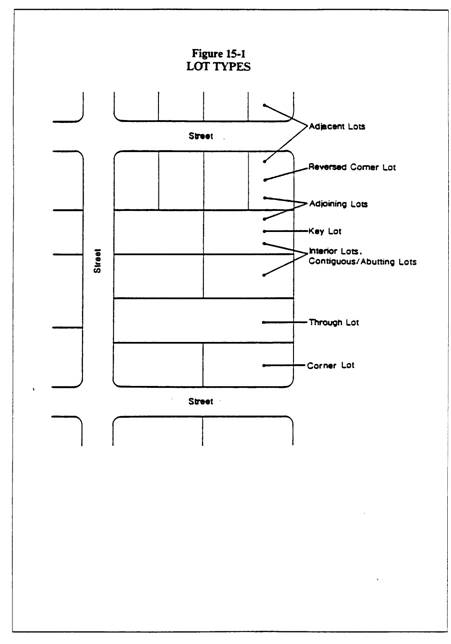
(Ord. C-6533 § 1 (part), 1988)
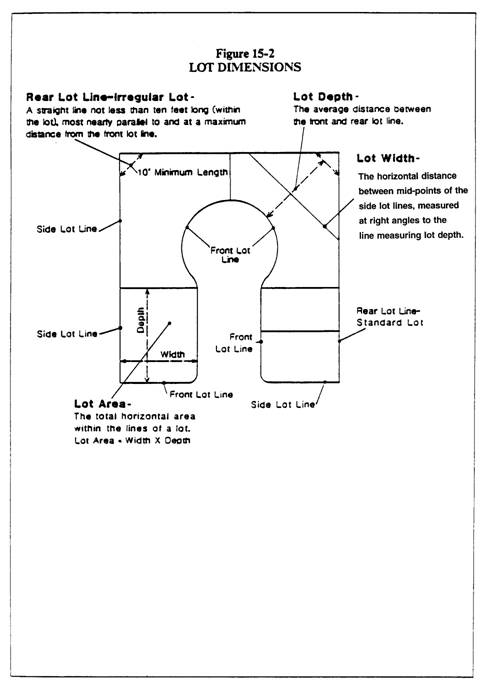
(Ord. C-7607 § 7, 1999; Ord. C-6533 § 1 (part), 1988)
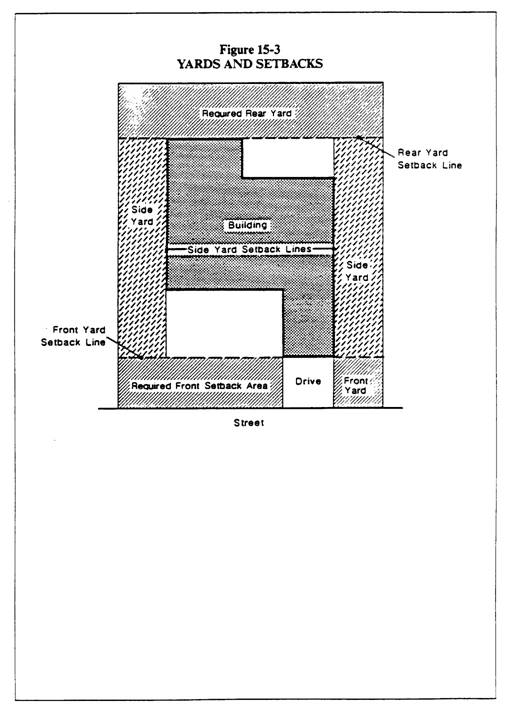
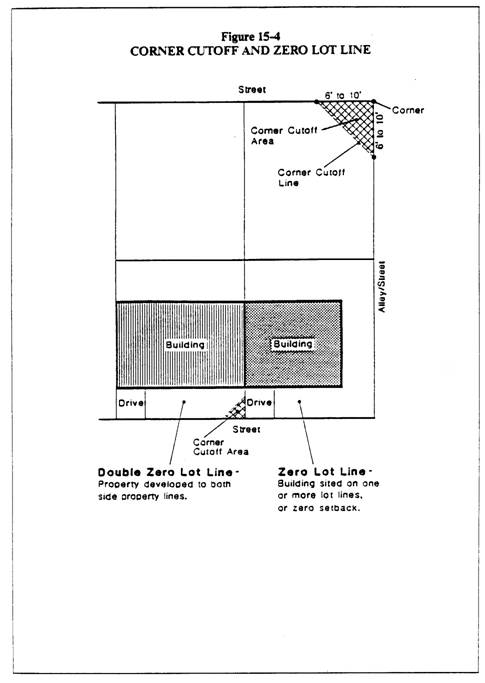
(Ord. C-6533 § 1 (part), 1988)
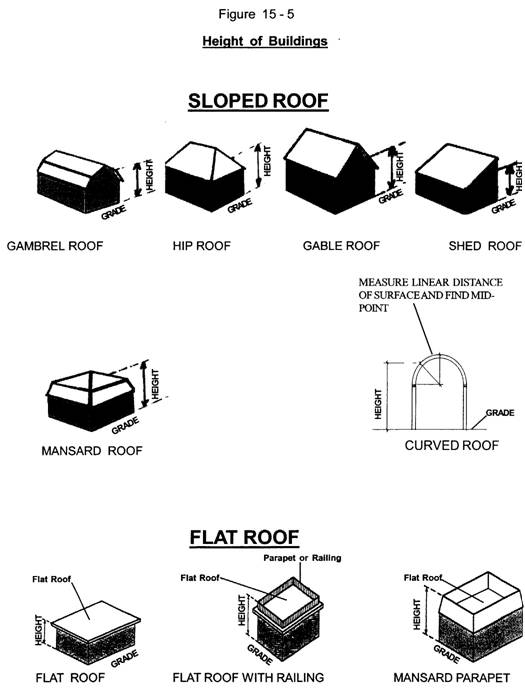
(Ord. C-7776 § 7, 2001)
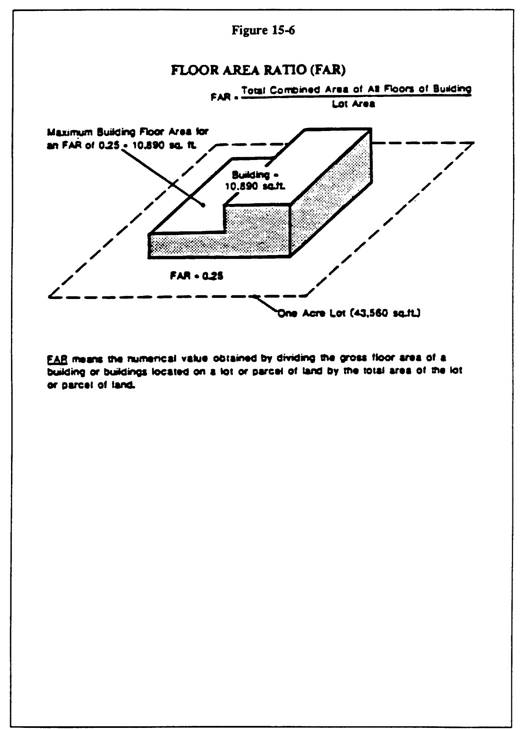
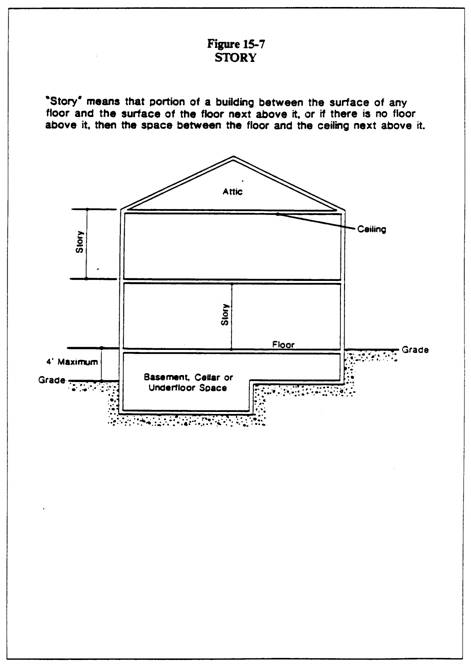
(Ord. C-6533 § 1 (part), 1988)

