
Mcdonough City Zoning Code
CHAPTER 17
120 - SITE DESIGN STANDARDS
Sections:
17.120.011 - Sidewalk and street tree standards.
A.
General requirements. Developments are permitted only if the public streets, drainage facilities, and utilities are adequate to serve the proposed development.
B.
Sidewalks. All developments shall be required to install public sidewalks along any public streets within and adjacent to the development.
1.
All sidewalks shall be constructed in the right-of-way or in a sidewalk easement adjacent to the right-of-way (ROW) as required by the city.
2.
The minimum sidewalk width requirements are:
a.
Local streets: Five (5) feet.
b.
Collector: Eight (8) feet.
c.
Arterials: Ten (10) feet.
3.
All sidewalks shall be constructed of concrete consistent with all applicable city construction standards.
4.
Sidewalks shall connect to adjacent developments to create uninterrupted pedestrian walkways.
5.
Sidewalks are required in all areas of the City of McDonough.
C.
Internal pedestrian pathways. All developments shall be required to install designated walks or paths providing for pedestrian and bicycle movement between public sidewalks and the structures on the site.
1.
These designated pedestrian pathways shall be a minimum of eight (8) feet in width and shall be asphalt, concrete or crushed stone.
2.
Designated walks shall be separated by grade or distance from entrance drives and internal traffic aisles and drives.
3.
These designated pedestrian pathways shall be ADA compliant.
D.
Street trees. All developments shall be required to provide street trees on private property along the right-of-way.
1.
One (1) street tree shall be planted for every forty (40) feet of road frontage.
2.
All street trees shall be a minimum of two and one-half (2½) inch caliper as measured consistent with the American Nursery Standards Institute (ANSI) at the time of planting and shall be of a species approved by the director.
3.
No tree shall be planted within ten (10) feet of any fire hydrant and any underground utility service.
4.
Street trees shall be a variety of trees, so that a monoculture is not created.
E.
Maintenance of sidewalks. The occupant of any building and/or the owner of any lot shall keep the sidewalks adjacent to any building or lot clean of such refuse, rubbish, dead animals, weeds, underbrush, high grass, etc. As used in this section, "sidewalk" shall include all the ground, whether paved or not, between the property line and the back of the curb or edge of the pavement if no curb exists.
F.
Easements. No structure except for fencing shall be located, or otherwise obstruct any easement. Fences shall be permitted within easements subject to the receipt of written permission from the easement holder. Fences located in an easement are subject to all fencing requirements of this code.
(Ord. No. 25-01-02, § 1, 1-2-2025)
17.120.020 - Landscaping standards.
This section [Section 17.120.021—17.120.028] shall prevail over Chapter 15.32, landscaping until that chapter is updated.
(Ord. No. 25-01-02, § 1, 1-2-2025)
17.120.021 - Applicability.
This chapter shall apply to all development activity occurring within the city, application for which is made subsequent to the effective date of this ordinance [title], and all construction activity where, during the course of construction, impervious surface is added within all zoning districts as the same may hereafter be created, abolished, or amended. It is further the intent of this ordinance to allow flexibility and creativity in design without compromising the overall intent of enhancing the developed environment and harmonizing it with the natural environment.
(Ord. No. 25-01-02, § 1, 1-2-2025)
17.120.022 - Landscape plan.
A landscape plan shall be submitted for any proposed use or building which requires the submittal of a land development site plan. Landscape plans shall be reviewed by the planning division. Landscape plans shall be approved prior to the issuance of a building permit and shall meet the following requirements:
A.
Planting plan specifications.
1.
Minimum scale of one (1) inch = fifty (50) feet.
2.
Location of sight triangles.
3.
Spot elevations showing height from the proposed contour to top of all retaining walls, curbs, steps and any contour changes. Existing and proposed contours with contour interval not to exceed two (2) feet.
4.
Typical straight cross section including slope, height and width of berms and type of ground cover or height and type of construction for all proposed walls, including footings.
5.
Location, name, size, quantity, and condition of all existing plant materials, with indication of plant materials to be retained and removed.
6.
Location and complete plant schedule of materials to be planted on site, including name (botanical and common), size, and quantity.
7.
Landscape and buffer maintenance notation; and
8.
Tree protection plan, where applicable, in accordance with Chapter 17.160, tree conservation.
9.
Significant construction details to resolve specific site conditions, e.g., tree wells to preserve existing trees, culverts to maintain natural drainage patterns.
10.
Planting and staking details in either text or drawing form to insure proper installation and establishment of proposed plant materials.
B.
[Preparation and certification.] Preparation and certification of the plan is required:
1.
Georgia licensed landscape architect who shall sign the plan and affix his or her official seal on the plan.
2.
All landscape plans shall be prepared in accordance with the Rules and Regulations of the Georgia Board of Landscape Architects.
C.
Irrigation plans.
1.
Where required, the irrigation plan shall be drawn and certified by a Georgia licensed landscape architect or irrigation contractor in accordance with Rules and Regulations of the Georgia Board of Landscape Architects.
2.
The irrigation plan shall bear the name of the preparer along with the official seal of the landscape architect or the irrigation license number, as applicable. Submitted with and as part of the landscape plan, the irrigation plan must be twenty-four (24) inches by thirty-six (36) inches, drawn to scale, and include a legend of dimensions and specifications of all irrigation components to be installed including the location and type of all valves, heads, sleeving, controller, backflow preventer, water source connection, main line, and lateral piping.
D.
Landscape planting standards. All new trees required to be planted by this chapter shall be measured consistent with the American Nursery Standards Institute (ANSI), as follows:
1.
All trees shall be two and one-half (2½) inches in diameter or six (6) feet in height, whichever is greater) at the time of planting measured at six (6) inches above the root ball.
2.
All shrubs shall be twenty-four (24) inches in height at the time of planting measured from ground level.
3.
If shrubs are being used for screening, they shall be thirty-six (36) inches in height at the time of planting and shall be at a height of seventy-two (72) inches within two (2) years of being planted.
4.
These planting standards shall not be considered as fulfilling any screening or buffer requirement.
5.
No landscaping materials, vegetation, plants, shrubs, trees, retaining walls, bedding, lighting, or mounds may extend into any existing or proposed right-of-way or easement without written permission from the agency that established the right-of-way or easement.
6.
A list of plant materials can be found in the section.
(Ord. No. 25-01-02, § 1, 1-2-2025)
17.120.023 - Approved landscape materials.
This section may be updated from time to time at the discretion of the director.
The following materials and those found in the GDOT Plant List are approved for inclusion in landscape plans required under this chapter:
A.
Medium and large trees (no 'dwarf' varieties of those listed).
American Beech (Fagus Grandiflora)
American Holly (Ilex Opaca)
American Yellowwood (Cladrastis Kentukea)
Autumn Blaze Maple (Acer Freemanii)
Bald Cypress (Taxodium Distichum)
Black Gum or Tupelo (Nyssa Sylvatica)
Boxelder (Acer Negundo)
Chestnut Oak (Quercus Prinus)
Chinese Elm (Ulmus Parvifolia)
Dawn Redwood (Metasequoia Glyptostrobodies)
Eastern Hemlock (Tsuga Canadensis)
Eastern Red Cedar (Juniperus Virginiana)
Green Ash (Franxinus Pennsylvania)
Hickory Species (Carya)
Honey Locust (Gleditsia Triacanthos var. Inermis)
Laurel Oak (Quercus Hemisphaerica)
Live Oak (Quercus Virginiana)
Lolblollly Pine (Pinus Taeda)
Longleaf Pine (Pinus Palustris)
Overcup Oak (Quercus Lyrata)
Palmetto Palm or Cabbage Palm (Sabal Palmetto)
Pin Oak (Quercus Palustris)
Post Oak (Quercus Stellata)
Red Maple (Acer Rubrum)
Red Mulberry (Morus Rubra)
River Birch (Betula Nigra)
Sawtooth Oak (Quercus Acutissima)
Scarlet Oak (Quercus Coccinea)
Shortleaf Pine (Pinus Echinata)
Shumard Red Oak (Quercus Shumardii)
Slash Pine (Pinus Elliottii)
Southern Magnolia (Magnolia Grandflora)
Spruce Pine (Pinus Glabra)
Sugar Maple (Acer Saccharum)
Sugarberry (Celtis Laevigata)
Swamp Chestnut Oak or Basket Oak (Quercus Michauxii)
Sycamore (Platanus Occidentalis)
Trident Maple (Acer Buergeranum)
Tulip Popular (Liriodendron Tulipifera)
Virginia Pine (Pinus Virginiana)
White Ash (Fraxinus Americana)
White Oak (Quercus Alba)
White Pine (Pinus Strobus)
Willow Oak (Quecus Phellos)
Yellow Buckeye (Aesculus Flava)
Zelkova (Zelkova Serrata)
B.
Small trees (if overhead powerlines are present).
American Hornbeam (Carpinus Caroliniana)
Big-Leaf Magnolia (Magnolia Macrophylla)
Bigleaf Snowbell (Styrax Grandifolius)
Buckthorn Bully (Sideroxylon Lycioides (Syn. Bumelia Lycioides)
Carolina Buckthorn (Frangula Caroliniana)
Carolina Silverbell (Halesia Tetraptera)
Chinese Fringe (Chionanthus Retusus)
Crape Myrtle (Lagerstroemia Indica x Fauriei)
Deodara Cedar (Cedress Deodora)
Downy Serviceberry (Amelanchier Arborea)
Eastern Hophornbeam (Ostrya Virginiana)
Eastern Red Bud (Cercis Canadiensis)
Florida or Southern Sugar Maple (Acer Barbatum)
Flowering Dogwood (Cornus Florida)
Fringetree or Grancy-Greybeard (Chionanthus Virginicus)
Georgia Oak (Quercus Georgiana)
Ginkgo (Ginko Biloba) (Male Tree only)
Golden Raintree (Koelreuteria Paniculata)
Japanese Black Pine (Pinus Thunbergiana)
Japanese Maple (Acer Palmatum "Crispum")
Kwansan Cherry (Prunus 'Kwanzan')
Kousa Dogwood (Cornus Kousa)
Saucer Magnolia (Magnolia Soulangeana)
Laurel Oak (Quercus Laurifolaia)
Leyland Cypress (Cupressus x Leylandii)
Loblolly Bay (Gordonia Lasianthus)
Mayhaw (Crataegus Aestivalis)
Narrow-Leaf Crabapple (Malus Angustifolia)
Ogeechee Lime, Ogeechee Tupelo (Nyssa Ogeche)
Parsley Hawthorn (Crataegus Marshallii)
Pink Flowering Dogwood (Cornus Floridia "Rubra")
Possumhaw (Ilex Decidua)
Red Bay (Persea Borbonia)
Red Flowering Dogwood (Cornius Florida "Red")
Sassafras (Sassafras Albidum)
Sourwood (Oxydendrum Arboreum)
Texas Redbud (Cercis Canadensis var. Texensis)
Trident Maple (Acer Buergerianum)
Turkey Oak (Quercus Laevis)
Two-Winged Silverbell (Halesia Diptera)
Virginia Pine (Pinus Virginiana)
Washington Hawthorn (Crataegus Phaenopyrum)
Wax Myrtle (Myrica Cerifera)
Wild Olive, Devilwood (Osmanthus Americanus)
Yaupon Holly (Ilex Vomitoria)
Yoshino Cherry (Prunus Yedoensis)
C.
Shrubs.
Adam's Needle, Beargrass, Spanish Bayonet, Threadleaf Yucca (Yucca Filamentosa)
American Beautyberry (Callicarpa Americana)
American Bladdernut (Staphylea Trifolia)
American Boxwood (Buxus Sempervirens)
American Snowbell (Styrax Americanus)
Arrowwood Viburnum (Viburnum Dentatum)
Azalea (Azelia Indica)
American Holly Bush (Ilex Opaca)
Bayberry (Myricia Pensylvanica)
Bar Harbor Juniper (Juniperus H. "Barharbor)
Bigleaf Hydrangea (Hydrangea Macrophylla)
Black Titi, Buckwheat Tree (Cliftonia Monophylla)
Blackhaw Viburnum (Viburnum Prunifolium)
Bottlebrush Buckeye (Aesculus Parviflora)
Button Bush (Cephalanthus Occidentalis)
Burford Holly (Ilex Cornuta "Burfordii')
Camellia (Camellia Japonica)
Cherry Laurel (Prunus Laurocerasus)
Common Privet (Ligustrum Vulgara)
Common Witchhazel (Hamamelis Virginiana)
Darrow's Blueberry, Glaucous Blueberry (Vaccinium Darrowii)
Deerberry (Vaccinium Stamineum)
Devil's Walkingstick (Aralia Spinosa)
Drooping Leucothoe (Leucothoe Fontanesiana)
Dwarf Fothergilla (Fothergilla Gardenii)
Dwarf Palmetto (Sabal Minor)
Fetterbush, Pipestem (Agarista Populifolia)
Fetterbush (Lyonia Lucida)
Flame Azalea (Rhododendron Calendulaceum)
Florida Anise-Tree (Illicium Floridanum)
Gallberry, Inkberry (Ilex Glabra)
Georgia Basil (Clinopodium Georgianum)
Groundsel Bush (Baccharis Halimifolia)
Hibiscus (Hibiscus Rosa Sinensis)
Hillside Blueberry, Blue Ridge Blueberry (Vaccinium Pallidum)
Holly (Ilex Crenata)
Hollywood Juniper (Juniperus C. "Torulosa")
Honeycup (Zenobia Pulverulenta)
Hoptree, Wafer-Ash (Ptelea Trifoliata)
Horse-Sugar, Sweetleaf (Symplocos Tinctoria)
Hydrangea (Hydrangea Sp.)
Littlehip Hawthorn (Crataegus Spathulata)
Mapleleaf Viburnum (Viburnum Acerifolium)
Mayberry (Vaccinium Elliottii)
Mother-in-Laws Tongue (Sansevieria T. "Laurentii")
Mountain Laurel (Kalmia Latifolia)
Mountain Stewartia (Stewartia Ovata)
Needle Palm (Rhapidophyllum Hystrix)
Nellie R. Stevens Holly (Ilex 'Nellie r. Stevens)
Oakleaf Hydrangea (Hydrangea Guercifolia)
Painted Buckeye (Aesculus Sylvatica)
Piedmont Azalea (Rhododendron Canescens)
Pinckneya, Feverbark (Pinckneya Bracteata)
Peppermint Geranium (Pelargonium Tomentosum)
Plumleaf Azalea (Rhododendron Prunifolium)
Rabbiteye Blueberry Cultivars (Vaccinium Virgatum)
Red Basil, Scarlet Calamint (Clinopodium Coccinea)
Red Buckeye (Aesculus Pavia)
Red Columbine (Aquilegia Eximia)
Red Titi, Swamp Cyrilla (Cyrilla Racemiflora)
Rhododendron & Deciduous Azalea Species
Rhododendron, Evergreen Species
Rusty Blackhaw (Viburnum Rufidulum)
Saw Palmetto (Serenoa Repens)
Savannah Holly (Ilex x Attenuata 'Savannah')
Small Anise-Tree, Yellow Anise-Tree (Illicium Parviflorum)
Southern Highbush Blueberry (Vaccinium Corymbosum)
Southern Wax Myrtle (Morella Cerifera)
Sparkleberry (Vaccinium Arboreum)
Spice-Bush (Lindera Benzoin)
Strawberry-Bush (Euonymus Americanus)
Summersweet Clethra (Clethra Alnifolia)
Swamp-Haw (Viburnum Nudum)
Sweetshrub (Calycanthus Floridus)
True Myrtle (Myrtus C. "Compacta")
Varigated Privet (Ligustrum Variegata)
Virginia Sweetspire (Itea Virginica)
Winged Sumac (Rhus Copallina)
Winterberry (Ilex Verticillata)
Yellow-Root (Xanthorhiza Simplicissima)
D.
Groundcovers.
Allegheny Spurge (Pachysandra Procumbens)
Arugula (Eruca Vesicuria)
Autumn Fern (Dryopteris Erythrosora)
Birds Nest Fern (Asplenium Nidus)
Bishop's Hat (Epimedium spp.)
Blue Carpet Juniper (Juniperus H. 'Wilronii')
Bugleweed (Ajuga Repens)
Cast Iron Plant (Aspidistra Elatior)
Christmas Fern (Polystichum Acrostichoides)
Common Sassafras (Sassafrass Albidum)
Coral Bells (Heuchera spp.)
Creeping Barberry (Mahonia Repens)
Dwarf Japanese Plum Yew (Cephalotaxus Harringtonia 'Prostrata')
Dwarf Juniper (Juniperus Com. Savepiis)
Foamflower (Tiarella Cordifolia)
Green & Gold (Chrysogonum Virginianum)
Japanese Painted Fern (Athyrium spp.)
Japanese Spurge (Pachysandra Terminalis)
Lenten Rose (Helleborus Orientalis)
Lily of the Valley (Convallaria Majalis)
Liriope, Clumping (Liriope Muscari)
Little Brown Jug (Hexastylis 'Asarum' Arifolia)
Mazus (Mazus Repens)
Mondograss (Ophiopogon Japonicus)
New York Fern (Thelypteris Noveboracensis)
Plantain Lilly, Hosta (Hosta sp.)
Partridgeberry (Mitchella Repens)
Sargent Juniper (Juniperus C. Sargentii)
Smooth Lady Fern (Athyrium Asplenioides)
Southern Maidenhair Fern (Adiantum Capillusveneris)
Spikemoss (Selaginella spp.)
Spotted Lungwort (Pulmonaria Saccharata)
Strawberry Geranium (Saxifraga Stolonifera) Virginia Chain Fern (Woodwardia Virginica) Woodland Phlox (Phlox Divaricata)
E.
Lawn grasses.
Bermuda Grass (Cynodon spp.)
Centipede (Eremochloa Ophiuroides)
St. Augustine Grass (Stenotaphrum Secundaroa)"
Zoysia Grass (Zoysia spp.)
(Ord. No. 25-01-02, § 1, 1-2-2025)
17.120.024 - Residential landscape requirements.
A.
Single-family detached dwelling developments located in the RA, R-200, R-100, R-85, R- 75, and R-60 zoning districts shall be required to plant a minimum of one (1) medium to large tree and one (1) small tree for every forty (40) linear feet of street right-of-way within the development. Said trees shall be planted between the curb and the sidewalk of rights-of-way.
B.
Single-family detached dwelling developments located in the RA, R-200, R-100, R-85, R-75, and R-60 zoning districts shall be required to plant one (1) shrub for every two hundred (200) square feet of impervious surface on site. See subsection 17.120.022E, landscape planting standards for additional plant information.
C.
All disturbed yard areas (other than natural areas) in residential zoning districts shall be sodded. Permanent sod grassing shall be installed in all front yards, side and rear yards. All yard landscaping shall extend to the edge of curbing of the nearest public street. All drainage easements on the property shall be graded and landscaped for positive surface drainage away from the primary structure constructed on the platted lot with consideration for avoidance of surface drainage problems, potential erosion and flooding of adjoining properties. The grading and landscaping of drainage easements shall be in conformance with drainage easement locations and design as indicated on the approved final plat of the subdivision.
D.
The community development director, or designee shall determine if the minimum landscaping requirements of this section have been met prior to the final inspection of the structure. When weather does not permit landscaping to be done before a final inspection of the structure is made, the builder may request in writing and the director may grant up to a thirty-day extension for the completion of landscaping. Failure to complete the landscaping within the time granted shall constitute a violation of this chapter. Field conditions may require additional measures to assure positive surface drainage and/or prevent future erosion and washing of adjoining properties.
(Ord. No. 25-01-02, § 1, 1-2-2025)
17.120.025 - Commercial landscape requirements.
Commercial landscaping design criteria.
A.
A minimum twenty-foot landscape buffer must be provided along areas of the site where parking is adjacent to a public right-of-way. The landscape buffer shall be reduced to fifteen (15) feet if the developer constructs a natural stone wall, brick wall, or a combination of masonry pillars and cross-buck fencing. Additionally, the wall or fence shall be a minimum of four (4) feet in height with a ten-foot setback from the right-of-way line.
B.
A minimum of one (1) two (2) inch caliper medium or large tree and one two (2) inch caliper small tree shall be planted for every two thousand (2,000) square feet of impervious surface on site.
C.
One (1) shrub shall be planted for every three hundred (300) square feet of impervious surface on site. See Section 17.120.022.E, landscape planting standards for additional plant information.
D.
Ground cover shall be provided in all pervious areas disturbed during construction. Outparcels on subsequent phases of phased developments or commercial subdivisions may be temporarily seeded but shall be sodded within one (1) year if additional construction does not continue to proceed. Ground cover may be sodded, sprigged or plugged, except that solid sod shall be used in drainage swells or other areas subject to potential erosion. Ground covers shall be planted so as to achieve complete coverage within one (1) year from the time of planting.
E.
Ten (10) percent of all required landscaping areas shall be annual/perennial beds.
1.
In the fall and spring, fifty (50) percent of all required annual/perennial beds shall be planted with one of the following types of geraniums: Zonal, ivy, regal, angel, scented, or unique, during the warmer months of the year.
2.
Year-round, fifty (50) percent of all annual/perennials shall be a shade of red; the remaining fifty (50) percent of annual/perennials shall utilize a color scheme that enhances red.
3.
The remaining fifty (50) percent of all required annual/perennial beds shall utilize a mix of annuals and perennials.
F.
Plant material required by this chapter shall be in addition to requirements for planting in required buffers, as such as may be required by the zoning ordinance or as a condition of zoning approval.
(Ord. No. 25-01-02, § 1, 1-2-2025)
17.120.026 - Parking lot landscaping requirements.
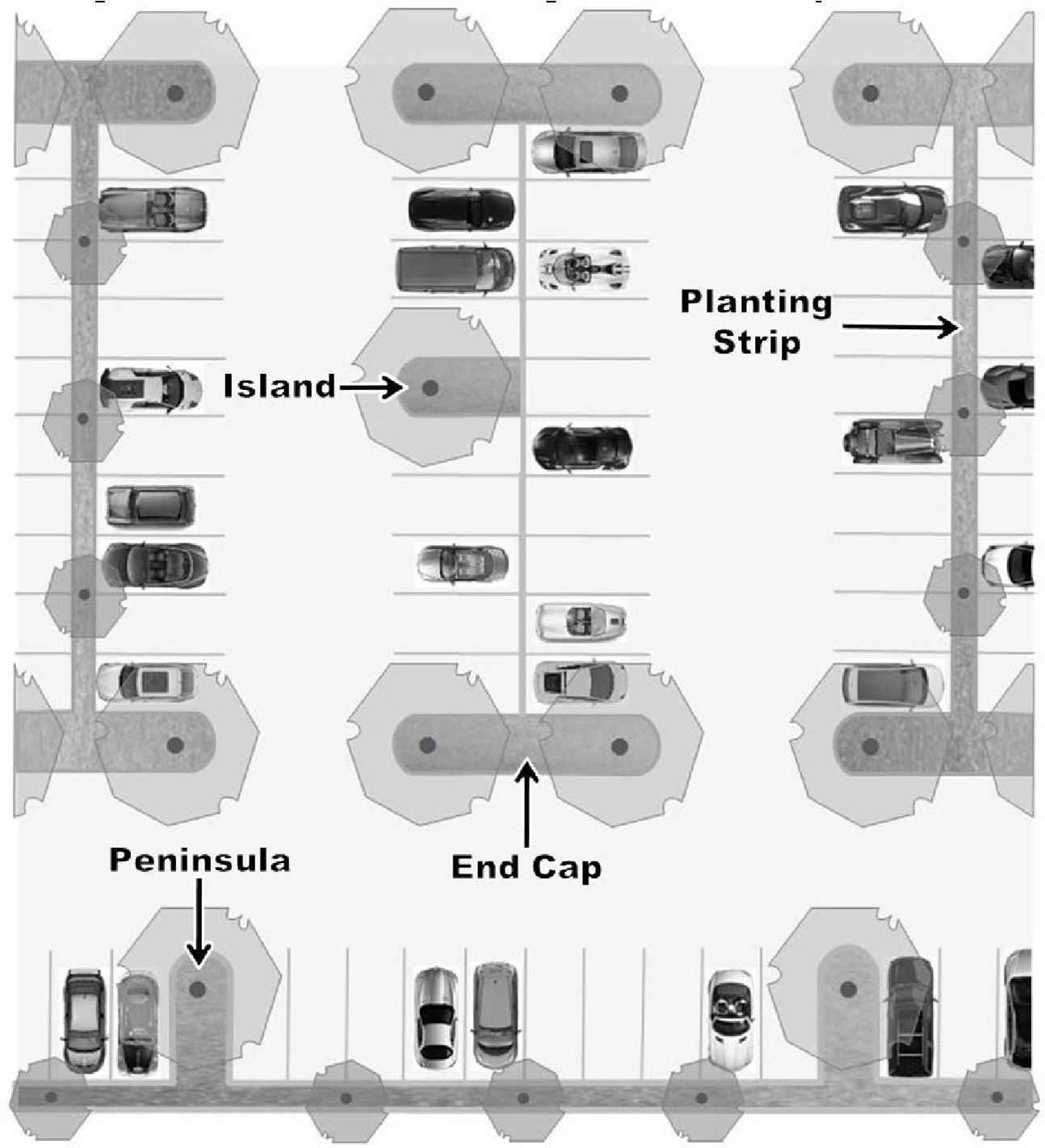
Parking lots and other vehicular use areas shall contain landscaped planting areas in accordance with the following requirements (Figure 17.120.026).
A.
Interior.
1.
For traditional character, parking lots are generally situated away from street rights-of-ways and complement walkability. To facilitate traditional site design, the director may not require some or all of the interior lot landscape areas, depending on the size and functionality of the parking lot.
2.
No interior landscape areas are required for parking lots consisting of less than ten (10) parking spaces.
3.
Parking lots consisting of ten (10) or more parking spaces shall provide interior landscape areas in accordance with the following requirements:
a.
A minimum of one (1) island or peninsula is required for every ten (10) contiguous parking spaces or fraction thereof.
b.
An endcap is required at the end of each row of parking spaces.
c.
Each island, peninsula, or endcap shall be a minimum of five (5) feet in width excluding the curb.
d.
Each island, peninsula, or endcap shall contain a minimum of one (1) canopy tree plus shrubs, grass, or other groundcover.
e.
A planting strip shall be provided with a minimum width of five (5) feet for every two (2) parking aisles; the planting strip shall contain a minimum of one (1) canopy tree for every ten (10) parking spaces or fraction thereof plus shrubs, grass, or other groundcover; [and]
f.
Interior lot landscaping shall be a minimum of ten (10) percent of site area not dedicated to required property buffers, streetscape landscaping, or buildings.
4.
On any building side facing the interior of a parking lot, except those sides with pedestrian access to the building, openings for windows or overhead loading-area doors, or motor vehicle bays, shall be planted with landscaping that provides visual breaks along the blank building facade. The landscaping shall abut the building and be comprised of trees, shrubs, or ornamental plants in any combination, provided that at least fifty (50) percent of the total required plant materials are shrubs.
Figure 17.120.026. Parking Lot Landscape Areas
B.
Perimeter screening. All parking lots, including parking spaces, interior drives, and loading/unloading areas, must be screened on any side abutting a residential use or zoning district.
1.
Street rights-of-way. In accordance with the streetscape requirements of this section, shrubs that form a living fence at maturity shall be planted along the street-facing perimeter of a parking lot or drive aisle to screen vehicles from view of the street right-of-way.
a.
The screening must be placed within five (5) feet of the parking area and shall consist of a combination of shrubs and medium or large trees.
b.
All evergreen trees and shrubs must meet the planting requirements provided by this section.
2.
Vehicular use areas. Where vehicular use areas on different development sites abut, a minimum five-foot continuous buffer with one (1) large tree per every thirty-five (35) linear feet, or portion thereof, plus a living fence, grass, or other groundcover, shall be provided between the abutting vehicular use areas.
a.
All screening shall provide a barrier at least three (3) feet in height at the time of installation.
C.
Design requirements. Landscaping provided at the perimeter of, and interior to parking areas shall meet the following design requirements:
1.
Parked vehicles may hang over the interior landscaped area up to one (1) foot, and wheel stops shall be provided to insure no greater overhang or penetration of the landscaped area.
2.
All areas not landscaped with hedges, walls, or trees shall be provided with grass or other acceptable ground cover.
(Ord. No. 25-01-02, § 1, 1-2-2025)
17.120.027 - Detention pond landscape requirements.
A.
Landscape plans shall be submitted for all detention/retention ponds.
B.
Detention/retention ponds shall be landscaped to provide a natural setting in open space areas which are removed from residential lots. Where possible, ponds or basins shall be "free form" following the natural shape of the land to the greatest practical extent.
C.
The minimum requirements for the landscaping of detention/retention ponds shall be as follows:
a.
The required shrubs and groundcovers shall be planted in a random pattern or in groupings. The placement of the required landscaping is not limited to the top of the ground bank.
D.
A six-foot wrought iron fence shall be provided around all detention pond areas.
E.
Maintenance of detention/retention ponds and the landscaping thereof shall be the responsibility of the property owner or of the development association whichever is appropriate.
F.
At no time shall the turf along the banks of a detention/retention pond exceed eight (8) inches in height.
(Ord. No. 25-01-02, § 1, 1-2-2025)
17.120.028 - Buffer area standards.
A.
In any residential development, all buffers must be fenced off on the development side with a basic rail or crossbuck fence. The fencing is required so adjacent property owners within the development do not absorb any required buffering into their property.
B.
In any commercial or industrial zoned district that abuts a residential zoned district, the owner of the property with a commercial or industrial zoning shall be required to maintain a buffer zone between the commercial property line at all points where it intersects with a property line of property zoned residential.
C.
Buffer areas shall be established and maintained by the property owner under the following provisions:
1.
A lot zoned or used for a residential, office, institutional, and/or commercial, or occupied by a residential use shall provide a twenty-five-foot-wide undisturbed buffer along all property lines adjoining property zoned for or used by 'For-Sale' residential purposes. Where commercial or industrial districts or developments abut RM-75 zoning districts, the same buffer requirements apply. The buffer shall be in addition to the required building setback line.
2.
When a new, "for-sale" development is proposed adjacent to an existing, non- residential use with no buffer present, the twenty-five-foot-wide buffer must be provided by the residential development.
3.
If a twenty-five-foot-wide buffer has been provided on the property adjacent to a proposed, nonresidential development, the buffer requirement may be waived with the approval of the director.
D.
Except as otherwise provided, herein, buffer strips shall be preserved in their natural undisturbed state, except that sparsely planted buffers shall be enhanced with additional plant material. Enhancement plants must provide an opaque screen within two (2) years of planting and must consist of trees, shrubs, and groundcover plants meeting the following standards:
1.
Plant selection will consist of forty (40) percent evergreen species and sixty (60) percent deciduous species.
2.
Deciduous trees must be a minimum of two (2) inch caliper and six (6) feet in height at time of installation.
3.
Evergreen trees must be a minimum of six (6) feet in height at time of installation.
4.
Shrubs must be a minimum of thirty-six (36) inches in height at time of installation.
5.
Plants will be spaced a maximum of eight (8) feet on center or as approved by the director.
6.
Plantings shall be designed with a plant palate containing a mixture of colors, textures, and heights.
E.
Undisturbed buffers shall not contain any surface parking or storm water, detention facilities, or any structures except that the director may approve underground facilities within the buffer or the crossing of the buffer for the purpose of extending utilities.
F.
The director may approve vegetated runoff reduction measures within the buffer. The planting requirements above may be varied to accommodate vegetated runoff reduction measures as part of an approved stormwater management plan, if properly designed to provide stormwater management and screening functions.
G.
Stream buffers must be replanted where disturbed for approved access and utility crossing. Replacement plantings must be native and be arranged to have a natural appearance.
H.
All buffer plantings are subject to the approval of the director.
I.
The requirements for a fence or wall may be waived by the director upon presentation of field survey data by the property owner or developer, which shows that construction of the fence or wall would destroy existing vegetation which provides visual screening between the development and the adjoining residential district.
1.
If required, the minimum opaque fence or wall height shall be six (6) feet for developments in C-1, C-2, C-3, OI, RTD, MU, M-1 and M-2 districts when abutting a residential use.
J.
Required buffer areas shall not be used for parking or a structure other than a fence or drainage improvements required by the city. However, a buffer area may be used for vehicular access and utility easements if these uses are provided approximately perpendicular to the greater distance of the buffer area and for drainage improvements required by the city based upon competent engineering studies which show these improvements to be necessary, upon approval of the director.
K.
Except as otherwise provided, the natural topography of the land shall be preserved and natural growth shall not be disturbed beyond that which is necessary to prevent a nuisance, to thin natural growth where too dense for normal growth, or to remove diseased, misshapen or dangerous and decayed timbers. However, a slope easement may be cleared and graded where required to prevent soil erosion upon approval of the director; this easement may cover no more than twenty (20) percent of the required buffer area and shall be immediately replanted upon completion of easement improvements.
L.
Where the conditions described above cannot be met by reason of the topography of the land or of the prior removal of or lack of vegetation and foliage, the owner of the buffer area may install a permanent screen of deciduous and evergreen plantings, so designed and developed to provide visual screening between the property described herein. These plantings shall consist of deciduous and evergreen trees or shrubs not less than six (6) feet in height, or trees or shrubs which will, in normal growth, attain a height of six (6) feet within two (2) years. Plantings shall form a hardy screen, dense enough and high enough both to interrupt vision and to diffuse the transmission of sound.
M.
Tree protection measures shall be followed in accordance with Chapter 17.160.
(Ord. No. 25-01-02, § 1, 1-2-2025)
17.120.030 - Parking standards.
A.
[Requirements.] All required parking spaces and lots shall conform to the following requirements:
1.
Driving surfaces. All parking areas, including the required parking spaces, interior drives, and ingress/egress into parking areas, must be paved with asphalt or concrete. All parking areas shall be clearly painted to show each parking space.
2.
Drainage. Parking areas must be constructed to allow proper drainage which shall be subject to the review and approval of the city engineer.
3.
Access to public streets. Parking areas must be designed to prevent vehicles from having to back into or maneuver in public streets.
4.
Locations. Parking lots shall not be located in any right-of-way, easement, or any required buffer yard.
5.
Lighting. Lighting for parking areas shall conform with the applicable requirements of the lighting standards section of this article.
6.
Landscaping. Landscaping for parking areas shall conform with the applicable requirements of the landscaping standards section of this article.
7.
Required parking spaces. Accessory off-street parking spaces shall be provided and maintained in accordance with the requirements set forth in the following table:
B.
Location of required spaces.
1.
The required accessory off-street parking facility shall be located on the same lot as the use for which it is provided or on a lot within four hundred (400) feet of the nearest boundary of the lot upon which the use is located measured by a straight line between the two (2) points without having to cross a major arterial or collector street.
2.
The separate lot upon which such accessory parking facilities are provided shall be in the same ownership or control as the building or use to which the parking facilities are accessory. In such case, a notarized parking agreement shall be provided with a minimum time period of twenty-five (25) years.
C.
Shared parking arrangements.
1.
Adjacent uses, multiple uses within a unified development, or establishments with multiple tenants of different uses may provide shared parking facilities. Such shared parking facilities may have a reduced quantity of parking as compared to the sum of parking spaces required for each individual use.
2.
Where shared parking facilities are proposed, the following standards shall be met:
a.
There shall be a paved driveway connection between the adjacent developments such that automobiles may move from one (1) parcel or use to the adjacent parcel or use without exiting to the public street.
b.
There shall be a designated pedestrian connection from all uses to the shared parking facility.
c.
The owners of developments involved shall execute a cross-access and crossparking agreement, provided in a recordable instrument, acceptable to the city. The agreement shall guarantee the joint use of a specified number of parking spaces.
d.
The number of spaces in the shared parking facility shall be determined by one (1) of the methods below.
3.
The calculation of required spaces in a shared parking facility shall use one (1) of the two (2) methods described below:
a.
A parking study may be conducted to provide evidence of the combined parking requirements of the proposed uses.
1)
The study shall be prepared by a professional engineer with documented traffic expertise.
2)
The study shall include estimates of parking requirements based on professionally accepted data or studies, such as from the Institute of Traffic Engineers, Urban Land Institute, or other sources acceptable to the city.
3)
Parking requirements shall be based on uses that are the same or comparable to the proposed uses. Comparability shall be determined by density, scale, bulk, area, type of activity, and location in relationship to other uses and the transportation system.
4)
Parking requirements shall be based upon peak hours of need for each use proposed to share parking facilities. The hours of maximum, or peak, parking demand of the respective developments shall not overlap.
5)
The study shall document the source(s) of data used to develop recommendations.
6)
The study shall document the extent to which transportation system management and alternative forms of transportation (pedestrian and bicycle) reduce the parking requirement.
7)
The study shall document the availability of off-site parking to meet a portion of the parking requirements. Off-site parking shall not be located more than one hundred fifty (150) feet from the uses that require parking. The study shall be accompanied by documentation to demonstrate the continued availability of the off-site parking, such as easements or other recordable instruments.
b.
Shared parking may also be determined by the following method:
1)
Calculate the parking requirement for each proposed use, as set forth below.
2)
Multiply each amount by the corresponding percentages from the table below for each of the five (5) time periods.
3)
Total the amount of parking for each time period.
4)
The highest parking requirement shall be the minimum number of spaces required for the shared use facilities.
Shared Parking Demand Calculations
D.
Administrative variance. The director shall have the authority to grant a reduction or increase in the total number of off-street parking spaces by up to ten (10) percent of the number required by the table of minimum parking requirements through administrative variance. Such administrative variance requires review and approval of the applicant's written documentation and justification that one or more of the following conditions exist:
1.
Because of unique circumstances including the shape, topography, soils and vegetation of the site, the provision of the minimum number of required spaces would cause the applicant to suffer unique and undue hardship.
2.
The site is located in an environmentally sensitive area, such as a water supply watershed, where stormwater runoff should be minimized.
3.
The unique circumstances of the use make the minimum number of parking spaces excessive for actual needs.
E.
Access and maintenance of off-street parking spaces.
1.
Accessory off-street parking spaces, driveways, and maneuvering areas shall be properly graded for drainage so that all water is drained within the lot providing such parking spaces, surfaced with concrete, asphaltic concrete, asphalt, or other surfacing materials approved by the city engineer, and maintained in good condition and free of debris and trash.
F.
Americans with Disabilities Act. Handicap parking spaces shall be provided in all parking areas consistent with the requirements of the Americans with Disabilities Act.
1.
All uses shall provide parking spaces designated for access by disabled individuals.
2.
The table below presents specifications for parking for disabled individuals:
3.
Accessible spaces shall be marked on the pavement and by appropriate signage, both markings to use the universally accepted "handicapped" symbol. Such spaces shall be in closest proximity to major building entrances, but in no event shall such spaces be more than one hundred (100) feet from an entrance.
4.
Ramps shall meet the design standards set forth in the Georgia Accessibility Code Chapter 120-3-20 of the Rules and Regulations of the Georgia Safety Fire Commissioner.
G.
Maneuvering. All spaces shall be provided adequate access by means of maneuvering lanes. Backing directly onto a street shall be prohibited.
1.
Two-way aisles between parking spaces shall be at least twenty-four (24) feet in width.
2.
One-way aisles between parking spaces shall be at least fourteen (14) feet for forty-five-degree angle parking, at least eighteen (18) feet in width for sixty-degree parking, and at least twenty-four (24) feet in width for ninety-degree angle parking.
3.
Parking lots shall meet the following dimensional requirements:
Parking Space and Interior Drive Requirements
H.
Driveways. The driveway used to provide accessibility to accessory off-street parking spaces shall be so located and arranged to minimize traffic congestion. Therefore:
I.
[Location of driveway.] No driveway shall be so located that there would be less than fifteen (15) feet between the point of tangency of the driveway apron radius and the outside crosswalk line at the intersection when such driveway is on the approach side of an intersection. In such cases as the driveway is on the leaving side of the intersection, the requirement shall be five (5) feet between the outside crosswalk line and the point of tangency of the driveway apron radius.
J.
[Maximum width.] The maximum width of such driveway shall be thirty (30) feet measured at right angles to the angle of the driveway entrance. Such driveway shall have an apron radius at the curb of not less than six (6) feet or a curb cut of not more than sixty (60) feet and shall provide a means for motor vehicles to enter and leave the parking facilities without obstructing traffic.
K.
[Minimum driveway.] For single-family residential lots, minimum driveway width shall be ten (10) feet.
L.
Interior driveways.
a.
Interior driveways shall connect each parking space with a public right-of-way.
b.
Inter-parcel driveway connection or provision of a future inter-parcel driveway stub (with appropriate cross-access easements) shall be required between adjacent nonresidential properties. This requirement may be waived by the director only if it is demonstrated that an inter-parcel connection is not feasible due to traffic safety or topographic concerns.
c.
Interior driveways providing primary access to loading/unloading zones or loading docks for truck traffic shall be increased to fourteen (14) feet in width per travel lane.
d.
Interior driveways surrounding gasoline pumps shall be increased to forty (40) feet in total width (as measured from the base of the gasoline pump islands).
I.
Stacking lanes for drive-through facilities or service windows. A separate driveway and stacking lane shall be required for any drive-through window, bank drive-through, ATM stand-alone structure, or drop-off or pick-up area. These stacking lanes shall be separate and distinct from the required through-lane providing circulation around the building or service facility.
1.
The following general standards shall apply to all stacking lanes:
a.
Drive-through lanes shall be separated by striping or curbing from off-street parking areas. Individual lanes shall be striped, marked or otherwise distinctly delineated.
b.
Stacking lanes shall be a minimum of twelve (12) feet in width, and parallel the entire length for the drive-through service area and narrowing to ten (10) feet adjacent to the service window or facility.
c.
Stacking lanes shall be a minimum of twelve (12) feet in width along curved segments.
d.
Stacking lanes shall be delineated from traffic aisles, other stacking lanes and parking areas with striping, curbing, landscaping and the use of alternative paving materials or raised medians.
e.
Entrances to stacking lane(s) shall provide adequate storage length from the nearest intersection.
f.
Stacking lanes shall be designed to prevent circulation congestion, both on-site and on adjacent public streets. The circulation shall: (a) separate drive-through traffic from site circulation, (b) not impede or impair access into or out of parking spaces, (c) not impede or impair vehicle or pedestrian traffic movement, and (d) minimize conflicts between pedestrian and vehicular traffic with physical and visual separation between the two.
g.
Stacking lanes shall not interfere with required loading and trash storage areas and loading or trash operations shall not impede or impair vehicle movement. If said separate stacking lane is curbed, an emergency bypass or exit shall be provided.
h.
Service areas and stacking lanes shall be set back five (5) feet from all lot lines and roadway right-of-way lines.
i.
Each stacking space shall be a minimum of twenty (20) feet in length and ten (10) feet in width along straight portions.
j.
All stacking lane entrances shall provide adequate storage length from the nearest intersection for a minimum of five (5) cars per lane.
k.
The minimum number of cars per lane may be increased at the director's discretion depending on the needs of the building or service facility.
J.
Vision clearance. In all districts, no fence, wall, shrubbery or other obstruction to vision between the heights of two and one-half (2½) feet and ten (10) feet above the finished grade of streets shall be erected, permitted or maintained within twenty (20) feet of the intersection of the right-of-way lines of streets.
K.
Pedestrian circulation.
1.
Nonresidential parking lots containing two hundred (200) spaces or more shall incorporate pedestrian access corridors into their design.
2.
Pedestrian corridors shall include five-foot sidewalks with five-foot grassed strips along at least one (1) side of primary driveways. The pedestrian corridors shall connect parking areas directly with buildings and adjacent public streets. These corridors shall not apply to auto sales lots.
3.
Where pedestrian corridors cross a driveway, they shall be constructed as a raised, flat hump with a height of four (4) inches and a six-foot wide top with four-foot wide ramps and marked as a crosswalk; or shall be constructed with an approved contrasting paver and marked as a crosswalk.
4.
Parking spaces shall not be located more than two hundred (200) feet from any pedestrian corridor.
L.
Maintenance. All off-street parking and loading areas shall be well maintained. Parking lots and loading areas shall be free of potholes, debris, weeds, broken curbs, and broken wheel stops.
M.
Electric vehicle charging stations (EVCS). Electric vehicle charging stations are permitted as an accessory use within any principal or ancillary parking facility, or gas station, located within the area of designated vehicle parking spaces.
1.
All nonresidential and dwelling, "for-rent" developments requiring one hundred (100) or more vehicle parking spaces shall provide electric vehicle charging stations. One (1) Level 2 EVCS for every twenty-five (25) required vehicle parking spaces or one (1) Level 3 EVCS for every one hundred (100) required vehicle parking spaces shall be required.
2.
Minimum parking requirements. When provided, spaces shall be standard stall size of nine (9) feet by twenty (20) feet. An electric vehicle charging station space may be included in the calculation for the minimum required parking spaces that are required pursuant to other provisions of code.
3.
All charging structures and stations shall not exceed ten (10) feet in height or fifty (50) percent of the structural height of the primary building; whichever is most restrictive.
4.
Dedicated parking spaces for electric vehicle charging stations must be provided with a maximum twenty-four (24) inches wide by twenty-four (24) inches high sign per dedicated parking stall.
5.
Where charging equipment is installed, adequate site lighting shall exist.
(Ord. No. 25-01-02, § 1, 1-2-2025)
17.120.040 - Off-street loading and unloading standards.
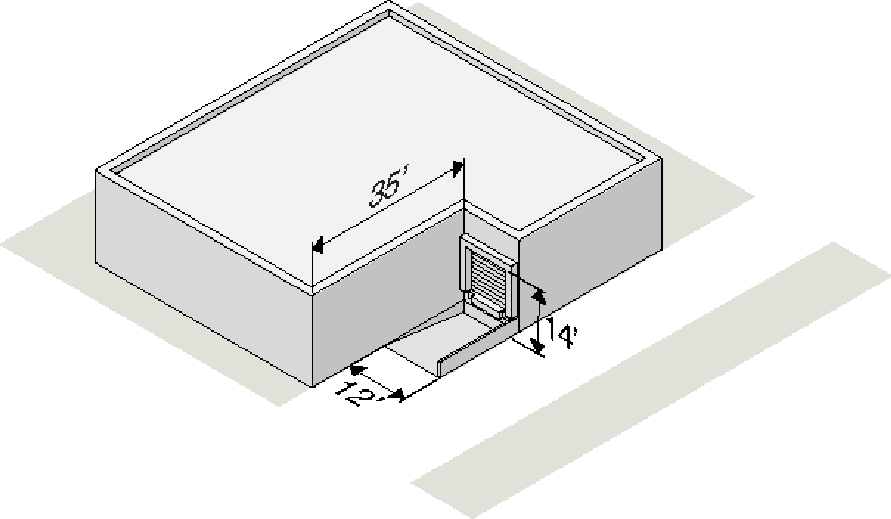
Where required, one or more off-street loading berths or spaces shall be provided on the same or adjoining lot with the facility it serves, either inside or outside a building. A loading berth shall have minimum dimensions of twelve (12) feet by thirty-five (35) feet by fourteen (14) feet overhead clearance. A loading space need not be a full berth but shall be sufficient to allow normal loading operations appropriate to the property served. The director shall determine the sufficiency of the space, but in no case shall this space or its use hinder the free movement of vehicles and pedestrians over a street or sidewalk.
A.
Retail operations, including restaurants within hotels and office buildings, with a total gross floor area of twenty thousand (20,000) square feet devoted to these purposes: One (1) loading space for every twenty thousand (20,000) square feet of gross floor area or fraction thereof; one (1) loading berth for every forty thousand (40,000) square feet of gross floor area or fraction thereof.
B.
Retail operations and all first floor nonresidential uses with a gross floor area of less than twenty thousand (20,000) square feet; all wholesale and light industrial operations with a gross floor area less than ten thousand (10,000) square feet: One (1) loading space.
C.
Office buildings and hotels: One (1) loading berth for every one hundred thousand (100,000) square feet of floor area or fraction thereof.
D.
Industrial and wholesale operations with a gross floor area of ten thousand (10,000) square feet or more:
(Ord. No. 25-01-02, § 1, 1-2-2025)
17.120.050 - Fences and walls.
A.
Height of fencing or walls. No wall or fence in a residential zoning district shall exceed four (4) feet in height within a required front setback line or six (6) feet in height in the balance of the yard.
B.
Exceptions to subsection 17.120.060.A. Exceptions to subsection 17.120.060.A are as follows:
1.
A fence or wall that encloses an approved stormwater management facility may be a maximum of six (6) feet in height.
2.
A fence or wall enclosing a tennis court may be a maximum of twelve (12) feet in height.
3.
Lots with double frontage may have a fence up to six (6) feet in height in the no access easement.
C.
General standards.
1.
All required setbacks for fences and walls shall be measured from the property line or existing street right-of-way line. Height of such fences or walls shall be measured from the grade level to the highest point of the fence or wall.
2.
All fences and walls, including, but not limited to, posts, foundations, and overhanging elements, shall be located completely within the limits of the lot to which they are associated. Fences and walls located within required side and rear yards may be erected on the property line with the submission of written consent from all adjacent property owners or a certified survey verifying the location of lot boundaries.
3.
Fences that have one (1) finished or decorative side shall be oriented with the finished or decorative side facing outward towards adjacent parcels and away from the interior of the lot to which the fence is associated. Masonry walls shall be finished in a similar manner on all sides.
4.
In all zoning districts, no fence, wall, shrubbery, sign, marquee, or other obstruction to vision between the heights of two and one-half (2.5) feet and fifteen (15) feet shall be permitted within twenty (20) feet of the intersection of the right-of-way lines of two (2) streets or of a street intersection with a railroad right-of-way line.
5.
No privately-owned fence shall be installed within any public right-of-way or within any city-owned area.
6.
No fence shall block access to utility easements between lots, as is stated on some approved plats or plans.
7.
No fence shall be installed so that, in the opinion of the fire chief, it prevents or unduly restricts access to property for emergency purposes.
8.
If a fence is designed so that its structural supports are primarily on one (1) side, that side must always be toward the interior of the property.
9.
If a fence is required by any governmental authority to provide for the safety and security of the residents of the city, that fence shall not be removed or otherwise left in an unsafe condition for any reason without the approval of the director, and without proper precautions being taken to provide continuous protection.
10.
It shall be the responsibility of the owner of the property on which a fence is located to maintain that fence in good and proper repair so that at all times it presents a neat and orderly appearance to surrounding property owners and to the general public.
11.
Any fence that is damaged by accident or an act of God shall be properly repaired within ninety (90) days of occurrence. Fencing required for public safety purposes shall be repaired immediately. The repair time may be extended at the discretion of the director.
12.
All fences shall be constructed of pressurized wood (including cedar, cypress, or pine), brick, metal, or chain-link.
a.
In the event the fence is constructed of chain-link, all exposed metal parts must be vinyl-coated or painted a standard dark brown, dark green or black color to blend into the natural surroundings.
b.
Chain-link fences in residential areas must not be visible from the right-of-way.
13.
Walls or masonry post shall require engineer stamped construct plans to be approved by the building department.
14.
With corner lots, the front fence shall be setback a minimum of five (5) feet from the public right-of-way. The side fence shall be setback a minimum of five (5) feet from the public right-of-way.
The fence setback requirement for corner lots is due to the location of water lines in the City of McDonough. In most cases, the water lines are located in the first five (5) feet of all lots between the public right-of-way and the building.
15.
Cross-buck fencing is required by this code in certain circumstances.
D.
Subdivision entrance features. Walls or fences incorporated into a subdivision entrance feature shall not exceed ten (10) feet in height and shall be subject to review and approval by the director after the submission of a landscape plan, site plan and architectural elevations to the department.
E.
Administrative variance. The director may condition the approval of a rezoning or special use permit to require that walls or fences of a height in excess of these regulations shall be placed in any yard where such walls or fence is necessary to provide screening. Such administrative variance requires review and approval of the applicant's written documentation and justification that one (1) or more of the following conditions exist:
1.
Because of unique circumstances including the shape, topography, soils and vegetation of the site, the provision of the maximum height would cause the applicant to suffer unique and undue hardship.
2.
The unique circumstances created by the location, or the height of neighboring buildings, causes the maximum fence height of six (6) feet inadequate due to the height of adjacent building and the privacy of one's house.
F.
Fence material.
1.
Any wall or fence which extends into the required front yard on property less than three (3) acres in area shall be constructed of brick, stone, wood, wrought iron, cast metal, or split rail.
2.
No wall or fence constructed of woven wire or metal fabric (chain link, hog wire or barbed wire) shall extend into a front yard.
3.
Exposed concrete block, tires, scrap metal, sheet metal, plastic/fiberglass sheeting, vinyl siding or fabric, plywood, pallet material, junk or other discarded items shall be prohibited as fence material in all zoning districts.
4.
The use of barbed-wire, razor wire or similar fencing materials is specifically prohibited in all zoning districts, except in industrial zoned districts. Such fencing materials may be allowed upon application to and approval by the director. High voltage electric fences are prohibited throughout the city; however, the construction and use of low voltage electric fences, shall be allowed in the city only as provided in this section and subject to the following standards:
a.
Location. Electric fences shall be permitted only in industrial zoned districts.
b.
Setback. Electric fences shall be a minimum of twenty-five (25) feet from all perimeter property lines when adjacent to residential zoning districts.
c.
Buffers. Electric fences shall not enclose a landscape buffer without the director's permission.
d.
Height. Electric fences shall have a minimum height of six (6) feet and maximum height of eight (8) feet, but such height can be extended up to ten (10) feet if an administrative variance is granted.
G.
Temporary fence. The director may permit the installation of a temporary fence of material which is not otherwise allowed under this section at a construction site, if it is felt that the fence would be necessary to protect the public safety or would be necessary to provide proper security for the site. A temporary fence shall remain in place for no more than one (1) year and must comply with the following conditions:
1.
Temporary fences shall not exceed six (6) feet in height if they are located within any setback area.
2.
No signs shall be attached to any temporary fence.
H.
Permit required. A fence permit shall be required for all work performed in association with the construction, alteration, or relocation of a fence or wall, except where otherwise specified herein. Fences and walls for which a fence permit is not required:
I.
[No structural changes.] Repairs to an existing fence or wall with no structural changes.
J.
[Replacement materials.] Replacement of an existing fence with a new fence that is the same type and height and in the same location as the existing fence; provided the replacement fence is otherwise in full compliance with this chapter.
K.
[Gate installation.] The installation of gates of up to eight (8) feet in width in an existing fence or wall with no structural changes.
L.
Permit application. Applications for fence permits shall be made upon forms provided by the community development department. The following information shall be provided with the application:
1.
A plot plan or lot survey shall be provided that includes the location of all existing and proposed fences, walls, structures, easements, and setback dimensions.
2.
A detail of the proposed fence or wall with all appropriate dimensions shall also be provided.
3.
Written consent of all adjacent property owners, or a certified survey verifying the location of lot boundaries, where a fence or wall is proposed to be erected or installed on a property line.
4.
Other information that the director may require to show full compliance with this section.
J.
Legal nonconforming fences and walls. All existing legal nonconforming fences or walls shall be permitted to continue as such until removed, extended, or altered, at which time such fences or walls shall be made to conform to the provisions of this section.
(Ord. No. 25-01-02, § 1, 1-2-2025)
17.120.060 - Outdoor lighting standards.
A.
Purpose and intent. The purpose and intent of this section is to provide a regulatory strategy for outdoor lighting that will permit reasonable uses of outdoor lighting for nighttime safety, utility, security, productivity, enjoyment and commerce; curtail and reverse the degradation of the nighttime visual environment and the night sky; preserve the dark night sky for astronomy; minimize glare, obtrusive light and artificial sky glow by limiting outdoor lighting that is misdirected, excessive or unnecessary; conserve energy and resources to the greatest extent possible; and help to protect the natural environment from the damaging effects of night lighting from human-made sources.
B.
All outdoor illuminating devices must be installed in conformance with the provisions of this zoning code, the building code and the electrical code as applicable and under appropriate permit and inspection.
C.
For all land uses, developments and buildings that require a permit, all outdoor lighting fixtures shall meet the requirements of this code. All building additions of fifty (50) percent or more in terms of additional dwelling units, gross floor area, or parking spaces, either with a single addition or with cumulative additions subsequent to the effective date of this section, will invoke the requirements of this section for the entire property, including previously installed and any new outdoor lighting.
Cumulative modification or replacement of outdoor lighting constituting sixty (60) percent or more of the permitted lumens for the parcel, no matter the actual amount of lighting already on a nonconforming site, will constitute a major addition for purposes of this section.
D.
Minor additions. Additions of less than fifty (50) percent of additional dwelling units, gross floor area, or parking spaces that require a permit, and that include changes to existing lighting require the submission of a complete inventory and site plan detailing all existing and any proposed new outdoor lighting. Any new lighting on the site must meet the requirements of this section with regard to shielding and lamp type.
E.
Exempt lighting. The following luminaires and lighting systems are exempt from these requirements:
1.
Interior lighting;
2.
Lighting for pools used at night;
3.
Underwater lighting used for the illumination of swimming pools and fountains;
4.
Temporary holiday lighting which have to be removed after seven (7) days of the holiday passing;
5.
Lighting required and regulated by the Federal Aviation Administration, or other federal, state or local agency;
6.
Emergency lighting used by police, fire, or medical personnel, or at their direction;
7.
All outdoor light fixtures producing light directly from the combustion of fossil fuels, such as kerosene and gasoline; and
8.
Security lighting controlled and activated by a motion sensor device for a duration of ten (10) minutes or less.
F.
Prohibited lighting. The following lighting systems are prohibited:
1.
Aerial lasers.
2.
Searchlight style lights, temporary searchlights may be turned on for eight (8) hours within a twenty-four-hour period and for no more than three (3) consecutive days, once each calendar year.
3.
Other very intense lighting, defined as having a light source exceeding two hundred thousand (200,000) lumens or intensity in any direction of two million (2,000,000) candelas or more; and
4.
Sodium and Mercury vapor lamps.
5.
Light strips around windows.
G.
Outdoor lighting standards. All non-exempt outdoor lighting fixtures shall meet the following criteria:
1.
Flood or spot lamps must be positioned no higher than forty-five (45) degrees above straight down (half-way between the vertical and the horizontal) when the source is visible from any off-site residential property or public roadway.
2.
All light fixtures that are required to be shielded shall be installed and maintained in such a manner that the shielding is effective as described herein for fully shielded fixtures.
H.
Specific uses. All lighting not directly associated with the special use areas designated below must conform to the lighting standards described in this section.
1.
Lighting of outdoor recreational facilities (public or private), such as, but not limited to, outdoor athletic fields, courts, tracks, special event or show areas, shall meet the following requirements:
a.
Luminaires. Facilities designed for municipal leagues, elementary to high school levels of play and training fields for recreational or social levels of play, college play, semi-professional, professional or national levels of play shall utilize luminaires with minimal uplight consistent with the illumination constraints of the design. Where fully shielded fixtures are not used, acceptable luminaires shall include those which:
1)
Are provided with internal or external glare control louvers or lenses, and are installed so as to minimize uplight and offsite light trespass and glare; and
2)
Are installed and maintained so as to avoid aiming more than two and one-half (2.5) times the mounting height.
b.
Illuminance. All lighting installations shall be designed to achieve the illuminance levels for the activity as recommended by the Illuminating Engineering Society of North America (IESNA RP-6).
c.
Off-site spill. The installation must also limit off-site spill (off the parcel containing the sports facility) to the maximum extent possible consistent with the illumination constraints of the design. For all recreational or social levels of play and training fields, as well as performance areas, illumination levels must not exceed one and one-half (1.5) footcandles at any location along any non-residential property line, and one-half (0.5) footcandles at any location along any residential property line.
d.
Curfew. Field lighting for these outdoor athletic facilities shall be turned off within thirty (30) minutes after the last event of the night.
e.
Setback. All light poles shall be set back the greater of fifty (50) feet or one (1) foot for every foot in height from any residential property line or right-of-way.
2.
Service station canopies and parking structures.
a.
All luminaires mounted on or recessed into the lower surface of service station canopies and parking structures must be fully shielded and use flat lenses.
b.
The total light output of luminaires mounted on the lower surface, or recessed into the lower surface of the canopy, and any lighting within signage or illuminated panels over the pumps, must not exceed fifty (50) foot-candles.
c.
The total light output of illuminated areas of a service station other than as detailed above shall not exceed fifteen (15) foot-candles.
d.
Illuminance levels for the interior of parking structures, where interior lighting is visible from outside the structure, must conform to the IESNA recommendation (RP-20).
e.
Lights must not be mounted on the top or sides of a canopy and the sides of a canopy must not be illuminated.
3.
Security lighting.
a.
Security lighting is lighting that provides a level of illumination to clearly identify persons or objects and creates a psychological deterrent to unwanted or unsafe activity in the area being protected.
b.
Security lighting must be directed toward the targeted area, and not adjacent properties.
c.
Sensor-activated lighting must be located in such a manner as to prevent direct glare and lighting into properties of others or into a public right-of-way, and the light must not be triggered by activity off the property.
4.
Pedestrian path lighting. Lighting posts must not exceed sixteen (16) feet from the finished grade.
5.
Architectural accent lighting.
a.
Fixtures used to accent architectural features, materials, colors, style of buildings, landscaping, or art must be located, aimed and shielded so that light is directed only on those features. Such fixtures must be aimed or shielded to minimize light spill into the dark night sky in conformance with the luminaire standards.
b.
Lighting fixtures must not generate glare, or direct light beyond the facade onto a neighboring property, streets or into the night sky.
6.
Commercial parking areas.
a.
All lighting fixtures servicing parking lots, except floodlights, must be cut off fixtures, directed downward and not toward buildings or other areas.
b.
The minimum illumination level for a parking lot is 0.4 foot-candles at grade level and the ratio of the average illumination to the minimum illumination must not exceed 4:1.
c.
Floodlights must be aimed or shielded to minimize uplight.
d.
Light poles used in parking lots must not exceed thirty-five (35) feet in height.
I.
Administrative variance.
1.
The director shall have the authority to grant a modification to the outdoor lighting standards. Such administrative variance requires review and approval of the applicant's written documentation and justification that one or more of the following conditions exist:
a.
How the proposed design and appearance of the luminaire are superior;
b.
How light trespass and glare will be limited;
c.
How the proposed solution will provide a benefit without negative impact on the health, safety, or welfare of the community.
2.
The application may include the recommended practices of the Illuminating Engineering Society of North America, a professional engineer, or other authority on outdoor lighting.
J.
Plans and evidence of compliance.
1.
Application. The applicant for any permit required by any provision of the laws of the City of McDonough in connection with proposed work involving outdoor lighting fixtures must submit, as part of the application for permit, evidence that the proposed work will comply with this section. Even should no other permit be required, the installation or modification, except for routine servicing and same-type lamp replacement of any exterior lighting, will require submission of the information described below. The submission must contain but is not necessarily limited to the following, all or part of which may be part or in addition to the information required elsewhere in the laws of the city upon application for the required permit:
a.
Plans indicating the location on the premises of each illuminating device, both proposed and any already existing on the site.
b.
Description of all illuminating devices, fixtures, lamps, supports, reflectors, both proposed and existing. The description may include but not limited to catalog cuts and illustrations by manufacturers.
c.
Photometric data, such as that furnished by manufacturers or similar, showing the angle of cut off of light emissions.
2.
Additional submissions. The above required plans, descriptions and data must be sufficiently complete to enable the department to readily determine whether compliance with the requirements of this section will be secured. If such plans, descriptions and data cannot enable this ready determination, the applicant must submit additional evidence of compliance to enable such determination, such as certified reports of tests, provided that the tests have been performed and certified by a recognized testing laboratory.
3.
Subdivision plats. All new subdivided properties must submit information as described above for installed streetlights and other common or public area outdoor lighting.
4.
Certification. For all projects, certification that the lighting as installed conforms to the approved plans shall be provided by an illumination engineer/professional before the certificate of occupancy is issued. until this certification is submitted, approval for use by the issuance of the certificate of occupancy will not be issued.
K.
Contracting with utilities. The mayor and city council may contract with public utilities for the purpose of carrying out the terms of this article.
L.
Grandfathering. No outdoor lighting installed before the adoption of this section on January 1, 2025, is exempt from the regulations of this section unless it is grandfathered by permission of the director.
(Ord. No. 25-01-02, § 1, 1-2-2025)
17.120.070 - Access management standards.
The intent of the access management standards is to provide safe and convenient vehicular and pedestrian access within developments and between adjacent developments and to lessen traffic congestion and increase connectivity. Pedestrian, bike, and vehicular access should be safe, direct and convenient.
A.
Vehicular access points. Minimum required points of access shall be constructed in accordance with the table of vehicular access points listed below:
Table of Vehicular Access Points
B.
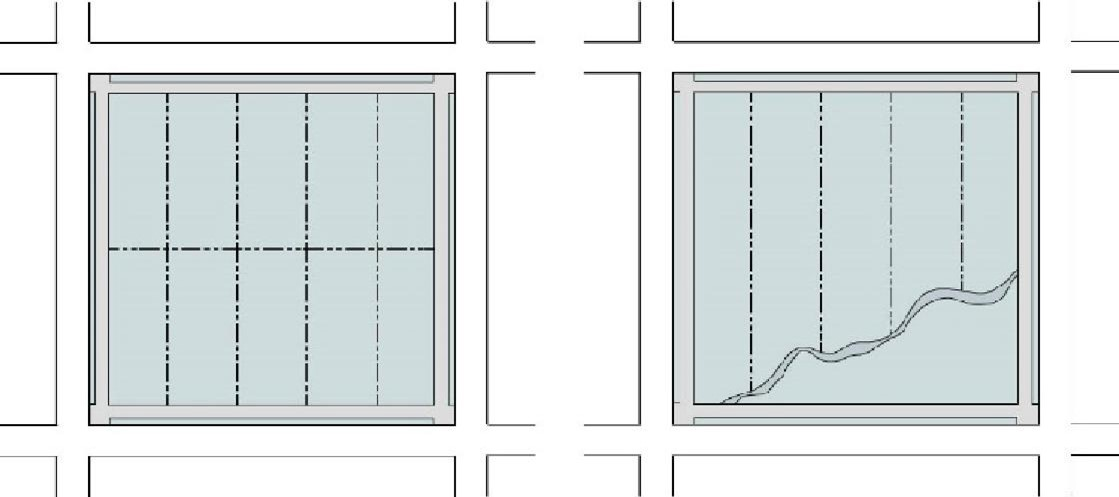
Blocks. Sites greater than four (4) acres in size must incorporate existing or new streets that terminate at other existing or new streets to form an interconnected network with the maximum block perimeter lengths that follow:
1.
In addition to the block standards above, blocks containing exclusively "For Sale" detached dwellings must be wide enough to provide two (2) tiers of lots, except where fronting on arterial streets prevented by topographical conditions or size of the property, in which case the director may require and/or approve a single tier of lots.
2.
Other than stub-out streets, dead-end streets are not allowed unless an administrative variance is granted for topographic hardship.
3.
Block measurement.
a.
A block is bounded by a public or private right-of-way (not including an alley). All public or private rights-of-way proposed as part of a development must be improved with a street.
b.
Block perimeter is measured along the edge of the property abutting the public or private right-of-way, except for the measurement of dead-end streets, which are measured from intersecting centerlines.
c.
The director may modify the block perimeter requirements when steep slopes in excess of twenty-five (25) percent, preexisting development, tree protection areas, stream buffers, cemeteries, open space, or easements would make the provision of a complete block infeasible.
d.
Where the block pattern is interrupted by public parkland, including greenways, that is open and accessible to the public, pedestrian access points must be provided with a minimum spacing equal to half of the maximum block perimeter.
C.
Access.
1.
General. When land is subdivided or otherwise developed, parcels and buildings must be arranged and designed so as to allow for the opening of future streets and must provide access to those areas not presently served by streets. No development may be designed to completely eliminate street access to abutting parcels without current street access.
2.
Stub-out streets.
a.
Stub-out required.
1)
Where a development abuts unsubdivided land, stub-out streets within the new development must be installed to the meet the block standards of Section 17.120.80.(B).
2)
The stub-out street right-of-way, pavement, and curbing must extend to the boundary of the abutting parcel to the point where the connection to the anticipated street is expected.
3)
Where a stub-out street is provided, a sign noting the future street extension must be posted at the applicant's expense.
b.
Connecting to an existing stub-out street. If a stub-out street exists on an abutting parcel, the street system of any new development must connect to the stub-out street to form a through street.
c.
Exception. The director may eliminate the requirement for a stub-out street or require pedestrian and bicycle only access when steep slopes in excess of twenty-five (25) percent, freeways, waterways, tree conservation areas, stream buffers, cemeteries, open space or easements would make the provision of a stub-out street infeasible.
E.
Vehicle cross-access. All lots in districts allowing commercial uses, attached "For-Sale" dwellings, or "For-Rent" dwellings, and all lots where the adopted comprehensive plan land use classification would allow for rezoning to such district, that abut another lot in a district or land use classification allowing either commercial uses, attached "For-Sale" dwellings, or "For-Rent" dwellings must comply with the following standards.
1.
Internal vehicular circulation areas must be designed and installed to allow for cross-access between abutting lots.
2.
Vehicle cross-access may not be gated.
3.
When an abutting lot is vacant or already developed, a stub for a future crossaccess connection must be provided at the point where the connection to the abutting parcel is expected to occur in the future.
4.
If a cross-access driveway stub exists on an abutting parcel, the internal vehicular circulation area must connect to the stub to form a cross-access connection.
5.
When cross-access for vehicles is deemed impractical by the director on the basis of topography, the presence of natural features, or vehicular safety factors, the requirement for cross access may be waived. Bicycle and pedestrian connections must be provided between abutting properties when cross-access is waived.
6.
Property owners who establish cross-access easements must:
a.
Allow pedestrian and vehicular access to all properties on the same block face as the property owner establishing the cross-access. Pedestrian and vehicular access is contingent upon the granting of reciprocal vehicular, bicycle, and pedestrian access rights to the granting property.
b.
Record an easement allowing cross-access to and from properties served by the cross-access easement.
c.
Record a joint maintenance agreement requiring each property owner to maintain the vehicular, bicycle, and pedestrian access areas on their lot.
d.
Contain a provision prohibiting the erection of fences, walls and other obstructions that prevent the use of vehicular, bicycle, and pedestrian access ways.
e.
Include a statement that the cross-access agreement is conveyed with the land, is binding on all successors, heirs and assigns and that the easement rights are perpetual.
f.
The cross-access agreement must be signed by all of owners of the granting property.
(Ord. No. 25-01-02, § 1, 1-2-2025)
17.120.080 - Open space and natural resource areas.
A.
Open space management. The following open space management plan shall be adopted as the basis for the protection, management, and development of open space lands, regional preserves, or natural resource areas presently owned or acquired by the city in the future.
B.
The lands categorized below shall be officially designated and posted accordingly:
1.
Open space and local parks.
a.
Alexander Park;
b.
Alexander Park West;
c.
Avalon Park;
d.
Big Springs Park;
e.
Community Garden;
f.
Richard Craig Park;
g.
Geranium Park;
h.
Hope Park;
i.
Jonesboro Road Park; and
j.
Rufus Stewart Park.
C.
Future purchases, easements, leases or dedications of lands meeting open space, local parks, regional parks, or natural area criteria be designated appropriately and posted as such immediately upon acquisition.
D.
The community development department shall be responsible for coordinating the development of individual programs comprising the comprehensive open space management plan and insuring their review by the appropriate departments and review bodies.
(Ord. No. 25-01-02, § 1, 1-2-2025)
17.120.081 - Open space standards.
A.
Intent. Open space standards are intended to provide a balance between the built and natural environments in order to provide open space that can help relieve pressures from urban areas. Open spaces are also meant to maintain the vital, geological, and cultural links of the greater McDonough Area.
B.
Applicability. This plan differentiates residential, mixed-use, and nonresidential developments.
C.
Detached open space standards.
1.
Intent: Detached open space is required to help provide relief from density to balance the urban environment of the future. In addition, detached open space is intended to help preserve the integrity and fabric of this unique natural and cultural area.
2.
Residential or mixed-use development: Following the intent of the city zoning code for all residential or mixed-use development, thirty (30) percent of the proposed development site. This regulation and density threshold for each zone have been analyzed and calibrated to achieve a target open space acreage that can balance the density/intensity of proposed development as well as help to protect sensitive lands within the plan area.
3.
Nonresidential development: Following the intent to preserve open space in developing urban areas per city zoning code, for all exclusively nonresidential developments, a minimum of twenty (20) percent of the development site shall be open space. This regulation has been analyzed and calibrated to achieve a target open space acreage that can balance the density/intensity of proposed development as well as help to preserve nature and open space.
D.
Usable open space standards.
1.
All nonresidential developments in the city shall provide a minimum of twenty (20) percent of their site acreage as usable open space on-site with the following exception:
a.
Usable open space is not required for mixed-use or nonresidential properties if located within one thousand five hundred (1,500) feet of a park, plaza or other usable open space that is two (2) acres or greater in size and accessible to the public.
2.
Up to sixty (60) percent of the required twenty (20) percent of usable open space may be transferred across property lines and/or pooled to create larger open space areas within the City of McDonough. (See Section 17.120.091(C), detached open space standards.) In this event, the development and open space improvements shall be constructed concurrently.
3.
When phasing of a site development plan is involved, each phase must meet the twenty (20) percent usable open space requirement. Subsequent phases shall not be built until the preceding phase's usable open space has been built and/or landscaped. Under no circumstances shall the applicant be allowed to defer providing and developing the required open space for each phase.
E.
Required amenities for usable open space by project size.
1.
Projects < 2 acres: Two (2) amenities required (residential). Projects less than two (2) acres in size may incorporate any combination of open space elements to satisfy the twenty (20) percent usable open space requirement. (See Table 1.)
2.
Projects 2—5 acres: Three (3) amenities Required.
a.
Residential: Projects 2—5 acres in size that are exclusively residential development shall incorporate a recreational area or playground with a minimum of two thousand four hundred (2,400) square feet in size as part or all of their required amenities for usable open space. The amenities can also count toward an optional height bonus. (Table 1 for private open space standards.)
b.
Nonresidential or mixed use: Projects 2—5 acres in size that are nonresidential or mixed-use shall incorporate a publicly accessible plaza/patio/courtyard, amphitheater, or roof garden at least one thousand five hundred (1,500) square feet in size. (See Table 1 for private open space standards.)
3.
Projects greater than five (5) acres: Three (3) Amenities plus one (1) amenity for every additional ten (10) acres and an additional story above three (3) stories in MR-75 or MU.
As part or all of their required usable open space, projects greater than five (5) acres shall incorporate a publicly accessible plaza/square/patio/courtyard, or amphitheater a minimum of ten thousand (10,000) square feet in size. (Table 1 for private open space standards.)
4.
A minimum of forty (40) percent of the required on-site usable open space shall be permeable to rainwater. This requirement may be met through landscape area, permeable paving, unpaved pedestrian walkways, etc. This area may be broken up on the site but shall remain accessible and intended for public use.
5.
Any developed usable open space (i.e. plaza, amphitheater, playground, etc.) shall include a landscaped portion equal to a minimum of forty (40) percent of the on-site usable open space. A minimum of sixty (60) percent of all developed open space shall be shaded from the summer sun with trees and/or permanent or temporary shade structures.
6.
All living material (i.e., plants, trees, etc.) shall be irrigated and chosen from the native plant list which is maintained on the community development webpage.
7.
Planting strips required as part of the streetscape standards shall not count toward the on-site open space requirement.
8.
All open space amenities shall be privately owned and the responsibility of property owners/developers for the cost of construction, ongoing maintenance, and liability. These costs may be privately funded through homeowner or merchants' associations. To be dedicated to the city for ongoing maintenance and liability responsibility, they must meet city standards and be acceptable to and accepted by the mayor and city council.
9.
Any open space amenity as provided according to the criteria in Table 1 shall be counted toward the twenty (20) percent usable open space requirement. Table 1 identifies whether each amenity is eligible for access by the public (i.e., civic open space), private only, or both.
10.
For all nonresidential or mixed-use projects, usable open space on-site shall be open and accessible to the general public, with the exception of balconies, porches, courtyards, roof decks, and community gardens.
a.
Private open space accessible by the public and intended for public use is defined by this plan as civic open space. Such open space is privately owned, controlled, maintained, and managed. The property owner retains all property rights and responsibilities, including the rights to limit the hours of accessibility and enforce rules of conduct, dress, etiquette, etc.
b.
All open space areas shall connect to public pedestrian walkways. If not easily identifiable from the abutting walkway, as determined by the director, signage must be provided to direct the public.
c.
A public access easement shall be granted to provide public access to private open space amenities.
d.
Private open space amenities accessible to the public shall be marked with a sign with contact information for the party responsible for maintenance and liability. [This code for sign standards.]
11.
Cultural sites that are preserved shall count double their square footage toward the usable open space requirements.
a.
No historic structure, cultural resource, or a tree with a DPI over thirty (30) inches shall be moved, altered, or defaced without approval of the mayor and city council.
b.
All other archaeological sites shall be protected or mitigated by the city zoning code. Site treatment shall include preservation, avoidance, testing, or documentation of surface and/or subsurface remains and/or artifacts.
c.
All historic structures, cultural resource and areas of significant natural beauty shall be protected by the city zoning code.
d.
Development, trails, and recreation areas shall be set back at least fifty (50) feet from or other sites with high archaeological, cultural or natural resource value as identified by director. This setback may be counted as usable open space.
12.
No more than fifty (50) percent of required open space may consist of floodplain, wetlands, steep slopes, streams and buffers.
(Ord. No. 25-01-02, § 1, 1-2-2025)
17.120.082 - Open space amendities.
(Ord. No. 25-01-02, § 1, 1-2-2025)

