
Newark City Zoning Code
DIVISION II
BASE AND OVERLAY DISTRICTS
17.07.010 - Purpose and applicability.
The specific purposes of residential districts are to:
A.
Provide for a full range of housing types consistent with the general plan;
B.
Preserve, protect and enhance the character of the city's different residential neighborhoods and the quality of life of city residents;
C.
Ensure adequate light, air, privacy, and open space for each dwelling;
D.
Ensure that the scale and design of new development and alterations to existing structures are compatible with surrounding homes and appropriate to the physical characteristics of the site and the area where the project is proposed; and
E.
Provide sites for public and semi-public land uses such as parks, schools, day care, and other community uses that will serve city residents and will complement surrounding residential development.
Additional purposes of each residential district are as follows:
RS residential single family. This district is intended for residential densities up to 8.7 units per net acre. It provides for single-family residential developments on lots typically larger than five thousand square feet. In addition to single-family homes, this district provides for other compatible uses, such as schools, childcare centers, parks, and community facilities that may be appropriate in a single-family residential neighborhood. This district implements the low density residential general plan land use designation.
RL residential low density. This district is intended for residential densities up to fifteen units per net acre. Densities at the higher end of this range are only allowed on properties which have their primary access on an arterial or collector street and which are found to be compatible with the character and intensity of residential development in the area. This district provides for small lot single family homes, zero lot line and patio homes, mobile home parks, and other areas characterized by a mix of older single-family homes and small multi-unit buildings. These areas have the basic characteristics of single-family neighborhoods. In addition, this district provides for other compatible uses, such as schools, childcare centers, parks, and community facilities that may be appropriate in a low density residential neighborhood. This district implements the low-medium density residential general plan land use designation.
RM residential medium density. This district is intended for residential densities from fourteen to thirty units per net acre. Densities at the higher end of this range are only allowed on properties which have their primary access on an arterial or collector street and which are found to be compatible with the character and intensity of residential development in the area. This district provides for garden apartments and condominiums, townhomes, row houses, four- to eight-plexes, and older areas that contain a mix of multi-family and single-family homes within this range. These areas tend to be multi-family in character but retain some of the characteristics of suburban neighborhoods. In addition, this district provides for other compatible uses, such as schools, childcare centers, parks, and community facilities that may be appropriate in a medium density residential neighborhood. This district implements the medium density residential general plan land use designation.
RH residential high density. This district is intended for residential densities from twenty-five to sixty units per net acre. It provides for apartment and condominium complexes that are generally three stories or more. On larger parcels with this designation, common open space and other shared amenities are typically provided. In addition, this district provides for other compatible uses, such as schools, childcare centers, parks, and community facilities that may be appropriate in a high density residential neighborhood. This district implements the high density residential general plan land use designation.
(Ord. No. 503, § 1(Exh. A), 1-25-2018)
17.07.020 - Land use regulations.
Table 17.07.020, Land Use Regulations-Residential Districts, prescribes the land use regulations for residential districts. Use classifications are defined in Chapter 17.45, Use Classifications. In cases where a specific land use or activity is not defined, the director shall assign the land use or activity to a classification that is substantially similar in character. Use classifications and subclassifications not listed in the table or not found to be substantially similar to the uses below are prohibited. Section numbers in the right hand column refer to other sections of this title.
(Ord. No. 503, § 1(Exh. A), 1-25-2018; Ord. No. 505, § 3(Exh. A), 7-12-2018; Ord. No. 516, § 4(Exh. A), 9-26-2019)
17.07.030 - Development standards.
Table 17.07.030, Development Standards-Residential Districts, prescribes the development standards for residential districts. Additional regulations are denoted in the right hand column. Section numbers in this column refer to other sections of this title.
A.
Additional Density, RL and RM Districts. Up to fifteen units/net acre in the RL district and up to thirty units/net acre in the RM district are allowed on properties which have their primary access on an arterial or collector street and which are found to be compatible with the character and intensity of residential development in the immediate area subject to conditional use permit approval.
B.
Attached Single-Unit Dwellings. Required setbacks apply to the ends of rows of attached single-unit dwellings.
C.
Heights over thirty-five feet in the RM and RH Districts shall require a minor use permit, except within the Old Town Specific Plan area where building height up to the limit stated in Table 17.07.030 is permitted by right.
D.
Minimum density of twenty du/ac in the Old Town Specific Plan area applies to lot sizes at or greater than seven thousand five hundred square feet. Properties within this district and specific plan area are not considered nonconforming based on existing residential density that is less than the base density.
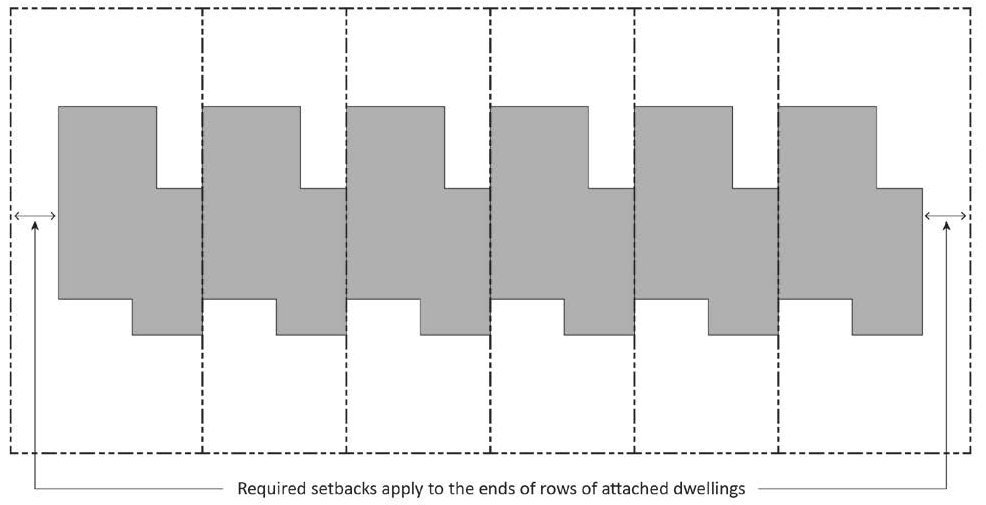
FIGURE 17.07.030.B: ATTACHED SINGLE-UNIT DWELLINGS
D.
Open Space. Open space, unoccupied by main or accessory structures and open and unobstructed to the sky, shall be provided in accordance with the following standards:
1.
Single-Unit and Two-Unit Development. Required usable open space may consist of a single area or several adjacent or separate areas.
a.
Minimum Dimensions. Minimum dimension of fifteen feet.
b.
Location.
i.
Must be provided on the site at ground level.
ii.
Required open space shall not be located in a required front or street side setback.
iii.
No portion of required open space shall be used for driveways of off-street parking facilities.
2.
Multi-Unit Development. Required usable open space may consist of a single area or several adjacent or separate areas. All occupants shall have access to and use of one or more of such areas.
a.
Type of Open Space. A minimum fifty percent of the required open space shall be provided as common open space. The rest of the required open space shall be provided as private open space.
i.
Private areas typically consist of balconies, decks, patios, fenced yards, and other similar areas outside the residence.
ii.
Common areas typically consist of landscaped areas, patios, swimming pools, barbeque areas, tennis courts, playgrounds, turf, or other such improvements as are appropriate to enhance the outdoor environment of the development.
b.
Minimum Dimensions.
i.
Private Open Space. Private open space located on the ground level (e.g., yards, decks, patios) shall have no dimension less than ten feet. Private open space located above ground level (e.g., balconies) shall have no dimension less than six feet.
ii.
Common Open Space. Minimum dimension of twenty feet.
c.
Usability. A surface shall be provided that allows convenient use for outdoor living and/or recreation. Such surface may be any practicable combination of lawn, garden, flagstone, wood planking, concrete, decking, or other serviceable, dust-free surfacing. Slope shall not exceed ten percent.
d.
Location.
i.
Required open space shall not be located in a required front or street side setback.
ii.
No portion of required open space shall be used for driveways of off-street parking and loading facilities or as access to more than one dwelling unit.
iii.
Open space may be located on the roof of buildings or required off-street parking facilities.
e.
Accessibility.
i.
Private Open Space. The space shall be accessible to only one living unit by a doorway to a habitable room or hallway.
ii.
Common Open Space. The space shall be accessible to the living units on the lot. It shall be served by any stairway or other access way qualifying as an egress facility from a habitable room.
f.
Screening. Required private open space shall be screened by a solid fence or visually solid fence not less than six feet in height when located at ground level and by a solid railing or visually solid railing not less than forty-two inches in height when located on a balcony or balconies.
(Ord. No. 503, § 1(Exh. A), 1-25-2018; Ord. No. 505, § 3(Exh. A), 7-12-2018; Ord. No. 516, § 4(Exh. A), 9-26-2019; Ord. No. 532, § 4(Exh. B), 10-14-2021)
17.07.040 - Supplemental regulations.
A.
Paving. The maximum amount of paving in street-facing yards is fifty percent of the required yard.
B.
Parking of Commercial Vehicles Prohibited. No commercial vehicle in excess of ten thousand pounds manufacturer's gross vehicle weight rating shall be parked or stored on any lot in a residential district. This section shall not prohibit temporary parking of any such vehicle while making pickups or deliveries or providing services for the residents of the lot on which the vehicle is parked.
C.
Vehicle and Equipment Repairs or Fabrication. Repair, fabrication or other work on automobile or vehicle or equipment on residential premises shall be subject to the following conditions and restrictions:
1.
Such work shall be limited to those vehicles or equipment which may be stored within a private garage upon residential premises.
2.
Such work shall be done only upon such vehicles or equipment which are owned by an occupant of the residential premises.
3.
Such work shall be done only between the hours of 8:00 a.m. and 8:00 p.m.
4.
Such work shall not be done in a public right-of-way.
5.
Storage of parts for such vehicles or equipment on the premises shall be limited to those parts reasonably necessary for the repair of the occupant's vehicle or equipment.
6.
Such work shall be limited to minor repair and service on noncommercial vehicles to include such things as battery replacement, tire repair, brake servicing, changing of small parts, oil changes and lubrication, engine tune-up and similar routine maintenance and preventative maintenance work.
D.
Single Unit Attached and Multi-Unit Development. All attached single unit and multi-unit development shall meet the following development standards. Exceptions may be granted through design review to accommodate alternative design solutions.
1.
Building Entrances.
a.
Orientation. All units located along public rights-of-way must have the primary entrance facing this right-of-way. Exceptions to this requirement may be approved for projects where multi-unit housing is located on four-lane streets carrying high traffic volumes and/or streets that do not allow on-street parking. In such cases, the project may be oriented around courtyards.
b.
Projection or Recess. Building entrances must have a roofed projection (such as a porch) or recess with a minimum depth of at least five feet and a minimum horizontal area of thirty square feet. Exceptions to this requirement may be approved for alternative designs that create a welcoming entry feature facing the street, such as trellis or landscaped courtyard entry.
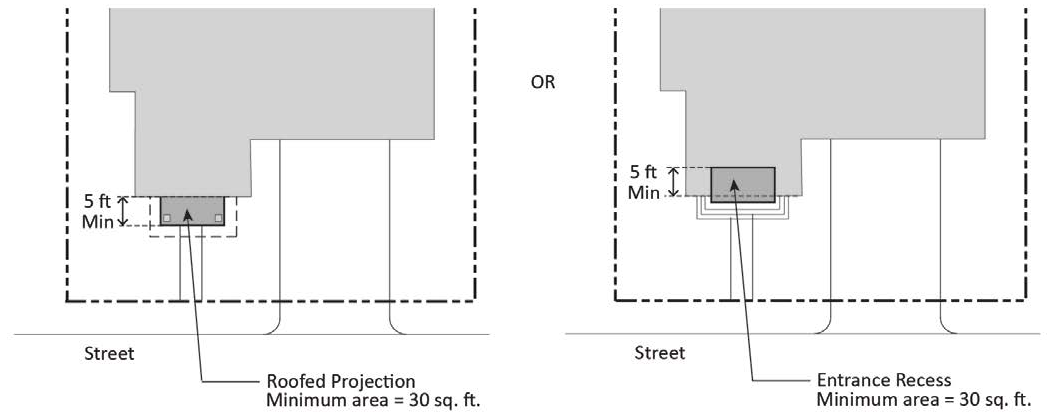
FIGURE 17.07.040.D.1.B: PROJECTION OR RECESS
c.
Dwelling Unit Access. Exterior entrances to units shall be in a form of individual or shared entrances at the ground floor of the building. Unit entrances above the ground floor are also permitted; however, no exterior access corridor located above the ground floor may provide access to five or more units.
2.
Building Design. Buildings shall include adequate design features to create visual variety and avoid a large-scale and bulky appearance.
a.
Roof Line. The roof line at each elevation shall demonstrate an offset of at least eighteen inches for each one to three units exposed on that elevation. Large, continuous roof planes are prohibited.
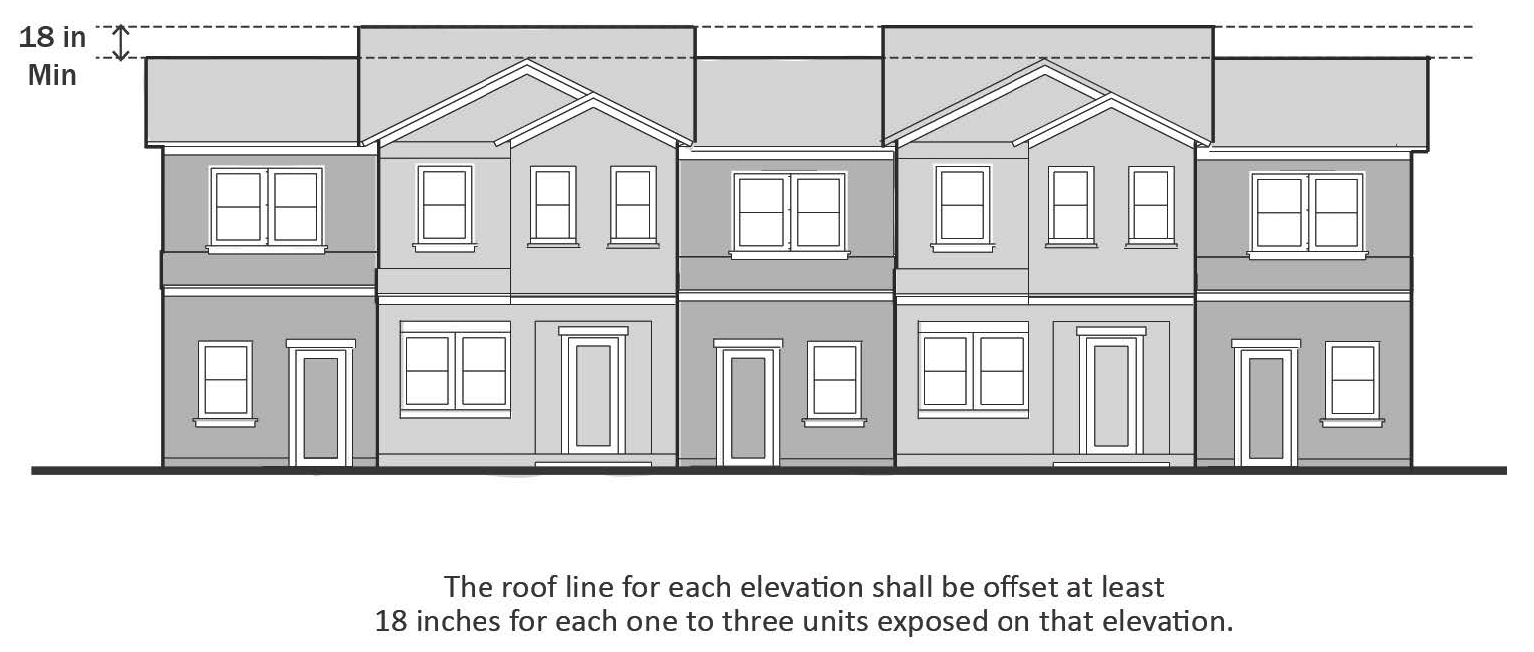
FIGURE 17.04.040.D.2.A: ROOF LINE
b.
Window Trim or Recess. Trim at least one-half inch in depth shall be provided around all windows, or window must be recessed at least two inches from the plane of the surrounding exterior wall.
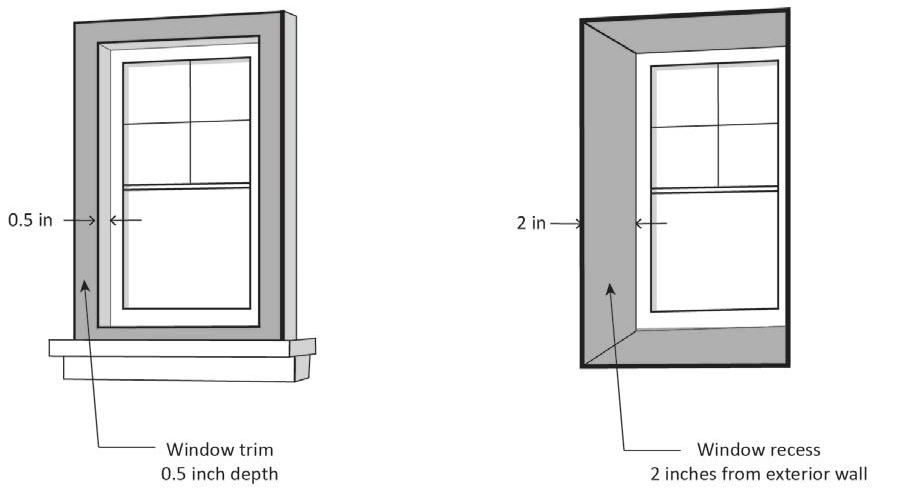
FIGURE 17.07.040.D.2.B: WINDOW TRIM OR RECESS
c.
Façade Articulation. All street-facing façades shall have at least one horizontal or vertical projection or recess at least two feet in depth, or two projections or recesses at least two and one-half feet in depth, for every twenty-five horizontal feet of wall. If located on a building with two or more stories, the articulated elements must be greater than one story in height, and may be grouped rather than evenly spaced in twenty-five-foot modules. Building entrances and front porches and projections into required yards such as stoops, bays, overhangs, fireplaces, and trellises may count towards meeting this requirement.
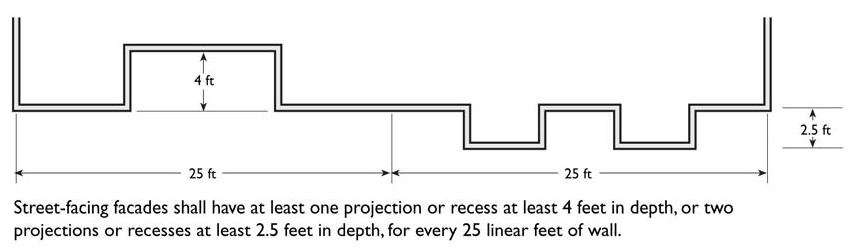
FIGURE 17.07.040.D.2.C: FACADE ARTICULATION
d.
Façade Detailing and Materials. All visible building facades shall incorporate details, such as window and door trim, window recesses, cornices, changes in materials or other design elements, in an integrated composition. Each side of a building that is visible from a public right-of-way shall be designed with a complementary level of detailing and quality of materials.
e.
Building Colors. Every building shall have at least two complementary colors.
f.
Building Materials. All materials shall be high quality to allow for long-term durability and appearance.
g.
Transition Areas. Where new multi-unit development is built adjacent to existing lower-scaled residential development, the facade facing the existing lower-scaled residential development shall be designed to provide architectural relief and interest, while also respecting the scale of adjacent neighbors.
i.
Full-Height Recesses. Full-height recesses, a minimum of five feet deep, shall be provided along the facade to break the building into smaller discrete masses.
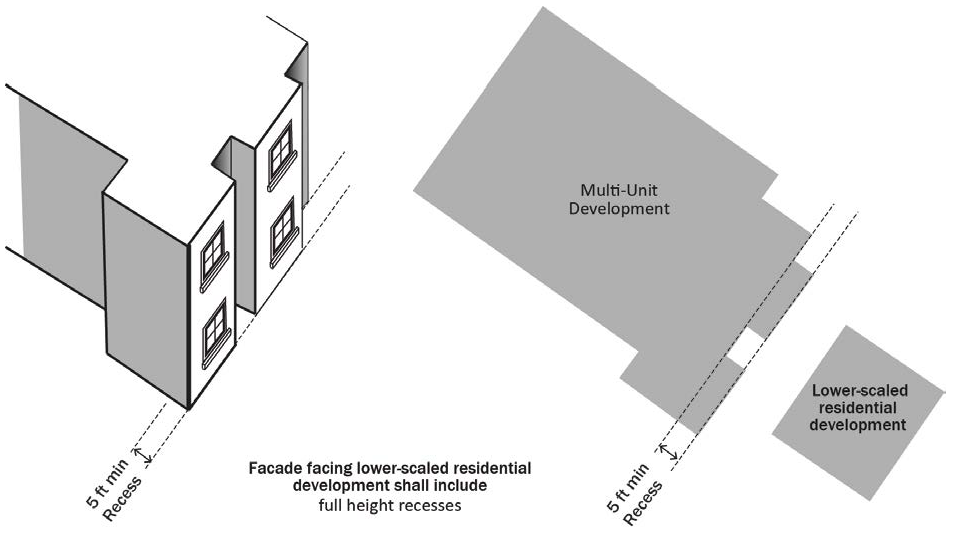
FIGURE 17.07.040.D.2.G.I: FULL-HEIGHT RECESSES
ii.
Window and Balcony Placement. Offset windows to avoid direct sight lines into and from neighboring properties. Position balconies and other private open space so they minimize views into neighboring properties.
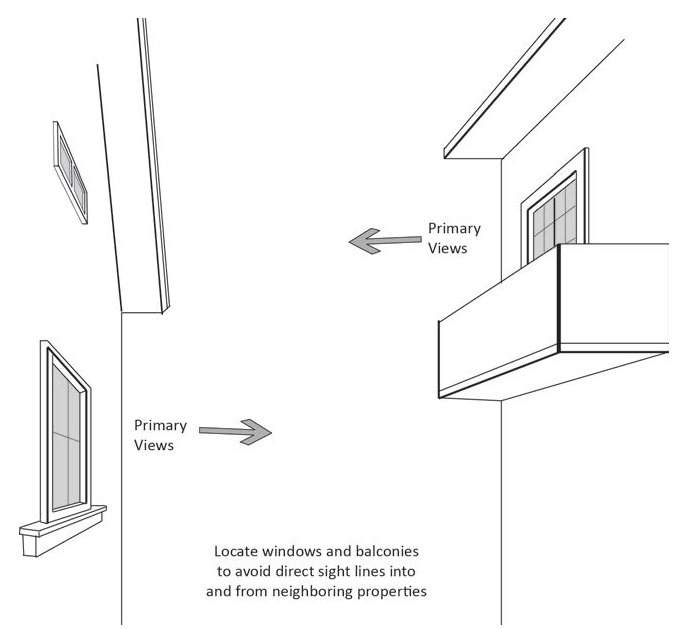
FIGURE 17.07.040.D.2.G.II: WINDOW AND BALCONY PLACEMENT
3.
Garage Frontage. Limit the appearance of attached garages. Garage width shall not exceed fifty percent of the linear street-facing elevation of any multi-unit development.
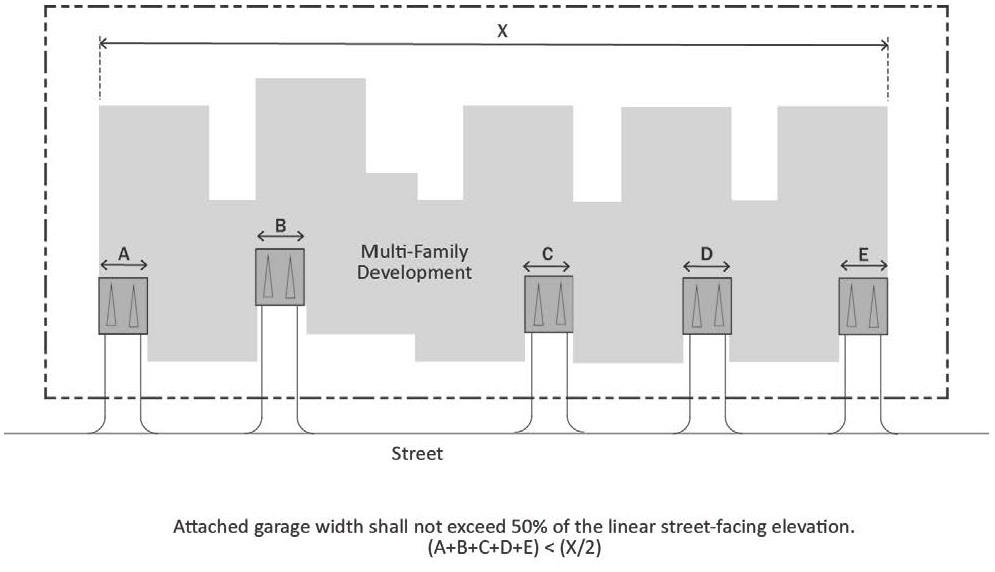
FIGURE 17.07.040.D.3: GARAGE FRONTAGE
a.
Attached garages located on the unit frontage should be recessed behind the front elevation wall plane.
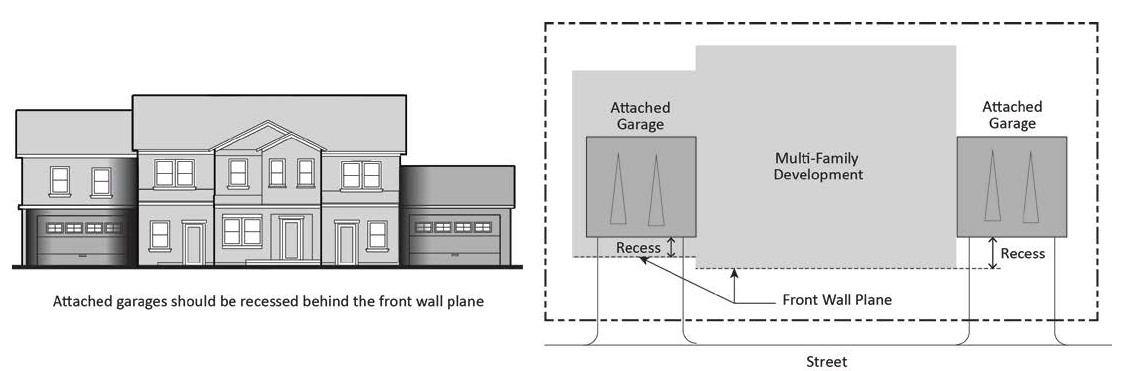
FIGURE 17.07.040.3.A: ATTACHED GARAGES
b.
Garage placement should minimize paved area and maximize usable open space areas on the site.
4.
Parking Area Limitation. Uncovered parking areas shall not exceed twenty percent of the total site area unless a greater area is approved through design review.
5.
Pedestrian Access. On-site pedestrian circulation and access shall be provided according to the following standards.
a.
Internal Connections. A system of pedestrian walkways shall connect all buildings on a site to each other, to on-site automobile and bicycle parking areas, and to any on-site open space areas or pedestrian amenities.
b.
To Circulation Network. Regular connections between on-site walkways and the public sidewalk and other planned or existing pedestrian routes shall be provided. An on-site walkway shall connect the primary building entry or entries to a public sidewalk on each street frontage.
c.
To Neighbors. Direct and convenient access shall be provided to adjoining residential and commercial areas to the maximum extent feasible while still providing for safety and security.
d.
To Transit. Safe and convenient pedestrian connections shall be provided from transit stops to building entrances.
e.
Pedestrian Walkway Design.
i.
Walkways shall be a minimum of four feet wide, shall be hard-surfaced, and paved with concrete, stone, tile, brick, or comparable material.
ii.
Where a required walkway crosses parking areas or loading areas, it must be clearly identifiable through the use of a raised crosswalk, a different paving material, or similar method.
iii.
Where a required walkway is parallel and adjacent to an auto travel lane, it must be raised or separated from the auto travel lane by a raised curb at least four inches high, bollards, or other physical barrier.
E.
Single Family Residential Design Review Guidelines. The following projects are subject to single family residential design review process as adopted by the Planning Commission on April 24, 2007, or as amended:
1.
New single family residences.
2.
Second-story additions and exterior modifications to existing single-family residences.
3.
Additions and exterior modifications at the front (including street side yards for corner lots) of existing single-family residences.
(Ord. No. 503, § 1(Exh. A), 1-25-2018; Ord. No. 516, § 4(Exh. A), 9-26-2019)
17.08.010 - Purpose and applicability.
The specific purposes of the commercial and mixed use districts are to:
A.
Provide for the orderly, well-planned, and balanced development of commercial and mixed-use districts;
B.
Designate adequate land for a full range of local- and regional-serving retail and commercial services consistent with the general plan to maintain and strengthen the city's economic resources;
C.
Provide appropriately located areas for a range of commercial uses that provide for a variety of good and services for residents, employees, and visitors;
D.
Provide opportunities for a mix of complementary uses that may combine residential and non-residential uses or combine a variety of non-residential uses on the same site; and
E.
Promote pedestrian-oriented, mixed-use commercial centers at appropriate locations.
Additional purposes of each commercial and mixed use district are as follows:
NC neighborhood commercial. This district is intended to provide areas for smaller-scale neighborhood shopping centers which provide goods, services, and businesses to meet the day-to-day needs of surrounding residential neighborhoods. These areas should be developed and maintained to provide convenient, walkable shopping destinations for nearby residents. This district implements the neighborhood commercial general plan land use designation.
CMU commercial mixed use. This district is intended to support a combination of office, residential, and retail uses, with an emphasis on specialty commercial uses such as antique stores, boutiques, galleries, cafes, and restaurants. Development standards are intended to foster a walkable, pedestrian-oriented character that emphasizes a fine-grained building scale and streetscape. Structures that are entirely residential or entirely commercial are both permitted, but the optimal development form on larger sites includes housing located above ground level retail shops or services. This district implements the commercial mixed use general plan land use designation.
CR commercial retail. This district is intended to support a pedestrian-oriented retail environment that encourages pedestrian activity. This district provides a variety of uses including, but not limited to, grocery, personal service, neighborhood serving retail, and entertainment. Development standards are intended to foster a walkable, pedestrian-oriented character that emphasizes a fine-grained building scale and streetscape. Parcels may include multiple land uses as individual buildings or within each building. This district implements the community commercial general plan land use designation.
CC community commercial. This district provides locations for services and businesses which meet the comparison shopping needs of the city's residents and workers. Such centers may include supermarkets, home improvement stores, variety stores, pharmacies, restaurants, and similar uses which serve the community. Larger-scale commercial uses such as hotels and office buildings are acceptable. Community commercial areas are generally not appropriate for residential use, although housing may be considered as a component of planned developments within these areas in the event a shopping center is reused. This district implements the community commercial general plan land use designation.
RC regional commercial. This district is intended to support the large scale shopping facilities. It includes a broad array of goods and services, including department stores, retail shops, restaurants, entertainment facilities, and similar uses which draw patrons from throughout Newark and the surrounding region. Uses such as hotels and corporate office buildings are acceptable. Housing at densities greater than thirty units per acre may be included if such housing is a component of a planned development which is primarily oriented around regional retail uses. This district implements the regional commercial general plan land use designation.
(Ord. No. 503, § 1(Exh. A), 1-25-2018)
17.08.020 - Land use regulations.
Table 17.08.020, Land Use Regulations-Commercial and Mixed Use Districts, prescribes the land use regulations for commercial and mixed use districts. Use classifications are defined in Chapter 17.45, Use Classifications. In cases where a specific land use or activity is not defined, the director shall assign the land use or activity to a classification that is substantially similar in character. Use classifications and subclassifications not listed in the table or not found to be substantially similar to the uses below are prohibited. Section numbers in the right hand column refer to other sections of this title. Numbers in parentheses refer to specific limitations listed at the end of the table.
(Ord. No. 503, § 1(Exh. A), 1-25-2018; Ord. No. 505, § 3(Exh. A), 7-12-2018; Ord. No. 516, § 4(Exh. A), 9-26-2019; Ord. No. 532, § 4(Exh. B), 10-14-2021)
17.08.030 - Development standards.
Table 17.08.030, Development Standards-Commercial and Mixed Use Districts, prescribes the development standards for commercial and mixed use districts. Additional regulations are denoted in the right hand column. Section numbers in this column refer to other sections of this title.
Additional Development Standards.
A.
Reserved.
B.
Required Building Location, CMU District. The following building location requirements apply in the CMU district.
1.
Build-to Line. Buildings shall be located within ten feet of street-facing property lines for at least sixty percent of the linear street frontage.
2.
Corner Build Area. Buildings shall be located within ten feet of the property line within thirty feet of the street corner.
3.
Frontage Improvements. The area between buildings and the property line shall be improved as part of a wider sidewalk, outdoor dining/seating area, or with landscaping.
4.
Exceptions. These requirements may be modified or waived through design review upon finding that:
a.
Entry courtyards, plazas, entries, or outdoor eating areas are located adjacent to the property line and buildings are built to the edge of the courtyard, plaza, or dining area; or
b.
The building incorporates an alternative entrance design that creates a welcoming entry feature facing the street.
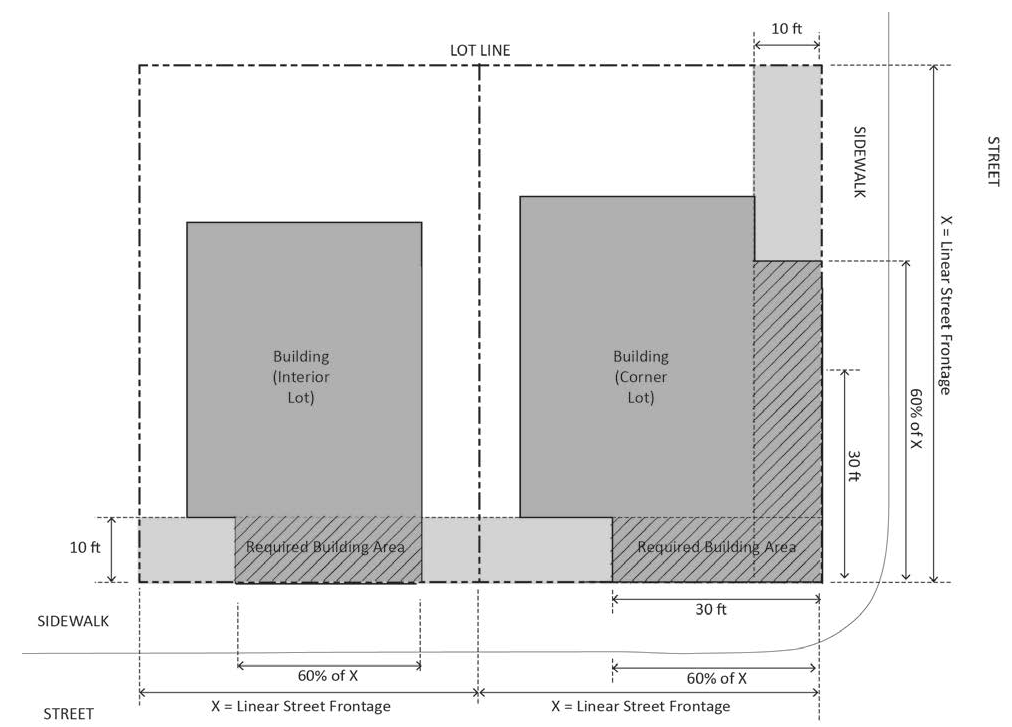
FIGURE 17.08.030.B: REQUIRED BUILDING LOCATION, CMU DISTRICT
C.
Open Space. Where required, open space, unoccupied by main or accessory structures and open and unobstructed to the sky, shall be provided in accordance with the following standards:
1.
Configuration. Required usable open space may consist of a single area or several adjacent or separate areas. All occupants shall have access to and use of one or more of such areas.
2.
Type of Open Space. Required open space shall be provided as private or common open space.
a.
Private areas typically consist of balconies, decks, patios, fenced yards, and other similar areas outside the residence.
b.
Common areas typically consist of landscaped areas, patios, swimming pools, barbeque areas, tennis courts, playgrounds, turf, or other such improvements as are appropriate to enhance the outdoor environment of the development.
3.
Minimum Dimensions.
a.
Private Open Space. Private open space located on the ground level (e.g., yards, decks, patios) shall have no dimension less than ten feet. Private open space located above ground level (e.g., balconies) shall have no dimension less than six feet.
b.
Common Open Space. Minimum dimension of twenty feet.
4.
Usability. A surface shall be provided that allows convenient use for outdoor living and/or recreation. Such surface may be any practicable combination of lawn, garden, flagstone, wood planking, concrete, decking, or other serviceable, dust-free surfacing. Slope shall not exceed ten percent.
5.
Location.
a.
Required open space shall not be located in a required front or street side setback.
b.
No portion of required open space shall be used for driveways of off-street parking and loading facilities or as access to more than one dwelling unit.
c.
Open space may be located on the roof of buildings or required off-street parking facilities.
6.
Accessibility.
a.
Private Open Space. The space shall be accessible to only one living unit by a doorway to a habitable room or hallway.
b.
Common Open Space. The space shall be accessible to the living units on the lot. It shall be served by any stairway or other access way qualifying as an egress facility from a habitable room.
7.
Screening. Required private open space shall be screened by a solid fence or visually solid fence not less than six feet in height when located at ground level and by a solid railing or visually solid railing not less than forty-two inches in height when located on a balcony or balconies.
(Ord. No. 503, § 1(Exh. A), 1-25-2018; Ord. No. 532, § 4(Exh. B), 10-14-2021)
17.08.040 - Supplemental regulations.
A.
Minimum Dimensions of Leasable Area. Each individual lease space shall have a minimum width of thirty feet and a minimum depth of sixty feet. Modifications to these requirements may be granted where the review authority finds that site constraints are such that meeting the minimum leasable space dimensions is infeasible and the proposed leasable spaces are adequate to accommodate quality retail establishments.
B.
Building Transparency/Required Openings. Exterior walls facing and within twenty feet of a front or street side lot line shall include windows, doors, or other openings for at least fifty percent of the building wall area located between two and one-half and seven feet above the level of the sidewalk. Such walls may run in a continuous plane for no more than thirty feet without an opening.
1.
Design of Required Openings. Openings fulfilling this requirement shall have transparent glazing and provide views into work areas, display areas, sales areas, lobbies, or similar active spaces, or into window displays that are at least three feet deep.
2.
Exceptions for Parking Garages. Multi-level garages are not required to meet the ground-floor transparency requirement.
3.
Reductions through Design Review. The building transparency requirement may be reduced or waived through design review upon finding that:
a.
The proposed use has unique operational characteristics with which providing the required windows and openings is incompatible, such as in the case of a cinema or theater; and
b.
Street-facing building walls will exhibit architectural relief and detail, and will be enhanced with landscaping in such a way as to create visual interest at the pedestrian level.
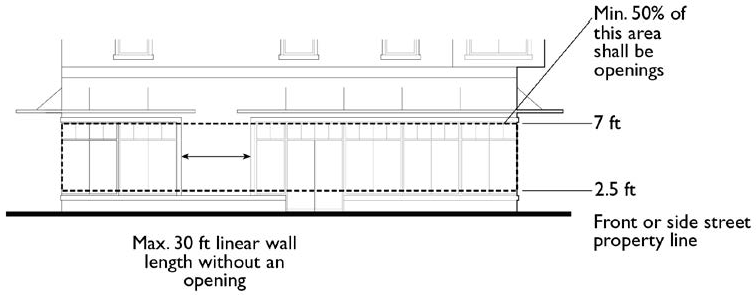
FIGURE 17.08.040.B: BUILDING TRANSPARENCY/REQUIRED OPENINGS
C.
Exterior Building Materials and Colors.
1.
A unified palette of quality materials shall be used on all sides of buildings.
2.
Exterior building materials shall be stone, brick, stucco, concrete block, painted wood clapboard, painted metal clapboard or other quality, durable materials approved through design review.
D.
Pedestrian Access. On-site pedestrian circulation and access shall be provided according to the following standards:
1.
Internal Connections. A system of pedestrian walkways shall connect all buildings on a site to each other, to on-site automobile and bicycle parking areas, and to any on-site open space areas or pedestrian amenities.
2.
To Circulation Network. Regular connections between on-site walkways and the public sidewalk shall be provided. An on-site walkway shall connect the primary building entry or entries to a public sidewalk on each street frontage. Such walkway shall be the shortest practical distance between the main entry and sidewalk, no more than one hundred twenty-five percent of the straight line distance.
3.
To Neighbors. Direct and convenient access shall be provided from commercial and mixed-use projects to adjoining residential and commercial areas to the maximum extent feasible while still providing for safety and security.
4.
To Transit. Safe and convenient pedestrian connections shall be provided from transit stops to building entrances. Sidewalk "bulb-outs" or bus "pull-outs" may be required at potential bus stops serving commercial centers (building floor area over twenty-five thousand square feet) to provide adequate waiting areas for transit users and safety for passing motorists.
5.
Interior Pedestrian Walkway Design.
a.
Walkways shall have a minimum clear unobstructed width of six feet, shall be hard-surfaced, and paved with permeable materials.
b.
Where a required walkway crosses driveways, parking areas, or loading areas, it must be clearly identifiable through the use of a raised crosswalk, a different paving material, or similar method.
c.
Where a required walkway is parallel and adjacent to an auto travel lane, it must be raised or separated from the auto travel lane by a raised curb at least four inches high, bollards, or other physical barrier.
E.
Limitations on Curb Cuts. Curb cuts shall be minimized and located in the location least likely to impede pedestrian circulation. Curb cuts shall be located at least twenty feet from an intersection curb return or pedestrian cross walk. New curb cuts shall not be permitted on Thornton Avenue, between the Union Pacific Railroad tracks and Olive Street, except in the case of interior lots or where sites are not accessible from any public right-of-way.
F.
Additional Supplemental Regulations, CMU District. The following additional supplemental regulations apply in the CMU district:
1.
Required ground floor commercial area shall be no less than fifteen percent of the gross lot area of the site.
2.
Building Articulation. Any building with a dimension over one hundred twenty-five feet wide shall be broken down to read as a series of buildings no wider than one hundred twenty-five feet each.
3.
Building Orientation.
a.
Buildings shall be oriented to face public streets.
b.
Building frontages shall be generally parallel to streets.
c.
Buildings shall be designed and oriented to minimize the visual intrusion into adjoining residential properties. Window, balcony and deck locations shall be directed away from window areas of adjoining residences (on-site or off-site).
4.
Building Entrances.
a.
The primary building entrance shall face a public sidewalk.
b.
Building entrances shall be emphasized with special architectural and landscape treatments.
c.
Entrances located at corners shall generally be located at a forty-five-degree angle to the corner and shall have a distinct architectural treatment to animate the intersection and facilitate pedestrian flow around the corner. Different treatments may include angled or rounded corners, arches, and other architectural elements.
d.
All building and dwelling units located in the interior of a site shall have entrances from a sidewalk that is designed as an extension of the public sidewalk and connect to a public sidewalk.
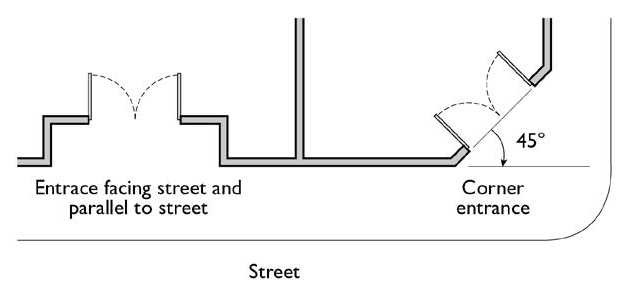
FIGURE 17.08.040.B.F.4: BUILDING ENTRANCES
5.
Limitations on Location of Parking. Off-street parking spaces shall be located to the rear of principal buildings whenever possible. Above ground parking may not be located within forty feet of a street facing property line. Exceptions may be granted through design review upon finding that:
a.
The design incorporates habitable space built close to the public sidewalk to the maximum extent feasible;
b.
The site is small and constrained such that underground parking or surface parking located more than forty feet from the street frontage is not feasible.
(Ord. No. 503, § 1(Exh. A), 1-25-2018; Ord. No. 532, § 4(Exh. B), 10-14-2021)
17.09.010 - Purpose and applicability.
The specific purposes of the employment districts are to:
A.
Designate adequate land for businesses, professional offices, and industrial growth consistent with the general plan to maintain and strengthen the city's economic resources;
B.
Provide a range of employment opportunities to meet the needs of current and future residents; and
C.
Provide areas for a wide range of manufacturing, industrial processing, and service commercial uses and protect areas where such uses now exist.
Additional purposes of each employment district are as follows:
PO professional office. This district reserves area for local-serving professional and administrative office uses such as finance, insurance, and real estate businesses, legal and other professional services, banks, personal services, business support activities, and dental and medical services. These uses may form a transition between retail and residential uses, or a buffer between arterial streets and residential areas. Residential uses are only permitted as a component of a planned development. This district implements the office commercial general plan land use designation.
BTP business and technology park. This district provides locations for advanced technology research and development, manufacturing, and related support facilities in large or campus-like environments with high quality building design, landscaping, and aesthetic amenities, including business parks, industrial parks, technology parks, and other master planned industrial subdivisions. Complementary uses which support the employee population, such as hotels, restaurants, office buildings, childcare facilities, and business services are allowed. This district implements the special industrial general plan land use designation.
LI limited industrial. This district is intended to meet the needs of a variety of light industrial and commercial service uses. It serves as a transition between heavier industrial activities and residential neighborhoods. Typical uses include light manufacturing, warehousing, auto repair, and general services. Limited office, recreation, assembly, and retail uses are allowed where appropriate in a light industrial setting. This district implements the limited industrial general plan land use designation.
GI general industrial. This district is intended to accommodate the broadest range of industrial uses. It includes industrial buildings and complexes, distribution, warehouses, manufacturing and assembly, and other uses that are often characterized by outdoor storage, noise, odors, hazardous materials handling, and heavy truck activity. Non-industrial uses such as retail stores, free-standing office buildings, and assembly uses are not allowed. This district implements the general industrial general plan land use designation.
(Ord. No. 503, § 1(Exh. A), 1-25-2018)
17.09.020 - Land use regulations.
Table 17.09.020, Land Use Regulations-Employment Districts, prescribes the land use regulations for employment districts. Use classifications are defined in Chapter 17.45, Use Classifications. In cases where a specific land use or activity is not defined, the director shall assign the land use or activity to a classification that is substantially similar in character. Use classifications and subclassifications not listed in the table or not found to be substantially similar to the uses below are prohibited. Section numbers in the right hand column refer to other sections of this title. Numbers in parentheses refer to specific limitations listed at the end of the table.
(Ord. No. 503, § 1(Exh. A), 1-25-2018)
17.09.030 - Development standards.
Table 17.09.030, Development Standards-Employment Districts, prescribes the development standards for employment districts. Additional regulations are denoted in the right hand column. Section numbers in this column refer to other sections of this title.
Additional Development Standards.
A.
BTP District: Setbacks for Loading Dock Areas. In the BTP district, loading docks shall be set back a minimum of one hundred fifty feet from an arterial street unless an alternative noise barrier wall is approved through design review.
B.
GI District: Maximum Height. In the GI district, maximum height is as follows:
1.
Within four hundred feet of a residential district boundary: One hundred feet.
2.
More than four hundred feet but less than six hundred feet from a residential district boundary: One hundred fifty feet.
3.
More than six hundred feet but less than one thousand feet from a residential district boundary: Two hundred feet.
4.
One thousand feet or more from a residential district boundary: Five hundred feet or as approved through a conditional use permit.
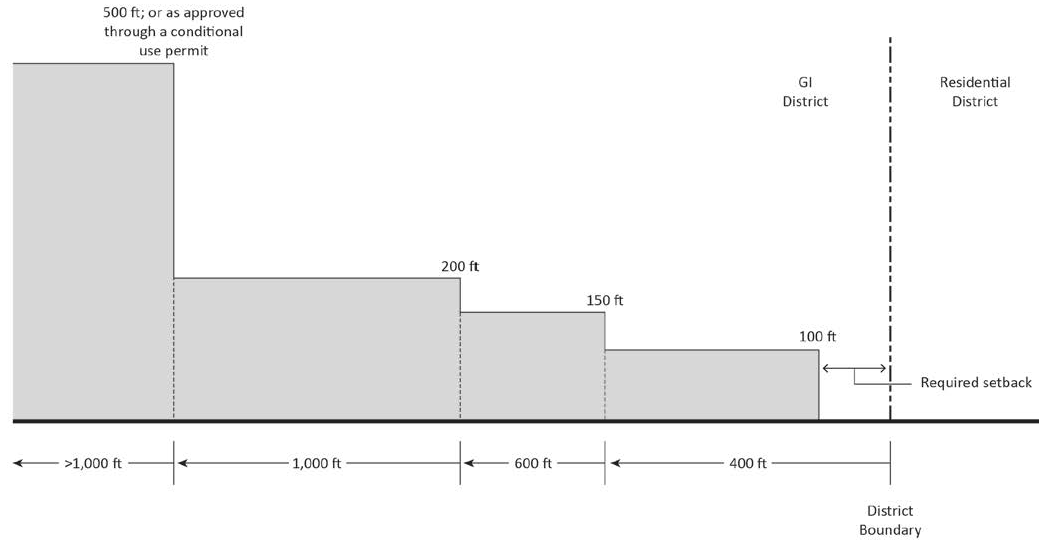
FIGURE 17.09.030.B: GI DISTRICT: MAXIMUM HEIGHT
(Ord. No. 503, § 1(Exh. A), 1-25-2018)
17.09.040 - Supplemental regulations.
A.
Hazards and Hazardous Materials.
1.
Occupancy Classification. Groups H-1 and H-2 occupancy, as defined in the building code, shall not exceed fifty percent of the total building floor area on any site.
2.
Hazardous Materials. The direct use of hazardous materials in fabrication shall not exceed thirty-five percent of the total building floor area on any site.
B.
Business, Technology, and Office Parks. Business, technology, and office parks containing eighty thousand square feet or more of floor area shall provide the following:
1.
Open space areas equal to ten percent of the site area that provide gathering space or opportunities for active or passive recreation. Open space areas shall include benches or other seating. Amenities shall be included that enhance the comfort, aesthetics, or usability of the space, including but not limited to trees and other landscaping, shade structures, drinking fountains, water features, or public art.
2.
Pedestrian walkways that connect all parts of the park, and connect to any existing or planned pedestrian facilities in adjacent neighborhoods.
3.
Stormwater detention facilities incorporated into the site landscaping as a visual amenity.
4.
A lighting, landscaping, and signage design concept for common areas.
C.
Additional Supplemental Regulations, PO District. The following additional supplemental regulations apply in the PO district:
1.
Building Transparency/Required Openings. Exterior walls facing and within twenty feet of a front or street side property line shall include windows, doors, or other openings for at least thirty percent of the building wall area located between two and one-half and seven feet above the level of the sidewalk. No wall may run in a continuous plane for more than thirty feet without an opening. Openings fulfilling this requirement shall have transparent glazing and provide views into work areas, sales areas, lobbies, or similar active spaces, or into window displays that are at least three feet deep.
a.
Reduction through Conditional Use Permit. The building transparency requirement may be reduced or waived through design review upon finding that:
i.
The proposed use has unique operational characteristics with which the provision of the required windows and openings is incompatible, such as in the case of a cinema, theater, or historic building; and
ii.
Street-facing building walls will exhibit architectural relief and detail, or will be screened with attractive landscaping, in such a way as to create visual interest at the pedestrian level.
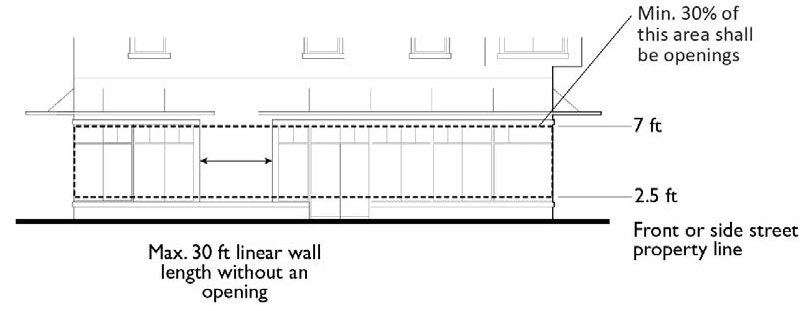
FIGURE 17.09.040.C.1: BUILDING TRANSPARENCY/REQUIRED OPENINGS, PO DISTRICT
2.
Parking Location. In the PO district, parking shall be located at the side or rear of buildings wherever possible.
D.
Additional Supplemental Regulations, BTP District. The following additional supplemental regulations apply in the BTP district:
1.
Building Construction. Buildings shall be of new construction, and modular offices, relocated or prefabricated metal wall buildings shall not be permitted, except for temporary construction office trailers pursuant to Section 17.26.260, Temporary Uses.
2.
Landscape Buffer. The following landscape buffers shall be provided unless the director finds a different landscape buffer requirement is adequate to provide an appropriate transition between the parking area or other use of the site and the right-of-way.
a.
Landscaped Setback between Parking Area and Right-of-Way. A landscaped setback at least ten feet wide shall be provided between the parking area and adjacent right-of-way. A minimum of one fifteen-gallon tree and two five-gallon shrubs shall be provided for every forty feet of the street frontage.
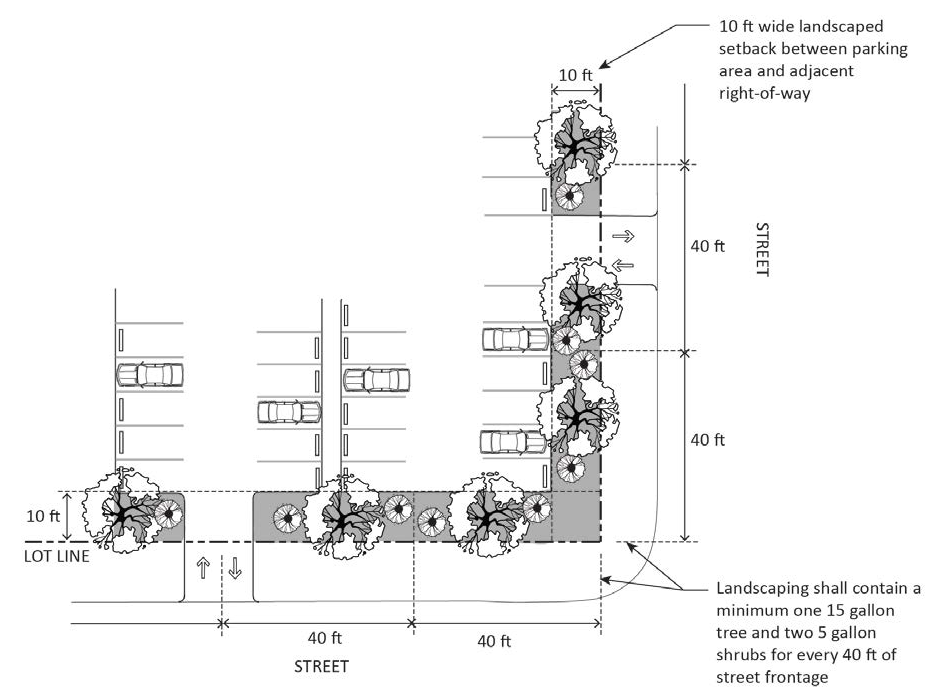
FIGURE 17.09.040.D.2.A: LANDSCAPED SETBACK BETWEEN PARKING AREA AND RIGHT-OF-WAY
b.
Landscape Buffer Adjacent to Wide Right-of-Way. The first fifty feet of any site depth contiguous to any existing or proposed right-of-way exceeding one hundred feet in width shall be landscaped and shall not be used for off-street parking and loading.
3.
Truck Docks, Loading, and Service Areas, BTP District. In the BTP district, truck docks, loading, and service areas shall be set back a minimum of one hundred fifty feet from an arterial.
4.
Public Art Plan. In the BTP district, a public art plan may be provided for city council review and approval to assure that the intent of Resolution No. 6582 "Resolution of the City Council of the City of Newark adopting a policy for providing art in public places and private development" is met. The plan shall provide for high quality architecture and for the provision of public art at locations that are of critical aesthetic concern to the city (i.e., gateways and major arterials).
E.
Additional Supplemental Regulations, LI and GI Districts. In the LI and GI Districts, a landscaped setback at least ten feet wide shall be provided between the parking area and adjacent right-of-way. A minimum of one fifteen-gallon tree and two five-gallon shrubs shall be provided for every forty feet of the street frontage.
(Ord. No. 503, § 1(Exh. A), 1-25-2018)
17.10.010 - Purpose and applicability.
The specific purposes of the public and semi-public districts are to:
A.
Provide land for development of public, quasi-public, recreation, and open space uses that provide services to the community and support existing and new residential, commercial, and industrial land uses;
B.
Provide areas for educational facilities, cultural and institutional uses, health services, parks and recreation, general government operations, utility and public service needs, transit facilities, and other similar and related supporting uses; and
C.
Provide opportunities for outdoor recreation, and meet the recreational needs of Newark residents.
Additional purposes of each public and semi-public district are as follows:
PF public facilities. This district is intended for public facilities, such as fire stations, city offices, libraries, corporation yards, pumping stations, transportation facilities, utilities, schools, institutional uses, and other public and quasi-public uses. The public facilities district implements the public-institutional general plan land use designation.
TS transit station. This district is intended for transit stations and associated parking areas.
PK Park. The PK park district is intended to identify areas for active recreation, including city parks and other areas that support recreational activities. Typical uses include playgrounds, picnic areas, sports fields, golf courses, recreational clubs, and other appropriate recreational uses. This district implements the parks and recreation facilities general plan land use designation.
OS Open Space. The OS open space district is intended for undeveloped park lands, wildlife habitat, and wetlands. Land within this District is typically owned by public agencies. A limited number of recreational improvements such as trails and interpretive nature centers are allowed, however the intent of this district is to facilitate the restoration and enhancement of native habitat. The open space district implements the conservation-open space general plan land use designation.
17.10.020 - Land use regulations.
Table 17.10.020, Land Use Regulations-Public and Semi-Public Districts, prescribes the land use regulations for public and semi-public districts. Use classifications are defined in Chapter 17.45, Use Classifications. In cases where a specific land use or activity is not defined, the director shall assign the land use or activity to a classification that is substantially similar in character. Use classifications and subclassifications not listed in the table or not found to be substantially similar to the uses below are prohibited. Section numbers in the right hand column refer to other sections of this title. Numbers in parentheses refer to specific limitations listed at the end of the table.
(Ord. No. 503, § 1(Exh. A), 1-25-2018; Ord. No. 505, § 3(Exh. A), 7-12-2018)
17.10.030 - Development standards.
Table 17.10.030, Development Standards-Public and Semi-Public Districts, prescribes the development standards for public and semi-public districts. Additional regulations are denoted in the right hand column. Section numbers in this column refer to other sections of this title.
(Ord. No. 503, § 1(Exh. A), 1-25-2018)
17.10.040 - Supplemental regulations.
Tree removal in PK and OS districts. Removal of trees of five inches or more in diameter at the base is prohibited except as approved by the park superintendent, with conditional use permit approval, or, in the case of public park or public wildlife sanctuary facilities other than those owned by the city, with the approval of authorized agents or officials of the public agency owning the facilities.
(Ord. No. 503, § 1(Exh. A), 1-25-2018)
17.11.010 - Purpose and applicability.
The specific purpose of the resource production district is to reserve areas suitable for natural resource production. Specifically, this district designates areas used for salt harvesting, refining and production, including man-made crystallizer beds used for salt crystallization, and related buildings, facilities, and operations for salt harvesting, stacking, sizing, packaging and/or distribution. This district implements the salt harvesting, refining, and production general plan land use designation.
(Ord. No. 503, § 1(Exh. A), 1-25-2018)
17.11.020 - Land use regulations.
Table 17.11.020, Land Use Regulations-Resource Production District, prescribes the land use regulations for the resource production district. Use classifications are defined in Chapter 17.45, Use Classifications. In cases where a specific land use or activity is not defined, the director shall assign the land use or activity to a classification that is substantially similar in character. Use classifications and subclassifications not listed in the table or not found to be substantially similar to the uses below are prohibited. Section numbers in the right hand column refer to other sections of this title.
(Ord. No. 503, § 1(Exh. A), 1-25-2018)
17.11.030 - Development standards.
Table 17.11.030, Development Standards-Resource Production Districts, prescribes the development standards for the resource production district. Additional regulations are denoted in a right hand column. Section numbers in this column refer to other sections of this title.
(Ord. No. 503, § 1(Exh. A), 1-25-2018)
17.12.010 - Purpose.
The purpose of this chapter is to establish a planned development (-PD) overlay district that provides for one or more properties to be developed under a plan that provides for better coordinated development and incorporates development standards crafted to respond to site conditions in order to:
A.
Provide for greater flexibility in the design of the developments than is otherwise possible through the strict application of zoning district regulations;
B.
Ensure compliance with the general plan and provide various types of land use which can be combined in compatible relationship with each other as a part of a totally planned development; and
C.
Promote creativity in building design and innovation in development concepts.
(Ord. No. 503, § 1(Exh. A), 1-25-2018)
17.12.020 - Zoning map designation.
A -PD overlay district shall be noted on the zoning map by the designation "-PD," followed by the number of the planned development or specific plan based on order of adoption.
(Ord. No. 503, § 1(Exh. A), 1-25-2018)
17.12.030 - Land use regulations.
No use other than an existing use is permitted in a -PD overlay district except in accord with a valid PD plan or specific plan.
A.
Any permitted or conditional use authorized by this title may be included in an approved PD plan or an adopted specific plan consistent with the general plan land use designation(s) for the property.
B.
In addition to permitted or conditional uses otherwise allowed in the CC, RC, and PO districts, residential uses may be allowed as part of a planned development. In the RC district, the minimum density of such housing is thirty units/net acre.
(Ord. No. 503, § 1(Exh. A), 1-25-2018)
17.12.040 - Development regulations.
A.
Minimum Area. The minimum area of a -PD overlay district shall be ten thousand square feet; however, the city council may approve a smaller area if it finds that a PD would provide greater benefits to the general welfare of Newark's residents and property owners than development under conventional zoning because of unique characteristics of the site or the proposed use.
B.
Residential Unit Density. Except where a density bonus is granted in compliance with Chapter 17.19, Density Bonus for Affordable Housing, the total number of dwelling units in a PD plan shall not exceed the maximum number permitted by the general plan density for the total area of the planned development designated for residential use, excluding areas devoted to public and private streets.
C.
Performance Standards. The performance standards prescribed by Chapter 17.24, Performance Standards, apply.
D.
Other Development Regulations. Other development regulations shall be as prescribed by the PD plan.
(Ord. No. 503, § 1(Exh. A), 1-25-2018)
17.12.050 - Procedures.
A.
Decision-Making Body. A -PD overlay district must be adopted by the city council. A public hearing before the planning commission is required prior to city council review; and the planning commission shall make a recommendation to the city council.
B.
Review Procedures.
1.
Zoning Amendment. An application for a -PD overlay district shall be processed as amendment to the zoning map, according to the procedures of Chapter 17.39, Amendments to Zoning Map and Text, and shall include a specific plan or PD plan.
2.
PD Plan. The PD plan shall be accepted and processed concurrently, in the same manner as a conditional use permit application, pursuant to Chapter 17.35, Use Permits, except the city council shall be the review authority.
3.
Tentative Subdivision Map. When a PD requires the submission of a tentative subdivision map, this map and all supporting documents shall be prepared and submitted concurrently with the application of the PD.
C.
Initiation. An application for a -PD overlay district shall be initiated by a property owner or authorized agent, planning commission, or the city council. If the property is not under a single ownership, all owners must join the application, and a map showing the extent of ownership shall be submitted with the application.
D.
Application Content. A qualified applicant shall submit an application for a zoning amendment on a form prescribed by the planning division accompanied by the required fee. The planning division may require an applicant to submit such additional information and supporting data as considered necessary to process the application.
(Ord. No. 503, § 1(Exh. A), 1-25-2018)
17.12.060 - Required findings.
A PD plan and zoning amendment shall only be approved if all of the following findings are made:
A.
The proposed development is consistent with the general plan and any applicable specific plan, including the density and intensity limitations that apply;
B.
Adequate transportation facilities and public services exist or will be provided in accord with the conditions of development plan approval, to serve the proposed development; and the approval of the proposed development will not result in a reduction of traffic levels of service or public services so as to be a detriment to public health, safety, or welfare;
C.
The proposed development will not have a substantial adverse effect on surrounding land uses and will be compatible with the existing and planned land use character of the surrounding area;
D.
The development generally complies with applicable adopted design guidelines; and
E.
The proposed development is demonstratively superior to the development that could occur under the standards applicable to the underlying base district, and will achieve superior community design, environmental preservation and/or substantial public benefit.
(Ord. No. 503, § 1(Exh. A), 1-25-2018)
17.12.070 - Conditions.
In approving a PD plan and zoning amendment, the city council may impose reasonable conditions deemed necessary to:
A.
Ensure that the proposal conforms in all significant respects with the general plan and with any other applicable plans or policies that the city has adopted;
B.
Achieve the general purposes of this title or the specific purpose of the zoning district in which the project is located;
C.
Achieve the findings listed above; or
D.
Mitigate any potentially significant impacts identified as a result of review conducted in compliance with the requirements of the California Environmental Quality Act.
(Ord. No. 503, § 1(Exh. A), 1-25-2018)
17.12.080 - Expiration and renewal.
A.
Expiration.
1.
PD Plan. A PD plan shall be effective on the same date as the ordinance creating the -PD overlay district for which it was approved and shall expire three years after the effective date unless actions specified in the conditions of approval have been taken, or a building permit has been issued and construction diligently pursued. An approved PD plan may specify a development staging program exceeding three years.
2.
Tentative Map. Where a tentative map has been approved in conjunction with a PD plan, the PD plan shall expire upon the expiration of the tentative map.
3.
Phased Development. In the event that the applicant intends to develop the project in phases, and the city council approves phased development, the PD plan shall remain in effect so long as not more than one-year lapses between the end of one phase and the beginning of the next phase.
B.
Renewal. An approved PD plan that has not been exercised may be renewed for a three-year period approved by the city council after a duly-noticed public hearing. Application for renewal shall be made in writing between thirty and one hundred twenty days prior to expiration of the original approval. The city council may renew a PD plan if it finds the renewal consistent with the purposes of this chapter.
(Ord. No. 503, § 1(Exh. A), 1-25-2018)
17.12.090 - Amendments of approved plans.
A.
Changed Plans. Amendments to a -PD overlay district or PD plan or specific plan may be requested by the applicant or its successors. amendments to the approved plan shall be classified as major or minor amendments. Upon receipt of an amendment application, the director shall determine if the proposed amendment constitutes a major or minor amendment.
B.
Major Amendments. Major amendments to an approved -PD overlay district or PD plan or specific plan shall be considered by the city council at a duly noticed public hearing. An amendment will be deemed major if it involves one or more of the following changes:
1.
A change in the boundary of the -PD overlay district;
2.
An increase or decrease in the number of dwelling units for the -PD overlay district that is greater than the maximum or less than the minimum stated in the PD plan or specific plan;
3.
An increase or decrease in the floor area for any non-residential land use that results in the floor area exceeding the minimum or maximum stated in the PD plan or specific plan;
4.
Any change in land use or density that is likely to negatively impact or burden public facilities and utilities infrastructure as determined by the public works director;
5.
Any change in land use or density that is likely to negatively impact or burden circulation adjacent to the -PD overlay district or to the overall major street system, as determined by the public works director; or
6.
Any other proposed change to the PD plan or specific plan or the conditions of approval that substantively alters one or more of its components as determined by the director.
C.
Minor Amendments. Amendments not meeting one or more of the criteria listed in Subsection B above shall be considered minor if they are consistent with and would not change any original condition of approval. Minor amendments may be approved by the director.
(Ord. No. 503, § 1(Exh. A), 1-25-2018)
17.12.100 - Status of specific plan.
A specific plan adopted by resolution of the city council shall be administered as prescribed by the council, consistent with Government Code Section 65450.
(Ord. No. 503, § 1(Exh. A), 1-25-2018)
17.12.110 - Development plan review.
Plans for a project in a -PD overlay district shall be accepted for planning and building permits or subdivisions only if they are consistent with an approved PD plan or specific plan and any conditions of approval. No project may be approved and no building permit issued unless the project, alteration or use is consistent with an approved PD plan or specific plan.
(Ord. No. 503, § 1(Exh. A), 1-25-2018)
17.13.010 - Purpose.
Form based codes address the relationships between building facades and the public realm, the form and mass of buildings in relation to one another, and the scale and types of streets and blocks.
(Ord. No. 503, § 1(Exh. A), 1-25-2018)
17.13.020 - Applicability.
The standards and regulations of this chapter apply to areas designated with an -FBC extension on the zoning map. Except as provided in this chapter, all new structures and development, as well as alterations to existing structures, shall comply with the requirements of the base zoning district.
(Ord. No. 503, § 1(Exh. A), 1-25-2018)
17.13.030 - Maximum height and required setbacks by street.
The following height, setback, and block standards apply on lots with frontage on the following streets:
A.
Transit Station Entrance Road:
1.
Maximum Height. Six stories or seventy-five feet measured from finished grade at entry to the top of the ridge/parapet.
2.
Front Yard. The minimum front yard setback shall be zero feet; the maximum front yard setback shall be ten feet.
3.
Street Side Yard. The minimum side street yard setback shall be zero feet; the maximum side street yard setback shall be ten feet.
B.
North Side of Enterprise Drive West, from Willow to Hickory:
1.
Maximum Height. Six stories or seventy-five feet measured from finished grade at entry to the top of the ridge/parapet.
2.
Front Yard. The minimum front yard setback shall be zero feet; the maximum front yard setback shall be twenty feet.
3.
Street Side Yard. The minimum side street yard setback shall be five feet; the maximum side street yard setback shall be ten feet.
C.
South Side of Enterprise Drive West, from Willow to Hickory:
1.
Maximum Height. Six stories or seventy-five feet measured from finished grade at entry to the top of the ridge/parapet.
2.
Front Yard. The minimum front yard setback shall be ten feet; the maximum front yard setback shall be eighteen feet.
3.
Street Side Yard. The minimum side street yard setback shall be five feet.
4.
Maximum Block Length. The maximum block length shall be six hundred feet.
5.
Minimum Block Width. The minimum block width shall be four hundred fifty feet.
6.
Maximum Percent of Buildings at Minimum Setback Line. Buildings may be located at the minimum setback line for a maximum of eighty percent of the length of the setback line.
D.
Hickory Street:
1.
Maximum Height. Four stories or fifty feet; two stories or twenty-five feet for accessory buildings. Building height is measured from finished grade at entry to the top of the ridge/parapet.
2.
Front Yard. The minimum front yard setback shall be ten feet; the maximum front yard setback shall be eighteen feet.
3.
Street Side Yard. The minimum side street yard/side of building setback shall be five feet.
E.
Willow Street:
1.
Maximum Height. Four stories or fifty feet; two stories or twenty-five feet for accessory buildings. Building height is measured from finished grade at entry to the top of the ridge/parapet.
2.
Front Yard. The minimum front yard setback shall be ten feet; the maximum front yard setback shall be twenty-five feet.
3.
Street Side Yard. The minimum side street yard setback shall be eight feet, three inches; the maximum side street yard setback shall be fifteen feet.
4.
Maximum Percent of Buildings at Minimum Setback Line. Buildings may be located at the minimum setback line for a maximum of eighty percent of the length of the setback line.
F.
Central Avenue:
1.
Maximum Height. Four stories or fifty feet; two stories or twenty-five feet for accessory buildings. Building height is measured from finished grade at entry to the top of the ridge/parapet.
2.
Front Yard. The minimum front yard setback shall be ten feet; the maximum front yard setback shall be eighteen feet.
3.
Street Side Yard. The minimum side street yard/side of building setback shall be five feet.
G.
Enterprise Drive East:
1.
Maximum Height. Two and one-half stories or thirty feet maximum; two stories or twenty-five feet for accessory buildings. Building height is measured from finished grade at entry to the top of the ridge/parapet.
2.
Front Yard. The minimum front yard setback shall be ten feet; the maximum front yard setback shall be eighteen feet.
3.
Street Side Yard. The minimum side street yard setback shall be five feet.
4.
Maximum Percent of Buildings at Minimum Setback Line. Buildings may be located at the minimum setback line for a maximum of eighty percent of the length of the setback line.
H.
All Neighborhood Streets:
1.
Maximum Height. Four stories or fifty feet; two stories or twenty-five feet for accessory buildings. Building height is measured from finished grade at entry to the top of the ridge/parapet.
2.
Front Yard. The minimum front yard setback shall be ten feet; the maximum front yard setback shall be eighteen feet.
3.
Street Side Yard. The minimum side street yard setback shall be five feet.
4.
Maximum Percent of Buildings at Minimum Setback Line. Buildings may be located at the minimum setback line for a maximum of 80 percent of the length of the setback line.
(Ord. No. 503, § 1(Exh. A), 1-25-2018)
17.13.040 - General development standards.
The following development standards apply except where a more stringent requirement is established in Section 17.13.030, Maximum Height and Setback Standards by Street.
A.
Single-Unit Development. Table 17.13.040.A, Development Standards-Single-Unit Development, prescribe the development standards for single-unit development with the following adjustments:
1.
Lot depth for alley loaded homes shall be measured from back of walk/centerline of paseo to the centerline of the alley.
2.
For attached homes with garages at the rear or front of the lot, the setback may be reduced to five feet to the garage door.
3.
For front loaded single-family homes, the rear yard setback may be reduced to five feet for up to fifty percent of the lot width.
4.
Building height shall be measured from the finished grade at the front entry to the top of the ridge/parapet.
5.
Front setback shall be measured from back of sidewalk or centerline of paseo.
6.
For all alley-loaded homes, the setback may be reduced to four feet to the garage door. The setback to living space on second- and third-floors may be reduced to two feet from the edge of alley.
B.
Commercial, Office, and Multi-Unit Development. Table 17.13.040.B, Development Standards-Commercial, Office, and Multi-Unit Development, prescribe the development standards for commercial, office, and multi-unit development.
(Ord. No. 503, § 1(Exh. A), 1-25-2018; Ord. No. 505, § 3(Exh. A), 7-12-2018; Ord. No. 516, § 4(Exh. A), 9-26-2019)
17.13.050 - Parking.
Parking shall be provided pursuant to Chapter 17.23, Parking and Loading, except as provided below:
A.
Required Parking Spaces.
1.
Senior Housing. For senior housing, parking shall be at 0.5 spaces per unit, inclusive of guest parking.
2.
Commercial Uses. For all uses in the commercial use classification, parking shall be at three spaces per one thousand square feet.
B.
Minimum Parking Space and Garage Dimensions. Minimum parking space/interior garage dimensions shall be as follows. Appliances such as washers, dryers, water heaters and utility sinks that take up the floor area of garages shall be outside of the required minimum dimensions.
1.
Parallel striped spaces: Eight feet wide by twenty feet deep.
2.
Single car garage: ten feet wide by twenty feet deep.
3.
Two car, side by side, garage: twenty feet wide by twenty feet deep.
C.
Maximum Garage Width.
1.
For street facing garages, the maximum garage width shall be that which accommodates two conventional cars and an area for guest parking.
2.
A street loaded garage may not occupy fifty percent or more of a lot's width.
D.
Maximum Driveway Width. Dwelling unit driveways that serve as parking areas shall be a maximum of twenty feet wide. If such parking areas are included, a pedestrian walkway connecting parking to the units is recommended.
E.
Design Guidelines. The following guidelines and recommendations apply to garages and parking:
1.
Nonstreet-loaded garages are encouraged.
2.
Site and building design shall be utilized to minimize the impact of parking aprons and garages on the streetscape.
3.
Garage layout and design should minimize the visual impact of the garage door and parking apron on the streetscape.
4.
A garage should not occur directly at the end of a parking court as viewed from the street.
5.
To discourage obstruction of the driveway, garage aprons shall be either less than five feet deep or more than eighteen feet deep as measured from property line. The deeper parking aprons should be limited to the rear units; however, they can be visible from the street. Parking shall not be allowed on aprons that are five feet.
(Ord. No. 503, § 1(Exh. A), 1-25-2018)
17.14.010 - Purpose.
This overlay district provides supplementary design standards and modifies development standards for base districts located within the Old Town Newark Specific Plan Area. The overlay district accommodates a range of medium and high-density housing, and retail and service commercial uses; and encourages development in a vertical mixed-use pattern. It enforces design standards to support pedestrian connections, human-scaled design, housing opportunity, commercial viability, usable open spaces, and financial feasibility.
(Ord. No. 532, § 4(Exh. B), 10-14-2021)
17.14.020 - Applicability.
The standards and regulations of this chapter apply to the planning area designated in the Old Town Specific Plan and areas designated with the -OT extension on the zoning map. Except as provided in this chapter, all new structures and development, as well as alterations to existing structures, shall comply with the requirements of the base zoning district.
(Ord. No. 532, § 4(Exh. B), 10-14-2021)
17.14.030 - Permitted uses.
Any use permitted in the underlying district which is combined with an -OT overlay district, shall be allowed subject to the permitting levels of the underlying district. Additionally, the following uses are permitted in the CMU-OT district, subject to a minor use permit:
A.
Custom manufacturing.
B.
Food and beverage manufacturing (small scale).
(Ord. No. 532, § 4(Exh. B), 10-14-2021)
17.14.040 - Supplementary design standards.
A.
Facade Length. For buildings with facade lengths greater than sixty feet along Thornton Avenue, place an entry point at least every fifty feet along the Thornton Avenue frontage.
B.
Ground-Floor Residential. Where residential uses occupy the ground-floor, the following requirements shall apply:
1.
Residential units shall not be permitted on the ground-floor of a development fronting on Thornton Avenue, but may be located elsewhere on the ground-floor if set back a minimum of ten feet from the property line.
2.
Stoops and/or common areas, such as lobbies, community rooms, and work-out spaces, are permitted on the ground-floor of Thornton Avenue frontage, up to the property line, as long as one or more windows or openings provide transparency into the common space.
C.
Mixed-Use Residential Buildings. Mixed-use residential buildings shall meet the following standards:
1.
On corner lots, residential lobbies shall be located on Thornton Avenue or within fifty feet from Thornton Avenue. If there is not enough Thornton Avenue frontage for a residential lobby and a retail space, the Thornton Avenue frontage shall accommodate the retail space and the residential entry may be placed elsewhere. In a building with two or more retail entrances and a residential lobby on a single frontage, retail entrances shall be located adjacent to one another, such that residential lobbies do not break up continuous retail or inhibit future demising.
2.
Work with the structural grid to minimize interruptions by columns. Place columns to maximize flexibility for reconfiguring commercial spaces over time. Maintain spacing of a minimum of fifteen feet in all directions.
3.
Restaurants and food service businesses shall locate vents away from pedestrian areas and usable open spaces. Vents shall be located at least ten feet above grade on the Thornton Avenue frontage and adjacent to usable open spaces.
D.
Open Space. Open space shall be designed as required by subsection 17.07.030.D, with the following exceptions:
1.
Location. Notwithstanding subsections 17.07.030.D.1.b.ii and 17.07.030.D.2.d.i, required open space for single-, two-, or multi-unit buildings may be located in a required front or street side setback.
2.
Minimum Dimensions. Notwithstanding subsection 17.07.030.D.2.b.ii, common open space shall have a minimum dimension of ten feet in any direction.
3.
Screening. Required private open space shall be screened by a fence not less than six feet in height located at ground level and by a railing not less than forty-two inches in height when located on a balcony. Fencing and railings do not need to be solid.
E.
Commercial Entrances on Corner Lots. For lots with two or more frontages and containing at least twenty feet of frontage on Thornton Avenue:
1.
At least one retail entrance shall be located on Thornton Avenue or at the corner intersection of the lot lines.
2.
Notwithstanding subsection 17.08.040.F.4, corner parcels need not locate building entrances at a forty-five-degree angle.
F.
Small Vendors. The overlay district accommodates small commercial vendor spaces, such as flower shops and craft vendors through tenant space demising. Notwithstanding subsection 17.08.040.A, small commercial vendor space may be accommodated as follows:
1.
A space with a minimum dimension of two feet may be built into an exterior wall as a shelf for vending outdoors for existing or new development.
2.
For an existing non-conforming commercial tenant space, further demising is allowed for the establishment of a stall or pop-up vendor with a minimum depth of five feet.
G.
Back of House. Commercial loading, trash, and other back of house functions shall be accessed from alleys or rear of buildings, away from Thornton Avenue, unless the parcel does not have secondary access, so that they are accessible for deliveries and employees, and not disruptive to pedestrian circulation.
H.
Refuse Collection. To supplement regulations in Section 17.17.120 (trash and recycling collection areas), the following standards apply to existing businesses and new development. The intent is to facilitate organized, consolidated, and clean refuse areas that do not obstruct the public realm:
a.
Location. Notwithstanding the requirements of subsection 17.17.120.B.2.b, waste and recycling storage areas may be located within parking areas, required street side setback, and be visible from the public right-of-way, and—in the case of existing buildings only may be located in the front yard setback—if they meet the screening and enclosure requirements in subsection 17.17.120.B.2. Storage areas may also be located in, and replace, a required parking space, if screening and enclosures are designed to the satisfaction of the community development director.
b.
Screening and Enclosures. Existing properties and businesses shall construct screening and roofed enclosures for refuse, as specified in subsection 17.17.120.B.2.d and e, as a condition of any building permit valued at fifty thousand dollars or higher, or upon approval of a change of use/use permit.
c.
Drainage. Existing properties and businesses shall provide floor drains in trash enclosures, as specified in subsection 17.17.120.B.2.j, as a condition of any building permit valued at one hundred thousand dollars or higher.
d.
Shared Containers. Shared containers or dumpsters may service two or more commercial tenants on a single parcel, or two or more abutting parcels, to consolidate the space devoted to refuse containers.
e.
Pick-up Operations. On pick-up days, containers shall be placed back in enclosures or storage locations immediately following pick-up.
(Ord. No. 532, § 4(Exh. B), 10-14-2021)
17.14.050 - Supplementary design guidelines.
A.
Outdoor Dining. To supplement regulations in Section 17.26.170 (outdoor dining), the following guidelines encourage outdoor dining adjacent to the building edge:
1.
Connect restaurant interiors to outdoor seating areas at windows or other openings.
2.
Provide movable seating to facilitate flexibility in dining configurations and to support public health.
3.
Provide shade opportunities with awnings or colonnades.
B.
Architectural Features. New developments should incorporate public art, such as murals, gates, screens, and sculpture, as part of the building exterior.
(Ord. No. 532, § 4(Exh. B), 10-14-2021)
17.14.060 - Parking.
Notwithstanding Chapter 17.23, the following modifications to parking standards shall apply:
A.
Vehicle Parking Requirements. This chapter modifies the requirements in Table 17.23.040 as follows:
1.
Multi-Unit Residential Building: Minimum of one and one-quarter spaces per unit; maximum of two spaces per unit. No additional guest parking required.
2.
Group Residential: One-quarter per bedroom.
B.
Parking Credits.
1.
On-street parking along a lot's corresponding frontage lines shall be counted toward the parking requirement. Where an on-street parking space is adjacent to multiple lots, the credit shall be given to the development on the lot whose frontage contains more than fifty percent of the parking space length.
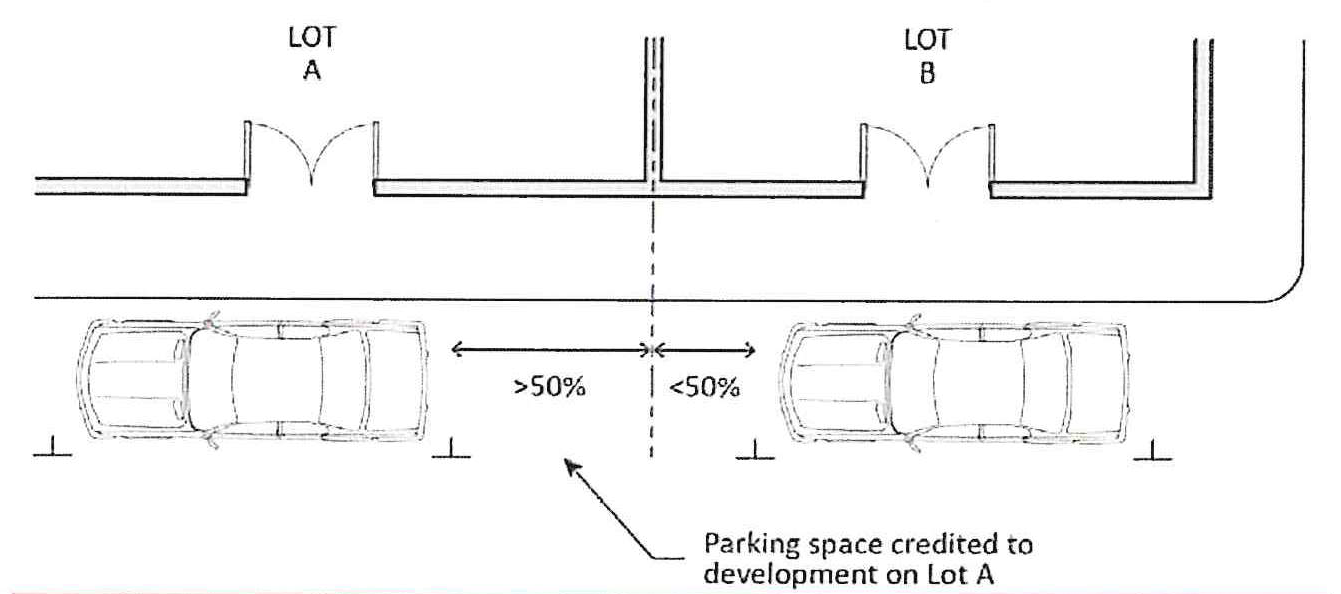
FIGURE 17.14.060.B.1: ON-STREET PARKING CREDIT
2.
Where a use with a legal nonconforming parking deficiency is replaced, the new use shall receive a parking credit equal to the number of required automobile parking spaces unmet (based on this zoning) by the previous use.
C.
Driveway Access. New driveway access to sites on Thornton Avenue which require vehicular movement across the sidewalk on Thornton Avenue shall be prohibited. Exceptions shall be granted where required by law; as applied to parcels owned, leased or controlled by the city; or in the case of interior lots or where sites are not accessible from any other public right of way.
D.
Location. No off-street surface parking spaces shall be located between the front lot line and the front wall of a building fronting Thornton Avenue, except upon the granting of a minor use permit. To grant such a minor use permit, the city shall make the following findings:
1.
That the parking spaces are required by Section 17.23.040.
2.
That there is no other feasible way to provide the required parking.
3.
That all applicable provisions of the design standards in Section 17.23.090 have been met.
E.
Long-Term Bicycle Parking Requirements. This chapter modifies the requirements in subsection 17.23.070.B.1.a as follows:
1.
Residential Uses. A minimum of one long-term bicycle parking space shall be provided for each apartment in a multi-unit development, and for each bedroom in a group residential, and/or single room occupancy.
F.
Multiple Uses. Retail parking shall be separated from residential parking in parking structures; retail parking areas shall not have access to residential entrances or parking spaces.
G.
Mechanical Lifts. Mechanical parking lifts may be used for parking spaces intended and required for frequent users, such as residents and employees. Parking spaces intended and required for visitors, customers or infrequent users shall not use mechanical lifts unless an attendant is provided during all operating hours of the use the parking is intended to serve. Lift design must allow for removal of any single vehicle without necessitating the temporary removal of any other vehicle.
H.
Wrapped Structured Parking. Structured parking is encouraged, but must be concealed from Thornton Avenue by wrapping with commercial or habitable uses. Alternatively, structured parking may be designed with sufficient architectural treatment, subject to the approval of the community development director. Unutilized air shafts between parking structures and wrapped uses are prohibited.
I.
Unbundled Parking. Residential parking spaces in multifamily or mixed-use rental projects shall be leased separately from dwelling units. No resident shall be required to lease a parking space.
(Ord. No. 532, § 4(Exh. B), 10-14-2021)
17.15.010 - Purpose.
This overlay zone district provides supplementary land use, affordable housing requirements, and review procedures for base districts located within the city. The overlay zone district implements requirements of state law regarding streamlined review procedures for residential projects identified in the city's adopted general plan housing element that have been "carried over" from previously adopted housing elements. This zone district does not modify permitted uses, nor does it restrict property owners from developing projects consistent with the requirements provided in this title for the base or underlying zone district.
(Ord. No. 547, § 4(Exh. B), 1-11-2024)
17.15.020 - Applicability.
The standards and regulations of this chapter apply to the planning area designated with the -BRH extension on the zoning map. Except as provided in this chapter, all new structures and development as well as alterations to existing structures, shall comply with the requirements of the base zoning district.
(Ord. No. 547, § 4(Exh. B), 1-11-2024)
17.15.030 - Permitted uses.
Any use permitted in the underlying district that is combined with a -BRH overlay zone district shall be allowed subject to the procedures of the underlying district, as modified by the -BRH district.
(Ord. No. 547, § 4(Exh. B), 1-11-2024)
17.15.040 - Procedures.
A.
Residential Uses Allowed By-Right. Residential projects that comply with all applicable objective standards and criteria of the underlying district, include a minimum of twenty dwelling units per acre, and provide twenty percent of the units in the project as affordable to lower-income households do not require discretionary review under this title. Lower income shall have the same meaning as in Health and Safety Code section 50079.5. Qualifying projects are still subject to design review, except that such design review shall be ministerial, notwithstanding anything in NMC Chapter 17.35 to the contrary.
B.
Requirements for Affordable Units. The developer of a residential project under this chapter shall comply with the provisions of NMC 17.18.060 for the residential units designated as affordable to lower-income households, consistent with applicable requirements in state law. Where the requirements of state law conflict with the requirements of this title, state law shall prevail.
(Ord. No. 547, § 4(Exh. B), 1-11-2024)

