
Paonia City Zoning Code
ARTICLE 5
- PLANNED UNIT DEVELOPMENT
Sec. 16-5-10. - Intent.
(a)
It is the intent of these PUD regulations to promote the following objectives on areas of five (5) acres or more to:
(1)
Permit greater flexibility in the location of buildings, mixtures of land uses, housing types and open space and consequently promote more imaginative design than would generally be possible under conventional zoning requirement. Limited variations to applicable zoning and subdivision requirements may be possible through the PUD process.
(2)
Allow for a greater diversity in the choice of housing types and provide more economical subdivision design which may assist in creating more affordable housing.
(3)
Promote a higher level of development design, including greater landscaping, open space, energy efficient design and convenient pedestrian and vehicular circulation.
(4)
Encourage more innovative land use and site design and to carry out the goals and policies of the Comprehensive Plan.
(b)
Exceptions to development standards. To assist developers in achieving the intent of the PUD as stated above, the Planning Commission may allow modifications and exceptions to said standards, provided that such exceptions are consistent with the intent of this Article and the Comprehensive Plan, and that such actions pose no threat to the property values, health, safety and general welfare of the people of the community and the owners or occupants of adjacent or nearby land.
(Ord. No. 83-116, Art. XII, 1983; Ord. No. 2000-02, Art. XII, 2000; Ord. No. 2014-04, § 1, 1-13-2015)
Sec. 16-5-20. - Authority.
The Town hereby adopts the PUD regulations contained in this Article in accordance with Title 24, Article 67, C.R.S. The purposes set forth in Section 24-67-102, C.R.S., are incorporated herein by reference in addition to the statements of intent listed above in Section 16-5-10.
(Ord. No. 83-116, Art. XII, 1983; Ord. No. 2000-02, Art. XII, 2000; Ord. No. 2014-04, § 1, 1-13-2015)
Sec. 16-5-30. - Where permitted.
A PUD may be permitted in any zoning district within the corporate boundaries of the Town subject to the review and approval requirements of this Article.
(Ord. No. 83-116, Art. XII, 1983; Ord. No. 2000-02, Art. XII, 2000; Ord. No. 2014-04, § 1, 1-13-2015)
Sec. 16-5-40. - Uses permitted.
Within each zoning district, a PUD may include those land uses designated as a permitted use by right or by special review in that district. The Board of Trustees may also allow appropriate mixtures of housing types and supporting neighborhood commercial uses, provided that they are in accordance with the standards and criteria provided in this Chapter and are consistent with the policies of the Comprehensive Plan.
(Ord. No. 83-116, Art. XII, 1983; Ord. No. 2000-02, Art. XII, 2000; Ord. No. 2014-04, § 1, 1-13-2015)
Sec. 16-5-50. - Effect of designation.
(a)
Approval of a PUD shall have the effect of overlaying the existing zoning and, therefore, adding to and modifying the existing zoning requirements. If there is a conflict between the provisions of the existing zoning district and the PUD regulations that are applied to a particular development, then the provisions approved for the planned development shall apply.
(b)
When a PUD is approved by the Town, the zoning designation for that lot, tract or parcel on the official zoning shall include the suffix "PUD". An approved site for a PUD that is zoned R-1 would then have the designation "R-1 (PUD)."
(Ord. No. 83-116, Art. XII, 1983; Ord. No. 2000-02, Art. XII, 2000; Ord. No. 2014-04, § 1, 1-13-2015)
Sec. 16-5-110. - Procedures for securing approval of PUD.
(a)
Preapplication conference. Prior to submittal of a formal PUD application, the applicant is required to hold a preapplication conference with the Town Administrator to present a tentative sketch plan for review. The preapplication conference should address itself to the following:
(1)
The proper relationship between the proposed project and the Comprehensive Plan and/or stated planning and development objectives.
(2)
The names, addresses and phone numbers of neighboring property owners within two hundred (200) feet.
(3)
The nature, design and appropriateness of the proposed land use arrangement for the zone and configuration of the property involved.
(4)
The adequacy of open space areas in existence and as proposed to serve the development.
(5)
Adequate irrigation water rights if the property to be improved has been previously irrigated and water rights were utilized, with a plan for distribution.
(b)
The conference should be held before the applicant has entered into binding commitments or has incurred substantial expense in the preparation of plans or other studies.
(Ord. No. 2000-02, Art. XII, 2000; Ord. No. 2014-04, § 1, 1-13-2015)
Sec. 16-5-120. - PUD sketch plan review; intent.
The purpose of the sketch plan is to acquaint the staff, the Planning Commission and the Board of Trustees with the nature of the proposed PUD and to identify potential problems or conflicts before substantial time and cost are invested by the applicant. This step in the process is optional. For smaller projects, a preapplication conference with the Town Administrator may be sufficient. However, for larger projects or those that may require major policy decisions, a sketch plan review by either the Planning Commission or the Board of Trustees or both may be strongly advisable. The Town Administrator may recommend that a sketch plan be prepared by the applicant prior to proceeding to a more detailed phase of the process. The sketch plan must be submitted to the Town Clerk thirty (30) days prior to the Planning Commission meeting at which it is being considered.
(Ord. No. 2000-02, Art. XII, 2000; Ord. No. 2014-04, § 1, 1-13-2015)
Sec. 16-5-130. - PUD master plan and preliminary development plan; intent.
The PUD master plan is intended for those projects that will be developed in more than one (1) phase. The PUD master plan may be submitted and reviewed prior to or simultaneously with the preliminary development plan for the first phase of development.
(1)
Filing deadline. Applications for a PUD master plan and preliminary development plan shall be filed at least thirty (30) days prior to the Planning Commission meeting at which time the matter is to be heard. If public hearing is needed, neighboring property owners within two hundred (200) feet shall be notified.
(2)
Development Review Committee. Prior to the Planning Commission meeting, the matter shall be reviewed by the Development Review Committee. The applicant or his or her representative shall be invited to attend this review session. The Development Review Committee's comments shall be forwarded to the Planning Commission. See Chapter 17 of this Code.
(3)
Planning Commission action. At a public hearing, the Planning Commission shall consider the PUD master plan and/or preliminary development plan and the comments and recommendations of the Development Review Committee. The Planning Commission shall review the application with respect to the criteria and standards for PUD provided in this Article. The Planning Commission may then recommend to the Board of Trustees that the matter be approved, approved with modifications or denied.
(4)
Board of Trustees action. At the next scheduled Board of Trustees meeting, the PUD master plan and/or preliminary development plan shall be considered by the Board of Trustees. The Board of Trustees shall consider the recommendations of the Planning Commission and the staff and review criteria and standards for PUD provided in this Article. The Board of Trustees may then approve the plan, approve the plan with modifications or deny the application.
(5)
Effect of approval. Once a PUD master plan and/or preliminary development plan is approved, all property within the area described in the application must be developed in accordance with the plan. No building permits will be issued for the property unless a PUD preliminary development plan and final development plan are approved in accordance with the remaining sections in this Article.
(Ord. No. 2000-02, Art. XII, 2000; Ord. No. 2014-04, § 1, 1-13-2015)
Sec. 16-5-140. - Final development plan.
(a)
Filing deadline. Final development plans shall be submitted at least thirty (30) days prior to the Planning Commission meeting at which time the matter is to be heard.
(b)
Development Review Committee. Prior to the Planning Commission meeting, the matter shall be reviewed by the Development Review Committee. The applicant or his or her representative shall be invited to attend this review session. The Development Review Committee's comments shall be forwarded to the Planning Commission. See Chapter 17 of this Code.
(c)
Planning Commission action. At a public hearing, the Planning Commission shall consider the final development plan and the comments and recommendations of the Development Review Committee. The Planning Commission shall review the application with respect to the criteria and standards for PUDs and special review applications and for consistency with the PUD master plan and preliminary development plan.
(1)
If there are substantial differences between the final development plan and the preliminary development plan, a revised preliminary development plan must be considered under the review process in Section 16-5-120 above.
(2)
If the Final development plan is consistent with the PUD master plan and/or the preliminary development plan, the Planning Commission may then recommend to the Board of Trustees that the matter be approved, approved with modifications or denied.
(d)
Board of Trustees action. Within thirty (30) days after action by the Planning Commission, the final development plan shall be considered by the Board of Trustees. All modifications to the site plan and application as recommended by the Planning Commission shall have been completed prior to the meeting of the Board of Trustees. The Board of Trustees shall consider the recommendations of the Planning Commission and the staff and review standards and criteria for PUDs provided in this Article. The Board of Trustees may then approve the plan, approve the plan with modifications or deny the plan.
(Ord. No. 2000-02, Art. XII, 2000; Ord. No. 2014-04, § 1, 1-13-2015)
Sec. 16-5-150. - Determination of completeness.
Upon receipt of a PUD master plan, preliminary or final development plan, the Town Administrator shall review the application to determine whether it is in an acceptable format and includes the requirements of Section 16-5-210 of this Article. If the Town Administrator finds that the application is in the proper format and is complete, he or she shall initiate the process contained herein. If the Town Administrator determines that the application is incomplete, he or she shall notify the applicant of the specific deficiencies. Any notice of deficiency shall be sent to the applicant within fifteen (15) business days after the filing of the application. Formal processing of the application shall not begin until the deficiency is corrected and the application is resubmitted. The date of the resubmission, not the date of the initial application, shall govern the timing of the process.
(Ord. No. 2000-02, Art. XII, 2000; Ord. No. 2014-04, § 1, 1-13-2015)
Sec. 16-5-160. - Application fees for PUD.
Application fees for a PUD sketch plan, PUD master plan, preliminary development plan and final development plan shall be established by resolution of the Board of Trustees.
(Ord. No. 2000-02, Art. XII, 2000; Ord. No. 2014-04, § 1, 1-13-2015)
Sec. 16-5-210. - Application requirements.
Applications for a PUD shall include the requirements set out in this Division.
(Ord. No. 83-116, Art. XII, 1983; Ord. No. 2000-02, Art. XII, 2000; Ord. No. 2014-04, § 1, 1-13-2015)
Sec. 16-5-220. - PUD sketch plan optional.
If a PUD Sketch Plan is submitted by an applicant for review by the Town staff, the Planning Commission and/or the Board of Trustees, the sketch plan must include at least the following information:
(1)
Written information:
a.
A statement of the objectives of the PUD.
b.
A description of the proposed uses, including number of dwelling units, square feet of commercial uses and open space.
c.
A statement of how the proposed relates to the Master Plan.
d.
A statement of how utilities are to be provided.
e.
The names of property owners, planner, engineer and surveyor.
(2)
Graphic materials:
a.
A vicinity map drawn to scale showing the location of the property with respect to the Town limits and the Town street system.
b.
A map drawn to scale of at least 1" = 100' showing the location of the proposed uses, major streets and land subdivisions, if applicable.
(Ord. No. 83-116, Art. XII, 1983; Ord. No. 2000-02, Art. XII, 2000; Ord. No. 2014-04, § 1, 1-13-2015)
Sec. 16-5-230. - PUD master plan.
A PUD master plan comprised of written materials and site plans as provided below shall be required for all unit developments to be developed in phases.
(1)
Written information:
a.
A legal description of the property.
b.
A statement of the existing and proposed zoning.
c.
A list of the names, addresses and phone numbers of all property owners and lien holders.
d.
A list of the names and addresses of all property owners within two hundred (200) feet as on file at the County Assessor's Office.
e.
A statement describing the planning objectives to be achieved by the PUD and the relationship to the Master Plan.
f.
A statement indicating the owner's intentions with respect to future selling or leasing of all or portions of the unit development, including land area and dwelling units.
g.
A development schedule indicating the estimated timing and phasing of construction activities. The schedule shall include the estimated area allocations for each land use in each phase of development. The total area of common open space provided at any phase of the development shall be provided.
h.
Quantitative data shall be provided for the following:
1.
The total number and type of dwelling units.
2.
The proposed maximum residential density.
3.
The maximum area of proposed nonresidential construction.
4.
The development intensity expressed as the ratio of the floor area to the gross area of each tract or parcel.
5.
The area of open space and the percentage of the open space to the gross site area.
6.
The amount of off-street parking for use by residents and guests for residential use, or by employees and customers for business or industrial use.
7.
Adequate irrigation water rights, if the property to be improved has been previously irrigated and water rights have been utilized, and a plan for distribution.
i.
A statement of plans or programs that demonstrate the means by which all open space and recreational areas, walkways and private streets are to be maintained.
j.
A statement of intent as to the dedication of open space and streets for public use. If streets are to be retained for private ownership and maintenance, an easement shall be reserved for access rights for police, fire and other emergency services.
k.
The owner's certification of acceptance of the conditions and restrictions set forth in the site plan and accompanying materials.
l.
Projected impacts on utilities, including water demands; summer and winter average-day, maximum-day and peak-hour flow; fire flows, sewage discharge, flow and type of discharge, demand on electric, gas, irrigation and other utilities, if any.
m.
Documentation of water rights needed and available for dedication to the appropriate managing agency.
(2)
Site plans and supporting data. Site plans and supporting maps or data are required showing the major details, including:
a.
Vicinity map showing the site and the surrounding area within a distance of at least one (1) mile, showing existing zoning, traffic circulation, public facilities and densities of adjacent residential areas.
b.
The existing site conditions, including topography and unique natural features.
c.
A site plan drawn at a scale of 1" = 100' on a twenty-four (24) inch by thirty-six (36) inch sheet with date, scale and north arrow, illustrating the general location and proposed floor area of all existing and proposed land uses, including maximum heights, type of dwelling units, density, floor area ratio and type of nonresidential use.
d.
An eight and one-half (8½) inch by eleven (11) inch reduction of the site plan.
e.
The location and area of all land to be used for common open space, recreation areas, public parks, school sites or other public uses.
f.
The existing and proposed vehicular circulation system, including arterial, collector and local streets, off-street parking areas, service and loading areas and major points of access to public rights-of-way.
g.
The existing and proposed pedestrian circulation system, including the relationship with the vehicular traffic system indicating proposed treatment at points of intersection.
h.
Information and description of the land areas adjacent to the proposed development with respect to land uses, zoning and traffic patterns.
i.
Preliminary plans for storm drainage and water and sewer service to the proposed development.
j.
Additional material, data or studies as required by the Planning Commission or Board of Trustees which will facilitate an understanding of the PUD master plan and the planning objectives of the unit development. These may include, but are not limited to, fiscal impact evaluations, market studies and transportation studies.
(Ord. No. 83-116, Art. XII, 1983; Ord. No. 2000-02, Art. XII, 2000; Ord. No. 2014-04, § 1, 1-13-2015)
Sec. 16-5-240. - Preliminary development plan.
(a)
Contents. A preliminary development plan shall consist of all applicable application requirements set forth above for the master plan and the items set forth in this Section.
(b)
Written information shall include the following.
(1)
Statement of planning objectives, including the character of the proposed development.
(2)
Notes to indicate disposition, maintenance responsibility and service responsibility for water and sanitation, energy supplies and other services and areas which will serve the PUD.
(3)
Referral letters from affected utilities and public agencies.
(4)
The proposed development schedule indicating:
a.
The approximate date on which construction of the project can be expected to begin.
b.
The stages in which the project will be built, the approximate date when the construction of each phase can be expected to begin and the approximate population at each phase.
c.
Estimate of the anticipated rate of development (i.e., number of units per year, etc.).
d.
The approximate dates when the development of each of the stages in the development will be completed.
e.
The area and location of common open space that will be provided at each stage.
(5)
List of the names, addresses and phone numbers of all property owners and/or authorized agents.
(6)
Name, address and phone number of the person preparing the plan.
(7)
Legal description and tie to an accepted survey monument.
(8)
Copies of any special agreements, conveyances, restrictions or covenants which will govern the use, maintenance and continued protection of the PUD and any of its common areas.
(9)
Owner's certification of acceptance of the conditions and restrictions as set forth on the Preliminary development plan.
(10)
A plan to include the proposed form of unified control which shall include identification and description of corporations, partnerships, trusts, owner's associations or other legal entities having the right to assess individual landowners within the development and identification of the method proposed to enforce the required assessments.
(11)
Names and addresses of all property owners within two hundred (200) feet.
(12)
Reports concerning the following:
a.
Geologic characteristics of the area significantly affecting the land use.
b.
Soils report including:
1.
Special physical and chemical characteristics of the soil.
2.
Prediction of stability and erosion potential.
3.
Suitability of the soil types for the land use proposed for the PUD.
c.
Preliminary stormwater drainage report.
(13)
Data including:
a.
Gross area in acres and square feet.
b.
Total number and type of dwelling units.
c.
Total bedrooms per each dwelling unit type.
d.
Gross residential density.
e.
Floor area ratio.
f.
Total acreage with a breakdown by land use.
g.
Number of off-street parking spaces, including guest parking and common storage for recreational vehicles.
h.
Area in square feet of recreational open space.
i.
Area in square feet of "private" open space and percentage of gross area.
(c)
Site plans and supporting documents shall include the following.
(1)
Proposed lot lines and dimensions.
(2)
Tentative location of existing and proposed buildings.
(3)
Location and approximate dimensions for each area designated as common open space and recreational open space.
(4)
Topography at five-foot contour intervals in areas of ten percent (10%) slope or greater and two-foot contour intervals in areas of less than ten percent (10%) slope. Existing contours to be shown in dashed line and proposed contours with solid lines.
(5)
Approximate location, length, width and use of all existing and proposed easements, utility rights-of-way, major utility facilities, intersections, bridges, culverts and drainageways (indicate underground facilities).
(6)
Preliminary utility drawings to include the following:
a.
Drainage and detention.
b.
Water and sewer service.
c.
Flood protection.
d.
Fire protection.
(7)
Off-street parking areas, service areas, trash receptacles, loading areas and major points of access to public rights-of-way with appropriate dimensions.
(8)
Existing and proposed streets with names. Approximate length of street centerlines, radii of curves, centerline grades and type of curb, gutter and sidewalks. Designation of streets to be private or public.
(9)
Location of temporary model homes, sales office and/or construction facilities, including temporary signs and parking lots. Length of time such temporary facilities will be in place and whether they will require sewer and water taps.
(10)
Location of pedestrian and bicycle paths.
(11)
Location, height and size of proposed project-related or commercial signs, lighting and advertising devices.
(12)
Location of pools, fences or accessory buildings.
(13)
Location of low-income, elderly or other specialized housing.
(14)
Location of land intended to be conveyed, dedicated or reserved for public use as park sites, school sites, etc. Public tracts shall be dedicated by a statement on the plat; responsibility of maintenance of all tracts shall be noted.
(15)
General landscaping plan, including:
a.
The location, type and size of major existing trees and shrubs and their fate.
b.
The location, general type, minimum size and quantity of proposed plant material.
c.
The proposed treatment of the perimeter of the PUD.
d.
The provisions for control of dust during construction.
(16)
Other graphics.
a.
Street cross-section schematics for both public and private accessways.
b.
Architectural intent drawings. Elevations and perspective drawings of all typical structures and improvements, except single-family detached residences and their accessory buildings. The drawings are intended to show the relationship of the proposed structures to the surroundings and need not be the result of final architectural design and need not be in detail. Note: Final architectural drawings will be required when applying for a building permit.
(Ord. No. 83-116, Art. XII, 1983; Ord. No. 2000-02, Art. XII, 2000; Ord. No. 2014-04, § 1, 1-13-2015)
Sec. 16-5-250. - Final development plan.
(a)
The final development plan shall be consistent with the preliminary development plan and include all the written and graphic information required for the preliminary development plan. In addition, the following more detailed information is required for the final plan.
(b)
The site plan shall include all information and signatures as required for a use permitted by special review as stated in Article 4 of this Chapter.
(c)
A final summary data chart shall be provided, including the information required for the preliminary development plan. This data must be updated based on the finalized site plan.
(d)
A detail landscape plan shall include the following:
(1)
The location, type and size of existing trees and major shrubs which are to be retained.
(2)
The location, type, minimum size and quantity of proposed plant material. Scale shown on the plan for plant materials shall reflect three-quarters (¾) mature size.
(e)
Final utility plans shall be provided.
(Ord. No. 83-116, Art. XII, 1983; Ord. No. 2000-02, Art. XII, 2000; Ord. No. 2014-04, § 1, 1-13-2015)
Sec. 16-5-310. - Time limit for PUD.
The development shall be constructed in a timely manner.
(1)
Master plan for the PUD. A Preliminary development plan for all or a portion of the development area shall be filed within twelve (12) months after the approval of a PUD master plan. If no preliminary development plan is filed within the allowed time, the approvals granted for the PUD master plan shall expire. The Planning Commission shall have the authority to extend this time period for good cause for not more than two (2) successive six-month periods. Any further extensions must be considered by the Board of Trustees.
(2)
Preliminary development plan. Within a maximum of twelve (12) months of the approval of a preliminary development plan, a final development plan for all or part of the development area must be filed. If no final development plan is filed within the allowed time period, the approvals granted for the preliminary development plan shall expire. The Planning Commission shall have the authority to extend this time period for good cause for not more than two (2) successive six-month periods. Any further extensions must be considered by the Board of Trustees.(3) Final development plans. Each Final development plan shall include a definite timetable for completion. This time period shall be established at the time of approval.
(Ord. No. 83-116, Art. XII, 1983; Ord. No. 2000-02, Art. XII, 2000; Ord. No. 2014-04, § 1, 1-13-2015)
Sec. 16-5-320. - Termination of approved PUD application.
The Board of Trustees may rescind approval of a PUD application in the same manner as described for termination of special review uses in Article 4 of this Chapter.
(Ord. No. 83-116, Art. XII, 1983; Ord. No. 2000-02, Art. XII, 2000; Ord. No. 2014-04, § 1, 1-13-2015)
Sec. 16-5-330. - Spacing between structures or buildings.
The purpose of specifying space requirements between structures is to ensure adequate privacy, light, ventilation and fire protection while at the same time encouraging more creative design than is normally allowed with conventional setback requirements. It is the intent that primary living spaces should not face directly onto another living space unless there is adequate space between structures.
(1)
Residential buildings. If the building walls contain windows for major daytime use, such as entrances, living rooms and dining rooms, the minimum distance between buildings shall be twenty-five (25) feet.
(2)
Commercial buildings. The minimum distance between a commercial building and a residential building shall be twenty-five (25) feet. The minimum distance between commercial structures shall be ten (10) feet.
(Ord. No. 83-116, Art. XII, 1983; Ord. No. 2000-02, Art. XII, 2000; Ord. No. 2014-04, § 1, 1-13-2015)
Sec. 16-5-340. - Maintenance of open space, recreational areas, walkways and private streets.
(a)
It shall be the responsibility of the property owner to provide an acceptable program for the continuing maintenance of private open space, recreational areas, walkways and private streets within a PUD.
(b)
The developer shall submit a legal instrument setting forth a plan providing for the permanent care and maintenance of open spaces, recreational areas and communally owned facilities and parking lots. The same shall be submitted to the Town Attorney and shall not be accepted until approved as to legal form and effect. If the common open space is deeded to a homeowners' association, the applicant shall file the proposed documents governing the association. Such documents shall meet the following requirements:
(1)
The homeowners' association, with covenants, must be established before any residences are sold.
(2)
Membership in the homeowners' association must be mandatory for each residence owner.
(3)
Open space restrictions must be permanent.
(4)
The homeowners' association must be made responsible for liability insurance, taxes and maintenance of recreational and other facilities.
(5)
The homeowners' association, with covenants, will have the power to levy assessments, which can become a lien on individual premises, for the purpose of paying the cost of operating and maintaining common facilities.
(c)
In the event the organization established to own and maintain the open spaces and other common facilities fails to maintain the facilities in accordance with the approved plan, the Board of Trustees shall direct a written notice to the property owners demanding that the deficiencies be corrected within thirty (30) days and that a hearing will be held on the matter within fifteen (15) days after the notice is sent. If the deficiencies are not corrected within the time established by the Board of Trustees, the Town may enter upon the properties and maintain the properties until the owners of the property show cause why maintenance by the Town is not required. The cost of maintenance by the Town shall be a lien against the common facilities of the PUD and the private properties within the development. The Town shall have the right to make assessments against the properties for maintenance of the development on the same basis that the organization responsible for maintenance could make such assessments.
(d)
Any unpaid assessment shall be a lien against the property responsible for the same, enforceable the same as a mortgage against such property. The Town may further foreclose its lien on the common facility by certifying the same to the County Treasurer for collection as in the case of collection of general property taxes.
(Ord. No. 83-116, Art. XII, 1983; Ord. No. 2000-02, Art. XII, 2000; Ord. No. 2014-04, § 1, 1-13-2015)
Sec. 16-5-350. - Relationship of PUD process to subdivision regulations.
When applicable, PUDs must comply with the requirements and procedures relative to subdivisions and annexation. However, it is intended that certain requirements and hearing procedures not be duplicative. Therefore, applications may in certain instances be reviewed concurrently.
(1)
A preliminary development plan for a PUD may be accepted as satisfying all requirements for a preliminary plat, provided that all the requirements and provisions of the subdivision regulations are met as part of the PUD application.
(2)
If a PUD involves a subdivision, the final subdivision plat must be approved by the Board of Trustees prior to any sale of land or building permits being issued.
(3)
A Final development plan for a PUD can be considered for final action by the Board of Trustees only if action has previously been taken by the Board of Trustees annexing and zoning the property.
(4)
Any subsequent subdivision and land approved as a PUD must be consistent with the PUD plans as approved. Any major change from the approved PUD shall require that an amended PUD be considered under the same hearing and review process as the original application.
(5)
Annexation of property proposed for a PUD may be finalized at any point in the process by the Board of Trustees, provided that all the requirements for annexation have been met.
(Ord. No. 83-116, Art. XII, 1983; Ord. No. 2000-02, Art. XII, 2000; Ord. No. 2014-04, § 1, 1-13-2015)
Sec. 16-5-410. - Standards and criteria for approval of PUDs.
The findings of the Town staff, Planning Commission and Board of Trustees shall be based upon the following criteria and performance standards and requirements:
(1)
General considerations.
a.
The PUD proposal is consistent with the Comprehensive Plan.
b.
The plan conforms to the provisions of this Article.
c.
The proposed development will not have adverse environmental impacts, such as excessively increased traffic hazards or congestion, overload utilities or otherwise be detrimental to the general welfare of the community.
d.
The proposed development will be compatible with the existing development in the area.
(2)
Residential density. The density permitted within a PUD shall generally be the same as that permitted in the underlying zone.
a.
Provisions of low- or moderate-income housing unit. A low- or moderate-income unit is a unit that is offered for rent or sale to those with incomes that are eighty percent (80%) or less of the median household income for the area as determined by the U.S. Department of Housing and Urban Development. All proposals developed within this provision will be required to demonstrate that they will continue to be available in the future for low- or moderate-income individuals or families.
b.
Dedications of lands in addition to those required by the park dedication ordinance as adopted by the Town. The additional dedication must clearly be in the public interest and may include potential sites for community facilities, such as for utilities, public easements, river front access, walkways, community parks, school sites or police or fire station sites.
(Ord. No. 83-116, Art. XII, 1983; Ord. No. 2000-02, Art. XII, 2000; Ord. No. 2014-04, § 1, 1-13-2015)
Sec. 16-5-510. - Streets and traffic circulation.
Standards for street design shall be approved as a part of the PUD master plan and may vary from requirements found in the subdivision regulations and the adopted street standards and specifications for the Town. Variation in the adopted street standards for both public and private streets may be granted by the Board of Trustees upon determination that the following performance standards and design requirements are met:
(1)
Ingress to and egress from the internal circulation system to the external circulation system can safely and efficiently accommodate the volumes and types of the traffic both existing and anticipated.
(2)
Points of ingress and egress are designed to discourage through traffic on local streets within the PUD.
(3)
Circulation plans to and from nonresidential PUD uses will not adversely affect other elements of the circulation system.
(4)
The design of the internal system is sensitive and responsive to such points as safety, convenience, access to dwelling units and any nonresidential facilities, emergency and maintenance access, segregation of vehicular and nonvehicular traffic, noise, congestion and overall attractiveness.
(5)
Pedestrian and other nonvehicular elements of the system minimize street crossings and provide safe access to schools, nonresidential facilities and common open space.
(6)
Construction specifications as proposed shall be subject to Town review and approval. Streets shall be dedicated to the Town in accordance with the subdivision regulations, unless the Board of Trustees shall approve ownership of the streets within a PUD by a homeowners' association or other legal entity. The Board of Trustees shall approve ownership of the streets by an entity other than the Town only if it finds that such entity has the legal, financial and managerial ability to maintain such streets in a way consistent with the public health, safety and welfare and with the needs of the residents within the PUD.
(7)
The design of the development should minimize the length of streets.
(8)
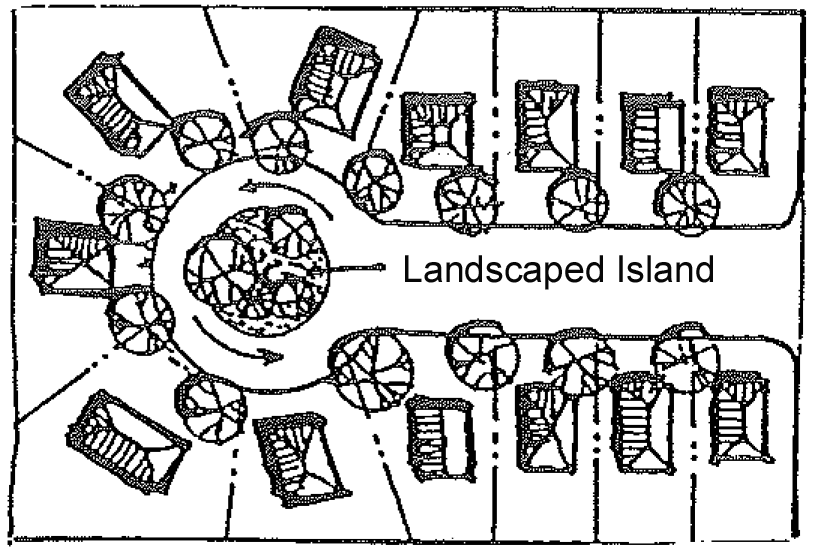
When possible, islands created in cul-de-sac areas should be landscaped and maintained by a homeowners' association.
(9)
All streets external to the PUD area must be constructed in accordance with the adopted street standards for the Town.
(10)
Collector streets that are within the boundaries of the PUD may have a minimum of thirty (30) feet of pavement within a fifty-foot right-of-way, provided that the following conditions are met:
a.
Driveway access to collector streets is prohibited.
b.
A four-foot sidewalk is placed on at least one (1) side of the street. In areas that are within one (1) mile of a school, sidewalks must be placed on both sides.
c.
For the minimum width, parallel on-street parking shall be allowed on one (1) side of the street only.
(11)
Local streets that are within the boundaries of a PUD may have a minimum pavement width of twenty-eight (28) feet within a forty-foot right-of-way, provided the following conditions are met:
a.
The local streets are designed so that use by through traffic is discouraged.
b.
A four-foot sidewalk is placed on at least one (1) side of the street. In areas that are within one (1) mile of a school, sidewalks must be placed on both sides.
c.
Parallel on-street parking is not permitted on either side.
d.
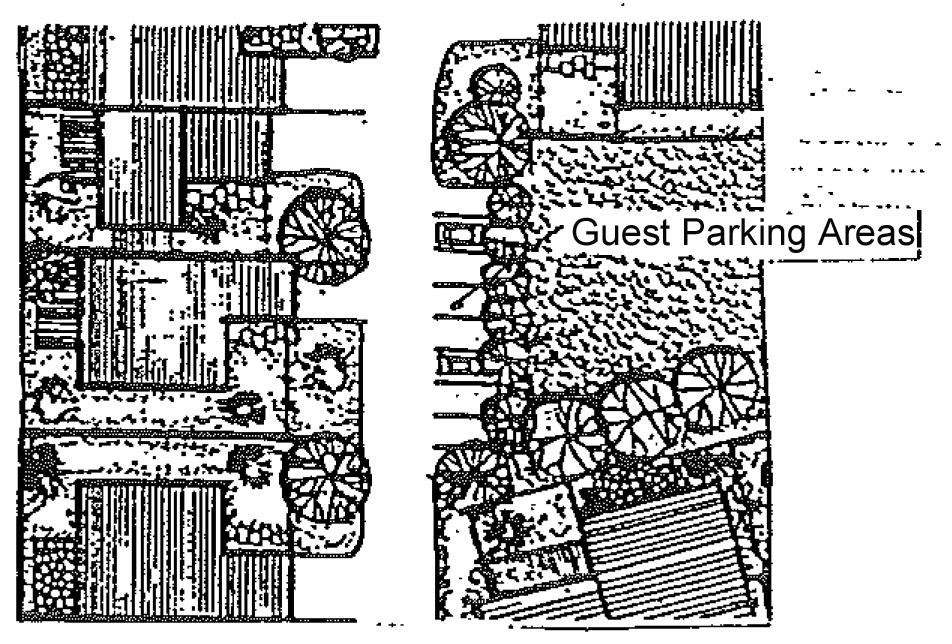
Guest parking areas are dispersed at convenient locations throughout the development.
(12)
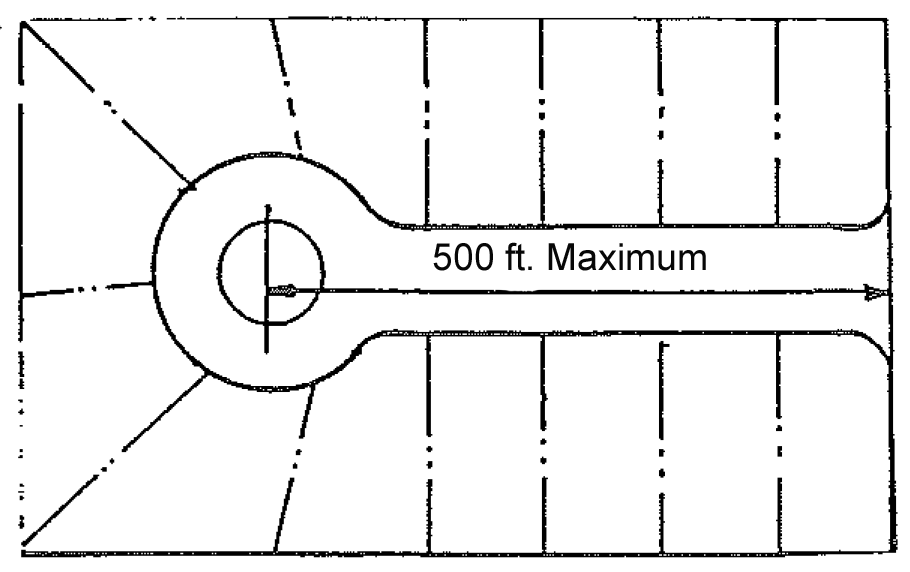
Cul-de-sac streets shall have a maximum length of five hundred (500) feet measured from the right-of-way line of the connecting street to the center of the turn-around area at the closed end of the cul-de-sac. Each cul-de-sac radius shall be fifty (50) feet.
(Ord. No. 83-116, Art. XII, 1983; Ord. No. 2000-02, Art. XII, 2000; Ord. No. 2014-04, § 1, 1-13-2015)
Sec. 16-5-520. - Parking.
(a)
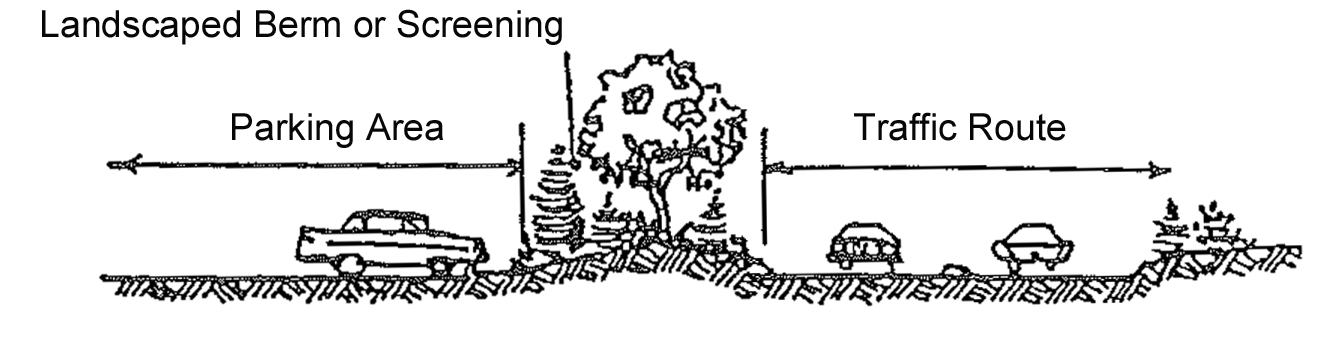
Parking areas shall be arranged so as to prevent through traffic to other parking areas and shall be screened by decorative fence, wall, landscape material, landscape berm, natural topography or other materials to provide a buffer strip and appropriate screening that reduces the visual impacts of the parking areas from any public street and residential units.
_____
_____
(b)
Guest parking shall be dispersed throughout the development area to be within convenient walking distance to and from the residential areas.
(c)
Provisions of common storage areas for campers, boats, trailers and recreational vehicles are encouraged.
(d)
PUDs shall provide the parking spaces required by Article 6 of this Chapter, including guest parking spaces in the ratio of twenty-five one-hundredths (0.25) spaces per unit located within one hundred (100) feet of the dwellings they are intended to serve. Variations to the required number of parking spaces can only be approved under the following conditions.
(1)
Where the expected need for off-street parking is lessened due to the unusual characteristics of the use, and comparable data is available to establish that there is a lesser need for the parking.
(2)
There is a specific plan for joint use of common parking areas, varying time periods of use.
(Ord. No. 83-116, Art. XII, 1983; Ord. No. 2000-02, Art. XII, 2000; Ord. No. 2014-04, § 1, 1-13-2015)
Sec. 16-5-530. - Open space.
(a)
The impacts of development on valuable natural resources and unique natural features, including but not limited to agricultural soils, steep slopes, aquifers and aquifer recharge areas, prime deciduous and prime coniferous tree stands, marshes, swamps and other wetlands, floodplains and such other features as review of a particular site may indicate are worthy of preservation or special protection, shall be minimized by the developer of a proposed PUD through sound environmental planning and careful implementation thereof.
(b)
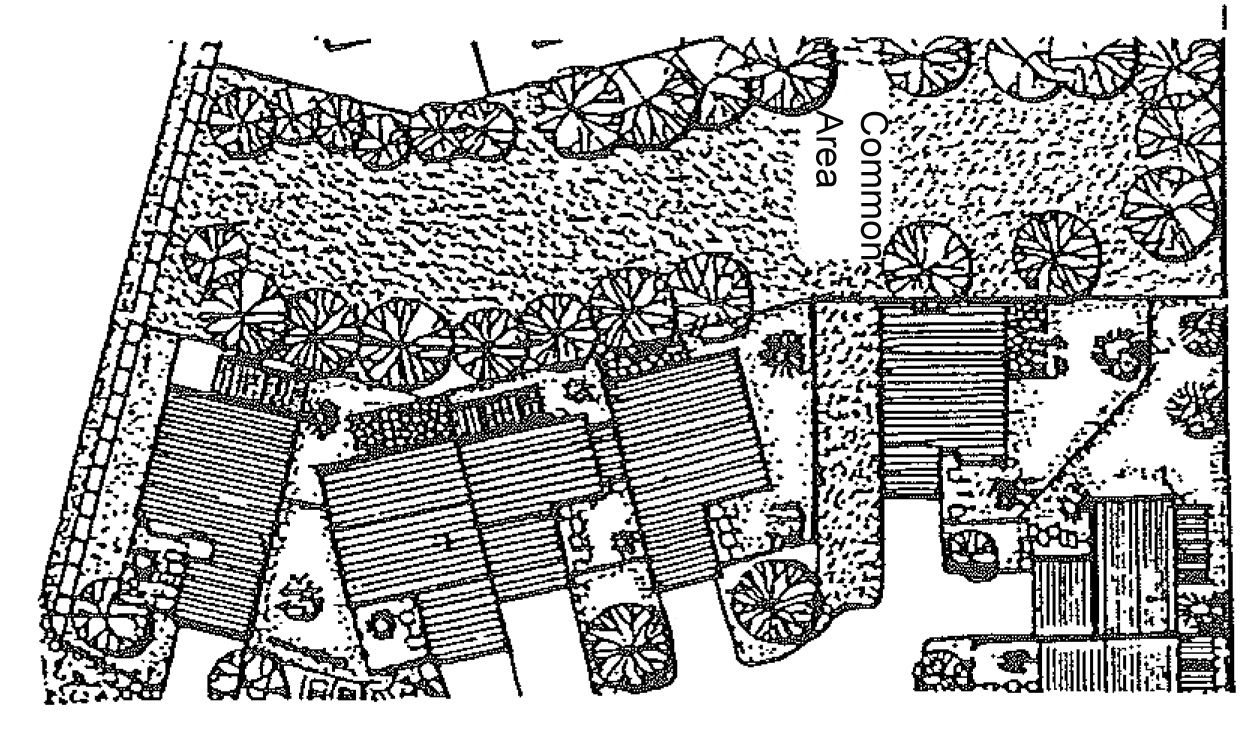
Open space areas should be easily accessible to all residential areas and should maximize pedestrian use.
_____
_____
(c)
Landscaped areas should include use of native plant materials that require little water or maintenance. While nonvegetative landscape material is permitted, these areas should be small in scale with extensive planted areas interspersed.
(d)
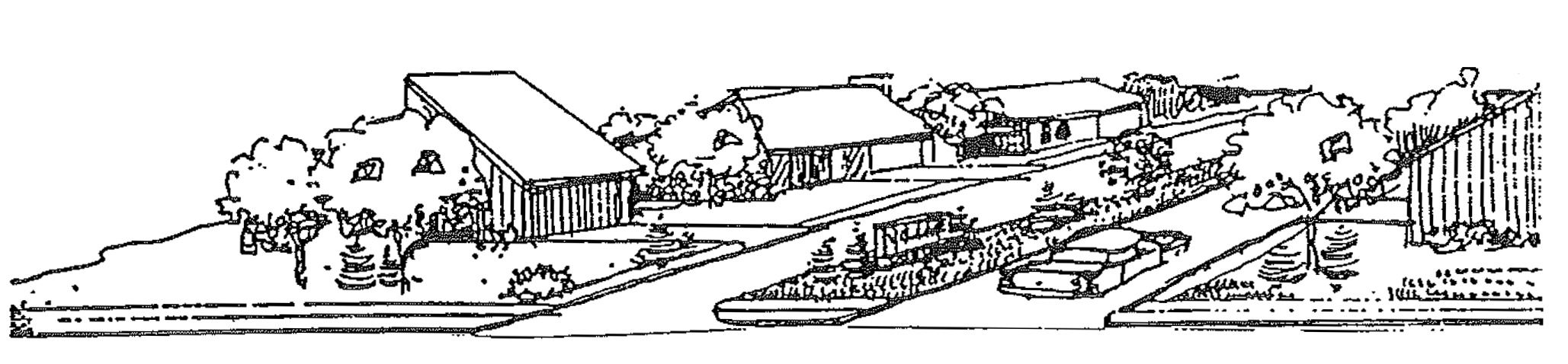
Planted median areas are encouraged, as well as attractive landscaped entryways to the PUD area.
_____
_____
(e)
Open space areas should be designed to provide pedestrian connections to the various areas within and adjacent to the development.
(f)
Common open space. At least twenty percent (20%) of the gross area of a residential PUD and ten percent (10%) of a nonresidential PUD shall remain as open space for the common use of the residents or visitors to the area. In a PUD which contains both residential and nonresidential areas, the open space requirements shall be computed by applying the twenty-percent factor to the portion of the development devoted to residential use and the ten-percent factor to the portion devoted to nonresidential use.
(g)
Recreational open space for residential developments.
(1)
Recreational open space shall comprise not less than seventy-five percent (75%) of the total required common open space. All areas to be considered recreational open space shall have a minimum dimension of thirty (30) feet, except for bicycle paths. No more than twenty-five percent (25%) of the required recreational open space shall have impervious surfacing.
(2)
Recreational open space shall not include slopes greater than ten percent (10%).
(3)
Recreational open space shall not be obstructed except by improvements that enhance its usability. Recreational open space shall provide for organized sports or includes playground apparatus, tennis courts, bicycle paths, swimming pools or similar active areas.
(4)
All required recreational open space shall be planted in lawn or other appropriate groundcover suitable for foot traffic.
(5)
Special consideration and exceptions to the above requirements may be approved by the Planning Commission for open space that provides for public access to the North Fork, Gunnison River and Minnesota Creek.
(h)
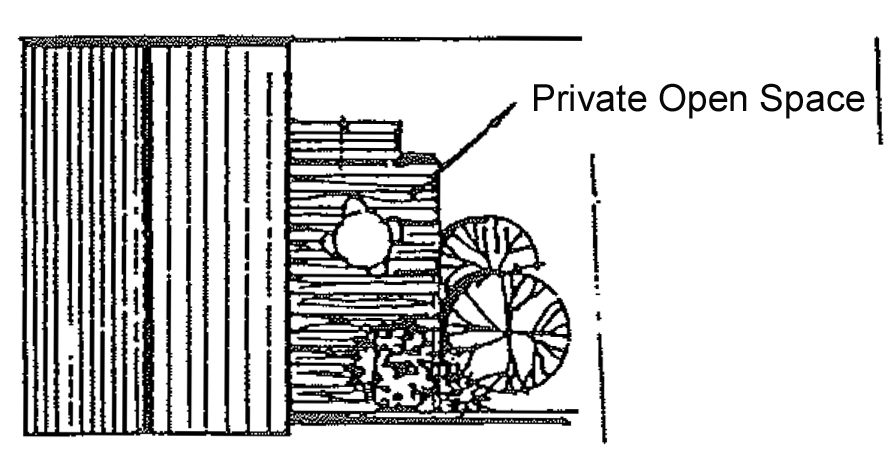
Private open space. At least one hundred fifty (150) square feet of private open space shall be provided for each ground-level dwelling unit. Private open space shall include patios, decks, lawn areas and balconies. At least fifty (50) square feet of private open space shall be provided for above-ground units.
(Ord. No. 83-116, Art. XII, 1983; Ord. No. 2000-02, Art. XII, 2000; Ord. No. 2014-04, § 1, 1-13-2015)
Sec. 16-5-540. - Landscaping.
(a)
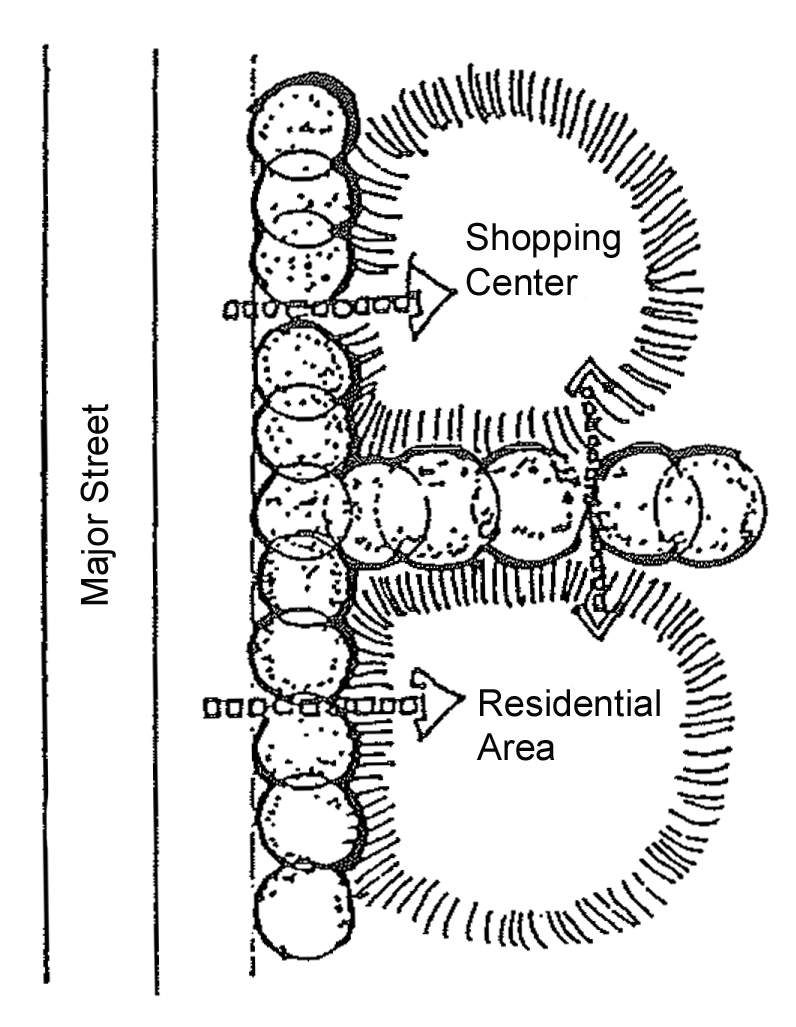
A permanently maintained landscaped buffer zone shall be provided adjacent to arterial and collector streets and parking lots or between residential development and adjacent commercial, industrial or incongruent uses. The minimum width of the buffer zone shall be twenty (20) feet. The Planning Commission may consider reducing the width of the buffer strip when dense landscaping or mature plant materials are provided.
(b)
A comprehensive landscaping and irrigation plan shall be submitted designating all existing and proposed species, size and placement. The plan shall specify all irrigation features and a program for continued maintenance. The comprehensive landscaping and irrigation plan shall be reviewed and approved by the Town Administrator and Town Engineer.
(Ord. No. 83-116, Art. XII, 1983; Ord. No. 2000-02, Art. XII, 2000; Ord. No. 2014-04, § 1, 1-13-2015)
Sec. 16-5-550. - Energy conservation.
(a)
Solar access shall be preserved as much as possible by orienting streets and buildings for maximum southern exposure for the living spaces.
(b)
Consideration should be given for protection of solar access through solar easements for subdivision lots.
(Ord. No. 83-116, Art. XII, 1983; Ord. No. 2000-02, Art. XII, 2000; Ord. No. 2014-04, § 1, 1-13-2015)
Sec. 16-5-560. - Building design.
(a)
The character of the building designs in the PUD should be compatible with and enhance the architectural character and scale of the surrounding neighborhood.
(b)
Accessory buildings, detached garages and fences should be of a design compatible to the architectural character of the project and the surrounding neighborhood.
(c)
The floor plan should be carefully organized to gain maximum daylight and direct access from rear and side yards. The outdoor space should be planned as a practical extension of indoor living space.
(d)
Large amounts of glass should be avoided on the north side of dwelling units, and northern exposures should be protected with berming and landscaping.
(Ord. No. 83-116, Art. XII, 1983; Ord. No. 2000-02, Art. XII, 2000; Ord. No. 2014-04, § 1, 1-13-2015)
Sec. 16-5-570. - Application fees for a Planned Unit Development.
Application fees for a PUD Sketch Plan, PUD Master Plan, Preliminary Development Plan and Final Development Plan shall be established by resolution of the Town Board.
(Ord. No. 2000-02, Art. XII, 2000; Ord. No. 2014-04, § 1, 1-13-2015)

