
Winter Springs City Zoning Code
ARTICLE III
- ESTABLISHMENT OF DISTRICTS
DIVISION 8.5.- I-1 LIGHT INDUSTRIAL DISTRICT[4]
Editor's note— Ord. No. 2002-07, § 1, adopted July 8, 2002, added a new zoning district designated as Div. 12, §§ 20-320—20-262. In order to avoid conflicts in the numbering of provisions, the editor has redesignated the provisions added by § 1 of Ord. No. 2002-07 as Div. 8.5, as herein set out.
DIVISION 12. - TOWN CENTER DISTRICT CODE[5]
Editor's note— Ord. No. 2012-06, § 2, adopted March 12, 2012, amended Division 12 in its entirety to read as herein set out. Former Division 12, §§ 20-320—20-327, pertained to similar subject matter, and derived from Ord. No. 707, § 1 (Exh. A), 6-12-00; Ord. No. 2005-24, § 2, 7-11-05; Ord. No. 2007-30, § 2, 12-10-07; Ord. No. 2010-21, § 2, 9-13-10.
DIVISION 13. - GREENEWAY INTERCHANGE ZONING DISTRICT[6]
Editor's note— Ord. No. 2014-10, §§ 2, 3, repealed former Div. 13, §§ 20-328—20-336, 20-338—20-341, in its entirety and enacted new provisions as herein set out. Former Div. 13 pertained to similar subject matter and derived from Ord. No. 725, 8-23-99; Ord. No. 2005-18, § 3, 7-11-05; Ord. No. 2010-09, § 2, 4-26-10.
Sec. 20-101.- Division of city.
In order to classify, regulate and restrict the uses of land, water, buildings and structures, and to regulate and to restrict the height and bulk of buildings and to regulate the area of yards and other open spaces about buildings, the corporate areas of the city is divided into districts as provided in this Article III.
(Ord. No. 44, § 44.25, 1-8-68; Ord. No. 51, 8-3-70; Ord. No. 68, 11-29-71; Ord. No. 414, § I, 3-28-88; Ord. No. 2004-04, § 2, 1-26-04)
Sec. 20-102. - Official zoning map, working maps and procedures.
(a)
Official zoning map adoption. The city is hereby divided into zones, or districts, as shown on the official zoning map, which, together with all explanatory material thereon, is hereby adopted by reference and declared to be a part of this chapter. A copy of the official zoning map shall be available for public inspection in the city hall and shall be the final authority as to current zoning status of lands, buildings and other structures in the city.
(b)
Official zoning map description. The official zoning map shall consist of an electronic color-coded map of the entire city. Each individual color on the official zoning map shall represent a separate and distinct zoning classification.
(c)
Official zoning map update and annual approval. The community development department-planning division shall oversee the maintenance of the official zoning map. It shall be the division's duty and responsibility to keep the zoning map up-to-date. Maps shall be updated within ten (10) days following the adoption by the city commission of an ordinance rezoning real property. In addition, the update shall include adding to the map's database, a reference to the ordinance adopting the rezoning. A copy of the official zoning map shall be presented annually to the planning and zoning board for review. During the review, the board shall review the map for accuracy and situations where an administrative rezoning may be appropriate. Upon completion of the review, the planning and zoning board shall issue a report to the city commission pointing out any inaccuracies in the map and any properties which may be considered for an administrative rezoning. The city commission shall review the planning and zoning board's report and make such decisions that are necessary to update the city's official zoning map.
Any unauthorized change to the city's official zoning map of whatever kind by any person or persons shall be considered a violation of this chapter and punishable under section 1-15 of the City Code.
(Ord. No. 44, § 44.26, 1-8-68; Ord. No. 145, § 2, 10-11-76; Ord. No. 2004-04, § 2, 1-26-04; Ord. No. 2004-49, § 2, 12-13-04)
Sec. 20-103. - Restrictions upon lands, buildings and structures.
(a)
Use. No building or structure shall be erected and no existing building shall be moved, altered, added to or enlarged, nor shall any land, building, structure or premises be used, designed or intended to be used for any purpose or in any manner other than a use designated in the sections of this chapter, or amendments thereto, as permitted in the district in which such land, building, structure or premises is located.
(b)
Height. No structure or building shall be erected, nor shall any existing building be moved, reconditioned or structurally altered so as to exceed in height the limit established in the sections of this chapter, or amendments thereto, for the district in which such building or structure is located.
(c)
Percentage of occupancy (lot). No building or structure shall be erected, nor shall any existing building or structure be moved, altered, enlarged or rebuilt, nor shall any open space surrounding any building or structure be encroached upon or reduced in any manner except in conformity with the building site requirements and the areas and parking space and yard regulations established in the sections of this chapter, or amendments thereto, for the district in which such building or structure is located.
(d)
Density of population. No building, structure or premises shall be erected or occupied or used so as to provide a greater density of population than is allowed under the terms of the sections of this chapter for the district in which such building, structure or premises is located. However, accessory dwelling units in single family zoning districts are exempted from inclusion in the density calculation and may be conditionally permitted in a zoning district as a valid single family use, subject to criteria set forth in section 6-85.
(e)
Open space use limitations. No yard or other open space provided about any building or structure for the purpose of complying with the regulations of this chapter, or amendments thereto, shall be considered as providing a yard or open space for any other building or structure.
(f)
Required lot and occupancy. Every building or structure hereafter erected shall be located on a lot or tract of land as defined herein; and in no case shall there be more than one (1) building on one (1) lot except that single family zoning districts may include as a conditional use, one (1) accessory dwelling unit attached or detached per principal dwelling or as hereinafter provided.
(g)
Minimum lot depth. The minimum lot depth shall not be less than one hundred ten (110) feet for any single-family residential lot, and no single-family dwelling shall be constructed on any lot having a depth of less than one hundred ten (110) feet in any zoning district. In calculating the minimum depth of a lot, the footage of any rear yard easement, as described in section 9-159 herein, which encroaches on the lot, shall be excluded from the calculations of depth. For purposes of this subsection, a single-family dwelling shall not include trailer homes or mobile homes.
(Ord. No. 44, § 44.27, 1-8-68; Ord. No. 483, § 1, 5-14-90; Ord. No. 2010-08, § 5, 10-25-10)
Sec. 20-104. - Changes and amendments.
The city commission may from time to time amend, supplement, change or repeal the regulations, restrictions or district boundaries and designations as set out in this ordinance after a public hearing(s) as provided in F.S. §§ 163.3161, 166.041 and any amendments thereto, and as provided by the intents herein contained and in accordance with the intents and purposes of the Florida Statutes.
(Ord. No. 44, § 44.86, 1-8-68; Ord. No. 367, § 2, 5-11-87)
Sec. 20-121.- Designation.
This classification is intended to apply to areas designated R-1AAA within the city and shall be governed by the regulations and requirements set forth in this division.
(Ord. No. 44, § 44.27.1, 1-8-68; Ord. No. 68, § II, 11-29-71)
Sec. 20-122. - Uses permitted.
Within any R-1AAA Single-Family Dwelling District, no building, structure, land or water shall be used except for the following uses:
(1)
Single-family dwellings and their customary accessory uses; and
(2)
Home occupations.
(Ord. No. 44, § 44.27.2, 1-8-68; Ord. No. 68, § III, 11-29-71; Ord. No. 2011-08, § 2, 10-10-11)
Sec. 20-123. - Conditional uses.
There shall be no conditional uses within the R-1AAA Single-Family Dwelling Districts, except the following:
(1)
One (1) accessory dwelling unit ancillary to the principal dwelling, subject to the criteria set forth in section 6-85,
(2)
Churches;
(3)
Schools;
(4)
Public recreational areas and facilities.
(5)
Daycare centers.
(Ord. No. 44, § 44.27.3, 1-8-68; Ord. No. 68, § IV, 11-29-71; Ord. No. 240, § 3, 5-26-81; Ord. No. 2004-49, § 2, 12-13-04; Ord. No. 2010-08, § 5, 10-25-10; Ord. No. 2014-09, § 2, 4-28-14)
Sec. 20-124. - Building height regulations.
In R-1AAA Single-Family Dwelling Districts, no building or structure shall exceed thirty-five (35) feet in height.
(Ord. No. 44, § 44.27.4, 1-8-68; Ord. No. 68, § V, 11-29-71)
Sec. 20-125. - Building area regulations.
The principal single-family dwelling shall be located on a lot or parcel of land not less than twenty thousand (20,000) square feet and such lot or parcel of land shall have a minimum width of one hundred (100) feet at the building line.
(Ord. No. 44, § 44.27.5, 1-8-68; Ord. No. 68, § VI, 11-29-71; Ord. No. 2010-08, § 5, 10-25-10)
Sec. 20-126. - Front, rear and side yard regulations.
The following yard regulations shall apply in the R-1AAA Single-Family Dwelling Districts:
(1)
Front yard. The front yard shall not be less than fifty (50) feet in depth.
(2)
Rear yard. The rear yard shall not be less than thirty-five (35) feet in depth.
(3)
Side yard. Side yards shall be provided on each side of each dwelling structure of not less than twenty (20) feet.
(4)
Corner lots. On corner lots, the front yard setback of fifty (50) feet must be maintained on each side of the lot.
(Ord. No. 44, § 44.27.6, 1-8-68; Ord. No. 68, § VII, 11-29-71)
Sec. 20-127. - Lot coverage.
Forty (40) percent of the lot area is the maximum which may be covered by the principal and accessory buildings or structures located within R-1AAA.
(Ord. No. 44, § 44.27.7, 1-8-68; Ord. No. 68, § VIII, 11-29-71)
Sec. 20-128. - Off-street parking regulations.
All parking within R-1AAA Single-Family Dwelling District shall be off-street parking.
(Ord. No. 44, § 44.27.8, 1-8-68; Ord. No. 68, § IX, 11-29-71)
Sec. 20-141.- Designation.
This classification is intended to apply to areas designated R-CI within the city and shall be governed by the regulations and requirements set forth in this division.
(Ord. No. 44, § 44.27.9, 1-8-68; Ord. No. 107, § 2, 7-29-74)
Sec. 20-142. - Uses permitted.
Within any R-C1 single-family dwelling districts, no building, structure, land or water shall be used except for the following uses:
(1)
Single-family dwellings and their customary accessory uses;
(2)
Horses and ponies, allowing three-fourths of an acre per animal not to exceed ten (10) animals per lot; provided however, horses and ponies can be permitted on less than three-fourths of an acre upon recommendation by the board of adjustment; and
(3)
Home occupations.
(Ord. No. 44, § 44.27.10, 1-8-68; Ord. No. 107, § 3, 7-29-74; Ord. No. 2011-08, § 2, 10-10-11)
Sec. 20-143. - Conditional uses.
There shall be no conditional uses within the R-CI Single-Family Dwelling Districts, except the following:
(1)
One (1) accessory dwelling unit ancillary to the principal dwelling, subject to the criteria set forth in section 6-85;
(2)
Churches;
(3)
Schools;
(4)
Public recreational areas and facilities.
(5)
Daycare centers.
(Ord. No. 44, § 44.27.11, 1-8-68; Ord. No. 107, § 4, 7-29-74; Ord. No. 240, § 4, 5-26-81; Ord. No. 2004-49, § 2, 12-13-04; Ord. No. 2010-08, § 5, 10-25-10; Ord. No. 2010-09, § 2, 4-26-10; Ord. No. 2014-09, § 2, 4-28-14)
Sec. 20-144. - Building height regulations.
In R-CI Single-Family Dwelling Districts, no building or structure shall exceed thirty-five (35) feet in height.
(Ord. No. 44, § 44.27.12, 1-8-68; Ord. No. 107, § 5, 7-29-74)
Sec. 20-145. - Building area regulations.
The principal single-family dwelling shall be located on a lot or parcel of land not less than one (1) acre in size and such lot or parcel of land shall have a minimum width of one hundred twenty (120) feet at the building line.
(Ord. No. 44, § 44.27.13, 1-8-68; Ord. No. 107, § 6, 7-29-74; Ord. No. 2010-08, § 5, 10-25-10)
Sec. 20-146. - Front, rear and side yard regulations.
The following yard regulations shall apply in the R-CI Single-Family Dwelling Districts:
(1)
Front yard. The front yard shall not be less than fifty (50) feet in depth.
(2)
Rear yard. The rear yard shall not be less than thirty-five (35) feet in depth.
(3)
Side yard. The side yards shall not be less than twenty (20) feet on each side of the dwelling structure.
(4)
Corner lots. On corner lots, the front yard setback of fifty (50) feet must be maintained on each side of the lot.
(5)
Minimum floor area shall be one thousand six hundred (1,600) square feet (including utility room but excluding carports, garages, breezeways, screened or open porches).
(Ord. No. 44, § 44.27.14, 1-8-68; Ord. No. 107, § 7, 7-29-74)
Sec. 20-147. - Lot coverage.
Twenty (20) percent of the lot area is the maximum which may be covered by the principal and accessory buildings or structures located within R-CI.
(Ord. No. 44, § 44.27.15, 1-8-68; Ord. No. 107, § 8, 7-29-74)
Sec. 20-148. - Off-street parking regulations.
All parking within R-CI Single-Family Dwelling Districts shall be off-street parking.
(Ord. No. 44, § 44.27.16, 1-8-68; Ord. No. 107, § 9, 7-29-74)
Sec. 20-161.- Designation.
The lands included within R-1AA and R-1A One-Family Dwelling Districts are developed predominantly as single-family dwellings on lots of generous areas. The zone districts are designed to preserve and protect the characteristics of single-family use.
(Ord. No. 44, § 44.28, 1-8-68)
Sec. 20-162. - Uses permitted.
Within any R-1AA and R-1A single-family dwelling district, no building, structure, land or water shall be used except for the following uses:
(1)
Single-family dwellings and their customary accessory uses; and
(2)
Home occupations.
(Ord. No. 44, § 44.29, 1-8-68; Ord. No. 2011-08, § 2, 10-10-11)
Sec. 20-163. - Conditional uses.
(a)
There shall be no conditional use within R-1AA and R-1A One-Family Dwelling Districts except the following:
(1)
One (1) accessory dwelling unit ancillary to the principal dwelling, subject to the criteria set forth in section 6-85;
(2)
Churches with their attendant educational buildings and recreational facilities;
(3)
Public utility and service structures;
(4)
Schools;
(5)
Public recreational areas and facilities;
(6)
Stadiums, independently or in conjunction with existing school facilities, provided the seating capacity shall not exceed the student enrollment of the school to be served plus ten (10) percent, and provided there shall be no lights or night use.
(7)
Daycare centers.
(b)
Any review of an application or plan shall consider the character of the neighborhood in which the proposed use is to be located and its effects on the value of surrounding lands, and further, the area of the site as it relates particularly to the required open spaces and off-street parking facilities.
(c)
Any conditional use that may be granted is limited to the use and intensity shown in the application and plans submitted, and application must receive approval in the same manner as the original application.
(d)
Applicants for a conditional use for the location of a church in any residential zoning district shall furnish the planning and zoning board with the following information and shall provide the minimum setbacks, off-street parking and sidewalks as set forth herein, as follows:
(1)
Setbacks, minimum.
a.
Front yard minimum of twenty-five (25) feet in R-1A Single-Family Dwelling Districts and thirty-five (35) feet in R-1AA Single-Family Dwelling Districts, from property line; arterial streets to be treated individually.
b.
Back yard minimum of twenty-five (25) feet.
(2)
Off-street parking.
a.
Provide one (1) parking space for each eight (8) seats in chapel and nave, plus one (1) parking space for each church official resident on the premises, plus additional parking spaces equal in number to fifty (50) percent of the number of permanent employees.
b.
Space for one (1) car equals ten (10) feet by twenty (20) feet or two hundred (200) square feet plus ingress and egress to a public roadway.
c.
Parking area may not occupy any of the front yard setback.
d.
If sufficient parking area is not available on church lot, parking may be provided within three hundred (300) feet either through ownership or lease but must be zoned or approved for such use.
(3)
Sidewalks.
a.
Sidewalks shall be installed by the church on all streets abutting the church building and such sidewalks shall also be installed bordering parking areas serving new or additional church facilities.
(e)
All applications shall contain complete descriptions of any easements or restrictions affecting the title to the proposed church site which may be inconsistent with the proposed use.
(Ord. No. 44, § 44.30, 1-8-68; Ord. No. 240, § 5, 5-26-81; Ord. No. 2004-49, § 2, 12-13-04; Ord. No. 2010-09, § 2, 4-26-10; Ord. No. 2010-08, § 5, 10-25-10; Ord. No. 2014-09, § 2, 4-28-14)
Sec. 20-164. - Building height regulations.
In R-1AA and R-1A One-Family Dwelling Districts, no building or structure shall exceed thirty-five (35) feet in height, unless otherwise provided herein, except that boathouses on the lake frontages shall not exceed twelve (12) feet in height above the high waterline; roof decks may be used as sun decks.
(Ord. No. 44, § 44.31, 1-8-68; Ord. No. 570, § I, 10-24-94)
Sec. 20-165. - Building area regulations.
The principal single-family dwelling shall be located on a lot or parcel of land having an area of not less than ten thousand (10,000) square feet in an R-1AA Single-Family Dwelling District and eight thousand (8,000) square feet in an R-1A Single-Family Dwelling District and such lots or parcels of land shall have a minimum width of ninety (90) feet and seventy-five (75) feet, respectively, at the building line.
(Ord. No. 44, § 44.32, 1-8-68; Ord. No. 414, § II, 3-28-88; Ord. No. 2010-08, § 5, 10-25-10)
Sec. 20-166. - Front, rear and side yard regulations.
The following yard regulations shall apply in the R-1AA and R-1A One-Family Dwelling Districts:
(1)
Front yard. Front yards shall not be less than thirty-five (35) feet in depth in the R-1AA Single-Family Dwelling Districts and twenty-five (25) feet in depth in the R-1A Single-Family Dwelling Districts.
(2)
Rear yard. Rear yards shall not be less than thirty-five (35) feet in depth in the R-1AA Single-Family Dwelling Districts and twenty-five (25) feet in depth in R-1A Single-Family Dwelling Districts.
(3)
Side yards. Side yards shall be provided on each side of every dwelling structure of not less than seven and one-half (7½) feet in R-1A Single-Family Dwelling Districts, and ten (10) feet in R-1AA, including utility easements.
(4)
Corner lots. On corner lots, the front line setback of twenty-five (25) feet or more must be maintained, but a fifteen-foot sideline setback will be permitted on the street sideline, provided the corner lot faces the same way as all other lots in the block. If the building faces the long dimension of the lot, or where corner lots face a different thoroughfare than other lots in the block, the twenty-five-foot or greater setback must be maintained from both thoroughfares.
(5)
Setbacks. The existing platted R-1AA lots have a side setback of ten (10) feet rather than twenty (20) feet.
(Ord. No. 44, § 44.33, 1-8-68; Ord. No. 414, § III, 3-28-88)
Sec. 20-167. - Lot coverage.
Forty (40) percent of the lot area is the maximum which may be covered by the principal and accessory buildings or structures located thereon in R-1AA and R-1A One-Family Dwelling Districts.
(Ord. No. 44, § 44.34, 1-8-68)
Sec. 20-168. - Use, area and yard exceptions.
Section 9-276 et seq. as to use, area and yard exceptions in R-1AA and R-1A One-Family Dwelling Districts shall apply.
(Ord. No. 44, § 44.35, 1-8-68)
Sec. 20-169. - Off-street parking regulations.
Section 9-276 et seq. as to off-street parking regulations in R-1AA and R-1A One-Family Dwelling Districts shall apply.
(Ord. No. 44, § 44.36, 1-8-68)
Sec. 20-181.- In general.
Although the lands included in R-1 One-Family Dwelling Districts are subdivided generally into lots of small dimensions and area, they have developed predominantly as single-family, medium density areas.
(Ord. No. 44, § 44.37, 1-8-68)
Sec. 20-182. - Uses permitted.
Within any R-1 One-Family Dwelling District, no building or structure, land or water shall be used except for one (1) or more of the following uses:
(1)
Any use permitted in R-1AA and R-1A Single-Family Dwelling Districts.
(2)
Home occupations.
(Ord. No. 44, § 44.38, 1-8-68)
Sec. 20-183. - Conditional uses.
Conditional uses in R-1 One-Family Dwelling Districts are the same as for R-1AA and R-1A Single-Family Dwelling Districts.
(Ord. No. 44, § 44.39, 1-8-68; Ord. No. 240, § 6, 5-26-81; Ord. No. 2004-49, § 2, 12-13-04)
Sec. 20-184. - Building height regulations.
Building height regulations in R-1 One-Family Dwelling Districts are the same as in the R-1AA and R-1A Single-Family Dwelling Districts.
(Ord. No. 44, § 44.40, 1-8-68)
Sec. 20-185. - Building site area regulations.
In R-1 One-Family Dwelling Districts, each family (single) dwelling shall be located on a lot or parcel of land having an area of not less than six thousand six hundred (6,600) square feet and a width of not less than sixty (60) feet.
(Ord. No. 44, § 44.41, 1-8-68)
Sec. 20-186. - Front, rear and side yard regulations.
In R-1 One-Family Dwelling Districts:
(1)
Front yard. There shall be a front yard of not less than twenty-five (25) feet.
(2)
Rear yard. A rear yard shall not be less than twenty-five (25) feet in depth.
(3)
Side yard. Side yards shall be provided on each side of every dwelling of not less than six (6) feet.
(4)
Corner lots. Same as for R-1AA and R-1A Single-Family Dwelling Districts.
(Ord. No. 44, § 44.42, 1-8-68)
Sec. 20-187. - Lot coverage.
In R-1 One-Family Dwelling Districts, forty (40) percent of the lot area is the maximum which may be covered by the principal and accessory buildings or structures located thereon.
(Ord. No. 44, § 44.43, 1-8-68)
Sec. 20-188. - Use, area and yard exceptions.
Section 9-276 et seq. as to use, area and yard exceptions in R-1 One-Family Dwelling Districts shall apply.
(Ord. No. 44, § 44.44, 1-8-68)
Sec. 20-189. - Off-street parking regulations.
Section 9-276 et seq. as to off-street parking regulations in R-1 One-Family Dwelling Districts shall apply.
(Ord. No. 44, § 44.45, 1-8-68)
Sec. 20-206.- Designation.
The lands included within the R-3 Multiple-Family Dwelling Districts shall be developed pre dominantly as apartments, townhouses, patio homes or other multiple-family dwelling structures.
(Ord. No. 44, § 44.45.1, 1-8-68; Ord. No. 68, § X, 11-29-71)
Sec. 20-207. - Uses permitted.
Within any R-3 Multiple-Family Dwelling District, no building, structure, land or water shall be used except for the following uses:
(1)
Any uses permitted in R-1AAA, R-1AA, R-1A, or R-1.
(2)
Apartments, townhouses, patio homes or other multiple-family dwelling structures.
(3)
Boarding and/or lodging homes.
(4)
Guest and tourist homes.
(5)
General office including: medical, dental, legal, architecture/engineering, real estate, financial, information technology, and administrative headquarters, or similar use, however, under no circumstances will any type of office use incompatible with residential, schools, parks or public buildings be permitted. Signage shall be limited to building-mounted identification signage. No outside storage or fleet and dispatch yards are permitted; however, governmental vehicles are exempted.
(Ord. No. 44, § 44.45.2, 1-8-68; Ord. No. 68, § XI, 11-29-71; Ord. No. 2005-09, § 2, 3-28-05)
Sec. 20-208. - Conditional uses.
(a)
Conditional uses allowed within R-1AAA, R-1AA, R-1A and R-1 Single-Family Dwelling Districts.
(b)
Multi-use projects that include a vertical mix of uses designed along the principles of the Town Center. Such projects shall be exempted from section 20-209, regarding building height regulations, and section 20-211, regarding front, rear and side yard regulations. Such projects, however, are still subject to the provisions and requirements of the Town Center District Code.
(Ord. No. 44, § 44.45.3, 1-8-68; Ord. No. 68, § XII, 11-29-71; Ord. No. 240, § 7, 5-26-81; Ord. No. 2004-49, § 2, 12-13-04; Ord. No. 2005-09, § 2, 3-28-05; Ord. No. 2007-20, § 2, 7-9-07; Ord. No. 2014-09, § 2, 4-28-14)
Sec. 20-209. - Building height regulations.
In R-3 Multiple-Family Dwelling Districts, building heights shall not be higher than forty-five (45) feet.
(Ord. No. 44, § 44.45.4, 1-8-68; Ord. No. 68, § XIII, 11-29-71)
Sec. 20-210. - Building area regulations.
The multiple-family dwelling structures included within the R-3 zoning classification shall not consist of more than sixteen (16) units per acre.
(Ord. No. 44, § 44.45.5, 1-8-68; Ord. No. 68, § XIV, 11-29-71)
Sec. 20-211. - Front, rear and side yard regulations.
The following yard regulations shall apply in the R-3 Multiple-Family Dwelling Districts:
(1)
Front yard. The front yard shall not be less than twenty-five (25) feet in depth.
(2)
Rear yard. The rear yard shall not be less than thirty-five (35) feet in depth.
(3)
Side yard. The side yard shall not be less than ten (10) feet in width.
(4)
Corner lots. The front yard setback regulation shall control when the building is located on more than one (1) street.
Screen enclosures or covered screen rooms shall be permitted within the interior side yard of any detached single family zero lot line unit arranged in a cluster grouping, provided that such screen enclosure or covered screen room maintains a minimum three-foot separation from any adjacent building and is in compliance with other applicable provisions of the Code. Section 6-85 of the Code is not applicable to this subsection.
(Ord. No. 44, § 44.45.6, 1-8-68; Ord. No. 68, § XV, 11-29-71; Ord. No. 2010-2, § 2, 3-8-210)
Sec. 20-212. - Lot coverage.
Seventy-five (75) percent of the lot area is the maximum which may be covered by the principal and accessory buildings or structures located within the R-3 Multiple-Family Dwelling Districts.
(Ord. No. 44, § 44.45.7, 1-8-68; Ord. No. 68, § XVI, 11-29-71)
Sec. 20-213. - Off-street parking regulations.
All parking within the R-3 Multiple-Family Dwelling District shall be provided in an off-street parking lot, which shall accommodate at least two (2) parking spaces for each unit located within the multiple-family dwelling structure.
(Ord. No. 44, § 44.45.8, 1-8-68; Ord. No. 68, § XVII, 11-29-71)
Sec. 20-231.- In general.
The C-1 Neighborhood Commercial District consists of lands abutting principal streets, the frontages of which are especially adaptable to selected light retail sales and services and office-oriented professional services which serve the community and which are not detrimental to adjacent residential districts. Adjoining these lands are residential districts that would be adversely affected by a greater diversification of uses creating serious problems of traffic movement and generation. The land uses under this district shall promote spaciousness of land uses, minimize traffic along adjacent thoroughfares and within residential districts, promote aesthetic and architectural harmony, attractiveness, and compatibility with nearby residential districts and within the community, and abide by the performance and development standards of the city, county, state, and U.S. government. Areas of the city for which this zoning category are appropriate are designated on the future land use map as "commercial."
(Ord. No. 44, § 44.46, 1-8-68; Ord. No. 2002-07, § 4, 7-8-02; Ord. No. 2004-28, § 2, 7-12-04)
Sec. 20-232. - Uses permitted.
(a)
Within any C-1 Neighborhood Commercial District, no building, structure, land or water shall be used except for one (1) or more of the following uses:
(1)
Advertising agencies;
(2)
Alcoholic beverage sales (package);
(3)
Alcoholic beverage on-premises consumption;
(4)
Alterations and tailoring;
(5)
Animal hospitals and veterinary clinics (with no outside kennels);
(6)
Antique and gift shop;
(7)
Appliances, sales and service;
(8)
Art supplies and picture framing shops;
(9)
Artists' (such as painters, sculptors, and craftmakers) studios;
(10)
Attorneys;
(11)
Automotive accessories sales;
(12)
Bakery, retail;
(13)
Bathroom accessories;
(14)
Bicycles, sales and service (including rentals);
(15)
Bookstores, stationery and office supplies, newsstands;
(16)
Bookkeepers;
(17)
Butcher shop, retail only;
(18)
Cleaners;
(19)
Coin dealers;
(20)
Computers, hardware, software, and other electronics sales and service;
(21)
Confectionery and ice cream stores (including outside dining);
(22)
Copy shops;
(23)
Cultural institutions (such as museums, etc.);
(24)
Dance and music studios;
(25)
Reserved;
(26)
Drug and sundry stores;
(27)
Employment agencies;
(28)
Financial institutions, banks, savings and loan;
(29)
Floor coverings;
(30)
Florist and gift shops (including outdoor display and sales);
(31)
Formal wear rentals;
(32)
Furniture, retail, new and used;
(33)
Grocers, retail; those whose business include and are limited to the retail sale of groceries including produce, meats and household goods but shall not include the sale of gasoline;
(34)
Gun shop;
(35)
Hair and beauty salons (including nail salons);
(36)
Hardware stores;
(37)
Health and exercise clubs and athletic training facilities;
(38)
Health food;
(39)
Hobby and craft shops; fabric stores;
(40)
Hospitals, and nursing homes;
(41)
Hypnotists;
(42)
Ice, retail
(43)
Insurance;
(44)
Interior decorating and draperies;
(45)
Jewelry stores;
(46)
Launderettes and laundromats;
(47)
Libraries;
(48)
Loan companies;
(49)
Locksmiths;
(50)
Luggage shops;
(51)
Medical and dental clinics and laboratories;
(52)
Micro-breweries and micro-wineries;
(53)
Nurseries, plants, trees, etc., retail (including outdoor display and sales);
(54)
Offices, professional and business;
(55)
Outdoor advertising signs sales offices;
(56)
Paint store;
(57)
Parking garages; stand-alone parking lots which meet the requirements for off-site parking as set forth in article IV, required improvements, division 6, off-street parking and loading, of this Code, except that off-site parking lots shall not be used for paid, short-term or long-term parking uses;
(58)
Pet shops and grooming;
(59)
Photographic studios;
(60)
Post office;
(61)
Private clubs and lodges;
(62)
Public and government services;
(63)
Radio and TV sales and service;
(64)
Religious assembly;
(65)
Rental shops;
(66)
Retirement homes;
(67)
Restaurants and outdoor dining; cafes;
(68)
Reserved;
(69)
Shoe repair shops;
(70)
Skating rinks;
(71)
Sporting goods, retail;
(72)
Swimming pool sales, service and supplies;
(73)
Tailoring shops;
(74)
Taxidermists;
(75)
Telephone business office and exchanges and telemarketers (No dispatch);
(76)
Title companies;
(77)
Tobacco shops;
(78)
Toy stores;
(79)
Travel agencies;
(80)
Wearing apparel stores;
(81)
Public recreational facilities.
(b)
Outdoor display and/or sales are prohibited except by conditional use.
(Ord. No. 44, § 44.47, 1-8-68; Ord. No. 264, § 1, 7-13-82; Ord. No. 619, § 1, 7-8-96; Ord. No. 2002-07, § 4, 7-8-02; Ord. No. 2004-28, § 2, 7-12-04; Ord. No. 2004-49, § 2, 12-13-04; Ord. No. 2006-19, § 2, 11-13-06; Ord. No. 2014-09, § 2, 4-28-14; Ord. No. 2025-10, § 2, 5-12-25)
Sec. 20-233. - Reserved.
Editor's note— Ord. No. 2003-36, § 5, adopted Oct. 13, 2003, repealed former section 20-233 in its entirety which pertained to nonconforming uses and derived from Ord. No. 44, § 44.47.1, Jan. 8, 1968; Ord. No. 264, § 1, July 13, 1982.
Sec. 20-234. - Conditional uses.
(1)
Amusement and recreational parks and centers (including golf driving ranges, miniature golf courses, billiard halls, children's play centers, bowling alleys and similar uses), excluding public recreational areas and facilities which shall be permitted under section 20-232(81);
(2)
Animal hospitals and veterinary clinics with outside kennels;
(3)
Car wash;
(4)
Convenience markets and stores and self-service gasoline sales;
(5)
Mortuaries and funeral homes.
(6)
Schools.
(7)
Daycare centers.
(8)
A multiple-family residential use that was lawfully approved and permitted as a conditional use by the City prior to the effective date of Ord. No. 2015-15 [January 25, 2016] shall be considered a lawful, conforming use subject to all applicable conditions and requirements imposed by the city when said use was previously permitted.
(9)
Self-service storage facilities, provided the property has frontage on State Road 419 and shall be subject to the supplemental design and operational requirements set forth in section 20-423 (b) and (c) of the City Code. Additionally, for any property with double frontage on State Road 419 and State Road 434, the self-service storage facility shall require a 27-foot landscape buffer along State Road 434 and shall not be accessed from State Road 434.
(Ord. No. 44, § 44.48, 1-8-68; Ord. No. 240, § 8, 5-26-81; Ord. No. 2004-28, § 2, 7-12-04; Ord. No. 2006-19, § 2, 11-13-06; Ord. No. 2013-08, § 2, 8-12-13; Ord. No. 2014-09, § 2, 4-28-14; Ord. No. 2015-15, § 2, 1-25-16; Ord. No. 2022-11, § 2, 1-23-23)
Sec. 20-235. - Building height regulations.
In C-1 Neighborhood Commercial Districts, the building height shall not exceed fifty (50) feet.
(Ord. No. 44, § 44.49, 1-8-68)
Sec. 20-236. - Overlay district regulations.
Overlay district regulations may apply.
(Ord. No. 44, § 44.50, 1-8-68; Ord. No. 2004-28, § 2, 7-12-04)
Sec. 20-237. - Bulk regulations.
(1)
Minimum front setback: Twenty-five (25) ft.
(2)
Minimum rear and side setback: Fifteen (15) ft.
(3)
The total impervious surface area shall not exceed seventy-five (75) percent of the total site.
(Ord. No. 44, § 44.51, 1-8-68; Ord. No. 2004-28, § 2, 7-12-04)
Sec. 20-238. - Off-street parking regulations.
Section 9-276 et seq. as to off-street parking regulations in C-1 Neighborhood Commercial Districts shall apply.
(Ord. No. 44, § 44.52, 1-8-68)
Sec. 20-239. - Reserved.
Editor's note— Ord. No. 2000-07, § 2, adopted May 8, 2000, repealed former § 20-239 in its entirety which pertained to the requirement of a wall between commercial and residential developments and derived from Ord. No. 710, § II, adopted Jan. 11, 1999.
Sec. 20-251.- In general.
The lands of the C-2 General Commercial District are to be used by a variety of commercial operations which serve the commercial needs of the community. The purpose of this district is to permit the normal operation of the majority of general commercial uses under such conditions of operation as will protect abutting residential and other noncommercial uses, minimize the interruption of traffic along adjacent thoroughfares, promote aesthetic and architectural harmony, attractiveness, and compatibility within the community, and abide by the performance and development standards of the city, county, state and U.S. government. This district is intended for lands adjacent to or easily serviced by collector and major arterial roads adaptable to higher traffic generating general commercial uses.
(Ord. No. 44, § 44.53, 1-8-68; Ord. No. 2002-07, § 3, 7-8-02)
Sec. 20-252. - Uses permitted.
Within C-2 General Commercial District, no building, structure, land or water shall be used except for one (1) or more of the following uses:
(1)
Any permitted use allowed in C-1 Neighborhood Commercial Districts;
(2)
Automotive sales or vehicular storage of untagged vehicles associated with an automotive sales dealership. The property used for vehicular storage of untagged vehicles must be located adjacent to a state arterial road and within two (2) miles of the associated automotive sales dealership property, measured in a straight line from the nearest points of the respective lot boundaries. Vehicular storage visible from residential property uses shall be screened by an eight (8) foot screen wall made of brick, block, or other durable material. Landscape buffers shall be provided where vehicular storage is visible from arterial roadways;
(3)
Automotive renting and leasing;
(4)
Automotive tires;
(5)
Baker, wholesale;
(6)
Boat sales;
(7)
Building and plumbing supplies;
(8)
Bus terminal;
(9)
Cold storage and frozen food lockers;
(10)
Convenience markets and stores;
(11)
Cultural institutions (such as museums and art galleries;
(12)
Feed stores;
(13)
Offices, professional and business;
(14)
Gas, bottled;
(15)
Grocers, wholesale;
(16)
Ice, wholesale;
(17)
Industrial trade, professional and vocational schools, not involving operations of an industrial nature;
(18)
Full-service gas stations, as an accessory use to a convenience store and satisfying any distance requirement established by City Code;
(19)
Veterinarian and accessory kennels;
(20)
Laboratories for testing materials and chemical analysis of a nonindustrial nature;
(21)
Lumber and building supplies in an enclosed building or structure;
(22)
Mobile home sales;
(23)
Movers;
(24)
Nurseries, plants, trees; wholesale;
(25)
Home and general commercial Pest control (exterminating) of a nonindustrial nature;
(26)
Printers, commercial;
(27)
Public and government services;
(28)
Recreational vehicles;
(29)
Swimming pool contractors, equipment storage;
(30)
Taxicabs;
(31)
Wholesale meat and produce distributors.
(32)
Automotive/boat/manufactured home minor service and minor repair establishments (including filling stations, repair garages and similar non-intense uses), provided that all activity shall be conducted within a completely enclosed building and there is no outdoor storage of any kind;
(33)
Radio and television studios and offices.
(34)
Outdoor storage facility specifically designed for the parking and storage of vehicles, equipment, goods and materials, provided said storage occurs on real property located adjacent to a state collector road and within and adjacent to an electric transmission line right-of-way/easement, and railroad track right-of-way/easement. Said facility shall be subject to the supplemental regulations set forth in section 20-256.
(35)
A single warehouse building not to exceed twenty-seven thousand (27,000) square feet and twenty-five (25) feet in height, provided the warehouse building is located adjacent to a functional railroad line and used in conjunction, in whole or in part, with the storage of products that are unloaded from railroad lines for wholesale or retail sale. No outdoor storage of products and materials shall be permitted unless expressly authorized by City Code. Said warehouse shall be subject to the supplemental regulations set forth in section 20-256.
(36)
Mortuaries and funeral homes.
(Ord. No. 44, § 44.54, 1-8-68; Ord. No. 265, § 1, 7-13-82; Ord. No. 619, § 1, 7-8-96; Ord. No. 2001-50, § 2, 10-22-01; Ord. No. 2002-07, § 3, 7-8-02; Ord. No. 2004-28, § 2, 7-12-04; Ord. No. 2008-10, § 2, 8-11-08; Ord. No. 2013-08, § 2, 8-12-13; Ord. No. 2017-11, § 2, 8-14-17)
Sec. 20-253. - Building height regulations.
No building or structure shall exceed fifty (50) feet in height.
(Ord. No. 44, § 44.55, 1-8-68; Ord. No. 2004-28, § 2, 7-12-04)
Sec. 20-254. - Conditional uses.
(1)
Amusement and recreational parks and centers (including golf driving ranges, miniature golf courses, billiard halls, children's play centers, bowling alleys, and similar uses);
(2)
Automotive/boat/manufactured home major service and major repair establishments (including body repairs and painting and similar heavy type uses);
(3)
Car wash;
(4)
Halfway houses, group homes, and similar uses;
(5)
Small-scale cabinet makers, furniture assembly, and woodworking shops (not to exceed 2,500 sq. ft.);
(6)
Small-scale clothing manufacturing (not to exceed 2,500 sq. ft.);
(7)
Schools.
(8)
A multiple-family residential use that was lawfully approved and permitted as a conditional use by the City prior to the effective date of Ord. No. 2015-15 [January 25, 2016] shall be considered a lawful, conforming use subject to all applicable conditions and requirements imposed by the City when said use was previously permitted.
(Ord. No. 2002-07, § 3, 7-8-02; Ord. No. 2004-28, § 2, 7-12-04; Ord. No. 2013-08, § 2, 8-12-13; Ord. No. 2014-09, § 2, 4-28-14; Ord. No. 2015-15, § 2, 1-25-16)
Sec. 20-255. - Bulk regulations.
(1)
Minimum front setback: Twenty-five (25) ft.
(2)
Minimum side and rear setback: Fifteen (15) ft.
(3)
The total impervious surface area shall not exceed seventy-five (75) percent of the total site.
(Ord. No. 2004-28, § 2, 7-12-04)
Sec. 20-256. - Supplemental outdoor storage and warehousing requirements.
In addition to other applicable provisions of the City Code and other requirements imposed by the city in accordance with the city's development review process (including site plan review), open storage uses under this division, except as provided in section 20-252(2), shall also be subject to the following requirements:
(1)
Outdoor storage shall be screened from streets by a ten (10) foot decorative masonry wall with any gates being opaque. Any automobile, boat, boat trailer, watercraft, motor home, travel trailer, equine trailer, recreational vehicle, and other vehicle and equipment, materials and goods stored under this division shall not be visible from any public collector road. In order to prevent visibility from public streets, the following minimum standards shall apply: (i) no vehicle, equipment, goods, or materials in excess of ten (10) feet in height shall be stored along or adjacent to the ten (10) foot decorative masonry wall; and (ii) no vehicle, equipment, goods or materials shall be stored on the real property in excess of thirteen and one-half (13½) feet in height.
(2)
The following vehicles and equipment may be stored on the property;
a.
Any vehicle permitted within a residential zoning category as more specifically provided in section 20-434.
b.
No more than twelve (12) spaces shall be allowed for over the road type semi tractors and/or tractor trailers designed with fifty wheel attachment components, loaded or unloaded, attached together or unattached, in any of the twelve (12) spaces. No more than one (1) attached or unattached over the road semi tractor/trailer unit shall be allowed in any one (1) space.
c.
Boats, boat trailers, water craft, residential vehicles, motor homes, travel trailers and equine trailers.
d.
Take home "on call" repair and service vehicles that are operated by persons off duty, but in an "on call" work status for responding to emergencies.
e.
Vintage, classic or other vehicles which are awaiting or undergoing restoration provided that the restoration work is not performed on the property, the vehicle is fully in tact, and the vehicle is not stored for a period of more than one (1) year.
f.
Service vehicles and equipment which are necessary for the operation and maintenance of the uses expressly authorized on the property by City Code.
g.
Construction vehicles and equipment stored on a trailer, provided
the construction vehicle and equipment do not violate the express prohibitions in subsection (3).
h.
No more than six (6) spaces shall be allowed for dump trucks and dump truck trailer units designed with spindle hitch type attachment components, loaded or unloaded, attached together or unattached, in any of the six (6) spaces. No more than one (1) attached or unattached unit shall be allowed in any one (1) space.
i.
Unlimited dual wheel single axle truck/trailer units not exceeding twenty-six thousand (26,000) gross vehicle weight (G.V.W.).
(3)
Unless otherwise expressly authorized in subsection (2), the storage of all other vehicles and equipment shall be prohibited. Without limiting the aforementioned prohibition, the storage of the following vehicles are expressly prohibited:
a.
More than twelve (12) over the road semi tractor/trailer units as described in subsection 2.b.
b.
Any vehicle that exceeds thirteen and one-half (13½) feet in height, inclusive of any equipment, vehicles, cargo, or materials stored on top of the vehicle.
c.
Any vehicle requiring a special permit from the Florida Department of Transportation.
d.
Any wrecked vehicles, vehicles being stripped for parts, or vehicles awaiting salvage or recycling.
e.
Any vehicle functionally inoperable other than vehicles in the process of being restored as provided herein.
f.
Except as provided herein, heavy construction vehicles and equipment including, but not limited to, dump trucks, motor graders, bulldozers, front end loaders, cranes, derricks, and other earth and material excavating, hauling, grading, and lifting equipment over twenty-six (26,000) pounds of gross weight.
g.
More than six (6) dump truck/trailer units as described in subsection 2.h.
(4)
Bulk storage of flammable/hazardous materials shall be prohibited.
(5)
Warehouse buildings used in conjunction with the use authorized under section 20-252(34) may be constructed up to the railroad right-of-way boundary provided said construction is permitted by the railroad company.
(6)
On-site light, minor maintenance and cleaning of any vehicle permitted by this division is allowed. However, the following shall be strictly prohibited: refueling, oil and engine fluid changes, major restoration, part salvage, major part replacement, engine repair, transmission repair, body repair, and other heavy and major repairs.
(7)
Indoor and outdoor storage facilities for vehicles permitted under this division shall be open to the general public for a space rental fee.
(8)
Storage of junk is strictly prohibited.
(9)
Vehicles permitted under this division shall not be used as living quarters.
(10)
Not more than a total of five (5) cargo or shipping containers shall be stored at any one time on the property.
(11)
Cargo transfer operations are strictly prohibited except to transfer goods and materials to and from a warehouse building authorized under this division.
(12)
Trucking terminal operations are strictly prohibited except to transfer goods and materials to and from a warehouse building authorized under this division.
(13)
Twenty-four-hour security personnel and/or security equipment shall be provided to provide reasonable protection of buildings located, and vehicles, equipment, goods and materials stored, on the property.
(14)
The property shall not be used for fleet parking of commercial vehicles nor shall the property be used as a centralized parking facility or staging area for construction vehicles and equipment.
(15)
Parking surfaces on the property shall be improved to meet City paving and drainage codes. However, R.A.P parking improvements shall be permitted in storage areas provided that the main drive aisles are paved with asphalt or concrete.
(Ord. No. 2008-10, § 2, 8-11-08; Ord. No. 2017-11, § 3, 8-14-17)
Sec. 20-258.- In general.
The provisions of this district are intended to apply to lands and structures, by their use and location, which are especially adapted to the business of wholesale distribution, storage and light manufacturing and to authorized land uses and activities which could cause adverse secondary effects and influences on residential areas and nonindustrial uses. Such lands are located in close proximity to principal thoroughfares and adequately separated (or buffered or both) from residential uses. The purpose of this district is to encourage and develop exceptionally clean, non-objectionable industrial uses and to allow a place for other uses and activities which could cause adverse secondary effects and influences on surrounding neighborhoods if located elsewhere. It is also the intent of this district to protect adjacent parcels from encroachment of smoke, fumes, vibration, noise or odors of any objectionable nature and to promote aesthetic and architectural harmony, and attractiveness within the community. All uses allowed hereunder shall abide by the performance and development standards of the city, county, state, and U.S. government. Areas of the city for which this zoning category may be appropriate are designated on the future land use map as "industrial."
(Ord. No. 2002-07, § 2, 7-8-02; Ord. No. 2004-28, § 2, 7-12-04)
Sec. 20-259. - Uses permitted.
Within the I-1 Light Industrial Zoning District, no building, structure, land or water shall be used except for one (1) or more of the following uses:
(1)
Any permitted use listed in section 20-345.1 of the "Commerce Center" District;
(2)
Any permitted use listed in Section 20-346.1 of the "C-3 Highway 17-92 Commercial District" for properties with frontage along U.S. 17-92;
(3)
Adult entertainment and sexually oriented businesses;
(4)
Boat building and storage yards;
(5)
Cabinet makers, furniture assembly and woodworking shops;
(6)
Laundry and dry cleaning;
(7)
Machinery sales and storage;
(8)
Outside storage of contractor's equipment and supplies; public storage of tagged vehicles, boats, RVs and commercial vehicles; fleet and dispatch yards; bulk storage; and other kinds of storage yards of non-flammable/non-hazardous materials associated with manufacturing (See section 20-263 below.);
(9)
Showrooms.
(10)
Secondary metal recyclers, recovered materials recyclers, and similar recyclers of other non-hazardous recyclable materials; provided, however, the site containing the recycling facility satisfies each of the following conditions:
a.
The site must have and maintain in good standing a valid certificate of registration or license from the State of Florida, and must comply with any applicable local, state, and federal regulations.
b.
The site must accept local individual customers who desire to recycle recyclable materials during normal business hours and in accordance with law.
c.
The site must be comprised of not less than ten (10) acres and not more than twenty (20) acres.
d.
The site must have railroad frontage for the transport of recyclable materials.
e.
The site shall not be located within one thousand (1,000) feet of another recycling facility.
f.
The site shall not front any arterial or collector roadway.
g.
The site shall not directly abut a residential zoning district or any property used for residential purposes.
This subsection (10) shall not be construed to authorize an automobile graveyard, junkyard, solid waste management or disposal facility, landfill, waste tire processing facility or collection center, hazardous or special waste facility, or any similar type use.
(11)
Pain management clinics are clinics that are registered with the state pursuant to section 458.3265 or section 459.0137, Florida Statutes, provided said clinic complies with all of following locational restrictions:
a.
Shall not be co-located on the same property as a pharmacy.
b.
Shall not be operated within one thousand (1,000) feet of any pre-existing pharmacy, school, day care center, or residential unit unless a variance is granted pursuant to section 20-32 of the City Code.
This subsection shall not be construed as authorizing a "pill mill" which is prohibited by section 20-420, City Code.
(Ord. No. 2002-07, § 2, 7-8-02; Ord. No. 2004-28, § 2, 7-12-04; Ord. No. 2010-03, § 2, 4-12-10; Ord. No. 2012-09, § 3, 7-23-12)
Sec. 20-260. - Building height regulations.
No building or structure shall exceed fifty (50) feet.
(Ord. No. 2002-07, § 2, 7-8-02)
Sec. 20-261. - Conditional uses.
(1)
Body piercing and tattoo shops;
(2)
Building floor area greater than 50,000 sq. ft.;
(3)
Halfway houses, group homes and similar uses;
(4)
Kennels, pet and animal rescue operations, animal boarding houses, and similar animal facilities or operations;
(5)
Light manufacturing, processing, and assembly not listed under section 20-345.1(1);
(6)
Trucking terminals;
(7)
Welding shops;
(8)
Automotive major service and major repair establishments (including body repairs and painting and similar heavy type uses) provided that all activity shall be conducted within a completely enclosed building and there is no outdoor storage of any kind.
(9)
Self-service storage facilities subject to the supplemental design and operational requirements set forth in section 20-423(b) and (c) of the City Code.
(Ord. No. 2002-07, § 2, 7-8-02; Ord. No. 2004-28, § 2, 7-12-04; Ord. No. 2005-13, § 2, 5-23-05; Ord. No. 2022-11, § 2, 1-23-23)
Sec. 20-262. - Bulk regulations.
(1)
Minimum floor area: Nine hundred (900) sq. ft.; Maximum floor area: Fifty thousand (50,000) sq. ft. unless permitted by conditional use.
(2)
Minimum lot size: Seven thousand five hundred (7,500) sq. ft.
(3)
Minimum lot width: Seventy-five (75) ft.
(4)
Minimum lot depth: One hundred (100) ft.
(5)
Minimum front setback: Twenty-five (25) ft.
(6)
Minimum rear setback: Fifteen (15) ft.
(7)
Minimum side interior setback: Five (5) ft.; side corner lot: Fifteen (15) ft.
(8)
The total impervious surface area shall not exceed seventy-five (75) percent of the total site.
(Ord. No. 2002-07, § 2, 7-8-02; Ord. No. 2004-28, § 2, 7-12-04)
Sec. 20-263. - Enclosed buildings and outside storage.
All uses shall be maintained within an enclosed permanent building with any outside storage screened from streets by a masonry wall with any gates being opaque. The wall shall be a minimum of eight (8) feet in height, and a maximum of ten (10) feet in height, measured from applicable natural or finished grade. Walls may be constructed along the perimeter of the property provided the wall shall not be constructed closer than ten (10) feet from the front property line or on corner lots, the wall shall not be constructed closer than ten (10) feet to the front and side property line adjacent to the street. Further, all walls shall be required to comply with section 6-191.
(Ord. No. 2008-13, § 2, 8-25-08)
Sec. 20-266.- In general.
The lands included within the R-U Rural Urban Dwelling Districts are those developed or used predominantly for agricultural purposes and government or public service facilities with single-family dwellings as the primary residential use. The sites are intended to be those which would normally have large tracts of land adjacent or contiguous to residential locations.
(Ord. No. 44, § 44.56, 1-8-68)
Sec. 20-267. - Uses permitted.
Within any R-U Rural Urban Dwelling District, no building, structure, land or water shall be used except for one (1) or more of the following uses:
(1)
Forests, groves, farms and truck gardening, including usual farm building structures and livestock;
(2)
Nurseries and greenhouses;
(3)
Public recreation areas and facilities;
(4)
Private clubs, including golf courses and recreational uses; except skeet and gun clubs or commercial amusement enterprises operated entirely for private profit;
(5)
Reserved;
(6)
Home occupations;
(7)
Single-family dwellings, but a building permit for such dwelling shall not be issued until there shall be filed with the building official, a certificate signed by the plumbing inspector, attesting that the lot upon which the dwelling structure is to be erected, has a satisfactory minimum standard of improvements;
(8)
Accessory buildings and uses customarily incident to the above uses not involving the conduct of a business;
(9)
Commercial riding stables and commercial dog kennels, when located on a tract of land of not less than five (5) acres and provided that no structure, pen or corral housing animals shall be closer than two hundred (200) feet from any property line;
(10)
Roadside stands offering for sale only products which are produced on the premises, provided such structure is set back at least thirty-five (35) feet from the front or sideline of the property.
(Ord. No. 44, § 44.57, 1-8-68; Ord. No. 2010-09, § 2, 4-26-10; Ord. No. 2014-09, § 2, 4-28-14)
Sec. 20-268. - Conditional uses.
There shall be no conditional use within R-U Rural Urban Dwelling Districts except the following:
(1)
Churches with their attendant educational buildings and recreational facilities;
(2)
Public utilities and public service structures;
(3)
Commercial amusement enterprises operated entirely for private profit;
(4)
Government service facilities;
(5)
Schools;
(6)
Daycare centers.
(Ord. No. 44, § 44.58, 1-8-68; Ord. No. 240, § 9, 5-26-81; Ord. No. 2004-49, § 2, 12-13-04; Ord. No. 2014-09, § 2, 4-28-14)
Sec. 20-269. - Building height regulations.
In R-U Rural Urban Dwelling Districts no building or structure shall exceed thirty-five (35) feet in height, unless otherwise provided for herein, except boathouses on lake frontages shall not exceed twelve (12) feet in height above the high waterline; roof decks may be used as sun decks.
(Ord. No. 44, § 44.59, 1-8-68)
Sec. 20-270. - Building site area regulations.
Every lot or tract of land used for any of the permitted uses in R-U Rural Urban Dwelling Districts shall have an area of not less than one (1) acre, except that if a lot has less area than herein required and was of record at the time of the passage of this section, that lot may be used for any of the uses permitted by this article in conformity with the yard and open space requirements for this district. The lot or parcel of land shall have a minimum width of one hundred fifty (150) feet at the building line.
(Ord. No. 44, § 44.60, 1-8-68)
Sec. 20-271. - Front, rear and side yard requirements.
(a)
Front yard. Front yards shall not be less than thirty-five (35) feet in depth in the R-U Rural Urban Dwelling Districts, this depth to be measured from the street, road or highway line to the front of the building.
(b)
Rear yard. Rear yards shall not be less than fifty (50) feet in depth in the R-U Rural Urban Dwelling Districts.
(c)
Side yards. Side yards shall be provided on each side of every principal structure of not less than fifteen (15) feet or ten (10) percent of the width of the lot, whichever is greater, but such side yard need not exceed twenty-five (25) feet.
(d)
Corner lots. On corner lots, the front line setback of thirty-five (35) feet or more must be maintained but a fifteen-foot sideline setback will be permitted on the street sideline, provided the corner lot faces the same way as all other lots in the block. If the building faces the long dimension of the lot or where the corner lots face a different thoroughfare than other lots in the block, the thirty-five-foot or greater setback must be maintained from both thoroughfares.
(Ord. No. 44, § 44.61, 1-8-68)
Sec. 20-272. - Lot coverage.
In R-U Rural Urban Dwelling Districts, forty (40) percent of the lot area is the maximum which may be covered by the principal and accessory buildings or structures located thereon.
(Ord. No. 44, § 44.62, 1-8-68)
Sec. 20-273. - Off-street parking regulations.
Section 9-276 et seq. as to off-street parking regulations in R-U Rural Urban Dwelling Districts shall apply.
(Ord. No. 44, § 44.63, 1-8-68)
Sec. 20-291.- Description of district.
The T-1 Trailer Home District is composed of certain limited areas where it is proposed that trailer owners may establish homes on their own property.
(Ord. No. 44, § 44.64, 1-8-68)
Sec. 20-292. - Uses permitted.
Within any T-1 Trailer Home District the following uses shall be permitted:
(1)
Parking of one (1) trailer on a lot owned by the owner of the trailer occupying such lot.
(2)
Such accessory facilities as are customarily utilized by trailer dwellers. These shall include accessory storage buildings, carports, porches, cabanas and supplemental structures housing additional living quarters which are adjacent to and made a part of the trailer.
(3)
No house shall be constructed in a trailer home district unless it conforms to the requirements of an R-1A District in all respects.
(Ord. No. 44, § 44.65, 1-8-68)
Sec. 20-293. - Permits.
A permit to park a trailer in a T-1 Trailer Home District shall be issued for a fee to be established by resolution of the city commission, and shall be issued subject to inspection by the building inspector. Any supplemental structure shall be treated as for residential uses and shall be subject to permit fees and inspection.
(Ord. No. 44, § 44.66, 1-8-68; Ord. No. 174, § 7, 9-15-78)
Sec. 20-294. - Uses permitted.
Any use permitted in an R-1A District shall be permitted in the T-1 Trailer Home District.
(Ord. No. 44, § 44.67, 1-8-68)
Sec. 20-295. - Building site area regulations.
No trailer shall be located on a lot within the T-1 Trailer Home District less than seven thousand seven hundred (7,700) square feet and a width of not less than seventy (70) feet measured at the building line.
(Ord. No. 44, § 44.68, 1-8-68)
Sec. 20-296. - Minimum front, rear and side yard regulations.
The minimum setback requirements in the T-1 Trailer Home District shall be the same as in R-1A residential zoned areas.
(Ord. No. 44, § 44.69, 1-8-68)
Sec. 20-297. - Special requirements.
All T-1 Trailer Home Districts shall have central water and sewerage systems which shall be constructed in accordance with the requirements of the state board of health and all lots shall front on paved streets with storm drainage facilities and fire hydrants.
(Ord. No. 44, § 44.70, 1-8-68)
Sec. 20-311.- Definition of terms.
For the purpose of this division, a trailer coach over twenty-eight (28) feet in overall length shall be classified as a mobile home.
(Ord. No. 44, § 44.70.1, 1-8-68; Ord. No. 51, § 2, 8-3-70)
Sec. 20-312. - Description of district.
The R-T Mobile Home Park District is intended to apply to areas to be used for the parking or placement of mobile homes for occupancy as living quarters, wherein the park is owned or operated as a unit and individual spaces are occupied on a rental basis.
(Ord. No. 44, § 44.70.2, 1-8-68; Ord. No. 51, § 3, 8-3-70)
Sec. 20-313. - Uses permitted.
No building or structure or part thereof shall be erected, altered or used, or land or water used, in whole or in part, for other than one (1) or more of the following specified uses:
(1)
Mobile home parks for rental of sites for occupancy by mobile homes as living quarters, wherein the mobile home park is owned and/or operated as a unit.
(2)
Accessory uses and structures, not including the conduct of any business, occupation or profession except as permitted under section 20-314.
(3)
The sale, by its owner or licensed dealer, of used mobile homes on sites presently or previously occupied by the owner of such mobile home.
(4)
Storage or parking of mobile homes on sites preparatory to occupancy or between periods of occupancy.
(5)
Park and recreational uses as required in section 20-318.
(6)
Model manufactured homes located for the sole purpose of sales to prospective residents of the mobile home park in which the model is placed. Such models shall be set up in strict accordance with one (1) of the options herein described; only one (1) option is permissible in a single park.
a.
Model homes owned by the park in which they are located may be placed on any valid building sites, as depicted on the approved development plan for the park, so long as the homes are permanently installed and have all the appurtenances required by this Code for a residence that is to be occupied. The only exception is that utilities, although installed, do not have to be activated. The intent of this requirement is that any models located on sites remaining within a partially occupied area of the park shall in every way meet the standards of the homes which are already in use as residences.
b.
A model home center may be developed on a site of no more than one (1) acre of land with specified boundaries within R-T property that is developed or developing with an active manufactured home park. Both the location and the conceptual plan of this center, as well as its engineering, must be approved by the site plan review board. The plan must provide a site of at least four thousand (4,000) square feet of land for each model home. The models, although not permanently installed, must meet all safety requirements of the applicable jurisdictions. Also, they must have all visual exterior amenities necessary for a home in the residential area of the park. Adequate parking for visitors to the center shall be provided so as to cause no nuisances to residents of the park. It is the intent of this paragraph that the model home center shall appear similar to the remainder of the park, excepting that permanent, non-reusable auxiliary installations are not required.
(Ord. No. 44, § 44.70.3, 1-8-68; Ord. No. 51, § 4, 8-3-70; Ord. No. 374, § 1, 4-13-87)
Sec. 20-314. - Special accessory uses.
A mobile home park providing space for forty (40) or more mobile homes may have retail stores and personal service shops for the care or treatment of the occupants or their clothing, subject to the following limitations and requirements:
(1)
Such uses are wholly conducted within a completely enclosed building.
(2)
There are no signs or displays visible from any street, indicating such uses.
(3)
Such uses are conducted for the convenience of occupants of the mobile home park and not normally made available to other persons.
(Ord. No. 44, § 44.70.4, 1-8-68; Ord. No. 51, § 5, 8-3-70)
Sec. 20-315. - Prohibited uses.
The permissible uses enumerated in sections 20-313 and 20-314 shall not be construed to include, either as a principal or accessory use, any of the following, which are listed for emphasis:
(1)
Any service station, service or repair garage.
(2)
No secondhand or used merchandise shall be offered for sale, displayed or stored on the premises except as incidental to the bona fide sale of a mobile home.
(3)
Dwelling units or living quarters except in a mobile home or as an accessory use.
(4)
Occupancy of a site by a mobile home for living quarters except on a rental basis.
(5)
A separate utility building on any mobile home site, except for a demountable, code-approved storage closet.
(6)
No cooking or sanitary facilities shall be installed or maintained on any mobile home site in any building or structure other than in the mobile home.
(7)
Storage or parking of mobile homes except when a mobile home is located on a site preparatory to occupancy or between periods of occupancy.
(Ord. No. 44, § 44.70.5, 1-8-68; Ord. No. 51, § 6, 8-3-70; Ord. No. 374, § 1, 4-13-87)
Sec. 20-316. - Application for rezoning.
An application for rezoning to Trailer Park R-T District shall be submitted to the city clerk, city manager, or mayor, and shall be accompanied by a check in the amount of twenty dollars ($20.00) payable to the city to partially cover the cost of advertising, handling and review of the application. An application for rezoning shall also include the following:
(1)
An overall trailer park development plan including any staged development for the future construction of the tract in sections and including lot and block layout to scale with approximate dimensions.
(2)
Typical cross section describing proposed street improvements.
(3)
Description by written word or suitable drawing of proposed storm drainage systems, water supply and distribution facilities, sanitary sewage collection and treatment facilities, and other improvements such as sidewalks, streetlighting, electrical power system, filling of land, etc.
(4)
Lands to be utilized for recreational purposes or reserved and/or dedicated for public use shall be shown on the development plan and described in writing.
(5)
Major pertinent existing or proposed features, such as buildings, roads, railroads, lakes, streams, watercourses and swamps.
(6)
Description of proposed trailer park protective covenants or restrictions.
(Ord. No. 44, § 44.70.6, 1-8-68; Ord. No. 51, § 7, 8-3-70)
Sec. 20-317. - Application for construction.
An application for review of the project for construction shall be submitted prior to issuance of any permit. The application shall be accompanied by a check in an amount to be established by the city council. Such fee shall be submitted to the city clerk, city manager or mayor, payable to the city, to partially cover the cost of handling, review and inspections during construction. Application shall also be accompanied by the following:
(1)
A topographic map of the tract at a scale of one (1) inch equals one hundred (100) feet, including contour lines at one-foot intervals, utilizing U.S. Coast and Geodetic Survey Datum, and indicating lands subject to periodic inundation or flooding.
(2)
Construction plans and specifications for all required improvements in the trailer park district, including streets, sidewalks, storm drainage, facilities, water supply and distribution facilities, sewage collection and treatment facilities, and plans for excavating, filling and grading lands; all as prepared by a state-registered engineer and bearing his professional seal thereon. If the water distribution or sewage collection system is to be an extension of existing systems, the submittal need not include complete plans and specifications for the total existing system, but shall include certification with supporting data by the developer's engineer or the utility company's engineer, demonstrating adequate plant and other system capacity is available.
(3)
Results of borings or other information depicting nature of the soils and foundation materials pertinent to the proposed construction.
(4)
Landscaping, buffers, fences and other decorative and pertinent construction planned.
(Ord. No. 44, § 44.70.7, 1-8-68; Ord. No. 51, § 8, 8-3-70; Ord. No. 174, § 8, 9-15-78)
Sec. 20-318. - Minimum development standards and requirements.
(a)
R-T district size. Minimum mobile home park size shall be fifty (50) acres.
(b)
Park or recreational facilities. Each mobile home park shall have ten (10) percent of the total area developed for park or recreational purposes. Such area may have a swimming pool, recreational building and recreational structures thereon. Toilet facilities for men and women shall be provided as required by the state board of health. Construction of recreational facilities shall be accomplished concurrently with the initial park development.
(c)
Building height. No building or part thereof shall be erected or altered to a height exceeding two (2) stories or thirty (30) feet.
(d)
Mobile home residence space. A mobile home, consisting of one (1) or more units designed as a single dwelling, shall be placed upon a site not less than four thousand (4,000) square feet in area and not less than fifty (50) feet in average width.
(e)
Mobile home setbacks. Minimum setbacks shall be fifteen (15) feet in front; seven and one-half (7½) feet from the side site lines; and five (5) feet from the rear site line. The front setback shall apply on all streets upon which the site abuts. The setbacks apply to patios as well as the mobile home and no accessory building or structure shall be placed in any required setback space. No park or any mobile home or addition or appurtenance thereto shall be located within twenty-five (25) feet of any mobile home park common use, service, or accessory building, or structure.
(f)
Buffers. A landscaped buffer strip not less than twenty-five (25) feet in width shall be provided along all park boundaries and at other appropriate locations. Buffer strips shall contain a suitable plant or structural sight screen. The buffer strip shall be separate from mobile home sites, recreation areas, street rights-of-way, etc., but may be utilized for drainage structures, and utilities systems.
(g)
Parking of automobiles. Parking requirements shall be as specified in this chapter.
(h)
Streets. Each mobile home site shall abut and have unobstructed access to a paved street or accessway fifty (50) feet in width between mobile home site lines and having a pavement width of not less than twenty (20) feet. In special cases, with approval of the city commission, one-way streets utilizing somewhat decreased widths may be utilized. When increased traffic will be generated because of the layout, the street or accessway will be classified as an arterial or collector, and increased widths will be required above those stated herein. The asphaltic concrete surface course, base course, and subgrade stabilization shall be in general accordance with chapter 9. Miami concrete curbs and gutters will be acceptable for use in R-T Trailer Park Districts. Substitute pavement designs will be acceptable for use if they are equivalent to those specified herein and approved by the city commission.
(i)
Street and area lighting. Streets and accessways and other public areas will be lighted to illumination levels subject to review and approval by the city council.
(j)
Street names and markers. Street names and markers shall be in accordance with chapter 9.
(k)
Storm drainage facilities. Drainage facilities shall be designed for rainstorms of the intensity as determined for ten-year return periods based on state department of transportation datum, or the latest edition of the U.S. Weather Bureau Rainfall Frequency Atlas of the United States. The drainage facilities shall be subject to approval of the city engineer as to design, size, and materials. The drainage system for each R-T district shall include a sufficient facility in general accordance with chapter 9 to remove stormwater without flooding any lot in the proposed district or in surrounding territory.
(l)
Utility easements. Suitable-width easements shall be dedicated to the public for utility purposes for all utility systems except those utilities remaining under the ownership of the mobile home park.
(m)
Driveways. Paved driveways and/or parking areas shall be provided within the park. Driveways shall be a minimum of ten (10) feet wide with suitable radii or widening at the street. The asphalt driveway shall be one (1) inch thick of asphalt concrete on six (6) inches of approved base course up to the trailer site line, both being in accordance with the requirements of chapter 9. Beyond the trailer site line on the site, the driveway should be a minimum of one (1) inch of asphaltic concrete on four (4) inches of approved base. The concrete driveway should be a minimum of six (6) inches of three thousand (3,000) psi concrete between the street and the trailer site line, and four (4) inches beyond the site line on the site. If an approved wire mesh is used in the approaches between the street and the site line, the thickness can be decreased to five (5) inches. Both concrete and asphaltic concrete drives shall be constructed on a compacted and reasonably stable subbase. Substitute driveway designs will be acceptable for use if they are found to be the general equivalent of those specified herein by the city commission.
(n)
Water and sanitary sewerage systems. All R-T trailer home sites shall have central water and sewerage service available. Central water and sewerage systems shall be in accordance with chapter 9 and the requirements of the state board of health.
(Ord. No. 44, § 44.70.8, 1-8-68; Ord. No. 51, § 9, 8-3-70; Ord. No. 508, § 2, 9-9-91)
Sec. 20-319. - Special requirements.
(a)
All mobile homes shall have permanent skirtings around the bottom in such manner as to prevent the accumulation of junk or debris from collecting under the mobile home for fire and health protection.
(b)
All mobile homes and attached structures shall have hurricane tiedowns to prevent damages from hurricane force winds.
(c)
Structures of a permanent nature added or attached to a mobile home such as enclosed porches, screened enclosures, storage closets and carports shall conform to all applicable provisions of the Southern Building Code and restrictions listed in section 20-104. The total combined area of all such additions or attachments shall not exceed the gross area of the mobile home itself. Carports are not included in the above limitation of area, if the dimensions of the mobile home site are adequate to meet setback requirements.
(d)
All portable or demountable awnings, roofs or appurtenances which do not meet the requirements of (c) above shall be dismantled and stored either within the mobile home or in some permanent building during the following circumstances:
(1)
Within one (1) hour after all hurricane alerts by the U.S. Weather Bureau.
(2)
If the mobile home is not to be occupied for a period of thirty (30) days or more. The manager of the trailer park shall be notified and arrangements made to take care of the above items.
(e)
Provisions shall be made for the semiweekly removal of all garbage, trash and refuse from the mobile home park.
(f)
The number of occupants of a trailer and its porch or additions shall be limited to the sleeping accommodations for which the trailer was designed.
(g)
A permit to park a trailer within the city shall be issued upon a fee to be established by resolution of the city commission, and after inspection by the building inspector.
(h)
All electrical connections to a mobile home placed within the city shall require an electrical inspection by the building inspector. The electrical inspection permit shall be issued by the building inspector upon payment of a permit fee established by resolution of the city commission.
(Ord. No. 44, § 44.70.9, 1-8-68; Ord. No. 51, § 10, 8-3-70; Ord. No. 91, §§ 2—4, 10-3-73; Ord. No. 174, § 9, 9-15-78)
Sec. 20-320.- Intent.
(a)
The City of Winter Springs seeks to create a town center based upon traditional standards for city building.
In February, 1998 the City of Winter Springs created a plan for the town center through a design session involving the community and a team of design professionals. This division is based on that plan. Traditional urban design conventions have been applied to create a palette of squares, parks, and street types that form the framework for the town center.
On August 1, 2011, city staff and a representative from Dover-Kohl and Partners presented a workshop to the city commission regarding the future direction of the town center. As a result of this workshop, the city commission directed staff to prepare revisions to the Town Center Code that would incorporate the ideas of the transect into the Town Center District Code. The transect categorizes settlement patterns into "zones" that range from areas with a very rural character to a very urban character.
Review standards for the town center are derived from a number of sources in planning literature. Where approvals, interpretations and judgments are left to the discretion of city officials, these officials shall use the following texts for guidance as to best practices:
Civic Art, by Hegemann and Peets;
Great Streets, by Allan B. Jacobs;
The New Urbanism: Toward an Architecture of Community, by Peter Katz;
AIA Graphic Standards, 9th Edition;
The Lexicon of the New Urbanism, by Duany et al, Congress for the New Urbanism;
Shared Parking, by Barton-Aschman Associates, The Urban Land Institute
SmartCode, Version 9.2
The Language of Towns & Cities: A Visual Dictionary, by Dhiru A. Thadani
The New Civic Art—Elements of Town Planning, by Andres Duany, Elizabeth Plater-Zyberk, and Robert Alminana
Inclusive Housing: A Pattern Book, by the Center for Inclusive Design and Environmental Access Traditional Construction Patterns, by Stephen A. Mouzon
Get Your House Right, by Marianne Cusato
(b)
This division repeals the Town Center Overlay Zoning District Regulations of June 9, 1997 (Ordinance No. 661) and September 8, 1997 (Ordinance No. 676). Should any conflict arise between the provisions of this division and other local land development regulations for the City of Winter Springs, the provisions of this division shall apply. To the extent that this division is silent where other codes govern, they shall apply.
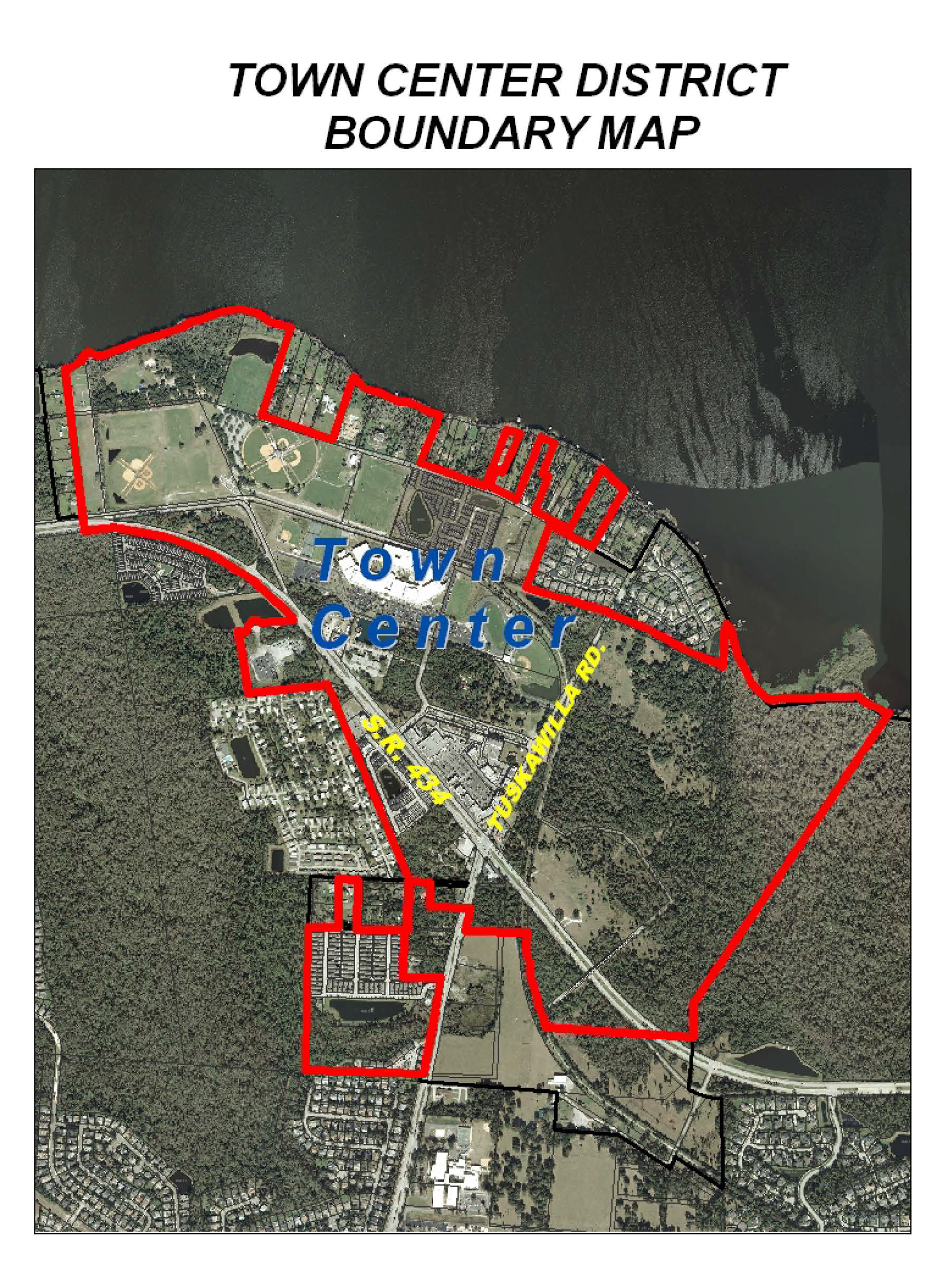
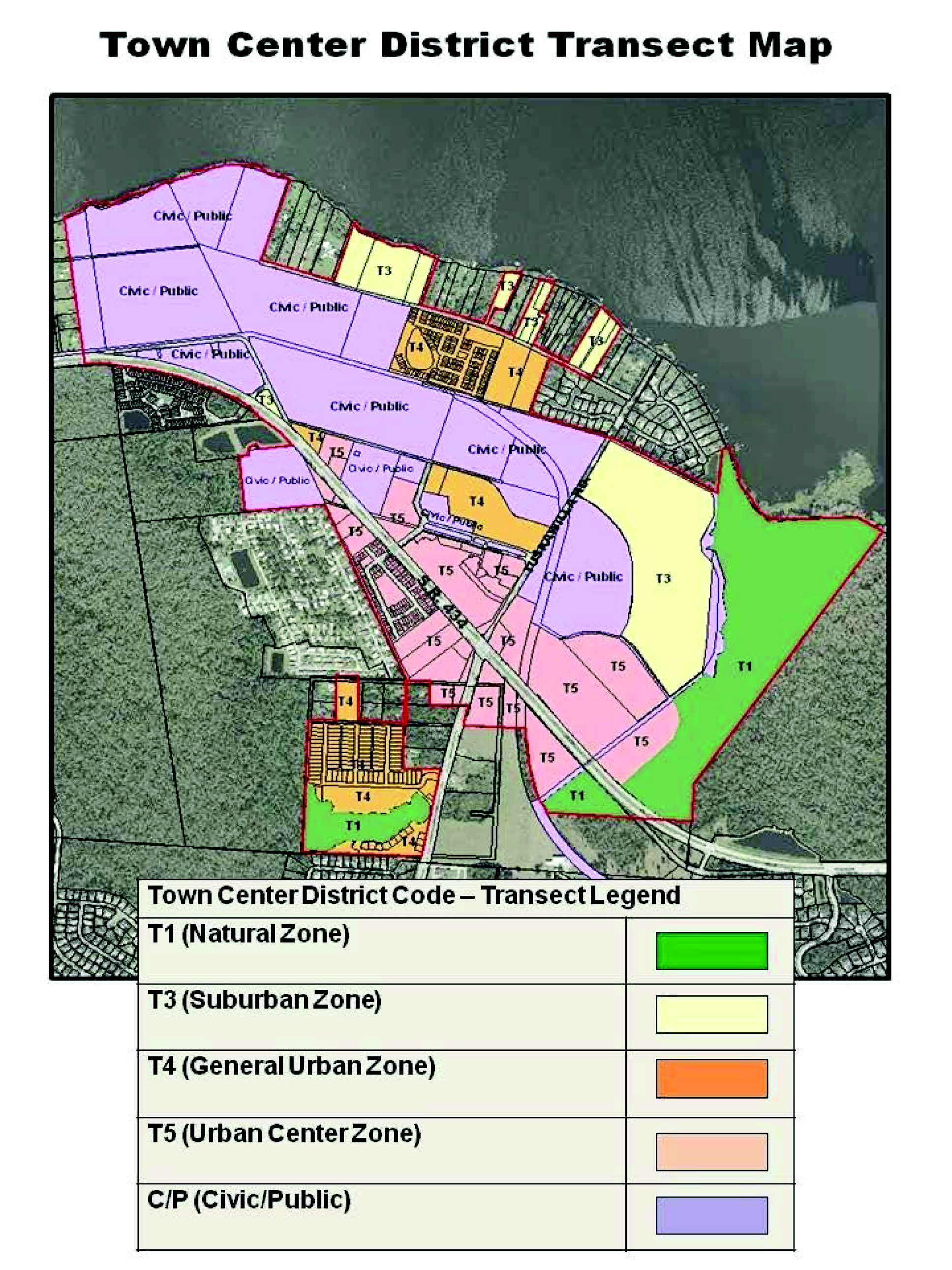
Transect Zone Descriptions
This table provides descriptions of the character of each transect zone.
T1 (Natural Zone)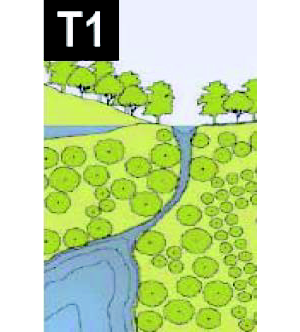 | General character: Natural landscape (i.e., wetlands) that is typically unsuitable for development.
Building placement: Not applicable Typical building height: Not applicable |
T2 (Rural Zone)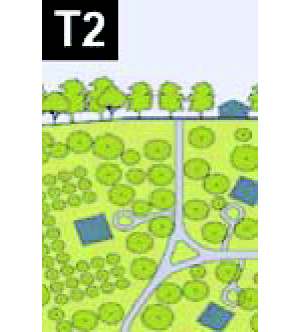 | General character: Sparsely settled lands in an open or cultivated state. Typical buildings include
farmhouses and agricultural buildings.
Building placement: Variable setbacks Frontage types: Not applicable Typical building height: 1- and 2-story |
T3 (Suburban Zone)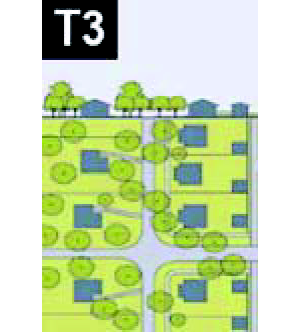 | General character: Consists of the least dense residential areas with some mixed-use. Home occupations
and accessory dwelling units (ADU) are permitted.
Building placement: Medium to large front and side yard setbacks Frontage types: Porches, fences, common yards Typical building height: 1-story minimum, 3-story maximum* * See section 20-324(11) for additional details |
T4 (General Urban Zone)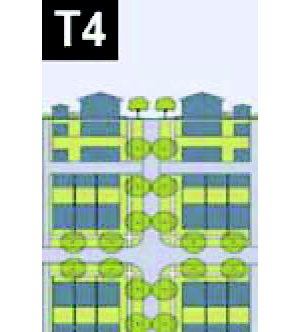 | General character: Consists of mixed-use but primarily residential urban fabric in a more compact area
that is close to the core of the town center. A wide range of building types both
residential and commercial in nature are found in this zone.
Building placement: None to medium front and side yard setbacks Frontage types: Porches, fences, common yards Typical building height: 2-story minimum, 4-story maximum* * See section 20-324(11) for additional details |
T5 (Urban Center Zone)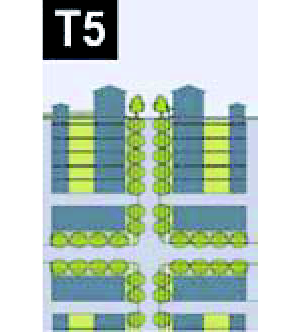 | General character: Comprises the core of the town center and consists of a higher intensity mix of uses
such as retail, offices, and residential.
Building placement: Shallow setbacks or none, buildings oriented close to the street defining a street wall. Frontage types: Stoops, shop-fronts, galleries Typical building height: 2 minimum, to 5-story maximum* * See section 20-324(11) for additional details |
C/P (Civic/Public) | General character: Used for functions of public benefit such as parks and recreation areas, and government uses. Design standards shall be evaluated by the Community Development Department for recommendation to the Development Review Committee (DRC). |
(c)
How to use this code.
(1)
Review the policies and administration procedures applicable to the town center as set forth in the city's comprehensive plan and City Code including the Town Center District Code, chapter 9 land development including final engineering plans, subdivision of land, and aesthetic review, and chapter 20, article II Administration, division 1 procedures; land use decisions regarding special zoning permits.
(2)
Identify the transect zone assigned to the subject property.
(3)
Determine whether the proposed use is permitted in the applicable transect zone and is compatible under existing conditions at the proposed location with other adjacent or nearby land uses within the town center and any established surrounding neighborhoods.
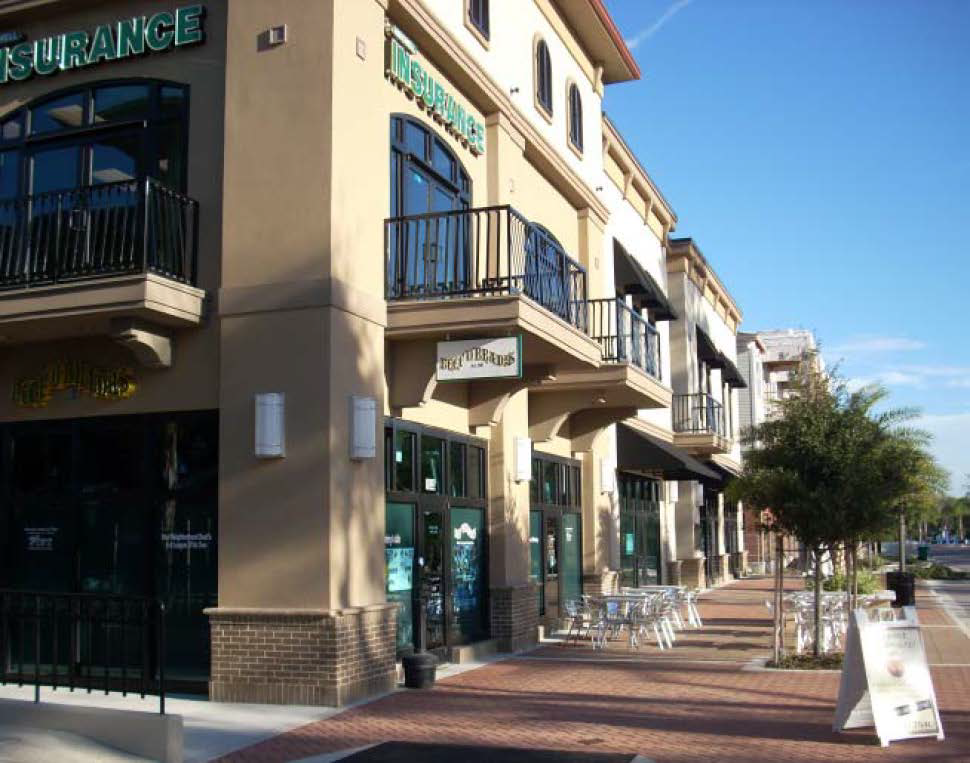
Tuscawilla Road Retail, Winter Springs Town Center
(4)
Review the general provisions and other requirements which apply throughout the applicable transect zone.
(5)
Determine which street type your lot fronts on the thoroughfare standards map.
(6)
Review the building elements and architectural guidelines which contain specific rules for architectural design.
(7)
Prepare plans and specifications for submittal to the city in compliance with applicable law including, but not limited to, the city's comprehensive plan, City Code and Town Center District Code.
(Ord. No. 2012-06, § 2, 3-12-12; Ord. No. 2019-09, § 2, 6-10-19)
Sec. 20-321. - Administration.
(a)
Interpretation of the standards. The images contained in this division are meant to demonstrate the character intended for the town center and shall be the guide for future development, but are for illustrative purposes only. The accompanying text and numbers are rules that govern permitted development.
(b)
In the town center district, decorative street signs are required along roadways as part of the decorative street sign and light program for new development including: subdivisions, commercial development and areas constructed for public use. Standards for the town center district follow the same guidelines as street signage that is upgraded in all other areas of the city. In addition, the city requires that decorative street lights be provided for all development within the town center district. During the development review process, it will be determined by the city whether or not the user or developer of a property within the town center may need to enter into a neighborhood street sign light improvement agreement (NSSLIA) as part of the respective development agreement.
(Ord. No. 2012-06, § 2, 3-12-12; Ord. No. 2019-09, § 2, 6-10-19)
Sec. 20-322. - Definitions.
[The following words, terms and phrases, when used in the Town Center District Code, shall have the meanings ascribed to them in this section, except where the context clearly indicates a different meaning:]
Accessory structure means a building or structure subordinate to the principal building and used for purposes customarily incidental to the main or principal building and located on the same lot or set of attached lots therewith.
Address sign means a sign, generally applied to a building wall, that displays a building's address.
Alley means a publicly or privately owned secondary way which affords access to the side or rear of abutting property.
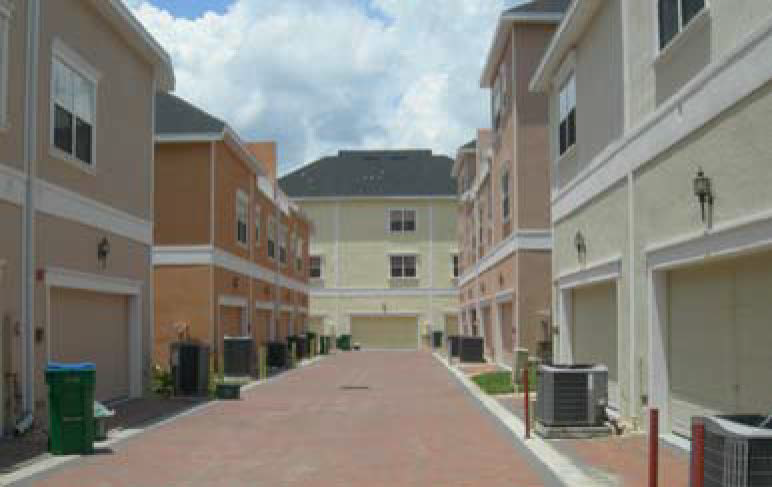
Jesup's Reserve, Winter Springs Town Center
Apex means the highest point of a sign as measured from the point on the ground where its structure is located, or, if no sign structure is present, from the point on the ground directly below the sign itself.
Appurtenances means architectural features not used for human occupancy consisting of: spires, belfries, cupolas or dormers; silos; parapet walls, and cornices without windows; chimneys, ventilators, skylights, and antennas.
Awning means an architectural projection roofed with flexible material supported entirely from the exterior wall of a building.
Balcony means a porch connected to a building on upper stories supported by either a cantilever or brackets.
Band sign means a sign that is attached flat on the exterior front, rear or side wall of any building or other structure. (Synonymous with wall-mounted sign, fascia sign)
Blade sign means a sign mounted on the building facade, projecting at a 90-degree angle. (Synonymous with projecting sign)
Block means an increment of land composed of an aggregate of lots, tracts and alleys circumscribed by thoroughfares.
Building frontage means the vertical side of a building which faces the primary space or street and is built to the principle plane.
Building width means the distance from one side of a building frontage to the other. In conditions where buildings are attached, building width is the distinction between buildings which shall be expressed via a change in architectural expression, such as a vertical element running from ground to roof, a change in fenestration or style, color or texture, or a break in facade plane or roof line. These changes may be subtle or significant, but it is the intent to avoid homogenous blocks of excessively long buildings.
Channel letters means removable letters that fit into channels on a sign or marquee.
Civic/public means the civic/public areas are used for functions of public benefit such as parks and recreation, conservation areas that are dedicated to the public and government uses such as City Hall, Winter Springs High School, and the U.S. Post Office.
Clearance means the height above the walkway, or other surface if specified, of the bottom edge of an element.
Colonnade or arcade means a covered, open-air walkway at standard sidewalk level attached to or integral with the building frontage; structure overhead is supported architecturally by columns or arches along the sidewalk. Colonnades and arcades provide shade and protection for pedestrians in inclement weather.
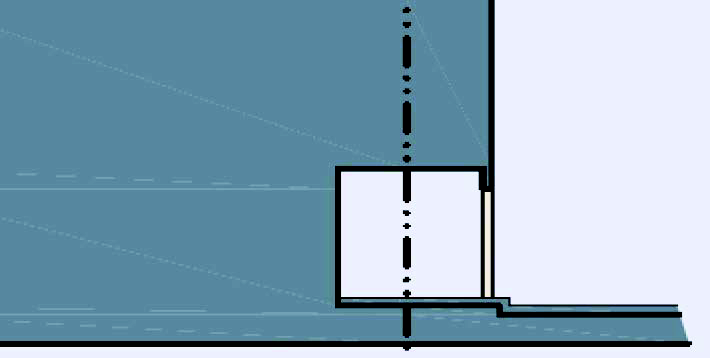
Courtesy: SmartCode, Version 9.2
Common yard means a planted private frontage wherein the facade is set back from the frontage line. It is visually continuous with adjacent yards.
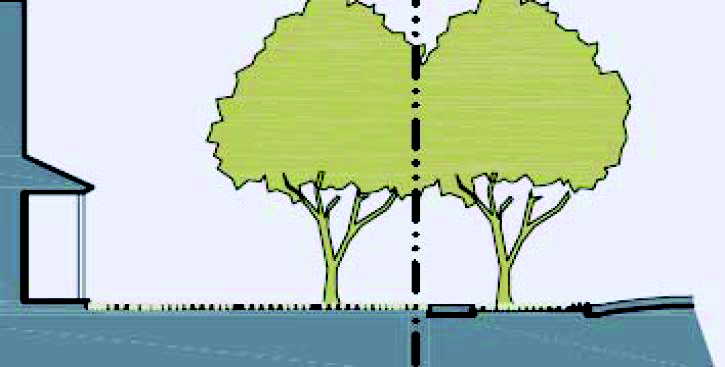
Courtesy: SmartCode, Version 9.2
Dwelling area means the total internal useable space on all floors of a structure, not including porches, balconies, terraces, stoops, patios, or garages.
Forecourt means a private frontage wherein a portion of the facade is close to the frontage line and the central portion is set back.
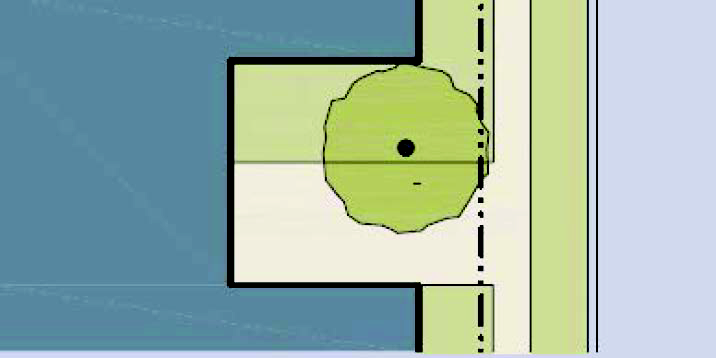
Courtesy: SmartCode, Version 9.2
Front porch means a roofed area, attached at the ground floor level or first floor level, and to the front of a building, open except for railings, and support columns.
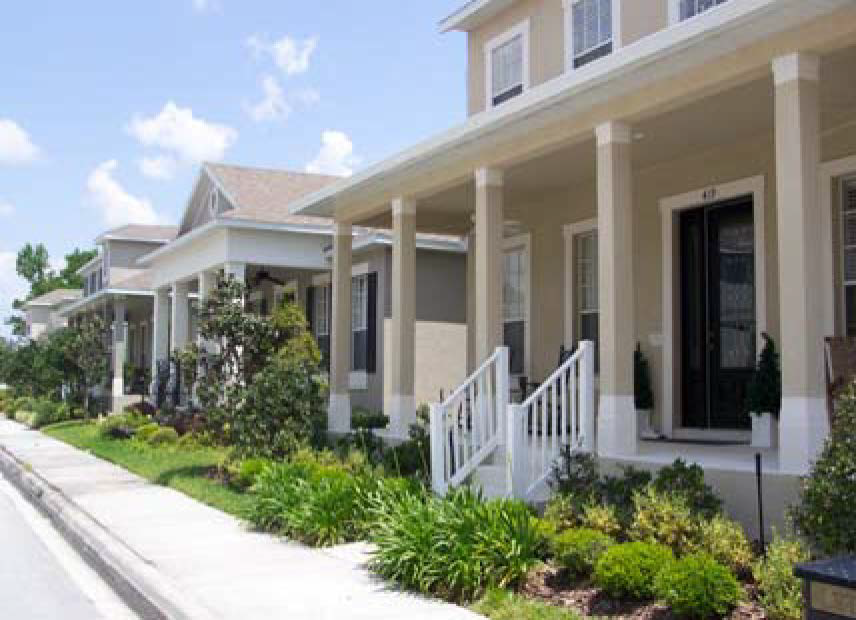
Avery Park, Winter Springs Town Center
Frontage line means a lot line bordering a public frontage. Facades facing frontage lines define the public realm and are therefore more regulated than the elevations facing other lot lines.
Gallery means a private frontage conventional for retail use wherein the facade is aligned close to the frontage line with an attached cantilevered shed or lightweight colonnade overlapping the sidewalk.
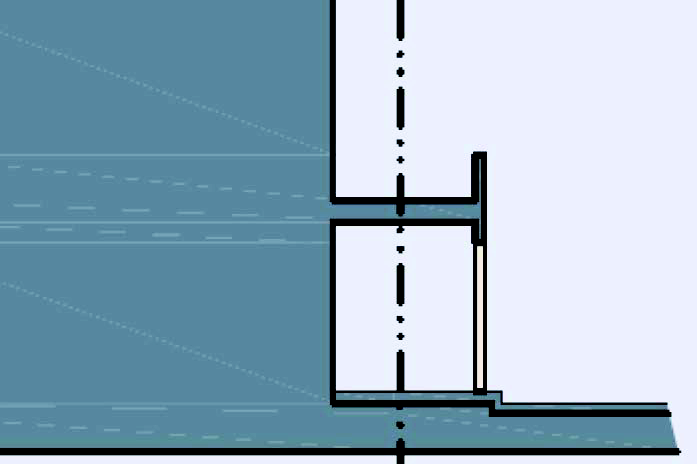
Courtesy: SmartCode, Version 9.2
Garden wall means a freestanding wall along the property line dividing private areas from streets, alleys, and or adjacent lots.
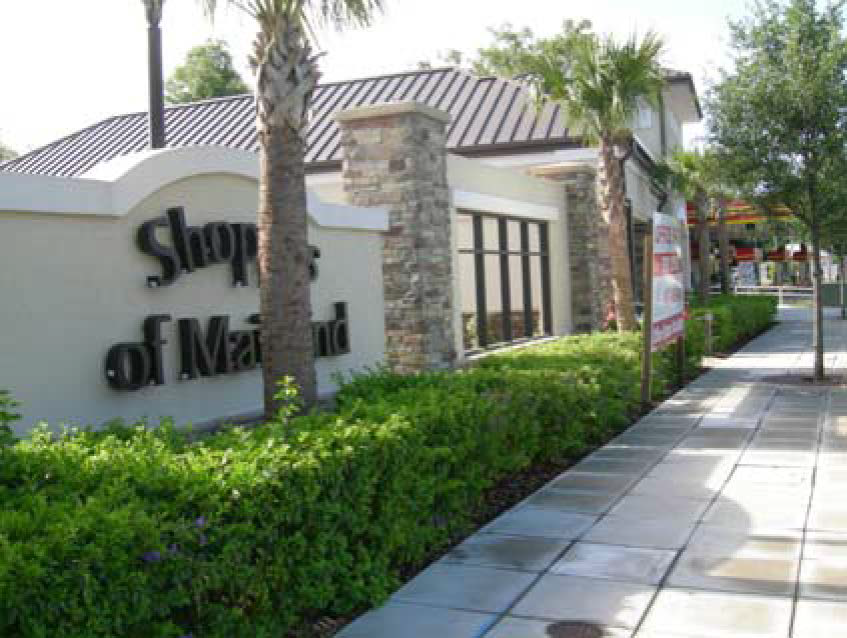
Maitland, FL
Height means the vertical distance from the lowest point on the tallest side of the structure to the top of the cornice, eave or similar architectural feature located at the lowest point of the base of the roof structure.
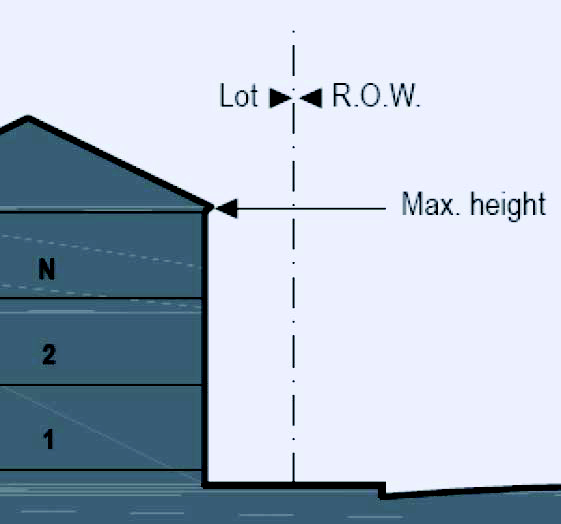
Courtesy: SmartCode, Version 9.2
Light court means a frontage type that is a below grade entrance or recess designed to allow light into basements.
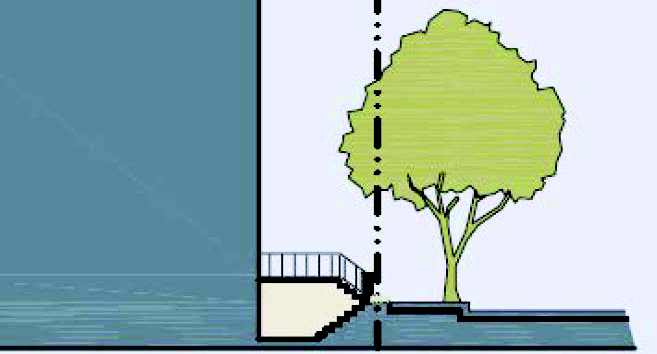
Courtesy: SmartCode, Version 9.2
Liner building means a building constructed in front of a parking garage, cinema, supermarket, etc., to conceal large expanses of blank wall area and to face the street space with a facade that has doors and windows opening onto the sidewalk (see diagrams in section 20-324(8)d). Parking garages and their liners may be built at different times.
Lot means a single building plot; the smallest legal increment of land which may be bought and sold.
Lot frontage means the property line adjacent to the frontage street.
Marquee means a permanently roofed architectural projection the sides of which are vertical and are intended for the display of signs; which provides protection against the weather for the pedestrian; and which is supported entirely from an exterior wall of a building.
Message board means a sign with changeable text that is non-electronic in nature. Non-electronic message boards typically consist of letters attached to a surface within a transparent display case.
Mixed use refers to a development that includes two (2) or more physically integrated uses on one (1) site or within one (1) structure. This can mean some combination of residential, retail, office, industrial, institutional, or other land uses.
Nameplate means a sign consisting of either a panel or individual letters applied to a building, listing the names of businesses or building tenants.
Open space means land that is intended to remain undeveloped, and may be utilized for civic space.
Outdoor display case means a sign consisting of a lockable metal or wood framed cabinet with a transparent window or windows, mounted onto a building wall or freestanding support. It allows the contents, such as menus or maps, to be maintained and kept current.
Porch means a roofed area, attached at the first floor level to the front of a building, open except for railings and support columns. Porches may be multi-story.
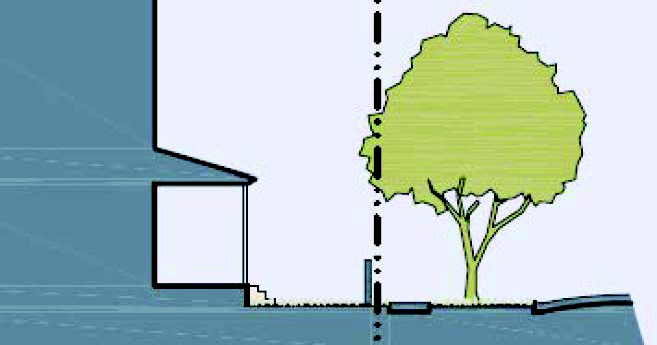
Courtesy: SmartCode, Version 9.2
Primary space or street means the space or street that a building fronts. At squares and street intersections, the space or street highest in the hierarchy is the primary street.
Principle plane means the front of the primary mass of the building, typically the first load-bearing wall. Porches, stoops, and terraces are common architectural details, and do not constitute the "principle plane" of a building.
Shed awning means an awning with two (2) short sides in addition to the main canopy.
Shingle sign means a small blade sign usually mounted on the ground floor level, displaying a building's professional tenant directory.
Shopfront means a private frontage conventional for retail use, with substantial glazing and an awning, wherein the facade is aligned close to the frontage line with the building entrance at sidewalk grade.
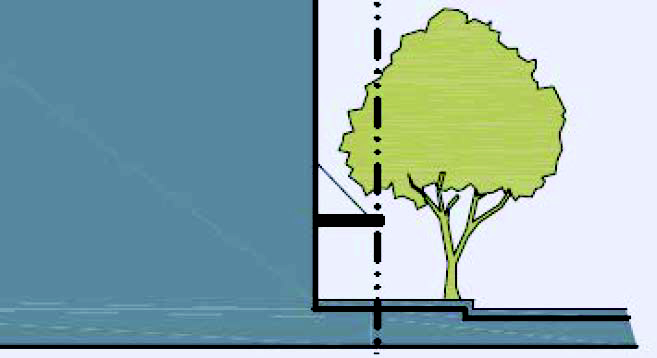
Courtesy: SmartCode, Version 9.2
Sidewalk sign means a movable freestanding sign that is typically double-sided, placed at the entrance to a business to attract pedestrians. (Variation: Sandwich board, A-frame sign.)
Signband means the horizontal signage area on a valance or marquee.
Stoop means a small platform and/or entrance stairway at a house door, commonly covered by a secondary roof or awning.
Storefront means building frontage for the ground floor usually associated with retail uses.
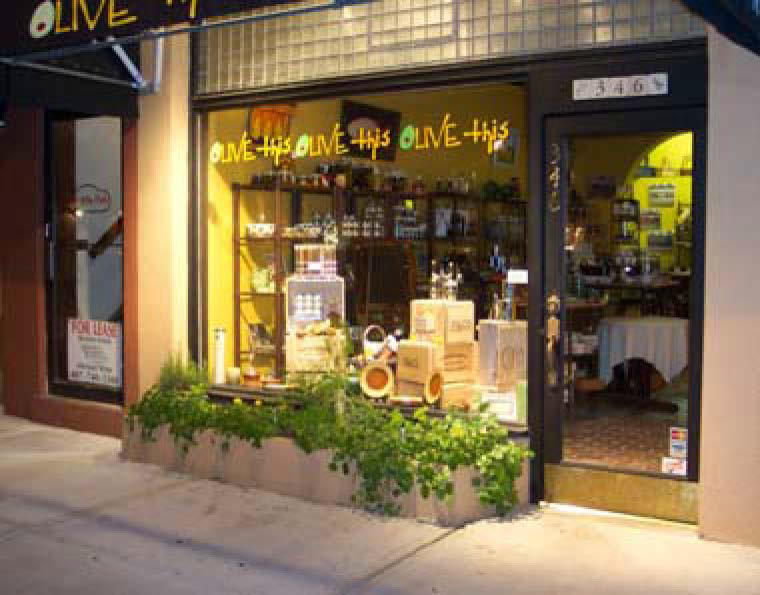
Winter Park, FL
Structured parking means layers of parking stacked vertically.
Terrace means a level paved area or platform next to a building, a patio or veranda. Terraces are suitable for conversion to outdoor cafes.
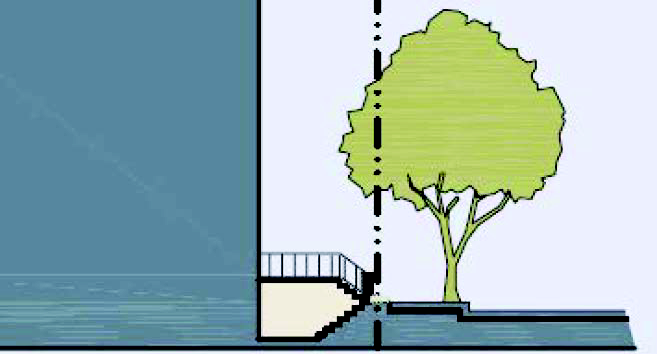
Courtesy: SmartCode, Version 9.2
Transect means a cross-section of the environment showing a range of different habitats. The rural-urban transect of the human environment used in this Code is divided into six (6) transect zones. These zones describe the physical form and character of a place, according to the density and intensity of its land and urbanism.
Transect zone (T-zone) means one of several areas on a zoning map regulated by this Code. Transect zones are administratively similar to the land use zones in conventional codes, except that in addition to the usual building use, density, height, and setback requirements, other elements of the intended habitat are integrated, including those of the private lot and building and public frontage.
T1 (natural zone). This zone consists of lands approximating or reverting to a wilderness condition, including lands unsuitable for settlement due to topography, hydrology or vegetation.
T2 (rural zone). This zone consists of sparsely settled lands in an open or cultivated state. These can include agricultural lands. Typical buildings are farmhouses, agricultural buildings, cabins, and villas.
T3 (suburban zone). This zone consists of the least dense residential areas, adjacent to higher density zones within the town center that include some mixed-use. Home occupations and accessory dwelling units (ADU) are allowed. Planting is naturalistic and setbacks are relatively deep. Blocks may be large and the roads irregular to accommodate natural conditions. This zone is intended to provide a transition to and incorporation with existing lower density residential areas that are adjacent to the town center district.
T4 (general urban zone). This zone consists of mixed-use but primarily residential urban fabric. This zone may have a wide range of building types, both residential and commercial in nature. Setbacks and landscaping are variable. This zone is typically residential but is more urban and compact than the suburban zone, and is located closer to core of the town center. Corner stores may also be found in this zone.
T5 (urban center zone). The T5 urban center zone comprises the core of the town center and is synonymous with the city's urban central business district. It shall consist of a higher intensity mix of uses that include retail, offices, and residential. T5 areas typically have fairly small blocks with wide sidewalks, regularly-spaced tree planting, and buildings set close to the street.
Valance means the portion of an awning that hangs perpendicular to the sidewalk.
Window sign means a sign placed or painted on the interior of a shopfront window or the window of a business door.
Yard sign means a permanent freestanding sign in the private frontage, including a supporting post or posts.
(Ord. No. 2012-06, § 2, 3-12-12)
Sec. 20-323. - Permitted uses.
(1) Notwithstanding section 20-418 of the City Code regarding gasoline stations, a conditional use may be approved by the city commission for an expanded neighborhood convenience store. The store must be between four thousand (4,000) to five thousand (5,000) square feet and primarily offer traditional convenience store items, including dairy, bakery, tobacco, beverages, grocery, health and beauty aids, newspapers and magazines, lottery sales as may be approved by the state, and confectionery. Additionally, it must feature expanded grocery products, fresh fruits and vegetables, significant fast or prepared food operations and seating, coffee bars or kiosks, and gasoline sales with no more than twelve (12) fueling positions. The store must also be located at the corner of an arterial road intersection.
P—Permitted by right.
CU—Conditional use.
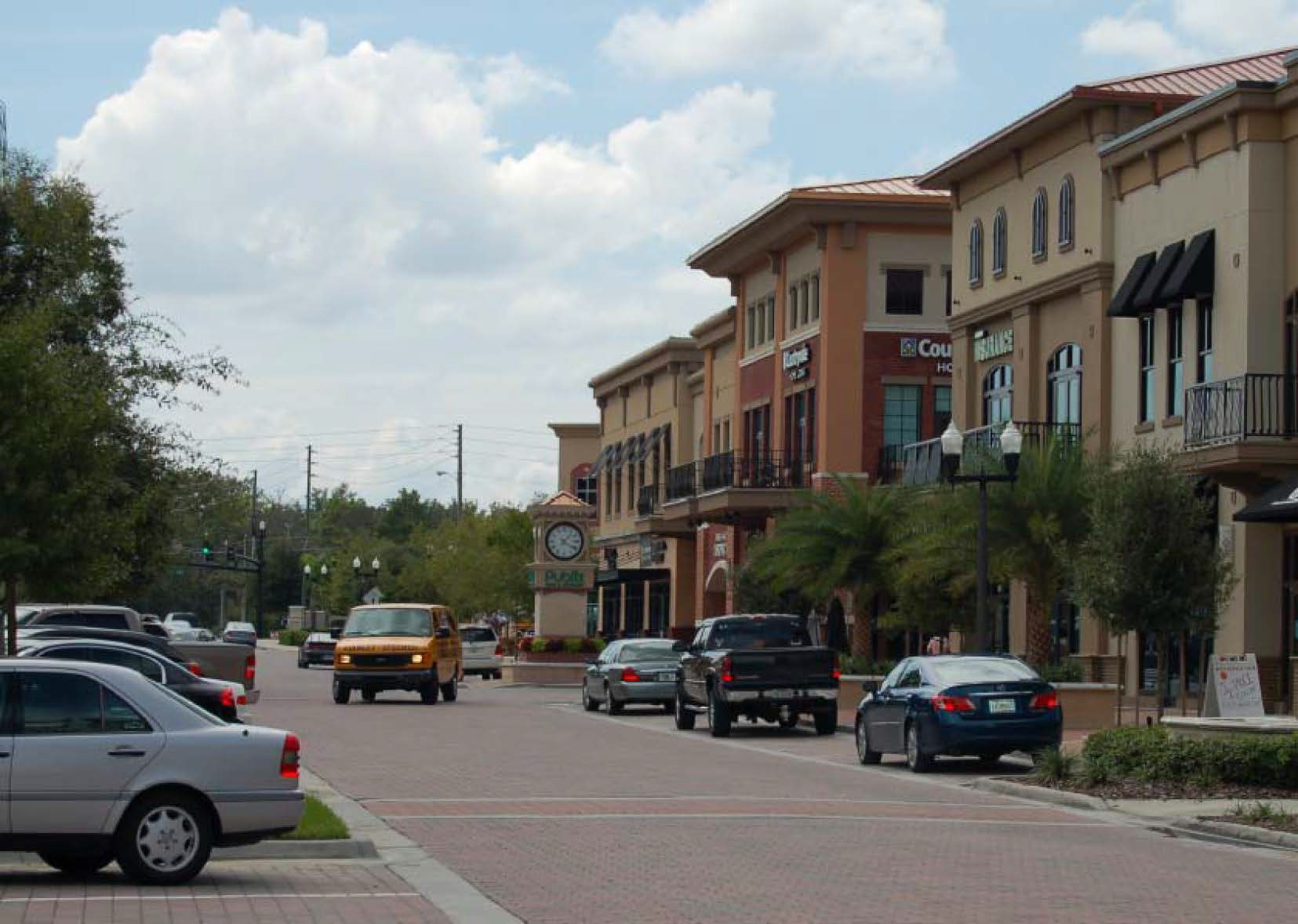
Main Street (Tuscawilla Road): Winter Springs Town Center
(Ord. No. 2012-06, § 2, 3-12-12; Ord. No. 2014-09, § 2, 4-28-14; Ord. No. 2016-07, § 2, 4-11-16; Ord. No. 2016-07, § 2(Exh. A), 4-11-16; Ord. No. 2019-09, § 3(Exh. A), 6-10-19; Ord. No. 2022-04, § 2, 12-12-22; Ord. No. 2025-09, § 2, 5-12-25)
Sec. 20-324. - General provisions.
The following general provisions apply to all street types.
(1)
Corner radii and clear zones. Corner curb radii shall be between nine (9) feet and fifteen (15) feet, with the following permitted exceptions: 1) where a curb radius must be larger in order to meet the minimum requirements to obtain a required permit from another agency (FDOT, Seminole County, etc.); and 2) where the fire marshal has determined that a larger curb radius must be provided. Fairly tight turning radii shorten pedestrian crossings and inhibit reckless drivers from turning corners at high speeds. To allow for emergency vehicles (e.g., fire trucks) to turn corners, a twenty-five-foot radius clear zone shall be established free of all vertical obstructions including but not limited to telephone poles, sign poles, fire hydrants, electrical boxes, or newspaper boxes.
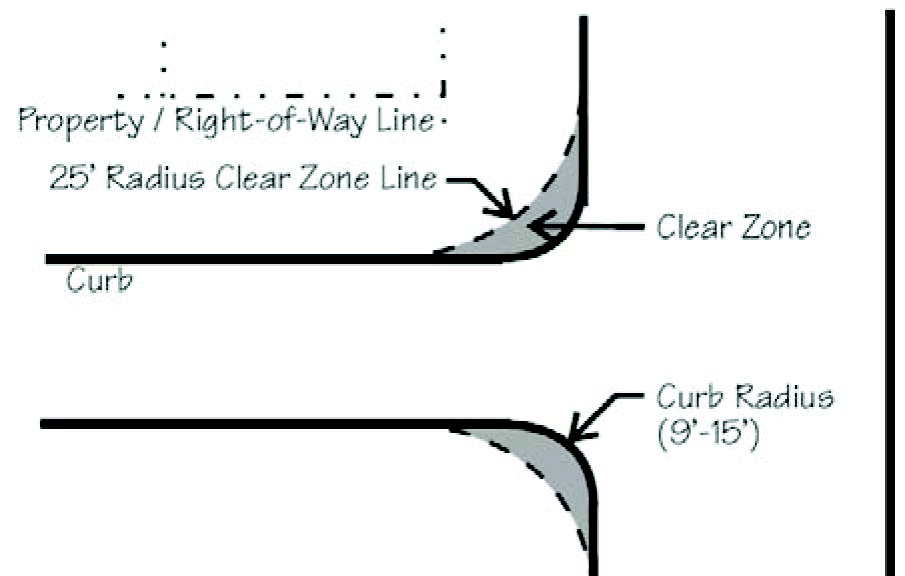
(2)
Alleys. Alleys are required in the T4 and T5 zones of the town center to minimize curb cuts and to provide access to parking and service areas behind buildings. Alleys are not required in the T3 zone in cases when lot widths are greater than fifty (50) feet. In these cases, a front-loaded garage can be utilized, provided it is setback at least twenty (20) feet behind the principle plane of the primary building. Alley locations and dimensions are not fixed but shall be designed to accommodate the alley's purpose. Additional curb cuts shall be added only with the permission of the development review committee. Alleys may be incorporated into parking lots as drive aisles and fire lanes. In general alleys are intended to accommodate services including but not limited to parking, trash pickup, loading docks, and drive-throughs.
(3)
Exceptions from build-to lines (front setbacks). Exceptions from build-to lines as noted in each transect zone may be granted by the development review committee for avoiding trees with diameter breast height (dbh) greater than eight (8) inches.
On corner sites (within fifty (50) feet of the corner) with build-to lines set back from the property line, building frontage may be positioned forward of the build-to line up to the property line, provided it does not encroach upon the clear zone.
(4)
Diversity of building widths. No more than three (3) detached residential buildings twenty (20) feet or less in width are permitted within any two hundred (200) feet of frontage.
(5)
Accessory structures. Accessory structures are permitted and may contain parking, accessory dwelling units, home occupation uses, storage space, and trash receptacles. Home occupation uses are restricted to owner plus one (1) employee, shall not include noxious or disruptive functions, and may not disrupt parking for neighboring residents. Accessory structures shall not be greater than six hundred twenty-five (625) square feet in footprint and shall not exceed two (2) stories in height.
(6)
Drive-throughs. Drive-through service windows are only permitted in the rear in and alley accessed locations provided they do not substantially disrupt pedestrian activity or surrounding uses.
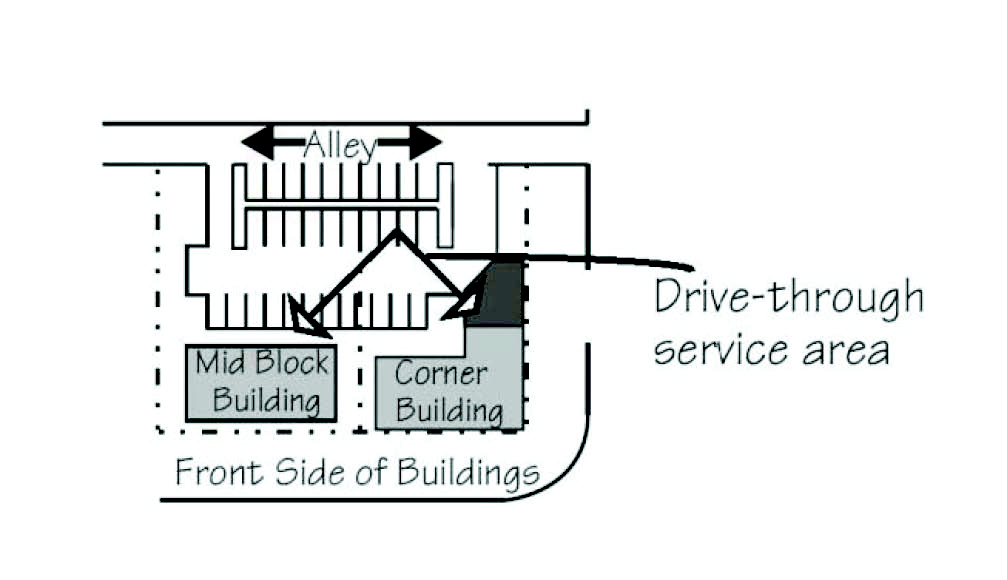
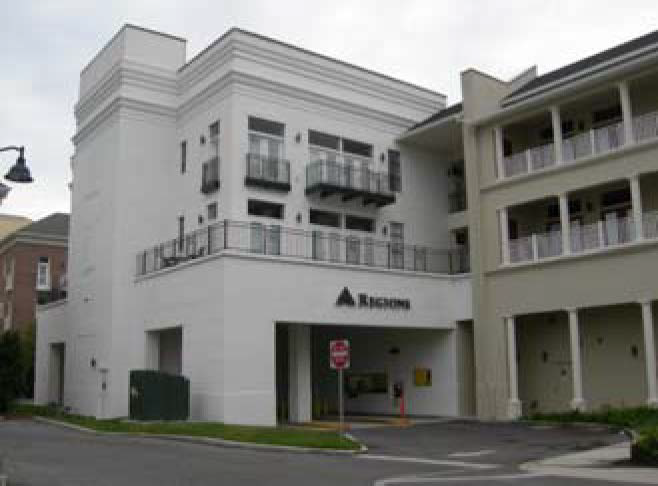
(7)
Civic sites. Civic buildings and sites contain uses of special public importance. Civic buildings include, but are not limited to, municipal buildings, churches, libraries, schools, daycare centers, recreation facilities, and places of assembly. Civic buildings do not include retail buildings, residential buildings, or privately owned office buildings. In order to provide greater flexibility to create a special architectural statement, civic buildings are not subject to build-to line requirements or building frontage requirements. Civic sites include Central Winds Park and Wetlands Park. The design of civic buildings and sites shall be subject to review and approval by the development review committee and are permitted in any transect zone within the town center but primarily in the "civic/public" zone.
(8)
Parking.
a.
Parking requirements. The intent of these parking regulations is to encourage a balance between compact pedestrian oriented development and necessary car storage. The goal is to construct neither more nor less parking than is needed.
There shall be no minimum parking requirement in the town center. The applicant shall provide a parking analysis justifying the proposed parking solution. The level of detail required for the parking analysis shall be determined in consultation with the DRC early-on in the development process. In general, the parking analysis shall include a detailed analysis and calculation of the normal and peak parking demands for a development. The usage of standard parking generation rates is normally not acceptable for this purpose. The best source of data is field parking counts from similar developments in the area. Factors to consider when calculating the overall parking demand include, but are not limited to:
• Size and usage of the development/number of units
• Availability and proximity of mass transit
• Demographics of the expected user group
• Availability and expected use of bicycle and pedestrian facilities
• Surrounding land use
Factors to consider when determining the number of parking spaces to be provided include, but are not limited to:
• Number of parking spaces to be reserved and/or restricted
• Availability and proximity of overflow parking areas
• Mix of the type of parking spaces available, including private garages, private driveways, public surface parking, public on-street parking, metered parking, etc.
• Management strategies for the usage of visitor/overflow parking spaces
• Opportunity to share parking with surrounding properties
Enclosed garages in individual residential units are often not used to their full parking capacity. In recognition of this, the number of parking spaces considered to be available in enclosed garages shall be calculated at fifty (50) percent of the actual parking capacity. For example, a two-car garage would be considered to have 1.0 parking spaces, and a one-car garage would have 0.5 parking spaces.
Minimum parking space dimensions for head-in or diagonal parking shall be nine (9) feet × eighteeen (18) feet with eleven-foot drive lanes (twenty-two (22) feet for two-way traffic) and parallel parking spaces shall be eight (8) feet × twenty (20) feet minimum with ten-foot drive lanes (twenty (20) feet for two-way traffic).
Parking shall be provided as necessary to meet the requirements of the Americans with Disabilities Act and Florida Accessibility Code for Building Construction.
b.
On-street parking. The selection of diagonal or parallel parking along any section of road shall be determined in consultation with DRC. In the event that the DRC approves diagonal instead of parallel parking, dimensions should be pursuant to section 20-325(c).
c.
Off-street surface parking lot placement. Off-street surface parking lots shall be set back a minimum of fifty (50) feet from the property line along the main street to accommodate liner buildings. The DRC shall have discretion to make this requirement applicable elsewhere on prominent frontages, such as along key pedestrian connections, within significant vistas and within important public spaces. Outbuildings serving as garages facing alleys shall be permitted within this setback. This dimension may be reduced to thirty-five (35) feet in cases where liner buildings are being constructed concurrently with an off-street surface parking lot.
d.
Structured parking lot placement. Parking structures shall be set back a minimum of fifty (50) feet from the property lines of all adjacent streets to reserve room for liner buildings between parking structures or other structures with blank walls and the lot frontage. This distance will vary dependent upon the architecture of the liner building. The liner building shall be no less than two (2) stories in height or a height sufficient to buffer the entire height of the parking structure from the right-of-way. Liner buildings may be detached from or attached to parking structures. The setback dimension may be reduced in cases where liner buildings are being constructed concurrently with a structured parking facility, but in no case shall this dimension be less than thirty-five (35) feet.
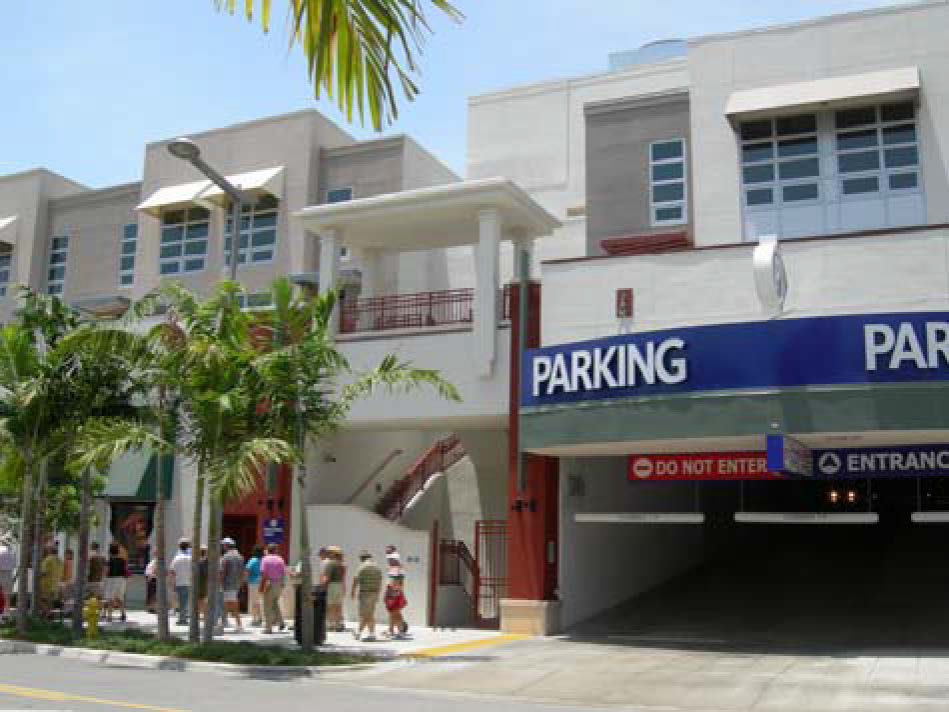
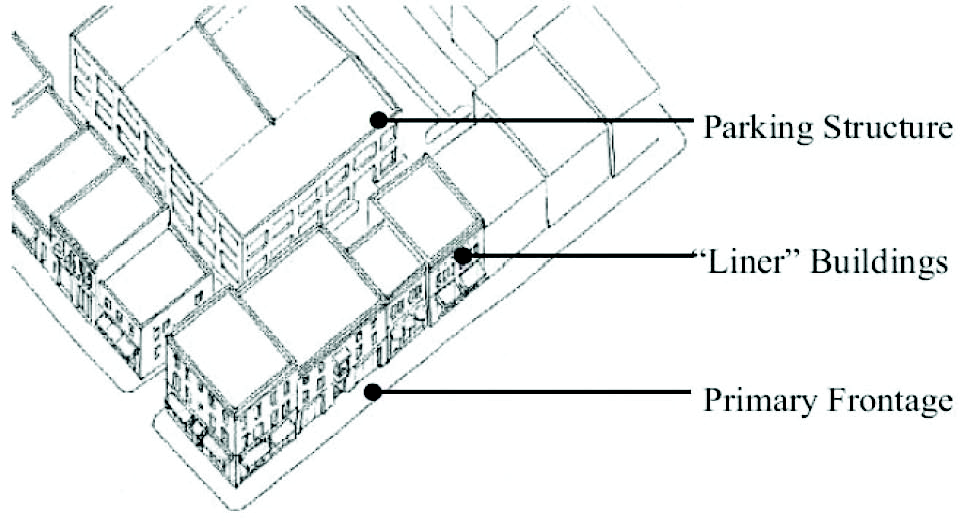
e.
Access to off-street parking. Alleys shall be the primary source of access to off-street parking. Parking along alleys may be head-in, diagonal or parallel.
Alleys may be incorporated into parking lots as standard drive aisles. Access to all properties adjacent to the alley shall be maintained. Access between parking lots across property lines is also encouraged. Corner lots that have both rear and side access shall access parking through the rear.
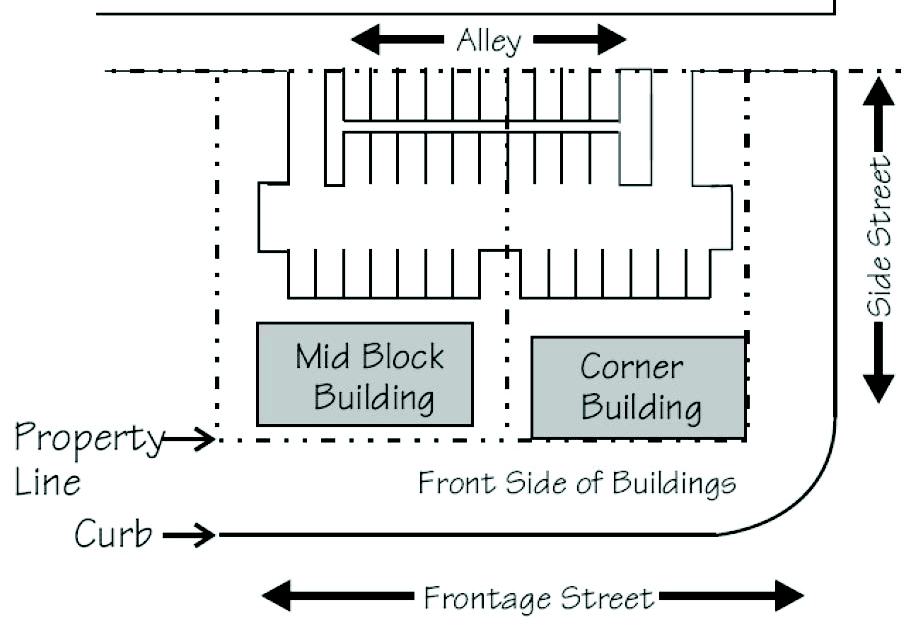
Circular drives are prohibited except for civic buildings.
In the T4 and T5 districts, garage door(s) shall be positioned no closer to streets, squares or parks than twenty (20) feet behind the principal plane of the building frontage. Garage doors facing streets, squares or parks shall not exceed ten (10) feet in width. Where space permits, garage doors shall face the side or the rear, not the front.
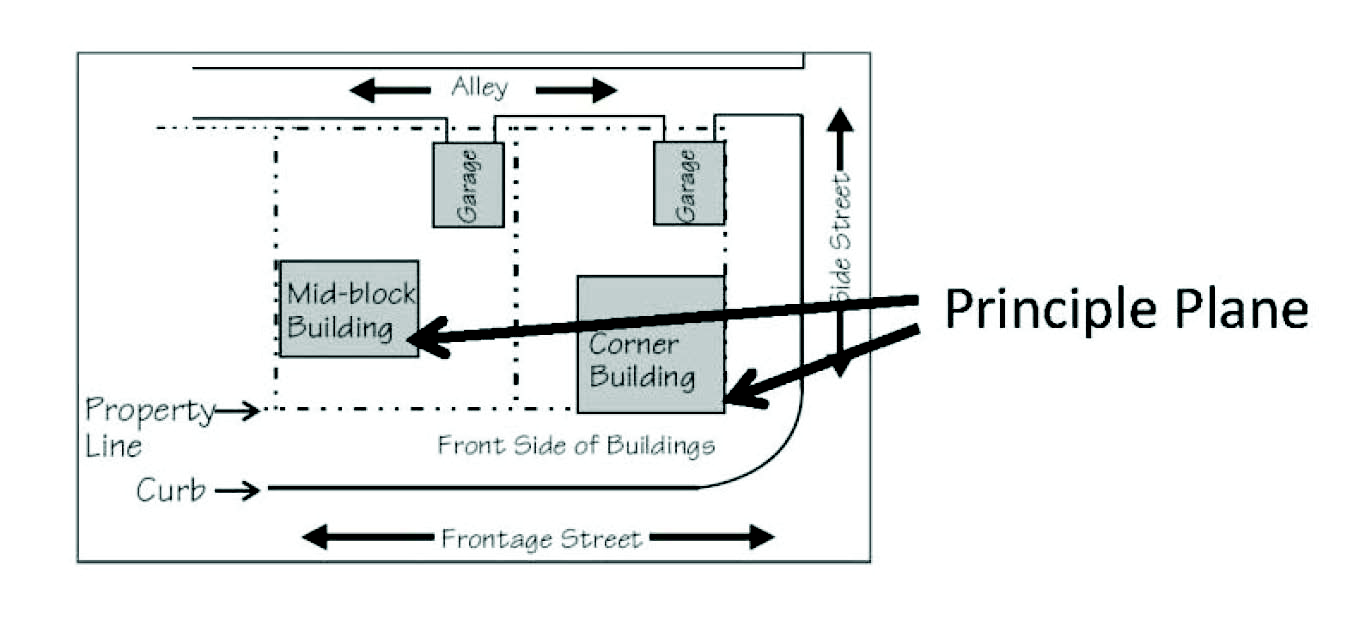
f.
Parking lot landscaping requirements.
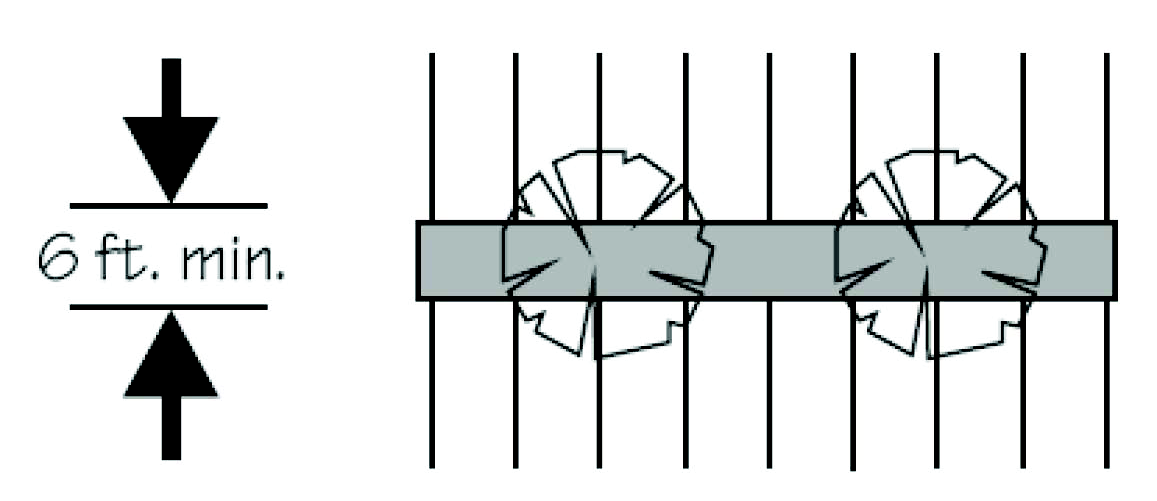
Landscape strips of at least six (6) feet in width shall be provided between parking isles of either head-in or diagonal parking.
Tree spacing in parking lots shall be determined by the city arborist based upon tree species and location. The objective is to create as continuous a shade canopy as possible.
A diversity of tree species across the town center is encouraged. To minimize water consumption, the use of low-water vegetative ground cover other than turf is encouraged.
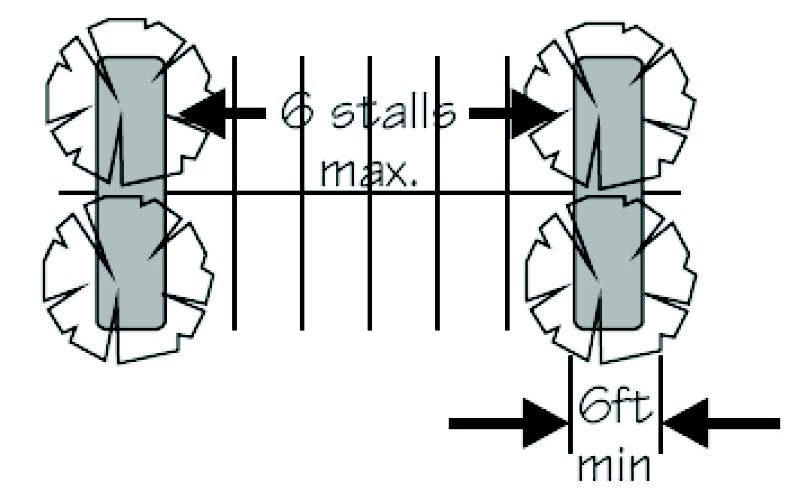
Undesirable large footprint buildings have blank facades and sit behind a field of
parking.
In lieu of landscape strips, landscape islands can be provided. No more than six (6) consecutive parking stalls are permitted without a landscape island of at least six (6) feet in width and extending the entire length of the parking stall. A minimum of one (1) tree shall be planted in each landscape island.
(9)
Large footprint buildings. Buildings with a footprint greater than twenty thousand (20,000) square feet may be built within the town center district by conditional use only. In these cases, the maximum lot width as noted in each applicable transect zone will be waived. Such buildings must abide by all rules in this division with the following special limitations:
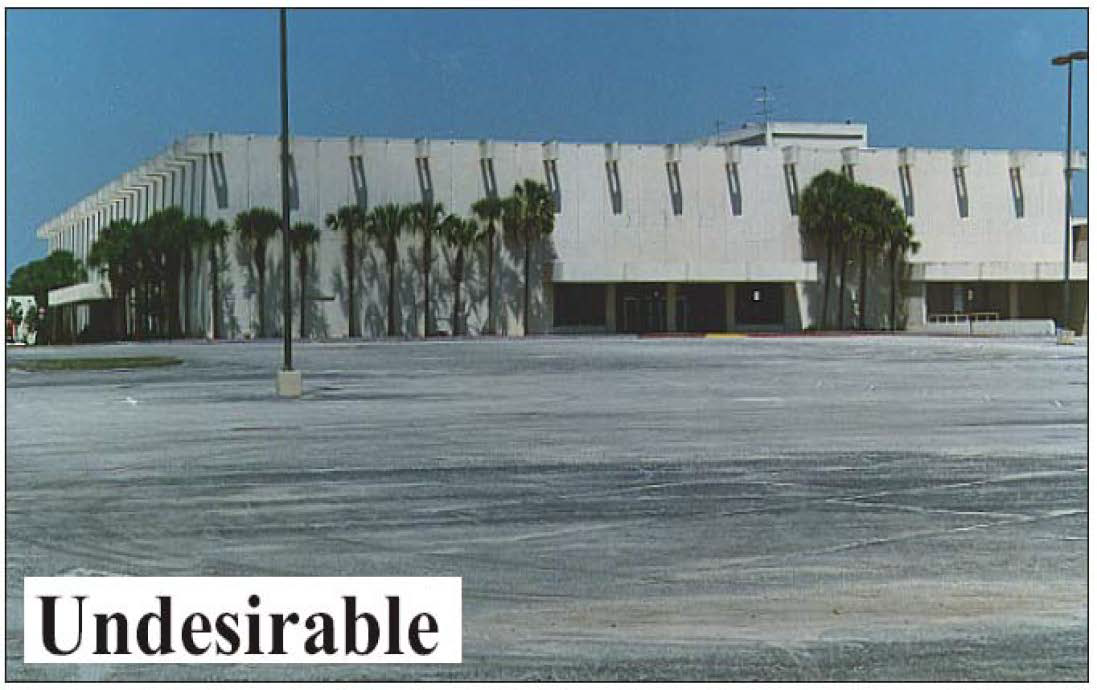
Undesirable large footprint buildings have blank facades and sit behind a field of
parking.
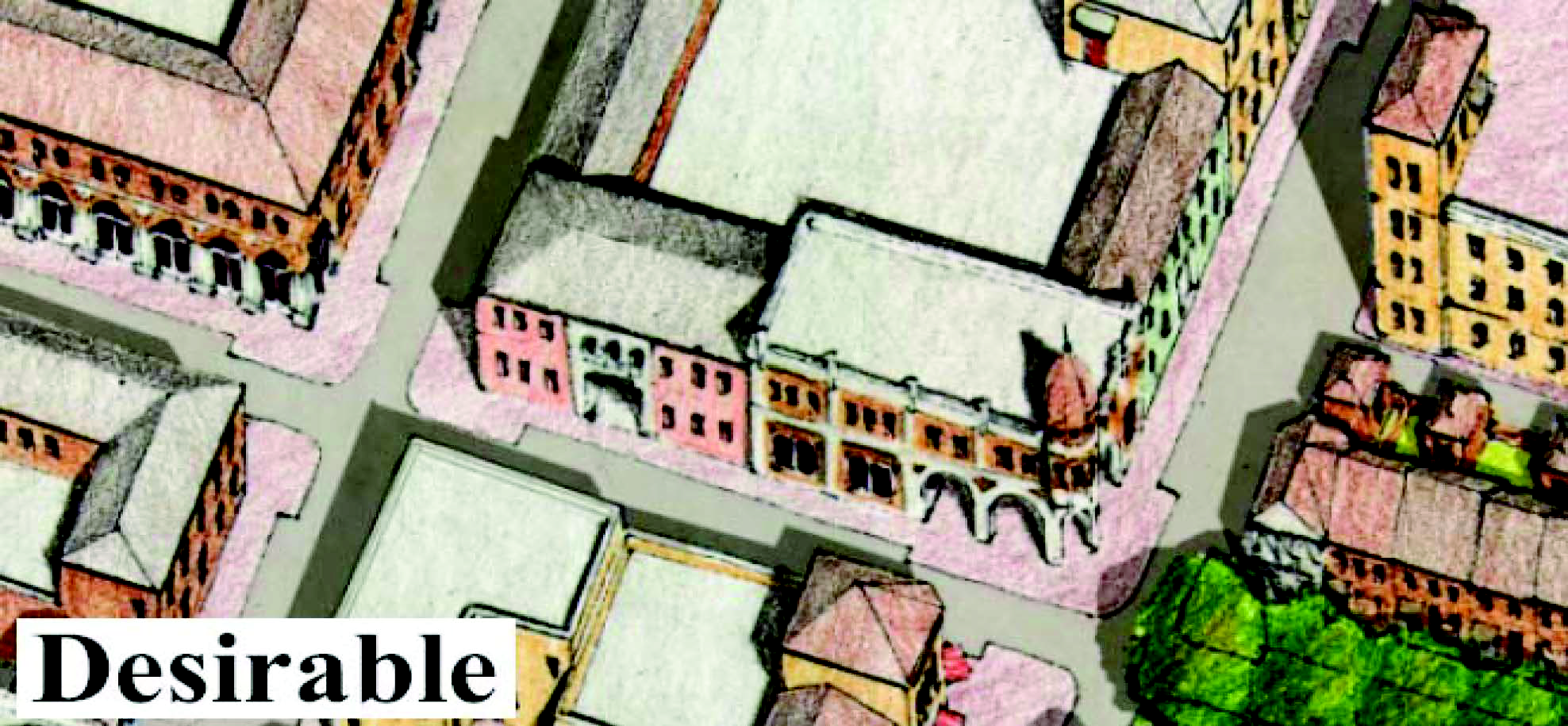
Desirable large footprint buildings are wrapped in a liner of smaller buildings with
doors and windows facing the street.
a.
To encourage use by pedestrians and decrease the need for solely auto-oriented patronage, large-footprint buildings must reinforce the urban character of the town center and shall therefore continue a connected system of walkable street frontages.
b.
Loading docks, service areas and trash disposal facilities shall not face streets, parks, squares or significant pedestrian spaces.
(10)
Additional prohibitions. The following are prohibited where visible from parks, squares and primary streets:
a.
Utility boxes and machinery, including but not limited to: backflow devices, electric meters and air conditioning units.
(11)
Maximum block size. A block is noted by this Code as an increment of land composed of an aggregate of lots, tracts and alleys circumscribed by thoroughfares. The maximum block size permitted by this Code is a perimeter of one thousand six hundred (1,600) feet, with no individual block face being more than six hundred (600) feet in length. Special exceptions may be approved by the DRC on a case-by-case basis from this provision where circumstances including structured parking among other things are constructed in the block.
Fronts and backs orientation of buildings and lots relative to the frontage line:
a.
Buildings and lots have fronts, sides, and rears.
b.
Thoroughfares, with the exception of rear alleys and rear lanes, should be faced with the fronts and sides of buildings and lots.
c.
Rear alleys, rear lanes and mid-block parking areas should be faced with the backs of sides of buildings and lots.
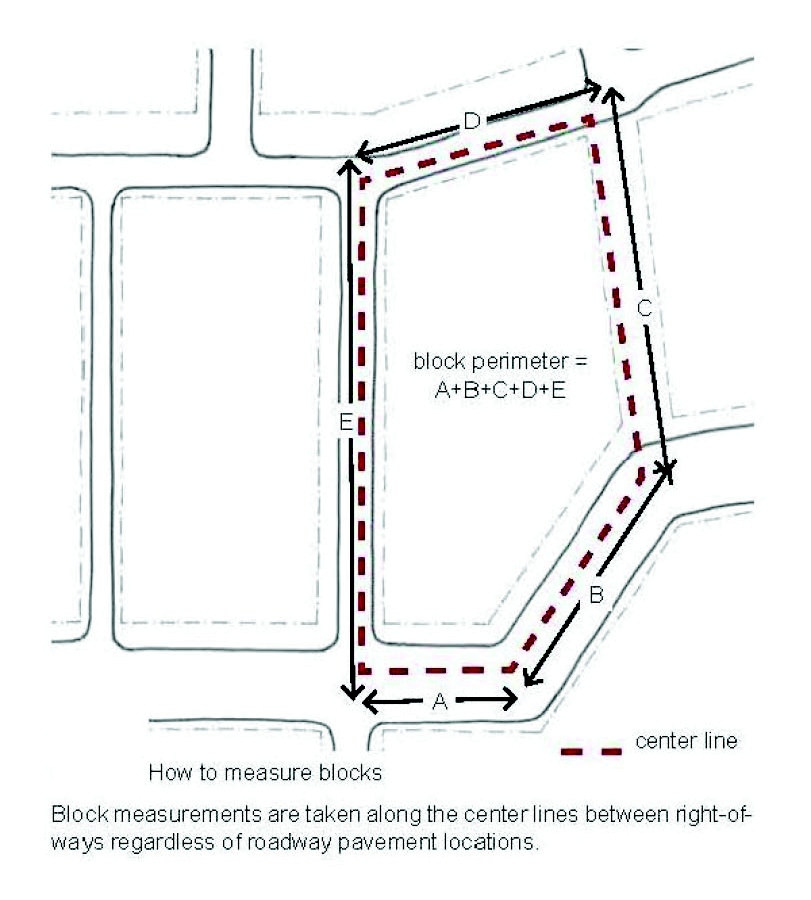
(12)
Building height. Proposed buildings greater that three (3) stories in height shall require conditional use review and permit. Cupolas, spires, domes, pinnacles, chimneys, penthouses and similar architectural features may be erected to a height greater than any limit prescribed in this Code provided, each feature does not exceed six hundred (600) square feet in area and does not extend more than thirty (30) feet above the designated height limit for each transect zone. Building height is measured as the vertical distance from the lowest point on the tallest side of the structure to the top of the cornice, eave or similar architectural feature. Subject to aesthetic review approval, buildings greater than three (3) stories must have a building step-back consisting of an architectural design element that is applied to each story above three (3) stories of the development. A step back requires that any portion of a building above three (3) stories is further pushed-in towards the center of the property for purposes of reducing the scale of the building and enhancing its aesthetic character while exposing and emphasizing the ground-level elements of a structure, increasing views of surroundings areas, and increasing solar and wind pass through.
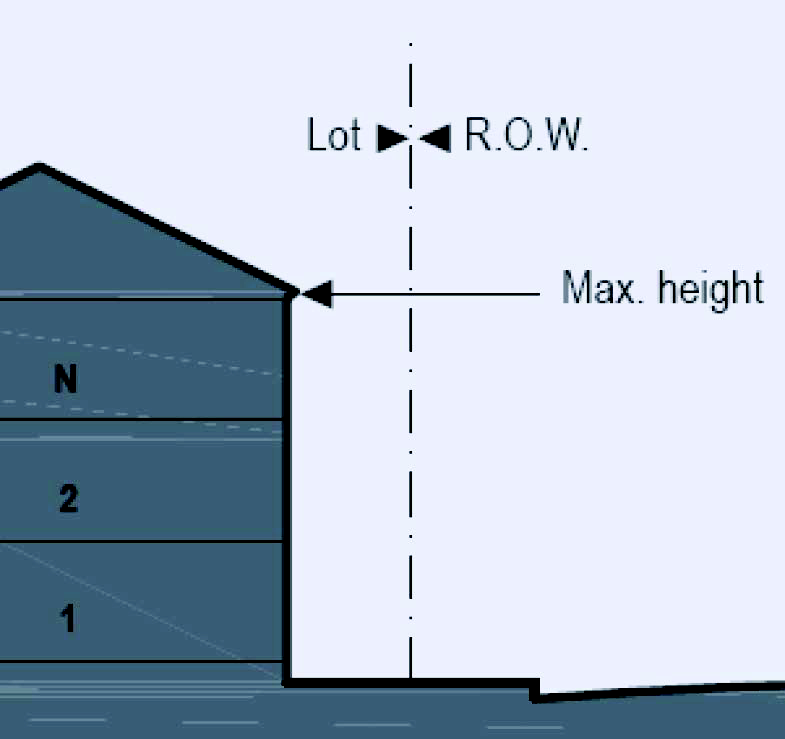
Courtesy: SmartCode, Version 9.2
(Ord. No. 2012-06, § 2, 3-12-12; Ord. No. 2019-09, § 2, 6-10-19; Ord. No. 2020-02, § 3, 4-27-20)
Sec. 20-325. - Transect standards.
(a)
City of Winter Springs Town Center Master Plan.
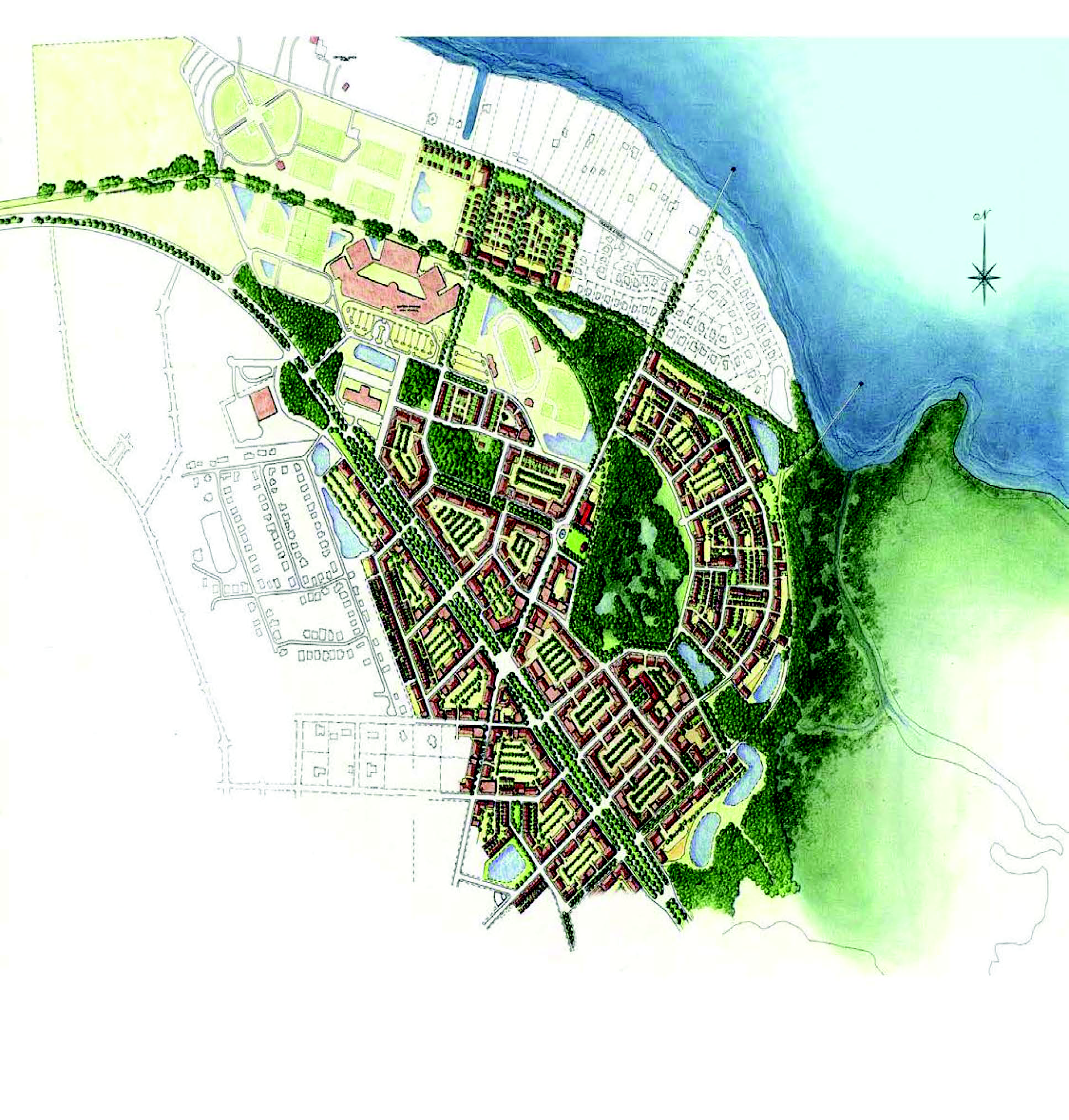
(b)
Transect zone design standards.
T3 (Suburban Zone)
(1)
Description. This zone consists of the least dense residential areas, adjacent to higher density zones within the town center that include some mixed-use. Home occupations and accessory dwelling units (ADU) are allowed. Planting is naturalistic and setbacks are relatively deep. Blocks may be large and the roads irregular to accommodate natural conditions. This zone is intended to provide a transition to and incorporation with existing lower density residential areas that are adjacent to the town center district.
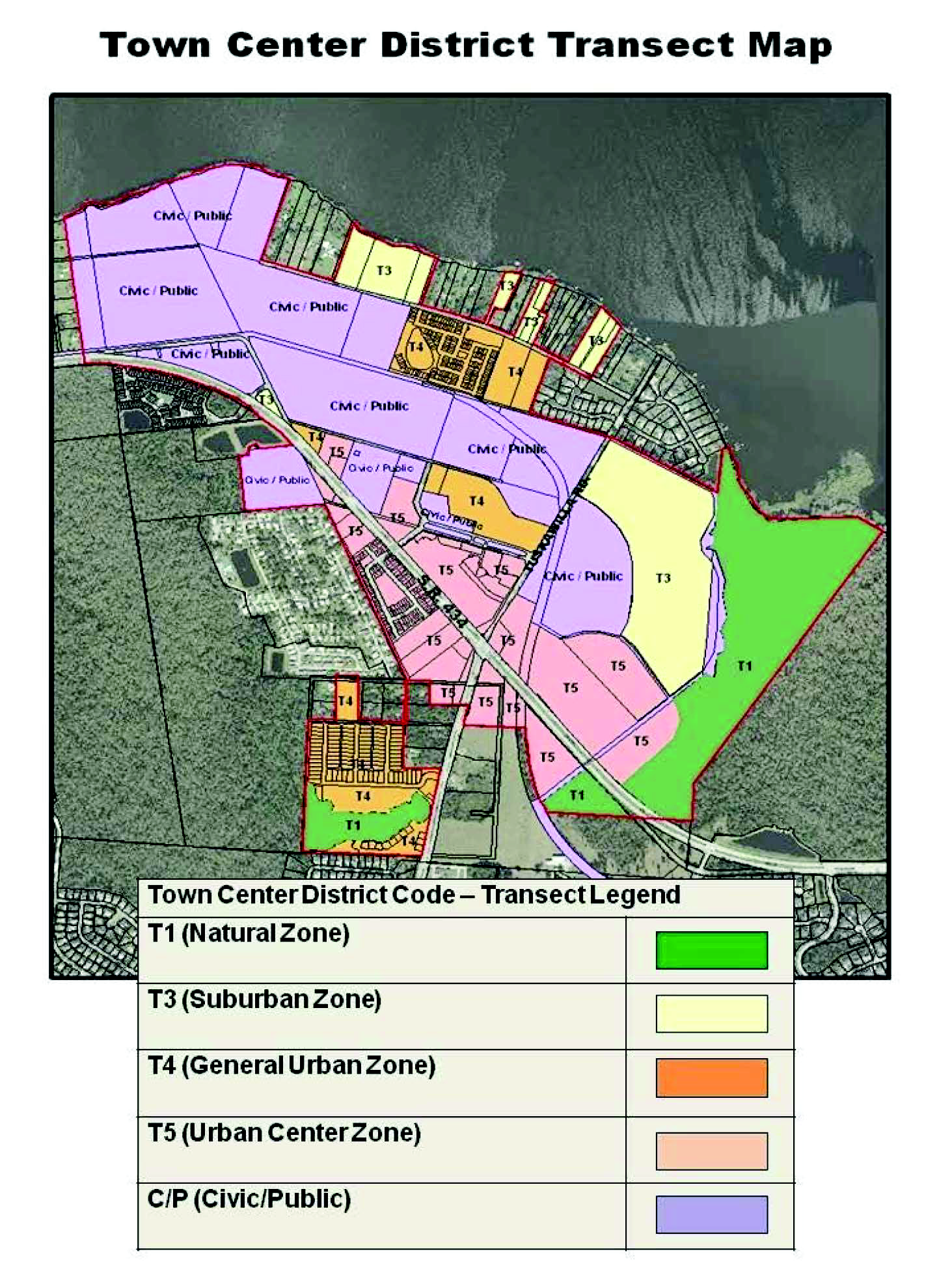
(2)
Dimensional requirements. Applications are subject to standard administrative provisions in section 20-321 of this Code.
* Irregularly shaped lots may vary from the frontage buildout standard upon recommendation of the Development Review Committee (DRC).
** There shall be a one-foot minimum raised first floor height above the sidewalk for residential uses.
*** Side setbacks may be zero (0) feet for townhome lots. All other lot types shall maintain a three-foot side setback.
**** Height is generally limited by the number of stories, not the overall height, in order to provide for a variety of building heights. Buildings shall have no more than 16-foot floor to floor heights.
T4 (General Urban Zone)
(1)
Description. Consists of mixed-use but primarily residential urban fabric. This zone may have a wide range of building types, both residential and commercial in nature. Setbacks and landscaping are variable. This zone is typically residential but is more urban and compact than the suburban zone, and is located closer to core of the town center. Corner stores may also be found in this zone.
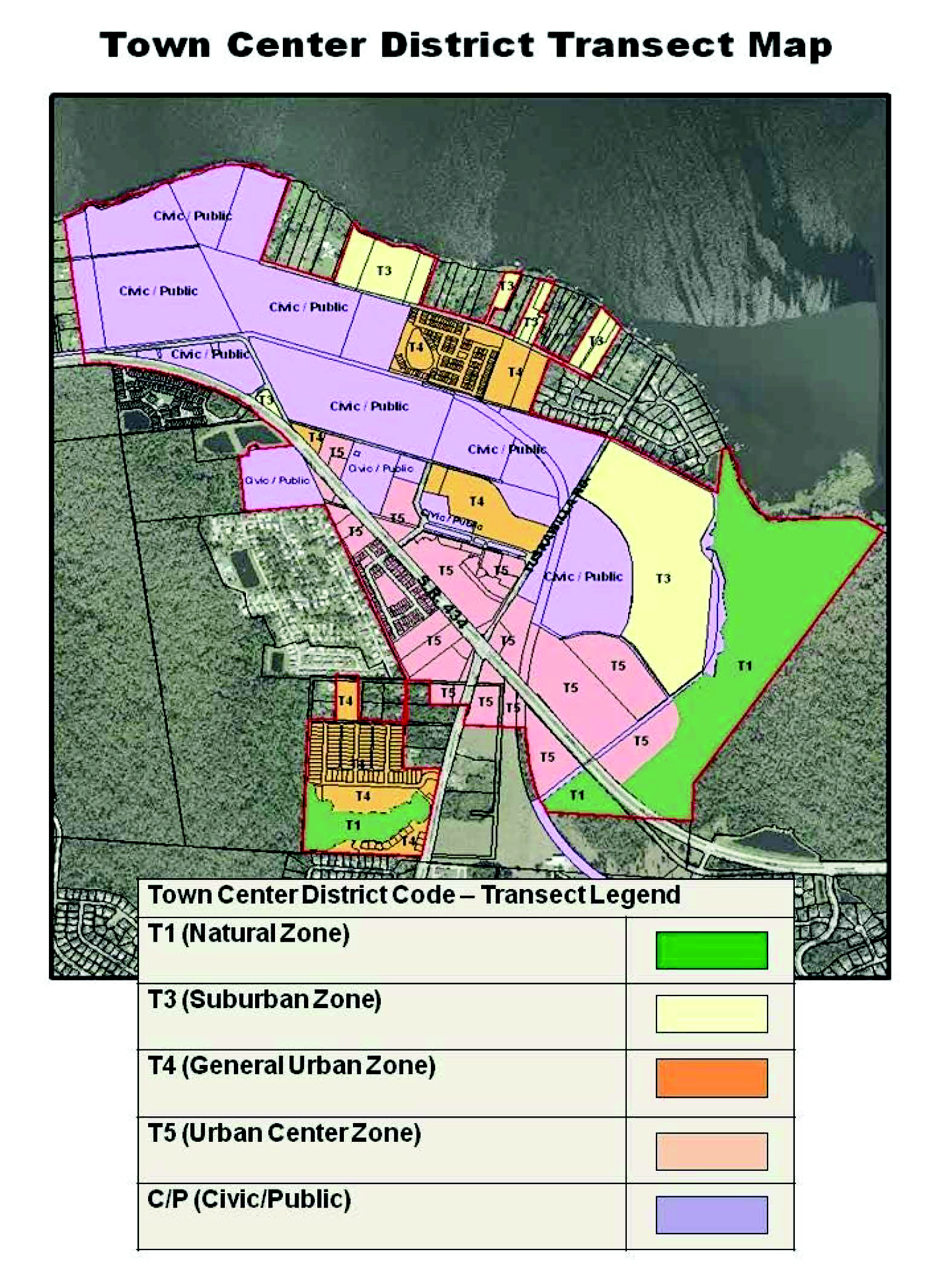
(2)
Dimensional requirements. Applications are subject to standard administrative provisions in section 20-321 of this Code.
* Side setbacks may be zero (0) feet for large mixed-use building lot, mixed-use building lot, small mixed-use building lot, townhome lot, and apartment building lot. All other lot types shall maintain a three-foot side setback.
** First floor height (finished floor) shall be a minimum of twenty-four (24) inches above sidewalk grade for residential uses.
*** Height is generally limited by the number of stories, not the overall height, in order to provide for a variety of building heights. Buildings shall have no more than 16-foot floor to floor heights, except that first floors may be up to twenty (20) feet.
T5 (Urban Center Zone)
(1)
Description. The T5 urban center zone comprises the core of the town center and is synonymous with the city's urban central business district. It shall consist of a higher intensity mix of uses that include retail, offices, and residential. T5 areas typically have fairly small blocks with wide sidewalks, regularly-spaced tree plantings.
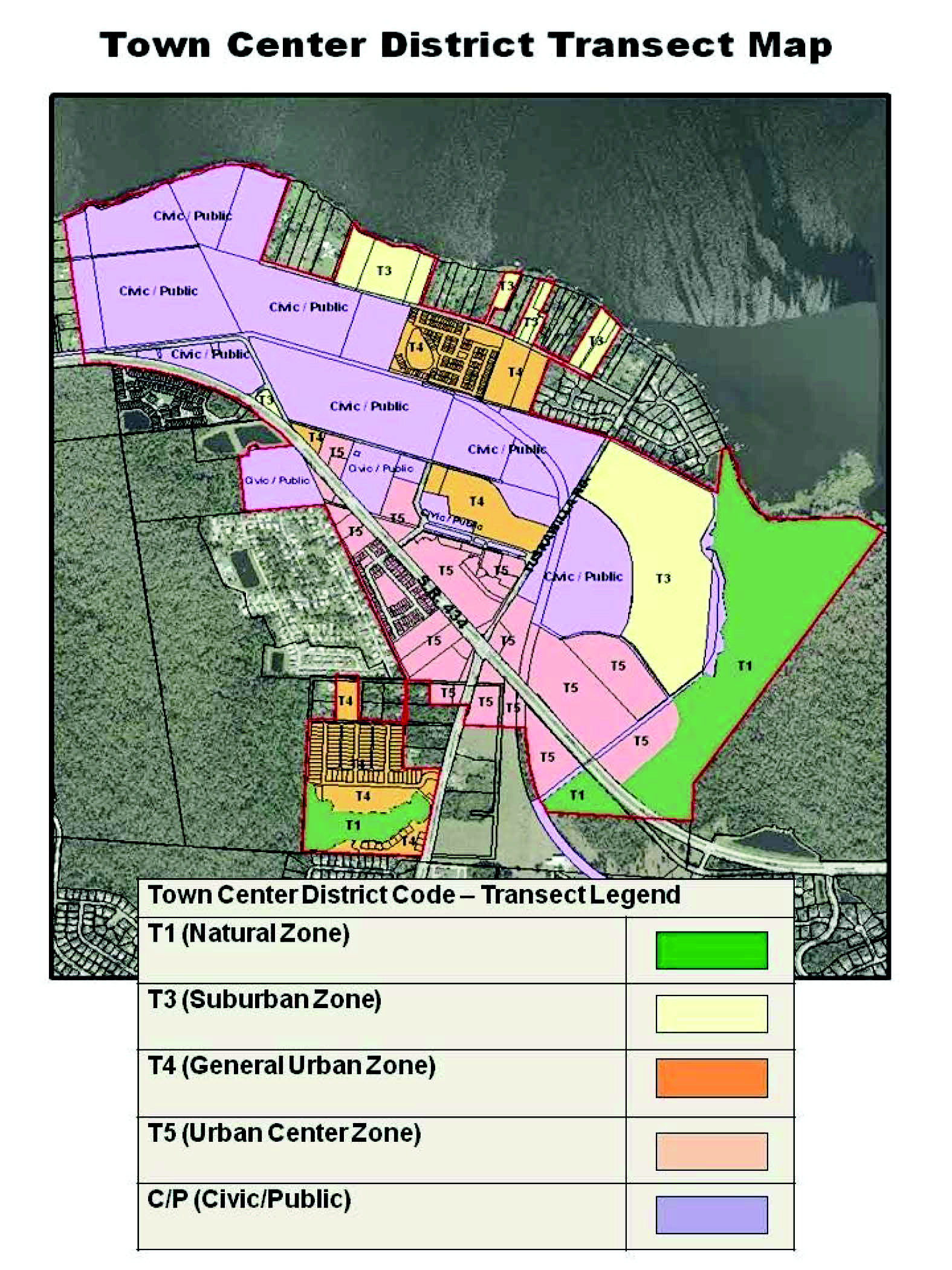
(2)
Dimensional requirements. Applications are subject to standard administrative provisions in section 20-321 of this Code.
* First floor height (finished floor) shall be a minimum of twenty-four (24) inches above sidewalk grade for residential uses.
** Height is generally limited by the number of stories, not the overall height, in order to provide for a variety of building heights. Buildings shall have no more than 16-foot floor to floor heights, except that first floors may be up to twenty (20) feet.
Civic/Public
(1)
Description. The civic/public areas are used for functions of public benefit such as parks and recreation, conservation areas that are dedicated to the public and government uses such as City Hall, Winter Springs High School, and the U.S. Post Office.
(2)
Dimensional requirements. Design standards in all civic/public areas shall be evaluated by the city community development department for recommendation to the development review committee (DRC).
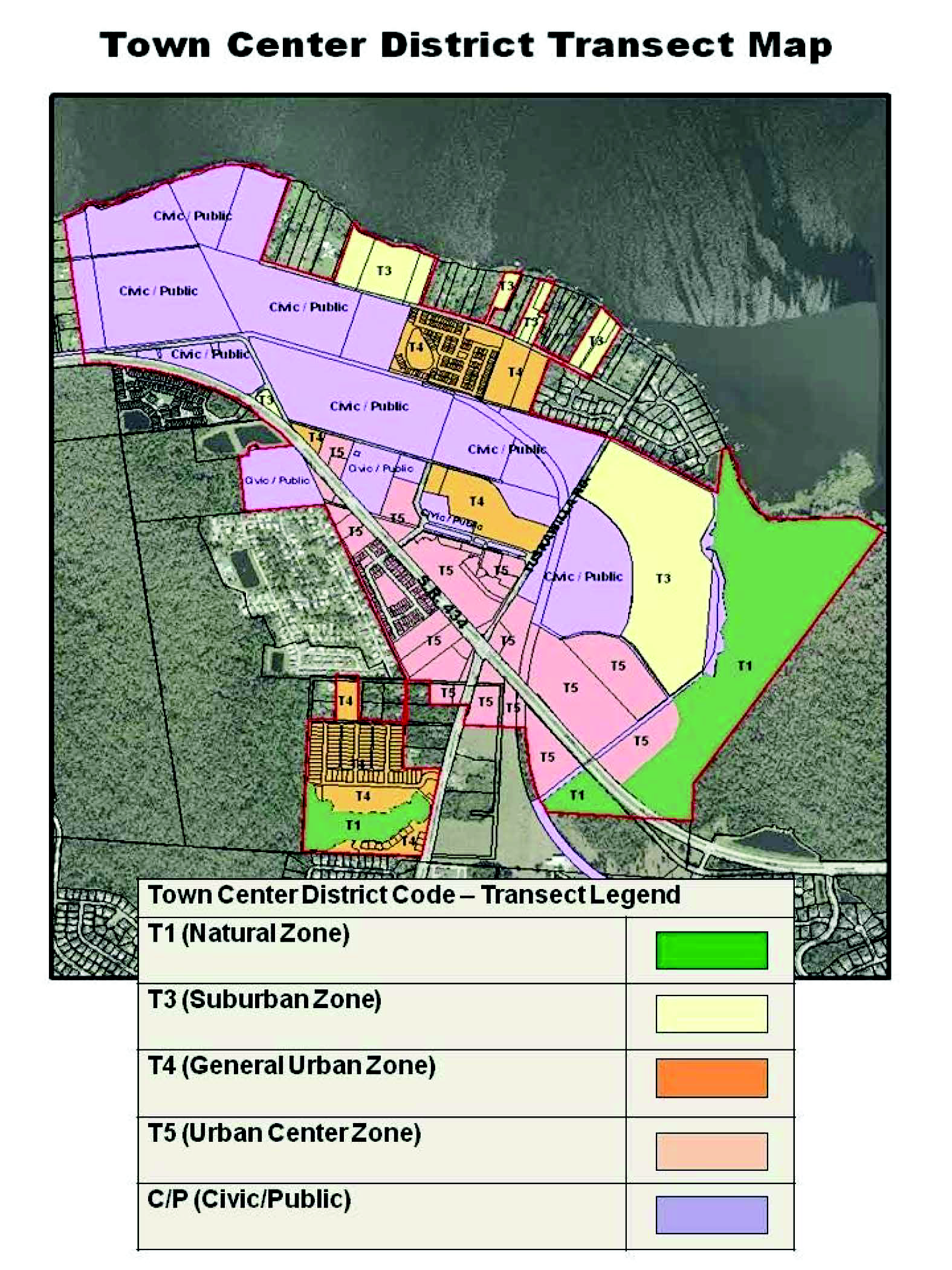
(c)
Thoroughfare standards.
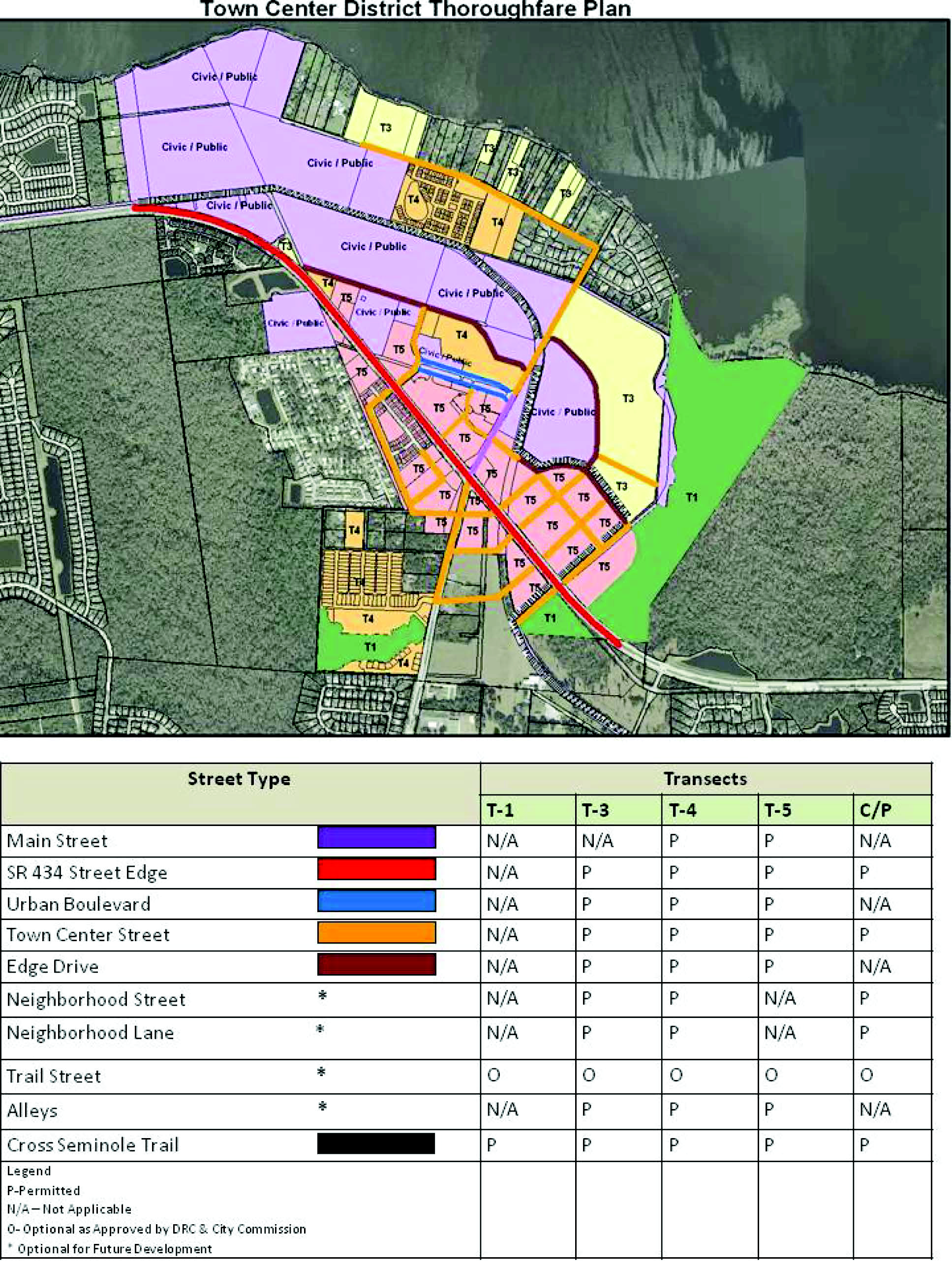
(1)
Main Street (alternate parallel parking with a wider sidewalk may be provided depending upon right-of-way width).
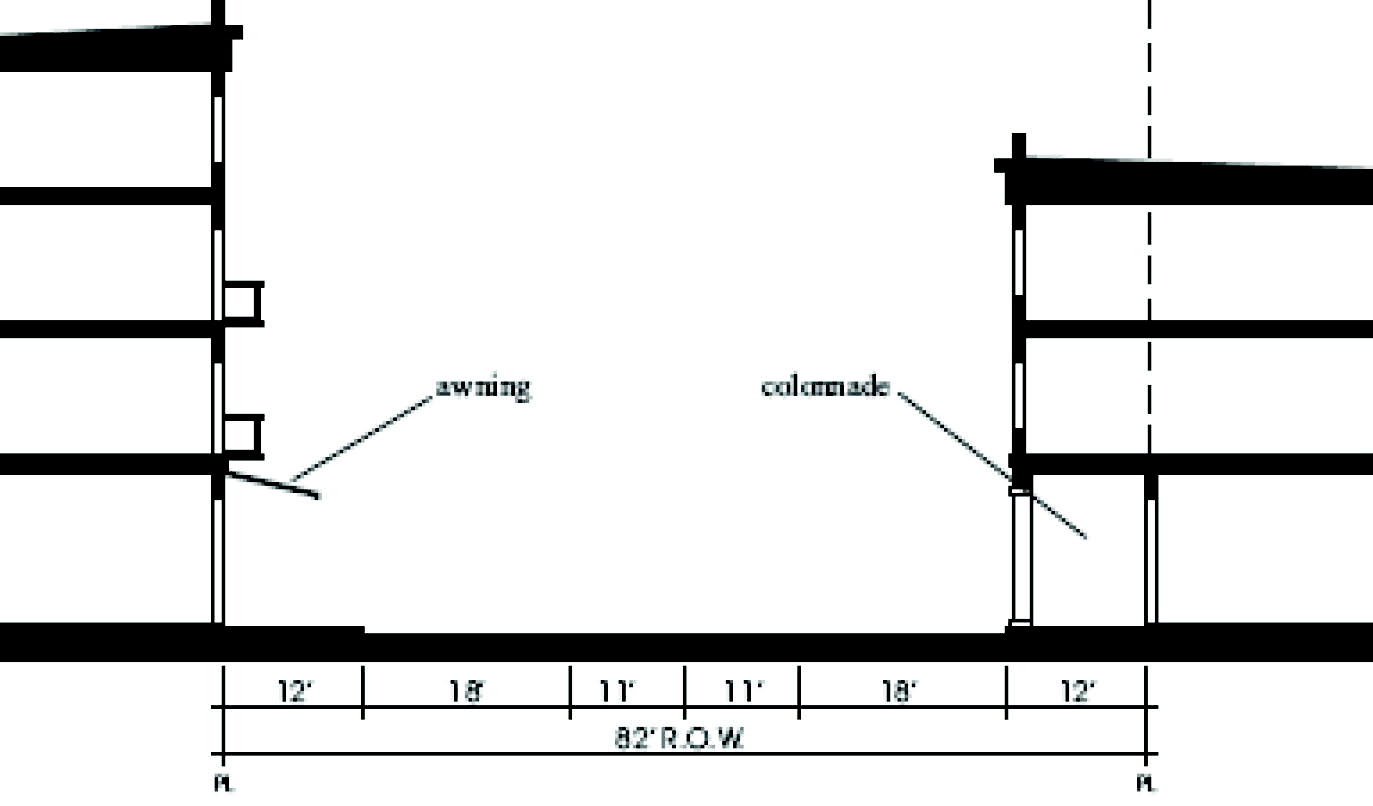
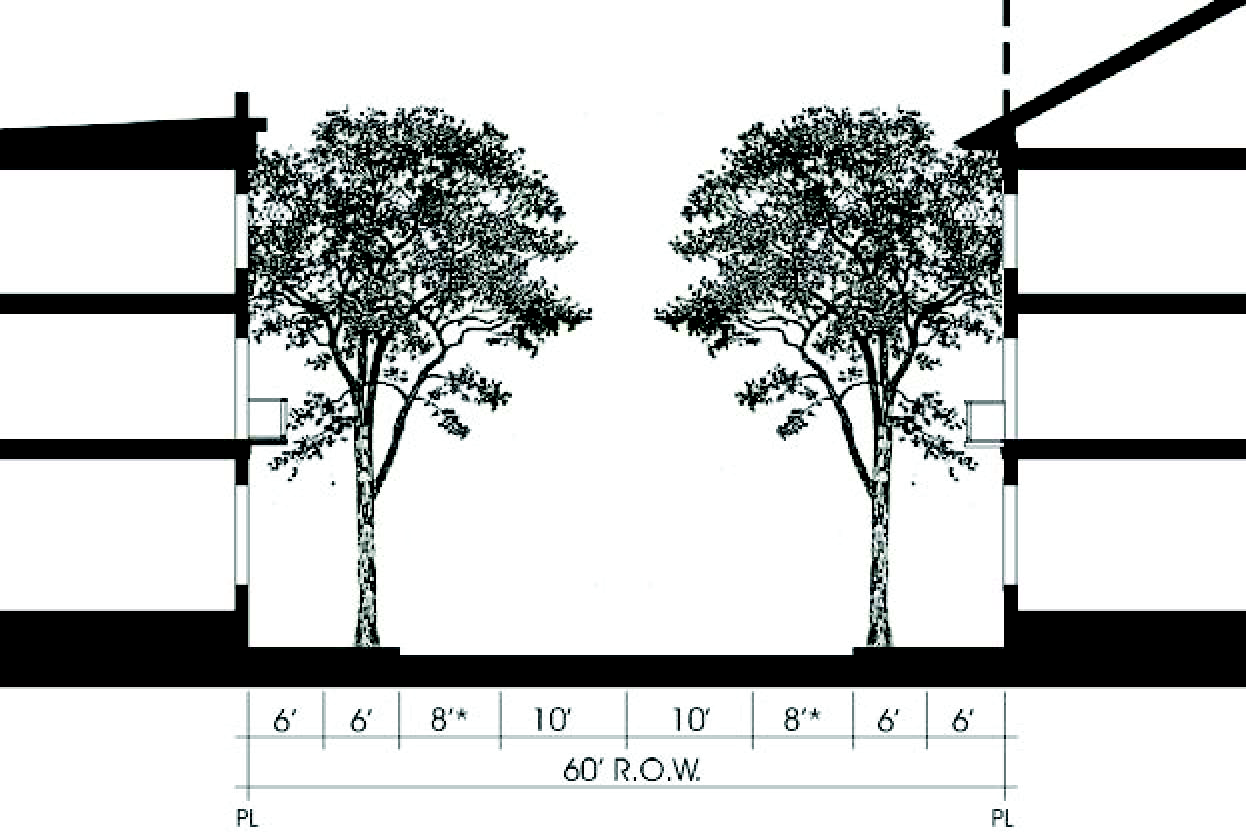
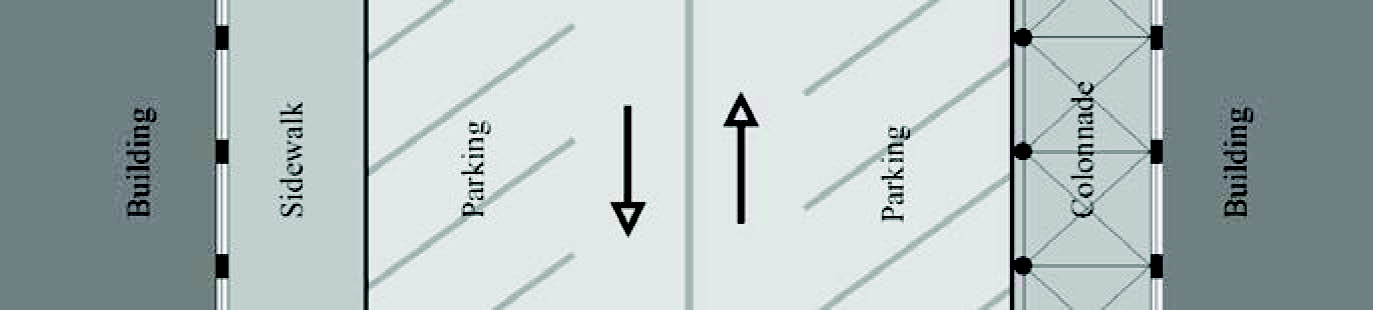
(2)
SR 434 street edge. The streetscape requirements set forth in chapter 20, article VII S.R. 434 and Tuskawilla Road Streetscape requirements shall apply.
(3)
Urban Boulevard (acceptable option for the town center street).
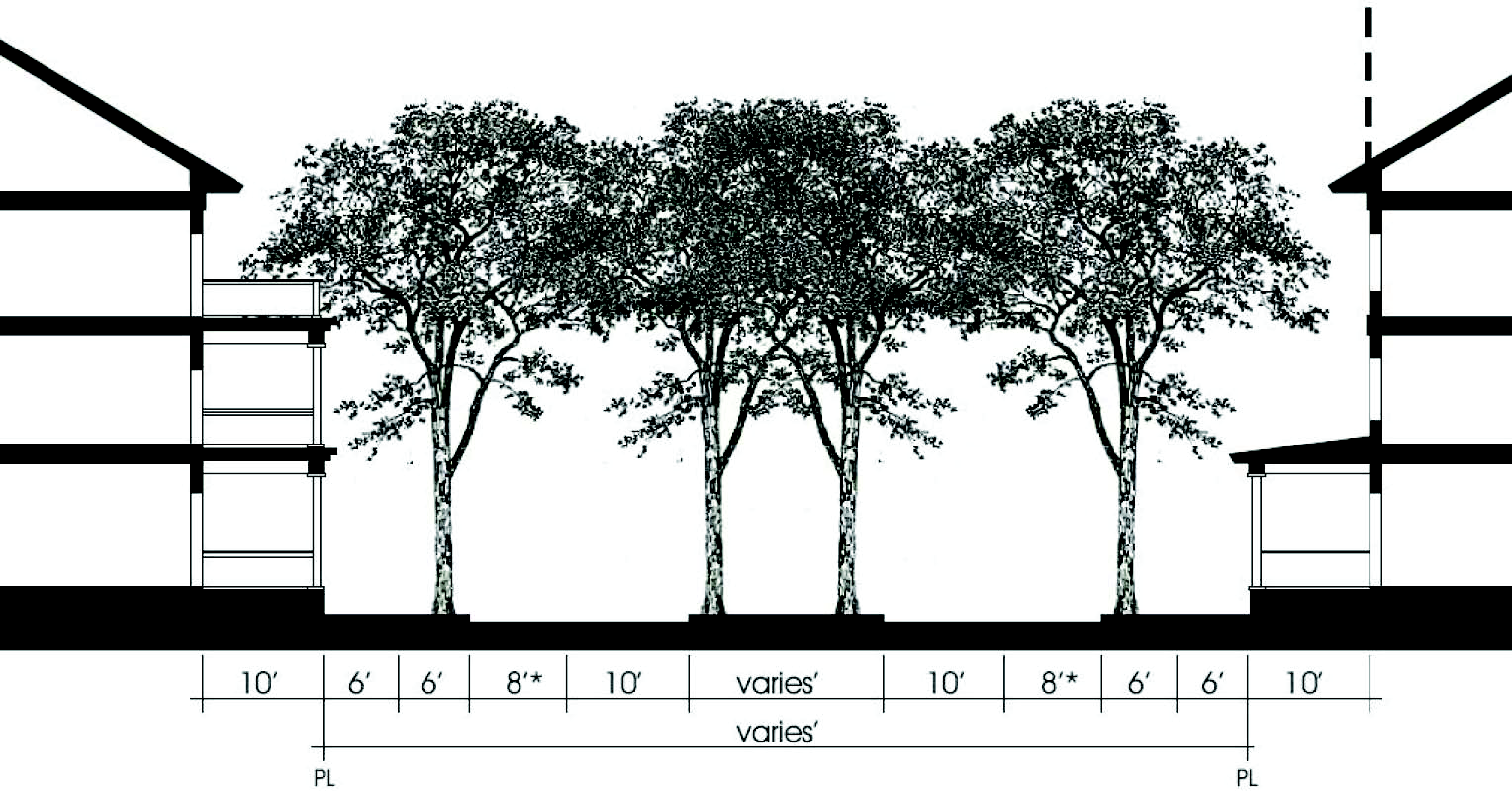
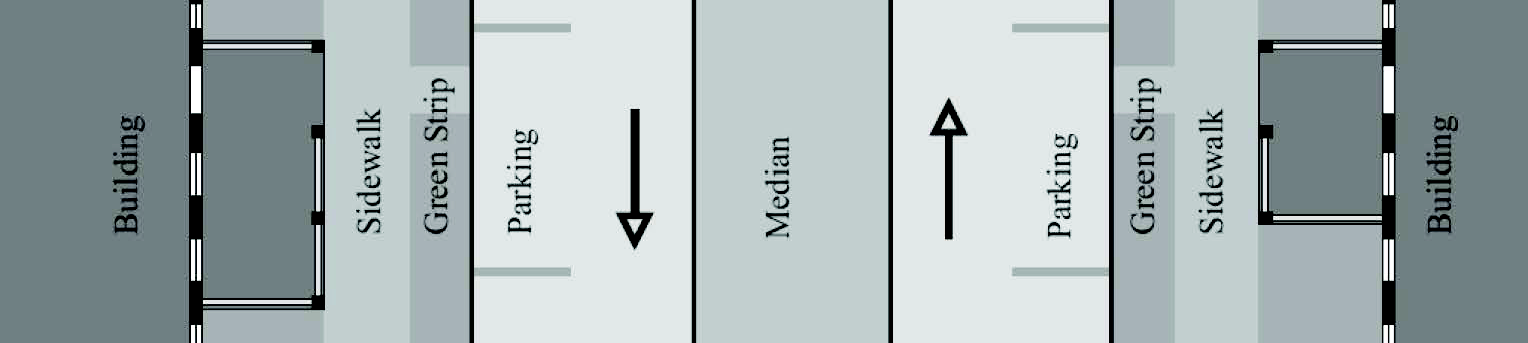
(4)
Town Center Street (a one-way variation of this street section is acceptable subject to approval of the development review committee (DRC)).
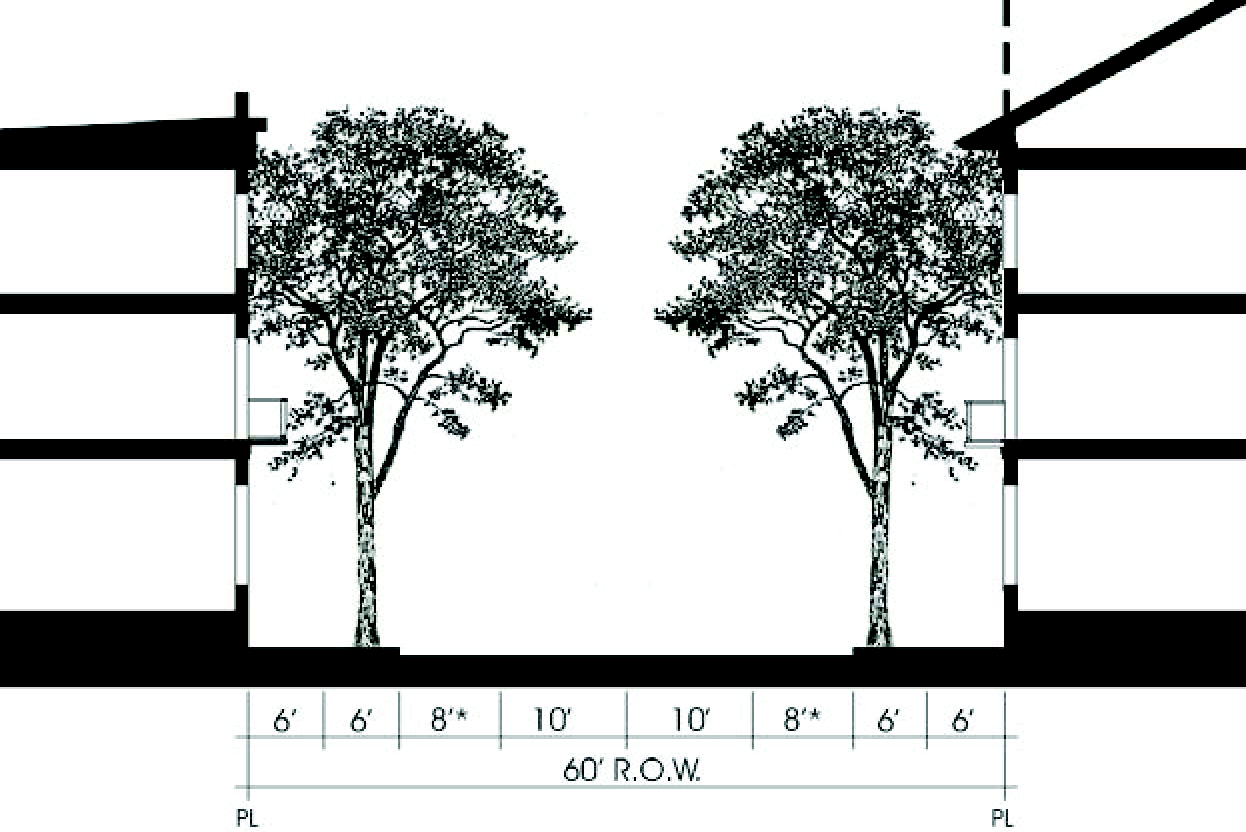
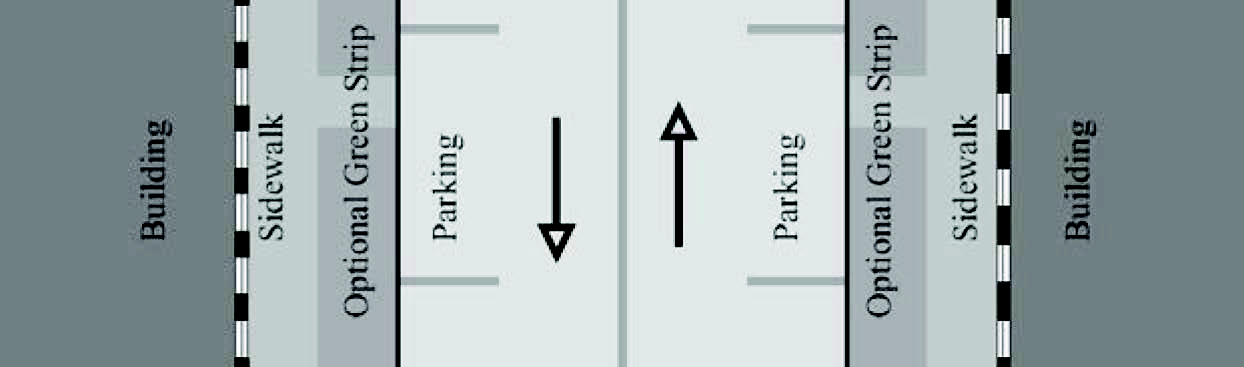
(5)
Edge Drive.
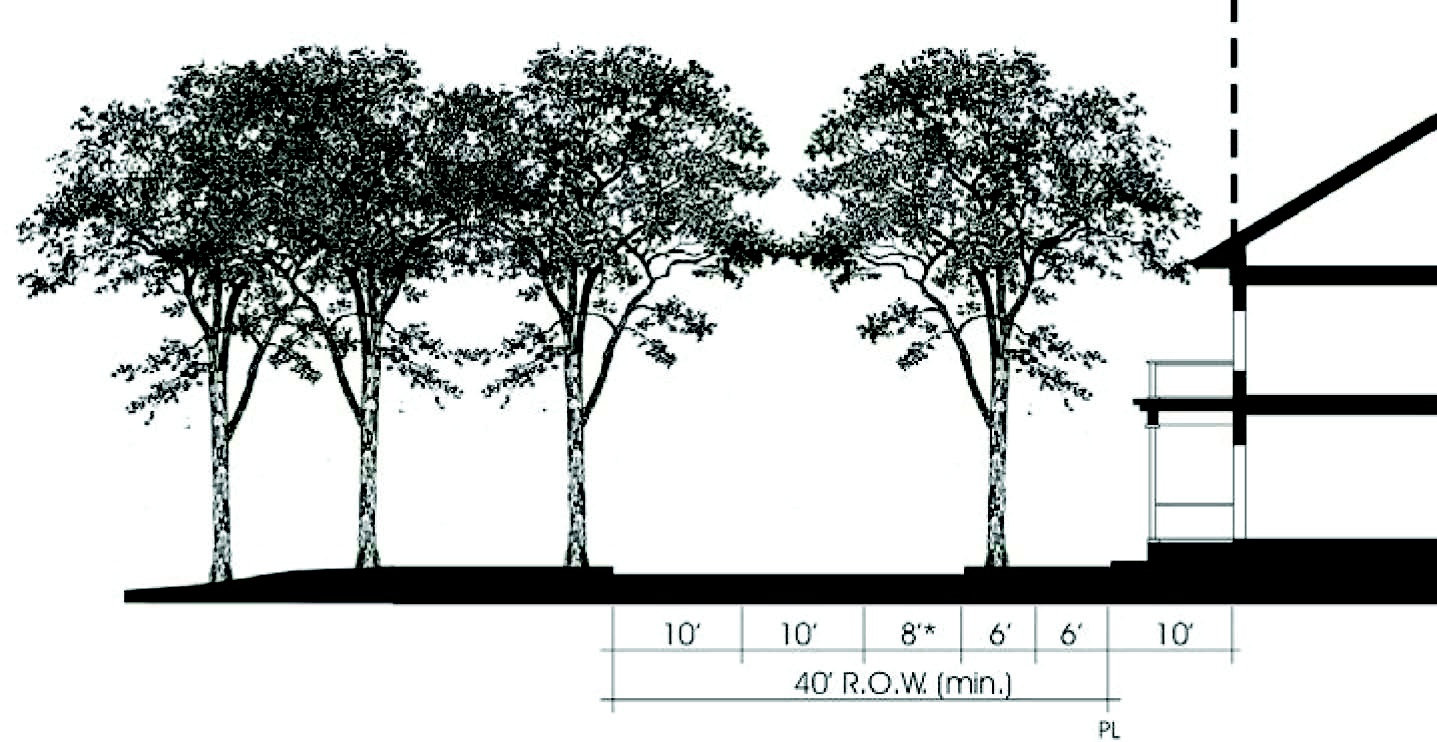
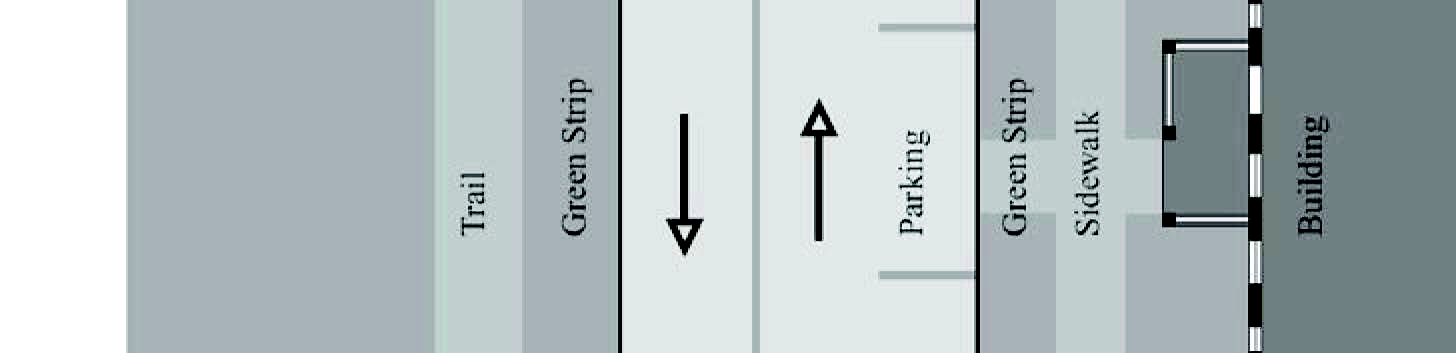
(6)
Neighborhood Street.
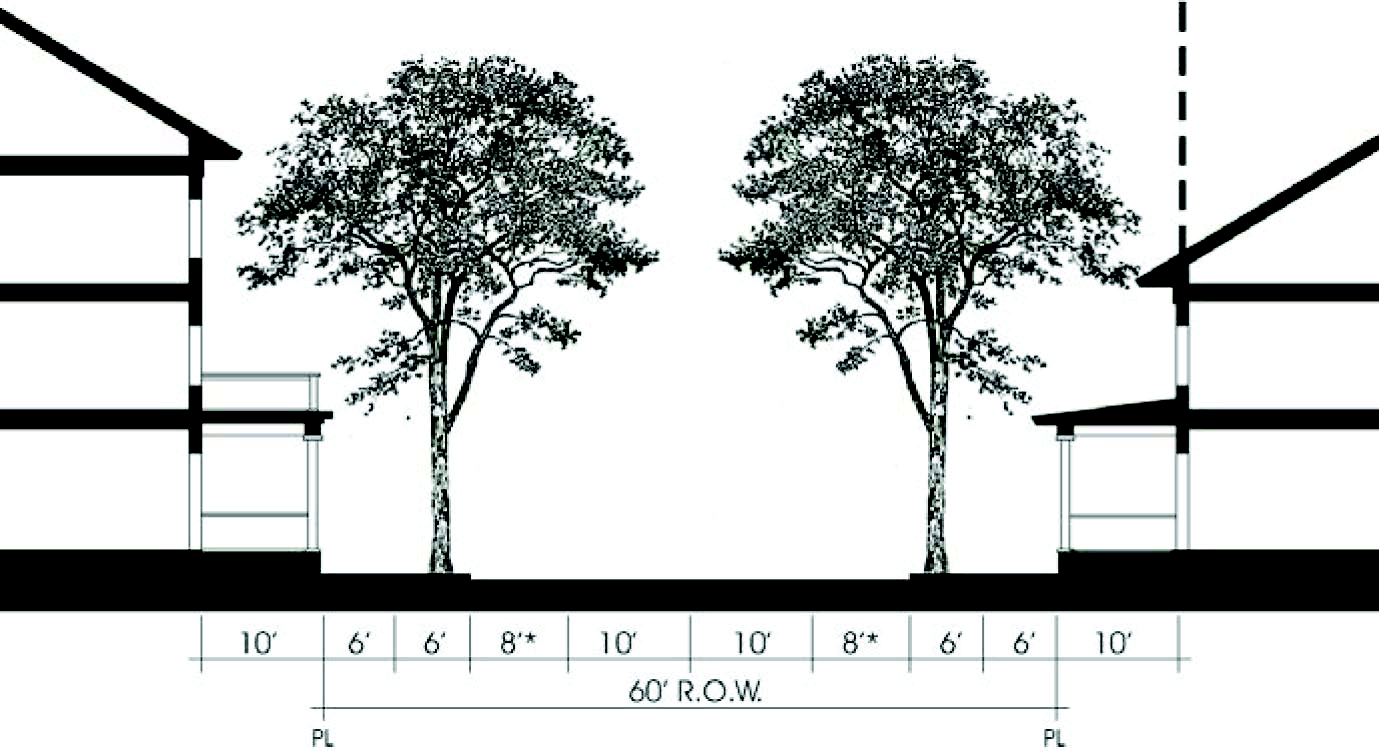
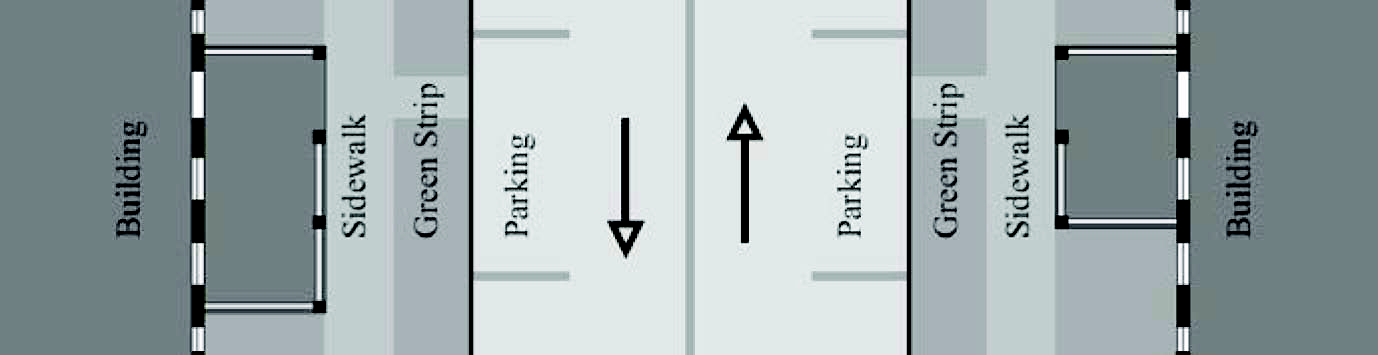
(7)
Neighborhood Lane.
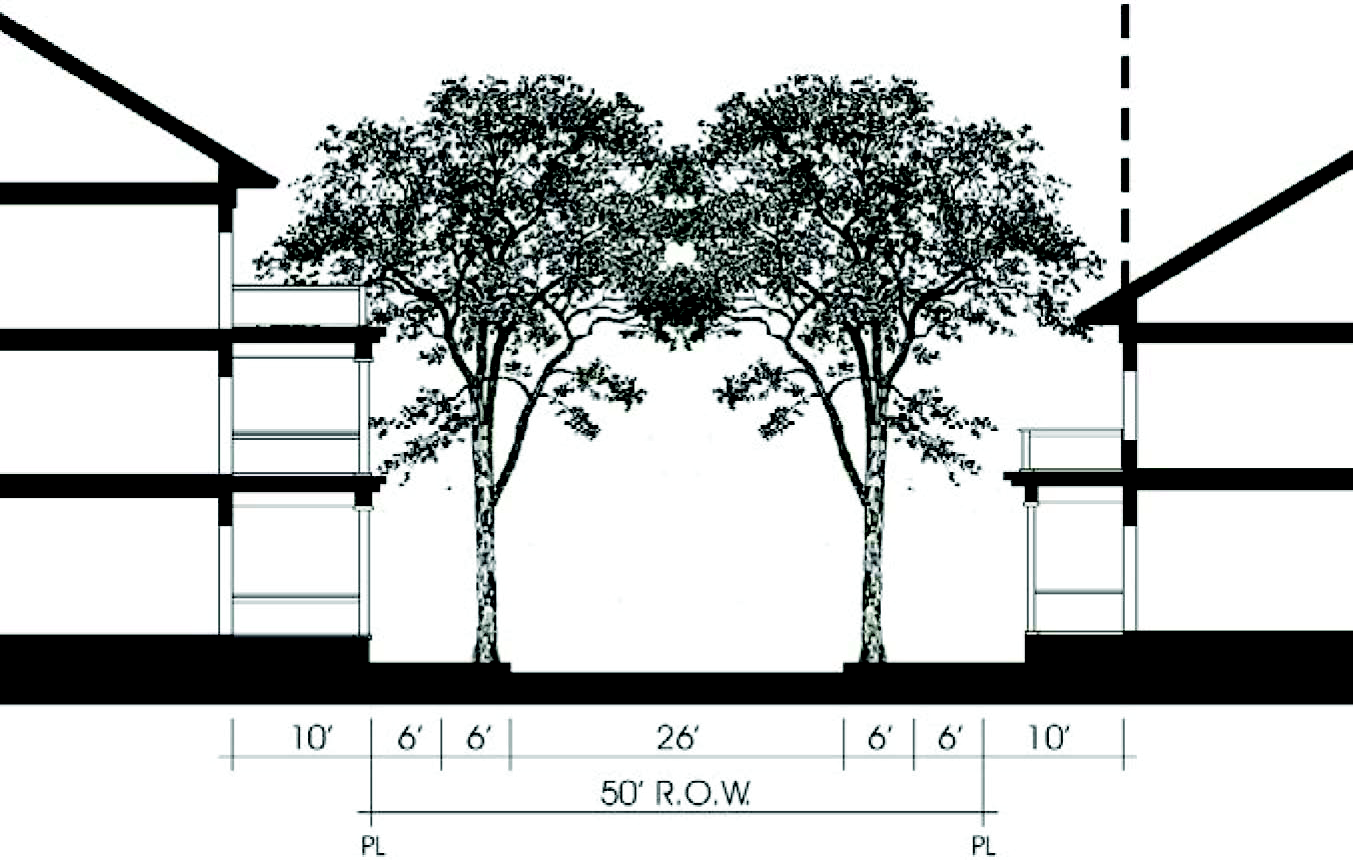
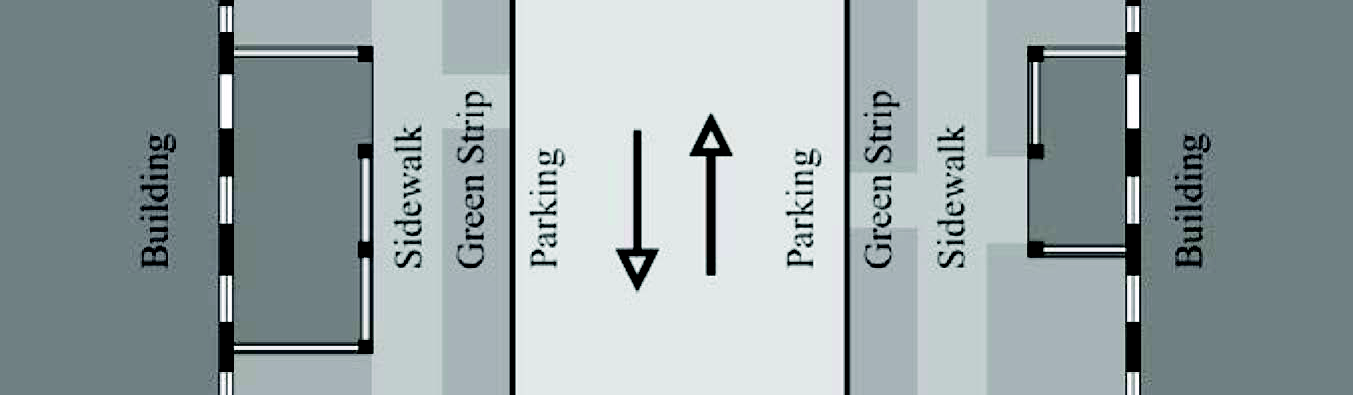
(8)
Trail Street.
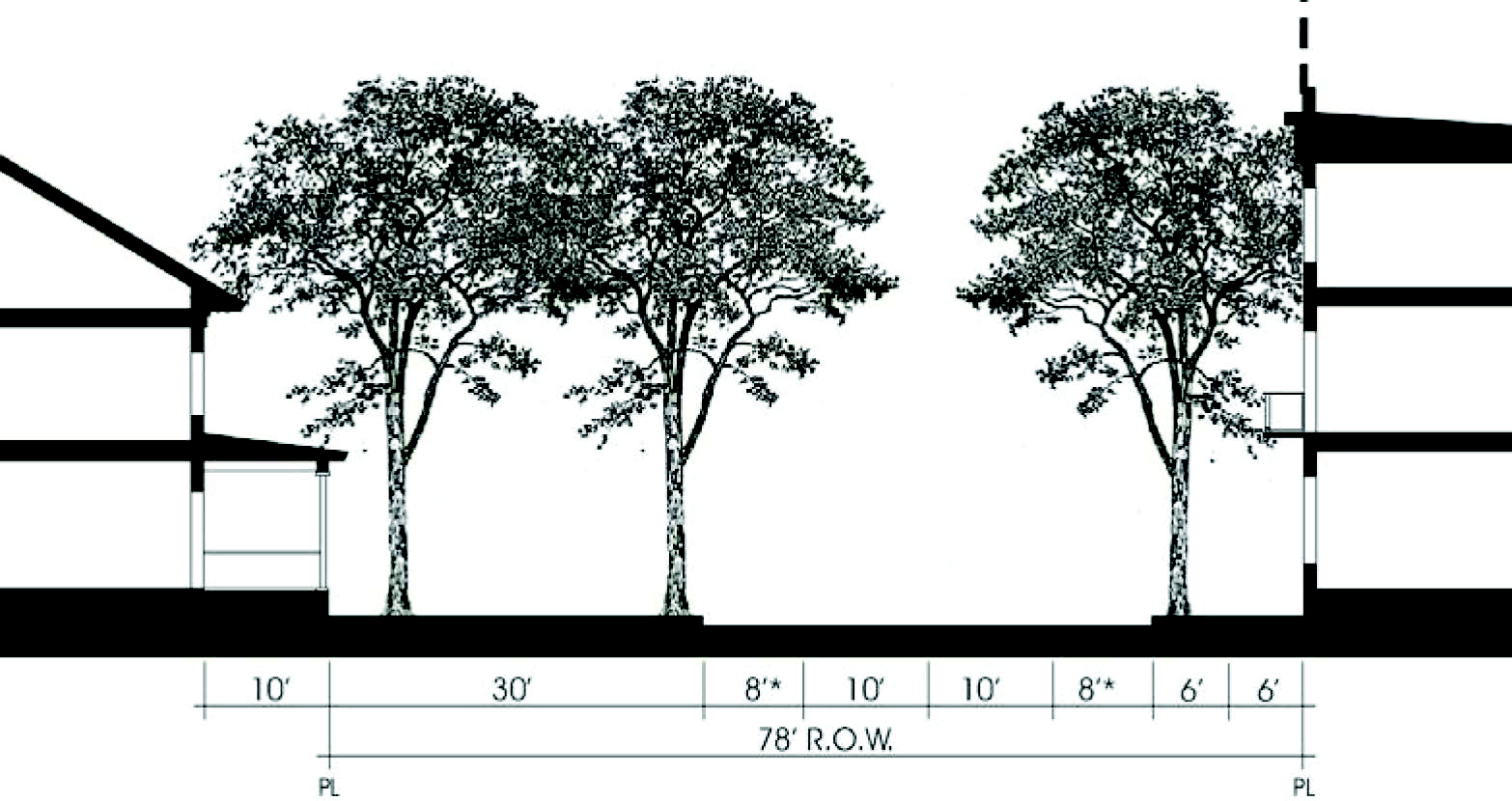
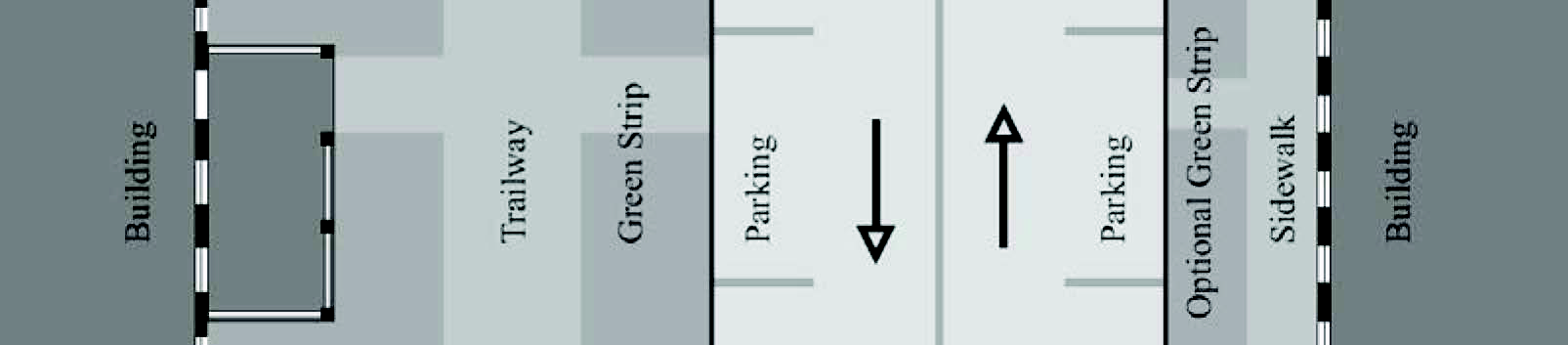
(d)
Civic/public pole lighting and decorative street signage.
(1)
Pole lighting standards. Pole lighting varies in brightness and also in the character of fixtures according to the transect. The following tables (1-4) show specific types of lighting fixtures and poles that are approved for installation within the town center district. Pole and/or street lighting that is placed along public roadways, facilities and in parks must be provided by Progress Energy as part of the city's comprehensive lighting program. Lighting placed on private property within the town center district must meet or exceed all specifications shown in the tables below. Special purpose lighting must be compatible with the intended installation site and will be considered on an individual basis during the review process. Notwithstanding the information below, all lighting to be installed within the town center district shall be subject to review and approval by the city.
Table 1—Standard Decorative Post Top Lighting
| Transect Areas T3, T4, T5, C/P | 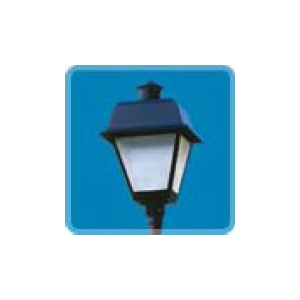 |  |  |
| Sebring | Ocala | Biscayne | |
| High pressure sodium options | Yes | Yes | Yes |
| Metal halide options | No | No | No |
| Mounting heights | 12' | 12' | 12' |
| Light pattern | Type III (Oval) | Type III (Oval) | Type III (Oval) |
| IES cutoff classification | Non-Cutoff | Non-Cutoff | Non-Cutoff |
Table 2—Premier Decorative Post Top Lighting
| Transect Areas T3, T4, T5, C/P |  |  | 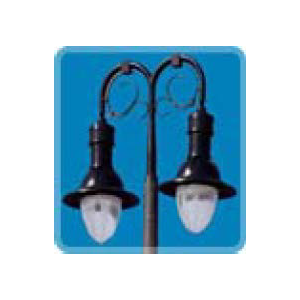 | 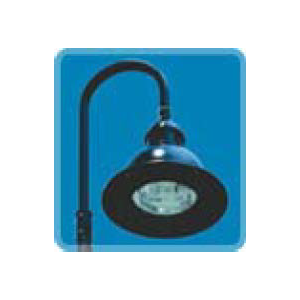 |
| Monticello | Flagler | Clermont | Sanibel | |
| High pressure sodium options | Yes | Yes | Yes | Yes |
| Metal halide options | No | No | Yes | Yes |
| Mounting heights | 12' | 12' | 20' to 35' | 12' or 17' |
| Light pattern | Type III (Oval) | Type III (Oval) | Type III (Oval) | Type III (Oval) |
| IES cutoff classification | Cutoff | Non Cutoff | Cutoff | Full Cutoff |
Table 3—Poles
| Washington Decorative Concrete Height: 12' Color: Black and Decorative Gray Type: Direct Burial Transect Areas T3, T4, T5, C/P *Other pole heights may be available by special order. |  |
| Victorian Height: 12' Color: Decorative Tan Type: Direct Burial Transect Areas T3, T4, T5, C/P *Other pole heights may be available |  |
| Colonial Heights: 16' and 22' Color: Black Type: Direct Burial Transect Areas T2, T3, T4, T5, C/P *Other pole heights may be available by special order. |  |
(2)
Decorative street sign standards. Design specifications and the quality of decorative street signs vary between manufacturers. The following tables (1-4) show exact specifications approved for decorative street signs installed within all transect areas of the town center district for public roadways, facilities and in parks. Decorative street signs installed on private property within the town center district must meet or exceed specifications shown in the tables below.
General Specifications
Decorative street sign poles shall be made of "extruded aluminum alloy" and measured by the outer diameter (O.D.) of the pole, having a minimum of .125 inch wall thickness. All sign parts and materials shall be finished in "powder coated—black." Street signs and sign plates shall be in "high density" printing on the finish side and "power coated—black" on the back side. Decorative sign pole bases, finials and trim shall be made of "cast aluminum alloy." Decorative street signs, their parts and installation shall comply with Florida Department of Transportation (FDOT) requirements for roadway signage.
Table 1—Decorative Street Sign Ensemble
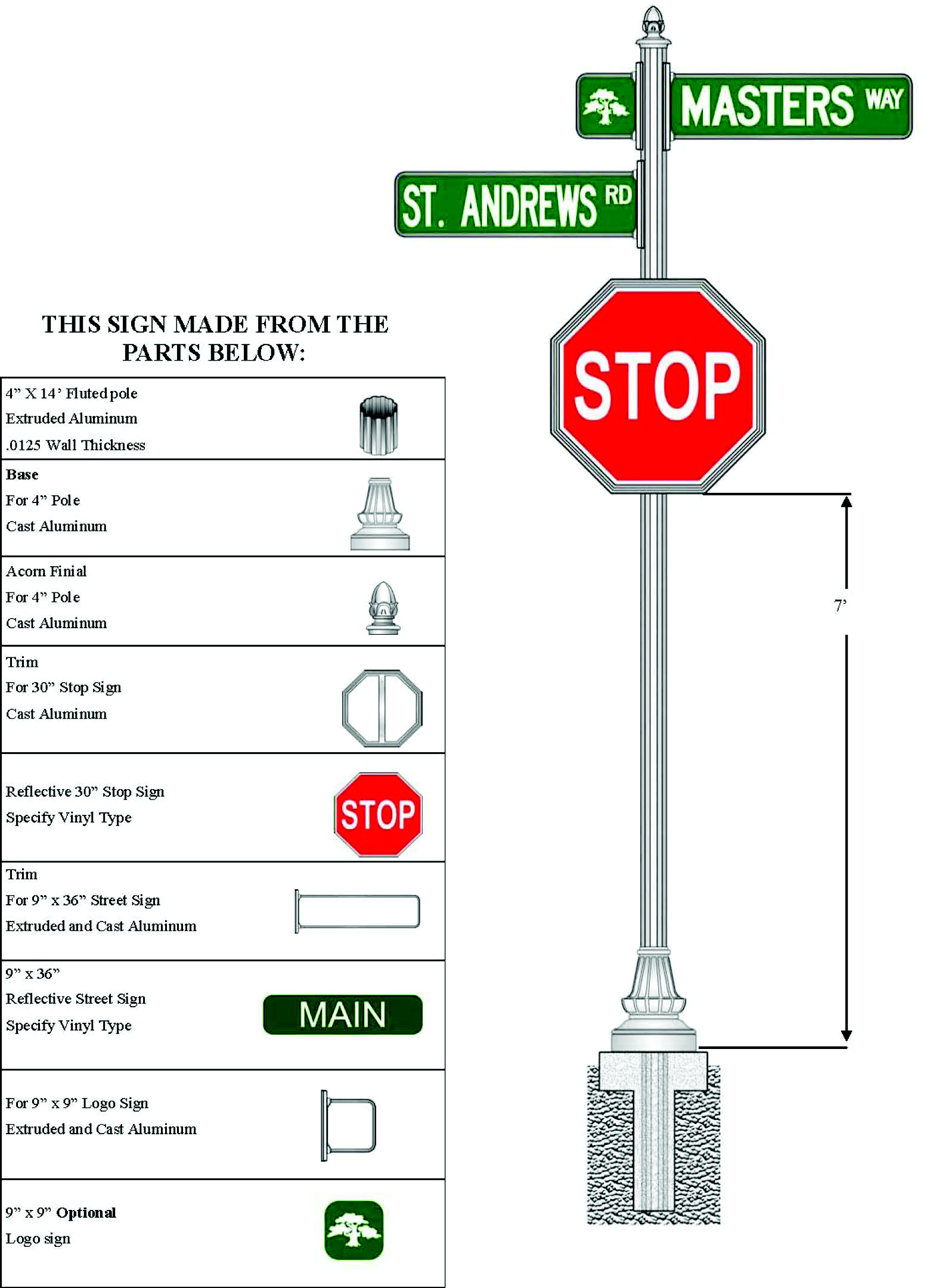
Table 2—Single Decorative Sign Types (Examples)
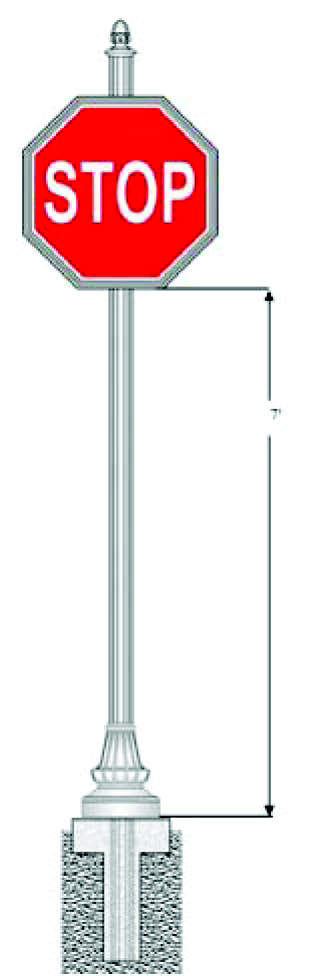 | 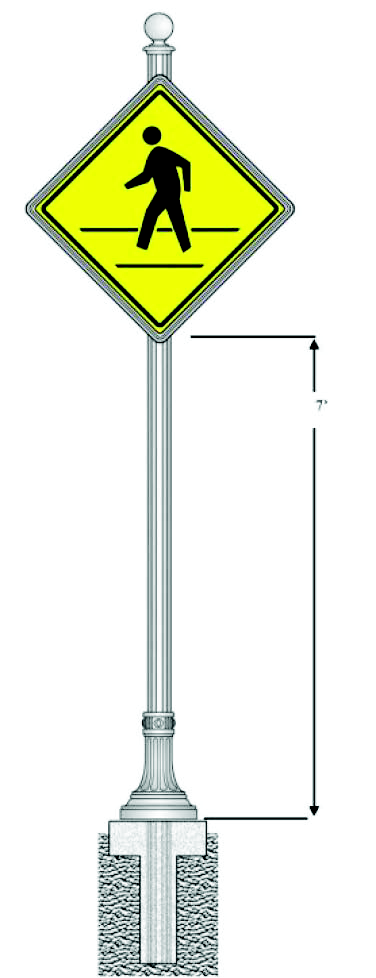 | 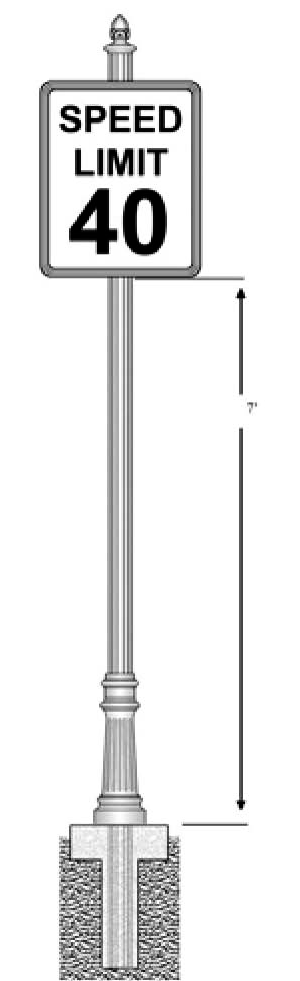 | 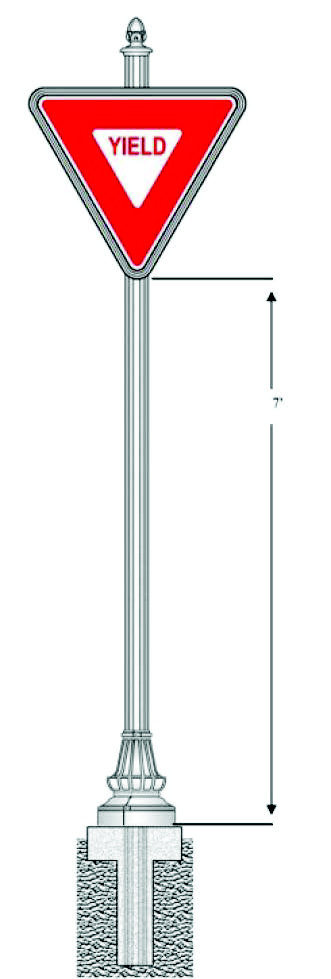 | 4" X 12-14' Fluted pole Extruded Aluminum .125 inch Wall Thickness |
| Slipover or 2 Pc Base for 4" Pole Cast Aluminum | ||||
| Acorn Finial for 4" Pole Cast Aluminum | ||||
| Trim for 30" Stop Sign, 30" Diamond Sign, 24"x30" Traffic Sign or 36" Yield Sign Cast Aluminum | ||||
| Reflective High Intensity Vinyl 30" Stop Sign, 30" Diamond Sign, 24"x30" Traffic Sign or 36" Yield Sign | ||||
| * All street sign poles when installed shall have seven (7) feet from the pole base to the bottom of sign as per Florida Department of Transportation Standards. | ||||
Table 3—Decorative Sign Pieces
|
4" OD Fluted Pole Extruded
Aluminum Alloy 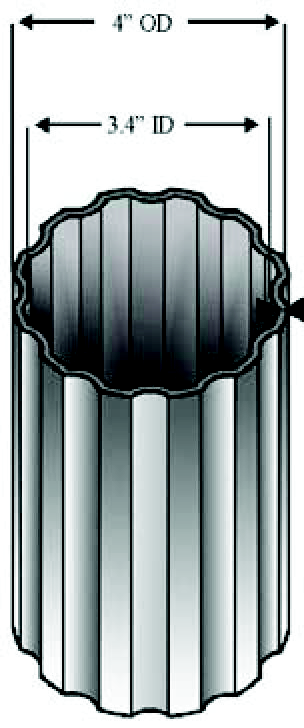 .0125 inch wall |
Acorn Finial for 4" OD pole
Cast Aluminum Alloy 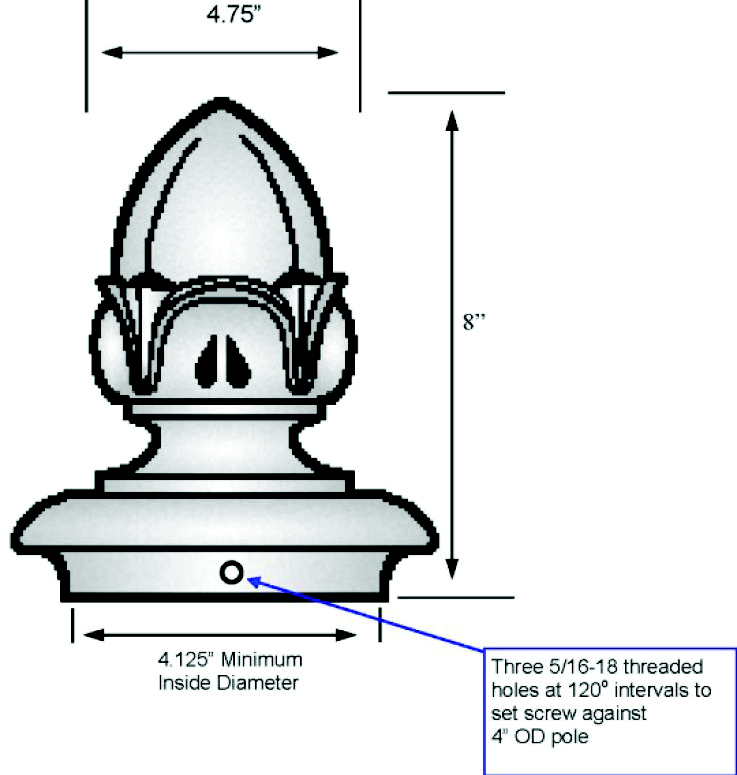 |
2 Piece Base for 4" OD pole Clamshells
Cast Aluminum Alloy 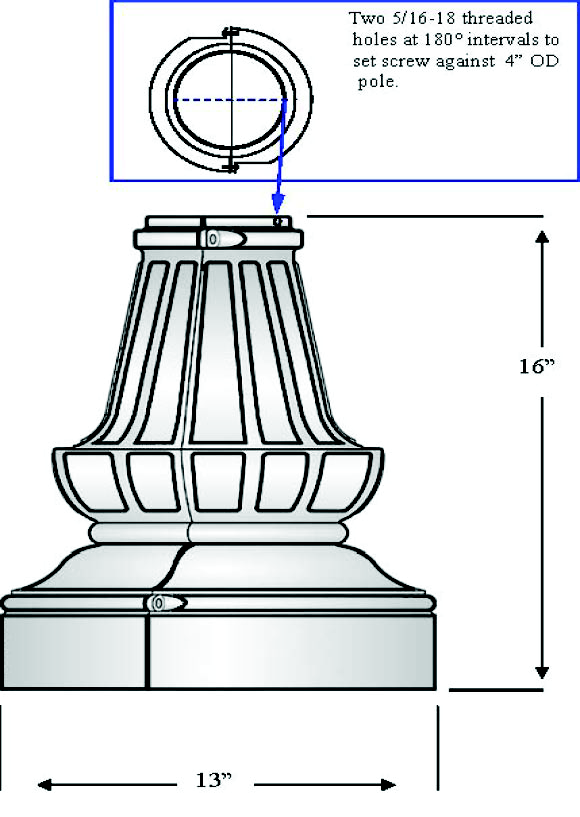 |
|
Trim for 24" x 30" Sign
Cast Aluminum Alloy 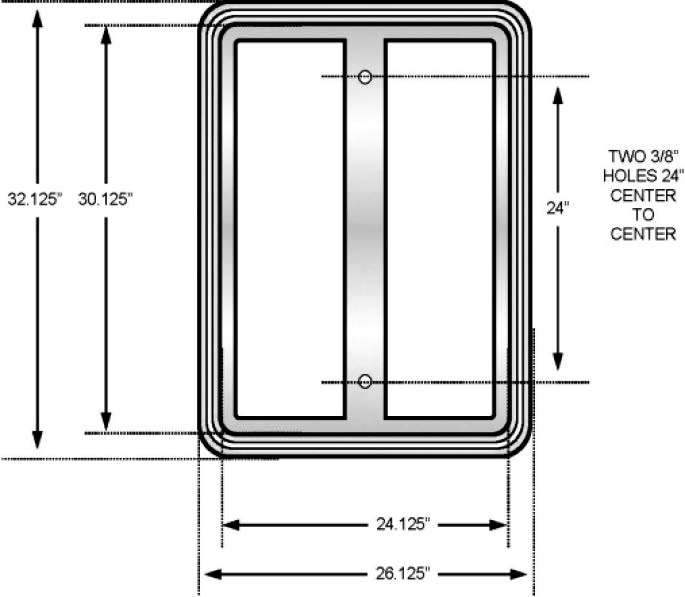 |
Trim for 30" Stop Sign
Cast Aluminum Alloy 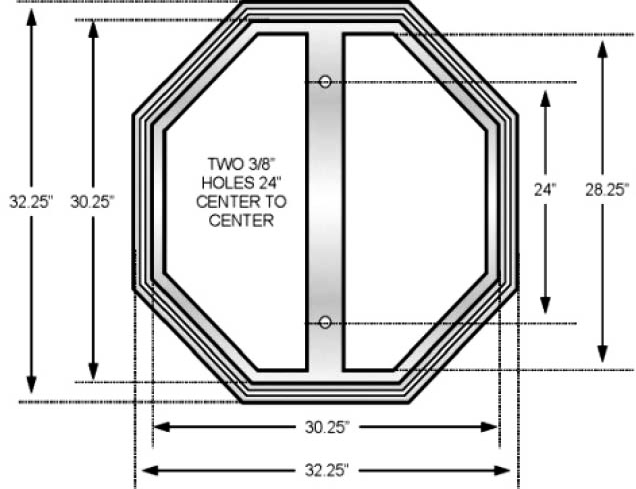 |
Trim for 30" x 30" Diamond Sign
Cast Aluminum Alloy 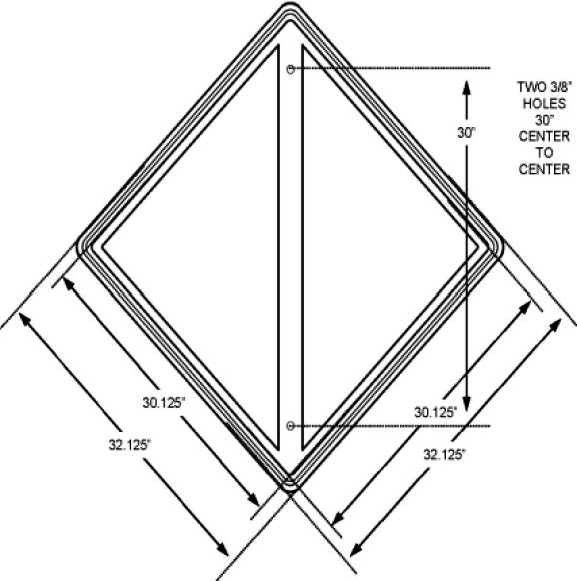 |
|
Trim for 36" Yield Sign Cast
Aluminum Alloy 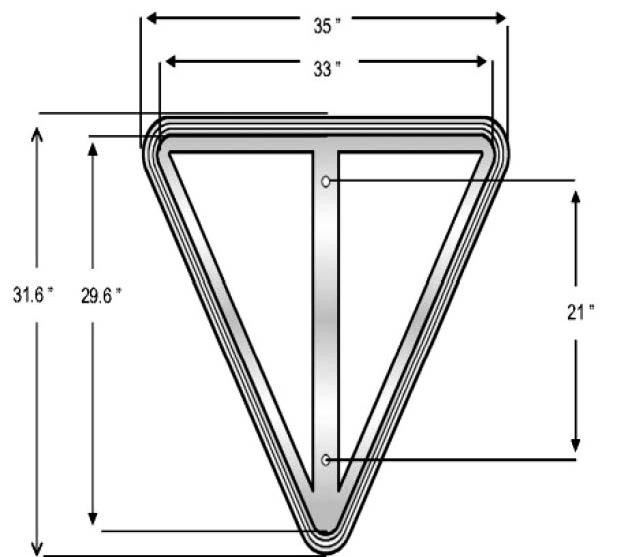 |
Sign Trim for 9" x 36" Street Sign
Cast Aluminum Back Plate Alloy Extruded Frame Alloy 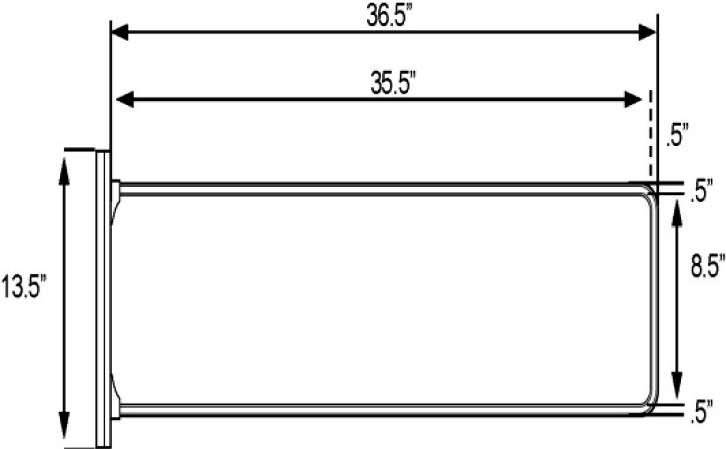 |
Trim for 9" x 9" Logo Sign Cast Aluminum
Back Plate Alloy Extruded Frame Alloy 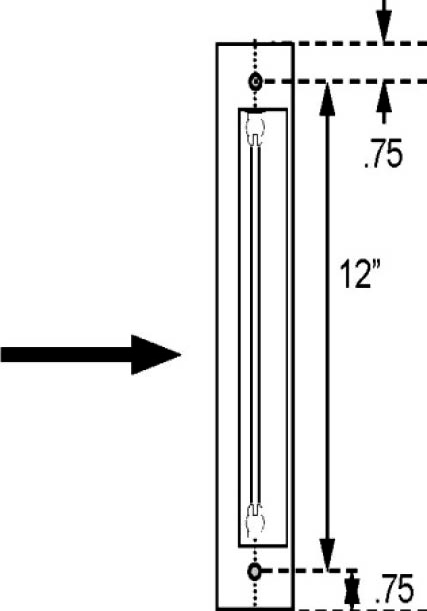 |
1.
Each installation hole shall be a minimum of one (1) foot in diameter and a minimum of three (3) feet deep, according to the pole height and soil conditions.
2.
Each pole shall have the sign/frame holes or channels properly aligned with the roadway.
3.
Each pole shall be level and secured in place with cement.
4.
Each pole shall have a cement footing with at least one (1) inch exposed above grade and at least two (2) inches exposed that is larger round than the decorative base. This will serve to protect the finish from soil and lawn equipment. (See Example A)
5.
Each hole shall be filled with cement and compacted according to manufacturer's instructions.
6.
The completed project must be inspected by the city prior to acceptance.
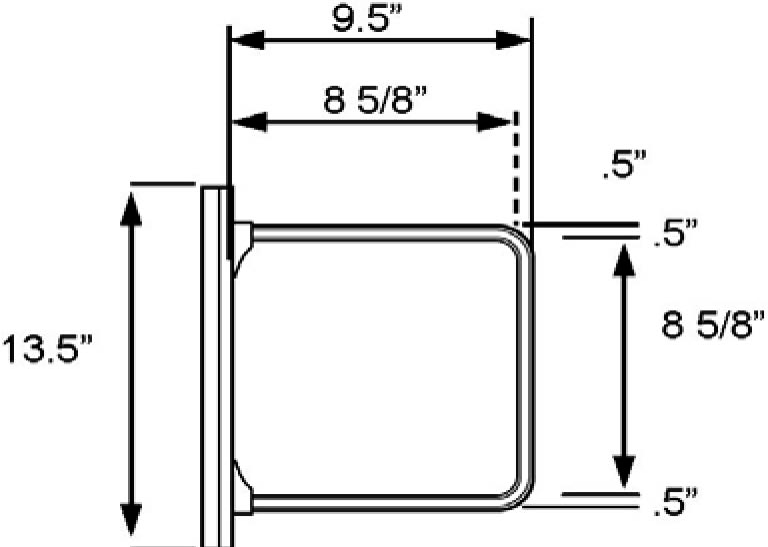
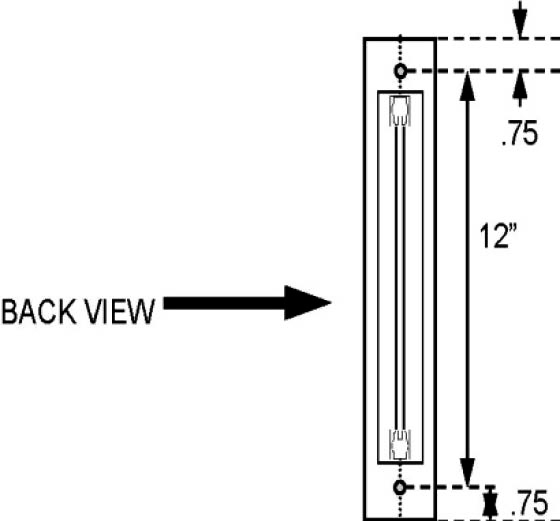
Table 4—Installation Specifications
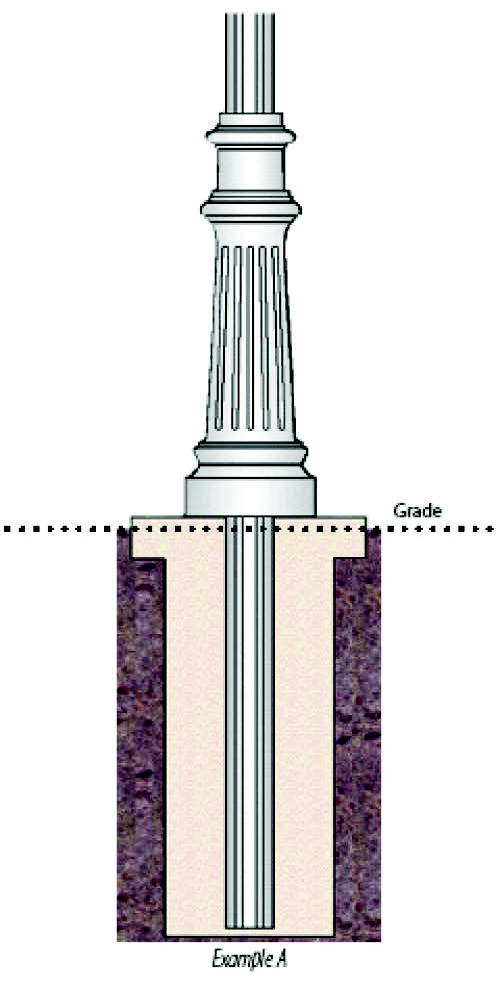
Decorative Street Sign Pole Installation Diagram Example "A"
(3)
Neighborhood Street Sign and Light Improvement Agreement (NSSLIA). A Neighborhood Street Sign and Light Improvement Agreement with the City of Winter Springs may be available for neighborhood groups desiring to install decorative street signs and/or decorative street lights along public roadways. Neighborhood groups who have a fully executed NSSLIA with the city will be reimbursed the current "base rate" of the monthly cost for each decorative streetlight, payable when invoiced on a quarterly basis. Neighborhood groups with a fully executed NSSLIA can have decorative street signs repaired, if parts are provided to the city prior to the need for repair. Each NSSLIA must be approved by the city commission prior to execution of an agreement for decorative street signs and lighting.
(Ord. No. 2012-06, § 2, 3-12-12; Ord. No. 2024-08, § 2, 8-26-24)
Sec. 20-326. - Building elements.
(a)
Awnings and marquees.
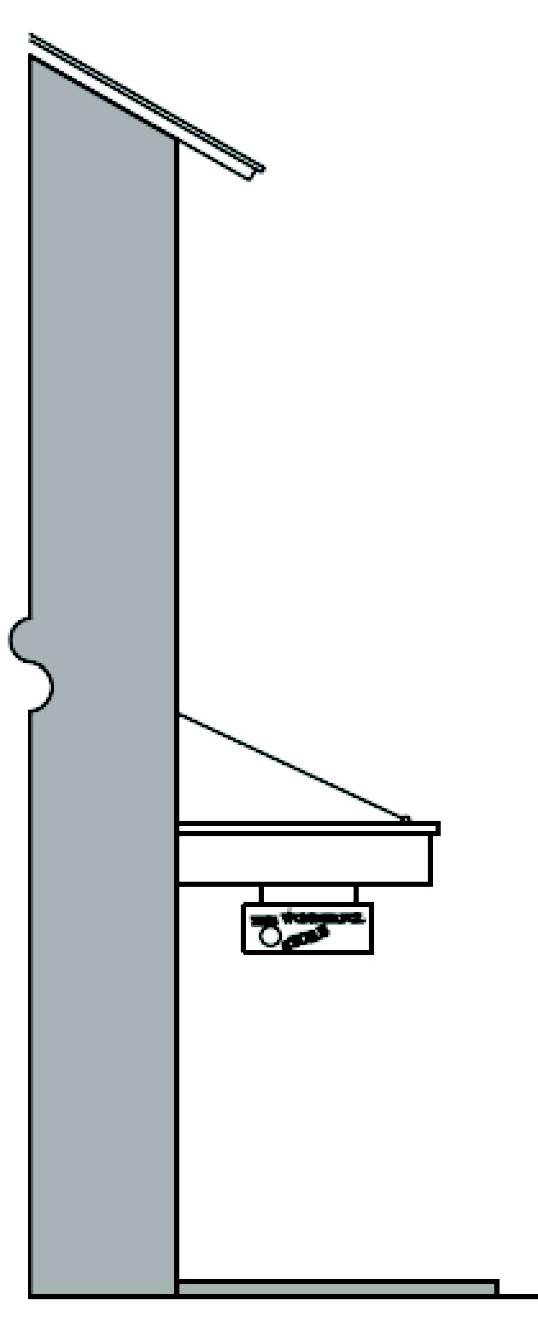 | 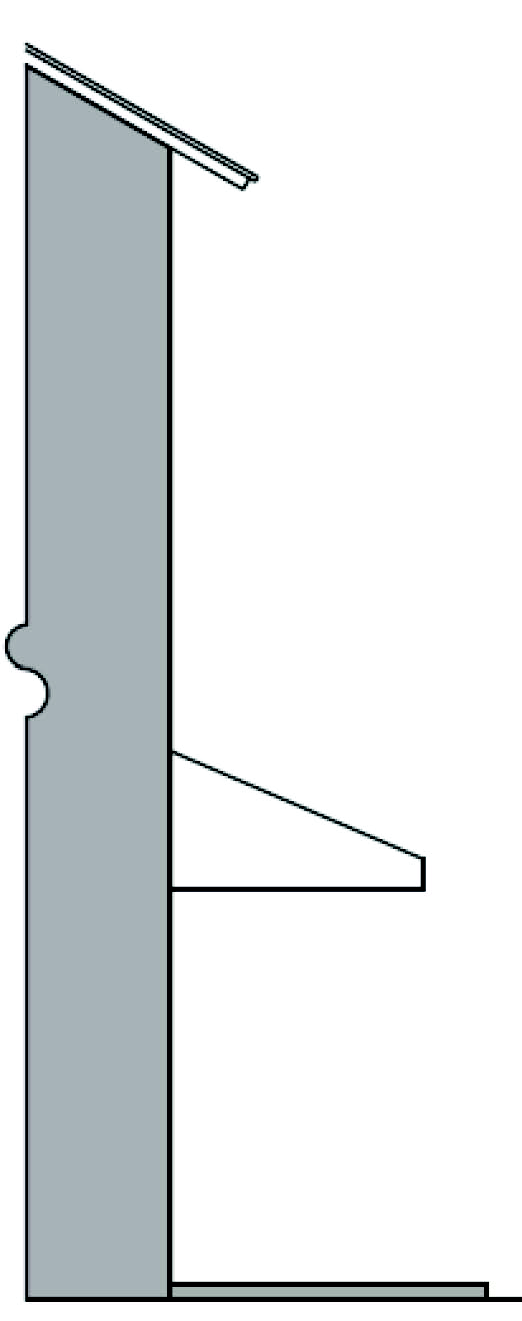 | Depth = | 5 ft. minimum. |
| Height = | 10 ft. minimum clear. | ||
| Length = | 25% to 100% of building front. | ||
| The above requirements apply to first-floor awnings. There are no minimum requirements for awnings above the first floor. | |||
Marquees and awnings shall occur forward of the principle plane and may encroach within the right-of-way, but shall not extend past the curb line.
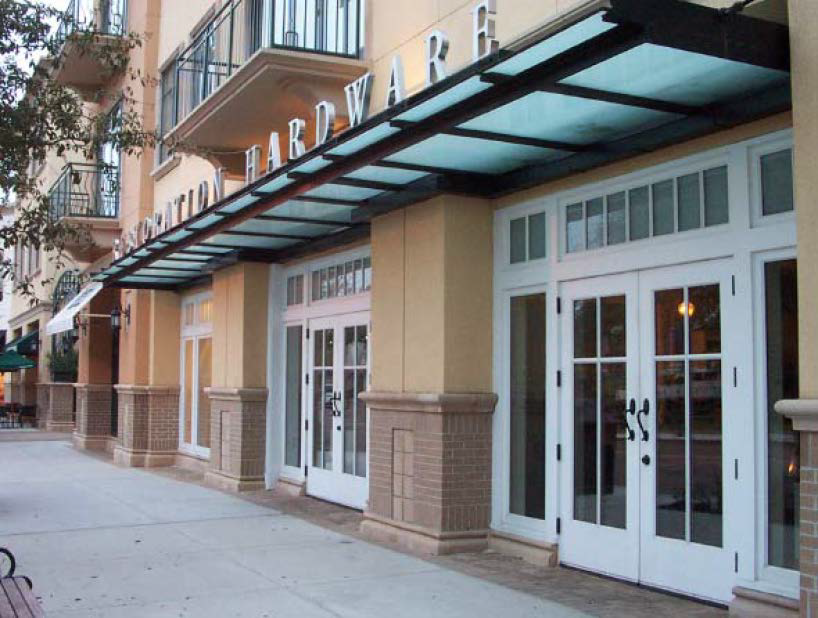
Winter Park, FL
Awnings shall be made of fabric. High-gloss or plasticized fabrics are prohibited.
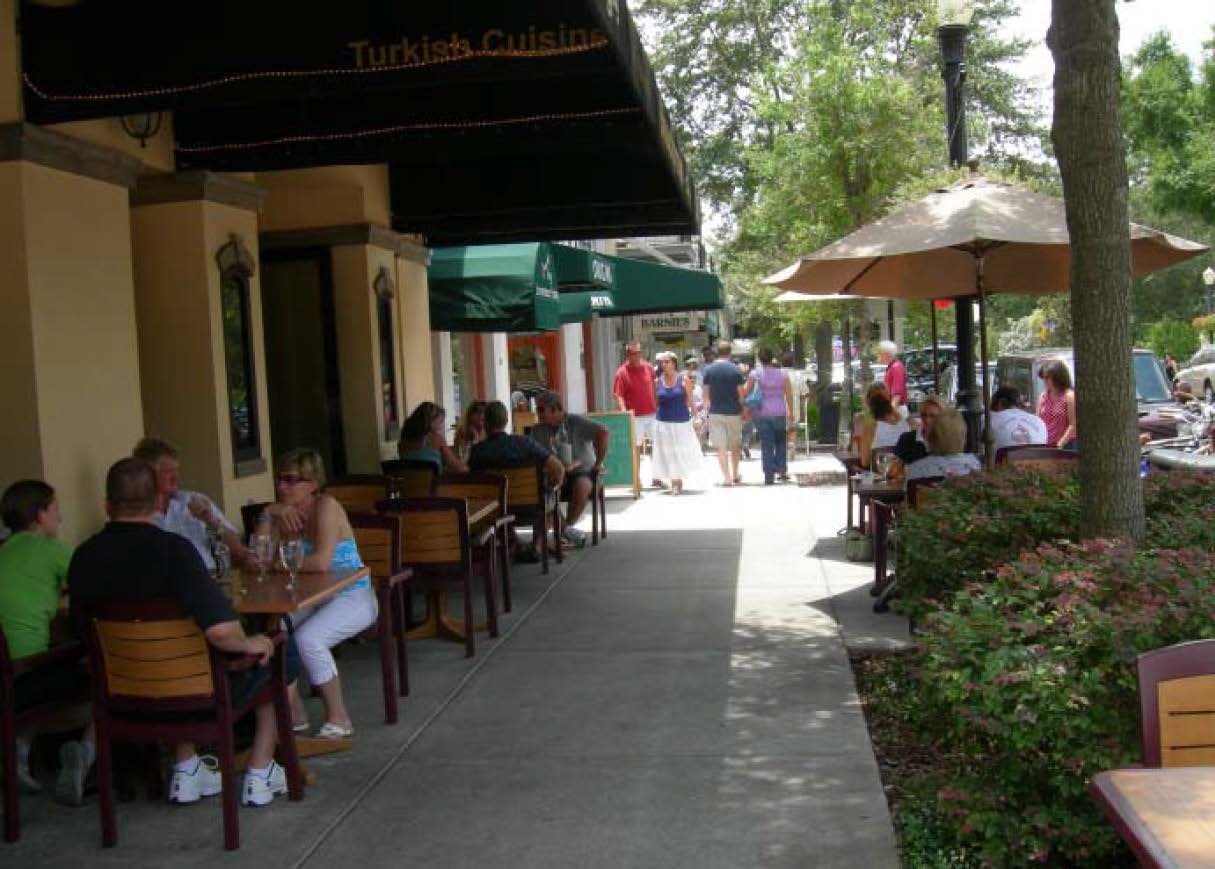
Reston, VA
(b)
Balconies.
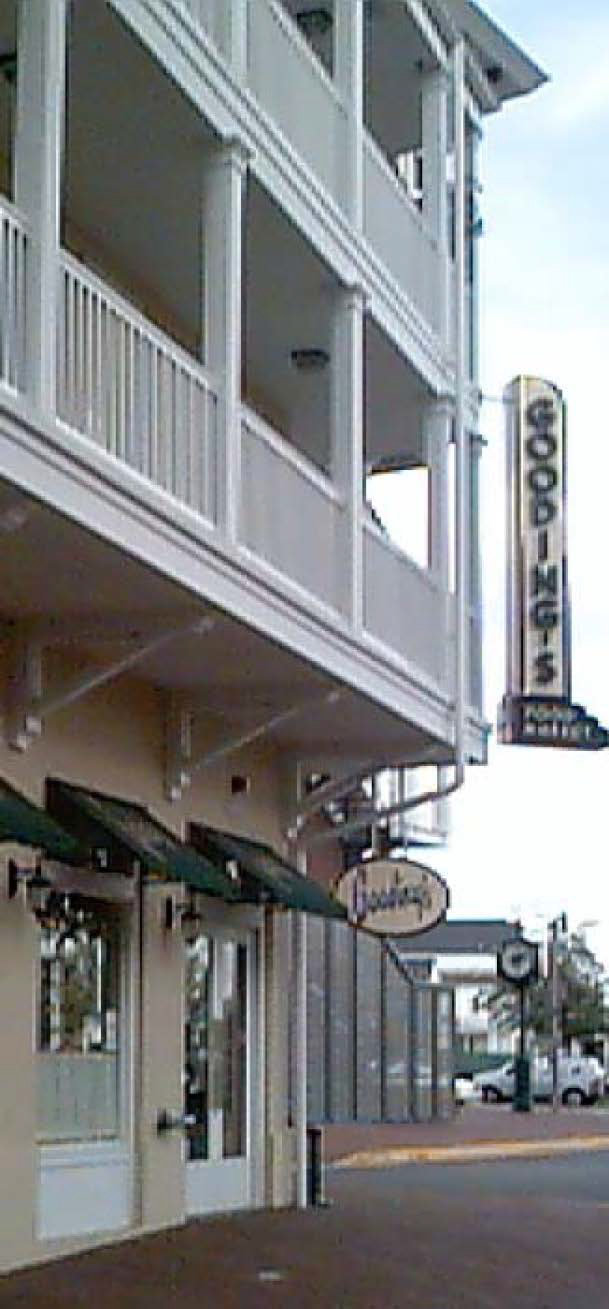
Celebration, FL
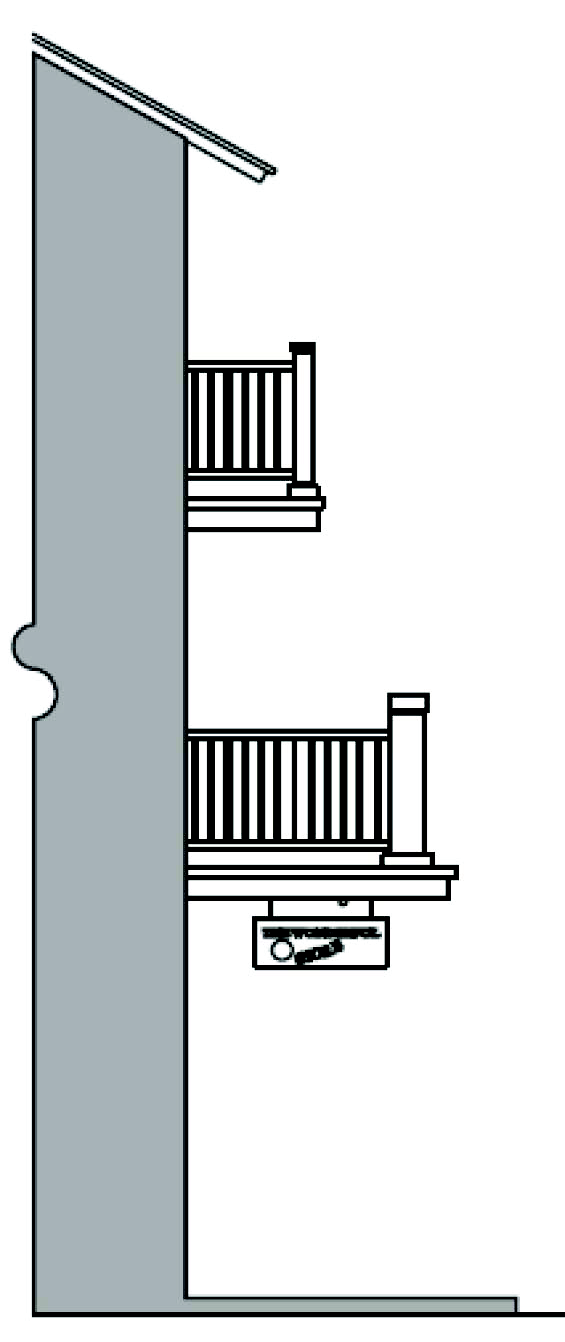
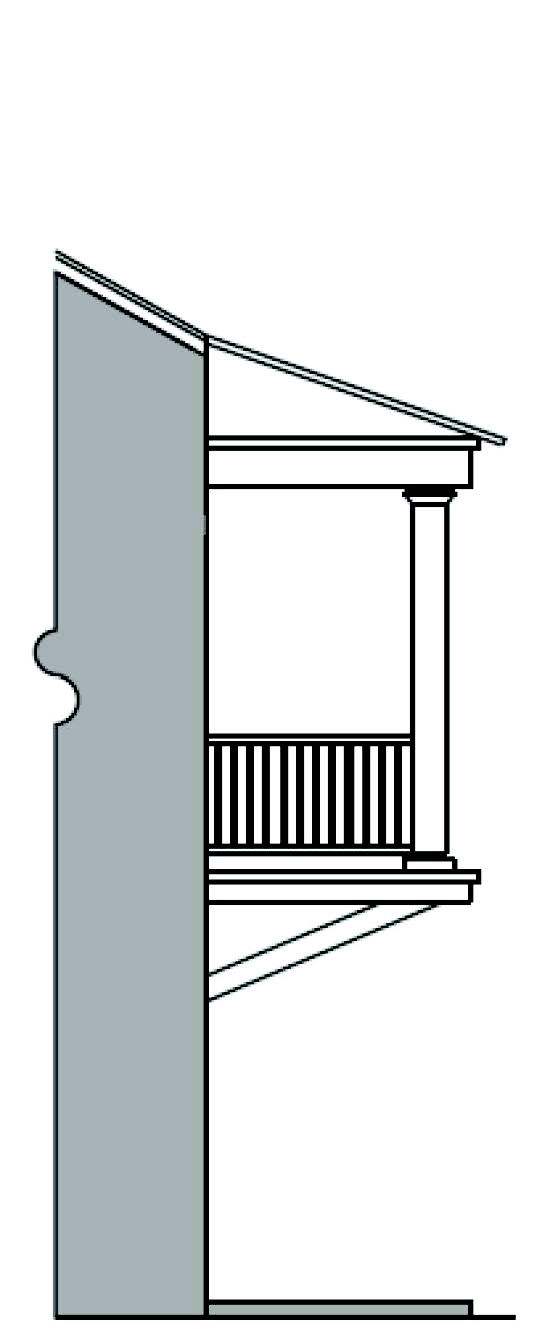
Balconies shall occur forward of the principle plane and may encroach within the right-of-way, but shall not extend past the curb line.
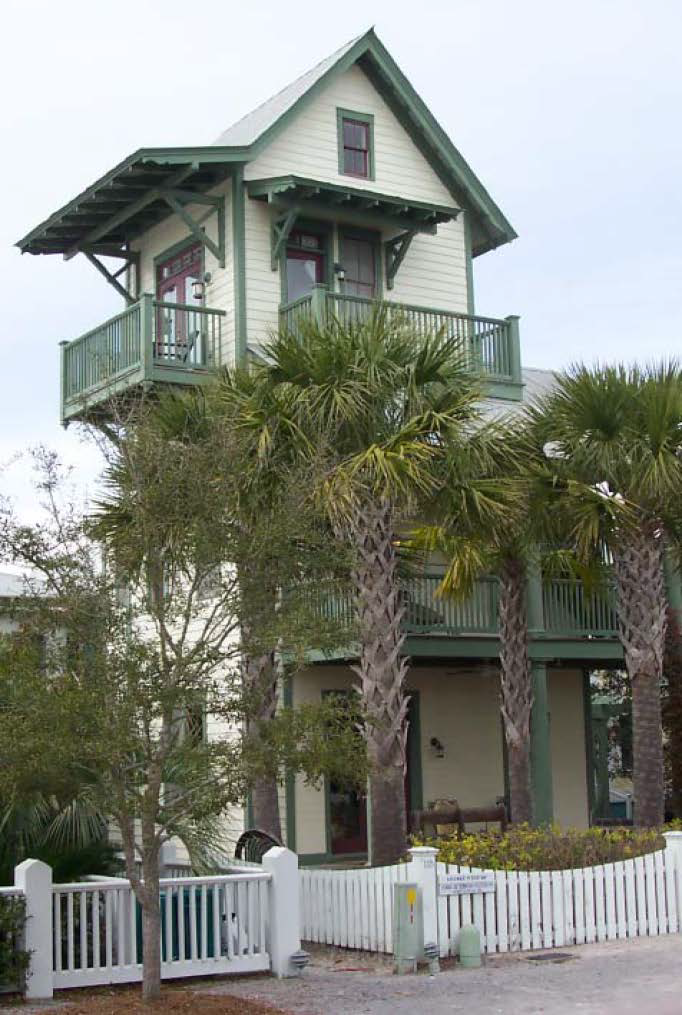
Seaside, FL
Balconies may have roofs, but are required to be open, unair-conditioned parts of the buildings.
On corners, balconies may wrap around the side of the building facing the side street.
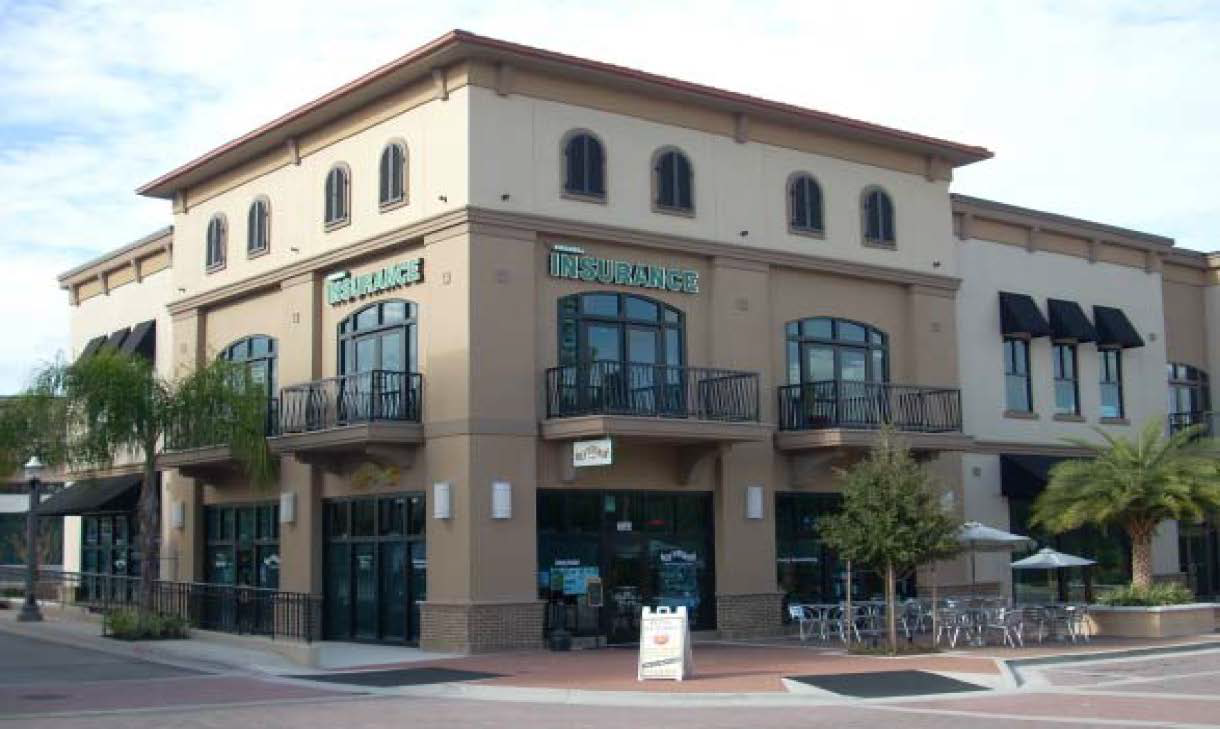
Winter Springs Town Center
(c)
Colonnades/arcades.
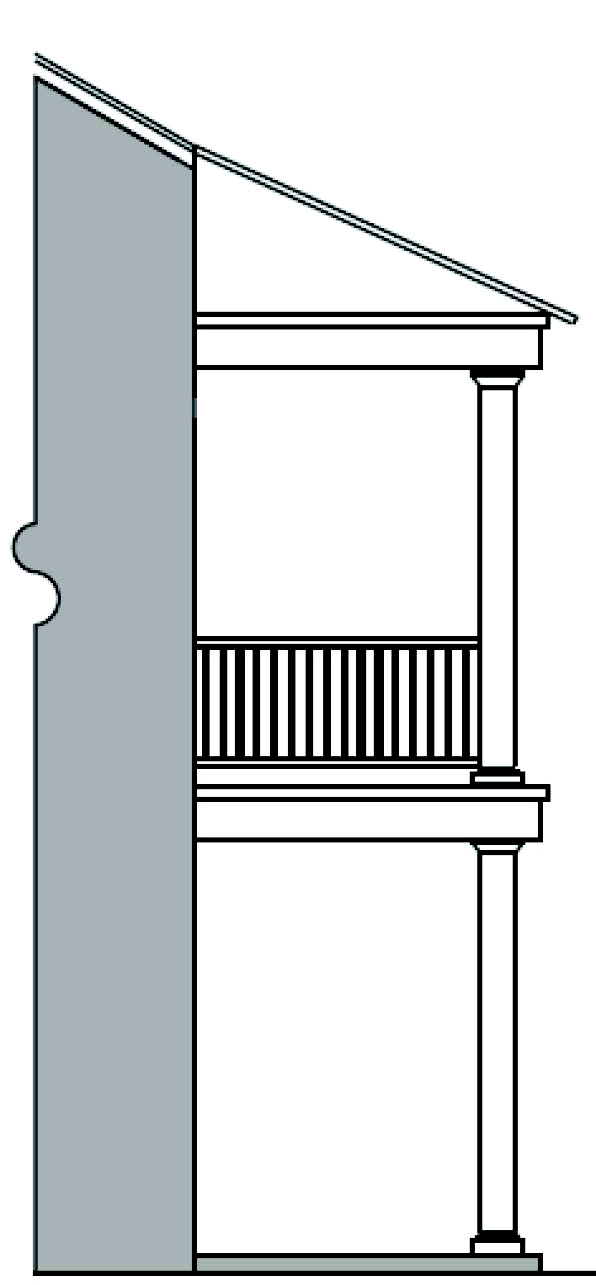
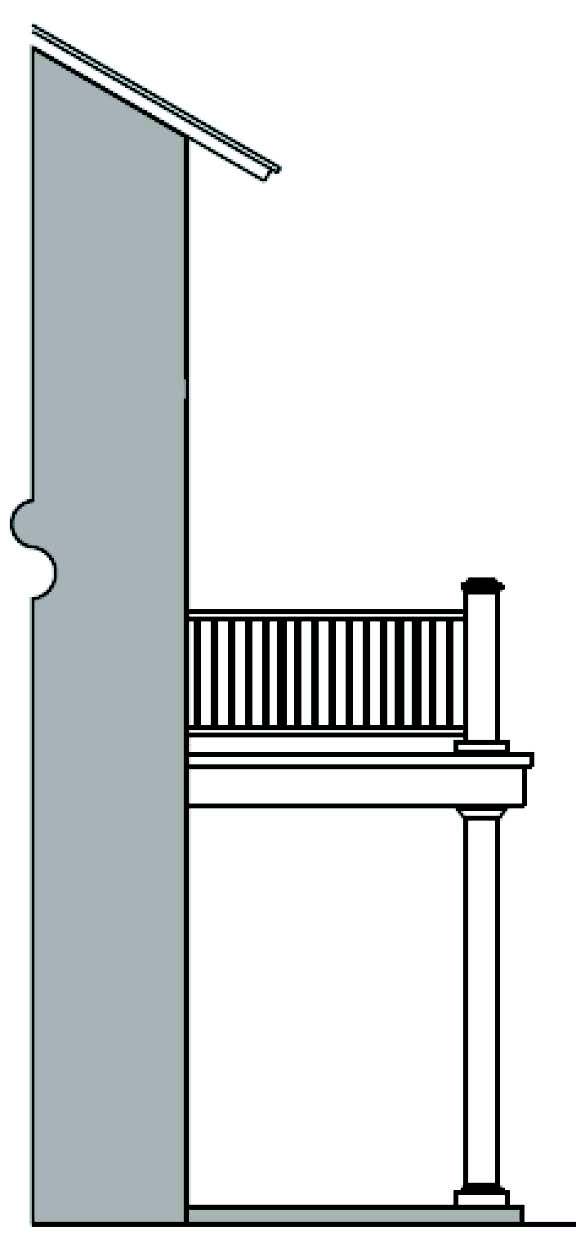
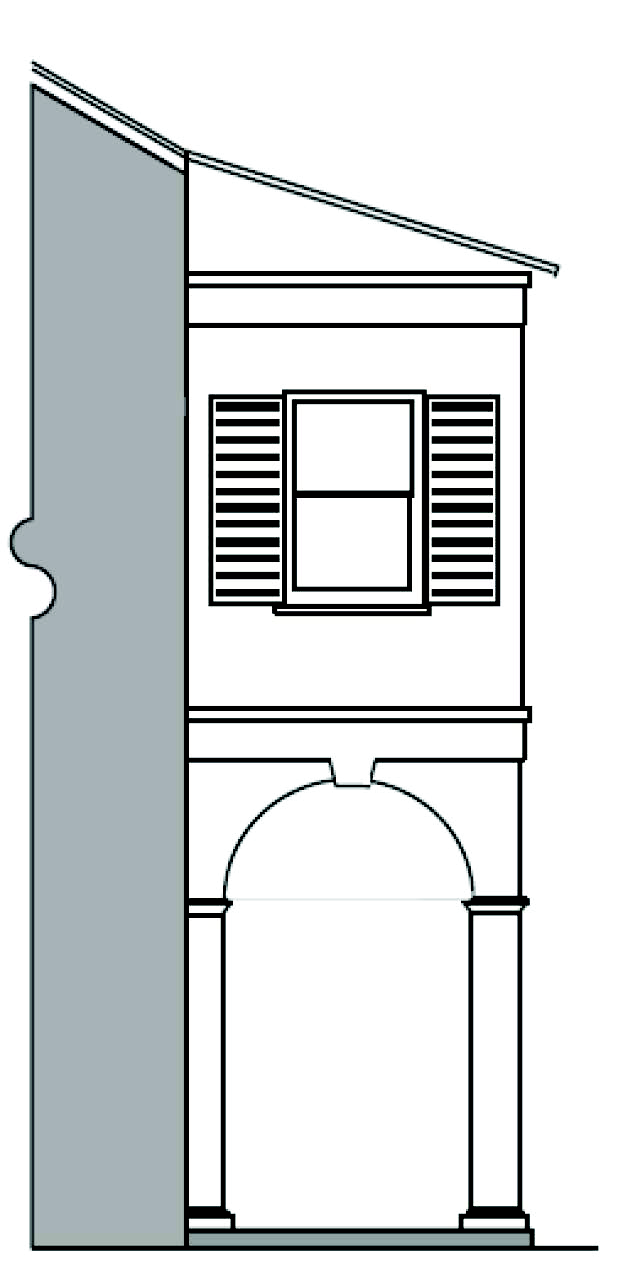
Open multi-story verandas, awnings, balconies, and enclosed useable space shall be permitted above the colonnade.
Colonnades shall only be constructed where the minimum depth can be obtained. Colonnades shall occur forward of the principle plane and may encroach within the right-of-way, but shall not extend past the curb line. On corners, colonnades may wrap around the side of the building facing the side street.
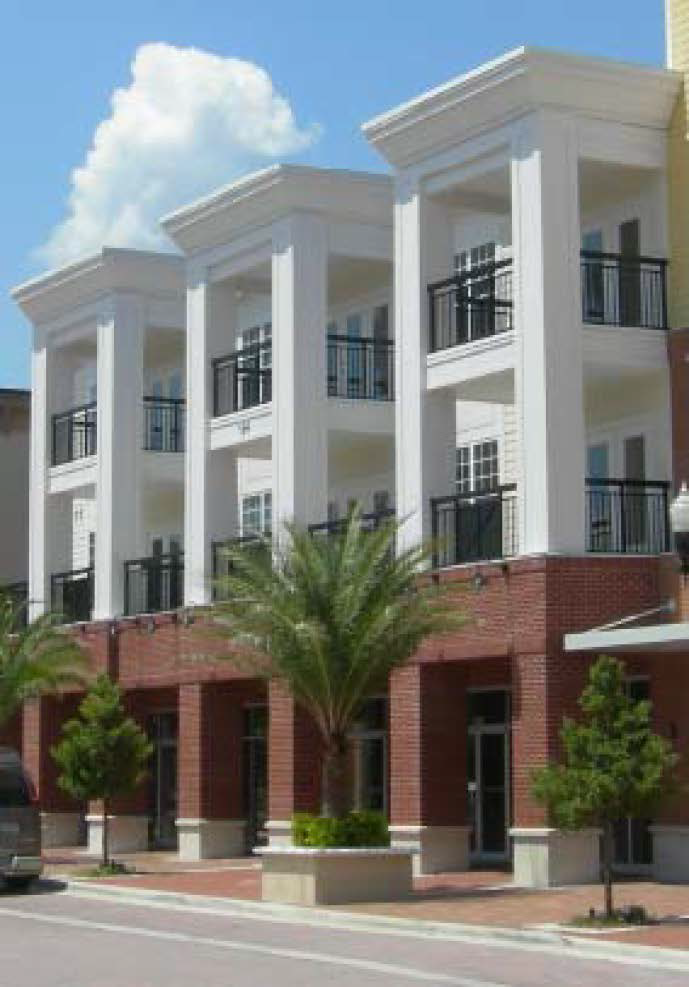
CityPlace, West Palm Beach, FL
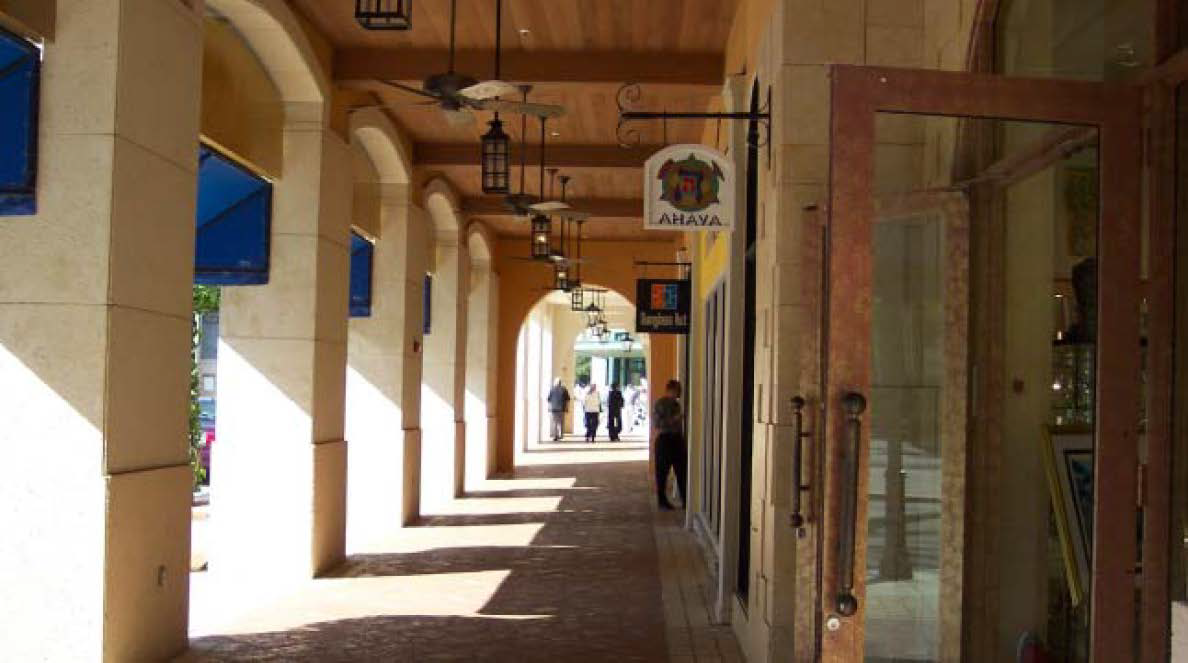
Colonnade, Winter Springs Town Center
(d)
Front porches. Front porches are required to be open, un-airconditioned parts of the buildings. More than twenty-five (25) percent of the floor area of a porch shall not be screened if the porch extends forward of the principle plane.
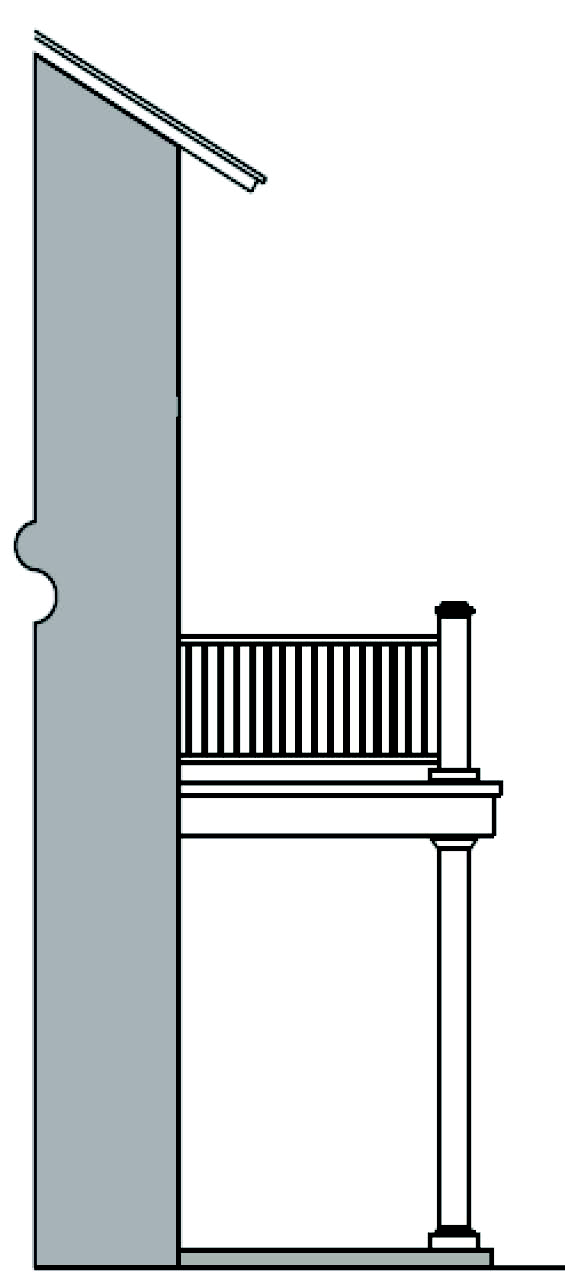
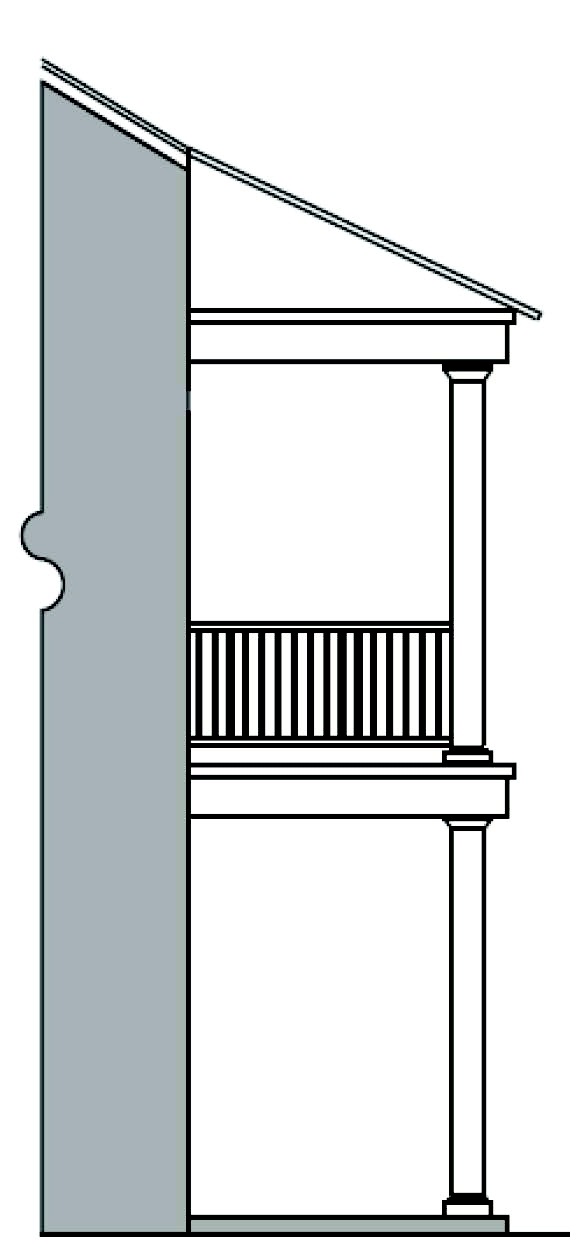
Front porches may have multi-story verandas and/or balconies above.
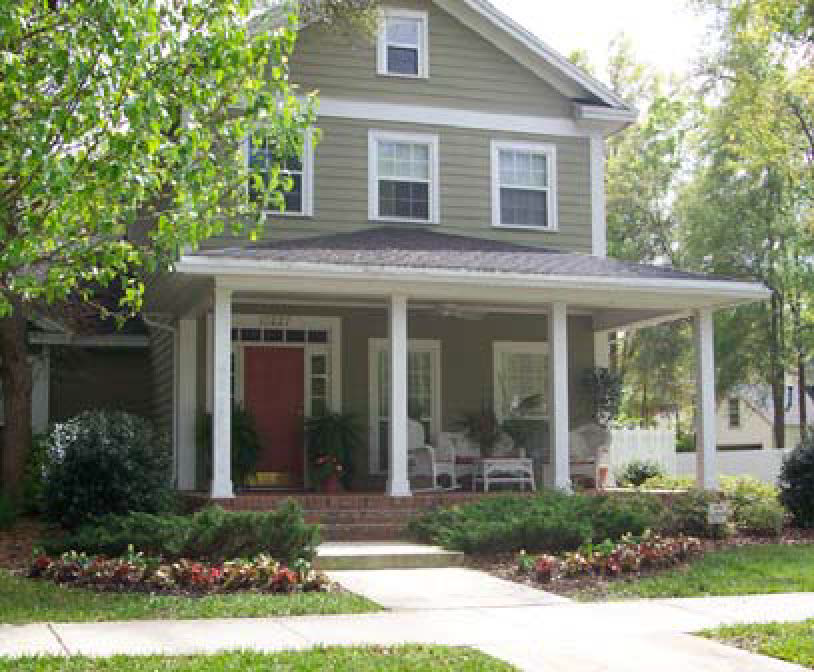
Haile Plantation, Gainesville, FL
Front porches shall occur forward of the principle plane. Porches shall not extend into the right-of-way.
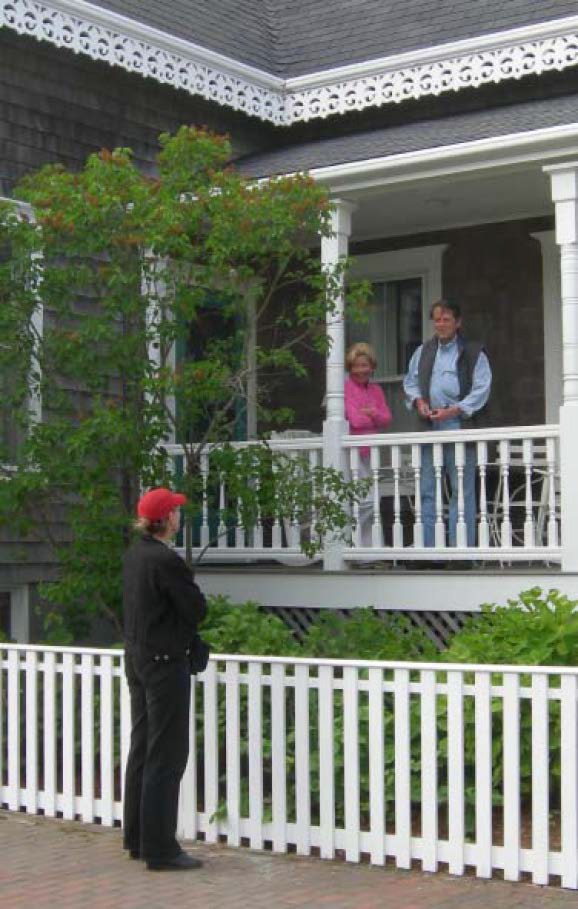
Estate Home, Baldwin Park, Orlando, FL
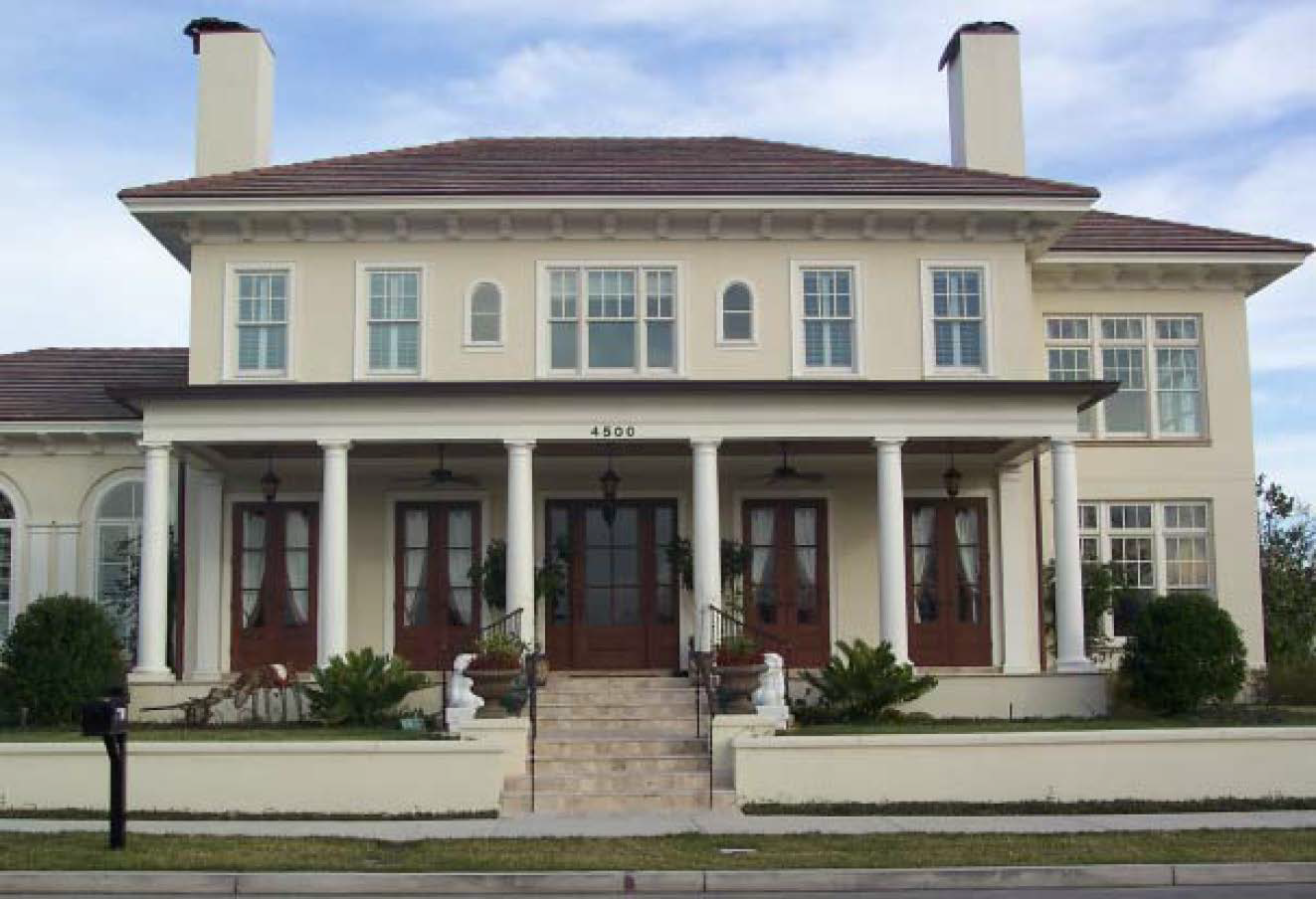
Nantucket, MA
(e)
Stoops. Stoops are permitted and may occur forward of the principle plane. Stoops may encroach within the right-of-way with approval. Sidewalks shall have clear access for pedestrians. Stoops may be covered or uncovered.
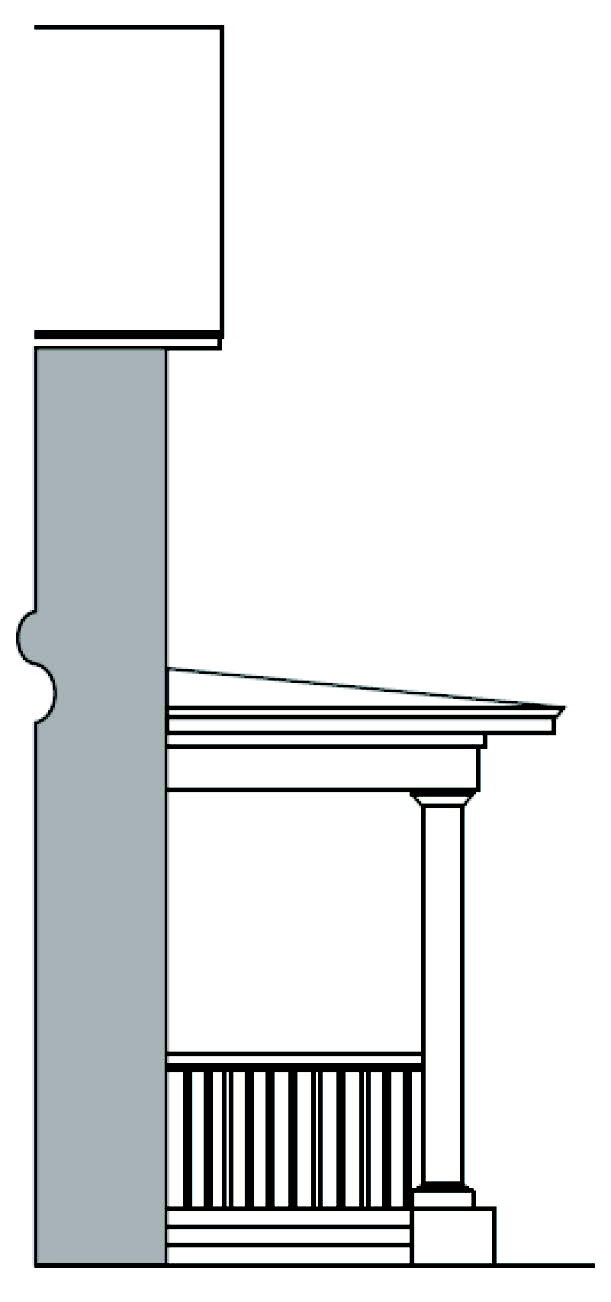
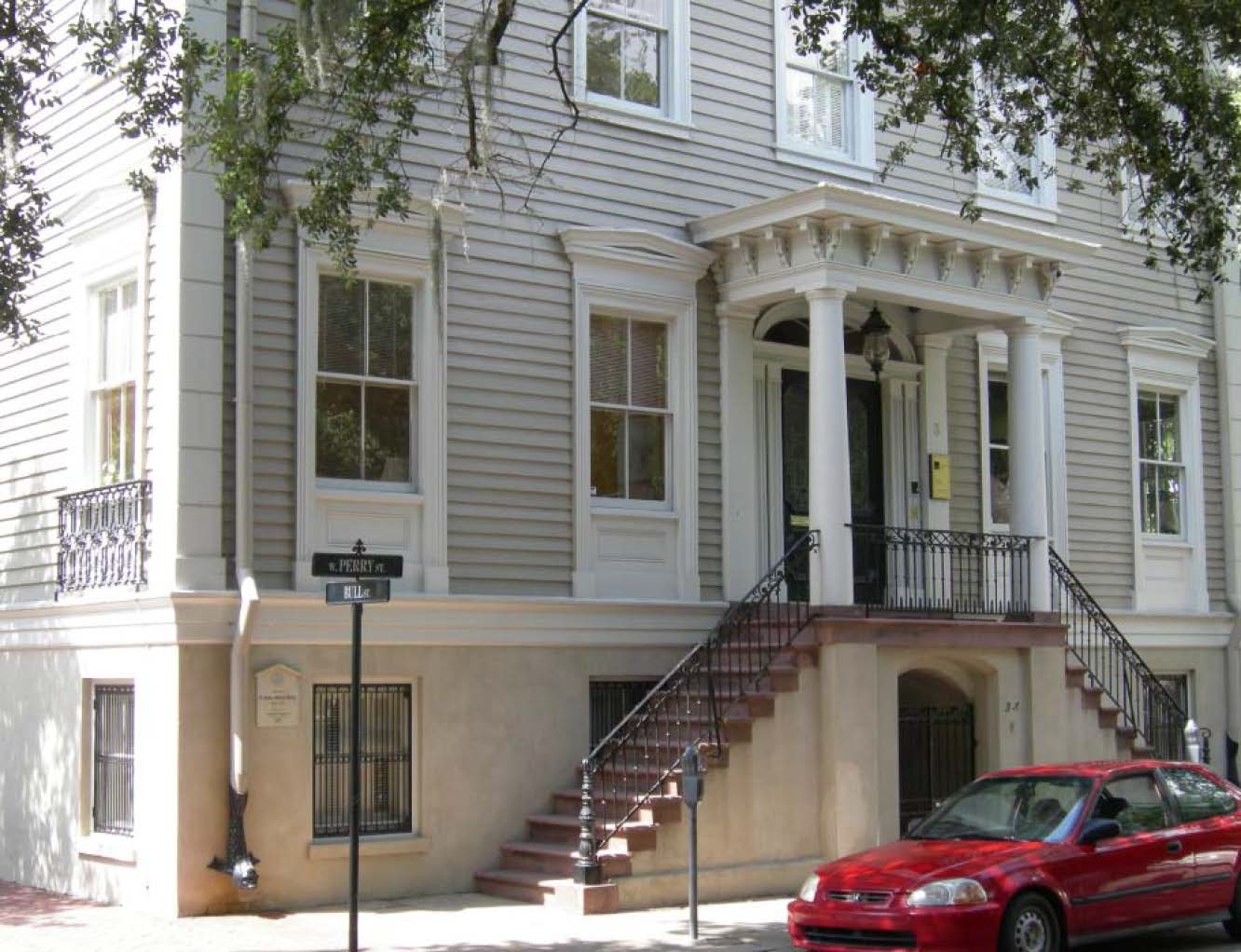
Savannah, GA
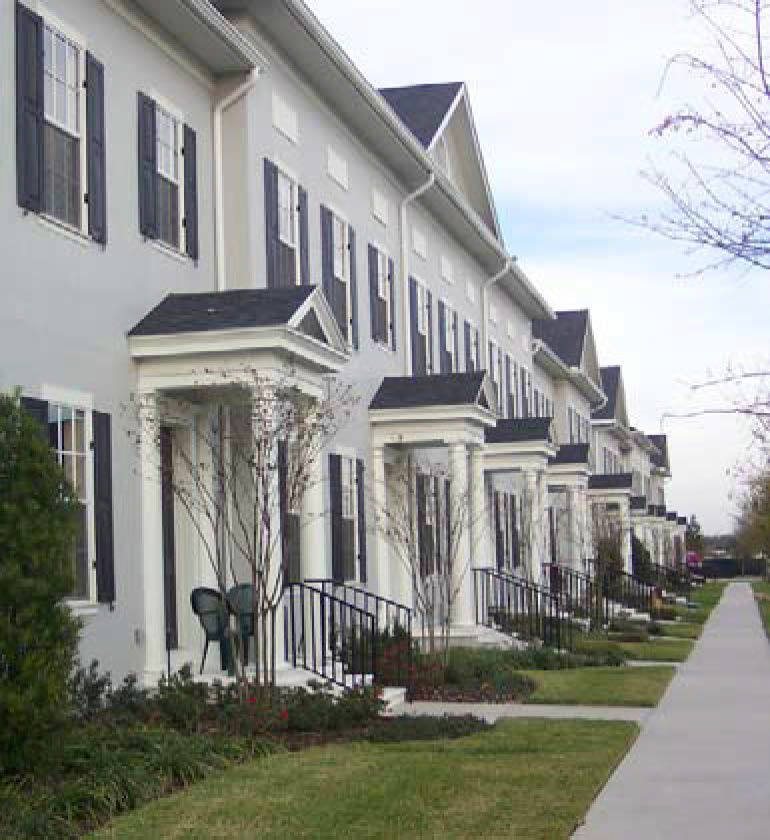
Baldwin Park, Orlando, FL
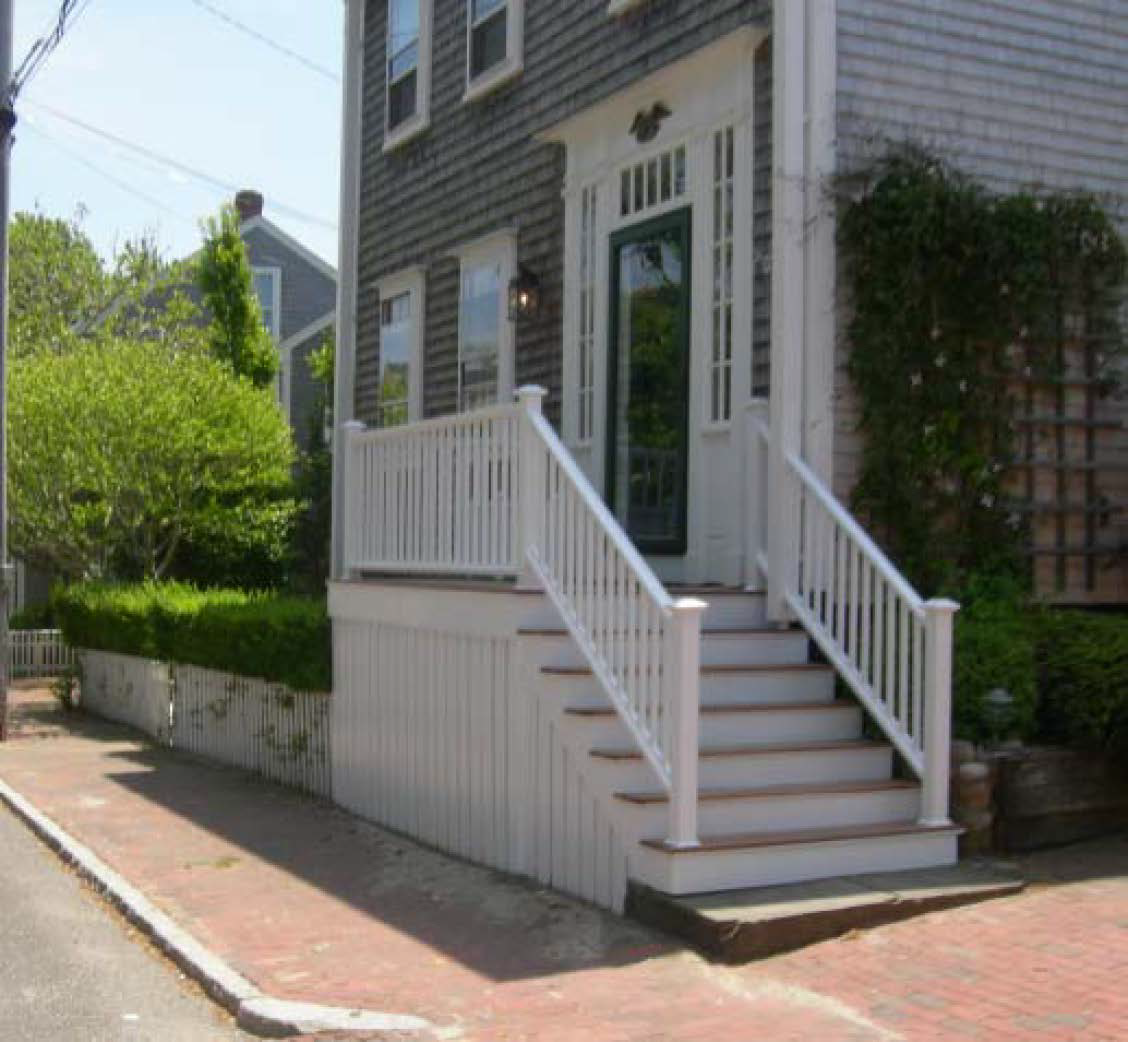
Nantucket, MA
(Ord. No. 2012-06, § 2, 3-12-12)
Sec. 20-327. - Architectural guidelines.
The lists of permitted materials and configurations come from study of traditional buildings found in Central Florida and have been selected for their appropriateness to the visual environment and climate.
A primary goal of the architectural guidelines is authenticity. The guidelines encourage construction which is straightforward and functional, and which draws its ornament and variety from the traditional assembly of genuine materials.
GENERAL REQUIREMENTS:
The following shall be located in rear yards or sideyards not facing side streets:
• Window and wall air conditioners;
• Electrical utility meters;
• Air conditioning compressors; and
• Irrigation and pool pumps.
The following shall be located in the rear yards only:
• Antennas; and
• Permanent barbecues.
The following are prohibited:
• Undersized shutters (the shutter or shutters must be sized so as to equal the width that would be required to cover the window opening.);
• Plastic or inoperable shutters;
• Clotheslines;
• Clothes drying yards;
• Satellite dish antennas greater than 18" in diameter;
• Reflective and/or bronze-tint glass;
• Plastic or PVC roof tiles;
• Backlit awnings;
• Glossy-finish awnings; and
• Fences made of chain link, barbed wire, or plain wire mesh.
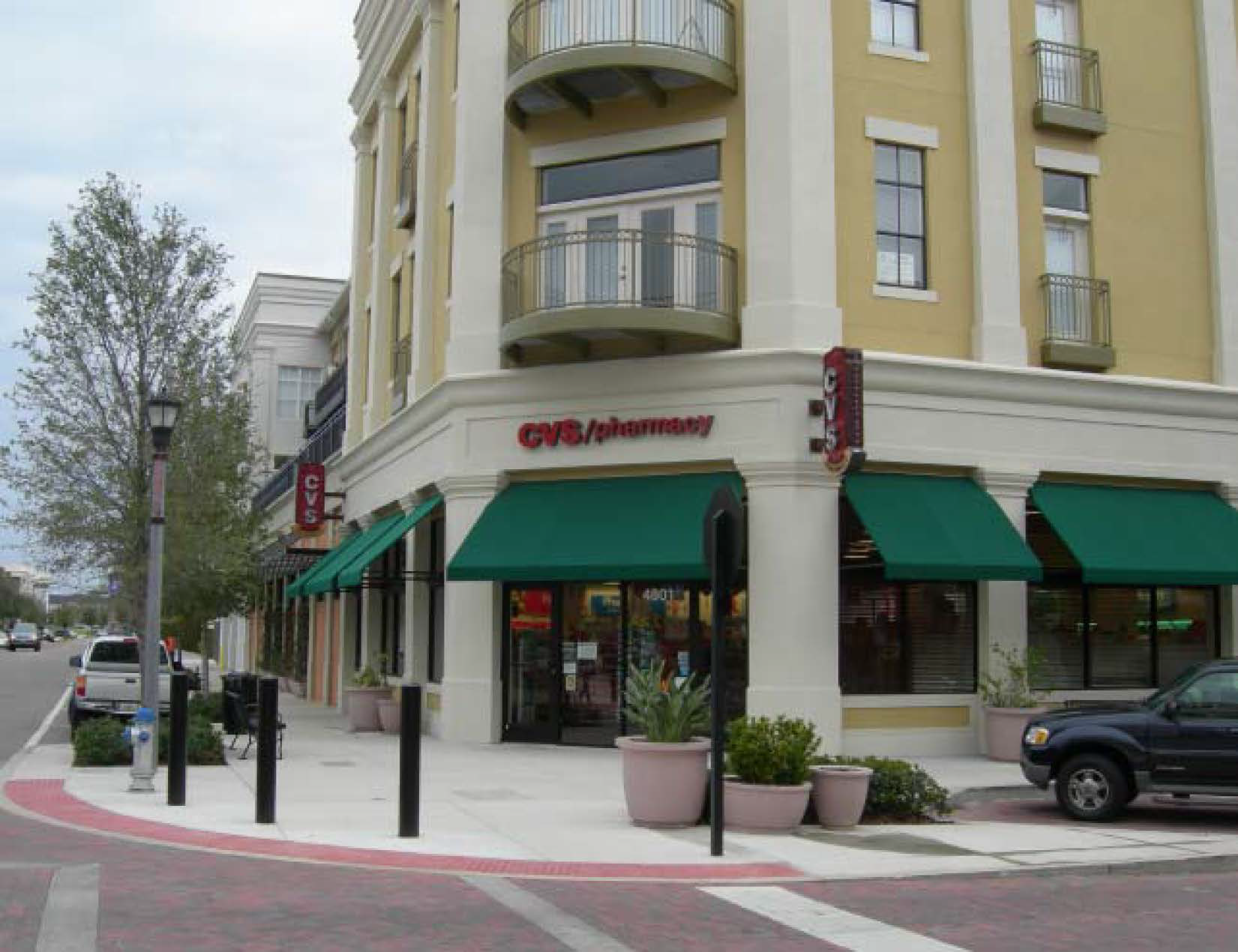
Baldwin Park, Orlando, FL
(a)
Building walls.
(1)
General requirements. Required for all buildings except single-family houses:
An expression line shall delineate the division between the first story and the second story. A cornice shall delineate the tops of the facades. Expression lines and cornices shall either be moldings extending a minimum of two (2) inches, or jogs in the surface plane of the building wall greater than two (2) inches.
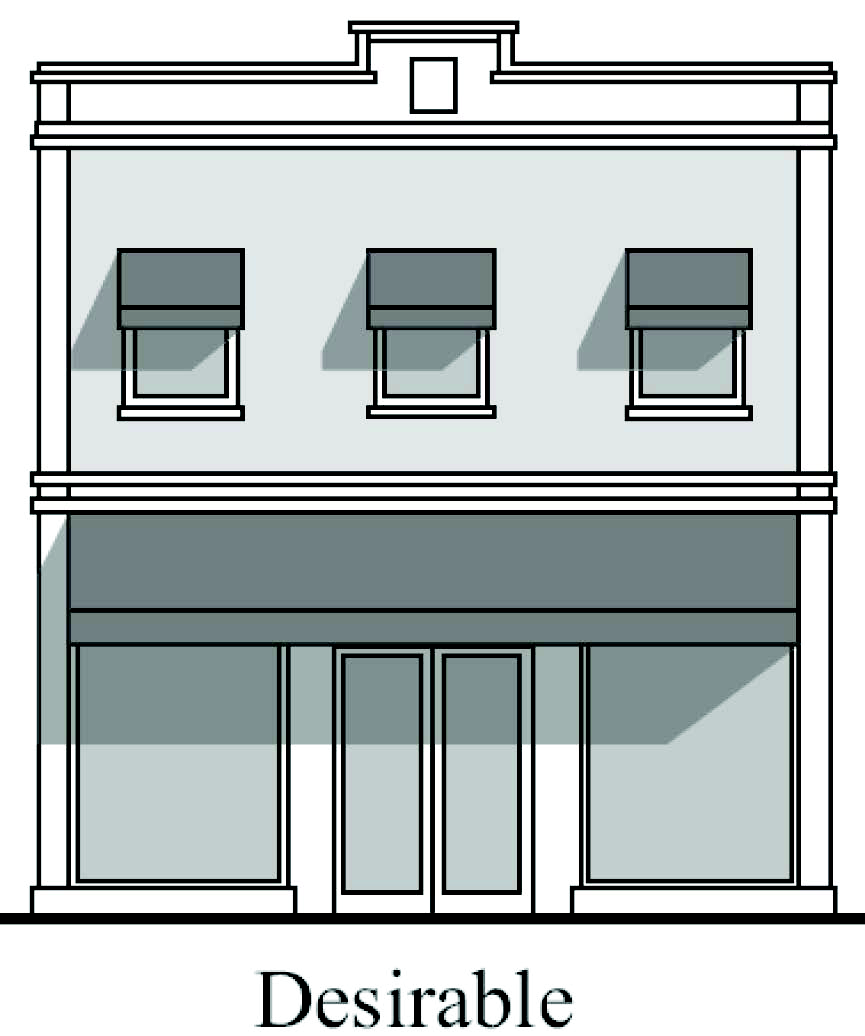
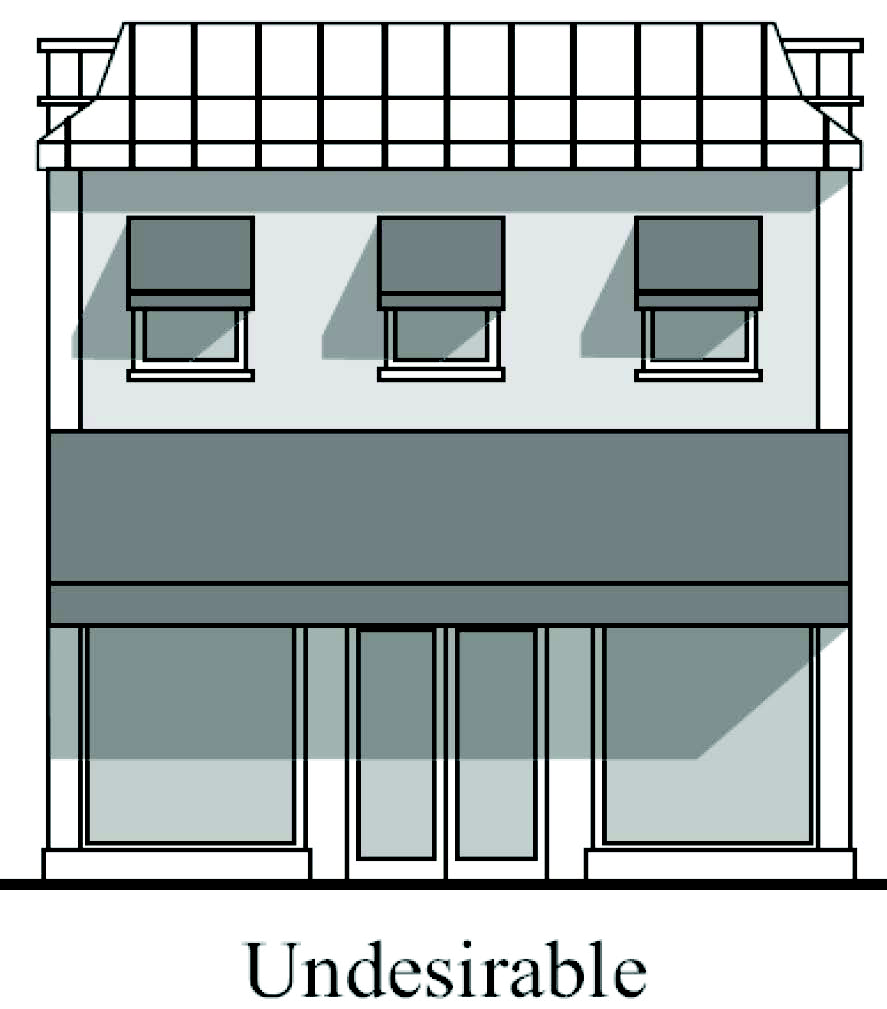
(2)
Permitted finish materials.
• Concrete masonry units with stucco (C.B.S.)
• Reinforced concrete with stucco
• "Hardie-plank" siding
• Wood (termite resistant): Painted white, left natural (cypress and cedar preferred), or painted/stained with colors approved by the development review committee.
• Brick
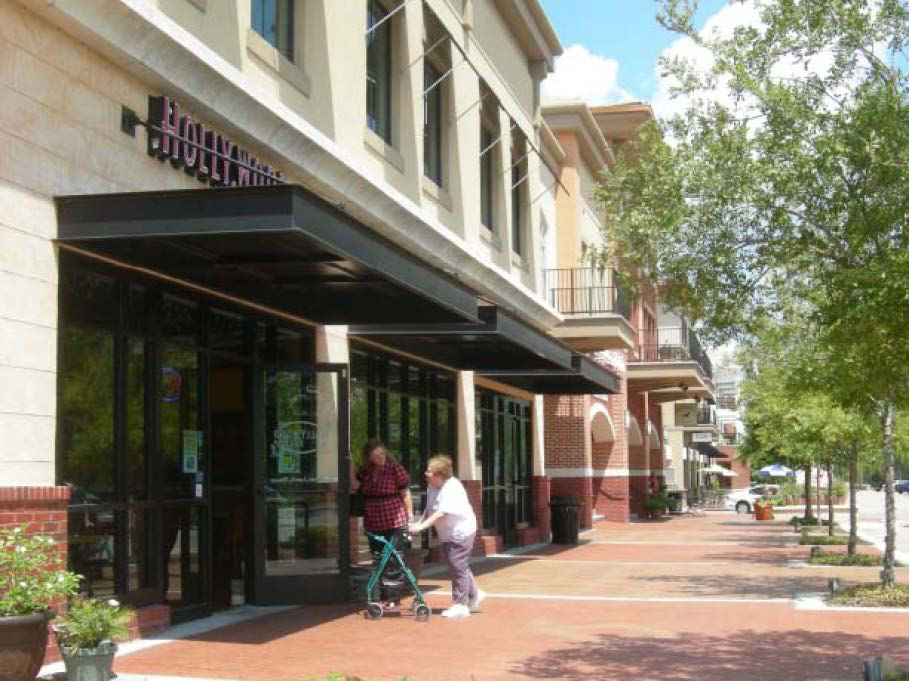
Winter Springs Town Center
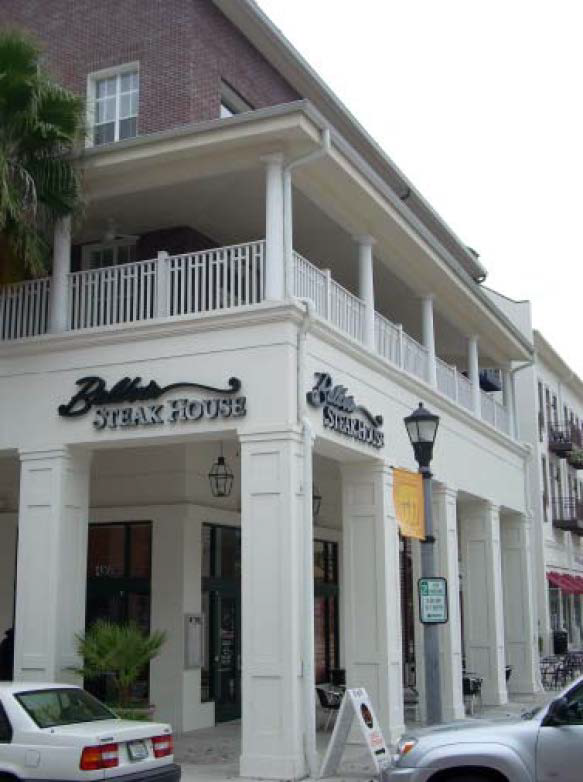
Baldwin Park, Orlando, FL
(b)
Garden walls, fences and hedges.
(1)
General requirements. Fences, garden walls, or hedges are strongly encouraged and, if built, should be constructed along all un-built rights-of-way which abut streets and alleys as shown in the diagram below. Fences, garden walls and hedges shall be minimum twenty-five (25) percent opaque.
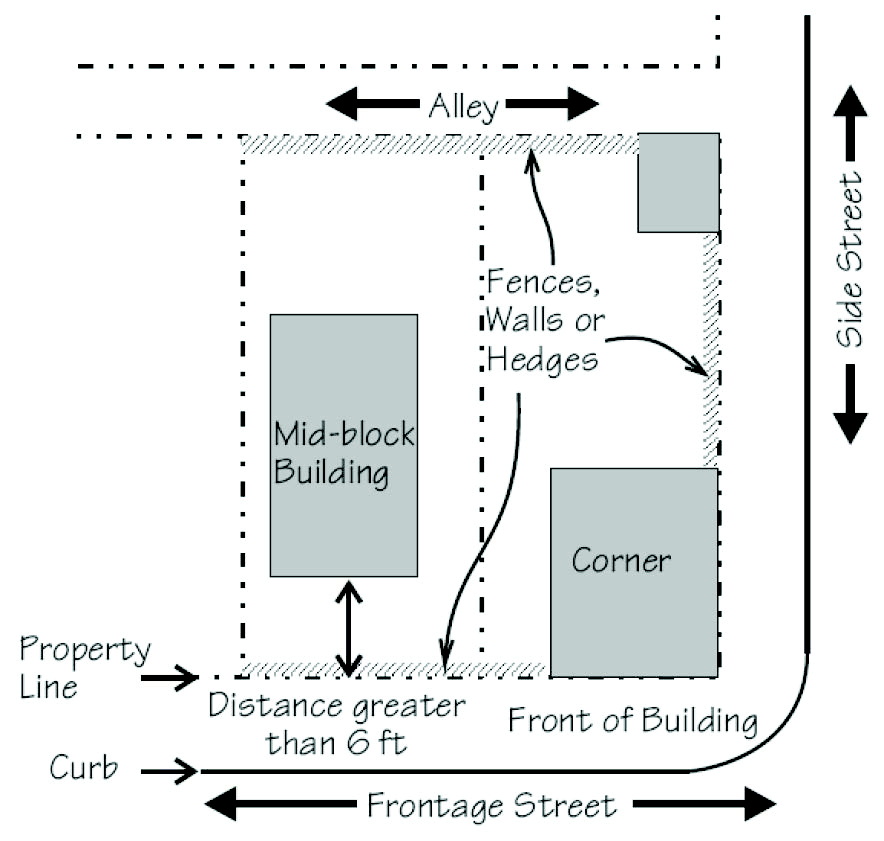
• Height:
• Front yard: Maximum height of forty-eight (48) inches. Pillars and posts may extend up to six (6) inches more, to a height of fifty-four (54) inches.
• Side and rear yards: Maximum height of seventy-two (72) inches. Pillars and posts may extend up to six (6) inches more, to a height of seventy-eight (78) inches.
(2)
Permitted finish materials.
• Wood (termite resistant): Painted white, left natural, or painted/stained with colors approved by the development review committee.
• Concrete masonry units with stucco (C.B.S.)
• Reinforced concrete with stucco
• Wrought iron
• Brick
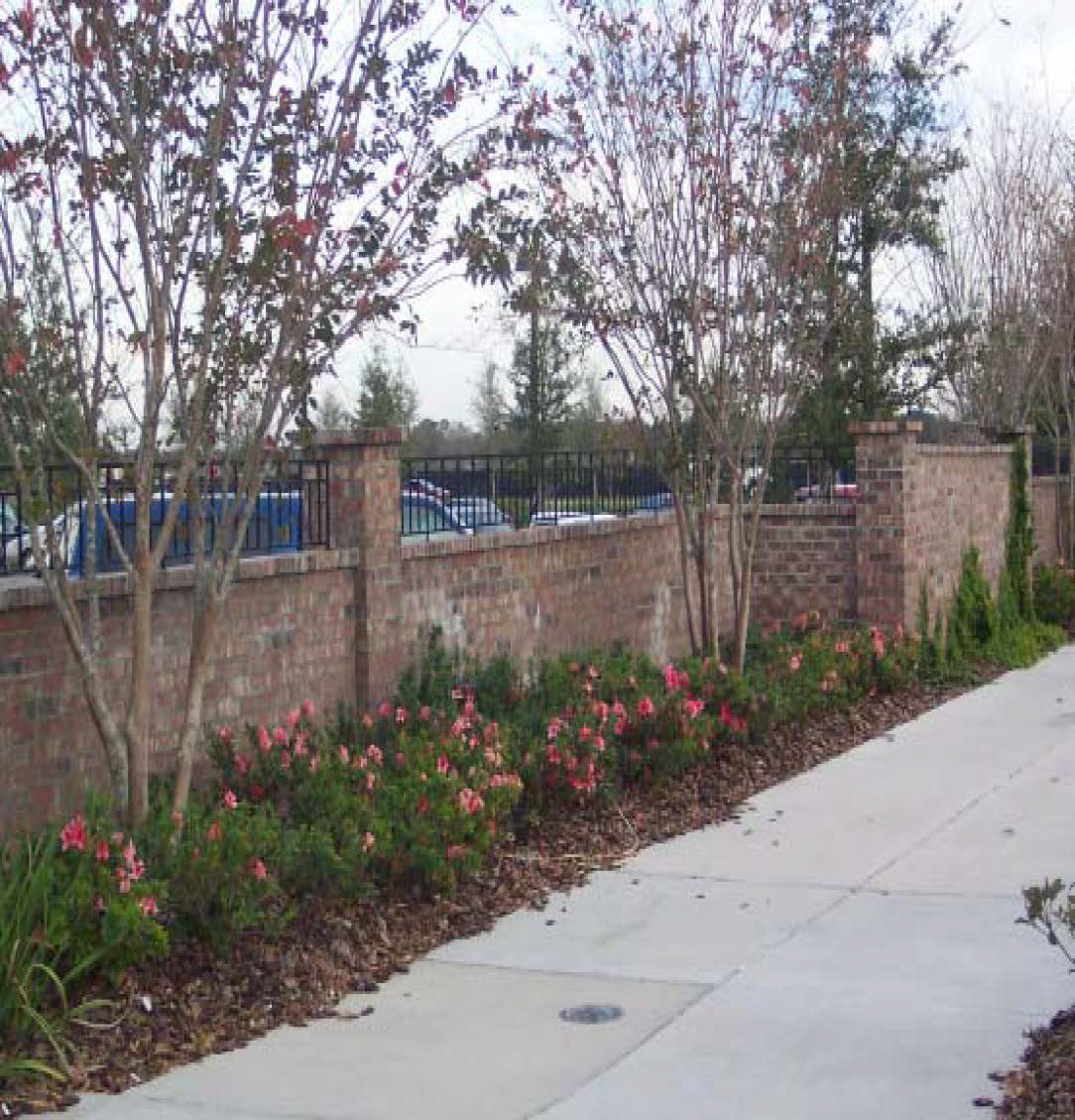
Baldwin Park, Orlando, FL
(3)
Permitted configurations.
• Wood:
• Picket fences: Minimum thirty (30) percent opaque, w/corner posts
• Other: To match building walls
• Stucco: With texture and color to match building walls
• Wrought iron: Vertical, five-eighths (5/8) inch minimum dimension, four (4) inches to six (6) inches spacing
(c)
Columns, arches, piers, railings and balustrades.
(1)
General requirements.
• Column and pier spacing:
• Columns and piers shall be spaced no farther apart than they are tall.
(2)
Permitted finish materials.
• Columns:
• Wood (termite resistant), painted or natural
• Cast iron
• Concrete with smooth finish
• Arches:
• Concrete masonry units with stucco (C.B.S.)
• Reinforced concrete with stucco brick
• Piers:
• Concrete masonry units with stucco (C.B.S.)
• Reinforced concrete with stucco brick
• Railings and balustrades:
• Wood (termite resistant), painted or natural
• Wrought iron
(3)
Permitted configurations.
• Columns:
• Square, six (6) inches minimum, with or without capitals and bases
• Round, six (6) minimum outer diameter, with or without capitals and bases
• Classical orders
• All columns shall be spanned by an entablature or beam. Columns shall not directly support a ceiling or soffit without an entablature or beam and the face of a columns, at its to just beneath the capital, shall align and be coplanar with the face of the entablature or beam supported by the column.
• Arches:
• Semi-circular and segmental
• Piers:
• Eight (8) inches minimum dimension
• Porches:
• Railings 2-3/4" inches minimum diameter
• Balustrades four (4) inches minimum spacing, six (6) inches maximum spacing.
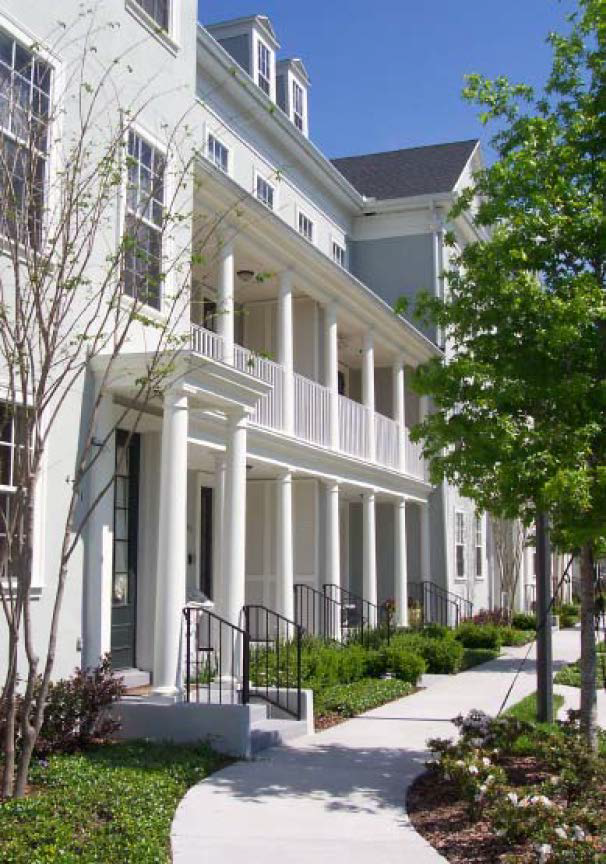
Baldwin Park, Orlando, FL
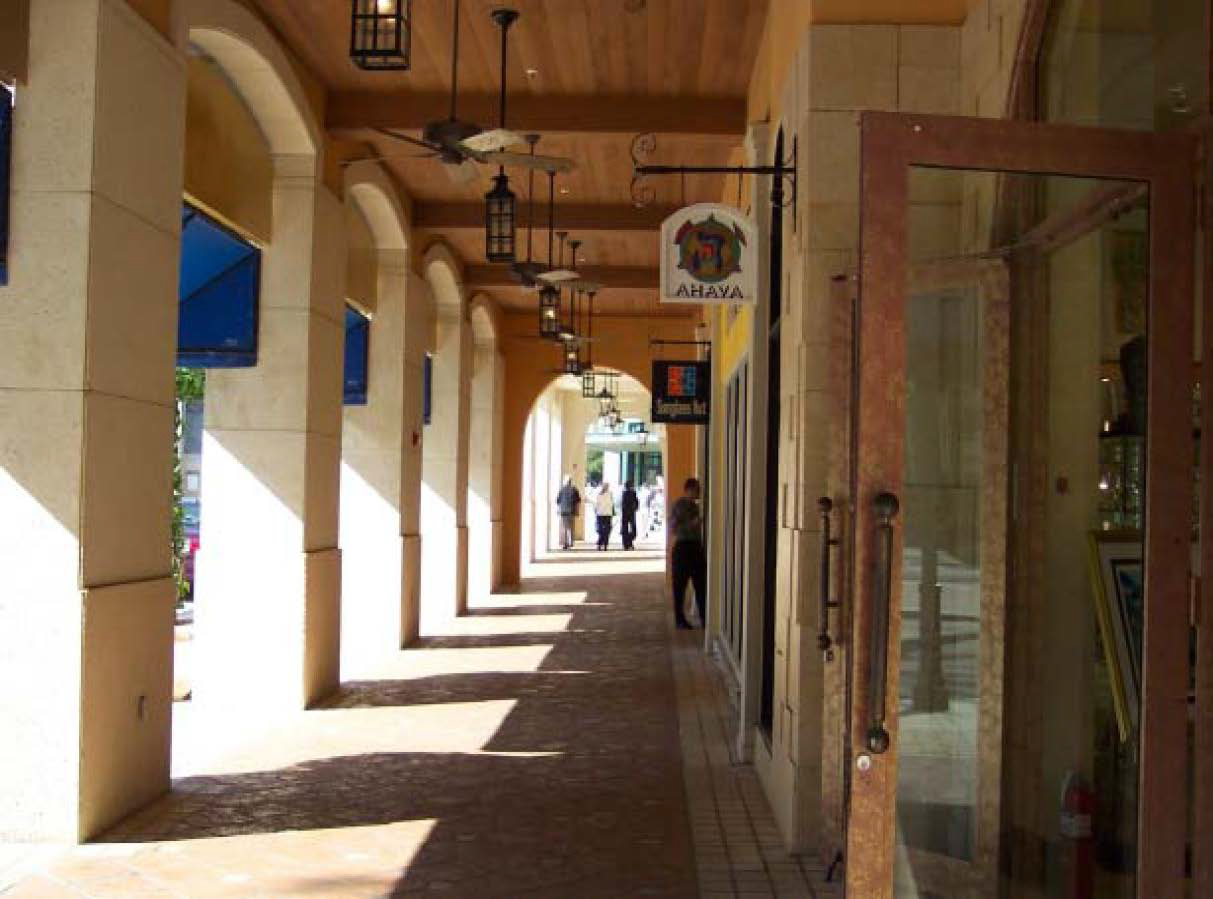
CityPlace, West Palm Beach, FL
(d)
Opacity and facades. Each floor of any building facade facing a park, square or street shall contain transparent windows covering from fifteen (15) percent to seventy (70) percent of the wall area.
RETAIL STOREFRONT AREAS ONLY:
In order to provide clear views of merchandise in stores and to provide natural surveillance of exterior street spaces, the ground-floor along the building frontage shall have transparent storefront windows covering no less than fifty (50) percent of the wall area. Storefronts facing Main Street, parks and squares shall remain unshuttered at night and shall utilize transparent glazing material, and shall provide view of interior spaces lit from within. Doors or entrances with public access shall be provided at intervals no greater than fifty (50) feet, unless otherwise approved by the development review committee.
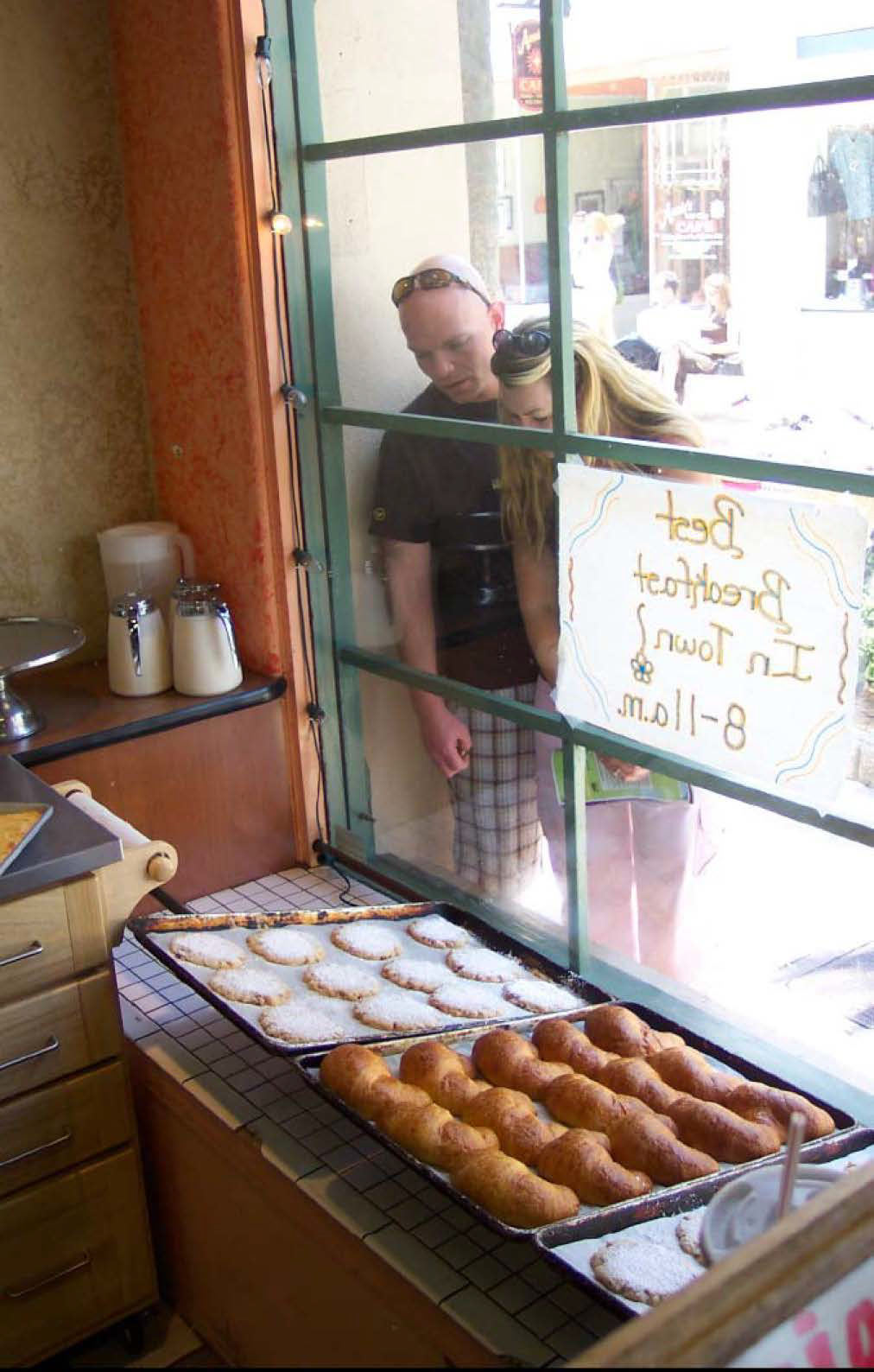
St. Augustine, FL
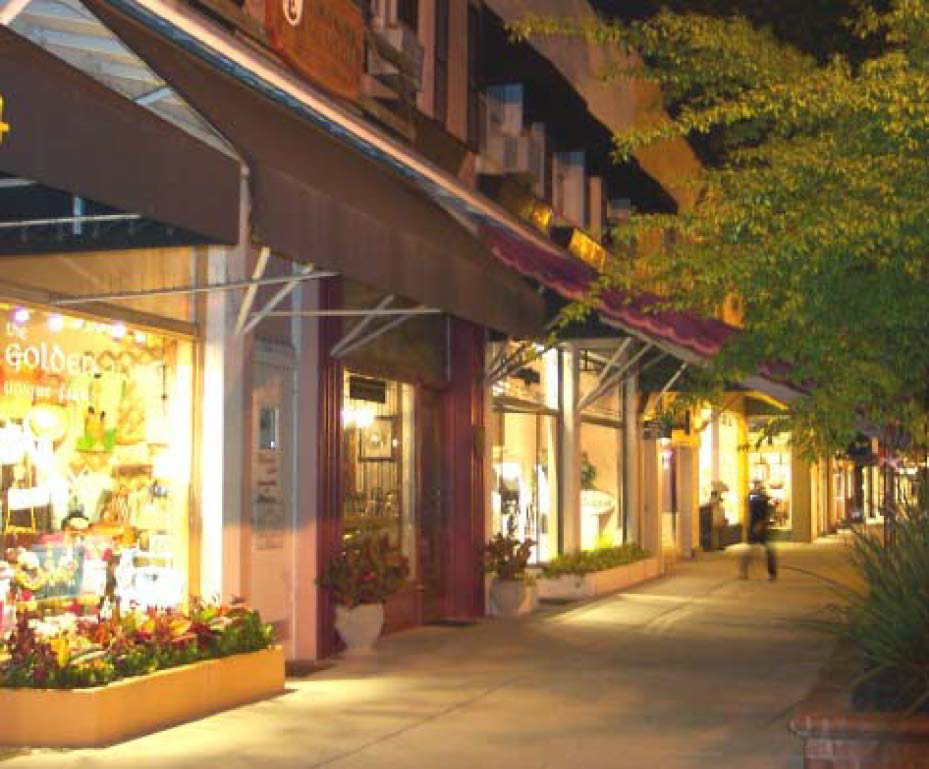
Park Avenue, Winter Park, FL
St. Paul, MN
(e)
Roofs and gutters.
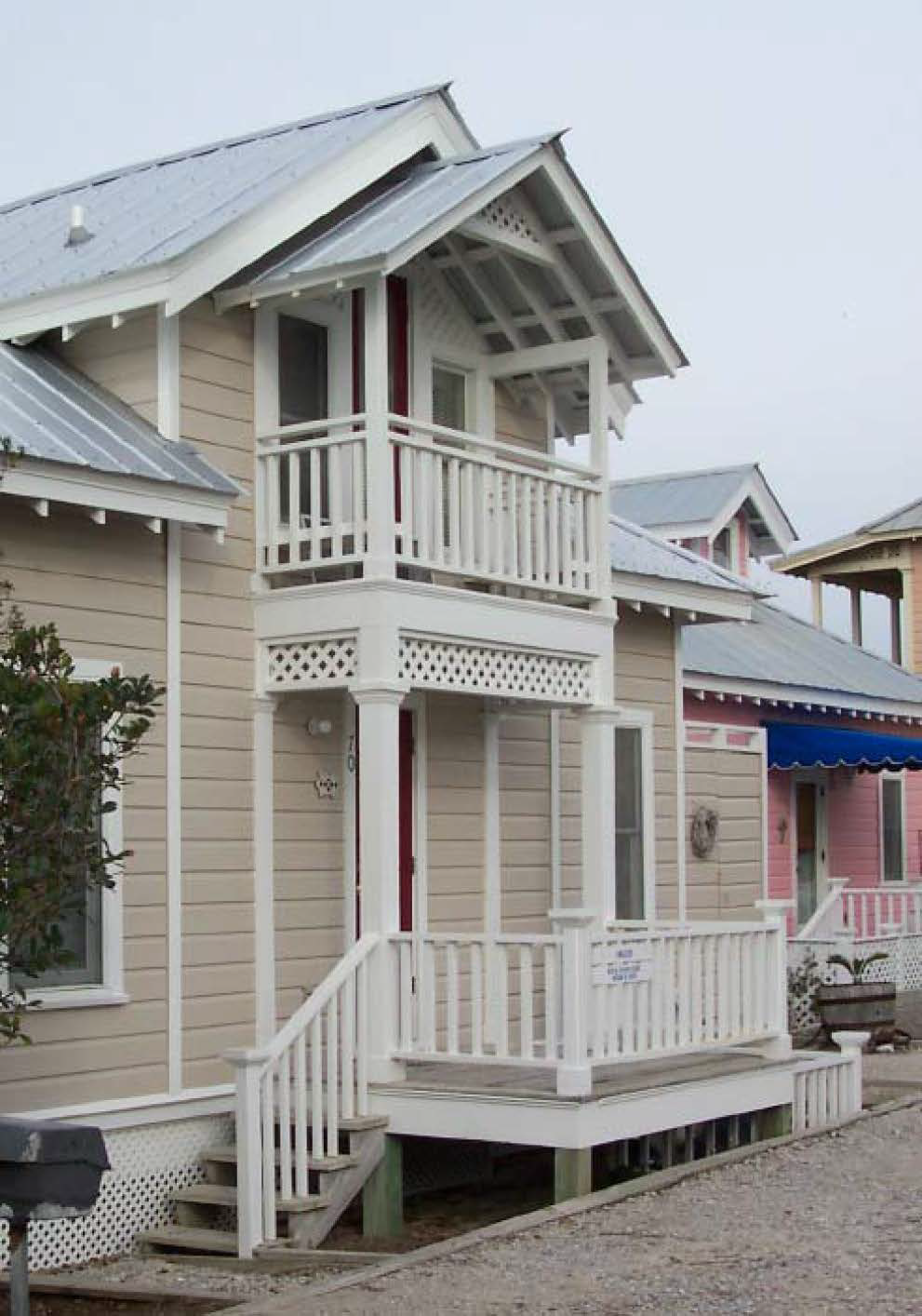
Seaside, FL
(1)
General requirements.
• Permitted roof types: Gabled, hipped, shed, barrel vaulted and domed. Shed roofs shall be concealed with parapets along the street frontage. Applied mansard roofs are not permitted.
• Exposed rafter ends (or tabs) at overhangs are strongly recommended.
• Downspouts are to match gutters in material and finish.
(2)
Permitted finish materials.
• Metal:
Aluminum
Zinc-alum
• Shingles:
Asphalt or metal, "dimensional" type
Slate
Cedar shake
• Tile:
Clay, terra cotta, concrete
• Gutters:
Copper
Aluminum
Galvanized copper
Galvanized steel
(3)
Permitted configurations.
• Metal:
Standing seam or "five-vee," twenty-four (24) inches maximum spacing, panel ends exposed at overhang
• Shingles:
Square, rectangular, fishscale, shield
• Tile:
Barrel, flat, French
• Gutters:
Rectangular section
Square section
Half-round section
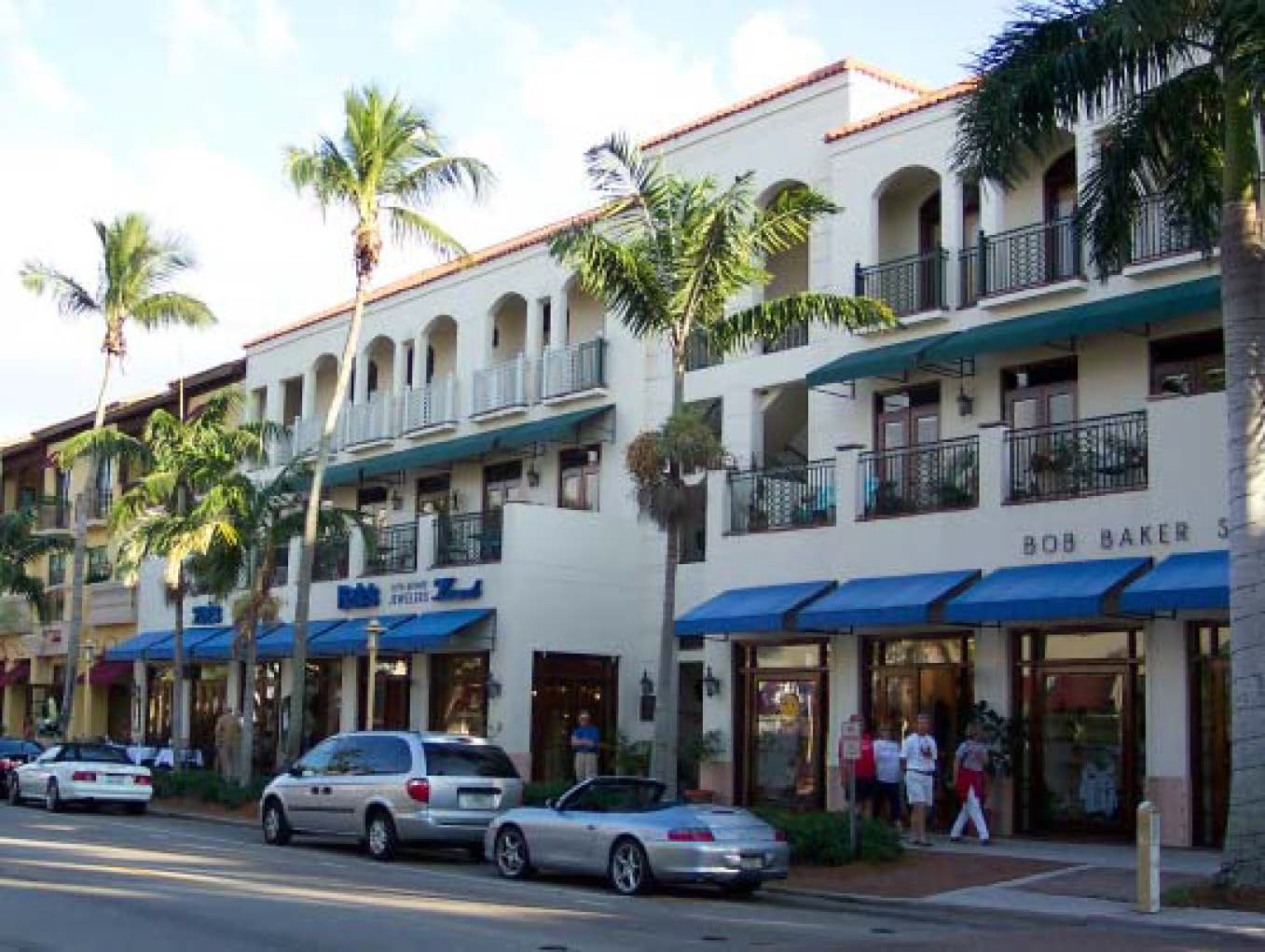
Naples, FL
(f)
Windows, skylights, and doors.
(1)
General requirements. Rectangular window openings facing streets shall be oriented vertically. The following accessories are permitted:
• Shutters (standard or Bahama types)
• Wooden window boxes
• Muntins and mullions
• Fabric awnings (no backlighting; no glossy-finish fabrics)
(2)
Finish materials.
• Windows, skylights, and storefronts:
Wood
Aluminum
Copper
Steel
Vinyl clad wood
• Doors:
Wood or metal
(3)
Permitted configurations.
• Windows:
Rectangular
Square
Semi-circular
Round (eighteen (18) inches maximum outer diameter)
Octagonal
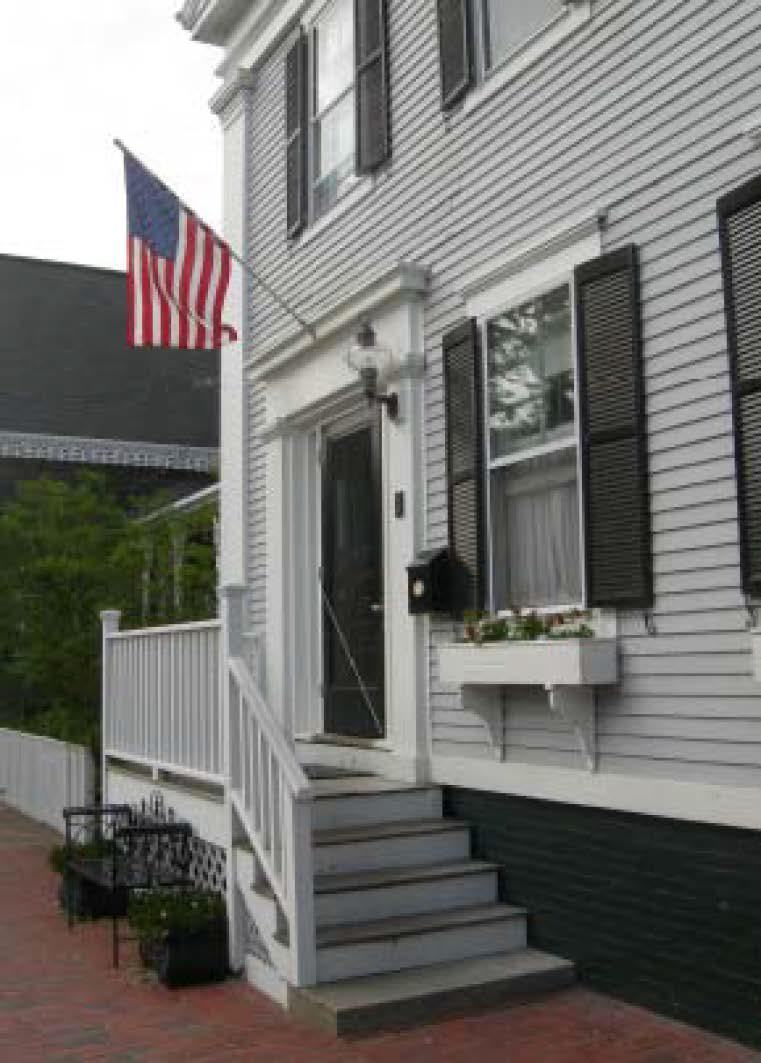
Nantucket, MA
• Window operations:
Casement
Single and double-hung
Industrial
Fixed Frame (thirty-six (36) sf max.)
• Skylights:
Flat to the pitch of the roof
• Door operations:
Casement
French
Sliding (rear only)
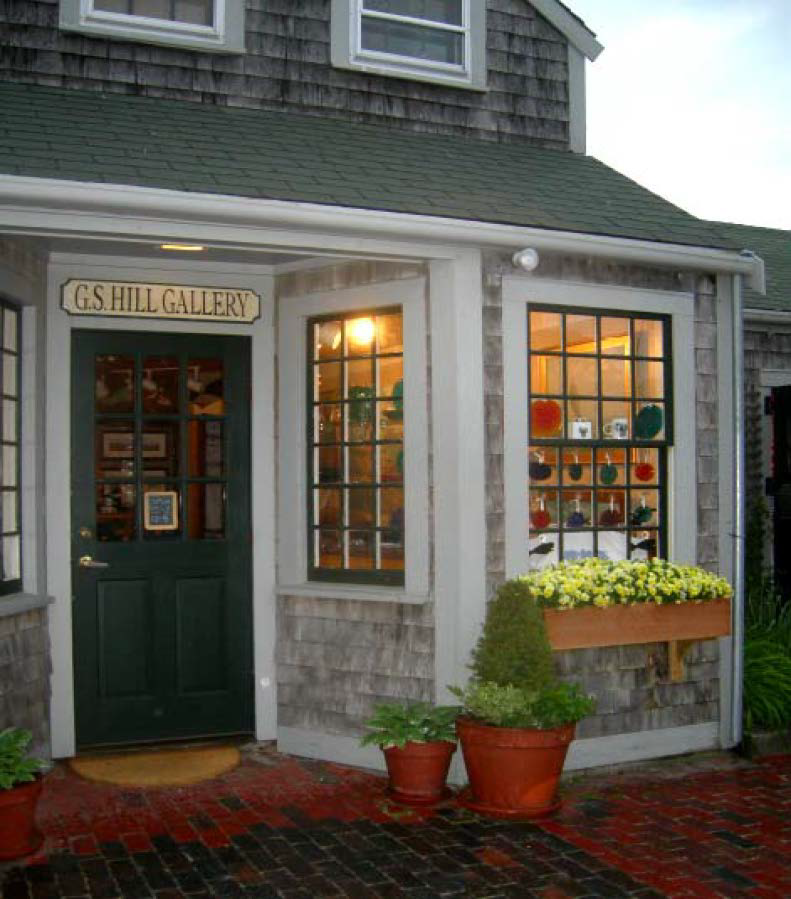
Additional Example—Nantucket, MA
(Ord. No. 2012-06, § 2, 3-12-12)
Sec. 20-327.1. - Signs.
(a)
General requirements. All signs shall be subject to a discretionary aesthetic appropriateness review by the DRC in order that signs are consistent and in harmony with the Winter Springs Town Center. The DRC shall use graphics in this section as nonbinding guidelines, but shall make a determination of appropriateness on a case by case basis.
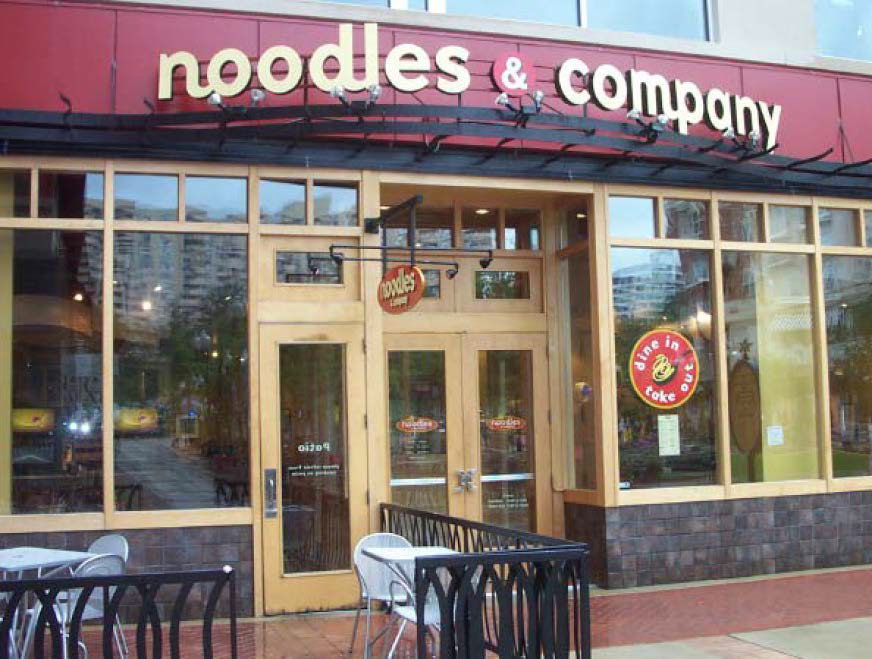
Pentagon Row, VA
Internally lit plastic signs are designed for high speed "strip" centers, not a pedestrian oriented town center.
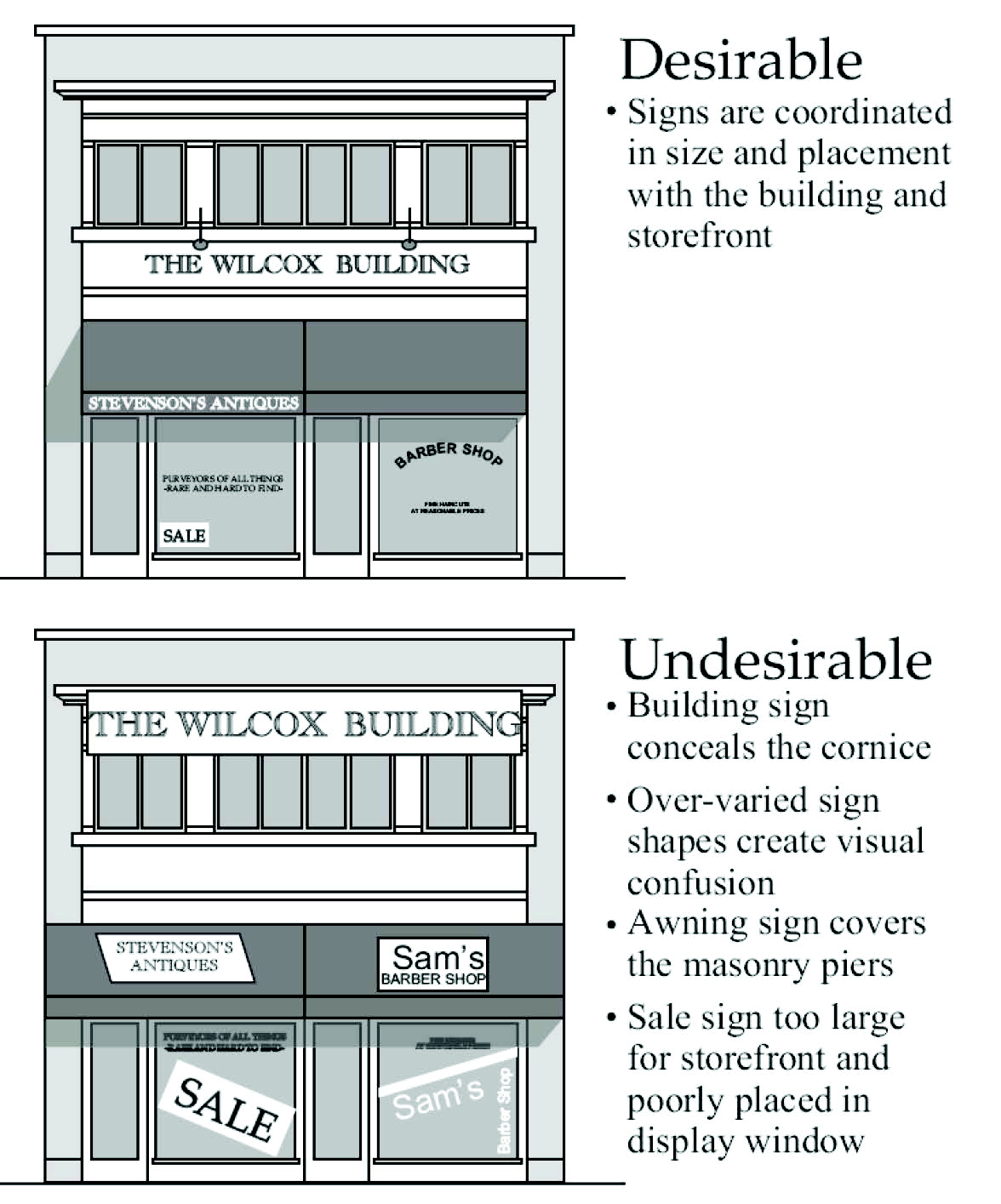
The intent of regulating signs that are visible from the public frontage is to ensure proper dimensioning and placement with respect to existing or planned architectural features, to maintain or improve public safety, to maintain or improve the aesthetic character of the context in which they are located, and to provide legible information for pedestrians, not just drivers.

Signs shall be flat against the facade, mounted projecting from the facade, or mounted above the top of the facade. Free standing monument signs are permitted by waiver along State Road 434 frontage.
Temporary menu board signs are permitted subject to the restrictions and uniform design standards set forth in this Town Center Code.
Wayfinding signage is encouraged, but must maintain the uniform design standards adopted by the DRC for the town center.
Signs shall be externally lit. Individual letters and symbols may be internally lit or back-lit and may project no more than twelve (12) inches from the facade.
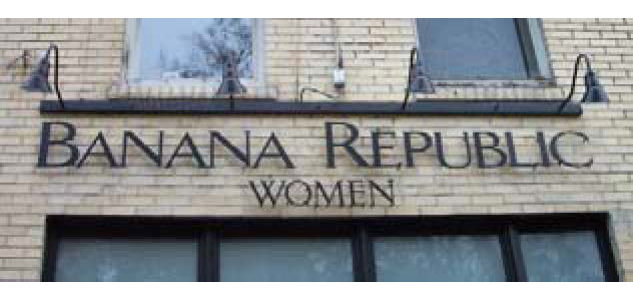
Front lit metal lettering from facade gives depth to the signage.
(b)
Finish materials.
• Wood: painted or natural
• Metal: copper, brass, galvanized steel, aluminum
• Painted canvas
• Neon
• Paint/engraved directly on facade surface
(c)
Configurations. Maximum gross area of signs on a given facade shall not exceed ten (10) percent of the applicant's facade area.
Maximum area of any single sign mounted perpendicular to a given facade shall not exceed ten (10) square feet, except for FIN signs. All projecting signs shall be installed in such a manner that there shall be no visible angle iron support structure above a roof, building face or wall, unless such brackets are incorporated into the signage as decorative elements of the signage.
Signs shall maintain a minimum clear height above sidewalks of eight (8) feet.
All signs shall be designed to be compatible with the respective storefront and subject building in scale, proportion, and color and should be visually interesting and compatible in the context of the town center guidelines.
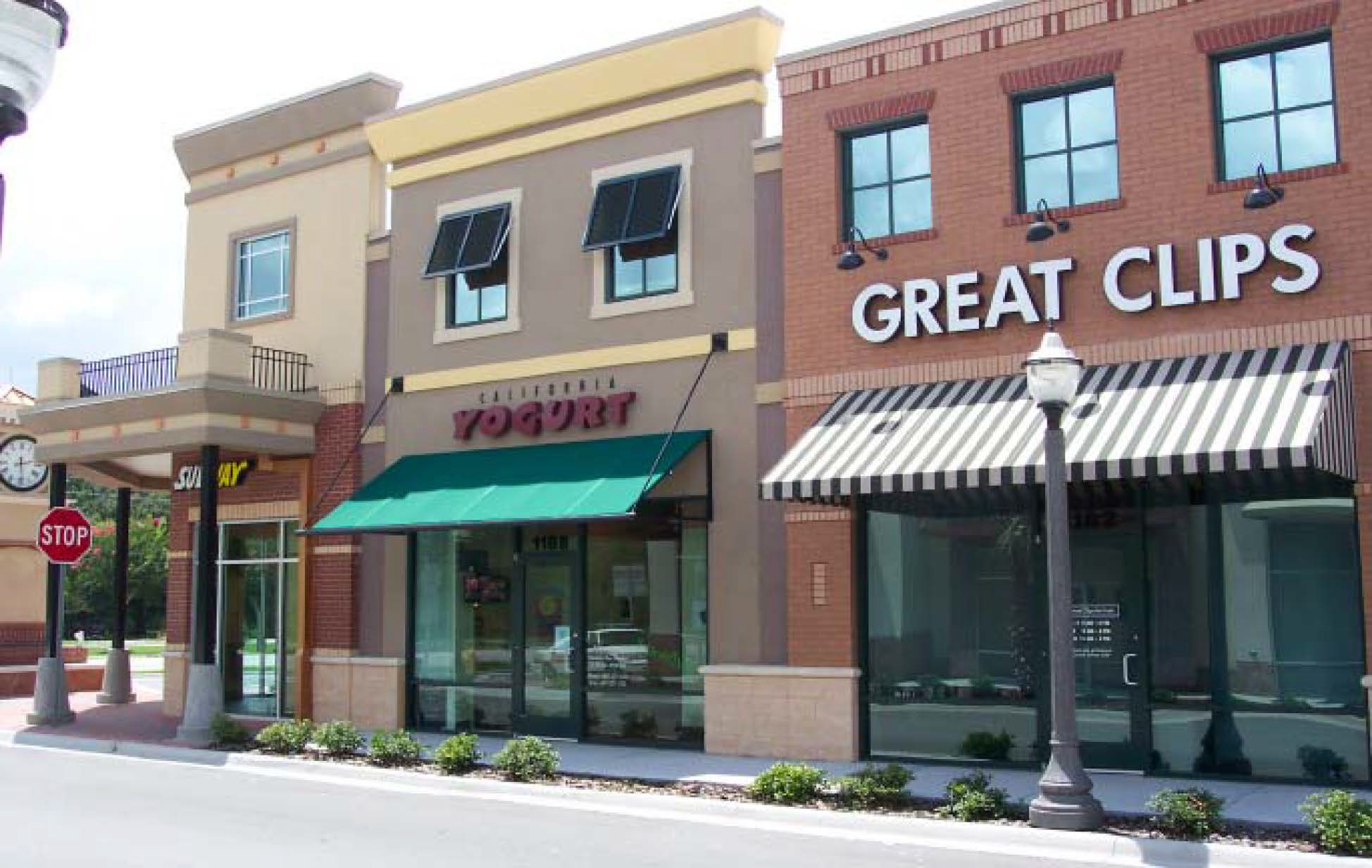
Signs include a variety of font styles and are centered above the entrance. Cliff
Rose Drive, Winter Springs Town Center
Marquee signs shall be mounted substantially parallel with the face of the canopy or marquee but shall not be located in such a way as to cause a reduction in the minimum clearance standards set forth in section 20-326. In addition, marquee signs shall not extend more than two (2) feet above the canopy or marquee to which it is attached and shall be consistent with section 327.1(d)(5).
Menu board signs are temporary accessory signs which display information about the goods and services of adjacent business that customarily have frequent walk in traffic such as eating and drinking establishments and light retail businesses. A maximum of one (1) menu board sign shall be allowed per business frontage.
Menu signs shall be utilized only during regular business hours and shall be removed during non-business hours and during serious incidents of inclement weather that may destabilize the menu board.
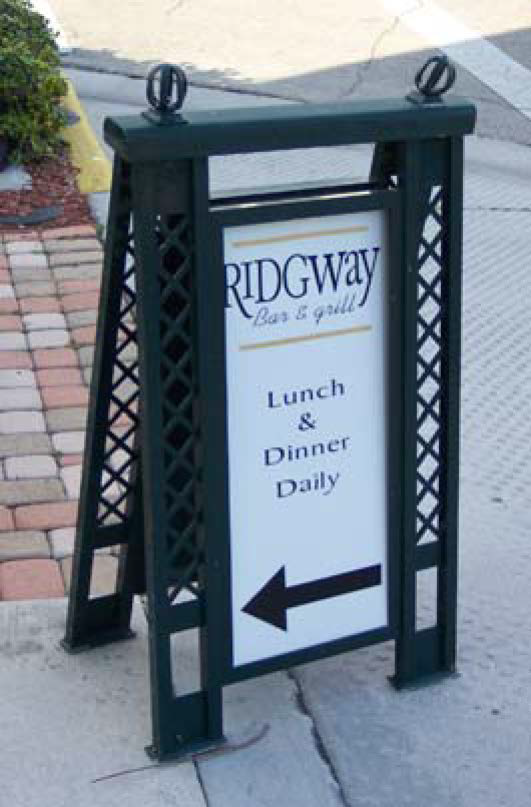
Naples, FL
Menu boards may be placed on private property or within the public right-of-way, provided they do not interfere with vehicle access, pedestrian movement, or wheel chair access to, through, and around the site. At least six (6) feet of clear sidewalk width must remain for pedestrian traffic. The total sign area per face shall not exceed six (6) square feet. Maximum height shall be four and one-half (4½) feet.
Elegant and reserved cast bronze address plate located at pedestrian eye level, Orlando,
FL
FIN signs are vertically oriented projecting signs, that are uniquely situated and customized for high visibility. Fin signs shall not exceed twenty-eight (28) feet in height above the ground and shall be placed at least twelve (12) feet above the public sidewalk. Fin signs shall be between fifteen (15) square feet and twenty-five (25) square feet in area, but shall not extend more than five (5) feet from the building wall. All fin signs shall be installed in such a manner that there shall be no visible angle iron support structure above a roof, building face or wall unless such brackets are incorporated into the signage as decorative elements of the signage.
Reston, VA
Examples of Signs Mounted Flat Against the Facade:
The top edge of the facade is shaped to create a special focal spot for the sign.

The sign is centered within the symmetrical arrangement of the window above and shopfront below and has internally lit letters.

The sign runs horizontally along the expression line and has internally lit letters.
Sign painted directly on the facade above the main entrance with external lighting discreetly located above the awning. The variety in font size and style give added interest.
Examples of Signs Mounted Projecting from the Facade:

Neon signs can provide a warm glow, enhancing night time pedestrian activity.
Vertical projecting signs are highly visible far down the street. A lower awning sign caters to people on foot and in cars passing directly in front of the venue.
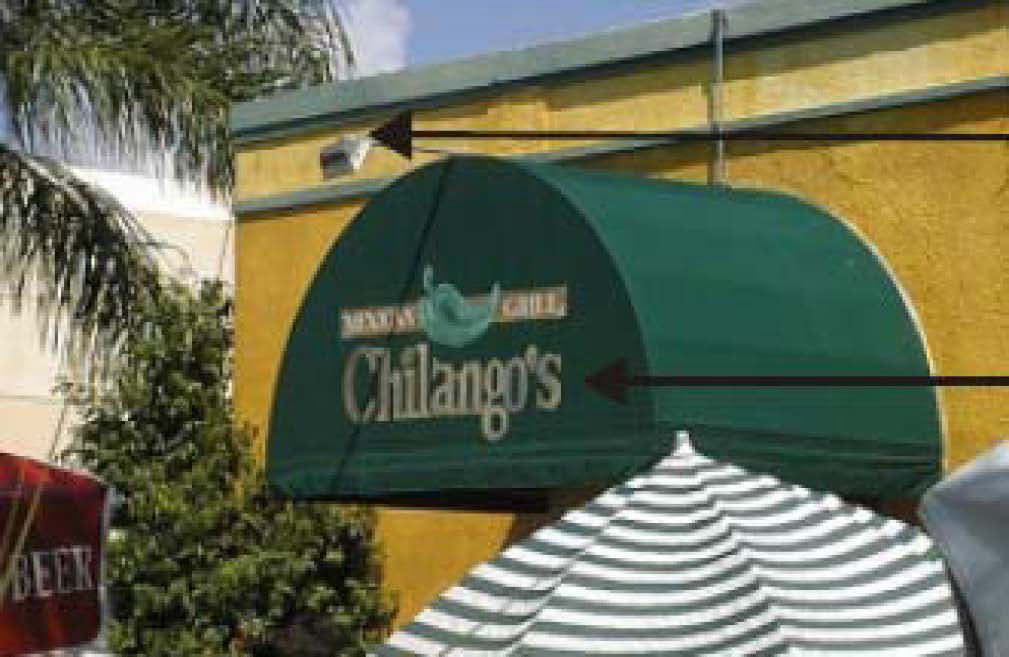
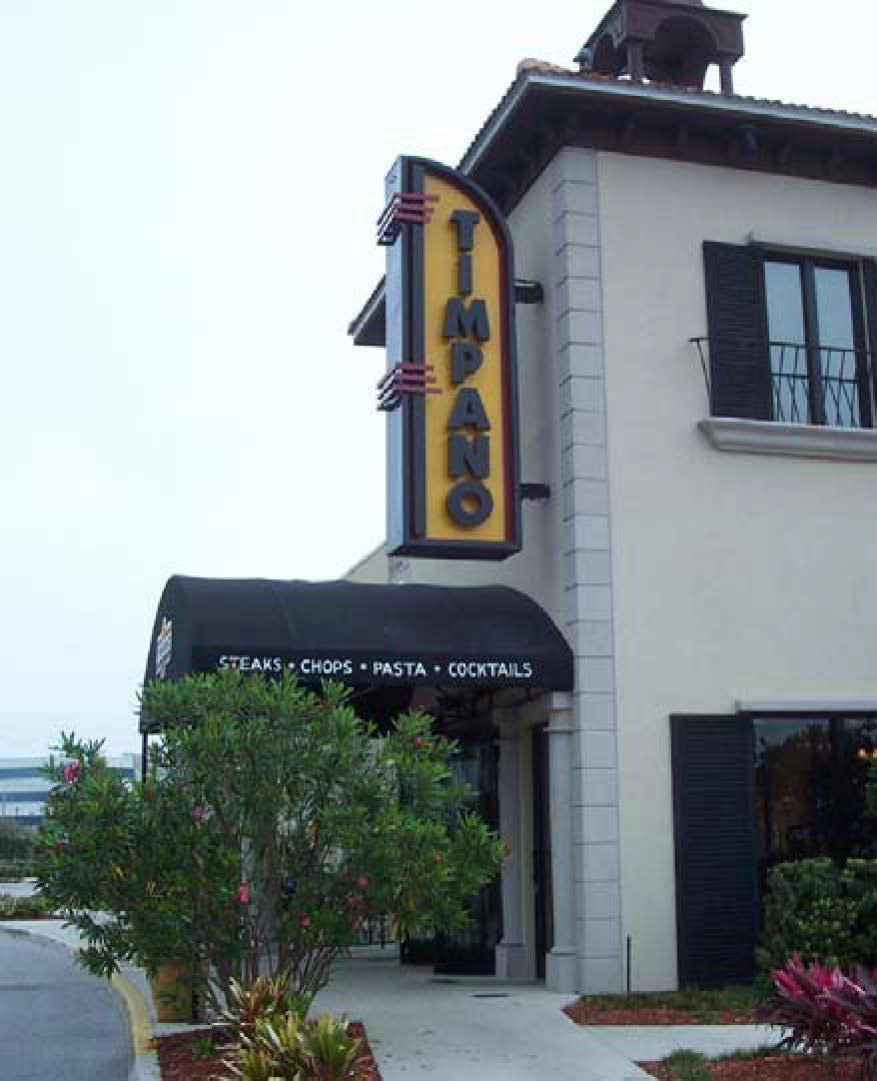
Sign painted on the face of a canvas awning over entry and lit discreetly by external lighting.
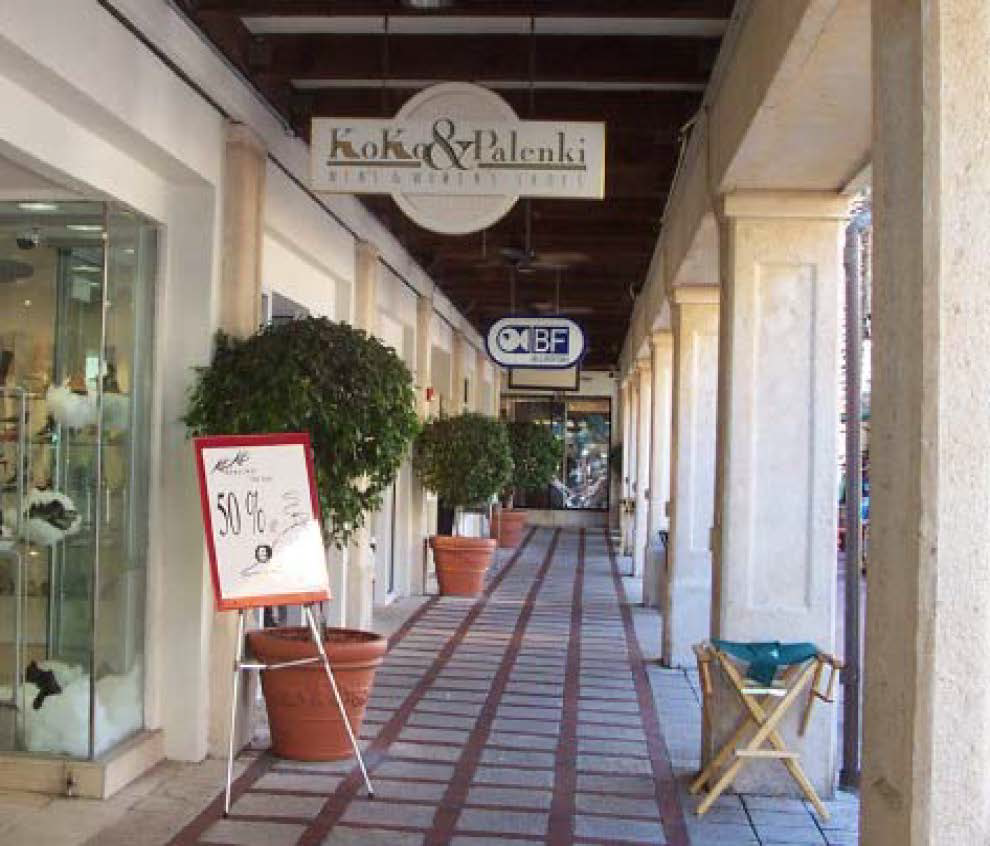
Signs hanging from the ceilings of arcades command the attention of pedestrian shoppers.
Examples of Signs Mounted Above the Top of the Facade:
Signs projecting from the tops of buildings are highly visible from a great distance.
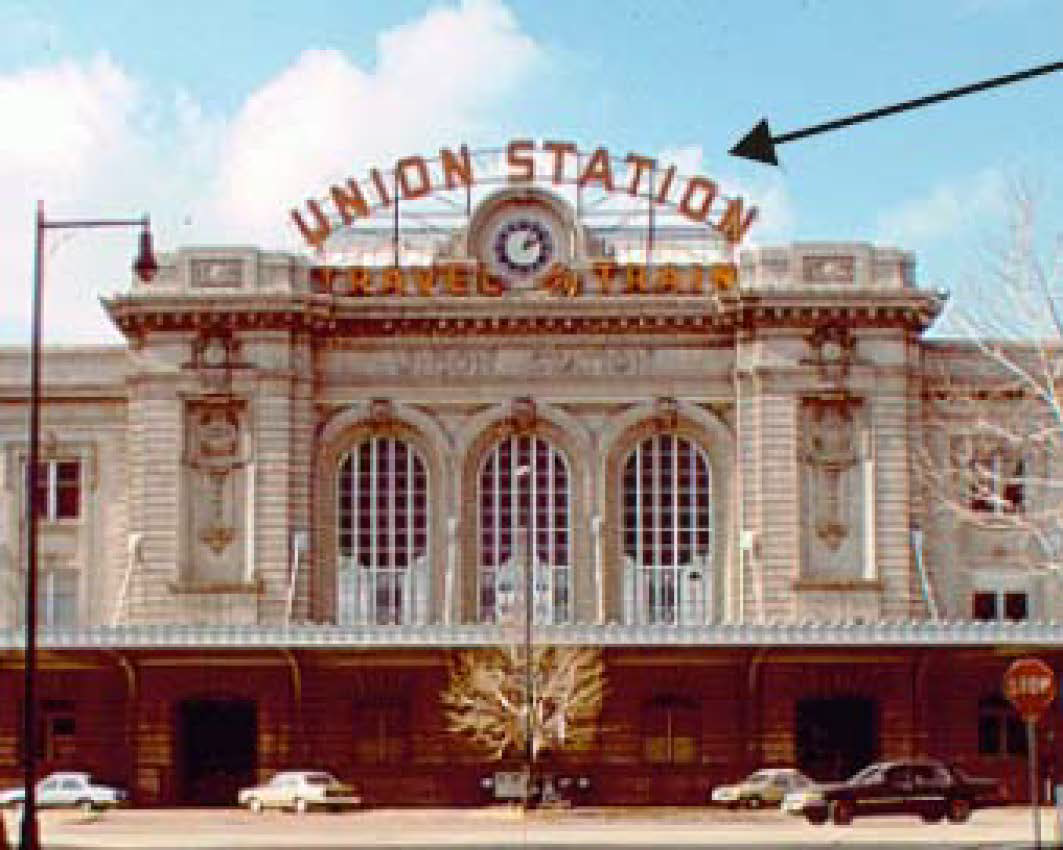
Projecting signs which break the skyline are visible from a variety of distances and serve as beacons to customers when lit at night.

Signs projecting above the roof stand out against the sky, adding an architectural flair to a shop's identity. This distinctive sign, made of individual letters projecting from the front of the facade and extending above the cornice line, is memorable to shoppers and is highly visible from many directions.
A second lower sign marks the entrance to the store.
Photograph by Brent Bates
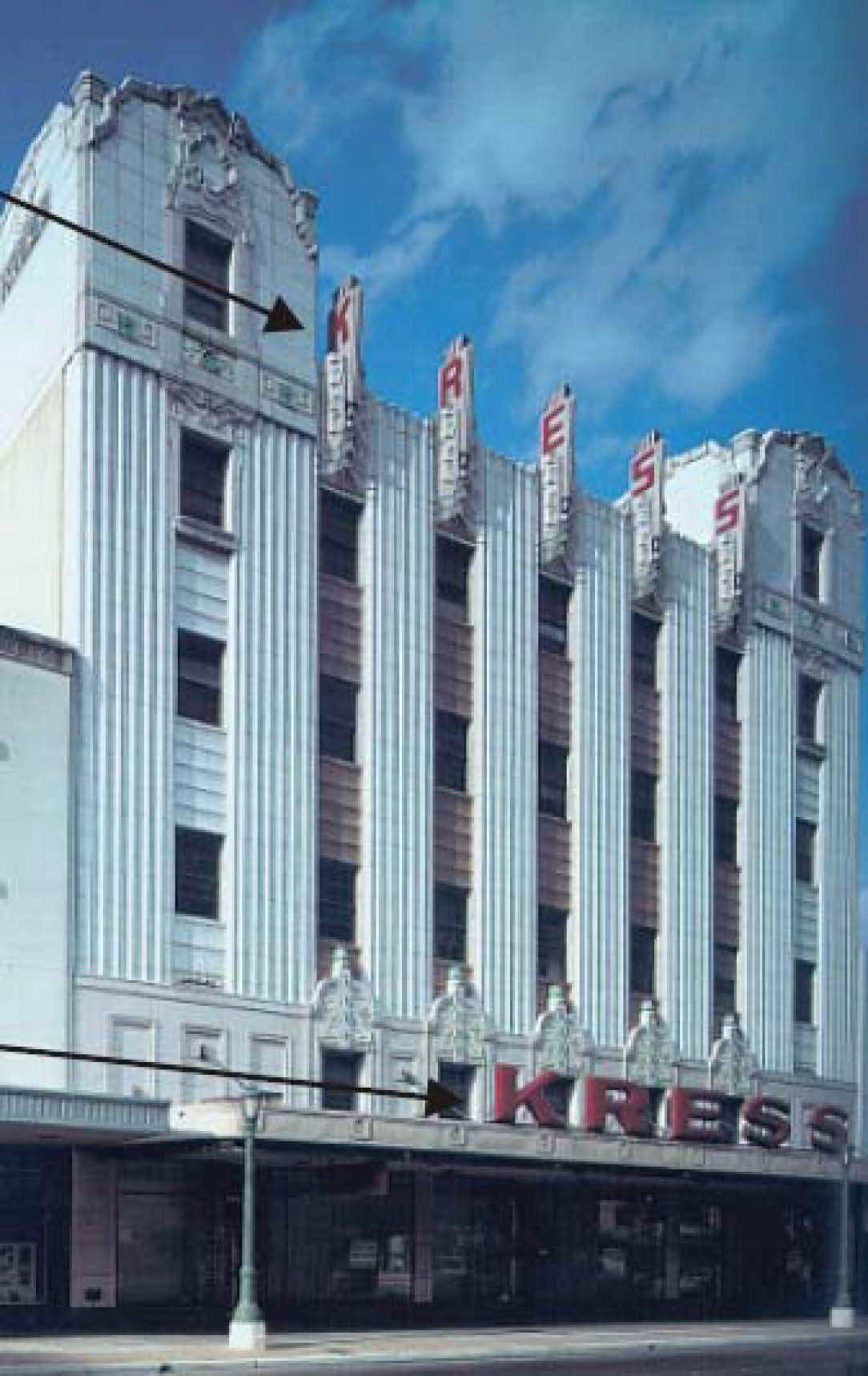
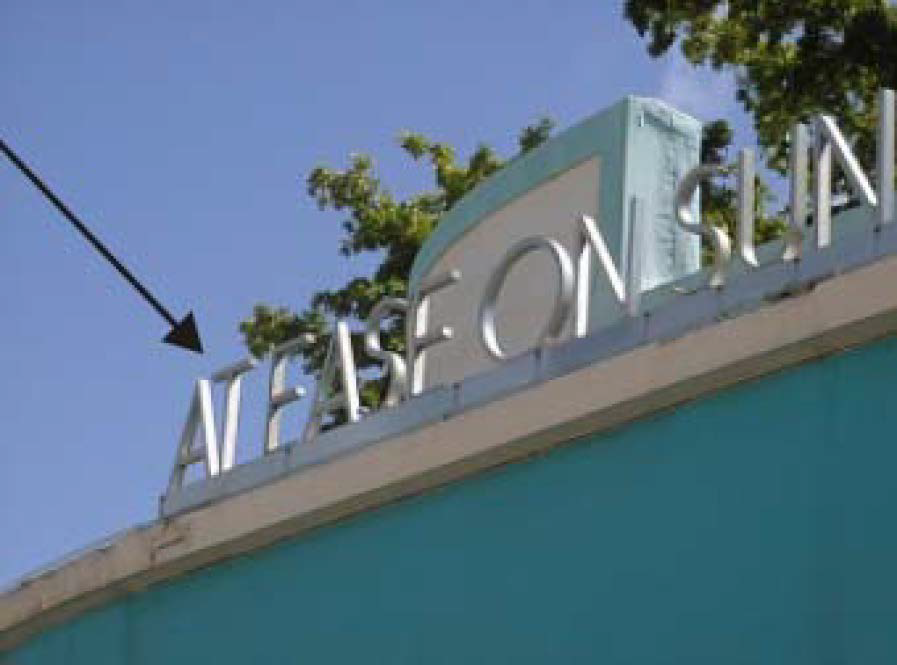
(d)
Sign standards.
(1)
Specific to address signs.
a.
Address sign numerals applied to retail, office, residential, institutional, or industrial buildings shall be between four (4) and six (6) inches tall. Address sign numerals applied to individual dwelling units in apartment buildings shall be at least two (2) inches tall.
b.
Address signs shall be easily visible by using colors or materials that contrast with their background.
c.
Address signs shall be constructed of durable materials.
d.
The address sign shall be attached to the front of the building in proximity to the principal entrance or at a mailbox.
(2)
Specific to awning signs.
a.
The following variations of awnings, with or without signbands, are permitted:
1.
Fixed or retractable awnings;
2.
Shed awnings;
3.
Dome awnings.
b.
Signage shall be limited to the valance of the awning or the vertical portion of a dome awning.
c.
No portion of an awning shall be lower than eight (8) feet clearance.
d.
Awnings shall be a minimum of four (4) feet in depth.
e.
Awnings shall not extend beyond the width of the building or tenant space, nor encroach above the roof line or the story above.
f.
The height of the valance shall not exceed twelve (12) inches.
g.
Awning signs shall contain only the business name, logo, and/or street address.
h.
Letters, numbers, and graphics shall cover no more than seventy (70) percent of the valance area.
i.
Awning signs shall not be internally illuminated or backlit.
(3)
Specific to band signs.
a.
All businesses are permitted one (1) band sign on each first story facade.
b.
Band signs shall include only letters, background, lighting, and an optional logo. Information shall consist only of the name and/or logo of the business. Band Signs shall not list products, sales, or other promotional messages, or contact information.
c.
The following band sign construction types are permitted:
1.
Cut-out letters. Letters shall be individually attached to the wall or on a separate background panel, and shall be externally illuminated.
2.
Flat panel. Letters shall be printed or etched on same surface as the background, which is then affixed to the wall and externally illuminated.
d.
Height and width shall be measured using smallest rectangle that fully encompasses the entire extent of letters, logo and background.
e.
Band signs shall not be wider than ninety (90) percent of the width of the building facade or tenant space.
f.
Band signs shall not project vertically above the roof line.
g.
Band signs that are illuminated shall be shielded from direct view to reduce glare.
h.
Electrical raceways, conduits and wiring shall not be exposed. Internal lighting elements shall be contained completely within the sign assembly or inside the wall.
i.
Band signs should be placed where the architectural features suggest the best placement for signage. They should be vertically aligned with the center of an architectural feature such as a storefront window, entry portal, or width of a bay or overall retail space. They shall not interrupt or obscure these features or cause visual disharmony.
j.
Where multiple band signs are present on a single building (i.e., corner building), signage shall be coordinated in terms of scale, placement, colors and materials.
(4)
Specific to blade signs.
a.
Blade signs may be double-sided.
b.
Blade signs shall be permitted only for businesses that have a principal entrance on the first story.
c.
Businesses shall be permitted one (1) blade sign where its principal frontage line is no more than five (5) feet from the facade. Businesses that have a secondary frontage line that is no more than two (2) feet from the facade shall be permitted one (1) additional blade sign on that facade.
d.
Blade signs may encroach into the public frontage up to four (4) feet and shall clear the sidewalk by at least eight (8) feet.
e.
Blade signs shall not encroach above the roof line nor above the bottom of the second story window.
f.
Text and graphics on the blade sign shall be limited to the name and/or logo of the business. Slogans, address labels, operating hours and contact information shall not be permitted.
g.
Mounting hardware, such as supports and brackets, may be simple and unobtrusive or highly decorative, but shall complement the design of the sign, the building, or both.
h.
For buildings with multiple signs, mounting hardware or sign shapes, sizes and colors shall be coordinated.
(5)
Specific to marquees.
a.
Marquees shall be located only above the principal entrance of a building.
b.
No marquee shall be wider than the entrance it serves, plus two (2) feet on each side thereof.
c.
No portion of a marquee shall be lower than ten (10) feet clearance.
d.
No marquee shall extend closer to the curb than three (3) feet.
e.
Columns or posts may be used as supports for marquees eight (8) feet deep or deeper by warrant.
f.
All marquees, including anchors, bolts, supporting rods and braces, shall be constructed of non-combustible materials and shall be designed by a structural engineer and approved by the building official.
g.
Marquee components and materials may vary. Anchors, bolts, and supporting rods should be limited to the interior of the marquee.
h.
Message boards shall be permitted as part of marquees.
i.
A band sign shall be permitted above a marquee.
(6)
Specific to nameplates.
a.
Nameplates shall consist of either a panel or individual letters applied to a building wall within ten (10) feet of an entrance to the building.
b.
One nameplate shall be permitted per address.
c.
Nameplates shall not exceed three (3) square feet.
d.
Nameplates shall be constructed of durable materials.
(7)
Specific to outdoor display cases.
a.
Each outdoor display case shall not exceed six (6) square feet.
b.
Outdoor display cases may be externally or internally illuminated.
c.
Theaters may be permitted larger outdoor display cases on a case-by-case basis.
d.
Outdoor display cases shall not be attached to shopfront windows.
(8)
Shingle signs.
a.
Shingle signs shall be consistent with the standards for blade signs except (5)d and (5)f.
b.
A building may have both the prescribed number of blade signs and the same number of shingle signs.
c.
Shingle signs may encroach into the public frontage up to two (2) feet and shall clear the sidewalk by at least seven (7) feet.
d.
Text and graphics on the shingle sign shall be limited to the name, logo, and suite number of the business. Slogans, full street address labels, operating hours and contact information are not permitted.
(9)
Specific to sidewalk signs (menu board signs).
a.
Sidewalk signs shall consist of freestanding, double-sided temporary signs placed at the entrance to a business in a primarily pedestrian environment.
b.
Sidewalk signs shall be removed at the close of business each day.
c.
One (1) sidewalk sign shall be permitted for each business frontage.
d.
Sidewalk signs shall not exceed fifty-four (54) inches in height or twenty-six (26) inches in width.
e.
Sidewalk signs shall be moved inside during high winds or other weather conditions that might pose a hazard to public safety.
(10)
Specific to window signs.
a.
Only the following window sign types shall be permitted:
1.
Vinyl applique letters applied to the window. Appliques shall consist of individual letters or graphics with no visible background.
2.
Letters painted directly on the window.
3.
Hanging signs that hang from the ceiling behind the window.
4.
Door signs applied to or hanging inside the glass portion of an entrance doorway.
b.
Window signs shall not interfere with the primary function of windows, which is to enable passersby and public safety personnel to see through windows into premises and view product displays.
c.
Window signs shall be no larger than twenty-five (25) percent of the total area of the window onto which they are applied. Sign area shall be measured using smallest rectangle that fully encompasses the entire extent of letters, logo and background.
d.
Window signs may list services and/or products sold on the premises, or provide phone numbers, operating hours or other messages, provided that the total aggregate area of these messages not exceed the limit provided above.
e.
Letters on window signs shall be no taller than eight (8) inches.
(11)
Specific to yard signs.
a.
One single- or double-post yard sign for each business may be permitted, provided it is set back at least six (6) feet from the frontage line, does not exceed six (6) square feet excluding posts, and does not exceed six (6) feet in height including posts, measured from the yard at the post location.
(12)
Specific to temporary signs and banners.
a.
Temporary signs of all types may be approved subject to section 16-87 of the City Code of Ordinances.
| T1 | T2 | T3 | T4 | T5 | C/P | Specifications | ||
|---|---|---|---|---|---|---|---|---|
Address Sign
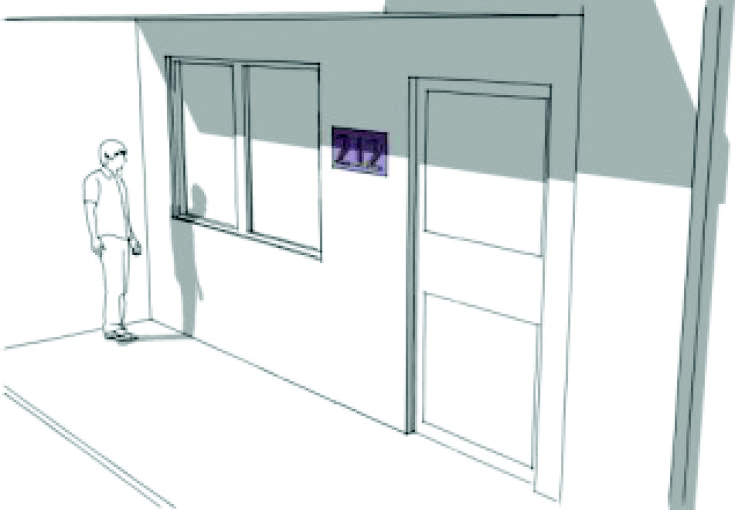 | P | P | P | P | P | P |
1. Quantity
2. Area 3. Width 4. Height 5. Depth/ projection 6. Clearance 7. Apex 8. Letter height |
1 per address
Max. 2 sq. ft. Max. 24 in. Max. 12 in. Max. 3 in. Min. 4 ft. n/a Max. 6 in. |
Awning and Sign
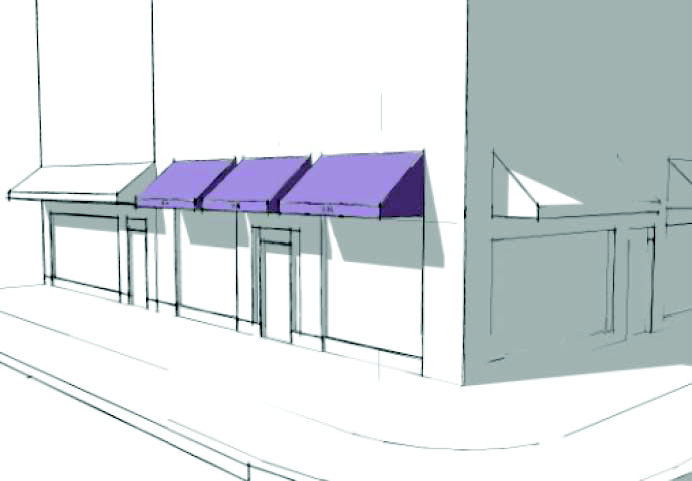 | P | P | SE |
1. Quantity
2. Area 3. Width 4. Height 5. Depth/ projection 6. Clearance 7. Apex 8. Letter height 9. Valence height 10. Distance from curb |
1 per window
n/a Width of facade n/a Min. 4 ft. Min. 10 ft., 1 st floor only n/a Max. 10 in. Max. 12 in. Min. 2 ft. | |||
Band Sign
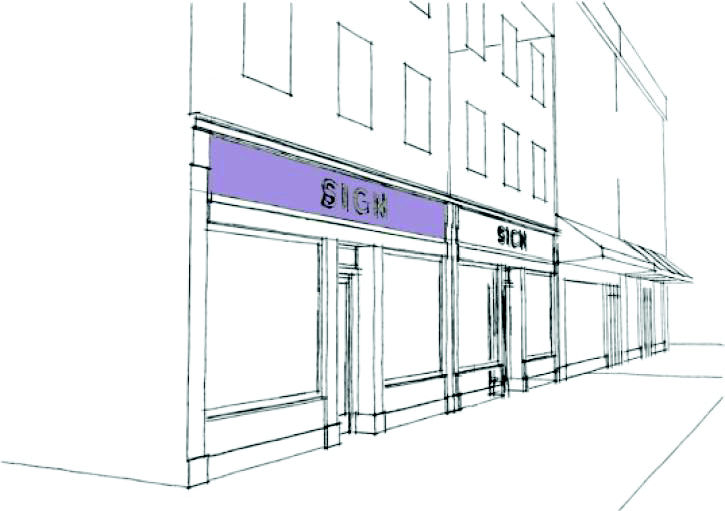 | P | P | P | P |
1. Quantity
2. Area 3. Width 4. Height 5. Depth/ projection 6. Clearance 7. Apex 8. Letter height |
1 (2 for corner buildings)
1.5 sq. ft. per lineal ft./facade Max. 90% width of facade Max. 3 ft. Max. 12 in. Min. 8 ft. n/a Max. 18 in. | ||
Blade Sign
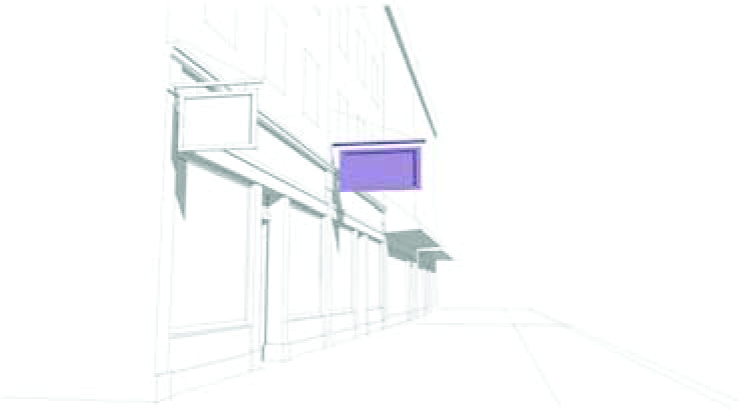 | P | P | P | P |
1. Quantity
2. Area 3. Width 4. Height 5. Depth/ projection 6. Clearance 7. Apex 8. Letter height |
1 per facade, 2 max.
Max. 6 sq. ft. Max. 4 ft. Max. 4 ft. Max. 4 ft. Min. 8 ft. n/a Max 8 in. | ||
Marquee and Sign
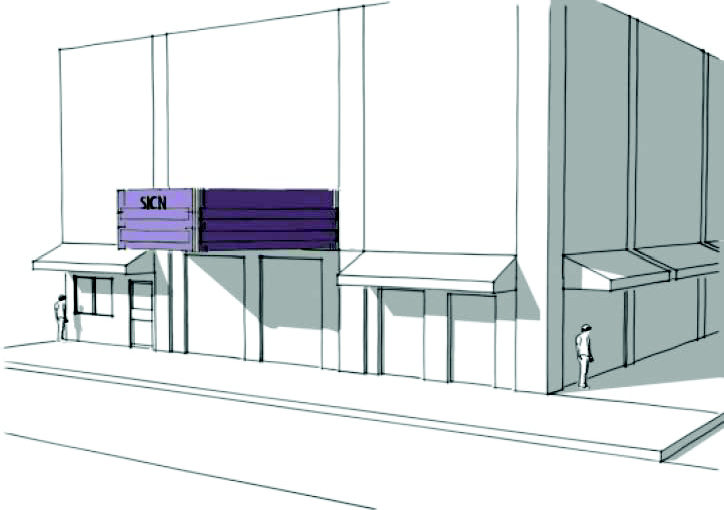 | P | SE |
1. Quantity
2. Area 3. Width 4. Height 5. Depth/ projection 6. Clearance 7. Apex 8. Letter height |
1 per business
n/a Entrance plus 2 ft. each side Min. 10 ft. Min. 5 ft., max. curbline Min. 10 ft. n/a n/a | ||||
Nameplate Sign
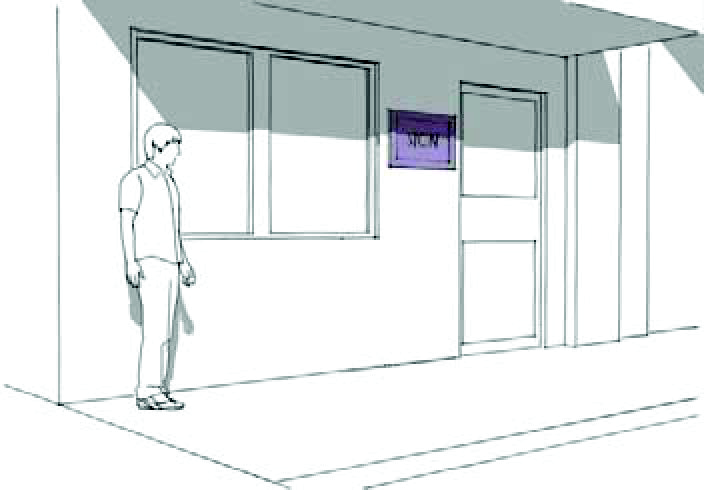 | P | P | P | P |
1. Quantity
2. Area 3. Width 4. Height 5. Depth/ projection 6. Clearance 7. Apex 8. Letter height |
1
Max. 3 sq. ft. Max. 18 in. Max. 2 ft. Max. 3 in. Min. 4 ft. Max. 7 ft. n/a | ||
Outdoor Display Case
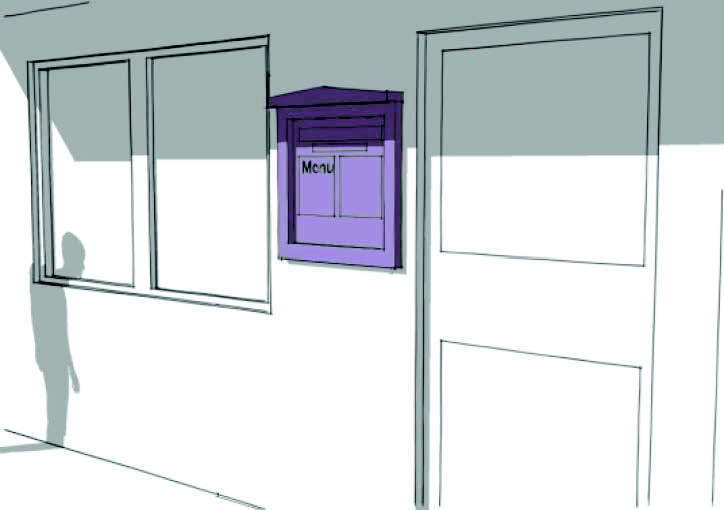 | P | P | P | P |
1. Quantity
2. Area 3. Width 4. Height 5. Depth/ projection 6. Clearance 7. Apex 8. Letter height |
1
Max. 6 sq. ft. Max. 4 ft. Max. 4 ft. Max. 5 in. Min. 4 ft. n/a n/a | ||
Shingle Sign
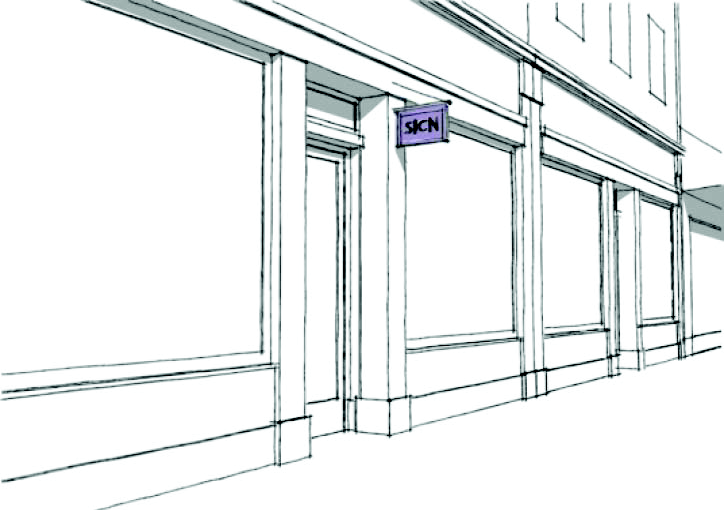 | P | P | P | P |
1. Quantity
2. Area 3. Width 4. Height 5. Depth/ projection 6. Clearance 7. Apex 8. Letter height |
1 per facade, 2 max.
Max. 4 sq. ft. Max. 2 ft. Max. 3 ft. Max. 2 ft. Min. 8 ft. n/a Max. 8 in. | ||
Sidewalk/Menu Board Sign
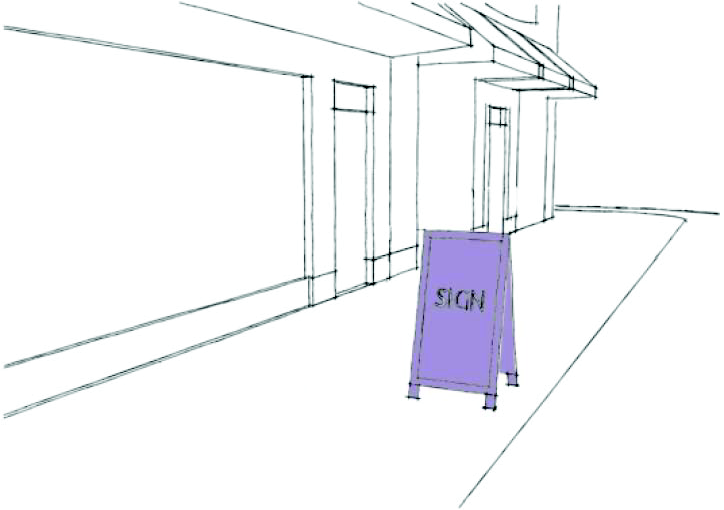 | P | P | P |
1. Quantity
2. Area 3. Width 4. Height 5. Depth/ projection 6. Clearance 7. Apex 8. Letter height |
1 per street
address Max. 8 sq. ft. Max. 26 in. Max. 4.5 ft. n/a n/a Max. 4.5 ft. n/a | |||
Window Sign
 | P | P | P | P |
1. Quantity
2. Area 3. Width 4. Height 5. Depth/ projection 6. Clearance 7. Apex 8. Letter height |
1 per window
Max. 25% of glass Varies Varies n/a 4 ft. n/a Max. 8 in. | ||
Yard Sign
 | P | P | P |
1. Quantity
2. Area 3. Width 4. Height 5. Depth/ projection 6. Clearance 7. Apex 8. Letter height |
1 per lot
Max. 6 sq. ft. 3 ft. (excluding post) 2 ft. (excluding post) n/a Min. 3 ft. Max. 6 ft. to top of post Max. 8 in. | |||
(Ord. No. 2012-06, § 2, 3-12-12; Ord. No. 2019-09, § 2, 6-10-19)
Sec. 20-328.- Purpose.
In general, the purpose of the Greeneway Interchange Zoning District ("district") is to implement the specific City Comprehensive Plan provisions related to the district. More specifically, the district is intended to be predominantly a high quality corporate business/office park development that is master planned. It is intended to serve as a unique and very important economic catalyst for the City that attracts target industries with high quality and higher income jobs that promote economic growth and development within the City. High quality building and development that enhances the image and economic well-being of the City is expected in the district. Residential and incidental commercial uses may be permitted under certain conditions in support of existing or concurrently developed target industries located within the district. However, residential and incidental commercials uses are not a priority nor shall they be allowed as stand-alone uses. The district is intended to be oriented at and near S.R. 417 and S.R. 434 so the district is easily accessible from major transportation corridors.
(Ord. No. 2014-10, § 3, 7-28-14)
Sec. 20-329. - General uses and intensities.
(a)
General uses. The district is intended to be a master planned area that is developed in phases approved by the City. Land uses within the district shall be limited to target industry uses that create significant high average wage employment opportunities including corporate business parks, office complexes, technical and research services, financial information services, life sciences, digital media, international trade, sports associated industries, hotels and lodging, conference centers and long stay tourism. Incidental commercial uses supportive of target industries may be incorporated into target industry buildings provided the incidental uses are approved by the City and are not developed as a separate facility. Multi-family residential uses may be approved as a conditional use, provided that the proposed use satisfies the conditional use criteria set forth in the City Code and the residential use shall not exceed twenty-five (25) percent of the total floor area of a proposed multiple use building in any approved phase of the district master plan.
(b)
Development intensities. The following building intensity limits shall apply:
(1)
Floor area ratio (FAR) shall not exceed 1.0. However, the city commission may permit a FAR greater than 1.0, but not exceeding 2.0, for projects that create compact mixed use development through one or more of the following principles consistent with the City's land development policies set forth in the Comprehensive Plan and Code:
(i)
Implementation of environmentally sensitive site planning concepts and techniques.
(ii)
Utilize traditional design standards to create compact, multimodal mixed-use (including horizontal and vertical integration of uses) and neo-traditional urban development.
(iii)
Green building design including energy efficient buildings as determined by any nationally recognized and adopted standard.
(iv)
Incorporation of low impact development (LID) practices such as shared parking concepts, green roofs and use of stormwater for irrigation and/or other grey water type uses, and rain gardens.
(v)
Energy efficient land use which minimizes impervious services, such as inclusion of one or more parking garages.
(vi)
Restoration or enhancement of degraded wetlands, native ecosystems, or preservation of extra upland buffers around critical habitat.
(vii)
Implementation of water wise practices including sustainable site design through natural landscaping with Florida native plants.
In addition, the city commission may approve a FAR above 1.0 for a project that the city commission determines, by development agreement, has a projected significant positive economic impact that will optimize and diversify the City's economic tax base consistent with the intent and purpose of this division.
Any increase in the FAR approved by the city commission above 1.0 shall have a reasonable nexus to an enhanced environmental or economic benefit to the City and the increase shall be roughly proportional to the enhanced economic and environmental benefit that the project has on the City.
(2)
Multi-family residential uses may be allowed by conditional use permit approved by the city commission up to a maximum density of twenty-one (21) units per acre, provided the residential use shall not occupy more than twenty-five (25) percent of the total floor area (parking garages are excluded from the calculation) of a proposed multiple use building in any approved phase of the district master plan. Specific density shall be determined based on the conditional use criteria stated in the Code and whether the development satisfies the economic and fiscal impact requirements of this division and is consistent with the intent and purpose of this division.
(Ord. No. 2014-10, § 3, 7-28-14)
Sec. 20-330. - Permitted uses, conditional uses, incidental uses within buildings.
(a)
The following target industry uses shall be permitted provided they are consistent with requirements of this division:
Aeronautics and aerospace research and development facilities.
Alcoholic beverage sales for on-premises consumption.
Alternative energy research and development.
Architectural, engineering, legal, and planning services.
Biotechnical research and development.
Business schools and computer management training.
Computer and electronic product research and development.
Computer systems design and related services.
Computer animation and simulation.
Hotels and convention center.
Corporate office/business park development.
Data Centers and Data Warehousing
Diagnostic laboratories.
Electronic equipment sales and service.
Environmental services.
Financial information services (excluding branch banking services).
Fuel cell research and development.
Hydraulics and robotic research and development.
Information technology companies.
Medical laboratories.
Medical supplies and rentals.
Nanotech research and development.
Pharmaceutical and medical research development.
Scientific research and development.
Software development and programming.
Sports associated industries such as athletic research and development institutes and major professional and amateur sports corporate offices.
Specialized computer oriented design services.
Telecommunications and video communications research and development.
Trade schools and universities supporting target industries.
(b)
The following conditional uses may be permitted in the district upon approval of the city commission provided they are consistent with the requirements of this division:
Multi-family residential uses subject to the additional conditions set forth in this division.
Other target industries not listed as a permitted use that would have a projected significant positive economic and fiscal impact that will optimize and diversify the City's economic tax base consistent with the intent and purpose of this division.
(c)
The following uses incidental to permitted target industry uses authorized by this division shall be permitted provided the incidental use is completely incorporated into a building occupied by a target industry use and the incidental use is not in a stand-alone building:
Bicycle sales and service.
Bookstores and newsstands.
Civic uses.
Computers, hardware, software sales and services.
Convenience store without fuel pumps.
Daycare nurseries.
Dry cleaners.
Pharmacy.
Financial institutions.
Florist.
Medical clinics.
Performing arts center and cinemas.
Physical fitness and health clubs.
Restaurant or deli shop including associated sidewalk café.
Other incidental uses approved by the City that are consistent with the intent and purposes of this division and deemed compatible and in harmony with the target industry located within the same building as the incidental use.
(d)
Accessory uses customarily incidental to the above permitted and approved conditional uses shall be allowed provided they are consistent with the intent and purpose of this division and deemed compatible and in harmony with the allowed permitted or conditional use.
(e)
Uses not specifically listed within this division shall be deemed prohibited.
(Ord. No. 2014-10, § 3, 7-28-14)
Sec. 20-331. - Building height.
All buildings shall be a minimum two (2) stories in height of occupiable space (as defined by the Florida Building Code, Chapter 2). However, ancillary buildings may be excluded from the two story minimum by development agreement approved by the City Commission, provided the ancillary building is consistent with the intent and purpose of the district. The city commission, by conditional use permit, may approve a principal building that is less than two stories in height.
(Ord. No. 2014-10, § 3, 7-28-14)
Sec. 20-332. - Setbacks.
Unless otherwise expressly required by the City's Comprehensive Plan, this division or other applicable law, there shall be no minimum setbacks in the district. However, the location, size, dimensions and design of yards, buildings, structures, and other infrastructure and facilities shall be determined as part of the master plan process and by development agreement. Setbacks shall generally be determined based on factors such as intensity and design of the proposed use, public pedestrian and vehicular safety, environmental concerns, compatibility of surrounding and on-site uses and facilities, and connectivity of proposed development phases within the district.
(Ord. No. 2014-10, § 3, 7-28-14)
Sec. 20-333. - Parking and driveway requirements.
The parking and driveway requirements for the Town Center set forth in section 20-324(8) shall apply in the district.
(Ord. No. 2014-10, § 3, 7-28-14)
Sec. 20-334. - Utility lines, pipes, conduit and infrastructure.
(a)
All new and relocated utility infrastructure shall be constructed and installed underground to the maximum extent feasible and possible consistent with law and industry standards. All new or relocated utility lines, pipes, conduit and similar infrastructure within the district shall be constructed and installed beneath the surface of the ground unless the City determines that soil, topographical, or any other compelling site condition makes undergrounding unreasonable and impracticable.
(b)
Incidental utility appurtenances including transformer boxes, switch boxes, and pedestal mounted boxes shall not be required to be constructed and installed underground. However, such appurtenances shall be constructed and installed at locations approved by the City with maximum consideration given to visual screening, buffering, and other aesthetic and practical on and off-site visual and safety considerations. Such appurtenances shall be set back a minimum of fifteen (15) feet from any right-of-way. Visual screening techniques shall include landscape materials and masonry constructions.
(c)
Easements shall be required for the construction and installation of all utility infrastructure unless the utility determines that an easement is not needed to secure permission to use the property on which the infrastructure is installed.
(Ord. No. 2014-10, § 3, 7-28-14)
Sec. 20-335. - Interconnectivity of multiple parcels.
In order to effectuate the master planning of the district involving multiple development parcels of land, property owners shall be required to provide internal connection between their respective parcels for rights-of-way, access and shared parking purposes unless the City determines that internal connection is not practicable or feasible based on parcel constraints or undue hardship. Upon approval of the City, interconnectivity may be achieved by conveying public rights-of-way and cross access easements to the City or easements and perpetual real property covenants between connecting parcel owners.
(Ord. No. 2014-10, § 3, 7-28-14)
Sec. 20-336. - Development agreement; icon monument sign.
(a)
Due to the unique nature of the district and the master plan requirements, development phases and projects approved under this division shall be subject to a written development agreement unless the city commission waives the requirement for good cause shown. The agreement may address such issues as impact fee credits; economic development incentives; a specialized or negotiated concept of design or site plan development authorized or sanctioned by this division; infrastructure service credits or public-private participation in funding, design or construction; or other incentives and terms allowed by law. All development agreements approved under this section shall be adopted and be in conformance with the requirements of the Florida Municipal Home Rule Powers Act, or F.S. §§ 163.3220 through 163.4243, as to effect, duration, public hearing requirements and other issues.
The terms and conditions set forth in a development agreement and any related final engineering plans approved by the city commission shall be binding on the subject property regardless of any changes to this division. In the event that this division is amended after a development agreement is approved to permit development that is inconsistent and in conflict with a previously approved development agreement, the terms and conditions of the development agreement shall prevail, unless the development agreement is amended. The intent of this paragraph is to prohibit a developer from relying upon an amendment to this division enacted subsequent to approval of its development project or phase in order to alter the terms and conditions of its project or phase without the express written consent of the city commission. Further, the city commission may waive the technical and design standards required by this division by development agreement.
(b)
The City contemplates that the district will have one large "Icon Monument Sign" to be located generally located along the western boundary of S.R. 417 and clearly visible by north and south bound vehicular traffic using S.R. 417. The intent and purpose of the Icon Monument Sign is to showcase and identify the district and its target industries as a unique and very important business commerce area of the City. At the City's discretion, such sign may be constructed, installed, and maintained by the City or negotiated with a developer and/or property owner pursuant to the terms and conditions of a development agreement. The Icon Monument Sign shall meet general applicable sign standards adopted by the City, permit electronic digital displays, and may also permit, within the monument, the storage and concealment of telecommunication and other utility equipment for the benefit of the district and City.
(Ord. No. 2014-10, § 3, 7-28-14)
Sec. 20-337. - Master development plan.
The district is intended to be planned and developed as a unified whole over a period of years. The various parcels of land within the district are also required to be interconnected to provide continuity and compatibility among the various land uses and to create a compact and walkable workplace. In furtherance of this intent and requirement, the district shall be developed in accordance with a master plan approved by the City consistent with the City's Comprehensive Plan and Code. The master plan shall serve as the fundamental and underlying guide for future phased development of the district. Each phase shall be consistent with the master plan approved by the City. In the event a proposed phase necessitates a modification to the master plan, the developer proposing the phase shall be required to demonstrate the need and benefit of the proposed modification to the master plan in conjunction with the proposed phase. All phases shall be consistent with the master plan and the intent and purpose of this division. Modifications to the master plan shall not cause any conflict with or adversely affect any existing or permitted phase.
(Ord. No. 2014-10, § 3, 7-28-14)
Sec. 20-338. - Optional preliminary review.
Developers may, at their option and sole cost and risk, submit site layout and building elevation designs in schematic or sketch form to the City for a non-binding and preliminary review as an initial courtesy to the developer. These submittals are subject to a more formal application process (including, but not limited to, approval of final concept plans and preliminary and final engineering) which requires the submission of more detailed plans and specifications and requires a more detailed review and final consideration of approval by the city commission by development agreement. Comments and statements made by city officials at the optional preliminary review are non-binding unless memorialized in a written agreement approved by the city commission. City staff and the applicant shall only seek feedback from the commission and city staff shall not make a final recommendation regarding the proposed project or phase at this time, unless the application is accompanied by a written development agreement being proposed by city staff for the commission's approval. In which case, the city staff shall make a recommendation regarding the application and proposed agreement. This non-binding and preliminary review shall not be relied upon by the developer or property owner as a final decision and shall not be construed in any manner as creating any vested right or entitlement for the development of the subject property. By requesting and participating in the optional preliminary review process, the developer and property owner shall be deemed to have read and agreed to this code provision and to hold the City and its officials harmless for any future actions they may have taken based on the results of a preliminary review pursuant to this section.
(Ord. No. 2014-10, § 3, 7-28-14)
Sec. 20-339. - Economic and fiscal impact requirements.
(a)
All development proposals within the district shall be subject to an economic and fiscal impact review pursuant to Policies 3.5.3 and 3.5.4 of the City's Comprehensive Plan.
(b)
The developer shall be required to submit an economic and fiscal impact report to the City as a condition of approval of any proposed phase or project. The report shall be prepared by a duly qualified expert and supported by data and analysis or the developer may choose to submit an application to use the City's economic and fiscal impact model pursuant to subparagraph (d) of this section. In either case, the report shall detail the associated economic and fiscal impacts of any proposed phase or project on the City and the School District and shall be used to determine compliance with the criteria set forth in subsection (c). While the report may address regional economic and fiscal impacts, if any, the report must predominantly address the economic and fiscal impacts on the City as its own economic system. The report must address the impacts of the prosed project or phase on jobs, economic output, and wages. The fiscal impact analysis must address the net fiscal impact of the proposed phase or project on the City over a period of years. Net fiscal impact shall be calculated as the sum of those revenues (such as ad valorem taxes, public service taxes, sales taxes, and charges for service) directly received by the City minus the sum of expenditures incurred by the City (such as general government expenses, law enforcement, roads, and parks and recreation).
(c)
No development order shall be issued for any proposed phase or project until such time the city commission determines, based on competent and substantial evidence, that the proposed phase or project satisfies the following criteria:
(1)
The proposed land use and intensity (or density) is permitted under this division;
(2)
Market demand for the proposed phase is minimally feasible based on market data; and
(3)
The proposed phase or project optimally increases and diversifies the City's tax base and economic well-being.
For purposes of this section, the term "optimally increases" shall mean that the economic and fiscal impact of the proposed phase or project is the best result obtainable for the City under current economic and land use conditions. For purposes of evaluating the best result under current land use conditions, the report shall be prepared in the context of whether the proposed development phase or project is consistent with existing or proposed uses in the district, the intent and purpose of the district, and compatible with surrounding land uses. Additionally, the term "diversifies" means the extent that the proposed development phase or project reduces the City's reliance upon a residential tax base to fund the City's fiscal budget.
In furtherance of evaluating compliance with the criteria set forth in this section, the report shall analyze and compare the proposed development phase or project to either the City's preferred development phase or project for the subject property as may be expressly stated in the master plan or applicable economic development study conducted by the City for the district, or if the City does not have a preferred development phase or project or applicable study, the proposed phase or project shall be compared with a reasonable array of other potential alternative compatible projects authorized by this division.
(d)
In lieu of submitting a report by a duly qualified expert, the developer may submit an application to use the City's adopted economic and fiscal impact model for Town Center and Greeneway Interchange projects. The application shall be submitted with the applicable application fee and on a form prepared by the community development department. Along with the application, the developer shall be required to also submit all of the necessary input data and variables which are deemed necessary for the City to prepare one or more versions of a report generated from the model for the proposed development project or phase. Notwithstanding any report generated pursuant to this subsection, the developer may also submit an economic and fiscal impact report from a duly qualified expert if the developer desires to contest the findings and conclusions reached from the City's model.
(Ord. No. 2014-10, § 3, 7-28-14)
Sec. 20-340. - Comprehensive plan and code compliance required.
All development of property subject to this division shall also be subject to the Comprehensive Plan and other applicable Code provisions of the City of Winter Springs, Florida, and all approvals and land development permits shall be in compliance therewith.
(Ord. No. 2014-10, § 3, 7-28-14)
Sec. 20-345.- In general.
The provisions of this district are intended to apply to lands suitable for a wide variety of small scale (less than seven thousand five hundred (7,500) square feet) commercial and light industrial tenants in divided warehouses which serve the needs of the community without generating excessive traffic from clientele and suppliers of materials. The purpose of this district is to encourage and develop industry of an exceptionally clean, non-objectionable type and permit the normal operation of land uses listed hereunder under such conditions of operation that will protect any abutting residential and other noncommercial uses, minimize the interruption of traffic along adjacent thoroughfares, and promote aesthetic and architectural harmony, attractiveness, and compatibility within the community and abide by the performance and development standards of the city, county, state and U.S. government. Areas of the city for which this zoning category is appropriate are designated on the future land use map as "industrial."
(Ord. No. 2004-02, § 2, 2-9-04; Ord. No. 2011-06, § 2, 6-27-11; Ord. No. 2013-08, § 2, 8-12-13)
Sec. 20-345.1. - Uses permitted.
Within the CC Commerce Center Zoning District, no building, structure, land or water shall be used except for one (1) or more of the following uses:
(1)
Light manufacturing, processing, and/or assembly; wholesale sales and distribution of:
a.
Audio books;
b.
Bakery products;
c.
Bottling plants;
d.
Brooms and brushes;
e.
Candy and confectionery products;
f.
Ceramics and pottery;
g.
Cosmetics and toiletries;
h.
Customized cabinetry, furniture, or other specialty woodworking shop;
i.
Dairy products;
j.
Dental labs;
k.
Electrical machinery and equipment;
l.
Electronic equipment; software development;
m.
Floral arrangements;
n.
Garments, textile products including draperies;
o.
Glass and glass products;
p.
Jewelry;
q.
Optical equipment;
r.
Material or product packaging;
s.
Medical supplies (with limited rental);
t.
Perfume;
u.
Pharmaceutical products;
v.
Photographic equipment and supplies;
w.
Plastic products, except pyroxylin;
x.
Precision instruments and machinery;
y.
Promotional products;
z
Recreational equipment;
aa.
Screen printing;
bb.
Soap products and candles;
cc.
Shoes and leather goods (except leather processing);
dd.
Signs;
ee.
Silverware and utensils;
ff.
Specialty foods;
gg.
Specialty merchandise;
hh.
Species and spice packaging;
ii.
Stationery;
jj.
Toys;
kk.
Vehicle accessories and parts;
ll.
Window coverings;
(2)
Catering.
(3)
Equipment service and installation.
(4)
Landscaping services.
(5)
Offices and studios including:
a.
Advertising and marketing;
b.
Artists, such as painters, sculptors, and craftmakers;
c.
Auctioneers;
d.
Consultants;
e.
Contractors;
f.
Graphic arts, design;
g.
Mail order addressing;
h.
Musicians;
i.
Photography;
j.
Radio and television;
k.
Real estate brokers;
l.
Telephone sales solicitors;
m.
Utility management services;
n.
Vehicle brokers or agents;
o.
Wholesale sales and distribution; and
p.
Wrecker and towing service.
(6)
Packing and shipping services.
(7)
Paint stores.
(8)
Printing, bookbinding, engraving, and publishing plants.
(9)
Public and governmental services and facilities.
(10)
Record management, data processing services, data storage facilities.
(11)
Research, development, and laboratory facilities.
(12)
Testing of materials, equipment, and products.
(13)
Technical and trade instruction.
(14)
Vehicle repair (does not include body work or painting).
(15)
Vehicle upholstery.
(16)
Window tinting.
(17)
Warehousing and storage in enclosed buildings or structures (including cold storage and frozen food lockers).
(18)
Wholesale sales and distribution.
(19)
Retail sales directly associated with a permitted use authorized by this Section, provided the retail sales are ancillary, secondary, and incidental to the permitted use.
(20)
Crematories.
(Ord. No. 2004-02, § 2, 2-9-04; Ord. No. 2013-08, § 2, 8-12-13)
Sec 20-345.2. - Building height restrictions.
No building or structure shall exceed thirty-five (35) feet.
(Ord. No. 2004-02, § 2, 2-9-04)
Sec. 20-345.3. - Conditional uses.
(1)
Light manufacturing, processing, and assembly not listed above.
(2)
Health and exercise clubs and instruction which generate traffic from clientele.
(3)
Laundry and dry cleaning (with non-flammable solvents only).
(4)
Outside storage if screened from streets and adjacent properties by a masonry wall with an opaque gate.
(Ord. No. 2004-02, § 2, 2-9-04; Ord. No. 2011-06, § 2, 6-27-11)
Sec. 20-345.4. - Bulk regulations.
(1)
All uses shall be maintained within an enclosed permanent building with no outside storage, unless permitted by conditional use.
(2)
Maximum tenant area: Seven thousand five hundred (7,500) square feet.
(3)
Minimum front setback: Twenty-five (25) feet.
(4)
Minimum side and rear setback: Fifteen (15) feet.
(Ord. No. 2004-02, § 2, 2-9-04; Ord. No. 2011-06, § 2, 6-27-11)
Sec. 20-346.- In general.
The lands of the "C-3 Highway 17-92 Commercial" District are particularly oriented to a wide variety of commercial and professional office uses which may generate excessive traffic from clientele or capture large volumes of traffic from adjacent thoroughfares. The purpose of this district is to encourage and develop the normal operation of general commercial land uses listed here, under such conditions of operation as will protect abutting residential and other noncommercial uses, and promote aesthetic and architectural harmony, attractiveness, and compatibility within the community, and abide by the performance and development standards of the city, county, state and U.S. government. This district is intended for and limited to lands that are adjacent and have ingress/egress to Highway 17-92 and adaptable to higher traffic generating general commercial uses. Areas of the city for which this zoning category may be appropriate are designated on the future land use map as "commercial."
(Ord. No. 2004-28, § 3, 7-12-04; Ord. No. 2022-11, § 2, 1-23-23)
Sec. 20-346.1. - Uses permitted.
Within "C-3 Highway 17-92 Commercial" District, no building, structure, land or water shall be used except for one (1) or more of the following uses:
(1)
Any use permitted in the C-1 Neighborhood Commercial District;
(2)
Amusement and recreational parks and centers (including golf driving ranges, miniature golf courses, billiard halls, children's play centers, bowling alleys and similar uses);
(3)
Automotive/boat/manufactured home minor service and minor repair establishments (including filling stations, repair garages and similar non-intense uses), provided that all activity shall be conducted within a completely enclosed building and there is no outdoor storage of any kind;
(4)
Automotive and vehicular retail sales; rental and leasing;
(5)
Baker, retail and wholesale (including coffee roasting);
(6)
Big box retail;
(7)
Boat sales;
(8)
Bus terminal;
(9)
Car wash;
(10)
Cold storage and frozen food lockers;
(11)
Contractors (provided that all activity and storage shall be conducted within a completely enclosed building and there is no outdoor storage of any kind);
(12)
Convenience markets and stores and self-service gasoline sales;
(13)
Corporate headquarters and office parks;
(14)
Equipment rental;
(15)
Gas, bottled;
(16)
Grocers, retail and wholesale;
(17)
Gas stations (full service), as an accessory use to a convenience store and satisfying any distance requirement established by City Code;
(18)
Self-service storage facilities subject to the supplemental design and operational requirements set forth in section 20-423(b) and (c) of the City Code.
(19)
Industrial trade, professional and vocational schools, not involving operations of an industrial nature;
(20)
Laboratories for testing materials and chemical analysis of a non-industrial nature;
(21)
Landscaping services; nurseries, plants, trees;
(22)
Lumber, building, and home improvement supplies in an enclosed building or structure;
(23)
Motels and hotels;
(24)
Movers;
(25)
Pest control (exterminating) of a non-industrial nature;
(26)
Printers, commercial;
(27)
Radio and television studios and offices;
(28)
Recreational vehicles sales and service;
(29)
Research development and service facilities;
(30)
Retail commercial and commercial outlets not exceeding 50,000 sq. ft.;
(31)
Showrooms;
(32)
Theaters, not drive-ins.
(Ord. No. 2004-28, § 3, 7-12-04; Ord. No. 2022-11, § 2, 1-23-23)
Sec. 20-346.2. - Building height regulations.
No building or structure shall exceed fifty (50) feet in height.
(Ord. No. 2004-28, § 3, 7-12-04)
Sec. 20-346.3. - Conditional uses.
(1)
Automotive/boat/manufactured home major service and major repair establishments (including body repairs and painting and similar heavy type uses) provided that all activity shall be conducted within a completely enclosed building and there is no outdoor storage of any kind;
(2)
Halfway houses, group homes, and similar uses;
(3)
Light manufacturing, processing, assembly and/or wholesale distribution, provided that all activity shall be conducted within a completely enclosed building (tenant space not to exceed 10,000 sq. ft.) and there is no outdoor storage of any kind;
(4)
Mortuary and funeral homes;
(5)
Outside storage if screened from streets and adjacent properties by an eight-foot masonry wall with any gates being opaque;
(6)
Pawn shops;
(7)
Retail commercial and commercial outlets exceeding fifty thousand (50,000) sq. ft.;
(8)
Seasonal or temporary outdoor display and/or sales (such as Christmas tree lots, etc.);
(9)
Daycare centers;
(10)
Schools.
(11)
A multiple-family residential use that was lawfully approved and permitted as a conditional use by the City prior to the effective date of Ord. No. 2015-15 [January 25, 2016] shall be considered a lawful, conforming use subject to all applicable conditions and requirements imposed by the city when said use was previously permitted.
(Ord. No. 2004-28, § 3, 7-12-04; Ord. No. 2014-09, § 2, 4-28-14; Ord. No. 2015-15, § 2, 1-25-16)
Sec. 20-346.4. - Bulk regulations.
(1)
All uses shall be maintained within an enclosed permanent building with no outside display, sales, or storage unless stated otherwise or permitted by conditional use.
(2)
Minimum front setback: Twenty-five (25) ft.
(3)
Minimum rear setback: Fifteen (15) ft.
(4)
Minimum side setback: Five (5) ft.; side corner lot: Fifteen (15) ft.
(5)
The total impervious surface area shall not exceed seventy-five (75) percent of the total site.
(Ord. No. 2004-28, § 3, 7-12-04)

