
Dunedin City Zoning Code
DIVISION 3
- OVERLAY ZONING DISTRICTS
103-30 - GENERALLY
The overlay zoning districts address special siting, use, and compatibility issues that require use and development regulations in addition to those found in the underlying zoning districts. If any regulation in an overlay zoning district requires lower densities, greater setbacks, or otherwise imposes greater standards than those required by the base zoning district, the more restrictive standard applies. The zoning designation of property located within an overlay zoning district shall consist of the regular zoning acronym and the overlay zoning district symbol as a suffix. For example, if a parcel is zoned "R-60" (Single-Family Residential) and is also located within an "HP" (Historic Preservation) overlay zoning district, the zoning designation of the property is "R-60(HP)." In effect, the designation of property as being within the "HP" district places such property in a new zoning district classification and all procedures and requirements for zoning and rezoning must be followed.
(Ord. No. 10-19, § 4, 12-16-2010; Ord. No. 15-04, § 1, 2-9-2015)
103-31.1.1 - Purpose
The purpose of "HP" (Historic Preservation) overlay zoning district is to assist in implementing the goals, objectives and policies in the adopted Dunedin Comprehensive Plan pertaining to the protection, preservation, and appropriate use of historic resources in Pinellas County, including historic structures and buildings identified in the Dunedin Comprehensive Plan. It is the intent of this district to protect and preserve the city's historic resources through an overlay district whereby land use controls in addition to those of the underlying zoning districts may be applied.
(Ord. No. 10-19, § 4, 12-16-2010; Ord. No. 15-04, § 1, 2-9-2015)
103-31.1.2 - Permitted Uses
Permitted uses shall be those permitted by the underlying zoning district.
(Ord. No. 10-19, § 4, 12-16-2010; Ord. No. 15-04, § 1, 2-9-2015)
103-31.1.3 - District Standards
The standards will be those of the underlying district.
(Ord. No. 10-19, § 4, 12-16-2010; Ord. No. 15-04, § 1, 2-9-2015)
103-31.1.4 - Conditional Uses
Upon application and approval of the board of adjustment and appeal, any use permitted as a conditional use in the underlying zoning district will be allowed.
(Ord. No. 10-19, § 4, 12-16-2010; Ord. No. 15-04, § 1, 2-9-2015)
103-31.1.5 - District Regulations
The uses and associated regulations of the historic preservation chapter are adopted by reference and shall apply to those areas within the "HP" (Historic Preservation) overlay zoning district.
(Ord. No. 10-19, § 4, 12-16-2010; Ord. No. 15-04, § 1, 2-9-2015)
103-31.1.6 - District Boundaries
The "HP" (Historic Preservation) overlay zoning district shall be indicated on the zoning atlas by an overlay pattern or shading, as deemed appropriate.
(Ord. No. 10-19, § 4, 12-16-2010; Ord. No. 15-04, § 1, 2-9-2015)
103-31.2.1 - Purpose
The purpose of the "SSH" (Single Site Historic) overlay zoning district is to identify and preserve historic sites within the city that are worthy of redevelopment and protection. Historic sites will be identified using the criteria needed to be placed on the National Historic Register. When it is in the public interest to replace a historic structure due to its condition, noncompliance with current building, life safety and fire codes and/or its location in the floodplain, the City Commission shall determine if the "SSH" overlay zoning district is still applicable based on how a new structure maintains the design or architectural style of the old structure. The redevelopment will be conducted in a manner that respects and protects the interest of abutting properties to insure compatibility with existing uses. A development agreement, including a perpetual or time limited restrictive covenant, will be recorded in the public records of the county to insure compliance with the purposes of the "SSH" (Single Site Historic) overlay zoning district.
(Ord. No. 10-19, § 4, 12-16-2010; Ord. No. 13-28, 1-9-2014; Ord. No. 15-04, § 1, 2-9-2015)
103-31.2.2 - Areas Included
The "SSH" (Single Site Historic) overlay zoning district shall include those specific sites suitable for historic preservation and redevelopment or reuse as is determined to be in the public interest by the city commission. As part of application of the "SSH" (Single Site Historic) overlay zoning district on a specific site, a compatible and appropriate land use plan category will be applied to the site.
(Ord. No. 10-19, § 4, 12-16-2010; Ord. No. 15-04, § 1, 2-9-2015)
103-31.2.3 - Use Regulations
The following uses shall be allowed in the "SSH" (Single Site Historic) overlay zoning district:
(A)
Development or redevelopment of a structure and use that is deserving of historic preservation. Such structure must have existed prior to the majority of the surrounding and abutting uses, which have come into being since the initial development of the structure and use on the site.
(B)
The structure or use which acted as an incentive or springboard for the development in the immediate area of the structure or use.
(C)
A structure or use that can be developed or redeveloped on the property with appropriate safeguards for abutting properties as are otherwise set forth in the special requirements section of this division.
(D)
The allowable uses on the site are limited to those specifically set forth in the development agreement and restrictive covenant(s). Such uses may not be expanded or modified by action of the board of adjustment and appeals or other quasi-judicial board of the city. Any desired changes in the use on the site may be permitted only by an amendment to the development agreement (if still in force) and the restrictive covenant(s).
(Ord. No. 10-19, § 4, 12-16-2010; Ord. No. 15-04, § 1, 2-9-2015)
103-31.2.4 - Dimensional Standards
The dimensional standards within the "SSH" (Single Site Historic) overlay zoning district will be determined by the development agreement.
(Ord. No. 10-19, § 4, 12-16-2010; Ord. No. 15-04, § 1, 2-9-2015)
103-31.2.5 - Special Requirements
Special requirements for the "SSH" (Single Site Historic) overlay zoning district shall be as follows:
(A)
The owner must enter into a development agreement with the city.
(B)
The property owner must enter into a perpetual restrictive covenant with the city.
(C)
The city commission must legislatively find, prior to application of the "SSH" (Single Site Historic) overlay zoning district, that the application of the overlay district will not constitute spot zoning.
(D)
The city commission may authorize site plan requirements and uses as it deems necessary to serve the public interest and to provide for successful redevelopment and preservation of the site and use.
(Ord. No. 10-19, § 4, 12-16-2010; Ord. No. 15-04, § 1, 2-9-2015)
103-31.2.6 - District Boundaries
The "SSH" (Single Site Historic) overlay zoning district shall be indicated on the zoning application by an overlay pattern or shading, as appropriate.
(Ord. No. 10-19, § 4, 12-16-2010; Ord. No. 15-04, § 1, 2-9-2015)
103-31.2.7 - Site Specific
The "SSH" (Single Site Historic) overlay zoning district shall be site specific and be defined by an appropriate legal description. The application of the overlay district on a specific site provides no legal presumption that the extension of such site designation is appropriate for any other property. The circumstances of each site are deemed to be unique and shall not be used to set precedent for any other site within the city.
(Ord. No. 10-19, § 4, 12-16-2010; Ord. No. 15-04, § 1, 2-9-2015)
103-31.3.1 - Purpose
The character overlay districts are established to assist in implementing the goals, objectives, and policies within the Dunedin Comprehensive Plan pertaining to the protection of the character of existing neighborhoods and ensuring development and redevelopment is compatible with the surrounding land and land uses. It is the intent of the character overlay districts to protect, preserve, and maintain existing characteristics that contribute to distinct identity and sense of place, including physical dimensions, economic uses, architectural features, building height, and residential densities while respecting property rights and preserving existing, underlying zoning districts.
(Ord. No. 22-07, § 2, 4-21-2022)
103-31.3.2 - Intent
The Commission recognizes the need for a community-driven planning process that allows residents to request that the City impose additional regulations that require and encourage compatibility with the original structures. The intent of this section is to create processes by which character overlay districts can be established.
(Ord. No. 22-07, § 2, 4-21-2022)
103-31.3.3 - Objectives
The objectives of the character overlay districts are to ensure that compatibility, as defined by the Dunedin Comprehensive Plan, is maintained in areas of critical concern by:
1.
Encouraging residents to participate in the planning process within their general geographic areas;
2.
Encouraging development and redevelopment that will lead to the continuation, conservation and improvement that complements the scale and physical character of the original buildings,
3.
Encouraging rehabilitation and reuse as opposed to demolition; and
4.
Protecting neighborhoods or districts that have significant architectural and historic merit and a distinct character but do not qualify for, or have, not yet received, historic designation.
(Ord. No. 22-07, § 2, 4-21-2022)
103-31.3.4 - Criteria
An area must meet all of the following criteria to be eligible for designation as a character overlay district:
1.
It shall consist of at least 25 compact and contiguous parcels and shall not cause the creations of an enclave or pocket within the area, as those terms have been defined by Florida Statutes and case law relating to annexations;
2.
Majority (51% or greater) of the land (acreage) within the area must be zoned Single-Family Residential, Multi-Family 7.5, and/or Multi-Family 15;
3.
Each boundary of the area should be one of the following identifiable landmarks: a roadway, alley, railroad track, publicly owned right-of-way, platted subdivision boundary, or a body of water; and
4.
Area boundaries cannot overlap with the boundary of the existing historic preservation overlay or an existing character overlay district.
Additional Criteria. In addition to each of the criteria stated above, an area must further satisfy at least one (1) out of the following five (5) criteria:
1.
A distinct architectural character present in the defined area;
2.
Natural or unique landscape features such as water features, public art, natural forest communities, public or private landscape themes prevalent in the area;
3.
A unique plan which is specifically noteworthy for its design and because it serves the community in some quantitative way;
4.
Other cultural features such as gathering places, parks, cemeteries, notable infrastructure improvements that directly contribute to the aesthetic character of a community, or special public amenities; or
5.
A distinct arrangement of structures that are consistent in massing and/or height.
(Ord. No. 22-07, § 2, 4-21-2022)
103-31.3.5 Procedures.
The procedure for the adoption of a character overlay district will be the same as the procedure for Legislative Public Hearings as outlined in Chapter 104, Division 3, Section 104-30, Development Approvals Requiring Legislative Public Hearings.
(Ord. No. 22-07, § 2, 4-21-2022)
103-32.1 - Purpose
The purpose and intent of the South Dunedin Character Overlay District (Overlay) is to further the goals, objectives, and policies of the Comprehensive Plan relating to compatibility and preserving neighborhood character. The South Dunedin neighborhood was mostly developed in the 1940s and 1950s and primarily consists of single-family homes of Craftsman, Coastal Vernacular, and Midcentury Ranch architectural styles. Though Mediterranean Revival, French Creole, or Anglo-Caribbean are not especially prevalent within the overlay, they provide a compatible and complementary diversity to the existing building stock and are recognized as contributing architecture, reinforcing the character of the neighborhood. The standards herein are designed to protect the character of South Dunedin's neighborhoods by ensuring that new construction is compatible in scale, bulk, design, and architecture of existing neighborhoods, while respecting property rights and observing underlying zoning districts.
(Ord. No. 22-08, § 2, 4-21-2022)
103-32.2 - Establishment of boundaries and applicability
The application of the Overlay shall be restricted to the geographical area designated on the official zone district map of the City of Dunedin, as shown in the Map 1 below, and that have the zoning designation of R-60, MF-7.5, and/or MF-15.
MAP 1: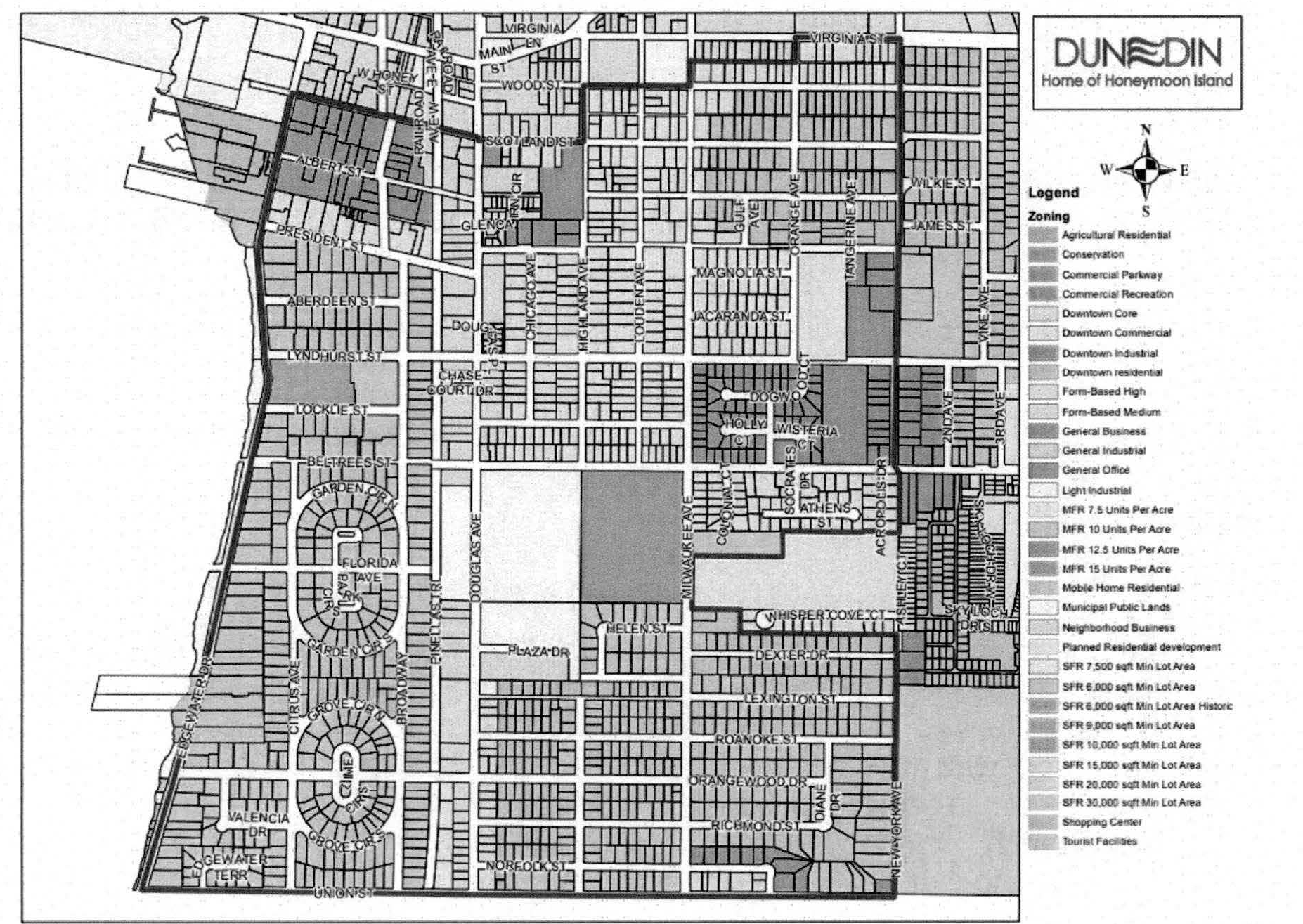
(Ord. No. 22-08, § 2, 4-21-2022)
103-32.3 - Definitions
The following definitions apply within the Overlay:
"Daylight Plane" means the inclined plane, beginning at a stated height above grade and extending into the site at a stated upward angle to establish the building envelope within which all new structures or additions will be contained. See image depiction below:
DAYLIGHT PLANE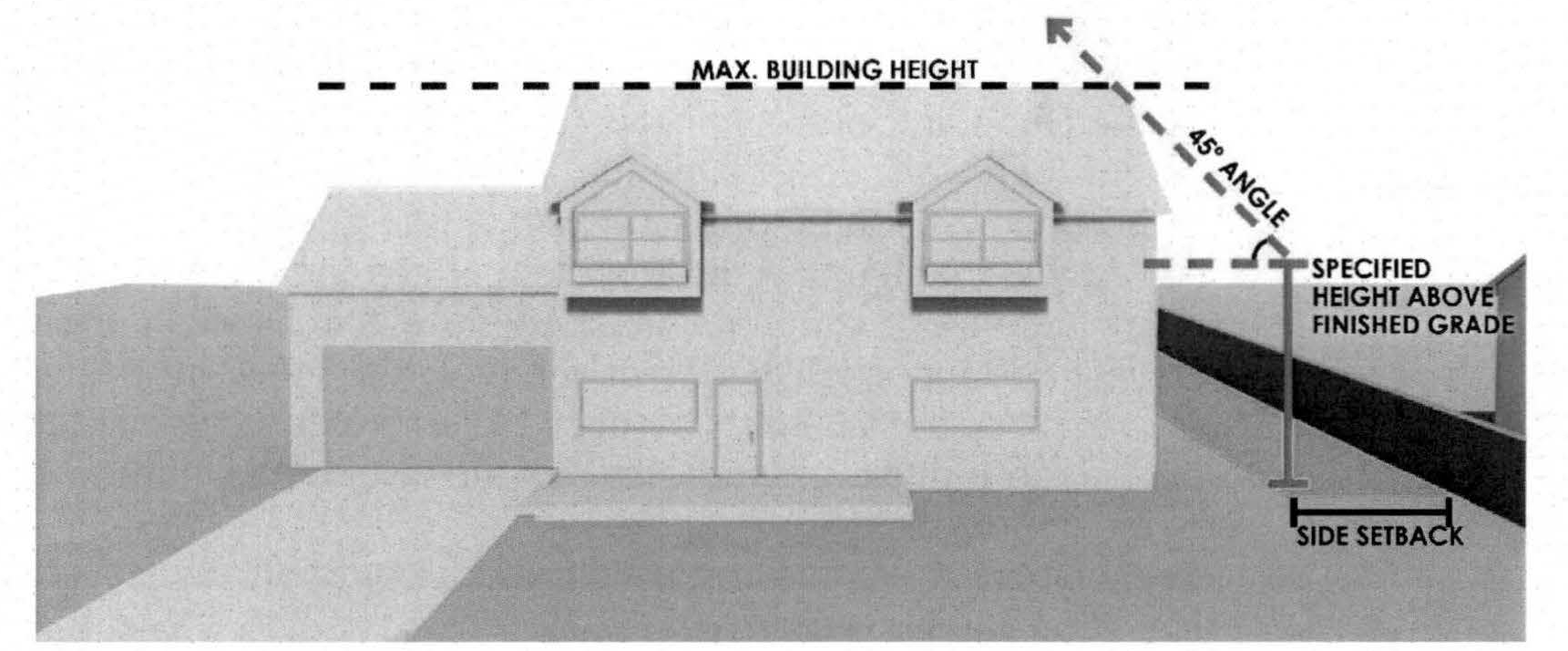
"Development" means the construction, reconstruction, conversion, structural alteration, relocation, or enlargement of any structure; the making of any material change in the use or appearance of any structure or land, or the dividing of land into three or more parcels; any mining, excavation, landfill, or land disturbance; and any nonagricultural use or extension of the use of land. It includes redevelopment.
"Identify" as used in 103-32.3(C) means the implementation of at least: one (1) typical exterior building material(s), one (1) typical roofline, shapes and/or material(s), and one (1) characteristic feature from the respective typical building standards and architecture characteristics listed in (iii) below.
"Redevelopment" means the reuse, demolition and reconstruction or substantial renovation of existing buildings or infrastructure within urban infill areas, existing urban service areas or community redevelopment areas. For purposes of this definition "substantial renovation" means any repair, reconstruction, improvement or alteration of a structure, the cost of which equals or exceeds 50 percent of the fair market value of the structure.
(Ord. No. 22-08, § 2, 4-21-2022)
103-32.4 - Development Standards and Regulations.
The following development standards shall apply within the Overlay:
(A)
Height and Daylight Plane.
i.
Daylight Plane shall be applied to determine the maximum building height and setback from the property line, in concert with the underlying zone district. The purpose of the Daylight Plane requirement is to enhance compatibility, as defined by the Dunedin Comprehensive Plan, between the existing development pattern and the redevelopment of property (this includes compatibility between multi-family structures and single-family structures as well as single-family structures and single-family structures). The use of Daylight Plane objectively implements compatibility, as defined and required by the Dunedin Comprehensive Plan, through a gradual transition in height between developments; promote a predictable scale of redevelopment; and promote privacy among neighboring properties.
ii.
All development and redevelopment of any structure shall not be of such height or size that they penetrate the Daylight Plane. The Daylight Plane shall begin at the heights listed in 3.a.iv below, measured at the side yard setback line and extending into the site at a 45-degree angle to the horizontal, up to the maximum height limit of the zoning district.
iii.
The specified heights, above finished lot grade unless otherwise specified within Section 103-40.3, from which the Daylight Plane is to be measured are as follows:
1.
15' within the R-60 zone district,
2.
15' within the MF-7.5 zone district, and
3.
25' within the MF-15 zone district.
iv.
The Daylight Plane requirements of South Dunedin Character Overlay shall not apply to the permitted setback encroachments established in Table 103-50.1 of the Land Development Code and further include.
1.
Roof overhangs up to two feet;
2.
Dormer(s) which do not exceed a combined 12 feet in length per side of the residence or 25 percent of the length of the side of the dwelling upon which the dormers are located, excluding roof overhang, whichever is less;
3.
One television antenna or dish antenna measuring less than three feet in diameter, and lightning protection devices;
4.
Side property lines on residential property which borders property which is zoned nonresidential;
5.
If the Daylight Plane would render the property entirely unusable for residential purposes.
(B)
Building Design.
i.
Building orientation. The front of buildings must face the primary street and include a front door as a primary entrance. Corner lots may have the primary entrance face the corner or the secondary street rather than the primary street. In addition, buildings on corner lots and through lots are encouraged to incorporate unique architectural elements and shall not contain blank walls without architectural or other variation along public streets. Additions to existing structures are exempt from this requirement. If, due to the nature of the property or other technical limitations, the structure is unable to meet the requirements of this section, a property owner may request the zoning administrator seek an executive recommendation from the Architectural Review Committee.
ii.
Garage/carport placement. Garages and carports, both attached and detached, must be set back at least 5 feet from the front facade of the primary building and must be set back at least 25 feet from the front property line. If there is more than one front property line, this standard applies to the front yard that contains the front entry. The width of any attached garage or carport area may not exceed 50 percent of the primary building's front facade. Additions to existing structures are exempt from this requirement. If, due to the nature of the property or other technical limitations, the structure is unable to meet the requirements of this section, a property owner may request the zoning administrator seek an executive recommendation from the Architectural Review Committee.
iii.
Building elevation. Where it is necessary to elevate a building above grade, fill may not be used to elevate the lot above the grade of any adjacent lot. In such cases where the building is elevated, a stem wall foundation shall be used and openings beneath the structure shall be screened with materials consistent with the design of the building.
iv.
Maximum building width. Buildings or structures erected or altered to a width greater than sixty (60) feet at the front setback line will be subject to City Commission Design Review as detailed in Section 104-24.
(C)
Architectural Style.
i.
All residential development or redevelopment are required to identify with an architectural style of Craftsman, Mid-Century Ranch, Coastal Vernacular, Mediterranean Revival, French Creole, or Anglo-Caribbean within the overlay as set forth herein and as may be further defined in the 2008, Architectural Guidelines: City of Dunedin, Florida by Cooper Johnson Smith Architects & Town Planners. This document was developed to help educate and guide future development and objectively preserve and enhance the unique architectural heritage of Dunedin. Additions to existing structures are exempt from this requirement.
ii.
Typical building standards and architectural features relating to each style:
1.
Craftsman. Building standards and architecture.
a.
Typical exterior building materials;
i.
Wood siding or similar
ii.
Shingle siding
iii.
Stone base with columns and stone chimney
b.
Typical rooflines, shapes and materials;
i.
Dormer aligned with front entry
ii.
Shingles or metallic roof
iii.
Exposed rafter tabs
iv.
Awnings under gable ends
v.
Eaves
c.
Characteristic features;
i.
Covered front porch and/or balconies
ii.
Stained wood door with either wood plank design or a panel door with a variety of different glaze patters in top half
iii.
Typically double-leaf out-swinging garage doors with transom window at the top
EXAMPLES OF CRAFTSMAN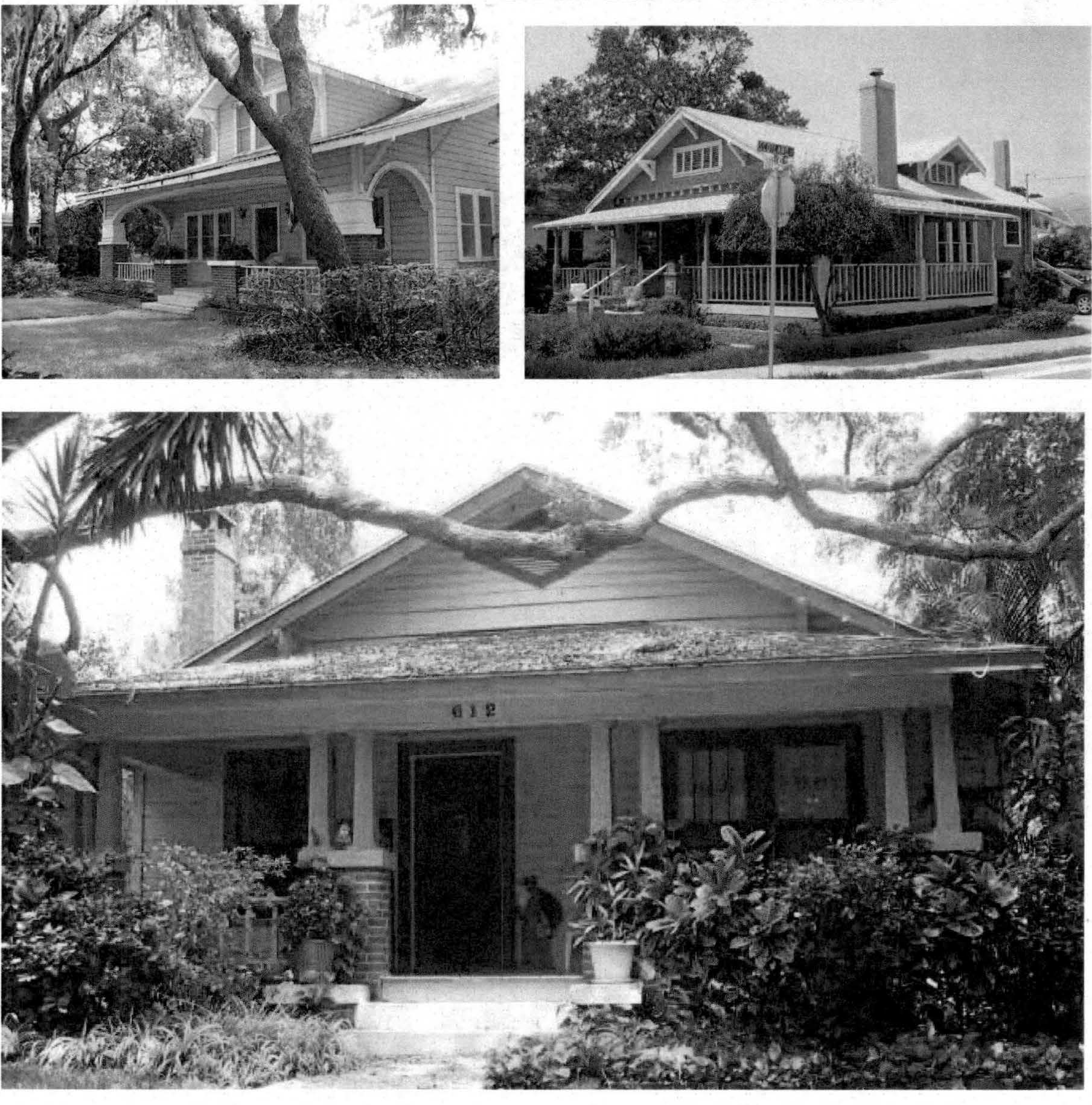
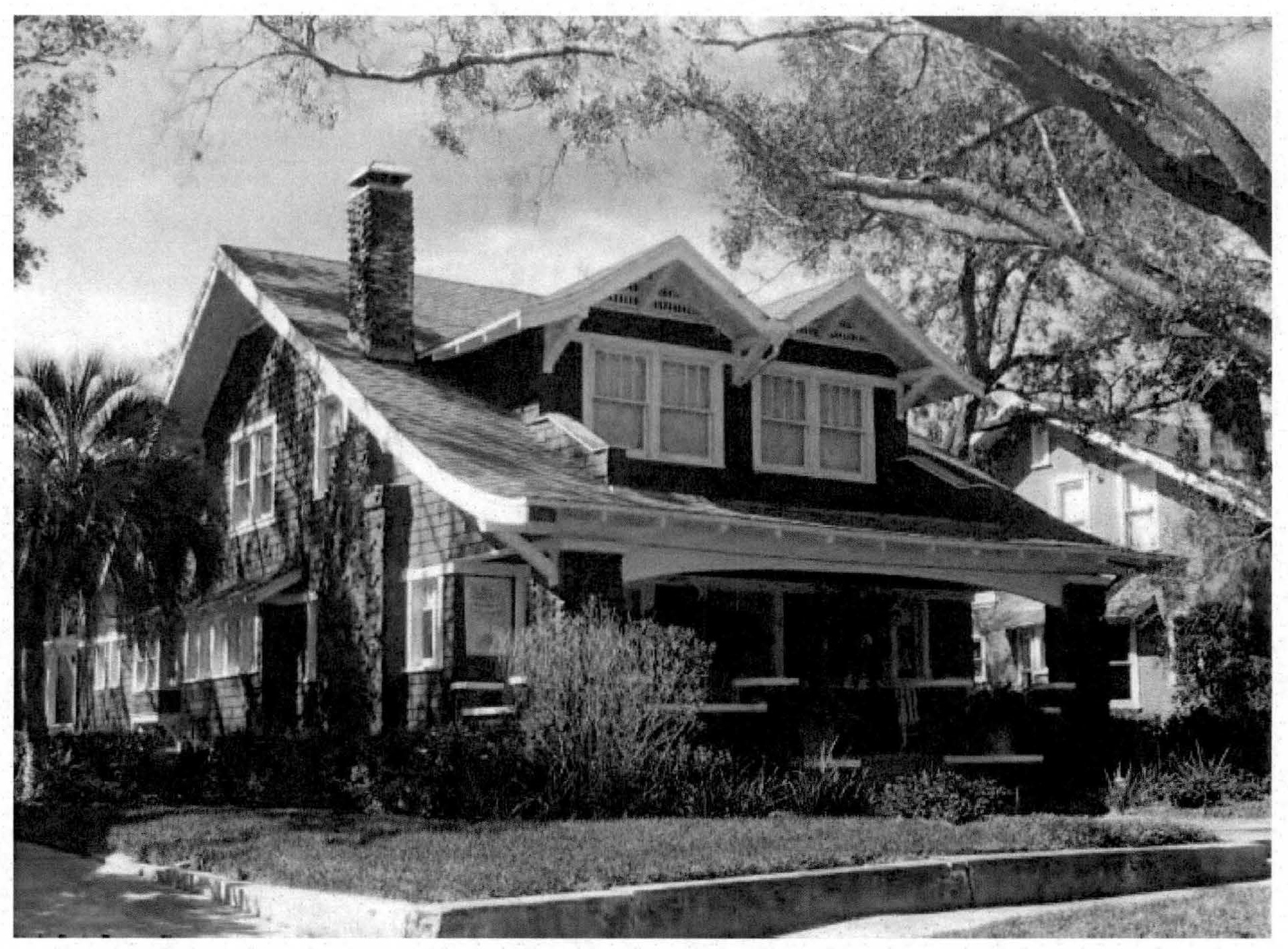
2.
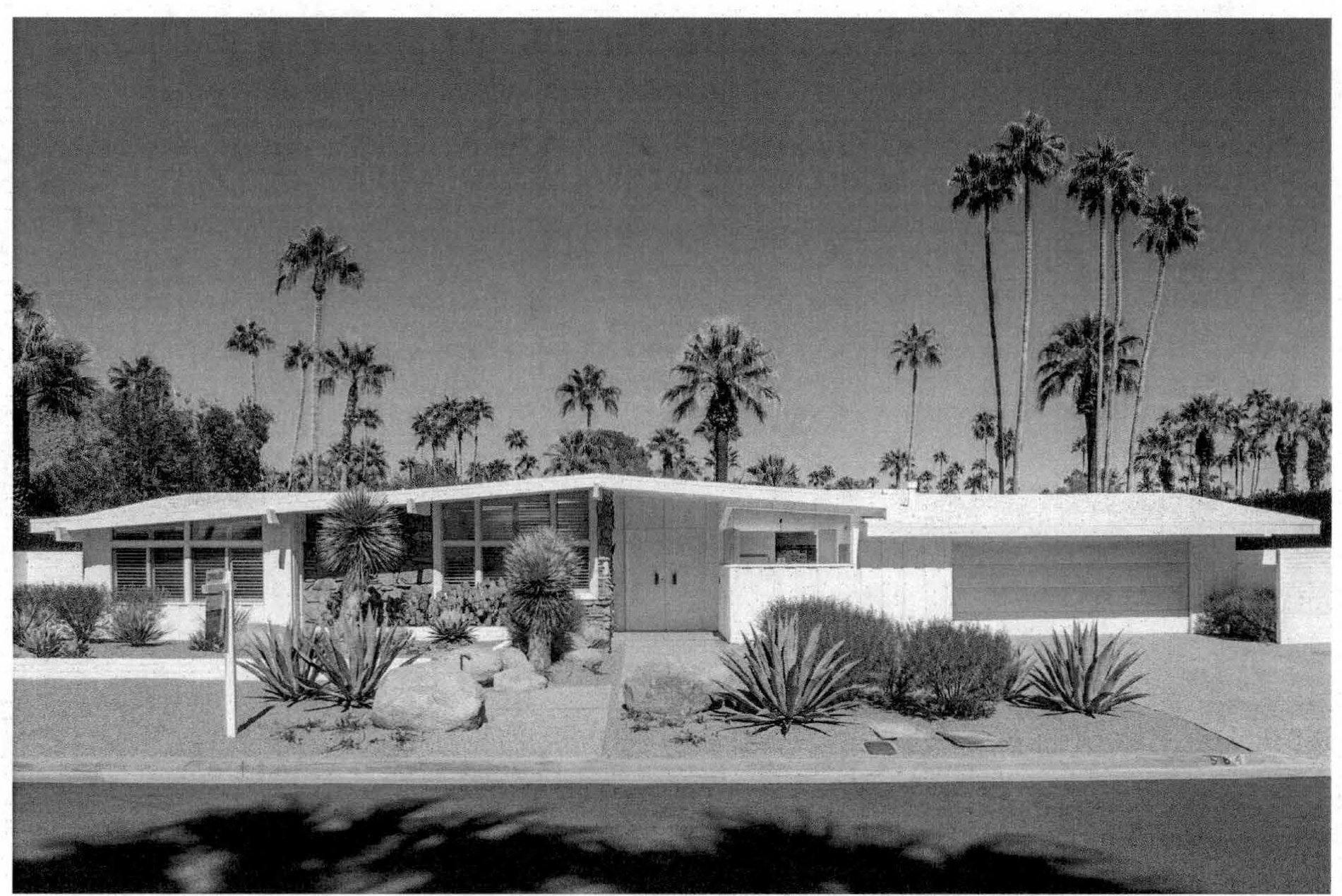
Mid-Century Ranch Building standards and architecture.
a.
Typical exterior building materials;
i.
Standard or patterned brick masonry
ii.
Cedar or redwood siding Horizontal lap or board and batten patterns
iii.
Mix of two materials is common
b.
Typical rooflines, shapes and materials;
i.
Gabled roof, hipped, shed, or flat roof
ii.
Low pitch (may be asymmetrical)
iii.
Wide eaves composition shingles
c.
Characteristic features;
i.
Use of breezeblocks
ii.
Large windows including sliders
EXAMPLES OF MIDCENTURY RANCH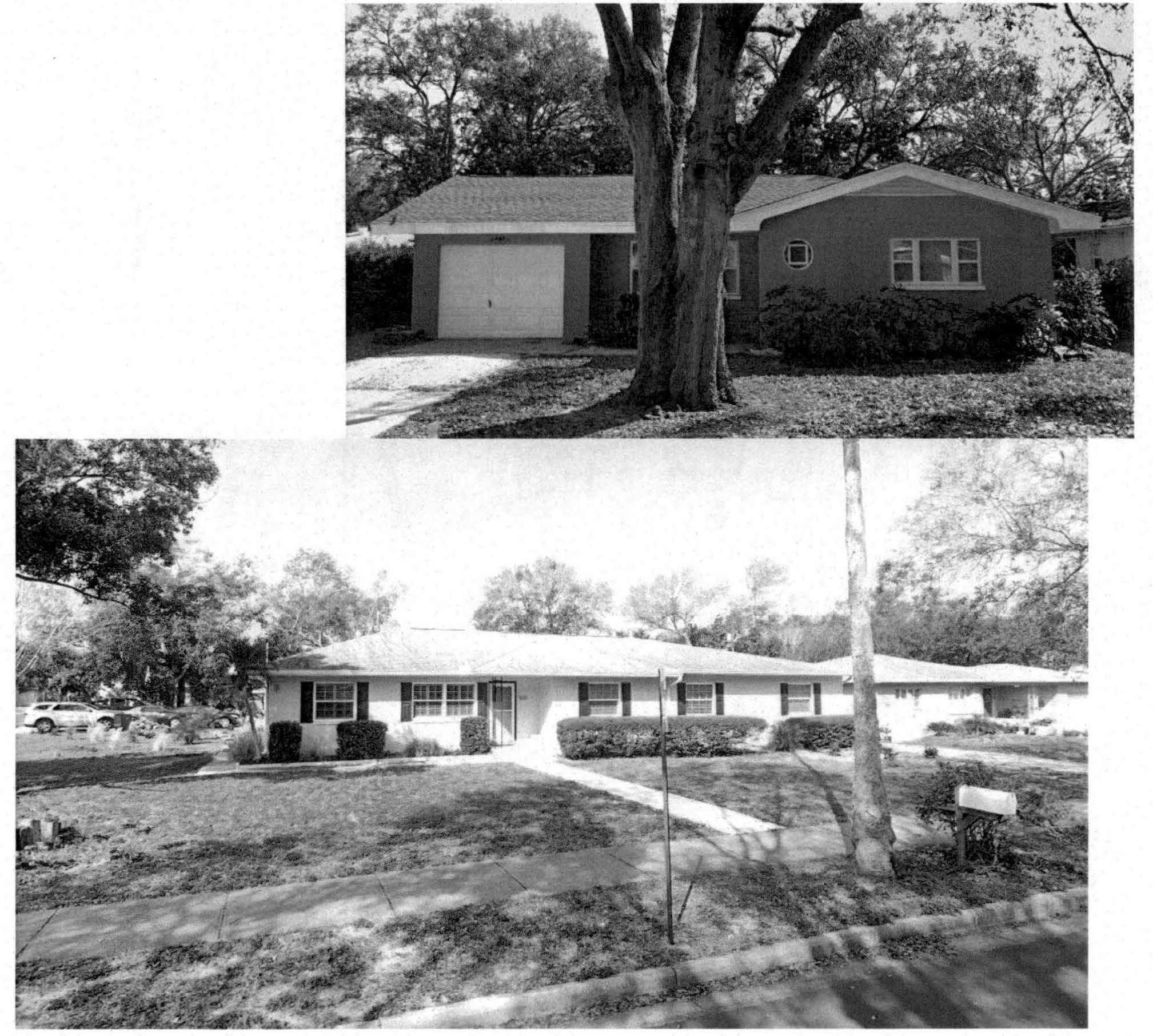
3.
Coastal Vernacular Building standards and architecture.
a.
Typical exterior building materials;
i.
Building Wall Materials
1.
Wood-siding including ship-lap siding, shingles, and vertical board and battan
2.
Cedar or redwood siding Horizontal lap or board and batten patterns
3.
Mix of two materials is common
b.
Typical rooflines, shapes and materials;
i.
Shallow and medium-pitched rood with deep overhangs
ii.
Primarily 5-V crimp or corrugated metal roofing with exposed structural elements such as rafter tails and brackets
iii.
Broad eaves with open rafters, with simple tails and brackets supporting the eave
c.
Characteristic features;
i.
Broad, deep porch with thin wood columns and minimal ornament, typically runs the entire length of the facade
ii.
Simple and blocky vertical rails
iii.
Variety of columns; either heavy and massive or a grouping of multiple thin columns atop a heavy base
iv.
Single-leaf wood French front doors with sidelites
v.
Double-leaf out swinging garage doors with transom windows at the top
vi.
Shuttered windows
EXAMPLES OF COASTAL VERNACULAR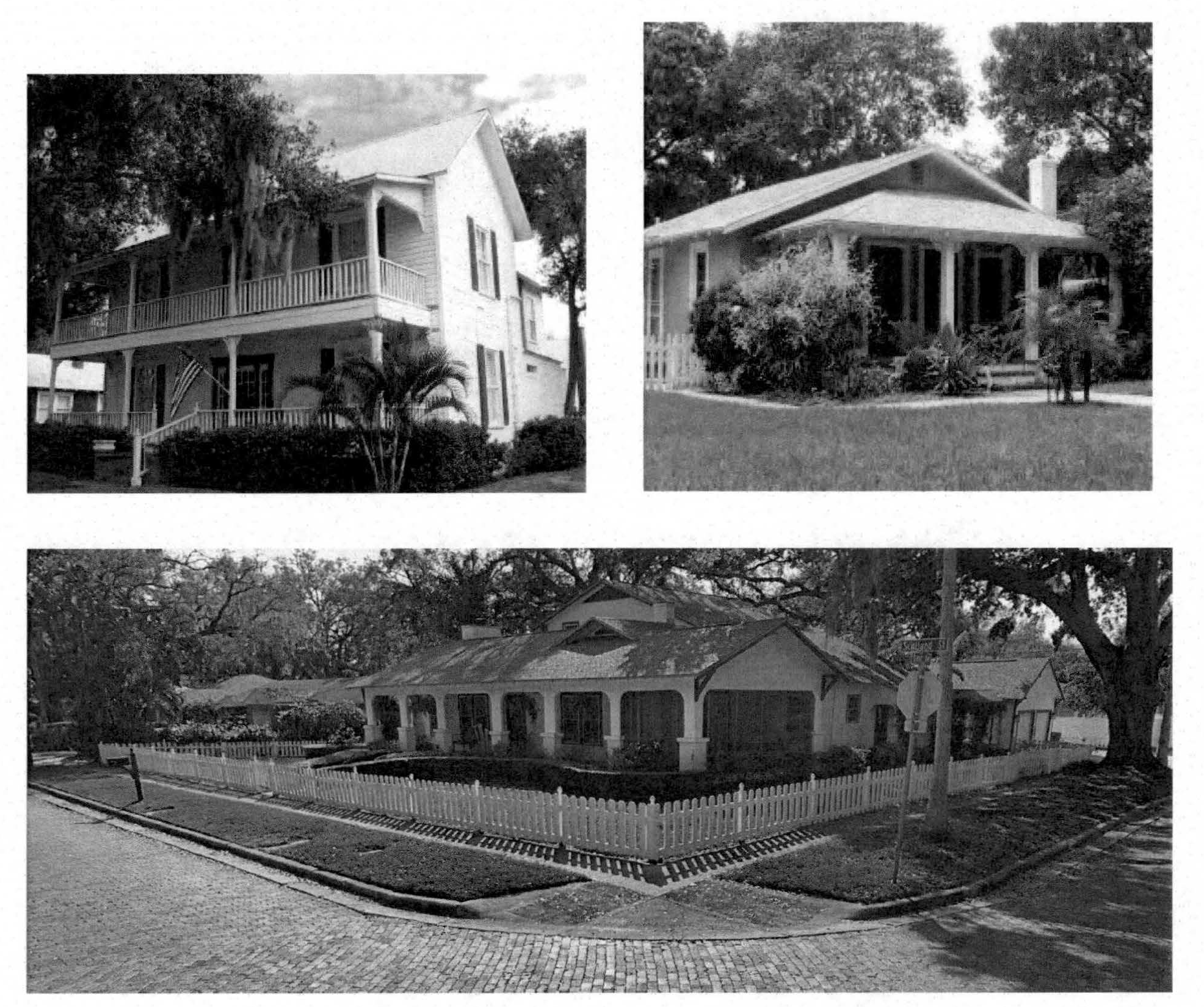
4.
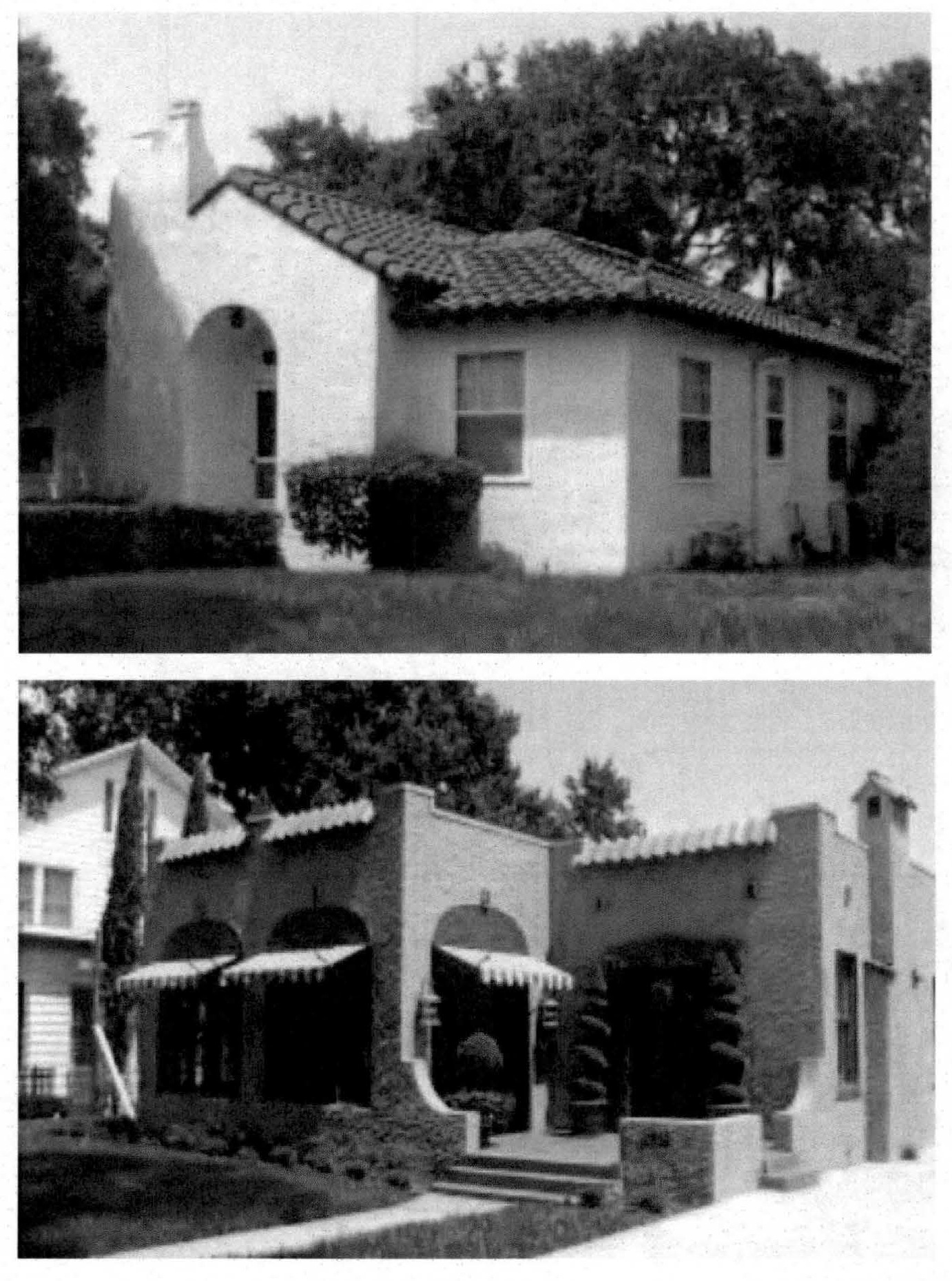
Mediterranean Revival Building standards and architecture.
a.
Typical exterior building materials;
i.
Rough stuccoed masonry
ii.
Rough block accent
b.
Typical rooflines, shapes and materials;
i.
Flat roofs with parapets and/or gabled and hipped roofs with 3:12 to 6:12 pitch
ii.
Clay tile roof
iii.
Shallow eaves with rafter tails, occasionally molded continuous fascia with no to shallow overhang
c.
Characteristic features;
i.
Wood French front doors with divided lites in vertical proportions
ii.
Carports or porte cocheres extending from faade walls
iii.
Wood garage doors with arched tops or concrete lintels that protrude from building face
iv.
Arched top windows
v.
Loggias, arcades, collonaded porches
vi.
Balconies and balconettes
EXAMPLES OF MEDITERRANEAN REVIVAL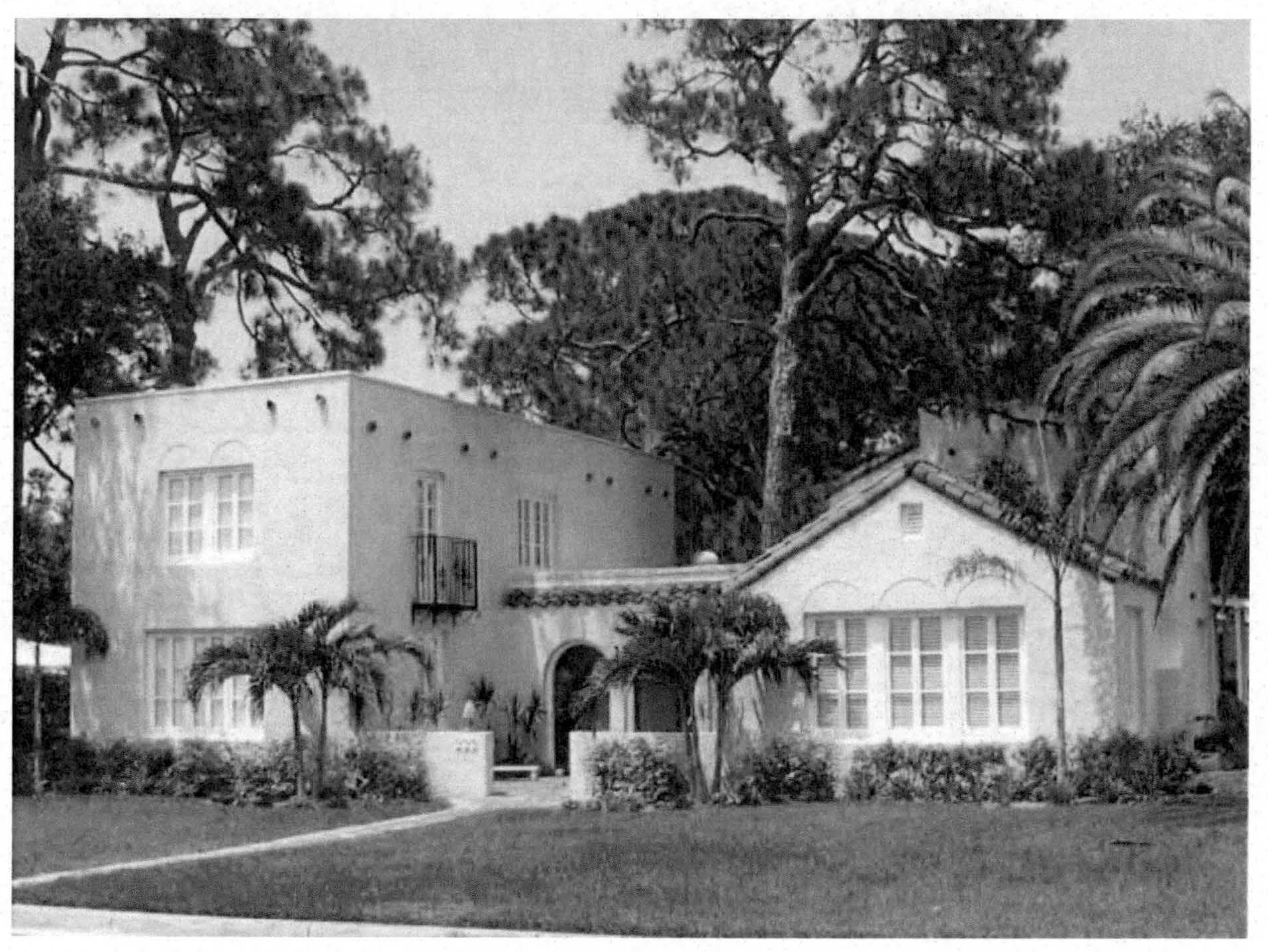
5.
French Creole. Building standards and architecture.
a.
Typical exterior building materials;
i.
Building Wall Material
1.
Heavy Brick
2.
Stuccoed Walls
b.
Typical rooflines, shapes and materials;
i.
Steeply pitched roofs with eased slopes at the eave
ii.
Use of gable-end parapet walls and dormers
iii.
High ceiling with vertically proportioned column bays and wall openings.
c.
Characteristic features;
i.
French doors and full length windows on the ground floor with tall shutters
ii.
Large casement windows, tall and vertical in proportion
iii.
Deep porches with thin vertical elements
EXAMPLES OF FRENCH CREOLE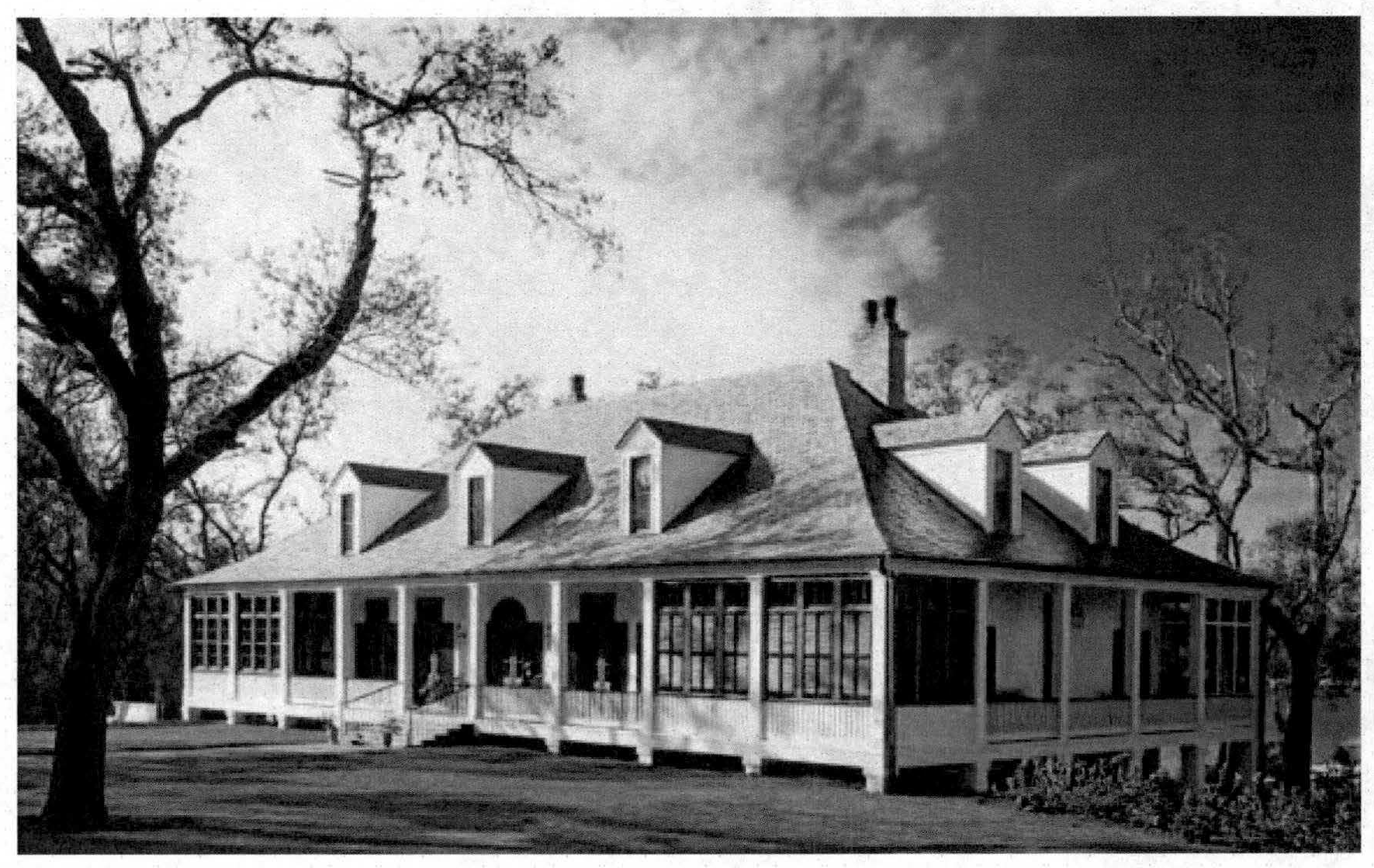
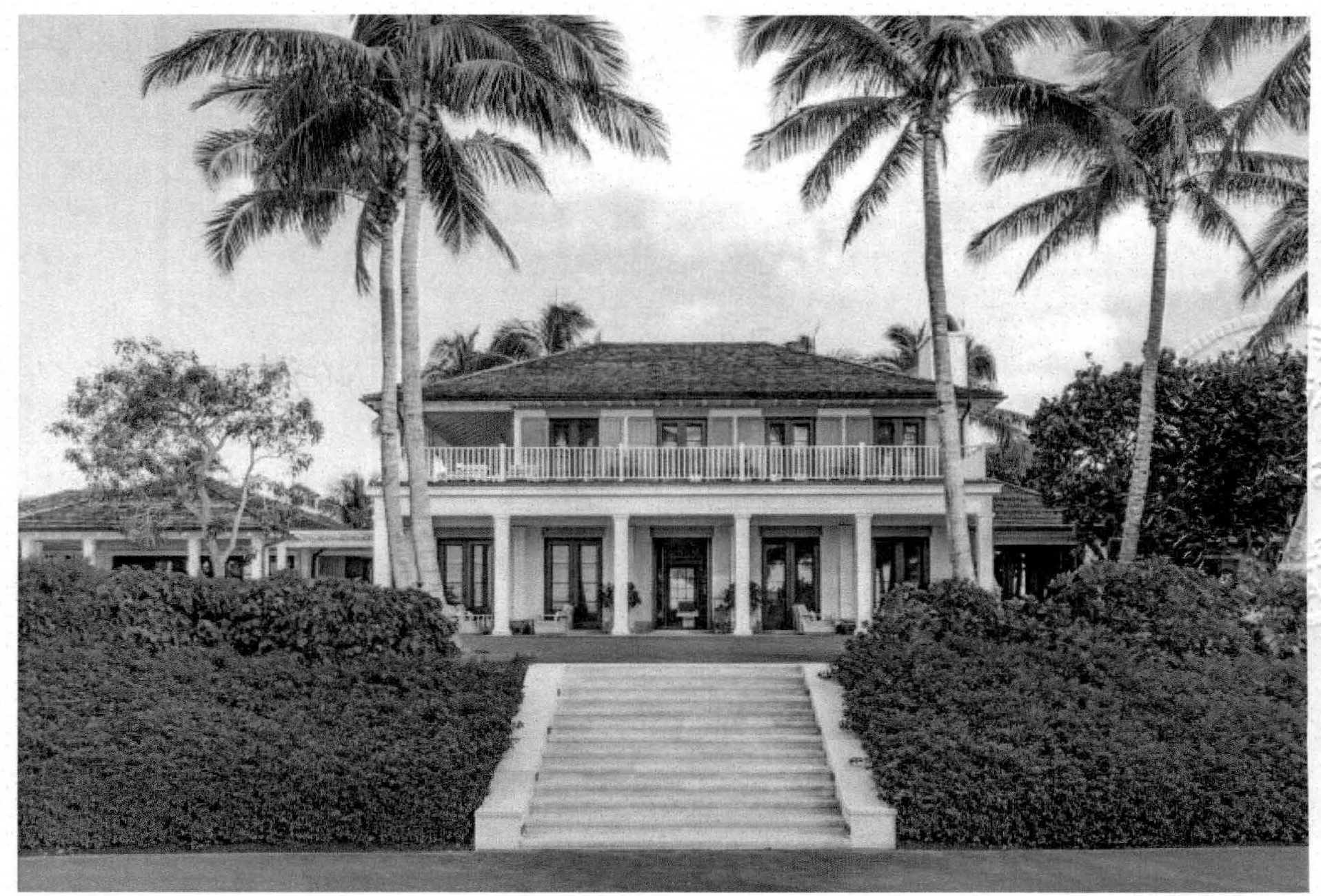
6.
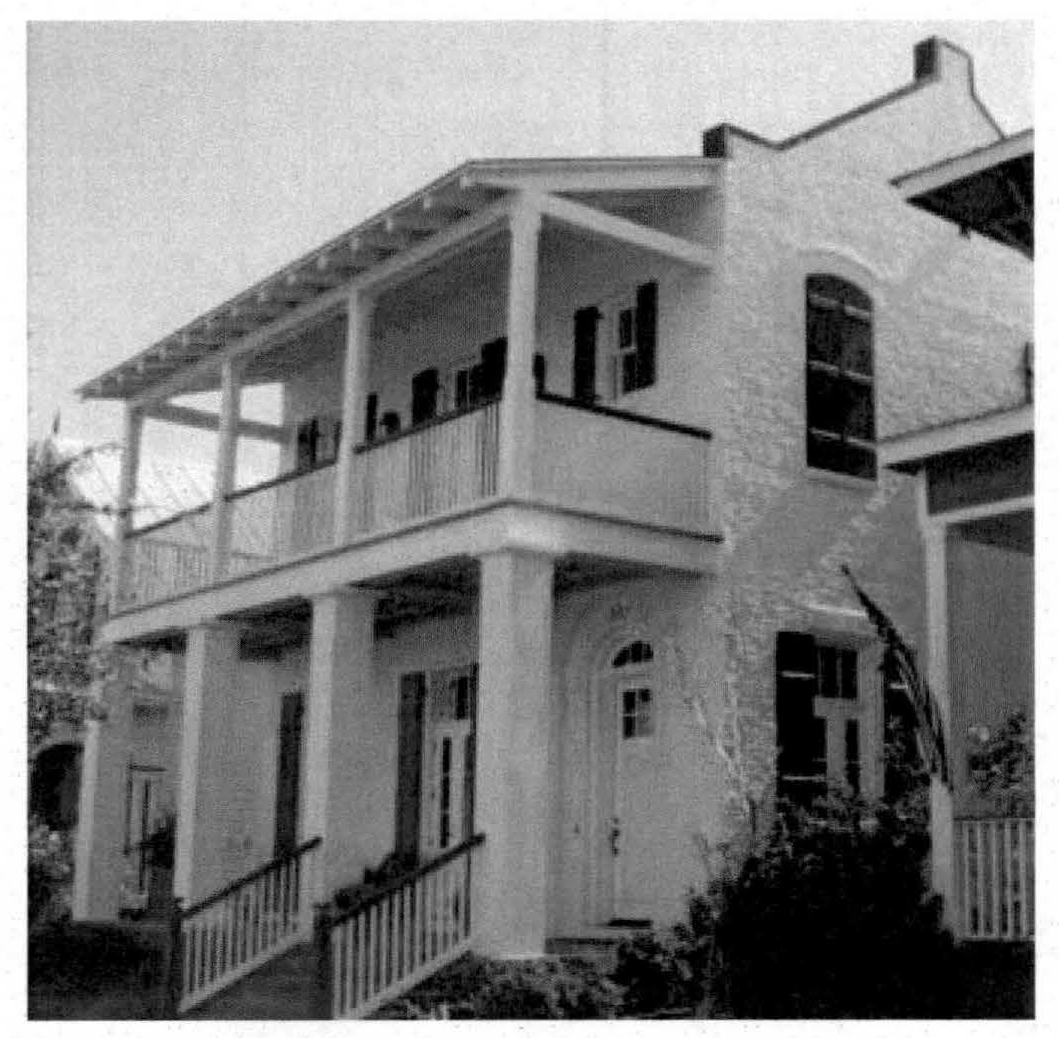
Anglo-Caribbean. Building standards and architecture.
a.
Typical exterior building materials;
i.
Masonry Stucco ground floor walls
ii.
Wood frame stucco or siding on upper floors
b.
Typical rooflines, shapes and materials;
i.
Hip roofs with pitches ranging from 6:12 to 10:12
ii.
Broad roof overhangs with exposed rafter tails and eaves, often with a pitch break at the overhang
c.
Characteristic features;
i.
Windows and doors are vertical in proportion and borrow lite configurations from Craftsman languages
ii.
Street balconies supported by brackets, loggias, and courtyards
iii.
Louvered shutters often enclose portions of balconies and porches for privacy and climate control
iv.
Sideways facing garage with motorcourt
EXAMPLES OF ANGLO-CARIBBEAN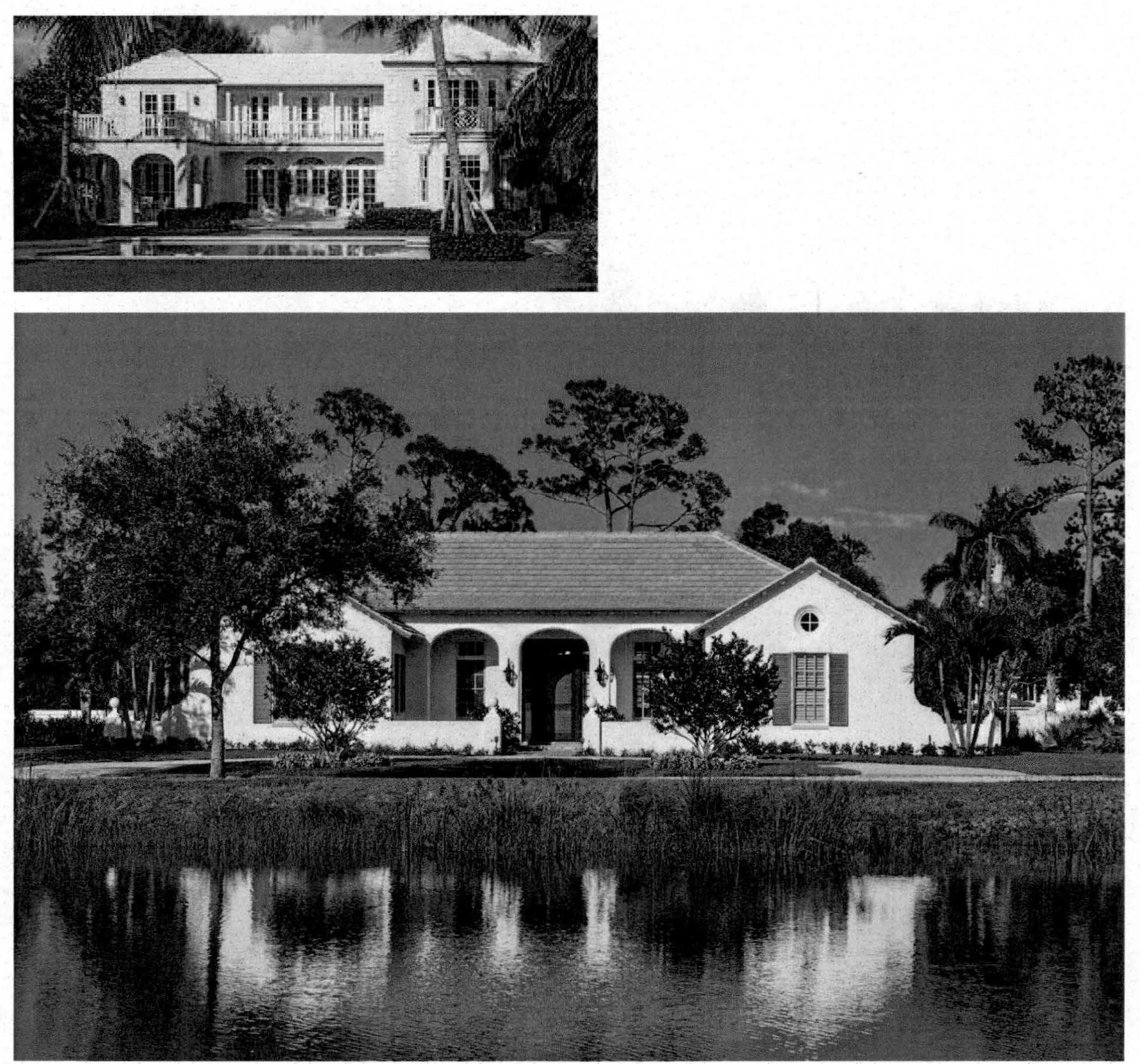
v.
If, due to the nature of the property or other technical limitations, the development or redevelopment is unable to meet the minimum number of features within the architectural styles listed above in (iii), the property owner may request the zoning administrator seek an executive recommendation from the Architectural Review Committee.
(D)
The zoning administrator's final determination on any interpretation involving the Overlay may be appealed by the applicant property owner to the board of adjustment and appeal in accordance with § 109-20.3.1 Administrative Review.
(Ord. No. 22-08, § 2, 4-21-2022)

