
El Centro City Zoning Code
ARTICLE V
- PROCEDURES
Sec. 29-275. - Review of development projects, legislative actions and ministerial permits.
Article V sets forth the city's procedures for reviewing and processing a variety of actions that focus on land use and development. Development projects shall be reviewed and processed in compliance with the provisions of this article, unless otherwise specified in Government Code section 65000 et. seq. Legislative actions shall be reviewed and processed in compliance with the provisions of this article, unless otherwise specified in Government Code section 65000 et. seq. If a conflict exists between this article and the Government Code, the procedures set forth in the Government Code shall prevail.
Table 29-275.1 Application Types, Review Bodies and Responsibilities
Notes:
1.
Unless appealed to appellate body.
2.
Requires LAFCO approval.
3.
When final authority is vested with the review body.
4.
Application and review procedures for parcel map and tentative maps shall be in accordance with chapter 24 subdivision regulations of the City Code.
5.
When final authority is vested with the city council.
6.
If commission recommendation is the denial of a zone change, council action is only required upon the filing of a request for a hearing.
7.
For tentative maps of four (4) parcels or less.
8.
For tentative maps of five (5) parcels or more.
9.
Subject to the conditional use permit process per article V, division 6 of this chapter and additional application and review procedures for planned unit developments in accordance with sections 29-180 and 29-181 of article IV, division 1 of this chapter.
10.
Subject to the conditional use permit process per article V, division 6 of this chapter and additional application and review procedures for a density bonus housing plan in accordance with state density bonus law.
11.
Application and review procedures for temporary use permits shall be in accordance with section 29-226 of article IV, division 5 of this chapter.
(Ord. No. 24-03, § 2, 9-17-24)
Sec. 29-276. - Requirements for complete application for development projects.
(1)
All applications submitted for approval of development projects pursuant to this article shall be accompanied by such forms, information and other items as specified by the community development director. Unless otherwise specified in Government Code section 65000 et seq., applications shall include:
(a)
A completed application form, signed by the property owner, lessee, or agent, as specified thereon. The minimum submittal requirements and materials are listed on the application form. The city reserves the right to require additional information and/or materials in order to adequately review development project applications.
(b)
A site plan, as described in division 4 of this article, is required for applications for site plan review, variances and conditional use permits. Architectural elevations may also be required as specified by this article or by the community development director.
(c)
A filing fee as established by the city council.
(d)
A completed environmental information form, unless a determination has been made by the community development director that the application is exempt from environmental review.
(e)
A signed statement, pursuant to California Government Code section 65962.5, that the applicant has consulted all lists, on file at the county health department, of all solid waste disposal facilities from which there is a known migration of hazardous waste, and shall indicate whether the project site for which the application is being made is within one thousand (1,000) feet of any site on such lists.
(2)
Resubmittals for incomplete applications. Unless otherwise specified by Government Code section 65000 et.seq., within thirty (30) days of any resubmittal of the application or submittal of materials in response to the written determination, the community development director shall determine in writing whether the application, together with the subsequently submitted materials, constitute a complete application and shall immediately transmit the determination to the applicant.
(3)
Unless otherwise specified by Government Code section 65000 et seq., when a determination that an initial application is incomplete has been transmitted to the applicant, the applicant shall have six (6) months from the date the application was initially filed to either resubmit the application or submit the information specified in the determination. Failure of the applicant to resubmit the application or to submit the materials in response to the determination within the six (6) months shall be deemed to constitute withdrawal of the application. If an application is withdrawn or deemed withdrawn a new application must be submitted. This time limit may be waived by the community development director with a finding of special circumstances.
(Ord. No. 24-03, § 2, 9-17-24)
Sec. 29-277. - Notice of complete application.
Unless otherwise specified by Government Code section 65000 et. seq , not later than thirty (30) days after receipt of a new or resubmitted application pursuant to this article, the community development director shall determine whether the application is complete. The applicant shall be notified in writing of the director's determination; except that if a written determination is not made within thirty (30) days, the application shall be deemed complete. An appeal may be filed with the planning commission pursuant to division 9 of this article on any decision of the community development director on the completeness of an application. An appeal of an application completeness determination stays the time limit of such determination pending the outcome of the appeal.
(Ord. No. 24-03, § 2, 9-17-24)
Sec. 29-278. - Time limits for review.
(a)
Development projects. The time limits for review and approval of all applications for development projects are governed and established by chapter 4.5 of the state planning and zoning law and Government Code section 65000 et seq.
(b)
Legislative actions. Applications for legislative actions are not subject to the Permit Streamlining Act and therefore, there is no time limit for the review and approval of applications for legislative actions.
(c)
Development projects processed with and needing legislative action(s). Since development projects processed with and needing enabling legislative actions cannot be approved without such enabling legislative actions, the time limits for review and approval of such development projects begins after both the approval of the enabling legislative action(s) and the city's determination of a complete application for the development project.
(d)
Ministerial projects. The time limits for the review and approval of applications for ministerial projects are established by statute for the particular ministerial permit.
(Ord. No. 24-03, § 2, 9-17-24)
Sec. 29-279. - Applicant's request for notification of proposed land use action.
At the time of filing an application with the city pursuant to the zoning ordinance, an applicant may request, in writing, to receive notice of any proposal to adopt or amend plans or ordinances relative to the general plan, a specific plan, the zoning ordinance, or an ordinance affecting building permits or grading permits. The applicant shall specify the types of proposed action for which notice is requested and the city shall provide such notice if it determines that the proposed action is reasonably related to the applicant's development permit.
(Ord. No. 24-03, § 2, 9-17-24)
Sec. 29-284. - Purpose.
The purpose of this division is to provide a standard for the conduct of public hearings that complies with state public hearing requirements and afford the public due process through notification and participation in zoning and development proposals.
(Ord. No. 24-03, § 2, 9-17-24)
Sec. 29-285. - Public notice requirements.
When a provision of this zoning ordinance requires notice of a public hearing pursuant to this article, such notice shall be made at least once in a newspaper of general circulation within the city designated by the city council at least ten (10) calendar days prior to the hearing.
(Ord. No. 24-03, § 2, 9-17-24)
Sec. 29-286. - Setting of hearing and the content of the notice.
The community development director shall set the date, time, and place for the public hearing. The notice shall include the date, time, and place of a public hearing, the identity of the hearing body or officer, a general explanation of the matter to be considered, and a general description, in text or by diagram, of the location of the real property, if any, that is the subject of the hearing.
(Ord. No. 24-03, § 2, 9-17-24)
Sec. 29-287. - Notification procedures.
When a provision of this zoning ordinance requires notice of a public hearing pursuant to this article, such notice shall be given in all of the following ways:
(1)
Notice of the public hearing shall be mailed or delivered at least ten (10) calendar days prior to the hearing to the owner of the subject real property or the owner's duly authorized agent, and to the project applicant;
(2)
Notice of the public hearing shall be mailed or delivered at least ten (10) calendar days prior to the hearing to each local agency expected to provide water, sewage, streets, roads, schools or other essential facilities or services to the project, whose ability to provide those facilities and services may be significantly affected; and
(3)
Notice of the public hearing shall be mailed or delivered at least ten (10) calendar days prior to the hearing to all owners of real property as shown on the latest equalized assessment roll within three hundred (300) feet of the real property that is the subject of the hearing. In lieu of utilizing the assessment roll, records of the county assessor or tax collector may also be used. If the number of owners to whom notice would be mailed or delivered is greater than one thousand (1,000), notice may be provided by placing a display advertisement of at least one-eighth (⅛) page in a newspaper of general circulation within the city at least ten (10) calendar days prior to the hearing.
(4)
If the notice of the public hearing is mailed or delivered pursuant to this section, the notice shall also be:
a.
Published at least once in a newspaper of general circulation within the city at least ten (10) calendar days prior to the hearing; or
b.
Posted at least ten (10) calendar days prior to the hearing in at least three (3) public places within the city, including one (1) public place in the area directly affected by the proceeding.
(Ord. No. 24-03, § 2, 9-17-24)
Sec. 29-288. - Request for notification.
When a provision of this zoning ordinance requires notice of a public hearing, the notice shall be mailed or delivered at least ten (10) calendar days prior to the hearing to any person who has filed a written request for notice with either the city clerk or with any other person designated by the city council to receive these requests. As used in this article, "person" includes a California Native American tribe that is on the contact list maintained by the Native American Heritage Commission.
(Ord. No. 24-03, § 2, 9-17-24)
Sec. 29-289. - Additional notification.
(a)
Notwithstanding any other provision of law, whenever a person applies to the city for a zoning variance, special use permit, conditional use permit, zoning ordinance amendment, general or specific plan amendment, or any entitlement for use which would permit all or any part of a cemetery to be used for other than cemetery purposes, the city shall give notice pursuant to section 29-287 of this article. "Cemetery," as used in this section, has the same meaning as defined in California Health and Safety Code section 8100.
(b)
Whenever a hearing is held regarding a permit for a drive-through facility, or modification of an existing drive-through facility permit, the city shall incorporate, where necessary, notice procedures to the blind, aged, and disabled communities in order to facilitate their participation in any hearing on, or appeal of the denial of, a drive-through facility permit. The California Legislature has found that access restrictions to commercial establishments affecting the blind, aged, or disabled, is a critical statewide problem.
(Ord. No. 24-03, § 2, 9-17-24)
Sec. 29-290. - Failure to receive notice.
The failure of any person or entity to receive notice given pursuant to this division shall not constitute grounds for any court to invalidate the actions for which the notice was given.
(Ord. No. 24-03, § 2, 9-17-24)
Sec. 29-291. - Hearing continuations.
Any public hearing conducted pursuant to this division may be continued from time to time and shall not require additional notification.
(Ord. No. 24-03, § 2, 9-17-24)
Sec. 29-296. - Purpose of the administrative committee.
The administrative committee is hereby established to assist the community development director, planning commission and city council to better expedite certain administrative reviews as established by the council and this chapter. It is also established to function as a board of zoning adjustment in matters regarding administrative variances.
(Ord. No. 24-03, § 2, 9-17-24)
Sec. 29-297. - Members of the administrative committee.
(a)
Voting members. The voting members of the administrative committee shall be comprised of the following: city manager, community development director, public works director, police chief, fire chief and assistant community development director, or their authorized representatives. Any three (3) such members may act as a quorum for the purpose of conducting business.
(b)
Nonvoting member. The nonvoting member of the administrative committee shall be the chairman of the planning commission or other designated member of the planning commission.
(c)
Term of office. The term of office of all members of the administrative committee shall coincide with and be concurrent with the time or period that they respectively hold their official positions with the city.
(d)
Secretary. The community development director shall serve as the official secretary of the committee. The records of all proceedings and the basis for all findings shall be available to the planning commission, city council and the public.
(Ord. No. 24-03, § 2, 9-17-24)
Sec. 29-298. - Authority of the administrative committee.
(a)
Nonconforming buildings. The administrative committee shall make a decision on applications for reconstruction or remodeling of nonconforming buildings upon the findings that said reconstruction or remodeling will bring such buildings and subsequent use into greater conformity with the regulations of the zone, as set forth in section 29-234.
(b)
Access ways to highways. The administrative committee shall review and make a decision on applications for all access ways to highways according to standards set forth in section 29-137, vehicular access.
(c)
Administrative variance. The administrative committee, without public hearing, may consider and render decisions on minor modifications to the provisions of this chapter. Such administrative variances and minor modifications shall be limited to the following, and may not be granted to permit any use or modify any standard for which a conditional use permit or a zone change is required by this chapter:
(1)
Reduction of lot area or lot dimensions, by not more than ten (10) percent of that required in the zone for not more than one (1) lot or dwelling unit in a proposed development.
(2)
Reduction of yards and distance between buildings by not more than twenty (20) percent of the requirement of the zone for not more than one (1) lot or dwelling unit in a proposed development.
(3)
Reduction of the number of required parking spaces by not more than fifteen (15) percent, or reduction of width of required parking spaces by not more than six (6) inches, and modifications of other parking design standards, including vehicular access standards, by not more than twenty (20) percent.
(4)
Modification of wall, fence or landscaping height, not to exceed twenty (20) percent, where topography justifies such modification.
(5)
Deletion of laundry room requirement of the residential zones, where such laundry facilities exist in convenient proximity.
(6)
Increase in the maximum building height requirement by not more than ten (10) percent of that allowed by this chapter.
(7)
Increase in the maximum sign height requirement by not more than ten (10) percent of that allowed by chapter 22.1 of the City Code.
(d)
Temporary subdivision signs. The administrative committee shall review and approve temporary subdivision sign permits and the fixing and extension of the time limit therefore.
(e)
Reasonable accommodations. The administrative committee shall, in compliance with the Federal Fair Housing Act (FHA) and the California Fair Employment and Housing Act (FEHA), provide individuals with disabilities reasonable accommodation in rules, policies, practices and procedures to ensure equal access to housing and facilitate the development of housing for individuals with disabilities by evaluating requests for reasonable accommodations related to specific applications of the zoning law in order to assure that no person is discriminated against because of race, color, religion, sex, sexual orientation, familial status, marital status, disability, national origin, source of income, or ancestry by being denied an equal opportunity to use and enjoy a dwelling and to authorize the application of exceptions to the zoning law if warranted.
A request for reasonable accommodations may include a modification or exception to the rules, standards and practices for the siting, development and use of housing or housing-related facilities that would eliminate regulatory barriers and provide a person with a disability equal opportunity to housing of their choice.
The reasonable accommodation process outlined in sections 29-300 through 29-300.6 establishes the procedure for making requests for reasonable accommodation in land use, zoning and building regulations, policies, practices and procedures of the jurisdiction to comply fully with the intent and purpose of fair housing laws.
If a request for reasonable accommodations is necessary to make housing available to an individual in accordance with the FHA or FEHA, the accommodations must be provided unless the administrative committee can present evidence that doing so would either create an undue financial or administrative burden or result in a fundamental alteration of this chapter. A fundamental alteration is an alteration so far reaching that it would change the essential scheme of this chapter.
(f)
Barbed-wire, electrified, or other hazardous fencing. The administrative committee shall review and approve barbed-wire, electrified, or other hazardous fencing in accordance with chapter 18, section 18-4.
(g)
Other duties as authorized. The administrative committee shall report on all matters requested by the planning commission or city council, or as authorized by this chapter; and may make decisions on matters delegated to it by the commission or council and this chapter. In addition, the community development director may request a review by the administrative committee of any application filed with the community development director pursuant to this chapter, and the recommendation of the administrative committee, including recommended conditions of approval, may be forwarded to the decision-making city official or body.
(Ord. No. 24-03, § 2, 9-17-24)
Sec. 29-299. - Procedures for the administrative committee.
For matters considered by the administrative committee, it shall be their responsibility to determine whether a proposal is in compliance with the intent, purpose and standards of this chapter of the zone in which a specific building and/or use is to be located, as well as other codes, ordinances or policies of the city. The following procedures shall apply:
(1)
Administrative variances.
a.
Fee. When the application for an administrative variance is filed, a fee as established by the city council shall be paid, for the purpose of defraying the cost incidental to the proceedings.
b.
Notice and procedure.
1.
Upon the acceptance of a complete application, the secretary of the administrative committee shall give written notice by mail or personal delivery to all property owners as shown on the last equalized assessment roll within three hundred (300) feet of the subject property at least fifteen (15) days prior to a decision on the application.
2.
Any person so notified may file written objections or a written request to be heard within ten (10) days after the mailing or personal delivery of the notice. If a written request to be heard is filed, the community development director shall schedule a hearing and provide written notice to the applicant and the person making the request at least five (5) days prior to the hearing. The hearing is not a public hearing and may be informal.
3.
The administrative committee shall have the discretion to set any variance under this chapter for a public hearing before the planning commission. In such case the variance shall be processed according to the provisions of section 29-312.
c.
Decision and findings. In approving an administrative variance for a minor modification to the development regulations of this chapter, all conditions set forth in section 29-298 shall be found by the committee. The administrative committee may grant an administrative variance from the provisions of this chapter when it appears from the facts contained in the application and from information obtained by the administrative committee that all of the findings for a variance contained in section 29-312 can be made. The administrative committee shall make its decision in writing within thirty (30) days after the meeting on the application. One (1) copy shall be mailed to the applicant and one (1) copy shall be filed with the community development director.
d.
Appeal not permitted. If the applicant or interested party is dissatisfied with the decision of the administrative committee, said applicant or interested party may file an appeal with the community development director within ten (10) days of the decision thereby requiring the applicant to apply for a variance pursuant to the procedure set forth in section 29-312.
(2)
Other duties pursuant to this chapter.
a.
Administrative committee decision. Within thirty (30) days after the meeting on an application that is filed for review by the administrative committee pursuant to other duties assigned by this chapter, the administrative committee shall either announce its decision and in a written report list the findings and reasons for such decision and shall forward said report to the applicant, commission, and council, or shall refer the application to the commission.
b.
Effective date of decision. The decision of the administrative committee shall be final and shall become effective ten (10) days after the date of the decision unless an appeal is filed.
c.
Appeals. Any person or body, public or private, may appeal a decision made pursuant to this paragraph to the commission. An appeal must be in writing and be filed with the community development director within ten (10) days after the date of the decision by the administrative committee. Upon receipt of an appeal, the community development director shall place the matter on the agenda of the next available regular meeting of the commission.
(3)
Other duties as authorized. Where the commission or council has requested a report or other action by the administrative committee, said commission or council may specify a procedure to be followed or criteria to be considered. The administrative committee may recommend approval, approval with conditions or denial of applications made to the city pursuant to this chapter or other chapters of the City Code.
(Ord. No. 24-03, § 2, 9-17-24)
Sec. 29-300. - Applicability of the reasonable accommodation request.
(a)
"Reasonable accommodation" in the land use and zoning context means providing individuals with disabilities, or developers of housing for people with disabilities, flexibility in the application of land use and zoning and building regulations, policies, practices and procedures, or even waiving certain requirements, when it is necessary to eliminate barriers to housing opportunities.
(b)
An individual with a disability is someone who has a physical or mental impairment that limits one (1) or more major life activities; anyone who is regarded as having such impairment; or anyone with a record of such impairment.
(c)
A request for reasonable accommodation may be made by any individual with a disability, his or her representative, or a developer or provider of housing for individuals with disabilities, when the application of a land use, zoning or building regulation, policy, practice or procedure acts as a barrier to fair housing opportunities.
(Ord. No. 24-03, § 2, 9-17-24)
Sec. 29-300.1. - Notice to the public of availability of accommodation process.
Notice of the availability of reasonable accommodation shall be prominently displayed at public information counters in the community development department, advising the public of the availability of the procedure for eligible individuals. Forms for requesting reasonable accommodation shall be available to the public in the community development department.
(Ord. No. 24-03, § 2, 9-17-24)
Sec. 29-300.2. - Requesting reasonable accommodation.
(a)
In order to make housing available to an individual with a disability, any eligible person as defined in section 29-300 may request a reasonable accommodation in land use, zoning and building regulations, policies, practices and procedures.
(b)
Requests for reasonable accommodation shall be in writing and provide the following information:
(1)
Name and address of the individual(s) requesting reasonable accommodation;
(2)
Name and address of the property owner(s);
(3)
Address of the property for which accommodation is requested;
(4)
Description of the requested accommodation and the regulation(s), policy or procedure for which accommodation is sought; and
(5)
Reason that the requested accommodation may be necessary for the individual(s) with the disability to use and enjoy the dwelling.
(c)
Any information identified by an applicant as confidential shall be retained in a manner so as to respect the privacy rights of the applicant and shall not be made available for public inspection.
(d)
A request for reasonable accommodation in regulations, policies, practices and procedures may be filed at any time that the accommodation may be necessary to ensure equal access to housing. A reasonable accommodation does not affect an individual's obligations to comply with other applicable regulations not at issue in the requested accommodation.
(e)
If an individual needs assistance in making the request for reasonable accommodation, the city will provide assistance to ensure that the process is accessible.
(Ord. No. 24-03, § 2, 9-17-24)
Sec. 29-300.3. - Reviewing authority.
(a)
Requests for reasonable accommodation shall be reviewed by the administrative committee using the criteria set forth in section 29-300.4.
(b)
The administrative committee shall issue a written decision on a request for reasonable accommodation within thirty (30) days of the date of the application and may either grant, grant with modifications, or deny a request for reasonable accommodation in accordance with the required findings set forth in section 29-300.4.
(c)
If necessary to reach a determination on the request for reasonable accommodation, the administrative committee may request further information from the applicant consistent with fair housing laws, specifying in detail the information that is required. In the event that a request for additional information is made, the thirty (30) day period to issue a decision is stayed until the applicant responds to the request.
(Ord. No. 24-03, § 2, 9-17-24)
Sec. 29-300.4. - Required findings.
The written decision to grant, grant with modifications, or deny a request for reasonable accommodation shall be consistent with fair housing laws and based on the following factors:
(a)
Whether the housing which is the subject of the request for reasonable accommodation will be used by an individual with disabilities protected under fair housing laws;
(b)
Whether the requested accommodation is necessary to make housing available to an individual with disabilities protected under the fair housing laws;
(c)
Whether the requested accommodation would impose an undue financial or administrative burden on the city; and
(d)
Whether the requested accommodation would require a fundamental alteration in the nature of the city's land use and zoning or community development program.
(Ord. No. 24-03, § 2, 9-17-24)
Sec. 29-300.5. - Written decision on the request for reasonable accommodation.
(a)
The written decision on the request for reasonable accommodation shall explain in detail the basis of the decision, including the administrative committee's findings on the criteria set forth in section 29-300.4. All written decisions shall give notice of the applicant's right to appeal and to request reasonable accommodation in the appeals process as set forth in section 29-300.6 The notice of decision shall be sent to the applicant by certified mail.
(b)
The written decision of the administrative committee shall be final unless an applicant appeals it to the city's planning commission.
(c)
If the administrative committee fails to render a written decision on the request for reasonable accommodation within the 30-day time period allotted by section 29-300.3, the request shall be deemed granted.
(d)
While a request for reasonable accommodation is pending, all laws and regulations otherwise applicable to the property that is the subject of the request shall remain in full force and effect.
(Ord. No. 24-03, § 2, 9-17-24)
Sec. 29-300.6. - Appeals.
(a)
Within thirty (30) days of the date of the administrative committee's written decision, an applicant may appeal an adverse decision. Appeals from the adverse decision shall be made in writing.
(b)
If an individual needs assistance in filing an appeal on an adverse decision, the city will provide assistance to ensure that the appeals process is accessible.
(c)
All appeals shall contain a statement of the grounds for the appeal. Any information identified by an applicant as confidential shall be retained in a manner so as to respect the privacy rights of the applicant and shall not be made available for public inspection.
(d)
Nothing in this procedure shall preclude an aggrieved individual from seeking any other state or federal remedy available.
(Ord. No. 24-03, § 2, 9-17-24)
Sec. 29-300.7. - Conflict with the code.
In the event that any provision of this division conflicts with any provision of the Code, the provisions of this division shall prevail.
(Ord. No. 24-03, § 2, 9-17-24)
Sec. 29-304. - Purpose of site plan review.
The purpose of site plan review is to:
(1)
Provide a process for the reviewing official or body to verify a proposed project's compliance with this chapter's development, design, and use standards;
(2)
Assure land owners, business owners and developers that proposed uses, structures, and site improvements comply with the provisions of this chapter before preparation of plans for building permits; and
(3)
Provide a means of streamlining the development review process through administrative review of development proposals.
(Ord. No. 24-03, § 2, 9-17-24)
Sec. 29-305. - Applicability and approving authority.
(a)
The community development director shall have authority to approve or deny the following types of site plans:
(1)
Two (2) or more dwellings on a lot.
(2)
Structures in all mixed-use zones.
(3)
Front and side yard carports consistent with section 29-55.
(b)
The community development director shall have authority to approve, approve with conditions, or deny the following types of site plans:
(1)
Structures and outdoor uses in all commercial zones.
(2)
Structures and outdoor uses in all manufacturing zones.
(3)
Within the CC zone, new structures and additions of less than 3,000 sq. ft.
(4)
Sexually oriented businesses. The planning director shall approve a site plan for a sexually oriented business within thirty (30) days after submission of a complete site plan application, including the filing fee, unless the submitted site plan violates one (1) or more of the objective standards in the City Code, in which case the director shall specify in writing the objective standard(s) that the site plan fails to meet.
(5)
Shared parking per section 29-138.
(6)
Structures and outdoor uses for medical/professional office uses and live/work (medical/professional office use) within the medical office (MO) overlay zone.
(c)
The planning commission shall have the authority to approve, approve with conditions, or deny site plans for new structures and additions of greater than three thousand (3,000) square feet in the civic center (CC) zone, for variances, and conditional use permits.
(d)
The city council shall have the authority to approve, approve with conditions, or deny site plans for projects involving a change of zone when no other discretionary approvals or permits are required.
(Ord. No. 24-03, § 2, 9-17-24)
Sec. 29-306. - Site plan review procedure.
When site plan review is required by this chapter, the following shall apply:
(1)
Site plan requirements. A site plan of the proposed use shall be submitted with the site plan application and shall be drawn to scale and shall indicate clearly, with full dimensioning, the following information:
a.
Lot dimensions;
b.
All buildings and structures. Location, size, height, proposed use, location of doors;
c.
Yards, setbacks, and space between buildings;
d.
Walls, fences, and landscaping. Location, height and materials;
e.
Off-street parking. Location, number of spaces and/or dimensions of parking area, arrangement of spaces, internal circulation pattern;
f.
Access. Pedestrian, vehicular, service; points of ingress and egress;
g.
Loading. Location, dimensions, number of spaces, internal circulation; Lighting. Location and general nature, hooding devices;
h.
Street dedications and improvements;
i.
Landscaping, where required by or relevant to the provisions of this chapter;
j.
Outdoor storage and activities, where permitted in the zone. Type, location, height of screening devices;
k.
Drainage and grading plan;
l.
Waste disposal facilities;
m.
Signs, including color and lighting incorporated into signage; and
n.
Other data as may be needed for the decisionmaker to take action on the site plan.
(2)
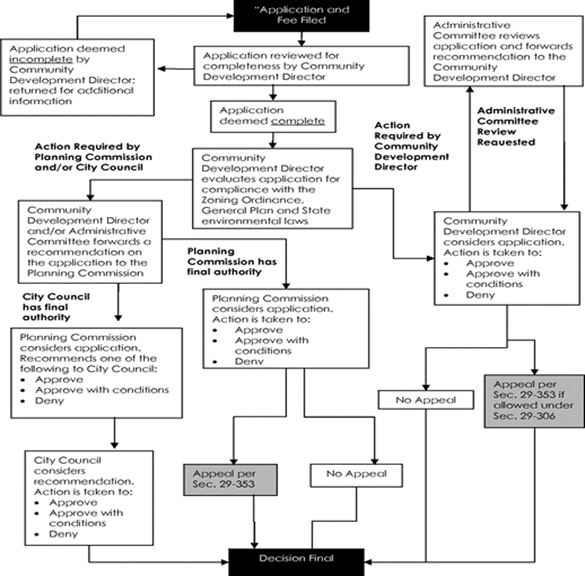
Procedure. Where required by this chapter, site plan review is to be conducted by the commission or council following a review and recommendation by the community development director and/or administrative committee. Where commission or council action is not required by this chapter, the community development director shall conduct the review and may request a recommendation from the administrative committee. Figure 29-306.1 illustrates the site plan review process described below:
a.
Application. An application for a site plan shall be made on forms furnished by the community development department and shall be filed with the community development director by the owner of the property, by the lessee having a leasehold interest of not less than five (5) years exclusive of an option to renew, or by the agent of any of the foregoing duly authorized in writing.
b.
Filing fee. When the application for a site plan is filed, a fee as established by the city council shall be paid, for the purpose of defraying the costs incidental to the proceedings.
c.
Community development director authority.
1.
Timing. Where site plan decision-making authority is vested by this chapter with the community development director, such action shall be taken within thirty (30) days after submission of a complete site plan application, including the filing fee, or as specified in Government Code section 65000 et. seq.
2.
Notice. No notice need be given nor hearing held prior to action by the community development director.
3.
Community development director action. The community development director may elect to approve, conditionally approve or deny a proposed site plan based on the following criteria:
(a)
Compliance with all provisions of this chapter.
(b)
Whether the following are so arranged that traffic congestion is avoided, and pedestrian and vehicular safety and welfare are protected:
i.
Buildings, structures and improvements.
ii.
Vehicular ingress, egress and internal circulation.
iii.
Setbacks.
iv.
Height of buildings.
v.
Location of service access.
vi.
Walls.
vii.
Landscaping.
(c).
Proposed lighting is so arranged as to reflect the light away from adjoining properties.
(d).
Proposed signs will not, by size, location, and color or lighting, interfere with traffic or limit visibility.
(e)
Compliance with state environmental laws.
4.
Appeals. No appeal may be made from a decision of the community development director in the administration of site plan review, except where the appellant asserts that an error has been made in the interpretation of a provision of this chapter, in which case section 29-342(a) for an administrative appeal shall be followed.
e.
Planning commission or city council authority.
1.
Timing. Where site plan decision-making authority is vested by this chapter with the commission or council, the community development director shall schedule the site plan for their consideration within thirty (30) days after submission of a complete site plan application, including the filing fee.
2.
Notice. No notice need be given, by posting, mailing or publication prior to action by the commission or council, except written notice to the site plan applicant in person or by mail.
3.
Commission or council action. Where final action is vested with the council, the commission shall forward a recommendation of approval, conditional approval, or denial of site plan to the council. The commission or council may elect to approve, conditionally approve or deny a proposed site plan. Where final action is vested with the council, the commission shall forward a recommendation of approval, conditional approval, or denial of site plan to the council based on the following:
(a)
Compliance with all provisions of this chapter.
(b)
Whether the following are so arranged that traffic congestion is avoided, pedestrian and vehicular safety and welfare are protected, and there are no adverse effects on surrounding property:
i.
Buildings, structures and improvements.
ii.
Vehicular ingress, egress and internal circulation.
iii.
Setbacks.
iv.
Height of buildings.
v.
Location of service access.
vi.
Walls.
vii.
Landscaping.
(c)
Proposed lighting is so arranged as to reflect the light away from adjoining properties.
(d)
Proposed signs will not, by size, location, and color or lighting, interfere with traffic or limit visibility.
(e)
Compliance with state environmental laws.
4.
Appeals. Decisions of the commission may be appealed to the council pursuant to the provisions of section 29-353(f); decisions of the council are final.
f.
Approved site plan. All copies of the approved site plan, with any conditions shown thereon or attached thereto, shall be dated and signed by the reviewing official or body. One (1) copy of said approved site plan and conditions shall be provided to the applicant.
(Ord. No. 24-03, § 2, 9-17-24)
Sec. 29-307. - Revisions.
Revisions to an approved site plan shall be made pursuant to the site plan review procedure set forth in this division.
(Ord. No. 24-03, § 2, 9-17-24)
Sec. 29-311. - Purpose of variance.
The purpose of this division is to provide a process to achieve flexibility in the application of land use and development regulations necessary to achieve the general purpose and intent of this chapter, secure public safety and welfare, and ensure substantial justice is done. Variances are intended to resolve practical difficulties or unusual physical hardships that may result from the size, shape or dimensions of a site or the location of existing structures thereon; from geographic, topographic or other physical conditions on the site or in the immediate vicinity; or from street locations or traffic conditions in the immediate vicinity of the site. A variance shall not be granted to permit a use not permitted in the zone pursuant to this chapter.
(Ord. No. 24-03, § 2, 9-17-24)
Sec. 29-312. - Variance procedure.
(a)
Conditions necessary to granting a variance. The commission, before it may grant a variance, shall make a finding that in the evidence presented, all of the following conditions exist in reference to the property being considered.
(1)
Because of special circumstances applicable to subject property, including size, shape, topography, location, or surroundings, the strict application of this chapter would deprive subject property of privileges enjoyed by other properties in the vicinity and under identical zone classification.
(2)
Any variance granted shall be subject to such conditions as will assure that the adjustment thereby authorized shall not constitute a grant of special privilege inconsistent with the limitations upon other properties in the vicinity and zone in which subject property is situated.
(3)
The granting of the variance will not be materially detrimental to the public health, safety, convenience, or welfare or injurious to property and improvements in the same vicinity and zone in which subject property is situated.
(4)
The granting of such variance will not adversely affect the general plan for the city.
(b)
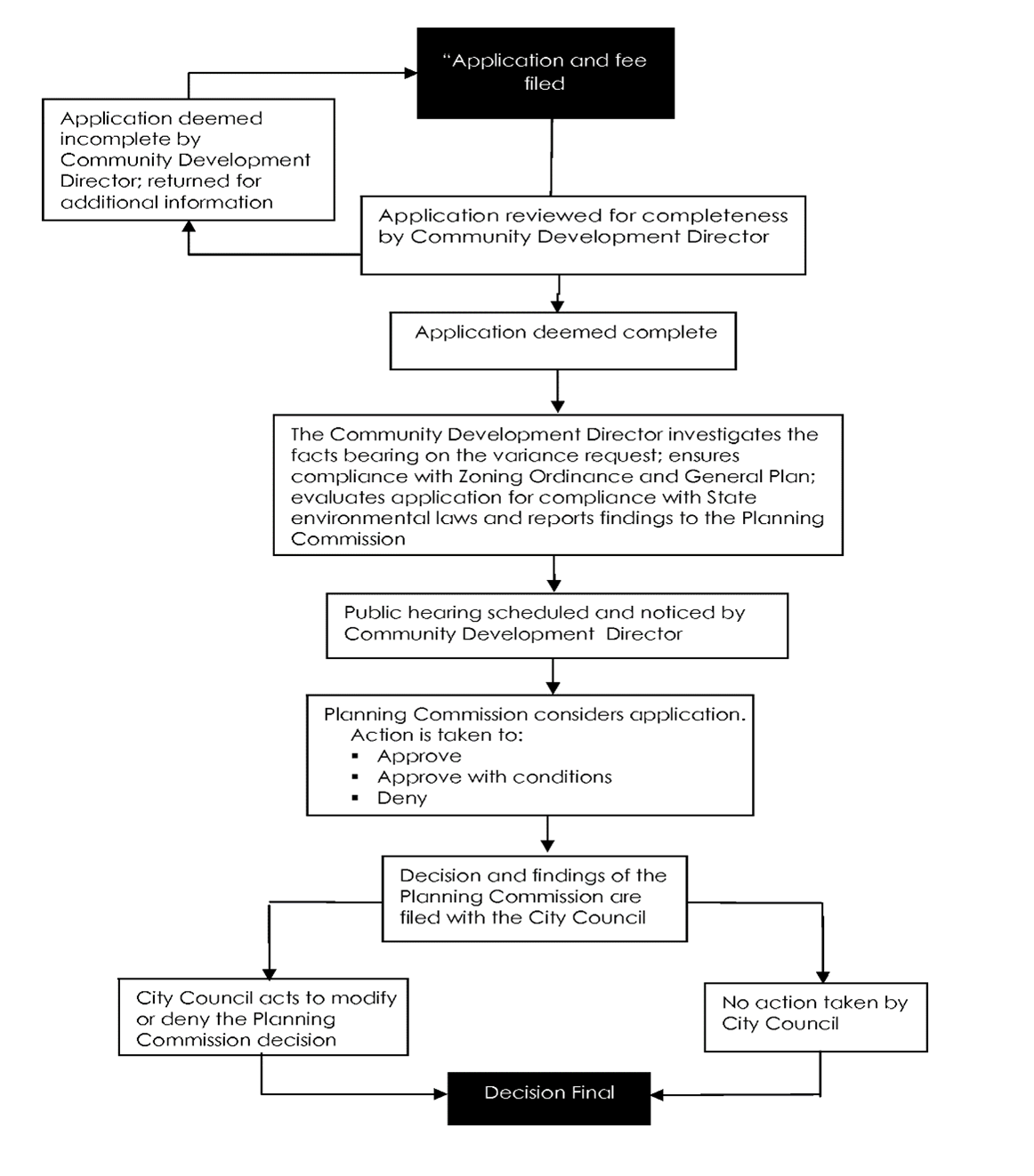
Procedure. Where required by this chapter, variance application review is to be conducted by the planning commission following the community development director's review and report of findings to the commission. decisions of the planning commission are filed with the city council and considered final unless the council acts to modify or deny the decision of the commission. Figure 29-312.1 illustrates the variance process described below:
(1)
Application. An application for a variance shall be made on forms furnished by the community development department and shall be filed by the owner of the property for which the variance is sought, by the lessee having a leasehold interest of not less than five (5) years exclusive of an option to renew, or by the agent of any of the foregoing duly authorized in writing. The applicant shall indicate how the conditions set forth in section 29-312(a) are satisfied, shall provide a site plan of the proposed use, as described in division 4 of this article, as part of the application, and shall provide other information as may be prescribed by the community development director to assist in determining the validity of the request. The application shall be verified before a notary public by the applicant and by the property owner, and date of verification shall be noted on the application. An incomplete application shall not be accepted for filing.
(2)
Filing fee. When the application for a variance is filed, a fee as established by the city council shall be paid, for the purpose of defraying the costs incidental to the proceedings.
(3)
Staff investigation. The community development director shall make an investigation of the facts bearing on each case to provide the information necessary for action consistent with the intent and purpose of this chapter, and shall report the findings to the commission. The director shall also evaluate the application for compliance with state environmental laws.
(4)
Planning commission hearing.
a.
Public hearing required. Upon receipt of the report of the community development director, the planning commission shall hold a public hearing on the proposal.
b.
Notice. Notice of a hearing shall be given in accordance with division 2 of this article.
c.
Commission action. The commission may approve, approve with conditions or disapprove the application. The decision shall set forth the findings of the commission. All decisions of the commission shall be final unless modified or denied by the council.
d.
Conditions to use. The commission, in approving a variance, may set forth in its decision reasonable conditions which shall assure the intent and purpose of this chapter. A time limit of one hundred eighty (180) days for occupancy or commencement of construction shall be assumed unless some other period is established. Action by city council.
e.
Filing of decision with council. The decision and findings shall be filed with council at their first meeting when such commission decision can be scheduled on the council agenda. A copy of said decision shall be mailed to the applicant at the address shown on the application.
f.
Timing. All decisions of the commission shall be scheduled before the council at the next available meeting after said commission decision. The report shall include the findings of the commission and reasons for their action.
g.
Decision. The decision of the commission shall be final unless the council elects to consider, modify or deny said commission decision in which event a public hearing will be set by the council and notice thereof shall be given in accordance with division 2 of this article.
(5)
Action by community development director. In absence of a denial by the council of a commission decision, the community development director shall have the authority to approve the issuance of all permits or licenses by any department or person vested with the authority to issue same concerning said commission decision.
(6)
Reapplication. No person shall reapply for a similar variance on the same land, building or structure within a period of one (1) year from the date of the final decision on such previous application unless such decision is a denial without prejudice.
Figure 29-312.1 Variance Procedure
(Ord. No. 24-03, § 2, 9-17-24)
Sec. 29-313. - Revocation and termination.
(a)
Authority. The commission may, after notice and public hearing revoke any variance granted by the commission for noncompliance with any of the conditions set forth in the granting of said variance. The council may revoke any variance granted by the council for the same cause after notice and a public hearing.
(b)
Notice.
(1)
Notice shall be mailed to the record owner or lessee of the subject property not less than twenty (20) days prior to giving public notice. Said notice shall state the complaint and shall request appearance by said owner or lessee at the time and place specified for the hearing to show cause as to why the variance should not be revoked.
(2)
Public notice shall be given as provided in division 2 of this article.
(c)
Time period for revocation. Following the public hearing, the council or commission shall by resolution revoke, modify or confirm the variance. If revoked, the subject property shall be subject to all regulations of the zone in which it is located.
(d)
Time period for construction. If the one hundred eighty (180) day or other established time limit expires and construction has not commenced or occupancy has not taken place, the variance shall be considered void. No notice need be given nor hearing held.
(e)
Termination of rights after non-use for year. Termination of a use developed under a variance granted herein, for a period of one (1) calendar year, shall terminate the variance rights granted for said use. No notice need be given nor hearing held.
(Ord. No. 24-03, § 2, 9-17-24)
Sec. 29-314. - Existing variances.
Any variance granted pursuant to any zoning ordinance enacted prior to the effective date of this chapter shall be construed to be a variance under this chapter, subject to all conditions imposed in such variance unless otherwise provided herein. Such variance may, however, be revoked or voided as provided in this division.
(Ord. No. 24-03, § 2, 9-17-24)
Sec. 29-319. - Purpose of conditional use permit.
(a)
The conditional use permit is intended for those types of land uses that require special consideration in a particular zone or in the city as a whole because:
(1)
The size of the area needed for full development of such use;
(2)
The unusual traffic, noise, vibration, smoke or other problems incidental to its operation;
(3)
Special locational requirements not related to zoning;
(4)
The effect that such uses may have on property values, health, safety, and welfare in the neighborhood or in the community or;
(5)
The approximate location of the land use is indicated on the general plan, but the exact location and arrangement of said use must be carefully studied.
(b)
In granting the permit, certain safeguards to protect the health, safety, and general welfare may be required as conditions of approval.
(Ord. No. 24-03, § 2, 9-17-24)
Sec. 29-320. - Conditional use permit procedure.
(a)
Uses permitted subject to conditional use permit.
(1)
Uses listed in the zones as subject to a conditional use permit in article II may be permitted in said zones subject to the provisions of this division. The planning commission shall review and approve, conditionally approve or disapprove the use. Except as hereafter provided, the action by the commission shall be final unless appealed to the city council. All conditional use permits, specified in this chapter as requiring approval by the council, shall first be subject to a public hearing and recommendation by the planning commission.
(2)
The following uses may be permitted pursuant to this section in any zone except where expressly prohibited, when such uses are considered by the planning commission and deemed by the council to be essential or desirable for the public welfare and convenience and in conformity with the general plan and its objectives. Final action on the following uses shall be taken by the council following a public hearing as set forth herein:
a.
Airport and heliports.
b.
Cemeteries, columbariums, crematories, mausoleums.
c.
Hospitals and sanitariums.
d.
Public utility structures and installations.
e.
Radio or television transmitters.
(3)
A conditional use permit may be granted by the city council after hearing and recommendation by the planning commission, for temporary structures within planned rights-of-way when the property owner applying for such permit signs an agreement with the city to remove any such temporary building or structure at his own expense whenever so requested by the city.
(4)
Where this chapter permits the following uses by conditional use permit, the planning commission shall review and recommend final action by the city council, following public hearing by both bodies pursuant to this division:
a.
Buildings or structures with heights greater than permitted by the zone.
b.
A density bonus pursuant to article IV, division 4 of this chapter.
c.
Manufactured home parks.
d.
Planned unit developments.
e.
Recreational vehicle parks.
f.
Clustered single-family development within the RAP zone may achieve the maximum density permitted in the R1 zone so long as the average density within the portion(s) of the site designated "extended approach/departure zone" does not exceed one (1) dwelling unit per net acre.
g.
Uses in the civic center zone which require a conditional use permit pursuant to section 29-75.
(b)
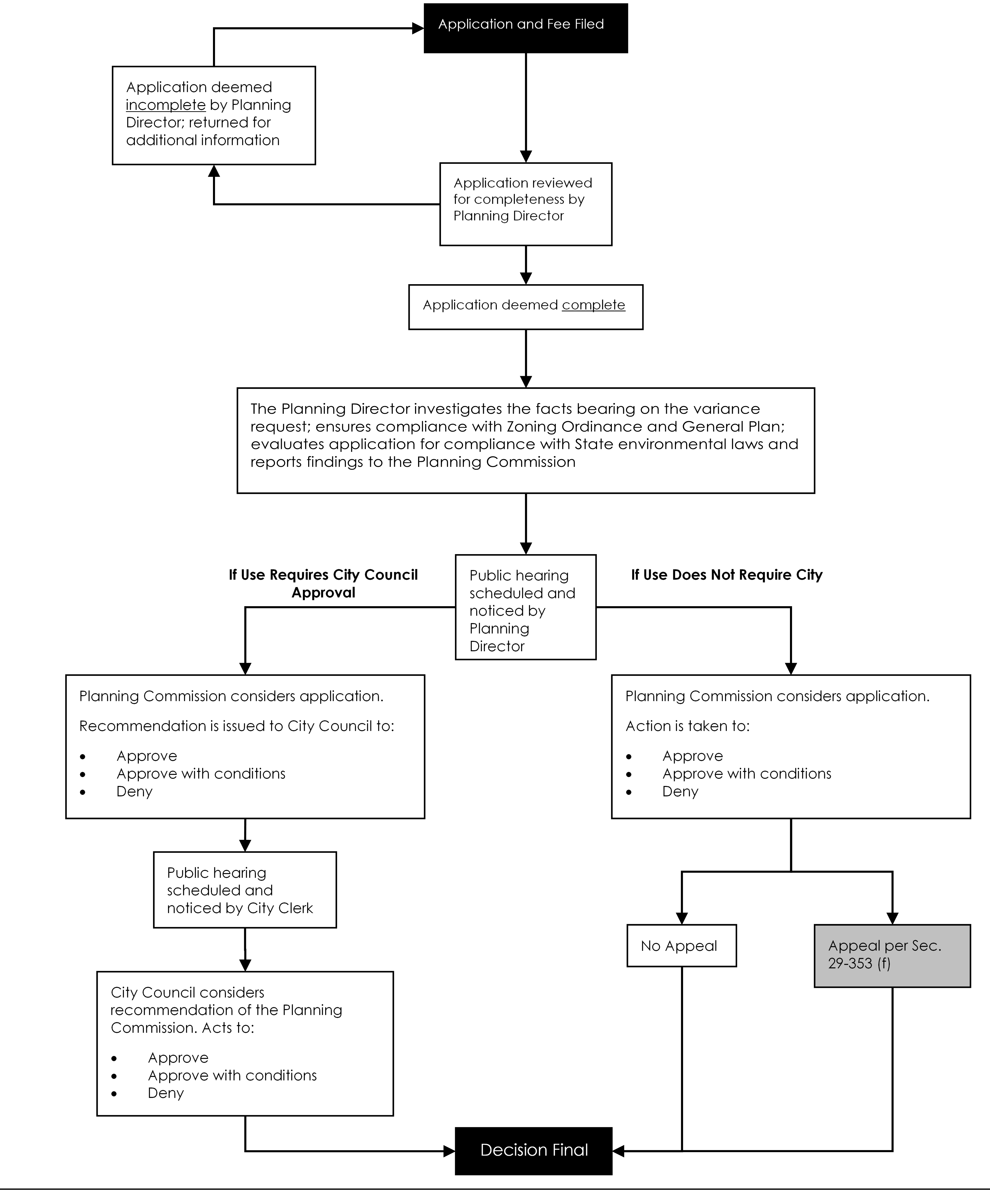
Procedure. Where required by this chapter, conditional use permit application review is to be conducted by the planning commission and/or city council following the community development director's review and report of findings to the commission. The planning commission forwards recommendations to the city council when final authority is vested with the council by this division. Final authority is vested with the commission when council authority is not required. Figure 29-320.1 illustrates the conditional use permit process described below:
(1)
Application. Application for a conditional use permit shall be filed by the owner of the property for which the permit is sought, or by the lessee having a leasehold interest of not less than five (5) years exclusive of an option to renew, or by the agent of any of the foregoing duly authorized in writing. Applications shall be made to the planning commission on forms furnished by the community development department and shall be complete and notarized. In addition, a site plan as described in division 4 of this article and elevations of the proposed development shall be submitted as part of the application.
(2)
Filing fee. When the application for a conditional use permit is filed, a fee as established by the city council shall be paid, for the purpose of defraying the costs incidental to the proceedings.
(3)
Staff investigation. The community development director shall make an investigation of the facts bearing on the case to provide the information necessary for action consistent with the intent of this chapter and the general plan; and shall report their findings to the commission. The director shall also evaluate the application for compliance with state environmental laws.
(4)
Planning commission hearing.
a.
Public hearing required. Upon receipt of the report of the community development director, the planning commission shall hold a public hearing on the proposal.
b.
Notice. Notice of a hearing shall be given in accordance with division 2 of this article.
c.
Commission action. The commission may approve, approve with conditions or disapprove the application. The decision shall set forth the findings of the commission. Any decision of the commission on a conditional use permit may be appealed to the council in accordance with division 10 of this article. In the absence of such appeal, the decision of the commission shall be final.
(5)
Procedures for special uses requiring final council action. The following procedures shall apply to the special uses listed in section 29-320(a)(2) and (4) as requiring final action by the city council:
a.
Timing. The hearing date shall be set by the city clerk for not more than thirty (30) days after the filing of the planning commission's recommendation with the city council.
b.
Notice. Notice of a hearing shall be given in accordance with division 2 of this article.
c.
Decision. Following the public hearing, the council shall approve, approve with stated conditions, or disapprove, the conditional use permit application by resolution, setting forth the findings. The council may establish a time limit for development, as provided herein. In modifying or reversing a commission recommendation, the affirmative votes of not less than three (3) members of the council shall be required on each item so acted upon. The decision of the city council shall be final. In addition to those special uses requiring final action by the council, any decision of the commission may be appealed to the council in accordance with division 10 of this article. In the absence of such appeal or required council hearing, the decision of the commission shall be final.
d.
Notification of decision.Notification of the council action shall be mailed to the applicant at the address shown on the application.
(6)
Reapplication. No person shall reapply for a similar conditional use permit on the same land, building, or structure within a period of one (1) year from the date of the final decision on such previous application unless such decision is a denial without prejudice.
(c)
Findings and conditions for granting a conditional use permit. The planning commission, in approving a conditional use permit or recommending approval to the city council, shall find as follows:
(1)
The use applied for at the location set forth in the application is properly one for which a conditional use permit is authorized by this chapter.
(2)
Said use is necessary or desirable for the development of the community, is in harmony with the various elements or objectives of the general plan, and is not detrimental to existing uses or uses specifically permitted in the zone in which the proposed use is to be located.
(3)
The site for the intended use is adequate in size and shape to accommodate said use, and all yards, setbacks, walls or fences, landscaping and other features are required in order to adjust said use to those existing or permitted future uses on land in the neighborhood.
(4)
The site for the proposed use relates properly to streets and highways which are designed and improved to carry the type and quantity of traffic generated or to be generated by the proposed use.
(5)
The conditions stated in the decision and shown on the approved site plan are deemed necessary to protect the public health, safety, and general welfare and may include but are not limited to the following:
a.
Duration of use.
b.
Fences and walls.
c.
Regulation of use.
d.
Regulation of noise, vibration, odors, and air pollution.
e.
Regulation of points of vehicular ingress and egress.
f.
Regulation of time for certain activities.
g.
Requiring street, service road or alley dedications and improvements or appropriate bonds.
h.
Requiring landscaping and maintenance thereof.
i.
Requiring maintenance of the grounds.
j.
Special yards, spaces and buffers.
k.
Surfacing of parking areas subject to city specifications.
l.
Time period within which the proposed use shall be developed.
m.
Any such other conditions as will make possible the development of the city in an orderly and efficient manner and in conformity with the intent and purposes set forth in this chapter.
Figure 29-320.1 Conditional Use Permit Procedure
(Ord. No. 24-03, § 2, 9-17-24)
Sec. 29-321. - Revisions, revocations and modifications.
(a)
Revisions. Revisions to a site plan approved as part of a conditional use permit shall be governed by the following:
(1)
Minor revisions. Minor revisions to a site plan approved as part of a conditional use permit may be made after review and approval by the community development director pursuant to the site plan review procedure. Minor revisions are hereby defined as revisions which in no way violate the intent or any of the standards or conditions of the permit or of the zone.
(2)
Other revisions. Revisions other than minor revisions, as defined above, shall be made pursuant to the regular conditional use permit procedure set forth in this section.
(3)
Revised site plan. All copies of the approved revised site plan shall be dated and signed by the community development director and made a part of the record of the subject conditional use permit. One (1) copy of said approved revised site plan shall be provided to the applicant.
(b)
Revocations or modifications. The council, with or without a recommendation from the commission, may after notice and public hearing, revoke or modify any conditional use permit as hereinafter provided.
(1)
Grounds for revocation or modification. A conditional use permit may be revoked or modified pursuant to the provisions of this section upon a finding of anyone or more of the following grounds:
a.
That such permit was obtained or extended by fraud.
b.
That one (1) or more of the conditions upon which such permit was granted have been violated.
c.
That the use for which the permit was granted is so conducted as to be detrimental to the public health, welfare, or safety, or as to be a nuisance.
(2)
Notice.
a.
Notice shall be mailed to the record owner or lessee of the subject property not less than twenty (20) days prior to giving public notice. Said notice shall state the complaint and shall request appearance by said owner or lessee at the time and place specified for the hearing to show cause as to why the permit should not be revoked or modified.
b.
Public notice shall be given in accordance with division 2 of this article.
(3)
Action by council. Within fifteen (15) days after the public hearing, the council shall by resolution revoke, modify, or reaffirm the conditional use permit. After revocation, the subject property shall conform to all regulations of the zone in which it is located.
(c)
Termination or abandonment of use. Termination or abandonment of a use granted herein, for a period of one (1) calendar year, shall terminate the use rights granted. No notice need be given nor hearing held for a use deemed by the community development director to have been terminated or abandoned.
(Ord. No. 24-03, § 2, 9-17-24)
Sec. 29-322. - Existing uses and permits.
Uses existing on the effective date of this chapter which are listed as permitted subject to conditional use permit may continue without securing such a permit; however, any extension or expansion of such use shall comply with the provisions of this chapter and this division. Any conditional use permit granted pursuant to any zoning ordinance enacted prior to the effective date of this chapter shall be construed to be a conditional use permit under this chapter, subject to all conditions imposed in such permit unless otherwise provided herein. Such permit may be revoked or modified as provided in this division.
(Ord. No. 24-03, § 2, 9-17-24)
Sec. 29-327. - Purpose of zoning ordinance amendment or zone change.
The zoning map and zoning regulations of this chapter may be amended by changing any property from one (1) zone to another, imposing any new regulation, or deleting or modifying any existing regulation, in accordance with the procedures set forth in this division.
(Ord. No. 24-03, § 2, 9-17-24)
Sec. 29-328. - Zoning ordinance amendment or zone change procedure.
(a)
Criteria for zoning ordinance amendment or zone change. In their review and action on a proposed zoning ordinance amendment or zone change, the community development director, planning commission and city council shall consider the following:
(1)
The proposed amendment or zone change shall be in conformity with the general plan map and text, and other development policies of the city.
(2)
The proposed amendment or zone change is appropriate for the property or properties which will be affected by such action, with consideration given to access, size of parcel(s), relationship to similar or related uses, and other considerations deemed relevant by the commission and council.
(3)
The proposed amendment or zone change is necessary and proper at this time, and is not likely to be detrimental to property or residents affected by such action.
(b)
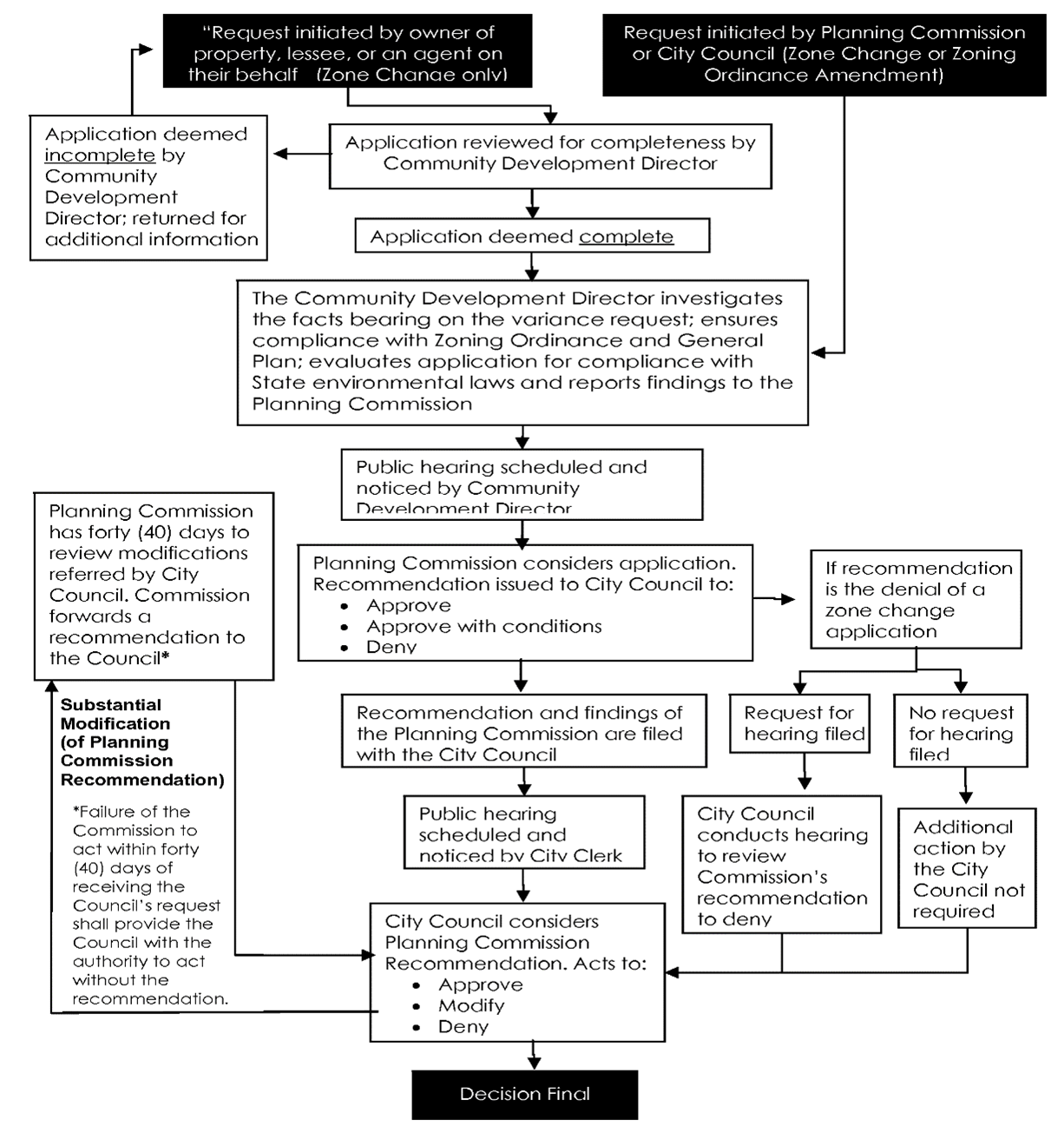
Procedure for zoning ordinance amendment or zone change. Where required by this chapter, a zoning ordinance amendment or zone change review is conducted by the commission and council following the community development director's review and report of findings to the commission. The commission considers the application and forwards a recommendation to the council, which has final decision-making authority. Figure 29-328.1 illustrates the zoning ordinance amendment or zone change process described below:
(1)
Application.
a.
A zone change or change in the boundaries of any zone may be initiated by the owner of property proposed for rezoning or the agent of any of the foregoing, duly authorized in writing by filing a petition with the community development director. If the property for which a change of zone is proposed is under multiple ownership, all the owners or their authorized agents shall join in filing the application.
b.
The application shall be made by petition on forms furnished by the community development department and shall include such data and information as may be prescribed by the commission to assist in determining the validity of the request and the manner in which it meets the criteria set forth in this division. The petition shall be verified before a notary public by the applicant and by the property owner and the date of verification shall be noted on the petition. An incomplete application shall not be accepted for filing.
c.
A zone change or change in the boundaries of any zone or an amendment to the zoning ordinance regulations may be initiated by order of the planning commission or city council or the community development director.
(2)
Filing fee. When a petition for a change of zone or an amendment to the zoning ordinance regulations is filed, a fee as established by the city council shall be paid for the purpose of defraying the costs incidental to the proceedings.
(3)
Staff investigation. The community development director shall investigate the facts bearing on the proposed amendment to provide information necessary to assure action consistent with the intent of this chapter and the general plan, and shall report the findings to the commission.
(4)
Planning commission hearing.
a.
Public hearing required. Upon receipt of the report of the community development director, the planning commission shall hold a public hearing on the proposal.
b.
Notice. Notice of public hearing shall be given in accordance with division 2 of this article.
c.
Commission action. After the conclusion of the public hearing, the commission shall announce and record its decision to recommend either approval or disapproval of the proposal and shall set forth findings in support of the recommendation. The commission may reduce but shall not enlarge the area of a proposed zone change in any way, unless proper notice and publication of the enlarged area is made.
d.
Filing of decision with council. Said decision shall be filed with the city council and a copy thereof shall be mailed to the petitioner at the address shown on the petition.
(5)
City council hearing.
a.
Public hearing. Upon receipt of the recommendation of approval of the planning commission, the city council shall hold a public hearing on the proposal. However, if the matter under consideration is a zone change, and the commission has recommended against the adoption of such amendment, the council shall not be required to take any further action on the amendment unless an interested party requests a hearing by filing a written request with the city clerk within ten (10) days after the commission files its recommendations with the council.
b.
Notice. Notice of the council hearing shall be given as provided in division 2 of this article.
c.
Action by council. The council may approve, modify or disapprove the recommendation of the commission, provided that any modification of the proposed ordinance or amendment by the council not previously considered by the commission during its hearing shall first be referred to the commission for report and recommendation. The commission shall not be required to hold a public hearing thereon. Failure of the commission to report within forty (40) days after the reference, or such longer period as may be designated by the council, shall be deemed to be its approval of the proposed modification. The council may reduce but shall not enlarge the area of a proposed zone change in any way unless proper notice and publication of the enlarged area is made.
(6)
Reapplication. No person shall reapply for a similar zone change on the same land, building, or structure within a period of one (1) year from the date of the final decision on such previous application unless such decision is a denial without prejudice.
Figure 29-328-1. Zone Change and Zoning Ordinance Amendment Procedure
(Ord. No. 24-03, § 2, 9-17-24)
Sec. 29-329. - Pre-zoning of unincorporated territory.
The city may pre-zone unincorporated territory adjoining the city for the purpose of determining the zoning that will apply to such property in the event of subsequent annexation to the city. The method of accomplishing such pre-zoning shall be as provided by this chapter for zoning within the city. Such zoning shall become effective at the same time that the annexation becomes effective. If the city has not pre-zoned territory which is annexed, section 29-47 of this chapter shall apply.
(Ord. No. 24-03, § 2, 9-17-24)
Sec. 29-330. - Consistency with adopted specific plans.
No zoning ordinance including zone changes may be adopted or amended within an area covered by a specific plan unless it is consistent with the adopted specific plan.
(Ord. No. 24-03, § 2, 9-17-24)
Sec. 29-334. - Purpose.
The purpose of this division is to provide a process for the development, adoption, and amendment of specific plans and to ensure that the zoning ordinance is consistent with state law regulating specific plans, and in particular, article 8 of chapter 3 of the California Government Code, commencing with section 65450.
(Ord. No. 24-03, § 2, 9-17-24)
Sec. 29-335. - Specific plan procedure.
(a)
Specific plan required. An adopted specific plan is required for all proposed development projects greater than or equal to forty (40) acres in size. The specific plan shall be submitted to the city and prepared as required by state specific plan law and the requirements of this division. Proposed development projects less than forty (40) acres may be developed under a specific plan, although doing so is not required by this chapter.
(b)
Criteria for specific plans.
(1)
Consistency requirements.
a.
Specific plans and amendments shall be consistent with the general plan.
b.
Following adoption of a specific plan, developments and uses of land, subdivisions (including tentative tract and parcel maps), public works projects, and development agreements shall be consistent with the specific plan.
(2)
Findings. The planning commission, prior to making written recommendations to the city council, and the city council prior to approving or approving with conditions or modifications a specific plan or specific plan amendment shall, on the basis of the application and testimony submitted, make all of the following findings:
a.
The proposed location of the development and proposed conditions under which it will be operated or maintained is consistent with the goals and policies embodied in the city general plan and other applicable plans and policies adopted by the city council.
b.
The proposed development is in accordance with the purposes and objectives of this zoning ordinance and the zone in which the site is located.
c.
The development will not be detrimental to the public health, safety or welfare of persons residing or working in or adjacent to such a development, nor detrimental to properties or improvements in the vicinity or the general welfare of the city. The city council may determine that there are overriding benefits that outweigh such detrimental effects.
d.
The specific plan and resulting development will be consistent with the provisions of state specific plan law.
(3)
Content requirements. A specific plan shall include a statement of its relationship and consistency with the general plan and compliance with California Government Code, section 65450. The city maintains full authority and discretion to determine how a specific plan will be prepared. The specific plan must address, in text and diagrams, the following issues:
a.
The existing uses of land within the planning area must be analyzed to determine the influence the land will have under the specific plan. Existing agriculture, flood plain, environmentally sensitive areas, slopes over ten (10) percent, seismic, sensitive biotic and wildlife communities may substantially affect the type of uses planned for the area. Land uses surrounding the planning area should also be analyzed and connections/transitions/buffers between uses designed to ensure compatibility with those uses identified by the specific plan.
b.
The proposed distribution, location, intensity, and extent of the uses of land within the planning area, including residential development, economic development, commercial/industrial development, parks, open space, lands to be dedicated for public use, and any easements to accommodate utilities or protect environmental resources.
c.
The proposed distribution, location, extent, and intensity of major infrastructure components including public and private transportation (including pedestrian ways, bike paths, bus turnouts, parking, public and private rights-of-way, and other transportation systems), parks and recreational facilities (including provision of public access ways), sewage, water, drainage, solid waste disposal, energy, and other essential facilities proposed to be located within the planning area needed to support the land uses described in the specific plan.
d.
Development conditions and construction by which development will proceed (including architectural design and landscape concepts) and standards for the conservation, development and use of natural resources (including soils, vegetation and wildlife habitats, water, and energy) where applicable.
e.
Description of provisions to ensure compatibility with surrounding land uses and resources, addressing geologic and fire hazards.
f.
A program of implementation measures, including regulations, programs, public works projects and financing measures necessary to carry out the provisions of the preceding requirements.
g.
Any other subject that the city determines is necessary or desirable for general plan implementation or to base its decision to approve a specific plan.
(c)
Procedure. Where required by this chapter, specific plan review is to be conducted by the commission and council following the community development director's review and recommendation to the commission. The commission considers the application and forwards a recommendation to the council, which has final decision-making authority. Figure 29-335.1 illustrates the specific plan process described below:
(1)
Application.
a.
An application for a specific plan shall be filed by the owner of the property for which the permit is sought or by the agent of the property owner duly authorized in writing. If an application involves more than one (1) property with different ownership, a map identifying the extent of the ownership of those properties shall be submitted with the application.
b.
In order to ensure long term consistency with the general plan, the city may initiate the preparation and or amendment of a specific plan.
(2)
Filing fee. When the application for a specific plan is filed, a fee as established by the city council shall be paid, for the purpose of defraying the costs incidental to the proceedings.
(3)
Staff investigation. The community development director shall review the application for compliance with the following and forward a recommendation to the planning commission:
a.
The consistency requirements and specific plan content requirements as outlined in this section;
b.
The requirements and intent of this chapter;
c.
State environmental laws.
(4)
Planning commission hearing.
a.
Public hearing required. Upon receipt of the recommendation of the community development director, the planning commission shall hold a public hearing on the proposal.
b.
Notice. Notice of a hearing shall be given in accordance with division 2 of this article.
c.
Planning commission recommendation. The planning commission recommendation to the city council on all specific plan applications shall be in the form of a resolution recommending approval, approval with modifications, or denial of the application.
(5)
City council hearing.
a.
Time for hearing. Upon receipt of the recommendation of the planning commission, the city council shall hold a public hearing on the proposal.
b.
Notice. Notice of a hearing shall be given in accordance with division 2 of this article.
c.
City council action. Following receipt of the planning commission recommendation, the city council may approve the specific plan with or without modifications by resolution or by adopting an ordinance. The city council may also deny the application.
Figure 29-335.1. Specific Plan Procedure
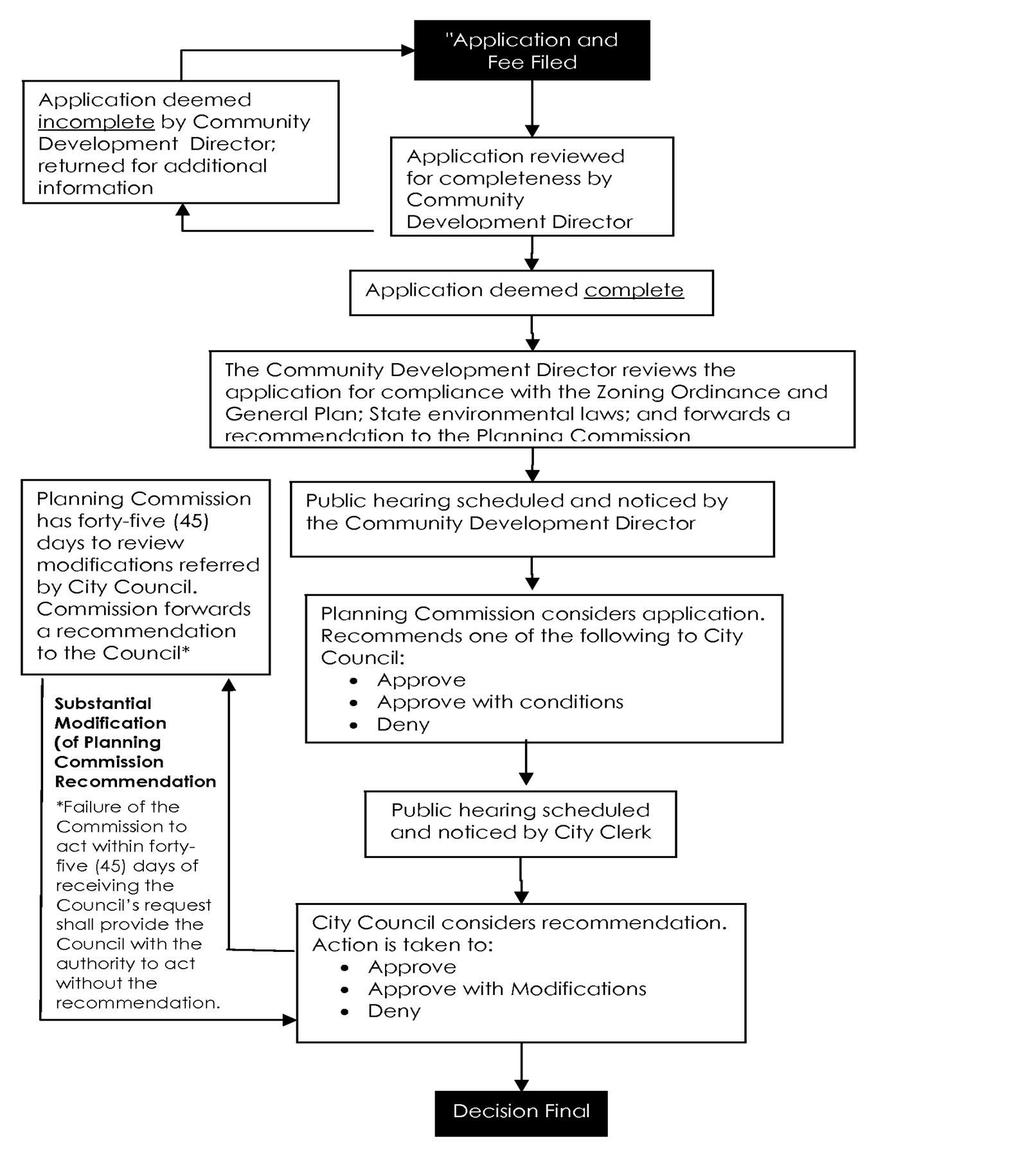
(Ord. No. 24-03, § 2, 9-17-24)
Sec. 29-336. - Modifications, amendments and violations.
(a)
Modifications. If the city council proposes any substantial modification to the specific plan not previously considered by the planning commission, the council shall refer the matter back to the commission for consideration. Failure of the commission to act within forty-five (45) days of receiving the council's request shall provide the council with the authority to act without the recommendation.
(b)
Amendments. Any amendment to an adopted specific plan shall be processed in the same manner as an application for original approval of the specific plan.
(c)
Amendment limitations. A specific plan may be amended as often as deemed necessary by the city council in accordance with the procedure set forth in section 29-335(c).
(d)
Repeal. A specific plan may be repealed in the same manner as it is required to be amended.
(e)
Violations. Violation of the requirements of a specific plan adopted by the city council constitutes a violation of the zoning ordinance and is subject to the provisions of section 29-361.
(Ord. No. 24-03, § 2, 9-17-24)
Sec. 29-341. - Effective date and effect of permit.
(a)
Planning commission actions on discretionary permits. All decisions of the planning commission granting or denying a discretionary permit, where the planning commission is identified as the final approving authority shall become effective eleven (11) days following such action unless a valid appeal has been properly filed with the city or unless the planning commission has either referred its action to the city council or has requested council review of its decision, in which case the action is stayed until city council action.
(b)
City council actions on discretionary permits. All decisions of the city council in granting or denying a discretionary permit, whether on appeal, referral or review shall become effective on the next city business day following city council action, unless the discretionary permit is being processed concurrently with and dependent upon any legislative action, in which case subsection (c) herein will govern.
(c)
Discretionary permits subject to legislative actions. Whenever a discretionary permit is being processed concurrently with a legislative action or is subject to the approval of any legislative action, the discretionary permit becomes effective concurrently on the date legislative action becomes effective.
(Ord. No. 24-03, § 2, 9-17-24)
Sec. 29-342. - Authority to proceed.
No building permit or authority to proceed shall be granted to a use subject to a discretionary permit until the decision is final and all appeal periods have expired.
(Ord. No. 24-03, § 2, 9-17-24)
Sec. 29-343. - Permit time limits.
(a)
Any variance or permit granted pursuant to this chapter shall become null and void if not exercised within the time limit specified in the approving document or within one (1) year if no time has been specified.
(b)
Unless an earlier expiration date appears on the face of the permit any development permit which is issued in conjunction with a tentative subdivision map for a planned unit (residential) development shall expire no sooner than the approved tentative map or any extension thereof whichever occurs later.
(Ord. No. 24-03, § 2, 9-17-24)
Sec. 29-344. - Exercising permits.
(a)
The exercise of a permit occurs when the property owner has completed all conditions of the variance or permit and incurred substantial liabilities.
(b)
Unless otherwise provided, permits that have not been exercised prior to a zoning ordinance amendment which makes the approved use or structure of the permit nonconforming shall automatically be deemed invalid on the effective date of the zoning ordinance amendment.
(Ord. No. 24-03, § 2, 9-17-24)
Sec. 29-345. - Permit to run with land.
Land use and development permits and approvals granted pursuant to the provisions of this chapter shall be transferable upon a change of ownership of the site, business, service, use or structures, provided that the use is continuous and conditions of the original permit or approval are fully complied with, and the project is not modified or enlarged/expanded.
(Ord. No. 24-03, § 2, 9-17-24)
Sec. 29-346. - Permit(s) on the site during construction.
A copy of all land use and development permits (including all corresponding stamped-approved plans) authorizing construction shall be kept on site at all times during construction and made available upon request by an official of the city.
(Ord. No. 24-03, § 2, 9-17-24)
Sec. 29-347. - Revocation of permits or variance.
The planning commission may, after public hearing held in a manner prescribed by this chapter governing variances and conditional use permits, revoke or modify any such permit or variance issued on any one (1) or more of the following grounds:
(1)
That the approval was obtained by fraud.
(2)
That the use for which such approval is granted is not being exercised.
(3)
That the use for which such approval was granted has ceased to exist or has been suspended for one (1) year or more.
(4)
That the permit or variance granted is being, or recently has been, exercised contrary to the terms or conditions of such approval, or in violation of any statute, ordinance, law or regulation.
(5)
That the use for which the approval was granted was so exercised as to be detrimental to the public health or safety, or so as to constitute a nuisance.
(Ord. No. 24-03, § 2, 9-17-24)
Sec. 29-352. - Purpose of appeals.
In addition to appeal procedures specifically provided by this chapter, all decisions made in the interpretation of this chapter may be appealed as hereinafter provided, except that no appeal may be made where another remedy is specified by this chapter, or where a decision by a city officer or body is specified by this chapter to be final.
(Ord. No. 24-03, § 2, 9-17-24)
Sec. 29-353. - Appeals procedure.
(a)
Appeal of an administrative decision. An appeal may be taken from a decision of the community development director or the administrative committee made in the interpretation, administration or enforcement of this chapter. Decisions of the administrative committee may be appealed to the community development commission and decisions of the community development director may be appealed to the administrative committee. The procedures for the appeal of an administrative decision of the administrative committee or the community development director are illustrated in figure 29-353.1 and figure 29-353.2, respectively, and described below.
(b)
Filing an appeal. Any person or body, public or private, may appeal an administrative decision. An appeal of an administrative decision shall be filed in writing with the community development director within ten (10) days of the date on which the decision being appealed was rendered and accompanied by a written statement setting forth the grounds upon which the appellant asserts that the decision was improper or in error.
(c)
Filing fee. A fee as established by the city council shall be paid for the costs incidental to the appeal of an administrative decision.
(d)
Forwarding of record. Upon the filing of an administrative appeal, the officer or body whose decision is being appealed shall transfer to the appropriate appeals body the subject documents and papers on file pertinent to the decision being appealed, together with a report on the decision being appealed.
(e)
Appeals hearing.
(1)
Time for hearing. The body hearing the appeal shall consider the appeal in a timely manner.
(2)
Notice. Notice of the hearing need not be given except to the appellant and any other persons who have requested in writing to be so notified.
(3)
Appeals body action. The body hearing the appeal may either sustain the original decision of the officer or body being appealed or render such new decision as it considers appropriate. The decision of the body hearing the appeal shall be final.
(4)
Appeals body does not reach a decision. Whenever the appeals body holds a hearing on an appeal from a decision of the community development director or administrative committee and thereafter fails to reach a decision because a motion on the item failed to carry by the required vote, the decision of the director or administrative committee from which the appeal has been taken shall be deemed sustained.
(f)
Appeal of a planning commission decision. Decisions made by the planning commission in carrying out the duties assigned by this chapter may be appealed to the city council, provided, however, that no appeal may be made where the decision of the commission is specified by this chapter to be final. The procedure for the appeal of a planning commission decision is illustrated in figure 29-353.3 and described below:
(1)
Filing an appeal. No person may appeal except the applicant for the granting or modification of a conditional use permit, variance or other entitlement considered by the commission at a public hearing; a city officer or body; and those persons who have protested the conditional use permit, variance or other entitlement either by written protest filed with the commission or community development director prior to the time of the hearing of the matter by said commission, or by appearing in protest at the hearing of the matter by said commission. An appeal shall be filed in writing with the city clerk within ten (10) days of the date on which the commission decision being appealed was rendered and accompanied by a written statement setting forth the grounds upon which the appellant asserts that the decision was improper or in error.
(2)
Filing fee. A fee as established by the city council shall be paid for the costs incidental to the appeal of a planning commission decision.
(3)
City council hearing.
a.
Time for public hearing. The city council shall consider the appeal in a timely manner and at a regularly scheduled meeting.
b.
Notice. Notice of the hearing shall be given as provided by division 2 of this article.
c.
City council action. The city council shall have appellate jurisdiction over decisions of the planning commission. Said council shall conduct a public hearing de novo on the matter being appealed and all interested persons may appear and present evidence. The decision of the city council shall be final and effective when made.
d.
City council does not reach a decision. Whenever the council holds a hearing on an appeal from a decision of the commission and thereafter fails to reach a decision because a motion on the item failed to carry by the required vote, the decision of the commission from which the appeal has been taken shall be deemed sustained.
Figure 29-353.1. Appeal of an Administrative Decision of the Administrative Committee
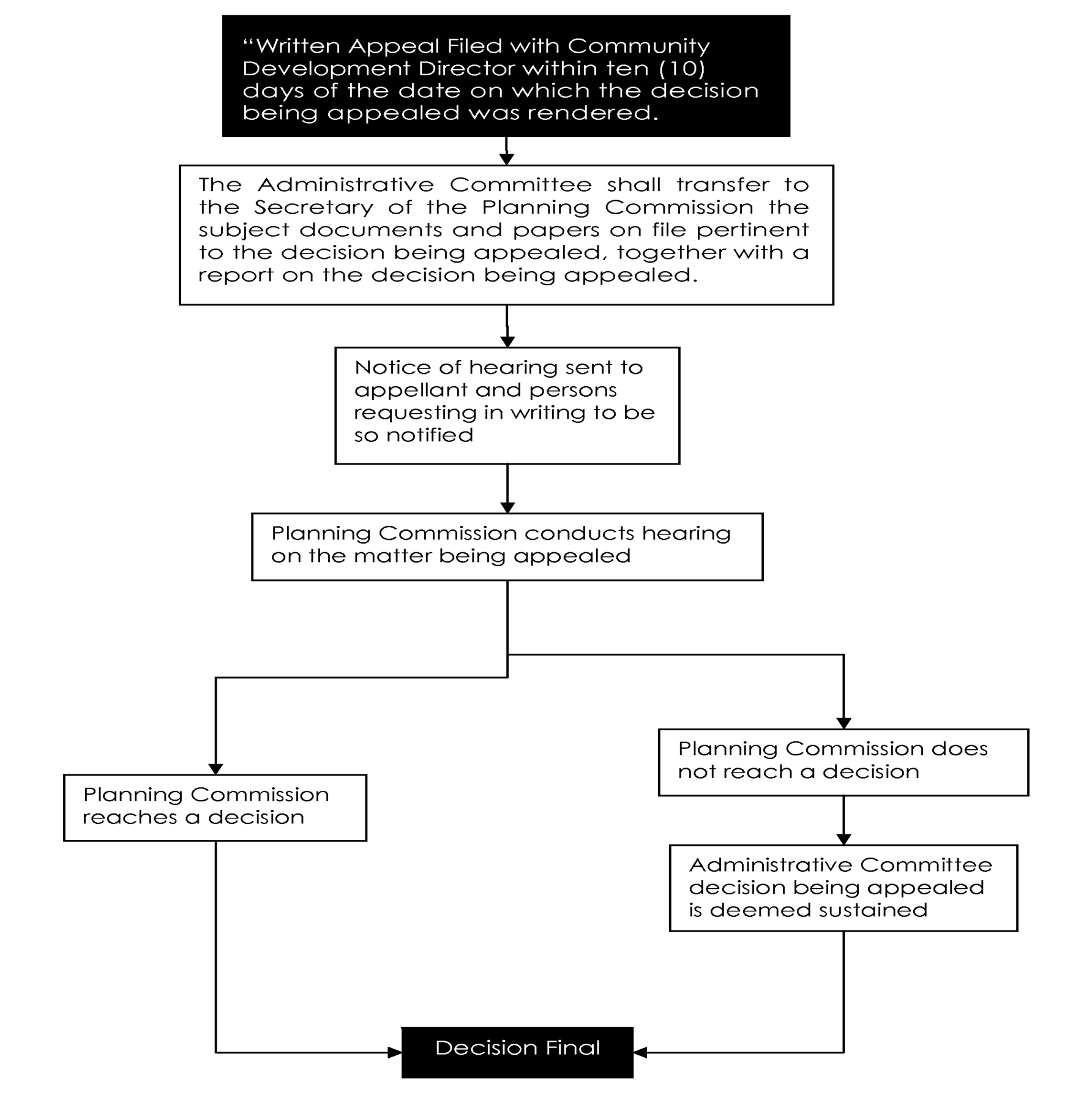
Figure 29-353.2. Appeal of an Administrative Decision of the Planning Director
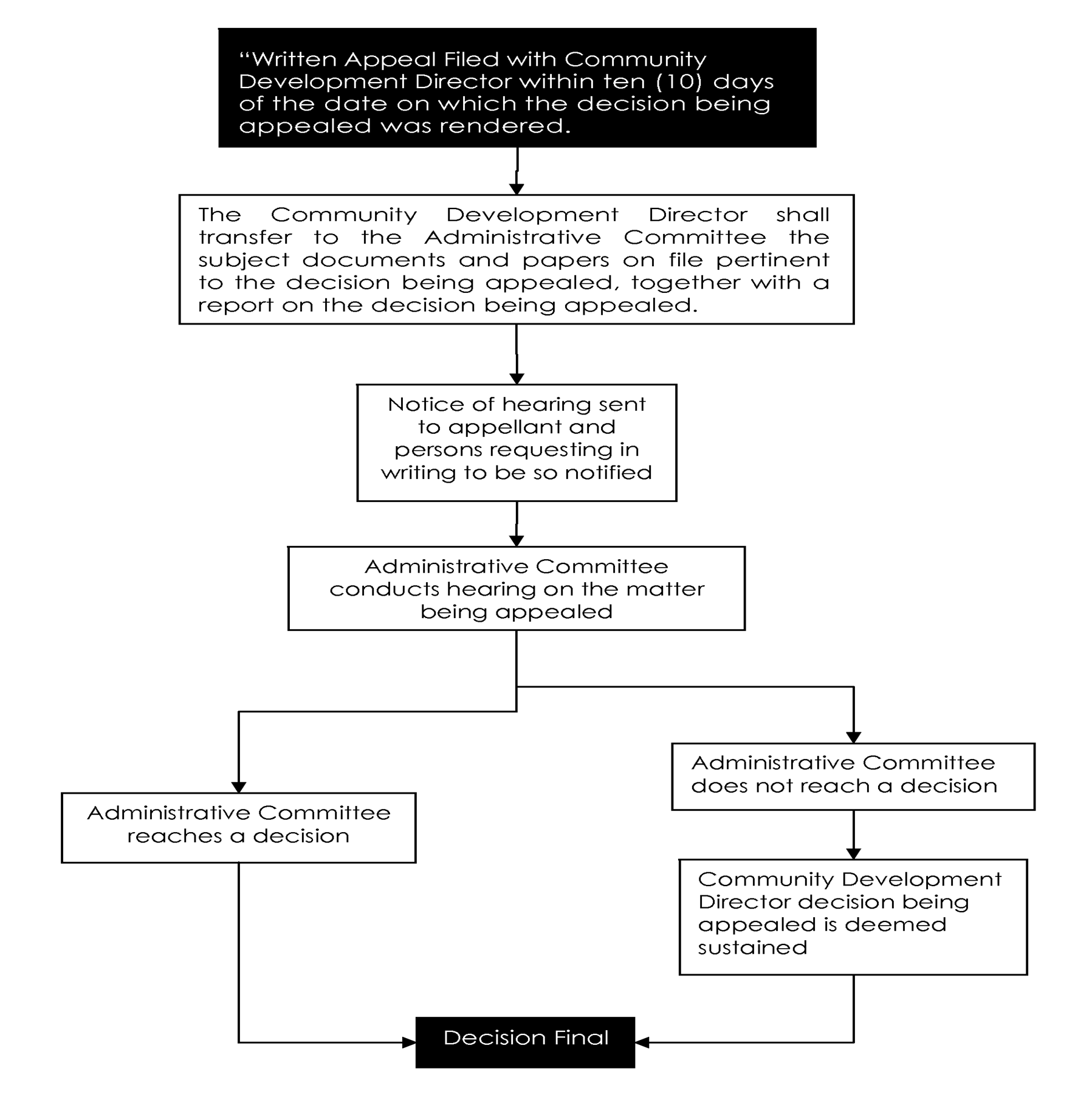
Figure 29-353.3. Appeal of a Planning Commission Decision
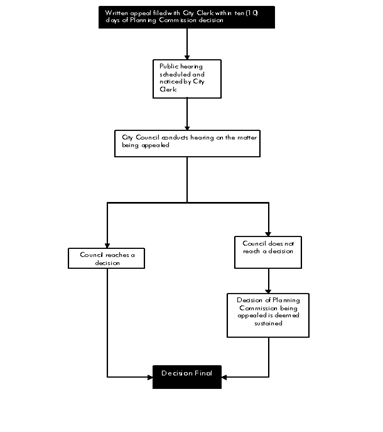
(Ord. No. 24-03, § 2, 9-17-24)
Sec. 29-358. - Purpose and intent.
The purpose of these provisions is to ensure compliance with this chapter.
(Ord. No. 24-03, § 2, 9-17-24)
Sec. 29-359. - Duty to enforce.
It shall be the duty of the city manager, community development director, assistant community development director and all other officials charged with the issuance of licenses or permits, to enforce the provisions of this chapter.
(Ord. No. 24-03, § 2, 9-17-24)
Sec. 29-360. - Inspection to ensure compliance.
Whenever they shall have cause to suspect a violation of any provision of this chapter or whenever necessary to investigate either an application for granting, extension or modification, or an action to revoke or modify a variance or conditional use permit; or whenever necessary to investigate a proposed amendment of the zoning ordinance; the officials responsible for enforcement or administration of the zoning ordinance, or their duly authorized representatives, may enter any site for the purpose of investigation, provided they shall do so in a reasonable manner. No owner or occupant or agent thereof shall, after reasonable notice and opportunity to comply, refuse to permit such entry. In the course of such inspection, no enclosed building or structure shall be entered without the express permission of the owner or occupant or with a duly issued inspection warrant.
(Ord. No. 24-03, § 2, 9-17-24)
Sec. 29-361. - Violation of the zoning ordinance.
The following provisions shall apply to violations of this chapter:
(1)
Remedies. All remedies provided for herein shall be cumulative and not exclusive. The conviction and punishment of any person hereunder shall not relieve such person from the responsibility of correcting prohibited conditions or removing prohibited buildings, structures or improvements, nor prevent the enforced correction or removal thereof.
(2)
Penalties. Any person, firm, or corporation violating any of the provisions of this chapter shall be deemed guilty of a misdemeanor, and upon conviction thereof, shall be punishable by a fine of not more than one thousand dollars ($1,000.00) or by imprisonment in the county jail for a period of not more than six (6) months or by both such fine and imprisonment, unless charged as an infraction by the city attorney as provided in section 1-12(a) of the City Code.
(3)
Each day a separate offense. Each person found guilty of a violation shall be deemed guilty of a separate offense for every day during any portion of which any violation of any provision of this chapter is committed, continued, or permitted by such person and shall be punishable therefore as provided for in this chapter.
(4)
Violation is a public nuisance. Any building or structure erected or maintained or any use of property, contrary to. the provisions of this chapter shall be and the same is hereby declared to be unlawful and a public nuisance, and the city attorney shall, upon order of the city council immediately commence action, or actions, proceeding or proceedings for the abatement, removal and enjoinment thereof, in the manner provided by law; and shall take such other steps and shall apply to such court or courts as may have jurisdiction to grant such relief as will abate or remove such building, structure or use and restrain and enjoin any person from setting up, erecting or maintaining such building or structure, or using any property contrary to the provisions of this chapter.
(Ord. No. 24-03, § 2, 9-17-24)

