
Fresno City Zoning Code
PART II
- BASE AND OVERLAY DISTRICTS
ARTICLE 9 - RESIDENTIAL SINGLE-UNIT DISTRICTS (RS)[1]
Editor's note— Ord. 2025-024, § 8, effective July 27, 2025, amended the title of Art. 9 to read as herein set out. The former Art. 9 title pertained to Residential Single-Family Districts (RS).
ARTICLE 10 - RESIDENTIAL MULTI-UNIT DISTRICTS (RM)[2]
Editor's note— Am. Ord. 2025-024, § 14, effective July 27, 2025, amended the title of Art. 10 to read as herein set out. The former Art. 10 title pertained to Residential Multi-Family Districts (RM).
SEC. 15-801. - PURPOSE.
The Buffer (B) District is intended to separate urban uses from commercial agricultural uses to preserve long-term viable agricultural areas and intensive farming operations in adjacent areas. The Buffer District serves to prevent urban residential and related uses from developing near agricultural operations, and thereby infringing on full operation of farmland of importance. Allowable uses include environmental habitat; water conveyance, retention, and recharge; preservation and preparation of gravel resources; beneficial uses related to permanent water resource facilities; limited agriculture and necessary supportive uses, such as agricultural processing (not including animal processing or rendering, nor uses that have the potential to create obnoxious noise, odor, etc.); and residential uses with 20 acres of land required per residence.
(Added Ord. 2015-39, § 1, eff. 1-9-16).
SEC. 15-802. - USE REGULATIONS.
A.
Table 15-802 prescribes the land use regulations for the Buffer District. The regulations for the district are established by letter designations listed below. These designations apply strictly to the permissibility of land uses; applications for buildings or structures may require discretionary review.
"P" designates permitted uses.
"C" designates uses that are permitted after review and approval of a Conditional Use Permit.
"(#)" numbers in parentheses refer to specific limitations listed at the end of the table.
"-" designates uses that are not permitted.
B.
Land uses are defined in Article 67, Use Classifications.
C.
In cases where a specific land use or activity is not defined, the Director shall assign the land use or activity to a classification that is substantially similar in character per Section 15-5020, Director's Determination.
D.
All permitted uses are allowed either alone or in combination with other permitted uses unless otherwise stated in this Code.
E.
Use classifications and subclassifications not listed in the table or not found to be substantially similar to the uses below are not permitted.
F.
The table also notes additional regulations that apply to various uses. Section numbers in the right hand column refer to other sections of this Code.
(Added Ord. 2015-39, § 1, eff. 1-9-16; Am. Ord. 2025-024, § 7, eff. 7-27-25).
SEC. 15-803. - DENSITY AND MASSING DEVELOPMENT STANDARDS.
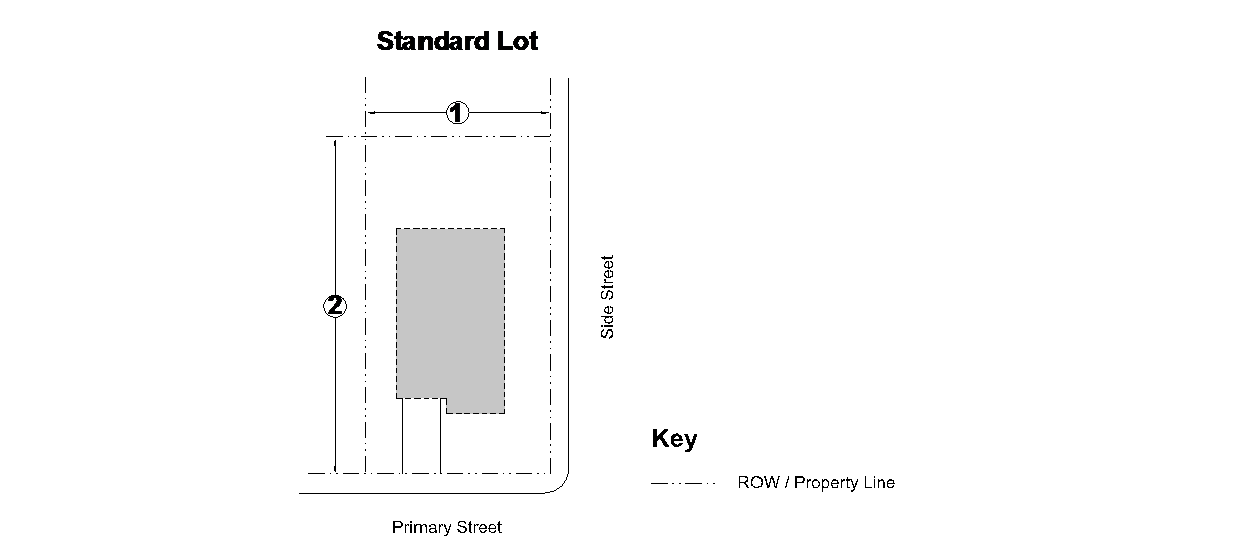
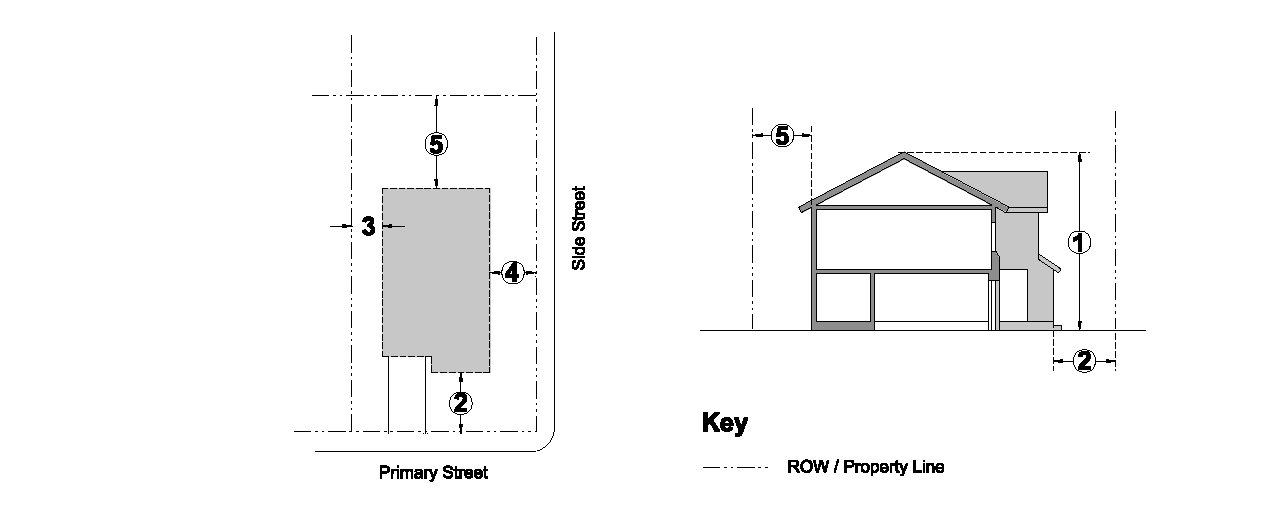
Tables 15-803-1 and 15-803-2 prescribe the density and massing development standards for the Buffer District. Additional regulations are denoted in a right hand column. Section numbers in this column refer to other sections of the Code, while individual letters refer to subsections that directly follow the table. The numbers in each illustration below correspond to the "#" column in the associated table. Drawings are for illustrative purposes and are not drawn to scale.
| TABLE 15-803-1: LOT AND DENSITY STANDARDS—BUFFER DISTRICT | |||
|---|---|---|---|
 | |||
| District | B | Additional Regulations | # |
| Maximum Density (du/lot) | 1 | ||
| Minimum Lot Size (acres) | 20 | ||
| Minimum Lot Width (ft.) | 130 | ① | |
| Minimum Lot Depth (ft.) | 200 | ② | |
| TABLE 15-803-2: BUILDING FORM AND LOCATION STANDARDS—BUFFER DISTRICT | |||
|---|---|---|---|
 | |||
| District | B | Additional Regulations | # |
| Maximum Height (ft.) | 35 |
§ 15-804-A, Additional Height for Agricultural-Related Structures
§ 15-2012, Heights and Height Exceptions | ① |
| Minimum Setbacks (ft.) | |||
| Front | 35 | § 15-313, Determining Setbacks and Yards, and
§ 15-2014, Projections/Encroachments into Yards | ② |
| Interior Side | 20 | ③ | |
| Street Side | 35 | ④ | |
| Rear | 20 | ⑤ | |
| Maximum Lot Coverage (% of Lot) | 5 | § 15-311, Determining Lot Coverage | |
(Added Ord. 2015-39, § 1, eff. 1-9-16).
SEC. 15-804. - ADDITIONAL DEVELOPMENT STANDARDS.
A.
Additional Height for Agricultural-Related Structures. The Director may approve Accessory Structures, up to a height of 75 feet, for agricultural-related structures, per the following standards:
1.
The Accessory Structure shall be used only for agricultural products.
2.
Any request to exceed the 35 foot maximum shall be subject to a flag test to be performed by the applicant, with a member of City staff in attendance.
3.
There shall be no advertising on the structure.
4.
Sight lines, shadows, and overall aesthetics shall be considered by the Director when over-height structures are proposed.
(Added Ord. 2015-39, § 1, eff. 1-9-16).
SEC. 15-901. - PURPOSE.
The purposes of the Residential Single-Unit (RS) Districts are to:
A.
Provide for a variety of single-unit residences built to urban or suburban standards to suit a spectrum of individual lifestyles and needs, and to ensure availability throughout the city of the range of housing types necessary for all segments of the community, consistent with the General Plan.
B.
Enhance the character of the city's residential neighborhoods, while providing new opportunities for the development of a range of housing types throughout the city.
C.
Ensure that the scale and design of new development and alterations and additions to existing residences are compatible with the scale, mass, and character of their neighborhoods.
D.
Provide for appropriate densities within the ranges established in the General Plan.
E.
Protect the quality of the residential environment and secure the health, safety, and general welfare of the residents.
F.
Provide sites for neighborhood-serving uses such as parks, family day cares, libraries, and community facilities.
G.
Implement and provide appropriate regulations for General Plan classifications of "Low Density Residential," "Medium Low Density Residential," and "Medium Density Residential."
(Added Ord. 2015-39, § 1, eff. 1-9-16; Am. Ord. 2025-024, § 9, eff. 7-27-25).
SEC. 15-902. - USE REGULATIONS.
A.
Table 15-902 prescribes the proposed land use regulations for Residential Single-Unit Districts. The regulations for the districts are established by letter designations listed below. These designations apply strictly to the permissibility of land uses; applications for buildings or structures may require discretionary review.
"P" designates permitted uses.
"C" designates uses that are permitted after review and approval of a Conditional Use Permit.
"(#)" numbers in parentheses refer to specific limitations listed at the end of the table.
"-" designates uses that are not permitted.
B.
Land uses are defined in Article 67, Use Classifications.
C.
In cases where a specific land use or activity is not defined, the Director may assign the land use or activity to a classification, should a use be substantially similar in character per Section 15-5020, Director's Determination.
D.
All permitted uses are allowed either alone or in combination with other permitted uses unless otherwise stated in this Code.
E.
Use classifications and subclassifications not listed in the table or not found to be substantially similar to the uses below are not permitted.
F.
The table also notes additional regulations that apply to various uses. Section numbers in the right hand column refer to other sections of this Code.
(Added Ord. 2015-39, § 1, eff. 1-9-16; Am. Ord. 2016-32, § 5, eff. 10-21-16; Am. Ord. 2018-25, § 5, eff. 6-11-18; Am. Ord. 2018-66, § 3, eff. 1-18-19; Am. Ord. 2025-024, § 10, eff. 7-27-25).
SEC. 15-903. - DENSITY AND MASSING DEVELOPMENT STANDARDS.
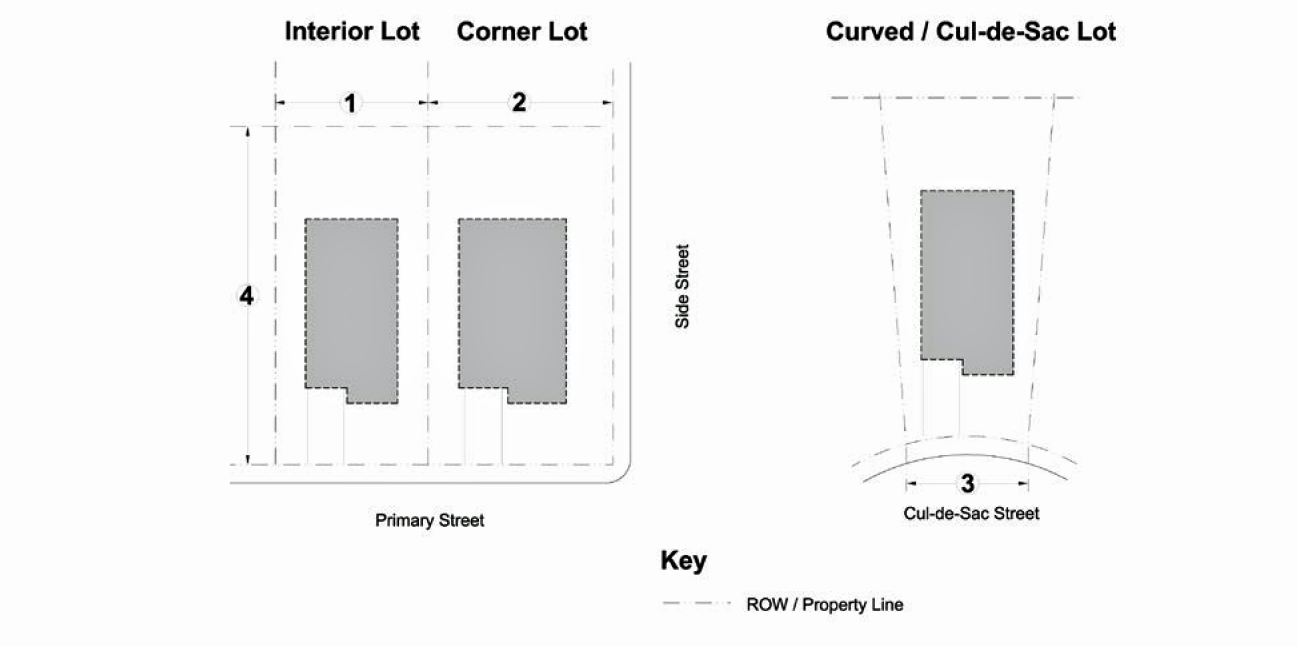
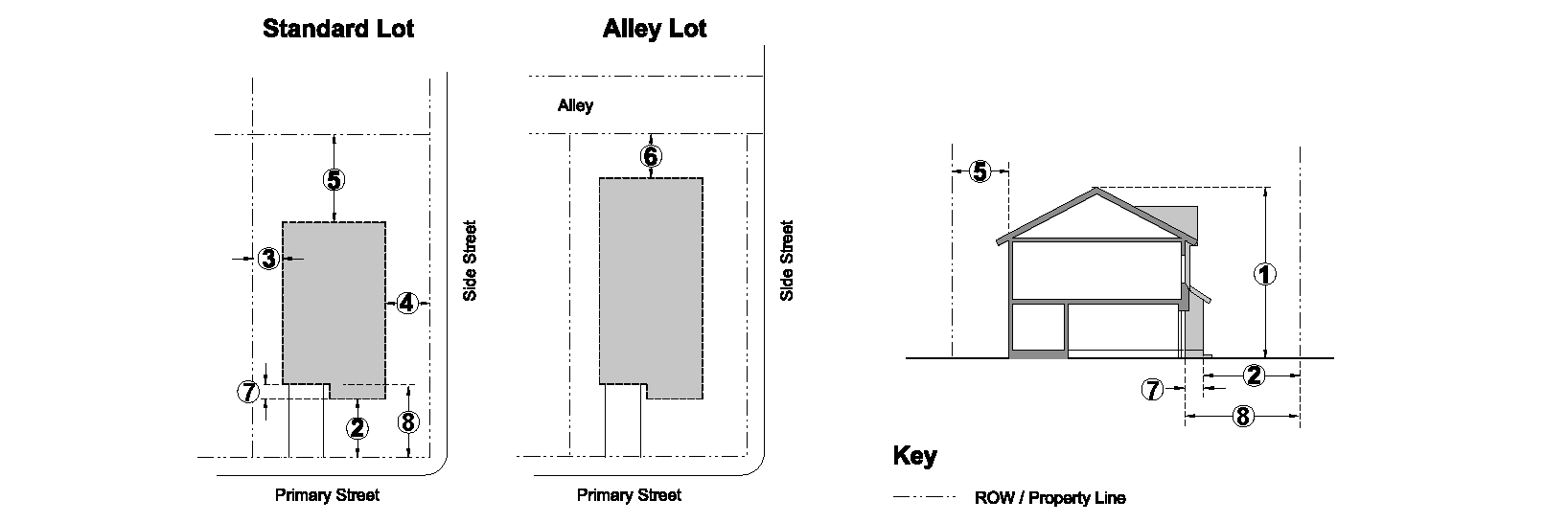
Tables 15-903-1 through 15-903-2 prescribe the development standards for the Residential Single-Unit Districts. Additional regulations are denoted in a right hand column. Section numbers in this column refer to other sections of the Code, while individual letters refer to subsections that directly follow the table. The numbers in each illustration below correspond to the "#" column in the associated table. Drawings are for illustrative purposes and are not drawn to scale.
| TABLE 15-903-1: LOT AND DENSITY STANDARDS—RESIDENTIAL SINGLE-UNIT DISTRICTS | ||||||||
|---|---|---|---|---|---|---|---|---|
 | ||||||||
| District | RE | RS-1 | RS-2 | RS-3 | RS-4 | RS-5 | Additional Regulations | # |
| Minimum Lot Size (sq. ft.) | 5 acres | 36,000 | 20,000 | 9,000 | 5,000 | 4,000 | ||
| Minimum Lot Size, with Enhanced Streetscape (sq. ft.) | - | - | - | - | - | 2,500 1 | § 15-904-B, Enhanced Streetscape | |
| Maximum Lot Size 2 | - | - | - | 32,000 | 9,000 | 6,500 | ||
| Residential Density, Large Sites (dwelling units per net acre) | 0.15 | 1 | 2.5 | 3.5 | 6 | 12 | § 15-310, Determining Residential Density | |
| Residential Density, Small Sites (dwelling units per lot) | 1 | 1 | 1 | 1 | 1 | 1 | § 15-310, Determining Residential Density | |
| Minimum Lot Width (ft.) | ||||||||
| General Standard | 110 | 110 | 110 | 70 | 50 | 35 | ① | |
| Corner | 110 | 110 | 110 | 80 | 55 | 40 | ② | |
| Reversed Corner | 110 | 110 | 110 | 90 | 60 | 50 | ||
| Where Side Property Line Abuts a Major Street, Freeway or Railroad | 160 | 160 | 130 | 90 | 70 | 60 | ||
| Curved/Cul-de-Sac | 80 | 80 | 80 | 60 | 40 | 30 | ③ | |
| Minimum Lot Depth (ft.) | ||||||||
| General Standard | 130 | 130 | 130 | 100 | 85 | 70 | ④ | |
| Where Front or Rear Property Line Abuts a Major Street | 200 | 200 | 130 | 110 | 100 | 90 | ④ | |
| Where a Front or Rear Property Line Abuts a Freeway or Railroad | 200 | 200 | 150 | 150 | 120 | 120 | ④ | |
|
1. Provided that the overall density of the development does not exceed the approved
General Plan densities.
2. Maximum lot sizes may be exceeded in developments whose overall density does not fall below the approved General Plan density. | ||||||||
| TABLE 15-903-2: BUILDING FORM AND LOCATION STANDARDS—RESIDENTIAL SINGLE-UNIT DISTRICTS | ||||||||
|---|---|---|---|---|---|---|---|---|
 | ||||||||
| District | RE | RS-1 | RS-2 | RS-3 | RS-4 | RS-5 | Additional Regulations | # |
| Maximum Height (ft.) | 35 | 35 | 35 | 35 | 35 | 35 | § 15-2012, Heights and Height Exceptions | ① |
| Minimum Setbacks (ft.) | ||||||||
| Front | 35 | 35 | 30 | 25 | 13 | 13 | § 15-313, Determining Setbacks and Yards
§ 15-904-A, Additional Setback Regulations § 15-904-B, Enhanced Streetscape § 15-2004, Accessory Buildings and Structures § 15-2014, Projections/Encroachments into Yards | ② |
| Front, with Enhanced Streetscape | - | - | - | - | 8 | 5 | ||
| Interior Side | 10 | 10 | 10 | 5 | 10 total, min. 4/side | 8 total, min. 3/side | ③ | |
| Street Side | 35 | 25 | 25 | 20 | 10 | 10 | ④ | |
| Rear | 20 | 20 | 20 | 20 | 10 | 10 | ⑤ | |
| Alley | 20 | 20 | 20 | 5 | 5 | - | ⑥ | |
| Freeway/Railroad | 50 | 50 | 50 | 50 | 50 | 50 | ||
| Garage, from back of sidewalk or curb | - | - | 35 | 30 | 18 | 18 | ⑧ | |
| Garage, from primary façade | - | - | 4 | 4 | 4 | 4 | ⑦ | |
| Maximum Lot Coverage (% of Lot) | 30 | 30 | 30 | 35 | 50 | 60 | § 15-311, Determining Lot Coverage | |
(Added Ord. 2015-39, § 1, eff. 1-9-16; Am. Ord. 2018-66, § 4, eff. 1-18-19; Am. Ord. 2025-024, § 11, eff. 7-27-25).
SEC. 15-904. - SITE DESIGN DEVELOPMENT STANDARDS.
A.
Additional Setback Regulations.
1.
Setbacks for Developed Blocks.
a.
Front Yards. Where 50 percent or more of the lots on the same blockface have been improved with buildings, the front setback for new structures shall not be greater than 110 percent of the average of the actual front setbacks of all improved lots on such blockface, nor shall it be less than 90 percent of the average of the actual front setbacks of all improved lots on such blockface.
b.
Garage Encroachments into Rear and Side Setbacks. Where 50 percent of the residential properties on a block have detached garages which encroach into the minimum side and/or rear setbacks, new detached garages shall be permitted to encroach into the minimum side and/or rear setback in a similar manner. In such instances the minimum side and rear setback for a detached garage shall each be equal to the average of the equivalent setbacks of the detached garages on the block, unless the average is less than two feet in which case the setback shall be zero feet.
c.
Garage Setbacks for Developed Blocks. Where 50 percent or more of the lots on the same blockface feature detached garages, new garages shall be set back no less than 10 feet behind the primary façade.
2.
Side Setbacks for Attached Dwellings. Required side setbacks shall apply only to the ends of rows of attached dwellings, and shall not be required between attached dwellings.
3.
Interior Side Yards Adjacent to Garages. If side setbacks are not of an equal width, then the larger side setback shall be adjacent to the garage.
4.
Water-Efficient Landscaping Incentive. The minimum front setback may be reduced by up to three feet if the front yard complies with the following:
a.
The installed landscaping complies with the State Model Water Efficient Landscape Ordinance (MWELO) regardless of whether the new landscape project meets or does not meet the Applicability criteria in MWELO; and
b.
The Maximum Applied Water Allowance is reduced by 10 percent; and
c.
The setback reduction shall not result in a front setback of less than three feet.
5.
Park Strip Incentive. When a park strip is provided between the curb and sidewalk in a new subdivision, the minimum front setback for adjacent parcels shall be reduced by the width of the park strip. However, the reduction shall not result in a front setback of less than three feet.
6.
Swing Garages. A garage with an entrance that is perpendicular to the adjacent street is known as a swing garage. If the wall of a swing garage which faces the street has windows and other architectural treatments which are comparable to that of the primary façade of the living area, then swing garages shall be subject to the minimum front setback and shall not be subject to garage setbacks.
7.
Rear Setback Reduction. Rear setbacks may be reduced if all of the following conditions are met:
a.
A site plan shall be submitted in accordance with the provisions of Article 52 Development Permit;
b.
The rear setback shall be greater than or equal to the required interior side setback for the Base District, but in no instance shall the rear setback be less than 5 feet;
c.
Space equal to the reduction shall be provided elsewhere on the lot, exclusive of any required yard area. Said replacement space shall have minimum dimensions of five feet by eight feet, and shall be so located that it is suitable for general use by the occupant of the premises; and
d.
The Review Authority shall find that the granting of the reduction will not be materially detrimental to the public welfare or injurious to property and improvements in the area in which the property is located and will not be contrary to the objectives of this Code.
8.
Driveway Paving. All driveways shall be paved per Public Works standards.
B.
Enhanced Streetscape. When an Enhanced Streetscape is provided, the minimum lot size and minimum front setback shall be reduced as shown on Tables 15-903-1 and 15-903-2. Enhanced Streetscape shall mean that no fewer than five of the following qualities are present on the site or the adjacent public street:
1.
A landscaped parkway strip of no less than four feet in width; or
2.
An elevated first floor which is at no less than three feet above the grade of the adjacent sidewalk or curb; or
3.
A front porch with a depth of no less than five feet and a width equal to no less than 20 percent of the building frontage; or
4.
A street-facing balcony with a depth of no less than five feet and a width equal to no less than 30 percent of the building frontage; or
5.
A bay window with a depth of no less than two feet; or
6.
An alley-loaded garage; or
7.
A front-loaded garage door, the width of which occupies less than 50 percent of the area of the front façade; or
8.
A design in which no exterior front street-facing wall has a continuous plane of more than eight feet without an opening such as a window or door or a projection, offset, or recess at least one foot in depth; or
9.
Stone or brick cladding accounts for no less than 25 percent of the cladding of ground floor front street-facing facades, excluding windows, doors, and garages; or
10.
A two-story front elevation; or
11.
Shutters, lintels, sills, awnings, decorative trim or similar architectural treatments on front street-facing windows and doors; or
12.
Ornamental architectural elements such as medallions, keystones, or quatrefoils, and decorative vent covers; or
13.
Decorative eave treatments such as cornice moldings, modillions, corbels, and outlookers; or
14.
8-foot tall front door; or
15.
Juliet balcony.
C.
Pedestrian Access. Where 50 percent or more of the single-unit homes on the same blockface have a direct path from the main pedestrian entrance to the public sidewalk, new homes shall also provide such a path. In such circumstances the driveway shall not satisfy this requirement.
D.
Driveway Design. Where 50 percent or more of the lots on the same blockface have a driveway design with a landscaped strip in the center (commonly known as ribbon drives or Hollywood drives), new driveways shall also include a central landscape strip.
E.
Driveway Paving. The entire length of the driveway, from the street to the garage or carport, shall be paved. The minimum width of the paved area shall equal the width [of] the garage door, however central landscaped strips (commonly known as ribbon drives or Hollywood drives) may be provided.
(Added Ord. 2015-39, § 1, eff. 1-9-16; Am. Ord. 2016-32, § 6, eff. 10-21-16; Am. Ord. 2017-33, § 4, eff. 7-30-17; Am. Ord. 2018-25, § 6, eff. 6-11-18; Am. Ord. 2018-66, § 5, eff. 1-18-19; Am. Ord. 2025-024, § 12, eff. 7-27-25).
SEC. 15-905. - FAÇADE DESIGN DEVELOPMENT STANDARDS.
A.
Façade Alignment.
1.
Vertical Alignment. With the exception of mansard roofs, cornices, and other such features, façades shall be oriented vertically and shall have no slope.
2.
Horizontal Alignment. With the exception of bay windows and similar features, facades that are located within 50 feet of a public street shall run parallel or perpendicular to said street.
B.
Façade Compatibility for Developed Blocks. Where 50 percent or more of the lots on the same blockface have been improved with buildings, the following standards shall apply. Compliance shall be determined at the discretion of the Review Authority.
1.
Building Materials and Finishes. Cladding and trim materials and finishes shall be similar to adjacent homes.
2.
Windows. The size, location, and proportions of windows shall be similar to adjacent homes.
(Added Ord. 2015-39, § 1, eff. 1-9-16).
SEC. 15-906. - DUPLEX AND MULTI-UNIT RESIDENTIAL STANDARDS.
When Duplex and Multi-Unit Residential uses are identified in Table 15-902 as permitted with a Conditional Use Permit, the following standards shall apply:
A.
Neighborhood Meeting. Prior to submittal of the project application, the applicant shall conduct a Neighborhood Meeting as put forth in Section 15-5006.
B.
Review Authority. The Planning Commission shall approve, conditionally approve, or deny applications for Conditional Use Permits following a public hearing.
C.
Public Notice. Prior to consideration of the Conditional Use Permit, Public Notice shall be provided per Section 15-5007.
D.
Property Development Standards. The standards of the RM-1 District shall apply, except as follows:
1.
Density. Residential density shall be measured as put forth in Section 15-310-B.
a.
Minimum. Five units per acre.
b.
Maximum. Twelve units per acre.
2.
Front Setback. Where adjacent sites have been improved with buildings, the front setback for new structures shall match the front setbacks of those buildings as determined by the Review Authority.
3.
Façade Compatibility.
a.
Building Materials and Finishes. Cladding and trim materials and finishes shall be similar to adjacent single-unit homes.
b.
Windows. The size, location, and proportions of windows shall be similar to adjacent single-unit homes.
4.
Other Standards. When the Review Authority determines that a development standard of the RS-5 District would provide for better compatibility with adjacent single-unit homes than the corresponding RM-1 standard, the RS-5 standard shall apply.
(Added Ord. 2015-39, § 1, eff. 1-9-16; Am. Ord. 2025-024, § 13, eff. 7-27-25).
SEC. 15-1001. - PURPOSE.
The purposes of the Residential Multi-Unit (RM) Districts are to:
A.
Provide for a variety of multi-unit housing types for individual lifestyles and space needs, and to ensure continued availability of a full range of affordable housing opportunities necessary to sustain a diverse labor force, consistent with the City's economic development and housing objectives of the General Plan.
B.
Provide opportunities for the development of higher-density and affordable housing in neighborhoods throughout the city.
C.
Preserve, protect, and enhance the character of the city's medium and high-density neighborhoods.
D.
Promote development of walkable, transit-supported neighborhoods.
E.
Ensure that the scale and design of new development and alterations to existing structures are compatible with the scale, mass, and character of their neighborhoods.
F.
Ensure adequate light, air, privacy, and outdoor living area for each dwelling.
G.
Ensure the provision of services and facilities needed to accommodate planned population densities and to achieve complete neighborhoods in the city's existing and future residential areas in accordance with the General Plan.
H.
Provide for appropriate densities within the ranges established in the General Plan.
I.
Protect the quality of the residential environment and secure the health, safety, and general welfare of the residents.
J.
Implement and provide appropriate regulations for General Plan classifications of "Medium High Density Residential," "Urban Neighborhood Density Residential," and "High Density Residential."
(Added Ord. 2015-39, § 1, eff. 1-9-16; Am. Ord. 2025-024, § 15, eff. 7-27-25).
SEC. 15-1002. - USE REGULATIONS.
A.
Table 15-1002 prescribes the proposed land use regulations for Residential Multi-Unit Districts. The regulations for the districts are established by letter designations listed below. These designations apply strictly to the permissibility of land uses; applications for buildings or structures may require discretionary review.
"P" designates permitted uses.
"C" designates uses that are permitted after review and approval of a Conditional Use Permit.
"(#)" numbers in parentheses refer to specific limitations listed at the end of the table.
"-" designates uses that are not permitted.
B.
Land uses are defined in Article 67, Use Classifications.
C.
In cases where a specific land use or activity is not defined, the Director shall assign the land use or activity to a classification that is substantially similar in character per Section 15-5020, Director's Determination.
D.
All permitted uses are allowed either alone or in combination with other permitted uses unless otherwise stated in this Code.
E.
Use classifications and subclassifications not listed in the table or not found to be substantially similar to the uses below are not permitted.
F.
The table also notes additional regulations that apply to various uses. Section numbers in the right hand column refer to other sections of this Code.
(Added Ord. 2015-39, § 1, eff. 1-9-16; Am. Ord. 2016-32, § 7, eff. 10-21-16; Am. Ord. 2018-25, § 7, eff. 6-11-18; Am. Ord. 2018-66, § 6, eff. 1-18-19; Am. Ord. 2025-024, § 16, eff. 7-27-25).
SEC. 15-1003. - DENSITY AND MASSING DEVELOPMENT STANDARDS.
Table 15-1003 prescribes the density and massing development standards for the Residential Multi-Unit Districts. Additional regulations are denoted in a right hand column. Section numbers in this column refer to other sections of this Code, while individual letters refer to subsections that directly follow the table. The numbers in each illustration below correspond to the "#" column in the associated table. Drawings are for illustrative purposes and are not drawn to scale.
| TABLE 15-1003: DENSITY AND MASSING STANDARDS—RESIDENTIAL MULTI-UNIT DISTRICTS DISTRICTS | ||||||
|---|---|---|---|---|---|---|
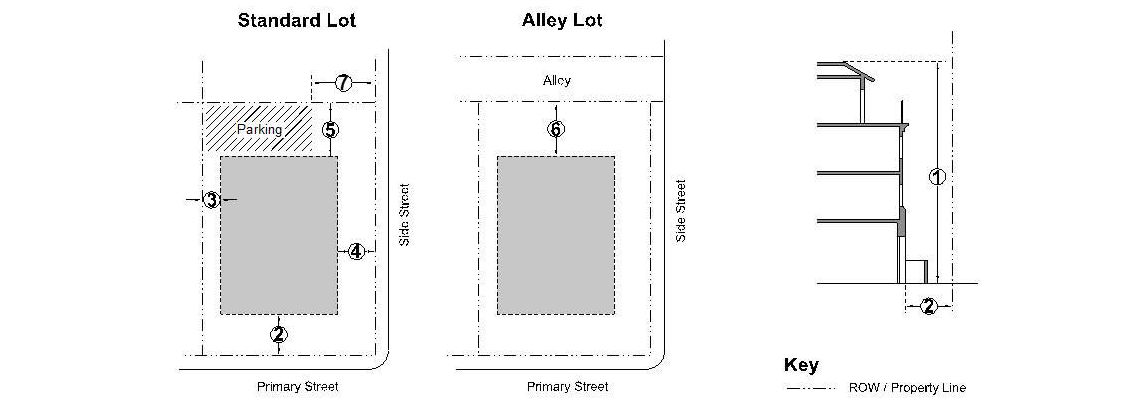 | ||||||
| District | RM-1 | RM-2 | RM-3 | RM-MH | Additional Regulations | # |
| Maximum Density (du/ac) (min./max.) | 12/16 | 16/30 | 30/45 | 8/16 | § 15-310, Determining Residential Density | |
| Maximum Height (ft.) | 40 | 50 | 60 | 35 | § 15-2012, Heights and Height Exceptions, 15-1003-A, RS Transition Standards | ① |
| Setbacks (ft.) | ||||||
| Front (min./max.) | 10/20(1) | 10/20(1) | 10/20(1) | 10/20(1) | § 15-313, Determining Setbacks and Yards
§ 15-1004-A, RS Transition Standards § 15-1004-B, Side Setbacks for Attached Dwellings § 15-1004-C, Parking Setback § 15-2014, Projections/Encroachments into Yards § 15-2305, Areas to be Landscaped | ② |
| > Interior Side (min.) | 10 total, min. 4/side | 5 | 5 | 5 | ③ | |
| > Street Side (min.) (Parcel <125 ft. in depth) | 10 | 10 | 10 | 10 | ④ | |
| > Street Side (min.) (Parcel >125 ft. in depth) | 15 | 15 | 15 | 15 | ④ | |
| > Rear (min.) | 20 | 15 | 15 | 10 | ⑤ | |
| > Alley (min.) | 3 | 3 | 3 | 3 | ⑥ | |
| > Parking, from back of sidewalk or curb (min.) | 30 | 30 | 30 | 30 | ⑦ | |
| Minimum Frontage Coverage (%) | 50(1) | 50(1) | 50(1) | - | § 15-317, Determining Frontage Coverage | |
| Maximum Lot Coverage (% of lot) | 50 | 50 | 60 | 50 | § 15-311, Determining Lot Coverage | |
| Minimum On-Site Open Space (% of Lot Area) | 20 | 15 | 10 | - | ||
|
Specific Limitations:
1. Not applicable outside of the Priority Areas (see Figure IM-1: Priority Areas for Development Incentives in the Fresno General Plan, adopted in 2014). | ||||||
(Added Ord. 2015-39, § 1, eff. 1-9-16; Am. Ord. 2017-33, § 5, eff. 7-30-17; Am. Ord. 2025-024, § 17, eff. 7-27-25).
SEC. 15-1004. - SITE DESIGN DEVELOPMENT STANDARDS.
A.
RS Transition Standards. Where an RM district abuts an RS District, the following standards apply:
1.
Height. The maximum height within 40 feet of an RS District is limited to 30 feet. The maximum height within 50 feet of an RS District is 40 feet.
2.
Setbacks. The following additional setback requirements shall be applied to all structures, including accessory structures, on parcels which are adjacent to an RS District:
a.
Front. The minimum front setback requirement of the adjacent RS district shall be applied to all structures within 50 feet of the RS District.
b.
Interior Side. The interior side setback shall be 10 feet.
c.
Rear. The rear setback shall be 20 feet.
3.
Landscape. See Table 15-2305-C.1, Required Landscape Buffers.
4.
Screening. When a multi-story building is proposed and the second story or above is located within 50 feet of the side or rear yard of a single-unit lot, screening measures shall be applied to provide a reasonable degree of privacy.
a.
Screening measures. Screening measures include, but are not limited to, landscaping, alternate window and balcony placements, placing windows at least six feet from the floor of the interior of the unit, incorporating wing walls or louvers, using glass block or other translucent material, and other such methods.
b.
Sufficiency of Screening. The Review Authority shall determine the sufficiency of the proposed screening measures and may require additional measures.
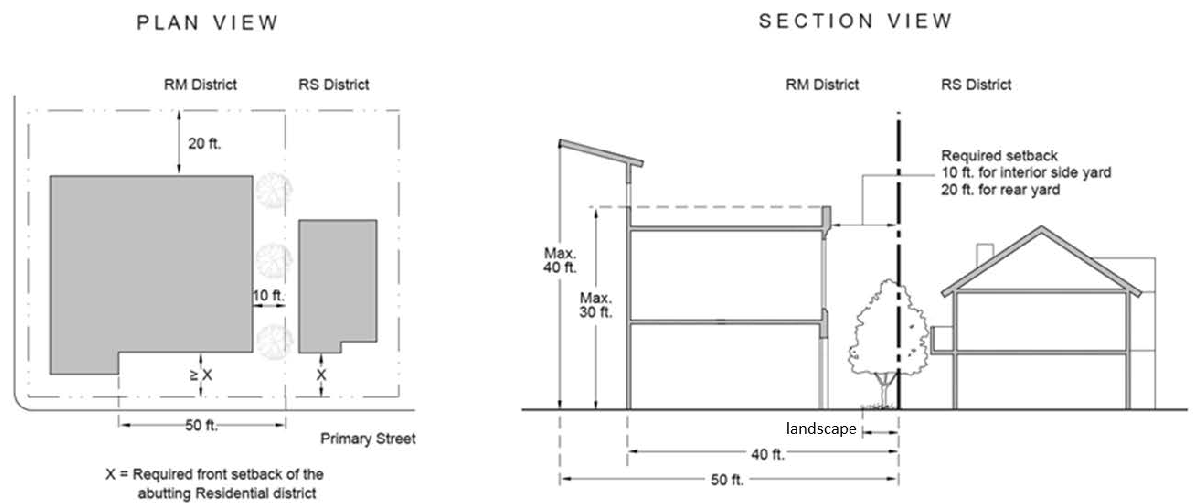
FIGURE 15-1004-A: RS TRANSITION STANDARDS—RM DISTRICTS
B.
Additional Setback Standards.
1.
Side Setbacks for Attached Dwellings. Required side setbacks shall apply only to the ends of rows of attached dwellings, and shall not be required between attached dwellings.
2.
Rear Setback Reduction. Rear setbacks may be reduced if all of the following conditions are met:
a.
A site plan shall be submitted in accordance with the provisions of Article 52 Development Permit;
b.
The rear setback shall be greater than or equal to the required interior side setback for the Base District;
c.
Space equal to the reduction shall be provided elsewhere on the lot, exclusive of any required yard area. Said replacement space shall have minimum dimensions of five feet by eight feet, and shall be so located that it is suitable for general use by the occupant of the premises; and
d.
The Review Authority shall find that the granting of the reduction will not be materially detrimental to the public welfare or injurious to property and improvements in the area in which the property is located and will not be contrary to the objectives of this Code.
e.
Such a reduction would not conflict with the provisions of Section 15-1004-A, RS Transition Standards.
C.
Parking Setback. Parking shall be setback as shown on Table 15-1003 except as provided below:
1.
Surface Parking.
a.
Surface parking which is located behind a building shall not be subject to the parking setback requirement.
b.
On lots less than 150 feet in width or depth, surface parking may be set back less than the distance shown on Table 15-1003, if the following conditions are met:
i.
Such parking shall not be set back from the street less than adjacent buildings on the site.
ii.
The parking setback area shall be landscaped.
iii.
There shall be no more than four adjacent parking spaces in surface parking areas located less than 30 feet from a street-facing lot line. The space between groups of four adjacent parking spaces shall be equal in width to the adjacent parking spaces and shall be landscaped.
iv.
Parking spaces shall be screened from the adjacent street with a minimum three foot berm, wall, or hedge, or combination thereof.
c.
If a sound wall is required along a certain frontage, or if other circumstances exist that render the Parking Setback impractical or unnecessary, the Review Authority may waive the Parking Setback requirement.
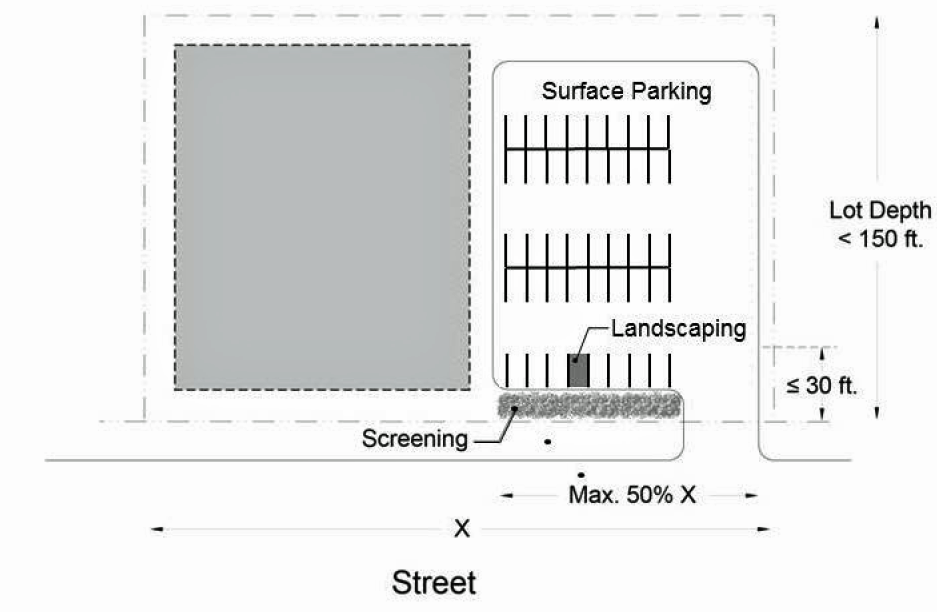
FIGURE 15-1004-C.1: SURFACE PARKING SETBACK REDUCTION
2.
Partially Submerged Podium Parking. Parking that is partially below the street grade may extend to the setbacks of the main structure, if the following conditions are met:
a.
No more than six feet of the partially submerged parking podium may extend above the street grade.
b.
The partially submerged parking podium shall be screened along street facing elevations by foundation plant materials. Gates need not be screened.
3.
Underground Parking. Parking that is fully underground and below the street grade may extend from lot line to lot line.
D.
On-Site Open Space.
1.
Minimum Open Space Required. The minimum amount of on-site open space required shall be based on the size of the lot, as shown in Table 15-1003. This requirement may be met through a combination of private open space, common open space, or public plazas as follows:
a.
Private Open Space Requirements. Private open spaces are those which are attached to a dwelling unit and are available only for the private use of the residents of the dwelling unit, such as balconies, porches, and patios. No fewer than 50 percent of the dwelling units on a site shall have a private open space. The following standards shall apply to private open space:
i.
The minimum dimension of any private open space shall be four feet.
ii.
The minimum area of any private open space shall be 32 square feet.
iii.
When located within 30 feet of a public street and located on the ground floor, private open spaces shall be designed as a porch.
iv.
When located within 30 feet of a public street and located above the ground floor, private open spaces shall be designed as a balcony.
b.
Common Open Space Requirements. Common open spaces are those which are available for active or passive use by all tenants, but use by the general public may be restricted. To the extent that common open space is provided, the following standards shall apply:
i.
The minimum dimension of any common open space shall be 20 feet.
ii.
The minimum area of any common open space shall be 1,000 square feet. The calculation of the common open space area shall exclude structures which are unusable as open space, but shall include structures that enhance its usability, such as swimming pools, changing facilities, fountains, planters, benches, and landscaping.
iii.
Not less than 80 percent of common open space shall be unobstructed to the sky. Trellises, pergolas, and similar structures shall be considered open to the sky for the purposes of this measurement.
iv.
Common open space may be located at grade, on rooftops, on top of parking podiums, or any other such location that is accessible to tenants. Common open space may not be located within required front setbacks or RS buffer setbacks.
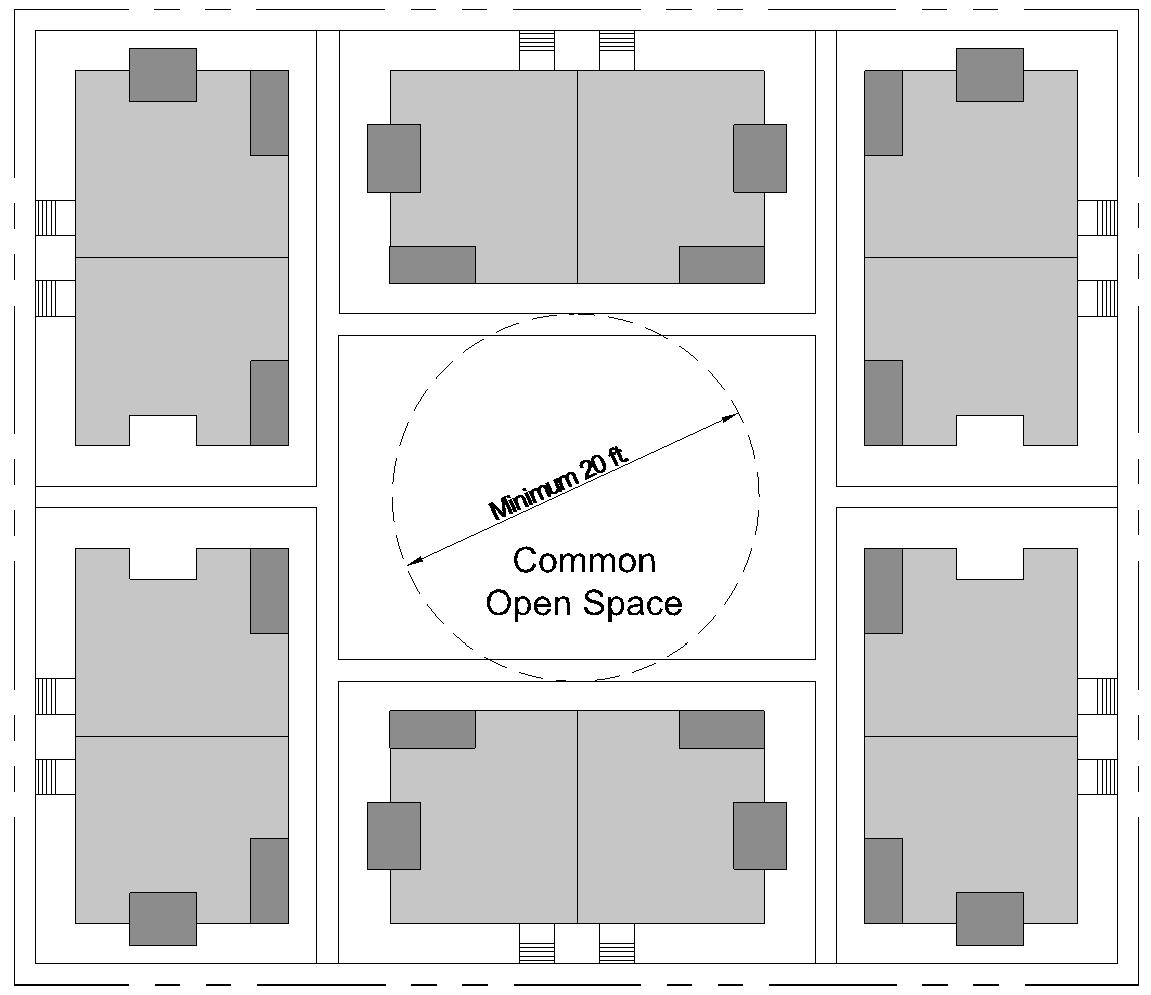
FIGURE 15-1004-D.1.b: MINIMUM REQUIRED COMMON OPEN SPACE DIMENSION
c.
Public Plaza Requirements. Public plazas are those which are available for use by the general public, as well as tenants of the project. To the extent that public plazas are provided, the following standards shall apply:
i.
The minimum dimension of any public plaza shall be 20 feet.
ii.
The minimum area of any public plaza shall be 500 square feet. The calculation of the public plaza area shall exclude structures which are unusable as open space, but shall include structures that enhance its usability, such as fountains, planters, benches, and landscaping.
iii.
Public plazas shall include benches or other seating, and paving shall be of high-quality materials. Amenities provided shall enhance the comfort, aesthetics, or usability of the space and include, but not be limited to, trees and other landscaping, shade structures, drinking fountains, water features, public art, or performance areas. Landscaping or other aspects of the design shall not discourage the use of the space by the general public.
iv.
Public plazas shall be fully accessible from the public right-of-way, shall be located in front of project buildings and shall not be located where public views into the space are obstructed by buildings or other structures.
v.
Public plazas may be located within required front setbacks.
vi.
A public access covenant shall be provided for the space.
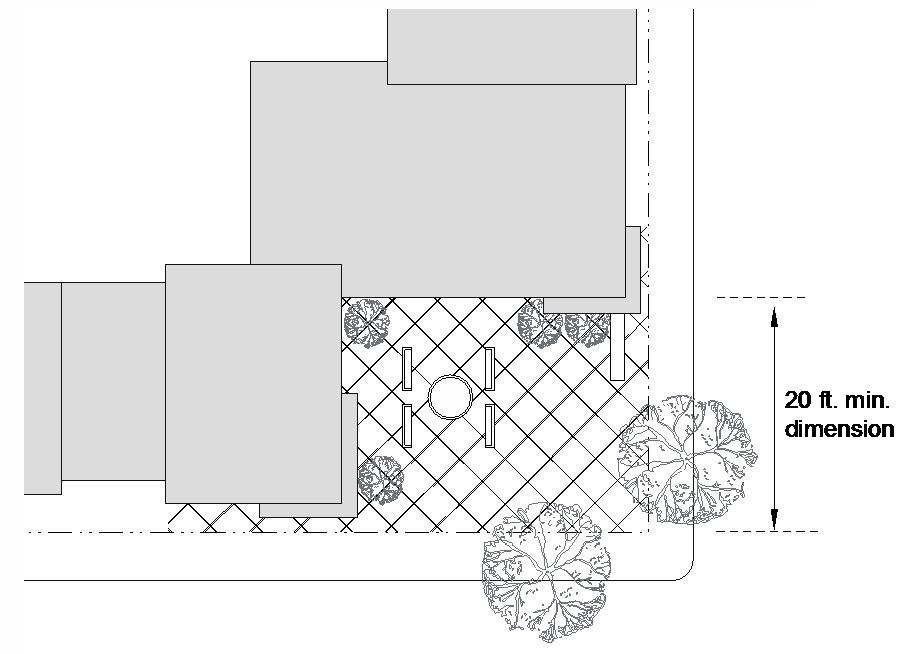
FIGURE 15-1004-D.1.c: MINIMUM REQUIRED PUBLIC PLAZA DIMENSION
2.
Minimum Open Space Reduction. The minimum amount of open space required shall be reduced by 25 percent in any one of the following circumstances:
a.
Any portion of the lot is located within a quarter mile of a transit stop with regular, scheduled service during the weekday hours of 7:00 a.m. to 9:00 a.m. and 5:00 p.m. to 7:00 p.m.
b.
There is a public park within 400 feet of the site, and
i.
Said park is located on the same side of the street and provides an improved pedestrian path to and from the site; or
ii.
The public park is across a local street and the site provides an improved pedestrian path to and from the site.
c.
The parcel is 15,000 square feet or less in area.
E.
Pedestrian Access. Pedestrian access to public streets shall be provided at the preference of the applicant by either the Flexibility Option or the Certainty Option as follows:
1.
Flexibility Option. The applicant must demonstrate to the satisfaction of the Review Authority that the project meets the following goal:
a.
Provide sufficient opportunities for residents to walk to nearby amenities, services, and transit facilities.
2.
Certainty Option. Projects which comply with the following standards shall be considered to provide sufficient pedestrian access:
a.
Common Area Sidewalk Connections. Common entrances into lobbies or internal pedestrian paths shall be provided at the rates prescribed below. When providing access to a structure, such entrances shall be protected by a portico, canopy, or alcove of no less than four feet in depth.
i.
In the Priority Areas (see Figure IM-1: Priority Areas for Development Incentives in the Fresno General Plan, adopted in 2014). No less than one per 400 feet of linear street frontage.
ii.
Outside of the Priority Areas. No less than one per 600 feet of linear street frontage.
b.
Residential Unit Sidewalk Connections. Direct entrances into individual ground-floor dwelling units which are adjacent to streets shall be provided at the rates prescribed below. Such entrances shall be protected by a portico, canopy, or alcove of no less than four feet in depth.
i.
In the Priority Areas. No less than one per 100 feet of linear street frontage.
ii.
Outside of the Priority Areas. None required.
c.
External Connections to Adjacent Development. Pedestrian walkways shall connect the project site to adjacent Commercial, Mixed-Use, and Office districts at a frequency of no less than one per 600 feet. Projects may be excepted from this requirement in the following situations:
i.
An interconnected street network with short blocks and sidewalks exists in the surrounding area; or
ii.
The project site is less than one acre in size; or
iii.
The adjacent properties are developed and there are no possible connection points.
d.
If the project is located within an area with adopted design guidelines, all applicable guidelines which relate to pedestrian access and the location of doors and entrances shall also be followed.
(Added Ord. 2015-39, § 1, eff. 1-9-16; Am. Ord. 2016-1, § 1, eff. 3-14-16; Am. Ord. 2016-32, §§ 8, 9, eff. 10-21-16; Am. Ord. 2017-33, § 7, eff. 7-30-17; Am. Ord. 2018-66, § 7, eff. 1-18-19; Am. Ord. 2025-024, § 18, eff. 7-27-25).
SEC. 15-1005. - FAÇADE DESIGN DEVELOPMENT STANDARDS.
Appropriate façade design shall be provided at the preference of the applicant by either the Flexibility Option or the Certainty Option as follows:
A.
Flexibility Option. The applicant must demonstrate to the satisfaction of the Review Authority that the project meets the following goals:
1.
Present an attractive appearance to public streets.
2.
Be aesthetically and functionally compatible to the nearby development context.
3.
Demonstrate a high level of quality.
4.
Support the growth in value of surrounding properties,
B.
Certainty Option. Street-facing façades for buildings adjacent to a public street shall comply to the following standards. Other façades shall not be subject to these standards.
1.
Building Length Articulation. At least one projection or recess will be provided for every 50 horizontal feet of wall in one of the following manners:
a.
Projections or recesses for buildings 50 feet wide or less shall be exempted from the building length articulation requirement; projections or recesses for buildings greater than 50 feet in width but less than 100 feet in width shall be no less than 12 inches in depth; or projections or recesses for buildings 100 feet wide or wider shall be no less than 24 inches in depth.
b.
The depth and width of the projection or recess shall be proportionate to the overall mass of the building.
2.
Building Materials and Finishes. Materials shall present a durable and attractive appearance through high-quality materials, finishes, and workmanship defined as:
a.
At least two cladding materials (excluding roof and foundation); and
b.
At least three exterior colors (each cladding material shall count as a color, trim/accent colors shall each count as a color, and visually significant colors for doors, balconies, and similar elements may count as a color).
c.
Exception: Buildings which accurately adhere to a recognized architectural style which is appropriately expressed in one cladding material and one color shall be excepted.
d.
Exception: Buildings with all of the following characteristics shall be allowed to use one cladding material:
i.
Building height of 3 stories or less;
ii.
Building width of 100 feet or less; and
iii.
A façade with a comparable form of visual interest.
3.
Window Design.
a.
Glazing Ratio. Street-facing façades of each floor of the building shall have an overall wall composition of at least 25 percent glazing, but not more than 70 percent glazing.
b.
Vertical Proportion., On upper stories, the percentage of all window openings, window panes, or distinct window units specified below shall have a vertical proportion, in which their height exceeds their width by 25 percent or more.
i.
In the Priority Areas (see Figure IM-1: Priority Areas for Development Incentives in the Fresno General Plan, adopted in 2014). At least 50 percent.
ii.
Outside of the Priority Areas. At least 30 percent,
c.
Window Depth. In the Priority Areas, windows shall create visual interest and the appearance of depth in one of the following manners:
i.
Trim at least one inch in depth and three inches wide must be provided around all upper story windows and non-commercial ground-floor windows;
ii.
Windows must be recessed at least two inches from the plane of the surrounding exterior wall {for double-hung and horizontal sliding windows, at least one sash shall achieve the two-inch recess); or
iii.
Decorative plaster screed, minimum 2 inches wide;
iv.
Exception: Buildings with all of the following characteristics shall be allowed to use flush windows without trim:
(1)
Building height of 3 stories or less;
(2)
Building width of 100 feet or less; and
(3)
A façade with a comparable form of prominent surface relief and articulation, such as awnings, canopies, balconies, or massing changes.
4.
Façade Alignment.
a.
In the Priority Areas. Façade alignment shall be as follows;
i.
Vertical Alignment. With the exception of mansard roofs, cornices, and other such features, façades shall be oriented vertically and shall have no slope,
ii.
Horizontal Alignment. With the exception of bay windows and similar features, façades shall run parallel or perpendicular to the adjacent street,
b.
Outside of the Priority Areas. No requirement.
5.
External Stairs, Corridors, and Hallways. In the Priority Areas, external stairs, corridors, and hallways that are located within 30 feet of a public street must be architecturally integrated into the building design.
6.
Balconies. If balconies are provided, they shall not be grouped together into a continuous band across the façade. No more than two balconies shall be contiguous. Each balcony or group of two contiguous balconies shall be distinct and shall have at least six feet of horizontal separation from any other balcony,
7.
Façade Elements. Development shall incorporate façade elements as follows;
a.
In the Priority Areas. A minimum of one of the following Façade Elements will be incorporated into street-facing building façades:
i.
Forecourts
ii.
Bay Windows
iii.
Balconies
iv.
Porches
v.
Stoops
vi.
Arcades
b.
Outside of the Priority Areas. No requirement.
8.
If the project is located within an area with adopted design guidelines, all applicable guidelines which relate to façade design shall also be followed.
(Added Ord. 2016-1, § 1, eff. 3-14-16).
SEC. 15-1101. - PURPOSE.
The purposes of the Mixed-Use (MX) Districts are to:
A.
Promote pedestrian-oriented infill development, intensification, and reuse of land consistent with the General Plan.
B.
Allow and encourage the development of mixed-use centers and corridors with a vibrant concentration of goods and services, multi-unit housing, and community gathering and public spaces at strategic locations.
C.
Transform certain auto-oriented boulevards and corridors into vibrant, diverse, and attractive corridors that support a mix of pedestrian-oriented retail, office, and residential uses in order to achieve an active social environment within a revitalized streetscape.
D.
Provide options which reduce the need for private automobile use to access shopping, services, and employment and minimize air pollution from vehicle miles traveled.
E.
Offer additional housing opportunities for residents seeking to live in an urban environment.
F.
Improve access to a greater range of facilities and services for surrounding residential neighborhoods.
G.
Establish development and design standards for these centers and corridors that will create a unified, distinctive, and attractive urban character, with appropriate transitions to adjacent residential neighborhoods.
H.
Facilitate mixed-use residential development at increased densities and intensities in key locations such as along Bus Rapid Transit (BRT) corridors. Implement and provide appropriate regulations for General Plan classifications of "Neighborhood Mixed-Use," "Corridor/Center Mixed-Use," and "Regional Mixed-Use."
Additional purposes of each Mixed-Use District are as follows:
NMX Neighborhood Mixed-Use. The NMX district is intended to provide for mixed-use residential districts that include local-serving, pedestrian-oriented commercial development, such as smaller independent retail shops and professional offices in two-to three-story buildings. Development is expected to include ground-floor neighborhood retail uses and upper-level housing or offices, with a mix of small lot single-unit houses, townhomes, and multi-unit dwelling units on side streets, in a horizontal or vertical mixed-use orientation. The NMX district provides for a scale and character of development that is pedestrian-orientated, designed to attract and promote a walk-in clientele, with small lots and frequent pedestrian connections permitting convenient access from residences to commercial space.
CMX Corridor/Center Mixed-Use. The CMX district is intended to allow for either horizontal or vertical mixed-use development along key circulation corridors in the city where height and density can be easily accommodated. Ground-floor retail and upper-floor residential or offices are the primary uses, with residential uses, personal and business services, and public and institutional space as supportive uses. Development will facilitate the transformation of existing transportation corridors into vibrant, highly walkable areas with broad, pedestrian-friendly sidewalks, trees, landscaping, and local-serving uses with new buildings that step down in relationship to the scale and character of adjacent neighborhoods.
RMX Regional Mixed-Use. The RMX district is intended to support regional retail and mixed-use development in large-scale activity centers outside of Downtown, as identified by the General Plan. It accommodates urban-scale mixed-use development that serve residents and businesses of the region at large. Medium-scale retail, housing, office, civic and entertainment uses, and shopping malls with large-format or "big-box" retail are allowed, as are supporting uses such as gas stations, hotels, and residential in mixed-use or single-use buildings. Development and design standards will create a pedestrian orientation within centers and along major corridors, with parking located on the side or rear of, or within, major structures.
(Added Ord. 2015-39, § 1, eff. 1-9-16; Am. Ord. 2025-024, § 19, eff. 7-27-25).
SEC. 15-1102. - USE REGULATIONS.
A.
Table 15-1102 prescribes the proposed land use regulations for Mixed-Use Districts. The regulations for the districts are established by letter designations listed below. These designations apply strictly to the permissibility of land uses; applications for buildings or structures may require discretionary review.
"P" designates permitted uses.
"C" designates uses that are permitted after review and approval of a Conditional Use Permit.
"(#)" numbers in parentheses refer to specific limitations listed at the end of the table.
"-" designates uses that are not permitted.
Uses listed as "P" or "C" may be restricted in certain locations by Section 15-1104-A.
B.
Land uses are defined in Article 67, Use Classifications.
C.
In cases where a specific land use or activity is not defined, the Director shall assign the land use or activity to a classification that is substantially similar in character per Section 15-5020, Director's Determination.
D.
All permitted uses are allowed either alone or in combination with other permitted uses unless otherwise stated in this Code.
E.
Use classifications and subclassifications not listed in the table or not found to be substantially similar to the uses below are not permitted.
F.
The table also notes additional regulations that apply to various uses. Section numbers in the right hand column refer to other sections of this Code.
(Added Ord. 2015-39, § 1, eff. 1-9-16; Am. Ord. 2015-43, § 1, eff. 1-22-16; Am. Ord. 2016-32, § 10, eff. 10-21-16; Am. Ord. 2017-33, § 6, eff. 7-30-17; Am. Ord. 2018-25, § 8, eff. 6-11-18; Am. Ord. 2018-66, § 8, eff. 1-18-19; Am. Ord. 2020-031, § 2, 9-1-20; Am. Ord. 2022-029, § 1, eff. 11-19-22; Am. Ord. 2025-024, § 20, eff. 7-27-25; Am. Ord. 2025-036, § 1, eff. 10-23-25).
SEC. 15-1103. - DENSITY, INTENSITY, AND MASSING DEVELOPMENT STANDARDS.
Table 15-1103 prescribes the density, intensity, and massing development standards for the Mixed-Use Districts. Additional regulations are denoted in a right hand column. Section numbers in this column refer to other sections of the Code, while individual letters refer to subsections that directly follow the table. The numbers in each illustration below correspond to the "#" column in the associated table. Drawings are for illustrative purposes and are not drawn to scale.
| TABLE 15-1103: DENSITY, INTENSITY, AND MASSING STANDARDS—MIXED-USE DISTRICTS | |||||
|---|---|---|---|---|---|
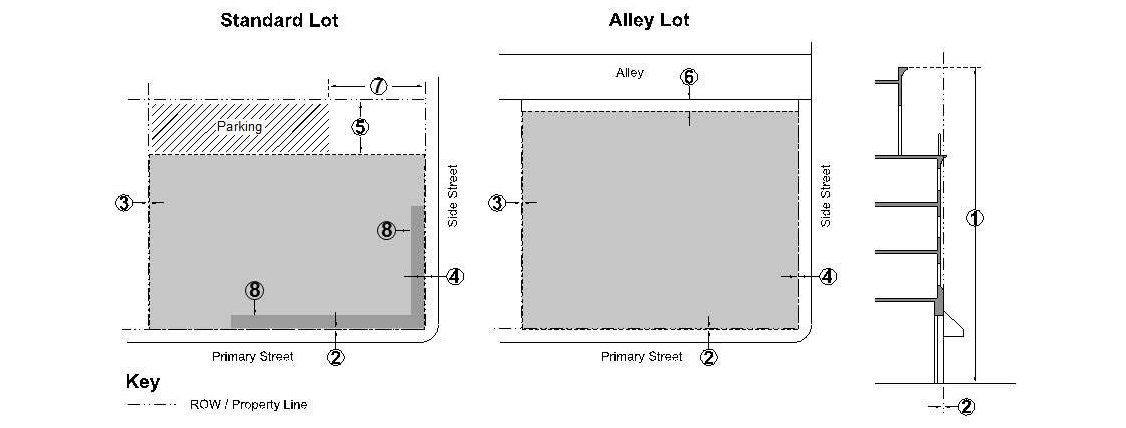 | |||||
| District | NMX | CMX | RMX | Additional Regulations | # |
| Floor Area Ratio (max.) | 1.5 | 1.5 | 2.0 | § 15-309, Determining Floor Area Ratio | |
| Residential Density, du/ac (min.) | 12 | 16 | 30 | § 15-310, Determining Residential Density
Min. res. density shall not be required for the following: projects on lots less than 20,000 sq. ft. in area; projects further than 1,000 feet from a planned or existing BRT route; and projects which submit a Development Permit application prior to January 1, 2019. | |
| Maximum Height (ft.) | 40 | 60 | 75 | § 15-1104-B, RS Transition Standards and § 15-2012, Heights and Height Exceptions | ① |
| Setbacks (ft.) | |||||
| Front (min./max.) | -/10 | -/10 | -/10 | § 15-313, Determining Setbacks and Yards
§ 15-1104-B, RS Transition Standards § 15-1104-D, Parking Setback § 15-2305, Areas to be Landscaped | ② |
| Interior Side (min.) | - | - | - | ③ | |
| Street Side (min.) | - | - | - | ④ | |
| Rear (min.) | - | - | - | ⑤ | |
| Alley (min.) | 3 | 3 | 3 | ⑥ | |
| Parking, from back of sidewalk or curb (min.) | 30 | 30 | 30 | ⑦ | |
| Minimum Frontage Coverage (%) | 60 | 70 | 80 | § 15-317, Determining Frontage Coverage | |
| Corner Frontage (ft., measured from property corner) | 15 | 30 | 50 | § 15-1104-C, Corner Frontage | ⑧ |
| Minimum On-Site Open Space (% of Lot Area) | 15 | 10 | 8 | § 15-1104-E, On-Site Open Space | |
(Added Ord. 2015-39, § 1, eff. 1-9-16; Am. Ord. 2022-029, § 2, eff. 11-19-22).
SEC. 15-1104. - SITE DESIGN DEVELOPMENT STANDARDS.
A.
Active Uses Adjacent to Sidewalks. For buildings located within 20 feet of a public street, the following standards shall apply:
1.
Within 100 Feet in each direction of an Existing or Planned Bus Rapid Transit Station. No less than 60 percent of the building frontage along public streets shall be occupied by food and beverage sales, entertainment and recreation, general personal services, artist's studios, eating and drinking establishments, personal services, general retail, or convenience retail uses. Other high-activity uses which typically operate at night and on weekends may be approved at the discretion of the Review Authority.
2.
Other Locations. Active spaces, such as individual dwelling unit entrances, cinemas/theaters, eating and drinking establishments, offices, personal services, general retail, or residential or office lobbies, or shall occupy no less than 60 percent of building frontage along public streets. Inactive and utilitarian spaces, such as storage, utility rooms, or facilities which are occupied infrequently shall not occupy more than 50 percent of the building frontage along public streets. Sites with frontage on multiple streets may not be required to meet this standard along the street with the lowest functional classification or least visual prominence, at the discretion of the Review Authority.
B.
RS Transition Standards. Where an MX district abuts an RS District, the following standards apply:
1.
Height. The maximum height within 40 feet of an RS District is limited to 30 feet. The maximum height within 50 feet of an RS District is 40 feet.
2.
Setbacks. The following additional setback requirements shall be applied to all structures, including accessory structures, on parcels which are adjacent to an RS District:
a.
Front and Street Side Yard. The front setback shall not be less than the required front yard on the abutting RS District lot within 50 feet of the RS District.
b.
Interior Side and Rear. The interior side and rear setback abutting an RS District boundary shall be 20 feet.
3.
Landscape. See Table 15-2305-C.1, Required Landscape Buffers.
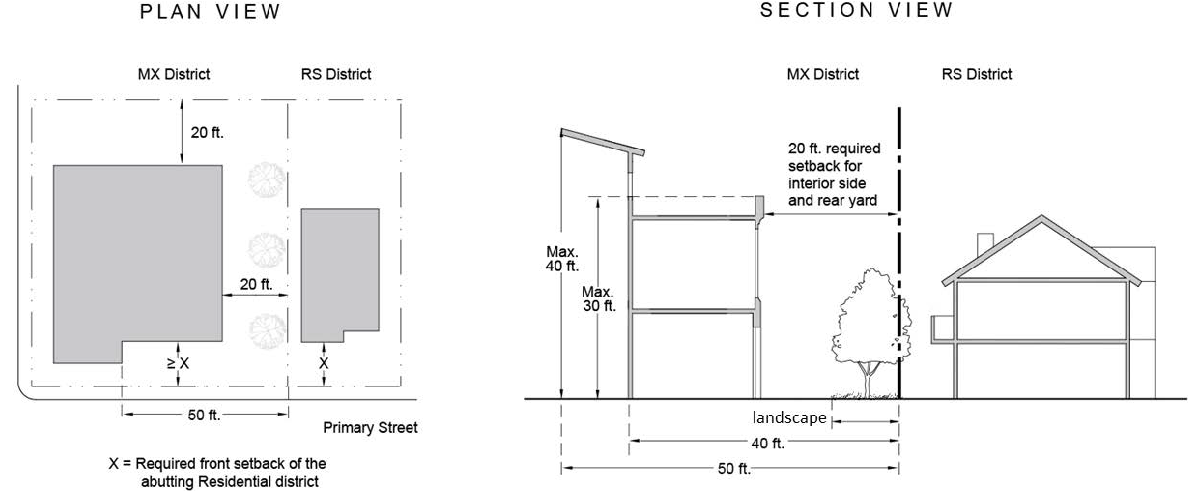
FIGURE 15-1104-B: RS TRANSITION STANDARDS—MX DISTRICTS
4.
Screening. When a multi-story building is proposed and the second story or above is located within 50 feet of the side or rear yard of a single-unit lot, screening measures shall be applied to provide a reasonable degree of privacy.
a.
Screening measures include, but are not limited to, landscaping, alternate window and balcony placements, placing windows at least six feet from the floor of the interior of the unit, incorporating wing walls or louvers, using glass block or other translucent material, and other such methods.
b.
Sufficiency of Screening. The Review Authority shall determine the sufficiency of the proposed screening measures and may require additional measures.
C.
Corner Frontage. Buildings on corner lots must be located within five feet of the street property line for the minimum length specified in Table 15-1103. Plazas maybe located at the street corner provided the plaza meets the requirements of Section 15-1104-E.1.c and buildings are built to the edge of the plaza.
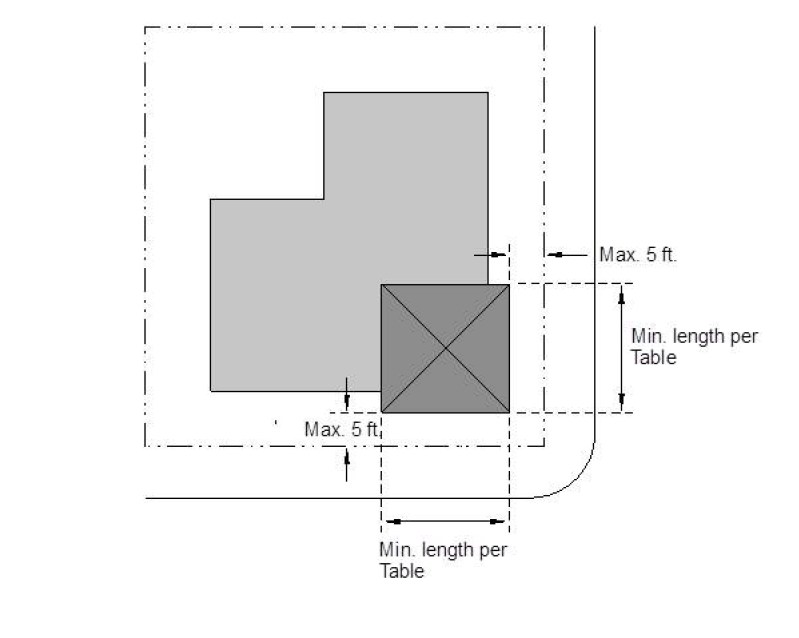
FIGURE 15-1104-C: CORNER FRONTAGE STANDARDS
D.
Parking Setback. Parking shall be setback as shown on Table 15-1103 except as provided below:
1.
Surface Parking.
a.
Surface parking which is located behind a building shall not be subject to the parking setback requirement.
b.
On lots less than 150 feet in width or depth or at the discretion of the Review Authority, surface parking may be set back less than the distance shown on Table 15-1103, if the following conditions are met:
i.
Such parking shall not be set back from the street less than adjacent buildings on the site.
ii.
The parking setback area shall be landscaped.
iii.
There shall be no more than four adjacent parking spaces in surface parking areas located less than 30 feet from a street-facing lot line. The space between groups of four adjacent parking spaces shall be equal in width to the adjacent parking spaces and shall be landscaped.
iv.
Parking spaces shall be screened from the adjacent street with a minimum three foot berm, wall, or hedge, or combination thereof.
c.
If a sound wall is required along a certain frontage, or if other circumstances exist that render the Parking Setback impractical or unnecessary, the Review Authority may waive the Parking Setback requirement.
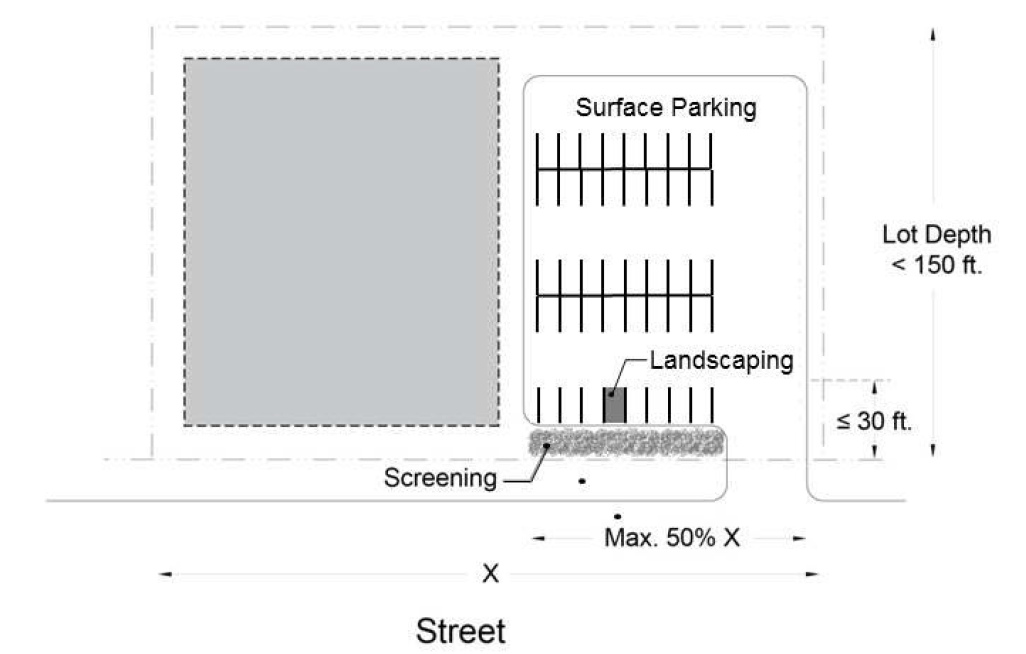
FIGURE 15-1104-D.1: SURFACE PARKING SETBACK REDUCTION
2.
Partially Submerged Podium Parking. Parking that is partially below the street grade may extend to the setbacks of the main structure, if the following conditions are met:
a.
No more than six feet of the partially submerged parking podium may extend above the street grade.
b.
The partially submerged parking podium shall be screened along street facing elevations by foundation plant materials. Gates need not be screened.
3.
Underground Parking. Parking that is fully underground and below the street grade may extend from lot line to lot line
E.
On-Site Open Space.
1.
Minimum Open Space Required. On-site open space shall be required for projects with more than four dwelling units. The minimum amount of on-site open space required shall be based on the size of the lot, as shown in Table 1.5-1103. This requirement may be met through a combination of private open space, common open space, or public plazas as follows:
a.
Private Open Space Requirements. Private open spaces are those which are attached to a dwelling unit and are available only for the private use of the residents of the dwelling unit, such as balconies, porches, and patios. No fewer than 50 percent of the dwelling units on a site shall have a private open space. The following standards shall apply to private open space:
i.
The minimum dimension of any private open space shall be five feet.
ii.
The minimum area of any private open space shall be 32 square feet.
iii.
When located within 30 feet of a public street and located on the ground floor, private open spaces shall follow the requirements for Porches as put forth in Table 15-1105-D.
iv.
When located within 30 feet of a public street and located above the ground floor, private open spaces shall follow the requirements for Balconies as put forth in Table 15-1105-D.
b.
Common Open Space Requirements. Common open spaces are those which are available for active or passive use by all tenants, but use by the general public may be restricted. To the extent that common open space is provided, the following standards shall apply:
i.
The minimum dimension of any common open space shall be 20 feet.
ii.
The minimum area of any common open space shall be 1,000 square feet. The calculation of the common open space area shall exclude structures which are unusable as open space, but shall include structures that enhance its usability, such as swimming pools, changing facilities, fountains, planters, benches, and landscaping.
iii.
At least 80 percent of common open space shall be unobstructed to the sky. Trellises, pergolas, and similar structures shall be considered open to the sky for the purposes of this measurement.
iv.
Common open space may be located at grade, on rooftops, on top of parking podiums, or any other such location that is accessible to tenants. Common open space may not be located within required setbacks or parking areas.
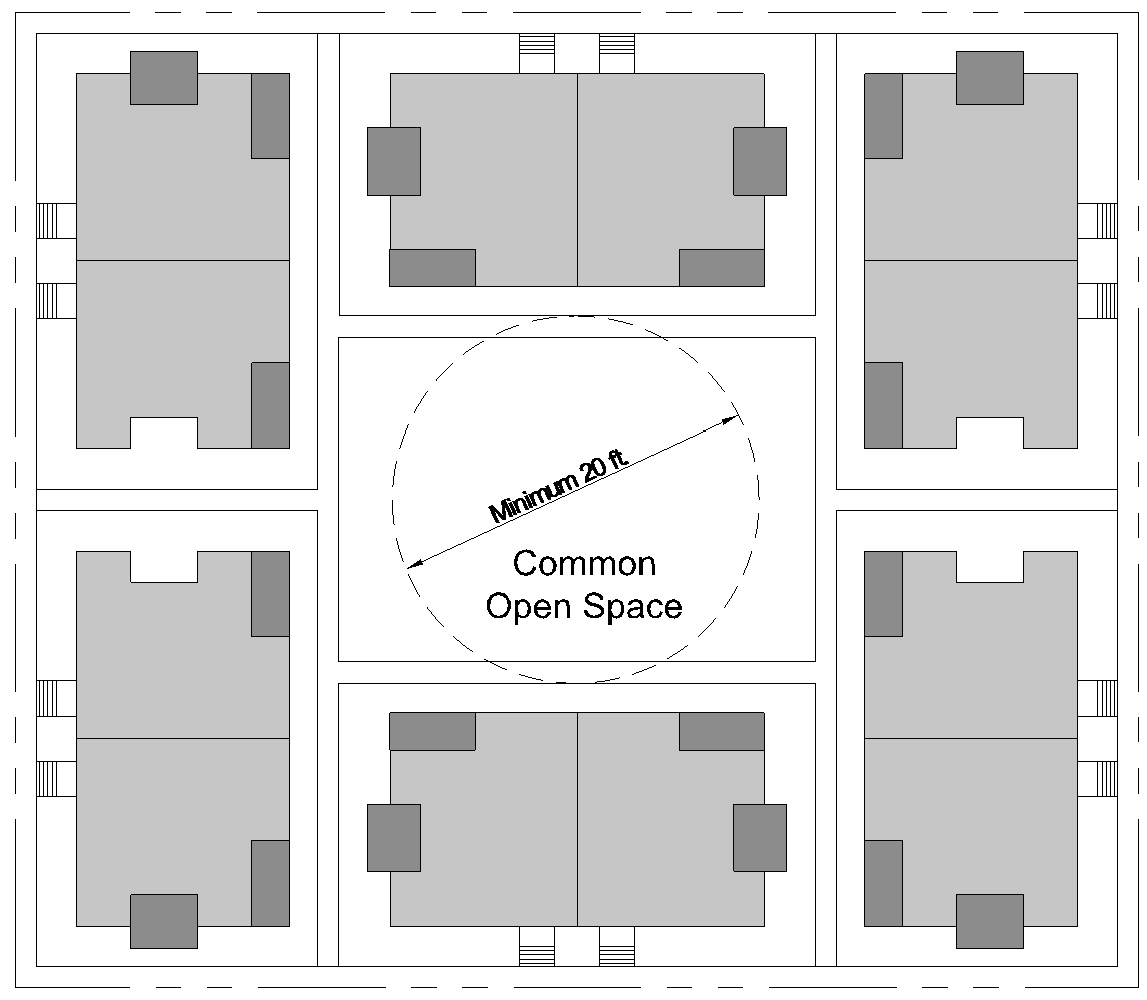
FIGURE 15-1104-E.1.b: MINIMUM REQUIRED COMMON OPEN SPACE DIMENSION
c.
Public Plaza Requirements. Public plazas are those which are available for use by the general public, as well as tenants of the project. To the extent that public plazas are provided, the following standards shall apply:
i.
The minimum dimension of any public plaza shall be 20 feet.
ii.
The minimum area of any public plaza shall be 500 square feet. The calculation of the public plaza area shall exclude structures which are unusable as open space, but shall include structures that enhance its usability, such as fountains, planters, benches, and landscaping.
iii.
Public plazas shall include benches or other seating, and paving shall be of high-quality materials. Amenities provided shall enhance the comfort, aesthetics, or usability of the space and include, but not be limited to, trees and other landscaping, shade structures, drinking fountains, water features, public art, or performance areas. Landscaping or other aspects of the design shall not discourage the use of the space by the general public.
iv.
Public plazas shall be fully accessible from the public right-of-way, shall be located in front of project buildings and shall not be located where public views into the space are obstructed by buildings or other structures.
v.
Public plazas may be located within required front setbacks.
vi.
A public access easement shall be provided for the space.
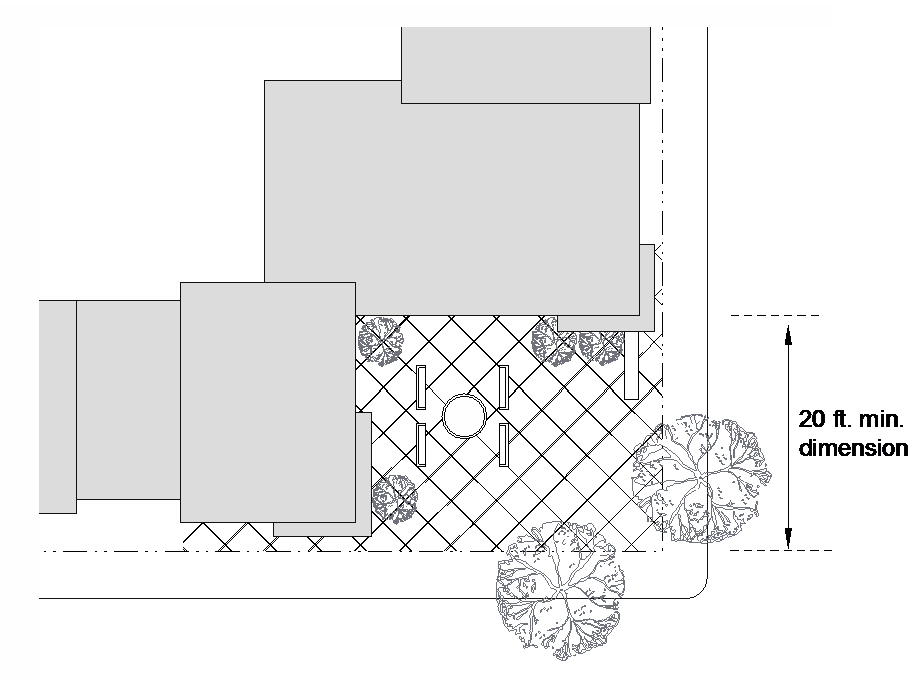
FIGURE 15-1104-E.1.c: MINIMUM REQUIRED PUBLIC PLAZA DIMENSION
2.
Minimum Open Space Reduction. The minimum amount of open space required shall be reduced by 25 percent in any one of the following circumstances:
a.
Any portion of the lot is located within 400 feet of a transit stop with regular, scheduled service during the weekday hours of 7:00 a.m. to 9:00 a.m. and 5:00 p.m. to 7:00 p.m.
b.
There is a public park within 400 ft. of the site, and
i.
Said park is located on the same side of the street and provides an improved pedestrian path to and from the site; or
ii.
The public park is across a local street and the site provides an improved pedestrian path to and from the site.
c.
The parcel is 15,000 square feet or less in area.
F.
Sidewalk Standards. Notwithstanding Chapter 13, Section 208 of the Municipal Code, the following shall apply:
1.
Applicability. All projects shall be required to bring adjacent sidewalk conditions into conformance with the standards of this section, subject to the following exceptions:
a.
Applications for signs only.
b.
Additions, remodels, or tenant improvements of less than 50 percent of the current value of the property.
2.
Width. Sidewalks shall be no less than 12 feet in width. If the current distance between the right-of-way boundary and the face of the adjacent curb is less than 12 feet, the method by which this requirement shall be satisfied shall be determined by Review Authority. The available methods shall be as follows:
a.
Set Back. The building may be set back from the right-of-way boundary the distance that is necessary to achieve the required sidewalk width. The portion of the sidewalk which lies within the private parcel shall be guaranteed for public access by the enactment of a public access easement.
b.
Reconstruction. The applicant may demolish and reconstruct the sidewalk for the entirety of the block frontage(s) which the project occupies to the extent necessary to satisfy the requirements of this section.
c.
Parklet. The sidewalk may be expanded into the roadway by a metal or wood deck which does not interfere with the drainage of the street. In such instances the applicant shall enter into an encroachment agreement with the City in which the applicant accepts full responsibility for the maintenance and repair of the parklet, as well as providing the indemnification and insurance as required by the City's Risk Manager.
d.
Width Exemption. For unusually challenging site conditions, or in instances in which the existing building and sidewalk pattern warrants it, the Director may exempt the applicant providing the full sidewalk width required above. In such instances all other requirements in this section, such as for trees and lighting, shall be met.
3.
Treatment. Required sidewalks shall be paved and landscaped as follows:
a.
Adjacent to Mixed-Use or Non-Residential Projects. The full width of the sidewalk shall be fully paved in uncolored concrete with a simple 30-inch scoring pattern.
b.
Adjacent to Residential-Only Projects. A seven-foot walkway adjacent to the private parcel shall be paved in uncolored concrete with a simple 30 inch scoring pattern. The five feet adjacent to the curb shall be a parkway strip which shall be landscaped in a manner to be determined by the Director.
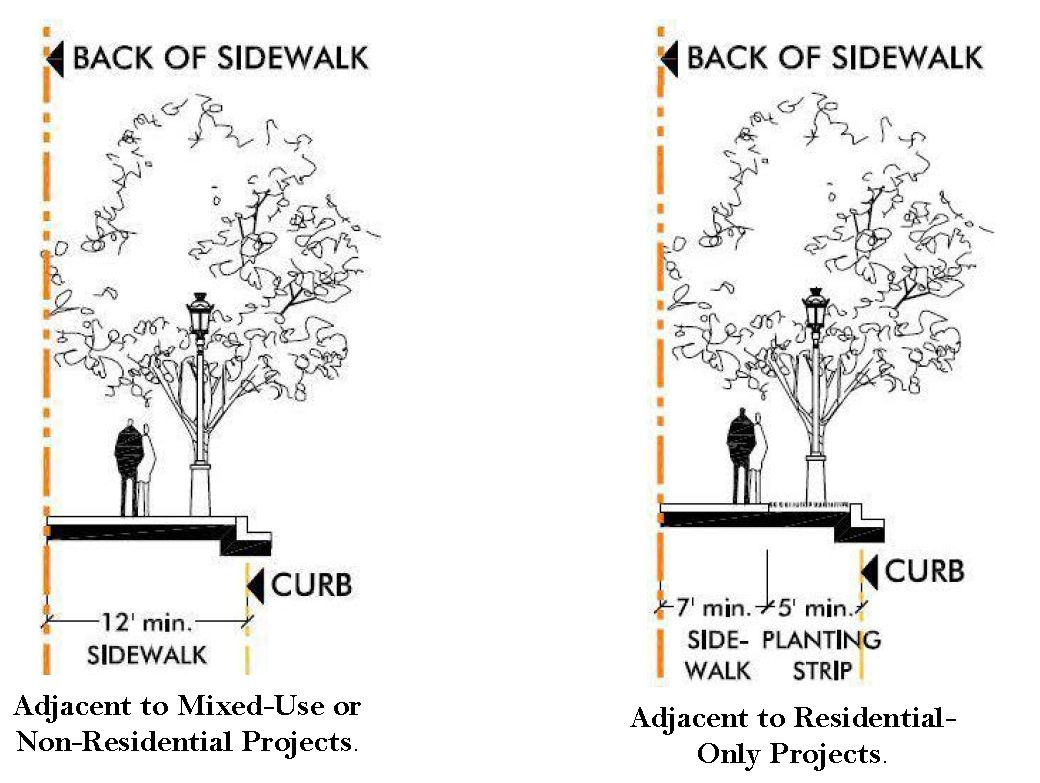
4.
Trees. Street trees shall be provided with sidewalk improvements. Exact tree type and location shall be determined by the Director. Preferred street tree type and location shall be as follows:
a.
Alignment. Street trees should be located no more than three feet from the back of curb, and whenever possible should be aligned with other trees on the block.
b.
Spacing. Street trees should generally be evenly spaced, no less than 20 feet apart, and not more than 40 feet apart. Whenever possible, trees should not be located directly in front of building entrances.
c.
Wells. When a parkway strip is not provided, trees should be placed in tree wells measuring five feet by five feet. To maximize usable sidewalk area, tree wells shall be covered by grates of a design which is approved by the Director. Larger tree wells may be required by the Public Works Director for species requiring more space. The property owner shall assume maintenance responsibilities for the tree grates.
d.
Species. Street trees should be deciduous, fast growing, drought tolerant, and should eventually form a tall canopy. Not more than one species should be planted per block. Whenever nearby pre-existing trees are in good condition and meet the intent of this section, new trees should be of the same species.
5.
Lighting. Pedestrian-scaled street lights shall be provided with sidewalk improvements. Exact design and location shall be determined by the Director. Preferred designs and locations shall be as follows:
a.
Alignment. Street lights should be located no more than three feet from the curb, and whenever possible should be aligned with street trees, as well as other lights on the block.
b.
Spacing. Street lights should be generally evenly spaced, no less than 30 feet apart, and not more than 80 feet apart. Whenever possible, street lights should be no less than 15 feet from nearby street trees.
c.
Design. Street lights should not be of the type commonly known as Cobra Heads or other types which are intended primarily for the illumination of the vehicular roadway. Lights should be ornamental and designed primarily for the illumination of the sidewalk. Whenever nearby pre-existing lights are in good condition and meet the intent of this section, new lights should be of the same type. Intersection safety lights shall be typical cobra-head design, while mid-block lighting should be ornamental and scaled for the pedestrian environment. Lighting shall meet Public Works standards.
6.
Maintenance. If a Community Facilities District is not established to maintain sidewalks, street trees, and lighting, the applicant shall enter into a maintenance agreement to ensure the maintenance of said facilities.
G.
Service Areas and Loading. Service and loading areas should be integrated with the design of the building and shall be screened from residential areas. Special attention shall be given when designing loading facilities in a location that is proximate to residential uses. Techniques such as block walls, enhanced setbacks, or enclosed loading shall be used to minimize adverse impacts to residents.
H.
Pedestrian Access. Pedestrian access to public streets shall be provided at the preference of the applicant by either the Flexibility Option or the Certainty Option as follows:
1.
Flexibility Option. The applicant must demonstrate to the satisfaction of the Review Authority that the project meets the following goals:
a.
Provide sufficient opportunities to walk to nearby amenities, services, and transit facilities.
b.
Create an interface between the building and the public sidewalk which results in a high level of activity on the sidewalk.
2.
Certainty Option. Projects which comply with the following standards shall be considered to provide sufficient pedestrian access:
a.
Common Area Sidewalk Connections. Common entrances into lobbies or internal pedestrian paths shall be provided at a rate of no less than one per 400 feet of linear street frontage. When providing access to a structure, such entrances shall be protected by a portico, canopy, or alcove of no less than four feet in depth. When providing access to a structure such entrances shall also feature an architectural element which clearly distinguishes them from entrances into individual dwellings.
b.
Residential Unit Sidewalk Connections. Direct entrances into individual ground-floor dwelling units which are adjacent to streets shall be provided at a rate of no less than one per 100 feet of linear street frontage. Such entrances shall be protected by a portico, canopy, or alcove of no less than four feet in depth.
c.
Commercial Sidewalk Connections. Direct entrances into ground-floor commercial establishments which are adjacent to streets shall be provided at a rate of no less than one per 100 feet of linear street frontage. When establishments with dimensions greater than 100 feet occupy a site, they shall be set back and wrapped with smaller spaces that will satisfy this requirement. See Figure 15-1104-H.2.C.
d.
External Connections to Adjacent Development. Pedestrian walkways shall connect the project site to adjacent Residential, Commercial, Mixed Use, and Office districts at a frequency of no less than one per 600 feet. Projects may be excepted from this requirement in the following situations:
i.
An interconnected street network with short blocks and sidewalks exists in the surrounding area; or
ii.
The project site is less than one acre in size; or
iii.
The adjacent properties are developed and there are no possible connection points via breaks in the perimeter wall/fence.
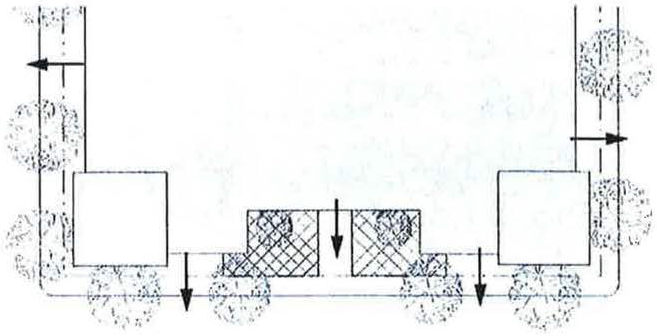
FIGURE 15-1104-H.2: SIDEWALK CONNECTIONS
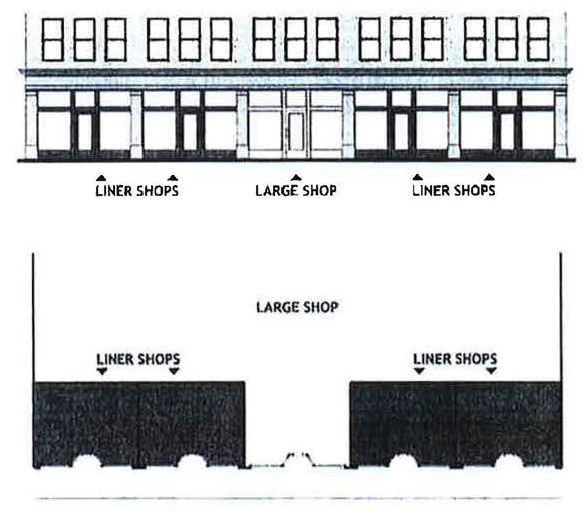
FIGURE 15-1104-H.2.C: WRAPPING OF LARGE USES
a.
If the project is located within an area with adopted design guidelines, all applicable guidelines which relate to pedestrian access and the location of doors and entrances shall also be followed.
(Added Ord. 2015-39, § 1, eff. 1-9-16; Am. Ord. 2016-1, § 2, eff. 3-14-16; Am. Ord. 2016-32, §§ 11, 12, eff. 10-21-16; Am. Ord. 2018-66, § 9, eff. 1-18-19; Am. Ord. 2022-029, § 3, eff. 11-19-22; Am. Ord. 2025-024, § 21, eff. 7-27-25).
SEC. 15-1105. - FAÇADE DESIGN DEVELOPMENT STANDARDS.
Appropriate façade design shall be provided at the preference of the applicant by either the Flexibility Option or the Certainty Option as follows:
A.
Flexibility Option. The applicant must demonstrate to the satisfaction of the Review Authority that the project meets the following goals:
1.
Present an attractive appearance to public streets.
2.
Be aesthetically and functionally compatible to the nearby development context,
3.
Demonstrate a high level of quality,
4.
Support the growth in value of surrounding properties.
B.
Certainty Option. Street-facing façades for buildings adjacent to a public street shall comply to the following standards. Other façades are not be subject to these standards.
1.
Building Length Articulation. At least one projection or recess shall be provided for every 50 horizontal feet of wall in one of the following manners:
a.
Projections or recesses for buildings 50 feet wide or less shall be exempted from the building length articulation requirement; projections or recesses for buildings greater than 50 feet in width but less than 100 feet in width shall be no less than 12 inches in depth; or projections or recesses for buildings 100 feet wide or wider shall be no less than 24 inches in depth.
b.
The depth and width of the projection or recess shall be proportionate to the overall mass of the building.
2.
Building Height Articulation. In order to maintain a human scale for multi-story buildings, the height of façades shall be broken into smaller increments as follows:
a.
Ground Floor. A substantial horizontal articulation of the façade shall be applied at the top of the first story, This element shall be no less than 18 inches tall, and should project from the adjacent wall plane. It shall be designed as a cornice, belt course, or a similar architectural element which is appropriate to the style of the building.
b.
Top Floor. Buildings or portions of buildings which are four stories in height or taller shall also provide articulation for the top story of the building. This may be accomplished by a color change, material change, a cornice/belt course at the bottom of the uppermost story, by stepping the uppermost story back, or similar measures.
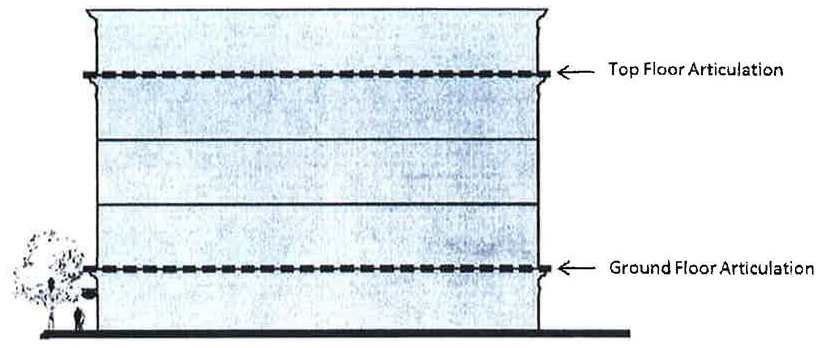
FIGURE 15-1105-B.2: BUILDING HEIGHT ARTICULATION
C.
Building Materials and Finishes. Materials shall present a durable and attractive appearance through high-quality materials, finishes, and workmanship defined as:
1.
At least two cladding materials (excluding roof and foundation); and
2.
At least three exterior colors (each cladding material shall count as a color, and trim/accent colors shall each count as a color, and visually significant colors for doors, balconies, and similar elements may count as a color).
3.
Exception: Buildings which accurately adhere to a recognized architectural style which is appropriately expressed in one cladding material and one color shall be excepted.
4.
Exception: Buildings with all of the following characteristics shall be allowed to use one cladding material:
a.
Building height of 3 stories or less;
b.
Building width of 100 feet or less; and
c.
A façade with a comparable form of visual interest,
D.
Window Design.
1.
Glazing Ratio. Street-facing façades of each floor of the building shall have an overall wall composition of at least 25 percent glazing, but not more than 70 percent glazing, with the exception that commercial portions of the ground floor shall be subject to subsection D-2 below.
2.
Ground Floor Commercial Transparency. For ground floor street-facing façades on portions of a structure occupied by commercial uses, exterior walls facing a front or street-side tot line shall Include windows, doors, or other openings with transparent glazing for at least 50 percent of the building wall area located between 2.5 and seven feet above the level of the sidewalk. Openings fulfilling this requirement shall have transparent glazing and provide views into work areas, display areas, sales areas, lobbies, or similar active spaces, or into window displays that are at least two feet deep. The Review Authority may waive or reduce this requirement if doing so is necessary to satisfy State or local energy efficiency requirements.
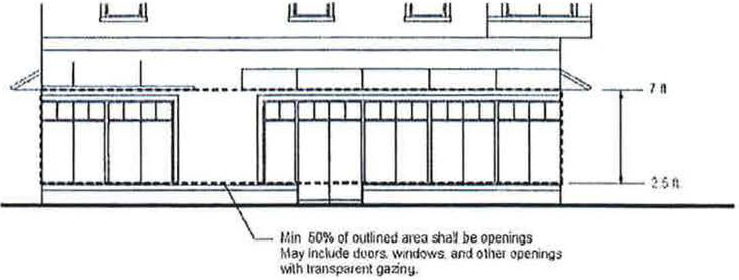
FIGURE 15-1105-D.2: GROUND FLOOR COMMERCIAL TRANSPARENCY
1.
Vertical Proportion. On upper stories, at least 50 percent of all window openings, window panes, or distinct window units shall have a vertical proportion, in which their height exceeds their width by 25 percent or more.
2.
Window Depth. Windows shall create visual interest and the appearance of depth in one of the following manners:
a.
Trim at least one inch in depth and three inches wide must be provided around all upper story windows and non-commercial ground-floor windows;
b.
Windows must be recessed at least two inches from the plane of the surrounding exterior wall (for double-hung and horizontal sliding windows, at least one sash shall achieve the two-inch recess); or
c.
Decorative plaster screed, minimum 2 inches wide.
d.
Exception: Buildings with all of the following characteristics shall be allowed to use flush windows without trim:
i.
Building height of 3 stories or less;
ii.
Building width of 100 feet or less; and
iii.
A façade with a comparable form of prominent surface relief and articulation, such as awnings, canopies, balconies, or massing changes.
E.
Façade Alignment.
1.
Vertical Alignment. With the exception of mansard roofs, cornices, and other such features, façades shall be oriented vertically and shall have no slope.
2.
Horizontal Alignment. With the exception of bay windows and similar features, façades shall run parallel or perpendicular to the adjacent street.
3.
External Stairs, Corridors, and Hallways. External stairs, corridors, and hallways that are located within 30 feet of a public street must be architecturally integrated into the building design.
F.
Balconies. If balconies are provided, they shall not be grouped together into a continuous band across the façade. No more than two balconies shall be contiguous. Each balcony or group of two balconies shall be distinct and shall have at least six feet of horizontal separation from any other balcony.
G.
Façade Elements. Development shall incorporate a minimum of one of the following Façade Elements into street-facing building façades.
1.
Forecourts;
2.
Bay Windows;
3.
Balconies;
4.
Porches;
5.
Stoops;
6.
Arcades.
H.
If the project is located within an area with adopted design guidelines, all applicable guidelines which relate to façade design shall also be followed.
(Added Ord. 2016-1, § 2, eff. 3-14-2016).
SEC. 15-1106. - RESERVED.
Editor's note— Ord. 2025-023, § 1, eff. December 26, 2025, repealed § 15-1106, which pertained to additional standards and derived from Added Ord. 2022-029, § 4, effective November 19, 2022.
SEC. 15-1201. - PURPOSE.
The specific purposes of the Commercial Districts are to:
A.
Provide for a full range of commercial uses to serve Fresno and the greater region.
B.
Ensure the provision of shops, services, and facilities needed to accommodate future population and employment.
C.
Establish development and design standards that create a unified, distinctive, and attractive character along commercial streets.
D.
Provide appropriate buffers between commercial and adjacent residential uses to preserve both commercial feasibility and residential environments.
E.
Ensure that new development is designed to minimize traffic and parking impacts on surrounding residential neighborhoods and is appropriate to the physical characteristics of the area.
F.
Implement and provide appropriate regulations for General Plan classifications of "Main Street Commercial," "Community Commercial," "Regional Commercial," "General Commercial," "Highway and Auto Commercial," and "Commercial Recreation."
Additional purposes of each Commercial District are as follows:
CMS Commercial—Main Street. The CMS district is intended to preserve or promote small-scale, fine-grain commercial development in neighborhoods where single-unit residential and townhomes are predominant. A traditional "Main Street" character is achieved with active storefronts, outdoor seating and pedestrian-oriented design.
CC Commercial—Community. The CC district is intended for commercial development that primarily serves local needs such as convenience shopping and offices. Specific uses allowed include medium-scale retail, office, civic and entertainment uses, supermarkets, drug stores, and supporting uses.
CR Commercial - Regional. The CR district is intended to meet local and regional retail demand, such as large-scale retail, office, civic and entertainment uses, shopping malls with large-format or "big-box" retail, and supporting uses such as gas stations and hotels. Buildings are typically larger-footprint and urban-scaled. Development and design standards will create a pedestrian-orientation within centers and along major corridors, with parking generally on the side or rear of major buildings, but automobile-oriented uses also will be accommodated on identified streets and frontages.
CG Commercial—General. The CG district is intended to accommodate a range of retail and service uses that are not appropriate in other areas because of higher volumes of vehicle traffic and potential impacts on other uses. Examples of allowable uses include: building materials, storage facilities with active storefronts, equipment rental, wholesale businesses, and specialized retail not normally found in shopping centers. The focus of district development standards is to ensure structures fit into the surrounding development pattern and architectural or traffic conflicts are minimized.
CH Commercial—Highway and Auto. The CH district is intended for limited areas near the freeway to accommodate uses that depend on or are supported by freeway access, but do not generate a large volume of traffic. Hotels, restaurants, and auto malls are typical land uses.
CRC Commercial—Recreation. The CRC district is intended to provide areas for private commercial recreation uses where patrons usually pay to participate and to group commercial-recreation uses into a planned, integrated center, including related service and commercial uses. Typical uses include bowling alleys, family entertainment centers, driving ranges, miniature golf courses, skating rinks, tennis courts, swimming pools, sports stadiums, arenas, and the County fairgrounds.
(Added Ord. 2015-39, § 1, eff. 1-9-16; Am. Ord. 2025-024, § 22, eff. 7-27-25).
SEC. 15-1202. - USE REGULATIONS.
A.
Table 15-1202 prescribes the proposed land use regulations for Commercial Districts. The regulations for the districts are established by letter designations listed below. These designations apply strictly to the permissibility of land uses; applications for buildings or structures may require discretionary review.
"P" designates permitted uses.
"C" designates uses that are permitted after review and approval of a Conditional Use Permit.
"(#)" numbers in parentheses refer to specific limitations listed at the end of the table.
"-" designates uses that are not permitted.
B.
Land uses are defined in Article 67, Use Classifications.
C.
In cases where a specific land use or activity is not defined, the Director shall assign the land use or activity to a classification that is substantially similar in character per Section 15-5020, Director's Determination.
D.
All permitted uses are allowed either alone or in combination with other permitted uses unless otherwise stated in this Code.
E.
Use classifications and subclassifications not listed in the table or not found to be substantially similar to the uses below are not permitted.
F.
The table also notes additional regulations that apply to various uses. Section numbers in the right hand column refer to other sections of this Code.
(Added Ord. 2015-39, § 1, eff. 1-9-16; Am. Ord. 2016-32, § 13, eff. 10-21-16; Am. Ord. 2017-33, § 8, eff. 7-30-17; Am. Ord. 2018-25, § 9, eff. 6-11-18; Am. Ord. 2018-66, § 10, eff. 1-18-19; Am. Ord. 2020-031, § 3, 9-1-20; Am. Ord. 2022-029, § 5, eff. 11-19-22; Am. Ord. 2025-024, § 23, eff. 7-27-25).
SEC. 15-1203. - INTENSITY AND MASSING DEVELOPMENT STANDARDS.
Tables 15-1203-1 to 15-1203-2 prescribe the intensity and massing development standards for the Commercial Districts. Additional regulations are denoted in a right hand column. Section numbers in this column refer to other sections of the Code, while individual letters refer to subsections that directly follow the table. The numbers in each illustration below correspond to the "#" column in the associated table. Drawings are for illustrative purposes and are not drawn to scale.
| TABLE 15-1203-1: LOT AND INTENSITY STANDARDS—COMMERCIAL DISTRICTS | ||||||||
|---|---|---|---|---|---|---|---|---|
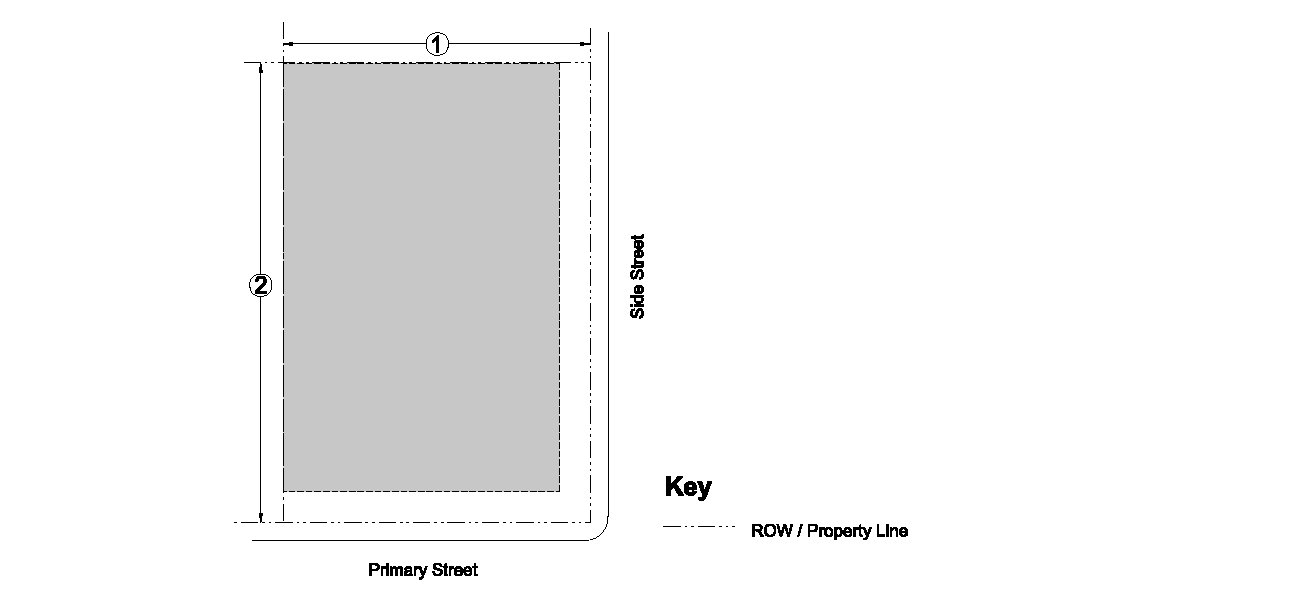 | ||||||||
| District | CMS | CC | CR | CG | CH | CRC | Additional Regulations | # |
| Minimum District Size (sq. ft., unless otherwise noted) | 5,000 | 32,670 | 15 acres | 12,000 | 15,000 | 4 acres | ||
| Minimum Lot Size (sq. ft.) | - | 32,670 | 10,000 | 12,000 | 15,000 | 15,000 | ||
| Minimum Lot Width (ft.) | - | 75 | 100 | 75 | 100 | 100 | ① | |
| Minimum Lot Depth (ft.) | - | 100 | 100 | 125 | 125 | 150 | ② | |
| Maximum Floor Area Ratio (FAR) | 1.0 | 1.0 | 1.0 | 2.0 | 0.75 | 0.5 | § 15-309, Determining Floor Area Ratio | |
| Residential Density, du/ac (min./max.) | No limit | - | No limit | - | - | - | § 15-310, Determining Residential Density | |
| Minimum On-Site Open Space (% of Lot Area) | 15 | - | 8 | - | - | - | § 15-1104-E, On-Site Open Space | |
| TABLE 15-1203-2: BUILDING FORM AND LOCATION STANDARDS—COMMERCIAL DISTRICTS | ||||||||
|---|---|---|---|---|---|---|---|---|
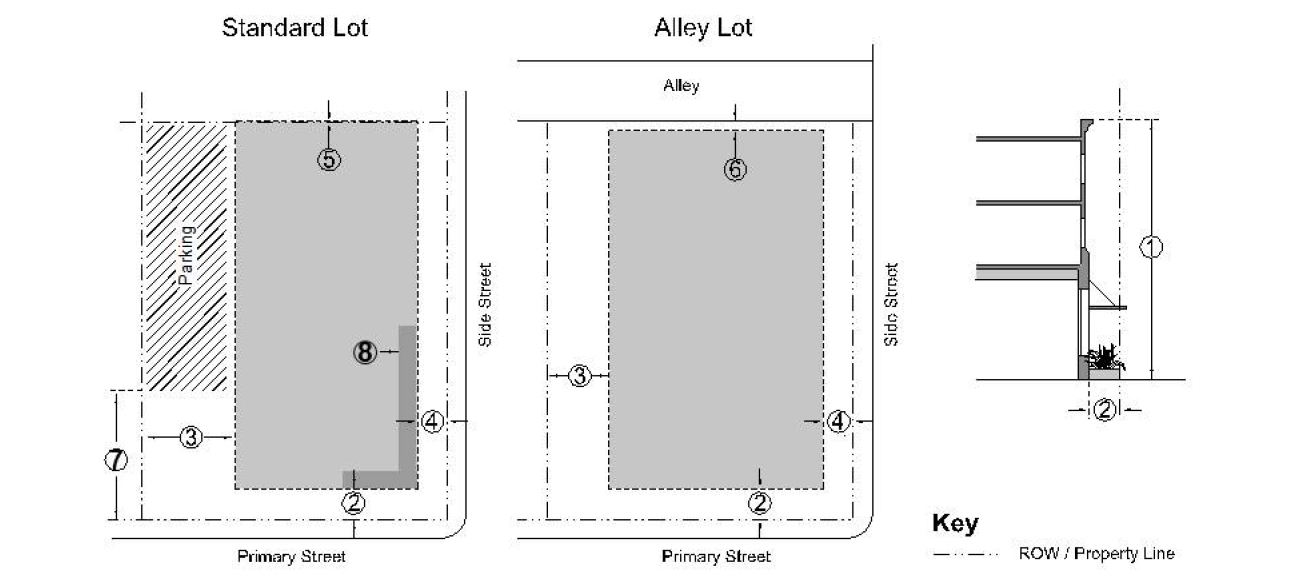 | ||||||||
| District | CMS | CC | CR | CG | CH | CRC | Additional Regulations | # |
| Maximum Height (ft.) | 35 | 35 | 75 | 35 | 35 | 35 | § 15-1204-A, Residential Transition Standards and § 15-2012, Heights and Height Exceptions | ① |
| Setbacks (ft.) | ||||||||
| Front (min./max.) | -/10 | 15/- | 15/- | 15/- | 15/- | 15/- | § 15-313, Determining Setbacks and Yards
§ 15-1204-A, Residential Transition Standards § 15-1204-B, Enhanced Streetscape § 15-1204-C, Parking § 15-2014, Projections/Encroachments into Yards § 15-2305, Areas to be Landscaped | ② |
| Front (min), with Enhanced Streetscape | - | - | - | - | NA | NA | ||
| Interior Side (min.) | - | - | - | - | - | - | ③ | |
| Street Side (min.) | - | - | - | 10 | 10 | 10 | ④ | |
| Rear (min.) | - | - | - | - | - | - | ⑤ | |
| Alley (min.) | - | - | - | - | - | - | ⑥ | |
| Parking, from back of sidewalk or curb (min.) | 30 | - | - | - | - | - | ⑦ | |
| Minimum Frontage Coverage (%) | 60 | - | - | - | - | - | § 15-317 Determining Frontage Coverage | ⑧ |
(Added Ord. 2015-39, § 1, eff. 1-9-16; Am. Ord. 2022-029, § 6, eff. 11-19-22).
SEC. 15-1204. - SITE DESIGN DEVELOPMENT STANDARDS.
A.
Residential Transition Standards. Where a C District is adjacent to a Residential District, the following standards apply:
1.
Height. The maximum height within 40 feet of an R District is limited to 30 feet. The maximum height within 50 feet of an R District is 40 feet.
2.
Setbacks.
a.
Front. The front setback shall not be less than the required front yard on the abutting R District lot within 50 feet of the R District.
b.
Interior Side and Rear. The interior side and rear setback abutting an R District boundary shall be 20 feet. In the CMS District, the interior side yard may be reduced to 10 feet with Director approval.
3.
Landscape. See Table 15-2305-C.1, Required Landscape Buffers.
4.
Screening. When a multi-story building is proposed and the second story or above is located within 50 feet of the side or rear yard of a single-unit lot, screening measures shall be applied to provide a reasonable degree of privacy.
a.
Screening measures include, but are not limited to, landscaping, alternate window and balcony placements, placing windows at least six feet from the floor of the interior of the unit, incorporating wing walls or louvers, using glass block or other translucent material, and other such methods.
b.
Sufficiency of Screening. The Review Authority shall determine the sufficiency of the proposed screening measures and may require additional measures.
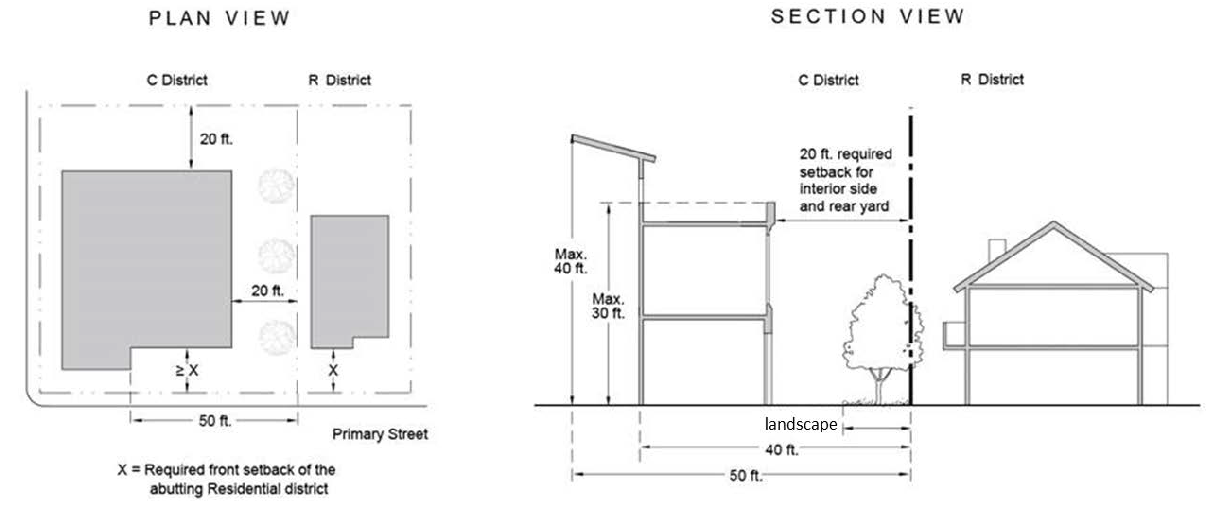
FIGURE 15-1204-A: RESIDENTIAL TRANSITION STANDARDS—C DISTRICTS
B.
Enhanced Streetscape. As shown on Table 1203-2, projects which provide an enhanced streetscape will not be required to provide a front setback. A project shall be considered to have an enhanced streetscape when it has all of the following characteristics:
1.
Sidewalks shall be no less than 12 feet in width. If the current distance between the right-of-way boundary and the face of the adjacent curb is less than 12 feet, the building shall be set back from the right-of-way boundary the distance that is necessary to achieve the required sidewalk width. The portion of the sidewalk which lies within the private parcel shall be guaranteed for public access by the enactment of a public access easement.
2.
Street trees shall be provided as follows:
a.
Street trees should be located no more than three feet from the back of curb, and whenever possible should be aligned with other trees on the block.
b.
Street trees should generally be evenly spaced, no less than 20 feet apart, and not more than 40 feet apart.
c.
Whenever possible, trees should not be located directly in front of building entrances.
d.
Trees should be placed in tree wells measuring five feet by five feet. To maximize usable sidewalk area, tree wells shall be covered by grates of a design which is approved by the Director. Larger tree wells may be required by the Public Works Director for species requiring more space. The property owner shall assume maintenance responsibilities for the tree grates.
e.
Street trees should be deciduous, fast growing, drought tolerant, and should eventually form a tall canopy. Not more than one species should be planted per block. Whenever nearby pre-existing trees are in good condition and meet the intent of this section, new trees should be of the same species.
3.
Pedestrian-scaled street lights shall be provided as follows:
a.
Street lights should be located no more than three feet from the curb, and whenever possible should be aligned with street trees and other lights on the block.
b.
Street lights should be generally evenly spaced, no less than 30 feet apart, and not more than 80 feet apart. Whenever possible, street lights should be no less than 15 feet from nearby street trees.
c.
Street lights should not be of the type commonly known as Cobra Heads or other types which are intended primarily for the illumination of the vehicular roadway. Lights should be ornamental and designed primarily for the illumination of the sidewalk. Whenever nearby pre-existing lights are in good condition and meet the intent of this section, new lights should be of the same type. Intersection safety lights shall be typical cobra-head design, while mid-block lighting should be ornamental and scaled for the pedestrian environment. Lighting shall meet Public Works standards.
4.
If a Community Facilities District is not established to maintain sidewalks, street trees, and lighting, the applicant shall enter into a maintenance agreement to ensure the maintenance of said facilities.
5.
Facades located with 15 feet of the public sidewalk shall be oriented to the street as follows:
a.
If there is a primary common building entrance which provides access to reception areas, elevators, stairs, and internal circulation, it shall face and be oriented to the street. If there is a yard between the sidewalk and the building, a paved path six feet in width shall be provided from the public sidewalk to the entrance.
b.
Direct entrances from the sidewalk in to individual establishments located along the street frontage shall be provided. If there is a yard between the sidewalk and the building, a paved path six feet in width shall be provided from the public sidewalk to the entrance.
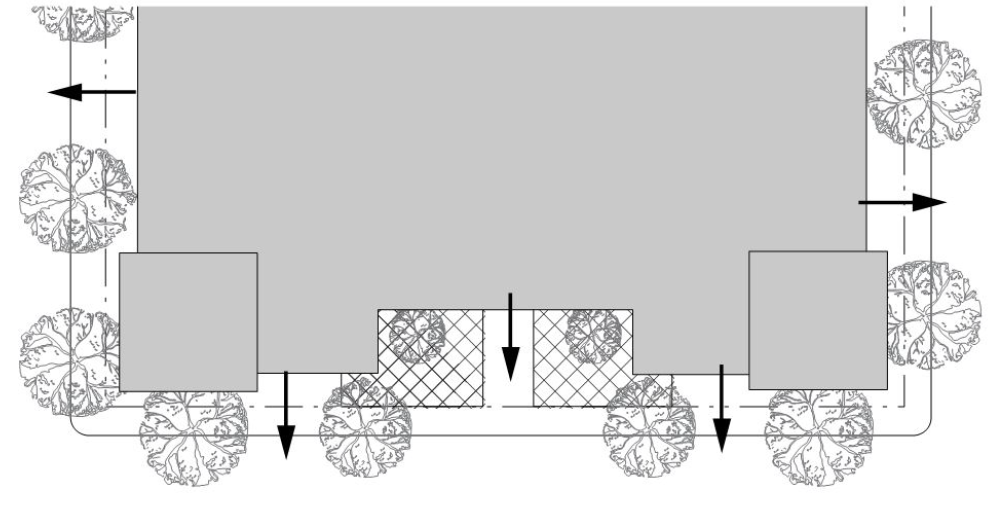
FIGURE 15-1204-B.5: BUILDING ORIENTATION TO THE STREET
6.
Exterior walls facing a front or street side lot line shall include windows, doors, or other openings with transparent glazing for at least 60 percent of the building wall area located between 2.5 and seven feet above the level of the sidewalk. Openings fulfilling this requirement shall have transparent glazing and provide views into work areas, display areas, sales areas, lobbies, or similar active spaces, or into window displays that are at least two feet deep.
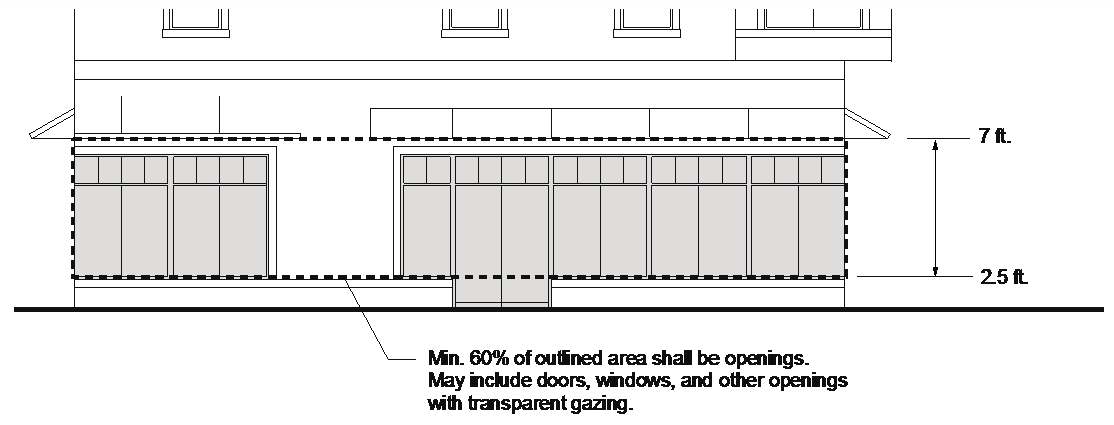
FIGURE 15-1204-B.6: BUILDING TRANSPARENCY
7.
Where buildings are located within two feet of a public sidewalk, the sidewalk shall be shaded by awnings or canopies as follows:
a.
Awning or canopy depth shall be no less than four feet and no more than 10 feet.
b.
Clearance shall be no less than eight feet and no more than 12 feet from the finished floor.
C.
Parking. Parking shall be setback as shown in Table 15-1203-2 except as provided below:
1.
Underground Parking. Parking that is fully underground and below the street grade may extend from lot line to lot line.
2.
Partially Submerged and Podium Parking. Parking that is partially below the street grade may extend to the setbacks of the main structure. A maximum six feet of the parking structure height may extend above the street grade if screened along street facing elevations by foundation plant materials. Gates need not be screened.
3.
Surface Parking. On lots less than 150 feet in width or depth, surface parking may be located within 50 feet of a street facing lot line for a maximum of 50 percent of the lot frontage if the parking area is screened with a garden wall, hedge, trellis, and/or other landscaping or built structures facing the sidewalk.
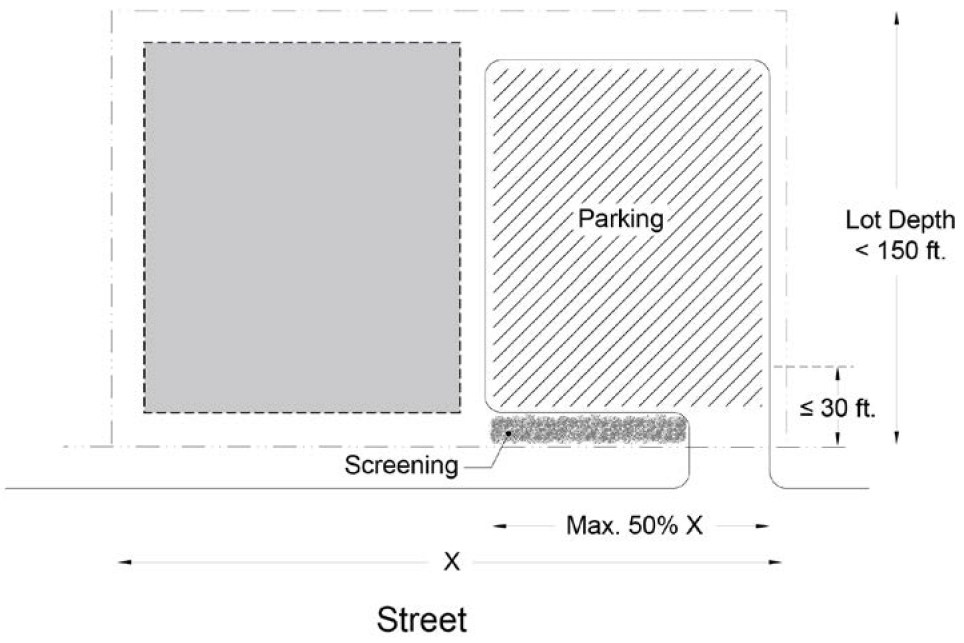
FIGURE 15-1204-C.3: SURFACE PARKING
D.
Public Plazas. The following standards apply to commercial shopping center developments in the CC and CR Districts.
1.
Entry Plazas/Passenger Loading Areas. A plaza shall be provided at the entry to each anchor tenant that provides for pedestrian circulation and loading and unloading. Entry plazas and passenger loading areas shall include unique, decorative paving materials, adequate seating areas, and provision of adequate shade, and attractive landscaping, including trees or raised planters.
2.
On-Site Plazas. Outdoor plazas for the use of customers and visitors shall be provided at a rate of five square feet per 1,000 square feet of floor area, up to 1,500 square feet per plaza.
3.
Location. Plazas shall be visible from a public street or from on-site areas normally frequented by customers, and shall be accessible during business hours.
4.
Amenities. Plazas shall include benches or other seating, and paving shall be of high-quality materials. Amenities shall be included that enhance the comfort, aesthetics, or usability of the space, including, but not limited to, trees and other landscaping, shade structures, drinking fountains, water features, public art, or performance areas.
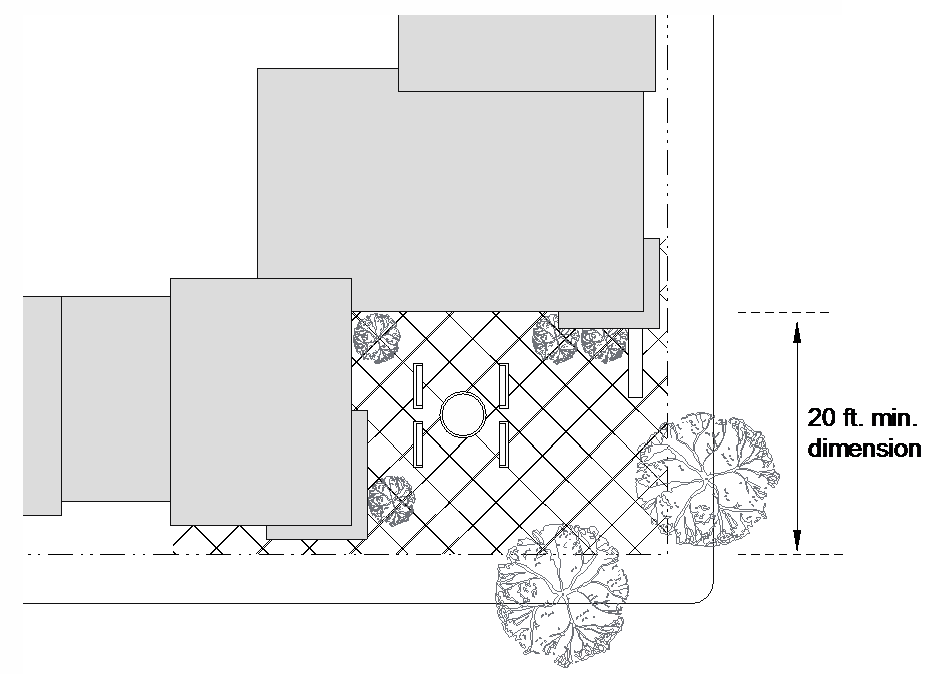
FIGURE 15-1204-D: PUBLIC PLAZAS
E.
Pedestrian Access. On-site pedestrian circulation and access shall be provided according to the following standards.
1.
Internal Connections. A system of pedestrian walkways shall connect all buildings on a site to each other, to on-site automobile and bicycle parking areas, and to any on-site open space areas or pedestrian amenities.
2.
External Connections. A system of pedestrian walkways shall connect the project site to adjacent Residential, Commercial, Mixed-Use, Office districts as follows:
a.
If the adjacent Residential, Commercial, Mixed-Use, and Office districts are undeveloped, stub connections shall be provided at a frequency of one per 600 feet. Upon the development of the adjacent parcels, any fencing or gates at the stubs shall be opened.
b.
If the adjacent Residential, Commercial, Mixed-Use, and Office districts are developed and provide connection points via breaks in the perimeter wall/fence or stub streets, then the project shall provide pedestrian walkway connections at those locations.
c.
If the adjacent Residential, Commercial, Mixed-Use, and Office districts are developed there are no possible connection points via breaks in the perimeter wall/fence, then the project shall not be required to provide connections.
3.
To Circulation Network. Regular connections between on-site walkways and the public sidewalk and other planned or existing pedestrian routes shall be provided. An on-site walkway shall connect the primary building entry or entries to a public sidewalk on each street frontage.
4.
To Streets. Direct and convenient access shall be provided to adjoining residential and commercial areas to the maximum extent feasible while still providing for safety and security.
5.
To Transit. Safe and convenient pedestrian connections shall be provided from transit stops to building entrances.
6.
Pedestrian Walkway Design.
a.
Walkways shall be a minimum of four feet wide, shall be hard-surfaced, and paved with concrete, stone, tile, brick, or comparable material.
b.
Where a required walkway crosses driveways, parking areas, or loading areas, it must be clearly identifiable through the use of a raised crosswalk, a different paving material, or similar method.
c.
Where a required walkway is parallel and adjacent to an auto travel lane, it must be raised or separated from the auto travel lane by a raised curb at least six inches high, bollards, or other physical barrier.
F.
Service Areas and Loading. Service and loading areas should be integrated with the design of the building and shall be screened from residential areas. Special attention shall be given when designing loading facilities in a location that is proximate to residential uses. Techniques such as block walls, enhanced setbacks, or enclosed loading bays can minimize adverse impacts to residents.
(Added Ord. 2015-39, § 1, eff. 1-9-16; Am. Ord. 2025-024, § 24, eff. 7-27-25).
SEC. 15-1205. - FAÇADE DESIGN DEVELOPMENT STANDARDS.
A.
Building Articulation. All street-facing façades, including freeway-facing façades, must include at least one projection or recess at least two feet in depth for every 25 horizontal feet of wall.
B.
Building Materials and Finishes.
1.
Each side of a building that is visible from a street or passenger railway shall be designed with a complementary level of detailing and quality of materials.
2.
Veneers should turn corners, avoiding exposed edges and continue down the side of a building to a logical break, such as a change in wall plane. Material changes at outside corners should be avoided.
3.
Windows shall maintain a consistent design character throughout the development and shall be of the same material on all elevations facing a street.
4.
Building entrances and common areas shall be accentuated with enhanced finishes and materials that are durable and high quality and distinguish these spaces from other elements of the building.
5.
Parking areas and structures shall be designed to match and be compatible with the architectural character, materials, and colors of the overall development.
6.
The design of building additions should follow the same general scale, proportion, massing, and detailing of the original structure, and not in stark contrast to the original structure.
(Added Ord. 2015-39, § 1, eff. 1-9-16).
SEC. 15-1301. - PURPOSE.
The purposes of the Employment Districts are to:
A.
Designate adequate land for industrial, office, research and development, and flexible commercial uses to strengthen the city's economic base and provide a range of employment opportunities for the current and future population of the city and region.
B.
Provide for the appropriate location of businesses that may have the potential to generate off-site impacts, while providing to ensure compatibility in use and form with existing and planned land uses.
C.
Provide appropriate buffers between employment centers and residential uses.
D.
Implement and provide appropriate regulations for General Plan classifications of "Office," "Business Park," "Regional Business Park," "Light Industrial," and "Heavy Industrial."
Additional purposes of each Employment District are as follows:
O Office. The O district is intended to provide sites for administrative, financial, business, professional, medical, and public offices, as identified by the General Plan. Retail uses would be limited to business services and food service and convenience goods for those who work in the area. This district is intended for locations where the noise or traffic generated by retail sales, restaurants, and service commercial may be incompatible with surrounding residential neighborhoods.
BP Business Park. The BP district is intended to provide a campus-type office professional environment that is well suited for large offices or multi-tenant buildings on sites identified by the General Plan. This district is intended to accommodate and allow for the expansion of small businesses with limited outdoor storage screened with landscaping proximate to residential uses. Typical land uses include research and development, laboratories, administrative and general offices, medical offices and clinics, and professional offices. Small-scale retail and service uses serving local employees and visitors are permitted as secondary uses.
RBP Regional Business Park. The RBP district is intended for large or campus-like office and technology development that includes office, research and development, manufacturing, and other large-scale, professional uses with limited and properly screened outdoor storage. Permitted uses include incubator-research facilities, prototype manufacturing, testing, repairing, packaging, and printing as well as offices and research facilities, on sites identified by the General Plan. Small-scale retail and service uses serving local employees and visitors are permitted as secondary uses.
IL Light Industrial. The IL district is intended to provide areas, as identified by the General Plan, for a diverse range of light industrial uses, including limited manufacturing and processing, research and development, fabrication, utility equipment and service yards, wholesaling, warehousing, and distribution activities. Small-scale retail and ancillary office uses are also permitted. Light Industrial areas may serve as buffers between Heavy Industrial Districts and other land uses and otherwise are generally located in areas with good transportation access, such as along railroads and freeways.
IH Heavy Industrial. The IH district is intended to accommodate the broadest range of industrial uses on sites identified in the General Plan. It includes manufacturing, assembly, wholesaling, distribution, and storage activities that are essential to the development of a balanced economic base. Small-scale commercial services and ancillary office uses are also permitted.
(Added Ord. 2015-39, § 1, eff. 1-9-16).
SEC. 15-1302. - USE REGULATIONS.
A.
Table 15-1302 below prescribes the proposed land use regulations for Employment Districts. The regulations for the district are established by letter designations listed below. These designations apply strictly to the permissibility of land uses; applications for buildings or structures may require discretionary review.
"P" designates permitted uses.
"C" designates uses that are permitted after review and approval of a Conditional Use Permit.
"(#)" numbers in parentheses refer to specific limitations listed at the end of the table.
"-" designates uses that are not permitted.
B.
Land uses are defined in Article 67, Use Classifications.
C.
In cases where a specific land use or activity is not defined, the Director shall assign the land use or activity to a classification that is substantially similar in character per Section 15-5020, Director's Determination.
D.
All permitted uses are allowed either alone or in combination with other permitted uses unless otherwise stated in this Code.
E.
Use classifications and subclassifications not listed in the table or not found to be substantially similar to the uses below are not permitted.
F.
The table also notes additional regulations that apply to various uses. Section numbers in the right hand column refer to other sections of this Code.
(Added Ord. 2015-39, § 1, eff. 1-9-16; Am. Ord. 2016-32, § 14, eff. 10-21-16; Am. Ord. 2018-66, § 11, eff. 1-18-19; Am. Ord. 2020-031, § 4, 9-1-20; Am. Ord. 2025-024, § 25, eff. 7-27-25; Am. Ord. 2025-023, § 3, eff. 12-26-25).
SEC. 15-1303. - INTENSITY AND MASSING DEVELOPMENT STANDARDS.
Tables 15-1303-1 to 15-1303-2 prescribe the intensity and massing development standards for the Employment Districts. Additional regulations are denoted in a right hand column. Section numbers in this column refer to other sections of the Code, while individual letters refer to subsections that directly follow the table. The numbers in each illustration below correspond to the "#" column in the associated table. Drawings are for illustrative purposes and are not drawn to scale.
| TABLE 15-1303-1: LOT AND INTENSITY STANDARDS—EMPLOYMENT DISTRICTS | |||||||
|---|---|---|---|---|---|---|---|
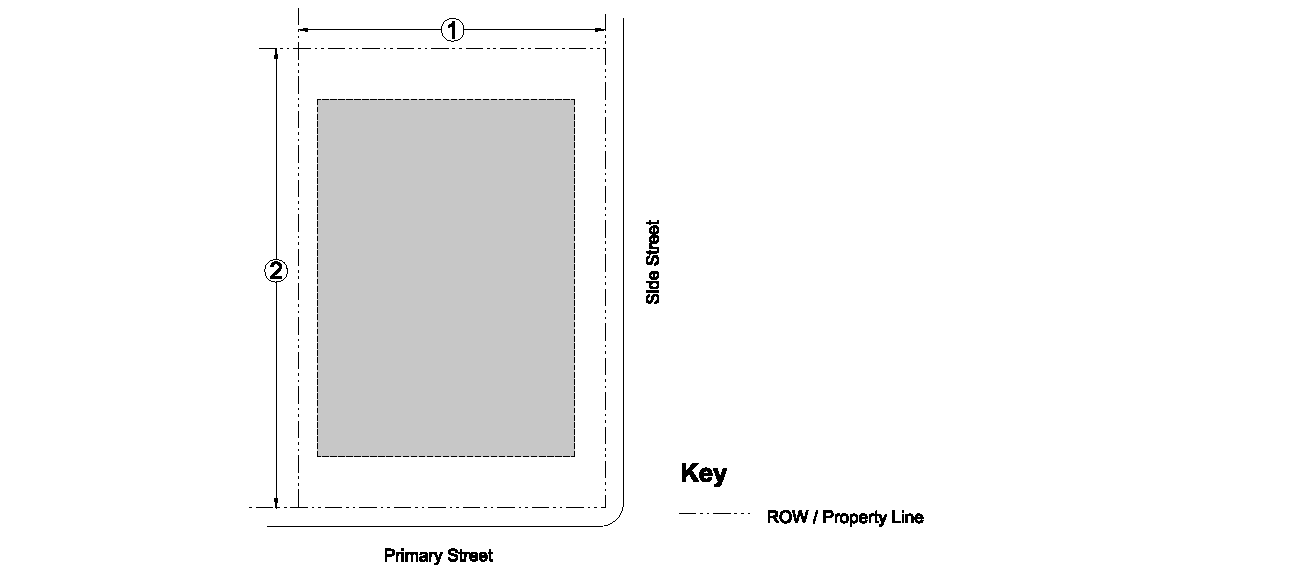 | |||||||
| District | O | BP | RBP | IL | IH | Additional Regulations | # |
| Minimum District Size | - | - | 5 acres | - | - | ||
| Minimum Lot Size (sq. ft.) | 7,500 | 10,000 | - | 9,000 | 9,000 | ||
| Minimum Lot Width (ft.) | 65 | 65 | 150 | 75 | 75 | ① | |
| Minimum Lot Depth (ft.) | 110 | 110 | 200 | 120 | 120 | ② | |
| Maximum Floor Area Ratio (FAR) | 2.0 | 1.0 | 1.0 | 1.5 | 1.5 | § 15-309, Determining Floor Area Ratio | |
| TABLE 15-1303-2: BUILDING FORM AND LOCATION STANDARDS—EMPLOYMENT DISTRICTS | |||||||
|---|---|---|---|---|---|---|---|
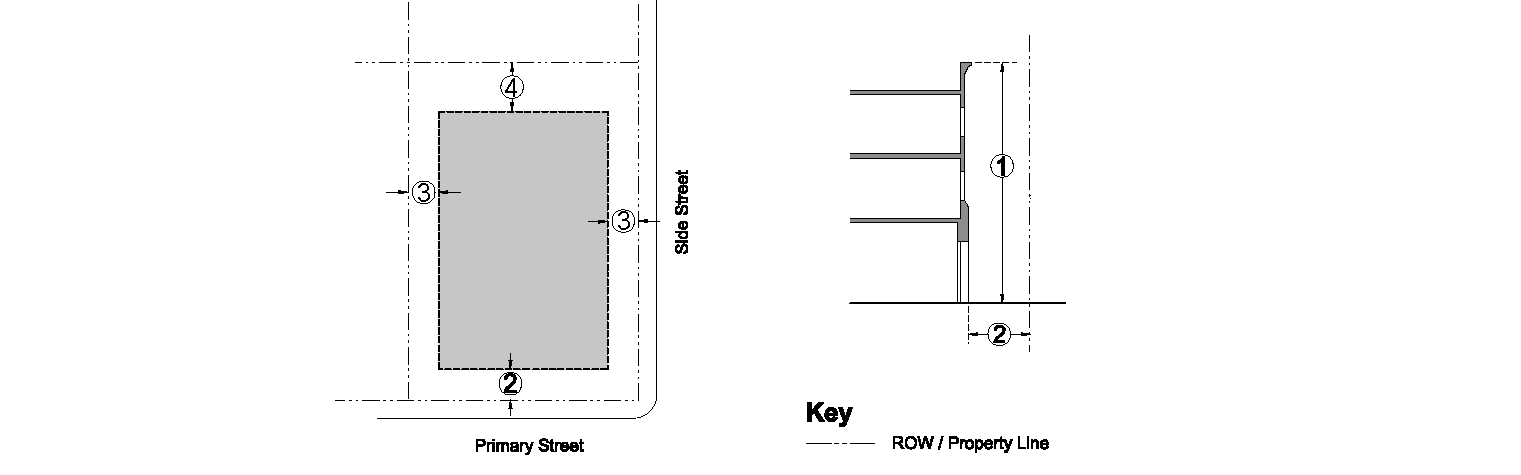 | |||||||
| District | O | BP | RBP | IL | IH | Additional Regulations | # |
| Maximum Height (ft.) | 60 | 60 | 60 | 60 | 60 | § 15-2012, Heights and Height Exceptions
§ 15-1304-A, Residential Transition Standards § 15-1304-C, Exceptions to Maximum Height in IL and IH Districts | ① |
| Minimum Setbacks (ft.) | § 15-313, Determining Setbacks
§ 15-1304-A, Residential Transition Standards § 15-1304-D, Enhanced Streetscape § 15-1304-E, Parking Setbacks § 15-2014, Projections/ Encroachments into Yards § 15-2305, Areas to be Landscaped | ||||||
| Front (Major Street) | 15 | 15 | 15 | 15 | 15 | ② | |
| Front (Major Street), with Enhanced Streetscape | - | NA | NA | NA | NA | ||
| Front (Local Street) | - | - | - | - | - | ||
| Side | - | - | - | - | - | ③ | |
| Rear | - | - | - | - | - | ④ | |
| Parking, from back of sidewalk or curb | 15 | 15 | 15 | - | - | ||
(Added Ord. 2015-39, § 1, eff. 1-9-16).
SEC. 15-1304. - SITE DESIGN DEVELOPMENT STANDARDS.
A.
Residential Transition Standards. Where an E District abuts a Residential District, the following standards apply:
1.
Height. The maximum height within 40 feet of a Residential District is limited to 30 feet. The maximum height within 50 feet of a residential district is 40 feet.
2.
Setbacks.
a.
Front and Street Side Yards. The front setback shall not be less than the required front yard on the abutting Residential District lot within 75 feet of the Residential District.
b.
Interior Side and Rear for the IL and IH Districts. The interior side and rear setback abutting a Residential District boundary shall be no less than 50 feet.
c.
Interior Side and Rear Setbacks for All Other Employment Districts. The interior side and rear setback abutting a Residential District boundary shall be 20 feet.
3.
Landscape. See Table 15-2305-C.1, Required Landscape Buffers.
4.
Screening. When a multi-story building is proposed and the second story or above is located within 50 feet of the side or rear yard of a single-unit lot, screening measures shall be applied to provide a reasonable degree of privacy.
a.
Screening measures include, but are not limited to, landscaping, alternate window and balcony placements, placing windows at least six feet from the floor of the interior of the unit, incorporating wing walls or louvers, using glass block or other translucent material, and other such methods.
b.
Sufficiency of Screening. The Review Authority shall determine the sufficiency of the proposed screening measures and may require additional measures.
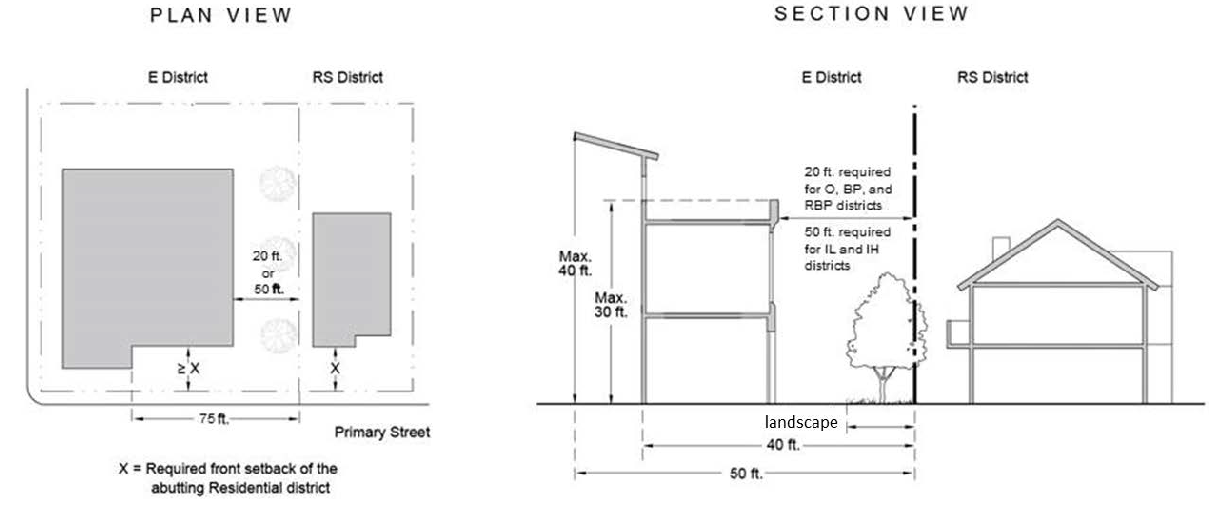
FIGURE 15-1304-A: RESIDENTIAL TRANSITION STANDARDS—E DISTRICTS
B.
Exceptions to Maximum Height in Woodward Park Area. Within the geographic area that is hatched in Figure 15-1304-B, the maximum permitted building height may be increased to 120 feet. Such projects shall conform to the residential transition standards in Section 1304-A and shall be subject to a Planned Development Permit.
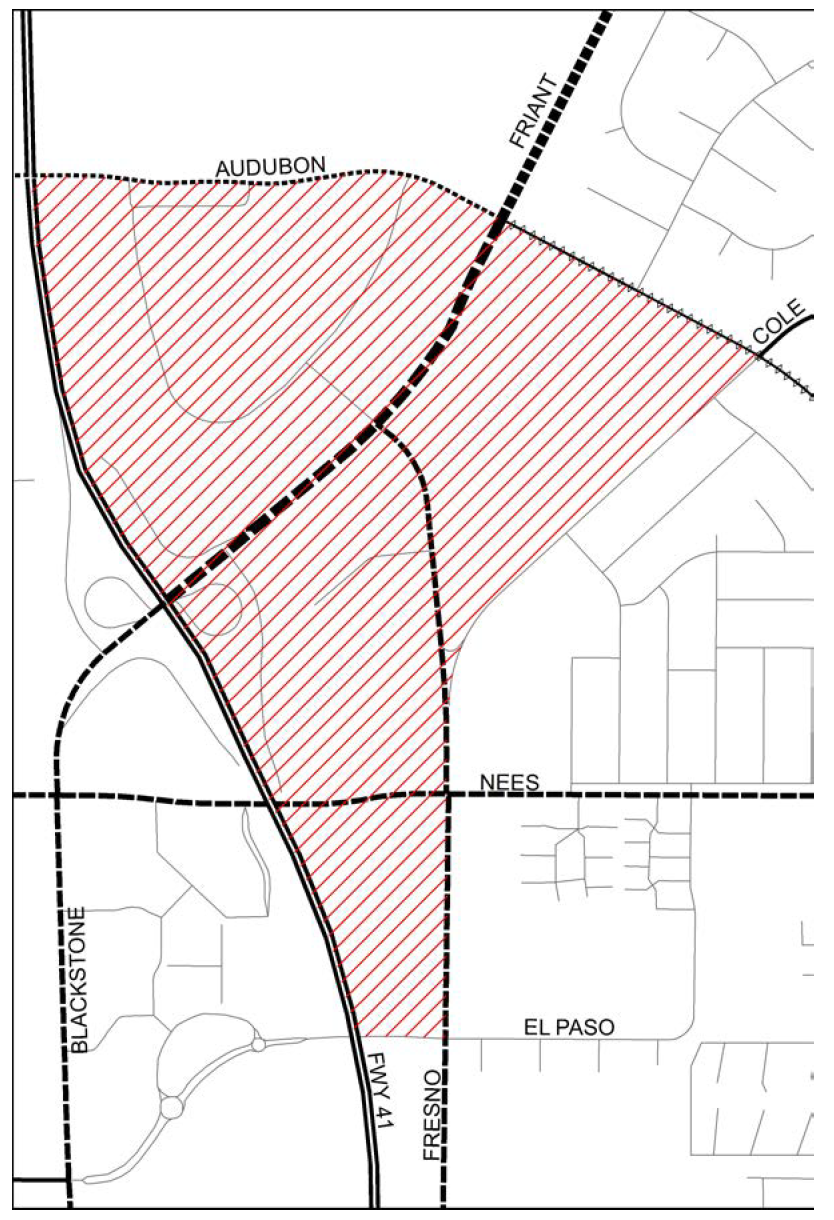
FIGURE 15-1304-B: EXCEPTIONS TO MAXIMUM HEIGHT IN WOODWARD PARK AREA
C.
Exceptions to Maximum Height in IL and IH Districts. Within the IL and IH Districts, uninhabited structures such as silos, cooling towers, and similar structures used for storage and manufacturing may exceed the maximum height prescribed in 15-1303-2 by no more than 40 feet. Height in excess of 100 feet for such structures is subject to a Conditional Use Permit.
D.
Enhanced Streetscape. Projects in O Districts which include buildings with a front setback of less than 15 feet shall provide the following streetscape enhancements:
1.
Sidewalks shall be no less than 12 feet in width.
2.
Street trees shall be provided as follows:
a.
Street trees should be located no more than three feet from the back of curb, and whenever possible should be aligned with other trees on the block.
b.
Street trees should generally be evenly spaced, no less than 20 feet apart, and not more than 40 feet apart.
c.
Whenever possible, trees should not be located directly in front of building entrances.
d.
Trees should be placed in tree wells measuring five feet by five feet. To maximize usable sidewalk area, tree wells shall be covered by grates of a design which is approved by the Director. Larger tree wells may be required by the Public Works Director for species requiring more space. The property owner shall assume maintenance responsibilities for the tree grates.
e.
Street trees should be deciduous, fast growing, drought tolerant, and should eventually form a tall canopy. Not more than one species should be planted per block. Whenever nearby pre-existing trees are in good condition and meet the intent of this section, new trees should be of the same species.
3.
Pedestrian-scaled street lights shall be provided as follows:
a.
Street lights should be located no more than three feet from the curb, and whenever possible should be aligned with street trees and other lights on the block.
b.
Street lights should be generally evenly spaced, no less than 30 feet apart, and not more than 80 feet apart. Whenever possible, street lights should be no less than 15 feet from nearby street trees.
c.
Street lights should not be of the type commonly known as Cobra Heads or other types which are intended primarily for the illumination of the vehicular roadway. Lights should be ornamental and designed primarily for the illumination of the sidewalk. Whenever nearby pre-existing lights are in good condition and meet the intent of this section, new lights should be of the same type. Intersection safety lights shall be typical cobra-head design, while mid-block lighting should be ornamental and scaled for the pedestrian environment. Lighting shall meet Public Works standards.
4.
Facades located with 15 feet of the public sidewalk shall be oriented to the street as follows:
a.
If there is a primary common building entrance which provides access to reception areas, elevators, stairs, and internal circulation, it shall face and be oriented to the street. If there is a yard between the sidewalk and the building, a paved path six feet in width shall be provided from the public sidewalk to the entrance.
b.
Direct entrances from the sidewalk in to individual establishments located along the street frontage shall be provided. If there is a yard between the sidewalk and the building, a paved path six feet in width shall be provided from the public sidewalk to the entrance.
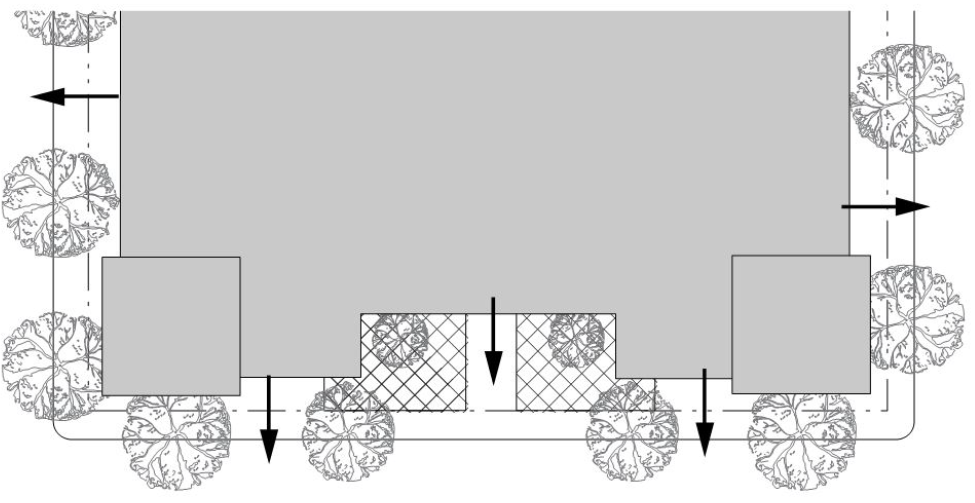
FIGURE 15-1304-D-4: BUILDING ORIENTATION TO THE STREET
5.
Exterior walls facing a front or street side lot line shall include windows, doors, or other openings with transparent glazing for at least 60 percent of the building wall area located between 2.5 and seven feet above the level of the sidewalk. Openings fulfilling this requirement shall have transparent glazing and provide views into work areas, display areas, sales areas, lobbies, or similar active spaces, or into window displays that are at least two feet deep.
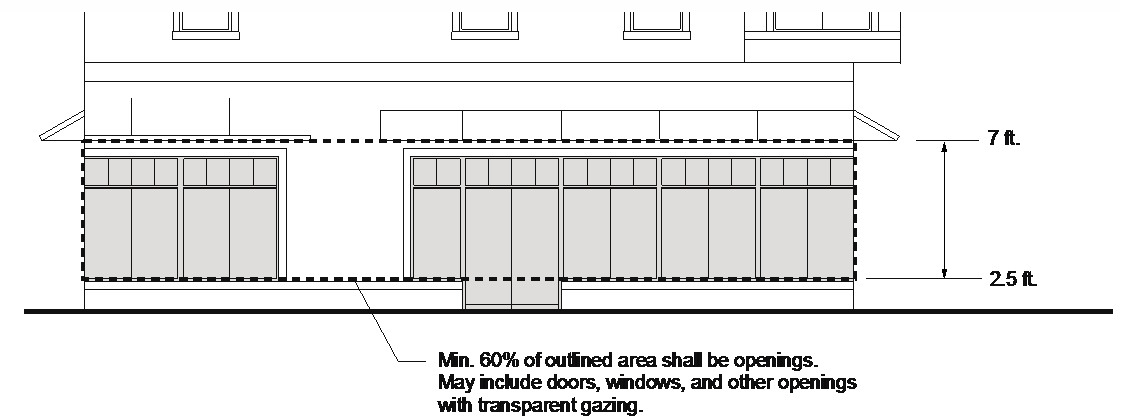
FIGURE 15-1304-D-5: BUILDING TRANSPARENCY
6.
Where buildings are located within two feet of a public sidewalk, the sidewalk shall be shaded by awnings or canopies as follows:
a.
Awning or canopy depth shall be no less than four feet and no more than 10 feet.
b.
Clearance shall be no less than eight feet and no more than 12 feet from the finished floor.
E.
Parking Setbacks. In the O, BP, and RBP Districts, parking shall be set back from the street facing lot line as shown in Table 15-1303-2, except as provided below:
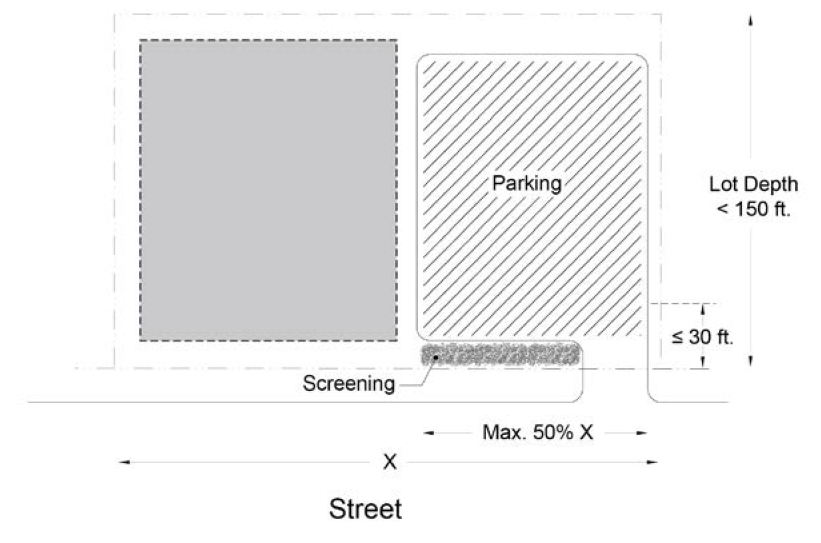
FIGURE 15-1304-E.1: SURFACE PARKING SCREENING
1.
Surface Parking. On lots less than 150 feet in width or depth, the parking setback may be reduced to six feet. This area shall be landscaped. Parking spaces shall be screened with a minimum three foot high berm, wall, or hedge, or combination thereof.
2.
Partially Submerged and Podium Parking. Parking that is partially below the street grade may extend to the setbacks of the main structure. A maximum six feet of the parking structure height may extend above the street grade if screened along street facing elevations by foundation plant materials. Gates need not be screened.
3.
Underground Parking. Parking that is fully underground and below the street grade may extend from property line to property line.
4.
Carports. If proposed on a Major Street in the O or the BP Districts, carports:
a.
Should generally be located away from major streets.
b.
There shall be no more than six consecutive carport spaces parallel to major streets, with a minimum distance of 20 feet between every six carport spaces.
5.
Driveways. The location and width of driveways shall be minimized; they are permitted only to provide access to garages, carports, and parking areas. Curb cuts are limited to one for every 50 feet of street frontage.
F.
Pedestrian Access. Within the O District, on-site pedestrian circulation and access must be provided according to the following standards.
1.
To Streets. Direct and convenient access shall be provided to adjoining residential and commercial areas to the maximum extent feasible while still providing for safety and security.
2.
To Transit. Safe and convenient pedestrian connections shall be provided from transit stops to building entrances.
3.
To Circulation Network. Regular connections between on-site walkways and the public sidewalk and other planned or existing pedestrian routes shall be provided. An on-site walkway shall connect the primary building entry or entries to a public sidewalk on each street frontage.
4.
Internal Connections. A system of pedestrian walkways shall connect all buildings on a site to each other, to on-site automobile and bicycle parking areas, and to any on-site open space areas or pedestrian amenities.
5.
External Connections. In the O District, a system of pedestrian walkways shall connect the project site to adjacent Residential, Commercial, Mixed Use, Office districts as follows:
a.
If the adjacent Residential, Commercial, Mixed Use, and Office districts are undeveloped, stub connections shall be provided at a frequency of one per 600 feet. Upon the development of the adjacent parcels, any fencing or gates at the stubs shall be opened.
b.
If the adjacent Residential, Commercial, Mixed Use, and Office districts are developed and provide connection points via breaks in the perimeter wall/fence or stub streets, then the project shall provide pedestrian walkway connections at those locations.
c.
If the adjacent Residential, Commercial, Mixed Use, and Office districts are developed there are no possible connection points via breaks in the perimeter wall/fence, then the project shall not be required to provide connections.
6.
Pedestrian Walkway Design.
a.
Walkways shall be a minimum of four feet wide, shall be hard-surfaced, and paved with concrete, stone, tile, brick, or comparable material.
b.
Where a required walkway crosses driveways, parking areas, or loading areas, it must be clearly identifiable through the use of a raised crosswalk, a different paving material, or similar method.
c.
Where a required walkway is parallel and adjacent to an auto travel lane, it must be raised or separated from the auto travel lane by a raised curb at least six inches high, bollards, or other physical barrier.
G.
Service Areas and Loading. Service and loading areas should be integrated with the design of the building and shall be screened from residential areas. Special attention shall be given when designing loading facilities in a location that is proximate to residential uses. Techniques such as block walls, enhanced setbacks, or enclosed loading can minimize adverse impacts to residents.
(Added Ord. 2015-39, § 1, eff. 1-9-16; Am. Ord. 2018-25, § 10, eff. 6-11-18; Am. Ord. 2025-024, § 26, eff. 7-27-25).
SEC. 15-1305. - FAÇADE DESIGN DEVELOPMENT STANDARDS.
A.
Building Articulation. In the O District, all street-facing façades must include at least one projection or recess at least two feet in depth for every 25 feet of horizontal feet of wall.
B.
Building Materials and Finishes.
1.
In the O District, the following standards shall apply:
a.
Each side of a building that is visible from a Major Street shall be designed with a complementary level of detailing and quality of materials.
b.
There shall be a minimum of two exterior wall finish materials.
c.
Veneers should turn corners, avoiding exposed edges and continue down the side of a building to a logical break, such as a change in wall plane. Material changes at outside corners should be avoided.
d.
Building entrances and common areas shall be accentuated with enhanced finishes and materials that are durable and high quality and distinguish these spaces from other elements of the building.
e.
Metal buildings should employ a variety of building forms shapes, colors, materials, and other architectural treatments to add visual interest and variety to the building. Architectural treatments should emphasize the primary entrance to the building.
f.
Unless roofing materials are part of the design element (for example, tiles, concrete, or metal roofing elements), the ridge line elevation should not exceed the parapet elevation.
g.
Windows shall maintain a consistent design character throughout the development and shall be of the same material on all elevations facing a street.
h.
Parking areas and structures shall be designed to match and be compatible with the architectural character, materials, and colors of the overall development.
2.
In the BP and RBP Districts, buildings within 100 feet of a major street shall apply at least two of the following standards:
a.
Use a minimum of two exterior wall finish materials shall be used.
b.
Use a minimum of three exterior paint colors.
c.
Design street-facing façades to have an overall wall composition of at least 20 percent glazing.
d.
Provide one inset of six inches in depth, 10 feet in height, and 20 feet in width for every 50 feet of wall length.
e.
Provide canopies or awnings with at least four feet of projection for at least 50 percent of the wall length.
f.
Employ an architectural treatment to the primary entrance(s) such as decorative lighting, increased height, or enhanced materials.
(Added Ord. 2015-39, § 1, eff. 1-9-16).
SEC. 15-1401. - PURPOSE.
The specific purposes of the Public and Semi-Public Districts are to:
A.
Provide areas for a wide range of public facilities, including parks and open space, educational facilities, cultural and institutional uses, health services, municipal offices, general government operations, utility and public service needs, and other public or quasi-public facilities.
B.
Ensure that the development and operation of public and semi-public uses protects and enhances the character and quality of life of surrounding residential areas.
C.
Ensure the provision of services and facilities needed to serve residents, businesses, and visitors and maintain a high quality of life standard.
D.
Implement and provide appropriate regulations for General Plan classifications of "Open Space," and "Public and Institutional."
Additional purposes of each Public and Semi-Public District are as follows:
OS Open Space. The OS district is intended for undeveloped park lands and permanent open spaces in the community, including environmentally-sensitive lands, waterways, and wetlands. It is also intended to safeguard the health, safety, and welfare of the people by limiting development in areas where police and fire services, protection against flooding by storm water, and mitigation of excessive erosion are not possible without excessive costs to the community. This district may include trails and other low-impact public recreational uses, ponding basins, riverbottoms/riverbeds, and airport approach/clear zones. Access may be restricted to areas of sensitive habitat or which pose a danger to the public.
PR Parks and Recreation. The PR district is intended to maintain areas for active and passive public parks and multi-purpose trails, including outdoor and indoor recreation such as playing fields, trails, playgrounds, community centers, and other appropriate recreational uses. The PR district may include ponding basins or airport approach/clear zones if developed for, programmed, and actively used as recreation fields.
PI Public and Institutional. The PI district is for public or quasi-public facilities, including City facilities, utilities, schools, health services, corporation yards, utility stations, and similar uses. Accessory retail uses and services, including food facilities and childcare, are permitted.
(Added Ord. 2015-39, § 1, eff. 1-9-16).
SEC. 15-1402. - USE REGULATIONS.
A.
Table 15-1402 prescribes the proposed land use regulations for Public and Semi-Public Districts. The regulations for the districts are established by letter designations listed below. These designations apply strictly to the permissibility of land uses; applications for buildings or structures may require discretionary review.
"P" designates permitted uses.
"C" designates uses that are permitted after review and approval of a Conditional Use Permit.
"(#)" numbers in parentheses refer to specific limitations listed at the end of the table.
"-" designates uses that are not permitted.
B.
Land uses are defined in Article 67, Use Classifications.
C.
In cases where a specific land use or activity is not defined, the Director shall assign the land use or activity to a classification that is substantially similar in character per Section 15-5020, Director's Determination.
D.
All permitted uses are allowed either alone or in combination with other permitted uses unless otherwise stated in this Code.
E.
Use classifications and subclassifications not listed in the table or not found to be substantially similar to the uses below are not permitted.
F.
The table also notes additional regulations that apply to various uses. Section numbers in the right hand column refer to other sections of this Code.
(Added Ord. 2015-39, § 1, eff. 1-9-16; Am. Ord. 2016-32, § 15, eff. 10-21-16); Am. Ord. 2025-024, § 27, eff. 7-27-25).
SEC. 15-1403. - INTENSITY AND MASSING DEVELOPMENT STANDARDS.
Table 15-1403 prescribes the intensity and massing development standards for the Public and Semi-Public Districts. Additional regulations are denoted in a right hand column. Section numbers in this column refer to other sections of the Code, while individual letters refer to subsections that directly follow the table. The numbers in each illustration below correspond to the "#" column in the associated table.
(Added Ord. 2015-39, § 1, eff. 1-9-16).
SEC. 15-1404. - SITE DESIGN DEVELOPMENT STANDARDS.
A.
Additional Height for Recreational Facilities. Additional height for structures related to recreational facilities such as light standards, nets, and fences, may be approved with a Planned Development Permit.
B.
Residential Transition Standards. See Table 15-2305-C.1, Required Landscape Buffers.
C.
Service Areas and Loading. Service and loading areas shall be located so that they are oriented away from residences, primary pedestrian entrances and areas, and not adjacent to or parallel to any public right-of-way (except alleys).
D.
Setbacks. The prescribed setbacks apply to all structures, including, but not limited to, bleachers, dugouts, backstops, lights, etc. Should the parcel be less than one-half acre, the Director may reduce the front and street side yard to 15 feet.
E.
On-Campus Housing Standards. The provisions set in 15-1004-A, RS Transition Standards and 15-1004-D, On-Site Open Space shall apply.
F.
San Joaquin River Corridor Preservation. Any development within the San Joaquin River Corridor shall be limited or required to provide an extended buffer in order to protect the natural environs. The limitations and buffers shall be consistent with the General Plan and may be expanded further subject to environmental review.
(Added Ord. 2015-39, § 1, eff. 1-9-16; Am. Ord. 2018-25, § 11, eff. 6-11-18).
SEC. 15-1501. - PURPOSE.
A.
The purposes of the Downtown (DT) Districts are to:
1.
Ensure that buildings, renovations, and additions are consistent with the goals of the Downtown Neighborhoods Community Plan (DCNP) and the Fulton Corridor Specific Plan (FCSP) for pedestrian-oriented streetscapes, building form, physical character, and quality.
2.
Promote pedestrian-oriented infill development, intensification, and reuse of land consistent with the General Plan.
3.
Develop a mixed-use Downtown with a vibrant concentration of goods and services, housing, community gathering spaces, and regionally-serving employment, cultural, and entertainment offerings.
4.
Transform Downtown's streets into vibrant, diverse, and attractive places that support a mix of pedestrian-oriented retail, office, and residential uses in order to achieve an active social environment within a revitalized streetscape.
5.
Provide options which reduce the need for private automobile use to access shopping, services, and employment and minimize air pollution from vehicle miles traveled.
6.
Offer additional housing opportunities for residents seeking to live in an urban environment.
7.
Create a vibrant, unique Downtown that offers different kinds of experiences—business, dining, culture, and entertainment—for workers, residents, and visitors alike.
8.
Establish Downtown development and design standards that will create a unified, yet distinctive, and attractive urban character that respects Fresno's past and serves the city for the long term.
9.
Facilitate compact mixed-use development in key locations such as along Bus Rapid Transit (BRT) corridors and near Fresno's train stations.
B.
Additional purposes of each Downtown District are as follows:
1.
DTN Downtown Neighborhood. The DTN District will create lively, walkable, mixed-use urban neighborhoods surrounding the Downtown Core.
2.
DTG Downtown General. The DTG District will support a high concentration of regional activity generators such as governmental buildings and convention centers within a pedestrian-oriented, mixed-use urban setting.
3.
DTC Downtown Core. The DTC District will foster the enhancement of Fresno's business, shopping, and cultural heart by guiding the development of the densest, most active, and most interesting mixed-use urban center in the region.
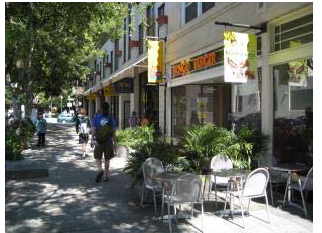
Activity Class A streets feature ground floor retail, restaurant, and entertainment
uses.
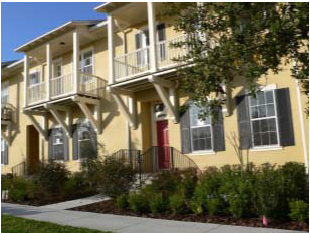
Activity Class B and C streets may feature ground floor residential units with stoops
and porches, or storefront offices. On B streets ground floor retail is also allowed.
C.
Activity Classifications. Some standards, as specified in this article, shall apply based on the Activity Classification of the adjacent street, as shown in Figure 15-1501. The purposes of the Activity Classifications are as follows:
1.
Activity Class A. Streets in Activity Class A have the greatest pedestrian activity or the greatest potential for pedestrian activity. Ground floor retail, restaurant, and entertainment uses are required as put forth in Table 15-1502.
2.
Activity Class B. Streets in Activity Class B are walkable urban corridors with moderate pedestrian activity. As put forth in Table 15-1502, retail, restaurant, and entertainment uses are appropriate in these areas, but ground floor residential or office uses are also appropriate.
3.
Activity Class C. Streets in Activity Class C are walkable and comfortable for pedestrians, but are not the most active streets within Downtown. Ground floor residential or office uses are appropriate, but retail uses should be small and restricted to corners as put forth in Table 15-1502.
4.
Corners. When a project is located at the intersection of two streets with different Activity Classifications, the requirements of the higher activity class shall wrap the corner and prevail over the lower order classification for a distance determined by the Review Authority.
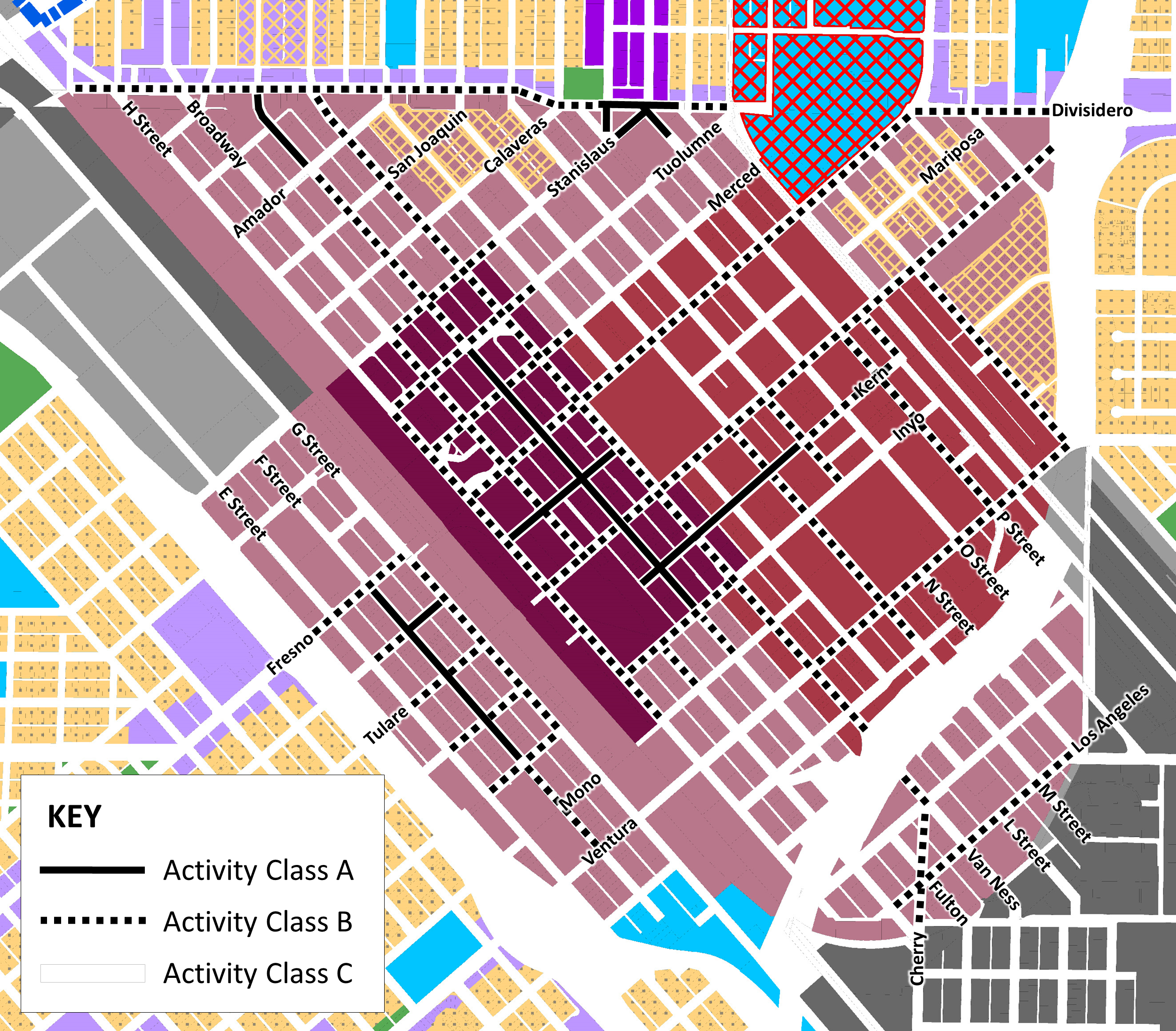
Figure 15-1501 Activity Classifications
(Added Ord. 2016-43, § 2, eff. 12-9-16; Am. Ord. 2018-25, § 12, eff. 6-11-18).
SEC. 15-1502. - USE REGULATIONS.
A.
Table 15-1502 prescribes the proposed land use regulations for Downtown Districts. The regulations for the districts are established by letter designations listed below. These designations apply strictly to the permissibility of land uses; applications for buildings or structures may require discretionary review.
"P" designates permitted uses.
"C" designates uses that are permitted after review and approval of a Conditional Use Permit.
"(#)" numbers in parentheses refer to specific limitations listed at the end of the table.
"—" designates uses that are not permitted.
B.
Land uses are defined in Article 67, Use Classifications.
C.
In cases where a specific land use or activity is not defined, the Director shall assign the land use or activity to a classification that is substantially similar in character per Section 15-5020, Director's Classification.
D.
All permitted uses are allowed either alone or in combination with other permitted uses unless otherwise stated in this Code.
E.
Use classifications and subclassifications not listed in the table or not found to be substantially similar to the uses below are not permitted.
F.
The table also notes additional regulations that apply to various uses. Section numbers in the right hand column refer to other sections of this Code.
(Added Ord. 2016-43, § 2, eff. 12-9-16; Am. Ord. 2018-25, § 13, eff. 6-11-18; Am. Ord. 2018-66, § 12, eff. 1-18-19; Am. Ord. 2020-031, § 5, 9-1-20; Am. Ord. 2025-024, § 28, eff. 7-27-25).
SEC. 15-1503. - DENSITY, INTENSITY, AND MASSING DEVELOPMENT STANDARDS.
Table 15-1503 prescribes the density, intensity, and massing development standards for the Downtown Districts. Additional regulations are denoted in a right hand column. Section numbers in this column refer to other sections of the Code, while individual letters refer to subsections that directly follow the table. The numbers in each illustration below correspond to the "#" column in the associated table. Drawings are for illustrative purposes and are not drawn to scale.
The Downtown Districts promote an urban massing of buildings that is similar to the
area's early development.
Storefront glazing and sidewalk-oriented entrances promote pedestrian comfort, convenience,
and safety.
| TABLE 15-1503: BUILDING AND PARKING PLACEMENT AND BUILDING MASSING STANDARDS—DOWNTOWN DISTRICTS | |||||
|---|---|---|---|---|---|
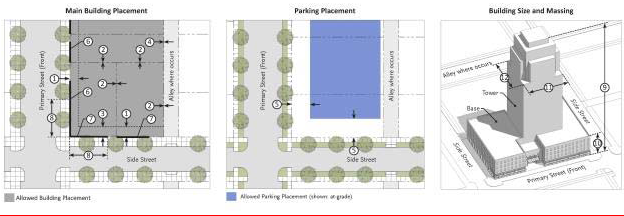 | |||||
| District | DTN | DTG | DTC | Additional Regulations | # |
| Floor Area Ratio (min./max.) | No Limit | No Limit | No Limit | ||
| Residential Density, du/ac (min./max.) | No Limit | No Limit | No Limit | ||
| Setbacks (ft.) | |||||
| Front, Activity Class A (min./max.) | 0/2 | 0/2 | 0/2 | Figure 1504-A: Activity Classifications | ① |
| Front, Activity Class B and C (min./max.) | 0/10 | 0/10 (1) | 0/10 | ||
| Interior Side (min.) | 0 | 0 | 0 | § 15-313, Determining Setbacks and Yards, § 15-1504-E, RS Transition Standards, and § 15-1504-G, Parking Buffering | ② |
| Street Side (min./max.) | 0/10 | 0/10 (2) | 0/10 | ③ | |
| Rear (min.) | 0 | 0 | 0 | ④ | |
| Alley (min.) | 0 | 0 | 0 | ||
| Parking Buffering, from back of sidewalk or curb (min.) | 30 | 30 | 30 | ⑤ | |
| Front Street Minimum Frontage Coverage (%) | 60 | 75 | 90 | § 15-317, Determining Frontage Coverage | ⑥ |
| Side Street Minimum Frontage Coverage (%) | 50 | 50 | 50 | § 15-317, Determining Frontage Coverage | ⑦ |
| Corner Frontage (ft., measured from property corner) | 30 | 50 | 75 | § 15-1504-F, Corner Frontage | ⑧ |
| Building Size and Massing | |||||
| Maximum Height (floors/ft.) | 6/90 | 10/140 | 15/190 | § 15-1504-E , RS Transition Standards and § 15-2012, Heights and Height Exceptions | ⑨ |
| Max. Tower Height (floors/ft.) | n/a | 10/140 | 15/190 | ||
| Max. Base Height (floors/ft.) | 6/90 | 6/90 | 6/90 | ⑩ | |
| Tower Length (ft.) | n/a | 200 | 200 | ⑪ | |
| Tower Width (ft.) | n/a | 120 | 120 | ⑫ | |
| Minimum On-Site Open Space (% of Lot Area) | 10 | 8 | 5 | § 15-1504-I, On-Site Open Space | |
|
Specific Limitations:
1. Front setback along Mariposa Street between M Street and P Street (min./max.): 10/18 ft. 2. Street Side setback along Mariposa Street between M Street and P Street (min./max.): 10/15 ft. | |||||
(Added Ord. 2016-43, § 2, eff. 12-9-16).
SEC. 15-1504. - SITE DESIGN DEVELOPMENT STANDARDS.
A.
Active Uses Adjacent to Sidewalks. In order to promote activity on all sidewalks, and to focus the highest activity levels in the most beneficial areas, the following standards shall apply to all ground-floor building space located within 30 feet of a public street:
1.
Activity Classifications. Uses shall be Permitted, Conditionally Permitted, or Prohibited based on the adjacent street's activity classification as identified in Figure 1501 and Table 15-1502.
2.
Active to Inactive Space Ratio.
a.
Activity Class A. No less than 90 percent of the length of building frontage along public streets shall be designed to be occupied by active spaces, such as lobbies, dining areas, living areas, and sales floors. The remaining 10 percent may consist of inactive spaces, such as kitchens, hallways, utility rooms, storage, emergency exits, display cases, etc.
b.
Activity Class B and C. No less than 60 percent of the length building frontage along public streets shall be designed to be occupied by active spaces, such as lobbies, dining areas, living areas, and sales floors. The remaining 40 percent may consist of inactive spaces, such as kitchens, hallways, utility rooms, storage, emergency exits, display cases, etc.
c.
Sites with Multiple Frontages. The street of highest pedestrian importance, as determined by the Review Authority, shall comply with subparagraphs a and b above. Other street frontages may provide reduced active spaces as determined by the Review Authority.
B.
Mixed-Use Configurations. Buildings shall be designed to minimize the potential conflicts between residential and non-residential uses adjacent to one another or within the same building to the satisfaction of the Review Authority. Potential techniques include:
1.
Sound attenuation/transmission requirements of the California Building Code;
2.
Distinct entries for non-residential and residential suites/units;
3.
Ventilation of ground floor uses so as not to disrupt upper floor tenants.
C.
Required Minimum Height.
1.
Required minimum heights are applicable only in the DTC District as put forth by the following diagram.
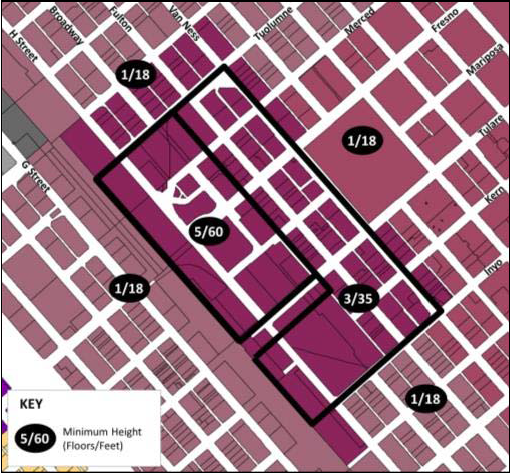
FIGURE 1504-C: REQUIRED MINIMUM HEIGHTS
2.
New structures shall meet both the minimum number of floors and the minimum height in feet. No more than the front 30 feet of lot depth, measured from all streets on which the project has frontage, shall be subject to Required Minimum Height regulations.
3.
Existing structures which are remodeled or otherwise modified shall not be required to comply with Required Minimum Height regulations unless the gross floor area is increased by more than 100 percent.
4.
Additions to designated historic resources shall not be required to comply with Required Minimum Height regulations.
5.
Portions of the building that are not part of the primary building mass, such as entrance porticos, bays and stoops, are not required to meet minimum height requirements. Parking podiums, garages, and accessory buildings are not required to meet minimum height requirements.
D.
Special Noise Standards. Within the portion of the DTN District that is south of Inyo Street, the following special noise standards apply.
1.
Stationary Noise Standards. This area is exempted from Subsection 15-2605-D. The following maximum noise levels in Table 15-1504-D apply.
2.
Residential Uses. New residential development shall anticipate maximum allowable noise levels and provide noise protection to maintain an interior noise level at 45 Leq, dB or lower.
E.
RS Transition Standards. Where a DT district abuts an RS District, the following standards apply:
1.
Height. The maximum height within 40 feet of an RS District is limited to 30 feet. The maximum height within 100 feet of an RS District is 40 feet.
2.
Setbacks. The following additional setback requirements shall be applied to all structures, including accessory structures, on parcels which are adjacent to an RS District:
a.
Front and Street Side Yard. The front setback shall not be less than the required front yard on the abutting RS District lot within 50 feet of the RS District.
b.
Interior Side and Rear. The interior side and rear setback abutting an RS District boundary shall be 20 feet.
3.
Landscape. See Section 15-2305, Areas to be Landscaped.
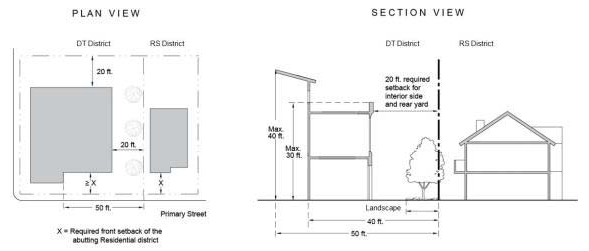
FIGURE 15-1504-E: RS TRANSITION STANDARDS—DT DISTRICTS
F.
Corner Frontage. Buildings on corner lots must be located within a minimum of five feet of the back of the sidewalk for the minimum length specified in Table 15-1503. As determined by the Review Authority, plazas maybe located at the street corner provided the plaza meets the requirements of Section 15-1504-I.1.c and buildings are built to the edge of the plaza.
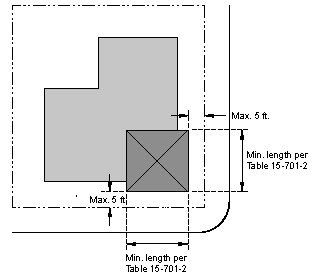
FIGURE 15-1504-F: CORNER FRONTAGE STANDARDS
G.
Parking Buffering. All parking facilities, whether public or private, shall be buffered as shown on Table 15-1503 based on the adjacent street activity classification as shown in Figure 15-1501 and the physical form of the parking as provided below:
1.
Activity Class A.
a.
Surface Parking and Tuck-Under Parking. Surface and tuck-under (one row of surface parking with building area over it) parking must be located entirely behind a building space which is occupied by a permitted use or uses, which conforms to all applicable development standards, and which is no less than 30 feet deep. Accessory structures, sheds, parking attendant booths, and other such buildings shall not satisfy this requirement.
b.
Above Grade Structured Parking. All above grade levels of the parking structure must be located behind active, occupied building space for a depth of no less than 30 feet.
c.
Partially Submerged Podium Parking. Parking that is partially below the street grade must be located behind active, occupied space for a depth of no less than 30 feet.
d.
Underground Parking. Parking that is fully underground and below the street grade may extend from lot line to lot line.
2.
Activity Class B.
a.
Surface Parking and Tuck-Under Parking. Surface and tuck-under parking (one row of surface parking with building area over it) must be located entirely behind a building space which is occupied by a permitted use or uses, which conforms to all applicable development standards, and which is no less than 30 feet deep. Accessory structures, sheds, parking attendant booths, and other such buildings shall not satisfy this requirement.
b.
Above Grade Structured Parking. The ground floor of the parking structure must be located behind active, occupied building space for a depth of no less than 30 feet. Upper floors of the parking structure are not required to be located behind non-parking uses or to be set back more than is required by the building setbacks.
c.
Partially Submerged Podium Parking. Parking that is partially below the street grade shall be buffered in the same manner as above grade structured parking, however it will not be subject to a buffering requirement if the following conditions are met:
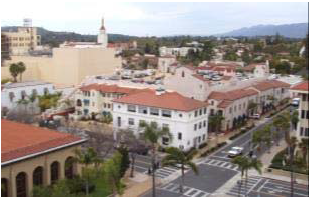
Buffering all levels of structured parking on Activity Class A and B streets balances
parking and placemaking goals.
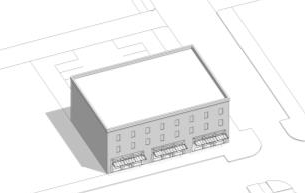
On Activity Class A and B streets, surface parking must be set back from the street
and located behind a building.
i.
No more than four feet of the partially submerged parking podium may extend above the street grade.
ii.
The partially submerged parking podium shall be screened along street facing elevations by foundation plant materials. Gates need not be screened.
d.
Underground Parking. Parking that is fully underground and below the street grade may extend from lot line to lot line.
3.
Activity Class C.
a.
Surface Parking and Tuck-Under Parking. Surface and tuck-under parking (one row of surface parking with building area over it) shall be set back no less than 30 feet. For no less than 60 percent of the length the lot frontage along public streets, surface parking must be located behind a building space which is occupied by a permitted use or uses and which conforms to all applicable development standards and which is no less than 30 feet deep. Accessory structures, sheds, parking attendant booths, and other such buildings shall not satisfy this requirement. For the remainder of the lot frontage, the setback may be landscaped, a public plaza, an outdoor dining area, or similar treatment as determined by the Review Authority.
b.
Above Grade Structured Parking. The ground floor of the parking structure must be located behind active, occupied building space for a depth of no less than 30 feet. Upper floors of the parking structure are not required to be located behind non-parking uses or to be set back more than is required by the building setbacks.
c.
Partially Submerged Podium Parking. Parking that is partially below the street grade shall be buffered in the same manner as above grade structured parking, however it will not be subject to a buffering requirement if the following conditions are met:
i.
No more than four feet of the partially submerged parking podium may extend above the street grade.
ii.
The partially submerged parking podium shall be screened along street facing elevations by foundation plant materials. Gates need not be screened.
d.
Underground Parking. Parking that is fully underground and below the street grade may extend from lot line to lot line.
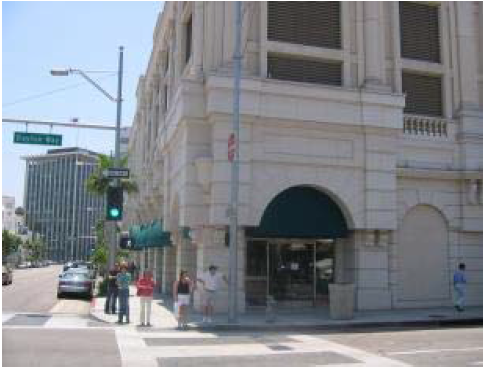
On Activity Class C streets, only the ground floor or above grade structured parking
must be buffered with active uses.
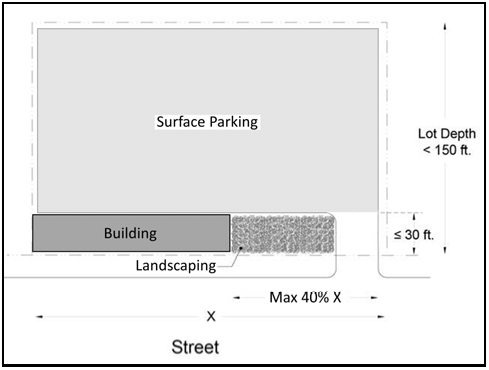
On Activity Class C streets, most surface parking must be behind a building, but some
may be behind landscaping.
4.
Sites with Multiple Frontages. Building frontage along the street(s) of highest pedestrian importance, as determined by the Review Authority, shall comply with applicable subsections 1, 2, and/or 3 above. Along the street of lowest pedestrian importance, frontages may provide reduced buffering if a satisfactory pedestrian environment is maintained, as determined by the Review Authority.
H.
Parking Access and Entrance Design. The following standards shall apply to vehicular access to off-street parking areas:
1.
Access.
a.
Lots with Alley Access. Service areas shall be accessed through the alley, and access from a street shall not be permitted. For the redevelopment of sites with existing curb cut access from a street, the access shall be taken from the alley and the curb cut on the street shall be removed.
b.
Corner Lots without Alley Access. Service areas shall be accessed from the street with the lowest Activity Classification per Figure 15-1501. If all adjacent streets have the same Activity Classification, the parking and service areas shall be accessed from the street with the least potential for pedestrian activity as determined by the Review Authority.
c.
Interior Lots without Alley Access. Service areas may be accessed from the street.
2.
Entrance Design. Private parking garage entrance openings shall be composed as an integral part of the building facade and shall be designed as doorways secured by gates or doors and scaled in proportion to the overall form of the building.
I.
On-Site Open Space.
1.
Minimum Open Space Required. On-site open space shall be required for projects with more than four dwelling units. The minimum amount of on-site open space required shall be based on the size of the lot, as shown in Table 15-1503. This requirement may be met through a combination of private open space, common open space, or public plazas as follows:
a.
Private Open Space Requirements. Private open spaces are those which are attached to a dwelling unit and are available only for the private use of the residents of the dwelling unit, such as balconies, porches, and patios. No fewer than 50 percent of the dwelling units on a site shall have a private open space. The following standards shall apply to private open space:
i.
The minimum dimension of any private open space shall be five feet.
ii.
The minimum area of any private open space shall be 50 square feet.
iii.
When located within 30 feet of a public street and located on the ground floor, private open spaces shall follow the requirements for Porches as put forth in Table 15-1505-E-2.
iv.
When located within 30 feet of a public street and located above the ground floor, private open spaces shall follow the requirements for Balconies as put forth in Table 15-1505-F.
b.
Common Open Space Requirements. Common open spaces are those which are available for active or passive use by all tenants, but use by the general public may be restricted. To the extent that common open space is provided, the following standards shall apply:
i.
The minimum dimension of any common open space shall be 20 feet.
ii.
The minimum area of any common open space shall be 1,000 square feet. The calculation of the common open space area shall exclude structures which are unusable as open space, but shall include structures that enhance its usability, such as swimming pools, changing facilities, fountains, planters, benches, and landscaping.
iii.
For sites greater than one acre in size, a minimum of 40 percent of the required common open space shall be developed with gardens, play fields, hard-surfaced game courts, recreation rooms, swimming pools, or other features designed for the active recreational use of residents of the development.
iv.
Common open space may be located at grade, on rooftops, on top of parking podiums, or any other such location that is accessible to tenants. Common open space may not be located within required setbacks or parking areas.
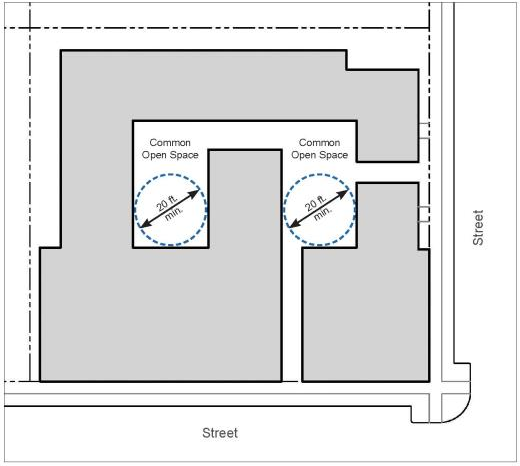
FIGURE 15-1504-I.1.B: MINIMUM REQUIRED COMMON OPEN SPACE DIMENSION
c.
Public Plaza Requirements. Public plazas are those which are available for use by the general public, as well as tenants of the project. To the extent that public plazas are provided, the following standards shall apply:
i.
The minimum dimension of any public plaza shall be 20 feet.
ii.
The minimum area of any public plaza shall be 500 square feet. The calculation of the public plaza area shall exclude structures which are unusable as open space, but shall include structures that enhance its usability, such as fountains, planters, benches, and landscaping.
iii.
Public plazas shall include benches or other seating, and paving shall be of high-quality materials. Amenities provided shall enhance the comfort, aesthetics, or usability of the space and include, but not be limited to, trees and other landscaping, shade structures, drinking fountains, water features, public art, or performance areas. Landscaping or other aspects of the design shall not discourage the use of the space by the general public, except in conjunction with an outdoor dining area for an adjacent restaurant or other Eating and Drinking Establishment.
iv.
Public plazas shall be fully accessible from the public right-of-way, shall be located in front of project buildings and shall not be located where public views into the space are obstructed by buildings or other structures.
v.
Public plazas may be located within required front setbacks.
vi.
A public access easement shall be provided for the space.
vii.
Building walls and façades which face a Public Plaza shall be regulated in the same manner as a street-facing façade. Permitted uses along the Public Plaza frontage shall be based on the Activity Classification of the nearest street.
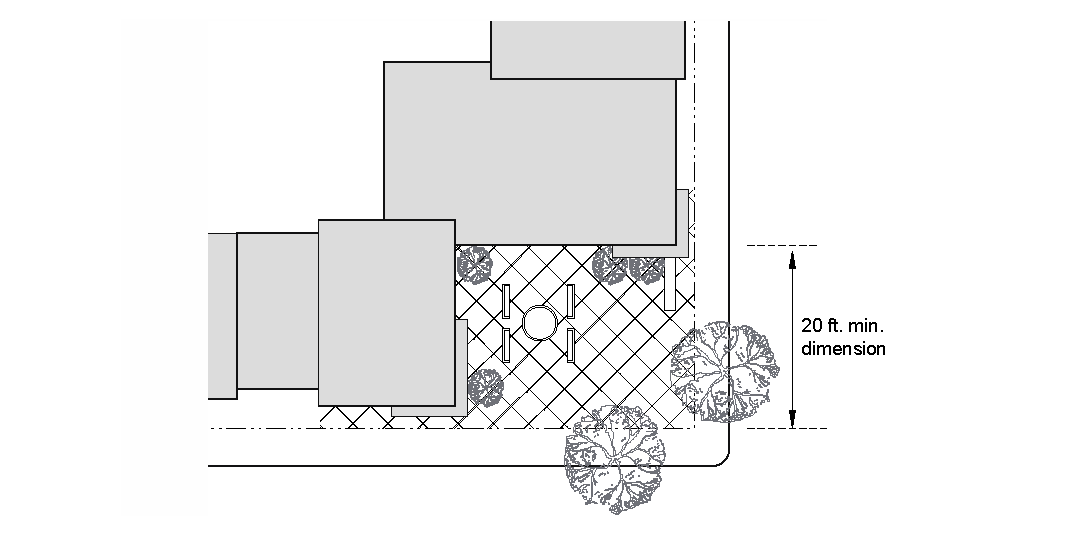
FIGURE 15-1504-I.1.C: MINIMUM REQUIRED PUBLIC PLAZA DIMENSION
2.
Minimum Open Space Reduction. The minimum amount of open space required shall be reduced by 25 percent in the following circumstances:
a.
Any portion of the lot is located within 400 feet of a transit stop with regular, scheduled service during the weekday hours of 7:00 a.m. to 9:00 a.m. and 5:00 p.m. to 7:00 p.m.
b.
There is a public park within 400 feet of the site, and
i.
Said park is located on the same side of the street and provides an improved pedestrian path to and from the site; or
ii.
The public park is across a local street and the site provides an improved pedestrian path to and from the site.
c.
The parcel is 15,000 square feet or less in area.
J.
Pedestrian Access. On-site pedestrian circulation and access must be provided according to the California Building Code and the following standards. Along all public streets, public plazas, and parks, pedestrian entrances from the public sidewalk into structures and/or the site shall be provided as follows:
1.
Residential Unit Sidewalk Connections. Direct entrances from the sidewalk into individual ground-floor dwelling units which are adjacent to streets shall be provided at a rate of no less than one per 50 feet of linear street frontage. Such entrances shall be accessed through a permitted frontage per Table 15-1505-E-2.
2.
Commercial Sidewalk Connections. Direct entrances from the sidewalk into ground-floor commercial establishments which are adjacent to streets shall be provided at a rate of no less than one per 50 feet of linear street frontage. When establishments with a greater length occupy a site, they shall be set back and wrapped with smaller spaces that will satisfy this requirement. See Figure 15-1504-J.1.c.
3.
Common Area Sidewalk Connections. Residential and commercial areas which aren't directly accessed from the sidewalk as put forth in items 1 and 2 above shall be accessed by a common entrance from the sidewalk into lobbies or internal pedestrian paths.
4.
Emergency exits, entrances into utility rooms, and other such features shall not count toward to the satisfaction of this requirement.
5.
Pedestrian Access Design.
a.
If there is a yard between the sidewalk and the building, a paved path six feet in width shall be provided from the public sidewalk to the entrance.
b.
Entry doors shall not swing out to the sidewalk unless the door when fully open does not encroach into the sidewalk.
c.
Handrails or other such improvements shall not block visibility of the building entry or direct access from the sidewalk.
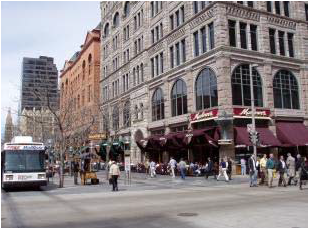
Orienting pedestrian entrances to the sidewalk is an essential ingredient of Downtown
revitalization.
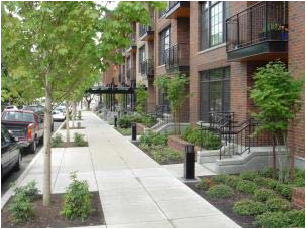
Direct entrances into individual ground-floor residential units ensure pedestrian
comfort on less active streets.
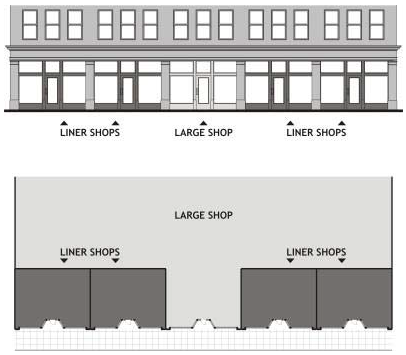
FIGURE 1504-J.1.C: WRAPPING OF LARGE USES
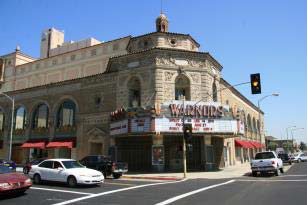
Retail uses along the ground floor of the Warnor's Theater conceal the large, windowless
auditorium.
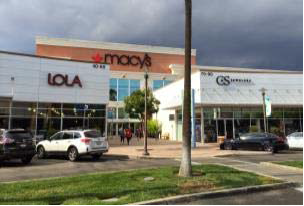
Large department stores can be wrapped with smaller shops, as with the Macy's at River
Park.
K.
Sidewalk and Public Frontage Standards.
1.
Applicability.
a.
Notwithstanding Chapter 13, Section 208 of the Municipal Code, all projects shall be required to bring adjacent sidewalk conditions into conformance with the standards of this section, subject to the following exceptions:
i.
Applications for signs only.
ii.
Additions, remodels, or tenant improvements of less than 50 percent of the current value of the property.
iii.
Accessory structures less than 1,000 square feet in size.
b.
New development that is below the thresholds noted in item 'a', above, shall replace and maintain missing and/or dead street trees and any other missing or dead landscaping in the public frontage (public right-of-way).
c.
In no case shall an existing sidewalk, or portion thereof, be vacated, even if the minimum width required in the applicable Public Frontage Type is less than the existing sidewalk.
d.
When a public frontage of the subject property is improved to meet the applicable requirements of this section and the adjacent property does not physically align with the new improvement, the improvement shall be designed to the satisfaction of the Review Authority to result in a safe and smooth transition between properties.
2.
Public Frontage Types. Required sidewalks shall be provided and designed as follows:
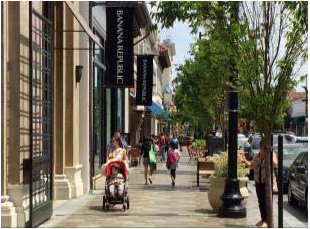
Public frontage is an indispensable component of comfortable, safe, and convenient
pedestrian experience.
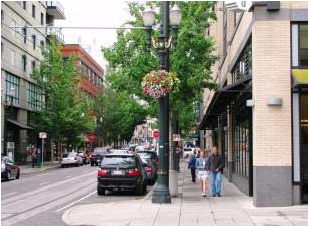
Appealing public frontage enhances commercial viability, sociability, and civic pride.
| TABLE 15-1504-K-2: PUBLIC FRONTAGE TYPES—DOWNTOWN DISTRICTS | |
|---|---|
| A. Sidewalk with Tree Wells | |
| 1. Applicable Locations: All locations except those specified in subsections B and C below. | 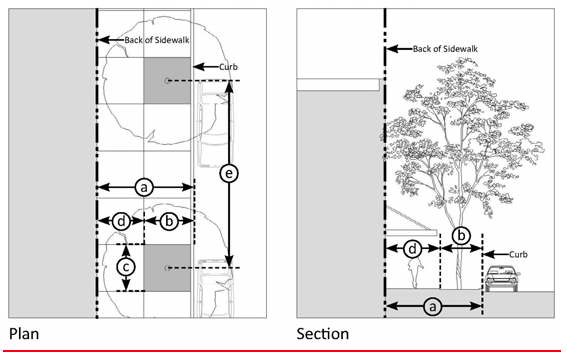 |
| 2. Basic Standards | |
| ⓐ Total Sidewalk Width: 12 ft. min. | |
| ⓑ Well Width: 5 ft. min. | |
| ⓒ Well Depth: 5 ft. min. | |
| ⓓ Clear Walkway Width: 7 ft. min. | |
| ⓔ Tree Spacing: 20 ft. min, 40 ft. max. | |
| B. In-Street Tree Planter | |
| 1. Applicable Locations: Areas with narrow sidewalk conditions. | 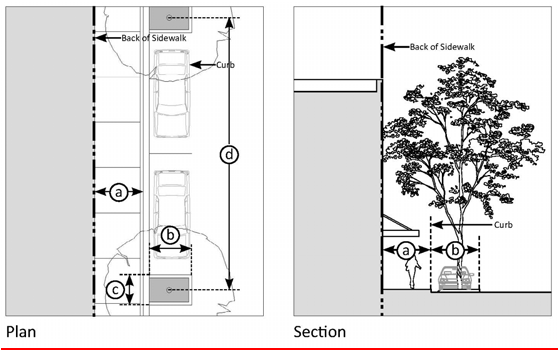 |
| 2. Basic Standards | |
| ⓐ Total Sidewalk Width: Less than 12 ft. | |
| ⓑ Well Width: 6 ft. min. | |
| ⓒ Well Depth: 4 ft. min. | |
| ⓓ Tree Spacing: between every two parallel parking spaces or between every five angled or perpendicular spaces (approximately 40 to 50 feet apart) | |
| 3. Other Standards | |
| a. Where the existing sidewalk is located immediately adjacent to the curb and where the distance between the curb and the R.O.W. line is too narrow to accommodate both a sidewalk and a parkway strip or tree well, tree planters may be introduced in the parking lane to maximize pedestrian space while providing shade and greenery as determined by the Review Authority. | |
| b. Planters should be placed outside of the gutter to avoid interference with drainage. Planter dimensions shall be least 6 feet by 4 feet with curbs provided on all four sides of the planter, although the side facing the sidewalk may be curbless to permit stormwater to drain into the planter. | |
| c. Planters must contain street trees and may be landscaped or covered with metal tree grates. | |
| C. Raised Sidewalk | |
| 1. Applicable Locations: Projects with ground floor commercial uses on sites which must be raised due to potential flooding issues. | 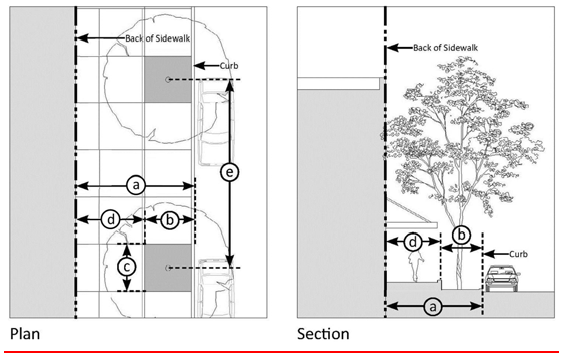 |
| 2. Basic Standards | |
| ⓐ Total Sidewalk Width: 12 ft. min. | |
| ⓑ Lower Walkway/Well Width: 5 ft. min. | |
| ⓒ Well Depth: 5 ft. min. | |
| ⓓ Raised Walkway Width: 7 ft. min. | |
| ⓔ Tree Spacing: 20 ft. min, 40 ft. max. | |
| 3. Other Standards | |
| a. The walkway nearest to the building shall be raised to match the level of the finished floor of the first story so that it is flush with entrances into commercial spaces. | |
| b. The upper walkway shall be buffered from the lower walkway with a curb, hedge, raised planter, or other method as determined by the Review Authority. | |
| c. Steps from the lower walkway to the upper walkway shall be provided every 100 feet or less as determined by the Review Authority. | |
| d. At block corners the raised walkway shall, via a straight ramp, drop to meet the level of the lower walkway. | |
| e. This sidewalk design shall only be used if the Fresno Metropolitan Flood Control District or other public agency mandates that the lot be raised above the existing sidewalk level due to potential flooding issues and when authorized by the Review Authority. | |
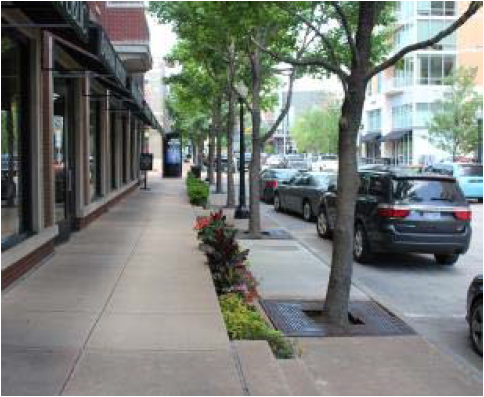
A raised sidewalk can allow for proper urban retail frontage, while still mitigating
flood risk.
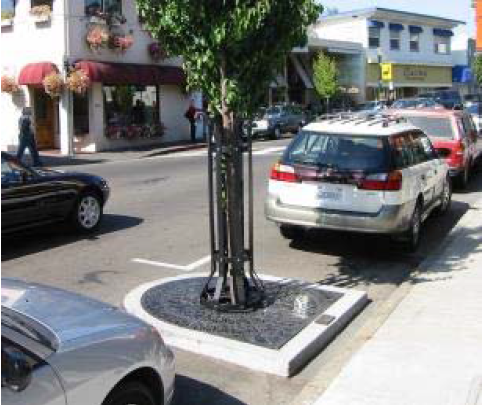
In-street tree planters can provide shade and beauty while maximizing the pedestrian
walkway in areas with space constraints.
3.
Sidewalk Width. Sidewalks shall be no less than 12 feet in width. If the current distance between the right-of-way boundary and the face of the adjacent curb is less than 12 feet, the method by which this requirement shall be satisfied shall be determined by the Review Authority. The available methods shall be as follows:
a.
Set Back. The building may be set back from the right-of-way boundary the distance that is necessary to achieve the required sidewalk width. The portion of the sidewalk which lies within the private parcel shall be guaranteed for public access by the enactment of a pedestrian easement.
b.
Reconstruction. The applicant may demolish and reconstruct the sidewalk for the entirety of the block frontage(s) which the project occupies to the extent necessary to satisfy the requirements of this section.
c.
Parklet. The sidewalk may be expanded into the roadway by a metal or wood deck which does not interfere with the drainage of the street. In such instances the applicant shall enter into an encroachment agreement with the City in which the applicant accepts full responsibility for the maintenance and repair of the parklet, as well as providing the indemnification and insurance as required by the City's Risk Manager. The design of the parklet shall be attractive and compatible with its surroundings, as determined by the Director.
d.
Width Exemption. For unusually challenging site conditions, or in instances in which the existing building and sidewalk pattern warrants it, the Director may exempt the applicant providing the full sidewalk width required above. Examples include instances in which setting the building back would cause a break in a uniform row of aligned facades, and moving the curb or adding a parklet would interfere with important roadway improvements such as a bike lane. In such instances all other sidewalk requirements, such as for trees and lighting, shall be met. When a narrow sidewalk is exempted from the width requirement, the standards of the In-Street Tree Planter Public Frontage Type shall be followed if the design of the adjacent roadway permits, at the discretion of the Director.
L.
Block, Street, and Alley Standards.
1.
Maximum Block Length. No block shall exceed 400 feet in length. For the purposes of this section, block length shall be measured along a street frontage from an intersecting street to the next intersecting street. Such measurements shall not begin nor end at an alley.
2.
Design of New and Modified Streets. New streets and modifications to existing streets shall be designed in conformance with the Fulton Corridor Specific Plan (FCSP). Designs may deviate from the FCSP if necessitated by site constraints, at the discretion of the Director.
3.
Vacation of Existing Streets and Alleys. Existing streets and alleys shall not be removed or vacated, except for street or alley fragments that no longer connect to adjacent streets or provide access to adjacent properties. Such fragments may be vacated with Director approval, provided that such vacation will not result in a block which exceeds 400 feet in length.
(Added Ord. 2016-43, § 2, eff. 12-9-16; Am. Ord. 2017-33, § 9, eff. 7-30-17).
SEC. 15-1505. - FAÇADE DESIGN DEVELOPMENT STANDARDS.
A.
Building Articulation and Massing.
1.
Building Length Articulation. All building facades over 50 feet in length which face a street, public plaza, or park shall be designed with a minimum of two of the following façade articulation strategies:
a.
Material Articulation. Utilize different materials to divide building façades into vertical and/or horizontal increments.
b.
Structural Expression. Express building bays, structural elements such as columns and/or beams, or underlying structural elements with pilasters and lintels that project several inches from the façade and/or are clad in a different material from the façade.
c.
Horizontal Articulation. Setback a portion of the street-facing façade a minimum of two feet for a minimum distance of 25 feet.
d.
Architectural Projections. Append or project façade elements such as balconies, bay windows, cantilevered rooms, and/or awnings.
e.
Architectural Recessions. Recess architectural elements or spaces—such as recessed porches, covered passages, recessed balconies, and windows—into the plane of the façade.
2.
Building Height Articulation. In order to maintain a human scale for multi-story buildings, the height of façades which face a street, public plaza, or park shall be broken into smaller increments as follows:
a.
Ground Floors. A substantial horizontal articulation of the façade shall be applied at the top of the first story. On buildings of five stories or taller, this articulation may be applied at the top of the second story. This element shall be no less than 18 inches tall, and shall project no less than four inches from the adjacent wall plane. It shall be designed as a cornice, belt course, or other such architectural element which is appropriate to the style of the building.
b.
Top Floor. Buildings or portions of buildings which are four stories in height or taller shall also provide articulation for the top story of the building. This can be accomplished by a color change, material change, a cornice/belt course at the bottom of the uppermost story, or by stepping the uppermost story back at least five feet. On buildings of 8 stories or taller, this articulation may be applied to the top two stories.
c.
Ground Floor/Upper Floor Differentiation. Ground floor facades shall be distinct from upper floors through the use or finish of materials, colors, window sizes, or architectural details.
d.
Exception. Civic and Cultural buildings located in the Downtown General (DTG) District may be excepted as determined by the Review Authority.
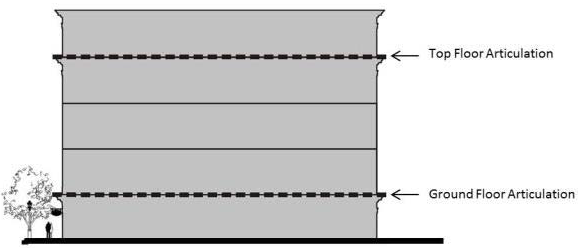
FIGURE 15-1505-A.2: BUILDING HEIGHT ARTICULATION
B.
Building Materials and Finishes.
1.
General Standards.
a.
Each side of a building that is visible from a street, public plaza, park, or passenger railway shall be designed with a complementary level of detailing and quality of materials.
b.
Each side of a parking structure that is visible from a street, public plaza, park, or passenger railway shall be designed to be compatible with the architectural character, materials, and colors of the overall development.
c.
Durability of Materials. Exterior materials shall be durable and promote permanence and longevity. Applicants must demonstrate that materials will not unintentionally discolor due to weathering or corrosion. Materials that discolor naturally, such as copper, are encouraged.
d.
Design Consistency.
i.
Finishes, fixtures, and other architectural details shall be designed to be consistent throughout the building.
ii.
Attached architectural elements and details such as lighting fixtures, attic vents, custom signage, awnings, hand rails, balconies, and trellises shall be designed to be consistent with other elements throughout the building. Such elements shall relate to the elements or intended general character of surrounding significant resources, potentially significant resources, and other historic-era buildings.
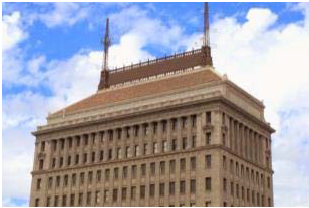
Many of Fresno's cherished historic buildings have articulated upper and lower floors.
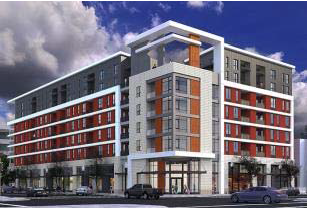
Contemporary buildings can also exhibit building height articulation.
e.
Multiple Materials.
i.
Two or more wall materials may be combined on one façade.
ii.
A minimum of two exterior wall finish materials shall be used for all mixed-use buildings with a commercial ground floor.
iii.
If located one above the other, lighter appearing materials shall be placed above more substantial materials (e.g., wood above stucco or masonry, or stucco and glass above masonry).
iv.
In general, vertical joints between different materials shall occur only at inside corners.
2.
Stucco.
a.
Finishes should be smooth and troweled.
b.
The pattern of joints should be architecturally coordinated with the overall façade composition, and sealant colors should be coordinated with surface and other building colors.
3.
Exposed Wood.
a.
Exterior walls that are or were originally clad in exposed wood shall not be covered with a non-wood material. Wood-like materials, such as cementitious siding, may be used.
b.
Exposed wood (or wood-like materials) shall be finished in a manner that minimizes maintenance and promotes the material's longevity.
4.
Reflective Materials. Reflective materials, such as polished metal cladding or chrome, are allowed only if:
a.
The material is applied to small areas such as to highlight signage.
b.
It can be demonstrated that the material will not result in an incompatible adjacency or cause a nuisance to pedestrians, vehicles, and neighboring buildings.
5.
Masonry and Stone.
a.
Masonry veneer walls shall be detailed with structural integrity, appearing thicker and heavier, especially at corners and window and door openings.
b.
Brick and cut stone shall be laid in true bonding patterns. Mortar joints shall be struck.
c.
River and rubble stone shall be laid from large closest to the ground to small farthest from the ground, with smooth or beaded mortar joints.
d.
Masonry detailing shall transition from stone to other materials through moldings, caps, and other trim elements.
6.
Veneers. Veneers should turn corners, avoiding exposed edges and continue down the side of a building to a logical break, such as a change in wall plane. Corner pieces should be mitered to hide the joint.
7.
Trim. Trim materials and finishes shall be differentiated from adjacent wall cladding materials and finishes. Acceptable trim materials shall be wood, precast concrete, stone, tile, or similar materials. Stucco trim shall be permitted at the determination of the Review Authority, and in such instances it shall feature a smooth finish that contrasts significantly from adjacent stucco wall cladding.
8.
Synthetic Materials. The use of synthetic materials is allowed when the Review Authority determines that the material:
a.
Adequately simulates the appearance of the natural material it imitates.
b.
Demonstrates an ability to age similar to or better than the natural material it imitates.
c.
Has a permanent texture, color, and character that is acceptable for the proposed application.
d.
Can be pressure washed and, in general, withstand anti-graffiti measures.
9.
Prohibited Materials. Prohibited exterior materials include the following:
a.
T1-11.
b.
Rough-sawn wood.
c.
Vertical siding.
d.
Board and batten.
e.
Metal siding, except in the DTN zone.
f.
Concrete block as an exterior finish material, except in the DTN zone.
g.
Plywood, particle board, press board, and similar materials.
10.
Signage Design. Building signage shall be designed to complement the building while providing adequate visibility from and maintaining compatibility with adjacent suites/units on upper floors near the signage.
11.
Renovations and Alterations.
a.
Modifications to existing buildings shall be architecturally compatible with the existing building as determined by the Review Authority.
b.
Exterior walls that are or were originally clad in wood, masonry, or stone shall not be covered with a different material such as stucco.
c.
Renovations or alterations to "modernized" pre-World War II buildings shall restore the original façade materials, textures, fenestration, and ornamentation to the extent possible as determined by the Review Authority.
12.
Exception. Civic and Cultural buildings located in the Downtown General (DTG) District may be excepted from the standards of this subsection as determined by the Review Authority.
C.
Window and Door Opening Design.
1.
Consistency with Architectural Style. The orientation and proportion of openings shall be consistent with the architectural style of the building and shall relate to one another proportionally and according to a rational system of design. For example, buildings designed according to traditional architectural styles typically have window openings and panes that are vertically oriented or square or composed of groupings of vertically oriented windows. Mixed-use buildings can have second floor windows that are grouped and centered above the ground floor storefront doors and windows.
2.
Glazing Ratio.
a.
Upper floor façades, and non-commercial portions of ground floor street-facing façades, which face a street, public plaza, or park shall comply with the following requirements for openings:
b.
Ground Floor Commercial Transparency.
i.
For ground floor façades which face a street, public plaza, or park on portions of a structure occupied by commercial uses, exterior walls facing a front or street side lot line shall include windows, doors, or other openings with transparent glazing for at least 60 percent of the building wall area located between 1.5 and seven feet above the level of the sidewalk.
ii.
Openings fulfilling this requirement shall have transparent glazing without reflective glass frosting or dark tinting (to the maximum extent permitted by Title 24 and other energy efficiency regulations) and provide views into work areas, display areas, sales areas, lobbies, or similar active spaces, or into window displays that are at least two feet deep.
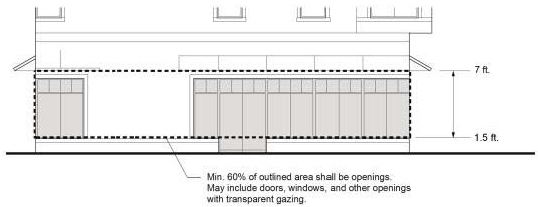
FIGURE 15-1505-C-2-B: GROUND FLOOR COMMERCIAL TRANSPARENCY
3.
Vertical Proportion. On upper stories, window openings shall have a vertical proportion, in which their height exceeds their width by 25 percent or more. Openings divided by muntins of four inches or more in width shall constitute separate openings.
4.
Window Depth. Trim at least one inch in depth must be provided around all upper story windows, or windows must be recessed at least two inches from the plane of the surrounding exterior wall. For double-hung and horizontal sliding windows, at least one sash shall achieve the two-inch recess.
5.
Bay Windows. Bay windows, if provided, shall be habitable spaces.
6.
Window and Door Materials and Detailing.
a.
Allowed window and door materials include wood, fiberglass, steel, or aluminum.
b.
Muntins, if used, shall be true and divide one pane from the adjoining pane, be of substantial dimension, and not be flat.
c.
Flush "nail-on" aluminum windows, and horizontal aluminum sliding windows are prohibited.
d.
Vinyl and vinyl clad windows shall be consistent with the architectural style of the building. For example, windows of Craftsman style buildings should be brown or hunter's green, not white.
e.
Glazing shall be clear glass (to the maximum extent permitted by Title 24 and other energy efficiency regulations), particularly in storefront and primary window applications. Transom, clerestory, and other specialty windows are not required to be clear and may be decorative.
f.
Window sills shall be detailed to properly shed water.
g.
Head casing shall be equal in width to or wider than jamb casing.
h.
Accessories may include operable shutters sized to match their openings, opaque canvas awnings and other shading devices, and planter boxes supported by visible brackets appropriate to each design.
i.
Security bars and roll down security doors are prohibited on the outside of windows and doors which face a street, public plaza, or park. Retractable interior security bars or gates may be used.
7.
Exception. With the exception of Section 1505-C.2.b, Civic and Cultural buildings located in the Downtown General (DTG) District may be excepted from the standards of this subsection as determined by the Review Authority.
D.
Façade Alignment.
1.
Vertical Alignment. With the exception of mansard roofs, cornices, and other such features, façades shall be oriented vertically and shall have no slope.
2.
Horizontal Alignment. With the exception of bay windows and similar features, façades that are located within 30 feet of a public street or public plaza shall run parallel or perpendicular to said street or plaza.
3.
Exception. Civic and Cultural buildings located in the Downtown General (DTG) District may be excepted from the standards of this subsection as determined by the Review Authority.
E.
External Stairs and Corridors.
1.
External Stairways. With the exception of stoops and similar steps intended for access for ground-floor spaces, external stairways shall not be located between the primary façade of the building and a public street. Within 30 feet of a public street, stairs shall be architecturally integrated into the building and shall not have open risers.
2.
External Corridors. External upper-floor corridors located within 30 feet of a public street shall be architecturally integrated into the building.
F.
Private Frontage. Uses shall be accessed through frontage types as follows. "P" means the frontage type is permitted. "-" means the frontage type is not permitted.
| TABLE 15-1505-E-2: PRIVATE FRONTAGE STANDARDS | |
|---|---|
| A. Front Yard | |
| 1. Basic Standards | 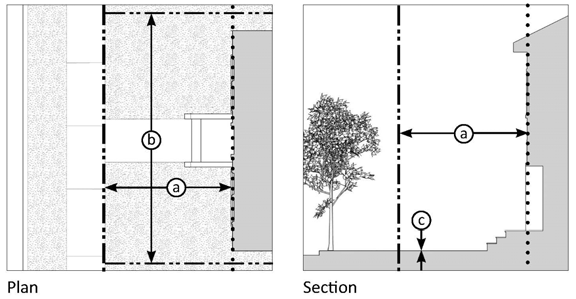 |
| ⓐ Clear Depth: 5 ft. min. | |
| ⓑ Length: 15 ft. min. | |
| ⓒ Height above Sidewalk: 3 ft. max. | |
| 2. Supplemental Standards | |
| a. Planters, garden walls, fences and hedges are permitted at the sidewalk to a maximum height of 3 ft.. Materials and design shall be compatible with the architectural style of the building. | |
| b. Water features, shade structures, seating, and gardens are encouraged in this area. | |
| c. Vehicular parking, trash collection and storage are not permitted in this area. | |
| d. When Front Yards are raised from the level of the sidewalk, the resulting retaining wall shall be decorative and clad in brick or stone. | |
| B. Porch | |
| 1. Basic Standards | 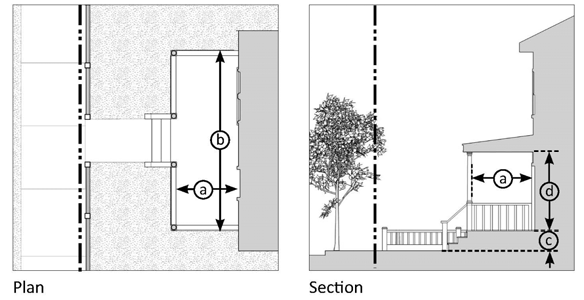 |
| ⓐ Clear Depth: 5 ft. min., 15 ft. max. | |
| ⓑ Length: 8 ft. min. | |
| ⓒ Height above adjacent grade: 18 in. min., 4 ft. max. | |
| ⓓ Height: 8 ft. min. clear from the finish floor | |
| 2. Supplemental Standards | |
| a. Provide landscaping in front of and around porch. | |
| b. Railings should be no higher than required by the building code. | |
| c. The porch may extend around to encroach into the street sideyard up to ½ of the required setback. If insufficient distance exists, the minimum porch depth shall be achieved by moving back the façade the necessary distance. | |
| d. Awnings may be attached to the face of the porch if the awning is adequately supported and if the awning is compatible with the architectural style of the porch and building. | |
| e. Porches shall not be enclosed except for insect screens between the structural members of the porch if: | |
| i. Visibility is not reduced between the adjacent sidewalk and the porch. | |
| ii. The insect screen is recessed from the front face of the columns on the porch. | |
| C. Stoop | |
| 1. Basic Standards | 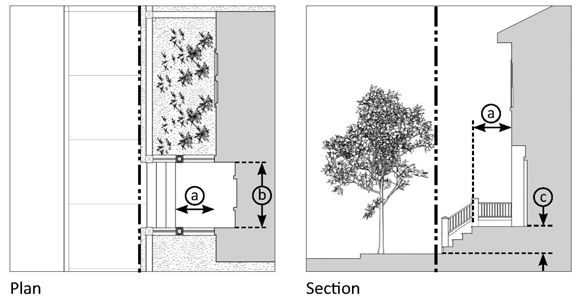 |
| ⓐ Clear Depth: 6 ft. min., 15 ft. max. | |
| ⓑ Length: 4 ft. min., 10 ft. max. | |
| ⓒ Height: Max. 4 ft. elevation above finish sidewalk grade | |
| 2. Supplemental Standards | |
| a. Landscaping encouraged in front, around and/or within walls of stoop. | |
| b. Minimum 3 ft. to maximum 4 ft. high garden wall and gate may be provided at entry to stoop. | |
| c. Entry gates to swing in a direction away from sidewalk. | |
| d. Use of other frontage types at entry stoop (e.g., awning, bay window, arcade) allowed. | |
| e. Exterior stairs may be located perpendicular or parallel to the adjacent sidewalk. | |
| f. The landing may be covered or uncovered, but shall not be enclosed beyond the building façade (e.g., stoop landings may be recessed into the building façade and be enclosed by the walls of the recess). | |
| D. Loading Dock/Terrace | |
| 1. Basic Standards | 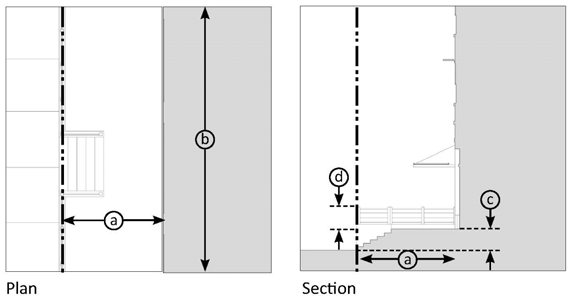 |
| ⓐ Clear Depth: 7 ft. min. | |
| ⓑ Length: no min./no max. | |
| ⓒ Height: Max. 4 ft. elevation above finish sidewalk grade | |
| ⓓ Railing Height: no higher than required by the Building Code | |
| 2. Supplemental Standards | |
| a. Exterior stairs may be perpendicular or parallel to the adjacent sidewalk but shall not encroach into the right-of-way. The landing may be covered or uncovered. | |
| E. Storefront | |
| 1. Basic Standards | 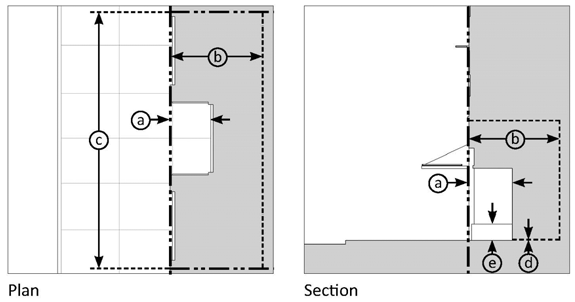 |
| ⓐ Depth of Recessed Storefront Dining Area: 12 ft. max. | |
| ⓑ Depth of Shop: 30 ft. min. | |
| ⓒ Length: min. 75% of required façade length | |
| ⓓ Height above sidewalk: must be at sidewalk grade | |
| ⓔ Bulkhead Height: 18 in. min., 3 ft. max. | |
| 2. Supplemental Standards | |
| a. A physical transition or 'bulkhead' shall be provided between the glazing of any storefront and the adjacent sidewalk. The bulkhead shall not consist of aluminum storefront or spandrel panel. | |
| b. Storefront windows may have clerestory windows between the storefront and second floor/top of single-story parapet. Glass in clerestory windows may be of a character to allow light, while moderating it such as stained glass, glass block, painted glass, or frosted glass. | |
| c. Storefronts shall provide clear views of merchandise displays within the shop space and/or maintained and lighted merchandise display(s) within a display zone of at least two feet in depth from the glass. | |
| d. The storefront may be directly illuminated from the sidewalk side of the glass by externally mounted lights. | |
| e. Planter boxes, containers or vine pockets may be located adjacent to storefronts. Such landscape areas shall not be located within required ADA access ways along any public sidewalk. | |
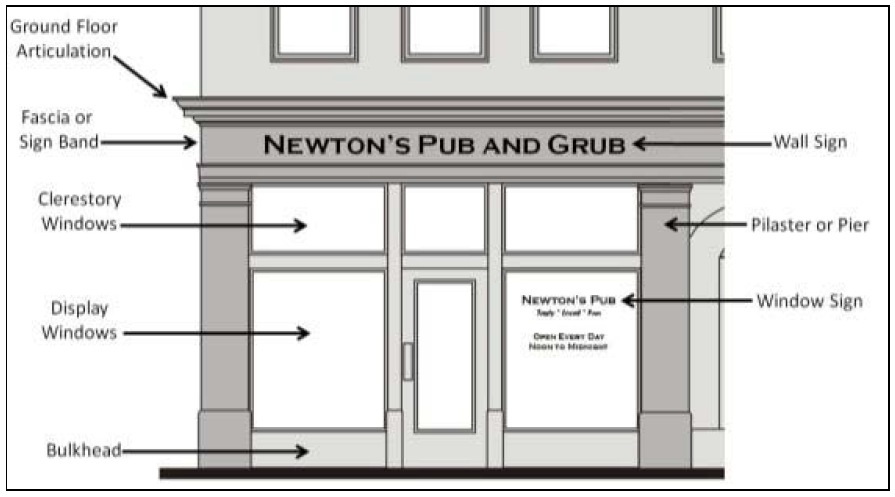 | |
| This diagram shows how the various components of a storefront can be arranged. | |
| F. Forecourt | |
| 1. Basic Standards | 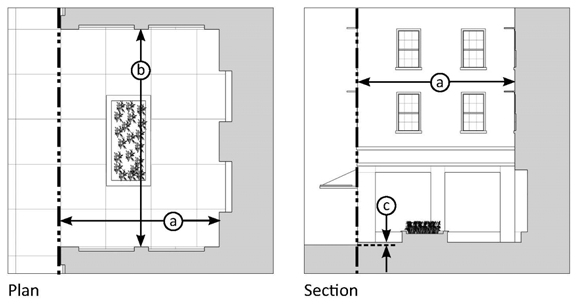 |
| ⓐ Clear Depth: 15 ft. min.; 50% of lot depth max. | |
| ⓑ Length: 12 ft. min.; 50% of lot depth max.. | |
| ⓒ Height: 4 ft. max. above adjacent sidewalk | |
| 2. Supplemental Standards | |
| a. Elevated forecourts shall meet the accessibility code for access to the building and the sidewalk. Railings shall not visually obstruct views to or from the street and shall be designed to match the architectural style of the main building. | |
| b. Arcades, galleries, awnings, or canopies may encroach into the forecourt for a distance of ¼ of the forecourt width or depth with a cumulative encroachment not to exceed a combined distance of ½ of the forecourt width and depth, respectively. | |
| c. Planters, garden walls, fences and hedges are permitted at the entrance to the forecourt to a maximum height of 3 ft. per Section 15-2006, Fences, Walls, and Hedges. | |
| d. Water features, shade structures, seating, and gardens are encouraged in this area. | |
| e. Vehicular parking, trash collection and storage are not permitted in this area. | |
| G. Grand Entry | |
| 1. Basic Standards | 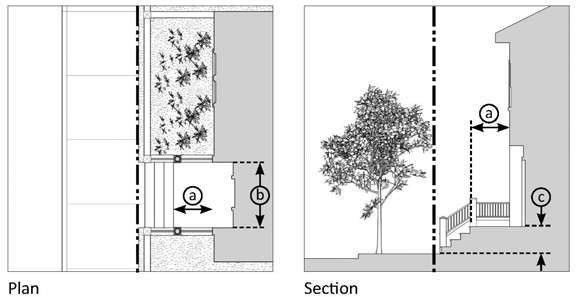 |
| ⓐ Clear Depth: 6 ft. min., 15 ft. max. | |
| ⓑ Length: 10 ft. min., 25 ft. max. | |
| ⓒ Height: May be at sidewalk grade, or max. 4 ft. elevation above finish sidewalk grade | |
| 2. Supplemental Standards | |
| a. The entrance shall be clearly differentiated from entrances into individual commercial or residential spaces through the use of decorative columns or similar ornamentation flanking the entrance, by aligning the entrance with prominent architectural features on upper floors, or through color and material changes. | |
| b. The entrance shall be covered by an awning or canopy or shall be recessed into the building. | |
G.
Façade Elements. The following development types shall incorporate a minimum of two of the Façade Elements shown in Table 15-1505-F into front and street-side building façades.
1.
New buildings.
2.
Building additions (façade elements are not required on the existing part of the structure if it is not being altered).
3.
Façade remodels.
4.
Exceptions:
a.
Projects or parts of projects involving designated historic resources, or the restoration of historic façades, shall not be required to incorporate Façade Elements if such elements were not part of the historic façade.
b.
Civic and Cultural buildings located in the Downtown General (DTG) District may be excepted from the standards of this subsection as determined by the Review Authority.
| TABLE 15-1505-F: FAÇADE ELEMENTS—DOWNTOWN DISTRICTS | |
|---|---|
| A. Gallery | |
| 1. Basic Standards | 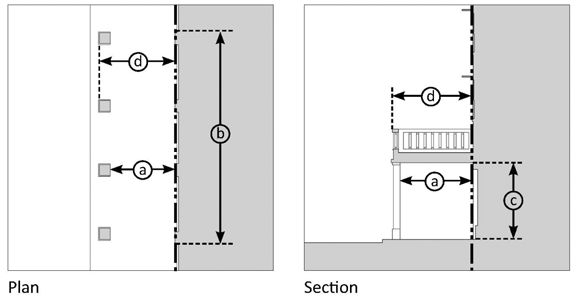 |
| ⓐ Clear Depth: 10 ft. min., 15 ft. max. | |
| ⓑ Length: 50% to 100% of building length | |
| ⓒ Height: 8 ft. min. clear from the finish floor | |
| ⓓ Encroachment into R.O.W.: Galleries may encroach over the sidewalk in the public right-of-way, subject to an encroachment permit prior to issuance of a building permit as follows: | |
| • 10—12 ft. wide sidewalk: 6 ft. max. | |
| • 12—14 ft. wide sidewalk: 8 ft. max. | |
| • 14+ ft. wide sidewalk: ⅔ width of sidewalk max. | |
| 2. Supplemental Standards | |
| a. Planter boxes or pots may be placed in between the columns to provide enclosure for uses such as café seating. A Gallery must be a minimum 50% open on two sides. | |
| b. Balconies, awnings, bay windows, verandas, or other structures are allowed above the gallery. | |
| c. Except on residential and civic buildings, Galleries shall be combined with the Storefront frontage type. | |
| d. Column spacing and colonnade detailing, including lighting, shall be consistent with the style of the building to which it is attached. | |
| e. Columns shall be placed in relation to curbs so as to allow passage around and to allow for passengers of cars to exit the vehicle. | |
| B. Arcade | |
| 1. Basic Standards | 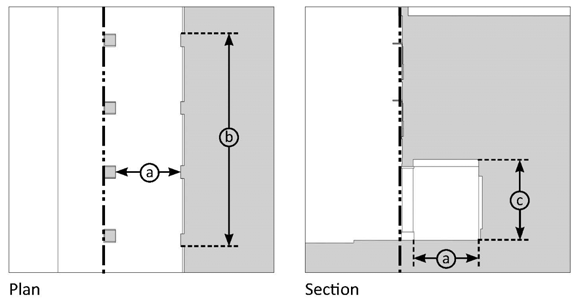 |
| ⓐ Clear Depth: 10 ft. min., 15 ft. max. | |
| ⓑ Length: 50% to 100% of building length | |
| ⓒ Height: 8 ft. min. clear from the finish floor | |
| 2. Supplemental Standards | |
| a. Planter boxes or pots may be placed in between the columns to provide enclosure for uses such as café seating. | |
| b. Arcade to be a minimum 50% open on two sides. | |
| c. Balconies, awnings, bay windows, verandas, or other structures are allowed above the arcade. | |
| d. Column spacing and colonnade detailing, including lighting, shall be consistent with the style of the building to which it is attached. | |
| C. Bay Window | |
| 1. Basic Standards | 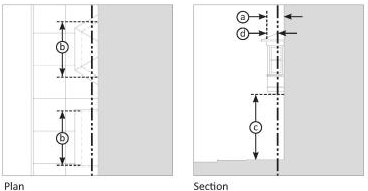 |
| ⓐ Depth: 2 ft. min., 4 ft. max. | |
| ⓑ Length: 15 ft. max. | |
| ⓒ Height: 2nd fl.: 10 ft. min. clear from the ground | |
| ⓓ Encroachment into R.O.W.: 3 ft. max. | |
| 2. Supplemental Standards | |
| a. Bay windows are permitted on the ground floor of buildings with residential ground floors. | |
| b. Provide landscape in front and around bay windows on the ground floor. | |
| c. Bay windows to have a minimum 25% glazing. | |
| D. Balcony | |
| 1. Basic Standards | 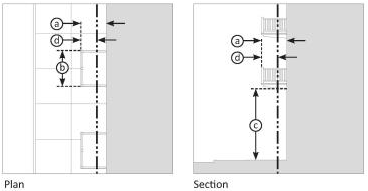 |
| ⓐ Depth: 5 ft. min., 10 ft. max. | |
| ⓑ Length: 8 ft. min. | |
| ⓒ Height: 8 ft. min. clear, 12 ft. max. clear from the finish floor | |
| ⓓ Encroachment into Setback or R.O.W.: 4 ft. max. | |
| 2. Supplemental Standards | |
| a. Balcony may be covered but should be a minimum 50% open on three sides. | |
| E. Awning, Canopy, Marquee, Sun Shade, Trellis | |
| 1. Basic Standards | 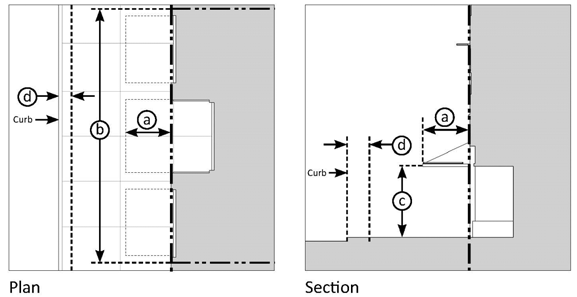 |
| ⓐ Depth: 2 ft. min., 10 ft. max. | |
| ⓑ Length: 25% to 75% of building frontage | |
| ⓒ Height: 8 ft. min. clear from the ground | |
| ⓓ Encroachment into Setback or R.O.W.: within 2 ft. clear of curb | |
| 2. Supplemental Standards | |
| a. Awnings, Canopies, Sun Shades, and Trellises shall not cover the entire length of the facade. They may cover individual storefronts and openings or multiple openings as follows: | |
| • Storefront(s) within 5 feet of another storefront. | |
| • Up to 2 doors or windows not associated with a storefront if the distance between them does not exceed 3 feet. | |
| b. Awnings, Canopies, Sun Shades, and Trellises shall not obscure architectural features such as moldings above the storefront. | |
| c. Awnings shall match the shape of the opening they are shading (simple shed shaped awnings for rectangular openings) except for odd shaped awnings. Odd shaped and bubble awnings are prohibited except where a photograph shows they have been previously allowed on the building and were not in conflict with an applicable requirement. | |
| d. Awnings, Canopies, Sun Shades, and Trellises may be constructed of metal, wood or fabric. Highly reflective materials should be avoided. | |
| e. Lights that illuminate the pedestrian way or sidewalk dining beneath the awning are only allowed upon review and determination by the Director that the proposed lighting is appropriate for the context and consistent with the intended physical character of the zoning district. | |
| f. Internally illuminated awnings that glow are prohibited. | |
(Added Ord. 2016-43, § 2, eff. 12-9-16).
SEC. 15-1506. - RIGHT TO DOWNTOWN OPERATIONS.
As Downtown Fresno continues its evolution into a compact, mixed-use center, it is essential that new property owners and tenants understand the present and future nature of the area so that they may function together as harmoniously as possible. Toward that end, this section will ensure that property owners, tenants, and users of property within the Downtown Districts are notified of the vibrant, active Downtown environment, the revitalization efforts and public improvements occurring Downtown, the special events and community and business activities that are part of the vitality of the Downtown, and the expectations and responsibilities associated with owning, purchasing, renting or making other use of property within Downtown.
A.
Definitions.
1.
The following definitions shall apply to the Right to Downtown Operations section:
•
Downtown Operations: Any activity, use, facility or operation associated with a permitted temporary or permanent use occurring within the boundaries of the Downtown Districts, as well as any lawful public uses. Downtown operations and their associated impacts include, but are not limited to, the following: music, dancing, singing, and voices associated with permitted uses and Downtown activities; odors associated with operation of restaurants, breweries, coffee roasters, urban wineries, and other businesses; high levels of traffic and traffic congestion; increased vehicular traffic from special events and other activities; street construction, closures and traffic re-routing, including exclusion of vehicle access during certain times due to festivals, parades or other special events; railroad operations, including increased rail activity associated with passenger rail operations; outdoor sales of merchandise and outdoor restaurant seating; festivals, parades and/or cultural events which may result in gatherings of large groups of people, street closures, parking impacts, noise, odors and other impacts; increased levels of pedestrian activity; operation of delivery trucks and vans, trash and recycling collection trucks, and other such vehicles; impacts associated with artists' studios and spaces, including noise, odors, and vibration; general increases in activity levels occurring on a 24-hour basis, including increases in noise and other impacts during late night and early morning hours; high levels of nighttime lighting and illumination; and trash collection, including trash collection before 6:00 a.m.
•
Property: Any real property located within the Downtown Districts, including property intended for residential, commercial, business, public purposes, and other uses.
•
Tenant: Any renter or lessee of property.
•
Transfer: The sale, lease, trade, exchange, rental, or gift of property.
•
Transferee: Any person or entity acquiring an interest in real property in the Downtown Districts from another person or entity, including, but not limited to, a purchaser of property or a person taking possession of property pursuant to a lease or rental agreement.
•
Transferor: Any person transferring an interest in real property in the Downtown Districts to another person, including the seller of property or a landlord granting possession of property pursuant to a lease or rental agreement.
B.
Downtown Operations Notification Requirements.
1.
As a condition of approval of any Development Permit, Tentative Subdivision Map, Conditional Use Permit, or similar entitlement relating to property located within the For all housing that is entitled under the Downtown Districts, every property owner shall record the deed notification provided in Section 15-1506-B.3 of this Code on the property for which the Zone Clearance, Development Permit, Tentative Subdivision Map, Conditional Use Permit, or similar entitlement is issued. The Notice of Right to Downtown Operations shall be included in all subsequent deeds and leases for this property until such time as the property is no longer located within the Downtown Districts.
2.
Every transferor of property, as transferor is defined herein, subject to the requirements of 15-1506-B.1 shall, upon transfer, also provide to any transferee the Notice of Right to Downtown Operations recited in 15-1506-B.3. The Notice of Right to Downtown Operations may be contained in any form of agreement or contract; however, the notice need be given only once in any transaction. The transferor and transferee shall provide each other with written acknowledgement of delivery and receipt of the notice.
3.
The notice provided in this section is intended to advise property owners, tenants and users of property within the Downtown Districts of the inherent impacts and inconveniences associated with purchase, tenancy or use of property in the Downtown Districts. This notice shall be provided as required by 15-1506-B.1 and 15-1506-B.2.
NOTICE OF RIGHT TO DOWNTOWN OPERATIONS
The City of Fresno permits the operation of a variety of residential, commercial, civic, and cultural activities within the Downtown zoning districts.
You are hereby notified that the property you own, or are renting, leasing, using, occupying, or acquiring an interest in is located within the Downtown zoning districts. You may be subject to impacts, including inconvenience and discomfort, from lawful activities occurring within the Downtown zoning districts. Impacts may include, but are not limited to, noise, odor, glare, and transportation congestion resulting from permitted uses such as, but not limited to, civic, commercial, cultural, public and institutional, recreational, and transportation-related activities. Specific impact-causing sources might include, but are not limited to, music, dancing, talking, singing, laughter, restaurants and bars, outdoor dining/seating, outdoor sales, festivals, parades, special events, street closures, high volumes of traffic, high volumes of pedestrian activity, emergency services, waste collection, commercial and business operations, railroad operations and rail activity, and other permitted Downtown activities. These impacts might occur late at night, early in the morning, or on a 24-hour basis.
One or more of the inconveniences described above might occur as a result of Downtown operations and activities which are in compliance with existing laws and regulations and accepted customs and standards. If you own, lease, rent, or otherwise utilize property within the Downtown zoning districts, you are expected to be prepared to accept such inconveniences or discomfort as a normal and necessary aspect of owning, living in, operating a business in, or otherwise utilizing an area with an active Downtown character.
The City of Fresno's Development Code does not exempt Downtown businesses or other participants in Downtown activities from compliance with the law. Should any business or person not comply with appropriate state, federal, or local laws, legal recourse may be possible by, among other ways, contacting the appropriate agency.
This notification is given in compliance with the Fresno Municipal Code § 15-1506.
4.
The failure to give the notice required by this section shall not invalidate any transfer.
C.
Nuisances, Resolution of Disputes, and Contact Persons.
1.
Normal Downtown operations are presumed to not constitute a nuisance, unless such operations are deemed to be a nuisance under California Civil Code Section 3479 or the Fresno Municipal Code. Downtown operations shall comply with all state, federal, and local laws and regulations applicable to the operations, including applicable noise and other operational standards contained in the Fresno General Plan and/or Fresno Municipal Code.
2.
Every developer or owner of commercial, residential, or other property within the Downtown Districts, consisting of two or more residences, businesses or tenant spaces, shall, as a condition of approval of any Development Permit, Tentative Subdivision Map, Conditional Use Permit, or similar entitlement relating to property located within the Downtown Districts, designate an information contact person. The information contact person shall be available to disperse information distributed by the City, PBID, non-profit organizations, or other public or quasi-public organizations, to tenants and property owners within the development. The information contact person role may be undertaken by the property owner, a homeowner's association, a property management company or other similar organization.
(Added Ord. 2016-43, § 2, eff. 12-9-16).
SEC. 15-1507. - ADDITIONAL STANDARDS.
A.
Projects shall incorporate all relevant mitigation measures required pursuant to applicable environmental assessments prepared pursuant to CEQA that encompass the project area. "Applicable Environmental Assessments" shall include, but may not be limited to the following:
1.
A MEIR prepared for the General Plan in effect at the time of project approval;
2.
A Program or Project EIR prepared for either a Community Plan or Specific Plan that includes the project area, in effect at the time of project approval.
B.
The proposed design shall not lead to an overburdening of existing or planned infrastructure capacities, including, but not limited to, capacities for water, runoff, storm water, wastewater, and solid waste systems. The determination of whether or not the proposed design can be accommodated within existing infrastructure shall be made by the Review Authority in consultation with the Directors of Public Works and Public Utilities.
C.
The project shall comply with all applicable Public Works standards.
(Added Ord. 2016-43, § 2, eff. 12-9-16).
SEC. 15-1601. - RESERVED.
Editor's note— Ord. 2016-32, § 42, effective October 21, 2016, amended the Code by repealing former § 15-1601, which pertained to Planned Development (PD) Overlay Districts, and derived from Ord. 2015-39, § 1, effective January 9, 2016.
SEC. 15-1602. - RESERVED.
Editor's note— Ord. 2016-32, § 43, effective October 21, 2016, amended the Code by repealing former § 15-1601, which pertained to Airport Environs (AE) Overlay Districts, and derived from Ord. 2015-39, § 1, effective January 9, 2016.
SEC. 15-1603. - BLUFF PROTECTION (BL) OVERLAY DISTRICT.
A.
Purpose. The Bluff Protection (BL) Overlay District is intended to provide special land development standards that will preserve the integrity of the natural landscape of the southerly San Joaquin River Bluffs, adjacent properties, and adjacent open spaces as areas of special quality by reason of the topography, geologic substratum, and environment of the area. Regulations for the BL Overlay District are deemed necessary for the preservation of the special qualities of the southerly San Joaquin River Bluffs, and for the protection of the health, safety, and general welfare of owners and users of property within the River Bluff Influence Area.
B.
Applicability. The provisions of this article apply to areas within 300 feet of the toe of the San Joaquin River bluff.
C.
Use Regulations. Those uses permitted in the Base District, subject to the limitations and conditions set forth therein.
D.
Development Standards. Development Standards shall be as required by the Base District, except as follows:
1.
Bluff Setback. Development, including buildings, structures, decks, pools, spas, and steps, shall be setback a minimum of 20 feet from the bluff edge or as identified as necessary for the preservation of the existing state of the bluffs in the soils report prepared pursuant to Section 15-1603-F, Soils Report, whichever is greater. Buildings, structures, decks, pools, spas, and steps include all objects that may be below grade, at grade, or above grade.
2.
Lighting and Illumination. Streetlights and all exterior lighting shall be directed away from the riverbottom.
3.
Design and Orientation. The design and orientation of structures, walls and fences shall be in keeping with the natural character of the Bluffs. Fences must be open a minimum of 80 percent (i.e., no more than 20 percent opaque) to allow for the passage of light and air.
4.
Colors and Materials. Construction shall be permitted only on lots subject to recorded deed restrictions or covenants restricting exterior colors and construction materials to those which are compatible with the natural bluff environment and with surrounding development.
5.
Geologic Impact Standards. To minimize potential geologic and soil hazards, the following provisions shall apply to all subdivisions and development within Bluff Zones I, II, and III of the San Joaquin River Bluffs environs:
a.
General Provisions. General provisions for grading, drainage, and erosion:
i.
Locations of streets, utilities and other facilities shall be approved by the Director and the City Engineer.
ii.
Requirements for the location, design, construction, and maintenance of surface and subsurface drainage facilities shall be as determined by the Fresno Metropolitan Flood Control District.
iii.
All development within Bluff Zones I, II, and III shall comply with the applicable provisions of the Building Code as adopted and amended by the City.
iv.
Drainage of storm and irrigation water shall be directed away from the Bluff Face to public rights-of-way or to drainage facilities approved by the Fresno Metropolitan Flood Control District. A drainage plan shall be provided and approved by the Director for each separate lot within the Bluff Influence Area, establishing methods for conveying surface water from roofs and landscaping, and drain water from all swimming pools or decorative pools to approved locations away from the Bluff Face.
v.
To minimize erosion, the following shall apply to all graded, altered, or unstable bluff areas:
(1)
Landscaping with drought-tolerant, low-fuel plants, compatible with the bluff environs, from a list prepared by the City.
(2)
Landscape irrigation shall utilize drip irrigation or low precipitation systems, and must be approved by the civil engineer prior to installation.
(3)
Hydroseeding, netting and mulch shall be utilized to re-establish plant life, to control erosion and to discourage rodent burrowing.
b.
Soils Investigation. The following types of soil evaluations shall be performed and reported:
i.
Bluff Zone I. A civil engineer or soils engineer registered in the State of California shall investigate and report on soil and geologic conditions, utilizing methods consistent with accepted practices. The report shall evaluate soils and geologic conditions for development proposals located outside Bluff Zone II and shall be similar in scope to the soils investigation required under Subparagraph ii, below. The investigation and report shall identify potential surface and subsurface drainage problems that may ultimately affect the stability of the bluffs and any measures to mitigate such effects.
ii.
Bluff Zone II. A civil engineer or soils engineer registered in the State of California shall provide a detailed Soils Investigation and Evaluation Report using methods consistent with accepted practice and shall include the following:
(1)
Evaluation of existing stability;
(2)
Evaluation of post-development slope stability;
(3)
Documentation of existing conditions for rock falls, block caving, creep failures, shear failures, excessive erosion and sloughing;
(4)
Evaluation of slope angles, subsurface drainage, proposed grading, structures, utility trenches, potential rodent population, storm drain disposal, surface irrigation and drainage, erosion, traffic vibration, potential seismic hazards, and on-site sewage disposal approximate to the bluffs;
(5)
Evaluation of the influence of future development and grading along the Bluff Toe for its effect on slope stability;
(6)
Evaluation of the adverse effect of increased surface and subsurface drainage;
(7)
Coordination, review, and approval of site grading and drainage plans prepared by the project civil engineer for conformance to soils and geologic reports;
(8)
Laboratory tests to evaluate the soil parameters to be used in determination of slope stability;
(9)
Determination and establishment of the location of the Bluff Toe, Bluff Edge and of any building setbacks.
iii.
Bluff Zone III. A civil engineer or soils engineer registered in the State of California shall complete a Soils Investigation and Evaluation Report, involving detailed study of individual lots within the River Bluff Influence Area, as follows:
(1)
Zone III soils investigations will address the details of the configuration, location, type, and loading of the proposed structures and drainage plan;
(2)
The report shall provide detailed recommendations for foundations, drainage, and other items critical to bluff stability.
c.
Filing. Filing of Soils Investigation and Evaluation Reports shall be required as follows:
i.
A Zone I, Zone II or Zone III Soils Investigation and Evaluation Report and a grading plan shall be filed at the time of filing any tentative tract map or parcel map providing for lots or portions of lots within Zone I, Zone II or Zone III, or at the time of filing any application for rezoning or for special permits for parcels of land within Zone I, Zone II or Zone III;
ii.
For parcels of land within Zone I, Zone II or Zone III, that are not the subject of the filing of a tentative map or tentative parcel map, or that are not the subject of any application for rezoning or a special permit, a Zone I, Zone II or Zone III Soils Investigation and Evaluation Report and a grading plan shall be filed with any request for a building permit.
d.
Certification. The Soils Investigation and Evaluation Reports shall be certified as follows:
i.
The engineer responsible for the soils investigation and evaluation report and for the grading plan shall certify that the proposed project will not cause any significant increase in the risk of damage to the bluff from erosion, slippage, subsidence, or other movement when grading, drainage, and other slope protection measures have been done in accordance with the Soils Investigation and Evaluation Report and the grading plan. The certificate may be executed on the face of the subdivision map or parcel map or may be contained in a separate instrument delivered to the Director.
ii.
The engineer responsible for the soils investigation and evaluation report and for the grading plan for parcels of land for which certification is not provided above shall file written certification with any request for a building permit that the proposed project will not cause any significant increase in the risk of damage to the bluff from erosion, slippage, subsidence or other movement, when grading, drainage and other slope protection have been done in accordance with the soils investigation and evaluation report and the grading plan.
e.
Completion of Erosion Controls. All erosion control measures shall be completed before the issuance of occupancy permits for residences constructed on lots within or partially within Zone II, and shall be completed before the issuance of building permits for structures constructed on lots within or partially within Zone III.
E.
Development Permit. A Development Permit is required for all grading and development, including buildings, structures, decks, pools, spas, and steps, within or abutting the southerly boundary of the BL Overlay District. This section applies to above or below grade objects.
F.
Soils Report. All applications for development shall provide a soils report. This requirement does not apply to the property between Blythe Avenue and the extension of the Nees Avenue alignment, existing as of August 1, 1979, to the Bluff.
G.
Grading Standards. No alteration or modification of the existing landscape, including grading or alteration of existing topography, or construction of any structures, shall be permitted on the bluff face or air space above it. This requirement does not apply to the property between Blythe Avenue and the extension of the Nees Avenue alignment, existing as of August 1, 1979, to the Bluff.
H.
Other Development Regulations. Private access, including gates and/or staircases, irrigation systems, planting, maintenance/weed control, and/or disposing of green waste onto the Bluff, are not permitted.
I.
Commencement of Improvements. No Building Permit or Grading Permit shall be issued unless all required technical studies required by this Code have been submitted and all applicable permits required by this Code have been obtained.
(Added Ord. 2015-39, § 1, eff. 1-9-16; Am. Ord. 2018-25, §§ 14—16, eff. 6-11-18).
SEC. 15-1604. - EXPRESSWAY AREA (EA) OVERLAY DISTRICT.
A.
Purpose. As used herein, the Expressway Area (EA) Overlay District means major streets that are classified as Expressways, Super Arterials, and other streets that may be designated by the City. The Expressway Area (EA) Overlay District is established to:
1.
Protect land uses and residences proximate to designated major streets.
2.
Limit development that may potentially be detrimental to the general health, safety, and welfare and to existing and future infrastructure operations and improvements.
3.
Mitigate noise to acceptable levels.
B.
Use Regulations. Those uses permitted in the Base District, subject to the limitations and conditions set forth therein.
C.
Development Standards. Development Standards shall be as required by the Base District, except as follows:
1.
Residential Districts. No building shall be erected within 200 feet of the right-of-way line, except as follows:
a.
An acoustical study determines that interior noise can be mitigated to acceptable levels.
b.
In no case shall the minimum building setback be less than 75 feet from the center line of the nearest moving traffic lane of the abutting roadway.
c.
Any barrier necessary to achieve acceptable noise levels shall not be less than eight feet in height and may be a wall, an earth berm, or any combination of wall and earth berm.
d.
Where no frontage road is required along the expressway, any landscaped open space transition setback separating properties zoned for residential uses shall contain a wall, berm, or any combination of wall and berm, not less than eight feet high and located 50 feet from and parallel to the center line of the nearest moving lane of the abutting roadway.
2.
Non-Residential Districts. No buildings, nor private signage, shall be erected within 30 feet of the right-of-way.
(Added Ord. 2015-39, § 1, eff. 1-9-16).
SEC. 15-1605. - RESIDENTIAL MODIFYING (RM) OVERLAY DISTRICT.
A.
Purpose. The Residential Modifying (RM) Overlay District is intended to provide special land development and street development standards which will create, protect, and maintain designated areas, streets, and adjacent properties as residential areas of exceptional public and private value.
B.
Use Regulations.
1.
Permitted Uses. Those uses permitted in the Base District, subject to the limitations and conditions set forth therein.
2.
Uses Subject to a Conditional Use Permit. Those uses permitted in the Base District, subject to the limitations and conditions set forth therein.
3.
Uses Not Permitted.
a.
The uses expressly prohibited by the provisions of the Base District.
b.
Family Day Care.
c.
Community and Religious Assembly.
d.
Schools, Public or Private.
e.
Park and Recreation Facilities.
f.
Cultural Institutions.
g.
Hospitals and Clinics.
C.
Development Standards. Development Standards shall be as required by the Base District except as follows:
1.
All yards required by an underlying district and abutting a street, shall be landscaped and maintained by the property owner.
2.
Where the underlying district permits farm animals, the front or side yard abutting a street may be designed with a pasture as permitted by the underlying district.
(Added Ord. 2015-39, § 1, eff. 1-9-16).
SEC. 15-1606. - ANNEXED RURAL RESIDENTIAL TRANSITIONAL (ANX) OVERLAY DISTRICT.
A.
Purpose. The Annexed Rural Residential Transitional (ANX) Overlay District allows rural residential use of properties upon annexation to the city continuing until such time as the properties are further developed consistent with the Base District.
B.
Use Regulations.
1.
Permitted Uses. Any permitted Special Use shall be subject to the provisions in Article 27.
a.
The uses permitted by the provisions of the Base District.
b.
Existing Uses. Any use existing at the time the property was annexed to the city so long as the use had been lawfully allowed by the County at the time immediately preceding the annexation, subject to provisions of Article 4, Non-Conforming Uses, Structures, Site Features, and Lots.
c.
One single-unit dwelling per lot and Second/Accessory Dwelling Units per Section 15-2754.
d.
Accessory Buildings.
e.
Garages.
f.
Servants' quarters on parcels of land having a minimum lot area of 36,000 square feet or more.
g.
Barns, stables, corrals, coops and/or animal or fowl pen.
h.
Adult Day Care Facilities for a maximum of six adults when located in a single-unit dwelling.
i.
Crop Cultivation and Community Gardens.
j.
Animal Keeping.
i.
Household Pets.
ii.
Where the lot area is at least one acre in size, a property owner may have adult bovine (cows) or equine (horses) animals, in any combination thereof, and their immature offspring, per acre. In no event shall any property regardless of size have more than 10 adult bovine or equine, or combination thereof. For every adult bovine or equine allowed on a property, a property owner may substitute two adult ovine (sheep) or adult caprine (goats), including any immature offspring. Other similar animal types may be allowed upon a determination by the Director that they will not detrimentally affect the public health, safety, and/or welfare.
iii.
Poultry (limited to hens only), rabbits, or similar small feather-bearing or fur-bearing animals, not to exceed twenty-four of any kind or combination thereof, for domestic purposes only.
iv.
Where any of the foregoing animals noted in this section are permitted on site, a stormwater runoff permit may be required in accordance with the requirements of the Regional Water Quality Control Board.
k.
Family Day Care Homes, small.
l.
Greenhouses, horticultural collections and flower and vegetable gardens, private.
m.
Group housing facility for a maximum of six persons when located in a single-unit dwelling.
n.
Home Occupations.
o.
Petroleum products storage, for use by the occupants of the premises, but not for resale or distribution.
p.
Roadside Stands, temporary, for the sale of agricultural products produced upon the premises.
q.
Signs, subject to provisions of Article 26.
2.
Uses Subject to a Conditional Use Permit. Those uses permitted in the Base District, subject to the limitations and conditions set forth therein.
3.
Uses Not Permitted. Those uses not permitted in the Base District or listed above, subject to the limitations and conditions set forth therein.
C.
Development Standards. For all properties in the ANX overlay district, the RS-1 zone district standards shall apply with the exception that an animal or fowl pen, coop, stable, bam, or corral may be located within 40 feet of any dwelling or other building used for human habitation, or within 100 feet of the front property line of the subject property under a Conditional Use Permit filed and approved pursuant to Article 53.
(Added Ord. 2015-39, § 1, eff. 1-9-16; Am. Ord. 2025-024, § 29, eff. 7-27-25).
SEC. 15-1607. - EQUINE (EQ) OVERLAY DISTRICT.
A.
Purpose. The Equine (EQ) Overlay District is established to identify suburban residential areas where horses and other equine are allowed to be kept, while ensuring the protection of the quality of the residential environment and securing the health, safety, and general welfare of the residents.
B.
Applicability. In the event of a conflict between this section and Section 15-2707, Animal Keeping, the provisions of this section shall prevail.
C.
Use Regulations. Those uses permitted in the Base District, subject to the limitations and conditions set forth therein, except as follows:
1.
Horse Keeping. The keeping of horses is permitted, subject to the following:
a.
Number of Horses Permitted.
i.
Lots 36,000 Square Feet or Less. Up to two adult horses and one of their offspring less than two years of age are permitted.
ii.
Lots 36,001 Square Feet or More. Up to four horses are permitted.
b.
Minimum Setback Requirements for Stables and Corrals.
i.
From Side or Rear Property Lines. 25 feet.
ii.
From Windows or Doors of Buildings Used for Human Habitation. 40 feet.
iii.
From the Front Line of the Property. 100 feet.
D.
Development Standards. Development Standards shall be as required by the Base District.
(Added Ord. 2015-39, § 1, eff. 1-9-16).
SEC. 15-1608. - MINING (M) OVERLAY DISTRICT.
A.
Purpose. The Mining (M) Overlay District is established to allow on-going mineral extraction in the San Joaquin Riverbottom in conjunction with open space uses.
B.
Use Regulations.
1.
Permitted Uses. Those uses permitted in the Base District, subject to the limitations and conditions set forth therein.
2.
Uses Subject to a Conditional Use Permit.
a.
Those uses permitted in the Base District, subject to the limitations and conditions set forth therein.
b.
Mining and Quarrying.
3.
Uses Not Permitted. Those uses not permitted in the Base District or listed above, subject to the limitations and conditions set forth therein.
C.
Development Standards. Development Standards shall be as required by the Base District, except as follows:
1.
Exceptions to height and façade standards may be permitted at the discretion of the Review Authority.
2.
Additional conditions may be required to ensure compatibility with nearby existing and planned uses.
(Added Ord. 2015-39, § 1, eff. 1-9-16).
SEC. 15-1609. - APARTMENT HOUSE (AH) OVERLAY DISTRICT.
A.
Purpose. The Apartment House (AH) Overlay District is intended to preserve and enhance the pattern of pedestrian-oriented small-footprint apartment houses, grand homes, and small commercial buildings that exist in some pre-World War II neighborhoods.
B.
Use Regulations. Those uses permitted in the Base District, subject to the limitations and conditions set forth therein, except as follows:
1.
Permitted Uses.
a.
The uses permitted by the provisions of the Base District.
b.
Single Unit Dwelling, Attached; Live/Work; and Multi-Unit Residential shall be permitted in all locations, including the ground floor along major streets.
c.
Office uses, including Business and Professional, Medical and Dental, and Walk-In Clientele, shall be permitted in all locations, including the ground floor along major streets. Base District restrictions on the size of such establishments shall not apply.
2.
Uses Subject to a Conditional Use Permit. Those uses permitted in the Base District, subject to the limitations and conditions set forth therein.
3.
Uses Not Permitted. Those uses not permitted in the Base District or listed above, subject to the limitations and conditions set forth therein.
C.
Development Standards. Development Standards shall be as required by the Base District, except as follows:
1.
Maximum Lot Size. 15,000 square feet.
2.
Setbacks.
a.
Front Setback. The front setback for new structures shall not be greater than 110 percent nor less than 90 percent of the average of the actual front setbacks of all residential structures on the blockface which were constructed prior to 1945. The following exceptions shall apply:
i.
In no instance shall the front setback be less than 10 feet.
ii.
In no instance shall the setback for a new structure be less than the setback of an adjacent structure which is a designated historic resource.
b.
Side Setback. Four feet.
3.
Parking.
a.
Garage Encroachment into Rear and Side Setbacks. Where 50 percent or more of the residential properties on a block have detached garages which encroach into the minimum side and/or rear setbacks, new detached garages shall be permitted to encroach into the minimum side and/or rear setback in a similar manner. In such instances the minimum side and rear setback for a detached garage shall each be equal to the average of the equivalent setbacks of the detached garages on the block, unless the average is less than two feet in which case the setback shall be zero feet. This provision shall also apply to properties which abut an RS District.
b.
In no instance shall parking be located in front of the primary building, between the primary building and the street, or within the required front setback. Surface parking may not be covered with a carport within 50 feet of a public street unless it is designed as a porte cochere that is attached to architecturally integrated with the structure.
4.
Design Compatibility. The following standards shall apply to all structures, with the exception of Public and Semi-Public uses.
a.
Building Materials and Finishes. Cladding and trim materials and finishes shall be similar to adjacent apartment houses and single-unit homes.
b.
Windows. The size, location, and proportions of windows shall be similar to adjacent apartment houses and single-unit homes.
c.
Balconies and Porches. For new residential structures, the size, location, and proportions of balconies and porches shall be similar to adjacent apartment houses and single-unit homes.
d.
Massing. New structures shall have roof forms and massing articulation which is residential in character and is similar to residential structures on the same blockface which were constructed prior to 1945.
5.
Pedestrian Access. Direct entrances shall be provided into all individual ground-floor dwelling units or commercial spaces which are adjacent to a public street. If the building is set back from the sidewalk, a paved path no less than five feet in width shall be provided from the sidewalk to each entrance.
6.
Height. Structures shall not exceed 35 feet in height.
7.
Landscaping. The design of front yard landscaping shall be residential in character and shall be similar to adjacent apartment houses and single-unit homes.
8.
Signs. Signs shall not be permitted in the AH Overlay District, except as follows:
a.
Maximum Number and Location.
i.
Monument Sign. One monument sign per building shall be permitted in the front yard setback, if applicable. Such signs shall be set back from the back of the sidewalk by no less than two feet.
ii.
Porch Sign. One sign per building shall be permitted to be suspended under the roof of a porch.
iii.
Wall Sign. One sign per building may be mounted on the façade near the primary pedestrian entrance.
iv.
Other Signs. Not permitted.
b.
Maximum Size.
i.
Monument Sign. Monument Signs shall not exceed six square feet in area and shall not exceed five feet in height.
ii.
Porch Sign. Porch Signs shall not exceed eight square feet in area.
iii.
Wall Sign. Wall Signs shall not exceed 10 square feet in area.
c.
Illumination. If illuminated, external illumination is required and shall be mounted in a manner that does direct glare toward adjacent uses.
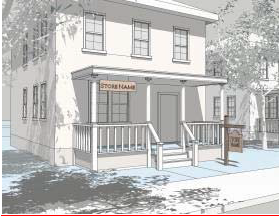
FIGURE 15-1609-C-8: AH OVERLAY MONUMENT AND PORCH SIGNS
9.
Renovations and Alterations.
a.
Modifications to existing buildings shall be architecturally compatible with the existing building as determined by the Review Authority.
b.
Exterior walls that are or were originally clad in wood, masonry, or stone shall not be covered with a different material such as stucco.
c.
Renovations or alterations to "modernized" pre-World War II buildings shall restore the original façade materials, textures, fenestration, and ornamentation to the extent possible as determined by the Review Authority.
(Added Ord. 2015-39, § 1, eff. 1-9-16; Am. Ord. 2016-32, § 16, eff. 10-21-16; Am. Ord. 2016-43, § 3, eff. 12-9-16; Am. Ord. 2018-25, § 17, eff. 6-11-18; Am. Ord. 2025-024, § 30, eff. 7-27-25).
SEC. 15-1610. - URBAN CAMPUS (UC) OVERLAY DISTRICT.
A.
Purpose. The Urban Campus (UC) Overlay District is intended to provide for large, centrally planned and operated campuses which integrate well into a dense, mixed-use, walkable urban environment.
B.
Use Regulations. Those uses permitted in the Base District, subject to the limitations and conditions set forth therein.
C.
Development Standards. Development Standards shall be as required by the Base District, except as follows:
1.
Setbacks.
a.
Front.
i.
Minimum. Zero feet.
ii.
Maximum. 20 feet.
b.
Side. No requirement, unless the site abuts an R District, in which case the side setback shall be no less than 20 feet.
c.
Rear. No requirement, unless the site abuts an R District, in which case the rear setback shall be no less than 20 feet.
d.
Parking: 30 feet from perimeter streets. The following types of parking shall be exempted from this requirement:
i.
Surface parking which is located behind a building.
ii.
Structured parking above the first floor, provided that the façade is treated with similar materials and ornamentation as non-parking structures on the campus.
iii.
Underground parking.
2.
Frontage Coverage. 75 percent along public streets at the perimeter of the campus. This requirement shall not apply to streets which run through the campus.
3.
Pedestrian Access. Each building located within 50 feet of a public street at the perimeter of the campus shall provide pedestrian entrances from the public street into the building at a rate of no less than one per 400 feet of linear street frontage, however in no instance shall there be fewer than one. Such entrances shall be protected by a portico, canopy, or alcove of no less than four feet in depth. If there is a yard between the sidewalk and the building, a paved path six feet in width shall be provided from the public sidewalk to the entrance.
4.
Façade Design. Street facing facades of buildings located within 50 feet of a public street at the perimeter of the campus shall comply with the following standards:
a.
Exterior walls facing a front or street side lot line shall include windows, doors, or other openings with transparent glazing for at least 25 percent of the building wall area located between 2.5 and seven feet above the level of the sidewalk. Openings fulfilling this requirement shall have transparent glazing and provide views into work areas, lobbies, or similar active spaces.
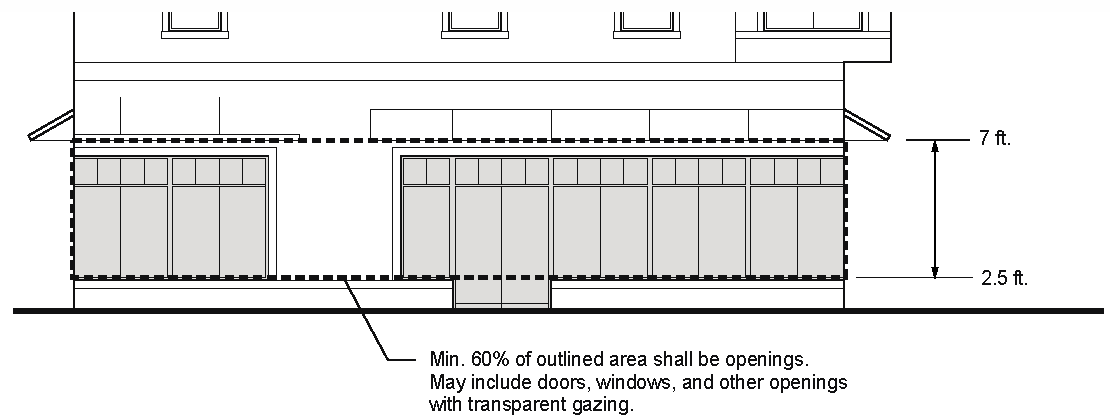
FIGURE 15-1610-C.4.A: BUILDING TRANSPARENCY
b.
Where buildings are located within two feet of a public sidewalk at the perimeter of the campus, the sidewalk shall be shaded by awnings or canopies as follows:
i.
Awning or canopy depth shall be no less than four feet and no more than 10 feet.
ii.
Clearance shall be no less than eight feet and no more than 12 feet from the finished floor.
5.
Parking Access. Driveways shall be located at the furthest feasible point from nearby residential uses.
6.
Building Height.
a.
The maximum height within 100 feet of an RS District is 45 feet. Exceptions shall be made for parking structures which meet all of the following criteria:
i.
Height of 75 feet or less;
ii.
Adjacent to a railroad;
iii.
South of Illinois Avenue; and
iv.
A design which incorporates a "green screen or a similar treatment that buffers the appearance of the structure with ivy or other vegetation.
b.
The maximum height within 300 feet of an RS District is 75 feet.
c.
In all other locations the maximum height shall be 210 feet. Buildings of exemplary, landmark design may be 235 feet at the discretion of the Review Authority. Buildings of exemplary, landmark design may be 275 feet at the discretion of the Review Authority within the area bounded by Clark Street, Illinois Avenue, Thesta Street, and Divisidero Street, as well as all of the area south of Divisidero.
7.
Lot Coverage. No requirement.
8.
Sidewalks. New buildings or additions of 50 percent or more in floor area shall improve adjacent sidewalks. Sidewalks shall be provided per Public Works standards except that sidewalks on Fresno Street shall be provided as follows:
a.
Sidewalks shall be no less than 12 feet in width. If the current distance between the right-of-way boundary and the face of the adjacent curb is less than 12 feet, the building shall be set back from the right-of-way boundary the distance that is necessary to achieve the required sidewalk width. The portion of the sidewalk which lies within the private parcel shall be guaranteed for public access by the enactment of a public access easement.
b.
Street trees shall be provided as follows:
i.
Street trees should be located no more than three feet from the back of curb, and whenever possible should be aligned with other trees on the block.
ii.
Street trees should generally be evenly spaced, no less than 20 feet apart, and not more than 40 feet apart.
iii.
Whenever possible, trees should not be located directly in front of building entrances.
iv.
Trees should be placed in tree wells measuring five feet by five feet. To maximize usable sidewalk area, tree wells shall be covered by grates of a design which is approved by the Review Authority. Larger tree wells may be required by the Public Works Director for species requiring more space. The property owner shall assume maintenance responsibilities for the tree grates.
v.
Street trees should be deciduous, fast growing, drought tolerant, and should eventually form a tall canopy. Not more than one species should be planted per block. Whenever nearby pre-existing trees are in good condition and meet the intent of this section, new trees should be of the same species.
c.
Pedestrian-scaled street lights shall be provided as follows:
i.
Street lights should be located no more than three feet from the curb, and whenever possible should be aligned with street trees and other lights on the block.
ii.
Street lights should be generally evenly spaced, no less than 30 feet apart, and not more than 80 feet apart. Whenever possible, street lights should be no less than 15 feet from nearby street trees.
iii.
Street lights should not be of the type commonly known as Cobra Heads or other types which are intended primarily for the illumination of the vehicular roadway. Lights should be ornamental and designed primarily for the illumination of the sidewalk. Whenever nearby pre-existing lights are in good condition and meet the intent of this section, new lights should be of the same type. Intersection safety lights shall be typical cobra-head design, while mid-block lighting should be ornamental and scaled for the pedestrian environment. Lighting shall meet Public Works standards.
d.
If a Community Facilities District is not established to maintain sidewalks, street trees, and lighting, the applicant shall enter into a maintenance agreement to ensure the maintenance of said facilities.
(Am. Ord. 2016-43, § 4, eff. 12-9-16).
SEC. 15-1611. - NEIGHBORHOOD REVITALIZATION (NR) OVERLAY DISTRICT.
A.
Purpose. The Neighborhood Revitalization (NR) Overlay District is intended to preserve the unique character of neighborhoods near Downtown, enhance their walkability, and promote a diverse population.
B.
Use Regulations. Those uses permitted and conditionally permitted in the Base District, subject to the limitations and conditions set forth therein, with the following exceptions.
1.
Duplex—a neighborhood meeting shall not be required.
2.
Multi-Unit Residential at a density of 16 dwelling units per acre or less. A neighborhood meeting shall not be required.
3.
Instructional Services which are 3,000 square feet or less and which occupy 30 percent of the building or less.
4.
Parks and Recreation Facilities shall not be subject to any size restriction of the Base District.
5.
Medical and Dental Offices, which are 3,000 square feet or less and which occupy 30 percent of the building or less shall be permitted.
6.
General Retail, which is located within 100 feet of a corner and which is 3,000 square feet in area or less shall be permitted.
C.
Development Standards. Development Standards shall be as required by the Base District, except as follows:
1.
Sidewalks.
a.
Sidewalks shall be provided on both sides of the street. Notwithstanding Chapter 13, Section 208 of the Municipal Code, all projects shall be required to bring adjacent sidewalk conditions into conformance with Public Works standards, subject to the following exceptions:
i.
Applications for signs only.
ii.
Additions, remodels, or tenant improvements of less than 50 percent of the current value of the property.
iii.
Accessory structures less than 1,000 square feet in size.
b.
New development that is below the thresholds noted in item 'a', above, shall replace and maintain missing and/or dead street trees and any other missing or dead landscaping in the public frontage (public right-of-way).
c.
In no case shall an existing sidewalk, or portion thereof, be vacated, even if the minimum width required is less than the existing sidewalk.
d.
When a sidewalk of the subject property is improved to meet the applicable requirements of this section and the adjacent property does not physically align with the new improvement, the improvement shall be designed to the satisfaction of the Review Authority to result in a safe and smooth transition between properties.
2.
Pedestrian Access. Direct entrances shall be provided into all individual ground-floor dwelling units or commercial spaces which are adjacent to a public street. If the building is set back from the sidewalk, a paved path no less than five feet in width shall be provided from the sidewalk to each entrance.
3.
Front Setback. The front setback for new structures shall not be greater than 110 percent nor less than 90 percent of the average of the actual front setbacks of all residential structures on the blockface which were constructed prior to 1945. The following exceptions shall apply:
a.
In no instance shall the front setback be less than 10 feet.
b.
In no instance shall the setback for a new structure be less than the setback of an adjacent structure which is a designated historic resource.
4.
Parking. In no instance shall parking be located in front of the primary building, between the primary building and the street, or within the required front setback. Surface parking may not be covered with a carport within 50 feet of a public street unless it is designed as a porte cochere that is attached to architecturally integrated with the residential structure.
5.
Building Size and Massing. Table 15-1611-C.1 prescribes additional development standards for areas governed by the NR Overlay District. Additional regulations are denoted in the right hand column. Section numbers in this column refer to other sections of the Code, while individual letters refer to subsections that directly follow the table. The numbers in each illustration below correspond to the "#" column in the associated table. Drawings are for illustrative purposes and are not drawn to scale.
| TABLE 15-1611-C.1: BUILDING SIZE AND MASSING STANDARDS | |||
|---|---|---|---|
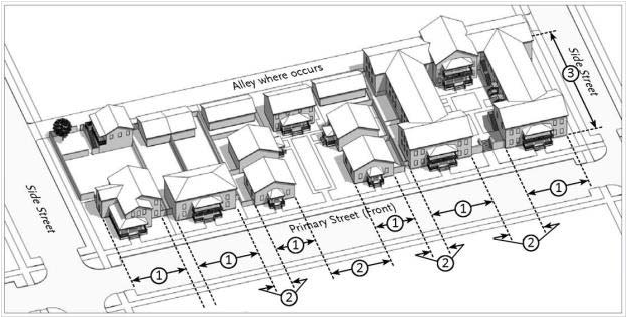 | |||
| District | RS-3 | RS-5 | # |
| Maximum Building Length along Primary Street (ft.) | 60 | 60 | ① |
| Maximum Space between buildings along Primary Street (ft.) | 15 | 10 | ② |
| Maximum Building Depth along Street Side (ft.) | 60 | 120 | ③ |
6.
Building Articulation.
a.
Street-Facing Façade Articulation. All street-facing building façades over 35 feet in length shall be designed with a minimum of one of the following façade articulation strategies:
i.
Horizontal Articulation. Setback a portion of the street-facing facade a minimum of two feet for a minimum distance of 25 feet.
ii.
Vertical Articulation. Step a portion of the façade upward or downward a minimum two feet higher or lower than adjacent portions of the façade for a minimum distance of 25 feet.
iii.
Architectural Projections. Append or project facade elements such as porches, balconies, bay windows, cantilevered rooms, and/or awnings.
iv.
Architectural Recessions. Recess architectural elements or spaces—such as recessed porches, covered passages, recessed balconies, and windows—into the plane of the façade.
b.
Roof Forms. New structures shall have roof forms which are residential in character, such as gabled, hipped, mansard, gambrel, and pyramidal roofs.
7.
Building Materials and Finishes.
a.
General Standards.
i.
Each side of a building that is visible from a street, park, or passenger railway shall be designed with a complementary level of detailing and quality of materials.
ii.
Building Entrances and Common Areas. Building entrances and common areas shall include finishes and materials that are durable and high quality and distinguish these spaces from other elements of the building.
iii.
Parking. Parking structures shall be designed to be compatible with the architectural character, materials, and colors of the overall development.
iv.
Durability of Materials. Exterior materials shall be durable and promote permanence and longevity. They shall not unintentionally discolor due to weathering or corrosion. Materials that discolor naturally, such as copper, are encouraged.
v.
Design Consistency.
(1)
Architectural materials and constructional assemblies shall be designed to be consistent with the building's architectural style in terms of structural expression, scale, and proportion.
(2)
Finishes, fixtures, and other architectural details shall be designed to be consistent throughout the building's exterior.
(3)
Attached architectural elements and details such as lighting fixtures, attic vents, custom signage, awnings, hand rails, balconies, and trellises shall be designed to be consistent with other elements throughout the building's exterior.
b.
Multiple Materials.
i.
Two or more wall materials may be combined on one façade.
ii.
If located one above the other, lighter appearing materials shall be placed above more substantial materials (e.g., wood above stucco or masonry, or stucco and glass above masonry).
iii.
In general, vertical joints between different materials shall occur only at inside corners.
c.
Exposed Wood.
i.
Exterior walls that are or were originally clad in exposed wood shall not be covered with a non-wood material. Wood-like materials, such as cementitious siding, may be used.
ii.
Exposed wood (or wood-like materials) shall be finished in a manner that minimizes maintenance and promotes the material's longevity.
d.
Reflective Materials. Reflective materials are prohibited.
e.
Masonry and Stone.
i.
Brick and cut stone shall be laid in true bonding patterns. Mortar joints shall be struck.
ii.
River and rubble stone shall be laid from large stones closest to the ground to small stones farthest from the ground, with smooth or beaded mortar joints.
iii.
Masonry detailing shall transition from stone to other materials through moldings, caps, and other trim elements.
f.
Veneers. Veneers should turn corners, avoiding exposed edges and continue down the side of a building to a logical break, such as a change in wall plane.
g.
Trim. Trim materials and finishes shall be differentiated from adjacent wall cladding materials and finishes. Acceptable trim materials shall be wood, precast concrete, stone, tile, or similar materials. Stucco trim shall be permitted at the discretion of the Review Authority, and in such instances it shall feature a smooth finish that contrasts significantly from adjacent stucco wall cladding.
h.
Synthetic Materials. The use of synthetic materials is allowed when the Review Authority determines that the material:
i.
Adequately simulates the appearance of the natural material it imitates.
ii.
Demonstrates an ability to age similar to or better than the natural material it imitates.
iii.
Has a permanent texture, color, and character that is acceptable for the proposed application.
iv.
Can be pressure washed and, in general, withstand anti-graffiti measures.
i.
Prohibited Materials. Prohibited exterior materials include the following:
i.
T1-11.
ii.
Rough-sawn wood.
iii.
Vertical siding, except board and batten.
iv.
Metal siding.
v.
Concrete block as an exterior finish material.
j.
Renovations and Alterations.
i.
Modifications to existing buildings shall be architecturally compatible with the existing building as determined by the Review Authority.
ii.
Exterior walls that are or were originally clad in wood, masonry, or stone shall not be covered with a different material such as stucco.
iii.
Renovations or alterations to "modernized" pre-World War II buildings shall restore the original façade materials, textures, fenestration, and ornamentation to the extent possible as determined by the Review Authority.
8.
Window and Door Opening Design.
a.
Window Hierarchy. Building elevations shall exhibit a hierarchy between window sizes to differentiate between public rooms (larger windows) and private rooms (smaller windows).
b.
Glazing Ratio. Street-facing facades, shall have an overall wall composition of at least 20 percent glazing, but not more than 60 percent glazing.
c.
Vertical Proportion. 75 percent or more of window openings shall have a vertical proportion, in which their height exceeds their width by 25 percent or more. Openings divided by muntins of four inches or more in width shall constitute separate openings.
d.
Window Depth. Trim at least three-quarters inch in depth must be provided around all windows, or windows must be recessed at least two inches from the plane of the surrounding exterior wall. For double-hung and horizontal sliding windows, at least one sash shall achieve the two-inch recess. The recess depth shall be specific to the architectural style being utilized.
e.
Relationship to Surrounding Buildings. Windows shall be placed on a wall in a manner that maintains existing privacy with neighbors.
f.
Window and Door Materials and Detailing.
i.
Allowed window and door materials include wood, fiberglass, steel, or aluminum.
ii.
Muntins, if used, shall be true and divide one pane from the adjoining pane, be of substantial dimension, and not be flat.
iii.
Flush "nail-on" aluminum windows, and horizontal aluminum sliding windows are prohibited.
iv.
The color of vinyl and vinyl clad windows shall be consistent with the overall color scheme of the building. For example, white windows should be used with window trim that is painted a deep color.
v.
Glazing shall be clear glass, particularly in storefront and primary window applications. Transom and other specialty windows are not required to be clear and may be decorative.
vi.
Window sills shall be detailed to properly shed water.
vii.
Head casing shall be equal in width to or wider than jamb casing.
viii.
Accessories may include operable shutters sized to match their openings, opaque canvas awnings and other shading devices, and planter boxes supported by visible brackets appropriate to each design. Security bars are prohibited on façade windows.
9.
Façade Alignment.
a.
Vertical Alignment. With the exception of roofs, cornices, and other such features, façades shall be oriented vertically and shall have no slope.
b.
Horizontal Alignment. With the exception of bay windows and similar features, facades that are located within 30 feet of a public street shall run parallel or perpendicular to said street. Civic buildings are exempt from this requirement.
10.
Façade Elements.
a.
Applicability. Street-facing façades shall incorporate a minimum of two of the Façade Elements shown in Table 15-1611-C.6.
| TABLE 15-1611-C.6: FAÇADE ELEMENTS—NR OVERLAY DISTRICT | |
|---|---|
| A. Front Yard | |
| 1. Basic Standards | 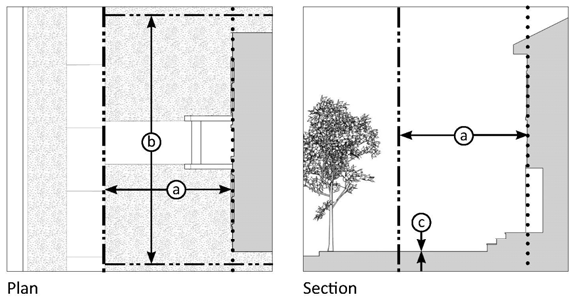 |
| ⓐ Clear Depth: 5 ft. min. | |
| ⓑ Length: 15 ft. min. | |
| ⓒ Height above Sidewalk: 3 ft. max. | |
| 2. Supplemental Standards | |
| a. Planters, garden walls, fences and hedges are permitted at the sidewalk to a maximum height of 3 ft. per Section 15-2006. Materials and design shall be compatible with the architectural style of the building. | |
| b. Water features, shade structures, seating, and gardens are encouraged in this area. | |
| c. Vehicular parking, trash collection, and storage are not permitted in this area. | |
| d. When Front Yards are raised from the level of the sidewalk, the resulting retaining wall shall be decorative and clad in brick or stone. | |
| B. Porch | |
| 1. Basic Standards | 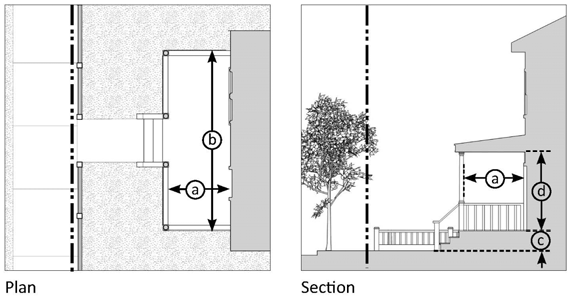 |
| ⓐ Clear Depth: 5 ft. min., 15 ft. max. | |
| ⓑ Length: 8 ft. min. | |
| ⓒ Height above adjacent grade: 18 in. min., 4 ft. max. | |
| ⓓ Height: 8 ft. min. clear from the finish floor | |
| 2. Supplemental Standards | |
| a. Provide landscaping in front of and around porch. | |
| b. Railings should be no higher than required by the building code. | |
| c. The porch may extend around to encroach into the street sideyard up to ½ of the required setback. If insufficient distance exists, the minimum porch depth shall be achieved by moving back the façade the necessary distance. | |
| d. Awnings may be attached to the face of the porch if the awning is adequately supported and if the awning is compatible with the architectural style of the porch and building. | |
| e. Porches shall not be enclosed, including by insect screens. | |
| C. Stoop | |
| 1. Basic Standards | 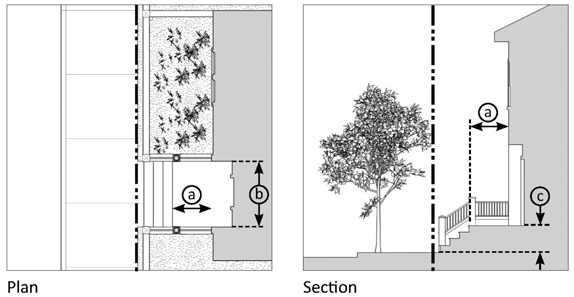 |
| ⓐ Clear Depth: 6 ft. min., 15 ft. max. | |
| ⓐ Length: 4 ft. min., 10 ft. max. | |
| ⓐ Height: Max. 4 ft. elevation above finish sidewalk grade | |
| 2. Supplemental Standards | |
| a. Landscaping encouraged in front, around and/or within walls of stoop. | |
| b. Minimum 3 ft. to maximum 4 ft. high garden wall and gate may be provided at entry to stoop. | |
| c. Entry gates to swing in a direction away from sidewalk. | |
| d. Use of other frontage types at entry stoop (e.g., awning, bay window, arcade) allowed. | |
| e. Exterior stairs may be located perpendicular or parallel to the adjacent sidewalk. | |
| f. The landing may be covered or uncovered, but shall not be enclosed beyond the building façade (e.g., stoop landings may be recessed into the building façade and be enclosed by the walls of the recess. | |
| D. Terrace | |
| 1. Basic Standards | 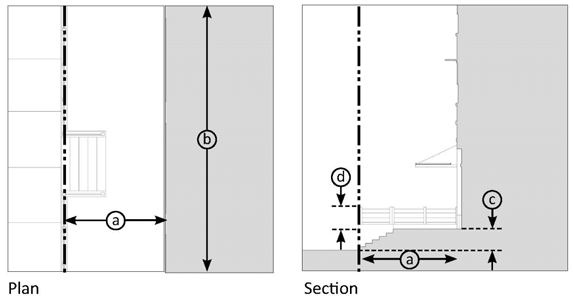 |
| ⓐ Clear Depth: 7 ft. min. | |
| ⓑ Length: no min./no max. | |
| ⓒ Height: Max. 4 ft. elevation above finish sidewalk grade | |
| ⓓ Railing Height: no higher than required by the building code | |
| 2. Supplemental Standards | |
| a. Use of other frontage types (e.g., awning, bay window) allowed. | |
| b. Exterior stairs may be perpendicular or parallel to the adjacent sidewalk but shall not encroach into the right-of-way. The landing may be covered or uncovered. | |
| E. Bay Window | |
| 1. Basic Standards | 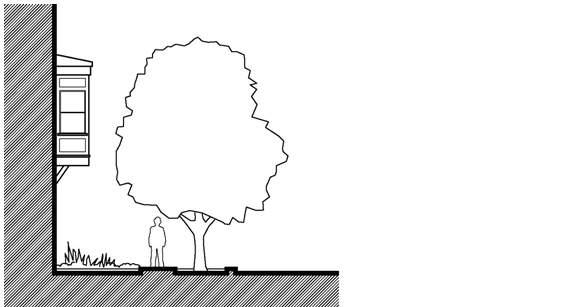 |
| ⓐ Depth: 2 ft. min., 4 ft. max. | |
| ⓑ Length: 15 ft. max. | |
| ⓒ Height for 2nd fl.: 10 ft. min. clear from the ground | |
| ⓓ Encroachment into Setback.: 3 ft. max. | |
| 2. Supplemental Standards | |
| a. Bay windows are permitted on the ground floor of buildings with residential ground floors. | |
| b. Provide landscape in front and around bay windows on the ground floor. | |
| c. Bay windows to have a minimum 25% glazing. | |
| F. Balcony | |
| 1. Basic Standards | 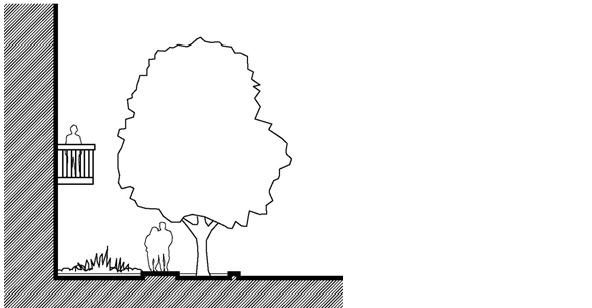 |
| ⓐ Depth: 5 ft. min., 10 ft. max. | |
| ⓑ Length: 8 ft. min. | |
| ⓒ Height: 8 ft. min. clear, 12 ft. max. clear from the finish floor | |
| ⓓ Encroachment into Setback: 4 ft. max. | |
| 2. Supplemental Standards | |
| a. Balcony may be covered but should be a minimum 50% open on three sides. | |
(Am. Ord. 2016-43, § 5, eff. 12-9-16).
SEC. 15-1612. - KEARNEY BOULEVARD HISTORIC CORRIDOR (KB) OVERLAY DISTRICT.
A.
Purpose. The Kearney Boulevard Historic Corridor (KB) Overlay District is intended to preserve and enhance the historic character of Kearney Boulevard.
B.
Use Regulations. Those uses permitted in the Base District, subject to the limitations and conditions set forth therein.
C.
Development Standards. Development Standards shall be as required by the Base District, except as follows:
1.
Front Setback. The front setback for new structures shall not be greater than 100% nor less than 90% of the average of the actual front setbacks of all residential structures on the blockface. The following exceptions shall apply:
a.
In no instance shall the front setback be less than ten feet.
b.
In no instance shall the setback for a new structure be less than the setback of an adjacent structure which is a designated historic resource.
2.
Building Orientation and Pedestrian Access. All new structures (excluding accessory structures) shall be oriented toward Kearney Boulevard with front doors facing the street, and a paved path no less than five feet in width shall be provided from the sidewalk to the front door.
3.
Fences, Walls, and Hedges.
a.
Height. Front yard fences shall be a maximum of three feet in height.
b.
Materials and Opacity. Front yard fences shall be constructed in one of the following manners:
1.
Wrought iron or tubular steel with no more than 20% opacity; or
2.
Wooden pickets with no more than 50% opacity.
4.
Street Trees and Landscaping.
a.
Retention of Existing Landscaping.
1.
Existing palm trees, eucalyptus trees, and oleander bushes shall be retained unless they are determined by the Review Authority to be a demonstrable health or safety threat, in which case they shall be replaced with a tree or bush or the same species.
2.
Notwithstanding Section 15-2308-C-3, the removal of eucalyptus trees shall require a Tree Removal Permit within the KB Overlay District.
b.
New Development. Any activity which requires a Development Permit, Planned Development Permit, or Development Agreement shall plant new palm trees, eucalyptus trees, and oleander bushes along Kearney Boulevard to the full extent necessary to continue and match the historic tree pattern along the entirety of the project's Kearney Boulevard frontage.
5.
Frontage Road. All development shall continue the historic configuration of the boulevard with frontage roads on either side separated by planted side medians.
(Added Ord. 2017-63, § 1, eff. 12-4-17).
SEC. 15-1613. - CALIFORNIA AVENUE TRANSIT CORRIDOR (CA) OVERLAY DISTRICT.
A.
Purpose. The California Avenue Transit Corridor (CA) Overlay District is intended to create a safe, convenient, and comfortable pedestrian environment along the residential sections of the California Avenue transit corridor.
B.
Use Regulations. Those uses permitted in the Base District, subject to the limitations and conditions set forth therein.
C.
Development Standards. Development Standards shall be as required by the Base District, except as follows:
1.
Building Orientation and Pedestrian Access. All new structures (excluding accessory structures) shall be oriented toward California Avenue with front doors facing the street, and a paved path no less than five feet in width shall be provided from the sidewalk to the front door.
2.
Fences, Walls, and Hedges.
a.
Height. Front yard fences shall be maximum of three feet in height.
b.
Materials and Opacity. Front yard fences shall be constructed in one of the following manners:
1.
Wrought iron or tubular steel with no more than 20% opacity; or
2.
Wooden pickets with no more than 50% opacity.
c.
Walls. In no instance shall a wall be permitted within the required front yard setback or any other space which lies between residential structures and California Avenue.
(Added Ord. 2017-63, § 2, eff. 12-4-17).
SEC. 15-1614. - FOCUSED INFILL (FI) OVERLAY DISTRICT
A.
Purpose. The purpose of the Focused Infill (FI) Overlay District is to facilitate more intensive development of parcels with MX, CMS, or CR zoning at strategic points along transportation corridors in order to support transit use, housing production, and economic revitalization.
B.
Use Regulations.
1.
Permitted Uses. Those uses permitted in the Base District, subject to the limitations and conditions set forth therein.
2.
Uses Subject to a Conditional Use Permit. Those uses permitted in the Base District, subject to the limitations and conditions set forth therein.
3.
Uses Not Permitted. Those uses not permitted in the Base District or listed above, subject to the limitations and conditions set forth therein.
C.
Development Standards. Development Standards shall be asrequired by the Base District, except as follows:
1.
Residential Density. The maximum permitted residentialdensity for various Base Districts shall be as follows:
a.
NMX, CMS, and CR: 48 du/ac
b.
CMX: 90 du/ac
c.
RMX: 135 du/ac
(Added Ord. 2020-044, § 1, eff. 11-15-20).

