Greenwood City Zoning Code
ARTICLE III
- STANDARD DISTRICTS
Sec. 1. - A-1 General agricultural district.
(a)
Purpose. This district shall provide an area for agricultural and horticultural uses. The rural nature and low density of population in this district requires only that uses essential to agriculture and horticulture have a reasonable setback of buildings from dedicated streets and/or highways. It is the purpose of this district to encourage and protect such uses from urbanization until such is warranted and the appropriate change in district classification is made.
(b)
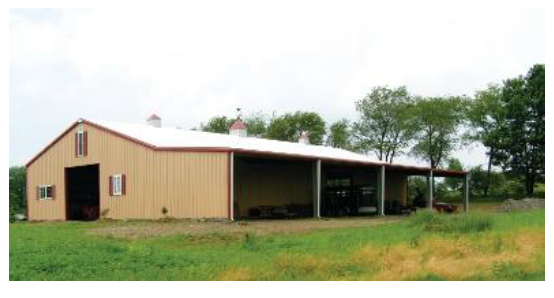
Typical building type.
(c)
Principal intensity and dimensional standards.
Notes:
1. Each one-family dwelling in the A-1 district, together with its accessory buildings, hereafter erected, shall be located on a parcel having an area of not less than three (3) acres which tract shall have access to a dedicated public street or highway. However, nothing in this ordinance shall prevent the erection of one (1) one-family dwelling, or the use of the land for agricultural purposes on any tract of three (3) acres or less, which was in existence on the date of passage of this ordinance, provided that all buildings erected on such lots shall meet all of the other requirements of this or any other applicable ordinances.
2. Agricultural buildings are exempt from this regulation.
3. Any permitted pen or building in which livestock is kept shall be located not less than one hundred (100) feet from any lot line.
(d)
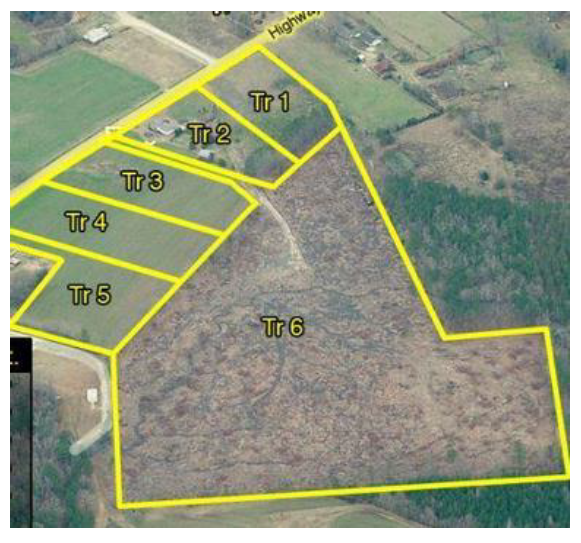
Typical lot pattern.
(e)
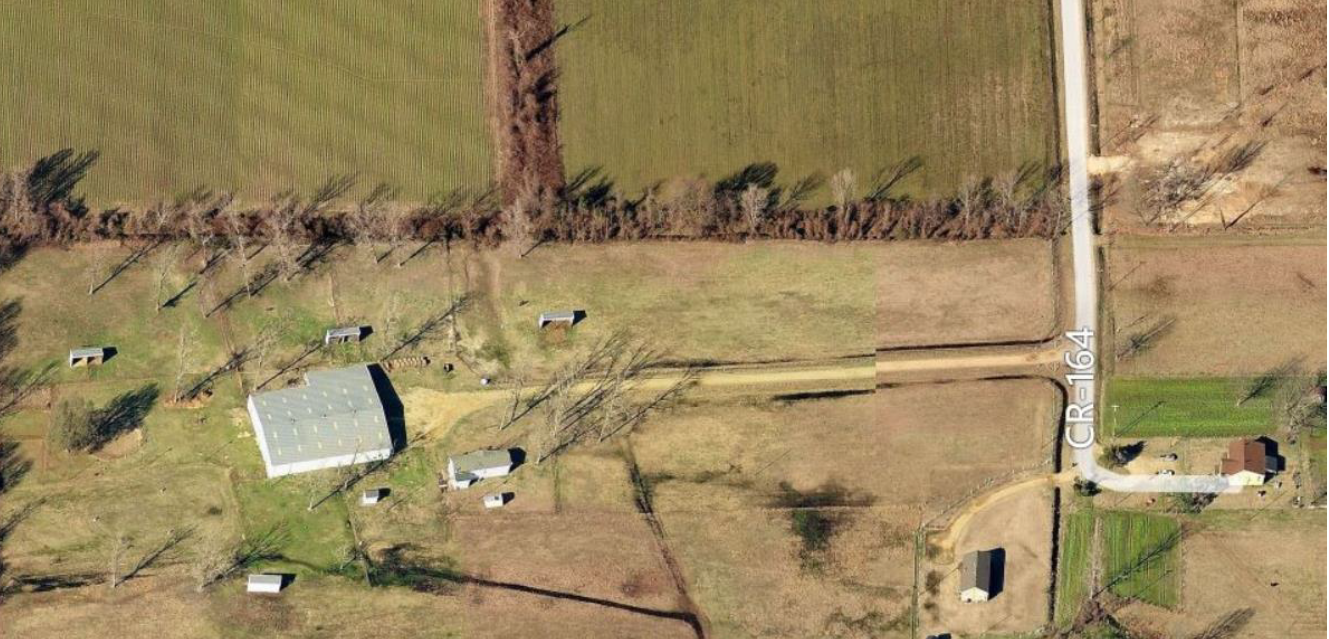
Typical development configuration.
Sec. 2. - R-1-10 single-family residential district.
(a)
Purpose. This is the most restrictive residential district. The principal use of land is for single-family and two-family dwellings and with special permission, multifamily dwellings, related recreational, religious, and educational facilities normally required to provide the basic elements of a balanced and attractive residential area. These areas are intended to be defined and protected from the encroachment of uses not performing a function appropriate to the residential environment. Internal stability, attractiveness, order, and efficiency are encouraged by providing for adequate light, air, and open space for dwellings and related facilities and through consideration of the proper functional relationships of each element.
(b)
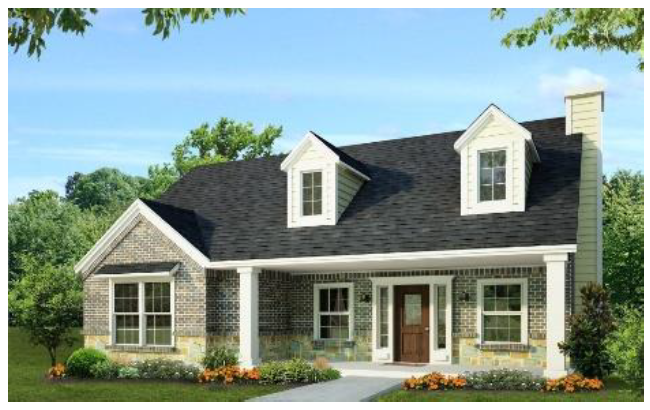
Typical building type.
(c)
Principal intensity and dimensional standards.
(SF = Single Family; TF = Two Family; MF = Multi-Family; D.U. = Dwelling Unit)
Notes:
1. For lots of more than fifty (50) feet in width, either of the side yards may be five (5) feet, and the sum of the side yards shall be twenty (20) percent of the lot width, but need not exceed twenty (20) feet in width.
2. On corner lots the side yard requirement shall be the same as for interior lots except in the case of reversed frontage where the corner lot rear on the side of a lot facing the other intersecting street, in which case, there shall be a side yard on the corner lot of not less than fifty (50) percent of the front yard required on the lot abutting the rear of the corner lot or separated only by an alley.
3. No accessory building on said corner lot shall project beyond the front yard line of the lots in the rear, nor shall a building be erected, reconstructed, altered or enlarged, closer than five (5) feet to the line of the abutting lot to the rear.
(d)
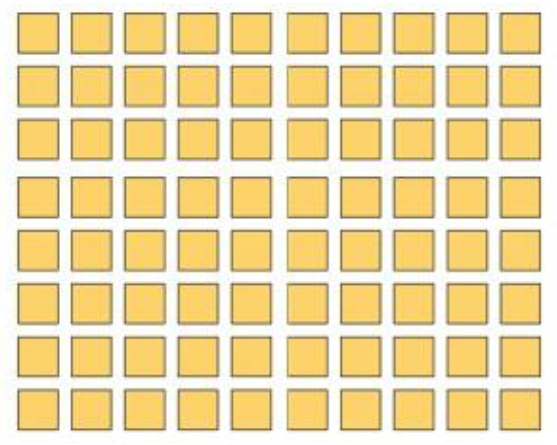
Typical lot pattern.
(e)
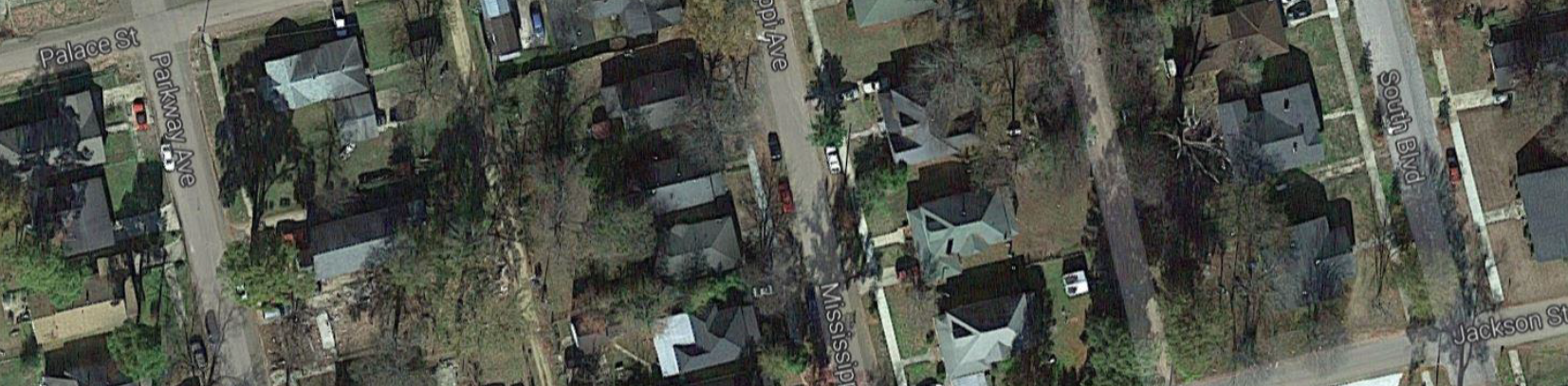
Typical development configuration.
Sec. 3. - R-1-7 single-family residential district.
(a)
Purpose. The principal use of land is for single-family dwellings, two-family dwellings, and with special permission, multifamily dwellings.
(b)
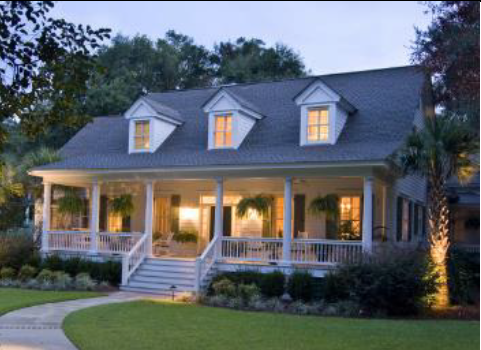
Typical building type.
(c)
Principal intensity and dimensional standards.
(SF = Single Family; TF = Two Family; MF = Multi-Family; D.U. = Dwelling Unit)
Notes:
1. For lots of more than fifty (50) feet in width, either of the side yards may be five (5) feet, and the sum of the side yards shall be twenty (20) percent of the lot width, but need not exceed twenty (20) feet in width.
2. On corner lots the side yard regulation shall be the same as for interior lots except in the case of reversed frontage where the corner lot rear on the side of a lot facing the other intersecting street, in which case, there shall be a side yard on the corner lot of not less than fifty (50) percent of the front yard required on the lot abutting the rear of the corner lot or separated only by an alley.
3. No accessory building on a said corner lot shall project beyond the front yard line of the lots in the rear, nor shall a building be erected, reconstructed, altered or enlarged, closer than five (5) feet to the line of the abutting lot to the rear.
(d)
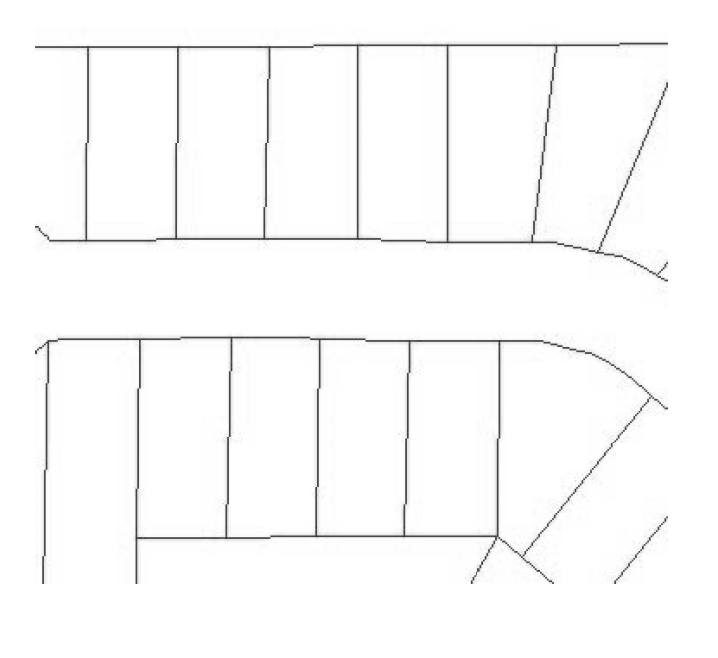
Typical lot pattern.
Sec. 4. - R-1-5 single-family residential district.
(a)
Purpose. This is a residential district to provide for medium population density. The principal use of land is for single-family dwellings, two-family dwellings and, with special permission, multifamily dwellings.
(b)
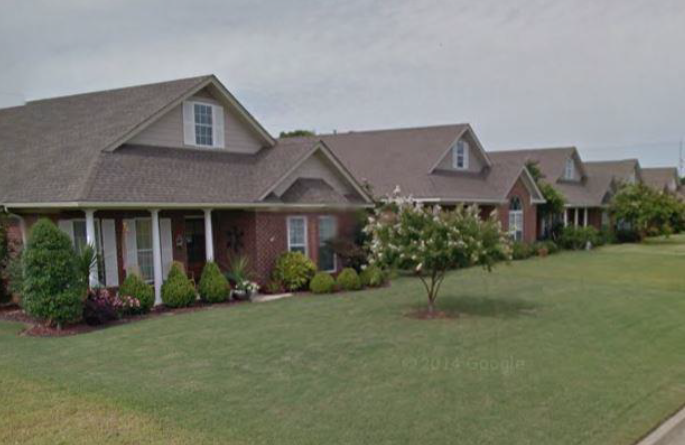
Typical building type.
(c)
Principal intensity and dimensional standards.
(SF = Single Family; TF = Two Family; MF = Multi-Family; D.U. = Dwelling Unit)
Notes:
1. Where a lot has less area or width than herein required and was a lot of record and in separate ownership at the time of the passage of this ordinance said lot may be occupied by not more than one family, provided all yard requirements detailed herein are observed.
2. Special sub-area for professional offices such as medical, dental, paramedical, attorneys, accountants, physicians, medical equipment supply sales and rentals, insurance agencies, engineers and architects, is located within an area bounded on the South by the C & G Railroad, on the North by River Road, on the East by the C-2 community commercial district and on the West by the C-1 neighborhood commercial district. These uses will be considered special exceptions in the sub-district.
(d)
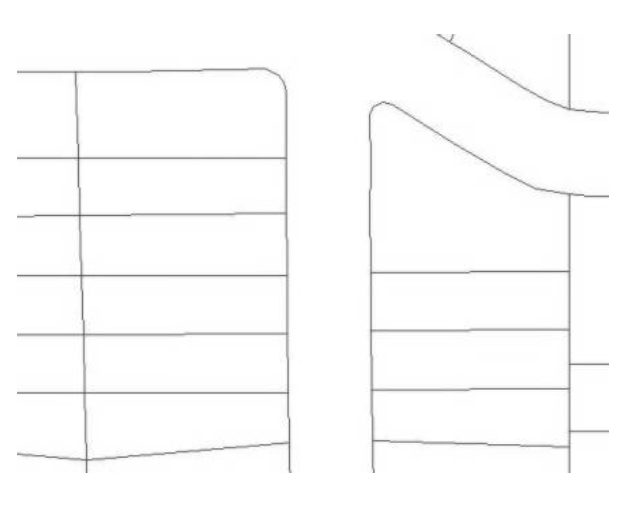
Typical lot pattern.
Sec. 5. - R-2 multi-family district.
(a)
Purpose. This is a residential district to provide for medium to moderately high population density. The principal use of land may range from two-family dwelling units to multifamily and garden apartment uses. Certain uses which are more compatible functionally with intensive residential uses than with commercial uses are permitted.
(b)
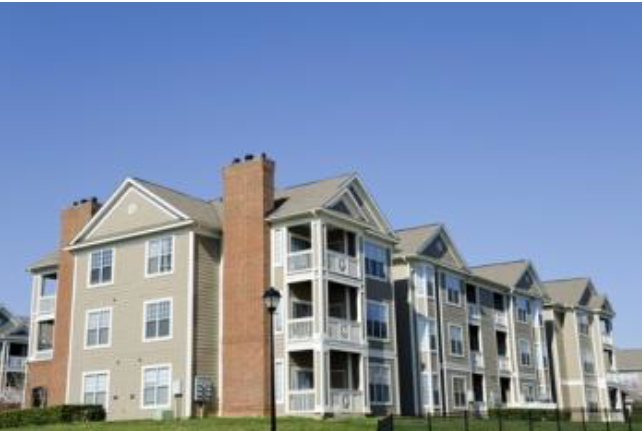
Typical building type.
(c)
Principal intensity and dimensional standards.
(SF = Single Family; TF = Two Family; MF = Multi-Family; D.U. = Dwelling Unit)
Notes:
1. An additional two feet for each side yard shall be required for each story above the first story.
2. The primary frontage of the lot shall be on a collector, major, or arterial street.
3. The actual pool area of an outdoor swimming pool will not be considered impervious area.
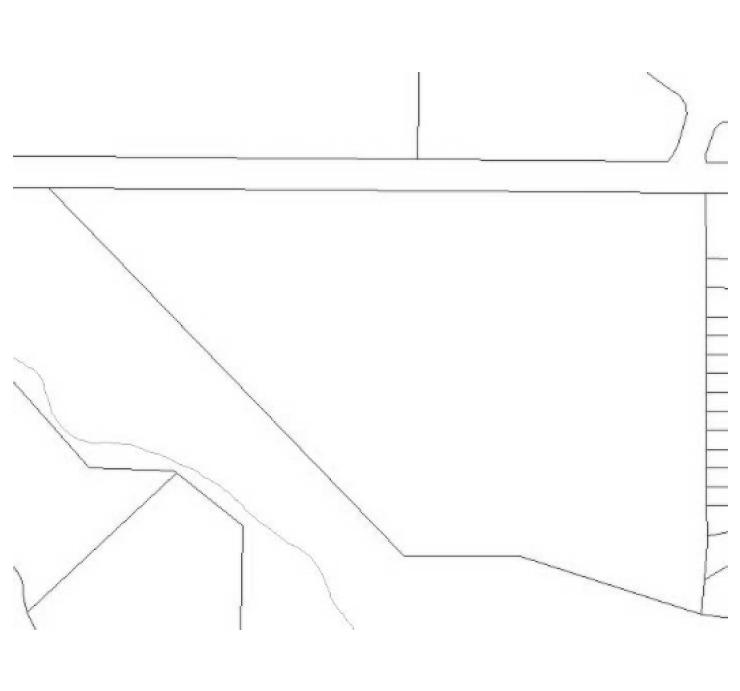
(d)
Typical lot pattern.
Sec. 6. - R-3 multi-family district.
(a)
Purpose. This is a residential district to provide for high population density. The principal use of land may range from two-family dwelling units to manufactured home and multifamily uses. Certain uses which are more compatible functionally with intensive residential uses than with commercial uses are permitted.
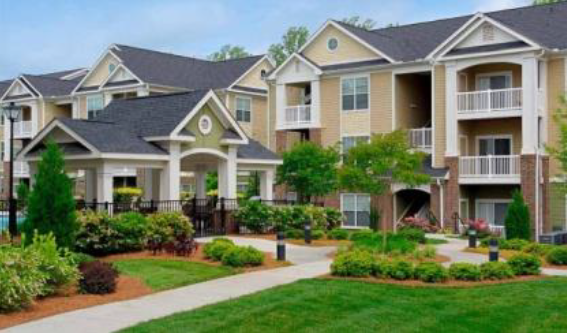
(b)
Typical building type.
(c)
Principal intensity and dimensional standards.
(SF = Single Family; TF = Two Family; MF = Multi-Family; MH = Manufactured Home; D.U. = Dwelling Unit)
Notes:
1. An additional two feet for each side yard shall be required for each story above the first story.
2. The primary frontage of the lot shall be on a collector, major, or arterial street.
3. The actual pool area of an outdoor swimming pool will not be considered impervious area.
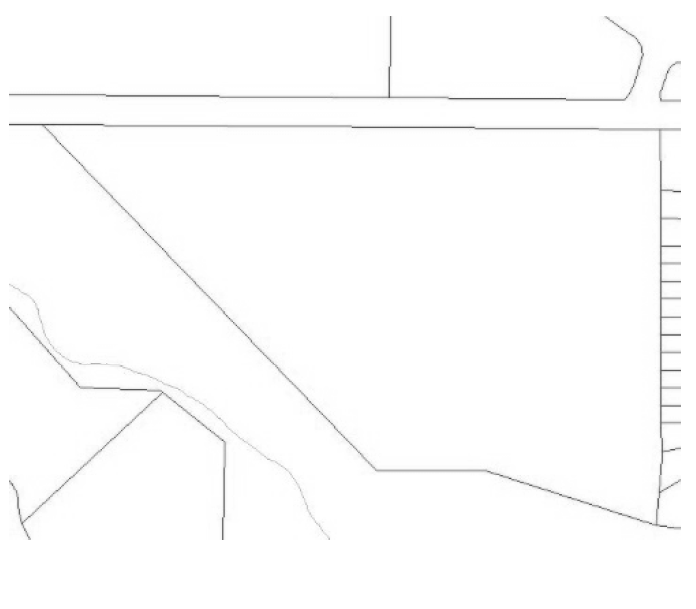
(d)
Typical lot pattern.
Sec. 7. - C-1 neighborhood commercial district.
(a)
Purpose. The purpose of this commercial district is to provide retail stores and personal services for the convenience of the people in adjacent residential areas.
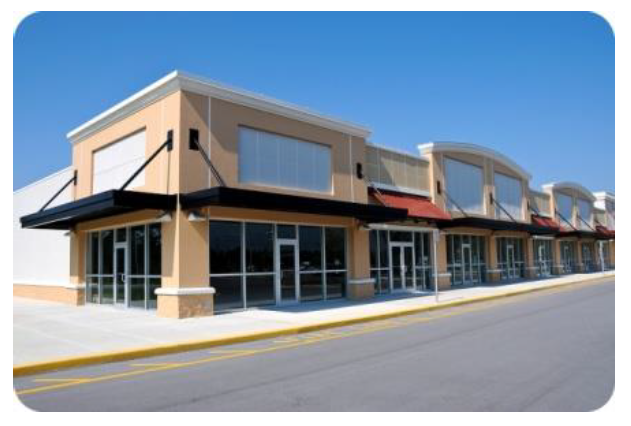
(b)
Typical building type.
(c)
Principal intensity and dimensional standards.
Notes:
1. No side yards are required except in instances where a commercial use abuts a residential district, in which case a minimum side yard of twenty-five (25) feet shall be provided, as measured from the side lot line to the nearest building or structure on the side adjacent to the residential district. Such space shall be screened from the abutting residential district by concealment walls or by concealing fences or by other concealing not less than six (6) feet in height. The existence of an easement between the subject commercial property and the residential district shall not nullify the requirements of the twenty-five (25) foot side yard or the concealing fences, walls, or other concealing screening not less than six feet in height.
2. No rear yard shall be required except in instances where a commercial use abuts a residential district, in which case a rear yard of not less than thirty-five (35) feet shall be provided. Such space will be screened from the abutting residential district by concealing walls or by concealing fences or by other concealing screening not less than eight (8) feet in height. The existence of an easement between the subject commercial property and a residential district shall not nullify the requirements of a thirty-five (35) foot rear yard and concealing fences or other concealing screening not less than eight (8) feet in height.
(d)
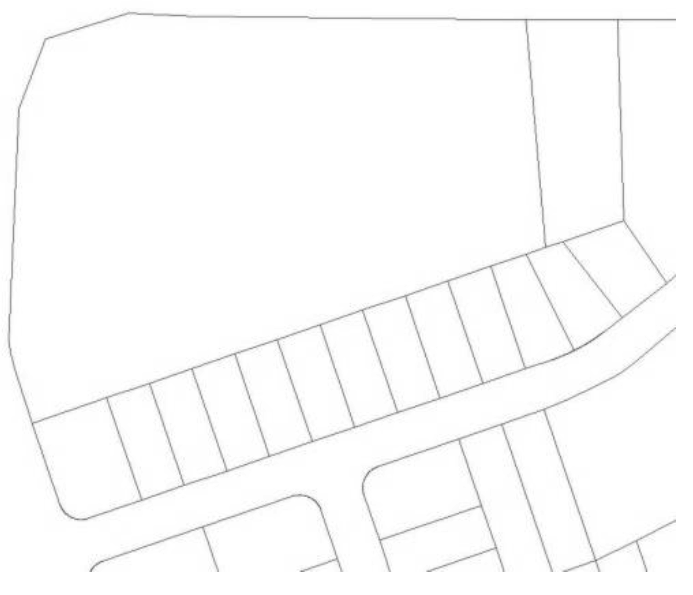
Typical lot pattern.
(e)
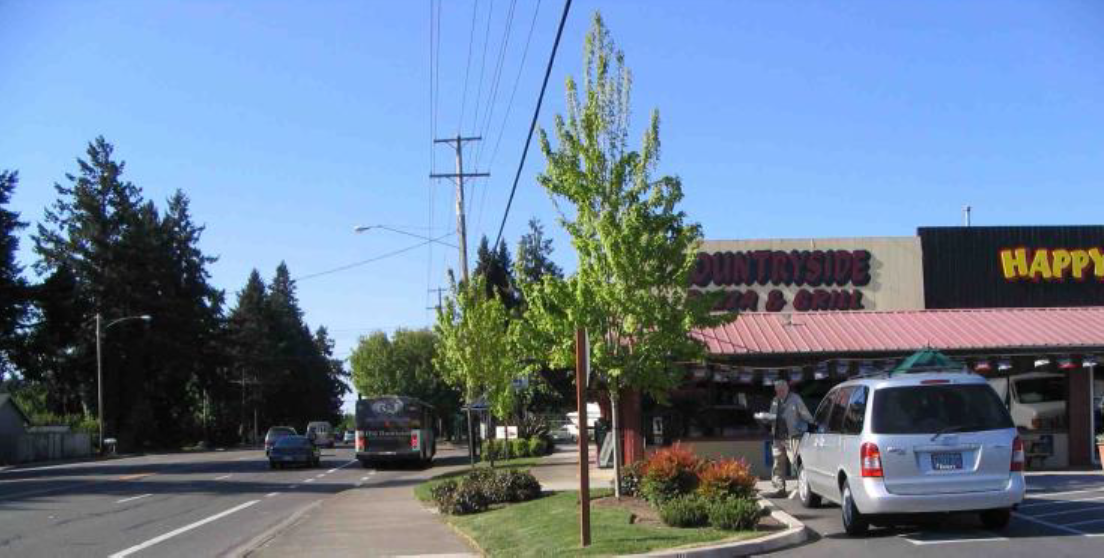
Typical development configuration.
Sec. 8. - C-2 community commercial district.
(a)
Purpose. This commercial district is intended for the conduct of personal and business services and retail business of the community. Traffic generated by these uses will be primarily passenger vehicles and only those trucks and commercial vehicles required for stocking and delivery of retail goods.
(b)
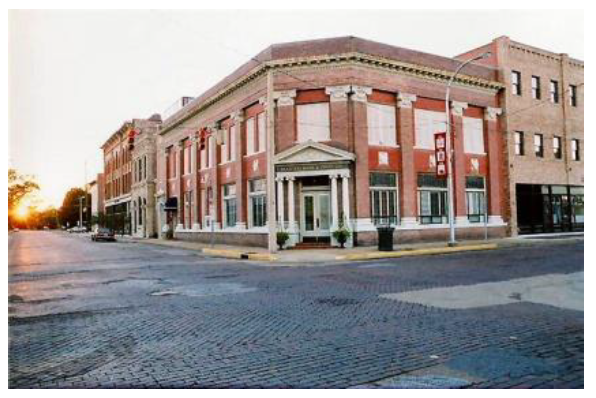
Typical building type.
(c)
Principal intensity and dimensional standards.
Notes:
1. No front yard shall be required except where the frontage on one side of a street between two intersecting streets is partly in the C-2 community commercial district and partly in a residential district, the front yard regulations of the residential district shall apply.
2. No side yards are required except in instances where a commercial use abuts a residential district, in which case a minimum side yard of twenty-five (25) feet shall be provided, as measured from the side lot line to the nearest building or structure on the side adjacent to the residential district. Such space shall be screened from the abutting residential district by concealing walls or by concealing fences or by other concealing not less than six (6) feet in height. The existence of an easement between the subject commercial property and the residential district shall not nullify the requirements of the twenty-five (25) foot side yard or the concealing fences, walls, or other concealing screening not less than six (6) feet in height.
3. No rear yard shall be required except in instances where a commercial use abuts a residential district, in which case a rear yard of not less than thirty-five (35) feet shall be provided. Such space will be screened from the abutting residential district by concealing walls or by concealing fences or by other concealing screening not less than eight (8) feet in height. The existence of an easement between the subject commercial property and a residential district shall not nullify the requirements of a thirty-five (35) foot rear yard and concealing fences or other concealing screening not less than eight feet in height.
(d)
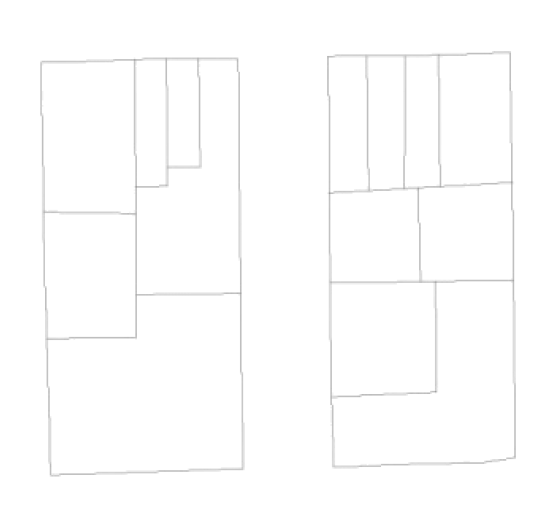
Typical lot pattern.
(e)
Typical development configuration.
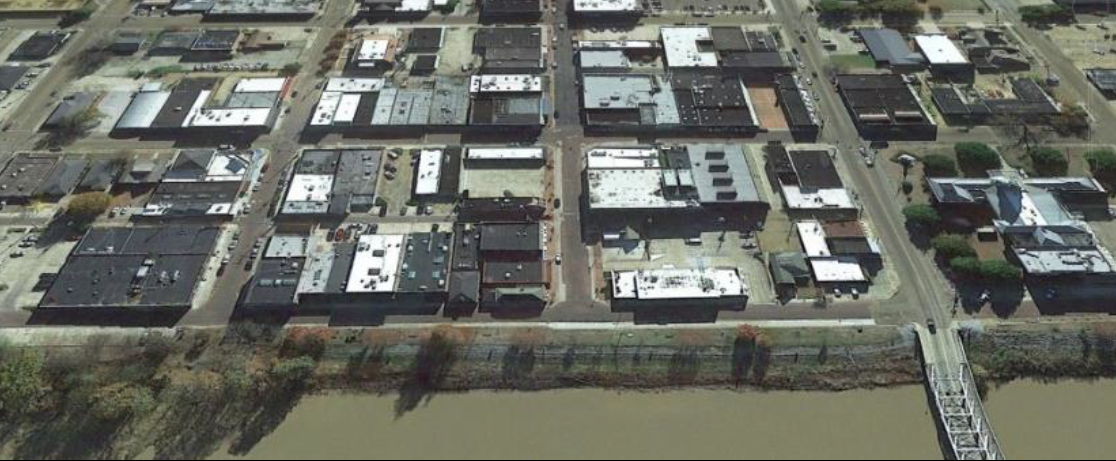
Sec. 9. - C-3 highway commercial.
(a)
Purpose. This commercial district is intended for the conduct of personal and business services for the motoring public.
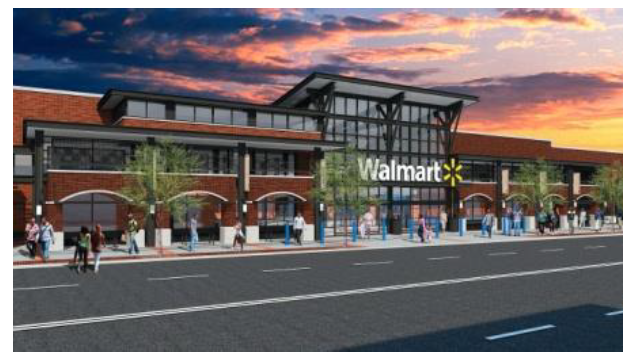
(b)
Typical building type.
(c)
Principal intensity and dimensional standards.
Notes:
1. No side yards are required except in instances where a commercial use abuts a residential district, in which case a minimum side yard of twenty-five (25) feet shall be provided, as measured from the side lot line to the nearest building or structure on the side adjacent to the residential district. Such space shall be screened from the abutting residential district by concealing walls or by concealing fences or by other concealing not less than six (6) feet in height. The existence of an easement between the subject commercial property and the residential district shall not nullify the requirements of the twenty-five (25) foot side yard or the concealing fences, walls, or other concealing screening not less than six feet in height.
2. No rear yard shall be required except in instances where a commercial use abuts a residential district, in which case a rear yard of not less than thirty-five (35) feet shall be provided. Such space will be screened from the abutting residential district by concealing walls or by concealing fences or by other concealing screening not less than eight (8) feet in height. The existence of an easement between the subject commercial property and a residential district shall not nullify the requirements of a thirty-five (35) foot rear yard and concealing fences or other concealing screening not less than eight (8) feet in height.
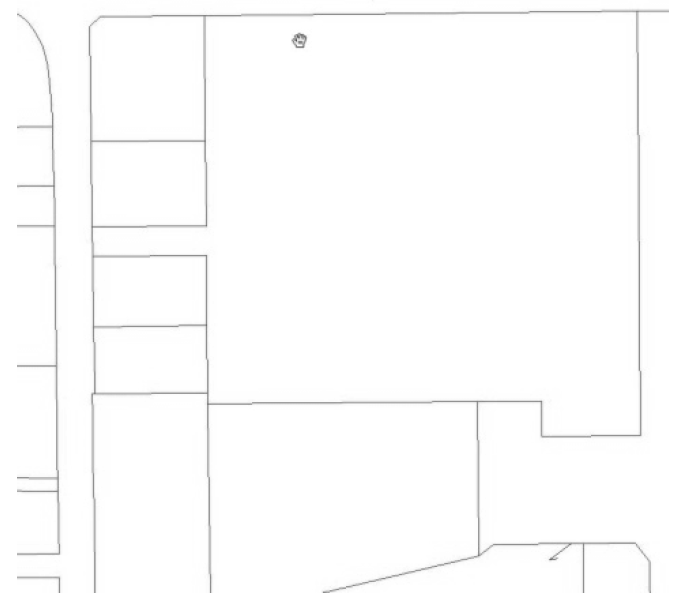
(d)
Typical lot pattern.
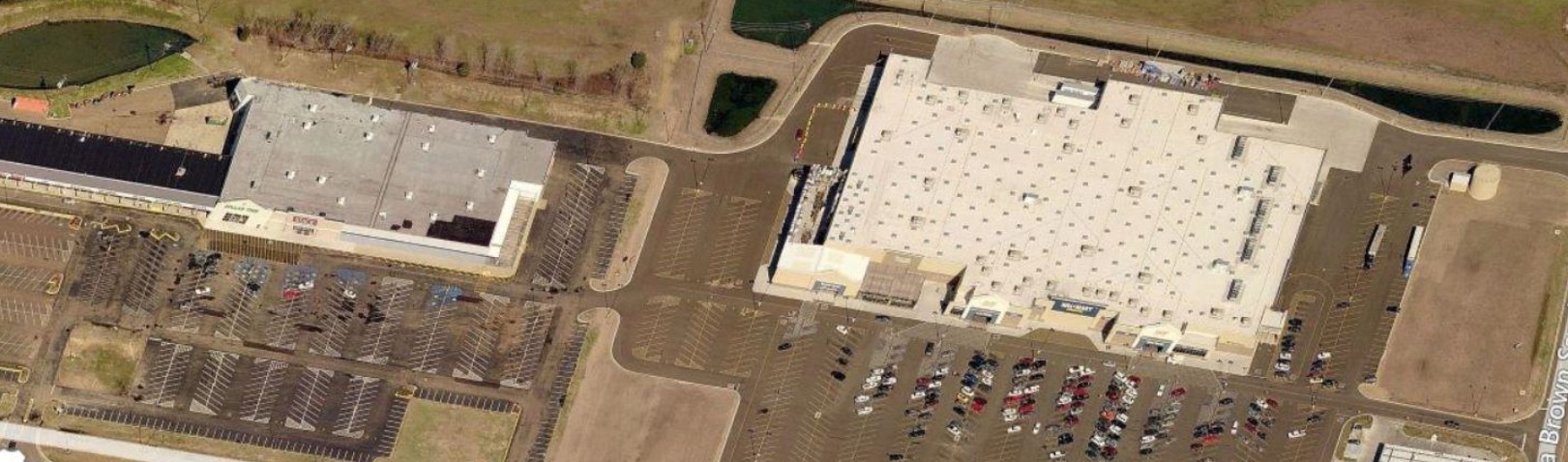
(e)
Typical development configuration.
Sec. 10. - C-4 service commercial.
(a)
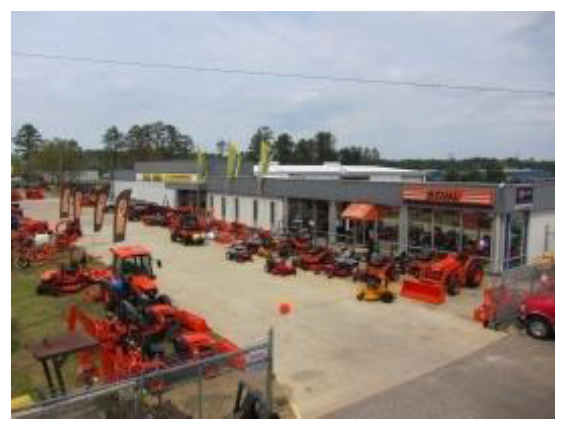
Purpose. This commercial district is intended for the conduct of both consumer and business to business services. The commercial activity in the district is often characterized by outdoor storage, heavy equipment sales, distribution activity, and similar large scale commercial activity.
(b)
Typical building type.
(c)
Principal intensity and dimensional standards.
Notes:
1. No side yards are required except in instances where a commercial use abuts a residential district, in which case a minimum side yard of twenty-five (25) feet shall be provided, as measured from the side lot line to the nearest building or structure on the side adjacent to the residential district. Such space shall be screened from the abutting residential district by concealing walls or by concealing fences or by other concealing structure/screening not less than six (6) feet in height. The existence of an easement between the subject commercial property and the residential district shall not nullify the requirements of the twenty-five (25) foot side yard or the concealing fences, walls, or other concealing screening not less than six (6) feet in height.
2. No rear yard shall be required except in instances where a commercial use abuts a residential district, in which case a rear yard of not less than thirty-five (35) feet shall be provided. Such space will be screened from the abutting residential district by concealing walls or by concealing fences or by other concealing screening not less than eight (8) feet in height. The existence of an easement between the subject commercial property and a residential district shall not nullify the requirements of a thirty-five (35) foot rear yard and concealing fences or other concealing screening not less than eight (8) feet in height.
(d)
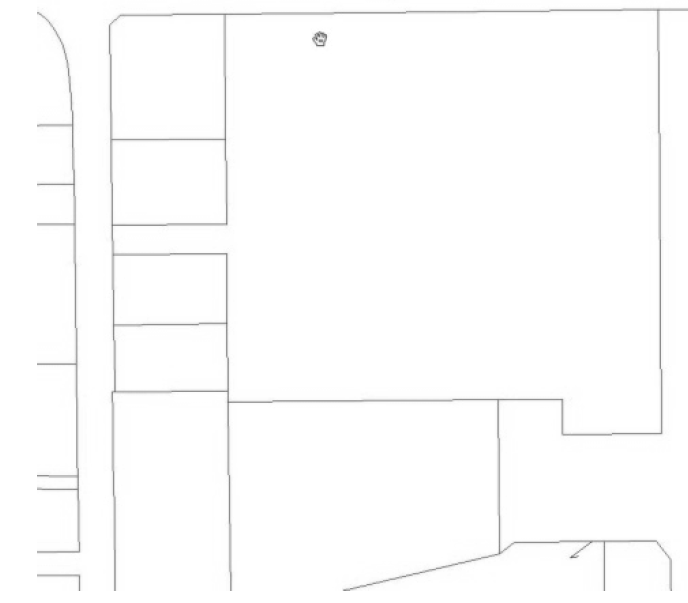
Typical lot pattern.
(e)
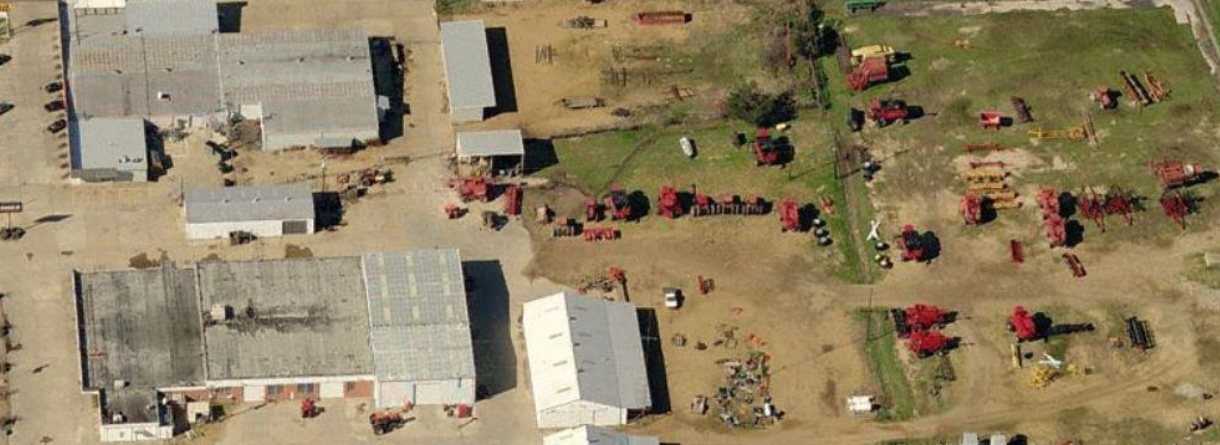
Typical development configuration.
Sec. 11. - I-1 light industrial.
(a)
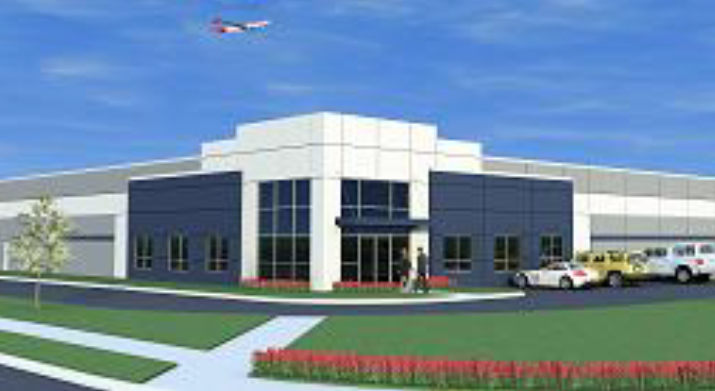
Purpose. This industrial district is intended primarily for production and assembly plants that are conducted so the noise, odor, dust, and glare of each operation is properly controlled, warehouse and distribution facilities, and corporate headquarters, and financial operation/data processing centers.
(b)
Typical building type.
(c)
Principal intensity and dimensional standards.
Notes:
1 The side yard building setback line on each side of the lot shall be not less than twenty-five (25) feet as measured from the side lot line to the nearest building or structure except in instances where this district use abuts a residential district, in which case a minimum side yard of sixty (60) feet shall be provided on the side adjacent to the residential district, such space shall be screened from the abutting residential district by concealing walls or by concealing fences, or by other concealing screening not less than six (6) feet in height.
2. Where a building is to be serviced from the rear, there shall be provided an alleyway, service court, rear yard, or combination thereof of not less than fifty (50) feet except in instances where this district use abuts a residential district, such space shall be screened from the abutting residential district by concealing walls or by concealing fences, or by other concealing screening not less than six (6) feet in height.
(d)
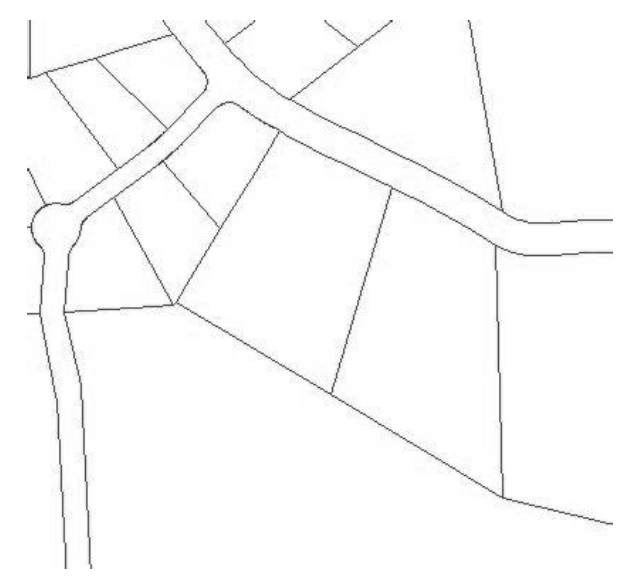
Typical lot pattern.
(e)
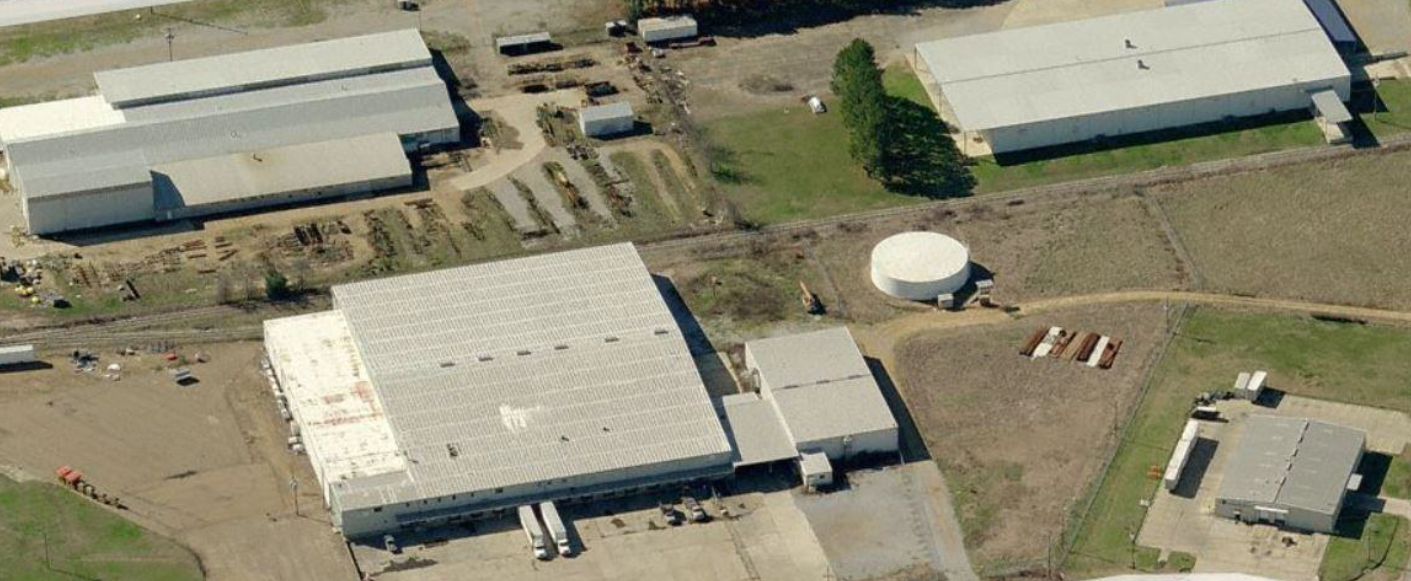
Typical development configuration.
Sec. 12. - I-2 heavy industrial.
(a)
Purpose. This industrial district is intended to provide for heavy industrial uses.
(b)
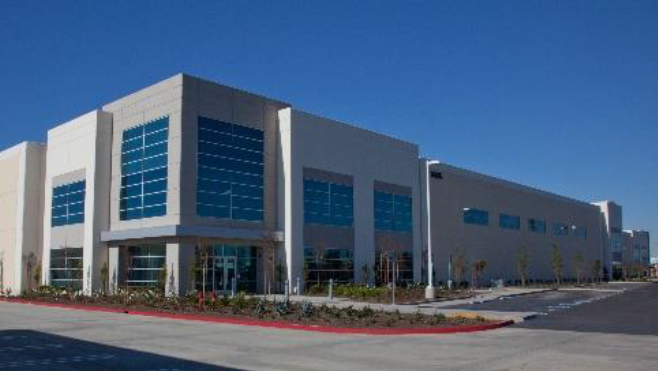
Typical building type.
(c)
Principal intensity and dimensional standards.
Notes:
1. The side yard building setback line on each side of the lot shall be not less than twenty-five (25) feet as measured from the side lot line to the nearest building or structure except in instances where this district use abuts a residential district, in which case a minimum side yard of one hundred (100) feet shall be provided on the side adjacent to the residential district, such space shall be screened from the abutting residential district by concealing walls or by concealing fences, or by other concealing screening not less than six (6) feet in height.
2. In instances where this district use abuts a residential district a rear yard of not less than one hundred (100) feet shall be provided, as measured from the rear lot line to the nearest building or structure. Such space shall be screened from the abutting residential district by concealing walls or by concealing fences or by other concealing screening not less than six (6) feet in height.
(d)
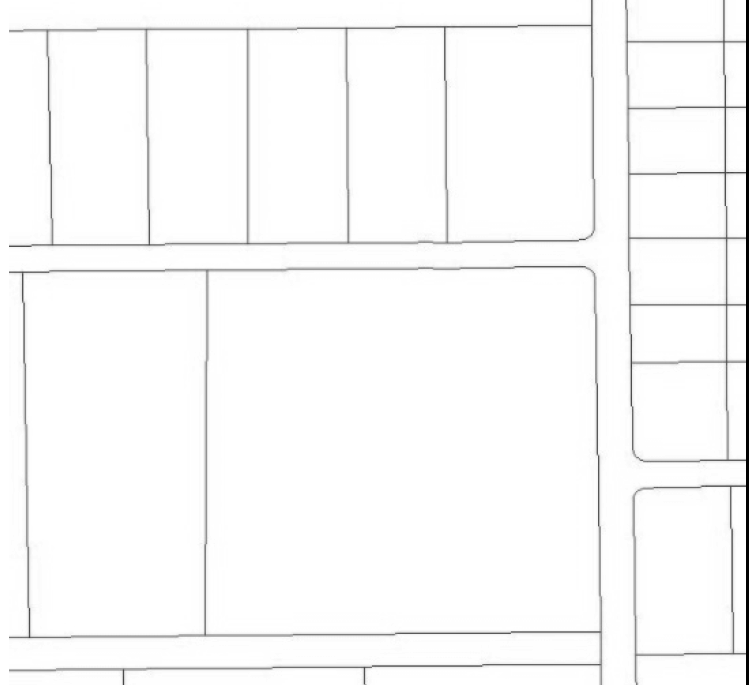
Typical lot pattern.
(e)
Typical development configuration.