
Greenwood City Zoning Code
ARTICLE V
- DEVELOPMENT CONDITIONS AND STANDARDS
Sec. 1. - Table of uses.
(a)
Agricultural.
(b)
Residential.
(c)
Institutions, parks and open space.
(d)
Offices.
(e)
Retail.
(f)
Entertainment and amusement.
(g)
Sales with outdoor display and repair services.
(h)
Accessory and miscellaneous uses.
(i)
Industrial.
(Res. of 2-16-2016; Res. of 9-20-2016; Res. of 2-6-2018, §§ 1, 2; Res. of 11-6-2018)
Sec. 2. - Standards of design.
(a)
Purpose. In order to fully implement the goals of the city comprehensive plan, supplementary development standards are required to insure that new development, renovation, and reconstruction are designed, sized, and sited to achieve functionally efficient, economically productive, pedestrian friendly, aesthetically pleasing development which contributes to the stability, vitality and long term livability of the city. Such standards are also required to promote sound environmental stewardship, public safety, efficient delivery of public services, and transportation choice.
(b)
Applicability.
(1)
Generally. The following development standards shall be applied by zoning district according to the development standards tables with the following exceptions:
a.
Routine maintenance related to plumbing, mechanical, or electrical systems of buildings and sites.
b.
All plumbing, mechanical, and electrical equipment when such work is entirely within the interior of a building.
c.
Construction or alteration necessary for the compliance with a lawful order of the city, fire department, police department, or public works department related to the immediate public health or safety.
d.
Any interior alterations, repairs, or renovations which do not change the principal use of the structure.
e.
Demolition or wrecking, repair, construction, reconstruction, alteration, rehabilitation, moving, demolition, or change in use for either land or buildings within any historic district approved by the historic preservation commission.
(2)
Relation to special districts. Standards shall also apply in all special districts unless otherwise specified in the district's specific provisions.
(3)
Organizational principles of the design standards. The development standards are organized in the following table. The symbol "■" means that the standard is required and compliance shall be determined by the Department of Urban Development. The symbol "×" means that the standard is not required. Standards are divided into the following major building and construction elements:
a.
Parking and traffic circulation.
b.
Pedestrian circulation.
c.
Site lighting and building illumination.
d.
Building form and materials.
e.
Accessory uses and equipment.
f.
Landscaping.
(c)
Table of design standards.
(1)
Parking and traffic circulation.
a.
Generally.
b.
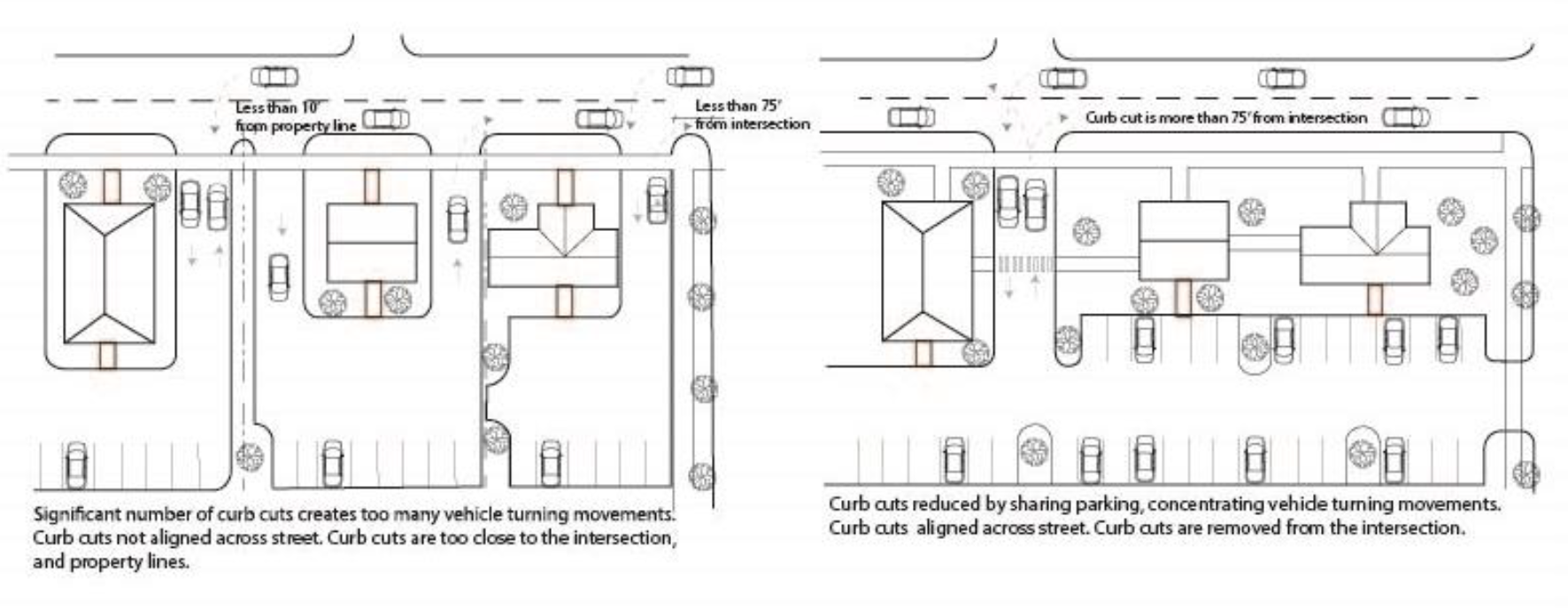
Curb cuts.
Example: Curb cuts
c.
Parking lot and driveway entrances.
d.
Interior design of parking lots.
Example: Parking lot landscaping
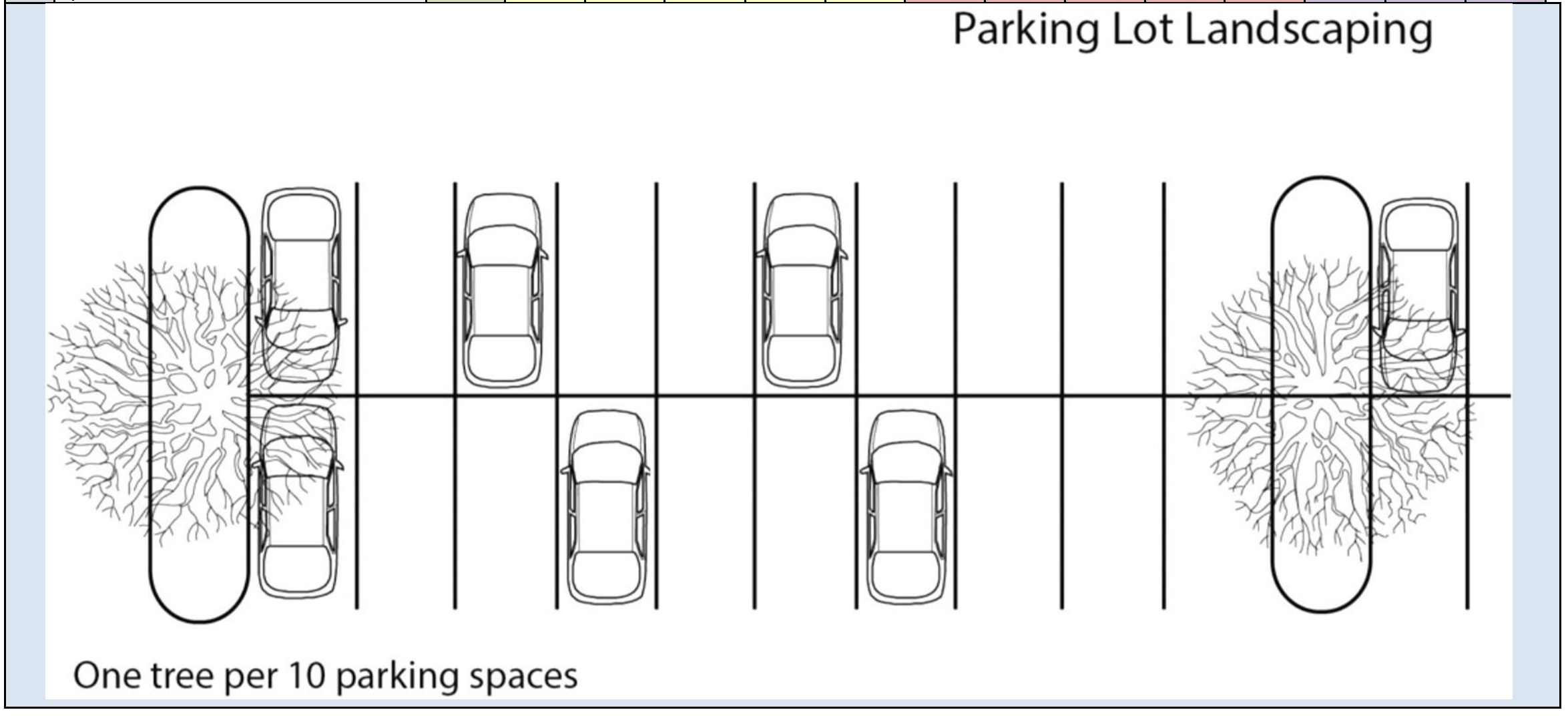
One tree per 10 parking spaces
(2)
Pedestrian circulation.
a.
Circulation external to a site.
b.
Internal circulation.
(3)
Site lighting and building illumination.
a.
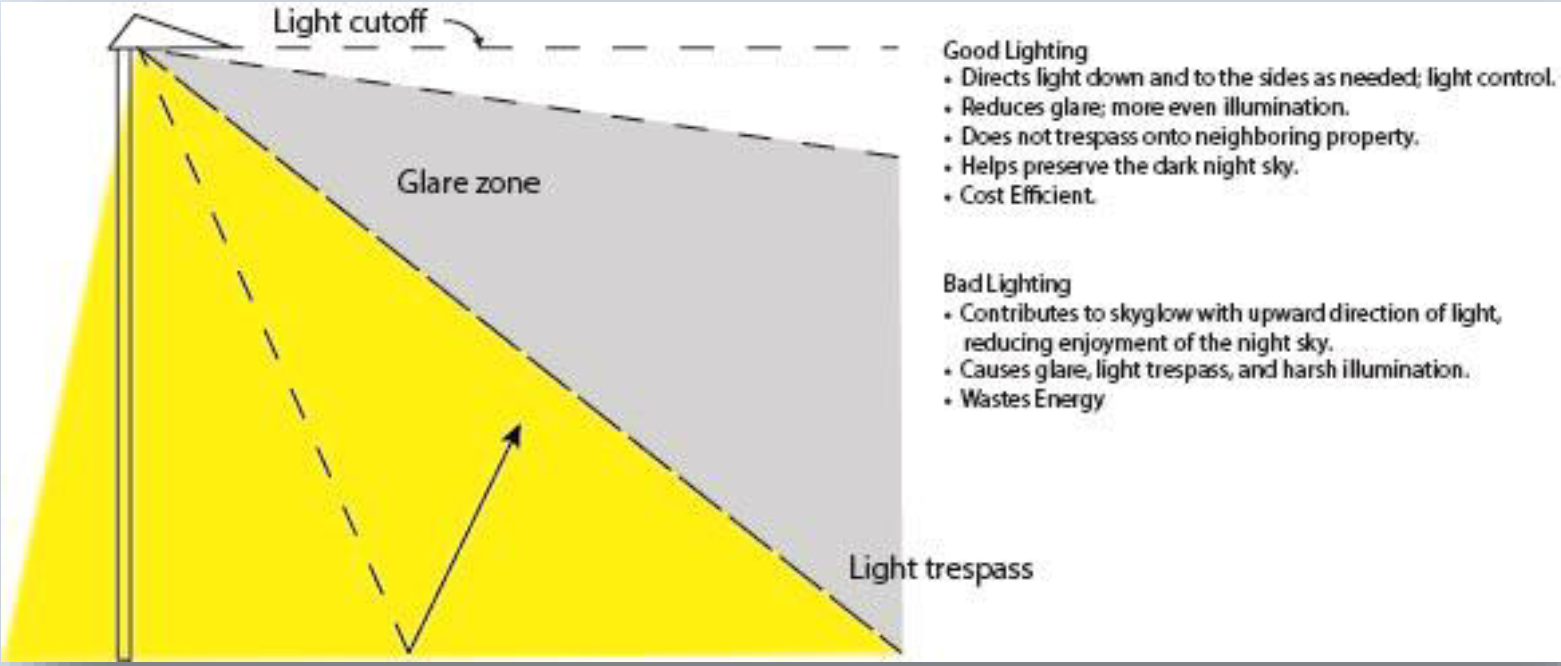
Lighting and illumination generally.
Example: Site lighting
b.
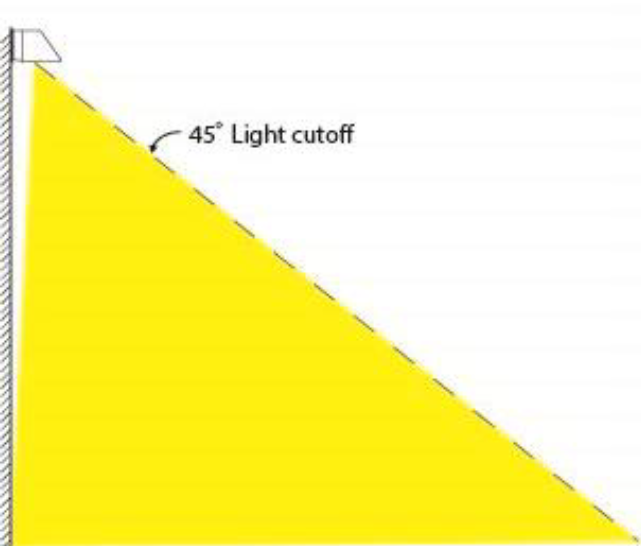
Luminaries.
Example: Luminaries
c.
Mounting.
(4)
Building form and materials.
a.
Form.
Example: Good building form
Example: False facades prohibited
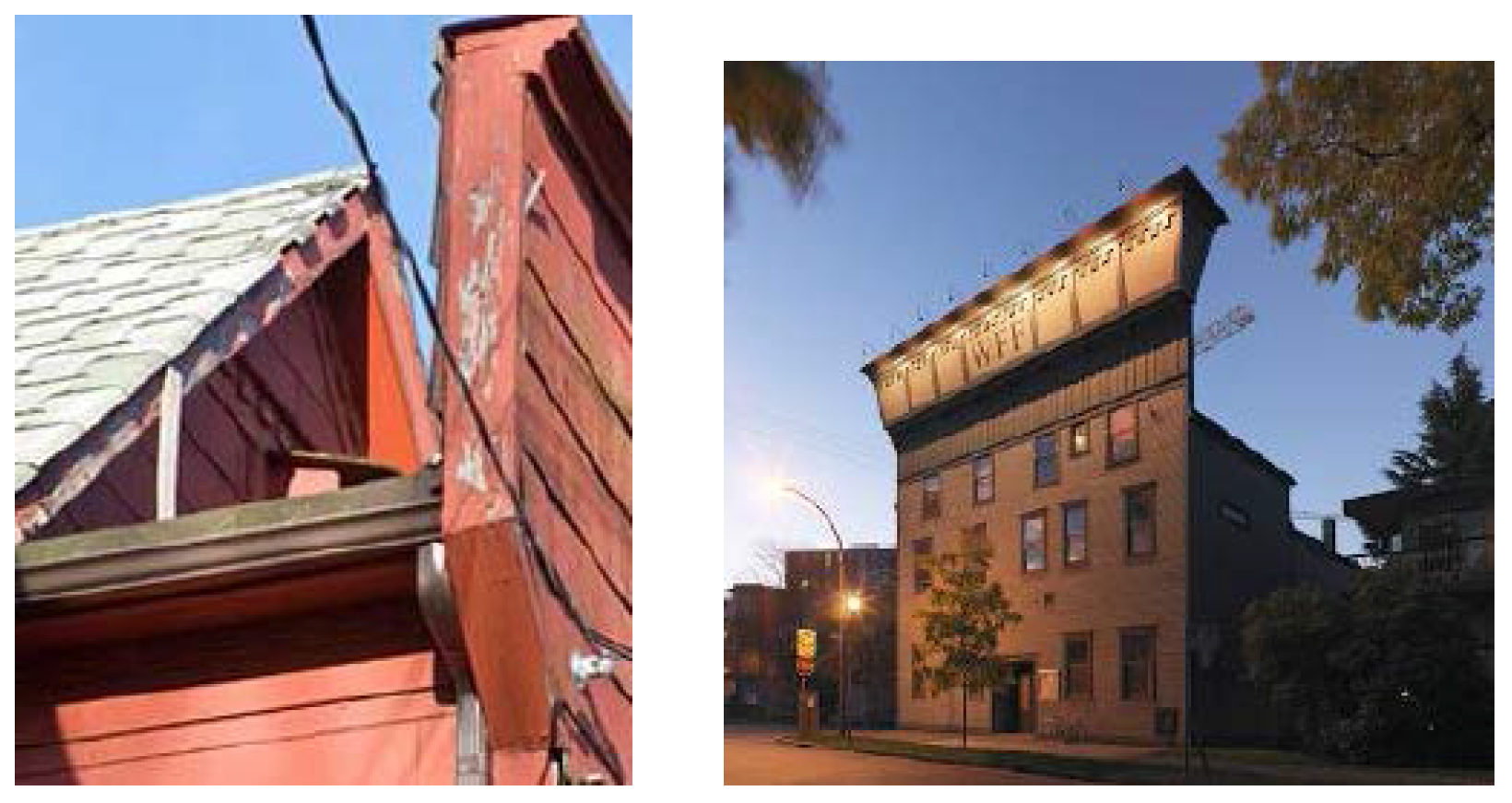
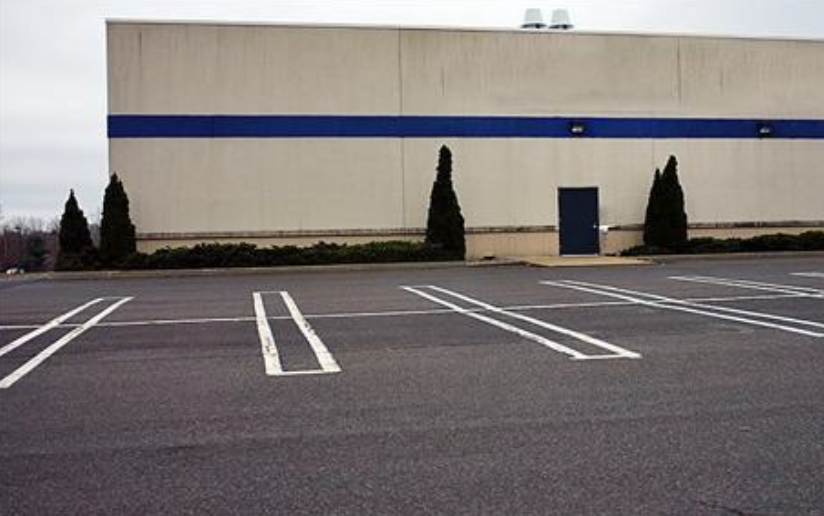
Example: Poorly designed facade
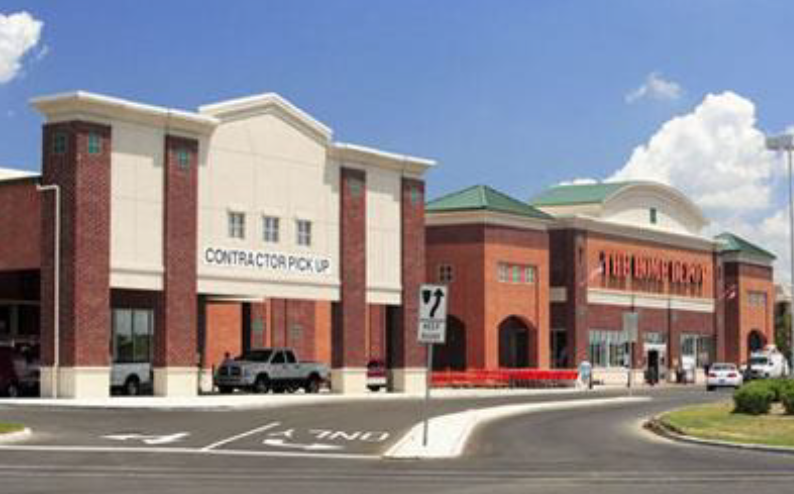
Example: Well designed facade
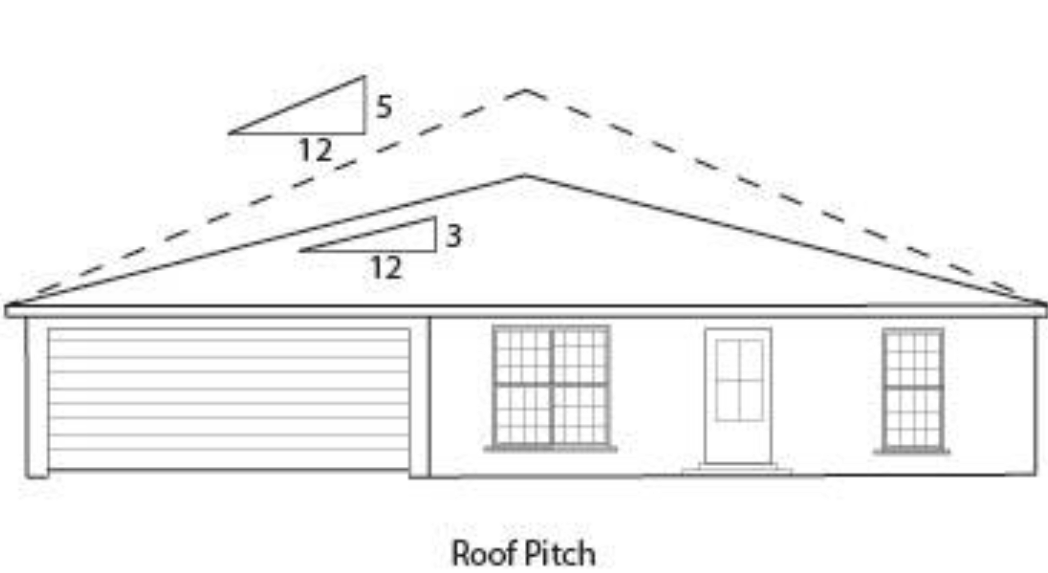
Example: Proper roof pitch
b.
Materials.
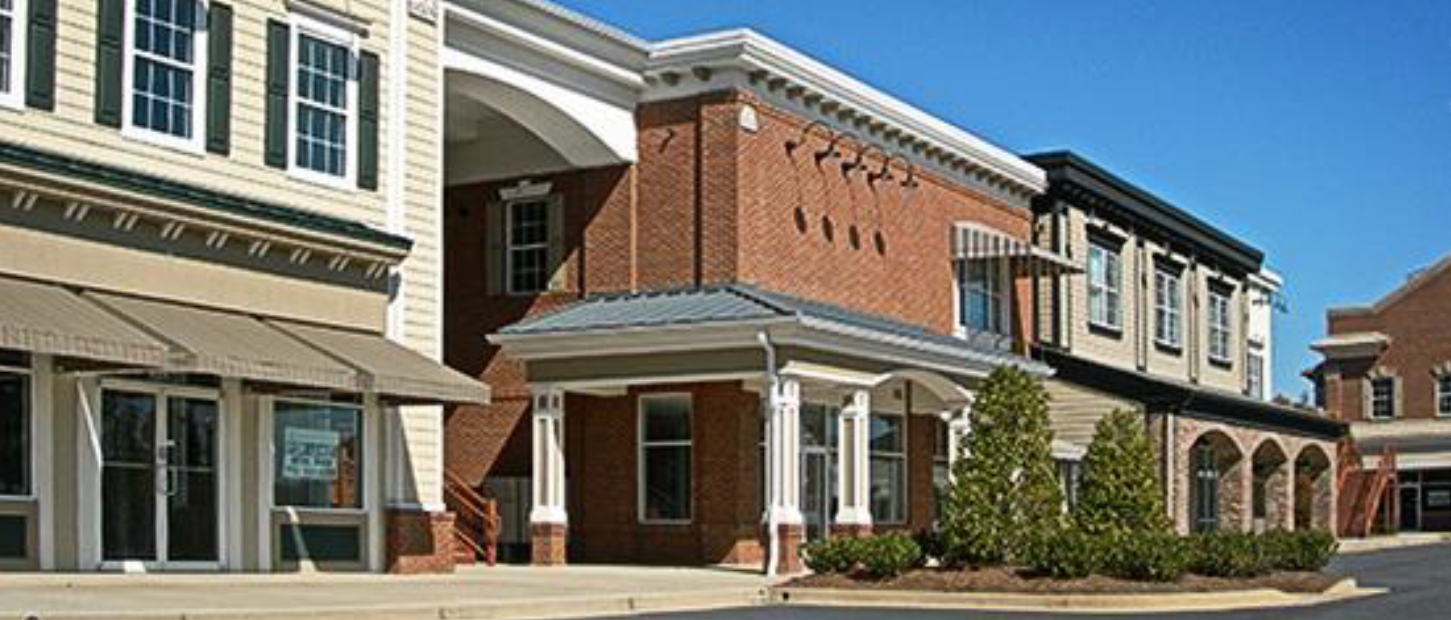
Example: Good use of materials
c.
Design detail.
(5)
Accessory uses and equipment.
a.
Fences.
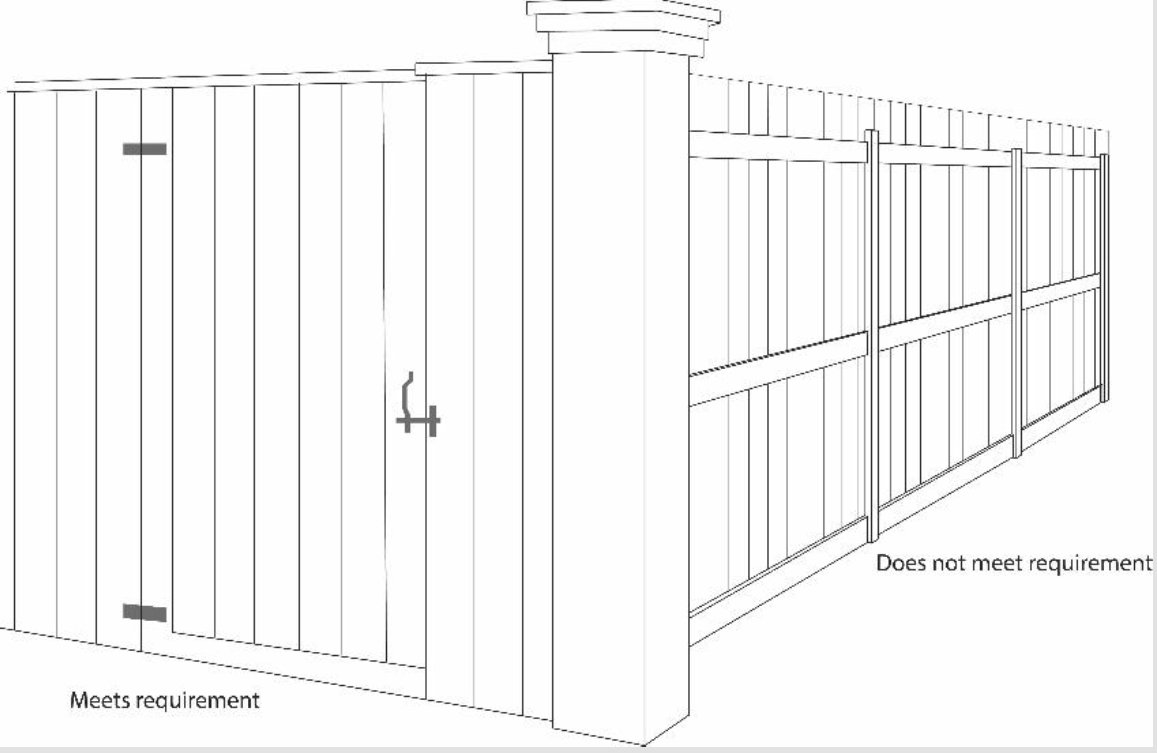
Example: Fence requirements
b.
Walls.
c.
Outside storage and waste.
(6)
Landscaping.
a.
Interior site landscaping.
b.
Perimeter site landscaping.
c.
Plant standards, installation, maintenance.
(d)
Encroachment exceptions.
(1)
All buildings and structures must be located at or behind the required setbacks except as listed below. Unless specifically stated no building or structure can extend into a required easement or public right-of-way.
(2)
Building features.
a.
Porches, stoops, balconies, galleries, and awnings/canopies can extend into a required setback as stated in the PAMU district.
b.
Chimneys or flues may encroach up to four (4) feet, provided that such extension is at least two (2) feet from the vertical plane of any lot line.
c.
Building eaves, roof overhangs, and light shelves may encroach up to four (4) feet, provided that such extension is at least two (2) feet from the vertical plane of any lot line.
d.
Bay windows, and vestibules that are less than ten (10) feet wide may encroach up to four (4) feet, provided that such extension is at least two (2) feet from the vertical plane of any lot line.
e.
Unenclosed fire escapes or stairways may encroach up to four (4) feet into a required side or rear setback, provided that such extension is at least five (5) feet from the vertical plane of any lot line.
f.
Unenclosed patios, decks or terraces not exceeding thirty (30) inches in height may encroach up to four (4) feet into a required side setback, or up to eight (8) feet into a required rear setback, provided that such extension is at least three (3) feet from the vertical plane of any lot line.
g.
Outdoor seating and dining areas may extend into a primary or side street setback.
h.
Cornices, belt courses, sills, buttresses, or other similar architectural features may encroach up to two (2) feet.
i.
Handicap ramps may encroach to the extent necessary to perform their proper function.
j.
Structures below and covered by the ground may encroach into a required setback.
(3)
Mechanical equipment and utility lines.
a.
Mechanical equipment associated with residential uses, such as HVAC units and security lighting, may encroach into a required rear or side setback, provided that such extension is at least three (3) feet from the vertical plane of any lot line.
b.
Solar panels, wind turbines and rainwater collection or harvesting systems less than ten (10) feet in height may encroach into a required rear or side setback, provided that such extension is at least five (5) feet from the vertical plane of any lot line.
c.
Minor structures accessory to utilities (such as hydrants, manholes, and transformers and other cabinet structures) may encroach into a required rear or side setback.
(4)
Height encroachments. Any height encroachment not specifically listed is expressly prohibited except where the community development division determines that the encroachment is similar to a permitted encroachment listed below.
a.
The maximum height limits of the district do not apply to spires, belfries, cupolas, domes not intended for human occupancy; monuments, water tanks, water towers or other similar structures which, by design or function, must exceed the established height limits.
b.
The following accessory structures may exceed the established height limit of the district provided they do not exceed the maximum height by more than six (6) feet:
1.
Chimney, flue or vent stack;
2.
Deck, patio, shade structure;
3.
Flagpole;
4.
Garden, landscaping;
5.
Parapet wall (limited to a height of 4 feet);
6.
Solar panels, wind turbines and rainwater collection or harvesting systems.
c.
The following accessory structures may exceed the established height limits provided they do not exceed the maximum building height by more than ten (10) feet, do not occupy more than 25% of the roof area, and are set back at least ten (10) feet from the edge of the roof:
1.
Amateur communications tower;
2.
Cooling tower;
3.
Elevator penthouse or bulkhead;
4.
Greenhouse;
5.
Mechanical equipment;
6.
Skylights;
7.
Elevator or stairway access to roof.
Sec. 3. - Use standards.
(a)
Certain uses, as noted in the Table of Uses as permitted with conditions or requiring planning commission approval must meet additional conditions. These uses along with their applicable conditions are listed below and include:
(1)
Home occupations;
(2)
Live/work units;
(3)
Telecommunication standards;
(4)
Manufactured home standards;
(5)
Outdoor storage;
(6)
Accessory uses, building and structures;
(7)
Greenwood Leflore Industrial Park;
(8)
Lounges and bars;
(9)
Adult entertainment;
(10)
Motor vehicle sales, rental and repair;
(11)
Car washes;
(12)
Parking lot sales.
(b)
Home occupation.
(1)
Home occupations shall not be carried out in more than twenty (20) per cent of the total dwelling building area.
(2)
There shall be no external evidence of the use except for the allowance of one unanimated, non-illuminated sign not to exceed one square foot in area mounted flush against the main building.
(3)
No goods or merchandise shall be sold or offered for sale on the premises.
(c)
Live/work unit standards.
(1)
The commercial component of live/work units are intended for use by the following occupations: accountants, architects, artists and artisans, attorneys, computer software and multimedia related professionals, consultants, engineers, fashion, graphic, interior and other designers, hair stylists, home-based office workers, insurance, real estate and travel agents, one-on-one instructors, photographers, and similar occupations.
(2)
The residential and the commercial space must be occupied by the same tenant, and no portion of the live/work unit may be rented or sold separately.
(3)
Residential areas are permitted above the commercial component, to the side or in back of the business component, provided that there is internal access between the residential and commercial space.
(4)
The commercial component as designated on the floor plan approved through the special development permit shall remain commercial and cannot be converted to residential use.
(5)
The residential component as designated on the floor plan approved through the special development permit shall remain residential and cannot be converted to commercial use.
(6)
The commercial component shall be restricted to the unit and shall not be conducted in the yard, garage, or any accessory structure.
(7)
The commercial component shall not detract from, or otherwise be a nuisance to, the residential character or appearance of the dwelling units.
(8)
Signage intended to promote on-site commercial uses shall be restricted to two square foot signs permanently affixed to door or wall of the business component.
(9)
Signage shall be developed in accordance with a master sign plan for the overall development site.
(10)
The total number of occupations at one address is not limited, except the cumulative impact of all such commercial uses shall not exceed the limits set forth in this section for a live/work unit.
(11)
The external access for the commercial component shall be oriented to the street and should have at least one external entrance/exit separate from the living space. The entrance to the business component shall be located on the ground level. Access to the commercial component of each live/work unit shall be clearly separate from the common walkways or entrances to the other residential units within the development, or other residential units in adjacent developments.
(12)
The commercial use shall not generate vehicular traffic, in excess of normal residential traffic, which will interfere with residential traffic circulation or shall not cause more than three vehicles including vehicles used by customers, vendors, or delivery services to visit the premises per day.
(13)
No more than one employee (excluding residents of the dwelling unit) shall work or report to work on the premises, and the employment of any persons who do not reside in the live/work unit shall comply with all applicable building code requirements.
(14)
The commercial use shall not generate external noise, odor, glare, vibration, or electrical interference detectable to the normal sensory perception by adjacent neighbors.
(15)
No explosive, toxic, combustible, or flammable materials in excess of what would be allowed incidental to normal residential use shall be stored or used on the premises.
(16)
Prohibited commercial uses in live/work units:
a.
The retail sale of food and/or beverages with customers arriving on-site. This does not include online (internet) sales, mail order, or off-site catering preparation.
b.
Entertainment, drinking, and public eating establishments.
c.
Veterinary services, including grooming and boarding, and the breeding or care of animals for hire or for sale.
d.
Businesses that involves the use of prescription drugs.
e.
Adult-oriented businesses, astrology, palmistry, massage, head shops, and similar uses.
f.
Sales, repair, or maintenance of vehicles, including automobiles, boats, motorcycles, aircraft, trucks, or recreational vehicles.
g.
Trade or private schools. This excludes private instruction of up to two students at any one time (e.g., music lessons, tutoring).
(d)
Ground floor residence.
(1)
Ground floor residences shall only be allowed in buildings that are listed as "non-contributing" or "intrusive" buildings or structures, as determined by the city's most recent historic resources survey.
(2)
Applicants for Ground floor residences in the C-2 district shall be responsible for making the case to the planning commission that retail or other commercial use is not viable in the requested location.
(e)
Telecommunication standards.
(1)
The purpose of this section is to establish general guidelines for the siting of telecommunication towers and antennas. The goals of this section are to:
a.
Require the location of towers in non-residential areas and minimize the total number of towers throughout the community.
b.
Enhance the ability of the providers of telecommunication services to provide such services to the community quickly, effectively and efficiently.
c.
Encourage strongly the joint use of new and existing tower sites.
d.
Encourage users of towers and antennas to locate them, to the extent possible, in areas where the adverse impact on the community is minimal.
e.
Encourage users of towers and antennas to configure them in a way that minimizes the adverse visual impact of the towers and antennas.
(2)
Each applicant for approval of a telecommunications tower shall provide to the zoning administrator a current map, or update of an existing map on file, showing locations of applicant's antenna and towers, other existing towers, and applicant's proposed towers located within a one-mile radius of the city and such other information as the zoning administrator may require to determine that there are no towers, no alternative tower structures or other practical alternatives which will meet the coverage objectives of the applicant without the construction of a new telecommunications tower.
(3)
Telecommunications towers special use criteria. Communication companies shall locate telecommunication antenna on or in alternative tower structures or on existing towers. Where such structures are not available, co-location of facilities is encouraged. When a new tower is proposed to be sited, a determination of whether the location will provide a minimal level of coverage vs. optimal coverage shall be taken into consideration. The following criteria shall be used in the approval of the siting of new towers:
a.
Towers shall not exceed 100 feet in height.
b.
Evidence that the applicant has investigated the possibilities for locating the proposed facilities on an alternative tower structure or existing tower shall be submitted.
c.
Sound engineering evidence demonstrating that location of the tower at the proposed site is necessary and in the interest of public safety or is a practical necessity shall be submitted.
d.
Evidence that the communications tower is structurally designed to support the maximum number of foreseeable users technically and economically practicable shall be submitted. A report from a structural engineer registered in the State of Mississippi showing the tower antenna capacity by type and number, and a certification that the tower is designed to withstand winds in accordance with ANSI/EIA/TIA 222 (latest revision) standards shall be submitted. The application shall include a statement that the owner of the proposed tower is willing to permit other user(s) to attach communication facilities, on a commercially reasonable basis, which do not interfere with the primary purpose of the tower. The tower owner may require that such other users agree to negotiate regarding reasonable compensation to the owner.
e.
A site plan shall be submitted showing the location of the proposed tower and all proposed improvements and providing a location for at least one equipment building in addition to that proposed for use by the applicant. Priority for co-location on the proposed tower shall be given to antennas that will serve a public safety need for the community.
f.
No outside storage shall be allowed on any telecommunication tower site.
g.
The telecommunications tower shall meet all applicable Federal Aviation Administration (FAA) standards and shall not restrict or interfere with air traffic or air travel from or to any existing or proposed airport.
h.
The color of the tower shall be neutral and no lighting shall be allowed, except to the extent required by federal law, so as to minimize its visual impact.
i.
No commercial advertising shall be allowed on the tower or its related facilities.
j.
The applicant shall propose such setbacks from all adjacent property lines consistent with the design of the tower as are necessary for the safe operation and maintenance of the tower.
k.
Special design considerations, such as requiring landscaping, designing facilities to appear as natural features found in the immediate area, such as trees, or requiring a monopole tower structure may be required when approving telecommunication towers.
(4)
Substantial evidence required for denial. The Telecommunications Act of 1996 requires that a denial of a permit be supported by substantial evidence contained in a written record. Any denial of an application for a telecommunications tower shall be supported by substantial evidence and written findings shall be made of the reasons therefor.
(5)
Exemptions. Notwithstanding any other provision of this ordinance, telecommunication towers located on property of the City of Greenwood or any other governmental entity are exempt from the requirements of this ordinance.
(6)
Removal of towers no longer in service.
a.
Notice shall be provided to the zoning administrator within thirty (30) days after tower ceases to be used. All abandoned, unused, or obsolete towers, and accompanying accessory facilities, shall be removed by the property owner within twelve (12) months of cessation of operations at a site.
b.
The city clerk is instructed to publish this amendment to the zoning ordinances of the City of Greenwood one time in the Greenwood Commonwealth. This ordinance is to become effective after publication and one month from the date hereof.
(f)
Manufactured home standards.
(1)
Special provisions required for manufactured homes on separate lots:
a.
Manufactured homes shall be set on permanent weatherproof runners with appropriate tie down hooks.
b.
Manufactured Mobile homes shall be connected to all utilities in the same manner as a permanent residence so that all connections are sanitary, safe, and do not create a nuisance.
c.
Manufactured Mobile homes shall be equipped with foundation skirt of brick material and permanent steps fastened to the ground.
d.
Manufactured homes newly sited on a lot shall have been manufactured not more than ten (10) years from the current year.
(2)
Special provisions for manufactured home parks:
a.
The commission must approve the manufactured home park plan before any work can be started on the park. Before a permit shall be issued for the construction of a manufactured home park, the owner-developer or their authorized agent shall present a proposed layout and design for the park to the planning commission for its review. The plan shall be drawn at a scale of 1″ = 100′ or less and shall provide sufficient detail to show the proposed development including manufactured home unit location and arrangement, access, utilities, signing, etc. The following items will be observed in formulating any manufactured home park.
b.
Manufactured home parks shall contain a minimum of four thousand (4,000) square feet per unit.
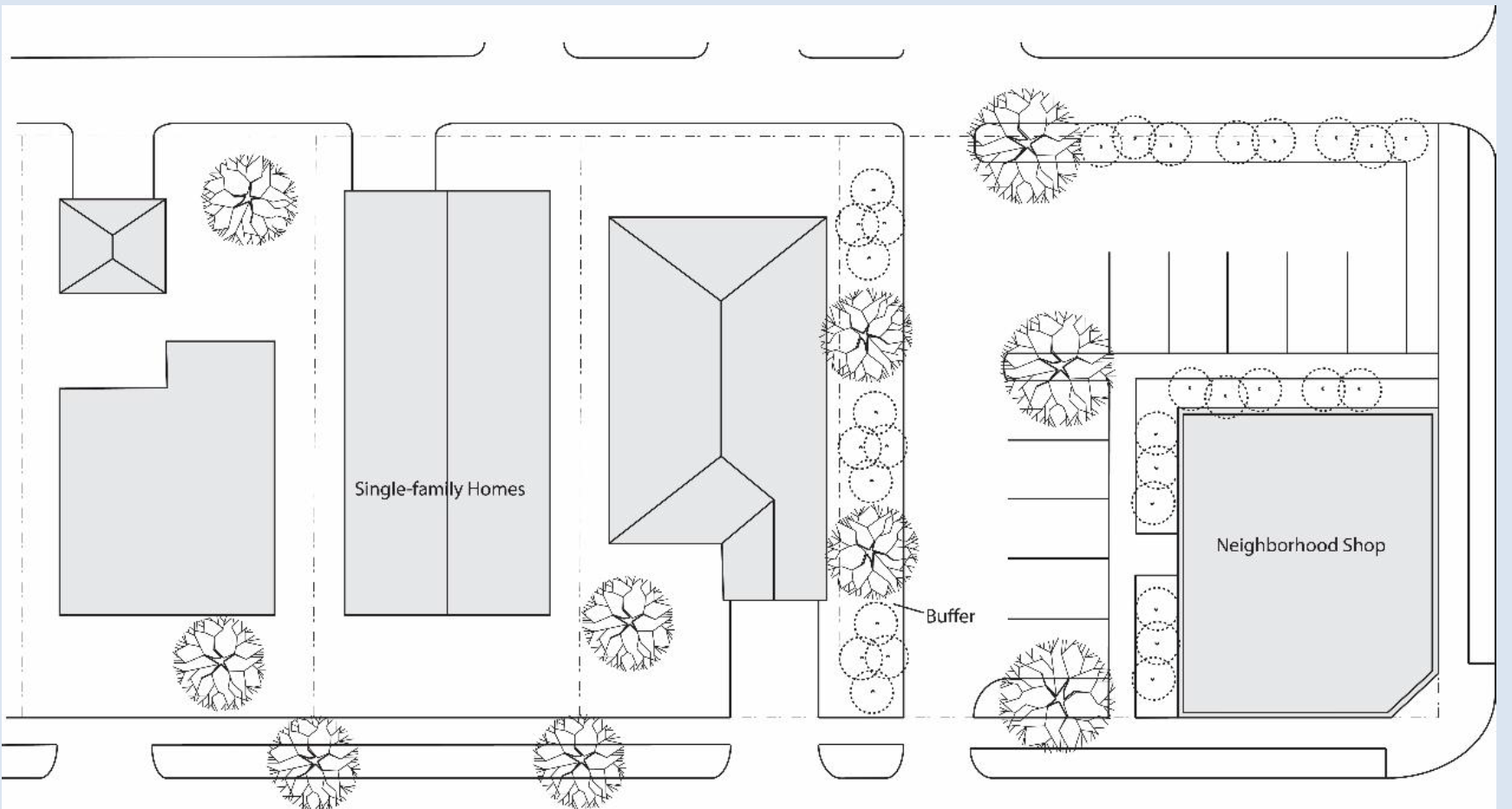
c.
Manufactured home parks shall provide a buffer strip at least fifteen (15) feet in depth along all lot lines including side and rear.
d.
Buffers shall be unoccupied except for landscaping, utility facilities, sign or entrance ornamentation.
e.
A minimum of ten (10) per cent of the gross land area of the manufactured home park shall be required for recreation area.
f.
All manufactured home lots shall abut upon an all-weather driveway of not less than twenty (20) feet in width, which shall have unobstructed access to a public street.
g.
All streets, roadways, and driveways within the park shall be approved by the Greenwood Public Works director. Roadway and yard areas shall be appropriately lighted at night.
h.
Each manufactured home stand shall be provided with permanent all-weather runners, patio, parking area and utilities as approved by the community development division.
i.
Every manufactured home stand shall provide a storage structure of at least one 100 cubic feet. However, such structure shall not exceed 300 cubic feet.
j.
Manufactured homes newly sited on a lot shall have been manufactured not more than ten (10) years from the current year as evidenced by bill of sale or other acceptable proof.
(g)
Outdoor storage standards.
(1)
The collection, assembly, existence, storage, or gathering of materials, such as household appliances, fixtures, lawn mowers, trailers, wheelbarrows, recreational vehicles, and/or junked vehicles, shall be prohibited within the front yard of any residentially zoned area within the city.
(2)
Any collection of the aforementioned materials that are in disrepair, unusable, abandoned, or potentially dangerous, shall either be located in an enclosed structure or screened from all abutting property by concealing walls or fences not less than six feet in height.
(h)
Accessory uses, buildings, and structures.
(1)
In no event shall "accessory use" or "accessory structure" be construed to authorize a use or structure not otherwise permitted in the district in which the principal use is located.
(2)
Accessory uses and structures that are clearly related to and incidental to the permitted principal use or structure on the lot are permitted in all districts.
(3)
Accessory residential structures.
a.
Structures accessory to residential uses (except for agricultural buildings located in agricultural districts) shall have a combined floor area of not more than 33% of the principle structures, shall not exceed one story in height, and shall be located at least 60 feet from the front lot line, nor less than the distance required for the main building from any side lot line;
b.
If the accessory building is located within the rear yard, no clearance from a side lot line will be required.
(4)
Height of accessory structures shall not exceed the height of the primary structure occupying the lot, or 25 feet, whichever is less.
(5)
Residential parking.
a.
No vehicle shall be parked or stored in a front or side yard of a residential lot whereupon a vehicle accommodation space has been or could be constructed. Driveways shall be constructed of usable and durable surface and shall not exceed the maximum curb cut width set forth. Parking may occur in a front yard, side yard, or rear yard for the purpose of unloading a vehicle, washing a vehicle or some other similar, temporary purpose. The vehicle, however, must be removed from the front yard, side yard, or rear yard once the purpose for temporarily parking the vehicle is accomplished.
b.
All vehicles must maintain current license plates and inspection stickers. Unlicensed vehicles or vehicles with expired inspection stickers shall not be stored or parked on any lot zoned for residential use, unless in completely enclosed buildings.
c.
Only one vehicle with a capacity of one ton or greater is allowed on a residential lot and only if parked in the rear yard area or parked within an enclosed building.
d.
Vehicles with a capacity greater than one ton and used for commercial, industrial, farm, or construction purposes are prohibited on residential lots and on street or highway rights-of-way, except when actively involved in pick-up or delivery to the residence.
e.
Cars or pick-up trucks (with or without signs) which are properly licensed, inspected, and used for commercial purposes may be parked anywhere on a residential lot designed, constructed and approved for vehicle parking.
(i)
Parking lot retail commercial activities.
(1)
Parking lot retail commercial activities shall be limited to:
a.
Food sales where food is prepared on site.
b.
Sales of Mississippi-produced vegetables, meat, and fish.
c.
Sales of Leflore County-produced crafts.
d.
Sales of seasonal plants, landscape materials, and decorations.
e.
The sale of goods associated with the primary business which is served by the parking lot.
(2)
Such activities may occur in the C-2, C-3, or PAMU district.
(3)
Where such sales are associated with the primary business which is served by the parking lot, merchandise shall be located within ten (10) feet of the building housing the primary business.
(4)
All such parking lot commercial activities shall cease and merchandise shall be removed between the hours of 10:00 p.m. and 7:00 a.m.
(j)
I-3 Greenwood Leflore Industrial Park standards.
(1)
Development within the Greenwood Leflore Industrial Park shall adhere to the following standards:
a.
Fire and explosion hazards. All activities shall be carried out only in structures which conform to the standards of the National Board of Fire Underwriters concerning the plant operation and storage of explosive raw materials, fuels, liquids, and finished products.
b.
Radioactivity. All activities located within the industrial park shall comply with the Code of Federal Regulations, "Standards for Protection Against Radiation."
c.
Smoke, fumes, gases, dust, odors. There shall be no excessive emission of any smoke, fumes, gas, dust, or odors. These and any other atmospheric pollutant which is detectable to the human senses at the boundaries of the lot occupied by such use are prohibited. In any case, the limit of such emission of air pollutants shall be subject to the approval or acceptance by the Mississippi Air and Water Pollution Control Commission.
d.
Vibration. There shall be no vibration which is discernible to the human sense of feeling beyond the immediate site on which such use is conducted.
e.
Liquid or solid wastes. The discharge of untreated industrial wastes into a stream or open or closed drain is prohibited. All methods of sewage and industrial waste treatment and disposal shall be approved by the Leflore County and Mississippi State Health Departments and the Mississippi Air and Water Pollution Control Commission. More specifically, all sanitary waste must be discharged into the sanitary sewer system. The volume, quality, and strength of all liquid waste shall be discharged into the sewer in strict accordance with the regulations of the City of Greenwood.
f.
Site drainage. No driveways, walks, parking areas, et cetera, may be constructed across any drainage ditch, channel, or swale without providing adequate culverts or waterway openings for natural drainage. Such culverts or structures shall provide the minimum waterway opening and shall be at the proper gradient. No rain and storm water run-off or such drainage as roof water, street pavement, and surface water caused by natural precipitation or ground water from footing or foundation drains or other subsurface water drainage shall at any time be discharged into or permitted to flow into the sanitary sewer system.
(k)
Lounges and bars.
(1)
Music, loud speakers, and similar noise devices shall not be permitted outdoors. Noise emanating from the club shall not exceed ambient noise levels in the surrounding area at a distance of more than 100 feet from any point of the property containing the club.
(2)
A parking plan shall be required designating appropriate capacity and location of patron parking.
(l)
Adult entertainment.
(1)
No adult establishment shall be located within 1,000 feet (determined by a straight line and not street distance) of the closest boundary line of any residential zoning district, or of any point on the closest property line of any church, school, day care, public park, residence or playground as measured by a horizontal straight line distance from the closest point on the closest boundary line of the property occupied by the adult establishment.
(2)
No adult establishment shall be located within 1,000 feet (determined by a straight line and not street distance) of any other adult establishment as measured by a horizontal, straight line distance from the closest point on the closest boundary line of the property occupied by each.
(3)
No more than one adult establishment may be located within the same structure.
(4)
No printed material, slide, video, photograph, written text, live show, or other visual presentation shall be visible to the public or an adjacent property or use, nor shall any live or recorded voices, music, or sounds be heard from outside the walls of the establishment.
(m)
Motor vehicle repair, maintenance, rental, and sales.
(1)
A lot containing a vehicle repair or maintenance use shall be located at least 200 feet from any lot containing a legal, conforming residential use or residentially zoned lot.
(2)
No repair of vehicles may occur in a front yard.
(3)
Motor vehicle sales, lease, and rental lots shall front on a major or minor arterial.
(4)
Display of vehicles for sale or lease.
a.
Vehicles for sale or lease may be displayed in the established front yard provided that no vehicle shall be displayed within fifteen feet of the street right-of-way.
b.
All new display areas shall be paved.
(5)
Outdoor storage.
a.
A motor vehicle repair, service, body or paint shop which has wrecked, partially dismantled, or inoperative vehicles located on-site shall store these vehicles in an enclosed building or in a separate motor vehicle storage yard completely screened from view and meeting the requirements thereof.
b.
Storage areas are exempt from the interior landscaping requirements for parking lots. However, the perimeter landscaping requirements of parking lots shall apply to such storage areas.
c.
Storage areas may only be located behind the principal building and/or its accessory buildings, and shall not be placed within 100 feet of any property line that abuts a thoroughfare or local public street.
(n)
Car washes, automatic and full service.
(1)
All exterior walls and accessory washing areas shall be constructed so that they match the principal structure in design and materials.
(2)
The outdoor service area of a car wash shall be placed and screened in accordance with the standards for on-site parking.
(3)
Car washes, vacuums, and similar service devices shall be a minimum of 50 feet from the nearest portion of an adjacent residential zoning district or lot containing a legal, conforming residential use for facilities that do not include an automatic dryer. Where automatic dryers are installed, separation shall be 500 feet from the nearest lot line of an adjacent residential zoning district or lot containing a legal, conforming residential use.
(4)
Car washes accessory to a principal use shall be located in the side or rear yard only.
(5)
Car washes shall only drain into an approved sewer facility.
(6)
Hours of operation shall be no earlier than 8:00 a.m. and no later than 11:00 p.m.

