
Lemont City Zoning Code
CHAPTER 17
09.- DOWNTOWN DISTRICT
17.09.010.- PURPOSE AND APPLICABILITY.
A.
Purpose. This chapter establishes standards for development and development approval in the downtown (DD) district. The DD district is established to promote a compatible mixture of commercial, cultural, institutional, governmental, and residential uses in a compact, pedestrian-oriented, traditional village center generally consistent with the Comprehensive Plan and other documents, such as the Downtown Master Plan, that the Village may adopt from time to time. Additionally, the DD district is intended to maintain and enhance the historic, community, architectural, and aesthetic qualities unique to the downtown area. Design objectives for development within the DD district are to enhance and produce a downtown with:
1.
Generally rectilinear patterns of connected streets and blocks; and
2.
Dwellings, shops, and workplaces generally located within close proximity to one another; and
3.
Well configured open spaces and landscaped public areas woven into the pattern of the district and dedicated to collective social activity, recreation, and visual enjoyment; and
4.
A combination of on-street parking and centralized parking facilities and lots to collectively support commercial and residential uses within the district; and
5.
Civil buildings that serve as landmarks, symbols, and activity centers for the community.
B.
Applicability. All construction of new structures within the DD district shall be approved in accordance with this chapter and ordinance. All major remodeling or reconstruction of an existing structure, except those structures used as a single-family residence, shall be approved in accordance with this chapter and ordinance. Additionally, new construction, reconstruction, or remodeling may be subject to the provisions of Article III (Historic Preservation) of this ordinance. Major remodeling or reconstruction is:
1.
A change in the height of a structure;
2.
A change in the footprint of a structure;
3.
A change in the materials used on the elevations;
4.
A change in the site layout (e.g., a reconfiguration of parking; a reduction in the amount or type of landscaping); or
5.
Any other work beyond repainting of exterior or interior, or work undertaken to maintain the structure in good repair (e.g., replacement of gutters, tuck pointing).
(UDO 2008, § 17.09.010; Ord. No. O-87-19, § 3, 11-18-2019)
17.09.020. - PRECEDENCE OF DD DISTRICT PROVISIONS.
If the provisions of this chapter conflict with provisions of other provisions of this ordinance, the provisions of this chapter shall govern.
(UDO 2008, § 17.09.020)
17.09.030. - LAND USES IN THE DD DISTRICT.
See Chapter 17.06 of this ordinance for regulations governing land uses within the DD district.
(UDO 2008, § 17.09.030)
17.09.040. - REVIEW STANDARDS.
A.
In addition to all applicable provisions of this ordinance, development in the DD District shall conform to:
1.
The applicable PUD standards found in § 17.08.020;
2.
The urban design standards found in § 17.09.070;
3.
The architectural standards found in § 17.09.080; and
4.
The standards for the specific street types identified in § 17.09.090 and its attendant figures and tables.
B.
Reserved.
(UDO 2008, § 17.09.040; Ord. No. O-87-19, § 3, 11-18-2019)
17.09.050, 17.09.060. - RESERVED.
Editor's note— Ord. No. O-87-19, § 3, adopted Nov. 18, 2019, repealed §§ 17.09.050, 17.09.060, which pertained to types I and II review and approval, and derived from UDO 2008, §§ 17.09.050, 17.09.060; Ord. No. O-65-11, § 10, 10-24-2011; Ord. No. O-69-12, § 2, 11-26-2012.
17.09.070. - URBAN DESIGN STANDARDS.
Unless otherwise expressly stated, development within the DD district shall conform to the standards of this section.
A.
Alleys. New development shall maintain existing alleys or create new alleys. Alley location and dimensions should be based on the alley's intended purpose. Alleys may be incorporated into parking lots as drive aisles or fire lanes.
B.
Corner Radii. Corner curb radii shall be between 9 and 15 feet.
C.
First Floor Height for Residential. Residential uses on the first story shall have finished floor height raised a minimum of two feet above the sidewalk grade. In instances where the ground floor of a mixed-use building is intended for residential space to be converted to retail or office space, the Planning and Economic Development Director may waive this requirement.
D.
Drive-Thru Windows. Drive-through windows, where allowed within the DD district, shall be in the rear yard of properties and accessed from an alley at mid-block. There shall be no stacking requirements for vehicles.
E.
Fences. Fences shall be a minimum of 25% opaque. Fences shall be constructed of materials that continue the architecture of the building that it abuts. Fences made of chainlink are prohibited along right-of-ways abutting streets.
F.
Off-Street Parking and Loading Standards. These parking and loading regulations are intended to encourage a balance between compact pedestrian-oriented development and necessary car storage. Loading docks and service areas shall not face streets, parks, the I&M Canal, squares, or significant pedestrian spaces. Off-Street parking standards for the DD district are contained in § § 17.10.06-07. Also, see Chapter 17.20 for landscaping requirements for off-street parking.
G.
Parking Space Dimensions. For head-in or diagonal parking, stalls shall be a minimum of 9 × 18 feet. For parallel parking, stalls shall be a minimum of 8 × 22 feet.
H.
Off-Street Parking Placement and Access. The following provisions apply to off-street parking not located within a parking structure:
1.
In no case shall an off-street parking be located in between the principal building on a lot and the street or between the principal building and the I&M Canal.
2.
Whenever possible, off-street parking shall be behind the principal building rather than to the side of the building.
3.
In all instances off-street parking shall be at least 10 feet from a public right of way, excluding alleys.
4.
Alleys shall be the primary means of access to off-street parking.
5.
Off-street parking areas shall be landscaped in accordance with the provisions of Chapter 17.20 of this ordinance.
I.
Parking Structures. Parking structures shall be placed internally on lots and be, in general, concealed from view from public streets by buildings between the parking structure and the streets. The building concealing the parking structure shall be at least three stories in height and at least 20 feet in depth. The concealing building may be attached or detached to the parking structure.
J.
Garages for Residential Land Uses. Attached and detached garages shall be accessed from the alley. Where no alley exists, access may be from the street. When access is from the street, the garage door, whether to a detached or attached garage, shall be placed at least 20 feet behind the principal plane of the primary structure on the lot. Attached garages accessed from the street shall have garage doors no wider than 10 feet. Garages accessed from an alley shall have no more than two garage doors, each no wider than 10 feet.
K.
Accessory Structures. Any accessory structure located on or attached to poles, lights, utilities, buildings, other similar structures on private property or within the right-of-way must be decorative or reasonably concealed in order to not disrupt the downtown character. The accessory structure and its support shall be comprised of materials that are consistent with the surrounding elements so as to blend architecturally and be in harmony with any buildings or structures located within the district. The color of the accessory structure shall match the color of the principal structure. When mounted to an existing or new freestanding pole, the structure must be at least twelve (12) feet above grade.
(UDO 2008, § 17.09.070; Ord. No. O-69-12, § 2, 11-26-2012; Ord. No. O-06-19, § 4, 2-25-2019)
17.09.080. - ARCHITECTURAL STANDARDS.
The provisions of this section apply to all development in the DD district.
A.
Rehabilitation and Restoration. Rehabilitation and/or restoration of existing buildings shall conform to the design guidelines found in Article III (Historic Preservation).
B.
New Construction. New construction for all structures in the DD district other than detached single-family homes shall be in accordance with the provisions of Table 17-09-01, Architectural Standards.
(UDO 2008, § 17.09.080)
17.09.090. - STREET TYPES.
A.
General. In addition to the urban design standards and architectural standards found above, development under this chapter is regulated by street type.
1.
The street type hierarchy is identified in Figure 17-09-01. Figure 17-09-02, the Regulating Plan, indicates the locations of the various street types. Tables 17-09-02 through 17-09-07 promulgate standards for the buildings located along the various street types.
2.
When streets intersect, the street type highest in the hierarchy shall govern, and the facade of the building and its main entrance must face this street.
3.
Where a street does not exist, the right of way shall be built to the cross-sectional requirements in the corresponding street type section.
B.
Structures on Through Lots. Some lots extend between two parallel streets. If an applicant proposes more than one building on such a lot, then each building shall adhere to its corresponding street type requirements. If one building on the lot is proposed, then the street type requirements for each of the streets shall apply to the elevations facing the street, and each street-facing elevation shall be considered a facade. In such situations rear setbacks shall not apply. Changes in building height shall occur at or near the mid-point of the lot depth, but no closer than 50 feet from either of the two building frontages. All buildings, regardless of depth, shall have two facades, one facing each of the fronted streets.
Note 1: EIFS or fiberglass may be used as accent material provided that: (1) it is employed above the expression line between the ground and first floor, and (2) it has a hand-trawled appearance. The expression line between the ground floor and first floor shall not be of EIFS or fiberglass.
(Ord. No. O-65-11, § 9, 10-24-2011)
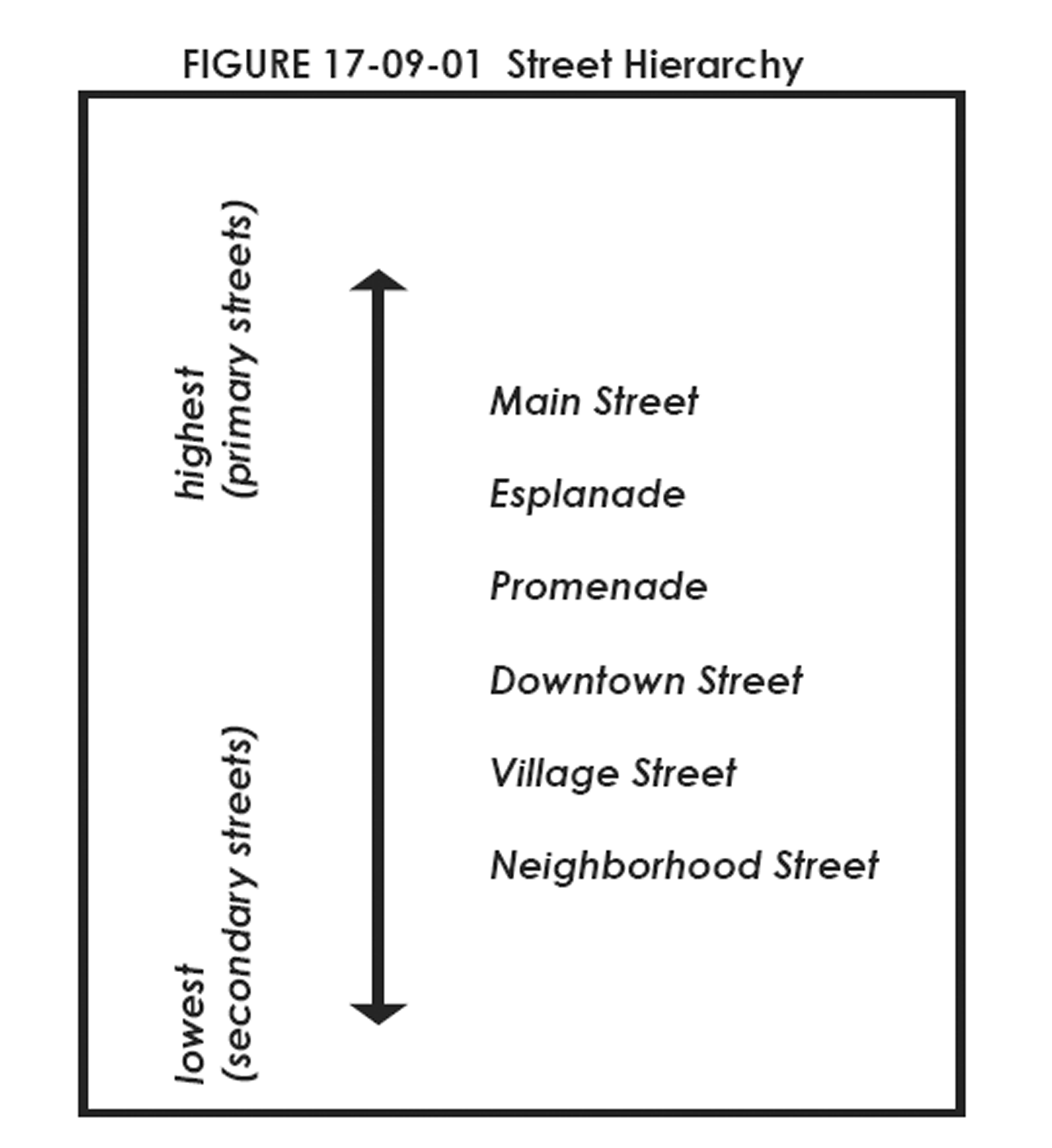
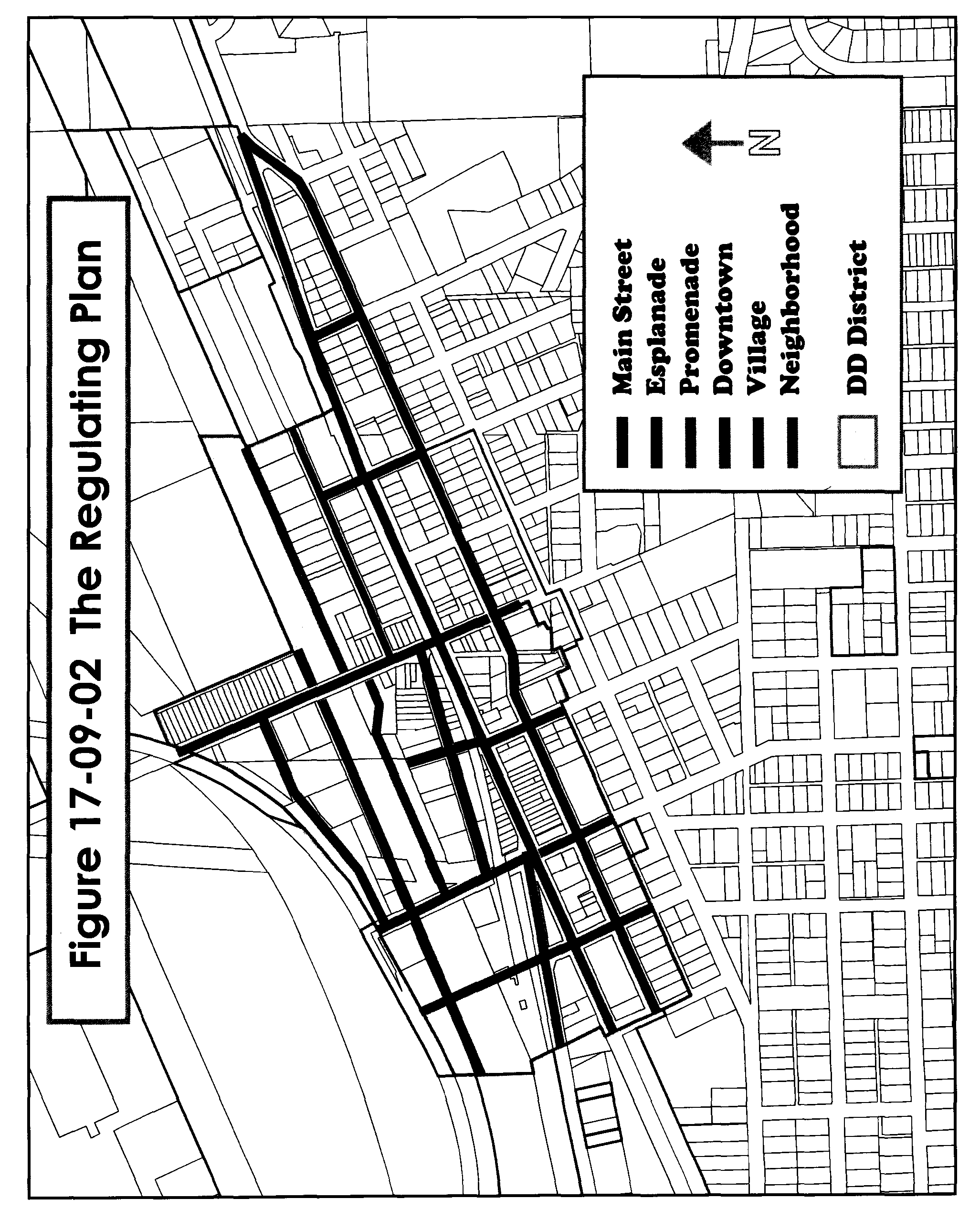
Table 17-09-02.
Main Street Standards
Description and Purpose.
Main Street is at the top of the street hierarchy. The streets within this category reflect the character of the historic central business district, and the buildings are some of the oldest in Lemont. The buildings are mixed-use and have doors and windows facing the street. This street type is intended to preserve and enhance the historic character of the downtown. See PHOTOs 17-09-01 and 17-09-02 for examples of existing Main Street development that should be emulated.
Building Placement.
Front setback: Buildings must be set back from the front property line a distance equal to the average front yard depth that exists on the nearest two lots on either side of the subject lot or 5 feet, whichever is less. If one or more of the lots required in the averaging calculation are vacant, such vacant lots will be deemed to have a front yard depth of 5 feet.
Other setbacks: There are no minimum rear or side setback standards.
Building Volume.
Building width: Maximum of 160 ft. wide and a minimum of 16 ft. wide.
Building height: On street corner locations, maximum height may be 3 stories, but not to exceed 37 ft. On sites not on a street corner, building height shall be limited to 2 stories, but not too exceed 33 ft.
Minimum building height on all sites shall be 2 stories.
Lot Coverage: Maximum of 80% and a minimum of 60%.
Other Requirements.
Building fronts shall provide shelter to the sidewalk by means of at least one of the following: arcade, colonnade, marquee, awning, or second-floor balcony.
Residential uses are prohibited on the first floor, and commercial uses shall not be above residential uses.
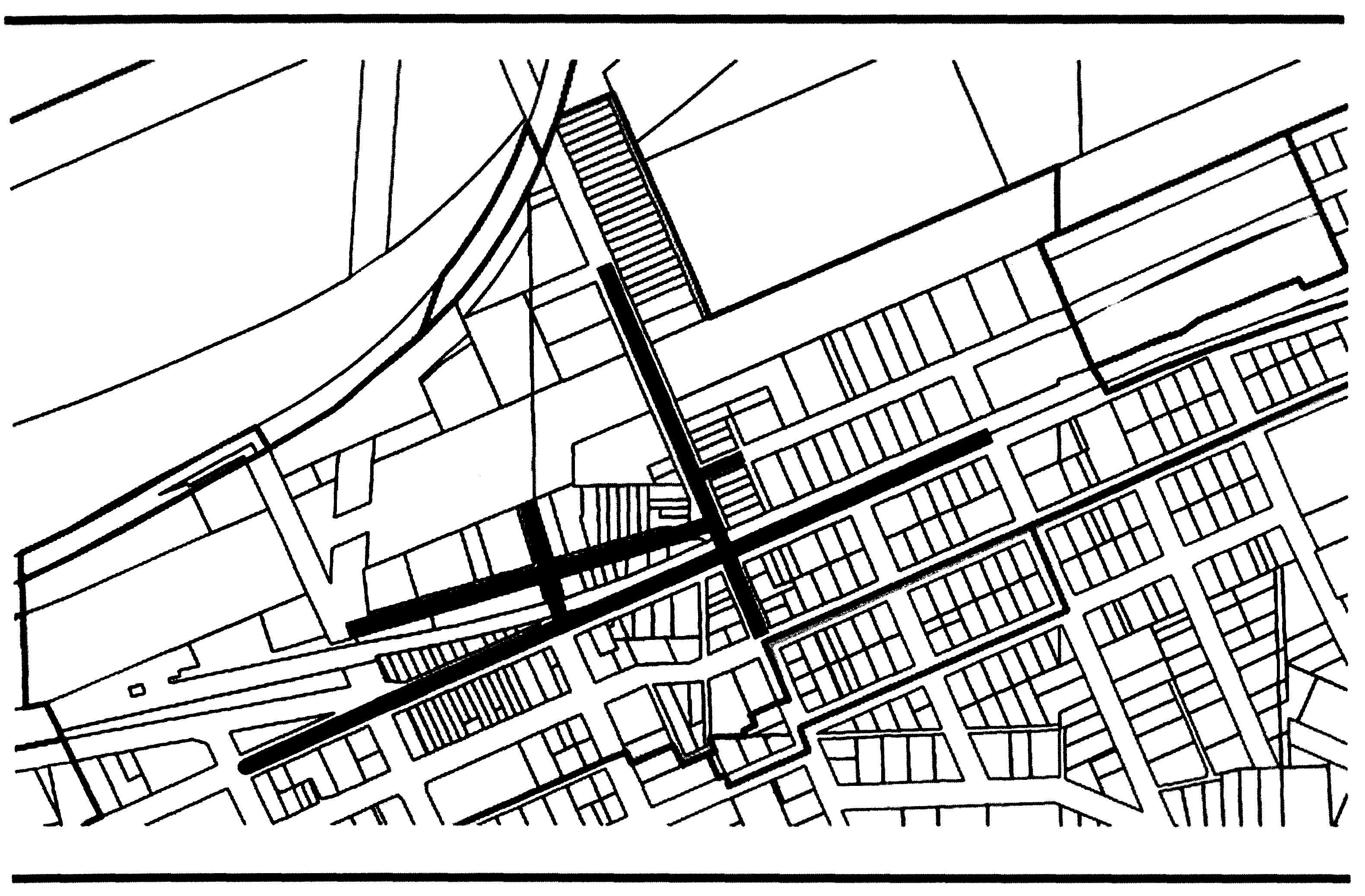
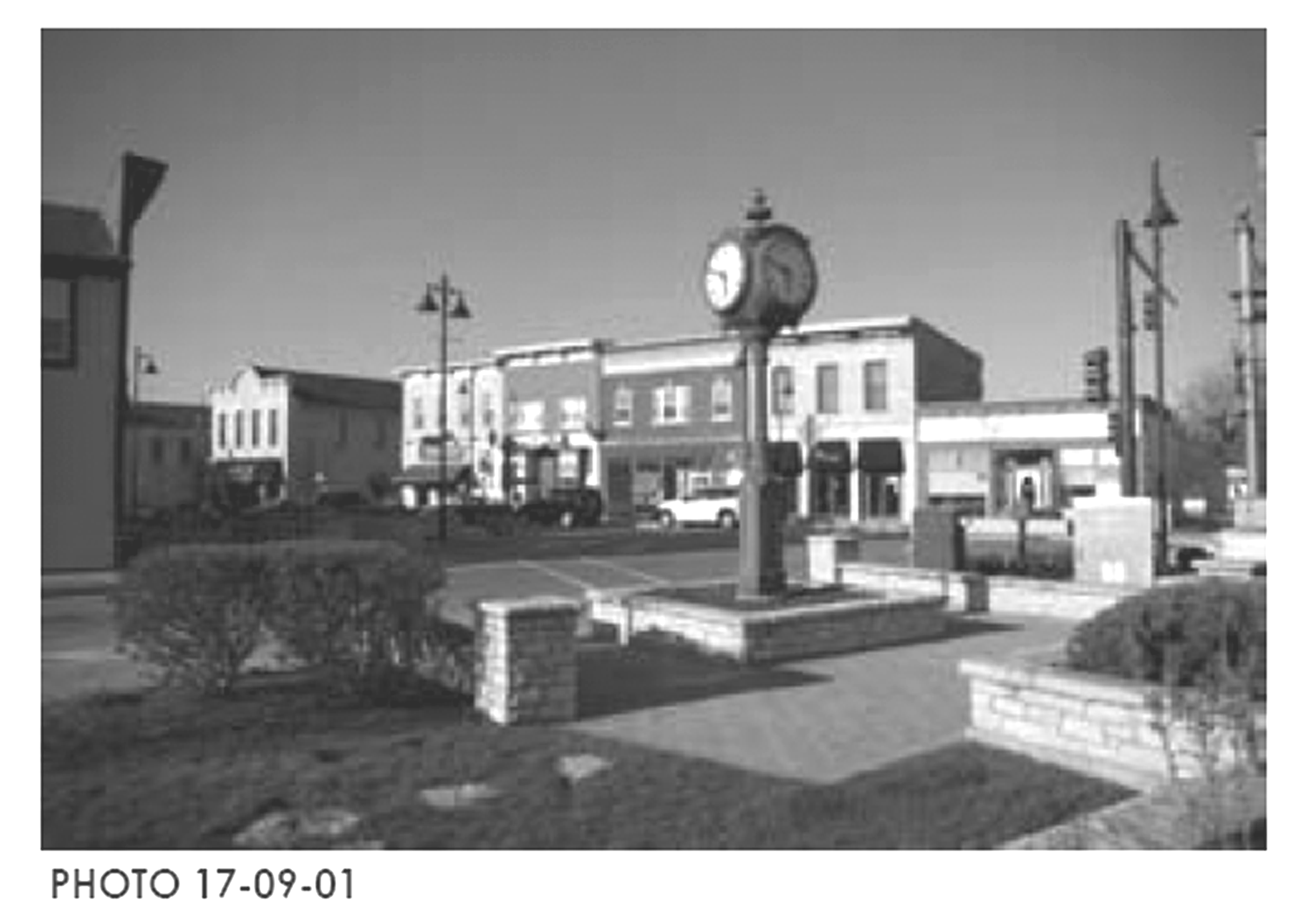
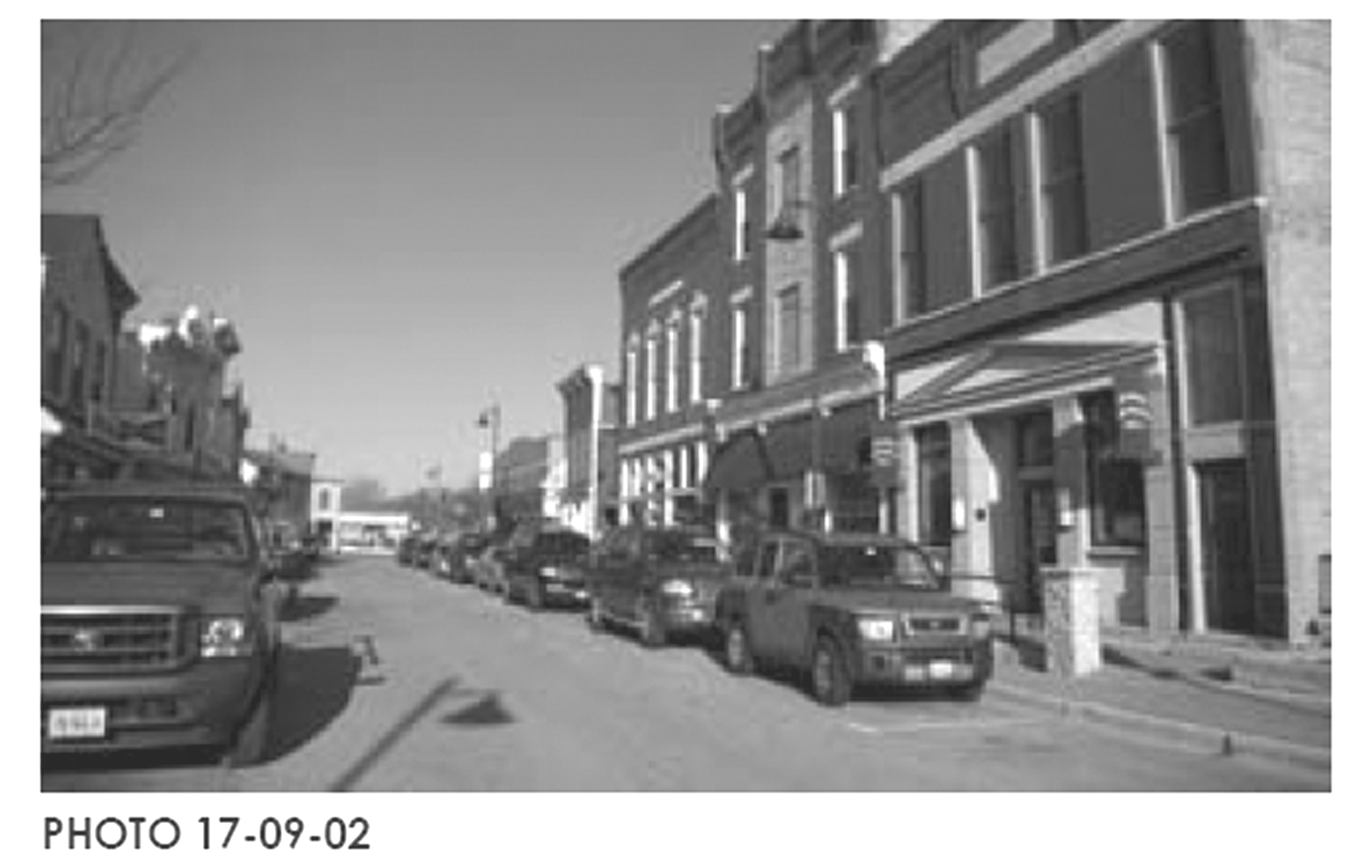
PHOTO 17-9-01 and PHOTO 17-9-02 illustrate the type of development for the Main Street
type: relatively uniform in height, uniform setbacks near the sidewalks, commercial
uses on the first floor.
Table 17-09-03.
Esplanade Standards
Description and Purpose.
The esplanade is a walkway or street and right-of-way providing an enhanced pedestrian environment. Such streets should be treaded like a pedestrian plaza, easily closed for special events. Buildings along the esplanade are more urban in character, yet are mixed-use like the Main Street type.
Building Placement.
Front setback: Buildings must be set back from the front property line a distance equal to the average front yard depth that exists on the nearest two lots on either side of the subject lot or 5 feet, whichever is less. If one or more of the lots required in the averaging calculation are vacant, such vacant lots will be deemed to have a front yard depth of 10.
Other setbacks: Minimum side setback is 15 ft.; no minimum rear setback.
Building Volume.
Building width: Maximum of 160 ft. wide and a minimum of 16 ft. wide.
Building height: Maximum of 5 stories, but not to exceed 57.5 ft.
Minimum of 2 stories.
Lot Coverage: Maximum of 80% and a minimum of 50%.
Other Requirements.
Building fronts shall provide shelter to the sidewalk by means of at least one of the following: arcade, colonnade, marquee, awning, or second-floor balcony.
Residential uses are prohibited on the first floor, and commercial uses shall not be above residential uses.
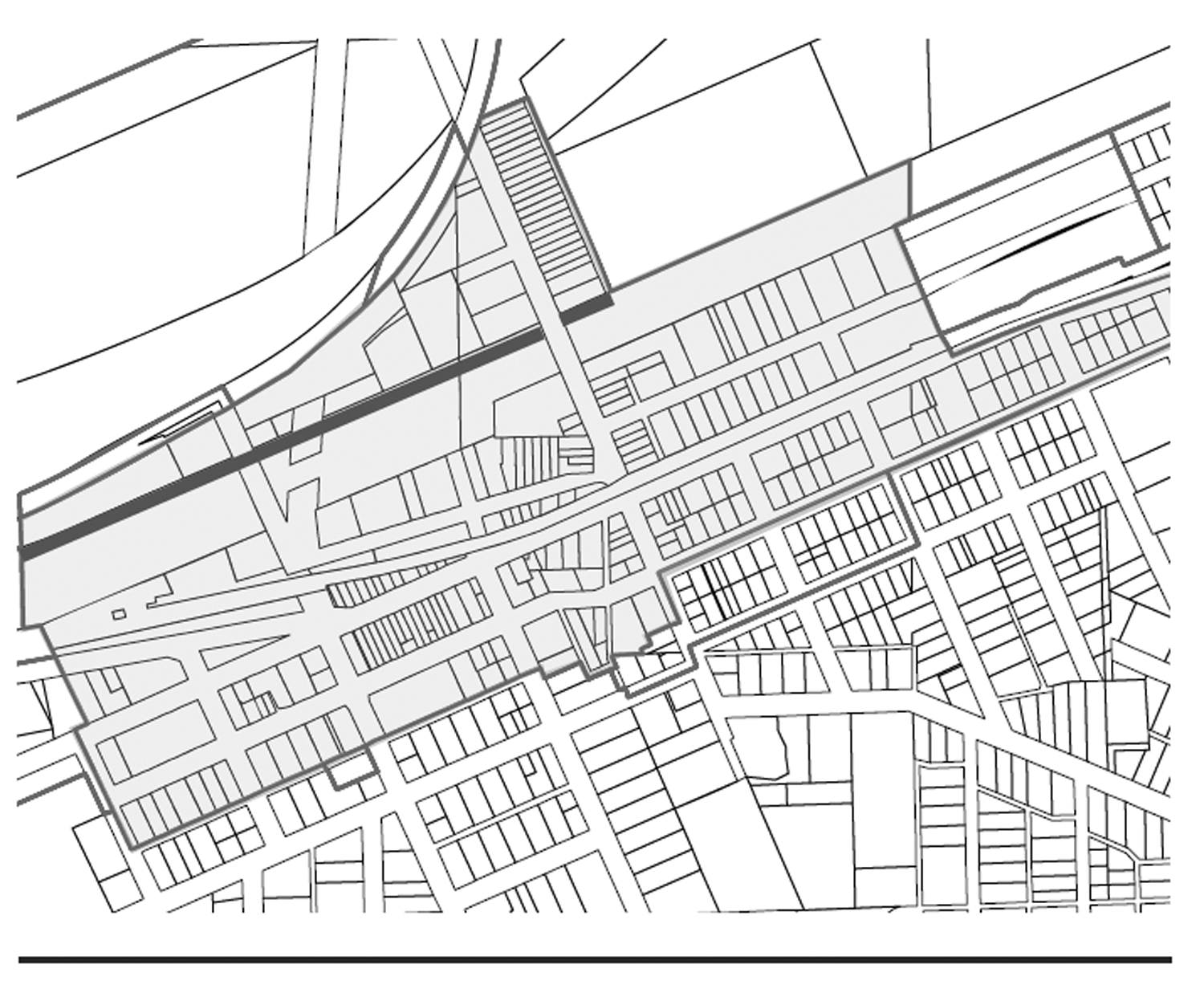
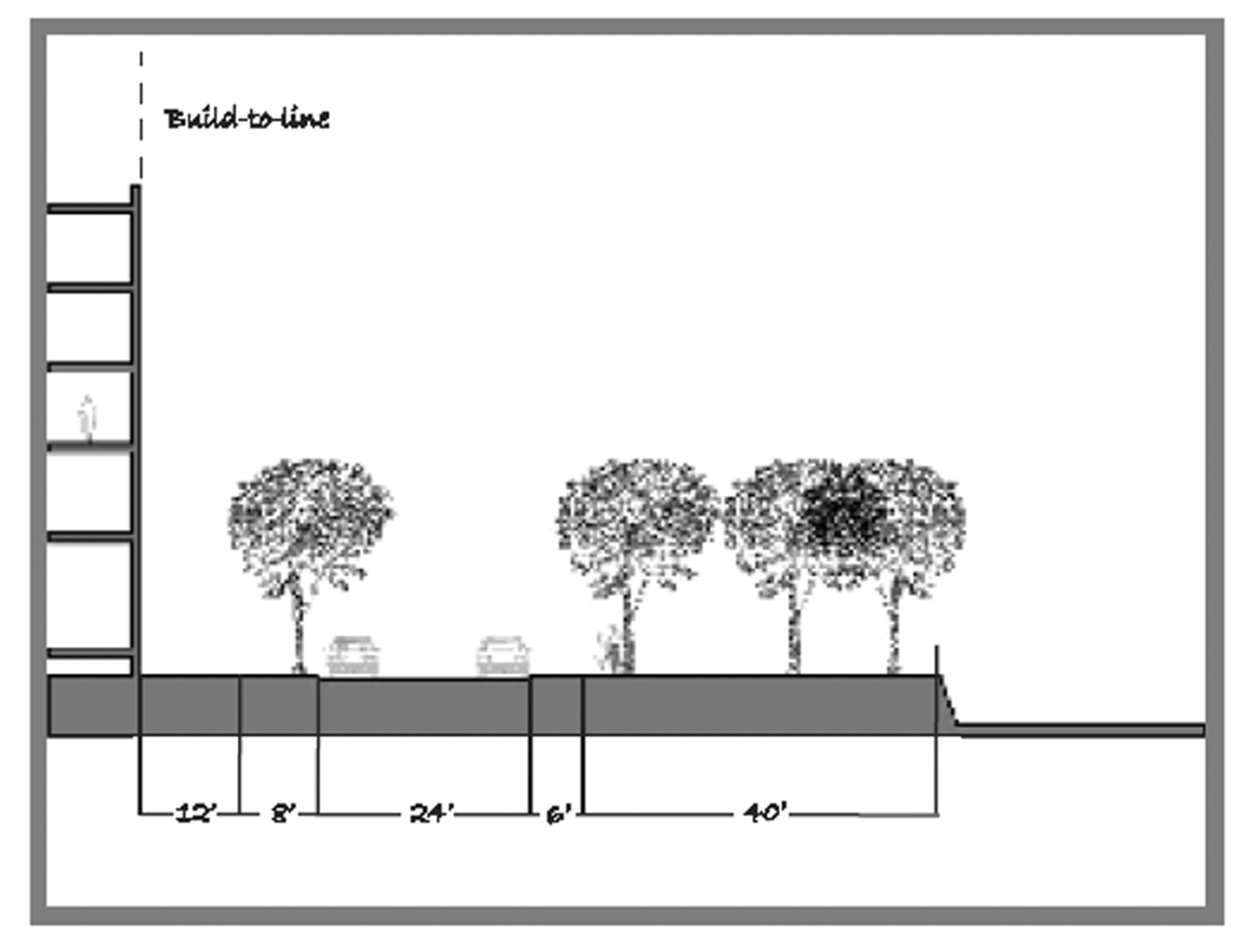
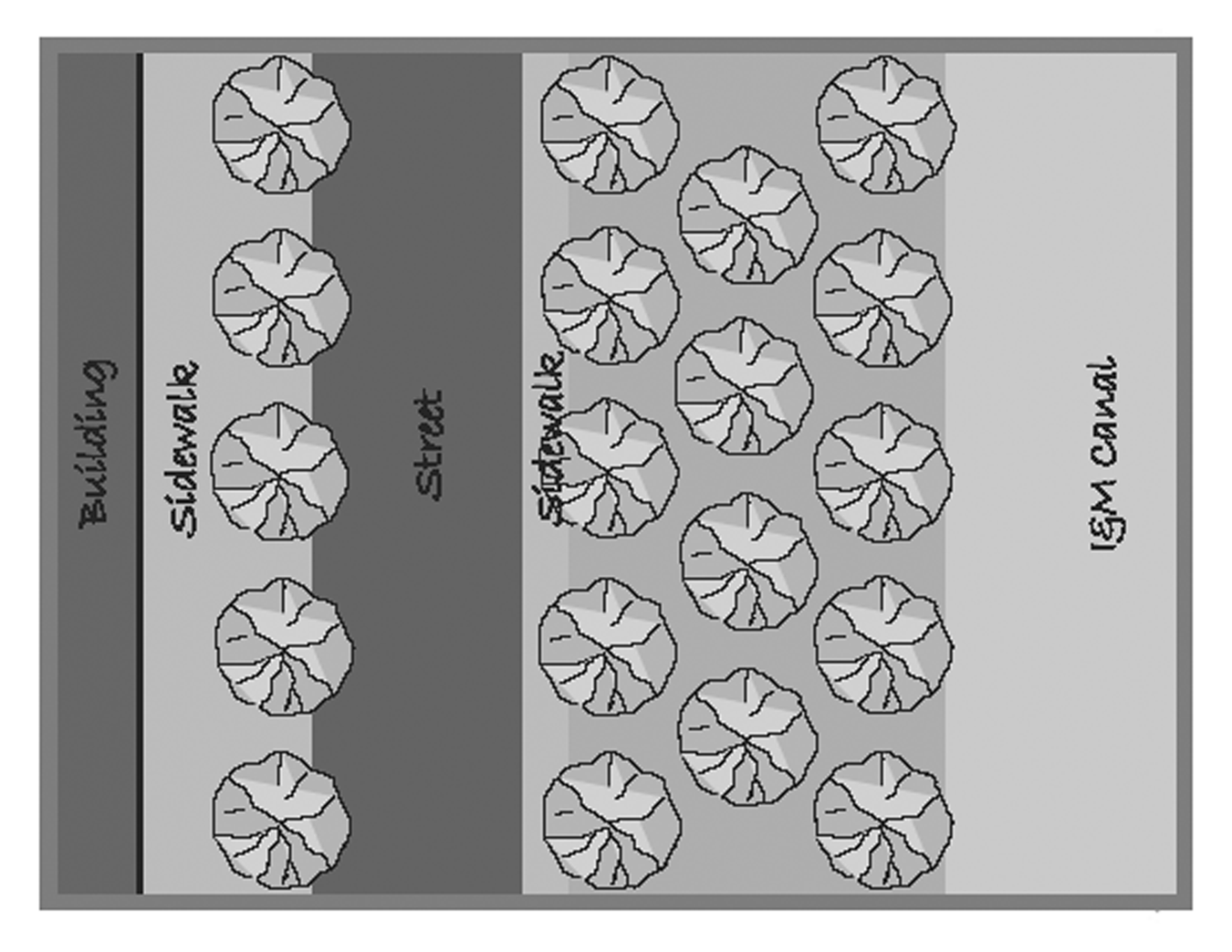
Table 17-09-04.
Promenade Standards
Description and Purpose.
The promenade is a pedestrian-only zone located along the southside of the I&M Canal that consists of a walking path and green areas. While a variety of buildings may be located along this street type, it is also intended to provide places for recreational activities and community gatherings.
Building Placement.
Front setback: Buildings must be set back from the front property line a distance equal to the average front yard depth that exists on the nearest two lots on either side of the subject lot or 5 feet, whichever is less. If one or more of the lots required in the averaging calculation are vacant, such vacant lots will be deemed to have a front yard depth of 10.
Other setbacks: Minimum side setback is 15 ft.; no minimum rear setback.
Building Volume.
Building width: Maximum of 160 ft. wide and a minimum of 16 ft. wide.
Building height: Maximum of 3 stories, but not to exceed 37.5 ft.
Minimum of 2 stories.
Lot Coverage: Maximum of 80% and a minimum of 50%.
Other Requirements.
Building fronts shall provide shelter to the sidewalk by means of at least one of the following: arcade, colonnade, marquee, awning, or second-floor balcony.
All permitted uses are allowed on all floors; commercial uses shall not be above residential uses.
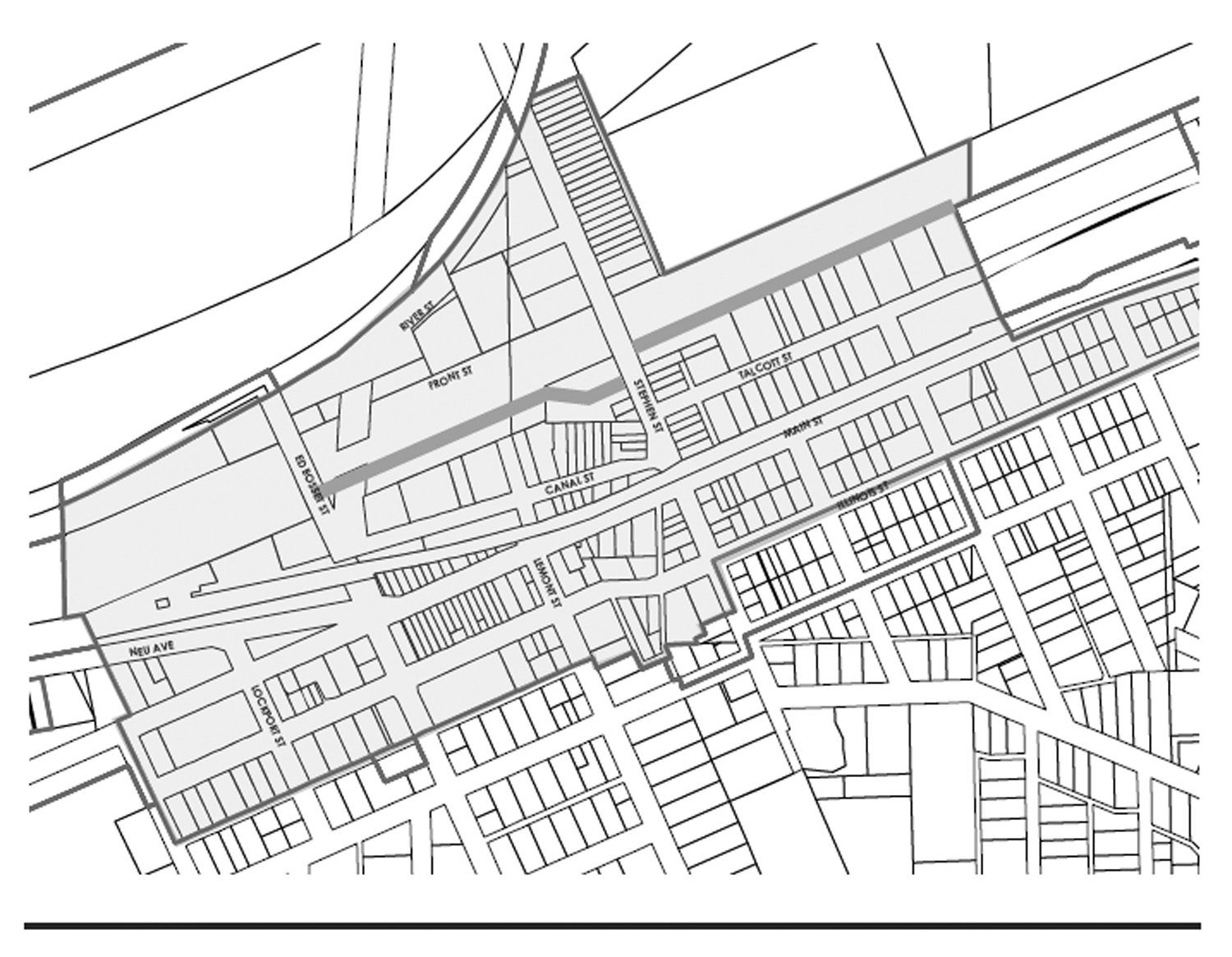
Table 17-09-05.
Downtown Street Standards
Description and Purpose.
The downtown street type is intended primarily for relatively high residential densities. Such streets are envisioned as having the highest concentrations of dwelling units in the historic downtown area.
Building Placement.
Front setback: Buildings must be set back from the front property line a distance equal to the average front yard depth that exists on the nearest two lots on either side of the subject lot or 5 feet, whichever is less. If one or more of the lots required in the averaging calculation are vacant, such vacant lots will be deemed to have a front yard depth of 10.
Other setbacks: Minimum side setback is 15 ft.; no minimum rear setback.
Building Volume.
Building width: Maximum of 160 ft. wide and a minimum of 16 ft. wide.
Building height: Maximum of 5 stories, but not to exceed 57.5 ft.
Minimum of 2 stories.
Lot Coverage: Maximum of 80% and a minimum of 50%.
Other Requirements.
Building fronts shall provide shelter to the sidewalk by means of at least one of the following: arcade, colonnade, marquee, awning, or second-floor balcony.
Residential uses are prohibited on the first floor, and commercial uses shall not be above residential uses.
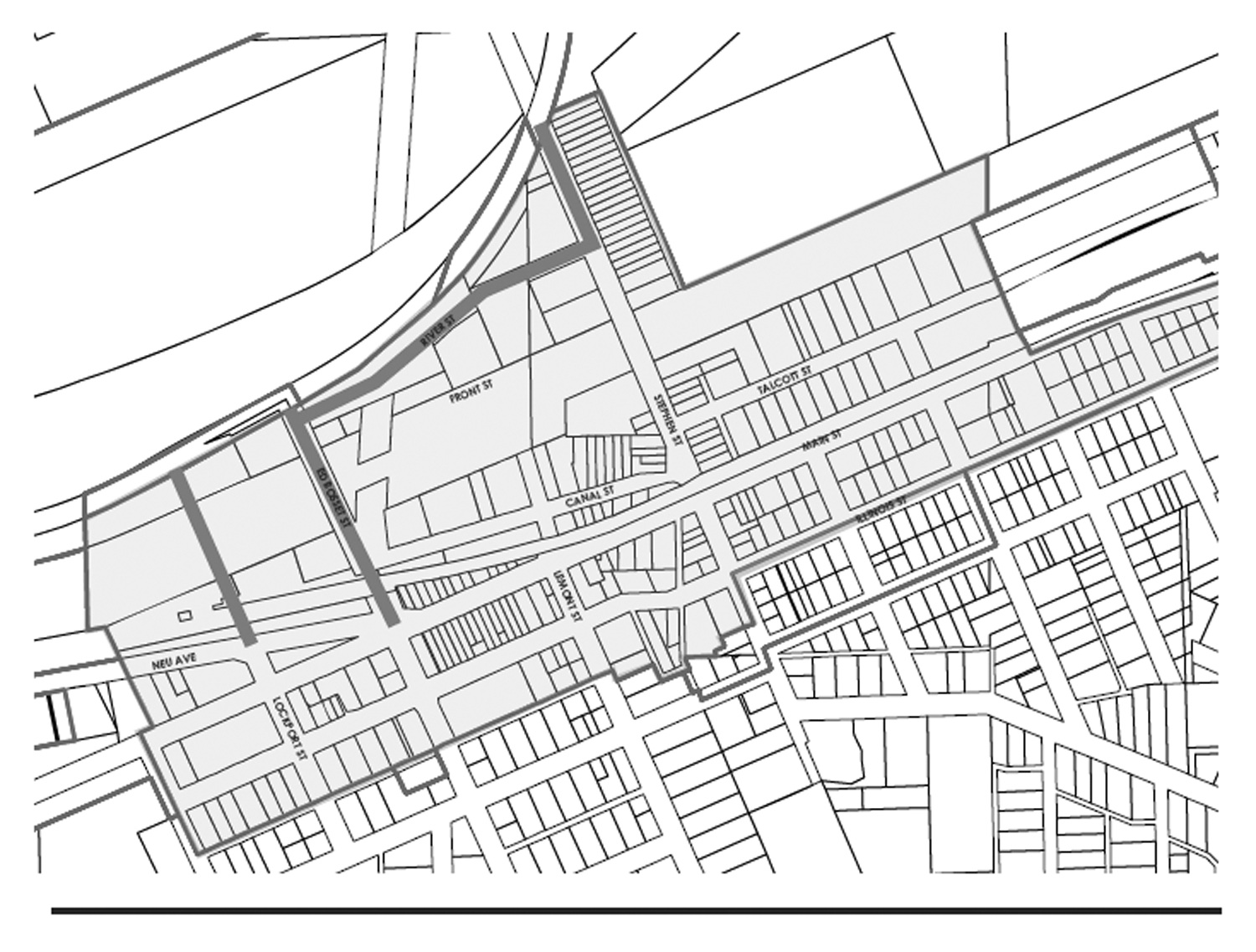
Table 17-09-06.
Village Street Standards
Description and Purpose.
The streets in the village street type, although pedestrian friendly, primarily serve to circulate vehicular traffic in the historic downtown area. The buildings lining such streets currently exhibit varied front setbacks and a wide range of uses.
Building Placement.
Front setback: Front setback shall be between 0 and 10 feet.
Other setbacks: Rear setback shall be a minimum of 5 feet; no minimum side yard setback.
Building Volume.
Building width: 16 — 160 ft.
Building height: Maximum of 3 stories, but not to exceed 37.5 ft.
Minimum of 2 stories.
Lot Coverage: 60 — 80%
Other Requirements.
Permitted and special uses allowed on all floors, provided that commercial uses are not be above residential uses.
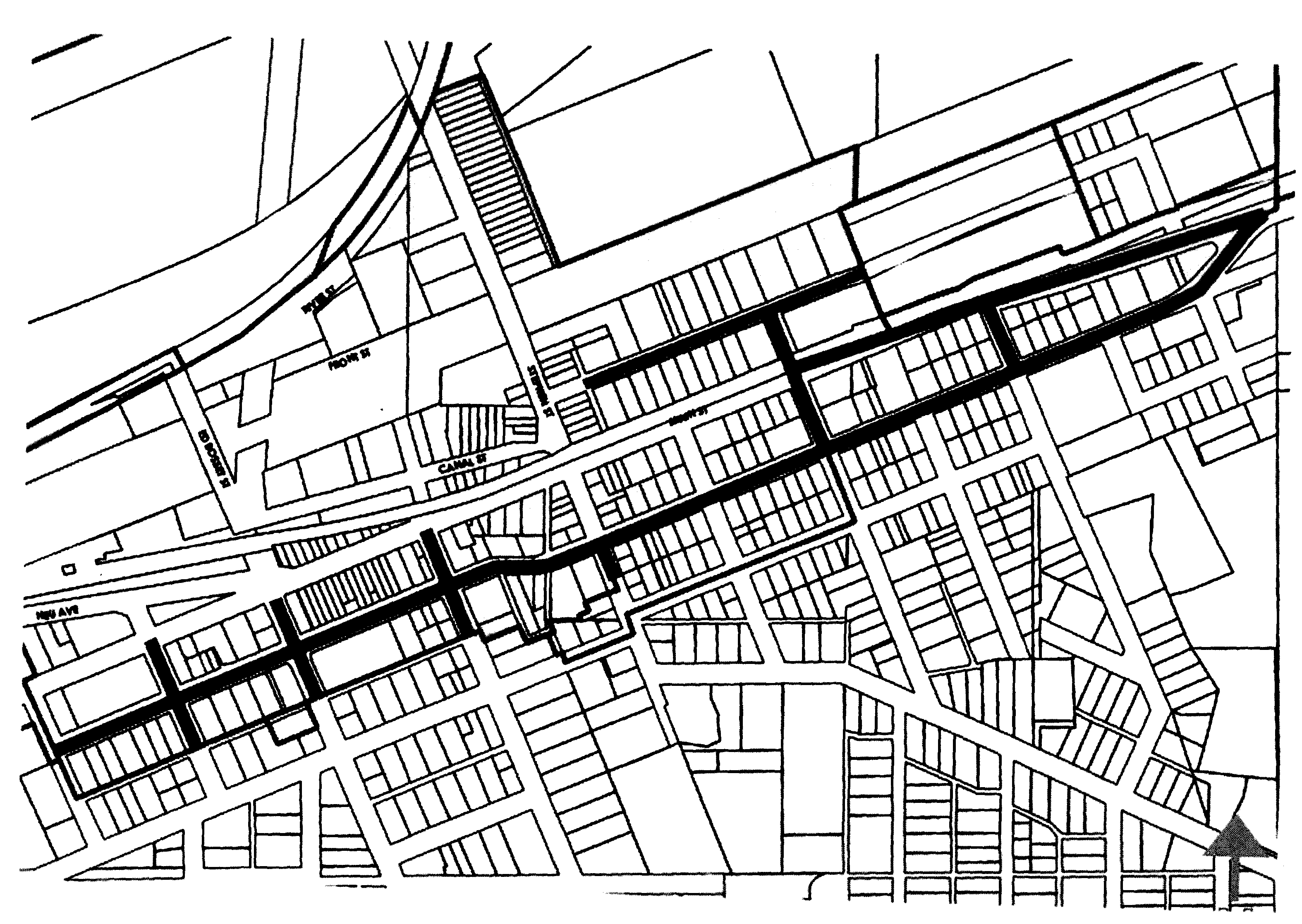
Table 17-09-07.
Neighborhood Street Standards
Description and Purpose.
The Neighborhood Street type presents a mix of traditional building types that offers a range of urban living options. Such building types include loft apartments, townhouses, and smaller detached homes. Front setbacks are varied.
Building Placement.
Front setback: 0—20 ft.
Other setbacks: Rear setback shall be a minimum of 5 feet; no minimum side yard setback.
Building Volume.
Building width: 16 — 160 ft.
Building height: Maximum of 4 stories, but not to exceed 47 ft.
Minimum of 2 stories.
Lot Coverage: 45 — 80%
Other Requirements.
All permitted and special uses allowed on all floors; however a commercial use shall not be above a residential use. Additionally, parking bays or garage doors that open to the street shall not be permitted on the ground floor.
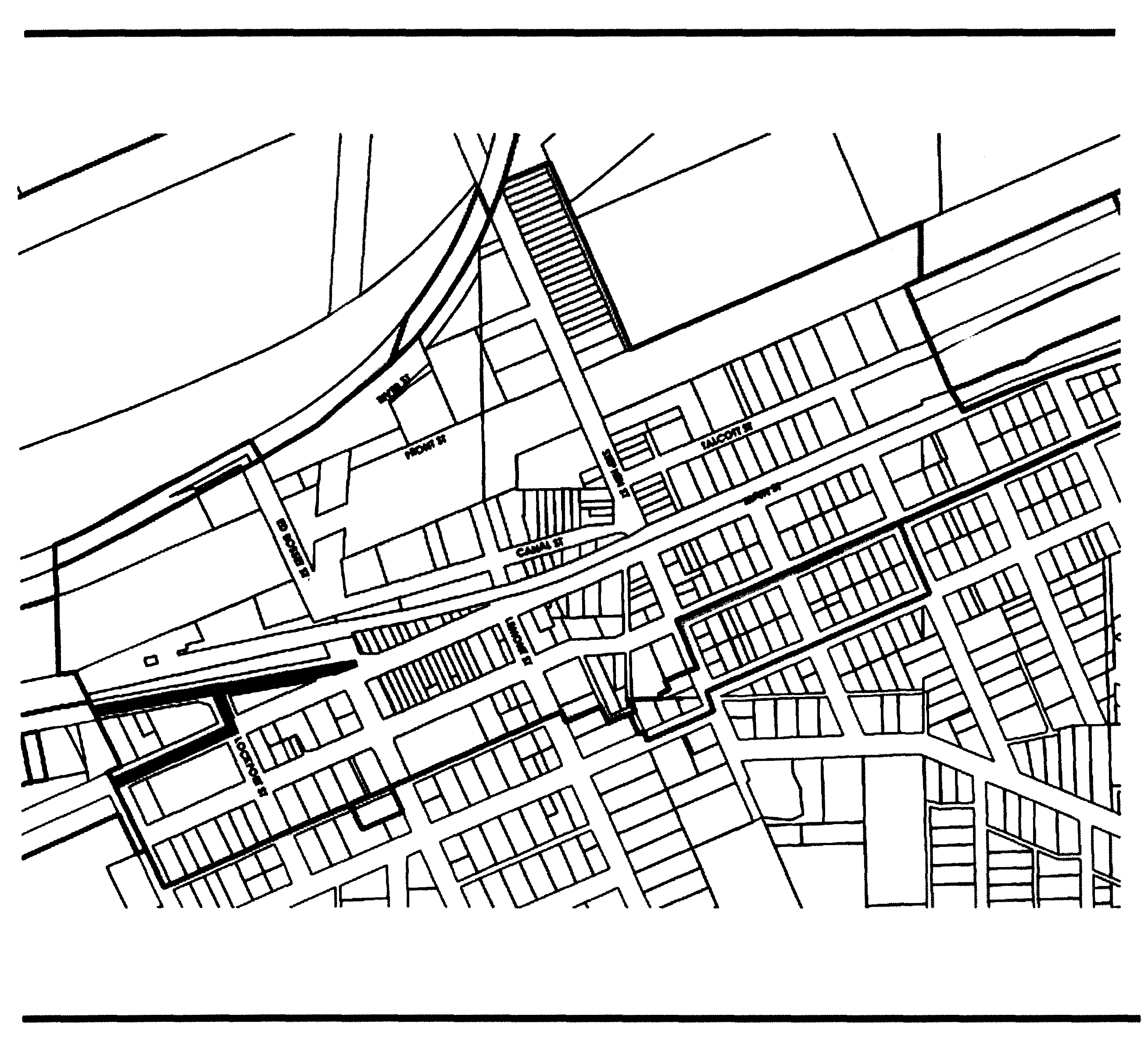
(UDO 2008, § 17.09.090; Ord. No. O-87-19, § 4 (Att. A), 11-18-2019; Ord. No. O-87-19, § 5 (Att. B), 11-18-2019; Ord. No. O-87-19, § 6 (Att. C), 11-18-2019; Ord. No. O-87-19, § 7 (Att. D), 11-18-2019)
_____

