
North Kansas City City Zoning Code
CHAPTER 17
20 - NONRESIDENTIAL DEVELOPMENT STANDARDS
17.20.010 - Development standards.
A.
District Lot and Building Standards. The lot and building standards for non-residential districts are specified in Table 20-1.
_____
Table 20-1: Non-Residential District Development Standards
[1] Front setback requirements may be modified for a particular street or block, based on the frontage types and design standards in Section 17.20.020.
[2] For any district where a side lot line abuts a district that has a greater side setback requirement, the greater side setback of the abutting district shall apply.
[3] For any district where a rear lot line abuts a residential district or the CIO, a setback of at least 20′ shall apply.
B.
Height Exceptions. The following are exceptions to the height standards in Table 20-1:
1.
Accessory building elements integral to the design and construction of the building, such as parapet walls, false mansards may extend up to six feet above the roof deck.
2.
Architectural features such as belfries, chimneys, ornamental towers and spires may extend up to fifty (50) percent above the actual building height.
3.
Functional and mechanical equipment such as elevator bulkheads, cooling towers, smoke stacks or other equipment may be built up to their necessary height in accordance with building codes.
4.
Accessory site structures such as flag poles, monuments, water towers, may have a height limit of fifty (50) feet, but shall be setback a distance of at least one-third its height from the property line.
5.
Public, semi-public or public service buildings, such as hospitals, churches, schools may have a height limit of one hundred (100) feet, provided any portion above the allowed maximum height shall be setback from the property line an additional one foot for each foot above the maximum allowed height.
6.
All height exceptions shall be in conformance with air space regulations relative to the Kansas City Municipal Airport.
C.
Setback and Lot Exceptions. The following are exceptions to the lot and setback standards in Table 20-1, except that in no case shall this authorize structures that violate the provisions of any easement:
1.
Structural projections such as bay windows, balconies chimneys, eaves, open fire escapes, egress wells, or other non-foundational overhangs or projections may extend up to four feet from the foundation and encroach into the setback, but no closer or three feet from any lot line. This exception shall be limited to no more than twenty (20) percent of a building elevation.
2.
Whenever a lot abuts upon a public alley, one-half of the alley width may be considered as a portion of the required setback.
3.
No rear yard shall be required in districts C-1 and M-2 inclusive on any lot used for business or industrial purposes, the rear line of which adjoins a railway right-of-way or which has a rear railway track connection.
4.
A lot may have more than one building, provided any accessory or secondary building shall be located at least ten (10) feet from any other building on the same or adjacent lots, or be joined by a party wall meeting all aspects of the building code.
(Ord. No. 9212, § 3(Exh. A), 7-2-2019)
17.20.020 - Urban areas design standards.
A.
Intent. The intent of the urban areas design standards is to promote good civic design, maintain the appearance of the community while preserving opportunities for unique and distinct places, and improve the relationship of the buildings and sites to their context, public streetscapes and other open and civic spaces.
B.
Applicability. The urban areas design standards shall apply to all non-residential zoning districts in the urban areas shall apply the frontage design standards depicted in Figure 20-A: Urban Areas Frontage Map.
C.
Frontage Types. The design standards for different frontage types are in Table 20-2. Specific standards for each element of the frontage types follow the table.
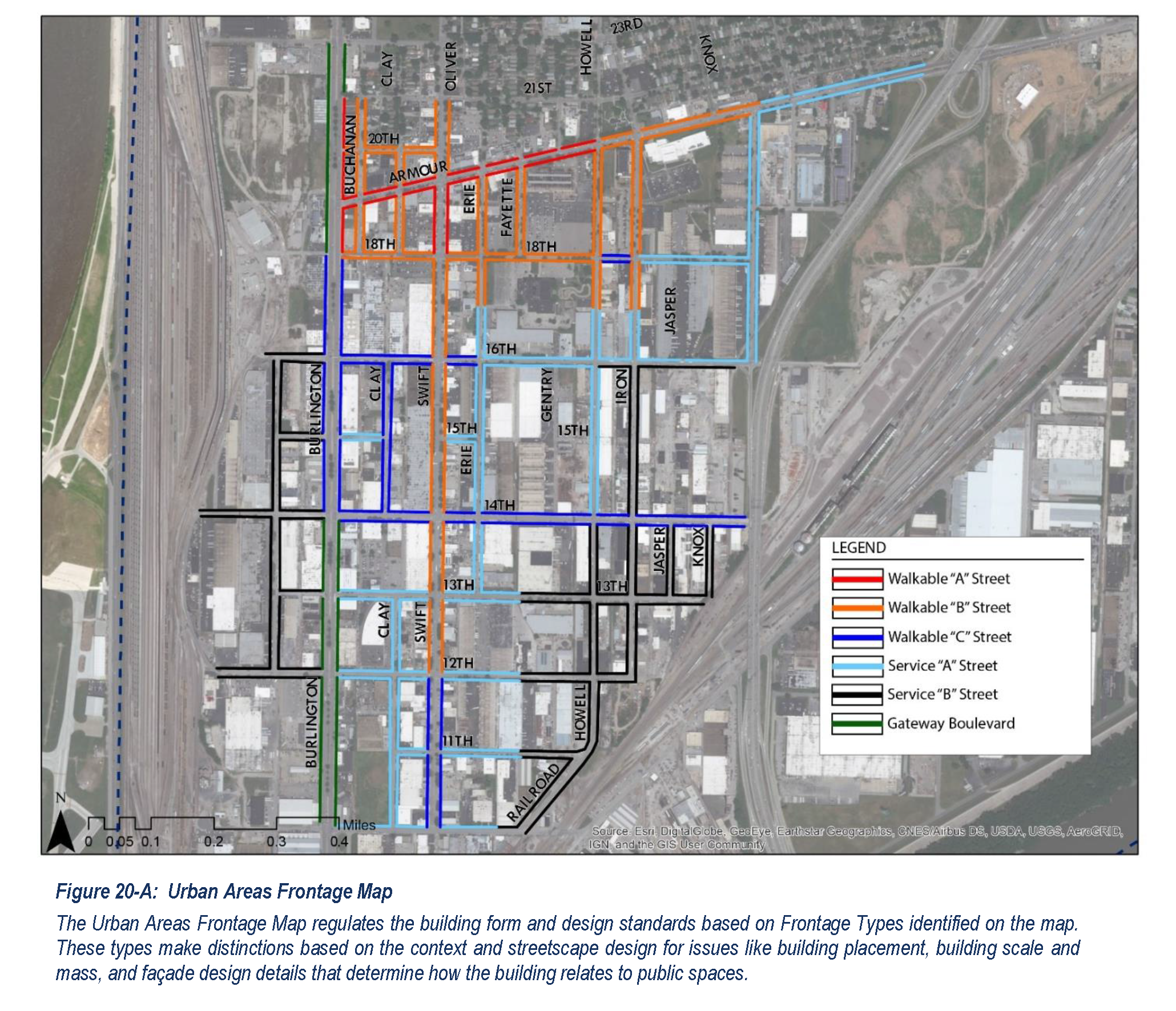
Table 20-2: Frontage Type Standards
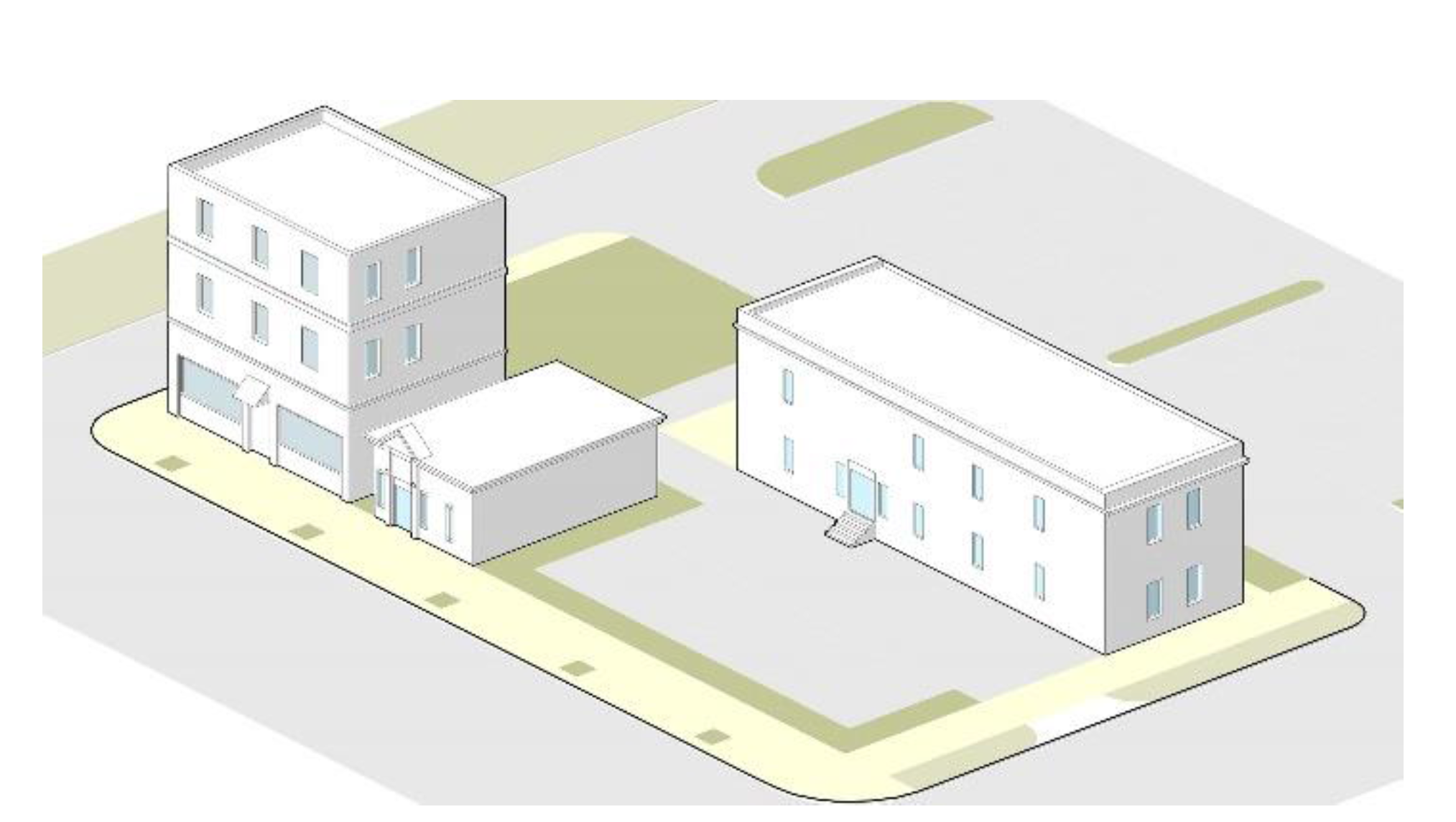
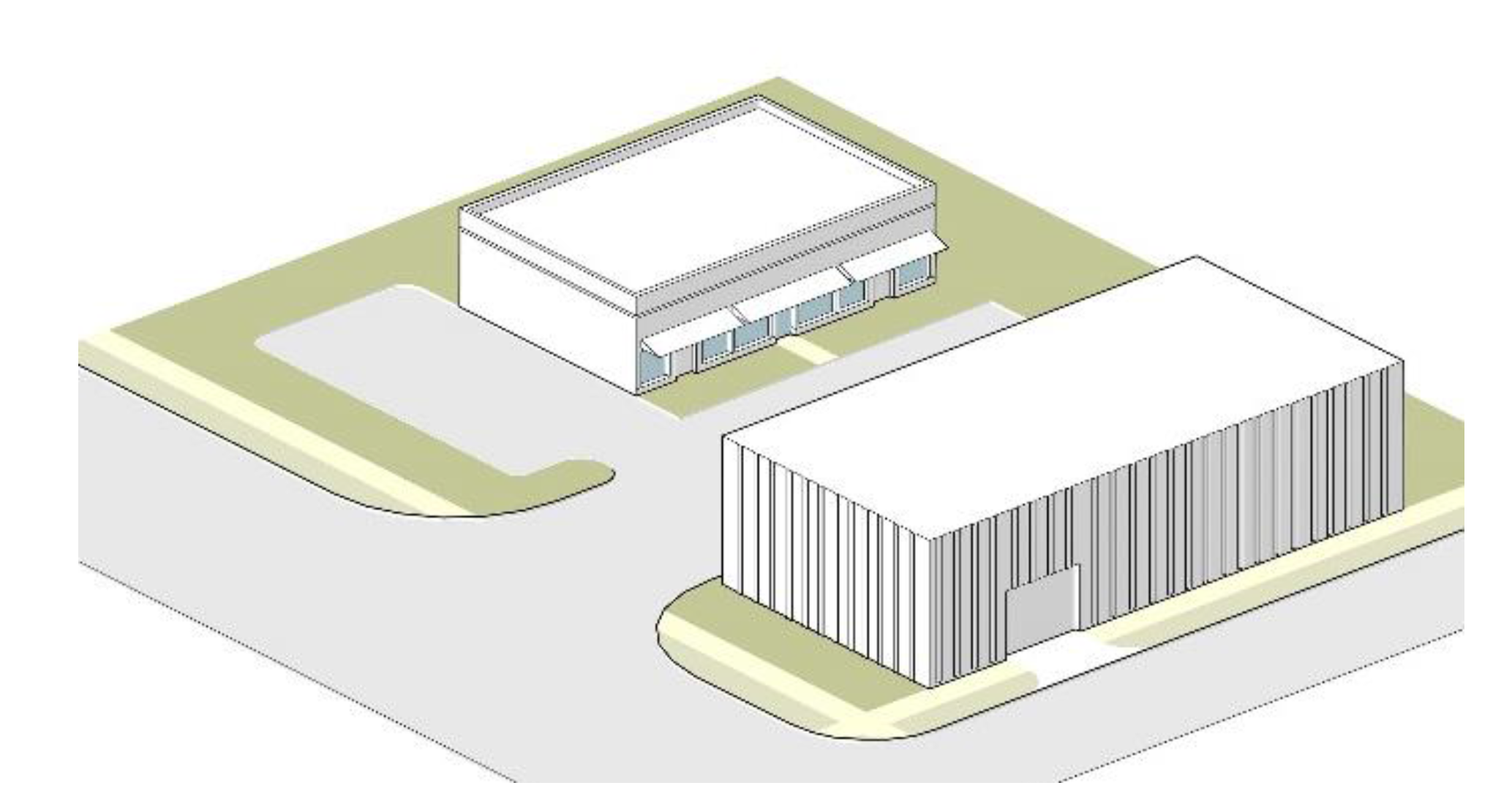
[1] On Service A frontages, buildings may be built closer than 10′ to the front lot line provided they meet the Walkable C design standards.
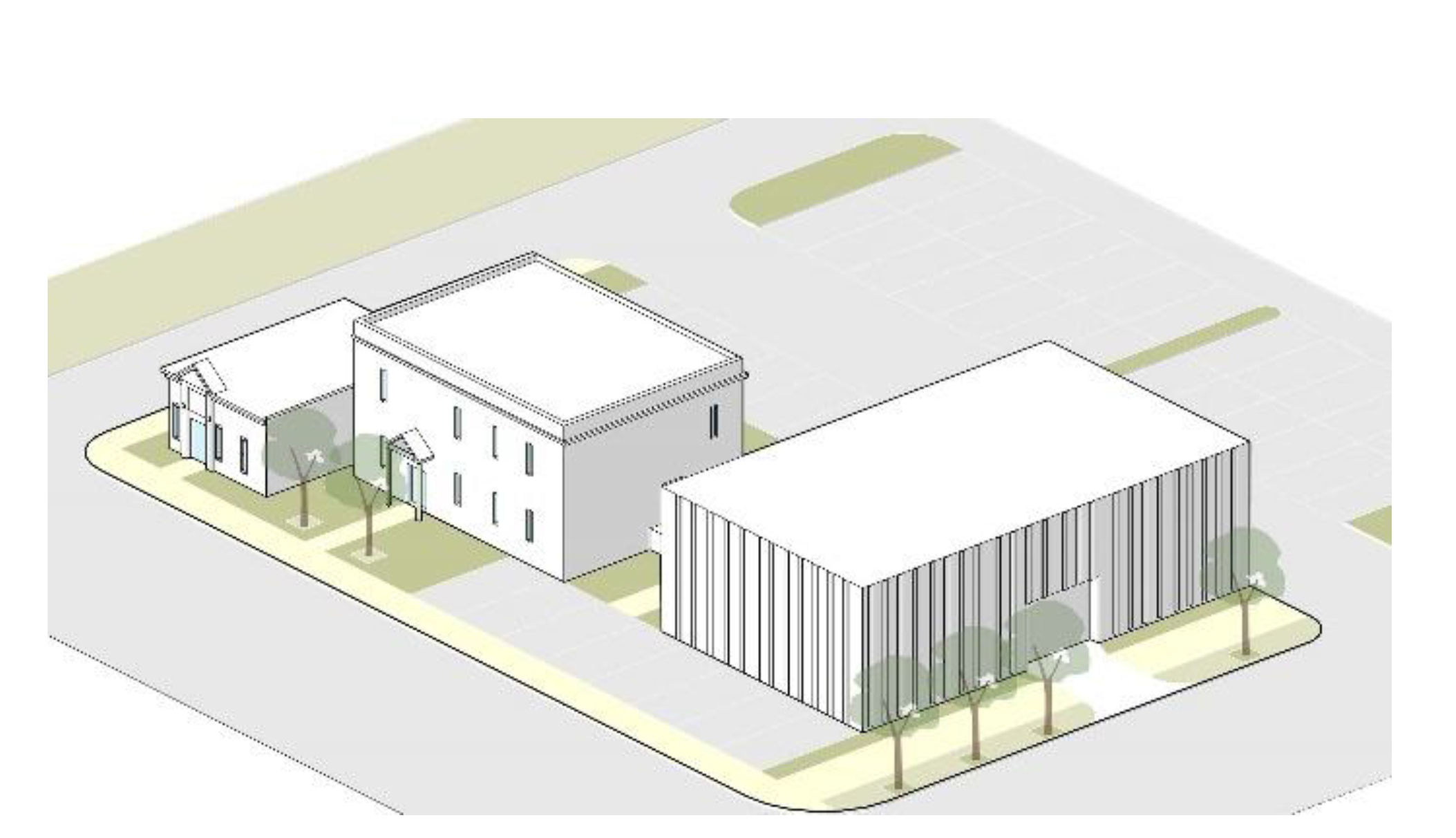
[2] On Boulevard Gateway Frontages, all new buildings or any investment of more than fifty (50) percent of the existing fair market value of the building shall require the building to be placed within 0′ to 10′ of the frontage.
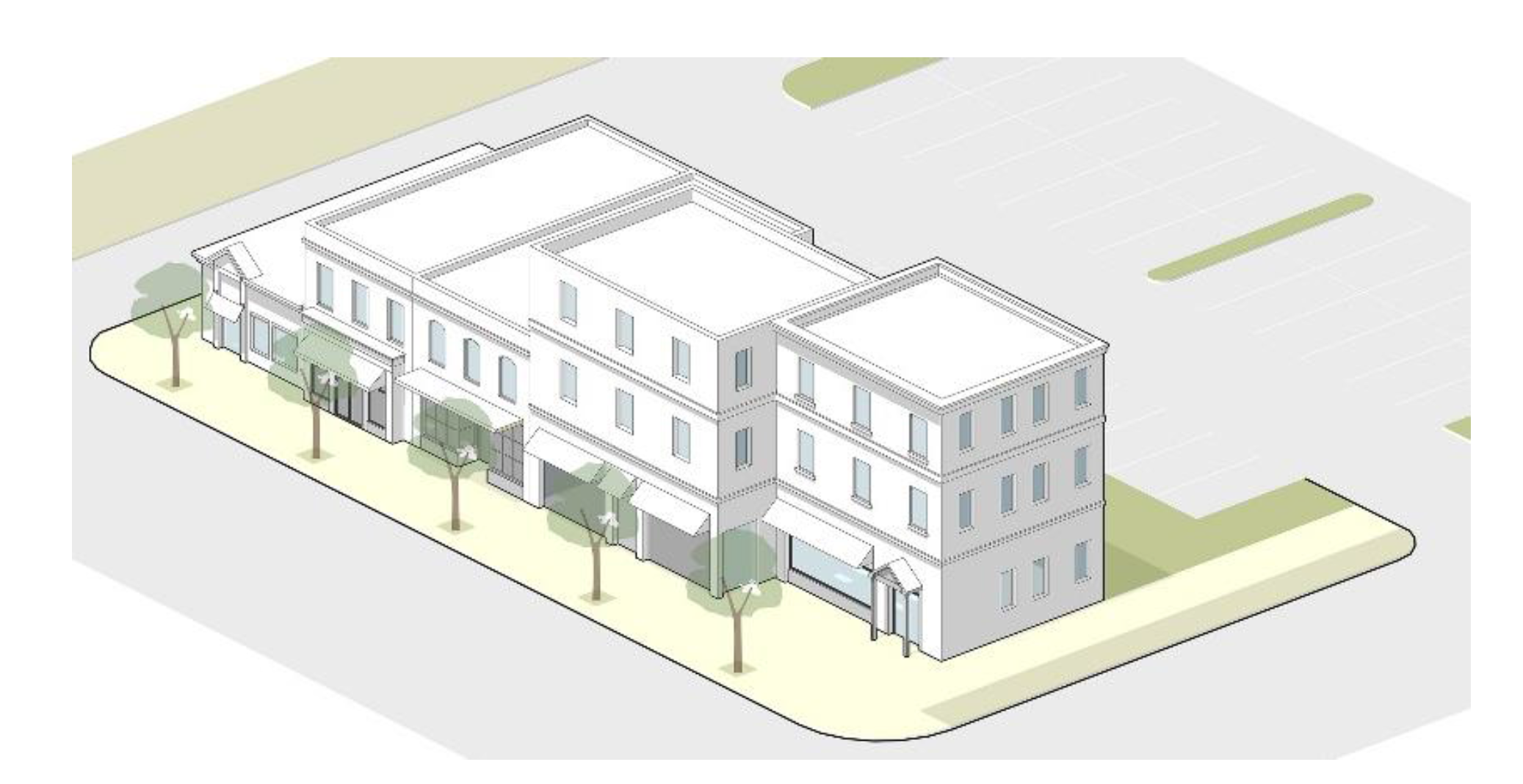
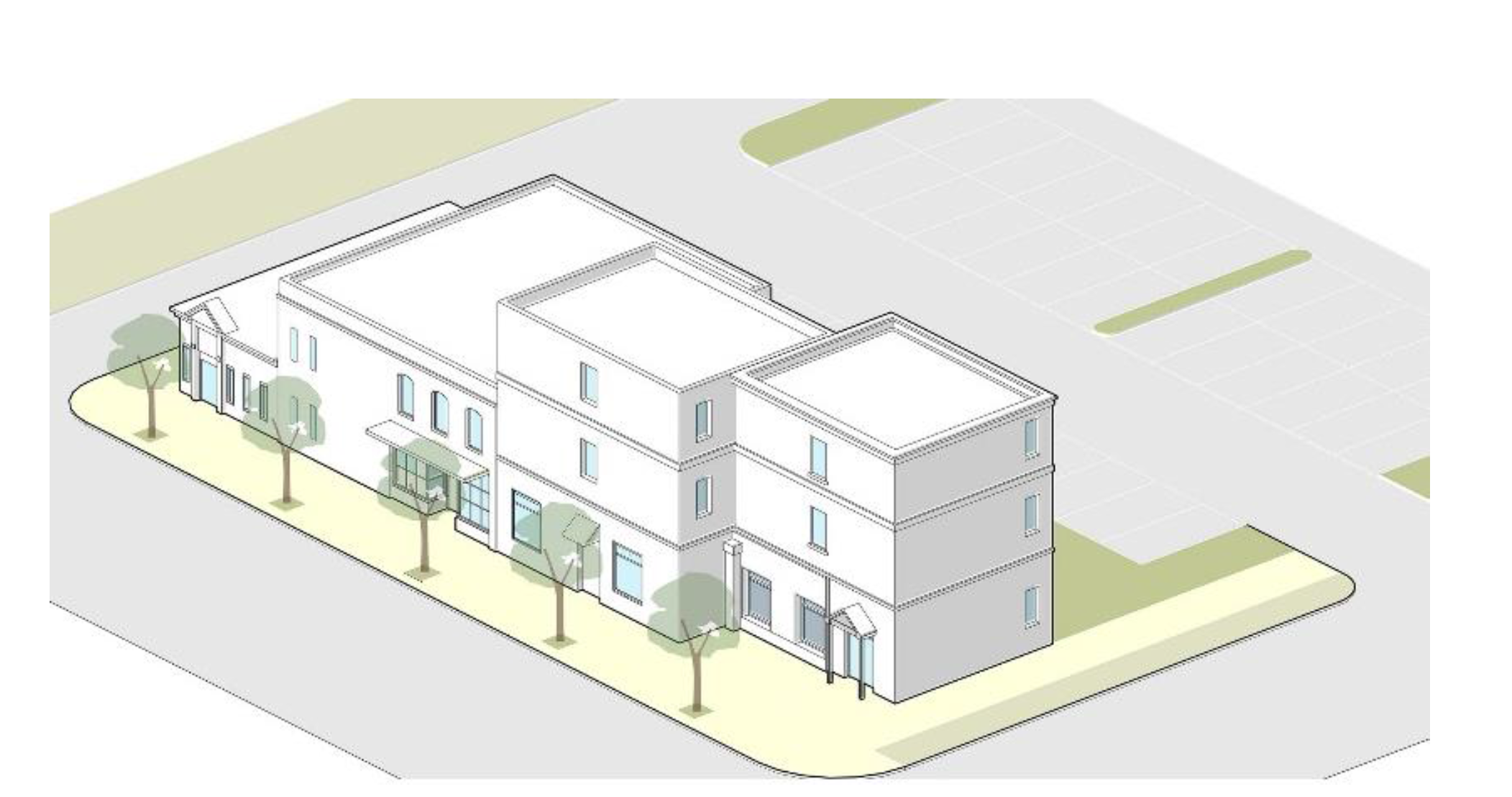
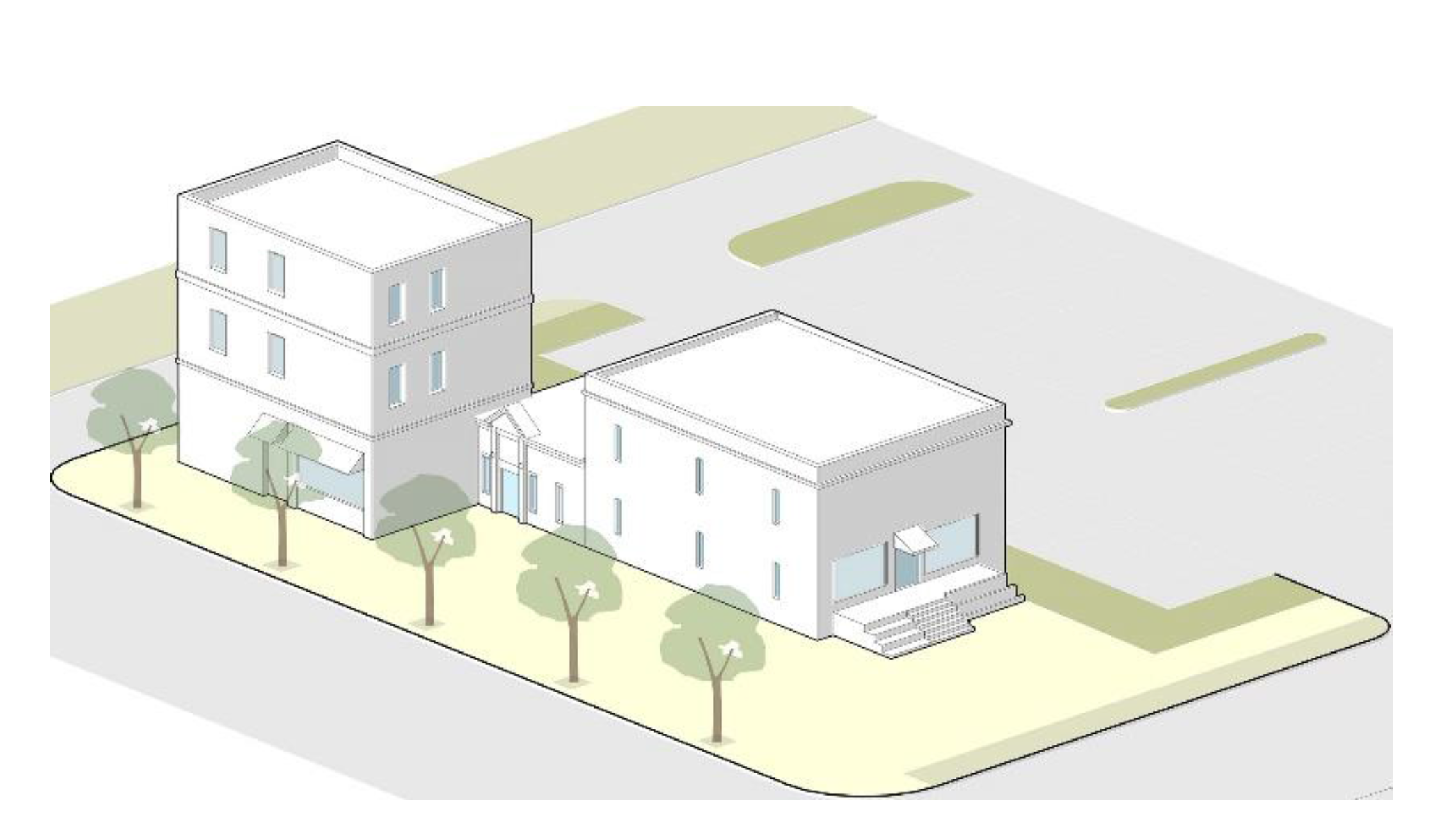
[2] On Boulevard Gateway Frontages, all new buildings or any investment of more than 50% of the existing fair market value of the building shall require the building to be placed within 0′ to 10′ of the frontage.
[1] On Service A frontages, buildings may be built closer than 10′ to the front lot line provided they meet the Walkable C design standards.
D.
Building Placement.
1.
Design Objectives. Building placement shapes spaces around the building, including streetscapes, civic spaces and other unbuilt portions of the lot. The location, scale, and form of buildings should achieve the following objectives:
a.
Locate and orient buildings to define the streetscape or other civic spaces.
b.
Use programmed and active open spaces, and related accessory structures and landscape elements to help define spaces that are not framed by vertical elements of the building.
c.
Avoid large expanses of unbuilt frontages caused by access, parking or other voids of inactive spaces, particularly along important blocks and streetscapes.
2.
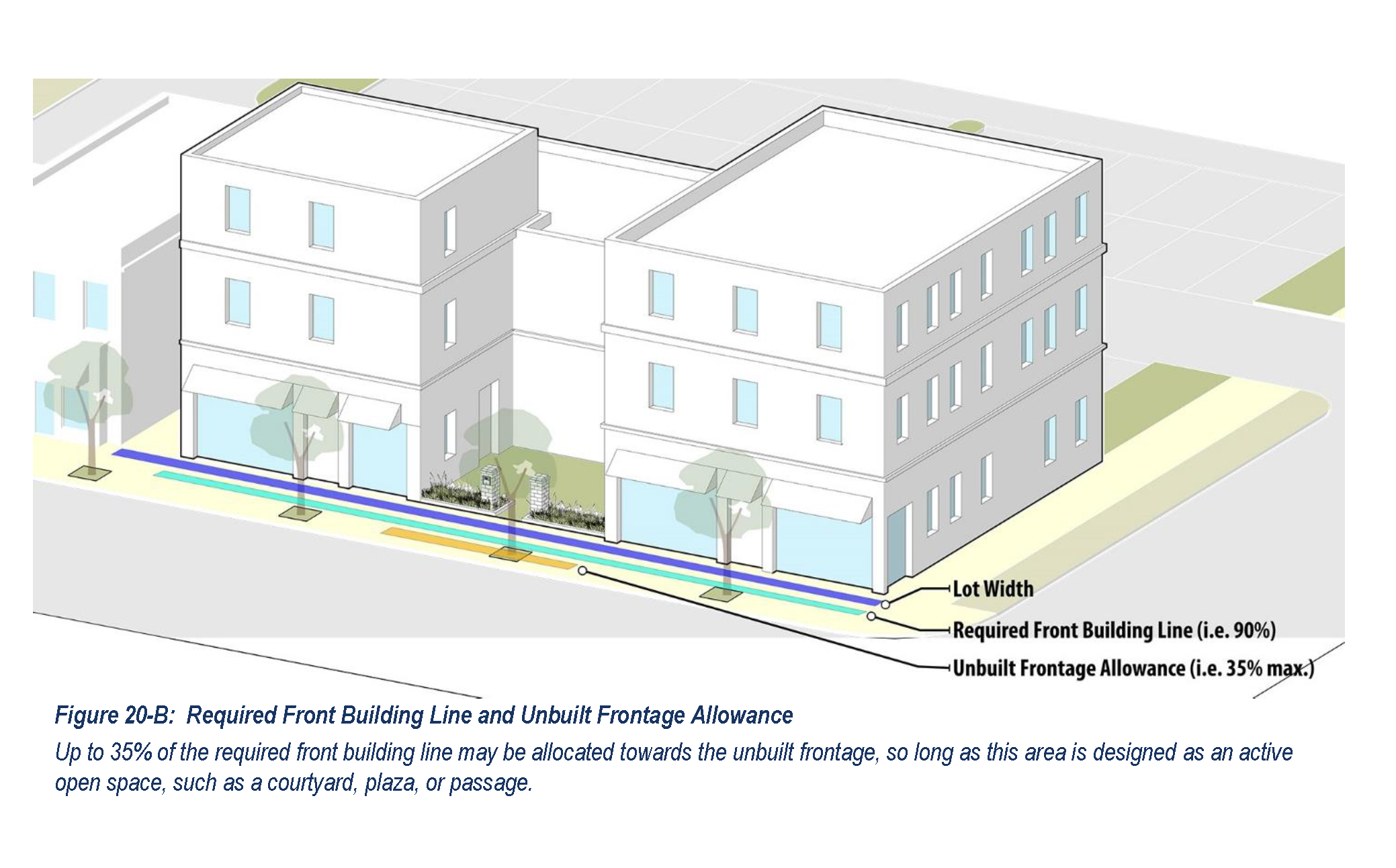
Required Front Building Line. All buildings shall establish a front building line within the range of the front lot line specified in Table 20-2 (Front Building Line). The required front building line shall extend for the minimum percentage along the frontage specified in the table (Required FBL).
3.
Unbuilt Frontage Allowance. Where buildings are arranged around or enter upon active open spaces at the extension of the public streetscape, this open space can satisfy a portion of the required front building line to the extent specified in Table 20-2 (Unbuilt Frontage Allowance), provided the open space is designed as active open space according to the types specified in Section 17.24.030, and the open space includes some defining features at the extension of the required front building line such as decorative walls or fences, landscape features and other human scale details.
4.
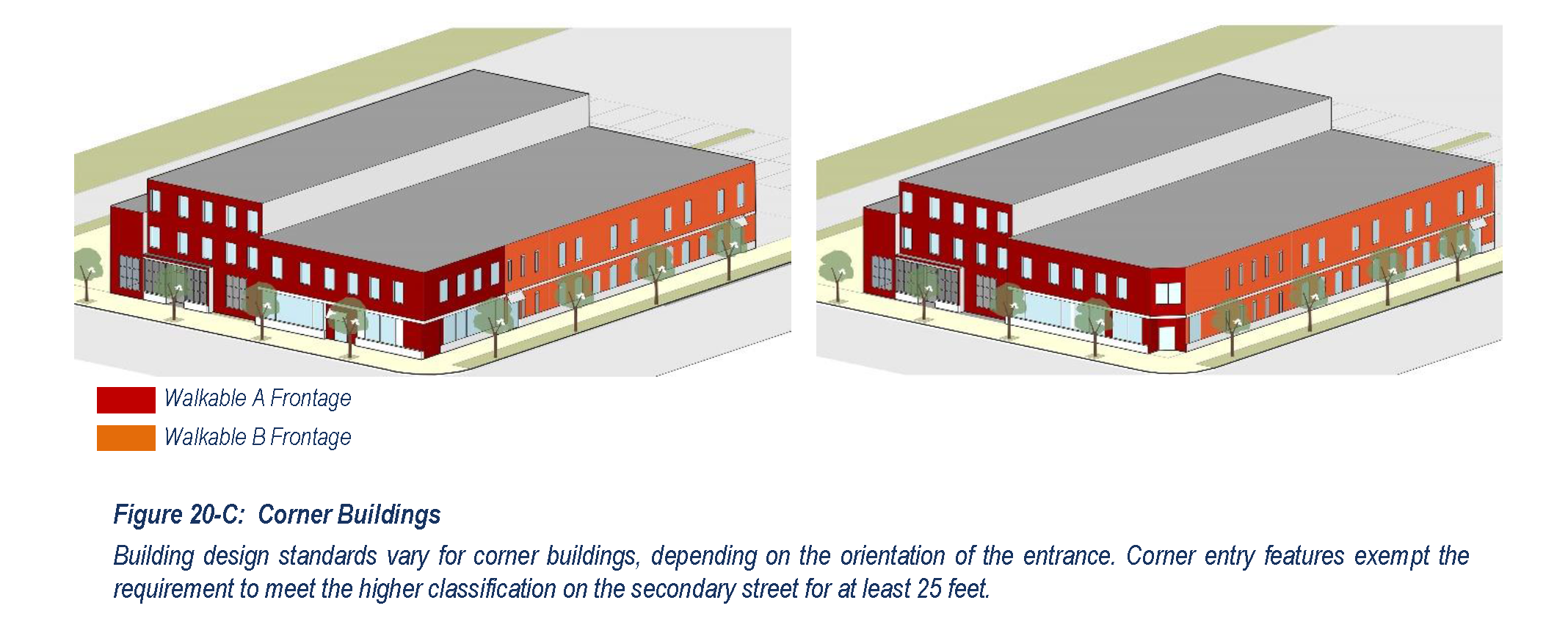
Corner Buildings. Corner lots with property lines on two different frontage types shall apply the standards in the design standards in the following manner:
a.
The lot shall be determined to front on and meet higher frontage classification.
b.
The building shall meet the higher classification on the secondary street for at least the first twenty-five (25) feet from the corner on the secondary frontage.
c.
An entry feature on the corner and oriented to both streets may count as being satisfying the entire requirement of subsection 4.b above.
E.
Façade Design.
1.
Design Objectives. Façade design and composition establishes the relationship of buildings to the spaces around it. The location and design of doors and windows, massing and modulation of façades, and the use of materials, architectural details and ornamentation should achieve the following objectives:
a.
Locate doors and windows to emphasize important spaces around a building, and connect to human scale outdoor spaces, particularly streetscapes or other gathering places.
b.
Add interest and uniqueness to buildings through the use of materials, windows, doors, architectural details, and ornamentation.
c.
Avoid contrived massing that serves only to call attention to the structure or attempts to make monumental or elaborate design out of simple structures.
d.
Relate buildings to adjacent development by mimicking similar scale, massing and proportions though step-backs and secondary masses that break up larger masses, and reduce the volume and perceived size of larger buildings.
2.
Primary Entrance Features. Primary public entrances shall be clearly defined on all front façades with at least two of the following elements and be located at intervals no greater than specified in Table 20-2 (Entry Feature):
a.
A single-story architectural emphasis such as canopies, awning, porticos, pediments, arches, or arcades.
b.
Architectural details such as transom or display windows, ornamental tile accents, columns, moldings or other similar accents and material changes.
c.
Railings, wing walls or plantings integral to the entry structure that incorporate landscaping and/or places for sitting.
d.
Recesses of the building mass of at least three feet deep.
3.
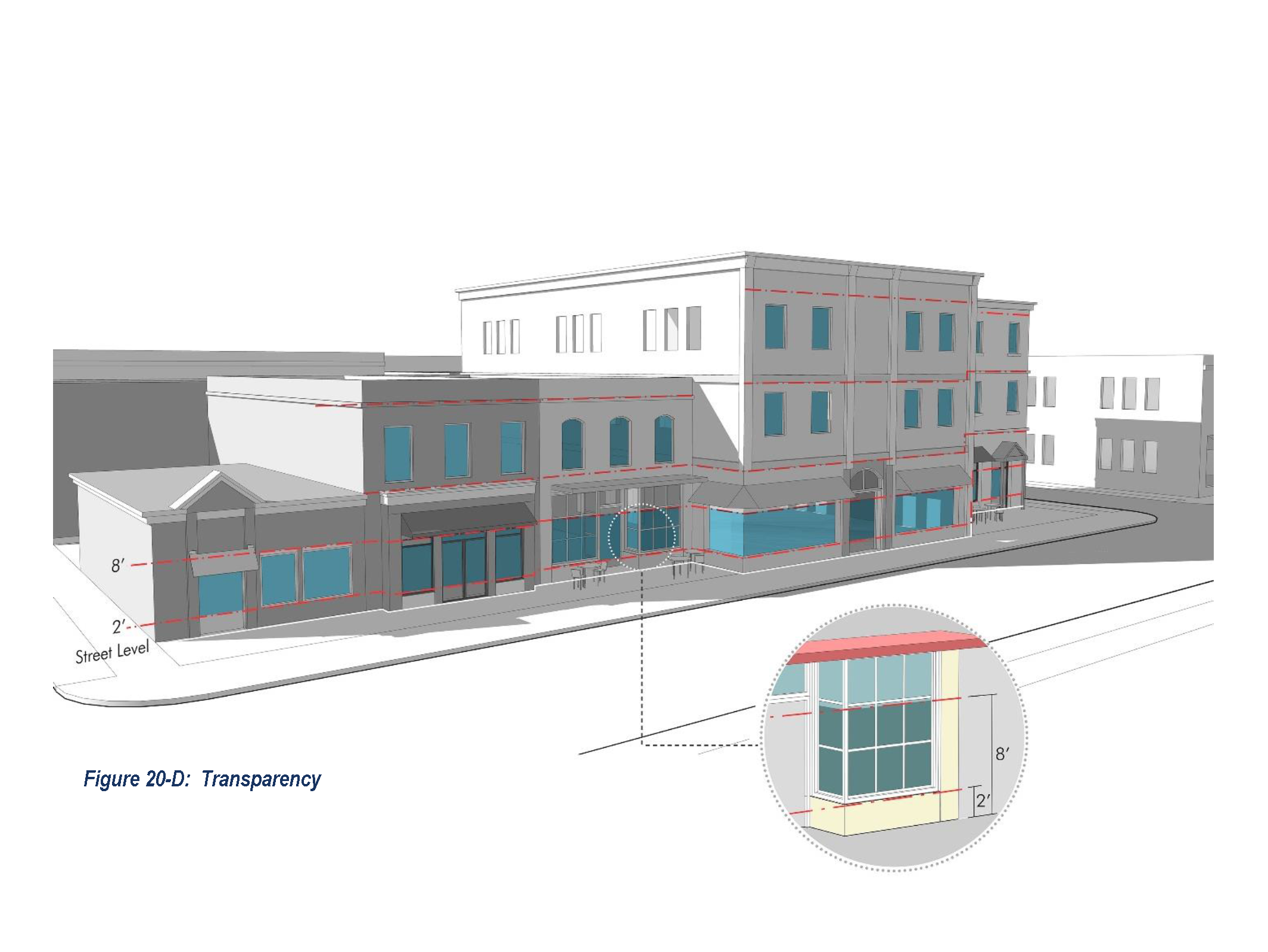
Transparency. Buildings shall have the percentage of openings on street-facing façades specified in Table 20-2 (Street Level and Upper Level Transparency), based on the following:
a.
Where expressed as a first story requirement the percentage shall be measured between two feet and eight feet above the street level, or above the first floor elevation if the building is set back more than ten (10) feet from the street.
b.
Where expressed as an upper story requirement, the percentage shall be measured between the floor level and ceiling of each story.
c.
All street level windows required shall have transparent glazing and provide direct views to the building's interior or to a lit display area extending a minimum of three feet behind the window.
4.
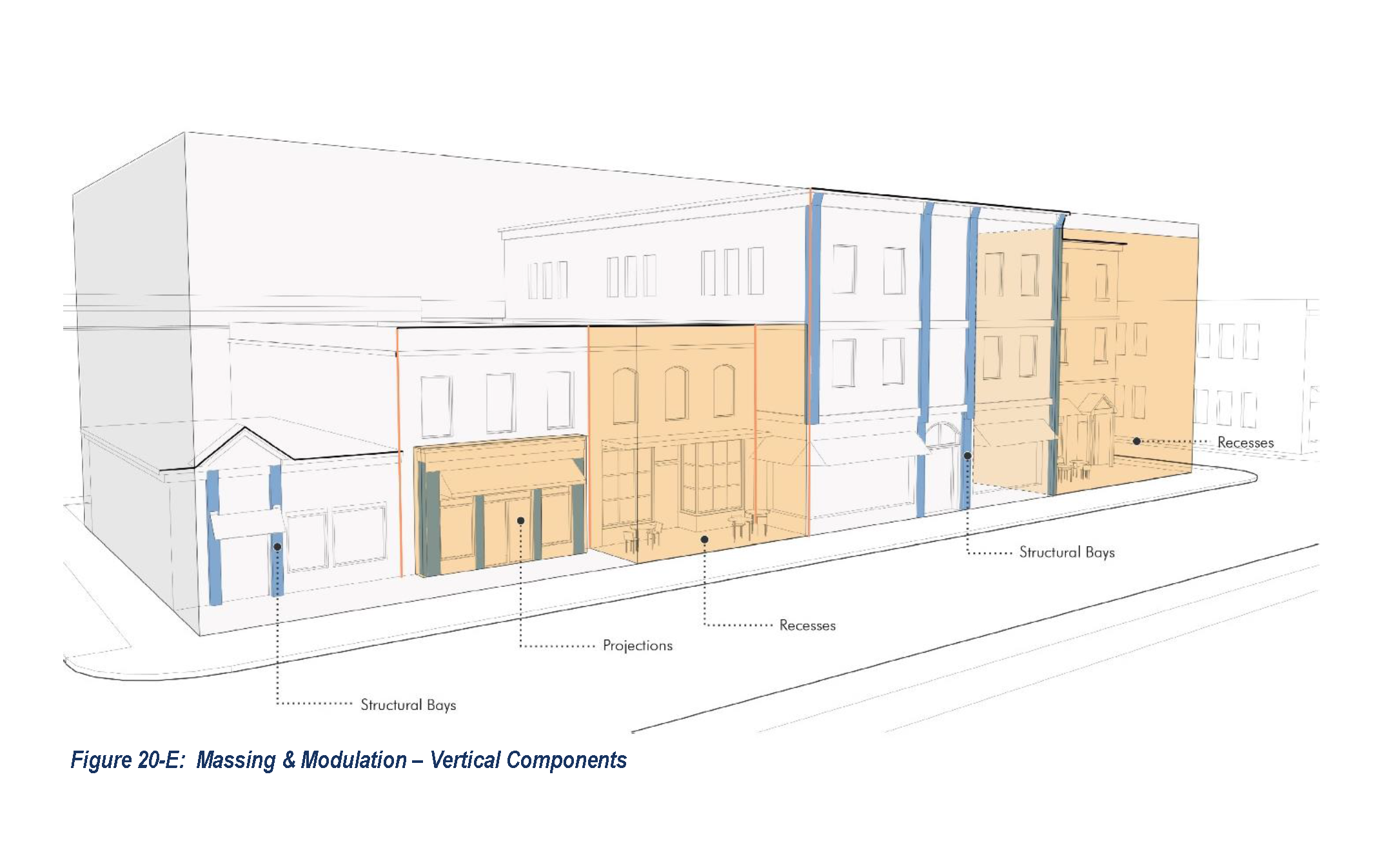
Massing and Modulation. Larger façades shall be broken into smaller components by one or a combination of the following techniques at intervals specified in Table 20-2 (Massing and Modulation):
a.
Use structural bays that emphasize vertical breaks in interior components of the building, with visible features such as columns, pillars, or pilasters, and material, color changes or other details and accents associated with the massing element that project between four inches and twelve (12) inches off the façade.
b.
Differentiate massing with projections, balconies, cantilevers or step backs from the main mass associated with different stories. Massing shall create deviations in the wall plane of at least two feet if projecting from the façade and at least four feet if recessed from the façade.
c.
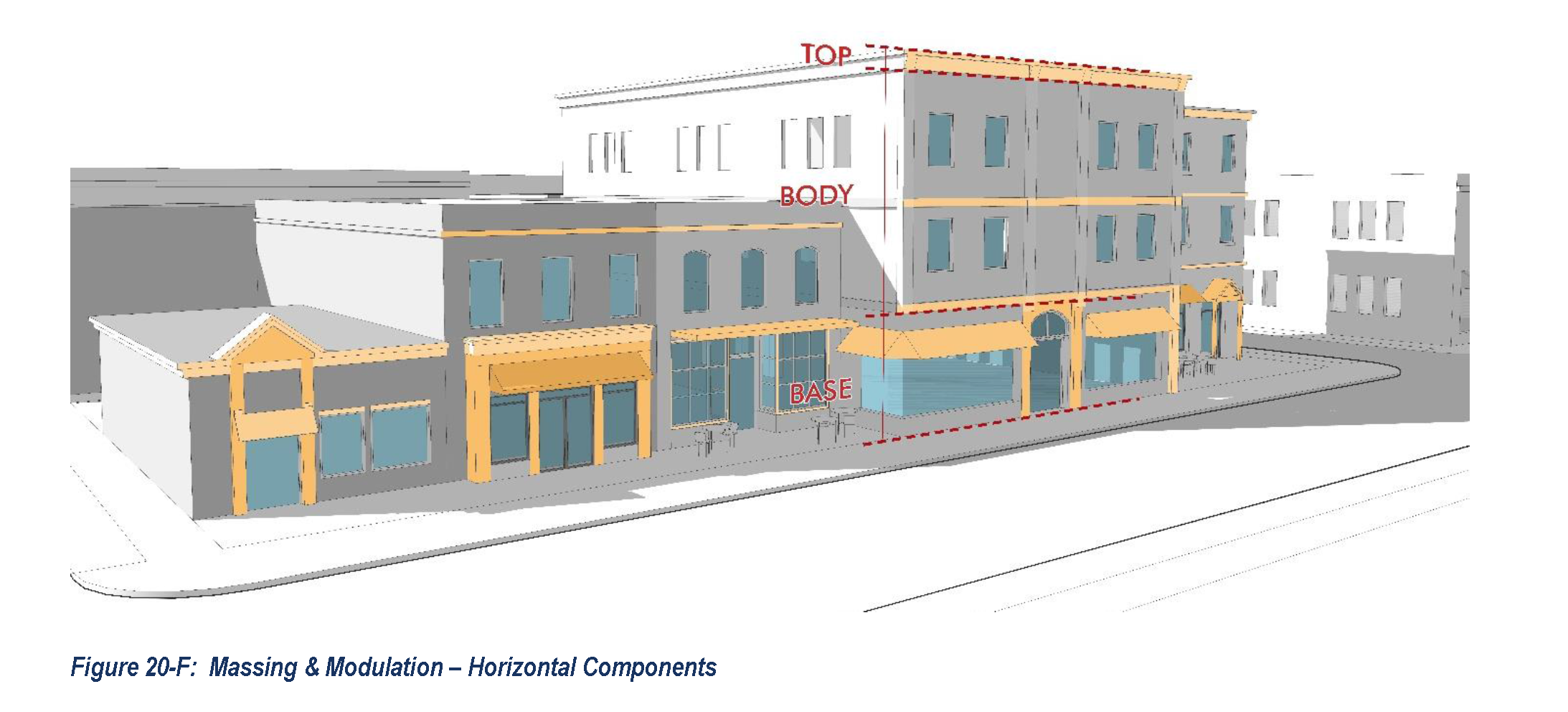
Horizontal differentiation of a base, body and top of all buildings.
(1)
For buildings less than three stories, this can be a distinct foundation, a main façade, and an embellished roof structure, such as eaves and fascia for pitched roofs, or cornices and parapets for flat roofs.
(2)
For buildings three stories or more, the first floor should be clearly differentiated from upper stories to establish the base.
d.
Any other blank wall areas in excess of the requirements of Table 20-2 shall be broken up by ornamental architectural details complimentary to the materials and architectural style of the building.
F.
Frontage Design.
1.
Design Objectives. Frontage design coordinates multiple lots and buildings along a streetscape and reinforces the character of the block or district. Lot access, streetscape, and open space design along lot frontages should meet the following objectives:
a.
Balance vehicle access and pedestrian access based on the overall development pattern and block and lot structure.
b.
Use streetscape design to improve the appearance and function of lots and buildings.
c.
Design the remaining unbuilt portions of lot frontages, including landscape, open space or other screens and buffers depending on the context of the lot and the type of street frontage.
2.
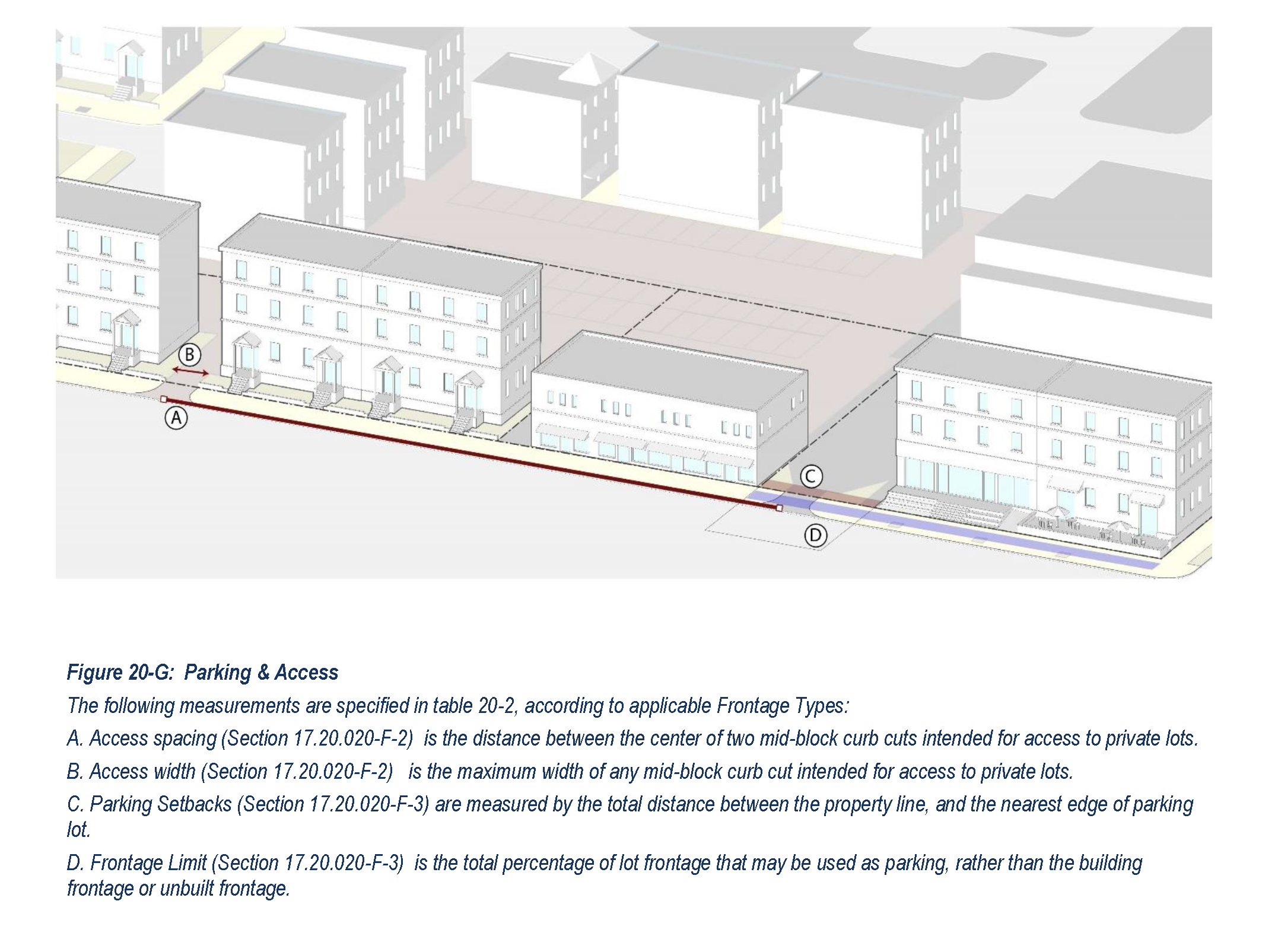
Access Limits. Private access to individual lots shall be limited by the separation distances specified in Table 20-2, measured on center, and limited to the maximum widths specified in the table. In cases where access is prohibited by these standards the rear or mid-block alleys, access from side streets, or through access shared by two or more lots along the block shall be used.
3.
Parking Location and Extent. Surface parking shall be limited to the setback distances specified in Table 20-2, and any portion of the parking not screened by a building or active open space shall be limited to the percent of the frontage specified in the table.
Exceptions to these limits may only be approved by the planning commission through the site plan process.
4.
Walkable Frontage Streetscapes. The following standards apply to the Walkable A, B, and C, and Boulevard Gateway frontages.
a.
Street trees shall be planted every twenty-five (25) feet to forty (40) feet.
b.
For any non-building portion of the lot frontage, or where buildings are setback more than twenty (20) feet, additional trees shall be planted along the building line at the same interval to fill the void with vertical landscape elements.
c.
Any parking area permitted within thirty (30) feet of the street shall be screened from the street edge with a two and one-half foot to four-foot wall or ornamental fence complementing the materials of the building, a dense landscape hedge, or a combination of both.
5.
Service Frontage Streetscapes. The following standards apply to the Service A and B frontages.
a.
Street trees every forty (40) feet on center along Service A frontages but are not required on Service B frontages.
b.
Any outdoor storage areas or activities shall be screened from the street in the following manner:
(1)
A solid wood or vinyl fence or decorative wall made of material complementing the primary material of the building.
(2)
A dense landscape screen meeting the planting requirements of a Level 4 buffer in Section 17.24.030.
G.
Open and Civic Space.
1.
Design Objective. A hierarchy of different types, sizes and ownership (public, common, and private) open space is an extension of the public realm that shapes the character of distinct places, provides a focal point for development, and creates active gathering space.
2.
Open Space Requirement. Buildings in the C-1, C-2, C-3 and CIO districts shall require designed and active open space according to Table 20-3. The open shall be designed according to the types specified in Section 17.24.020.
Table 20-3: Open Space Standards—Commercial and Mixed Use Buildings
3.
Residential Mixed-use. The requirement for open space in mixed-use buildings with residential units can have up to 50% or of the required space made up of private spaces only accessible to the unit, such as balconies or courtyards.
(Ord. No. 9212, § 3(Exh. A), 7-2-2019; Ord. No. 9392, §§ 1—3, 4-20-2021)
17.20.030 - Commercial and mixed-use design standards.
A.
Intent. The intent of the commercial and mixed-use design standards is to promote four-sided architecture and site design, maintain the quality and appearance of distinct places in the community, and improve the relationship of the buildings and sites to their context, public streetscapes and other open and civic spaces.
B.
Applicability. The commercial and mixed-use design standards shall apply to all areas that are zoned CIO, C-1, C-2 or C-3, that are not within the boundaries of the Urban Areas Frontage Map, in Figure 20-A.
C.
Building and Site Design.
1.
Street Front Buildings. Any building located within twenty (20) feet of a public street shall be designed according to the Walkable B frontage standards defined in Table 20-1. The director or planning commission may require design according to the Walkable A standards on any street that has an exceptional pedestrian character and quality in terms of the streetscape design, its context, and importance in the overall network, or where the city has otherwise participated in the planning or construction of an enhanced streetscape.
2.
Buffer. A Level 3 buffer according to the standards in Section 17.24.030 shall be designed along all street and right-of-way edges of the property, except where Street Front Walkable A or B designs are required.
3.
Open Space. The site design shall include open space of at least ten (10) of the building footprint designed according to the open space types in Section 17.24.020.
4.
Massing and Modulation. Any façade between twenty-one (21) and one hundred (100) feet from a street or right-of-way shall meet the following massing and modulation standards to ensure that no wall plan is longer than one hundred fifty (150) feet without some architectural feature or modulation of the building form through one or a combination of the following:
a.
Use structural bays that emphasize vertical breaks in interior components of the building, with visible features such as columns, [pillars], or pilasters, and material, color changes or other details and accents associated with the massing element that project between four inches and twelve (12) inches off the façade.
b.
Differentiate massing with projections, balconies, cantilevers or step backs from the main mass associated with different stories. Massing shall create deviations in the wall plane of at least one and one-half feet if projecting from the façade and at least four feet if recessed from the façade.
c.
Horizontal differentiation of a base, body and top of all buildings.
(1)
For buildings less than three stories, this can be a distinct foundation, a main façade, and an embellished roof structure, such as eaves and fascia for pitched roofs, or cornices and parapets for flat roofs.
(2)
For buildings three stories or more, the first floor should be clearly differentiated from upper stories to establish the base.
d.
Any other blank wall areas in excess of the requirements of two thousand (2,000) square feet shall be broken up by ornamental architectural details complimentary to the materials and architectural style of the building.
5.
Materials. Selection and application of materials add depth, texture, and color to the composition of walls. Design and detailing of materials should create an integrated relationship between different architectural elements of buildings, complement context, and signify enduring investment in the community. Material shall meet the following:
Table 20-4: Commercial and Mixed Use Building Materials
6.
Front Façade. The front of the building, whether facing a street, public space or orienting internally, shall be designed as follows:
a.
A front entry feature at least every one hundred fifty (150) feet on the building frontage;
b.
Ground floor transparency of either:
(1)
Forty (40) percent to ninety (90) percent on the entire façade or
(2)
Sixty (60) percent to ninety (90) percent within twenty-five (25) feet of both sides of the front entry feature.
c.
Upper level transparency shall be within fifteen (15) percent and forty (40) percent for each story.
7.
Other Site Design Elements. All sites shall be designed according to the open space and landscape design standards in Chapter 17.24 and the access and parking standards in Chapter 17.28.
(Ord. No. 9212, § 3(Exh. A), 7-2-2019)

