
Paso Robles City Zoning Code
ARTICLE 3
- ZONING DISTRICTS, ALLOWABLE USES, AND DEVELOPMENT STANDARDS
21.32.010 - Land use regulations in zoning districts.
A.
Allowed Uses. Table 21.32-1 (Zoning District Use Regulations) indicates the uses allowed within each zoning district and any permits required to establish the use, pursuant to Article 2 (Code Administration and Permits). Land uses are defined in Chapter 21.91 (Land Use Definitions). Uses defined in Chapter 21.91 (Land Use Definitions) and not listed in Table 21.32-1 (Zoning District Use Regulations) are prohibited. Additional permits may be required for development projects and construction.
B.
Zoning Administrator Determination. Land uses are defined in Chapter 21.91 (Land Use Definitions). In cases where a specific land use or activity is not defined, the zoning administrator shall assign the land use or activity to a classification that is substantially similar in character. Land uses not listed in the table or not found to be substantially similar to the land uses listed in the table are prohibited.
C.
Specific Use Regulations. Where the last column in Table 21.32-1 (Zoning District Use Regulations) includes a chapter, section, subsection, or paragraph, the regulations in the referenced chapter, section, subsection, or paragraph shall apply to the use. Additionally, there may be limits and restrictions within overlay zoning districts and specific plan areas.
D.
Abbreviations of Zoning Districts in Table 21.32-1. The first row in Table 21.32-1 includes all zoning districts by abbreviation. The full name of each zoning district is:
1.
R-A: Residential Agriculture.
2.
R-1: Single Family Residential.
3.
R-2: Low Density Multi-Family Residential.
4.
R-3: Medium Density Multi-Family Residential.
5.
R-4: Medium High Density Multi-Family Residential.
6.
R-5: High Density Multi-Unit Family Residential.
7.
OP: Office Professional.
8.
CP: Neighborhood Commercial.
9.
C-1: General Retail Commercial.
10.
C-2: Highway Commercial.
11.
C-3: Commercial/Light Industrial.
12.
RC: Regional Commercial.
13.
RL: Resort/Lodging.
14.
M: Industrial.
15.
PM: Planned Industrial.
16.
AP: Airport.
17.
AG: Agricultural.
18.
POS: Parks and Open Space.
19.
OS: Open Space.
20.
PF: Public Facilities.
Table 21.32-1: Zoning District Use Regulations
EXPLANATION OF CODES USED IN THIS CHART
A (administrative use) denotes a land use which requires approval of an administrative use permit per Chapter 21.19 (Conditional Use Permits and Administrative Use Permits).
P (permitted use) denotes a land use that is permitted.
C (conditional use) denotes a land use that requires approval of a conditional use permit (CUP) per Chapter 21.19 (Conditional Use Permits and Administrative Use Permits).
— (non-permitted use) denotes a land use that is not permitted.
T (temporary use) denotes a land use that requires approval of a temporary use permit per Chapter 21.20 (Temporary Use Permits).
* A specific use regulation applicable only to the zoning district in which the * (or **, or ***) is listed.
(Ord. No. 1144 N.S., § 3(Exh. A), 10-1-2024)
21.33.010 - Purpose and applicability.
A.
Residential Zoning Districts Purpose. The purpose of the residential zoning districts is to:
1.
Accommodate a full range of housing types and densities consistent with the general plan;
2.
Preserve, protect, and enhance the character of residential neighborhoods;
3.
Ensure adequate light, air, privacy, and open space for each dwelling;
4.
Ensure that the scale and design of new development and alterations and additions to existing structures are compatible with the scale, mass, and character of their neighborhoods; and
5.
Provide sites for public and semi-public land uses, such as parks and public safety facilities, that will serve city residents and will complement surrounding residential development.
B.
Residential Agricultural Zoning District (R-A) Purpose. The R-A zoning district is intended to accommodate semi-rural, detached single-family dwellings. This zoning district implements the general plan residential suburban and agriculture designations.
C.
Single-Family Residential Zoning District (R-1) Purpose. The R-1 zoning district is established to accommodate detached single-family dwellings developed at a density between one and six units per acre. This zoning district implements the general plan residential single family designation.
D.
R-Combining District: B Zoning Districts (B-1, B-2, B-3, B-4, B-5) Purpose. The B zoning district is established to encourage and preserve rural areas of the city developed with and planned for low-density residential neighborhoods away from its core. The B zoning district is a combining district that provides additional regulations regarding lot standards and minimum setbacks in the R-1 zoning district.
E.
Low Density Multi-Family Residential Zoning District (R-2) Purpose. The R-2 zoning district is established to accommodate low-scale attached housing types and implements the general plan residential, multiple-family, low density designation.
F.
Medium Density Multi-Family Residential Zoning District (R-3) Purpose. The R-3 zoning district is established to accommodate multi-family housing types and implements the general plan residential, multiple-family, medium density designation.
G.
Medium Density Multi-Family Residential/Office Professional Zoning District (R-3-O) Purpose. The R-3-O zoning district is established to accommodate a combination of multi-family housing types and office professional uses, and implements the general plan residential, multiple-family, medium density and office professional designations.
H.
Medium High Density Multi-Family Residential Zoning District (R-4) Purpose. The R-4 zoning district is established to accommodate multi-family buildings and mobile home developments. This zoning district implements the general plan residential, multiple-family, medium-high density designation.
I.
High Density Multi-Family Residential Zoning District (R-5) Purpose. The R-5 zoning district is established to accommodate multi-family buildings and implements the general plan residential, multiple-family, high density designation.
(Ord. No. 1144 N.S., § 3(Exh. A), 10-1-2024)
21.33.020 - Land use regulations.
Uses permitted by right and subject to approval of a conditional use permit shall be as listed in Chapter 21.32 (Land Use Regulations in Zoning Districts). Conditional Use Permits applications shall be processed pursuant to Chapter 21.19 (Conditional Use Permits and Administrative Use Permits).
(Ord. No. 1144 N.S., § 3(Exh. A), 10-1-2024)
21.33.030 - Development standards in single-family residential zoning districts (R-A, R-1, and RS).
A.
General Development Standards.
1.
Standards. New structures and alterations to existing structures shall be designed and constructed in compliance with the requirements in Table 21.33.030-1 (General Development Standards for Single-Family Residential Zoning Districts).
2.
Process. Chapter 21.15 (Development Review) is required prior to building permit issuance for any structure, or to relocate, rebuild, or significantly enlarge or modify any existing structure or site.
B.
Additional Regulations. In addition to other sections of the zoning code:
1.
Exceptions and additional regulations are included in Section 21.33.040 (Additional Residential Development Standards in Single-Family Residential Zoning Districts).
2.
See also the development standards in Article 4 (Regulations and Standards Applicable to All Zoning Districts).
Table 21.33.030-1: Development Standards for R-A, R-1 and R-1 Combining Districts
Notes:
1.
See Section 21.41.120 (Determining Setbacks) and Section 21.41.130 (Projections into Setbacks).
2.
This setback pertains to garage doors with sectional, roll-up doors that open directly toward a street. Garages with single-panel, swing-up doors that open directly toward a street shall be set back at least twenty-five feet from the property line.
3.
Detached accessory structures (as defined in Section 21.92.190 ["Structure, Detached Accessory"]) shall not be located closer to the front property line than the front wall of the main structure oriented toward the street.
(Ord. No. 1144 N.S., § 3(Exh. A), 10-1-2024)
21.33.040 - Additional development standards in single-family residential zoning districts.
A.
Additional Setback Standards.
1.
Modifications.
a.
Front Setback Reduction. A reduction in the required front setback to no less than five feet may be allowed through a development plan modification (Section 21.16.020) if, in addition to the findings of Subsection 21.16.020(D), all of the following findings can be made:
i.
The reduction is necessary to preserve oak trees and/or minimize major grading;
ii.
The project maintains either a twenty-foot setback from the garage door or a five-foot setback from the garage door, if the garage door faces the street; and
iii.
The reduced setback would not be inconsistent with an established neighborhood pattern.
b.
Rear Setbacks Reduction Adjacent to Public School District-Owned Property. On R-1 zoned properties that have rear setbacks that back up to public school district-owned public facilities (explicitly excluding properties with rear setbacks that abut public streets or alleys, detention basins, bike paths), a site plan modification (Section 21.17.020) may be allowed to reduce rear setbacks to a minimum of ten feet for single-story additions to existing buildings. This reduction in rear setbacks may not be approved in conjunction with new home construction. In approving such a request, the review authority shall consider impacts on the views, privacy, and other concerns of abutting property owners, and make the required findings (Subsection 21.17.020(C)).
c.
Lot Size and Width. Within R-A and R-1 zoning districts, modifications to lot size and width may be allowed through a development plan modification (Section 21.16.020) if, in addition to the findings of Subsection 21.16.020(D), the following findings can be made:
i.
The modification would facilitate a superior site design (such as to cluster lots to preserve natural resources); and
ii.
The project as a whole does not exceed maximum allowed density.
B.
Structure Separation Standards.
The minimum separations between detached structures, both main and accessory, shall be six feet, as measured from the exterior walls or vertical posts to support roofs. To be considered attached, structures shall be made structurally a part of, and shall have a common roof with, the primary structure (s), except patio covers may be considered attached but located away from the building as allowed by Subsection 21.43.030(B) (Attached Patio Covers in Residential Zoning Districts).
C.
Additional Detached Accessory Structure Standards.
1.
Standards—General. Detached accessory structures shall conform to the following requirements:
a.
The cumulative gross floor area of all detached accessory structures on a lot shall not exceed fifty percent of the gross floor area, including any attached garage, of the primary structure.
b.
Detached accessory structures shall be located behind the front plane (and/or street side plane, as applicable) of the primary structure.
c.
Detached accessory structures shall be constructed to be architecturally compatible with the primary structure(s) in terms of materials, colors, relief treatment for elevations, and roofing materials. The zoning administrator shall make determinations of compatibility.
2.
Modifications—General.
a.
Large Detached Accessory Structures—Process. Modifications to standards for large detached accessory structures (over one hundred twenty square feet) may be allowed through a development plan modification (Section 21.16.020).
b.
Small Detached Accessory Structures—Process. Modifications to standards for small detached accessory structures (one hundred twenty square feet or smaller) may be allowed through a site plan modification (Section 21.17.020).
c.
Findings. In approving such a request, the review authority shall consider impacts on the views, privacy, and other concerns of abutting property owners, and make the required findings Subsection 21.16.020(D) or Subsection 21.17.020(C), as applicable.
3.
Modifications for Shelters for Recreational Vehicles, Boats, Campers, Travel Trailers, or Similar Vehicles. See Paragraph 21.43.030(C)12.
D.
General Architectural Requirements for Primary Structures.
1.
Roofs.
a.
Allowed Roof Types. Roofs shall be one of the following types:
i.
Gable;
ii.
Shed; or
iii.
Hipped.
b.
Regulations for All Roofs. All roofs shall:
i.
Have a pitch of at least 3:12;
ii.
Have at least two planes/orientations; and
iii.
Have eaves, rakes, or overhangs, extending the length of the roof, with an eighteen-inch minimum projection.
iv.
Roofing materials shall consist of concrete or clay tile, fire-retardant wood shake, asphalt composition, or other similar noncombustible material. Metal roof materials for single-family homes and detached accessory structures are not allowed unless approved through a site plan modification, consistent with Paragraph 21.33.040(D)5.
2.
Siding. Siding shall consist of stucco, wood, fiber cement, brick, or other similar hard, durable material. Metal siding material for single-family homes and detached accessory structure is not allowed unless approved through a site plan modification, consistent with Paragraph 21.33.040(D)5.
3.
Required Entryway Distinction. Frontages facing the public right-of-way shall include a porch, gabled entry, distinct change in roof line or columns, or have some other significant architectural distinction to define the entryway. On corner lots, the street side façade is not required to comply. See Figures 21.50.070-4 and 21.50.070-5 for typical entryway features.
4.
Transparencies. All front and street side elevations shall incorporate windows and transparent openings that constitute a minimum of ten percent of the applicable elevation.
Figure 21.33.040-1: Transparencies in Single-Family Developments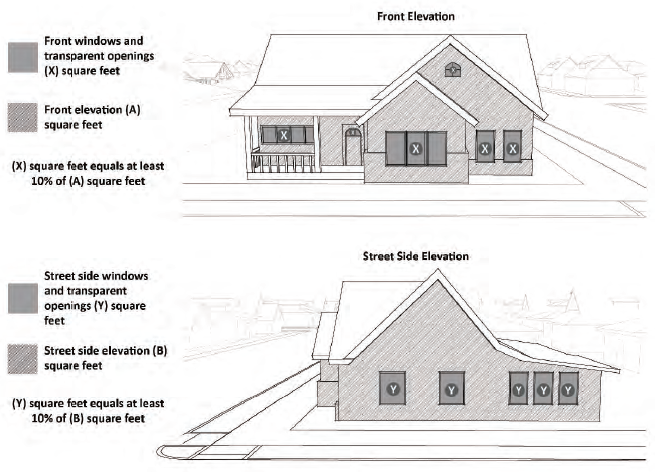
_____
5.
Modifications.
a.
General. Modifications to architectural requirements for primary structures may be allowed through a site plan modification (Section 21.17.020). In approving such a request, the review authority shall consider impacts on the views, privacy, and other concerns of abutting property owners, and make the required findings (Subsection 21.17.020(C)).
b.
Metal Exterior Building Conditions. In addition to the required findings for a site plan modification (Subsection 21.17.020(C)), for projects that include a request for metal exterior building materials, the review authority shall find:
i.
The material and the way that it is proposed to be applied to the structure is compatible with the architectural theme of the structure;
ii.
The material would not conflict with the residential character of the home and surrounding neighborhood;
iii.
The proposed use of and manner in which it would be applied demonstrates a high quality of craftsmanship; and
iv.
The design and materials used for primary structure and detached accessory structures on the same lot are compatible.
E.
Parking Design. Each single-family residence shall be provided with two covered parking spaces. See Section 21.48.100 (Parking Area Design and Development Standards).
(Ord. No. 1144 N.S., § 3(Exh. A), 10-1-2024)
21.33.050 - Development standards in multi-family residential (R-2, R-3, R-4, R-5) zoning districts.
A.
General Development Standards. New structures and alterations to existing structures shall be designed and constructed in compliance with the requirements in Tables 21.33.050-1 (Multi-family Zoning Districts Maximum Density Based on Average Slope) and 21.33.050-2 (General Development Standards for Multi-Family Residential Zoning Districts).
B.
Additional Regulations. In addition to other sections of the zoning code:
1.
Exceptions and additional regulations are included in Section 21.33.060 (Additional Residential Development Standards in Multi-Family Residential Zoning Districts);
2.
Additional regulations for properties adjacent to single-family zoning districts are included in Section 21.33.070 (Additional Regulations for Properties Adjacent to Single-Family Residential (R-1) Zoning Districts); and
3.
See also the development standards in Article 4 (Regulations and Standards Applicable to All Zoning Districts.
_____
Table 21.33.050-1: Multi-family Zoning Districts Maximum Density Based on Average Slope
Figure 21.33.050-1: R-2 and R-3 zoned lots in Blocks 1-196 of the Original Subdivision
of the City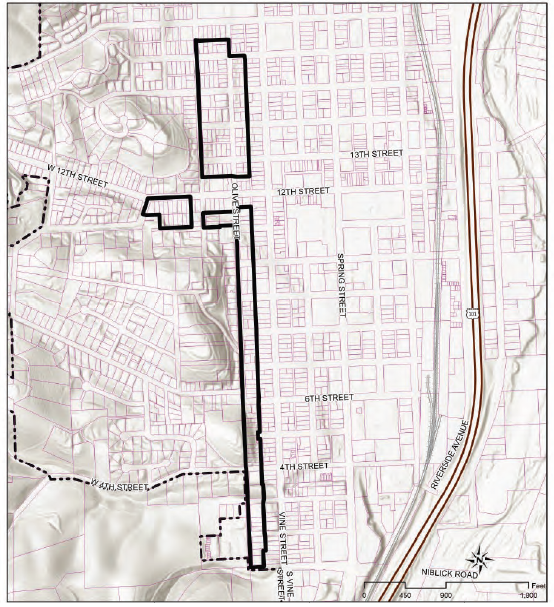
Table 21.33.050-2: General Development Standards for Multi-Family Residential Zoning Districts
(Ord. No. 1144 N.S., § 3(Exh. A), 10-1-2024)
21.33.060 - Additional development standards in multi-family residential zoning districts.
A.
Special Density Standards. Where the zoning districts listed in Table 21.33.060-1 appear on the zoning map, the density limits listed in Table 21.33.060-1 shall apply, regardless of the underlying average slope category and density listed in Table 21.33.050-1. All other development standards applicable in the general zoning district (for example, R-2, R-3, R-4, R-5) shall apply.
Table 21.33.060-1: Special Density Standards
B.
Setback Requirements. All structures shall comply with the setback requirements in Table 21.33.060-2. For townhouse-type condominium units and small lot developments with individual lots for each unit, setbacks from the property lines defining each unit are not required. However, all primary and accessory buildings shall be set back from the project's exterior property lines as indicated in Table 21.33.060-2.
Table 21.33.060-2: Setbacks in Multi-Family Zoning Districts1
C.
Detached Accessory Structures.
1.
Standards.
a.
Gross Floor Area. For projects with four or fewer units, the cumulative gross floor area of all detached accessory structures on a lot (excluding clubhouses and/or common recreation rooms) shall not exceed fifty percent of the gross floor area, including any attached garage, of the primary structure(s). Applicants may apply for an exception to this requirement through a development plan modification request (Section 21.16.020).
b.
Location. In addition to the standards listed in Table 21.33.060-2 (Setbacks in Multi-Family Zoning Districts), detached accessory structures shall be located behind the front plane of the primary structure closest to the public right-of-way.
2.
Modifications.
a.
Large Detached Accessory Structures—Process. Modifications to standards for large detached accessory structures (over one hundred twenty square feet) may be allowed through a development plan modification (Section 21.16.020).
b.
Small Detached Accessory Structures—Process. Modifications to standards for small detached accessory structures (one hundred twenty square feet or smaller) may be allowed through a site plan modification (Section 21.17.020).
c.
Findings. In approving such a request, the review authority shall consider impacts on the views, privacy, and other concerns of abutting property owners, and make the required findings (Subsection 21.16.020(D) or Subsection 21.17.020(C), as applicable).
3.
Modifications for Shelters for Recreational Vehicles, Boats, Campers, Travel Trailers, or Similar Vehicles. See Paragraph 21.43.030(C)12.
D.
Structure Separation Standards. The minimum separations between detached structures, both main and accessory, shall be ten feet, as measured from the exterior walls or vertical posts to support roofs. To be considered attached, structures shall be made structurally a part of, and shall have a common roof with a primary structure.
E.
Open Space and Recreational Amenities.
1.
Size and Type of Open Space. Required open space may be provided as private (for the exclusive use of the residents of one dwelling unit), shared (accessible to all of the residents of a development), or a combination of private and shared open spaces. Private open space shall have 1.5 times the value of shared open space. That is, a two hundred square foot private open space area will be the equivalent of three hundred square feet of shared open space.
a.
Private open space, when provided, shall comply with the following standards:
i.
Ground floor units: an area enclosed with a three- to six-foot-high fence with a minimum area of one hundred square feet. No ground floor private open space shall be located within the front or street side setback.
ii.
Upper floor units: a private balcony with a minimum area of fifty square feet. This area shall not include walkways to adjacent units.
b.
Shared open space, when provided, shall comply with the following standards:
i.
Slope of ten percent or less.
ii.
Minimum horizontal dimension of fifteen feet.
iii.
Not be located within front or street side setbacks, buildings, parking, or drive areas but may be located within interior side and rear setbacks.
c.
Roof-top open space (such as balcony or deck over a garage) is eligible as part of the calculation for open space. If access is limited to individual units, it shall be considered private open space. If access is available to multiple units, it shall be considered shared open space.
d.
See Subsection 21.45.020(E) (Residential Open Space Areas).
2.
Recreational Amenities.
a.
Playgrounds. Children's playgrounds, including permanent play equipment designed for children of all abilities and ages, are required consistent with Table 21.33.060-3 (Open Space Required Amenities). Senior housing is exempt from this requirement.
b.
Other Amenities. Other recreational amenities include, but are not limited to, picnic areas with barbecue pits and tables, spas, pools, clubhouses and recreation rooms, sports courts (such as basketball courts and half-courts, tennis courts pickleball courts). Other recreational amenities are required consistent with Table 21.33.060-3 (Open Space Required Amenities).
c.
Provision of Playgrounds and Amenities. See Table 21.33.060-3 (Open Space Required Amenities).
Table 21.33.060-3: Open Space
Required Amenities
d.
Playgrounds shall comply with the following:
i.
Playgrounds shall be located in areas that are safely accessible and easily supervised.
ii.
Each playground shall include a minimum of three permanent play equipment features (such as slide, swings, monkey bars, etc.) designed for children of all abilities and ages, or the equivalent in size, scale, and recreation diversity.
iii.
One or more playgrounds may be combined as a larger playground, as long as the cumulative number of play equipment features complies with Subparagraph 21.33.060(E)2.c.
iv.
Each playground shall incorporate shade trees or shade structures.
e.
Amenities such as barbecue areas, picnic tables, and adult supervision areas for playgrounds shall be well landscaped to provide a shaded environment for the users.
f.
Multi-family residential developments consisting of forty or more dwelling units shall provide either a community/recreation room or a day care center. The minimum size of such a facility shall be no less than twenty square feet for each dwelling unit in the development and shall be a minimum of one thousand two hundred square feet. If a day care center is provided, it shall be operated in accordance with state law governing day care services.
g.
The nature, design, and adequacy of all playgrounds and other recreation amenities shall be subject to planning commission approval as part of a development plan.
3.
Modifications. Modifications to open space requirements may be allowed through a site plan modification (Section 21.17.020). In approving such a request, the review authority shall make the findings required for a site plan modification (Subsection 21.17.020(C)).
F.
Other Amenities.
1.
Laundry Rooms. Multi-family developments with five or more dwelling units shall either provide washer and dryer hook-ups in each unit or provide a laundry room (or rooms) with one washer and one dryer for every eight dwelling units. Fractions shall be rounded to nearest whole number.
2.
Bus Shelters. A bus shelter shall be installed at each multi-family development with thirty-two or more dwelling units, unless exempted by the zoning administrator. Reasons for such exemptions may include the existence of sufficient bus shelters in close proximity to the subject development or unlikelihood of bus routes being extended to the subject development. The type and design of the bus shelter shall conform to standards adopted by the city council.
3.
Storage Rooms/Lockers. For each dwelling unit in a multi-family development, a separate, enclosed, lockable storage space at least two hundred fifty cubic feet in area shall be provided. Such storage space may be located:
a.
In a carport allocated to such unit (if a garage is provided to a dwelling unit, the storage requirement is deemed to be met); or
b.
Attached to such unit, but accessible only from the exterior; or
c.
Elsewhere in the development but not interior to any residential unit (such as in a storage building).
G.
Subdivisions to Create Detached Single-Family Units in Multi-Family Zoning Districts. For projects that meet the definition of a "small home lot development" pursuant to California Government Code Section 66499.40, where a conflict exists between this section and California Government Code Section 66499.40, California Government Code Section 66499.40 shall prevail.
H.
Refuse and Recycling Areas. In compliance with Chapter 21.51 (Refuse and Recycling Areas).
I.
Mechanical Equipment and Screening. In compliance with Chapter 21.47 (Mechanical Equipment and Screening).
J.
Prohibition on Vehicle Repair. Major repair of vehicles and equipment, whether or not owned by residents, shall be prohibited in parking lots, front and street side yards, and any required open space areas. Major repair includes major engine or transmission/differential overhaul and body work.
K.
Modifications for Garage Door Setbacks. Modifications to garage door setback requirements may be allowed through a development plan modification (Section 21.16.020) for projects on private streets. In approving such a request, the review authority shall make the findings required for a development plan modification (Subsection 21.16.020(D)), and where it can be demonstrated that such a modification will allow for:
1.
A minimum of twenty-four feet clear backup space for vehicles;
2.
A setback of no less than five feet; and
3.
Adequate space to open the garage door.
(Ord. No. 1144 N.S., § 3(Exh. A), 10-1-2024)
21.33.070 - Development standards in the multi-family residential/office professional (R-3-O) zoning districts.
A.
General Development Standards. See Section 21.33.050 (Development Standards in Multi-Family Residential Zoning Districts) and Section 21.33.060 (Additional Development Standards in Multi-Family Residential Zoning Districts)
B.
Uses Allowed. Uses permitted by right and subject to approval of a conditional use permit shall be as listed in Chapter 21.32 (Land Use Regulations in Zoning Districts) for the Office Professional (OP) zoning district.
(Ord. No. 1144 N.S., § 3(Exh. A), 10-1-2024)
21.33.080 - Additional regulations for properties adjacent to single-family residential (R-1) zoning districts.
A.
Standards for Multi-family Residential Adjacent to Single Family Residential Zoning Districts. See Section 21.50.090 (Transition to Adjacent R-1 Zoning District).
(Ord. No. 1144 N.S., § 3(Exh. A), 10-1-2024)
21.34.010 - Purpose and applicability.
A.
Commercial, Industrial, and Airport Zoning Districts Purpose. The purposes of the commercial, industrial, and airport zoning districts are to:
1.
Provide opportunities for a variety of commercial and industrial business types that contribute to the diversity and stability of the city's economy.
2.
Encourage a diverse mix of goods, services, office, and research and development uses, including small and independent businesses, to enrich the lives of residents, employees, and visitors and increase employment opportunities.
3.
Promote commercial and industrial development that will enhance the identity and vitality of specific areas and corridors.
4.
On a case-by-case basis, allow for residential uses via the mixed-use overlay district to create walkable, complete neighborhoods.
B.
Office Professional Zoning District (OP) Purpose. The office professional zoning district is intended to provide opportunities for the establishment of professional and commercial offices, along with limited retail and services land uses, while preserving residential character and residential uses within existing neighborhoods. Innovative uses of existing structures shall be encouraged. All new activities and new construction/remodeling shall not detract from the existing character of the neighborhood, particularly with regards to design compatibility with buildings listed in the city's inventory of historic structures.
C.
Neighborhood Commercial Zoning District (CP) Purpose. The neighborhood commercial zoning district provides locations for convenience shopping and personal service businesses that cater to the surrounding neighborhood.
D.
General Retail Commercial Zoning District (C-1) Purpose. The general retail commercial zoning district is established to provide areas for a diversity of retail, service, and entertainment-related commercial businesses, either as stand-alone enterprises or clustered in shopping centers or districts. The range of uses are intended to be those that serve city-wide needs.
E.
Highway Commercial Zoning District (C-2) Purpose. The highway commercial zoning district is established to provide areas for vehicle-oriented and commercial service uses. The range of uses is intended to serve city-wide and regional needs.
F.
Commercial/Light Industrial Zoning District (C-3) Purpose. The commercial/light industrial zoning district is established to provide areas for more intense commercial operations and light industrial uses, serving residents and providing opportunities for diverse and compatible light industrial and creative business enterprises.
G.
Regional Commercial Zoning District (RC) Purpose. The regional commercial zoning district is established to provide areas where diverse commercial enterprises can work together to meet retail shopping demands locally and regionally.
H.
Resort/Lodging Zoning District (RL) Purpose. The resort/lodging zoning district is established to provide areas for visitor-oriented lodging and recreation opportunities near tourism and visitor-oriented destinations.
I.
Industrial Zoning District (M) Purpose. The industrial zoning district is established to provide areas for general industrial uses, such as manufacturing and fabrication, industrial services, outside storage, vehicle repair, warehousing, and wholesale distribution.
J.
Planned Industrial Zoning District (PM) Purpose. The planned industrial zoning district is established to provide areas where innovation and flexibility in the design and function of industrial developments can be achieved.
K.
Airport Zoning District (AP) Purpose. The airport zoning district is established to accommodate properties on the Paso Robles Municipal Airport and within the airport land use plan adopted by the county airport land use commission. Development within the airport zoning district is subject to special review based on the provisions in the airport land use plan. Portions of the airport influence area covered by the airport land use plan are envisioned as the city's opportunity for future industrial development, particularly business parks and industry associated with the potential future expansion of the Paso Robles Municipal Airport. As a result of safety and noise constraints, residential land uses beyond entitlements granted prior to the effective date of these provisions are considered to be an incompatible land use.
(Ord. No. 1144 N.S., § 3(Exh. A), 10-1-2024)
21.34.020 - Land use regulations.
Uses permitted by right and subject to approval of a conditional use permit shall be as listed in Chapter 21.32 (Land Use Regulations in Zoning Districts). Conditional use permits applications shall be processed pursuant to Chapter 21.19 (Conditional Use Permits and Administrative Use Permits).
(Ord. No. 1144 N.S., § 3(Exh. A), 10-1-2024)
21.34.030 - Development standards.
A.
General Development Standards.
1.
Standards. New structures, and alterations to existing structures, shall be designed and constructed in compliance with the requirements in Table 21.34.030-1 (General Commercial, Industrial, and Airport Zoning Districts Development Standards).
2.
Process. Chapter 21.15 (Development Review) is required prior to building permit issuance for any structure, or to relocate, rebuild, or significantly enlarge or modify any existing structure or site.
B.
Additional Regulations. In addition to other sections of the zoning code:
1.
Additional regulations for properties adjacent to residential zoning districts are included in Section 21.34.040;
2.
Exceptions and additional regulations are included in Sections 21.34.050 through 21.34.090 by zoning district;
3.
See also the development standards in Article 4 (Regulations and Standards Applicable to All Zoning Districts); and
4.
See also the adopted commercial and industrial design guidelines.
Table 21.34.030-1: General Commercial, Industrial, and Airport Zoning Districts Development Standards
(Ord. No. 1144 N.S., § 3(Exh. A), 10-1-2024)
21.34.040 - Additional regulations for properties adjacent to residential zoning districts.
A.
Setback Adjacent to Residential Zoning Districts.
1.
All Nonresidential Zoning Districts Except RL. Unless a larger setback is required by another provision of the zoning code, where a nonresidential property line abuts a residential zoning district, the abutting setback shall be:
Interior Side Setback: Five feet
Rear Setback: Ten feet
2.
RL Zoning District. See Subsection 21.34.080(C) (Additional Setback Requirements).
B.
Fence. A solid wall or fence not less than six feet in height shall be placed and maintained on interior lot lines abutting property in a residential zoning district.
C.
Landscape Buffer.
1.
A minimum five-foot-wide landscape buffer (clear of any wall footings) shall be provided adjacent to a residential zoning district. Evergreen screening trees shall be:
a.
Planted at a minimum interval of fifteen feet along interior property lines abutting the residential zoning district;
b.
Consist of species that attains a twenty-foot minimum height at maturity; and
c.
Minimum fifteen-gallon size at time of planting.
D.
Modifications. Modifications to the requirements in this section may be allowed through a development plan modification (Section 21.16.020). In approving such a request, the review authority shall consider impacts on the views, privacy, and other concerns of abutting property owners, and make the findings required for a development plan modification (Subsection 21.16.020(D)).
(Ord. No. 1144 N.S., § 3(Exh. A), 10-1-2024)
21.34.050 - Additional development standards and regulations in OP zoning district.
A.
Site Development Criteria. The site development criteria described below and in Table 21.34.030-1 (Commercial, Industrial, and Airport Zoning Districts Development Standards) shall be used in conjunction with the standards listed in this subsection and the design guidelines set forth in Paragraph 21.34.050(B)2.
1.
Maximum Density: Twelve units/acre.
2.
Maximum Lot Coverage: Seventy-five percent.
3.
Accessory Structures. The cumulative gross floor area of all detached accessory structures on a lot shall be limited to fifty percent of the floor area of the primary structure and shall be architecturally compatible with the primary structure.
B.
Development Review and Design Provisions.
1.
Site Plan Review Required. All new building construction, building additions, exterior remodel, and site improvements in the office professional zoning district shall be subject to site plan review (Chapter 21.17), unless a development plan is required by Subsection 21.16.010(B) (Projects Subject to Development Plan).
2.
Design Considerations. The purpose of these design considerations is to ensure development that is compatible with the existing residential and historic neighborhood context that characterizes much of the office professional zoning district.
a.
Neighborhood Compatibility. The renovation of existing buildings, or the construction of new buildings, shall strive to be compatible with and sensitive to the immediate environment of the site and neighborhood relative to architectural design, scale, bulk, density and unit size; in identity and neighborhood character (historic, residential, or other); in building orientation and setback; and visual integrity.
b.
Historic Character Preservation. See Chapter 21.62 (Historic Preservation).
c.
Access and Circulation. Primary access to the site, along with parking and service areas, should be from a public alley wherever possible. Driveway access from the front of a parcel to parking in the rear is discouraged.
d.
Detached Accessory Structures. Accessory buildings shall be compatible in their function and architectural design to the main/primary building(s) on site, including such features as building style, materials, and roofline.
e.
Fencing and Screening. The use of fences and walls should be consistent with the overall design theme of on-site buildings.
C.
Residential Dwellings.
1.
Primary Use. New residential as a primary use shall comply with development standards of the R-3 multi-family residential zoning district (Sections 21.34.030 and 21.34.050) and Chapter 21.50 (Objective Design Standards for Mixed-Use and Multi-Family Development).
2.
Accessory Use. A limit of one new residential dwelling, accessory to existing office/office related uses, may be established subject to review by the development review committee (for exterior building or site design alterations), provided the new development is consistent with the development and design requirements of this chapter. Such dwelling may be either detached or part of the primary structure containing the office professional use.
(Ord. No. 1144 N.S., § 3(Exh. A), 10-1-2024)
21.34.060 - Additional development standards and regulations in CP and RC zoning districts.
A.
Setbacks.
1.
Front and Street Side Setback Requirements in CP and RC Zoning Districts.
a.
Arterial streets: Twenty-five feet.
b.
Collector and local streets:
i.
Where residential zoning districts face the subject streets either across the street from, or on the same side of the street adjacent to, the RC- or CP-zoned property, the setback shall be twenty-five feet.
ii.
Where commercial, industrial, public facility, or parks and open space zoning districts face the subject streets either across the street from, or on the same side of the street adjacent to, the RC- or CP-zoned property, the setback shall be ten feet; however, along freeway frontage streets, more than ten feet may be required as condition of approval of a development plan.
2.
Interior Side and Rear Setbacks. As part of the development review process (Chapter 21.15), the city may require provision of certain setbacks for buildings, structures, parking and loading spaces and back-up aisles, outside storage areas, outside display areas, trash enclosures, utility transformers, and similar facilities where necessary to provide a buffer between the proposed commercial uses and existing or future neighboring uses.
B.
Requirements for Shared Access, Parking and Other Facilities. To achieve the purposes of this chapter, development plans may be conditioned to provide for future shared motor vehicular, bicycle, and pedestrian access, parking and other facilities (such as drainage basins and utilities) between the subject development site and adjacent properties.
C.
Requirements for Compatible Site and Architectural Design. To achieve the purposes of this chapter, development plans may be conditioned to provide site and architectural design that is compatible with any existing high-quality development on adjacent properties.
D.
Nonconforming Buildings and Sites. For those properties on which buildings were constructed and/or sites completely or partially developed prior to July 1, 1992, where such construction and/or development does not conform to the development standards of this chapter, and which are the subject of development plan applications for new or expanded land uses, the planning commission may, in its review and evaluation of said development plan applications, take either of the following actions as necessary to achieve the purposes of this title and chapter and of the general plan:
1.
Impose conditions of development plan approval to require that certain existing buildings and/or site improvements be reconstructed to meet present standards; and/or
2.
Authorize the continued use of existing buildings and/or site improvements in their nonconforming state.
(Ord. No. 1144 N.S., § 3(Exh. A), 10-1-2024)
21.34.070 - Additional development standards and regulations in C-2, C-3, and PM zoning districts.
A.
Front and Streetside Setbacks in C-2 and C-3 Zoning Districts. In the C-2 and C-3 zoning districts where the frontage in a block (on the same side of the street) is partially in a residential zoning district, a front setback of ten feet and a street side setback of five feet is required. Modifications to this standard may be allowed through a development plan modification (Section 21.16.020) In approving such a request, the review authority shall make the findings required for a development plan modification (Subsection 21.16.020(D)).
B.
PM Zoning District. In the PM zoning district, pavement in the front setback shall be limited to forty percent of the required front setback.
(Ord. No. 1144 N.S., § 3(Exh. A), 10-1-2024)
21.34.080 - Additional development standards and regulations in RL zoning district.
A.
Development Permit Requirements.
1.
All new buildings, major additions, and exterior alterations to existing buildings and structures in the RL district shall be subject to approval of a development plan (Chapter 21.16).
2.
In addition to compliance with Section 21.15.040 (Application Filing, Processing, and Review), development plans in the RL zoning district shall also show conceptual design of major improvements (such as buildings, parking, and drives) on any adjacent vacant or partially developed RL- or RC-zoned lots.
3.
Approval of plans for minor additions, exterior alterations, and sign copy changes may be delegated by the planning commission to the development review committee or to zoning administrator, subject to design guidelines adopted by the planning commission. Minor additions and exterior alterations shall be considered to be those that have minimal visual effect.
B.
Modification for Height. Modification to the height requirement (Table 21.34.030-1) may be allowed through a development plan modification (Section 21.16.020) to allow building heights up to seventy-five feet. In approving such a request, the review authority shall make the findings required for a development plan modification (Subsection 21.16.020(D)).
C.
Additional Setback Requirements. When a parcel adjoins a residential zoning district, including residential zoning districts located in the unincorporated county, side and rear setbacks shall be increased to twenty-five feet along the property line(s) adjacent to the residential zoning district.
(Ord. No. 1144 N.S., § 3(Exh. A), 10-1-2024)
21.34.090 - Additional regulations in the AP zoning district.
A.
Conditional Uses in AP Zoning District. Uses allowed by right and subject to approval of a conditional use permit in the AP zoning district shall be as listed in Chapter 21.32 (Land Use Regulations in Zoning Districts). The use regulations listed in Chapter 21.32 are in addition to those prescribed by the airport land use plan (ALUP). When the use regulations are more restrictive in the ALUP, the provisions of the ALUP shall apply. Development of land within the AP zoning district shall be in conformance with the standards listed in the ALUP adopted pursuant to Public Utilities Code, Sections 21670 et seq.
B.
Development Plan Required. All new development in the AP zoning district shall be subject to approval of a development plan (Chapter 21.16).
(Ord. No. 1144 N.S., § 3(Exh. A), 10-1-2024)
21.35.010 - Purpose and applicability.
A.
Public Facilities Zoning District (PF) Purpose. The public facilities zoning district is established to provide a district for facilities owned and operated by public agencies (city, county, state, and local districts, including public schools).
B.
Parks and Open Space Zoning District (POS) Purpose. The parks and open space zoning district is established to provide a district for public and private properties that are to be used for parks, open space, and recreational land uses.
C.
Open Space Zoning District (OS) Purpose. The open space zoning district provides a category for public and private properties that are to be used only for conservation of natural resources and passive open space activities such as hiking trails and equestrian trails.
D.
Agricultural Zoning District (AG) Purpose. The purpose of the agricultural zoning district is to allow and protect the operation of agricultural uses, maintain open space, and provide viable land uses in areas impacted by airport operations consistent with the land use element of the general plan.
(Ord. No. 1144 N.S., § 3(Exh. A), 10-1-2024)
21.35.020 - Land use regulations.
Uses permitted by right and subject to approval of a conditional use permit shall be as listed in Chapter 21.32 (Land Use Regulations in Zoning Districts). Conditional use permit applications shall be processed pursuant to Chapter 21.19 (Conditional Use Permits and Administrative Use Permits).
(Ord. No. 1144 N.S., § 3(Exh. A), 10-1-2024)
21.35.030 - Development standards.
A.
General Development Standards.
1.
Standards. New structures and alterations to existing structures shall be designed and constructed in compliance with the requirements in Table 21.35.030-1 (General Development Standards for Public, Parks, Open Space, and Agricultural Zoning Districts).
2.
Process. Chapter 21.15 (Development Review) is required prior to building permit issuance for any structure, or to relocate, rebuild, or significantly enlarge or modify any existing structure or site.
B.
Additional Regulations. In addition to other sections of the zoning code:
1.
Exceptions and additional regulations are included in Sections 21.35.040—21.35.070 by zoning district; and
2.
See also the development standards in Article 4 (Regulations and Standards Applicable to All Zoning Districts).
Table 21.35.030-1: General Development Standards for Public, Parks, Open Space,
and Agricultural Zoning Districts
(Ord. No. 1144 N.S., § 3(Exh. A), 10-1-2024)
_____
21.35.040 - Additional regulations for properties adjacent to residential zoning districts.
A.
Setback Adjacent to Residential Zoning Districts. Unless a larger setback is required by another provision of the zoning code, where a public facilities, parks and open space, open space, or agricultural zoning district property line abuts a residential zoning district, the abutting setback shall be:
1.
Interior Side Setback: Five feet.
2.
Rear Setback: Ten feet.
3.
Interior Side and Rear Setbacks for Buildings Taller than two Stories: Twenty feet.
B.
Modifications. Modifications to the setback requirement may be allowed through a development plan modification (Section 21.16.020). In approving such a request, the review authority shall make the findings required for a development plan modification (Subsection 21.16.020(D)).
(Ord. No. 1144 N.S., § 3(Exh. A), 10-1-2024)
21.35.050 - Additional development standards and regulations in PF zoning district.
A.
Creation of New Lots. New lots may be created via subdivision map, parcel map, or lot line adjustment to define the boundaries of public and private parks and recreational facilities and open space areas. New lots shall not be created with the intent of creating opportunities for single-family residential land use.
B.
Front and Streetside Setbacks in PF Zoning District. In the PF zoning district where the frontage in a block (on the same side of the street) is partially in a residential zoning district, a front setback of ten feet and a street side setback of five feet is required.
(Ord. No. 1144 N.S., § 3(Exh. A), 10-1-2024)
21.35.060 - Additional development standards and regulations in POS zoning district.
A.
Creation of New Lots. New lots may be created via subdivision map, parcel map, or lot line adjustment to define the boundaries of public and private parks and recreational facilities and open space areas. New lots shall not be created with the intent of creating opportunities for single-family residential land use.
B.
Permitted and Conditional Uses. Uses permitted by right and subject to approval of a conditional use permit in the POS zoning district shall be as listed in Chapter 21.32 (Land Use Regulations in Zoning Districts). As noted in Table 21.32-1 (Zoning District Use Regulations), the following conditions apply to development of single-family dwellings:
1.
One single-family dwelling shall be allowed on privately owned lots that are twenty acres or larger in area.
a.
Exceptions:
i.
One single-family dwelling per lot is allowed on existing lots that are one acre or larger that were annexed into the city after January 12, 1992;
ii.
On those lots created for open space purposes as part of a subdivision of land zoned for residential, commercial, or industrial use, no residential use shall be permitted.
2.
A conditional use permit shall be required for one single-family dwelling per lot on lots less than twenty acres in area, subject to meeting the lot size, width, depth, and grading standards of the R-1 zoning district, given the natural slope, and provided that oak trees, stream courses, and any other significant natural feature will not be adversely affected by development of a single-family dwelling.
a.
Exception: On those lots created for open space purposes as part of a subdivision of land zoned for residential, commercial, or industrial use, no residential use shall be permitted.
(Ord. No. 1144 N.S., § 3(Exh. A), 10-1-2024)
21.35.070 - Additional development standards and regulations in AG zoning district.
A.
Agricultural Buffers. Buffers consistent with Policy LU-2E and Action Item 4 of the general plan may be used as guidelines when considering establishment of a nonagricultural use adjacent to an existing AG-zoned parcel.
B.
View Shed Area—Highway 46 Corridor. Highway 46 is a main entrance into the city and therefore a sensitive view shed area whose appearance contributes to the perception of the city. All buildings, structures, and outdoor activities visible from the Highway 46 corridor shall be reviewed for consistency with general plan policies. Project review should consider landscaping, scale of development, signage, relationship to natural setting, circulation, and architecture for nonresidential buildings.
C.
Development Review. All permitted uses require either a development plan, site plan or plot plan approval as outlined in Chapter 21.15 (Development Review) of this title, except that any level of review specifically called for in this chapter, including no permit required, shall supersede the established thresholds as stated in Chapter 21.15 (Development Review). In addition, Subparagraph 21.17.010(B)3.a. (regarding all necessary infrastructure has been installed) shall not apply to development within the AG zoning district.
D.
Dedication of Public Rights-of-Way. All development projects subject to conditional use permit, development plan, or site plan approval shall offer to dedicate for public street purposes one-half of the planned street or as otherwise determined by the city engineer, consistent with the general plan.
E.
Street Improvements. All development projects within the AG zoning district shall install street improvements unless exempted by the review authority based on a recommendation from the city engineer.
F.
Water Wells.
1.
New wells established exclusively for agricultural uses within the AG zoning district are allowed in accordance with Title 14 of this code.
2.
New wells established exclusively for domestic uses within the AG zoning district are allowed in accordance with Title 14 of this code.
3.
Commercial uses within the AG zoning district shall not be permitted to establish water wells unless approved by the utilities department director or city council.
G.
Residential Development. All residential development and related activities shall comply with R-1 zoning district regulations listed in Chapter 21.33 (Residential Zoning Districts) unless otherwise stated in this chapter.
H.
Accessory Structures.
1.
All Accessory Structures. Development standards for accessory structures shall be the same as those listed in Section 21.35.030 (Development Standards) and Table 21.35.030-1 (General Development Standards for Public Facilities, Parks and Open Space, Open Space, and Agricultural Zoning Districts) of this chapter.
2.
Agricultural Accessory Structures. Agricultural accessory structures shall comply with Subsection 21.35.060(H)1. (All Accessory Structures). In addition, all agricultural accessory structures shall be set back a minimum of one hundred feet from any dwelling unit other than those on site, except for existing lots of three acres or less.
I.
Household Pets. All regulations for household pets in Title 8 of the Municipal Code shall apply, except that the maximum number of dogs shall be increased from three to six. Greater than six dogs constitutes a kennel, pet boarding use.
J.
Airport Compatibility. All development within the airport land use area shall comply with the adopted airport land use plan.
K.
Agricultural Preserves. All legal lots of record in the AG zoning district are eligible for agricultural preserve contracts under the Williamson Act (California Land Conservation Act of 1965).
L.
Grading for Agricultural Purposes. All earth-moving activities subject to a grading permit for terracing, roads, or other agricultural purposes, not associated with the construction of buildings or structures, requires plot plan approval.
M.
Access, Parking, and Frontage Requirements. All driveways, parking areas, access, and frontage improvements shall be reviewed by the city engineer and fire chief, who may approve exceptions to Chapter 21.48 (Parking and Loading Regulations).
N.
Sales of Agricultural Products—Temporary. Temporary retail sales of agricultural products, except hay, grain, and feed sales, in the AG zoning district requires temporary use permit (Chapter 21.20) approval subject to the following:
1.
At least fifty percent of all products for sale must be grown on the site of the stand, on adjacent contiguous parcels, or on other agricultural parcels in the county owned or leased by the owner of the site on which the stand is located. The sale of other than agricultural products is limited to handcrafted items, packaged food, and tobacco products, which shall not exceed ten percent of all annual product sales.
2.
Retail sales are conducted for a period not to exceed one hundred twenty days in a calendar year. A temporary stand vacated or unused for a period exceeding sixty days is to be entirely removed from the site.
3.
A minimum of three off-street parking spaces shall be provided.
O.
Crop Production and Processing. Crop production and processing shall be subject to the following:
1.
Setbacks: Two hundred feet from all property lines;
2.
Location: Four hundred feet from all dwelling units other than those on site;
3.
The application shall include a description of all processes and equipment proposed for use on the site, and a description of measures proposed to minimize the off-site effects of dust, odor, or noise generated by the proposed operation.
P.
Conditionally Permitted Uses—Specific Development Standards.
1.
Composting/Green Waste Recycling. Requires conditional use permit (Chapter 21.19) approval subject to the following:
a.
Minimum site area: Twenty acres;
b.
Setback: Minimum one thousand feet from any school or dwelling unit other than those on site and no closer than one mile from any residential zoning district;
c.
Additional Notice. The public notice required for a hearing on a conditional use permit by Chapter 21.26 (Public Hearings and Notice) shall include additional mailed notice to all owners of property located within one thousand five hundred feet of the exterior boundaries of the site.
2.
Livestock Auction/Sales. Requires conditional use permit (Chapter 21.19) approval subject to the following:
a.
Minimum site area: Twenty acres;
b.
Setback: Minimum one thousand feet from any school or dwelling unit other than those on site and no closer than one mile from any residential zoning district;
c.
Additional Notice. The public notice required for a hearing on a conditional use permit by Chapter 21.26 (Public Hearings and Notice) shall include additional mailed notice to all owners of property located within one thousand five hundred feet of the exterior boundaries of the site.
3.
Sales of Agricultural Products Year-Round. Retail sales of agricultural products year-round, except hay, grain, and feed, in the AG zoning district requires conditional use permit (Chapter 21.19) approval subject to the following:
a.
At least fifty percent of all products for sale must be grown on the site of the stand, on adjacent contiguous parcels, or on other agricultural parcels in the county owned or leased by the owner of the site on which the stand is located. The sale of other than agricultural products is limited to handcrafted items, packaged food, and tobacco products, which are not to exceed ten percent of all annual products sales.
b.
Minimum side and rear setbacks: no closer than one hundred feet to any dwelling unit other than those on site.
c.
A minimum of five off-street parking spaces shall be provided.
Q.
Right to Farm. For nonagricultural land uses occurring near agricultural uses, see Section 21.69.220 (Right to Farm) regarding a person's and/or entity's right to farm.
(Ord. No. 1144 N.S., § 3(Exh. A), 10-1-2024)
21.36.010 - Purpose and applicability.
A.
Purpose. Overlay zoning districts are created for the purpose of providing tailored regulations for uses and operations in specific geographic area to implement the provisions of the general plan and to comply with various federal or state regulations. The regulations for an overlay zoning district are either in addition to those applicable to the underlying primary zoning district (Section 21.12.010) or establish restrictions.
B.
Applicability. The provisions of this chapter shall apply to all uses in the primary zoning district and shall be in addition to the regulations for the primary zoning district. Whenever conflicts exist between this chapter and other sections of the Zoning Code, the most restrictive shall apply.
(Ord. No. 1144 N.S., § 3(Exh. A), 10-1-2024)
21.36.020 - Highway-oriented sign overlay.
A.
Purpose and Applicability. It is the intent of the Highway-Oriented Sign (HOS) overlay zoning district to regulate the height and design of pole signs oriented towards highways.
B.
Development Standards. See Subsection 21.52.080(H) (Highway-Oriented Signs).
(Ord. No. 1144 N.S., § 3(Exh. A), 10-1-2024)
21.36.030 - Historic preservation overlay.
A.
Purpose. It is the intent of the historic preservation (HP) overlay zoning district to encourage the preservation, restoration, and renovation of buildings and/or neighborhoods of architectural significance or interest, consistent with Chapter 21.62 (Historic Preservation).
B.
Applicability. The historic preservation overlay zoning district may be applied to any area containing one or more buildings of historic interest. In determining the boundary of the zoning district, the planning commission shall consider whether or not the buildings or building are historically significant or of interest, if they have sufficient educational value to warrant consideration for museum use, if they can be retained in their original or present use, if they are adaptive to re-use, and/or if they are adaptive to a new use without damage to those architectural elements that contribute to their significance and if preservation or restoration is economically feasible. In determining the boundary to be included in the historic preservation overlay zoning district, the planning commission shall consider the location of the buildings to be preserved, the original building site of the buildings, the present relationship between different buildings of significance or interest, the architectural continuity of the streets on which the buildings are located, the surrounding uses, the visibility of the buildings to the general public, and the encroachment of detrimental uses. In making such determination, the planning commission shall seek to balance the public benefit with any adverse effects to the economic value of adjacent development.
C.
Development Review. The planning commission shall adopt guidelines for the review of new buildings or structures in the historic preservation overlay zoning district. Such guidelines shall consider building spacing, lot coverage, yard limits, setbacks, density of use, bulk, height, materials textures, scale, orientation, the rhythm of the block face, and the general spirit of the area. Applications for any new building or structure in HP overlay zoning district shall be referred to the planning commission for architectural review. The planning commission shall review applications for new structures in the Historic preservation overlay zoning district, and may impose such restrictions or conditions as it deems necessary to comply with the intent of Chapter 21.62 (Historic Preservation).
(Ord. No. 1144 N.S., § 3(Exh. A), 10-1-2024)
21.36.040 - Lodging overlay.
A.
Purpose.
1.
The lodging (L) overlay zoning district is intended to provide a means through which the city council (and, through the development review process, the planning commission) can consider and selectively provide appropriate locations for resort hotels, motels, bed and breakfast inns, and similar forms of visitor-serving lodging (along with related accessory/ancillary land uses).
2.
The city's adopted economic development strategy establishes the goal of developing the city into an "end destination" tourist attraction. Providing a lodging (L) overlay zoning district can assist in achieving this goal by encouraging consideration of appropriate locations for resorts, lodging, and related/ancillary land uses (without providing the broader range of permitted and conditionally permitted land uses and the accompanying neighborhood and environmental impacts that are associated with a commercial or industrial general plan or zoning designation). The L overlay zoning district can be established on any property, subject to approval of a zone change application.
3.
Considerations upon which to base approval or denial of an L overlay zoning district application shall include but not be limited to adequacy of streets and highways to handle the anticipated traffic, and compatibility with adjacent and nearby land uses. The city council may determine not to consider an L overlay zoning district application without the accompanying site plan and elevation designed to demonstrate how the design of the project could be considered compatible with the surrounding neighborhood.
B.
Uses Permitted—Approval Process. Unless approved by city council in conjunction with the adoption of the L overlay zoning district, once the city council has approved an L overlay zoning district for a specific property, through the development plan process (Section 21.16.010) the planning commission may approve, conditionally approve or deny an application for a permitted land use provided for under the L overlay zoning district provisions. The permitted land uses are:
1.
Resort and other hotels;
2.
Motels and motor hotels;
3.
Bed and breakfast inns;
4.
Similar land uses as determined by the planning commission.
C.
Accessory/Ancillary Land Uses. In conjunction with or subsequent to approval of a permitted land use, applicants may request planning commission approval for accessory/ancillary land uses. Accessory/ancillary land uses cannot be established independent of permitted (primary) land uses. All accessory/ancillary land uses are subject to approval, conditional approval, or denial of the planning commission, based on a finding of compatibility with both the permitted land use and the neighborhood setting:
1.
Spa and other recreation facilities;
2.
Restaurant facilities;
3.
Meeting or conference rooms;
4.
Retail sales operations related to the primary land use;
5.
Other visitor serving/complementary land uses determined by the planning commission to be consistent with the implementation of the city's economic development strategy.
D.
Conditionally Permitted Land Uses. The planning commission shall consider a conditional use permit application for the following uses in the L overlay zoning district:
1.
Caretaker dwelling units; and
2.
Other land uses or activities (including but not limited to outdoor recreation) involving lights, noise, or other characteristics that could have an impact on neighboring land uses.
(Ord. No. 1144 N.S., § 3(Exh. A), 10-1-2024)
21.36.050 - Mixed-use overlay.
A.
Purpose. The purpose of the mixed-use (MU) overlay zoning is to provide for locations appropriate for development of multi-family residential in nonresidential zoning districts, either in combination with commercial uses or as stand-alone residential development projects. The mixed-use overlay zoning district is intended to encourage a mix of land uses in areas appropriate for intensified, compact, infill development. It is also intended to create areas that have activity throughout the day, every day, and that provide a variety of goods, services, and jobs within walking distance of residences.
B.
Applicability. A property designated with a mixed-use overlay zoning district is not required to be developed with a mixed-use development; such property may be developed with any of the uses permitted or conditionally permitted in the underlying zoning district as well as uses permitted by Subsection 21.36.050(C).
C.
Allowed Uses. In addition to the uses allowed in the underlying base district per Table 21.32-1 (Zoning District Use Regulations), in the mixed-use overlay zoning district, the following uses are also allowed:
1.
Multi-Family Dwellings;
2.
Mixed-use developments combining allowed nonresidential uses (as provided in Chapter 21.32 [Land Use Regulations]) in the underlying zone with multi-family dwellings;
3.
Communal housing;
4.
Family day care home;
5.
Residential care—General, limited, and assisted living.
6.
Senior housing;
7.
Supportive housing; and
8.
Transitional housing.
D.
General Site Development Standards. New residential land uses shall be designed, constructed, and/or established in compliance with the requirements in Table 21.36.050-1 (Development Standards for Mixed-Use Overlay Zoning District).
_____
Table 21.36.050-1: Development Standards for Mixed-Use Overlay Zoning District
_____
E.
Setback Modification. Modifications to reduce the required setbacks to no less than five feet may be allowed through a development plan modification (Section 21.16.020). In approving such a request, the review authority shall make the findings required for a development plan modification (Subsection 21.16.020(D)) and all of the following findings:
1.
The reduction is necessary to preserve oak trees and/or minimize major grading; and
2.
The reduced setback would not be inconsistent with an established neighborhood pattern.
(Ord. No. 1144 N.S., § 3(Exh. A), 10-1-2024)
21.36.060 - Planned development overlay.
A.
Purpose. The purpose of the planned development (PD) overlay zoning district is to identify properties where a development plan is required, regardless of thresholds identified in Subsection 21.16.010(B) (Projects Subject to Development Plan).
B.
Development Plan Required. In combination with any base zoning district, development projects proposed within a planned development overlay zoning district require approval of a development plan (Chapter 21.16).
C.
Compliance with Standards. Development projects proposed within a planned development overlay zoning district shall comply with the standards of this title unless a modification is approved through a site plan modification (Section 21.17.020) or development plan modification (Section 21.16.020).
(Ord. No. 1144 N.S., § 3(Exh. A), 10-1-2024)
21.36.070 - Special planned development overlay.
A.
Purpose and Applicability. As specified in Section 21.11.010 (Purpose and Applicability).
B.
Review Authority and Additional Permit Requirements. As specified in Section 21.11.020 (Application Processing).
C.
Allowed Modifications to Standards. As specified in Section 21.11.050 (Allowed Modifications to Standards).
D.
Required Findings. As specified in Section 21.11.060 (Required Findings).
E.
Special Planned Developments Established. See Chapter 21.04 (Special Planned Developments Established).
(Ord. No. 1144 N.S., § 3(Exh. A), 10-1-2024)
21.36.080 - Specific plan overlay.
A.
Purpose and Applicability. As specified in Section 21.14.010 (Purpose and Applicability).
B.
Specific Plan Initiation and Project Review. As specified in Section 21.14.020 (Initiation of Specific Plans), Section 21.14.030 (Specific Plan Project Review), and Section 21.14.040 (Hearings, Recommendation, and Action).
C.
Required Findings. As specified in Section 21.14.050 (Required Findings).
D.
Specific Plans Established. See Chapter 21.05 (Specific Plans Established).
(Ord. No. 1144 N.S., § 3(Exh. A), 10-1-2024)
21.36.090 - Office professional overlay.
A.
Purpose. The office professional (OP) overlay zoning district is intended to retain and provide for residential uses as the primary use in accordance with the base residential zoning district (such as R-2 or R-3), but to act as a transitional zoning district that could accommodate mixed office and residential uses. Approval of a conditional use permit is required in order to establish professional or medical office uses (or other related commercial service or retail uses ancillary to office). A conditional use permit may be approved if neighborhood compatibility and preservation of residential character can be demonstrated.
Innovative uses of existing structures shall be encouraged. All new activities and new construction/remodeling shall not detract from the existing character of the neighborhood, particularly with regards to design compatibility with buildings listed in the city's inventory of historic structures.
B.
Allowed Uses. In addition to the uses allowed in the underlying base zoning district per Table 21.32-1 (Zoning District Use Regulations), in the office professional overlay zoning district the following uses are also allowed:
1.
Residential dwellings at densities permitted by the base residential zoning district; and
2.
All other uses permitted by the base residential zoning district.
C.
Uses Conditionally Permitted—Planning Commission Approval. Conditionally permitted uses in the office professional overlay zoning district are as follows:
1.
Medical services—Doctor office;
2.
Office—Professional/administrative;
3.
Cultural institutions;
4.
Bed and breakfast inns;
5.
Assembly facility—Religious;
6.
Accessory buildings that are compatible in design and function to primary structures; and
7.
Other uses as determined by the planning commission as being similar in class and nature to conditionally permitted uses listed in this section.
D.
Nonpermitted Uses. Nonpermitted uses in the office professional overlay zoning district are as follows:
1.
Medical services—Clinic, urgent care;
2.
Medical services—Hospitals;
3.
Government buildings and facilities; and
4.
Other uses not specifically provided for within this section.
E.
Conversion of Residential Structures. No structure originally designed as a residence, or as an accessory structure or addition to a residence, shall be used for any commercial or office uses unless the following criteria are met:
1.
Conditional Use Permit Required. Such office or commercial activity may be permitted only after first obtaining a conditional use permit. The establishment of an office professional or related use shall, at a minimum, be subject to the same site development criteria, performance standards, design parameters and other governing regulations of the office professional zoning district, but additional standards and/or controls may be applied through the conditional use permit process in order to maintain neighborhood compatibility.
2.
Additional Standards and Controls. Additional standards and controls applied through the conditional use permit process may include, but may not be limited to: increased landscaping and screening requirements of structures and parking areas from adjacent dwellings; increased limitations on hours of business operation; limitation on the number of employees associated with a given use; limitation on client schedules or specialized techniques for site maintenance and/or development.
3.
Site Development Upgrades. The building and site shall be improved to meet all code requirements for an office or commercial development. This includes such things as but not limited to building code requirements, fire code requirements and site development code requirements. Such site development upgrades shall be subject to the development review process as part of the conditional use permit process required by this section.
(Ord. No. 1144 N.S., § 3(Exh. A), 10-1-2024)

