
Roy City Zoning Code
10-15 CONDITIONAL
USES
10-15-1 PURPOSE
The purpose of the issuance of a Conditional Use Permit is to allow the proper integration of uses that may be suitable only if such uses are designed, arranged, or conducted in a particular manner.
10-15-2 AUTHORITY
The Commission is hereby authorized to review and render a final decision in approving, approving with conditions, or denying Conditional Use Applications (as per RZC 10-15-9), as identified herein, with an accompanying and required Site Plan Application.
10-15-3 INITIATION
All requests to establish a Conditional Use, as identified as a Conditional Use in the Table of Uses, RZC 10-17, shall be made on the applicable application form provided by the City. A property owner may present a Conditional Use Application for review and approval by the Commission. An agent of the property owner, or a lessee of the property, may present a Conditional Use Application to the Commission for review and decision, provided such Application is accompanied by a property owner affidavit of authorization.
10-15-4 APPLICATION REQUIRED
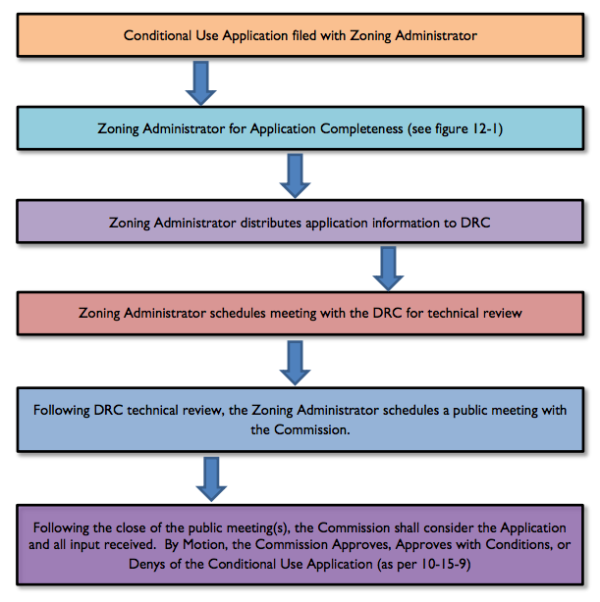
FIGURE 15-1 Conditional Use Application Procedures
10-15-5 APPLICATIONS, COMMISSION AUTHORIZED TO RENDER CONDITIONAL USE DECISIONS
- The procedures for the review and consideration of a Conditional Use Application are identified by Figure 15-1, herein.
- An application for a Conditional Use Permit shall be considered by the Zoning Administrator for application completeness, as provided by RZC 10-12-7.
- The Zoning Administrator shall submit copies of the complete Conditional Use Application to the DRC or public agencies providing utilities or services to the proposed site for review and compliance with City Ordinances, building codes, or other development requirements.
- Commission Decision. The Commission shall consider the reports by the DRC, and all other input received on the application. The Commission may approve, approve with conditions, or deny the Conditional Use Application (as per RZC 10-15-9).
FIGURE 15-1 - Conditional Use Application Procedures
10-15-6 APPLICATION REQUIREMENTS TO ESTABLISH A CONDITIONAL USE OCCUPYING AN EXISTING BUILDING(S), REMODELING THE INTERIOR OF AN EXISTING BUILDING(S), OR PROPOSING STRUCTURAL MODIFICATIONS TO THE EXTERIOR OF AN EXISTING BUILDING(S), AS APPLICABLE
- A completed Permitted Use Application, as provided by Roy City.
- One (1) 11x17 size copy and one (1) digital copy of a Site Plan with the proposed building(s) drawn at a scale as required by the City Engineer, identifying the following;
- The location and dimension of the property boundaries and all proposed uses and buildings, and existing buildings or other structures located on the property. Existing property lines and existing fence lines shall be shown.
- The proposed setbacks and exterior dimensions of all proposed buildings and structures.
- The location of roads and streets serving the site, or proposed to serve the site.
- The location and dimension of all existing and proposed ingress and egress points and required off-street parking spaces and loading areas, as applicable.
- All public and private rights-of-way and easements located on, or adjacent to the property, proposed to be continued, created, relocated, or abandoned shall be shown.
- Any proposed modifications in signage on the building or site.
- Additional building plans sufficient to meet the Building Code requirements, as adopted.
- The exterior elevations of every side of all proposed structural modifications to the existing building shall be provided, clearly showing proposed building materials and colors proposed for all exterior building facades. This information shall include a proposed building materials and colors board including color chips and material samples. The location of all associated mechanical and ancillary equipment, if any, shall be provided, including any screening treatments proposed.
- Information and plans shall be provided identifying all proposed new building lighting identifying the type, design, location, intensity, height, and direction of all building lighting.
- The location and dimension of the property boundaries and all proposed uses and buildings, and existing buildings or other structures located on the property. Existing property lines and existing fence lines shall be shown.
10-15-7 APPLICATION REQUIREMENTS TO ESTABLISH A CONDITIONAL USE FOR NEW CONSTRUCTION OF A BUILDING(S)
All applications to establish a Conditional Use shall include a Site Plan and provide the following information:
- A completed Conditional Use Application, as provided by the City.
- One (1) 24” X 36” size copies, one (1) 11” X 17” size copy and one (1) digital copy of a site plan, drawn at a scale required by the City Engineer, prepared by a licensed engineer or architect, identifying the following:
- The location and dimension of the property and all proposed uses and buildings, existing buildings located on the property, and existing buildings located within one-hundred (100) feet of the property.
- The location of any future buildings shall be shown, if applicable, to provide for the function and compatibility of the entire site at full build-out.
- Existing property lines and existing fence lines shall be shown.
- The location of all zoning district boundaries.
- The location and dimension of all existing and proposed natural features including, but not limited to, scenic views, existing vegetation, wetlands, drainage ways, flood plains, water bodies, and wildlife habitat areas.
- Existing topography and the proposed finished grade of the site shown as required by the City Engineer.
- The proposed setbacks and exterior dimensions of all proposed buildings and structures.
- The location of roads and streets serving the site, or proposed to serve the site, and including any permits as required by Weber County or the Utah Department of Transportation, as applicable.
- The location and dimension of all proposed ingress and egress points, off-street parking, and loading areas, including the total number of parking and loading spaces.
- The location and dimension of all pedestrian and biking facilities, including sidewalks and trails, if any.
- All public and private rights-of-way and easements located on, or adjacent to the property, proposed to be continued, created, relocated, or abandoned shall be shown.
- The location and dimension of the property and all proposed uses and buildings, existing buildings located on the property, and existing buildings located within one-hundred (100) feet of the property.
- Located on the Site Plan sheet(s), or on separate sheets, as may be proposed by the applicant, or required by the Zoning Administrator for readability, the following information shall be provided:
- All existing and proposed culinary water, secondary water, sanitary sewer, storm drainage, power, gas, and telephone lines and facilities, streets and roads with design plans for any new water, sewer and storm drainage lines and facilities, as applicable, streets and roads, meeting the design and construction requirements of the City, or other agencies, as applicable, and prepared by a licensed engineer, at a scale acceptable to the City Engineer. Access to all utilities and points of utilities connections shall be shown.
- A Landscape Plan(s). Landscape plan(s) shall be included with the Conditional Use Application, prepared by a registered landscape architect, identifying all proposed landscape, screening and buffering features, including all proposed plant materials, including their locations and sizes. All proposed plant materials should be drought tolerant. The following shall apply:
- Turf grass not to exceed 15% of the total landscaped area (designated recreational areas excluded).
- No turf grass in parking lot landscape islands, park-strips, buffer areas or any area less than eight (8) feet wide.
- An Irrigation System Design should be used for all areas to conserve water.
- Fences and Walls. The location of all fences and walls, identifying proposed height, materials, and colors shall be shown.
- Building Plans. The exterior elevations of every side of all proposed structures shall be provided, clearly showing proposed building materials and colors proposed for all exterior building facades. This information shall include a proposed building materials and colors board including color chips and material samples. The location of all associated mechanical and ancillary equipment, if any, shall be provided, including any screening treatments
proposed. - Site and Building Signage Plans. Information and plans shall be provided identifying all proposed site and building signage including the design, height, size, materials, and colors of all building and site signs.
- Site and Building Lighting Plans. Information and plans shall be provided identifying all proposed site and building lighting identifying the type, design, location, intensity, height, and direction of all site and building lighting. A photometric plan of the site, including all site and building lighting.
- The location and dimensions of all proposed solid waste collection areas and storage areas, including the proposed method of screening.
- Erosion Control Plan(s). Information and plans identifying proposed temporary and permanent erosion control measures.
- A Construction Plan identifying the phases of construction, a construction schedule, and a list of all permits necessary for the proposed use(s), as applicable.
- All existing and proposed culinary water, secondary water, sanitary sewer, storm drainage, power, gas, and telephone lines and facilities, streets and roads with design plans for any new water, sewer and storm drainage lines and facilities, as applicable, streets and roads, meeting the design and construction requirements of the City, or other agencies, as applicable, and prepared by a licensed engineer, at a scale acceptable to the City Engineer. Access to all utilities and points of utilities connections shall be shown.
- A narrative, accompanied by necessary tables and other information, describing the proposed Conditional Use Application, to assist the Zoning Administrator and Commission in the review of the Conditional Use Application including:
- A calculation, identifying all pervious and impervious areas.
- A description of all proposed uses and buildings, including the total site area and building square footage, by building.
- Projected increase in traffic trips.
- Projected water and sewer demand.
- How the proposed Site Plan and proposed uses comply with the Roy City General Plan.
- A calculation, identifying all pervious and impervious areas.
10-15-8 ADDITIONAL SITE STANDARDS AND DESIGN REQUIREMENTS TO ESTABLISH A CONDITIONAL USE
To achieve the purposes of this Ordinance, Site and Building Design Standards or Design Guidelines are categorized as follows:
- Site Standards related to buildings and structures including building design, location of buildings, access locations, parking and loading areas, landscaping treatments and buffer areas, signs and sign location, site and building lighting, and other features are required for all Site Plan Applications. Building Design Standards are required in addition to standards set forth in this Ordinance and are indicated by the verb “shall.”
- Design Guidelines indicate additional actions that may be taken to enhance development design and achieve greater compatibility with adjacent land uses. Guidelines use the verb “should” (rather than “shall”) signifying that the guidelines are desirable objectives. Application of the guidelines will depend on the nature of the proposed Site Plan and the surrounding area, as may be determined by the Commission.
- Building Design Standards:
All Site Plan Applications shall balance the proportion and scale of all proposed buildings and structures to the project site, adjacent buildings and structures, and streets from which the building will be accessed or viewed. Building plans, elevations and cross-section drawings, photographs, or other studies or models may be required to illustrate or fully explain how a proposed buildings and structures will address these issues.
It is the vision of the City that all buildings, and their associated facilities and improvements, will enhance the built environment of the City. To achieve this goal and to preserve and increase property values all Site Plan shall incorporate the following building design elements:- Coherent Building Design. All sides of a building shall include consistency of building materials, colors and shall provide architectural treatments and building features. A consistent level of detail and finish on all sides of a building shall be provided.
- Accessory structures. All accessory structures shall take on the same character as the primary building, using the same colors, materials, shape, and style.
- Continuous building wall surfaces. Continuous building walls longer than thirty (30)- feet shall be relieved with variations of wall planes or overhangs that create shadow areas and add visual interest.
- Visual patterns. Every building shall provide shadow relief created by recesses and projections. Recesses may include courtyards, entryways, or boxed window openings, along the exterior of the building. Projections may include stairs, balconies, entrances, or bays. Covered walkways, breezeways, patios, trellises, landscape areas, and wide roof overhangs are encouraged to produce shadow effects. Stepped structures may also be used to offset building massing.
- Architectural details. Surface details, ornaments, and other building elements that enrich the character of a building shall be provided. Attention to detail, including all building and architectural design elements shall be required. The following architectural details are desirable and encouraged:
- Stonework.
- Exposed beams and columns.
- Cornices, moldings, bands, pop-outs, decorative vents, cast or sculpted features.
- Covered walkways, breezeways, bays, and balconies.
- Courtyards and patios.
- Wide roof overhangs.
- Accessories such as art features, benches, pots, lamps, artwork, and sculptures.
- Building Additions. All additions to existing buildings shall incorporate the predominant architectural features, materials, and colors of the existing building.
- Mechanical Equipment. Air conditioning units, generators and other auxiliary equipment shall be placed at locations where they will be least intrusive in terms of noise, appearance, and odors, particularly for adjacent properties and public rights-of-way. Screening walls, landscaping, and other screening treatments shall be used so all required mechanical equipment is screened from public streets and adjoining properties. All building-mounted mechanical or communications equipment shall be a color to make it as unobtrusive as possible. If located on or adjacent to a building wall or on the roof, the color of all mechanical and communications equipment shall blend with the design details of the building or screened from view.
- Building Scale. The size and scale of all buildings and structures shall be found to be compatible with, and not dominate, the surrounding buildings and structures and surrounding natural features.
- Pedestrian scale. Regardless of overall building size, elements, such as windows, lighting, and facades, at the pedestrian level shall achieve a sense of human scale and create visual interest at eye-level.
- Building Materials. Exterior building materials shall be compatible with those predominantly used in the surrounding area. The following materials shall be used on exterior walls:
- Natural or cultured stone.
- Stucco.
- Masonry including integrally colored split faced block and brick.
- Exposed aggregate or colored concrete with a stamped, pitted or other textured.
The following materials are prohibited for use on exterior walls: - Unfinished block.
- Unfinished concrete.
The use of Metal materials for use on exterior walls: - Metal buildings shall be prohibited in all commercial zones. Metal buildings in the manufacturing zone may be considered with the incorporation and addition of other building materials such as masonry, stone, stucco, or other non-metal treatments.
- Natural or cultured stone.
- Site Design Standards:
All Site Plan Applications shall provide site functionality for the integration of the proposed buildings with existing, or planned, pedestrian and vehicular circulation patterns and provides for a system of interconnected streets, walkways, trails, and parking areas.- Building Location. All buildings shall have an orientation to the street to encourage a pedestrian relationship. Building placement shall allow interconnected walkways and shared site accesses for increased convenience, accessibility, and enhanced safety for pedestrians. All Site Plan Application approvals shall provide agreements or easements to allow cross vehicle access, pedestrian connections and shared parking.
- Naturally Occurring Site Features. All Site Plan Applications shall recognize and preserve, as practicable, the natural features and sensitive areas occurring on the site including areas of historic value, unusual or hazardous topography, or lands subject to flooding. All natural features shall be preserved, as practical, and integrated into the site plan design.
- Interconnected Open Space. Provide an interconnected system of open space areas. The locations of all buildings and structures shall allow and provide an interconnected system of open space allowing open space and landscaping areas to connect with similar open spaces and landscaping areas existing, or planned to be located, on adjacent properties.
- Site Access. The location and number of access points to the site, the interior circulation pattern, and the separation between pedestrians and vehicles shall be designed to maximize safety and convenience, and should be harmonious with proposed and neighboring buildings. Appropriate vehicular and pedestrian cross access agreements and easements shall be provided.
- Trash and Refuse Collection Areas. All solid waste and refuse collection areas shall be located to minimize the impact on adjacent property owners or users. Such areas shall be screened from view. All dumpster and refuse enclosures shall be a minimum of six (6) feet high, constructed of materials to match the primary buildings on the site, and provide latching gates for screening the opening to the enclosure.
- Noise Impact. Site design shall include provisions and strategies for limiting noise, particularly to adjacent property. The occupants of a proposed development should be protected from noise from both outside and within the site through screening, setbacks, and building materials. Noise generating equipment shall be located and buffered to minimize potential on-site and off-site impacts.
- Off-street Parking Areas and Loading Bays. Off-street parking and loading docks/bays shall be screened by landscaped areas and walls. Loading bays and docks shall be separated from customer parking where possible. Loading bays shall be oriented away from neighboring residential areas and public streets. The number and dimension of required off-street parking spaces and loading bays shall be in accordance with the requirements of the RZC 10-19.
- Flood Channels and Drainage Ways. Drainage ways shall be retained and protected in their naturally occurring condition, where possible, and integrated into the open space areas of the site and may include areas for use as trails or parks. Flood channels and drainage ways may be contoured to be gentle and rounded and may incorporate the use of rocks, boulders, and landscaping to increase interest.
- Site Landscaping and Screening Treatments. Landscape improvements should mitigate building and parking lot impact, add aesthetic interest, and character. Landscaping is an integral element of site development. Landscaping should complement the architecture of the building and provide visual interest and variety, provide screening elements, add to year round site beautification, highlight building design features, and conserve water. The minimum landscaping requirement is based on the Zoning District in which the site is located, as provided in Table 10-2. Landscape designers shall recognize the following landscape design principles with the Landscape Plan(s) materials:
- Landscape Buffers. Landscape buffers between dissimilar or conflicting land uses shall be provided. Landscape buffers shall be provided for off-street parking and service areas and streetscape landscape buffer areas shall be provided on the perimeter of all proposed Site Plans, as required.
- Internal Parking Lot Landscaping To minimize the environmental and visual impacts created by large areas of off street parking hard surfacing all off street parking areas shall be designed and constructed to meet the following minimum landscape requirements. Site Plan Application approval by the Commission may require additional parking area landscaping to achieve the purposes of this Ordinance.
- Minimum Internal Parking Area Landscaping. All off street parking areas, providing twenty (20) or more parking spaces shall provide a minimum of five percent (5%) of the total parking area as landscape treatments. Areas to be landscaped may include;
- Traffic islands separating adjacent parking spaces.
- Peninsulas parallel to individual parking spaces.
- Planter areas located at the ends of parking rows or other planter areas located within the off street parking area.
- The area provided for off street parking shall be the greatest area defined by the distance from the curb-lines or edges of the outermost parking space, aisle, or driveways.
- No required setback areas shall be included as meeting the required parking area landscaping as required by this Section.
- All required landscaped areas shall be provided with a permanent and adequate means of irrigation and regularly maintained, including weed control.
- All parking lot hard surfacing shall provide a sufficient area around all trees and landscaping to permit water absorption and prevent soil compaction.
- Off-street parking areas shall be screened by landscaped areas and/or screening walls.
- Landscape Materials. All proposed plants and landscape materials shall be consistent with (but not uniform) and of a similar scale with existing natural landscape, neighboring landscape, and adjacent streetscape areas where appropriate. Drought tolerant plant materials are encouraged. Landscaping improvements may also include berming, contouring, rocks, and boulders.
- Native Vegetation Materials. All landscape plans are encouraged to use vegetation, native to northern Utah.
- Plant Size, Spacing, and Scale. The size and spacing of landscape elements shall be consistent and establish a coordinated relationship to any existing or proposed streetscape plantings. The size and spacing of landscape elements shall also be of appropriate scale and character to all proposed site structures and features.
- Screening Walls, Fences, and Other Visual Barriers. Walls, fences, and barriers that create a continuous surface greater than twenty (20) feet in length shall be softened visually with acceptable landscaping. All walls and fences shall conform to the major architectural style of the Site Plan.
- Non-vegetative Ground Cover. Non-vegetative ground cover treatments may include boulders, small stones less than ½ inch in diameter and bark and mulch. Areas of nonvegetative ground cover materials shall be broken up and interspersed with plant materials.
- Landscape Maintenance. All landscape plans shall include necessary irrigation plans and shall demonstrate that long-term landscape maintenance and water conservation has been considered in the landscape design.
- Site Lighting Standards.
All outside lighting, including parking areas, shall be “down lighting” so that lighting does not trespass to adjoining properties. All exterior lighting shall provide for the illumination of buildings and grounds for safety purposes, but in an aesthetic manner. All exterior lighting shall be shielded or hooded so that light does not spill, or trespass, onto adjacent properties.
All exterior lighting shall be reduced to the minimum levels necessary for safety and security purposes. The use of motion sensors and timers is encouraged.- Parking Lot Lighting. All off street parking area lighting shall be designed and installed to meet the following minimum requirements.
- All lighting fixtures and poles shall be a decorative nature and painted a color as approved with Site Plan Application.
- The height of all lighting poles shall not exceed twenty (20) feet, measured to the top of the pole or luminary.
- All light fixtures, including security lighting, shall be fully hooded or shielded and aimed and so that all direct illumination shall be confined to the property boundaries of the source. All motion sensing light fixtures shall be fully shielded and adjusted, according to the manufacturer’s specifications, to turn off when detected motion ceases.
- Preferred Site and Building Lighting Types:
- Indirect Lighting.
- Recessed Lighting.
- “Shielded” or “hooded” Fixtures.
- “Bollards” or other low-level walkway lighting.
- Ground Lighting.
- Decorative building and site lighting.
- Prohibited Lighting Types:
- Exposed Bulb Fixtures.
- Directional Floodlights.
- Excessive or intense lighting of any kind.
- Decorative poles. Decorative poles used to mount light fixtures shall be painted a color to enhance the overall design of the project.
- Indoor Lighting. Indoor lighting shall not be provided or constructed to provide lighting for any outdoor areas.
- Parking Lot Lighting. All off street parking area lighting shall be designed and installed to meet the following minimum requirements.
- Site and Building Sign Standards.
The placement and design of all allowed signs shall be found to be compatible with building design and architecture. All signs shall be provided as an integral site and building design element and shall be compatible with the style of the buildings in terms of location, scale, color, and lettering style.- Sign Location. Signs shall not create a sight line obstruction for pedestrians or vehicles at street intersections or driveways.
- Sign Size. The maximum size of all allowed and permitted signs shall be in accordance with the requirements of Roy City Sign Ordinance.
- Sign Materials and Colors. All sign materials shall be compatible with the buildings materials and colors. The illumination of all signs shall be accomplished in a manner which focuses light on the sign and fully shields the light source.
10-15-9 FINDING AND CONDITIONS
The Commission shall approve a Conditional Use:
- If reasonable conditions are proposed, or can be imposed, to mitigate the reasonably anticipated detrimental effects of the proposed use in accordance with applicable standards.
- If the reasonably anticipated detrimental effects of a proposed conditional use cannot be substantially mitigated by the proposal or the imposition of reasonable conditions to achieve compliance with applicable standards, the conditional use may be denied. (§10-9a et. seq. U.C.A., as amended)
10-15-10 EFFECT OF APPROVAL
Approval of a Conditional Use Application shall approve the establishment of the use only. A Conditional Use Application shall not authorize the establishment of any building, activity, construction, or occupancy. Only when the Commission has approved, or approved with conditions, the necessary and required Site Plan Application may any building, activity, construction, or occupancy be established, subject to any conditions of approval. The approval of a Conditional Use Application shall not be deemed an approval of any other application, permit, or license.
10-15-11 APPEAL
Any person aggrieved by a decision of the Commission regarding a Conditional Use Application may appeal the decision to the authorized Appeal Authority as provided by RZC 10-28.
10-15-12 EXPIRATION
10-15-13 CONDITIONAL USE PERMIT APPROVAL AMENDMENT
10-15-14 REVOCATION OR MODIFICATION OF A CONDITIONAL USE PERMIT APPROVAL
- A Conditional Use approved in accordance with the provisions of this Ordinance may be revoked by the Commission if any of the conditions of approval are not been met, or if the permit is used to violate any law or ordinance.
- The Zoning Administrator shall notify the permit holder by certified mail if any permit violation or if a violation exists in any conditions of approval. If no attempt to correct the violation is made within ten (10) days after notification, the Conditional Use Permit shall be revoked by the Commission and considered null and void. A Conditional Use Permit may be revoked by the Commission, if the Commission finds that one or more of the following conditions exists:
- The Conditional Use Permit was obtained in a fraudulent manner.
- The use for which the Conditional Use Permit was granted has now ceased for at least six (6) consecutive calendar months.
- One or more of the conditions of the Conditional Use Permit have not been met. Additionally, the Commission, may modify the conditions under which a Conditional Use Permit was originally approved if the Commission finds that the use or related development constitutes or is creating a nuisance.

