Willard City Zoning Code
24.32 DESIGN
REVIEW
24.32.010 Purpose
The purpose and intent of design review is to secure the general purposes of the Ordinance and the General (Master) Plan and to insure that the general appearance of buildings and structures and the development of the land shall in no case be such as would impair the orderly and harmonious development of the neighborhood or impair investment in and occupation of the neighborhood. It shall not be the intent of the chapter to restrict or specify the particular architectural design proposed or to specify the exterior detail or design, color, or materials proposed by the applicant, except as such detail is of such magnitude as to affect the general appearance and compatibility of the development with its surroundings.
24.32.020 Application And Review
All applications for occupancy permits or building permits for all buildings and structures, subdivisions, except for individual single-family dwellings and accessory units, shall be accompanied by architectural and site development plans to scale, which shall show building locations, landscaping, prominent existing trees, ground treatment, fences, off-street parking and circulation, location and size of the adjacent street, north arrow and property lines, drawings of the major exterior elevations, the building materials, proposed exterior color scheme, existing grades and proposed new grades. All such drawings and sketches shall be reviewed by the Planning Commission, except that the review and approval of such permits by the zoning administrator may be authorized by the Planning Commission when the application meets all requirements of this Ordinance. All of the above required architectural and site development plans shall have been reviewed and approved prior to the issuing of a building permit.
24.32.030 Exception
For buildings and uses covered by conditional use permits or planned development approval, design review shall be incorporated within such conditional use permit or planned development approval and need not be a separate application, provided that requirements of this chapter are met. Agricultural buildings are exempt.
24.32.040 Planning Commission Approval
The Planning Commission, or the zoning administrator when authorized by the Planning Commission, shall determine whether the proposed architectural and site development plans submitted are consistent with this chapter and with the general objectives of this Ordinance, and shall give or withhold approval accordingly. Denial of approval by the zoning administrator may be appealed to the Planning Commission.
24.32.050 Design Guidelines; Commercial Projects
Commercial Design Goals:
To encourage project designs which are attractive and safe for customers;
To encourage project designs that are functional for business;
To yield a variety of retail and business opportunities;
To contribute to creating active gathering places for the community, and;
To promote commercial building architecture reflective of Willard City's diversity with attention to detail.
- General Design Intent.
- Site Design.
- Purpose. To ensure that natural features such as: topography; trees; watercourses and wetlands; and other features such as: open space; view corridors; prevailing climatic conditions; setbacks; landscape and utility easements; relationship to adjacent buildings, land uses and the street; have been appropriately incorporated into the design and the selection of the best location for a building or buildings on a particular site.
- To stimulate original design solutions that are tailored to the site rather than utilize generic or trademark buildings and site design.
- To seek site designs that conserve community attributes and that provide a sense of natural setting and continuity with the past.
- To integrate the natural and built environment through preservation and enhancement of natural features of a site as an element within the overall design.
- To encourage design that adds to the character of the community by providing opportunities for integration of the project with the adjacent properties, the neighborhood and the City.
- To encourage design that incorporates the use of natural resources in all aspects of the project.
- To encourage site design that incorporates orientation and siting for climate and energy conservation.
- To ensure commercial project sites are designed to include a mix of building, landscape/open space/parks and parking and circulation areas in balanced proportions that create appropriate mass and scale relationships within and between adjacent projects/properties.
- Purpose. To ensure that natural features such as: topography; trees; watercourses and wetlands; and other features such as: open space; view corridors; prevailing climatic conditions; setbacks; landscape and utility easements; relationship to adjacent buildings, land uses and the street; have been appropriately incorporated into the design and the selection of the best location for a building or buildings on a particular site.
- Site Design.
- Site Planning and Building Placement.
- Building coverage shall not exceed the maximum coverage or floor area ratio (FAR) (if defined) established in the City of Willard Zoning Ordinance. Actual building coverage achieved may be less than the maximum allowed due to site constraints including, but not limited to tree preservation requirements, topography, wetlands, easements or other natural or physical constraints. Landscape or other open space areas, as may be required by the Zoning Ordinance and as dictated by site features, shall constitute a portion of the parcel area for calculation purposes of the maximum coverage or floor area ratio.
- All new design proposals shall consider the influence on neighboring properties and should integrate the relationships between the old and new developments to create a pleasing transition. Adjacent properties zoned differently shall minimize impacts on the property zoned for lower density. This can be achieved through orientation, setbacks, building heights, buffering, fencing, landscaping, or design details. This site plan shall reflect the need for privacy of adjacent residents.
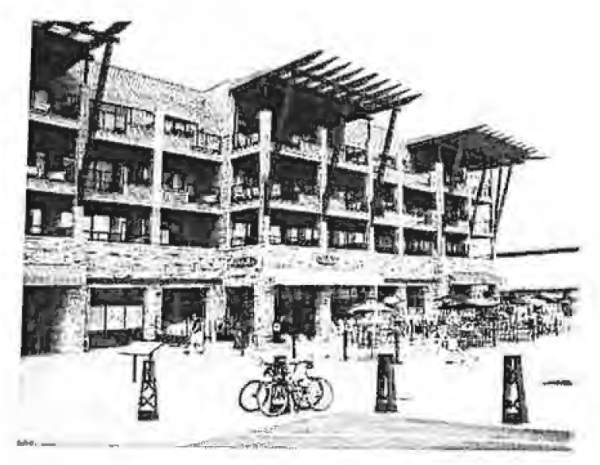
- The site plan shall exhibit a desirable transition with the streetscape and provide for adequate planting, drainage, safe pedestrian movement, parking areas and landscaping. Pad buildings and/or a portion of a main building on a site shall be located along street frontages to enhance and add definition to the streetscape/street edge.
- Buildings shall be designed to take advantage of sunlight, existing circulation, natural landscaping, open space and attractive views such as prominent landmarks, historic buildings and the natural environment.
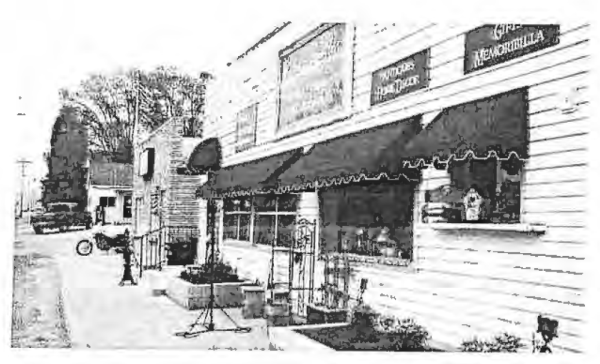
- Buildings within commercial centers shall avoid "Linear Placement". This can be accomplished through varied setbacks, multi-building developments and vertical and horizontal façade articulation.
- Where multiple buildings are proposed, grouping/orientation of structures shall be sited to create pedestrian scaled plazas, gathering places and open spaces.
- All commercial projects shall be linked to existing commercial projects through pedestrian networks. This can be accomplished through sidewalks, covered walkways, landscaping and plazas. Where feasible, parking areas shall also be linked for internal vehicular traffic.
- Apartments and multi-family units should be encouraged on the upper stories of new and remodeled commercial buildings throughout Willard. Second story apartments shall have their own entryways, which can be located at both the front and back of the building.
- Development design should include preservation of natural site features, such as rock outcrops or large trees, to the extent feasible. Said resources should be incorporated into Development and public views of them should be maintained.

- Building Setbacks.
- The setbacks for individual projects shall comply with the minimum requirements set forth in the Zoning ordinance.
- Building setbacks shall be minimized in Commercial areas along street frontages to define the pedestrian zone along the street and encourage a safe pedestrian environment.
- Projects with more than one story should have increasingly larger setbacks per number of floors from adjacent residential or open space zones. When abutting residential or open space zones, side and rear setbacks shall allow for a sufficient landscape area adjacent to the property lines to buffer impacts of the commercial development and screen potentially undesirable views from the residential into the commercial property.
- Building setbacks from public streets in infill developments must consider the surrounding building setbacks. Building facades shall utilize a minimal front setback and incorporate landscaping where feasible.
- Grading and Hillside Development.
- The amount of cut and fill required to prepare a site for development should be minimized, while preserving and accentuating the relationship between the natural features of the site and building(s). Buildings should incorporate existing natural hillsides and existing trees into their design elements. The use of local stone is strongly encouraged.
- Siting of the building should address the conformation of the facility to the existing natural topographic features of the site while providing the required disabled access to the building entries.
- Where extensive grading is necessary, cut and fill slope areas shall be treated with rounded toe and slope, and variation in slope face ratios (i.e. 2:1; 3:1; 4:1) to achieve a natural land form.
- Graded areas shall be treated for erosion control and shall be planted immediately with native trees and vegetation selected and placed to create a "natural forest" character in the landscape.
- To avoid long planes and high walls, building masses should be broken up and tapered with different floor variations to achieve harmony with the slope. Walls on sloping terrain should be stepped at regular intervals to follow the terrain.
- Street and walkway layouts should follow existing natural contours to carefully integrate the streets with the hillside terrain, and minimize cut and fill on hillsides.
- Retaining wall structures over six feet in height are strongly discouraged. Retaining walls should blend in with natural features of the site. Where retaining walls are necessary, retaining walls over six feet must be architecturally treated or articulated to reduce overall mass (i.e. by varying the wall plane or creating landscaped terrace areas).
Retaining Walls Should Blend in with Natural Features
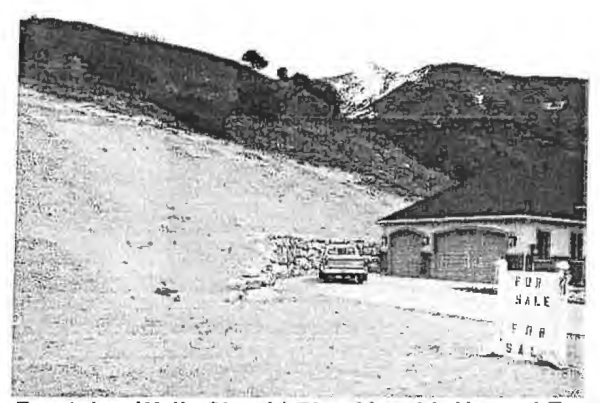 Plant materials should be selected for their effectiveness of erosion control, fire resistance and drought tolerance. Irregular plant spacing will achieve a more natural appearance on slopes and trees should be planted along contour lines or in swale areas to create a natural woodland or forest effect.
- All building site excavations and exposed slopes should be suitably stabilized with planting, and/or by acceptable engineering methods. Slopes should be rounded and contoured to blend with the existing topography. Development on slopes of 30% or greater should be restricted to sensitive grading and improvement. Slopes greater than 2:1 are not encouraged, but may be acceptable when evaluated on a case by case basis by the Development Review Committee and the City Engineer.
- Development design should include preservation of significant views of the natural ridge silhouettes.
- Development design should consider preserving significant trees on the site to the extent feasible. Where feasible, project design should preserve a minimum of 20% of the existing trees 8" DBH or greater on the site.
- The removal of any existing tree 24" DBH or greater on a development site may require replacement with mitigation trees.
(Definition: Tree diameter at breast height. This has traditionally been the "sweet spot" on a tree where measurements are taken and a multitude of calculations are made to determine things like growth, volume, yield and forest potential. Tree d.b.h. is outside bark diameter at breast height. Breast height is defined as 4.5 feet (1.37m) above the forest floor on the uphill side of the tree. For the purposes of determining breast height, the forest floor includes the duff layer that may be present, but does not include unincorporated woody debris that may rise above the ground line.)
- Fencing and Screening.
- Commercial sites that abut residentially zoned properties shall provide a solid wall or fence with minimum height of six feet continuously along the boundary except at pedestrian/vehicle access points, where feasible, or when mature vegetation or trees would need to be removed. Landscaping (i.e. vines) is also encouraged.
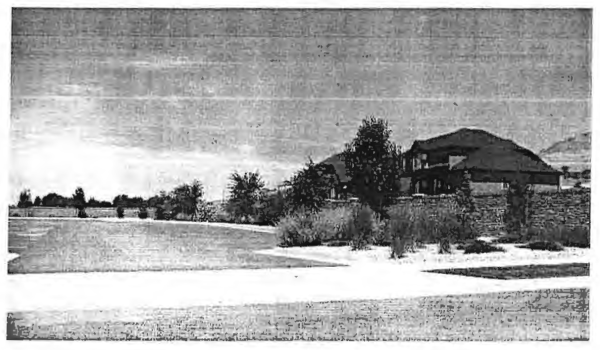
- Walls and solid fences on public streets are discouraged.
- Fencing between commercial uses and open space is discouraged. When necessary, for purposes of security, such fencing shall be an open type (i.e., wrought iron) to allow views to the open space.
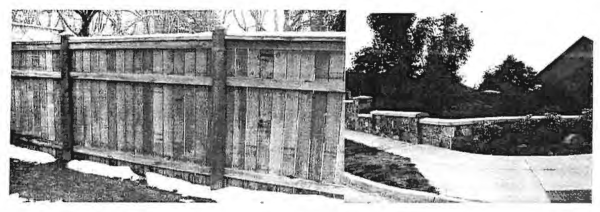
- Walls and fences shall be made of native stone, masonry with cement plaster finish, wood, vinyl clad, detailed wrought iron or brick. (vinyl clad natural color chain link may be used in industrial zones or as temporary fencing and may require vinyl slat screening as determined specific to each site.)
- Screen materials and colors shall complement the buildings architectural style utilizing the prevalent materials and design for the structure and the neighborhood. Materials and finishes shall be durable, able to withstand local climatic conditions and easily maintained.
- Commercial sites that abut residentially zoned properties shall provide a solid wall or fence with minimum height of six feet continuously along the boundary except at pedestrian/vehicle access points, where feasible, or when mature vegetation or trees would need to be removed. Landscaping (i.e. vines) is also encouraged.
- Storage and Building Equipment.
- Screening of building equipment shall be integrated into the building design to prevent undesirable views from public roadways, adjacent properties and other areas from which observation by the public may occur.
- Outdoor storage in commercial projects shall be screened from the public view through a combination of location on property, building design and landscaping with berming and fencing.
- New public utilities revisions and infrastructure shall be placed underground if feasible.
- Ground mounted utility infrastructure, including HVAC units, electrical switch gear or panels, telephone or cable boxes, gas meters, fire sprinkler risers, irrigation controllers and lighting timers shall be oriented away from public view corridors and appropriately screened with architectural enclosures (integrated into the building design) or landscape screen treatment (evergreen shrubbery) to the maximum extent permitted by the utility.
- Roof mounted equipment shall be screened from view of adjacent properties, roads, and pedestrian areas. Special attention should be given to changes in elevations where views of roofs from adjacent roadways occur. In this case equipment should be screened by parapet walls of sufficient height or enclosed in a screen shelter.
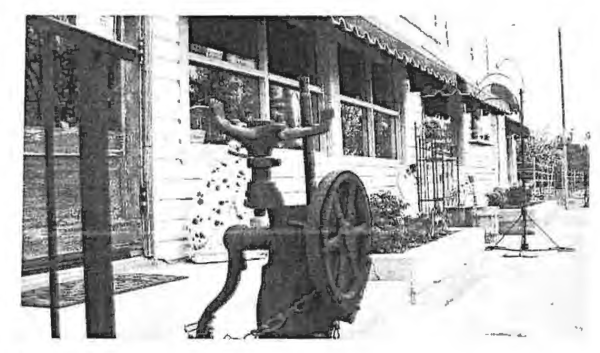
- Solar panels are encouraged and should be integrated into the design of the roofs. If solar components are of such a nature that they cannot be made visually pleasing, they should be hidden from view with screening.
- Loading and Service.
- Loading and service areas for delivery or transfer of merchandise including vehicle access to those areas shall be screened from public view corridors and building entries by a combination of building design, layout, grade separations, masonry walls and dense landscaping.
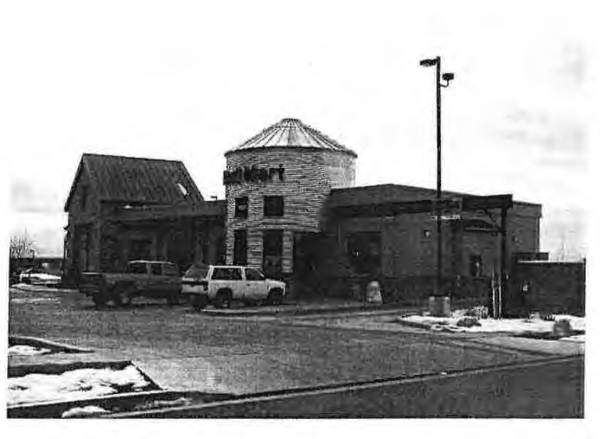
- Delivery vehicle circulation should not mingle with the general public vehicular or pedestrian access or circulation on site. Loading/delivery shall be permitted during pre-business hours only.
- Loading and service areas for delivery or transfer of merchandise including vehicle access to those areas shall be screened from public view corridors and building entries by a combination of building design, layout, grade separations, masonry walls and dense landscaping.
- Trash/Recycling Enclosures.
- All refuse and recycling containers shall be placed within screened storage areas or enclosures that are designed with current City of Willard waste management standards.
- Enclosures must be sized to accommodate the anticipated volume of trash while taking advantage of centralizing enclosures in situations of multiple buildings and/or users.
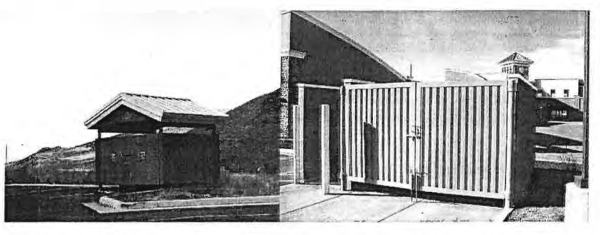
- Enclosures shall be constructed of six-foot high masonry walls with solid metal gates. Enclosure finishes should match the building in color and texture and should include stonework, landscaping, berms, wood and other natural elements common to Willard.
- Enclosures shall be constructed of non-combustible materials and shall be located no closer than five feet (5') from any building in accordance with the Willard Fire Department.
- Trash enclosures for commercial projects shall not be placed within fifty feet (50') of abutting residential zoned properties. Enclosures shall be located remotely from project entrances, building entrances, public view corridors and main circulation paths.
- Enclosures shall allow for a minimum three-foot (3') landscape buffer on all non-accessible sides.
- Recycling drop-off areas shall be located away from the primary public view corridors and avoid direct impact on pedestrian or vehicular circulation. Convenient access to these areas shall be provided to encourage their use.
- Enclosures on the ground should be screened from public view with durable materials that complement the building and the environment.
- Enclosure design shall be treated with importance to ensure quality and attention to detail.
- Landscaping.
- The natural characteristics of the site including existing trees, rock outcroppings, slope and/or other natural features, soil type, climatic conditions, topography, drainage patterns and solar orientation should be incorporated into the landscape design to visually enhance development.
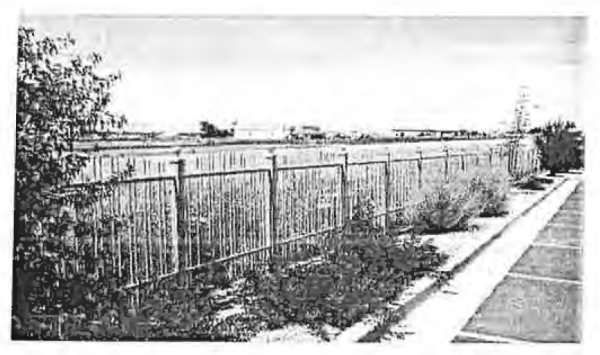
- Landscape designs shall complement and enhance, rather than replicate, adjacent site landscaping. Native plant materials shall be used.
- Landscape designs shall be used to soften hardscape. Use of turf shall be limited to accent and activity areas with the goal of reducing unnecessary water usage.
- Site areas not used for buildings, parking or other designated functions shall be landscaped.
- Planting trees, shrubs vines and ground cover in combination with berming and/or strategically placed screen walls should be used for screening. Plant materials used for screening should be predominantly evergreen which are combined and spaced appropriately to provide effective screening.
- Plant types should be selected according to the appropriateness for the climate zone, the low water use (drought tolerant-xeriscape), size, branching structure, density, aesthetic considerations (flowering, leaf color, fall color), maintenance considerations, and the continuance of existing native plantings (See City Plant Selection Guide).
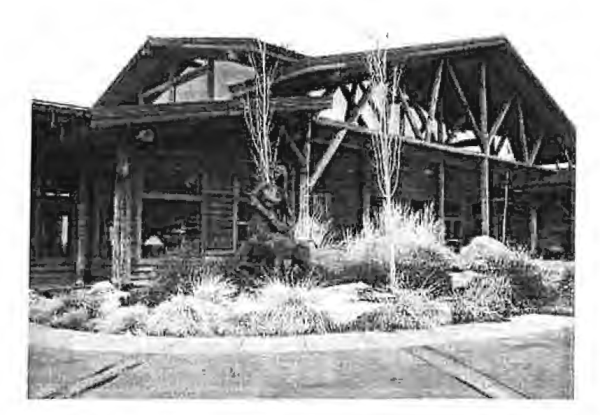
- As per City ordinance, the use of automatic irrigation systems which are properly timed and maintained are required. Plants must be grouped according to their water needs and irrigated separately from other groupings with dissimilar water needs.
- The top and toe of slopes within landscape areas should be setback a minimum of two feet (2') from fences, walls, property lines, street curbs, pedestrian paths or other hardscape surfaces in order to prevent drainage across these surfaces. Landscape drainage should not flow across adjacent walks, plazas, parking lots and other paved surfaces.
- As per City ordinance, landscape planting and irrigation plans shall be prepared by a qualified licensed Landscape Architect registered in the State of Utah and shall be subject to approval by the City.
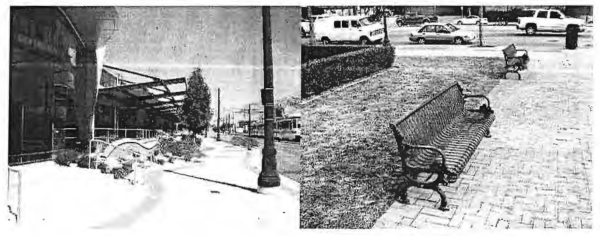
- The natural characteristics of the site including existing trees, rock outcroppings, slope and/or other natural features, soil type, climatic conditions, topography, drainage patterns and solar orientation should be incorporated into the landscape design to visually enhance development.
- Public Spaces.
- Commercial centers shall provide outdoor public spaces like plazas, small parks and courtyards with seating areas to complement the commercial uses and to provide an area for pedestrians and employees to relax and enjoy the outdoors.
- Public spaces shall be located along streets within sight and easy walking distance from each other to provide a continuous, well-linked sequence of pedestrian destinations.
- Public spaces shall provide a contrast to adjacent buildings by use of landscaping, sitting areas and walkways. Types of seating should range from single benches to groups of seats or benches. Steps, low walls and planters can also provide seating. Some seating should be located in high activity areas and some should be located in quiet places.
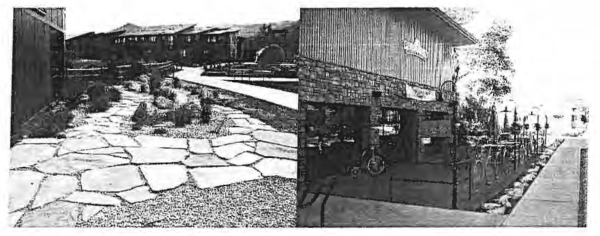
- Public spaces shall incorporate built and natural amenities that will attract people to the area. These amenities include water features, sun, shade, sitting areas, public art, outdoor stages and landscaping. Design selection and placement of all site furnishings such as tables, benches and trash receptacles should be based on consideration of the overall concept of the site and architectural character of the project as well as any design "theme" that may have been established by adjoining uses.
- Materials including native stone, brick, stamped or color pavement and decorative tiles shall be used in pedestrian networks, plazas and sitting areas to emphasize detail and pedestrian scale.
- Visual features such as art, sculptures, fountains, historic elements or other water features should be located within Public Spaces to create a sense of character throughout Willard.
- Public spaces shall be designed to human (pedestrian) scale resulting in spaces in which people are comfortable and desire to use.
- Outside vending machines, newspaper stands, telephone outlets, automatic teller machines and other assorted mechanical fixtures or devices should not have a visually prominent appearance and should be designed into the architecture of the project.
- Architectural Characteristics.
- Purpose. To promote high quality building design through a careful creative approach to design and problem solving which will provide visual interest, diversity and continuity of the "community of Willard" feeling in all new, rehabilitated and expanded structures.
- General Design Considerations.
- Building design shall preserve and enhance the existing community character of Willard through diverse approaches to design.
- Building design shall recognize and protect the major view corridors of the site and adjacent neighborhood to and from the natural and built environment.
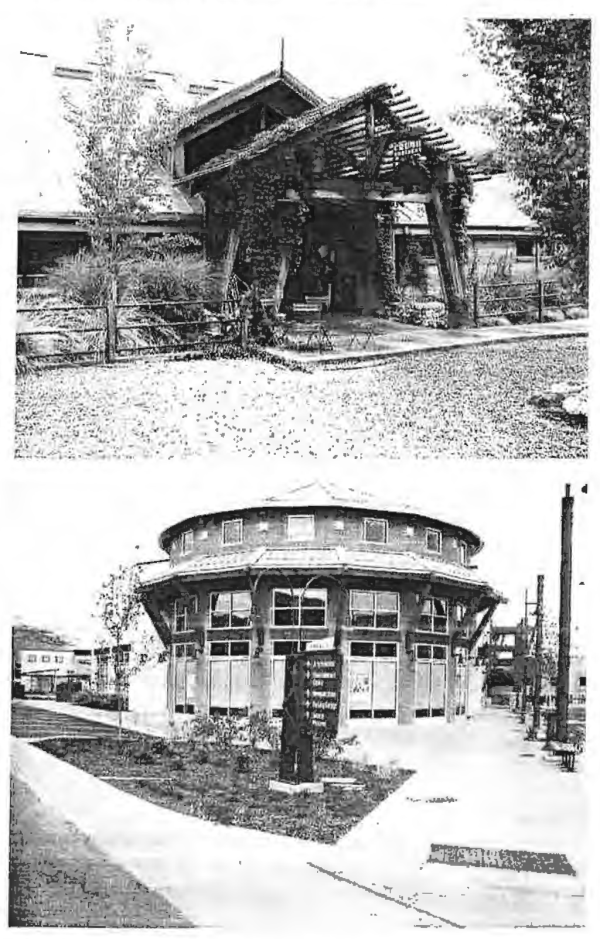
- Building design shall add to the existing identifiable and unique sense of place in the neighborhood or create that feeling through pedestrian scale facilities and appurtenances.
- Building design shall encompass the whole building (i.e., all sides) with a continuation of architectural elements, treatments, colors and careful attention to details.
- Infill building design shall be consistent with the neighborhood's historical development types in terms of scale, design and materials.
- Building design shall be completed by a licensed Architect or building design professional pursuant to state law.
- New development shall recognize, respect, preserve and be compatible with existing historic structures of Willard. Older buildings, which retain much of their original design shall be preserved and restored where feasible.
- Building design should incorporate design for climate and energy conservation.
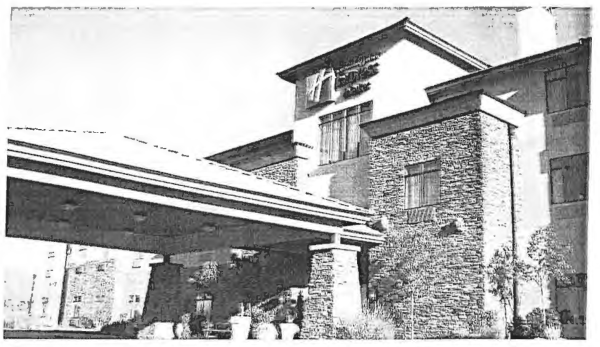
- Massing and Form.
- Building design shall respect the height and scale of the surroundings in both the built and natural environment.
- Building design shall utilize materials, colors and forms to reduce the large scale and reflect attention to detail that enhances Willard's community character.
- Street facades shall have a pedestrian oriented scale through appropriate use of materials, articulation and detail.
- Multi-story building facades shall be proportioned and articulated vertically and horizontally to create human scale at street level, and reduce overall mass.
- Large blank walls in pedestrian traffic areas are discouraged. Articulated and angled walls, varied setbacks, facade treatments and detailing techniques shall be used to create interest. Vertical and horizontal wall articulation, such as variation in the wall plane, color changes, or material use, can be used to visually divide the building into smaller sections.
- Building elevations visible from freeways, major streets and adjacent properties should be designed so as not to present the appearance of a rear elevation with loading doors, large blank walls and, absence of architectural features. Angled walls, painted patterns, varied setbacks and rooflines, architectural wall treatments, and extensive landscaping and screening techniques should be used to minimize visual impacts.
- All buildings shall have a definable base, mid body and cap element. Vertical elements in the facade should be placed to create rhythm which reduces building mass.
- Roofs.
- Roof forms are an integral part of the building design and shall be used to complement and enhance the building style and Architecture.
- Rooflines should be varied and articulated to enhance building character.
- Roofline cornices, shadow lines and detailed eaves should be carefully and thoughtfully detailed to create interest on the building facade.
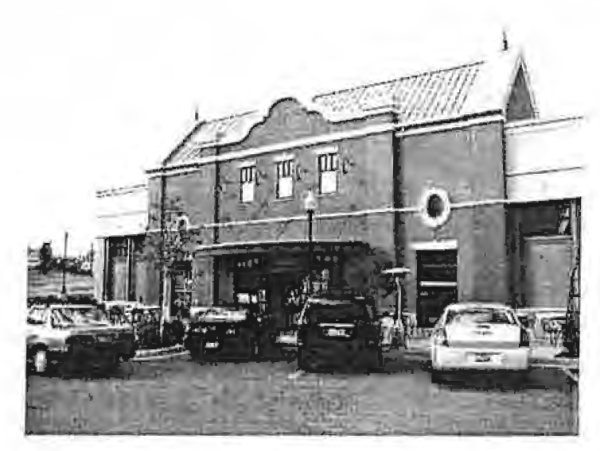
- Roof materials shall be consistent with the existing neighborhood and the quality and style of other building materials used. Appropriate roofing material considerations for use in the Willard area include, but are not limited to, slate, concrete tile (flat with smooth or raked finish), copper, standing seam or batten metal roof (factory applied enamel finishes only), corrugated metal, simulated wood shakes or shingles and architectural grade composition shingles.
- Roof overhangs on south and west facing walls of buildings offer effective protection of window areas from the summer sun, while allowing in the lower winter sun rays.
- Materials and Finishes.
- Construction materials that will replicate a sense of Willard City's pioneer heritage shall be utilized in new construction. These include but are not limited to metal roofing and siding, wood siding, split faced block, and stone. Attention to detail in application is the key in successful material use.
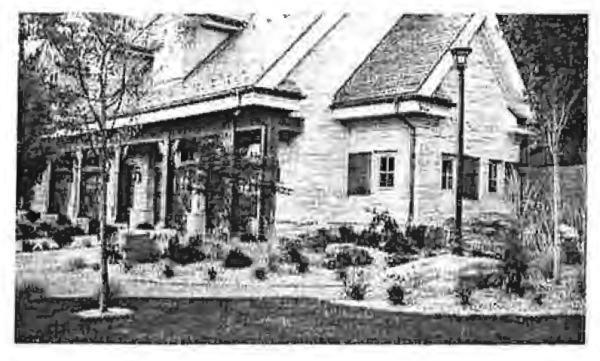
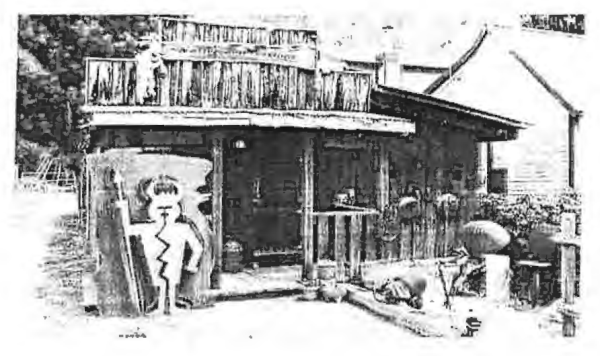
- High quality durable materials, such as stone, river cobble, brick, block, wood, tile, plaster, board and batten siding and horizontal siding shall be utilized in the natural or manufactured appearance and placed carefully to ensure that the material will not require subsequent painting or other colorization for long term appearance and maintenance.
- Texture and color shall be used to reduce apparent size of building and create visual harmony while enhancing the streetscape appearance of the building. Aesthetic use of materials, textures and colors should be extended to all elevations.
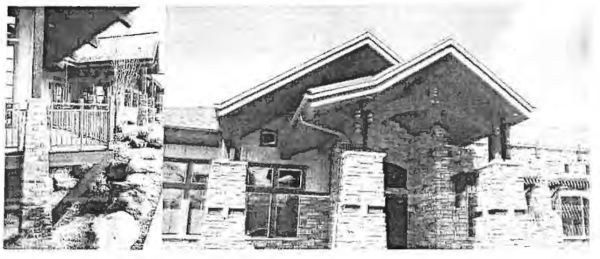
- Color selection for buildings shall reflect or complement the natural environment of the Willard area utilizing earth tone and natural colors. Color palettes may include the introduction of bright accent colors for emphasizing details.
- Any metal exposed on buildings shall be of architectural quality, color and texture and should be harmonious with the surrounding neighborhood buildings. It should be composed of low glare materials, which will not result in off-site light glare or have an unfavorable appearance when viewed from public streets or from other surrounding areas.
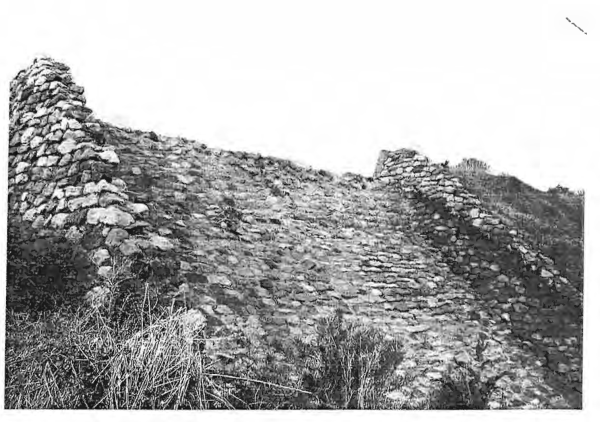
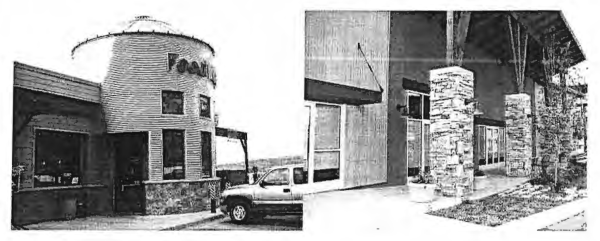
- Construction materials that will replicate a sense of Willard City's pioneer heritage shall be utilized in new construction. These include but are not limited to metal roofing and siding, wood siding, split faced block, and stone. Attention to detail in application is the key in successful material use.
- Architectural Elements.
- Main building entries shall be emphasized through building articulation and form to be easily identifiable and visible from the street and parking areas and to create a focal point on the front elevation. All buildings located at street or pedestrian corners shall provide a main corner entrance. On larger buildings, detail treatments at doors and entries should include the use of porches, canopies, arches, tile, color ornamental techniques, moldings, small roofs or combinations of architectural features.
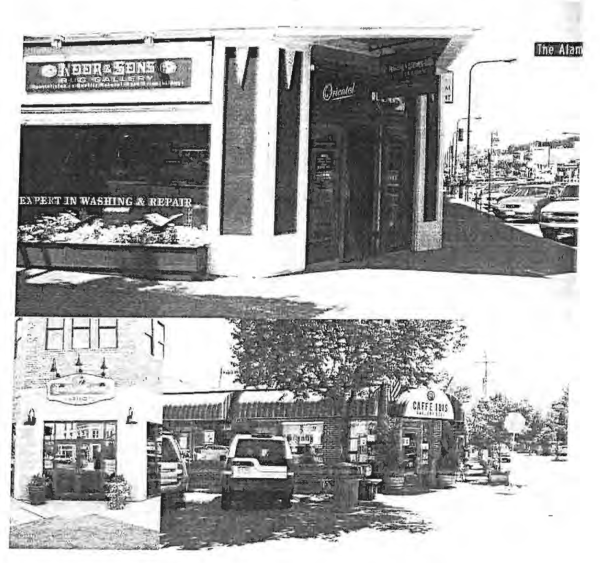
- Access ramps, and other entry access ways for the disabled should be designed as an integral part of the building.
- All facades shall exhibit three-dimensional detailing to cast shadows and create visual interest on the facade. The elements used to provide relief can include awnings and projections, trellises, detailed parapets and arcades.
- Windows, entry ways, columns, awnings and other architectural features shall be compatible with the streetscape and create a repetitive rhythm that creates human scale and encourages continued walking along the street.
- Designs shall relate to the surrounding architecture by providing similar facade treatments.
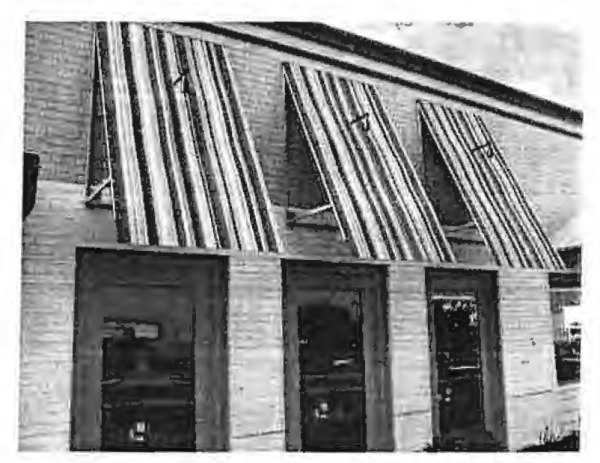
- Architectural elements such as horizontal bands, window lines overhangs, canopies, balconies and awnings should be used to make buildings appear shorter.
- Protected courtyards, porches, arcades, verandas and overhangs should be utilized as effective means for shading exterior wall surfaces and windows from direct sun exposure as well as adding visual character to the building.
- Continuous arcades should be added along the frontage of commercial centers to provide pedestrian protection from rain, snow and summer sun, allowing them to move from one shop to another without having to leave the arcade.
- 50 to 80 percent of ground floor retail areas should be transparent "storefront" windows, where appropriate.
- Windows shall have details appropriate to the buildings architectural style.
- Outside vending machines, newspaper stands, public telephones, automatic teller machines and other fixtures shall not be visually prominent, and must be designed into the architecture of the project.
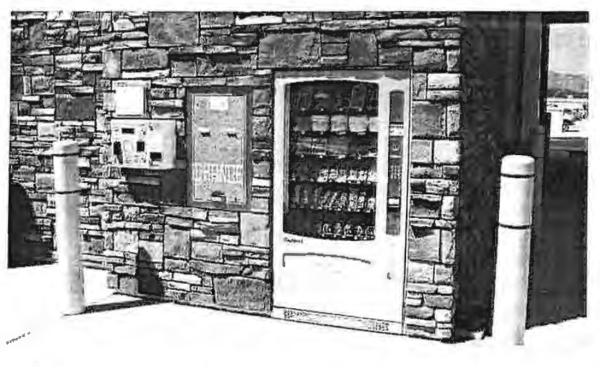
- Mail delivery facilities in commercial projects should be "Gang" type delivery and collection boxes. These facilities should be included on site (located out of pedestrian and vehicular circulation) with paved areas for pedestrian access and landscaped screening as determined by the U.S. Postal Service.
- All railing including stairway handrails and guardrails and decorative railing shall be constructed of wood or metal and should be painted to coordinate with other building features and elements.
- Plexiglas and glossy vinyl illuminated awnings are discouraged. Canvas, treated canvas, matte finish vinyl and fabric awnings are encouraged.
- Existing wood and metal canopies located in the downtown should be maintained to reflect the town's historical ambiance. Projects involving these structures should consider enhancements to prolong their life.
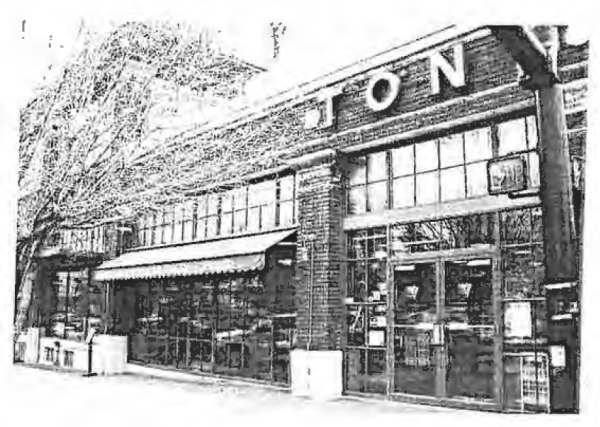
- Main building entries shall be emphasized through building articulation and form to be easily identifiable and visible from the street and parking areas and to create a focal point on the front elevation. All buildings located at street or pedestrian corners shall provide a main corner entrance. On larger buildings, detail treatments at doors and entries should include the use of porches, canopies, arches, tile, color ornamental techniques, moldings, small roofs or combinations of architectural features.
- Streetscape Design.
- Purpose. to create an area adjacent to the street where pedestrian amenities and landscaping combine to create the public open space and "Street Edge" that expresses a consistent element thereby linking development along the public corridor that, although diverse, maintains the small town character of Willard.
- General Design Considerations.
- Buildings shall be set back from the front property line along a public way to allow for a sidewalk and sufficient width of landscaped area along the length of the frontage to establish a streetscape presence.
- "Canopy" street trees shall be planted at consistent intervals along the street with the integration of groupings of "vertical" trees to create a "natural" street edge environment.
- Consistent and uniform street furniture including, benches, trash and recycling containers, planters, bicycle racks, transit shelters and community art and water features should be incorporated into Commercial Project Streetscape designs to create an enjoyable and comfortable pedestrian atmosphere.
- Landscaping shall be used to enhance the streetscape design of commercial areas within Willard by providing shade, defining public areas, softening hardscape, and accenting architectural elements.
- The "street edge" shall be defined through consistent setbacks, landscaping, walls, building placement and street trees that define pedestrian and vehicular corridors while providing a welcoming "pedestrian friendly" space.
- Walkways and Sidewalks.
- Sidewalks should include features to improve pedestrian safety including separation from curb with a planting strip, bulb-outs at intersections, rumble strip crosswalks and mid-block crossings.
- The use of alternative paving materials such as brick, interlocking pavers, cobbles, tile, accent paving, stamped concrete and granite pavers on sidewalks, walkways and pedestrian crossings is encouraged precisely at locations where pedestrian and vehicular traffic converge.
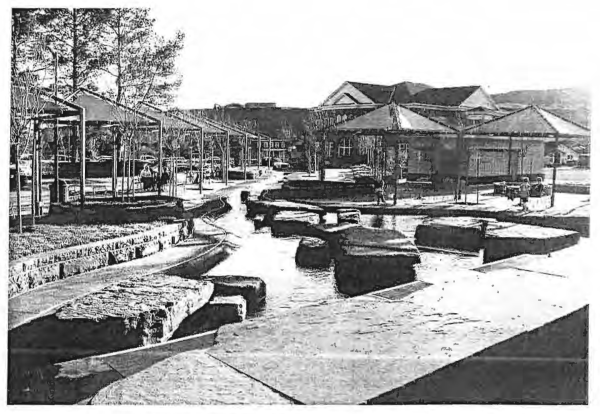
- Street Furniture.
- Furnishings should be selected based on usefulness, durability, maintenance and aesthetic detail. Styles of furnishings shall be consistent with or complementing to styles existing in the project area.
- Bench styles should be complementary to the Community character and the commercial project design.
- Trash and Recycling containers should be consistent with bench styles and should be placed as needed to promote a clean environment.
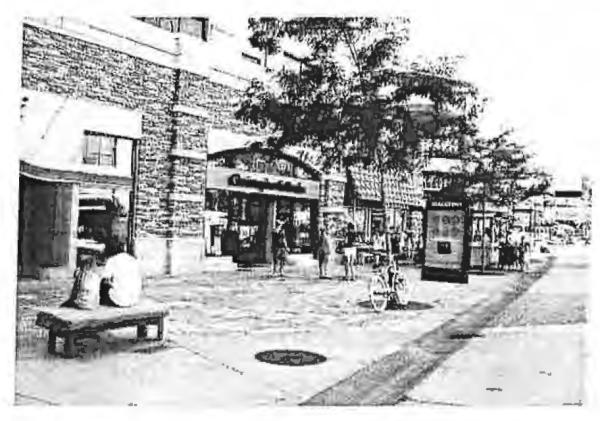
- Planters containing trees, shrubs and flowers should be located in commercial areas to define public spaces, and provide for seating which enhances the pedestrian environment.
- Bicycle racks should be encouraged in commercial areas near building entrances and transit stops to promote alternative modes of transportation.
- Design of transit shelters shall be compatible with other street furniture, and should be consistent throughout town. They should be visible and easily accessible for pedestrians.
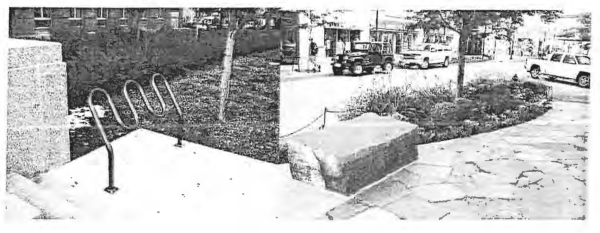
- Streetscape Landscaping.
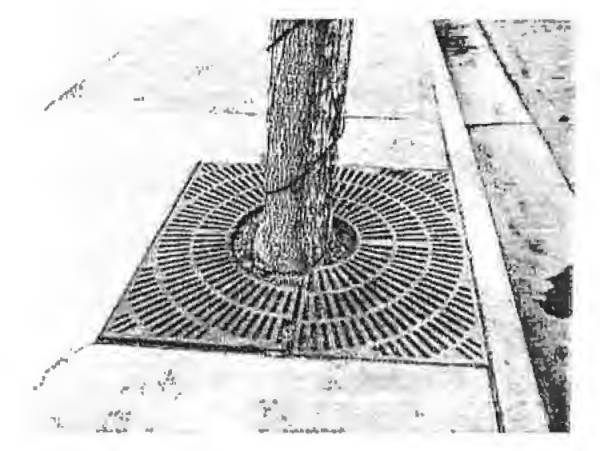
- Street trees should be planted at intervals to create a full canopy of shade along sidewalks and walkways, when the trees mature. Trees should be protected with tree grates and tree fences when appropriate to allow for growth and maturing of the tree.
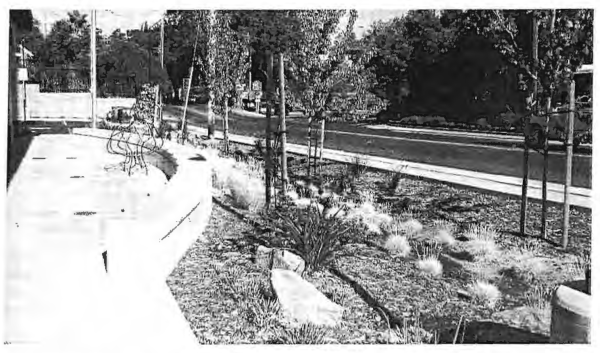
- Primary street trees should provide shade for the pedestrians, define the public way and soften the street; Secondary street trees should complement and support the primary trees in form and function; Accent trees should be used to define entrances, add variety in form and color or highlight other focal points of the streets.
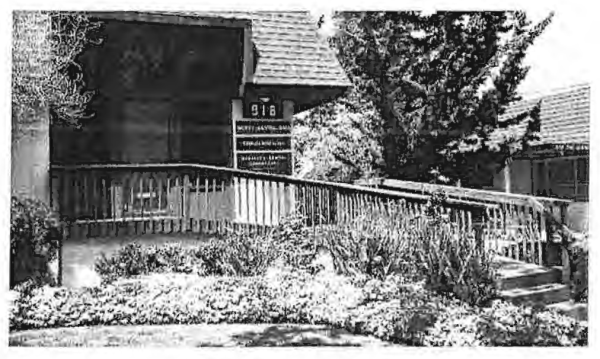
- Low growing (max 36") shrubs should be used to frame the sidewalk, define entrances for public plazas and screen parked cars in parking areas abutting the street.
- Ground plane treatments, ground cover and seasonal plants for color variation should be incorporated into the streetscape landscaping.
- Trees and shrubs planted at all intersections and driveways shall be selected and located to maintain a safe sight line distance for vehicles and pedestrians, defined as a right angle triangular shape whose base and side is measured a distance of twenty five feet parallel and perpendicular to the intersection or driveway. The entire area of this triangle shall be kept at a maximum height of thirty inches above finished grade.
- Landscaping should have little or no mess, should be drought tolerant or native species, and should have relatively open structure to allow light to penetrate. Plant materials for streetscapes should be selected and located to avoid future conflicts with underground and overhead utility lines, easements, services and equipment.
- Medians should be incorporated into the streetscape by use of landscaping compatible with that of the street edge landscaping. (See Plant Selection Guide).
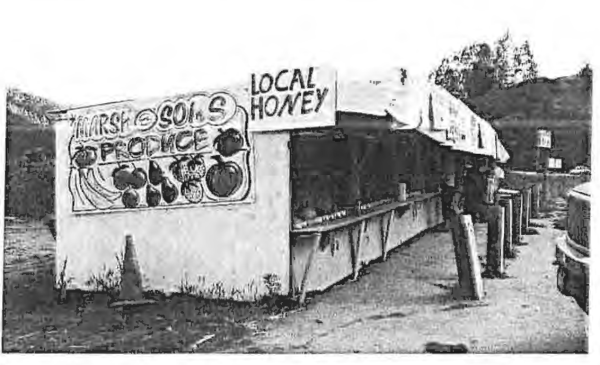
- Street trees should be planted at intervals to create a full canopy of shade along sidewalks and walkways, when the trees mature. Trees should be protected with tree grates and tree fences when appropriate to allow for growth and maturing of the tree.
- Circulation.
- Purpose. To improve pedestrian access in Willard by requiring project designs to incorporate pedestrian and transit linkages with adjacent properties and within the City as a whole, while maintaining and enhancing parking availability.
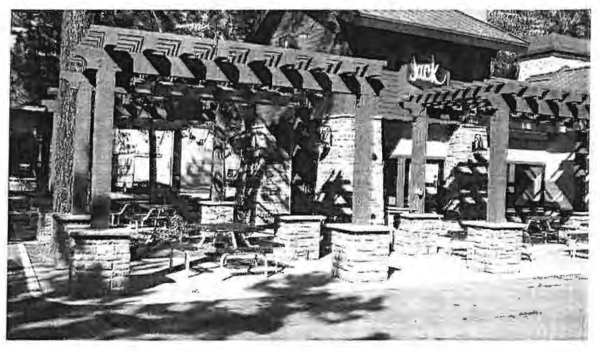
- Purpose. To improve pedestrian access in Willard by requiring project designs to incorporate pedestrian and transit linkages with adjacent properties and within the City as a whole, while maintaining and enhancing parking availability.
- General Circulation Guidelines.
- Parking lot designs shall provide clearly identifiable and easily accessible entrances to project sites, integrate and separate the needs of pedestrians and vehicles, provide aisle circulation patterns with avoidance of dead-end aisles, and provide or address the potential of interconnection between adjacent similar uses. Whenever feasible, curb cuts on-site, and those of adjacent uses, should be combined to minimize the number of entrances on a public right-of-way.
- Commercial project design should provide safe and efficient access for pedestrians to the street, public transportation systems, existing pedestrian travel systems and adjacent neighborhoods and compatible uses.
- Active street environments should promote walking, riding a bicycle and driving a car in safety and comfort. Commercial projects in Willard shall be designed to accommodate other modes of transportation by providing facilities and links needed for pedestrians and bicyclists.
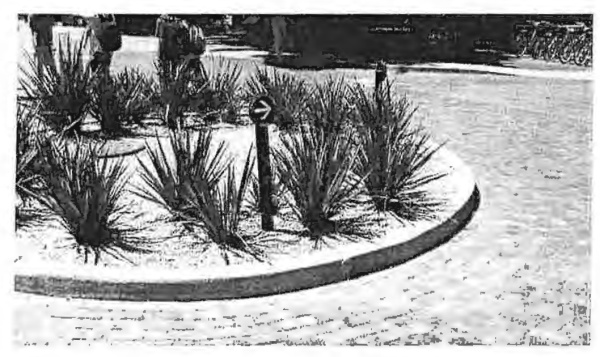
- Efficient and safe vehicle circulation between the building and the street, and on-site shall be provided in all commercial projects.
- Vehicle Access and On-Site Circulation.
- Shared access drives between adjacent parcels of similar use should be utilized to minimize the number of curb cuts to the street. Reciprocal access and parking agreements, between compatible adjacent land uses, for pedestrians and vehicles are strongly encouraged.
- Major access points to commercial centers or adjacent developments should have coordinated access points whenever possible. Separated ingress and egress points with landscaped islands should be provided. Ingress or egress points shall be coordinated with openings in the center median and existing or planned access points on the opposite side of the roadway.
- On-site vehicle circulation should be designed to discourage speeding throughout parking areas to minimize the potential conflict with pedestrians and parked vehicles. Radii for turns shall be designed to facilitate emergency vehicles to the satisfaction of the Fire Department.
- Commercial auto repair garages, tire stores, service stations, car washes, convenience stores, banks, fast food restaurants and all types of buildings with drive through lanes should be oriented to avoid service bays and/or drive through lanes fronting on the street frontage. Drive through lanes should be dedicated lanes separated by planters from the remainder of the parking and vehicular circulation areas. The lanes should have a minimum stack length of 180' measured from the center line of the service window or ATM machine to the entry point.
- Traffic Calming techniques such as sidewalk bulb outs, mid-block crosswalks and attractive "rumble strip" pedestrian crossings should be provided to slow traffic, making the pedestrian environment more safe and enjoyable.
- Avoid use of bumpers in the parking areas to facilitate lot cleaning and snow removal.
- Pedestrian Access.
- All pedestrian circulation walkways shall be designed to provide access to the disabled in compliance with the American Disabilities Act (ADA).
- New commercial projects and significant remodels shall provide continuous pedestrian walkways in the public right-of-way or landscape corridor. Street sidewalks should be placed so that a minimum of six feet exists between the sidewalk and back of curb to allow for street tree planting in a planting strip or tree well. Walks shall align with the curb at intersections, public transit stops and site access walks.
- Pedestrian access shall be clearly defined by sidewalk corridors of a minimum width of four feet. Accent paving materials should be used at entry and transition areas within public sidewalks or pavement areas.
- Pedestrian pathways should utilize common design elements, i.e., colors, textures, materials, pedestrian scale lighting, furniture, trash receptacles, signage, etc.
- Bicycle routes, lanes and pathways should be developed throughout Willard and linked to office projects to encourage alternatives to vehicle travel. Where bike routes exists or are planned, new projects shall incorporate connections into the project design.
- Parking.
- Disabled accessible parking spaces shall be provided and located as required by the American Disabilities Act (ADA) Disabled path of travel from the accessible stalls, public rights-of-ways, public transportation and between all structures on site shall be provided.
- Each site shall provide the minimum number of parking spaces and the minimum space size and aisle dimensions as required by the Zoning Ordinance. Compact parking spaces, when provided, shall be dispersed evenly throughout parking area.
- Customer parking shall be located near primary building entrances and avoid conflict with servicing truck traffic. Employee parking should be located away from main entrances and so as to avoid truck/car conflicts.
- All new parking areas shall be located behind or beside buildings or properly screened along the street edge. Existing parking areas located adjacent to the street should be buffered from public view by a combination of berming and/or screen walls with appropriate screen planting.
- Parking runs shall be limited to a maximum of six (6) spaces separated by a "finger island" planter of six feet (6') in width (measured inside curb face) by the depth of the stall to allow for the root zone of a large canopy shade tree(s). Planters shall be protected from vehicles through the use of raised curbs. Trees planted in parking lots should be deciduous and spaced so as to provide 50% shade coverage at maturity.
- End row parking spaces should be protected from the turning movements of other vehicles with a curb.
- Pedestrian corridors through building groups shall be provided for parking areas placed behind structures. Sidewalk corridors in parking lots should have five feet of landscaping with shade trees on at least one side of the walkway or alternating from one side to the other to provide separation and the potential of shading for pedestrians.
- Raised reinforced barrier curbing shall be used at all perimeter spaces of the parking lot. The standard size stall depth may be reduced by eighteen inches (18") to be used as a wheel stop and allow the car to overhang into the planter. Where an overhang is utilized, planters must be a minimum of five (5) feet in depth. The additional eighteen inches of area shall be incorporated into the perimeter planting area as additionally provided landscaping area for purposes of calculation.
- Shopping cart return areas, in size and numbers appropriate to the size of the project or use, should be provided in conveniently located areas. Cart return areas shall not eliminate required parking spaces or conflict with pedestrian and vehicular circulation.
- On street parallel parking should be encouraged where permitted to slow down vehicle traffic and to provide a buffer between the streets edge and the street.
- Parking facilities including garages, carports and parking lots should be placed on the side or rear of buildings or properly screened along the street edge. Parking areas placed behind structures should be connected to the street or main building entry through defined pedestrian corridors separated from vehicle traffic. Sidewalk corridors in parking lots should have six feet of landscaping with shade trees on at least one side of the walkway or alternating from one side to the other to provide shading for pedestrians.
- See wzc 24.16 for additional requirements.
- Lighting.
- Purpose. To improve the appearance of Willard and the security of its citizens by creating livelier, friendlier and safer spaces through the artful illumination of buildings streetscapes, walkways, plazas, landmarks and other highlights.
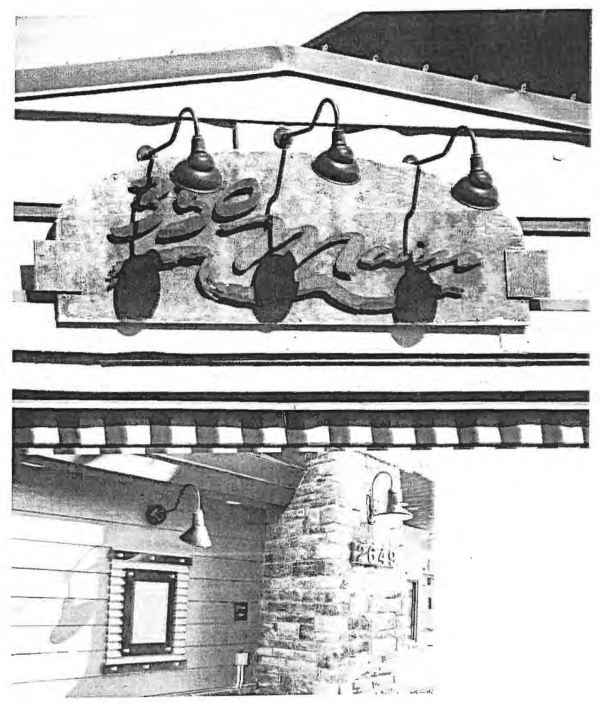
- Purpose. To improve the appearance of Willard and the security of its citizens by creating livelier, friendlier and safer spaces through the artful illumination of buildings streetscapes, walkways, plazas, landmarks and other highlights.
- General Lighting Guidelines.
- Exterior lighting should be used to enhance architectural, landscaping and other project features with the exception of roof lights or lighted roof panels. Fixtures, standards and all exposed lighting accessories should be harmonious with building design.
- Main building entries should have the highest amount of illumination followed by the pedestrian walkways.
- Lighting levels should be limited to the minimum levels necessary to provide public safety. Lighting fixtures should be thoughtfully placed to avoid light spillage and glare on adjacent properties. "Down shine" luminare should be utilized.
- Lighting fixtures should be thematic to complement the architecture of the project and should be of durable and vandal resistant materials and construction. Energy efficient lighting shall also be utilized.
- Neon lighting, if used, should be limited in application to proper architectural period and/or building styling.
- Lighting "spill over" shall not exceed 0.5 foot candles at any point on residential premises, churches and other sensitive uses.
For further information on Neon Lighting, refer to WZC 24.60 General Sign Guidelines.
- Parking Areas, Drives and Pedestrian Ways.
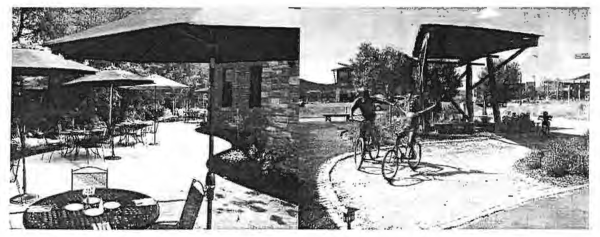
- A photometric lighting plan of site illumination including all site and building mounted exterior lighting indicating the level of illumination proposed throughout the entire site should be provided to City staff before project approval.
- Parking areas and drive entries should have illumination levels of 1.0 foot-candle at the pavement surface for increased safety and adequate identification. However, maximum acceptable lighting levels on abutting residential properties shall be limited to no more than 0.5 foot candles power at the property line.
- Parking and vehicle circulation area light standards shall not exceed twenty feet (20') in height from the adjacent finished grade of the lot. Lighting should be located to ensure adequate light levels are dispersed evenly throughout the lot. The lighting plan and landscape plan shall be coordinated to avoid conflicts with trees.
- Commercial projects abutting residential uses shall not place light fixtures higher than eight feet (8') in parking areas unless the fixture is setback from the property line a distance equal to twice the height of the proposed fixture (maximum twenty feet (20') high).
- Pedestrian walkway lighting should have a minimum illumination level of .5 foot-candle at walking surface to identify any level changes. This can be achieved through the use of low bollard type luminaries' three to four feet (3'-4') maximum height or taller ornamental lighting fixtures to fifteen feet (15') maximum height. The posts should be located to avoid hazards for pedestrians and vehicles, they should be placed to minimize glare and the coverings should be shatter proof.
- Signage.
- Purpose. To encourage architecturally integrated signage that complements the building design theme and style.
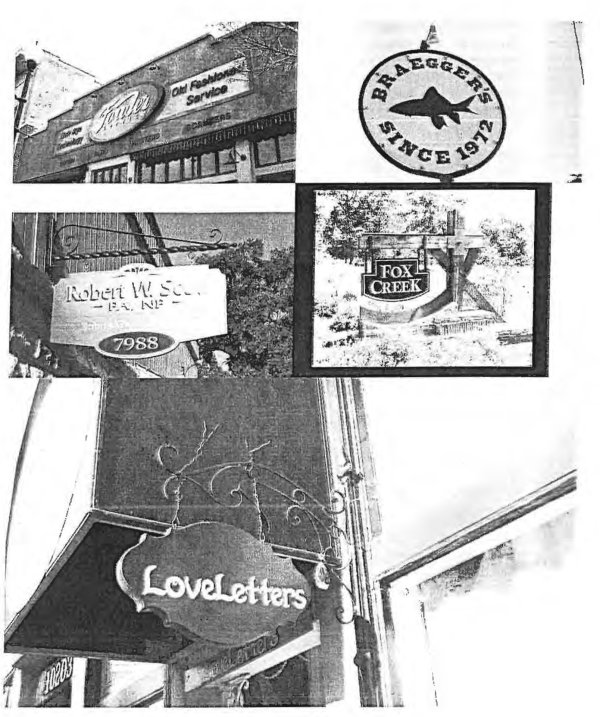
- Purpose. To encourage architecturally integrated signage that complements the building design theme and style.
- General Sign Guidelines.
- Permitted number of signs, sizes, types and locations shall be determined by application of the Willard Sign Ordinance.
- Multiple building projects shall establish a full signage criteria package for the main building(s) and pad building(s) that defines the parameters of sign type, size, font, placement, illumination, color and construction to ensure integration of all tenant and center signage.
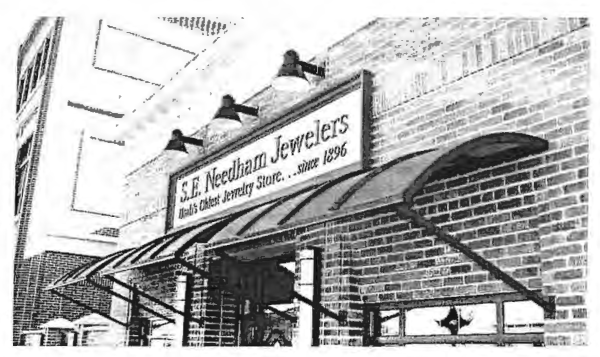
- No signs should be placed in public right-of-ways on sidewalks or streets except hanging over sidewalks.
- Freeway oriented signs are strongly discouraged in Willard City. Signage should be oriented into the community even though it may be viewed incidentally from the freeway.
- Roof signs are discouraged in Willard. The sign ordinance prohibits any sign that exceeds the eave or parapet roof line of the building. Roof signs, where allowed, shall incorporate subtle colors, and frames or supporting structures should be concealed from public view or painted to match the background roof materials.
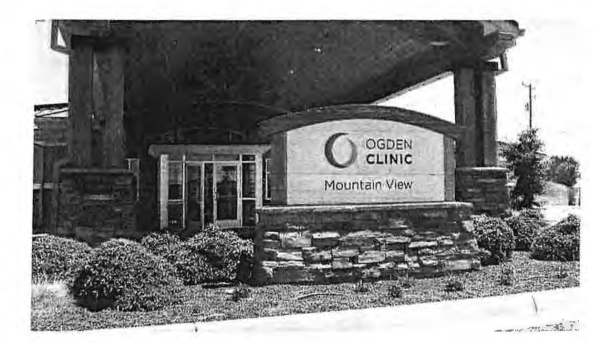
- Attached signing is encouraged. Detached or freestanding signs may be considered if contained within a low profile structure, architecturally related to and compatible with the main structure.
- Signage should be designed as an integral architectural element of the project and site to which it relates. Sign placement on a facade should complement building elements rather than block them.
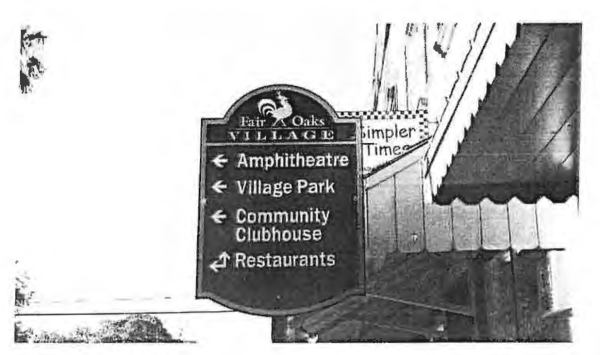
- All signs should be compatible with other signs on the premises and not compete for attention. Identification signs of prototype design and corporation logos should conform to the criteria for all other signs.
- All signs should be minimum size and height to adequately identify the business name. The number of graphic elements such as letters, numbers and logos on a sign should be held to the minimum needed to convey the sign's major message and should be composed in proportion to the area of the sign's face. Additional information, such as products and services, which add clutter and unnecessary advertising, is discouraged. The use of telephone numbers on signs is also discouraged.
- All buildings shall have address numerals, in colors that contrast with the background, which shall be placed in a location visible from the street. All detached signs shall incorporate the street address number it identifies.
- Color of signs and sign components should be complementary to the building architecture, color and character.
- Illumination shall be indirect lighting with the light source shielded from view, or if internal to the sign, only the letters of the business name may be illuminated. Sign background must be opaque.
- Landscaping should be incorporated into the signage design of all ground mounted signs.
- Signage is encouraged to be thematic with use of images representative of the use(s) being advertised.
- Neon signage within the Historical District should be limited to replacements, maintenance and/or enhancement to existing signs. Neon on historical buildings is generally discouraged unless the building period and/or styling is designed to accommodate neon features.
- Any new neon signage or neon building features shall be subject to separate review and approval by the Design Review Committee.
- The use of neon window signs in or near the Historical District is discouraged.
- Neon signage or neon building features should be used as an enhancement to the building and related architecture. It should help identify the business but not advertise specific products, services or name brands.
- The use of red, yellow or green neon is discouraged where these colors could be confused with traffic signals.
- Awning signs should be integrated into the awning and be limited to the awning flap (valance) or to the end panels of angled, curved or box awnings. Canvas awning signs should not appear to be separately pasted or applied on as a different material.
For further information on signage, refer to the Willard City Sign Ordinance.