
Angier City Zoning Code
CHAPTER 6
OPEN SPACE AND ENVIRONMENTAL PROTECTION
Section 6.1.- Purpose.
The purpose of this chapter is for the preservation of open space, the purchase and development of recreational land and parks, and the protection of existing environmental resources including open space, streams, wetlands, watersheds, floodplains, soils, forest stands, specimen trees and other significant vegetation and wildlife. These elements are of economic value to the town and make it a desirable place to live and visit.
(Ord. of 1-7-2020(2))
Section 6.2. - Environmental assessment and suitability of land.
6.2.1 Preservation of trees and natural features encouraged.
A.
Significant forest stands, natural vegetation, specimen trees, severe natural topography, drainage features and water courses are encouraged to be preserved to the extent that is reasonable and practical while otherwise not reasonably prohibiting development.
B.
Forested and vegetated areas whose physical site conditions render them unsuitable for development should be set aside as conservation areas or as open space. Wooded sites should be developed with careful consideration of the natural characteristics of the site. When portions of forested stands must be developed, careful consideration should be given to preserving wooded perimeters or the most desirable natural features in order to retain the aesthetic or visual character of the site. Isolated pockets of existing trees or specimen trees should be protected as a valuable asset of the property.
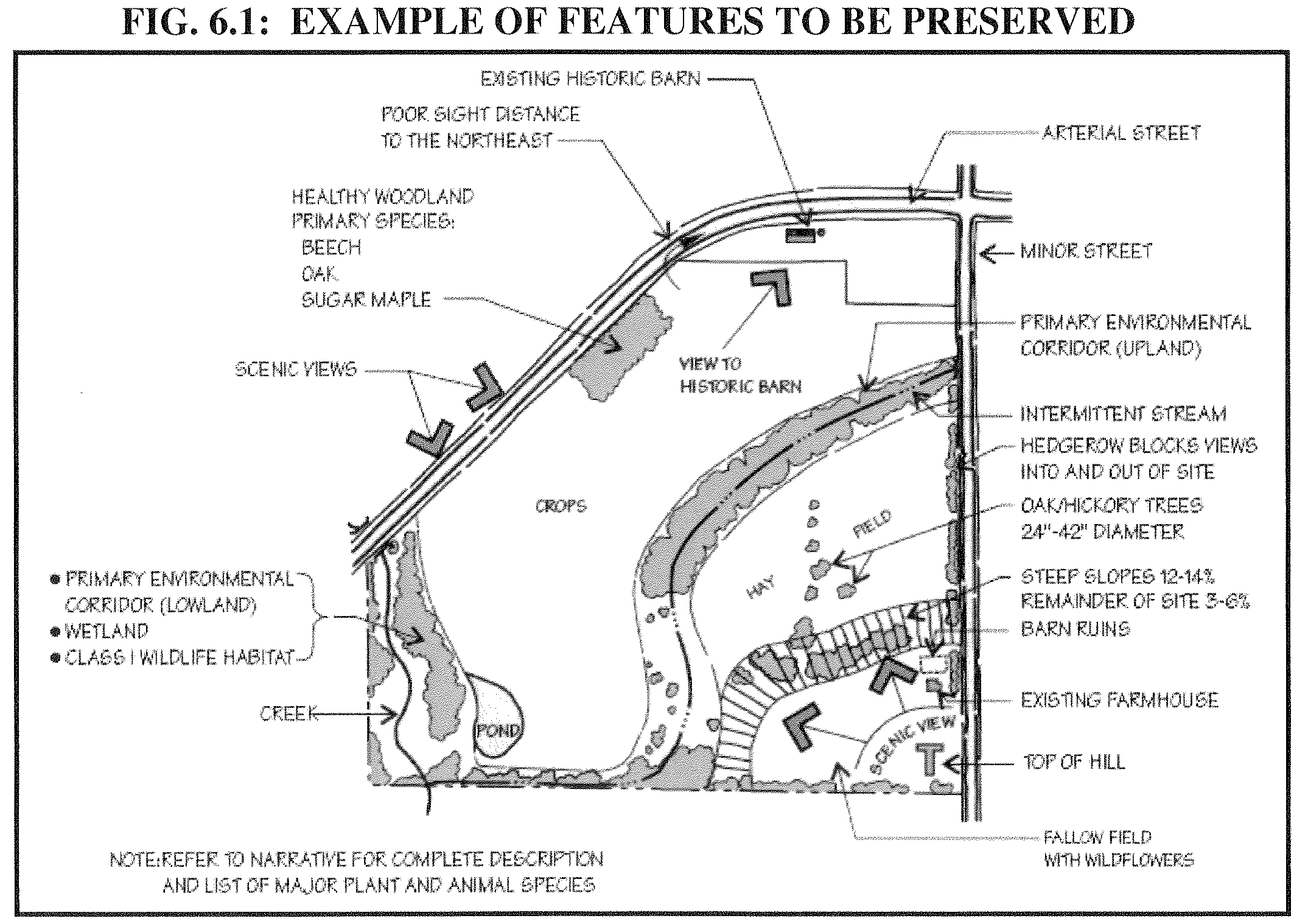
6.2.2 Existing features plan. Existing features plans are required at the pre-application stage for all major subdivisions and shall be submitted in accordance with Section 12.2.
Section 6.3. - Open space requirements.
6.3.1 Applicability. The requirements of this section apply to new major subdivisions and multifamily developments with greater than five residential dwelling units. Single family developments in which all lots are one acre or more are exempt from the open space dedication requirements of this section.
6.3.2 General provisions for open space.
A.
Land designated as open space on the approved development plan shall be maintained as open space and may not be separately sold, subdivided, or developed for any other purpose. Dedicated open space shall not be more than 50 percent covered by water.
B.
Access from a public or private street shall be provided to all designated open space with a minimum 15-foot wide access to the open space area. Lakes or ponds within the subdivision used as open space shall provide adequate community access beyond this 15-foot minimum as determined by the administrator.
C.
Open space shall be contiguous wherever possible.
D.
All open space required as part of a development, including passive open space types, shall include improvements.
6.3.3 Minimum open space dedication. Open space shall be dedicated at a ratio of 20 percent of the total area for developments equal to or greater than 20 acres. This required dedication of open space shall be limited to a maximum of ten acres. At least 50 percent of the acreage dedicated to meet these requirements, or five acres, whichever is less, must include active recreational facilities such as playgrounds, swimming pools, athletic courts or fields, greenways or walking trails as determined by the administrator during preliminary plat or site plan review. All reasonable efforts should be made by the developer to ensure wetlands and floodplain areas are reserved in open space areas and left undisturbed.
6.3.4 Types of open space. All required open space shall be classified in accordance with this section. Dedicated open space shall fit into one or more of the following categories and be classified as private or public open space. Illustrations used herein are intended for general purposes only and shall not be used as a literal interpretation of requirements. The existing features plan should be used as a guide for the town and the developer to determine the most appropriate open space type and location. Also town and county plans, particularly park and open space plans, shall be considered when evaluating the most appropriate open space type.
A.
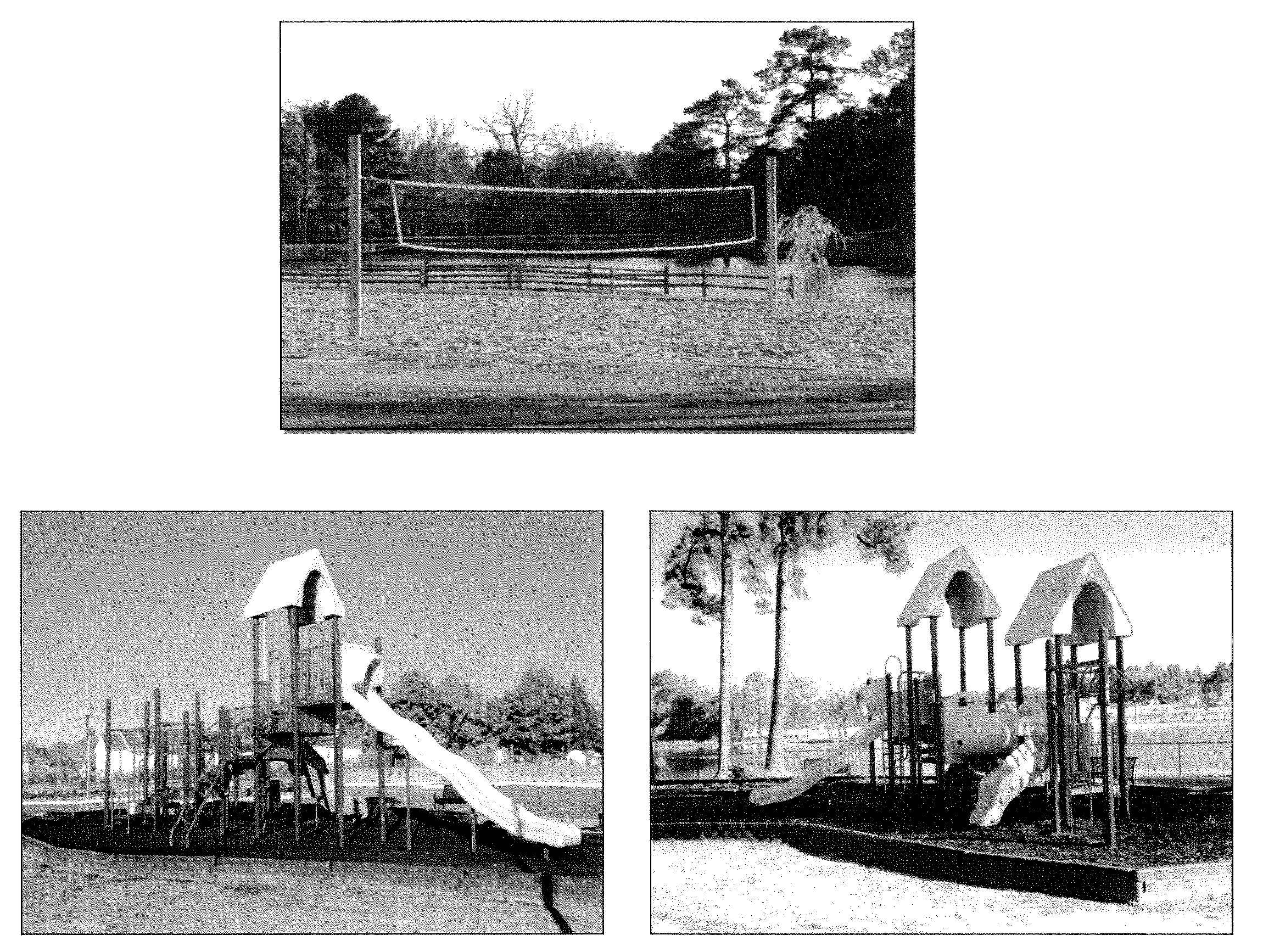
Playground. Playgrounds are for active recreational use and provide sunny and shaded play equipment and play areas for children as well as open shelter with benches. Playgrounds may be part of other types of open space, such as parks, or may stand alone.
B.
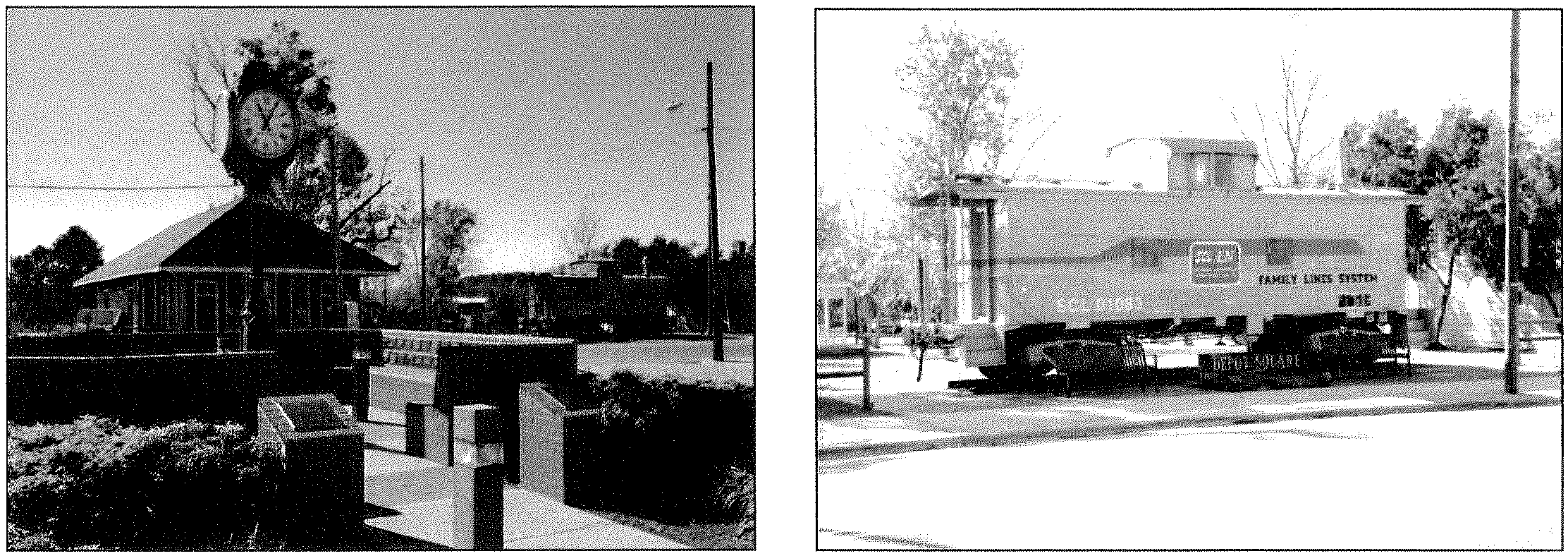
Square. Squares are areas for passive recreational use. Squares shall be bounded by streets on a minimum of 50 percent of their perimeter. Squares are encouraged to be entirely bounded by streets and/or lanes. Squares shall be planted parallel to all streets and shall contain canopy trees along street frontages.
C.
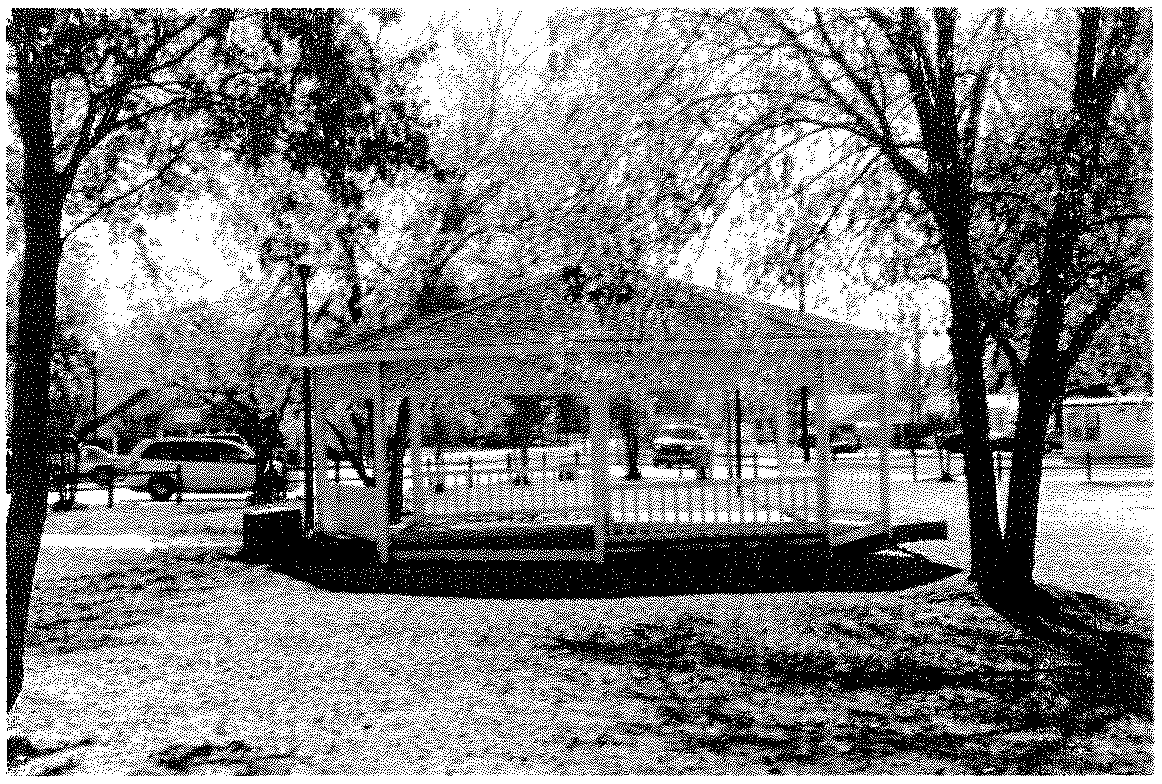
Park. Parks may be designed for passive and/or active recreational use. Parks shall be bounded by streets on a minimum of ten percent of their perimeter. Large parks should create a central open space which services an entire neighborhood or group of neighborhoods; or incorporates physical features which are an asset to the community (i.e. lake or river frontage, high ground, significant stands of trees). Undergrowth should be limited and landscaping shall be installed in a manner that promotes attractiveness and safety. Parks may be combined with greenways and greenbelts and may include golf courses, athletic fields and community gardens.
D.
Green. The green is an open space which is more natural. Like the square, it is small and surrounded by buildings. Unlike the square, it is informally planted and may have irregular topography. Greens are usually landscaped with trees at the edges and open lawns at the center. Greens should contain no structures other than benches, pavilions, and memorials; brick, concrete or asphalt walking paths are required.
E.
Greenway. Greenways are large, irregular open spaces designed to incorporate natural settings such as creeks and significant stands of trees within and between neighborhoods. Greenways are typically more natural and may contain irregular topography. Greenways shall be used for certain active recreational uses including, at a minimum, trails for walking, jogging, and biking. Greenways shall connect points of interest in the community such as schools, parks, and other civic uses.
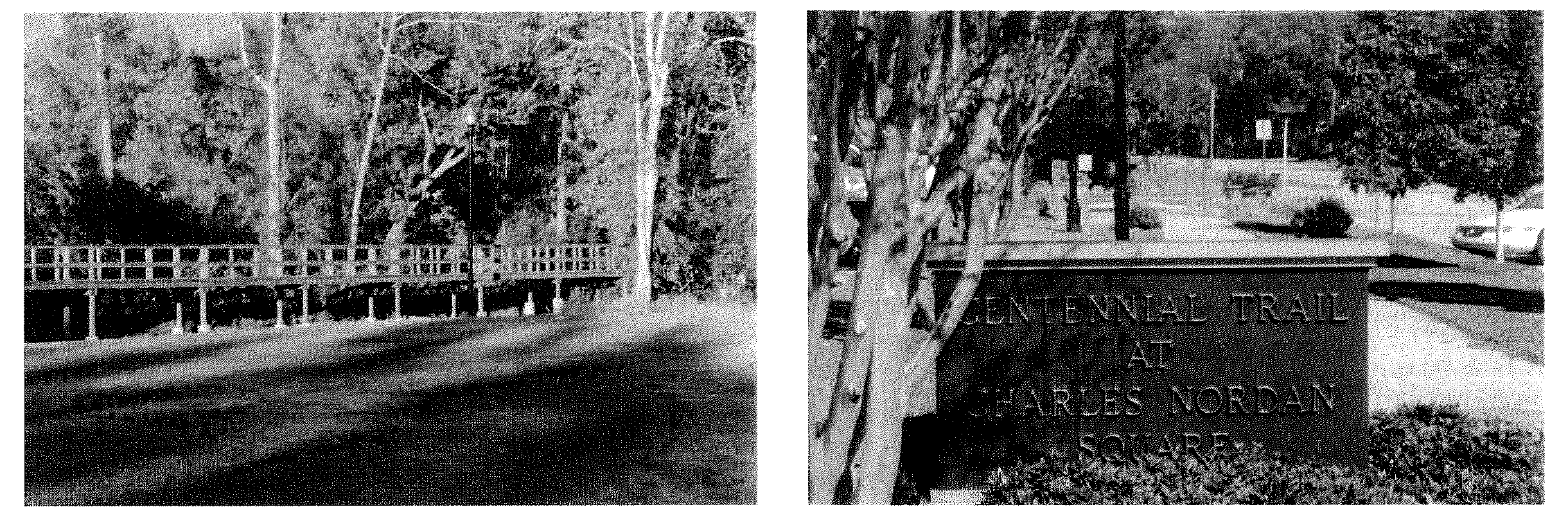
F.
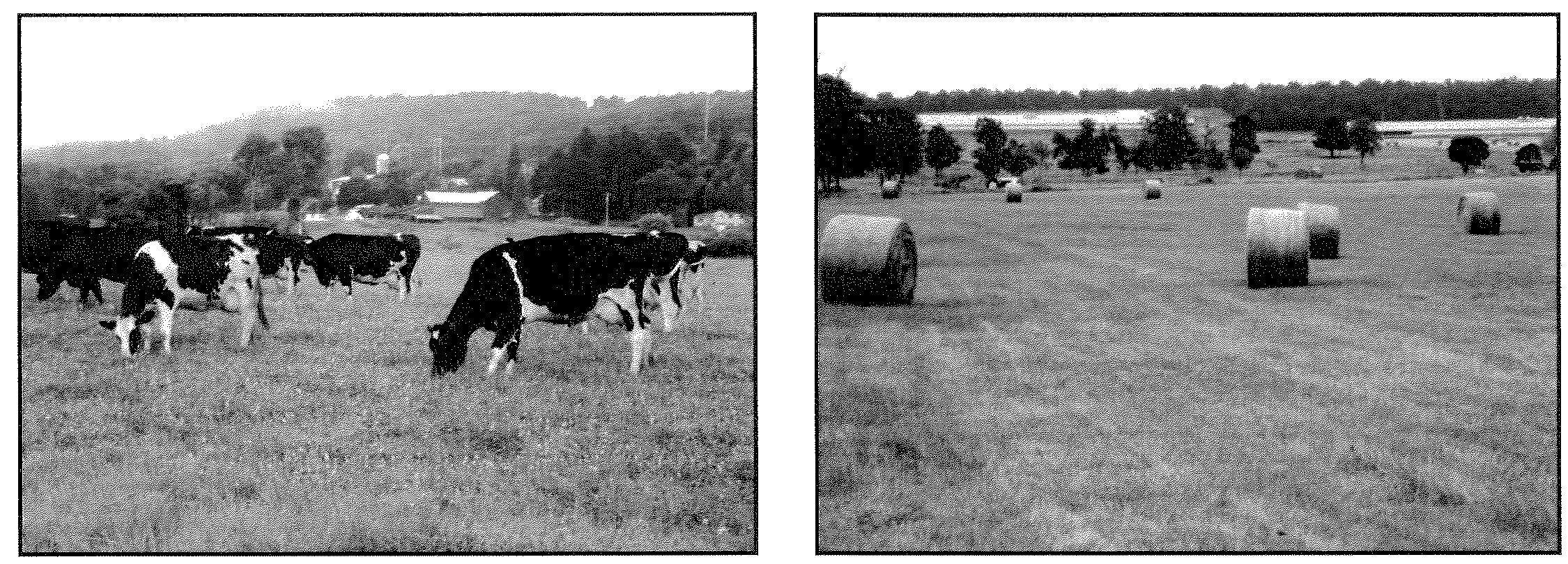
Agricultural preserve. Open spaces designated as agricultural preserves shall be used for active farming in the form of crop cultivation, the keeping of livestock, or equestrian facilities. Agricultural preserves are encouraged to protect areas of agricultural and rural heritage and promote compatible active agricultural operations.
G.
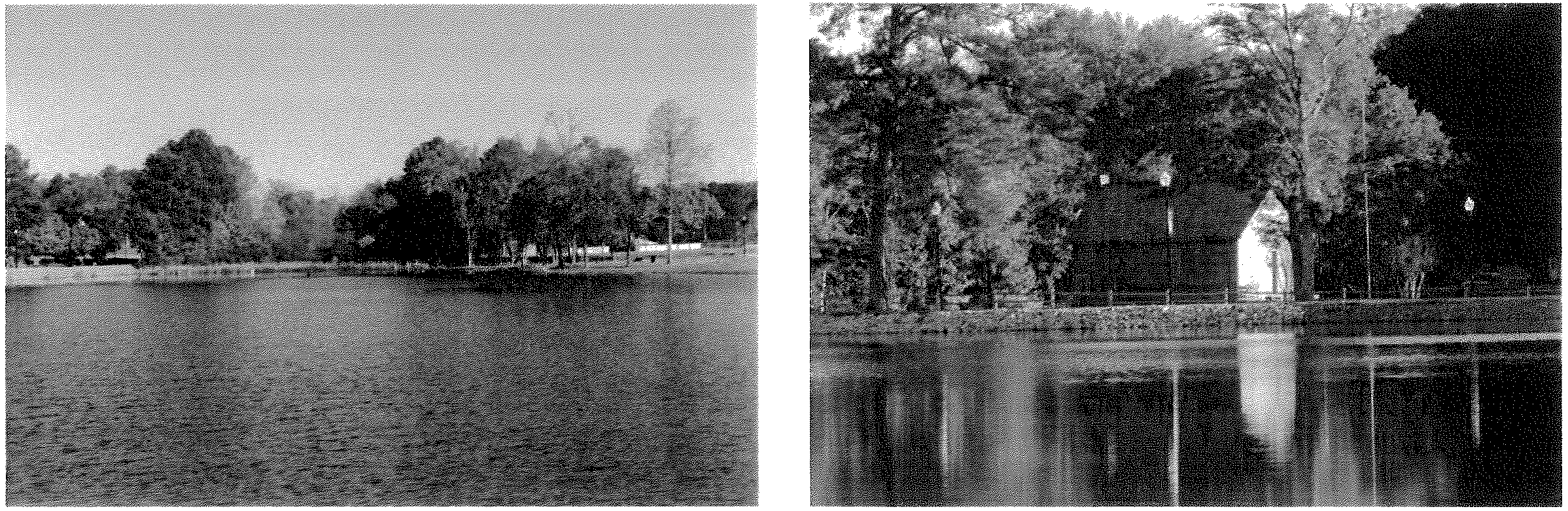
Nature preserve. Open spaces designated as nature preserves shall be left largely undisturbed except for the optional clearing of underbrush for the provision of a walking trail (mulch or other natural material only). Nature preserve areas are encouraged to protect large stands of trees, wildlife, and natural water features. Nature preserves are the preferred form of open space for steep slopes in excess of 25 percent grade.
(Ord. of 1-7-2020(2))
Section 6.4. - Open space ownership and maintenance.
A.
Open space may be owned or administered by one or a combination of the following methods:
1.
Fee simple ownership by a unit of government or private nonprofit land conservancy;
2.
Common ownership by homeowner's association;
3.
By individual private ownership such as a farmer, developer or other private entity that maintains the open space in accordance with the purposes of this chapter. (i.e. farming, equestrian facility, etc. excluding confined livestock operations).
4.
Deed restricted open space easements on individual private properties.
B.
The town board of commissioners shall have the authority to accept or reject land dedications made as a requirement of this section. They shall also have authority to sell land accepted pursuant to this section with the proceeds of such sale used only for the acquisition, expansion or improvement of recreation, park, or open space sites.
C.
The owner of dedicated open space shall be responsible for the continuing upkeep and proper maintenance of the same.
D.
In the case of common ownership by a homeowner's association, the restrictive covenants shall provide that, in the event the homeowner's association fails to maintain the open space according to the standards of this ordinance, the town may, following reasonable notice, demand that deficiency of maintenance be corrected, or enter the open space to maintain it. The cost of such maintenance shall be charged to the homeowner's association.
E.
The developer shall place in a conspicuous manner upon the final plat of the subdivision a notation concerning control of open space.
F.
The developer will provide proof of registration of the Articles of Incorporation with the appropriate state agency for the formation of the homeowner's association to the administrator prior to or at the time of final plat recordation.
G.
Homeowners' associations or similar legal entities that are responsible for the maintenance and control of open space areas and common areas shall be established by the developer who shall record in the register of deeds a declaration of covenants and restrictions that will govern the association or similar legal entity. A copy of the recorded document shall be provided to the administrator and such document shall include, but not be limited to, the following:
1.
Provision for the establishment of the association or similar entity is required before any lot in the development is sold or any building occupied and membership shall be mandatory for each homeowner and any successive buyer.
2.
The association or similar legal entity has clear legal authority to maintain and exercise control over such common open space areas.
3.
The association or similar legal entity has the power to compel contributions from residents of the development to cover their proportionate shares of the costs associated with the maintenance and upkeep of such common areas. Further, assessments levied can become a lien on the property if allowed in the master deed establishing the homeowners association or similar legal entity.
4.
The open space restrictions must be permanent, not just for a period of years.
5.
The association or similar legal entity must be responsible for liability insurance, applicable taxes and the maintenance open space and other facilities under their control.
6.
The association or similar legal entity must be able to adjust the assessment to meet changing needs.
7.
The association shall be responsible for maintaining all public storm water drainage systems and easements within the subdivision not being maintained by the town, county, state or other approved entity.
8.
It shall be expressly stated within the restrictive covenants/homeowners association documents that it will be the responsibility of the developer or successors or assigns to enforce such covenants or restrictions until such time as control has been transferred to the Homeowners Association Board of Directors. It shall be the sole responsibility of the developer, successor or assigns to correct any deficiencies prior to transfer of control over to the homeowner's association board of directors.
Section 6.5. - Payment-in-lieu-of dedication.
A.
If open space within a development is physically impractical due to unusual conditions then the town may accept a fee paid in lieu of dedication.
B.
Fees collected in lieu of dedications and any proceeds from such transactions or sales shall be accounted for by the town, and the funds shall be used by the town for the purposes of acquiring and developing recreation, greenway and open space areas as shown on the land development plan or in the parks and recreation and greenway/bikeway master plans and for no other purposes. The depository for such funds may be the same as permitted other funds of the town, pending their expenditure in accordance with the terms of this Code; such funds may be invested as other funds of the town. The town may, at its discretion, add additional monies to the fund for the purposes of purchasing open space and recreational land to be used for recreational purposes.
C.
Refunds shall not be granted to the developer should the project not be constructed after recording of final plat or if a reduction in density occurs.
D.
Such payment in lieu of dedication shall be established from time to time by the Angier Board of Commissioners and listed in the current rate and fee schedule.
(Ord. of 1-7-2020(2))
Section 6.6. - Environmental protection.
A 30-foot undisturbed buffer shall be provided from the stream bank of all perennial streams as shown on the latest USGS map. Such buffer may only be disturbed for the installation of a narrow greenway path.
Section 6.7. - Parks and recreation development fee.
In addition to the open space dedication requirements of this chapter, the Town of Angier seeks to provide adequate recreational facilities to residents within proposed developments and in surrounding areas.
Pursuant to the authority granted to the Town of Angier by N.C.G.S. § 160D-804, this section shall require that the developer of a proposed major subdivision or multifamily development provide funds to the town for the acquisition or development of recreation facilities, park facilities, or open space sites that serve the immediate area of the proposed development.
The parks and recreation development fee shall be as established from time to time by the Angier Board of Commissioners and listed in the current rate and fee schedule.
(Ord. of 1-7-2020(2); Ord. of 1-7-2020(2); Ord. of 6-1-2021)

