
Berkeley County Unincorporated
City Zoning Code
City Zoning Code
ARTICLE 7
- COMMERCIAL AND INDUSTRIAL ZONING DISTRICTS
7.1.- Rural and neighborhood commercial district (RNC).
7.1.1. Intent.
A.
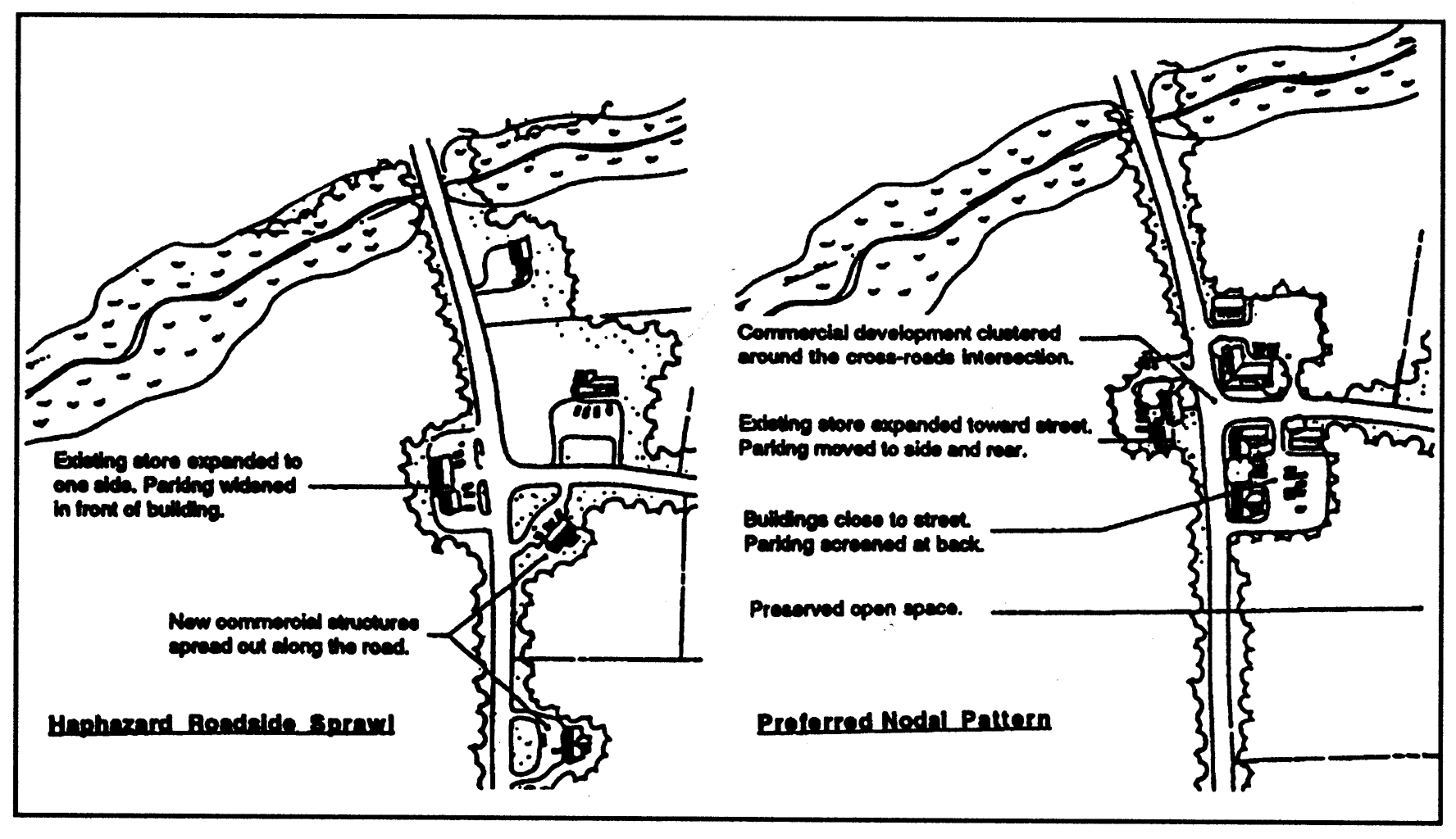
This district provides for the development of commercial uses in the county's rural areas and urban areas for the development of small-scale commercial uses designed to serve adjacent residential neighborhoods. The regulations of the district are developed to:
1.
Minimize roadway hazards caused by numerous or poorly located curb cuts;
2.
Landscaping and buffering to adjacent agricultural or residential uses and roads;
3.
Strengthen business and commercial activity by concentrating facilities;
4.
Dissuade noncomplementary uses that might weaken or conflict with commercial activity;
5.
Strengthen pedestrian and vehicular connections between commercial center and adjacent residential areas.
B.
Encourage rural and neighborhood commercial development areas to develop in the following manner:
1.
Have a single access point to primary roads in the county.
2.
Provide landscaping and buffering adjacent to agricultural or residential uses and roads.
C.
Commercial uses will be encouraged to be compatible in scale and integrity with the surrounding landscape.
D.
This district shall not be strip developments, but small-scale commercial centers that blend with the existing or create a sense of place.
E.
Existing commercial areas within towns remain the preferred, principal location of community retail and service businesses.
7.1.2. Location.
A.
Rural commercial district location. This district should be applied in the agriculture and rural settlement areas at major intersections, and in the rural village areas mapped on the future land use map in the comprehensive plan.
B.
Neighborhood commercial district location.
1.
This district should be applied in areas convenient to the neighborhoods that they serve in the residential growth areas mapped on the future land use map in the comprehensive plan.
2.
Automobile access to businesses within this district should be on local access or two-lane minor collector roads and development should be designed, landscaped, and buffered so as to be compatible with neighboring developments.
C.
[New RNC districts.] New RNC districts should not have the following characteristics:
1.
Multiple vehicular entrances along highways that present a threat to public safety through numerous vehicular turning movements, and which inhibit higher operating speeds and higher levels of service.
USES
7.1.3. Permitted uses. The following uses are permitted within the RNC rural and neighborhood commercial district:
A.
Commercial uses.
1.
Commercial, personal services.
2.
Commercial, professional services.
3.
Convenience retail and/or gas station.
4.
Office.
5.
Restaurant.
6.
Retail sales.
7.
Mixed use.
B.
Recreation and amusement uses.
1.
Commercial, indoor recreation.
2.
Commercial, outdoor recreation.
3.
Indoor recreation.
4.
Outdoor recreation, active.
5.
Outdoor recreation, passive.
6.
Ecotourism.
7.
Golf course.
8.
Miniature golf.
C.
Institutional uses.
1.
Assembly and worship.
2.
Cemetery.
3.
College and professional schools.
4.
Commercial day care center.
5.
Assisted living facility.
6.
School, neighborhood and community.
7.
Local utilities, public service, and government office.
D.
Residential uses.
1.
Single-family detached.
2.
Manufactured home.
3.
Duplex.
E.
Storage uses.
1.
Boat storage facility (indoor).
7.1.4. Accessory uses. Accessory uses are permitted as a detached structure or use subordinate to the main building or classification that is used for purposes customarily incidental to the principal use. Accessory uses shall not exceed 65 percent of the size of the principal classification.
The following uses are permitted as accessory uses within the RNC rural and neighborhood commercial district:
A.
Commercial.
1.
Bed and breakfast.
2.
Other necessary and customary uses determined by the zoning administrator to be appropriate, incidental and subordinate to the principal use of the property, subject to compliance with any development and performance standards imposed by the planning department as a means of ensuring land use compatibility.
B.
Storage.
1.
Business storage (indoor storage).
2.
Other necessary and customary uses determined by the zoning administrator to be appropriate, incidental and subordinate to the principal use of the property, subject to compliance with any development and performance standards imposed by the planning department as a means of ensuring land use compatibility.
C.
Institutional and civic.
1.
Refreshment stands and food and beverage sales located in uses involving public assembly;
2.
Cafeterias, dining halls, and similar food services when operated primarily for the convenience of employees, residents, clients, patients, or visitors to the principal use;
3.
Gift shops, newsstands, and similar commercial activities operated primarily for the convenience of employees, residents, clients, patients, or visitors to the principal use;
4.
Recreation areas and facilities for the use of the employees;
5.
Other necessary and customary uses determined by the zoning administrator to be appropriate, incidental, and subordinate to the principal use of the property, subject to compliance with any development and performance standards imposed by the planning department as a means of ensuring land use compatibility.
D.
Residential.
1.
Commercial apartment;
2.
Home occupation;
3.
Fences and walls;
4.
Garages, carports, and off-street parking;
5.
Guesthouse, gate houses and guard houses;
6.
Playhouses, patios, cabanas, porches, gazebos, and incidental household storage buildings;
7.
Radio and television receiving antennas;
8.
Recreational and play facilities for the use of residents;
9.
Tennis courts, swimming pools, and hot tubs;
10.
Other necessary and customary uses determined by the zoning administrator to be appropriate, incidental and subordinate to the principal use of the property, subject to compliance with any development and performance standards imposed by the planning department as a means of ensuring land use compatibility.
7.1.5. Uses permitted with conditions. The following uses are permitted as conditional uses within the RNC rural and neighborhood commercial district. All listed conditions shall be demonstrated prior to permit approval. See article 11 for the procedure for approval of conditional uses.
A.
Commercial uses.
l.
Commercial, bar.
a.
Accessory use only within the RNC district.
b.
All regulations found in article 11.4 shall be met prior to permit approval.
2.
Commercial, carwash.
a.
Carwash site will be designed so that runoff from the washing bays is contained on-site or recycled.
3.
Commercial, drive-through window.
a.
District conditions.
1.
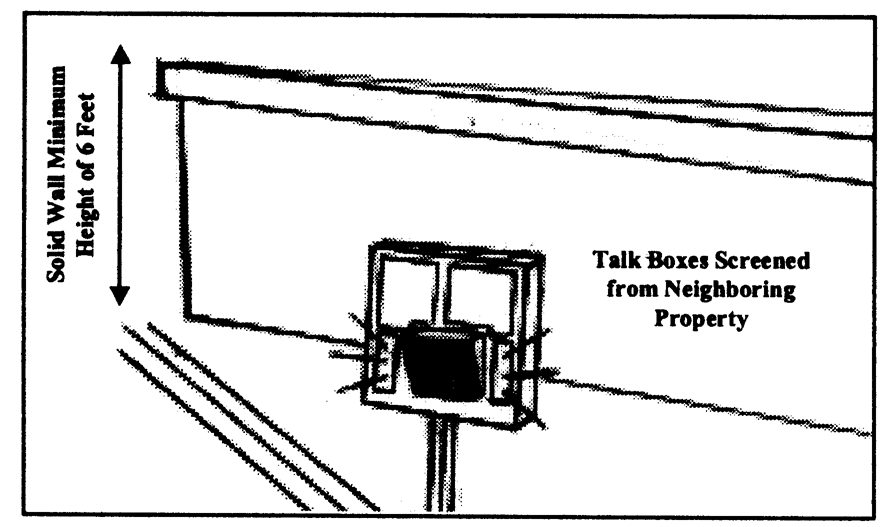
Screening of talk boxes. Talk boxes shall be screened from adjoining residential property to act as a noise barrier.
a.
Talk boxes shall be screened from adjoining property by a solid wall.
i.
Minimum height: Six feet.
ii.
Fence materials: Wood, brick, or masonry.
b.
General conditions.
1.
All conditions and regulations found in article 11.4 shall be met prior to permit approval.
4.
Commercial, general services.
a.
No primary or accessory outdoor storage uses shall be allowed in the RNC district.
5.
Outdoor sales, rural (refer to article 4.3.1 for types of allowed sales).
a.
Minimum lot size must be ½ acre - currently minimum lot size for RNC uses is 14,000 sf but this more appropriately applies to the residential uses permitted in the district than commercial uses.
b.
Limit the sales area to no more than 1 acre including the display area and the office.
c.
Restrict the sales lot from having display area lighting for nighttime use in order to minimize the negative impacts the sales lot would have on the character of the rural area and residential users.
d.
Require that all automobiles be immediately ready for display and sale in order to prohibit storage of inoperable/unusable vehicles.
6.
Domestic boarding facility.
a.
The facility shall be buffered with an opaque eight-foot tall privacy fence between the facility and all adjoining properties in addition to any landscaping requirements found in article 15 of this ordinance.
B.
Recreational uses.
1.
Campground.
a.
Located within the agricultural, rural settlement, or rural village areas found mapped on the future land use map in the comprehensive plan.
b.
All conditions and regulations found in article 11.5 shall be met prior to permit approval.
2.
Resort/fish camp.
a.
Located within the agricultural, rural settlement, or rural village areas found mapped on the future land use map in the comprehensive plan.
b.
All conditions and regulations found in article 11.5 shall be met prior to permit approval.
C.
Institutional uses.
1.
Family day care home.
a.
All conditions and regulations found in article 11.5 shall be met prior to permit approval.
7.1.6. Special exceptions. (Reserved)
7.1.7. Prohibited uses. The following uses are prohibited within the RNC rural and neighborhood commercial district.
1.
Sexually oriented businesses.
2.
Mobile home park.
3.
Outdoor sales, other.
4.
All uses not listed as permitted are prohibited.
DENSITY
7.1.8. Residential density.
A.
When not subdividing, there shall be no more than two principal dwelling units per one acre (43,560 square feet) of platted land, lot, or parcel. For each additional half acre in land area, one additional dwelling may be permitted, up to a maximum of four dwellings.
B.
In no case shall there be more than four units placed on one parcel.
7.1.9. Lot requirements.
A.
Minimum lot size:
1.
Public water and sewer available: 14,000 square feet.
2.
Only public sewer available: 14,000 square feet.
3.
Only public water available: 14,000 square feet.
4.
Individual wells and septic tanks: 30,000 square feet.
B.
Maximum lot size: Five acres.
7.1.10 Minimum yard requirements. The minimum setbacks shall be:
A.
Front yard: 20 feet minimum.
B.
Side yard: Ten feet minimum, unless buildings are adjoining.
C.
Rear yard: 20 feet minimum.
D.
Accessory structures are permitted in the rear and side yards only with minimum of five-foot setbacks from the side and rear property lines or ingress/egress easements, whichever is greater. If the accessory structure is placed in that portion of the yard that fronts a second street frontage of the property, the setback from the second street frontage property line for the accessory structure is the required second street frontage setback for the primary structure.
E.
Second street frontage: 20 feet minimum.
F.
Open drainage ditch and/or stormwater pond easement lines (excluding swales): 30 feet minimum.
G.
Ingress/egress easements: The minimum distance stated above for front, side, or rear.
H.
Single-family attached lots may have a zero foot side setback for a common wall.
7.1.11. Building requirements.
A.
Maximum impervious coverage: 80 percent.
B.
Building height: Less than 40 feet to the highest part of the structure. The height limits contained in the airport overlay district, as regulated by article 10, may apply additional height limitations to a specific piece of property.
SITE STANDARDS
7.1.12. Parking standards. All uses within this district shall conform to the standards outlined in article 15: Off-Street Parking Requirements.
7.1.13. Bufferyards standards. All uses within this district shall conform to the standards outlined in article 17: Bufferyards.
7.1.14. Single-site development (site) plan. A single-site development (site) plan, when required, shall be prepared and submitted in accordance with the processes and requirements established in chapter 59, The Land Development and Subdivision Regulations of Berkeley County, is required to be reviewed and, and upon demonstrated conformance to all applicable standards, approved prior to commencement of development and/or redevelopment activities. The plan shall also include, at a minimum, the following information.
A.
The single-site development (site) plan shall also demonstrate conformance to applicable conditional use standards contained herein or specified in article 11.
B.
The single-site development (site) plan shall accompany any necessary supporting documentation or materials required for submittal, review, and/or approval per chapter 59.
(Ord. No. 02-08-33, 8-26-2002; Ord. No. 04-11-68, 11-23-2004; Ord. No. 05-08-58, 8-29-2005; Ord. No. 10-08-24, 8-23-2010; Ord. No. 11-04-02, 4-25-2011; Ord. No. 12-11-33, 11-26-2012; Ord. No. 21-05-24, 5-24-2021)
7.2. - General commercial district (GC).
7.2.1. Intent.
A.
This district provides for the development of commercial centers that serve the retail and services needs of the surrounding community within a ten-minute drive. The regulations in this district are intended to:
1.
Ensure that developments complement the character of the surrounding community; and
2.
Ensure that appropriate pedestrian linkages with adjacent land uses are included; and
3.
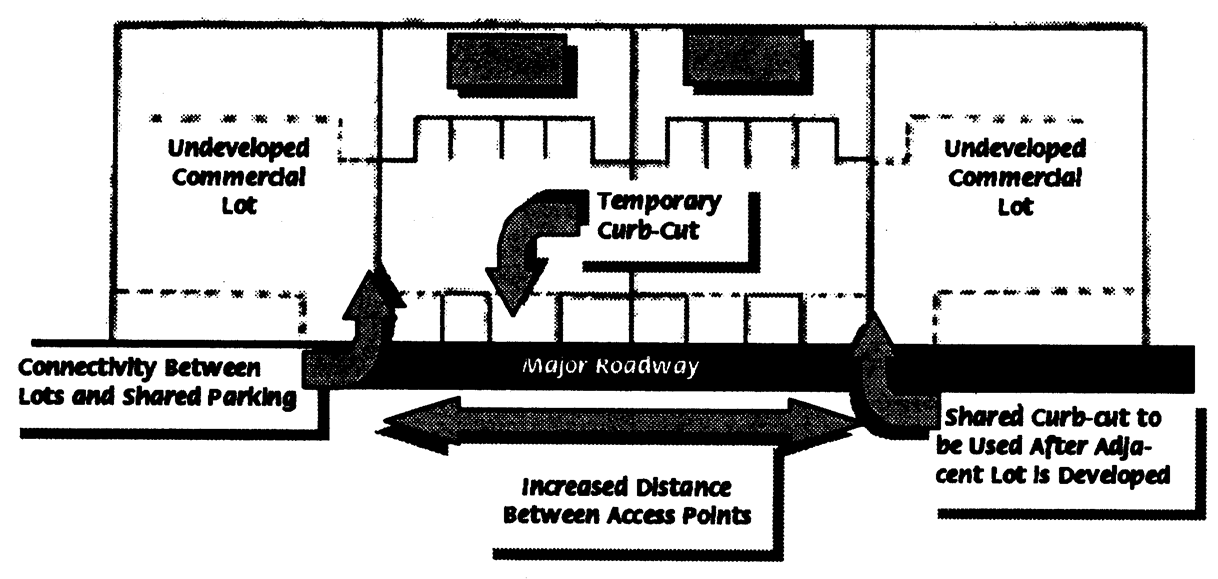
Minimize roadway hazards caused by numerous or poorly located curb cuts; and
4.
Buffer from incompatible uses; and
5.
Strengthen business and commercial activity by concentrating facilities; and
6.
Dissuade noncomplementary uses that might weaken or conflict with commercial activity.
B.
Uses in this district should develop as commercial centers.
7.2.2. Location.
A.
This district shall be applied in areas or nodes designated for mixed use, commercial, and/or employment uses as mapped on the future land use map in the comprehensive plan and where appropriate.
B.
New general commercial districts should have the following characteristics:
1.
Be located at the edge of multiple residential communities with direct access to/from at least one of these communities.
2.
Have limited points of access to designated major roadways and an alternative means of access to/from other primary roads.
USES
7.2.3. Permitted uses. The following uses are permitted within the general commercial (GC) district:
A.
Commercial uses.
1.
Commercial, lodging (hotel and motel).
2.
Commercial, general services.
3.
Commercial, personal services.
4.
Commercial, professional services.
5.
Restaurant.
6.
Retail sales.
7.
Office.
8.
Wholesale sales.
9.
Commercial event venue.
10.
Mixed use.
B.
Recreation and amusement uses.
1.
Commercial, indoor recreation.
2.
Commercial, outdoor recreation.
3.
Indoor recreation.
4.
Outdoor recreation, active.
5.
Outdoor recreation, passive.
6.
Ecotourism.
7.
Golf course.
8.
Miniature golf.
9.
Resort/fish camp.
C.
Institutional uses.
1.
Assembly and worship.
2.
Cemetery.
3.
College and professional schools.
4.
School, neighborhood and community.
5.
Commercial day care center.
6.
Assisted living facility.
7.
Local utilities, public services, and government offices.
D.
Storage uses.
1.
Business storage (indoor storage).
7.2.4. Accessory uses. Accessory uses are permitted as a detached structure or use subordinate to the main building or classification that is used for purposes customarily incidental to the principal use. Accessory uses shall not exceed 65 percent of the size of the principal classification.
The following uses are permitted as accessory uses within the GC general commercial district:
A.
Commercial.
1.
Bed and breakfast.
2.
Other necessary and customary uses determined by the zoning administrator to be appropriate, incidental and subordinate to the principal use of the property, subject to compliance with any development and performance standards imposed by the planning and zoning department as a means of ensuring land use compatibility.
B.
Storage.
1.
Business storage (indoor storage).
a.
Freight/cargo containers may be used as accessory uses within this classification for the storage of business supplies, products and/or machinery for temporary time periods only as specified in article 12, Temporary Uses, section 12.2 (Temporary uses—Nonresidential).
2.
Outdoor storage.
a.
The proposed outdoor storage use shall meet the requirements for outdoor storage (accessory use) found in section 11.8.2.
3.
Other necessary and customary uses determined by the zoning administrator to be appropriate, incidental and subordinate to the principal use of the property, subject to compliance with any development and performance standards imposed by the planning and zoning department as a means of ensuring land use compatibility.
C.
Institutional and civic.
1.
Refreshment stands and food and beverage sales located in uses involving public assembly; and
2.
Cafeterias, dining halls, and similar food services when operated primarily for the convenience of employees, residents, clients, patients, or visitors to the principal use; and
3.
Gift shops, newsstands, and similar commercial activities operated primarily for the convenience of employees, residents, clients, patients, or visitors to the principal use; and
4.
Recreation areas and facilities for the use of the employees; and
5.
Other necessary and customary uses determined by the zoning administrator to be appropriate, incidental and subordinate to the principal use of the property, subject to compliance with any development and performance standards imposed by the planning and zoning department as a means of ensuring land use compatibility.
D.
Residential.
1.
Commercial apartment; and
2.
Home occupation; and
3.
Fences and walls; and
4.
Garages, carports, and off-street parking; and
5.
Guesthouse, gate houses and guard houses; and
6.
Playhouses, patios, cabanas, porches, gazebos, and incidental household storage buildings; and
7.
Radio and television receiving antennas; and
8.
Recreational and play facilities for the use of residents; and
9.
Tennis courts, swimming pools, and hot tubs; and
10.
Other necessary and customary uses determined by the zoning administrator to be appropriate, incidental and subordinate to the principal use of the property, subject to compliance with any development and performance standards imposed by the planning and zoning department as a means of ensuring land use compatibility.
7.2.5. Uses permitted with conditions. The following uses are permitted as conditional uses within the general commercial district. All listed conditions shall be demonstrated in a single-site development plan or otherwise acceptable exhibit prior to use authorization. See article 11 for the procedure for approval of conditional uses.
A.
Commercial uses.
1.
Commercial, bar and/or liquor store.
a.
All conditions and regulations found in article 11.4 shall be met prior to permit approval.
2.
Commercial, carwash.
a.
Carwash site will be designed so that runoff from the washing bays is contained on-site.
3.
Commercial, drive-through restaurant.
a.
All conditions and regulations found in article 11.4 shall be met prior to permit approval.
4.
Outdoor sales, rural.
a.
Display of outdoor sales shall meet district setbacks as if part of building footprint.
5.
Outdoor sales, other.
a.
Display of outdoor sales shall meet district setbacks as if part of building footprint.
6.
Domestic boarding facility.
a.
The facility shall be buffered with an opaque eight-foot tall privacy fence between the facility and all adjoining properties in addition to any landscaping requirements found in article 15 of this ordinance.
7.
Convenience retail and/or gas station.
a.
There shall be no more than four separated fueling lanes for diesel trucks.
b.
The sale of goods, petroleum, and/or services intended primarily to serve heavy duty trucks comprised of four or more axles or for the consumption of its crews, including, but not limited to, overnight accommodations, trailer storage or court, weigh scales, showers, and vehicle servicing, maintenance, or repair, is prohibited.
8.
Transportation (truckstop).
a.
The parcel that is subject to development shall be a minimum of ten acres in size.
B.
Institutional uses.
1.
Family day care home.
a.
All conditions and regulations found in article 11.6 shall be met prior to permit approval.
C.
Office and industrial uses.
1.
Commercial communication towers.
a.
List of conditionally approved uses.
1.
Locating antennas on existing structures with modifications consistent with the conditions [in] article 11.7.
2.
Locating antennas on existing towers with modifications consistent with the conditions [in] article 11.7.
3.
Locating new monopole, guyed, or lattice towers consistent with the conditions [in] article 11.7.
b.
District conditions.
1.
Maximum height: 200 feet, unless a special exception permit is granted by the Berkeley County Zoning Board of Appeals.
2.
A tower and/or antenna mounted on an existing building, water tank, or structure other than a freestanding or guyed tower must not extend more than 20 feet above the highest part of the structure.
c.
General conditions.
1.
All conditions and regulations found in article 11.7 shall be met prior to permit approval.
2.
Proposed communications equipment co-locating [collocating] on existing towers and structure without adding to their height shall not be subject to the requirements of this conditional use.
2.
Small wireless facilities.
a.
The use shall meet all applicable standards found in section 11.7.
D.
Storage uses.
1.
Storage facility (miniwarehouse).
a.
District conditions.
1.
Facility shall meet all landscaping standards.
b.
General conditions.
1.
All conditions and regulations found in article 11.8 shall be met prior to permit approval.
2.
Outdoor storage (accessory use). Outdoor storage may be permitted as an accessory use provided that the proposed outdoor storage use conforms to the requirements found in section 11.8.2.
E.
Agricultural uses.
1.
Boarding facility.
a.
District conditions.
1.
Kennels and catteries only.
F.
Residential uses.
1.
Townhouse/single-family attached.
a.
District conditions.
1.
Dimensional and design standards. Townhouse/single-family attached uses shall conform to the standards found in sections 5.6.10 through 5.6.17 of the Berkeley County Zoning and Development Standards Ordinance, provided however that the proposed building(s) may be eligible for height bonuses found in section 7.2.11(B).
2.
Multifamily.
a.
District conditions:
1.
Dimensional and design standards. Multifamily residential uses shall conform to the standards found in sections 5.6.10 through 5.6.17 of the Berkeley County Zoning and Development Standards Ordinance, provided however that the proposed building(s) may be eligible for height bonuses found in section 7.2.11(B).
7.2.6. Special exceptions. The following uses are permitted as special exception uses within the general commercial district. Applications for special exception shall include a single-site development plan, conforming to the requirements outlined for the requested use and all applicable codes, payment of fees established in chapter 47, and any supporting documentation deemed necessary by the planning and zoning director by the required deadline to be eligible for consideration by the board of zoning appeals (BZA). The board of zoning appeals (BZA) will evaluate the request in accordance with the standards, criteria, and processes set forth in articles 11 and 21.
1.
Outdoor storage (primary use).
A.
The applicant shall submit site and operations plans to the zoning administrator or his/her designee, indicating the following:
i.
Screening. Outdoor storage shall be enclosed by opaque fencing of at least eight feet in height, but no greater than 12 feet, as well as conform to the buffering requirements applicable to business and retail uses per articles 17 and 10.3, as applicable. For the side(s) of the facility that are within 500 feet of a street or shared access, the continuous screen shall be constructed of wood, brick, and/or masonry. For the side(s) of the facility that that are located 500 or more feet from a street or shared access, the screen shall be constructed of wood, brick, masonry, and/or chain link with opaque slats. The Applicant shall specify the extent and type of vegetative buffering to be used to protect adjoining properties as prescribed in article 17.
ii.
Materials stored. Materials, products, appliances, equipment, and/or vehicles stored in the open shall not be permanently stacked higher than the required screen and shall not include the storage of any material/substance that is required to be reported pursuant to the provisions of the Superfund Amendments and Reauthorization Act (SARA), title III, the Comprehensive Environmental Response, Compensation and Liability Act (CERCLA), and section 112(r) of the Clean Air Act (CAA)), flammable and/or combustible substances/materials, junked and/or salvaged vehicles or boats (or parts thereof), appliances, equipment, or other junked or salvaged materials (otherwise known as junk or salvage yards), and the storage of any material or substance intended for disposal. No portion of the outdoor storage yard shall be used for the sale, repair, dismantling, or servicing of any materials, products, appliances, equipment, or vehicles.
iii.
Hours of operation. The outdoor storage use shall operate between the hours of 6:00 a.m. to 10:00 p.m. In making an application to the board of zoning appeals, the applicant shall indicate the intended hours of operation in the site and operations plans. The BZA may limit hours of operation if it finds it necessary to mitigate adverse impacts to adjoining uses and retain neighborhood compatibility.
iv.
Nuisance mitigation. No outdoor storage activity shall create a nuisance or unduly disrupt the allowed uses of other property. Traffic, noise, and odors generated by the activity shall be considered when evaluating this criterion with respect to residential areas.
v.
Separation standards. The outdoor storage use shall not operate within 500 feet of a public or private school, a public park or public recreation area (within the Francis Marion National Forest, includes only designated recreation areas), a residential use, a youth activity center, a public library, or a licensed childcare facility, a lot zoned primarily for residential use, or another existing or entitled (but not yet constructed) outdoor storage (primary use) facility. The applicant shall indicate the distance of the site from the nearest property that contains a residential use. The board of zoning appeals (BZA) may permit reductions in this separation standard upon demonstration of adequate alternative measures to attenuate noise and other adverse impacts. The board may consider written consent from the affected adjoining landowner(s) to the reduction and alternative measures proposed.
For the purpose of this section, measurement shall be made in a straight line, without regard to intervening structures or objects, from the nearest portion of the outdoor storage use to the nearest property line of the premises of a religious institution, public or private school, youth activity center, public library, child care facility, or to a residential use; to the nearest boundary of a parcel that contains an existing or entitled (but not yet constructed) outdoor storage (primary use) facility; to the nearest boundary of any residential district or residential lot; and to the nearest active portion of a public park or public recreation area (within the Francis Marion National Forest, includes only designated recreation areas).
vi.
Management. All outdoor storage activities shall have a designated manager; and said manager shall be sufficiently bonded to ensure that, in case of abandonment, the site will be rehabilitated and restored, and that all permit conditions regarding the final disposition of the site will be fulfilled. Assurances of bonds or other financial securities shall be submitted to the department.
vii.
Contact information. The name, address, and phone number of the applicant and site manager.
viii.
Storage specifics. A description and physical location of materials, vehicles, and/or equipment intended to be stored, including a detailed, step-by-step description of the proposed activities and methods that will be used to ensure that all stored substances will not create objectionable sanitary, aesthetic, or other nuisance conditions. If applicable, describe the methods and procedures for dealing with spills of liquid materials.
ix.
Drainage and maintenance. The outdoor storage yard shall be surfaced with asphalt, concrete, bituminous, gravel, or other material approved by the board of zoning appeals, conform with applicable stormwater management requirements, and be maintained in a clean, orderly, dust-free and weed-free condition at the expense of the operator.
x.
Parking and access. The outdoor storage use shall contain the number of parking required for "Wholesaling, Warehousing, and Distribution Uses" per article 15, but in no case shall the number of parking spaces required be less than two. The parking and accesses serving the outdoor storage use shall be designed and constructed in accordance with articles 15 and 10.3 of the Berkeley County Zoning and Development Standards Ordinance and chapter 59, the Land Development and Subdivision Regulations of Berkeley County, as applicable.
xi.
Building code. The outdoor storage use shall meet all applicable fire and building code requirements, as determined by the chief building official or his/her designee, prior to the commencement of operations and at all times thereafter.
xii.
All other regulations. The outdoor storage use shall meet all applicable local, state, federal requirements that are not explicitly stated herein prior to the commencement of operations and at all times thereafter.
xiii.
Transportation considerations. The applicant shall indicate the roads and transportation corridors that will be used to support the proposed activities, the types of vehicles, estimated numbers of vehicles and trips, and times of day that traffic can be expected to be generated. The applicant will also furnish to the department any encroachment permits that are required to be issued for the encroachment of access and/or drainage into publicly maintained roads and/or drainage systems from the entity who maintains said roads and/or drainage systems.
B.
Commencement. Construction of the outdoor storage facility and associated site improvements shall not commence until a special exception is issued by the board, the associated single site development (site) plan is reviewed by all qualifying departments and, upon demonstrated compliance to the requirements contemplated herein and any additional conditions imposed by the board, approved in accordance with the processes and requirements set forth in chapter 59, and all applicable building, trades, and other permits have been issued.
C.
Permit compliance. Should the board of zoning appeals (BZA) approve a request for special exception, operations shall not commence until the site is inspected by applicable county personnel and deemed to be in conformance with the approved single site development (site) plan, the requirements contemplated herein and any additional conditions imposed by the board, and applicable authorizations for occupancy have been issued by the building and codes department. The applicant and/or operator shall meet the conditions of the special exception permit and this chapter prior to the commencement of operations and at all times thereafter.
7.2.7. Prohibited uses. The following uses are prohibited within the general commercial district.
1.
Sexually oriented businesses.
2.
Mobile home park.
3.
All uses not listed as permitted are prohibited.
DENSITY
7.2.8. Residential density.
A.
Residential development shall not exceed a gross density of ten dwelling units to the acre per project area.
B.
Innovative site design, qualifying for density bonus, may be permitted as subject to the conditions and requirements established in section 13.11.
LOT AND BUILDING STANDARDS
7.2.9. Lot requirements.
A.
Minimum lot size: 0.5 acres.
B.
Maximum lot size: 50 acres.
7.2.10. Minimum yard requirements. The minimum setbacks shall be:
A.
Front yard: 20 feet minimum.
B.
Side yard: Ten feet minimum, unless buildings are adjoining.
C.
Rear yard: 20 feet minimum.
D.
Accessory structures are permitted in the rear and side yards with minimum of five-foot setbacks from the side and rear property lines or ingress/egress easements, whichever is greater. If the accessory structure is placed in the front yard or that portion of the yard that fronts a second street frontage of the property, the front yard setback or the setback from the second street frontage property line for the accessory structure is the required front setback or second street frontage setback required for the primary structure, as applicable.
E.
Second street frontage: 25 minimum.
F.
Open drainage ditch and/or stormwater pond easement lines (excluding swales): 30 feet minimum.
G.
Ingress/egress easements: The minimum distance stated above for front, side, or rear.
H.
Unit separation: The minimum distance between dwelling units shall be 15 feet on the sides, front, and rear, provided, however, that attached units may have a zero-foot side setback for a common wall.
7.2.11. Building requirements.
A.
Maximum impervious coverage: 80 percent.
B.
Building height will be governed by the current adopted building codes of Berkeley County. After the height limitations are reviewed, the building and/or zoning official may impose additional restrictions. During the required planning and code review the official will give consideration to the structure design and the county's abilities to gain adequate access for firefighting personnel and that such building is designed or is equipped to provide adequate protection against the dangers of fire, and/or that such building is served by an internal fire service organization. The applicant shall incorporate building techniques and safety features as necessary to demonstrate capacity to handle unforeseeable emergencies (such as fires) to the satisfaction of the fire marshal.
Building height within the general commercial district will be held to a base height of 40 feet.
1.
Height bonus: Increases in height may be issued at the discretion of the zoning administrator or his/her designee in the increments specified below to a maximum building height of 55 feet in accordance with the following parameters. Proposals for height bonuses shall be evaluated as part of site and building plans review; the zoning administrator or his/her designee, retains the ability to request any supporting documentation necessary to complete his/her review.
a.
Where perimeter bufferyards are required, if the applicant provides perimeter bufferyards that are twice the width and contain twice the quantity of plantings minimally required along each perimeter lot line or, in cases where no perimeter bufferyards are required, if the applicant provides perimeter bufferyards along the adjoining lot line(s) that are equivalent to the Type C bufferyard per article 17.7, add 2.5 feet in allowable height.
b.
Should the proposed structure be designed to LEED Certification, add three feet to allowable height; LEED Silver Certification, add six feet to the allowable height; LEED Gold Certification, add nine feet to the allowable height; and LEED Platinum Certification, add 12 feet to the allowable height. Assurances of certification eligibility will be required before the single-site development (site) plans are approved, and applicable building permits issued.
c.
For every ten percent reduction in impervious surface coverage below the required maximum impervious coverage threshold, through creative site design, land setasides, and/or installation of bona fide low-impact development (LID) techniques based on the "Low Impact Development in Coastal South Carolina: A Planning and Design Guide" or otherwise acceptable technical guidance, add four feet to the allowable height to a maximum of 12 feet. The zoning administrator or his/her designee retains the ability to request assurances to ensure perpetual maintenance, preservation, and functionality of said improvements and/or setasides.
d.
If pedestrian facilities, constructed to a minimum unobstructed width of five feet and compliant to ADA specifications, are provided throughout and connect the intended use(s) to existing and/or proposed sidewalk facilities within the public right-of-way and adjoining properties, add two and one-half feet to the allowable height.
e.
If cross accesses and/or shared accesses are provided to neighboring properties, allowing access to adjoining properties without utilizing adjoining public roadways, add two and one-half feet to the allowable height.
f.
If street trees are provided and maintained in accordance with the Berkeley County Street Tree Planting Standards Manual along all streets or primary access drives proposed to serve the development, add two and one-half feet to the allowable height.
The height limits contained in the airport overlay district, as regulated by article 10, may apply additional height limitations to a specific piece of property.
SITE STANDARDS
7.2.12. Parking standards.
A.
All uses within this district shall conform to the standards outlined in article 15: Off-Street Parking Requirements.
B.
All surface parking areas of 50 or more spaces shall be divided by landscaping and/or walkways at least ten feet.
7.2.13. Bufferyard standards. All uses within this district shall conform to the standards outlined in article 17, Bufferyards, or article 10.3, Arterial Roads Development Standards Overlay District.
7.2.14. Access management.
A.
Intent. Safe and efficient access to commercial uses minimizes potential vehicular and pedestrian conflicts. Key issues include:
1.
Location of median breaks along major thoroughfares.
2.
Number and location of entry drives.
3.
Design of entry drives.
4.
Traffic visibility.
B.
Requirements.
1.
The number, location, and design of project accesses shall comply with the requirements set forth in chapter 59, The Land Development and Subdivision Regulations of Berkeley County.
2.
Cross-access shall be established in accordance with chapter 59, the Land Development and Subdivision Regulations of Berkeley County.
7.2.15. Single-site development (site) plan. A single-site development (site) plan, prepared and submitted in accordance with the processes and requirements established in chapter 59, The Land Development and Subdivision Regulations of Berkeley County, is required to be reviewed and, and upon demonstrated conformance to all applicable standards, approved prior to commencement of development and/or redevelopment activities. The plan shall also include, at a minimum, the following information.
A.
The single-site development (site) plan shall also demonstrate conformance to applicable conditional use standards contained herein or specified in article 11.
B.
The single-site development (site) plan shall accompany any necessary supporting documentation or materials required for submittal, review, and/or approval per chapter 59.
(Ord. No. 02-08-33, 8-26-2002; Ord. No. 02-12-58, 12-16-2002; Ord. No. 04-11-68, 11-23-2004; Ord. No. 05-08-58, 8-29-2005; Ord. No. 10-08-24, 8-23-2010; Ord. No. 11-04-02, 4-25-2011; Ord. No. 21-01-03, 1-25-2021; Ord. No. 21-05-24, 5-24-2021)
7.3. - Office and institutional district (OI).
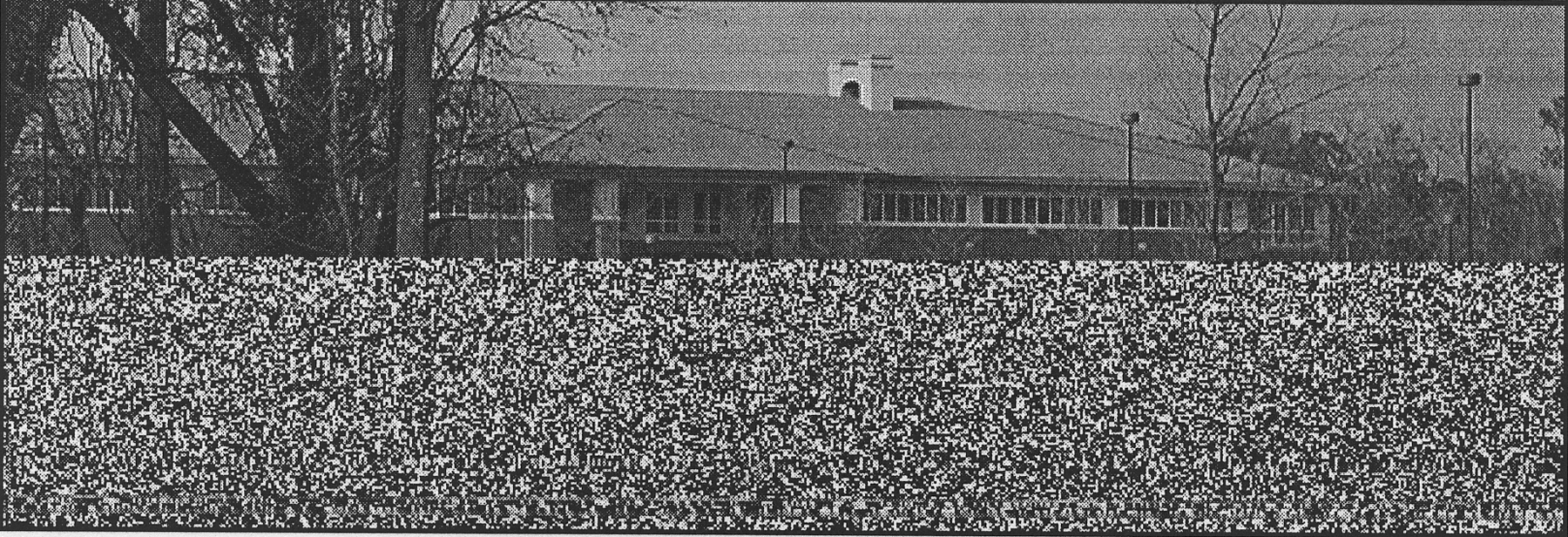
7.3.1. Intent. This district is intended to:
1.
Encourage the development of office and institutional complexes.
2.
Permit the orderly transition of residential and other developed or developing areas of office and institutional uses.
3.
Prohibit the infiltration of incompatible uses.
4.
Permit the location of needed community facilities in support of permitted uses.
7.3.2. Location. This district shall be applied in the residential growth areas and office and light industry areas mapped on the future land use map in the comprehensive plan.
USES
7.3.3. Permitted uses. The following uses are permitted within the office and institutional (OI) district:
A.
Commercial uses.
1.
Commercial lodging, hotels and motels.
2.
Commercial, personal services.
3.
Commercial, professional services.
4.
Restaurant.
5.
Office.
6.
Mixed use.
B.
Recreation and amusement uses.
1.
Commercial, indoor recreation.
2.
Commercial, outdoor recreation.
3.
Indoor recreation.
4.
Outdoor recreation, active.
5.
Outdoor recreation, passive.
6.
Ecotourism.
7.
Golf course.
8.
Miniature golf.
C.
Institutional uses.
1.
Assembly and worship.
2.
Cemetery.
3.
College and professional schools.
4.
Neighborhood and community schools.
5.
Assisted living facility.
6.
Commercial day care center.
7.
Government offices, public services, and local utilities.
D.
Storage uses.
1.
Business storage (indoor storage).
7.3.4. Accessory uses. Accessory uses are permitted as a detached structure or use subordinate to the main building or classification that is used for purposes customarily incidental to the principal use. Accessory uses shall not exceed 65 percent of the size of the principal classification.
The following uses are permitted as accessory uses within the OI office and institutional district:
A.
Commercial.
1.
Other necessary and customary uses determined by the zoning administrator to be appropriate, incidental and subordinate to the principal use of the property, subject to compliance with any development and performance standards imposed by the planning department as a means of ensuring land use compatibility.
B.
Storage.
1.
Other necessary and customary uses determined by the zoning administrator to be appropriate, incidental and subordinate to the principal use of the property, subject to compliance with any development and performance standards imposed by the planning department as a means of ensuring land use compatibility.
C.
Institutional and civic.
1.
Refreshment stands and food and beverage sales located in uses involving public assembly;
2.
Cafeterias, dining halls, and similar food services when operated primarily for the convenience of employees, residents, clients, patients, or visitors to the principal use;
3.
Gift shops, newsstands, and similar commercial activities operated primarily for the convenience of employees, residents, clients, patients, or visitors to the principal use;
4.
Recreation areas and facilities for the use of the employees;
5.
Other necessary and customary uses determined by the zoning administrator to be appropriate, incidental and subordinate to the principal use of the property, subject to compliance with any development and performance standards imposed by the planning department as a means of ensuring land use compatibility.
D.
Residential.
1.
Commercial apartment;
2.
Home occupation;
3.
Fences and walls;
4.
Garages, carports, and off-street parking;
5.
Guesthouse, gate houses and guard houses;
6.
Playhouses, patios, cabanas, porches, gazebos, and incidental household storage buildings;
7.
Radio and television receiving antennas;
8.
Recreational and play facilities for the use of residents;
9.
Tennis courts, swimming pools, and hot tubs;
10.
Other necessary and customary uses determined by the zoning administrator to be appropriate, incidental and subordinate to the principal use of the property, subject to compliance with any development and performance standards imposed by the planning department as a means of ensuring land use compatibility.
7.3.5. Uses permitted with conditions. The following uses are permitted as conditional uses within the office and institutional district. All listed conditions shall be demonstrated prior to permit approval. See article 11 for the procedure for approval of conditional uses.
A.
Institutional uses.
1.
Family day care home.
a.
All conditions and regulations found in article 11.6 shall be met prior to permit approval.
B.
Office and industrial uses.
1.
Commercial communication towers.
a.
List of conditionally approved uses.
1.
Locating antennas on existing structures with modifications consistent with the conditions [in] article 11.7.
2.
Locating antennas on existing towers with modifications consistent with the conditions [in] article 11.7.
3.
Locating new monopole, guyed, or lattice towers consistent with the conditions [in] article 11.7.
b.
District conditions.
1.
Maximum height: 150 feet, unless a special exception permit is granted by the Berkeley County Zoning Board of Appeals.
2.
A tower and/or antenna mounted on an existing building, water tank, or structure other than a freestanding or guyed tower must not extend more than 20 feet above the highest part of the structure.
c.
General conditions.
1.
All conditions and regulations found in article 11.7 shall be met prior to permit approval.
2.
Proposed communications equipment co-locating [collocating] on existing towers and structure without adding to their height shall not be subject to the requirements of this conditional use.
C.
Multifamily residential uses.
1.
Multifamily.
a.
District conditions.
i.
Dimensional and design standards. Multifamily residential uses shall conform to the standards found in sections 5.6.10 through 5.6.17 of the Berkeley County Zoning and Development Standards Ordinance, provided however that the proposed building(s) may be eligible for height bonuses found in section 7.3.12(B).
7.3.6. Special exceptions. (Reserved)
7.3.7. Prohibited uses. The following uses are prohibited within the OI office and institutional district.
1.
Mobile home park.
2.
Outdoor storage and sales.
3.
Sexually oriented business.
4.
All uses not listed as permitted are prohibited.
DENSITY
7.3.8. Residential density.
A.
Maximum density: Ten dwelling units per acre, based on project area.
B.
Innovative site design, qualifying for density bonus, may be permitted as subject to the conditions and requirements established in section 13.11.
7.3.9. Lot requirements.
A.
Minimum lot size: 0.5 acres.
B.
Minimum lot frontage.
1.
Standard lot: 20 feet.
2.
Corner lot: 40 feet.
LOT AND BUILDING STANDARDS
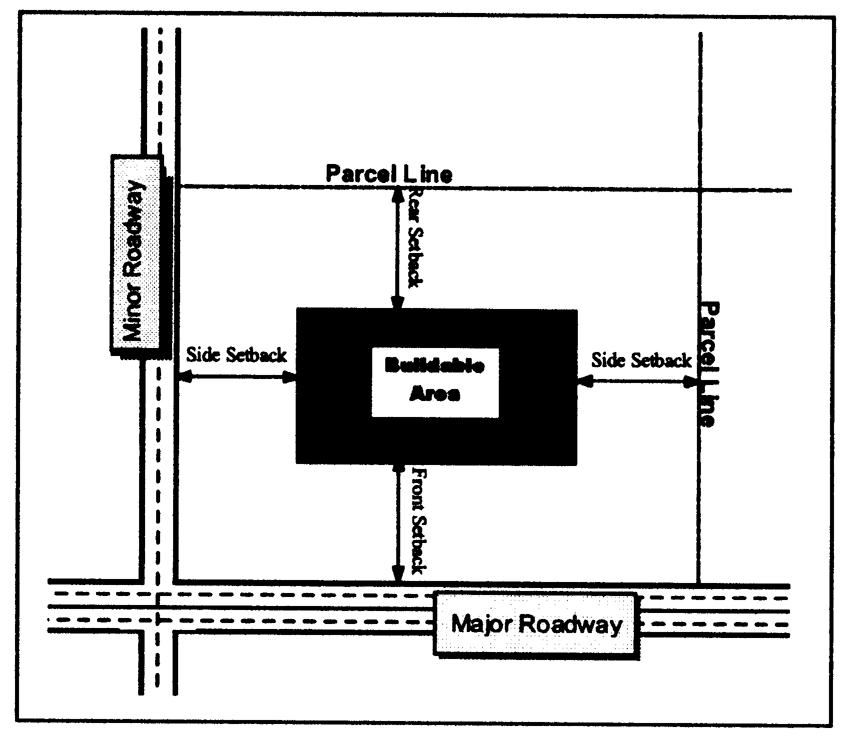
Lot and Building Standards
7.3.10. Minimum yard requirements. The minimum setbacks shall be:
A.
Front yard: 20 feet minimum.
B.
Side yard: ten feet minimum, unless buildings are adjoining.
C.
Rear yard: 20 feet minimum.
D.
Accessory structures are permitted in the rear and side yards only with minimum of five-foot setbacks from the side and rear property lines or ingress/egress easements, whichever is greater. If the accessory structure is placed in the front yard and/or that portion of the yard that fronts a second street frontage of the property, the front yard setback and/or the setback from the second street frontage property line for the accessory structure is the required front setback and/or second street frontage setback for the primary structure, as applicable.
E.
Second street frontage: 20 feet minimum.
F.
Open drainage ditch and/or stormwater pond easement lines (excluding swales): 30 feet minimum.
G.
Ingress/egress easements: The minimum distance stated above for front, side, or rear.
H.
Single-family attached lots may have a zero foot side setback for a common wall.
7.3.11. Unit separation. The minimum distance between structures shall be:
A.
Side to side: 15 feet minimum.
B.
Front to front or rear: 15 feet minimum.
C.
Rear to rear: 15 feet minimum.
7.3.12. Building requirements.
A.
Impervious coverage: 80 percent maximum.
B.
Building height will be governed by the current adopted building codes of Berkeley County and as stated herein. After the height limitations are reviewed, the building and/or zoning official may impose additional restrictions. During the required planning and code review, the official will give consideration to the design of the structure(s) and the county's abilities to gain adequate access for firefighting personnel, and that such building is designed or is equipped to provide adequate protection against the dangers of fire, and/or that such building is served by an internal fire service organization. The applicant shall incorporate building techniques and safety features as necessary to demonstrate capacity to handle unforeseeable emergencies (such as fires) to the satisfaction of the fire marshal or designee. Building height will be held to a base height of 40 feet.
1.
Height bonus: Increases in height may be issued at the discretion of the zoning administrator or his/her designee in the increments specified below to a maximum building height of 55 feet in accordance with the following parameters. Proposals for height bonuses shall be evaluated as part of site and building plans review; the zoning administrator or his/her designee, retains the ability to request any supporting documentation necessary to complete his/her review.
a.
Where perimeter bufferyards are required, if the applicant provides perimeter bufferyards that are twice the width and contain twice the quantity of plantings minimally required along each perimeter lot line or, in cases where no perimeter bufferyards are required, if the applicant provides perimeter bufferyards along the adjoining lot line(s) that are equivalent to the Type C bufferyard per article 17.7, add two and one-half feet in allowable height.
b.
Should the proposed structure be designed to LEED Certification, add three feet to allowable height; LEED Silver Certification, add six feet to the allowable height; LEED Gold Certification, add nine feet to the allowable height; and LEED Platinum Certification, add 12 feet to the allowable height. Assurances of certification eligibility will be required before the single-site development (site) plans are approved, and applicable building permits issued.
c.
For every ten percent reduction in impervious surface coverage below the required maximum impervious coverage threshold, through creative site design, land setasides, and/or installation of bona fide low-impact development (LID) techniques based on the "Low Impact Development in Coastal South Carolina: A Planning and Design Guide" or otherwise acceptable technical guidance, add four feet to the allowable height to a maximum of 12 feet. The zoning administrator or his/her designee retains the ability to request assurances to ensure perpetual maintenance, preservation, and functionality of said improvements and/or setasides.
d.
If pedestrian facilities, constructed to a minimum unobstructed width of five feet and compliant to ADA specifications, are provided throughout and connect the intended use(s) to existing and/or proposed sidewalk facilities within the public right-of-way and adjoining properties, add two and one-half feet to the allowable height.
e.
If cross accesses and/or shared accesses are provided to neighboring properties, allowing access to adjoining properties without utilizing adjoining public roadways, add two and one-half feet to the allowable height.
f.
If street trees are provided and maintained in accordance with the Berkeley County Street Tree Planting Standards Manual along all streets or primary access drives proposed to serve the development, add two and one-half feet to the allowable height.
2.
The height limits contained in the airport overlay district, as regulated by article 10, may apply additional height limitations to a specific piece of property.
SITE STANDARDS
7.3.13. Parking standards. All uses within this district shall conform to the standards outlined in article 15: Off-Street Parking Requirements.
7.3.14. Bufferyard standards. All uses within this district shall conform to the standards outlined in article 17: Bufferyards.
7.3.15. Single-site development (site) plan. A single-site development (site) plan, prepared and submitted in accordance with the processes and requirements established in chapter 59, The Land Development and Subdivision Regulations of Berkeley County, is required to be reviewed and, and upon demonstrated conformance to all applicable standards, approved prior to commencement of development and/or redevelopment activities. The plan shall also include, at a minimum, the following information.
A.
The single-site development (site) plan shall also demonstrate conformance to applicable conditional use standards contained herein or specified in article 11.
B.
The single-site development (site) plan shall accompany any necessary supporting documentation or materials required for submittal, review, and/or approval per chapter 59.
(Ord. No. 02-08-33, 8-26-2002; Ord. No. 04-11-68, 11-23-2004; Ord. No. 05-08-58, 8-29-2005; Ord. No. 10-08-24, 8-23-2010; Ord. No. 11-04-02, 4-25-2011; Ord. No. 21-05-24, 5-24-21)
7.4. - Light industrial district (LI).
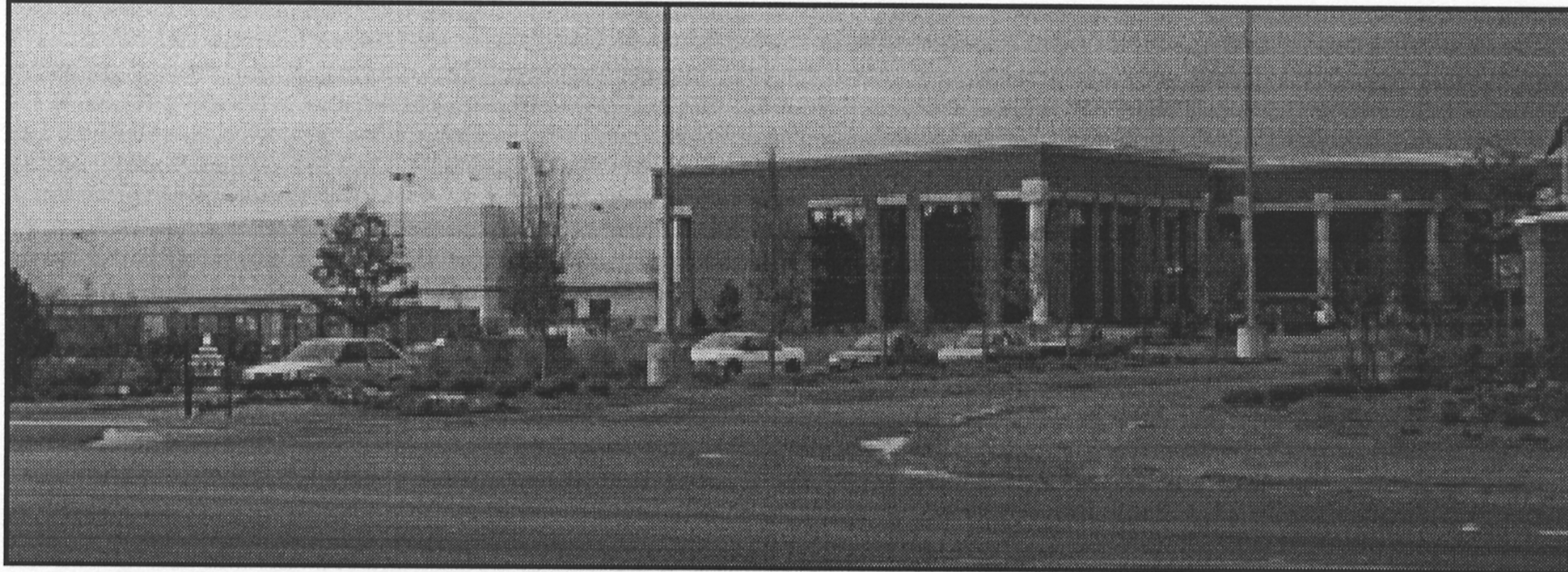
7.4.1. Intent.
A.
This district is intended to:
1.
Provide for areas within the county where commerce and/or light industrial uses and compatible uses may take place, including, but not limited to, product assemblage and repair, research and development, office/service facilities, and indoor storage/warehousing/manufacturing or finished parts or products, or other similar uses.
2.
To reserve and protect sites suitable for commerce and/or light industrial development.
7.4.2. Location. This district shall be applied in the residential growth areas and office and light industry areas mapped on the future land use map in the comprehensive plan.
USES
7.4.3. Permitted uses. The following uses are permitted within the LI light industrial district:
A.
Agricultural uses.
1.
Agriculture, crop.
2.
Forestry.
3.
Agriculture, sales and services.
4.
Sale of products produced on-site.
5.
Agriculture, storage.
B.
Commercial uses.
1.
Commercial, general services.
2.
Commercial, lodging (hotel and motel).
3.
Commercial, personal services.
4.
Commercial, professional services.
5.
Convenience retail and/or gas station.
6.
Office.
7.
Outdoor sales.
8.
Restaurant.
9.
Retail sales.
10.
Wholesale sales.
11.
Transportation (truckstop).
C.
Industrial uses.
1.
Transportation.
2.
Light manufacturing.
3.
Manufacturing services (construction).
4.
Manufacturing services (other).
D.
Recreation and amusement uses.
1.
Commercial, indoor recreation.
2.
Commercial, outdoor recreation.
3.
Indoor recreation.
4.
Outdoor recreation, active.
5.
Outdoor recreation, passive.
6.
Resort/fish camp.
7.
Ecotourism.
8.
Golf course.
9.
Miniature golf.
E.
Institutional uses.
1.
Assembly and worship.
2.
Cemetery.
3.
College and professional schools.
4.
Neighborhood and community schools.
5.
Commercial day care center.
6.
Protective care.
7.
Government office, public services, and local utilities.
F.
Storage uses.
1.
Business storage (indoor storage).
7.4.4. Accessory uses. Accessory uses are permitted as a detached structure or use subordinate to the main building or classification that is used for purposes customarily incidental to the principal use. Accessory uses shall not exceed 65 percent of the size of the principal classification. Freight/cargo containers may be used as accessory storage uses within this classification with restrictions as defined below in sub-item C. (Storage), 1. (Business storage (indoor storage)).
The following uses are permitted as accessory uses within the LI light industrial district:
A.
Commercial.
1.
Other necessary and customary uses determined by the zoning administrator to be appropriate, incidental and subordinate to the principal use of the property, subject to compliance with any development and performance standards imposed by the planning department as a means of ensuring land use compatibility.
B.
Industrial.
1.
Maintenance shops and vehicle storage.
2.
Residential uses which are incidental or accessory to a principal use or to another accessory use or which are for caretakers, security personnel, managers, or other persons whose physical proximity to a principal use or to a principal use or to another accessory use is reasonably required. (Examples of such accessory uses include, but are not limited to, caretaker cottages, temporary guest facilities, on-site residence for supervisory personnel, conference centers, and meeting rooms with overnight accommodations.)
3.
Other necessary and customary uses determined by the zoning administrator to be appropriate, incidental and subordinate to the principal use of the property, subject to compliance with any development and performance standards imposed by the planning department as a means of ensuring land use compatibility.
C.
Storage.
1.
Business storage (indoor storage). Freight/cargo containers may be permitted by the county for the storage of agricultural, industrial and business supplies, products and/or machinery. Freight/cargo containers used as accessory structures are limited to those parcels in size of two acres or more. The container must adhere to all necessary zoning and building codes.
2.
Other necessary and customary uses determined by the zoning administrator to be appropriate, incidental and subordinate to the principal use of the property, subject to compliance with any development and performance standards imposed by the planning department as a means of ensuring land use compatibility.
D.
Institutional and civic.
1.
Refreshment stands and food and beverage sales located in uses involving public assembly;
2.
Cafeterias, dining halls, and similar food services when operated primarily for the convenience of employees, residents, clients, patients, or visitors to the principal use;
3.
Gift shops, newsstands, and similar commercial activities operated primarily for the convenience of employees, residents, clients, patients, or visitors to the principal use;
4.
Recreation areas and facilities for the use of the employees;
5.
Other necessary and customary uses determined by the zoning administrator to be appropriate, incidental and subordinate to the principal use of the property, subject to compliance with any development and performance standards imposed by the planning department as a means of ensuring land use compatibility.
7.4.5. Uses permitted with conditions. The following uses are permitted as conditional uses within the LI light industrial district. All listed conditions shall be demonstrated prior to permit approval. See article 11 for the procedure for approval of conditional uses.
A.
Institutional uses.
1.
Family day care home.
a.
All conditions and regulations found in article 11.5 shall be met prior to permit approval.
B.
Office and industrial uses.
1.
Commercial communication towers.
a.
List of conditionally approved uses.
1.
Locating antennas on existing structures with modifications consistent with the conditions [in] article 11.7.
2.
Locating antennas on existing towers with modifications consistent with the conditions [in] article 11.7.
3.
Locating new monopole, guyed, or lattice towers consistent with the conditions [in] article 11.7.
b.
District conditions.
1.
Maximum height: 300, unless a special exception permit is granted by the Berkeley County Zoning Board of Appeals.
2.
A tower and/or antenna mounted on an existing building, water tank, or structure other than a freestanding or guyed tower must not extend more than 20 feet above the highest part of the structure.
c.
General conditions.
1.
All conditions and regulations found in article 11.7 shall be met prior to permit approval.
2.
Proposed communications equipment co-locating [collocating]on existing towers and structure without adding to their height shall not be subject to the requirements of this conditional use.
2.
Mining.
a.
Site must be buffered in accordance with mine buffer as defined in section 17.7 and other applicable sections of the zoning ordinance.
b.
Dust reduction measures must be employed to alleviate both on-site and off-site dust nuisance generated by the mine site's activities. These measures include, but are not limited to, one or more of the following:
1.
Stabilization of nonactive exposed soil and stockpiles through vegetation, mulching, chemical stabilizers, and/or stone/gravel layering.
2.
Utilization of stabilized roadways within the site.
3.
On-site speed limits to minimize disturbance.
4.
Application of water or other dust palliatives.
c.
DHEC reclamation and regulations must be observed.
d.
An emergency contact sign not to exceed four square feet with light reflective and minimum four inch letters that includes the name of the operator and an after hours phone number must erected at the entrance. The sign must be placed a minimum ten feet from the road right-of-way but no more than 25 feet from the road right-of-way, and must be appropriately maintained through out the operation of the mine site.
e.
Must comply with Berkeley County Noise Ordinance and, for sites located within the MS4 area, the Berkeley County Stormwater Management Ordinance.
f.
Mine sites with pit sizes greater than five acres and/or greater than 20 feet deep shall not operate within 400 feet of a public or private school, a public park or public recreation area (within the Francis Marion National Forest, includes only designated recreation areas), a residential use, a youth activity center, a public library, or a licensed child care facility.
For the purpose of this section, measurement shall be made in a straight line, without regard to intervening structures or objects, from the nearest portion of the mine pit to the nearest eave of the premises of a religious institution, public or private school, youth activity center, public library, child care facility, or to a residential use, and to the nearest active portion of a public park or public recreation area (within the Francis Marion National Forest, includes only designated recreation areas).
A mining operation lawfully operating as a conforming use is not rendered a nonconforming use by the location of a religious institution, public or private school, public park or recreation area (within the Francis Marion National Forest, includes only designated recreation areas), a residential use, youth activity center, public library, or child care facility subsequent to the grant or renewal of a mining permit.
g.
Mine sites with pit sizes greater than five acres and/or greater than 20 feet deep where surface water features remain or a depressed area is created, a final grading plan matched to the proposed end use, as specified in the DHEC reclamation plan, shall be submitted. The final grading plan shall demonstrate that sufficient land is to remain unexcavated or that the excavation will be done in a manner permitting the development to conform to this chapter's regulations without any variances.
C.
Storage uses.
1.
Storage facility (miniwarehouse).
a.
District conditions.
1.
Facility shall meet all landscaping standards.
2.
Open storage shall meet the requirements for outdoor storage.
b.
General conditions.
1.
All conditions and regulations found in article 11.8 shall be met prior to permit approval.
2.
Outdoor storage (primary use).
a.
Screening. Open storage shall be enclosed by a continuous visual screen provided and maintained as well as buffering requirements found in article 17. The continuous screen shall be wood, brick, masonry, or chain link with opaque slats and not less than eight feet in height and shall not exceed 12 feet in height.
b.
Materials stored. Materials stored in the open shall not be permanently stacked higher than the required screen.
c.
No outdoor storage activity shall create a nuisance or unduly disrupt the allowed uses of other property. Vehicle transportation associated with the activity shall be considered when evaluating this criterion with respect to residential areas.
d.
All outdoor storage activities must have a designated manager; and said manager must be sufficiently bonded to ensure that, in case of abandonment, the site will be rehabilitated and restored, and that all permit conditions regarding the final disposition of the site will be fulfilled.
e.
For all outdoor storage activities that are subject to permitting by the S.C. Department of Health and Environmental Control (DHEC), information supplied to DHEC under the permit process may be used for the required submission to Berkeley County; provided, however, that where these criteria request information in addition to that provided to DHEC, such additional information must be provided in full. A DHEC permit does not constitute full compliance with the provisions of the Berkeley County zoning and development standards ordinance.
f.
Required information. The applicant shall provide the zoning administrator with information as specified below. The zoning administrator shall confer with other county officials as appropriate, and within 60 days of submission of a complete application, shall either approve the conditional use or deny the permit application. Both permit denials and conditions shall be based upon these criteria and the information required of the applicant.
1.
Applicant: name, address, phone number.
2.
If the applicant will not actually manage the activities on-site, provide the manager's name, address, and phone number
3.
Is the applicant or manager bonded? If so, provide details.
4.
What are the proposed activities? Where are they proposed to occur? List the substances that are proposed for storage or disposal. Indicate which, if any, of these substances has been designated as a hazardous material or is required to be disclosed pursuant to the provisions of the Superfund Amendments and Reauthorization Act (SARA), title III (Public Law 99-499, 199 Stat. 1613 (1986)).
5.
Provide a site map. If certain areas of the site are to be used for storage/disposal of hazardous substances and/or substances required to be disclosed pursuant to SARA, title II (supra), show such areas on the site map.
6.
Provide a detailed, step-by-step description of the proposed activities. Describe the methods for ensuring that all stored/disposed substances will not create objectionable sanitary, aesthetic, or other nuisance conditions. If applicable, describe the methods and procedures for dealing with spills of liquid materials.
7.
Indicate hours of operation for activities on-site.
8.
Indicate the type and extent of outdoor lighting that will be used, and the duration of such lighting (e.g., 24 hours, will end at midnight, etc.)
9.
Indicate the type, extent, and duration of machinery noise that will be associated with activities on-site.
10.
Specify the extent and type of vegetative buffering to be used to protect adjoining properties.
11.
Specify the distance of the site from the nearest property zoned specifically for residential use (R1, R1-MM, R2, R3, R4, R5, R1-R, R2-R, R15, AG, Flex1).
12.
Submit a drainage plan that meets the requirements of Berkeley County Drainage Ordinance No. 89-4-9, as amended.
13.
Indicate what roads and transportation corridors will be used to support the proposed activities, and indicate the types of vehicles, estimated numbers of vehicles and trips, and times of day that traffic can be expected to be generated.
3.
Outdoor storage (accessory use).
a.
Permitted as an accessory use which shall be defined as a detached structure or use subordinate to the main building or use classification that is used for purposes customarily incidental to the principal use.
b.
Outdoor storage activity shall not exceed 50 percent of the total land area of the principle use and does not include the storage of junked and/or salvaged vehicles/materials otherwise known as junk or salvage yards.
c.
Screening. Open storage shall be enclosed by a continuous visual screen provided and maintained as well as buffering requirements found in article 17. The continuous screen shall be a solid wall or fence constructed of wood, brick, or masonry and not less than eight feet in height and shall not exceed eight feet in height.
d.
Materials stored. Materials stored in the open shall not be stacked higher than the required screen.
4.
Freight/cargo container yards (primary or accessory uses).
a.
Primary or accessory use shall have a minimum lot size of five acres.
b.
Open storage of containers shall meet the requirements for outdoor storage found in this article.
7.4.6. Special exceptions. (Reserved)
7.4.7. Prohibited uses. The following uses are prohibited within the LI light industrial district.
1.
Mobile home park.
2.
Sexually oriented business.
3.
All uses not listed as permitted are prohibited.
LOT AND BUILDING STANDARDS
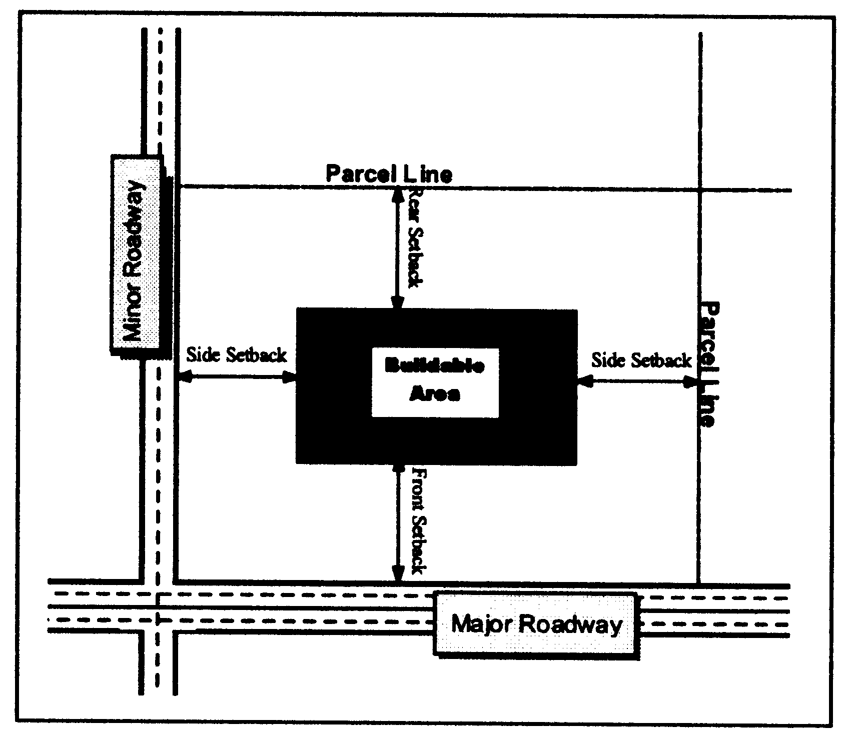
7.4.8. Lot requirements.
A.
Minimum lot size: Two acres.
B.
Minimum lot frontage:
1.
Standard lot: 20 feet.
2.
Corner lot: 40 feet.
7.4.9. Minimum yard requirements. The minimum setbacks shall be:
A.
Front yard: 30 feet minimum.
B.
Side yard: 15 feet minimum.
C.
Rear yard: 30 feet minimum.
D.
Accessory structures are permitted in the rear and side yards only with minimum of ten-foot setbacks from the side and rear property lines or ingress/egress easements, whichever is greater. If the accessory structure is placed in the front yard and/or that portion of the yard that fronts a second street frontage of the property, the front yard setback and/or the setback from the second street frontage property line for the accessory structure is the required front setback and/or second street frontage setback for the primary structure, as applicable.
E.
Second street frontage: 30 feet minimum.
F.
Open drainage ditch and/or stormwater pond easement lines (excluding swales): 30 feet minimum.
G.
Ingress/egress easements: The minimum distance stated above for front, side, or rear.
7.4.10. Unit separation. The minimum distance between structures shall be:
A.
Side to side: 15 feet minimum.
B.
Front to front or rear: 15 feet minimum.
C.
Rear to rear: 15 feet minimum.
7.4.11. Building requirements.
A.
Impervious coverage: 80 percent maximum. Based on gross acreage of a parcel, provided that this requirement will be superseded by specific development guidelines contained in Berkeley County Drainage Ordinance No. 89-4-9, as amended.
Where a development consists of a number of contiguous or adjoining structures, this requirement shall apply to the development as a whole, not to the individual structures or lots.
B.
Building height within the light industrial district will be governed by the current adopted building codes of Berkeley County. After the height limitations are reviewed, the building and/or zoning official may impose additional restrictions. During the required planning and code review the official will give consideration to the structure design and the county's abilities to gain adequate access for firefighting personnel and that such building is designed or is equipped to provide adequate protection against the dangers of fire, and/or that such building is served by an internal fire service organization.
The height limits contained in the airport overlay district, as regulated by article 10, may apply additional height limitations to a specific piece of property.
SITE STANDARDS
7.4.12. Parking standards. All uses within this district shall conform to the standards outlined in article 15: Off-Street Parking Requirements.
7.4.13. Bufferyard standards. All uses within this district shall conform to the standards outlined in article 17: Bufferyards.
7.4.14. Single-site development (site) plan. A single-site development (site) plan, prepared and submitted in accordance with the processes and requirements established in chapter 59, The Land Development and Subdivision Regulations of Berkeley County, is required to be reviewed and, and upon demonstrated conformance to all applicable standards, approved prior to commencement of development and/or redevelopment activities. The plan shall also include, at a minimum, the following information.
A.
The single-site development (site) plan shall also demonstrate conformance to applicable conditional use standards contained herein or specified in article 11.
B.
The single-site development (site) plan shall accompany any necessary supporting documentation or materials required for submittal, review, and/or approval per chapter 59.
(Ord. No. 02-08-33, 8-26-2002; Ord. No. 04-11-68, 11-23-2004; Ord. No. 05-08-58, 8-29-2005; Ord. No. 10-08-24, 8-23-2010; Ord. No. 11-04-02, 4-25-2011; Ord. No. 12-01-02, 1-23-2012; Ord. No. 14-11-38, 11-24-2014; Ord. No. 21-05-25, 5-24-2021)
7.5. - Heavy industrial district (HI).
7.5.1. Intent.
A.
This district is intended to:
1.
Provide for areas within the county where heavy industrial uses and compatible uses may take place, including, but not limited to, the mechanical or chemical transformation of organic or inorganic substances into new products.
2.
To reserve and protect sites suitable for heavy industrial development.
7.5.2. Location. This district shall be applied in the industry areas mapped on the future land use map in the comprehensive plan.
USES
7.5.3. Permitted uses. The following uses are permitted within the HI heavy industrial district:
A.
Agricultural uses.
1.
Agriculture, crop.
2.
Agriculture, home animal production.
3.
Boarding facilities.
4.
Forestry.
5.
Agriculture, sales and services.
6.
Sale of products produced on-site.
7.
Agriculture, storage.
B.
Commercial uses.
1.
Commercial, general services.
2.
Commercial, transportation (truckstop).
3.
Wholesale sales.
C.
Industrial uses.
1.
Transportation.
2.
Light manufacturing.
3.
Heavy manufacturing.
4.
Manufacturing services (construction).
5.
Manufacturing services (other).
6.
Mining/resource extraction.
D.
Recreation and amusement uses.
1.
Commercial, indoor recreation.
2.
Commercial, outdoor recreation.
3.
Indoor recreation.
4.
Outdoor recreation, active.
5.
Outdoor recreation, passive.
6.
Resort/fish camp.
7.
Ecotourism.
8.
Golf course.
9.
Miniature golf.
E.
Institutional uses.
1.
Assembly and worship.
2.
Cemetery.
3.
College and professional schools.
4.
Neighborhood and community schools.
5.
Protective care.
6.
Government office, public services, and local utilities.
F.
Storage uses.
1.
Business storage (indoor storage).
2.
Boat storage facility (indoor).
7.5.4. Accessory uses. Accessory uses are permitted as a detached structure or use subordinate to the main building or classification that is used for purposes customarily incidental to the principal use. Accessory uses shall not exceed 65 percent of the size of the principal classification. Freight/cargo containers may be used as accessory storage uses within this classification with restrictions as defined below in sub-item C. (Storage), 1. (Business storage (indoor storage)).
The following uses are permitted as accessory uses within the HI heavy industrial district:
A.
Commercial.
1.
Office.
2.
Other necessary and customary uses determined by the zoning administrator to be appropriate, incidental and subordinate to the principal use of the property, subject to compliance with any development and performance standards imposed by the planning department as a means of ensuring land use compatibility.
B.
Industrial.
1.
Maintenance shops and vehicle storage.
2.
Residential uses which are incidental or accessory to a principal use or to another accessory use or which are for caretakers, security personnel, managers, or other persons whose physical proximity to a principal use or to a principal use or to another accessory use is reasonably required. (Examples of such accessory uses include, but are not limited to, caretaker cottages, temporary guest facilities, on-site residence for supervisory personnel, conference centers, and meeting rooms with overnight accommodations.)
3.
Other necessary and customary uses determined by the zoning administrator to be appropriate, incidental and subordinate to the principal use of the property, subject to compliance with any development and performance standards imposed by the planning department as a means of ensuring land use compatibility.
C.
Storage.
1.
Business storage (indoor storage). Freight/cargo containers may be permitted by the county for the storage of agricultural, industrial and business supplies, products and/or machinery. Freight/cargo containers used as accessory structures are limited to those parcels in size of five acres or more. The container must adhere to all necessary zoning and building codes.
2.
Other necessary and customary uses determined by the zoning administrator to be appropriate, incidental and subordinate to the principal use of the property, subject to compliance with any development and performance standards imposed by the planning department as a means of ensuring land use compatibility.
D.
Institutional and civic.
1.
Commercial day care center;
2.
Refreshment stands and food and beverage sales located in uses involving public assembly;
3.
Cafeterias, dining halls, and similar food services when operated primarily for the convenience of employees, residents, clients, patients, or visitors to the principal use;
4.
Gift shops, newsstands, and similar commercial activities operated primarily for the convenience of employees, residents, clients, patients, or visitors to the principal use;
5.
Recreation areas and facilities for the use of the employees;
6.
Other necessary and customary uses determined by the zoning administrator to be appropriate, incidental and subordinate to the principal use of the property, subject to compliance with any development and performance standards imposed by the planning department as a means of ensuring land use compatibility.
7.5.5. Uses permitted with conditions. The following uses are permitted as conditional uses within the HI heavy industrial district. All listed conditions shall be demonstrated prior to permit approval. See article 11 for the procedure for approval of conditional uses.
A.
Agricultural uses.
1.
Agriculture, intensive animal production.
a.
All conditions and regulations found in article 11.3 shall be met prior to permit approval.
B.
Institutional uses.
1.
Family day care, home.
a.
All conditions and regulations found in article 11.6 shall be met prior to permit approval.
C.
Office and industrial uses.
1.
Commercial communication towers.
a.
List of conditionally approved uses.
1.
Locating antennas on existing structures with modifications consistent with the conditions [in] article 11.7.
2.
Locating antennas on existing towers with modifications consistent with the conditions [in] article 11.7.
3.
Locating new monopole, guyed, or lattice towers consistent with the conditions [in] article 11.7.
b.
District conditions.
1.
Maximum height: 300, unless a special exception permit is granted by the Berkeley County Zoning Board of Appeals.
2.
A tower and/or antenna mounted on an existing building, water tank, or structure other than a freestanding or guyed tower must not extend more than 20 feet above the highest part of the structure.
c.
General conditions.
1.
All conditions and regulations found in article 11.7 shall be met prior to permit approval.
2.
Proposed communications equipment co-locating [collocating] on existing towers and structure without adding to their height shall not be subject to the requirements of this conditional use.
2.
Mining.
a.
Site must be buffered in accordance with mine buffer as defined in section 17.7 and other applicable sections of the zoning ordinance.
b.
Dust reduction measures must be employed to alleviate both on-site and off-site dust nuisance generated by the mine site's activities. These measures include, but are not limited to, one or more of the following:
1.
Stabilization of nonactive exposed soil and stockpiles through vegetation, mulching, chemical stabilizer, and/or stone/gravel layering.
2.
Utilization of stabilized roadways within the site.
3.
On-site speed limits to minimize disturbance.
4.
Application of water or other dust palliatives.
c.
DHEC reclamation and regulations must be observed.
d.
An emergency contact sign not to exceed four square feet with light reflective and minimum four inch letters that includes the name of the operator and an after hours phone number must erected at the entrance. The sign must be placed a minimum ten feet from the road right-of-way but no more than 25 feet from the road right-of-way, and must be appropriately maintained through out the operation of the mine site.
e.
Must comply with Berkeley County Noise Ordinance, for sites located within the MS4 area, the Berkeley County Stormwater Management Ordinance.
f.
Mine sites with pit sizes greater than five acres and/or greater than 20 feet deep shall not operate within 300 feet of: a public or private school, a public park or public recreation area (within the Francis Marion National Forest, includes only designated recreation areas), a residential use, a youth activity center, a public library, a licensed child care facility.
For the purpose of this section, measurement shall be made in a straight line, without regard to intervening structures or objects, from the nearest portion of the mine pit to the nearest eave of the premises of a religious institution, public or private school, youth activity center, public library, child care facility, or to a residential use, and to the nearest active portion of a public park or public recreation area (within the Francis Marion National Forest, includes only designated recreation areas).
A mining operation lawfully operating as a conforming use is not rendered a nonconforming use by the location of a public or private school, public park or recreation area (within the Francis Marion National Forest, includes only designated recreation areas), a residential use, youth activity center, public library, or child care facility subsequent to the grant or renewal of a mining permit.
g.
Mine sites with pit sizes greater than five acres and/or greater than 20 feet deep where surface water features remain or a depressed area is created, a final grading plan matched to the proposed end use, as specified in the DHEC reclamation plan, shall be submitted. The final grading plan shall demonstrate that sufficient land is to remain unexcavated or that the excavation will be done in a manner permitting the development to conform to this chapter's regulations without any variances.
D.
Storage uses.
1.
Storage facility (miniwarehouse).
a.
District conditions.
1.
Facility shall meet all landscaping standards.
2.
Open storage shall meet the requirements for outdoor storage.
b.
General conditions.
1.
All conditions and regulations found in article 11.8 shall be met prior to permit approval.
2.
Outdoor storage (primary use).
a.
Screening. Open storage shall be enclosed by a continuous visual screen provided and maintained as well as buffering requirements found in article 17. The continuous screen shall be wood, brick, or masonry, or chain link with opaque slats and not less than eight feet in height and shall not exceed 12 feet in height.
b.
Materials stored. Materials stored in the open shall not be permanently stacked higher than the required screen.
c.
No outdoor storage activity shall create a nuisance or unduly disrupt the allowed uses of other property. Vehicle transportation associated with the activity shall be considered when evaluating this criterion with respect to residential areas.
d.
All outdoor storage activities must have a designated manager; and said manager must be sufficiently bonded to ensure that, in case of abandonment, the site will be rehabilitated and restored, and that all permit conditions regarding the final disposition of the site will be fulfilled.
e.
For all outdoor storage activities that are subject to permitting by the S.C. Department of Health and Environmental Control (DHEC), information supplied to DHEC under the permit process may be used for the required submission to Berkeley County; provided, however, that where these criteria request information in addition to that provided to DHEC, such additional information must be provided in full. A DHEC permit does not constitute full compliance with the provisions of the Berkeley County zoning and development standards ordinance.
f.
Required information. The applicant shall provide the zoning administrator with information as specified below. The zoning administrator shall confer with other county officials as appropriate, and within 60 days of submission of a complete application, shall either approve the conditional use or deny the permit application. Both permit denials and conditions shall be based upon these criteria and the information required of the applicant.
1.
Applicant: name, address, phone number.
2.
If the applicant will not actually manage the activities on-site, provide the manager's name, address, and phone number
3.
Is the applicant or manager bonded? If so, provide details.
4.
What are the proposed activities? Where are they proposed to occur? List the substances that are proposed for storage or disposal. Indicate which, if any, of these substances has been designated as a hazardous material or is required to be disclosed pursuant to the provisions of the Superfund Amendments and Reauthorization Act (SARA), title III (Public Law 99-499, 199 Stat. 1613 (1986)).
5.
Provide a site map. If certain areas of the site are to be used for storage/disposal of hazardous substances and/or substances required to be disclosed pursuant to SARA, title II (supra), show such areas on the site map.
6.
Provide a detailed, step-by-step description of the proposed activities. Describe the methods for ensuring that all stored/disposed substances will not create objectionable sanitary, aesthetic, or other nuisance conditions. If applicable, describe the methods and procedures for dealing with spills of liquid materials.
7.
Indicate hours of operation for activities on-site.
8.
Indicate the type and extent of outdoor lighting that will be used, and the duration of such lighting (e.g., 24 hours, will end at midnight, etc.)
9.
Indicate the type, extent, and duration of machinery noise that will be associated with activities on-site.
10.
Specify the extent and type of vegetative buffering to be used to protect adjoining properties.
11.
Specify the distance of the site from the nearest property zoned specifically for residential use (R1, R1-MM, R2, R3, R4, R5, R1-R, R2-R, R15, Flex1).
12.
Submit a drainage plan that meets the requirements of Berkeley County Drainage Ordinance No. 89-4-9, as amended.
13.
Indicate what roads and transportation corridors will be used to support the proposed activities, and indicate the types of vehicles, estimated numbers of vehicles and trips, and times of day that traffic can be expected to be generated.
3.
Outdoor storage (accessory use).
a.
Permitted as an accessory use.
b.
Outdoor storage activity shall not exceed 50 percent of the total land use.
c.
Screening. Open storage shall be enclosed by a continuous visual screen provided and maintained as well as buffering requirements found in article 17. The continuous screen shall be a solid wall or fence constructed of wood, brick, or masonry and not less than eight feet in height and shall not exceed eight feet in height.
d.
Materials stored. Materials stored in the open shall not be permanently stacked higher than the required screen.
4.
Freight/cargo container yards (primary or accessory uses).
a.
Primary or accessory use shall have a minimum lot size of five acres.
b.
Open storage of containers shall meet the requirements for outdoor storage found in this article.
E.
Industrial.
1.
Waste disposal facilities. Waste disposal facilities are those sites utilized for the disposal of solid waste as well as those sites utilized for industrial disposal of industrial byproducts. May be referred to as landfills. Waste facilities constructed after the effective date of this ordinance are subject to the conditions listed below.
a.
District conditions.
1.
All commercial waste disposal facilities shall comply with the "Berkeley County and Dorchester County Solid Waste Management Plan 1993-2013" and the "Berkeley County Water and Sanitation Authority 2000 Update to Solid Waste Management Plan."
2.
All industrial waste disposal facilities shall be lined with materials permitted by SCDHEC as appropriate for the specific waste disposal site.
3.
All industrial waste disposal facilities shall be limited in size to 50 percent of the size of the principal classification.
4.
All waste disposal facilities shall be no higher than permitted by SCDHEC.
5.
All industrial waste disposal facilities shall be formally permitted by the applicable state and/or federal regulatory agency.
6.
All industrial waste disposal facilities shall be registered with the county as a permitted conditional use per this article.
7.5.6. Special exceptions. The following uses are permitted as special exception uses within the HI heavy industrial district. See article 11 for the procedure for approval of special exception uses.
A.
Commercial uses.
1.
Sexually oriented business.
a.
All conditions and regulations found in article 11.4 shall be met prior to permit approval.
7.5.7. Prohibited uses. The following uses are prohibited within the HI heavy industrial district.
1.
Mobile home park.
2.
All uses not listed as permitted are prohibited.
LOT AND BUILDING STANDARDS
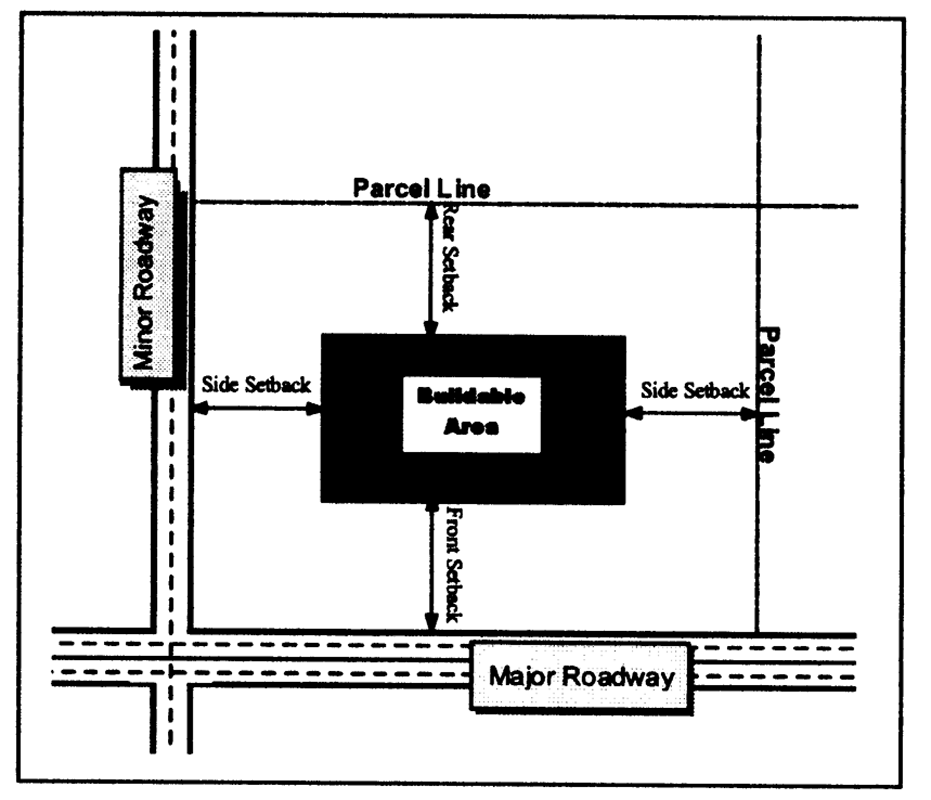
7.5.8. Lot requirements.
A.
Minimum lot size: Five acres.
B.
Minimum lot frontage:
1.
Standard lot: 20 feet.
2.
Corner lot: 40 feet
7.5.9. Minimum yard requirements. The minimum setbacks shall be:
A.
Front yard: 40 feet minimum.
B.
Side yard: 20 feet minimum.
C.
Rear yard: 40 feet minimum.
D.
Accessory structures are permitted in the rear and side yards only with minimum of ten-foot setbacks from the side and rear property lines or ingress/egress easements, whichever is greater. If the accessory structure is placed the front yard and/or in that portion of the yard that fronts a second street frontage of the property, the front yard setback and/or the setback from the second street frontage property line for the accessory structure is the required front setback and/or second street frontage setback for the primary structure, as applicable.
E.
Second street frontage: 30 feet minimum.
F.
Open drainage ditch and/or stormwater pond easement lines (excluding swales): 30 feet minimum.
G.
Ingress/egress easements: The minimum distance stated above for front, side, or rear.
7.5.10. Unit separation. The minimum distance between structures shall be:
A.
Side to side: 15 feet minimum.
B.
Front to front or rear: 15 feet minimum.
C.
Rear to rear: 15 feet minimum.
7.5.11. Building requirements.
A.
Impervious coverage: 80 percent maximum. Based on gross acreage of a parcel, provided that this requirement will be superseded by specific development guidelines contained in Berkeley County Drainage Ordinance No. 89-4-9, as amended.
Where a development consists of a number of contiguous or adjoining structures, this requirement shall apply to the development as a whole, not to the individual structures or lots.
B.
Building height within the heavy industrial district will be governed by the current adopted building codes of Berkeley County. After the height limitations are reviewed, the building and/or zoning official may impose additional restrictions. During the required planning and code review the official will give consideration to the structure design and the county's abilities to gain adequate access for firefighting personnel and that such building is designed or is equipped to provide adequate protection against the dangers of fire, and/or that such building is served by an internal fire service organization.
The height limits contained in the airport overlay district, as regulated by article 10, may apply additional height limitations to a specific piece of property.
C.
Antennas, chimneys, flues, vents or other similar structures may extend up to five feet above the maximum specified height. Church spires, bell towers, flagpoles, and like architectural features may extend over the specified height limit by 50 percent of the height limit, but shall not have habitable spaces above the maximum height limit.
SITE STANDARDS
7.5.12. Parking standards. All uses within this district shall conform to the standards outlined in article 15: Off-Street Parking Requirements.
7.5.13. Bufferyard standards. All uses within this district shall conform to the standards outlined in article 17: Bufferyards.
7.5.14. Single-site development (site) plan. A single-site development (site) plan, prepared and submitted in accordance with the processes and requirements established in chapter 59, "The Land Development and Subdivision Regulations of Berkeley County," is required to be reviewed and, and upon demonstrated conformance to all applicable standards, approved prior to commencement of development and/or redevelopment activities. The plan shall also include, at a minimum, the following information.
A.
The single-site development (site) plan shall also demonstrate conformance to applicable conditional use standards contained herein or specified in article 11.
B.
The single-site development (site) plan shall accompany any necessary supporting documentation or materials required for submittal, review, and/or approval per chapter 59.
(Ord. No. 02-08-33, 8-26-2002; Ord. No. 02-12-58, 12-16-2002; Ord. No. 04-11-68, 11-23-2004; Ord. No. 05-08-58, 8-29-2005; Ord. No. 06-12-92; 12-11-2006; Ord. No. 10-08-24, 8-23-2010; Ord. No. 11-04-02, 4-25-2011; Ord. No. 21-05-25, 5-24-2021)
7.6. - Exempt governmental district (EG).
7.6.1. Intent. The zoning designation EG shall be applied to all federal governmental-owned land that is exempt from this ordinance.
7.6.2. Standards. None.

