
Boulder City Zoning Code
CHAPTER 14
Form-Based Code
9-14-1. - Purpose of Form-Based Code.
The purpose of this chapter is to establish building form and design requirements for development within the areas designated in Appendix L to Title 9, "Form-Based Code Areas," B.R.C. 1981. The requirements for these areas implement the desired development, including functional characteristics, form, design character and quality, as guided by the plans for each designated area and the Boulder Valley Comprehensive Plan.
Ordinance No. 8669 (2025)
9-14-2. - Form-Based Code Requirements.
No person shall occupy, use, change the use of, alter or develop any building, structure or land within the areas shown in Appendix L, "Form-Based Code Areas," B.R.C. 1981, and subject to or developed pursuant to a form-based code review pursuant to Section 9-2-16, "Form-Based Code Review," B.R.C. 1981, except in conformance with the requirements of this chapter unless modified through an exception under Subsection 9-2-16(i), B.R.C. 1981.
(a)
Specific Locations. The locations where form-based code standards apply are shown in Appendix L, "Form-Based Code Areas," B.R.C. 1981.
Ordinance No. 8669 (2025)
9-14-3. - Design Goals for the Form-Based Code Areas.
The requirements of this chapter are intended to accomplish the following objectives:
(a)
Character, Context, and Scale. Preserve or enhance the character, context, and scale planned for the area while supporting a more sustainable future by accommodating future residents, reducing dependence on single occupant vehicles, increasing energy efficiency, and promoting safe transportation options for pedestrians and bicycles.
(b)
Human-Scaled Building Design. Design to a human scale and create a safe and vibrant pedestrian experience.
(c)
Building Design Quality and Aesthetics. Design high-quality buildings that are compatible with the character of the area or the character established by adopted plans for the area through simple, proportional, and varied design, high quality and natural building materials that create a sense of permanence, and building detailing, materials and proportions.
(d)
A Variety of Housing Types. Produce a variety of housing types, such as attached dwelling units, townhouses, live-work units, and duplexes, as well as a variety of lot sizes, number of bedrooms per unit, and sizes of units within the form-based code area.
(e)
Adaptable Buildings. Build adaptable buildings with flexible designs that allow changes in uses over time.
(f)
Provision of Outdoor Space. Provide outdoor space that is accessible and close to buildings. Active and passive recreation areas will be designed to meet the needs of anticipated residents, occupants, employees, and visitors to the property.
(g)
support of Multi-Modal Mobility. Provide safe and convenient multi-modal connections and promote alternatives to the single occupant vehicle. Connections shall be accessible to the public within the project and between the project and the existing and proposed transportation systems, including, without limitation, streets, bikeways, paseos, and multi-use paths.
Ordinance Nos. 8651 (2025); 8669 (2025)
9-14-4. - Organization and Scope.
This section describes how this chapter is organized to provide the user with some guidance using this chapter and it addresses the scope of its application.
(a)
Organization. This chapter is organized into the following sections:
(1)
Sections 9-14-1 through 9-14-8: General Provisions. The general provisions include a purpose statement for the form-based code, a description of where the requirements for the form-based code apply, a description of this chapter's organization and scope, the regulating plans for each form-based code area, and definitions that apply to the terms of this chapter.
(2)
Sections 9-14-9 through 9-14-13: Site Design. These sections establish general site design and minimum outdoor space requirements, applicable to all form-based code areas, unless otherwise specified. Outdoor space types are established to guide the design of common outdoor spaces.
(3)
Sections 9-14-14 through 9-14-26: Building Types. These sections establish a variety of building types and building form, design, location, and use requirements applicable to each building type. The regulating plans determine which building type may be used on a particular site.
(4)
Sections 9-14-27 through 9-14-33: Building Design. These sections establish general building design requirements that are applicable to all of the building types, unless otherwise stated.
(b)
Scope. The requirements of this chapter supplement those imposed on the same lands by underlying zoning provisions and generally applicable development standards of this title and other ordinances of the city. If there is a conflict between the requirements of this chapter and other standards of Title 9, "Land Use Code," B.R.C. 1981, the standards of this section control. The following describes how specific requirements of this title relate to requirements of this chapter:
(1)
Chapter 9-6: Use Standards. Chapter 9-6, "Use Standards," B.R.C. 1981, regulates uses which are permitted, conditionally permitted, prohibited, or which may be permitted through use review. Additional use standards may be established in this chapter.
(2)
Chapter 9-7: Form and Bulk Standards. This chapter supersedes the standards in Chapter 9-7, "Form and Bulk Standards," B.R.C. 1981, with the exception of Sections 9-7-3, "Setback Encroachments," 9-7-5, "Building Heights," and 9-7-7, "Building Heights, Appurtenances," B.R.C. 1981. Building height shall be measured in accordance with the requirements of Section 9-7-5, B.R.C. 1981.
(3)
Chapter 9-8: Intensity Standards. This chapter supersedes the standards in Chapter 9-8, "Intensity Standards," B.R.C. 1981, with the exception of Sections 9-8-5, "Occupancy of Dwelling Units," 9-8-6, "Occupancy Equivalencies for Group Residences," and 9-8-7, "Density and Occupancy of Efficiency Living Units," B.R.C. 1981.
(4)
Chapter 9-9: Development Standards. Chapter 9-9, "Development Standards," B.R.C. 1981, applies to developments that are regulated by this chapter as follows:
(A)
Applicable Sections. The following sections of Chapter 9-9, "Development Standards," B.R.C. 1981, are applicable:
(i)
9-9-1. Intent.
(ii)
9-9-2. General Provisions.
(iii)
9-9-4. Public Improvements.
(iv)
9-9-5. Site Access Control, in addition to the access location requirements in Section 9-14-11(a) "Driveways," B.R.C. 1981.
(v)
9-9-6. Parking Standards.
(vi)
9-9-7. Sight Triangles.
(vii)
9-9-8. Reservations, Dedication, and Improvement of Right-of-way.
(viii)
9-9-9. Loading, except as specifically allowed in the site access requirements in Subsection 9-14-11(a) and the loading requirements in Subsection 9-14-14(l), B.R.C. 1981.
(ix)
9-9-10. Easements.
(x)
9-9-12. Landscape and Screening Standards.
(xi)
9-9-13. Streetscape Design Standards, in addition to the requirements established in Section 9-14-10, Streetscape and Paseo Design Requirements.
(xii)
9-9-14. Parking Lot Landscape Standards.
(xiii)
9-9-15. Fences and Walls.
(xiv)
9-9-16. Lighting, Outdoor.
(xv)
9-9-17. Solar Access.
(xvi)
9-9-18. Trash Storage and Recycling Areas, in addition to the requirements established in 9-14-4(j), Trash & Recycling Areas.
(xvii)
9-9-19. Swimming Pools, Spas, and Hot Tubs.
(xviii)
9-9-20. Addressing.
(xix)
9-9-21. Signs.
(xx)
9-9-22. Trip Generation Requirements for the MU-4, RH-6, and RH-7 Zoning Districts.
(B)
superseded Sections. The following sections of Chapter 9-9, "Development Standards," B.R.C. 1981, are superseded by this chapter:
(i)
9-9-3, Building Design, is superseded by this chapter.
(ii)
9-9-11, Useable Open Space, is superseded by the requirements of this chapter.
(c)
Other Sections and Ordinances. The Boulder Revised Code and other ordinances of the city are applicable unless expressly waived or modified in this chapter. If there is a conflict between the requirements of this chapter and other portions of the Boulder Revised Code other than Title 9, "Land Use Code," B.R.C. 1981, the most restrictive standards shall control.
Ordinance Nos. 8651 (2025); 8669 (2025)
9-14-5. - Existing Structures and Uses Not Conforming With This Chapter.
(a)
Purpose. Adoption of the requirements of this chapter will create buildings, structures, and uses that were legally established but do not conform to the requirements of this chapter. The purpose of this section is to allow these preexisting buildings, structures and uses to be continued and, to some extent, changed and upgraded without requiring their elimination and to establish when modifications and expansions of existing buildings have to comply with form-based code standards.
(b)
Scope. The provisions of this section apply to buildings, structures, and uses that were legally established on the effective date [22] of the ordinance first adopting form-based code standards for the are the building is located in or were legally established pursuant to a building permit or development approval granted under the standards applicable prior to said effective date, except that this section does not apply to lots and parcels that are developed pursuant to the standards of Section 9-2-14, "Site Review," B.R.C. 1981, or subject to a valid site review or planned unit development. The buildings, structures, and uses subject to this section may be continued, restored, modified, or expanded in compliance with the standards of this title that would apply if the area was not identified in Appendix L, except as otherwise set forth in subsections (c) and (d) of this section.
(c)
Expansions and Modifications to Existing Structures That Muse Comply with Form-Based Code Standards. The following modifications and expansions to existing buildings and structures subject to this section must meet form-based code standards as set forth below:
(1)
Expansions of more than 60 Percent of Floor Area. Any expansion that adds more than sixty percent to the floor area existing at the time of the effective date 1 of the ordinance first adopting form-based code standards for the area the building is located in or otherwise legally constructed under standards in effect prior to said effective date 1 shall meet the requirements of this chapter. For the purposes of calculating the amount of floor area being added, all floor area added in the five years preceding the building permit application shall be included except for floor area that was legally added pursuant to a building permit or development approval granted under the standards applicable prior to the effective date of the ordinance first adopting form-based code standards for the area.
(2)
New Facade Due to Expansion. Any facade being added or replaced due to expansion of floor area that is located within the frontage setback established for said facade under this chapter must meet the applicable height, façade, and base requirements found in the applicable building type table and the applicable building design requirements of sections 9-14-27 through 9-14-33 of this chapter.
(3)
Replacement of More Than 60 Percent of Existing Facade. If a façade that is located within the frontage setback established for said façade under this chapter is modified so as to completely replace more than sixty percent of the existing façade, calculated cumulatively across the facade, the entire façade must meet the applicable façade and base requirements found in the applicable building type table and the applicable building design requirements of sections 9-14-27 through 9-14-33 of this chapter.
(4)
Replacement of More Than 60 Percent of Roof Structure. If more than sixty percent of the structure of the roof is changed and more than thirty percent of the façade is within the frontage setback of the applicable building type, the cap type requirements of the applicable building type must be met.
(d)
Damage by Fire, Flood, Wind or Other Calamity or act of God and Unsafe Buildings. Notwithstanding the provisions of this section, a building, structure, or use that was legally established under standards of this title applicable prior to the currently applicable standards, that has been damaged by fire, flood, wind, or other calamity or act of God may be restored to its original condition, or any building declared unsafe under the building code or any other applicable safety or health code may be restored to a safe condition, provided that such work is consistent with the requirements of Section 9-3-3, "Regulations Governing the One-Hundred-Year Floodplain," B.R.C. 1981, started within two years of such event, and completed within three years of the date on which the restoration commenced.
Ordinance No. 8669 (2025)
The effective date of the ordinance first adopting the form-based code for the Boulder Junction Phase I area is July 21, 2016 (Ordinance 8121), for the Alpine-Balsam area is November 11, 2021 (Ordinance 8484), and for the East Boulder area is April 19, 2025 (Ordinance 8669).
9-14-6. - Regulating Plans.
No person shall construct, develop, use or occupy a property located in the area designated in Appendix L, "Form-Based Code Areas," except in conformance with Title 9, "Land Use Code," B.R.C. 1981, this chapter, and the regulating plan that applies to such property, except as otherwise specified in this chapter.
(a)
Boulder Junction Phase I Regulating Plan. Within the Regulating Plan: Boulder Junction Phase I, as shown on Figure 14-1, the following standards apply:
(1)
Transportation Connections. The arrangement, type, character, extent, and location of streets, alleys, paseos, paths, and other transportation connections shall conform to the regulating plans shown in Figure 14-1 and the Transit Village Area Plan.
(2)
Required Building Types. The building shall be of the building type shown for the property in Figure 14-1 or the civic building type meeting the requirements of Section 9-14-21, "Civic Building Type," B.R.C. 1981.
(3)
Location Based Height Limits. No building shall exceed the maximum height and number of stories established for specific locations by Figure 14-1 and Figure 14-7. These location-based maximum height and story limitations supersede the maximum height and number of stories established in this chapter for the applicable building type.
(4)
Required Residential. Developments that include general, main street, or row type buildings with a total combined floor area exceeding 15,000 square feet shall include a minimum of fifty percent of residential floor area.
(5)
Required Storefront. Buildings shall meet the requirements of the shopfront base in the locations shown on Figure 14-1.
(6)
Type A and Type B Streets. Type A and B street designations establish design standards for how a building must address the street and regulate access to the property; all buildings shall meet the standards applicable to the types of street frontages shown for the property in Figure 14-1 and Figure 14-7. (See building type regulations and Section 9-14-14, "Requirements Applicable to All Building Types," B.R.C. 1981.)
(7)
Required Outdoor Space Locations. Outdoor space shall be provided in the locations shown in Figure 14-1. The required outdoor space must meet the standards of Section 9-14-12 "Outdoor Space Requirements," B.R.C. 1981.
(8)
Terminated Vistas. When a street terminates or curves on a property as designated on Figure 14-1 or Figure 14-7, the site design or building shall include a feature to terminate the view from the street consistent with the standards in Subsection 9-14-14(i), "Terminated Vistas," B.R.C. 1981.
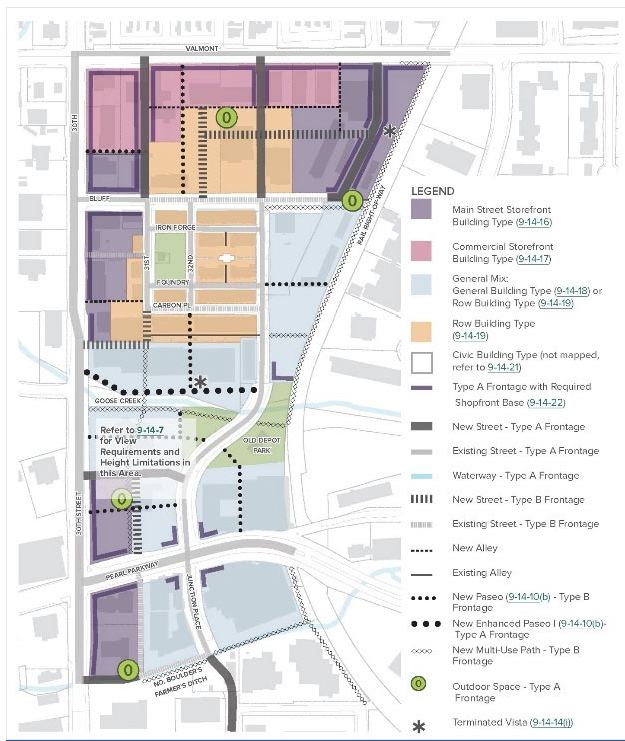
Figure 14-1. Regulating Plan: Boulder Junction Phase I
(b)
Alpine-Balsam Regulating Plan. Within the Regulating Plan: Alpine-Balsam, as shown on Figure 14-2, the following standards apply:
(1)
Transportation Connections. The arrangement, type, character, extent, and location of streets, alleys, paseos, multi-use paths, and other transportation connections shall conform to the regulating plans shown in Figure 14-2 and the Alpine-Balsam Area Plan.
(2)
Required Building Types. The building shall be of the building type shown for the property in Figure 14-2.
(3)
Location-Based Height Limits. No buildings shall exceed the maximum height and number of stories established for specific locations by Figure 14-2. These location-based maximum height and story limitations supersede the maximum height and number of stories established in this chapter for the applicable building type.
(4)
Required Residential Mix. The area designated general mix 2 shall include at least two row buildings, and at least twelve dwelling units shall be included in row buildings.
(5)
Required Storefront. Buildings shall have storefronts in the locations shown on Figure 14-2 along the Broadway frontage, turning the corners of the building and extending west a minimum of thirty feet along the paseos.
(6)
Type A and Type B Streets. Type A and B street designations establish design standards for how a building shall address the street and regulate access to the property; all buildings shall meet the standards application to the types of street frontages shown for the property in Figure 14-2. (See building type regulations and Section 9-14-14, "Requirements Applicable to all Building Types," B.R.C. 1981.
(7)
Required Outdoor Space Locations. Outdoor space shall be provided in the locations shown in Figure 14-2. The required outdoor space shall be of the type specified in Figure 14-2 or, if no type is specified in Figure 14-2, meet the standards of Section 9-14-12 "Outdoor Space Requirements," B.R.C. 1981.
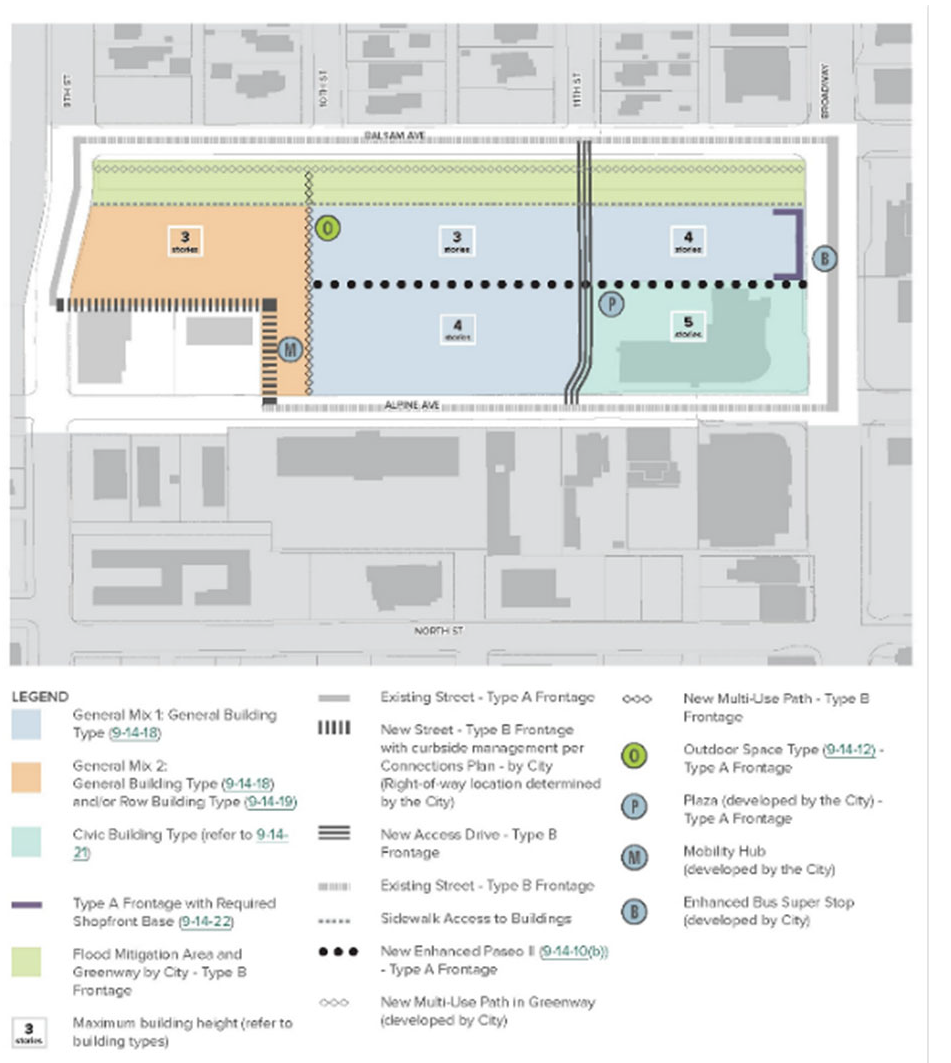
Figure 14-2. Regulating Plan: Alpine-Balsam
(c)
East Boulder Regulating Plans. Within the regulating plans for East Boulder, as shown on Figures 14-3 through 14-6, the following standards apply:
(1)
Transportation Connections. The arrangement, type, character, extent, and location of streets, alleys, paseos, multi-use paths, and other transportation connections shall conform to the regulating plans shown in Figures 14-3 through 14-6 and the East Boulder Subcommunity Plan.
(2)
Mid-Block Pathway. Developments with two opposite frontages of more than 450 feet of street, park, or multi-use path frontage that is uninterrupted by a perpendicular street shall provide a mid-block pathway consistent with Subsection 9-14-11(e), "Mid-Block Pathways," B.R.C 1981.
(3)
Required Building Types. The building shall be of the building type shown for the property in the applicable regulating plan in Figures 14-3 through 14-6.
(4)
Required Residential. In developments that add general or row building types with a total combined new floor area of 35,000 square feet or more, at least 50 percent of new floor area must be residential floor area.
(A)
Exception. The approving authority may approve an exception to the residential floor area requirement of this subparagraph for properties in the IG and IM zoning districts if the applicant demonstrates that:
(i)
A residential use would be affected by adverse health or safety impacts associated with on-site pollution or contamination beyond that which is customarily acceptable for land that is used for residential purposes and that such impacts cannot be adequately alleviated through mitigation measures, or
(ii)
Potential negative impacts from neighboring properties on the residential use cannot be reasonably mitigated.
The applicant shall provide an environmental assessment and an analysis of identified potential health and safety impacts or an assessment and analysis of potential negative impacts from neighboring properties, as applicable, including potential mitigation measures.
(B)
Review Process. Residential uses in the IG, IM, and BC zoning districts required pursuant to this paragraph (4) are permitted by right, do not require a use review, as otherwise required under Chapter 9-6, "Use Standards," B.R.C. 1981, and are not required to meet the specific use standards of Paragraph 9-6-3(a)(2), "Residential Uses in The IG and IM Zoning Districts," and Subsection 9-6-2(c),"Specific Use Standards that Apply to Several Use Types," B.R.C. 1981.
(5)
Required Production Business Space. In developments that add general or workshop building types with a total combined new floor area exceeding 15,000 square feet, a minimum of ten percent of the ground story floor area of the new general and workshop buildings shall be for production business spaces.
(A)
Floor Area Calculation. When calculating the total combined floor area under this paragraph (5) to determine whether production business space is required, automobile parking and access thereto shall not be considered floor area.
(B)
Ground Story Floor Area Calculation. When calculating the required minimum ten percent of ground story floor area under this paragraph (5), ground story residential floor area shall not be considered when determining the total combined ground story floor area.
(C)
Production Business Space Standards. The production business space in the development shall meet the following standards:
(i)
The space shall meet the requirements of either the service base set forth in Section 9-14-24, "Service Base," B.R.C. 1981, or the shopfront base set forth in Section 9-14-22, "Shopfront Base," B.R.C. 1981, and shall be located consistent with the applicable regulating plan in Figures 14-3 through 14-6.
(ii)
Production business space shall be between 500 square feet and up to 5,000 square feet in size and provided in a variety of sizes, totaling the required ten percent of ground floor area, and shall be available to be separately leased or purchased. The required production business space may be provided in the building with a production business space requirement or may be provided in the ground story of a separate building provided the total required production business space is met within the development pursuant to the form-based code review.
(iii)
Any use within the following use classification, category, or type is prohibited within the production business space:
a.
Use classifications:
1.
Residential uses.
2.
Public and institutional uses.
b.
Use categories:
1.
Retail sales uses.
2.
Vehicle-related uses, except the service of vehicles use type.
3.
Storage, distribution, wholesaling uses, except the wholesale business use type.
4.
Industrial services uses.
c.
Use types:
1.
Hostel.
2.
Hotel and motel.
3.
Restaurant, brewpub, and tavern.
4.
Medical office.
5.
Office.
6.
Financial institution.
(6)
Location-Based Maximum Building Height. No building shall exceed the maximum height and number of stories established for specific locations in Figure 14-3 through Figure 14-6. These location-based maximum height and story limitations supersede the maximum height and number of stories established in this chapter for allowed building types in the location.
(7)
Required Shopfront Base. Buildings shall use the shopfront base in the locations shown on Figure 14-3 through Figure 14-6, turning the corners of the building and extending a minimum of thirty feet around the corner of the building along any street, paseo, multi-use path, or outdoor space frontage. Refer to Section 9-14-22, B.R.C. 1981, for shopfront base requirements.
(8)
Type A, Type B, and Type C Streets. Type A, B, and C street designations establish design standards for how a building shall address the street and regulate access to the property; all buildings shall meet the standards applicable to the types of street frontages shown for the property in Figure 14-3 through Figure 14-6. (See building type requirements and Section 9-14-14, "Requirements Applicable to All Building Types," B.R.C. 1981.)
(9)
Valmont City Park Frontage. Portions of any building facade fronting on Valmont City Park shall meet the Type A frontage requirements.
(10)
Large Site Requirements. Any development that occupies four or more acres shall meet the large site development standards in Section 9-14-13, B.R.C. 1981.
(A)
All contiguous lots or parcels under common ownership or control, not subject to a planned development, planned residential development, planned unit development, site review or form-based code approval, shall be considered as part of the development for purposes of determining whether the large site development standards apply and shall be part of the development subject to the application.
(11)
Terminated Vistas. When a street terminates or curves on a property as designated on the applicable regulating plan in Figure 14-3 through Figure 14-6, the site design or building shall include a feature to terminate the view from the street or path consistent with the standards in Subsection 9-14-14(i), B.R.C. 1981.
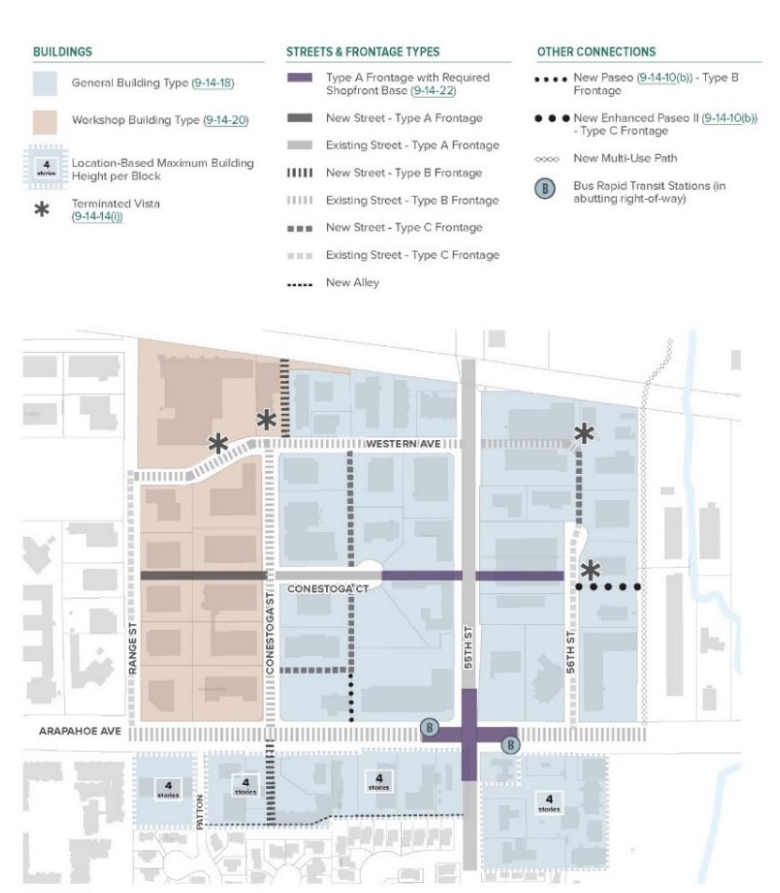
Figure 14-3. Regulating Plan: East Boulder - 55th and Arapahoe Station Area
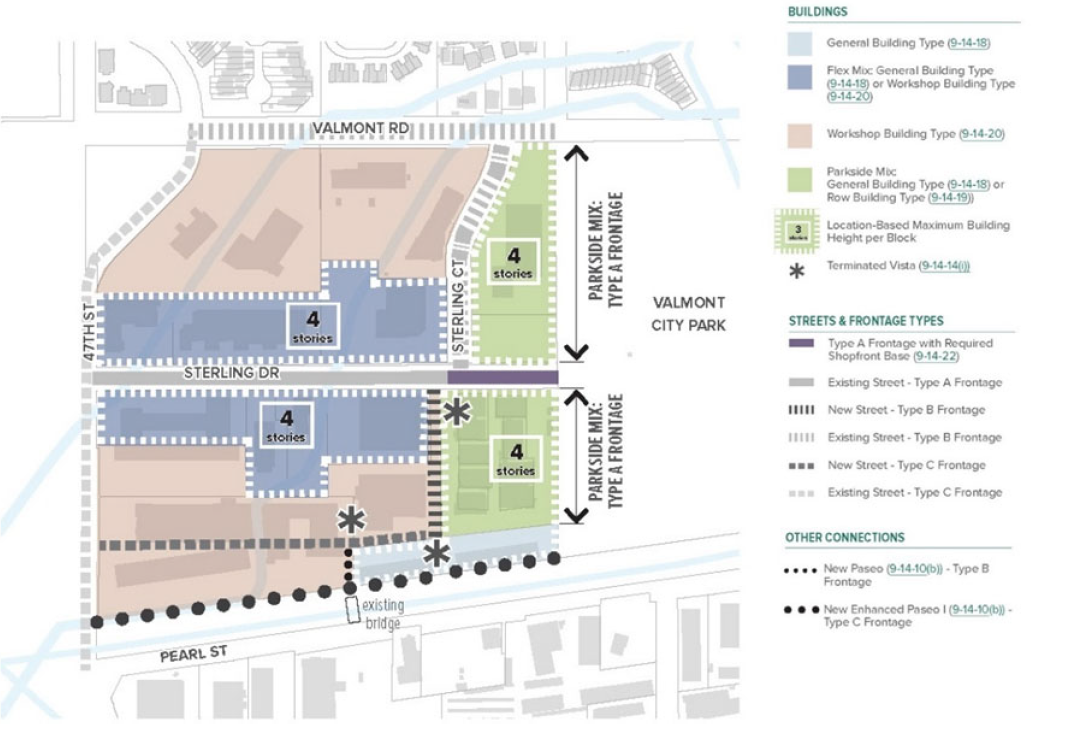
Figure 14-4. Regulating Plan: East Boulder - Valmont Park West
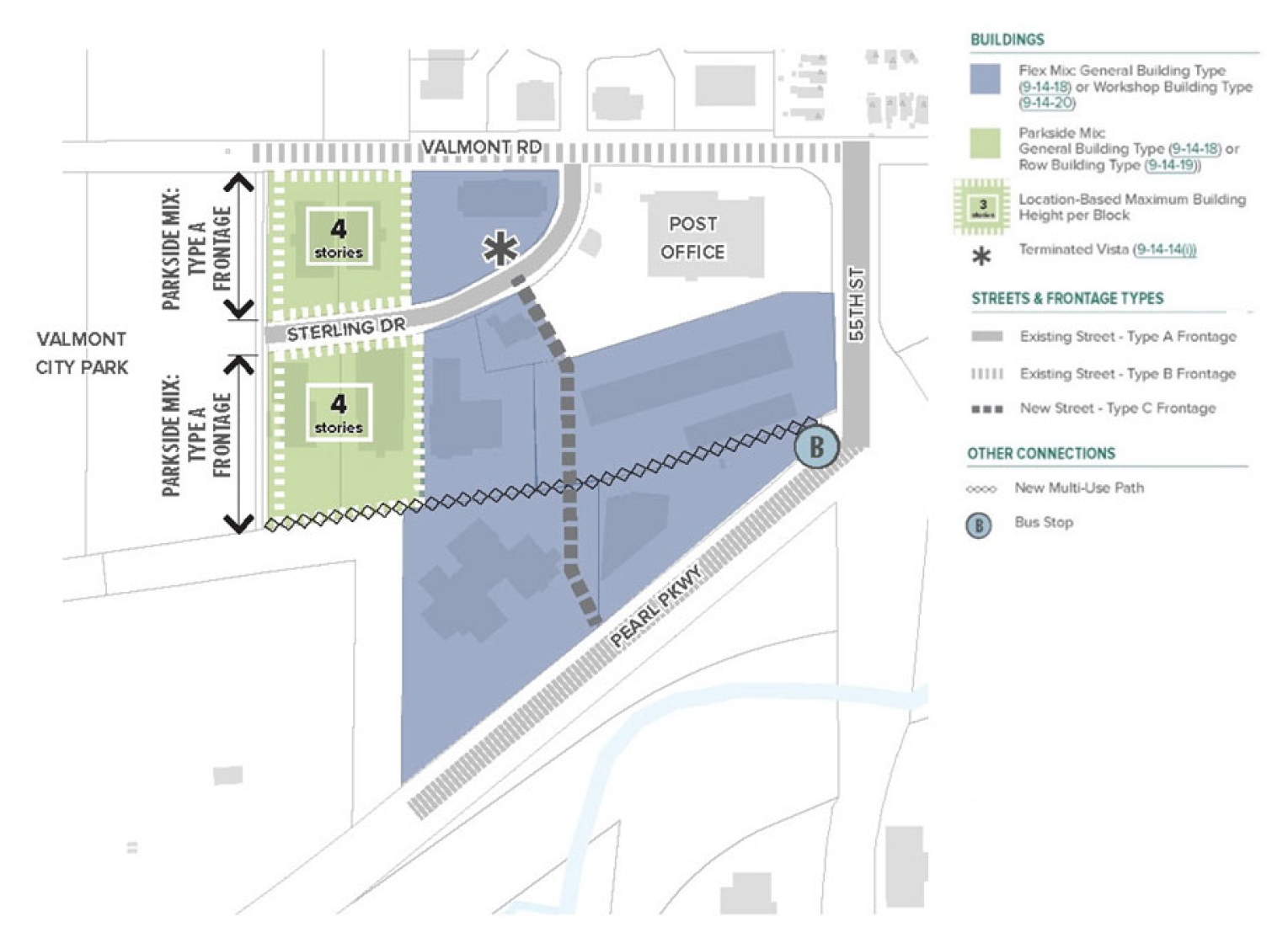
Figure 14-5. Regulating Plan: East Boulder - Valmont Park East
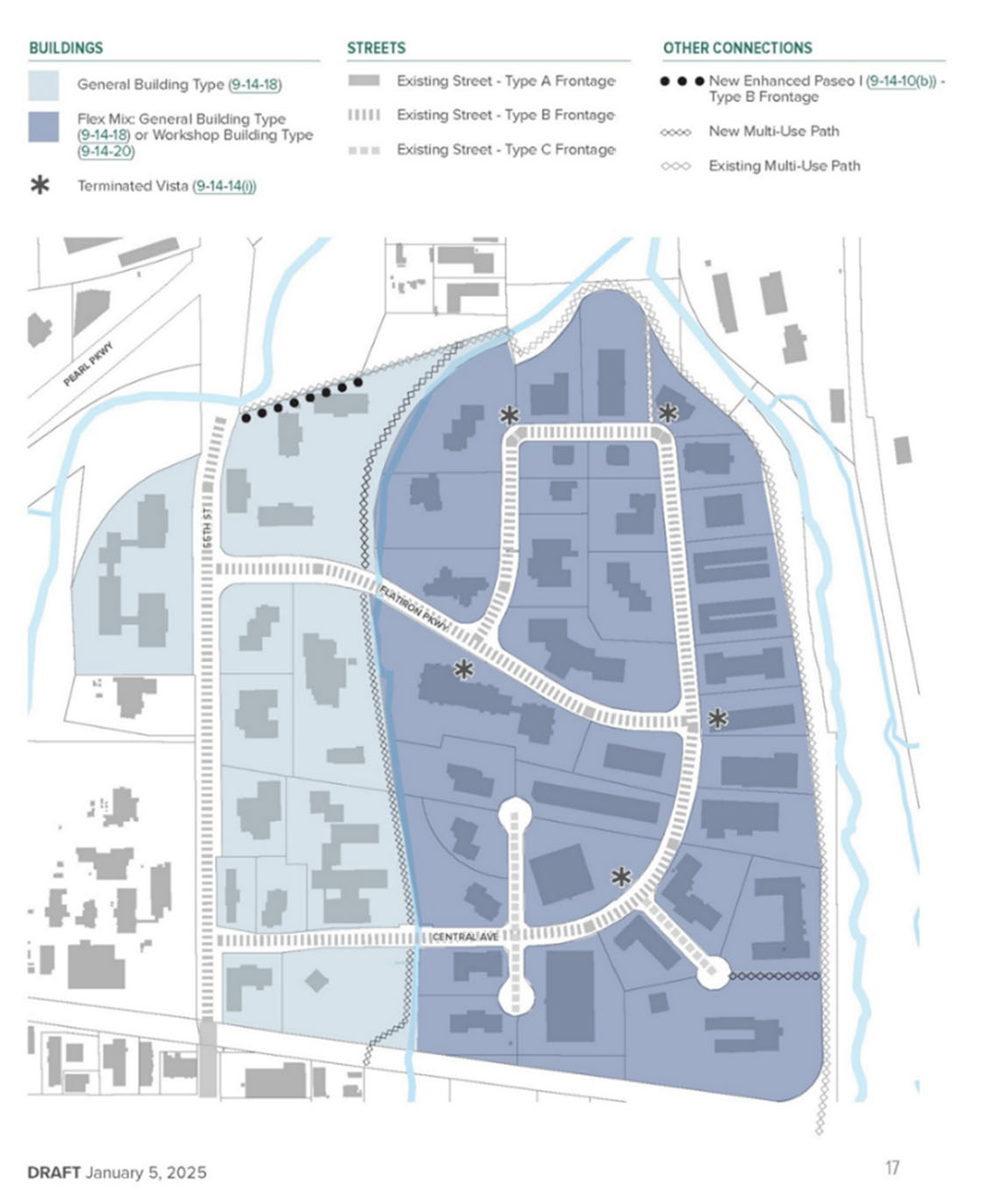
Figure 14-6. Regulating Plan: East Boulder - Flatiron Business Park
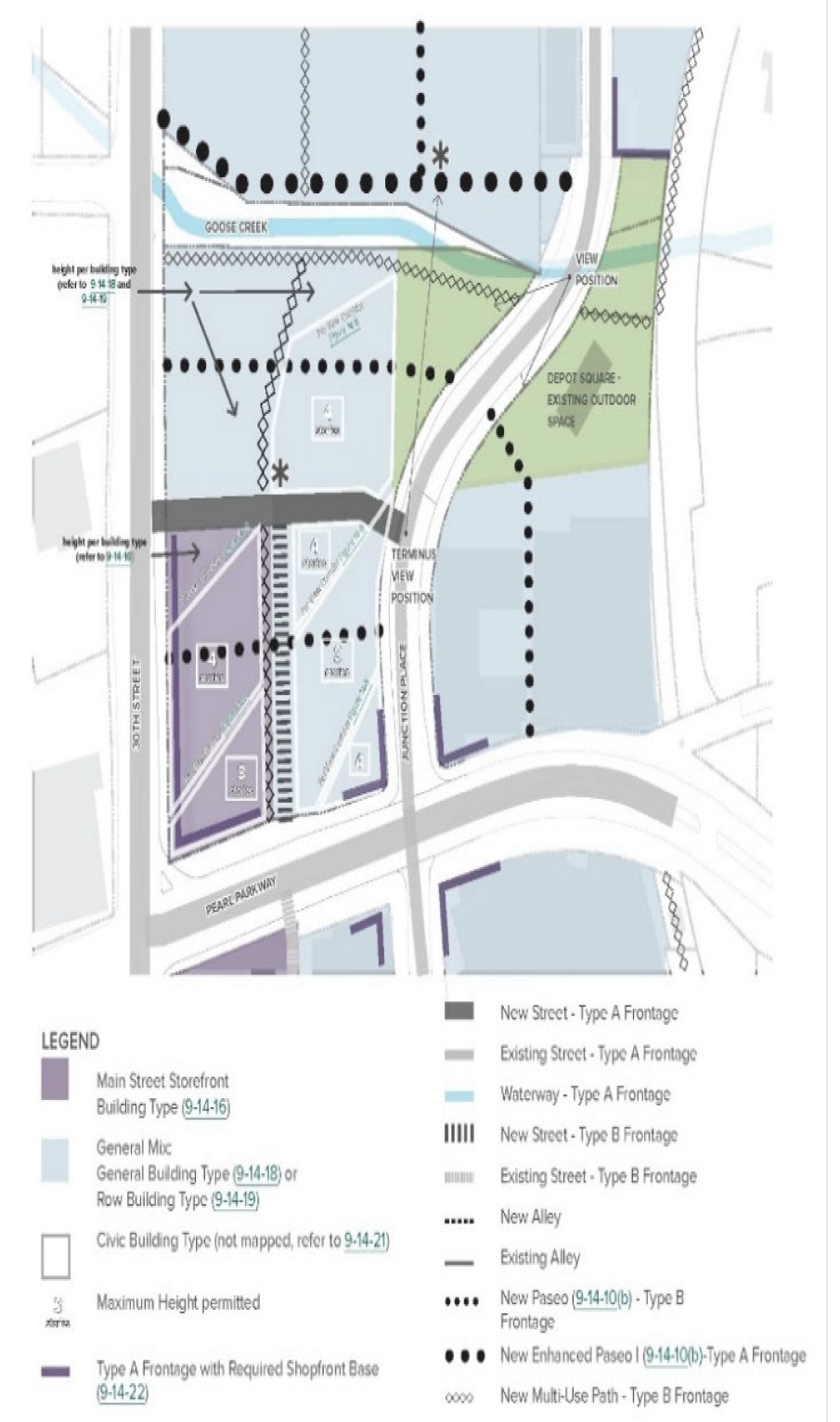
Figure 14-7. Regulating Plan Inset: SE Corner of Boulder Junction Phase I
Ordinance No. 8669 (2025)
9-14-7. - View Corridors.
(a)
Purpose. Projects should be designed to protect important public view corridors. The purpose of this section is to identify and preserve within the built environment view corridors of identified features when viewed from the public locations described in this section.
(b)
Boulder Junction Phase I. The view corridors identified in Figure 14-7 and Figure 14-8 shall be preserved consistent with the requirements of this section.
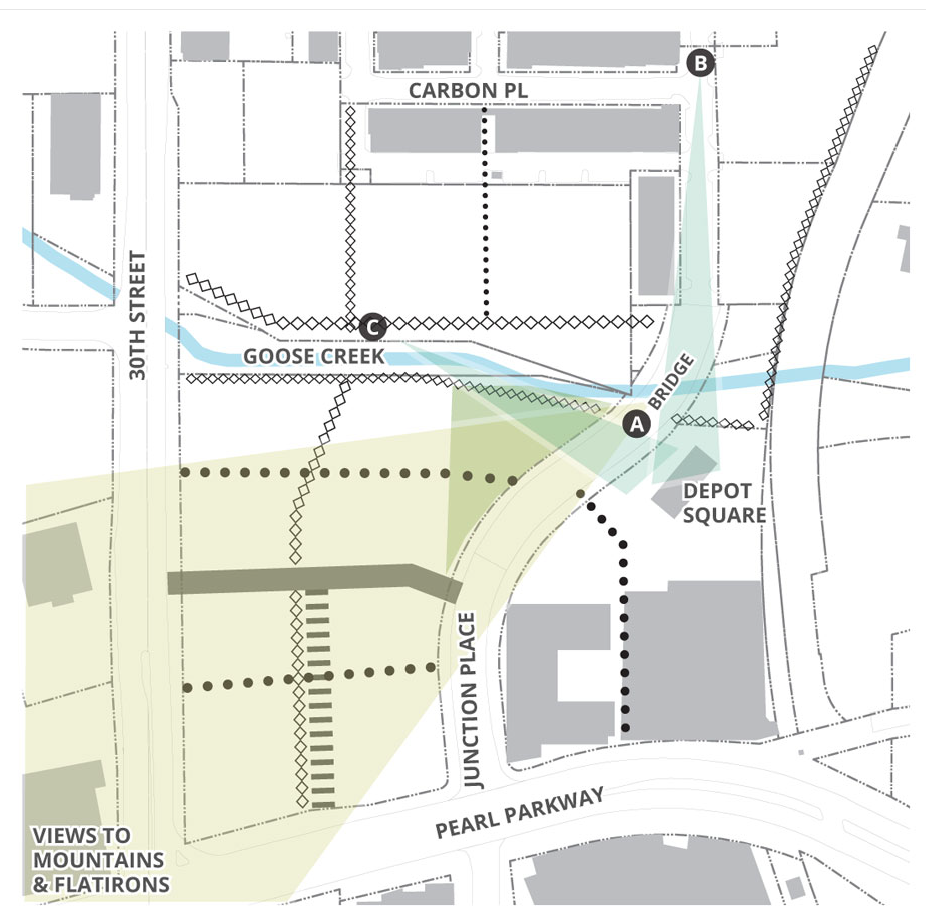
Figure 14-8. View Corridors to Retain
(1)
View Corridors. The following views are intended to be preserved:
(A)
From the southernmost point of the Depot Square bridge through the site to the Flatirons and west to tops of mountains as shown in yellow in Figure 14-8. The view corridor shall preserve the complete view of all five Flatirons when viewed from the identified location.
(B)
From Junction Place north of the Depot Square bridge, south to the old Depot Building in Depot Square as shown in light blue in Figure 9-14-8. The view corridor shall preserve the view of the entire Depot Building when viewed from the identified location.
(C)
From the north side of Goose Creek at approximately the intersection between the north-south multi-use path and the east-west enhanced paseo, to the old Depot Building in Depot Square as shown in light blue in Figure 14-8. The view corridor shall preserve the view of the entire Depot Building when viewed from the identified location.
(2)
Height Limitations. Building heights shall be limited on the sites affected by the view corridors pursuant to the following standards:
(A)
The maximum number of stories shall not exceed the number of stories shown for a particular location in Figure 14-7. (Refer to the building types regulations for floor-to-floor heights requirements for stories.)
(B)
Roof top mechanical equipment, utilities, and appurtenances shall not be located within the view corridors.
(C)
Roof decks are permitted on all roofs provided they do not exceed any overall building height limitations and do not inhibit the views established by the view corridors. Roof deck structures are to be included in building modeling.
(3)
Specific Location. The specific location of the horizontal limits of the view corridors established in paragraph (1) of this subsection shall be established by the reviewing authority based on a view corridor analysis so as to preserve the views described in paragraph (b)(1) of this section.
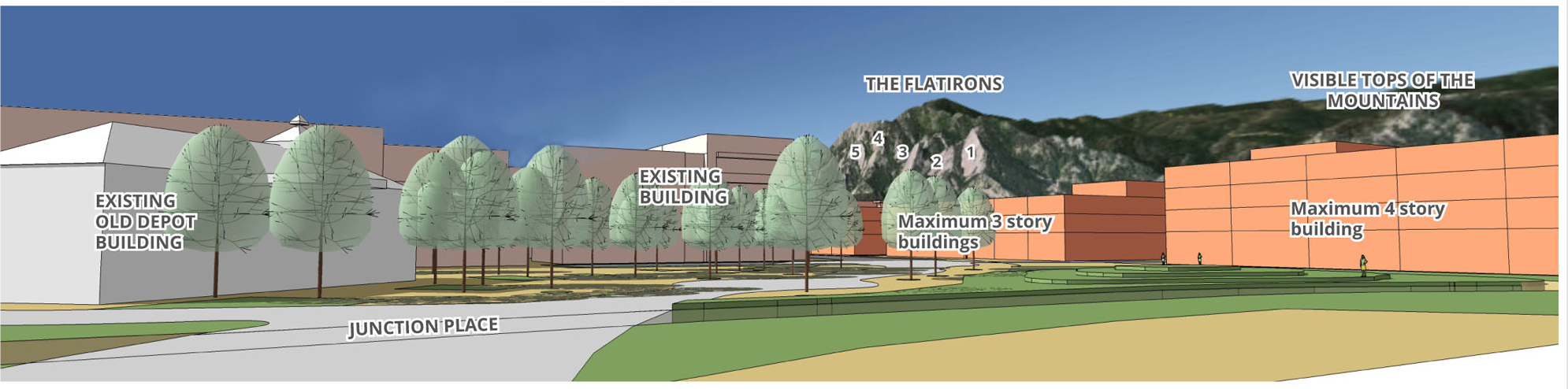
Figure 14-9. Example Documentation of Preserved Views from Junction Place Bridge
9-14-8. - Definitions.
The definitions in Chapter 1-2, "Definitions," and Chapter 9-16, "Definitions, B.R.C. 1981, apply to this chapter unless a term is defined different in this chapter or the context clearly indicates otherwise. For the purposes of this chapter, the following terms shall have the following meanings:
(a)
Balcony. Balcony means a platform that projects from a facade of a building above grade and is enclosed by a parapet or railing but excludes false balconies. False balconies consist of a rail and door, and any outdoor platform less than eighteen inches in depth.
(b)
Courtyard. A courtyard means any street-level area that is generally enclosed by a building or multiple buildings on three sides, is open to the sky, and includes landscape and pedestrian pathways, and may include patio, terrace, or deck space. Sides may be enclosed by buildings on abutting lots or lots across a street.
(c)
Coverage, Impervious. Impervious coverage means the percentage of a lot or parcel developed with principal or accessory structures or other impervious surfaces.
(d)
Coverage, Semi-pervious. Semi-pervious coverage means the percentage of a lot or parcel developed with semi-pervious surfaces.
(e)
Expression Line. Expression line means an architectural feature consisting of a decorative, three-dimensional, linear element, horizontal or vertical, protruding or recessed at least two inches from the exterior facade of a building. Vertical elements may include a column, pilaster, or other vertical ornamentation. Horizontal elements may include a cornice, belt course, molding, string courses, canopy, balcony, or other horizontal ornamentation and projections. Expression lines are typically utilized to delineate the top or bottom of floors or stories of a building or divide a facade into smaller sections. Expression lines are also subject to the following:
(1)
Expression lines must extend continuously the full length of the facade. Breaks may occur in the expression line provided that they are no more than two feet in length and the cumulative length of the breaks does not exceed twenty percent of the facade length.
(2)
The minimum protrusion or recession of an expression line in brick masonry may be achieved through the use of up to three consecutively vertically stacked bricks that are corbeled or racked.
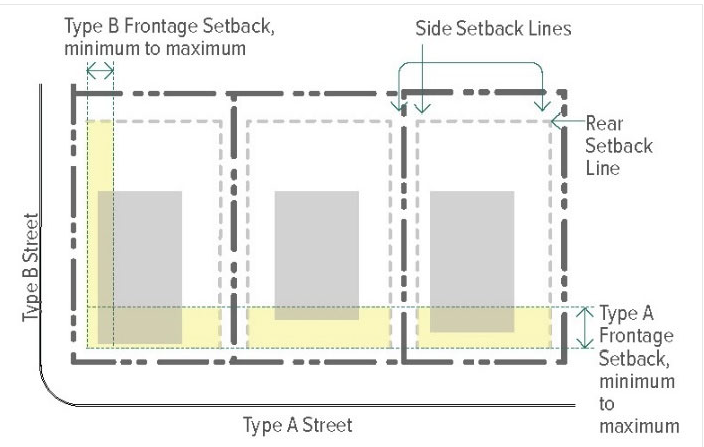
Figure 14-10. Minimum and Maximum Frontage Setback Lines
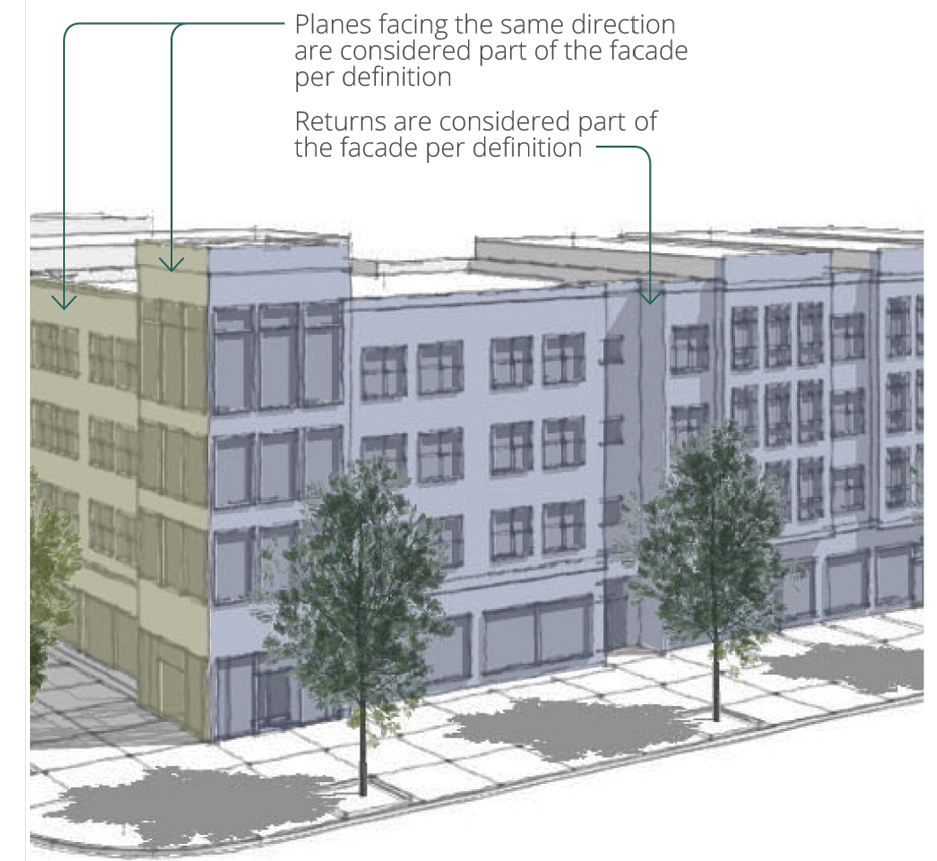
Figure 14-11. Facade Definitions
(f)
Facade. Facade means the exterior walls of a building exposed to public view and includes walls as shown in Figure 14-11. Facade Definition.
(g)
Frontage Setback. Frontage setback means a minimum and maximum setback and is the area in which the facade of a building shall be placed; it may or may not be located directly adjacent to a lot line. The frontage setback dictates the minimum and maximum distance a structure may be placed from a lot or parcel line, easement, or outdoor space in accordance with the measurement requirements of Subsection 9-14-2(b), Frontage Setback," B.R.C. 1981. Refer to Figure 14-10. Minimum and Maximum Frontage Setback Lines, and Figure 14-11. Facade Definition.
(h)
Major Material. Major material means a façade material meeting the standards for major materials established in Section 9-14-28, "Façade Materials," B.R.C. 1981.
(i)
Minor Material. Minor material means a façade material meeting the standards for minor materials established in Section 9-14-28, "Façade Materials," B.R.C. 1981.
(j)
Mobility Hub. Mobility hub means a designated, easily accessible outdoor space where people can access and transfer between multiple transportation modes, such as public transit, bike share, ride-share, taxis, and micromobility devices.
(k)
Occupied Building Space. Occupied building space means interior building spaces regularly occupied by the building users. It does not include storage areas, utility space, vehicle service areas, or parking, or other uninhabitable spaces.
(l)
Parking Yard. Parking yard means an area extending from the rear building facade to the rear property line between the side yards or, on a corner property, between the street adjacent side and side yards. Parking yards are fully screened from Type A frontages by the building and do not extend to any side lot line or street lot line.
(m)
Paseo. Paseo means a path designed for use by pedestrians and by vehicles that may generally be operated on a sidewalk in the city. The paseo is located mid-block, allowing pedestrian movement through the block from one street to another without traveling along the block's perimeter.
(n)
Porch. Porch means a roofed, raised structure at the entrance to the building, providing a transition between the interior of the building and the exterior yard or adjacent sidewalk. Refer to Figure 14-12. Example of a Porch.
(o)
Public Way. Public way means streets, paseos, and multi-use paths, but not alleys.
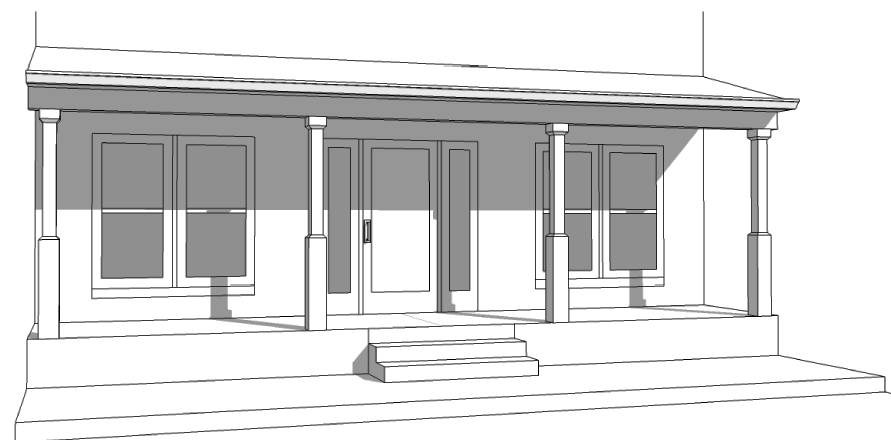
Figure 14-12. Example of a Porch
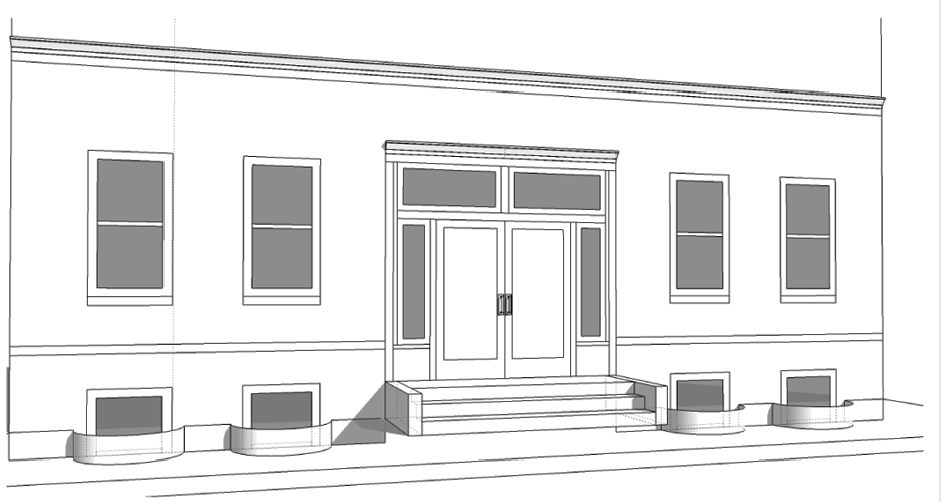
Figure 14-13. Example of a Stoop
(p)
Stoop. Stoop means an elevated or at grade platform entranceway at the door to a building, providing a transition between the interior of the building and the sidewalk outside the building. A stoop may be covered by a canopy or awning. Refer to Figure 14-13. Example of a Stoop.
(q)
Story, Ground. Ground story means the first floor of a building that is level to or elevated above the finished grade on the front and corner facades. The ground story excludes basements or cellars. Refer to Section 9-16-1, "General Definitions," B.R.C. 1981, for a definition for basement.
(r)
Story, Half. Half story means either a story in the base of the building, partially below grade and partially above grade, or a story fully within the roof structure with windows or doors facing the street.
(s)
Story, Upper. Upper story means a story located one story or more above the ground story of a building.
(t)
Streetwall. Streetwall means the portion of the building façade that is located generally parallel to and facing the street right-of-way line. Refer to definition of facade.
(u)
Street Yard. Street yard means any yard located between the principal building and a street right-of-way.
(v)
Surface, Permeable. Permeable surface means a non-paved, landscape surface that allows water and air to freely permeate to the ground including, without limitation, soil, mulch, turf, and planting areas.
(w)
Surface, Semi-Pervious. Semi-pervious surface means a porous surface or material that allows for water to pass through the soil including, without limitation, permeable pavers, permeable concrete, and a green roof.
(x)
Surface, Impervious. Impervious surface means solid surface or material that prevents the absorption of water into the soil including, without limitation, asphalt, concrete, and building elements designed to shed water.
(y)
Transparency. Transparency means the measurement of the percentage of a facade that has highly transparent, low reflectance windows with:
(1)
On a storefront base, a minimum sixty percent transmittance factor and a reflectance factor of not greater than 0.25, and
(2)
On any façade other than a storefront base, a minimum fifty percent transmittance factor and a reflectance factor of not greater than 0.25.
(z)
Type A Frontage. Type A frontage means a frontage along a Type A street or other feature as defined in this chapter that receives priority over other frontages in terms of locating principal entrances, prioritizing facade design elements, and incorporating design requirements associated with pedestrian orientation.
(aa)
Type A Street. Type A street means a street designated on the regulating plan that receives priority over other streets in terms of setting front lot lines and locating building entrances.
(ab)
Type B Frontage. Type B frontage means a frontage along a Type B street or other feature as defined in this chapter that allows for a lower level of facade treatment as well as permits limited locations for garage and parking lot driveway entrances.
(ac)
Type B Street. Type B street means a street designated on the regulating plan that receives lower priority than Type A street in terms of building frontage and facade requirements; it allows for a lower level of facade treatment as well as permits locations for garage and parking lot driveways entrances.
(ad)
Type C Frontage. Type C frontage means a frontage along a Type C street or other feature as defined in this chapter that allows for a lower level of façade treatment as well as typically permits limited locations for multiple garage and parking lot driveway entrances.
(ae)
Type C Street. Type C street means a street designated on the regulating plan that receives lower priority than Type A and Type B street in terms of building frontage and facade requirements.
(af)
Visible Basement. Visible basement means a half story partially below grade and partially exposed above.
(ag)
Yard Definition. Yard is defined in Section 9-16-1, "General Definitions," B.R.C. 1981. For the purposes of this chapter, the following standards shall supplement and, where inconsistent, supersede the definition of Section 9-16-1, B.R.C. 1981:
(1)
Side and Rear Yards. On a property located in an area designated in Appendix L, "Form-Based Code Areas," only yards not abutting a Type A, B, or C frontage as designated on the regulating plan are considered side or rear yards.
(2)
Front Yards, Side Adjacent Street Yards, and Side Equals Front Yards. Front yards, side adjacent street yards, and side equals front yards are regulated through the designation of Type A, Type B, and Type C frontages on the regulating plan.
Ordinance Nos. 8669 (2025); 8697 (2025)
9-14-9. - Rights-of-Way.
The arrangement, type, character, extent, and location of all rights-of-way shall conform to the requirements of Section 9-14-6, "Regulating Plans," and Section 9-9-8, "Reservations, Dedication, and Improvement of Rights-of-Way," B.R.C. 1981, unless modified in accordance with this section.
(a)
Amendments. Amendments to the location of rights-of-ways and addition to or deletion of rights-of-ways shown in the connections plan of the applicable area or subcommunity plan or the regulating plan may be approved pursuant to the process and criteria established in the applicable area or subcommunity plan for amendments to such plans. A request for such an amendment may be processed in conjunction with a form-based code review under Section 9-2-16, "Form-Based Code Review," B.R.C. 1981.
Ordinance No. 8669 (2025)
9-14-10. - Streetscape and Paseo Design Requirements.
(a)
General Requirements. In addition to the requirements of the Boulder Revised Code and the City of Boulder Design and Construction Standards, the streetscape of all new and existing streets, and the design of all paseos and enhanced paseos shall meet the standards of this section.
(1)
Conformance to Plans. The streetscape and paseos shall be designed and completed consistent with the streetscape guidelines of the connections plan of the applicable area or subcommunity plan.
(2)
Compatible Design. The design, including but not limited to paving patterns, seating areas, and bulb-outs, of all street frontages and paseos within the development shall be compatible in character.
(3)
Additional Design Requirements. The streetscape and paseo design shall meet the following standards:
(A)
Bulb-outs. To shorten pedestrian crossings, pedestrian bulb-outs shall be installed at each end of any pedestrian crossing located at an intersection except in locations where the city manager determines that the street design would not adequately accommodate the turning movements of emergency vehicles.
(B)
Sight Triangle Area. The requirements of Section 9-9-7, "Sight Triangle," B.R.C. 1981, shall be complied with.
(i)
Alternative Method of Compliance. The approving authority may approve an alternative design to the sight triangle requirements of Section 9-9-7, "Sight Triangle," B.R.C. 1981, if the applicant demonstrates that accepted engineering practice would indicate that a modified visibility distance, either greater or lesser, would be acceptable or necessary for the safety of pedestrians, motorists, and bicyclists.
(C)
Street Furnishings. At least two benches and one trash receptacle shall be installed in each block of a street in either the streetscape or street yard.
(D)
Permeable Surface Area for Trees. For each tree planted, permeable surface area shall be provided meeting the minimum size requirements established in Table 14-1. Permeable surface means the ground surface above the tree's critical root area that allows water and air to penetrate down to the roots.
(i)
Per Tree. Permeable surface area for one tree shall not count towards that of another tree.
(ii)
Suspended Pavement System. When the required permeable surface area of a tree extends below any impervious hardscape, a modular suspended pavement system, such as Silva Cells, Root Space, or an equivalent system, shall be used below that hardscape to ensure root growth and access to air and water.
Table 14-1. Minimum Required Permeable Surface Area
(b)
Paseos. Paseos shall be designed consistent with the following:
(1)
General Paseo Design Requirements. Paseos shall be designed to meet the standards of Table 14-2. Table of Paseo Design Requirements.
(2)
Paseo Surface Design. Comprehensively designed paving patterns and materials shall be utilized for the entire length of the paseo. Designs may include intentional changes to material, color, and pattern to distinguish different functional areas.
(3)
Maintenance. Paseos shall be maintained by the property owner in good repair and safe and unobstructed condition. Any repairs or replacements to the paseo must be consistent with the form-based code review approval.
(A)
If the city manager finds that any portion of a paseo does not meet this standard, the manager may require that the owner of the paseo or underlying property repair or replace the non-complying portion to bring it into conformity with city standards.
(B)
If the city manager determines to proceed under paragraph (A) of this section, the manager shall notify the property owner of the duty to repair or replace and that such owner has thirty days from the date of the notice to commence such repair or replacement and has sixty days from the date of the notice to complete such repair or replacement. The manager may extend the time limit if weather would impede the work. Notice under this section is sufficient if it is mailed first class to the address of the last known owner of property on the records of the Boulder County Assessor, or hand-delivered to an owner.
(C)
If the property owner fails to commence or complete repair or replacement as required by the notice prescribed by paragraph (B) of this section, the manager may perform the repair or replacement and charge the costs thereof, plus up to fifteen percent for administrative costs, to the property owner.
(D)
If any person fails or refuses to pay when due any charge imposed under this section, including any agreed charge, the city manager may, in addition to taking other collection remedies, certify due and unpaid charges to the Boulder County Treasurer for collection as provided by Section 2-2-12, "City Manager May Certify Taxes, Charges and Assessments to County Treasurer for Collection," B.R.C. 1981.
Table 14-2. Table of Paseo Design Requirements
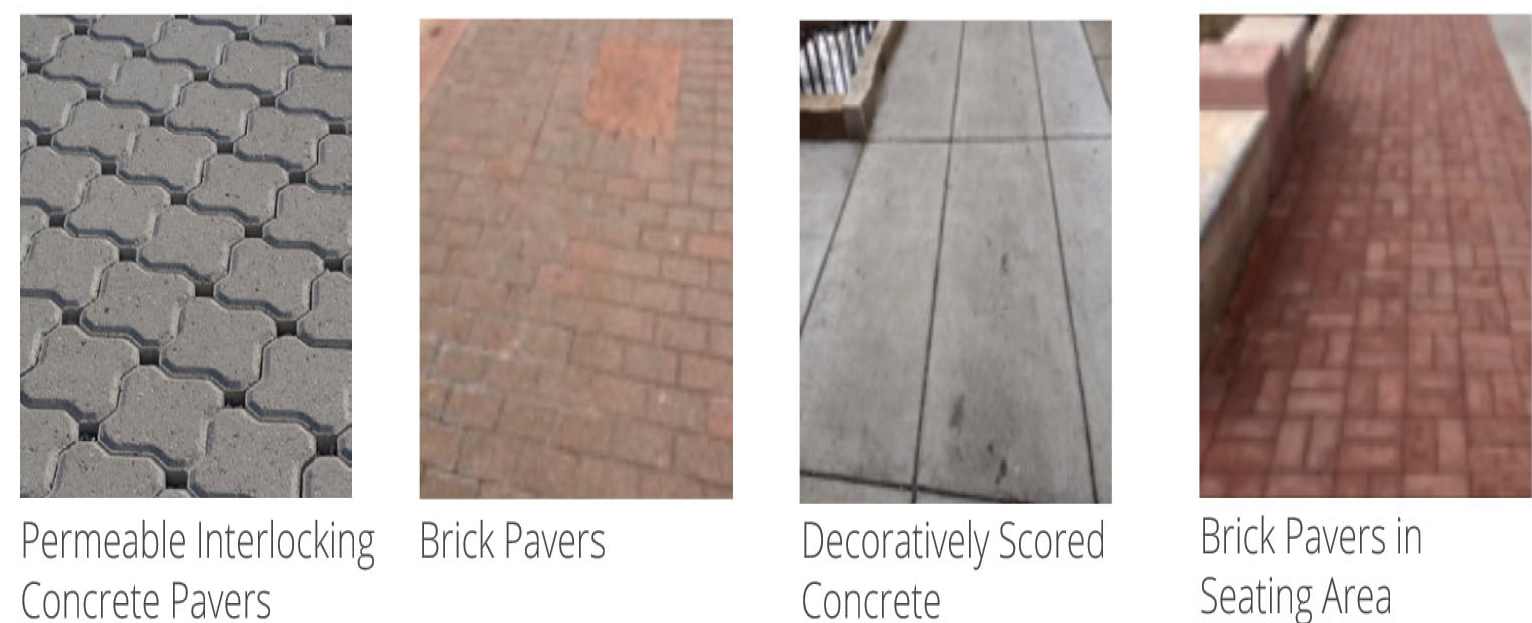
Figure 14-14. Images of Paseo Surface Treatment
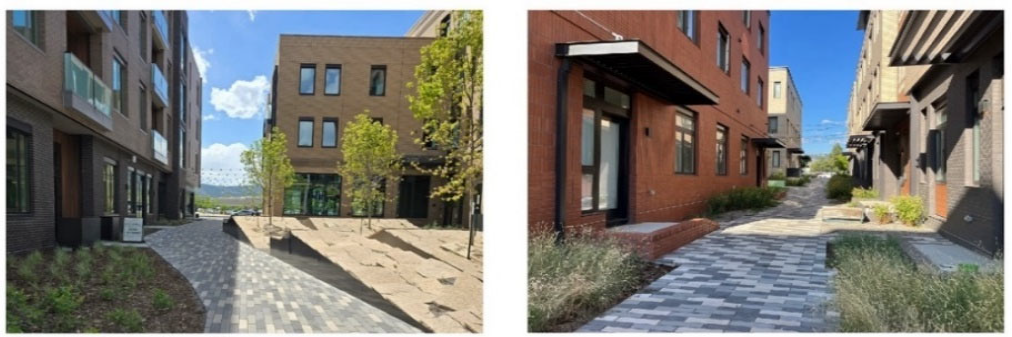
Illustrative Examples of paseos
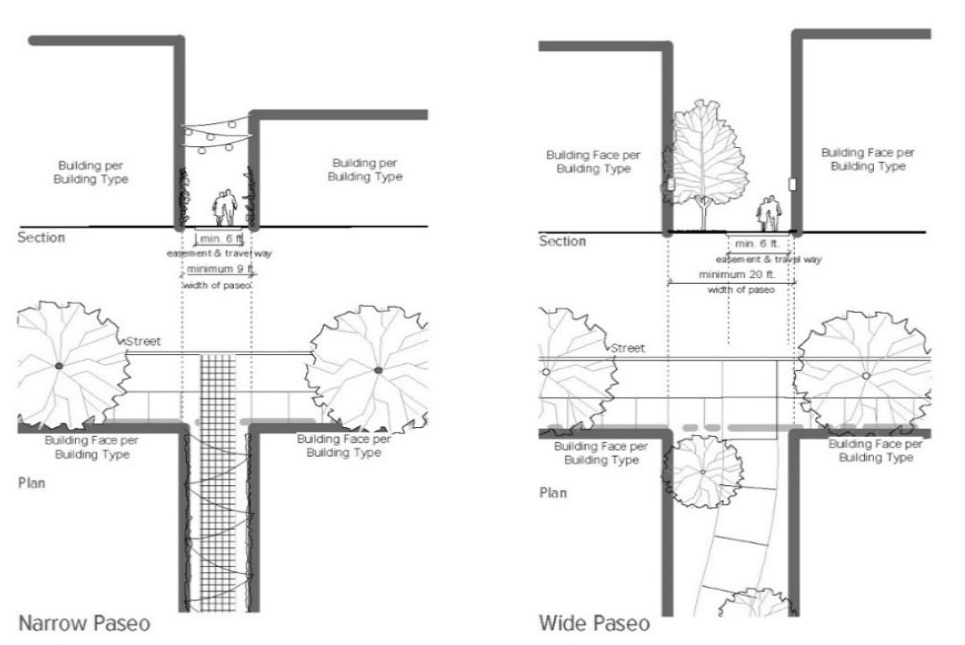
Figure 14-15. Paseo Illustrations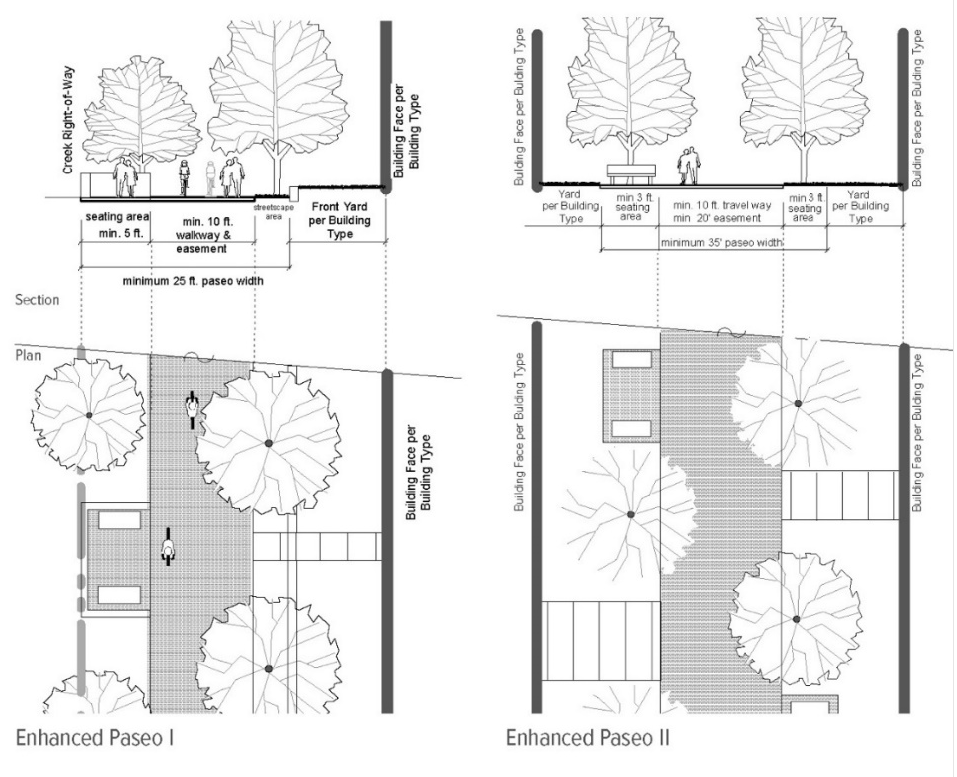
(4)
Outdoor Lighting. The city manager may waive lighting standards under Subsection 9-9-16(g), "Outdoor Lighting," B.R.C. 1981, to allow catenary lighting between buildings and over paseos for bulbs greater than seven watts and no greater than eleven watts.
(5)
Fire Access. Where required by the City of Boulder Fire Code or City of Boulder Design and Construction Standards, the easement and travel way may be expanded to accommodate the fire truck access, where required. All other elements required must be included in the paseo design.
(6)
Special Design Requirements. Refer to Figure 14-15 for paseo illustrations.
(A)
Narrow Paseo.
(i)
Narrow paseos shall be open to the sky. At least one of the buildings along a paseo shall be two stories or less along the paseo or the third and higher stories shall be set back a minimum of fifteen feet from the paseo.
(ii)
Narrow paseos shall be designed to include landscaping in decorative pots and planters where sufficient space exists between the pedestrian travel path and the buildings.
(B)
Wide Paseo.
(i)
Wide paseos shall be open to the sky with the exception of canopies and trellises.
(ii)
Wide Paseos shall be designed to include art, such as a sculpture or mural.
(iii)
Wide paseos shall include a mix of hardscaping and landscaping; no less than twenty-five percent of the paseo shall be landscaped, evenly distributed for the length of the paseo.
(C)
Enhanced Paseo I and II.
(i)
Where a transitioning of grades occurs in an enhanced paseo I or II, the grades shall transition with terraced retaining walls of a height not to exceed thirty-six inches; if the walls are intended for seating, their height shall not exceed twenty-four inches.
(ii)
Enhanced paseos I and II shall include a mix of hardscaping and landscaping; all areas other than pedestrian travel ways, seating areas, and entranceways to buildings must be landscaped.
(iii)
In East Boulder, the width of the enhanced paseo I along the Goose Creek frontage shall be measured from the outer northern edge of the ditch easement. The approving authority may approve a different configuration if the applicant is able to obtain ditch company approvals for the incorporation of the North Boulder Farmer's Ditch and associated easement area into the paseo design.
(iv)
In East Boulder, the enhanced paseo I along the Goose Creek frontage is designated as Type C, allowing a service base consistent with the service base requirements in Section 9-14-24, B.R.C. 1981. Garage access for motor vehicles may not be located on a paseo.
Ordinance Nos. 8669 (2025); 8697 (2025)
9-14-11. - Site Design Requirements.
(a)
Site Access. Site access locations shall be consistent with Section 9-9-5, "Site Access Control," B.R.C. 1981, except as modified below:
(1)
Frontage Hierarchy. For the purposes of this chapter and determining site access, Type C frontages are lower category streets than Type B frontages, and Type B frontages are lower category streets than Type A frontages.
(2)
Service Base Access. Multiple access points will be allowed on a lot or parcel to serve a building with a service base, provided the requirements of Section 9-14-24, "Service Base," B.R.C. 1981, are met.
(3)
Driveways. Driveways may not be located in any street yard or setback unless consistent with Section 9-9-5, "Site Access Control," B.R.C. 1981, to cross perpendicularly through the setback to access or connect to an adjacent parking lot per subsection (d), Inter-Lot Drives, of this section.
(4)
Trash and Recycling Areas. One mountable, rolled curb section is allowed at a Type B or C street per development, maximum ten feet in width, in order to roll receptacles out to the street.
(b)
Street Yard Design. Street yards, including courtyards and streetscape plazas designed to meet the requirements of Subsection 9-14-14(h), "Required Streetwall Variation," B.R.C. 1981, shall be designed consistent with the following:
(1)
Coordinated Design. The combined streetscape and street yard area from building facade to the back of curb is coordinated and comprehensibly designed with a combination of hardscape and landscape areas, although differences in materials and functional areas may exist.
(2)
Shopfront Streetscape. Where the shopfront base is required, hardscape is located within 24 inches or less of the shopfront windows and that hardscape is connected to the path between the public sidewalk and the building entrances.
(3)
Trees. At least one tree is planted for every 1,000 square feet of any street yard, courtyard, or streetscape plaza area, located in planting areas or tree wells. Street yard trees meet the minimum permeable surface area requirements in Paragraph 9-14-10(a)(3)(D), B.R.C. 1981.
(4)
Hardscape. Hardscape areas are paved with unit pavers, such as bricks, quarry tiles, porous pavers, or poured-in-place materials. If poured-in-place materials are selected, they must be of decorative color or textures.
(5)
Landscape Beds.A minimum of twenty-five percent of the street yard areas, including courtyards and streetscape plazas to meet the requirements in Subsection 9-14-14(h), B.R.C. 1981, include landscape beds with shrubs, perennials, grasses, and/or annual plants.
(6)
Seating and Amenities. Seating and amenities shall be provided in courtyards and streetscape plazas required per Subsection 9-14-14(h), B.R.C. 1981, consistent with the following:
(A)
Temporary or permanent seating is provided. Temporary seating shall be available or in place between March 15 and November 15.
(B)
In addition to seating, at least one other amenity is provided, such as a pergola, multiple trellises, catenary or string overhead lighting, a fountain, or artwork (sculpture or mural).
(c)
Yards and Setbacks. Setbacks and yards, with the exception of street yards, courtyards, street yard plazas, parking areas, driveways, loading zones, mechanical equipment, and refuse and recycling areas, shall meet the following standards:
(1)
Trees. To the extent practical and achievable, trees shall be planted at a minimum of one per 1,500 square feet, located in planting areas or tree wells.
(2)
Landscape Areas. Yards and setbacks shall be designed for a mix of paved and landscaped areas, consistent with the maximum impervious and semi-pervious coverage allowed per the building type.
(d)
Inter-Lot Drives. Adjacent parking lots in a development shall be connected with a shared drive that perpendicularly crosses any side and/or rear setback.
(e)
Mid-Block Pathways. In East Boulder, mid-block pathways are required on longer blocks consistent with the following:
(1)
Pathway Location. Mid-block pathways shall continuously connect the two opposite frontages specified in Paragraph 9-14-6(c)(2), B.R.C. 1981, and be located within 50 feet of the midpoint of the frontage.
(2)
Pathway Width. The minimum width of the pathway area between building facades shall be ten feet with a minimum pathway of five feet. The unpaved areas shall be landscaped.
(3)
Path Construction Standards. The pathway shall be constructed to accommodate pedestrians and vehicles that may generally be operated on a sidewalk in the city and shall meet the construction standards of a concrete walk and multi-use paths in the City of Design and Constructions Standards.
(4)
Open-Air. Mid-block pathways shall be open to the sky, except buildings may bridge over the pathways for distances along the pathway of no more than thirty feet and covering no more than thirty percent of the length of the mid-block pathway. The clear opening under the bridge shall be at least fifteen feet in height.
Ordinance Nos. 8669 (2025); 8697 (2025)
9-14-12. - Outdoor Space Requirements.
(a)
Intent. The intent of the outdoor space requirements is the provision of common outdoor spaces for gathering and socializing between neighbors as well as to provide breaks in the urban fabric of the area buildings. Outdoor spaces are intended to be directly accessible from the street and other public ways.
(b)
Applicability. Outdoor space shall be designed and constructed or improved consistent with the requirements of this section.
(c)
Outdoor Space Types. All required outdoor space shall comply with one of the outdoor space types defined in subsections 9-14-12(l) through (p) of this section and the specifications applicable to the type used.
(1)
Specified Type. If a type of outdoor space is specified in Figure 14-17 for Boulder Junction or Figure 14-18 for Alpine-Balsam for the project site, such type shall be utilized.
(2)
No Specified Type. If no type is specified in Figure 14-17 or Figure 14-18 or the type is designated as flexible, any one of the outdoor space types defined in subsections 9-14-12(l) through (p) of this section may be utilized provided that the type utilized will result in a mix of outdoor spaces in the vicinity of the development.
(d)
Outdoor Space Required. At least one outdoor space shall be provided in the development, except, if the development is located in an East Boulder form-based code area and includes more than 75,000 square feet of residential floor area, at least two outdoor spaces shall be provided.
(1)
Specific Locations. Outdoor space shall be provided within 150 feet of the locations shown in Figure 14-17. Boulder Junction: Required Locations for Outdoor Space or Figure 14-18. Alpine-Balsam: Required Locations for Outdoor Space, as applicable.
(2)
Underpass Outdoor Space. Outdoor space shall be provided in any location where Figure 14-17 shows a future underpass. The minimum size of such outdoor space shall be determined by the city manager. The space shall be not less than 200 feet in length and 35 feet in width and must be long enough to provide for transition grades and wide enough to allow for landscaping and paving area.
(3)
Existing Public Space. An outdoor space requirement of this section may be met with an outdoor space outside of the development that is located within ⅛ of a mile of all public entrances to buildings in the development provided the space is a public outdoor space or a space to which the anticipated residents, tenants, employees, customers, and visitors to the development have a right of access and use.
(4)
Optional Areas. Where two outdoor spaces are required, the following may be utilized to meet the requirement for one or both outdoor spaces:
(A)
Courtyard. A courtyard in the development meeting the requirements of Subsections 9-14-14(g) or (h), B.R.C, 1981, and of a size of at least 1,600 square feet.
(B)
Playground. An outdoor area dedicated to playground use and including playground equipment, play surfaces, and seating areas. The playground surface area shall be a at least 1,400 square-feet in size, with the perimeter edged by walls, seating areas, or fences meeting the requirements of subsection (g) to provide enclosure and protection from streets and public ways. A playground located wholly or partially within another outdoor space type does not count as a separate outdoor space.
(5)
Small Projects Exception. If the project site is smaller than 0.7 acres in size, the minimum size requirement of an outdoor space type is fifteen percent of the project site. All contiguous lots or parcels under common ownership or control are considered the project site for purposes of determining the project site under this subparagraph. Contiguity shall not be affected by the existence of a platted street or alley or any other public or private right-of-way.
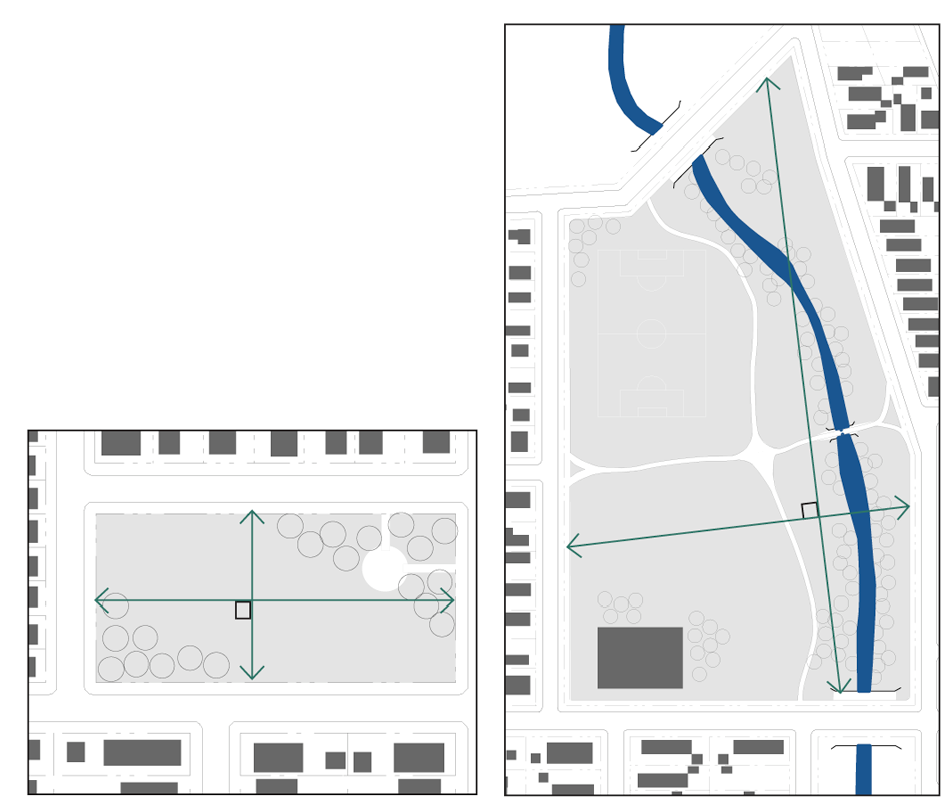
Figure 14-16. Outdoor Space: Measuring Minimum Dimensions
(e)
General Design Standards. All outdoor space shall be designed and maintained to meet the following standards:
(1)
Landscaped Areas. Landscaped areas must meet the requirements of Section 9-9-12, "Landscaping and Screening Standards," B.R.C. 1981;
(2)
Exterior Paved Areas. Exterior paved areas shall meet the standards of Subparagraphs 9-9-11(e)(5)(A) and (B), B.R.C. 1981; and
(3)
Recreational Amenities. Seating and other elements encouraging use and occupation of the space and spatially defining the space shall be included in the design so as to make the space attractive and an integral part of the circulation pattern of the development. Such elements may include benches, tables, ornamental lighting, sculptures, landscape planters or movable containers, trees, tree grates, water features, or other recreational amenities.
(f)
Access. All required outdoor spaces shall be accessible from a pedestrian route associated with a vehicular right-of-way and/or adjacent building entrances or exits.
(g)
Fencing. Outdoor space types may incorporate fencing provided that the following requirements are met:
(1)
Height. No fence shall exceed forty-eight inches in height. This maximum fence height may be modified by the approving authority to ensure functionality and safety of the users of the outdoor space, for example, in proximity to railroad right-of-way and around swimming pools, ball fields, and ballcourts.
(2)
Level of Opacity. Fence opacity shall not exceed sixty percent.
(3)
Type. Chain-link fencing is prohibited along any street frontage. The approving authority may modify this standard around sports field or courts to ensure the safety of the users and visitors to the property and functionality of the outdoor space use.
(4)
Openings. Openings or operable, unlocked gates shall be provided on every street frontage at a minimum of one per every 100 feet of frontage.
(h)
Continuity. New outdoor space shall connect to abutting or proximate existing or planned public way or open space.
(i)
Measuring Size. When determining whether dimensions requirements of this section are met, the following standards apply:
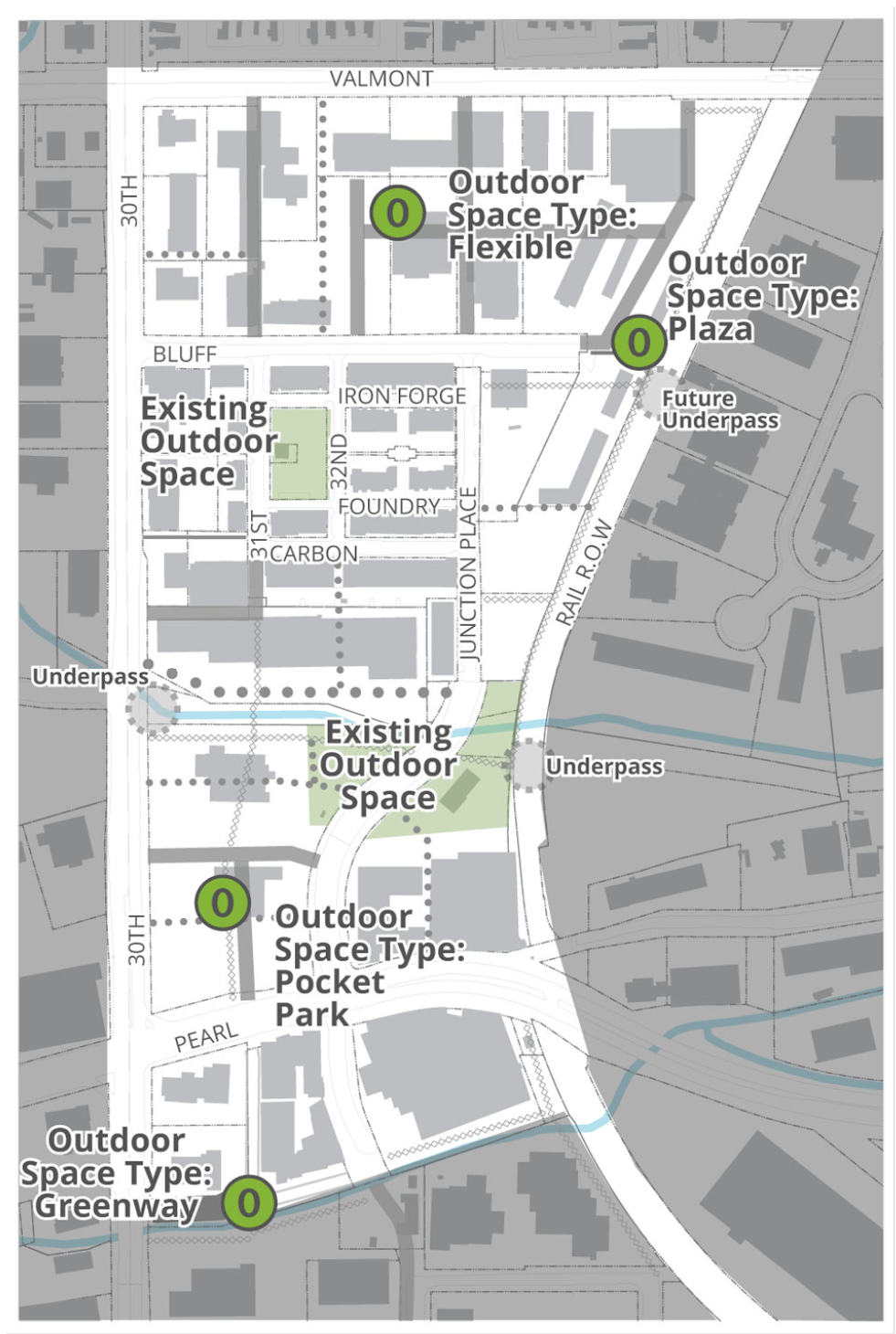
Figure 14-17. Boulder Junction: Required Locations for Outdoor Space
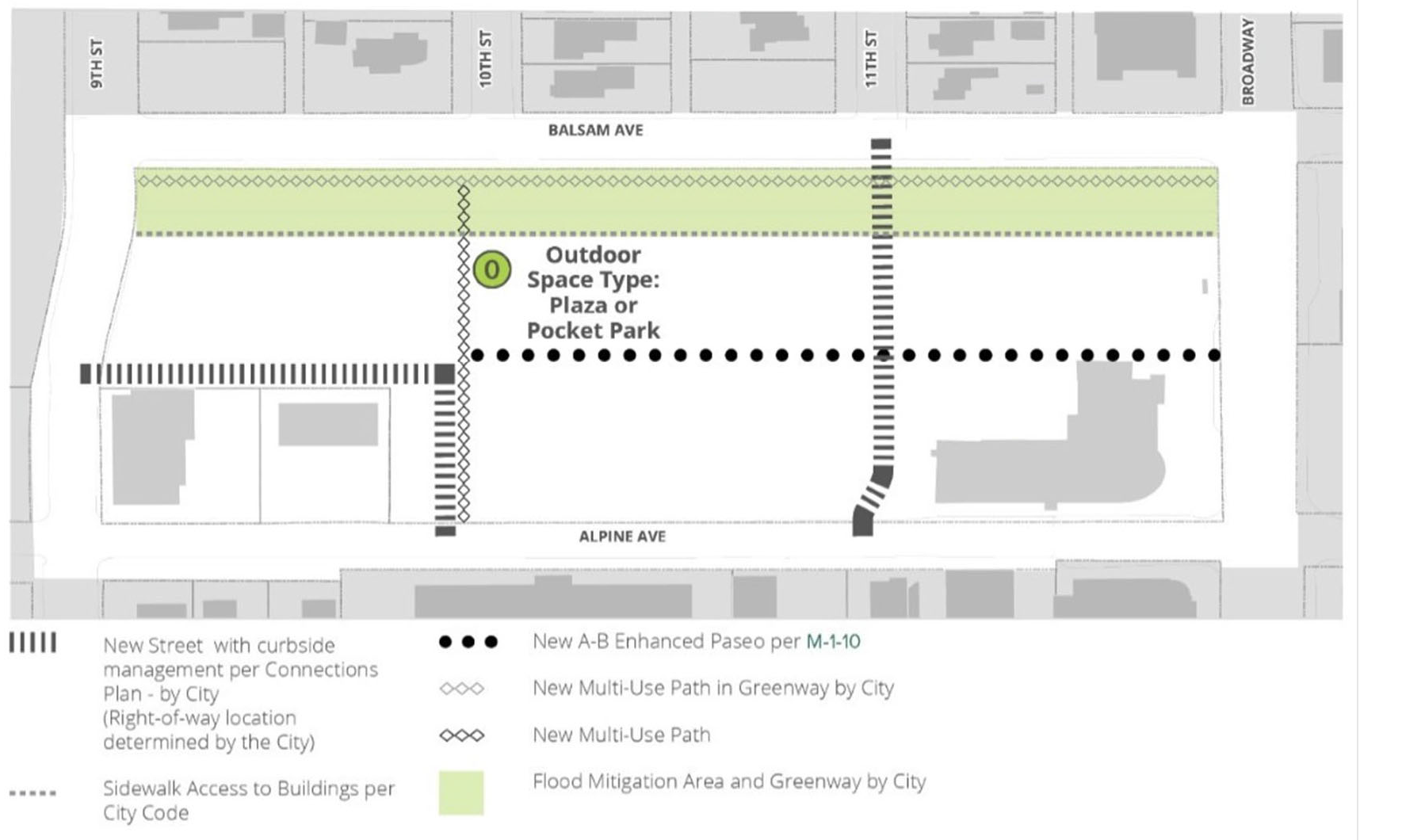
Figure 14-18. Alpine-Balsam: Required Locations for Outdoor Space
(1)
Size. The size of the outdoor space is measured to include all landscape and hardscape areas associated directly with the outdoor space.
(2)
Minimum Dimension. The minimum length or width of the outdoor space type shall be measured along the longest two straight lines intersecting at a right angle defining the maximum length and width of the lot consistent with Figure 14-16. Outdoor Space: Measuring Minimum Dimensions, B.R.C. 1981.
(3)
Minimum Percentage of Street Frontage Required. A minimum percentage of the outdoor space perimeter, as measured along the outer edge of the space, shall be located directly adjacent to a street.
(j)
Improvements. When determining the specific improvement standards applicable to each outdoor space type, the following shall apply:
(1)
Designated Sports Fields. Designated sports field shall mean sports fields or ball courts designated for one or more particular sports, including but not limited to baseball fields, softball fields, soccer fields, basketball courts, football fields, and tennis courts.
(2)
Playgrounds. Playgrounds shall mean a defined area with play structures and equipment typically designed for children under twelve years of age, such as slides, swings, climbing structures, and skate parks. Where a playground is required, it shall include soft surfacing and structures and shall be a minimum of 1,800 square feet in total area.
(3)
Mobility Hub. Mobility hubs may be incorporated into an outdoor space if noted in the applicable outdoor space type table. Mobility hubs may range from pick-up locations for taxis or ride-share services to stations for bike-share systems and may range in size. A mobility hub incorporated into an outdoor space shall have a designated space and include paving, seating, and landscaping.
(4)
Fully Enclosed Structures. Where permitted, fully enclosed structures may include such uses as small cafes, kiosks, community centers, and restrooms. For some outdoor space types, fully enclosed structures are subject to a maximum building coverage limitation, limiting the building coverage to a percentage of the outdoor space area.
(5)
Semi-Enclosed Structures. Semi-enclosed structure shall mean open-air structure, such as a gazebo. Semi-enclosed structures are permitted in all outdoor space types.
(6)
Maximum Impervious and Semi-Pervious Surface. Limitations on impervious and semi-pervious surfaces are provided separately for each outdoor space type to allow an additional amount of semi-pervious surface area, above the maximum permitted impervious surface area.
(7)
Maximum Percentage of Open Water Body. Maximum percentage of open water body shall mean the maximum amount of area within the outdoor space that may be covered by an open water body, including but not limited to ponds, lakes, and pools.
(k)
Stormwater in Outdoor Space Types. Stormwater management practices, such as storage and retention facilities, may be integrated into any of the outdoor space types and utilized to meet stormwater requirements for surrounding parcels subject to the following standards:
(1)
Stormwater Features. Stormwater features in outdoor space may be designed as formal or natural amenities with additional uses other than stormwater management, such as an amphitheater, sports field, pond, or pool, as part of the landscape design.
(2)
Fencing. Stormwater features shall not be fenced and shall not impede public use of the space.
(3)
Walls. Retaining walls over 2.5 feet in height are not allowed in any outdoor space accommodating stormwater, except in a Greenway type and as required by the City of Boulder.
(4)
Structures. All inlets, pipes, overflows, outfalls, and other structures required for the stormwater facility shall be incorporated into a landscape design and designed as unobtrusively as feasible.
(5)
Qualified Professional. A qualified landscape architect shall be utilized to design the space for use by people, incorporating the stormwater features into the design.
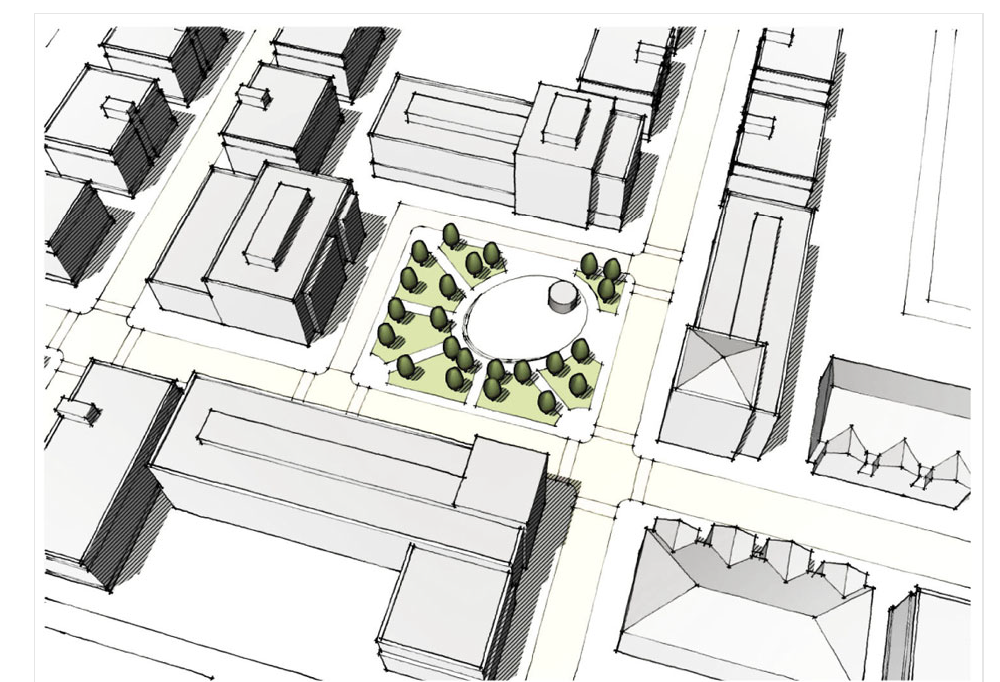
Figure 14-19. Example of a Plaza
(l)
Plaza. The intent of the plaza is to provide a formal outdoor space of medium scale that may serve as a gathering place for civic, social, and commercial purposes. The plaza may contain a greater amount of impervious coverage than any other type of outdoor space regulated in this section. Special features, such as fountains and public art installations, are encouraged. Plazas shall be designed to meet the standards of Table 14-3. Plaza Requirements. See Figure 14-19. Example of a Plaza.
Table 14-3. PLAZA REQUIREMENTS
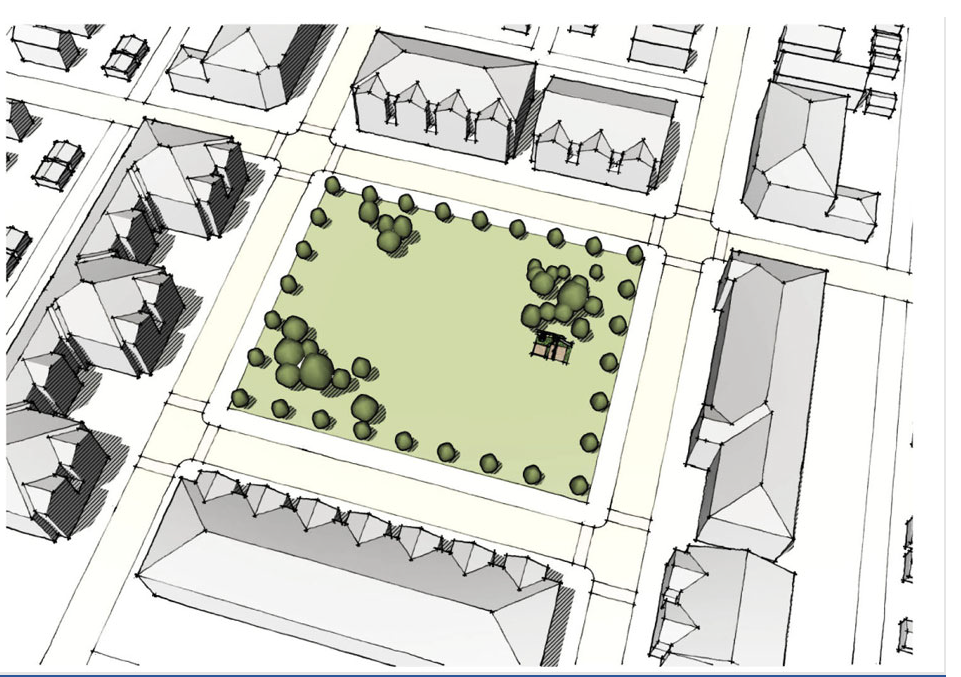
Figure 14-20. Example of a Green
(m)
Green. The intent of the green is to provide an informal outdoor space of medium scale for active or passive recreation located within walking distance for building occupants and visitors. The green is intended to be fronted mainly by streets. Greens shall be designed to meet the standards of Table 14-4. See Figure 14-20. Example of Green.
Table 14-4. Green Requirements
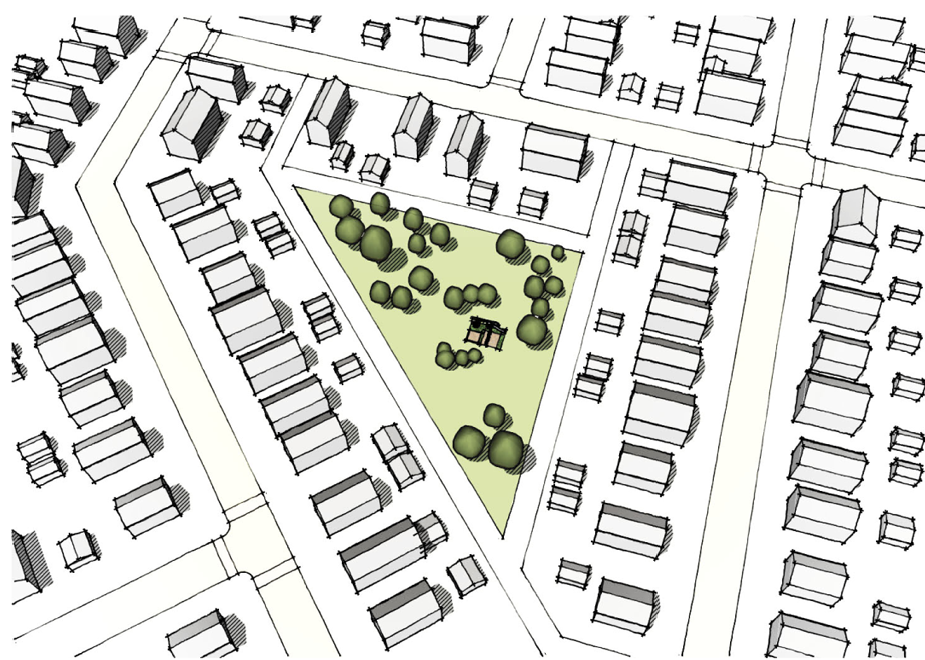
Figure 14-21. Example of a Commons
(n)
Commons. The intent of the commons is to provide an informal, small to medium scale outdoor space for active or passive recreation. Commons are typically internal to a block and tend to serve adjacent building occupants. Commons shall be designed to meet the standards of Table 14-5. See Figure 14-21. Example of Commons.
Table 14-5. Commons Requirements
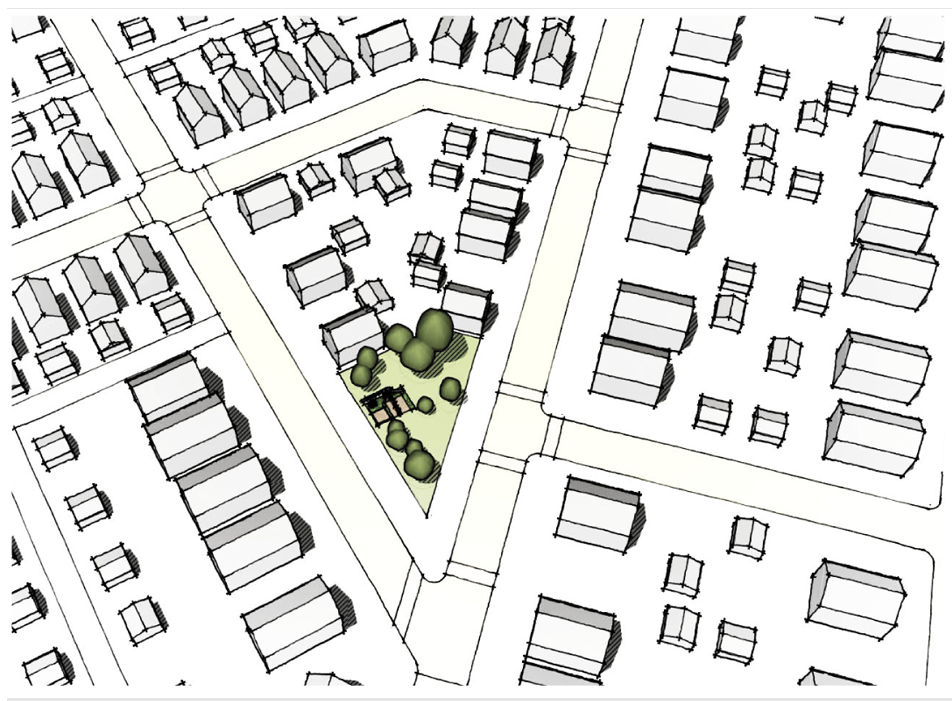
Figure 14-22. Example of a Pocket Park
(o)
Pocket Park. The intent of the pocket park is to provide a small scale, primarily landscaped active or passive recreation and gathering space for neighborhood residents within walking distance. Pocket parks shall be designed to meet the standards of Table 14-6. See Figure 14-22. Example of Pocket Park.
Table 14-6. Pocket Park Requirements
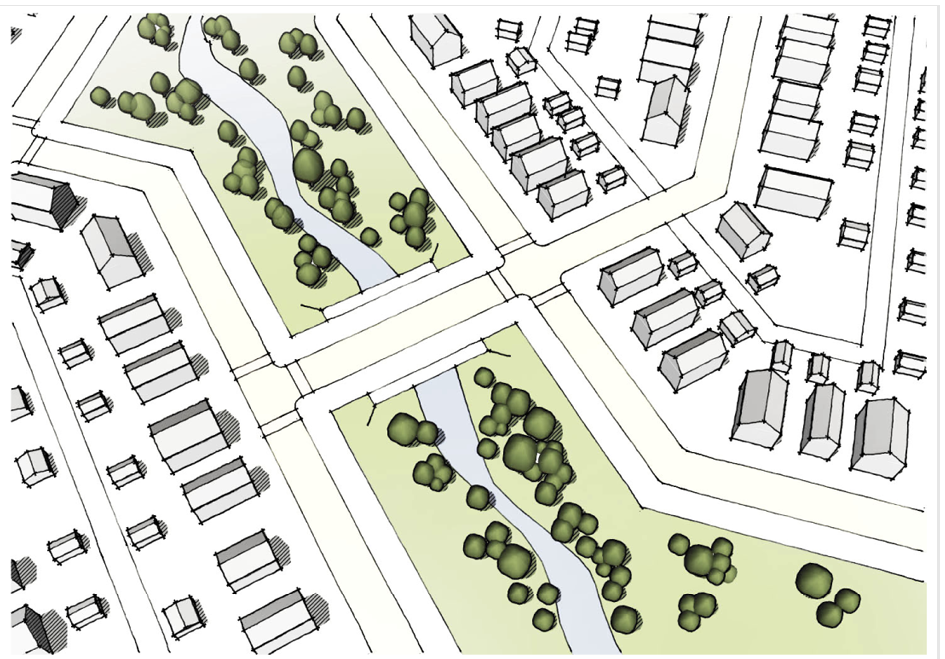
Figure 14-23. Example of a Park/Greenway
(p)
Park/Greenway. The intent of the park/greenway is to provide informal active and passive large-scale recreational amenities to local residents and the greater region. Parks have primarily natural plantings and are frequently created around an existing natural feature such as a water body or stands of trees. Parks/greenways shall be designed to meet the standards of Table 14-7. See Figure 14-23. Example of Parks/Greenways.
Table 14-7. Park/Greenway Requirements
Ordinance Nos. 8669 (2025); 8696 (2025); 8697 (2025)
9-14-13. - Large Site Development Standards.
(a)
Applicability. A development four acres in size or larger shall meet the requirements of this section. Developments subject to this section shall be designed consistent with the standards of this section and a block plan analysis meeting the standards of this section required under Subsection 9-2-16(d), "Application Requirements," B.R.C. 1981. This section does not require a development project to develop all properties considered part of the large site development. Dedication and construction requirements will consider the scope of the project and may be imposed to the extent that they are roughly proportionate to the transportation impact of the project or necessary to serve the development project. No structure shall be constructed so as to prevent compliance with the standards of this section as established in the block plan analysis.
(b)
Streets and Block Layout. The development shall provide safe and convenient vehicular and pedestrian transportation between and through lots and parcels to adequately serve the new development. To accomplish this, the approving authority may require connections in addition to those required under the regulating plan and any approved connections plan for the area consistent with the following considerations and requirements:
(1)
Block Length. Block lengths is approximately 400 feet or less.
(2)
Block Perimeter. Block perimeter is approximately 1,600 feet or less.
(3)
Cul-de-Sac and Dead-End Streets. Cul-de-sac and dead-end streets are not allowed except due to site constraints or natural features.
(4)
Configuration. Additional connections shall be consistent with the standards of Section 9-9-8, "Reservation, Dedication, and Improvement of Rights of Way," B.R.C. 1981, and other required connections.
(A)
On-Street Parking. Parking lanes shall be provided on both sides of the street.
(5)
Paseos. Paseos shall meet the standards in Section 9-14-10, B.R.C. 1981.
(6)
Plan Amendments. Any additions or other amendments to a connections plan for the area shall be reviewed pursuant to the process and criteria established therefore in the applicable plan and in conjunction with the form-based code review of the application.
(c)
Type A, B, and C Frontage Designation. Frontages along new connections shall be designated as Type A, B, or C frontages consistent with the standards in Section 9-14-15, "Type A, B, and C Frontages," B.R.C. 1981, and the following:
(1)
Frontage designation shall be consistent with the intent of the area or subcommunity plan.
(2)
A minimum of 25% of frontages of new and existing streets in and abutting the development shall be designated as Type A frontage.
(d)
Terminated Vistas. Views down streets that terminate at parcels, including where streets angle at less than 90 degrees, shall meet the terminated vista requirements in Subsection 9-14-14(i), B.R.C. 1981.
Ordinance No. 8669 (2025)
9-14-14. - Requirements Applicable to All Building Types.
(a)
Purpose. The purpose of the building type requirements is to establish standards for building design, building form, siting of buildings, and specific uses based on the building type that may be utilized on a property pursuant to the applicable regulating plan or as otherwise authorized.
(b)
Building Types Requirements. No person shall develop, use, or occupy any building or other property located within the area designated in Appendix L, "Form-Based Code Areas," B.R.C. 1981, except in conformance with the building type standards of sections 9-14-16 through 9-14-21 of this chapter unless modified through an exception under Subsection 9-2-16(i), B.R.C. 1981. This following generally describes the building types:
(1)
Main Street Storefront Description. The main street storefront building type is a highly pedestrian-oriented, mixed-use building. Ground story storefront is required along all Type A streets with only personal service, retail, dining, and entertainment uses to provide activity. Upper story uses are flexible. Parking is in the rear of the lot or located off-site. Refer to Section 9-14-16, B.R.C. 1981, for requirements.
(2)
Commercial Storefront Description. The commercial storefront building type permits single use buildings and more parking locations, but still addresses pedestrian orientation with buildings built up to the sidewalk and storefront glass requirements. This building type allows a broader variety of commercial, retail, and industrial uses on the ground story, including vehicle-related uses. Refer to Section 9-14-17, B.R.C. 1981, for requirements.
(3)
General Building Description. The general building type is a basic building that serves as urban fabric, built along the sidewalk connecting the more commercial spaces with open spaces. This building can accommodate a wide range of uses. It differs from the storefront by its lower requirement for ground story glass and allowance for an above-sidewalk level ground story elevation. Refer to Section 9-14-18, B.R.C. 1981, for requirements.
(4)
Row Building Description. The row building type is similar to the general building but is smaller in scale. The ground story is required to be divided into different units, each with separate entrances. Townhouses, rowhouses, live-work units, incubator space, or small width industrial or craftsman spaces fit well into this building type. Refer to Section 9-14-19, B.R.C. 1981, for requirements.
(5)
Workshop Building Description. The workshop building type is similar to the general building but allows the service base with garage door access more widely. The ground story is also typically taller to allow for production uses. Refer to Section 9-14-20, B.R.C. 1981, for requirements.
(6)
Civic Building Description. The civic building type is the most flexible building, meant to allow for more iconic designs within the urban fabric of the area. This building type is limited to specific public and institutional uses, such as governmental facilities, religious assemblies, schools, colleges, and universities, as well as parks and recreation uses, museums, and live theaters. Refer to Section 9-14-21, B.R.C. 1981, for requirements.
(c)
Uses in Building Types. All uses of a property shall meet the requirements of Chapter 9-6, "Use Standards," B.R.C. 1981. Where use regulations are imposed by this chapter based on the building type, the use of the property shall also be consistent with those standards.
(d)
General Building Design Requirements. All buildings shall comply with the building design requirements of sections 9-14-22 through 9-14-33 of this chapter.
(e)
Multiple Principal Structures. Multiple structures may be constructed on a lot or parcel. All structures shall meet the applicable building type requirements, including the frontage setback requirements.
(f)
Build to the Corner. On corners, a building or structure shall be located at the intersection of the two frontage setbacks as shown in Figure 14-24. The standards of Subparagraph 9-14-10(a)(3)(B), "Sight Triangle Area," B.R.C. 1981, must also be met.
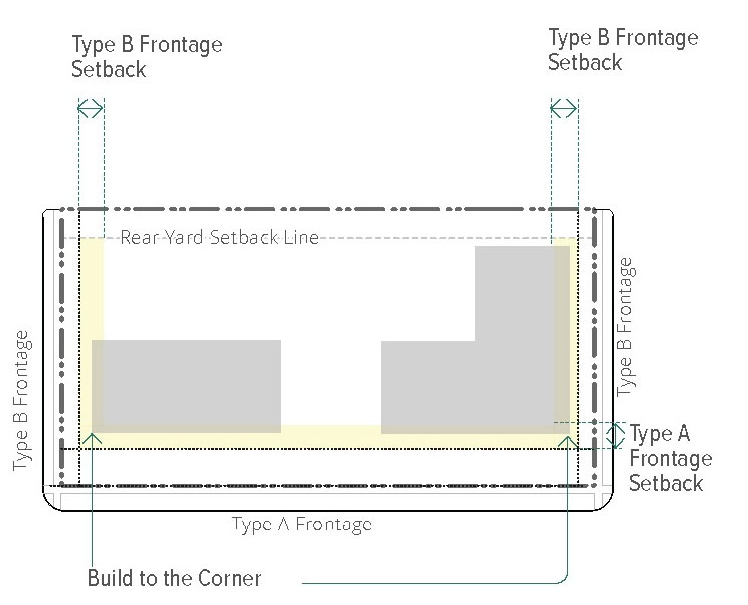
Figure 14-24. Build-to Corner and Frontage Setbacks
(g)
Streetwall Courtyards. Where minimum streetwall is required and streetwall variation is not required, courtyards meeting the requirements of Paragraph 9-14-14(h)(1), B.R.C. 1981, are allowed provided they do not exceed thirty-five percent of the streetwall. The courtyard counts towards the required minimum streetwall percentage.
(h)
Required Streetwall Variation. Where streetwall variation is required, a courtyard or streetscape plaza meeting the following requirements shall be provided for streetwall increment required per the building type:
(1)
Courtyard. Courtyards shall meet the following requirements:
(A)
The courtyard is at least thirty feet in width and thirty feet in depth.
(B)
The courtyard abuts the frontage setback.
(C)
There is no motor vehicle parking in the courtyard.
(D)
The courtyard facades are treated with the frontage type of the adjacent street frontage per facade requirements for the building type and building design requirements in Sections 9-14-27 through 9-14-33, B.R.C. 1981.
(E)
The courtyard design includes the following:
(i)
No more than sixty-five percent of the area is paved and the hardscape includes special paving materials and patterns.
(ii)
Landscape beds and trees consistent with Subsection 9-14-11(b), "Street Yard Design," B.R.C. 1981.
(iii)
Seating and amenities consistent with Subsection 9-14-11(b), "Street Yard Design," B.R.C. 1981.
(2)
Streetscape Plaza. Streetscape plazas shall meet the following requirements:
(A)
The streetscape plaza is located within the maximum setback.
(B)
At least thirty-five percent of the streetwall fronts one or more streetwall plazas extending from the right-of-way to the maximum setback.
(C)
The minimum width of each streetscape plaza along the frontage is 20 feet.
(D)
The streetscape plaza is designed to integrate with the street yard and streetscape design and includes the following:
(i)
Hardscape in the plaza includes special paving materials and patterns.
(ii)
Landscape beds and trees are provided consistent with the requirements of Subsection 9-14-11(b), "Street Yard Design," B.R.C. 1981.
(iii)
Seating and amenities are provided consistent with the requirements of Subsection 9-14-11(b), "Street Yard Design," B.R.C. 1981.
(i)
Terminated Vistas. Street terminates or curves on or adjacent to a property as designated on the regulating plan, the site or building design shall include a feature to terminate the view from the street or path. The project shall meet the following standards:
(1)
Open Space. If the property where the vista is required to be terminated is open space, one of the outdoor space types established in Section 9-14-12, "Outdoor Space Requirements," B.R.C. 1981, shall be utilized, and a vertical feature shall terminate the view. Acceptable vertical features include, but are not limited to, a stand or grid of at least three large maturing trees, listed in the approved tree list published annually by the city manager, a sculpture, a gazebo, or a fountain.
(2)
Building. If the property where the vista is required to be terminated is not utilized as open space, the facade of a building shall terminate the view. At the termination point designated on the regulating plan, a minimum of sixty feet of the building facade shall meet the standards applicable to a Type A frontage, whether or not fronting on a Type A street, with the exception of the entrance requirements. The building shall include a feature that terminates the view, such as, a tower, cupola, bay, courtyard, or a streetscape plaza consistent with the streetwall variation requirements in Section 9-14-14(h), B.R.C. 1981.
(3)
Parking or Other Facades. A parking structure, surface parking lot, or side or rear facade shall not terminate a vista.
(j)
Trash and Recycling Areas. Unless otherwise allowed by the building type, all trash, recycling, and other waste areas shall be located inside the building or in the parking yard consistent with the following requirements:
(1)
Interior of the Building. Refuse, recycling, and other waste areas located inside the building shall meet the following requirements:
(A)
Access doors to the area shall be located on the rear or interior side facade.
(B)
If no rear or interior side facade exists, access doors may be located off a Type B or C street facade.
(C)
Access doors or gates on a street facade shall have a minimum opacity of 80 percent.
(D)
Access gates shall be set back a minimum of five feet from any street facade.
(2)
Other Locations. When no parking yard exists, the parking or rear yard is less than ten feet in depth, and an interior building location is not available, trash, recycling, and other waste areas may be located in the rear yard, interior side yard, or in a Type B or C street yard.
(k)
Garage Entrances. Garage doors shall be located on a Type B frontage, Type C frontage, rear or interior yard, or along an interior side facade, except that on the service base garage doors may also be located consistent with the standards in Section 9-14-24, "Service Base," B.R.C. 1981.
(1)
Garage doors on Type B frontages shall be set back from the majority of the frontage facade a minimum of three feet.
(2)
Garage doors on Type B frontages shall meet minimum facade transparency requirements unless art is incorporated into the door.
(l)
Loading Locations. All on-site loading areas shall be located in the rear or interior yard for all building types, except that on the service base on-site loading areas may also be located consistent with the standards in Section 9-14-24, B.R.C. 1981.
Ordinance Nos. 8669 (2025); 8697 (2025)
9-14-15. - Type A, B, and C Frontages.
A hierarchy of frontages is established for properties located within the area shown on Appendix L, "Form-Based Code Areas." Frontages are designated on the regulating plans pursuant to the standards of this section.
(a)
Type A Frontage. Type A frontages shall be provided as follows:
(1)
Regulating Plans. Type A frontage requirements shall be met in those locations where a Type A frontage is designated on the regulating plan.
(2)
Outdoor Space Types. Where a lot or parcel contains or abuts a required outdoor space, the frontage of a building abutting the outdoor space shall meet Type A frontage requirements, unless otherwise defined on the regulating plan.
(3)
Building Type Requirements. Type A frontages shall meet the Type A frontage requirements established for the applicable building type.
(4)
Corners. Where a Type A frontage façade is located perpendicular to a Type B or C frontage, or a rail corridor façade, the Type A frontage façade requirements, such as transparency, entrance, and materials requirements, shall be continued around the corner along the perpendicular façade for a minimum of thirty feet.
(5)
Multiple Type A Frontages and No Type B Frontage. If multiple Type A frontages and no Type B or C frontages exist on a site, one Type A frontage may be treated as a Type B frontage for the building type requirements if the approving authority finds that one of the following standards is met with regard to such frontage:
(A)
Configuration of other parcels along the street, including fronts of buildings and locations of vehicular access, are more consistent with Type B requirements.
(B)
The classification of the street is more focused on traffic movement than pedestrian orientation.
(C)
The area plan prioritizes the street lower than other Type A frontages.
(6)
No Type A Frontage. If no Type A frontage is designated on a parcel, a Type B frontage shall be treated as a Type A frontage for the building type requirements. If no Type A or B frontage is designated for a parcel, a Type C frontage shall be treated as a Type A frontage for the building type requirements.
(b)
Type B Frontages. Type B frontages have to be provided as follows:
(1)
Regulating Plan. Type B frontage requirements shall be met in those locations where a Type B frontage is designated on the regulating plan.
(2)
Building Type Requirements. Type B frontages shall meet the Type B frontage requirements established for the applicable building type.
(3)
Alternate Treatment. A designated Type B frontage may alternatively be treated as a Type A frontage.
(c)
Type C Frontages. Type C frontages shall be provided as follows:
(1)
Regulating Plan. Type C frontage requirements shall be met only in those locations where a Type C frontage is designated on the regulating plan.
(2)
Building Type Requirements. Type C frontages shall meet the Type C frontage requirements established for the applicable building type.
(3)
Alternate Treatment. A designated Type C frontage may alternatively be treated as a Type A or Type B frontage.
Ordinance No. 8669 (2025)
9-14-16. - Main Street Storefront Building Type.
Refer to 9-14-6, "Regulating Plans," B.R.C., 1981, for the locations of buildings in the form-based code areas.
| BOULDER JUNCTION PHASE I | REFERENCES/ADDITIONAL REQUIREMENTS | ||
| BUILDING SITING Refer to Figure 14-25. | |||
 | Type A Frontage Streetwall, minimum | 90% | Refer to Subsection 9-14-14(g), B.R.C. 1981, for courtyard allowance. |
 | Type A Frontage Setback, minimum to maximum | 0 ft. to 5 ft. | Refer to Subsection 9-14-26(b), B.R.C. 1981, for measuring minimum and maximum setbacks. |
 | Type B Frontage Setback, minimum to maximum | 0 ft. to 5 ft. | |
 | Side Yard Setback, minimum | 5 ft.; 0 ft. required at paseo or multi-use path | For paseos and multi-use paths, refer to the regulating plans and the Transit Village Connections Plan for locations and details. |
 | Rear Yard Setback, minimum | 10 ft.; minimum 25 ft. if no alley; 0 ft. required at paseo or multi-use path | |
 | Building Length along any Type A & B Frontage, maximum | 150 ft. | Refer to section 9-14-31, B.R.C. 1981 for building massing requirements. |
 | Impervious Coverage, maximum
Additional Semi-Pervious Coverage, maximum |
70%
25% | Refer to Section 9-14-8, "Definitions, B.R.C. 1981, for semi-pervious coverage. |
 | Surface or Accessory Parking Location | Parking yard only |
Refer to Sections 9-9-12 and 9-9-14, B.R.C. 1981, for landscaping and screening requirements.
Refer to Subsection 9-14-11(a), B.R.C. 1981, for driveway access. Refer to Subsections 9-14-14(j), (k), and (l), B.R.C. 1981, for trash & recycling, garage entrances, and loading. |
| HEIGHT Refer to Figure 14-26. | |||
 | Overall: Minimum Height
Maximum Height |
2 stories minimum
3 stories maximum and up to 40' in height north of Goose Creek and west of Junction Place; 5 stories maximum elsewhere up to 55'. | Refer to subsection 9-14-26(e) for height measuring requirements and section 9-14-31 for building massing requirements. Subsection 9-14-25(g), "Towers," B.R.C. 1981, allows additional height in a limited footprint. |
| Heights shown may be otherwise regulated by Section 9-14-6, "Regulating Plans," and/or Section 9-14-7, "View Corridors," B.R.C. 1981. | |||
 | Story: Minimum Height
Maximum Height |
9 ft.
12 ft. | Stories are measured floor to floor. Refer to subsection 9-14-26(f) for explanation of measurement. |
| Refer to allowed base types for story height requirements in ground story. | |||
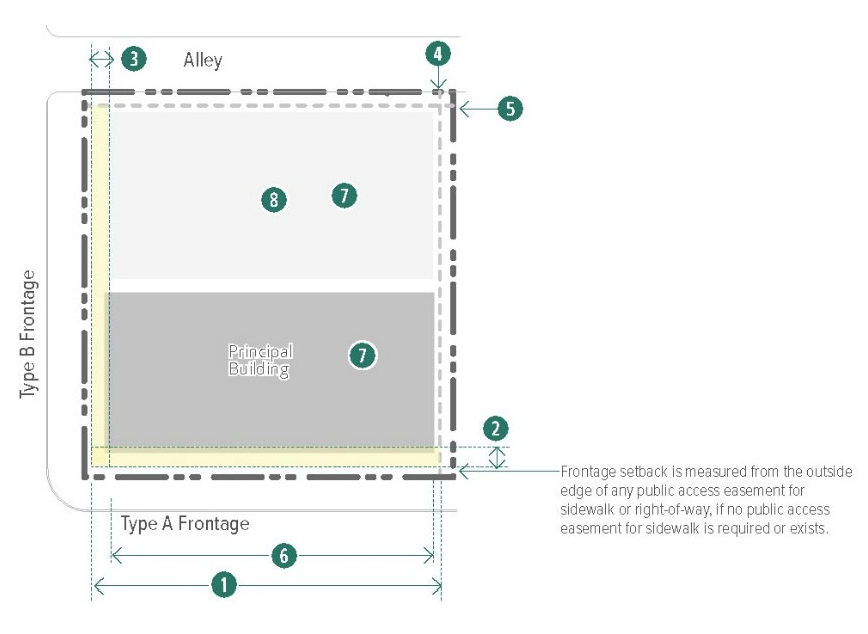
Figure 14-25. Main Street Storefront Building: Building Siting
| BOULDER JUNCTION PHASE I | REFERENCES/ADDITIONAL REQUIREMENTS | ||
| USES Refer to Figure 14-26. | |||
 | All Frontages & Stories | All uses consistent with chapter 9-6 | Refer to Chapter 9-6, B.R.C. 1981, for permitted uses per zoning district and definition of uses. |
| Base Types: Refer to allowed base types for use requirements in ground story. | |||
 | Required Occupied Building Space, minimum depth from Type A or B frontage facade, all stories | 20 ft. | Refer to Section 9-14-8, "Definitions," B.R.C. 1981, for occupied building space. Occupied building space applies only to full height floors and does not apply to basements. |
 | Parking within Building | Permitted fully in any basement and in all other stories except where occupied space is required. | Refer to occupied building space requirement above. |
| FACADE REQUIREMENTS Refer to Figure 14-27. | |||
 | Transparency on All Type A, B, and C Frontage Facades, minimum | 20% | Measured per each story. Refer to Subsection 9-14-26(g), B.R.C. 1981, for information on measuring transparency. |
| Blank wall limitations defined in Section 9-14-26(g). | |||
| Additional transparency required on ground story by allowed base type. | |||
 | Horizontal Facade Divisions | At least one expression line, minimum 2" deep, is required within 3 ft. of the top of the ground story and the bottom of any 5th story. | Refer to subsection 9-14-18, "Definitions," B.R.C. 1981, for expression line. |
| BASE REQUIREMENTS Refer to Figure 14-27. | |||
 | All ground story Type A, B, and C frontage facades shall meet the requirements of an allowed or required base type. | ||
| Shopfront Base | Provide where required per regulating plans, Section 9-14-6, B.R.C. 1981; allowed on any frontage. | Refer to Section 9-14-22, B.R.C. 1981, for shopfront base requirements. | |
| Stoop Base | Allowed on any frontage, except where shopfront base is required. | Refer to Section 9-14-23, B.R.C. 1981, for stoop base requirements. | |
| Service Base | Not allowed. | Refer to Section 9-14-24, B.R.C. 1981, for service base requirements. | |
| CAP REQUIREMENTS Refer to Figure 14-27. | |||
 | Permitted Cap Types, all not listed are prohibited | Parapet, pitched, flat. | Refer to Section 9-14-25, B.R.C. 1981, for cap types, and other cap requirements. |
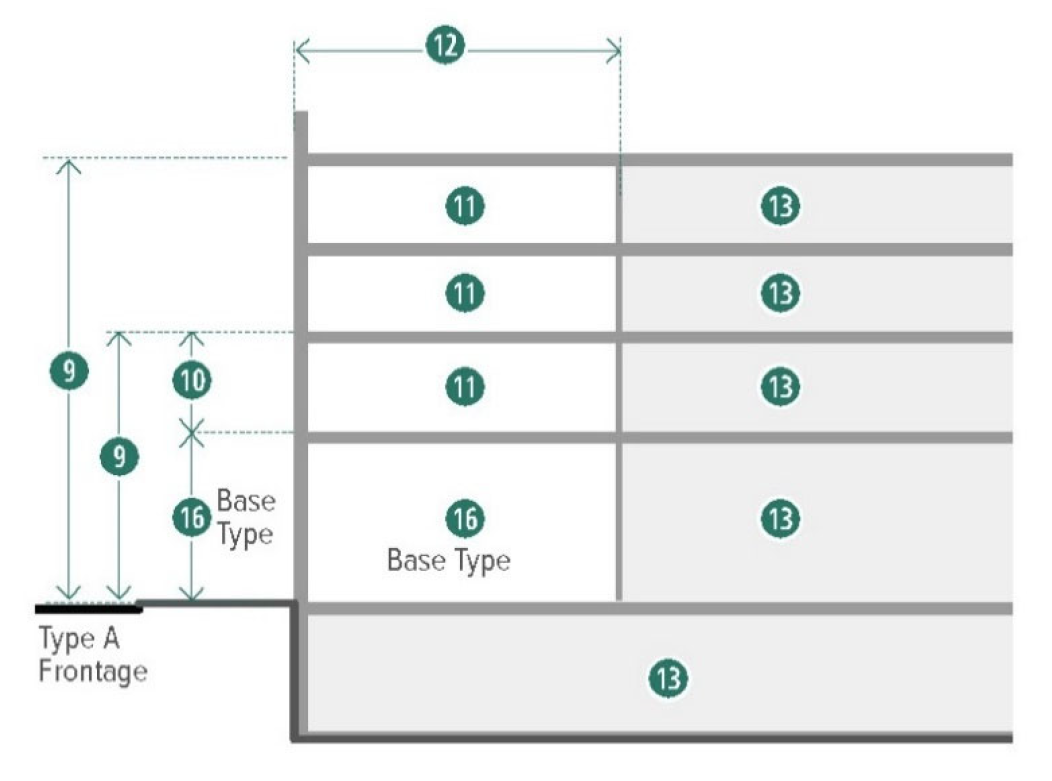
Figure 14-26. Main Street Storefront Building Section: Height & Use Requirements
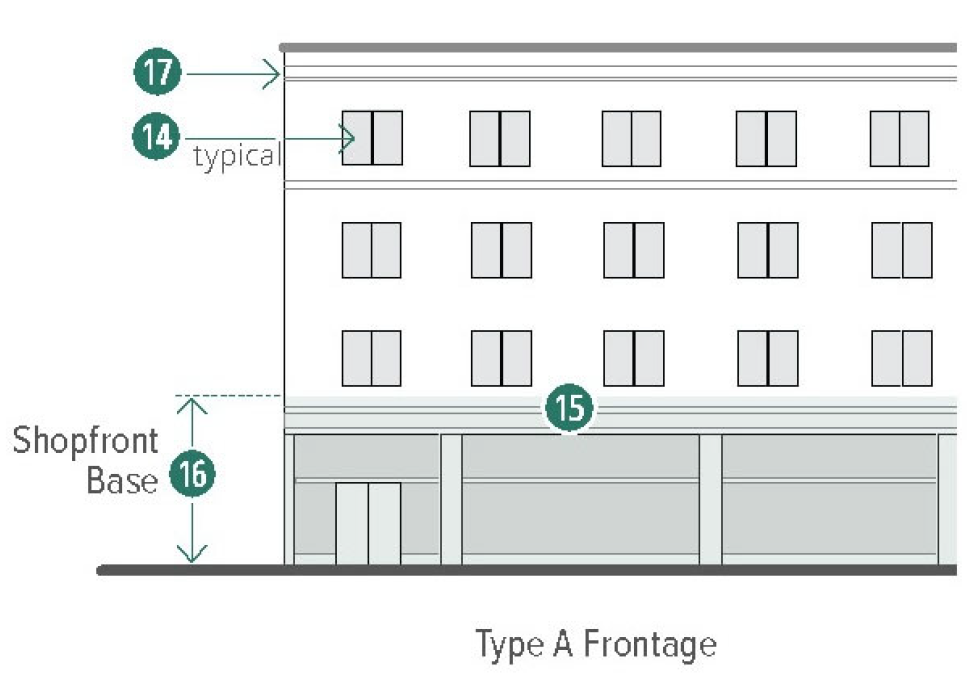
Figure 14-27. Main Street Storefront Building Elevation: Facade Design Requirements
Ordinance Nos. 8669 (2025); 8697 (2025)
9-14-17. - Commercial Storefront Building Type.
Refer to 9-14-6, "Regulating Plans," B.R.C. 1981, for the locations of buildings in the form-based code areas.
| BOULDER JUNCTION PHASE I | REFERENCES/ADDITIONAL REQUIREMENTS | ||
| BUILDING SITING Refer to Figure 14-28. | |||
| Type A Frontage Streetwall, minimum | 60% required | |
| Type A Frontage Setback, minimum to maximum | 12 ft. to 20 ft. along Valmont and 30th Street; 0 ft. to 10 ft. along new streets | |
| Type B Frontage Setback, minimum to maximum | 0 ft. to 10 ft. | |
| Side Yard Setback, minimum | 5 ft.; 0 ft. required at paseo or multi-use path | For paseos and multi-use paths, refer to the regulating plans and the Transit Village Connections Plan for locations and details. |
| Rear Yard Setback, minimum | 15 ft.; 25 ft. required if no alley; 0 ft. required at paseo or multi-use path | |
| Building Length any Type A & B Frontage, maximum | 90 ft. | Refer to Section 9-14-31, B.R.C. 1981, for building massing requirements. |
| Impervious Coverage, maximum | 70% | Refer to Section 9-14-8, "Definitions," B.R.C. 1981, for semi-pervious coverage. |
| Additional Semi-Pervious Coverage, maximum | 25% | ||
| Surface or Accessory Parking | Parking yard & interior side yard |
Refer to Sections 9-9-12 and 9-9-14, B.R.C. 1981, for landscaping and screening requirements.
Refer to Subsection 9-14-11(a), B.R.C. 1981, for driveway access. Refer to Subsections 9-14-14 (j), (k), and (l), B.R.C. 1981, for trash & recycling, garage entrances, and loading. |
| HEIGHT Refer to Figure 14-29. | |||
| Overall: Minimum Height Maximum Height | 1 story 3 stories, 35 ft. | Refer to Subsection 9-14-26(e), B.R.C. 1981, for height measuring requirements and Section, B.R.C. 1981, for building massing requirements. Subsection 9-14-25(g), "Towers," B.R.C. 1981, allows additional height in a limited footprint, 9-14-31, B.R.C. 1981, for building massing requirements. Subsection 9-14-25(g), "Towers," B.R.C. 1981, allows additional height in a limited footprint. |
| Ground Story: Minimum Height Maximum Height | 12 ft. 18 ft. | Stories are measured floor to floor. Refer to Subsection 9-14-26(f), B.R.C. 1981, for explanation of measurement. |
| Story Height: Minimum Height Maximum Height | 9 ft. 14 ft. | Stories are measured floor to floor. Refer to Subsection 9-14-26(f), B.R.C. 1981, for explanation of measurement. |
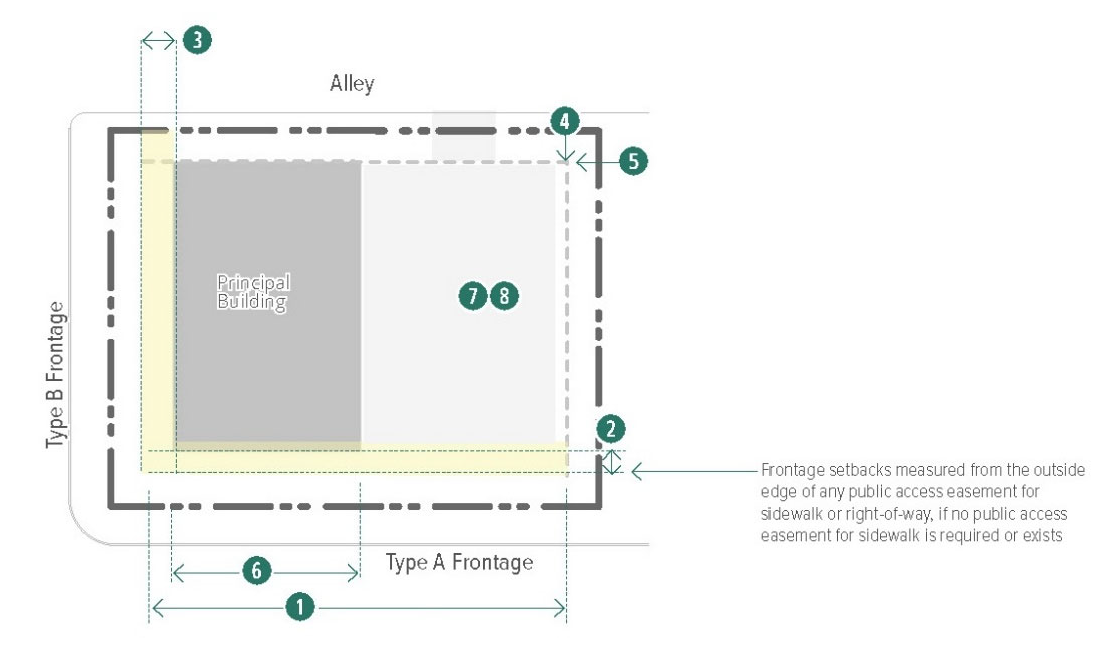
Figure 14-28. Commercial Storefront Building Plan: Building Siting Requirements
| BOULDER JUNCTION PHASE I | REFERENCES/ADDITIONAL REQUIREMENTS | ||
| USES Refer to Figure 14-29. | |||
| All Frontages & Stories | All uses consistent with chapter 9-6 | Refer to Chapter 9-6, B.R.C. 1981, for permitted uses per zoning district and definition of uses. |
| Required Occupied Building Space, minimum depth from Type A or B frontage facade, all stories | 20 ft. |
Refer to Section 9-14-8, "Definitions," B.R.C. 1981, for occupied building space.
Occupied building space applies only to full height floors and does not apply to basements. |
| Parking Location within Building | Permitted fully in any basement and in all other stories except where occupied space is required. | Refer to occupied building space requirement above. |
| FACADE REQUIREMENTS Refer to Figure 14-30. | |||
| Type A Frontage Ground Story Transparency, minimum | 55% measured between 2' and 8' vertically from average grade of adjacent sidewalk. | Note that Subsection 9-14-15(a)(4), B.R.C. 1981, requires this treatment to turn corners. Refer to Subsection 9-14-26(g), B.R.C. 1981, for measuring transparency. |
| Transparency on All Other Frontages & Stories, minimum | 15%, measured per story of all stories, including blank wall limitations defined in subsection 9-14-26(g). | Refer to subsection 9-14-26(g) for information on measuring transparency. |
| Entrance Location & Number | Principal entrance required on Type A frontage facade; entrances required a minimum of one per every 50' of building facade | Refer to Section 9-14-26(h), B.R.C. 1981, for information on measuring entrance location. |
 | Entrance Configuration | Recessed between 3' and 8', maximum 8' wide, from the portion of the Type A frontage facade closest to the street | Refer to Subsection 9-14-32(e), B.R.C. 1981, for principal entryway requirements. |
 | Entrance/Ground Story Elevation Grade | 80% of entrances and the ground story shall be within 1.5' (vertically) of adjacent sidewalk elevation | |
 | Ground Story Vertical Facade Divisions | At least one expression line, minimum 2" deep, per every 30' of facade width is required. | Refer to Section 9-14-8, "Definitions," B.R.C. 1981, for expression line. |
 | Horizontal Facade Divisions | At least one expression line, minimum 2" deep, is required within 3' of the top of the ground story | |
| CAP REQUIREMENTS Refer to Figure 14-30. | |||
 | Permitted Cap Types, all not listed are prohibited | Parapet, pitched, flat; one tower permitted per building. | Refer to section 9-14-25 for cap types, and other cap requirements. |
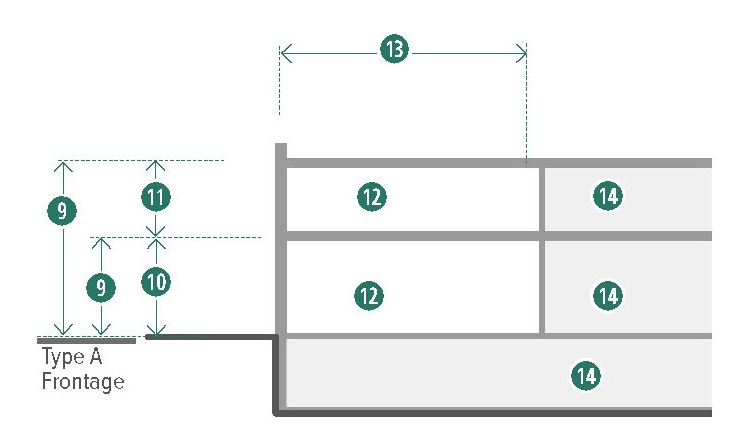
Figure 14-29. Commercial Storefront Building Section: Height & Use Requirements
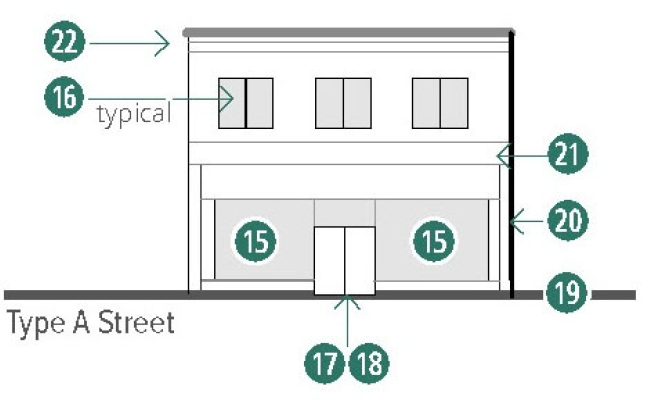
Figure 14-30. Commercial Storefront Building Elevation: Facade Design Requirements
Ordinance Nos. 8669 (2025); 8697 (2025)
9-14-18. - General Building Type.
Refer to Section 9-14-6, "Regulating Plans," B.R.C. 1981, for the locations of buildings in the form-based code areas.
| BOULDER JUNCTION PHASE I | ALPINE-BALSAM | EAST BOULDER | REFERENCES/ADDITIONAL REQUIREMENTS | ||
| BUILDING SITING Refer to FIGURE 14-31. | |||||
| Type A Frontage Streetwall, minimum | 90% | 80% | 80% | Refer to 9-14-14(g) for allowed courtyards in the streetwall and 9-14-14(h) for definition of required streetwall variation. |
| Streetwall Variation for Type A and Type B Frontages | — | — | Required for buildings over 180 ft. in width | |
| Type A Frontage Setback, minimum to maximum | 5 ft. to 10 ft. | 5 ft. to 20 ft. | 10 ft. to 25 ft. | Refer to Section 9-14-26, B.R.C. 1981, for measuring minimum and maximum setbacks. |
| Type B Frontage Setback, minimum to maximum | 5 ft. to 10 ft. | 5 ft. to 20 ft. | 5 ft. to 20 ft. | |
| Type C Frontage Setback, minimum to maximum | — | — | 0 to 15 ft. | |
| Side Yard Setback, minimum | 5'; 0' required at paseo or multi-use path | For paseos and multi-use path locations, refer to the regulating plans and the connections plans for the form-based code area. | ||
| Rear Yard Setback, minimum | 10 ft.; 25 ft. required if no alley; 0 ft. required at paseo or multi-use path | 15 ft.; 0 ft. required at paseo or multi-use path | ||
| Building Length along Type A & B Frontage, maximum | 150 ft. | 65 ft. in General Mix 2 area; none in General Mix 1 area; refer to map, Figure 14-2. | — | Refer to Section 9-14-31, B.R.C. 1981, for building massing requirements. |
| Impervious Coverage, maximum | 70% | 65% | 65% | Refer to Section 9-14-8, "Definitions," B.R.C. 1981, for semi-pervious coverage. |
| Additional Semi-Pervious Coverage, maximum | 25% | 25% | 25% | ||
| Surface or Accessory Parking Location | Parking yard only | No surface parking allowed | Parking yard only except limited side yard parking allowed in Valmont Park West, Valmont Park East, and Flatiron Business Park |
Refer to Sections 9-9-12 and 9-9-14, B.R.C. 1981, for landscaping and screening requirements.
Refer to Subsection 9-14-11(a), B.R.C. 1981, for driveway access. Refer to Subsections 9-14-14 (j), (k), and (l), B.R.C. 1981, for trash & recycling, garage entrances, and loading. Refer to Subsection 9-14-26(c) for limited side yard parking. |
| HEIGHT Refer to FIGURE 14-32. | |||||
| Overall: Minimum Height | 2 stories | 2 stories | 2 stories | Refer to Subsection 9-14-26(e), B.R.C. 1981, for height measuring requirements and Section 9-14-31, B.R.C. 1981, for building massing requirements. Subsection 9-14-25(g), "Towers," B.R.C. 1981, allows additional height in a limited footprint. |
| Maximum Height | 3 stories, 40 ft. north of Goose Creek and west of Junction Place; 5 stories, 55 ft. elsewhere | 3 stories and 35' without pitched roof; 3 stories and 55' with pitched roof; or 4 stories and 55'; see regulating plan for maximum height locations | 5 stories, 55 ft. | ||
| Location-Specific Maximum Height | Heights shown may be otherwise regulated by Section 9-14-6, B.R.C., "Regulating Plans," and/or Section 9-14-7, "View Corridors," B.R.C. 1981. | ||||
|
All Stories:
Minimum Height Maximum Height | 9 ft. 18 ft. | 9 ft. — | 9 ft. 18 ft. | Stories are measured floor to floor. Refer to Subsection 9-14-26(f), B.R.C. 1981, for explanation of measurement. |
| Base Types: See allowances for additional height within specific base types allowed, line of this table | |||||
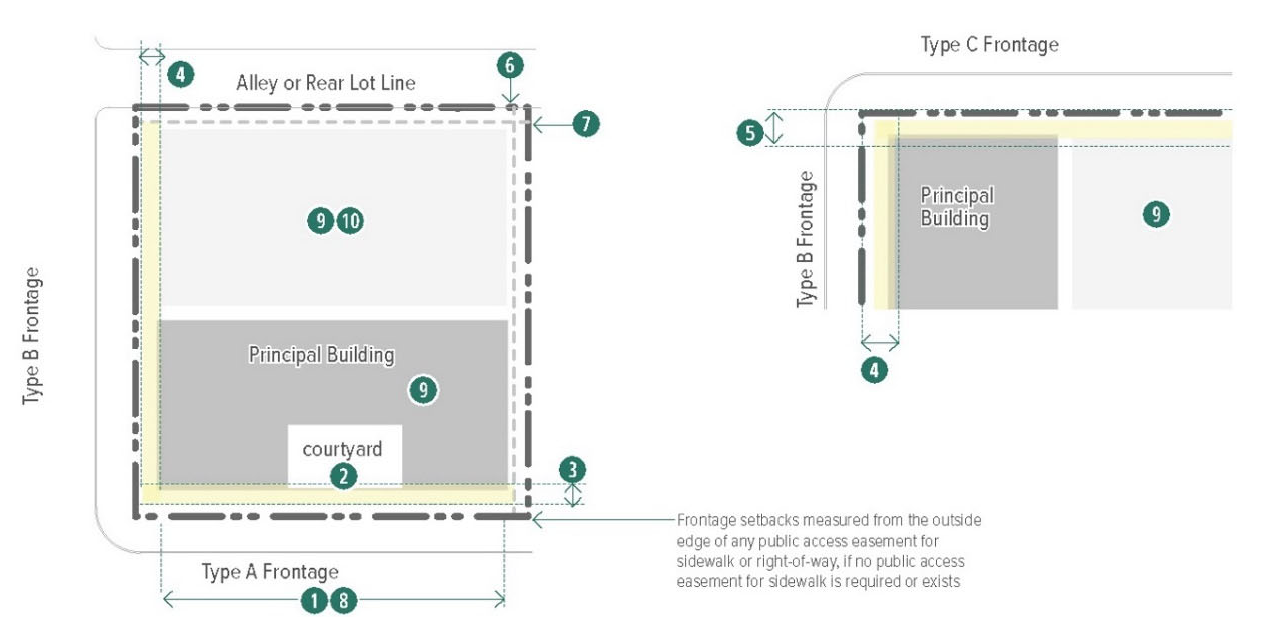
Figure 14-31. General Building: Building Siting
| BOULDER JUNCTION PHASE I | ALPINE-BALSAM | EAST BOULDER | REFERENCES/ADDITIONAL REQUIREMENTS | ||
| USES Refer to FIGURE 14-32. | |||||
| All Frontages & Stories | All uses consistent with chapter 9-6 | All uses consistent with chapter 9-6; in General Mix 2, residential and accessory uses only, maximum 4 dwelling units per building, consistent with chapter 9-6; refer to map, Figure 14-2. | All uses consistent with chapter 9-6 | Refer to Chapter 9-6, B.R.C. 1981, for permitted uses per zoning district and definition of uses. |
| Base Types: See use requirements and allowances per base types. | |||||
| Required Occupied Building Space, minimum depth from Type A & B frontages, all stories | 20 ft. | 20 ft. | 15 ft. on Type A only | Refer to Section 9-14-8, "Definitions," B.R.C. 1981, for occupied building space. Occupied building space applies only to full height floors and does not apply to basements. |
| Parking Location within Building | Permitted fully in any basement and in all other stories except where occupied space is required. | Refer to occupied building space requirement above. | ||
| FACADE REQUIREMENTS Refer to FIGURE 14-33. | |||||
| Transparency on All Type A, B, and C Frontage Facades, minimum | 20% | 20% | 20% | Refer to Subsection 9-14-26(g), B.R.C. 1981, for information on measuring transparency. |
| Blank wall limitations apply as defined in subsection 9-14-26(g). Additional transparency required by base type. | |||||
| Horizontal Facade Divisions | At least one expression line, minimum 2 inch deep, is required within 3 ft. of the top of the ground story and the bottom of any 5th story | Refer to Section 9-14-8, "Definitions," B.R.C. 1981, for expression line. | ||
| BASE REQUIREMENTS Refer to FIGURE 14-33. | |||||
| All ground story Type A, B, and C frontage facades shall meet the requirements of an allowed or required base type. | ||||
| Shopfront Base | Provide where required per Section 9-14-6, "Regulating Plans," B.R.C. 1981; allowed on any frontage. | Refer to Section 9-14-22, B.R.C. 1981, for shopfront base requirements. | |||
| Stoop Base | Allowed on any frontage, except where shopfront base is required. | Refer to Section 9-14-23, B.R.C. 1981, for stoop base requirements. | |||
| Service Base | — | — | Allowed on any Type C frontage, except where shopfront base is required. Otherwise prohibited. | Refer to Section 9-14-24, B.R.C. 1981, for service base requirements. | |
| CAP REQUIREMENTS Refer to FIGURE 14-33. | |||||
| Permitted Cap Types, all not listed are prohibited | Parapet, pitched, flat. | Parapet, pitched, flat. | Parapet, pitched, flat. | Refer to Section 9-14-25, B.R.C. 1981, for cap types, and other cap requirements. |
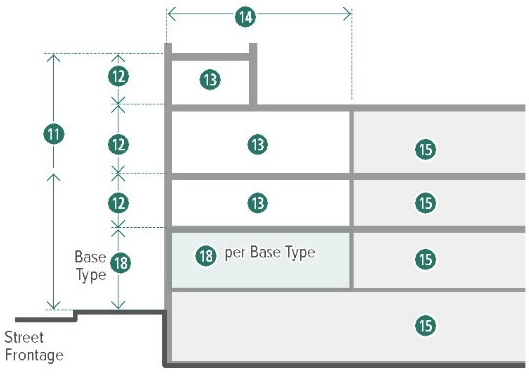
Figure 14-32. General Building: Height & Use Requirements
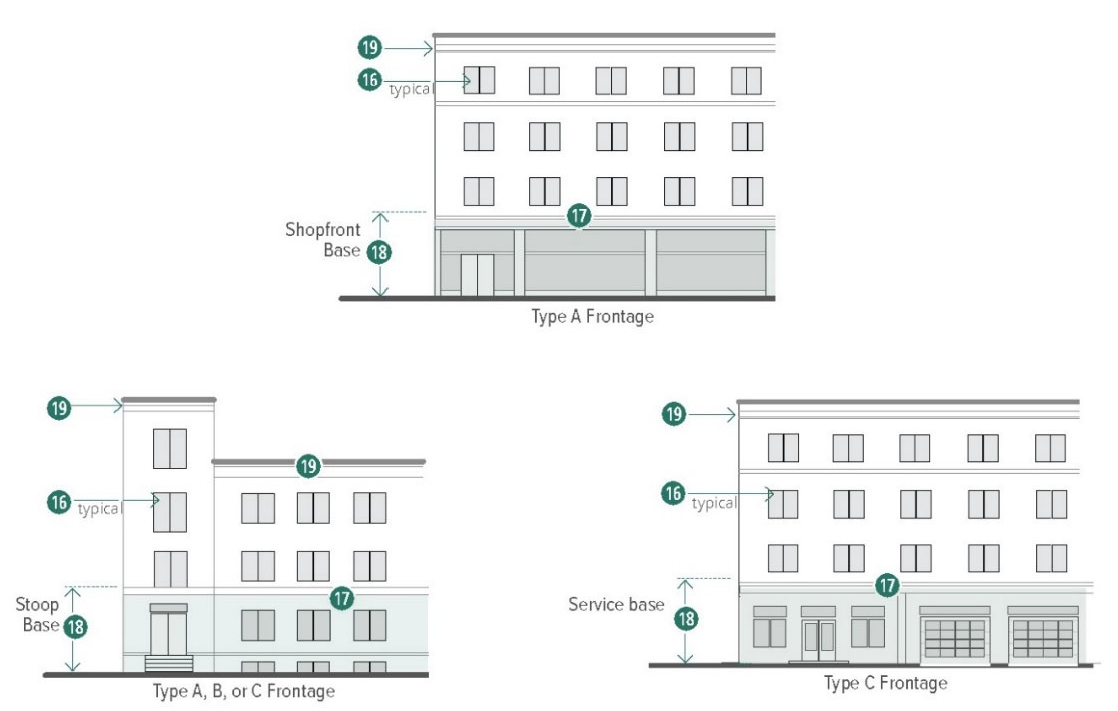
Figure 14-33. General Building: Facade Design Requirements
Ordinance Nos. 8669 (2025); 8697 (2025)
9-14-19. - Row Building Type.
Refer to Section 9-14-6, "Regulating Plans," B.R.C. 1981, for the locations of buildings in the form-based code areas.
| BOULDER JUNCTION PHASE I | ALPINE-BALSAM | EAST BOULDER | REFERENCES/ADDITIONAL REQUIREMENTS | ||
| BUILDING SITING Refer to FIGURE 14-34. For the purposes of the Row Building, a building consists of multiple vertical units. | |||||
| Type A Frontage Streetwall, minimum | 80% | 80% | 65% | Each unit shall have a facade located within the frontage setback, except 1 of every 2 units may front a courtyard or outdoor space type. Courtyards, minimum 30 feet wide and 30 feet deep, may count towards Type A streetwall. |
| Type A Frontage Setback, minimum to maximum | 5 ft. to 15 ft. | 5 ft. to 15 ft. | 5 ft. to 25 ft. | Frontage setbacks are measured from the outside edge of any public access easement for sidewalk or the right-of-way, if no public access easement for sidewalk and streetscape is required or exists, or from the outside edge of any flood or drainage easement, where the frontage is along a flood or drainage area. Refer to subsections 9-14-26(b) for additional information. |
| Type B Frontage Setback, minimum to maximum | 5 ft. to 15 ft. | 5 ft. to 15 ft. | 5 ft. to 25 ft. | |
| Side Yard Setback, minimum | 7.5 ft.; 0 ft. required at paseo or multi-use path | |||
| Rear Yard Setback, minimum | 20 ft.; 30 ft. if no alley; 5 ft. for detached garage | |||
| Building Length, minimum to maximum | 3 to 6 units or 120 ft., whichever is less | |||
| Space between Buildings, minimum | 10 ft. | ||||
| Impervious Coverage, maximum
Additional Semi-Pervious Coverage, maximum |
60%
20% |
60%
20% |
60%
20% | Refer to Section 9-14-8, "Definitions," B.R.C. 1981, for semi-pervious coverage. |
| Yard Area, minimum | 225 square feet rear yard required for each unit not fronting a courtyard or outdoor space type. | |||
| Surface or Accessory Parking Location | Parking yard only | Parking yard only | Parking yard only |
Refer to Sections 9-9-12 and 9-9-14, B.R.C. 1981, for landscaping and screening requirements.
Refer to Subsection 9-14-11(a), B.R.C. 1981, for driveway access. Refer to Subsections 9-14-14 (j), (k), and (l), B.R.C. 1981, for trash & recycling, garage entrances, and loading. |
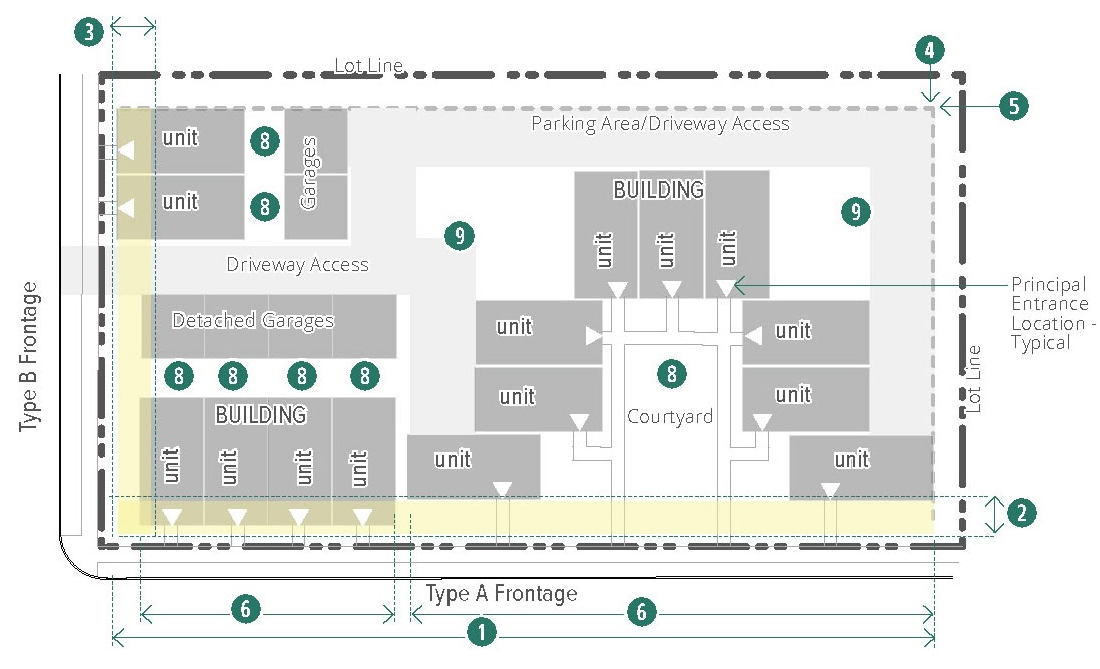
Figure 14-34. Row Building: Building Siting
| BOULDER JUNCTION PHASE I | ALPINE-BALSAM | EAST BOULDER | REFERENCES/ADDITIONAL REQUIREMENTS | ||
| HEIGHT Refer to FIGURE 14-35. | |||||
| Overall: Minimum Height Maximum Height | 2 stories 3.5 stories, 35 ft. | 2 stories 3 stories, 35 ft. | 2 stories 3.5 stories, 35 ft. | Refer to Subsection 9-14-26(e), B.R.C. 1981, for height measuring requirements and Section 9-14-31, B.R.C. 1981, for building massing requirements. Subsection 9-14-25(g), "Tower," B.R.C. 1981, allows additional height in a limited footprint. |
| All Stories: Minimum Height Maximum Height | 9 ft. 16 ft. | 9 ft. 14 ft. | 9 ft. 14 ft. | Stories are measured floor to floor. Refer to Subsection 9-14-26(f), B.R.C. 1981, for explanation of measurement. |
| USES Refer to FIGURE 14-35. | |||||
| All Frontages & Stories | All uses consistent with chapter 9-6 | Only residential and accessory uses consistent with chapter 9-6 | All uses consistent with chapter 9-6 | Refer to Chapter 9-6, B.R.C. 1981, for permitted uses per zoning district and definition of uses. |
| Required Occupied Building Space, minimum depth from Type A or B frontage facades, all stories | 20 ft. | 20 ft. | 15 ft. | Refer to Section 9-14-8, "Definitions," B.R.C. 1981, for occupied building space. Occupied building space applies only to full height floors and does not apply to basements. |
| Parking within Building | Permitted only in any basement and in ground story except where occupied space is required. | Refer to occupied building space requirement above. | ||
| FACADE REQUIREMENTS Refer to FIGURE 14-36. | |||||
| Type A and B Frontage Transparency | Minimum 20%, measured per story of all stories. | Refer to Subsection 9-14-26(g), B.R.C. 1981, for information on measuring transparency. | ||
| Blank wall limitations, defined in Subsection 9-14-26(g), B.R.C. 1981, apply only on Type A & B frontages. | |||||
| Entrance Location & Number | One entrance required per unit on the Type A frontage facade except 1 of every 2 units may front a courtyard or Type B frontage; minimum of one principal entrance per 30 ft. of facade. | Refer to Subsection 9-14-26(h), B.R.C. 1981, for information on measuring entrance location. | ||
| Entrance Configuration | Entry doors shall be off a stoop, minimum 4 ft. wide and 3 ft. deep; OR a porch, minimum 8 ft. wide & 5 ft. deep. No more than 2 entry doors may be located off each stoop or porch. | Refer to Section 9-14-8, "Definitions," B.R.C. 1981, for stoop and porch. Refer to Subsection 9-14-32(e), B.R.C. 1981, for principal entryway requirements. | ||
| Entrance/Ground Story Elevation Grade on Type A Frontage Facade | All Type A frontage facade entrances and the ground story shall be within 30" (vertically) of adjacent street sidewalk average elevation OR between 30" and 5 ft. (vertically) with visible basement (transparency required). | Exception: In Boulder Junction Phase I, entrances along Goose Creek frontage shall be located in reference to the elevation of 30th Street, Carbon Place, and/or Junction Place, whichever is closest. | ||
| Ground Story Vertical Facade Divisions | At least one expression line, minimum 2" deep, is required per every 60 ft. of facade width or every 2 units, whichever is less. | Refer to Section 9-14-8, "Definitions," B.R.C. 1981, for expression line and visible basement. | ||
| Horizontal Facade Divisions | At least one expression line, minimum 2" deep, is required within 3 ft. of any visible basement. | |||
| CAP REQUIREMENTS Refer to FIGURE 14-36. | |||||
| Permitted Cap Types, all not listed are prohibited | Parapet, pitched, flat; one tower is permitted per building. | Parapet, pitched, flat; one tower is permitted per building. | Parapet, pitched, flat; one tower is permitted per building. | Refer to Section 9-14-25, B.R.C. 1981, for cap types and other cap requirements. |
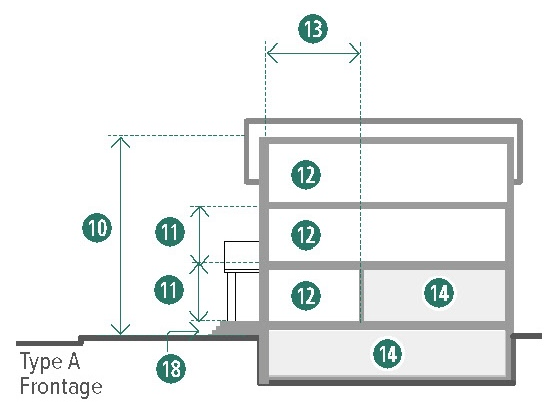
Figure 14-35. Row Building: Height & Use Requirements
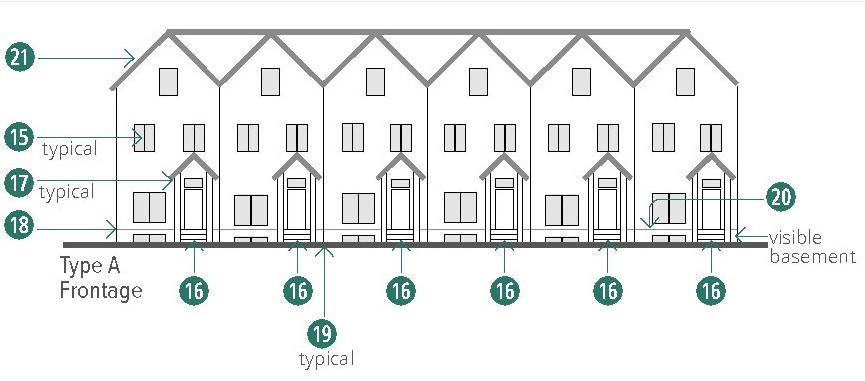
Figure 14-36. Row Building: Facade Design Requirements
Ordinance Nos. 8669 (2025); 8697 (2025)
9-14-20. - Workshop Building Type.
Refer to Section 9-14-6, "Regulating Plans," B.R.C. 1981, for the locations of buildings in the form-based code areas.
| EAST BOULDER | REFERENCES/ADDITIONAL REQUIREMENTS | ||
| BUILDING SITING Refer to FIGURE 14-37. | |||
| Type A Frontage Streetwall, minimum | 65% | Refer to Subsection 9-14-14(g) for allowed courtyards in the streetwall and Subsection 9-14-14(h) definition of required streetwall variation. |
| Streetwall Variation for Type A Frontages | Required | |
| Type A Frontage Setback, Minimum to maximum | 5 ft. to 25 ft. | Refer to Section 9-14-26, B.R.C. 1981, for measuring minimum and maximum setbacks. |
| Type B Frontage Setback, minimum | 5 ft. | |
| Type C Frontage Setback, minimum | 5 ft. | |
| Side Yard Setback, minimum | 5 ft.; 0 ft. required at paseo or multi-use path | For paseos and multi-use paths, refer to the regulating plans and section 9-14-6 for locations and details. |
| Rear Yard Setback, minimum | 10 ft.; 25 ft. required if no alley; 0 ft. required at paseo or multi-use path | |
| Impervious Coverage, maximum | 70% | Refer to Section 9-14-8, "Definitions," B.R.C. 1981, for semi-pervious coverage. |
| Additional Semi-Pervious Coverage, maximum | 25% | ||
| Surface or Accessory Parking Location | Limited side yard & parking yard only |
Refer to Sections 9-9-12 and 9-9-14, B.R.C. 1981, for landscaping and screening requirements.
Refer to Subsection 9-14-11(a), B.R.C. 1981, for driveway access. Refer to Subsections 9-14-14 (j), (k), and (l), B.R.C. 1981, for trash & recycling, garage entrances, and loading. Refer to Subsection 9-14-26(c) for limited side yard parking. |
| HEIGHT Refer to FIGURE 14-38. | |||
| Overall: Minimum Height | 1 story | Refer to Subsection 9-14-26(e), B.R.C. 1981, for height measuring requirements and Section 9-14-31, B.R.C. 1981, for building massing requirements. Subsection 9-14-25(g), "Towers," B.R.C. 1981, allows additional height in a limited footprint. |
| Maximum Height | 3 stories, 55 ft. | ||
| All Stories: Minimum Height
Maximum Height |
9 ft.
18 ft. | Stories are measured floor to floor. Refer to Subsection 9-14-26(f), B.R.C. 1981, for explanation of measurement. |
| Base Types: See allowances for additional height within specific base types allowed, line of this table | |||
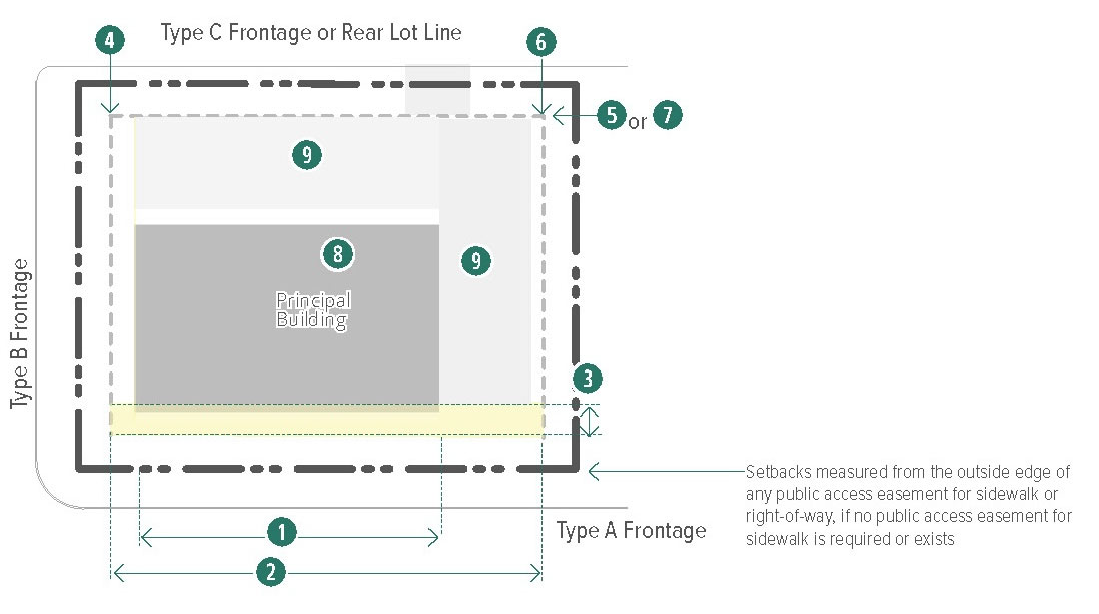
Figure 14-37. Workshop Building: Building Siting
| EAST BOULDER | REFERENCES/ADDITIONAL REQUIREMENTS | ||
| USES Refer to FIGURE 14-38. | |||
| All Frontages & Stories | All uses consistent with chapter 9-6 except where base type requirements may be more limited. | Refer to Chapter 9-6, B.R.C. 1981, for permitted uses per zoning district and definition of uses. |
| Required Occupied Building Space, minimum depth from Type A frontages, all stories | 15 ft. | Refer to Section 9-14-8, "Definitions," B.R.C. 1981, for occupied building space. Occupied building space applies only to full height floors and does not apply to basements. |
| Parking Location within Building | Permitted fully in any basement and in all other stories except where occupied space is required. | Refer to occupied building space requirement above. |
| FAÇADE REQUIREMENTS Refer to FIGURE 14-39. | |||
| Transparency on All Type A, B, and C Frontage Facades, minimum |
15%
Blank wall limitations, as defined in subsection 9-14-26(g), apply only to Type A frontages | Refer to Subsection 9-14-26(g), B.R.C. 1981, for information on measuring transparency. |
| Horizontal Facade Divisions | At least one expression line, minimum 2-inch deep, is required within 3 ft. of the top of the ground story and the bottom of any 5th story | Refer to Section 9-14-8, "Definitions," B.R.C. 1981, for expression line. |
| BASE REQUIREMENTS Refer to FIGURE 14-39. | |||
| All ground story street, courtyard, & public way facades shall meet the requirements of an allowed or required base type. | ||
| Shopfront Base | Allowed on any frontage | Refer to Section 9-14-22, B.R.C. 1981, for shopfront base requirements. | |
| Stoop Base | Allowed on any frontage | Refer to Section 9-14-23, B.R.C. 1981, for stoop base requirements. | |
| Service Base | Allowed on any frontage | Refer to Section 9-14-24, B.R.C. 1981, for service base requirements. | |
| CAP REQUIREMENTS Refer to FIGURE 14-39. | |||
| Permitted Cap Types, all not listed are prohibited | Parapet, pitched, flat. | Refer to Section 9-14-25, B.R.C. 1981, for cap types, and other cap requirements. |
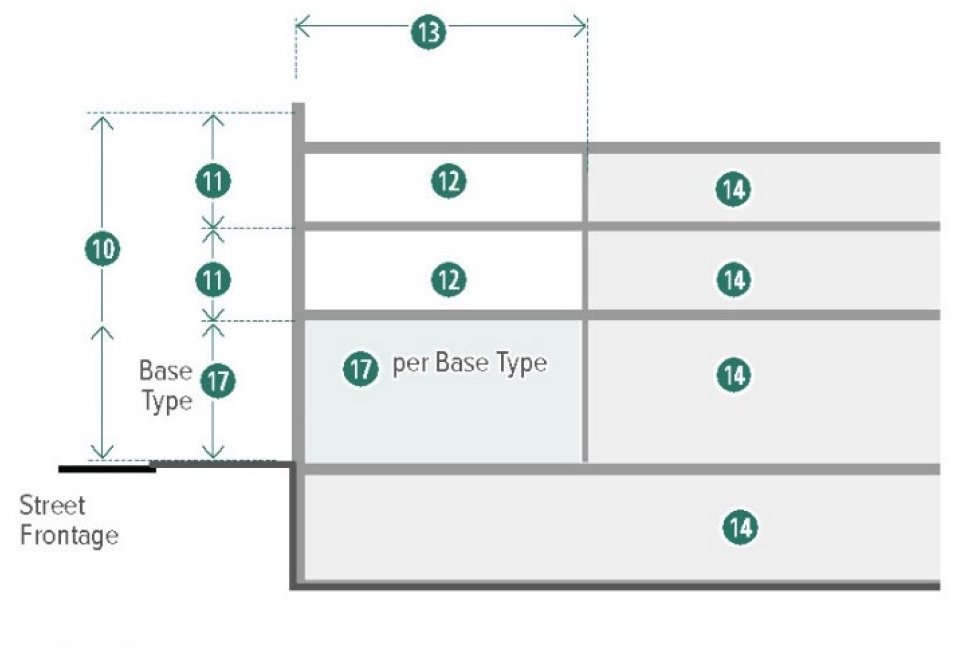
Figure 14-38. Workshop Building: Height & Use Requirements
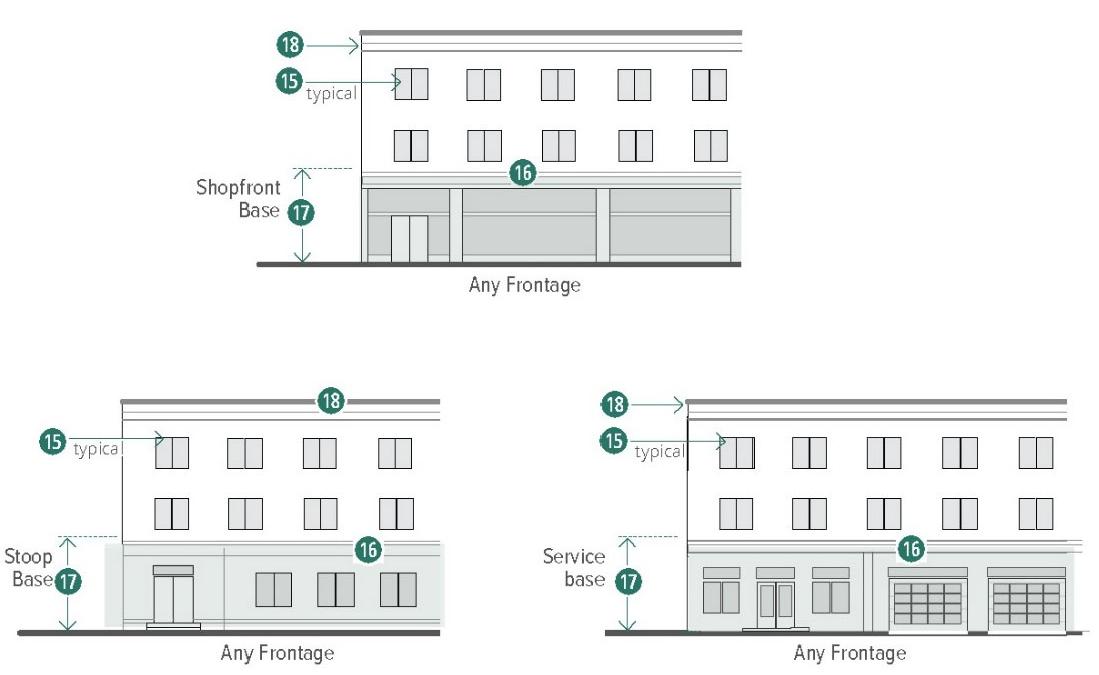
Figure 14-39. Workshop Building: Facade Design Requirements
Ordinance No. 8697 (2025)
9-14-21. - Civic Building Type.
The Civic building type is not mapped on the regulating plans, but is permitted in any location, limited by the permitted uses inside. Refer to 9-14-6 Regulating Plans.
| BOULDER JUNCTION PHASE I | ALPINE-BALSAM | REFERENCES/ADDITIONAL REQUIREMENTS | ||
| BUILDING SITING Refer to FIGURE 14-40. | ||||
| Minimum Type A Streetwall, minimum | None required | None required | |
| Type A Frontage Setback, minimum | 20' | 20' | |
| Type B Frontage Setback, minimum | 15' | 15' | |
| Side Yard Setback, minimum | 15'; 0' required at paseo or multi-use path | For paseos and multi-use paths, refer to the regulating plans and the Transit Village Connections Plan for locations and details. | |
| Rear Yard Setback, minimum | 15'; 0' required at paseo or multi-use path | ||
| Building Length, maximum | None required | None required | Refer to Section 9-14-31, B.R.C. 1981, for building massing requirements. |
| Impervious Coverage, minimum | 50% | 50% | Refer to Section 9-14-8, "Definitions," B.R.C. 1981, for semi-pervious coverage. |
| Additional Semi-Pervious Coverage, maximum | 20% | 20% | ||
| Surface or Accessory Parking Location | Parking yard only | No surface parking allowed |
Refer to Sections 9-9-12 and 9-9-14, B.R.C. 1981, for landscaping and screening requirements.
Refer to Subsection 9-14-11(a), B.R.C. 1981, for driveway access. Refer to Subsections 9-14-14 (j), (k), and (l), B.R.C. 1981, for trash & recycling, garage entrances, and loading. |
| HEIGHT Refer to FIGURE 14-41. | ||||
| Overall: Minimum Height Maximum Height | 1 story 5 stories up to 55' | 1 story 5 stories up to 55' | Refer to Subsection 9-14-26(2), B.R.C. 1981, for height measuring requirements and Section 9-14-31, B.R.C. 1981, for building massing requirements. Subsection 9-14-25(g), "Towers," B.R.C. 1981, allows additional height in a limited footprint. |
| All Stories: Minimum Height Maximum Height | 9' 18'; 24' on single story building | 9' 18'; 24' on single story building | Stories are measured floor to floor. Refer to Subsection 9-14-26(f), B.R.C. 1981, for explanation of measurement. |
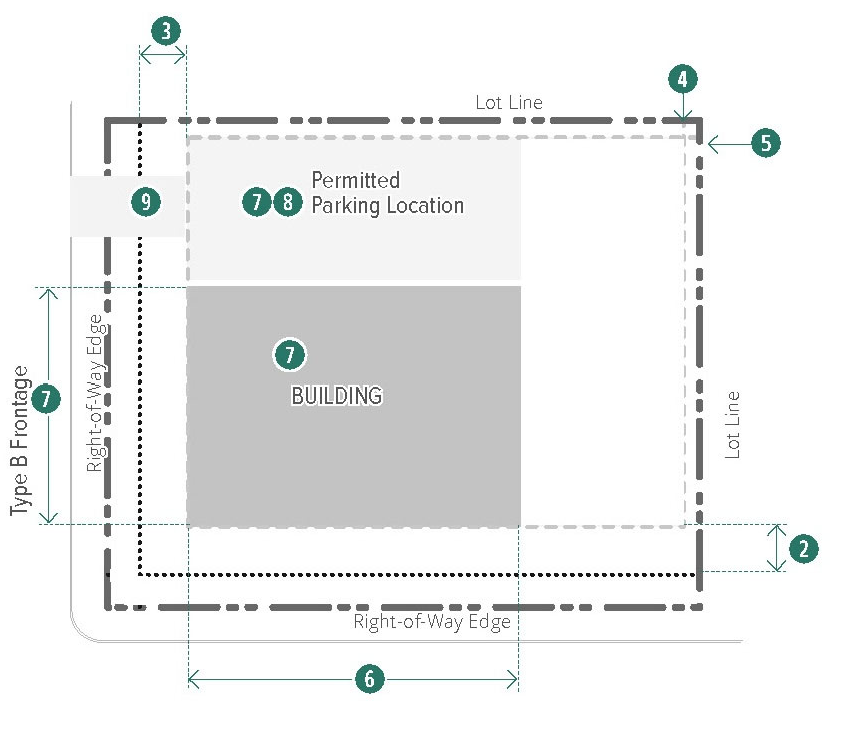
Figure 14-40. Civic Building: Building Siting
| BOULDER JUNCTION PHASE I | ALPINE-BALSAM | REFERENCES/ADDITIONAL REQUIREMENTS | ||
| USES Refer to FIGURE 14-41. | ||||
| All Frontages & Stories | Limited to any use in the Public and Institutional use classification consistent with Chapter 9-6. | Refer to Chapter 9-6, B.R.C. 1981, for permitted uses per zoning district and definition of uses. | |
| Required Occupied Building Space | Minimum 20' deep on all full height floors from any street facade | Refer to Section 9-14-8, "Definitions," B.R.C. 1981, for occupied building space. Occupied building space applies only to full height floors and does not apply to basements. | |
| Parking within Building | Permitted fully in any basement and in all other stories except where occupied space is required. | Refer to occupied building space requirement above. | |
| FACADE REQUIREMENTS Refer to FIGURE 14-42. | ||||
| Required Transparency on All Street, Courtyards, & Public Way Facades | Minimum 15%, measured per story of all stories. | Refer to Subsection 9-14-26(g), B.R.C. 1981, for information on measuring transparency. | |
| Entrance Location & Number | Principal entrance required on Type A frontage facade. | Refer to Section 9-14-26(h), B.R.C. 1981, for information on measuring entrance location. | |
| Entrance Configuration | No requirement other than principal entryway requirements. | Refer to Section 9-14-8, "Definitions," B.R.C. 1981, for stoop and porch. Refer to Subsection 9-14-32(e), B.R.C. 1981, for principal entryway requirements. | |
| Entrance/Ground Story Elevation Grade | 80% of entrances and the ground story shall be within 30" (vertically) of adjacent street sidewalk average elevation OR between 30" and 5' (vertically) with visible basement (transparency required) | Exception: Entrances along Goose Creek frontage shall be located in reference to the elevation of 30th Street, Carbon Place, and/or Junction Place, whichever is closest. | |
| Ground Story Vertical Facade Divisions | No requirement | Refer to Section 9-14-8, "Definitions," B.R.C. 1981, for expression line. | |
| Horizontal Facade Divisions | No requirement | ||
| CAP REQUIREMENTS Refer to FIGURE 14-42. | ||||
| Permitted Cap Types, all not listed are prohibited | Parapet, pitched, flat | Parapet, pitched, flat | Refer to Section 9-14-25, B.R.C. 1981, for cap types, and other cap requirements. |
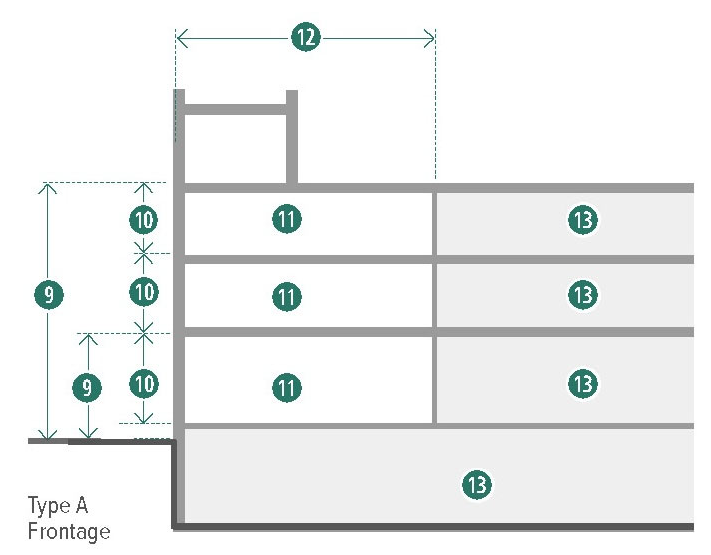
Figure 14-41. Civic Building: Height & Use Requirement
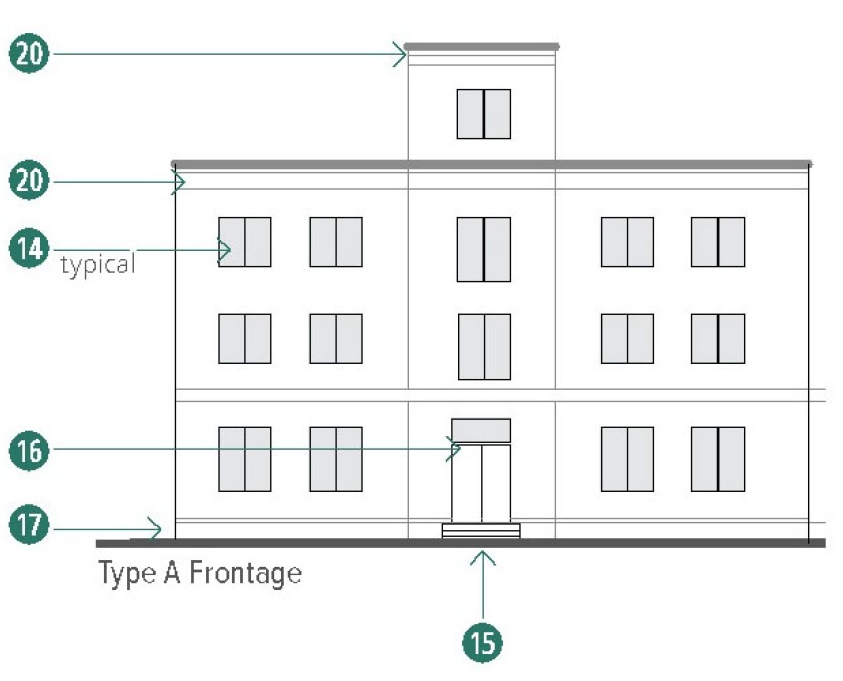
Figure 14-42. Civic Building: Facade Design Requirements
Ordinance Nos. 8669 (2025); 8697 (2025)
9-14-22. - Shopfront Base.
The intent of the shopfront base is to provide convenient, at-grade access between the interior space of the shopfront and the adjacent sidewalk, creating a high level of permeability. The shopfront base may be required or allowed per building type requirements. Where a shopfront base is required or used, shopfront base requirements supersede any building type requirements for the shopfront base portion of the ground story, street facade. See Figure 14-43.
| USES | ADDITIONAL/REFERENCES | ||
| Allowed Uses Required Shopfront Base Locations per Regulating Plan | A use within the following use categories is required: Food, Beverage, and Lodging; Recreation and Entertainment; Retail Sales Uses; Service Uses; and any category in the Public and Institutional Use Classification. | Refer to the building type requirements for occupied building space requirement. |
| Other Shopfront Base Locations | Any use meeting the requirements of Chapter 9-6, B.R.C. 1981, except residential uses are prohibited. | ||
| GROUND STORY HEIGHT | |||
| Ground Story: Minimum Height >Maximum Height | 12 ft. 24 ft. | Stories are measured floor to floor. Refer to Subsection 9-14-26(f), B.R.C. 1981, for explanation of measurement. |
| FAÇADE REQUIREMENTS | |||
| Ground Story Transparency, minimum | 75% measured between 2 ft. and 10 ft. vertically from average grade of adjacent sidewalk. | Measured per story. Note that Subsection 9-14-15(a)(4), B.R.C. 1981, requires this treatment to turn corners. Refer to Subsection 9-14-26(g), B.R.C. 1981, for information on measuring transparency. |
| Entrance Location & Number | Entrances are required a minimum of one per every 60 ft. of building facade. | Refer to Section 9-14-26(i), B.R.C. 1981, for information on measuring entrance location. |
| Entryway Configuration | Recessed between 3 ft. and 8 ft., maximum 8 ft. wide, from the portion of the Type A frontage ground story facade closest to the street | Refer to Subsection 9-14-32(e), B.R.C. 1981, for principal entryway requirements. |
| Entrance/Ground Story Elevation Grade | At least 80% of entrances and the ground story shall be within 30 in. (vertically) of adjacent sidewalk elevation. | |
| Ground Story Vertical Facade Divisions | At least one expression line, minimum 2-inch deep, required per every 30 ft. of facade width. | |
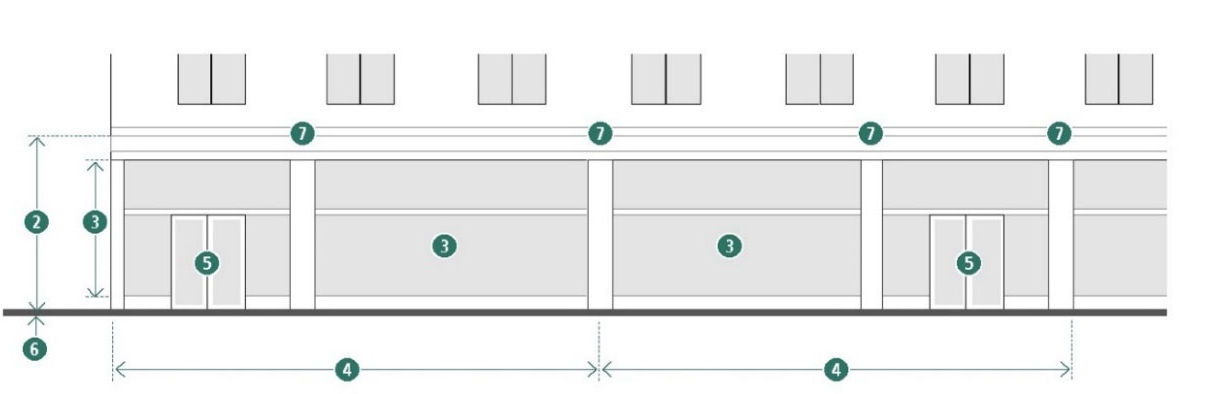
Figure 14-43. Shopfront Base
Ordinance No. 8669 (2025)
9-14-23. - Stoop Base.
The stoop base is a flexible base type intended to allow residential and office-related uses, providing pedestrian-friendly access while allowing an elevated base for privacy on the ground story. The stoop base may be allowed per building type requirements. Where a stoop base is used, stoop base requirements supersede any building type requirements for the stoop base portion of the ground story, street facade. See Figure 14-44.
| USES | ADDITIONAL/REFERENCES | ||
| Allowed Uses | Any use meeting the requirements of Chapter 9-6, B.R.C. 1981. | Refer to the building type requirements for occupied building space requirement. |
| GROUND STORY HEIGHT | |||
| Ground Story: Minimum Height >Maximum Height | Per building type. | Stories are measured floor to floor. Refer to Subsection 9-14-26(f), B.R.C. 1981, for explanation of measurement. |
| FAÇADE REQUIREMENTS | |||
| Ground Story Transparency, minimum | Per building type. | Measured per story. Note that Subsection 9-14-15(a)(4), B.R.C. 1981, requires this treatment to turn corners. Refer to Subsection 9-14-26(g), B.R.C. 1981, for information on measuring transparency. |
| Number & Spacing of Entrances, minimum
Type A Frontage | One per ground story residential unit and one per every 50 ft. of facade for other uses. | |
| Type B Frontage | One per 75 ft. of facade. | ||
| Entryway Configuration | Off a stoop/platform, minimum 6 ft. wide and 3 ft. deep. | Refer to Subsection 9-14-32(e), B.R.C. 1981, for principal entryway requirements. |
| Entrance/Ground Story Elevation Grade |
At least 80% of entrances and the ground story shall be either: within 30 in. (vertically)
of adjacent street sidewalk average elevation
OR between 30 in. and 5 ft. (vertically) with visible basement (transparency required) | |
| Ground Story Vertical Facade Divisions | At least one expression line, minimum 2-inch deep, required per every 30 ft. of facade width. | |
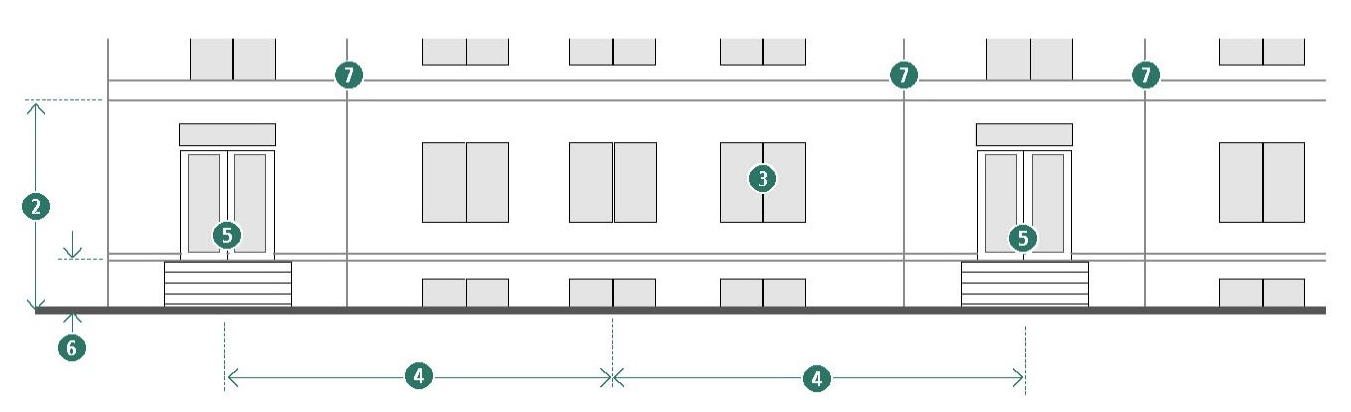
Figure 14-44. Stoop Base
Ordinance No. 8669 (2025)
9-14-24. - Service Base.
The intent of the service base is to allow workshops for maker or manufacturing spaces with garage entrances and loading bays along certain frontages, while maintaining pedestrian-friendly facades. The service base may be allowed per building type requirements. Where a service base is used, service base requirements supersede any building type requirements for the base portion of the ground-story, street facade. See Figure 14-45.
| USES | ADDITIONAL/REFERENCES | ||
| Allowed Uses | Any use meeting the requirements of Chapter 9-6, B.R.C. 1981, except residential uses are prohibited. | Refer to the building type requirements for occupied building space requirement. |
| GROUND STORY HEIGHT | |||
| Ground Story: Minimum Height Maximum Height | 12 ft. 24 ft. | Stories are measured floor to floor. Refer to Subsection 9-14-26(f), B.R.C. 1981, for explanation of measurement. |
| FAÇADE REQUIREMENTS | |||
| Ground Story Transparency, minimum | Measured per story. Note that Subsection 9-14-15(a)(4), B.R.C. 1981, requires this treatment to turn corners. Refer to Subsection 9-14-26(g), B.R.C. 1981, for information on measuring transparency. | |
| Type A Frontages | 60% between 2 ft. and 10 ft. above adjacent sidewalk. | ||
| Type B and C Frontages | Consistent with building type requirement. | ||
| Blank wall limitations apply only on Type A frontages. | |||
| Number & Spacing of Pedestrian Entrances, minimum | One per each 75-foot portion of street facade | |
| Allowed Garage Bays on Frontages, Number | Type A Frontage: One per 90 ft. of Type A frontage facade Type B & C Frontage: One per 30 ft. | Garage bay glass counts towards minimum facade transparency |
| Opening/Door width, maximum | 12 ft. wide | ||
| Door Transparency, minimum | Glass required between 2 ft. and 10 ft. above sidewalk; One-way glass allowed on Type B and C frontages | ||
| Entrance/Ground Story Elevation Grade | At least 80% of entrances and the full ground story shall either be within 30 in. (vertically) of adjacent street sidewalk average elevation OR between 30 in. and 5 ft. (vertically) with visible basement (transparency required on street facades). Visible basement transparency is not required below elevated loading bays with garage doors. | |
| Ground Story Vertical Facade Divisions | At least one expression line, minimum 2-inch deep required per every 30 ft. of facade width | |
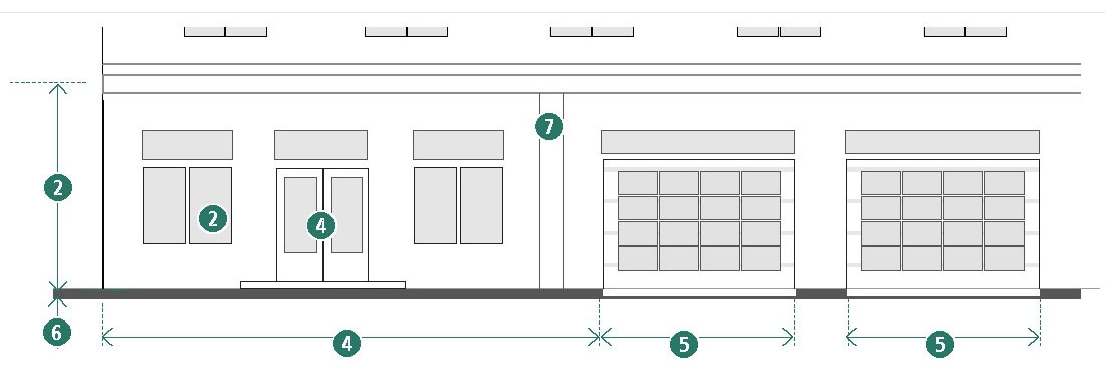
Figure 14-45. Service Base
Ordinance No. 8669 (2025)
9-14-25. - Cap Types.
The major components of any roof shall meet the requirements of one or a combination of the cap types permitted for the building type pursuant to the building types requirements of Sections 9-14-16 through 9-14-21, B.R.C. 1981.
(a)
Minor Roofs. Roofs for bay or bow windows, porches, canopies, and dormers are not required to meet the standards of a cap type.
(b)
Terraces, Green Roofs, Rooftop Gardens, and Other Outdoor Rooftop Facilities. Terraces, green roofs, rooftop gardens, and other outdoor facilities are allowed on any roof; however, the roof and any vertical elements of the outdoor facilities shall be consistent with the standards of a cap type.
(c)
Encroachments. Roofs, including all eaves or overhangs, shall be fully located within the property lines of the lot, but may encroach into yards consistent with the standards in Section 9-7-3, "Setback Encroachments," B.R.C. 1981.
(d)
Pitched Cap Type. The pitched cap type has a sloped or pitched roof. Slope is measured with the vertical rise divided by the horizontal span or run, as shown in Figure 14-46. Examples of Pitched Cap Type.
(1)
Pitch Measure. The roof shall not be sloped less than 4:12 (rise:run) or more than 14:12. Slopes less than 4:12 are permitted to occur on second story or higher roofs.
(2)
Configurations.
(A)
Gambrel, hipped, gabled, or a combination of hips and gables with or without dormers are permitted.
(B)
Butterfly (inverted gable roof) and shed roofs are permitted.
(C)
Mansard roofs are permitted, provided dormers meeting the transparency requirement of a story are incorporated into the roof design.
(3)
Parallel Ridge Line. A gabled end or perpendicular ridge line shall occur at least every 100 feet of the roof when the ridge line runs parallel to the front lot line. See Figure 14-46. Examples of Pitched Cap Type.
(4)
Roof Height. Roofs without occupied building space or dormers shall have a maximum height on Type A and Type B frontage facades equal to no more than 1.5 times the upper story floor-to-floor height used on the building.
(5)
Occupied Building Space. Occupied building space may be incorporated within the pitched cap type. If occupied, the space counts as a half story.
(6)
Rooftop Appurtenances. Any rooftop appurtenances shall be recessed within the pitched roof with no visibility when viewed from the sidewalk across the street and from any adjacent outdoor space. See Figure 14-47. Recessed Mechanicals in Pitched Cap Type. See Section 9-14-33, "Mechanical and Utility Elements," B.R.C. 1981, for additional requirements.
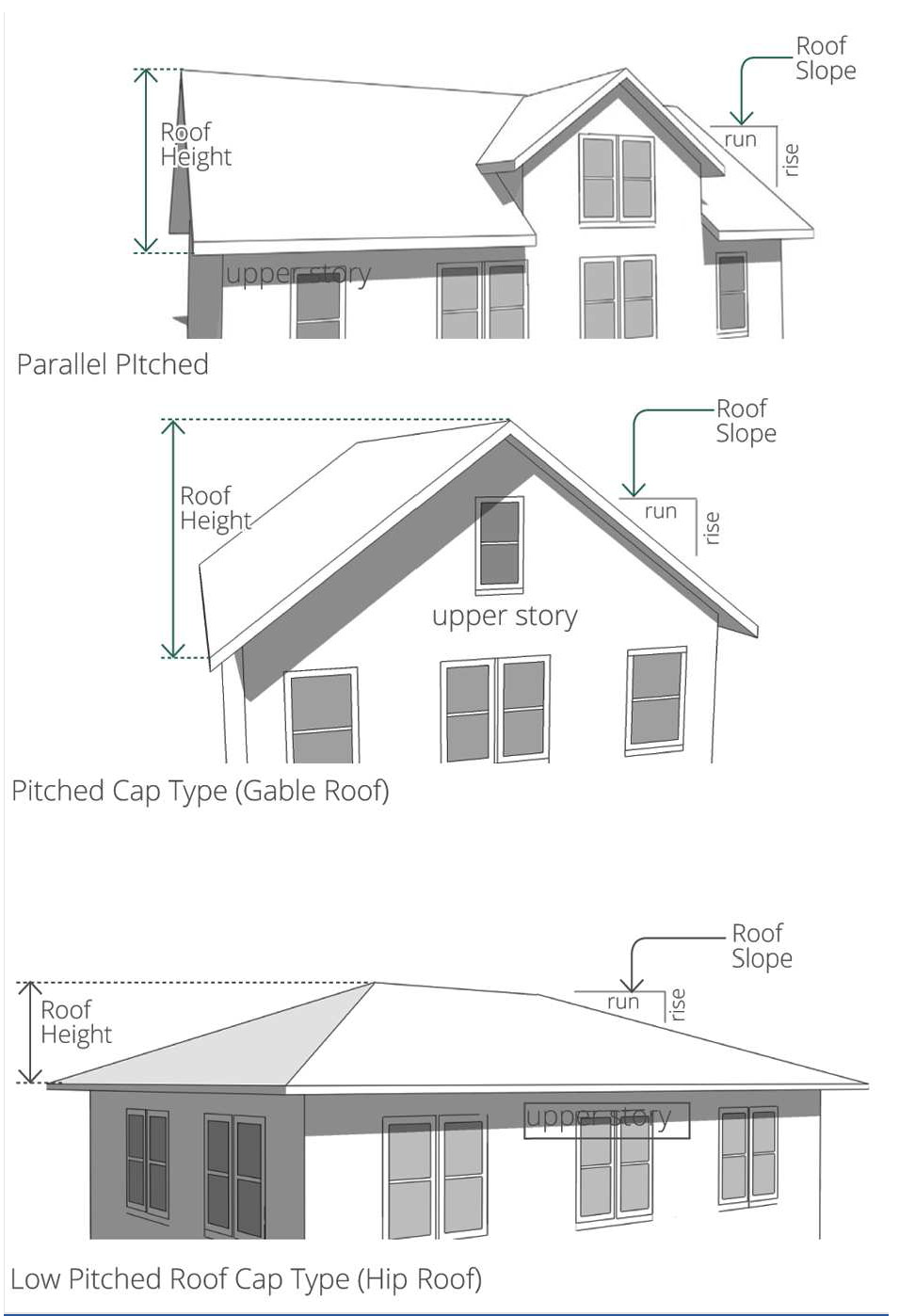
Figure 14-46. Examples of Pitched Cap Type
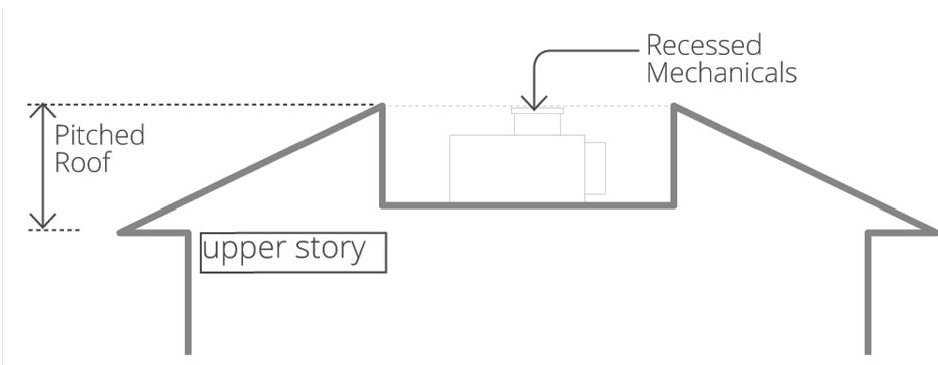
Figure 14-47. Recessed Mechanicals in Pitched Cap Type
(e)
Parapet Cap Type. A parapet is a low wall projecting above a building's roof along the perimeter of the building as shown in Figure 14-48. Example of a Parapet Cap Type.
(1)
Parapet Height. Parapet height is measured from the top of the upper story to the top of the parapet.
(A)
General Parapet Heights. Minimum parapet height is two feet with a maximum height of six feet.
(B)
Parapets Exceeding Maximum Height. The approving authority may approve a parapet causing the building height to exceed the maximum permitted height if the approving authority finds the standards for parapet walls of Section 9-7-7, B.R.C. 1981, are met.
(2)
Horizontal Expression Lines. An expression line that is at least two inches deep and extends along at least eighty percent of the facade shall define the parapet from the upper stories of the building and shall define the top of the cap.
(3)
Occupied Building Space. No building shall have occupied space behind a parapet cap.
(4)
Roof Terraces and Roof Decks. Roof terraces and roof decks are permitted on the parapet cap type.
(5)
Rooftop Appurtenances. Any rooftop appurtenances shall be located towards the rear or interior of the parapet roof. The parapet shall screen the mechanicals when viewed from the sidewalk across the street and from any adjacent outdoor space. See Section 9-14-33, "Mechanical Equipment & Appurtenances," B.R.C. 1981, for additional requirements.
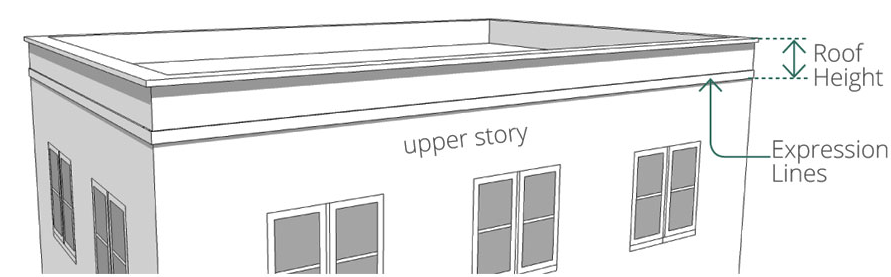
Figure 14-48. Example of a Parapet Cap Type
(f)
Flat Cap Type. The flat cap type has a visually flat roof with overhanging eaves as shown in Figure 14-49. Example of a Flat Cap Type.
(1)
Configuration. The roof shall have no visible slope from the street, and eaves are required on all Type A and Type B frontage facades.
(2)
Eave Depth. Eave depth is measured from the building facade to the outside edge of the eave. Eaves shall have a depth of at least fourteen inches.
(3)
Eave Thickness. Eaves shall be a minimum of six inches thick. Eave thickness is measured at the midpoint of the eave depth, from the bottom of the eave to the top of the eave. The measurement may be taken from a structural support element of the eave to the top of the eave, provided the structural support element occurs at least every four feet along the entire length of the eave.
(4)
Interrupting Vertical Walls. Vertical walls may interrupt the eave and extend above the top of the eave with no discernible cap if the following requirements are met:
(A)
No more than one-third of the front facade shall consist of an interrupting vertical wall.
(B)
Vertical walls shall extend no more than six feet above the top of the eave. See Figure 14-49. Example of a Flat Cap Type.
(5)
Occupied Building Space. No building shall have occupied space behind a flat cap.
(6)
Roof Terraces and Roof Decks. Roof terraces and roof decks are permitted on the flat cap type.
(7)
Rooftop Appurtenances. If the interrupting vertical wall is utilized, any rooftop appurtenances shall be located behind the vertical wall with no visibility when viewed from the sidewalk across the street and from any adjacent outdoor space. If no interrupting vertical wall is utilized, rooftop appurtenances shall be located such that the mechanicals are not visible when viewed from the sidewalk across the street or from any adjacent outdoor space. See Section 9-14-33, "Mechanical Equipment & Appurtenances," B.R.C. 1981, for additional requirements.
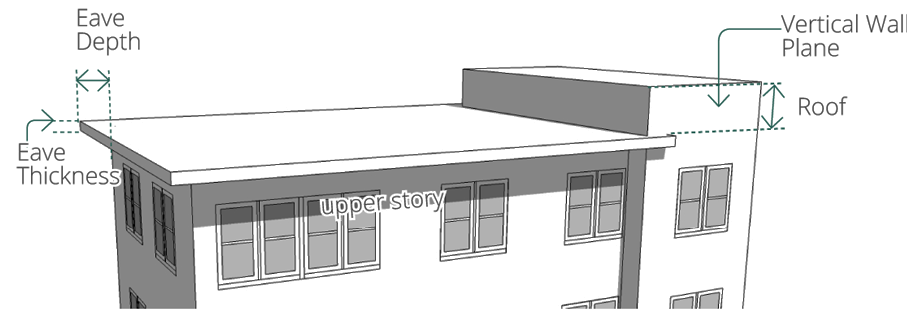
Figure 14-49. Example of a Flat Cap Type
(g)
Towers. A tower is a vertical element, polygonal (simple), rectilinear, or cylindrical in plan that shall only be used with other cap types. See Figure 14-50. Example of a Tower.
(1)
Additional Height. Towers may add a single story of additional height beyond the maximum height allowed per building type, however, a tower may not exceed a maximum height of fifty-five feet.
(2)
Tower Width. The maximum tower width along all facades shall be one-third the width of the front facade or fifteen feet, whichever is less, and may not occupy more than 25% of the roof area. See Figure 14-50. Example of a Tower.
(3)
Transparency. Towers that meet the minimum floor-to-floor height of the building type shall meet the minimum transparency requirements of the building.
(4)
Horizontal Expression Lines. A minimum two inches deep expression line is required at the cap of the tower.
(5)
Occupied Building Space. Towers with minimum floor-to-floor heights required by the building type shall be occupied space and may contain any of the uses allowed in upper stories of the building type to which it is attached.
(6)
Rooftop Appurtenances. No rooftop appurtenances are permitted on tower roofs.
(7)
Tower Cap. The tower shall be capped by a cap permitted on the building per the building type.
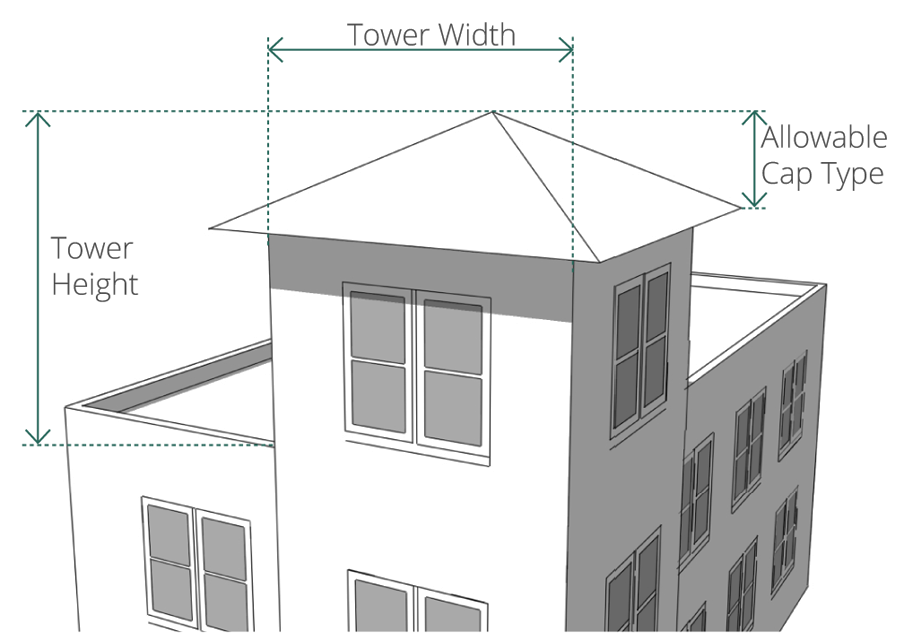
Figure 14-50. Example of a Tower
Ordinance No. 8669 (2025)
9-14-26. - Measurement of Building Type Requirements.
The standards outlined in the tables in Sections 9-14-16 through 9-14-21, B.R.C. 1981, applicable to each building type, shall be measured and calculated consistent with the following standards:
(a)
Minimum Type A Frontage Streetwall Coverage. The minimum percentage of building facade along the Type A frontage of a lot is measured as follows:
(1)
Measurement. The minimum Type A frontage streetwall shall, at a minimum, equal the width of the principal structures, as measured within the minimum and maximum setback along the frontage, divided by the length of the frontage parallel to the property line following the street minus setbacks along perpendicular property lines. Refer to Figure 14-51. Minimum Type A Frontage Streetwall.
(2)
Courtyards. For some building types, courtyards located along the facade in the frontage setback count towards the minimum coverage. Refer to building type requirements of Sections 9-14-16 through 9-14-21, B.R.C. 1981.
(3)
Outdoor Space Type. Open spaces meeting the requirements of one of the outdoor space types established in this chapter are exempt from the minimum Type A frontage streetwall requirement.
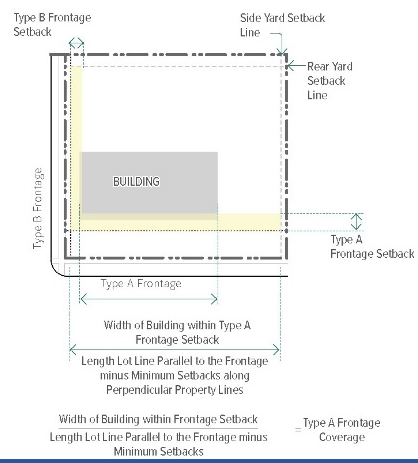
Figure 14-51. Minimum Type A Frontage Streetwall
(b)
Frontage Setback. The minimum to maximum frontage setback shall be calculated and measured as follows. Refer to Figure 14-52. Frontage Setbacks.
(1)
Measurement. If the frontage is a Type A, B, or C frontage along a transportation improvement or waterway, the minimum and maximum frontage setbacks are measured from the outside edge of an easement for the transportation improvement or waterway, or, if no easement exists, from the parcel or lot line abutting the transportation improvement or waterway, as applicable. If the frontage is along a required outdoor space, the minimum and maximum frontage setbacks are measured from the outside edge of an easement for the outdoor space, or, if no easement exists, from the parcel or lot line abutting to the outdoor space, or if not within a separate parcel or lot, from the outer edge of the outdoor space as delineated on the site plan.
(2)
Height. All building facades located within the frontage setback shall meet the minimum building height of the building.
(3)
Encroachments. Awnings, architectural projections, balconies, and building mounted signage may extend beyond the frontage setback into any yard area but shall not extend into the street right-of-way or public easement unless approved with a revocable permit or lease, as applicable.
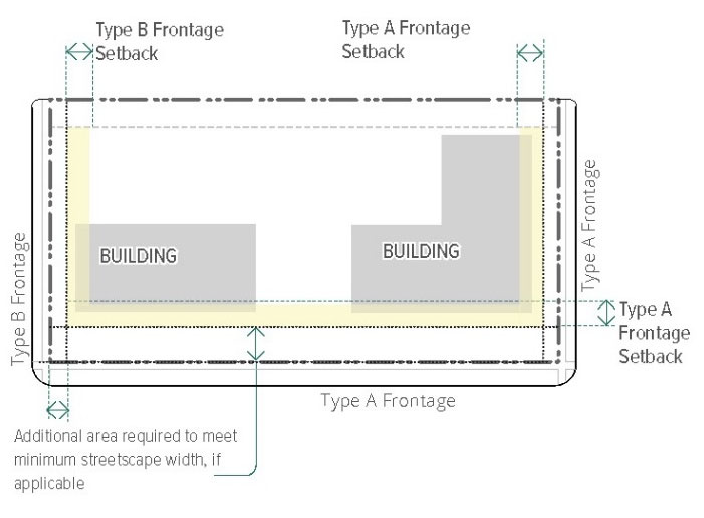
Figure 14-52. Frontage Setbacks
(c)
Limited Side Yard Parking. Where allowed by building type, parking may be located in the interior side yard, consistent with the following requirements:
(1)
The limited side yard parking lot is located fully in an interior side yard.
(2)
The limited side yard parking is configured as one double- or one single-loaded aisle of parking and the centerline of the aisle is located perpendicular to the street.
(3)
The limited side yard parking is not located on corners in any street yard.
(4)
No more than one limited side yard parking lot per building is located along any street frontage.
(5)
The limited side yard parking lots is not located next to another limited side yard parking lot.
(d)
Maximum Impervious and Additional Semi-Pervious Coverage. Impervious and additional semi-pervious coverage shall be calculated and measured as follows. Refer to Figure 14-53. Impervious and Semi-Pervious Coverage.
(1)
Maximum Impervious Coverage. The maximum impervious coverage is the maximum percentage of a lot permitted to be covered by structures, pavement, and other impervious surfaces.
(2)
Additional Semi-Pervious Coverage. In addition to the allowable impervious coverage on a site, a maximum amount of additional semi-pervious coverage is permitted.
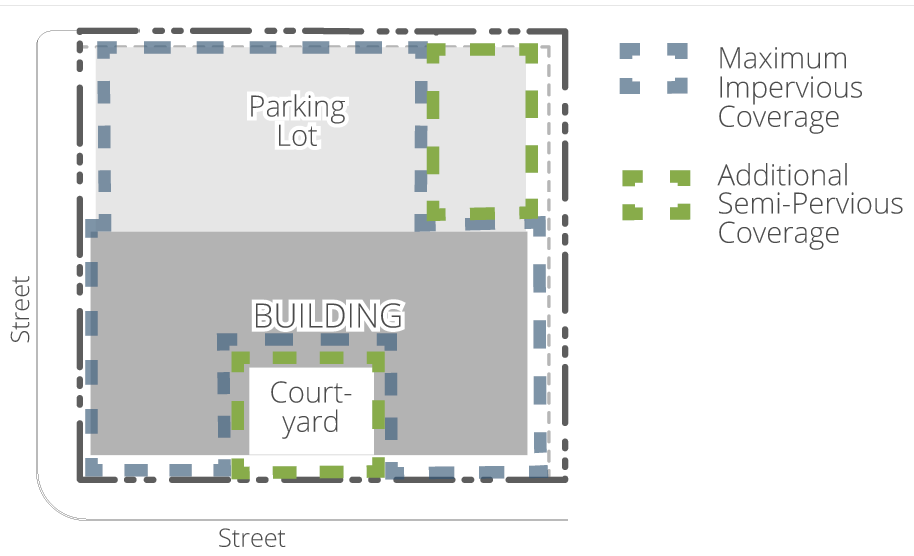
Figure 14-53. Impervious and Semi-Pervious Coverage
(e)
Overall Minimum and Maximum Height. (Refer to Figure 14-54. Measuring Stories with Floor-to-Floor Height.)
(1)
Minimum Overall Height. Each building type requires a minimum number of stories. The building must meet the minimum required height along all Type A frontage facades and measured a minimum of thirty feet deep into the building.
(2)
Maximum Overall Height. Maximum heights are specified both in number of stories and overall dimension. This requirement applies to the entire building.
(A)
Towers. Where specifically allowed in the building type tables, Sections 9-14-16 through 9-14-21, B.R.C. 1981, towers may exceed the overall maximum height of the building type per subsection (f) of Section 9-14-25, "Cap Types," B.R.C. 1981. Towers shall not exceed the maximum height per section 84 of the charter of the City of Boulder.
(B)
Cap Type. Where specified in subsection (f) of Section 9-14-25, "Cap Types," B.R.C. 1981, certain cap types may allow additional height.
(C)
Maximum Heights per the City Charter. Under no circumstances may any building or structure exceed the height limitations established in section 84 of the charter of the City of Boulder.
(D)
Height Measurement Standards. Height shall be measured consistent with height measurement standards of Section 9-7-5, "Building Height," B.R.C. 1981, and the definition of "height" within Section 9-16-1, "General Definitions," B.R.C. 1981.
(E)
View Corridors. Height is subject to additional limitations where maximum heights are restricted pursuant to the regulating plan to preserve a view corridor. Refer to Sections 9-14-6, "Regulating Plans," and 9-14-7, "View Corridors," B.R.C. 1981.
(3)
Two Half Stories. If a building has both a half story within the roof and a half story that is partially above and partially below grade, the combined height of the two half stories shall be considered one full story.
(f)
Minimum and Maximum Height per Story. Each story is measured with a range of permitted floor-to-floor heights. Refer to Figure 14-54. Measuring Stories with Floor-to-Floor Height.
(1)
Measurement. Story height shall be measured in feet between the floor of a story to the floor of the story above it. Minimum and maximum floor-to-floor heights are required to be met along facades for a minimum of eighty percent of each story.
(2)
Single Story Buildings and Top Story Measurement. For single story buildings and the uppermost story of a multiple story building, the minimum floor-to-floor height shall be one foot less than that required per building type. The measurement shall be from the floor of the story to the ceiling.
(3)
Mezzanines. Mezzanines may be included within the floor-to-floor height of any story. Mezzanines occupying more than thirty percent of the floor area below and extending above the story's allowable floor-to-floor height shall count as an additional story and shall meet transparency requirements in subsection (e)(5), below.
(4)
Taller Spaces. Spaces exceeding the allowable floor-to-floor heights of the building type are permitted on any facade. On Type A and B frontage facades, the taller space is limited to no more than 35% of the length of the façade or 35 feet, whichever is less. Taller spaces may not exceed the total height of the surrounding stories, and the façade meet the transparency requirements of the surrounding stories.
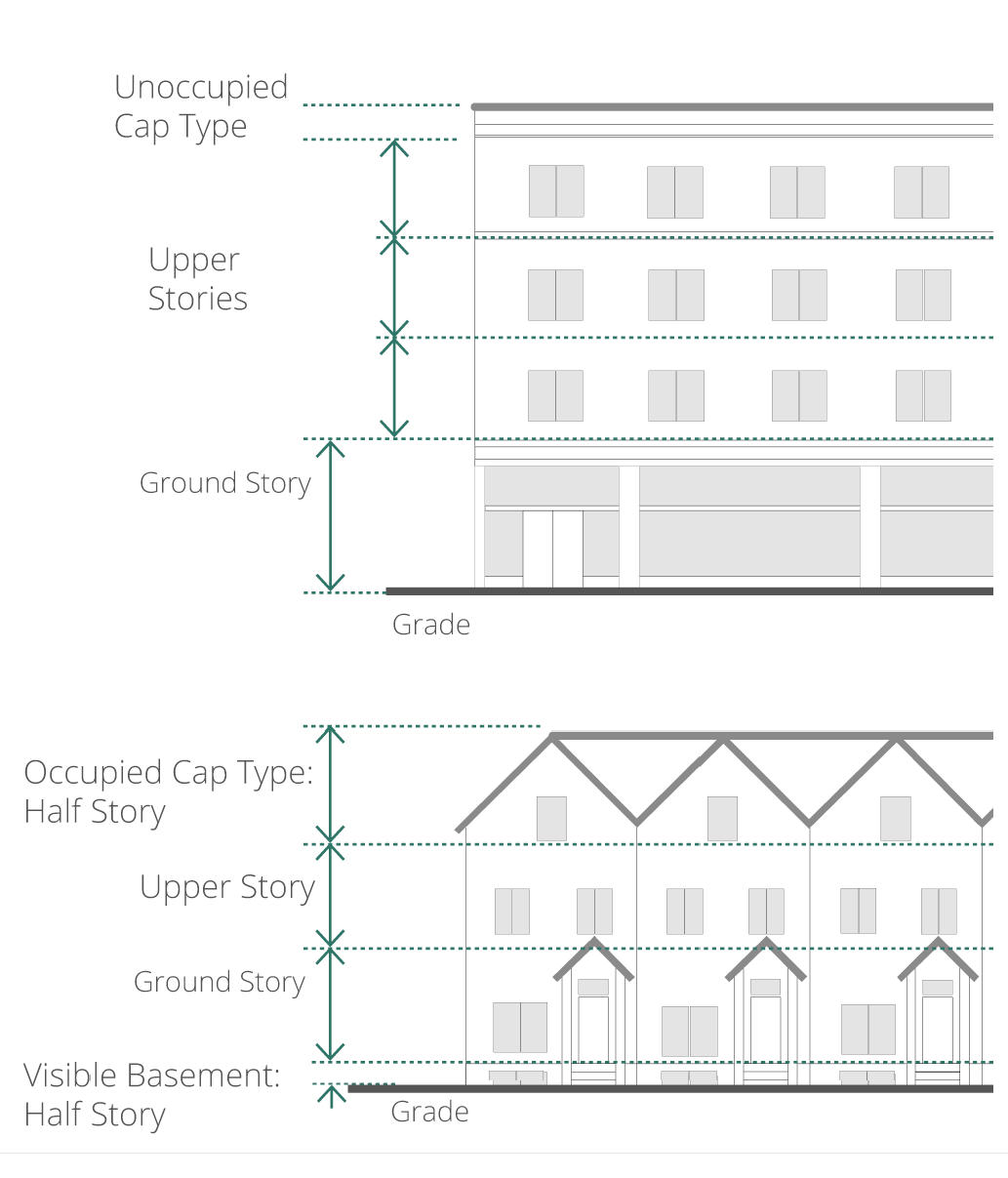
Figure 14-54. Measuring Stories with Floor-to-Floor Height
(g)
Minimum Required Transparency. Per the requirements of each building type, a minimum amount of transparency is required on all stories of street, courtyard, and public way facades. The following applies to transparency requirements:
(1)
Measurement. Minimum facade transparency is measured from floor-to-floor of each story separately, except for required minimum ground story transparency (refer to Paragraph 9-14-26(g)(4), B.R.C. 1981, below). Refer to Figure 14-55. Measuring Minimum Facade Transparency. Transparency requirements shall be met with windows or glass in doors meeting the standards for transparency as defined in Section 9-14-8, "Definitions," B.R.C. 1981. The measurement may include the frame, mullions, and muntins, but shall not include trim or casing.
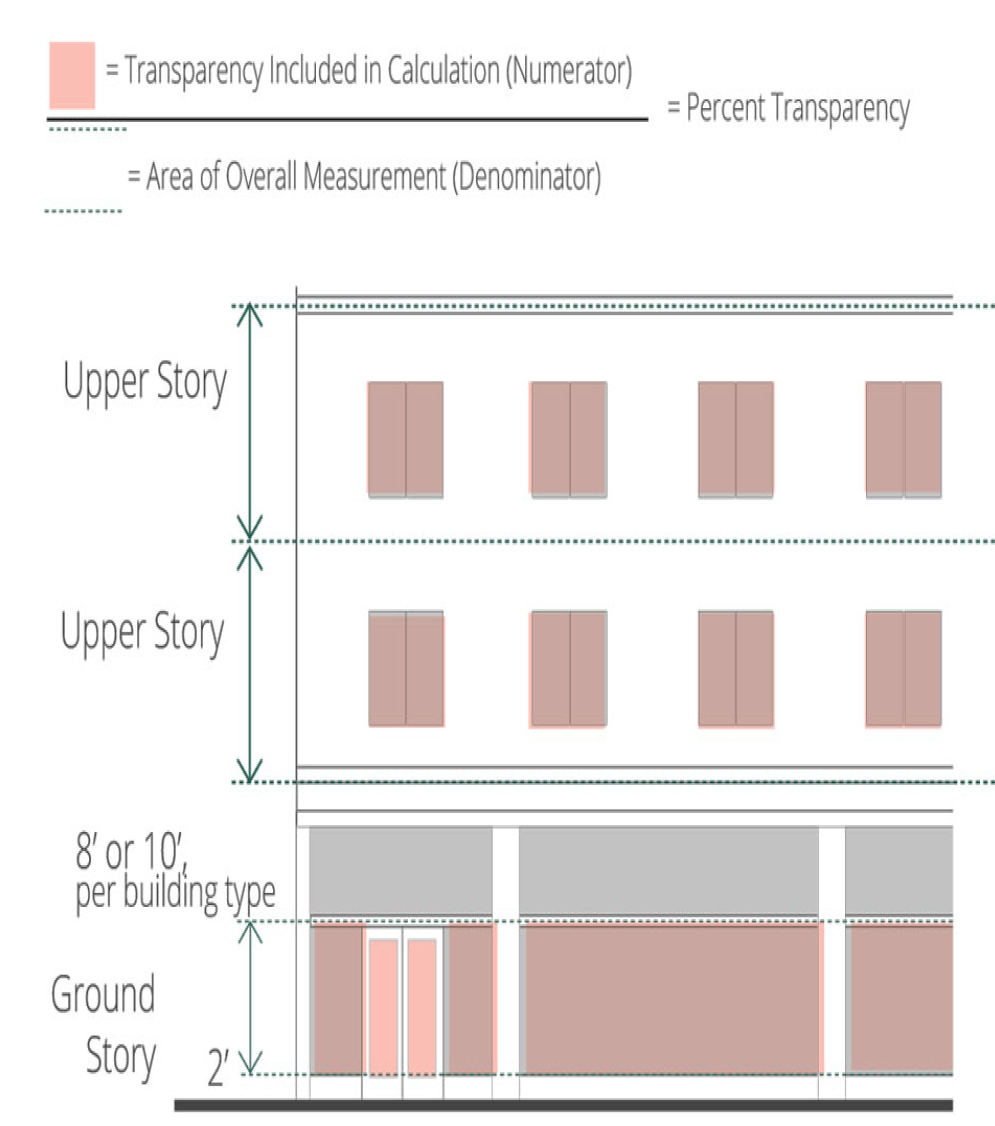
Figure 14-55. Measuring Minimum Facade Transparency
(2)
Blank Wall Limitations. Refer to Figure 14-56. Measuring Blank Wall Limitations.
(A)
Intent. The intent of the blank wall limitations is to avoid long stretches of blank walls, distribute transparency within a story, and ensure that windows are located at the height of a person standing within the story.
(B)
Where the building type standards impose blank wall limitations, the following applies:
(i)
No rectangular area greater than thirty percent of the story's facade, as measured floor to floor, shall be without transparency. Refer to Figure 14-56. Measuring Blank Wall Limitations.
(ii)
No horizontal segment of a story's facade greater than fifteen feet in width shall be without transparency. Refer to Figure 14-56. Measuring Blank Wall Limitations.
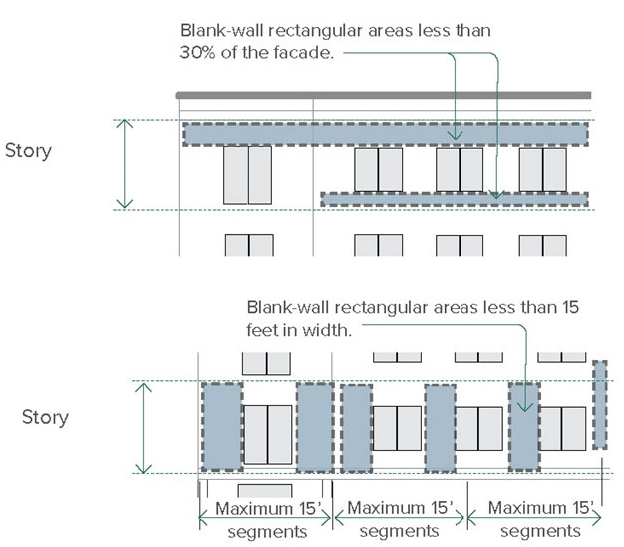
Figure 14-56. Measuring Blank Wall Limitations
(3)
Exception. When the facade of any story is located less than six feet from another parallel building facade, no minimum transparency is required for that story.
(4)
Minimum Ground Story Transparency. When required by the building type tables of Sections 9-14-16 through 9-14-21, B.R.C. 1981, ground story transparency shall be measured between two feet and either eight or ten feet, as specified per building type, from the average grade at the base of the facade. The minimum ground story transparency requirements supersede the minimum transparency required for the building type.
(5)
Mezzanines. Mezzanines shall be treated as a separate story and include the required upper story transparency amounts.
(6)
Tall Stories. Stories that are eighteen feet or taller in height shall include additional transparency consistent with the following standards. Refer to Figure 14-57. Transparency on Tall Stories.
(A)
Separate Ground Story Transparency Required. When a separate minimum ground story transparency is required per the building types requirements of Sections 9-14-16 through 9-14-21, B.R.C. 1981, the facade design shall fulfill that requirement in addition to a minimum of twenty-five percent transparency for the remainder of the ground story.
(B)
No Separate Ground Story Transparency Required. Except on a ground story facade to which a Type A frontage ground story facade transparency requirement applies, a tall story shall be treated as two separate stories, divided in half horizontally, with the minimum transparency per story applied to each half.
(7)
Half Stories. All half stories located within the roof structure and within visible basements are required to meet the minimum required transparency.
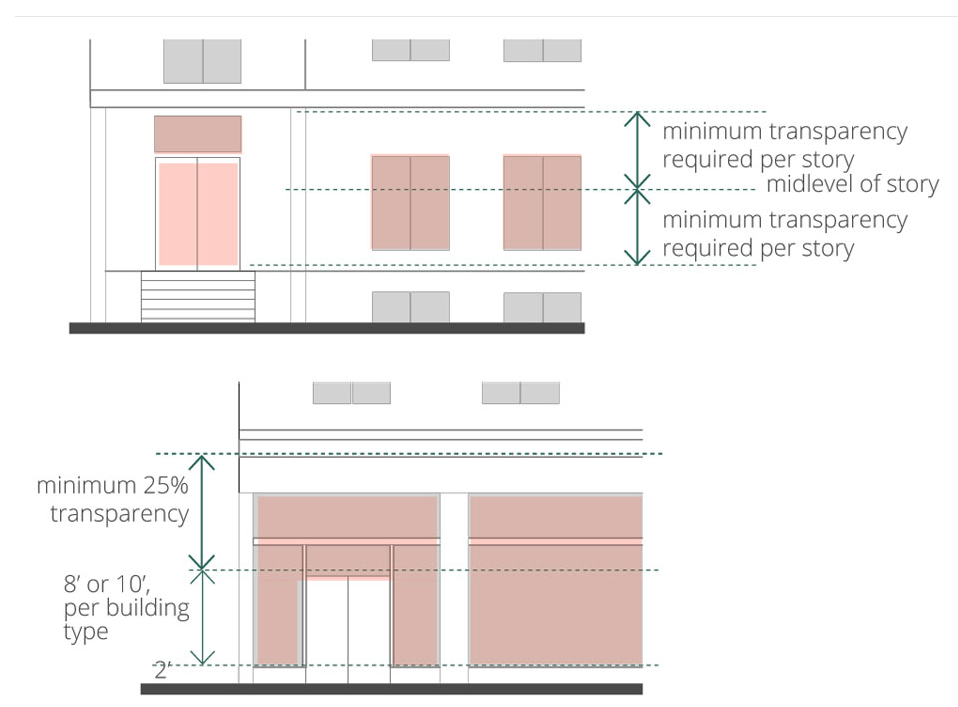
Figure 14-57. Transparency on Tall Stories
(h)
Minimum Number of Required Entrances. Entrances shall be provided consistent with the entrance location and number requirements established for the building type and consistent with Figure 14-58. Number of Required Entrances.
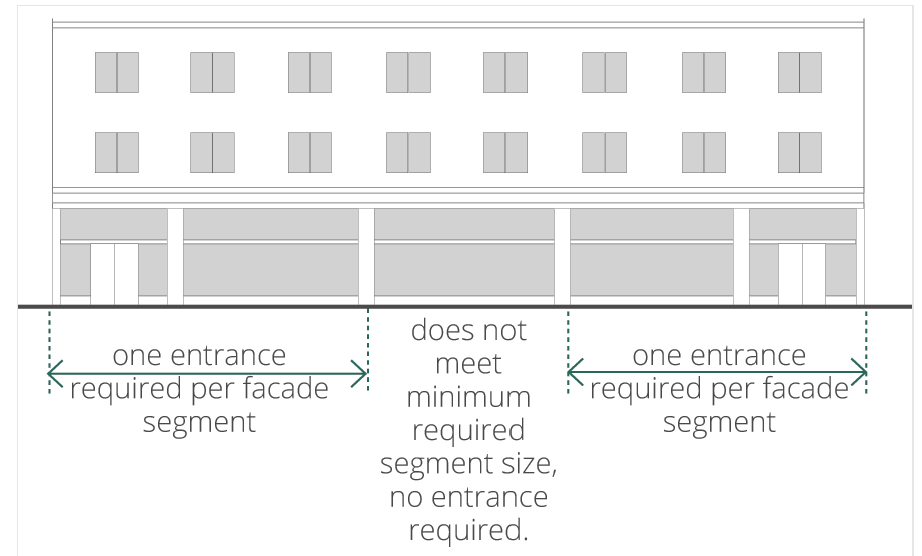
Figure 14-58. Number of Required Entrances
Ordinance No. 8697 (2025)
9-14-27. - Applicability and Intent of Building Design Requirements.
(a)
Intent. The intent of the requirements in Sections 9-14-27 through 9-14-33, B.R.C. 1981, is to implement the vision for the area as defined in adopted plans for the area, create a sense of place and community, elicit simple, honest, high quality, durable buildings of appropriate scale and massing that are visually interesting, aesthetically pleasing, create a sense of permanence, and are human scaled to enhance the pedestrian experience.
(1)
Simple. Simple means the building design is organized and easy-to-comprehend through the use of repetition, regularity, and a clear hierarchy.
(2)
Honest. Honest means the building is easily interpreted by the casual observer. Entrances, floors, and building use are apparent and the form of the building follows the function. The overall bulk and mass of the building clearly represents the structure, spatial layout, and materiality.
(3)
Human-Scaled. Human-scaled means the buildings are scaled to proportions comfortable to people. Typically, human-scaled buildings have smaller building material units, architectural detailing to accentuate building elements, and a predictable rhythm to the facade pattern. This design approach is used particularly on the ground story where people walk adjacent to the building.
(b)
Applicability. The requirements of Sections 9-14-27 through 9-14-33, B.R.C. 1981, establish general building design requirements applicable to all buildings located on a property designated in Appendix L, "Form-Based Code Areas," regardless of the building type. No person shall use or develop land in such areas except in conformance with the requirements of Sections 9-14-27 through 9-14-33, B.R.C. 1981, unless an exception has been granted pursuant to Subsection 9-2-16(i), B.R.C. 1981.
Ordinance No. 8669 (2025)
9-14-28. - Facade Materials.
(a)
Intent. The intent of the facade materials standards of this section is to:
(1)
Provide minimum material standards to ensure use of well-tested, high quality, durable, weather-resistant, exterior grade, preferably natural materials on the majority of finished surfaces, while permitting a wider range of materials for details. High quality materials can improve quality of buildings in that they weather well, have a low failure rate, require a low level of maintenance, and create buildings with a longer life cycle and a sense of permanence;
(2)
Limit the number of facade materials to promote simpler, clearly articulated facades; and
(3)
Encourage a high level of detail from smaller scaled, less monolithic materials in order to relate facades to pedestrians, especially at the ground level.
(b)
Major Materials. The major material requirements of this section may be met only with materials listed as allowed major facade materials in Table 14-8, "Allowed Major Facade Materials," for the relevant form-based code area. See Figure 14-59. Examples of Allowed Facade Materials.
(1)
Type A Frontages. A minimum of eighty percent of each Type A frontage facade, not including window and door areas, shall be composed of major materials, as specified in this section.
(2)
Type B and C Frontages. A minimum of sixty percent of each Type B and C frontage facades, not including window and door areas, shall be composed of major materials, as specified in this section.
(3)
Simplicity of Surface Materials. To meet the major façade materials requirements of this section, a minimum of sixty percent of each Type A, B, and C facade, not including window and door areas, shall be faced of a single major material. In Boulder Junction I and Alpine-Balsam, architectural metal panel systems shall not be used to meet this standard.
(4)
Corners of Buildings. Where Type A, B, or C facades are located perpendicular to a rear, interior side, or rail corridor facade, the major materials on the Type A, B, or C facade shall be continued around the corner along the perpendicular facade for a minimum of thirty feet.
(c)
Prohibited Materials. The materials listed in Table 14-11, "Prohibited Materials," are prohibited on any building facade. See Figure 14-60. Examples of Prohibited Facade Materials.
(d)
Minor Materials. Minor materials may be installed on the remaining facade areas of the building not required to meet major material requirements. Minor materials are materials listed as allowed minor facade materials in Table 14-9, "Allowed Minor Facade Materials," for the relevant form-based code area.
(e)
Details and Accents. Detail and accent materials listed in Table 14-10 may be installed as a detail or accent on any facade. The approving authority may allow other details and accent materials that are similar in quality and durability to those listed in Table 14-10, "Allowed Detail & Accent Materials."
(f)
Solar Panels. Where solar panels are mounted on any facade, any major or minor facade material may be used on that facade, provided the material is not visible through the panels.
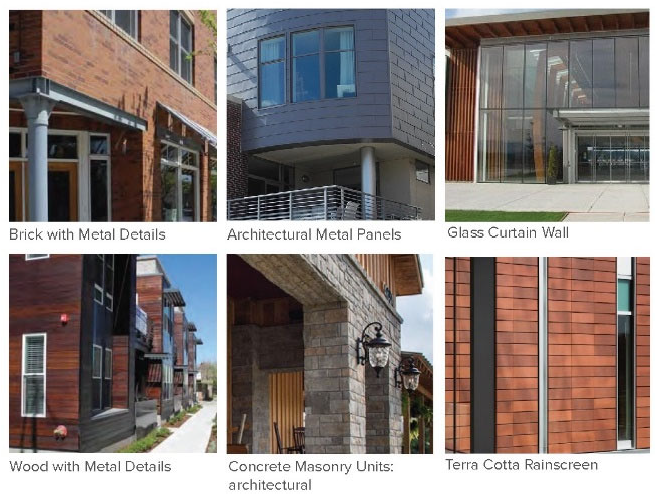
Figure 14-59. Acceptable Materials
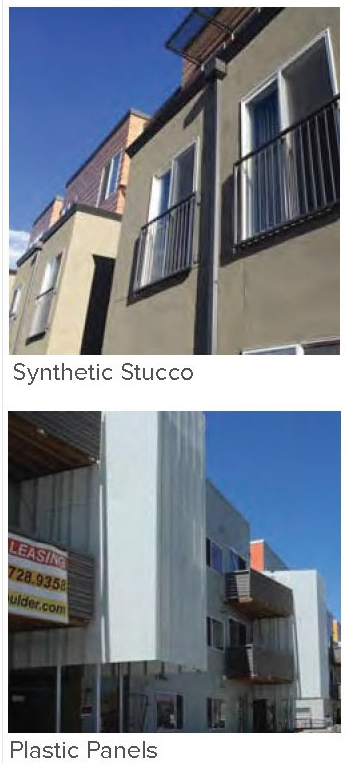
Figure 14-60. Unacceptable Major Materials
(g)
Other Materials with Approval. Materials that are not listed in this section for its proposed application as an allowed major material or allowed minor material may not be installed on any facade unless approved by the approving authority pursuant to this subsection (d).
(1)
The approving authority may approve facade materials that are not listed in this section for its proposed application if the applicant demonstrates the material in its proposed application meets the intent of the facade material standards described in subsection (a) of this section. Samples and examples of successful high quality local installation shall be provided by the applicant.
Ordinance No. 8669 (2025)
9-14-29. - Building Construction Quality.
(a)
Intent. The intent of the building construction quality requirements is to advance the quality of construction, durability, and aesthetics of new buildings, specifically related to application and detailing of facade materials.
(b)
Changes in Material. Changes in vertical surface materials shall meet the following standards:
(1)
Changes in Surface Materials. Changes in surface materials, whether major materials or minor materials, shall occur only at concave corners, where the distance to the next generally parallel facade plane is a minimum of eight inches. Surface materials are materials intended to cover the facade surface (such as unit materials, siding, stucco, panels) and do not include detail materials, such as but not limited to cast stone for lintels or cornices, exposed metal beams, or any material used to create an expression line. See Figure 14-61. Diagram of Allowable Changes in Surface Materials.
(2)
Materials Hierarchy. Unit materials shall be elevated from the face of the building above less detailed, surface materials. For example, stucco, as a constant surface material, shall be recessed behind a bricked surface.
(3)
Shadow Lines on Surfaces. Shadow lines shall be created with solid materials of a depth that is greater than two inches, such as cast stone, masonry, or stone. For example, cast stone pieces may be offset to create a shadow, where the convex corner of the piece is used to create the corner of the detail.
(c)
Appropriate Grade of Materials. Except on row buildings, all doors, windows, and hardware shall be of commercial quality.
(d)
Applique Materials. Materials with thickness of less than two and a half inches, including but not limited to stucco, shall not be used or formed to create expression lines.
(e)
Stucco Installation. Stucco, when allowed, shall be of the highest installation quality, meeting the following criteria:
(1)
Contractor Submittal. The contractor utilized for installing the stucco shall have a minimum of five years' experience with a minimum of at least thirty projects. The applicant shall submit as part of the design review application the contractor name, address, experience level, including years and number of projects, and examples of installations within the last five years. Examples of installation shall be of high-quality installations meeting the requirements of this subsection (e).
(2)
Jointing. All stucco joints shall be aligned along the facade in the pattern shown on the elevations submitted for the design approval. Joints shall also align with the locations of windows and doors and other changes in material.
(3)
Construction. The stucco wall assembly shall be indicated on the plans specifying stucco type and construction.
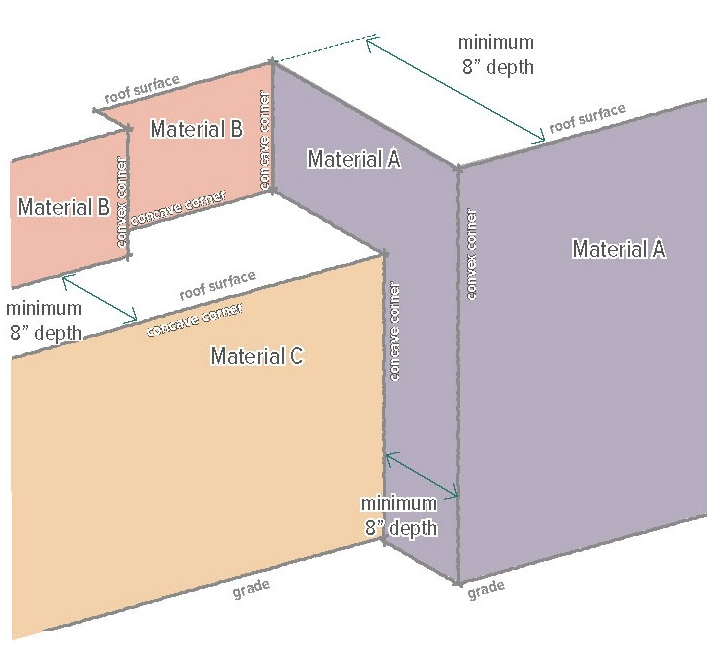
Figure 14-61. Diagram of Allowable Changes in Surface Materials
Ordinance No. 8669 (2025)
9-14-30. - Building Articulation.
(a)
Intent. The intent of this section is to require building design that achieves balanced and articulated building composition, a perceived intimate scale of buildings, and pedestrian interest.
(b)
Articulation of the Base. With the exception of entryways, the ground story of a building with a required storefront pursuant to Section 9-14-6 "Regulating Plans," B.R.C. 1981, shall not be recessed more than eighteen inches from the second story facade.
(c)
Building Facade Variety. See Figure 9-14(52). Illustrations of Building Massing and Articulation. All buildings 120 feet in width or greater along any Type A, B, or C frontage shall fulfill the following requirements:
(1)
Increments. Each Type A, B, or C frontage facade shall be varied in segments less than or equal to ninety feet.
(2)
Requirements. Each facade segment shall vary by the type of dominant material or by color, scale, or orientation of that material, and by at least two of the following:
(A)
The proportion of recesses and projections, within the frontage setback.
(B)
The location of the entrance and window placement, unless storefronts are utilized.
(C)
Roof type, plane, or material, unless otherwise stated in the building type requirements.
(D)
Building heights.
(3)
Alternative Method of Compliance. The reviewing authority may approve a facade design that does not meet requirements of this subsection (c) if the applicant demonstrates that the proposed design achieves the intent of the building articulation requirements of this section without meeting the building facade variety requirements. The applicant shall submit fully rendered elevations and 3-dimensional drawings of all streets, paseo and multi-use path facades with materials samples for all surfaces to demonstrate that the intent of this section is met.
Ordinance No. 8669 (2025)
9-14-31. - Building Massing.
(a)
Intent. The goals of the building massing standards are to ensure an appropriate perceived scale of buildings from the public ways — breaking up large buildings in a simple way to ensure a human-scaled place and to provide a high level of permeability to all blocks.
(b)
Buildings over Forty Feet in Height. See Figure 14-52. Illustrations of Building Massing and Articulation. With the exception of the civic building in Alpine-Balsam, any building of the project over forty feet in height and not utilizing a pitched cap on at least sixty percent of the roof shall meet the following standards:
(1)
Varied Building Heights. A minimum of thirty percent of the total footprint of all buildings combined on the site shall be at least one story lower than the tallest portion of the building footprint, not including towers.
(A)
Along Type A Frontages. A portion of the lower height shall occur along at least one Type A frontage.
(B)
Stepped-Back Facade. The requirement for varied building heights in paragraph (b)(1), above, shall not be met by a linear stepping-back of the facade along the top story, but shall constitute a change in massing of the building.
(C)
Pitched Roofs. The lower height area may include a pitched roof with or without a half story beneath. The half-story may not exceed 65% of the floor area of each of the stories below the half-story.
(D)
Terraces. Roof areas on lower-height portions of buildings may be occupied by roof terraces; however, areas of the terraces covered by permanent roof structures do not count as a lower story for the purposes of this requirement.
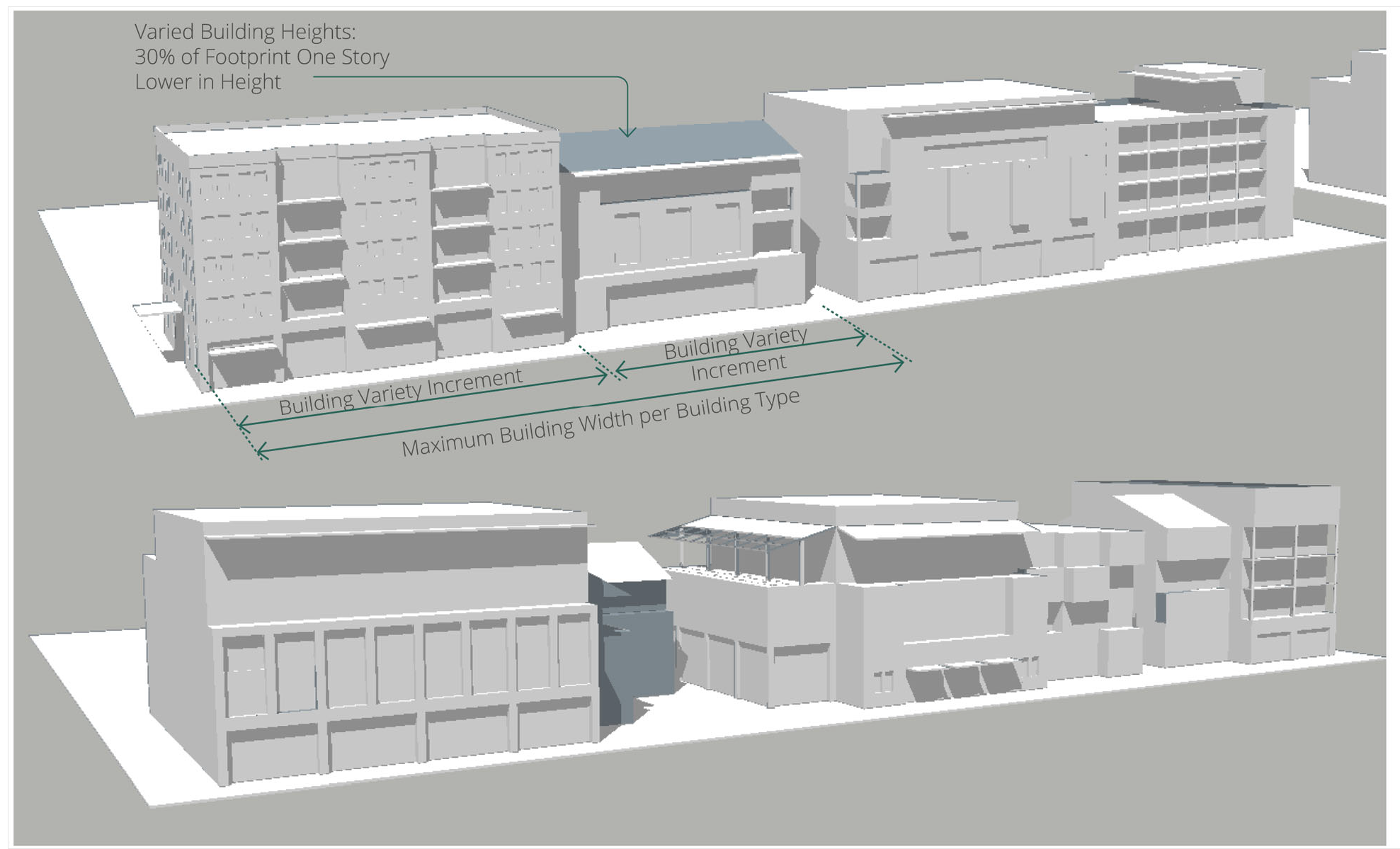
Figure 14-62. Illustrations of Building Massing and Articulation
Ordinance No. 8669 (2025)
9-14-32. - Building Facade Elements.
(a)
Windows. Windows on all buildings shall be constructed consistent with the following requirements:
(1)
Amount. Each building shall meet the transparency requirements applicable to the building type pursuant to Sections 9-14-16 through 9-14-21, B.R.C. 1981.
(2)
Recessed. All windows, with the exception of ground story storefront systems, shall be recessed with the glass a minimum of two inches back from the facade surface material or adjacent trim.
(3)
Vertically Oriented. All windows on Type A, B, and C frontage facades shall be vertically oriented unless the following standards are met:
(A)
Upper Stories. Horizontally oriented windows may be used for up to thirty percent of the total transparency area of each upper story.
(B)
Window and Height Location. Horizontally oriented windows may be used if the height of at least seventy-five percent of the windows is a minimum of five feet, and the windows are located no more than three feet above the interior floor level.
(4)
Visibility Through Glass. Reflective glass is prohibited on Type A, B, and C frontage facades. Windows shall meet the transmittance and reflectance factors established in the transparency definition of Section 9-14-8 "Definitions," B.R.C. 1981.
(5)
Expressed Lintels. Lintels shall be expressed above all windows and doors by a change in brick coursing or by a separate element. See Figure 14-63. Vertically Oriented Windows with Expressed Lintels.
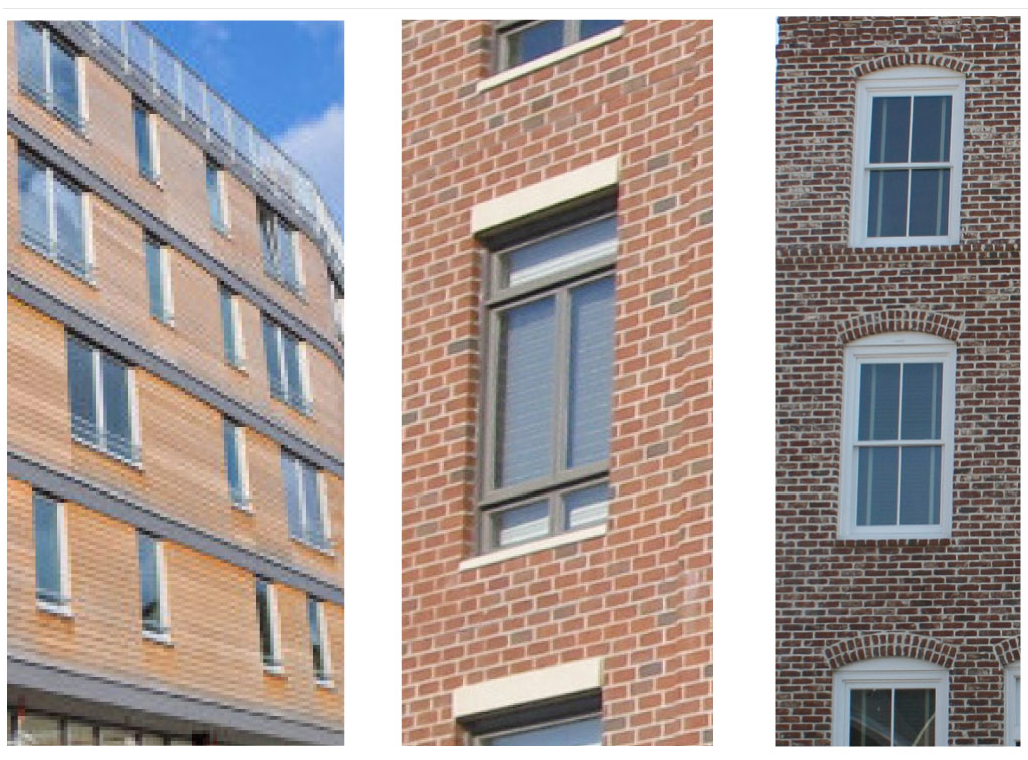
Figure 15-63. Vertically Oriented Windows with Expressed Lintels
(b)
Awnings, Canopies, & Light Shelves. On Type A, B, and C frontage facades, awnings, canopies, and light shelves shall be constructed consistent with the requirements of this subsection. See Figure 14-64. Examples of Permitted Awnings.
(1)
Encroachment. Awnings, canopies, and light shelves shall not extend into a city right-of-way or easement except consistent with the requirements of Section 8-6-6, "Requirements for Revocable Permits, Short-Term Leases and Long-Term Leases," B.R.C. 1981.
(2)
Attached Awnings & Canopies. Awnings and canopies that are attached to the building and could be removed shall meet the following standards:
(A)
Material. Plastic awnings are prohibited.
(B)
Solar Panels. Solar awnings or canopies are allowed.
(C)
Lighting. Backlit awnings are prohibited.
(D)
Structures. support poles are prohibited unless utilized for outdoor eating areas over eight feet in depth.
(E)
Multiple Awnings on the Facade. When more than one awning is mounted on a facade, the awning types and colors shall be coordinated by matching the color, shape, material, or other element.
(3)
Canopies & Light Shelves. Permanent canopies, projections, or overhangs used as architectural features, light shelves, or shading devices are permitted, subject to materials standards of Section 9-14-28, "Facade Materials," B.R.C. 1981.
(4)
Clearance. All portions of any awning, canopy, or light shelf shall provide at least eight feet of clearance over any walkway and shall not extend over any driveway.
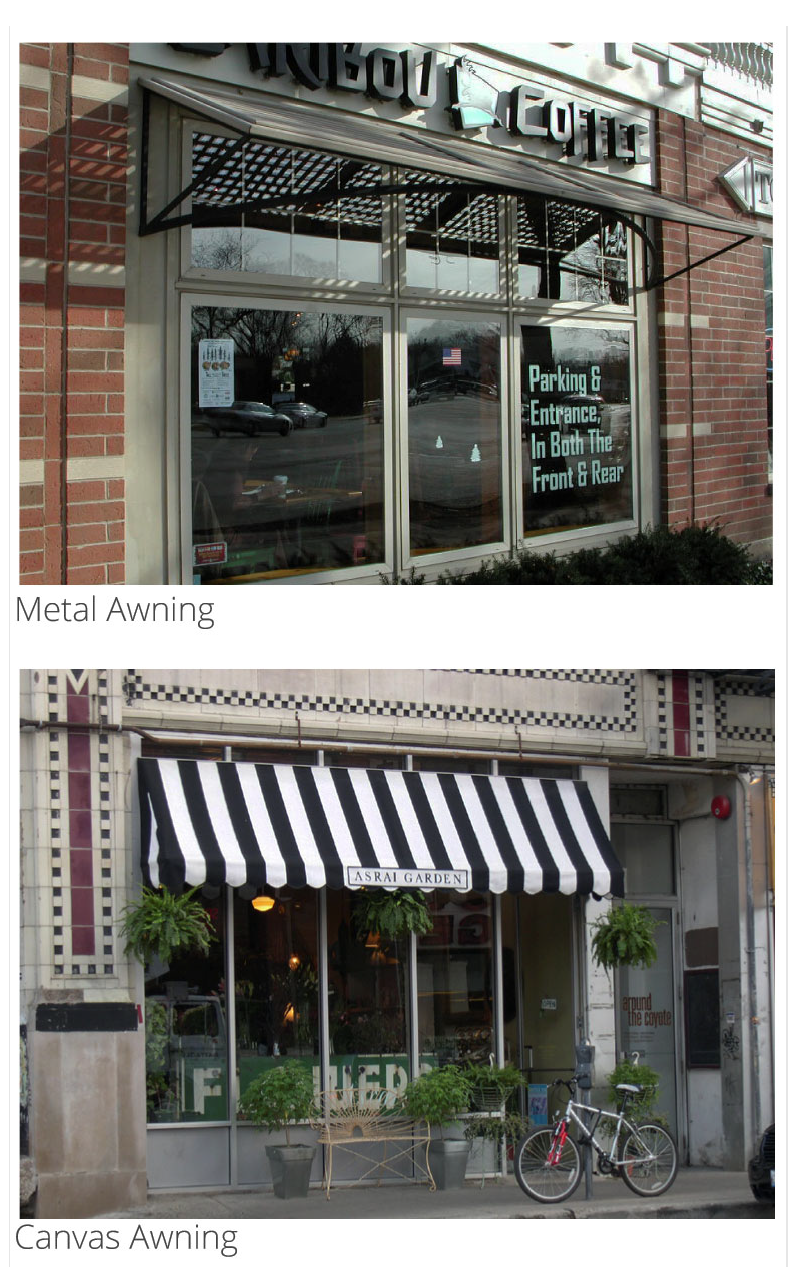
Figure 14-64. Examples of Permitted Awnings
(c)
Balconies. On a Type A frontage facade, any balconies shall meet the requirements of this subsection (c), and false balconies are prohibited. On Type B and Type C frontage facades, any balconies shall meet the requirements of this subsection (c) or be false balconies. See Figure 14-65. Examples of Balconies.
(1)
Balcony Requirements. Balconies shall meet the following:
(A)
Definition. For the purpose of this subsection (c), balconies shall include any roofed or unroofed platform that projects from the wall of a building above grade and is enclosed only by a parapet or railing.
(B)
Size. Balconies shall be a minimum of four feet deep and five feet wide.
(C)
Integrated Design. The balcony shall be designed to be integrated with the building facade through techniques that may include, without limitation, structural integration, minimal protrusion, facade articulation, material consistency, and color consistency. Separate columns or posts supporting any balcony from the ground are prohibited.
(D)
No Drip-through Decks. Drip-through decks are prohibited.
(E)
Platform. The balcony platform shall be at least three inches thick. Any underside of a balcony that is visible from any public way shall be finished.
(F)
Facade Coverage. No more than forty percent of Type A and Type B frontage facades, calculated separately for each facade, may be covered by balconies. The balcony area is calculated by drawing a rectangle around the platform or floor of the balcony, any columns or indentations, and any ceiling, roof, or upper balcony.
(2)
False Balconies. False balconies consist of a rail and door, and any outdoor platform less than eighteen inches in depth. The requirements of paragraph (1) of this subsection (c) do not apply to false balconies.
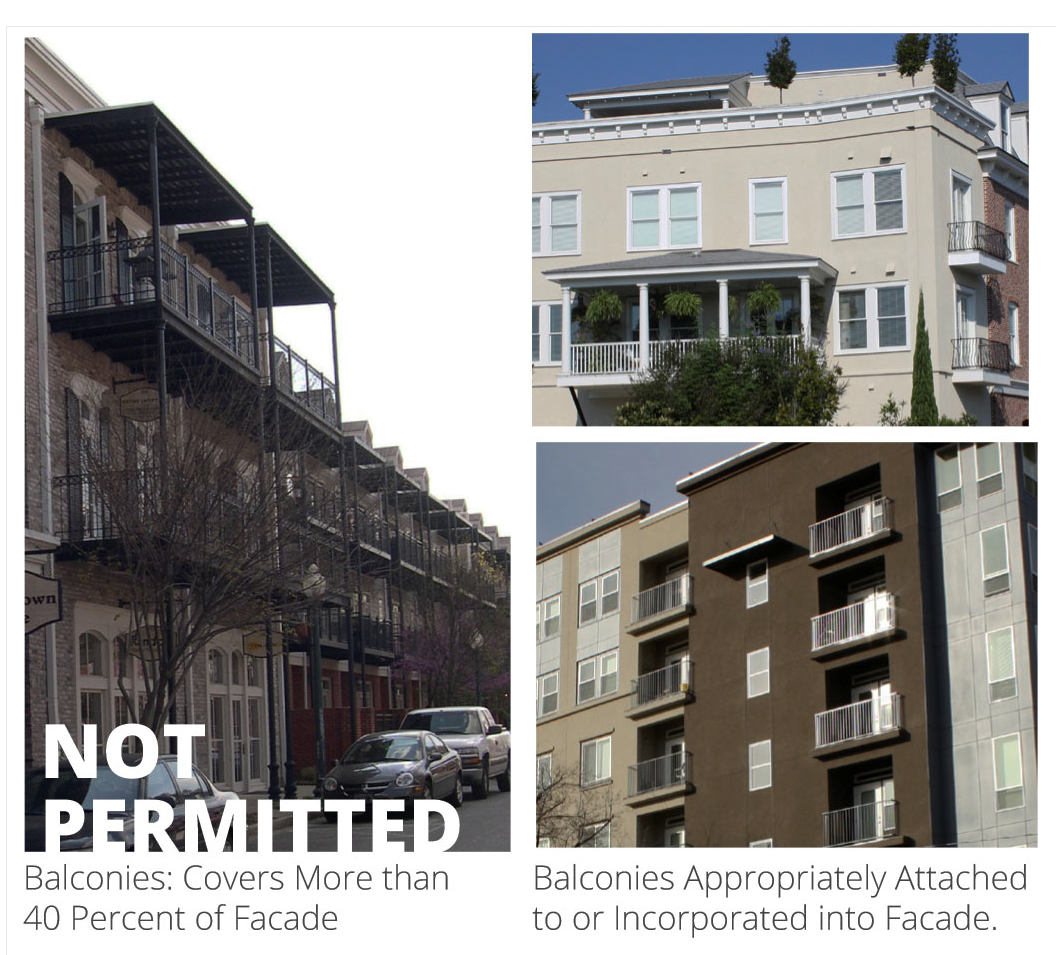
Figure 14-65. Examples of Balconies
(d)
Shutters. If included in the design, shutters, whether functional or not, shall meet the following requirements:
(1)
Size. All shutters shall be sized for the windows, so that, if the shutters were to be closed, they would not be too small for complete coverage of the window.
(2)
Materials. Shutters shall be wood, metal, fiber cement, composite wood, or high-pressure laminate (HPL). Vinyl shutters are prohibited. Other "engineered" materials may be approved provided that the applicant submits a sample and examples of high quality, local installations of the material, installed a minimum of five years earlier and showing no degradation or wear of the material.
(e)
Principal Entryway. See Figure 14-66. Examples of Defined Principal Entryway. Principal entrances to buildings or units, with the exception of ground story storefront systems, are subject to the following:
(1)
Principal entrances shall be clearly delineated through at least two of the following design features:
(A)
Cap or Canopy. The entryway is covered by a cap or canopy differentiating it from the overall building cap.
(B)
Porch. The entryway is through a porch.
(C)
Sidelights and Transom. Sidelights or transom windows are included around the entryway.
(D)
Lighting Feature. The entrance is lit with a sculptural lighting feature or other unique lighting system visible during daylight.
(E)
Sculpture or Mural. The entryway is defined by a special art feature, either a sculpture or mural.
(F)
Extended Articulation. The entryway is included in a separate bay of the building that extends up at least two stories.
(2)
Other Design. The approving authority may approve a design that does not meet the standards of this subsection if the authority finds that the design adds emphasis and draws attention to the entryway.
(3)
Right-of-Way. Doors shall not swing into city right-of-way or easement.
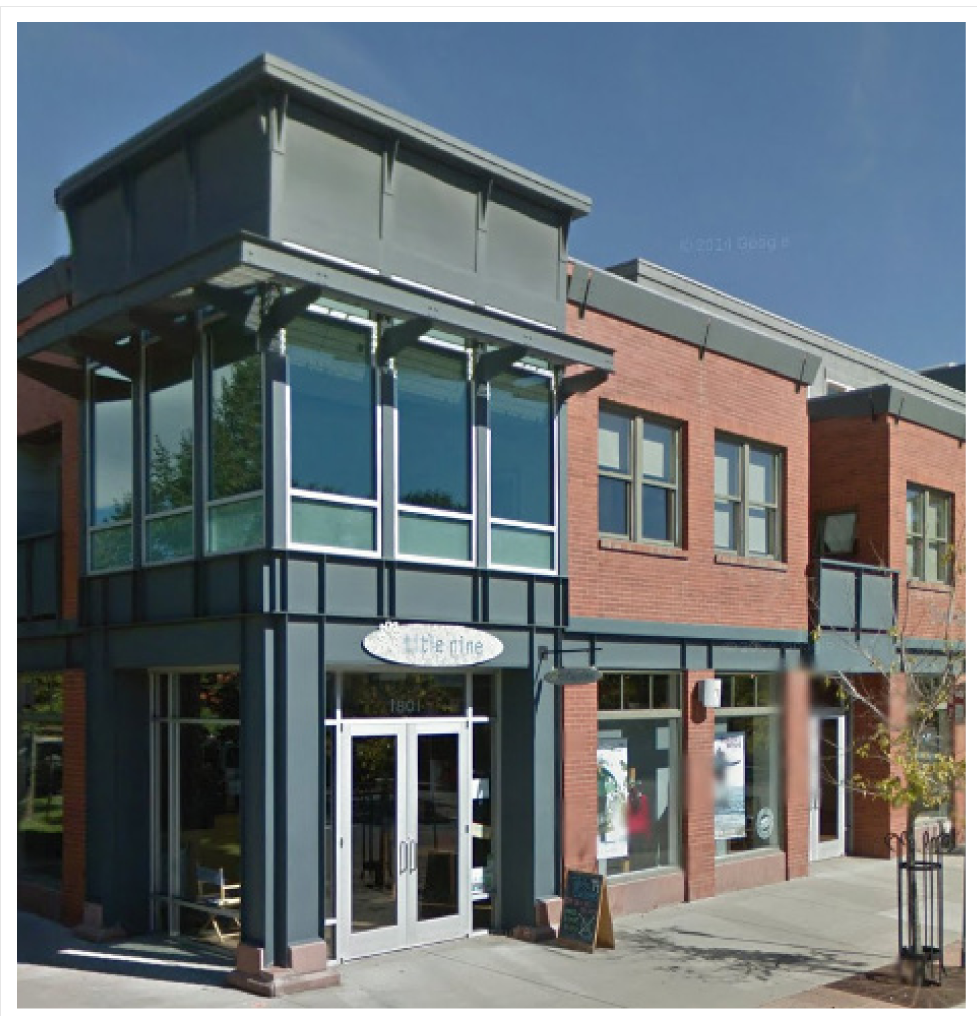
Figure 14-66. Examples of Defined Principal Entryway
Ordinance No. 8669 (2025)
9-14-33. - Mechanical and Utility Equipment.
(a)
Intent. Mechanical equipment and utility equipment can have a negative visual impact and detract from the quality of the design of a building. The purpose of the standards of this section is to ensure that the visual impact of mechanical and utility equipment is minimized.
(b)
Mechanical Equipment in Building. Mechanical equipment shall be located within the building, unless the applicant demonstrates the equipment is necessary for the function of the building and locating the equipment within the building would conflict with the equipment's function or present a health and safety risk to the occupants of the building. If the mechanical equipment is necessary for the function of the building and locating it within the building would conflict with its function or present a health and safety risk to building occupants, the equipment may be located on the rooftop, on facades, or on horizontal surfaces consistent with the standards of this section.
(c)
Rooftop Mechanical Equipment. In addition to the meeting the requirements of Section 9-7-7, "Building Height, Appurtenances," B.R.C. 1981, any rooftop mechanical equipment, including without limitation vents, ventilators, skylights, and antennas, and excluding solar energy and wind energy conversion systems, shall meet the following standards:
(1)
Rooftop mechanical equipment shall be located consistent with one of the following methods:
(A)
Incorporate equipment into the roof design consistent with the applicable standards of Section 9-14-25, "Cap Types," B.R.C. 1981.
(B)
Set the equipment back a minimum of twenty feet from any Type A or B frontage facade.
(d)
Mechanical Equipment on Facades. Mechanical equipment shall not be located on a facade unless the applicant demonstrates that locating the equipment in a different location would conflict with the equipment's function. Any mechanical equipment on a facade, such as dryer vents, gas meters, and air conditioners, shall be located consistent with the following standards:
(1)
Facade. The mechanical equipment may be located on a non-Type A frontage facade. The equipment and appurtenances may be located on a Type A frontage facade only if the following requirements are met:
(A)
The equipment is located on a surface perpendicular to any right-of-way;
(B)
The equipment extends from the facade surface no more than three inches; and
(C)
The equipment is screened from the sidewalk.
(2)
Alignment. Multiple pieces of mechanical equipment shall be organized on the facade in a regular pattern and aligned. Compliance with this standard shall be illustrated on the drawing elevations submitted as part of the application.
(3)
Material Coordination. To the extent practicable, facade-mounted mechanical equipment shall be located on a material that limits their visibility. For example, dark colored vents will be more visible on light colored stucco than a textured, darker surface such as brick.
(4)
Screening. Mechanical equipment shall be screened from view unless the approving authority finds that such screening conflicts with the function of the equipment. The form, material, and color of the screening shall meet the following criteria:
(A)
Screening, other than landscaping, is consistent with the building design, colors, and materials;
(B)
The equipment is placed where it is least visible from adjacent streets;
(C)
The height of any screen is the minimum appropriate to adequately screen the mechanical equipment; and
(D)
Screening does not increase the apparent height of the walls of the building.
(5)
No encroachment. Mechanical equipment shall not extend into any public right-of-way or easement.
(e)
Mechanical and Utility Equipment on Other Horizontal Surfaces. Mechanical equipment and utility equipment located on the ground, decks, or horizontal surfaces other than the roof, such as, but not limited to, electrical equipment and air conditioners, shall be located consistent with the following standards:
(1)
All equipment may be located in the parking yard or a Type B Street yard.
(2)
Equipment may be located in a side yard provided the side yard does not contain or abut a paseo.
(3)
All equipment shall be screened from view from any public way with landscaping, fencing, or walls consistent with the building design, colors, and materials.
(4)
The reviewing authority may approve mechanical or utility equipment to located on a Type A street or on a paseo only if the following conditions are met:
(A)
The applicant demonstrates that the equipment cannot be located in a parking yard, Type B Street yard, or in a side yard that does not contain a paseo.
(B)
The equipment is fully screened with a wall that is consistent with the building design, colors, and materials and of a height that is the minimum to adequately screen the equipment and that does not prevent the facade from fulfilling any transparency requirements.
Ordinance No. 8669 (2025)

