Zoneomics Logo
search icon

Brownsville City Zoning Code

4.5

Building types.

4.5.1 - Purpose.

This Section sets forth the standards applicable to the development of each building type. These standards supplement the standards for each zone that the building types are allowed within. These standards are intended to ensure development that reinforces the highly-valued existing character and scale of Brownsville's historic neighborhoods and downtown.

4.5.2 - Applicability.

A.

The requirements of this Section shall apply to all proposed development with Traditional and Form-based Zoning Districts in Section 4.3.3, and shall be considered in combination with the standards for the applicable zones.

B.

Civic Buildings shall meet the standards in Section 4.3.3 for setbacks, height, facade buildout, and parking location.

4.5.3 - Building Types Overview.

A.

This Subsection provides an overview of the allowed building types. The names of the building types are not intended to limit uses within a building type. For example, a detached house may have nonresidential uses within it, such as a restaurant or office.

B.

The lot size standards for each building type is set in the Zoning District Standards in Section 4.3.3. The lot size established in Section 4.3.3 by Zoning District allows a range of lot sizes that the given building type. If the lot is smaller than the allowed lot size, a different building type shall be selected.

C.

Each lot shall only have one building type, except as follows:

1.

Where allowed by the zoning district standards, one Accessory Building is also allowed; and/or

2.

More than one building type is allowed on a lot if the submitted building permit application includes a plan to subdivide the parcel meeting all the requirements of this Ordinance.

D.

Secondary wings and accessory structures shall have a smaller footprint, a narrower width, and a depth not greater than the main building.

E.

Table 4.5-1. Building Types (General) provides an overview of building types.

F.

Table 4.5-2. Building Features provides for circumstances in which certain features may partially encroach within the designated front and side yard setbacks.

G.

Sections beginning with 4.5.4 Building Types Established provides detailed design criteria for each Building Type.

4.5.4 - Building Types Established.

A.

The following building types are hereby established in Table 4.5-1. Building Types (General), further described in the subsections below:

Table 4.5-1. Building Types (General)

ILLUSTRATION BUILDING TYPE DESCRIPTION
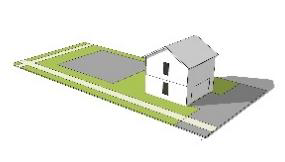
Accessory Building
A small self-contained structure located on the same lot as a detached house but physically separated. It may be used as a complete, independent living facility, with provisions for cooking, sanitation and sleeping or for a residential garage or for both.
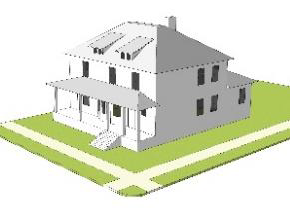
House
A medium to large detached single-family structure typically located within a primarily single-family residential neighborhood. If located within a walkable neighborhood, this building type may vary in size within the neighborhood. Larger houses may be located on proportionally larger lots.
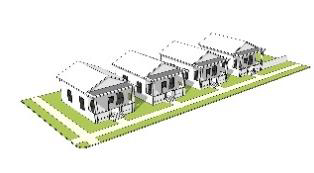
Cottage Row
A series (at least 3 and no more than 6) small, detached structures located on one lot or divided into individual lots, arranged in a row on blocks adjacent to the Downtown Edge, Traditional Neighborhood Mixed Use or Traditional Neighborhood Corridor zones. This type is appropriately scaled to fit within primarily single-family neighborhoods and is important for providing affordability and a broad choice of housing types that promote walkability
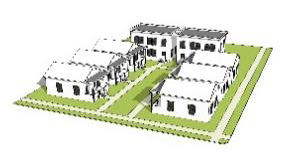
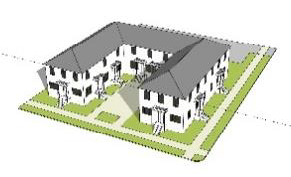
Cottage Court
A series of small, detached structures located on one lot or divided into individual lots, arranged to define a shared court that is typically perpendicular to the street. The shared court takes the place of a private open space and becomes an important community-enhancing element. This type is appropriately scaled to fit within primarily single-family neighborhoods and is important for providing affordability and a broad choice of housing types that promote walkability
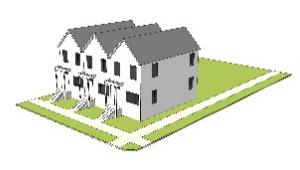
Townhouse
A collection of narrow to medium sized attached buildings that consists of side-by-side units on individual lots with individual entries facing the street. This type is typically located within medium density neighborhoods or in a location that transitions from a primarily single-family neighborhood into a neighborhood main street. This type enables appropriately-scaled, well-designed higher densities and is important for providing a broad choice of housing types that promote walkability. Also called a rowhouse or brownstone.
Live/Work
A small to medium-sized attached or detached structure that consists of a flexible space used for artisan, studio, service, or retail uses, and a residential unit above and/or behind (similar to a Townhouse). This type is appropriate for providing affordable and flexible mixed-use space for incubating neighborhood-serving retail and service uses, artists and other craftspeople. It is especially appropriate for incubating neighborhood serving commercial uses and allowing neighborhood main streets to expand as the market demands.
Courtyard Building
Multi-family residential units or commercial uses or a combination of uses arranged around a central courtyard open to the facing street. Commercial and residential units may be in stacked units, townhouses, or both. This type enables appropriately-scaled, well-designed higher densities and is important for providing affordability and a broad choice of housing and development types that promote walkability.
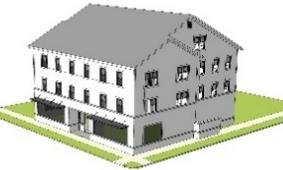
Apartment
A multi-family residential only structure consisting of a number of dwelling units arranged side by side and stacked on multiple floors. Unit types may be either single level (flats) or multi-floor (townhouse).
Flex-Use Building
A building type that typically may accommodate any use on any floor including retail, office or commercial, or residential uses at a scale that complements the existing residential character of the area.
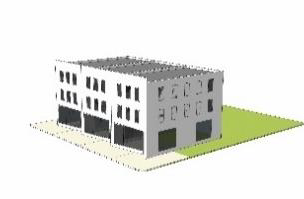
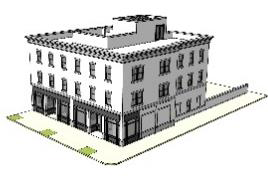
Mixed-Use Building
A building type that typically accommodates ground floor retail, office or commercial uses with upper-story residential or office uses. Also called general mixed-use, attached storefronts and perimeter shopfronts.
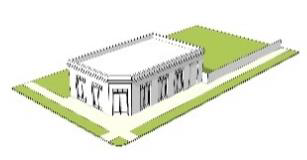
Corner Commercial Building
A building type that is typically a neighborhood commercial building located at street intersections and accommodating a range of neighborhood serving retail, restaurant, office, or service uses. Also known as a corner bakery or bodega building.
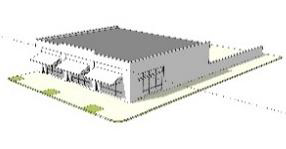
General Commercial Building
A larger commercial building type that typically accommodates retail, restaurant, office or other commercial uses serving the surrounding community or region.
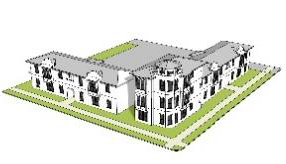
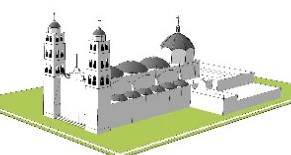
Civic
A medium to large sized attached or detached building designed to stand apart from its surroundings due to the specialized nature of its public or quasi-public function for public assembly and activity. Examples include libraries, churches, courthouses, schools, centers of government, performing arts, and museums which are often the most prominently sited and architecturally significant structures in a community.


B.

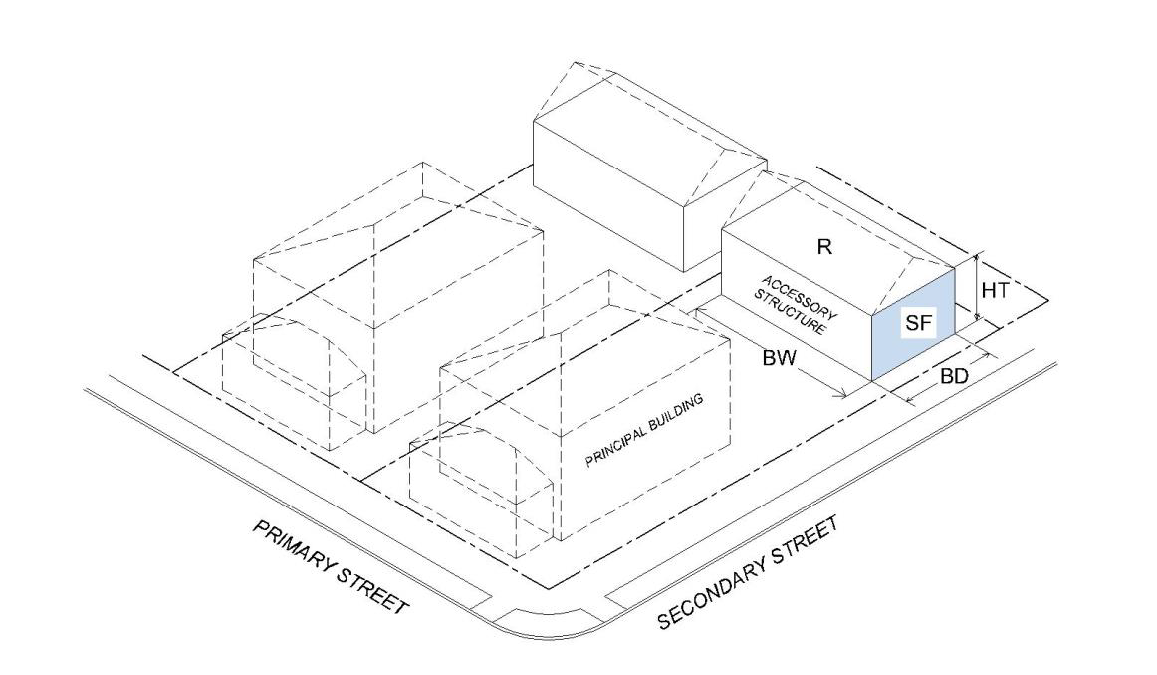
Accessory structure.

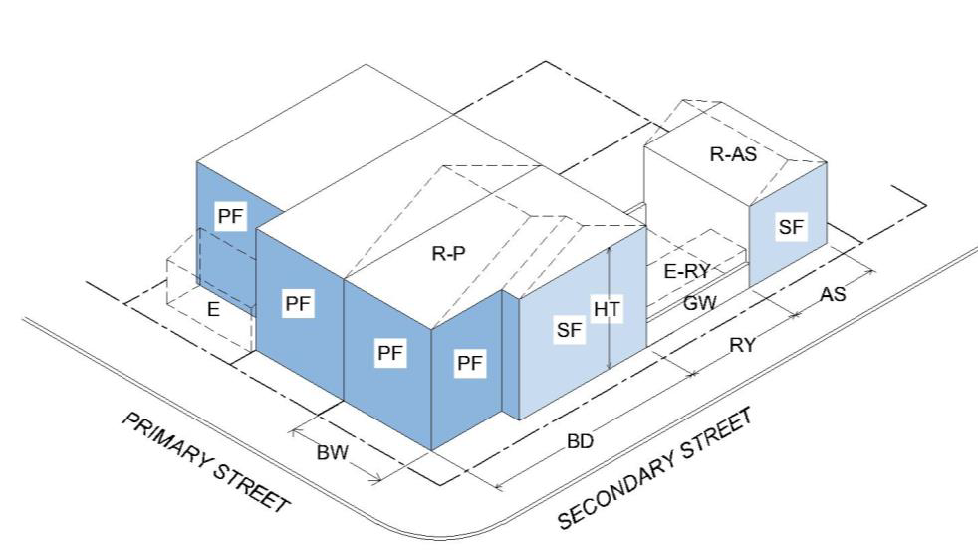
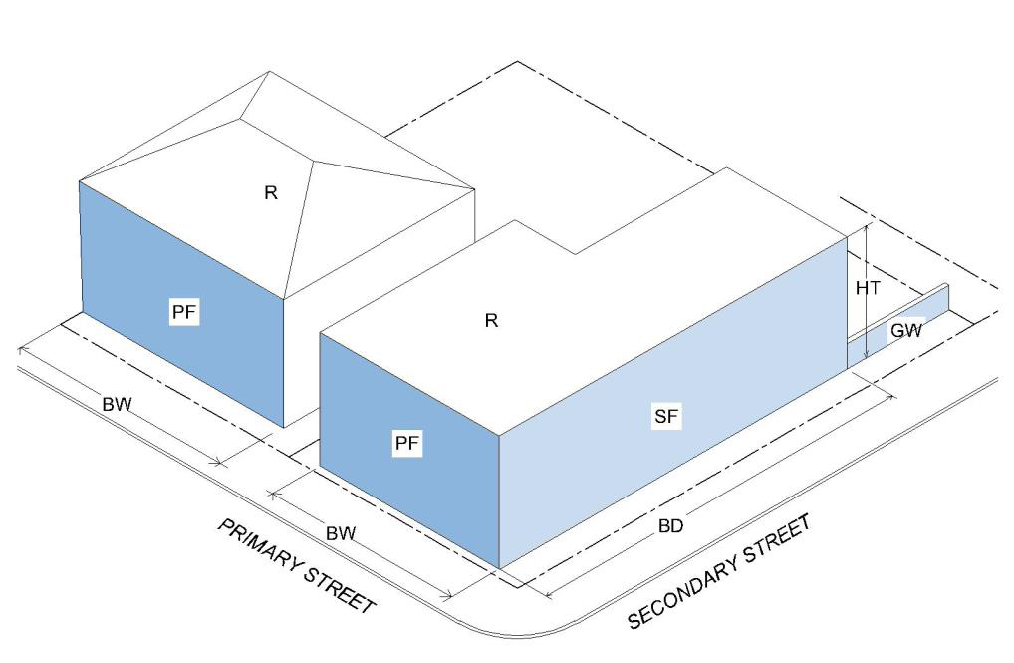
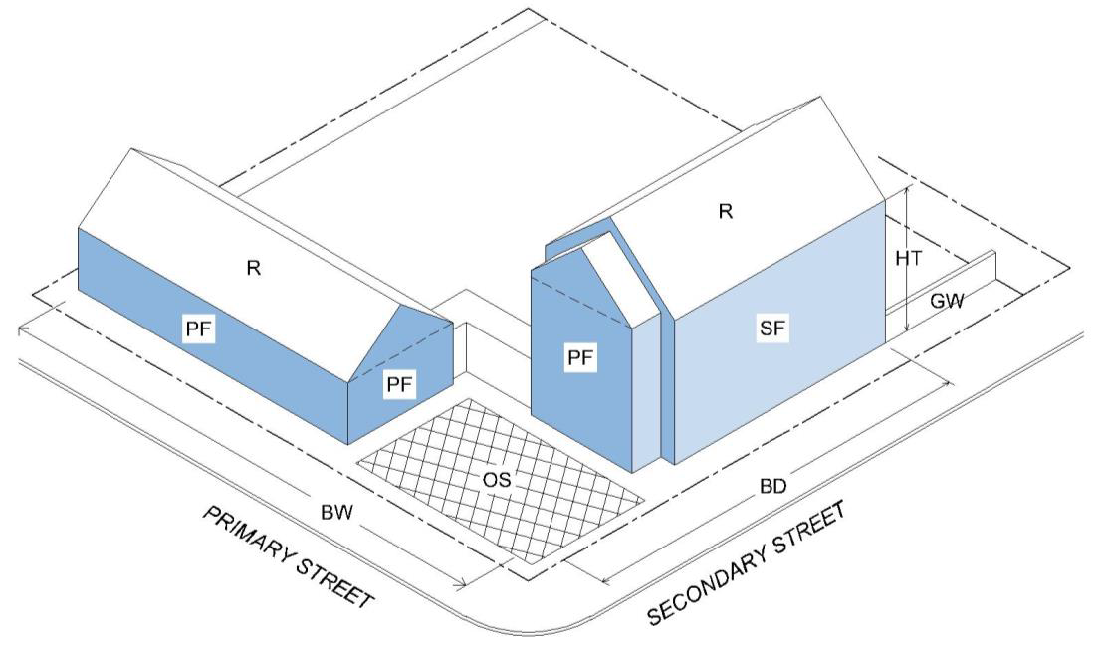
BUILDING MASS
BW Max. Building Width Same as principle building'
BD Max. Building Depth 28'
HT Max. Building Height 2 Stories/30'
ENCROACHMENTS
Side yard encroachments per Building Features


DWELLING UNITS
Total number of dwelling units per lot determined by allowable density per zone. See 4.3 Zoning Districts
FACADE ELEMENTS
SF Secondary Street Facade—one window
or door having min. area facing street
15 SF
BUILDING FEATURES:
Facade facing street may have any building features permitted for the principal building.
ROOF TYPES
Hip, gable, reverse gable, parapet (Mission Style only)
FENCE
Not Applicable


BUILDING MATERIALS
BUILDING COMPONENT PERMITTED MATERIALS
EXTERIOR WALLS Lap wood siding, brick, stucco, cementitious fiber board
ROOF Standing seam metal, Asphalt Shingle (medium to light gray
color), clay barrel tile
Not applicable to roofs behind parapets
WINDOWS
Applicable to all primary and secondary facades
(PF and SF
)
Wood, aluminum clad, vinyl clad
SPECIAL REQUIREMENTS
Not Applicable


C.

Detached residential building (House).
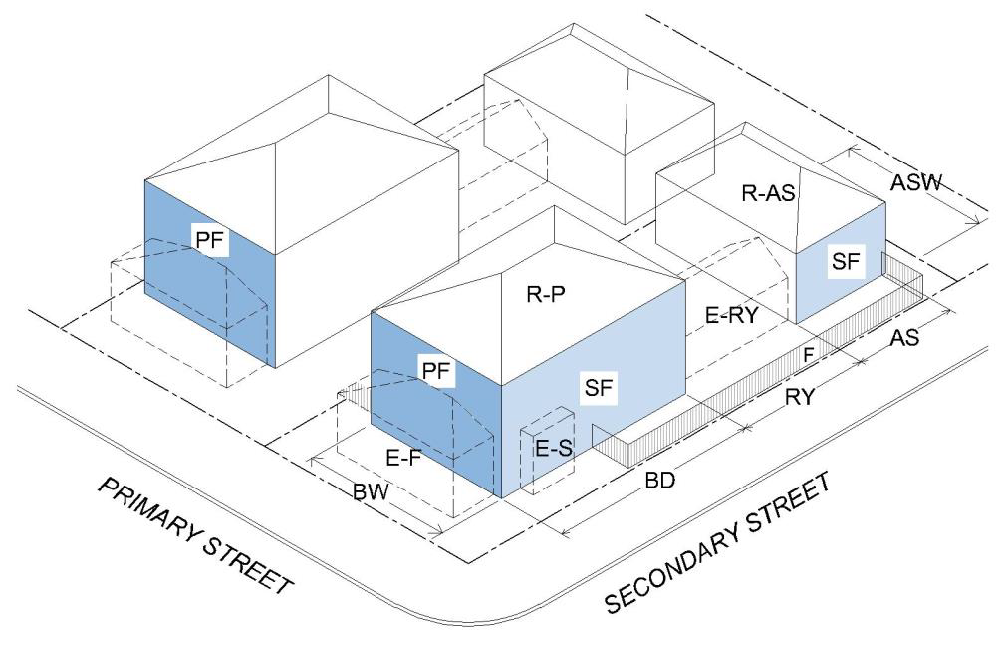
BUILDING MASS
BW Max. Building Width 40'
BD Max. Building Depth 50'
HT Max. Building Height 2 Stories/30'
RY Min. Rear Yard 15'
ASD Accessory Structure Depth 28'
ASW Accessory Structure Width Same as BW
ENCROACHMENTS
E-RY Rear Yard Encroachment—as a
percentage of required Rear Yard
area (RY x Lot Width)
Max. 30% 1-Story / 15'
Front and side yard encroachments per Building Features


DWELLING UNITS
Total number of dwelling units per lot determined by allowable
density per zone. See 4.3 Zoning Districts
FACADE ELEMENTS
PF Primary Street Facade -Min-Max. % Fenestration 20% (min)
SF Secondary Street Facade—Min-Max. % Fenestration 10% (min.)
BUILDING FEATURES:
Front Porch, Gallery, Stoop
ROOF TYPES
Hip, gable, reverse gable, parapet (Mission Style only)
FENCE
Privacy fence allowed along the side and rear
property lines, but not in the front yard
5-6' high min.


BUILDING MATERIALS
BUILDING COMPONENT PERMITTED MATERIALS
EXTERIOR WALLS Lap wood siding, brick, stucco, cementitious fiber board
ROOF Standing seam metal, Asphalt Shingle (medium to light
gray color), clay barrel tile
Not applicable to roofs behind parapets
WINDOWS
Applicable to all Primary and Secondary Facades
(PF and SF)
Wood, aluminum clad, vinyl clad
SPECIAL REQUIREMENTS
Not Applicable


D.

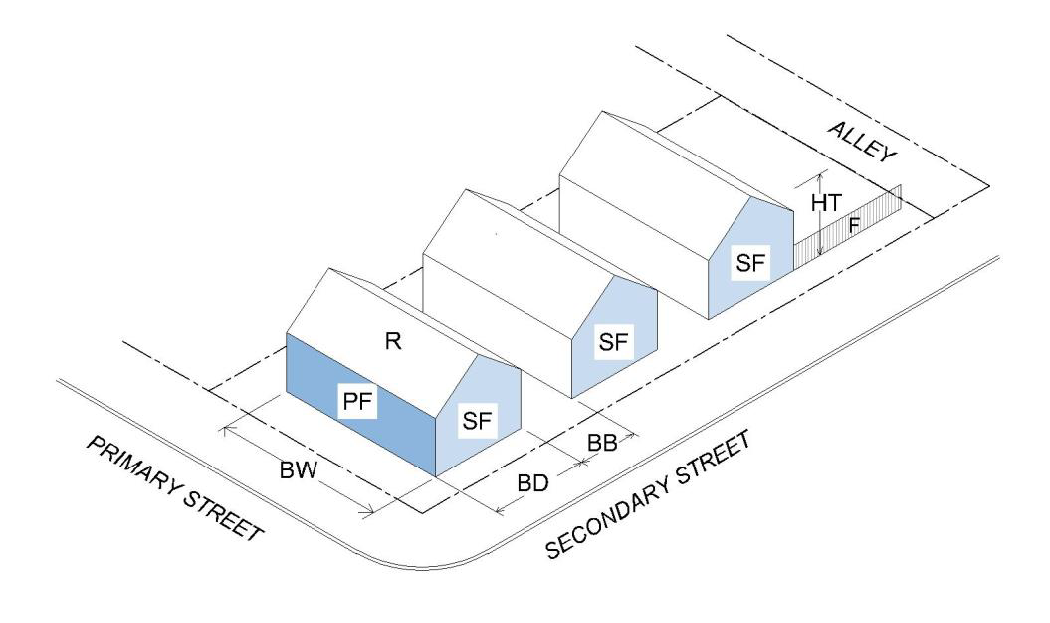
Cottage row.

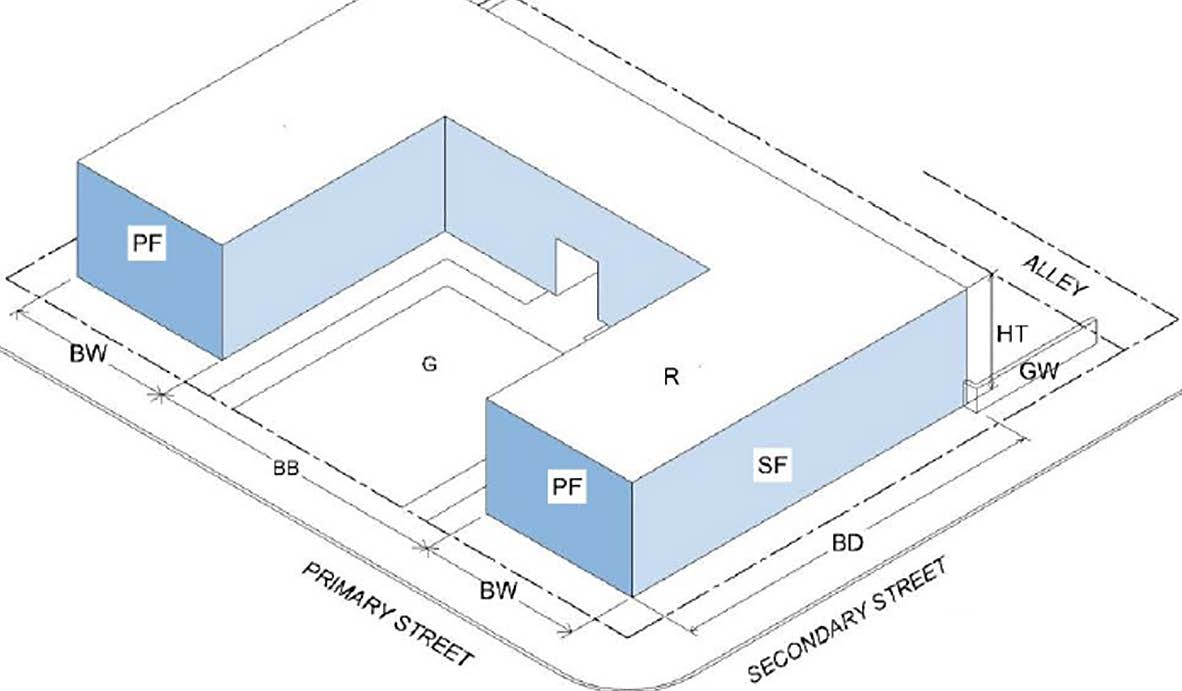
BUILDING MASS
BW Max. Building Width 35'
BD Max. Building Depth 25'
HT Max. Building Height 2 Stories/30'
BB Min. Building to Building 5'
ENCROACHMENTS
Front and side yard encroachments per Building Features


DWELLING UNITS
Total number of dwelling units per lot determined by allowable density per zone. See 4.3 Zoning Districts
FACADE ELEMENTS
PF Primary Street Facade -Min-Max. % Fenestration 20% (min)
SF Secondary Street Facade—Min-Max. % Fenestration 10% (min.)
BUILDING FEATURES:
Front Porch, Gallery, Stoop
ROOF TYPES
Hip, gable, reverse gable, parapet (Mission Style only)
FENCE
Privacy fence required to screen alley loaded parking 5'-6'


BUILDING MATERIALS
Building materials shall be as permitted for the Detached Residential Building Type
SPECIAL REQUIREMENTS
Each unit entrance shall have a paved path connected to the public sidewalk


E.

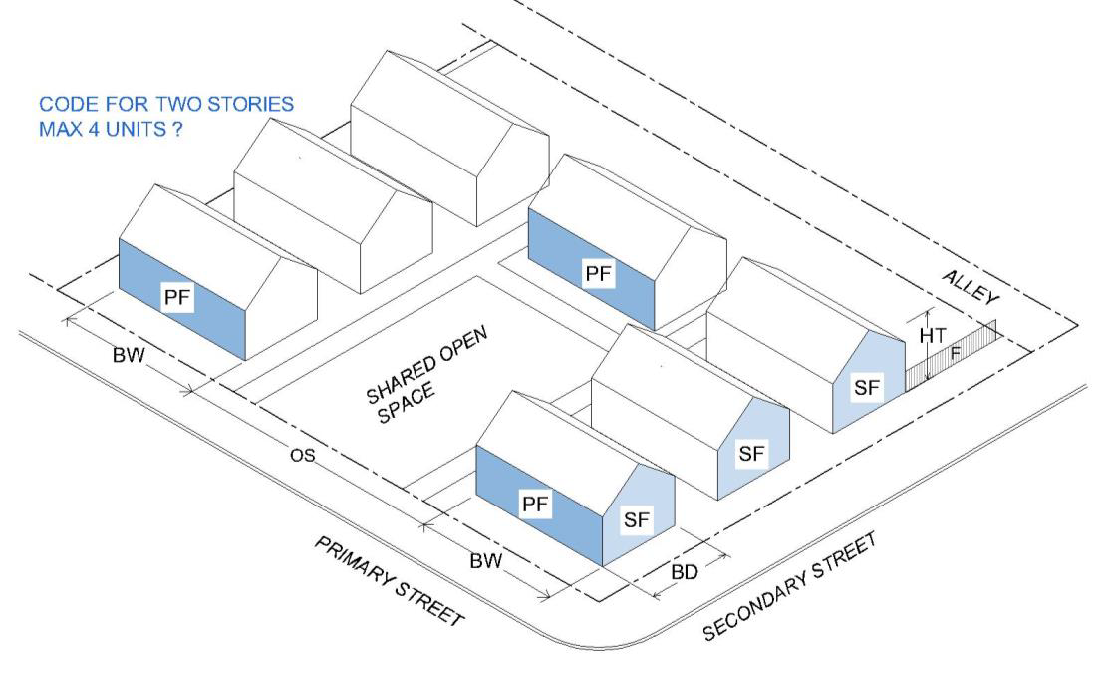
Cottage Court.

BUILDING MASS
BW Max. Building Width 35'
BD Max. Building Depth 25'
HT Max. Building Height 2 Stories/30'
ENCROACHMENTS
Front and side yard encroachments per Building Features


DWELLING UNITS
Total number of dwelling units per lot determined by allowable density per zone. See 4.3 Zoning Districts
FACADE ELEMENTS
PF Primary Street Facade -Min-Max. % Fenestration 20% (min)
SF Secondary Street Facade—Min-Max. % Fenestration 10% (min.)
BUILDING FEATURES:
Front Porch, Gallery, Stoop
ROOF TYPES
Hip, gable, reverse gable, parapet (Mission Style only)
FENCE
Privacy fence required to screen alley loaded parking 5'-6'


BUILDING MATERIALS
Building materials shall be as permitted for the Detached Residential Building Type
SPECIAL REQUIREMENTS
Not Applicable


F.

Townhouse.

BUILDING MASS
BW Max. Building Width 30'
BD Max. Building Depth 50'
HT Max. Building Height 2 Stories/30'
RY Min. Rear Yard 15'
ASD Accessory Structure Depth 28'
ASW Accessory Structure Width Same as BW
ENCROACHMENTS
Front and side yard encroachments per Building Features


DWELLING UNITS
Total number of dwelling units per lot determined by allowable density per zone. See 4.3 Zoning Districts
FACADE ELEMENTS
PF Primary Street Facade -Min-Max. % Fenestration 20% (min)
SF Secondary Street Facade—Min-Max. % Fenestration 10% (min.)
BUILDING FEATURES:
Front Porch, Gallery, Stoop
ROOF TYPES
Hip (at end units only), gable, reverse gable, parapet (Mission Style only)
GARDEN WALL (GW)
Garden wall required along the secondary street behind the principal structure. Garden wall to be constructed of same materials as exterior walls. 5'-6' high


BUILDING MATERIALS
BUILDING COMPONENT PERMITTED MATERIALS
EXTERIOR WALLS Brick, stucco, smooth stone
ROOF Standing seam metal, Asphalt Shingle (medium to light
gray color), clay barrel tile
Not applicable to roofs behind parapets
WINDOWS
Applicable to all primary and secondary facades
(PF and SF)
Wood, aluminum clad, vinyl clad
SPECIAL REQUIREMENTS
End units shall meet the side yard setbacks established by zone.
The minimum number of joined townhouses is two (equivalent to side by side duplex), the maximum is six.
Roof top decks with associated stair/elevated access structures are permitted above the two story limit.


G.

Live-work townhouse.

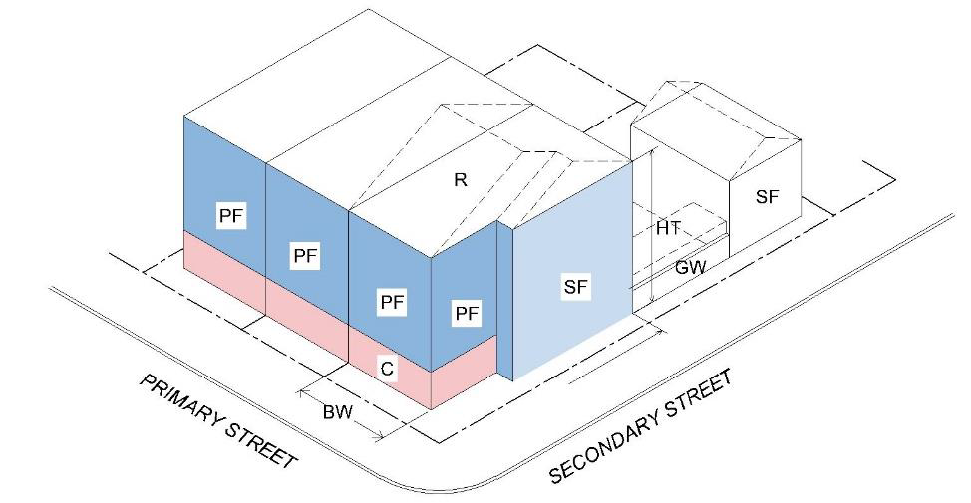
BUILDING MASS
BW Max. Building Width 30'
BD Max. Building Depth 50'
HT Max. Building Height 2 Stories/30'
RY Min. Rear Yard 15'
ASD Accessory Structure Depth 28'
ASW Accessory Structure Width Same as BW
ENCROACHMENTS
E-RY Rear Yard Encroachment—as a
percentage of required Rear Yard
area (RY x Lot Width)
Max. 30%
1-Story
Front and side yard encroachments per Building Features


DWELLING UNITS
Total number of dwelling units per lot determined by allowable density per zone. See 4.3 Zoning Districts
FACADE ELEMENTS
C Commercial Storefront 30% (min)
PF Primary Street Facade -Min-Max. % Fenestration 20% (min)
SF Secondary Street Facade—Min-Max. % Fenestration 10% (min.)
BUILDING FEATURES:
Front Porch, Gallery, Stoop
ROOF TYPES
Hip (at end units only), gable, reverse gable, parapet (Mission Style only)
GARDEN WALL (GW)
Garden wall required along the secondary street behind the principal structure. Garden wall to be constructed of same materials as exterior walls. 5'-6'


BUILDING MATERIALS
BUILDING COMPONENT PERMITTED MATERIALS
EXTERIOR WALLS Brick, stucco, smooth stone
ROOF Standing seam metal, Asphalt Shingle (medium to light
gray color), clay barrel tile
Not applicable to roofs behind parapets
WINDOWS
Applicable to all primary and secondary facades
(PF and SF)
Wood, aluminum clad, vinyl clad
SPECIAL REQUIREMENTS
End units shall meet the side yard setbacks established by zone.
The minimum number of joined townhouses is two (equivalent to side by side duplex), the maximum is six.
Roof top decks with associated stair/elevated access structures are permitted above the two story limit.
Live-work Townhouses may be joined with residential Townhouses.


H.

Courtyard building.

BUILDING MASS
BW Max. Building Width40'
BD Max. Building Depth To rear alley setback
HT DG Downtown General—Max. 3 Stories/40'
HT All other zones 2 Stories/30'
ENCROACHMENTS
Front and side yard encroachments per Building Features


DWELLING UNITS
Total number of dwelling units per lot determined by allowable density per zone. See 4.3 Zoning Districts
FACADE ELEMENTS
PF Primary Street Facade -Min-Max. % Fenestration 20% (min)
SF Secondary Street Facade—Min-Max. % Fenestration 10% (min.)
BUILDING FEATURES:
Front Porch, Gallery, Stoop, Storefront
ROOF TYPES
Hip, Parapet
GARDEN WALL (GW)
Garden wall required along the secondary street behind the principal structure. Garden wall to be constructed of same materials as exterior walls. 5'-6' high


BUILDING MATERIALS
BUILDING COMPONENT PERMITTED MATERIALS
EXTERIOR WALLS Brick, stucco, smooth stone
ROOF Standing seam metal, Asphalt Shingle (medium to light gray color), clay barrel tile
Intended to be hidden behind parapet
WINDOWS
Applicable to all primary and secondary facades (PF and SF) Wood, aluminum clad, vinyl clad,
SPECIAL REQUIREMENTS
Not Applicable


I.

Small apartment building.

BUILDING MASS
BW Max. Building Width 90'
BD Max. Building Depth To rear alley setback
HT DG Downtown General—Max. 3 Stories / 40'
HT All other zones—Max. 2 Stories / 30'
ENCROACHMENTS
Front and side yard encroachments per Building Features


DWELLING UNITS
Total number of dwelling units per lot determined by allowable density per zone. See 4.3 Zoning Districts
FACADE ELEMENTS
PF Primary Street Facade -Min-Max. % Fenestration 25% (min)
SF Secondary Street Facade—Min-Max. % Fenestration 15% (min.)
BUILDING FEATURES:
Front Porch, Gallery, Stoop. Forecourt
ROOF TYPES
Hip, Parapet
GARDEN WALL (GW)
Garden wall required along the secondary street to screen rear parking 5'-6'


BUILDING MATERIALS
BUILDING COMPONENT PERMITTED MATERIALS
EXTERIOR WALLS Brick, stucco, smooth stone
ROOF Standing seam metal, Asphalt Shingle (medium to light gray color), clay barrel tile
Intended to be hidden behind parapet
WINDOWS
Applicable to all primary and secondary facades (PF and SF) Wood, aluminum clad
SPECIAL REQUIREMENTS
Not Applicable


J.

Flex-use building.

BUILDING MASS
BW Max. Building Width 140'
BD Max. Building Depth To rear alley setback
HT Max. Height 3 Stories / 40'
ENCROACHMENTS
Front and side yard encroachments per Building Features


DWELLING UNITS
Total number of dwelling units per lot determined by allowable density per zone. See 4.3 Zoning Districts
FACADE ELEMENTS
PF Primary Street Facade -Min-Max. % Fenestration 25% (min)
SF Secondary Street Facade—Min-Max. % Fenestration 15% (min.)
BUILDING FEATURES:
Front Porch, Gallery, Stoop, Storefront. Forecourt
ROOF TYPES
Hip, Parapet
GARDEN WALL (GW)
Garden wall required along the secondary street to screen rear parking 5'-6' high


BUILDING MATERIALS
BUILDING COMPONENT PERMITTED MATERIALS
EXTERIOR WALLS Brick, stucco, smooth stone
ROOF Standing seam metal, Dimensional asphalt shingle (medium to light gray color), clay barrel tile
Intended to be hidden behind parapet
WINDOWS
Applicable to all primary and secondary facades (PF and SF) Wood, aluminum clad, aluminum storefront
SPECIAL REQUIREMENTS
Not Applicable


K.

Mixed-use building.

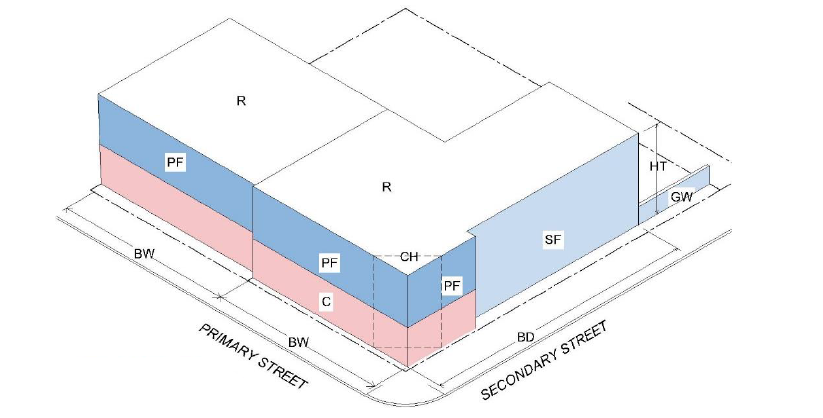
BUILDING MASS
BW Max. Building Width 150'
BD Max. Building Depth To rear alley setback
HT DC—Downtown Core 5 Stories / 60'
HT DG—Downtown General 3 Stories / 40'
ENCROACHMENTS
Front and side yard encroachments per Building Features


DWELLING UNITS
Total number of dwelling units per lot determined by allowable density per zone. See 4.3 Zoning Districts
FACADE ELEMENTS
C Commercial Storefront 50% (min)
PF Primary Street Facade (above storefront) -Min-Max. % Fenestration 25% (min)
SF Secondary Street Facade—Min-Max. % Fenestration 15% (min.)
BUILDING FEATURES:
Storefront (required for commercial use), Stoop (for ground floor residential use where permitted on secondary street)
ROOF TYPES
Parapet
GARDEN WALL (GW)
Garden wall required along the secondary street to screen rear parking 5'-6' high


BUILDING MATERIALS
BUILDING COMPONENT PERMITTED MATERIALS
EXTERIOR WALLS Brick, stucco, smooth stone
ROOF Any material permitted by applicable codes
Intended to be hidden behind parapet
WINDOWS
Applicable to all primary and secondary facades (PF and SF) Wood, aluminum clad, aluminum storefront
SPECIAL REQUIREMENTS
CH- Building on corner lot may have 45 degree chamfered corner not to exceed 12' diagonal measurement


L.

Corner commercial building.

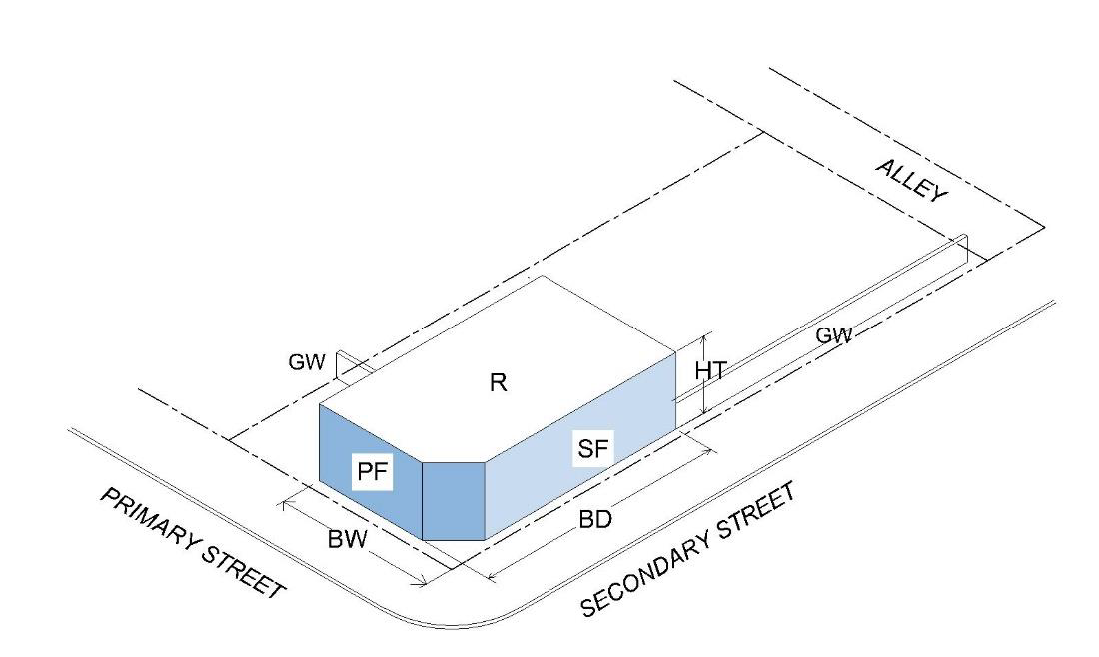
BUILDING MASS
BW Max. Building Width 40'
BD Max. Building Depth To rear alley setback
HT Max. Building Height 2 Stories / 30'
ENCROACHMENTS
Front and side yard encroachments per Building Features


DWELLING UNITS
Total number of dwelling units per lot determined by allowable density per zone. See 4.3 Zoning Districts
FACADE ELEMENTS
PF Primary Street Facade 25% (min)
SF Secondary Street Facade 15% (min.)
BUILDING FEATURES:
Bakery storefront (required), gallery (optional)
ROOF TYPES
Parapet
GARDEN WALL (GW)
Garden wall required along the secondary street to screen rear parking 5'-6'


BUILDING MATERIALS
BUILDING COMPONENT PERMITTED MATERIALS
EXTERIOR WALLS Brick, stucco, smooth stone
ROOF
Intended to be hidden behind parapet Any material permitted by applicable codes
WINDOWS
Applicable to all Primary and Secondary Facades (PF and SF) Wood, aluminum clad, aluminum storefront
SPECIAL REQUIREMENTS
Building entry: The primary building entry shall be located on the corner of the Primary and Secondary Streets. The corner shall be chamfered with a diagonal measurement between 7-12 ft.t
Bakery Storefront: Window and door openings on primary and secondary facades are intended to mimic the traditional Brownsville bakery building type, with vertically proportioned openings extended to the ground floor elevation.


M.

General commercial building.

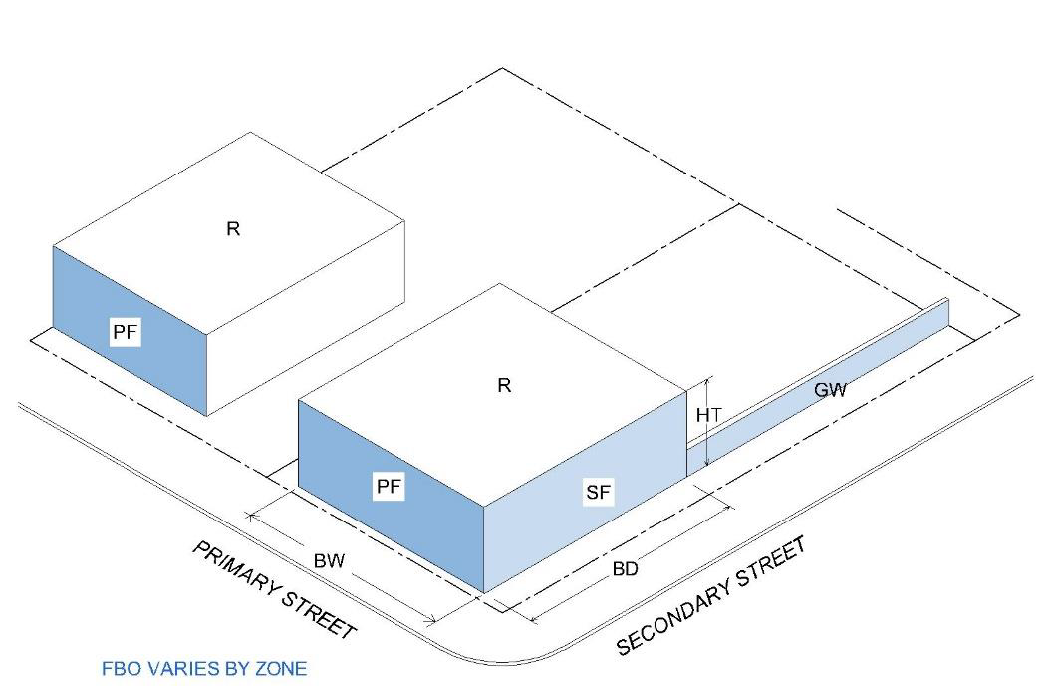
BUILDING MASS
BW Max. Building Width 140'
BD Max. Building Depth To rear alley setback
HT Max. Building Height 1 Stories/15'
ENCROACHMENTS
Front and side yard encroachments per Building Features


DWELLING UNITS
Not applicable for this building type.
FACADE ELEMENTS
PF Primary Street Facade 50% (min)
SF Secondary Street Facade 15% (min.)
BUILDING FEATURES:
Storefront
ROOF TYPES
Parapet
GARDEN WALL (GW)
Garden wall required along the secondary street to screen rear parking 5'-6'


BUILDING MATERIALS
BUILDING COMPONENT PERMITTED MATERIALS
EXTERIOR WALLS Brick, stucco, smooth stone
ROOF
Intended to be hidden behind parapet Any material permitted by applicable codes
WINDOWS
Applicable to all primary and secondary facades (PF and SF) Wood, aluminum clad, aluminum storefront
SPECIAL REQUIREMENTS
Building entry: The primary building entry may be located on the corner of the Primary and Secondary Streets. The corner may be chamfered with a diagonal measurement between 7-12 ft.t


N.

Civic building.

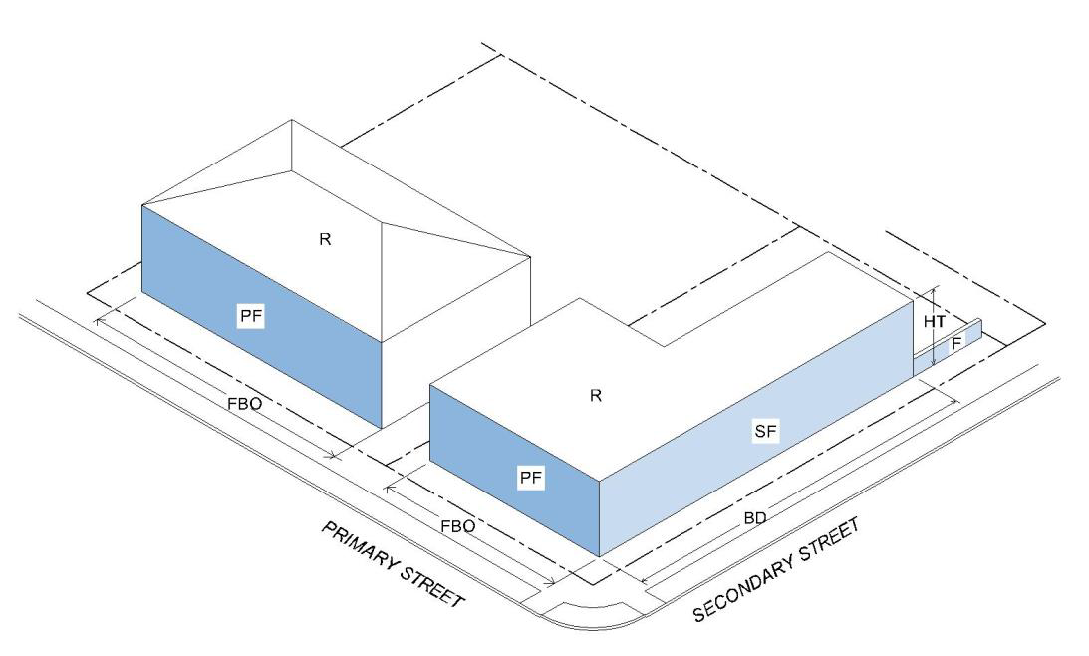
BUILDING MASS
BW Max. Building Width 140'
BD Max. Building Depth 100'
HT DG -Downtown General 6 stories / 75'
HT All other zones 3 stories / 40'
ENCROACHMENTS
Front and side yard encroachments per Building Features


OPEN SPACE
OS For civic buildings that have Assembly uses as defined by the building code, provide a paved open space (plaza) facing the Primary Street and Primary Entry. Size to accommodate half of the assembly space occupant load at 5 sf per person. Assembly Occupant Load/2 x 5 SF
DWELLING UNITS
1 dwelling unit permitted in association with civic use
FACADE ELEMENTS
PF Primary Street Facade 20% (min)
SF Secondary Street Facade 10% (min.)
BUILDING FEATURES:
Not regulated
ROOF TYPES
Any roof type
GARDEN WALL (GW)
Garden wall required along the secondary street to screen rear parking 5'-6'


BUILDING MATERIALS
BUILDING COMPONENT PERMITTED MATERIALS
EXTERIOR WALLS Brick, stucco, smooth stone
ROOF Standing seam metal (natural metal finish), clay barrel tile, dimensional asphalt shingle (Neighborhood zones only)
WINDOWS Wood, aluminum clad, aluminum storefront
SPECIAL REQUIREMENTS
>Building entry: At least one primary entry facing the Primary Street.
Use associated auxiliary spaces (classrooms, provide necessary facade build-out along the Primary and Secondary Streets)


4.5.5 - Building Features.

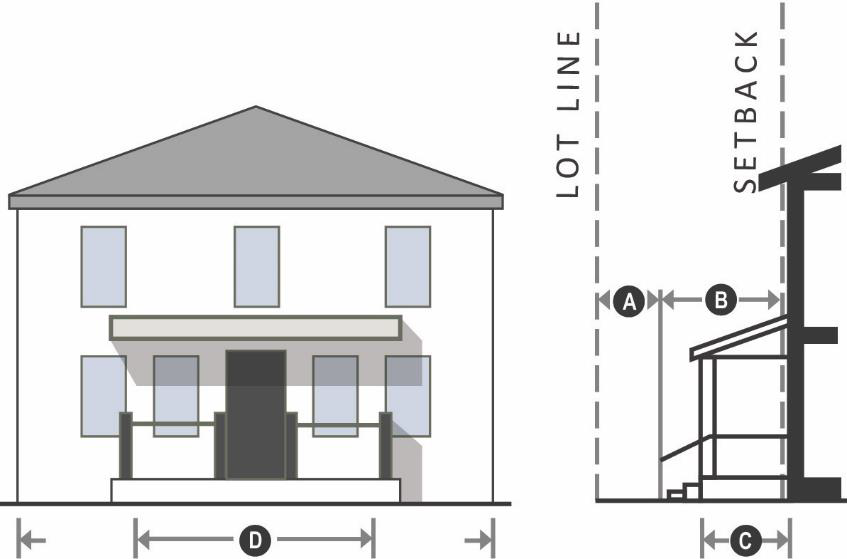
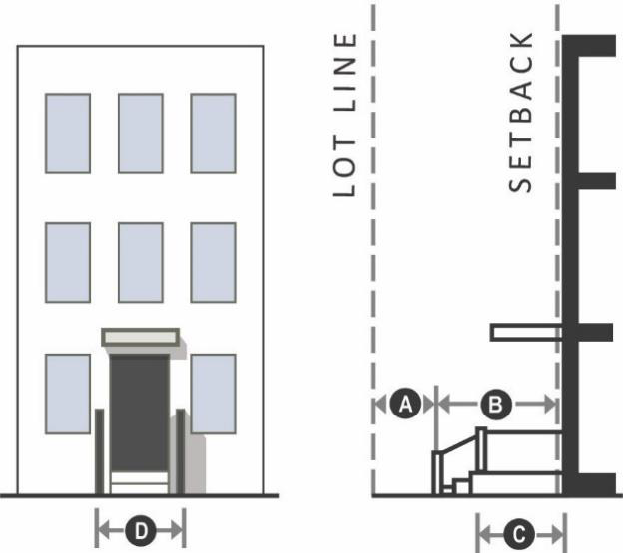
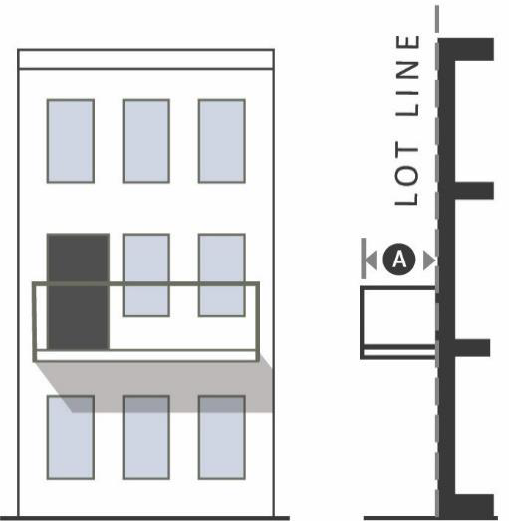
Refer to Table 4.5-2. Building Features for permitted Building Features for each Building Type.

Table 4.5-2. Building Features

BUILDING FEATURE METRICS
A 2' min.
B 9' max.
C 6' min.
D 50% of facade width (min.)
Additional Requirements
1. A front porch must be roofed and may be screened but cannot be fully enclosed
A 2' min.
B 8' max.
C 4' min.; 6' max.
D 6' max.
Additional Requirements
1. Steps going up to the stoop may be located on either side of the stoop.


A 2' max.
Additional Requirements
1. Balconies cannot encroach over any travel lane or on-street parking lane.
2. Additional encroachment agreements may be required for encroachment over public ROWs.
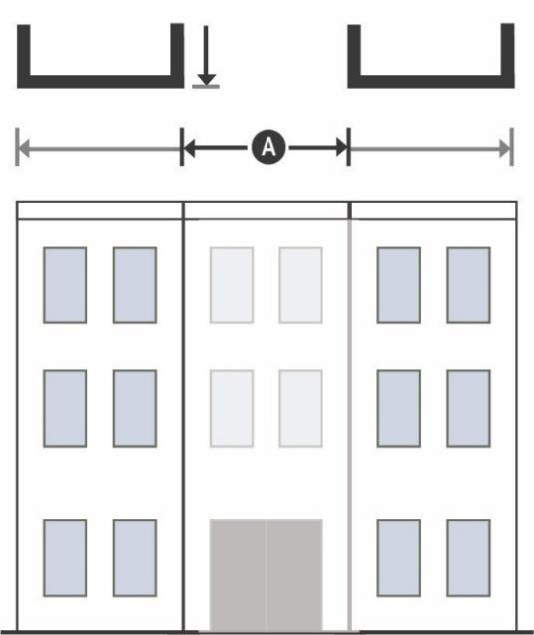
1/3rd of the width of the building up to a max. of 30'
Additional Requirements
1. The depth of the forecourt may not be more than its width
2. A forecourt meeting these standards shall be counted towards the requirement for Facade Buildout along primary streets


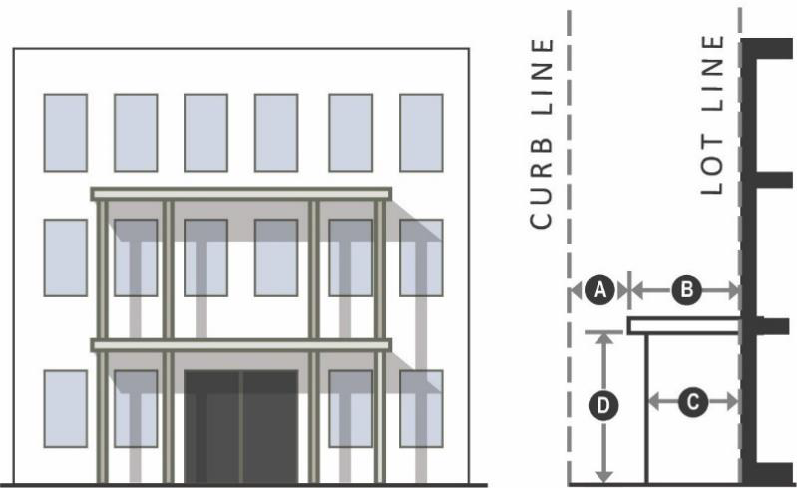
A 2' min.
B 9' max.
C 6' min.; 8' max.
D 9' min.
Additional Requirements
1. Galleries cannot encroach over any travel lane or on-street parking lane.
2. Additional encroachment agreements may be required for encroachment over public ROWs.
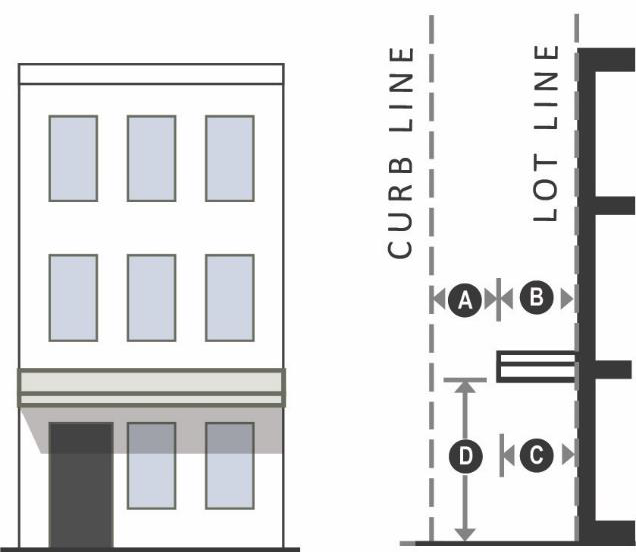
A 2' min.
B 6' max.
C 4' min.; 6' max.
D 9' min.
Additional Requirements
1. Awnings/Canopies cannot encroach over any travel lane or on-street parking lane.
2. Additional encroachment agreements may be required for encroachment over public ROWs.
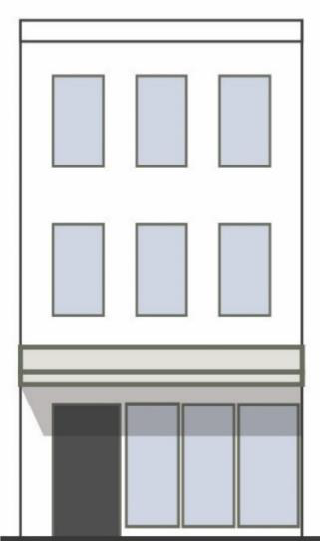
Additional Requirements
1. Ground floor transparency shall be a minimum of 50% (doors and windows)
2. Entrances to the storefronts may be setback into the front building facade
3. Storefront windows shall maintain a minimum 60% visible light transmittance