
Cherokee County Unincorporated
City Zoning Code
City Zoning Code
ARTICLE 16
- OVERLAY ZONING DISTRICT REGULATIONS7
Editor's note— Ord. No. 02-Z-003, adopted May 21, 2002, repealed the former Art. 16, and enacted a new Art. 16 as set out herein. The former Art. 16 pertained to similar subject matter and derived from Ord. No. 98-O-4, adopted Feb. 27, 1998.
16.1.- Highway 92 Village Ordinance.
16.1-1 Legislative Purpose. This ordinance shall be known as the Highway 92 Village Ordinance (hereinafter referred to as the "Highway 92 Village Ordinance"), and shall serve to encourage developing as one project, tracts of land that are sufficiently large for mixed-use development, while maintaining compatibility with the existing areas and creating an attractive, efficient and stable environment. It encourages a mixture of prominently sited office/institutional, commercial establishments, civic or community buildings and housing types to provide a balanced mix of activities and public spaces.
16.1-2 Legislative objectives.
(1)
The Highway 92 Village Ordinance serves as a development standard for the Highway 92 Corridor. This development standard provides for a uniform landscape and design theme along this improved road. The specific design and land use policies are a comprehensive plan for the Highway 92 Corridor of Cherokee County Georgia.
(2)
The village district calls for a pattern of commercial/industrial buildings constructed in the eighteenth and nineteenth century architectural styles. The regulations recognize and are intended to protect and preserve the established residential areas located to the north and south of the improved road. The incorporation of buffering techniques seeks to assist in the preservation of adjoining residential areas by providing a unique transition zone rather than the traditional descending density theory.
(3)
The Highway 92 Village Ordinance is intended to generate quality development along the expanded Highway 92 thoroughfare while promoting economic, cultural, open space, and safety features to promote the public welfare. This orderly planning system is intended to attract quality development.
16.1-3 Boundaries.
(1)
There is hereby created the Highway 92 Village Ordinance, the boundaries of which are described in the Highway 92 Corridor Map.
(2)
Map.
HIGHWAY 92 OVERLAY DISTRICT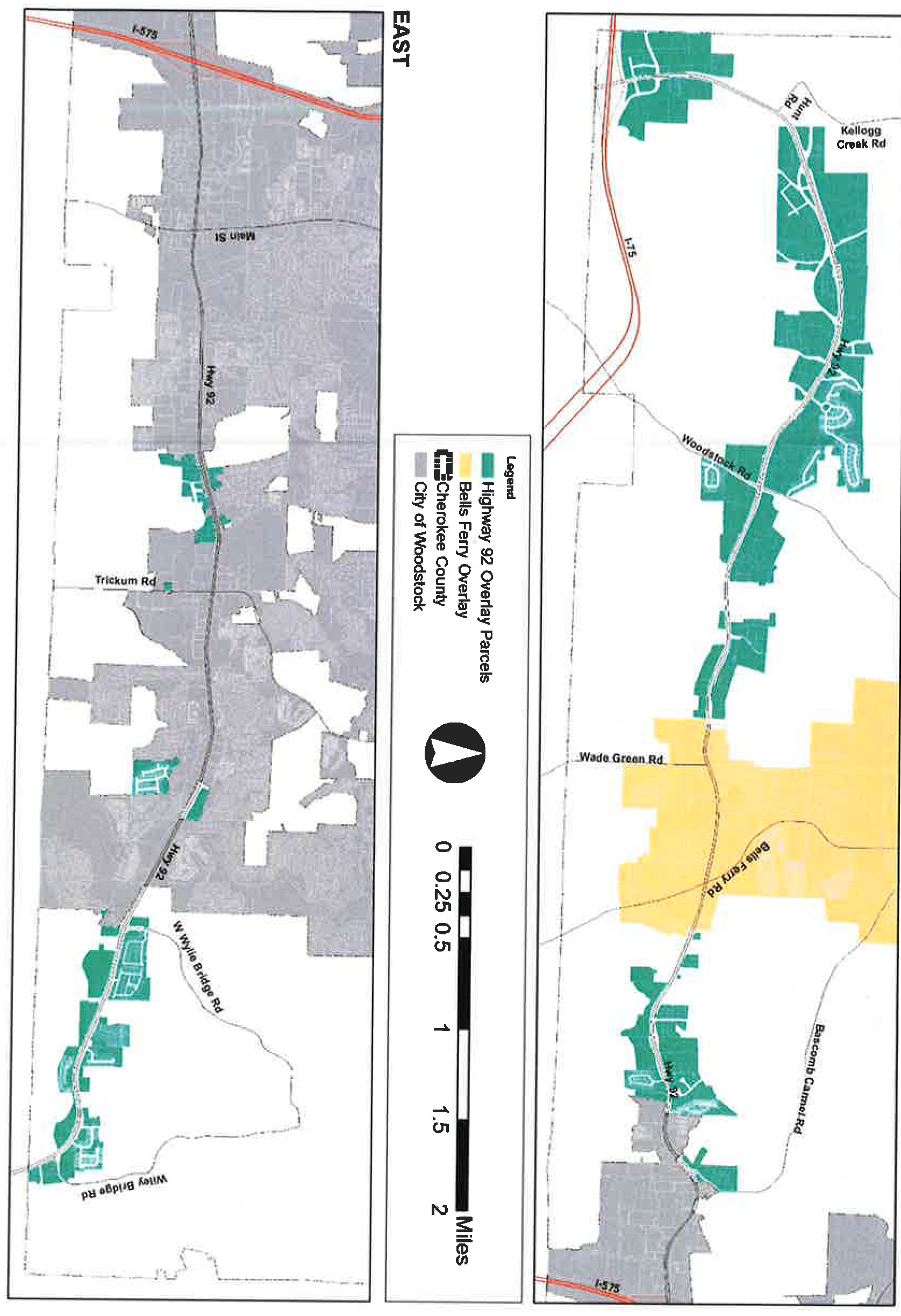
16.1-4 Prohibited Uses within the Highway 92 Village Ordinance:
The following uses shall be prohibited within the Highway 92 Overlay District:
16.1-5 Development Regulations for the Corridor.
The following minimum dimensions and requirements shall apply to all development within the Highway 92 Village Ordinance. Residential buildings shall be exempt from section 16.1.5(3) Architecture, (4) Building Materials and (5) Roof Lines.
(1)
Streetscape.
a.
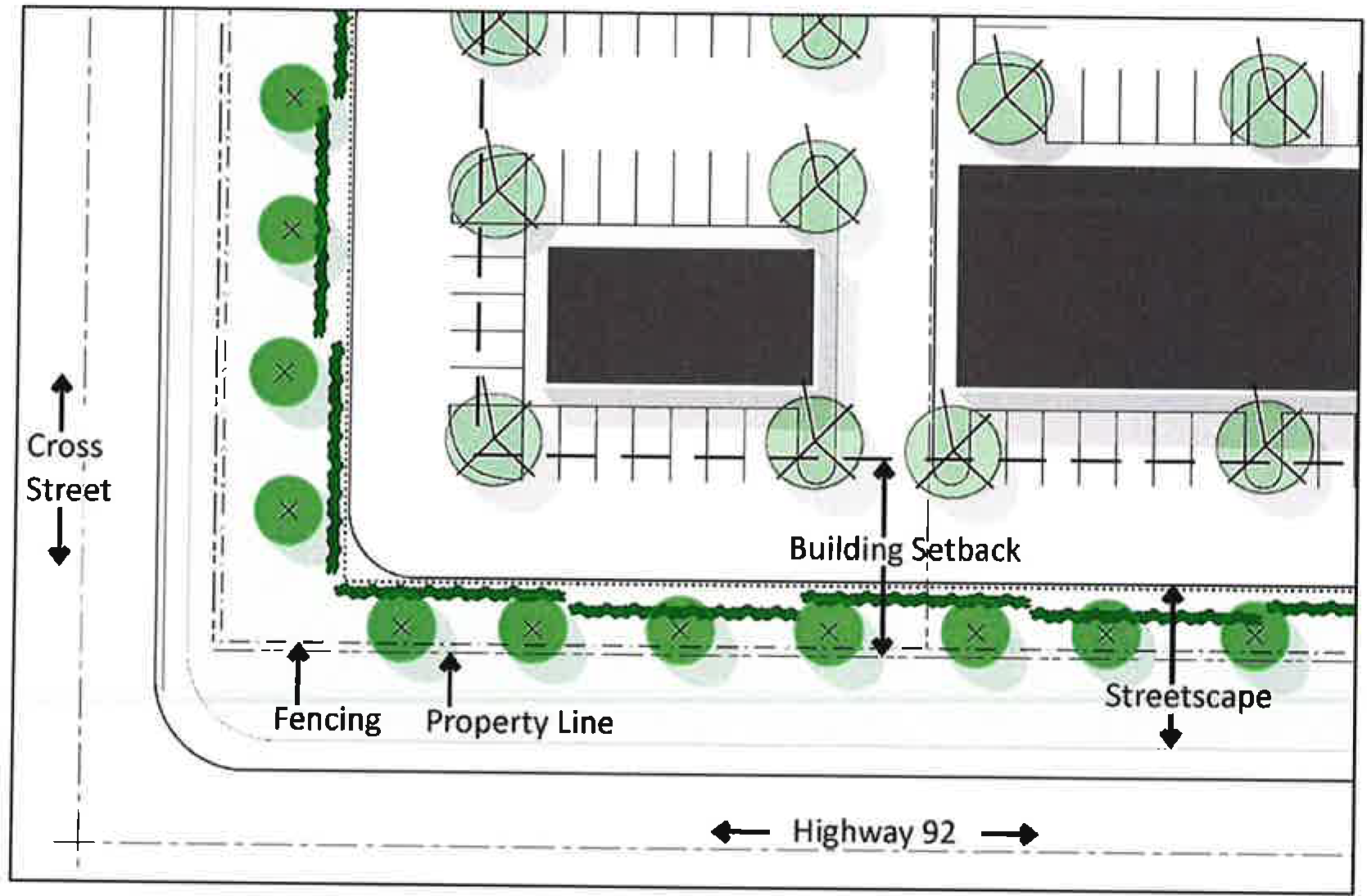
Front yard areas shall contain landscaping at least 40 feet in depth along all Highway 92 and intersecting cross street frontages except where driveways may be required. The streetscape depth shall be measured from the outside edge of the sidewalk within the right-of-way.
b.
A three rail fence of appropriate style, white in color, shall be required within 2 feet of the right-of-way of Highway 92.
c.
An overstory tree not less than three inches DBH as indicated in the Tree Ordinance shall be planted every 40 feet on center along the entire roadway frontage of the property within the landscape strip.
d.
A landscaped berm of no less than three feet in height or evergreen landscape planting no less than three feet in height at the time of planting shall be provided to screen vehicular parking areas, loading areas, and dumpsters from view from Highway 92.
e.
The streetscape shall consist of fences, berms, connecting sidewalks, trees, and other plantings.
f.
Existing (undisturbed) landforms, trees, and other elements such as berms planted with a range of native plant species shall be provided within landscape areas.
g.
Streetscape Diagram:
(2)
Utilities. All site utilities shall be located underground.
(3)
Architecture.
a.
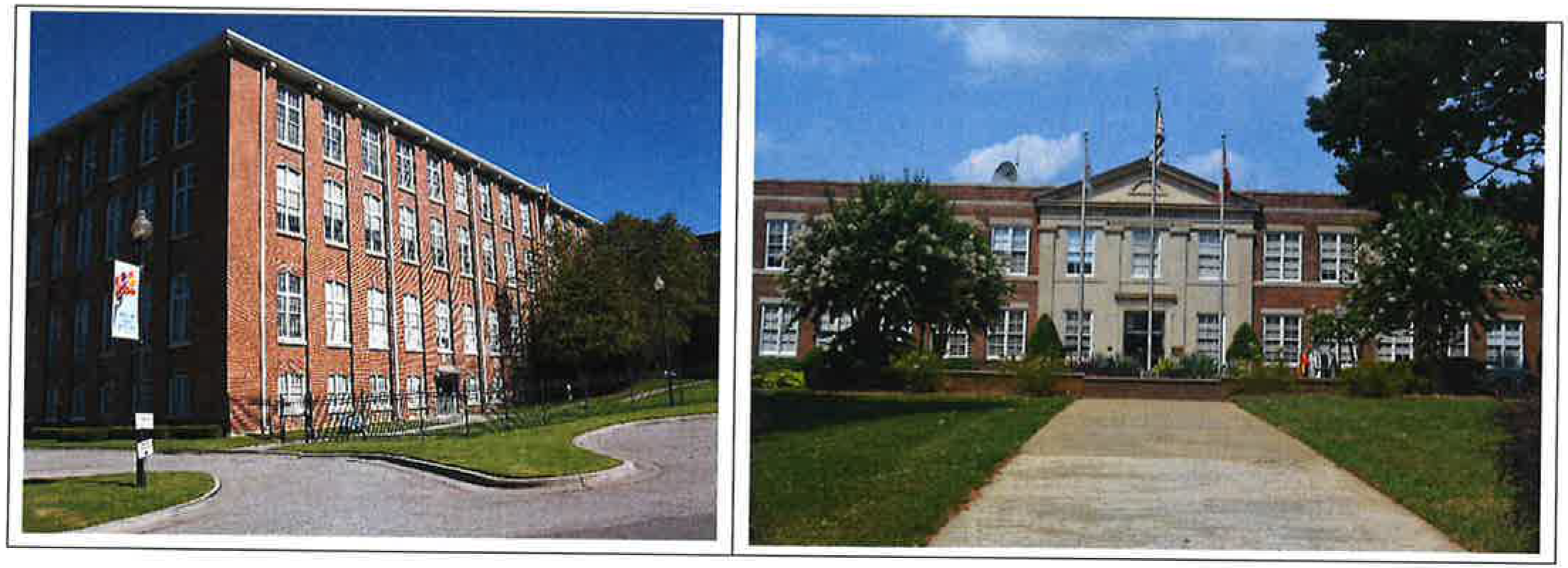
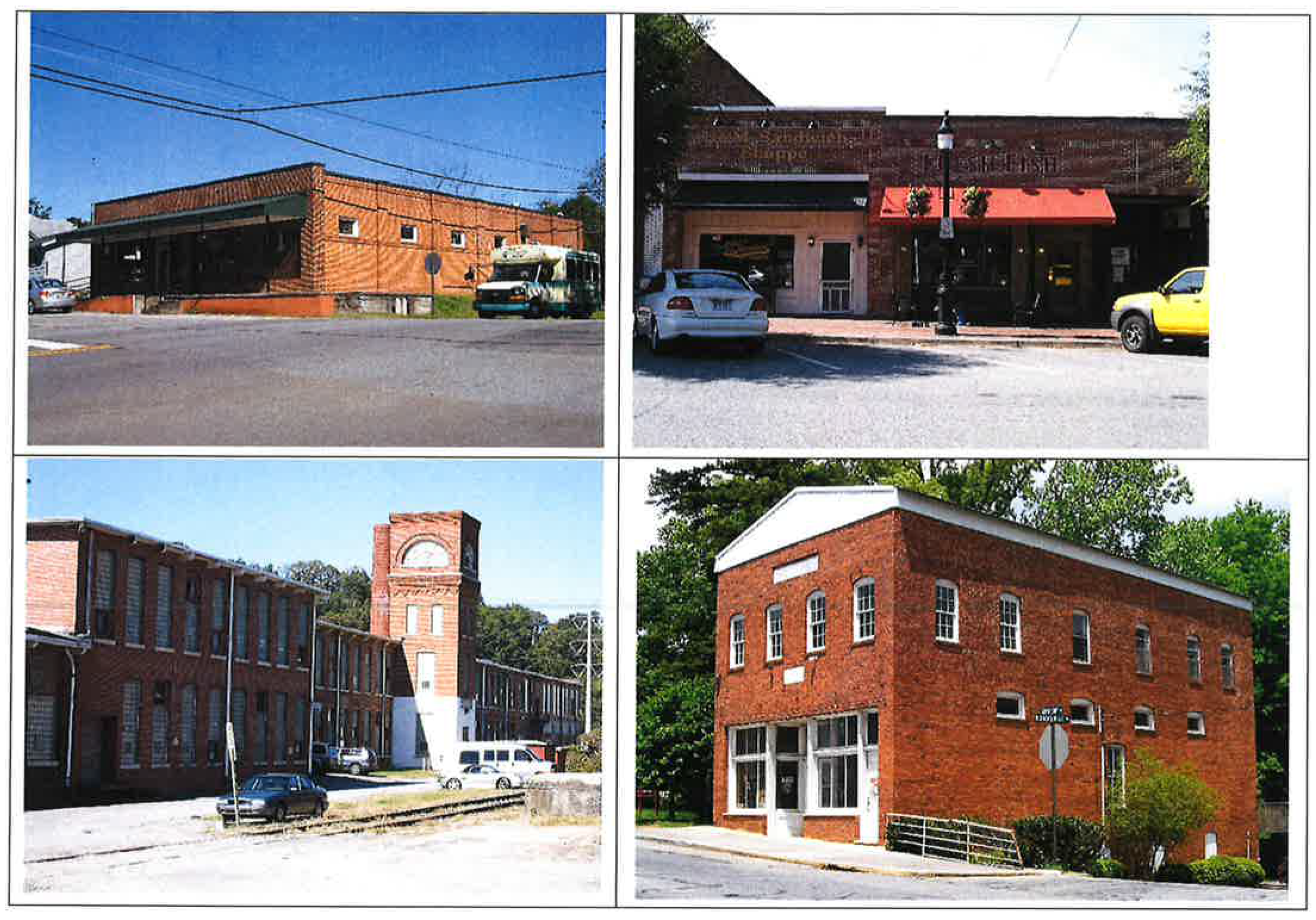
Buildings shall be designed to substantially resemble eighteenth and nineteenth century styles. The following examples illustrate Cherokee County buildings from this time period:
b.
Building mass shall be broken up to give the appearance of individual buildings or places of business.
c.
Large areas of uninterrupted brickwork and blank walls without windows shall be broken up through the use of arcades, blind windows, archways, or other patterns.
d.
Window areas shall not extend down to the floor line. A wall of not less than two feet in height shall separate the floor from the bottom of the window frame.
(4)
Building Materials.
a.
Buildings shall have no less than 80 percent of the non-glass area of three exterior sides faced with natural-colored brick or stone that simulates historic types of masonry.
b.
Multi-pane windows shall be used in individual window openings, rather than large glass sheets.
c.
Mirrored glass with a reflection greater than 20 percent and glass curtain walls are prohibited.
d.
Paint colors shall be of traditional, historic types which are generally muted tones such as ivory, cream, beige, white, and pastel colors. Colors which are not permitted are bright or vibrant colors of purple, green, orange, pink, or violet, which are considered inconsistent with the district.
(5)
Roof Lines.
a.
Any building with a pitched roof shall have a minimum pitch of four inches vertical elevation per one foot of horizontal distance.
b.
Buildings without pitched roofs shall have detailed parapets and cornices, in keeping with eighteenth and nineteenth century architectural styles.
c.
All roofing materials shall be of a consistent style and pattern. Pitched roofs shall be finished in either architectural or dimensional shingles, or standing seam metal roofs.
(6)
Signage.
a.
Freestanding signs.
i.
All freestanding signs shall be of a monument style and constructed only of brick or stone materials to match or compliment the principal structure or structures located on the site.
ii.
The maximum copy area shall be 50 square feet with a maximum sign height of ten feet.
iii.
If the sign lists multiple tenants the sign shall be of a uniform background lettering style and color.
b.
Wall signs.
i.
Illuminated wall signs shall be channel-type letters only and shall be established in a such a way that no light is cast upon adjacent properties and roadways.
ii.
All wall signs shall be common colors such as red, yellow, green, blue, brown, white, black, or pink. Colors that are not allowed are bright or vibrant colors of purple, green, orange, pink or violet.
iii.
Specific dimensional requirements for all wall signage are governed by the Sign Ordinance of Cherokee County, Georgia.
c.
See article 11, section 11.8 prohibited signs for a complete list of prohibited signs.
(7)
Traffic access requirements. Access to Highway 92 must comply with all county and state requirements. Internal roadways or vehicular connections making developments accessible to each other shall be used whenever possible to discourage traffic congestion on Highway 92.
(8)
Parking. Each development shall provide not less than two nor more than four parking spaces per 1,000 square feet of gross building floor area for all uses except residential development. Parking for residential development shall follow article 12, Off-Street Parking Regulations.
(9)
Undisturbed Buffers. The intent of buffers is to provide a year-round visual screen between dissimilar land uses. Undisturbed buffers shall be required per article 10 of the zoning ordinance.
16.1-6 Implementation.
(a)
Existing conditions. It is the desire of the county, its citizens, and private property owners cooperating in the creation and adoption of this ordinance to implement it as rapidly as possible and to do so in a fair manner. Existing conditions need not change immediately upon the adoption of this ordinance.
(b)
New development plans. After the adoption by the board of commissioners, the ordinance will apply to all new development plans/new construction plans submitted after the effective date of this ordinance adoption. The exterior renovations to a building must comply with the ordinance requirements. The structural aspects of this ordinance will not be triggered by standard maintenance activities not requiring a building permit.
16.1-7 Variances. The Cherokee County Zoning Board of Appeals has the authority to grant variances from the requirements of this Article in cases where the strict application of this ordinance's regulations would result in unnecessary hardship.
16.1-8 Severability. It is hereby declared to be the intention of the board of commissioners of Cherokee County that the sections, paragraphs, sentences, clauses, and phrases of this ordinance are severable, and if any phrase, clause, sentence, paragraph, or section of this ordinance be declared unconstitutional or invalid, it shall not affect any of the remaining phrases, clauses, sentences, paragraphs, and sections of this ordinance.
16.1-9 Relationship to Industrial Land Uses. Industrial land uses on LI and HI zoned property shall be exempt from the requirements of Section 16.1.5(3) Architecture and 16.1.5(4) Building Materials. In addition, industrial land uses on LI and HI zoned property without any road frontage along Highway 92 shall be exempt from all requirements of section 16.1.5 Minimum Development Standards and Development Regulation for the Corridor.
(Ord. No. 02-Z-003, 5-21-02; Ord. No. 2016-O-004, Exh. A, 4-19-16; Ord. No. 2019-O-017, § 1, 10-15-19)
16.2 - Bells Ferry Community Design District.
16.2-1.
Purpose and intent. The purpose of the Bells Ferry Community Design District is to implement the community vision expressed in the Bells Ferry LCI Study Plan adopted by the Cherokee County Board of Commissioners and further enhanced in the Bells Ferry Community Design Guidelines The community envisions the redevelopment of under utilized, declining and major area properties into a community of choice offering diverse choices and activities for the whole community, with the ultimate goal of creating high quality development that offers a superior quality of life to its residents and business owners.
Bells Ferry Community Design District is intended to:
• Establish and define the physical boundaries of the district;
• Establish a set of Community Design Guidelines that provide site planning, design and building regulations for the future physical development of the corridor;
• Establish a regulating plan that serves as a framework for regulatory conditions governing the study area to insure development reflects consistent principles of good community design and creates an attractive environment inducing investment in the area;
• Create a "sense of place" and a unique identity for the community that reflects the community's desire to be a place of diversity and choice;
• Create a strong urban structure that reflects sound urban design principles of creating the public realm; hierarchy of streets, open spaces, creating vistas and public and civic spaces, pedestrian friendly environment, and high quality architecture;
• Improve traffic flow and convenient vehicular circulation throughout the area for both local and regional circulation;
• Provide transportation alternatives and modes for the residents; good street grids, transit, bike and pedestrian pathways that not only offers alternative ways but encourages walking and biking;
• Provide safe and convenient environment for pedestrian movement and access;
• Provide enhanced arterial access and inter-parcel connectivity that enhances vehicular circulation;
• Create the hierarchy of streets and appropriate traffic calming that promote appropriate vehicular speeds and safety;
• Encourage "diverse lifestyles" by promoting mixed use development that offers live/work/play environments;
• Encourage appropriate densities that can support retail, entertainment and commercial activity which creates a successful community;
• Provide flexibility in housing to support various product types; ie. condos, apartments, live/work units, town homes, and single-family;
• Provide adequate open spaces and civic/public spaces.
16.2-2.
Boundaries.
16.2-2.1.
Boundary map. The Bells Ferry Community Design District shall apply to all properties within the geographic boundaries shown on the Bells Ferry Regulating Plan. The district is intended to supplement existing zoning regulations. The Bells Ferry Regulating Plan is attached as Exhibit A-1.
16.2-3.
Incorporation by reference. The Bells Ferry Community Design District and Guidelines incorporates by reference the Article 8 - Traditional Neighborhood Development (TND) of the Cherokee County Zoning Ordinance for the purposes of guiding development within the district. Specifically, the following sections are incorporated by reference and shall be used to regulate future development within the Bells Ferry Community Design District and as applied herein;
16.2-4.
District conditions.
16.2-4.1.
Applicability.
a.
The development of property within the Bells Ferry Community Design District shall comply with the minimum standards set forth herein.
b.
Any non-residential structure that is built prior to the adoption of this ordinance will not have to adhere to the design guidelines set forth within this document.
c.
Whenever the requirements of the district impose a more or less restrictive standard than the provisions of any other statute or covenant, the requirements of the district shall govern. Specifically, where the Hwy. 92 Village Overlay intersects the Bells Ferry Community Design District, the Bells Ferry Community Design District regulations outlined herein shall apply.
d.
The design guidelines of this document shall not change any of the existing zoning for the land that lie within the boundaries of this overlay district.
e.
At no time shall the district regulations preclude a property owner's ability to seek a change in zoning of their property within the district.
16.2-4.2.
Development alternatives.
a.
Property within the district boundaries may be developed per an approved neighborhood plan without the need to seek a change in zoning. The neighborhood plan must comply with all of the Bells Ferry Community Design Guidelines, including the minimum standards.
b.
Alternatively, if the property owner chooses to develop the property under the existing zoning, only the minimum standards must be adhered to and compliance demonstrated through an approved development plan.
16.2-5.
Regulating plan. The community vision, developed through a series of public workshops and meetings, and adopted in the Bells Ferry Livable Centers Initiative Study plan, has been translated into a regulating plan. The regulating plan combines land use and zoning regulations into a plan format oriented to the essential elements of quality community design. The plan communicates those elements in a user friendly format by allocating areas within the study area to discrete neighborhood zones.
The neighborhood zones represent different human environments which contain elements forming its built condition like streets, buildings, landscaping, etc. or what is termed a "form based" code. Each zone is differentiated by the combination of elements comprising the neighborhood zone. For instance, a residential street is less urban than a boulevard. A four-story building is more urban than a single-family house with a front yard and a porch.
The regulating plan is the basis for directing and guiding future development within the corridor.
16.2-6.
Minimum standards.
16.2-6.1.
Permitted and prohibited uses. Development under existing zoning shall include land uses permitted by Article 7—District Uses and Regulations of the Cherokee County Zoning Ordinance.
16.2-6.2.
Street network. Plans for development shall include the following transportation elements of the Bells Ferry Community Design Guidelines:
a.
Provisions for proposed primary roads and Bells Ferry Parkway. (see Street Network, page 14)
b.
Provisions for pedestrian and bicycle facilities. (see page 16)
c.
Interparcel access—Interparcel vehicle access points between all contiguous parcels must be provided to allow opportunities for future development to connect in and improve network connectivity.
16.2-6.3.
Streetscape requirements. All development shall comply with streetscapes defined in the Bells Ferry Community Design Guidelines for State Route 92 (Bells Ferry Community Design Guidelines, page 27), Bells Ferry Road (Bells Ferry Community Design Guidelines, page 28), and Bells Ferry Parkway (Bells Ferry Community Design Guidelines, page 26). This includes frontage requirements also identified on the regulating plan.
16.2-6.4.
Pedestrian facilities/frontage requirements. All development shall comply with the design requirements for pedestrian facilities/public frontages as defined in the Bells Ferry Community Design Guidelines (see page 30 and 31).
16.2-6.5.
Building frontage/private frontage requirements. All development shall comply with the design requirements for building frontage/private frontage as defined in the Bells Ferry Community Design Guidelines (see page 32 and 33).
16.2-6.6.
Architectural controls. All development shall comply with facade materials, doors and windows and roofs defined in the Bells Ferry Community Design Guidelines (see pages 34-36).
16.2-6.7.
Signage. All development shall comply with signage defined in the Bells Ferry Community Design Guidelines (see page 40).
16.2-7.
Design guidelines.
16.2-7.1.
Permitted and prohibited uses. All development under the design guidelines shall be subject to the use limitations set forth in Article 8 Traditional Neighborhood Development, Table 10—Specific Functions.
Table 16-2.1
16.2-7.2.
Non-residential table. The percentage of building units per parcel that must be exchanged for non-residential functions will be determined by proximity to primary roads. The non-residential functions table shall govern the percentage of non-residential functions required under the Bells Ferry Design Guidelines. Parcels of land meeting both of the following requirements shall be subject to the primary road percentages:
a.
All parcels with any part of the parcel within 400 feet of an existing or proposed primary road as shown on the street network plan.
b.
Parcels of three acres or more in size.
All other parcels will be subject to the non-residential functions percentages for secondary roads.
Table 16-2.2
Notes: 1) Percentages for parcels near proposed primary roads may be adjusted by warrant. 2) Residential units in SD zone must be approved by warrant.
The percent of building units shown in Table 16-2.2 shall be exchanged for non-residential functions at the following rates:
a)
For lodging: Two bedrooms for each unit of overall density.
b)
For office or retail: 1,500 square feet for each unit of overall density.
c)
The number of units exchanged shall be approved by warrant.
16.2-7.3.
Single use on smaller tracts. Where a tract of land within the Bells Ferry Community Design District is three acres or less and is unfeasible for development as a mixed use project in accordance with this ordinance, and is not likely to be assembled into a larger plan of common development, the property owner may propose to develop such property as a single use project under the provisions outlined below:
a.
Single use residential may be proposed at no more base building units than allowed under the guidelines for neighborhood edge (NE) as outlined herein, unless a warranted variance is issued under section 8.19 of Article 8 Traditional Neighborhood Development. A warrant may be issued only if evidence can be presented by the property owner that one or more of the following conditions exist:
i.
The subject property cannot physically be accessed by adjacent property;
ii.
The subject property cannot feasibly be assembled into a larger plan of common development because adjoining property(s) are already developed and the pattern of development on the adjoining property prevents development as a larger plan of common development;
iii.
The subject property is surrounded by properties zoned for or developed above the base building units of the neighborhood edge (NE);
iv.
Development of the subject property above the base building units of the NE would be an addition to the area and would not be a detriment to the surrounding development pattern.
b.
Single use non-residential projects must follow the minimum standards as outlined herein.
16.2-7.4.
Neighborhood plans. Neighborhoods shall be planned according to the provisions of the Bells Ferry Design Guidelines and Article 8—Traditional Neighborhood Development. The neighborhood plans shall consist of the neighborhood zones described on the regulating plan for the Bells Ferry LCI Study Area. Neighborhood plans may be prepared by an owner, a developer, or by the planning office. Each neighborhood plan shall contain:
1.
Updated/site specific regulating plan:
a.
Configuration of neighborhood zones (based on Bells Ferry Regulating Plan).
b.
Planned street types and street configuration.
c.
Location of civic building sites and civic spaces.
d.
Frontage characteristics of streets.
2.
Illustrative plan (building scale plan).
a.
Building disposition (lots and building footprint).
b.
Configuration (frontages and building heights).
c.
Building function and density.
d.
Parking standards.
3.
Community standards.
a.
Covenants for governance.
b.
Architectural standards.
c.
Environmental standards.
d.
Landscape standards.
— Including a tree plan meeting the requirements of Article 25 - Tree Preservation and Replacement Ordinance
a.
Signage.
b.
Ambient (lighting and sound).
c.
Visibility.
16.2-7.5.
Plans review process. Each neighborhood plan shall respond to the existing conditions of the site, adjacent developments, connecting thoroughfares, natural features, and manmade traces.
16.2-8.
Reserved.
16.2-9
Tree preservation and replacement alternate plan.
A.
Overview. In pursuing compliance with article 27 — tree preservation and replacement, a developer of a project that contains two or more neighborhood zones and at least 20 acres in size within the Bells Ferry Community Design District (hereinafter referred to as "Developer") has two options: (1) prepare a plan compliant with article 27 submitted for review by staff with ministerial approval, or (2) submit an alternative plan for review and approval by the board of commissioners (hereinafter referred to as "Alternate Plan").
B.
Intent. The intent of providing this alternative is to consider a proposal that balances effective tree preservation and replacement with the requirements presented within the Bells Ferry Community Design District.
C.
Alternate plan. The alternate plan shall include the following:
1.
A plan prepared by a qualified design professional according to standards outlined in article 27, providing for tree preservation and replacement, indicating any areas challenged by design, physical constraints, or similar hardship factors.
2.
Details and any supporting information addressing the following board of commissioner review criteria factors under section 16.2-9 (D).
D.
Alternate plan review. Notwithstanding any other provisions to the contrary contained in the Code of Ordinances, Cherokee County, Georgia and in the 1992 Zoning Ordinance of Cherokee County, the board of commissioners shall review an alternate plan considering any of the following factors:
1.
Challenges of upgrading the infrastructure of previously-developed property to accommodate development envisioned by the Bells Ferry LCI Plan.
2.
Presence of existing structures, utilities or paved areas to be demolished and/or removed.
3.
Constraints created by the urban design and public realm elements required to develop in accordance with the district that may present challenges to meeting tree density requirements.
4.
Whether the Alternate Plan demonstrates sufficient overall tree density with a clear effort made to maximize tree preservation in natural areas and tree recompense wherever complementary to the design of the project.
5.
Additional site improvements, which could include the installation of additional landscaping materials, construction of public improvements, right-of-way and easement dedications for public improvements, donation of trees and landscaping materials for public parks, donation to the tree fund, provision of a benefit to the general public (pavilion, playground, public art, etc., provided beyond restricted-access amenities), or other proposed enhancements, or a combination of improvements.
6.
Any other factors or extenuating circumstances that may warrant the approval or denial of an alternate plan.
E.
Alternate plan decision. The decision to approve or deny an alternate plan is at the discretion of the board of commissioners. An alternate plan proposal may be placed on any regular meeting agenda of the board of commissioners for a decision. A public hearing may be required by or waived at the discretion of the board of commissioners.
(Ord. No. 2007-Z-002, 8-7-07; Ord. No. 2023-O-010, § 1, 9-19-23)
Editor's note— Formerly § 16.2 pertained to the glossary. Former § 16.2 was removed from this Code at the instruction of the city.
16.3 - Highway 20 East Overlay District.
16.3.1 Statement of significance. Highway 20 traverses the county east and west providing access to Forsyth County and Bartow County. It also intersects with Interstate 575 providing connectivity to the northern and southern portions of the county and cities within the county. Only the Cumming Highway portion east of Canton Marketplace, within the county's jurisdiction, to the Forsyth County line was included in the Corridor Overlay Zone. The Highway 20 widening was identified as a challenge for growth in the Cherokee County Comprehensive Plan, specifically for the Free Home area.
16.3.2 Intent. The intent of the Highway 20 East Overlay District is to set standards for development and design that contribute to community character supporting the vision of the Cherokee County Comprehensive Plan. The overlay encourages commercial and residential uses to provide a mix of activities and public spaces. The overlay may support large-scale and aesthetically compatible office/industrial complexes where appropriate. The overlay is intended to establish a cohesive and coordinated design language articulated through streetscape, trail connections, and architectural requirements to create an attractive corridor. The overlay shall not affect the existing zoning for land that lies within the boundaries of this overlay district.
16.3.3 Boundaries. The Highway 20 East Overlay District shall include those properties that are identified on the Highway 20 East Overlay Map.
For land in the Highway 20 East Overlay District, the regulations governing development in this article shall apply in addition to the regulations governing development in the underlying zoning district. In the event of an express conflict between the zoning standards governing a base zoning district and those governing this overlay district, the zoning standards governing the overlay district shall control. If parcels that are currently residentially zoned and are located outside of the overlay boundary with frontage on Highway 20 are rezoned to commercial, then the overlay standards shall apply. If parcels are located outside of the overlay district boundary but are assembled as part of a development with property within the overlay district boundary, the overlay standards shall apply to all properties in the planned development. When a standard or code requirement is not covered by this overlay, the regulations contained elsewhere within the Cherokee County Zoning Ordinance shall apply.
16.3.4 Development Size. For the purposes of this ordinance, a small site development or planned commercial development is any parcel or planned development up to 5 acres in size. A large site development or planned commercial development is any parcel or planned development over 5 acres in size cumulatively. If a single parcel is assembled with other parcels thereby creating a large site development or planned commercial development, then the large site development standards shall apply to any new construction, development, or redevelopment.
16.3.5 Site Design Standards. The following minimum dimensions and requirements shall apply to all development within the Highway 20 East Overlay District. Residential subdivisions shall meet the requirements of subsections 16.3.5 A. G. H. (2) and (3), J. K. and L. below.
A.
Streetscape elements.
1.
A minimum 25 foot deep landscape strip, measured from the front property line, shall be provided along Highway 20 and intersecting cross street frontages except where driveways may be required.
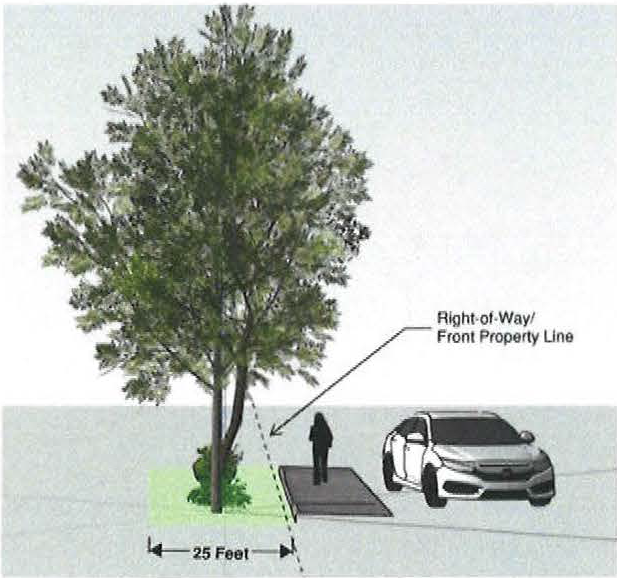
Streetscape Cross View
2.
A double staggered hedge row no less than three feet in height at the time of installation shall be provided within the landscape strip to screen vehicular parking areas, loading areas, drive aisles, and dumpsters from view from Highway 20 and intersecting cross streets.
i.
Alternatively, a landscaped berm of no less than three feet in height may be provided in lieu of a double staggered hedge row.
3.
An overstory tree not less than three feet DBH as indicated in the tree preservation and replacement ordinance shall be planted every 40 feet on center along the entire roadway frontage of Highway 20 and intersecting cross streets within the landscape strip.
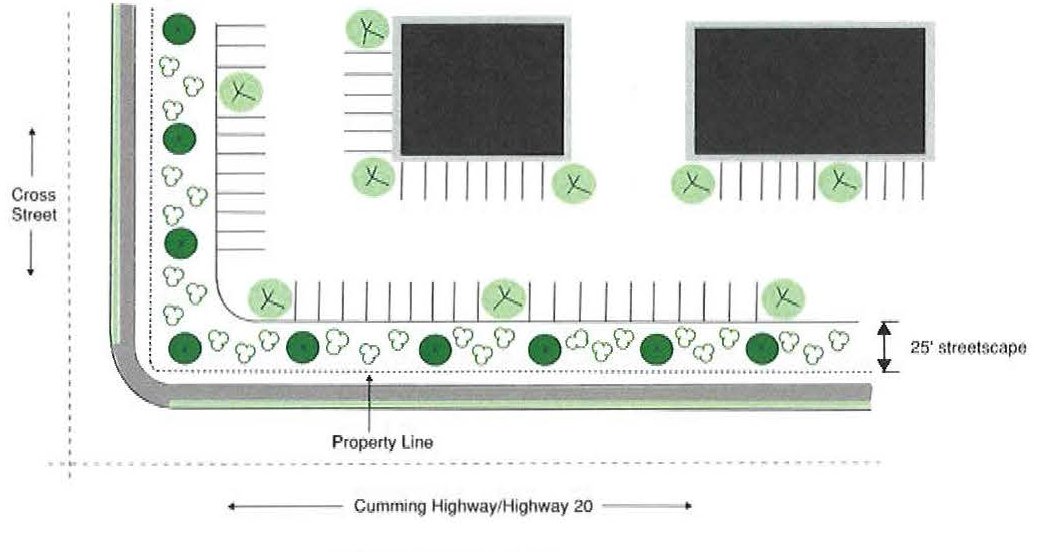
Streetscape Diagram
4.
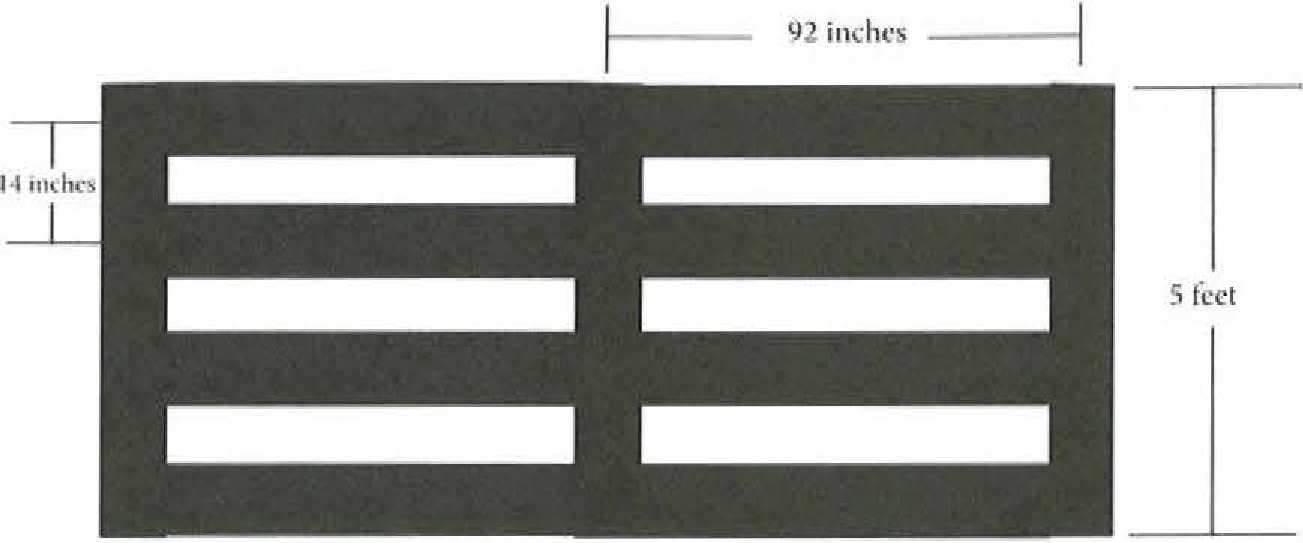
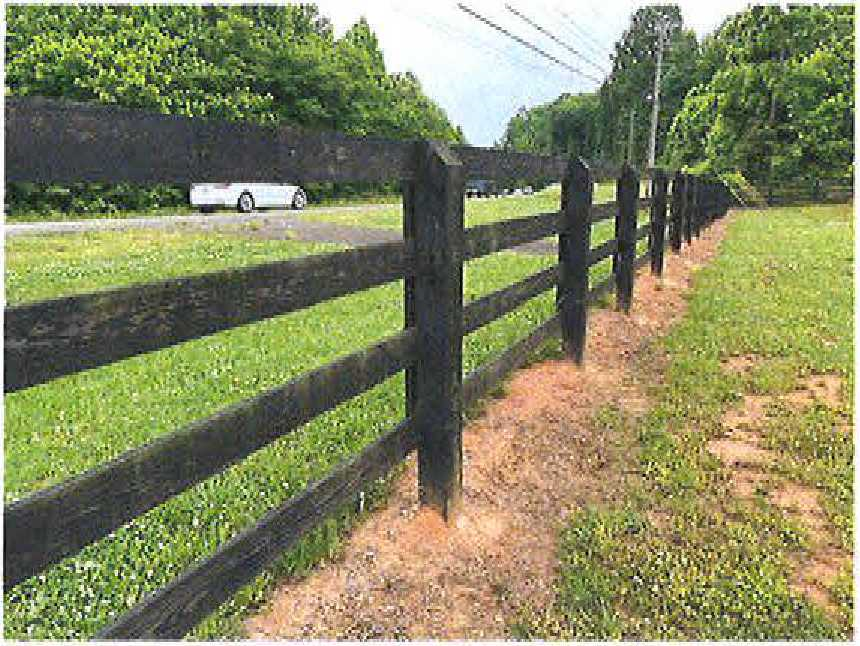
In addition to the required landscaping aforementioned, a fence may be installed within the landscape strip. If used, the fencing shall be four board style dark colored fences consisting of: six inch by six inch by five foot tall posts, set 92 inches on center; one inch thick, six inch wide rough cut fence boards spaced 14 inches on center. Fence materials shall be comprised of treated lumber, fiber cement, or steel.
i.
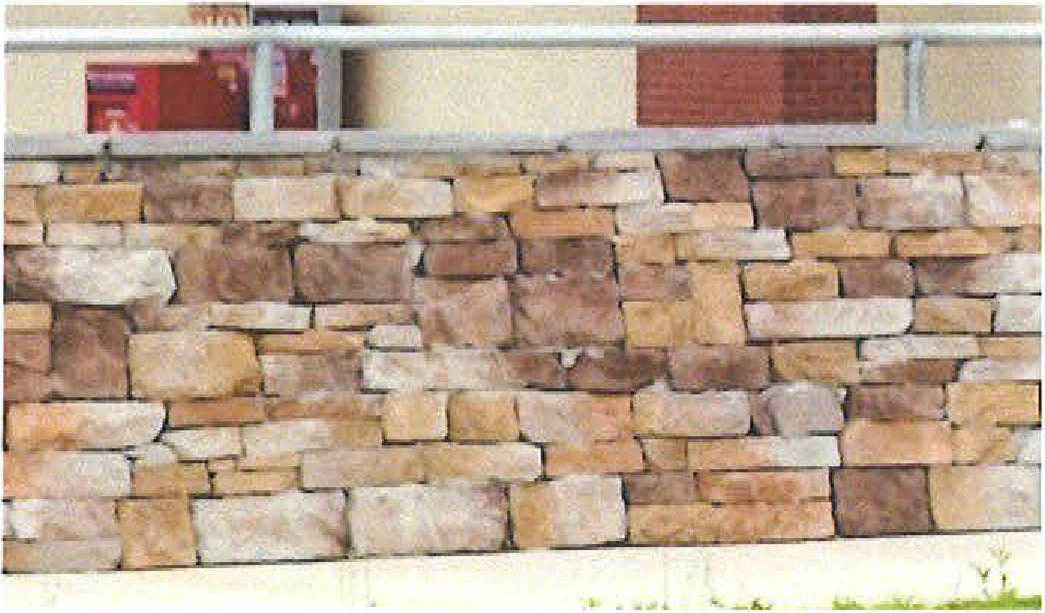
Alternatively, a decorative wall a maximum of five (5) feet in height cladded in masonry may be used in lieu of the fence, generally as shown in the figure below.
5.
If the streetscape plantings or berm do not adequately screen vehicular parking areas, loading areas, drive aisles, and dumpsters, then supplemental plantings may be required as determined by the Cherokee County arborist. If there are unique circumstances or practical difficulties with meeting the streetscape requirement, then the planning and zoning director, or designee can administratively alter these requirements to suit the project and site.
6.
A detailed planting plan is required that provides the type (common and specific names), sizes, spacing, and quantities of plants to be used. Invasive plant species shown on the Georgia Exotic Pest Plant Council (EPPC) Invasive Plant List shall be prohibited within the Highway 20 East Overlay District. Additionally, the following species shall be prohibited within the Highway 20 East Overlay District.
| DISEASE PRONE AND PROHIBITED PLANT MATERIALS | ||
| TREES | 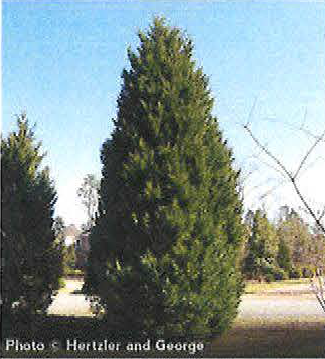 | |
| Leyland Cypress | ||
| Cupressocyparis leylandii | ||
| PEST PRONE PLANT MATERIAL | ||
| TREES | 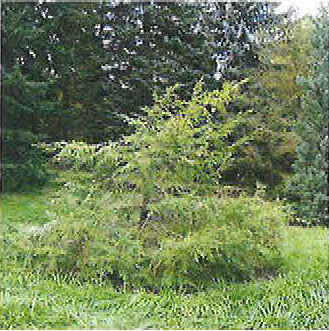 | 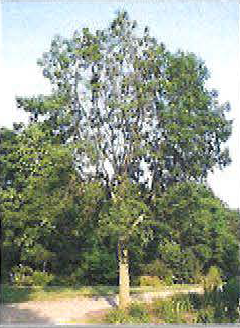 |
| Canadian Hemlock | Green Ash | |
| Tsuga canadensis | Fraxinus pennsylvanica | |
B.
Open space.
1.
Intent.
i.
Open space shall be defined as any area not covered by a building, structure, parking lot, utility or mechanical areas, loading dock or driveway.
ii.
All development shall provide usable open space. Public right-of-way, detention ponds, and preserved vegetation alone are not considered usable open space.
iii.
All open space shall be conveniently located and readily accessible.
2.
Percentage.
i.
Minimum open space for sites for up to five acres: five percent.
ii.
Minimum open space for sites five to ten acres: seven percent.
iii.
Any development that exceeds ten acres in size cumulatively requires a minimum of ten percent open space.
3.
Public amenities.
i.
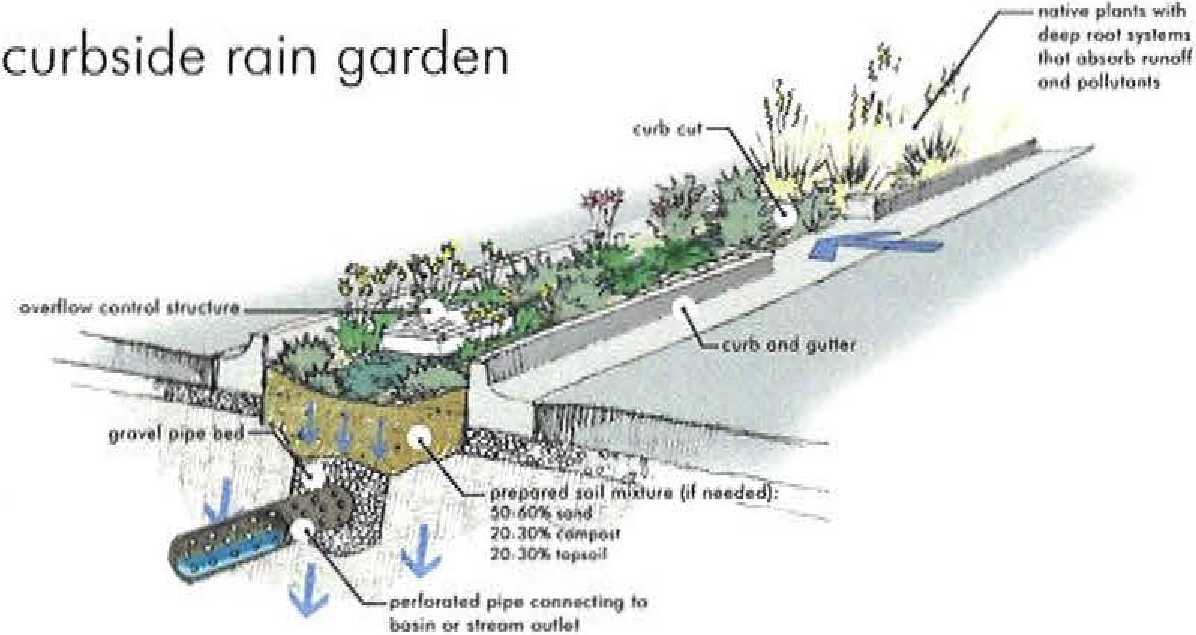
For large site developments, public amenities shall be included in open space to make them active and usable open space. Public amenities include but are not limited to fountains, public art installations, recreational amenities, seating, courtyard/plaza/square, passive or active park, pocket park, rain gardens, bioswales, trails/walking paths, or walkway parking medians.
ii.
Public amenities can be counted towards the overall open space percentage requirement.
C.
Pedestrian access.
1.
All site development and construction should be oriented to prioritize pedestrian movements.
2.
A safe pedestrian access must be provided from Highway 20 and intersecting cross streets to the primary building or site.
3.
Pedestrian connections shall be provided between adjacent and connecting developments and to adjacent public streets.
4.
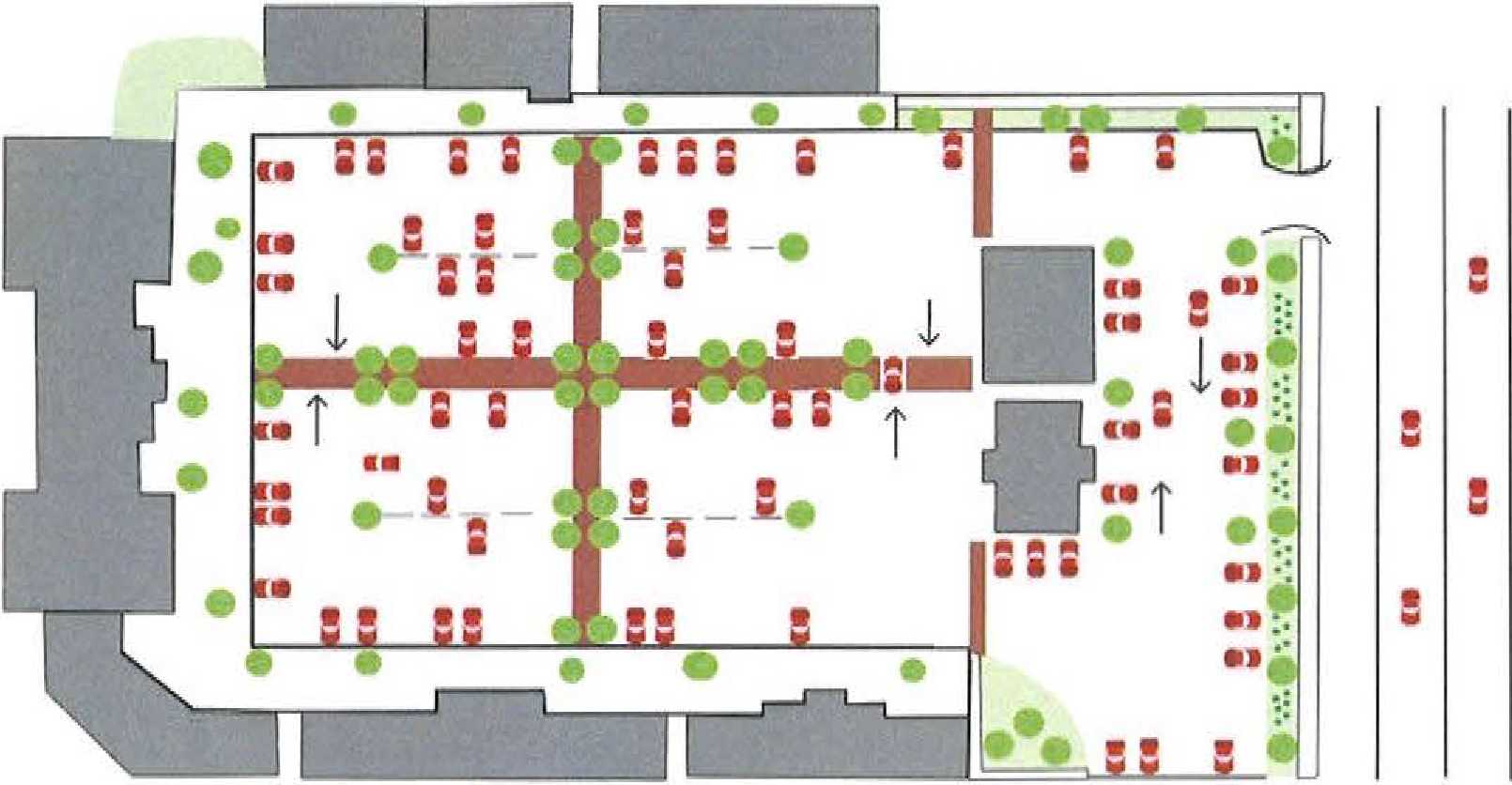
Decorative walkways within landscape medians and around larger parking pods are encouraged to provide safety and space for pedestrians. If proposed within a site, the material for these connections shall be a decorative paving material (i.e., stamped or textured concrete, pavers, or color concrete) to delineate the pedestrian crossing.
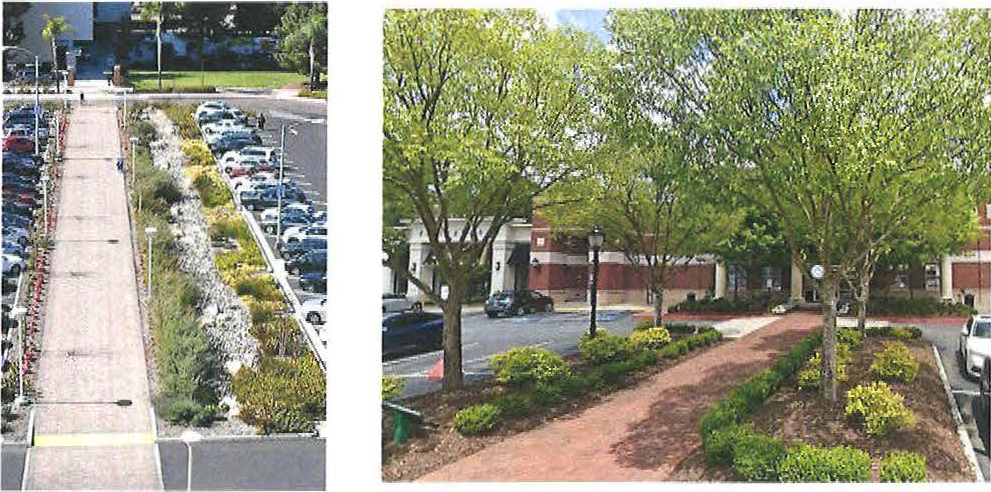
5.
A pedestrian connectivity plan must be approved by the planning and zoning director, or their designee, this plan must provide the proposed pavement design, indicate proposed pedestrian walkways within the site, and indicate connections to other sites.
D.
Retaining walls.
1.
All walls on a property shall complement the architectural style and design of the primary building.
E.
Dumpster screening.
1.
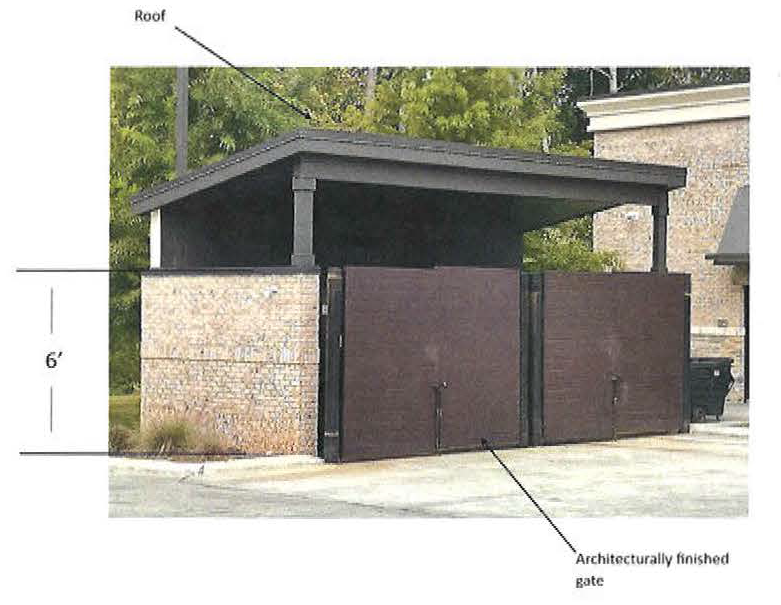
All garbage dumpsters and other similar areas devoted to the storage of waste materials shall be screened on three sides with a minimum six foot high wall constructed of permanent materials such as brick, stone, textured block, or split-faced concrete block.
2.
All dumpsters and other similar areas shall be gated on the fourth side, and the gate shall be architecturally finished.
3.
All dumpsters and other similar screened areas shall be roofed.
F.
Parking.
1.
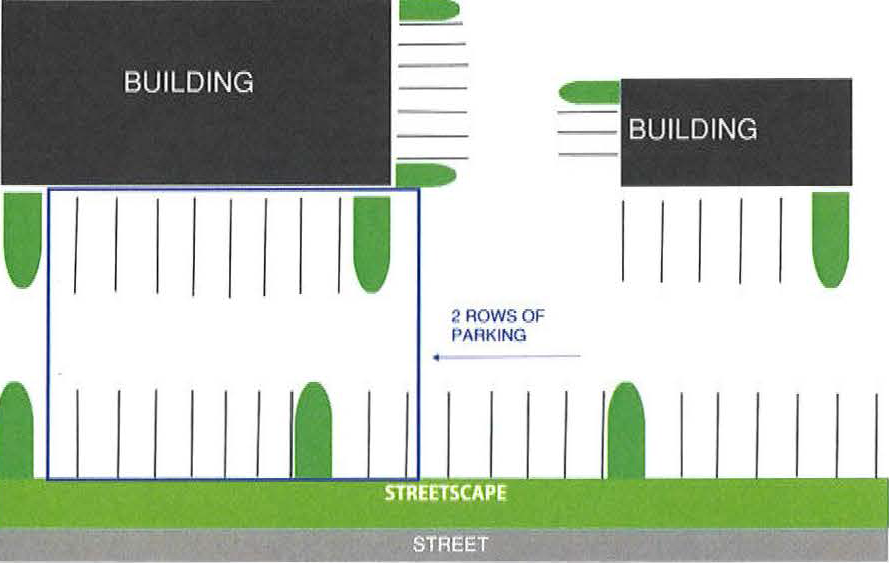
Parking areas shall be distributed around the site, rather than being concentrated in large lots, unless these lots are screened from the public right-of-way by buildings or vegetation. A maximum of two rows of parking may be located between the primary structure and any streets. All other surface parking shall be located to the side or rear of the building.
2.
In large site developments, the property must provide angled parking. At least one in four of the provided parking spaces must be designed to accommodate for oversized vehicles (e.g. medium-duty or heavy vehicles).
3.
Bioswales within parking medians are encouraged. A planting plan is required for bioswales that provides appropriate plant species in quantities sufficient enough to establish 80 percent vegetative cover within two years of installation, and a minimum of three species each of shrubs and grass/herbaceous ground cover. Invasive plant species shown on the Georgia Exotic Pest Plant Council (EPPC) Invasive Plant List shall be prohibited as well as the additional species found in section 16.3.5A.6. of this ordinance shall be prohibited.
4.
Interparcel vehicular access to allow for two-way vehicular traffic and meeting fire access requirements must be provided within parking lots to adjoining non-residential uses.
i.
A recorded cross-access easement will be required for these joint accesses.
G.
Traffic access requirements.
1.
Cherokee County will not approve proposed plans for land disturbance, development, redevelopment, or a residential subdivision subject to this section unless it receives a letter from the Georgia Department of Transportation (GDOT) District 6 that the proposed project or activity does not have a negative impact on the roadway project.
2.
Driveways on Highway 20 should be shared to limit the number of access points along the corridor. The minimum driveway spacing shall meet GDOT standards.
H.
Entries and intersections.
1.
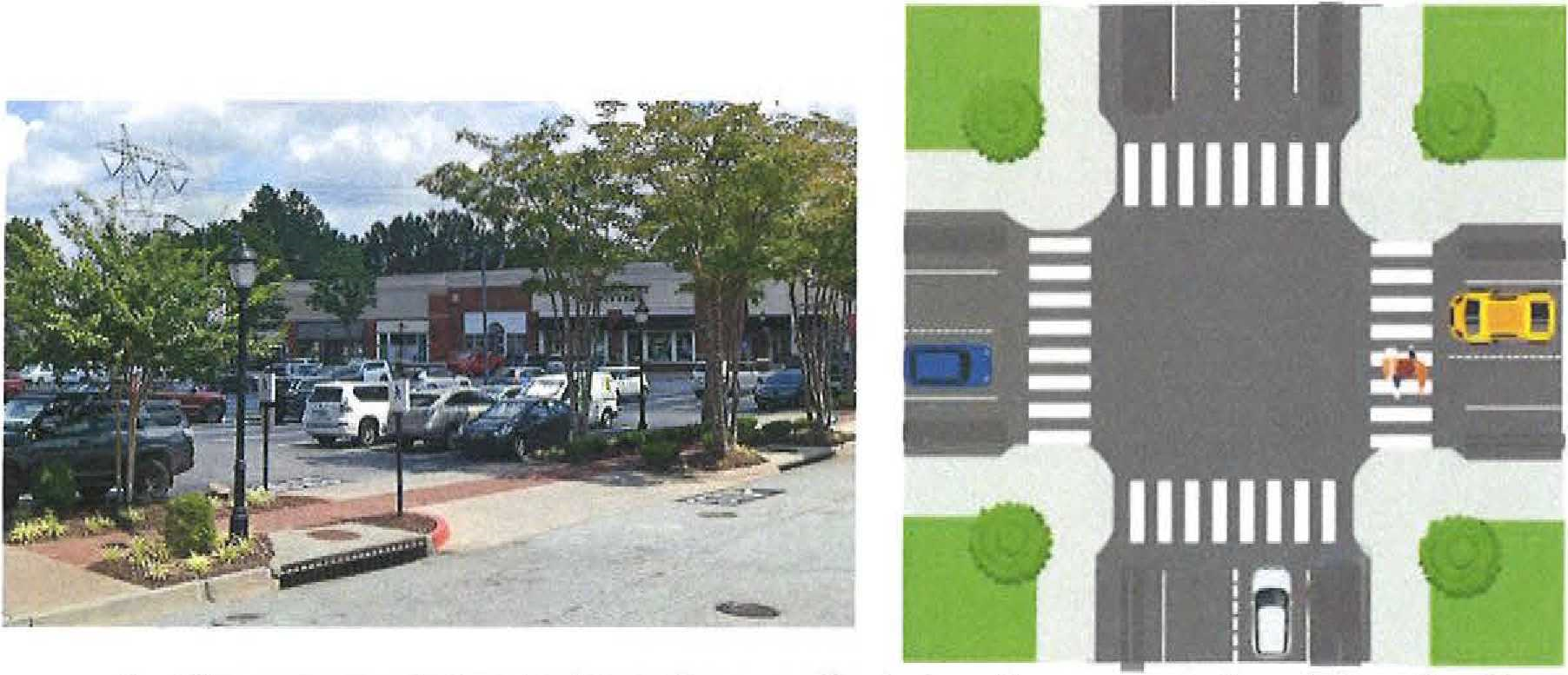
To shorten pedestrian crossing distances within sites, sidewalk or curb extensions should be utilized along internal access drives and at speed tables.
2.
The corners of street intersections, particularly gateways and site entries, should be distinguished by landscape accent treatments, such as but not limited to ground cover, herbaceous ornamentals, shrubs, understory, and/or overstory trees,
3.
If proposed, these materials shall be clustered and maintained to provide adequate sight distance to and from the entryway and allow for tree pruning.
I.
Drive-thru facilities and queuing lanes.
1.
Drive-thru windows and menu board(s) shall not be located between the building and the street(s).
2.
Drive-thru structures and components shall be incorporated into the overall design of the primary building on the property.
3.
Queuing spaces shall not be located in a manner that will block any designated parking space(s).
J.
Utilities.
1.
All site utilities shall be located underground.
K.
Signage.
1.
Freestanding signs.
i.
All freestanding signs shall be of a monument style consistent with article 11.
ii.
The maximum copy area for a small site development and residential subdivisions shall be 32 square feet with a maximum sign height of six feet.
iii.
The maximum copy area for a large site development shall be 50 square feet with a maximum sign height of ten feet.
iv.
If the sign lists multiple tenants, the sign shall be of a uniform background, lettering style, and color.

L.
Greenway/trails access.
1.
Trails or a connection to proposed trails are encouraged. Trails can count towards the minimum open space requirement.
2.
Where a trail access is provided, the required minimum parking for the development may be reduced by up to 20 percent.
16.3.6
Architectural standards. The following minimum dimensions and requirements shall apply to all development within the Highway 20 East overlay district ordinance, single family residential subdivisions shall be exempt from this section.
A.
Building materials.
1.
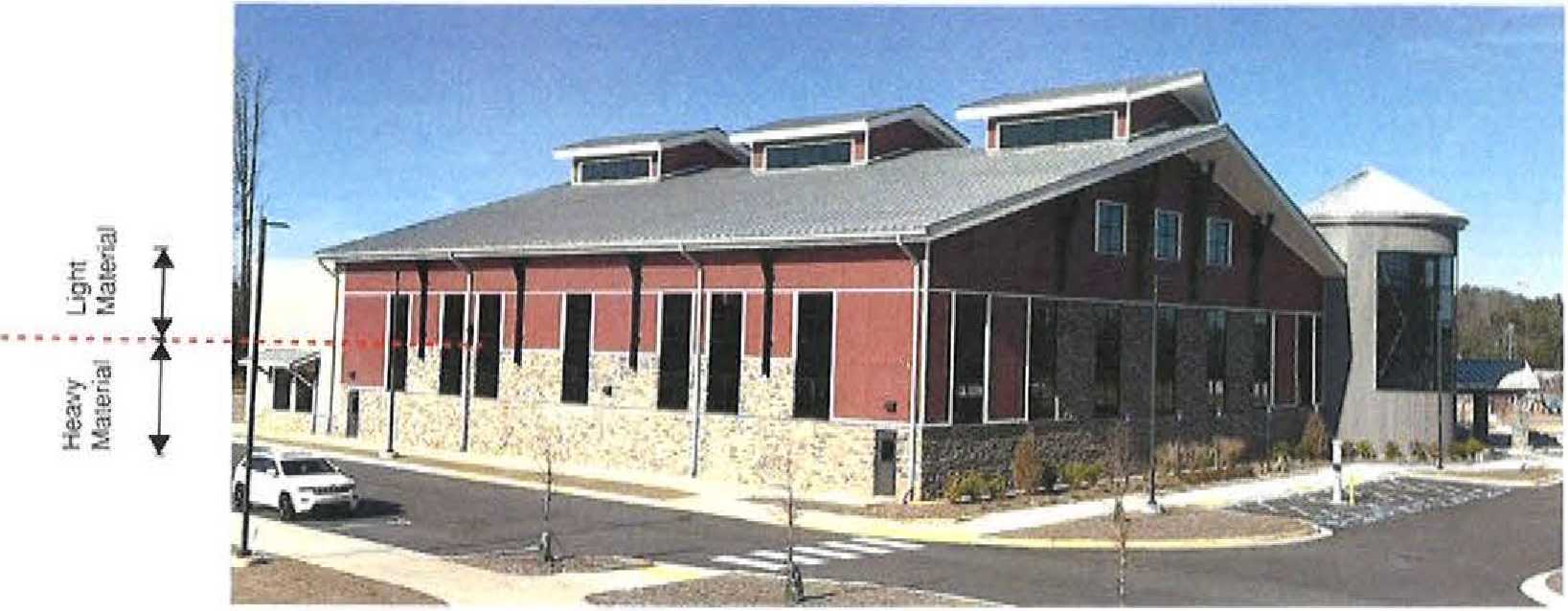
All facades shall be primarily brick, stone, cast stone, stucco, siding, cementitious siding, glass, tile or a combination thereof. If utilizing a combination of materials, two of these materials are required along all street frontages.
2.
The heavier exterior building materials shall be below the lighter exterior building materials.
3.
Architectural elements that add visual interest, scale, and character shall be provided. Architectural elements include but are not limited to awnings/canopies, shutters, window/door detailing, trellises, brackets, or dormers.
B.
Building height.
1.
The maximum height of any building shall not exceed two stories in height. Measurement shall be from grade (or crown of the road) to the ridge (pitched roof) or parapet (flat roof).
C.
Roofs.
1.
Pitched roofs shall be finished in either architectural or dimensional shingles or standing seam metal roofs.
2.
Buildings with flat roofs shall incorporate parapets or other architectural elements to break up long horizontal rooflines.
D.
Windows.
1.
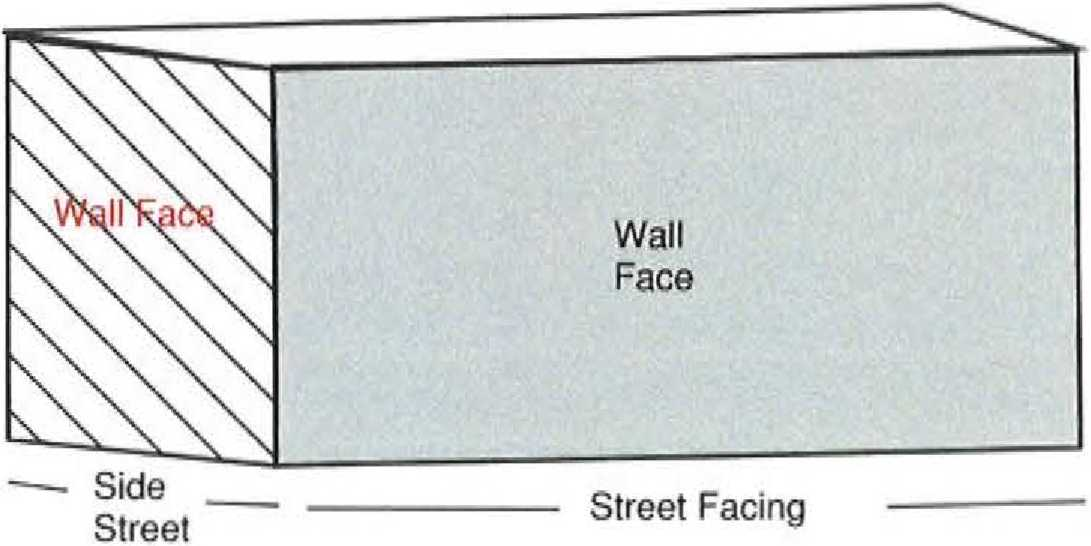
A minimum of 25 percent of the wall face along Highway 20 shall contain windows or doorways. A minimum of ten percent of the wall face along a side street shall contain windows or doorways.
2.
Windows shall be articulated with accent trim, sills, shutters, and/or other elements similar to the architectural style of the building.
3.
A development may propose an alternative in lieu of meeting the transparency percentages above if it demonstrates that the alternative helps to promote a pedestrian-oriented building or site. These alternatives can include architectural details, display windows or display cases, wall art, raised planting bed, vertical trellis, or any other element as approved by the director of planning and zoning, or their designee.
E.
Multi-tenant buildings.
1.
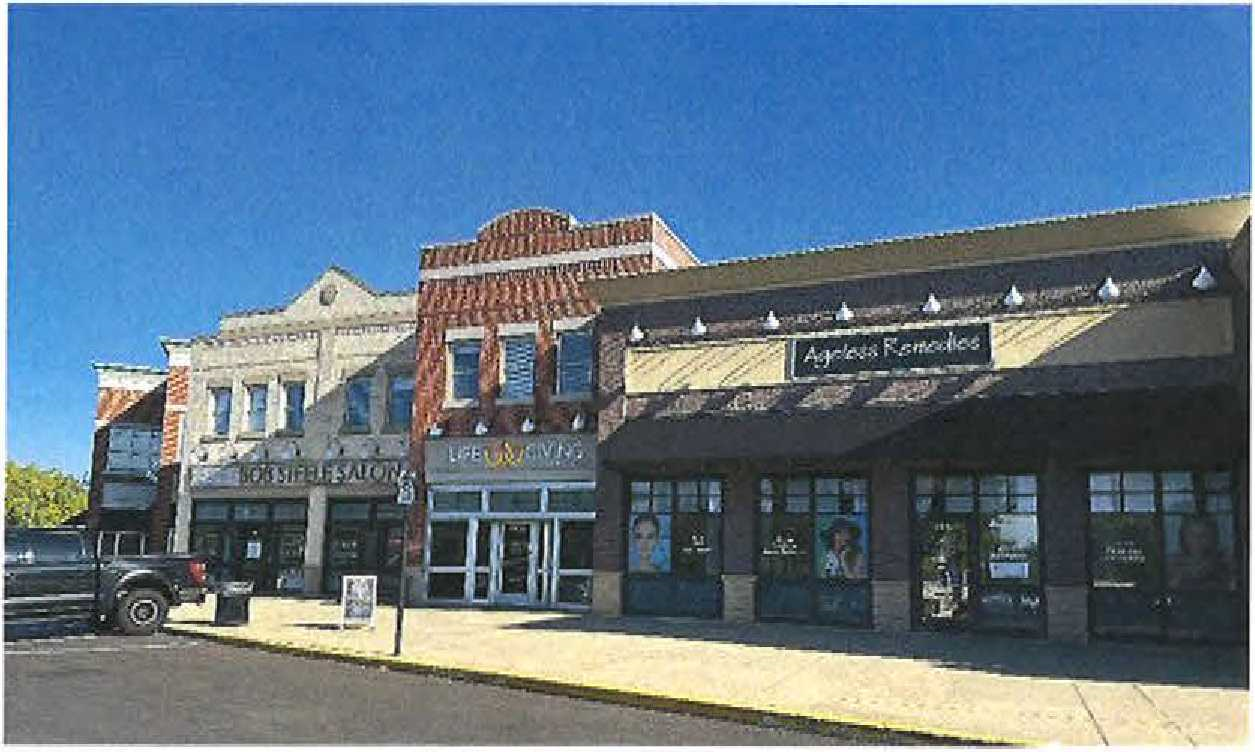
Within a multi-tenant building, the building facade shall create an interruption by two or more of the following features:
•
Projection or recess in the wall plane;
•
Change in material, texture, or pattern;
•
Change in roof line;
•
Columns, piers, pilasters, other equivalent structure and/or decorative elements;
2.
Fifty percent of the wall area of the building shall consist of brick, stone, siding or cementitious siding. If multiple establishments are contained within one contiguous structure, the percentage pertains to the entire facade rather than individual facade fronts.
16.3.7 Relationship to adaptive reuse. It is encouraged to revitalize properties that have vacant, defunct, or underutilized buildings, and to transform such previously developed properties into a more functional and attractive mixed commercial and residential community. An adaptive reuse project is any change of use from a building's current use to a new use. Adaptive reuse of existing residential buildings to commercial uses shall be exempt from the architectural building materials, windows, multi-tenant buildings, and orientation of section 16.3.6 above. To preserve the character of these properties along the corridor, the residential appearance of the building shall not be altered, unless in accordance with this ordinance.
16.3.8 Use restrictions. The purpose of the use restrictions in this section is to promote aesthetic quality and to ensure compatibility with adjacent uses, surrounding neighborhoods and businesses. Climate controlled and non-climate controlled storage facilities, high density residential, automotive services, small to medium flex office warehouses, major retail (big box stores), landscaping businesses and contracting businesses with associated outdoor storage (i.e. materials or equipment not for sale or lease) can be accessible from Highway 20 but should be located behind commercial development which generates a higher traffic volume and requires greater visibility along the major roadway. Additionally, these uses must be setback at least 100 feet from the front property line along Highway 20 and must be screened at least 50% from view of public rights-of-way and from any adjacent residential uses with additional vegetation or by other buildings. These uses may be incorporated into a mixed-use large site or planned commercial development, if meeting the intent above.
If at least 50 percent or more of the site or building is screened by other buildings or vegetation from view of public rights-of-way, then the building may utilize textured concrete block, split faced concrete block, or metal wall panels on the side and rear of the building. Additionally, three stories shall be allowed. Measurement shall be from grade (or crown of the road) to the ridge (pitched roof) or parapet (flat roof).
16.3.9 Relationship to office or industrial complexes. The overlay may support a corporate park, research and development park, technology park, corporate campus, or similar type of development when appropriate. The purpose for these developments in the overlay is to promote compatible, master-planned, high quality and an aesthetically unified plan. For the purpose of these requirements, a park/complex is defined as: a development that contains a minimum of seven acres and contains three or more buildings planned, organized, and managed to function as a unified whole. These developments must be accessed through a shared access from Highway 20, must be setback at least 100 feet from the front property line along Highway 20, and must be screened at least 50 percent from view of public rights-of-way and from any adjacent residential uses with additional vegetation or by other buildings.
The following standards shall apply:
1.
The development must meet the streetscape elements in accordance with section 16.3.5 of this ordinance.
2.
The development must have an interconnected sidewalk network between the buildings within the development, parking areas, plazas, and open space.
3.
The development must contain the minimum open space in accordance with section 16.3.5 of this ordinance. Building placement that creates opportunities for usable and shared open space, such as plazas, patios, or outdoor seating, is encouraged. Trails or a connection to proposed trails are encouraged. Trails can count towards the minimum open space requirement. Where trail access is provided, the required minimum parking for the development may be reduced by up to 20 percent.
4.
Each development should provide a well-defined entry sequence for pedestrian and vehicular uses from the street to the building.
5.
Parking areas shall be distributed around the site, rather than being concentrated in large lots, unless these lots are screened from the public right-of-way by buildings or vegetation. Shared parking is encouraged, and visitor parking should be configured on small lots located near the front or sides of the buildings. Parking areas are encouraged to have perimeter landscaping.
6.
Distributive functions such as loading, unloading, storage, and packaging shall be limited to ten percent of the total building area and five percent of the total lot area. These functions shall be located to the side and rear of the building and screened from view of public right(s)-of-way.
7.
Dumpsters and other similar areas shall be screened in accordance with section 16.3.5 of this ordinance.
8.
Roll-up doors should be oriented away from public street views and away from adjacent residential areas.
9.
Buildings within the same park should be designed to provide a unified image. Methods to achieve this include using similar architectural styles and materials, complimentary roof forms, signs, and colors. If at least 50 percent or more of the site or building is screened by other buildings or vegetation from view of public right(s)-of-way, then the building may utilize textured concrete block, split faced concrete block, or metal wall panels on the side and rear of the building. Additionally, three stories shall be allowed. Measurement shall be from grade (or crown of the road) to the ridge (pitched roof) or parapet (flat roof).
10.
Larger masses should be located at the centers of building compositions, with smaller forms stepping outwards and down. The design of the buildings should follow the natural terrain and help break up the building mass. Techniques that should be used to 'break up' the massing of a building include stepping the building height, furring out walls to create offsets in the wall plane, adding battens or reveals to wall surfaces, and insets or other variations in plane.
16.3.10 Implementation. At the time of the adoption of this ordinance, all previously developed properties shall be deemed to be in compliance with this ordinance, until such time that any improvement which requires a land disturbance permit or building permit is requested. Tenant finishes and minor repair are excluded. Such permit shall only be granted if the improvements proposed meet the standards herein, and if the streetscape along any frontage adjacent to Highway 20 or intersecting cross streets is brought into compliance.
(Ord. No. 2024-O-011, § 1, 8-20-24)

