
Glenwood Springs City Zoning Code
ARTICLE 070
060 - ADMINISTRATION AND PROCEDURES
070.060.010 - Purpose and Organization of this Article.
(a)
The purpose of this Article is to provide consistent, equitable procedures for the review of development proposals and to ensure that proposed development will be in accordance with the purposes and standards of this Code.
(b)
This Article describes the review and approval procedures for application for land use and development in the City, and is divided into the following sections:
(1)
Section 070.060.030, Common Review Procedures, describes the standard procedures that apply to most development application types.
(2)
Sections 070.060.040 through 070.060.070 contain specific information on each application type within four (4) categories (ordinance amendments, development permits, subdivision procedures, and flexibility and relief procedures), including approval criteria and any additions or modifications to the common review procedures.
(3)
Section 070.060.080, Review and Decision-Making Bodies, describes the review and decision-making authorities, including the City Council, Planning Commission, Director, Development Review Committee (DRC), and other City officials.
(Ord. No. 19-2018, § 2(Exh. A), 8-2-2018)
070.060.020 - Summary Table of Development Review Procedures.
Table 060.1: Summary of Development Review Procedures, lists the development applications authorized by this Code. For each type of application, the table indicates whether public notice is required, whether a pre-application conference is required, and the role of City review and decision-making bodies.
(Ord. No. 19-2018, § 2(Exh. A), 8-2-2018; Ord. No. 3-2019, § 2(Exh. A), 1-31-2019; Ord. No. 16-2019, § 2(Exh. A), 9-5-2019; Ord. No. 27-2020, § 2(Exh. A), 11-19-2020; Ord. No. 3-2021, § 2(Exh. A), 5-20-2021; Ord. No. 18-2021, § 2(Exh. A), 1-6-2022; Ord. No. 09-2022, § 3(Exh. B), 3-3-2022)
070.060.030 - Common Review Procedures.
(a)
General. This Section describes the standard procedures and rules applicable to all development applications unless otherwise stated in this Code. Common review procedures include six (6) steps, as shown below in Figure 060-1, not all of which are applicable to every development application. Application-specific procedures in Section 070.060.040 through 070.060.070 identify additional procedures and rules beyond those in this Section.
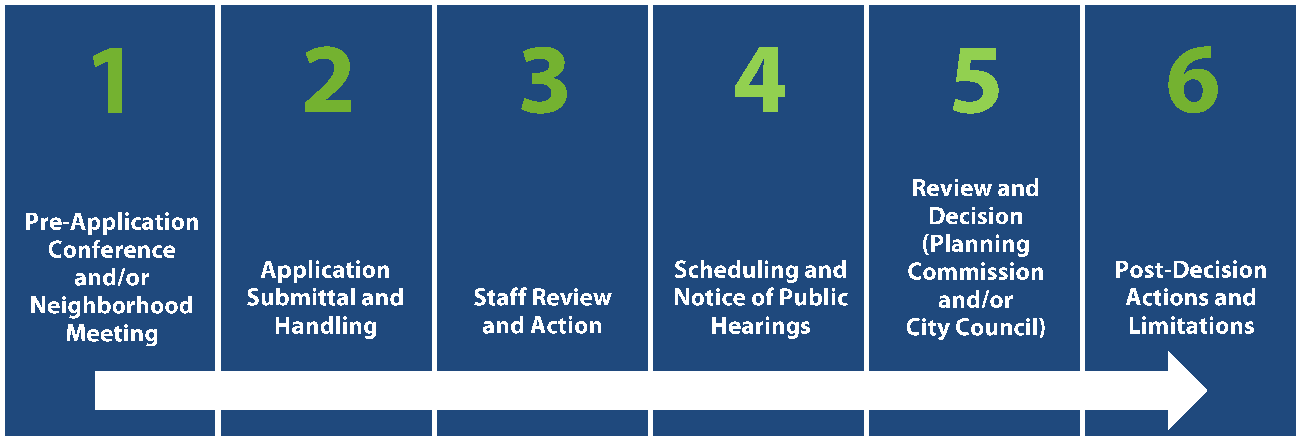
Figure 060 1: Summary of Common Review Procedures
(b)
Pre-Application Conference.
(1)
Purpose. The pre-application conference is intended to provide an opportunity for the applicant to meet with City staff and the Development Review Committee (DRC) to review applicable submittal requirements, review procedures, and to identify any issues associated with the proposed development concept.
(2)
When Required. A pre-application conference is required according to Table 060.1: Summary of Development Review Procedures.
(3)
Procedure. Pre-application conferences shall follow the following procedures:
a.
Request. The applicant shall submit a request for a pre-application conference to the Director.
b.
Scheduling. The Director shall schedule pre-application conferences and notify appropriate staff and the applicant of the time and location of the conference.
c.
Required Information. At least ten (10) days prior to the scheduled pre-application conference, the applicant shall submit the following materials at a minimum:
1.
A draft of a complete application;
2.
A written description of the proposed project;
3.
Conceptual drawings showing the location, layout, and primary elements of the proposal; and
4.
Proposed uses, location of uses, and densities proposed.
d.
Conference Determinations. City staff attending the pre-application conference shall identify concerns or factors the applicant should consider related to the scope, features, and potential impacts of the project as they relate to this Code, adopted building or engineering standards, or other policies or regulations enforced by the City and/or other public entities. City staff shall also indicate to the extent possible whether additional approval procedures are required for the proposed project, such as a variance or administrative adjustment.
(4)
Effect. Any information or discussions held at the pre-application conference shall not be binding on the City or the applicant. Discussions of potential conditions to mitigate impacts do not reflect actions by the decision-making body until and unless a decision-making body takes formal action to attach that condition to a development approval.
(c)
Pre-Application Neighborhood Meeting.
(1)
Purpose. The purpose of the pre-application neighborhood meeting is to allow residents, businesses, and organizations in the area surrounding a proposed development project an early opportunity to learn about the project details and to provide feedback to the applicants before significant funds have been spent on project design and engineering.
(2)
Applicability. A pre-application neighborhood meeting shall be required as indicated in Table 060.1: Summary of Development Review Procedures.
(3)
Notification. Notification of the required pre-application neighborhood meeting shall be sent by mail or electronically to those registered neighborhood groups that have boundaries including the proposed project site, and to property owners within three hundred (300) feet of the exterior boundaries of project site, at least fifteen (15) days prior to the meeting date.
(4)
Meeting Specifics.
a.
City staff may attend the meeting, but are not required to attend nor facilitate the meeting.
b.
The applicant shall present information about the proposed land uses, dimensional standards, location of buildings, and overall site layout and design. Detailed engineering is not required. The material presented shall be adequate to describe the project features without the need for the applicant to have retained architects, engineers, or consultants.
c.
The applicant shall only be required to hold one (1) meeting if required, but may agree to conduct additional meetings before or after filing an application.
(5)
Summary Required with Application Submittal. Details of the meeting, including proof of notification, a meeting summary, and a list of meeting attendees, as well as copies of any exhibits used at the meeting shall be provided with the project application.
(d)
Application Submittal and Handling.
(1)
Authority to Submit Application.
a.
Unless expressly stated otherwise in this Code, a development application shall be submitted by:
1.
The owner, contract purchaser, or any other person having a recognized property interest in the land on which development is proposed; or
2.
A person authorized to submit the application on behalf of the owner, contract purchaser, or other person having a recognized property interest in the land, as evidenced by a letter or document signed by the owner, contract purchaser, or other person.
b.
If there are multiple owners, contract purchasers, or other persons authorized to submit the application, all such persons shall sign the application or a letter or document consenting to the application.
c.
No application shall be submitted prior to attending a pre-application conference, if required per Table 060.1: Summary of Development Review Procedures.
(2)
Application Content. The application shall be submitted to the Director on a form established by the Director. The applicant bears the burden of demonstrating compliance with application requirements.
(3)
Application Fees.
a.
Application fees shall be paid at the time of submittal according to the type of application on the development review fee schedule. The fee schedule shall be established by resolution of the City Council and reviewed on an annual basis.
b.
In the event the Director determines that it is necessary to utilize the services of a consultant not on staff, the Director may impose additional fees associated with such outside consultant.
(4)
Application Review Timeline. The Director shall establish a review timeline for development applications and shall include that information in the Administrative Manual. The Director may amend the timeline to ensure effective and efficient review under this Code.
(5)
Determination of Application Completeness. The Director shall determine whether the application is complete or incomplete within five (5) business days of submittal and provide written notification of such determination to the applicant. A complete application shall be processed according to the procedures in this Article. An incomplete application shall not be processed or reviewed. Any deficiencies noted by the Director shall be addressed by the applicant prior to resubmitting the application.
(6)
Abandoned Applications. If an application has not been resubmitted to address staff-noted deficiencies within six (6) months, such application shall be deemed abandoned. Abandoned applications shall require a new pre-application conference and may be subject to additional fees.
(7)
Minor Application Revisions. An applicant may revise an application after receiving notice of compliance deficiencies following staff review according to Subsection 070.060.030(e), or on requesting and receiving permission from an advisory or decision-making body after that body has reviewed, but not yet taken action on, the application. Revisions shall be limited to changes that directly respond to specific requests or suggestions made by staff or the advisory or decision-making body, as long as they constitute only minor additions, deletions, or corrections and do not include significant substantive changes to the development proposed in the application, as determined by the Director. All other application revisions shall be processed as a new application.
(8)
Application Withdrawal.
a.
After an application has been accepted for review, the applicant may withdraw the application at any time by submitting a letter of withdrawal to the Director.
b.
An applicant is not entitled to a refund of application fees for withdrawn applications. However, the Director may refund fees not expended during the first round of staff review if the application is withdrawn within ten (10) days of acceptance and prior to preparation or distribution of any official written comments.
(e)
Staff Review and Action.
(1)
Referral to Development Review Committee, Staff, and Review Agencies. The Director shall distribute the complete application to appropriate staff, the Development Review Committee (DRC), and appropriate review agencies per the Administrative Manual.
(2)
Staff Review and Application Revisions. Staff and/or the DRC shall review the application and submit recommendations and comments to the applicant in a form established by the Director. The applicant shall attend a meeting with the appropriate staff as determined by the Director to discuss staff and/or DRC recommendations and comments. The application will not move forward for further review until the Director determines that the applicant has adequately responded to the City's recommendations and comments.
(3)
Applications Subject to Staff Recommendation.
a.
Staff Report. If an application is subject to staff review and recommendation to the Planning Commission and/or City Council per Table 060.1: Summary of Development Review Procedures, staff shall prepare a written staff report. The staff report shall state whether or not the application complies with requirements of this Code, the Municipal Code, and with applicable Engineering Standards, and shall include a recommendation for consideration by the appropriate decision-making body.
b.
Distribution and Availability of Application and Staff Report. The Director shall submit a copy of the staff report to the applicant and the advisory and/or decision-making body, and shall make the staff report and related materials available for public review according to the following timeframes:
1.
For hearings before the Planning Commission, the staff report shall be distributed no later than the Friday prior to the scheduled Planning Commission hearing where the application is to be heard.
2.
For hearings before the City Council, the staff report shall be distributed prior to the scheduled City Council hearing where the application is to be heard.
(4)
Applications Subject to Staff Decision.
a.
Decision.
1.
If an application is subject to staff review and a final decision by the Director, the Director shall make a decision based on the review standards applicable to the application type. The decision shall be in writing and shall clearly state reasons for a denial or for conditions of approval.
2.
Finality of Decision.
i.
For all application types except administrative site/architectural plans, the Director's decision is immediately final.
ii.
For administrative site/architectural plans, the Director shall regularly make available to the Planning Commission a record of pending applications. The Commission may elect to call up such applications within ten (10) days of providing notice, pursuant to Subsection 070.060.050(a)(2)c., Referral and Call-Up Procedures. The Director shall decide such applications that are not called up following the end of the ten-day period.
iii.
Within three (3) business days following any decision by the Director, the Director shall provide written notification of such decision to the Planning Commission and City Council.
b.
Conditions of Approval. Any conditions of approval shall be limited to conditions necessary to ensure compliance with the requirements of this Code and shall relate to the anticipated impacts of the proposed development.
(f)
Scheduling and Notice of Public Hearings.
(1)
Scheduling.
a.
If an application is subject to a public hearing per Table 060.1: Summary of Development Review Procedures, the Director shall schedule the public hearing for either a regularly scheduled meeting or special meeting of the appropriate decision-making body.
b.
The public hearing shall be scheduled to allow sufficient time to prepare a staff report per Subsection 070.060.030(e)(3).
(2)
Public Hearing Notice.
a.
General Notice Requirements. All public hearings required by this Code shall be preceded by the notices identified in Table 060.1: Summary of Development Review Procedures.
b.
Responsibility of Party Seeking Hearing. The applicant or other person seeking the public hearing shall be responsible for the accuracy of and proper publication, mailing, and posting of notice of the public hearing, and such persons shall bear all costs incurred in connection with giving notice of the public hearing.
(3)
Notice Format and Content.
a.
Published and Mailed Notice.
1.
Required published or mailed notices shall:
i.
Identify the application type;
ii.
Describe the nature and scope of the proposed project;
iii.
Identify the location subject to the application;
iv.
Identify the date, time, and location of the hearing being noticed;
v.
Identify where and when the application and associated materials may be inspected; and
vi.
Indicate opportunity to appear at the public hearing.
2.
Published notice shall appear twice in a newspaper of general circulation in the City. The first notice shall appear at least ten (10) days but not more than fifteen (15) days prior to the scheduled hearing. The second notice shall appear exactly seven (7) days following publication of the first notice.
3.
Mailed notices shall be sent via first class mail to all property owners as listed in the records of the Garfield County tax assessor's office within three hundred (300) feet of the subject property, as measured from property boundaries.
b.
Posted Notice.
1.
Required posted notice shall include at least one (1) sign on the subject property at least ten (10) days prior to the public hearing. Required sign(s) shall be provided by the City. The applicant shall be responsible for posting the required sign(s). The sign(s) shall be clearly visible from adjacent streets or public rights-of-way and shall remain on the property until after the hearing.
2.
The Director may require additional signs based on access and configuration of the property.
3.
Required posted notice shall:
i.
Identify the application type;
ii.
Describe the nature and scope of the proposed project;
iii.
Identify the date, time, and location of the hearing being noticed; and
iv.
Identify a telephone number for additional information.
c.
Notice to Mineral Estate Owners and Lessees. The applicant shall provide notice by certified mail, return receipt requested, to all mineral owners and lessees on the subject property for development applications in accordance with C.R.S. § 24-65.5-103. Such notice shall be provided not less than thirty (30) days prior to the initial public hearing, or not less than thirty (30) days prior to the final decision if the application does not require a public hearing. The burden of determining mineral estate owners and lessees shall be on the applicant.
d.
Certification of Notice. The applicant shall provide certification that proper notice has been provided, including photographic evidence (for posted notices) and a signed affidavit. The format of such certification shall be established by the Director. The applicant shall submit the certification to the Director prior to the scheduled public hearing.
(4)
Constructive Notice.
a.
Minor Defects in Notice Shall Not Invalidate Proceedings. Minor defects in any notice shall not impair the notice or invalidate proceedings pursuant to the notice if a bona fide attempt has been made to comply with applicable notice requirements. Minor defects in notice shall be limited to errors in a legal description or typographical or grammatical errors that do not impede communication of the notice to affected parties. In all cases, however, the requirements for the timing of the notice and for specifying the time, date, and place of a hearing shall be strictly construed.
b.
Failure to Receive Notice Shall Not Invalidate Action. Failure of a party to receive written notice shall not invalidate subsequent action. If questions arise at the public hearing regarding the adequacy of notice, the decision-making body shall make a formal finding as to whether there was substantial compliance with the notice requirements of this Code.
(g)
Review and Decision (Planning Commission and/or City Council).
(1)
Hearing, Review, and Decision.
a.
The application shall be subject to review, hearings, recommendations, and decisions as indicated in Table 060.1: Summary of Development Review Procedures.
b.
If the application is subject to a public hearing, the applicable review body shall hold a public hearing on the application in accordance with Subsection 070.060.030(h), Public Hearing Procedures, and Section 070.060.080, Review and Decision-Making Bodies.
c.
The applicable review body shall consider the application, relevant support materials, staff report, and any evidence and public comments from the public hearing (if required).
d.
The applicable review body shall approve, approve with conditions, or deny the application based on the applicable approval criteria listed in the application-specific procedures. The body may also continue the hearing or refer the application to another authority as provided in Subsection 070.060.050(a)(2)c., Referral and Call-Up Procedures.
e.
If the review involves a quasi-judicial hearing, the recommendation or decision (as applicable) shall be based only on the record of the public hearing; shall be in writing; shall include findings of fact based on competent, material, and substantial evidence presented at the hearing; shall reflect the determination of contested facts; and shall state how the findings support compliance with applicable review standards.
f.
The applicable review body shall clearly state the factors considered in making its recommendation or decision, as well as the basis or rationale for the recommendation or decision.
g.
Within three (3) business days following any decision by the Planning Commission, the Director shall provide written notification of such decision to the City Council.
(2)
Conditions of Approval.
a.
Where this Code authorizes a review body to approve or deny an application subject to applicable criteria, the review body may approve the application with conditions necessary to bring the proposed development into compliance with this Code or other regulations, or to mitigate the impacts of that development on surrounding properties and streets.
b.
Conditions of approval shall be reasonably related to the anticipated impacts of the proposed use or development or shall be based upon standards duly adopted by the City. Such conditions may include those necessary to carry out the purpose and intent of the Comprehensive Plan, other adopted City plans, and this Code. No conditions of approval shall be less restrictive than the requirements of this Code, except where the Code expressly allows deviations.
c.
Any condition of approval that requires an applicant to dedicate land or pay money to a public entity in an amount that is not calculated according to a formula applicable to a broad class of applicants shall be roughly proportional both in nature and extent to the anticipated impacts of the proposed development, as shown through an individualized determination of impacts. The City shall bear the burden of determining such impacts.
d.
During its consideration, the decision-making body may consider alternative potential conditions, and no discussion of potential conditions shall be deemed an attempt or intent to impose any condition that would violate the federal or state constitutions, statutes, or regulations. Discussions of potential conditions to mitigate impacts do not reflect actions by the decision-making body unless and until the decision-making body takes formal action to attach that condition to a development approval.
e.
City Council may modify conditions recommended by the Planning Commission prior to making a decision.
f.
Unless otherwise provided in this Code, any representations of the applicant in submittal materials or during public hearings shall be binding as conditions of approval.
(h)
Public Hearing Procedures. Public hearings required by this Code shall be conducted according to Section 070.060.080, Review and Decision-Making Bodies, the bylaws established by the respective bodies, and in compliance with state law.
(i)
Post-Decision Actions and Limitations.
(1)
Notice of Decision.
a.
Within ten (10) days after a final decision on an application, the Director shall provide written notification of the decision via personal delivery, electronic mail, or first-class mail to the applicant and shall make a copy of the decision available to the public in a conspicuous location such as the official meeting notice board in City Hall.
b.
If the review involves a quasi-judicial hearing, the Director shall, within ten (10) days after a final decision on the application, also provide a written notification of the decision via personal delivery, electronic mail, or first-class mail to the owner(s) of the subject site, and any other person that submitted a written request for a copy of the decision before its effective date.
(2)
Appeal.
a.
A party aggrieved or adversely affected by any decision by the City Council may seek review of the decision in the courts in accordance with state law.
b.
A party aggrieved by other final decisions may appeal the decision in accordance with the procedures in Subsection 070.060.070(c).
(3)
Expiration of Approval.
a.
An application approval shall be valid as authorization for the approved activity unless it expires in accordance with expiration time periods provided in this article.
b.
A change in ownership of the land shall not affect the established expiration time period of an approval.
c.
The Director may grant extensions of the expiration time period for up to one (1) year, following a written request that explains reasonable cause for such extension, prior to the expiration date. The Director shall determine whether or not there is reasonable cause for the requested extension. Further extensions shall be subject to the approval of the decision-making body for the original application.
(4)
Modification or Amendment of Approval. Unless otherwise provided in this Code, any modification of an approved plan, permit, or condition of approval shall require a new application that is submitted and reviewed in accordance with the full procedure and fee requirements applicable to the particular type of the original application.
(5)
Limitation on Subsequent Similar Applications. Following denial of an application, the decision-making body shall not decide on applications that are the same or substantially similar within one (1) year of the previous denial. This waiting period may be waived by the decision-making body provided that:
a.
There is a substantial change to circumstances, or new information available, relevant to the issues or facts considered during the previous application review; or
b.
The new application is materially different from the previous application.
(j)
Vested Rights.
(1)
Purpose. The vested rights procedure provides the mechanism for approval of vested real property rights pursuant to C.R.S. Tit. 24, Art. 68, as amended. Nothing in this Subsection is intended to create a vested property right, but only to implement the provisions of state law.
(2)
Applicability.
a.
Vested property rights may be obtained through approval of the following site-specific development plans:
1.
Master Plan, Subsection 070.060.050(b);
2.
Administrative Site/Architectural Plan, Subsection 070.060.050(a)(3);
3.
Minor Site/Architectural Plan, Subsection 070.060.050(a)(4);
4.
Major Site/Architectural Plan, Subsection 070.060.050(a)(5);
5.
Planned Unit Development, Subsection 070.060.040(b); or
6.
Final Plat, Subsection 070.060.060(c).
b.
No other plan, plat, or similar document shall be considered a site-specific development plan.
(3)
Vested Rights Procedure. Additions or modifications to the common review procedures of this Section 070.060.030 are noted below.
a.
Pre-Application Conference. A pre-application conference shall be held in accordance with Subsection 070.060.030(b). The pre-application conference for the applicable site-specific development plan shall be held concurrently with the pre-application conference for vested rights.
b.
Application Submittal and Handling.
1.
A vested rights request shall be included with an application for the site-specific development plan, which application shall be submitted, accepted, and revised, and may be withdrawn, in accordance with Subsection 070.060.030(c).
2.
If the applicant seeks approval of a site-specific development plan to create vested property rights, such plan shall include a statement that it is being submitted for designation as a site-specific development plan. Failure to include such statement shall result in no vested property rights being created by the approval of the site-specific development plan.
c.
Staff Review and Action.
1.
The Director and DRC shall review the vested rights application and prepare a staff report and recommendation in accordance with Subsection 070.060.030(e). The recommendation for vested rights shall be incorporated into the staff report for the applicable site-specific development plan.
2.
For applications decided by the Director, vested rights shall be included with the official decision per the applicable site-specific development plan procedure.
d.
Scheduling and Notice of Public Hearings. If required, the applicable site-specific development plan application shall be scheduled for a public hearing before the Planning Commission and/or City Council and noticed in accordance with Subsection 070.060.030(f). Hearings on vested rights may occur concurrently with the applicable site-specific development plan.
e.
Review and Decision (Planning Commission and/or City Council).
1.
Planning Commission Review, Recommendation, and/or Decision. If required for a site-specific development plan, the Planning Commission shall review the site-specific development plan application and make a recommendation and/or decision in accordance with Subsection 070.060.030(g). If the Planning Commission is the deciding authority, the Planning commission shall make one (1) of the decisions according to the procedures for that site-specific development plan.
2.
City Council Review and Decision. If required for a site-specific development plan, the City Council shall review the site-specific development plan application and make a decision in accordance with Subsection 070.060.030(g). The City Council shall make one (1) of the decisions according to the procedures for that site-specific development plan.
f.
Post-Decision Actions and Limitations. Post-decision actions and limitations in Subsection 070.060.030(i) shall apply with the following modifications:
1.
Effect of Approval.
i.
For the purpose of determining the date upon which a vested property right shall be deemed established, a site-specific development plan shall be deemed approved upon the date of final action by the City according to the procedures set forth in this Article.
ii.
Approval of a site-specific development plan shall not constitute an exemption from or waiver of any other standards of this Code pertaining to the development and use of property adopted prior to the approval of a site-specific development plan.
2.
Amendments to Site-Specific Development Plans. Any subsequent amendment to the site-specific development plan shall not extend or otherwise affect the duration of the vested property right unless the Planning Commission or City Council makes such a finding in its approval of the amendment.
3.
Notice of Approval. Within fourteen (14) days after the approval of a site-specific development plan, the applicant shall publish in the City's official newspaper a notice describing the type and intensity of use approved and the specific parcels of property affected, and stating that a vested property right has been created according to state law. The applicant shall provide a copy of the notice to the Director.
(Ord. No. 19-2018, § 2(Exh. A), 8-2-2018; Ord. No. 3-2019, § 2(Exh. A), 1-31-2019)
070.060.040 - Ordinance Amendments.
(a)
Rezoning.
(1)
Purpose.
a.
The purpose of the rezoning procedure is to make amendments to the Official Zoning Map of the City of Glenwood Springs to reflect changes in public policy, changed conditions, or to advance the welfare of the City. The zoning classification of any parcel in the City may be amended using this procedure. The purpose is neither to relieve particular hardships nor to confer special privileges or rights on any person. Rezonings should not be used when a special use permit, variance, or administrative adjustment could be used to achieve a similar result.
b.
Changes to the characteristics of zoning districts (such as setback requirements) and development standards (such as parking requirements) shall be processed as Code amendments according to Subsection 070.060.040(c).
(2)
Applicability. A rezoning may be approved by the City Council following review and recommendation by the Planning Commission. A rezoning to a Planned Unit Development is a distinct type of amendment to the Official Zoning Map and shall follow the procedures in Subsection 070.060.040(b).
(3)
Rezoning Procedure. Figure 060-2 identifies the applicable steps from the common review procedures in Subsection 070.060.030 that apply to the review of rezonings. Additions or modifications to the common review procedures are noted below.
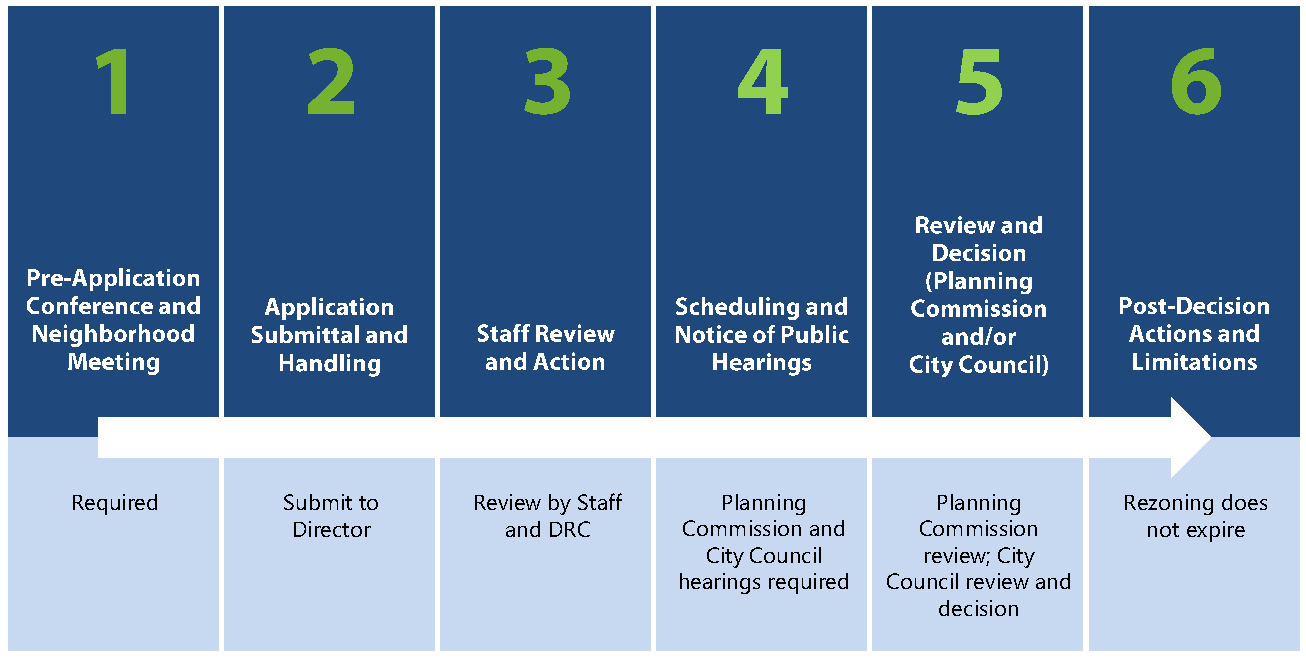
Figure 060-2: Summary of Rezoning Procedure
a.
Pre-Application Conference. A pre-application conference shall be held in accordance with Subsection 070.060.030(b).
b.
Pre-Application Neighborhood Meeting. A pre-application neighborhood meeting shall be held in accordance with Subsection 070.060.030(c).
c.
Application Submittal and Handling.
1.
The rezoning application shall be submitted, accepted, and revised, and may be withdrawn, in accordance with Subsection 070.060.030(d). The application shall include all required information as indicated in the Administrative Manual and any additional information requested during the pre-application conference.
2.
In addition to the persons authorized to submit an application listed in Subsection 070.060.030(d)(1), the Planning Commission may initiate a rezoning application following discussion at any Planning Commission meeting.
3.
When multiple parcels are proposed for rezoning, a separate application for each property shall be submitted unless the Director approves a consolidated application during the pre-application conference.
d.
Staff Review and Action. The Director and DRC shall review the application and prepare a staff report and recommendation in accordance with Subsection 070.060.030(e).
e.
Scheduling and Notice of Public Hearings.
1.
The rezoning application shall be scheduled for public hearings before the Planning Commission and City Council and noticed in accordance with Subsection 070.060.030(f).
2.
For City-initiated rezonings, affected property owners shall be notified by first class mail of the intended zoning change and public hearing(s) at least fifteen (15) days prior to the public hearing date.
f.
Review and Decision (Planning Commission and/or City Council).
1.
Planning Commission Review and Recommendation. The Planning Commission shall review the rezoning application and recommend approval or denial in accordance with Subsection 070.060.030(g) and the criteria in Subsection 3., below. The Planning Commission may also continue the hearing to a regular Planning Commission meeting or a special hearing with a date certain with the requirement that the applicant submit changes or additional information necessary to determine compliance with the approval criteria. Additional continuances may only be granted in extraordinary situations.
2.
City Council Review and Decision. The City Council shall review the rezoning application and act to approve or deny the rezoning in accordance with Subsection 070.060.030(g) and the criteria in Paragraph 3. below. The City Council may also continue the hearing to a regular City Council meeting or special hearing scheduled for a date certain with the requirement that the applicant submit changes or additional information necessary to determine compliance with the approval criteria. Additional continuances may only be granted in extraordinary situations.
3.
Rezoning Approval Criteria.
i.
In reviewing a proposed rezoning, the Planning Commission and City Council shall consider whether:
a.
The rezoning is consistent with the City's comprehensive plan and the purpose of this Code;
b.
The rezoning is consistent with the proposed purpose statement of the proposed zoning district;
c.
Substantial changes in the subject area warrant a zoning change; and/or
d.
The intensity of development in the new zoning district is not expected to create significantly adverse impacts to surrounding properties or the neighborhood.
ii.
The approval criteria above shall not apply to legislative rezonings by the City Council.
4.
Protest Procedure.
i.
Any owner of property affected by a proposed rezoning may protest the rezoning pursuant to the statutory requirements of C.R.S. § 31-23-305.
ii.
A protest against a rezoning shall be filed with the municipal clerk at least twenty-four (24) hours in advance of the City Council decision on the rezoning decision.
iii.
A protest against a rezoning shall be signed by the owners of twenty (20) percent or more of the area included in such proposed rezoning, or of the area of those lots within two hundred (200) feet of the property proposed for rezoning.
iv.
In the case of a protest against a rezoning, approval shall require three-fourths (¾) vote of the City Council for a rezoning to become effective.
5.
Concurrent Review. An applicant may request a development permit or subdivision approval concurrent with a rezoning.
g.
Post-Decision Actions and Limitations. Post-decision actions and limitations in Subsection 070.060.030(i) shall apply with the following modifications:
1.
Following approval of a rezoning by City Council, the Director shall prepare a revision to the Official Zoning Map.
2.
Following approval of a rezoning, the Director shall record the amendment map and ordinance with the Garfield County Clerk and Recorder as soon as practicable.
(b)
Rezoning to PUD.
(1)
Purpose. The zoning classification of any parcel may be changed to a Planned Unit Development (PUD) pursuant to this Subsection. The purpose of a rezoning to a PUD is to achieve greater flexibility than allowed by the strict application of the Code while providing greater benefit to the City and to ensure efficient provision of services and utilities. The PUD procedure shall not be used when a special use permit, variance, administrative adjustment, or rezoning to an existing base zoning district could achieve a similar result.
(2)
Applicability. An application to rezone to a PUD may be submitted for any contiguous area of two (2) acres or more within any combination of zoning districts. A PUD may be initiated by anyone owning at least fifty (50) percent of the land within the area affected by the proposed PUD.
(3)
Rezoning to PUD Procedure. Figure 060-3 identifies the applicable steps from the common review procedures in Section 070.060.030 that apply to the review of rezoning to PUDs. Additions or modifications to the common review procedures are noted below.
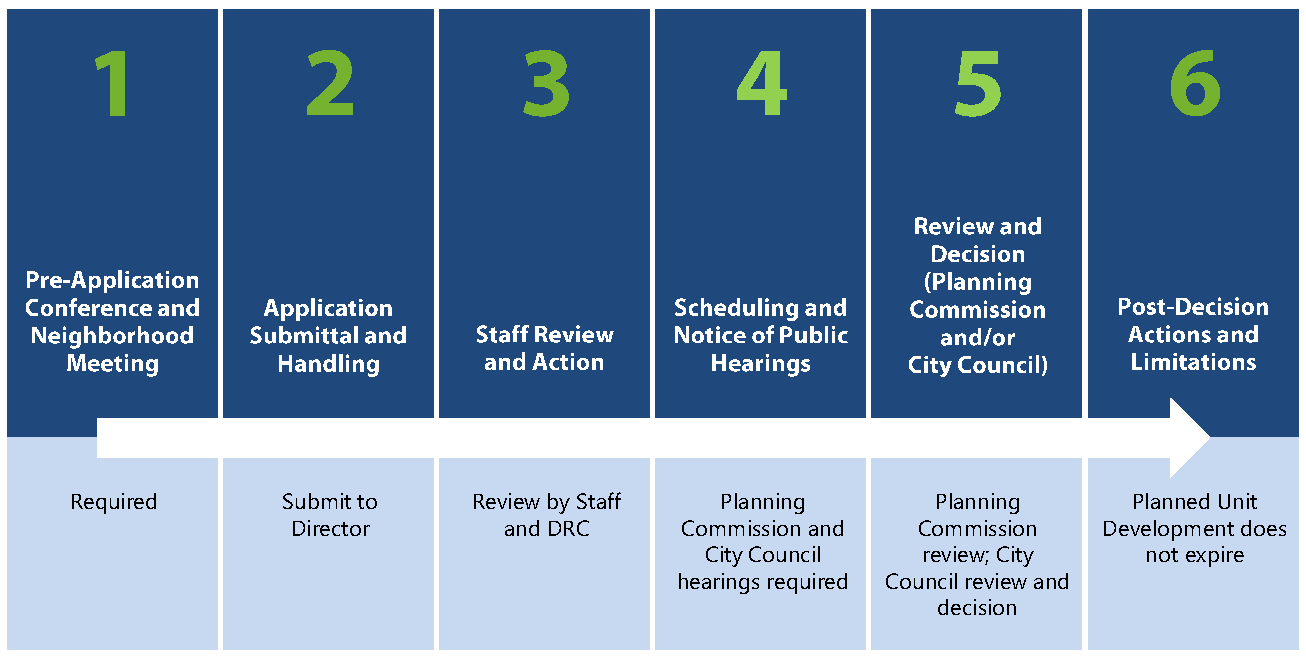
Figure 060-3: Summary of Rezoning to PUD Procedure
a.
Pre-Application Conference. A pre-application conference shall be held in accordance with Subsection 070.060.030(b). In addition, the applicant shall provide the following conceptual materials related to the proposed PUD to help determine whether or not a PUD is the appropriate procedure for the applicant and the City:
1.
Proposed uses;
2.
Number and type of dwelling or commercial units (as applicable);
3.
Floor area of all buildings;
4.
Floor area of each use for mixed-use buildings (if applicable);
5.
Proposed parking capacity and configuration; and
6.
General site planning layout and phasing.
b.
Pre-Application Neighborhood Meeting. A pre-application neighborhood meeting shall be held in accordance with Subsection 070.060.030(c).
c.
Application Submittal and Handling.
1.
The PUD application shall be submitted, accepted, and revised, and may be withdrawn, in accordance with Subsection 070.060.030(c).
2.
An application for rezoning to a PUD shall include submittal requirements as specified by the Director, which shall include a PUD plan. Approval of the PUD plan is required prior to approval of a development permit in a PUD district.
3.
Development permit applications may be submitted concurrently with a PUD application.
i.
Concurrent Subdivision Review. A subdivision application submitted under Section 070.060.060 may be reviewed concurrently with an application for rezoning to PUD. A preliminary plat for a PUD shall only be approved following approval of the rezoning to PUD.
ii.
Concurrent Vested Rights Review. A vested rights application submitted under Subsection 070.060.030(j) may be reviewed concurrently with an application for rezoning to PUD. Applicants seeking vested rights shall comply with the procedures under Subsection 070.060.030(j).
d.
Staff Review and Action. The Director and DRC shall review the application and prepare a staff report and recommendation in accordance with Subsection 070.060.030(e).
e.
Scheduling and Notice of Public Hearings. The rezoning to PUD application shall be scheduled for public hearings before the Planning Commission and City Council, and noticed in accordance with Subsection 070.060.030(f).
f.
Review and Decision (Planning Commission and/or City Council).
1.
Planning Commission Review and Recommendation. The Planning Commission shall review the PUD application and recommend approval, approval with conditions, or denial in accordance with Subsection 070.060.030(g) and the approval criteria in Paragraph 3. below.
2.
City Council Review and Decision.
i.
The City Council shall review the PUD application and act to approve, approve with conditions, or deny the PUD in accordance with Subsection 070.060.030(g) and the approval criteria in Paragraph 3. below. The City Council may also remand the PUD application back to the Director or the Planning Commission for further consideration.
ii.
If the City Council remands the application back to the Director or Planning Commission, additional public hearings may be required before final adoption.
3.
PUD Approval Criteria. In reviewing a proposed PUD, the Planning Commission and City Council shall consider whether and to what extent the proposed PUD:
i.
Meets the approval criteria for rezonings, per Subsection 070.060.040(a)(3)f.3.;
ii.
Addresses a unique situation, provides substantial benefit to the City, or incorporates innovative design, layout, or configuration resulting in quality over what could have been accomplished through strict application of a base zoning district or other standards of this Code;
iii.
Meets all applicable standards of this Code not expressly modified by the PUD application; and
iv.
If the PUD provides residential uses, includes varied types of housing and densities.
4.
Approval of PUD Plan. The approved PUD zoning and the approved PUD plan along with all exhibits are inseparable, and a PUD shall not be established without the approval of the related PUD plan.
g.
Post-Decision Actions and Limitations. Post-decision actions and limitations in Subsection 070.060.030(i) shall apply with the following modifications:
1.
Effect of Approval. The regulations in this Code remain applicable to all PUD development unless expressly modified by an approved PUD.
2.
Expiration of a PUD. A PUD shall remain valid until a PUD is subsequently amended or rezoned to another zoning district in accordance with this Code.
3.
Reconsideration after Three Years of No Development. If the applicant does not establish vested rights for a PUD pursuant to Subsection 070.060.030(j), and no development has occurred on the site in three (3) years following the approval date of the PUD, the Director may initiate a public hearing process to consider whether the property shall be rezoned to its prior zoning classification or another zoning classification.
4.
Recording Required. Following approval of a PUD, the applicant shall submit final copies of the PUD plans to the Director. The Director shall record the PUD and the zoning amendment map and ordinance with the Garfield County Clerk and Recorder as soon as practicable.
5.
PUD Plan Amendments.
i.
Except as provided below for minor amendments, an approved PUD Plan may only be amended by submitting an amended PUD plan pursuant to Subsection 070.060.030(i)(4).
ii.
Minor amendments to an approved PUD Plan may be approved by the Director if the proposed amendment complies with the following criteria:
a.
The amendment shall not change the ratio of residential units to square feet of non-residential building square footage by more than ten (10) percent.
b.
The number of residential units shall not be increased by more than ten (10) percent.
c.
The gross square footage of non-residential building area shall not be increased by more than ten (10) percent.
d.
The amendment shall not change the allowed uses listed in the approved PUD plan.
e.
The number or location of vehicular access points shall not be changed in a way that negatively impacts public safety or the flow of traffic onto public streets.
f.
The numeric standards in the PUD plan shall not be revised by more than would be allowed through the administrative adjustment procedure in Subsection 070.060.070(b).
(c)
Code Amendment.
(1)
Purpose. This Subsection describes the review and approval procedures for amending the text of this Code to respond to changed conditions or changes in public policy, or to advance the general welfare of the City.
(2)
Applicability. An amendment to the text of this Code shall be initiated by the Director, the Planning Commission, or the City Council.
(3)
Code Amendment Procedure. Figure 060-4 identifies the applicable steps from the common review procedures in Section 070.060.030 that apply to the review of Code amendments. Additions or modifications to the common review procedures are noted below.
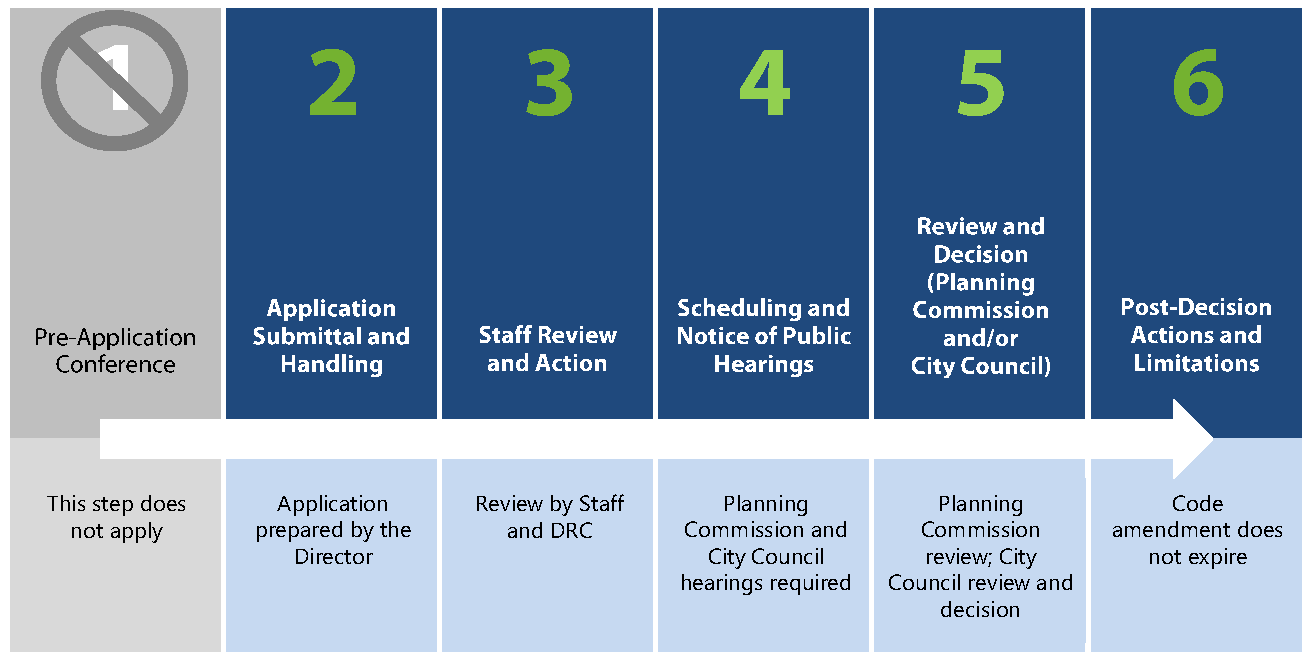
Figure 060-4: Summary of Code Amendment Procedure
a.
Application Submittal and Handling. An application for an amendment to the Code shall be prepared by the Director. If the amendment is initiated by the Planning Commission or City Council, the Director shall prepare the application at the request of the Planning Commission or City Council.
b.
Staff Review and Action. The Director and the DRC shall review the application and prepare a staff report and recommendation in accordance with Subsection 070.060.030(e).
c.
Scheduling and Notice of Public Hearings. The Code amendment application shall be scheduled for public hearings before the Planning Commission and City Council in accordance with 070.060.030(f), and noticed in accordance with Subsection 070.060.030(f)(3)a.1 and 2.
d.
Review and Decision (Planning Commission and/or City Council).
1.
Planning Commission Review and Recommendation. The Planning Commission shall review the Code amendment application and recommend approval, approval with conditions, or denial of the amendment in accordance with Subsection 070.060.030(g) and the approval criteria in Paragraph 3. below.
2.
City Council Review and Decision.
i.
The City Council shall review the Code amendment application and approve, approve with conditions, or deny the amendment in accordance with Subsection 070.060.030(g) and the approval criteria in Paragraph 3. below. The City Council may also remand the Code amendment application back to the Director or the Planning Commission for further consideration.
ii.
If the City Council remands the application back to the Director or Planning Commission, additional public hearings may be required before final adoption.
3.
Code Amendment Approval Criteria. A Code amendment is a legislative decision by the City Council. Prior to recommending approval or approving a proposed Code amendment, the Planning Commission and City Council shall consider whether and to what extent the proposed amendment:
i.
Is consistent with the Comprehensive Plan and other City policies;
ii.
Does not conflict with other provisions of this Code or other provisions in the Glenwood Springs Municipal Code;
iii.
Is necessary to address a demonstrated community need;
iv.
Is necessary to respond to substantial changes in conditions and/or policy; and
v.
Is consistent with the general purpose and intent of this Code.
e.
Post-Decision Actions and Limitations. Post-decision actions and limitations in Subsection 070.060.030(i) shall apply with the following modifications:
1.
Approval of a Code amendment authorizes the approved revision to the text only. A Code amendment shall not authorize specific development activity.
2.
A Code amendment shall remain valid until the revised text of the Code is subsequently amended in accordance with this Subsection.
(d)
Annexation.
(1)
Purpose. This Section describes the procedure for annexing new land into the City.
(2)
Applicability. This Section applies to all petitions to annex new land into the City.
(3)
Annexation Procedure.
a.
Annexation of land into the City shall comply with the procedures and other provisions of C.R.S. § 31-12-101 et seq.
b.
The final annexation plan shall conform to applicable state statutes, shall be consistent with the Comprehensive Plan, and shall include all information required by the City to evaluate whether and to what extent the annexation impacts the City and the public health, safety, and welfare of the City.
c.
Annexations may be considered concurrently with zoning and development permits; however, no development permit for land proposed for annexation into the City shall become effective until the related annexation is approved by the City Council.
d.
Annexations require an affirmative vote of a majority of the qualified electors per April 23, 2024 majority vote on ballot issue 1A amending the City Charter.
(4)
Annexation Policies. Annexation of land into the City is a legislative act of City Council. The City Council shall annually review its policy regarding annexation to inform the public of the City Council's willingness to consider potential annexations.
(Ord. No. 19-2018, § 2(Exh. A), 8-2-2018; Ord. No. 3-2019, § 2(Exh. A), 1-31-2019; Ord. No. 13-2024, § 2(Exh. A), 8-1-2024)
070.060.050 - Development Permits.
(a)
Site/Architectural Plan Review.
(1)
Purpose. This Subsection describes the process by which proposed development is reviewed for compliance with the development and design standards of this Code. The site/architectural plan review procedure ensures that potential impacts of development are considered before submittal of an application for final plan approval (pursuant to the City of Glenwood Springs Engineering Standards) or issuance of a building permit.
(2)
Applicability.
a.
Exemptions. The following are exempt from the site/architectural plan review procedure, but are subject to the standards of this Code:
1.
A change in use that does not involve or require other development (such as new or expanded buildings, additional parking, etc.);
2.
Conversion of non-residential building area into up to five (5) dwelling units, or mixed-use building area into up to five (5) dwelling units, without changing the existing building footprint or increasing the building area;
3.
Alteration, repairs, or additions to existing buildings that increase the gross floor area by less than twenty-five (25) percent;
4.
Tenant improvements that do not increase gross floor area or building height, increase the density or intensity of use, or affect other development standards (such as parking or landscaping requirements);
5.
Construction of a single-family detached, two-family dwelling, three (3) to four (4) multi-family units, additions to such dwellings, and structures accessory to such dwellings; and
6.
Construction or erection of accessory buildings, fences, hedges, or walls.
b.
Thresholds for Site/Architectural Plan Review Type.
1.
Table 060.2 describes the applicable site/architectural plan review type (administrative, minor, and major), unless exempted from the site/architectural plan review procedure under Paragraph a. above.
2.
Residential thresholds are based on the new dwelling units added, not the total number of dwelling units (existing plus new).
c.
Referral and Call-Up Procedures.
1.
Off Street Parking Alternative Request
i.
Director Referral to Planning Commission.
a.
The Director may refer parking alternative requests to the Planning Commission for a final decision.
b.
After reviewing a referred request, the Planning Commission shall vote to make a final decision or to refer to the City Council for a final decision.
2.
Minor Site/Architectural Plans.
i.
Planning Commission Referral to City Council. The Planning Commission may refer minor site/architectural plans to the City Council for a final decision. The Director shall inform the applicant of such decision to refer the application and shall provide public notice and schedule the application to be considered at the next regularly scheduled City Council meeting.
ii.
City Council Call-Up. The Director shall regularly make available to the City Council a record of pending applications for minor site/architectural plans where Planning and Zoning Commission is the final decision maker. If at least three (3) members of the City Council request that the City Council make the final decision on any such application on or before the next regular Council meeting but not less than ten (10) days of the Director providing such notice, the Director shall inform the applicant of such decision. The Director shall provide public notice and schedule the application to be considered at the next regularly scheduled City Council meeting.
d.
Concurrent Review.
1.
Special Use Permit, Administrative Adjustment, or Subdivision Plat. An application for site/architectural plan approval may be submitted and reviewed concurrently with an application for a special use permit, administrative adjustment, or subdivision plat. In such a case, decisions can be made on the concurrent applications at the same public hearing provided that the appropriate approval body shall not decide the site/architectural plan approval application until after an official decision is made on the special use permit, administrative adjustment, or subdivision plat.
2.
Final Plans.
i.
An application for administrative site/architectural plan approval may be submitted and reviewed concurrently with an application for final plan review. In such case, the Director shall review the final plan application concurrently with the site/architectural plan application, but the Director shall not decide the final plan approval until after the site/architectural plan decision is made by the appropriate approval body.
ii.
The choice to submit final plans concurrently with an associated administrative site/architectural plan is at the applicant's discretion, and the applicant shall be responsible for making any necessary changes to the final plans based on the site/architectural plan approval.
3.
Vested Rights. If the applicant is seeking vested rights with an administrative, minor, or major site/architectural plan, such vested rights may be reviewed concurrently with an application for an administrative, minor, or major site/architectural plan. Applicants seeking vested rights shall comply with the procedures under Subsection 070.060.030(j).
(3)
Administrative Site/Architectural Plan Review Procedure. Figure 060-5 identifies the applicable steps from the common review procedures in Section 070.060.030 that apply to the review of administrative site/architectural plans. Additions or modifications to the common review procedures are noted below.
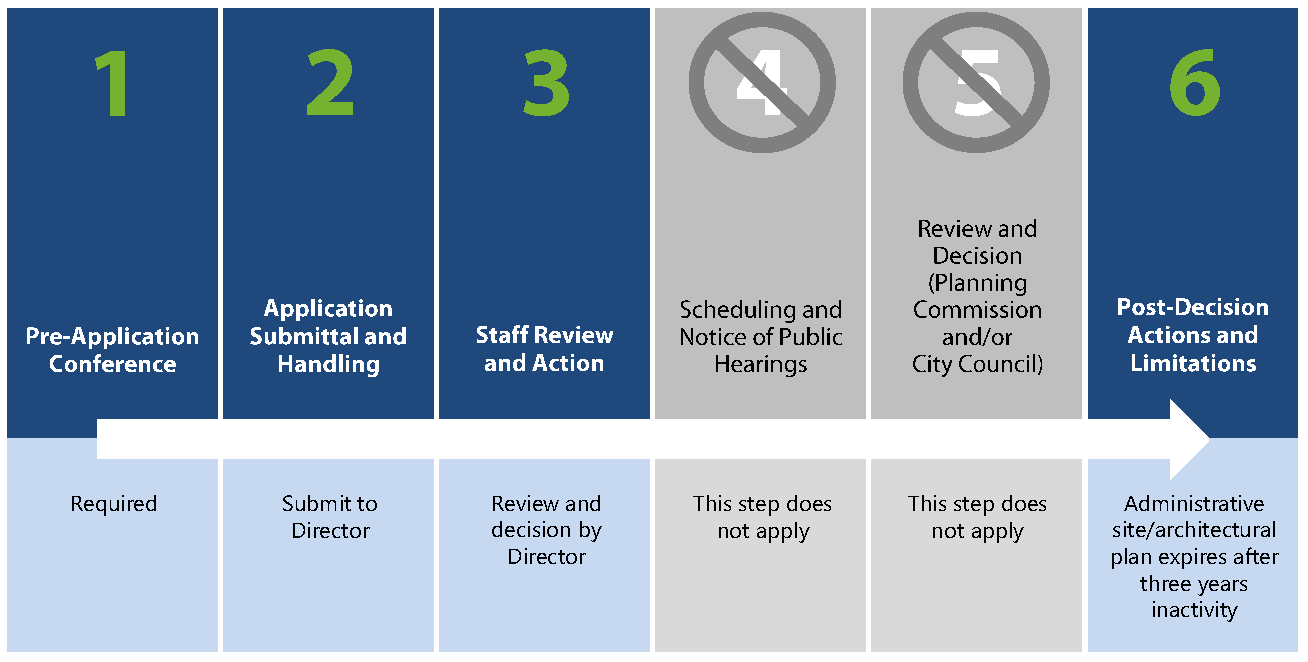
Figure 060-5: Summary of Administrative Site/Architectural Plan Procedure
a.
Pre-Application Conference. A pre-application conference shall be held in accordance with Subsection 070.060.030(b).
b.
Application Submittal and Handling. The administrative site/architectural plan application shall be submitted, accepted, and revised, and may be withdrawn, in accordance with Subsection 070.060.030(d). Final plan applications submitted concurrently with administrative site/architectural plans shall include the required materials per the City's Engineering Standards.
c.
Staff Review and Action.
1.
The Director shall review the administrative site/architectural plan application and approve, approve with conditions, or deny the administrative site/architectural plan in accordance with Subsection 070.060.030(e) and the approval criteria in Subsection 070.060.050(a)(4).
2.
Prior to making a decision, the Director may refer the application to the DRC pursuant to Subsection 070.060.030(e)(1), Referral to Development Review Committee, Staff, and Review Agencies.
3.
The Director may refer the application to the Planning Commission pursuant to Subsection 070.060.050(a)(2)c.
d.
Post-Decision Actions and Limitations.
1.
Filing of Site/Architectural Plan. An approved site/architectural plan shall be filed with the Community Development Department within sixty (60) days of its approval.
2.
No Building Permit without Approval. No building permit shall be issued until the administrative site/architectural plan and associated final plans have been approved pursuant to this Subsection.
3.
Expiration of Approval. Unless vested rights are approved pursuant to Subsection 070.060.030(j), administrative site/architectural plan approval shall expire if the authorized use or construction is not substantially underway within three (3) years after the date of the administrative site/architectural plan approval, or an extension is granted pursuant to Subsection 070.060.030(i)(3).
4.
Minor Changes Allowed. Development authorized by an administrative site/architectural plan approval may incorporate minor changes from the approved site/architectural plan without the need for a new application (as required by Subsection 070.060.030(i)(4), provided that the Director determines that the proposed changes:
i.
Could be approved under the allowable administrative adjustments pursuant to Subsection 070.060.070(b), had they been requested with the original application;
ii.
Comply with the standards of this Code;
iii.
Are necessary to meet conditions of approval; and/or
iv.
Would not significantly alter the function, form, intensity, character, demand on public facilities, or impact on adjacent properties as approved with the administrative site/architectural plan.
(4)
Nonresidential Minor Site/Architectural Plan Review Procedure. Figure 060-6 identifies the applicable steps from the common review procedures in Section 070.060.030 that apply to the review of nonresidential minor site/architectural plans. Figure 060-7 identifies the applicable steps from the common review procedures in Section 070.060.030 that apply to the review of nonresidential minor site/architectural plans. Additions or modifications to the common review procedures are noted below.
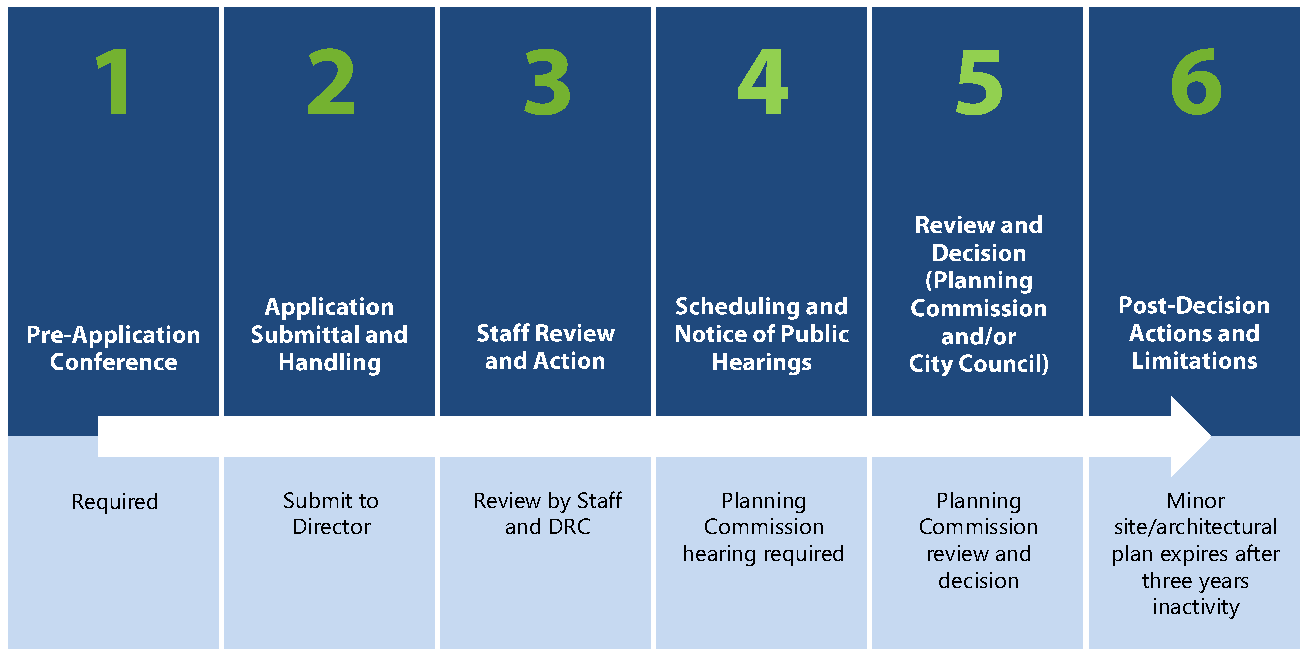
Figure 060-6: Summary of Nonresidential Minor Site/Architectural Plan Procedure
a.
Pre-Application Conference. A pre-application conference shall be held in accordance with Subsection 070.060.030(b).
b.
Application Submittal and Handling. The minor site/architectural plan application shall be submitted, accepted, and revised, and may be withdrawn, in accordance with Subsection 070.060.030(d). Final plan applications submitted concurrently with minor site/architectural plans shall include the required materials per the City of Glenwood Springs Engineering Standards.
c.
Staff Review and Action. The Director and DRC shall review the minor site/architectural plan application and prepare a staff report and recommendation in accordance with Subsection 070.060.030(e).
d.
Scheduling and Notice of Public Hearings. The minor site/architectural plan application shall be scheduled for a public hearing before the Planning Commission, and noticed in accordance with Subsection 070.060.030(f).
e.
Planning Commission Review and Decisions. The Planning Commission shall review the minor site/architectural plan application and approve, approve with conditions, or deny the minor site/architectural plan in accordance with Subsection 070.060.030(g) and the approval criteria in Subsection 070.060.050(a)(6). Alternatively, the Commission may refer the application to the City Council pursuant to Subsection 070.060.050(a)(2)c.2.i.
f.
Post-Decision Actions and Limitations.
1.
Filing of Site/Architectural Plan. An approved site/architectural plan shall be filed with the Community Development Department within sixty (60) days of its approval. Failure to meet the filing deadline shall require payment of an additional processing fee prior to issuance of certificates of occupancy pursuant to the Administrative Manual.
2.
No Building Permit without Approval. No building permit shall be issued until the minor site/architectural plan and associated final plans have been approved pursuant to this Subsection.
3.
Expiration of Approval. Unless vested rights are approved pursuant to Subsection 070.060.030(j), minor site/architectural plan approval shall expire if the authorized use or construction is not substantially underway within three (3) years after the date of the minor site/architectural plan approval, or an extension is granted pursuant to Subsection 070.060.030(i)(3).
4.
Minor Changes Allowed. Development application authorized by a minor site/architectural plan approval may incorporate minor changes from the approved site/architectural plan without the need for a new application (as required by Subsection 070.060.030(i)(4), provided that the Director determines that the proposed changes:
i.
Could be approved under the allowable administrative adjustments pursuant to Subsection 070.060.070(b), had they been requested with the original application;
ii.
Comply with the standards of this Code;
iii.
Are necessary to meet conditions of approval; and/or
iv.
Would not significantly alter the function, form, intensity, character, demand on public facilities, or impact on adjacent properties as approved with the minor site/architectural plan.
(5)
Major Site/Architectural Plan and Residential Minor Site/Architectural Review Procedure. Figure 060-7 identifies the applicable steps from the common review procedures in Section 070.060.030 that apply to the review of major site/architectural plans. Additions or modifications to the common review procedures are noted below.
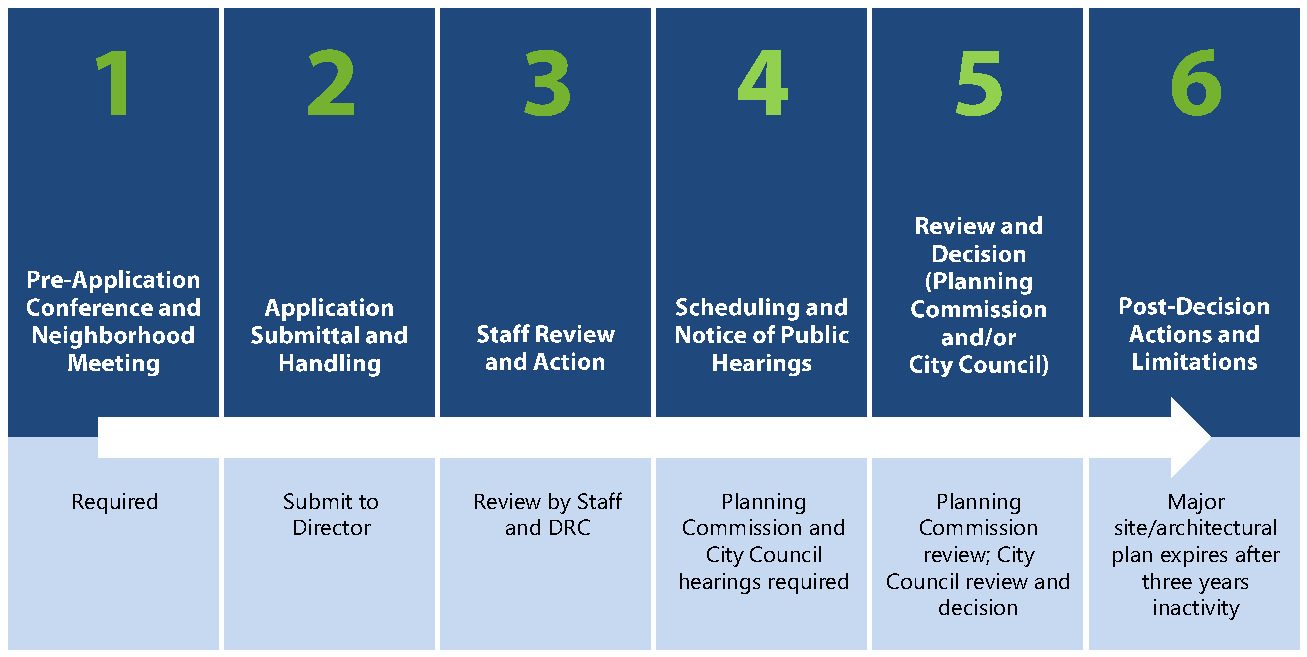
Figure 060-7: Summary of Major Site/Architectural Plan and Residential Minor Site/Architectural
Procedure
a.
Pre-Application Conference. A pre-application conference shall be held in accordance with Subsection 070.060.030(b).
b.
Pre-Application Neighborhood Meeting. A pre-application neighborhood meeting shall be held in accordance with Subsection 070.060.030(c).
c.
Application Submittal and Handling. The major site/architectural plan application shall be submitted, accepted, and revised, and may be withdrawn, in accordance with Subsection 070.060.030(d). Final plan applications submitted concurrently with minor site/architectural plans shall include the required materials per the City's Engineering Standards.
d.
Staff Review and Action. The Director and DRC shall review the major site/architectural plan application and prepare a staff report and recommendation in accordance with Subsection 070.060.030(e).
e.
Scheduling and Notice of Public Hearings. The major site/architectural plan application shall be scheduled for public hearings before the Planning Commission and City Council, and noticed in accordance with Subsection 070.060.030(f).
f.
Review and Decision (Planning Commission and/or City Council).
1.
Planning Commission Review and Recommendation. The Planning Commission shall review the major site/architectural plan application and recommend approval, approval with conditions, or denial of the major site/architectural plan in accordance with Subsection 070.060.030(g) and the approval criteria in Subsection 070.060.050(a)(6). The Planning Commission may also remand the application back to the Director for further consideration.
2.
City Council Review and Decision. The City Council shall review the major site/architectural plan application and approve, approve with conditions, or deny the major site/architectural plan in accordance with Subsection 070.060.030(g) and the approval criteria in Subsection 070.060.050(a)(6).
g.
Post-Decision Actions and Limitations. Post-decision actions and limitations in Subsection 070.060.030(i) shall apply with the following modifications:
1.
Filing of Site/Architectural Plan. An approved site/architectural plan shall be filed with the Community Development Department within sixty (60) days of its approval.
2.
No Building Permit without Approval. No building permit shall be issued until the major site/architectural plan and associated final plans have been approved pursuant to this subsection.
3.
Expiration of Approval. Unless vested rights are approved pursuant to Subsection 070.060.030(j), major site/architectural plan approval shall expire if the authorized use or construction is not substantially underway as determined by the Director within three (3) years after the date of the major site/architectural plan approval, or an extension is granted pursuant to Subsection 070.060.030(i)(3).
4.
Minor Changes Allowed. Development authorized by a major site/architectural plan approval may incorporate minor changes from the approved site/architectural plan without the need for a new application (as required by Subsection 070.060.030(i)(4), provided that the Director determines that the proposed changes:
i.
Could be approved under the allowable administrative adjustments pursuant to Subsection 070.060.070(b), had they been requested with the original application;
ii.
Comply with the standards of this Code;
iii.
Are necessary to meet conditions of approval; and/or
iv.
Would not significantly alter the function, form, intensity, character, demand on public facilities, or impact on adjacent properties as approved with the major site/architectural plan.
(6)
Approval Criteria for All Site/Architectural Plan Types. In reviewing a proposed site/architectural plan application, the Director, Planning Commission, and/or City Council shall consider whether:
a.
The site/architectural plan is consistent with the general purpose and intent of this Code;
b.
The site/architectural plan is consistent with the dimensional, design, development, and all other standards of this Code;
c.
The site/architectural plan is consistent with any previously approved plat, PUD, or any other precedent land use approval; and
d.
The site/architectural plan is consistent with the Comprehensive Plan and other adopted City policies and plans.
(b)
Master Plan.
(1)
Purpose. The master plan procedure provides a mechanism for review of large and/or complex development projects meeting the standards of this Code and not requiring a rezoning or PUD. The master plan procedure is optional, and provides the ability to obtain preliminary approval from City Council of a development concept (including circulation, open spaces, land uses, density and intensity, and project phasing) so that subsequent approvals may be considered administratively.
(2)
Applicability.
a.
General. Master Plan approval is not required. An applicant may submit an application for a master plan approval provided the application meets at least one (1) of the following:
1.
The application site includes a contiguous area of at least five (5) acres;
2.
The application site is located within the downtown, the hospital complex, or within a secondary center according to the Comprehensive Plan;
3.
The application proposes development containing at least fifty thousand (50,000) square feet of nonresidential gross floor area;
4.
The application proposes development containing at least one hundred (100) dwelling units; and/or
5.
The application proposes to phase the development.
b.
Concurrent Review.
1.
Rezoning, Special Use Permit, or Subdivision Plat. A master plan application may be submitted and reviewed concurrently with an application for rezoning, special use permit, or any subdivision plat.
2.
Vested Rights. If the applicant is seeking vested rights with a master plan, such vested rights may be reviewed concurrently with an application for a master plan. Applicants seeking vested rights shall comply with the procedures under Subsection 070.060.030(j).
c.
Subsequent Site/Architectural Plan Review. Following approval of a master plan, any subsequent site/architectural plan review shall follow the administrative site/architectural plan procedures according to Subsection 070.060.050(a)(3), regardless of the size of the proposed development.
(3)
Master Plan Procedure. Figure 060-8 identifies the applicable steps from the common review procedures in Section 070.060.030 that apply to the review of master plans. Additions or modifications to the common review procedures are noted below.
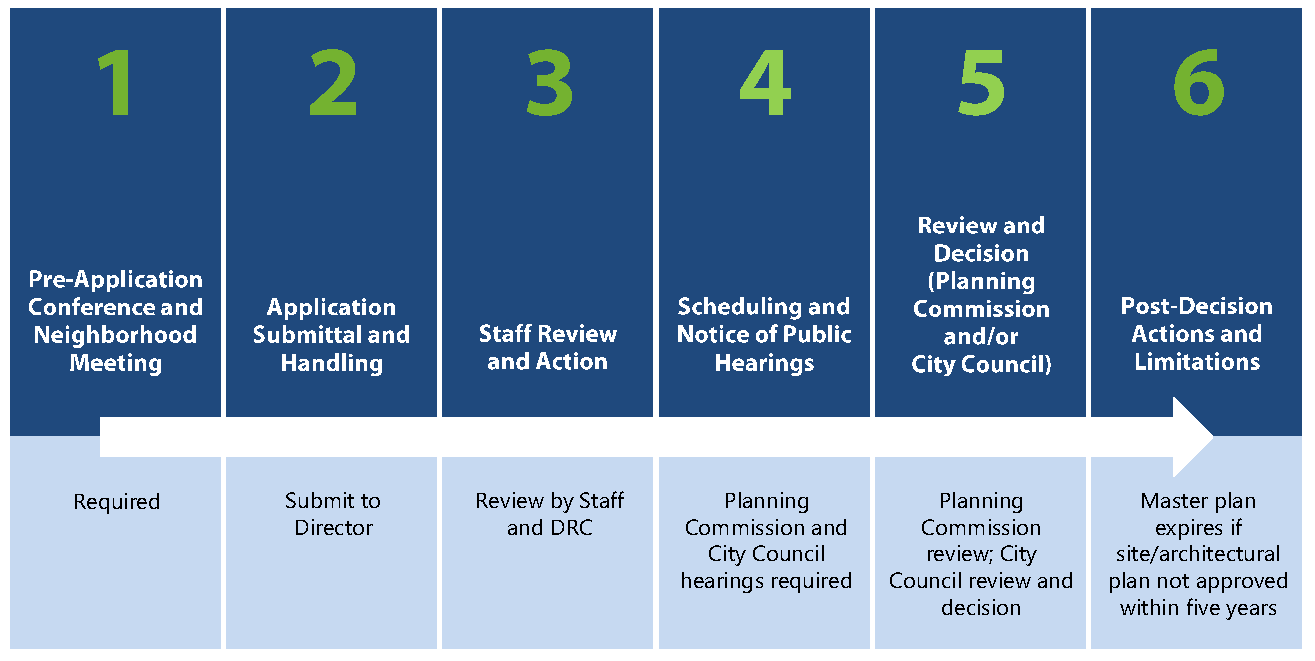
Figure 060-8: Summary of Master Plan Procedure
a.
Pre-Application Conference. A pre-application conference shall be held in accordance with Subsection 070.060.030(b).
b.
Pre-Application Neighborhood Meeting. A pre-application neighborhood meeting shall be held in accordance with Subsection 070.060.030(c).
c.
Application Submittal and Handling. The master plan application shall be submitted, accepted, and revised, and may be withdrawn, in accordance with Subsection 070.060.030(d).
d.
Staff Review and Action. The Director and DRC shall review the master plan application and prepare a staff report and recommendation in accordance with Subsection 070.060.030(e).
e.
Scheduling and Notice of Public Hearings. The master plan application shall be scheduled for public hearings before the Planning Commission and City Council and noticed in accordance with Subsection 070.060.030(f).
f.
Review and Decision (Planning Commission and/or City Council).
1.
Planning Commission Review and Recommendation. The Planning Commission shall review the master plan application and recommend approval, approval with conditions, or denial of the master plan in accordance with Subsection 070.060.030(g) and the approval criteria in Paragraph 3. below. The Planning Commission may also remand the application back to the Director for further consideration.
2.
City Council Review and Decision. The City Council shall review the master plan application and approve, approve with conditions, or deny the master plan in accordance with Subsection 070.060.030(g) and the approval criteria in Paragraph 3. below.
3.
Approval Criteria. In reviewing a master plan application, the Planning Commission and the City Council shall determine whether and to what extent:
i.
The master plan is consistent with the general purpose and intent of this Code;
ii.
The proposed land uses, densities, and intensities are consistent with the Comprehensive Plan and applicable zoning districts;
iii.
The proposed development is consistent with the dimensional, design, development, and all other standards of this Code; and
iv.
The proposed development provides adequate mitigation for anticipated adverse impacts to surrounding neighborhoods and the City.
g.
Post-Decision Actions and Limitations. Post-decision actions and limitations in Subsection 070.060.030(i) shall apply with the following modifications:
1.
Effect of Approval. Master plan approval authorizes the subsequent submittal of site/architectural plan applications for all development consistent with the approved master plan through the administrative site/architectural plan procedures according to 070.060.050(a)(3). Master plan approval does not itself authorize specific development activity. If the Director determines, in the consideration of a site/architectural plan application pursuant to this section, that such development is not consistent with the approved master plan, the Director shall process the application as a minor or major site/architectural plan, as applicable, based on the type of development proposed.
2.
Expiration of Approval. Unless vested rights are approved pursuant to Subsection 070.060.030(j), master plan approval shall automatically expire if no application for a site/architectural plan has been approved within three (3) years after the date of master plan approval or an extension is granted pursuant to Subsection 070.060.030(i)(3).
3.
Modifications to an Approved Master Plan.
i.
Subsequent applications may propose development that differs from the approved master plan in minor ways, without first amending the master plan in accordance with Subsection 070.060.030(i)(4), if the Director determines that the proposed development:
a.
Is consistent with the Comprehensive Plan;
b.
Complies with all applicable standards of this Code;
c.
Complies with all applicable original conditions of approval; and
d.
Would not result in significant change to the development's general function, form, intensity, character, demand on public facilities, and impact on adjacent properties.
ii.
The following types of development constitute changes to an approved master plan and shall require approval in accordance with Subsection 070.060.030(i)(4):
a.
A change to an original condition of approval;
b.
An increase in residential density or nonresidential floor area by more than twenty (20) percent; and
c.
An increase greater than ten (10) percent in the amount of land devoted to nonresidential uses.
(c)
Final Plans.
(1)
Purpose. The final plans procedure provides a mechanism for the City to review and approve technical drawings associated with approved development applications and to ensure compliance with this Code and the City's Engineering Standards.
(2)
Applicability.
a.
General. Except for a single-family detached, two-family dwelling, or three (3) to four (4) multi-family units, approval of final plans pursuant to this Section is required for any type of development prior to issuance of a building permit, a grading or excavation permit, or a floodplain development permit. Approval of final plans pursuant to this Section is also required for any application that includes infrastructure or utility improvements unless such improvements are guaranteed by a separate agreement with the City.
b.
Concurrent Review. An application for final plans approval may be submitted concurrently with an application for any site/architectural plan approval.
(3)
Final Plan Procedure. Figure 060-9 identifies the applicable steps from the common review procedures in 070.060.030 that apply to the review of final plans. Additions or modifications to the common review procedures are noted below.
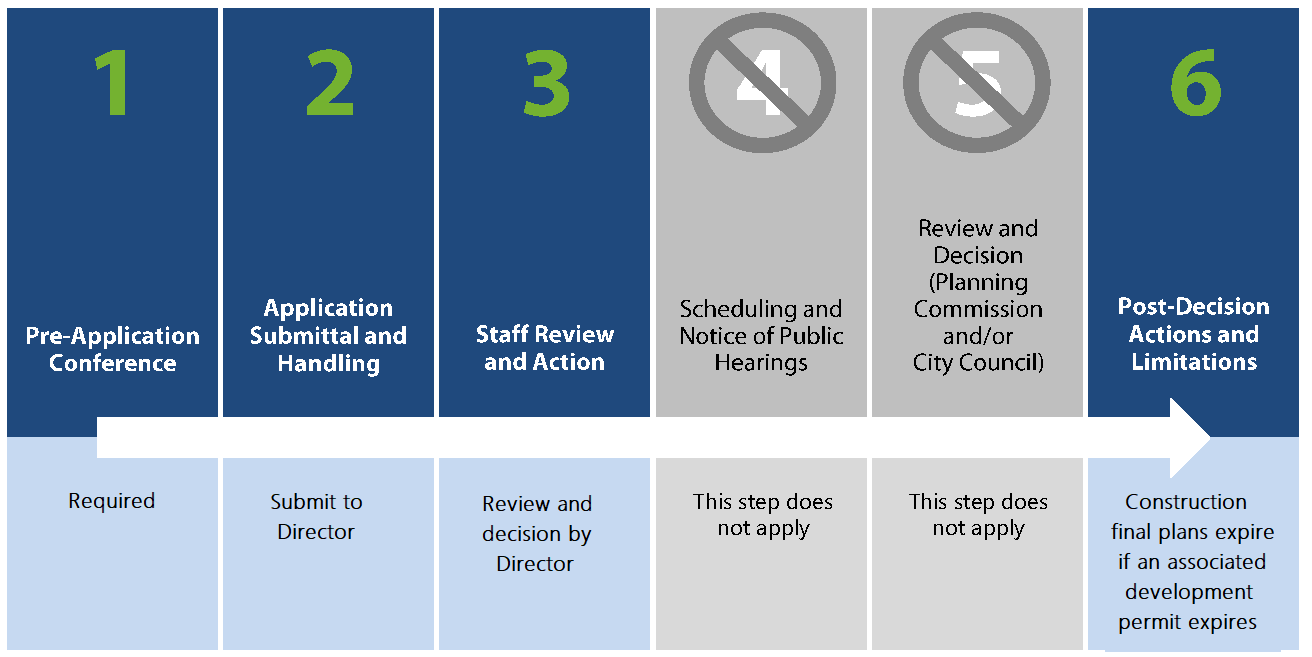
Figure 060-9: Summary of Final Plans Procedure
a.
Pre-Application Conference. A pre-application conference shall be held in accordance with Subsection 070.060.030(b).
b.
Application Submittal and Handling. Final plans shall be submitted, accepted, and revised, and may be withdrawn, in accordance with Subsection 070.060.030(d).
c.
Staff Review and Action.
1.
Director Review and Decision. The Director shall review the final plans in accordance with Subsection 070.060.030(e) and shall approve, approve with conditions, or deny the final plan application according to the approval criteria below.
2.
Final Plans Approval Criteria. In reviewing and approving construction final plans, the Director shall determine that:
i.
Required infrastructure and utility improvements have been approved by the appropriate agency;
ii.
The final plans comply with all applicable standards in this Code;
iii.
The final plans comply with the City's Engineering Standards;
iv.
The final plans comply with other applicable City standards and policies; and
v.
The final plans comply with requirements and conditions of approval for any prior approvals.
d.
Post-Decision Actions and Limitations. Post-decision actions and limitations in Subsection 070.060.030(i) shall apply with the following modifications:
1.
Effect of Approval. Final plans approval authorizes the subsequent submittal of a building permit application or permit for other site-disturbance activities, such as a grading or excavation permit or a floodplain development permit.
2.
Expiration of Approval. Final plans approval shall automatically expire at the time an associated building permit application expires. Final plans without an associated building permit application shall not expire.
3.
Modifications to Approved Final Plans. A minor modification to an approved final plan may be approved by the Director, provided that the applicant demonstrates that the proposed modification:
i.
Does not affect the overall development concept;
ii.
Does not impede or prevent construction of infrastructure serving the development and/or a larger area;
iii.
Will not result in substantially greater maintenance costs for the City;
iv.
Is necessary to accommodate best management practices or to remedy construction difficulties; and
v.
Is consistent with the approved associated site/architectural plan (if applicable).
4.
Inspections. City staff may inspect sites authorized by final plans to determine whether development activities are consistent with approved plans and whether any additional protection measures are necessary to mitigate adverse impacts.
(d)
Location and Extent Review.
(1)
Purpose. The location and extent review procedure provides the City an opportunity to review projects proposed by a public or quasi-public entity in relation to the applicable policies and goals of the Comprehensive Plan, and to inform any public or quasi-public entity of the City's reasonable expectations for land use and development. Location and extent review is mandated by state law, C.R.S. §§ 30-28-110 and 22-32-101 et seq.
(2)
Applicability. A location and extent review is required when projects are proposed by publicly or privately owned utilities or political subdivisions of the state such as charter or public schools, transportation districts, or special districts when funding is provided by taxpayers and considered to be political subdivisions of the state.
(3)
Location and Extent Procedure. Figure 060-10 identifies the applicable steps from the common review procedures in Section 070.060.030 that apply to the location and review. Additions or modifications to the common review procedures are noted below. Projects that are less than five thousand (5,000) square feet gross floor area are subject to staff review following procedures in Subsection 070.060.030(e), Staff Review and Action. In reviewing the proposed location and extent application, the Director shall consider the location and extent approval criteria in Subsection 070.060.050(e)(3)e.3.
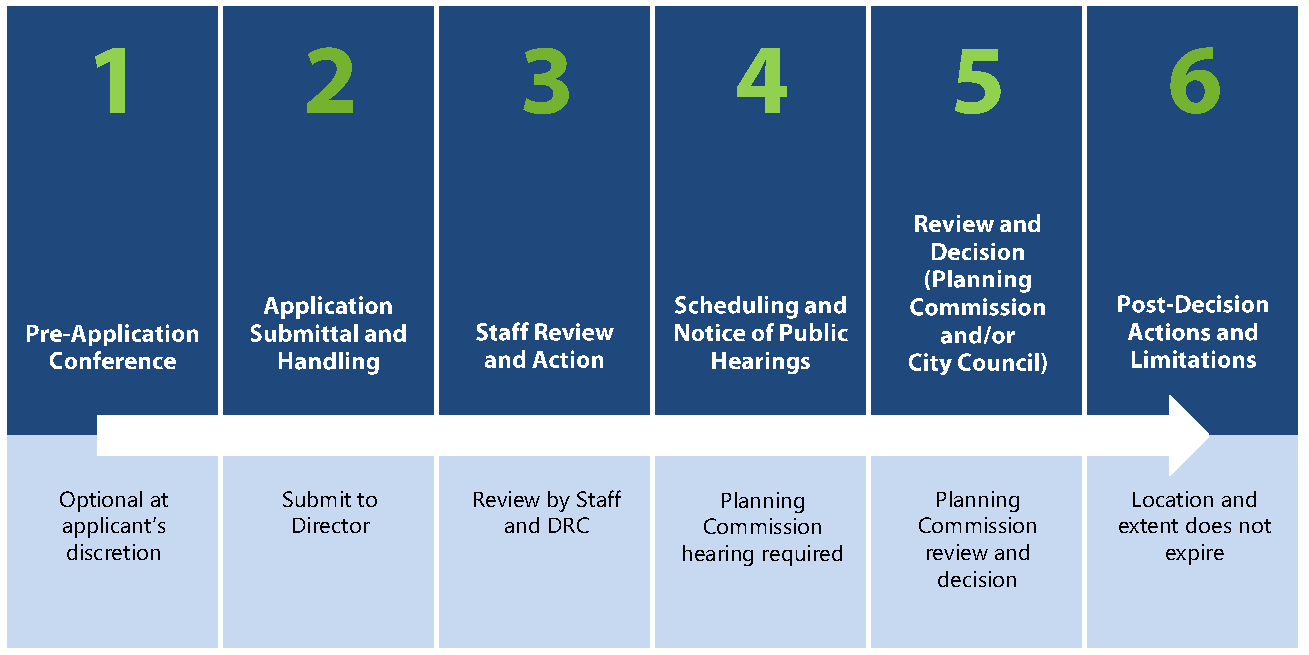
Figure 060-10: Summary of Location and Extent Procedure
a.
Pre-Application Conference. An optional pre-application conference may be held in accordance with Subsection 070.060.030(b) at the applicant's discretion.
b.
Application Submittal and Handling. The location and extent application shall be submitted, accepted, and revised, and may be withdrawn, in accordance with Subsection 070.060.030(d).
c.
Staff Review and Action. The Director and DRC shall review the location and extent application and prepare a staff report and recommendation in accordance with Subsection 070.060.030(e).
d.
Scheduling and Notice of Public Hearings. The location and extent application shall be scheduled for a public hearing before the Planning Commission and noticed in accordance with Subsection 070.060.030(f).
e.
Review and Decision (Planning Commission and/or City Council).
1.
Planning Commission Review and Decision. The Planning Commission shall review and approve, approve with conditions, or deny the location and extent application in accordance with Subsection 070.060.030(g) and the approval criteria in Paragraph 3. below. The Planning Commission may also remand the application back to the Director for further consideration.
2.
Board of Education Hearing at Planning Commission's Request. For proposed location and extent applications involving a public or charter school, the Planning Commission may request a public hearing before the Board of Education.
3.
Location and Extent Approval Criteria. In reviewing a proposed location and extent application, the Planning Commission shall consider whether or not the proposed location and extent:
i.
Is consistent with the Comprehensive Plan and other City plans and policies;
ii.
Is consistent with the general purpose and intent of this Code; and
iii.
Minimizes adverse impacts to the health, safety, and welfare of the inhabitants of the surrounding areas and the City.
f.
Post-Decision Actions and Limitations. Post-decision actions and limitations in Subsection 070.060.030(i) shall apply, except that Development authorized by a location and extent approval may incorporate minor changes from the approved location and extent plan without the need for a new application (as required by Subsection 070.060.030(i)(4), provided that the Director determines that the proposed changes:
1.
Could be approved under the allowable administrative adjustments pursuant to Subsection 070.060.070(b), had they been requested with the original application;
2.
Are necessary to meet conditions of approval; and/or
3.
Would not significantly alter the function, form, intensity, character, demand on public facilities, or impact on adjacent properties as approved with the location and extent.
(e)
Special Use Permit.
(1)
Purpose. The special use permit procedure provides a mechanism for the City to evaluate proposed development and land uses that have unique or widely varying operating characteristics or unusual features. This procedure is intended to ensure compatibility with surrounding areas and that adequate mitigation is provided for anticipated impacts.
(2)
Applicability. A special use permit is required for certain land uses as specified in Table 030.1: Table of Allowed Uses.
(3)
Special Use Permit Procedure. Figure 060-11 identifies the applicable steps from the common review procedures in Section 070.060.030 that apply to the review of special use permits. Additions or modifications to the common review procedures are noted below.
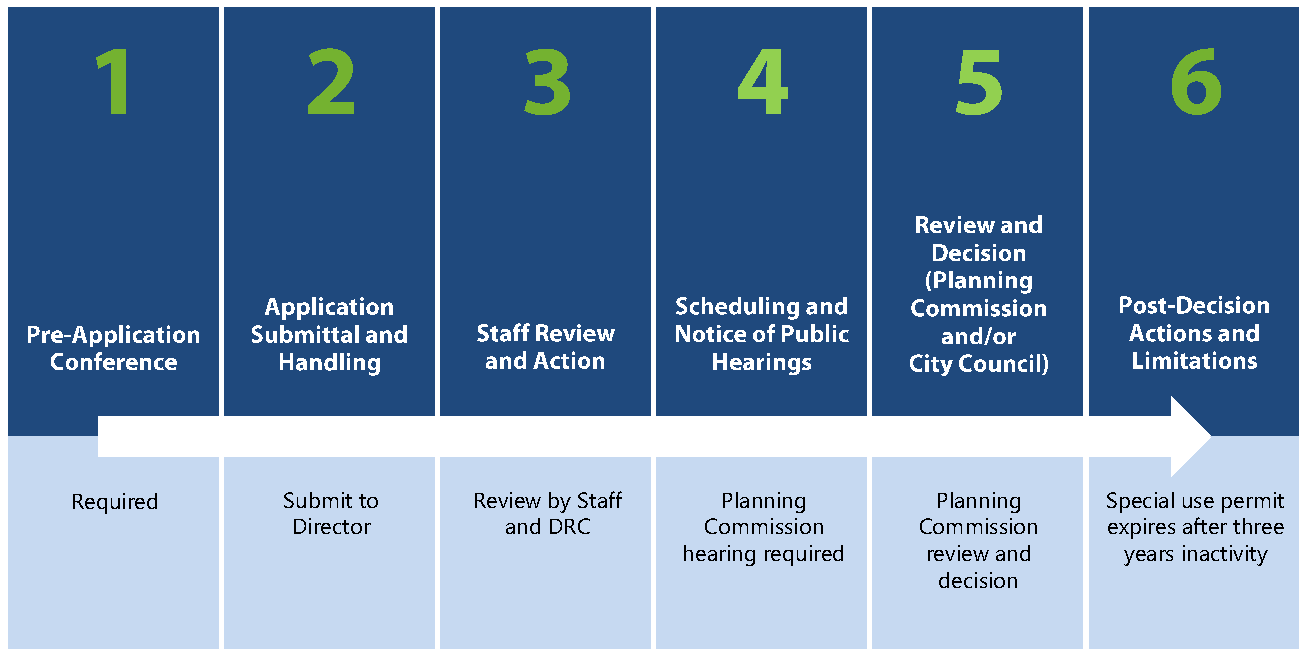
Figure 060-11: Summary of Special Use Permit Procedure
a.
Pre-Application Conference. A pre-application conference shall be held in accordance with Subsection 070.060.030(b).
b.
Application Submittal and Handling. The special use permit application shall be submitted, accepted, and revised, and may be withdrawn, in accordance with Subsection 070.060.030(d).
c.
Staff Review and Action. The Director and DRC shall review the special use permit application and prepare a staff report and recommendation in accordance with Subsection 070.060.030(e).
d.
Scheduling and Notice of Public Hearings. The special use permit application shall be scheduled for public hearings before the Planning Commission and noticed in accordance with Subsection 070.060.030(f).
e.
Review and Decision (Planning Commission and/or City Council).
1.
Planning Commission Review and Decision. The Planning Commission shall review and approve, approve with conditions, or deny the special use permit application in accordance with Subsection 070.060.030(g) and the approval criteria in Paragraph 2. below. The Planning Commission may also remand the application back to the Director for further consideration.
2.
Special Use Permit Approval Criteria. In reviewing a proposed special use permit application, the Planning Commission shall consider whether:
i.
The use will be compatible with the surrounding area;
ii.
The impacts of the use on surrounding areas have been adequately minimized;
iii.
The use will be consistent with the general purpose and intent of this Code;
iv.
The use will comply with all applicable standards of this Code;
v.
The use is in conformance with the Comprehensive Plan and other City plans and policies; and
vi.
The use minimizes adverse impacts to the health, safety, and welfare of the inhabitants of the surrounding areas and the City.
f.
Post-Decision Actions and Limitations. Post-decision actions and limitations in Subsection 070.060.030(i) shall apply with the following modifications:
1.
Expiration of a Special Use Permit. A special use permit shall expire if the authorized use or construction is not substantially underway within three (3) years after the date of special use permit approval, or an extension is granted pursuant to Subsection 070.060.030(i)(3).
2.
Expansion or Enlargement. Expansion or enlargement of a special use shall require a new application, unless the Director determines that:
i.
The expansion or enlargement is not expected to increase potential negative impacts to surrounding property or the City; and
ii.
The expansion or enlargement will not require adjustments to any standards greater than allowed through the administrative adjustment procedures in Subsection 070.060.070(b).
3.
Transfer of Special Use Permit. Unless otherwise provided in the conditions of approval for a special use permit, a special use permit may be transferred to another person to operate the same use, in the same building(s), on the same property, and under the same terms of the permit.
(f)
Right-of-Way Encroachment License.
(1)
Purpose. The right-of-way encroachment license procedure provides a mechanism for the City to evaluate proposed encroachments of private property or structures into publicly owned rights-of-way, such as streets, sidewalks, and/or other City property. This procedure is intended to ensure that adequate mitigation is provided for anticipated impacts.
(2)
Applicability. A right-of-way encroachment license is required for any private use or structure proposed to be located within the City's right-of-way or on other City property.
a.
Administrative Review. Encroachments that are not permanent in nature; are located in the air space above the City's right-of-way; or are less than one (1) foot in projection, including awnings, landscaping, balconies, and sidewalk signs, shall be subject to administrative review by the Director.
b.
City Council Review. Encroachments into the City's right-of-way not eligible for administrative review shall require City Council review.
(3)
Right-of-Way Encroachment License Procedure. Figure 060-12 identifies the applicable steps from the common review procedures in Subsection 070.060.030 that apply to the review of right-of-way encroachment licenses. Additions or modifications to the common review procedures are noted below.
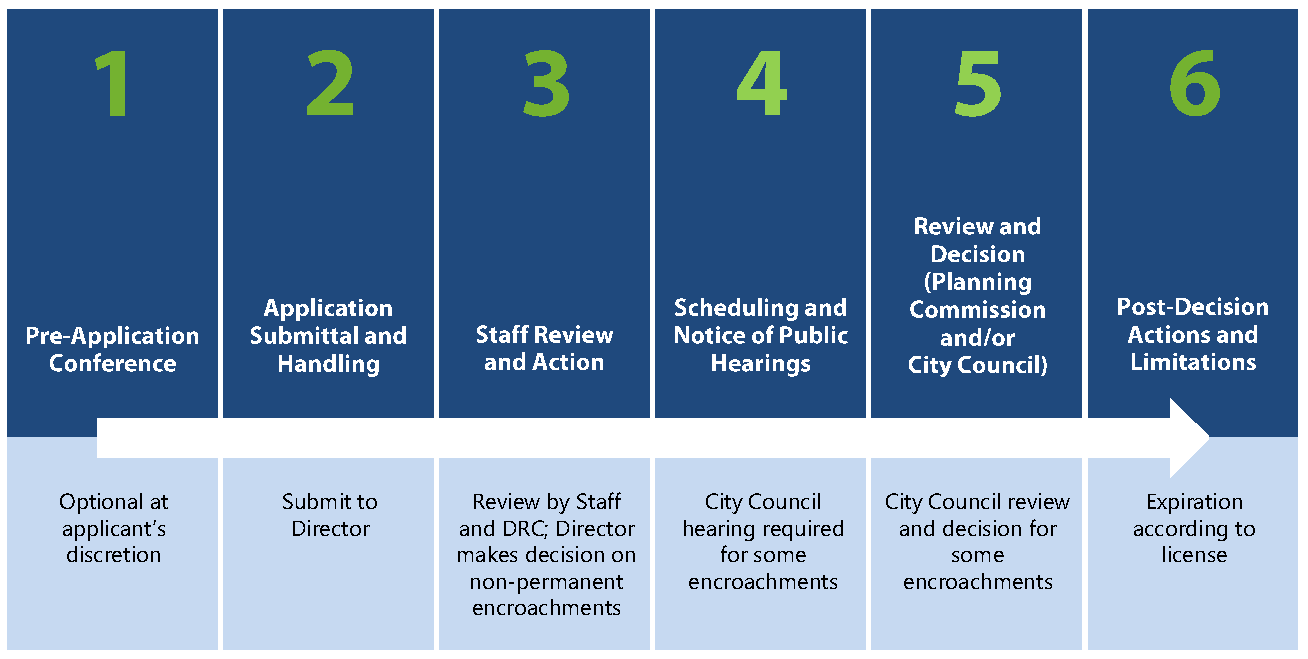
Figure 060-12: Summary of Right-of-Way Encroachment License Procedure
a.
Pre-Application Conference. An optional pre-application conference may be held in accordance with Subsection 070.060.030(b) at the applicant's discretion.
b.
Application Submittal and Handling. The right-of-way encroachment license application shall be submitted, accepted, and revised, and may be withdrawn, in accordance with Subsection 070.060.030(d). Additionally, the application shall be accompanied by a map or plat showing the location and dimensions of the encroachments, and any parcels of land affected by the proposed encroachment.
c.
Staff Review and Action.
1.
The Director and DRC shall review the right-of-way encroachment license application.
2.
If the right-of-way encroachment is determined to require City Council approval, the Director shall prepare a staff report and recommendation in accordance with Subsection 070.060.030(e).
3.
If the right-of-way encroachment can be approved administratively, the Director shall approve, approve with conditions, or deny the right-of-way encroachment license based on the criteria in Subsection e.2. below.
d.
Scheduling and Notice of Public Hearings. If required, the right-of-way encroachment license application shall be scheduled for a public hearing before the City Council and noticed in accordance with Subsection 070.060.030(f)(3)a.2.
e.
Review and Decision (Planning Commission and/or City Council).
1.
City Council Review and Decision. The City Council shall review the right-of-way encroachment license application and approve, approve with conditions, or deny the right-of-way encroachment license in accordance with Subsection 070.060.030(g) and the approval criteria in Paragraph 2. below.
2.
Right-of-Way Encroachment License Approval Criteria. In reviewing the proposed right-of-way encroachment license, the Director and City Council shall consider whether or not the proposed encroachment:
i.
Furthers the City's land use and utility goals and objectives;
ii.
Could be reasonably accommodated on the applicant's own property and outside of the City's right-of-way;
iii.
Compromises public safety, health, and welfare of the community;
iv.
Compromises access to other public and/or private lands; and
v.
Is necessary based on a hardship created by the applicant.
f.
Post-Decision Actions and Limitations. Post-decision actions and limitations in Subsection 070.060.030(i) shall apply with the following modifications:
1.
No license to encroach may be assigned without the prior written consent of the approval body (City Council or the Director), together with an executed indemnity agreement that indemnifies the City from any and all damages to property or persons resulting from the encroachment.
2.
Upon construction of an approved encroachment, the applicant shall provide the City with as-built drawings of all encroachment structures in the format specified by the Director.
3.
For those encroachments that are reviewed and approved by City Council, the applicant shall obtain and provide the City with a copy of an umbrella liability policy covering the encroachment area and in limits of no less than one million dollars ($1,000,000.00). Such policy shall be renewed by the applicant for the life of the encroachment, and a copy of each new policy shall be furnished to the City upon the anniversary date of the license to encroach. Failure to provide the policy as required shall automatically nullify the license to encroach without necessity of further notice and shall require the applicant's removal of the encroachment at the applicant's sole expense. Should the applicant fail to remove the encroachment within a reasonable time, the City may declare the encroachment a public nuisance, undertake removal, and attach a lien to the applicant's property for the costs of the removal.
(Ord. No. 19-2018, § 2(Exh. A), 8-2-2018; Ord. No. 3-2019, § 2(Exh. A), 1-31-2019; Ord. No. 16-2019, § 2(Exh. A), 9-5-2019; Ord. No. 3-2021, § 2(Exh. A), 5-20-2021; Ord. No. 18-2021, § 2(Exh. A), 1-6-2022; Ord. No. 18-2022, § 2(Exh. A), 7-21-2022; Ord. No. 13-2024, § 2(Exh. A), 8-1-2024)
070.060.060 - Subdivision Procedures.
(a)
Minor Subdivision.
(1)
Purpose. The minor subdivision procedure is used to evaluate proposed subdivisions that will create few lots or involve minimal adjustments to approved final plats. The minor subdivision procedure also provides an administrative process to correct plat errors and adjust property boundaries.
(2)
Applicability.
a.
The minor subdivision procedure shall apply to:
1.
Properties within an approved preliminary plat;
2.
Subdivisions creating three (3) or fewer lots or ten (10) or fewer condominium units within a single plat; and
3.
Condominiumizations within an existing building that do not include land dedication.
b.
The following are eligible to be processed as a minor subdivision, provided that Subparagraph a. is met:
1.
Consolidation of two (2) or more lots into a single lot on a single previously recorded final plat; or
2.
Boundary or lot line adjustments to an approved final plat; or
3.
Correction of errors on an approved final plat.
c.
Any subdivision requiring dedication of right-of-way, other public tracts, or public improvements to the City shall be submitted to the City Council for acceptance or denial of the dedication.
(3)
Minor Subdivision Procedure. Figure 060-13 identifies the applicable steps from the common review procedures in Section 070.060.030 that apply to the review of minor subdivisions. Additions or modifications to the common review procedures are noted below.
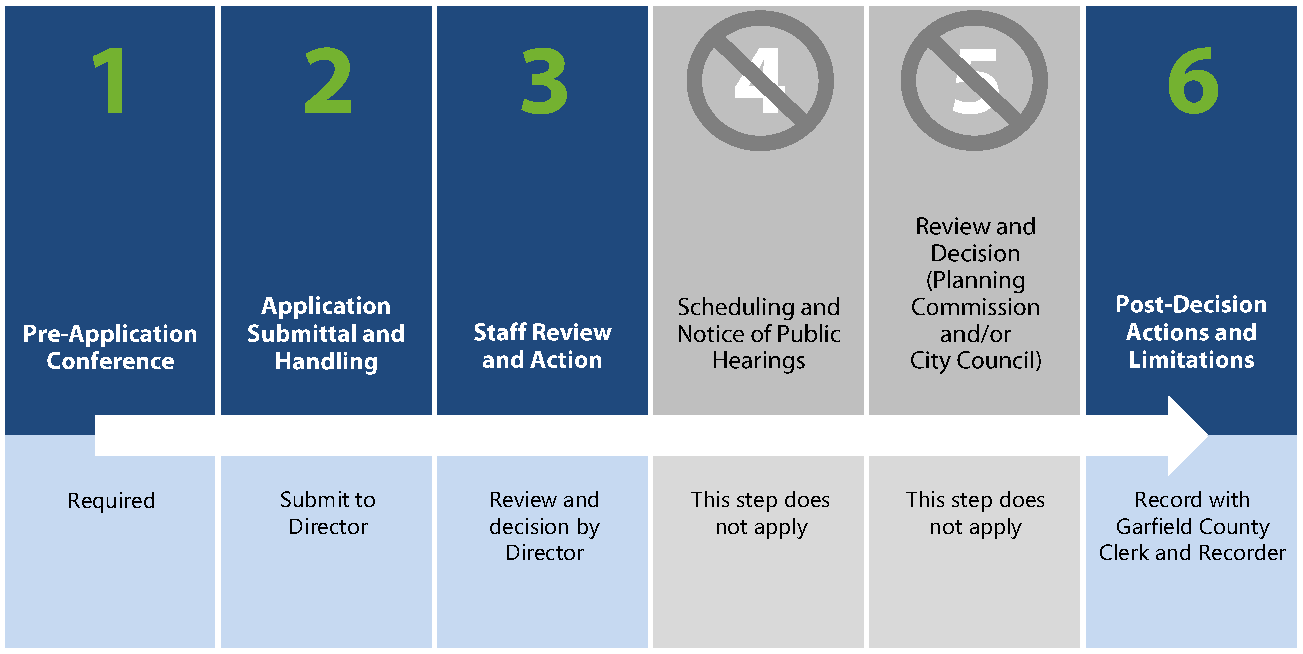
Figure 060-13: Summary of Minor Subdivision Procedure
a.
Pre-Application Conference. A pre-application conference shall be held in accordance with Subsection 070.060.030(b).
b.
Application Submittal and Handling. The minor subdivision application shall be submitted, accepted, and revised, and may be withdrawn, in accordance with Subsection 070.060.030(d).
c.
Staff Review and Action.
1.
Review and Decision. The Director and DRC shall review the minor subdivision application and the Director shall approve, approve with conditions, or deny the minor subdivision based on the criteria below.
2.
Minor Subdivision Approval Criteria. In reviewing a minor subdivision application, the Director shall consider whether the minor subdivision:
i.
Is consistent with the Comprehensive Plan;
ii.
Is consistent with the intent of the underlying zoning district;
iii.
Complies with applicable dimensional, development, and design standards in this Code;
iv.
Does not affect a recorded easement without approval from the easement holder;
v.
Will not result in adverse impacts to surrounding property; and
vi.
Will not limit the City's ability to effectively provide facilities or services.
d.
Post-Decision Actions and Limitations. Post-decision actions and limitations in Subsection 070.060.030(i) shall apply and the Director shall record the approved minor subdivision with the Garfield County Clerk and Recorder as soon as practicable.
(b)
Preliminary Plat.
(1)
Purpose. The preliminary plat procedure provides a mechanism for the City to review an overall plan for a proposed subdivision to ensure compliance with this Code, the Comprehensive Plan, and the adequate provision of facilities and services in the City.
(2)
Applicability. A preliminary plat is required if the proposed subdivision:
a.
Is on land that has not been platted.
b.
Will produce four (4) or more lots;
c.
Will include the dedication of public right-of-way, other public tracts, or public improvements not determined to be eligible for minor subdivision processing; or
d.
Is not eligible to be processed as a minor subdivision, pursuant to Subsection 070.060.060(a)(3).
(3)
Preliminary Plat Procedure. Figure 060-14 identifies the applicable steps from the common review procedures in Section 070.060.030 that apply to the review of preliminary plats. Additions or modifications to the common review procedures are noted below.
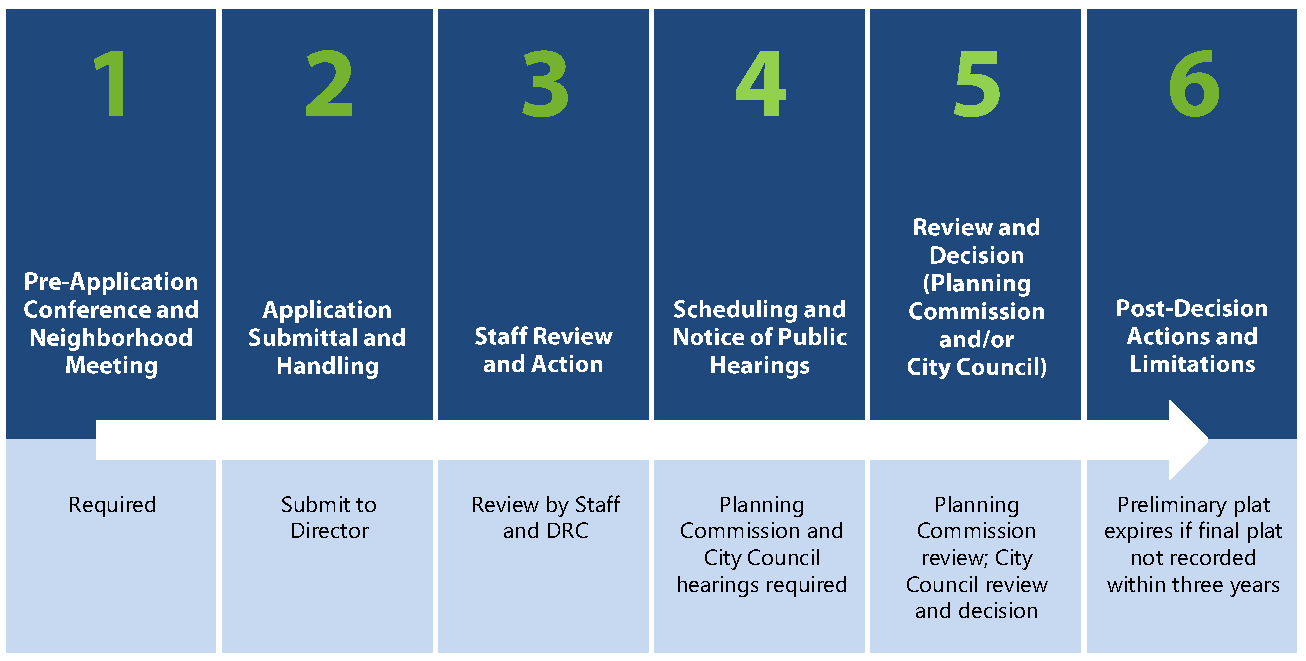
Figure 060-14: Summary of Preliminary Plat Procedure
a.
Pre-Application Conference. A pre-application conference shall be held in accordance with Subsection 070.060.030(b).
b.
Pre-Application Neighborhood Meeting. A pre-application neighborhood meeting shall be held in accordance with Subsection 070.060.030(c).
c.
Application Submittal and Handling. The preliminary plat application shall be submitted, accepted, and revised, and may be withdrawn, in accordance with Subsection 070.060.030(d).
d.
Staff Review and Action. The Director and DRC shall review the preliminary plat application and prepare a staff report and recommendation in accordance with Subsection 070.060.030(e).
e.
Scheduling and Notice of Public Hearings. The preliminary plat application shall be scheduled for public hearings before the Planning Commission and City Council and noticed in accordance with Subsection 070.060.030(f).
f.
Review and Decision (Planning Commission and/or City Council).
1.
Planning Commission Review and Recommendation. The Planning Commission shall review the preliminary plat application and recommend approval, approval with conditions, or denial of the preliminary plat in accordance with Subsection 070.060.030(g) and the approval criteria in Paragraph 4. below. The Planning Commission may also remand the application back to the Director for further consideration.
2.
City Council Review and Decision. The City Council shall review the preliminary plat application and approve, approve with conditions, or deny the preliminary plat in accordance with Subsection 070.060.030(g) and the approval criteria in Paragraph 4. below.
3.
Conditions of Approval. If the preliminary plat is approved with conditions, those conditions and the standards of this Code shall be met prior to approval of a final plat.
4.
Preliminary Plat Approval Criteria. In reviewing a preliminary plat application, the Planning Commission and City Council shall consider whether the preliminary plat:
i.
Is consistent with the Comprehensive Plan;
ii.
Will comply with the applicable zoning district standards;
iii.
Will comply with the use, dimensional, design, and development standards in this Code;
iv.
Provides a layout of lots, streets, blocks, driveways, utilities, drainage, and other public facilities and services designed to minimize the amount of disturbance to sensitive areas and/or community assets;
v.
Provides evidence of public water and sewer system connections;
vi.
Identifies and adequately mitigates known natural hazard areas; and
vii.
If applicable, proposes reasonable project phasing in terms of infrastructure capacity.
g.
Post-Decision Actions and Limitations. Post-decision actions and limitations in Subsection 070.060.030(i) shall apply with the following modifications:
1.
Expiration of Approval. Preliminary plat approval shall expire if a final plat has not been recorded within one (1) year after the date of the preliminary plat approval, or an extension is granted pursuant to Subsection 070.060.030(i)(3).
2.
Phased Final Platting. Whenever a preliminary plat is approved for development of the subdivision in phases, the City Council may provide the periods of time allowed for final plat approval of each phase of the development after the first.
h.
Concurrent Review with Site/Architectural Plan. Preliminary plat applications may be submitted and reviewed concurrently with an application for a site/architectural plan pursuant to Subsection 070.060.050(a)(2)d.
(c)
Final Plat.
(1)
Purpose. The final plat procedure completes the subdivision process and ensures compliance with the approved preliminary plat and applicable standards in this Code.
(2)
Applicability. The final plat procedure applies to all subdivisions in the City unless otherwise stated in this Code.
(3)
Final Plat Procedure. Figure 060-15 identifies the applicable steps from the common review procedures in Section 070.060.030 that apply to the review of final plats. Additions or modifications to the common review procedures are noted below.
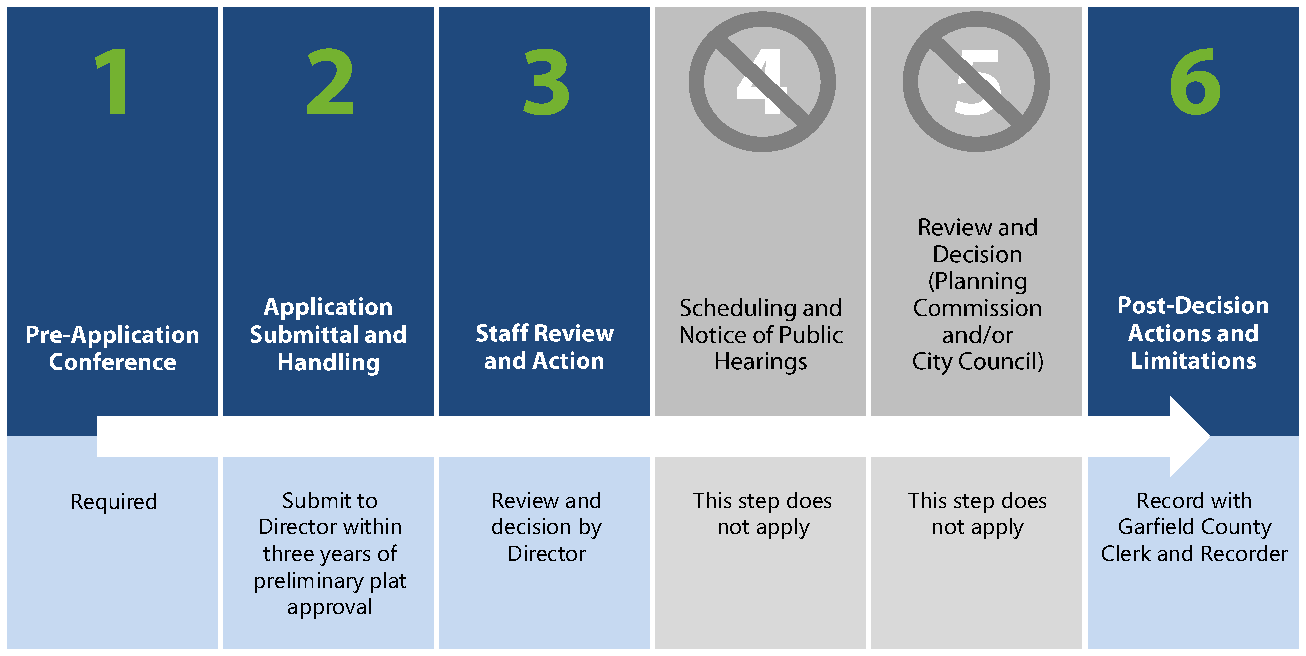
Figure 060-15: Summary of Final Plat Procedure
a.
Pre-Application Conference. A pre-application conference shall be held in accordance with Subsection 070.060.030(b).
b.
Concurrent Vested Rights Review. If the applicant is seeking vested rights with the final plat, such vested rights may be reviewed concurrently with an application for a final plat. Applicants seeking vested rights shall comply with the procedures under Subsection 070.060.030(j).
c.
Application Submittal and Handling. The final plat application shall be submitted, accepted, and revised, and may be withdrawn, in accordance with Subsection 070.060.030(d) with the following modifications:
1.
Unless vested rights are approved pursuant to Subsection 070.060.030(j), the final plat application shall be submitted within three (3) years of preliminary plat approval.
2.
The final plat may reflect the entire areas covered by a preliminary plat or any part thereof.
d.
Staff Review and Action.
1.
Director Review and Decision. The Director and DRC shall review the final plat application and shall approve, approve with conditions, or deny the final plat based on the criteria below.
2.
Final Plat Approval Criteria. In reviewing a final plat application, the Director shall consider whether:
i.
The final plat conforms to the approved preliminary plat, including any conditions of approval;
ii.
The development will substantially comply with all requirements of this Code; and
iii.
The development will comply with the applicable technical standards and specifications adopted by the City.
e.
Post-Decision Actions and Limitations. Post-decision actions and limitations in Subsection 070.060.030(i) shall apply and the Director shall record the approved final plat with the Garfield County Clerk and Recorder as soon as practicable following approval.
(d)
Condominiumization.
(1)
Purpose. The condominiumization procedure provides a mechanism to ensure that condominium subdivisions and conversions will comply with the applicable provisions of this Code.
(2)
Applicability.
a.
Condominiumization resulting in the creation of ten (10) or fewer condominium units shall follow the procedures for a minor subdivision pursuant to Subsection 070.060.060(a).
b.
Condominiumization resulting in the creation of eleven (11) or more condominium units shall follow the procedures for a preliminary plat pursuant to Subsection 070.060.060(b)(3).
c.
Any condominiumization requiring a dedication of right-of-way, other public tracts, or public improvements to the City shall be submitted to the City Council for acceptance or denial of the dedication. If the condominiumization application is processed as a minor subdivision, then the City Council shall only make a decision on the proposed dedication(s).
(3)
Condominiumization of Existing Structure. When reviewing a proposal to condominiumize an existing structure, the Director, Planning Commission, and/or City Council may require the subject property to come into compliance with this Code and ordinances as necessary to safeguard the public health, safety, and welfare.
(e)
Vacation of Right-of-Way.
(1)
Purpose. The vacation of right-of-way procedure provides a mechanism for vacating rights, interests, or title of the City in and to any right-of-way located in the City.
(2)
Applicability. The vacation of right-of-way procedure applies to any request to vacate rights, interest, or title of right-of-way within the City. Title to vacated roadways shall be in accordance with Colorado law.
(3)
Vacation of Right-of-Way Procedure. Figure 060-16 identifies the applicable steps from the common review procedures in Section 070.060.030 that apply to the review of vacations of right-of-way. Additions or modifications to the common review procedures are noted below.
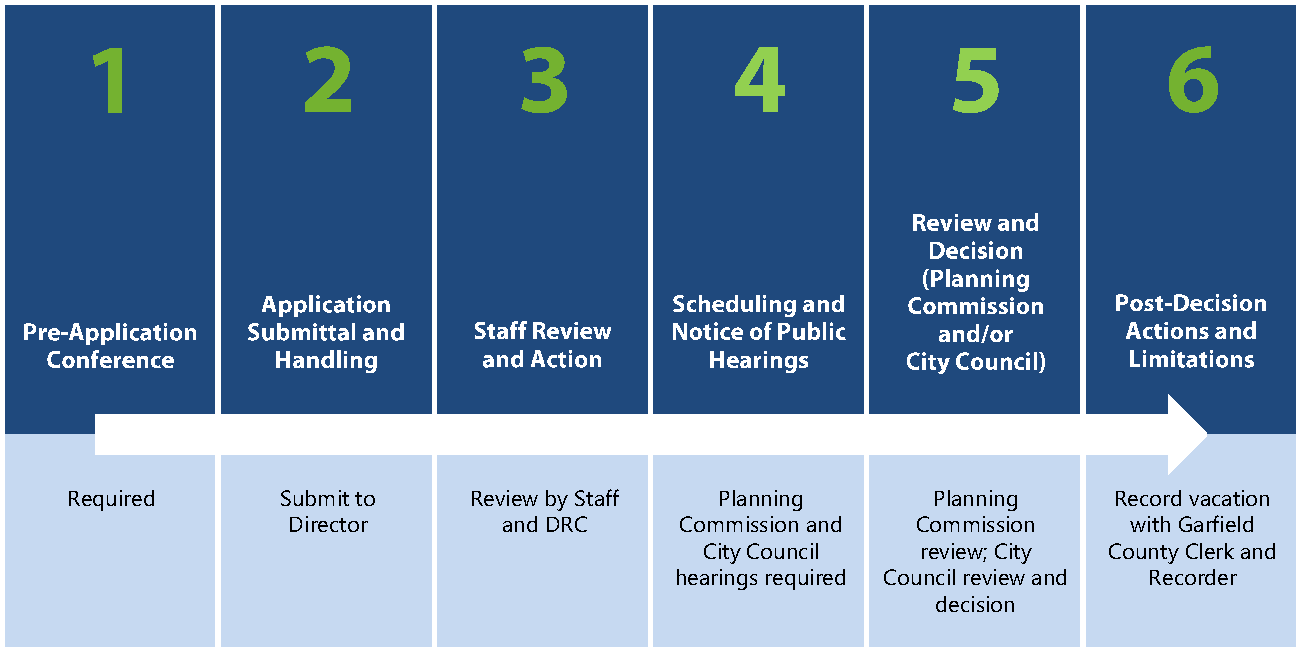
Figure 060-16: Summary of Vacation of Right-of-Way Procedure
a.
Pre-Application Conference. A pre-application conference shall be held in accordance with Subsection 070.060.030(b).
b.
Application Submittal and Handling. The vacation of right-of-way application shall be submitted, accepted, and revised, and may be withdrawn, in accordance with Subsection 070.060.030(d). Additionally, the application shall be accompanied by a map or plat showing the location and dimensions of the areas to be vacated, any parcels of land affected by the proposed vacation, and a legal description for the proposed vacation.
c.
Staff Review and Action. The Director and DRC shall review the vacation of right-of-way application and prepare a staff report and recommendation in accordance with Subsection 070.060.030(e).
d.
Scheduling and Notice of Public Hearings. The vacation of right-of-way application shall be scheduled for public hearings before the Planning Commission and City Council, and noticed in accordance with Subsection 070.060.030(f).
e.
Review and Decision (Planning Commission and/or City Council).
1.
Planning Commission Review and Recommendation. The Planning Commission shall review the vacation of right-of-way application and recommend approval, approval with conditions, or denial of the vacation of right-of-way in accordance with Subsection 070.060.030(g) and the approval criteria in Paragraph 3. below. The Planning Commission may also remand the application back to the Director for further consideration.
2.
City Council Review and Decision. The City Council shall review the vacation of right-of-way application and approve, approve with conditions, or deny the vacation of right-of-way in accordance with Subsection 070.060.030(g) and the approval criteria in Paragraph 3. below.
3.
Vacation of Right-of-Way Approval Criteria. In reviewing the proposed vacation of right-of-way, the Planning Commission and City Council shall consider the following:
i.
The vacation of right-of-way is consistent with the Comprehensive Plan;
ii.
The vacation of right-of-way will comply with the applicable zoning districts standards;
iii.
The vacation of right-of-way will comply with use, dimensional, design, and other development standards in this Code;
iv.
The right-of-way has never been formally opened or used as a City street, has never been used for park or governmental purposes, or has been abandoned and removed;
v.
All portions of the right-of-way to be vacated are within the City;
vi.
None of the right-of-way to be vacated constitutes a boundary line between two (2) counties or the boundary of the City; and
vii.
No land adjoining the right-of-way to be vacated shall be left, as a result of the vacation, without an established public road connecting to another established public road.
f.
Post-Decision Actions and Limitations. Post-decision actions and limitations in Subsection 070.060.030(i) shall apply and the Director shall record the approved vacation of right-of-way with the Garfield County Clerk and Recorder as soon as practicable following approval.
g.
Vacations of Right-of-Way. Vacations of right-of-way require an affirmative vote of a majority of the qualified electors per April 23, 2024 majority vote on ballot issue 1A amending the City Charter.
(Ord. No. 19-2018, § 2(Exh. A), 8-2-2018; Ord. No. 3-2019, § 2(Exh. A), 1-31-2019; Ord. No. 18-2021, § 2(Exh. A), 1-6-2022; Ord. No. 13-2024, § 2(Exh. A), 8-1-2024)
070.060.070 - Flexibility and Relief Procedures.
(a)
Variance.
(1)
Purpose. The variance procedure is intended to provide limited relief from the requirements of this Code where strict application of the Code would result in exceptional practical difficulty or undue hardship preventing the use of the land as otherwise allowed by the Code. The variance procedure is not intended to allow a use in a zoning district where it is not currently permitted, or to alleviate inconveniences or financial burdens imposed on landowners.
(2)
Applicability. Any property owner seeking relief from this Code may request a variance when the strict application of the Code would result in an undue hardship. The following two (2) options are available for seeking a variance:
a.
Concurrent Variance Application. An applicant may request a variance concurrently with an associated development permit application by submitting a request for variance as part of the overall application package.
b.
Independent Request for Variance. An applicant may request a variance independent of any other development application through the process in Subsection 070.060.070(a)(3) below.
(3)
Variance Procedure. Figure 060-17 identifies the applicable steps from the common review procedures in Section 070.060.030 that apply to the review of variances made independently from an associated development application. Additions or modifications to the common review procedures are noted below.
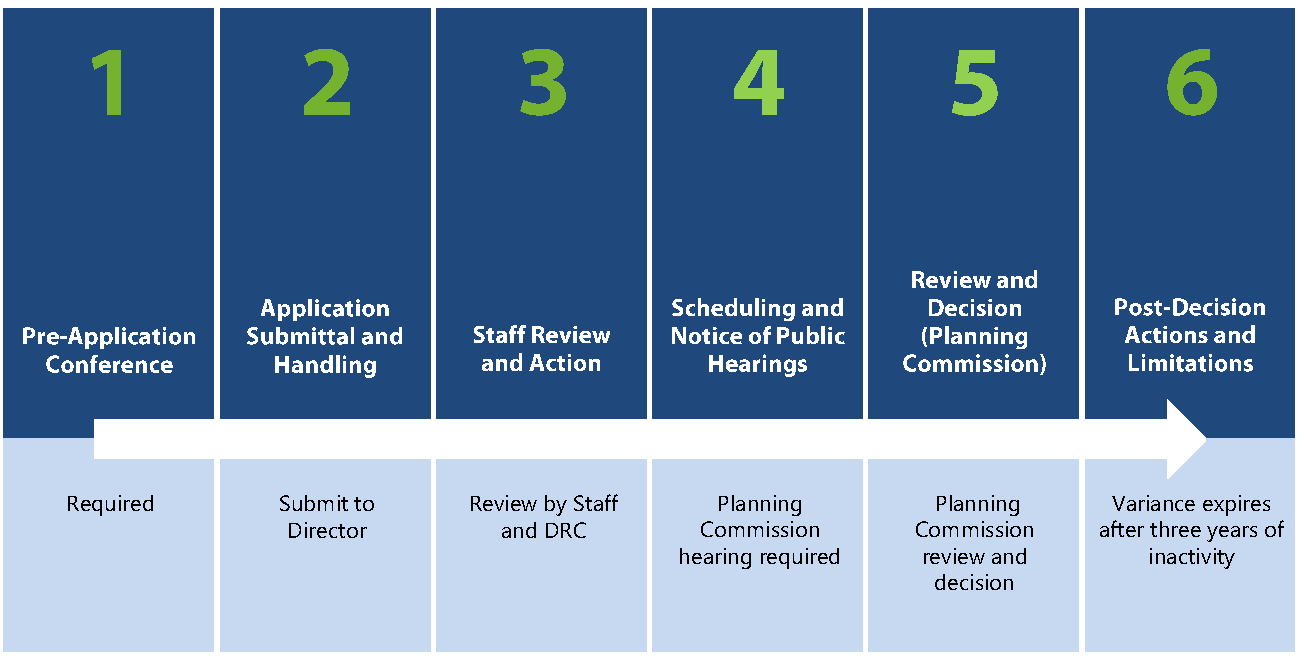
Figure 060 17: Summary of Variance Procedure
a.
Pre-Application Conference. A pre-application conference shall be held in accordance with Subsection 070.060.030(b).
b.
Application Submittal and Handling. The variance application shall be submitted, accepted, and revised, and may be withdrawn, in accordance with Subsection 070.060.030(d).
c.
Staff Review and Action. The Director and DRC shall review the variance application and prepare a staff report and recommendation in accordance with Subsection 070.060.030(e).
d.
Scheduling and Notice of Public Hearings. The variance application shall be scheduled for a public hearing before the Planning Commission and noticed in accordance with Subsection 070.060.030(f).
e.
Planning Commission Review and Decision.
1.
Review and Decision.
i.
The Planning Commission shall review the variance application and shall approve, approve with conditions, or deny the variance in accordance with Subsection 070.060.030(g) and the criteria in Paragraph 2 or 3 below. The Planning Commission may also remand the application back to the Director for further consideration.
ii.
The Planning Commission's decision shall be based only on the record of the public hearing and shall be reduced to writing, include findings of fact based on competent, material, and substantial evidence presented at the hearing, reflect the determination of contested facts, and state how the findings support compliance with applicable review standards.
iii.
The Planning Commission shall clearly state the factors considered in making its decision, as well as the basis or rationale for the decision.
2.
Variance Approval Criteria. Except as provided in Paragraph 3 below, in reviewing a variance application, the Planning and Zoning Commission shall find that all of the following exist:
i.
The subject property has an exceptional shape, topography, building configuration or other exceptional site condition that is not a general condition throughout the zone district;
ii.
The strict application of the Code standards for which a variance is sought would produce undue hardship;
iii.
The applicant did not create the hardship by his/her own actions;
iv.
The variance requested does not harm the public and does not impair the intent or purposes of this Code, goals, and policies, including the specific regulation for which the variance is sought;
v.
The variance request demonstrates exceptional hardship not related to purposes of convenience or financial burden;
vi.
The variance request will not violate building or fire code requirements; and
vii.
The variance is the minimum variance that will afford relief of the subject standards of the Code.
3.
Design Variance Approval Criteria. In reviewing a variance application from Section 070.040.050, Landscaping, Screening, and Fencing; Subsection 070.040.060(h)(6), Parking Area Landscaping; Section 070.040.080, Residential Site and Building Design; and Section 070.040.090, Non-Residential and Mixed-Use Site and Building Design, the Planning and Zoning Commission shall find that the variance request meets all of the criteria listed in Section A, and at least four (4) of the criteria listed in Section B:
f.
Post-Decision Actions and Limitations.
1.
Notice of Decision. Within five (5) business days following any decision by the Planning Commission, the Director shall provide written notification of such decision to the City Council.
2.
Recording Required. Following approval of a variance, the Director shall record the variance with the Garfield County Clerk and Recorder as soon as practicable.
3.
Expiration of Variance. If the property owner has not commenced development or obtained the required permits to carry out the approved variance within three (3) years of the variance approval, the variance shall automatically expire unless an additional extension of up to three (3) years is granted upon request by the Planning Commission.
4.
Non-Transferable. An approved variance shall apply only to the property or structure described in the approval and shall not be transferable to any other property or structure.
(b)
Administrative Adjustment.
(1)
Purpose. The administrative adjustment procedure is intended to allow minor modifications or deviations from the dimensional or numeric standards of this Code with approval by the Director. Administrative adjustments are intended to provide greater flexibility when necessary, without requiring a formal zoning amendment or variance. The administrative adjustment procedure is not a waiver of current standards of this Code and shall not be used to circumvent the variance procedure.
(2)
Applicability.
a.
Table of Allowable Administrative Adjustments. An application for an administrative adjustment that is not related to a request for "reasonable accommodation" under the Federal Fair Housing Act or the Religious Land Use and Institutionalized Persons Act may request only the types of adjustments shown in Table 060.3, Allowable Administrative Adjustments.
b.
Reasonable Accommodations Under the FFHA.
1.
In response to a written application identifying the type of housing being provided and the portions of the Federal Fair Housing Act that require that reasonable accommodations be made for such housing, the Director is authorized to take any of the following actions in order to provide reasonable accommodations without the need for a rezoning or variance:
i.
Modify any facility spacing, building setback, height, lot coverage, or landscaping requirement by no more than ten (10) percent; or
ii.
Reduce any off-street parking requirement by no more than one (1) space.
2.
The Director may approve a type of reasonable accommodation different from that requested by the applicant if the Director concludes that a different form of accommodation would satisfy the requirements of the Federal Fair Housing Act with fewer impacts on adjacent areas. The decision of the Director shall be accompanied by written findings of fact as to the applicability of the Fair Housing Act, the need for reasonable accommodations, and the authority for any reasonable accommodations approved. Requests for types of accommodation that are not listed above may only be approved through a variance or rezoning process.
c.
Religious Land Use and Institutionalized Persons Act of 2000 (RLUIPA). The Director may grant administrative adjustments in order to eliminate a substantial burden on religious exercise as guaranteed by the Federal Religious Land Use and Institutionalized Persons Act of 2000, as amended. In no circumstance shall the Director approve an adjustment that allows a religious assembly use, or any uses, structures, or activities accessory to it, in a zoning district where this Code prohibits such use or accessory use, structure, or activity.
(3)
Limitations on Administrative Adjustments.
a.
Except when requested as a reasonable accommodation for Federal Fair Housing Act ("FFHA") purposes, a request for an Administrative Adjustment shall not be used to further modify a development standard that, as applied to the subject property, already qualifies as an exception to, or modification of, a generally applicable development standard required under Article 070.040: Development Standards.
b.
The administrative adjustment procedure shall not apply to any proposed modification or deviation that results in:
1.
An increase in the overall project density;
2.
A change in permitted uses or mix of uses;
3.
A deviation from the standards in Section 070.030.030, Use-Specific Standards;
4.
A deviation from the standards in Section 070.040.020, Sensitive Area Protection;
5.
A deviation from building or fire codes;
6.
A deviation from the City's Engineering Standards;
7.
Requirements for public roadways, utilities, or other public infrastructure or facilities; or
8.
A change to a development standard where that same standard was already modified through a separate administrative adjustment or variance.
(4)
Administrative Adjustment Procedure.
a.
Application Submittal and Handling.
1.
The developer of a property may submit an application to the Director requesting consideration of an administrative adjustment as outlined in Table 060.3: Allowable Administrative Adjustments.
2.
An application for an administrative adjustment associated with any application for a special use permit, temporary use permit, site/architectural plan approval (administrative, minor, or major), or plat approval (minor, preliminary, final, or condominium) shall be reviewed concurrently.
3.
Each code standard in Table 060.3 shall be considered a separate administrative adjustment request as it relates to the approval criteria in Subsection 070.060.070(b)(5), but multiple adjustments may be considered in one (1) administrative adjustment application.
b.
Review and Decision.
1.
Where a concurrently reviewed, or standalone application requires review and approval by the Director, the Director shall review the application and shall approve, approve with conditions, or deny the adjustment based on the criteria in Subsection 070.060.070(b)(5). The Director may refer the administrative adjustment to the DRC prior to making a decision.
2.
Where a concurrently reviewed application requires review and approval by the Planning Commission or City Council, the Commission or Council, as applicable, shall review and decide the administrative adjustment application based on the criteria in in Subsection 070.060.070(b)(5).
c.
Effect of Approval. Approval of an administrative adjustment authorizes only the particular adjustment of standards approved, and only to the subject property of the application.
d.
Expiration of Administrative Adjustment. An administrative adjustment shall automatically expire if the associated development application is denied or if approval of the concurrently reviewed application expires, is revoked, or otherwise deemed invalid.
(5)
Administrative Adjustment Approval Criteria. In reviewing a proposed administrative adjustment, the decision-making body shall consider whether and to what extent the adjustment:
a.
Will not result in incompatible development;
b.
Will not result in adverse impacts unless adequately mitigated; and
c.
Is of a technical nature and is required to:
1.
Compensate for an unusual site condition;
2.
Eliminate a minor inadvertent failure to comply with a Code standard; or
3.
Protect a sensitive resource, natural feature, or community asset.
(c)
Appeals.
(1)
Purpose. The appeal procedure establishes a mechanism for appealing decisions made in the administration or enforcement of this Code.
(2)
Applicability. Any interested party may appeal a decision made in the administration or enforcement of this Code to the appropriate appellate body as indicated in Table 060:1: Summary of Development Review Procedures, except that appeals of decisions by City Council shall be made to the District Court in accordance with state law.
(3)
Appeal Procedure. Figure 060-18 identifies the applicable steps from the common review procedures in Section 070.060.030 that apply to the review of appeals. Additions or modifications to the common review procedures are noted below.
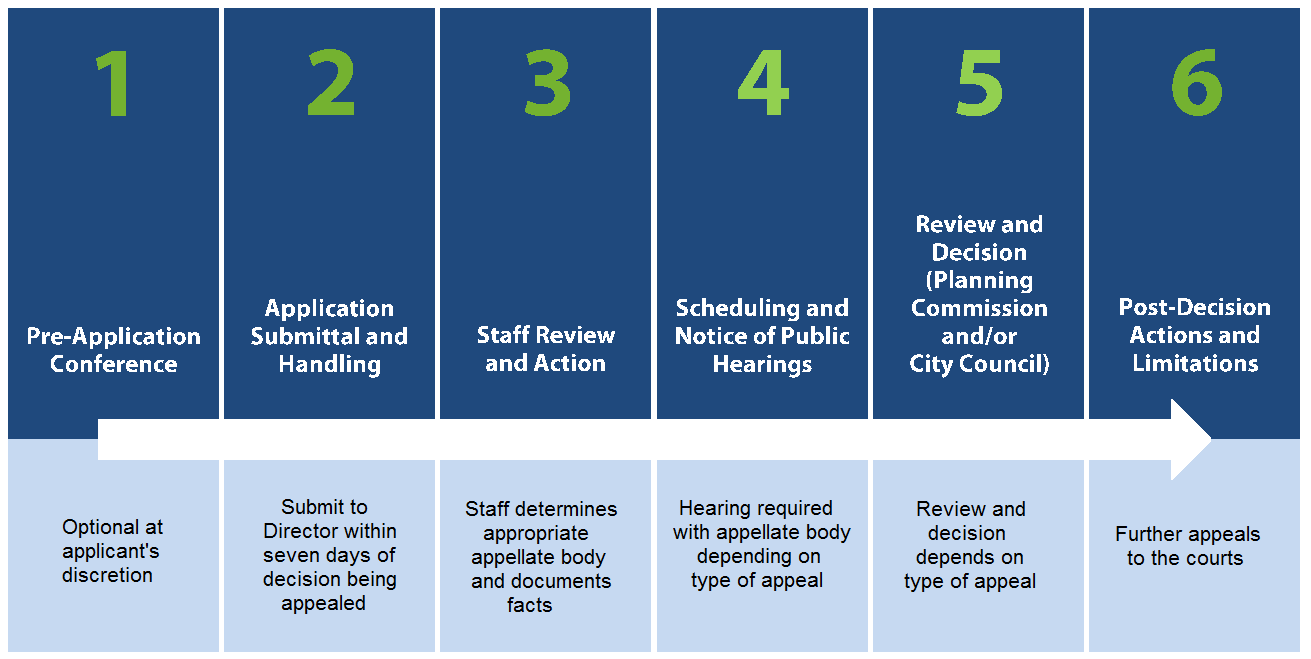
Figure 060-18: Summary of Appeal Procedure
a.
Pre-Application Conference. An optional pre-application conference may be held in accordance with Subsection 070.060.030(b) at the applicant's discretion.
b.
Application Submittal and Handling. The appeal application shall be submitted, accepted, and revised, and may be withdrawn, in accordance with Subsection 070.060.030(d), with the following modifications:
1.
Burden of Proof on Appellant. The party making the appeal (the appellant) shall have the burden of proving the necessary facts to warrant reversal or amendment of the decision being appealed. Such proof shall include applicable specific section references within this Code and shall be provided with the application.
2.
Time Limit. Appeals shall be made in writing and filed with the Director within seven (7) days of the decision being appealed.
3.
Stay of Proceedings. An appeal automatically stays all proceedings from further action on the subject decision unless the decision-making authority from whom the appeal is taken certifies to the appellate body, after the appeal application has been filed, that by reason of facts stated in the certificate, a stay would create adverse impacts to the health, safety, or welfare of the City or would cause imminent peril to life and property. in which case proceedings shall not be stayed absent a restraining order which may be granted by the appellate body.
c.
Staff Review and Action. The Director shall review the appeal application and prepare a staff report in accordance with Subsection 070.060.030(e), with the following modifications:
1.
Staff review of the appeal shall only confirm that the application is complete and that the appeal is heard by the appropriate authority.
2.
The staff report shall not make a formal recommendation and shall only include the necessary facts to warrant an appeal, which shall be provided by the applicant.
d.
Scheduling and Notice of Public Hearings. The appeal shall be scheduled for a public hearing before the appropriate appellate body and noticed in accordance with Subsection 070.060.030(f).
e.
Review and Decision.
1.
The appropriate appellate body shall consider the following in determining whether to affirm, reverse or amend a decision or interpretation made by the decision-making body:
i.
The facts stated in the application, as presented by the appellant;
ii.
The requirements and intent of the applicable standards from this Code compared to the decision that is being appealed;
iii.
Evidence related to how the applicable standards from this Code have been administered or interpreted in the past; and
iv.
Consistency with the Comprehensive Plan.
2.
The appellate body may reverse a previous decision in whole or in part, or may modify the order, requirement, decision, or determination appealed from.
3.
The appellate body may attach conditions of approval on any appeal to ensure the health, safety, and welfare of the City.
f.
Post-Decision Actions and Limitations. Post-decision actions and limitations in Subsection 070.060.030(i) shall apply. Any further appeals from City Council shall be made to the courts in accordance with state law.
(Ord. No. 19-2018, § 2(Exh. A), 8-2-2018; Ord. No. 16-2019, § 2(Exh. A), 9-5-2019; Ord. No. 3-2021, § 2(Exh. A), 5-20-2021; Ord. No. 18-2021, § 2(Exh. A), 1-6-2022)
070.060.080 - Review and Decision-Making Bodies.
(a)
City Council. The City Council shall have all powers granted it by the Municipal Charter. Where not limited by the Charter or the Constitution of the State of Colorado, the City Council shall have such additional powers granted to cities of the same class by the statutes of the State of Colorado. In the administration and enforcement of this Code, the City Council has the review and decision authority as shown in Table 060.1: Summary of Development Review Procedures.
(b)
Planning Commission.
(1)
Duties and Authority. The Planning Commission shall have the review and decision authority as shown in Table 060.1: Summary of Development Review Procedures, pursuant to the application-specific procedures outlined in this Code. The Planning Commission also has the powers and duties permitted under Colorado law, C.R.S. § 31-23-201 et seq.
(2)
Members and Terms of Office.
a.
The Planning Commission shall consist of seven (7) members, whom shall be citizens of the City.
b.
The terms of office shall be in accordance with 020.020.040 of the Municipal Code.
(3)
Staff Participation on the Planning Commission. The City Manager may appoint a member of staff to assist the Planning Commission as necessary to fulfill their duties as provided for in 020.020.030.
(c)
City Administration.
(1)
City Manager. The City Manager shall have the responsibility for administering this Code and shall be responsible for appointing the Director, establishing the duties and responsibilities of the Director, and overseeing the actions of the Director.
(2)
Development Review Committee. The Development Review Committee (DRC) shall have the review and decision-making authorities listed in Table 060.1: Summary of Development Review Procedures.
(3)
Director. The Director shall have the review and decision-making responsibilities listed in Table 060.1: Summary of Development Review Procedures, and elsewhere in this Code.
(Ord. No. 19-2018, § 2(Exh. A), 8-2-2018)

