
Johnson City City Zoning Code
ARTICLE XVII
OPEN SPACE
17.1 - PURPOSE AND INTENT
Preservation of open space is necessary in developing areas. Open space improves the aesthetic character of the community, protects landscapes, reduces stormwater runoff, improves public health, maintains property values, conserves habitat, and provides recreational spaces for residents and visitors.
The intent of the ordinance is to require new developments preserve open space that serves multiple purposes that are appropriate in the context of the developments location in the City, whether urban, suburban, or rural.
(Ord. No. 4839-23, § 1(Exh. A), 5-4-2023)
17.2 - APPLICABILITY
Open space standards shall apply to any new single family residential development that exceeds 25 dwelling units or is greater than ten acres or where new streets (public or private) are required for the subdivision.
(Ord. No. 4839-23, § 1(Exh. A), 5-4-2023)
17.3 - OPEN SPACE DESIGNATION
17.3.1
PERCENTAGE REQUIRED:
Within a proposed development, open space can be conserved or constructed. The total amount of land set aside for open space for single family uses is 15 percent. Half of the required 15 percent open space must be active open space as outlined in section 17.3.2.
17.3.2
ACCEPTABLE OPEN SPACE:
17.3.2.1
In the site design of a project, designation and preservation of open space is an integral part of the development process. Lands acceptable for open space designation are:
17.3.2.2
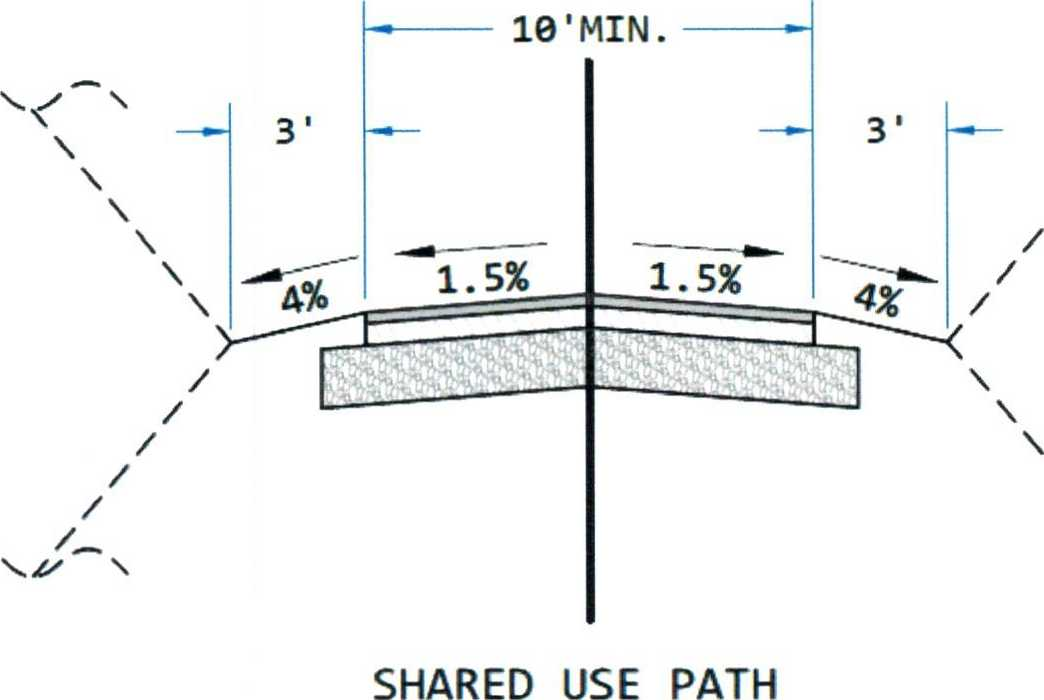
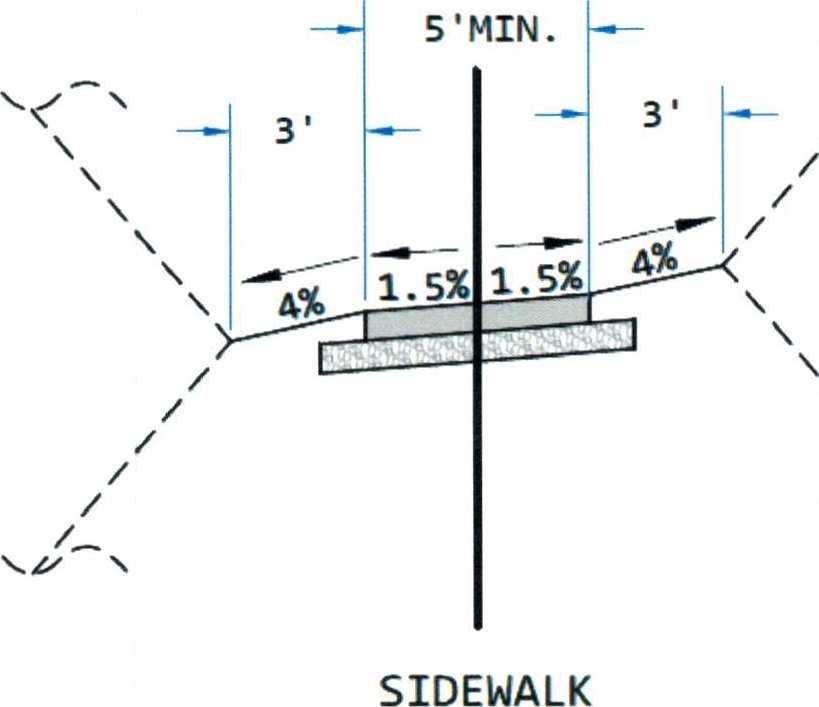
In order to count as active open space, walking trails must be constructed of gravel, asphalt, or concrete to a standard shown below:
17.3.2.3
Golf courses shall not be considered open space.
(Ord. No. 4839-23, § 1(Exh. A), 5-4-2023)
17.4 - OPEN SPACE COMPLIANCE WITH APPLICABLE PLANS
New developments must comply with all applicable plans that have been adopted or endorsed by the Johnson City Planning Commission and Johnson City Commission.
(Ord. No. 4839-23, § 1(Exh. A), 5-4-2023)
17.5 - ACCESS TO OPEN SPACE
Open space shall consist of land that is accessible directly from a public street of at least ten feet in width or approved private street of at least ten feet in width at the discretion of the Planning and Development Services Director.
Public use of the open space may be limited to residents of the development except for land used for public sidewalks and/or land dedicated to a public greenway.
(Ord. No. 4839-23, § 1(Exh. A), 5-4-2023)
17.6 - OWNERSHIP OF OPEN SPACE
17.6.1
Open space may be owned or administered by one or a combination of the following methods: fee simple ownership by a unit of government or private non-profit land conservancy; owned by a homeowners association, or owned by a property owners association.
17.6.2
Areas shown as open space shall be maintained for perpetuity and identified and recorded. Recorded documents may include approved site plans, subdivision plats, easements, or deeds.
17.6.3
The city has the right to accept or deny the dedication of open space to the public. Open space that is dedicated and accepted by the general public shall be maintained and managed by the City of Johnson City.
(Ord. No. 4839-23, § 1(Exh. A), 5-4-2023)
17.7 - REDUCTIONS IN REQUIRED OPEN SPACE
The amount of land required to be designated for open space may be reduced by the Planning and Development Services Director in the following situations:
A.
If public parks or public recreational facilities are constructed on the land designated as open space consistent with a plan approved by the Parks and Recreation Director, the open space requirements may be reduced in proportion to the extent of the improvements made by the applicant as determined by the Parks and Recreation Director.
B.
If the land proposed for designation as open space adjoins or is within a quarter of a mile and connected to parkland or other existing public open space, the open space requirements may be reduced by up to a maximum of 25 percent of the total requirement, provided access to the parkland is provided via an easement or other connection acceptable to the Planning and Development Services Director.
(Ord. No. 4839-23, § 1(Exh. A), 5-4-2023)
17.8 - EXCEPTIONS TO OPEN SPACE
The following uses are exempt from open space requirements:
A.
Subdivisions whose lots are 30,000 square feet or greater.
B.
Lands used for agricultural purposes.
(Ord. No. 4839-23, § 1(Exh. A), 5-4-2023)

