
Leander City Zoning Code
ARTICLE VII
ARCHITECTURAL COMPONENTS
An architectural component (Type A, B, C, or D) is required to be adopted with each use component in accordance with combining options of Article II, Sec. 2, b.
Sec. 1. - Type A.
(a)
Statement of Intent.
(1)
The Type A architectural component is intended to be utilized for high quality developments or to provide variety as an additional option for portions of a residential development and may be utilized in or adjacent to single-family uses.
(2)
This component is intended to be utilized for single-family development that backs up to, or sides to, a major thoroughfare.
(3)
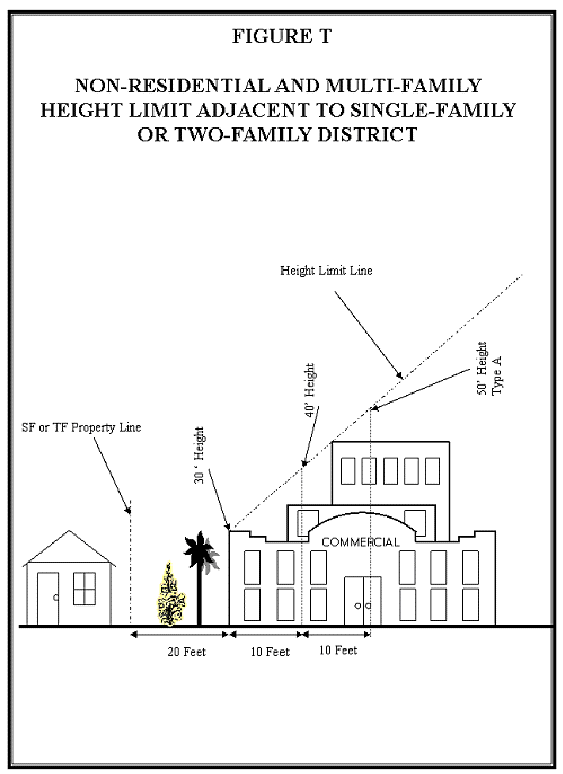
Combined with appropriate use and site components, this component is intended to help provide for harmonious land use transitions by applying this component to a less restrictive use or site component adjacent to a more restrictive use or site component. This standard may be utilized to help ensure compatibility for nonresidential uses, multifamily, two-family, townhouse or small lot residential development with adjacent property that is more restricted.
(4)
This component is intended to be utilized for buildings requiring heights greater than those provided in other architectural components.
(5)
This component may be utilized for any high profile development, for any property in a prominent location or at an important gateway to the community.
(6)
This component is not intended to become an involuntary standard for the majority of a single-family subdivision, especially with SFR, SFE, SFS, SFU and SFC components.
(b)
Exterior Wall Standards.
(1)
All building materials for primary buildings/structures shall comply with the permitted building materials approved by the International Building Code from one of the past three code cycles. A minimum of fifteen percent (15%) of the front primary building facade for buildings in commercial or residential districts shall consist of window or door openings. Window and door areas of the front facade may be reduced to 10% of area of facade if one additional architectural feature is added beyond the requirement stated in paragraph (2) below.
(2)
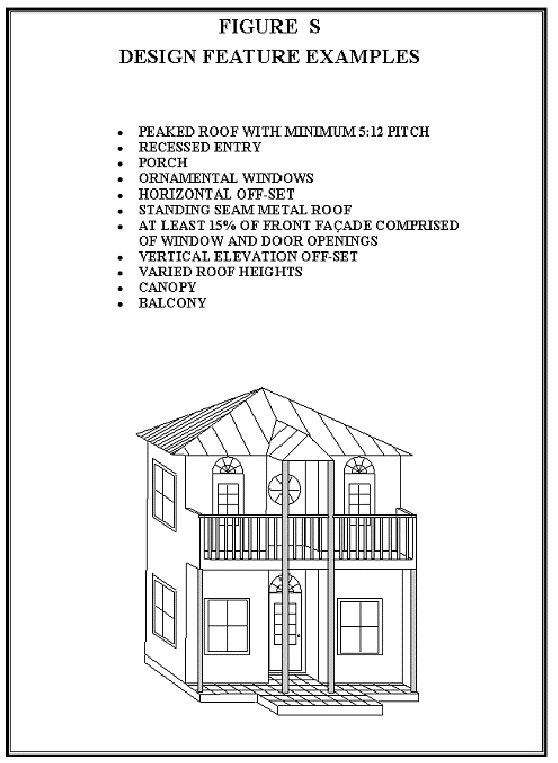
All building fronts shall have at least five different design features to break the wall plane, buildings over 50,000 square feet in size shall have at least seven different design features, and buildings over 100,000 square feet shall have at least nine different design features. The following are examples of the types of design features that shall be utilized: horizontal off-sets, recesses or projections, porches, breezeways, porte-cocheres, courtyards, awnings, canopies, alcoves, recessed entries, ornamental cornices, display or other ornamental windows, vertical "elevation" off-sets, peaked roof forms, arches, outdoor patios, architectural details such as tile work or moldings integrated into the facade, integrated planters or wing walls, accent materials, varied roof heights, premium roofing materials such as tile or standing seam metal, or similar design features approved by the Director of Planning (see Figure S - following page).
(3)
Windows shall have a maximum exterior reflectivity of twenty percent (20%).
(Ordinance 05-018-00 adopted 9/1/05; Ordinance 19-044-00, secs. 16, 20, adopted 8/15/19)
Sec. 2. - Type B.
(a)
Statement of Intent.
(1)
The Type B architectural component is intended to be utilized for the majority of residential development except that which is intended as a Type A architectural component.
(2)
Combined with appropriate use and site components, this component is intended to help provide for harmonious land use transitions.
(3)
This component may be utilized to raise the building standards and help ensure compatibility for nonresidential uses adjacent to property that is more restricted.
(4)
This component is intended for the majority of the LO and LC use components except those meeting the intent of the Type A or C architectural components.
(5)
Compliance with Type A architectural component standards shall also be deemed as compliance with Type B standards.
(b)
Exterior Wall Standards.
(1)
All building materials for primary buildings/structures shall comply with the permitted building materials approved by the International Building Code from one of the past three code cycles. A minimum of fifteen percent (15%) of the front primary building facade for buildings in commercial or residential districts shall consist of window or door openings. Window and door areas of the front facade may be reduced to 10% of area of facade if one additional architectural feature is added beyond the requirement stated in paragraph (2) below.
(2)
All building fronts shall have at least four different design features to break the wall plane, buildings over 50,000 square feet in size shall have at least six different design features, and buildings over 100,000 square feet shall have at least seven different design features. The following are examples of the types of design features that shall be utilized: horizontal off-sets, recesses or projections, porches, breezeways, porte-cocheres, courtyards, awnings, canopies, alcoves, recessed entries, ornamental cornices, display or other ornamental windows, vertical "elevation" off-sets, peaked roof forms, arches, outdoor patios, architectural details such as tile work or moldings integrated into the facade, integrated planters or wing walls, accent materials, varied roof heights, premium roofing materials such as tile or standing seam metal, or similar design features approved by the Director of Planning.
(3)
Windows shall have a maximum exterior reflectivity of twenty percent (20%).
(Ordinance 05-018-00 adopted 9/1/05; Ordinance 19-044-00, secs. 17, 20, adopted 8/15/19)
Sec. 3. - Type C.
(a)
Statement of Intent.
(1)
The Type C architectural component is intended to be utilized only in the LO, LC, GC, HC and HI use components for intermediate quality development.
(2)
Combined with appropriate use and site components, this component can help to provide for harmonious land use transitions from districts that are less restricted to districts that are more restricted.
(3)
This component is not intended for the majority of the LO and LC use components except those that may be adjacent to less restricted districts.
(4)
Compliance with Type A or B architectural component standards shall also be deemed as compliance with Type C standards.
(b)
Exterior Wall Standards.
(1)
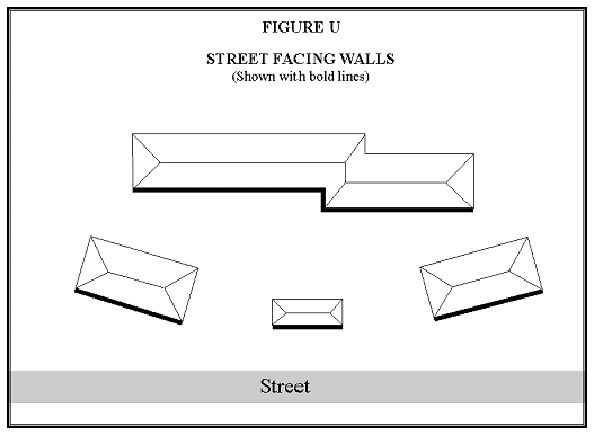
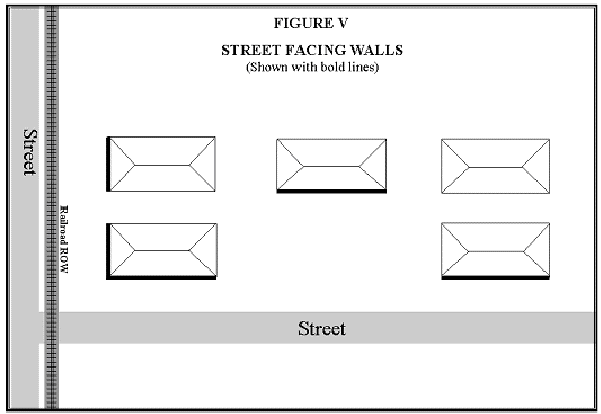
All building materials for primary buildings/structures shall comply with the permitted building materials approved by the International Building Code from one of the past three code cycles. A minimum of fifteen percent (15%) of the front primary building facade for buildings in commercial or residential districts shall consist of window or door openings.
(2)
All building fronts shall have at least three different design features to break the wall plane, buildings over 50,000 square feet of gross floor area shall have at least five different design features, and buildings over 100,000 square feet shall have at least six different design features. The following are examples of design features that shall be utilized: horizontal off-sets, recesses or projections, porches, breezeways, porte-cocheres, courtyards, awnings, canopies, alcoves, recessed entries, ornamental cornices, display or other ornamental windows, vertical "elevation" off-sets, peaked roof forms, arches, outdoor patios, architectural details such as tile work or moldings integrated into the facade, integrated planters or wing walls, accent materials, varied roof heights, premium roofing materials such as tile or standing seam metal, or similar design features approved by the Director of Planning.
(3)
Windows shall have a maximum exterior reflectivity of twenty percent (20%).
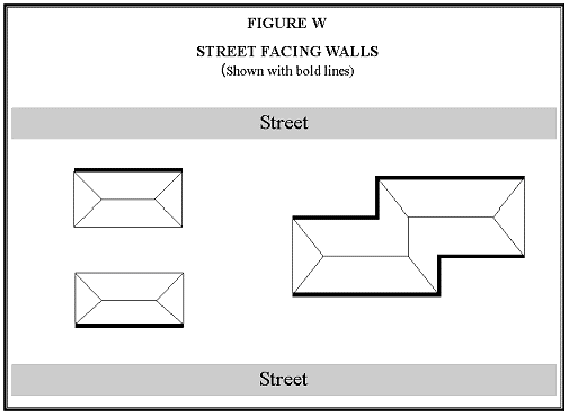
(Ordinance 05-018-00 adopted 9/1/05; Ordinance 19-044-00, secs. 18, 20, adopted 8/15/19)
Sec. 4. - Type D.
(a)
Statement of Intent.
(1)
This architectural component is intended only for industrial warehouse, heavy commercial service and other similar applications and shall be utilized only with GC, HC or HI use components.
(2)
This component is not intended to be utilized with the majority of GC districts.
(3)
This component is not intended for retail or office development or adjacent to residential neighborhoods where not adequately buffered from residential uses.
(4)
This site component is discouraged along major thoroughfares and is intended to be utilized within industrial park development.
(5)
Compliance with Type A, B or C architectural component standards shall also be deemed as compliance with Type D standards.
(b)
Exterior Wall Standards.
(1)
All building materials for primary buildings/structures shall comply with the permitted building materials approved by the International Building Code from one of the past three code cycles. Metal exterior walls shall be compatible in color with existing surrounding structures and shall be muted earth tones. Exterior finishes for metal walls shall be of a permanent material such as baked on enamel finish or painted to the wall manufacturer standards. The use of unpainted exterior metal finish is prohibited.
(2)
All building fronts visible from a public street or residential district shall have at least two different design features to break the wall plane, buildings over 50,000 square feet in size shall have at least four different design features, and buildings over 100,000 square feet shall have at least five different design features. The following are examples of the types of design features that shall be utilized: horizontal off-sets, recesses or projections, porches, breezeways, porte-cocheres, courtyards, awnings, canopies, alcoves, recessed entries, ornamental cornices, display or other ornamental windows, vertical "elevation" off-sets, peaked roof forms, arches, outdoor patios, architectural details such as tile work or moldings integrated into the facade, integrated planters or wing walls, accent materials, varied roof heights, premium roofing materials such as tile or standing seam metal, or similar design features approved by the Director of Planning.
(3)
This component also permits facilities that have no exterior walls as a primary use which exposes mechanical, electrical of other facilities.
(Ordinance 05-018-00 adopted 9/1/05; Ordinance 19-044-00, secs. 19, 20, adopted 8/15/19)
Sec. 5. - Exterior wall building materials summary.
(R - Required, P - Permitted)
(Ordinance 05-018-00 adopted 9/1/05; Ordinance 19-044-00, sec. 20, adopted 8/15/19)

