
Mancos City Zoning Code
ARTICLE 10
Site and Structure Standards
Sec. 16-10-1.- All principle structures.
In all zoning districts, all principle structures shall comply with the following design standards:
(1)
Primary entrance. The primary entrance to the primary structure shall face the street. A second entrance may be provided if required for accessible access.
(2)
Materials. Buildings shall be designed with nonreflective siding materials (i.e., nonreflective wood, stucco, adobe, brick, stone, or materials that look like natural siding materials). Any metal buildings shall have the main face an earth-tone color with wainscoting or other natural material base perimeter or have a natural veneer, such as wood, stucco, adobe, brick, stone, or other materials that look like natural materials.
(Ord. No. 751, § 1, 11-13-2019)
Sec. 16-10-2. - Single-family and duplex buildings.
(a)
Streetscape diversity. The following requirements apply to single-family and duplex developments only:
(1)
Minimum number of models:
a.
Each block face shall contain at least three (3) different models. Different models are defined as those with significant variation in floor plan, configuration and massing and minor variations in size or number of bedrooms.
b.
Not more than two (2) of the same model with the same architectural style can be employed on the same block face.
c.
Similar models with similar architectural styles shall not be placed next to one another. The exception would be that of a single duplex building, where allowed.
d.
To further differentiate one model from another, exterior wall colors and materials shall be varied on each block and block face.
(2)
Minimum number of styles:. Each of the models (three (3) at a minimum) shall have at least two (2) architectural styles and color schemes, which shall be used to create visual interest.
(b)
Duplex units. Duplex units shall also meet the following standards:
(1)
Provide a single front entrance with secondary entrances off a foyer shall provide interior access from the front porch to the individual dwelling units on all two-family dwellings located in a single-family residential zone (SFR-x). This is not a requirement for two-family dwellings located in other zoning districts.
(2)
Parking will be accessed from an alley if available or from a single common driveway if alley access is not available.
(c)
Compatibility.
(1)
Intent. These compatibility standards are intended to preserve and protect single-family residential uses and neighborhoods by ensuring that new development and redevelopment is compatible with the character of the area in which it is located.
(2)
Applicability. Compatibility standards shall apply to all multi-family residential and all nonresidential development when it is located adjacent to single-family and duplex development. For the purposes of this Section, adjacent is defined as:
a.
Within fifty (50) feet of the lot line of any property zoned SFR, single-family residential; or
b.
Across the street from or adjacent to a lot containing a single-family use.
(3)
Exemptions. The following shall be exempt from compliance with the compatibility standards of this Section:
a.
Single-family or duplex uses; and
b.
Structural alteration of an existing building when such alteration does not increase the gross square footage or height of the building.
(4)
Standards. The following building setback and height standards shall apply to development that is adjacent to (as defined in Section 16-10-2(c)(2)) a single-family district or structure in a single-family use:
a.
Building setbacks. With the exception of a required twenty-five-foot setback outside and adjacent to one hundred-year Mancos River and Chicken Creek floodplains and in accordance with the table below, building setbacks shall be calculated as follows:
1.
On sites with sixty (60) feet of lot width or less, no structure shall be erected within ten (10) feet of the single-family lot line.
2.
On sites with more than sixty (60) feet of lot width, the minimum setback from the lot line of property that is zoned or that contains a single-family use shall be ten (10) feet, plus two (2) additional feet of setback for each ten (10) additional feet of lot width or fraction thereof beyond sixty (60) feet. This provision shall not be interpreted as requiring a setback of more than twenty-five (25) feet.
b.
Building height. No structure shall exceed twenty-eight (28) feet in height within fifty (50) feet of the lot line of property that is zoned in a single-family residential or that contains a single-family or duplex use which is less than twenty-eight (28) feet in height.
c.
Buffer and screening standards.
1.
Nonresidential, mixed-use, and multi-family residential development, including off-street parking areas associated with such development, shall be screened from view of adjacent SFR districts and single-family uses. Visual screening shall be accomplished through the use of opaque fences, vegetative buffers and berms or a combination of such techniques along the lot line that is adjacent to the single-family district or use.
2.
Mechanical equipment, outdoor storage areas and refuse collection areas shall be completely shielded from view of adjacent single-family districts and uses by an opaque fence or wall that is at least one-foot taller than the site feature being screened from view, provided that this provision shall not be interpreted as requiring screening fences or walls to be taller than ten (10) feet. Fences, walls and buffers must comply with all other applicable zoning requirements.
d.
Dumpsters and solid waste receptacles. Dumpsters and solid waste receptacles shall be set back at least twenty (20) feet from the lot line of any single-family district or use. Dumpsters and receptacles shall be completely screened from view by an opaque fence or wall that is at least one-foot taller than the dumpster or solid waste receptacle, up to a maximum height of ten (10) feet.
(Ord. No. 751, § 1, 11-13-2019)
Sec. 16-10-3. - Multifamily buildings.
Multifamily building construction shall meet the standards of Section 16-10-1, above, and shall also meet the following standards:
(1)
Parking.
a.
All required off-street parking shall be provided in the rear of the property; parking along street frontages is not permitted.
b.
Parking shall be accessed from an alley if available or from a single common driveway if alley access is not available.
(2)
Outdoor space. Each multi-family dwelling shall have a balcony or a patio of at least thirty-two (32) square feet.
(3)
Design.
a.
Break up long, flat facades over forty (40) feet in length by incorporating recesses or off-sets with a minimum depth of one-foot, angular forms or recessed windows, display cases, porches, balconies, or other features to provide a visually interesting shape.
b.
Have no horizontal dimension less than sixteen (16) feet, unless the structure is placed in a manufactured home community.
c.
Have a roof with a minimum one-foot overhang. Dwellings constructed in the southwest adobe style or sited in a manufactured home community are exempt from this requirement.
(4)
Compatibility. All multi-family dwellings shall comply with the compatibility standards of Section 16-10-2(c).
(Ord. No. 751, § 1, 11-13-2019)
Sec. 16-10-4. - Stormwater Management—Redevelopment of existing lot or parcel.
All redevelopment shall conform to the following stormwater management requirements:
(1)
Redevelopment of the site shall not have adverse effects on the Town stormwater drainage system.
(2)
As determined by the Town engineer, redevelopment of the site shall not have detrimental effects on any applicable Town approved drainage basin area.
(3)
Stormwater management shall be designed to meet current technical specifications and standards as adopted by the Town of Mancos.
(Ord. No. 751, § 1, 11-13-2019)
Sec. 16-10-5. - Public 2 (P2) District.
In the P2 zoning district, all principal structures shall meet the design standards of Section 16-10-1 and shall also have a minimum twenty-four-foot wall dimension and be placed on a perimeter foundation.
(Ord. No. 751, § 1, 11-13-2019)
Sec. 16-10-6. - Mixed-use and commercial district design standards.
(a)
General building design.
(1)
Buildings shall be designed to incorporate features such as facades, false fronts, roof forms, porches, window treatments, and architectural detailing that exemplify the aesthetic of Mancos. Avoid using a standardized "chain or franchise" style in the design of buildings.
(2)
All building sides shall be characterized by the same or complimentary quality and type of building materials and detailing. Since buildings will be viewed on all sides, design of the building shall include a four-sided design concept, where the same attention to the detail exemplified in the front of the building shall be accorded to the remaining three (3) sides.
(3)
Accessory structures shall be designed of the same building materials, roof forms, and color as primary structures that conform to these design standards.
(4)
Buildings shall be oriented to face the Hwy 160 in the Corridor Mixed Use District if lots are adjacent to the highway. In the Commercial and Downtown Mixed-Use Districts, buildings shall face Main and Grand Streets. In situations where this is impossible due to insufficient access to the site, the developer shall make the side of the building facing these corridors aesthetically pleasing, shall design a side or alternate entrance.
(b)
Exterior building materials and architectural design.
(1)
Materials.
a.
Façade. Wood, shake, stone, brick, cedar shingle, stucco, faux or timber materials shall be used for facade treatment. Rusted corrugated metal (RCM) may be added. Reflective surfaces are prohibited, excluding solar panels.
b.
Roof. Raised-seam metal, composite, shingle, Spanish red clay, stucco, Mexican tile, vinyl roof membrane, adobe or unglazed tile shall be used for roof materials.
c.
Site Features. Building materials used for site features such as fences, and screen walls shall complement a primary on-site structure that conforms to this Code.
(2)
Architectural design.
a.
Historic architectural detailing shall be incorporated into building design. At least one (1) element from each of the following categories shall be included in the design of all new buildings and accessory structures:
1.
Cornice details.
i.
Trim details.
ii.
Timber details.
iii.
Knee bracing.
2.
Porches and entryways.
i.
Porches.
ii.
Porticos.
iii.
Entryways recessed at least four (4) feet.
3.
Siding.
i.
Board and batten.
ii.
Horizontal clapboard.
iii.
Beveled planks.
iv.
Cedar shingle.
v.
Stone.
vi.
Brick.
vii.
Timber.
viii.
Rusted corrugated metal (RCM).
ix.
Plaster materials such as adobe, stucco or lime plaster.
(3)
Fenestration.
a.
Provide accent trim and framing for wood installations. If aluminum or other materials are used, the overall character shall replicate or recall wood-type installations.
b.
Windows shall not be opaque unless required for health and safety reasons.
(4)
Façades. These guidelines encourage building facades that enhance and preserve the historic character of the area. The emphasis is on building form, character and design, rather than specific uses of the property.
a.
First and second story floors shall be distinguished from each other through the use of cornices or rooflines.
b.
While standard corporate branding may be utilized in some areas, such as signage, buildings shall conform to the aesthetic of the historic Mancos Valley.
c.
Varying rooflines and building forms add to the visual interest of a development and minimize the perception of building scale and shall be used when possible.
d.
False front facades may be used.
(c)
Building mass and size.
(1)
Buildings shall distinguish between upper and lower floors where more than one (1) story is to be constructed.
(2)
Entrances shall incorporate at least one (1) of the following building elements:
a.
Doorways recessed at least four (4) feet from the building façade.
b.
Porticos.
c.
Porches.
d.
Awnings.
(3)
Long, uninterrupted blank walls are prohibited. The maximum allowed length of an uninterrupted horizontal building elevation is thirty-two (32) feet. Visual interruptions to the planes of exterior walls shall be achieved through at least one (1) of the following methods:
a.
Building façades
b.
Porches/balconies.
c.
Porticos.
d.
Bay windows.
e.
Other visual breakup options (paint, murals, etc.).
(d)
Roof forms.
(1)
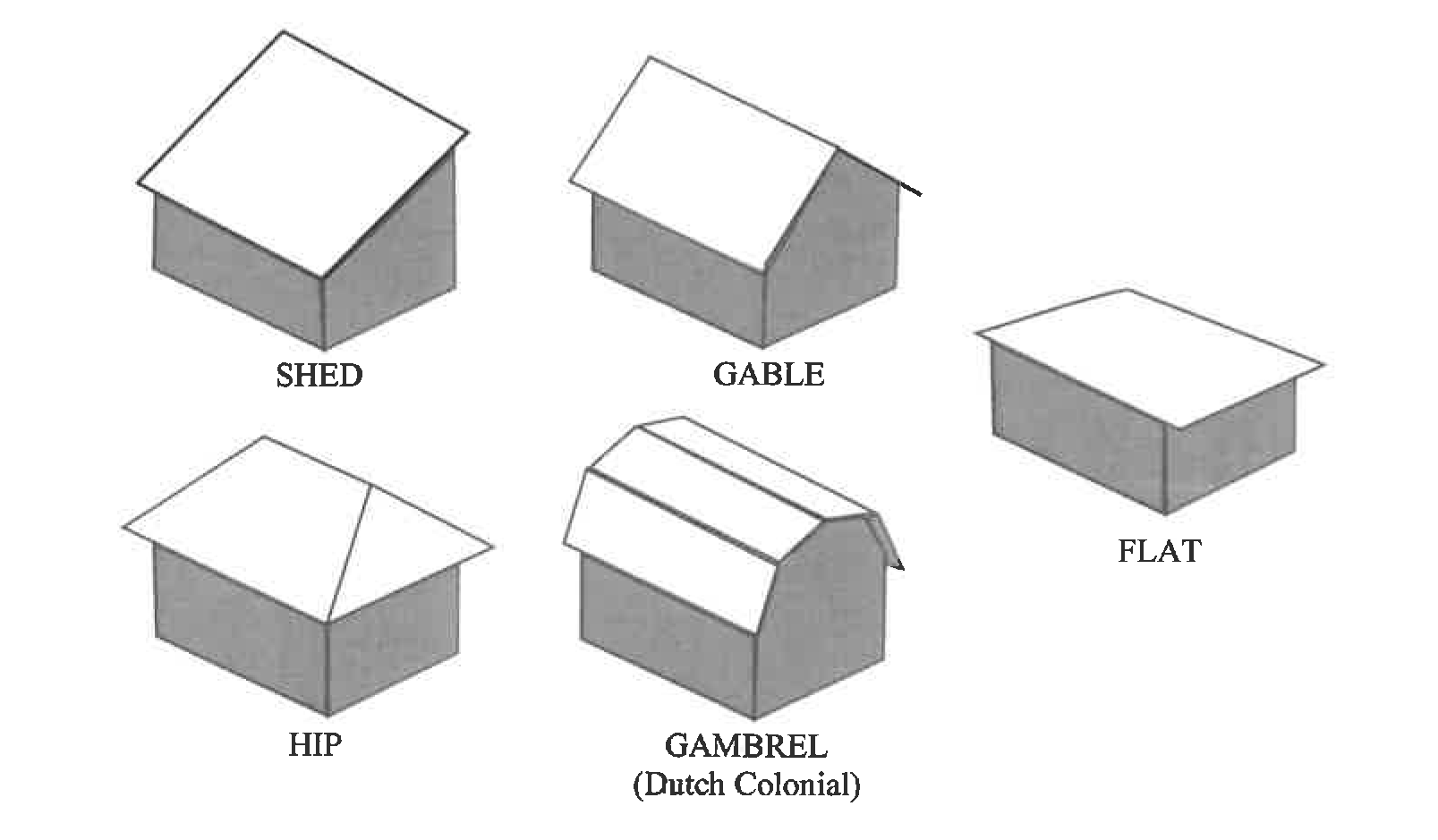
Buildings shall be designed with gable, shed, gambrel, flat or hip roof forms.
(2)
False fronts, giving the appearance of a flat roof, may be used.
(3)
Mansard, dome, or butterfly roof forms are prohibited. Other roof types may be requested through the special exception process (Section 16-19-6.5).
(e)
Colors.
(1)
Colors shall be muted. Traditional colors that match those found in nature are preferred over bold colors.
(2)
Roof colors shall also be muted.
(3)
Reserve the use of bright colors for accents, such as on ornamentation and accents.
(4)
Doors may be painted an accent color, or they may be left a natural wood finish.
(5)
Brilliant luminescent or "day-glow" colors are prohibited.
(f)
Awnings and outdoor seating.
(1)
Awnings.
a.
Awning lighting shall be dark sky compliant per Section 16-12-4 of this Code.
b.
Awnings or canopies must comply with Chapter 16, Article 13, Signs.
(2)
Outdoor seating.
a.
The surface of the patio, sidewalk cafe, or other outdoor seating area shall be of a suitable and durable material such as stone, brick, wood, or concrete.
b.
If screening is provided, it must abide by the requirements provided in Section 16-9-4 of this Code.
(g)
Lighting.
(1)
Dark sky. Mancos has adopted a dark sky ordinance, which is integrated into this Code. The standards of this Section shall be followed, and all new light sources shall meet the requirements found in Chapter 16, Article 12 of this Code.
(Ord. No. 751, § 1, 11-13-2019; Ord. No. 777, § 1, 12-20-2023)

