
Miami Gardens City Zoning Code
ARTICLE XIII
DESIGN STANDARDS
Sec. 34-413.- Purpose and intent.
In order to ensure quality of design, to enhance city streetscape and public realm, and to protect the safety and welfare of residents, all new buildings, accessory structures and redevelopment shall be reviewed for compliance with this article. The design standards of this article shall be supplemental to other review standards set forth in this chapter. They are designed to create cohesive, safe, and visually appealing urban environments while accommodating growth and change.
(1)
Applicability. These design standards shall apply to all types of buildings and structures and in addition to any other applicable standards in this chapter, unless otherwise stated. When these standards conflict with any other standards in this chapter, the stricter regulation shall apply.
(2)
Conformance with design standards. The design standards of this article shall apply to all new development and redevelopment within the city, except for single-family detached and two-family dwelling (duplexes). Existing development shall be subject to compliance when building gross floor area is enlarged 50 percent or more.
(Ord. No. 2010-10-218, § 2(13-10), 4-7-2010; Ord. No. 2025-002-482, § 2(Exh. A), 1-22-2025)
Sec. 34-414. - Residential design standards.
All buildings and accessory structures shall be designed to be compatible in scale and massing to the neighborhood character and buildings. The following standards apply to multifamily residential, townhome development, single-family detached and two-family dwelling (duplexes) where two or more units are being developed.
(1)
Overall height and roof form. Individual buildings shall vary in overall height and not be contained in a single volume of continuous height. Buildings shall provide a change or variation in the roof line. When flat roofs are provided, there shall be a minimum three feet height variation. Roof material shall be tile, metal seam or other architecturally interesting material. Composition shingles, such as asphalt or fiberglass, roofs shall be prohibited. For buildings exceeding three stories or 40 feet in height, all flat roofs for new construction shall be internally drained, and external scuppers and wall drains shall be prohibited.
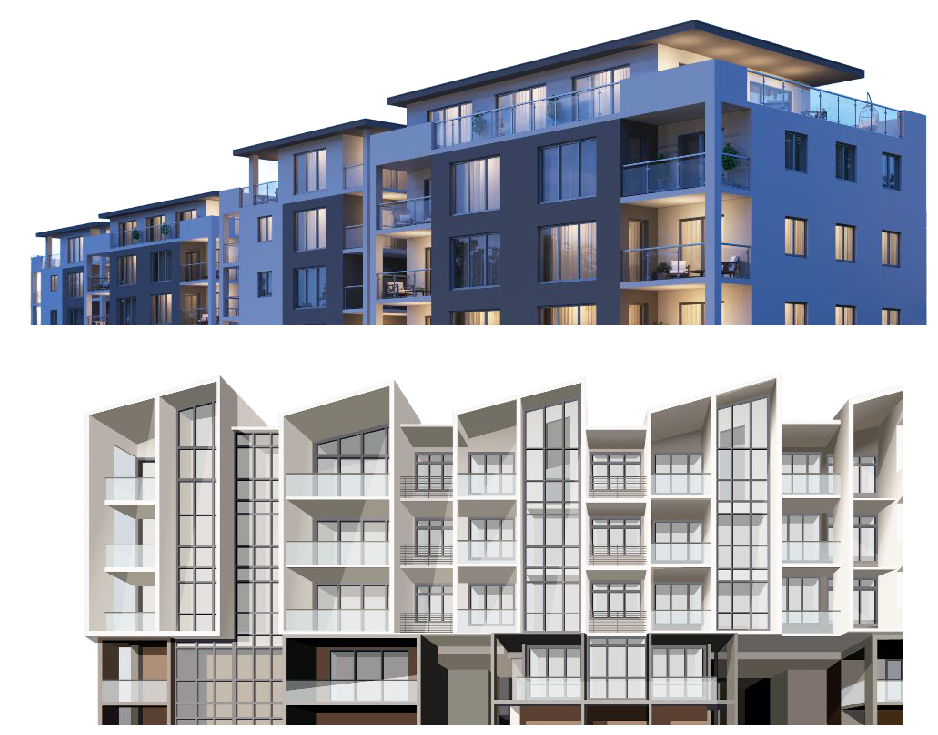
Figure 1 - Roofline and Height Variation
(2)
Building massing and articulation.
Horizontal articulation. Buildings shall provide horizontal articulation architectural features at intervals of 40 linear feet or less. The purpose of horizontal articulation is to add visual interest to the building's exterior, prevent a monotonous or overwhelming appearance, and create a sense of rhythm or movement in the design. By varying the facade's elements such as materials, textures or colors, developments can achieve this effect while also enhancing the overall aesthetic appeal of the structure.
1.
Techniques for achieving horizontal articulation.
I.
Horizontal projections or recessions of at least two feet.
II.
Change of material or texture. Changes in materials or textures can be utilized to create visual interest and break up the monotony of the building's exterior.
III.
Change in windows size or placement. Altering the size or placement of windows is another effective method to introduce variation and rhythm into the design.
IV.
Color use. Color alone should not be used to substitute architectural features. Instead, color should be used as a supplementary element in conjunction with other architectural features to reinforce building modulation and create a cohesive aesthetic. This ensures that the facade's visual interest is not solely reliant on color but is instead achieved through architectural design.
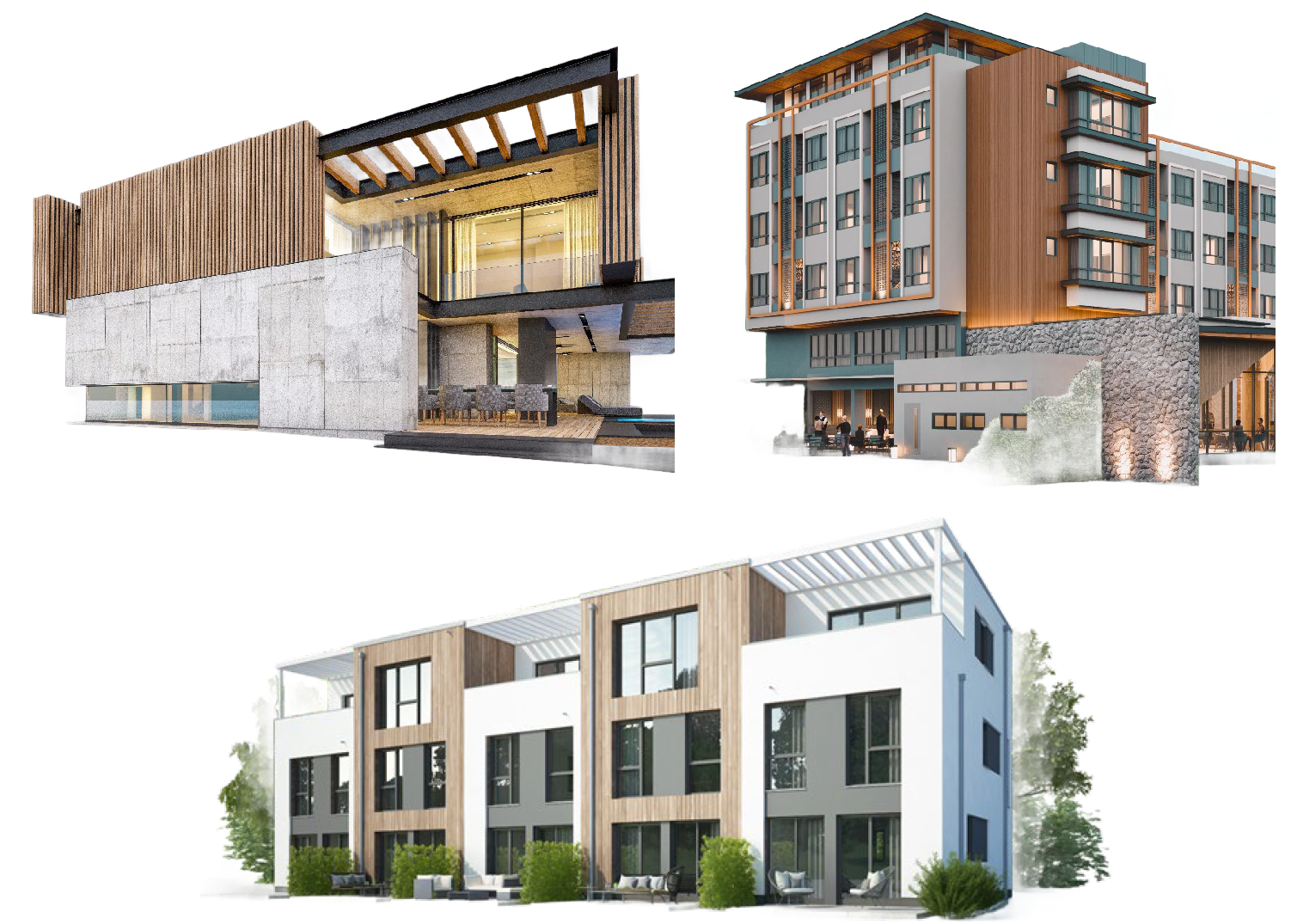
Figure 2 - Horizontal Articulation
Vertical articulation.
1.
Techniques for achieving vertical articulation.
I.
Color or texture changes coinciding with vertical elements. These changes in color or texture can help delineate various functional or spatial zones within the building, highlight key architectural elements, or emphasize transitions between different building materials or styles.
II.
Stepback in massing. Buildings may incorporate a stepback in massing, with the upper floors set back a minimum of five feet from the ground floor. This architectural technique helps to reduce the perceived bulk of the building and can create opportunities for outdoor spaces or terraces.
III.
Inclusion of columns, balconies and awnings. Vertical articulation can be achieved through the addition of architectural elements such as columns, balconies, and awnings. These features not only break up the vertical plane of the building but also provide functional benefits such as shading or outdoor seating areas.
IV.
Color or texture variation delineating openings and uses. Variation in color or texture can be used to highlight openings such as windows and doors, as well as to differentiate between different uses or functions within the building. This helps to add visual interest and clarity to the building's facade.
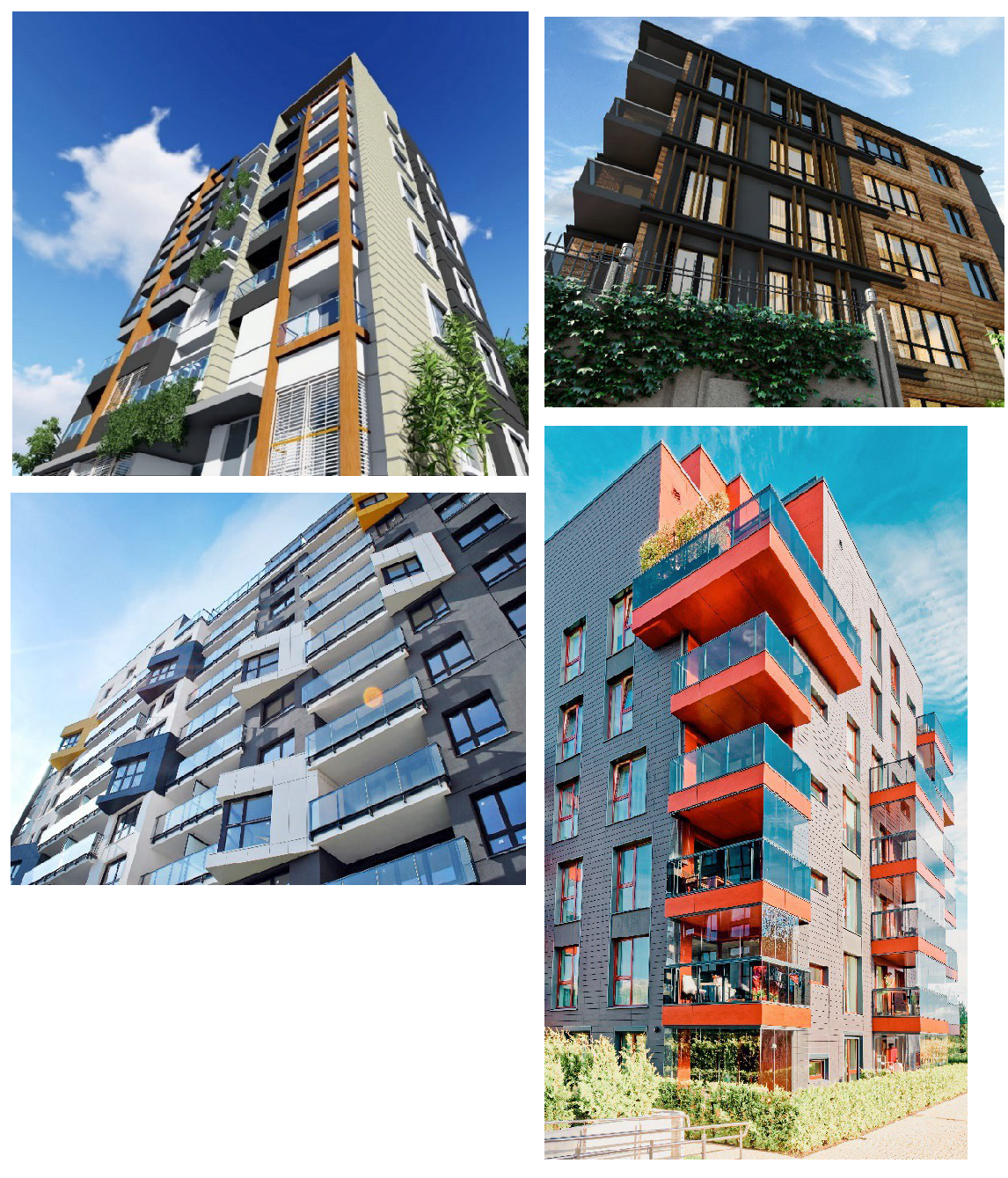
Figure 3 - Vertical Articulation
Articulated building entry. The primary building entrance of each building or unit shall be designed as a clearly defined and demarcated standout architectural feature of the building. The entrance shall be easily distinguished from secondary entrances and the regular façade treatment of the building.
Façade treatment. Façade treatment shall consider factors such as scale, proportion, visual interest, and neighborhood context.
1.
Maximum blank wall area. The maximum continuous area of a blank wall is restricted to 25 feet to prevent large, monotonous expanses that can be visually unappealing or detract from the overall aesthetic of the building. Blank wall areas are defined as parts of the building facade that lack windows, architectural features, or significant material changes.
2.
Architectural features. introduce architectural elements such as projections, recesses, or material or texture patterns to break up the monotony of blank walls.
3.
Cladding materials. Incorporate cladding panels made from materials like metal, wood, or composite materials, brick or stone veneers and fiber cement boards to create texture and visual appeal.
4.
Artistic murals or decorative panels. Commission murals or art installations on blank walls to transform them into focal points.
5.
Integrated functional features. Integrate functional elements such as balconies, sunshades, or louvers into the design of blank walls.
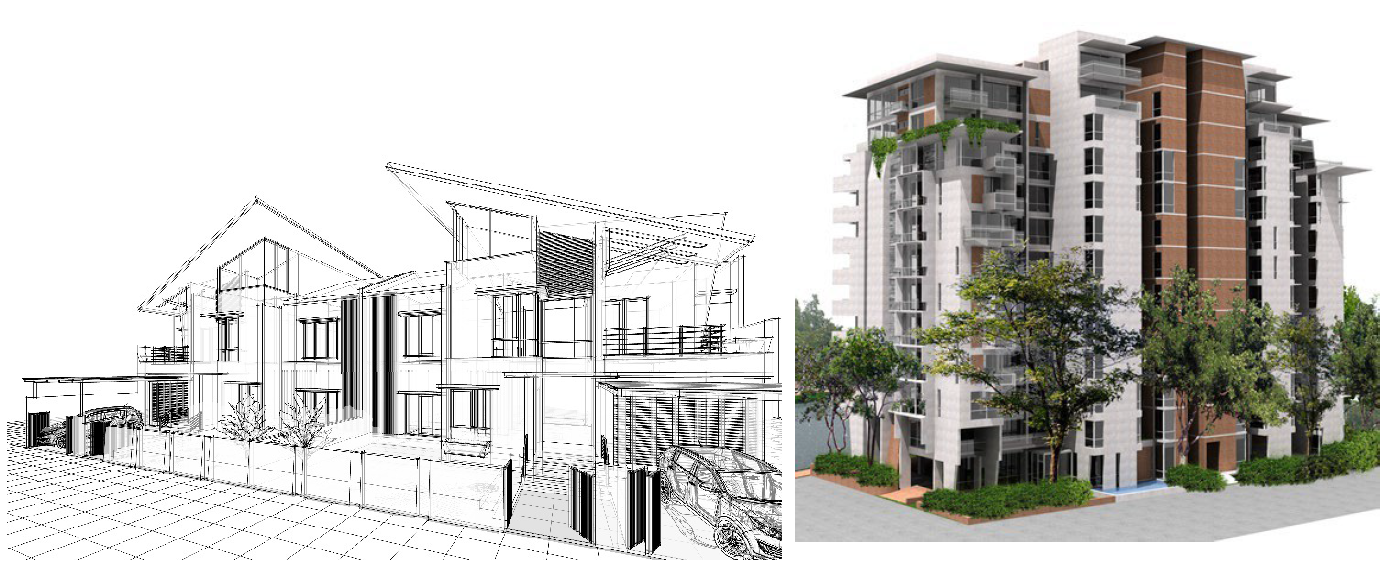
Figure 4 - Façade Treatment
(3)
Building materials. Development shall propose high quality building materials that promote longevity and aesthetically pleasing design. Recommended exterior building materials include colored and/or textured concrete, stucco, glass, cladding materials, brick or stone veneers, and pre-cast high quality synthetic veneers. Design materials must be consistent on all primary facades visible from public or private streets. Accessory buildings shall be constructed of the same materials as approved for the principal building.
(4)
Fenestration. Blank walls shall be avoided and shall not exceed 25 feet vertically and horizontally. Windows should be grouped rather than evenly spaced across the facade of the building and should include variation in shape. Windows may be projected or recessed to provide depth and visual interest. Reflective surfaces and bars shall be prohibited.
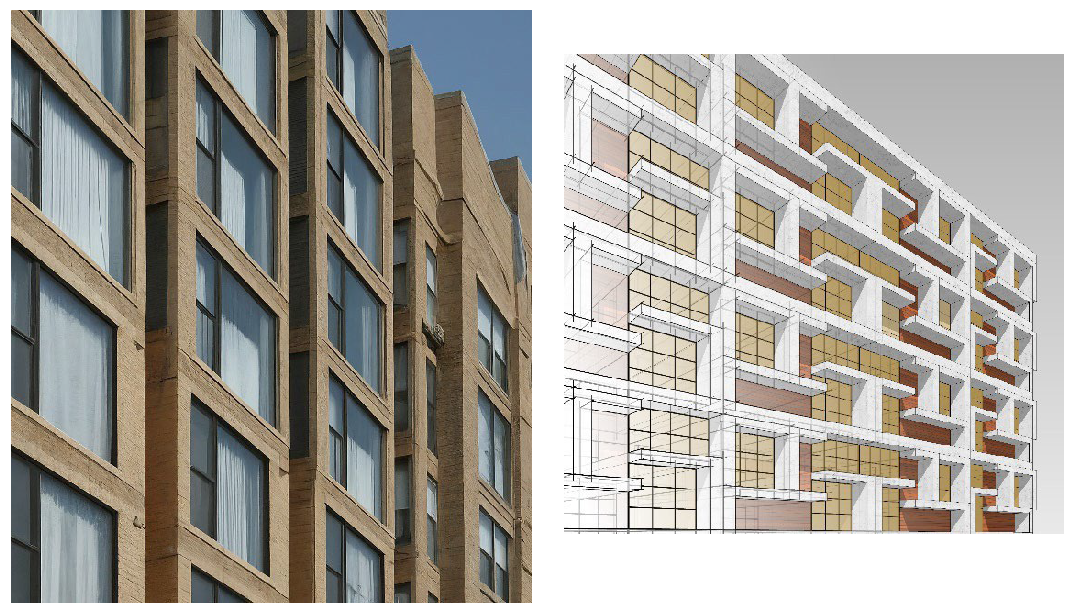
Figure 5 - Grouping of Windows
(5)
Balconies. Balconies shall not be screened or enclosed, and should feature decorative railings. Balconies must be at least four feet deep. Long and narrow balconies are discouraged. Juliette balconies are prohibited.
(6)
Pedestrian and vehicular use areas. Development shall enhance pedestrian connections with special pavement treatment such as pavers, concrete, colored concrete, or stamped concrete and pedestrian scale lighting as appropriate. Crosswalks shall be provided throughout the site to allow safe pedestrian circulation. Similarly, when curb cuts are provided, different paving materials shall be used to indicate to drivers that their vehicle is entering a pedestrian zone. Development shall ensure safe and interconnected pedestrian circulation in and around the site with minimum five-foot sidewalks widths interior to the site and shall be constructed to meet engineering and public works department standards.
(7)
Building placement for residential buildings within the Entertainment Overlay District - EO. Residential buildings within the Entertainment Overlay District - EO, should be situated adjacent to the sidewalk to encourage walkability and activity along the street. Surface parking shall be limited to the rear yard or areas behind buildings.
(8)
Site amenities. Multifamily, townhouse and single-family residential developments of ten units or more shall provide at least three of the following site amenities: courtyard or pedestrian plaza; walking, jogging and biking trail; seating areas; picnic facilities; outdoor playground; dog park; athletic fields, sports courts; pool and clubhouse. Site amenities shall provide appropriate lighting to meet the requirements of Crime Prevention through Environmental Design (CPTED) principles. Multi-family development consisting of units with ground floor access shall provide a minimum of 200 square feet of private open space consisting of a covered private patio or screened porch for each unit regardless of the number of units in the development. Townhouse development shall provide 300 square feet of private open space minimum for interior lots and 500 square feet for corner lots consisting of a covered private patio or screened porch for each unit regardless of the number of units in the development.
(9)
Decorative site furnishings. Furnishings such as trash receptacles, benches, bicycle racks, lighting fixtures and pavement treatments are required in accordance with this chapter. The design of each of these elements is subject to the review and approval of the planning and zoning director or designee.
(10)
Accessory structures and uses. All accessory structures shall be subject to development and design standards set forth in article X of this chapter. Service areas, loading areas and associated activities shall be located to the rear of buildings and screened from a public right-of-way and residential use.
(11)
Wayfinding and ground rules. Wayfinding and ground rules signage shall be provided and subject to review during development approval process.
(Ord. No. 2021-10-218, § 2(13-20), 4-7-2010; Ord. No. 2011-21-263, § 3, 10-5-2011; Ord. No. 2025-002-482, § 2(Exh. A), 1-22-2025)
Sec. 34-415. - Nonresidential design standards.
The following standards apply to nonresidential buildings. All buildings and accessory structures shall be designed to be compatible in scale and massing to the neighborhood character and buildings and shall be subject to the following design standards:
(a)
Commercial and mixed-use design standards.
(1)
Overall height and roof form. Individual buildings shall vary in overall height and not be contained in a single volume of continuous height.
(2)
Building massing and articulation.
a.
Horizontal articulation. Buildings shall provide horizontal articulation architectural features every 40 linear feet or less along the facade. This means that the façade should not have long, uninterrupted stretches, but rather should be broken up into smaller segments.
1.
Techniques for achieving horizontal articulation.
I.
Horizontal projections or recessions of at least two feet. These elements add depth to the façade and create shadow lines, helping to break up the massing.
II.
Change of material or texture. Using different materials or textures along the façade can visually separate sections of the building and add visual interest.
III.
Change in window size or placement. Varying the size and placement of windows can create rhythm and variation along the facade, contributing to its articulation.
IV.
Color use. Color alone should not be used to substitute architectural features. While color variation is encouraged, it should be used in combination with other elements to reinforce building modulation. This ensures that the façade's visual interest is not solely reliant on color but is instead achieved through architectural design.
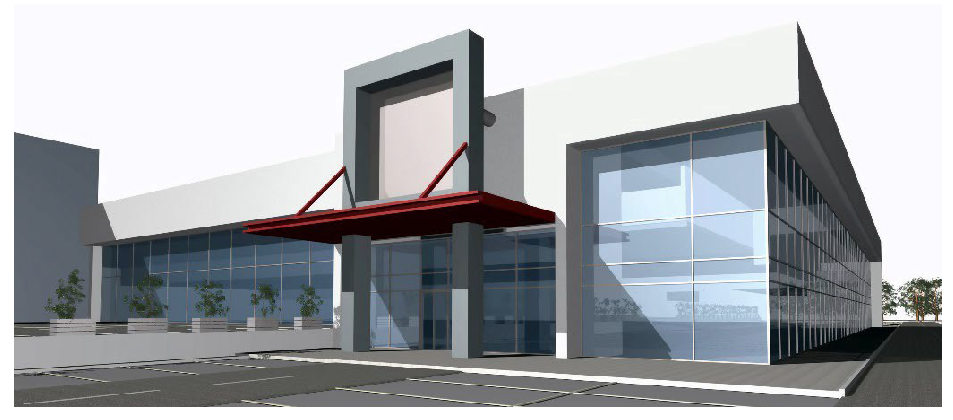
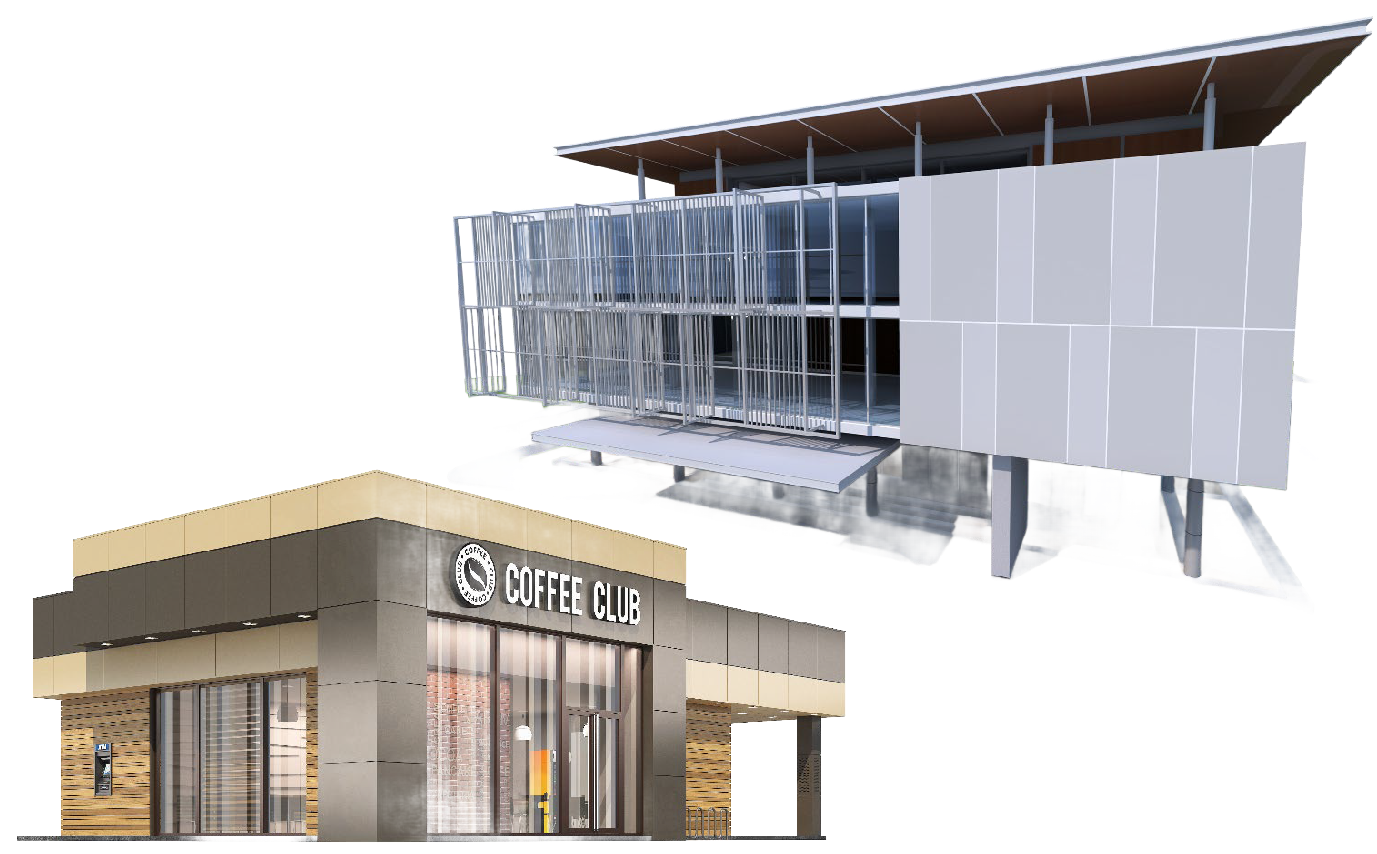
Figure 6 - Horizontal Articulation
b.
Vertical articulation. Buildings shall feature moderation in the vertical surface plane to avoid having flat, monotonous vertical facades. Instead, they should incorporate elements that add visual interest and depth to the building's exterior.
1.
Techniques for achieving vertical articulation. The vertical plane moderation shall be of minimum height to be clearly visible from the street, in scale with the building, and, significant enough to produce shadow lines against the building. Color alone shall not be used to substitute architectural features. Color variation shall be used in combination with other elements to reinforce building modulation. Methods for achieving moderation in the vertical surface plane, include the following:
I.
Building projections or recessions of at least two feet. These can create shadow lines and add depth to the facade.
II.
Transparent storefronts. Providing clear windows at ground level enhances transparency and interaction between the building and the street.
III.
Awnings and entrance canopies. These architectural features not only provide shelter but also break up the vertical plane and create a sense of entry.
IV.
Color or texture changes coinciding with vertical elements. Using different colors or textures can visually separate sections of the building and add visual interest.
V.
Change of material or texture on the ground floor. The ground floor may feature a distinct change in material or texture compared to the upper floors. This helps to visually separate the ground level where commercial or public spaces are located from the upper floors.
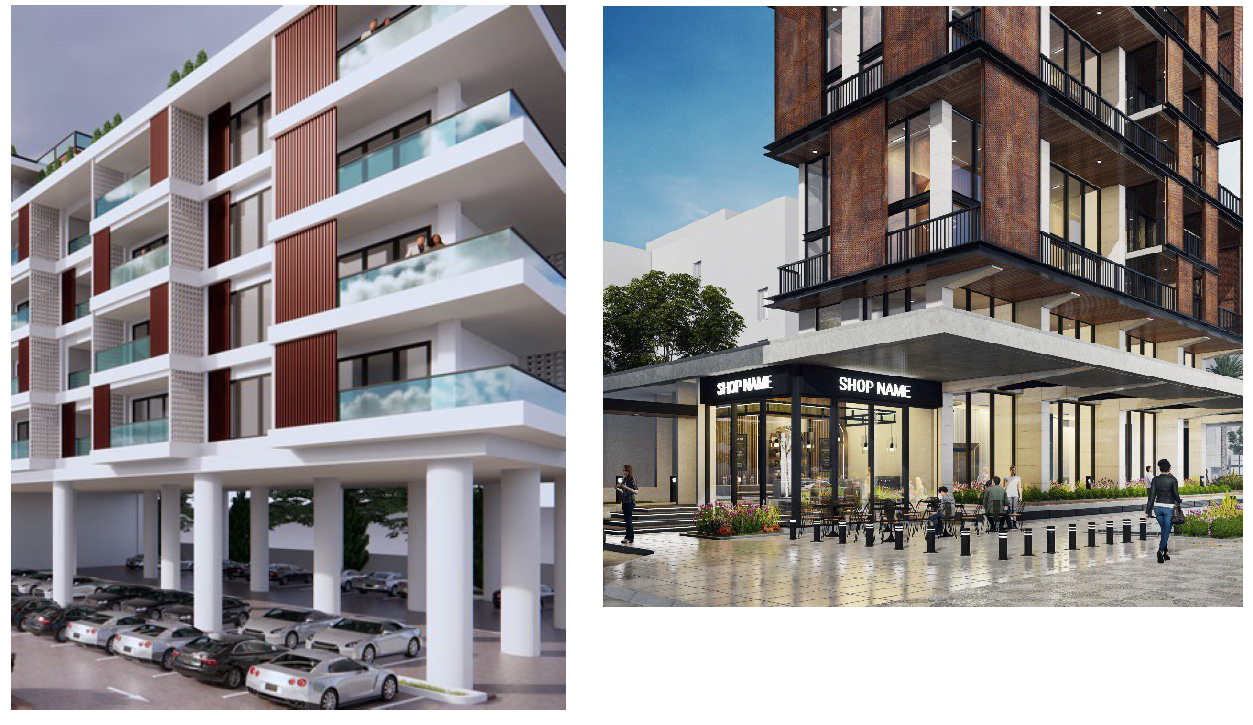
Figure 7 - Vertical Articulation
c.
Façade treatment. Façade treatment in buildings, shall enhance the visual appeal, pedestrian experience, and compatibility with surrounding areas.
1.
Maximum blank wall area. The maximum continuous area of blank wall on any exterior facade facing residential use, public or private streets shall be 25 feet. Blank wall area is defined as portions of the façade without openings (windows or doors), architectural features greater than one foot in depth, or substantial material changes.
2.
Modular design required for large façades. Front façade building expanses larger than 100 feet should be broken up into smaller modules of 25 to 50 feet. This modular design approach helps to support pedestrian scale and prevent long, repetitive stretches of facade, contributing to a more visually interesting streetscape.
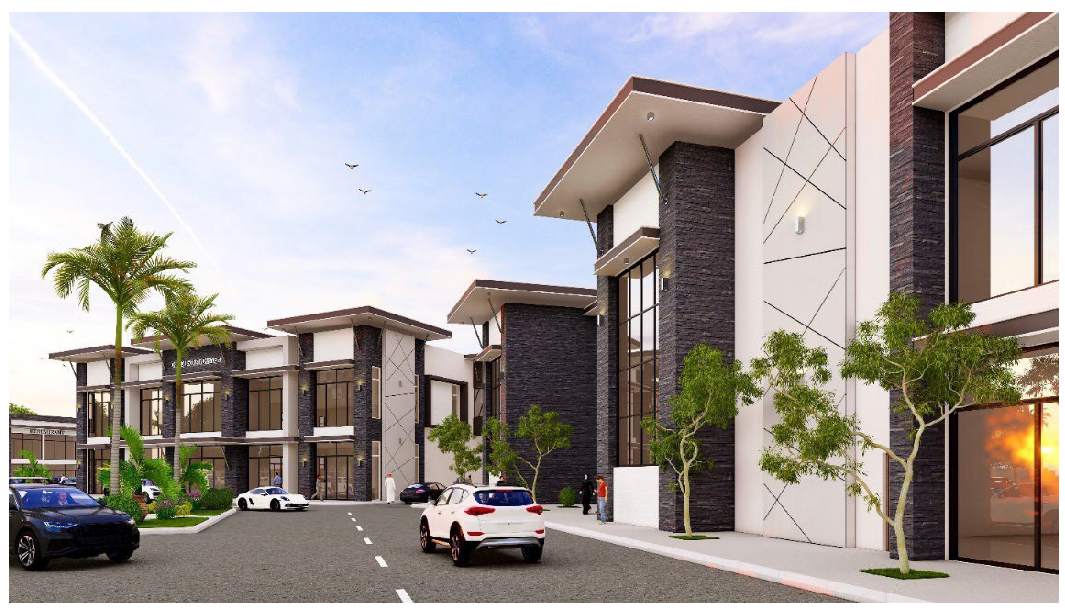
Figure 8 - Modular Design
3.
Distinctive building base, middle, and top. Buildings exceeding four stories are required to provide distinct architectural treatment for the base, middle, and top portions of the façade.
I.
Base. The first story should feature architectural elements that provide vertical separation from the middle and upper portions of the building. These elements may include changes in material, texture, or color, variation in window shape and treatment, and pedestrian-oriented features such as street connections, gardens, courtyards, or high transparency.
II.
Middle. This section of the building should maintain visual interest and compatibility with the base and top portions.
III.
Top. The uppermost portion of the building should also be treated architecturally to enhance the overall appearance and avoid a monotonous or undifferentiated façade.
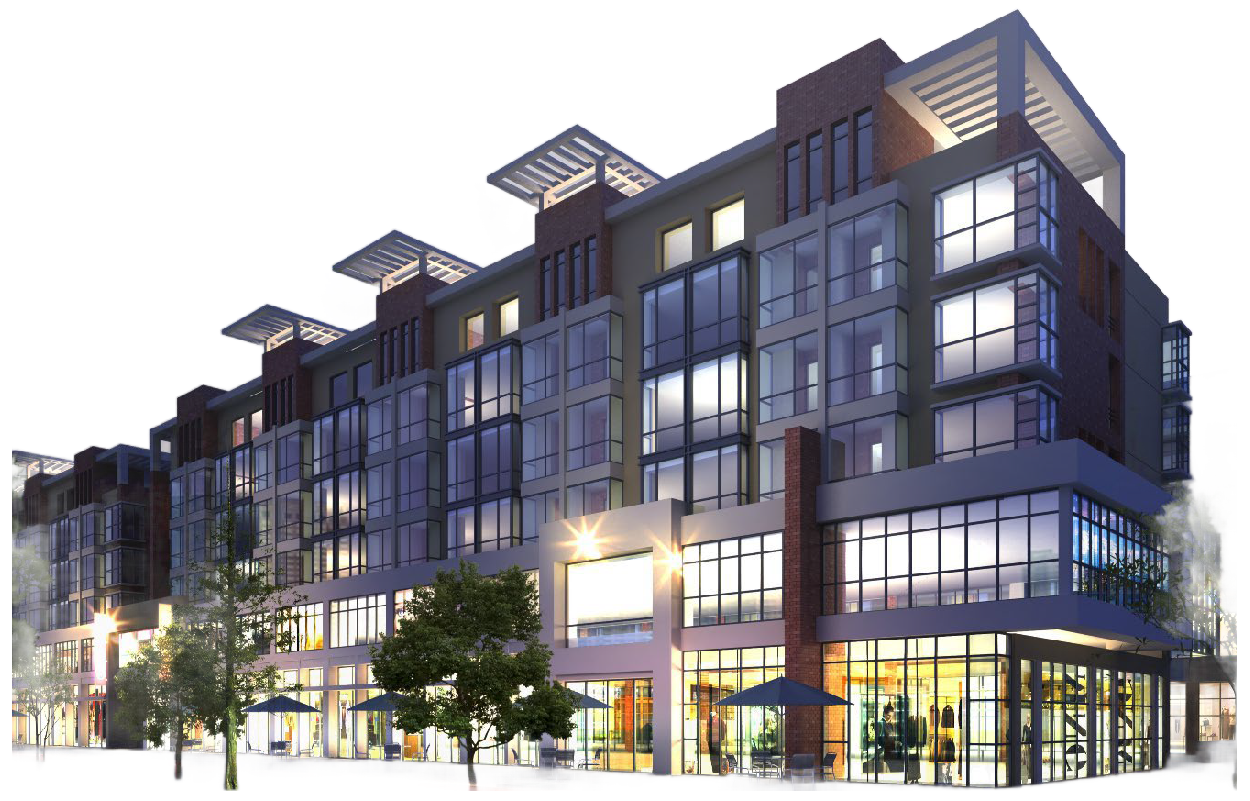
Figure 9 - Distinctive Base, Middle and Top
d.
Articulated building entrance. The primary building entrance of each building shall be designed as a clearly defined and demarcated standout architectural feature of the building. The entrance shall be easily distinguished from secondary entrances and the regular façade treatment of the building. Several architectural elements can be used to guide pedestrians and visitors to the main entrance and create a sense of arrival as follows:
I.
Recessed or projected mass or form element. Creating a recessed or projected area around the main entrance can help to visually emphasize its importance and draw attention to it.
II.
Corner entry with doors and storefront. Placing the main entrance at a building corner, with doors and storefront windows, can make it a prominent and inviting feature.
III.
Roof variation. Incorporating variations in the roofline above the main entrance can help to highlight its location and add architectural interest.
IV.
Awnings or roof overhangs. Installing awnings or roof overhangs above the main entrance can provide shelter and define the entrance area, making it more visually distinct.
(3)
Building materials. Development shall propose high quality building materials that promote longevity and aesthetically pleasing design. Recommended exterior building materials include colored and/or textured concrete, stucco, glass, cladding materials, brick or stone veneers, and pre-cast high quality synthetic veneers. Design materials must be consistent on all primary facades visible from public or private streets. Accessory buildings shall be constructed of the same materials as approved for the principal building.
(4)
Fenestration. Windows should be grouped rather than evenly spaced across the facade of the building and should include variation in shape and size. Seventy-five percent minimum of any building façade facing a public or private street should be transparent windows or doors with clear sight lines into the structure. Street level windows and doors should be recessed or receive special design consideration to differentiate them from the rest of the building and to add visual variety to the streetscape. Blank walls shall be avoided and shall not exceed 25 feet vertically and horizontally. Reflective surfaces and bars shall be prohibited.
(5)
Pedestrian and vehicular use areas. Development shall incorporate appropriate street and sidewalk widths and connectivity between buildings, streets and parking areas. Paving palette shall include brick pavers and/or stamped concrete to visually separate pedestrian areas from vehicular use areas. Similarly, when curb cuts are provided, different paving materials shall be used to indicate to drivers that their vehicle is entering a pedestrian zone.
(6)
Site furnishings. Furnishings such as trash receptacles, benches, bicycle racks, lighting fixtures and pavement treatments are required in accordance with this chapter. The design of each of these elements is subject to approval by the planning and zoning director or designee.
(7)
Accessory structures and uses. All accessory structures shall be subject to development and design standards set forth in article X of this chapter. Service areas, loading areas and associated activities shall be located to the rear of buildings and screened from a public right-of-way and residential use.
(8)
Mixed use regulations. Mixing of uses is optional. Whenever a development will contain a mix of residential and commercial uses, the mixing of uses shall be subject to the provisions of this section.
a.
Minimum use mix requirements.
i.
Residential: Forty percent of gross floor area or four dwelling units, whichever is greater.
ii.
Commercial/office: Fifteen percent of gross floor area.
iii.
Ground story retail/service/entertainment uses: Ten percent of gross floor area.
b.
Vertical mixed-use requirement. The different uses must be combined within the same building. Horizontal mixed-use development, consisting of single-use buildings on a parcel is not be permitted.
c.
Ground floor retail and public uses. Ground floors should be dedicated to retail shops, restaurants, cafes, or other public-facing businesses.
d.
Middle and upper floors uses. The middle and upper floors of a vertical mixed-use building must house office spaces, dwelling units, or hotel rooms, provided that dwelling units, hotel rooms and offices shall not be located in the same story unless they are physically separated and served by separate elevators and stairways, and separate ground story lobbies.
e.
Master plan required. Mixed-use development is subject to master plan approval for such mixed use, provided that any use that the administrative official finds is incompatible with residential use pursuant to the following criteria shall require special exception approval. An affirmative finding for any of the following criteria shall require a special exception:
1.
The operation of the use involves amplified sound, use of power tools, pounding, banging, testing or running of engines, or other potentially disruptive source of noise or vibration.
2.
The use involves the assembly of a large number of people at any one time, in such a way that there is resulting noise, traffic, or loss of privacy that may be intrusive and therefore incompatible with residential use.
3.
The use produces odors, fumes, smoke or vapor that is generally considered offensive or unpleasant, and which may be detectable from adjacent dwelling units.
4.
The use employs lighting that would generate glare or lighting levels that are excessive in an urban residential environment.
5.
The use involves unsightly loading areas, overhead doors, outdoor storage, parking of commercial vehicles prominent, or prominent mechanical equipment areas.
6.
The use involves the use or storage of hazardous materials.
(b)
Industrial and work-live loft design standards.
(1)
Overall height and roof form. Individual buildings shall vary in overall height and not be contained in a single volume of continuous height.
(2)
Building massing and articulation.
a.
Horizontal articulation. Buildings must incorporate horizontal articulation architectural features at intervals of every 50 linear feet or less along the façade. This means that the façade should be divided into smaller segments to avoid long, uninterrupted stretches.
1.
Techniques for achieving horizontal articulation.
I.
Horizontal projections or recessions of at least two feet. These elements create depth and shadow lines, helping to break up the massing of the building façade.
II.
Change of material or texture. Using different materials or textures along the façade can visually separate sections of the building and add visual interest.
III.
Color use. Color alone should not be used to substitute architectural features. While color variation is encouraged, it should be used in combination with other elements to reinforce building modulation. This ensures that the facade's visual interest is not solely reliant on color but is instead achieved through architectural design.
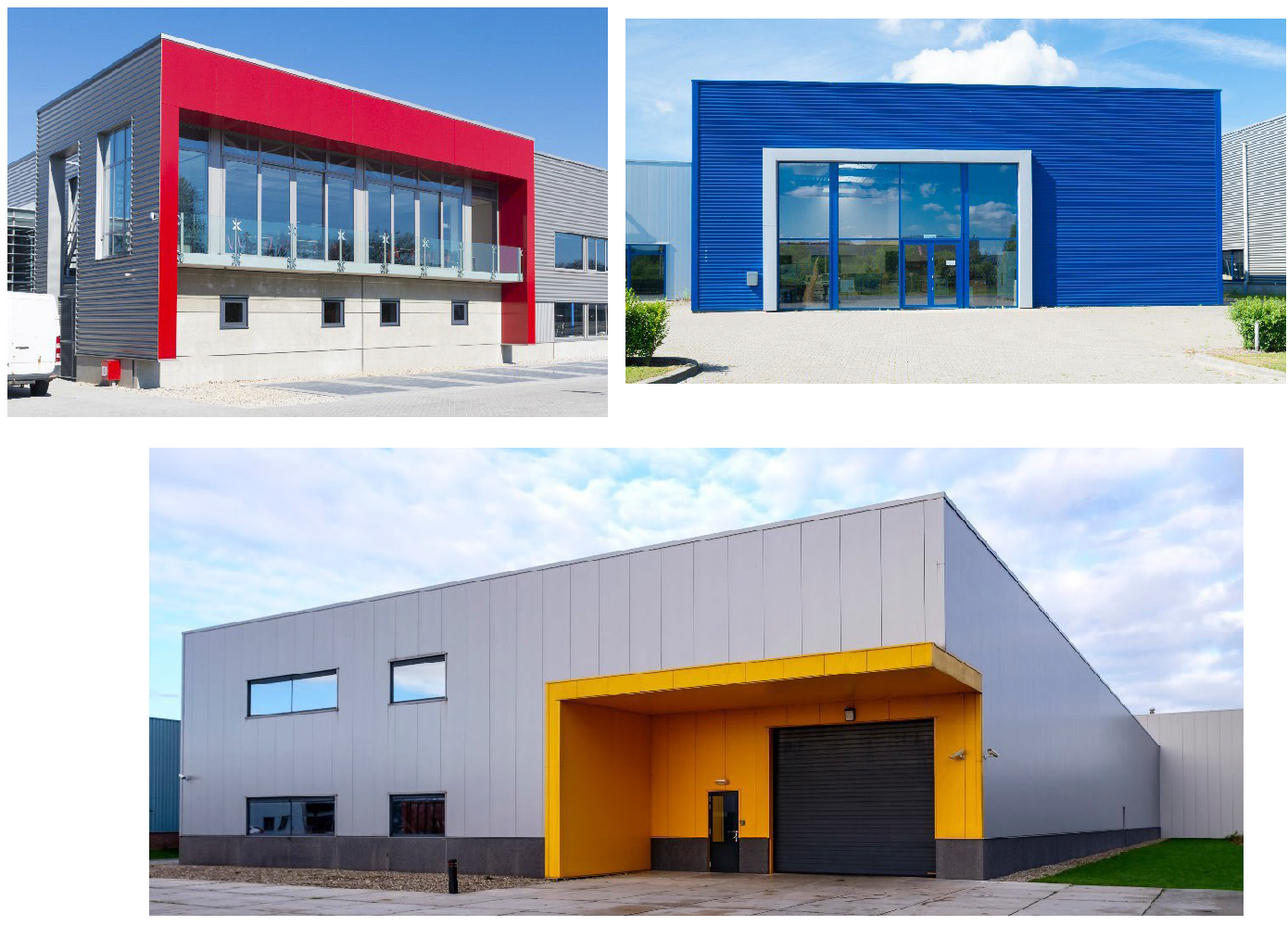
Figure 10 - Horizontal Articulation
b.
Vertical articulation. Buildings must incorporate moderation in the vertical surface plane. The vertical plane moderation should be of sufficient height to be clearly visible from the street and produce shadow lines against the building. The architectural elements used for vertical articulation should be in scale with the building and proportionate to its size. The moderation should be significant enough to be noticeable and enhance the building's overall appearance.
1.
Techniques for achieving vertical articulation.
I.
Building projections or recessions of at least two feet. These elements create depth and shadow lines, helping to break up the vertical plane of the façade.
II.
Color or texture changes coinciding with vertical elements. Using different colors or textures along the façade can visually separate sections of the building and add visual interest.
III.
Color use. Similar to horizontal articulation, color alone should not be used to substitute architectural features. Instead, color variation should be used in combination with other elements to reinforce building modulation and create visual interest.
Figure 11 - Vertical Articulation
c.
Façade treatment. The maximum continuous area of blank wall for front façade, side façade or any portion of a building fronting residential use, public or private street, shall be 50 feet to avoid monotonous design and provide visual relief. Blank wall area is defined as the portion of any exterior façade that do not include openings such as windows and doors, architectural features greater than one foot in depth or substantial material change.
d.
Articulated building entry. The primary entrance for each tenant shall be designed as a clearly defined and demarcated standout architectural feature of the building. The entrance shall be visually prominent and easily distinguished from secondary entrances and the regular façade treatment of the building. This may be accomplished for instance, through architectural detailing, providing a recessed or projected mass or form element where the entry is located, a corner entry, roof variation, incorporation of awnings or roof overhangs.
(3)
Building materials. Development shall propose high quality building materials that promote longevity and aesthetically pleasing design. Recommended exterior building materials include colored and/or textured concrete, stucco, glass, cladding materials, brick or stone veneers, and pre-cast high quality synthetic veneers. Design materials must be consistent on all primary façades visible from public or private streets. Accessory buildings shall be constructed of the same materials as approved for the principal building.
(4)
Pedestrian and vehicular use areas. Development shall provide clear and safe pedestrian access, including appropriate street and sidewalk widths and connectivity between buildings, streets and parking areas. Landscape berms shall be used to buffer parking areas from the street.
(5)
Site furnishings. Furnishings such as trash receptacles, bollards, lighting fixtures and pavement treatments are required in accordance with this chapter. The design of each of these elements is subject to approval by the planning and zoning director or designee.
(6)
Accessory structures and uses. All accessory structures shall be subject to development and design standards set forth in article X of this chapter. Service areas, loading areas and associated activities shall be located to the rear of buildings and screened from a public right-of-way and residential use.
(7)
Work-live loft additional design standards. Work-live lofts spaces shall be functional and conducive to both living and working activities. While specific elements can vary depending on the nature of the development, the following additional standards shall apply:
I.
No separate outside entrance. Live-work lofts shall be accessed from inside the business. No separate outside entrance shall be permitted.
II.
Flexible space. Design should allow for flexibility in how the space is used, with adaptable layouts that can accommodate different types of businesses or residential needs.
III.
Soundproofing. Effective soundproofing measures shall be provided to minimize noise transfer between the residential and commercial areas and to create a conducive environment for work and rest.
IV.
Natural light. Maximize natural light with large windows and skylights to enhance the comfort and productivity of both living and working areas.
V.
Amenities. Live-work units should include basic amenities such as a kitchen, bathroom, and sleeping area for residential use, as well as any necessary facilities for commercial activities.
VI.
Accessibility. Design should comply with ADA requirements.
VII.
Outdoor space. Where possible, live-work lofts should include access to outdoor space such as balconies, terraces, or communal courtyards to enhance quality of life for residents and provide opportunities for outdoor work or relaxation.
VIII.
Community integration. Design should facilitate interaction and integration with the surrounding community, such as through storefront windows, pedestrian-friendly entrances, and shared public spaces.
IX.
Residential living area. The residential living area shall be incidental and subordinate to the business or workspace area
a)
The residential living area shall not occupy more than ten percent of the workspace or business area and shall not be larger than 600 square feet, whichever is less.
b)
Residential unit shall be accessed from inside the business. No separate outside entrance shall be permitted.
c)
Where there are multiple businesses within a single building or structure, only one residential living area shall be permitted per business.
d)
The residential living space shall be contained within the same structure as the workspace and must be occupied by the business operator. No portion of the unit may be rented or sold separately.
X.
Required parking. Parking must be provided in accordance with article XII of this chapter.
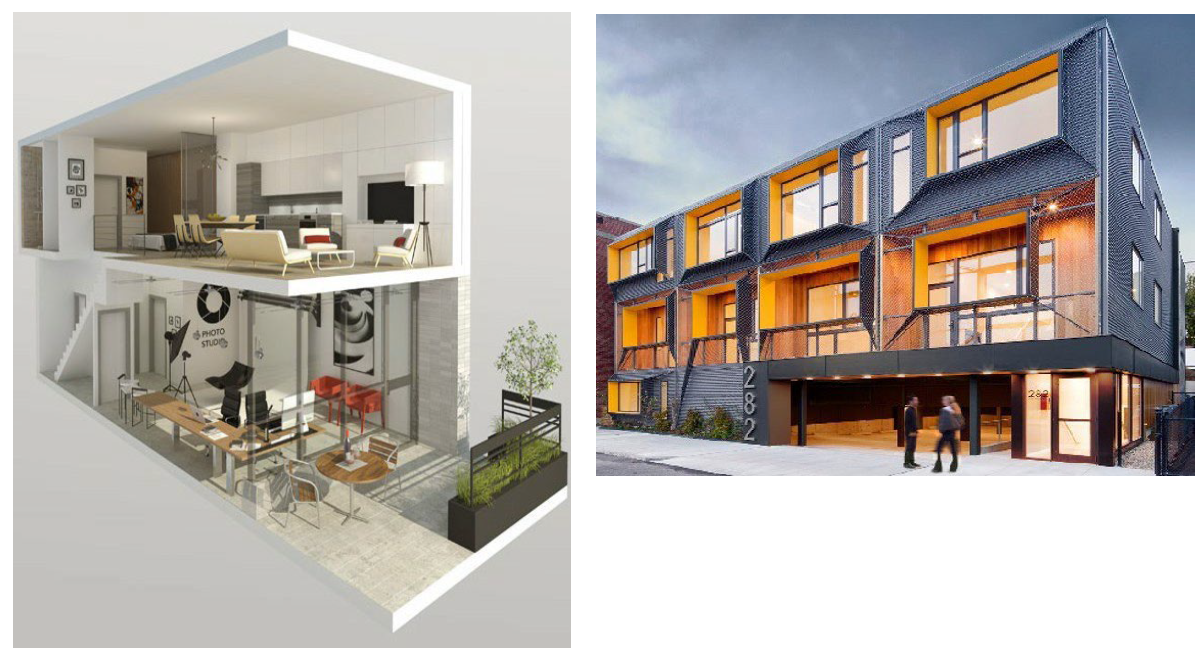
Figure 12 - Work Live Loft Example
(Ord. No. 2010-10-218, § 2(13-30), 4-7-2010; Ord. No. 2011-21-263, §§ 4, 5, 10-5-2011; Ord. No. 2025-002-482, § 2(Exh. A), 1-22-2025)
Sec. 34-416. - Parking garages.
Parking garages shall comply with the following requirements:
(1)
Parking garage means a building with two or more levels, designed for the temporary parking of motor vehicles and usually constructed from precast concrete panels. Parking platforms or parking decks that are not fully enclosed shall be strictly prohibited.
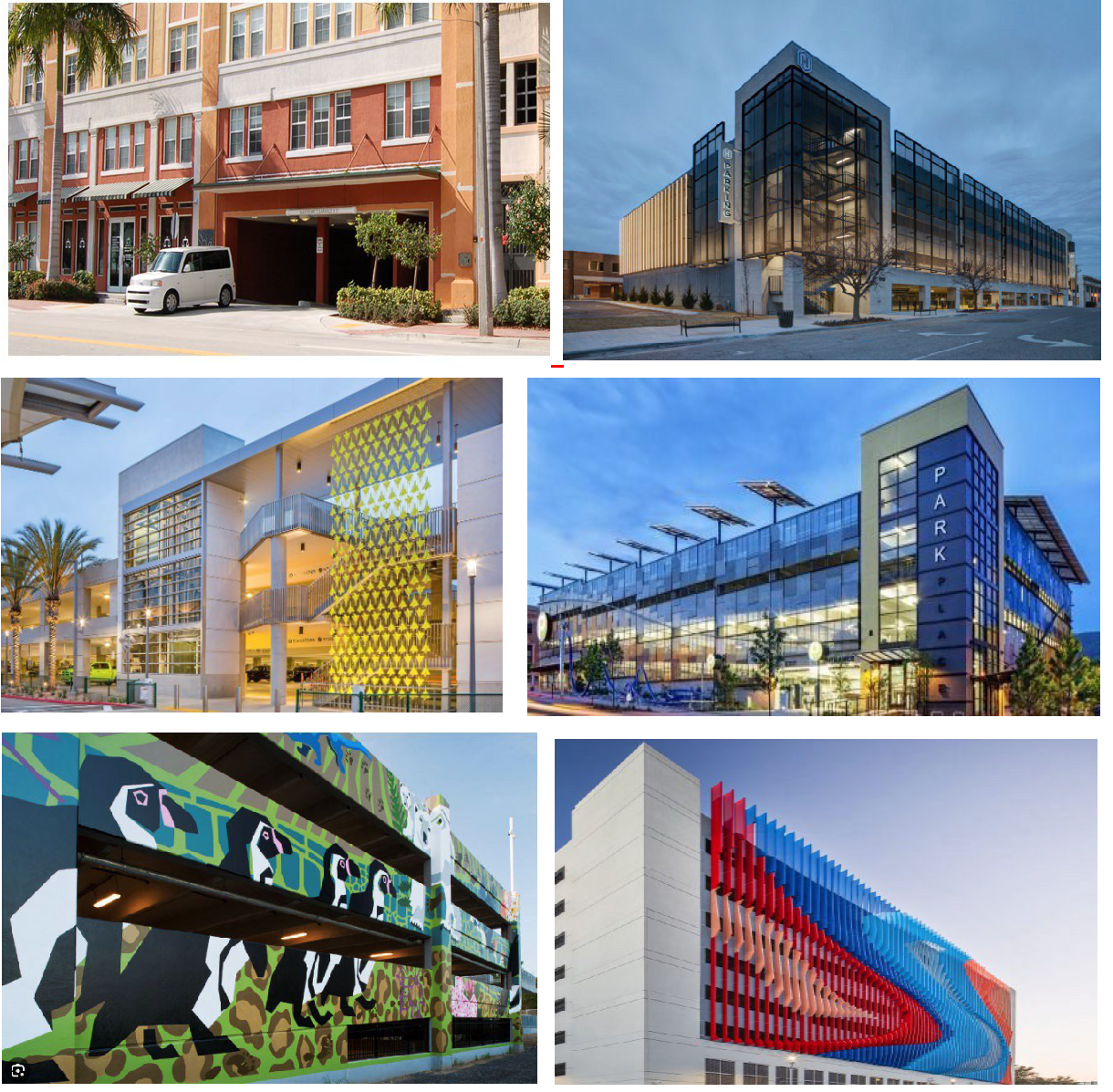
Figure 13 - Permitted Garage
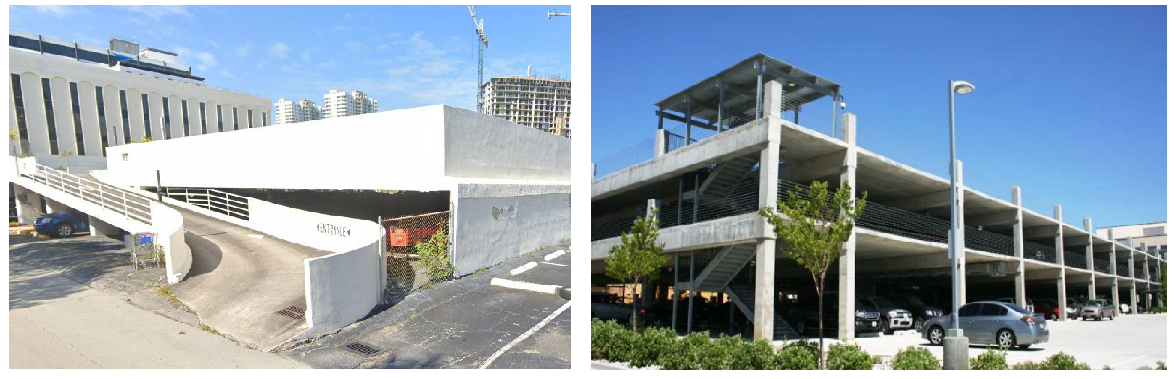
Figure 14 - Prohibited Garage
(2)
Location. Parking garage must meet zoning and accessory structure dimensional standards contained in the applicable zoning district.
(3)
Review required. All parking garages accompanying developments shall be reviewed and obtain DRC approval as set forth in section 46-45.
(4)
Parking garage design standards. Parking garages shall incorporate the following in addition to building design standards of this chapter:
a.
The parking garage shall complement the surrounding buildings and include the same design elements as the principal building including materials, colors and architectural features.
b.
Structural openings, such as parking ramp exits or ventilation shafts, shall be designed to be aesthetically pleasing. Architectural elements like louvers or decorative grilles shall be used to provide screening as needed.
c.
Architectural features shall include protrusions and recesses to create a more dynamic and engaging facade. Colors and finishes shall complement architectural features and enhance the overall design.
d.
Prominent walls or areas visible from the street shall provide murals or mosaics. Ensure these artworks are durable and can withstand environmental conditions.
e.
Significant landscape screening and foundation plantings should be provided around of the parking garage to soften its appearance. Choose plants that are low-maintenance and suitable for the local climate. Trellis, green walls and planter boxes may also be provided at strategic locations to enhance visual interest.
f.
When the garage is part of a mixed-use development, ensure it integrates well with public spaces and supports pedestrian access and amenities.
g.
Parking garages should include provisions for security cameras and monitoring systems.
h.
Signage should be integrated into the overall design without detracting from the aesthetic quality of the garage.
(Ord. No. 2010-10-218, § 2(13-40), 4-7-2010; Ord. No. 2025-002-482, § 2(Exh. A), 1-22-2025)
Sec. 34-417. - Lighting standards.
Purpose and intent. It is the purpose of this section to establish regulations regarding exterior lighting for development and redevelopment; to integrate lighting within developments to enhance the aesthetic appearance of the city; to ensure the safety of residents and visitors; to reduce energy costs; to minimize light pollution and protect dark skies; and to minimize adverse visual impacts upon drivers of vehicles. Lighting is not intended to be used as advertising or to draw attention to the building, grounds or uses associated with such building. This section is applicable to all exterior lighting in the city and within parking garage structures, excluding lighting for signage which is regulated in a separate section of this chapter.
(1)
Height, intensity and design standards.
a.
Height standards. For the purposes of these regulations, the mounting height of a light fixture shall be defined as the vertical distance from grade elevation of the surface being illuminated to the bottom of the light fixture.
1.
Light fixtures shall not exceed 25 feet in height in vehicle-use areas.
2.
Light fixtures shall not exceed 12 feet in height in pedestrian areas.
3.
Building and accent light fixtures shall not be installed above the roofline.
b.
Footcandle standards. The minimum and maximum average footcandle range and maximum footcandle permitted for each lighting zone in residential and nonresidential areas shall be those listed in table 1 in this section.
Table Notes.
(1)
Unless mandated by other state or federal standards.
(2)
These standards shall only apply under the service station canopy and up to 15 feet from the outside edge of the canopy.
(3)
Pathways, pedestrian areas, and outdoor seating abutting another lighting zone with a greater footcandle 4 - requirement may include lighting levels consistent with the adjacent zone. Underpasses are required to illuminate a minimum of 2.0 fc.
(4)
No light spillover shall be permitted on any point inside the adjacent residential property.
(5)
During the daytime, the vehicular and pedestrian exits and entrances must maintain a minimum average of 50 fc. Stairwells must maintain a minimum average of 20 fc 24 hours a day. Ramps, drive aisles, and all other areas of the garage must maintain a minimum average of 3.0 fc.
(6)
Outdoor lighting for sport facilities such as tennis courts, stadiums, soccer and ball fields are exempt from the footcandle standards in Table 1; however, lighting at sports facilities shall not exceed IESNA-recommended practices for the type of field and use, and shall meet standards for light spillover and glare for residential properties in this section.
(7)
In those areas designated as recreational areas, or within preserves, pedestrian paths or multi-purpose paths, or other areas that are either gated or secured or are closed after dusk, lighting requirements shall be determined, as part of a development order approval, by the administrative official in consultation with the Police Department in order to provide adequate security lighting for the recreational area.
_____
(2)
Design standards.
a.
Street lighting for public and private rights-of-way must be designed in accordance with either FPL, FDOT, or IESNA-recommended practices if required, and must also meet the minimum requirements set forth in Table 1.
b.
The location and design of lighting for parking garages shall be consistent with IESNA standards.
c.
Proposed lighting installations that are not covered by the provisions in this section may be approved only if the city council finds that they are designed to minimize glare, do not direct light beyond the boundaries of the area being illuminated or onto adjacent properties or streets, and do not result in excessive lighting levels. IESNA standards shall be used to determine the appropriate lighting design.
d.
All lighting must protect dark skies.
(3)
General standards.
a.
Light fixtures. Light fixtures shall be installed such that the source of light does not shine directly into adjacent residential districts, as provided below:
1.
Freestanding light poles. Freestanding light poles located within 100 feet of a residential zoning district shall be a cutoff luminaire or equivalent, with a maximum angle of 90 degrees.
2.
House shields. House shields, or equivalent, shall be required for all fixtures located within 25 feet of a residential district.
3.
Flood lights and security lighting. Flood lights, security lighting, or similar equipment shall not be directed toward any residential district.
b.
Glare. Off-site light spillover shall not produce a glare which creates a safety or traffic hazard.
c.
Landscaping. Conflict between landscaping and lighting installations shall be minimized or eliminated. Light fixtures installed in parking lots must provide the required lumen coverage and not be obstructed by the location and future height of existing or proposed trees or other landscaping.
d.
Canopy lighting. Canopy light fixtures, such as service station lighting, shall be aimed downward and shall be fully recessed or fully shielded so as to ensure that the light fixture is not visible from public rights-of-way or adjacent properties and does not cause glare. All light emitted by an under-canopy fixture shall be substantially confined to the ground surface directly beneath the perimeter of the canopy. As an alternative to recessed lighting, indirect lighting may be used when light is directed upward and then reflected down from the underside of the canopy. In this case, light fixtures shall be shielded so that direct illumination is focused exclusively on the underside of the canopy. No lighting shall be permitted on the top or sides of the canopy, excluding approved internally-illuminated signs.
e.
Flag poles. Flag poles may be illuminated by an approved fully-shielded spotlight fixture or fixtures provided they do not create off-site glare or light spillover above the limits established in table 1 in this section. The fixture shall be placed as close to the base of the flag pole as possible.
f.
Maintenance. Fixtures and lighting systems used for safety and security shall be in good working order and be maintained in a manner that serves the original intent of the system at all times. Accent and building lighting shall be maintained to keep the desired aesthetic appearance.
(4)
Building and accent lighting.
a.
Lighting of buildings. All exterior building lighting, including entry, facade, rooftop, security, and accent lighting shall conform to the requirements provided below:
1.
Permitted lighting. Exterior lighting may be used to illuminate a building and its grounds for safety purposes, so long as the lighting is done in a manner that is aesthetically pleasing compatible with the overall surroundings, and in compliance with this section.
2.
Compatibility. Lighting shall be installed in a manner that is compatible with the neighborhood and adjacent development, and protects dark skies.
3.
Fixtures. All fixtures used in exterior building lighting are to be selected for functional and aesthetic value. Light fixtures shall not be directly beamed upward or toward adjacent properties and pedestrian areas.
4.
Accent lighting for nonresidential and multifamily buildings. Accent lighting for architectural and/or aesthetic purposes is permitted subject to the following restrictions:
(i)
All upward-aimed lights shall be fully shielded from projecting into the sky by eaves, roofs, or overhangs.
(ii)
Strings of lights or other similar accent lighting may be installed on trees and landscaping and on buildings below the roofline provided: Light strings shall not be suspended horizontally between any buildings, walls, fences, trees, or shrubs. Strings of light shall contain only low wattage clear bulbs (less than 100 lumens) without interior or exterior frosting, colors or reflectors.
(iii)
Integration with form. Lighting which mimics the architectural lines of the building or part of the building, unless otherwise allowed in this section, shall only be permitted by approval of an administrative petition.
b.
Exemptions. Single-family residential homes are exempt from the accent requirements herein, provided the lighting does not create light spillover or glare on adjacent residential properties or public rights-of-way.
(5)
Seasonal lighting.
a.
Nonresidential, multifamily and mixed-use zoning districts. Seasonal exterior lighting is permitted without a permit provided it does not exceed 45 days during a calendar year, and shall not be suspended between any buildings, walls, fences, trees, or shrubs. Such lighting cannot produce spillover, glare or negatively impact dark skies.
b.
Single-family residential zoning districts. Seasonal exterior lighting is permitted but cannot be illuminated in excess of a total of 45 days during a calendar year.
(6)
Lighting plans. Plans for illumination of buildings and other areas shall be submitted at the time of building permit or when more than 50 percent of the existing site lighting is being modified (including changes to lumens). Lighting plans shall comply with the standards listed below:
a.
Design. Plans shall be prepared and sealed by an engineer registered in the state.
b.
Plans. Lighting plan or plans, including photometric plans, shall include the following information:
1.
Property site plan.
2.
Vehicular and pedestrian access and circulation.
3.
Adjacent property lines, existing uses and future land use map and zoning district designations.
4.
Plan and elevation view of all fixtures, including pole and wall-mounted.
5.
Height of all fixtures.
6.
Photometric data and statistical analysis, including footcandle values, maximum to minimum uniformity ratio, average initial or average maintained footcandles, minimum footcandles, maximum footcandles, points of calculation for footcandles at minimum ten-foot intervals on site and ten feet beyond the property line, and any other information required by the city engineer.
7.
The location and description, including the mature height, of all existing and proposed trees, and the location of light fixtures on both adjacent properties and the street rights-of-way within 50 feet of the subject property.
8.
Light fixture data, including manufacturer, wattage and lighting type.
9.
All plans must be certified by a registered architect or engineer as providing illumination in accordance with the applicable minimum standards set forth in this section and that subsequent construction will comply with the approved lighting plan.
10.
Lighting installations cannot be placed in permanent use until a letter of compliance from a registered professional architect or engineer has been provided stating that the installation has been field checked and meets all specifications set forth on the approved photometric plan.
(7)
Method of measurement. The light meter sensor shall be read at ground level or the established grade in a horizontal position. Readings shall be taken only after the light source has been exposed long enough to provide a constant reading. Measurements shall be taken after dark with the light sources to be measured on and off. The difference of the two readings shall be compared to the permitted illumination level for each lighting zone.
(8)
Street lighting.
a.
Decorative lighting. The city administrative official, as part of a development order approval, may require installation of decorative street lighting consistent with the style of existing fixtures on roadways adjacent to the property.
b.
Street lighting must illuminate public sidewalks along identified corridor roads to the level established for pathways in table 1.
c.
Private streets. Street lighting shall meet the public and private street lighting standards set forth in table 1 for all streets within and adjacent to a private development.
(9)
Prohibited lighting. The following types of permanent outdoor light fixtures are prohibited:
a.
Any upward-oriented lighting unless otherwise provided for in this section.
b.
Searchlights, beacons and laser-source light fixtures.
c.
Any lamp or bulb not within a light fixture (except for seasonal, accent, building lighting or landscape ornamental lighting) visible beyond the property line on which it is located.
d.
Exposed or visible neon light tubing.
e.
Any lighting utilized as or associated with prohibited signage as set forth in this chapter.
(Ord. No. 2010-10-218, § 2(13-50), 4-7-2010)
Sec. 34-418. - Mechanical equipment screening.
Mechanical equipment shall be visually integrated into its surroundings, minimizing its impact on the aesthetics of the area. Screening methods can include landscaping, architectural features, or specialized enclosures designed to blend the equipment into its surroundings. Compliance with mechanical equipment screening is required for new installations, renovations, and retrofitting of existing equipment.
(1)
Screening requirement. All mechanical equipment must be screened from external view using either a fence, landscaping, or combination of both. The screening must cover all sides of the equipment except for a designated access point, which shall not exceed ten feet in width.
(2)
Landscape materials. Landscaping used for screening must be minimum as tall as the mechanical equipment itself at the time of installation and spacing between shrubs shall not exceed 30 inches.
(3)
Fences and specialized enclosures. Architectural features, or specialized enclosures designed to blend the equipment into its surroundings are permitted, subject to approval by the planning and zoning director or designee. If fences are utilized for screening, they must be minimum as tall as the mechanical equipment and should completely enclose it. Roof top mechanical equipment should be completely screened from view with opaque barrier.
(Ord. No. 2010-10-218, § 2(13-60), 4-7-2010; Ord. No. 2025-002-482, § 2(Exh. A), 1-22-2025)
Sec. 34-419. - Water conservation.
(a)
Consistent with the policies and objectives of the city's adopted comprehensive development master plan the following water conservation techniques should be implemented and shall be subjects of review during the development approval process:
(1)
Subsurface and other water conserving irrigation techniques;
(2)
Florida-Friendly techniques;
(3)
Irrigation restrictions;
(4)
The use of low water use plumbing fixtures in all construction; and
(5)
Any other effective methods commonly in practice or required by law.
(b)
All permanent irrigation shall be subject to the restrictions as listed in subsection 32-8.2(a) through (d) of the Miami-Dade County code, as amended if applicable, herein incorporated by reference. Enforcement of this ordinance shall be the responsibility of the city. Any violation of the provisions of this section, including the county code incorporated by reference, shall be enforceable in accordance with chapter 8 of the Miami Gardens Code of Ordinances.
(c)
Variances and alternative methods for compliance:
(1)
If an applicant believes that adherence to the irrigation schedule and/or methods would create a unique hardship for their property, they may request a variance from the city. The variance request must be submitted in writing and must include an alternate method/schedule for irrigation which meets or is more restrictive than (uses less water than) the standard method/schedule. The variance will be reviewed by the planning department director or their designee, and either approved, denied, or approved with conditions.
(Ord. No. 2010-10-218, § 2(13-70), 4-7-2010; Ord. No. 2025-002-482, § 2(Exh. A), 1-22-2025)
Sec. 34-420. - Landscape design standards.
Landscape shall be provided as an effective means of conserving energy, preserve open space, maintain and improve the aesthetic quality of the city, and increase the quality of life of residents, businesses, and visitors. Landscape shall be provided as set forth in article XIV of this chapter. The provision of landscape and buffering shall be subject to review during the development approval process or building permit, whichever occurs first.
(1)
General character and plant quality. Landscape should primarily consist of shade trees, accentuated by palms, ornamental trees, shrubs, and ground covers. These plants should enhance architectural design, provide shade over pedestrian and parking areas, and offer interest in color and texture. All plants installed shall conform to or exceed the minimum standards for Florida Grade Number One, as provided in the most current edition of Florida's Grades and Standards for Nursery Plants.
(2)
Open space. Open space shall be contiguous, except where it serves to connect or extend existing open spaces, usable and accessible to all users of the development. Developments shall prioritize preservation of existing natural features and vegetation.
a.
Passive recreation areas. Passive recreation areas used to satisfy open space requirements shall be formally planned and designed. Passive recreation uses shall support pedestrian activity by providing access, paths and seating areas.
b.
Active recreational areas. Active recreational areas are intended to be a versatile area catering to a wide range of age groups and interests, including, but not limited to, team sports, individual sports, fitness activities, playground, picnicking, and other leisure activities.
c.
Plazas. Plaza means a pedestrian-friendly open space area that extend the public realm from the street or sidewalk to the main entry of an adjacent building. Plazas are designed to facilitate pedestrian use, public gatherings and congregations incorporating urban design elements such as special pavers, public art, and water features. No more than 40 percent of the plaza shall be covered with a roof. At least ten percent of the plaza's surface shall be landscaped to provide heat relief. Plazas shall provide at least one sitting place for each 200 square feet of area in addition to any permitted outdoor dining provided. Ground level facades facing a plaza shall avoid blank walls and provide generous glazing and entrances. Rooftops may be used for open space, including sun decks, pool decks, tennis courts, gardens, and outdoor cafes/restaurants.
(3)
Water features. Water features can be freestanding, or attached to a building wall. The visual aesthetic shall be carefully considered when designing water features. A variety of water feature effects are encouraged, such as the use of bubblers, sprays, falls, and mists. Lighting should accompany water features to add visual interest during nighttime hours and additional security. All water features must conform to local codes and regulations, and shall not have exposed mechanical or electrical equipment. Wet retention areas shall be designed as an amenity to include features such as littoral plantings, overlooks or walking paths.
(4)
Public art. Public art is encouraged in open spaces to create identity and to celebrate the local art community in the city. Any public art shall be free of sharp edges or obstructive elements that might cause physical harm. Public art location and design is subject to approval by the planning and zoning director or designee.
(5)
Hardscape elements and site furnishings. The design of hardscape elements and site furnishings such as, walkways, pool decks, shade structures, planters, benches, bollards, bike racks, trash containers, lighting, etc. is subject to the review and approval of the city's administrative official.
(6)
Pavement treatment. Special paving is an important element within an urban setting. It defines space along the ground plane and contributes to a place's unique sense of identity. Special paving shall be incorporated into plazas and other open spaces. Paving materials shall reflect the intensity of expected pedestrian traffic, aid in circulation routes and create a sense of place.
(7)
Urban agricultural garden. Urban agricultural gardens are plots of land gardened by a group of people. Such gardens include small gardens where people grow vegetables, as well as tiny street beautification planters on urban street corners. For all their diversity, however, most community gardens share at least four elements in common: land (or a place to grow something); plantings; gardeners; and some sort of organizing arrangements. Land for a community garden can be publicly or privately held. One strong tradition in community gardening in urban areas is cleaning up abandoned vacant lots and turning them into productive gardens. Alternatively, community gardens can be seen as a health or recreational amenity and included in public parks, similar to ball fields or playgrounds.
(Ord. No. 2025-002-482, § 2(Exh. A), 1-22-2025)
Editor's note— Ord. No. 2025-002-482, adopted January 22, 2025, amended § 34-420 in its entirety to read as herein set out. Former § 34-420 pertained to civic open space; standards and guidelines, and derived from Ord. No. 2010-10-218, adopted April 7, 2010.
Sec. 34-421. - Crime Prevention through Environmental Design (CPTED) requirements.
(a)
CPTED review and security measures requirements. CPTED review is required for all new development and redevelopment projects. The city provides guidance to developers, architects, and other stakeholders to help them apply CPTED principles effectively. This guidance ensures that CPTED considerations are integrated early in the planning process and are incorporated seamlessly into the design and construction phases, ultimately creating safer and more resilient communities.
(b)
Crime Prevention Through Environmental Design (CPTED) Principles. Crime prevention through environmental design (CPTED) is a strategy based on five key principles aimed at deterring criminal behavior and promoting community safety through the design, maintenance, and use of the built environment, as follows:
(1)
Natural surveillance. This principle involves designing environments in a way that maximizes visibility and observation. Features such as well-placed windows, lighting, and clear sightlines enable residents, workers, and passersby to easily observe and monitor public spaces. Increased visibility helps to deter criminal activity by creating a perception of being watched and reduces the opportunity for criminals to operate undetected.
(2)
Territoriality. Territoriality refers to the establishment of clear boundaries and ownership of space. By defining and delineating spaces as belonging to specific individuals, organizations, or communities, CPTED encourages a sense of ownership and responsibility among users. Well-maintained and clearly defined territories are less attractive to potential offenders, as they signal that the area is actively monitored and cared for by its occupants.
(3)
Access control. Access control involves regulating and controlling the movement of people into and within a space. This can be achieved through physical barriers, such as fences, gates, and controlled entry points, as well as through strategic placement of entrances and exits. By managing access points and limiting unauthorized entry, CPTED reduces the opportunity for crime and enhances the perceived safety of the environment.
(4)
Activity support. This principle focuses on promoting legitimate and positive uses of space through design and programming. By encouraging activities that are compatible with the intended use of the environment, such as recreational, social, or commercial activities, CPTED reduces the likelihood of criminal behavior. Active spaces with high levels of legitimate activity are less attractive to criminals, who prefer areas with minimal surveillance and low levels of human presence.
(5)
Management and maintenance. Effective management and maintenance of the built environment are essential for sustaining the benefits of CPTED over the long-term. Regular upkeep, repair, and monitoring of physical features, landscaping, and lighting ensure that the environment remains safe, welcoming, and functional. Active management strategies, such as community engagement, neighborhood watch programs, and partnerships with local law enforcement, help to address emerging issues and maintain a sense of collective responsibility for safety.
(Ord. No. 2025-002-482, § 2(Exh. A), 1-22-2025)
Sec. 34-422. - Complete streets.
Complete streets review is required for all new development and redevelopment projects. for all development reviews, the planning and zoning division staff will review for adherence to the Miami Gardens Complete Streets Guidelines.
(Ord. No. 2025-002-482, § 2(Exh. A), 1-22-2025)
Sec. 34-423. - Underground utility lines.
All electric distribution lines and other utility lines (i.e., telephone, cable, Internet) should be placed underground for all new development and redevelopment, subject to the approval of the utility provider.
(Ord. No. 2025-002-482, § 2(Exh. A), 1-22-2025)

