
Ocean Isle Beach City Zoning Code
ARTICLE XVI
APPEARANCE STANDARDS16
Editor's note— It should be noted that Ord. of Feb. 12, 2002, amended the Code by adding provisions designated as a new Art. XV. Said provisions have been redesignated as Art. XVI at the discretion of the editor. See the Code Comparative Table and also the editor's note at Art. XV.
Sec. 66-631.- Definitions.
[The following words, terms and phrases, when used in this article, shall have the meanings ascribed to them in this section, except where the context clearly indicates a different meaning:]
Building, commercial means a building designed and used to provide services for the sale of products to the general public.
Building, industrial means a building designed and used for manufacturing, warehousing, distribution and/or contracted services.
Enforcement officer means the town official designated with the responsibility of enforcing this section.
Facade means the exterior face of a building
Street, primary abutting. If more than one street abuts a subject property the "primary abutting street" shall be the street having the larger traffic count, as determined by the town.
Visible, from right-of-way means the subject property as viewed from any point of the adjacent public or private right-of-way.
(Ord. of 2-12-2002(4), § 1; Res. of 9-11-2007(2))
Sec. 66-632. - Appearance standards section established.
(a)
Purpose. The State of North Carolina General Statutes and federal case law upholds the right of municipalities to enact appearance standards as part of their Land Use and Development Codes. The legal basis for a successful appearance code rests with the establishment of standards, determined by verifiable existing physical characteristics that together establish a predominant style or desired effect that defines the community character. To achieve this objective, the Town of Ocean Isle Beach commissioned the town planning board to conduct a thorough comparative analysis of the existing development and determine standards that would represent the prevailing character of the town. These standards were then used to develop a set of guidelines and growth management regulations that will ensure future development accomplishes the community goals of maintaining Ocean Isle Beach's unique family coastal community atmosphere. These regulations are intended to protect the public welfare by sustaining and enhancing the market values of existing property while ensuring quality development occurs that is in keeping with the Ocean Isle Beach character.
The appearance standards require a basic level of site and structural design and are not meant to limit creativity nor create a community where everything looks the same. The intent is to serve as a tool for design in the context of developing Ocean Isle Beach as a unique residential family coastal community within the Cape Fear region.
Consideration is given to balancing the interests of property owners while promoting the community's safety, welfare, well being and aesthetic character. It is the judgment of the town that protecting the unique Ocean Isle Beach character will protect and sustain the value of private property and promote the quality of life that makes Ocean Isle Beach the unique residential coastal community it has become.
(b)
Appearance standards; general requirements.
(1)
Applicability. All land, whether improved or unimproved contained in the commercial zones within the town limits and extra-territorial zoning districts of Ocean Isle Beach, including use of any building or structure thereon and their demolition and reconstruction, shall meet the requirements of the appearance standards unless otherwise exempted below.
(2)
Exemptions from the provisions of this article.
a.
Exterior repairs, not requiring a building permit, that do not further extend a non-conforming use.
b.
Routine maintenance or repair of any structure or site feature. For the purposes of this section, routine shall mean that the repairs shall in no case exceed 50 percent of the value of the structure. The painting of any structure and/or the addition of any exterior wall covering to a structure shall not be an exception to these appearance standards. Appearance standards include color restrictions. (See section 66-638).
c.
The construction, reconstruction, alteration, restoration, moving, or demolition of any structure or site feature that the enforcement officer determines is required by law to protect the public safety due to an unsafe or dangerous condition.
d.
Temporary uses as defined in the Town of Ocean Isle Beach Zoning Ordinance. Temporary uses and structures being used during the construction of a permanent structure. The zoning permit shall specify a limited duration for the temporary structure.
(3)
Landscaping and parking. Unless specifically exempted from the requirements of the appearance standards ordinance, or used as a multi-tenant building, any future change in land use as provided for herein requires compliance with the landscape standards section of this ordinance. Multi-tenant building compliance is required at such time as 50 percent or more of the square footage of such building is changed in land use.
Where existing development is located upon property not having sufficient area available to accommodate the required landscaping due to the need for proper internal vehicular aisle width, turning radius, and/or circulation, the enforcement officer shall permit the on-site relocation of trees and shrubs from the landscape standards provided the following are met:
a.
Plant material type, and number of plants, shall be calculated as required by the landscape standards section of this chapter.
b.
Plantings are dispersed throughout the required streetyard and parking planting area.
c.
Removal of asphalt is not considered as a reason for alternating from the requirements.
Where existing development is located upon property not having sufficient area available to accommodate the required parking lot design standards and parking requirements due to the need for proper internal vehicular aisle width, turning radius, and/or circulation; the enforcement officer may permit modification of the design standards to assure public safety is protected. Removal of asphalt is not considered as a reason for alternating from the requirements.
(4)
Reserved.
(Ord. of 2-12-2002(4), § 2; Ord. of 3-11-2003, § 1; Res. of 9-11-2007(2))
Sec. 66-633. - Development review.
(a)
A pre-submittal conference with the planning department is required prior to the submittal of any building and zoning application to ensure appearance of proposed development complies with the intent of this section.
(b)
A building elevation and site plan shall be submitted with each building permit application. The elevation and site plan shall illustrate and describe proposed:
(1)
Building design features;
(2)
Material(s) and color(s);
(3)
Signage;
(4)
Landscaping;
(5)
Parking and sidewalks; and
(6)
Screening walls, fences and covers.
(c)
All building and zoning permits shall, on their face, be executed by an enforcement officer illustrating compliance with all provisions of the appearance standards.
(Ord. of 2-12-2002(4), § 3)
Sec. 66-634. - General site plan requirements.
(a)
Screening and fencing.
(1)
All manufacturing, storage, offices, or wholesale uses other than retail sales, located within the applicable area covered by this section, shall operate within a fully enclosed building, except as otherwise provided below.
(2)
Where permitted, outside storage may be permitted only if fully screened from view of the primary abutting street(s).
(3)
No public utility or related facility, heating, ventilation and air conditioning (HVAC) unit, including on-ground and/or rooftop mechanical system, or dumpster, shall be visible from view of the primary abutting street.
(4)
Material and design of any screening device shall either match or incorporate into its construction the same type of material as the predominant material(s) and color(s) used in the primary facade.
(5)
All electrical and communication utility lines which are installed or relocated in conjunction with any new development or street widening, shall be located underground, unless required to be placed above ground by the applicable utility provider.
(b)
Landscaping.
(1)
Large variety trees, or two small or medium varieties for each in lieu thereof, shall be used to meet any parking lot planting requirements.
(2)
Any development along streets covered by this section shall contain the minimum planting of two large variety deciduous trees and four understory ornamental trees per 100 linear feet.
(c)
Tree preservation for new construction.
(1)
Unless grading for construction or erosion control requires the removal, the developer undertaking new construction of any parcel of property subject to this section shall preserve existing healthy deciduous trees having a diameter of 12 inches or greater, located along any street or parking lot planting area.
(2)
Preservation of trees shall follow the standards of the landscape section of this chapter.
(3)
Reserved.
(d)
Sidewalks.
(1)
NCDOT-compliant sidewalks shall be required along all streets upon development of any property. The town's public utilities director must approve the location of the sidewalk within the street right-of-way. All sidewalks shall be properly flared to match any existing connecting sidewalk and shall meet ADA requirements. All required sidewalks shall be located within the street right-of-way and shall be dedicated to the Town of Ocean Isle Beach prior to receipt of a certificate of occupancy.
(2)
Except where arcades and entranceways are part of the facade of a building, sidewalks shall be installed:
a.
Along the full length of the sides of any building constructed on property subject to this section which features a customer or multifamily unit entrance; and
b.
Along any side of any building where parking or a driveway is provided. Any such required sidewalk shall be parallel to the building, but located at least five feet from the building in order to provide an area for planting beds for foundation and entranceway landscaping.
(3)
Parking lots having greater than 100 spaces shall incorporate landscaped medians, crosswalks, and screening into the design; including the installation of shade trees and shrubbery. Access to these lots shall be limited to prevent through traffic, with the preferred design being a single central access point. Pedestrian crosswalks over access ways shall be protected by traffic slowing "speed humps". Both shall be appropriately marked in conformance with North Carolina Department of Transportation standards. The applicant shall work closely with town staff to ensure the intent of this section is conveyed in the design of the parking areas.
(e)
Outdoor displays. Outdoor retail display is permitted in all districts; however, in C-1, C-2 and C2-M they shall only be displayed during operating hours. At no time shall the outdoor display encroach upon the required pedestrian way or reduce the required number of parking spaces established by the Ocean Isle Beach Zoning Ordinance. All the displays shall be the same product line sold marketed by the occupant in the primary use of the zoning lot and shall be displayed in a neat and orderly manner.

Figure 4-1 Example of an Acceptable Temporary Outdoor Display
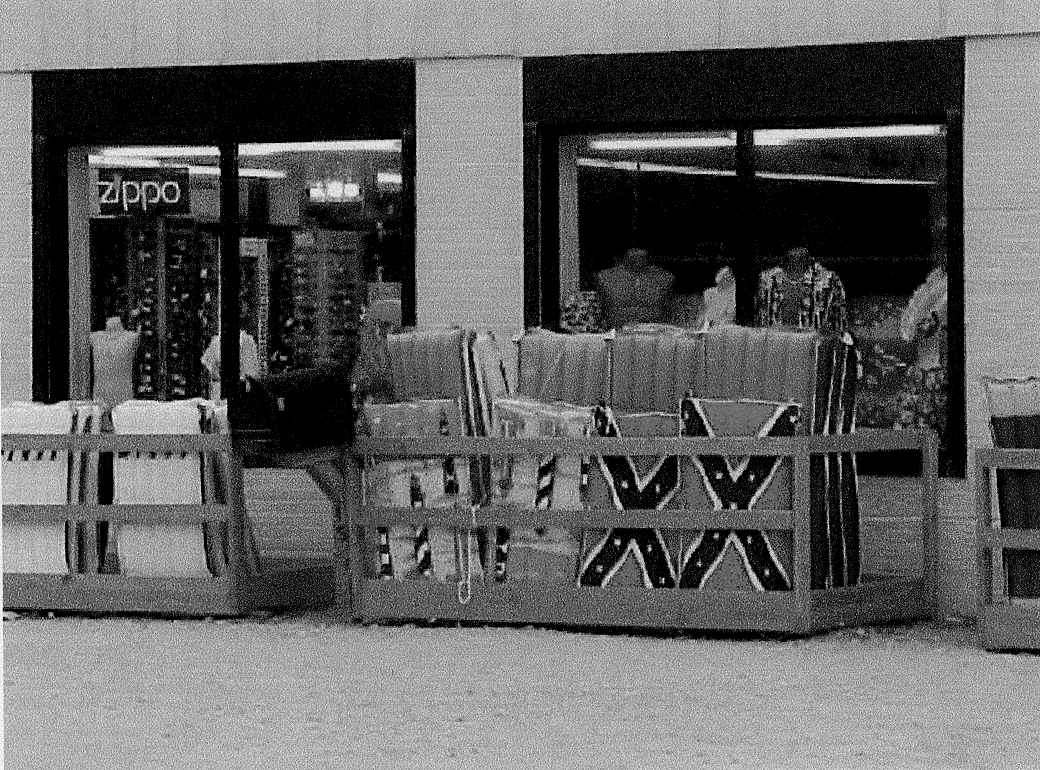
Figure 4-2 Example of an Acceptable Temporary Outdoor Display With Enclosures
(Ord. of 2-12-2002(4), § 4; Res. of 9-11-2007(2))
Sec. 66-635. - Institutional and public use buildings.
Exempted. Institutional and public use (governmental) buildings shall be exempted from the building design and material standards of the appearance standards ordinances.
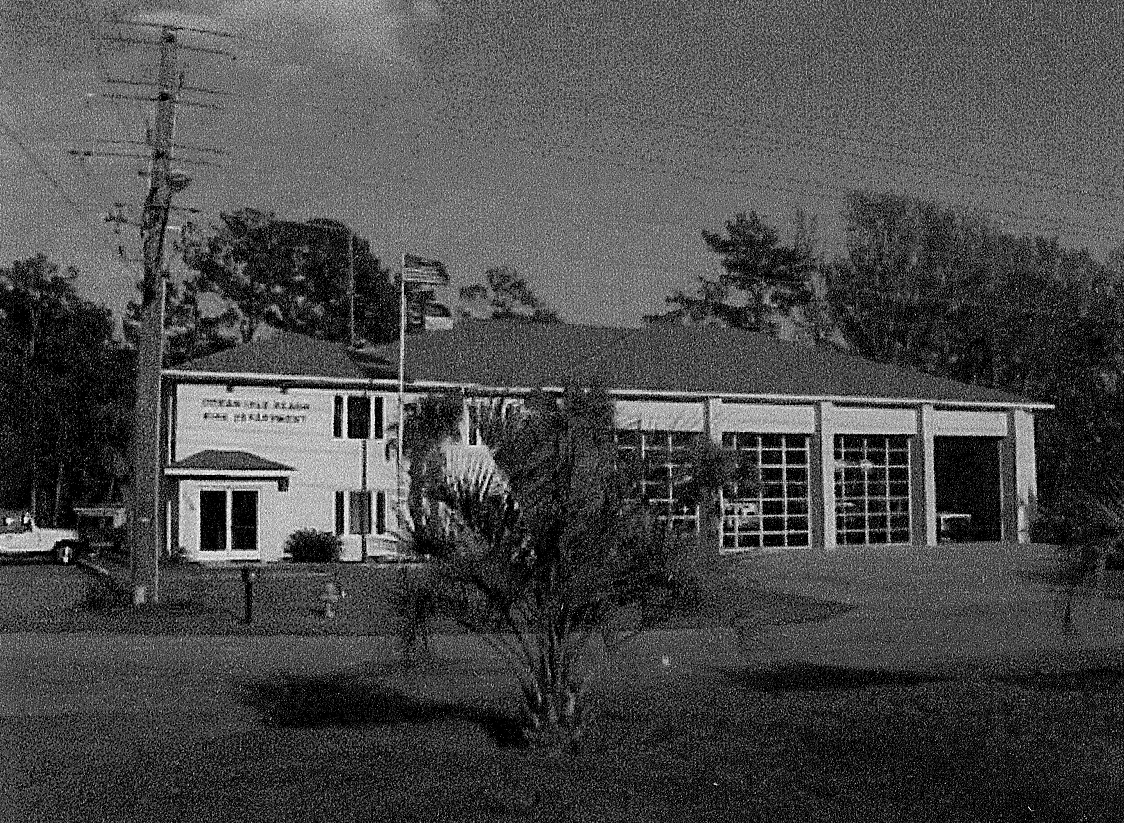
Figure 5-1 Acceptable Institutional Public Use
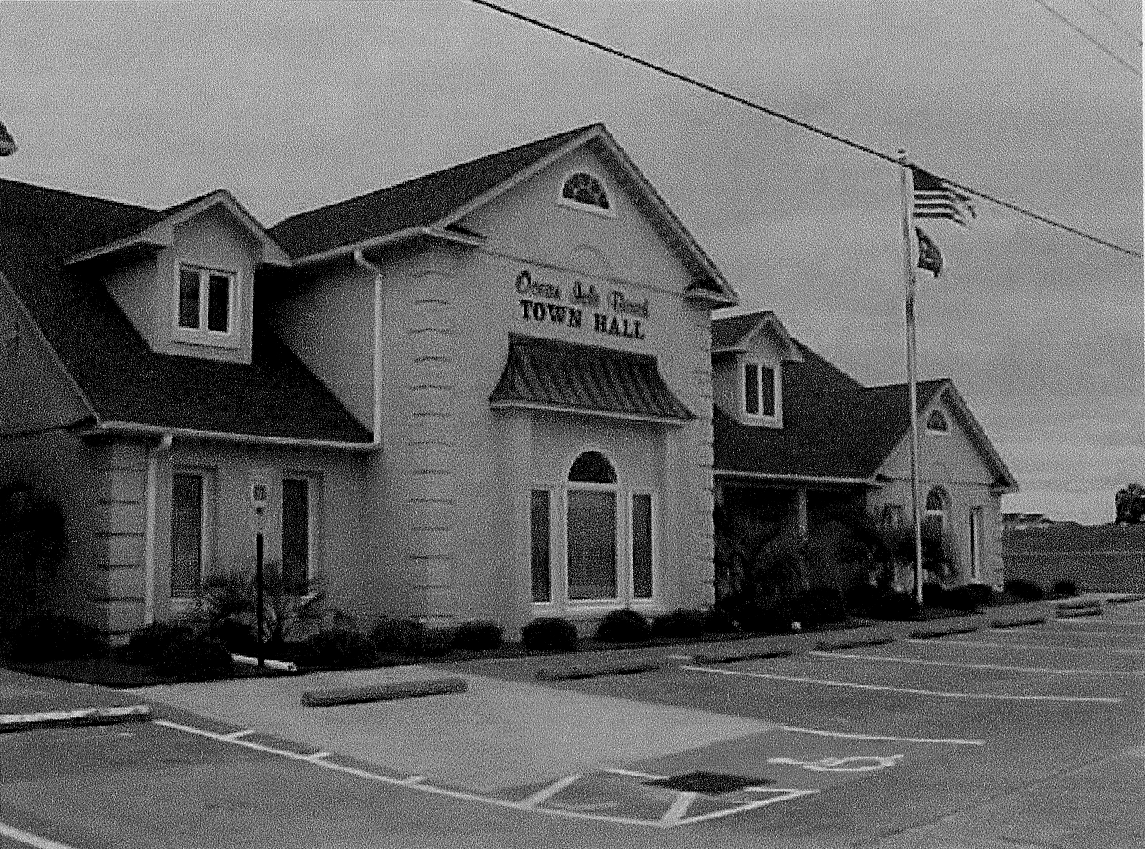
Figure 5-2 Acceptable Institutional Public Use
(Ord. of 2-12-2002(4), § 5; Res. of 9-11-2007(2))
Sec. 66-636. - Building design.
The intent of this section is to prevent the construction of new building or reconstruction of existing buildings that would result in stark blank walls or vast expanses of glass thereby creating the appearance of a wall rather than an architecturally pleasing facade. The developer is encouraged to present a mix of windows, openings and other architectural features that will reflect the predominant "vernacular architectural style" that is characteristic of Ocean Isle Beach. Illustrations are provided as guidelines in assisting the developer with choosing a design that meets the character. Working closely with town staff is encouraged to ensure compliance.
(1)
Front facade. Unless otherwise provided, no more than 50 percent or less than 25 percent of the total horizontal length of any facade fronting on the primary abutting street within an appearance standards ordinance shall have arcades, windows, entry areas or awnings.
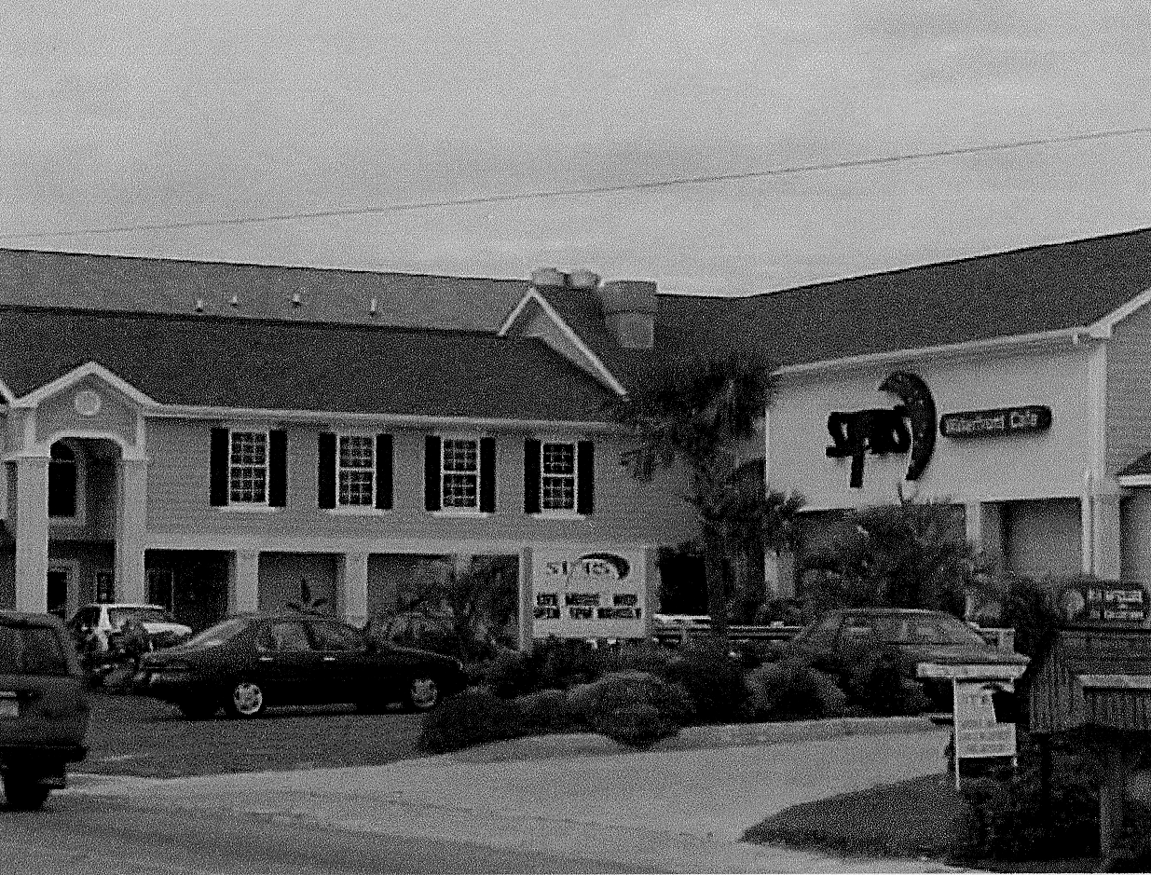
Figure 6-1 Example of an Acceptable Front Facade
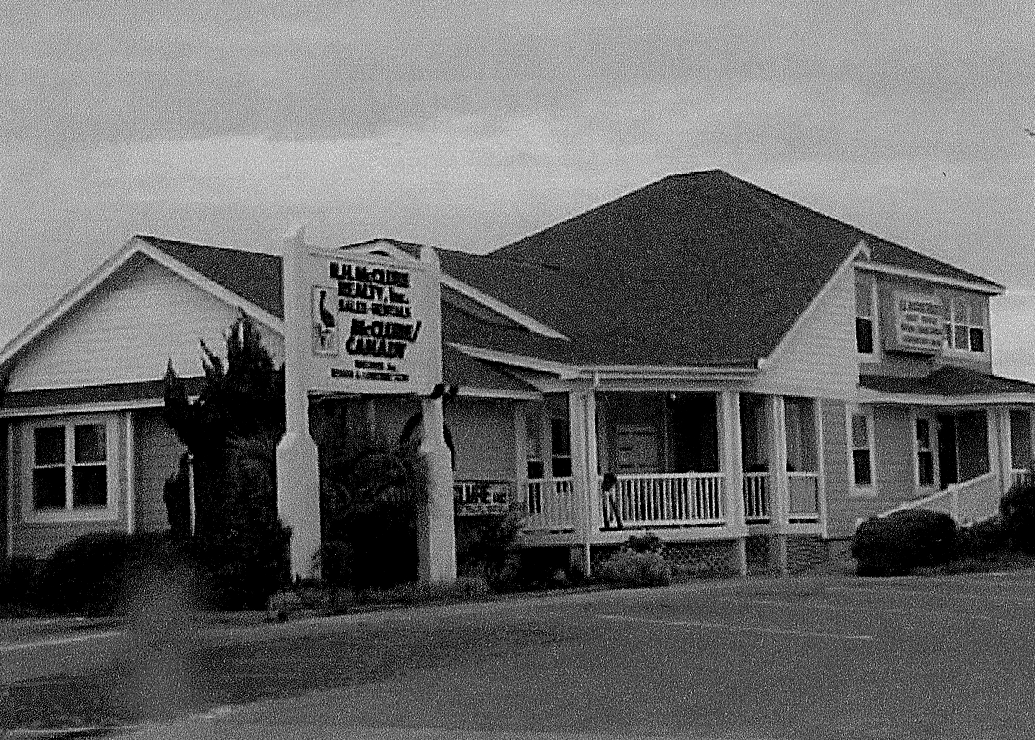
Figure 6-2 Example of an Acceptable Front Facade with Porch
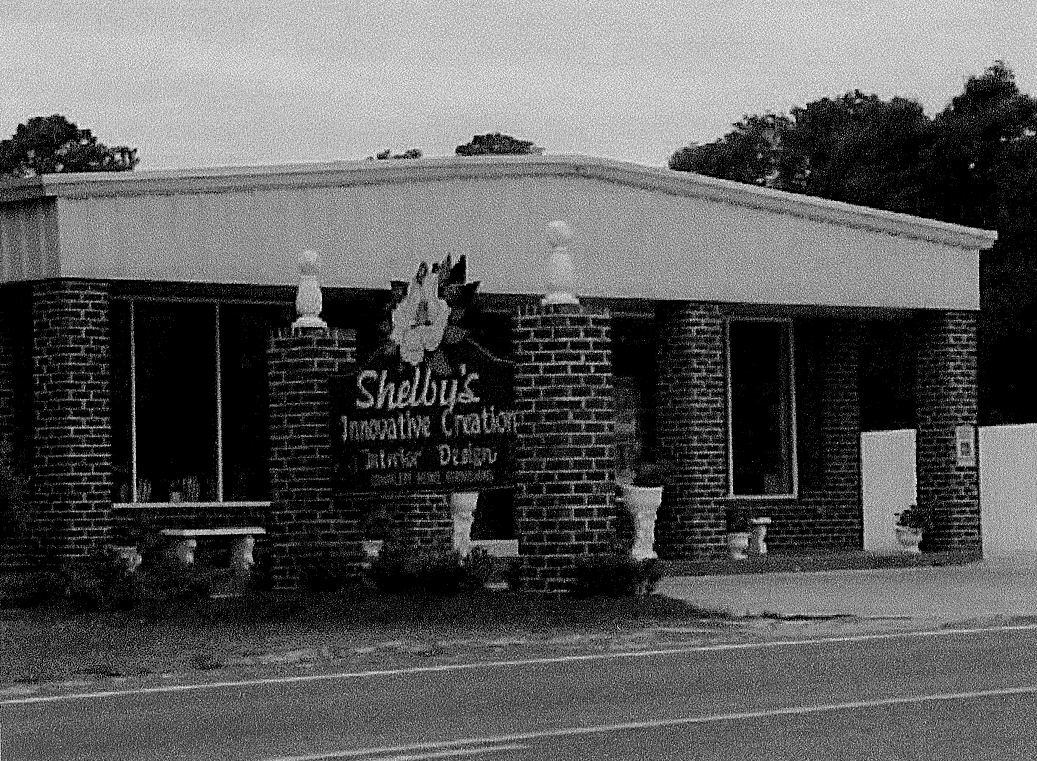
Figure 6-3 Example of an Acceptable Facade in Brick
(2)
Walls. Any wall visible from an existing or proposed public right-of-way, shall incorporate, at a minimum, two architectural accent elements of doors, windows, columns, pre-cast trim, color changes, texture change, recesses and/or material changes such as wood, brickwork, stucco, tile and/or canvas canopies. Fifty linear feet of a wall shall be the maximum length without an architectural accent element.
(3)
Windows. Windows shall be recessed and shall include visually prominent sills, lintels, shutters, or other such forms of framing and trim.
(4)
Cornice. Flat roofs shall include cornice trim along the top of the walls.
(Ord. of 2-12-2002(4), § 6)
Sec. 66-637. - Building materials.
(a)
Facade visible from existing and proposed public rights-of-way. Facades shall be brick, wood, and/or vinyl siding, and may contain facade accent elements of stucco, textured tinted concrete block, concrete fiber-board with architectural accents, tile, native stone, columns and/or canvas canopies. The primary facade material used in construction shall compose, at a minimum, 75 percent of the non-glass wall surface.
(b)
Facade not visible from existing or proposed public right-of-way. Material used in the construction of a facade which is not visible from a existing or proposed public right-of-way may consist of one, or a combination of vinyl siding, brick, native stone, wood, concrete fiber-board with architectural accents, decorative cast concrete, stucco, textured concrete block and/or tile. If not visible from right-of-way and adjacent residential property the facade may be metal painted in accordance with section (c) below.
(c)
Colors. All facade colors shall be of low reflectance, subtle, neutral, or earth tone colors. The use of high intensity colors, metallic colors, black or fluorescent colors, are prohibited. Building trim and accent areas may feature brighter colors, including primary colors; however, neon tubing shall not be an acceptable feature for building trim or accent elements.
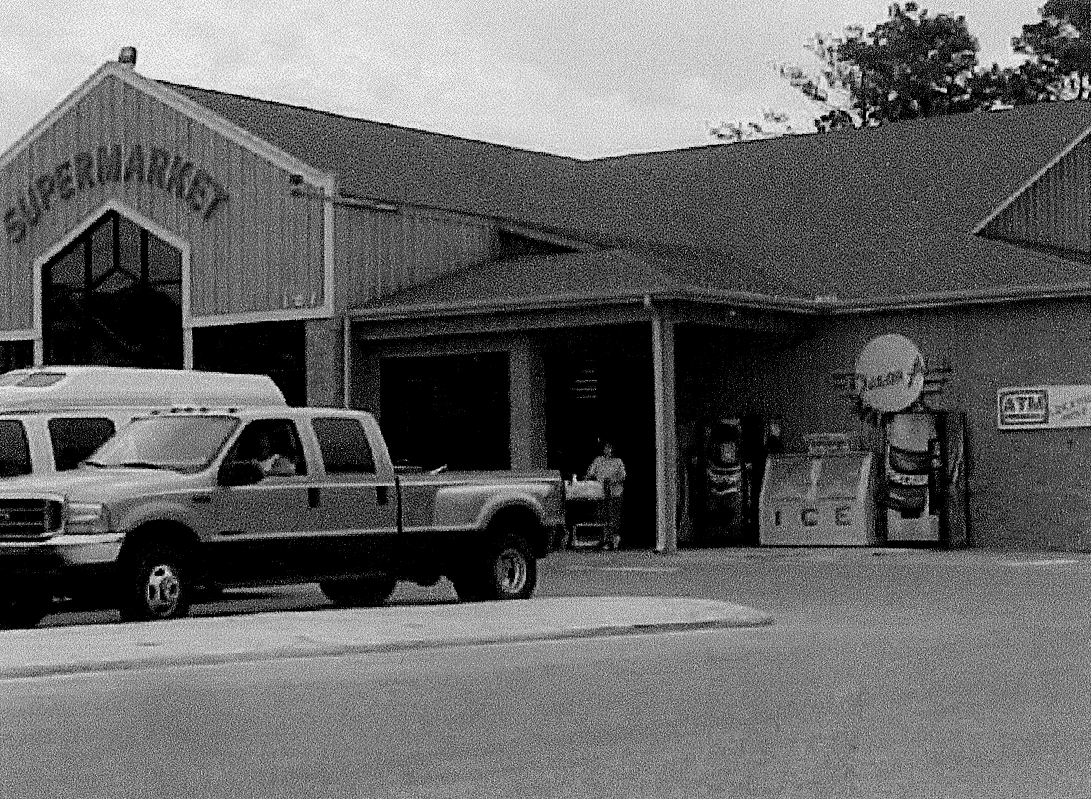
Figure 7-1 Example of Acceptable Colors
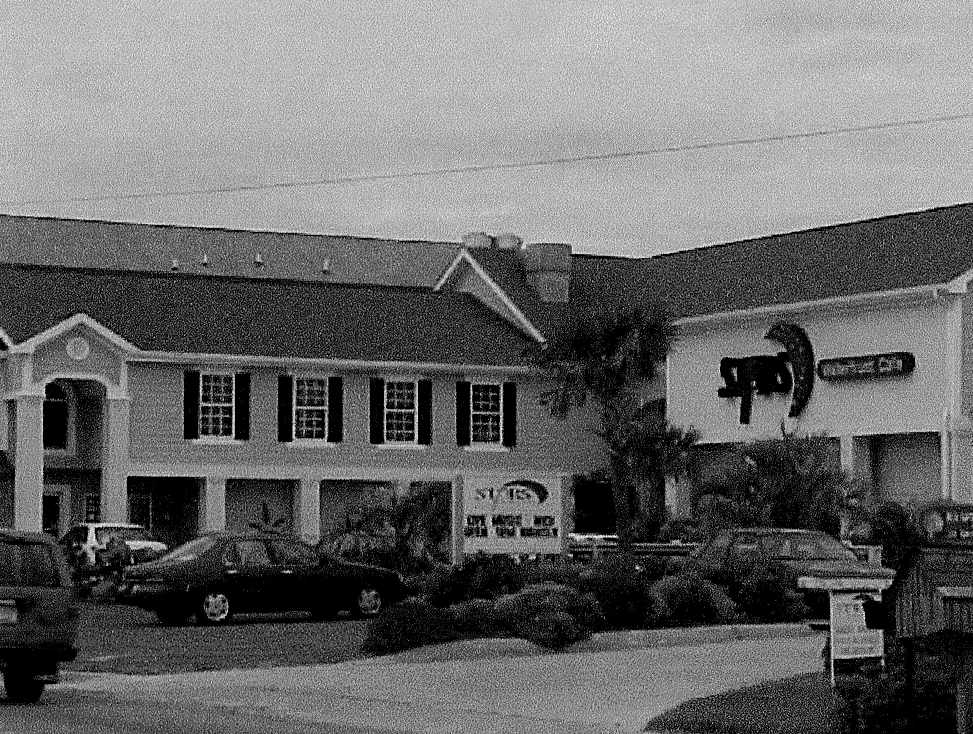
Figure 7-2 Excellent Example of Color and Architectural Styling that Portrays the
Ocean Isle Beach Character and Standard for Commercial Structures
(Ord. of 2-12-2002(4), § 7)
Sec. 66-638. - Reserved.
Editor's note— Sec. 1.b. of Res. No. 2015-19, adopted September 8, 2015, deleted § 66-638 which pertained to residential appearance standards, and derived from ordinances adopted February 12, 2002; and March 11, 2003.
Sec. 66-639. - Reserved.
Editor's note— Sec. 1.b. of Res. No. 2015-19, adopted September 8, 2015, deleted § 66-639 which pertained to development review, and derived from an ordinance adopted February 12, 2002.
Sec. 66-640. - Commercial/residential landscaping standards section.
Landscaping requirements.
(1)
Purpose. Property values for the town have continued to increase over the years. The town feels it prudent to sustain this trend by implementing measures to protect, regulate and maintain the appearance of structures and property in the town's jurisdiction. The purpose of this section is to establish landscaping standards that in conjunction with the appearance standards section will promote this goal. The use of properly landscaped and maintained areas can reduce the potential incompatibility of adjacent land uses, conserve natural resources and maintain open space, protect established residential neighborhoods, and promote and enhance community image and roadway beautification. In order to minimize negative effects between adjacent uses and zoning districts, this section requires that a landscaped buffer area be provided. The separation of land uses and the provision of landscaping along public and private rights-of-way through a required buffer is designed to eliminate or minimize potential nuisances, and to enhance community image and roadway beautification. Such nuisances may include dirt, litter, noise, lights, signs, unsightly buildings and structures, off-street loading and refuse areas, or parking areas. In addition, buffers provide spacing and landscaping to reduce potentially adverse impacts of noise, odor or lighting. Landscaping shall be coordinated with all site design elements including building layout, parking, access and signs.
(2)
Application. This section shall apply to landscaping of all new structures or existing structures that undergo renovation or repairs. This shall apply to residential structures that exceed 50 percent of the tax value of the structure and to commercial buildings that are enlarged in floor area or impervious area on the site by 25 percent or 2,000 square feet, whichever is less.
(3)
Minimum landscaping requirements.
a.
[Buffers.] The provisions of required buffers, as specified in these regulations, are minimum standards. The amount of land and type and amount of planting or other screening specified for each buffer requirement are designed to mitigate nuisances or incompatibility between adjacent land uses or between a land use and a public road, and have been calculated to ensure that they do, in fact, function as "buffers." In those instances where these regulations specify different buffering requirements (e.g., a different type of buffer), then the more restrictive specific provisions shall govern.
b.
[Exceeding regulations.] None of the provisions of these regulations shall be construed as prohibiting additional plant material, screening and/or buffer area above that required by these regulations; or prohibiting the modification of existing landscaped buffers to perform to an equivalent degree as the buffer required by these regulations.
c.
Design, installation and establishment standards. Location of plants and design of landscaping, including maintenance, shall be according to sound landscape and horticultural principles. The use of native vegetation and other lower maintenance landscape materials is required to promote environmental protection, energy efficiency, and water conservation in a manner consistent with the Ocean Isle Beach Land-Use Plan.
d.
Site plan required. The developer of a commercial property shall submit a site plan to the town planning department for review and approval. The plan shall at a minimum, include structure location, parking layout, and proposed or required screening or buffering, location of any proposed sign, and proposed landscape details including location and type of plant material (plant lists are available at the Ocean Isle Beach Planning Department), a stormwater management plan signed and sealed by a professional engineer, and type of drive proposed (concrete, asphalt, crushed brick, stone, etc.).
e.
[Landscaping.] For the purposes of this section, landscaping shall include trees, shrubbery and vegetative ground cover.
f.
[Natural landscape character.] Existing natural landscape character shall be preserved. Whenever possible, the planting of vegetation indigenous to the immediate natural coastal ecosystem is preferred to promote proper plant life development and maturation. The appendix A to this section includes a list of plants provided by the Brunswick County Agricultural Extension Services as compatible to this planting zone and climate. While not all-inclusive, it should be used as a guideline in selecting predominately coastal North Carolina natural species.
g.
[Ground cover.] During construction, a vegetative ground cover shall be maintained as an integral part of the required stormwater management system so as to reduce erosion and prevent off-site stormwater runoff. In the event of any cessation of building activity for a period of longer than 90 days, all disturbed land shall be hydroseeded.
h.
[When landscaping required.] Not later than 90 days following construction, and prior to receipt of the certificate of occupancy, landscaping shall be installed in accordance with the approved site plan, unless some unforeseen circumstance beyond the control of the owner or developer prevents the installation. In such cases, a performance bond in the amount of 100 percent of installation and maintenance cost shall be required. Financial hardship is not sufficient reason for posting the bond in lieu of installing landscaping. (Following a major natural disaster, the planning board may grant a reasonable extension).
i.
Required plant species. The following list shall be used as a guide in identifying and categorizing the different acceptable types and minimum sizes for any required plant. Sufficient landscaping material shall be selected and installed in such a manner that the total landscaping material point value is a minimum of 36 points for any residential lot. Commercial lots shall be based upon 36 points per every 5,000 square foot of property until the property reaches 15,000 square feet and the point scale will reduce to 24 points per 5,000 square feet of lot size.
Existing shade tree. A large deciduous or evergreen tree with trunk diameter of greater than 12 inches at ground level that was retained and protected during lot clearing for construction.
Small or ornamental tree. A small to medium indigenous tree with a diameter of less than 12 inches measured at ground level or a small to medium tree growing over 15 feet at maturity, which is planted for aesthetic purposes such as colorful flowers, interesting bark, or foliage.
Large shrub. An upright plant growing five to ten feet in height at maturity that is either retained or planted for screening purposes.
Medium shrub. A plant growing two to five feet in height at maturity that is planted for ornamental or screening purposes.
Small shrub. A plant growing to less than two feet in height at maturity that is planted for ornamental purposes.
k.
[Maturity of shrubs.] For the purposes of this section, maturity of shrubs shall be one year from the time planting is complete.
l.
Shrubs.
1.
All required shrubs shall be a minimum of 20 inches in height in a minimum three-gallon container.
2.
Shrubs shall be of a species that under average conditions will reach a minimum height of 24 inches within 12 months.
m.
Coastal Area Management Act (CAMA) exemptions.
1.
Area of environmental concern (AEC). Any lot or portion thereof that has been designated as a CAMA buffer or area of environmental concern (AEC) shall be exempt from the landscaping requirements in deferment to the CAMA regulations that apply.
2.
Frontal dunes. Frontal dunes shall be exempt from the landscaping requirements; however, owners of properties with frontal dunes shall plant approved vegetation on at least 25 percent of the frontal dune area. Approved vegetation includes, but is not limited to, American beach grass (fall/winter planting), sea oats (spring/summer planting), seashore elder (spring planting), bitter panicum (spring/summer planting), or spartina patens (spring planting)
3.
Point reductions on exempt lots. The required minimum point value shall be reduced by the corresponding percentage of the lot that is exempt from these requirements. For example: If a 50-foot × 100-foot lot is required to provide a 30-foot buffer, the lot's usable area is reduced by 30 percent (30 × 50/5,000), therefore the required minimum point value would be 25. (36 × 70 percent usable area).
(4)
Required buffers.
a.
Buffer defined. A buffer is a specified land area, located parallel to and within the outer perimeter of a lot or parcel and extending to the lot or parcel boundary line, together with the planting and landscaping required on the land. A buffer may also contain, or be required to contain, a barrier such as a berm, fence or wall, or combination thereof, where such additional screening is necessary to achieve the desired level of buffering between various land use activities. A buffer is not intended to be commensurate with the term "yard" or the term "stormwater management area."
b.
Types of required buffers. There are three types of required buffers that may occur on any given development site, as follows:
1.
Street buffers;
2.
Parking lot buffers;
3.
Project boundary buffers.
4.
Indoor and outdoor storage facilities.
c.
Location. Buffers shall be located within the outer perimeter of a lot or parcel, parallel to and extending to the lot or parcel boundary line. Buffers shall not be located on any portion of an existing, dedicated or reserved public or private street or right-of-way.
d.
Planting in easements.
1.
No trees shall be planted in wet retention ponds or drainage maintenance easements.
2.
Trees and shrubs shall be installed at least three feet away from the flow line of a swale.
3.
Existing trees may remain in dry retention ponds provided that the natural grade is undisturbed to the tree line, they are a species adapted to seasonal flooding and the pond is adequately maintained.
4.
Trees may be planted in underground utility easements with town of approval, provided the root structure of the proposed tree is not anticipated to extend more than three feet below the ground. Shrubs may be planted, provided they are only within the outer three feet of the easement. Where such trees and shrubs are planted, the property owner shall be responsible for replacement of such required vegetation if maintenance or other utility requirements required their temporary removal.
5.
The majority of buffer plantings and all structures shall be located outside the easements.
(5)
Determination of buffer requirements. To determine the type of buffer required between two adjacent lots or parcels, or between a lot or parcel and a street, the following procedure shall be followed:
a.
Project boundary buffers. Identify the zoning districts of the subject parcel and all adjacent properties. Determine the buffer opacity class required on each boundary (or segment thereof) of the subject parcel.
1.
Commercial abutting residential zoning requires a 75 percent opacity.
b.
Indoor storage facilities.
1.
Minimum width: Ten feet.
2.
Minimum height: Four feet.
3.
Performance standard. A buffer which is ten feet in width and contains screening materials which at maturity provide semi-opacity from the ground to a height of four feet as well as intermittent visual obstruction from a height of four feet up to a height of 30 feet. Vegetative screening materials within intermittent visual obstruction areas shall contain horizontal openings no greater than 20 feet in width upon the plants' maturity.
c.
Outdoor storage facilities.
1.
Minimum width: Ten feet.
2.
Minimum height: Six feet.
3.
Performance standard. A buffer which is ten feet in width and contains screening materials which at maturity provide semi-opacity from the ground to a height of six feet, and intermittent visual obstruction from a height of six feet up to a height of 30 feet. Vegetative screening materials within intermittent visual obstruction areas shall contain horizontal openings no greater than 20 feet in width; and vegetative screening materials within semi-opaque areas shall contain horizontal openings no greater than five feet in width upon the plants' maturity.
(6)
Constrained sites.
a.
An alternate buffer may be used only where the standard project boundary or street buffer width shown cannot be physically met on the site for one of the following reasons.
1.
Redevelopment of an existing site requires a buffer to be added, but the building, pavement or stormwater facility already exists; or
2.
The site has lost area from an existing buffer due to adjacent road widening; or
3.
It can be shown that the narrowest standard project boundary buffer and street buffer width would occupy more than ten percent of the site area.
b.
The intent of this section is not to discourage the continued use of such properties, but rather to protect adjoining uses from nuisances associated with uses.
c.
Where necessary to achieve the required opacity, a constrained project boundary buffer shall contain a minimum six-foot fence.
d.
In no case shall the constrained buffer width be reduced below five feet, nor shall the opacity be reduced below 50 percent of the required opacity.
(7)
Credit for existing buffer.
a.
Credit is permitted for existing plant material within the proposed buffer area, provided such plant material meets the minimum standards of this section.
b.
Credit shall be allocated on a one-for-one basis for shrubs and accent trees. The size of material shall not be taken into account, except where such material is below the required minimum planting size.
c.
Credit may be permitted for existing plant material and walls on adjacent property, provided such items are in a permanently protected area, including, but not limited to:
1.
A conservation easement or preserve area on adjacent property.
2.
An existing town-approved landscape buffer on adjacent property may receive credit for the existing material and width.
3.
Any existing utility or drainage easement exceeding 100 feet in width.
(8)
Structures within required buffer area. Where structures are built within any required buffer area, they shall meet the following requirements:
a.
Berms. Berms shall have a minimum average height of two and one-half feet with side slopes of not less than four feet horizontal for each one foot vertical. Slopes in excess of four feet horizontal for each one foot vertical may be permitted if sufficient erosion control methods are taken and deemed by the planning department to be maintainable.
b.
Fences.
1.
Fences may be constructed in a required buffer; however, they shall not be counted towards required opacity of the buffer.
2.
Chain-link fences are a prohibited use in buffer areas.
(9)
Plant and structure location.
a.
If an existing buffer where shade trees shade the buffer such that they meet the required opacity, any missing small or ornamental trees or shrubs shall not be required to be replaced.
b.
As a buffer matures, it is anticipated that small or ornamental trees may not survive the shading by shade trees. Where the buffer opacity has been met, replacement of such accent trees shall not be deemed necessary.
(10)
Permitted use of buffer area.
a.
A buffer may be used for passive recreation and picnic facilities; and it may contain pedestrian, bike, or equestrian trails, provided that:
1.
No existing plant material is eliminated, other than nuisance exotics;
2.
The total width of the buffer is maintained; and
3.
All other requirements of these regulations are met.
b.
Other appurtenances which require high visibility and ease access, such as fire hydrants, public and emergency telephones, mailboxes, and school bus or other bus shelters or benches, are also permitted in a buffer. No screening of such appurtenances is required.
c.
A required buffer is encouraged to retain areas of native habitat and may incorporate water resources including stormwater detention/retention facilities. However, a minimum of ten-foot contiguous width of the buffer shall be preserved as a planting area without stormwater facilities.
d.
Ingress and egress to the proposed use, and utility lines and appurtenances, may cross the buffer provided they minimize the amount of buffer devoted to this use.
e.
Above-ground utilities and appurtenances to underground utilities which require aboveground installation shall be buffered by a continuous planting of shrubs, with a minimum mature height equal to that of the structure, up to eight feet. Required accessways to these utilities are exempt from the screening provisions.
f.
The buffer area may be included as part of the calculation of any required open space.
g.
Lighting may be located within a buffer as specifically permitted in article XVII, Lighting.
h.
Any other uses may be located within the buffer where specifically permitted elsewhere in these regulations.
(11)
Prohibited use of buffer area. A buffer area shall not be used for any building or use, accessory building or use, parking or loading area, storage area, or other principal or accessory uses except as specifically permitted in this section.
(12)
Ownership of buffers. Buffers may remain in the ownership of the original developer (and assignees) of a lot or parcel of land; they may be subjected to deed restrictions and subsequently be freely conveyed; or they may be transferred to any consenting grantees, such as a park or forest preserve, the town, open space held by association (homeowners, etc.), or conservation group. Any such conveyance shall adequately guarantee the protection and maintenance of the buffer in accordance with the provisions of these regulations.
(13)
Requirements for maintaining buffers.
a.
Responsibility. The responsibility for maintenance of a required buffer shall remain with the owner of the property, his or her successors, heirs, assignees, or any consenting grantee. Maintenance is required in order to ensure the proper functioning of a buffer as a landscaped area which reduces or eliminates nuisance and/or conflict.
b.
Maintenance. A water source shall be supplied within 50 feet of any planting requiring continuing watering. Where nonnative or nondrought-tolerant native vegetation is incorporated in the buffer in a manner consistent with the land-use plan, an irrigation system shall be required.
c.
Failure to maintain. In the event that any owner of a buffer area fails to maintain same according to the standards of these regulations, these regulations shall be enforceable by the town with the right to recover the cost of enforcement, including reasonable attorney fees. The town may also, following reasonable notice and a demand that deficiency of maintenance be corrected, enter the buffer area to maintain same. The cost of such maintenance shall be charged to those persons having the primary responsibility for maintenance of the buffer area.
(14)
Hardship relief.
a.
The buffer requirement may be modified by the planning department upon a finding that a modification would not adversely affect the land use compatibility of public interest, and complies with one or more of the following criteria:
1.
The affected buffer is parallel and adjacent to an existing utility or drainage easement of at least 100 feet in width.
2.
The affected buffer is between uses that are to be developed under a common development plan or series of developmental plans.
3.
The affected buffer is adjacent to a property that has a joint use agreement with the parcel under site plan.
4.
The topography of the lot is such that buffering would not be effective.
b.
Where adjacent vacant properties have been designated for a different land use classification or zoning district than currently on the parcel then the affected buffer may be based on an assumed zoning district consistent with the land use designation.
(15)
Service function areas (commercial applicability only).
a.
Buffering and screening. Refuse collection, mechanical equipment, trash compaction, loading areas, recycling, roof-top equipment and other service function areas shall be fully screened and out of view from adjacent properties and public rights-of-way. The screening shall extend one foot above the height of the object to be screened.
b.
Materials and design. Screening material and design shall be consistent with design treatments of the primary facade of the building or project and its landscape plan.
c.
Requirements for outdoor refuse collection and refuse storage areas.
1.
All outdoor refuse collection and refuse storage areas shall be limited to that area shown on an approved site and development plan.
2.
Areas shall be visually screened with a wall a minimum of eight feet in height and of similar building material as the principal structure. Materials stored in said areas shall not protrude above the screen.
3.
No outdoor refuse collection or refuse storage area shall be located in a street yard, or within ten feet of any side or rear property line.
(16)
Violations/remedies. Failure to comply with any provisions contained in this section shall constitute a violation of the Town of Ocean Isle Beach Town Code subject to the penalties contained therein. Unless otherwise indicated by the governing board, enforcement of this section shall be by the town planning department.
(Ord. of 2-12-2002(4), § 9; Ord. of 5-10-2005; Res. No. 2008-29, § 5, 10-14-2008)
Appendix A—Subchapter B Plant List
Leaflet No. 606
LEAFLET NO: 606
Revised 9/93 — Author Reviewed 4/96
PLANTS FOR SEASHORE CONDITIONS
M.A. Powell
Extension Horticultural Specialist
Department of Horticultural Science
North Carolina Cooperative Extension Service
North Carolina State University
As in any landscape project, a site analysis is recommended before the design and construction stages. This is especially true as a careful selection of plants is very important for coastal landscapes. Plants must be tolerant of extreme adverse conditions in the natural environment. The most influencing force is salt spray. Sand, temperature and wind are also influencing factors in plant choice.
In unprotected areas it is recommended to select those plants which can withstand these native conditions. Plants that are injured by spray or strong wind will grow near the sea if protected by buildings or by screen plantings, therefore the use of many ornamentals along with native trees and shrubs can be incorporated into a plan.
Below are listed several trees, shrubs, groundcovers and vines which withstand normal seashore conditions.
Deciduous Trees
Evergreen Trees
Deciduous/Semi-Evergreen Small Trees and Shrubs
Evergreen Shrubs
Vines
Annuals
(Res. of 9-11-2007(2))

