
Venice City Zoning Code
SECTION 2
- ZONING
2.1. - Official Zoning Map
A.
The official zoning map of the City is divided into traditional zoning districts (including planned zoning districts and inactive zoning districts) and mixed use zoning districts (each with their own distinct standards). The zoning map is adopted by reference herein; however, the map has been officially adopted by the City of Venice as part of Ordinance No. 2022-15 Dated, July 12, 2022, as may be amended by the City from time to time, together with all of the explanatory material thereon. The official zoning map shall be identified by the signature of the Mayor and City Attorney and shall be attested by the City Clerk.
B.
No changes shall be made to the official zoning map except in conformity with the procedures set forth in this Chapter.
C.
The official zoning map is the final authority as to the zoning status of all lands and waters in the City.
D.
In the event that any uncertainty exists with regards to intended boundaries as shown on the official zoning map, the Director is authorized to interpret the boundaries. The following rules shall apply:
1.
The official zoning map is intended to provide for a graphical depiction of the zoning designations of all parcels and properties within the City. This map does not reflect the zoning designation within established rights-of-way. However, the zoning boundaries do extend to the centerlines of rights-of-way of all properties even though not depicted on the official zoning map.
2.
Boundaries indicated as approximately following the centerlines of streets or alleys shall be construed as following such centerlines as they exist on the ground, except where variation of actual location from mapped location would change the zoning status of a lot or parcel, in which case the boundary shall be interpreted in such a manner as to avoid changing the zoning status of any lot or parcel. In case of a street vacation, the boundary shall be construed as remaining in its location except where ownership of the vacated street is divided other than at the center, in which case the boundary shall be construed as moving with the ownership.
3.
Boundaries indicated as approximately following lot lines, public property lines and the like shall be construed as following such lines (provided, however, that, where such boundaries are adjacent to a street or alley and the zoning status of the street or alley is not indicated, the boundaries shall be construed as running to the middle of the street or alley.
4.
Boundaries indicated as approximately following city limits shall be construed as following such city limits.
5.
Boundaries indicated as following shorelines or centerlines of the Gulf of Mexico, bays, streams, canals, lakes or other bodies of water or indicated as following official bulkhead lines shall be construed as following such shorelines, centerlines or official bulkhead lines, except when an erosion control line is established in accordance with state law, in which case the erosion control line shall be the boundary. In case of a natural change in shoreline, or of the course or extent of bodies of water, the boundaries shall be construed as moving with the change. In the case of changes in shoreline or of the course or extent of bodies of water made as a result of dredging or filling, the boundaries shall be constant, not moving with the change, and a zoning application review for the change shall be required as provided herein.
6.
Boundaries indicated as following physical features other than those mentioned in subsections of this section shall be construed as following such physical features, except where variation of the actual location from the mapped location would change the zoning status of a lot or parcel, and in such case the boundary shall be interpreted in such manner as to avoid changing the zoning status of any lot or parcel.
7.
Boundaries indicated as parallel to or extensions of features indicated in subsections of this section shall be construed as being parallel to or extensions of such feature.
8.
Distances not specifically indicated on the official zoning atlas shall be determined by the scale of the map.
9.
In cases not covered by this section, the Director shall interpret the official zoning atlas in accord with the intent and purpose of this chapter.
(Ord. No. 2022-15, § 3(Exh. B), 7-12-22)
2.2. - Traditional Zoning Districts
2.2.1. Introduction
A.
Purpose and Intent. The City of Venice is comprised of Traditional and Mixed Use zoning districts which implement Comprehensive Plan Strategy LU 1.2.2. It is the intent of this section to define the Traditional zoning districts and identify their respective standards. The Traditional zoning districts are aggregated by use types: Residential, Non-Residential, Planned and Inactive zoning districts. Mixed Use zoning districts are defined in Section 2.3: Mixed Use Zoning Districts and are defined by their own regulating maps and development standards.
B.
Former Zoning Districts and New Zoning Districts. As part of the update of the LDR, former zoning districts and standards shall be implemented by new zoning districts, with some former zoning districts deemed inactive or integrated into new zoning districts. Table 2.2.1 lists the types of districts and demonstrates the relationship between the former zoning districts and new zoning districts.
C.
General Development Standards. For all applicable general development standards, see Section 3.1: General Development Standards.
Table 2.2.1. Former Zoning Districts and New Zoning Districts
2.2.2. Residential Zoning Districts
A.
Residential, Single-family (RSF-1, 2, 3, 4).
1.
Purpose and Intent. The residential, single-family zoning districts (RSF) are intended to establish low to moderate density residential neighborhoods, to implement Strategy LU 1.2.3 of the Comprehensive Plan, and to protect these areas from incompatible uses. The residential, single-family districts offer a range of lot sizes and housing stock (detached and attached) to allow a sustainable mix of single-family residential development.
2.
Uses. Uses are defined per Section 2.2.7: Traditional Zoning Districts Use Table.
3.
Accessory Uses. Accessory uses are permitted per Section 2.4: Use Definitions and Standards. All accessory uses must comply with the standards of Section 3.1.9: Accessory Uses and Structures.
4.
Standards. See Table 2.2.2.A.
Table 2.2.2.A. RSF Development Standards Table
B.
Residential, Multifamily (RMF-1, 2, 3, 4).
1.
Purpose and Intent. The residential, multifamily zoning districts (RMF) offer a range of lot sizes and housing stock to allow a sustainable mix of multifamily residential development. RMF implements Strategy 1.2.3 of the Comprehensive Plan and allows for Moderate to High Density per the Strategy.
2.
Uses. Uses are defined per Section 2.2.7: Traditional Districts Use Table.
3.
Accessory Uses. Accessory uses are permitted per Section 2.4: Use Definitions and Standards. All accessory uses must comply with the standards of Section 3.1.9: Accessory Uses and Structures.
4.
Standards. See Table 2.2.2.B.
Table 2.2.2.B. RMF Multifamily Structures Development Standards Table
* For single-family attached dwellings the above standards will be applied per building structure, not for each individual dwelling, and lot coverage will be applied on a project wide basis, not for each individual lot.
C.
Residential, Manufactured Home Park (RMHP).
1.
Purpose and Intent. The Residential, Manufactured Home Park zoning district (RMHP) is intended to allow for reasonable opportunities for the placement of manufactured homes in the City. A manufactured home park shall designate sites or lots, offered for lease or rent, for manufactured homes. RMHP implements the Residential Future Land Use defined in Strategy LU 1.2.3 of the Comprehensive Plan.
2.
Uses. Uses are defined per Section 2.2.7: Traditional Districts Use Table.
3.
Accessory Uses. Accessory uses are permitted per Section 2.4: Use Definitions and Standards. All accessory uses must comply with the standards of Section 3.1.9: Accessory Uses and Structures and Section 2.2.2.C.5.d.
4.
Standards. Standards for the RMHP Park development as a whole are defined in Table 2.2.2.C.1., and the standards for individual home sites are defined in Table 2.2.2.C.2.
Table 2.2.2.C.1. RMHP Park Development Standards Table
Table 2.2.2.C.2. RMHP Individual Site Standards Table
5.
Additional Standards.
a.
Open Space Requirements. Open space may include required compatibility buffers.
b.
Recreational Vehicles (RVs). A maximum of ten (10) percent of the total park sites may be designated for RVs. All designated RV sites must be equipped with hookups for water, sewer, and power. RVs must be connected to these facilities at all times during their stay at the park.
c.
Open Storage Areas. Open storage areas for RVs or boats are for the use of residents only and shall be screened with a Perimeter Buffer Type 2 (see Section 4.3: Perimeter Buffer Types) and shall not exceed five (5) percent of total land area of the park. If the open storage area is adjacent to an external property line, it shall be screened with a Perimeter Buffer Type 4.
d.
Accessory Uses, Office, and Recreation Facilities. Management offices for use by park employees, recreational facilities and amenities, common showers, laundry facilities, and other uses and structures customarily incidental to operation of a manufactured home park are permitted as accessory uses to the park. Accessory uses shall not occupy more than five (5) percent of the total land area of the park. These uses shall not be closer than one hundred (100) feet to the perimeter of the property.
D.
Residential, Manufactured Home Subdivision (RMHS).
1.
Purpose and Intent. The Residential, Manufactured Home Subdivision zoning district (RMHS) is intended to allow for manufactured homes that are constructed on a chassis (including alternative housing options, i.e., tiny homes), homes that exist on a permanent foundation, and modular homes in a platted subdivision setting. RMHS implements the Residential Future Land Use defined in Strategy LU 1.2.3 of the Comprehensive Plan.
2.
Uses. Uses are defined per Section 2.2.7: Traditional Districts Use Table. Recreational Vehicles (RVs) are not permitted within the RMHS district.
3.
Accessory Uses. Accessory uses are permitted per Section 2.4: Use Definitions and Standards. All accessory uses must comply with the standards of Section 3.1.9: Accessory Uses and Structures.
4.
Standards. See Table 2.2.2.D.
Table 2.2.2.D. RMHS Development Standards Table
5.
Design Alternatives to Achieve Alternative Construction and Housing. Consistent with Comprehensive Plan Intent HG 1.3., the City supports the use of mobile, manufactured, modular, and alternative construction homes as a form of housing that can be more affordable to a broader range of people than traditional site-built homes and add to the variety of available housing options. To promote alternative construction and housing, design alternatives may be submitted to any standard of this section.
2.2.3. Non-Residential Zoning Districts
A.
Office, Professional and Institutional (OPI).
1.
Purpose and Intent. The Office, Professional and Institutional zoning district (OPI) implements the Institutional-Professional Future Land Use defined in Strategy LU 1.2.4.b of the Comprehensive Plan and provides for office development and compatible uses.
2.
Uses. Uses are defined per Section 2.2.7: Traditional Zoning Districts Use Table.
3.
Accessory Uses. Accessory uses are permitted per Section 2.4: Use Definitions and Standards. All accessory uses must comply with the standards of Section 3.1.9: Accessory Uses and Structures.
4.
Standards. See Table 2.2.3.A.
Table 2.2.3.A. OPI Development Standards Table
B.
Commercial (CM).
1.
Purpose and Intent. The Commercial zoning district (CM) is intended to allow for a broad range of commercially-oriented uses. CM implements the Commercial Future Land Use defined in Strategy LU 1.2.4.a of the Comprehensive Plan and as such, no residential uses/density have been allotted for the CM district. Any residential uses existing prior to the adoption of this LDR may pursue vested rights per Section 1.14: Vested Rights, of this LDR.
2.
Uses. Uses are defined per Section 2.2.7: Traditional Zoning Districts Use Table.
3.
Accessory Uses. Accessory uses are permitted per Section 2.4: Use Definitions and Standards. All accessory uses must comply with the standards of Section 3.1.9: Accessory Uses and Structures.
4.
Standards. See Table 2.2.3.B.
Table 2.2.3.B. CM Development Standards Table
C.
Industrial (IND).
1.
Purpose and Intent. The Industrial zoning district (IND) is intended to provide areas of land for industrial and agricultural uses. IND implements the Industrial Future Land Use defined in Strategy LU 1.2.4.c of the Comprehensive Plan.
2.
Uses. Uses are defined per Section 2.2.7: Traditional Zoning Districts Use Table.
3.
Accessory Uses. Accessory uses are permitted per Section 2.4: Use Definitions and Standards. All accessory uses must comply with the standards of Section 3.1.9: Accessory Uses and Structures.
4.
Standards. See Table 2.2.3.C.
Table 2.2.3.C. IND Development Standards Table
D.
Conservation (CON).
1.
Purpose and Intent. The Conservation zoning district (CON) is comprised of open land and water areas. The district is intended to keep the open character of the land, where buildings are only permitted as accessory uses/structures to the conservation district while retaining the interest of public rights, welfare, and public riparian property rights. It is understood that water orientation is of major importance to the city and its citizens. The economy of the city depends in considerable measure upon the water, and it is intended that the CON zoning district be used for the purpose of protecting and preserving water areas within the jurisdiction of the city. All designated waters, including, but not limited to, all boat basins, bays, bayous, canals, lakes, rivers, streams, waterways and waters of the Gulf of Mexico and all publicly and privately owned submerged lands thereunder extending from the mean high-water line or bulkhead line are included in this district. CON implements the Conservation Future Land Use as defined in Strategy LU 1.2.7.b in the Comprehensive Plan.
2.
Uses. Uses are defined per Section 2.2.7: Traditional Zoning Districts Use Table. Permitted uses shall include water-oriented recreational uses, such as boating, swimming, fishing, diving, water skiing, surfboarding, wading and similar uses. Conditional uses may be permitted for structures and uses which relate directly and immediately to permitted uses in upland zoning classifications abutting the CON zoning district, covered boat slips and wet storage of boats, marinas, boat liveries and boatyards where boats or other floating structures are used as dwelling units. Such marinas, boat liveries and boatyards shall provide minimum sanitary facilities on-shore to ensure compliance with all city, county and state requirements. The uses permissible by a conditional use are subject to all regulations and permit procedures of all agencies having jurisdiction over city waters.
3.
Accessory Uses. Accessory uses are defined in Section 2.4: Use Definitions and Use Standards and the standards of Section 3.1.9: Accessory Uses and Structures. Due to the unique nature of the CON zoning district, permitted accessory uses shall also include piers and docks to residential uses, marinas, boatyards or boat liveries where such activities are permitted uses on upland properties abutting the CON zoning district, and subject to the regulations of the LDR relating to extensions of such structures below the mean high-water line.
4.
Standards. See Table 2.2.3.D.
Table 2.2.3.D. CON Development Standards Table
E.
Recreation (REC).
1.
Purpose and Intent. The Recreation zoning district (REC) is comprised of park and open land areas intended for recreational uses, active and/or passive in nature. No residential structures are permitted, and no residential density is allotted in the REC district. REC implements the Open Space Functional Future Land Use designation as defined in Strategy LU 1.2.7.a of the Comprehensive Plan. The primary permitted use in the REC district is Parks.
2.
Uses. Uses are defined per Section 2.2.7: Traditional Zoning Districts Use Table.
3.
Accessory Uses. Due to the nature of the district, which promotes parks, most development shall be accessory in nature to park uses. Accessory uses such as clubhouses, maintenance facilities, concessions, parking, playgrounds, restrooms, classrooms for the use of park related items and recreation facilities are permitted. Storage of materials and/or equipment shall be only permitted within areas screened with privacy or other opaque screening a minimum of six feet in height; storage areas within 50 feet of the perimeter property lines shall also provide a minimum Perimeter Buffer Type 2 (See Section 4.3: Perimeter Buffer Types). Accessory uses are permitted per Section 2.4: Use Definitions and Standards and the standards of Section 3.1.9: Accessory Uses and Structures.
4.
Standards. See Table 2.2.3.E.
Table 2.2.3.E. REC Development Standards Table
F.
Government Use (GOV).
1.
Purpose and Intent. The Government Use zoning district (GOV) is intended to apply to areas where governmental activities are conducted and where governments hold title to such lands. GOV implements the Government Future Land Use defined in Strategy LU 1.2.4.d in the Comprehensive Plan. Typical government uses which may be zoned GOV include essential services and utilities, social services, government offices and transportation facilities.
2.
Uses. Uses are defined per Section 2.2.7: Traditional Zoning Districts Use Table.
3.
Accessory Uses. Accessory uses are defined in Section 2.4: Use Definitions and Use Standards and the standards of Section 3.1.9: Accessory Uses and Structures.
4.
Standards. See Table 2.2.3.F.
Table 2.2.3.F. GOV Development Standards Table
2.2.4. Planned Districts
2.2.4.1. Planned Districts Introduction
A.
Introduction. The City recognizes the need for innovative design in various types of projects. It is the intent of the Planned Districts (PDs) to allow for creative design, predictable living environments, and harmonious variety in physical development. PDs accomplish the purpose of zoning, subdivision design standard regulations and other applicable City regulations to control development with a unified development approach rather than on a lot-by-lot basis. The City utilizes three PDs to address the variations in project development: (1) Planned Unit Development (PUD), which implements the Comprehensive Plan Mixed Use Residential (MUR) Future Land Use (Strategy LU 1.2.16), (2) Planned Commercial Development (PCD), and (3) Planned Industrial Development (PID), with PCD and PID districts implementing Future Land Use Strategy 1.2.4—Non-Residential. Due to the nature of the PDs and the requirements for common areas/open spaces, master stormwater provisions, and potential for privately maintained facilities, all PDs shall be in accordance, at a minimum, with the following:
1.
Under the control of the applicant, whether the applicant is an individual, partnership or corporation or a group of individuals, partnerships, or corporations;
2.
Built in a single development phase or a defined series of phases; and
3.
Have a listing of principal uses and structures and accessory uses and structures substantially related to the character and purposes of the district.
2.2.4.2. Planned Districts General Requirements
A.
In addition to the specific requirements stated in the following sections, all PDs shall meet the following standards. Compliance must be demonstrated for the approval of the respective PD and related binding master plan(s).
1.
Site Characteristics and Relation to Surrounding Property(s). The tract/property shall be or shall be made to be suitable for development in a manner proposed without hazard to persons or property, on or off the tract, risk of erosion, flood hazard, destruction of environmental lands or other dangers. Conditions of soil, ground water level, drainage and topography shall all be appropriate to both type and pattern of the proposed use. Additional buffering and screening may be required depending on the nature and type of the PD and the surrounding properties.
2.
Relation to Public Utilities, Facilities and Services. PDs shall be located in relation to sanitary sewers, emergency services, schools, public safety, water lines, storm and surface drainage systems and other utilities systems and installations to ensure that services can reasonably be expected to be available at the time of request for a Certificate of Concurrency consistent with Section 5.1.
3.
Relation to Transportation Facilities. PDs shall be consistent with the Mobility Element in the Comprehensive Plan and Section 5.2: Mobility, including roadway types and public transit facilities. PDs shall take into consideration the surrounding areas and be designed to minimize impact to those surrounding or adjacent streets, developments and neighborhoods.
4.
Compatibility. PDs shall be located and designed so as to minimize the potential negative effects of external impacts resulting from factors such as building height, use, traffic, noise or lights. Internal and external compatibility shall be consistent with Section 4: Compatibility.
5.
Streets, Drives, Parking and Service Areas. Streets, driveways, parking and service areas shall provide safe and convenient access to all properties within the PD. Facilities and access routes for deliveries, servicing and maintenance shall be located and arranged to prevent interference with pedestrian traffic. Loading zones where customers pick up goods shall be located and arranged so as to prevent interference with pedestrian movement, fire lanes, and other vehicular travel ways.
6.
Natural and Historic Features, Conservation and Preservation Areas. PDs shall be designed to preserve the natural features of the land according to the applicable portions of Chapter 89: Environmental, including, but not limited to, existing trees, and shall identify the existence of any historic resources and/or archeological resources on the site prior to construction consistent with Section 7: Historic and Architectural Controls and Standards.
7.
Density/Intensity. PDs shall not exceed the maximum(s) density and/or intensity established by the adopted future land use designation within the Comprehensive Plan.
8.
Modifications. Modifications from the standards required in the LDR may be requested for a PD (unless explicitly stated otherwise in this LDR). All modifications must be requested at the time of the filing of the binding master plan, shall be labeled and identified on the master plan, and shall be accompanied by justifications demonstrating that the modifications are necessary and meet the intent of the LDR.
2.2.4.3 Binding Master Plan
Consistent with the requirements of Section 1.7.3: Planned Development Zoning Amendments, a Binding Master Plan depicting the zoning standards and requirements of the proposed PD shall be submitted according to the procedures in Section 1.7.3.B.5.
2.2.4.4. Planned Districts Open Space/Common Area Standards
A.
Purpose and Intent. This subsection is established to ensure that adequate ownership and management measures will be provided in PDs to protect and perpetually maintain all common open space and common improvements. Nothing in this subsection shall be construed as creating any obligation upon the City to maintain such facilities or otherwise ensure their availability and condition.
B.
Applicability.
1.
Generally. Except as provided below, this section shall apply to all common open space and all common improvements, which are required to be provided pursuant to this LDR, the Comprehensive Plan, or other applicable City regulations.
2.
Exceptions. This subsection shall not apply to:
a.
Dedicated Lands and Improvements. Any lands or improvements to be dedicated or conveyed to the City, or to an appropriate public agency for designated or general public use.
b.
Private Lands and Improvements. Any lands or improvements to be owned and maintained by a landlord for the benefit of lessees residing on or occupying leaseholds on the lot or parcel where such lands and improvements are situated or on other lots or parcels owned by the landlord, as for typical multi-family or shopping center development.
c.
Condominiums and Cooperatives. Any lands or improvements to be owned and maintained under a condominium or cooperative, which shall be established and regulated in accordance with Florida law.
C.
Common Ownership General Requirements. Prior to approval of a final plat, the developer shall provide documents and other assurances satisfactory to the City Attorney and Director, establishing common ownership and management of all common open space and common improvements subject to this subsection. Such documents, once approved, shall become part of the recorded subdivision plat.
D.
Open Space General Requirements. Open space shall mean that not more than five percent of the area of any required open space, when calculated by each area, shall be occupied by buildings or other impervious surfaces. Such open space shall be held in common ownership by all owners within the development for which the open space is required. Any property within 20 feet of any structure (except accessory structures within the designated open space) or any proposed open space area having any dimension of less than 15 feet, shall not be considered open space in meeting the requirements of this chapter. Where areas within a development are identified as native habitat, such areas shall be utilized to fulfill the open space requirements of this chapter. All land in a PUD designated as open space at the time of PUD approval will be restricted at the time of the recording of each final plat by appropriate legal instrument satisfactory to the city attorney as open space perpetually, or for a period of not less than 99 years. Such instrument shall be binding upon the developer, his successor and assigns and shall constitute a covenant running with the land, and be in recordable form.
2.2.4.5. Planned District Standards
A.
Planned Unit Development (PUD).
1.
Purpose and Intent. A PUD is intended to allow for residential planned developments and implements the Mixed Use Residential (MUR) Future Land Use as defined in Strategy LU 1.2.16 in the Comprehensive Plan. A PUD has its own zoning standards established through the planned development process, as defined in Section 1.7.3: Planned Development Zoning Applications. Specific zoning standards and design and development standards shall be proposed at the time of rezoning to PUD. All proposed zoning standards and design and development standards shall be included in a binding master plan. The use of existing LDR requirements is permitted with reference to specific sections.
2.
Uses. Uses are defined per Section 2.2.7: Traditional Zoning Districts Use Table.
3.
Accessory Uses. Accessory uses are permitted per Section 2.4.4: Use Definitions and Standards. All accessory uses must comply with the standards of Section 3.1.9: Accessory Uses and Structures.
4.
Previously Approved PUD. A PUD approved prior to the effective date of this LDR shall retain all previously approved standards including: land uses, density and intensity, open space percentage provisions and any other specified development standards. The zoning ordinance and binding master plan including all associated documents shall act as the source of compliance for a previously approved PUD.
5.
Minimum Acreage. A PUD shall require a minimum of 10 acres of land. A previously approved PUD that is nonconforming in size may add additional land into the PUD. No design alternative or modification may be permitted from this standard.
6.
Compatibility. A PUD shall have a compatibility buffer along the entire perimeter of the PUD that complies with Section 4: Compatibility.
7.
Non-Residential Uses. Non-residential uses are limited to a maximum of five (5) percent of the total acreage and shall meet the requirement of Comprehensive Plan Strategy LU 1.2.16. Non-residential uses in a PUD shall be appropriately located so as to serve one or several neighborhoods within convenient traveling distance in order to reduce vehicle trips outside of the area. Such uses are not intended to be automotive-oriented; therefore, convenience store with fueling stations, car wash, vehicle sales and rentals, vehicle service, and similar automotive-oriented activities are prohibited. The intent of the non-residential portion of the PUD is to provide for neighborhood scale and serving uses; not for regional purposes. Professional and business offices and other similar uses are encouraged. Orientation to and compatibility with the neighborhoods to be served are critical; non-residential uses are intended to be ancillary to the areas they serve.
7.
(a)
Non-residential intensity (FAR) shall be limited to 0.4 (average) and 0.5 maximum per individual property. Non-residential intensity is based on the gross acreage of the non-residential portion of the PUD. No design alternative or modification may be permitted from this standard.
8.
Open Space. See Chapter 89 for further open space regulations. A minimum of 50% of the total acreage within a PUD shall be devoted to functional and conservation open space. Functional open space shall not be less than 10% of the total minimum open space acreage and conservation open space shall not be less than 20% of the total minimum open space acreage. For example, a 100-acre PUD shall require at least 50 acres of open space. Of those 50 acres of open space, functional open space shall not be less than 5 acres (10%) and conservation open space shall not be less than 10 acres (20%). Stormwater ponds, lakes, and required buffers may be included in this open space calculation consistent with the standards provided in Strategy LU 1.2.16 and Strategy OS 1.11.1 in the Comprehensive Plan. No design alternative or modification may be permitted from this standard.
9.
Standards. See Table 2.2.4.5.A.
Table 2.2.4.5.A. PUD Development Standards Table
B.
Planned Commercial Development (PCD).
1.
Purpose and Intent. PCDs are intended to allow for a commercial planned development. PCD implements the Commercial Future Land Use as defined in Strategy 1.2.4.a in the Comprehensive Plan. No residential use/density is permitted.
2.
Uses. Uses are defined per Section 2.2.7: Traditional Zoning Districts Use Table.
3.
Accessory Uses. Accessory uses are permitted per Section 2.4.4: Use Definitions and Standards. All accessory uses must comply with the standards of Section 3.1.9: Accessory Uses and Structures.
4.
Previously Approved PCD. A PCD approved prior to the effective date of this LDR shall be permitted to retain all previously approved standards including: land uses, density and intensity, open space percentage provisions and any other specified development standards. The zoning ordinance and master plan including all associated documents shall act as the source of compliance for a previously approved PCD.
5.
Minimum Acreage. A PCD shall require a minimum of 40 acres of land. A previously approved PCD that is nonconforming in size may add additional land into the PCD. No design alternative or modification may be permitted from this standard.
6.
FAR. All PCDs shall comply with the FAR limitations defined within the Comprehensive Plan. No design alternative or modification may be permitted from this standard.
7.
Compatibility. A PCD shall have a compatibility buffer along the entire perimeter of the PCD that complies with Section 4: Compatibility.
8.
Open Space. A minimum of 20% of the total acreage within a PCD shall be devoted to functional and conservation open space. Stormwater ponds, lakes, and required landscape buffers may be included in this open space calculation consistent with the standards provided in Strategy LU 1.2.16 and Strategy OS 1.11.1 in the Comprehensive Plan. No design alternative or modification may be permitted from this standard.
9.
Standards. See Table 2.2.4.5.B below.
Table 2.2.4.5.B. PCD Development Standards Table
C.
Planned Industrial Development (PID).
1.
Purpose and Intent. PIDs are intended to allow for an industrial planned development. PID implements the Industrial Future Land Use as defined in Strategy LU 1.2.4.c in the Comprehensive Plan. No residential uses/density is permitted.
2.
Uses. Uses are defined per Section 2.2.7: Traditional Zoning Districts Use Table.
3.
Accessory Uses. Accessory uses are permitted per Section 2.4.4: Use Definitions and Standards. All accessory uses must comply with the standards of Section 3.1.9: Accessory Uses and Structures.
4.
Previously Approved PID. A PID approved prior to the effective date of this LDR shall be permitted to retain all previously approved standards including: land uses, intensity, open space percentage provisions and any other specified development standards. The zoning ordinance and master plan including all associated documents shall act as the source of compliance for a previously approved PID.
5.
Minimum Acreage. PIDs shall require a minimum of forty (40) acres of land. A previously approved PID that is nonconforming in size may add additional land into the PID. No design alternative or modification may be permitted from this standard.
6.
FAR. All PIDs shall comply with the FAR limitations defined within the Comprehensive Plan. No design alternative or modification may be permitted from this standard.
7.
Compatibility. A PID shall have a compatibility buffer along the entire perimeter of the PID that complies with Section 4: Compatibility.
8.
Open Space. A minimum of 20% of the total acreage within a PID shall be devoted to open space. Stormwater ponds, lakes, and required landscape buffers may be included in this open space calculation. No design alternative or modification may be permitted from this standard.
9.
Minimum Yards. No building, structure, activity, nor any related use may be closer than 25 feet to any PID boundary or public right-of-way, except for parking. Parking in this case does not include loading. If the PID abuts a residential zone or use, no building or associated use or activity may be closer than 75 feet to any PID boundary, except parking, but not loading, may be permitted to within 25 feet of the PID/residential boundary.
10.
Standards. See Table 2.2.4.5.C.
Table 2.2.4.5.C. PID Development Standards Table
2.2.5. Inactive Districts
A.
Under the provisions of this LDR, no new zoning applications will be accepted for any Inactive District listed below. However, properties or parcel assemblages governed by these pre-existing zoning classifications may continue to be developed pursuant to the regulations for the inactive districts contained in this section and/or as previously approved and adopted.
2.2.5.1. RMH Residential Manufactured Home (excerpted from the previous Land Development Code)
A.
Intent. It is the intent of this section that adequate provision be made for manufactured home housing in the City. It is further the intent to declare that the use of manufactured homes for dwelling purposes be in manufactured home parks or manufactured home subdivisions, except as set out specifically in this chapter. It is further the intent to find and declare that the mixing of manufactured homes and conventional dwellings in the same development makes for mutual incompatibility for both types of dwellings. Therefore, a special district of low density is established to provide suitable living environments in manufactured home developments and to ensure the compatibility of such developments with adjoining and nearby present and future development of other types.
B.
Permitted Principal Uses and Structures. Permitted principal uses and structures in the RMH district are:
1.
Manufactured home parks including the following:
a.
One manufactured home per manufactured home site;
b.
Park recreation facilities, including a room or center, courts for games, docks, piers, boat launching areas and the like, but excluding facilities for boat repair requiring removal of boats from the water or dry storage;
c.
Park offices, maintenance facilities and laundry facilities; and
d.
Enclosed storage structures and storage garage facilities, with use limited to park residents only.
2.
Essential Services.
C.
Permitted Accessory Uses and Structures. Reserved.
D.
Prohibited Uses and Structures. Any use or structure not specifically, provisionally, or by reasonable implication, permitted in this section, or permissible by special exception, is prohibited.
E.
Special Exceptions. The following special exceptions are permissible in the RMH district after public notice and hearing by the planning commission:
1.
Manufactured home subdivisions developed in full accord with applicable city regulations, including subdivision regulations. Such subdivisions may include uses as follows: one manufactured home per lot, and public, community or neighborhood recreation areas and facilities. In addition, accessory uses and structures as for the RSF-1 district are permitted, and, in addition, maintenance and laundry areas necessary to the successful development and management of a manufactured home subdivision are permitted when shown on the approved subdivision plan.
2.
Travel trailer park or any manufactured home park which provides sites for travel trailers and recreational equipment.
F.
Maximum Residential Density. Maximum number of dwelling units per acre for a manufactured home park or subdivision is five (5).
G.
Minimum Lot Requirements (Area and Width). Reserved.
H.
Maximum Lot Coverage by All Buildings. Reserved.
I.
Minimum Yard Requirements. Reserved.
J.
Maximum Height of Structures. No portion of a structure shall exceed 25 feet in height.
2.2.5.2. RTR Residential, Tourist Resort District (excepted from the previous Land Development Code)
A.
Intent. The RTR district is intended to provide for tourist and other transient accommodations and facilities. Permitted uses include hotels, motels and interval occupancy accommodations. In addition, tourist-oriented support facilities such as restaurants and marinas are permissible either as accessory uses or under appropriate conditions. Due to the characteristic impacts of transient activities, these districts require a location on a major thoroughfare having sufficient capacity to absorb the additional traffic generated by these districts as well as convenient access to tourist attractions, restaurants and facilities. It is generally intended to utilize these districts to implement the Comprehensive Plan within, but not limited to, those areas of the City shown as "Moderate" or "Maximum Density Residential" on the future land use plan map.
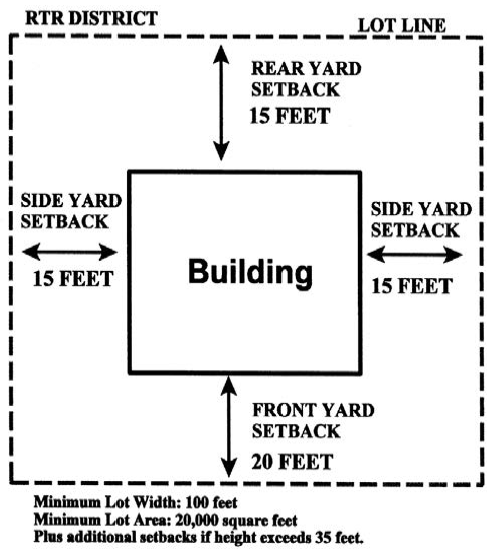
RTR Setbacks
B.
Permitted Principal Uses and Structures. Permitted principal uses and structures in the RTR district are:
1.
Hotels, motels and similar uses. Establishments having more than 100 rooms may have a restaurant, nightclub and bar and, in addition, shops for the retail sale of flowers, sundries, books, jewelry, gifts, art and similar items, and barbershops or beauty shops. Such uses shall be located inside the main building.
2.
Interval occupancy accommodations, provided that no structure shall be constructed or converted to such use unless all dwelling units in the structure are used for that purpose.
3.
Noncommercial piers, docks and wharves.
4.
Bed and breakfast inn with not more than ten sleeping rooms for rent, provided all outdoor activity areas shall be buffered from adjacent residential property and all rooms shall have access via indoor halls.
C.
Permitted Accessory Uses and Structures. Permitted accessory uses and structures in the RTR district are uses and structures which:
1.
Are customarily accessory and clearly incidental and subordinate to permitted or permissible uses and structures.
2.
Do not involve the conduct of business on the premises.
3.
Are located on the same lot as the permitted principal use or structure, or on a contiguous lot in the same ownership.
D.
Prohibited Uses and Structures. Any use or structure not specifically, provisionally or by reasonable implication permitted in this section, or permissible by special exception, is prohibited in the RTR district.
E.
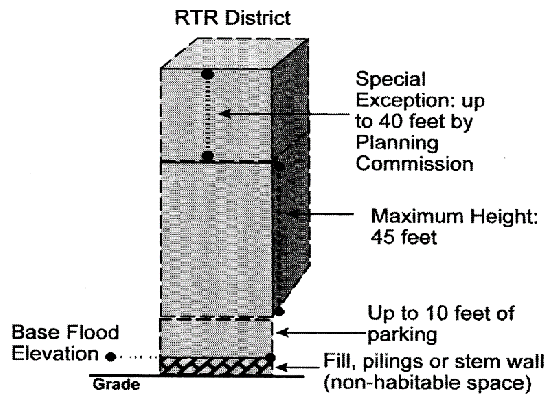
Special Exceptions. The following special exceptions are permissible in the RTR district after public notice and hearing by the Planning Commission for a conditional use permit:
1.
For interval occupancy accommodation establishments having more than 100 dwelling units: Shops for the retail sale of flowers, sundries, books, jewelry, gifts, art and similar items, and barbershops or beauty shops. Such uses shall be located inside the main building.
2.
Drive-through restaurants.
3.
Marinas.
4.
Building Height.
F.
Maximum Residential Density. Maximum number of dwelling units per acre in the RTR district is:
1.
Hotels, motels and similar uses; and interval occupancy accommodations where not more than 50 percent of the units have cooking facilities: 36
2.
Interval occupancy accommodations where more than 50 percent of the units have cooking facilities: 18
G.
Minimum Lot Requirements (Area and Width). Minimum lot requirements in the RTR district are:
1.
Area: 20,000 square feet
2.
Width: 100 feet
H.
Maximum Lot Coverage.
1.
For buildings up to 35 feet in height: 30 percent.
2.
For buildings 36 to 45 feet in height: 28 percent.
3.
For buildings 46 to 55 feet in height: 26 percent.
4.
For buildings 56 to 65 feet in height: 24 percent.
5.
For buildings 66 to 75 feet in height: 22 percent.
6.
For buildings 76 to 105 feet in height: 20 percent.
RTR District
I.
Minimum Common Open Space. Minimum common open space in the RTR district is 30 percent.
J.
Minimum Yard Requirements. Minimum yard requirements in the RTR district are:
1.
Front Yard: 20 Feet
2.
Side Yard: 15 Feet
3.
Rear Yard: 15 Feet
4.
Waterfront Yards: 20 Feet
Buildings above 35 feet shall provide additional side and rear yards at a ratio of one foot of yard for each three feet of building height, and a front yard of 25 feet or one-half the building height, whichever is greater.
K.
Maximum Height of Structures. No portion of a structure shall exceed 45 feet unless granted a height exception by the Planning Commission. An additional ten feet for on story devoted primarily to parking within the structure may be added to the limit.
2.2.5.3. Commercial Neighborhood (CN) (excerpted from the previous Land Development Code)
A.
Intent. The CN district is intended to apply to areas where selected establishments may be appropriately located to serve within convenient traveling distance from one or several neighborhoods. CN districts are not automotive-oriented commercial districts; therefore, automotive service stations, vehicle repair and sales, and similar automotive-oriented activities are prohibited. The district is not intended for use by major or large scale commercial or service establishments, nor is it intended to encourage extension of strip commercial areas. Professional and business offices and other similar uses are encouraged. Orientation to and compatibility with the neighborhoods to be served are critical. The district is not a residential district, but is ancillary to the residential district which it serves.
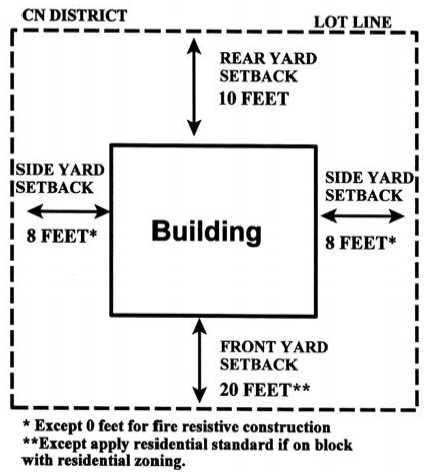
CN Setbacks
B.
Permitted Principal Uses and Structures.
1.
Permitted principal uses and structures in the CN district are:
a.
Convenience stores and other retail outlets for sale of food, wearing apparel, toys, sundries and notions, books and stationery, leather goods and luggage, jewelry (including watch repair but not pawnshops), art, cameras or photographic supplies (including camera repair), sporting goods, musical instruments, televisions and radios (including repair incidental to sales), drugs and similar products, hobby shops, florist or gift shops, delicatessens and bake shops (but not wholesale bakeries).
b.
Service establishments such as barbershops or beauty shops, shoe repair shops, restaurants (but not drive-in restaurants), existing fast-food restaurants (but not new fast-food restaurants), photographic studios, dance or music studios, self-service laundries, tailors, drapers or dressmakers, laundry or dry cleaning pickup stations and similar activities.
c.
Small loan agencies, travel agencies, employment offices, newspaper offices (but not printing or circulation) and similar establishments.
d.
Professional and business offices, and medical or dental clinics.
e.
Private clubs and libraries.
f.
Railroad rights-of-way.
2.
All permitted uses are subject to the following limitations:
a.
Sale, display, preparation and repair incidental to sales, and storage shall be conducted within a completely enclosed building.
b.
Products shall be sold only at retail.
c.
No sale, display or storage of secondhand merchandise is permitted, except as incidental to the sale of new merchandise.
d.
No sale of alcoholic beverages for on-premises consumption is permitted except with meals.
C.
Permitted Accessory Uses and Structures. Permitted accessory uses and structures in the CN district are:
1.
Uses and structures which:
a.
Are customarily accessory and clearly incidental and subordinate to permitted or permissible uses and structures.
b.
Are located on the same lot as the permitted or permissible use or structure, or on a contiguous lot in the same ownership.
c.
Do not involve operations or structures not in keeping with the character of the district.
2.
On the same premises and in connection with permitted principal uses and structures, dwelling units only for occupancy by owners or employees thereof.
D.
Prohibited Uses and Structures. Prohibited uses and structures in the CN district, are as follows:
1.
Residential uses, except as specified under accessory uses for this district.
2.
Off-site signs.
3.
Adult entertainment establishments.
4.
Pain management clinic.
E.
Special Exceptions. The following special exceptions are permissible in the CN district after public notice and hearing by the planning commission:
1.
Essential services.
2.
Restaurants with drive-through or pick-up facilities.
F.
Maximum Residential Density. Maximum number of dwelling units per acre in the CN district is: None; such use is prohibited.
G.
Minimum Lot Requirements (area and width). Minimum lot requirements in the CN district are: None, except as needed to meet other requirements set out in this section.
H.
Maximum Lot Coverage by All Buildings. Maximum lot coverage in the CN district is: Unrestricted, except as necessary to meet other requirements set out in this section.
I.
Minimum Yard Requirements. Minimum yard requirements in the CN district are:
1.
Commercial, service or office activities:
a.
Front yard: 20 feet; provided that, where a CN zoned lot is located in a block a portion of which is zoned residential, requirements of the residential district apply to the CN zoned lot.
b.
Side yard: Fire-resistive construction: Buildings may be: Set to the side property line; or Set not less than eight feet back from the side property line. Non-fire-resistive construction: Buildings must be set back not less than eight feet from the side property line.
c.
Rear yard: Ten feet.
2.
Special provisions:
a.
Where a CN zoned lot abuts property zoned residential, with or without an intervening alley, then, at the time of development of the CN zoned lot, a landscaped buffer is required for rear yards and for side yards as the case may be. Such rear or side yards shall not be less than 20 feet in width or depth. No yards are required adjacent to the mean high-water line or adjacent to railroad rights-of-way.
b.
Pump islands or individual fuel pumps shall be set back not less than 25 feet from residentially zoned property and 15 feet from all other property lines.
3.
Yards for other permitted or permissible uses.
J.
Maximum Height of Structures. No portion of a structure shall exceed 25 feet.
2.2.5.4. Commercial Highway Interchange (CHI) (excerpted from the previous Land Development Code)
A.
Intent. The CHI district is intended to create and enhance highway interchange areas where automobile associated traveler services are desired. The establishment of these districts is necessary and in the public interest to: 1) protect and preserve the beauty and the unique character of the city; 2) promote and aid in the tourist industry which is declared to be of importance to the economy of the city; and 3) promote the public safety, welfare, convenience and enjoyment of travel, and the free flow of traffic.
B.
Applicability; Designation on Zoning Atlas. The CHI district is intended to be applied to those interchange areas located along Interstate 75. The CHI district is not intended to be used for strip commercial purposes. One stop complexes providing automotive services, motels, restaurants, offices and similar uses are encouraged.
C.
Permitted Principal Uses and Structures. Permitted principal uses and structures in the CHI district are:
1.
Automotive service stations.
2.
Hotels, motels and similar accommodations. Establishments having 100 rooms or more may have a restaurant, nightclub and bar and, in addition, shops for the retail sale of flowers, sundries, books, jewelry, gifts, art and similar items, and barber or beauty shops. Such uses must be located within the main building.
3.
Fast-food, drive-in restaurants and restaurants with drive-through or pick-up facilities.
4.
Sale of fruit, gifts or novelties, souvenir shops and similar uses catering to the traveling public; provided, all display of products shall be inside a completely enclosed building and are carried on in connection with another use permitted in the district.
5.
Tourist information and welcome centers.
6.
Automotive convenience center.
7.
Automobile washes or automatic car washes.
8.
Retail sales of automotive parts and accessories (including installation).
9.
Emergency medical clinic.
D.
Permitted Accessory Uses and Structures. Permitted accessory uses and structures in the CHI district are:
1.
Uses and structures which:
a.
Are customarily accessory and clearly incidental and subordinate to permitted or permissible uses and structures.
b.
Are located on the same lot as the permitted or permissible use or structure, or on a contiguous lot in the same ownership.
2.
Reserved.
E.
Prohibited Uses and Structures. Prohibited uses and structures in the CHI district are as follows:
1.
Residential construction, except for hotels, motels and similar accommodations.
2.
Manufacturing activities, except as specifically permitted or permissible.
3.
Warehousing or storage, except as accessory to and within the same structure as a permitted or permissible use.
4.
Adult entertainment establishments.
5.
Sales, display or storage of second-hand merchandise.
6.
Outdoor sales, service or storage.
7.
Pain management clinic.
F.
Special Exceptions. The following special exceptions are permissible in the CHI district after public notice and hearing by the planning commission:
1.
Truck stops.
2.
Emergency services.
3.
Banks and financial institutions, with drive-in facilities.
4.
Restaurants.
G.
Conditional Use. The following conditional use is permissible in the CHI district after public notice and hearing by city council:
1.
Structures in excess of 35 feet but not more than 85 feet in height.
2.
Reserved.
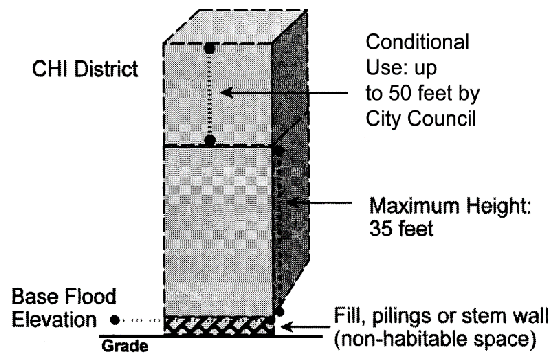
CHI District
H.
Maximum Residential Density.
1.
Hotels, motels and similar accommodations where not more than 50 percent of the units have cooking facilities: 36 units per acre.
2.
Reserved.
I.
Minimum Lot Requirements.
1.
Area:
a.
Minimum area for consideration of rezoning to CHI classification is four acres.
b.
Minimum lot size is one-half acre.
2.
Reserved.
J.
Maximum Lot Coverage by All Buildings.
1.
Maximum lot coverage: 35 percent.
2.
Reserved.
K.
Minimum Yard Requirements. Minimum yard requirements in the CHI district are:
1.
Commercial, service, office, hotel, motel or similar activities:
a.
Front yard: 50 feet.
b.
Side yard: 25 feet.
c.
Rear yard: 25 feet.
2.
Automotive service stations and automotive convenience centers:
a.
Front yard: Structures: 50 feet. Gas pumps: 35 feet.
b.
Side yard: Structures: 25 feet. Gas pumps: 25 feet from residentially zoned property, 15 feet from all other properties.
c.
Rear yard: Structures: 25 feet.
3.
Buildings above 35 feet shall provide additional side and rear yards at a ratio of one foot of yard for each three feet of building height, and a front yard of 25 feet or one-half of the building height, whichever is greater.
L.
Maximum Height of Structures. No portion of a structure shall exceed 35 feet, except as permissible by conditional use.
2.2.5.5. Commercial Shopping Center (CSC) (excerpted from the previous Land Development Code)
A.
Intent. The CSC district is intended to encourage the development of planned commercial facilities with depth rather than strip-type commercial development. Commercial activities that have an adverse effect on adjacent or adjoining properties, or on shopping centers themselves, are prohibited. Rezoning of additional lands to the commercial shopping center classification requires a showing of public and economic need for the establishment of new commercial areas outside existing commercial areas. It is further intended that the district shall be used for the purpose of providing a variety of goods and services and not used for single-purpose activities.
B.
Permitted Principal Uses and Structures.
1.
Permitted principal uses and structures in the CSC district are:
a.
Retail outlets for sale of food, wearing apparel, home furnishings and appliances (including repair strictly incidental to sales), office equipment, hardware, toys, sundries and notions, books and stationery, leather goods and luggage, jewelry (including watch repair, but not pawnshops), art, cameras or photographic supplies (including camera repair), alcoholic beverages for off-premises consumption, sporting goods, musical instruments, televisions and radios (including repair incidental to sales), drugs and similar products, hobby shops and pet shops (but not animal kennels or veterinarians), florist or gift shops, delicatessens and bake shops (but not wholesale bakeries).
b.
Service establishments such as barbershops or beauty shops, shoe repair shops, fast-food restaurants, and restaurants with drive-through or pick-up facilities (but not drive-in restaurants), interior decorators, photographic studios, dance or music studios, reducing salons or gymnasiums, self-service laundries or dry cleaners, tailors or dressmakers, laundry or dry cleaning pickup stations, radio or television stations, radio or television repair shops and similar uses.
c.
Banks and financial institutions, with or without drive-in facilities, travel agencies, employment offices, newspaper offices (but not printing establishments) and similar establishments.
d.
Professional and business offices.
e.
Commercial recreation facilities in completely enclosed soundproof buildings, such as indoor motion picture theaters, billiard parlors, swimming pools, nightclubs, bowling alleys and similar uses.
f.
Miscellaneous uses such as telephone exchanges, commercial parking lots and parking garages.
g.
Houses of worship.
2.
All these uses are subject to the requirement that all sales, service, storage and display shall be within completely enclosed buildings (except as set out for special exceptions in subsection E of this section), and that no goods shall be produced on the premises except for sale at retail on the premises.
C.
Prohibited Uses and Structures. Prohibited uses and structures in the CSC district are as follows:
1.
Pain management clinic.
D.
Reserved.
E.
Special Exceptions. The following special exceptions are permissible in the CSC district after public notice and hearing by the planning commission:
1.
Automotive service stations, service centers and automotive convenience centers, provided:
a.
No access for the service station or center shall be directly from any public street, but shall be from within the shopping center.
b.
The location within the shopping center shall be such as to prevent interference with pedestrian traffic.
c.
No openings for service bays shall face public streets or adjacent residential property.
d.
The architectural definition shall be the same as other buildings within the shopping center.
2.
Sale of boats and camping equipment and garden supply centers other than in completely enclosed buildings.
3.
Bars or taverns, or sale of alcoholic beverages for on-premises consumption.
4.
Medical and dental clinics.
F.
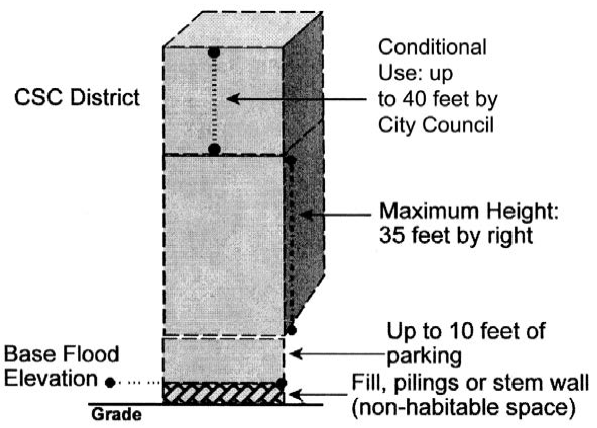
Conditional Use. The following conditional use is permissible in the CSC district after public notice and hearing by city council:
1.
Buildings over 35 feet in height but not in excess of 75 feet, provided an additional ten feet for one story devoted primarily to parking within the structure may be added to the limit
2.
Reserved.
G.
Maximum Residential Density. Maximum number of dwelling units per acre in the CSC district is: None; such use is prohibited.
H.
Minimum Lot Requirements (area and width). Minimum lot requirements in the CSC district are:
1.
Area: Five acres.
2.
Width: 300 feet.
I.
Maximum Lot Coverage by All Buildings. Maximum lot coverage in the CSC district is 35 percent.
J.
Maximum Height of Structures. No portion of a structure shall exceed 35 feet in the CSC district, except as permissible by conditional use.
CSC District
K.
Intent and Purpose. It is the intent and purpose of this division to provide criteria and standards for the provision of new planned and unified shopping centers in areas not presently zoned for commercial purposes, but the district may be applied to existing shopping centers meeting the general requirements set out for the commercial shopping center district. Since the shopping center must be a planned center, and since it may well extend into residential areas, great care is required in fitting it into its surroundings.
L.
Minimum Yard Requirements; Landscaped Buffer Area. Minimum yard requirements and buffer area requirements in the CSC district are as follows:
1.
All yards adjacent to streets, to residentially zoned property, or to alleys adjacent to residentially zoned property shall be at least 100 feet in depth. Yards adjacent to property zoned other than residential shall be 50 feet in depth. At least 15 feet of the required yards adjacent to streets shall be maintained in landscaped condition, except for points of ingress and egress to the shopping center, and shall present no material obstruction to visibility between 2.5 feet and ten feet above ground level. Each yard adjacent to a street may contain a maximum of one permanent monument-style sign structure with one or two faces, not exceeding 180 square feet in area, for general identification of the shopping center. The number and area of such signs shall be included in the formula established for general identification signs. Yards may be used for drives, walkways and lighting standards. That portion of yards not used for required landscaping may be used for off-street parking.
2.
Where a CSC district abuts or adjoins residentially zoned property, or alleys adjacent to residentially zoned property, a landscaped buffer area and opaque durable barrier shall be required, and the landscaped area shall be at least 25 feet in width.
3.
If, on the effective date of the ordinance from which this chapter is derived, any existing shopping centers are classified CSC, the provisions of this section may be varied by the planning commission where a showing is made that such provisions unduly restrict a previously planned expansion. The variance may be granted to allow new structures to be located as close as, but no closer than, existing structures to any property line, and to waive or modify the requirements for the six-foot-high opaque masonry wall.
M.
Site and Development Plan Approval. Prior to the issuance of any building permit to begin construction of a shopping center on land which has been rezoned CSC, site and development plan approval, as set out in this chapter, is required. Requests for rezoning to the CSC classification and approval of site and development plans may be processed concurrently.
2.2.6. County Zoned Propertiesi
A.
County Zoning Properties. Due to annexations throughout the history of the City of Venice, there exist certain properties that retain a Sarasota County zoning district. These properties shall be reflected on the City's official zoning atlas map as "Sarasota County Zoned". The City's zoning map reflects an "SC" zoning designation for these properties although they retain their underlying County zoning designations until such time as the City assigns (rezones) the property to a City zoning designation.
2.2.7. Traditional Zoning Districts Use Table
The Traditional Districts Use Table shall regulate allowable principal uses in the Traditional Districts. Section 2.4 of this LDR shall define each use found in the Traditional Districts Use Table and provide typical characteristics, permitted accessory uses, exceptions and use standards.
(Ord. No. 2022-15, § 3(Exh. B), 7-12-22; Ord. No. 2022-31, § 2(Exh. A), 12-13-22; Ord. No. 2023-09, § 2(Exh. A), 5-9-23; Ord. No. 2023-12, § 2(Exh. A), 5-23-23; Ord. No. 2023-19, § 2(Exh. A), 6-27-23; Ord. No. 2024-04, § 2(Exh. A), 4-9-24; Ord. No. 2024-16, § 2(Exh. A), 9-10-24)
2.3. - Mixed Use Zoning Districts
A.
Purpose and Intent. The Mixed Use Areas of the Comprehensive Plan are intended to identify those areas of the City where a mixture of vertical and horizontal residential, non-residential, and opens space is appropriate. The Mixed Use Areas of the Comprehensive Plan are implemented through newly created Mixed Use zoning districts. This provides the opportunity to implement a modified form-based code approach consistent with Strategy LU 1.2.12 of the Comprehensive Plan, which allows for the creation of zoning and development standards that can enhance and promote the unique aspects of each Mixed Use Area. Each Mixed Use Area, with its implementing Mixed Use zoning districts and associated Comprehensive Plan Neighborhood, is listed in Table 2.3 below:
Table 2.3. Mixed Use Areas and Implementing Mixed Use Districts
B.
Mixed Use Residential (MUR). The Mixed Use Residential Future Land Use shall be implemented through the Planned Unit Development (PUD) zoning district defined in Section 2.2.4.4.A. PUD is intended to allow for residential planned developments and implements the Mixed Use Residential (MUR) Future Land Use as defined in Strategy LU 1.2.16 in the 2017-2027 Comprehensive Plan. A PUD has its own zoning standards through the planned development process, as defined in Section 1.7.4: Planned Developments. Specific zoning standards and design and development standards shall be proposed at the time of rezoning to the PUD and/or as part of a major modification.
C.
Regulating Maps and Development Standards. The following sections define the Mixed Use Districts via the regulating maps and Development Standards. The implementing Mixed Use Districts are illustrated in Figures 2.3.1.1, 2.3.1.2, and 2.3.1.3.
D.
General Development Standards. For all applicable general development standards, see Section 3.1: General Development Standards.
2.3.1. Mixed Use Districts
A.
Mixed Use Districts. Where the phrases "all mixed use areas," "mixed use zoning," "Mixed Use Districts," and "zoned for mixed use" are used in this LDR, the phrases shall be construed to mean all land in one of the following Mixed Use Area designations in the Comprehensive Plan that has a Mixed Use District zoning:
1.
MUD—Mixed Use Downtown
2.
MUS—Mixed Use Seaboard
3.
MUC—Mixed Use Corridor
4.
MUT—Mixed Use Transitional
Figure 2.3.1.1. City of Venice Implementing Mixed Use Districts—Full Extent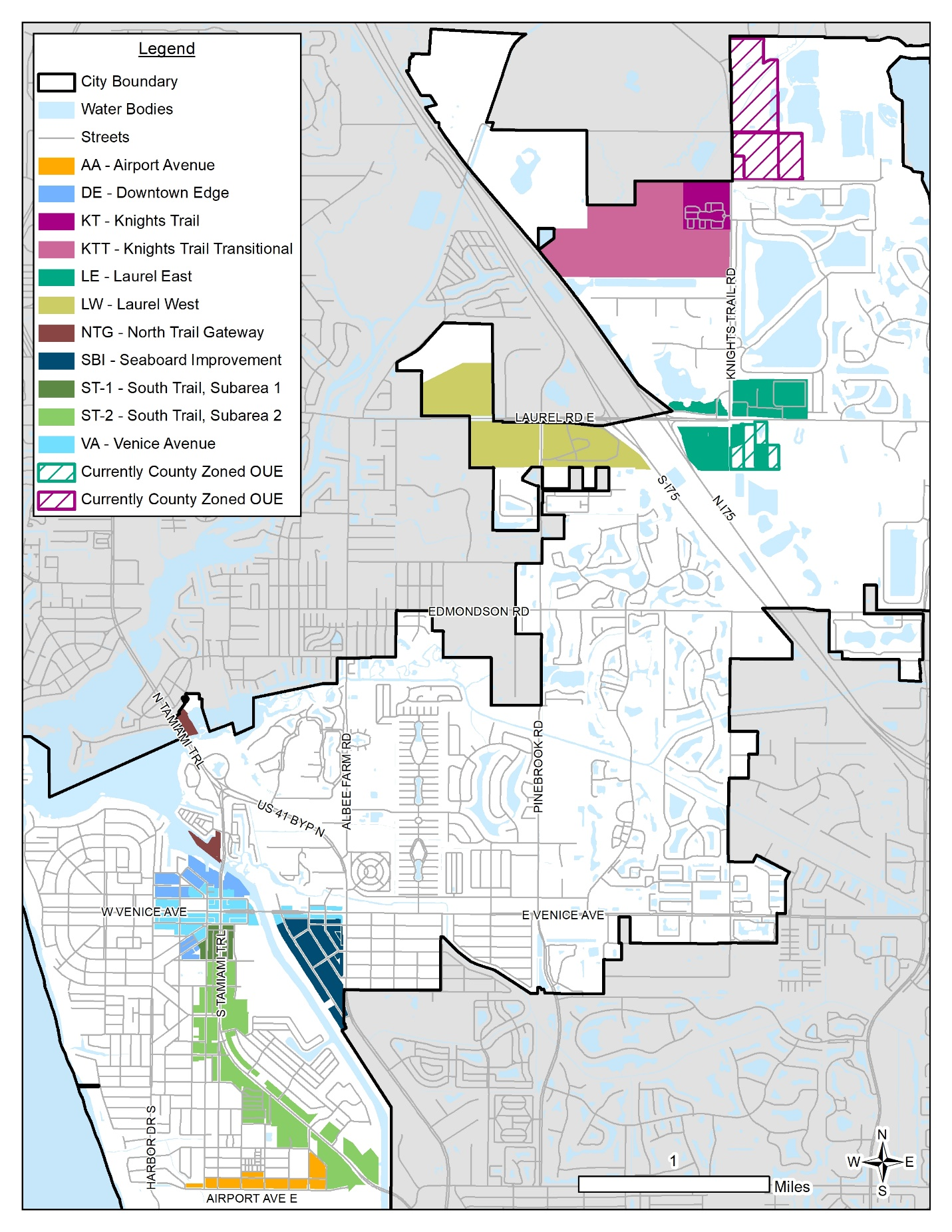
Figure. 2.3.1.2. City of Venice Implementing Mixed Use Districts—Southern Extent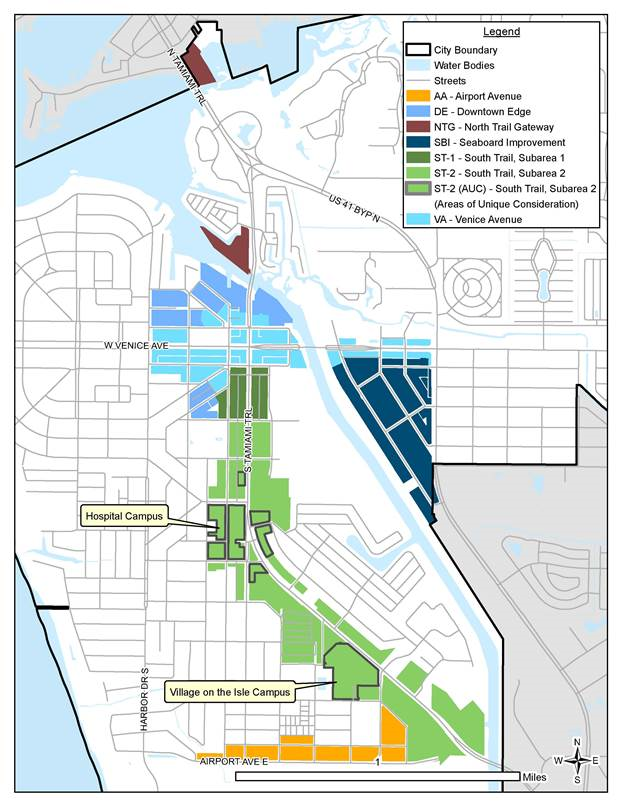
Figure. 2.3.1.3. City of Venice Implementing Mixed Use Districts—Northern Extent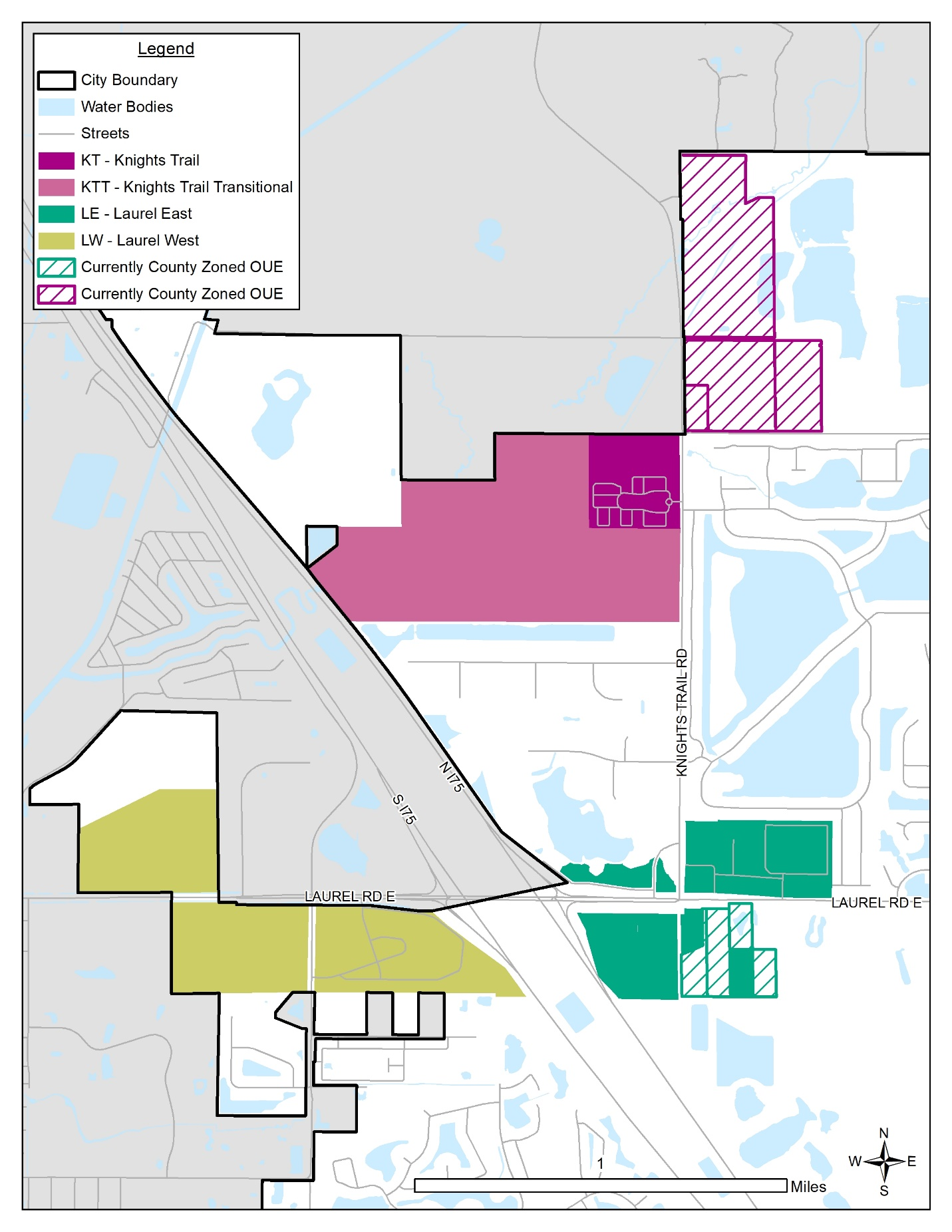
2.3.2. Mixed Use Districts Regulating Framework
A.
Purpose and Intent. The applicable regulations for each Mixed Use District shall be defined through two maps (Regulating Map and Primary Street Map), the Development Standards Table, and the corresponding Use Table. These regulations are intended to support and provide for a predictable and appropriate development form within the public and private realm and implement Strategy LU 1.2.9 through LU 1.2.17 of the Comprehensive Plan. The regulations utilize form based code elements and address the relationships between buildings, open spaces (including active use areas), and multi-modal components (sidewalks, trails, roadways/Complete Streets).
B.
Maps. The maps for each Mixed Use District address the specific development vision of the district, designating appropriate form, scale, and character of development.
1.
Regulating Map. Each Mixed Use District shall contain a Regulating Map. The Regulating Map shall show the properties zoned with that Mixed Use District.
2.
Primary Street Map. Primary Streets are those streets which the City has deemed to be of primary consideration for development and/or redevelopment projects within the Mixed Use Districts. The Comprehensive Plan identified possible Complete Streets segments within Strategy TR 1.3.4, which aligns with the listed Primary Streets. Similar to Complete Streets, the Primary Streets listed are to be prioritized for streetscape improvements, active use areas, development orientation, facades, building design and architecture, pedestrian entrances, sidewalks, parking, signage and how the development interfaces with the public realm. Not all streets within a Mixed Use District are designated and/or characterized for the purposes of this section.
a.
Street Hierarchy. If a Mixed Use District has more than one Primary Street, a Street Hierarchy is provided. Entrances shall be provided on the highest-ranking street for any building and shall act as the front for the building and lot. This does not preclude additional entrances from being provided on lower hierarchy and/or non-designated streets.
C.
Development Standards Table. Development standards and their respective measurement requirements are included for each Mixed Use District. Development standards shall include height, building placement, lot standards, frontage, architecture, parking, and signage. Additional standards may be provided for each district and are indicated by district specific notes below each Mixed Use District Development Standards Table.
D.
Design Alternatives. Due to the unique characteristics or circumstances of any given development and consistent with Section 1.11: Design Alternatives, design alternatives may be considered for the following design elements within Mixed Use Districts: building placement/setback, lot standards for minimum lot coverage, active use areas, parking placement and parking structures, and signage (for replication of historic signage only).
E.
Uses. Each Mixed Use District shall regulate allowable principal uses as identified in Section 2.3.14: Mixed Use Districts Use Table. Accessory uses shall not be permitted as principal, stand-alone uses.
F.
Parking. Each Mixed Use District shall feature its own unique required parking, allowances for on-street parking, and/or shared parking provisions. Parking shall not encroach, infringe or otherwise hinder accessibility through or along an alleyway. Within all Mixed Use Districts, up to 10 percent of the required off-street parking may be provided through on-street parking where on-street parking is allowed and/or provided. On-street parking must be located within 1,000 feet walking distance of the building and accessible via a sidewalk, pedestrian path or similar improved travel surface. Parking standards include the items below:
1.
Placement. Each Mixed Use District shall state where required parking must be placed on any parcel/site/lot (front, side or rear). If parking cannot be configured to meet the parking placement requirement due to constraints on the site, a design alternative may be requested.
2.
Percentage of Minimum Parking Required. Mixed Use Districts allow for an overall decrease in the need for provided parking. The parking rates contained in Section 3.6: Parking, may be modified per the percentages identified in each Mixed Use District Development Standards Table in this section. The percentage provided in each Development Standards Table applies to the standard parking requirement for a use. For example, if a use requires 5 parking spaces per 1,000 SF in Section 3.6: Parking, and the Mixed Use District Development Standards Table states 50%, then only 50% of the standard 5 parking spaces per 1,000 SF is required, making the requirement 2.5 spaces per 1,000 SF. Certain Mixed Use Districts may not require off-street parking to be provided.
3.
Access. Vehicular access to a parcel/site/lot shall be limited to the requirement provided in each Mixed Use District Development Standards Table. Access and location of off-street parking requirements are identified in each Mixed Use District Development Standards Table. Access and location may be modified through a design alternative.
4.
Loading. Loading requirements may differ from the traditional standards set forth in Section 3.6.2: Parking Requirements by Use, for each Mixed Use District.
2.3.3. Venice Avenue District
A.
Purpose and Intent. The Venice Avenue district is one of two implementing districts of the Mixed Use Downtown (MUD) future land use designation within the Island Neighborhood, and generally replaces the previous Commercial Business District Zoning. The Venice Avenue district supports an urban form and is the centerpiece of the vision of John Nolen's General Plan of Venice. As such, this district serves as the city's center for financial, commercial, governmental, professional, cultural, and associated activities. The Venice Avenue district is characterized by Nolen's Plan for a traditional downtown development pattern promoting a walkable interconnected design of blocks, grid streets, and alleys. Buildings located in the Venice Avenue district are required to be placed at or close to the public rights-of-way to invite visitors and promote a vibrant downtown area. The building placements are defined by using a build-to-zone (BTZ) to further promote John Nolen's plan for downtown Venice. The application of the Venice Avenue district has extended the existing downtown area east across the Venice Avenue bridge up to the U.S. 41 Bypass to help interconnect the Island and Gateway Neighborhoods.
Uses within the Venice Avenue district are to be interconnected through a variety of measures including, but not limited to sidewalks, multimodal pathways, and public spaces. Currently, the Venice Avenue district is comprised of mostly single- and two-story structures sharing common side walls to provide for a continuous building façade, similar to many traditional downtown development patterns. The Nolen Plan promoted a mixture of uses in this area and the Venice Avenue district has been envisioned to further promote and encourage a vertical mixture of residential and commercial uses. Typically, this will involve locating higher activity uses such as retail, restaurant, or similar uses on the ground floor, and lower activity uses such as professional offices, residential, or similar uses above the ground floor.
Figure 2.3.3.1. Venice Avenue Regulating Map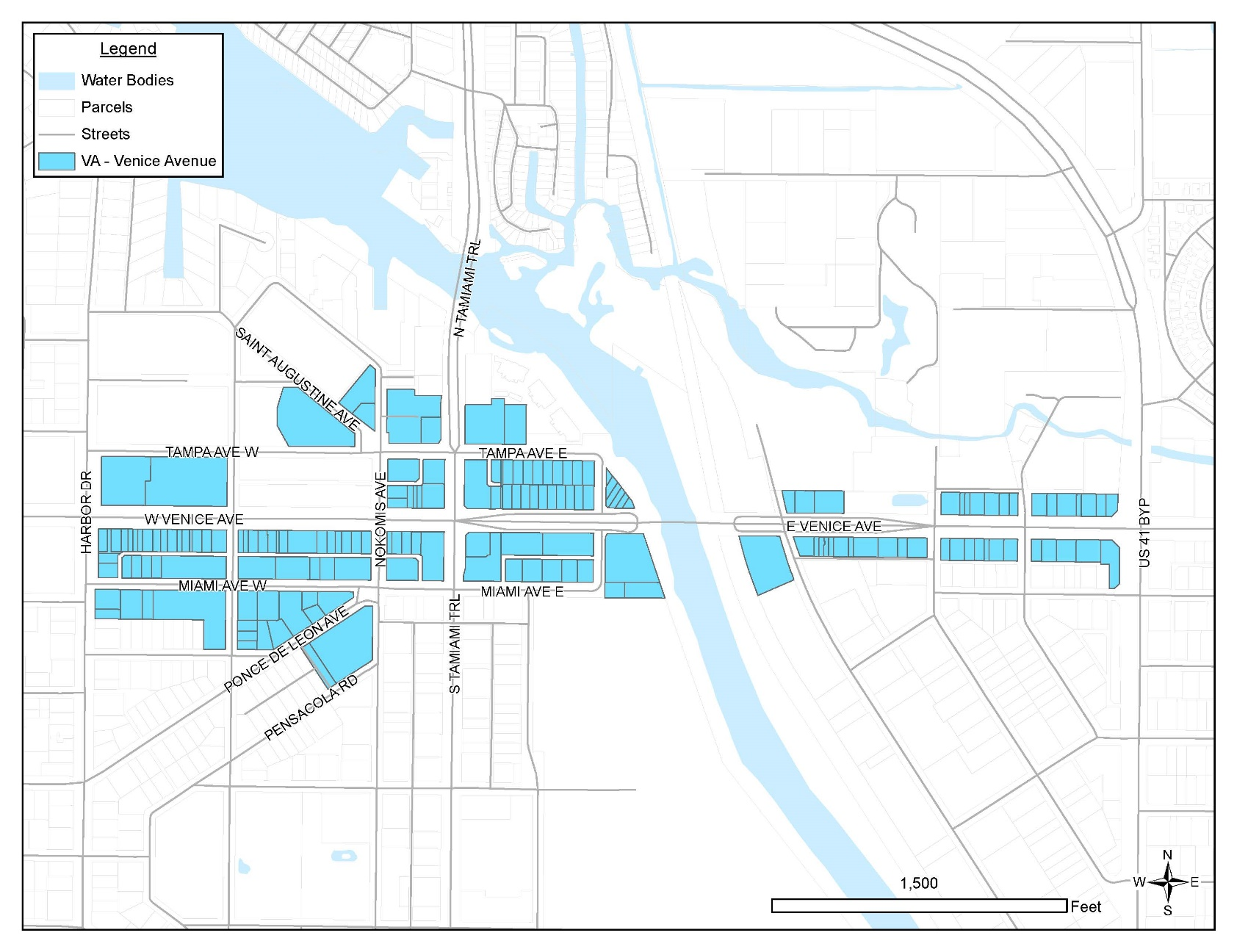
Fig 2.3.3.2. Venice Avenue Primary Streets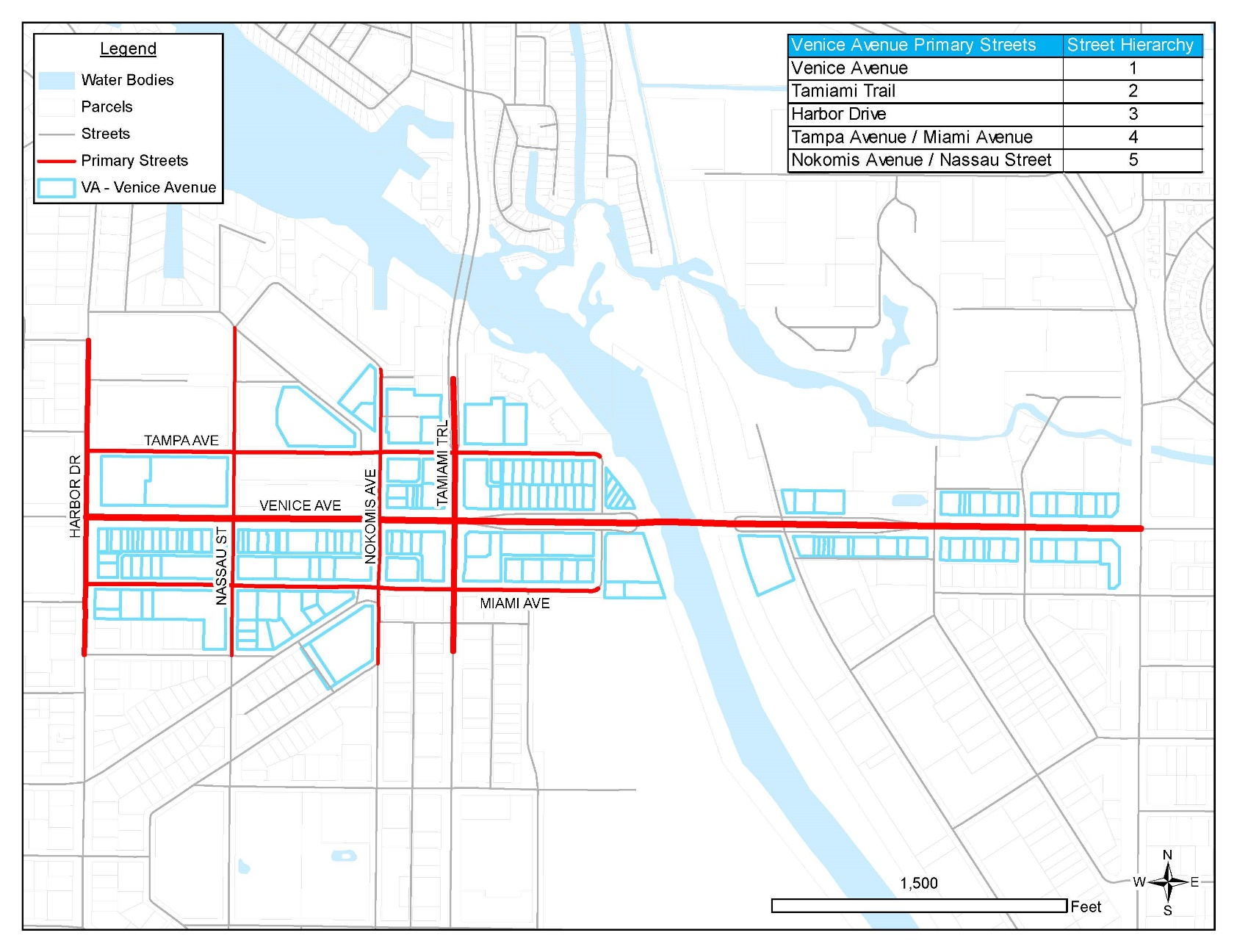
Table 2.3.3. Venice Avenue Development Standards
2.3.4. Downtown Edge District
A.
Purpose and Intent. Downtown Edge is the second implementing district of the Mixed Use Downtown (MUD) future land use designation within the Island Neighborhood. The Downtown Edge district historically has served as a transition area from the core downtown commercial development, to office and other professional services, and to the surrounding residential areas of the Island Neighborhood. The Downtown Edge district supports an urban form consistent with the vision of the John Nolen General Plan. The Downtown Edge district is characterized by a mixture of uses, stand-alone higher density residential developments, and waterfront development. Similar to the Venice Avenue district, buildings located in the Downtown Edge district are located at or close to the public roadways. More flexibility will be allowed in the Downtown Edge district than in the Venice Avenue district to accommodate moderate density residential development and to recognize existing single-family development within the area. Uses in this district may tend to be mixed horizontally, although a vertical mix of uses is also allowed.
Figure 2.3.4.1. Downtown Edge Regulating Map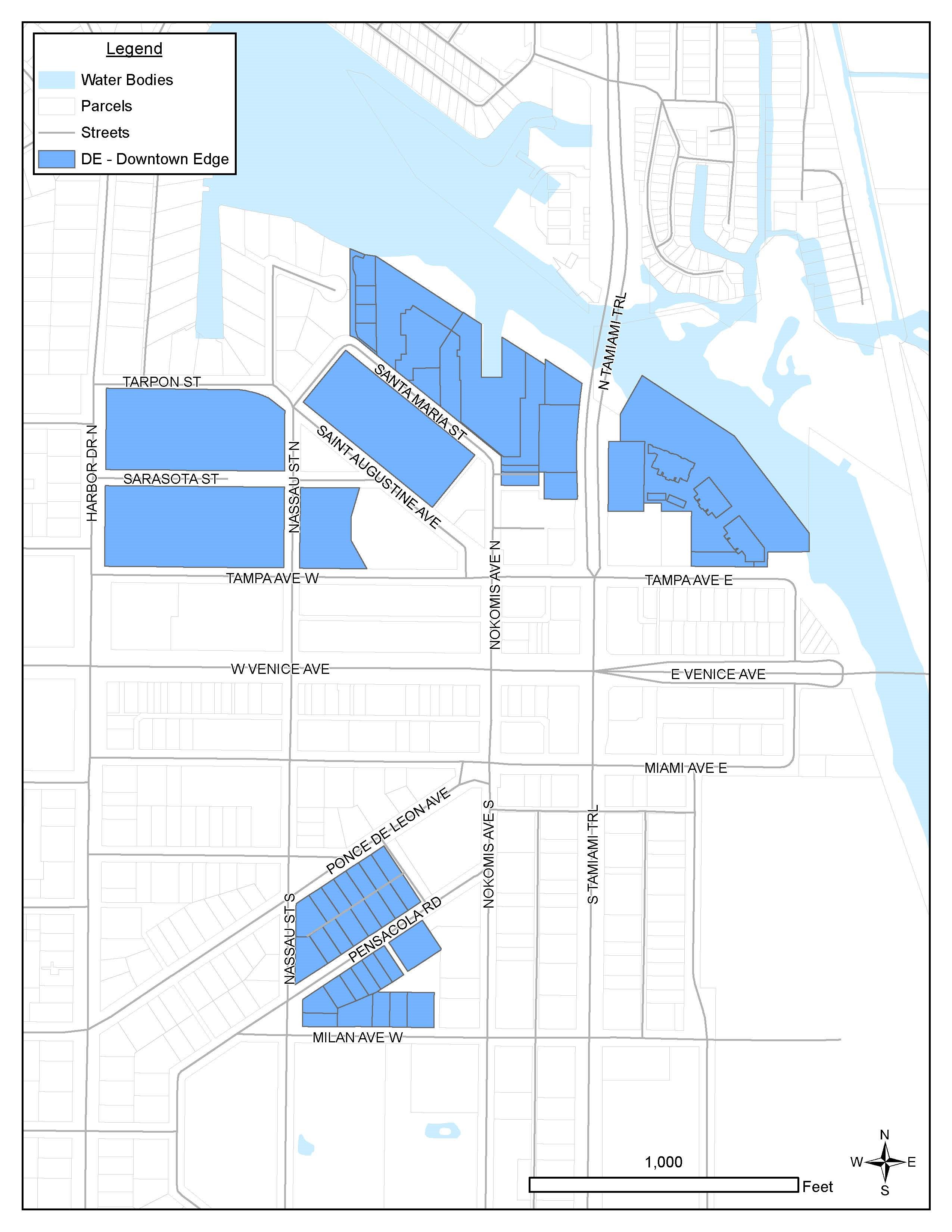
Figure 2.3.4.2. Downtown Edge Primary Streets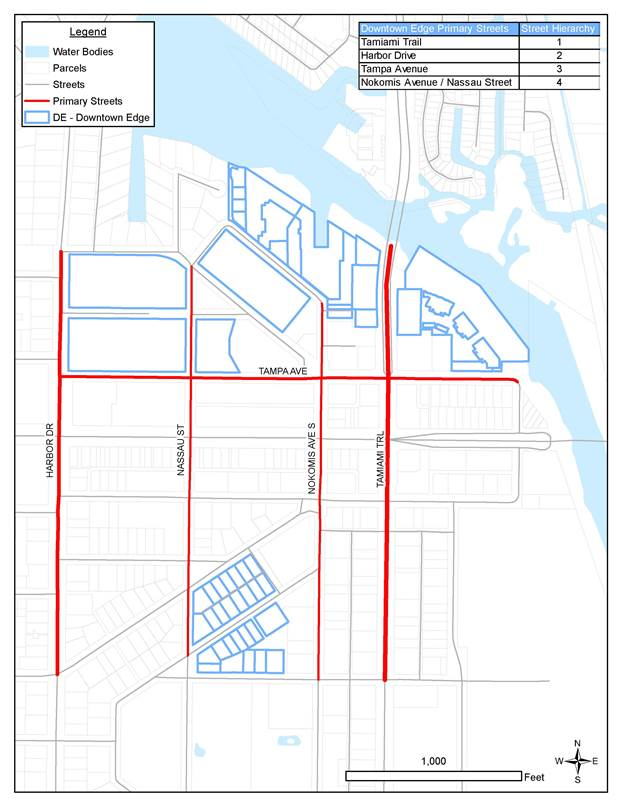
Table 2.3.4. Downtown Edge Development Standards
2.3.5. South Trail District
A.
Purpose and Intent. South Tamiami Trail has played a significant and historic role in the development and growth of Venice. Recognizing this significance, the South Trail district is an implementing district for the Mixed Use Downtown (MUD) and Mixed Use Corridor (MUC) designations in the Comprehensive Plan. The existing development along this corridor is comprised of important landmarks of the city and contains two developments recognized by the Comprehensive Plan as areas of unique consideration (the Hospital and Village on the Isle) that have their own development standards (see Section 2.3.5.B.). The South Trail district reflects a traditional transportation corridor and development pattern. The South Trail district provides for a mix of uses, vertical and horizontal. Buildings in the South Trail district are located at or in close proximity to public rights-of-way within a defined Built to Zone ("BTZ"), but this district does offer flexibility in building placement. Uses within the South Trail district are to be interconnected through sidewalks, multimodal pathways, and public and civic spaces. Certain standards in the South Trail district vary north of Milan Avenue (Subarea 1) and south of Milan Avenue (Subarea 2) as identified in Figure 2.3.5.1.
Figure 2.3.5.1. South Trail Regulating Map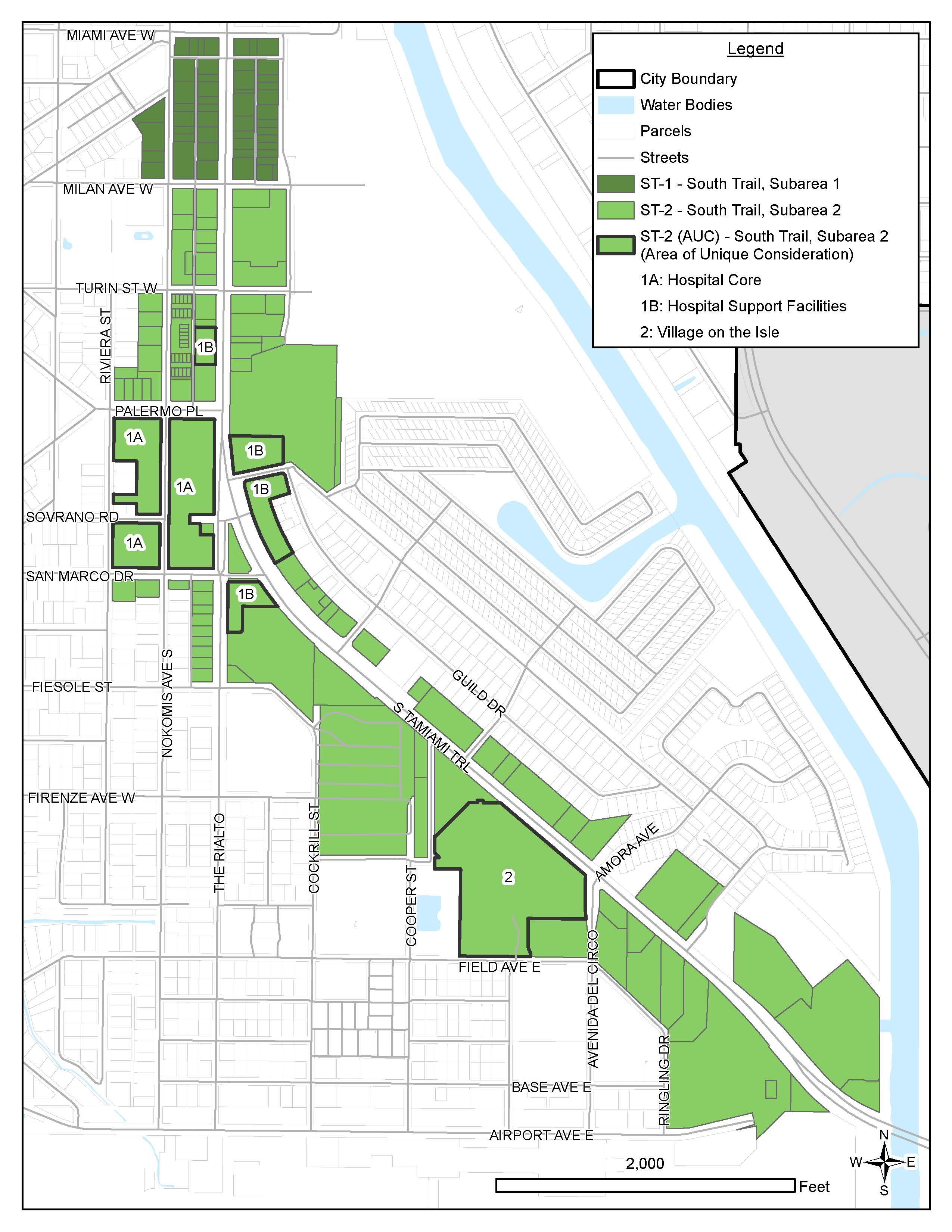
Figure 2.3.5.2. South Trail Primary Streets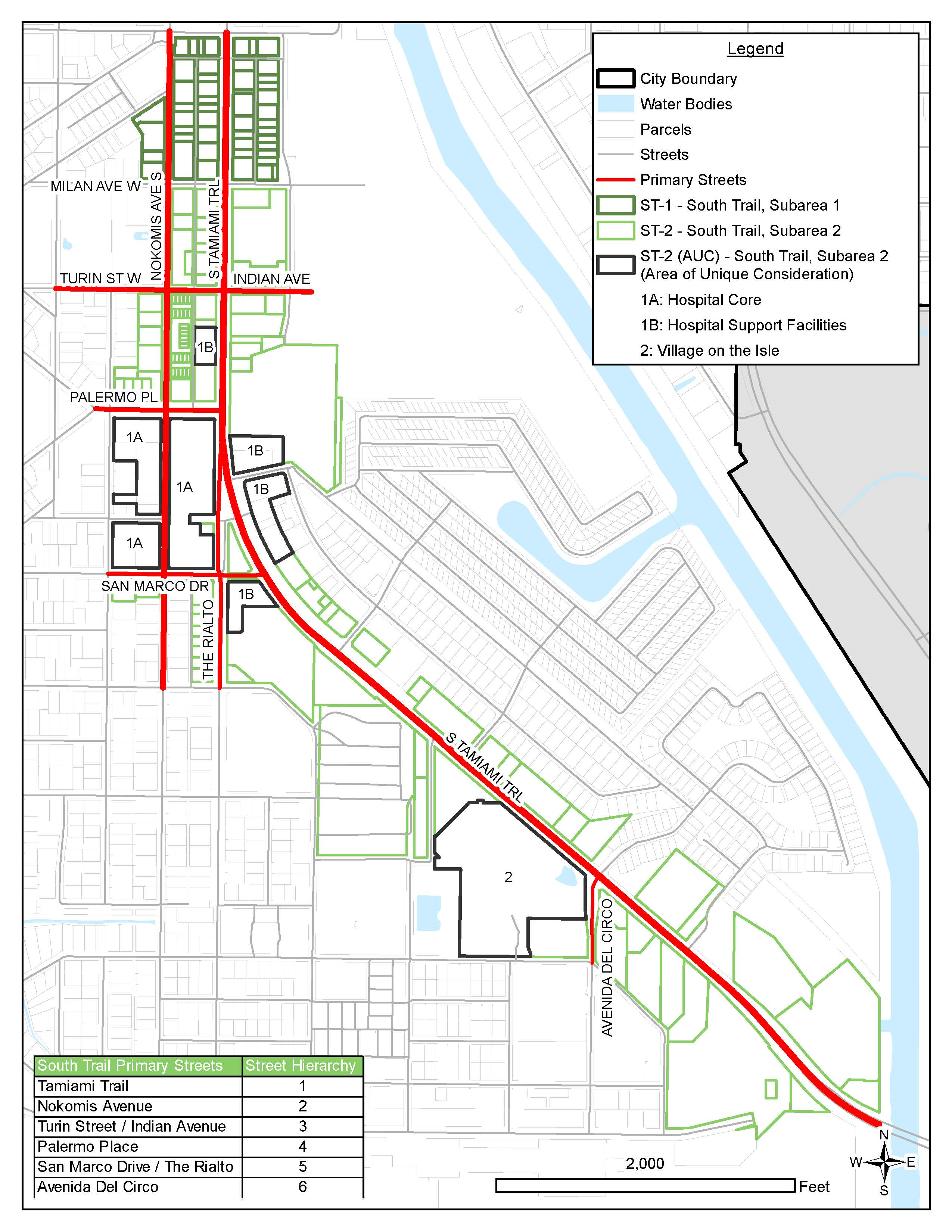
Table 2.3.5.1. South Trail Development Standards
B.
South Trail Areas of Unique Consideration. The "Areas of Unique Consideration" were adopted within the 2017-2027 Comprehensive Plan in Strategy LU-IS 1.1.6 (consistent with the 2010 Comprehensive Plan adoption of these specific areas). The Comprehensive Plan and this LDR recognize the unique, adopted standards (entitlements) associated with the respective properties. Development standards for these areas are listed below and the Areas of Unique Consideration are illustrated on the South Trail Regulating Map, Figure 2.3.5.1.
1.
Village on the Isle Campus:
a.
Intent. The City recognizes the full range of residential, community and social services provided by Village on the Isle (VOTI), and its unique situation in the community requires special development and redevelopment standards. In order to establish an expansion to the range of housing and services available to serve needs of the community, the following standards are established to permit the continued operation and renovation of VOTI's development program.
b.
Permitted Uses. In addition to the uses permitted in the South Trail district, this Area of Unique Consideration permits Residential Care (Assisted Living, Independent Living, Community Care), Day Care Center (More Than 6 Persons), Related Health Care Services and Facilities, Related Office Uses, and Related Community Services.
c.
Development Standards. Subject to Table 2.3.5.2.
2.
Hospital Campus:
a.
Intent. The intent of the hospital campus concept is to remain consistent with the City's Strategic Plan, which calls for Venice to serve as a medical and health care center for the region. Designation of the hospital campus as an Area of Unique Consideration has resulted from the need to encourage and promote development and redevelopment of the established hospital and ancillary medical facilities and properties. The campus contains two major components: the "hospital core," which supports the main hospital facilities and the "hospital support facilities campus."
b.
Permitted Uses. In addition to the uses permitted in the South Trail district, this Area of Unique Consideration permits medical and health care center uses, including emergency care, hospital, and related health care services and facilities.
c.
Development Standards. Subject to Table 2.3.5.2.
Table 2.3.5.2. South Trail Areas of Unique Consideration
2.3.6. Airport Avenue District
A.
Purpose and Intent. This district extends along the north side of Airport Avenue. A mix of commercial and residential uses have historically co-existed within the Airport Avenue corridor, including a variety of more intensive commercial uses and a range of residential densities. The Airport Avenue district is intended to validate this existing mix of uses while providing opportunities for more compatibility among residential and non-residential properties in the future. Lot coverage and building placement standards are more flexible here than in the downtown mixed use districts. Building heights in this district are limited due to the presence of the airport, although the district does not include the Venice Municipal Airport facilities, which are governed by the Airport Master Plan.
Figure 2.3.6.1. Airport Avenue Regulating Map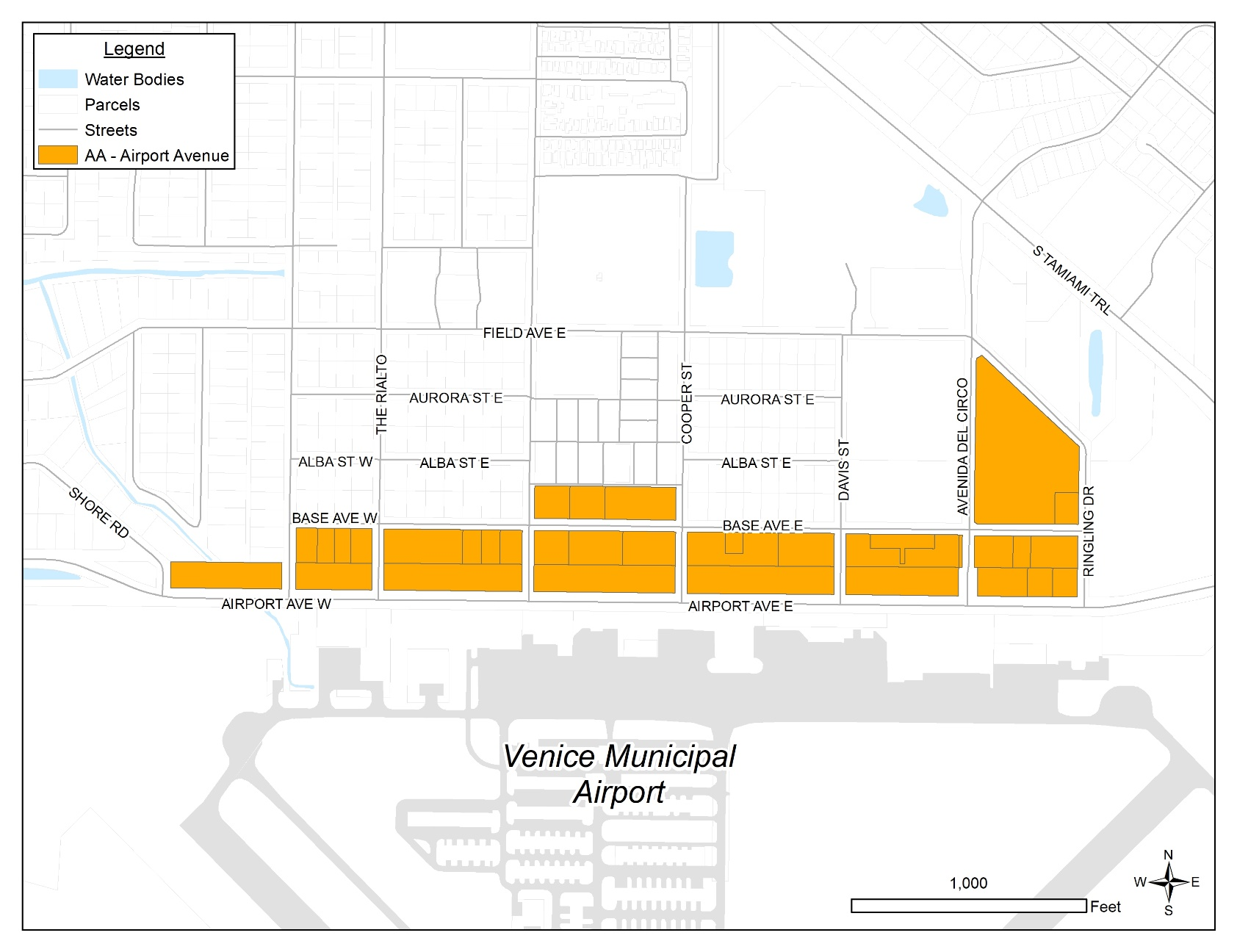
Figure 2.3.6.2 Airport Avenue Primary Streets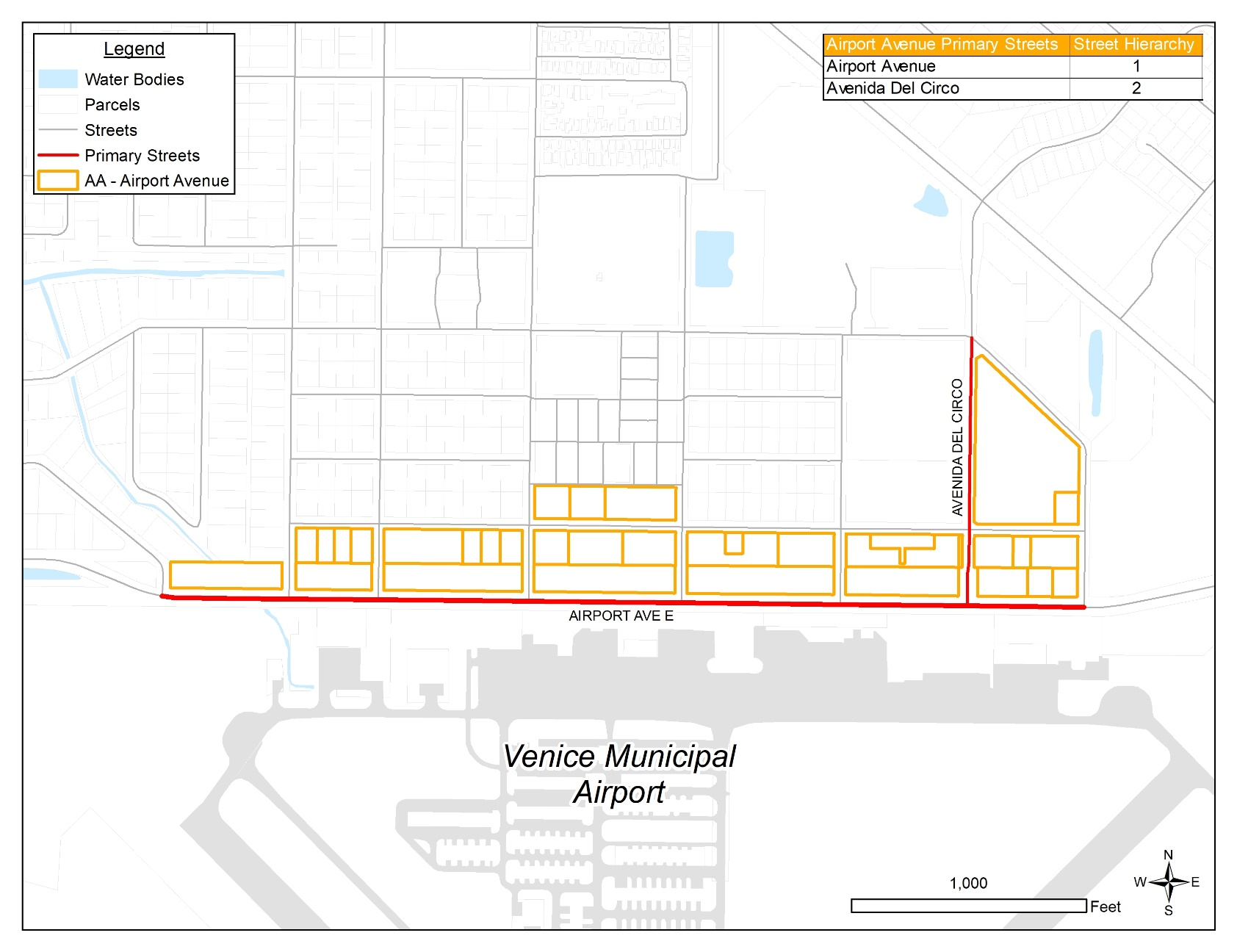
Table 2.3.6. Airport Avenue Development Standards
2.3.7 Seaboard Improvement District
A.
Purpose and Intent. The Seaboard Improvement district represents a major goal of the Comprehensive Plan: to integrate the area of East Venice Avenue into the traditional downtown core and to promote its revitalization. The Seaboard area has the advantage of a waterfront location and proximity to the downtown, in addition to its historical significance as part of the original John Nolen Plan for Venice. A key purpose of the Seaboard Improvement district is to promote the transition of this area to a mixture of retail, service, office, and medium to high density residential uses. The Seaboard Improvement district places an emphasis on increased opportunities for pedestrian-oriented uses, improvement and placement of on-street parking, and attractive and functional public spaces. The district supports adaptive reuse of existing buildings and encourages a mix of uses, both horizontal and vertical. Flexibility in building placement and lot standards is promoted within the Seaboard Improvement district to maintain the Nolen Street grid and to establish on-street parking and regional drainage facilities.
Figure 2.3.7.1. Seaboard Improvement Regulating Map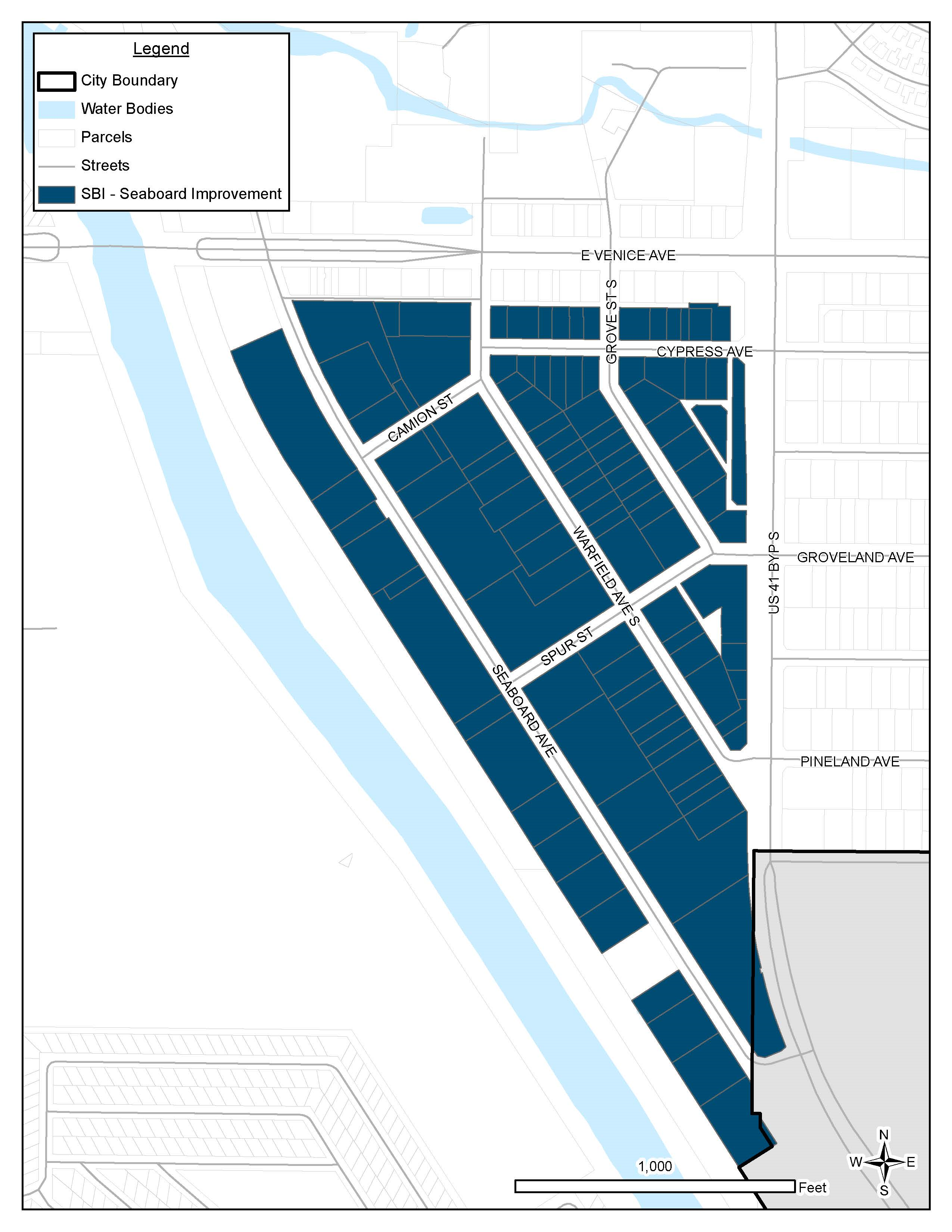
Figure 2.3.7.2. Seaboard Improvement Primary Streets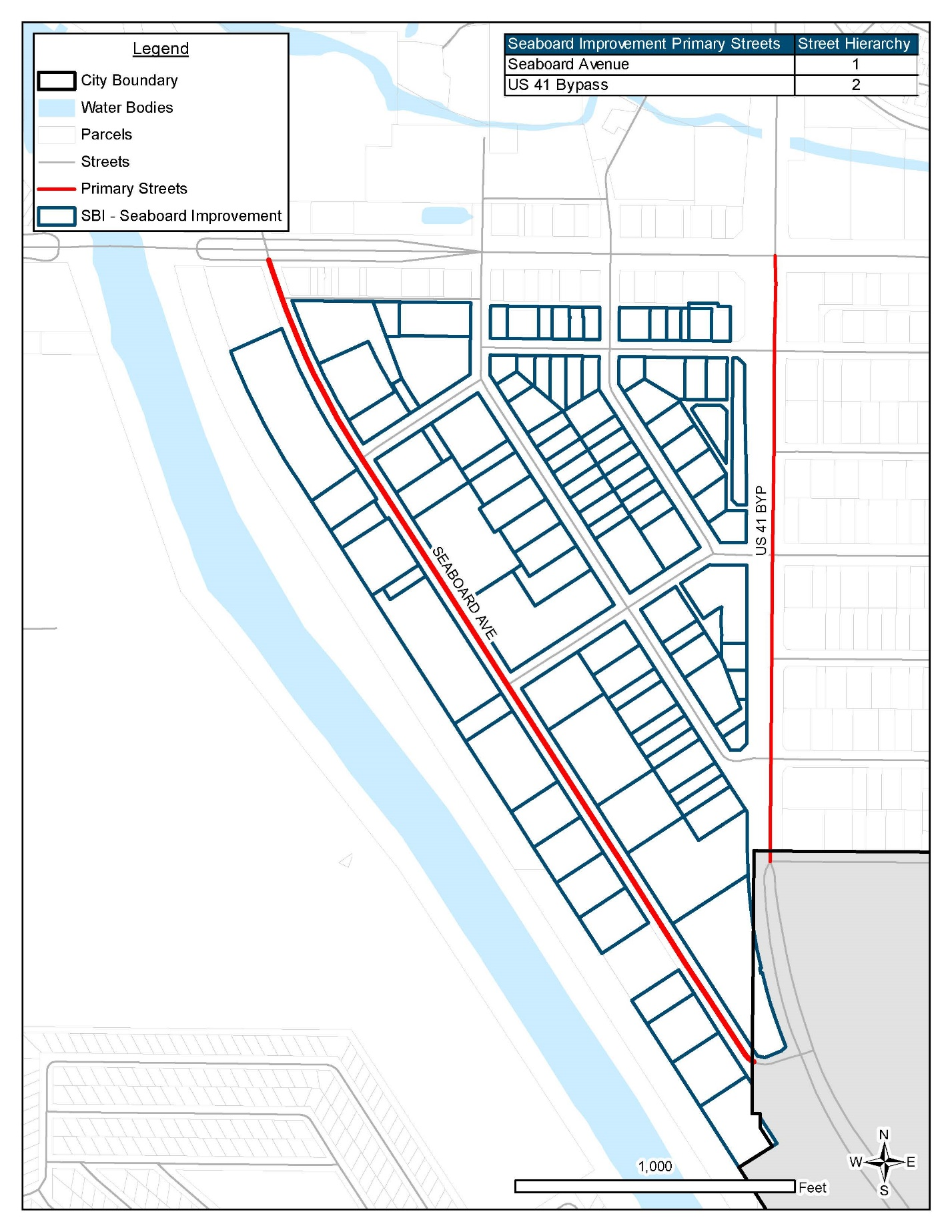
Table 2.3.7. Seaboard Improvement Development Standards
2.3.8. North Trail Gateway District
A.
Purpose and Intent. North Trail Gateway is an implementing district of the Mixed Use Corridor (MUC) designation and limited to the Gateway Neighborhood. The North Trail Gateway district is applied to two properties, one serving as the gateway into the City and the second serving as the gateway to the properties designated as Mixed Use Downtown on the Comprehensive Plan Future Land Use Map. The North Trail Gateway district provides for a mix of uses (primarily horizontal) and promotes internal pedestrian connectivity.
Figure 2.3.8.1. North Trail Gateway Regulating Map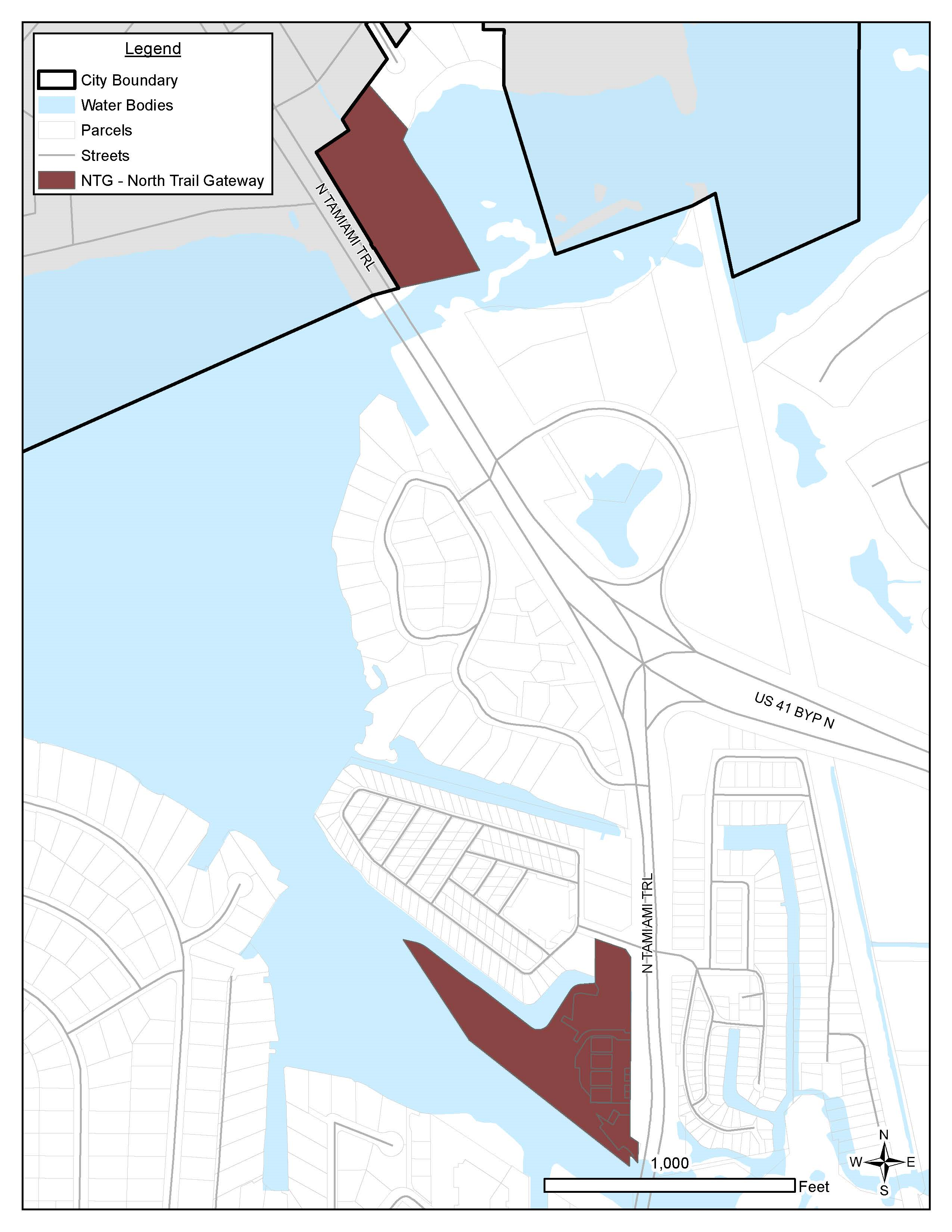
Figure 2.3.8.2. North Trail Gateway Primary Streets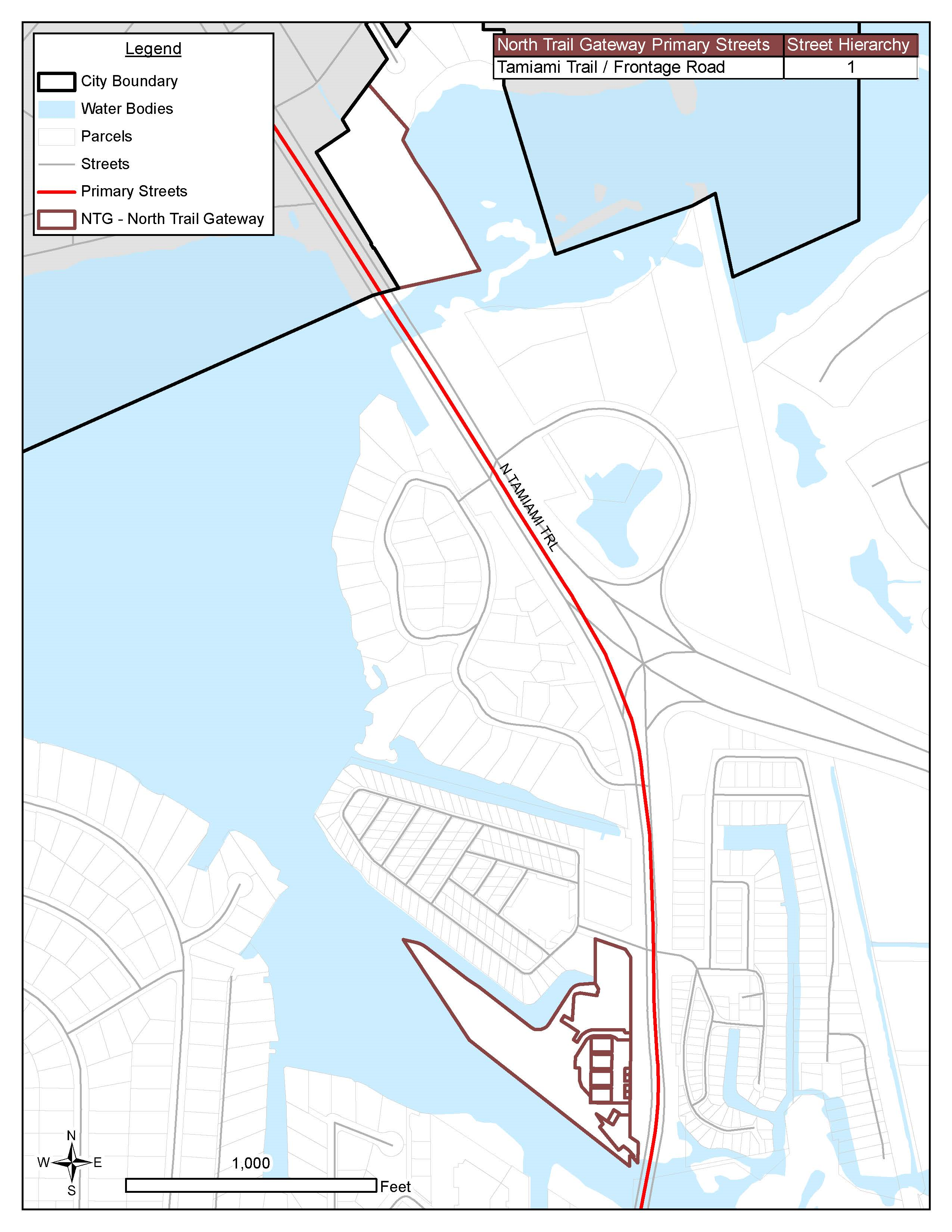
Table 2.3.8. North Trail Gateway Development Standards
2.3.9. Laurel West District
A.
Purpose and Intent. The Laurel Road Mixed Use Corridor has two implementing districts, one on each side of I-75. The Laurel West district is characterized by two major arterial roadways, Laurel Road running east and west, and Pinebrook Road/Honore Avenue running north and south. This district features buildings with moderate setbacks and landscaped buffers located between the public roadways and off-street parking/building areas. The Laurel West district supports a mix of uses, although it is envisioned to be primarily non-residential in nature. Due to the proximity of I-75 and the hospital, non-residential uses will entail support to the traveling public, services for the nearby residential communities, and enhancement of medical-related activities. A variety of housing types are allowed given nearby employment opportunities. This district promotes and incorporates streetscape improvements, landscape and architectural themes, wayfaring signage, and other design features.
Figure 2.3.9.1. Laurel West Regulating Map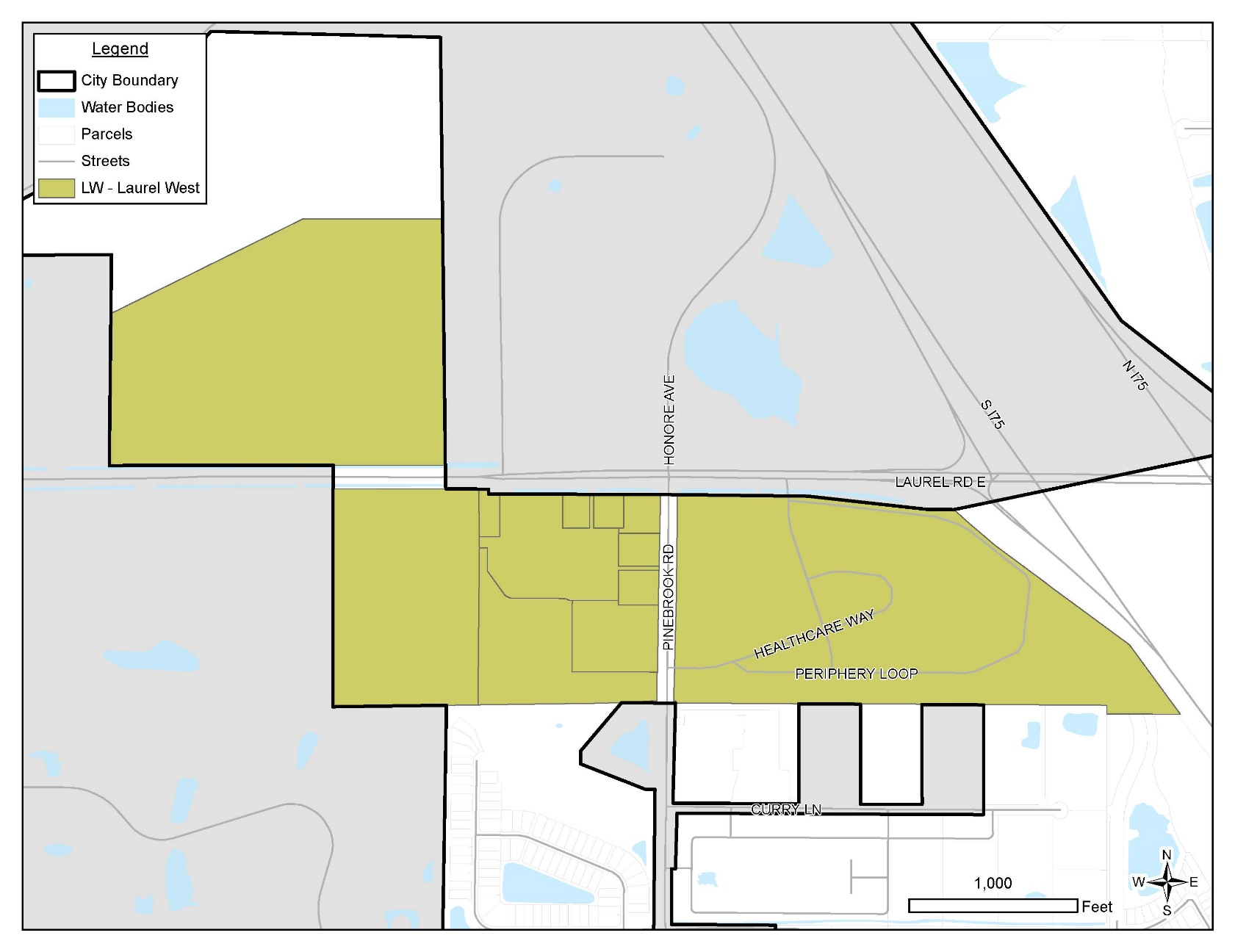
Figure 2.3.9.2. Laurel West Primary Streets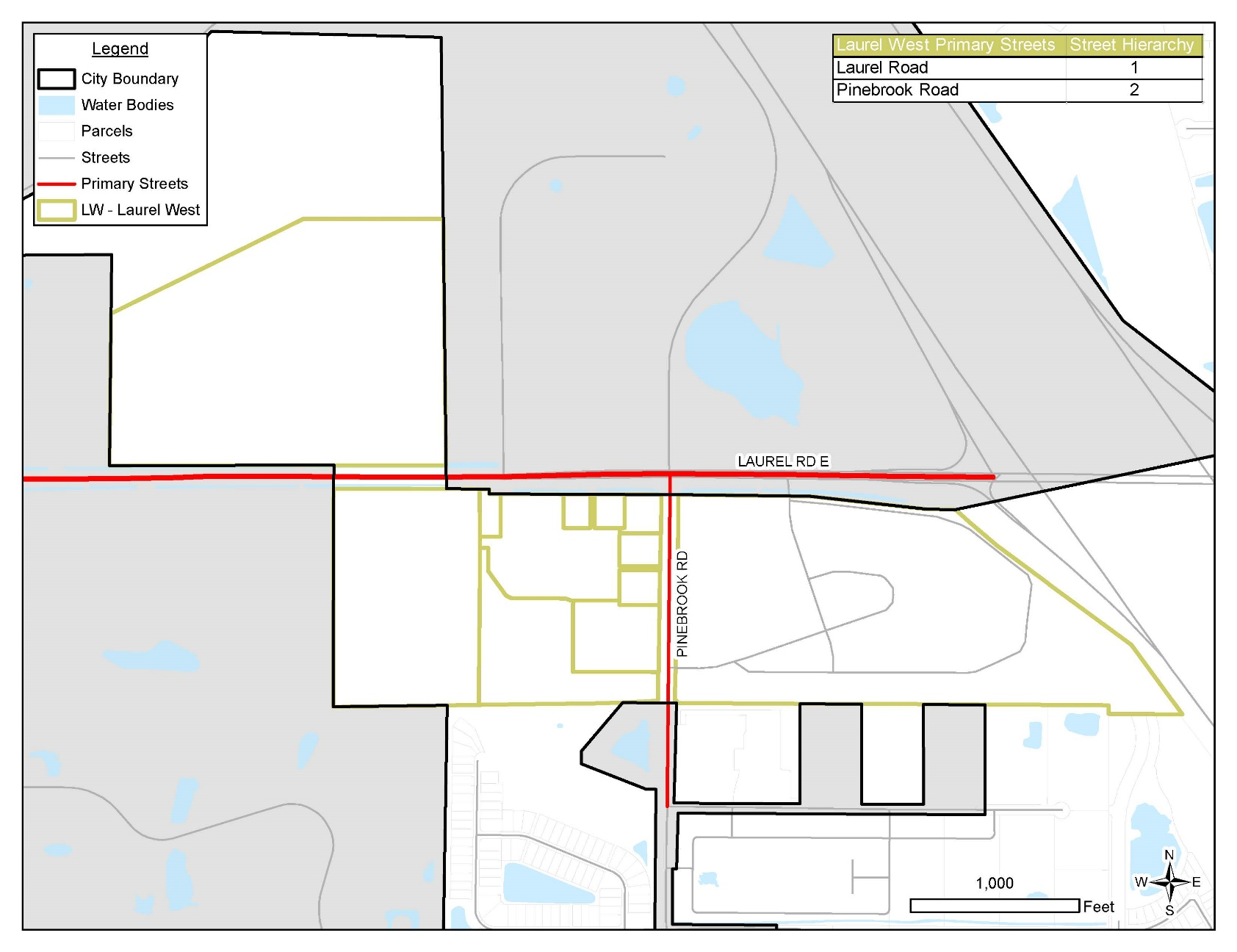
Table 2.3.9. Laurel West Development Standards
2.3.10. Laurel East District
A.
Purpose and Intent. The Laurel East district is the other implementing district of the Laurel Road Mixed Use Corridor (MUC) designation within the Laurel Road Neighborhood. The Laurel East district is characterized by the proximity of I-75 and the intersection of two major roadways: Laurel Road and Knights Trail Road. The district allows buildings with moderate setbacks and landscaped buffers between the street and off-street parking. Development in this district shall consider using various design elements to connect the Laurel East area with more established areas of the City aesthetically. Heights and intensity differ from Laurel West, emphasizing structures of fewer stories and less intensity. The Laurel East district supports a mix of uses (horizontal and vertical) and supports moderate to medium density residential. Similar to the Laurel West district, this district is also envisioned to be primarily non-residential in nature. The district provides commercial and retail services for I-75 travelers, nearby residential communities, and significant employment centers of the nearby industrial parks.
Figure 2.3.10.1. Laurel East Regulating Map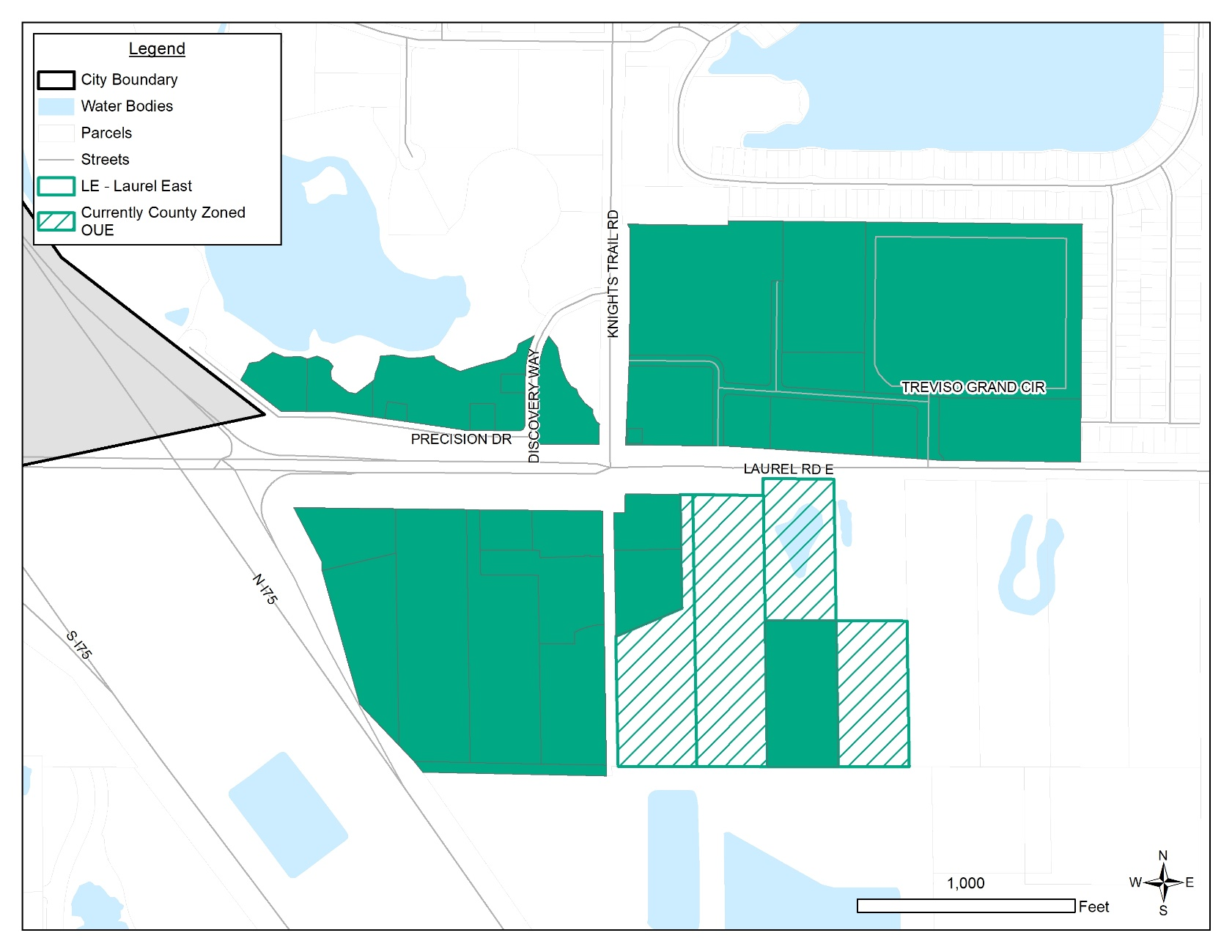
Figure 2.3.10.2. Laurel East Primary Streets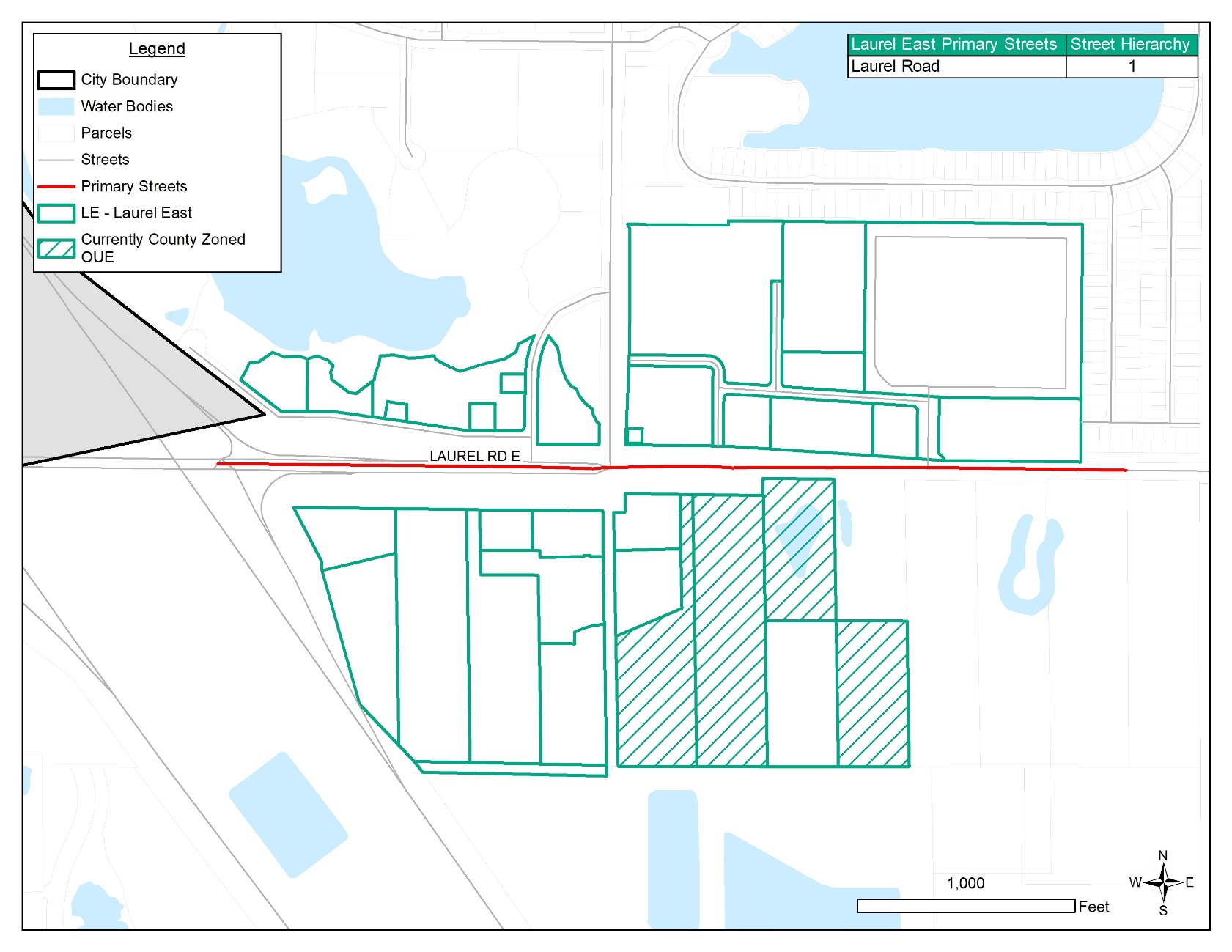
Table 2.3.10. Laurel East Development Standards
2.3.11. Knights Trail District
A.
Purpose and Intent. The Knights Trail district implements the Mixed Use Corridor (MUC) designation within the Knights Trail Neighborhood. This corridor provides access to employment and residential uses in the City and in Sarasota County to the north of the City. It also serves as the primary access to the City's major industrial parks. A variety of uses, both horizontal and vertical, are allowed in the Knights Trail district to primarily provide supporting retail, office, open space, moderate to medium residential, and other non-industrial uses, which are determined to be necessary to support the existing employment centers in this area.
Figure 2.3.11.1. Knights Trail Regulating Map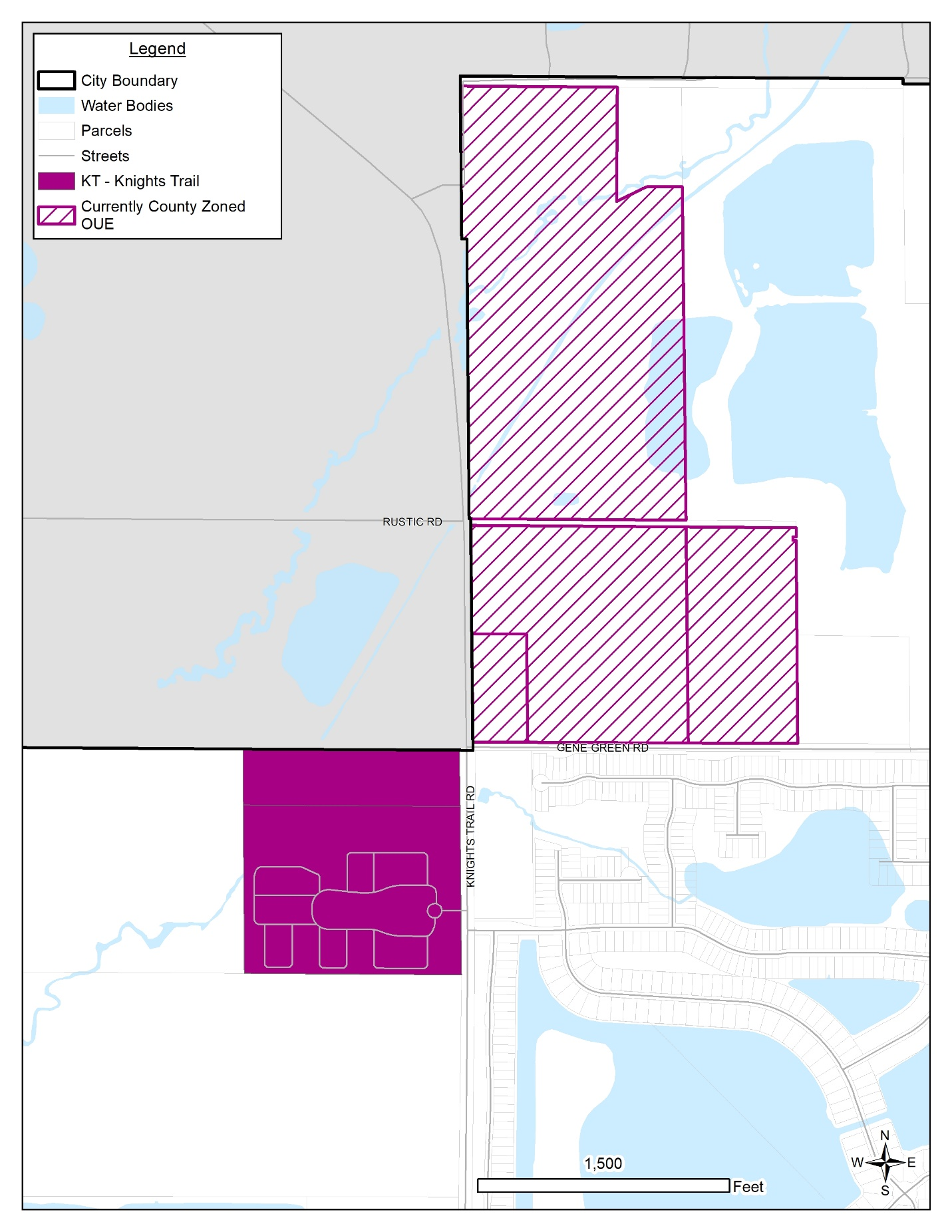
Figure 2.3.11.2. Knights Trail Primary Streets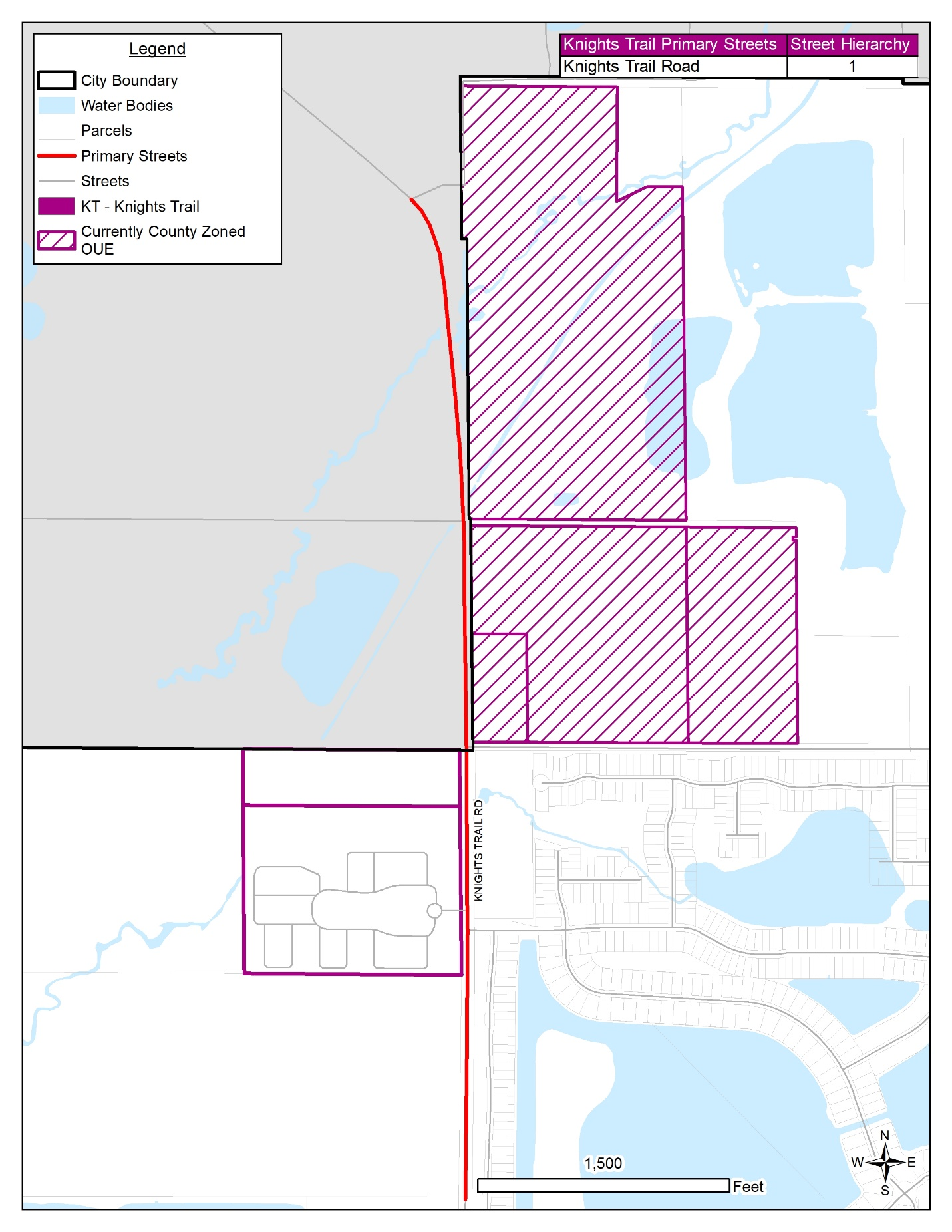
Table 2.3.11. Knights Trail Development Standards
2.3.12. Knights Trail Transitional District
A.
Purpose and Intent. The Knights Trail Transitional district implements the Mixed Use Transitional Future Land Use designation. This district provides access to employment and residential uses in the city. A variety of uses, both horizontal and vertical, are allowed for this district to provide retail, office, open space, moderate to medium residential, other non-residential uses, and industrial uses consistent with restrictions provided in Comprehensive Plan Strategy LU 1.2.9.e.
Figure 2.3.12.1 Knights Trail Transitional Regulating Map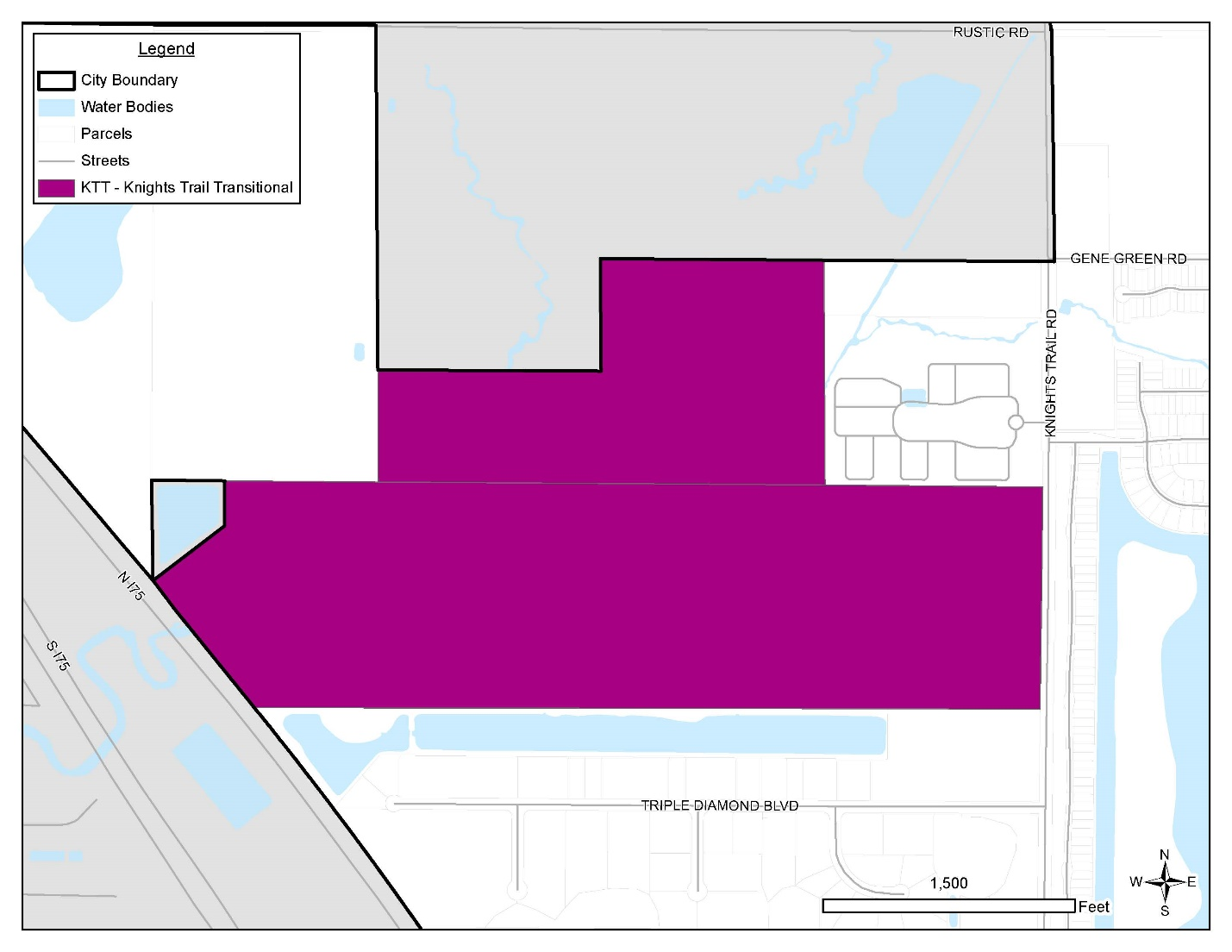
Figure 2.3.12.2 Knights Trail Transitional Primary Streets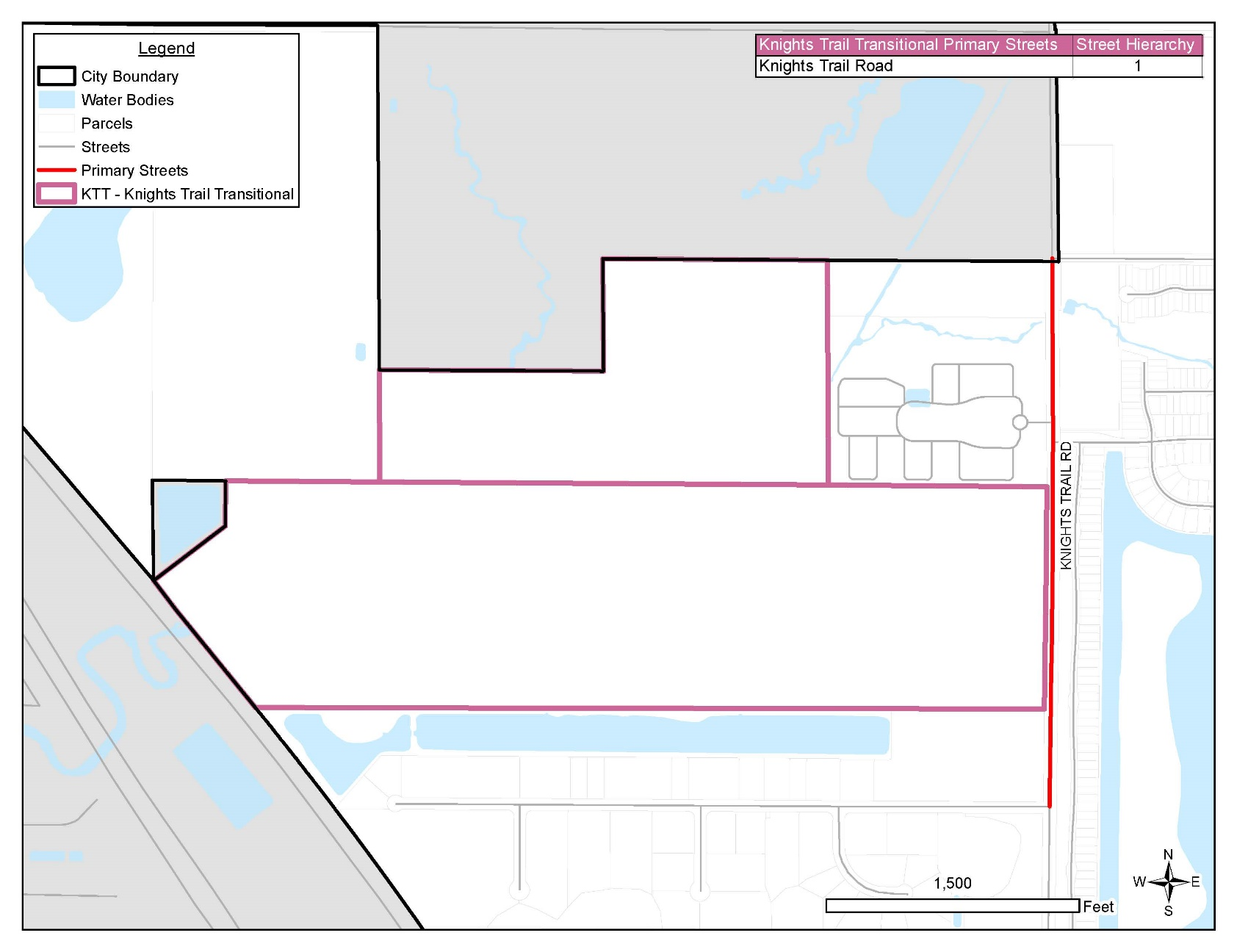
Table 2.3.12. Knights Trail Transitional District
2.3.13. Mixed Use Districts Use Table
The Mixed Use Districts Use Table shall regulate allowable principal uses in the Mixed Use Districts. Section 2.4: Use Definitions and Standards defines each use found in the Mixed Use Districts Use Table and provides typical characteristics, permitted accessory uses, exceptions and use standards.
(Ord. No. 2022-15, § 3(Exh. B), 7-12-22; Ord. No. 2023-05, § 2(Exh. A), 2-28-23; Ord. No. 2023-09, § 2(Exh. A), 5-9-23; Ord. No. 2023-12, § 2(Exh. A), 5-23-23; Ord. No. 2023-51, § 2(Exh. A), 1-9-24; Ord. No. 2025-01, § 2, 1-28-25; Ord. No. 2026-02, § 2(Exh. A), 2-10-26)
Note— Formerly codified as table 2.3.14, which was renumbered as herein set out by Ord. No. 2023-12.
2.4. - Use Definitions and Standards
A.
Purpose and Intent. To regulate use, categories of uses ("use categories") have been established. Use categories provide a systematic basis for assigning land uses to appropriate categories or zoning districts with other similar or compatible uses. Use categories classify land uses and activities based on common functional, product or physical characteristics. Characteristics include the type and amount of activity, how goods or services are sold or delivered, and certain site factors. The decision to allow or prohibit a use in the various zones is based on the visions and strategies of the adopted 2017-2027 City of Venice Comprehensive Plan.
2.4.1. Classification of Uses
A.
Considerations.
1.
Uses are assigned to the category which most closely describes the nature of the primary use (i.e., principal use). Developments may have more than one primary use and may also have one or more accessory uses. Developments with more than one primary use are addressed in subsection B, below. Accessory uses are addressed in subsection C, below.
2.
The following items are considered to determine the categorization of uses and whether an activity constitutes a primary use or accessory use:
a.
The description of the activity in relationship to the characteristics of each use category;
b.
The relative amount of site or floor space and equipment devoted to the activity;
c.
Relative amounts of commercial activity from each activity;
d.
The relative number of employees in each activity;
e.
Hours of operation;
f.
Building and site arrangement;
g.
Vehicles used with the activity;
h.
The relative number of vehicle trips generated by the activity;
i.
Signs;
j.
How the use is advertised;
k.
Whether the activity would likely be found on the site independent of the other activities; and
l.
Other factors and considerations deemed appropriate by the Director.
B.
Developments with Multiple Primary Uses. When all the primary uses of a development fall within one use category, then the development is assigned to that use category. For example, a development that contains a retail bakery and a cafe would be classified in the retail sales and service category since all the primary uses are found in that category. When the primary uses of a development fall within different use categories, each primary use is classified in the applicable category and is subject to the regulations for that category.
C.
Accessory Uses. Accessory uses are allowed by right in conjunction with the primary use unless stated otherwise in the regulations. Accessory uses may have additional standards placed upon them. Certain accessory uses may not be allowed in some yards. Accessory use standards are defined in Section 3.1.9.
D.
Examples. Examples are listed for each use definition and are intended to provide a basis for consideration of a similar use (if the exact use being sought is not listed).
E.
Exclusions. Exclusions are listed to exclude uses that may be commonly misattributed or should be explicitly prohibited from a use category.
F.
Use Standards. Use standards regulate specific standards for a particular use. Use standards for a particular use may be found with the definition of the use.
G.
Use Categories. Uses have been grouped into the following use categories:
1.
Residential;
2.
Public and Institutional;
3.
Commercial;
4.
Office;
5.
Industrial;
6.
Other.
2.4.2. Use Determination
A.
If any proposed use is not listed in a use category, but is similar to a listed use, the Director may consider the proposed use part of that use category.
2.4.3. Residential Uses
For all residential uses, family shall be defined as one or more persons living together as a single housekeeping unit and occupying a single dwelling unit. There shall be a rebuttable presumption no family exists if there are more than six persons and none are related by law, blood, adoption, marriage, domestic partnership, or are not under judicial order for foster care living together in the same dwelling unit. Such presumption may be rebutted by the Director.
A.
Single-Family Detached Dwelling.
1.
Characteristics. A building containing only one dwelling unit, on a single lot, to be occupied by one family. For regulatory purposes, the term is not to be construed as including mobile homes, recreational vehicles, travel trailers, housing mounted on motor vehicles, tents, houseboats, or other forms of temporary or portable housing.
a.
Accessory Uses. One accessory dwelling unit per lot is permitted. Other accessory uses commonly found are recreational facilities, parking of autos for the occupants, pools, piers and docks, home occupations, and family day care homes (6 or fewer children). Noncommercial plant nurseries, greenhouses, private garages, tool houses and garden sheds, garden work centers, children's play areas and play equipment, private barbecue pits, private swimming pools, private docks and the like are also permitted as accessory uses.
2.
Examples. Examples include single-family homes on a variety of lot sizes and types.
3.
Exclusions.
a.
Temporary lodging where tenancy is arranged for one week or less are considered to be a form of transient lodging (see Commercial Uses, Lodging).
4.
Use Standards.
a.
All accessory uses shall be clearly incidental to permitted single-family use.
b.
Pools and accessory uses and structures with a roof impervious to weather shall not be located in required front yards.
c.
Home occupations may have up to two employees or independent contractors, not including remote employees, who reside outside the home in which the business is located. Parking, exterior modifications, conducting of retail transactions, and mitigation of potential nuisances must be conducted in accordance with F.S. § 559.955. A home occupation shall be subject to all applicable City occupational license and other business taxes.
B.
Single-Family Attached Dwelling.
1.
Characteristics. A dwelling unit that is physically attached to one or more units, with each unit on its own lot. Parking, open space, recreation features, and the like may or may not be part of a larger tract under common ownership by the landowners of the individual lots.
2.
Accessory Uses. Accessory uses commonly found are similar to those in single-family detached or two-family dwellings, including recreational facilities, parking of autos for the occupants, pools, piers and docks, home occupations, and family day care homes (6 or fewer children). Noncommercial plant nurseries, greenhouses, private garages, tool houses and garden sheds, garden work centers, children's play areas and play equipment, private barbecue pits, private swimming pools, private docks and the like are also permitted as accessory uses. Accessory dwelling units are not permitted.
3.
Examples. Examples include paired villas and townhouses on individual lots.
4.
Exclusions. Villas and townhouses not on individual lots are considered under Two Family Dwelling/ Paired Villas or Multifamily Dwelling.
5.
Use Standards.
a.
In RSF-1, -2, and -3 zoning districts, single-family attached dwellings must meet the required lot size in the applicable zoning district for each unit.
b.
In RSF-4 and RMF-1, -2, and -3 zoning districts, individual lots for single-family attached dwellings must meet a minimum lot width of thirty (30) feet for villas and eighteen (18) feet for townhouses, and a maximum lot coverage of sixty-five (65) percent.
c.
All accessory uses shall be clearly incidental to permitted single-family use.
d.
Pools and accessory uses and structures with a roof impervious to weather shall not be located in required front yards.
e.
Home occupations may have up to two employees or independent contractors, not including remote employees, who reside outside the home in which the business is located. Parking, exterior modifications, conducting of retail transactions, and mitigation of potential nuisances must be conducted in accordance with F.S. § 559.955. A home occupation shall be subject to all applicable City occupational license and other business taxes.
C.
Two-Family Dwelling/Paired Villas.
1.
Characteristics. A building containing more than one dwelling unit that may be attached, or semi attached, with each dwelling unit to be occupied by one family. Dwelling units are lined up in a row and share side or rear walls. For regulatory purposes, the term is not to be construed as including mobile homes, recreational vehicles, travel trailers, housing mounted on motor vehicles, tents, houseboats, portable housing, or multifamily apartment or condominium style dwelling units.
2.
Accessory Uses. Accessory uses commonly found are recreational facilities, parking of autos for the occupants, pools, piers and docks, home occupations, family day care home (6 or less children). Noncommercial plant nurseries, greenhouses, private garages, tool houses and garden sheds, garden work centers, children's play areas and play equipment, private barbecue pits, private swimming pools, private docks and the like are also permitted as accessory uses. Accessory dwelling units are not permitted.
3.
Examples. Examples include duplexes, townhouses, villas.
4.
Exclusions.
a.
Guesthouses that contain kitchen facilities are prohibited as accessory to household living uses. The presence of cooking appliances shall constitute a kitchen.
b.
Lodging where tenancy is arranged for one week or less are considered to be a form of transient lodging (see commercial categories).
c.
Multifamily dwelling units, as defined in this section, including apartments which are typically owned under single ownership on a single tract or parcel, or condominiums which may be owned separately by unit but still existing on a single tract or parcel, are classified under Multifamily Dwelling.
5.
Use Standards.
a.
All accessory uses shall be clearly incidental to permitted residential use.
b.
Pools and accessory uses and structures with a roof impervious to weather shall not be located in required front yards.
c.
Home occupations may have up to two employees or independent contractors, not including remote employees, who reside outside the home in which the business is located. Parking, exterior modifications, conducting of retail transactions, and mitigation of potential nuisances must be conducted in accordance with F.S. § 559.955. A home occupation is required to obtain a City local business tax receipt.
D.
Multifamily Dwelling (three or more dwelling units).
1.
Characteristics. Multifamily dwelling units are characterized by a building that contains three or more dwelling units sharing common walls, often with separate units by floor. Multifamily structures are vertically and/or horizontally arranged. Tenancy is arranged for periods longer than one week. Uses where tenancy may be arranged for a shorter period are not considered residential but are considered to be a form of transient lodging (see commercial categories).
2.
Accessory Uses. Parking structures, service uses such as trash compactors, equipment and maintenance buildings, dumpster enclosures, and similar items are permitted. The open storage of recreational vehicles is not permitted as an accessory use.
3.
Examples. Apartments, condominiums, multiplexes, and similar multifamily structures.
4.
Exclusions.
a.
Lodging where tenancy is arranged for one week or less are considered to be a form of transient lodging (see Commercial Uses, Lodging).
5.
Use Standards.
a.
Multifamily in the Venice Avenue district shall be limited to vertical mixed use only; it shall not be a stand-alone use. See Section 2.4.3.E for Upperstory Residential use definition.
b.
Home occupations may have up to two employees or independent contractors, not including remote employees, who reside outside the home in which the business is located. Parking, exterior modifications, conducting of retail transactions, and mitigation of potential nuisances must be conducted in accordance with F.S. § 559.955. A home occupation shall be subject to all applicable City occupational license and other business taxes.
c.
A dwelling unit of 750 square feet or less may be counted as one-half unit for the purpose of density calculations if the conditions of the attainable housing density bonus (Sec. 2.4.3.G of this Chapter) are satisfied.
E.
Manufactured Home Dwelling.
1.
Characteristics. A structure built on an integral chassis, for the purpose of being used as a dwelling unit. Modular homes may also be permitted in zoning districts where manufactured home dwellings are permitted.
2.
Accessory Uses. Accessory uses commonly found in a manufactured home park include recreational activities, open space, amenities, parking of occupants' vehicles.
a.
Open spaces within a manufactured home park may be dedicated to open, outdoor storage, however such spaces shall only be used by residents and shall be screened with a Perimeter Buffer Type 1.
b.
Sheds.
c.
Carports.
3.
Exclusions. Manufactured homes shall not include recreational vehicles.
F.
Upperstory Residential.
1.
Characteristics. Upperstory residential units are found within a building that contains a separate use on the bottom floor and dwelling units on the floors above. Tenancy is arranged for periods longer than thirty (30) days. Uses where tenancy may be arranged for a shorter period are not considered residential; they are considered to be a form of transient lodging (see the commercial categories).
2.
Accessory Uses. Accessory uses commonly found are recreational facilities, parking of autos for the occupants, piers and docks.
3.
Examples. Uses include mixed use buildings featuring a separate use on the bottom floor, with residential above.
4.
Exclusions.
a.
Lodging where tenancy is arranged for thirty (30) days or less is considered to be a form of transient lodging (see the Commercial Uses, Lodging).
G.
Attainable Housing Density Bonus.
1.
Characteristics. The Comprehensive Plan establishes a reserve density bonus of 500 units to be allotted by City Council to projects in the Residential Multi-Family and Mixed Use zoning districts. Projects seeking this designation must demonstrate affordability for incomes ranging from Extremely Low to Moderate (as defined by US HUD). Such projects must also demonstrate a binding commitment to make additional units requested under the bonus attainable (costing less than 30% of household income) for a minimum of ten (10) years, unless a longer timeframe is required by City Council at the time of approval. This density bonus is processed as a conditional use.
2.
Use Standards. The size (square footage) and appearance (fixtures and finishes) of attainable housing units shall be functionally equivalent to market rate units.
H.
Assisted Living Facility (ALF).
1.
Characteristics. Assisted Living Facilities (ALF) provide residential facilities with dedicated on-site 24-hour medical care for seniors, and resident rooms may or may not feature kitchen facilities. ALFs typically have the physical form of a multifamily building. This use category describes buildings, whether operated for profit or not, which undertakes through its ownership or management to provide housing, meals, and one or more personal services for a period exceeding 24 hours to one or more adults who are not relatives of the owner or administrator (see F.S. Ch. 400). This includes nursing homes.
2.
Accessory Uses. Accessory uses commonly found are recreational activities, hobbies, and parking of the occupants' vehicles, staff and visitor parking, common kitchen facilities, personal services for the use of residents.
3.
Examples. Uses include nursing homes, skilled nursing facilities, assisted living facilities, and other senior living facilities.
4.
Exclusions.
a.
Lodging where tenancy is arranged for one week or less are considered to be a form of transient lodging (see Commercial Uses, Lodging).
5.
Use Standards.
a.
The facility and accessory facilities must be designed and used to serve its residents and their guests only.
b.
Number of total occupants allowed is based upon the calculation of 4 persons being the equivalent of 1 dwelling unit.
I.
Independent Living Facility (ILF).
1.
Characteristics. Independent Living Facilities (ILF) provide residential facilities with some medical care for seniors, and each resident room typically includes kitchen facilities. This use category describes building or buildings, section or distinct part of a building, private home, or other residential facility, whether operated for profit or not, which undertakes through its ownership or management to provide housing, meals, and one or more personal services for a period exceeding 24 hours to one or more adults who are not relatives of the owner or administrator (see F.S. Ch. 400).
2.
Accessory Uses. Accessory uses commonly found are recreational activities, hobbies, and parking of the occupants' vehicles, staff and visitor parking, common kitchen facilities, personal services for the use of residents.
3.
Examples. Uses include ILFs which may be in the style of attached units, skilled nursing facilities, and other senior living facilities.
4.
Exclusions.
a.
Lodging where tenancy is arranged for one week or less are considered to be a form of transient lodging (see Commercial Uses, Lodging).
5.
Use Standards.
a.
The facility and accessory facilities must be designed and used to serve its residents and their guests only.
J.
Community Care Facility (CCF).
1.
Characteristics. Community Care Facilities (CCF) provide short-term care and recovery for patients after surgeries and long-term illness. Community care is understood to be a transitional form of care and may be a home-like environment. This use category describes building or buildings, section or distinct part of a building, private home, or other residential facility, whether operated for profit or not, which undertakes through its ownership or management to provide housing, meals, and one or more personal services for a period exceeding 24 hours to one or more adults who are not relatives of the owner or administrator (see F.S. Ch. 400).
2.
Accessory Uses. Accessory uses commonly found are recreational activities, hobbies, and parking of the occupants' vehicles, staff and visitor parking, common kitchen facilities, personal services for the use of residents, staff and visitor parking, personal services for the use of residents.
3.
Examples. Uses include skilled nursing facilities and convalescent care facilities
4.
Exclusions.
a.
Lodging where tenancy is arranged for one week or less are considered to be a form of transient lodging (see Commercial Uses, Lodging).
5.
Use Standards.
a.
The facility and accessory facilities must be designed and used to serve its residents and their guests only.
b.
Number of total occupants allow is based upon the calculation of 4 persons being the equivalent of 1 dwelling unit.
K.
Day Care, Home (6 or Fewer Persons).
1.
Characteristics. An establishment which provides through its ownership or management basic services to persons not related to the owner or operator, who require such services, as per F.S. Ch. 400. No more than 6 persons are allowed per day care, home.
2.
Accessory Uses. Accessory uses commonly found are office space and parking of the occupant's or staff's vehicles.
3.
Examples. Uses include home health services, home day care.
4.
Exclusions.
a.
Lodging where tenancy is arranged for one week or less are considered to be a form of transient lodging (see Commercial Uses, Lodging).
5.
Use Standards.
a.
Day care must be carried out on-site.
b.
Use of any accessory building for a day care is prohibited.
c.
Must comply with all federal, state and additional local standards.
L.
Group Living.
1.
Characteristics. A dwelling licensed, certified, or accredited by local, state or federal agencies in which unrelated persons with disabilities reside. Characterized by residential occupancy of a structure by a group of people that does not meet the definition of a dwelling unit or family. Group living structures provide a common eating area for residents and residents often receive care or training.
2.
Accessory Uses. Accessory uses commonly found are those permitted for single-family.
3.
Examples. Examples include group homes.
4.
Exclusions.
a.
Lodging where tenancy is arranged for one week or less are considered to be a form of transient lodging (see Commercial Uses, Lodging).
b.
Halfway houses or social services.
2.4.4. Public and Institutional Uses
A.
Essential Services and Public Utilities, Minor.
1.
Characteristics. Public or private infrastructure serving a limited area. Minor essential services and public utilities are infrastructure services that need to be located in or near the area where the service is provided. Basic utility uses generally do not have regular employees at the site.
2.
Accessory Uses. Accessory uses may include parking and control, monitoring, data or transmission equipment.
3.
Examples. Examples include electrical substations; utility lift stations; local stormwater retention and detention facilities; telephone exchanges; emergency communication broadcast facilities; bus stops.
4.
Exclusions.
a.
Services where people are generally present.
b.
Utility offices where employees or customers are generally present are classified as Professional Office.
c.
Infrastructure (i.e., roads, collection systems, etc.). Excludes water and wastewater treatment plants.
B.
Essential Services and Public Utilities, Major.
1.
Characteristics. Public or private infrastructure serving a regional area possibly having on-site personnel. Uses may feature more intensity than minor essential services. Major utilities are infrastructure services that may or may not need to be located in or near the area where the service is provided.
2.
Accessory Uses. Accessory uses may include parking; control, monitoring, data or transmission equipment.
3.
Examples. Examples include water towers and reservoirs; regional stormwater retention and detention facilities; transit centers and park-and-ride facilities for mass transit.
4.
Exclusions.
a.
Utility offices where employees or customers are generally present are classified as Professional Office.
C.
Open Space Preserves.
1.
Characteristics. Open areas intended to act as preserves.
2.
Accessory Uses. Accessory uses may include low intensity uses appropriate to preserves or limited structures to allow for caretaking of the open space preserve.
3.
Examples. Intended to provide areas for wetlands, wetland buffers, coastal and riverine habitats, native habits, wildlife corridors, trails, observation towers, pervious/primitive walkways (however portions may be concrete or impervious to meet accessibility standards).
D.
Parks.
1.
Characteristics. Parks are uses of land allowing for outdoor recreation, community gardens, or public squares. Lands tend to have few structures.
2.
Accessory Uses. Accessory uses may include maintenance facilities, concessions, caretaker's quarters, parking, outdoor gathering spaces such as a great lawn or shade structure, playgrounds, restrooms, sports fields, trails.
3.
Examples. Examples include public parks, trails, natural systems, publicly accessible lands for either active or passive recreation, cemetery, botanical garden, community gardens.
E.
Places of Assembly/Worship.
1.
Characteristics. An assembly facility has organized services, events, or programs in a public or private setting.
2.
Accessory Uses. Accessory uses include offices; meeting rooms; indoor restaurant; bar; lounge; cabanas; boat docks; parking; indoor or outdoor recreation such as swimming pools, tennis courts, fitness center, sauna, and other similar facilities. No more than two (2) residential dwellings may be allowed for staff residences.
3.
Examples. Examples may include community centers, religious institutions or places of worship, meeting or lecture halls.
4.
Exclusions.
a.
Any organization primarily operated for the purpose of teaching a particular form of martial arts, dance or music classes, or as a health club or spa is classified as a retail use.
b.
Lodges, fraternal organizations, yacht clubs, country clubs or private clubs are classified under Lodge or Private Club.
F.
Cultural Facility.
1.
Characteristics. Uses of a public or nonprofit nature generally providing a local service to people of the community. Generally, they provide the service on the site or have employees at the site on a regular basis.
2.
Accessory Uses. Accessory uses may include offices; meeting areas; food preparation areas; parking, and cafes.
3.
Examples. Examples may include museums, cultural centers, historical society, and libraries operated by a government or non-profit entity.
4.
Exclusions.
a.
Commercial museums (such as a wax museum) are classified under Retail Sales and Service.
b.
Parks are classified under Parks.
c.
Community centers are classified under Assembly.
G.
Lodge or Private Club.
1.
Characteristics. An establishment serving an organization, which often has bylaws or charters and collects fees, to be used exclusively by a membership organization. The general public is generally excluded from the premises and the organization holds property for the common benefit of its members, however community rooms/spaces may be rented out for private events.
2.
Accessory Uses. Accessory uses include office space and parking.
3.
Examples. Examples include fraternal organizations, lodges, country clubs, and yacht clubs.
4.
Exclusions.
a.
Gyms or fitness establishments are classified under Fitness, Athletic, and Health Club and are considered a commercial use.
H.
Post Office/Mail and Package Service.
1.
Characteristics. Includes any facility which accepts customers to mail or deliver letters, packages, and goods.
2.
Accessory Uses. Accessory uses may include a cafeteria for staff, parking for workers and customers, parking area for mail or delivery trucks.
3.
Examples. US Post Office and commercial delivery services such as FedEx and UPS.
4.
Exclusions. Mail kiosks, lockers, and mailboxes are not subject to use standards.
I.
School (Private/Public).
1.
Characteristics. This category includes public, private, and charter schools at the primary, kindergarten, elementary, middle, junior high, or high school level that provide state mandated basic education.
2.
Accessory Uses. Accessory uses include play areas, cafeterias, recreational and sport facilities, auditoriums, and before- or after-school daycare.
3.
Examples. Examples include public and private daytime schools, and military academies.
4.
Exclusions.
a.
Preschools are classified as daycare uses.
b.
Colleges, universities or vocational schools are classified as University, College, and Vocational Schools.
J.
University, College, and Vocational Schools.
1.
Characteristics. Universities, colleges, or vocational schools are higher learning establishments. These educational institutions confer post-secondary/tertiary degrees and/or provide vocational or technical degrees and skills.
2.
Accessory Uses. Accessory uses may include associated offices, parking, cafeteria, restaurants, facilities such as a fitness facility, on campus retail, sport fields, student housing and dormitories, libraries, laboratories, and places of assembly.
3.
Examples. Examples include a trade school, secondary education, career center, vocational college.
K.
Other Government Uses.
1.
Characteristics. Other government uses contain public or civic uses of special significance to residents, employees, or visitors. This includes offices, storage, maintenance, and other facilities for the operation of local, state, or federal government.
2.
Accessory Uses. Accessory uses may include meeting areas; food preparation areas; parking, and fitness areas.
3.
Examples. Government office building, storage and maintenance facilities, police, fire.
L.
Cemeteries, Columbaria, Mausoleums, And Similar Uses.
1.
Characteristics. A place where human remains are buried or stored.
2.
Use Standard. Cemeteries, columbaria and mausoleums may not have any structure closer than 25 feet to any boundary line of the property.
2.4.5. Commercial Uses
A.
Retail Sales and Service.
1.
Characteristics. Typically consists of retail sales and service firms involved in the sale, lease or rent of new or used products to the general public. Internet-based retail may be permitted under this use.
2.
Accessory Uses. Accessory uses may include offices and parking.
3.
Examples. Stores selling, leasing, renting or repairing consumer goods including finished art, art and hobby supplies, bakeries, bicycles, clothing and shoes, dry goods, dry cleaning, tailoring, electronic equipment, appliances, fabric, florists, food sales, furniture, gifts, groceries, alcohol, hardware, home improvement supplies, household products, jewelry, pet products, pharmaceuticals, printed material, secondhand merchandise, upholstery, stationery, and videos; personal and financial services; printing, photocopy, and blueprint services or newspaper establishments; photographic studios, hair, tanning, and personal care services; interior decorators; garden centers; movie theaters; and animal grooming.
4.
Exclusions.
a.
Lumber yards and other building material businesses that sell primarily to contractors and do not have a retail orientation, and sales, rental, or leasing of heavy trucks and equipment are classified as Wholesale.
b.
Sales of landscape materials, including bark chips and compost, is classified as Agriculture/Agriculture Sales.
c.
Laundromats; see Laundromat.
B.
Convenience Store With Fueling Stations.
1.
Characteristics. Retail sale of fuel for motor vehicles, and convenience items including but not limited to food, beverages, tobacco products, and other similar products as its primary sales.
2.
Accessory Uses. Accessory uses may include offices, retail sales, restaurant, car wash.
3.
Examples. Gas stations with one or more fuel pump selling fuel for motor vehicles and selling items which generally serve the day-to-day retail needs of travelers and residents. Examples of such stores may include local gas stations, national gas station chains with accessory retail sales and restaurants.
4.
Exclusions.
a.
Retail Sales and Service, Community as defined in this section.
b.
Lumber yards and other building material sales that sell primarily to contractors and do not have a retail orientation are classified as wholesale sales.
c.
Sales of landscape materials, including bark chips and compost, is classified as wholesale sales.
d.
Sales, rental, or leasing of heavy trucks and equipment is classified as wholesale sales.
e.
Vehicle service or motor vehicle repair is classified as Car, Boat, Other Vehicle Sales and Rentals (w/accessory service).
5.
Use Standards.
a.
In traditional districts, Convenience Stores With Fueling Stations shall provide the following minimum setbacks, measured to the edge of the canopy where applicable:
i.
Front setback of 20' for all structures, including canopy, and 15' for gas pumps.
ii.
Side setback of 8' for all structures, including canopy.
iii.
Minimum 25' side yard setback for gas pumps from residentially zoned properties and 15' side yard setback from all other properties.
iv.
Rear yard setback of 10' for all structures, including canopy.
v.
Minimum 25' rear yard setback from all residentially zoned properties for a gas pump and 15' rear yard setback from all other properties.
b.
Illuminated tubing, neon, or other such illumination that outlines or define property lines, roofs, doors, windows or similar areas is prohibited.
c.
This use shall contain at least two of the following pedestrian amenities: benches, decorative light fixtures, planters, awnings.
d.
Building façade materials shall be limited to wood, brick, stone, decorative block or stucco.
e.
A car wash lane may not be located adjacent a residential zoning district. The car wash lane must be placed on the site so as to ensure it is not directly abutting a residential district.
C.
Car Wash.
1.
Characteristics. Car washes are used primarily for the washing of motor vehicles and boats, and are either full or self-service. A car wash under this definition is a freestanding use and does not include fueling stations.
2.
Accessory Uses. Accessory uses may include offices, parking, retail sales of items associated with the cleaning of motor vehicles.
3.
Examples. Car Wash examples include full-service and self-service facilities which may or may not include an automatic car wash.
4.
Use Standards.
a.
A car wash lane may not be located adjacent to a residential zoning district. The car wash lane must be placed on a site to ensure it is not directly abutting a residential district or use.
D.
Appliance Repair.
1.
Characteristics. Appliance repair stores are involved with the repair of home appliances and personal devices.
2.
Accessory Uses. Accessory uses may include associated office and parking.
3.
Examples. Appliance Repair examples include establishments that repair kitchen appliances, home laundry appliances, personal computers, and other electronic devices.
E.
Laundromat.
1.
Characteristics. Laundromat establishments involve renting equipment, on-site, for the cleaning and washing of laundry to individual customers.
2.
Accessory Uses. Accessory uses may include associated office, dry cleaning, and parking.
F.
Pawn Shop.
1.
Characteristics. Pawn shops involve the sales of secondhand merchandise and may offer personal loans secured by consumer goods or other personal property.
2.
Accessory Uses. Accessory uses may include limited retail sales and associated office.
3.
Examples. Pawn shops that may deal in items such as coins, jewelry, and secondhand merchandise and deal in personal loans secured by personal property.
G.
Car, Boat, Other Vehicle Sales and Rentals.
1.
Characteristics. Establishments that are involved with the sale or lease of motor vehicles (including but not limited to cars and boats), renting of motor vehicles, and display of these motor vehicles for sale or lease. These establishments may feature accessory service facilities open to the public.
2.
Accessory Uses. Accessory uses may include ancillary indoor storage, associated office, showroom, vehicle service, towing, vehicle fueling (for vehicles for sale or lease, not open to the general public), car wash (for vehicles for sale or lease, not open to the general public), and limited retail sales of items associated with motor vehicles.
3.
Examples. Examples include but are not limited to car dealerships, boat dealerships, motor vehicle dealerships dealing in recreational vehicles, car rental establishments, moving vehicle rental establishments. These establishments may feature accessory services open to the general public such as (but not limited to) minor vehicle service such as oil change facilities, auto detailing, painting and body repairs, provided such services are within a completely enclosed building.
4.
Exclusions.
a.
Vehicle parts sale as a principal use is classified as Retail Sales and Service.
b.
Fueling stations open to the general public is classified as Convenience Store with Fueling Stations.
c.
Car wash open to the general public is classified as Car Wash.
d.
Sales, rental, or leasing of heavy trucks and equipment is classified as Wholesale.
e.
Outdoor storage or stockpiling of vehicles, vehicle parts, tires, or associated vehicle accessories are not permitted.
5.
Use Standards.
a.
Vehicle displays shall not be artificially elevated above the general topography of the site.
b.
Outdoor speaker systems shall not be in violation of any City noise ordinance and shall not be oriented towards residential uses.
c.
Vehicle display areas with frontage along a street right-of-way shall include an additional 10' landscaped buffer.
d.
Repair bay doors shall not be oriented to a residential district.
e.
Repair and service operations must be performed within a fully enclosed building. Bay doors may only be open during hours of operation.
H.
Minor Vehicle Service.
1.
Characteristics. Minor vehicle service establishments include both motor vehicle and boat services and are involved with body detailing and mechanical repairs. These repairs should be minor in nature and any services rendered on site should be minor in nature as well.
2.
Accessory Uses. Accessory uses may include limited sale of parts or vehicle accessories, towing, associated office, and parking.
3.
Examples. Examples of services to be rendered include quick service such as (but not limited to) oil changes, battery sales and installation, engine work, transmission, brakes, auto detailing, minor scratch and dent repair, tire alignment, and fluid replacement.
4.
Exclusions.
a.
Vehicle parts sale as a principal use is defined in Retail Sales and Service.
b.
Major vehicle service uses including painting and collision repair, see Major Vehicle Service.
5.
Use Standards.
a.
Outdoor speaker systems shall not be in violation of any City noise ordinance and shall not be oriented towards residential uses.
b.
Repair bay doors shall not be oriented to a residential district.
c.
Repair and service operations must be performed within a fully enclosed building. Bay doors may only be open during hours of operation.
d.
Outdoor storage or stockpiling is not permitted.
e.
Vehicle storage is not allowed in required off-street parking or loading/unloading areas.
I.
Restaurant: Sit Down (Casual, Fine Dining).
1.
Characteristics. Establishments that prepare and sell food for on- or off-premises consumption. Includes a customer service area consisting of tables, chairs, or customer counters.
2.
Accessory Uses. Ancillary indoor storage, associated office, deck, patio for outdoor seating or dining and entertainment, parking, valet parking facility, bar seating, limited catering.
3.
Examples. Examples include sit down restaurants such as a diner, café, or fine dining restaurants.
4.
Exclusions.
a.
Drive-through restaurants are classified as Restaurant: Quick Service/Fast-Food.
b.
Rooftop dining is categorized under Rooftop Dining and is a separate use.
J.
Restaurant: Quick Service/Fast-Food.
1.
Characteristics. Establishments that feature walk-up counter and carryout trade as the primary portion of the facility. Includes fast-food, food delivery, carryout, and drive-through.
2.
Accessory Uses. Ancillary indoor storage, associated office, deck, patio for outdoor seating or dining, parking, limited catering.
3.
Examples. Examples include (but are not limited to) counter service fast-food establishments, sandwich shops, pizza take-out and delivery, coffee shops.
4.
Exclusions.
a.
Rooftop dining is categorized under Rooftop Dining and is a separate use.
K.
Bar and Tavern.
1.
Characteristics. Any business or commercial establishment that is devoted primarily to the retailing and on-premises consumption of alcoholic beverages (where the alcohol is not produced on-site) and that is licensed by the state to dispense or sell alcoholic beverages.
2.
Accessory Uses. Selling of food, ancillary indoor storage, associated office, live music area, deck, patio for outdoor seating or dining, parking, valet parking facility.
3.
Examples. Bars, taverns, cocktail lounges.
4.
Exclusions.
a.
Brewing or distilling is classified as Brewpub or Microbrewery/Distillery.
L.
Brewpub.
1.
Characteristics. Any establishment that produces beer, wine, mead, or other alcoholic beverages for on-premises consumption, and which may include accessory uses such as tours, limited associated retail sales, and/or on-site consumption, e.g., "taproom." The establishment must also prepare and sell food for on-premises consumption or off-premises consumption. May not include wholesaling of its own production for off-site consumption.
2.
Accessory Uses. Restaurant, ancillary indoor storage, associated office, live music area, deck, patio for outdoor seating or dining, parking, valet parking facility.
3.
Examples. Gastropub, small batch microbrew without wholesale for beer of its own production, brewpub.
4.
Exclusions.
a.
Wholesale of beer or liquor.
M.
Microbrewery/Distillery.
1.
Characteristics. A microbrewery/distillery is an establishment primarily engaged in the production and distribution of beer, wine, mead, liquor, or other alcoholic beverages, and which may include accessory uses such as tours of the microbrewery, limited retail sales, and/or on-site consumption, e.g., "taproom." Microbrewery/distillery may also include a restaurant for serving food. This classification differs from the Brewpub classification as it allows the establishment to act as wholesaler for beer of its own production for off-site consumption with appropriate licenses.
2.
Accessory Uses. Ancillary indoor storage, associated office, deck, patio for outdoor seating, parking, valet parking facility, limited retail sales, tours of microbrewery facility.
3.
Examples. Microbrewery, distillery, winery.
N.
Rooftop Dining.
1.
Characteristics. A restaurant which features a customer service area on the roof of a building where provision is made for the on-premises selling of food and drink.
2.
Accessory Uses. Ancillary indoor storage, associated office, deck, patio for outdoor seating or dining, parking, valet parking facility.
3.
Examples. Rooftop lounge, rooftop fine dining.
O.
Theater.
1.
Characteristics. A building, playhouse, room, hall or other place having a permanent stage upon which dramatic, theatrical, or similar performances are given, whose primary function is to give such performances, and, if food, drink or other merchandise is served, sold or offered for sale, such service, sale or offer to sell is merely incidental to the performance.
2.
Accessory Uses. Accessory uses may include offices, storage, parking, minor fabrication services for stage building or preparation, and food and beverage sales.
3.
Exclusions.
a.
Movie theaters are categorized as a Retail Sales and Service.
P.
Artist Studio.
1.
Characteristics. A building or portion of a building, used as a place of work by an artist primarily engaged in painting, sculpting, graphic art and other similar art forms. This shall not include live performance space, unless otherwise permitted.
2.
Accessory Uses. Accessory uses may include offices, living quarters, product repair, storage, parking, and minor fabrication services.
3.
Examples. Examples include painters, sculptors, photography studios.
4.
Exclusions.
a.
Dance and music classes are categorized as Retail Sales and Service.
Q.
Lodging: Hotel.
1.
Characteristics. Transient accommodation units arranged for short term stays of less than 30 days for rent or lease. This does not include patient transient accommodations, shelters for the homeless or resort dwellings.
2.
Accessory Uses. Ancillary indoor storage, associated office, bar or tavern, food preparation and dining facility, laundry facility, meeting facility, off-street parking, restaurant, swimming pool, other recreational facility.
3.
Examples. Examples include hotels and motels.
4.
Use Standards.
a.
In the Venice Avenue district, hotels shall be required to have a parking structure or an agreement with a separate parking structure for the parking of its guests. Hotels shall provide parking calculations based upon the traditional district parking standard requirement and shall show how a combination of on street parking, surface parking, and parking structure shall meet the parking requirement. A parking structure shall constitute at least 75% of the parking standard requirement.
R.
Lodging: Bed and Breakfast.
1.
Characteristics. A transient accommodation that is a house (or portion of a house) where lodging rooms and meals are provided on a daily or weekly basis.
2.
Accessory Uses. Ancillary indoor storage, associated office, food preparation and dining facility, laundry facility, off-street parking, restaurant, swimming pool, other recreational facility.
3.
Use Standards. All outdoor activity areas shall be buffered from adjacent residential property.
S.
Day Care Center (More Than 6 Persons).
1.
Characteristics. An establishment that provides licensed care, in a protected setting, for more than 6 persons for less than 24 hours a day.
2.
Accessory Uses. Accessory uses include offices, play areas, parking.
3.
Examples. Examples include commercial daycare establishments, preschools, nursery schools, latch key programs, and adult daycare programs.
4.
Exclusions. Day Care Center use does not include care given by the parents, guardians, or relatives of the children, or by babysitters. Day Care Center use also does not include care given by a family daycare provider as defined by F.S. § 402.302. Family daycare is care regularly given in the family living quarters of the provider's home.
T.
Fitness, Athletic, Health Club.
1.
Characteristics. Any establishment or facility in which memberships or fees are required in a program of physical exercise and physical wellness. May include the privilege to use facilities such as a weightlifting room, exercise machines and similar physical exercise devices and/or regimens. Temporary memberships or daily passes may be made available to the general public.
2.
Accessory Uses. Ancillary indoor storage, associated office, limited retail sales of health and wellness goods, indoor restaurant; bar; lounge, outdoor areas for exercise.
3.
Examples. Examples include a gym, kickboxing, karate, martial arts, indoor cycling, running club.
U.
Airport.
1.
Characteristics. Any State Licensed Federal Aviation Administration (FAA) approved airport, or privately-owned state licensed airport. Must meet all federal, state, and local regulations.
2.
Accessory Uses. Restaurants, meeting rooms, museums, educational facilities, limited accessory retail, fuel sales associated/limited to airport, limited light industrial.
V.
Marinas.
1.
Characteristics. Commercial establishment that may or may not be located on waterfront location for the rental of boat slips or dock space or storage space rental and the sale of boats and boat motors, repair and maintenance of boats, sale of accessory equipment for boats, and associated administrative offices.
2.
Accessory Uses. Accessory uses may include marine fuel and lubricants; bait, fishing, and marine equipment; small boat hauling or launching facilities; indoor and outdoor boat display; limited retail sales; restaurant, bar and tavern.
3.
Use Standards.
a.
Marinas shall provide minimum sanitary facilities on-shore to ensure compliance with all mandated requirements.
b.
Marinas and boating facilities must receive and maintain the Florida Clean Marina Designation from the Florida Department of Environmental Protection.
W.
Commercial Parking Lots.
1.
Characteristics. Parking area that is provided for public use with or without a fee.
2.
Accessory Uses. Valet parking.
3.
Use Standards.
a.
A landscaped buffer area is required on all non-street property lines.
b.
No parking of automotive vehicles other than passenger automobiles and no parking of automobiles for periods longer than 24 hours.
c.
Parking areas shall meet lighting standards as defined in 3.9: Lighting.
4.
Exclusions. Parking structures and garages are defined under X. Parking Structures.
X.
Parking Structures.
1.
Characteristics. Parking structure which is available to the public, but may also be used to accommodate employees, customers, and clients. Commercial parking structures (i.e., parking garage) may be allowed to contain a mix of uses allowed in the base zone district.
2.
Accessory Uses. Valet parking. In a Commercial Parking Structure, accessory ground floor uses such as a restaurant, office, and/or retail may be permitted if in a mixed use district.
3.
Examples. Examples include a commercial parking garage.
4.
Use Standards.
a.
A landscaped buffer area is required on all non-street property lines.
b.
No parking of automotive vehicles other than passenger automobiles and no parking of automobiles for periods of longer than 24 hours.
c.
Parking structures are required to reduce visual impact of vehicles located within. Parking spaces within a parking garage shall be screened from view from abutting streets by Perimeter Buffer Type 1, as defined in Section 4.3: Perimeter Buffer Types.
d.
Parking structures shall meet lighting standards as defined in 7.7.3: Outdoor Lighting Standards.
Y.
Tattoo and Piercing Parlors.
1.
Characteristics. Any establishment in which tattooing or piercing is carried out.
2.
Accessory Uses. Accessory uses may include ancillary indoor storage, associated office, limited retail sales of items relating to tattoos or piercings.
Z.
Palmist and Fortune Tellers.
1.
Characteristics. Any establishment which performs the act of predicting a person's future by using palmistry, a crystal ball, or similar methods.
2.
Accessory Uses. Accessory uses may include ancillary indoor storage, associated office.
3.
Examples. Examples include palm readers, fortune tellers, tarot card reader.
AA.
Taxidermists.
1.
Characteristics. Any establishment which practices the process of taxidermy, the preserving of an animal or a previously living entity.
2.
Accessory Uses. Accessory uses may include ancillary indoor storage, associated office, parking.
2.4.6. Office Uses
A.
Professional Office.
1.
Characteristics. A building, or portion of a building, wherein activities are performed involving predominately administrative, record keeping, professional, and/or clerical operations.
2.
Accessory Uses. Accessory uses may include cafeterias, day care facilities, health facilities, parking, or other amenities primarily for the use of employees in the firm or building.
3.
Examples. Examples include professional services such as lawyers, accountants, engineers, or architects; real estate agents; travel agencies, employment agencies, data processing; sales offices.
4.
Exclusions.
a.
Offices that are part of and are located with a firm in another category are considered accessory to the firm's primary activity.
b.
Contractors and others who perform services off-site are included in the office category if equipment and materials are not stored on the site and fabrication, services, or similar work is not carried on at the site.
c.
Government offices, which are considered Other Government Use.
B.
Personal and Financial Services Drive-Through.
1.
Characteristics. Characterized by activities conducted in an office setting and generally focusing on personal or financial services.
2.
Accessory Uses. Accessory uses may include cafeterias, day care facilities, health facilities, parking, or other amenities primarily for the use of employees in the firm or building.
3.
Examples. Uses may typically include banks, lenders, credit unions, savings and loans, credit agencies, or brokerage houses.
C.
Funeral Home.
1.
Characteristics. A facility used for the preparation of the deceased and the display of the deceased, connected to human funeral services. The facility may include space and facilities for embalming and preparation of the dead for burial, performance of autopsies, the storage of caskets and funeral supplies.
2.
Accessory Uses. Accessory uses may include ancillary indoor storage, associated office, parking, storage of funeral vehicles, internal crematorium facility.
3.
Use Standards.
a.
If an internal crematorium facility is present, pollution or ash from cremation shall not affect neighboring structures or residents. Mitigation techniques are required.
D.
Medical/Dental Office.
1.
Characteristics. A facility engaged in the examination, diagnosis and treatment of medical chiropractic, ophthalmologic, dental, and pediatric or other health care patients; includes administrative and clerical operations of the practice; does not include overnight facilities for patients.
2.
Accessory Uses. Accessory uses may include parking, or other amenities primarily for the use of employees in the firm or building.
3.
Examples. Medical and dental clinics, medical and dental labs, urgent care facilities with/without ambulatory care, outpatient facilities with/without ambulatory care, 24-hour emergency rooms, and blood-collection facilities.
4.
Use Standards.
a.
Ambulatory care shall be located away from properties that feature a residential use or are residentially zoned.
b.
Emergency vehicle entrance shall be located on a major arterial or collector street.
c.
Emergency vehicle entrance shall not be located across the street from a residential use or residential zoning district.
d.
Any medical/dental office featuring ambulatory services or serviced by emergency vehicles shall be located at least 50 feet from any property line.
E.
Veterinarian/Animal Hospital/Animal Boarding.
1.
Characteristics. A facility where animals are provided medical care or boarded.
2.
Accessory Uses. Accessory uses may include parking, limited retail sales of animal goods, limited sale of medicine and prescriptions for animal use, associated office, ancillary indoor storage.
3.
Examples. Veterinarian clinic, veterinarian practice, small animal hospital, animal boarding facility.
4.
Exclusions.
a.
Animal boarding or a kennel is classified as Animal Boarding.
5.
Use Standards.
a.
Animals may stay overnight if required for medical surgery reasons, only within a completely enclosed building.
b.
All exterior areas utilized by pets roaming must be fenced for the safety of the animals and general public.
c.
If abutting a residential use, no structure or outdoor area utilized by pets shall be closer than 50 feet to the property line.
F.
Hospital.
1.
Characteristics. An establishment which primarily engages in providing medical treatment, including (but not limited to) diagnostic services, surgical services, as well as continuous nursing services. The facility may feature emergency room care and ambulatory care.
2.
Accessory Uses. Accessory uses may include cafeterias, day care facilities, health facilities, parking, or other amenities primarily for the use of employees, helipad, ambulatory services, chiller plants.
3.
Examples. Examples may include a hospital.
4.
Exclusions.
a.
Medical office, private doctor office, dental office, urgent care facility without ambulatory care (classified as Medical/Dental Office).
5.
Use Standards.
a.
No building in connection with a hospital shall be closer than 50 feet to the lot line of any adjoining property.
b.
Ambulatory care shall be located away from properties that feature a residential use or are residentially zoned.
c.
Emergency vehicle entrance shall be located on a major arterial or collector street.
d.
Emergency vehicle entrance shall not be located across the street from a residential use or residential zoning district.
G.
Pain Management Clinic.
1.
Characteristics. A privately-owned establishment which engages and advertises as being in pain management practice, prescribing and/or dispensing a controlled substance for the treatment of pain. Must meet definition as set forth in F.S. § 458.3265.
2.
Accessory Uses. Accessory uses may include ancillary indoor storage, parking, associated office.
3.
Use Standards.
a.
The on-site sale, provision, or dispensing of controlled substances at a pain management clinic is prohibited except as specifically authorized by applicable federal or state law.
b.
No loitering or outside gatherings.
c.
No queuing of vehicles in the right-of-way.
d.
No consumption of alcoholic beverages.
e.
Hours of operation are limited between 8:00 a.m. and 5:00 p.m. It may stay open for a medical emergency only, beyond those hours.
f.
The facility shall comply with all federal and state laws, Sarasota County regulations and this LDR.
2.4.7. Industrial Uses
A.
Warehouse Distribution; Logistics.
1.
Characteristics. A firm or facility involved in the storage and/or movement of items for other firms. Typically storing and preparing for transit goods, wares, merchandise, and/or commodities, whether for the owner or for others, generally delivered to other firms or the final customer. These may consist of uses such as (but not limited to) bulk storage, freight storage, outdoor storage yard, transfer and storage businesses, and commercial packing for food items.
2.
Exclusions.
a.
Warehouse storage, classified as Warehouse Storage—Indoor Only.
b.
Self-storage, classified as Self-Storage—Indoor Only or Self-Storage—Indoor and Outdoor.
3.
Use Standards.
a.
Outdoor storage yard shall not be located closer than 25 feet to any public street.
b.
Outdoor storage yard shall not be located closer than 100 feet to any residential use or district.
c.
Outdoor storage yards shall be completely enclosed by a solid fence or wall not less than six feet and no greater than eight feet. Outdoor storage yards are not intended to include junkyards or scrap or salvage operations.
d.
Outdoor storage and assembly areas shall not be permitted forward of the front building façade.
e.
Outdoor storage, assembly areas, and commercial vehicle parking shall not be in areas that abut a residential use or district.
f.
Loading and unloading shall not be conducted in areas that abut a residential use or district.
g.
Building facades that are oriented toward an arterial or collector street shall provide architectural details to eliminate large blank wall areas.
h.
Outdoor storage may not exceed the fence height.
B.
Heavy Industrial.
1.
Characteristics. Firms involved in development activities which may be potentially dangerous or noxious or offensive to neighboring uses.
2.
Accessory Uses. Accessory uses may include (but are not limited to) ancillary office, associated office, cafeteria, repackaging of goods, warehouse, storage, on-site repair facility, residential unit for security purposes.
3.
Examples. Examples include (but are not limited to) animal processing, production of chemicals, fabrication of metals, concrete batching or asphalt processing, earth moving and heavy construction equipment, waste-related services, landfill, recycling facility.
4.
Use Standards.
a.
Outdoor storage yard shall not be located closer than 25 feet to any public street.
b.
Outdoor storage yard shall not be located closer than 100 feet to any residential use or district.
c.
Outdoor storage yards shall be completely enclosed by a solid fence or wall not less than six feet and no greater than eight feet. Outdoor storage yards are not intended to include junkyards or scrap or salvage operations.
d.
Outdoor storage and assembly areas shall not be permitted forward of the front building façade.
e.
Outdoor storage, assembly areas, and commercial vehicle parking shall not be in areas that abut a residential use or district.
f.
Loading and unloading shall not be conducted in areas that abut a residential use or district.
g.
Building facades that are oriented toward an arterial or collector street shall provide architectural details to eliminate large blank wall areas.
h.
Outdoor storage may not exceed the fence height.
C.
Light Industrial and Advanced Manufacturing.
1.
Characteristics. Firms involved in the light manufacturing or repair of industrial or consumer equipment, manufacturing from previously prepared materials of finished products. May also include contractor companies which perform services off-site but store equipment and materials on-site.
2.
Accessory Uses. Accessory uses may include (but are not limited to) associated showroom, ancillary indoor storage, associated office, cafeteria, parking, on-site repair facility, residential unit for security purposes.
3.
Examples. Examples include building contractor firms, light manufacturing firm, machine shop, welding shop, woodworking.
4.
Use Standards.
a.
Outdoor storage yard shall not be located closer than 25 feet to any public street. Outdoor storage yards shall be completely enclosed by a fence or wall not less than six feet high. Outdoor storage yards cannot include junkyards or scrap or salvage operations.
D.
Research and Development.
1.
Characteristics. Any activity involved with the research or development in such fields as (but not limited to) chemical, pharmaceutical, medical, electrical, or engineering, provided the activities occur within a completely enclosed building and produce no detectable nuisance outside the building.
2.
Accessory Uses. Accessory uses may include ancillary indoor storage, associated office, cafeteria, parking, day-care facilities for employee use.
3.
Examples. Aerospace engineering research and development firm.
E.
Warehouse Storage—Indoor Only.
1.
Characteristics. A structure or premises where the principal use is the indoor storage of merchandise, products, goods, or materials in bulk, for a fee or charge.
2.
Accessory Uses. Accessory uses may include associated office, parking, and accessory wholesale sales.
3.
Exclusions.
a.
No uses identified and classified under Heavy Industrial or warehouse distribution may be permitted for Warehouse Storage—Indoor Only.
F.
Self-Storage—Indoor Only.
1.
Characteristics. Facilities providing separate storage areas for personal or business use designed to allow private access by the tenant for storing personal items or wares. Outdoor storage is not permitted.
2.
Accessory Uses. Accessory uses may include associated office, ancillary indoor storage, rental of light or medium trucks.
3.
Exclusions. Self-Storage facilities with outdoor storage components are defined under Section G. Self-Storage—Indoor and Outdoor, below.
G.
Self-Storage—Indoor and Outdoor.
1.
Characteristics. Facilities providing separate storage areas for personal or business use designed to allow private access by the tenant for storing personal items or wares. Outdoor storage is permitted, including storage of motor vehicles and boats.
2.
Accessory Uses. Accessory uses may include associated office, ancillary indoor storage, rental of light or medium trucks.
3.
Use Standards.
a.
Outdoor storage yards shall be completely enclosed by a fence or wall not less than six feet high and shall be screened with landscaping.
H.
Flex.
1.
Characteristics. Flex space buildings designed with a minimum 10% of building area developed as office or retail store front and remainder being storage for larger retail items, product assembly or light fabrication. May include offices, manufacturing, storage, wholesale sales, and limited retail sales all occurring within an enclosed building.
2.
Accessory Uses. Accessory uses may include parking, associated offices, and ancillary indoor and outdoor storage.
3.
Use Standards.
a.
No outdoor production activities are permitted.
b.
Loading and unloading shall not be conducted in areas that directly abut single-family and attached single-family development.
c.
Building facades that are oriented to single-family and attached single-family shall include architectural relief or details to eliminate the potential of large blank walls as seen by passer-by traffic or adjacent residential uses.
I.
Major Vehicle Service.
1.
Characteristics. Facility dealing in more than minor vehicle service as defined. Major vehicle service includes an auto body shop featuring collision repair and/or painting.
2.
Accessory Uses. Accessory uses may include (but are not limited to) associated office, ancillary indoor storage, towing, outdoor storage of vehicles.
3.
Examples. Examples include auto collision repair shops.
4.
Use Standards.
a.
Outdoor storage yard shall not be located closer than 50 feet to any public street. Outdoor storage yards shall be completely enclosed by a solid fence or wall not less than six feet high. Outdoor storage yards cannot include junkyards or scrap or salvage operations.
J.
Wholesale.
1.
Characteristics. Firms involved in the sale or rent of products to industrial or commercial businesses only. Uses emphasize on-site sales or order taking. Firm may or may not be open to the general public. Sales to private customers and general public are not permitted.
2.
Accessory Uses. Accessory uses may include (but are not limited to) ancillary indoor storage, associated office, cafeteria, day care for employee use, parking, repackaging of goods, showroom, warehouse, residential unit for security purposes.
3.
Examples. Sale of machinery, janitorial supplies, restaurant equipment supplies.
K.
Junkyard/Wrecking Yard.
1.
Characteristics. An establishment or location in which salvaged materials, and items such as cars, metals, wood, glass, and other "junk" or "waste" is bought, sold, disassembled, handled, or stored.
2.
Accessory Uses. Accessory uses may include (but are not limited to) ancillary office and on-site repair facility.
3.
Examples. Examples include (but are not limited to) wrecking yards, junk yards, salvage yards.
4.
Use Standards.
a.
Junk, waste, and/or raw materials shall not be located closer than 25 feet to any public street.
b.
Junk, waste, and/or raw materials shall not be located closer than 100 feet to any residential use or district.
c.
Junkyard/wrecking yard shall be completely enclosed by a solid fence or wall not less than six feet and no greater than eight feet high.
d.
Waste and disassembly areas shall not be permitted forward of the front building façade.
e.
Waste may not exceed the fence height.
2.4.8. Other Uses
A.
Mining/Resource Extraction.
1.
Characteristics. Mining/resource extraction operations, including borrow pits, are characterized by uses that include any activity, other than prospecting, necessary for site preparation, extraction, waste disposal, storage, or reclamation.
2.
Accessory Uses. Accessory uses include (but are not limited to) ancillary office, associated office, warehouse, storage.
3.
Exclusions.
a.
Fracking is not permitted in the City of Venice.
B.
Agriculture.
1.
Characteristics. Agriculture is characterized here as the use of large amounts of land for growing crops, raising livestock, and associated processing and storage needs.
2.
Accessory Uses. Sales of agricultural products, u-pick facilities, farm tours, hay rides, pony rides, on-site agriculturally related artistry.
3.
Examples. Large-scale commercial farms, meat processing facilities, silos and other large-scale storage of agricultural products.
4.
Exclusions.
a.
Retail sales of agricultural products or supplies are classified as retail.
b.
Urban agriculture, including community gardens, horticulture, and other non-commercial production of crops for personal or community purposes may be permitted as accessory uses in all districts.
C.
Indoor Entertainment and Recreation.
1.
Characteristics. Commercial uses providing daily or scheduled recreation-oriented activities in an indoor setting.
2.
Accessory Uses. Accessory uses include ancillary indoor storage, associated office, concession, dining area or cafeteria, pro-shop and limited sales of goods related to on-site activities.
3.
Examples. Pool hall, bowling alley, indoor sports facility, gymnastic facility, karate, dance studio, axe throwing, indoor gun range.
D.
Adult Oriented Businesses.
1.
Characteristics. Adult entertainment establishment means any business, commercial activity or other use which, in order to comply with F.S. Ch. 847, must exclude persons under the age of 18 (except when accompanied by a parent or legal guardian) from all or a part of the premises including, but not limited to, adult lingerie modeling studios, art studios, private clubs, and other similar uses.
2.
Examples. Adult book store, adult film store, adult theaters, adult exotic dancing establishment.
3.
Use Standards.
a.
Adult oriented businesses may not be located within one thousand feet, as directly measured, of any two other properties on which other such establishments are located.
b.
May not be located within one thousand feet, as directly measured, of any property used as a school or religious institution.
c.
May not be located within five hundred feet, as directly measured, of any residentially zoned property.
E.
Outdoor Entertainment.
1.
Characteristics. Uses which provide recreation-oriented activities outdoors. May vary in size and feature generally commercial uses.
2.
Accessory Uses. Accessory uses include ancillary indoor storage, indoor customer space, associated office, concession, clubroom, equipment storage, food preparation area, restaurant, pro-shop and limited sales of goods related to on-site activities.
3.
Examples. Extreme sports facility, outdoor paintball, outdoor recreation such as an archery range, gun range, miniature golf, amphitheater.
4.
Use Standards.
a.
No associated outdoor uses shall be located between the front façade of the building and the street fronting the lot.
b.
Outdoor entertainment areas adjacent to residential uses or districts shall not be illuminated after 10:00 p.m. Sunday through Thursday, and 11:00 p.m. Friday and Saturday.
c.
If the outdoor entertainment involves any projectiles, berms or backstops are required to maximize safety to off-site areas.
F.
Golf Course/Par-3/Driving Range.
1.
Characteristics. Tract of land for playing golf, improved with tees, greens, fairways, and/or other similar golf improvements. A golf course may include a driving range as an accessory use.
2.
Accessory Uses. Accessory uses may include a clubhouse, restaurant, shelter, similar accessory buildings, associated office, ancillary indoor storage, storage of vehicles relating to upkeep and operation, driving range.
G.
Clean Energy Production.
1.
Characteristics. A clean energy production facility that has the primary use of providing energy generation through solar, wind, geothermal, biomass or other sustainable means intended to be sold to other buildings and uses.
2.
Accessory Uses. Accessory uses may include associated office (if clean energy production is the primary use on a site), ancillary indoor storage.
3.
Examples. Solar array, floating solar facility.
4.
Exclusions. Rooftop solar panels generating power for the use of the building on which they are located are an accessory use (not considered clean energy production as a principal use).
H.
Live-Work.
1.
Characteristics. Live-work typically occurs within a building used jointly for commercial or industrial and residential purposes (live-work buildings are generally constructed for commercial or industrial uses and allow for both living and work space uses). All permitted uses may occupy any story of a live-work building. Customers are permitted.
2.
Accessory Uses. Accessory uses may include associated office, ancillary indoor storage, parking for resident and customer cars.
3.
Examples. Commercial or industrial building built out to include units which allow for commercial activity and a residential use. This may include lofts which feature a workshop and bedroom, so the owner/occupant of the unit may run a business and also live where they conduct the business. General examples of business conducted in a live-work may be an artist workshop or gallery, wood or metal workshop (using only the use of hand tools and small-scale, light equipment), demonstration kitchens, office, resale of items such as antiques, and clothing made or altered on-site.
4.
Exclusions.
a.
Home occupation. Home occupations are an accessory use to a residential primary use.
5.
Use Standards.
a.
A live-work business shall be subject to all applicable City occupational license and other business taxes.
b.
Any potential resident must be legally notified that the structure is a live-work structure and allows for commercial activity in units within the structure.
c.
A minimum of one individual must occupy the live-work unit as their primary residence.
d.
The live-work unit may not employ more than 2 individuals (not including the primary resident and excluding remote employees) not living on the premises at any one time.
e.
No storage or warehousing of material is permitted outdoors.
f.
No visible evidence of the occupation inside (other than a permitted sign) is allowed exterior of a unit.
g.
Permitted signs are limited to 1 unlit wall sign no larger than 2 square feet.
h.
Only one vehicle used in connected with the live-work use shall be parked on premises. The vehicle shall not be over 6,000 lbs. No advertising for the business may be on the vehicle.
I.
Rooftop Uses (Other Than Dining).
1.
Characteristics. Rooftop uses may be a range of activities or uses on the roof of structures.
2.
Examples. Examples may include rooftop patio space, viewing areas, pools.
3.
Use Standards.
a.
Rooftop uses are subject to a conditional use permit.
J.
Farmer's Market.
1.
Characteristics. An outdoor site where individuals, typically in stalls or spaces, may display, buy, sell, exchange or deal art, food, or home-made goods. Open-Air markets are intended to provide a location where agricultural and organic items and related goods and services may be offered for sale. These markets may be permanent or temporary.
2.
Limitations to Products and Vendors. Only the following are allowed: unprocessed agricultural products such as fruits, vegetables, grains, flowers, and plants; processed agricultural products such as milk, cheese, oils, vinegars, meats, poultry, eggs, honey, spices, coffee, jams, nuts, sauces, pasta, soaps, ice cream, herbal preparations, jellies; prepared foods such as ready-to-eat baked goods, breads, meats, cheeses, cakes, and pies; food booths where preparation of food occurs on-site, agriculture-related crafts, such as handmade wreaths, swags, dry flower arrangements, pressed flowers, scented sticks and potpourri; candles, scented sticks; items designed to promote water, soil, or energy conservation, such as rain barrels, organic fertilizer, compost boxes, and related educational materials. Miscellaneous vendors such as art works, health arts products, massage, fitness, holistic healing may be allowed provided that no more than ten percent of the total vendors/booths are comprised of these types of vendors. Musical entertainment may occur only at one location within the market area, may consist of no more than three performers, and must comply with noise ordinances. Other goods and services may be allowed as determined by the Director.
3.
Use Standards.
a.
Sanitary facilities shall be provided for the intended activity.
b.
Ingress and egress shall be provided.
c.
The applicant shall submit a sketch of the site identifying the location of all uses and shall acquire a temporary use permit if the use is intended to be temporary in nature.
K.
Outdoor Sales and Display.
1.
Characteristics. Outdoor sales and display are typically accessory to principal uses, especially retail. This accessory use is defined here because it may only be permitted by conditional use in certain non-industrial zoning districts.
2.
Examples. Propane tanks, ice chests, nursery plants, patio furniture.
3.
Exclusions.
a.
Outdoor storage, such as would be associated with industrial uses, warehousing, or commercial wholesaling, are not permitted under this use. Standards for outdoor storage for industrial purposes can be found in Section 2.4.7.
b.
Outdoor dining is considered part of an Active Use Area (Sec. 3.2.D).
c.
Vehicle sales and display are covered under commercial use H., Car, Boat, Other Vehicle Sales and Rentals.
4.
Use Standards.
a.
Hours of operation must be the same as or shorter than the hours of operation of the principal use on the site.
b.
Outdoor displays must not encroach into setbacks or upon walkways or other maneuvering areas as required by the Americans with Disabilities Act (ADA).
c.
Outdoor displays must not disrupt circulation throughout the site and shall not be permitted to be placed in parking areas.
d.
Displays must not obstruct any building entrance.
e.
Height of outdoor displays shall not be greater than the building height of the principal structure.
f.
No separate signage for outdoor sales and display will be permitted beyond the allowed signage for the principal use.
(Ord. No. 2022-15, § 3(Exh. B), 7-12-22; Ord. No. 2023-05, § 2(Exh. A), 2-28-23; Ord. No. 2023-09, § 2(Exh. A), 5-9-23; Ord. No. 2023-19, § 2(Exh. A), 6-27-23; Ord. No. 2023-54, § 2, 1-9-24; Ord. No. 2024-04, § 2(Exh. A), 4-9-24)

