
Billings City Zoning Code
ARTICLE 27
400.- COMMERCIAL AND MIXED-USE DISTRICTS
Sec. 27-401.- Districts established.
The commercial and mixed-use zoning districts are established in Table 27-400.1.
Table 27-400-1. Commercial and Mixed-Use Districts.
(Ord. No. 21-5748, § 3(Exh. A), 1-25-21)
Sec. 27-402. - District descriptions.
Commercial and mixed-use districts are primarily intended to allow a mix of uses within appropriately scaled buildings to maintain and promote the desired physical character of the downtown and commercial nodes and corridors within the city.
A.
CBD: Central business district. The CBD district is the downtown mixed-use core intended to continue the existing character of the highly walkable downtown commercial corridors with storefronts and residential uses on the ground story and upper story lodging and office uses.
B.
DX: Downtown support. The DX district is intended primarily for use surrounding the (CBD) district and would accommodate highly walkable, higher intensity office and residential uses in support of the CBD.
C.
CMU1: Corridor mixed-use. The CMU1 district is intended to accommodate commercial and other uses along transportation corridors to promote development that is comfortably accessible via all modes of transportation, including motor vehicles, bicycles, and walking. Commercial uses in the CMU1 district may be somewhat larger in scale and more flexible than the neighborhood mixed-use district, including more auto-oriented uses such as gas stations. While ground stories along streets are intended for commercial uses, any story could accommodate residential and/or office uses.
D.
CMU2: Corridor mixed-use and commercial centers. The CMU2 district is similar in intent to CMU1, supporting commercial and other uses along transportation corridors to promote development that is comfortably accessible via all modes of transportation, including motor vehicles, bicycles, and walking. CMU2 differs from CMU1 as it is meant to accommodate larger-scale commercial, warehouse-style buildings, and other uses in multiple buildings on larger, deeper parcels along corridors. While ground stories along streets are intended for commercial uses, any story could accommodate residential and/or office uses.
E.
NMU: Neighborhood mixed-use. The NMU district is intended to accommodate a mix of uses, primarily located along neighborhood corridors, that are highly walkable and accessible to pedestrians. Includes ground story uses focused on daily needs primarily for adjacent neighborhood residents, such as corner stores, personal services, and small restaurants. Any story can accommodate residential and/or office uses.
F.
NO: Neighborhood office. The NO district is intended to accommodate office and office/residential uses on neighborhood corridors and internal neighborhood locations where other commercial uses are inappropriate. This district is meant to be highly walkable and accessible to pedestrians and to fit well with the context of adjacent neighborhood residential buildings, when located on corners or block ends.
G.
CX: Heavy commercial. The CX district is intended for heavy commercial, wholesale, warehouse-distribution facilities, and contractor commercial uses. This district allows outdoor storage and accommodates truck traffic. This district is intended to be located along corridors where proximity to residential and walkable mixed-use development is limited. Basic setback and height parameters apply.
(Ord. No. 21-5748, § 3(Exh. A), 1-25-21; Ord. No. 24-5885, § 3, 6-10-24)
Sec. 27-403. - Regulations applicable to all commercial and mixed-use districts.
All buildings must comply with the general regulations of this section and the specific regulations per each district, unless otherwise expressly stated in this chapter.
A.
Allowed uses. Allowed uses are provided in article 27-1000.
B.
Existing buildings. Existing buildings are not required to meet these regulations except as defined in article 27-1500.
C.
Site access. All lots shall have one lot line located fully on a public or approved private street right-of-way.
D.
Permanent structures. All buildings constructed in any commercial and mixed-use district must be of permanent construction without a chassis, hitch, or wheels, or other features that would make the structure mobile, unless otherwise expressly stated in this code.
E.
Accessory structure regulations. Accessory structures are subject to article 27-1008, Accessory uses, unless otherwise defined in these district regulations.
F.
Exceptions and exemptions. The following exceptions and exemptions may apply to the district site and structure regulations. Use specific standards in article 27-1000 are still applicable.
1.
Administrative relief.Article 27-1600 defines administrative relief applicable to the site and structure regulations. Additional administrative relief may be noted throughout this article.
2.
Outdoor recreation uses. Outdoor parks and recreation and outdoor participant sports and recreation uses are exempt from compliance with district site and structure regulations, except that:
(a)
If a building is incorporated, the building shall meet the regulations of either an accessory kiosk per article 27-1000 or an allowed building type.
(b)
Side and rear setbacks for any applicable district must be met.
3.
Utility structures. The following structures are not required to comply with site and structure regulations applicable to a specific district:
(a)
Wireless communications facilities and uses, article 27-1000.
(b)
Public and private utility stations, substations, and associated utility station facilities.
4.
Public, civic, and institutional uses. Public, civic, and institutional uses allowed in the district are required to meet the district site and structure regulations, except the following applies:
(a)
The minimum dimension of any build-to zone shall be treated as a minimum setback.
(b)
Minimum heights are not required. Heights above the maximum allowed may be approved through administrative relief approval, based upon similar civic structures on similar lots in the surrounding neighborhood.
(c)
Window, front door, and roof regulations are not required.
5.
Maximum height exceptions.
(a)
The maximum height limit shall not apply to spires, belfries, cupolas, antennas, water towers or tanks, chimneys or smokestacks, power transmission lines, cooling or elevator towers, or similar and necessary appurtenances not used for human occupancy.
(b)
Buildings permitted in commercial and mixed-use districts may exceed the height limitation of the district through an approved application for administrative relief (section 27-1614) or through a variance (section 27-1627) for increases greater than allowed through administrative relief.
G.
Yard treatment. All yards must consist of landscape areas, patio space, or sidewalk space, unless otherwise expressly stated. Paved vehicular areas are limited to specific locations per the applicable district site and structure regulations. Driveways may cross through yards as follows:
1.
Where permitted as access to the lot, driveways may cross perpendicularly through the front or street side yards, except as otherwise expressly stated.
2.
In all commercial and mixed-use districts, driveways may cross perpendicularly through the side and rear yards to connect to parking on adjacent lots.
3.
Side yard parking lots. Some districts permit side yard parking lots. Side yard parking lots must not encroach on the front yard and must not encroach upon the minimum side setback, except as otherwise expressly stated.
4.
Rear yards. Paved vehicular areas (parking lots, loading areas, drives) are typically required to be located in the rear yard; however, minimum rear yard setbacks also apply to parking lots, unless otherwise stated.
H.
Front and side street frontages. Per the district regulations, certain site and structure regulations apply to building facades and edges along front and side streets. For example, windows and a principal entrance may be required, or parking locations, driveways, and garage entrances may be restricted along these street frontages. Front lot lines must be provided as follows:
1.
Establishment. All parcels must have a front lot line established by one of the following methods:
(a)
For lots with only one lot line abutting a street, that lot line shall be the front lot line.
(b)
For lots on corners, front lot lines are established by the zoning coordinator, based upon an approved planned neighborhood district (PND), the street classification, or the orientation of adjacent and abutting buildings.
(c)
For CMU1 and CMU2 districts, when a new street is established perpendicular to a front street listed above, the zoning coordinator may approve the use of the new street for the front lot line, provided the new perpendicular street is at least three hundred (300) feet in length, connects to another street at both ends, provides a second way out of the development, and is treated with streetscape, sidewalks, and on-street parking.
(d)
For NMU or NO districts located on corners of primarily residential neighborhoods, the side street is the preferred location of the front lot line with the intent of locating business entrances off side streets as opposed to sharing the front street with residential entrances.
(e)
Multiple front streets. If multiple front streets abut a lot, the front line may be designated by the zoning coordinator, considering the following:
(1)
The configuration of other parcels along the street, including fronts of buildings and locations of vehicular access, are more consistent with street-side lot line requirements; and
(2)
No plans for front street designation in the future exist for the proposed street-side frontage.
2.
Open space frontage. Where a lot or parcel contains or abuts open space designated as a P1 district, the frontage of a building abutting the open space must comply with front lot line requirements.
3.
Main parking lots. Where a main parking lot is internal to a site, the facades fronting the main parking lot must be treated as front facades.
4.
Through lots. Where a lot extends between two front streets essentially parallel to each other, both frontages shall be treated as front lot lines.
(a)
Where a commercial and mixed-use district double frontage lot is deeper than on hundred twenty (120) feet and shares a front street with an N district, residential development shall be provided consistent with front lot line requirements for any NX district.
(b)
Where a commercial and mixed-use district double frontage lot shares a front street with an N district, the rear of all buildings shall be screened from any front street by another building or landscape screening.
5.
Corners. At corners of buildings on streets, front lot line façade treatments, including, but not limited to, ground-story doors and windows must be continued around the corner along the side street for a minimum of thirty (30) feet.
I.
Trash, recycling, refuse locations. Unless otherwise defined by the site and structure regulations, all trash, recycling, and other refuse areas must be located and treated as follows:
1.
Trash, recycling, and other refuse areas must be located in the rear yard of the lot or in the alley with city approval.
2.
When no rear yard exists or when the rear yard is less than ten (10) feet in depth, trash, recycling, and other refuse areas may be located in the rear portion of an interior side yard.
3.
Trash, recycling, and other refuse areas may be located inside the building with access doors off the rear or interior side facade. Access doors must be opaque, screening a minimum of eighty (80) percent of the opening.
4.
See article 27-1200 for required screening of trash, recycling, and other refuse areas.
J.
Front entrances. The following applies only when required by the site and structure regulations for the district. Front building entrances shall be emphasized, adding interest to the building façade, through one or more of the following design features:
1.
Roof or canopy. The entrance is covered by a roof or canopy differentiating it from the overall building roof type.
2.
Porch. The entrance is through a porch.
3.
Sidelights and transom. Sidelights and/or transom windows are included abutting the entrance door.
4.
Recessed or projecting bay. The entrance is located in a separate bay of the building that is either recessed or projected from the front façade.
5.
Other design. Other designs adding emphasis and drawing attention to the entrance on the facade may be approved with a design exception.
K.
Arterial setbacks. Minimum arterial setbacks as follows apply to all commercial and mixed-use districts, except CBD and DX districts:
1.
No building or structure shall be erected or maintained within fifty (50) feet of the centerline of an arterial street. In addition, no required parking area or portion thereof, including driving aisles, shall be constructed or located within forty (40) feet of the centerline of an arterial street. Any new construction that increases the number of required off-street parking spaces, must locate these additional required parking spaces in areas that comply with these locational standards.
2.
Approved signs and public use controls and systems, trees trimmed up eight (8) feet and canopies with at least eight (8) feet clearance, shall be permitted in this setback area. For the purpose of this subsection, canopies shall be defined as covers that are solely attached to and supported by the structure on which it is attached to and which can be removed without destroying any part of that supporting structure. This shall only apply to canopies attached to the principal structure.
The designation of a street as an arterial shall be recommended by the city engineer, or in conformity with the most recent urban transportation plan.
L.
Commercial and mixed-use districts adjacent to neighborhood and residential uses. All commercial and mixed-use districts and uses located within fifty (50) feet of any neighborhood residential zoning district, including a planned development that allows residential use, shall comply with these site development standards:
1.
All buildings in excess of thirty (30) feet in height shall be setback a minimum of thirty (30) feet from a property line that adjoins a residential zone and a minimum of ten (10) feet from a property line that parallels but does not adjoin a residential zone.
2.
All outdoor lighting, with the exception of signage, shall have full cutoff shields so no part of the fixture or lens projects below the cutoff shield. Light pole standards must be fifteen (15) feet in height or less. Height includes the fixture, the base and the supporting pole.
3.
Mechanical equipment, including but not limited to air conditioning units, air handling units, back-up power generators, installed at ground level or on a roof must be fully screened from view. The screening shall be at least the height of the mechanical equipment. Mechanical equipment that generates or expected to generate noise in excess of fifty-five (55) decibels within three (3) feet of the equipment location must provide sound abatement or suppression, which may require the equipment to be enclosed in a structure.
4.
Loading docks, if necessary or required by the operation, must be located the farthest distance practicable from the residential zone. However, if the property adjoins an arterial street, the loading dock must be set back far enough such that no trucks will be loading, unloading, or backing within the street. Loading shall be done from alleys when possible.
5.
Outdoor storage of merchandise or equipment must be within an area enclosed with a sight-obscuring fence at least six (6) feet in height that is architecturally coordinated in color and design with the building. Vehicle sales lots and plant materials may be displayed outside of an approved building or enclosed area so long as they are on the same site wherein the business displays the bulk of its goods for sale. Outside promotional displays are allowed during business hours only.
6.
No fascia of a building or canopy may be internally illuminated.
7.
No signs may be placed on a building wall that parallels a residential zone. No freestanding advertising signs may be placed within thirty (30) feet of a property line that adjoins a residential zone or within ten (10) feet of a property line that parallels a residential zone.
8.
No outdoor waste storage on the commercial or industrial property shall be located within thirty (30) feet of a property line that adjoins a residential zone or within ten (10) feet of a property line that parallels a residential zone. This requirement shall not apply where the property is separated from a residential zone or residential use by an alley or street. All on-site solid waste storage shall be located within an area enclosed with a solid, masonry wall that is architecturally coordinated in color and design with the building.
9.
No outdoor announcement system or music system, whether permanent or temporary, is allowed.
10.
Existing developments that do not conform to one or more of these development standards, will follow the regulations as stipulated in article 27-1100, Proportionate compliance.
(Ord. No. 21-5748, § 3(Exh. A), 1-25-21; Ord. No. 25-5907, § 3, 4-14-25)
Editor's note— Ord. No. 25-5907, § 3, adopted April 14, 2025, enacted provisions intended for use as subsection 27-403 F.4. Inasmuch as there are already provisions so designated, and at the discretion of the editor, said provisions have been redesignated as subsection 27-403 F.5.
Sec. 27-404. - CBD district regulations.
1.
Development in the CBD district is subject to compliance with the regulations of general applicability specified in section 27-403.
2.
Any parking garage located along a street must contain occupiable building space along at least thirty (30) percent of the ground floor of at least one street facade.
(Ord. No. 21-5748, § 3(Exh. A), 1-25-21)
Sec. 27-405. - DX district.
The following site and structure regulations apply to any lot in the DX district. Refer to 27-403 for general regulations applicable to all districts and Table 27-400.2, below, for regulations specific to this district, keyed to illustrations in Figure 27-400(1). See article 27-1800 for definitions and information on how to measure the following regulations.
Table 27-400-2. Site and Structure Regulations.
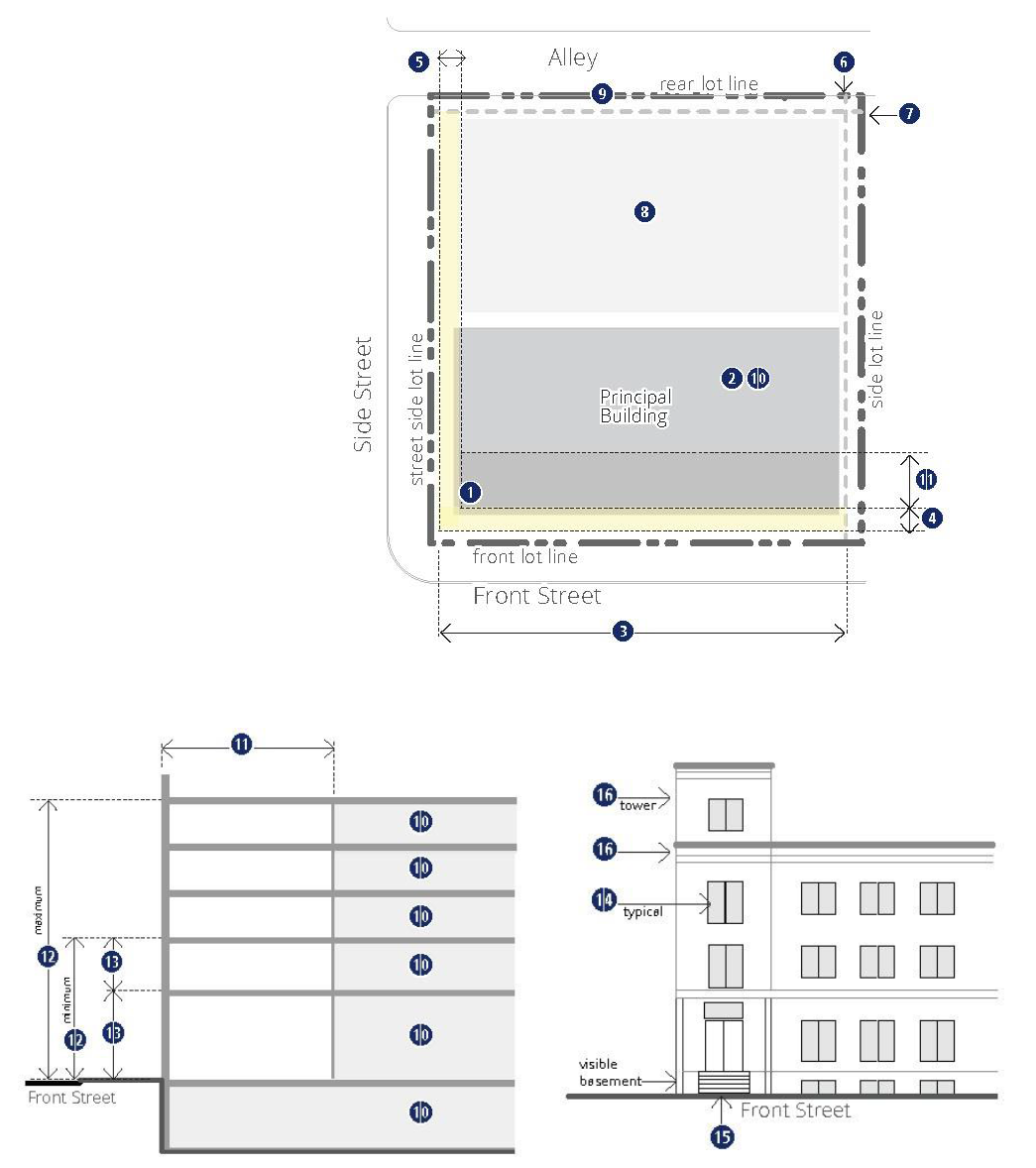
Figure 27-400(1). DX district diagrammatic plans and
elevations.
E.
Supplemental regulations.
1.
Courtyards. One courtyard, maximum of thirty (30) percent of facade width or fifty (50) feet wide, whichever is less, may count towards the minimum primary building frontage.
2.
Height step-backs at N or NX districts. Where N or NX zoning districts exist abutting the parcel or are located across an alley from the parcel, any story over the second story or over thirty-five (35) feet above grade shall be set back from the rear property line a minimum of fifty (50) feet. Frontage landscape buffer is required per article 27-1200 where more than ten-foot ground story rear setback exists.
3.
Minimum pedestrian frontage. When any front or street-side property line is within eight (8) feet or less of the back of curb, the build-to zone shall be measured from eight (8) feet off the back of curb to allow adequate pedestrian area.
(Ord. No. 21-5748, § 3(Exh. A), 1-25-21)
Sec. 27-406. - CMU districts.
The following site and structure regulations apply to any lot in the CMU districts. Refer to section 27-403 for general regulations applicable to all districts and Table 27-400.3, below, for regulations specific to this district, keyed to illustrations in Figure 27-400(2). See article 27-1800 for definitions and information on how to measure the following regulations:
Table 27-400-3. Site and Structure Regulations.
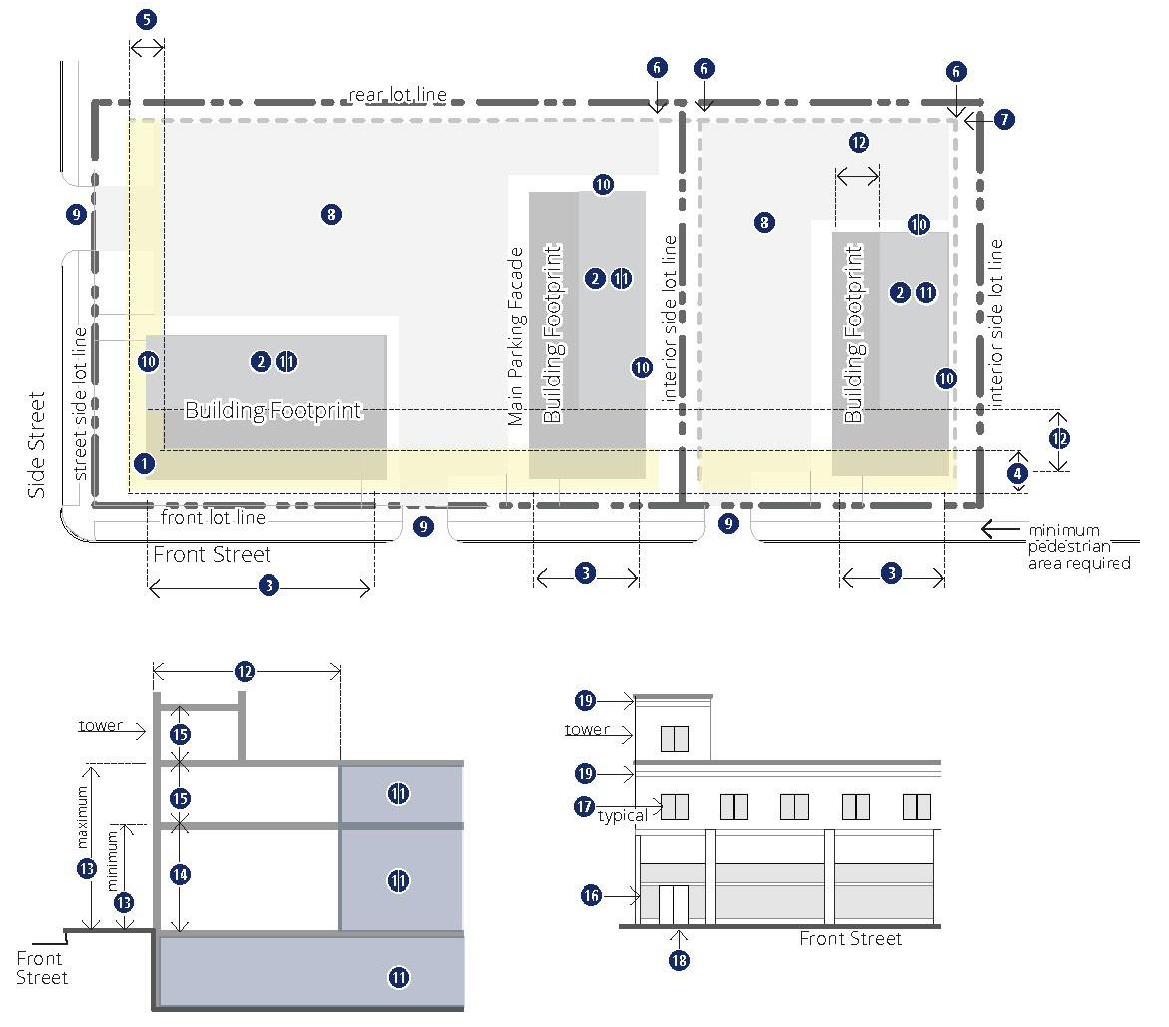
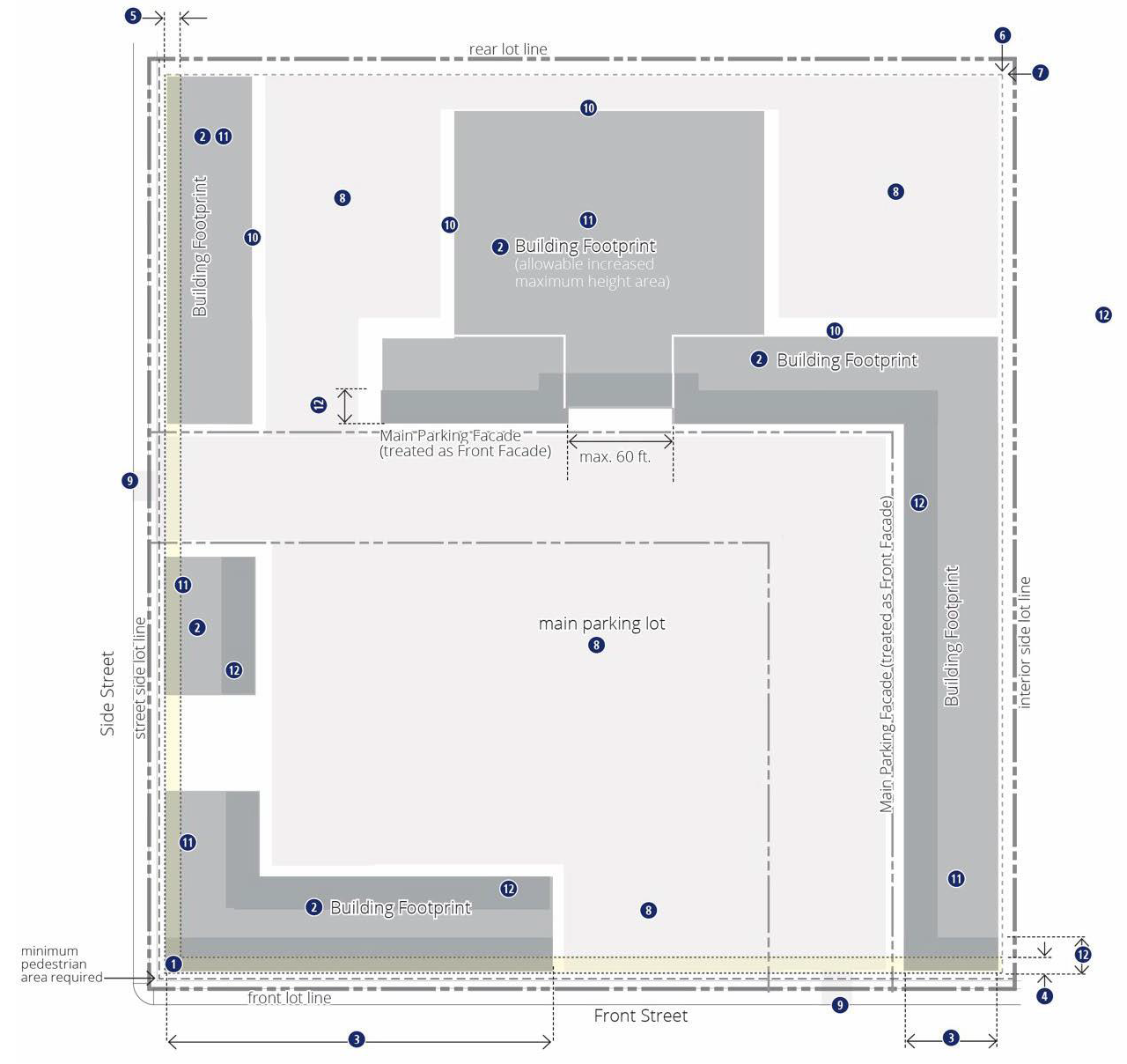
Figure 27-400(2). CMU district diagrammatic plans and elevations.
E.
Supplemental regulations.
1.
Courtyards. One courtyard, maximum of thirty (30) percent of facade width or fifty (50) feet wide, whichever is less, may count towards the minimum primary building frontage.
2.
Minimum pedestrian frontage. When any front or corner property line is within eight (8) feet or less of the back of curb, the build-to zone shall be measured from eight (8) feet off the back of curb to allow adequate pedestrian area.
3.
Height step-backs at N, NX, RMH districts. Where N, NX, or RMH zoning districts abut the parcel or are located across an alley from the parcel, any story over the second story or over thirty-five (35) feet above grade shall be set back from the rear property line a minimum of fifty (50) feet. Where the ground story is setback more than ten (10) feet from the rear lot line, the frontage landscape buffer is required per article 27-1200. Refer to Figure 27-400(3).
4.
Increased ground story height. Maximum ground story height in CMU2 only may be increased up to twenty-eight (28) feet with a maximum horizontal length along any primary or main parking frontage of sixty (60) feet. The 60-foot increment of increased height may occur once for every one hundred forty (140) feet of building frontage. Lower scaled commercial spaces may front the large-format space to achieve the maximum frontage and number of entrances required along the frontage.
5.
Through lots. Refer to subsection 27-403.H.4.
6.
Pedestrian pathway. In CMU2, direct, continuous separate pedestrian pathways are required connecting the sidewalk along the primary frontage to each shop door on the main parking lot frontage and dividing parking lots into segments no longer than three hundred (300) feet in length. The pathway shall include the following:
(a)
Streetscape is required along the pedestrian pathway per article 27-1200. Pavement shall be small unit pavers, concrete scored in less than four-foot increments, or other similar material approved by the zoning coordinator.
(b)
Perpendicular crossings of parking drives are permitted, but the pavement shall match the pathway.
(c)
Parallel paths to parking shall be located in a raised median or island or a protected pathway.
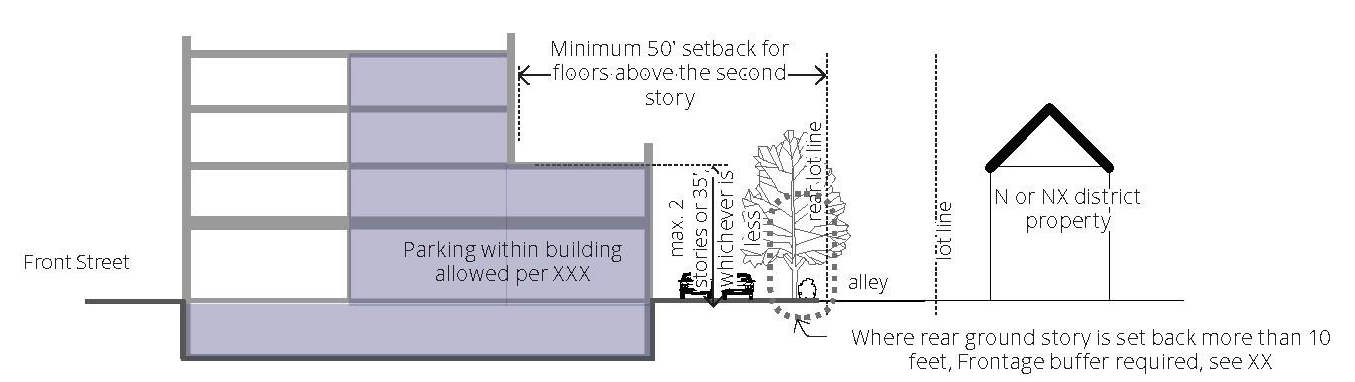
Figure 27-400(3). Height Step-Backs at N, NX, and RMH Districts.
(Ord. No. 21-5748, § 3(Exh. A), 1-25-21)
Sec. 27-407. - NMU district.
The following site and structure regulations apply to any lot in the NMU district. Refer to section 27-403 for general regulations applicable to all districts and Table 27-407.4, below, for regulations specific to this district, keyed to illustrations in Figure 27-407(1). See article 27-1800 for definitions and information on how to measure the following regulations:
Table 27-400-4. Site and Structure Regulations.
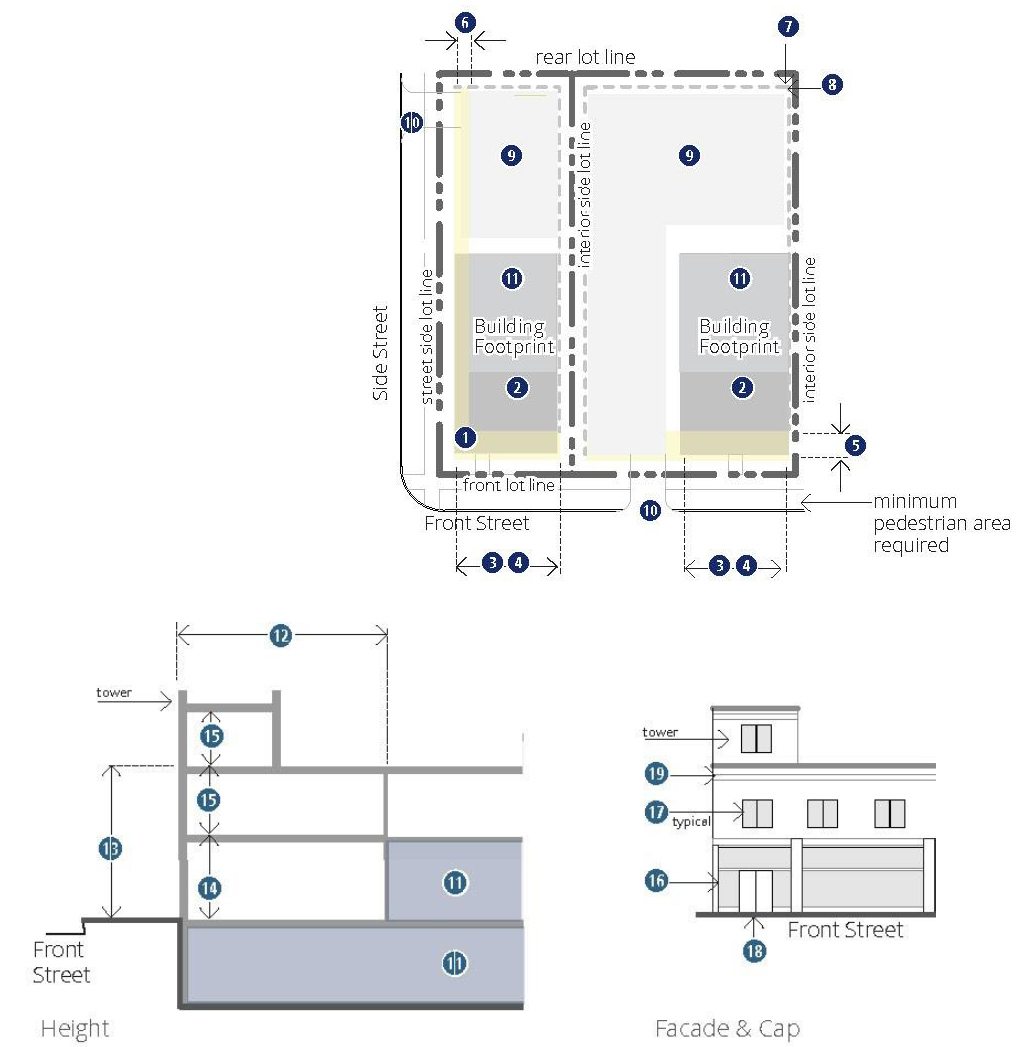
Figure 27-400(4). NMU district diagrammatic plans and
elevations.
E.
Supplemental regulations.
1.
Courtyards. One courtyard, maximum of thirty (30) percent of facade width or fifty (50) feet wide, whichever is less, may count towards the minimum primary building frontage.
2.
Minimum pedestrian frontage. When any front or corner property line is within eight (8) feet or less of the back of curb, the build-to zone shall be measured from eight (8) feet off the back of curb to allow adequate pedestrian area.
3.
Front yard parking expanded build-to zone. Where limited front yard parking is used, the build-to zone may be expanded to between five (5) and forty-five (45) feet. Refer to subsection 27-1802.B for explanation of limited front yard parking configuration.
4.
Through lots. Refer to subsection 27-403.H.4.
(Ord. No. 21-5748, § 3(Exh. A), 1-25-21)
Sec. 27-408. - NO district.
The following site and structure regulations apply to any lot in the NO district. Refer to section 27-403 for general regulations applicable to all districts and Table 27-400.5, below, for regulations specific to this district, keyed to illustrations in Figure 27-400(5). See article 27-1800 for definitions and information on how to measure the following regulations:
Table 27-400-5. Site and Structure Regulations.
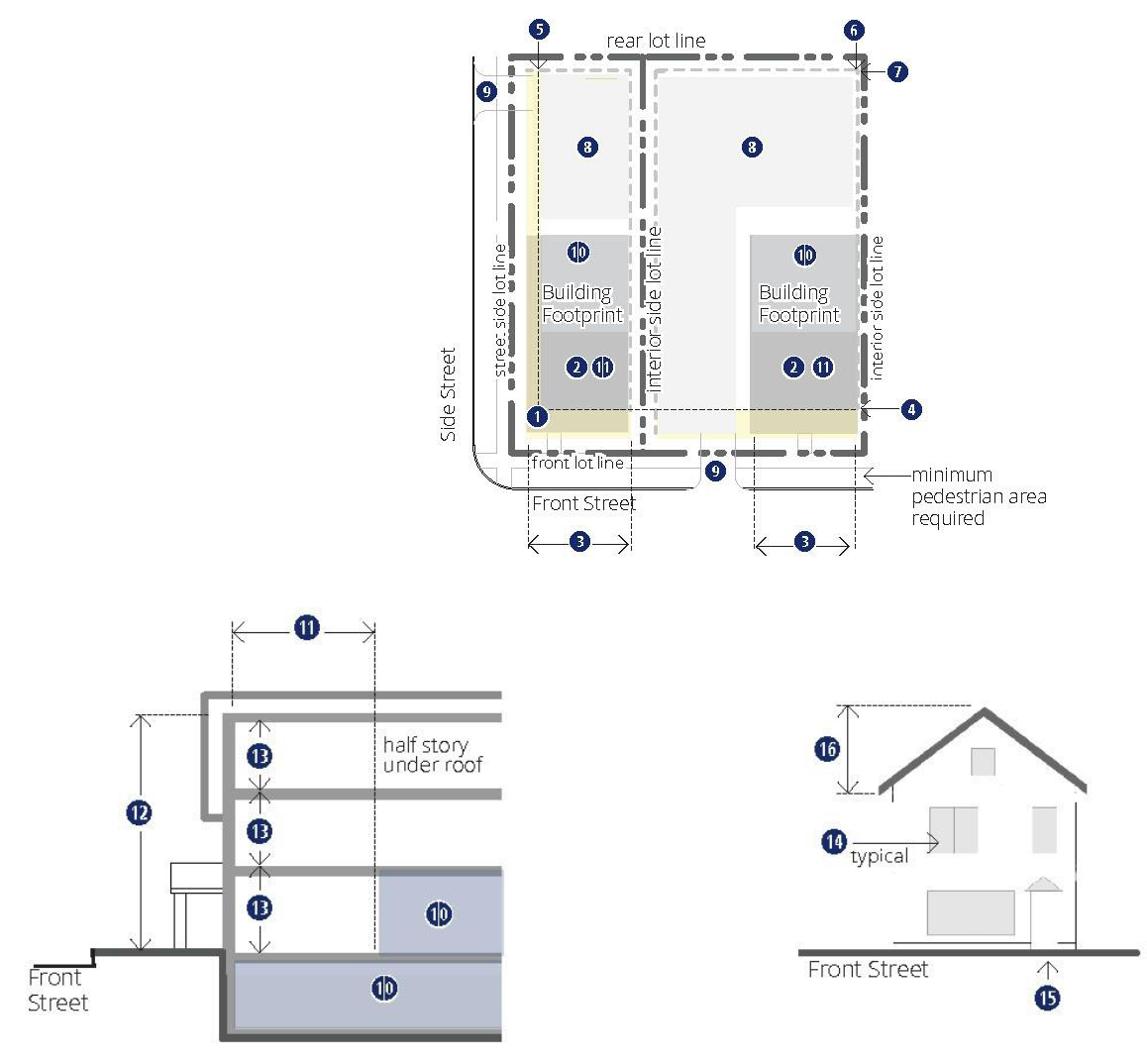
Figure 27-400(5). NO district diagrammatic plans and elevations.
E.
Supplemental regulations.
1.
Minimum pedestrian frontage. When any front or corner property line is within eight (8) feet or less of the back of curb, the build-to zone shall be measured from eight (8) feet off the back of curb to allow adequate pedestrian area.
2.
Through lots. Refer to subsection 27-403.H.4.
(Ord. No. 21-5748, § 3(Exh. A), 1-25-21)
Sec. 27-409. - CX district.
The following site and structure regulations apply to any lot in the CX districts. Refer to section 27-403 for general regulations applicable to all districts and Table 27-400.6, below, for regulations specific to this district, keyed to illustrations in Figure 27-400(6). See article 27-1800 for definitions and information on how to measure the following regulations:
Table 27-400-6. Site and Structure Regulations.
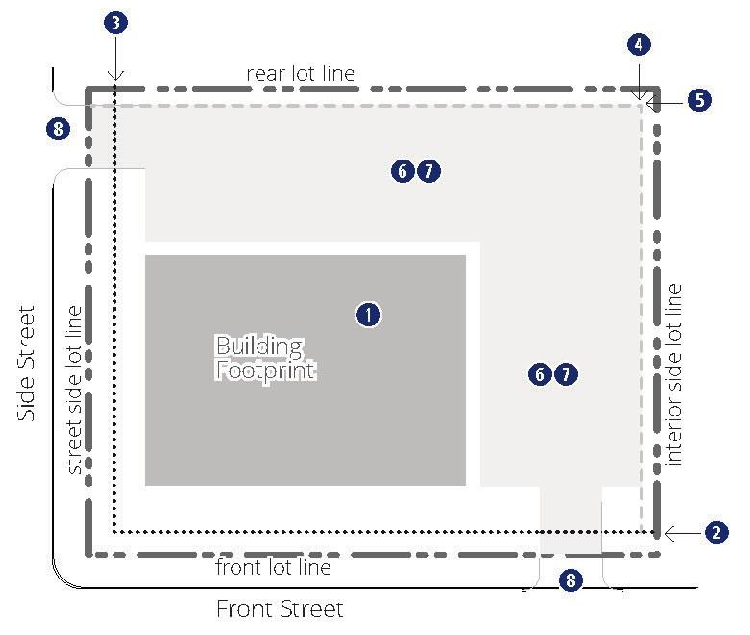
Figure 27-400(6). CX district diagrammatic plan.
D.
Supplemental regulations. [Reserved.]
(Ord. No. 21-5748, § 3(Exh. A), 1-25-21; Ord. No. 22-5807, § 3(c), 5-9-22)

