
Clearwater City Zoning Code
ARTICLE 8
- DEFINITIONS AND RULES OF CONSTRUCTION
Section 8-101.- Rules of construction.
For the purposes of this Development Code, the following rules of construction shall apply:
A.
The provisions of this development code shall be construed to achieve the purposes and intent for which they are adopted.
B.
Nothing in this development code is intended to abrogate any easement, covenant, deed restriction or other private agreement; however, where the regulations of this development code are more restrictive or impose higher standards or requirements than such easement, covenant, deed restriction or other private agreement, the requirements of this development code shall govern.
C.
In the event of a conflict between the text of this development code and any caption, figure, illustration, table, or map, the text of this development code shall control. In the event of a conflict between a chart and an illustration, the chart shall control. All illustrations included in this development code are for illustrative purposes only.
D.
In the event of any conflict in limitations, restrictions, or standards applying to an individual use or structure, the more restrictive provisions shall apply.
E.
The words "shall," "must," and "will," are mandatory in nature, implying an obligation or duty to comply with the particular provision.
F.
The word "may" is permissive in nature.
G.
Words used in the present tense include the future tense.
H.
Words uses in the masculine gender include the feminine gender.
I.
The words used and occupied as applied to any land or building shall be construed to include the words "intended, arranged or designed to be used or occupied."
J.
The word "lot" shall include the words "plot," "parcel," "site," or "tract" of land.
K.
The word "herein" means "this development code."
L.
Any act authorized by this development code to be carried out by a specific official or agency of the city is impliedly authorized to be carried out by a designee of such official or agency.
M.
The time within which an act is to be done shall be computed by excluding the first and including the last day; if the last day is a Saturday, Sunday or a legal holiday, that day shall be excluded.
N.
Any words and terms not defined herein shall have the meaning indicated by common dictionary definition.
O.
Any reference to Florida Statutes or Florida Administrative Code shall be construed to be a reference to the most recent enactment of such statute or rule, and shall include any amendments as may from time to time be adopted.
Section 8-102. - Definitions.
For the purposes of this Development Code, the following words and terms have the meanings specified herein:
Abandoned building means a building or structure that is deserted by the owner and left unsecured or that is not maintained. Evidence of desertion and lack of maintenance shall include, but not be limited to: unaddressed code violations; lack of required building permits or certificate of occupancy; lack of business tax receipt; and lack of active utilities.
Abandoned motor vehicle means a motor vehicle voluntarily relinquished by the owner for an apparently indefinite period of time. The term includes but is not limited to any motor vehicle which is left upon private property without the consent of the owner, lessee or occupant thereof for longer than two hours.
Abutting property means property which is contiguous to the parcel proposed for development or contiguous to property which is owned by the applicant and/or an affiliated entity of the applicant which is contiguous to the parcel proposed for development.
Accent tree means a self-supporting woody plant which normally attains a height between 15 and 35 feet at maturity in the county.
Access means a way or means of approach to provide vehicular or pedestrian entrance or exit to a property.
Access classification means a ranking system for roadways used to determine the appropriate degree of access management. Factors considered include functional classification, the appropriate local government's adopted plan for the roadway, subdivision, of abutting properties, and existing level of access control.
Access connection means any driveway, street, turnout or other means of providing for the movement of vehicles to or from the public roadway system.
Access management means the process of providing and managing access to land development while preserving the regional flow of traffic in terms of safety, capacity, and speed.
Access management plan (corridor) means a plan illustrating the design of access for lots on a highway segment or an interchange area that is developed jointly by the state, the metropolitan planning organization, and the City of Clearwater.
Accessory uses means a use which: 1) is subordinate to and serves a principal use; 2) is subordinate in area, extent, and purpose to the principal use served; 3) contributes to the comfort, convenience or necessities of the users or occupants of the principal use; and 4) is located on the same lot as the principal use.
Accessory structure means a building or structure which: 1) is subordinate to and serves a principal building; 2) contributes to the comfort or necessity and convenience of the users or occupants of the principal building; 3) is located on the same lot as the principal building and is not attached to such building and (4) is detached from principal structure.
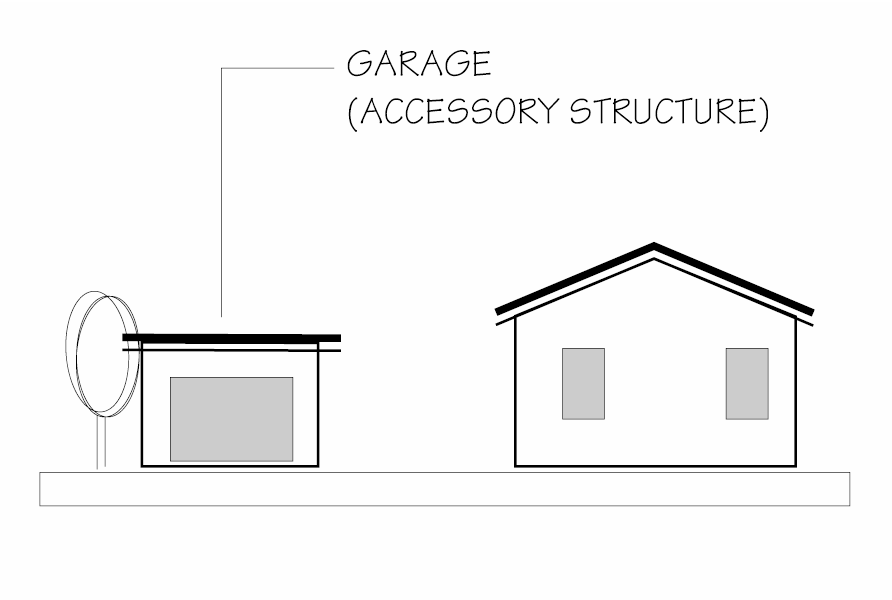
accessory structures
Accident potential hazard area means a rectangular area longitudinally centered on the runway centerline and extended runway centerline, the width of which is 5,000 feet and the length of which terminates 5,000 feet beyond each end of the runway.
Addition (to an existing building) means any walled and roofed expansion to the perimeter of a building in which the addition is connected by a common loadbearing wall other than a firewall. Any walled and roofed addition which is connected by a firewall or is separated by independent perimeter loadbearing walls is new construction.
Adult arcade means a place to which the public is permitted or invited and where coin operated or slug-operated or electronically, electrically, or mechanically controlled still or motion picture machines, projectors, or other image-producing devices are maintained to show to patrons images whose dominant or predominant character or theme is the depiction of "specified sexual activities" or "specified anatomical areas."
Adult bookstore or video store means an establishment that derives more than half of its gross revenue from selling or renting adult material, or an establishment for which more than half of its stock in trade consists of adult material. In measuring stock in trade for the purpose of this definition, the number of units of articles available for sale or rent shall be counted.
Adult booth means a separate enclosure inside an "adult use establishment," accessible to any person, regardless of whether a fee is charged for access. The term "adult booth" includes, but is not limited to, a "peep show" booth, "adult arcade" booth, or other booth used to view "adult material." The term "adult booth" does not include a restroom or a foyer through which any person can enter or exit the establishment.
Adult day care means a use for the provision of care for part of a day, with or without compensation of three or more persons who are 18 years of age or older who are not related to the owner or operator by blood or marriage.
Adult material means any one or more of the following, regardless of whether it is new or used: books, magazines, periodicals or other printed matter, paintings, drawings, or other publications or graphic media, or photographs, slides, transparencies, films, motion pictures, video or audio cassettes, video or computer disks, or other visual or audio representations or recordings, or computer data storage media, which have as their primary or dominant theme matter depicting, illustrating, describing or relating to "specified sexual activities" or "specified anatomical areas;" or instruments, novelties, devices or paraphernalia which are designed for use in connection with "specified sexual activities."
Adult modeling or activity center means an establishment, other than an "adult bookstore or video store," "adult photographic studio," "adult theater," or "special cabaret," where one or more employees model, demonstrate or present any object for sale, or provide any service to patrons, while the employee or employees exhibit "specified anatomical areas."
Adult photographic studio includes any business establishment which offers or advertises as its primary business the use of its premises for the purpose of photographing "specified sexual activities" or "specified anatomical areas."
Adult theater means an enclosed building or an enclosed space within a building, or an open-air area used for presenting as a preponderance of its entertainment, films, motion pictures, video cassettes or disks, slides or similar photographic reproductions, recordings or other audio matter, or live plays, dances, or other performances, either by individuals or groups, whose dominant or predominant character or theme is the depiction or description of "specified sexual activities" or "specified anatomical areas" for the entertainment of patrons therein. The term includes, but is not limited to, an establishment that has one or more "adult booths" or an "adult arcade."
Adult use shall be defined to include the terms "adult arcade," "adult bookstore or video store," "adult booth," "adult theater," "special cabarets," "adult photographic studios," or "adult modeling or activity centers."
Adult use establishment means a site or premises, or portion thereof, upon which "adult use" activities or operations are conducted.
Adult use licensee means any person whose application for an "adult use" license has been granted and who owns, possesses, operates, and controls the "adult use establishment."
Advertising means any form of public announcement intended to aid, directly or indirectly, in the sale, use, or promotion of a product, commodity, service, activity, or entertainment.
Airport means the Clearwater Airpark.
Airport elevation means the highest point of the airport's usable landing area measured in feet above mean sea level which is established at 71 feet AMSL.
Airport height zone means one of five specifically described areas in proximity to the airport, namely: primary zone, horizontal zone, conical zone, approach zone and transitional zone, each of which is separately defined.
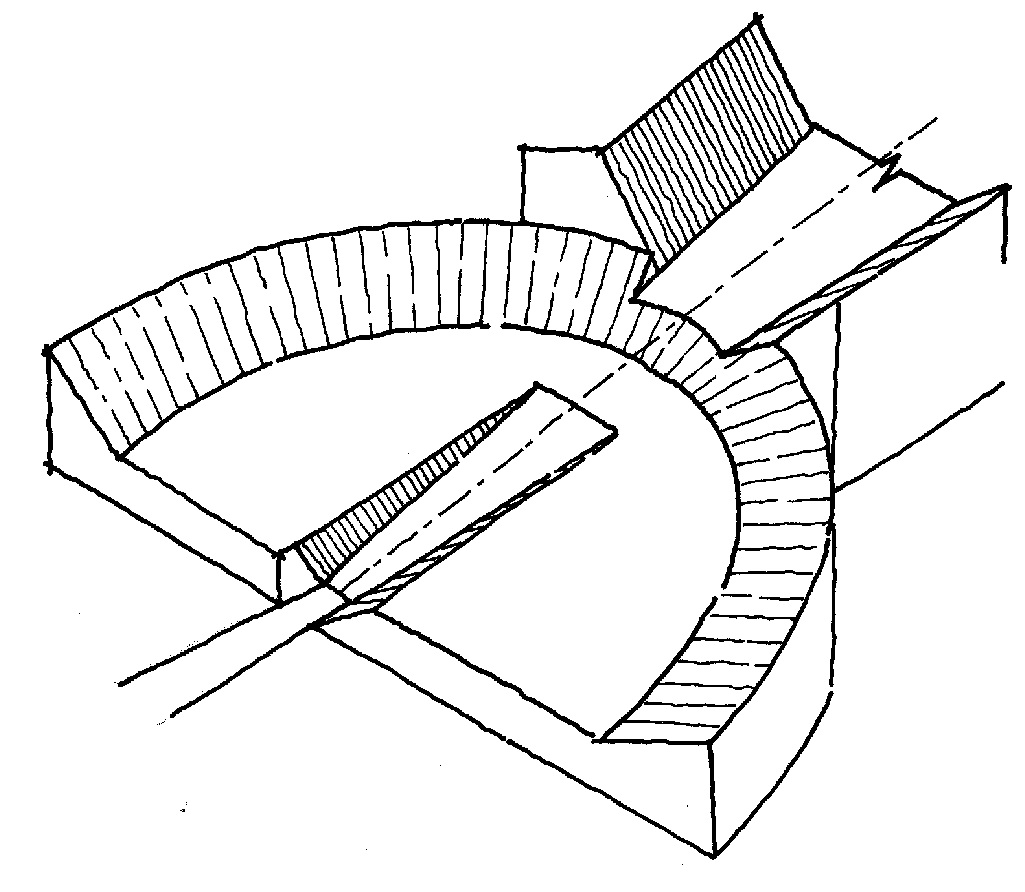
airport height zone
Airport obstruction means a building, structure, object of natural growth or use of land which either exceeds the federal obstruction standards contained in 14 CFR 77.21, 77.23, 77.25 and 77.28 or constitutes an obstruction to the airspace required for landing at or taking off from the airport.
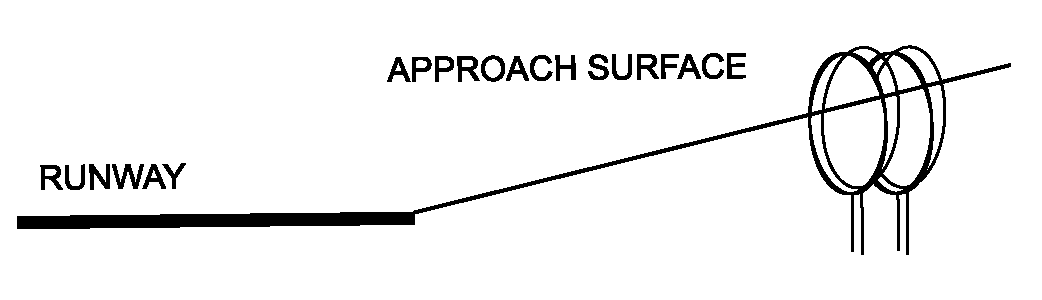
airport obstruction
Affordable housing unit means any residential dwelling unit leased or owned by a household with a household income of 120 percent or less of the adjusted area median family income for Pinellas County, Florida, as determined by the U.S. Department of Housing and Urban Development (HUD). The rental rates for leased workforce affordable housing units, as defined in Charter Section 2.01(d)(5)(i), shall not exceed the rates published by the Florida Housing Finance Corporation for annual "Maximum Rents by Number of Bedroom Unit" for the Tampa-St. Petersburg-Clearwater Metropolitan Statistical Area (MSA). For non-rental units, the sales price may not exceed 90 percent of the average area price for the Tampa-St. Petersburg-Clearwater MSA, as established by the annual revenue procedure which provides issuers of qualified mortgage bonds, as defined in Section 143(a) of the Internal Revenue Code, and issuers of mortgage credit certificates, as defined in Section 25(c) of the Internal Revenue Code, with the nationwide average purchase price for the residences located in the United States.
Alcoholic beverage sales (package) means a commercial activity involving the sale of alcoholic beverages for off-premises consumption.
Alley means a public thoroughfare which affords only a secondary means of access to abutting property.
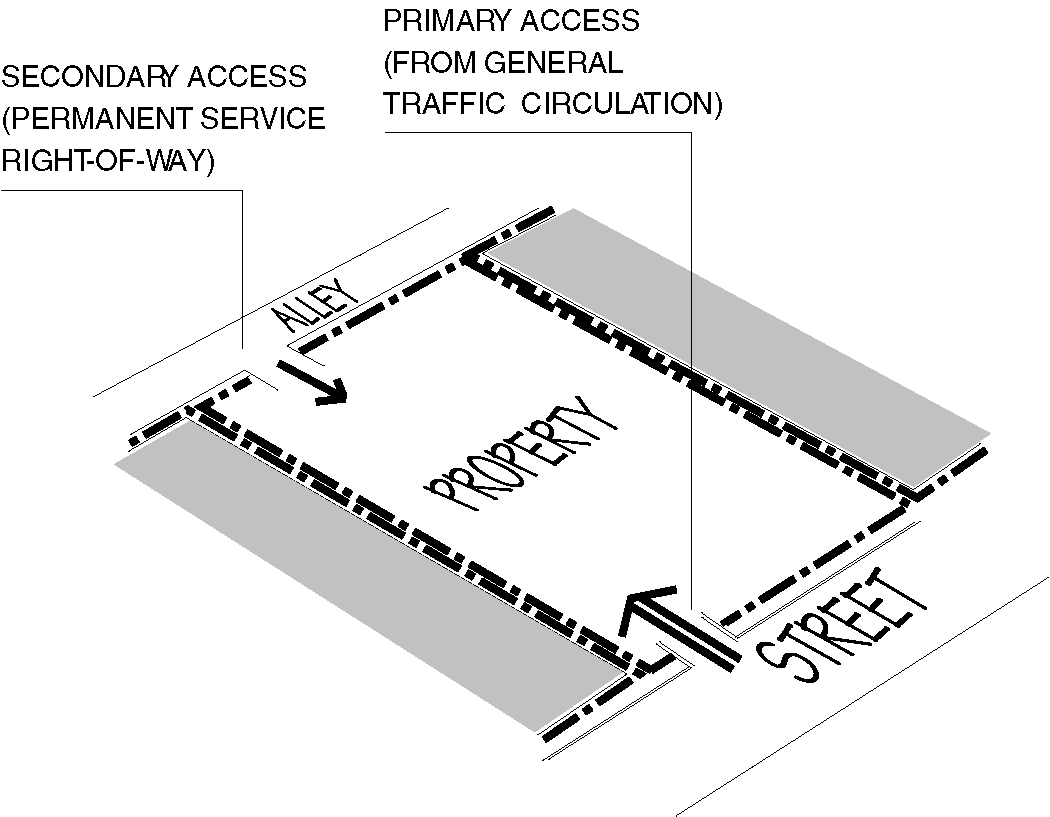
alley
Animal boarding means a use where animals are kept on a temporary basis in conjunction with overnight boarding.
Antenna means any exterior apparatus at a fixed location designed for telephonic, radio, data, internet or other communications, through the sending and/or receiving of electromagnetic waves.
Applicant means a person who applies to the city for development approval.
Application for development approval means any application for approval of development under the provisions of this development code, other than an application for a building permit, certificate of occupancy, and occupational license.
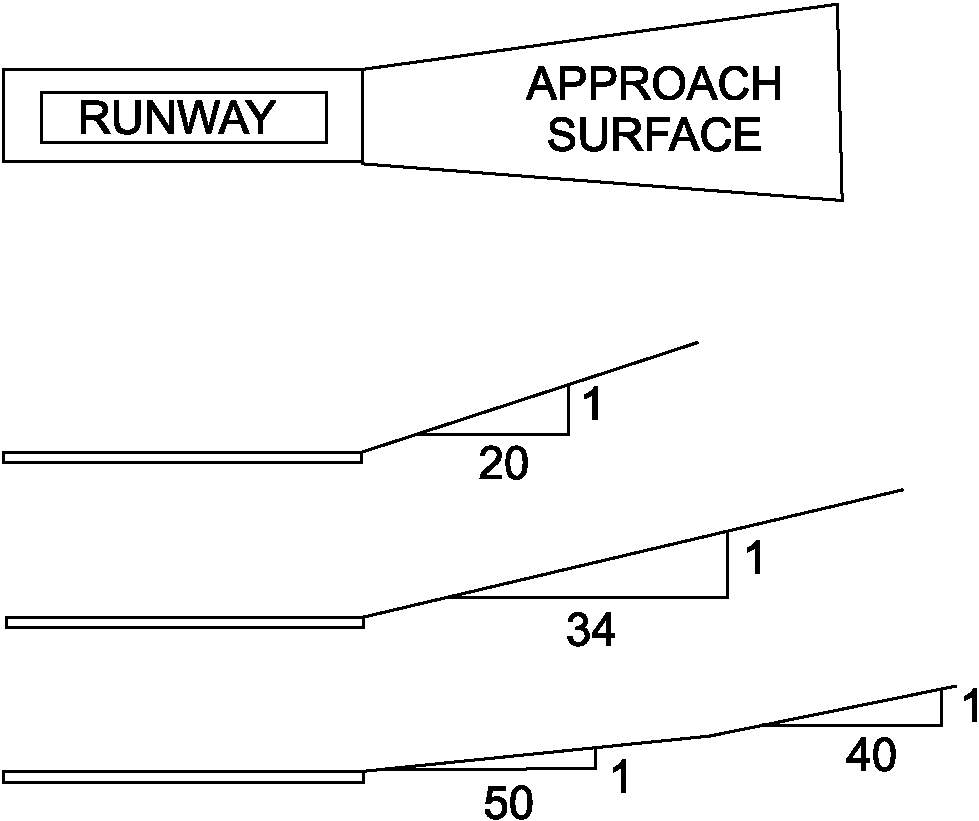
Approach zone means an area longitudinally centered on the extended runway centerline which is contiguous to and extends away from each end of the primary zone for a distance of 5,000 feet, the width of which is 250 feet on the inner boundary, nearest the runway, and widens uniformly to a width of 2,500 feet on the outer boundary, furthest from the runway.
Aquaponic systems means the symbiotic propagation of plants and fish in an indoor, constructed and recirculating environment. For the purposes of this Code, an aquaponic system shall constitute an urban farm.
Arboriculture means the care and maintenance of trees.
Architectural detail means any projection, relief, change of material, window or door opening, exterior lighting, inlay or other exterior building features not specifically classified as a sign. The term includes, but is not limited to, relief or inlay features or patterns that distinguish window or door openings, exterior lighting that frames building features, and changes in façade materials to create an architectural effect.
Artwork means a two- or three-dimensional representation of a creative idea that is expressed in a form and manner so as to provide aesthetic beauty, appeal or enjoyment. Company names, logos, and text relating to products sold by a company or person that are a part of artwork shall be considered signage.
Artisan means any artist, painter, sculptor, photographer or craftsman who produces and sells artwork or handicrafts on a site.
Assisted living facility means a facility, as defined in Florida Statutes, which provides housing, food services, and one or more personal service for four or more adults, not related to the owner or administrator by blood or marriage, or provides extended congregate care, limited nursing services, or limited mental health services. For the purpose of calculating the maximum development potential, 3.0 beds shall be equivalent to one dwelling unit.
Automobile service station means any building, structure, or lot used for the following: dispensing, selling or offering for retail sale gasoline, kerosene, lubricating oil, or grease for the operation and maintenance of automobiles. This may include buildings or structures that are used for the retail sale and direct delivery to motor vehicles of cigarettes, candy, soft drinks and other related items for the convenience of the motoring public, and may include facilities for lubricating, minor repairs or vehicle service. Such establishments shall not include facilities for major vehicle service.
Aviation obstruction means a building, structure, object of natural growth or use of land which impedes or otherwise hinders the safe operation of airborne aircraft.
Background traffic means the roadway trips which occur without the additional trips generated by a proposed development.
Backlogged road means any city, county, or state road within the city operating at a level of service below the adopted minimum operating level of service specified in the comprehensive plan.
Bars means any establishment licensed by the State of Florida for consumption of alcohol on the premises, which is devoted during any time of operation predominantly or totally to serving alcoholic beverages, and in which the serving of food, if any, is merely incidental to the consumption of any such beverage; and the licensed establishment is not located within, and does not share any common entryway, or common indoor area with any business for which the sale of food or any other product or service is more than an incidental source of gross revenue; and seating/tables accounts for at least 75 percent of the total gross floor area of the use.
Basement means that portion of a building having its floor subgrade, i.e., below ground level, on all sides.
Beach access point means any access used by the general public or private property owners for the purpose of gaining access to the beach.
Beacon means a stationary or revolving light which flashes or projects illumination, single color or multicolored, in any manner which is intended to attract or divert attention; not including any kind of lighting device which is required or necessary under the safety regulations described by the Federal Aviation Agency or similar agencies.
Beer garden means an open air, roofed or unroofed area accessory to a microbrewery, where beer and/or other alcoholic beverages are served or consumed.
Bioswale means a shallow planted depression used to partially treat water quality, attenuate flooding potential and convey stormwater away from critical infrastructure (e.g., rain garden, vegetated swale).
Blackwater means that part of domestic sewage carried off by toilets, urinals, and kitchen drains.
Block means a unit of land bounded by streets or by a combination of streets and public land, railroad rights-of-way, waterways, or any other barrier to the continuity of development.
Blockface means the continuous frontage along any one side of a block.
Block length means length between centerlines of intersecting streets.
Blood plasma center means a building used for the extraction of blood plasma from human beings for the purpose of sale or transfer.
Board means the Community Development Board of the City of Clearwater.
Breweries means establishments with an annual beer production of between 15,000 and 6,000,000 barrels. A brewery may include a taproom as an accessory use. For the purposes of this Code, a brewery shall constitute a manufacturing use.
Brewpubs means establishments that are primarily a restaurant or bar, but which include the brewing of beer as an accessory use. A brew pub produces only enough beer for consumption on the premises or for retail carryout sale in containers commonly referred to as growlers, which is an individual container that holds 32, 64, or 128 ounces. Brewpubs may sell beer in an unlimited number of keg containers larger than a U.S. gallon for special events, the primary purpose of which is the exposition of beers brewed by brewpubs and microbreweries, which include the participation of at least three such brewers; and for city co-sponsored events where the purpose of the event is not for commercial profit and where the beer is not wholesaled to the event co-sponsors but is instead, dispensed by employees of the brewpub.
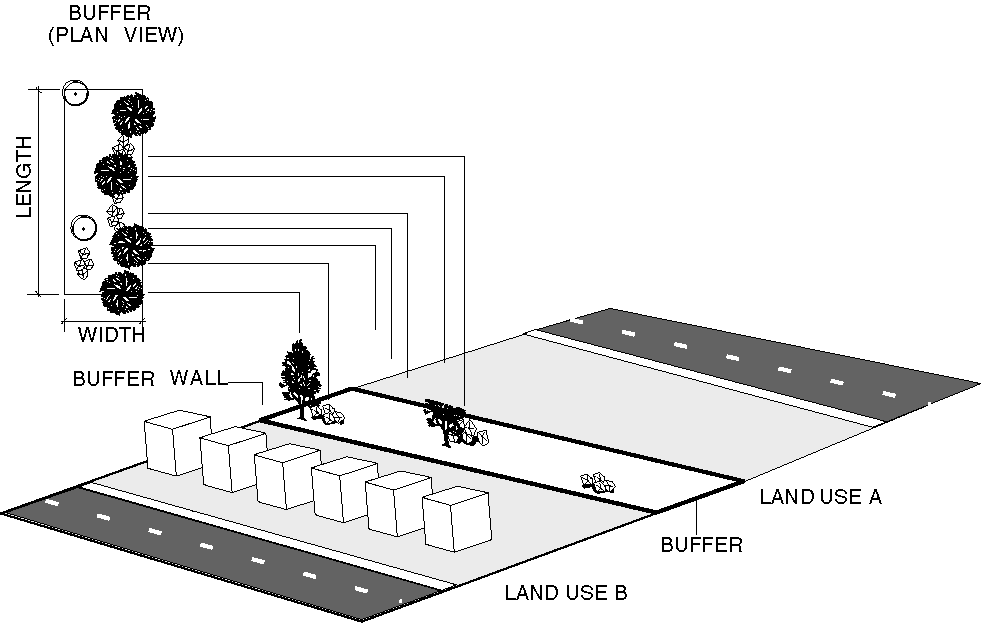
Buffer means a combination of vegetation, fencing, berms and/or open spaces which is used to physically separate or screen land uses.
Buffer
Building permit means a permit issued prior to the initiation of construction, certifying that the plans for the building, structure or site improvement for which the building permit is requested meets all applicable regulations, prior approvals, ordinances and statutes.
Building means any structure having a roof supported by columns or walls and intended for the shelter, housing, or enclosure of any individual, animal, process, equipment, goods, or materials of any kind.
Building official means the building official of the city within the meaning of the building codes adopted for enforcement within the city.
Building length means the dimension of the building including all appurtenant decks and balconies as measured parallel to the street right-of-way.
Building separation means the distance between principal buildings on a site.
Business tax receipt means the document issued by the city indicating all fees, taxes and other associated costs associated with conducting the business at any and all appropriate locations within the city have been paid.
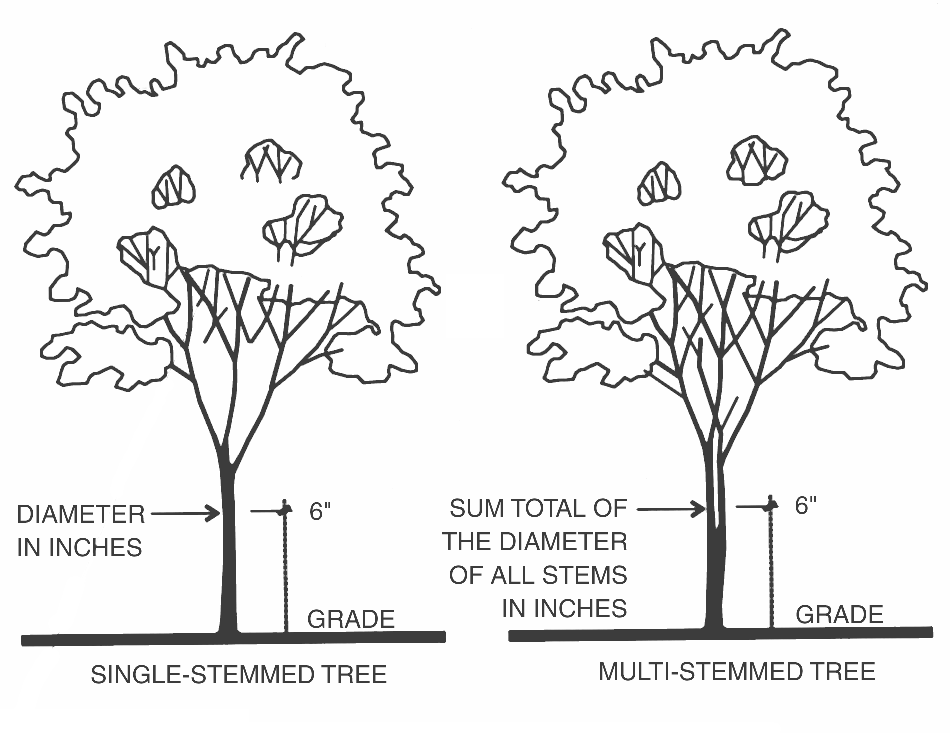
Caliper means the measurement of young or nursery trees and is measured at a height six inches above the ground or soil level for trees up to and including four inches in caliper and 12 inches above the ground for larger trees.
Caliper
Cemetery means a burial place for human remains, including earth interment, a mausoleum, for crypt or vault entombment, or a columbarium for cinerary inurnment.
Certificate of occupancy/use means a certificate by the building official that a building, structure or use conforms to the building permit, all applicable city ordinances and requirements and may be used or occupied as proposed and approved.
Certificate of concurrency/capacity means the document issued by the city indicating the quantity of public facilities that are available and reserved for the property described in the certificate, including any limits on uses, densities, and intensities of an approved development of the property, and containing an expiration date.
Change of use means a change of use of a building, structure or property to another use.
Chapter, article, division, section, subsection, paragraph or subparagraph means a reference to a provision contained within the Code of Ordinances of the City of Clearwater, unless the context expressly refers to the Florida Statutes or other document.
Chicken means specifically female chickens only (i.e., hens).
Chicken coop means a covered house, structure, or room that provides chickens with shelter from weather and with a roosting area protected from predators.
Chicken run means a fenced or wired in area or pen with a roof or fencing completely covering the top portion thereof, required in conjunction with a chicken coop to provide an outside exercise area for chickens free from predators and of a size that allows access to a foraging area and sunlight.
Child day care means a use providing for the day care, with or without compensation, of five or more infants, preschool-aged children and/or school-aged children who are unrelated to the operator as defined in Florida Statutes § 402.302(4).
City means the City of Clearwater, Florida.
City engineer means the city engineer of the city.
Clearing means the act of removing vegetation or an existing impervious surface such as but not limited to asphalt, concrete or buildings, such that bare earth or other erodible surface is exposed to the elements.
Clearwater Beach means that portion of land lying in the City of Clearwater, Pinellas County, Florida, bounded on the north by the City of Clearwater City Limits and the Dunedin Pass Channel; bounded on the east by the Mandalay Channel, which lies between Clearwater Beach and Island Estates; bounded on the south by the Clearwater Pass Channel; bounded on the west by the Gulf of Mexico.
Cleveland Street Café District means the area on Cleveland Street bordered by Myrtle Avenue and Osceola Avenue.
Coastal construction control line (CCCL) means a boundary established by the State of Florida pursuant to F.S. § 161.053 to regulate how close structures can be constructed to certain coastal waters.
Coastal storm area means the area delineated in the Clearwater Comprehensive Plan, which encompasses all of the following: (1) the Coastal High Hazard Area (CHHA), which shall be defined by the Sea, Lake and Overland Surges from Hurricanes (SLOSH) model to be inundated from a category one hurricane, as reflected in the most recent Regional Evacuation Study, Storm Tide Atlas, (2) all land connected to the mainland of Clearwater by bridges or causeways, (3) those isolated areas that are defined by the SLOSH model to be inundated by a category two hurricane or above and that are surrounded by the CHHA or by the CHHA and a body of water, and (4) all land located within the Velocity Zone as designated by the Federal Emergency Management Agency.
Code enforcement officer means those authorized agents or employees of the city whose duty it is to enforce this Development Code and other city ordinances and codes.
Color, earth tone means brown, beige, green and other colors typically found in the natural environment.
Color, muted means colors which are not garish, gaudy, loud, excessive, ostentatious or otherwise constitutes a glaring and unattractive contrast to surrounding buildings.
Commercial vehicle means any vehicle designed for a commercial or industrial function, or any vehicle marked with commercial advertising.
Common ownership means a shared interest in real property by the same person or any persons related by marriage, blood, or adoption who are parents, spouses, siblings and children.
Community development board means the board established pursuant to Article 5 of this Development Code with authority to hear appeals of level one approvals, to review and decide level two approvals, and to review and recommend level three approvals to the city council. Pursuant to the F.S. Ch. 163, community development board also means "local planning agency."
Community development coordinator means the director of the department responsible for the planning functions of the city, or any person designated to act on behalf of the director.
Community gardens means a use of property where more than one person grows produce and/or horticultural plants for their personal consumption and enjoyment, for the consumption and enjoyment of friends and relatives and/or donation to a not for profit organization, or the consumption and enjoyment of others through limited incidental retail sale on-site of goods grown on-site as permitted by the zoning district. Community gardens may also be designed for beautification of the community, and/or may be used for educational purposes.
Community residential home means a dwelling unit which provides a living environment for up to 14 unrelated residents who operate as the functional equivalent of a family, including such supervision and care by supportive staff as may be necessary to meet the physical, emotional and social needs of the residents. Community residential homes shall not be located within 1,000 feet of one another.
Comprehensive infill redevelopment project means an innovative use of land which does not conform to typical land use categories or development forms and involves a use or mix of uses, designed and located in a special or innovative form with special functions or character which are beneficial to a particular part of the City of Clearwater and the citizens of the City of Clearwater as a whole.
Comprehensive plan means the City of Clearwater's Comprehensive Plan adopted pursuant to Florida Statutes.
Concurrency means that adequate public facilities meeting the level of service standards established in the city's comprehensive plan are or will be available no later than the impacts of a development.
Concurrency management system means the procedure and process that the city utilizes to ensure that development orders and permits issued by the city shall not result in an unacceptable degradation of the adopted level of service adopted in the City of Clearwater Comprehensive Plan.
Concurrency test means a comparison of a development's impact on public facilities with the capacity of public facilities that are or will be available no later than the impacts of development.
Condominium plat means a document (plat) prepared for recordation purposes displaying the manner in which property is to be partitioned into condominium interests.
Condominium means the partitioning of single units in a multiple unit structure for the purpose of individual ownership and where there are commonly owned areas or facilities included.
Congregate care means a residential use designed to be occupied by 21 or more persons, comprised of individual dwelling units, with or without complete kitchen facilities, and such common dining and other normal living facilities as may be integral to the personal and therapeutic care of residents. Such congregate care facilities shall include facilities for adult congregate living as defined by F.S. §§ 400.401 through 400.454 and like residential retirement and life care. For the purpose of calculating the maximum development potential, 3.0 beds shall be equivalent to one dwelling unit.
Conical zone means an area extending outward from the perimeter of the horizontal zone for a uniform distance of 4,000 feet. (See airport height definition for illustration)
Coniferous means a tree belonging to a group of mostly evergreen trees that bear true cones or arillate fruit.
Connection spacing means the distance between connections, measured from the closest edge of pavement of the first connection to the closest edge of pavement of the second connection along the edge of the traveled way.
Constrained facility means a road identified in the Comprehensive Plan as a road to which the addition of two or more through lanes is not possible because of physical barriers or policy barriers.
Contributing properties means properties located in a historic district that meet the criteria set forth in section 4-607.
Convention center means a facility designed to accommodate 500 or more persons and used for conventions, conferences, seminars, product displays, recreation activities and entertainment functions, along with accessory functions including temporary outdoor displays, and food and beverage preparation and service for on-premise consumption.
Convicted means a determination of guilt resulting from a plea or trial, regardless of whether adjudication was withheld or whether imposition of sentence was suspended.
Corner clearance means the distance from an intersection of a public or private road to the nearest access connection, measured from the closest edge of the pavement of the intersecting road to the closest edge of the pavement of the connection along the traveled way.
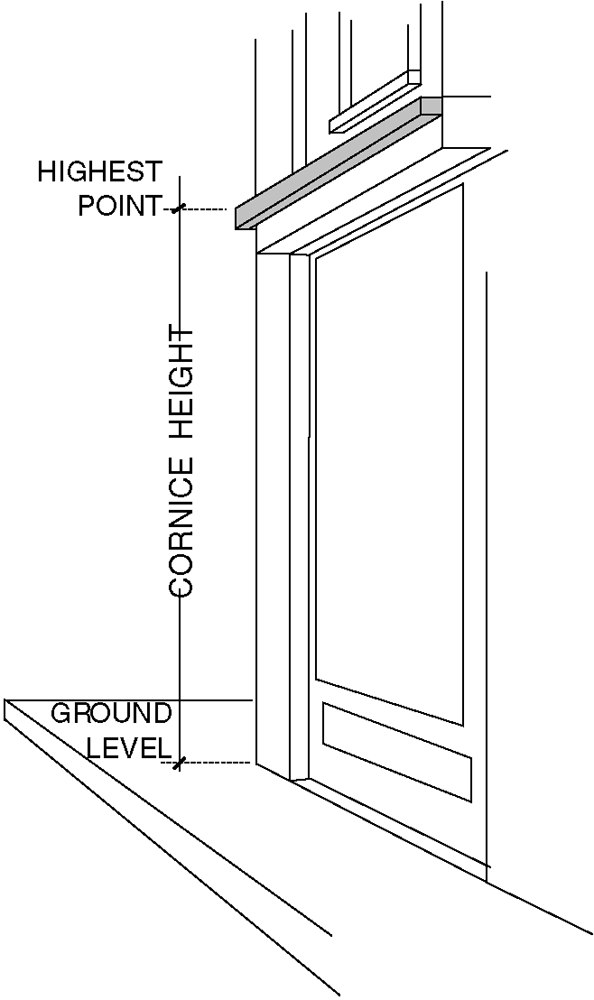
Cornice height means the vertical distance from ground level (top of finished sidewalk) to the top of the exterior cornice.
Cornice, exterior means the uppermost horizontal molded projection or other uppermost horizontal element located at the top of a building or portion of a building.
Credits means the impact fee deductions allowed a feepayer for eligible off-site transportation improvements funded by the feepayer.
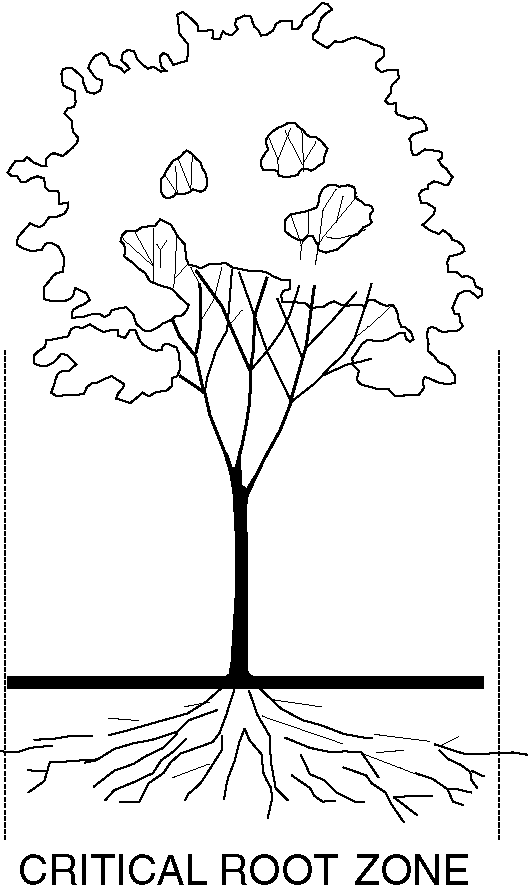
Critical root zone means the rooting area of a tree, within the tree's dripline, which if injured or otherwise disturbed is likely to directly affect a tree's chance for survival.
Cross access means a service drive providing vehicular access between two or more contiguous sites so the driver need not enter the public street system.
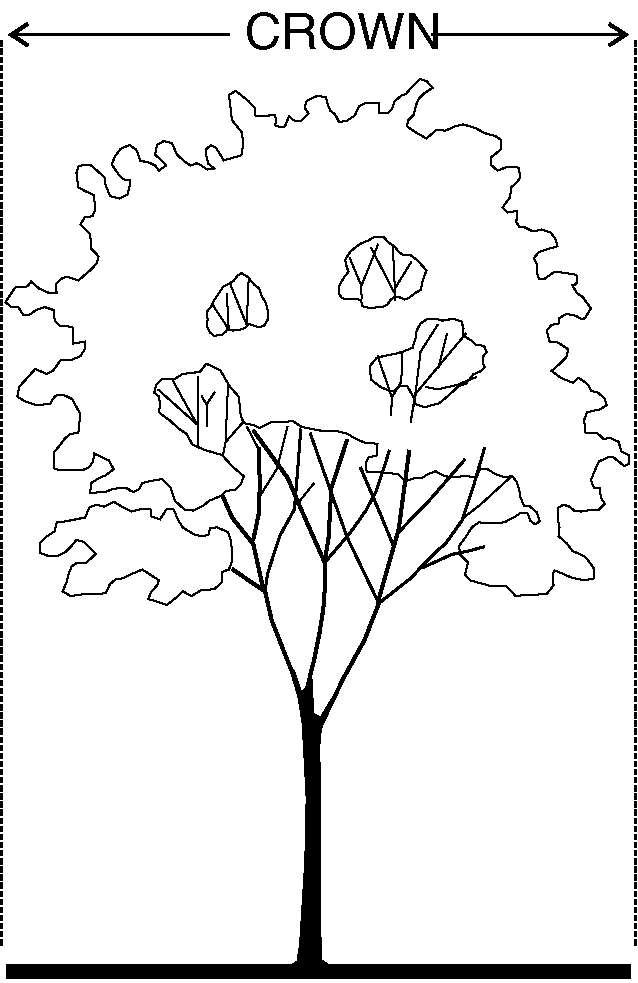
Crown means all branch parts of a tree, including all stems, twigs and foliage.
Cul-de-sac means a street having only one end open for vehicular traffic and the other permanently terminated by a turnaround for vehicles.
Debris means abandoned or inoperative material which is stored externally and shall include but not be limited to one or more of the following: discarded household items; inoperative or abandoned machinery, motor vehicles, boats, trailers or household appliances, including but not limited to freezers, refrigerators, iceboxes, stoves, dishwashers, and washing or drying machines for clothing; or refuse, garbage, rubbish, trash, junk, used scrap, lumber, steel, plumbing fixtures, insulation, barrels, boxes, drums, piping, glass, iron machinery, excelsior or plastic.
Decoration means any decoration visible from a public area that does not include lettering or text and is not displayed for commercial advertising.
Deferment means the continuation of a public hearing item.
Deficient facility means a road operating at peak hour level of service E or F, and/or a volume-to-capacity (v/c) ratio of 0.9 or higher with no mitigating improvements scheduled within three years.
Deflected light means unintentional indirect luminance from structures or objects incidental to the light source or fixture.
Demolition means the removal of 50 percent or more of a structure's external walls, measured in square feet.
____________
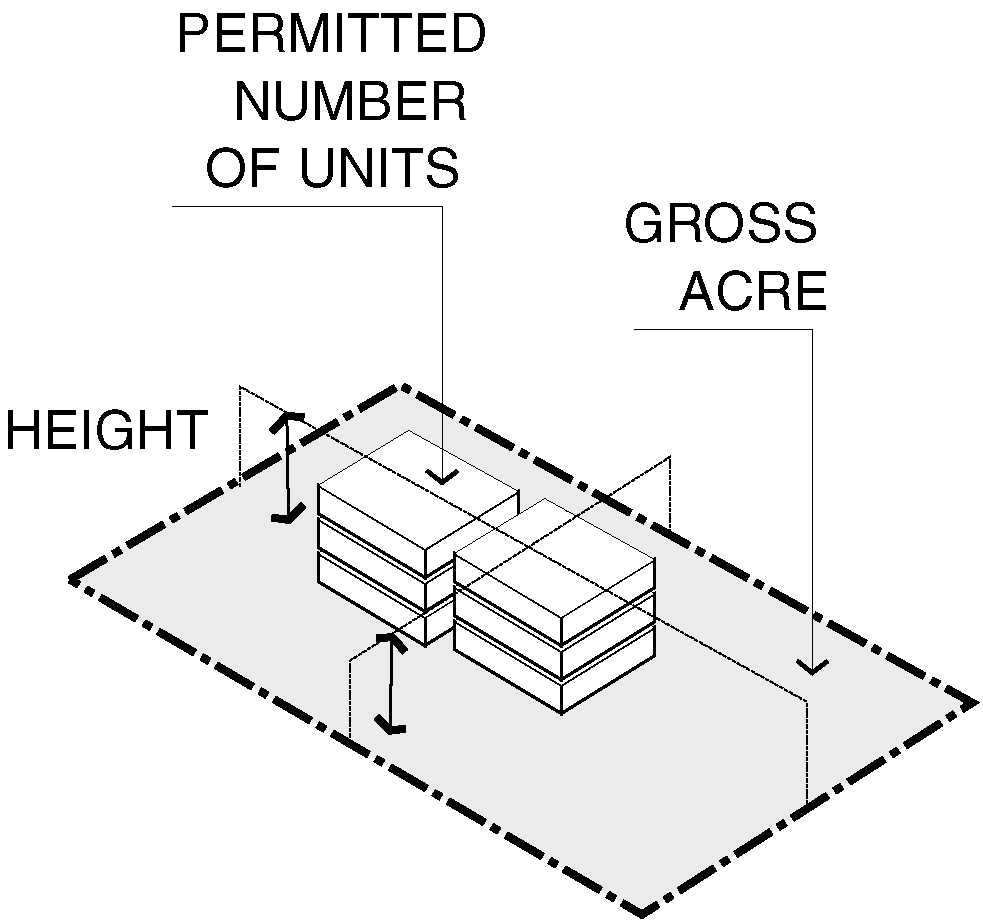
Density means the measure of permitted residential development expressed as a maximum number of dwelling units per gross acre of land.
____________
Denuded means stripped of vegetation or other sod cover.
Detention area means an excavated area, intended to temporarily store stormwater runoff generated by development.
Development means (1) the subdivision of a parcel of land; (2) the construction, reconstruction, conversion, structural alteration, relocation, enlargement, or demolition of a structure; (3) the mining, excavation, landfill, drilling, grading, deposition of refuse, solid or liquid waste, or fill on a parcel of land; (4) the alteration of the shore or bank of a pond, lake, river, or other waterway; or (5) any use or change in the use or intensity of use of any structure or use of land and includes redevelopment.
Development agreement, general means an agreement between the City of Clearwater and one or more persons entered into pursuant to sections 163.3220 et seq., Florida Statutes and relating to any development approval except those involving the allocation of the Hotel Density Reserve on Clearwater Beach established by Beach by Design.
Development agreement, hotel density reserve, means an agreement between the City of Clearwater and one or more persons entered into pursuant to sections 166.3220 et seq., Florida Statutes for any development approval requesting an allocation of hotel rooms from the Hotel Density Reserve on Clearwater Beach established by Beach by Design.
Development approval means any approval, permit or other official action of the city granting, denying, or granting with conditions an application for development.
Development Code means the Community Development and Development Code of the City of Clearwater.
Development order means any order granting, denying or granting with conditions an application for any development permit.
Development review committee means an informal interdepartmental team of city staff members who review applications for development approval pursuant to the City Code.
Diameter breast height (DBH) means a measurement of mature trees and is measured at a height four and one-half feet above the ground or soil level.
District means any section of the city for which the regulations contained in this development code governing the use of land and any structures thereon are uniform.
Dock means an accessory structure, not offered for sale or rental, including a pier, wharf, loading platform, tie poles, dolphins, accessory structures, or boat lift which is constructed on pilings over open water, or which is supported by flotation.
Dog daycare means a short-term daytime care for dogs that does not include overnight boarding.
Down light fixture means a light fixture where direct illumination is cut off above 70 percent below horizontal.
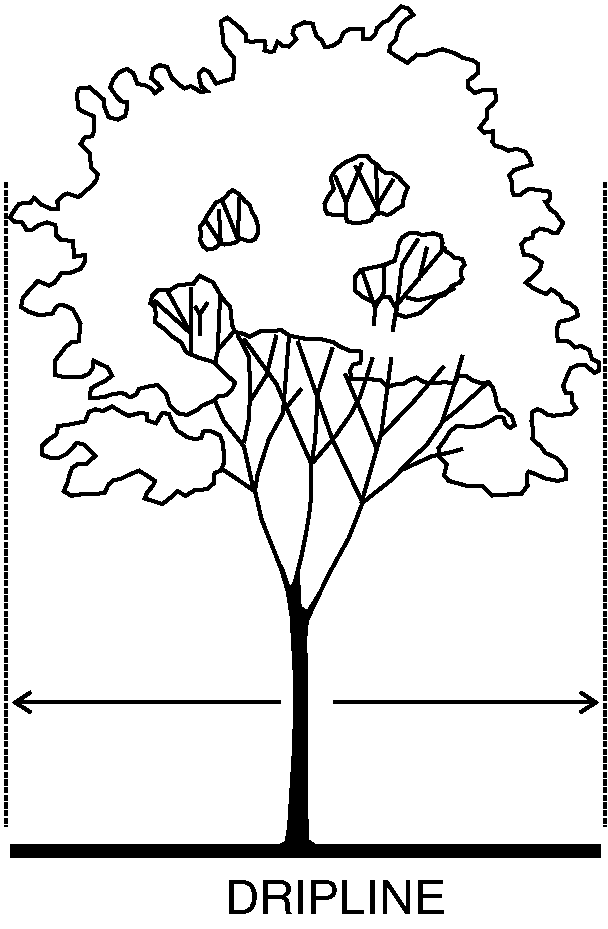
Dripline means an imaginary line along the ground which reflects the perimeter of the crown of a tree extended vertically to the ground.
Duplex means an attached dwelling with two dwelling units.
Dwelling, attached means a dwelling unit that shares common walls with at least one other dwelling unit.
Dwelling, detached means a building separated from any other principal building and containing only one dwelling unit, erected on an individual lot of record.
Dwellings, resort attached means an attached dwelling use located in the Tourist (T) zoning district the occupancy of which may occur or which may be offered or advertised as being available for any term.
Dwelling, affordable housing bonus density means the additional dwelling unit(s) that is/are permitted on a site as an incentive for the construction of affordable housing pursuant to this code.
Dwelling, reserved affordable housing means the dwelling unit(s) required to be reserved as affordable housing in a development as a result of approved affordable housing bonus density dwelling units.
Dwelling unit means a building or portion of a building providing independent living facilities for one family including provision for living, sleeping, sanitation and complete kitchen facilities. A dwelling unit located on residentially zoned property shall be used only for a residential use, unless otherwise specified, and shall not be used or occupied in interval ownership, in fractional ownership, or as a timesharing unit.
Dwelling unit, accessory means a secondary dwelling unit that exists either within the same structure, or on the same lot as a detached dwelling or nonresidential use. Mobile homes and recreational vehicles shall not be used as accessory dwelling units.
Easement means a grant of one or more property rights by a property owner to or for use by the public, or another person or entity.
Educational facilities means an institution devoted solely to vocational or professional education or training, an institution of higher education, a community college, junior college and a four-year college or university.
Element, graphic, in connection with a sign, means any non-text logo, symbol, mark, illustration, image, or other design element, used either alone or in combination with text, to draw attention to a sign surface, fabric, device or display.
Employee (in connection with an adult use) means a person who works or performs or provides services in connection with an "adult use establishment," regardless of whether said person is paid a salary or wage, or is an independent contractor, provided such person has a relationship with the business of or entertainment or services provided by the adult use. The term includes, but is not limited to, performers, managers, assistant managers, stockpersons, tellers, entertainers, bartenders, disc jockeys, sales clerks, ticket takers, waiters or waitresses, doormen, movie projectionists, and dancers. The term does not include repairmen, janitorial personnel, or the like, who are only indirectly involved in facilitating the operation of or entertainment or services provided in the "adult use establishment."
Environmental park means a recreational area that is typically dependent on natural resources and a natural outdoor environment. Activities shall have little, if any, adverse impact on a site and are compatible with natural and/or cultural resource protection. Uses include, but are not limited to, picnicking, hiking on multipurpose trails and/or boardwalks, outdoor educational nature studies, kayaking/canoeing and launch facilities for same, wildlife viewing, horseback riding on trails, and/or fishing.
Erosion means the wearing away of the land surface by running water, wind, vehicular traffic or gravity.
Escrow means a deposit of cash with the city in lieu of an amount required and still enforced on a performance or maintenance bond.
Established or commenced an adult use business means one of the following: (a) Properly licensed and open to the public for business on or before October 18, 1993, and offering one or more activities or entertainment fitting the definition of "adult use;" (b) Possessed a current, valid and unexpired occupational license on or before October 18, 1993, for one or more activities or entertainment fitting the definition of "adult use;" or (c) Submitted, on or before October 18, 1993, a complete and acceptable conditional use application or a building permit application on which the applicant stated that the proposed use was for one or more activities or entertainment fitting the definition of "adult use."
Excessive growth means the growth of weeds, grass or plants which are not cultivated or landscaped or regularly tended which reach a height in excess of 12 inches.
Externally means outside a fully enclosed building or structure, except that materials stored in a carport shall not be deemed to be stored externally.
FAA means the Federal Aviation Administration.
FCC means the Federal Communication Commission.
Face weight means a measurement of the weight of the turf fibers and stitching per square yard of artificial.
Family means persons who jointly occupy and have equal access to areas of a residence and who function as a housekeeping unit.
Feepayer means a person commencing a land development activity which generates traffic and which requires the issuance of a certificate of occupancy or land use permit
Final plat means a map, plan or record of a subdivision and any accompanying material, as provided in Article 4, Division 7.
Financial feasibility means that sufficient revenues are currently available or will be available from committed funding sources for the first three years, or will be available from committed or planned funding sources for years four and five, of a five-year capital improvement schedule for financing capital improvements.
Flag means any fabric or other flexible material attached to or designed to be flown from a flagpole or similar device.
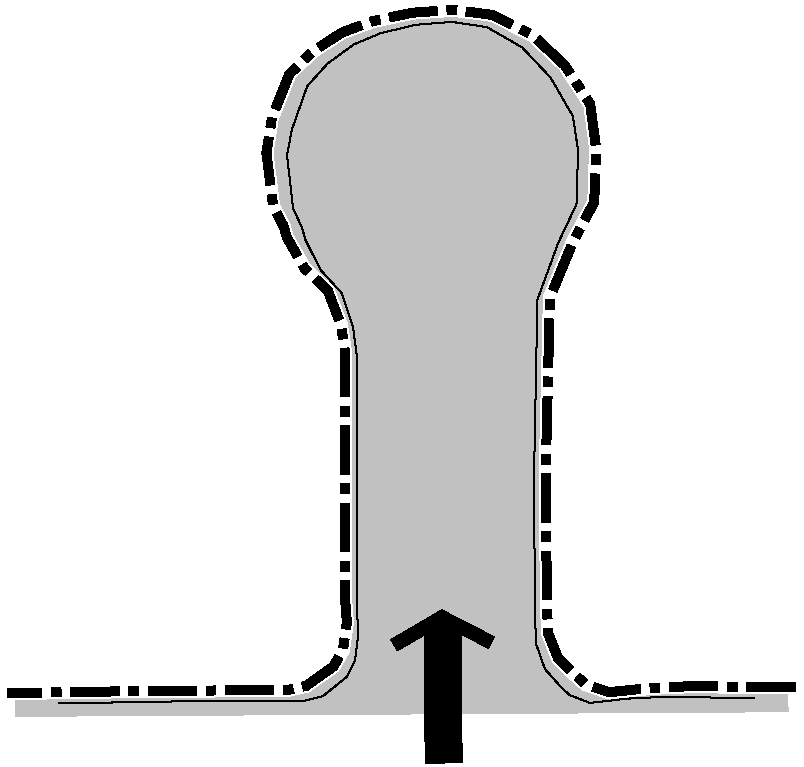
Flag lot means a lot where access is provided to the bulk of the lot by means of a narrow corridor and which does not meet the normally required lot width.
Flagpole means a pole on which to raise a flag.
Floor area ratio (FAR) means a measurement of the intensity of building development on a site. A floor area ratio is the relationship between the gross floor area on a site and the gross land area. The FAR is calculated by adding together the gross floor area of all buildings on the site and dividing by the gross land area.
Florida Statutes means the general law of Florida and any amendments thereto enacted by the Florida Legislature.
Fractional ownership means the ownership in fee simple of a portion of a unit where title to the unit is divided by time interval, whether or not the unit is occupied by the fractional owner or by the public, by members of a membership group, or by members or an association. No dwelling unit located on residentially zoned property shall be used or occupied in fractional ownership.
Freestanding canopy means any ancillary, cantilevered roof structure supported by vertical posts or columns and not affixed to any primary building.
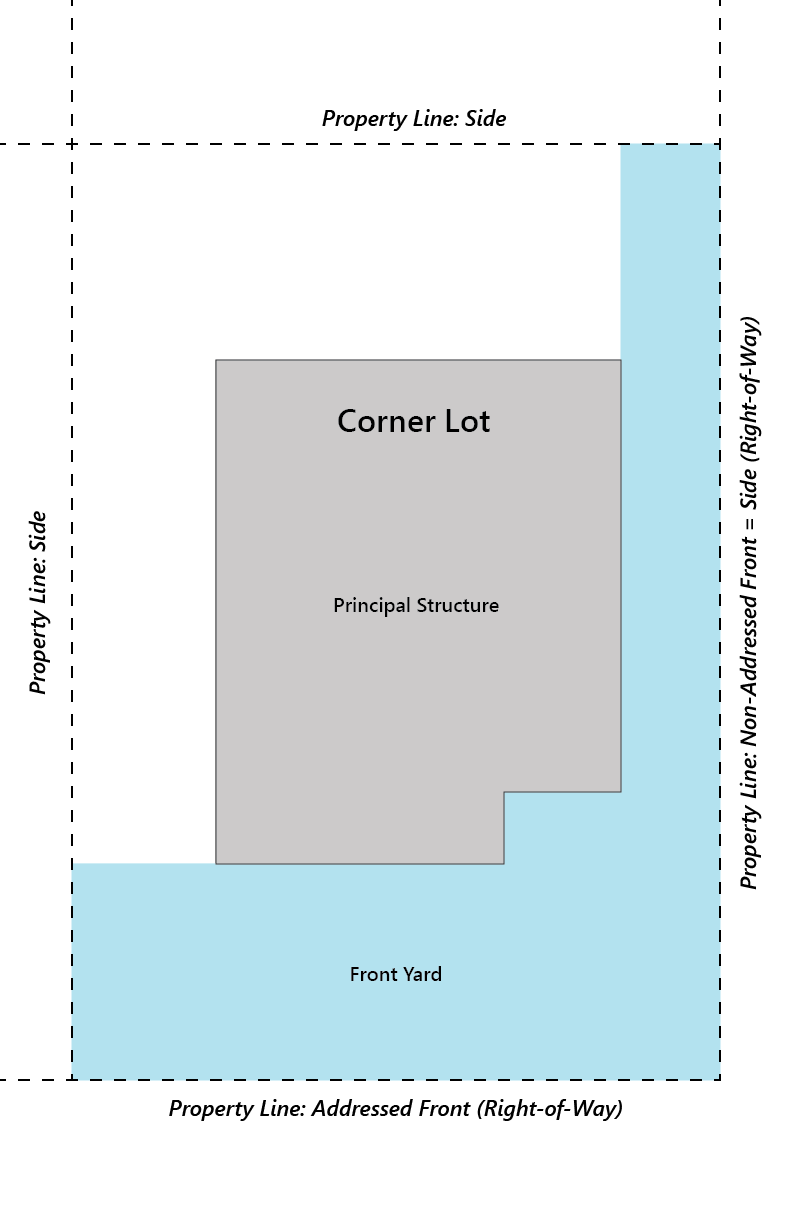
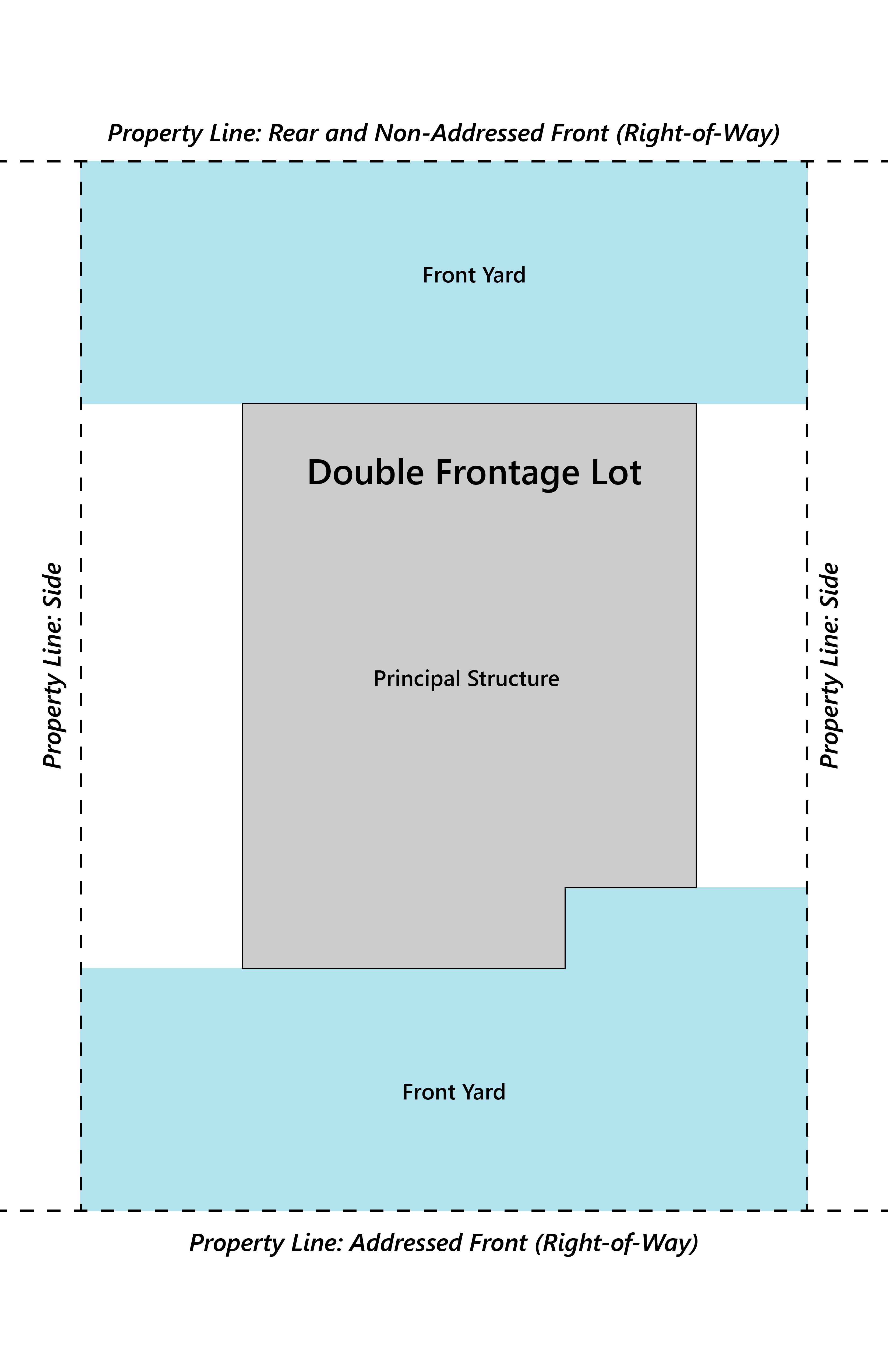
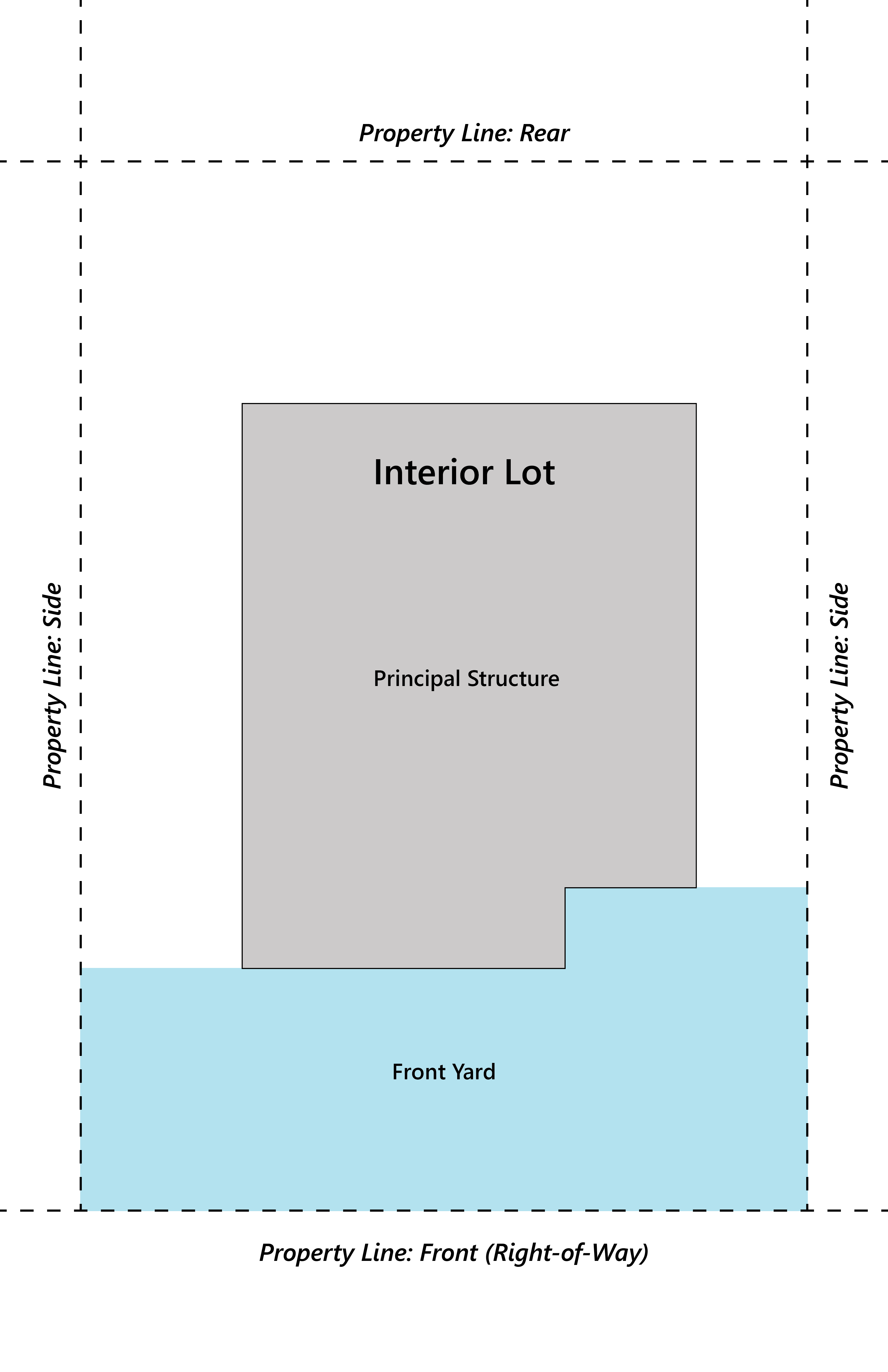
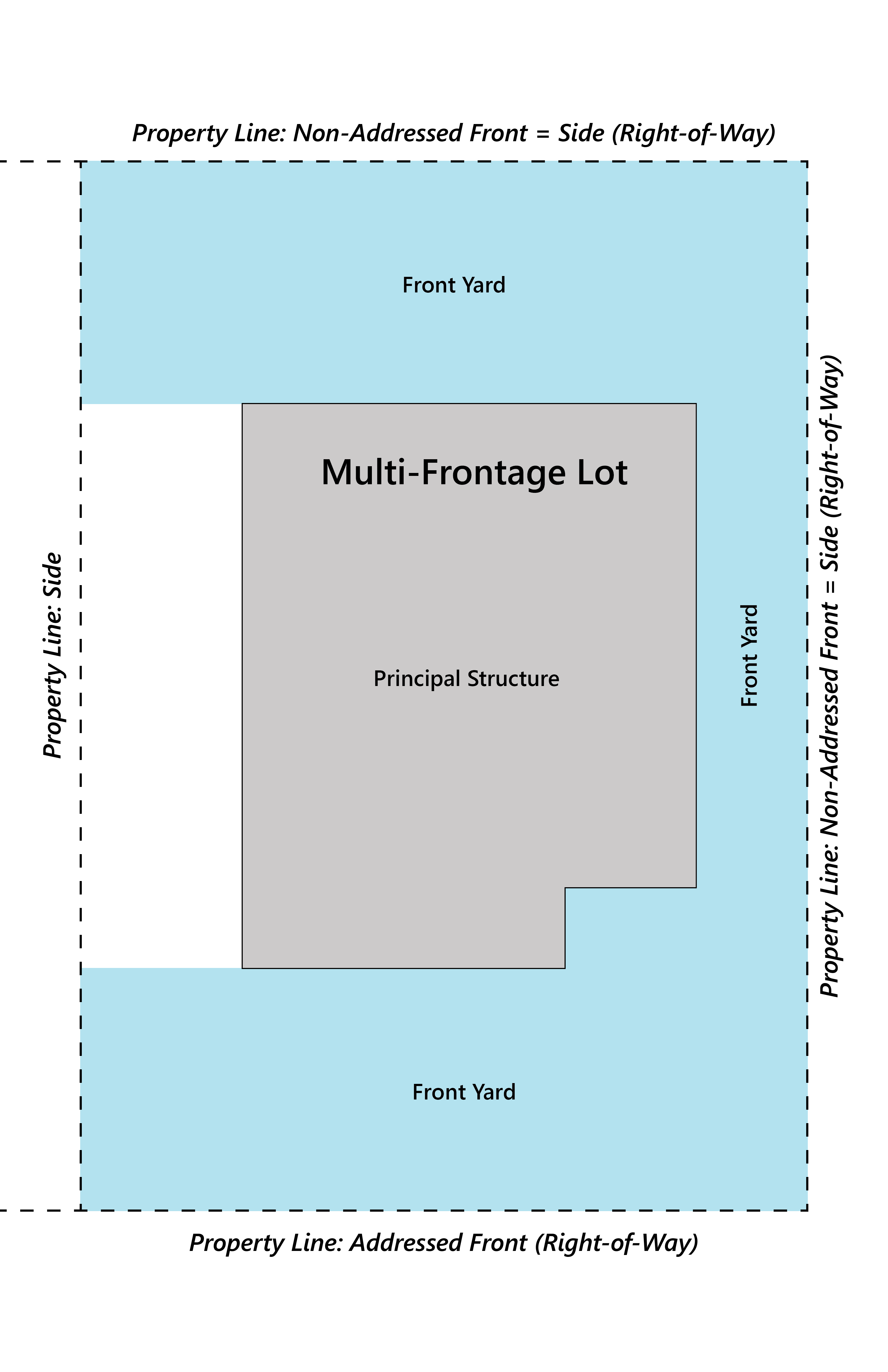
Front yard means the area between the principal structure and the front property line.
____________
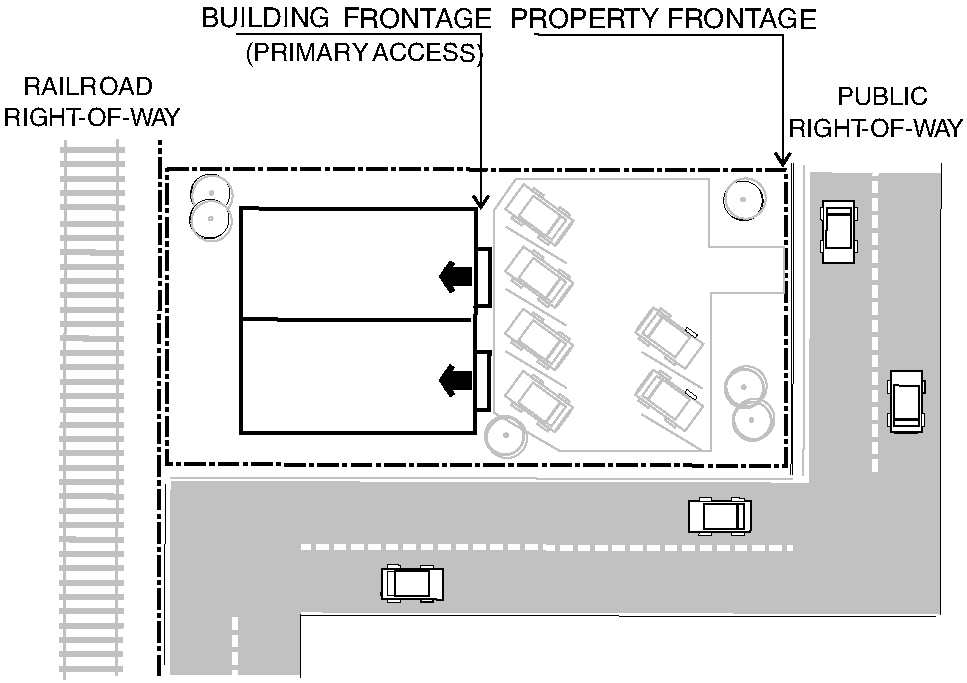
Frontage, building means the façade which is the principle means of customer access.
____________
Frontage, property means the length of the property line for a parcel which runs parallel to and along a road right-of-way or street exclusive of alleyways.
Funeral homes means a facility used for the preparation of the deceased for burial or interment, and ceremonies connected therewith before burial or cremation. The use may include the storage and sale of caskets, funeral urns, and other related funeral supplies and the storage of funeral vehicles.
Garage, yard or estate sale means a sale operated at a residence primarily for the sale of used household goods.
Garden center means the outdoor retail sales and display of plant materials not grown on-site, garden tools, fertilizers, potting soil, mulch, rock and other garden supplies, including power equipment, such as garden tractors, lawnmowers, etc.
Governmental use means a building, use or structure owned or occupied by a federal, state, or local government agency and serving as an agency office, police station, fire station, library, post office, or similar facility, but not including a vehicle storage yard, jail, sanitary landfill, solid waste transfer or disposal facility, wastewater treatment facility, hazardous waste treatment or storage facility, food irradiation facility, educational or health institution, university, military facility, residential care home, housing for persons who are participating in work release programs or who have previously served and completed terms of imprisonment for violations of criminal laws, or other type of public facility.
Grade, existing means the natural earth surface, or the earth surface altered for drainage or other engineering purposes determined necessary by the city engineer.
Graffiti means one or more letters, symbols, or other markings painted, drawn or otherwise applied to a wall, post, column, or other building or structure, or to a tree, or other exterior surface, publicly or privately owned, not including signs or murals.
Graywater means that part of domestic sewage that is not blackwater, including waste from the bath, lavatory, laundry, and sink, except kitchen sink waste.
Gross floor area means the total interior floor area of a building measured at the inside face of the exterior walls, but excluding parking garages, carports, stairwells and elevator shafts.
Gross land area means the total land area within the property boundaries of the subject parcel, and specifically exclusive of any submerged land or public road right-of-way.
Gross leasable floor area means the total floor area designed for tenant occupancy.
Ground level means the lower or finished grade of a parcel of land exclusive of any filling, berming, mounding or excavating solely for the purpose of locating a sign. Ground level on marina docks or floating structures shall be the finish grade of the landward portion of the adjoining parcel.
Grubbing means the removal of any type of rooted vegetation from land by digging, raking, dragging or otherwise disturbing the roots of such vegetation and the soil which such roots are located.
Halfway house means a residential use providing transitional housing for persons needing substance abuse treatment, criminal incarceration and similar environments.
Hazardous tree means a tree that constitutes a hazard to life or has a significant potential to cause injury to persons or damage to property as the tree is in imminent danger of falling, or is otherwise considered to be or likely to create a hazard. A hazardous tree shall include but not be limited to dead, diseased, broken, split, cracked, leaning and uprooted trees. A hazardous tree shall also include a tree harboring communicable diseases or insects of a type that could infest and cause the decline of adjacent trees.
____________
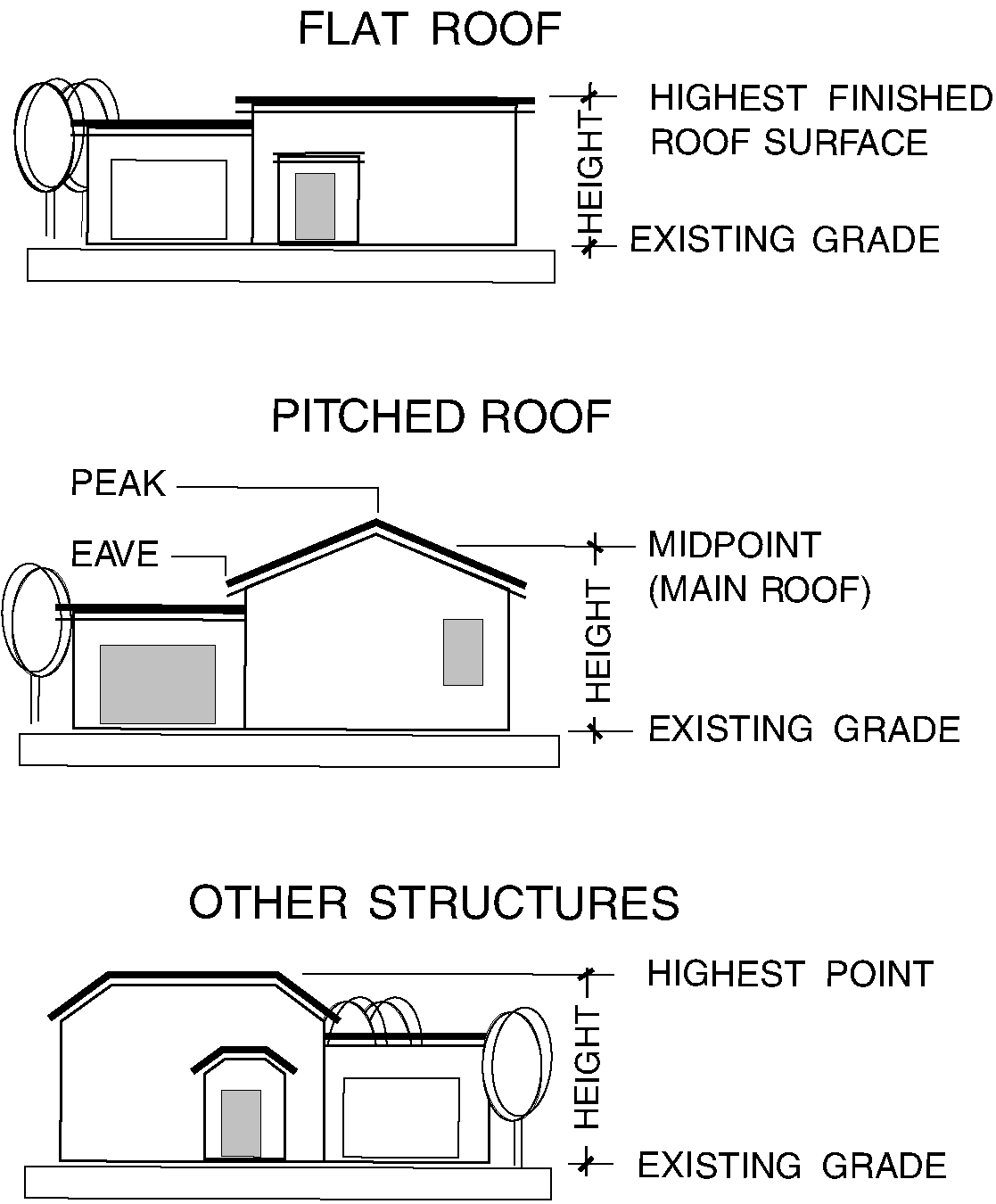
Height, building or structure, means for buildings, the vertical distance from the mean elevation of the existing grade to the highest finished roof surface in the case of a building with a flat roof, or the vertical distance from the existing grade to a point representing the midpoint of the peak and eave heights of the main roof structure of the roof of a building having a pitched roof. For other structures, the vertical distance from existing grade to the highest point of the structure above such existing grade. Where minimum floor elevations in flood prone areas have been established by law, the building height may be measured as though the required minimum floor elevations constitute existing grade. In addition, (1) linear radio and television antennas shall be permitted to project ten feet higher than the maximum height otherwise specified for the zoning district within which the antenna is located. Parabolic and other geometrically shaped antenna shall not be permitted this height increase. (2) Flagpoles located on top of buildings shall be permitted to project ten feet higher than the maximum height otherwise specified for the zoning district assigned to the property. (3) Elevator equipment rooms and like mechanical equipment enclosures shall be permitted to project up to 16 feet higher than the maximum height otherwise specified for the zoning district assigned to the property. (4) Parapet walls constructed on buildings with flat roofs shall be permitted to extend not higher than 42 inches over the maximum height specified for the zoning district in which the building is located. (5) Structures permanently affixed to the roof that accommodate rooftop occupancy shall only be permitted if within the maximum allowable height.
____________
Highest adjacent grade means the highest natural elevation of the ground surface, prior to construction, next to the proposed walls of a structure.
Historic property means any prehistoric or historic site, building, structure, or other real or personal property of historic, architectural, or archaeological value, and designated as such by the city commission. Historic properties may include but are not limited to Indian habitations, ceremonial sites, artifacts, and other properties, or any part thereof, having intrinsic historical, architectural, or archaeological value relating to the history, government and culture of the city.
Historic easement means any easement, restriction, covenant or condition running with the land, designed to preserve, maintain or enhance all or part of the existing state of places of historic, architectural, cultural or archaeological significance.
Historic district means a geographically definable area designated as such by the city commission.
Home-based business means a business conducted in whole or in part within a dwelling unit or legal accessory structure on that same property, that is secondary to the use of the dwelling for dwelling purposes and does not give external evidence of nonresidential use or adversely affect the uses permitted in the residential district of which it is a part.
Horizontal zone means an area in proximity to the airport with an outer boundary the perimeter of which is constructed by swinging two arcs, each with a 5,000-foot radius, from the center of each end of the primary zone, i.e., 200 feet from the end of the runway, and enclosed by connecting the arcs with two lines tangent to such arcs. (See airport height definition for illustration).
Hospital means an establishment primarily engaged in providing diagnostic services, extensive medical treatment including surgical services, and other services, as well as continuous nursing services. The establishment has an organized medical staff on duty 24 hours a day, inpatient beds. and equipment and facilities to provide complete health care; may also provide complete health care emergency room care and include less intensive medical uses such as convalescent and ambulatory care facilities.
Housekeeping unit means a group of individuals, whether or not related by blood, marriage, or civil union, who reside together as a family. Existence of one or more of the following shall create a rebuttable presumption that the group is not a bona fide housekeeping unit:
i.
Interior doors that contain padlocks or keyed doorknobs, which limits tenants' use and access;
ii.
Members of the group have separate leases or sub leases and/or make separate payments to the landlord;
iii.
The group significantly reforms over the course of a twelve (12) month period or during the lease term by losing and/or gaining two or more members. Additions can be made with landlord approval if member(s) abandon(s) property, tenants and landlords should verify rights under Florida Landlord Tenant Laws.
iv.
Residentially zoned property which provides living, sleeping and at least one meal to four or more unrelated individuals for periods of one week or longer, typically referred to as a boarding house. Such individuals do not have a lease agreement with the landlord for that property. Such individuals only obtain a license to use their rooms while landlord maintains right of access, and are typically referred to as boarders. Such uses are prohibited by this code.
v.
Residentially zoned property that provides living and sleeping for more than four unrelated individuals for periods of one week or longer, typically referred to as rooming house. Such individuals do not have a lease agreement with landlord for property. Such individuals only obtain a license to use their rooms while landlord maintains right of access, and are typically referred to as boarders. Such uses are prohibited by this code.
vi.
Members of this group do not engage in group living activities such as shopping, cooking, eating, and socializing.
Hydroponic systems means the propagation of plants using a mechanical system designed to circulate a solution of minerals in water with limited use of growing media. For the purposes of this Code, a hydroponic system shall constitute an urban farm.
Impermeable lot coverage means any permanent installation on or improvement to the natural earth surface which completely or partially prevents the absorption of precipitation and surface water in a natural manner. Such coverage shall be expressed as a percentage of the area of the lot.
Impervious means surface which has been compacted or covered with a layer of material so that it is highly resistant to infiltration by water, including surfaces such as compacted sand, limerock, shell or clay, as well as most conventionally surfaced streets, roofs, sidewalks, parking lots and other similar structures.
Impervious surface ratio (ISR) means a measurement of intensity of hard surfaced development on a site. An impervious surface ratio is the relationship between the total impervious surface area on a site and the gross land area. The ISR is calculated by dividing the square footage of the area of all impervious surfaces on the site by the square footage of the gross land area.
Indoor recreation/entertainment means a business which is open to the public where customers pay the proprietor for the use or enjoyment of recreational facilities or equipment within an enclosed building. This category of use includes: auditoria, stadiums, bowling alleys, theaters, racquetball facilities, martial arts instruction, gym facilities, video/electronic game, dance studios, billiards facilities, health studios and like uses.
Inoperative means not in working condition as designed, or not capable of being operated lawfully.
Intensity means the measure of permitted development expressed as floor area ratio or density, or both.
Interval ownership/timesharing unit means an overnight accommodation, the ownership or contractual use of which is for a specified period of time, designed to be utilized as a temporary place of residence and counted as a hotel room for the purpose of applying the density standards of this Development Code. No dwelling unit located on residentially zoned property shall be used or occupied in interval ownership or as a timesharing unit.
Irreparable or irreversible violation means a violation that causes harm, damage, injury, or change that is incapable of correction, repair, or return to an original condition.
Joint access (or shared access) means a driveway connecting two or more contiguous sites to the public street system.
Kitchen means a portion of a building which contains a cooking unit such as a range, stove, oven, microwave oven or similar device, a refrigeration unit either together as a unit or as separate component parts.
Landscape material means living material used in a landscape area including but not limited to trees, shrubs, vines, natural turf, and groundcover.
Landscape rock means rocks that are primarily used to enhance the appearance of gardens and front and backyard landscaped areas.
Landscaped area is part of a property used for growing live plants such as groundcover, vines, shrubs, and trees.
Law enforcement officer means any person who is appointed or employed by the city, who is vested with authority to bear arms and make arrests, and whose primary responsibility is the prevention and detection of crime or the enforcement of the criminal or traffic laws of the state.
Level One approval means an administrative approval of an application for development approval in accordance with the provisions of Article 4 Division 3.
Level Two approval means an approval of an application for development approval by the community development board in accordance with the provisions of Article 4 Division 4.
Level Three approval means an approval of an application for development approval by the city commission in accordance with the provisions of Article 4 Division 6.
Level of service standard means the number of units of capacity per unit of demand adopted by the city in the comprehensive plan.
Light assembly means a use engaged in the manufacture of products or parts, including processing, fabrication, assembly, treatment, packaging, storage, sales, and distribution of such products, occurring entirely within enclosed buildings. This use shall not include or allow for any exterior storage or processing of equipment or materials of any kind. Noise, odor, smoke, heat, glare, vibration, hazardous chemicals, and other impacts must be entirely contained within enclosed buildings.
Living aboard (a boat) means the use of a boat whereupon one or more persons reside, whether temporarily or permanently.
Lot (site, premises, parcel, tract) means land which has been or is proposed to be used, developed, or built upon as a unit under single ownership.
Lot depth means the mean distance between the front and rear lot lines, generally longer than the lot width.
Lot area means the total land area within the boundaries of a lot exclusive of any area designated for street purposes.
Lot, corner means a lot located at the intersection of two or more street rights-of-way.
Lot, double frontage means a lot bounded on opposite or approximately opposite sides by streets.
Lot, interior means a lot bounded on both sides by other lots.
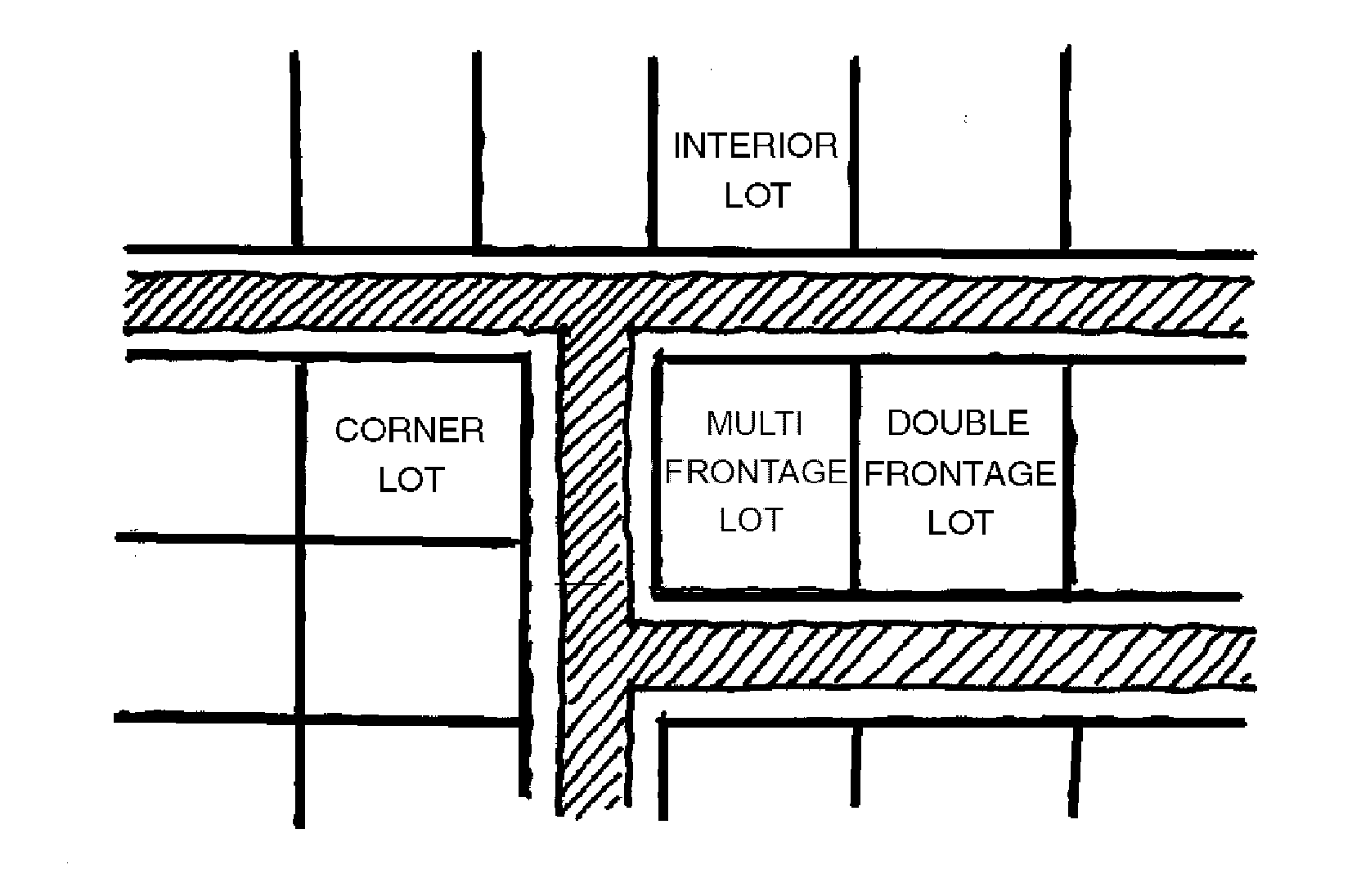
Lot, multi-frontage, means a lot bounded by three or more street rights-of-way.
Lot, width means the distance between side lot lines measured along the front setback line, generally having a lesser length than lot depth.
Low impact development means a stormwater management and land development strategy that emphasizes conservation and the use of on-site natural features integrated with engineered, small-scale hydrologic controls to more closely mimic predevelopment hydrologic functions.
Major drainage system means a system of natural or manmade drainage ways such as streams, ditches, or canals that collect stormwater runoff from watersheds.
Major traffic generator means a site that generates in excess of 1,200 vehicle trips per day.
Mansard means an extension of an exterior wall or roof projection of a building that is architecturally integrated into the building design.
Manufacturing means a use engaged in the manufacture of products or parts, including processing, fabrication, assembly, treatment, packaging, storage, sales, and distribution of such products. This use may include or allow for exterior storage of equipment or materials, provided that impacts are contained on-site and do not negatively affect adjacent land uses.
Marina means any structure constructed on pilings over open water or supported by flotation on the water which provides three or more boat slips for the purpose of sale or lease.
Marina facilities means a use of land involved in the operation of a marina including structures and activities normally integral to the operation of a marina, such as servicing, fueling, pumping-out, chartering, launching, and dry-storage of boats and boating equipment.
Market value of the structure means the appraised value of the structure, not including land, driveways, sidewalks, landscaping, swimming pools and other similar improvements not related to the basic structure, prior to the start of repair or improvement or, in the case of damage, prior to the damage occurring.
Material alteration of historical properties means any change, other than a demolition, affecting the exterior appearance of a structure by additions, reconstruction or remodeling in a way which adversely affects the character, form, integrity, or other qualities contributing to the historical, architectural or archaeological value of the property. The term may include but is not limited to the changing of roofing or siding substances, or the changing, elimination or addition of doors, door frames, windows, window frames, shutters, fences, railings, porches, balconies, or other ornamentation. The term does not include ordinary maintenance.
Maximum tilt angle means the angle at which a solar energy system produces the highest energy yield in converting solar energy into electrical energy. The maximum tilt angle for solar energy systems in the City of Clearwater is approximately 25°.
Mean sea level means the average height of the sea for all stages of the tide. It is used as reference for establishing various elevations within the floodplains. For purposes of this Development Code, the term is synonymous with National Geodetic Vertical Datum (NGVD).
Mechanical equipment means outdoor mechanical, electrical, and communication equipment including heating, air conditioning, and ventilation equipment; venting and vent terminations for commercial hoods; mechanical penthouses; electrical and communication equipment, panels, and cabinets; satellite dishes; pool equipment such as heaters, filters, and pumps; generators; propane tanks; and similar features.
Medical clinic means an establishment where patients, who are not lodged overnight, are admitted for examination and treatment by one person or a group of persons practicing any form of healing or health-building services to individuals, the practice of which is lawful in the state of Florida. This definition does not include a place for the treatment of animals nor does it include psychologists, social workers, massage therapists, and physical therapists.
Metes and bounds means the method used to describe a tract of land by angular (metes) and linear (bounds) measurements.
Microbreweries means establishments that are primarily a brewery, which produce no more than 15,000 barrels (465,000 U.S. gallons/17,602.16 hectoliters) of beer per year, and includes either a restaurant, bar or taproom as an accessory use. A microbrewery may also include a beer garden as an accessory use. Microbreweries sell to the general public by one or more of the following methods: the traditional three-tier system (brewer to wholesaler to retailer to consumer); the two-tier system (brewer acting as wholesaler to retailer to consumer); and, directly to the consumer for consumption on the premises or for retail carryout sale. For the purposes of this Code micro-distilleries and micro-wineries shall constitute a microbrewery.
Micro-distilleries means establishments that are primarily a distillery, which produce no more than 75,000 U.S. gallons of distilled spirits per year, and includes either a restaurant, bar or tasting room as an accessory use. For the purposes of this Code, micro-distilleries shall constitute a microbrewery.
Micro-wineries means a facility that uses grapes from outside sources instead of its own vineyard to produce wine in quantities not to exceed 2,000 barrels per year, and includes either a restaurant, bar or tasting room as an accessory use. For the purposes of this Code, micro-wineries shall constitute a microbrewery.
Minimum obstruction clearance altitude means the specified altitude in effect between radio fixes on VOR airways, off-airway routes, or route segments which meets obstruction clearance requirements for the entire route segment and which assures acceptable navigational signal coverage only within 22 miles of a VOR.
Minimum en route altitude means the altitude in effect between radio fixes which ensures acceptable navigational signal coverage and meets obstruction clearance requirements between those fixes.
Minimum vectoring altitude means the lowest MSL altitude at which IFR aircraft will be vectored by a radar controller, except when otherwise authorized for radar approaches, departures or missed approaches.
_____
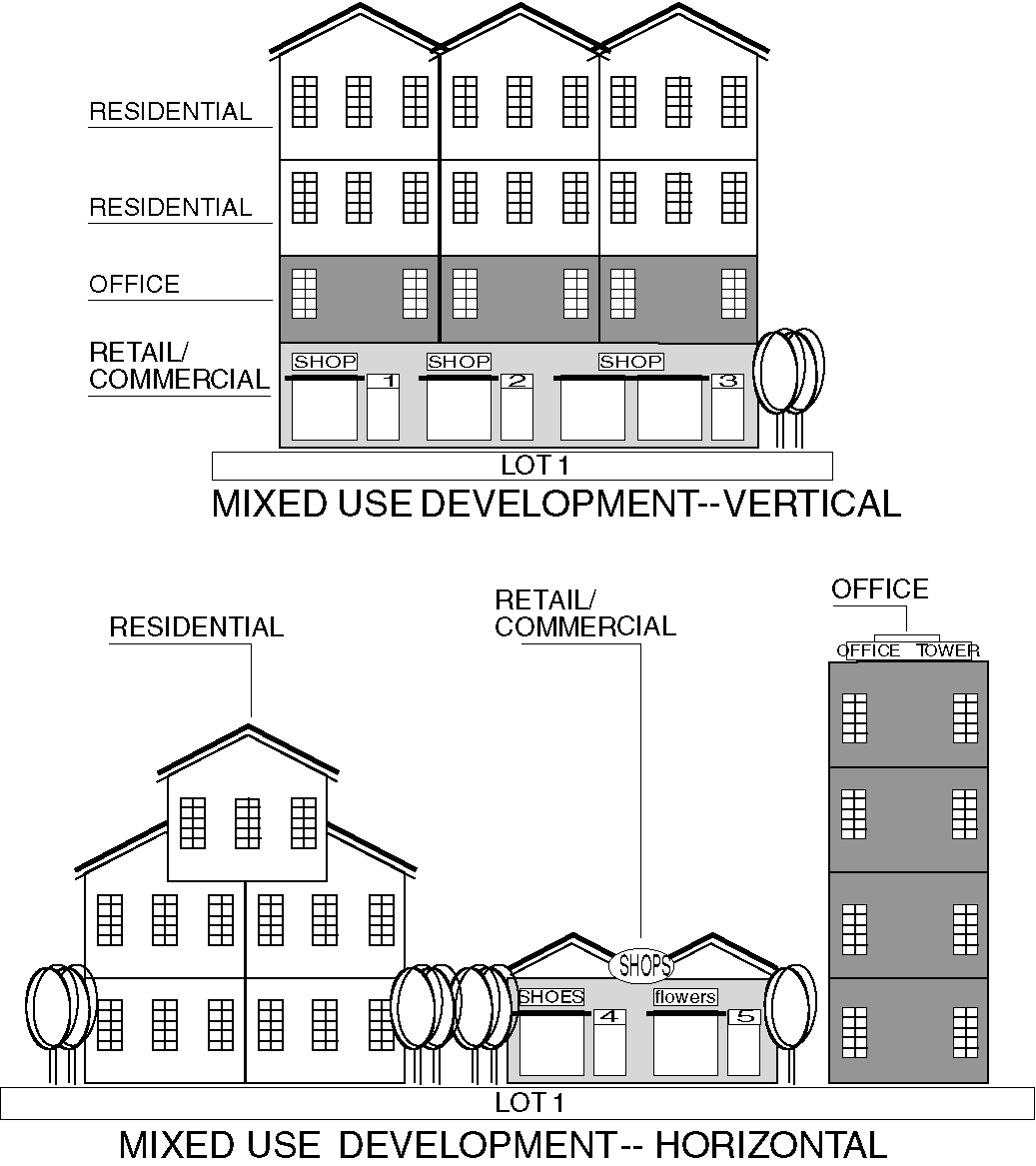
Mixed use means a combination of residential and non-residential uses on a single property.
_____
Mobile home means a residential structure, transportable in one or more sections, which is eight body feet (two to four meters) or more in width, over 35 feet in length with hitch built on an integral chassis, constructed in accordance with the mobile home standards set by applicable federal and state agencies, and designed to be used as a dwelling when connected to the required utilities and includes the plumbing, heating, air-conditioning, and electrical systems contained in the structure.
Mobile home park means a parcel of land devoted to the parking, accommodations or rental of more mobile homes, including individual mobile home lots and common facilities for maintenance, service and recreation.
Mobility management system means the process utilized by the city to implement the city's mobility plan. This includes the process of managing the transportation impacts of development projects and assessment, collection, and expenditure of multi-modal impact fees.
Mobility plan means the approach to managing the transportation impacts of development projects and increasing the mobility for pedestrians, bicyclists, transit users, and motor vehicles utilizing the multi-modal impact fee and local site plan review processes.
Model home means a residential building, occupied or unoccupied, regardless of location or ownership, used by any person as a model, plan or example for the construction of or the sale of the same or similar building at any other location.
Mulch, inorganic means a type of mulch that does not decompose or return nutrients to the soil and includes materials like gravel, plastic sheeting or landscape fabric, and rubber mulch.
Mulch, organic means a natural layer of plant residue, such as pine needles or shredded bark, covering the land surface, which conserves moisture, holds soil in place, aids in establishing plant cover, and minimizes temperature fluctuations.
Multi-family means three or more attached dwelling units.
Mural means artwork applied to the wall of a building which covers all or substantially all of the wall.
Museums means a building or buildings intended for the preservation and exhibition of artistic, cultural, historical, or scientific objects.
Native vegetation or native species means any and all plant species that are indigenous to the City of Clearwater.
Natural drainage ways means those watercourses that are either natural or have not been substantially excavated, graded or otherwise altered or improved, by man.
Neighborhood conservation immediate vicinity area means all land located within 1,000 feet of a parcel proposed for development which is located within a designated neighborhood conservation district. For the purposes of this definition, a parcel of land is located within a neighborhood conservation immediate vicinity area if at least 25 percent of the land area falls within 1,000 feet of the parcel proposed for development.
Neon sign or lighting means any sign, symbol, mural, or design created or illuminated by exposed neon, fluorescent, incandescent or other artificial lighting source. Signs internally illuminated by any of these light sources are not neon signs.
New peak hour trip means a vehicle trip added to the major road network from and to a developed parcel of land during the weekday peak hour. This excludes passer-by or diverted trips, whereby the site is accessed as a secondary trip.
Newsrack means a self-service or coin-operated box, container, storage unit or other dispenser installed, used or maintained for the display, sale or distribution of one newspaper, periodical, advertising circular or other publication.
Newsrack, modular means a newsrack designed as an integrated unit with two or more compartments to display, sell or distribute two or more newspapers, periodicals, advertising circulars and other publications.
Nightclubs means a commercial establishment wherein alcoholic beverages are sold and consumed on the premises and has entertainment, including, but not limited to, a dance floor, a band, orchestra, disc jockey and equipment, a stage for comedy, theatre, or other forms of live entertainment, but excluding adult entertainment. The dance floor or open space may be established by the temporary removal or re-arrangement of furniture or tables. Any establishment that charges a cover charge, door charge, required contribution, or one time membership fee (excluding social and community centers) or has a minimum drink purchase requirement will be designated a nightclub.
No tree removal permit required verification means a statement signed by an applicant for development approval, an applicant for a land clearing or grubbing permit or building permit certifying that no protected trees exist on-site or although protected trees exist on the site for which any of the above-named permits is sought, their removal is not required for construction purposes.
Nonconcurrency affidavit means a document signed by an applicant which defers the application for a certificate of concurrency capacity, acknowledges that future rights to develop the property are subject to the deferred determination of concurrency, and acknowledges that no vested rights have been granted by the city or acquired by the applicant without such a determination.
Nonconforming access features means features of the access system of a property that existed prior to the date of ordinance adoption and do not conform with the requirements of this development code or requirements of the Administrative Rule 14-97 of the Florida Department of Transportation.
Nonconforming use means any use of a building, structure or land lawfully established that does not comply with the provisions for the zoning district in which such use is situated.
Nonconforming adult use establishment means an "adult use establishment" that has established or commenced business at its existing location prior to October 18, 1993, and that is not in conformity with the locational requirements of this Development Code.
Nonconforming lot means a lot of record which does not meet the lot area or lot width requirements of this development code for the zoning district in which it is located.
Nonconforming sign means any sign lawfully established that does not conform to the requirements of this development code.
Nonconforming structure means a building or structure lawfully established which does not conform to the requirements for location or other dimensional requirement for such building or structure in the zoning district assigned to the property, i.e., the minimum setback, maximum height or maximum building coverage.
Nonconformity means any lot, structure, use or other feature of the property regulated under the provisions of this development code which was lawfully established but which on the effective date of this development code, or any amendment thereto, does not comply with the requirements of this development code.
Nonresidential use means any use which is not a residential use.
Nonresidentially zoned property means any parcel of property located in one of the following districts; Office ("O"); Tourism ("T"); Commercial ("C"); Downtown ("D"); Industrial, Research and Technology ("IRT"); Institutional ("I"); Open Space/Recreation ("OS/R"); or Preservation ("P").
Nonresidential parking means a parking lot or garage which provides parking for non-residential uses.
Not practicable means if the requirement is physically impossible on the parcel proposed for development or would require an investment with no reasonable probability of a return on that investment.
Nuisance means that conduct defined in F.S. § 823.05, that conduct specified in this development code and: (1) any continuing condition or use of premises or of building exteriors or of land which causes substantial diminution of the value of property in the vicinity of such condition or use; (2) any continuing condition or use of premises, building exteriors or land which unreasonably annoys, injures or endangers the comfort, health, repose, privacy or safety of the public through offensive odors; noises; substances; smoke; ashes; soot; dust; gas fumes; chemical diffusion; smog; flooding; disturbance and vibrations of earth, air, or structures; emanations; light; sights; entry on adjoining property by persons or vehicles; or (3) other unreasonable intrusions upon the free use and comfortable enjoyment of the property of the citizens of the city.
Nursing home means a health facility where persons are housed and furnished with meals and continuing nursing care for compensation. For the purposes of calculating the maximum development potential, 3.0 beds shall be equivalent to one dwelling unit.
Off-street parking means an enclosed or unenclosed parking area located on private property and not within a street right-of-way.
Office means a use where a business, profession, service or government activity is conducted which does not involve retail activities on-site and not including veterinary offices and problematic uses.
Opaque means any nontranslucent, nontransparent material which provides a visual barrier from one side to the other.
_____
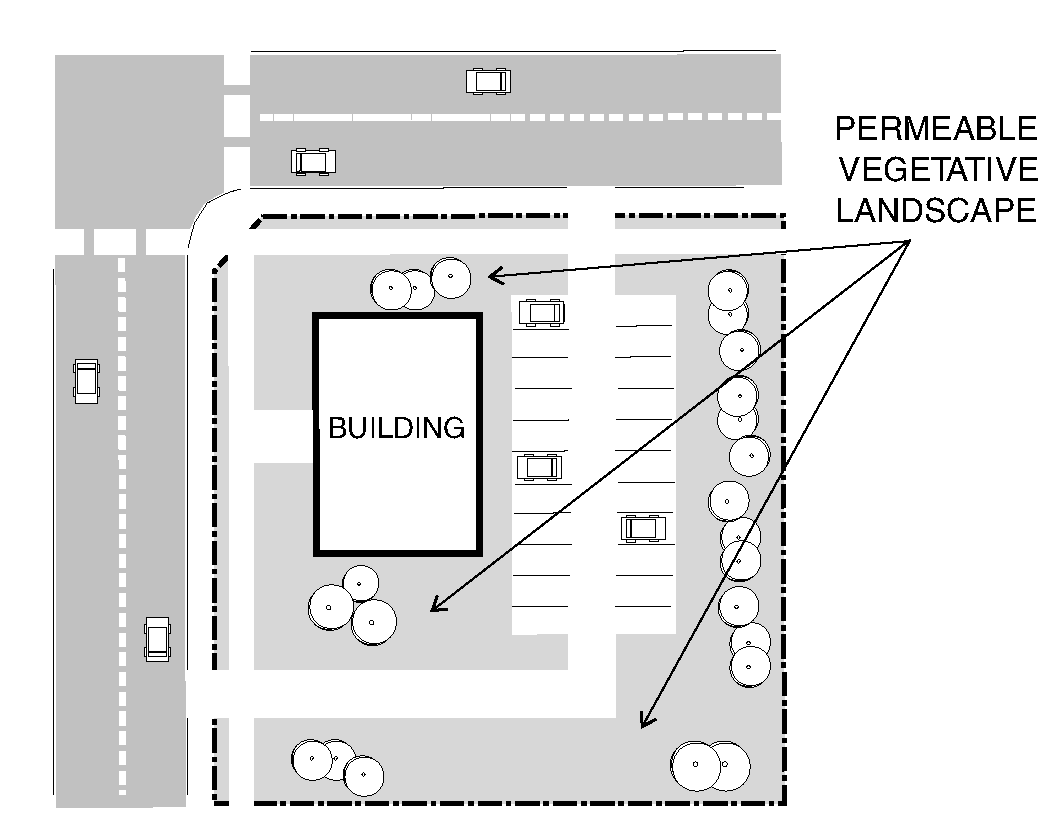
Open space means an area of a lot receiving permeable vegetative landscape treatment. For the purpose of computing the minimum open space of any lot or front yard, retention and detention areas may be counted as open space and grassed surface parking spaces which are required by this development code are not counted as open space.
_____
Operator means any person who engages in or performs any supervisory activity which is necessary to or which facilitates the operation of an "adult use establishment," including but not limited to, the taxpayer, manager, doorman, bartender, disc jockey, sales clerk, ticket taker, movie projectionist, or other employee.
Ordinary maintenance of a historical structure means minor repairs, repainting and other activities which normally do not require a building permit, or which repair or replace existing details with similar materials, if such work does not adversely affect the character, form, integrity, or other qualities contributing to the historical, architectural or archaeological value of the property.
Outdoor café means a use accessory to an adjacent business when located on private property, or an allowable encroachment when located within public right(s)-of-way, that serves beverages and food and is open-air.
Outdoor recreation/entertainment means a business which is open to the public where customers pay the proprietor for the use or enjoyment of recreational facilities or equipment in a location other than within an enclosed building. Bicycle and skate rentals, by themselves, are not included in this use category.
Outdoor retail sales, displays and/or storage means any use of property which involves the sale, leasing, display or storage of commodities, goods, materials or equipment in a location other than in an enclosed building, excluding vehicle sales.
Outdoor storage means the storage, in an outdoor unroofed area, of merchandise offered for sale as a permitted use or of equipment, machinery and materials used in the ordinary course of a permitted use. This term expressly does not include debris or salvage yards as defined in this section.
Overnight accommodation unit means an individual room, rooms or suite within an overnight accommodations use designed to be occupied, occupied, or held out to be occupied as a single unit for temporary occupancy.
Overnight accommodations means a facility containing one or more overnight accommodation units, the occupancy of which occurs, or is offered or advertised as being available, for a term of less than 31 days or one calendar month, whichever is less. In determining whether a property is used as an overnight accommodation use, such determination shall be made without regard to the form of ownership of the property or unit, or whether the occupant has a direct or indirect interest in the property or unit; and without regard to whether the right of occupancy arises from a rental agreement, other agreement, or the payment of consideration.
Owner of record, with respect to real property, means the person, corporation, partnership, or other legal entity, singular or plural, which is a record owner as recorded on the current tax rolls of the county. For condominium property, the term "owner" means the condominium association and not the individual unit owners.
Owner means any part owner, joint owner, tenant in common, tenant in partnership, joint tenant, or tenant by the entirety, of the whole or of a part of such building or land.
Palm tree means a self-supporting, fibrous-stemmed monocotyledon plant of the family Arecaceae (Palmae).
Parcel of land means any legally described piece of land which is designated by the owner or developer as land to be used or developed as a unit, or which has been developed as a unit as determined by the community development coordinator.
Parking lot means an unenclosed area reserved for the temporary storage of motor vehicles.
Parking garage means an above ground or below ground multi-level parking structure.
Parking garages or lots means off-street parking for commercial or non-commercial purposes as a principal use of a parcel of land.
Parking space means a surfaced area, exclusive of driveways, reserved for the temporary storage of one motor vehicle and connected with a street or alley by a driveway.
Parks and recreation facilities means a tract of land which is used for a public park or public beach. The term includes, but it is not limited to, the Pinellas Trail and other publicly owned property used for active or passive recreational uses.
Patron means any natural person present on the premises of an "adult use" other than an operator or employee.
Passerby trip means a trip which enters a site as a stop on the way to a primary destination and which does not leave the travel corridor to the primary destination in order to accommodate the stop.
Peak hour means the one-hour period on a weekday during which the greatest traffic volume occurs on a roadway.
Pennant means any pieces or series of pieces of cloth, plastic, paper or other material attached in a row at only one or more edges, or by one or more corners, the remainder hanging loosely to any wire, cord, string, rope or similar device. The term includes but is not limited to string pennants, streamers, spinners, ribbons and tinsel.
Perimeter buffer means the buffer required along the right-of-way of a parcel proposed for development, the boundary of a subdivision and certain other property boundaries as provided in Article 3 Division 12 hereof. (See Buffer definition for illustration).
Permitted use means a use which is specifically authorized in a particular zoning district.
Person means any one or more natural persons (regardless of age, mental competency, physical capacity, or legitimacy of birth), corporation (for profit or otherwise), mutual companies, joint-stock companies, partnerships, associations, firms, joint ventures, labor organizations, unincorporated organizations, syndicates, estates, trusts, trustees, trustees in bankruptcy, receivers, fiduciaries, legal representatives, personal representatives, heirs, devisees, spouses, creditors, debtors, beneficiaries, attorneys-in-fact, property owners, landlords, tenants, contract purchasers, contract sellers, public agencies (whether federal, state, or local), public officers, public employees, resident aliens, foreign governments, and any other group or combination of natural or artificial persons or entities.
Photovoltaic (PV) panel means a device that converts solar energy directly into electricity.
Piggybacking means a parking stall design in which one vehicle parks behind another from a single travel aisle access point.
Pile height means the length of the blades of artificial turf measured from the base to the tip of the blade.
Place of worship means a church, synagogue, temple, mosque or other place of religious worship, including any accessory use or structure, such as administrative facilities, a school, day care center or dwelling located on the same lot.
Planned medical campus means land that is planned and developed as a whole in a single development or a programmed series of developments for the purpose of providing medical, diagnostic, and treatment services including physician, nursing, specialized accommodations, and other health services. A planned medical campus may include numerous projects to be constructed over a period of time and will include not only the buildings where various health services will be provided, but also those streets, off-street parking areas, pedestrian and bicycle circulation systems, and utilities serving those buildings.
Planned medical campus project means a project that is identified as a part of an approved planned medical campus. This term expressly does not include stormwater and utility projects that are not otherwise expressly associated with or required for a primary or accessory use allowed within the campus.
Plat means a map, plan or layout, drawn to scale, of a tract of land to be subdivided or partitioned into condominium interests, which displays the information identified in Article 4 Division 7 and is prepared for recordation purposes.
Porch means a roofed, unenclosed structure attached to a residence consisting of a floor that is typically raised above finished grade of a lot.
Portable building means any building or vehicle consisting of one or more units designed, manufactured or converted for transportation on the public streets or highways on wheels, arriving at the site substantially ready for occupancy, whether for residential, office, commercial or manufacturing use. Removal of packing, baffles, and other travel supports; assembly of a unit; and connection of or to utilities shall not be considered in determining whether a unit is substantially ready for occupancy. The towing hitch, wheels, axles and other running gear may be removable for the placement of the portable building, and may be reinstalled to permit its further movement. A mobile home or mobile office including any doublewide mobile home or office is a portable building.
Portable storage unit means any portable, above-ground container used for short-term storage.
Pre-existing use means the land use that had occupied a parcel of land prior to the submittal of a permit/site plan application.
Preliminary plat means the preliminary drawing or drawings, indicating the manner or layout of a proposed subdivision.
Premises means the land and all structures and articles appurtenant or attached thereto which are owned, leased, occupied or controlled by a person.
Preservation and historic preservation means the identification, evaluation, recordation, documentation, analysis, recovery, interpretation, acquisition, protection, management, rehabilitation, restoration, stabilization, maintenance, or reconstruction of historic properties.
Primary zone means an area longitudinally centered on the airport runway having an overall width of 250 feet and an overall length equal to the length of the runway plus 400 feet, 200 feet of which extends beyond each end of the runway.
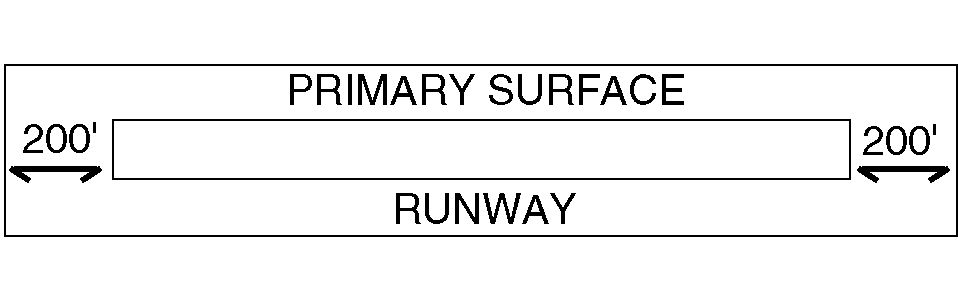
Principal structure or use means the main or primary structure or use of land.
Principal structure and right-of-way location means that area of land located between a right-of-way and the principal structure on the lot.
Print shops means a small-scale retail establishment that provides production services for construction documents and plans, copies, flyers, maps, newsletters, resumes, and similar items, as well as small-scale 3D printing.
Private performance means the display or exposure of any "specified anatomical area" by an employee of an "adult use establishment" to a patron while the employee is in an area not accessible during such display to all other persons in the establishment, or while the employee is in an area in which the employee is totally or partially screened or partitioned during such display from the view of all persons outside the area.
Problematic uses means commercial retail and service uses, including but not limited to, day labor, pawn shops, check cashing centers and blood plasma centers which are typically characterized by poorly maintained facilities, loitering and other indices of neighborhood deterioration or urban blight.
Prohibited tree means Punk (cajeput) tree - Melaleuca quinquenervia also known as Melaleuca leucodendron; Brazilian pepper - Schinus terebinthifolius; Australian Pine - Casuarina equisetifolia; and Chinese Tallow - Sapium sebiferum.
_____
Property lines means the lines which bound a property.
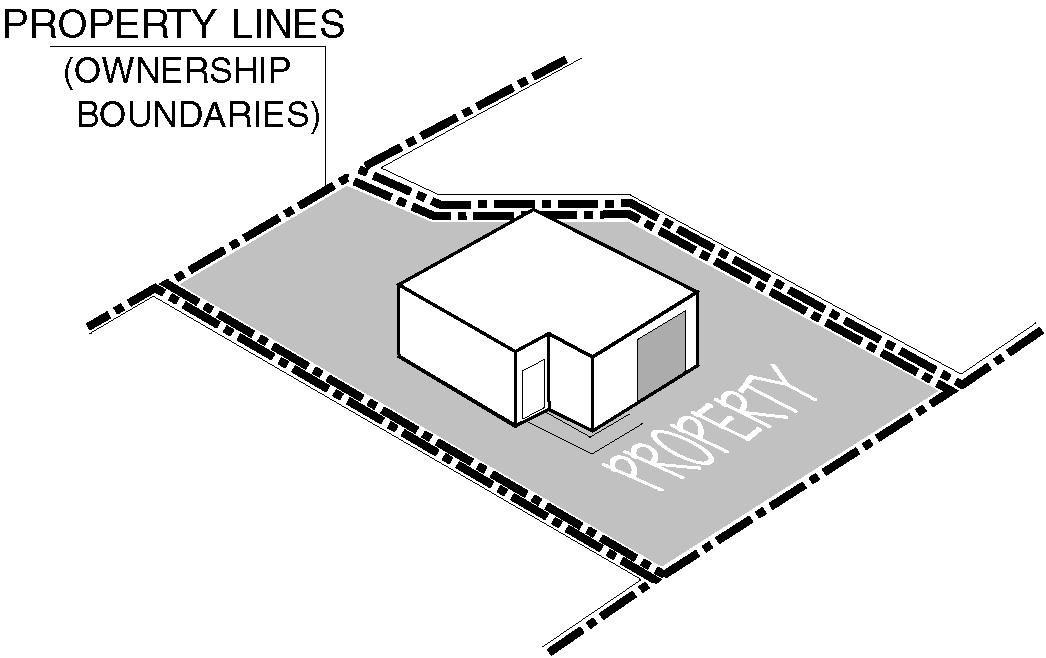
Property line, front means a property line which runs generally parallel to and along a road right-of-way or street exclusive of alleyways.
Property line, side means a property line which runs generally perpendicular or radial to the front property line.
Property line, rear means a property line which runs generally parallel to the property line from which a property is addressed.
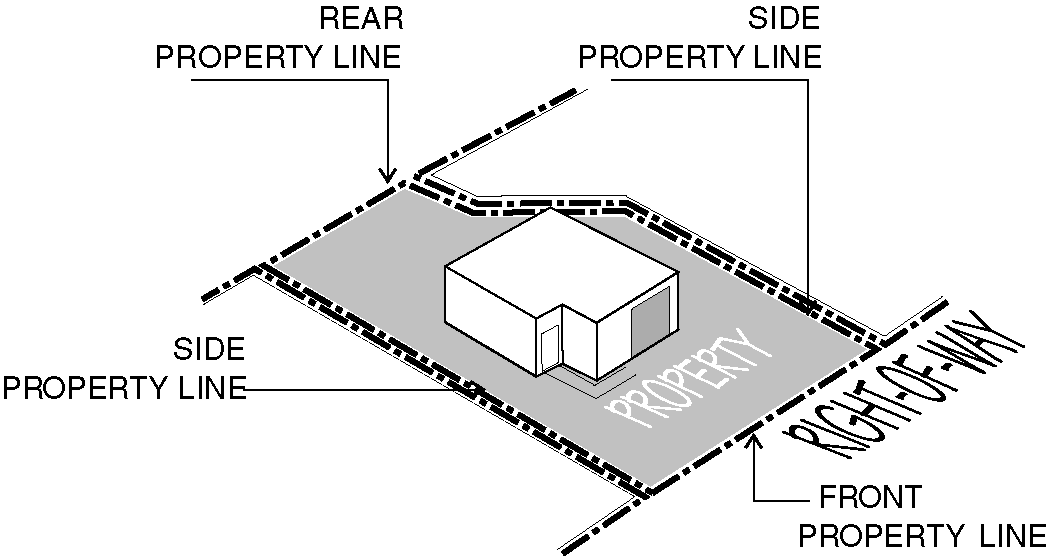
_____
Protected tree means any shade tree four inches DBH or greater, and any accent tree two inches DBH or greater, and any tree or palm as part of an approved landscape plan, but excluding all hazardous and prohibited trees.
Property means land which has been or which is proposed to be used, developed, or built upon as a unit under single ownership.
Public property means any city owned, leased, controlled, dedicated or platted real property, including but not limited to parks, marinas, alleys, streets, rights-of-way or other real property.
Public transportation facilities means passenger terminals, stations, shelters and related facilities primarily intended for transportation.
Public facility means a building, use or structure owned or occupied by a federal, state or local government agency, such as a jail, housing for persons who are participating in work release programs or who have previously served and completed terms of imprisonment for violations for criminal laws, sanitary landfill, solid waste transfer or disposal facility, wastewater treatment facility, or hazardous waste treatment or storage facility, but not including a governmental use, military facility, residential-care home, rehabilitation center, or education or health institution.
Publishing and printing means a facility primarily for the production of books, catalogs, magazines, tabloids, newspapers, circulars, business cards, forms, brochures, newsletters, labels and the like.
Racking equipment means any and all equipment used during the installation of a solar energy system.
Ready for highway use, as applied to a recreational vehicle, means that the recreational vehicle is on its wheels or jacking system, is attached to the site only by quick disconnect type of utilities and security devices, and has no permanently attached additions.
Reasonable access means the minimum number of access connections, direct or indirect, necessary to provide safe access to and from the thoroughfare, as consistent with the purpose and intent of this Development Code and any applicable plans and policies of the City of Clearwater.
Receiving water bodies means those water bodies and drainage ways, either natural or manmade, that lie downstream of the site in question and which are susceptible to degradation of water quality due to activity at the upstream site.
Recreational vehicle means a vehicle designed as temporary living quarters for recreational, camping, or travel use, which either has its own motive power or is mounted on or drawn by another vehicle, as defined in §§ 513.01 and 320.01 of the Florida Statutes.
Recreational vehicle lot means a parcel of land in a recreational vehicle park reserved for the temporary placement of a recreational vehicle and reserved for the exclusive use of the occupants of such recreational vehicle.
Recreational vehicle park means a parcel of land reserved for the location of recreational vehicles, including buildings and sites set aside for group camping and similar recreational vehicles.
Remove or removal means the actual removal of a protected tree or causing the effective removal through damaging, poisoning, excessive pruning, or other direct or indirect actions resulting in the death of a protected tree.
Repeat violation means a violation of a provision of a code by a person who has been previously found through a code enforcement board or any other quasi-judicial or judicial process, to have violated, or who has admitted violating, the same provision within five years prior to the violation, notwithstanding the violations occur at different locations.
Research and technology use means a use engaged in the research, testing, and development of goods, materials, or products, occurring entirely within enclosed buildings. Manufacturing uses conducted on the premises shall be limited to those needed for experimental or testing purposes. Research and technology uses may include the exterior storage of materials and equipment subject to those applicable provisions of this Code.
Resident of a community residential home means any of the following: an aged person, a physically disabled or handicapped person, a non-dangerous mentally ill person or a child as defined in the Florida Statutes.
Residential infill project means a development approved pursuant to flexibility criteria that allow the development of properties which due to unique conditions or historical patterns of development and ownership could not otherwise be developed.
Residential shelter means a building or buildings or portions thereof, the use of which is for a nonprofit service providing a place of temporary residence or sustenance to homeless or needy persons or families.
Residential use means a permanent place of residence for a family. A residential use located on residentially zoned property shall not include rentals for periods of less than 31 days or one calendar month, whichever is less, or which is advertised or held out to the public as a place rented for periods of less than 31 days or one calendar month, whichever is less. A residential use located on residentially zoned property shall not include an interval ownership, a fractional ownership, or a timesharing unit.
Residentially designated downtown property means any parcel of property in the Downtown ("D") District designated with street types E or F on Figure 2. Regulating Plan - Street Types and Key Corners, as contained in Appendix C of this Development Code.
Residentially zoned property means any parcel of property located in one of the following zoning districts: Low Density Residential ("LDR"); Low Medium Density Residential ("LMDR"); Medium Density Residential ("MDR"); Medium High Density Residential ("MHDR"); High Density Residential ("HDR"); Neighborhood Conservation Overlay ("NC"); Mobile Home Park ("MHP") as contained in Article 2 of this Development Code.
Restaurant means a use providing for the preparation or sale of prepared food for consumption by customers primarily on the premises, including the subordinate sale of alcoholic beverages for consumption on premises, but excluding facilities with prepared food service within grocery stores and delicatessens.
Restaurant, fast food means a business involving the sale of food and/or beverages ordered at either a counter or drive-through facility for either consumption on the premises using dishes and utensils which are disposable, or consumption off the premises.
Retail plazas means a building or group of buildings on the same property or adjoining properties, but operating as and/or presenting a unified/cohesive appearance and generally but not necessarily under common ownership and management, and which is partitioned into separate units that utilize a common parking area, and is designed for a variety of interchangeable uses including governmental, indoor recreation/entertainment, office, restaurant, retail sales and service, and social/community center. In addition, bars, brewpubs, medical clinics, nightclubs, and places of worship may also be incorporated into retail plazas subject to their approval through the applicable approval process and meeting their respective flexibility criteria.
Retail sales and services means a building, property, or activity the principal use or purpose of which is the sale or lease of goods, products, materials, or services directly to the consumer, including grocery stores, bicycle stores (sales, rentals and/or repair), adult day care, child care, dog daycare, personal services, tattoo parlor, animal grooming, art galleries, artisans, farmer markets, medical marijuana treatment center dispensing facilities, and including the sale of alcoholic beverages for off-premises consumption provided that the sale of alcoholic beverages is subordinate to the principal use and display of alcoholic beverages occupies less than 25 percent of the floor area of the use. Not including problematic uses, street vendors or the on-premises consumption of alcoholic beverages.
Retention area means an excavated stormwater holding area which has no designed discharge.
Right-of-way means a strip of land reserved, used or intended to be used for vehicular or pedestrian travel, including highways, streets, alleys, walkways, drainage facilities or other public purpose, whether public or private.
Runoff means the quality of stormwater that is unable to soak into the ground due to the presence of impermeable cover and which flows over land to a lower elevation following a storm.
Runway means a defined area on an airport prepared for landing and takeoff of aircraft along its length.
Salvage yard means an area of land which is principally used for the storage, collection, treatment, purchase or sale of refuse or scrap materials, including but not limited to wrecked or scrapped vehicles, rags, paper products, scrap metal, used appliances, scrap plumbing supplies or parts of any of the foregoing or similar property.
Same ownership means ownership by the same person, corporation, firm, entity, partnership, or unincorporated association. Sand dunes means naturally occurring accumulations of sand in ridges or mounds landward of the high-water line on the beach.
Sand Key means that portion of land lying in the City of Clearwater, Pinellas County, Florida, bounded on the north by the Clearwater Pass Channel; bounded on the east by the Clearwater Harbor; bounded on the south by the City of Clearwater City Limits; bounded on the west by the Gulf of Mexico.
School means an elementary, middle, or high school, and exceptional learning center and also includes charter schools approved by the Pinellas County School Board pursuant to F.S. § 1002.33.
School board means the elected body presiding over the schools of Pinellas County responsible for exercising all of the powers and duties associated with the district schools, in accordance with F.S. Ch. 1001.
Seasonal high water level means the elevation to which the ground or surface water can be expected to rise due to a normal wet season.
Seasonal sales means a sale conducted during traditional holidays or seasons in which special items are sold. Only items traditionally considered as associated with the particular season, including plant materials and fireworks, are allowed to be sold and general merchandise not associated with the seasonal sale such as toys, tools, clothing, etc. are prohibited from being sold as a seasonal sale item.
Sediment and silt means solid material, both mineral and organic, that is in suspension and is usually being transported from its site of origin by air, water or mechanical means.
Sediment basin means a temporary depression formed though construction of a barrier or dam by excavation, the purpose of which is to retard the movement of and trap sediment, silt and debris during construction or other land alteration activities.
Sedimentation and siltation means the process by which mineral or organic matter is removed from its site of origin, transported and subsequently deposited by air, water or mechanical activities.
Self-storage warehouse means a building used for the storage of personal property where individual owners control individual storage spaces.
Setback means the required horizontal distance between a property line and a structure.
Setback, front means the setback between the front property line and a structure.
Setback, rear means the setback between the rear property line and a structure.
_____
Setback, side means the setback between the side property line and a structure.
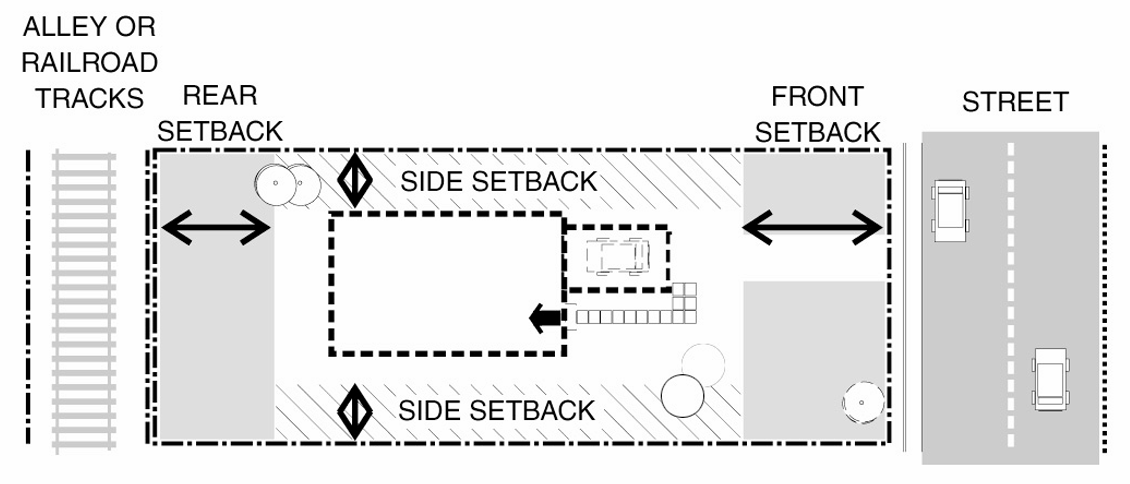
_____
Shade tree means a self-supporting, woody plant which normally grows to a minimum height of 35 feet in the county, has a trunk which can be maintained with over eight feet of clear wood, and which is of a species having an average mature spread of cover greater than 25 feet.
Shell means commons shells used for hardscaping such as oyster, clam, and scallop.
Shipping container means a reusable transport and storage unit primarily used for moving products which can be used as a living space.
Shrubs means self-supporting, woody plants which normally attain a height of less than 15 feet at maturity in the county.
Sidewalk sale means the temporary display and sale of goods outside of a building on public or private property in conjunction with the regular business of an establishment within a building.
Sidewalk vendor means any person engaged in the selling, or offering for sale, of food, beverages, merchandise or services for immediate delivery from a vendor stand or from his or her person which is not located in or, in association with a building.
Sidewalk vendor stand means any portable table, showcase, bench, rack, pushcart, or similar device used for the displaying, storing, or transporting of articles offered for sale by a sidewalk vendor.
Sign means any surface, fabric, device or display which bears lettered, pictorial or sculptured matter, including forms shaped to resemble any human, animal or product designed to convey information to the public and is visible from an abutting property, from a public street, sidewalk or right-of-way, or from a body of water. For the purpose of this Development Code, the term "sign" shall include all structural members. A sign shall be construed to form a single unit. In cases where matter is displayed in a random or unconnected manner without organized relationship of the components, each such component shall be considered a single sign. Except for banner, flags, temporary and portable signs, all signs shall be permanently affixed to, and/or incorporated into, the sign cabinet, or building wall or other base material. All signs shall be constructed of materials designed to be permanent, withstand weather conditions, and shall have permanent supports appropriate for its size. The term "sign" shall not include: artwork, decorations, cemetery markers, machinery or equipment signs, memorial signs or tablets.
Sign, adopt a park or acknowledgment means a government sign that recognizes a sponsoring agency which has been given the opportunity to install and maintain landscaping in city rights-of-way or on a city-owned property at the site where the landscaping is located.
Sign, animated means any sign which includes action, motion, or color changes, or the optical illusion of action, motion, or color changes, including signs set in motion by movement of the atmosphere, or made up of a series of sections that turn.
Sign area or surface area means the area, in square feet, enclosed by a rectangle, parallelogram, triangle, circle, semicircle, cross, other geometric figures, or other architectural design, the side of which make contact with the extreme points or edges of the sign, excluding the supporting structure which does not form part of the sign proper or of the display. Unless otherwise indicated, area means area per sign face. The sign area of a double-faced sign, as defined herein, shall be based on the area of a single sign face. Illuminated portions of a sign structure shall be considered part of the sign area. Also, any portion of the surface area of a freestanding sign structure that exceeds 50 percent of the permitted area of the sign face shall be considered part of the sign area. The area of a sign for attached signs is based on the smallest geometric shape(s) around the graphics/text; area for sign cabinets used as attached signs shall be based on the entire sign cabinet.
Sign, attached means any sign attached to, on or supported by any part of a building (e.g. walls, projecting, awning, windows, or canopy), which encloses or covers useable space.
Sign, auxiliary freestanding means an additional freestanding sign allowed due to exceptional property frontage characteristics.
Sign, awning means a sign affixed flat to the surface of the awning.
Sign band means an integral part of a storefront design that architecturally defines the top of the ground floor, or the location on the building's façade between the building entrance and the bottom of the second floor windows, or for a one-story building, the eave line.
Sign, banner means a sign backed by fabric, paper or similar material and attached to one or more poles, halyard, rope, wire, string, cord or similar device or to a building at one or more edges or by one or more corners, not including flags.
Signs, bench signs means a bench upon which a sign is drawn, painted, printed, or otherwise affixed thereto.
Sign, billboard means a non-point-of-sale sign that exceeds 24 square feet and advertises a business, organization, event, person, place or thing or other commercial message.
Sign, building means a sign placed on a wall, awning, canopy, under a canopy, or projecting from a building.
Sign, cabinet means a three-dimensional structure which includes a frame, borders and sign face within the frame on which the sign letters and logos are placed or etched. The sign may include internal lighting.
Sign, canopy means a sign attached to, applied or affixed to the visible surface of an attached canopy.
Sign, changeable message means a sign or portion of a sign where the message copy is changed manually or automatically through the utilization of attachable, reflective or illuminated letters, numbers, symbols, images and other similar characteristics. Changeable message signs shall include electronic reader boards and changing copy on billboard signs.
Sign, directional means any permanent sign which exclusively contains information providing direction or location of any object, place, or area including but not limited to those signs indicating avenues of ingress/egress.
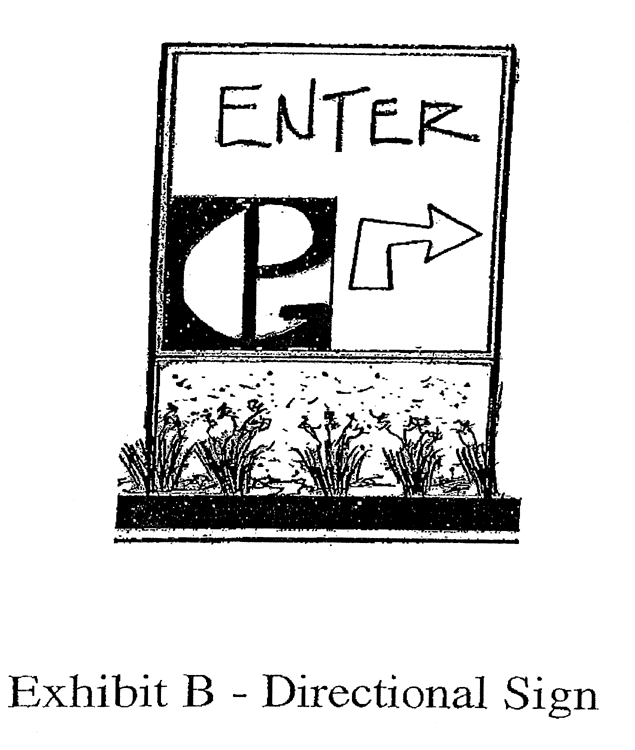
sign, directional
Sign, discontinued means any sign and/or sign structure (a) displaying advertising for a product or service which is no longer available or displaying advertising for a business which is no longer licensed, (b) which is blank, or (c) which advertises a business that is no longer doing business or maintaining a presence on the premises where the sign is displayed; provided that such circumstances have continued for a period of 180 days.
Sign, double-faced means a sign which has two back to back display surfaces (not necessarily displaying the same copy) not more than 24 inches apart, with every point on each face being either in contact with the other face or in contact with the same background.
Sign face means the part of the sign that is or can be used to identify, display, advertise, communicate information, or for visual representation which attracts or intends to attract the attention of the public for any purpose.
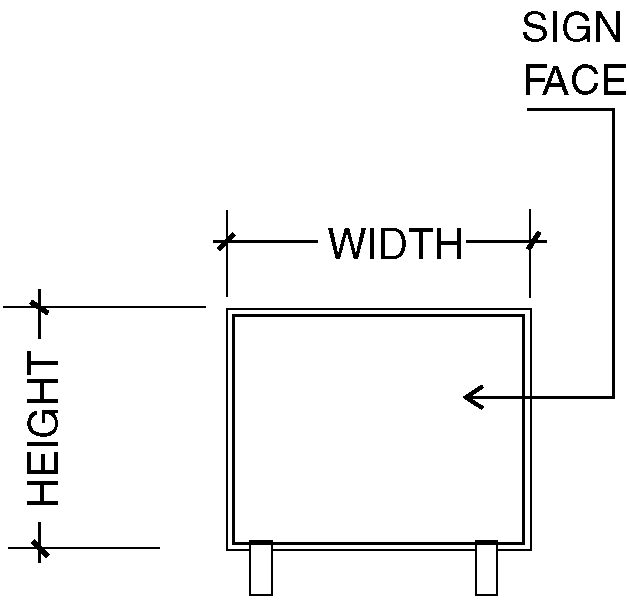
sign face
Sign, feather or flutter sign means a sign extending in a sleeve-like fashion down a telescoping or fixed pole that is mounted in the ground or on a building or stand. A feather sign or flutter sign is usually shaped like a sail or feather, and attached to the pole support on one vertical side.
Sign, freestanding means any sign supported by structures or supports that are permanently placed on or anchored in the ground and that are independent of any building or other structure. Signs on legally constructed perimeter and entry walls and fences are freestanding signs where such signs are located adjacent to a property or subdivision entrance.
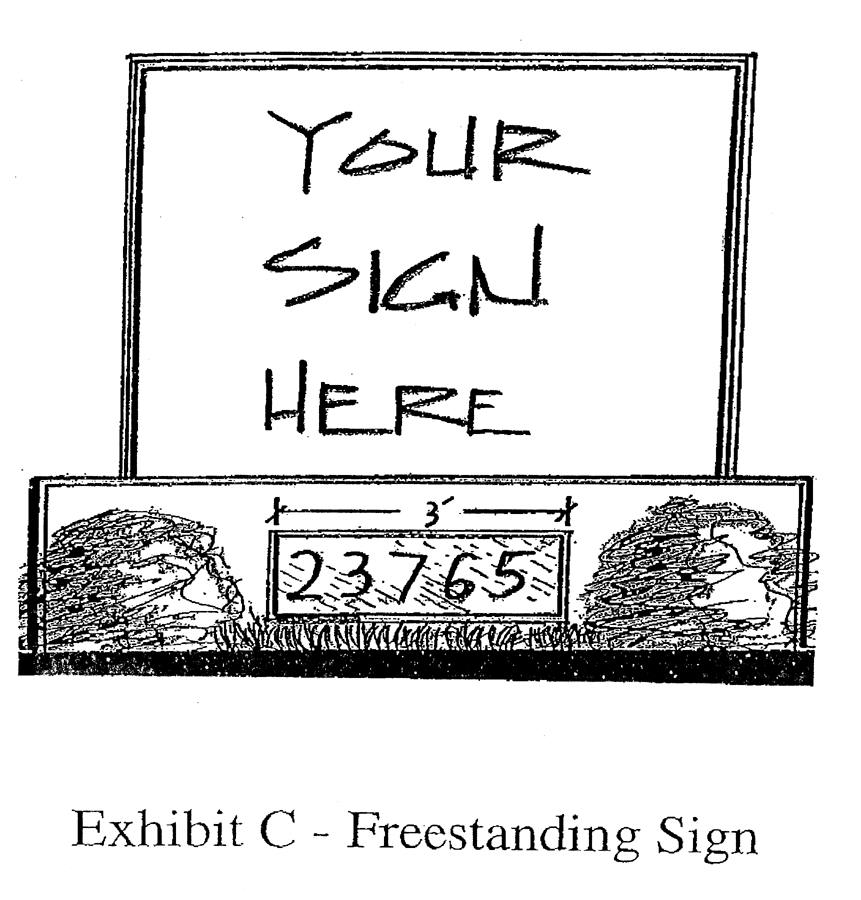
sign, freestanding
Sign, fuel price display means any on-site sign which functions exclusively to displays the prices of gasoline for sale.
Sign, government means any temporary or permanent sign erected by or on order of a public official or quasi-public entity at the federal, state or local government level in the performance of any duty including, but not limited to, designated wayfinding signs, noncommercial signs identifying a government building or service, traffic control signs, street name signs, warning signs, safety signs, informational signs, traffic or other directional signs, public notices of events, public notices of government actions, proposed changes of land use, any proposed rezoning, or any other governmental speech.
Sign, height means the vertical distance measured from ground level nearest the base of the sign to the highest point of the sign.
Sign, integral means any sign which specifies the name of a building, date of erection, monumental citations and the like when carved into stone, concrete or similar material or made of bronze, aluminum or other permanent construction and made an integral part of the building.
Sign, machinery or equipment means a sign which is integral and incidental to machinery or equipment, and that is incorporated into machinery or equipment by a manufacturer or distributor to identify or advertise the product or service dispensed by the machine or equipment, such as a sign customarily affixed or incorporated into a vending machine, a telephone booth, ATM, a gasoline pump, a newspaper rack, an express mail drop-off box, or the like.
Sign maintenance means the replacing, repairing or repainting of a portion of the sign structure, periodically changing changeable copy or renewing copy which has been made unusable by ordinary wear, weather or accident. In the event 50 percent or more of the sign is needed to be replaced or repaired the sign shall be replaced with a new, conforming sign and sign structure.
Sign, menu for drive-through establishments means any sign placed so as to be viewed from a drive-through lane and containing only a listing of products, with prices, offered for sale by the business. A menu sign may include a mechanism for ordering products while viewing the sign.
Sign, monument means a low-profile freestanding sign with a solid base on the ground of approximately the same dimension as the height of the sign and which is designed to incorporate design and building materials which compliment the architectural theme of the building(s) on the premises.
Sign, portable means a sign that is not permanently fixed to the ground or a structure utilizing standard construction procedures, and/or materials that will not deteriorate, or a sign that is transported over or parked along or next to a public right-of-way.
Sign, projecting means a sign, other than a wall sign, that is attached to and projects outward from the exterior building wall. Projecting signs include shingle signs and blade signs.
Sign, raceway means a sign comprised of channel or other cut-out figures or letters mounted to an electrical enclosure, with the enclosure being smaller than the height of the attached letters.
Sign, real estate means any sign advertising the sale, rental or lease of the premises or part of the premises on which the sign is displayed.
Sign, safety means a sign that serves a compelling governmental purpose by providing a warning of a dangerous condition or situation that might not be readily apparent or that poses a threat of serious injury (e.g., gas line, high voltage, condemned building, etc.).
Sign, shingle means a small building sign that projects outward, typically at a 90 degree angle, and hangs from a bracket or support.
Sign, sidewalk (sometimes referred to as a wind style sign or an A-frame sign) means any freestanding single or double faced sign which is designed to be placed upon, but not affixed to, the ground, or sidewalks or pavement, and that is portable and readily moved from place to place.
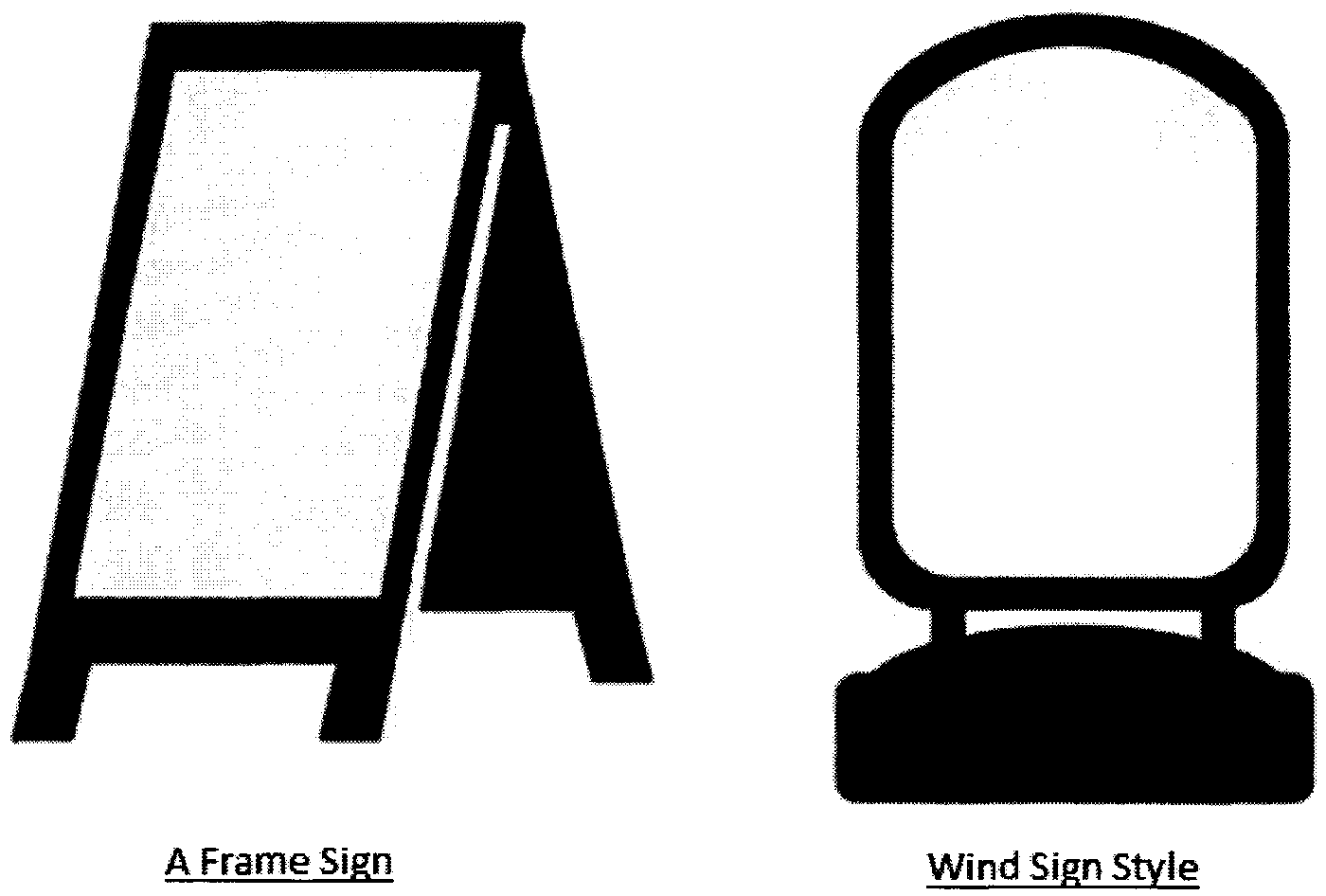
Sign, sky dancers or air dancer sign means an inflatable sign that is taller than five feet and that exhibits movement when filled with air to attract attention.
Sign, skyline means a wall sign attached to the top portion of a high-rise building.
Sign, snipe means an off-premises sign which is tacked, nailed, posted, pasted, glued, or otherwise attached to trees, poles, stakes, or fences.
Sign, statutory means a sign required by any statute or regulation of the State of Florida or the United States.
Sign, subdivision means a sign which is primarily intended to display the name of a platted subdivision or other residential development, including a mobile home park, but may contain supplemental information, so long as such supplemental information is clearly incidental to the display of the name of the platted subdivision or other residential development, including a mobile home park.
Sign structure means any structure which is designed specifically for the purpose of supporting a sign, has supported, or is capable of supporting a sign. This definition shall include any decorative covers, braces, wires, supports, or components attached to or placed around the sign structure.
Sign, time and temperature means any sign whose only function is the display of information about current time and/or temperature.
Sign, traffic control device means any government sign located within the right-of-way that serve a compelling governmental purpose by functioning as a traffic control device and that is described and identified in the Manual on Uniform Traffic Control Devices (MUTCD) and approved by the Federal Highway Administrator as the National Standard. Traffic control device sign includes those signs that are classified and defined as regulatory signs (that give notice of traffic laws or regulations), warning signs (that give notice of a situation that might not readily be apparent), and official guide signs.
Sign, transit shelter means a sign affixed to a transit shelter which is erected pursuant to the requirements of Article 3Division 22.
Sign, under canopy means a sign suspended from, and located entirely under a covered porch, walkway, or canopy supported by the building.
Sign, vehicle means one or more signs which have a total sign area on any vehicle in excess of ten square feet, when the vehicle is not "regularly used in the conduct of the business or activity" advertised on the vehicle, and (a) is visible from a street right-of-way within 100 feet of the vehicle, and (b) is parked for more than five consecutive hours within 100 feet of any street right-of-way; for the purposes of this definition, a vehicle shall not be considered "regularly used in the conduct of the business or activity" if the vehicle is used primarily (i) for advertising, or (ii) for the purpose of advertising, or (iii) for the purpose of providing transportation for owners or employees of the business or activity advertised on the vehicle.
Sign, wall means a sign parallel to and placed either directly on or attached to the exterior wall of a building or structure.
Sign, warning means a sign located on a property posting such property for warning or prohibitions on parking, trespassing, hunting, fishing, swimming, or other activity, provided such signs do not carry any commercial message or identification.
Sign, wind-activated means a sign which uses objects or material fastened in such a manner as to move upon being subjected to pressure by wind, and shall include pennants, ribbons, spinners, streamers, or captive balloons, however the term wind activated sign shall not include flags.
Sign, window means (a) any sign placed inside or upon a window facing the outside and which is intended to be seen from the exterior through a window or other opening, and (b) any sign or combination of signs that exceed 50 square feet in sign area and that is located inside an enclosed area and oriented toward and visible from an adjoining roadway or navigable waterway or body of water for purposes of advertising. Window signs may be permanent or temporary with different requirements for each type of window sign.
Significant change in trip generation means a change in the use of the property, including land, structures or facilities, or an expansion of the size of the structures or facilities causing an increase in the trip generation of the property exceeding ten percent more trip generation (either peak or daily) and 100 vehicles per day more than the existing use for all roads under local jurisdiction; or exceeding 25 percent more trip generation (either peak or daily) and 100 vehicles per day more than the existing use for all roads under state jurisdiction, as defined in 335.18, F.S.
Social and community center means an association organized and operated on a nonprofit basis for persons who are bonafide dues paying members established for fraternal, social, educational, recreational or cultural enrichment of its members. Food, meals and beverages may be served on premise.
Social/public service agency means a nonprofit organization whose primary purpose is to enhance the social welfare and improve the living conditions of society. Such uses include but are not limited to food pantries, counseling centers, rehabilitation clinics, etc. This does not include residential uses such as community residential homes, halfway houses, residential shelters, etc.
Solar energy system means a system that converts the sun's light into electricity or thermal energy.
Solar energy system, floating means a solar energy system, that floats within a body of water.
Solar energy system, roof mounted means a solar energy system that is mounted to a roof, whether pitched or flat.
Special cabaret means any bar, dance hall, restaurant, or other place of business which features dancers, go-go dancers, exotic dancers, strippers, male or female impersonators, or similar entertainers, or waiters or waitresses that engage in "specified sexual activities" or display "specified anatomical areas."
Specified anatomical area means:
(a)
Less than completely or opaquely covered:
1.
Human genitals or pubic region; or
2.
The entire cleft of the male or female buttocks. Attire that is insufficient to comply with this requirement includes, but is not limited to, G-strings, T-backs, and thongs; or
3.
That portion of the human female breast directly or laterally below a point immediately above the top of the areola;
this definition shall include the entire lower portion of the human female breast, but shall not include any portion of the cleavage of the human female breast exhibited by a dress, blouse, shirt, leotard, bathing suit, or other wearing apparel, provided the areola is not exposed.
(b)
Human male genitals in a discernible turgid state, even if completely and opaquely covered.
Specified sexual activity means:
(a)
Human genitals in a state of sexual stimulation, arousal or tumescence; or
(b)
Acts of anilingus, bestiality, cunnilingus, coprophagy, coprophilia, fellation, flagellation, masochism, masturbation, necrophilia, pederasty, pedophilia, sadism, sadomasochism, sapphism, sexual intercourse, sodomy, or urolagnia; or
(c)
Fondling or other erotic touching of human genitals, pubic region, buttock, anus or female breast; or
(d)
Excretory functions as part of or in connection with any of the activities set forth in paragraphs (a) through (c) of this definition.
Specified criminal act means:
(a)
An offense under Chapter 794, Florida Statutes (relating to sexual battery);
(b)
An offense under Chapter 796, Florida Statutes (relating to prostitution);
(c)
An offense under Chapter 800, Florida Statutes (relating to lewdness and indecent exposure);
(d)
An offense under Chapter 847, Florida Statutes (relating to obscene materials); or
(e)
An offense under an analogous statute of a state other than Florida, or under an analogous ordinance of another county or city.
Specimen tree means any tree which is determined to be of high value to the community because of its type, size, age, exceptional quality, or other professional criteria, and so designated by the community development coordinator.
Specimen tree stand means a contiguous grouping or cluster of trees which has been determined to be of high value based upon one or more of the following:
(a)
The relative maturity and even age of the stand;
(b)
The purity of the tree species composing the stand;
(c)
The rare or unusual nature of the stand; and
(d)
The aesthetic quality of the stand and so designated by the community development coordinator.
Start of construction, for other than new construction or substantial improvements under the Coastal Barrier Resources Act (P.L. 97-348), means substantial improvement, and means the date the building permit was issued, provided the actual start of construction, repair, reconstruction or improvement was within 180 days of the permit date. The actual start of construction means the first placement of permanent construction of a structure on a site, such as the pouring of slabs or footings, installation of piles, construction of columns, or any work beyond the stage of excavation or the placement of a manufactured home on a foundation. Permanent construction does not include land preparation, such as clearing, grading and filling; installation of streets or walkways; excavation for a basement, footings, piers or foundations or the erection of temporary forms; or the installation of the property of accessory buildings, such as garages or sheds not occupied as dwelling units or not part of the main structure.
Stealth technology means designed to blend into surrounding environment, such as telecommunication towers designed to look like trees.
Stoop means the elevated landing and stairs leading to the main entrance of a residence.
Strategic intermodal system means the statewide and regionally significant facilities and services including the state's largest and most significant commercial service airports, spaceport, deepwater seaports, freight rail terminals, passenger rail and intercity bus terminals, rail corridors, waterways and highways, including U.S. Highway 19.
Street means a public or private thoroughfare which affords the principal means of vehicular movement and access to abutting property.
Street, collector means a street that collects traffic from local streets and connects with minor and major arterials.
Street, local means a street designed to provide vehicular access to abutting property and to discourage through traffic.
Street, major arterial means a street with access control, channelized intersections, restricted parking, and that collects and distributes traffic to and from lesser classified streets.
Street, minor arterial means a street that interconnects with and augments the principal collector street system, and having the second highest traffic volumes among classified streets. Minor arterials collect and distribute traffic to and from local and collector streets.
Street, neighborhood means a street that provides access to a local street or collector that will have very low traffic.
Street, principal arterial means a street that serves the major centers of activity, and having the highest traffic volumes among classified streets. Principal arterials include: interstate highways, freeways and expressways, and other major such roads.
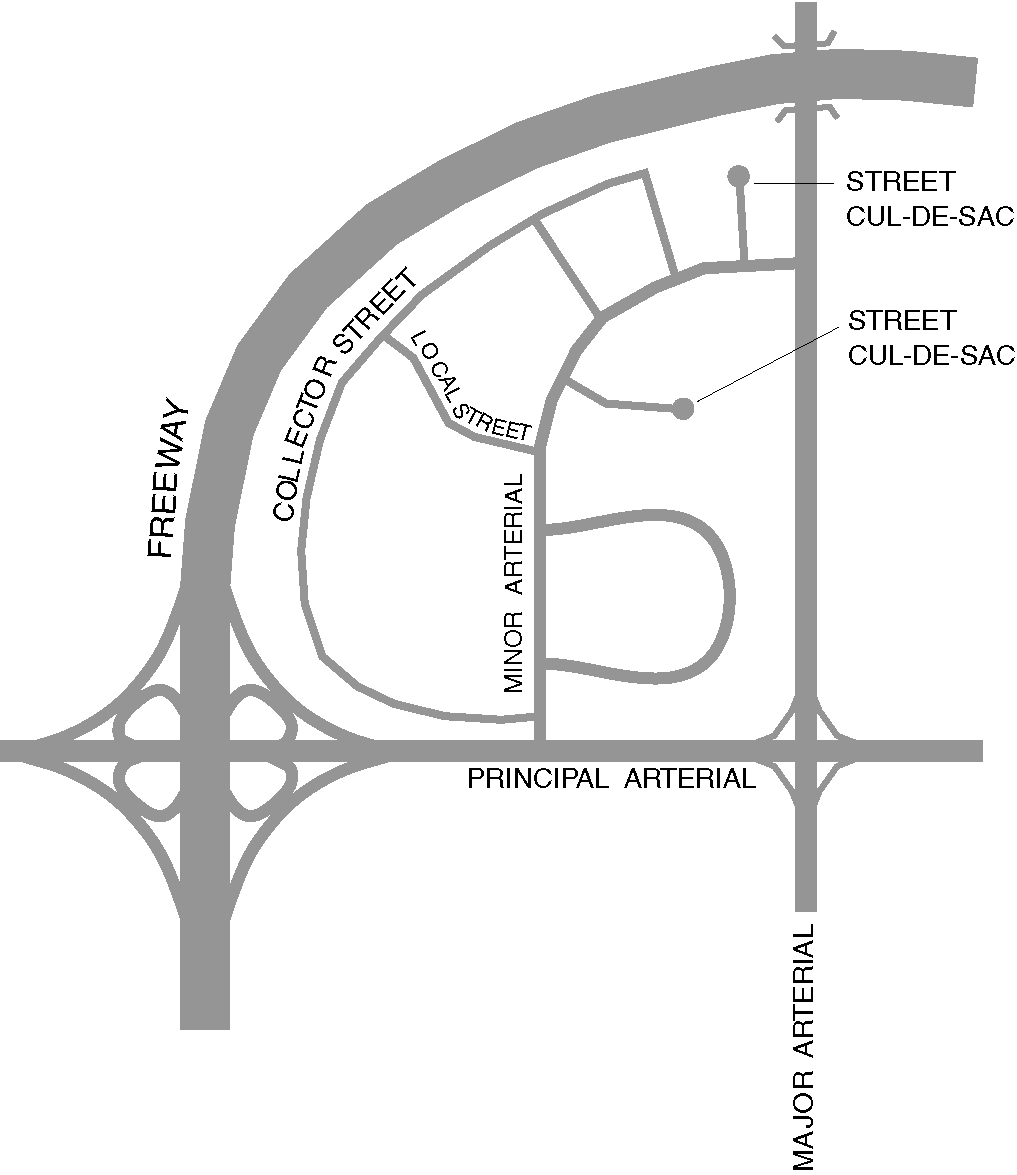
Street, principal arterial
String of pennants means any series of pieces of cloth, plastic, paper, or other material attached in a row at only one or more edges, or by one or more corners, the remainder hanging loosely, to any wire, cord, string, rope, or similar device. The term includes but is not limited to pennants, streamers, spinners, ribbons, and tinsel.
Structural alteration means any change in the supporting members of a building such as bearing walls or partitions; columns, beams or girders; or any structural change in the roof.
Structure means any object anchored to the ground, constructed or installed by humankind, including signs, buildings, parking lots, garages, carports, flagpoles, stoops and utility buildings (Note: All buildings are structures, but, not all structures are buildings).
Subdivision means any division or redivision of land into three or more lots, tracts, sites or parcels for the purpose of transfer of ownership or building development. The term "subdivision" shall also include any change of a property line of a lot, tract, site or parcel.
Subdivision street means a street within a subdivision designed to provide access to those lots immediately adjacent to said street; (average daily traffic should not exceed 1,000 vehicle trips per day).
Substantial enlargements or improvements means a ten percent increase in existing square footage or 50 percent increase in assessed valuation of the structure.
Substantially affected person means any person or entity which will suffer to a greater degree than the general public an adverse effect to a legally recognized interest protected or furthered by this development code or the comprehensive plan.
Substantial damage means damage of any origin sustained by a structure whereby the cost of restoring the structure to its before damages condition would equal or exceed 50 percent of the market value of the structure before the damage occurred.
Substantial improvement means:
1.
With respect to any property located on Clearwater Beach or Sand Key, any repair, reconstruction, rehabilitation, addition or other improvement of a structure during a five-year period, the cumulative cost of which equals or exceeds 50 percent of the market value of the structure before the start of construction of the improvement; or
2.
With respect to any property located in an area of special flood hazard other than on Clearwater Beach or Sand Key, reconstructtion, rehabilitation, addition or other improvement if a structure during a one-year period, the cost of which equals or exceeds 50 percent of the market value of the structure before the start of construction of the improvement.
For the purposes of this definition, construction is considered to have started when the first alteration of any wall, ceiling, floor or other structural part of the building commences, whether or not that alteration affects the external dimensions of the structure. The term includes structures which have incurred substantial damage, regardless of the actual repair work performed. The term does not, however, include any project for improvement of a structure to correct existing violations of health, sanitary or safety code specifications which have been identified by the building official and which are the minimum necessary to ensure safe living conditions. The terms does not include any alteration of a structure listed on the National Register of Historic Places or the state inventory of historic places, provided that the alteration will not preclude the structure's continued designation as a historic structure on such National Register or state inventory.
Swale means a shallow channel, usually sodded and generally dry except during and immediately after a rainfall event, intended to transport runoff to a larger stormwater conveyance system.
Swimming pool means any in-ground or above-ground tank or tub for swimming or wading, including hot tubs, spas, whirlpools, jacuzzis, and the like.
Taproom means a room that is ancillary to the production of beer at a brewery, microbrewery and brewpub where the public can purchase and/or consume alcoholic beverages.
Tasting room means a room that is ancillary to the production of spirits at a micro-distillery where the public can purchase and/or consume the spirits.
Tattoo parlor means an establishment practicing physical body adornment using, but not limited to, any of the following techniques: body piercing, branding, cosmetic tattooing, scarification, and tattooing. This definition does not include practices that are considered medical procedures by a state medical board, such as implants under the skin, which shall not be performed in a tattoo parlor.
Taxpayer means any person liable for the taxes imposed under the provisions of Chapters 7, 25, and 29, respectively, any agent required to file and pay any taxes imposed under said provisions, and the heirs, successors, assignees, and transferees of any such person or agent, wherever relevant to any provision of this article or other law or ordinance, and includes any and all individuals listed on the business tax application and/or business tax receipt.
Telecommunications tower means any structure that is designed and constructed primarily for the purpose of supporting one or more antennas, including self supporting lattice towers, guy towers, or monopole towers. The term includes radio and television transmission towers, microwave towers, common carrier towers, cellular telephone towers, alternative tower structures and the like.
Temporary building means a building erected or placed as a nonpermanent installation designed to serve a temporary need related to construction, education or emergency housing purposes. Such temporary location or erection shall not exempt such building or structure from meeting all applicable requirements of the building code.
Temporary buildings during construction means a building that may be used to accommodate the principal use of a property in those instances where the permanent building that otherwise would accommodate the use is rendered unavailable/unoccupiable due to renovations, modifications or other construction related activities.
Temporary retail sales and displays means any nonpermanent sales or displays which are of the same product and must be related with the permanent or principal use of property as a retail sales and services business/use.
Topping means utilizing inter-nodal cuts to remove the vertical leader stems on protected trees.
Total sign face area means the sign area of a single-faced signs, a double-faced sign, or any other sign face configuration.
Traffic impact study means the study described in Article 4 Division 8.
Transit shelter means a structure designed to provide protection from wind, sun and rain, constructed in compliance with the requirements of Article 3Division 22.
Transitional zone means an area which is contiguous to and extends outward (away) from the side boundary lines of the primary and approach zones until the height limitations coincide with those of the horizontal zone.
Transportation management plan means a plan, submitted by a development applicant, which seeks to utilize transportation management strategies to address development impacts, improve the efficiency and safety of the transportation system, and increase the mobility for all users.
Transportation management plan strategies means any strategies intended to increase mobility while addressing the transportation impacts of development projects. Strategies include, but are not limited to, density/intensity reductions, project phasing, access controls, capital improvements and/or initiatives encouraging mass transit, bicycle, or pedestrian travel, ride-sharing, or roadway improvements. They do not include standard requirements necessary for site plan approval or operational improvements.
Tree means any erect standing woody plant, together with its root system, of a species which normally attains a minimum overall height at maturity of at least 15 feet in the Clearwater area.
Trip end means a one-way trip.
Turf, artificial means an artificial product manufactured from synthetic materials that effectively simulates the appearance of live/natural healthy turf, grass, sod, or lawn.
Turf, natural means grass-covered soil held together by the roots of the live grass.
TV/radio studio means a facility for the production and broadcast of radio and/or television programs, including such elements as offices, dressing rooms, broadcast and taping studios, file rooms, set storage and construction areas, receiving facilities and transmitting facilities operating on other than the commercial or public AM, FM, television or international shortwave broadcast frequencies for the purpose of relaying radio and/or television signals between the radio/TV studio and a radio/TV transmitter site or communications satellites, mobile broadcast units, microwave relay facilities or other such facilities, the use and accessibility of which are limited to the broadcast industry.
Urban farms means a use of property where the growing, washing, packaging and storage of produce and/or plants for wholesale or retail sales occurs. For the purposes of this Code, an aquaponic or hydroponic system, or a medical marijuana treatment center processing and cultivating facility shall constitute an urban farm.
Use means a purpose or activity for which land or a building thereon is designed, arranged or intended, or for which it is maintained.
User (referring to a telecommunications tower) means any independent entity which is marketing a telecommunications service to retail customers in the city or providing a government service.
Utilities/infrastructure facility means an electric or gas substation, stormwater management facilities, water or wastewater pumping station, telephone repeater station or similar structure used as an intermediary switching, boosting, distribution or transfer station or lines for electricity, cable television, or telephone services between the point of generation and the end user, but not including satellite dish antennas, facilities for the handling of solid waste, or radio, television, or relay towers.
Vehicle means any automobile, motorcycle, truck, motorized van, recreation vehicle, bicycle, or any other device on or in which any person or property is or may be transported upon a highway, except devices used exclusively on stationary rails or tracks.
Vehicle, inoperative means a vehicle designed to be operated on the public street that is in a state of disrepair and incapable of being moved under its own power, or a vehicle that is incapable of being operated lawfully on the streets of the state. A vehicle shall be deemed inoperative if a current registration tag, also known as a license plate, of a kind required under state law as a condition of operation upon the public streets is not affixed thereto, or if one or more parts which are required for the operation of the vehicle are missing, were dismantled, are inoperative or are not attached to the vehicle as designed.
Vehicle sales/displays means a business or commercial activity involving the display and/or sale or rental of automobiles, small trucks and vans, boats no more than 20 feet in length and other small vehicular or transport mechanisms and including vehicle service.
Vehicle sales/displays, limited means a business or commercial activity involving the display and/or sale or rental of mopeds and/or motorcycles and excluding service of such vehicles.
Vehicle sales/displays, major means a business or commercial activity involving the display and/or sale or rental of boat and marine vessels, recreational vehicles, heavy equipment, mobile homes, and other vehicular or transport mechanisms and including vehicle service.
Vehicle service means an activity conducted entirely within an enclosed structure primarily involved in servicing or repairing of automobiles, motorcycles, trucks, boats, recreational vehicles and other similarly sized vehicular or transport mechanisms or heavy machinery. Vehicle services include washing, waxing, changing oil, tuning, installing tires, mufflers or detailing, window tinting, shock absorbers, and painting.
Vehicle service, limited means an activity conducted within a structure which primarily involves the routine maintenance of automobiles, motorcycles, trucks, boats, and recreational vehicles. Limited vehicle service includes only washing, waxing, changing oil, detailing, installation of accessories or audio equipment, and window tinting.
Vehicle service, major means vehicle repairs which include engine repairs where the cylinder head, pan or exhaust mainfold is removed; steam cleaning of engines; undercoating; vehicle spray painting; auto glass repair and replacement; repair and replacement of transmission, differential, transaxles, shaft and universal joints, wheel and steering linkages and assemblies; rebuilding and upholstering the interior of vehicles; customizing, restoration or rebuilding of vehicles; chassis, frame, body, fender and bumper molding, straightening, replacement and finishing; and repairs involving extensive welding, racing of engines or lengthy or overnight idling of engines.
Vested means having the right to develop or continue development notwithstanding the comprehensive plan or the provisions of this development code.
Veterinary offices means a facility used by veterinarians to treat and examine animals, including accessory indoor boarding of animals. No outdoor kennels or animal runs are allowed.
Violation of itinerant or transient nature means a violation that is likely to be temporary, short-lived, and portable in nature or capable of being repeated or that will by its nature dissipate or evidence of which will not be available at a later date, including but not limited to: placement of prohibited but movable signs; outdoor storage of debris capable of being moved; illegal temporary use of real property; and improper release of toxic substances.
Violator means a person alleged to or who has been found to have violated a provision of the City Code through a code enforcement board, or any other quasi-judicial or judicial process.
Visibility or sight triangle means the area of the corner lot closest to the intersection which is keep free of visual impairment to allow full view of both pedestrian and vehicular traffic. (Section 3-2)
Volume-to-capacity (v/c) ratio means the rate of traffic flow of an intersection approach or group of lanes during a specific time interval divided by the capacity of the approach or group of lanes.
Volume to lot size ratio means the volume of the building (height times width times depth) divided by the lot size, measured in cubic feet for volume and square feet for lot.
Waterfront property means that upland property, whether in one or more lots, parcels or ownerships, which combined abut the waterfront, including all waterways, canals and public open spaces on the Gulf of Mexico, Clearwater Harbor, Tampa Bay and Cooper's Bayou up to 660 feet in depth from the mean high tide or bulkhead line, and also abutting a public right-of-way landward of such property which runs approximately parallel to the mean high tide line or bulkhead line and which is within 660 feet of such mean high tide or bulkhead line.
Wetlands means lands which are periodically covered or saturated with water during normal rainfall years as indicated by soils, topography, and vegetation. Artificial drainage ditches created solely for the purpose of channeling stormwater runoff are not considered wetlands.
Wholesale or distribution or warehouse facility means a use where goods are received and/or stored for delivery to the ultimate customer at remote locations.
(Ord. No. 6507-00, §§ 1, 2, 3-2-00; Ord. No. 6526-00, § 1, 6-15-00; Ord. No. 6795-01, § 3, 7-12-01; Ord. No. 6928-02, §§ 117—119, 5-2-02; Ord. No. 6997-02, § 4, 7-18-02; Ord. No. 7063-03, § 2, 4-3-03; Ord. No. 7106-03, § 24, 9-18-03; Ord. No. 7105-03, §§ 2—4, 4-17-03; Ord. No. 7449-05, § 37, 12-15-05; Ord. No. 7605-06, § 29, 4-20-06; Ord. No. 7631-06, § 18, 11-2-06; Ord. No. 7718-06, § 3, 11-15-06; Ord. No. 7725-07, § 3, 2-15-07; Ord. No. 7884-07, § 1, 11-1-07; Ord. No. 7835-07, § 27, 1-17-08; Ord. No. 7926-08, § 15, 7-17-08; Ord. No. 8028-09, § 4, 6-4-09; Ord. No. 8042-09, § 5, 6-4-09; Ord. No. 8043-09, § 34, 9-3-09; Ord. No. 8044-09, § 11, 10-1-09; Ord. No. 8070-09, § 14, 12-3-09; Ord. No. 8211-10, § 14, 10-5-10; Ord. No. 8310-12, § 15, 2-2-12; Ord. No. 8311-12, § 4, 3-1-12); Ord. No. 8313-12, § 4, 7-19-12; Ord. No. 8343-12, § 1, 8-16-12; Ord. No. 8349-12, § 35, 9-6-12; Ord. No. 8346-12, § 3, 11-1-12; Ord. No. 8398-13, § 1, 7-18-13; Ord. No. 8423-13, § 7, 8-14-13; Ord. No. 8540-14, § 10, 4-3-14; Ord. No. 8654-15, § 28, 2-5-15; Ord. No. 8715-15, § 20, 6-18-15; Ord. No. 8810-16, § 18, 1-21-16; Ord. No. 8806-16, § 9, 5-5-16; Ord. No. 8931-16, § 24, 9-1-16; Ord. No. 8988-17, § 20, 2-2-17; Ord. No. 9029-17, § 1, 7-20-17; Ord. No. 9042-17, § 12, 12-7-17; Ord. No. 9217-19, § 5, 1-17-19; Ord. No. 9228-19, § 5, 2-7-19; Ord. No. 9488-21, § 2, 10-7-21; Ord. No. 9514-22, § 4, 2-3-22; Ord. No. 9643-23, § 17, 4-4-23; Ord. No. 9758-24, § 24, 6-6-24; Ord. No. 9791-24, § 1, 12-5-24; Ord. No. 9805-25, § 4, 4-17-25)

