
Corinth City Zoning Code
Subsection 2.10
Zoning Procedures
2.10.01. - Compliance Required
A.
Zoning District Map The boundaries of the zoning districts are indicated upon the City's Zoning District Map, which is on file in the office of the Director of Planning, and made a part of this UDC.
B.
Offense Committed A person commits an offense if:
1.
The person constructs, erects, converts, enlarges, reconstructs, structurally alters a building that does not comply with all of the district regulations established by this UDC for the district in which the building or land is located; or
2.
The person uses a building or land that does not comply with all of the district regulations established by this UDC for the district in which the building or land is located.
C.
Lot Standard A lot shall not be reduced or diminished resulting in the yards or other open spaces being smaller than prescribed by this UDC, nor shall the lot area per dwelling unit be reduced in any manner except in conformity with the area regulations herein established for the district in which such lot is located.
D.
Yard Exclusivity
1.
No required yard or other open space for a building shall be considered as providing a yard or open space for any other building.
2.
No required yard or open space on an adjoining property shall be considered as providing a yard or open space on a lot where a building is to be located.
E.
Standards for Buildings Every building hereafter erected or structurally altered shall be located on a single Lot of Record and in no case shall there be more than one main building and its Accessory Buildings on the lot.
F.
Windows for each Room used for Living or Sleeping In every building, each room that is used for living or sleeping purposes shall have at least one window that opens directly onto a street or alley, or a rear yard, front yard, side yard or court yard located on the same lot and conforming to the requirements prescribed by this UDC.
2.10.02. - Alternative Compliance
A.
Purpose and Applicability
1.
Purpose. This subsection establishes a provision for Alternative Compliance associated with the review and approval of a development or redevelopment project, including improvements to existing on-site structures or existing site features, as required in 2.10.02. A.2 Applicability below. The purpose of the Alternative Compliance process is to ensure that:
a.
A proposed project is in compliance with this UDC to the greatest extent appropriate for the improvements being undertaken.
b.
A proposed project meets requirements that are appropriate for lots or sites and site-specific development or redevelopment challenges by applying a flexible approval procedure.
c.
A proposed redevelopment or development project enhances the site, and therefore, the overall built environment of the City.
d.
The purpose of the Alternative Compliance process is to allow for different standards that are in agreement with the City's Comprehensive Plan and will produce a substantially equivalent effect or enhanced level of results as intended by the original development standards.
2.
Applicability.
a.
A request for Alternative Compliance from certain provisions, as specifically cited within this UDC, may be submitted for review and approval along with the Site Plan for a project, or along with the project's initial development Application (as applicable for the project).
b.
All Alternative Compliance requests shall be clearly delineated graphically or in narrative format, as appropriate, on the Site Plan (or on the project's initial development application), including a reference to the specific section within this UDC that allows consideration of such alternative standard(s).
c.
The applicable zoning district standards for a project shall not be reduced or varied using the Alternative Compliance process unless such standard(s) is specifically cited as qualifying for Alternative Compliance consideration in its respective section of this UDC.
3.
Review and Approval. Using the Site Plan review process, the Planning and Zoning Commission shall recommend and the City Council shall approve a request for Alternative Compliance.
B.
Alternative Compliance Evaluation Criteria
1.
The Alternative Compliance standard(s) being sought shall be in agreement with, and shall promote, the recommendations and policies within the City's Comprehensive Plan.
2.
The proposed standard(s) does not reduce a standard unless it is, to the greatest extent practical, equally mitigated or improved by increasing standards of other requirements.
3.
The proposed standard(s) do not attempt to modify the land uses allowed in the zoning district in which the subject property is located, nor does the proposed standard(s) attempt to add a land use not normally allowed in the zoning district.
2.10.03. - Zoning Upon Annexation
A.
General
1.
Procedural Steps.
a.
Proceedings to establish zoning may be undertaken concurrently with annexation procedures (i.e., notified at the same time, public hearings scheduled at the same time as annexation, etc.).
b.
However, zoning approval and formal adoption of the ordinance establishing zoning must occur after annexation approval of the Annexation Ordinance have occurred, and as a separate and distinct action by the City Council.
2.
Cases Where No Initial Zoning Action Occurs Concurrently with Annexation.
a.
For any period of time following official annexation by the City until an initial zoning action has been officially adopted to zone the land, all zoning and development regulations of the SF-1, Single Family Residential (detached) district shall be adhered to with respect to the development and use of the land.
B.
Necessary Studies for Initial Zoning
1.
The City shall perform necessary studies to officially adopt a zoning district for the newly annexed land within one year from the effective date of the annexation ordinance.
2.
This zoning shall be deemed the initial zoning of the newly annexed property.
C.
Initial Zoning of Newly Annexed Land
1.
Within this one-year period of time, the City Council shall instruct the Planning and Zoning Commission to study and make recommendations concerning the use of land within said annexation to promote the general welfare and to be in accordance with the Comprehensive Plan.
2.
Upon receipt of such recommendations, the City Council shall, after public hearings as required by law, establish the initial district classification of said annexed property; provided, however, that this shall not be construed as preventing the City Council from holding public hearings prior to annexation and establishing the district classification at the time of said annexation.
D.
Zoning Notice The initial zoning of a land parcel, whether by initiation of the landowner or by initiation of the City, must meet the requirements for notification and public hearings as set forth in 2.10.05. Public Hearings and Notification Requirements for Zoning Related Applications and all other applicable State laws.
E.
Within an Annexed Area Where No Initial Zoning Action has Occurred
1.
No permit for the construction of a building or use of land shall be issued by the Building Official other than a permit which will allow the construction of a building or use permitted in the SF-1, Single Family Residential (detached) district until the Initial Zoning of Newly Annexed Land has been approved by the City Council, except as provided in 2.10.03. E.2 below.
2.
If plans and preparations for developing a property for a use other than those specified in the SF-1, Single Family Residential (detached) district were already in progress prior to annexation of the property into the City, in accordance with Section 2.11.04. Zoning Vested Rights Petition, then the City Council may authorize construction of the project by a majority vote.
a.
Application of this subsection is contingent upon the following:
i.
The Applicant must be able to demonstrate that plans and other preparations for developing the property commenced prior to (i.e., were already in progress at the time of) annexation into the City.
ii.
Existing land uses shall be allowed to continue in conformance with the vesting provisions of Chapter 245 of the Texas Local Government Code and 2.07.06. Nonconforming Uses and Structures.
3.
In its deliberations concerning authorization to proceed with construction of a project which meets the above criteria, the City Council shall take into consideration the appropriate land use for the area as shown on the City's Future Land Use Plan.
a.
Upon approval by the City Council, the City Manager shall notify the Building Official of such approval.
2.10.04. - Zoning Text and Map Amendments
A.
Process Requirements
1.
Zoning Amendments Require City Council Approval. The City Council may, from time to time, amend, supplement or change by ordinance, the boundaries of the districts (i.e., Zoning Map Amendment (Rezoning)) or the regulations herein established (i.e., Zoning Text Amendment) as provided by the Statutes of the State of Texas.
2.
Planning and Zoning Commission Recommendation Required for all Amendments. Before taking action on any proposed amendment the City Council shall submit the same to the Planning and Zoning Commission for its recommendation and report.
3.
Petitions Submitted to the City Council.
a.
Any person or corporation having a proprietary interest in any property may petition the City Council for a change or amendment to the zoning provisions of this UDC; or
b.
The Planning and Zoning Commission may, on its own motion or on request from the City Council, study and propose zoning changes and amendments for the City Council's consideration.
B.
Two Types of Zoning Amendments
1.
Zoning Map Amendment (Rezoning). A Zoning Map Amendment (Rezoning) is a change or modification to the boundaries of any zoning district within the City's Zoning Map.
2.
Zoning Text Amendment. A Zoning Text Amendment is the change of the text within Section 2 Zoning Regulations and does not include change or modification to the boundaries of any zoning districts.
C.
Planning and Zoning Commission Recommendation Requires Public Hearing
1.
The Planning and Zoning Commission shall hold a public hearing on any Application for any amendment or change prior to making its recommendation and report to the City Council.
2.
In the case of a Zoning Map Amendment (Rezoning):
a.
Written notice of all public hearings before the Planning and Zoning Commission on a proposed amendment or change shall be sent to all owners of real property within two hundred (200) feet of the property on which the change is requested.
i.
Such notice shall be given not less than fifteen (15) days before the date set for hearing by posting such notice, properly addressed and postage paid, to each taxpayer as the ownership appears on the most recently approved municipal tax roll for the area affected.
b.
The Applicant is strongly encouraged to conduct a neighborhood meeting with the area homeowners within the vicinity of the request prior to appearing before the Planning and Zoning Commission. If conducted, the neighborhood meeting shall be conducted at least twenty-eight (28) calendar days prior to the Planning and Zoning Commission Public Hearing to permit any additional amendments to the application prior to advertising the date of the Public Hearing.
c.
Consistency between a Zoning Map Amendment (Rezoning) and the Comprehensive Plan shall be required, see Section 1.03.03. C.
d.
For selected zoning districts, each rezoning Application shall be accompanied by a Site Plan (see Section 2.10.08. B.1.a.ii Rezoning Applications Requiring Site Plans).
D.
Sign Posting for a Zoning Map Amendment (Rezoning) Related to a Particular Property
1.
At least fifteen (15) calendar days prior to the public hearing by the Planning and Zoning Commission on a proposed amendment to the zoning text and map related to particular property, the Applicant shall cause a sign, clearly visible to passersby, to be placed and maintained on such property.
2.
Posted signs shall be a minimum of four (4) feet wide by four (4) feet long, affixed to a post or posts.
3.
Posted signs shall be removed within ten (10) days of City Council action on the related case.
4.
The sign shall state that the property is the subject of a Zoning Map Amendment (Rezoning) Application.
5.
The sign shall remain continuously posted on the property until the City Council has conducted its public hearing on the matter.
6.
A minimum of at one (1) sign shall be posted spaced at a distance of one (1) sign every one thousand (1,000) feet of street frontage at the site.
E.
Effect of Posted Sign Maintenance The continued maintenance of the sign shall not be a condition precedent to the holding of a public hearing, the adoption of any proposed zoning change, or any other official action concerning such amendment.
F.
City Council Decision and Public Hearing Required
1.
A public hearing shall be held by the City Council before adopting any proposed amendment.
2.
Notice of such hearing shall be given by publication in the official publication of the City stating the time and place of such hearing, which time shall not be before the fifteenth (15th) calendar day from the date of publication of notice of the public hearing.
G.
Three-Fourths City Council Vote Required for Protested Amendments If any of the following conditions exist, then amendments shall not become effective except by a three-fourths (¾) vote of the governing body.
1.
The Planning and Zoning Commission recommended denial of zoning amendment.
2.
A protest against such proposed amendment has been filed at least three (3) calendar days before the date of the public hearings with the City Secretary by one of the following types of protesters:
a.
Interior Protesters:
1.
The property owners, duly signed and acknowledged, of twenty (20) percent or more of the lots or land area included within a proposed amendment boundary.
b.
Exterior Protesters:
1.
The property owners, duly signed and acknowledged, of twenty (20) percent or more of the lots or land area within a two hundred (200) foot radius of the exterior boundary of the area included in a proposed amendment.
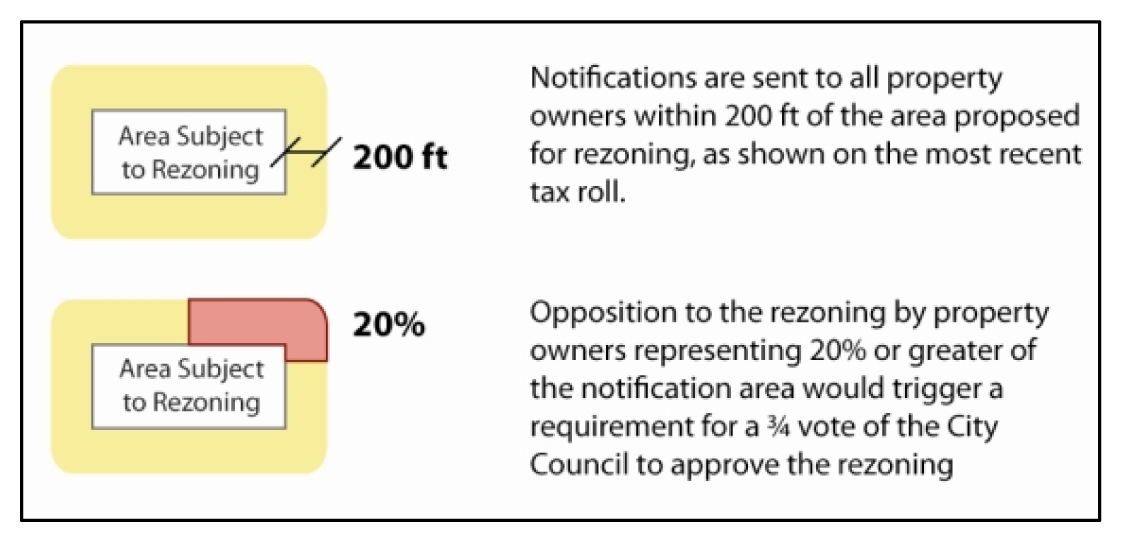
Figure 16: Calculation for Exterior Protestors
(Ord. No. 19-03-21-12, § 2.01, 3-21-19; Ord. No. 23-09-21-37, § 2.07, 9-21-23)
2.10.05. - Public Hearings and Notification Requirements for Zoning Related Applications
A.
Applications Requiring Public Hearing for Zoning Related Applications
1.
Fence Variance, see Section 2.11.03.
2.
Initial Zoning of Newly Annexed Land, see Section 2.10.03. C.
3.
Zoning Map Amendment (Rezoning), see Section 2.10.04. B.1.
4.
Zoning Text Amendment, see Section 2.10.04. B.2.
5.
Planned Development (PD) Steps for Creation and Development, see Section 2.10.09. C.
6.
Specific Use Permit, see Section 2.10.10.
7.
Amortization of Nonconforming Uses, see Section 2.10.11. B.
8.
Appeal of a City Administrative or Interpretative Decision, see Section 2.11.01. A.1.
9.
Zoning Variance, see Section 2.11.02.
10.
Zoning Special Exception, see Section 2.11.03.
B.
Review Bodies and the Associated Public Hearings per Zoning Application Type Public hearings shall be conducted for each review body per plan or Application type according to the following table:
C.
Public Notice Requirements for Public Hearings for Zoning Related Applications
1.
Zoning Related Applications Requiring Public Notice.
a.
Initial Zoning of Newly Annexed Land, see Section 2.10.03. C.
b.
Zoning Map Amendment (Rezoning), see Section 2.10.04. B.1.
c.
Zoning Text Amendment, see Section 2.10.04. B.2.
d.
Planned Development (PD) Steps for Creation and Development, see Section 2.10.09. C.
e.
Specific Use Permit, see Section 2.10.10.
f.
Amortization of Nonconforming Uses, see Section 2.10.11. B.
g.
Appeal of a City Administrative or Interpretative Decision, see Section 2.11.01. A.1.
h.
Zoning Variance, see Section 2.11.02.
i.
Zoning Special Exception, see Section 2.11.03.
D.
Required Public Notice for Zoning Related Plans and Applications Public notices shall be required according to the following table:
E.
Types of Notice
1.
Postings of Signs on Property. The Director of Planning shall maintain an inventory of signs to fulfill the notification requirements listed in Table 22: Required Public Notice for Zoning Related Plans.
2.
"Published Notice" and "Mailed Notice" of Public Hearing for Zoning Changes Involving Real Property.
a.
Published Notice.
i.
Notice of the public hearing to occur before the Planning and Zoning Commission and also before the City Council shall be accomplished by publishing the purpose, time and place of the public hearing in the official newspaper of the City before the fifteenth (15) calendar day prior to the date of the public hearing.
ii.
One published notice is sufficient if the time and date of both public hearings is given.
b.
Mailed Notice (also referred to as "Written Notice").
i.
Written notice of the public hearing before the Planning and Zoning Commission and also before the City Council shall be sent to all owners of property, as indicated by the most recently approved City tax roll, that is located within the area of Application and within two hundred feet (200') of any property affected thereby, said written notice to be sent before the fifteenth (15th) calendar day prior to the date such hearing is held.
ii.
One written notice is sufficient if the time and date of both public hearings is given.
iii.
Said written notice shall be served by using the last known address as listed on the most recently approved municipal tax roll and depositing the notice, postage paid, in the regular United States mail.
iv.
If written notice as required is not sent before the fifteenth (15th) calendar day prior to the date of the hearing, then the hearing must be delayed until this notice requirement is met. Such notice shall include:
(a)
Legal description of the property and the street address or approximate location within the City;
(b)
Present zoning classification of the property and the zoning sought by the Applicant. If not a Map Amendment (Rezoning), then the nature or intent of the Application shall be described;
(c)
The date, time, and place of hearing;
(d)
The web site that contains the zoning map and information regarding the Rezoning;
(e)
The phone number where questions may be answered; and
(f)
Other information as may be determined by City as necessary to provide adequate and timely public notice.
3.
"Published Notice" of Public Hearing for Zoning Changes Involving Regulation Text.
a.
For requests involving proposed changes to the text of the zoning regulations, notice of the Planning and Zoning Commission and also the City Council public hearing shall be accomplished by publishing the purpose, time and place of the public hearing in the official newspaper of the City before the fifteenth (15th) calendar day prior to the date of the public hearing.
b.
Changes in the zoning text that do not change zoning district boundaries (i.e., that do not involve specific real property) do not require mailed/written notification to individual property owners.
c.
The City may, at its option, publish the required zoning change notifications in conformance with Chapter 211 of the Texas Local Government Code for public hearings for the Planning and Zoning Commission and the City Council at the same time; said notifications must be published before the fifteenth (15th) calendar day prior to the Planning and Zoning Commission public hearing and before the fifteenth (15th) calendar day prior to the City Council public hearing.
4.
"Published Notice" and "Mailed Notice" of an Appeal of a City Administrative or Interpretative Decision to the Board of Adjustment.
a.
For an Appeal of a City Administrative or Interpretative Decision, the Board of Adjustment shall fix a reasonable time for the hearing of an appeal, give the public notice by written notice in the mail addressed to all owners of real property located within two hundred feet (200') of the property on which the appeal is made, and by publication of notice of such hearing in the City's official newspaper.
b.
Both the written/mailed and published notice shall be given at least fifteenth (l5th) day prior to the date for the hearing.
c.
Upon the hearing, any party may appear in person or by attorney or by agent.
5.
Additional Rules and Procedures Established.
a.
The City Council may, at its option, establish additional rules and procedures for public notification of proposed zoning changes and development proposals (e.g., required plans, plats, etc.) which may include, but not be limited to, the posting of a sign(s) on any property that is proposed for a zoning change or development by the Applicant or its agent(s).
b.
Knowledge of and adherence to such rules and procedures, if so established by the City, shall be the responsibility of the Applicant and shall be required as part of a zoning change or development Application.
6.
Special Notice. Pursuant to Texas Local Government Code Section 211.007(d), the City Council may, by a two-thirds vote, prescribe the type of notice to be given of the time and place of a public hearing held jointly by the City Council and the Planning and Zoning Commission.
(Ord. No. 19-03-21-12, § 2.02, 3-21-19)
2.10.06. - Creation of a Building Site, Tract, or Lot
No permit for the construction of a building or buildings or fence, wall, or sign upon any tract or plot shall be issued until a building site, building tract or building lot has been created by compliance with one of the following conditions:
A.
Plat Requirement The lot or tract is part of a plat of record, approved by the City and filed in the Plat Records of Denton County, Texas.
B.
Officially Approved Tract Requirement The tract is all or part of an officially approved Site Plan in a PD, Planned Development District or Specific Use Permit, in which the Site Plan provides all utility and drainage easements, alleys, streets and other Public Improvements necessary to meet the normal requirements for platting, including the designation of building areas, and such easements, alleys, and streets have been acquired and properly dedicated and the necessary Public Improvements provided.
2.10.07. - Certificate of Occupancy
A.
Required Certificates of occupancy shall be required for any of the following:
1.
Occupancy and use of a building hereafter erected or structurally altered.
2.
Change in use of an existing building to a use of a different zoning classification.
3.
Change in the occupancy and use of land to a use of a different zoning classification.
4.
Change in any nonconforming use.
5.
Change in occupant or business within a building.
6.
Change in ownership of a business.
No such use, or change of use, shall take place until a certificate of occupancy has been issued by the Building Official stating that the building or proposed use of the building or premises complies with the building code, electrical code, plumbing code, and the provisions of the Unified Development Code.
B.
Procedure for new or altered structures Written application for a certificate of occupancy for a new structure or the alteration of an existing structure shall be made at the same time as the application for a building permit for such a structure. The certificate shall be issued only after the City has determined that no violations of the UDC or any other regulation or ordinance of the City exists following an inspection by the chief building official and city fire marshal, and that there are no outstanding invoices due to the city.
1.
A temporary certificate of occupancy, for a period of time not to exceed one hundred and twenty (120) days may be issued by the building official if he/she finds that no substantial hazard will result from occupancy of any portion of the building structure, or suite within a structure prior to its completion. A written request by the applicant must be submitted stating the conditions needing to be completed, the reasons for the delay, and the expected date of compliance. Model homes may receive a temporary certificate of occupancy for the entire length of their use until such time that they are converted into a residential occupancy. The certificate of occupancy shall expire if the City denies the extension request.
2.
When extenuating circumstances arise, such as extended periods of weather detrimental to construction, a temporary certificate of occupancy may be extended for a period of time not to exceed one hundred and twenty (120) days from the date of approval by the building official. The building official shall make such determination within ten (10) days of the submission of a written request of the applicant detailing the extenuating circumstances responsible for the delay, the steps being taken to expedite the completion of the project and their expected date of completion. The certificate of occupancy shall expire if the City denies the extension request.
(Ord. No. 19-05-09-15, § 2.01, 5-9-19)
2.10.08. - Site Plans
A.
Purpose The purpose of the Site Plan process is to establish a procedure for coordinating and verifying improvements to properties. Through Site Plan review, zoning standards and other applicable municipal standards or ordinances that may apply to specific site development can be uniformly implemented by the City for townhome, multi-family, and nonresidential development. This process is intended to promote, among other items, the efficient and harmonious use of land, safe and efficient vehicular and pedestrian circulation, parking and loading, lighting, screening, open space, landscaping, and natural features.
B.
Applicability
1.
Processing and Timing. Two Different Types of Site Plans Exist.
a.
Site Plans Related to Rezoning Applications.
i.
Requirement. No Zoning Map Amendment (Rezoning) Application shall be approved for any applicable zoning district unless a Site Plan is approved at the time of rezoning Application.
ii.
Rezoning Applications Requiring Site Plans. In order to approve a Zoning Map Amendment (Rezoning) Application, a Site Plan shall be submitted as a part of rezoning Application for the following zoning districts:
(a)
MX-D, Mixed Density Residential Zoning District.
(b)
MF-1, Multi-Family Residential Zoning District.
(c)
MF-2, Multi-Family Residential Zoning District.
(d)
MF-3, Multi-Family Residential Zoning District.
(e)
MX-R, Mixed Use Residential.
(f)
MX-C, Mixed Use Commercial.
(g)
Specific Use Permit (SUP).
b.
Site Plans Related to Building Permits or any On-Site Construction/Development.
i.
Requirement. No building permit shall be issued for any applicable development or any on-site construction/development activity shall occur unless a Site Plan is first:
(a)
Reviewed by the Development Review Committee; and
(b)
Approved by the Director of Planning.
ii.
Nonresidential Development Requiring Site Plans.
(a)
All nonresidential development within the City's corporate limits, except as provided in 2.10.08. D Site Plan Exempted Development, below, require an approved Site Plan.
(b)
Parking lot development, reconstruction, or reconfiguration of more than twenty (20) spaces requires an approved Site Plan.
iii.
Residential Development Requiring Site Plans.
(a)
All residential development within the MX-D, Mixed Density Residential zoning district requires an approved Site Plan.
(b)
Residential development having more than two dwelling units, including attached single family housing, townhomes, and condominiums requires an approved Site Plan.
2.
Public Hearings. A public hearing on a Site Plan is not required unless a site plan is prepared in conjunction with a rezoning Application.
3.
Effect. No certificate of occupancy shall be issued unless all construction and development conform to the Site Plan as approved by the City.
C.
Approval and Process
1.
Site Plans Related to Rezoning Applications. The approval of a Site Plan (SP) related to a rezoning Application requires the following:
a.
Review by the Development Review Committee,
b.
A recommended action by Planning and Zoning Commission for the Council's consideration, and
c.
Approval by the City Council.
2.
Site Plans Related to Building Permits or any On-Site Construction/Development. The approval of a Site Plan (SP) related to a building permit or construction/development Application requires the following:
a.
Review by the Development Review Committee,
b.
Approval by the Director of Planning.
3.
Site Plan Process Overview. The purpose of the Site Plan process is to:
a.
Ensure compliance with adopted City development regulations and other applicable regulations that apply to the property for which the City has enforcement responsibility;
b.
Promote safe, efficient and harmonious use of land through application of City-adopted design standards and guidelines;
c.
Promote the vision established by the Comprehensive Plan;
d.
Ensure adequate public facilities to serve development;
e.
Coordinate and document the design of public and private improvements to be constructed;
f.
Prevent or mitigate adverse development impacts, including overcrowding and congestion;
g.
Aid evaluation and coordination of land subdivision, including the granting of easements, Right-of-Way, development agreements and provision of surety;
h.
Identify and address environmental concerns (floodplain, drainage, trees, topography, etc.); and
i.
Promote the public health, safety and welfare.
D.
Site Plan Exempted Development The following types of development are exempted from the requirements of this Section 2.10.08. Site Plans:
a.
Agricultural buildings; and
b.
A Temporary Building for New Construction as permitted by Section 2.07.03. Use Chart.
E.
Submission of Site Plan Applications
1.
Coordinating Official. Applications for approval of plans required by this Section 2.10.08. Site Plans must be submitted to the Director of Planning.
2.
Calendar of Official Processing Dates. A calendar of official processing dates for items requiring DRC review, Planning and Zoning Commission recommendation, and City Council approval pursuant to this Section 2.10.08. Site Plans shall be published by the City thirty (30) calendar days prior to the beginning of each calendar year.
3.
Late Application Processing Date. All Applications required by this Section 2.10.08. Site Plans filed on a date other than an official processing date shall be processed according to the schedule established by the subsequent official processing date appearing on the calendar after the filing date and after the date of receipt of the Application.
4.
Other Regulations for Applications. Applications are also governed by Subsection 2.02 Zoning Submittal and Processing Procedures.
F.
Fees, Forms and Procedures
1.
Schedule of Fees. The fees relating to the Site Plan approval process shall be established by the Fee Schedule.
2.
Delinquent Taxes. No Site Plan shall be approved for properties with delinquent City taxes.
3.
Procedures, Forms and Standards. The Director of Planning shall establish procedures, forms and standards with regard to the content, format and number of copies of information constituting an Application for a Site Plan.
G.
Site Plan
1.
Site Plan Application Procedure and Requirements.
a.
Site Plan Pre-Application.
i.
Before preparing a Site Plan, the Applicant may meet with the Director of Planning to allow the Applicant to learn the general procedures for approval and to review the concept of the proposed development, if desired by Applicant.
ii.
No Application for a permit may be submitted to or accepted for filing with the Director of Planning during the meeting.
b.
Site Plan General Application. The property owner or authorized agent shall file an Application for the approval of a Site Plan. This Application shall include the information listed on the Site Plan Application Form and Checklist, which shall be created and maintained by the Director of Planning.
c.
Site Plan Additional Requirements. The following plans shall be submitted with a Site Plan Application and approval is necessary prior to final authorization for development:
i.
Final Plat or Replat,
ii.
Engineering plans or Construction Plans,
iii.
Traffic Impact Analysis (Section 3.05.04. D), if applicable,
iv.
Tree Preservation Plan, if applicable,
v.
Traffic Circulation Study, if required,
vi.
Landscape plans,
vii.
Flood Study, if required, or
viii.
Other approvals as required by ordinance or resolution.
d.
Site Plan Standards of Approval.
i.
Director of Planning Approval and City Council Approval. The Director of Planning using the review and approval process outlined in Section 2.10.08. C.1. and 2.10.08. C.2., may approve, conditionally approve, refer to City Council for approval, or deny a Site Plan based upon the criteria listed below. If the Director of Planning denies approval of the Site Plan, the applicant may appeal the determination to the City Council following the appeal procedure for Substantially Conforming Site Plan appeals.
Site Plans requiring City Council Approval: Upon referral from the Director of Planning or the applicant's appeal of the denial of the Site Plan, City Council using the review and approval process outlined in Sections 2.10.08. C.1. and 2.10.08. C.2., may approve, conditionally approve, or deny a Site Plan based upon the criteria listed below.
ii.
Approval Criteria.
(a)
Conformance with the Comprehensive Plan and adopted design guidelines.
(b)
Compliance with the UDC Zoning Regulations and other applicable regulations and previously approved, valid plans for the property.
(c)
The design and location of off-street parking and loading facilities to ensure that all such spaces are usable and are safely arranged.
(d)
The width, grade and location of streets designed to accommodate prospective traffic and to provide access for firefighting and emergency equipment to buildings.
(e)
The use of landscaping and screening to provide adequate buffers to shield lights, noise, movement or activities from adjacent properties when necessary, and to complement the design and location of buildings and be integrated into the overall site design.
(f)
The location, size and configuration of open space areas to ensure that such areas are suitable for intended recreation and conservation uses.
(g)
Protection and conservation of soils from erosion by wind or water or from excavation or grading.
(h)
Protection and conservation of water courses and areas subject to flooding.
(i)
The adequacy of streets, water, drainage, wastewater, storm water facilities, garbage disposal and other utilities necessary for essential services to residents and occupants.
(j)
The design of adjacent public street improvements and Right-of-Way including existing or proposed deceleration lanes, median openings and left turn bays, location of driveways, drive aisles, cross access between internal developments, and access to properties adjacent to the subject site.
(k)
The City shall not take action on a Site Plan for property where City taxes are delinquent.
e.
Site Plan Effect.
i.
Approval of a Site Plan is the City's authorization to apply for approval of building permits and to receive approval of engineering plans.
ii.
During the time the Site Plan remains valid, the City shall not apply any additional requirements concerning building placement, streets, drives, parking, landscaping or screening.
iii.
Site Plan approval is separate and distinct from other permits and approvals as may be required by the City and other regulatory agencies.
iv.
Approval of a Site Plan shall not affect other applicable regulations concerning development and land use.
v.
Except where authorized by ordinance, a Site Plan may not be used to approve a variance to development regulations.
vi.
Where an approved plan conflicts with an adopted regulation and no Zoning Variance or Zoning Special Exception is expressly approved, the regulation shall apply.
f.
Site Plan Lapse.
i.
Two (2) Year Effective Period.
(a)
The approval of a Site Plan shall be effective for a period of two (2) years from the date of filing of the Application with the Director of Planning. At the end of this time, the Site Plan shall expire unless the Applicant demonstrates to the Director of Planning that progress has been made towards completion of the project for which the Site Plan was approved.
(b)
Submission and receipt of approval of engineering plans and building permits prior to expiration of the Site Plan shall be evidence of progress towards completion.
(c)
However, if engineering plans and permits have been approved only for a portion of the property or if the progress towards completion is only for a portion of the property and/or improvements, the Site Plan for the remaining property and/or improvements shall expire.
ii.
Expired Site Plans.
(a)
For all expired Site Plans, the Applicant shall be required to submit a new Site Plan subject to the then existing regulations (see Section 2.10.08. G.1 Site Plan Application Procedure and Requirements).
(b)
Site Plan approval shall expire upon completion of the improvements shown on the plan. Permits must remain valid during the construction process.
(c)
Subsequent additional development, site modifications and redevelopment shall be permitted in accordance with Section 2.10.08. J Additional Development and Redevelopment and shall be considered a new project subject to the then existing ordinances, laws and regulations of the City.
H.
Site Plan Amendments As changes are proposed to an approved Site Plan (SP), an Applicant shall comply with the following review and approval processes:
1.
Updates During Construction Plan Reviews.
a.
Updates made to a Site Plan based on modifications made during construction plan review shall be incorporated into the approved Site Plan.
b.
The Applicant shall submit Record Drawings prior to final acceptance for approval by the Director of Planning.
2.
Substantially Conforming Site Plan (SCSP).
a.
This plan shall include, but is not limited to, corrections of distances and dimensions, adjustments of building configuration and placement, increase in building area not to exceed 1,000 square feet, changes to utility locations, modifications to the number or size of meters, and the addition or removal of twenty (20) or fewer parking spaces, and the addition of cellular antenna ground-mounted equipment where the use has been approved.
b.
The SCSP shall be reviewed and approved or denied by the Director of Planning.
c.
An Applicant may appeal the denial of an SCSP to the City Council in accordance to the following:
i.
Appeal of a Substantially Conforming Site Plan Decision made by the Director of Planning.
(a)
The Applicant or four (4) members of City Council may appeal the decision regarding a SCSP by submitting a written notice of appeal to the Director of Planning.
(i)
The Applicant must submit said written notice of appeal no later than thirty (30) business days from the date of such decision by the Director of Planning.
(ii)
The City Council shall consider and act on whether it will appeal the Director of Planning's decision no later than thirty (30) business days from the date of such decision or at the City Council's first regular meeting (for which there is time to post an agenda as required by law) that occurs after the Director of Planning's decision, whichever is later.
(iii)
Written notice of the City Council's vote to appeal shall be submitted to the Director of Planning within seven (7) calendar days of the City Council's vote.
(b)
The City Council shall consider the appeal at a public meeting no later than forty-five (45) calendar days after the date on which the notice of appeal is submitted to the Director of Planning.
(c)
The City Council may affirm, modify, or reverse the Site Plan decision made by the Director of Planning.
d.
The expiration shall be the same date of the originally approved Site Plan. In cases where a Site Plan has already expired, the SCSP shall expire six (6) months from the date of approval during which time all permits shall be issued for construction.
e.
Any construction plans and building plans associated with the project that have been submitted or approved shall be updated accordingly with the approval.
f.
Depending on the changes proposed, other approvals may be required, such as Landscape Plans, platting, etc.
3.
Revised Site Plan (SP).
a.
This revised Site Plan shall include, but is not limited to, realignments of drive aisles and fire lanes, increase in building area of 1,000 square feet or more, increase of building height, decrease in the proximity to an adjacent (off-site) residential use, and the addition or removal of more than 20 parking spaces.
b.
The revised Site Plan shall be considered a new project and shall be evaluated under the regulations in effect at the time the Application is submitted.
c.
The revised plan requires approval by the Director of Planning.
d.
The revised Site Plan shall expire two (2) years from the date of approval.
e.
Construction Plans and building plans associated with the project that have been submitted or approved shall be updated accordingly with the approval. The construction of the modified improvements shall not occur until after the approval of a revised Site Plan.
f.
Depending on the changes proposed, other approvals may be required, such as but not limited to Landscape Plans and plats.
I.
Revocation of Site Plan Approval The Director of Planning or City Council, when applicable, may revoke approval of a Site Plan if it determines that the conditions of the approval have not been met or if the plan contains, or is based upon, incorrect information or if it is determined that it was obtained using fraud or deceit. If the Director of Planning revokes approval of the Site Plan, the applicant may appeal the determination to the City Council following the appeal procedure for Substantially Conforming Site Plan appeals.
J.
Additional Development and Redevelopment
1.
Additional Development, Site Modifications, or Redevelopment. Following the completion of improvements shown on an approved Site Plan, additional development, site modifications, or redevelopment of the site shall be permitted subject to the approval of a revised Site Plan, which shall be considered a new project and shall require submittal of a revised Site Plan and the approval of the Director of Planning under the regulations, requirements and procedures then in effect.
2.
Minor Expansions and Redevelopment. Minor expansions and redevelopment may be approved by the Director of Planning under the terms of Section 2.10.08. H Site Plan Amendments.
K.
Design Standards and Specifications The following design standards and specifications, as they exist or may be amended, are required in addition to the design standards and specification set forth in this UDC:
1.
Zoning Regulations;
2.
Subdivision Regulations;
3.
Fire Code;
4.
Engineering Standards;
5.
Any design standards and specifications approved by the City Council following the enactment of this provision; and
6.
Building Code.
(Ord. No. 17-09-21-12, § 1, 9-21-17)
2.10.09. - PD, Planned Development Application and Review
A.
General
1.
PD, Planned Development Zoning District Establishment. An Application for a PD, Planned Development Zoning District shall be made to the Planning and Zoning Commission and City Council in the same manner that an Application for any Zoning Map Amendment (Rezoning) is made.
2.
Submission of PD Related Plats and Site Plans Shall Occur After PD Establishment. The subsequent Applications for Plats and Site Plans within an established PD, Planned Development Zoning District shall be reviewed and approved separately and independently in accordance with established procedures.
3.
Upon a written request from the applicant the Director at their discretion may allow for review of submitted development items (Site Plan, Plat, Landscape Plan etc.) concurrently with a completed PD application.
B.
Planned Development (PD) Submission Requirements
1.
The Developer and/or builder of a PD shall comply with the following procedures:
a.
Pre-Application Conference, as outlined in Section 1.03.02. Pre-Application Conference.
b.
Zoning Map Amendment (Rezoning) Application shall be included with the submission of Planned Development Proposal, and shall include the:
i.
PD Design Statement;
ii.
PD Concept Plan; and
iii.
Proposed Building Elevations identifying materials, colors and general percentages of materials used if varying from City design guidelines as outlined in Section 2.09.04.
C.
Planned Development (PD) Steps for Creation and Development
1.
Step 1. Pre-Application Conference Review.
a.
At least ten (10) business days prior to submission of an Application for Zoning Map Amendment (Rezoning) to a PD, Planned Development, the Applicant shall submit to the Director of Planning and Development a Sketch Plan drawn to approximate scale showing streets, lots, public areas, and other significant features. The Applicant shall execute an acknowledgment that the Pre-Application Conference was not intended to and does not initiate a vested right.
b.
The Applicant shall discuss with the Director of Planning and Development the procedure for adopting a PD, Planned Development and the requirements for the general layout of streets and utilities, access to arterials, or general design, the availability of existing services, and similar matters.
c.
The Director of Planning and Development shall also advise the Applicant, where appropriate, to discuss the proposed PD, Planned Development with those officials charged with responsibility to review the various aspects of the proposal coming within their jurisdiction.
d.
The intent of this Step 1. Pre-Application Conference Review is to expedite and facilitate the approval of a Planned Development Proposal.
2.
Step 2. PD Application for Rezoning and Planned Development Proposal.
a.
Procedures and Requirements.
i.
The PD Zoning Map Amendment (Rezoning) Application shall be filed in accordance with regular procedures required by the UDC and state law and shall be on Application Forms of the City.
ii.
The Planned Development Proposal, which is submitted with the Application for rezoning, shall consist of a PD Design Statement and a PD Concept Plan.
iii.
The Applicant shall also provide other supporting maps as necessary to meet the submission requirements of this UDC.
iv.
The Applicant is strongly encouraged to conduct a neighborhood meeting with the area homeowners within the vicinity of the request prior to appearing before the Planning and Zoning Commission. The Applicant shall provide written notice to the Director of Planning and Development of any scheduled neighborhood meetings at least seven (7) days prior to the P&Z commission meeting.
b.
PD Design Statement. The PD Design Statement shall be a written report submitted as a part of the Planned Development Proposal and shall contain a minimum of the following elements:
i.
Title of PD;
ii.
List of the owners and/or Developers;
iii.
Statement of the general location and relationship to adjoining land uses, both existing and proposed;
iv.
Description of the PD concept, including an acreage or square foot breakdown of land use areas and densities proposed, a general description proposed, a general description of building use types, proposed restrictions, and typical site layouts;
v.
The existing PD zoning districts in the development area and surrounding it;
vi.
Selection of one conventional zoning district as a base zoning district to regulate all uses and development regulations not identified as being modified (Multiple base zoning districts may be selected to accommodate a mixture of land uses in different geographic areas, if multiple base districts are being utilized in a PD proposal, a separate metes and bounds exhibit shall be provided to identify the area to be covered by each base district.);
vii.
A list of all applicable special development regulations or modified regulations to the base zoning district; plus a list of requested Subdivision Waivers to the Subdivision Regulations or other applicable development regulations;
viii.
A statement identifying the existing and proposed streets, including Right-of-Way standards and street design concepts;
ix.
The following physical characteristics: elevation, slope analysis, soil characteristics, tree cover, and drainage information;
x.
A statement of utility lines and services to be installed, including lines to be dedicated to the City and those lines and services which will remain private;
xi.
The proposed densities, and the use types and sizes of structures; and
xii.
A description of the proposed sequence and time frames of development.
c.
PD Concept Plan.
i.
The PD Concept Plan shall be a graphic representation of the development plan for the area of a PD, Planned Development.
ii.
(a)
Residential Concept Plan. A proposed Concept Plan for residential land uses shall provide the following items:
1.
Lot Layout, including street patterns and product locations;
2.
Topography (5 feet contours, or smaller if needed to understand natural features) and boundary of PD area;
3.
Thoroughfares;
4.
Size, type, height and location of buildings and building sites (attached residential i.e. apartments and townhomes);
5.
Access;
6.
Density;
7.
Fire lanes, attached townhomes and multifamily only;
8.
Screening;
9.
Landscaped areas and concepts;
10.
Project phasing;
11.
Existing and Proposed (FEMA approval required) 100-Year Floodplain;
12.
Existing tree cover; and
13.
Any other pertinent development data as identified by the Director of Planning and Development.
(b)
Non-Residential Concept Plan. A proposed concept plan for non-residential land uses shall provide the following items:
1.
Types of uses;
2.
Topography (5 feet contours or smaller if needed to understand natural features) and boundary of PD area;
3.
Physical features of the site;
4.
Existing streets, alleys, and easements;
5.
Location of current/future public facilities;
6.
Building height, locations and elevations;
7.
Parking areas and ratios;
8.
Proposed driveway locations;
9.
Project scheduling and phasing;
10.
Landscaped areas and concepts;
11.
Screening;
12.
Existing and Proposed (FEMA approval required) 100-Year Floodplain;
13.
Existing tree cover; and
14.
Any other pertinent development data as identified by the Director of Planning and Development.
d.
Approval of the Planned Development Proposal.
i.
Upon final approval of the Planned Development Proposal and the appropriate ordinance of rezoning by the City Council, these elements shall become a part of the Section 2.01.02. Official Zoning District Map.
ii.
The ordinance of rezoning shall adopt the Planned Development Proposal by reference, shall be attached to the adopted ordinance, and shall become a part of the official records of the City.
e.
Use and Development of the Property.
i.
The Planned Development Ordinance shall control the use and development of the property. Building permits and development requests for the property shall be issued only in accordance with the approved Ordinance, and in accordance with any amendments thereto approved by the City Council.
ii.
The Planned Development Ordinance shall be made a part of the official records of the City and shall be maintained by the City Secretary.
D.
Planned Development (PD) Modifications and Amendments
1.
Minor PD Amendment and Adjustment. The Director of Planning and Development may approve or defer to City Council consideration a Minor PD Amendment and Adjustment to the Planned Development Ordinance provided all of the following conditions are satisfied:
a.
The project boundaries are not altered.
b.
Uses other than those specifically approved in the Planned Development Ordinance are not added. Uses may be deleted but not to the extent that the character of the project is substantially altered from the character described within the PD Ordinance.
c.
The allocation of land to particular uses or the relationship of uses within the project are not substantially altered.
d.
The density of housing is not increased by an amount greater than ten (10) percent of the approved density for all phases of the development or decreased by an amount greater than thirty (30) percent of the approved density for all phases of the development. Ex. "300 lots to 330 lots."
e.
The land area allocated to non-residential uses is not increased or decreased by an amount greater than ten (10) percent of the approved land area allocated to non-residential uses for all phases of the development provided that increases in land area are directly adjacent to non-residential uses.
f.
Floor Area, if prescribed, is not increased or decreased by an amount greater than ten (10) percent of the approved Floor Area.
g.
Floor Area ratios, if prescribed, are not increased.
h.
Open space ratios, if prescribed, are not decreased.
i.
Building material percentages may be amended up to 10% upon the submission of an report prepared by an engineer stating that the use of a particular material will result in a structural deficiency, or if the Director of Planning and Development determines that strict application of prescribed percentages will detract from the overall design of the structure.
2.
Partial Amendments.
a.
In situations where only a portion of an existing PD Ordinance is proposed to be amended, the Director of Planning and Development shall review the amendment request to verify its compatibility with the area of the existing PD Ordinance to remain. In the event that the proposed amendment is not compatible with the remaining area, the Director may require that the existing PD ordinance be amended in its entirety.
3.
Director of Planning Approval.
a.
The Director of Planning and Development shall, in his/her discretion, determine if proposed amendments to an approved Planned Development Ordinance satisfy the above criteria and comply with all ordinances and regulations of the City.
b.
If the Director of Planning and Development finds that the foregoing criteria are not satisfied, an amended Planned Development Proposal shall be submitted for full review and approval according to the procedures set forth in these regulations.
E.
Existing planned development ordinances The Planned Development District Ordinances previously adopted by the City Council prior to which do not include Concept Plans that meet the requirements of this section shall be required to follow procedures for amendment(s) as outlined in this section.
(Ord. No. 18-10-04-31, § 2.02, 10-4-18; Ord. No. 24-02-15-07, § 2, 2-15-24)
2.10.10. - Specific Use Permit
A.
General The uses listed under the various districts within the Use Chart as Specific Use Permits (SUPs) are so classified because they may have adverse effects or more intensely dominate the area in which they are located than do other uses permitted in the district.
B.
Specific Use Permit Application Process
1.
Procedures for Processing a Specific Use Permit (SUP).
a.
The Director of Planning shall initiate review of the SUP and may request written comments from the Development Review Committee (DRC)), if deemed necessary.
b.
Planning and Zoning Commission shall review and recommend approval, approval with conditions, or denial of the SUP to the City Council.
c.
After receiving recommendation from Planning and Zoning Commission, City Council shall approve, approve with conditions, or deny the SUP. Although the approval of the SUP does not change the zoning classification.
d.
Both Planning and Zoning Commission and City Council shall provide the required public hearing and notice in accordance with 2.10.05. Public Hearings and Notification Requirements for Zoning Related Applications.
2.
Compatibility Conditions.
a.
The Planning and Zoning Commission and City Council may require conditions and safeguards as necessary to protect adjoining property.
b.
A use allowed by a Specific Use Permit shall be in general conformance with the Comprehensive Plan and contain such requirements and safeguards as are necessary to protect adjoining property.
3.
Required Information.
a.
Each application shall be accompanied by a Site Plan (see 2.10.08. Site Plans) and such other information as is required by this UDC.
b.
The Planning and Zoning Commission or City Council may require additional information, operating data and expert evaluation concerning the location and function and characteristics of any building or use proposed.
C.
Specific Use Permit Regulations
1.
In recommending that a Specific Use Permit for the premises under consideration to be granted, the City Council shall determine that such uses are harmonious and adaptable to building structures and uses of abutting property and other property in the vicinity of the premises under consideration, and shall consider the following factors:
a.
Safety of the motoring public and of pedestrians using the facility and the area immediately surrounding the site;
b.
Adequate means of ingress and egress to public streets or approved access easements and appropriate paving widths of streets, alleys and sidewalks to accommodate traffic generated by the proposed use;
c.
Provisions for drainage;
d.
Adequate off-street parking and loading;
e.
Safety from fire hazard and measures for fire control;
f.
Protection against negative effects of noise, glare and lighting on the character of the neighborhood, protective screening and open space;
g.
Heights of structures; and
h.
Compatibility of buildings and such other measures as will secure and protect the public health, safety, and general welfare.
2.
In granting a Specific Use Permit, the City Council may impose conditions and time limits which shall be complied with by the owner or grantee before a Certificate of Occupancy may be issued by the Building Official for use of the building on such property pursuant to such SUP, and such conditions are precedent to granting of the Certificate of Occupancy.
D.
Acceptance and Agreed Compliance by the Applicant, Owner and Grantee No Specific Use Permit shall be granted unless the Applicant of the SUP shall be willing to accept and agree to be bound by and comply with the ordinance adopting the SUP, as well as the attached Site Plan drawings approved by the City Council and shall comply with the minimum requirements provided in the zoning district in which the property is located.
E.
Specific Use Permit Expiration and Extension
1.
Specific Use Permit Expiration.
a.
A SUP shall automatically expire if a building permit is not issued and construction begun within six (6) months of the granting of the SUP.
2.
Specific Use Permit Extension.
a.
The City Council may authorizes an extension beyond the six (6) months upon recommendation by the Director of Planning.
F.
Amendments Required for Changes No building, premise, or land used under an SUP may be enlarged, modified, structurally altered, or otherwise significantly changed, unless an amendment to the approved SUP is granted for such enlargement, modifications, structural alteration, or change.
G.
Prohibition of Board of Adjustment Action The Board of Adjustment shall not have jurisdiction to hear, review, reverse, or modify any decision, determination, or ruling with respect to the granting, extension, revocation, modification or any other action taken relating to such SUP.
2.10.11. - Amortization of Nonconforming Uses
A.
City Council Initiation of Amortization Case Only the City Council, by majority vote, may request that the Board of Adjustment consider establishing a compliance date for a Nonconforming Use.
B.
Board of Adjustment Decision of Amortization Case
1.
Per the authorization of City Council (Section 2.10.11. A), the Board of Adjustment may require the discontinuance of a Nonconforming Use under any plan whereby the full value of the use's structure and facilities can be amortized within a definite period of time, taking into consideration the general character of the neighborhood and the necessity for all property to conform to the UDC regulations.
2.
All actions to discontinue a Nonconforming Use shall be taken with due regard for the property rights of the persons affected when considered in the light of the public welfare and the character of the area surrounding the nonconforming use and the conservation and preservation of property.
C.
Public Hearing Process Upon receiving a request under 2.10.11. A from the City Council, staff shall schedule the First Public Hearing before the Board. The Board may establish a compliance date only after holding two separate public hearings.
1.
First Public Hearing. The Board shall hold a public hearing to determine whether continued operation of the Nonconforming Use will have a significant adverse effect on nearby properties. If, based on the evidence presented at the public hearing, the Board determines that continued operation of the Nonconforming Use will have a significant adverse effect on nearby properties, it shall schedule a second public hearing to establish a compliance date for the Nonconforming Use; otherwise, it shall not. In determining whether the continued operation will have a significant adverse effect on nearby properties, the Board shall consider the following factors:
a.
The character of the surrounding neighborhood.
b.
The degree of incompatibility of the use with the zoning district in which it is located.
c.
The manner in which the use is being conducted.
d.
The hours of operation of the use.
e.
The extent to which continued operation of the use may threaten public health or safety.
f.
The environmental impacts of the use's operation, including but not limited to the impacts of noise, glare, dust, and odor.
g.
The extent to which public disturbances and nuisances may be created or perpetuated by continued operation of the use.
h.
The extent to which traffic or parking problems may be created or perpetuated by continued operation of the use.
i.
Any other factors relevant to the issue of whether continued operation of the use will adversely affect nearby properties.
j.
To the extent the nonconforming use impacts the value and marketability of the abutting and surrounding properties or neighborhood.
k.
Notwithstanding anything to the contrary, the Board cannot amortize a use described in 2.10.03. Zoning upon Annexation Subparagraph 2.10.03. E.2 unless it finds that the use is a nuisance and/or that the use presents a risk of imminent destruction of property or injury to persons.
2.
Second Public Hearing.
a.
If the Board has determined in the first public hearing that the Nonconforming Use has an adverse effect on nearby properties, it shall hold a second public hearing to set a date for compliance. The Board shall, in accordance with the law, provide a compliance date for the Nonconforming Use under a plan whereby the owner's actual investment in the use before the time that the use became nonconforming can be amortized within a definite time period. The following factors must be considered by the Board in determining a reasonable amortization period:
i.
The owner's capital investment in structures, fixed equipment, and other assets (excluding inventory and other assets that may be feasibly transferred to another site) on the property before the time the use became nonconforming.
ii.
Any costs that are directly attributable to the establishment of compliance date, including demolition expenses, relocation expenses, termination of leases, and discharge of mortgages.
iii.
Any return on investment since inception of the use, including net income and depreciation.
iv.
The anticipated annual recovery of investment, including net income and depreciation.
v.
A reasonable closeout and termination period for the nonconforming use.
b.
If the Board, at the first public hearing, requests financial documentation and/or records from the owner relating to the factors listed directly above, the owner shall provide said documents and/or records at least thirty (30) days before the second public hearing. If the owner does not provide said documentation, the Board is authorized to make its determination of a compliance date based upon any reasonably available public records as well as public testimony at the hearing. Failure by owner to provide the requested financial documents and records shall not prevent the Board from setting a compliance date.
D.
Ceasing Operations If the Board establishes a compliance date for a Nonconforming Use, the use must cease operations on that date and it may not operate thereafter unless it becomes a conforming use.
E.
Definitions For purposes of this subsection, "owner" means the owner of the Nonconforming Use at the time of the Board's determination of a compliance date for the Nonconforming Use.
F.
Finality of Decisions
1.
Decisions that cannot be Immediately Appealed. A decision by the Board that the continued operation of a Nonconforming Use will have a significant adverse effect on neighboring property and the Board's decision to schedule a second public hearing to establish a compliance date are not final decisions and cannot be immediately appealed.
2.
Decision to Deny a Request to Establish a Compliance Date. A decision by the Board to deny a request to establish a compliance date is final unless appealed to state court within ten (10) calendar days in accordance with Chapter 211 of the Local Government Code.
3.
Decision Setting a Compliance Date. A decision by the Board setting a compliance date is final unless appealed to state court within ten (10) calendar days in accordance with Chapter 211 of the Local Government Code.

