
Edwardsville City Zoning Code
Appendix A
DESIGN GUIDELINES
Introduction/Purpose
The Edwardsville community is enthusiastic about its quality of life, its built and natural environments, its history, and ensuring that future growth and development support those characteristics. So, it follows that City leaders and staff actively work with developers, designers, and community stakeholders to secure quality development and maintain an appealing City; these Design Guidelines are an element of those efforts.
The Design Guidelines help define Edwardsville's vision for development in the City, along with the vision conveyed in the City's Comprehensive Plan. The guidelines do not specify the land use of new development (as zoning does), they communicate the character and quality through which buildings can contribute to Edwardsville's quality of place.
Who are the Design Guidelines For?
Future developments, including new residential and commercial subdivisions, as well as individual commercial sites - will be evaluated for consistency with the Design Guidelines. Individual single family homes will not be subject to the guidelines unless they are part of a subdivision that was developed under the Guidelines. The review will occur as part of the administrative review process for building permits, even when no other zoning approvals are required. If a PUD, Special Use or other zoning approval is being considered, the Design Guidelines will be applied as administrative review, and incorporated into the zoning process. Therefore, the guidelines are a useful tool for:
1.
The Public: Members of the community who have an interest in its built environment and development decisions within the City.
2.
Local Elected and Appointed Officials and City Staff: Officials whose decisions influence the character and quality of the City's built and natural environments.
3.
Business and Property Owners: Those who invest in Edwardsville and support its economic development and resilience.
4.
Design + Development Professionals: Persons who help bring life to the City's vision by designing developments, redevelopments and property improvements.
How to Use the Design Guidelines:
Design Districts
Different Design Guidelines apply in various districts of the City. These areas, Design Districts, each have a different purpose and context in the community and those factors define the design elements most appropriate there. The Design Guidelines for each district will help property owners and designers consider a site's location, relationship to the surrounding areas, and unique characteristics as they contemplate new developments. Design Guidelines are applied in the following Districts:
1.
Downtown Central Business District (B-1) and Downtown Mixed-Use District (MU-1)
2.
Commercial/Business District (B-2)
3.
Single-Family Residence District (R-1) (New Subdivisions only)
4.
Multiple-Family Dwelling District (R-2)
5.
Light Manufacturing District (M-1)
Design Elements
Three Design Elements are applied to each of the Design Districts. These points relate to major components of any development and define the place being created. The objectives to be achieved in applying these elements are described here. A Glossary of terms related to design and design elements can be found at the end of this document.
1.
Design Element: Site Planning
Site planning addresses the arrangement and design of buildings, accessory structures, parking and drive areas, bicycle and pedestrian mobility, and supporting facilities. Site Planning Design Guidelines help to establish a functional and pleasing environment through a mixture of urban design elements to ensure buildings, paths, roadways, and public spaces are beneficial for all users.
Objectives
A.
Combine and coordinate various site elements.
B.
Design blocks and multiple building developments logically and efficiently.
C.
Install screening between uses or activities that may be incompatible (for example some residential and commercial uses).
D.
Create interactive areas by including outdoor furniture, plazas, pocket parks, wayfinding signage, art, informational kiosks, landscaping, etc.
E.
Use lighting to assure safety and as an aesthetic design element.
F.
Provide buffers between properties as needed to mitigate impacts between differing uses.
G.
Improve developments by considering and prioritizing pedestrian use and mitigating potential impact of vehicles and impervious surfaces.
2.
Design Element: Landscaping
Plant material enhances a property by creating visual interest, highlighting architecture and site features, offering shade, screening unattractive functions from public view and providing buffers between properties.
Objectives
A.
Use landscape features to create visual interest, break up appearance of blank walls, and enliven unexciting building views.
B.
Apply vegetation to soften views of and within parking lots and other vehicle areas.
C.
Complement landscaped areas with streetscape amenities (awnings, bike racks, furniture, art, lighting, signs).
D.
Employ an environmentally sustainable landscape palette in support of stormwater management practices, as well as more efficient ongoing maintenance.
E.
Complement and be additive to landscape purpose, applicability, and requirements defined in the City Code.
3.
Design Element: Building Design + Form
Architectural elements define development through its scale, context, texture, materials, and color. These characteristics articulate the quality and spirit of the space by advancing its overall appearance, relationship to the street and sidewalk, and respect for surrounding structures and activities.
Objectives
A.
Develop attractive new buildings that present a diversity of architectural styles and respect existing character within the Design District.
B.
Enhance property by highlighting primary site and building features.
C.
Create a cohesive and pleasant character by mitigating potentially adverse impacts between different uses and establishing logical transitions between buildings.
Design Guidelines
Design Guidelines provide direction for certain site and building elements that define the quality and character of a development. They are spelled out for each Design District to be applied by owners and designers preparing plans. Design Guidelines are drafted to be intuitive and user-friendly. They address items the City finds important to building design, such as: scale/massing, height, façades, pedestrian interactions, materials, visual relief of blank walls, mechanical screening, etc. Design Guidelines also address site planning factors such as: building orientation, relationship to other site elements, signage, landscaping amenities, pedestrian and vehicle access etc. While the Guidelines address similar topics to City development codes, they are not zoning requirements; if any inconsistency is found between the Guidelines and the Zoning Code, the Zoning Code governs. Example images of suitable conditions are provided for certain Design Elements in each district to help convey desired outcomes.
I.- DESIGN DISTRICT: B-1 DOWNTOWN CENTRAL BUSINESS AND MU-1 (DOWNTOWN MIXED USE ZONING DISTRICTS
District Design Objectives
Downtown Edwardsville and its surrounding area have a pedestrian and historic character that define this special part of the City. Its mix of places for dining, shopping, and living make it a favorite for local residents and visitors. The City's role as Madison County seat extends the district's reach as a regional hub and has contributed to the area's vitality.
1.
Buildings that contribute to the Districts' pedestrian scale, historic character and quality of place.
2.
A built environment in keeping with Downtown's role as a vibrant business and community hub, supporting the intersection of working, dining, living, and recreating.
3.
Architectural character of new buildings that do not specifically replicate the size or materials of existing structures, but are in context to surrounding buildings.
4.
A varied inventory of building characteristics including scale, architectural style, articulation, and colors.
A.
Design Guidelines: Site Planning
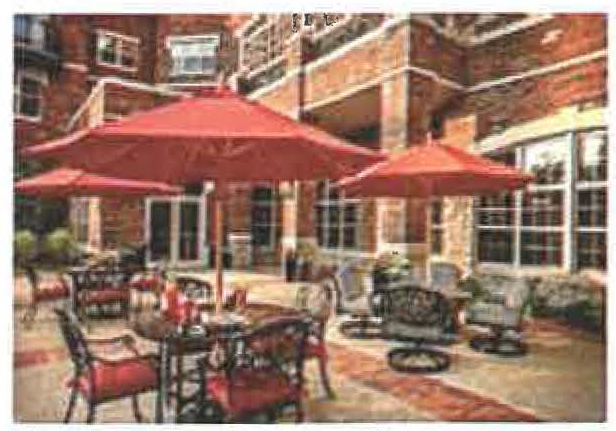
Incorporate plazas, seating areas, open spaces and other amenities
1.
Avoid congestion and confusion in pedestrian and vehicular areas by thoughtful design of safe access, visibility, connections, and circulation for cars and people.
2.
Screen views of ground/roof mounted mechanical equipment from adjoining properties and the public right-of-way with landscaping or building elements. This can be done by locating mechanical equipment at the center of the roof.
3.
Minimize visibility and impact of loading and storage areas by locating them away from the main building access and out of view from the main street(s).
4.
Lighting should enhance the site and public safety, but not create glare or light pollution.
5.
Provide eating areas, waste receptacles, and other elements on private sites that are consistent with overall building and site design.
6.
Incorporate plazas, seating areas, open spaces, and other amenities in keeping with established character and scale. Such spaces may also be located along the sides of buildings to create pathways to rear activities (including parking) and create outdoor dining areas.
B.
Design Guidelines: Landscaping
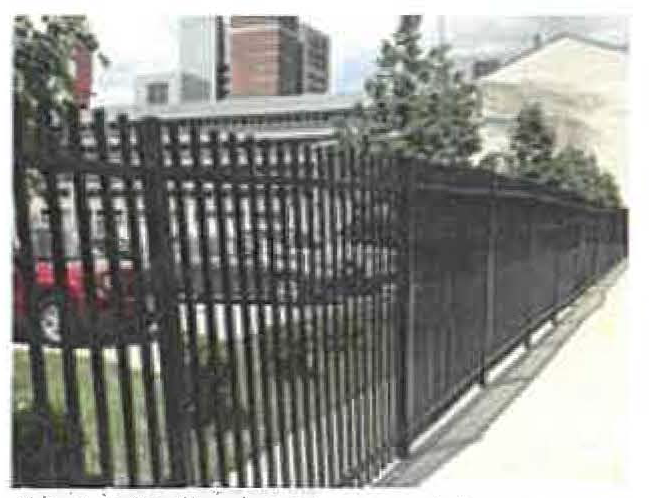
Incorporate decorative materials structures to screen vehicles and parking lots
1.
Incorporate site design standards as set out in the B-1 and MU-1 Zoning Districts.
2.
Use native vegetation for perimeter landscaping, foundation landscaping, and parking islands to reduce maintenance costs and contribute to environmental sustainability.
3.
Incorporate decorative materials such as fencing, masonry, or decorative structures to screen vehicles, parking lots, utilities and other equipment from public view. Such structures shall be required to obtain appropriate permits and shall not obstruct visibility for motorists or pedestrians.
4.
Install foundation landscaping around the front of buildings that are setback from the front property line, and alongside the sides and rear of buildings when visible from the public right-of-way.
5.
Use vegetation to highlight entrances to parking areas and buildings, without reducing visibility for pedestrians or drivers.
C.
Design Guidelines: Building Design.
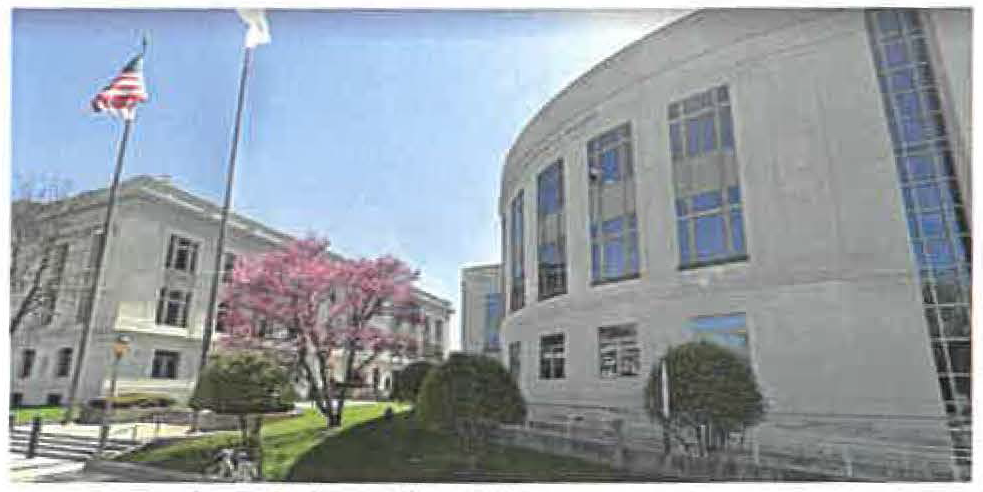
Create visual continuity with existing structures
1.
Use masonry as a primary building material when it reflects the architecture character of the surrounding area.
2.
Locate architectural elements (such as windows, doors, and roof lines) to express a rhythm of design and create visual continuity with materials, proportions and typologies of that respects the design of existing structures.
3.
Indicate building height, stories and transitions between buildings through distinct fenestration, vertical segments, and architectural elements.
4.
Create visual interest and variety through building details such as moldings, awnings, roof lines, cornices, windowsills, or lintels.
5.
Enhance building character at the pedestrian level through pattern, landscape, scale, texture, color and design detail of materials.
6.
Make building entry ways easily identifiable.
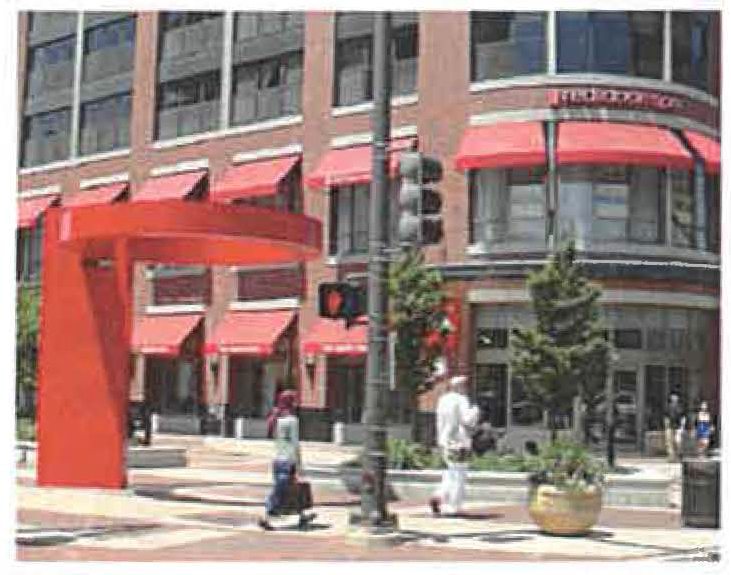
Enhance building character at the pedestrian level
7.
Use accent lighting as a design element and to increase overall safety, but avoid light pollution.
8.
Incorporate public art, where appropriate, in a manner consistent with City sign regulations and other relevant ordinances.
9.
Keep signage and awnings in character, size, and profile along a street-wall and complement the building's architecture.
10.
Design all visible façades to reflect the materials and design of the primary façade.
11.
Avoid large expanses of undifferentiated blank surfaces.
(Ord. No. 6685-01-2021, § 2, 1-19-2021)
II. - DESIGN DISTRICT: B-2 COMMERCIAL/BUSINESS DISTRICT
Commercial corridors in Edwardsville provide a range of business functions for the City and surrounding communities. Through work of the City and developers, many recent commercial centers along the Troy Road and Route 157 corridors reflect a desirable level of quality and character. The Design Guidelines below incorporate and build on that work to define a development standard for the corridors.
District Design Objectives
1.
Inviting commercial corridors and business areas where retail, service and office developments are attractive, distinctive and easy to access for pedestrians, cyclists, and motorists.
2.
Enhanced commercial vitality, economic growth, and support for businesses, through thoughtfully developed physical surroundings.
3.
Safe and efficient auto access, as well as bicycle and pedestrian movement within and between developments.
A.
Design Guidelines: Site Planning
1.
Size and orient buildings to create a positive visitor experience in terms of safety, views, access within and beyond the site, walkability, etc.
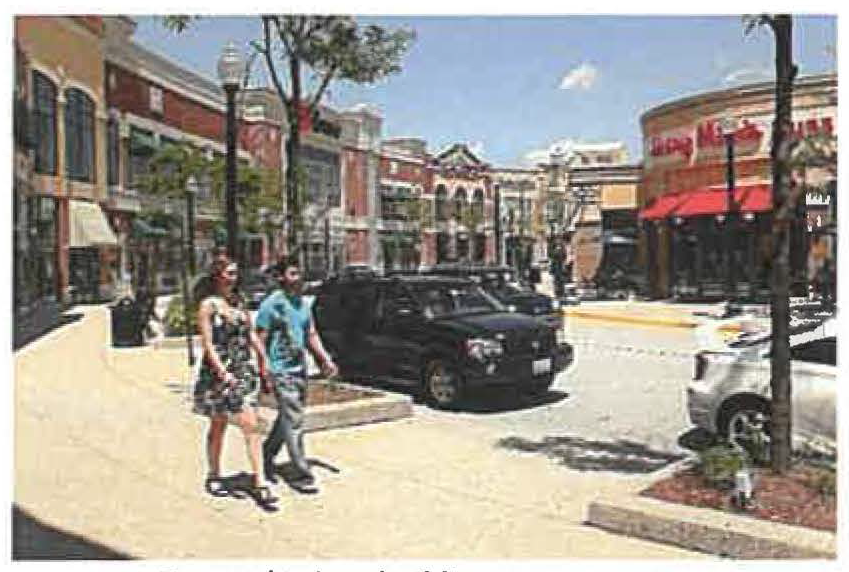
Size and orient buildings to create a positive visitor experience
2.
Provide seating, waste receptacles, resting spaces, walking areas, bike paths and parking, and other amenities that create a comfortable and familiar environment for visitors.
3.
Design walls, fences and accessory structures to be compatible with the design, character, and style of the overall development.
4.
Minimize visibility and impact of loading docks and storage areas by locating them away from the primary building access and out of view from roadways and main drives.
5.
Install lighting to minimize glare by using recessed or off fixtures.
6.
Design signage in accordance with sign code and to provide information clearly and legibly to pedestrians and motorists without dominating the site, architecture or character of the building, block or corridor.
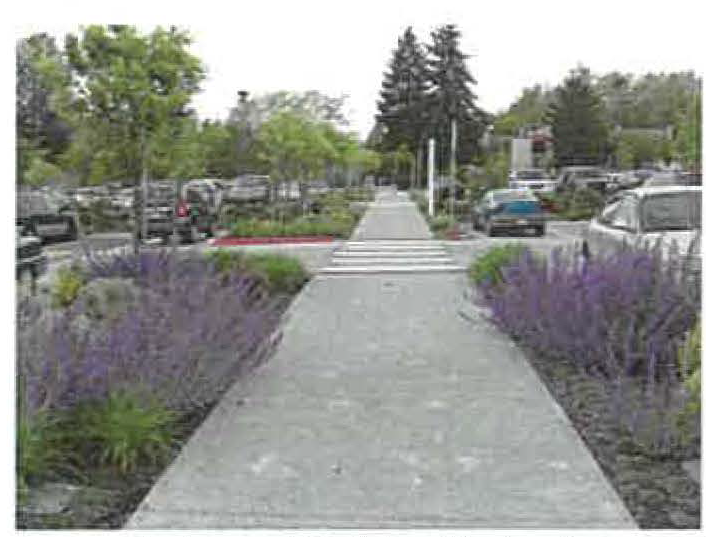
Design parking lots with clearly identifiable paths for pedestrians
7.
Design parking lots with a logical layout configuration, easily identifiable traffic circulation, and clearly identifiable paths for pedestrians to the front door of stores.
8.
Minimize large open parking areas by incorporating enhanced landscaping or architectural design elements (like garden walls) to parking lot interiors and perimeters when parking is provided between buildings and adjacent roadways.
B.
Design Guidelines: Landscaping
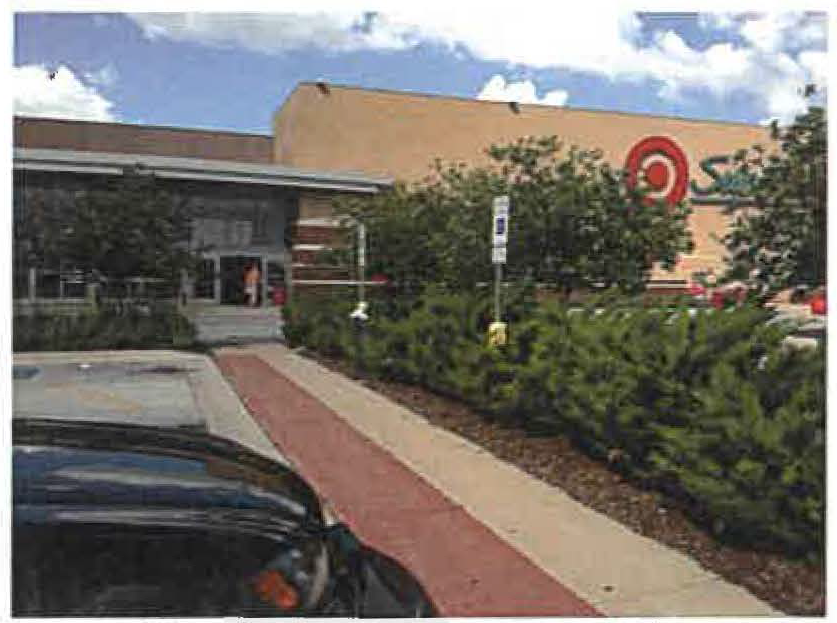
Use a variety of landscaping to create visual interest, highlight pedestrian paths,
and accent buildings
1.
Install a variety of landscaping (and/or art pieces) to create visual interest, highlight pedestrian paths, and accent buildings.
2.
Use landscaping to highlight a building entry, walkway or other feature.
3.
Apply foundation landscaping to enhance building appearance.
4.
Install perimeter landscaping to screen parking lots from view of passing traffic (3' tall and 100% screen).
5.
Install landscape areas of refuge for pedestrians in parking lots; these areas can also be used to minimize water runoff and provide additional outdoor amenity areas.
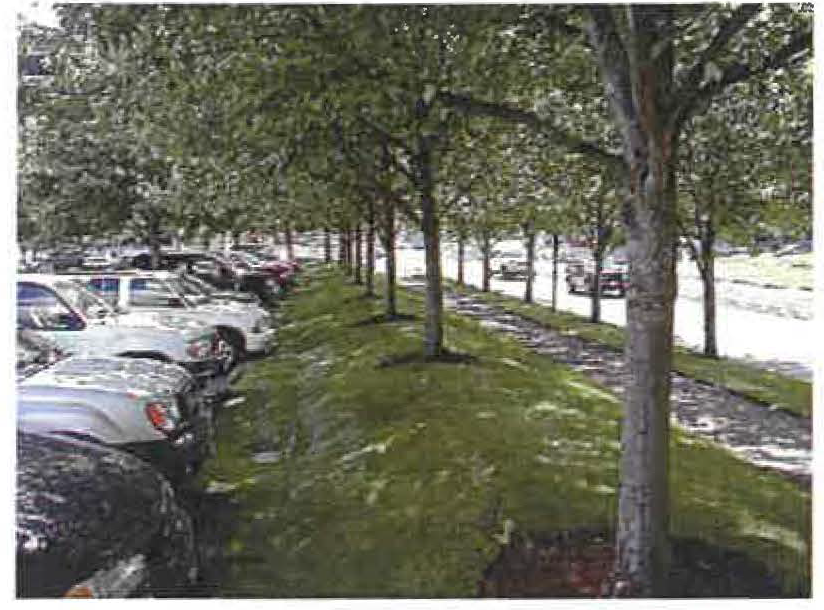
Use perimeter landscaping to screen parking lots
6.
Include at least one ornamental tree and living ground cover in landscape islands - mulch or stone are discouraged but may be acceptable in areas where ground cover planting survival is unlikely.
7.
Install landscaping strips between parking rows, where feasible.
8.
Break up view of large building surfaces the public right-of-way or main drive aisles using landscaping features.
9.
Select landscape treatments to provide seasonal plantings and color variety throughout at least 3 seasons.
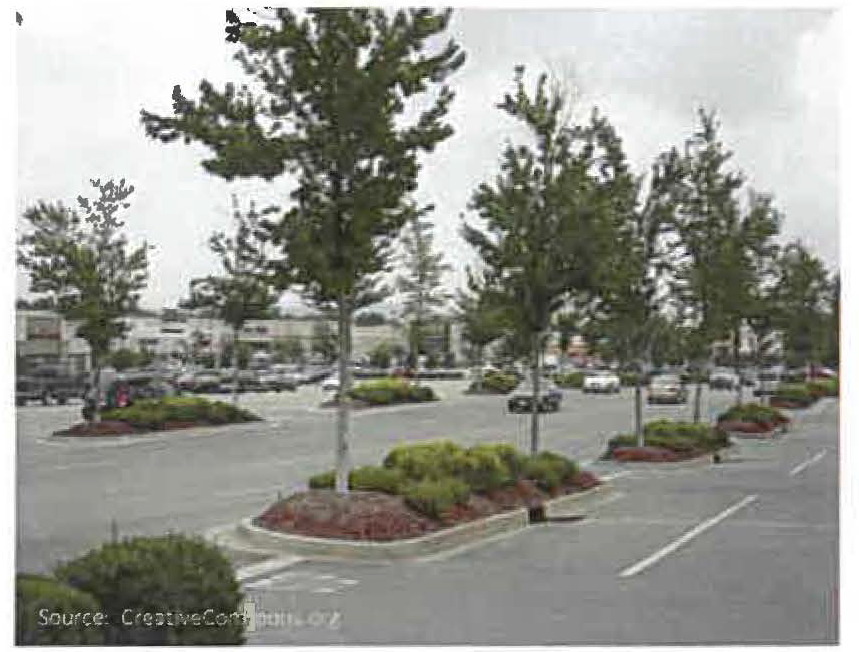
Disperse trees and plantings throughout the parking lot
10.
Disperse trees and plantings throughout the parking lot to maximize shade and visual relief.
11.
Use native vegetation for perimeter landscaping, foundation landscaping, and parking islands to reduce maintenance costs and contribute to environmental sustainability.
C.
Design Guidelines: Building Design
1.
Minimize unattractive views of large balance walls with changes in color or building materials, placement of windows, placement of building detailed.
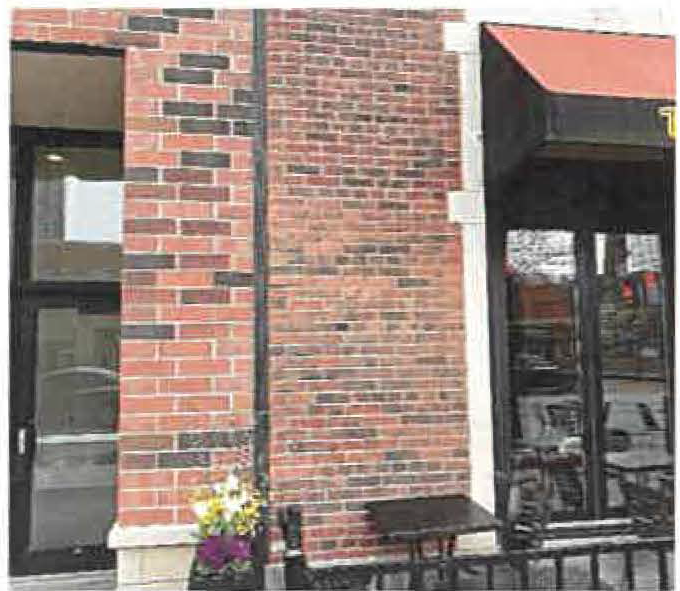
Avoid clashing building materials
2.
Use moldings, awnings, roof lines, cornices, windowsills, lintels or vertical-horizontal expression lines to create more visual interest in buildings.
3.
Use durable primary materials such as stone, steel, masonry, and textured concrete on visible façades.
4.
Use different building materials that do not clash in color or finish; a logical and attractive family (palate) of colors should be applied. Material that provide highlight colors may be appropriate.
5.
Apply setbacks of building façades that are varied and add dimension and depth to site.
6.
Renovate façades on older centers with durable materials that present a modern character and attractive appearance.
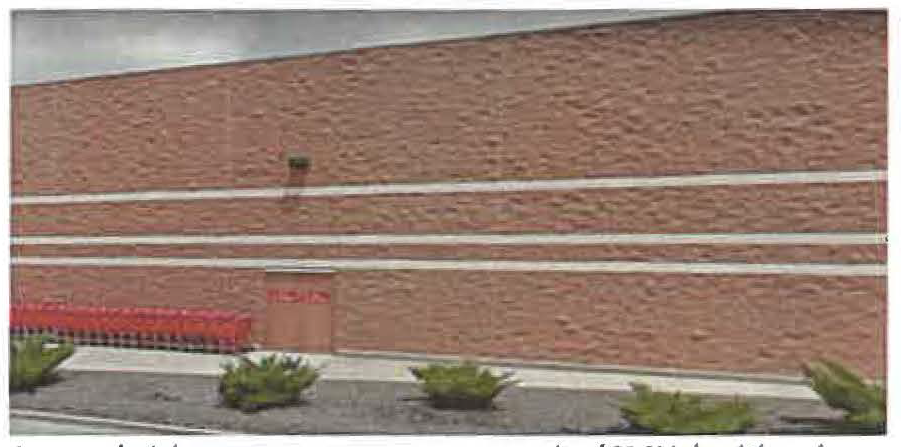
Larger bricks or concrete masonry units (CMUs) with color and texture can be appropriate
"big box" or larger buildings
7.
Design masonry buildings with brick sizes in keeping with the building scale. Larger utility bricks or concrete masonry units (CMUs) are not appropriate on smaller square footage buildings, but can be appropriate on "big box" or other larger structures if applied with banding and texturing that breaks up the appearance of large façades.
8.
Using plain (flat grey and untextured) CMU blocks are not acceptable. Units with a color and/or split face finish are acceptable.
9.
Design rears of buildings visible from public rights-of-way, trails, or residential areas to reflect the design character of the building's front façade.
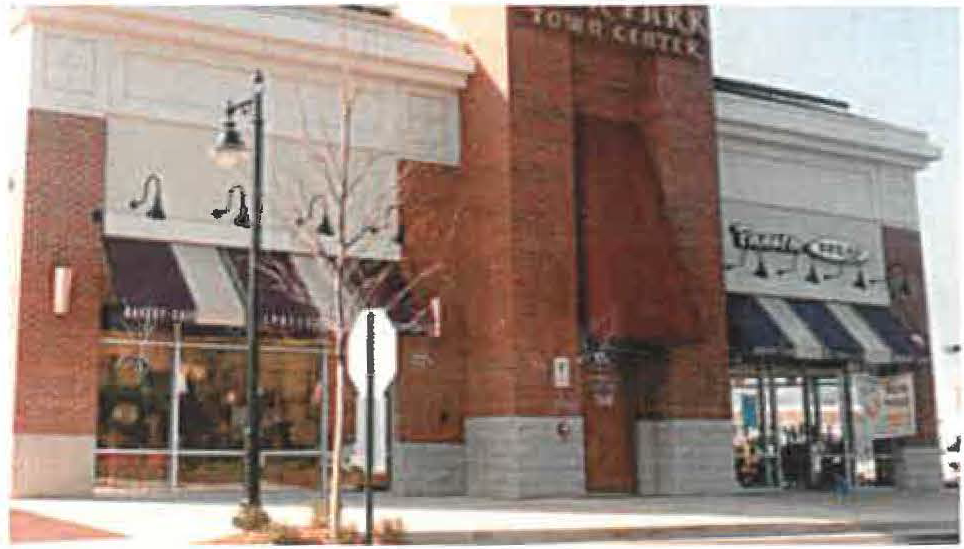
Use lighting that highlights architecture and prevents glare.
10.
Design awnings and signs to be consistent in character, size, and profile along a building façade.
11.
Screen views of ground/roof mounted mechanical equipment from adjoining properties and the public right-of-way with landscaping or building elements.
12.
Use lighting to highlight architectural elements and increase overall pedestrian and vehicular safety. Lighting should not produce glare or areas of excessive brightness out of character with the overall site nor project light into the sky.
(Ord. No. 6685-01-2021, § 2, 1-19-2021)
III. - DESIGN DISTRICT: R-1 SINGLE FAMILY RESIDENCE DISTRICT (NEW SUBDIVISIONS)
Newer residential subdivisions in Edwardsville generally have been approved as Planned Unit Developments. That process, over time, has established a standard for the character and quality of these new neighborhoods. In forming residential development regulations for the 1-55 Corridor Development Code, the City established those standards as a model for new subdivisions; those requirements are incorporated in these Design Guidelines and will be (along with other relevant City development regulations) applied to new single-family subdivisions platted after the date these guidelines are adopted.
District Design Objectives
1.
Comfortable and walkable residential neighborhoods characterized by single-family detached houses.
2.
Inter-connected roadway and trail networks of convenient routes for pedestrians and bicyclists to adjacent neighborhoods, services, and community facilities.
3.
Recreational and natural areas included in subdivisions, as well as connections to such passive and active open space and recreation trails.
4.
Existing natural settings preserved as part of subdivision designs to enhance the aesthetic value of the neighborhood.
5.
Buildings of compatible type and scale, having creative ornamentation using varied architectural styles to prevent monotonous designs.
A.
Design Guidelines: Site Planning
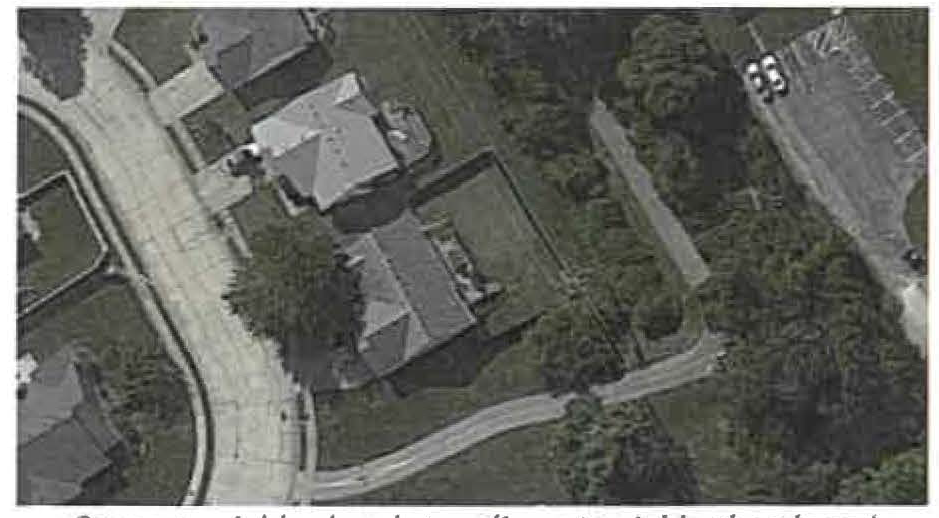
Connect neighborhoods to adjacent neighborhoods and facilities with bike and pedestrian
paths.
1.
Apply setbacks that form consistent front, rear, and side distances to establish a harmonious development pattern comfortable to residents and visitors.
2.
Assure accessibility, safety and visibility for pedestrians, bicyclists and drivers.
3.
Incorporate existing topography and natural features to guide layout of roads, homes, and neighborhood features.
4.
Connect neighborhoods to adjacent neighborhoods and facilities with bike and pedestrian paths.
B.
Design Guidelines: Landscaping
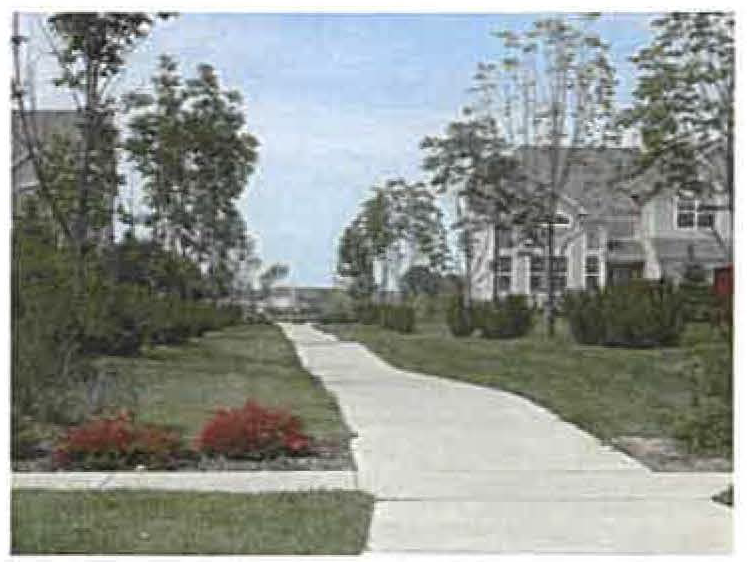
Use landscaping to highlight common areas, walkways, and other subdivision features.
1.
Use landscaping and decorative materials such as fencing, masonry, wood, or other features to complement the main structure and minimize view of garages, and utilities.
2.
Use native vegetation for common area landscaping to reduce maintenance costs and contribute environmental benefit.
3.
Install landscaping to highlight common areas, walkways, detention basins, or other subdivision features.
C.
Design Guidelines: Building Design
Construct all structures to have a minimum of 35 percent of the exterior walls constructed of brick, brick veneer, stone, masonry, masonry veneer, stucco, and/or architectural precast concrete from the ground level (the building foundation) to the building's eaves (excluding gables, dormers, openings for windows and doors, and trim). These materials shall be prioritized on the sides of the homes which abut right-of-way and trails.
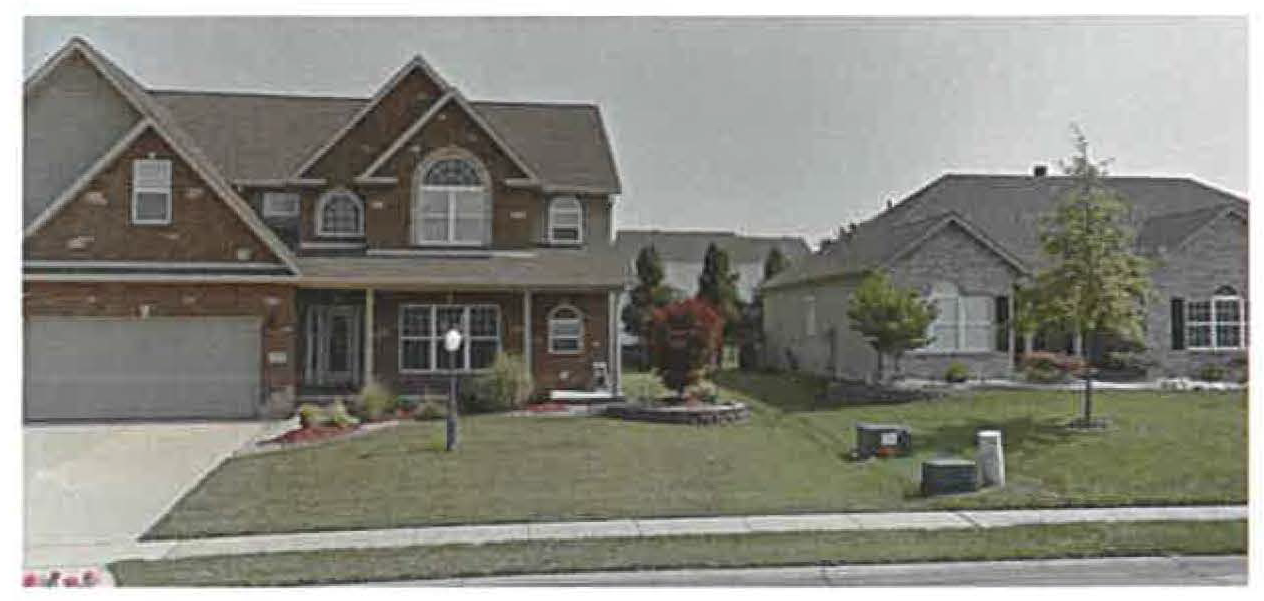
Include 35 percent specific materials.
At least 35 percent of the front of the house must also be comprised of these materials. The "front of the house" is comprised of all exterior surface areas between the outer most, forward corners on each side of the structure.
(Ord. No. 6685-01-2021, § 2, 1-19-2021)
IV. - DESIGN DISTRICT: R-2 MULTIPLE—FAMILY RESIDENTIAL DISTRICT
Apartment and townhome developments add to the variety of housing types available in Edwardsville, which is important for all communities and especially university towns. As with new subdivisions, review and approval processes have established a standard for the character and quality of these new neighborhoods. Those standards are reflected in and expanded upon in these Design Guidelines which, along with other relevant City regulations, will be applied to consider approval of new townhome and multiple-family developments.
District Design Objectives
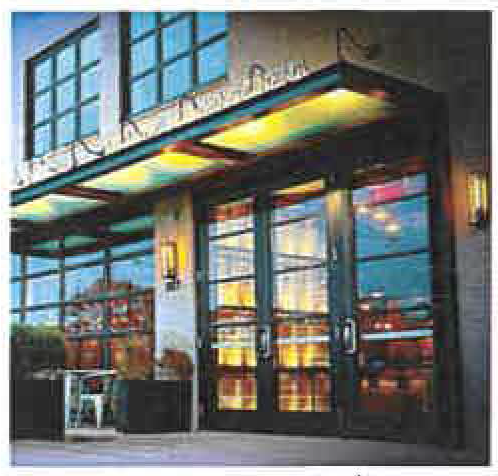
Design lighting to highlight doorways and minimize glare.
1.
Townhome and multiple-family developments that provide and maintain a sense of place.
2.
Interconnected roadways and paths creating convenient routes for drivers, pedestrians and bicyclists to adjacent residential areas, services, and community facilities.
3.
Recreational and natural areas included in developments, or access for their residents to off-site passive and active open spaces and recreation trails.
A.
Design Guidelines: Site Planning
For All Developments:
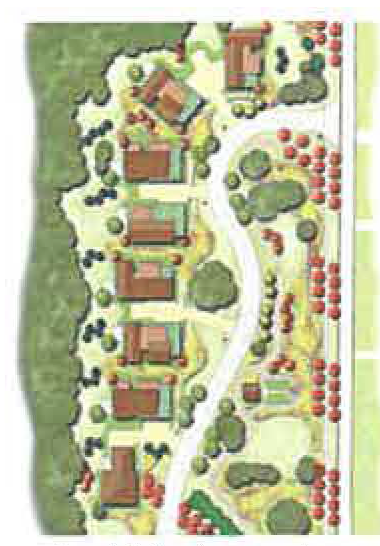
Establish a harmonious development pattern.
1.
Apply setbacks that establish a harmonious development pattern that is comfortable to residents and visitors.
2.
Create clearly understandable accessibility and visibility for pedestrians, bicyclists and drivers throughout the development.
3.
Incorporate existing topography and natural features to guide layout of roads, drive areas structures and other features.
4.
Design parking and drive areas with a logical layout, easily identifiable traffic circulation and clearly identifiable paths for pedestrians to the main doors of dwellings.
For Multiple-Family Developments:
5.
Locate plazas, courtyards, and open spaces of multiple family developments to have clear visual connections between buildings and walkways.
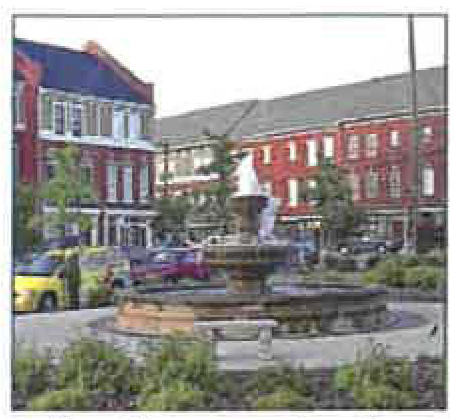
Have clear connections from courtyards to buildings and walks.
6.
Apply colors, materials, and appearance of walls, fences and accessory structures in multiple family developments to be compatible with the overall design, character, and style of the development.
7.
Design trash enclosures and other accessory uses for multiple family developments to reflect building materials of the main building and to be readily accessible. Trash, loading, and storage areas should not be visible from the primary roadway(s) or frontages(s).
8.
Design lighting to clearly illuminate parking areas, pedestrian paths and exterior doorways; lighting should be designed to minimize glare through use of recessed or cut off fixtures.
B.
Design Guidelines: Landscaping
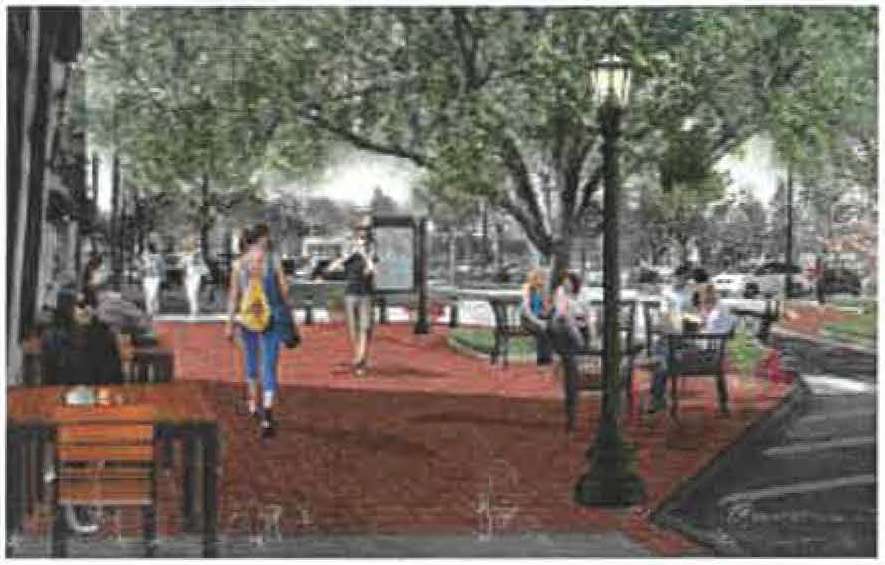
Use variety of landscape, streetscape, and hardscape design techniques.
For All Developments:
1.
Use variety of landscape, streetscape, and hardscape design techniques and treatments to create attractive and distinctive development.
2.
Use a landscape palette that establishes a sense of visual continuity within a development.
3.
Landscape treatments should be selected to provide seasonal plantings and color variety throughout at least three seasons.
4.
Locate foundation landscaping to enhance appearance of common buildings.
5.
Use native vegetation for common area landscaping to reduce maintenance costs and contribute environmental benefit.
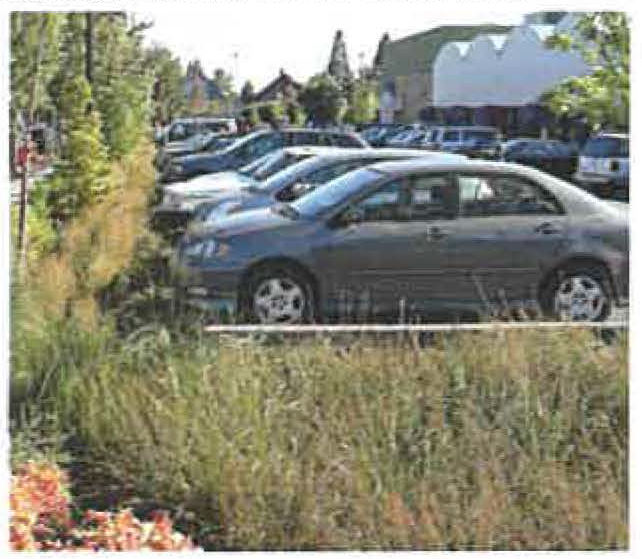
Use native vegetation where appropriate.
6.
Install landscaping to highlight common areas, walkways, detention basins, or other development features.
For Multiple-Family Developments:
7.
Use landscaping to highlight and celebrate building entrances.
8.
Install perimeter landscaping to screen views of parking lots (3' tall and 100% screen).
9.
Design parking lot landscape islands to include at least one ornamental tree and living ground cover - mulch or stone may be acceptable in areas where ground cover planting survival is unlikely.
10.
Install landscaping strips between parking rows where feasible.
11.
Disperse trees throughout the parking lot to maximize shade and visual relief.
C.
Design Guidelines: Building Design
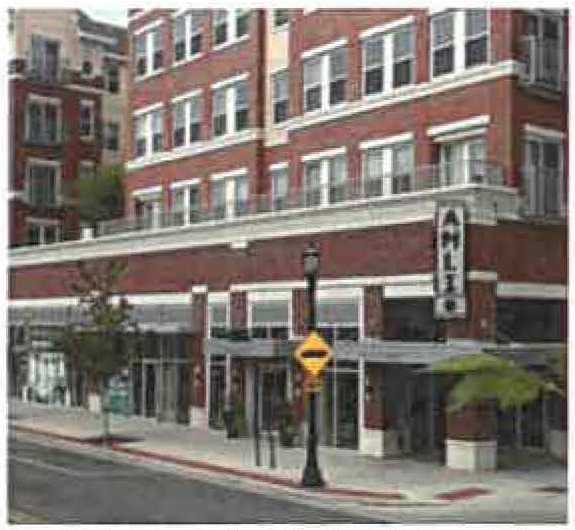
Apply same level of architectural elements to side and rear façades as the front façade.
For All Developments:
1.
Use durable primary materials such as masonry or stone masonry on all visible façades. The palette of materials should be kept to no more than four, but two is preferable. Materials used shall include primary materials (minimum of 75 percent of visible façades): Brick or masonry, stone (or synthetic equivalent), Pre-cast masonry, Stucco (cementitious finish), wood, Siding (vinyl with a minimum gauge of 0.044 inch, wood, or fiber cement siding e.g. HardiePlank).
2.
Apply to side and rear building façades the same level of architectural elements as the front façade, particularly when visible from streets, adjacent parking areas or other residential buildings.
3.
Minimize blank wall areas; provide windows, doors, landscaping and architectural elements designed to provide vertical or horizontal relief from those areas.
4.
Use ornamental lighting to add attractiveness, safety, and security. Such lighting should be in the same character as the primary structure and shielded to avoid creating glare.
5.
Reflect architectural treatments derived from the main building for accessory buildings (surface materials, trim, fenestration, roof materials, and colors).
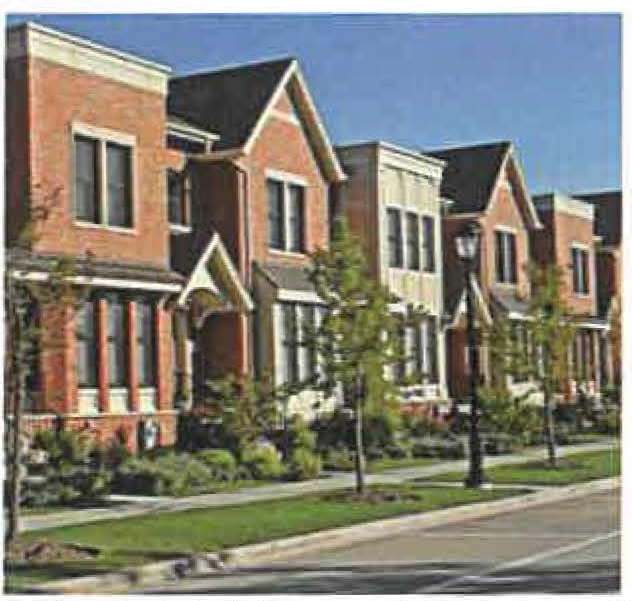
Design main building entrances to face and open to the street or main internal drive.
6.
Locate freestanding accessory structures to be unobtrusive, preferably located at the rear of sites to minimize unattractive views
7.
Design architectural elements (awnings, trellises and canopies should be of materials, colors, and forms) and site amenities to be complement principal building architecture.
8.
Locate mechanical equipment so as to be screened from view at the right-of-way or major internal driveways.
For Multiple-Family Developments:
9.
Design main building entrances to face and open to the street or main internal drive.
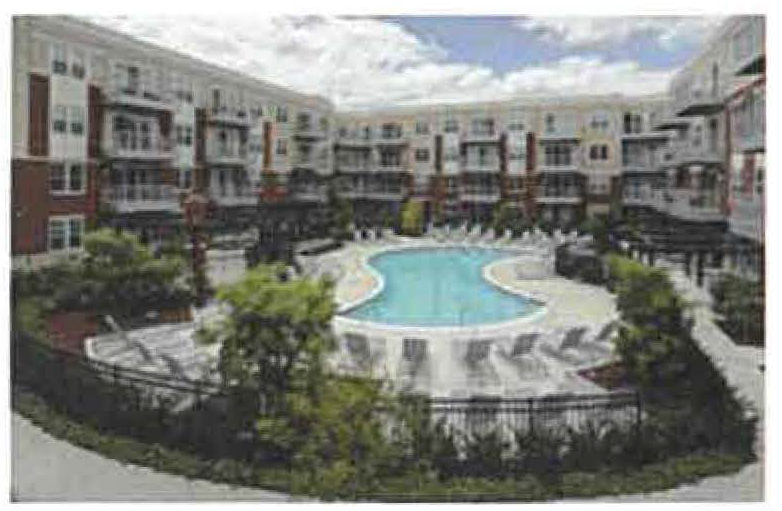
Design architectural elements and site amenities to complement principal building
architecture.
10.
Design roofs to complement building mass and architecture.
(Ord. No. 6685-01-2021, § 2, 1-19-2021)
V. - DESIGN DISTRICT: M-1 LIGHT MANUFACTURING DISTRICT
Design District Objectives
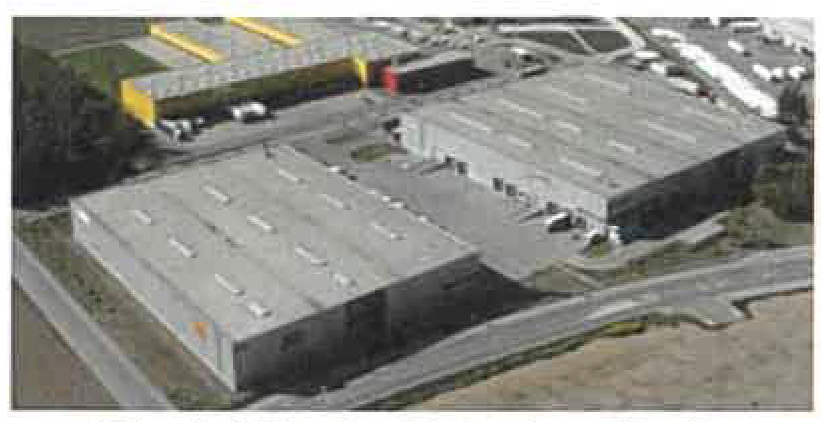
Orient buildings to minimize views of loading, mechanical and storage areas from rights-of-way.
1.
A safe, functional and cohesive business park environment that promotes economic expansion for Edwardsville.
2.
A level of building and landscaping design that presents an attractive industrial district.
3.
Sites designed to minimize potential unattractive views resulting from larger scale buildings.
A.
Design Guidelines: Site Planning
1.
Orient buildings to minimize views of loading, mechanical and storage areas from rights-of-way.
2.
Design building access, visibility, connections, and circulation to create safe and efficient travel through and beyond the site for trucks, passenger vehicles, bicyclists and pedestrians.
3.
Apply opportunities for shared parking where feasible.
4.
Use signage to label visitor and vehicular movement between buildings and parking areas of multiple building developments.
B.
Design Guidelines: Landscaping
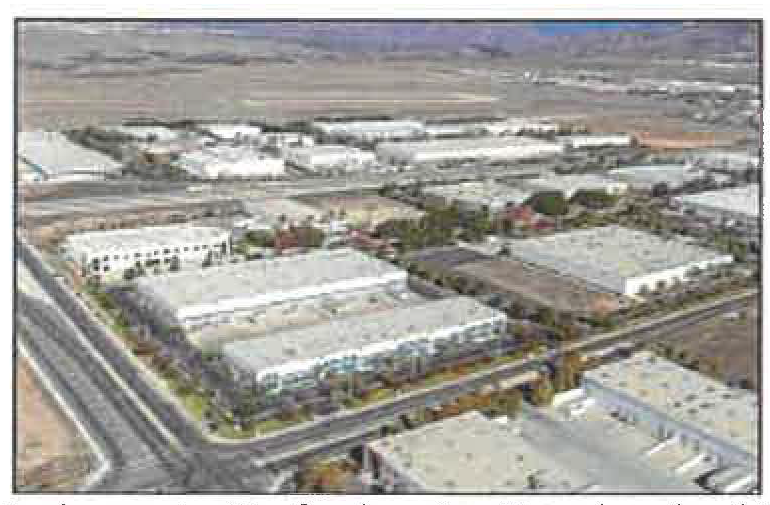
Apply opportunities for shared parking where feasible.
1.
Use landscaping as one of the tools used to mitigate views of large blank walls that are typical of large industrial buildings.
2.
Locate landscaping to highlight and celebrate main entrances to industrial buildings.
3.
Install landscaping to soften views of parking lots from rights of and to highlight pedestrian paths from to main and employee entrances of buildings.
4.
Utilize native vegetation for perimeter landscaping, site foundation, and parking islands to reduce maintenance costs and contribute to environmental sustainability.
C.
Design Guidelines: Building Design
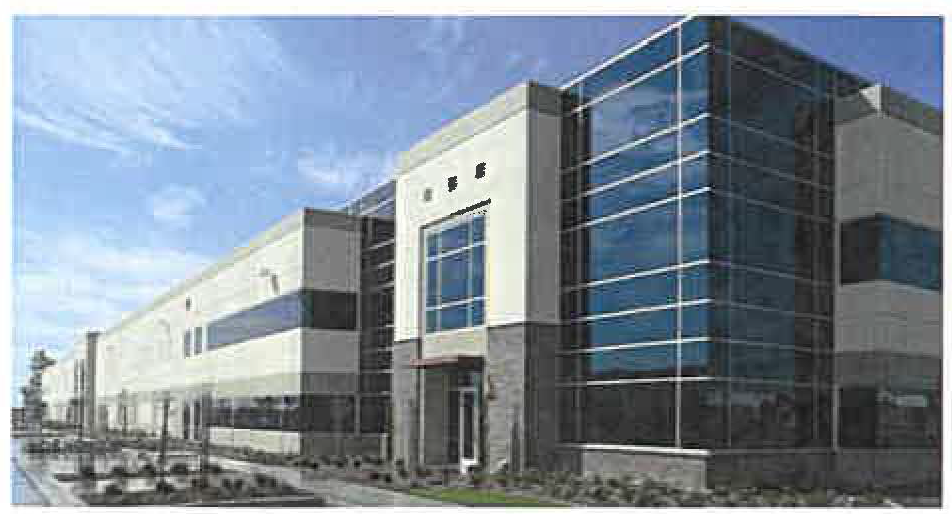
Avoid large expanses of undifferentiated blank spaces.
1.
Avoid large expanses of undifferentiated blank surfaces and focus on façade diversity, pattern, texture, color and detail that contributes to visual interest:
a.
Use architectural elements or creative color variation for vertical and horizontal relief over large areas as an effect way to break up a building façade.
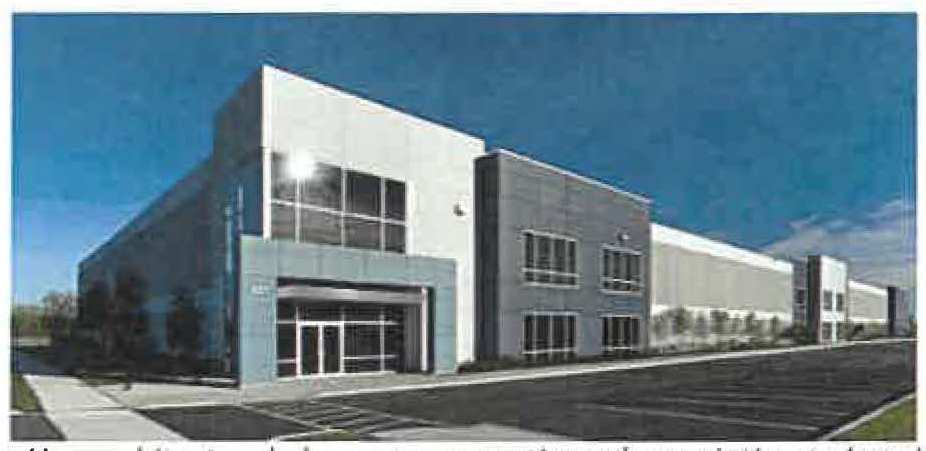
Use architectural elements or creative color variation to break up a building façade.
b.
Use function elements - such as windows and vents - to break up building façades.
c.
Use color banding to breakup long stretches of building façades.
2.
Light pathways entryways/exits, service areas, and other frequent visitor access points to increase safety and use cut off light fixtures to minimize glare.
3.
Enhance building entry areas so as to be easily identifiable.
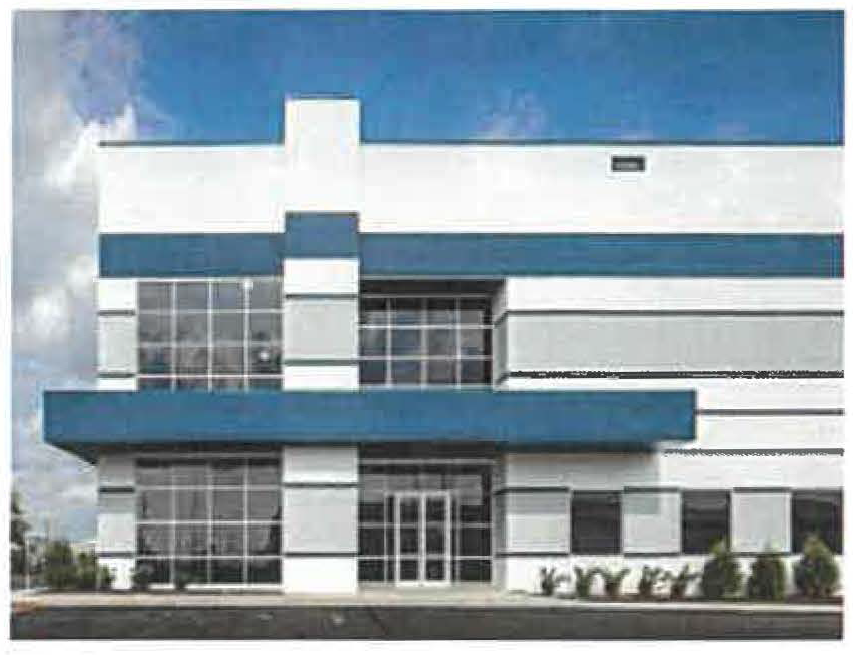
Enhance building entry areas to be easily identifiable.
4.
Minimize visibility of loading docks from adjacent roadways. Where docks must face roadways, landscaping or other intermittent screening can be used to limit such views.
VII. - GLOSSARY
Accessory Structure: Structure supportive of and secondary to the primary building or activity (as defined by the City of Edwardsville Zoning Ordinance).
Architectural Elements: Various aspects of a structure that are functional and/or aesthetic in nature (such as windows, doors, and roof lines moldings, awnings, roof lines, cornices, windowsills, fenestrations or lintels).
Articulation: Parts of a building's main structure or architectural elements that extend from or recess into the main building.
Building Frontage: The façade of the building that abuts the front yard as defined in the Zoning Code.
Business Park: An industrial/office area developed to reflect a consistent design character for common areas and rights-of-way.
Character: The unique sense of place created by the various elements of a particular business district or neighborhood.
Common Buildings: Structures located in multi-building developments that are shared among occupants (such as clubhouses)
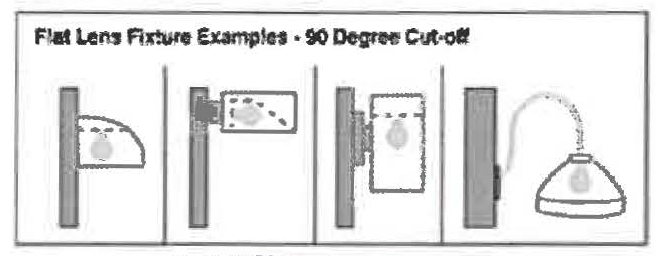
Cut Off Fixtures
Cut Off Fixtures: Light fixtures designed to limit the direction that created illumination shines and to reduce glare.
Environmental Sustainability (as relates to these Design Guidelines): Practices related to design, construction, and maintenance of development that seeks to avoid harmful impacts to the environment in order to preserve natural resources and quality of the natural environment into the future.
Façade: The visible portion of a building.
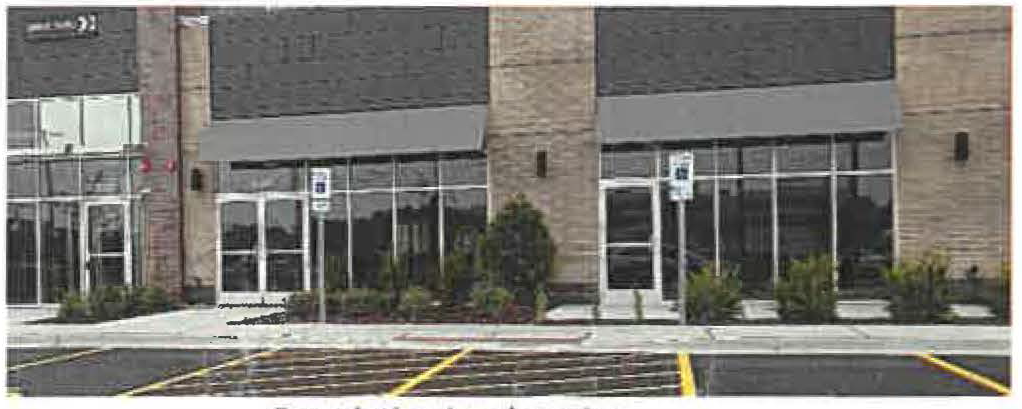
Foundation Landscaping
Foundation Landscaping: Plantings located along the base of a building that are designed to enhance building appearance.
Gateway: A development, building or design element located at the entryway to a community, neighborhood, or business district.
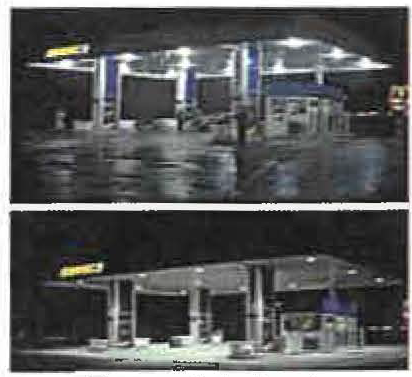
Glare minimized
Glare (Light Pollution): A visual characteristic resulting from too much brightness from a light source or not controlling (focusing) the light source; considered a form of light pollution.
Ground Cover: Living plants designed to grow low to the ground, intended to create an attractive appearance and protect against soil erosion.
Hardscape: Elements of landscape and site design that are solid, not plants, and long term in nature; includes items such as walkways, retaining walls, pavers, patios and decks.
Landscape Islands: Small medians set into parking and drive areas used to provide aesthetic enhancement, additional green areas, pedestrian safely, and to define driving and pedestrian paths.
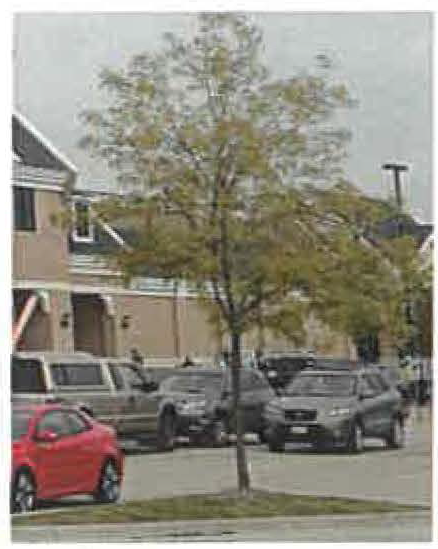
Landscape island
Landscaping Strip: A continuous landscape area located between two facing rows of parking.
Native Vegetation: Plant species found naturally in a local habitat that are typically well-suited to the environment of the area, making them resilient and in some cases useful for stormwater management.
Open Space: A landscaped or hardscaped area often used for active or passive recreation, providing visual relief and areas of respite within a city, neighborhood, or development.
Ornamental Trees: Trees with a highly aesthetic appearance based on their flowers, aromas, shape, color or combination of such features.
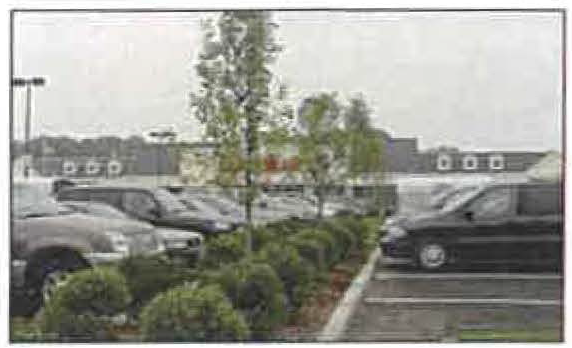
Landscaping strip
Perimeter Landscaping: A form of screening that combines lawn, shrubs and trees located around the edge of development or part of a development (such as a parking lot) designed to provide aesthetic benefit and lessen the view of less attractive elements such as parked cars or utilities.
Public Right-of-Way: That part of the built environment commonly owned and maintained by the community (roads, parkways, sidewalks, and alleys).
Scale: The perception created by a building's mass and height in relation to its surroundings. In regard to an area intended for pedestrian use, the notion of "pedestrian scale" relates to the pedestrian's perceived comfort and interactions with a building (or buildings).
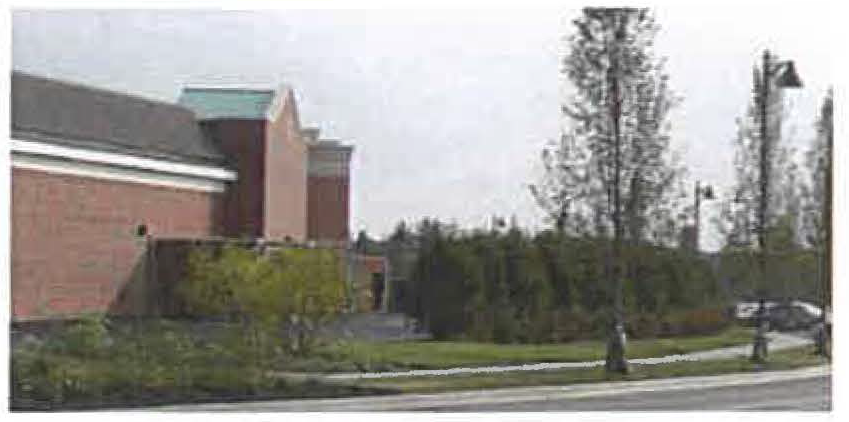
Screening
Screen (or Screening): A barrier (either landscaping or structural) designed to limit visibility of areas, activities or structures that may diminish the appearance or character of an area.
Setbacks. The distance between a property line and principal building, accessory structure, or defined activity. Setbacks may be defined by zoning regulation or applied for specific purposes.
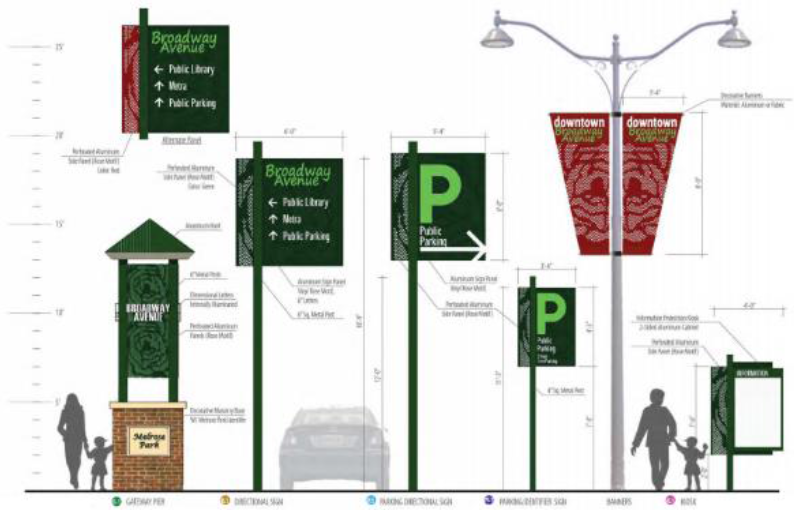
Wayfinding
Wayfinding: The series of signs used to help visitors know their location in and find other areas of a development, business district or city.
(Ord. No. 6685-01-2021, § 2, 1-19-2021)
Photo Credit: All phots by Teska Associates unless otherwise noted.

