
Sugar Land City Zoning Code
CHAPTER 2
ZONING REGULATIONS
ARTICLE XIV.- RESERVED[5]
Editor's note— Ord. No. 2149, § 13, adopted February 19, 2019, repealed Art. XIV, §§ 2-370—2-370, which pertained to hotels and derived from Ord. No. 2014, adopted July 21, 2015.
PART 6. - PLANNED DEVELOPMENT DISTRICTS[1]
Editor's note—Ord. No. 2325, § 3, adopted Dec. 19, 2023, renumbered former Part 5 as Part 6 as set out herein.
PART 7. - BRAZOS RIVER PARK AND CONSERVATION ZONING DISTRICT (BR)[2]
Editor's note—Ord. No. 2325, § 3, adopted Dec. 19, 2023, renumbered former Part 6 as Part 7 as set out herein.
PART 8. - THE HILL AREA RESIDENTIAL DISTRICT (HR-1)[3]
Editor's note—Ord. No. 2325, § 3, adopted Dec. 19, 2023, renumbered former Part 7 as Part 8 as set out herein.
PART 9. - ALCOHOLIC BEVERAGE ON-PREMISE OVERLAY DISTRICT (AB-OP)[4]
Editor's note—Ord. No. 2325, § 3, adopted Dec. 19, 2023, renumbered former Part 8 as Part 9 as set out herein.
Sec. 2-170.- Application.
The regulations in this Article are in addition to all other regulations on the same subject matter contained elsewhere in this Chapter.
Sec. 2-171. - Height Exceptions and Exemptions.
A.
The Height of any Structure erected, established, altered, converted or relocated may not exceed the maximum Height permitted for the district where located, except as follows:
1.
Hospitals, private schools, and churches may exceed the permitted district Height by an additional 35 feet if all required Yards for the Building are increased by at least 1 additional foot for each 2 feet of additional Building Height allowed herein. When adjacent to Residential Districts, Bulk Plane regulations applicable to the district in which the structure is located supersede this exception.
2.
Ornamental features, including but not limited to the following elements may be constructed up to 15 feet above the maximum height allowed:
a.
Chimneys,
b.
Church steeples,
c.
Ornamental tower spires,
d.
Cooling towers,
e.
Elevator bulkheads,
f.
Roof gables, except in the HR-1 district,
g.
Parapet walls, and
h.
Mechanical equipment.
3.
Sports lighting facilities and water towers owned by or under the control of a Governmental Entity and utility poles and towers owned by a Public Utility and used for the transmission and distribution of electricity may be erected to any Height in any zoning district, unless prohibited by the airport height hazard zoning regulations.
4.
Satellite Dish Antennas as permitted by Article IV.
5.
Towers and antennas as permitted by Article VII, regulating telecommunication towers and antennas.
(Ord. No. 2237, § 13, 7-20-21)
Sec. 2-172. - General Yard Regulations (Setbacks).
A.
Setbacks must be measured from the property line. The area between the property line and the setback establishes the required Yard. However, on lots with access from an Access Easement or alley, setbacks shall be measured from the nearest edge of curb.
B.
Except as otherwise provided in this Chapter, a Building may not be located or extend within the required Front, Side, or Rear Yard.
C.
Where more than 1 Principal Building is located on a Lot, the required Yards must be maintained around the group of Principal Buildings.
D.
The Front Yard of a corner Lot is the Yard that fronts upon the Lot Line of least dimension that separates the Street from the Lot.
E.
Exceptions to setback requirements:
1.
Where a platted Lot abuts that portion of a Street that contains a turn lane that prevents the Lot from meeting the same minimum Yard requirements of adjacent Lots in the same block that do not abut the turn lane, the required Yard of the Lot shall be measured from a line determined by extending the same Lot Line that determines the same minimum Yards required of the adjacent Lots located on the same side of the Street and within the same block that do not abut the turn lane. (See Figure 2-172.A)
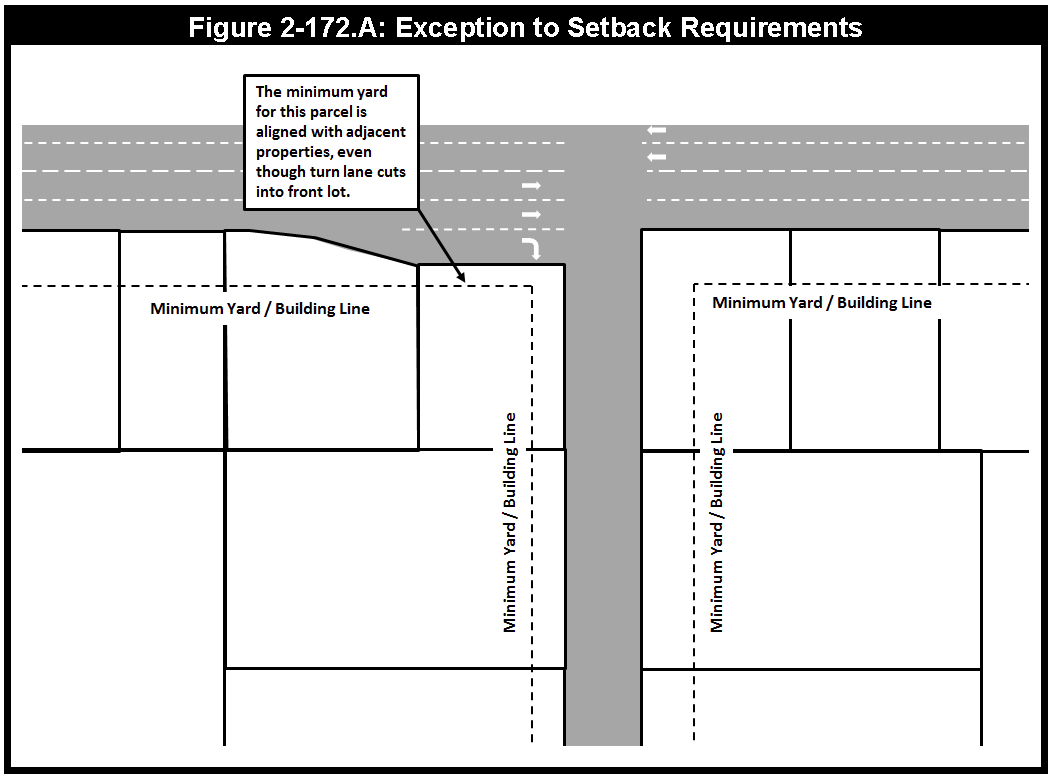
Figure 2-172.A
2.
Where Street right-of way has been increased, all setbacks on a platted developed Lot adjacent to the Street Right-of-Way may comply with the setback requirements established prior to the increase in street Right-of-Way. A platted developed Lot need not comply with the Yard requirements applicable to the Front Yard or Street Side Yard if the Yard is reduced below the required minimum because of an increase in the Street Right-of-Way (see Figure 2-172.A).
Sec. 2-173. - Special Regulations for Front Yards.
A.
In order to provide continuity of Front Yards, if a single block has more than 1 zoning classification so that there are differing depths that apply to the required Front Yards, the requirement that imposes the greatest front yard depth in that block applies to all Front Yards within that block.
B.
On Lots fronting on 2 nonintersecting Streets, a Front Yard must be provided on both Streets.
Sec. 2-174. - Special Regulations for Side Yards.
A.
For the purpose of Side Yard regulations, a Two-Family Dwelling or a Multi-Family Dwelling are both considered as 1 Building occupying 1 Lot.
B.
If, on November 6, 2001 and thereafter, a platted Lot is less than 50 feet in width, the required Side Yards may be reduced to not less than 5 feet, so that the width of the Lot available for the construction of the Principal Building is at least 30 feet.
C.
If a Side or Rear Yard of any premises abuts a lake or waterway or abuts upon a common area that adjoins a lake or waterway, the Principal Building may not be closer than 25 feet to the water's edge.
Sec. 2-175. - Special Regulations for Residential Rear and Side Yards Abutting Nonresidential Districts.
A.
General Requirement. Any person that plats a subdivision in which the Rear or Side Yard of a lot within the subdivision proposed for residential use abuts upon a nonresidential use or R-4 district must provide for the installation and maintenance of a 20-foot wide Landscaped common area (LCA) as a buffer between the rear or side yard and the nonresidential or R-4 district. In addition to the landscape requirements in this Code, the developer must plant 1 tree for every 30 feet in the LCA. In lieu of providing a LCA, the developer may add an additional 20 feet to the required Rear or Side Yard abutting a nonresidential or R-4 district.
B.
Maintenance. Prior to the sale of a Lot in the subdivision, the developer shall establish and record in the real property records of Fort Bend County deed restrictions that establish a homeowners' association that will exercise the responsibility, through the establishment and collection of homeowners' association fees assessed against the lots, to perpetually maintain the LCA.
Sec. 2-176. - Allowed Yard Obstructions.
Every part of a required Yard must be open and unobstructed from the general ground level of the graded Lot to the sky, except as indicated in the table below:
"Y" indicates a permitted or allowed obstruction. "N" indicates not a permitted or allowed obstruction.
(Ord. No. 2201, § 6(Exh. E), 7-21-20; Ord. No. 2339, § 13, 6-6-24)
Sec. 2-177. - Visibility Obstructions.
The exceptions allowing obstructions in any Yard as contained in this Article are subject to the provisions of any other City ordinance relating to obstructions that interfere with visibility and the safe movement of motor vehicles or pedestrians.
Sec. 2-190.- Satellite Dish Antennas.
A.
A Satellite Dish Antenna 1 meter or less in diameter is a permitted Accessory Use in any district.
B.
The following regulations apply to Satellite Dish Antennas in Nonresidential Districts:
1.
A Satellite Dish Antenna that is 2 meters or less in diameter is permitted as an Accessory Use.
2.
A ground-mounted Satellite Dish Antenna is a permitted Accessory Use in a Nonresidential District if it:
a.
Is not more than 15 feet in Height; and
b.
Is not located in a Front Yard or Street Side Yard.
C.
The following regulations apply to Satellite Dish Antennas in Residential Districts:
1.
A ground-mounted Satellite Dish Antenna is permitted as an Accessory Use if it:
a.
Is not more than 15 feet in Height;
b.
Is located in the Rear Yard;
c.
Is set back a minimum of 10 feet from all Lot Lines; and
d.
Has all cables and lines located underground.
2.
A roof-mounted Satellite Dish Antenna is a permitted Accessory Use in a Residential District if it does not extend more than 5 feet above the peak of the roof surface and is not located on the part of the roof facing a Street.
Sec. 2-191. - Fences.
A.
In the R-1, R-1Z, MUC, and LRP zoning districts, Fences in a Front Yard may not exceed 4 feet in Height nor be placed as to violate any sight distance requirements of the Code of Ordinances.
B.
In the R-1E and R-1R zoning districts, Fences in a Front Yard may not exceed 8 feet in Height nor be placed as to violate any sight distance requirements of the Code of Ordinances.
C.
In the HR-1 zoning district, Fences must be aligned with or behind the front façade of the Principal Building.
D.
Fences made of wire are not permitted in the Front Yard of any zoning district, unless the Fence is a replacement or repair of an existing wire Fence. Except in the M-1 and M-2 zoning districts, Fences made of wire are not permitted within any Street Side Yard, unless the Fence is a replacement or repair of an existing wire Fence.
E.
Barbed wire is only permitted in the M-1 and M-2 districts on fences along the Rear and Side Yard and wires containing such barbs must be located not less than 6 feet above ground level. Fences located within 200 feet of a residential zoning district shall not contain barbed wire. Fences containing barbed wire may not exceed 8 feet in Height. Razor wire is prohibited.
(Ord. No. 2237, §§ 14—16, 7-20-21; Ord. No. 2325, § 5, 12-19-23)
Sec. 2-192. - Accessory Structures.
A.
Accessory Structures are subject to the same regulations as apply to Principal Buildings in each district, except as otherwise specified in this Section.
B.
An Accessory Structure must not be established on any Lot prior to the establishment of the Principal Building.
C.
An Accessory Structure must comply with Front and Street Side Yard setbacks.
D.
Accessory Structures must not be located within a parking lot setback as identified in Article V: Off Street Parking and Loading Regulations.
E.
In Nonresidential Districts, Accessory Structures must not be more than 20 feet in height as measured from finished grade to the highest point of the Structure.
F.
In Residential Districts, Accessory Structures must comply with the following additional regulations:
1.
An Accessory Structure must comply with Rear and Side Yard setbacks with the following exception:
An Accessory Structure may be located up to 5 feet from any Rear or Side Lot Line if the structure meets the following requirements:
a.
It has a maximum height of 1½ stories, but no more than 20 feet as measured from finished grade to the highest point of the Structure;
b.
It does not have a Rear Lot Line facing balcony or window above the first story;
c.
It is Detached and located at least 10 feet from the Principal Building; and
d.
It may be connected by a Breezeway to the Principal Building if the following requirements are met (See Figure 2-192.A):
(1)
The Accessory Structure is located at least 5 feet from the Principal Building;
(2)
The Breezeway is unenclosed; and
(3)
The Breezeway is not wider than 6 feet as measured from edge-of-eave to edge-of-eave.
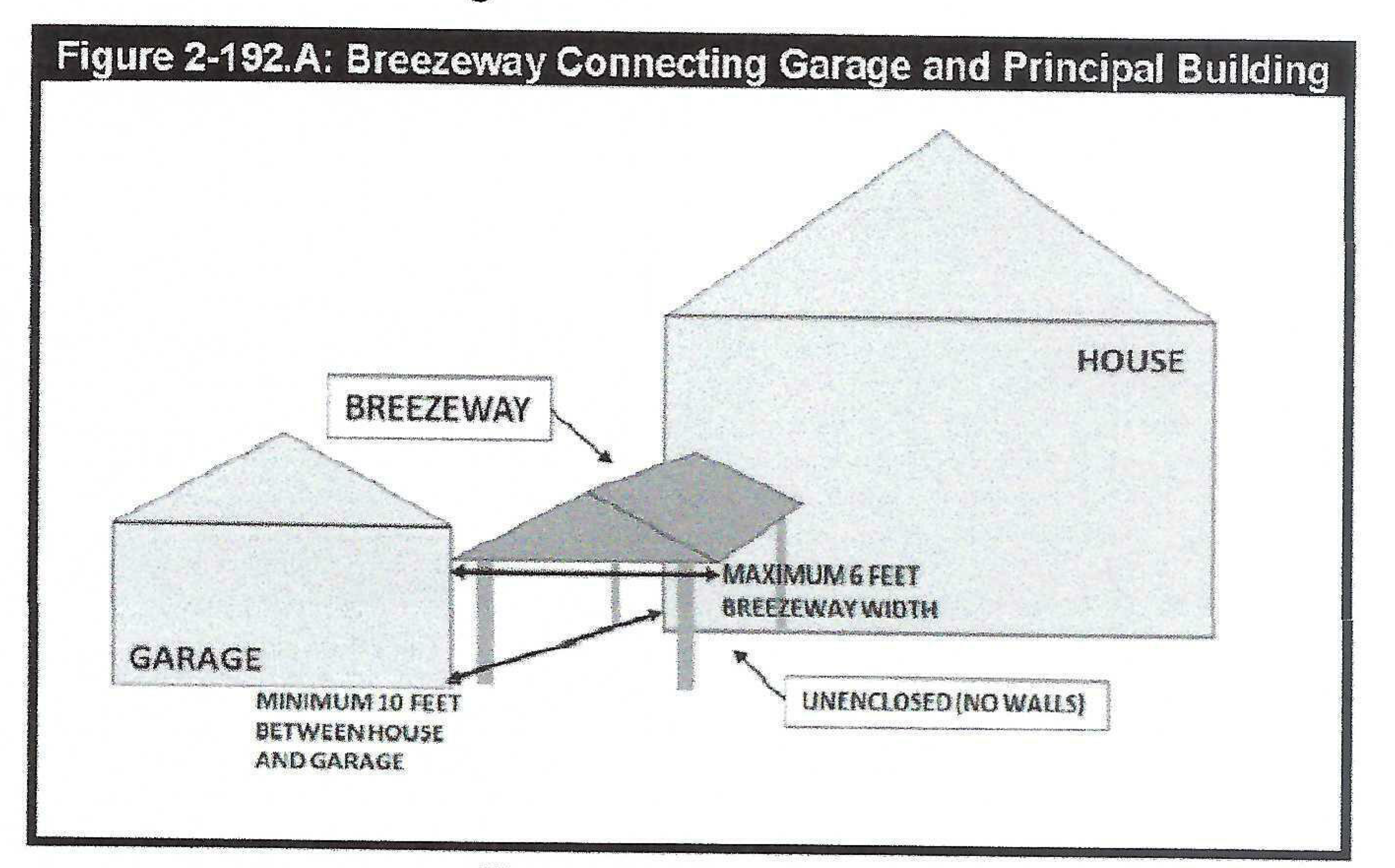
Figure 2-192.A
2.
The total square footage of all Accessory Structures (except garages) located in a required Rear Yard shall not be larger than:
a.
R-1E district: 1,563 square feet or 25% of the required Rear Yard, whichever is greater
b.
R-1R district: 563 square feet or 25% of the required Rear Yard, whichever is greater
c.
R-1 district: 225 square feet or 25% of the required Rear Yard, whichever is greater
d.
R-1Z district: 125 square feet or 25% of the required Rear Yard, whichever is greater
e.
R-2 district: 500 square feet or 25% of the required Rear Yard, whichever is greater
f.
R-3 & R-4 district: 25% of the required Rear Yard
3.
Sheds. Lots 6,600 square feet or less may have a shed that is up to 200 square feet. Lots greater than 6,600 square feet may have a shed that does not exceed 3% of the lot area. If more than 1 shed is provided, this requirement applies to the total square feet of all sheds.
4.
Private Garage or Carport. Lots 6,000 square feet or less may have a Private Garage or Carport that is up to 600 square feet. Lots greater than 6,000 square feet may have a Private Garage or Carport that does not exceed 10% of the Lot area. If more than 1 garage is provided, this requirement applies to the total square feet of all garages.
The provisions of this Section 2-192 do not apply to The Hill Residential Zoning District (HR-1).
(Ord. No. 2149, § 7, 2-19-2019; Ord. No. 2201, §§ 7, 8, 7-21-20; Ord. No. 2247, §§ 1—4, 10-5-21; Ord. No. 2339, § 14, 6-6-24)
Sec. 2-193. - Regulations for Dwelling Units.
A.
Except as otherwise provided for in these regulations, it is unlawful to:
1.
Construct or locate more than 1 Single-Family Detached Dwelling or more than 1 Two-Family Dwelling on 1 platted Lot; or
2.
Cause or allow a Dwelling Unit to be permanently occupied by more than 1 Family at any 1 time. For the purposes of this provision a Family is permanently occupying the premises if the Family continuously occupies the Dwelling Unit for more than 30 consecutive days.
B.
Except as otherwise provided for in these regulations, a Dwelling Unit may not:
1.
Have more than 1 interior kitchen (Outdoor Kitchens are permitted);
2.
Contain a room or rooms that are not accessible from the remainder of the interior of the Dwelling Unit; and
3.
Be served by more than 1 water meter (except irrigation meters) or electric meter.
C.
Each single-family detached Dwelling Unit must meet the following requirements:
1.
It must have only 1 entry opening upon a Front Yard;
2.
Persons occupying the Dwelling Unit must have access to all areas of the Lot upon which the Dwelling is located; and
3.
The family occupying the Dwelling Unit may not lease or rent any portion of the Dwelling to another person.
Sec. 2-194. - Reserved.
Editor's note— Ord. No. 2149, § 8, adopted February 19, 2019, deleted § 2-194, which pertained to home occupations and derived from Ord. No. 2014, adopted July 21, 2015.
Sec. 2-210.- General Requirements.
A.
In all districts, for every use, there must be provided at the time any Building or Structure is erected, enlarged, or increased in capacity an off-street Parking Lot in compliance with this Article.
B.
A required Certificate of Occupancy will not be issued for any premises that does not comply with the requirements of this Article.
C.
Except as otherwise provided herein, all Parking Lots must be on the same premises as the use being served.
D.
Nothing in this Article shall require additional parking spaces to be furnished for an existing Building that is repaired, altered, maintained, or modernized, where no structural alterations are made and the size of the Building is not increased.
E.
For existing Buildings that are enlarged, additional parking spaces shall be required for the enlarged portion only.
F.
When the occupancy of any Building is changed to another use, parking shall be provided to meet the requirements of this Article for the new use.
G.
Where off-street parking is required, a plan showing the location and arrangement of spaces shall be submitted with the Site Plan Package to the Director. Any future changes in parking arrangements must be submitted to the Director with a revised Site Plan Package.
H.
Parking Spaces must be constructed, maintained, and operated in accordance with City standards and must be maintained in good condition, free of obstructions and readily available for vehicular parking.
I.
In all zoning districts, parking and loading areas shall not be used for refuse containers, for the repair, storage, dismantling, or servicing of vehicles or equipment, for the storage of materials or supplies, or for any other use in conflict with the designated parking and loading areas.
(Ord. No. 2149, § 9, 2-19-2019)
Sec. 2-211. - Construction Standards.
All off-street parking and loading areas, maneuvering aisles, and access ways to any off-street parking or loading areas must be constructed and paved with concrete or asphalt in accordance with the Design Standards.
Sec. 2-212. - Off-Street Parking Spaces and Maneuvering Space.
A.
The Parking Spaces and Maneuvering Areas in all Parking Lots must meet the following minimum requirements:
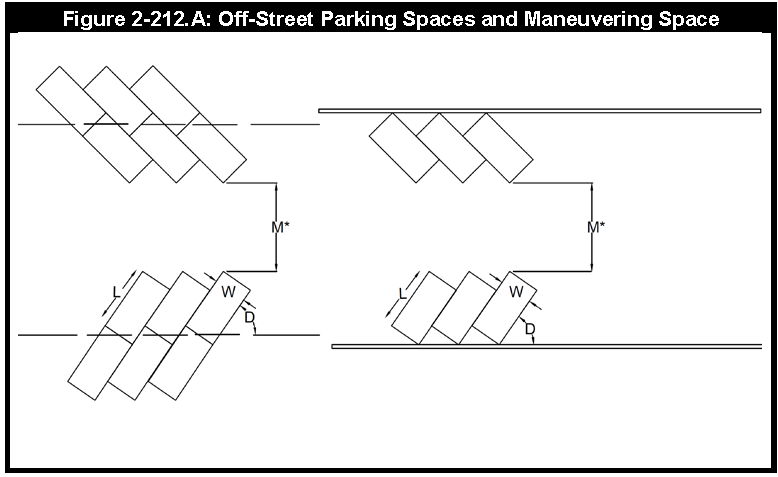
Figure 2-212.A
B.
Parking spaces, except parallel parking spaces, adjacent to landscape areas may project into the landscape area and be reduced by 2 feet in length when separated from the Landscaped Area by curbing or approved wheel stops.
C.
Compact Parking Spaces must:
1.
Be located only in Parking Garages;
2.
Not exceed 20% of the total number of Parking Spaces;
3.
Be located in groups of at least 5 contiguous spaces; and
4.
Be clearly marked as compact Parking Spaces.
Sec. 2-213. - Rules for Computing Number of Parking Spaces.
In computing the number of Parking Spaces required for each of the uses as shown in the off-street Parking Schedule, the following rules govern:
A.
Whenever a Building or use is changed so that there is an increase in Floor Area, the number of employees, the number of Dwelling Units, the seating capacity of the Building, or similar change, additional Parking Spaces must be provided on the basis of the enlargement or change. Whenever a Building or use existing prior to July 21, 2015 is enlarged in Floor Area or in the area used, the Building or use must comply with the parking requirements set forth herein.
B.
The Parking Space requirement for a use not specifically mentioned herein will be determined by the Director based on the most comparable use.
C.
Where fractional spaces result, the Parking Spaces required must be provided by calculating to the nearest whole number.
D.
The Director may approve areas for exemptions from parking calculations. Service areas provided exclusively for the occupants of a Building, including foyers, cafeterias/break rooms, auditoriums, gymnasiums/wellness rooms, mechanical rooms, stairwells and elevator shafts can be excluded from the calculation of Floor Area for determining required Parking Spaces if the Director determines these areas do not require parking capacity.
E.
For mixed uses on a parcel or lot, the Parking Spaces required must equal the sum of the requirements of the various uses computed separately.
F.
Shared Parking. Shared parking ratios shall be based on Urban Land Institute (ULI) Shared Parking methodology and Institute of Transportation Engineers (ITE) Parking Generation. Authorization by City Council in an approved Planned Development District is required for a site within a Planned Development District to utilize shared parking.
(Ord. No. 2149, § 10, 2-19-2019)
Sec. 2-214. - Location of Parking Spaces.
All Parking Spaces required in this Article must be located on the same Lot with the Building or use served, except as follows:
1.
Where an increase in the number of spaces is required by a change or enlargement of use or where the spaces are provided collectively or used jointly by 2 or more Buildings or establishments, the required spaces may be located within:
a.
300 feet from an institutional Building; or
b.
500 feet from any other Building serving a Nonresidential Use;
2.
Not more than 50% of the Parking Spaces required for theaters, bowling alleys, or eating and drinking establishments and not more than 80% of the Parking Spaces required for a church or school auditorium may be provided and used jointly;
3.
If the required Parking Spaces are not located on the same Lot with the Building or use served or are collectively or jointly provided and used, a written agreement assuring that the property will be retained for parking must be executed by the owners and submitted with the Site Plan Package.
Sec. 2-215. - Accessible Parking Spaces for Disabled People.
A.
Parking Lots must designate Accessible Parking Spaces, in compliance with regulations set forth by the Texas Department of Licensing and Regulations (TDLR), for use of persons with disabilities (Accessible Spaces) as set forth below:
B.
One in every 8 accessible spaces, but not less than 1, must be served by an access aisle that is a minimum of 96 inches wide, and must be designated "van accessible." Accessible Parking spaces must be located in close proximity to the entrances of the Building or use served.
Sec. 2-216. - Parking Lot Setbacks.
A.
The following regulations apply for Residential Districts:
B.
The following regulations apply for Nonresidential Districts:
Sec. 2-217. - Parking Lot Lighting.
A.
All parking lots are required to be illuminated unless otherwise provided in this Chapter. The illumination may be provided through the use of light fixtures on either a pole or on a Building, or a combination of these methods. All lighting must direct light away from any adjoining or abutting Residential District or any Public Street. Additional provisions for lighting are located within Article XII, including the illumination intensity of lighting for parking lots based on activity levels.
Sec. 2-218. - Landscaping and Screening.
Parking areas must be Landscaped in accordance with Article XV (Landscaping and Screening Regulations) in this Chapter.
Sec. 2-219. - Parking Areas for Single and Two-Family Residential Dwellings.
A driveway serving a Single or Two-Family Dwelling may not be located within 6 inches of an adjoining Lot Line unless it is a shared driveway serving 2 Premises.
Sec. 2-220. - Off-Street Parking Schedule.
A.
The minimum number of Parking Spaces required for various land uses are as set forth in the Residential Districts Permitted Uses and Parking Schedule and the Nonresidential Districts and Parking Schedule found in Article II.
B.
For buildings with multiple uses, the minimum number of Parking Spaces required shall be calculated based on the actual use of the Building or the sum of required parking for each use within the Building.
C.
Eating and drinking establishments in Town Square that also provide a place on private property for outdoor on-premises service adjacent to the establishment must provide additional off-street parking under the Off Street Parking Schedule (Table 2-220.1) applicable to eating and drinking establishments only for that portion of the outdoor service area that exceeds by more than 25% the square feet of the indoor dining area to which the off-street parking requirements apply.
(Ord. No. 2149, § 11, 2-19-2019)
Sec. 2-221. - Off-Street Loading Requirements.
Every premises that regularly receives or distributes materials or merchandise by motor vehicle from the premises must provide and maintain Loading Spaces as follows:
A.
In the M-1 and M-2 districts, 1 Loading Space for each 10,000 square feet, or fraction thereof, of Floor Area in the Building. Wholesale distribution and freight terminals must provide Loading Spaces in accordance with the requirements of a Conditional Use Permit.
B.
In the B-1 and B-2 districts, Loading Spaces shall be provided in accordance with the following:
C.
In the B-O District, 1 Loading Space for each 75,000 square feet of Floor Area, or portion thereof. If the Building provides 1 loading dock, then only 1 Loading Space is required. If the Building provides 2 loading docks, no Loading Spaces are required. For Buildings that contain more than 100,000 square feet of Floor Area, Loading Spaces must be provided in areas that are separate from primary parking areas. Loading Spaces, if required, must be no farther than 100 feet from an entrance to the Building.
D.
Each required Loading Space located in the M-1 and M-2 districts must be at least 12 feet wide and 35 feet in length. All other required Loading Spaces must be at least 12 feet wide and 18 feet in length. All required Loading Spaces must be designated by signs as Loading Spaces.
E.
Loading Spaces must be located on the same Building site on which the Structure for which they are provided is located. Access, Maneuvering Area, ramps, and other areas to serve a Loading Space may not be located as to make use of the Street for maneuvering.
F.
Loading Spaces must be constructed, maintained, and operated in accordance with City standards and must be maintained in good condition, free of weeds, dust, trash, and debris.
G.
In Parking Lots that contain 500 or more Parking Spaces, separate circulation routes must be provided for truck and other vehicular traffic. The separated circulation route for truck traffic may not be used to provide Maneuvering Area for abutting Parking Spaces unless:
1.
The Parking Spaces are designated only for employee parking;
2.
The Parking Spaces are located in the Rear Yard of the Building served; or
3.
The Maneuvering Area serving abutting Parking Spaces meets the following design standards:
H.
Loading Spaces may not be used to satisfy the space requirements for Parking Lots.
Sec. 2-222. - Bicycle Parking Requirements.
A.
Application.
1.
Bicycle parking shall be provided for nonresidential, townhome, and multi-family developments where the submittal of a Site Plan Package is required and when the intensity or use of any Building, Structure or premises is increased through the addition of dwelling units, gross floor area, seating capacity or other units of measurement that requires additional automobile parking spaces.
2.
The following nonresidential uses are exempt from this Section:
a.
Agriculture;
b.
Manufacturing;
c.
Railroad Freight Yard;
d.
Utilities;
e.
Wholesale;
f.
Adult Day-Care;
g.
Heliport;
h.
Helipad;
i.
Mini-Warehouse and Self-Storage.
B.
Bicycle Parking Spaces Required. The number of bicycle parking spaces shall be provided in accordance with the following:
1.
A minimum of 2 bicycle parking spaces shall be provided for all developments with nonresidential, townhome, and multifamily uses. Bicycle parking spaces may be provided using 1 or more bicycle racks.
2.
Where fractional spaces result, the minimum required bicycle parking spaces must be provided by calculating to the nearest whole number.
3.
For townhome and multifamily uses, the number of bicycle parking spaces must be 2.5% of the required automobile parking spaces. In no case shall more than 14 bicycle spaces be required.
4.
For nonresidential uses, other than Health Care Facilities, the required minimum number of bicycle parking spaces is based on the automobile parking spaces required.
5.
The minimum number of required bicycle parking spaces shall be provided according to the following schedule:
6.
Bicycle parking for Health Care Facilities including hospitals, nursing homes, and assisted living facilities shall be calculated at 2.5% of the required employee automobile parking, up to a maximum of 30 required spaces. Where fractional spaces result, the minimum required bicycle parking spaces must be provided by calculating to the nearest whole number.
C.
Location.
1.
Bicycle parking shall be placed in visible locations near a Building's primary entrance. Bicycle parking shall be located as close as or closer than the nearest automobile parking space to the building entrance, other than those spaces for persons with disabilities. If the development includes multiple buildings or facilities, bicycle parking shall be distributed to maximize convenience and use. If the bicycle parking is located more than 50 feet from the public Right-of-Way, signage directing bicyclists to bicycle parking must be provided (see Figure 2-222.A).
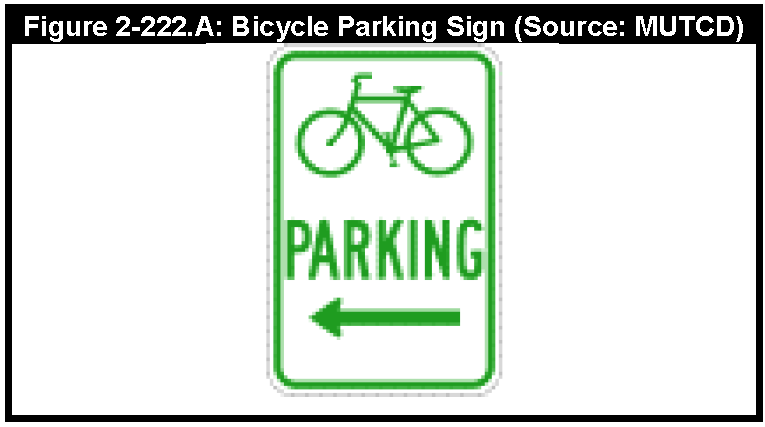
Figure 2-222.A
2.
For townhome uses, bicycle parking shall be provided in a common area near the Dwelling Units and, where possible, located adjacent to guest parking spaces.
3.
Bicycle parking facilities shall not interfere with any public pathway or walkway, including accessible paths of travel or accessible parking as required by the Americans with Disabilities Act.
4.
Bicycle parking shall be sufficiently separated from automobile parking areas to protect parked bicycles from damage from motor vehicles. The separation may be accomplished through grade separation, distance, or physical barrier, such as curbs, wheel stops, poles or other similar features.
5.
Bicycle racks must be located in highly visible and well-lit areas to minimize theft and vandalism.
6.
If required bicycle parking is located inside a parking garage, bicycle parking must be located on the ground level.
7.
Placement of bicycle parking racks is important to ensure access to the parking area and use of both sides of the rack. Measurements are made from the object to the nearest vertical component of a rack, and the following distance requirements apply (see Figures 2-222.B through F):
a.
Distance to other racks (see Figure 2-222.B):
1)
Rack units with bicycles aligned end-to-end must be placed a minimum of 96 inches apart.
2)
Rack units with bicycles aligned side-by-side must be placed a minimum of 36 inches apart.
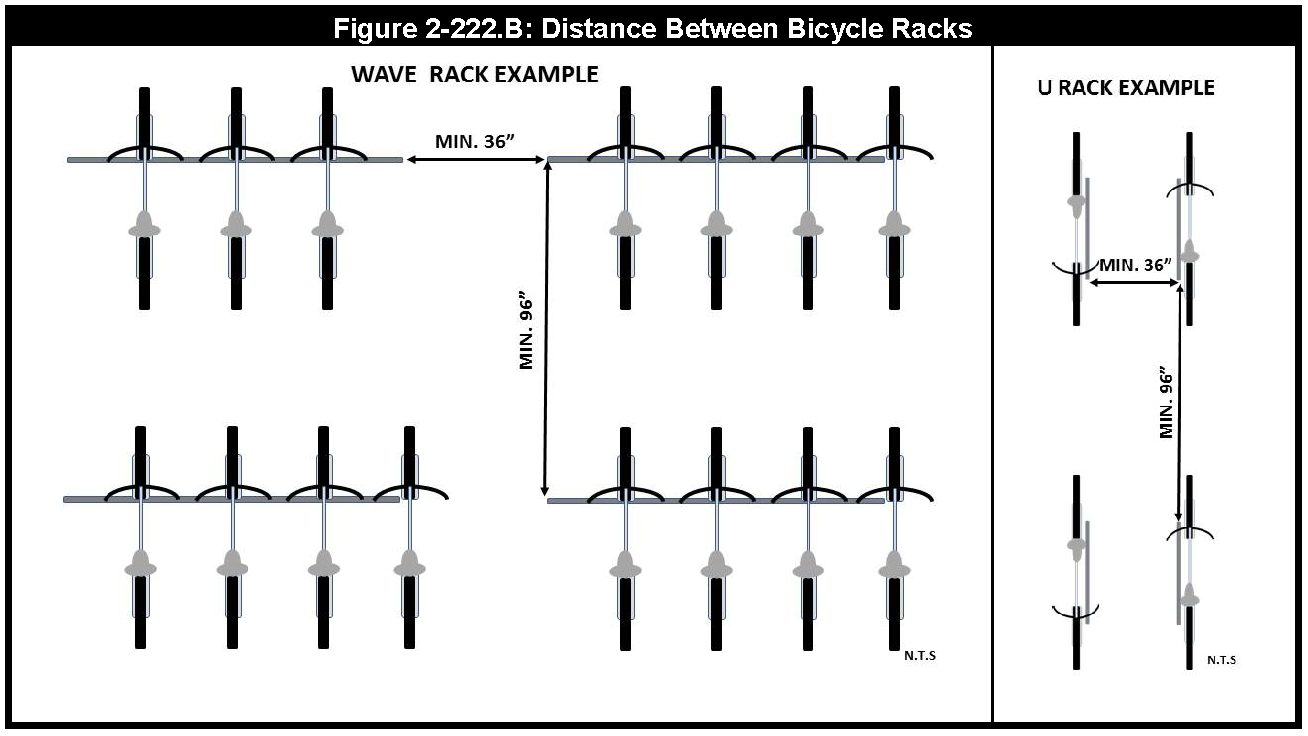
Figure 2-222.B
b.
Distance from curb (see Figures 2-222.C through F):
1)
Racks with bicycles located perpendicular to a curb should be a minimum of 36 inches from the back of curb.
2)
Racks with bicycles located parallel to a curb should be a minimum of 24 inches from the back of curb.
c.
Distance from wall (see Figures 2-222.C through F) :
1)
Assuming access is needed from both sides, racks with bicycles located perpendicular to a wall should be a minimum of 48 inches from the wall. Where access is needed only from 1 side (not the wall side), racks should be a minimum of 36 inches from the wall.
2)
Racks with bicycles located parallel to a wall should be a minimum of 36 inches from the wall.
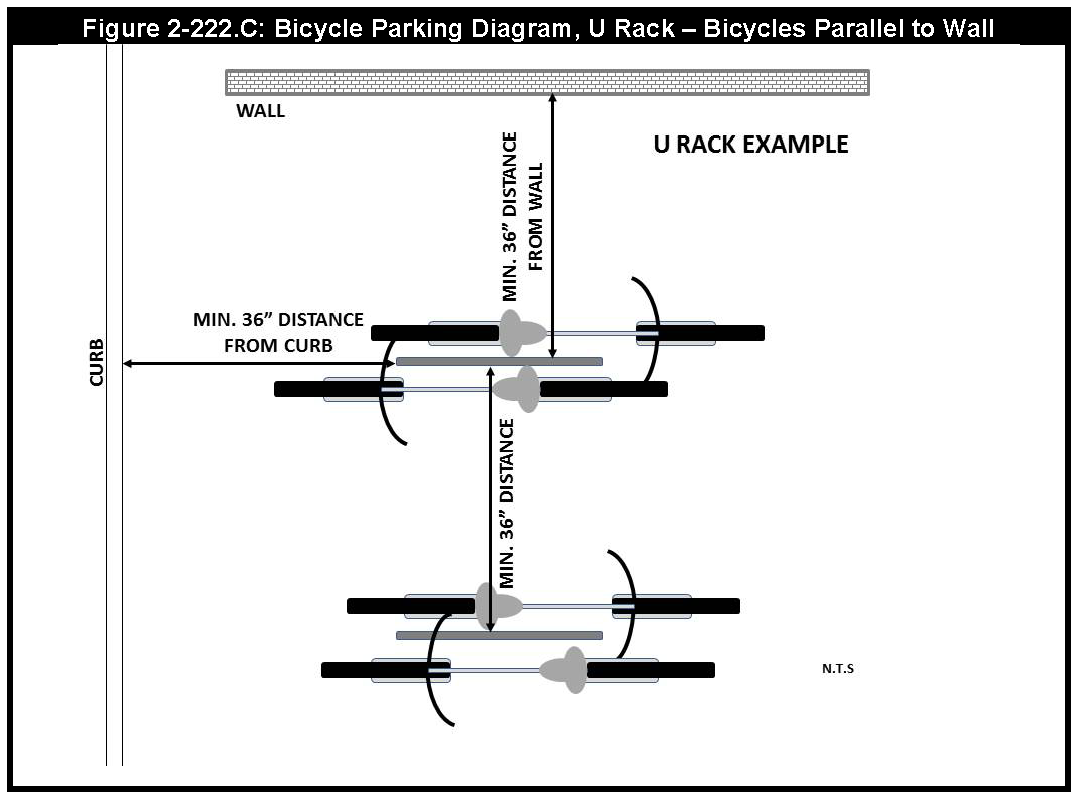
Figure 2-222.C
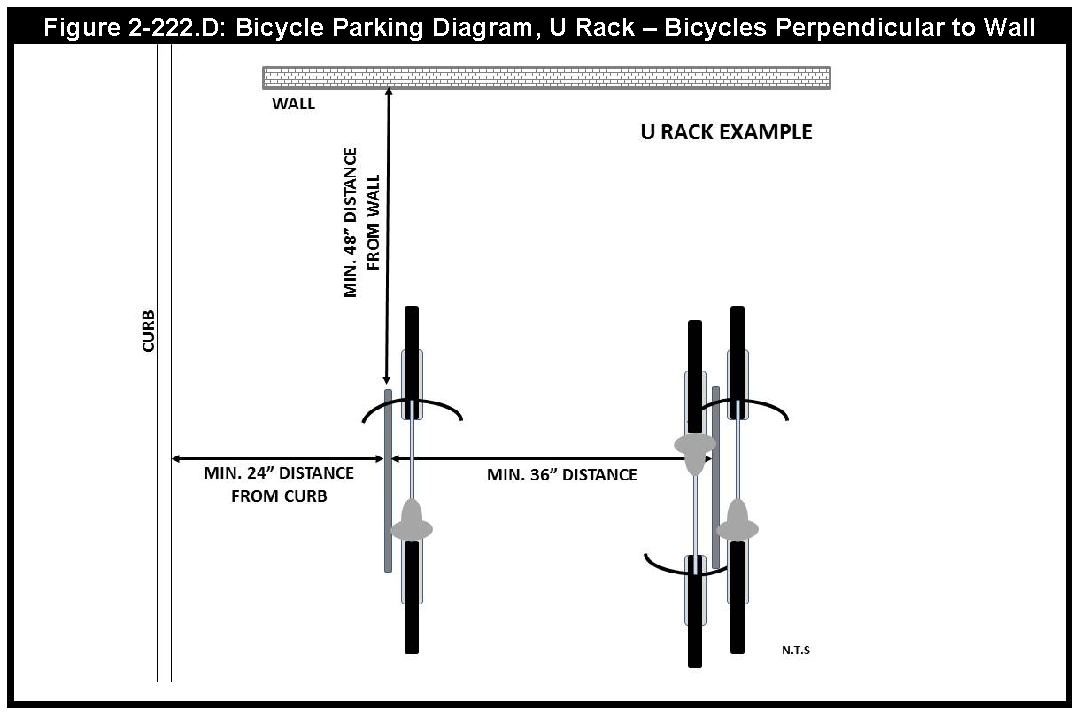
Figure 2-222.D
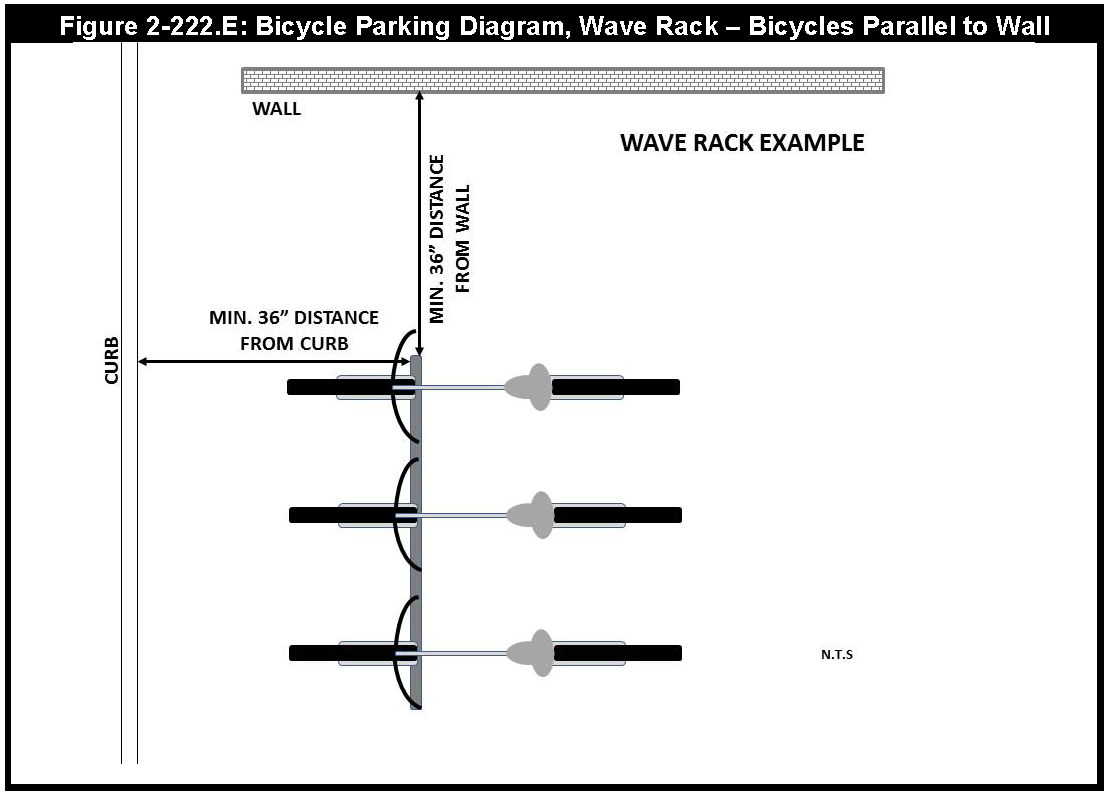
Figure 2-222.E
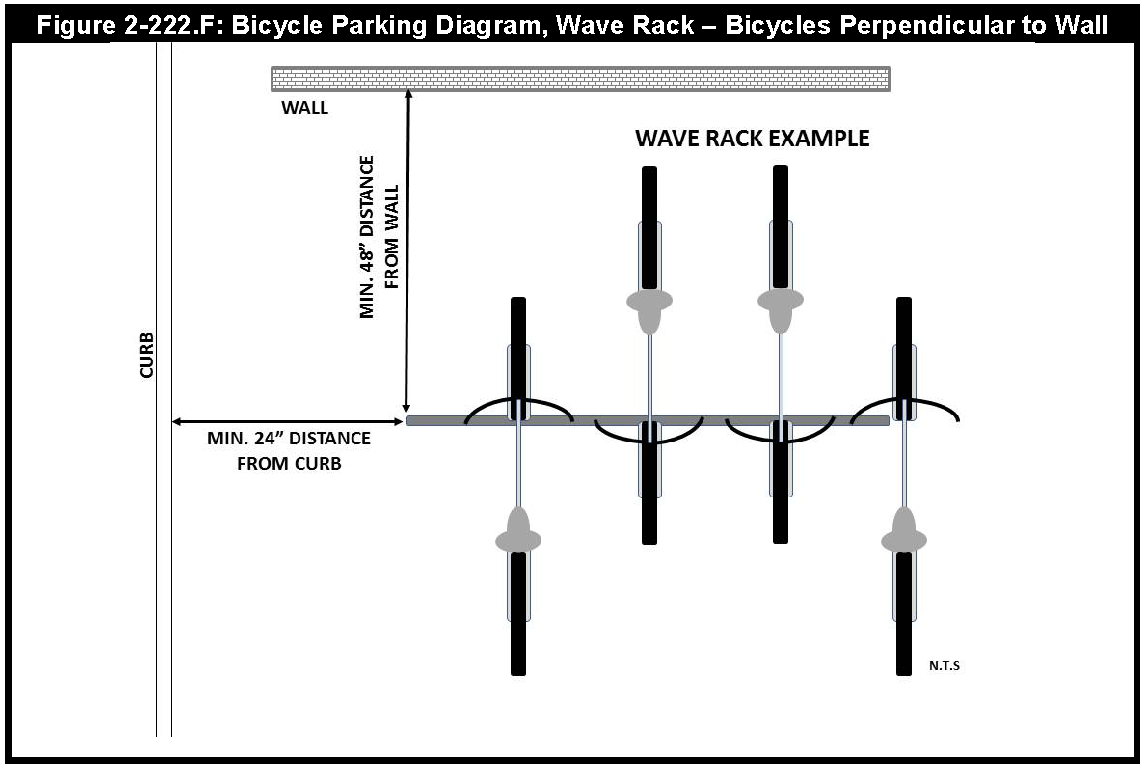
Figure 2-222.F
D.
Bicycle Rack and Parking Space Design.
1.
Racks must be designed to accommodate "U"-shaped locking devices and support the bicycle horizontally, preferably in 2 places. Racks should accommodate locks securing the frame and 1 or both wheels, preferably without removing the front wheel from the bicycle.
2.
The racks should be constructed of durable materials to withstand permanent exposure to the elements, such as powder-coated metal or stainless steel.
3.
Racks must be securely attached to concrete footings, a concrete sidewalk, or another comparably secure surface.
4.
All bicycle parking spaces must be constructed of concrete, asphalt, pavers, or surface of similar durability or construction.
5.
Racks must not include protruding elements or sharp edges.
6.
Bicycle racks must be maintained in good condition.
7.
Preferred bicycle racks include inverted U, circle, post and loop, and wave racks (see Figure 2-222.G). The Director may approve additional bicycle rack types, such as artistic bicycle parking racks, if they meet the requirements of this section.
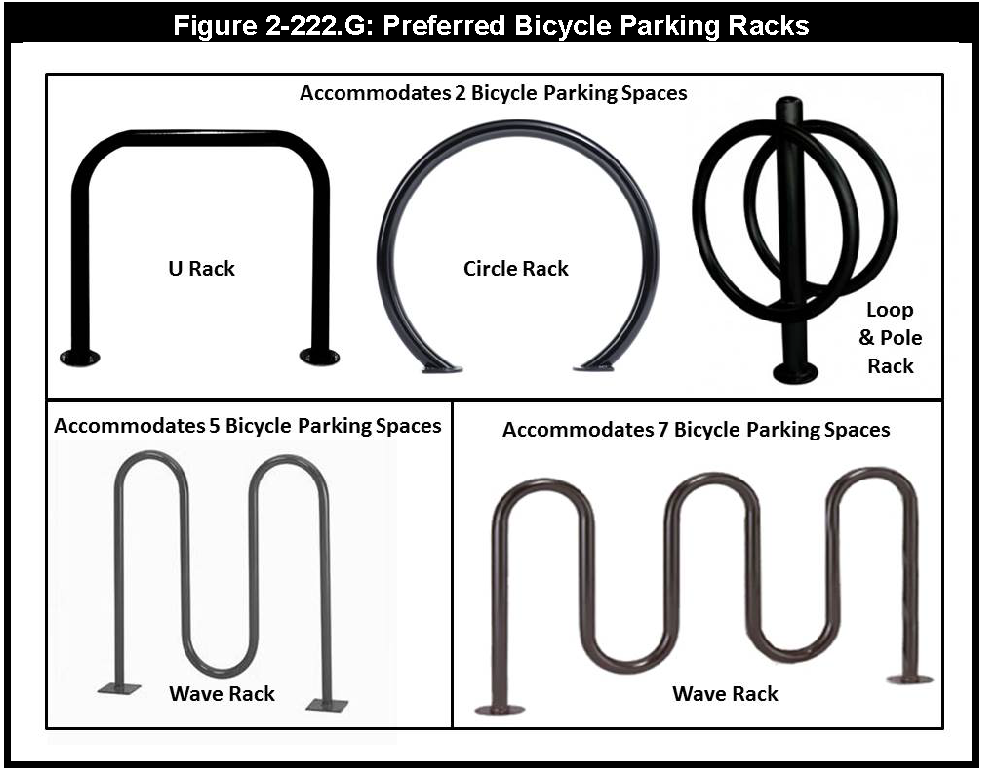
Figure 2-222.G
8.
School yard, dish, or comb-style racks are prohibited for the purposes of compliance with required bicycle parking (see Figure 2-222.H).
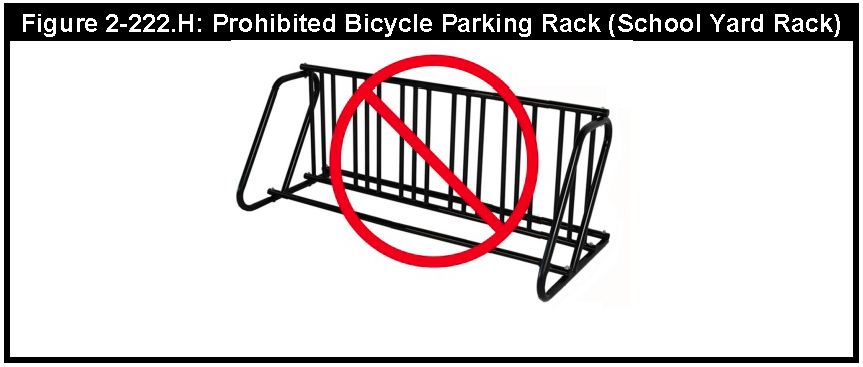
Figure 2-222.H
E.
Long Term Bicycle Parking. Long-term bicycle parking facilities do not count towards required bicycle parking spaces. Long-term bicycle parking facilities may include bicycle storage lockers, secure bicycle lockers, bicycle storage rooms within a Building or parking garage, or other similar long-term facilities.
(Ord. No. 2149, § 12, 2-19-2019)
Sec. 2-223. - Pedestrian Walkway Connections from Public Right-of-Way to Building Entrance.
Pedestrian walkways provide a clear, safe path from the public sidewalk to the front entrance of a Building and may also provide a clear, safe path from parking areas within a parking lot to the front entrance of a Building. ADA accessible routes may be used to satisfy the requirement for pedestrian walkways if the route meets all requirements of this Section.
1.
Application. Pedestrian walkways must be provided for all nonresidential, townhome, and multi-family developments where the submittal of a Site Plan Package is required.
2.
Design. Pedestrian walkways must be a minimum of 5 feet wide. A minimum of 2 feet of clear space on either side of the walkway must be provided. Clear space may not include vertical obstructions such as trees, structures, walls fences or landscaping with a mature height above 18 inches.
3.
Number. 1 pedestrian walkway must be provided for every 450 linear feet of each Street or Primary Access Easement frontage.
4.
Location. Pedestrian walkways must be spaced, not clustered, to provide pedestrian access across the site. Required pedestrian walkways must extend to lots, reserves, or parcels without direct frontage on a street. Pedestrian walkways must not be located in areas of required parking, including in vehicular accessways, through required parking spaces or parking aisles; provided however, that pedestrian walkways may cross a parking aisle at a perpendicular angle, to complete the connection from the public Right-of-Way to building entrance.
5.
Pavement. Pedestrian walkways must be paved with stamped concrete, colored pavers, or other masonry products differentiated from the driveway and parking areas through the use of color. Color shall be integral to the walkway pavement and shall not be painted onto the walkway surface.
6.
Shade Trees. Pedestrian walkways must be predominantly shaded with shade trees at 1 per 60 linear feet of walkway. Shade trees used to meet this requirement may also count towards required shade trees for parking lot landscaping.
7.
Vehicle Intrusion. Pedestrian walkways must be protected from vehicle intrusion by curbs or similar Structures. Where head-in parking is provided adjacent to a pedestrian walkway, wheel stops must be provided within parking spaces and placed a minimum of 18 inches from the required clear space area to prevent vehicles from extending into and obstructing the pedestrian walkway area (see Figure 2-223.A).
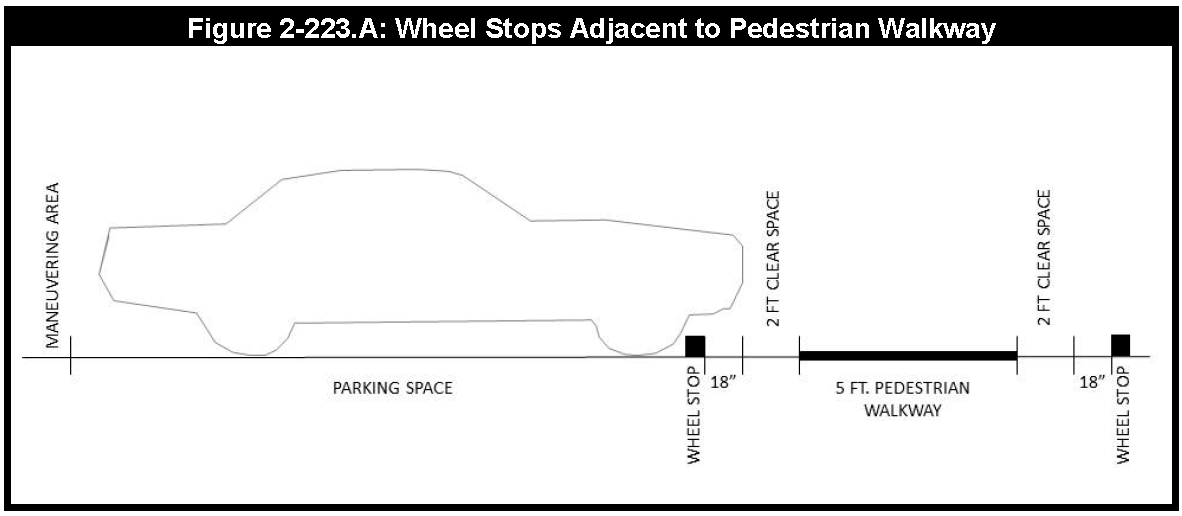
Figure 2-223.A
Sec. 2-230.- Alteration of Nonconforming Buildings, Structures, Uses and Lots.
A.
A Nonconforming Structure may not be enlarged, changed, altered, or repaired, except as provided in this Article. This Article does not prohibit any change or alteration that would bring a Nonconforming Building into compliance with the zoning regulations.
B.
A Nonconforming Use of a Building may be extended throughout a completed Building that, when the use became nonconforming, was designated or arranged to accommodate the use, but the use may not be extended to additional Buildings or to land outside the Building.
C.
A Single-Family Detached Dwelling which is a Nonconforming Use may be enlarged or replaced with a larger Dwelling if the enlargement or replacement does not violate other zoning regulations applicable to the premises.
D.
If a Lot does not conform to the Lot dimensions applicable to that zoning district, the Lot may be used for any permitted use in that zoning district if all other zoning regulations are met, unless the nonconforming Lot adjoins and has continuous frontage with 1 or more other undeveloped Lots under the same ownership, so that the Lots could be replatted to conform to the requirements of the district. The latter requirement does not apply if combining the Lots would create a Lot that would be substantially out of character with surrounding Lots.
Sec. 2-231. - Changing Nonconforming Uses.
The Director may grant a request for a change of occupancy from one Nonconforming Use to another Nonconforming Use, but only if the use is a permitted use in a zoning district that is more restrictive than the district in which the original Nonconforming Use is located.
Sec. 2-232. - Repairs.
If a nonconforming Building or Structure is so deteriorated or dilapidated or damaged by fire, explosion, a natural disaster, or act of God so that repairs or restoration of the Building or Structure would cost more than 50% of the replacement cost of the entire Building or Structure, the Building or Structure may not be rebuilt or repaired, but must be demolished and removed from the premises.
Sec. 2-233. - Abandonment.
When a Nonconforming Use is abandoned, the property must only be used thereafter in compliance with these zoning regulations. A use is considered abandoned if the facts show the owner's intent to discontinue the use or activity and the discontinuance of the use continues for 6 or more continuous months. This section does not apply to abandoned towers which are governed by Article VII, Telecommunication Towers and Antennas.
Sec. 2-250.- Purpose.
These regulations are primarily intended to maximize the use of new and existing towers to prevent the proliferation of unnecessary towers and to minimize the adverse visual impacts of towers and antennas through design, siting, landscaping and screening requirements.
Sec. 2-251. - Application, Exemptions, and Conflicts.
A.
This Article applies to Towers and Antennas located in any zoning district.
B.
This Article does not apply to:
1.
A receive-only home television Antenna;
2.
A Satellite Dish Antenna that is a permitted accessory use as provided in this Chapter; or
3.
A tower less than 50 feet in height that is used as an Amateur Radio Station.
C.
The application provisions of this Article do not apply to an Amateur Radio Station Tower of 50 feet or more in height, but the Director may require the applicant to submit information on the height, location, and the manufacturer's drawings and specifications for the Tower, or any other information as necessary to determine whether a Conditional Use Permit should be granted as required by this Article.
D.
Any regulations relating to the Height of a Tower, Alternate Tower Structure, or Antenna contained in the Article, controls over any conflicting provision of any other provision of these zoning regulations not contained in this Article.
Sec. 2-252. - Conditional Use Permit Required.
A.
A Tower or Antenna is only permitted to be constructed or erected in the M-1, M-2, and B-2 districts with an approved Conditional Use Permit, except as otherwise provided in this Section. Tower and Antennas are prohibited in all other districts, except as otherwise provided in this Section. The procedures of this Article relating to the application, processing, and determination of whether to grant a Conditional Use Permit, are in addition to any other provisions and requirements contained in other articles of these zoning regulations relating to Conditional Use Permits.
B.
Rooftop mounted Towers and Antennas may be located on any Buildings serving a Nonresidential Use and on an Alternative Tower Structure, as defined in Chapter 10, without obtaining a Conditional Use Permit, if:
1.
The Structure, other than a Tower on which the Tower or Antenna will be placed, exceeds 50 feet in Height;
2.
The Tower and Antenna will add no more than 20 feet total to the Height of the existing Structure;
3.
The Tower or Antenna does not contain Advertising; and
4.
It complies with the lighting regulations for Towers as specified in this Article.
C.
The effects of radio frequency emissions on persons or the environment may not be considered in a proceeding involving an application for a Conditional Use Permit.
D.
The following procedures will be followed by the City Council in considering an application for a Conditional Use Permit:
1.
After the close of the public hearing, any council member making a motion to deny the application and any council member seconding the motion of denial will state his or her reasons for making the motion or seconding the motion for denial;
2.
Before the vote is called, any council member proposing to vote in favor of the motion of denial must state his or her reasons for supporting the motion;
3.
If the Council votes to deny the application for the Conditional Use Permit, the City Attorney will prepare a proposed written decision for the City Council to consider at a following meeting. The proposed decision must include a written record of the evidence received by the Council relevant to the Council's decision. The decision to deny the application is not final until the Council adopts a written decision.
Sec. 2-253. - Application Procedures.
An application for a Conditional Use Permit for a Tower, Antenna, or use of an Alternative Tower Structure must be made to the Director. An application will not be considered until it is complete. A complete application must contain the following:
A.
An inventory of the applicant's existing Towers that are either within the City or within 1 mile of the corporate limits, specifying the location, Height, and design of each tower. The Director may share the information with other applicants for a Conditional Use Permit under this Article.
B.
Site plans to scale specifying the location of tower(s), transmission Building and other Accessory Uses, street access, parking, Fences, Landscaped Areas, and adjacent land uses.
C.
A report from a professional structural engineer licensed in the State of Texas documenting the following:
1.
Tower Height and design, showing a cross-section of the Tower Structure.
2.
Total anticipated capacity of the Tower Structure, including the number and types of Antennas which can be accommodated.
D.
A letter of intent to lease excess space on the Tower and to lease additional excess land on the Tower site when the shared use potential of the Tower is absorbed, if structurally and technically possible.
E.
Each applicant must make a good faith effort to substantially demonstrate that no existing Towers could accommodate the applicant's proposed Antenna by doing the following:
1.
The applicant must contact the owners of all existing Towers of a Height roughly equal to or greater than the Height of the Tower proposed by the applicant. A list must be provided of all owners contacted, the date of the contact, and the form and content of the contact. Where an existing Tower is known to have capacity for additional Antennas of the sort proposed, that application for a new Tower is not complete until the owner of the existing Tower responds, unless the applicant submits sufficient information for the Director to determine that all reasonable efforts to obtain a response have been made and further efforts would be futile.
2.
The applicant must request the following information from each Tower owner contacted:
a.
Identification of the site by location, existing uses, and Tower Height.
b.
Whether each Tower could structurally accommodate the Antenna proposed by the applicant without requiring structural changes be made to the Tower. To enable the owner to respond, the applicant must provide each owner with the Height, length, weight, and other relevant data about the proposed Antenna.
c.
Whether each Tower could structurally accommodate the proposed Antenna if structural changes were made, not including totally rebuilding the Tower. If so, the owner must specify in general terms what structural changes would be required.
d.
If structurally able, shared use by the existing Tower would be precluded for reasons related to RF interference. If so, the owner must describe in general terms what changes in either the existing or proposed antenna would be required to accommodate the proposed Tower, if at all.
3.
The Director must maintain and provide, on request, records of responses from each owner. Once an owner demonstrates an Antenna of the sort proposed by the applicant cannot be accommodated on the owner's Tower as described below, the owner need not be contacted by future applicants for Antennas of the sort proposed.
4.
Shared use is not precluded simply because a reasonable fee for shared use is charged, or because of reasonable costs necessary to adapt the existing and proposed uses to a shared Tower. The Director and the City Council may consider expert testimony to determine whether the fee and costs are reasonable. Costs exceeding new Tower development are presumed unreasonable.
F.
Any other information which may be requested by the Director to fully evaluate and review the application and the potential impact of a proposed Tower or Antenna.
Sec. 2-254. - General Requirements and Regulations.
A.
No Advertising is permitted on an Antenna or Tower.
B.
No Signs or illumination are to be placed on an antenna or Tower unless required by the FCC, FAA or other state or federal agency of competent jurisdiction. The Director may review the available lighting alternatives and approve the design that would cause the least disturbance to the surrounding uses and views.
C.
A new cell may not be established if there is a technically suitable space available on an existing Tower within the search area that the new cell is to serve. For the purpose of this Article, the search area is defined as the grid for the placement of the Antenna.
D.
A Tower may not be located in a required Yard.
E.
All free-standing Towers (not mounted on rooftops or Alternative Tower Structures) must conform to the following minimum Tower separation requirements:
Sec. 2-255. - Visual Impacts.
A.
Towers must either maintain a galvanized steel finish or, subject to any applicable standards of the FAA or other applicable federal or state agency, be painted a neutral color, so as to reduce visual obtrusiveness.
B.
At a Tower site the design of the Building and related Structures must use materials, colors, textures, screening, and landscaping that will blend the Tower and facilities to the natural setting and built environment.
C.
If an Antenna is installed on a Structure other than a Tower, the Antenna and supporting electrical and mechanical equipment must be of a neutral color that is identical to, or closely compatible with, the color of the supporting Structure so as to make the Antenna and related equipment as visually unobtrusive as possible.
D.
Towers clustered at the same site must be of similar Height and design.
E.
Towers must be the minimum Height necessary to provide parity with existing similar Tower supported Antenna, and must be freestanding where the negative visual effect is less than would be created by use of a guyed Tower.
Sec. 2-256. - Principal, Accessory, and Joint Uses.
A.
Accessory Structures used in direct support of a Tower are allowed but may not be used for offices, vehicle storage or other outdoor storage. Mobile or immobile equipment not used in direct support of a Tower shall not be stored or parked on the site of the Tower, unless repairs to the Tower are being made.
B.
Towers may be located on sites containing another principal use in the same buildable area. Towers may occupy a premises meeting the minimum Lot size requirements for the zoning district in which it is located. For a monopole tower, the minimum distance between the Tower and any other principal use located on the same Lot shall be 20% of the Tower Height or 25 feet, whichever is greater.
C.
Placement of more than 1 Tower on a Lot is permitted, provided all Setback, design and landscape requirements are met for each Tower. Structures may be located as close to each other as technically feasible, provided Tower failure characteristics of the Towers on the site will not lead to multiple failures in the event that 1 fails.
Sec. 2-257. - Shared Use.
A.
To encourage shared use of Towers, no Building permit or Conditional Use Permit is required for the addition of antennas to an existing Tower so long as the Height of the Tower or structure on which the Antenna is placed is not increased and the requirements of this Article are met.
B.
Any Conditional Use Permit which is granted for a new Tower is specifically subject to the condition that the Tower owner abide by the following provisions relating to shared use, regardless of whether or not the ordinance granting the permit contains the conditions:
1.
The Tower owner must respond in a timely, comprehensive manner to a request for information from a potential shared use applicant;
2.
The Tower owner must negotiate in good faith for shared use by third parties; and
3.
The Tower owner must allow shared use where the third party seeking the use agrees in writing to pay reasonable, pro rata charges for sharing, including all charges necessary to make modifications of the Tower and transmitters to accommodate the shared use, and to observe whatever technical requirements are necessary to allow shared use without creating interference.
C.
The willful failure of an owner whose Tower was approved under this Article to comply with the requirements of this Section is grounds for withholding approval of any application by the owner for a building permit for the approved Tower, for revoking the Conditional Use Permit granted for the Tower, and for refusing to approve a new Conditional Use Permit for any new Tower or Antenna.
Sec. 2-258. - Abandoned Towers.
A.
Any Antenna or Tower that is not operated for any continuous period of 12 months is deemed abandoned, whether or not the owner or operator intends to make use of the Tower. The owner of an abandoned Antenna or Tower and the owner of the property where the Tower is located must remove the Tower or Antenna. If the Antenna or Tower is not removed within 60 days of receipt of notice from the City ordering the removal, the City may remove the Tower or Antenna and place a lien upon the property for the costs of the removal.
B.
If the owner of an abandoned Tower or Antenna wishes to use the abandoned Tower or Antenna, the owner first must apply for and receive all applicable permits and meet all of the conditions of this Article as if the Tower or Antenna were a new Tower or Antenna.
Sec. 2-259. - Pre-Existing Towers and Non-Conforming Uses.
All communications Towers operative prior to the July 21, 2015 of this Article, are allowed to continue their present usage as a lawful Nonconforming Use and are treated as a Nonconforming Use in accordance with the zoning regulations. Routine maintenance is permitted on the existing Towers. New construction other than routine maintenance on an existing communication Tower must comply with the requirements of this Article.
Sec. 2-260. - Public Property.
Antennas or Towers located on property owned, leased or otherwise controlled by the City are exempt from the requirements of this Article.
Sec. 2-270.- Site Development Regulations for Manufactured Home Parks.
A.
A Manufactured Home Park must:
1.
Contain at least 90,000 square feet of land and 20 Manufactured Home spaces;
2.
Contain at least 4,500 square feet for each Manufactured Home Space;
3.
Contain at least 300 square feet of Open Space for each Mobile Home, with at least 150 square feet being located on each Manufactured Home Space;
4.
Have direct access to a Public Street with a width of at least 60 feet;
5.
Have a minimum of 2.1 off-street Parking Spaces per Manufactured Home, at least 1 of which must be provided on each Manufactured Home Space;
6.
Not contain any Structure with a Height of more than 35 feet; and
7.
Have a solid Fence at least 6 feet high constructed and maintained along all boundaries of the Manufactured Home Park, except where the boundary of the Manufactured Home Park abuts a public Right-of-Way or another Manufactured Home Park.
B.
Each Manufactured Home Space must:
1.
Abut upon an internal street designed to permit movement of Manufactured Homes to and from each space; and
2.
Have a minimum Front Yard of 25 feet and a minimum Side and Rear Yard of 15 feet.
C.
A Manufactured Home may not be located in a required Yard and must be separated from every other Manufactured Home or Building by at least 10 feet. Required Front Yards must be Landscaped.
Sec. 2-271. - Location of Manufactured Homes Other Than in Manufactured Home Park.
It is unlawful for any person to locate, maintain, or occupy a Manufactured Home in any place in the City other than in a Manufactured Home Park.
Sec. 2-272. - Building Permit Required.
A.
It is unlawful for any person to construct, alter, or extend any Manufactured Home Park within the City without first obtaining a valid building permit issued by the building official.
B.
A permit will not be issued for construction or occupancy of a permanent Dwelling in any Manufactured Home Park, except that 1 existing residential Structure may be retained or 1 new residential Structure may be constructed for the occupancy of the owner or operator of the Park and an existing Dwelling may be converted to a clubhouse, community center, or service Building for use by the residents of the Manufactured Home Park.
Sec. 2-273. - Site Requirements.
A.
The Manufactured Home stand may not heave, shift, or settle unevenly under the weight of the Manufactured Home due to frost action, inadequate drainage, vibration or other forces acting on the super-structure.
B.
Exposed ground surfaces in all parts of every Manufactured Home Park must be paved, covered with stone screening or other solid material, or protected with a vegetative growth that is capable of preventing soil erosion and eliminating dust.
C.
Unless provided in current Manufactured Home models, storage facilities with a minimum capacity of 200 cubic feet per Manufactured Home Space, may be provided on the space, or in compounds located within 100 feet of each space. Where provided, storage facilities must be designed in a manner that will enhance the appearance of the Park and must be faced with masonry, porcelainized steel, baked enamel steel, or other material equal in fire resistance, durability, and appearance.
Sec. 2-274. - Access and Traffic Circulation; Construction of Streets; Parking.
A.
Interior private streets in the Manufactured Home Park must be paved to a width of at least 30 feet. Cul-de-sacs must have a diameter of at least 80 feet and may not exceed 400 feet in length. Internal streets, no-parking area signs, and street name signs must be privately owned, built, and maintained. On all sections of internal streets on which parking is prohibited, the owner or agent must erect metal Signs prohibiting parking. The Sign type, size, Height, and location must be approved by the City prior to installation.
B.
All internal streets must be constructed to specifications established by the City and must be maintained by the owner or agent free of cracks, holes, and other hazards. Internal Streets must be designed by a licensed professional engineer in accordance with good engineering designs and the design must be approved by the City prior to construction.
C.
Internal streets must permit unobstructed access to within at least 200 feet of any portion of each Manufactured Home.
D.
Within each Manufactured Home Park, all streets must be named, and Manufactured Homes numbered to conform with block numbers on adjacent public Streets. All street name Signs and house numbers must be of reflective material.
E.
Street lighting within the Manufactured Home Park must be provided along all internal Streets.
Sec. 2-275. - Recreation Areas.
All Manufactured Home Parks must have at least 1 recreation area. When playground space is provided, it must be so designated and must be protected from traffic, thoroughfares and parking areas.
Sec. 2-276. - Water and Sewage.
A Manufactured Home Park must be connected to a public supply of water. The water supply system of the Manufactured Home Park must be connected by pipes to all Manufactured Homes, Buildings, and other facilities requiring water. An adequate and safe sewerage system must be provided in all Manufactured Home Parks for conveying and disposing of all sewage.
Sec. 2-277. - Sanitation.
A.
Refuse and garbage must be removed from the Park at least twice each week. The Manufactured Home Park owner or agent must ensure that containers at Manufactured Home Spaces are emptied regularly and maintained in a usable, sanitary condition.
B.
Grounds, Buildings, and Structures in a Manufactured Home Park must be maintained free of insect and rodent harborage and infestation.
C.
Parks must be maintained free of accumulation of debris which may provide rodent harborage or breeding places for flies, mosquitoes, and other pests.
Sec. 2-290.- Purpose and Intent.
The purpose of these regulations on Adult Oriented Businesses is to promote the health, safety, morals, and general welfare of the citizens of the City, and to establish reasonable and uniform regulations to prevent the concentration of Adult Oriented Businesses within the City. The provisions of these regulations have neither the purpose nor effect of imposing a limitation or restriction on the content of any communicative materials, including adult oriented materials. Similarly, it is not the intent nor effect of these regulations to restrict or deny access by adults to adult oriented materials protected by the First Amendment, or to deny access by the distributors and exhibitors of adult oriented entertainment to their intended market.
Sec. 2-291. - Definitions.
A.
In this Chapter:
Adult Arcade means any place to which the public is permitted or invited wherein coin-operated or slug-operated or electronically, electrically, or mechanically controlled still or motion picture machines, projectors, or other image-producing devices are maintained to show images to 5 or fewer persons per machine at any one time, and where the images so displayed are distinguished or characterized by an emphasis on matter depicting, describing or relating to "specified sexual activities" or "specified anatomical areas."
Adult Bookstore or Adult Video Store means:
1.
A commercial establishment which as one of its principal business purposes offers for sale or rental for any form of consideration any one or more of the following:
a.
Books, magazines, periodicals or other printed matter, or photographs, films, motion pictures, video cassettes, discs, or video reproductions, slides, or other visual representations distinguished or characterized by an emphasis on matter depicting, describing or relating to "specified sexual activities" or "specified anatomical areas"; or
b.
Instruments, devices, or paraphernalia which are designed for use in connection with "specified sexual activities".
2.
For the purpose of this definition, a commercial establishment is considered to have as one of its "principal business purposes" the sale or the rental of the material described in paragraph (a) of this definition, if:
a.
The establishment makes use of a sign inside the establishment that is visible to any area open to the public or makes use of a sign, whether located on or off the property where the establishment is located, that is visible from any public street, advertising the availability at the establishment of any material described in paragraph (a) of this definition;
b.
The establishment devotes more than 20% of its total Floor Area that is open to the public to the display of items for sale or rental that are materials described in paragraph (a) of this definition;
c.
More than 20% of the total number of items displayed for sale or rental by the establishment are material described in paragraph (a) of this definition; or
d.
The establishment regularly maintains on the property for sale or rental materials described in paragraph (a) of this definition whose total retail value is more than 20% of the total retail value of all materials kept on the premises for sale or rental.
3.
An establishment that does not qualify as an "adult bookstore" or "adult video store" under paragraph (b), may nevertheless be classified and regulated as an adult bookstore or adult video store under this Article if the establishment offers for sale or rental any of the items described in paragraph (a)(1) or (2) and the City determines that the establishment has an adverse impact on surrounding properties or the neighborhood because the establishment offers such material for sale or rental.
Adult Cabaret means a nightclub, bar, restaurant, or similar commercial establishment which regularly features:
1.
persons who appear in a state of nudity; or
2.
live performances which are distinguished or characterized by an emphasis on "specified sexual activities" or the exposure of "specified anatomical areas"; or
3.
films, motion pictures, video cassettes, discs, slides, or other photographic reproductions which are distinguished or characterized by an emphasis on matter depicting, describing or relating to "specified sexual activities" or "specified anatomical areas."
Adult Motel means a hotel, motel, or similar commercial establishment which:
1.
offers accommodations to the public for any form of consideration; provides patrons with closed-circuit television transmissions, films, motion pictures, video cassettes, slides, or other photographic reproductions which are distinguished or characterized by an emphasis on matter depicting, describing or relating to "specified sexual activities" or "specified anatomical areas"; and has a Sign visible from the public Right-of-Way which advertises the availability of this adult type of photographic reproductions; or
2.
offers a sleeping room for rent for a period of time that is less than 10 hours; or
3.
allows a tenant or occupant of a sleeping room to sub-rent the room for a period of time that is less than 10 hours.
Adult Motion Picture Theater means a commercial establishment where, for any form of consideration, films, motion pictures, video cassettes, discs. slides, or similar photographic reproductions are regularly shown which are distinguished or characterized by an emphasis on matter depicting, describing or relating to "specified sexual activities" or "specified anatomical areas."
Adult Oriented Business means an adult arcade, adult bookstore or adult video store, adult cabaret, adult motel, adult motion picture theater, adult theater, nude model studio or sexual encounter center.
Adult Theater means a theater, concert hall, auditorium, or similar commercial establishment which regularly features persons who appear in a state of nudity or live performances which are distinguished or characterized by an emphasis on "specified sexual activities" or the exposure of "specified anatomical areas."
Church means a place used primarily for religious worship on a regular basis.
Nude Model Studio means any place where a person who appears in a state of nudity or displays "specified anatomical areas" is provided to be observed, sketched, drawn, painted, sculptured, photographed, or similarly depicted by other persons who pay money or any form of consideration.
Nudity or a State of Nudity means:
1.
the appearance of a human bare buttock, anus, male genitals, female genitals, or female breasts; or
2.
a state of dress which fails to opaquely cover a human buttock, anus, male genitals, female genitals, or areola of the female breast.
Public Park or Playground means the real property and improvements thereon owned, operated, or maintained by a city, university, a Governmental Entity, or a homeowner's association, which are designed or used for recreational purposes and are available to the general public or the members of the homeowner's association. The defined terms include public swimming pools, golf courses, tennis courts, stadiums, field houses, and similar uses and facilities.
School means a building where persons regularly assemble for the purpose of instruction or education and includes playgrounds, stadia, and other Structures or grounds used in conjunction therewith. The term is limited to: (1) public and private schools having a curriculum generally equivalent to elementary or secondary schools; and (2) special educational facilities in which students who have physical or learning disabilities receive specialized education in lieu of attending regular classes in a kindergarten or grades 1 through 12.
Sexual Encounter Center means an establishment whose major business is the furnishing of a location where customers either congregate, associate, or consort with employees who engage in "specified sexual activities" with or in the presence of such customers, or who display "specified anatomical areas" in the presence of such customers, with the intent of providing sexual stimulation or sexual gratification to such customers.
Specified Anatomical Areas means human genitals in a state of sexual arousal.
Specified Sexual Activities means and includes any of the following:
1.
the fondling or other erotic touching of the human genitals, pubic region, buttocks, anus, or female breasts;
2.
sex acts, normal or perverted, actual or simulated, including intercourse, oral copulation, or sodomy;
3.
masturbation, actual or simulated; or
4.
excretory functions as part of or in connection with any of the activities set forth in 1. through 3. above.
B.
General definitions may be found in Chapter 10.
Sec. 2-292. - Classifications.
Adult Oriented Businesses are classified as follows:
1.
adult arcades;
2.
adult bookstores or adult video stores;
3.
adult cabarets;
4.
adult motels;
5.
adult motion picture theaters;
6.
adult theaters;
7.
nude model studios; and
8.
sexual encounter centers.
Sec. 2-293. - Inspection.
A person operating, managing, or otherwise in control of an Adult Oriented Business commits an offense if the person refuses to permit City code enforcement employees, City representatives of the police department, fire department, health department, or the building official, to inspect the premises of an Adult Oriented Business for the purpose of insuring compliance with the law at any time it is occupied or open for business. The provisions of this section do not apply to areas of an adult motel which are currently being rented by a customer for use as a permanent or temporary habitation.
Sec. 2-294. - Location of Adult Oriented Businesses.
A.
A person commits an offense if he operates or causes to operate an Adult Oriented Business within 1,000 feet of any of the following:
1.
a boundary of a Residential District;
2.
the property line of a Lot devoted to a Residential Use;
3.
a church;
4.
a school;
5.
Child Care Center; or
6.
a public Park or playground.
B.
For the purposes of Subsection A., measurement is made in a straight line, without regard to intervening Structures or objects, from the nearest portion of the Building or Structure used as a part of the premises where an Adult Oriented Business is conducted, to the nearest property line of the premises of a church, school, Child Care Center, or to the nearest boundary of an affected public Park or playground, Residential District, or Lot devoted to a Residential Use.
C.
A person commits an offense if the person operates or establishes, or causes or permits another to operate or establish an Adult Oriented Business which is located within 1,000 feet of another Adult Oriented Business. The distance between 2 Adult Oriented Businesses is measured in a straight line, without regard to intervening Structures or objects, from the closest exterior walls of the Structures in which the businesses are located.
D.
A person commits an offense if the person causes or permits the operation, establishment, or maintenance of more than 1 Adult Oriented Business in the same Building, Structure, or portion thereof.
Sec. 2-295. - Hours of Operation of Adult Oriented Businesses.
A person commits an offense if the person operates or causes to operate an Adult Oriented Business before 10:00 a.m. or after 10:00 p.m. on Monday through Saturday. A person commits an offense if the person operates or causes to operate an Adult Oriented Business on any Sunday.
Sec. 2-296. - Additional Regulations for Adult Cabarets.
A.
An employee of an adult cabaret, while appearing in a state of nudity, commits an offense if the employee touches a customer or the clothing of a customer.
B.
A customer of an adult cabaret commits an offense if the customer touches an employee appearing in a state of nudity or the clothing of the employee appearing in a state of nudity.
C.
An employee of an adult cabaret, while appearing in a state of nudity, commits an offense if the employee touches another employee appearing in a state of nudity or touches the clothing of the other employee appearing in a state of nudity.
D.
An employee of an adult cabaret commits an offense if the employee, while appearing in a state of nudity, dances closer than 6 feet to any customer.
E.
A person who owns, operates, manages, or controls an adult cabaret at which alcoholic beverages are offered for sale for consumption on the premises commits an offense if the person allows any person to appear in a state of nudity on the premises of the adult cabaret.
F.
A person commits an offense if the person appears in a state of nudity on the premises of an adult cabaret at which alcoholic beverages are offered for sale for consumption on the premises.
G.
For purposes of this section, intent, knowledge, or recklessness suffice to establish the requisite mental state to establish criminal responsibility.
Sec. 2-297. - Additional Regulations for Adult Motels.
A.
Evidence that a sleeping room in a hotel, motel, or similar commercial establishment has been rented and vacated 2 or more times in a period of time that is less than 10 hours creates a rebuttable presumption that the establishment is an adult motel.
B.
A person commits an offense if, as the person in control of a sleeping room in a hotel, motel, or similar commercial establishment that does not comply with the location requirements of Section 2-294, the person rents or sub-rents a sleeping room to a person and, within 10 hours from the time the room is rented, the person rents or sub-rents the same sleeping room again.
C.
For purposes of Subsection (B) of this section, the terms "rent" or "sub-rent" means permitting a room to be occupied for any form of consideration.
Sec. 2-298. - Regulations Pertaining to Exhibition of Adult Explicit Films or Videos.
A.
A person who operates or causes to be operated an Adult Oriented Business, other than an adult motel, which exhibits on the premises in a viewing room of less than 150 square feet of floor space, a film, video cassette, or other reproduction distinguished or characterized by an emphasis on matter depicting "specified sexual activities" or "specified anatomical areas," must comply with the following requirements:
1.
The establishment must provide for 1 or more manager's stations, none of which may exceed 32 square feet of Floor Area. The manager's stations must be designed to provide a monitoring location for the operators or employees of the establishment during business hours and to exclude members of the general public. The interior of the premises must be configured so that there is an unobstructed view from a manager's station of every area of the premises to which any patron is permitted access for any purpose, excluding rest rooms. Rest rooms may not contain video reproduction equipment. If the premises has 2 or more manager's stations, then the interior of the premises must be configured in such a manner that there is an unobstructed view of each area of the premises to which any patron is permitted access for any purpose from at least 1 of the manager's stations. The view required in this subsection must be by direct line of sight from the manager's station.
2.
It is the duty of the owners and operator of the premises to ensure that at least 1 employee is on duty and situated in each manager's station at all times that any patron is present inside any part of the premises.
3.
It is the duty of the owners and operator, and it is also the duty of any agents and employees present in the premises, to ensure that the view area specified in subsection (1) remains unobstructed by any doors, walls, merchandise, display racks or other materials at all times that any patron is present in the premises and to ensure that no patron is permitted access to any area of the establishment that does not have an unobstructed view from a manager's station.
4.
The premises must be equipped with overhead lighting fixtures of sufficient intensity to illuminate every place in which patrons are permitted access at an illumination of not less than 1.0 footcandle as measured at the floor level.
5.
It is the duty of the owners and operator, and it is also the duty of any agents and employees present in the premises, to ensure that the illumination described above is maintained at all times that any patron is present in the premises.
B.
A person having a duty as provided in subsections (1) through (5) of subsection (A) above commits an offense if the person knowingly fails to fulfill that duty.
Sec. 2-299. - Enforcement.
A.
Any person violating Section 2-294, upon conviction, is punishable by a fine not to exceed $2,000.00 for each offense.
B.
Any person violating a provision of this Article, other than Section 2-294, upon conviction, is punishable by a fine not to exceed $500.00 for each offense.
C.
It is a defense to prosecution under Section 2-294 that each item of descriptive, printed, film, or video material offered for sale or rental, taken as a whole, contains serious literary, artistic, political, or scientific value.
D.
It is unlawful for any person to operate an Adult Oriented Business in any zoning district of the City, unless an Adult Oriented Business is specifically listed as a permitted use in that district. Any person found guilty of violating this paragraph may be fined not more than $2,000.00 for each offense.
E.
Each day on which a violation of this Article occurs is a separate and distinct violation.
Sec. 2-310.- Statement of Intent.
The City Council has determined that establishing minimum standards for exterior Building finishes for Structures protects and advances the general welfare of the community by, among other things:
1.
Enhancing and protecting the aesthetic interests of the community;
2.
Providing for the structural integrity, safety, durability and improved maintenance of the facade of Buildings;
3.
Protecting property values and lessening the impact commercial properties may have on surrounding residential development; and
4.
Promoting economic development by making the community a more desirable place to live and shop.
(Ord. No. 2237, § 17, 7-20-21)
Sec. 2-310.5. - Compliance with this Article.
A.
Prior to April 1, 2019, the City Council recognized the historical significance of the neighborhoods zoned as the Mixed Used Conservation (MUC) District and the Hill Area Residential (HR-1) District and adopted regulations to protect and preserve the local heritage and visual character of the built environment constituting the origin of the City.
B.
Pursuant to House Bill 2439 as passed by the 86 th Texas Legislature, compliance with the building finish requirements contained in this Article are voluntary except as provided in this Section. If House Bill 2439 is amended or repealed by court decision or a future act of the Texas Legislature, compliance with this Article is mandatory to the full extent permitted by the court's determination or the legislative action with no further action required by City Council.
(Ord. No. 2187, § 3, 1-7-2020)
Sec. 2-311. - Application.
A.
This Article applies to:
1.
All nonresidential Buildings constructed in the B-O, B-1, B-2 and residential districts, except the M-1 and M-2 district; and
2.
All Buildings in the MUC District; and
3.
All Buildings in the HR-1 District.
B.
Existing Buildings may continue to utilize materials other than those Exterior Finishes listed in this Article, provided that any Exterior Finish replacement is for maintenance purposes only and the existing Finish material is continued. Any material change or replacement of more than 50% of the total area of a façade, including on a cumulative basis, shall require that all Exterior Finishes be brought into compliance on that façade.
C.
Additions to Buildings erected legally of materials other than those listed in this Article may be constructed of the same materials as the original Building, provided the addition or additions do not exceed 50% of the area of the original Building.
D.
Screen walls, wing walls, columns and similar Building extensions and supports must comply with the provisions of this Article pertaining to Primary Finishes.
E.
Any repair or alteration that involves more than 50% of the Exterior Walls of a Building constructed in the B-O, B-1, B-2 and residential districts prior to July 2, 2002, and any repair, addition, or alteration, to a Building constructed in the MUC District after July 2, 2002, must comply with this Article.
F.
This Article does not apply to M-1 and M-2 zoning districts.
(Ord. No. 2237, §§ 18, 19, 7-20-21)
Sec. 2-312. - Administration.
A.
Each exterior façade of a Building, not including Interior Courtyards, shall meet the finish standards established in this Article. For the purposes of calculating building finishes, doors and roofs are excluded from the square footage of the façade.
B.
Site Plan packages shall include Elevations for each Exterior Façade of the Building, showing compliance with this Article.
C.
Screen walls, wing walls, columns and similar Building extensions and supports, and columns on carports or other similar freestanding structures, must comply with the provisions of this Article pertaining to Primary Finishes.
(Ord. No. 2237, § 20, 7-20-21)
Sec. 2-313. - Definitions.
A.
In this Article:
Brick means hard fired (kiln fired) clay or shale material which meets the latest version of ASTM standard C216, Standard Specification for Facing Brick (Solid Masonry Unit Made of Clay or Shale), is Severe Weather (SW) grade, that is made of or covered with masonry, flat panel concealed fastener metal systems. Brick also includes Thin Brick.
Cementitious Stucco means unpainted upon, integrally colored and textured in its initial application, exterior Portland Cement, often mixed with lime, fiberglass, sand mud, and brick dust, applied with 3 coats on a metal lath or wire fabric lath.
Concrete Masonry Unit means indented, hammered, or split face concrete.
Elevation means a geometrical drawing depicting the Exterior Façade of a building.
Exterior Façade means any of the exterior faces of a building and shall include all Exterior Walls facing the same direction that are viewable together from a vantage point.
Exterior Finish means the material or product that is visible from or used as the exterior surface of an exterior façade.
Exterior Wall means a Building's exterior wall that is the outermost wall surface of a Building, including doors and windows.
Glass Curtain Wall means an exterior Building wall consisting of no less than 75% glass, that carries no structural loads, and is made of a combination of metal, glass, or other surfacing material supported in a metal framework.
Interior Courtyard means an outdoor space fully enclosed on all sides by a Building, not exposed to views from property line.
Masonry means stone material, brick, glass block, or concrete panel.
Primary Finish means an exterior finish as defined in this article for each zoning district.
Secondary Finish means an Exterior Finish as defined in this Article for each zoning district that makes up the remaining portion of an Exterior Wall that is not covered by a Primary Finish.
Stone orStone Material means hard and durable naturally occurring all weather stone, cut stone, dimensioned stone, and manufactured stone products, and may also include Stone Tile.
Thin Brick means Brick that does not have the thickness of Brick material but is at least ½-inch thick and meets the latest version of ASTM standard C-1088 Thin Veneer Brick Units, Clay or Shale, Exterior Grade.
Vertical Board and Batten Siding means an exterior treatment of vertical boards with battens covering the seams.
B.
General definitions may be found in Chapter 10.
(Ord. No. 2237, §§ 21—27, 7-20-21)
Sec. 2-314. - Finish Requirements for Specified Districts.
A.
Primary Finish requirements for nonresidential buildings are as follows:
B.
The Secondary Finish requirements for nonresidential buildings are as follows:
(Ord. No. 2237, § 21, 7-20-21)
Sec. 2-315. - Finish Requirements for Residential Buildings in the Hill Area Residential (HR-1) District.
A.
Buildings in the HR-1 District, except small Accessory Buildings described in this Section, must be constructed with the following Primary and/or Secondary exterior finishes:
(Ord. No. 2237, § 28, 7-20-21)
Sec. 2-316. - Requirements Applicable to All Finishes.
A.
Brick, Thin Brick, naturally occurring stone, manufactured stone, and Split-face Concrete Masonry Units may not be painted, except for Residential Buildings in the HR-1 District.
B.
Concrete finish and pre-cast concrete panels must be profiled, sculptured, fluted, exposed aggregate or other architectural concrete finish. In the B-1 and B-2 districts, concrete finish and pre-cast concrete panels on rear Exterior Walls may be smooth when screened from a public street.
C.
Glass walls may include Glass Curtain Walls or glass block construction.
D.
E.I.F.S. materials may not be used at any height within 6 feet of grade level in any area accessible to pedestrians, vehicles or otherwise subject to damage.
E.
In its initial application, Cementitious Stucco must be integrally colored, and may not be painted.
(Ord. No. 2237, §§ 21, 29, 30, 7-20-21)
Sec. 2-317. - Prohibited Exterior Finishes.
The following construction materials may not be used as an Exterior Finish:
1.
Vinyl siding, wood fiber hardboard siding, oriented strand board siding, corrugated or ribbed metal, plastic, or fiberglass panels;
2.
Galvanized, aluminum coated, zinc-aluminum coated or unpainted exterior metal finishes;
3.
Unfired or underfired clay, sand, or shale brick;
4.
Concrete Masonry Units as a primary exterior finish; and
5.
Smooth or untextured concrete finishes.
(Ord. No. 2237, §§ 21, 31, 7-20-21)
Sec. 2-318. - Alternative Construction Materials.
The Director may approve alternative Primary or Secondary Exterior Finishes not specified in this Article if the Director determines that the alternative finish is substantially equal to or better than a specified Primary or Secondary Exterior Finish in quality, durability, and appearance and the use thereof will not violate any provision of this Article.
(Ord. No. 2237, § 21, 7-20-21)
Sec. 2-330.- Statement of Intent.
The City Council has determined that establishing minimum standards for Parking Garages protects and advances the general welfare of the community by providing for the structural integrity, safety, durability and improved maintenance of the facade of Parking Garages and by ensuring the aesthetic interests of the community by requiring screening of Parking Garages.
Sec. 2-331. - Structural Requirements.
A.
Parking Garages must be constructed so that:
1.
At least 60% of each parking garage level facade is enclosed with a wall, and there is a solid and continuous wall that is at least 42 inches in height on each level, as measured from the driving surface of each level;
2.
Exterior finishes comply with building finish standards for the zoning district in which the Parking Garage is located established in Article X; and
3.
If located within 200 feet of a residentially zoned property, all portions of the exterior walls within 200 feet and facing the residentially zoned property are constructed with a solid and continuous floor to ceiling wall.
B.
Areas beneath ramps that extend beyond the exterior walls of Parking Garages must be screened with:
1.
Walls that have exterior finishes that comply with the building finishes required by this Code; or
2.
Landscaping that attains a height to adequately screen the area from view.
Sec. 2-332. - Reduction to Enclosure Requirements.
A.
If conformance with the enclosure requirements of this Article would require a Parking Garage to be mechanically ventilated, the Director may approve a Parking Garage with less than the required enclosure, if the Parking Garage is enclosed to the maximum extent possible without triggering the mechanical ventilation requirements, subject to the following:
1.
The Director may not approve any reduction to the enclosure requirements for exterior walls facing a residentially zoned property.
2.
When granting a reduction to the enclosure requirements, the Director may require additional architectural features, landscaping, or both to offset the visual impacts of reduced enclosure.
B.
If a request for a reduction of the enclosure requirements is denied by the Director, the applicant may appeal the decision to the City Manager, whose decision is final.
Sec. 2-333. - Landscaping Requirements.
Shade trees must be planted along the exterior wall for every 30 linear feet of the length of the structure not screened from public view by other structures. Shade Trees must be a minimum of 7 feet in overall Height and must have a minimum of 2½ inch caliper immediately after planting. Tree caliper is measured 6 inches from natural ground level.
Sec. 2-334. - Parking Garage Sight Clearance.
The portion of any area located within 10 feet of the exterior wall of a Parking Garage and within 20 feet from either side of an exit driveway serving the Parking Garage may not contain any walls, screening, landscaping, or other features exceeding 3 feet in height.
Sec. 2-335. - Parking Garage Setbacks.
Parking garages shall meet building setbacks and Yard requirements of the district in which the property is located.
Sec. 2-336. - Interior Parking Garage Lighting Shielding.
Due to the typical partially-open nature of a parking garage structure, in order to reduce unwanted light glare from interior lights that could project outside the structure (see Diagram 1), interior light placement within the parking garage structure shall be shielded to reduce glare in 1 or a combination of the following ways:
A.
Garage Structural Shielding. If flush-mounted or pendant lighting fixtures are utilized, which extend the light lens down from the ceiling, the lowest portion of the lens shall not be mounted lower than adjacent structural beams of the parking garage ceiling. The purpose of the placement being not lower than the beams is to reduce lighting glare that would otherwise project out from each side of the light lens. (See Diagram 2)
B.
Full Cut-Off Style Shielding. If pendant lighting fixtures are utilized, which extend the light lens down from the ceiling, and the lowest portion of the lens is mounted lower than adjacent structural beams of the parking garage ceiling, shielding shall be required on all sides of the light lens to make the lighting full cut-off. The purpose of the shielding is to reduce lighting glare that would otherwise project out from each side of the light lens (Diagram 3).
Diagram 1—Lighting Glare Example—Parking Garage Interior Lighting (No shielding)
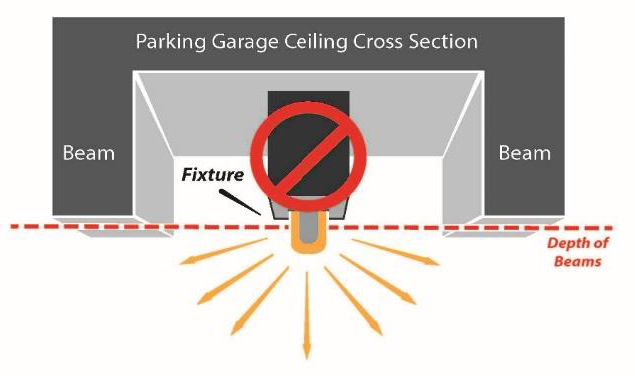
Diagram 2—Garage Structural Shielding—Parking Garage Interior Lighting (With light recessed above garage ceiling beam depth for reduced glare)
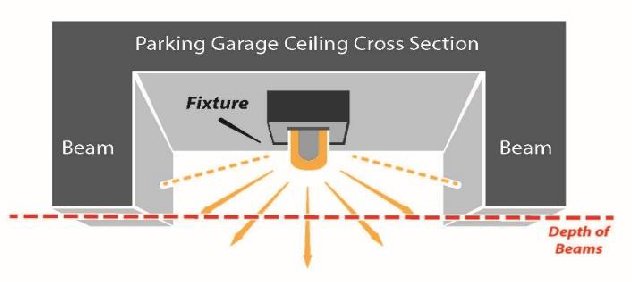
Diagram 3—Full Cut-Off Style Shielding—Parking Garage Interior Lighting (full cut-off fixture, with light shielded on all sides of fixture for reduced glare if extending below garage ceiling beams, or if parking garage does not have the exposed beam depth to adequately shield light fixture.)
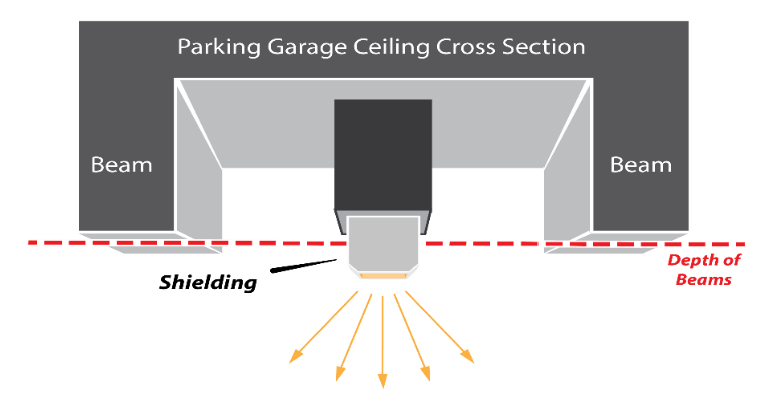
C.
For wall-mounted lighting within the interior of a parking garage structure, the wall-mounted lighting is required to consist of a full cut-off fixture, in which the light lens does not project lower than the shielding, to reduce glare.
D.
The requirements of Section 2-336 A, B, and C are not applicable for interior garage lighting located within a completely enclosed parking garage level.
(Ord. No. 2185, § 1, 1-21-2020)
Sec. 2-337. - Minimum Interior Parking Garage Lighting Illumination.
Due to the importance of safety and visibility within a parking garage, there is a need for a minimum illumination level within each interior parking garage level. A minimum of not less than 1.0 average maintained footcandles for horizontal and vertical illumination is required. A footcandle means a unit of measure for illuminance, and is equal to 1 lumen per square foot, and is further defined in Article XII, Lighting Standards, Chapter 2, of the Development Code.
(Ord. No. 2185, § 2, 1-21-2020)
Sec. 2-350.- Definitions.
A.
In this Article:
Candela means a unit of luminous intensity.
Footcandle means a unit of measure for Illuminance, and is equal to 1 Lumen per square foot.
Full Cutoff means a Luminaire's light distribution resulting in not more than 100 Candela per 1,000 Lumens projecting at all vertical angles between 80 degrees and 89.9 degrees above the Nadir, and 0 Candela per 1,000 Lumens projecting at all angles 90 degrees and above the Nadir (see Figure 2-350.A).
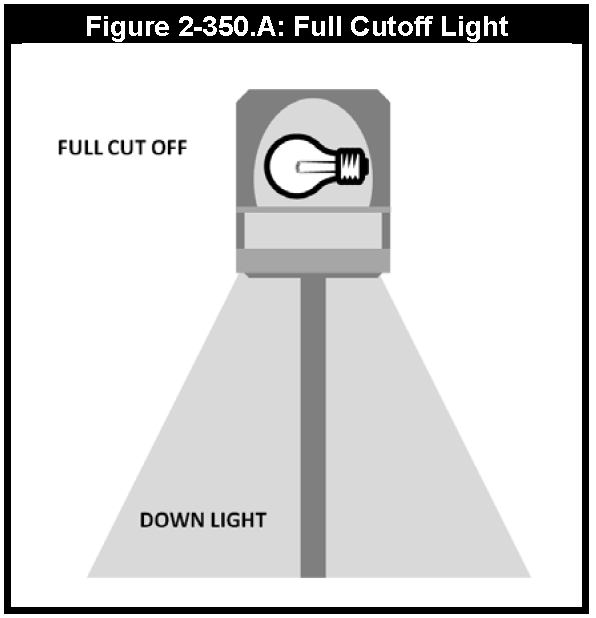
Figure 2-350.A
Illuminance means the amount of light falling on a surface and is measured in footcandles.
Lamp means a source of light, commonly referred to as a bulb.
Lumen means a unit of luminous flux.
Luminaire means the entire lighting unit, including 1 or more Lamp, reflector, refractor, diffuser, baffle, lens, and other devices to distribute the light, and parts that position and protect the Lamp and connect the lighting unit to the power supply.
Nadir means the direction pointing down from the lowest light emitting part of the Luminaire.
Night means the period of time between 30 minutes after sunset to 30 minutes before sunrise.
Vertical Illuminance means the Illuminance of a Lamp measured by a light meter with the meter's light sensor surface oriented vertically at 5 feet above the ground and facing the Lamp.
B.
General definitions may be found in Chapter 10.
Sec. 2-351. - Application.
A.
This Article applies to all Luminaires installed on non-single family Premises, including Premises that are used primarily for signage, after February 9, 2010.
B.
This Article does not apply to:
1.
Decorative holiday lighting;
2.
Airport lighting required by law;
3.
Lighting of hazardous areas to protect the public;
4.
Temporary emergency lighting;
5.
Temporary lighting at construction sites;
6.
Outdoor lighting fixtures emitting less than 1,800 lumens;
7.
Entertainment lighting that occurs only during the course of a specific event;
8.
Architectural lighting that targets specific features of a building or monument;
9.
Lighting at historic landmarks where historic lighting is used;
10.
Reasonable lighting that targets a displayed flag; and
11.
Street lights, including lighting in a public Right-of-Way.
Sec. 2-352. - Maximum Lighting Standards.
A.
On a Premises with nonresidential or multi-family uses, a Luminaire must be Full Cutoff. This subsection does not apply to a Planned Development District that is exempt from the requirements of this subsection if stated in the ordinance rezoning the property as a Planned Development district.
B.
On a Premises with nonresidential or multi-family uses, it is unlawful for a person to operate a Luminaire that has a maximum Vertical Illuminance exceeding 2 footcandles on an adjacent Premises zoned R-1E, R-1R, R-1, HR-1, R-1Z, MUC, R-3, or R-4, or an area of a Planned Development District used for residential purposes. The maximum Vertical Illuminance must be measured at 10 feet inside the adjacent Premises or area.
C.
On a Premises with nonresidential or multi-family uses, it is unlawful for a person to operate a Luminaire that has a maximum Vertical Illuminance exceeding 7.5 footcandles on an adjacent Premises zoned R-4, B-O, B-1, B-2, MUC, M-1, or M-2, or an area of a Planned Development District used for commercial or industrial purposes. The maximum Vertical Illuminance must be measured at the property line adjoining a street Right-of-Way. This subsection does not apply to a Luminaire with an Illuminance that extends across an adjoining lot where both lots have the same zoning classification.
D.
Requirements for the lighting plan are established in the Development Application Handbook.
Sec. 2-353. - Minimum Illumination Standards.
The minimum amount of maintained illuminations are as follows:
Sec. 2-360.- Definitions.
A.
In this Article:
Day means the period of time from 7:00 a.m. to 10:00 p.m.
Decibel (dB) means the logarithmic unit of measure used to describe the amplitude of sound.
dB(A) means the intensity of sound expressed in decibels read from a calibrated sound level meter utilizing the A-level weighing scale and the slow meter response.
Night means the period of time from 10:01 p.m. to 6:59 a.m.
B.
General definitions may be found in Chapter 10.
Sec. 2-361. - Application.
This Article applies to Premises zoned M-1 or M-2.
Sec. 2-362. - Maximum Noise Standards.
A.
Except as provided by Subsection (D), it is unlawful for a person to operate on a Premises zoned M-1 or M-2 a noise source that causes the noise level to exceed 65 dB(A) during the day on a Premises zoned R-1E, R-1R, R-1, HR-1, R-1Z, R-3, R-4, or MUC.
B.
Except as provided by Subsection (D), it is unlawful for a person to operate on a Premises zoned M-1 or M-2 a noise source that causes the noise level to exceed 50 dB(A) during the night on a Premises zoned R-1E, R-1R, R-1, HR-1, R-1Z, R-3, R-4, or MUC.
C.
Noise level must be determined by measuring the dB(A) taken at 10 feet inside the property line of the Premises receiving the noise.
D.
A person does not violate this Section if the noise source on a Premises zoned M-1 or M-2 does not:
1.
Exceed 5 dB(A) over the dB(A) allowed by Subsections (A) and (B) if the noise source operates at that level for less than 15 minutes in any 1-hour period;
2.
Exceed 10 dB(A) over the dB(A) allowed by Subsections (A) and (B) if the noise source operates at that level for less than 6 minutes in any 1-hour period;
3.
Exceed 15 dB(A) over the dB(A) allowed by Subsections (A) and (B) if the noise source operates at that level for less than 1.5 minutes in any 1-hour period
4.
Occur as part of the typical operation of the Premises, including mowing, construction, tree trimming, and waste removal.
Sec. 2-380.- Purpose.
The purpose of this Article is to minimize adverse effects on surrounding property owners and the general public, encourage the use of indigenous and drought-resistant plants to conserve water, and ensure that high quality development is maintained throughout the community. Landscaping can provide shade and improve stormwater quality by mitigating runoff. This Article intends to facilitate a positive image by promoting quality development, enhancing property values, and providing landscape improvements in all parts of the City. For the purpose of landscaping, the City falls within Zone 9 of the United States Department of Agriculture (USDA) Hardiness Zone Map.
Sec. 2-381. - Application and Exceptions.
A.
The landscaping requirements of this Article apply to:
1.
In all zoning districts, except the HR-1: Any premises on which construction occurs for which a building permit is required, except as follows:
a.
The restoration of a Building with a historic designation;
b.
The remodeling of the interior of a Building or the facade of a Building that does not alter the location of exterior walls; or
c.
The expansion of a Single-Family or 2-Family Dwelling.
2.
In the HR-1 zoning district: Any premises with a Nonresidential Use or a Residential Use, except where stated, on which construction occurs for which a building permit is required, including the expansion of a Single-Family or 2-Family Dwelling, or on which demolition of an entire Single-Family Dwelling occurs for which a demolition permit is required, except as follows:
a.
The restoration of a Building with a historic designation; or
b.
The remodeling of the interior of a Building or the façade of Building that does not alter the location of exterior walls.
B.
Whenever this Article imposes a requirement based on the classification of a Premises as a Residential or Nonresidential Use, the requirement shall also apply to the portions of a Premises used for Residential Uses and Nonresidential Uses located in a Planned Development (PD) District, as defined by the PD ordinance or determined by the Director.
(Ord. No. 2237, § 32, 7-20-21)
Sec. 2-382. - Landscape Plan Required, Deviations, and Appeals.
A.
For any premises that must comply with this Article, a landscape plan must be submitted to the City showing how the requirements of this Article are to be met. The required plan must be submitted in the form and manner specified by the Director and the Development Application Handbook. If the plan meets the requirements of this Article, the Director may approve the plan.
B.
Where improvements are proposed to a developed premises devoted to a Nonresidential Use that was developed prior to September 23, 1997 and does not meet the landscaping requirements of this Article, the Director may approve a landscape plan with deviations from the requirements of this Article or impose alternative requirements that serve the purpose and intent of this Article, if the requirements of this Article cannot be reasonably complied with because of the existing developed conditions.
C.
In approving a landscape plan, the Director may allow or require minor deviations from the requirements of this Article whenever a literal application of a requirement to a premises would, because of unusual circumstances or situations not generally common to other premises, not achieve the purpose or intent of the regulation or cause an absurd result. In making a determination to approve an alternate landscaping plan, the Director may consider criteria such as:
1.
The hardiness of landscaping proposed to replace other landscaping;
2.
The relocation of landscaping within the site due to special or unique circumstances, (e.g. relocation due to utility easements); and
3.
The preservation of existing Protected Trees on a site.
D.
To protect the public infrastructure and public safety, the City may adopt written guidelines on planting and maintaining Trees in the public Right-of-Way. The Director may deny any landscape plan that does not comply with the adopted guidelines.
E.
An applicant may appeal to the Zoning Board of Adjustment the Director's:
1.
Decision that a landscape plan does not meet the requirement of this Article;
2.
Refusal to approve a deviation from a requirement; or
3.
Decision imposing an alternative requirement.
Sec. 2-383. - Compliance Requirements.
A.
All landscaping requirements of this Article, including the requirements contained in an approved landscape plan, must be met prior to and as a condition for the issuance of a Certificate of Occupancy for any premises to which these regulations apply. If weather conditions, scheduling delays, or similar conditions delay compliance, the Director may grant a temporary Certificate of Occupancy if the owner or person in control of the premises enters into an agreement with the City agreeing to comply with the landscaping requirements within a specified time.
B.
All vegetation required to be installed must, after installation, be maintained in good condition. If the required vegetation becomes diseased, deteriorated, or dies, the owner of the premises must replace the vegetation within 90 days of written notice from the City.
C.
All Fences required by this Article must be maintained by the owner in good condition so that there are no damaged or missing boards or parts, all structural supports are sound and sufficient to maintain the Fence in its original upright condition, and any surface treatment, including paint and stucco, is substantially maintained in its original appearance so that there is no noticeable cracking, discoloration, or similar surface blemishes or defects.
Sec. 2-384. - Residential Front Yard Landscaping Requirements.
For all premises outside of the Lake Point Redevelopment District with Residential uses, not including multifamily uses, the premises must have 1 Shade Tree within the area between the Principal Building and front Property Line for each 50 feet of Lot Width or portion thereof, measured along the Front Lot Line. Trees may be clustered or spaced linearly and need not be placed evenly at 50 foot intervals.
(Ord. No. 2237, § 33, 7-20-21; Ord. No. 2339, § 15, 6-6-24)
Sec. 2-385. - Nonresidential and Multi-Family Use Landscaping Requirements.
The following landscape and screening requirements apply to every premises developed for Multi-Family Dwellings or a Nonresidential Use:
1.
All portions of the ground located in the Front Yard or the Street Side Yard of the premises which are not covered by driveways, Parking Lots, and similar permanent improvements must be Landscaped.
2.
All plants used to satisfy the requirements of this section must be located in Landscaped Areas at least 2½ feet in width.
3.
Nonresidential and Multi-family Perimeter Landscaping Requirements are as follows:
4.
All Side Yards must contain a minimum 6-foot wide Landscaped Area extending from the Front Lot Line to the Rear Lot Line.
5.
All Rear Yards must contain a minimum 6-foot wide Landscaped Area extending from the Side Lot Line to the Side Lot Line.
6.
Properties containing a Primary Access Easement require a minimum 15-foot wide Landscaped Area adjacent to the Primary Access Easement. Landscaped Areas may include required sidewalks and adjacent clear area.
Sec. 2-386. - Interior Parking Lot Landscaping Requirements.
Any premises containing a Parking Lot that has more than 10 Parking Spaces must meet the following landscaping requirements for the Parking Lot:
1.
For each 20 Parking Spaces, or fraction thereof, Landscaped Areas containing a total of at least 162 square feet must be provided within the Parking Lot. Landscaped Areas or islands must be a minimum of 6 feet in width and a minimum of 6 feet in length, measured from back of the curb, and be dispersed throughout the Parking Lot. Landscaped Areas may be configured in islands or peninsulas within the parking lot. One shade Tree must be provided for every 162 square feet of required Landscaped Area for interior Parking Lots. The remaining area or island must be Landscaped with plants or ground cover not exceeding 3 feet in Height.
2.
Landscaped islands must be protected from vehicle intrusion by curbs or similar Structures. The front of a vehicle may encroach upon the Landscaped island when the area is a minimum of 6 feet in depth and protected by wheel stops or curbs. Two feet of the Landscaped Area may be counted as part of the required depth of the abutting Parking Space.
Sec. 2-387. - Screening Requirements.
The following landscape and screening requirements apply to every premises used for Multi-Family Dwellings or a Nonresidential Use:
1.
Areas used to hold refuse containers must be screened from public view with a solid enclosure, constructed with brick, stone, split-face block, or concrete panel, not less than 6 feet in Height. Enclosure doors must have a steel frame and opaque doors made of wood, or factory-coated or painted metal. Refuse containers may not be located within a required Landscaped Area.
2.
Exterior ground-mounted or building-mounted equipment to serve a Building, including mechanical equipment, utility meter banks, and heating or cooling equipment must be screened from public view with landscaping or with an architectural treatment compatible with the Building architecture. If landscaping is used to meet screening requirements, shrubs planted must be at least 50% of the height of the equipment being screened and must be planted on triangular centers (see Figure 2-387.A).
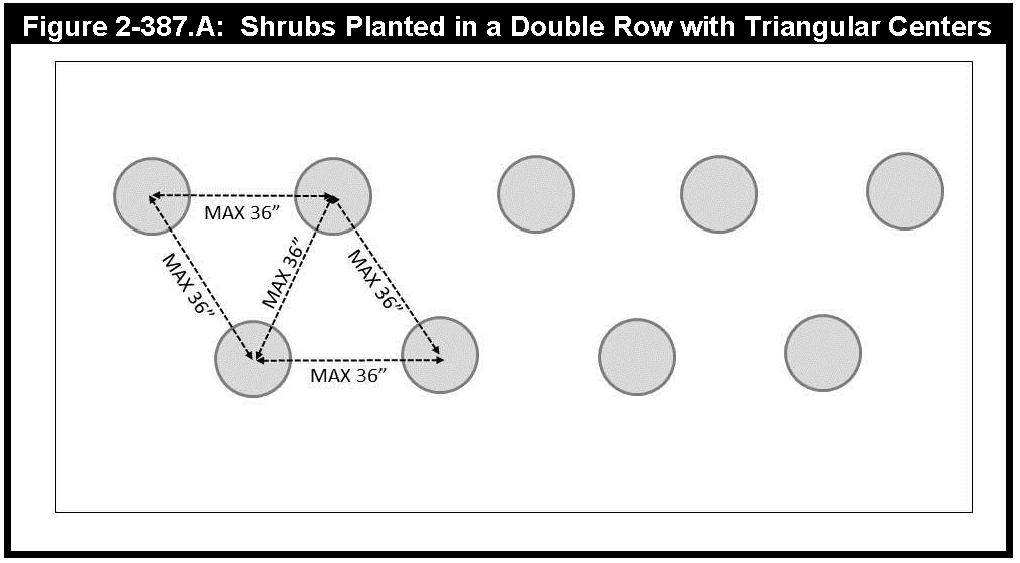
Figure 2-387.A
3.
All rooftop equipment must be screened from public view with an architectural treatment which is compatible with the Building architecture. The methods of screening rooftop equipment include the use of parapet walls and the encasement of partition screens.
4.
All materials, products, or equipment which are stored outside of a fully-enclosed Building, other than for display, must be entirely screened from public view. If landscaping is used to meet screening requirements, at planting the shrubs or hedges must be at least 50% of the height of the materials, products, or equipment being screened, and must be planted on triangular centers. (See Figure 2-387.A)
5.
For purposes of this section, "screened from public view" means not visible at eye level at grade from any point on an adjacent Street and the lesser of:
a.
Any point on the Lot Line of the abutting premises; or
b.
A maximum of 1,000 feet from the building.
6.
Additional solid waste regulations are located in Chapter 3 of the Code of Ordinances.
Sec. 2-388. - Tree Preservation.
A.
This section does not apply to Residential Uses in the HR-1 District. See Section 2-160 Tree Regulations.
B.
The landscape plan required by this Article must show the location of all Protected Trees, wooded areas, areas with dense shrubbery, and which Trees and plants will be preserved and which will be removed. Protected Tree means a hardwood tree having a minimum caliper size of 8 inches or greater, as measured 4½ feet above ground level. Hardwood trees include elms, oaks, maples, pecan, and sycamore, as well as any trees listed as Shade Trees in Table 2-390.1 or identified as hardwoods by the Texas A&M Forest Service.
C.
Improvements must be designed whenever reasonably possible to preserve a Protected Tree. The Director may approve a landscape plan that provides for the removal of a Protected Tree where the Director determines that the development cannot reasonably preserve the Protected Tree. For each Protected Tree that is preserved, the owner may receive credit for 2 Trees that are otherwise required to be installed to comply with this Article.
D.
If the Director approves the removal of a Protected Tree, the landscape plan must provide for the planting of 2 replacement Trees of like type for each Protected Tree to be removed. The replacement Trees are in addition to any other Trees required to be planted under this Article.
E.
Whenever 1 or more existing Trees, whether Protected Trees or otherwise, or existing Shrubs provide an effective and desirable buffer or screen for a proposed use or development, the Director may require that existing Trees or Shrubs or portions thereof, be preserved if the preservation can be accomplished without undue interference with the development of the premises. The Director will credit any existing Trees or Shrubs which are preserved against any requirements for Trees, Shrubs, or screening as provided in this Article, if the preserved Trees or Shrubs substantially serve the purpose of the requirement.
(Ord. No. 2237, §§ 34, 35, 7-20-21)
Sec. 2-389. - Design Planting Criteria and Measurement.
A.
This section does not apply to Residential Uses in the HR-1 District. See Section 2-160 Tree Regulations.
B.
All portions of the ground located in a required Yard of the premises which are not covered by driveways, Parking Lots, and Similar permanent improvements, must be Landscaped.
C.
Landscaped Areas will include required Parking Lot screening and required Trees. Landscaped Areas shall be measured from the property line unless along a shared access such as a Primary Access Easement where the Landscape Area is measured from the back of curb. See Section 2-385 for landscaping requirements for each zoning district and adjacent to Primary Access Easements.
D.
Any Tree, Shrub, plant, Fence, or screen installed to satisfy the requirements of this Article must meet the following requirements:
1.
All plants used to satisfy the requirements of this Article must be located in Landscaped Areas that are at least 2½ feet wide.
2.
Trees must be a minimum of 7 feet in overall Height and must have a minimum of 2½ inch caliper immediately after planting. Tree caliper is measured 6 inches from natural ground level.
3.
Any Trees or plants used to meet the requirements of this Article must be 1 of the approved Trees or plants listed in Sec. 2-390, unless otherwise approved by the Director.
4.
Trees planted adjacent to a sidewalk shall be planted a minimum of 6 feet from the edge of sidewalk pavement, unless an approved root barrier system is provided.
5.
Shrubs must be a minimum of 2 feet in Height when measured immediately after planting. When used for screening purposes, Shrubs must be planted in a double row with triangular centers and not be separated by more than 3 feet (see Figure 2-387.A.). Whenever shrubs are used to meet a screening requirement, the plants must be planted and maintained so as to form a continuous, unbroken, solid, visual screen within 1 year of planting, unless providing for an intersecting sidewalk. If providing an intersecting sidewalk, a hedge may be disrupted if the sidewalk meets the minimum sidewalk requirements indicated in the Design Standards.
6.
Vines must be a minimum of 30 inches in Height immediately after planting and may be used in conjunction with Fences to meet physical barrier requirements.
7.
Ground covers used in lieu of grass, in whole or in part, must be planted to present a finished appearance and reasonable complete coverage within 3 months after planting.
8.
Grass must be of a species normally grown as permanent lawns in the Texas Gulf Coast Region. Solid sod must be used to provide coverage and soil stabilization in swales or other areas subject to erosion. In areas where other than solid sod is used, annual grass seed must be sown for immediate effect and protection until coverage is achieved.
9.
Detention and retention basins and ponds must be Landscaped with shade and ornamental Trees, evergreens, shrubbery, hedges or other plants. Additional regulations are located in the Design Standards.
10.
When indigenous and drought resistant plants are used, an irrigation system is not required. However, prior to initial planting, a plan for watering landscaping must be provided. If indigenous or drought resistant plants are not used, an irrigation system must be installed or a watering source made available within 150 feet.
11.
Any Fence installed to meet the requirements of this Article must, unless otherwise specified, be constructed of wood, stone, brick, masonry, stucco, or concrete. Wire-type fencing of any kind may not be used for screening purposes, except in M-1 and M-2 districts. Wire-type fencing may be used for screening outside materials, products or equipment in M-1 and M-2 if:
a.
The fence has a factory coated finish, and is a chain link fence with interwoven metal, High Density Polyethylene slats or other equivalent material that create and maintain a continuous opaque visual barrier;
b.
The fence is not located within a required front yard; and
c.
Shrubs or hedges are provided along any portion of the fence that is visible from any point along a public street right-of-way except screening gates across driveways. The shrubs or hedges shall be planted on triangular centers and shall be a minimum of 3 feet in height at planting, and shall be maintained at a minimum of 4 feet in height at full growth.
12.
Where a pedestrian or bicycle facility is located within a Landscaped Area, the Landscaped Area must be a minimum continuous width of 6 feet (see Figure 2-389.A).
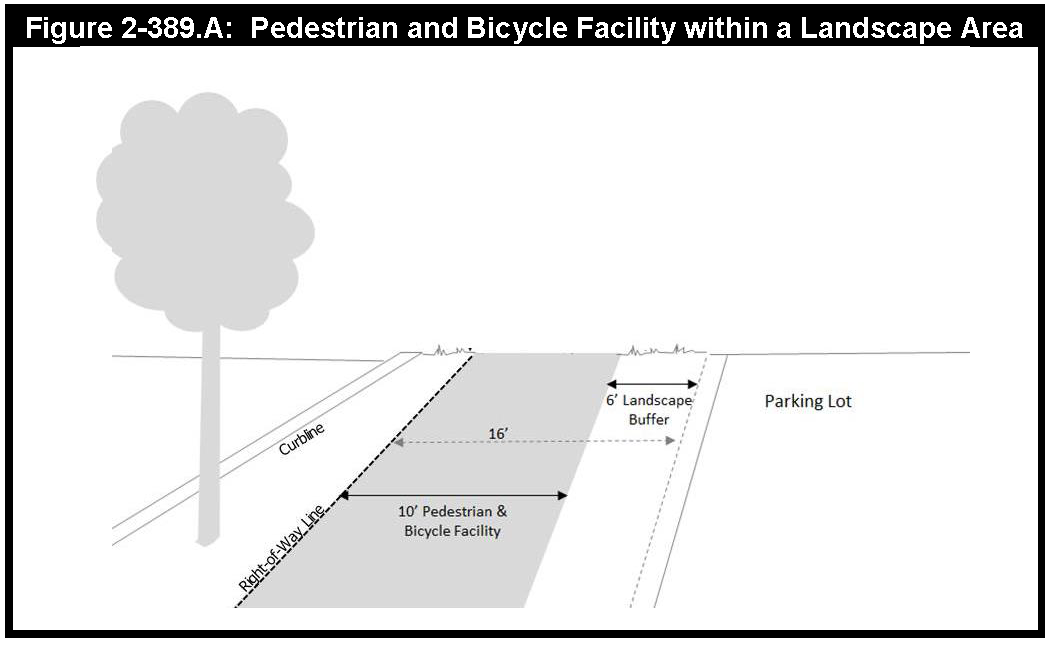
Figure 2-389.A
(Ord. No. 2237, §§ 36, 37, 7-20-21)
Sec. 2-390. - Approved Landscape Materials.
The following is a list of approved landscaping materials:
Sec. 2-1. - Short Title.
The provisions of this Chapter may be referred to or cited as the "zoning regulations".
Sec. 2-2. - Application and Exceptions.
These zoning regulations apply to all land located within the City's corporate limits, except as follows:
A.
These zoning regulations do not apply to a Building, Structure, or land owned or leased by the City, the State of Texas, or the United States, or an agency thereof.
B.
Except as otherwise specifically provided for in this Chapter, this Chapter does not apply to the erection, construction, alteration, or maintenance of cables, conduits, lines, wires or vaults, or similar equipment lawfully installed and maintained by a Public Utility. This exemption does not apply to Buildings, Structures, or communication towers constructed by, owned, or controlled by a Public Utility.
Sec. 2-3. - Comprehensive Plan.
It is the intention of the City that these zoning regulations implement the policies adopted by the City, as reflected in the Comprehensive Plan. All zoning amendments must conform to the Comprehensive Plan.
Sec. 2-4. - Violations and Penalties.
A.
It is unlawful for any person to knowingly, intentionally or recklessly violate, or cause or allow any other person under his or her control or authority to violate, any provision or requirement of these zoning regulations.
B.
In particular, it is unlawful for any person:
1.
To make use of any Premises for a purpose other than what is permitted in the zoning district in which the Premises is located;
2.
To erect, convert, enlarge, reconstruct, or structurally alter any Building or Structure for a purpose other than what is permitted in the zoning district where the Building or Structure is located;
3.
To construct or alter any Building unless the Building is located on a Lot platted in accordance with the regulations of the City;
C.
The violation of any provision of these zoning regulations is unlawful and may be punished by a fine not to exceed $2,000.00 for each offense. Each day a violation occurs is a separate offense.
Sec. 2-5. - Interpretation.
If any provision of these zoning regulations imposes a higher standard than that required by any other City regulation or if there is a conflict between the provisions contained in these zoning regulations, and the provisions of any City regulation, actions shall be in accordance with Section 1-8 (Conflicts) of this Code.
Sec. 2-6. - Site Plan Packages.
A.
Site Plan Packages for all nonresidential, townhome, triplex, fourplex, sixplex, and multi-family developments in the City shall be submitted for review and approval prior to the issuance of applicable building or foundation permits. The purpose of submittal of the Site Plan Package is to allow a Development Review Committee (DRC) of City staff to review for land use, traffic, utilities, environmental issues, and the property's relationship to adjoining properties. The review shall include, but is not limited to, plat status, zoning compliance, building lines, landscaping, screening, parking, driveway locations, connections to existing utilities, and drainage. The Site Plan Package shall illustrate that the development complies with this Code and the Design Standards. Where a phased development or redevelopment is proposed, the site plan area shall include the entire platted lot from which the phase is being developed. Requirements for Site Plan Package submittals within the extraterritorial jurisdiction (ETJ) are covered in Chapter 5 (Subdivision Regulations).
B.
Approval of the Site Plan Packages shall expire unless additional permits for the Project are obtained within 1 year from the date of approval of the Site Plan Package. The Director may, upon written application, grant a 1-year extension of time to make use of the Site Plan Package.
(Ord. No. 2373, § 2, 5-9-25)
Sec. 2-7. - Development Review Committee.
A.
A Development Review Committee (DRC) of City staff shall be organized to ensure compliance of platting and site plan applications with the Development Code, Design Standards, Development Application Handbook, and all other codes of the City. In addition, the DRC will review pre-development submittals including zoning changes, Conditional Use Permits, and Variances and ensure coordination with other departments and divisions involved in the development process. The DRC is co-chaired by the Director of Planning or the Director's designee and the City Engineer or the City Engineer's designee. The DRC also reviews development submittals within the extraterritorial jurisdiction (ETJ) within the purview of Chapter 5 (Subdivision Regulations), Chapter 6 (Design Standards), and any applicable Development Agreements for specific properties.
B.
Requirements for the form and manner of application submittals, including graphic requirements, shall be set forth by the Planning Department in the Development Application Handbook.
Sec. 2-11. - Annexation and Permanent Zoning.
A.
Land annexed to the City will be permanently zoned following annexation. The procedure for original permanent zoning is as follows:
1.
The Commission will make a report to the City Council recommending the zoning classifications for the land annexed;
2.
The Council will hold a public hearing on the proposed original permanent zoning, notice of the time and place of which have been published in the official newspaper or a newspaper of general circulation in the City before the 15th day before the date of the public hearing. After the public hearing, the City Council may, by ordinance, permanently zone the annexed property.
B.
All territory annexed to the City is temporarily classified as a R-1-I district (Interim Standard Single-Family Residential), unless the City Council designates a different temporary zoning classification in the annexation ordinance. As soon as practical after annexation, permanent zoning shall be adopted. The building official may issue permits for the construction of buildings and structures in any annexed territory if the proposed use is allowed under the temporary district classification. If the use is not allowed under the temporary district classification, the building official shall submit the proposed use to the City Council for approval or denial, after receiving the recommendation of the Planning and Zoning Commission.
Sec. 2-12. - Rezoning.
The following procedures apply to rezoning land:
1.
Initiation. A rezoning may be initiated by the Director, by direction of the Commission or Council, or by the landowner filing an application with the Director.
2.
Commission Hearing and Report. The Commission will hold a public hearing on each proposed rezoning, for which notice of the time and place of the hearing has been published in the official newspaper or a newspaper of general circulation in the City before the 15th day before the date of the public hearing. Notice must be given as required by law to owners of any premises located within 200 feet of the land subject to the rezone. After the public hearing, the Commission will make a recommendation to the Council for denial or approval of the request. A tie vote on a request for a rezoning is deemed to be the Commission's recommendation that the requested rezoning be denied. If the Commission recommends denial, the application may not be submitted to the Council for consideration unless the applicant files a written request with the Director within 30 days of the date of denial asking that the Council consider the request.
3.
City Council Hearing and Action. After receiving a recommendation from the Commission, the City Council must hold a public hearing on the rezoning request, for which notice of the time and place of the hearing has been published in the official newspaper or a newspaper of general circulation in the City before the 15th day before the date of the public hearing, or as provided by state law. Notice must be given to owners of any premises located within 200 feet of the land subject to the rezone. After the close of the public hearing, the City Council may approve or deny the request, return it to the Commission for further consideration, or take whatever other action the Council deems appropriate. The affirmative vote of at least ¾ of all members of the Council is required to:
a.
Overrule the Commission's recommendation that a proposed rezoning be denied; or
b.
Approve a rezoning, if the City receives, as provided by state law, a written and signed petition from adjoining landowners protesting the change.
4.
The 200-foot notice provisions in paragraphs 2 and 3 do not apply to a comprehensive rezoning of land within the City.
5.
Joint Hearings. The City Council may hold a joint public hearing with the Commission on a rezoning request as provided for by state law. In case of a joint hearing, the City Council may not act on the request until it receives the report of the Commission.
6.
Reconsideration. An application for a rezoning that is denied by the Council, or which is withdrawn by an applicant after the Commission makes a report recommending denial, may not be again submitted for filing with the Director within 6 months of the Commission recommendation or Council denial, except upon the consent of the City Council.
Sec. 2-13. - Text Amendment.
Amendments to the text of the provisions of these regulations may be initiated by the Director, Commission, or the Council. The Commission must make a recommendation on any proposed amendment to the Council. Before taking any action on the proposed amendment, the Council must hold a public hearing, for which notice of the time and place have been published in the official newspaper or a newspaper of general circulation in the City at least 15 days prior to the hearing date, or as provided for by state law.
Sec. 2-19. - Purpose.
A Conditional Use Permit is a process by which a particular use is reviewed in relation to a specific site to determine whether the proposed use, with or without the imposition of conditions, is appropriate for the Premises.
Sec. 2-20. - Site Plans Required.
In addition to the required application, the applicant must submit site plans in the form and manner specified by the Director and in the Development Application Handbook, showing the details of the proposed use and its relationship to surrounding properties.
Sec. 2-21. - Review Process.
The following procedures apply to Conditional Use Permits (CUP):
1.
Commission Hearing and Report. The Commission will hold a public hearing on the proposed CUP, for which notice of the time and place of the hearing has been published in the official newspaper of general circulation in the City before the 15th day before the date of the public hearing. Notice must be given as required by law to owners of any Premises located within 200 feet of the land subject to the CUP. After the public hearing, the Commission will make a recommendation to the Council for denial or approval of the request. A tie vote on a request for a CUP is deemed to be the Commission's recommendation that the requested change be denied. If the Commission recommends denial, the application may not be submitted to the Council for consideration unless the applicant files a written request with the Director within 30 days of the date of denial asking that the Council consider the request.
2.
City Council Hearing and Action. After receiving a recommendation from the Commission, the City Council will hold a public hearing on the CUP request, for which notice of the time and place of the hearing has been published in the official newspaper or a newspaper of general circulation in the City before the 15th day before the date of the public hearing, or as provided by state law. Notice must be given to owners of any premises located within 200 feet of the land subject to the CUP. After the close of the public hearing, the City Council may approve or deny the request, return it to the Commission for further consideration, or take whatever other action the Council deems appropriate. The affirmative vote of at least ¾ of all members of the Council is required to:
a.
Overrule the Commission's recommendation that a proposed CUP be denied; or
b.
Approve a Conditional Use Permit, if the City receives, as provided by state law, a written and signed petition from adjoining landowners protesting the change.
3.
Joint Hearings. The City Council may hold a joint public hearing with the Commission on a CUP request as provided for by state law. In case of a joint hearing, the City Council may not act on the request until it receives the report of the Commission.
4.
Reconsideration. An application for a CUP that is denied by the Council, or which is withdrawn by an applicant after the Commission makes a report recommending denial, may not be again submitted for filing with the Director within 6 months of the Commission recommendation or Council denial, except upon the consent of the City Council.
5.
Conditional Use Permit for a School. For an application for a CUP for a school (SIC No. 8211), the notice to property owners for the hearing before the Commission shall be given to the owner of any premises located within that distance by which a city may, by ordinance, prohibit the sale of alcoholic beverages by a dealer from a church, public school, or public hospital, as set forth in Section 109.33 of the Texas Alcoholic Beverage Code, as amended.
(Ord. No. 2339, § 2, 6-6-24)
Sec. 2-22. - Standard of Review.
In reviewing the application, the Commission and Council will consider the impact the proposed use would have on surrounding premises and the community, including traffic, noise, compatibility, and land use intensity; any conditions or restrictions that could mitigate any adverse impact; and other matters that are relevant to a determination of whether the use would be a compatible and appropriate use of the premises.
Sec. 2-23. - Conditions.
The Commission may recommend, and the Council may impose, reasonable conditions and restrictions in the granting of a permit to mitigate any adverse impacts of the proposed use. The conditions must be specified in the ordinance approving the permit.
Sec. 2-24. - Council Action.
A Conditional Use Permit is approved by the Council's adoption of an ordinance. All site plans, conditions and restrictions applicable to the permit must be incorporated into the ordinance approving the permit. The permit may be shown on the zoning map in the manner specified by the Director. A permit granted under this Article runs with the land.
Sec. 2-25. - Expiration.
Unless specified otherwise in the ordinance granting the permit, the Conditional Use Permit terminates if:
1.
A Building Permit application for construction of the use authorized by the ordinance has not been obtained within 2 years of the date of the ordinance granting the CUP; or
2.
A Building Permit application to fully construct all phases of the uses authorized by the ordinance granting the CUP has not been submitted within 5 years of the date of the ordinance granting the CUP.
The Council may, upon receiving written application and after receiving the recommendation of the Commission, grant an extension of time to make use of the CUP.
Sec. 2-26. - Revocation.
A CUP may be revoked by the City Council if any of the terms of the CUP are violated. The same procedures used in granting the CUP, including notices and hearings, must be followed in any revocation proceeding.
Sec. 2-27. - CUP Amendments.
Except as herein provided, an amendment to a CUP will be processed in the same manner as required for initial approval of the CUP. The Director may approve minor amendments to a CUP to correct errors, make adjustments, or other minor revisions that do not:
1.
Change the total square footage of each building by more than the lesser of 10% or 2,500 square feet;
2.
Substantially alter the arrangement of Buildings, increase the number of Buildings, change the use of Building space, or reduce a required Yard or Setback;
3.
Increase the Height of Buildings;
4.
Substantially alter the vehicular circulation or placement of Parking Lots; or
5.
Reduce Open Space or Landscape Areas.
(Ord. No. 2339, § 3, 6-6-24)
Sec. 2-32. - Initiating an Appeal.
Any person specified by state law may appeal an administrative official's decision on a zoning regulation to the Board of Adjustment. An appeal is filed by the applicant submitting a completed notice of appeal, within the time established by the rules of the Board, along with the required fee, to the Director on a form provided for that purpose. The notice of appeal must contain a statement of the reasons the party appealing believes the decision appealed is not a correct decision.
Sec. 2-33. - Proceedings Stayed.
The proper filing of an appeal stays all proceedings in furtherance of the action that is appealed, unless the official from whom the appeal is taken certifies in writing to the Board facts supporting the official's opinion that a stay would cause imminent peril to life or property. In that case, the proceeding may be stayed only by a restraining order granted by the Board or a court of record on application, after notice to the official, if due cause is shown.
Sec. 2-34. - Public Hearing.
The Director will schedule a public hearing on the appeal before the Board of Adjustment. Written notice of the time and place of the hearing must be published in the official newspaper or a newspaper of general circulation in the City before the 10th day before the date of the public hearing. Notice must be given as required by law to owners of any premises located within 200 feet of the land subject to the appeal.
Sec. 2-35. - Burden of Proof.
The burden of establishing that the decision appealed was wrong is on the party bringing the appeal.
Sec. 2-36. - Board Decision.
After the close of the public hearing, the Board may reverse or affirm, in whole or in part, or modify the administrative official's decision from which an appeal is taken and make the correct decision. A vote to reverse or modify the administrative officer's decision requires a vote of 75% of the members of the Board.
Sec. 2-42. - Application.
A person requesting a Variance to any provision of the zoning regulations must submit an application to the Director on a form provided for that purpose, along with the required fee. The Director may require that the applicant submit any additional information necessary to undertake a complete analysis and evaluation of the Variance request and to determine whether the circumstances prescribed for the granting of a Variance exist.
Sec. 2-43. - Report of Director.
The Director will review the application and information submitted and prepare and file a report thereon with the Board, a copy of which must be given to the applicant at least 5 business days before the public hearing.
Sec. 2-44. - Public Hearing.
After receiving a proper application, the Director will schedule a public hearing on the Variance before the Board. Written notice of the time and place of the hearing must be published in the official newspaper or a newspaper of general circulation in the City before the 10th day before the date of the public hearing. Notice must be given as required by law to owners of any Premises located within 200 feet of the land subject to the Variance.
Sec. 2-45. - Board Decision.
After the public hearing, the Board may, by the affirmative vote of 75% of its members, grant a variance to the terms of these zoning regulations if the Board finds:
1.
The Variance is not contrary to the public interest, and
2.
There are special circumstances or conditions applying to the land or building for which the Variance is sought,
3.
A literal enforcement of the ordinance would result in unnecessary hardship; and
4.
If granted, the spirit of the ordinance is observed and substantial justice is done.
Sec. 2-46. - Authority.
The Zoning Board of Adjustment may authorize a Special Exception to the residential setback requirements of Chapter 2 (Zoning Regulations).
Sec. 2-47. - Application for a Special Exception.
A person may file an application for a Special Exception with the Director, along with the required fee. The applicant must provide the following information:
1.
The name and address of the applicant;
2.
The address and legal description of the property;
3.
The date the property became subject to the City's zoning or extraterritorial jurisdiction;
4.
If the property was annexed, the date the property was annexed into the City;
5.
A site plan showing the proposed location of the structure;
6.
A copy of the recorded plat of the property;
7.
A copy of the recorded covenants and restrictions for the property; and
8.
Other information requested by the Director that may be necessary to evaluate the request.
Sec. 2-48. - Report of Director.
The Director will review the application and information submitted and file a report with the Board, a copy of which will be given to the applicant at least 5 business days before the public hearing.
Sec. 2-49. - Public Hearing.
The Director will schedule a public hearing on a completed application for a Special Exception before the Board. Written notice of the time and place of the hearing must be published in the official newspaper or a newspaper of general circulation in the City before the 10th day before the date of the public hearing. Notice must be given as required by law to owners of any premises located within 200 feet of the land subject to the special exception.
Sec. 2-50. - Board Decision.
A.
After the public hearing, the Board may, by concurrence of 75% of its members, grant a Special Exception to a residential setback required by Chapter 2 if the Board finds that:
1.
The latest recorded plat of the property was approved prior to being annexed into the City;
2.
The latest recorded plat or other recorded restriction for the property establishes a setback, or other regulation that results in a setback, that is less restrictive than the setback required by Chapter 2;
3.
Granting the Special Exception will not establish a setback that is less restrictive than the setback established by the latest approved plat or other recorded restriction; and
4.
Granting the Special Exception will not be detrimental to the public welfare or injurious to the property or improvements in the district or neighborhood in which the property is located.
B.
To ensure that the granting of a Special Exception will not be detrimental to the public welfare or injurious to the property or improvements in the district or neighborhood in which the property is located, the Board may as part of its decision to grant a Special Exception:
1.
Impose reasonable conditions or restrictions; and
2.
Grant a setback between the setback requested and the setback currently established in the residential zoning district.
Sec. 2-51. - Establishment of Districts.
A.
Standard Districts. Land within the corporate City limits is divided into the following standard zoning districts:
B.
Special Districts. Land within the corporate City limits is divided into the following special zoning districts:
C.
Overlay Districts. The following overlay zoning districts may be applied to the base zoning districts set forth above:
(Ord. No. 2201, § 1(Exh. A), 7-21-20; Ord. No. 2304, § 2(Exh. A), 5-2-23; Ord. No. 2325, § 2, 12-19-23; Ord. No. 2357, § 2, 1-7-25)
Sec. 2-52. - Official Zoning Map.
The location and boundaries of the various zoning districts are shown on the official zoning map, which is available on the City's website. The Director is responsible for custody of the map and will promptly make any changes thereon approved by the City Council. The provisions of an ordinance establishing a district, amending a district classification, amending a district boundary, or granting a Conditional Use Permit controls over any conflicting information shown on the official zoning map.
Sec. 2-53. - Interpretation of District Boundaries.
Where uncertainty exists with respect to the boundaries of any of the districts shown on the official zoning map, the following rules apply:
1.
The adopted ordinance with the surveyed legal description may be used for verification purposes of the district boundaries.
2.
Where district boundaries are so indicated that they approximately follow the center lines of Streets, highways, watercourses or waterbodies, the Street center lines, highway Rights-of-Way lines, watercourse lines, or waterbody lines are construed to be the boundaries.
3.
Where district boundaries are so indicated that they approximately follow the Lot Lines, the Lot Lines are construed to be the boundaries.
4.
In areas not subdivided into Lots and blocks, wherever a district is indicated as a strip adjacent to and parallel to a Street or Highway, the depth of the strips will be in accordance with dimensions shown on the maps measured at right angles from the centerline of the Street, Highway, or railroad Right-of-Way, and the length of the frontage will be the dimensions shown on the maps from section, quarter-section, or division lines or center lines of Streets, highways, or railroad Rights-of-Way unless otherwise indicated.
5.
Whenever any Street, Alley, or other public way is vacated by official action of the City Council, the zoning district adjoining each side of the Street, Alley, or public way will be automatically extended to the center of the vacation.
6.
Where the Streets or Alleys on the ground differ from the Streets or Alleys as shown on the zoning map, the Streets or Alleys on the ground control.
7.
The Director shall make interpretations of the official zoning map.
Sec. 2-54. - Use of Land and/or Buildings.
A.
The use of land and/or buildings shall be in accordance with those listed in this Article for each zoning district. No land or building shall hereafter be used and no building or structure shall be erected, altered, or converted other than for those uses specified in the zoning district in which it is located or for activities consistent with the nonconforming provisions of Article VI. - Nonconforming Uses.
B.
An Accessory Use may not be established on any Lot prior to the establishment of the Principal Use.
(Ord. No. 2149, § 3, 2-19-2019)
Sec. 2-55. - Key to Permitted Uses and Parking Schedule Tables.
The key for determining uses in the Permitted Uses and Parking Schedule Tables established in Section 2-71 and Section 2-91 is as follows:
A.
Permitted Use: [P]. Designates uses permitted by right in the district indicated.
B.
Permitted Use with Supplemental Regulations: [P(N)]. Designates uses permitted by right in the district indicated, so long as they comply with the Supplemental Regulations found at the end of the table.
C.
Conditional Use: [C]. Designates a use that may be permitted in the district by an approved conditional use permit.
D.
Conditional Use with Supplemental Regulations: [C(N)]. Designates uses that may be permitted in the district by an approved conditional use permit and must also comply with the Supplemental Regulations found at the end of the table.
E.
Prohibited Uses: [ ]. Indicates a use that is not permitted in the district.
F.
Residential Proximity Conditional Use: [*]. Indicates a district wherein a conditional use permit is required for uses in specified circumstances, as follows:
1.
A conditional use permit is required for the establishment or expansion of a nonresidential use located on property that abuts a single-family residential lot located in a single-family residential district, except as provided below.
2.
A conditional use permit is not required in the following circumstances:
a.
Remodeling an existing building (with no expansion of the building);
b.
Expanding a use within an existing building (with no expansion of the building);
c.
Adding to an existing building when:
(1)
The closest exterior building wall of the new expansion is at least 100 feet from the abutting single-family residential property line; and
(2)
The total height of the addition does not exceed 35 feet, from ground level to the top of highest portion of the building (inclusive of parapets); and
(3)
The area of the expansion is not greater than 25% of the square footage of the floor area of the existing building;
d.
Exterior facade repair or replacement to existing structures in accordance with the particular district regulations and that do not increase the height of the existing building by more than 6 inches;
e.
Addition, repair, or replacement of architectural screening for rooftop equipment to an existing building;
f.
Addition, repair, or replacement of fencing or landscaping;
g.
Addition, repair, or replacement of internal sidewalks or fire lanes;
h.
Repair or replacement of existing parking lot paving; or,
i.
Addition of new parking lot paving that is at least 50 feet from the abutting single-family residential property line.
(Ord. No. 2149, § 3, 2-19-2019; Ord. No. 2339, § 4, 6-6-24)
Sec. 2-56. - Use Chart Organization.
The Permitted Uses and Parking Schedule tables are subdivided into the following use categories:
A.
Residential;
B.
Institutional;
C.
Office;
D.
Retail;
E.
Services;
F.
Vehicle-Related;
G.
Industrial.
(Ord. No. 2149, § 1, 2-19-2019)
Sec. 2-57. - New and Unlisted Uses.
A.
If the Director determines that a proposed use is not a listed use or there is some ambiguity of its proper classification under the Land Use Matrix, the Director will consider the proposed use and its compatibility with the other uses permitted in the various districts and make a determination as to the district or districts within which the use should be located. In making a determination on the proposed use and appropriate district or districts where the use should be located, the Director will take into account elements such as:
1.
The intensity of the use;
2.
Uses that are similar to the proposed use and districts allowing those uses; and
3.
Operations of the proposed use and its impacts on surrounding areas.
B.
An applicant may appeal the Director's determination to the Zoning Board of Adjustment.
(Ord. No. 2149, § 1, 2-19-2019)
Sec. 2-58. - Land Uses in Planned Development Districts.
A.
Proposed Land Uses in Planned Development Districts. Requests for Planned Development district (PD) zoning shall include a list of permitted uses, which should be based on the most recently adopted uses listed in the Residential and Nonresidential Districts Permitted Uses and Parking Schedule. Amendments to existing PD districts, or submittal of Final Development Plans for properties whereon General Development Plans were approved prior to February 19, 2019, may utilize the most recently adopted land use list in lieu of the previously utilized Standard Industrial Classification (SIC) system. A table converting the SIC system to the Permitted Uses and Parking Schedule Tables (Section 2-71 and Section 2-91) may be found in the Development Application Handbook.
B.
Legacy use of SIC Manual. Planned Development Districts created between 1997 and February 19, 2019 contain permitted use lists which are based on activities as contained in the 1987 edition of the Standard Industrial Classification (SIC) Manual, published by the Executive Office of the President, Office of Management and Budget. The SIC codes included in the Use Matrix are references to the SIC Manual so that the text description of the listed use may be located.
(Ord. No. 2149, § 3, 2-19-2019)
Sec. 2-70. - Statements of Intent.
A.
Residential Estate District (R-1E). The Residential Estate District provides for the development of Single-Family Detached Dwellings on large Lots and for other uses that are compatible and complimentary to large Lot and low density residential development. The purpose of this district is to provide regulations to maintain and protect the City's single-family residences and neighborhoods in an area with larger lot sizes.
B.
Restricted Single-Family Residential District (R-1R). The Restricted Single-Family Residential District provides for the development of Single-Family Detached Dwellings on intermediate sized Lots with increased Setbacks to provide more Open Space for the privacy and enjoyment of residents. The purpose of this district is to provide regulations to maintain and protect the City's single-family residences and neighborhoods in areas with intermediate lot sizes.
C.
Standard Single-Family Residential District (R-1). The Standard Single-Family Residential District provides for the development of standard low-density, Single-Family Detached Dwellings in areas where residential development is appropriate given the surrounding land uses and neighborhood. The purpose of this district is to provide regulations to maintain and protect the City's single-family residences and neighborhoods.
D.
Zero Lot Line Single-Family Residential District (R-1Z). The Zero Lot Line Single-Family Residential District provides for the development of Single-Family Detached Dwellings in areas where reduced area and Setback requirements may be accommodated. The district requires homes to be located on one Side Lot Line to consolidate Yard space and enhance privacy in exchange for an increase in Lot Coverage.
E.
Two-Family Residential District (R-2). The Two-Family Residential District provides for the development of conventional attached Dwellings, commonly known as duplexes. The district is designed with moderately sized Lots and serves as an intermediate classification allowing an orderly transition from low-density single-family neighborhoods to higher density multi-family developments.
F.
Townhouse Residential District (R-3). The Townhouse Residential District provides for development of well-designed low density townhouse complexes with an emphasis on Open Space and access to light and air. Low-density townhouses will be low-rise developments with commonly maintained Landscaped Open Space.
G.
Multi-Family Residential District (R-4). The Multi-Family Residential District allows development of quality apartments in a medium density setting, while ensuring that livability, property values, Open Space, high levels of design quality and landscaping, safety and the general welfare will be sustained.
(Ord. No. 2201, § 2, 7-21-20)
Sec. 2-71. - Residential Districts Permitted Uses and Parking Schedule.
The Residential Districts Permitted Uses and Parking Schedule is shown on the following pages:
(Ord. No. 2149, § 4, 2-19-2019; Ord. No. 2201, § 3(Exh. B), 7-21-20; Ord. No. 2334, § 1(Att. ), 4-2-24; Ord. No. 2339, § 5, 6-6-24)
Sec. 2-72. - Residential District Regulations.
The following bulk regulations apply (see Figure 2-72.A):
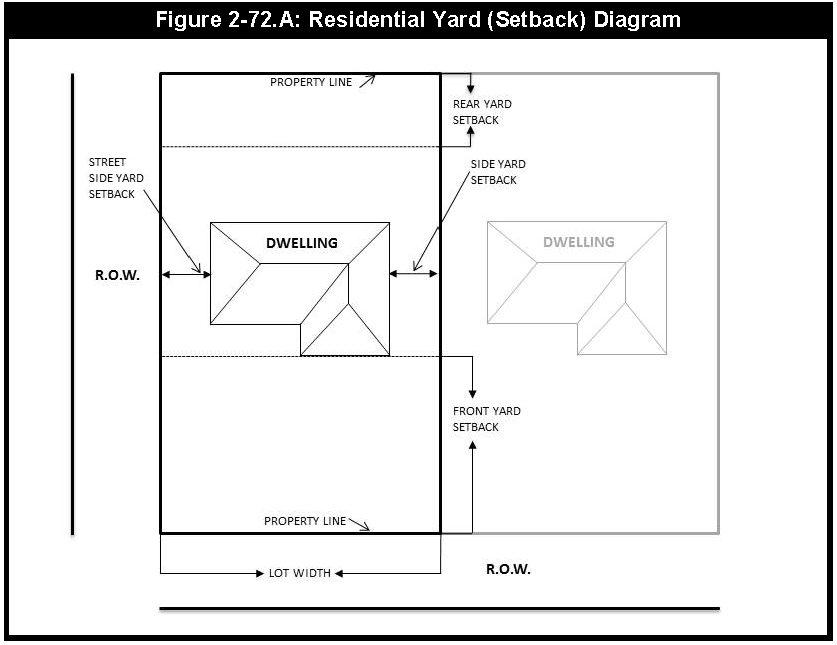
Figure 2-72.A
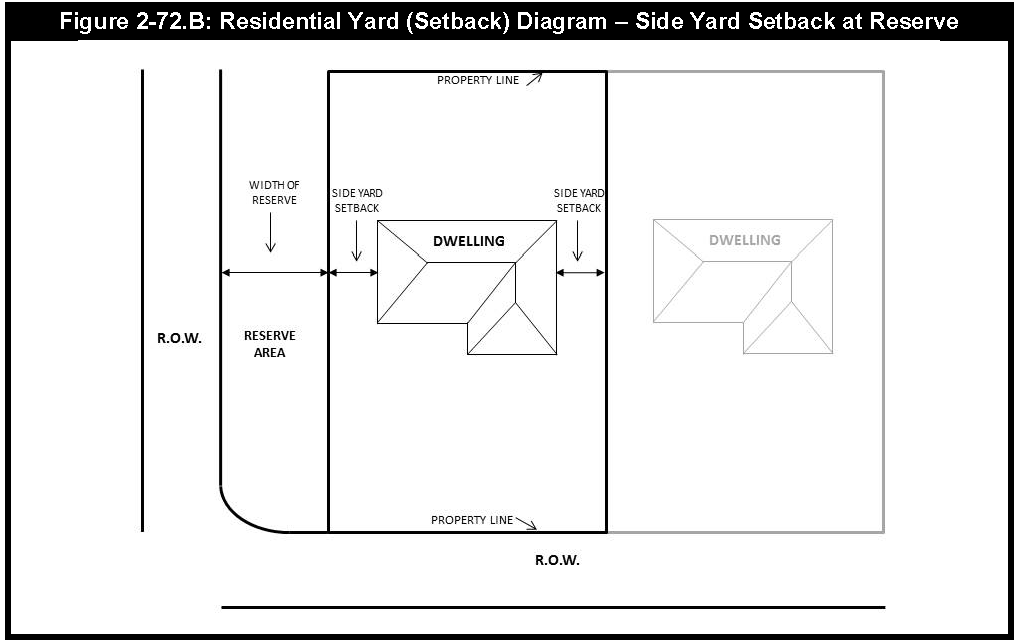
Figure 2-72.B
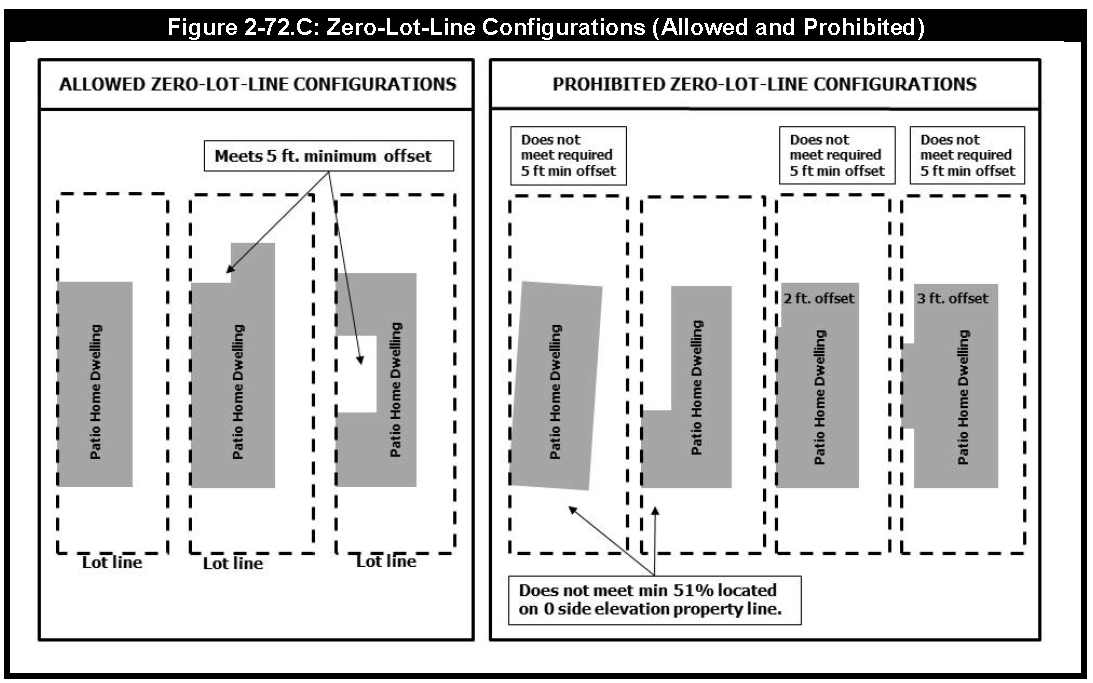
Figure 2-72.C
(Ord. No. 2201, § 4(Exh. C), 7-21-20)
Sec. 2-90. - Statements of Intent.
A.
Business Office District (B-O). The Business Office district allows development of office uses and certain limited service and retail uses which are compatible with offices.
B.
Neighborhood Business District (B-1). The Neighborhood Business district allows for the development of small scale, limited impact retail business uses which cater to the everyday needs of the nearby residents, and which are compatible with residential neighborhoods.
C.
General Business District (B-2). The General Business district allows the development of a variety of general commercial uses including wholesale sales and services with restrictions. The uses in the B-2 district are dependent on high traffic volumes and locations along or adjacent to Arterial Streets and, thus, the B-2 district is appropriate for the development of most shopping centers.
D.
Restricted Industrial District (M-1). The Restricted Industrial district allows for development of light industrial uses and some compatible office and service uses in an industrial park setting.
E.
General Industrial District (M-2). The General Industrial district allows a wide variety of light and heavy industrial uses including warehousing, manufacture, and assembly.
Sec. 2-91. - Nonresidential Districts Permitted Uses and Parking Schedule.
The Nonresidential Districts Permitted Uses and Parking Schedule is shown on the following pages:
(Ord. No. 2063, §§ 2—4, 8-2-16; Ord. No. 2149, § 5, 2-19-19; Ord. No. 2304, § 3(Exh. B), 5-2-23; Ord. No. 2334, § 1(Att. ), 4-2-24; Ord. No. 2339, § 6, 6-6-24)
Sec. 2-92. - Nonresidential District Regulations.
The following bulk regulations apply:
Sec. 2-93. - Additional Nonresidential District Regulations.
The following regulations apply:
A.
General Business District (B-2).
1.
Outside Use: Except as described below, all business activities must be conducted within a fully-enclosed Building, and all merchandise and materials related to the business must be displayed and stored inside a permanent Building.
a.
Merchandise may not be stored in or sold out of mobile or stationary containers, vehicles, or trailers, with the exception that merchandise may be temporarily stored within designated loading and unloading spaces as identified in 2-221 of the Development Code. Merchandise may be temporarily displayed or stored outside the Building on the same premises if the merchandise:
1)
Is not located on public property or within a required Parking Space or Yard;
2)
Is not displayed or stored outside for more than 30 consecutive days or for more than 90 days within 1 calendar year;
3)
Is owned by the owner or lessee of the Building; and
4)
Does not occupy a contiguous area in of excess of 10% of the ground Floor Area of the Building or tenant space of the business displaying or storing the merchandise. The 10% restriction does not apply to landscaping materials for retail nurseries or lawn and garden supply stores, if displayed within a fenced area.
b.
For uses classified under SIC group 55, Automotive Dealers and Service Stations, merchandise may be displayed and stored outside of a permanent building as specified in the approved Conditional Use Permit.
B.
Restricted Industrial District (M-1).
1.
Outside Use:
a.
All business activities must be conducted within a fully-enclosed Building.
b.
Materials or equipment not offered for sale or rent but used in the business may be stored outside of a permanent Building if the materials and equipment do not occupy a contiguous area greater than 20% of the ground Floor Area of the Building or tenant space of the business that stores the materials or equipment.
c.
Merchandise may be displayed or stored outside a permanent Building if:
1)
It is not located on public property or within a required Parking Space or Yard; and
2)
The merchandise does not occupy a contiguous area greater than 10% of the ground Floor Area of the Building or tenant space of the business displaying or storing the merchandise; and
a)
The 10% restriction does not apply to:
i.
Landscaping materials for retail nurseries or lawn and garden supply stores, if displayed within a fenced area; or
ii.
Trailers and other motorized machinery and equipment offered for sale or rent if displayed on a paved surface and screened from public view as defined in Article XV of this Chapter.
2.
Environmental:
a.
No use may generate any ground-transmitted vibration in excess of 0.10 inch per second measured at the Lot Line, or in excess of 0.02 inch per second measured at any residential Lot Line. These values may be multiplied by 2 for impact vibrations, i.e. discrete vibration pulsations not exceeding 1 second in duration and having a pause of at least 1 second between pulses.
b.
Heat from furnaces, processing equipment, or other devices must be contained so that the temperature of air or materials is raised no more than 5 degrees Fahrenheit as measured at all Lot Lines.
c.
Odors or fumes created by industrial processes must be contained so that no odors may be sensed at the Lot Line which exceeds the lowest amount set forth in Table III (Odor Thresholds) of Chapter 5, "Physiological Effects," in the latest edition of the Air Pollution Abatement Manual of the Manufacturing Chemists Association. For compounds not described in Table III, odor thresholds may be established by methods indicated in Chapter 5 of the manual.
d.
Additional regulations in Article XIII (Maximum Noise Standards) of this Chapter apply.
C.
General Industrial District (M-2).
1.
Outside Use:
a.
All business activities must be conducted within a fully-enclosed Building, except that materials and equipment used in the business may be stored outside a permanent Building.
b.
Merchandise may be displayed or stored outside a permanent Building if:
1)
It is not located on public property or within a required Parking Space or Yard.
2)
The merchandise does not occupy a contiguous area greater than 20% of the ground Floor Area of the Building or tenant space of the business displaying or storing the merchandise.
a)
The 20% restriction does not apply to:
i.
Landscaping materials for retail nurseries or lawn and garden supply stores, if displayed within a fenced area, or
ii.
Trailers and other motorized machinery and equipment offered for sale or rent if displayed on a paved surface and screened from public view as defined in Article XV (Landscaping and Screening Regulations).
2.
Environmental:
a.
No use may generate any ground-transmitted vibration in excess of 0.10 inch per second measured at the Lot Line, or in excess of 0.02 inch per second measured at any residential Lot Line. These values may be multiplied by 2 for impact vibrations, i.e. discrete vibration pulsations not exceeding 1 second in duration and having a pause of at least 1 second between pulses.
b.
Heat from furnaces, processing equipment, or other devices must be contained so that the temperature of air or materials is raised no more than 5 degrees Fahrenheit as measured at all Lot Lines.
c.
Odors or fumes created by industrial processes must be contained so that no odors may be sensed at the Lot Line which exceeds the lowest amount set forth in Table III (Odor Thresholds) of Chapter 5, "Physiological Effects," in the latest edition of the Air Pollution Abatement Manual of the Manufacturing Chemists Association. For compounds not described in Table III, odor thresholds may be established by methods indicated in Chapter 5 of the manual.
(Ord. No. 2339, § 7, 6-6-24)
Sec. 2-110. - Purpose and Intent.
The Mixed Use Conservation District is intended to preserve the local heritage by protecting the visual character of the built environment within the district which are considered significant to the history and origin of the City and to:
A.
Sustain and enhance the economic viability of the older, existing predominantly residential neighborhoods while permitting a reasonable amount of restricted Nonresidential Use;
B.
Promote development or redevelopment that is substantially consistent and compatible with the character and physical appearance of the existing mixed use neighborhoods; and
C.
Prevent encroachment of incompatible, new development that would disturb the heritage and local historic significance of the District.
Sec. 2-111. - Site Development Permit.
The Planning and Zoning Commission may grant a Site Development Permit for a building that does not comply with the District Regulations in Section 2-113 B, C, D, and E or the Building Finish Standards located in Chapter 2, Article X, if the Commission determines that the proposed building is compatible with the existing character of the district. If the Commission denies a Site Development Permit, an applicant may appeal the denial to City Council by submitting a written request to the Director within 30 days of the date of denial. The City Council may approve or deny the request, return it to the Commission for further consideration, or take whatever other action the Council deems appropriate.
Sec. 2-112. - Permitted Uses.
A.
The following uses are permitted by right in the MUC District. Except where specified below, Definitions and Parking requirements shall be in the Residential Districts Permitted Uses and Parking Schedule (Section 2-71) and the Nonresidential Districts Permitted Uses and Parking Schedule (Section 2-91):
1.
Antique and Book Stores
a.
Definition: An establishment selling books and antiques (collectible items, such as furniture or works of art, that have high value because of their considerable age); does not include Pawnshops.
b.
Parking requirement - 1:200 square feet
2.
Counseling and Therapy Services
3.
Dwelling, Accessory
4.
Dwelling, Single-Family Detached
5.
Professional Office, Neighborhood
6.
Salon, Spa, or Barber Shop
7.
Studio, Photography
B.
Supplemental Regulations - The following are prohibited in the MUC district:
1.
Drive-thrus;
2.
Fleet vehicle storage;
3.
Outside storage and/or display of merchandise;
4.
Outside sales.
C.
Accessory Dwelling. A Single-Family Detached Dwelling located in the MUC zoning district may provide for an additional Dwelling Unit as accessory quarters located in the Principal Building or as part of a Detached garage, if:
1.
The accessory quarters does not contain more than 600 square feet of Living Space, and
2.
The occupant or occupants do not pay compensation for the use of the accessory quarters.
D.
Home Occupations. A Home Occupation is only permitted as an Accessory Use in a residential Dwelling Unit if it meets the following conditions:
1.
It is conducted wholly within the Principal Building;
2.
It is not conducted within a Private Garage, whether attached or Detached;
3.
It does not depend on the employment of a person who does not reside in the residence;
4.
A separate entrance is not provided for the conduct of the occupation;
5.
An alteration is not made in the Dwelling Unit that changes its character as a Dwelling Unit;
6.
It does not use outdoor storage;
7.
It does not involve more than 300 square feet of the area of the Dwelling Unit;
8.
A Sign Advertising the Home Occupation is not located on the Premises;
9.
It does not require the delivery or shipment of merchandise, goods, or equipment by other than passenger motor vehicles, ¾ ton step-up van or similar sized trucks;
10.
It does not create or cause any perceptible noise, odor, smoke, electrical interference or vibrations to emanate from the Premises; and
11.
It is conducted so that it does not create parking or traffic congestion or otherwise place an undue burden on the abutting or adjoining neighbors or the immediate neighborhood.
(Ord. No. 2149, § 6, 2-19-2019)
Sec. 2-113. - District Regulations.
A.
The following regulations apply in the Mixed Use Conservation District:
B.
The following regulations apply to principal buildings in the Mixed Use Conservation District:
1.
Must be constructed on the front of the lot;
2.
Front porch required:
a.
Minimum of 10% of width of front facade of the building;
b.
If covered—20-foot Front Yard (setback);
c.
If not covered—May extend up to 5 feet into required Front Yard;
3.
Gabled roof required on the front and rear of the building:
a.
Minimum overhang—1 foot;
b.
Maximum overhang—2 feet;
4.
Partial hip roof required on the front of all buildings located at 322 Brooks St. and south. In this section, a partial hip roof means a roof where ¼ to ½ of the roof, as measured vertically from the top of the roof to the base of the roof, slopes down to the front facade of the building;
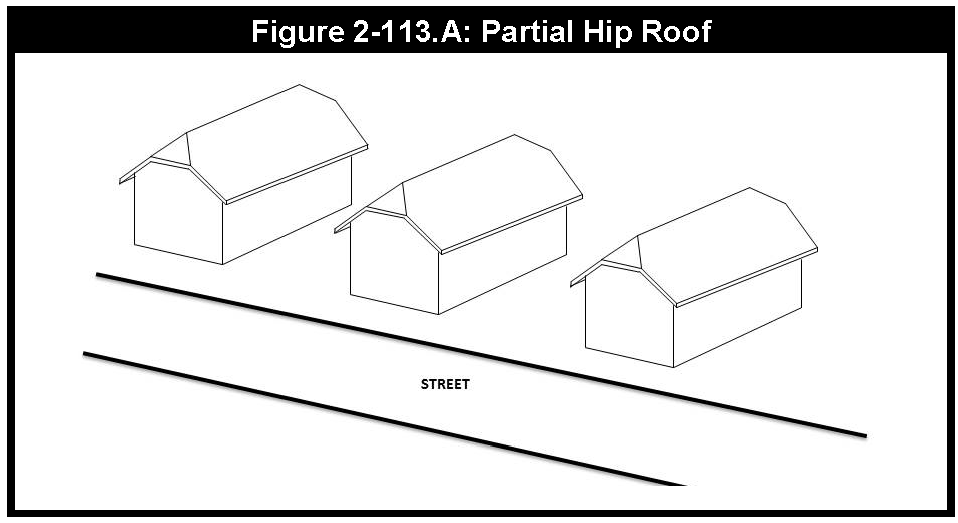
Figure 2-113.A
5.
Maximum Floor Area of Principal Building:
a.
If South of Guenther—1,500 square feet;
b.
If North of Guenther—2,000 square feet.
6.
Attached garages are not permitted and garages must be at least 5 feet from the Principal Building.
C.
If a Non-Accessory Building is located on the lot, the principal Building must be used for a lawful nonresidential use.
D.
The following regulations apply to Non-Accessory buildings constructed in the Mixed Use Conservation District:
1.
A Non-Accessory Building must be built on the rear of the lot.
2.
A Non-Accessory Building must be used as a single-family residence and be occupied by the operator of the business in the principal building.
3.
Minimum front yard of a Non-Accessory Building—75 feet.
E.
The following regulations apply to Accessory Buildings in the Mixed Use Conservation District:
1.
Minimum front yard—50 feet.
2.
May not exceed the height of any other building existing on the site.
F.
See also Article III: Height and Area Regulations, Article IV: Supplemental Regulations for additional regulations, and Article V: Off-Street Parking and Loading Regulations.
Sec. 2-114. - Special Regulations for Nonresidential Uses.
A.
Purpose. The purpose of this Section is to maintain the residential character of the district by providing regulations for Nonresidential Uses in the district to ensure that the use does not adversely affect the residential character of the district.
B.
Application. The regulations of this section apply to any property in the district that is changed from a Residential Use to a Nonresidential Use. These regulations control over any other conflicting regulations contained in the Development Code.
C.
Site Plan Package Review. Before any certificate of occupancy is issued for any Building in the district that is changed from a Residential Use to a Nonresidential Use or before any Parking Lot is installed in the district, the applicant shall submit a Site Plan Package for the property in the form specified and containing the information specified by the Director and the Development Application Handbook. A certificate of occupancy shall not be issued and a Parking Lot shall not be installed until the Director certifies that the occupancy or Parking Lot will comply with the regulations of this Code.
D.
Parking and Driveway Regulations.
1.
New parking lots must be constructed to the rear of the Principal Building.
2.
Parking lots and driveways must be constructed of concrete, asphalt, or gravel.
3.
Driveways shared by abutting properties must be at least 20 feet in width at the Right-of-Way line. Property owners using shared driveways must submit an agreement to the City with the required site plan providing for joint use of the shared driveway.
4.
To comply with the City's off-street parking schedule:
a.
Each parking space within a garage counts as 1 parking space,
b.
A driveway is counted as 1 parking space, and
c.
Parking spaces currently designated in the Brooks Street Right-of-Way and located entirely within the property's north and south lot lines shall be counted.
E.
Landscape and Screening Regulations. The following landscape and screening requirements apply to all new development within the MUC District:
1.
All portions of the ground located in the Front Yard or the Street Side Yard of the premises which are not covered by driveways, Parking Lots, and similar permanent improvements, must be Landscaped.
2.
A Parking Lot located within a Street Side Yard must have a 15-foot wide Landscaped Area located between all portions of the Parking Lot and the Street. The Landscaped Area must have a continuous row of hedges or shrubs, planted on triangular centers and not separated by more than 36 inches. The row of hedges or shrubs must be a minimum height of 3½ feet at the time of planting to screen the Parking Lot from the Street.
3.
A Parking Lot located in a Side or Rear Yard must have a row of continuous hedges or shrubs, Fence, or berm, at a minimum height of 4 feet located between the Parking Lot and Lot Line. The hedges or shrubs must be a minimum of 3½ feet in height at the time of planting.
F.
Lighting Requirements. Parking lots located in the MUC District are not required to be lit. If lighting is used to illuminate parking lots, it must be arranged, located, or screened to direct light away from any adjoining or abutting lot used for residential use. All lighting must comply with Article XII (Lighting Standards).
G.
Outside Use. All business activities must be conducted within a fully-enclosed Building. All merchandise must be displayed and stored inside a permanent Building. Merchandise means the commodities or goods that are bought and sold in business.
Sec. 2-115. - Special Sign Regulations.
A.
The regulations of this Section shall govern over any conflicting sign regulations contained in Chapter 4 (Sign Regulations).
B.
The following regulations apply to Lots in the District that contain a Structure originally designed for residential use but the Structure is now primarily devoted to a lawful nonresidential use:
1.
A Freestanding Sign is not permitted.
2.
The primary Structure may contain 1 Wall Sign or 1 attached sign if the sign:
a.
Does not exceed 3 square feet or have a dimension exceeding 3 inches;
b.
Does not have internal or exterior lighting; and
c.
Is constructed of wood or metal.
1)
A Wall Sign may not be located on an accessory Building or Structure.
2)
Signs advertising the nonresidential use of the Structure may not be located in or affixed to any glass of a window or door so as to be visible from any public street.
3.
In this Section, an "attached sign" means a sign that extends out perpendicularly from the wall to which it is attached.
Sec. 2-116. - Statement of Intent.
The Lake Pointe Redevelopment (LPR) District aims to create a livable environment with vibrant, pedestrian-friendly Mixed-Use areas within the Lake Pointe Regional Activity Center, as designated in the Comprehensive Plan. It encourages a variety of housing types, compatible nonresidential uses like lodging, offices, commercial and community facilities, and other amenities. The primary goal of the District is to create a walkable human-scale environment characterized by active streetscapes and dynamic Civic Spaces. The District promotes the design and arrangement of buildings around the Pedestrian Realm and waterfront features to enhance the pedestrian experience. Development in the District should seamlessly integrate with the surrounding residential neighborhoods by locating taller buildings in the District's core and reducing density at the edges.
(Ord. No. 2325, § 4, 12-19-23)
Sec. 2-117. - Minimum Housing Mix Requirement.
A.
Minimum Housing Mix.
1.
The Lake Pointe Redevelopment District must incorporate a minimum of 3 housing types. Housing types should be interspersed and evenly distributed throughout the development. Housing types may include:
a.
Dwelling, Urban Home.
b.
Dwelling, Single-Family Attached.
c.
Dwelling, Two-Family.
d.
Dwelling, Multiplex.
e.
Dwelling, Multi-Family.
f.
Dwelling, Live/Work.
(Ord. No. 2325, § 4, 12-19-23)
Sec. 2-118. - District Regulations.
A.
Regulations for Nonresidential, Multi-Family and Mixed-Use Development. The following bulk regulations apply to all Nonresidential, Multi-family, and Mixed-Use sites in the Lake Pointe Redevelopment District:
B.
Regulations for Middle Housing Development. The following bulk regulations apply to Middle Housing sites in the Lake Pointe Redevelopment District. See Figures 2-118.A.1—2-118.A.4. for detail.
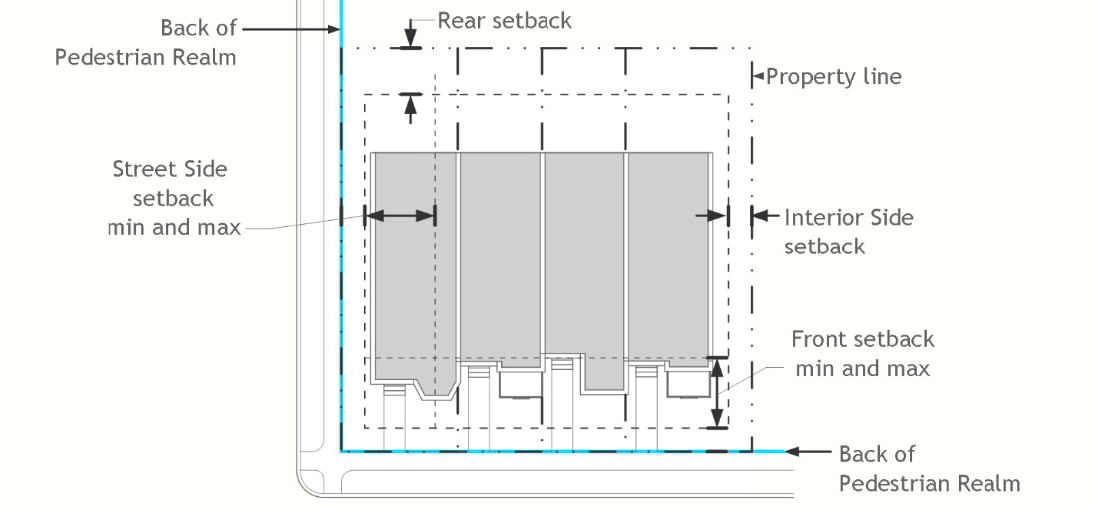
Figure 2-118.A.1: Setbacks - Single-Family Attached
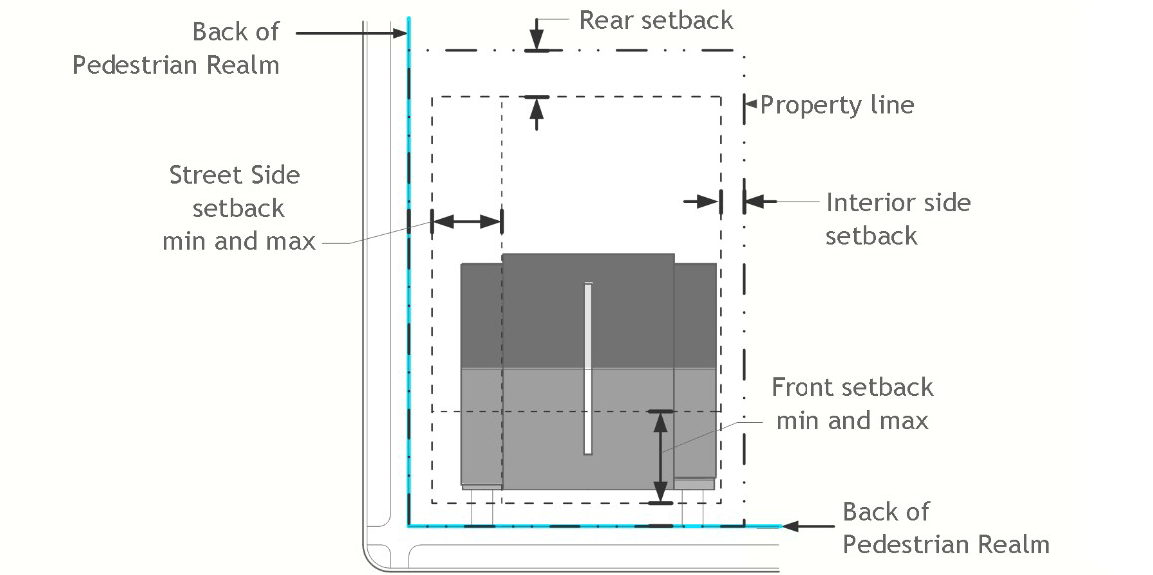
Figure 2-118.A.2: Setbacks - Two-Family (Duplex)
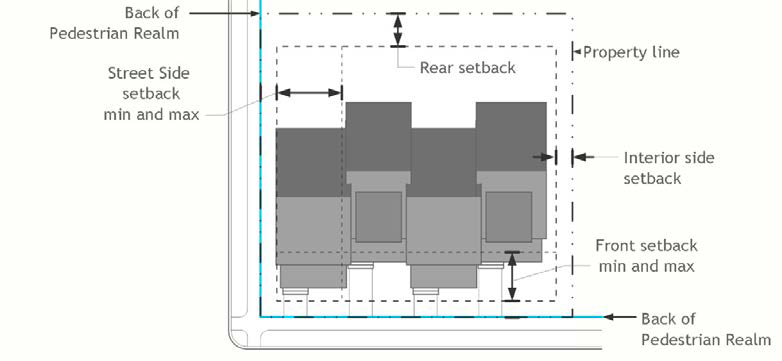
Figure 2-118.A.3: Setbacks - Triplex, Quadplex and Sixplex
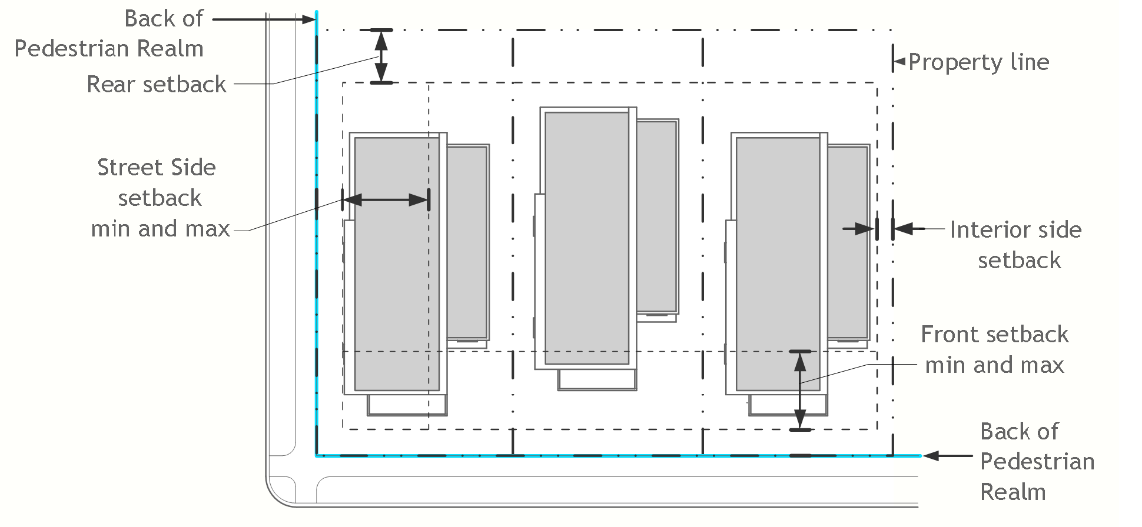
Figure 2-118.A.4: Setbacks - Urban Home Dwelling
(Ord. No. 2325, § 4, 12-19-23; Ord. No. 2339, § 8, 6-6-24)
Sec. 2-119. - Lot Layout and Site Design Regulations.
A.
Street Layout.
1.
Pedestrian Realm.
a.
As illustrated in Figure 2-119.A: Pedestrian Realm, a Pedestrian Realm must be provided along Streets and shall consist of 2 zones: a Clear Zone (sidewalk) and a Pedestrian Enhancement Zone. The Clear Zone is intended to provide a clear path of travel for pedestrian movement and the Pedestrian Enhancement Zone is intended for the placement of street trees, street furniture and other fixtures in a manner that does not obstruct pedestrian access or motorist visibility.
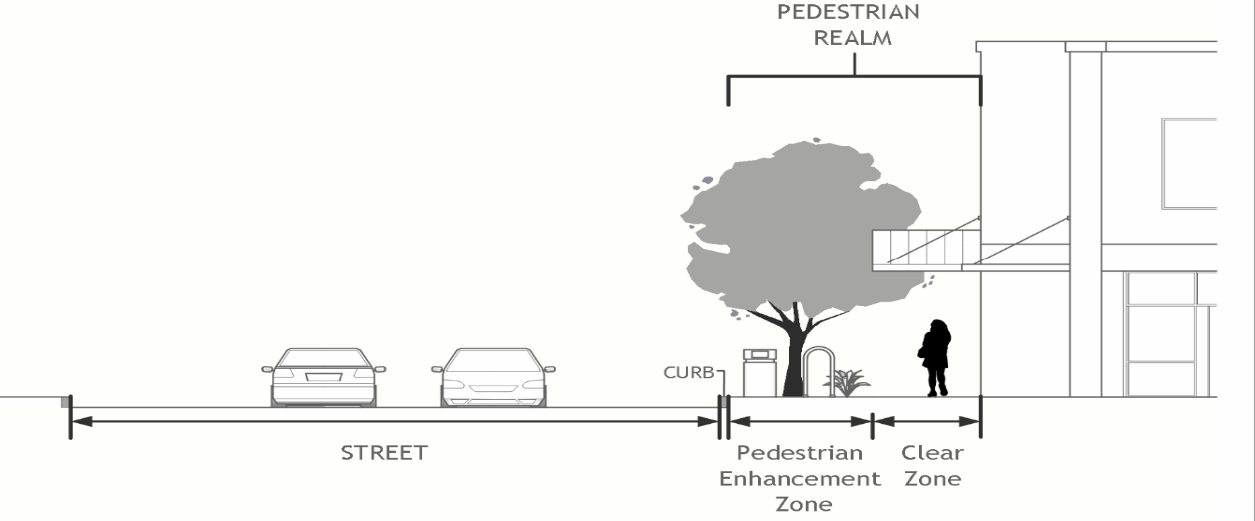
Figure 2-119.A: Pedestrian Realm
b.
The following standards shall apply to these zones:
c.
Sections of the Clear Zone may be reduced for temporary or permanent outdoor dining or other pedestrian amenities such as seating for a length of no more than 75 continuous feet, but a 5-foot clear space must be maintained at all times.
d.
Pedestrians within the Clear Zone shall be provided shade through the use of Trees or shade structures, such as Awnings or Canopies.
(1)
Trees shall meet the requirements set forth in Sec. 2-120 and the City's Design Standards.
(2)
When on-street parking is located within the Pedestrian Enhancement Zone, shade structures shall be utilized to meet this requirement.
(3)
If utilities are located within the Clear Zone, the proposed shade structure shall have a minimum vertical clearance of 14 feet.
e.
On-street parking may be permitted within the Pedestrian Enhancement Zone along Type 2 Streets. Additional standards are located in the Design Standards.
f.
Enhancements required within the Public Realm are described in Section 2-120: Pedestrian Realm Enhancements.
B.
Connectivity.
1.
General.
a.
All public streets, roads, trails, and rights-of-way shall be consistent with the adopted Mobility Master Plan (Master Thoroughfare Plan).
2.
Cross Access.
a.
To facilitate vehicular, pedestrian, and bicycle cross access between abutting sites, encourage shared parking, and minimize access points along streets, sites shall comply with the following standards:
(1)
The internal circulation system shall be designed to allow for cross-access between sites.
(2)
Required vehicular cross access between the abutting lots shall be provided through the use of a single 2-way driveway or drive aisle, or 2 1-way driveways or aisles that are sufficiently wide to accommodate traffic by automobiles, service vehicles, loading vehicles, and emergency vehicles.
(3)
The Director may waive or modify the requirement for cross access if the requirement would:
i.
Create unsafe conditions; or
ii.
Impede the application of other design requirements in the Development Code.
C.
Parking Location, Size, and Pedestrian Connectivity.
1.
On-Street Parking Location. Angled, perpendicular, or parallel parking that is designed to function as on-street parking must meet the following conditions:
a.
The parking must not adversely affect public safety or circulation; and
b.
Each parking space must be located adjacent to and be directly accessible from a Street.
c.
The parking must be constructed and designed in accordance with the City's Design Standards.
2.
Parking Lot Location.
a.
Parking Lots shall be located to the side or rear of the Primary Façade. See Figure 2-119.B: Parking Lot Location.
b.
Parking Lots, loading, and service areas must be designed to minimize impacts on adjacent residences. They shall be located away from shared property lines and screened from neighboring residences.
3.
Parking Lot Size.
a.
Sites with more than 50 Multi-Family units must be served by Structured Parking and may not have Parking Lots that exceed 15% of the total site area.
b.
For all other sites, Parking Lots shall not exceed 40% of the site's total area.
c.
The Director may approve of a Parking Lot that exceeds the maximum Parking Lot size requirements above if the Parking Lot serves multiple sites.
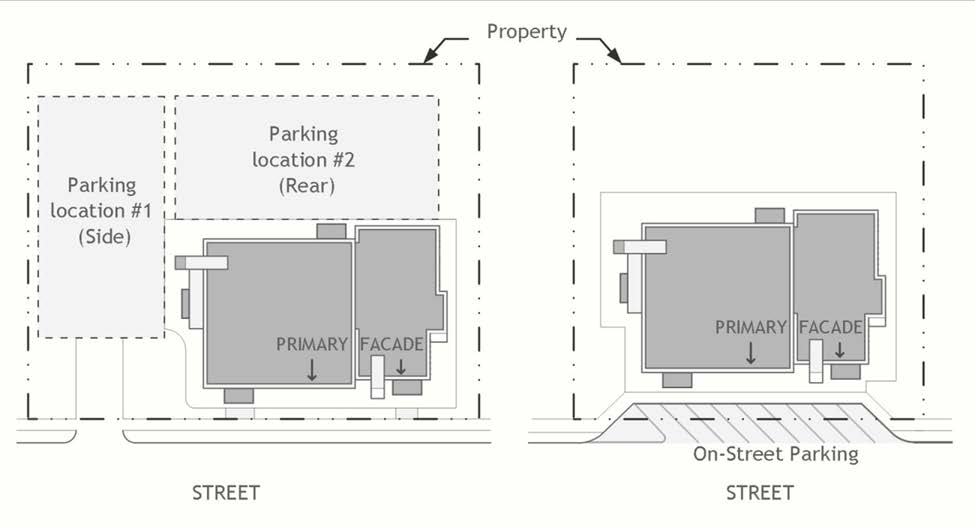
Figure 2-119.B: Parking Lot Location
4.
Pedestrian Walkways in Parking Lots.
a.
All sites with Parking Lots containing 7 or more parking spaces shall provide an on-site system of pedestrian walkways that provide direct access and connections to and between the following elements.
(1)
The Primary Entrance or Entrances to each building, including pad-site buildings;
(2)
Any sidewalks, walkways, or multi-use paths on adjacent properties that extend to the boundaries shared with the site;
(3)
Any Parking Lots intended to serve the site;
(4)
Any sidewalk system along the perimeter Streets adjacent to the site;
(5)
Any public transit station areas, transit stops, park and ride facilities, or other transit facilities on-site or along an adjacent Street; and
(6)
Any adjacent or on-site public park, trail system, open space, greenway, or other public or Civic Space or amenity.
b.
As shown in Figure 2-119.C: Pedestrian Walkways in Parking Lots, Pedestrian walkways required above shall:
(1)
Be a minimum of 5 feet wide;
(2)
Be distinguishable from areas used by vehicles in 1 or more of the following ways:
(i)
Varying surfacing material, patterns, and/or paving color, but not including the painting of the paving material;
(ii)
Varying paving height;
(iii)
Decorative bollards; or
(iv)
Raised median walkways with landscaped buffers;
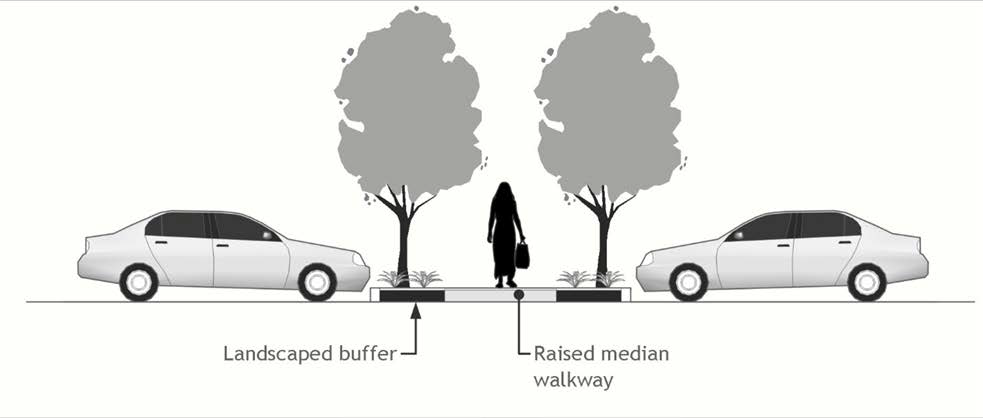
Figure 2-119.C: Pedestrian Walkways in Parking Lots
(3)
Be designed with similar and/or complementary details, colors, and finishes as other interconnected walkways;
(4)
Have adequate lighting for security and safety;
(5)
Be conveniently and centrally located on the subject property;
(6)
Be ADA-accessible; and
(7)
Not include barriers that limit pedestrian access between the subject property and required connections to adjacent properties.
D.
Pedestrian Connectivity. Building façades that are longer than 400 feet in length must provide a midblock pedestrian connection through the building, as shown in Figure 2-119.D: Midblock Pedestrian Connection.
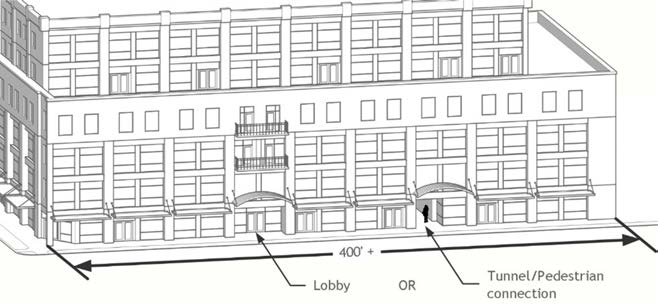
Figure 2-119.D: Midblock Pedestrian Connection
E.
Private Garages and Surface Parking for Middle Housing.
1.
Garages shall be located behind dwelling units and accessed by alleys or private drives.
2.
Garages shall be setback a minimum of 5 feet from an alley or private drive. Any additional setback beyond 5 feet must be at least 18 feet from the edge of the alley/private drive. See Figure 2-119.E: Rear Loading Garage Setback.
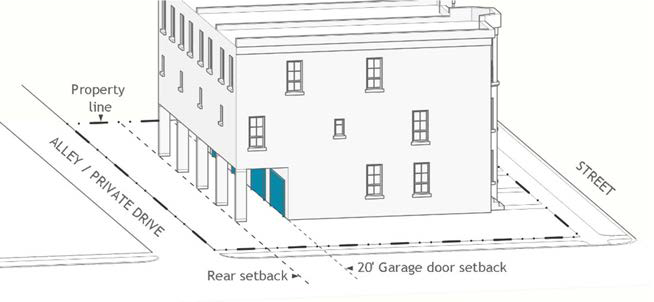
Figure 2-119.E: Rear Loading Garage Setback
3.
Parking shall be designed to limit curb cuts and most efficiently park vehicles.
4.
Parking may take place on a shared, paved Parking Lot or in shared driveways.
(Ord. No. 2325, § 4, 12-19-23; Ord. No. 2339, § 9, 6-6-24; Ord. No. 2373, § 3, 5-9-25)
Sec. 2-120. - Pedestrian Realm Enhancements.
The Pedestrian Realm, as required by Section 2-119: Lot Layout and Site Design Regulations, shall include amenities to enhance the pedestrian experience. All pedestrian amenities shall comply with the City's Design Standards.
A.
Pedestrian Amenities Required for All Development. The Pedestrian Enhancement Zone must include the following amenities:
1.
Pedestrian-scaled lighting poles or bollards, no more than 15 feet in height, shall be installed at even intervals where possible.
2.
1 Tree shall be provided for every 40 linear feet of street frontage or portion thereof. Trees must be at least 10 feet in height and have a minimum 4-inch caliper immediately after planting. Tree caliper is measured 6 inches from natural ground level. The Director may credit each preserved Protected Tree in the Lake Pointe Redevelopment District by counting it as 2 Trees that would otherwise be required to comply with this requirement, if it substantially serves the purpose of this section to enhance the pedestrian experience.
3.
The Director may allow or require minor deviations from the requirements of this section in order to compensate for an unusual site condition or to protect a natural feature or public infrastructure.
B.
Additional Pedestrian Amenities for Nonresidential, Multi-Family, and Mixed-Use Buildings.
1.
Applicability. This subsection sets forth a range of options for pedestrian enhancements to improve the streetscape and foster a pedestrian-oriented environment. Sites shall provide pedestrian enhancements in the Pedestrian Enhancement Zone. Any combination of options from Table 2-120.1: Pedestrian Enhancement Options may be used to achieve a minimum of 8 points required for each site. To satisfy these requirements, amenities must be open and accessible to the public.
a.
Middle Housing Exempt. Lots exclusively occupied by Middle Housing shall not be required to provide additional pedestrian amenities as set forth in Table 2-120.1: Pedestrian Enhancement Options.
b.
Pedestrian Enhancement Options.
(Ord. No. 2325, § 4, 12-19-23; Ord. No. 2373, § 4, 5-9-25)
Sec. 2-121. - Building Design and Additional Development Standards—Multi-Family, Mixed-Use and Nonresidential Development.
A.
Building Arrangement. Buildings on sites larger than 5 acres shall be organized to create pedestrian-friendly spaces and streetscapes and should be arranged to frame Streets and Civic Spaces (see Figure 2-121.A: Building Arrangement).
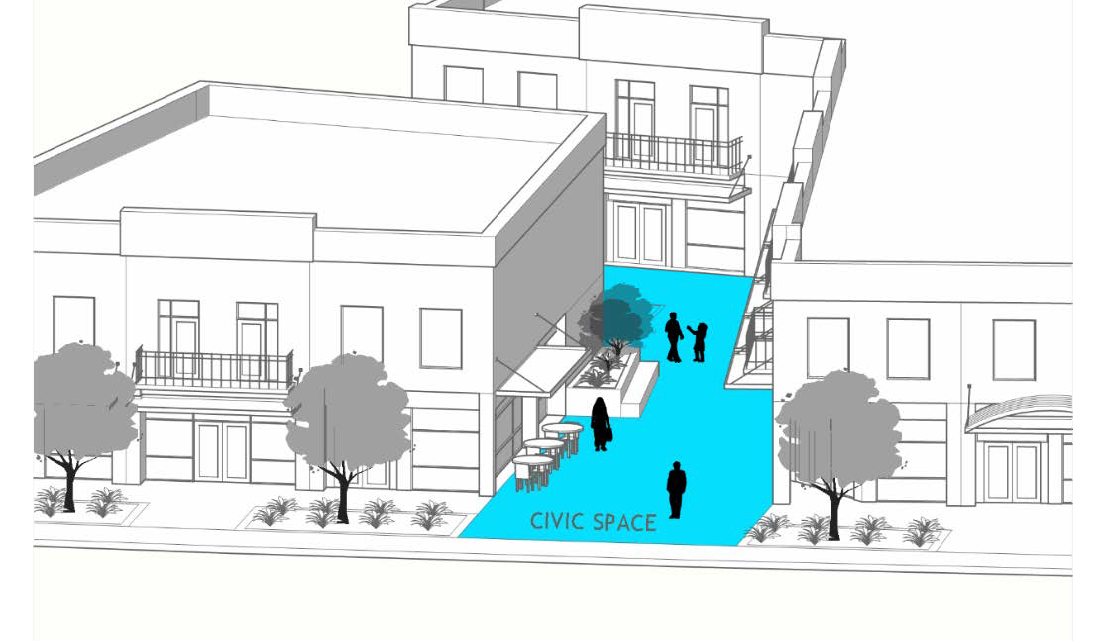
Figure 2-121.A: Building Arrangement
B.
Civic Space.
1.
A minimum of 5% of the Lake Pointe Redevelopment District shall be dedicated to Civic Space. Area within the Pedestrian Realm that is adjacent to a Street shall not count towards required Civic Space.
2.
Civic Space shall be provided along waterfront properties. Where a trail is proposed, the minimum width shall be 10 feet.
3.
In the Lake Pointe Redevelopment District, the park land dedication requirement set forth in Section 5-30 may be satisfied through the provision of Civic Space if:
a.
The Civic Space contains recreational amenities, as described in Section 5-30.6; and
b.
The Parks and Recreation Director approves of the proposed recreational amenities.
4.
Kiosks. Kiosks, whether temporary or permanent structures, shall be permitted within a Civic Space provided that the structure:
a.
Is a maximum of 20 feet in height and no larger than 200 square feet;
b.
Is occupied by a use permitted in the LPR District;
c.
Complies with all applicable building codes; and
d.
Does not impede and is not located within any Clear Zone.
C.
Building Orientation and Siting.
1.
Buildings shall be oriented so that the Primary Façade faces the Street or Civic Space.
2.
A minimum of 70% of the Primary Façade along the Street shall be located within the Build-to Zone (see Figure 2-121.B: Building Siting).
3.
On corner lots, a minimum of 30% of the side street building façade shall be located within the Build-to Zone (see Figure 2-121.B: Building Siting).
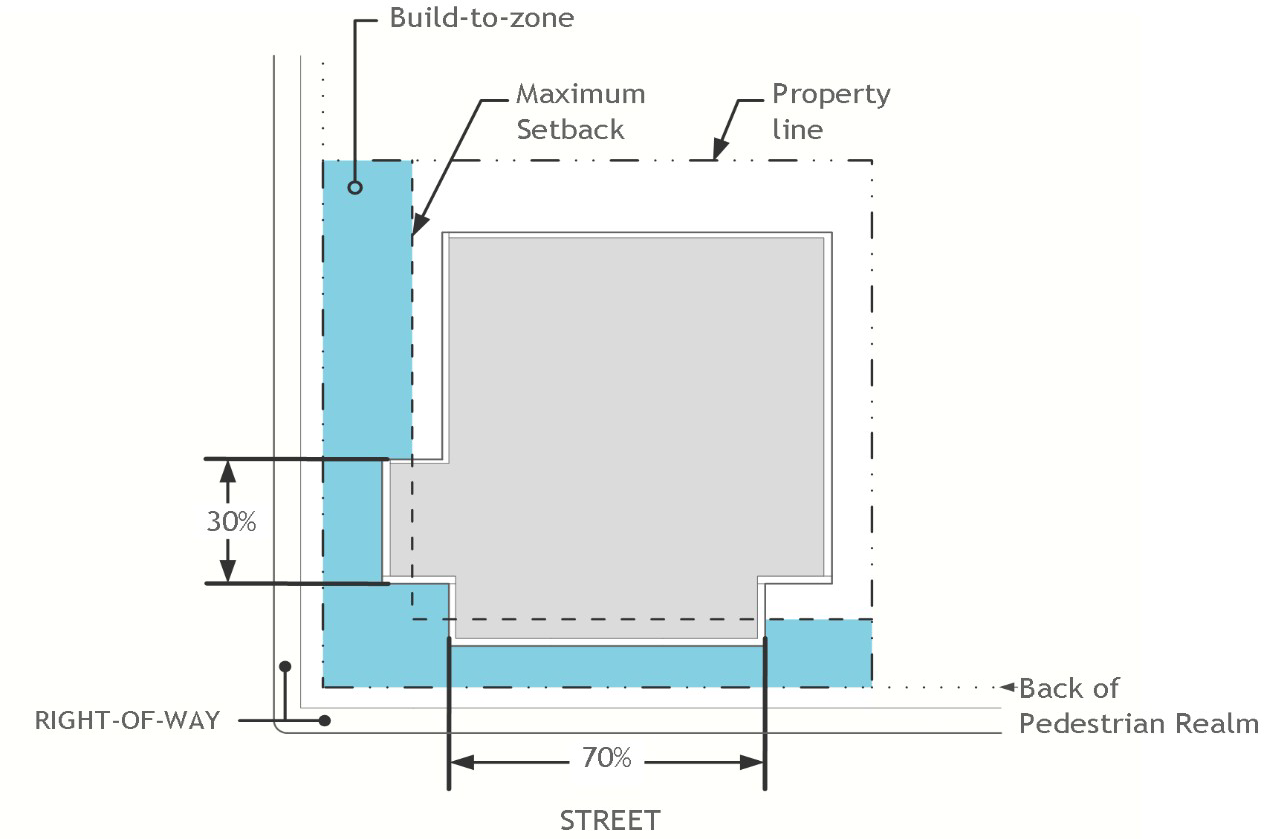
Figure 2-121.B: Building Siting
4.
The minimum building siting requirement may be reduced for an outdoor seating and dining area as shown in Figure 2-121.C: Minimum Frontage Requirements—Outdoor Seating and Dining, provided such area is designed and located:
a.
To avoid interference with any pedestrian access ramp from any abutting street onto the Clear Zone, and to avoid all areas required for maneuvering of wheelchairs and other ambulatory devices at the top of any pedestrian access ramp; and
b.
To meet the standards for Clear Zone set forth in Section 2-119 A.2.
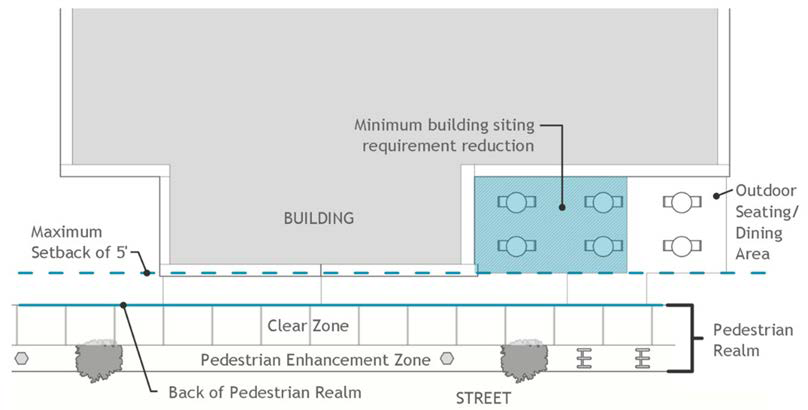
Figure 2-121.C: Minimum Frontage Requirements—Outdoor Seating and Dining
D.
Building Entrances.
1.
Each ground level building and separate tenant space shall have at least 1 Primary Entrance to the adjacent Street or Civic Space (see Figure 2-121.D: Building Entrances). Shared/common lobbies may count as a Primary Entrance for tenant spaces with entrances internal to the building.
a.
If a natural geographic feature, such as a waterway or other major landscaping feature, public park, trail, or other open space is on or adjacent to the site, each building shall have a Primary Entrance connecting to the feature.
b.
A corner entrance may count as a Primary Entrance for any intersecting features (see Figure 2-121.E: Orientation Toward Primary Street Frontage).
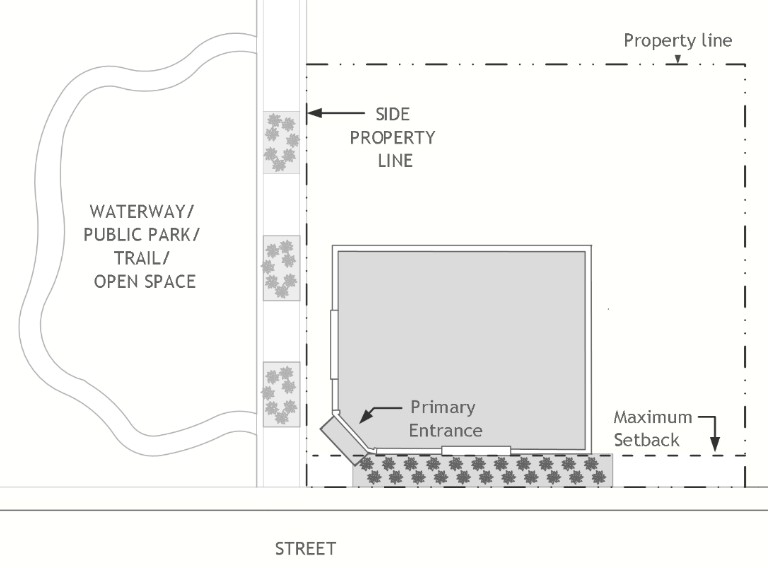
Figure 2-121.D: Orientation Toward Primary Street Frontage
2.
Primary Entrances shall be defined and articulated with architectural elements such as pediments, columns, porticos, porches, overhangs, or other similar elements approved by the Director (see Figure 2-121.E: Building Entrances).
3.
All ground-floor entrances shall be covered or inset to provide shelter from inclement weather. The inset or cover shall be no less than 20 square feet (see Figure 2-121.E: Building Entrances).
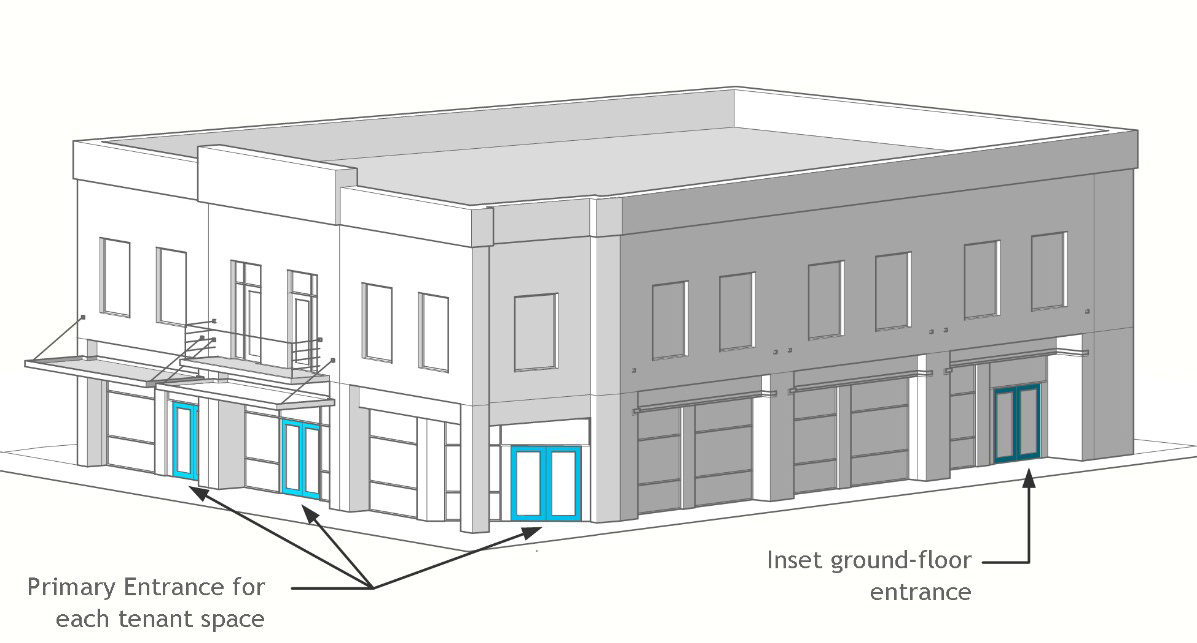
Figure 2-121.E: Orientation Toward Primary Street Frontage
E.
Ground Level Design.
1.
Ground Level Multi-Family Residential. All Buildings that have residential unit floor plates within 6 feet of finished grade shall meet the following standards:
a.
The building shall include an entrance into the unit that is accessible from the Pedestrian Realm. Entrances above grade are considered accessible from the Pedestrian Realm.
b.
Units shall include ground level windows that provide residents a view of the street and Pedestrian Realm.
c.
Lobbies that provide access to upper stories may be located at grade level.
d.
Any fencing used to enclose patios adjacent to the Pedestrian Realm may not exceed 4 feet in height.
e.
All ground floor residential units along Streets shall maintain a minimum structural ceiling height of 13 feet to provide the opportunity for future conversion to nonresidential uses.
2.
Ground Level Nonresidential.
a.
All buildings that have nonresidential uses at ground level adjacent to the Pedestrian Realm shall meet the following requirements.
(1)
Entrances shall be located at the approximate elevation of the adjacent sidewalk.
(2)
Ground floors shall have a minimum clear height of 13 feet between finished floor and the ceiling or top plate. Mezzanines within the retail space shall be allowed per building code.
b.
The ground level façade must include building elements that provide weather protection at least 6 feet deep along at least 75% of the façade.
F.
Building Form.
1.
Building Mass. Buildings shall be designed to reduce apparent mass, ground the building, provide visual relief, and reinforce pedestrian scale. This shall be accomplished by differentiating between the ground level and upper levels through architectural features. Examples of features include but are not limited to: Canopies, balconies, Arcades, varying materials, banding, noticeable change in color or shade, parapet walls, or other horizontal or vertical elements (see Figure 2-121.F: Façade Articulation, Building Form, and Transparency).
2.
360-Degree Architecture. Those sides of a building that are not visible from the Street shall have a finished façade that is similar to the visible façades in terms of materials and architectural detailing.
3.
Façade Articulation. All Primary Façades and Street-facing façades shall provide visual relief which breaks or minimize the scale of the building. These façades shall not exceed 50 feet in length without incorporating 2 of the following elements:
a.
Vertical building modulation of at least 12 inches in depth;
b.
Projections, recessions, or reveals such as, but not limited to, columns, pilasters, cornices, and bays, and having a change of wall plane that is a minimum of 6 inches in depth; and/or
c.
A change in building material, siding style, or color.
4.
Transitions to Residential. Buildings on sites adjacent to residential shall be designed to minimize impacts on Single-Family and Middle Housing Dwellings and maximize the privacy of residents by:
a.
Locating sources of audible noise (e.g., heating and air conditioning units) as far away from lower intensity uses as practical;
b.
Placing windows on the building to minimize direct lines of sight into neighboring homes; and
c.
Orienting porches, balconies, and other outdoor living spaces away from neighboring homes.
G.
Building Transparency. Façades that are oriented toward Streets or Civic Spaces shall meet the following transparency requirements, as shown in Figure 2-121.F: Façade Articulation, Building Form, and Transparency:
1.
Ground-Floor Transparency.
a.
For nonresidential uses, at least 40% of each ground floor façade shall be transparent.
b.
For residential uses, at least 15% of each ground floor façade shall be transparent.
2.
Upper-Floor Transparency. At least 20% of upper floors shall be transparent.
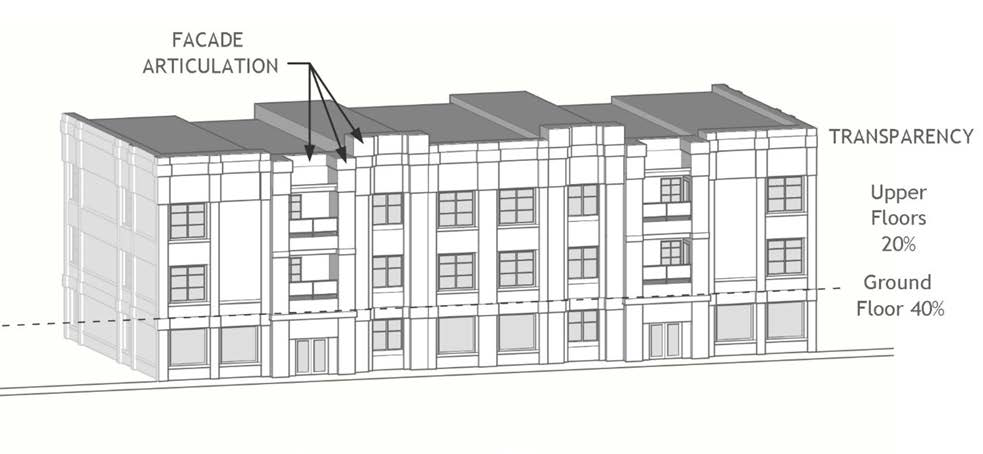
Figure 2-121.F: Façade Articulation, Building Form, and Transparency
3.
Transparency Standards.
a.
Windows and other materials intended to meet the minimum transparency requirements shall not be reflective or mirror-like in appearance.
b.
Windows shall be individually defined with detail elements such as frames, sills and lintels or other elements that provide delineation between window panes.
c.
"Storefront"-type glass walls shall not extend in a continuous unbroken façade longer than 50 feet (see Figure 2-121.G: Building Transparency—Storefront).
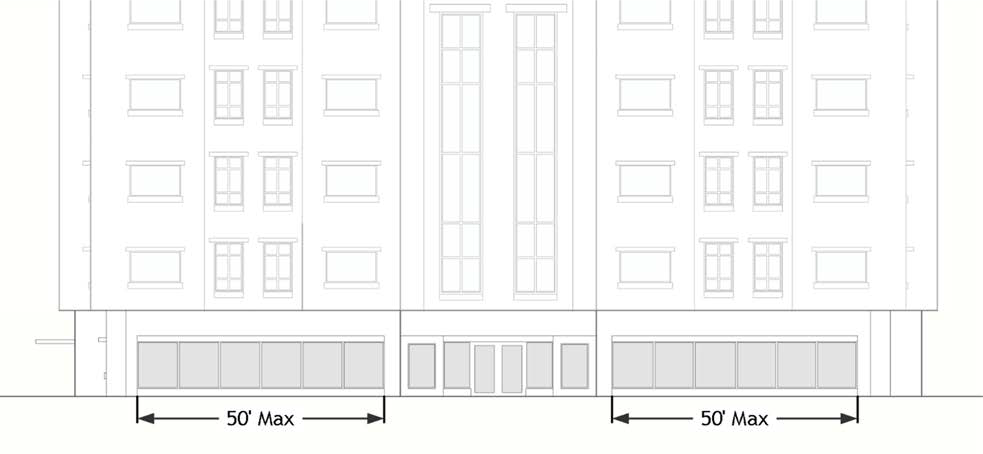
Figure 2-121.G: Building Transparency—Storefront
H.
Additional Standards for Multi-Family Development. In addition to the standards above, all Multi-Family development must provide additional amenities. Applicants shall select amenity options from the Development Application Handbook to achieve the minimum number of points required for the development as indicated below in Table 2-121.1: Required Points for Multi-Family Development by Number of Units. For purposes of meeting the minimum requirements of this Section, amenities include but are not limited to amenities such as a pool; fitness center; community gathering space (indoor or outdoor); business center; bicycle storage; balconies; multiple floor plans; enhanced building finishes; Leadership in Energy and Environmental Design (LEED) certification; and energy efficient appliances.
(Ord. No. 2325, § 4, 12-19-23; Ord. No. 2373, § 5, 5-9-25)
Sec. 2-122. - Building Design—Middle Housing Development.
A.
Building Orientation and Entrances.
1.
Buildings shall be oriented so that the Primary Facade faces and provides pedestrian access to a Street, Civic Space, or Mew. Mews shall be a minimum of 15 feet wide, measured from property line to property line, and include a 5-foot-wide paved walkway that connects and provides pedestrian access from each Dwelling Unit to a Street or Civic Space.
2.
The orientation of the Primary Entrance and façade of residential dwellings shall be consistent with the established pattern along the block face.
3.
No residential structure shall be sited diagonally or otherwise skewed on the lot.
B.
Building Form.
1.
Building Mass. Exterior walls shall be broken up to prevent the appearance of featureless walls using recessed entryways, bay windows, use of more than one exterior finish material, use of architectural details, or such other technique or combinations of techniques.
2.
360-Degree Architecture. Those sides of a building that are not visible from the street frontage shall have a finished façade that is similar to the visible façades in terms of materials and architectural detailing.
C.
Building Transparency. At least 15 percent of the area of Street-facing façades shall be windows or doors.
(Ord. No. 2325, § 4, 12-19-23; Ord. No. 2339, § 10, 6-6-24)
Sec. 2-123. - Lake Pointe Redevelopment District Permitted Uses and Parking Requirements.
The Lake Pointe Redevelopment District Permitted Uses and Parking Schedule is shown below. Additional regulations indicated in the "Notes" column can be found at the end of the Permitted Uses and Parking Schedule. Parking design requirements and reductions are set forth in Subsection B and C below.
A.
Table of Permitted Uses and Parking Schedule.
B.
Parking Spaces and Maneuvering Area. All developments must meet the standards for parking spaces and maneuvering area dimensions and design in Article V. Off-Street Vehicle and Bicycle Parking and Loading Regulations.
C.
Rules for Computing Parking Requirements. In computing the number of Parking Spaces required for each of the uses as shown in the Table 123.1: Permitted and Parking Schedule for Lake Pointe Redevelopment District, the following rules govern:
1.
Base Off-Street Parking Reduction. Except for Middle Housing, the minimum number of off-street parking spaces required Table 123.1: Permitted and Parking Schedule for Lake Pointe Redevelopment District shall be reduced by 25% and may be further reduced in accordance with this Section.
On-street parking spaces may count toward the requirement for off-street parking spaces if located adjacent to the premises. The configuration of the on-street parking and allowable credit toward off-street parking requirements shall be evaluated during site plan review.
2.
Shared and Off-Site Parking. Parking may be shared between sites using the recommendations of the Institute of Traffic Engineers (ITE), Urban Land Institute, the American Planning Association, or other acceptable source. Off-site parking must comply with the following:
a.
Location.
(1)
Shared and/or off-site parking facilities shall be located within 1,320 feet (¼ mile) (measured along a legal pedestrian route) of an entrance to any building for which the shared parking is provided.
(2)
Off-site parking shall not be located in Residential districts.
b.
Parking Agreement Required.
(1)
The parties involved in the joint use of shared parking facilities and/or the use of off-site parking facilities must execute and record in the Official Public Records an agreement that contains the following:
(i)
A legal written and recorded agreement;
(ii)
Proof of continuing use and maintenance; and
(iii)
An accompanying site plan depicting the exact location and number of shared parking spaces.
(2)
Such agreement must be included in the Site Plan Package for any use to be served by the shared and/or off-site parking facility.
3.
Additional Off-Street Parking Reduction Options.
a.
Maximum Reduction for Parking Alternatives. Buildings in the LPR District may further reduce required minimum off-street parking in accordance with this Section. The maximum reduction of required off-street parking spaces by any single parking alternative or combination of parking alternatives shall be a total 60%, inclusive of the base 25% reduction.
An example of minimum off-street parking reductions is provided in Table 2-132.2 Parking Reduction Example: 15,000 Square Foot Retail.
b.
Parking Demand Study Required. The applicant may utilize an alternative parking ratio provided the ratio is supported by a parking demand study prepared by a traffic engineer. The study shall estimate parking demand for the proposed use based on the recommendations of the Institute of Traffic Engineers (ITE), Urban Land Institute, the American Planning Association, or other acceptable source of parking demand data for uses and/or combinations of uses of comparable activities, scale, bulk, area, and location.
c.
Bicycle Parking Beyond Required. The applicant may provide more bicycle parking than required by Section 2-222: Bicycle Parking Requirements. The minimum required bicycle parking spaces must be calculated based on the initial vehicular parking requirement before any reduction is applied. Such reduction may be approved at a ratio of up to 1 off-street vehicle space reduction per 5 short-term bicycle spaces provided beyond the minimum required. Maximum reduction of 5 vehicle parking spaces.
d.
Smart Parking. Off-street parking requirements may be reduced up to 10% when a smart parking system is installed that provides parking availability information via sensors and/or cameras shared via mobile device or on physical markers/signs on site.
e.
Ride-Share Parking. Reduced parking requirements for buildings that provide vehicular parking spaces that are reserved for rideshare/taxi pick-up and drop-off provided the spaces meet the standards of Section 2-212: Off-Street Parking Spaces and Maneuvering Space. Such reduction may be approved at a ratio of 1 off-street vehicle space per 1 pick-up/drop off space for up to 5 spaces.
f.
Electric Vehicle Parking. For each electric vehicle charging station provided, the minimum number of required off-street parking spaces may be reduced by 2.
(Ord. No. 2325, § 4, 12-19-23; Ord. No. 2339, § 11, 6-6-24)
Sec. 2-124. - Lake Pointe Redevelopment District Development Review Procedures.
A.
Redevelopment Concept Plan.
1.
Purpose. A Redevelopment Concept Plan is intended to provide a mechanism for review of a large, complex, or phased project within the Lake Pointe Redevelopment District. A Redevelopment Concept Plan enables the Commission and Council to evaluate the proposed development and its relationship to the surrounding area to ensure negative impacts are minimized; and to evaluate location of proposed uses, connectivity, and location of public spaces. It also enables an applicant to demonstrate compliance with the housing mix requirement set forth in Section 2-117: Minimum Housing Mix Requirement through a multi-phased development.
2.
Applicability. A Redevelopment Concept Plan must be submitted for review and approval prior to permitting in the Lake Pointe Redevelopment District. A Redevelopment Concept Plan may be submitted either in conjunction with an application for Rezoning or as a precursor to the preparation and submittal of the more specific and detailed plans required for Subdivision or Site Plan approvals.
3.
Approval Criteria. In reviewing a proposed Redevelopment Concept Plan, the Commission and Council shall ensure that:
a.
The proposed development is consistent with the terms and conditions of any prior land use approval, plan, or plat approval that is in effect and not proposed to be changed;
b.
The proposed development is consistent with and conforms to the Comprehensive Plan and any other applicable plans;
c.
The proposed development is consistent with the purpose statements of this Development Code and complies with all applicable standards in this Code and all other applicable regulations, requirements and plans. Compliance with these standards is applied at the level of detail required for the subject submittal; and
d.
The proposed development considers the existing roadway network and minimizes impacts on surrounding areas.
4.
Requirements. The Redevelopment Concept Plan shall be a general site layout plan that includes the following:
a.
Overall property boundary and the property's relationship to adjoining subdivisions or properties;
b.
Identification and approximate size of development areas such as districts, blocks or parcels;
c.
Existing and proposed Streets that form the boundaries of development areas;
d.
Use classification of each development area (nonresidential by category or residential by housing type) demonstrating a mix of uses and housing types;
e.
Total number of multi-family units and approximate location;
f.
Location of major Civic Spaces and natural geographic features.
5.
Review Procedure.
a.
Preapplication.
(1)
Pre-development Meeting. The applicant must attend a pre-development meeting with the Development Review Committee before submitting a formal application.
(2)
Public Engagement. The applicant shall engage the public early in the development process. The applicant must host a public meeting in accordance with requirements established in the Development Application Handbook.
b.
Commission Hearing and Report. The Commission will hold a public hearing on the proposed Redevelopment Concept Plan, for which notice of the time and place of the hearing has been published in the official newspaper of general circulation in the City before the 15th day before the date of the public hearing. Notice must be given to owners of any Premises located within 200 feet of the land subject to the Redevelopment Concept Plan. After the public hearing, the Commission will make a recommendation to Council to approve, deny, or approve with conditions the request. A tie vote on a request for a Redevelopment Concept Plan is deemed to be the Commission's recommendation of denial. If the Commission denies a Redevelopment Concept Plan, an applicant may appeal the denial to City Council by submitting a written request to the Director within 30 days of the date of denial. The City Council may approve or deny the request, return it to the Commission for further consideration, or take whatever other action the Council deems appropriate.
c.
City Council Hearing and Action. The Council will hold a public hearing on the proposed Redevelopment Concept Plan, for which notice of the time and place of the hearing has been published in the official newspaper of general circulation in the City before the 15th day before the date of the public hearing. Notice must be given to owners of any Premises located within 200 feet of the land subject to the Redevelopment Concept Plan. After the public hearing and receiving the Commission's recommendation, the Council will approve, deny, or approve with conditions the request.
d.
Optional Joint Public Hearing. The City Council may hold a joint public hearing with the Commission. In case of a joint hearing, the City Council may not act on the request until it receives the report of the Commission.
e.
Changes to Redevelopment Concept Plan. Substantial changes to the approved Redevelopment Concept Plan, including but not limited to, a change in classification of a development area, or significant street design or development area changes, shall require resubmittal to the Council. The Director may approve any other changes to the Redevelopment Concept Plan.
f.
Expiration of Approval. Once final, an approval decision shall expire after 2 years, unless work towards the project has commenced. For the purposes of this provision, "commence" means any of the following:
(1)
Demolition or removal of an existing building or structure preparatory to rebuilding;
(2)
Clearing or grading of the site (land disturbance); or
(3)
Expansions, alterations, or modifications of an existing structure including electrical, mechanical, plumbing, structural, or cosmetic changes, or other changes requiring a building permit.
g.
Extension of Time. An applicant may request to extend the expiration time for commencement or completion of any application.
(1)
Conditions of Approval. All extensions of time are subject to any conditions of approval that applied to the original approval. The Council may impose additional conditions to further mitigate potential adverse effects of the proposal on adjacent properties and the community.
(2)
Extensions. The Council may grant an extension of time up to 1 year from the original expiration date for any application unless a condition of approval prohibits an extension of time or conditions have not sufficiently changed to warrant a denial.
B.
Minor Modification to LPR District Standards.
1.
Purpose. The Minor Modification process is intended to allow minor modification or deviations from dimensional or numeric standards of the Lake Pointe Redevelopment District. It is not a waiver of the current District standards.
2.
Applicability. The Director may approve a Minor Modification of any numeric development standard in this Part up to a maximum of 10% (or up to a maximum of 20% to protect an existing natural site feature), provided that the applicable criteria in Subsection (3.e) below are met. Standards not eligible for minor modifications include:
a.
Permitted number of multi-family units; and
b.
Maximum parking reduction.
3.
Review Process.
a.
Generally. An application for a Minor Modification shall only be submitted and reviewed concurrently with an application for a Site Plan approval or Subdivision approval.
b.
Review and Decision. Where the concurrently reviewed application requires review and approval by the Director, the Director shall review and approve, approve with conditions, or deny the modification in accordance with the approval criteria.
c.
Effect of Approval. Approval of a Minor Modification authorizes only the particular modification of standards approved, and only to the subject property of the application.
d.
Expiration of Minor Modification. A Minor Modification shall automatically expire if the associated development application is denied or if approval of the concurrently reviewed application expires, is revoked, or otherwise deemed invalid.
e.
Minor Modification Approval Criteria. In reviewing a proposed Minor Modification, the Director shall consider the general approval criteria for the associated development application and whether the Minor Modification:
(1)
Compensates for an unusual site condition; or
(2)
Protects a sensitive resource, natural feature, or community asset.
(Ord. No. 2325, § 4, 12-19-23)
Sec. 2-130. - Intent.
The Planned Development (PD) district is designed to permit flexibility and encourage a more creative, efficient, and aesthetically desirable design and placement of buildings, open spaces and circulation patterns by allowing a mixture or combination of uses and to best utilize special site features such as topography, size and shape. A PD district may be used to permit new or innovative concepts in land utilization not permitted by other zoning districts in this Code to enhance existing or create new areas within the City that will promote the City's historical, cultural and architectural character. While greater flexibility is given to allow special conditions or restrictions that would not otherwise allow the development to occur, the requirements established herein ensure against the misuse of such increased flexibility. It is intended for application in all land use designations on the Future Land Use Plan, provided that the uses and development standards proposed are consistent with the stated goals of the City's Comprehensive Plan. The layout plan should provide an overall design, enhanced or increased open space, or other features or amenities that result in a high quality development or offer unique or special benefits to the community that will preserve and foster the community's pride in its historic, cultural and architectural character.
(Ord. No. 2187, § 1, 1-7-2020)
Sec. 2-131. - Minimum Size.
A district containing only Residential Uses must contain at least 10 acres of land. A district containing both Residential and Nonresidential Uses must contain at least 25 acres of land. A district containing Nonresidential Uses only must contain at least 5 acres of land. As an exception, the Commission may recommend approval of and the Council may approve a district with less land than specified in this Section if the developer clearly demonstrates that a smaller development would achieve the intent of the district.
Sec. 2-132. - Submission of Application and Approval Procedure.
A.
An application and fee for the establishment of a PD district must be accompanied by a General Development Plan or a Final Development Plan (FDP). The GDP or FDP must be submitted in the form and manner specified by the Director and detailed in the Development Application Handbook. The application and GDP or FDP must include a statement detailing the historical, cultural or architectural elements granting the PD will provide.
B.
The creation of a PD District is a rezoning of the existing zoning district classification and will be considered by the Commission and City Council, after public notice and hearing, in the same manner as other changes in zoning district classification. A PD district may be created by the City Council approving an ordinance to adopt a GDP or a FDP.
C.
A GDP may be submitted as an interim step when detailed development plans are not available, as required for a FDP. Note: City approval of a GDP does not give the owner any development rights on the premises; it only gives the owner the right to proceed with the submission of a FDP.
D.
A PD District may be created by submittal of only a FDP, which combines the GDP and FDP into one process.
E.
If a PD district is created upon approval of a GDP, a FDP must be submitted to the Director within 2 years of the date the GDP was approved, unless a different timeframe is specified in the ordinance that adopts the GDP. If the first FDP submitted does not include all of the acreage of the GDP and multiple FDPs will be submitted, the submittal of the first FDP satisfies the timeframe requirement.
F.
If a FDP submitted substantially complies with the approved GDP, the Director may submit the FDP to the Commission and to the Council for consideration without further public notice or hearing. If the FDP submitted does not substantially comply with the GDP approved for the district, the notice and hearing procedures applicable to a change in zoning classification apply to approval of the FDP. The FDP is not effective until approved by ordinance of the City Council.
G.
If a FDP is not submitted within the required time, the Director will initiate a rezoning of the land to an appropriate district unless an extension is recommended by the Commission and approved by the City Council. An extension may be approved for good cause shown and upon written application of the owner.
H.
If a building permit for development has not been issued within 2 years of the date of the approval of the FDP, the FDP automatically expires unless an extension is recommended by the Commission and approved by the City Council. An extension may be approved for good cause shown and upon written application of the owner. If the FDP expires, the Director will initiate a rezoning of the land to an appropriate district.
(Ord. No. 2187, § 2, 1-7-2020)
Sec. 2-133. - General Development Plan and Final Development Plan Requirements.
A.
The GDP, which does not contain the detail required of the FDP, is intended to provide sufficient information for public comment and for the Commission and Council to make a preliminary, but not final, determination on the merits of the development, without requiring the owner to incur the expense of preparing a FDP. In addition to any other information required by the Director, the GDP must contain text regulations and exhibits identifying the following minimum information:
1.
General site layout plan including:
a.
Overall property boundary;
b.
Existing and proposed Streets and Primary Access Easements;
c.
Identification of development areas such as districts, blocks or parcels; and
d.
Optional identification of key land uses and their location and orientation.
2.
Development regulations, including:
a.
Defined deviations from or alternative regulations to the identified reference standard zoning district, all standard Development Code regulations, and Design Standards. A GDP may include several districts or areas with different reference standard zoning districts;
b.
Designation of development areas as suburban or urban;
c.
Proposed general categories of land uses, established for each district or area depending on development size or character;
d.
Relationships to adjacent properties;
e.
General building finishes;
f.
General building height;
g.
Building size requirements as needed, establishing the scale of development next to adjacent uses;
h.
General vehicle, pedestrian, and bicycle access shown along streets illustrated on the plan and any additional known connections; and
i.
Identification of any specific features for which additional direction from the Commission and Council is needed.
3.
Landscape regulations, including:
a.
Significant environmental features;
b.
Landscape areas, related to proximity and adjacency where differing land uses abut one another;
c.
Minimum open space; and
d.
Enhanced landscaping requirements.
4.
Pedestrian and bicycle facilities, including:
a.
Existing pedestrian and bicycle facilities;
b.
Proposed pedestrian and bicycle facilities showing circulation within the development;
c.
Connectivity to adjacent sites, Streets, Primary Access Easements, and existing or proposed pedestrian and bicycle facilities; and
d.
Identification of pedestrian and bicycle facility design requirements that differ from the standard regulations in this Code.
5.
Approximate locations of parks, open spaces, trails, pedestrian and bicycle plazas.
6.
Information relating to the transition between and buffering of differing land uses, including internal proximity within the development and external proximity between the development and adjacent properties.
7.
Additional application requirements as detailed in the Development Application Handbook.
B.
The FDP is intended to provide all the detailed information about a development, including all the regulations that will apply to the district. The FDP submitted must include all the information required by the GDP, but in specific detail. In addition to any other information required by the Director, the FDP must contain text regulations and exhibits identifying the following minimum information:
1.
Final site layout plan, including:
a.
Building envelope;
b.
Identify Landscaped Areas and Parcels/Lots/reserves;
c.
Estimated Parcel/Lot/reserve acreages;
d.
Circulation between parcels/lots/reserves; and
e.
Additional site features as needed based on site specific conditions.
2.
Development regulations, including:
a.
Proposed specific listings of land uses (established for each district or area) to identify specific land use locations;
b.
Designation of development areas as suburban or urban;
c.
Specific building finishes;
d.
Specific vehicle, pedestrian, and bicycle access;
e.
Lot area, width, depth, and coverage;
f.
Building and parking lot setbacks;
g.
Parking layout; and
h.
Outside use requirements.
3.
Landscape regulations, including:
a.
Specific landscape areas;
b.
Detailed plant list; and
c.
Tree size, spacing and locations.
4.
Pedestrian and bicycle facilities, including location and design elements.
5.
Parks and open spaces regulations, including location and design of parks and open spaces, pedestrian and bicycle plazas.
6.
Information relating to the transition between and buffering of differing land uses, including internal proximity within the development and external proximity between the development and adjacent properties.
7.
Additional application requirements as detailed in the Development Application Handbook.
C.
Applications for GDPs and FDPs shall identify a PD type as either suburban or urban.
1.
A Suburban PD features the development of suburban-style commercial and/or residential development featuring lower densities, horizontal development and a focus on open space.
2.
An Urban PD features the development of urban-style, mixed-use development featuring higher densities, vertical development, and a focus on civic space.
3.
The following tables identify minimum requirements for Suburban and Urban type PDs. Requirements are intended to exceed compliance with standard zoning requirements in this Code. Additional information on the following requirements is detailed in the Development Application Handbook.
a.
Requirements for Suburban and Urban FDPs are as follows:
b.
Requirements for multi-family developments in Suburban or Urban FDPs are as follows. Where requirements are not specified, requirements in Table 2-133.1 above apply.
4.
The Commission may recommend and Council may approve a PD that does not meet all of the above minimum requirements if they find that the proposed PD establishes a high-quality development and offers unique or special benefits to the community.
5.
At the discretion of the Commission and Council, additional requirements based on site specific conditions may be applied to a GDP and FDP.
Sec. 2-134. - Development of a District.
Development or construction may not begin in a PD District unless and until the Council has approved a FDP for the district. The PD District must be constructed, developed and maintained in compliance with the approved FDP. If the zoning regulations governing the Height or Setback of Structures, Building Lot Coverage, off-street parking requirements, Signs or other regulations that apply to standard districts are omitted as part of the regulations governing any PD District, the regulations for the most comparable primary zoning distinct, as determined by the Director, apply to the PD District as though specifically contained in the ordinance governing the district.
Sec. 2-135. - Plan Amendments.
Except as herein provided, an amendment to a GDP or FDP will be processed in the same manner as required for the initial approval of the PD. The Director may approve minor amendments to a GDP or a FDP to correct errors, make adjustments, or other minor revisions that do not:
1.
Change the total square footage of each building by more than the lesser of 10% or 2,500 square feet;
2.
Substantially alter the arrangement of Buildings, increase the number of Buildings, change the use of Building space, or reduce a required Yard or Setback;
3.
Increase the Height of Buildings;
4.
Substantially alter the configuration of Streets or Lots;
5.
Substantially alter the vehicular circulation or placement of Parking Lots;
6.
Reduce Open Space or Landscaped Areas; or
7.
Conflict with other regulations established for the PD.
Sec. 2-150. - Statement of Intent.
The Brazos River Park and Conservation Zoning District primarily encompasses the Brazos River and its floodway. This land may be used for park, scenic or conservation purposes. This district allows for open, natural, and improved park and recreation areas.
Sec. 2-151. - Permitted Uses.
A.
The following are uses permitted in the BR District:
1.
Construction Sand and Gravel (1442) uses are permitted with an approved CUP.
2.
Parks/Recreational Facilities, Public or Private (99) are permitted.
Sec. 2-152. - District Regulations.
The following regulations apply in the Brazos River Park and Scenic Zoning District:
Sec. 2-154. - Purpose and Intent.
The Hill Area Residential District provides for the development of low-density Single-Family, Detached Dwellings in character with the existing older structures. It is intended to maintain the visual character of the company town neighborhood which is considered significant to the history and origin of the City and to:
A.
Promote development or redevelopment that is substantially consistent and compatible with the character and physical appearance of the existing neighborhood; and
B.
Prevent encroachment of incompatible, new development that would disturb the heritage and local historical significance of the District.
(Ord. No. 2201, § 5(Exh. D), 7-21-20)
Sec. 2-155. - Definitions.
The following words, terms, and phrases, when used in this Part, shall have the following meanings. For any word, phrase, or term not defined in this Section, the definitions in Chapter 10 Definitions shall apply. If any definition in this chapter is in conflict with Chapter 10 Definitions, then the definitions in this Part shall prevail:
Building-to-Lot Width Ratio (BTLW) means a ratio used to calculate allowable building width and is calculated by multiplying the identified ratio in Table 2-158.1 by the Lot Width.
Garage, Attached Private means a Private Garage that shares a common wall with or is located less than 5 feet from the Principal Building.
Garage, Detached Private means a Private Garage that is located at least 5 feet from the Principal Building.
Porch means a roofed area attached to, or part of, and with direct access to, or from, a structure and usually located on the front or side of the structure; a covered entrance or semi-enclosed space projecting from the facade of a Principal Building.
Roof Pitch means the steepness of a roof quantified as a ratio between rise and run.
Stoop means steps ending in a platform, covered or uncovered, and leading to the front entrance of the Principal Building. As used herein, Stoop includes the platform.
(Ord. No. 2201, § 5(Exh. D), 7-21-20; Ord. No. 2237, § 1, 7-20-21)
Sec. 2-156. - Site Development Permit.
A.
The Planning and Zoning Commission may grant a Site Development Permit for a proposed Building that does not comply with 1 or more of the regulations listed in Subsection B of this Section, if the Commission determines that the proposed Building is compatible with the existing character of the district. The Commission will consider granting a Site Development Permit if the proposed Building includes character features that are prevalent in The Hill such as:
1.
Height of 1-story;
2.
1-story Detached Garage;
3.
Preservation of original façade;
4.
Preservation of Protected Trees.
B.
Non-compliance with the following regulations, established in the District Regulations located in Section 2-158 and the Building Finish Standards located in Chapter 2, Article X, may qualify for a Site Development Permit:
1.
Minimum Private Garage and Carport Setback from front façade of Principal Building, not including Porch;
2.
Maximum Building Width;
3.
Maximum Lot Coverage;
4.
Maximum Porch Height;
5.
Maximum F.A.R.;
6.
Maximum percentage of Secondary Building Finishes - refer to Chapter 2, Article X Building Finish Standards.
C.
If the Commission denies a Site Development Permit, an applicant may appeal the denial to City Council by submitting a written request to the Director within 30 days of the date of denial. The City Council may approve or deny the request, return it to the Commission for further consideration, or take whatever other action the Council deems appropriate.
(Ord. No. 2237, § 2, 7-20-21)
Sec. 2-157. - Permitted Uses and Parking Schedule.
(Ord. No. 2201, § 5(Exh. D), 7-21-20; Ord. No. 2339, § 12, 6-6-24)
Sec. 2-158. - District Regulations.
A.
Due to the historic character of The Hill, there are unique regulations in this area. The following regulations are subject to review and field verification to ensure structures are not built in existing easements.
B.
The following regulations apply in the Hill Area Residential District.
C.
Entry Features and Walkways.
1.
Residential Dwellings in the HR-1 District must provide:
a.
A front walkway that is a minimum of 4 feet in width from the front entrance or Porch to the sidewalk or curb; and
b.
1 of the following entry features:
1.
Covered front Porch with a minimum depth of 6 feet; or
2.
Stoop with a minimum size platform of at least 3 feet wide by 3 feet long.
2.
For Residential Dwellings built prior to the effective date July 20, 2021 of this regulation:
a.
A nonconforming covered front Porch may be replaced with another covered front Porch identical to the original Porch in footprint area, width, length, and height.
b.
A front walkway is required when replacing or repairing more than 50% of the Residential Dwelling.
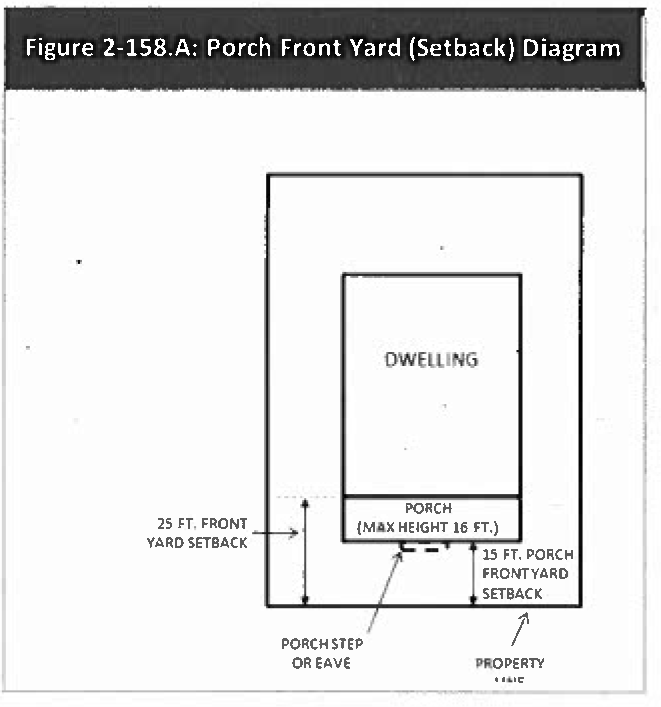
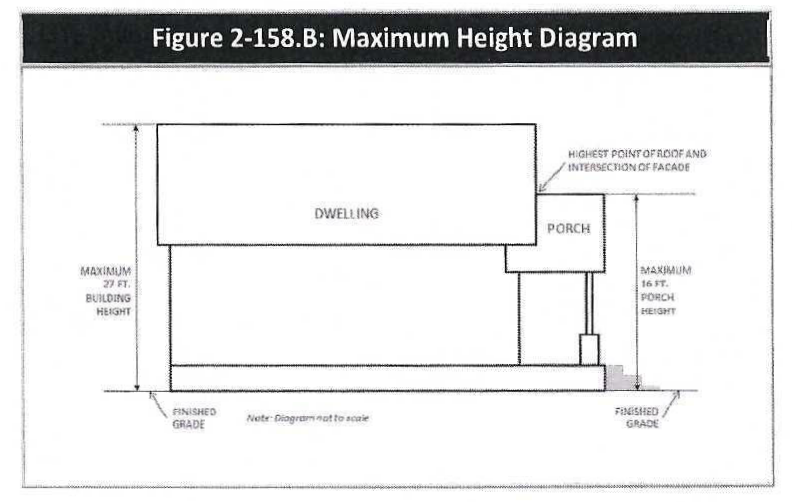
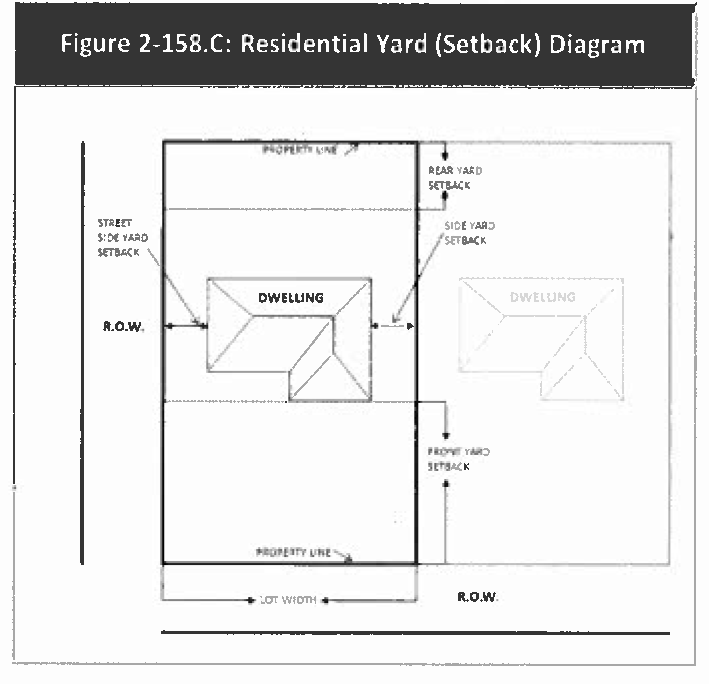
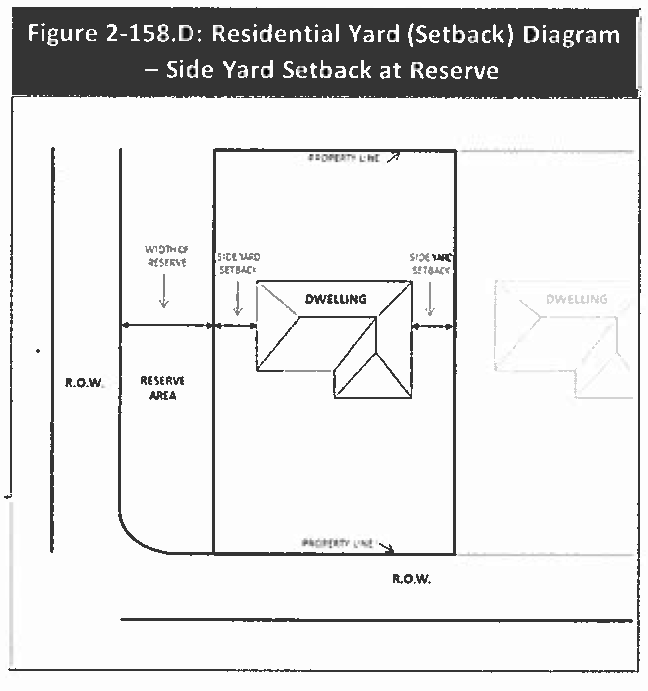
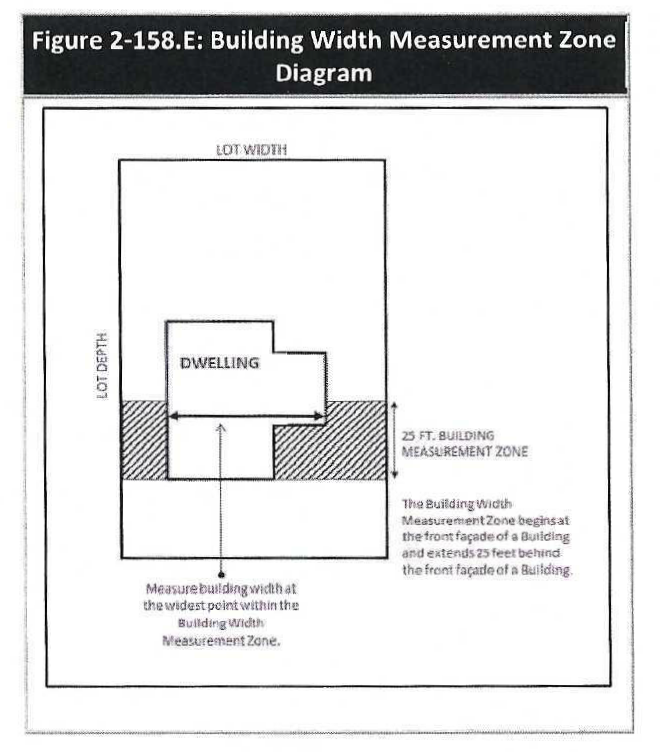
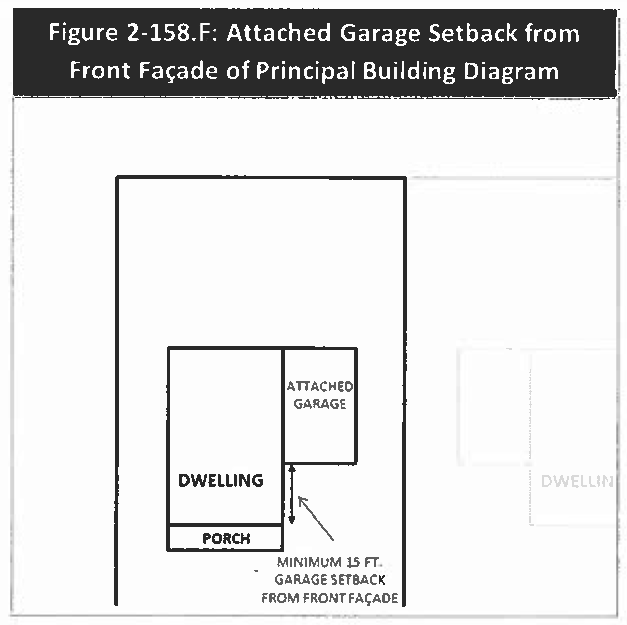
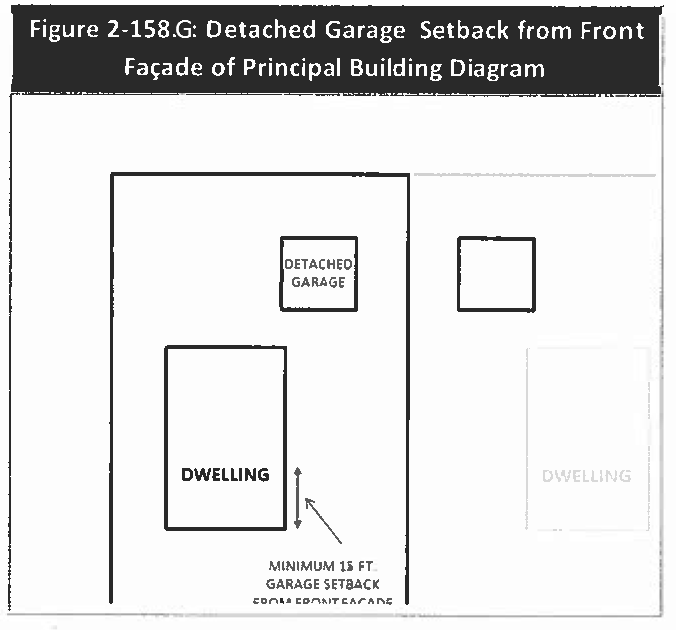
(Ord. No. 2201, § 5(Exh. D), 7-21-20; Ord. No. 2237, §§ 3—8, 7-20-21)
Sec. 2-159. - Supplemental Regulations for Accessory Structures.
A.
The regulations of this Section shall govern over regulations contained in Article IV, Sec. 2-192 Accessory Structures.
B.
Accessory Structures are subject to the same regulations as apply to Principal Buildings, except as otherwise specified in this Article.
C.
An Accessory Structure must not be established on any Lot prior to the establishment of the Principal Building.
D.
Sheds. Lots 6,600 square feet or less may have a shed that is up to 200 square feet. Lots greater than 6,600 square feet may have a shed that does not exceed 3% of the lot area. If more than 1 shed is provided, this requirement applies to the total square feet of all sheds.
E.
The total square footage of all Accessory Structures located in a required Rear Yard shall not be larger than 225 square feet or 25% of the required Rear Yard, whichever is greater.
F.
An Accessory Structure other than Private Detached Garages must comply with the following regulations:
1.
Maximum Height—16 feet as measured from finished grade to the highest point of the Structure;
2.
Minimum Side Yard (Setback)—5 feet;
3.
Minimum Rear Yard (Setback)—5 feet;
4.
Minimum Distance from Principal Building—5 feet;
5.
Minimum Setback from front façade of Principal Building, not including Porch—25 feet.
G.
Accessory Structures must not be located within a parking lot setback as identified in Article V: Off Street Parking and Loading Regulations.
(Ord. No. 2201, § 5(Exh. D), 7-21-20; Ord. No. 2237, §§ 9—11, 7-20-21)
Sec. 2-160. - Tree Regulations.
A.
The regulations in this section apply to Residential uses in the HR-1 District. For Nonresidential Use requirements and additional regulations see Article XV: Landscaping and Screening Regulations.
B.
The landscape plan required by Article XV: Landscaping and Screening Regulations must show the location of all Protected Trees identified for preservation or removal.
C.
Tree Specifications.
1.
Any Trees used to meet the requirements of this Section or Article XV must be 1 of the approved Trees or plants listed in Section 2-390, unless otherwise approved by the Director.
2.
Trees must be a minimum of 7 feet overall Height and must have a minimum of 4-inch caliper immediately after planting. Tree caliper is measured 6 inches from natural ground level.
3.
Trees planted adjacent to a sidewalk shall be planted a minimum of 6 feet from the edge of sidewalk pavement, unless an approved root barrier system is provided.
4.
Protected Tree means a hardwood tree having a minimum caliper size of 8 inches or greater, as measured 4½ feet above ground level. Hardwood trees include elms, oaks, maples, pecan, and sycamore, as well as any trees listed as Shade Trees in Table 2-390.1 or identified as hardwoods by the Texas A&M Forest Service.
D.
Tree Planting and Preservation.
1.
All premises with a Residential use must have 1 Shade Tree, within the area between the Principal Building and front Property Line, for each 50 feet of Lot Width or portion thereof, measured along the Front Lot Line.
a.
Protected Trees that are preserved in the front half of the lot may count toward this requirement (even if not located between the Principal Building and front Property Line).
b.
Trees may be clustered or spaced linearly and need not be placed evenly at 50 foot intervals.
2.
A minimum of 1 Protected Tree in the front half of the lot must be preserved when constructing, demolishing or expanding a Single-Family Dwelling or 2-Family Dwelling. Improvements must be designed whenever reasonably possible to preserve a Protected Tree. When constructing a new Single-Family Dwelling, if a Protected Tree does not exist on the premises, trees must be planted according to tree planting requirements in this section.
a.
The Director may approve a landscape plan that provides for the removal of a Protected Tree where the Director determines that the development cannot reasonably preserve the Protected Tree. The Director may approve the removal of a Protected Tree if the supporting documentation shows that the tree is injured, dying, diseased or infested with harmful insects to the extent that it is not likely to survive, or; in danger of falling or creating a hazardous or dangerous condition.
b.
If the Director approved the removal of the Protected Tree, the landscape plan must provide for the planting of 2 replacement Shade Trees.
3.
For a Protected Tree that is preserved in the front half of the lot, in addition to the minimum requirement, the maximum building width may be increased within the Building Width Measurement Zone when constructing or expanding a Single-Family Dwelling according to the following:
a.
Lots less than 60 feet wide may have a maximum building width of 35 feet; and
b.
Lots equal to or greater than 60 feet wide may have a maximum building width of 0.50 Building-to-Lot Width Ratio.
(Ord. No. 2237, § 12, 7-20-21)
Sec. 2-162. - Purpose and Intent.
An Alcoholic Beverage On-Premise Overlay District is an area designated within the City where property located within the AB-OP Overlay District may serve and sell beer, wine, and mixed beverages for on-premises consumption in accordance with applicable provisions of state law including, but not limited to, the Texas Alcoholic Beverage Code.
(Ord. No. 2304, § 4(Exh. C), 5-2-23)
Sec. 2-163. - Development Regulations.
Property located within an AB-OP Overlay District will be developed and used in accordance with the underlying development and use regulations for the zoning district in which the property is located; provided, however, the sale of beer, wine, and mixed beverages for on-premises consumption is permitted for any non-residential use within an AB-OP Overlay District.
(Ord. No. 2304, § 4(Exh. C), 5-2-23)
Sec. 2-164. - Conflicts with Underlying Zoning.
If the use and development regulations applicable to a property located within an AB-OP Overlay District expressly (i) prohibit or (ii) require the approval of a conditional use permit for the development and use of property for bars or similar non-residential uses that involve the sale of beer, wine, and mixed beverages for on-premises consumption, the provisions relating to the permitted service and sale of beer, wine, and mixed beverages for on-premises consumption in the AB-OP Overlay District will control.
(Ord. No. 2304, § 4(Exh. C), 5-2-23)
Sec. 2-165. - Restrictive Covenants.
Nothing in this Part 8 shall be construed as prohibiting an owner of property located within an AB-OP Overlay District from imposing a restrictive covenant on such property that prohibits or restricts the sale or service of beer, wine, and mixed beverages for on-premises consumption on the property.
(Ord. No. 2304, § 4(Exh. C), 5-2-23)
Sec. 2-166. - Purpose and Intent.
The Industrial Sign Overlay District (ISOD-90A) is intended to encourage redevelopment and a corridor design that is compatible with light industrial uses located along U.S. 90-A from Dairy Ashford Road to Eldridge Parkway.
(Ord. No. 2357, § 3, 1-7-25)
Sec. 2-167. - Boundary of Industrial Sign Overlay District (ISOD-90-A).
The Industrial Sign Overlay District (ISOD-90A) is the area zoned as Restricted Industrial District (M-1) and located between the centerline of Dairy Ashford Road and the centerline of Eldridge Parkway, abutting the Union Pacific Railroad right-of-way parallel to U.S. 90-A, and extending a depth of 200 feet from the property line adjacent to the Union Pacific Railroad right-of-way.
(Ord. No. 2357, § 3, 1-7-25)

