
Verona City Zoning Code
ARTICLE E
- Specific Use Standards
Sec. 13-1-121 - Specific Agricultural Use Standards.
(a)
Community Garden.
(1)
The name and contact information of the person or organization listed as the responsible party shall be clearly posted and maintained for the duration of the existence of the Community Garden.
(2)
Accessory structures shall be limited in gross floor area to ten (10) percent of the lot or parcel used for the Community Garden, shall have a maximum height of twelve (12) feet including any pitched roof, and shall be limited to the following accessory structure types:
a.
Storage sheds;
b.
Hoop houses;
c.
Cold frames.
(3)
All compost and/or organic matter on the site:
a.
Shall not cover more than ten (10) percent of the total area of the property;
b.
Shall be screened from view from adjacent property and the public right-of-way;
c.
Shall be managed to prevent the harborage of rodents and pests;
d.
Shall be maintained to prevent odors; and
e.
Shall be located to prevent leachate from flowing onto adjacent property or into natural or human-made storm channels.
(4)
The site shall be designed and maintained to prevent water from irrigation and/or other activities and/or fertilizer from draining onto adjacent property.
(5)
Trash areas shall be provided and screened from view from adjacent property and the public right-of-way.
(b)
Solar Energy Collection, Farm.
(1)
No solar farm shall be erected on any lot less than four (4) acres in size.
(2)
A certified professional engineer shall certify that the foundation and design on the solar panels are within accepted professional standards, given local soil and climate conditions.
(3)
Power and communication lines running between banks of solar panels and to electric substations or interconnections with buildings shall be buried underground.
(4)
Systems, equipment, and structures shall not exceed thirty (30) feet in height when ground mounted.
(5)
Ground mounted solar energy collection systems as part of a solar farm shall have a minimum setback for all equipment, excluding fences, of:
a.
Front and corner yards: One hundred (100) feet;
b.
Side and rear yards: Fifty (50) feet from nonresidential property lines and one hundred (100) feet from residential property lines.
(6)
Systems equipment and structures shall be fully enclosed and secured by a fence or wall with a height of eight (8) feet. Knox boxes and keys shall be provided at locked entrances for emergency personnel access.
(7)
An appropriate warning sign shall be provided at the entrance to the facility and along the perimeter of the solar farm. The sign at the entrance to the facility shall include the facilities 911 address and a twenty-four-hour emergency contact number.
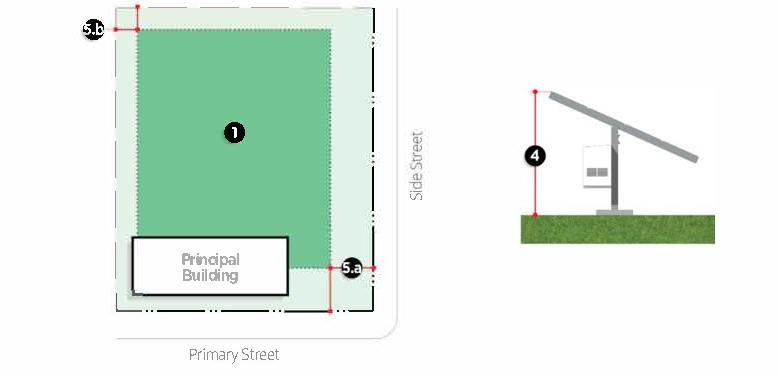
Figure 13-1-121: Solar Energy Collection, Farm
(c)
Urban Agriculture, Outdoor.
(1)
Shall be limited to the raising and/or use of animals at an intensity of one (1) animal unit per acre.
(2)
Shall not be located in, or adjacent to, an existing or platted residential subdivision.
(3)
All buildings, structures, outdoor storage areas, and outdoor animal containments shall be located a minimum of three hundred (300) feet from all residentially zoned property and one hundred (100) feet from all other lot lines.
(4)
Shall be located in an area which is planned to remain commercially viable for agricultural land uses.
(Ord. No. 21-980, 5-10-21)
Sec. 13-1-122 - Specific Residential Use Standards.
(a)
Apartment/Condominium, Building.
(1)
The main entrance to an apartment/condominium building is encouraged to face the primary street.
(2)
All off-street parking shall be located in the rear of the building.
(3)
One (1) of the required parking spaces per unit, as detailed in section 13-1-151, shall be provided in an above or below grade parking structure.
(4)
Curb cuts and site vehicular access shall be minimized in frequency and width and shall not dominate the site plan or the property and street frontage.
(5)
Service areas, dumpsters, utilities, and the required screening thereof shall be designed and located to minimize visibility from public rights-of-way.
(6)
Pedestrian access shall be provided to the building entries and parking areas connecting to the sidewalk at the street frontage.
(7)
Apartment/condominium buildings shall be similar in mass and character to abutting properties including roof pitch, eaves, building materials, windows, trim, color, and landscaping.
(8)
Exterior building materials shall be time- and weather-tested materials and techniques such as but not limited to masonry, stone veneer systems, stucco, precast panels with inlaid or stamped brick texture.
(9)
A minimum of fifteen (15) percent of the site shall be developed as usable open space and shall be sited to preserve natural site features and integrate with the buildings and site circulation to provide common outdoor amenities and gathering places. This requirement shall not apply to apartment/condominium buildings in the CC District.
(b)
Apartment/Condominium, Complex.
(1)
Buildings shall be arranged, and site circulation shall be designed to create a sense of a public realm by framing and defining open spaces, street frontages, and amenities.
(2)
Buildings and other site improvements shall be clustered to maximize stormwater absorption.
(3)
Building orientation shall reinforce site circulation patterns, open space patterns, and connections to other buildings on site.
(4)
One (1) of the required parking spaces per unit, as detailed in section 13-1-151, shall be provided in an above or below grade parking structure.
(5)
Parking shall be integrated into the overall site design to minimize impact, reduce the loss of trees, and to be visually concealed from rights-of-way.
(6)
Curb cuts and site vehicular access shall be minimized in frequency and width and shall not dominate the site plan or the property and street frontage.
(7)
Service areas, dumpsters, utilities, and the required screening thereof shall be designed and located to minimize visibility from public rights-of-way.
(8)
Pedestrian access shall be provided to the building entries and parking areas connecting to the sidewalk at the street frontage.
(9)
Exterior building materials shall be time- and weather-tested materials and techniques such as but not limited to masonry, stone veneer systems, stucco, precast panels with inlaid or stamped brick texture.
(10)
A minimum of fifteen (15) percent of the site shall be developed as usable open space and shall be sited to preserve natural site features and integrate with the buildings and site circulation to provide common outdoor amenities and gathering places.
(c)
Cluster Mailbox.
(1)
A lot created for the purpose of accommodating a cluster mailbox shall not be held to the bulk and dimensional standards of the district in which it is located as detailed in section 13-1-101, as approved by the Zoning Administrator.
(2)
Residential lots impacted by the creation of a cluster mailbox lot may receive relief from bulk and dimensional standards as detailed in section 13-1-101 as approved by the Zoning Administrator.
(d)
Community Living, All Capacities.
(1)
No community living arrangement shall be established within two thousand five hundred (2,500) feet of any other such facility regardless of its capacity.
(2)
The applicant shall demonstrate that the total capacity of all community living arrangements (of all capacities) in the City shall not exceed one (1) percent of the City's population (unless specifically authorized by the Common Council following a public hearing).
(3)
Foster homes housing four (4) or fewer children and licensed under Wis. Stats. § 48.62, shall not be subject to these provisions.
(e)
Duplex/Townhome, All Units.
(1)
The main entrances to a duplex/townhome is encouraged to face the primary street.
(2)
A minimum of one (1) of the parking spaces, as required in section 13-1-151 of this Zoning Ordinance, shall be provided in an attached or detached garage.
(3)
Attached garages are encouraged to be located on rear façades. If attached garages are located on the primary façade they shall:
a.
Be setback a minimum of twenty-five (25) feet from the street right-of-way; and
b.
Be recessed from the primary front façade (excluding porches) of the duplex/townhome a minimum of one (1) foot.
(4)
Exterior building materials shall be time- and weather-tested materials and techniques such as but not limited to masonry, stone veneer systems, stucco, precast panels with inlaid or stamped brick texture.
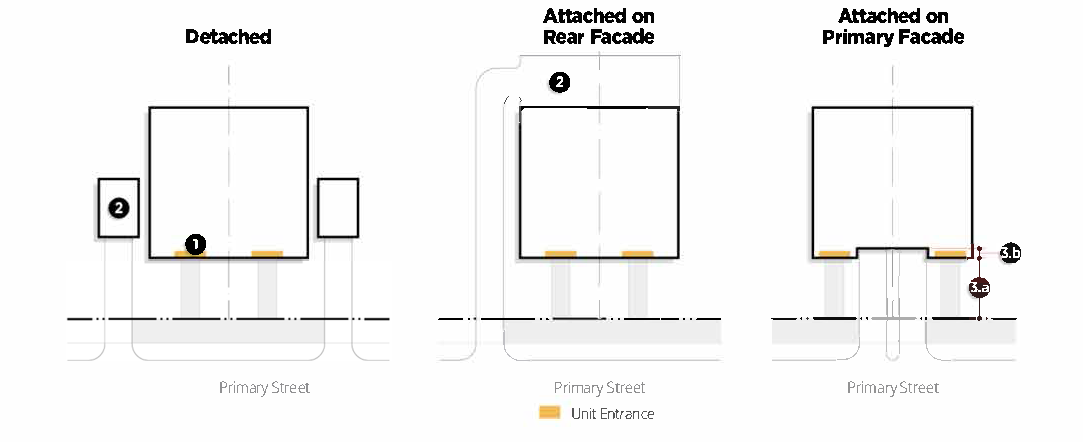
Figure 13-1-122(1): Duplex/Townhome, all units
(f)
Senior Housing, Dependent and Independent.
(1)
The proposed site shall be located to avoid disruption of an established or developing area and shall be designed to maintain the character of the adjacent properties.
(2)
No access shall be permitted to a local residential street.
(3)
Applicant shall provide off-street passenger loading area at a minimum of one (1) location within the development.
(4)
All structures shall be located a minimum of fifty (50) feet from any residentially zoned property which does not contain an institutional residential land use.
(g)
Single Family, Detached.
(1)
Attached garages are encouraged to be located on side façades. If attached garages are located on the primary façade they shall:
a.
Be setback a minimum of twenty-five (25) feet from the street right-of-way; and
b.
Be recessed from the primary front façade (excluding porches) of the single family detached home a minimum of one (1) foot.
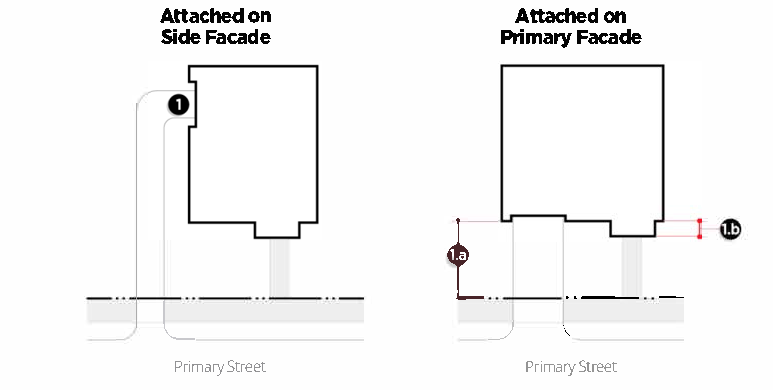
Figure 13-1-122(2): Single Family, Detached
(Ord. No. 21-980, 5-10-21)
Sec. 13-1-123 - Specific Institutional Use Standards.
(a)
Outdoor Public Recreation, Active.
(1)
All structures and active recreational areas shall be located a minimum of fifty (50) feet from any residentially zoned property.
(2)
Facilities which serve a regional or community-wide function shall provide off-street passenger loading area if the majority of the users will be children.
(b)
Public Service and Utilities.
(1)
Outdoor storage areas shall be located a minimum of fifty (50) feet from any residentially zoned property.
(2)
All outdoor storage areas adjoining a residentially zoned property shall comply with the requirements for outdoor storage screening as specified in section 13-1-133.
(3)
All structures shall be located a minimum of twenty (20) feet from any residentially zoned property.
(4)
The architecture and design of the exterior of all buildings shall be compatible with the architecture and design of the exteriors of surrounding buildings.
(Ord. No. 21-980, 5-10-21)
Sec. 13-1-124 - Specific Retail Use Standards.
(a)
Adult Uses.
(1)
Purpose. The purpose of this section is to provide specific regulations for adult uses, in order to accommodate constitutionally-protected non-obscene sexual expression, while protecting the public health, safety, and general welfare of the City. The Common Council finds that:
a.
Adult uses require special supervision from the City's law enforcement and public safety agencies to protect and preserve the public health, safety, morals, and welfare of the patrons and employees of businesses as well as the City's citizens;
b.
Adult uses are frequently used for unlawful sexual activities, including prostitution and sexual liaisons of a casual nature;
c.
Sexually transmitted diseases are a legitimate health concern for the City that demands reasonable regulation of adult uses by the City in accordance with this chapter;
d.
This chapter's regulations are a legitimate and reasonable means of accountability to ensure that operators of adult uses comply with reasonable regulations and to ensure that operators do not allow their establishments to be used as places of illegal sexual activity or solicitation;
e.
There is convincing documented evidence that adult uses, because of their outward appearance and very nature, have a deleterious effect on both the existing businesses around them and the surrounding residential areas adjacent to them, cause increased crime, particularly during the overnight hours, and reduce property values;
f.
The Common Council desires to minimize and control these adverse effects by regulating adult uses in accordance with this chapter;
g.
By minimizing and controlling these adverse effects, the Common Council seeks to protect the health, safety, and welfare of the citizenry; protect citizens from increased crime; preserve quality of life; preserve property values and the character of the City's neighborhoods; and deter the spread of urban blight;
h.
The Common Council does not enact this chapter to suppress or authorize the suppression of any speech activities protected by the First Amendment; rather, this chapter establishes content-neutral regulations that address the secondary effects of adult uses;
i.
The Common Council does not enact this chapter to restrict, deny, or authorize the restriction or denial of access by adults to sexually oriented materials protected by the First Amendment, or to deny, or authorize denial of, access by the distributors and exhibitors of adult entertainment and adult materials to their intended market;
j.
Evidence concerning adult uses' adverse secondary effects on communities is readily available in many court decisions, including, but not limited to: Township of Littleton, Colorado v. Z.J. Gifts D-4, LLC, 541 U.S. 774 (2004); City of Los Angeles v. Almaeda Books, Inc., 535 U.S. 425 (2002); Township of Erie v. Pap's A.M., 529 U.S. 277 (2000); Barnes v. Glen Theatre, Inc., 501 U.S. 560 (1991); Township of Renton v. Playtime Theatres, Inc., 475 U.S. 41 (1986); Young v. American Mini Theatres, 426 U.S. 50 (1976); California v. LaRue, 409 U.S. 109 (1972); Illinois One News, Inc. v. City of Marwill, 477 F.3d 461 (7th Cir. 2007); Andy's Restaurant & Lounge, Inc. v. City of Gary, 466 F.3d 550 (7th Cir. 2006); Joelner v. City of Washington Park, 378 F.3d 613 (7th Cir. 2004); G.M. Enterprises, Inc. v. Town of St. Joseph, 350 F.3d 631 (7th Cir. 2003); Pleasureland Museum, Inc. v. Beutter, 288 F.3d 988 (7th Cir. 2002); Shultz v. City of Cumberland, 288 F.3d 831 (7th Cir. 2000); Genusa v. City of Peoria, 619 F.2d 1203 (7th Cir. 1980); Excalibur Group, Inc. v. City of Minneapolis, 116 F.3d 1216 (8th Cir. 1997); and XLP Corporation v. County of Lake, 359 Ill. App. 3d 239 (2d Dist. 2005) (collectively, the "Cases");
k.
Many cities and other units of government throughout the country have studied and found significant adverse secondary effects associated with adult uses, including, but not limited to: Phoenix, Arizona (1984); Minneapolis, Minnesota (1980); Indianapolis, Indiana (1984); Amarillo, Texas (1977); Whittier, California (1978); St. Croix County, Wisconsin (1993); Bellevue, Washington (1998); Beaumont, Texas (1982); and Des Moines, Iowa (1984) (collectively, the "Studies");
l.
The United States Congress has heard testimony detailing the negative secondary effects associated with adult uses on numerous occasions, including 136 Cong. Rec. S. 8987; 135 Cong. Rec. S. 14519; 135 Cong. Rec. S. 5636; 134 Cong. Rec. E. 3750 (collectively, the "Testimony"); and
m.
Based on secondary effects discussed and found to exist in the Cases, Studies, and Testimony, as well as all evidence presented and matters discussed during all public hearings and meetings conducted by the City, and all other relevant information, including the Common Council's own knowledge and experience, the Common Council finds that:
1.
Adult uses can contribute to increased crime in the area where such businesses are located and burden local law enforcement and public safety efforts. Crimes associated with adult uses include, but are not limited to:
(a)
Prostitution and other sex related offenses;
(b)
Drug use and dealing; and
(c)
Money laundering.
2.
Adult uses can contribute to significant public health concerns, including the spread of HIV/AIDS and other sexually transmitted diseases.
3.
Adult uses and their outward appearance can significantly:
(a)
Contribute to the deterioration of residential neighborhoods;
(b)
Increase neighborhood blight;
(c)
Impair the character and quality of residential housing in the surrounding area; and
(d)
Reduce overall housing appeal for potential residents.
4.
The concentration of adult uses in any one (1) area can greatly impact the area by causing blight, decreasing property values, reducing the City's tax base, making the area less attractive to non-adult uses (i.e., marketability), and increasing crime.
5.
Adult uses can produce higher levels of noise, traffic, and glare as compared to other businesses by virtue of adult uses' hours of operation.
6.
Serving or otherwise allowing the consumption of alcoholic liquor at adult uses can lead to increased criminal activity and exacerbate neighborhood deterioration.
7.
The findings set forth in this section 13-1-124(a) above constitute substantial governmental concerns.
8.
Adult uses have operational characteristics that require reasonable governmental regulation to address those substantial governmental concerns.
9.
Passing this chapter will promote and protect the public health, safety, and welfare.
(2)
Conditions. All adult uses will be subject to the following conditions in order to prevent or minimize substantial or undue adverse effects upon neighboring and adjacent properties and improvements, and substantial or undue or upon public facilities and services:
a.
Adult uses will only be permitted in the UI District.
b.
No adult use may be located within one thousand (1,000) feet of any existing school, religious institution, day care center, public park, residentially zoned property, agriculturally zoned property, or other adult use.
c.
No adult use may have more than one (1) outdoor sign.
d.
No adult use may have an outdoor sign exceeding ten (10) feet in length or three (3) feet in width.
e.
No adult use may display the stock in trade of adult entertainment establishments to the public from view outside the establishment, including graphics, decorations, or displays.
f.
No adult use may paint the exterior of the premises any other color than a single neutral, earth tone color.
g.
No person or entity may hold a liquor license for the property operating as an adult use, or sell, serve, or allow the consumption of alcoholic liquor on the property.
h.
No adult use offering live performance of adult entertainment will allow exposed or uncovered specified anatomical areas.
i.
No adult use will permit persons under the age of eighteen (18) on the property subject to the adult use, and all adult uses will post a notice at the door that entry by persons under the age of eighteen (18) is prohibited.
j.
All adult uses will maintain a buffer measuring at least six (6) feet wide between all patrons and any individual conducting live performance of adult entertainment.
k.
No adult use will allow or permit the occurrence of any specified sexual activities or permit the occurrence of any act constituting the offense of obscenity under Wisconsin law on property subject to the adult use.
l.
No adult use will allow, permit, or authorize physical contact between any adult use personnel and any patron.
m.
Adult entertainment employees may not receive tips from patrons except as follows:
1.
An adult use that desires to provide for tips from its patrons for adult entertainment employees will establish one (1) or more boxes or other containers to receive tips.
2.
All tips for adult entertainment employees must be placed by the patron into the tip box.
3.
An adult use that provides tip boxes for adult entertainment employees must post one (1) or more signs to be conspicuously visible to the patrons on the premises in letters at least one (1) inch high to read as follows: "All tips are to be placed in tip box and not handed directly to the entertainer. Any physical contact between the patron and the entertainer is strictly prohibited."
n.
No adult use offering adult entertainment on the premises may open before 11:30 a.m. or close after 1:00 a.m., except that cleaning and maintenance activities necessary for the property's operation may occur before or after the hours specified in this subsection.
o.
No adult use offering adult entertainment on the premises will open or operate on Sunday, on any federal holiday, or on any state holiday.
p.
No animals, excluding animals trained and used to assist a person with a disability, are permitted at any time on property subject to an adult use, and any animal assisting a person with a disability must remain with that person at all times.
q.
No adult entertainment will occur in any restroom located on a property subject to an adult use.
r.
Patrons will not enter any non-public portions of a property subject to an adult use, including, without limitation, any storage areas, dressing rooms, or other rooms provided for the primary benefit and use of adult use personnel.
s.
No adult use will utilize loudspeakers or other sound equipment that is audible outside of the structure in which the adult use is conducted.
t.
Each adult use will have at least one (1) manager's station allowing direct, unobstructed, and uninterrupted view from the manager's station to every part of the premises accessible to patrons, excluding restrooms.
u.
All adult uses will comply with all provisions of this Code and all federal, state, and local laws, rules, and regulations, as amended.
v.
Upon the City's request, permittee will allow the City to inspect the adult use's books, records, and payroll information to allow the City to verify compliance with this Code, state law, and federal law, as amended.
(3)
Penalty.
a.
Every act or omission constituting a violation of this Code by any adult use, adult use personnel, or patron will be deemed to be an act or omission by the adult use operator, and the adult use operator will be punished in accordance with the provisions of this subsection.
b.
Nothing in this section will prohibit the City or any person or entity from pursuing any claims at law or in equity, against any person or entity that violates this section or any other City ordinance, rule, or regulation.
c.
Any adult use established, operated, or maintained in violation of any of the provisions or requirements of this Code will be, and the same is, declared to be unlawful and a public nuisance. The City may, in addition to or in lieu of any other remedies set forth in this subsection, commence an action to enjoin, remove, or abate such nuisance in the manner provided by law and may take such other steps and apply to such court or courts as may have jurisdiction to grant such relief as will abate or remove such public nuisance, and restrain and enjoin any person from establishing, operating, or maintaining an adult use contrary to the provisions of this Code.
(4)
Severability. If any part, subsection or clause of this section will be deemed to be unconstitutional or otherwise invalid, the remaining section, subsection and clauses will not be affected thereby.
(b)
General Retail, Less Than 10,000 Square Feet.
(1)
The main entrance is encouraged to be oriented towards the primary street.
(2)
All off-street parking and loading shall be located on the side or rear of the primary building.
(3)
Curb cuts and site vehicular access shall be minimized in frequency and width and shall not dominate the site plan or property and street frontage.
(4)
Service areas, dumpsters, utilities, and the required screening thereof shall be designed and located to minimize visibility from public rights-of-way.
(5)
Pedestrian access shall be provided to the building entries and parking areas connecting to the sidewalk at the street frontage.
(6)
Exterior building materials shall be time- and weather-tested materials and techniques such as but not limited to masonry, stone veneer systems, stucco, precast panels with inlaid or stamped brick texture.
(c)
General Retail, 10,000—49,999 Square Feet.
(1)
Façades greater than one hundred (100) feet in length, measured horizontally, shall incorporate surface articulation every twenty-five (25) feet.
(2)
Ground floor facades that face public streets shall have arcades, clear glass display windows, entry areas, awnings, or other such features along no less than sixty (60) percent of their horizontal length.
(3)
Curb cuts and site vehicular access shall be minimized in frequency and width and shall not dominate the site plan or property and street frontage.
(4)
Service areas, dumpsters, utilities, and the required screening thereof shall be designed and located to minimize visibility from public rights-of-way.
(5)
Pedestrian access shall be provided to the building entries and parking areas connecting to the sidewalk at the street frontage.
(6)
Exterior building materials shall be time- and weather-tested materials and techniques such as but not limited to masonry, stone veneer systems, stucco, precast panels with inlaid or stamped brick texture.
(d)
General Retail, More Than 50,000 Square Feet.
(1)
Façades greater than one hundred (100) feet in length, measured horizontally, shall incorporate surface articulation every twenty-five (25) feet.
(2)
Ground floor facades that face public streets shall have arcades, clear glass display windows, entry areas, awnings, or other such features along no less than sixty (60) percent of their horizontal length.
(3)
Curb cuts and site vehicular access shall be minimized in frequency and width and shall not dominate the site plan or property and street frontage.
(4)
Service areas, dumpsters, utilities, and the required screening thereof shall be designed and located to minimize visibility from public rights-of-way.
(5)
Pedestrian access shall be provided to the building entries and parking areas connecting to the sidewalk at the street frontage.
(6)
Exterior building materials shall be time- and weather-tested materials and techniques such as but not limited to masonry, stone veneer systems, stucco, precast panels with inlaid or stamped brick texture.
(7)
The property owner(s) shall enter into a "Vacant Building Agreement" with the City including provisions for vacant building and property maintenance and vacant building demolition.
(e)
Pawn Shop.
(1)
Pawn shops shall be located a minimum of three thousand (3,000) feet from all existing pawn shops.
(2)
The window and door area of any existing first floor facade along a public street or sidewalk shall not be reduced, nor shall changes be made to such windows and doors that block views into and out of the building at eye level.
(3)
For new construction, at least thirty (30) percent of the first-floor façade along a public street or sidewalk shall be windows or doors of clear or lightly-tinted glass that allows views into and out of the building at eye level.
(4)
The use of bars, chains or similar security devices that are visible from a public street or sidewalk shall be prohibited.
(5)
All receipt, sorting and processing of goods shall occur within a completely enclosed building.
(f)
Thrift Store.
(1)
Thrift stores shall be located at least three thousand (3,000) feet from all existing thrift stores.
(2)
The window and door area of any existing first floor façade along a public street or sidewalk shall not be reduced, nor shall changes be made to such windows and doors that block views into and out of the building at eye level.
(3)
For new construction, at least thirty (30) percent of the first-floor façade along a public street or sidewalk shall be windows or doors of clear or lightly-tinted glass that allows views into and out of the building at eye level.
(4)
The use of bars, chains or similar security devices that are visible from a public street or sidewalk shall be prohibited.
(5)
An appointment or set hours shall be required for the acceptance of donated merchandise.
(6)
All receipt, sorting and processing of goods shall occur within a completely enclosed building.
(Ord. No. 21-980, 5-10-21)
Sec. 13-1-125 - >Specific Service Use Standards.
(a)
Commercial Animal Boarding.
(1)
Outdoor exercise areas shall not be located within three hundred (300) feet of a residentially zoned property.
(2)
Outdoor exercise areas shall be fully enclosed with a fence or wall with a minimum height of six (6) feet.
(3)
The hours of operation for outdoor areas shall be limited daily from 7:00 a.m. to 7:00 p.m.
(4)
Special events such as shows, exhibitions, and contests shall only be permitted when a temporary use permit has been secured (see section 13-1-218).
(5)
The animals shall be boarded in appropriate kennel units with insulation to further abate noise.
(6)
All litter and waste must be contained and controlled on site by having appropriate flushing drains and other physical elements to properly dispose of cleaning waste from the boarding area.
(7)
The boarding area must be air-conditioned and heated so that any windows, doors, or other openings can be closed at all times, with the exception of ingress and egress into the area.
(b)
Corporate Campus.
(1)
Buildings shall be arranged, and site circulation shall be designed to create a sense of a public realm by framing and defining open spaces, street frontages, and amenities.
(2)
Buildings and other site improvements shall be clustered to maximize stormwater absorption.
(3)
Building orientation shall reinforce site circulation patterns, open space patterns, and connections to other buildings on site.
(4)
Parking shall be integrated into the overall site design to minimize impact, reduce the loss of trees, and to be visually concealed from rights-of-way.
(5)
Curb cuts and site vehicular access shall be minimized in frequency and width and shall not dominate the site plan or the property and street frontage.
(6)
Service areas, dumpsters, utilities, and the required screening thereof shall not be visible from a right-of-way.
(7)
Pedestrian access shall be provided to the building entries and parking areas connecting to the sidewalk at the street frontage.
(8)
Exterior building materials shall be time- and weather-tested materials and techniques such as but not limited to masonry, stone veneer systems, stucco, precast panels with inlaid or stamped brick texture.
(9)
Buildings, parking lots, drive aisles, and other site improvements shall be sited to preserve natural site features and integrated outdoor amenities and gathering places.
(c)
General Service, Less Than 10,000 Square Feet.
(1)
The main entrance is encouraged to be oriented towards the primary street.
(2)
All off-street parking and loading shall be located on the side or rear of the primary building.
(3)
Curb cuts and site vehicular access shall be minimized in frequency and width and shall not dominate the site plan or property and street frontage.
(4)
Service areas, dumpsters, utilities, and the required screening thereof shall be designed and located to minimize visibility from public rights-of-way.
(5)
Pedestrian access shall be provided to the building entries and parking areas connecting to the sidewalk at the street frontage.
(6)
Exterior building materials shall be time- and weather-tested materials and techniques such as but not limited to masonry, stone veneer systems, stucco, precast panels with inlaid or stamped brick texture.
(d)
General Service, More Than 10,000 Square Feet.
(1)
Façades greater than one hundred (100) feet in length, measured horizontally, shall incorporate surface articulation every twenty-five (25) feet.
(2)
Ground floor facades that face public streets shall have arcades, clear glass display windows, entry areas, awnings, or other such features along no less than sixty (60) percent of their horizontal length.
(3)
Curb cuts and site vehicular access shall be minimized in frequency and width and shall not dominate the site plan or property and street frontage.
(4)
Service areas, dumpsters, utilities, and the required screening thereof shall be designed and located to minimize visibility from public rights-of-way.
(5)
Pedestrian access shall be provided to the building entries and parking areas connecting to the sidewalk at the street frontage.
(6)
Exterior building materials shall be time- and weather-tested materials and techniques such as but not limited to masonry, stone veneer systems, stucco, precast panels with inlaid or stamped brick texture.
(7)
If the gross floor area of the primary building exceeds fifty thousand (50,000) square feet, the property owner shall enter into a "Vacant Building Agreement" with the City including provisions for vacant building and property maintenance and vacant building demolition.
(e)
Group Day Care Center.
(1)
If a fence is required per state licensing requirements, said fence shall meet all fence material restrictions included in section 13-1-155.
(f)
Personal Storage Facility.
(1)
A personal storage facility shall consist of a single building. Outdoor storage shall be prohibited.
(2)
The storing of hazardous or toxic materials is prohibited.
(3)
No storage space shall be used for residential occupancy, business sales or operation, the storage of commercial or industrial inventory or raw materials, or the operation of machinery.
(4)
Exterior building materials shall be time- and weather-tested materials and techniques such as but not limited to masonry, stone veneer systems, stucco, precast panels with inlaid or stamped brick texture.
(Ord. No. 21-980, 5-10-21)
Sec. 13-1-126 - Specific Eating and Drinking Use Standards.
(a)
Coffee/Tea Shop.
(1)
The following provisions shall apply to coffee/tea shop uses in the NO District.
a.
The main entrance is encouraged to be oriented towards the primary street.
b.
All off-street parking and loading shall be located on the side or rear of the primary building.
c.
Curb cuts and site vehicular access shall be minimized in frequency and width and shall not dominate the site plan or property and street frontage.
d.
Service areas, dumpsters, utilities, and the required screening thereof shall be designed and located to minimize visibility from public rights-of-way.
e.
Pedestrian access shall be provided to the building entries and parking areas connecting to the sidewalk at the street frontage.
f.
Exterior building materials shall be time- and weather-tested materials and techniques such as but not limited to masonry, stone veneer systems, stucco, precast panels with inlaid or stamped brick texture.
(Ord. No. 21-980, 5-10-21)
Sec. 13-1-127 - Specific Fitness Facility and Entertainment Use Standards.
(a)
Fitness Facility/Entertainment Facility Indoor, Less Than 10,000 Square Feet.
(1)
The main entrance is encouraged to be oriented towards the primary street.
(2)
All off-street parking and loading shall be located on the side or rear of the primary building.
(3)
Curb cuts and site vehicular access shall be minimized in frequency and width and shall not dominate the site plan or property and street frontage.
(4)
Service areas, dumpsters, utilities, and the required screening thereof shall be designed and located to minimize visibility from public rights-of-way.
(5)
Pedestrian access shall be provided to the building entries and parking areas connecting to the sidewalk at the street frontage.
(6)
Exterior building materials shall be time- and weather-tested materials and techniques such as but not limited to masonry, stone veneer systems, stucco, precast panels with inlaid or stamped brick texture.
(b)
Fitness Facility/Entertainment Facility Indoor, 10,000—49,999 Square Feet.
(1)
Façades greater than one hundred (100) feet in length, measured horizontally, shall incorporate surface articulation every twenty-five (25) feet.
(2)
Ground floor facades that face public streets shall have arcades, clear glass display windows, entry areas, awnings, or other such features along no less than sixty (60) percent of their horizontal length.
(3)
Curb cuts and site vehicular access shall be minimized in frequency and width and shall not dominate the site plan or property and street frontage.
(4)
Service areas, dumpsters, utilities, and the required screening thereof shall be designed and located to minimize visibility from public rights-of-way.
(5)
Pedestrian access shall be provided to the building entries and parking areas connecting to the sidewalk at the street frontage.
(6)
Exterior building materials shall be time- and weather-tested materials and techniques such as but not limited to masonry, stone veneer systems, stucco, precast panels with inlaid or stamped brick texture.
(c)
Fitness Facility/Entertainment Facility Indoor, More Than 50,000 Square Feet.
(1)
Façades greater than one hundred (100) feet in length, measured horizontally, shall incorporate surface articulation every twenty-five (25) feet.
(2)
Ground floor facades that face public streets shall have arcades, clear glass display windows, entry areas, awnings, or other such features along no less than sixty (60) percent of their horizontal length.
(3)
Curb cuts and site vehicular access shall be minimized in frequency and width and shall not dominate the site plan or property and street frontage.
(4)
Service areas, dumpsters, utilities, and the required screening thereof shall be designed and located to minimize visibility from public rights-of-way.
(5)
Pedestrian access shall be provided to the building entries and parking areas connecting to the sidewalk at the street frontage.
(6)
Exterior building materials shall be time- and weather-tested materials and techniques such as but not limited to masonry, stone veneer systems, stucco, precast panels with inlaid or stamped brick texture.
(7)
The property owner(s) shall enter into a "Vacant Building Agreement" with the City including provisions for vacant building and property maintenance and vacant building demolition.
(d)
Physical Health/Entertainment Facility Outdoor.
(1)
Activity areas shall not be located closer than three hundred (300) feet to a residentially zoned property.
(2)
Activity areas (including drive-in movie screens) shall not be visible from any residentially-zoned property.
(Ord. No. 21-980, 5-10-21)
Sec. 13-1-128 - Specific Lodging Use Standards.
(a)
Bed and Breakfast.
(1)
All such facilities shall be required to obtain a permit to serve liquor, if applicable.
(2)
One lavatory and bathing facility shall be required for every ten (10) occupants, in addition to the owner/occupant's personal facilities.
(3)
The dwelling unit in which the bed and breakfast takes place shall be the principal residence of the operator/owner and said operator/owner shall live on the premises when the bed and breakfast operation is active.
(4)
Breakfast shall be the only the meal served to only overnight guests.
(5)
A record of overnight guests must be maintained for one (1) year and available upon request.
(6)
The maximum stay for any occupants of a bed and breakfast operations shall be fourteen (14) days in any one (1) visit.
(Ord. No. 21-980, 5-10-21)
Sec. 13-1-129 - Specific Vehicle Related Use Standards.
(a)
Fuel Sales.
(1)
All fuel pumps shall be set back a minimum of twenty-five (25) feet from the street right-of-way and side or rear lot lines.
(2)
All fuel pump canopies shall be located a minimum of twenty (20) feet from the street right-of-way and side or rear lot lines.
(3)
All fuel pumps and fuel pump canopies shall be located a minimum of fifty (50) feet from any residential district boundary line.
(4)
Fuel pump canopies shall have columns placed in a manner that is similar in their relation to the roof as that of the exterior walls of the building to which the fuel pump canopy is associated.
(5)
Fuel pump canopies shall be finished with materials consistent with the primary building façade.
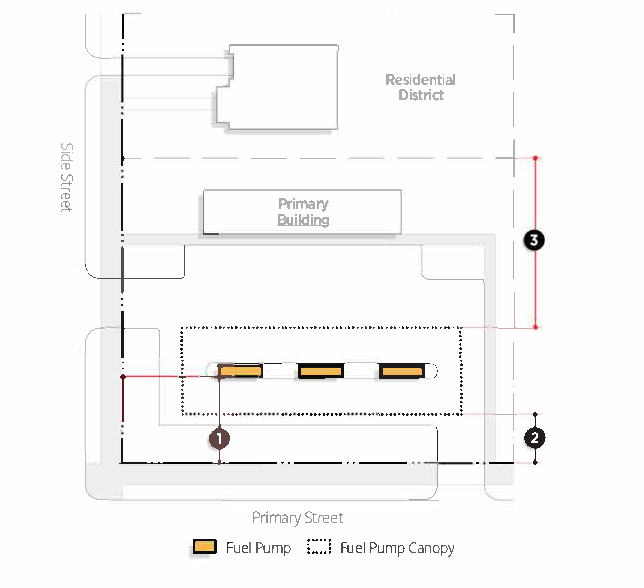
Figure 13-1-129: Fuel Sales
(b)
Personal Vehicle Storage Facility.
(1)
A personal vehicle storage facility may contain an incidental clubhouse, gathering building, or patio that cannot be leased or rented to any person, group, or entity for a function that is outside of the owners or users of the facility.
(2)
The storing of hazardous or toxic material is prohibited.
(3)
No storage space shall be used for residential occupancy, or the storage of commercial or industrial inventory or raw materials.
(4)
The storage of vehicles associated with a business shall be incidental to the storage of personal property. There shall be no exterior evidence of business operations. No employees of a business or customers of a business shall be present other than the owner/renter of the space themselves.
(5)
Exterior building materials shall be time- and weather-tested materials and techniques such as but not limited to masonry, stone veneer systems, stucco, precast panels with inlaid or stamped brick texture.
(6)
Multiple buildings are permitted with extensive landscaping between the buildings to include canopy trees.
(7)
Washing of vehicles outside of buildings is prohibited.
(8)
Sink and toilets are allowed in each unit.
(9)
Showers are prohibited except in the clubhouse or gathering building.
(Ord. No. 21-980, 5-10-21; Ord. No. 24-1039, § 3, 3-11-24)
Sec. 13-1-130 - Specific Industrial Use Standards.
(a)
Artisan Manufacturing.
(1)
Gross floor area shall not exceed ten thousand (10,000) square feet.
(2)
Outdoor storage and/or outdoor operations or activities shall be prohibited.
(3)
Retail sales of goods manufactured on-site shall be permitted but shall be limited to twenty-five (25) percent of the total area of the building.
(4)
A maximum of two (2) residential units shall be permitted but shall be limited to twenty-five (25) percent of the total area of the building.
(b)
Communication Tower. The purpose of this section is to regulate by zoning permit (1) the siting and construction of any new mobile service support structure and facilities; (2) with regard to a class I collocation, the substantial modification of an existing support structure and mobile service facilities; and (3) with regard to a class 2 collocation, collocation on an existing support structure which does not require the substantial modification of an existing support structure and mobile service facilities.
(1)
Generally, the regulations of this section are designed to:
a.
Facilitate the efficient provision of mobile services to the residents of the City, as well as to other persons, firms, and/or corporations in the vicinity of the City;
b.
Minimize adverse visual effects of mobile service support structures and mobile service facilities, through careful design, siting, screening, and landscape buffering standards;
c.
Minimize the impacts of mobile service support structures and mobile service facilities on, and reduce conflicts with, the architectural, historical, tourism and economic significance of historic structures and districts designated by the Federal, State and local governments;
d.
Avoid potential damage to adjacent properties from falling ice and tower failure through structural standards and setback requirements;
e.
Promote, encourage and maximize the shared use of existing and approved mobile service support structures to accommodate new mobile service facilities in order to reduce the number of mobile service support structures needed to serve the community; and
f.
Promote, encourage and maximize the use of existing tall structures that have been established within the community for the collocation of new mobile service facilities.
(2)
This section shall be interpreted to comply with Wis. Stat. § 66.0404, as the same may be amended from time to time. Any provision within the Code that unavoidably conflicts with the City's authority under Wis. Stat. § 66.0404 shall not be applied to new mobile service support structure and facilities, class I collocation, or class 2 collocation. All definitions contained in Wis. Stat. § 66.0404(1), as the same may be amended from time to time, are incorporated by reference and apply to this section.
a.
Interpretation.
1.
The provisions of this section are not intended to and shall not be interpreted or applied so as to prohibit or have the effect of prohibiting the provision of mobile services, nor shall the provisions of this section be applied in such a manner as to unreasonably discriminate between providers of functionally equivalent mobile services.
2.
All deadlines described in this section for issuing a final decision on an application for a mobile service support structure or mobile service facility shall be tolled during any time the applicant needs to respond to reasonable requests for additional information.
3.
No decision to deny an application for a conditional use permit or a zoning variation for the construction or installation of a mobile service facility may be based on the environmental effects of radio frequency emissions to the extent that the applicant demonstrates such facility complies with the most current FCC's regulations concerning such emissions at the time the application is submitted to the City.
4.
Nothing in this section shall be construed to release any applicant from compliance with all applicable Federal, State and local building, electrical and occupational safety laws, regulations, codes and rules.
b.
New Towers and Class 1 Collocations.
1.
Application process. A City zoning approval is required for the siting and construction of any new mobile service support structure and facilities. The siting and construction of any new mobile service support structure and mobile service facilities is a conditional use in the City obtainable with this permit.
(a)
A conditional use permit application must be completed by both the applicant and property owner and submitted to the City. The application must contain the following information:
(i)
The name and business address of, and the contact individual for, the applicant.
(ii)
The location of the proposed support structure and contact information for the property owner.
(iii)
The location of the proposed mobile service facility.
(iv)
A construction plan: For a class 1 collocation, a construction plan which describes the proposed modifications to the support structure and the equipment and network components, including antennas, transmitters, receivers, base stations, power sup-plies, cabling, and related equipment associated with the proposed modifications. For a new mobile service support structure, a construction plan which describes the proposed mobile service support structure and the equipment and network components, including antennas, transmitters, receivers, base stations, power supplies, cabling, and related equipment to be placed on or around the new mobile service support structure.
(v)
For a new mobile service support structure, an explanation as to why the applicant chose the proposed location and why the applicant did not choose collocation, including a sworn statement from an individual who has responsibility over the placement of the mobile service support structure attesting that collocation within the applicant's search ring would not result in the same mobile service functionality, coverage, and capacity; is technically infeasible; or is economically burdensome to the mobile service provider.
(vi)
Coverage area maps showing the existing and proposed coverage. The application should demonstrate whether a significant gap in coverage exists in the applicant's coverage area for the provision of mobile service. A "gap in coverage" exists when a remote user of such services is unable to either connect with the land-based national telephone network or to maintain a connection capable of supporting a reasonably uninterrupted communication. This standard shall be applied separately to each mobile service provider.
(vii)
A drawing or diagram showing the fall zone of the proposed tower with a licensed engineer's certification.
(viii)
An explanation whether the means chosen to fill a significant gap in coverage are the least intrusive on the conditions set forth in this section.
(ix)
An explanation whether the proposed site would encroach on a building or district with historical significance.
2.
A permit application will be provided by the City upon request to any applicant.
3.
If an applicant submits an application for a permit to site and construct a new mobile service support structure and facilities and the application contains all of the information required under section (b)(1)(a)(1)—(5), the City shall consider the application complete. If the City finds the application incomplete, the City shall notify the applicant, in writing, within ten (10) business days of receiving the application that the application is incomplete. The written notification shall specify in detail the required information that was incomplete. An applicant may resubmit an application as often as necessary until it is properly completed in accordance with this section.
4.
Within ninety (90) days of its receipt of a complete application, the City shall complete all of the following or the applicant may consider the application approved, except that the applicant and the City may agree in writing to an extension of the ninety-day period:
(a)
Review the application to determine whether it complies with all applicable aspects of the City's building code and this section.
(b)
Make a final decision whether to approve or disapprove the application.
(c)
Notify the applicant, in writing, of its final decision.
(d)
If the decision is to disapprove the application, include with the written notification a description of substantial evidence contained in the public record which supports the decision to disapprove.
5.
The City may disapprove an application if an applicant refuses to evaluate the feasibility of collocation within the applicant's search ring and provide the sworn statement described under subsection (1)(a)(5).
6.
If an applicant provides the City with an engineering certification showing that the new mobile service support structure is designed to collapse within a smaller area than the setback or fall zone required in this section, then the City may not disapprove the application based on a violation of the setback or fall zone required in this section unless the City provides the applicant with substantial evidence contained in the public record that the engineering certification is flawed.
7.
The fee for the permit shall be set in the City's Fee Schedule, as amended.
8.
To ensure compliance with this section, including, but not limited to, the requirements set forth in subsection (9)(e), the applicant shall provide a letter of credit or surety bond in an amount to be determined when the application is filed, but which amount shall not exceed twenty thousand dollars ($20,000.00).
9.
Conditional Use Regulations (All Districts).
(a)
The mobile service support structure shall be placed on property in a location ensuring its fall zone is completely within the property's boundaries.
(b)
The support structure must be located to minimize its visual impact. The support structure should be less visually obtrusive by use of screening, coloring, stealth design, or other visual mitigation options. An applicant for a new mobile services support structure or a class 1 collocation will use its best efforts to comply, to the extent feasible, with the aesthetic standards described in subsection (b)(2)e., but such standards will not be the sole basis for the City to deny an application for a new mobile services support structure or a class 1 collocation. A class 1 collocation that meets all the aesthetic standards described in subsection (b)(2)e. will be treated as a class 2 collocation.
(c)
The applicant shall present evidence of how it will comply with all federal, state, and local laws, ordinances, rules and regulations (including laws and ordinances relating to health and radio frequency emissions) in connection with the use of the permit granted hereunder and the operation, maintenance, construction and/or installation of the mobile service support structure and facilities. The applicant's construction plan shall be approved by the City zoning administrator and building inspector to ensure compliance.
(d)
The applicant shall, at all times, maintain and repair the mobile service support structure and facilities in a clean, safe and workmanlike condition.
(e)
If the applicant ceases using the mobile service support structure and facilities, the applicant shall remove the mobile service support structure and facilities within thirty (30) of the date upon which its use ceases at a cost to the applicant.
(f)
The equipment compound must have sufficient area to accommodate equipment sheds or cabinets of each carrier operating on a property. Outdoor storage of equipment or other items is prohibited.
(g)
Applicant shall comply with section 13-1-217, standards and procedures applicable to all conditional uses and shall submit answers to the Zoning Administrator's findings per section 13-1-217(d).
c.
Class 2 Collocation.
1.
Application Process.
(a)
A city zoning permit is required for a class 2 collocation. A class 2 collocation is a permitted use in the City but still requires the issuance of the city permit. An applicant for a class 2 collocation will use its best efforts to comply, to the extent feasible, with the aesthetic standards described in subsection (b)(2)e. of this section, but such standards will not be the basis for the City to deny an application for a class 2 collocation.
(b)
A mobile service facility that would otherwise be considered a class 1 collocation shall be considered a class 2 collocation if:
(i)
A greater height is necessary to avoid interference with an existing antenna; or
(ii)
If a greater protrusion is necessary to shelter the antenna from inclement weather or to connect the antenna to the existing structure by cable.
(c)
The applicant must submit a sworn statement, stamped by a licensed engineer, to verify the application of this subsection.
(d)
A permit application must contain the following information:
(i)
The name and business address of, and the contact individual for, the applicant and contact and approval information for the property owner;
(ii)
The location of the affected support structure;
(iii)
The location of the proposed mobile service facility; and
(iv)
Confirmation from a structural engineer that the existing structure can withstand additional weight of another facility.
(e)
A class 2 collocation is subject to the same requirements for the issuance of a building permit to which any other type of commercial development or land use development is subject, pursuant to the Code.
(f)
If an applicant submits an application for a class 2 collocation permit with all of the information required under this section, the City shall consider the application complete. If any of the required information is not in the application, the City shall notify the applicant, in writing within five (5) days of receiving the application, that the application is not complete. The written notification shall specify in detail the required information that was incomplete. An applicant may resubmit an application as often as necessary until it is complete.
(g)
Within forty-five (45) days of its receipt of a complete application, the City shall complete all of the following or the applicant may consider the application approved, except that the applicant and the City may agree in writing to an extension of the forty-five (45) day period:
(i)
Make a final decision whether to approve or disapprove the application.
(ii)
Notify the applicant, in writing, of its final decision.
(iii)
If the application is approved, issue the applicant the relevant permit.
(iv)
If the decision is to disapprove the application, include with the written notification a description of substantial evidence contained in the public record which supports the decision to disapprove.
(h)
The fee for the permit shall be set in the City's Fee Schedule, as amended five hundred dollars ($500.00).
(i)
To ensure compliance with this section, including, but not limited to, the requirements set forth in subsection (2)(c), the applicant shall provide a letter of credit or surety bond in an amount to be determined when the application is filed, but which amount shall not exceed twenty thousand dollars ($20,000.00).
2.
Permitted by Right (All Districts).
(a)
The applicant shall comply with all Federal, State, and local laws, ordinances, rules and regulations (including laws and ordinances relating to health and radio frequency emissions) in connection with the use of the permit granted hereunder and the operation, maintenance, construction and/or installation of the mobile service facilities on the existing structure or existing mobile service support structure. The applicant's construction and design plan shall be approved by the City zoning administrator and building inspector to ensure compliance.
(b)
The applicant shall maintain and repair the mobile service facilities in a safe and workmanlike condition.
(c)
If the applicant ceases using the mobile service support facilities, the applicant shall remove the mobile service support facilities within thirty (30) of the date upon which its use ceases at a cost to the applicant. Such removal shall be done in a workmanlike and careful manner.
d.
Small Cell Wireless Facilities.
1.
Definitions. All definitions contained in Wis. Stat. § 66.0414(1), and as may be amended in the future, are hereby incorporated by reference and apply to section 13-1-129(c).
2.
Permitted by right or conditional use. A city zoning permit is required for a small wireless facility. Small wireless facilities shall be classified as permitted uses, and not require the issuance of the city zoning permit, if they are collocated outside a right-of-way on property which is not zoned exclusively for single-family residential use. A small wireless facility collocated outside the right-of-way on property which is zoned exclusively for single-family residential use shall be considered a class 2 collocation and, except to the extent described in this subsection (b)(2)c., shall comply with the provisions of subsection (b)(2)b.
3.
Permit conditions.
(a)
Small wireless facilities shall comply with the aesthetic standards described in subsection 13-1-129(b)(2)d. to the extent they are technically feasible.
(b)
If the applicant ceases using the small wireless facilities, the applicant shall remove the small wireless facilities within thirty (30) days of the date upon which its use ceases at a cost to the applicant. Such removal shall be done in a workmanlike and careful manner.
(c)
In a historic or underground district any collocation on or replacement of an existing structure shall reasonably conform to the design aesthetics of the original structure. In this subsection, a historic district is an area designated as historic by the City, listed on the national register of historic places in Wisconsin, or listed on the state register of historic places. An underground district is an area designated by the City in which all pipes, pipelines, ducts, wires, lines, conduits, or other equipment, which are used for the transmission, distribution, or delivery of electrical power, heat, water, gas, sewer, or telecommunications equipment, are located underground.
e.
Aesthetic Standards. Designs for mobile service support structures, as well as designs for associated mobile service facilities, shall be part of an application for a conditional use permit, by reference to the standards described in this subsection. Applicants to erect mobile service facilities that are permitted uses shall use their best efforts to comply with the following standards. These standards avoid or remedy the intangible public harm of unsightly or out-of-character deployments.
1.
Mobile service support structures shall be of a monopole design unless the City Council determines that an alternate design would better blend into the surrounding environment.
2.
Mobile service support structures and facilities shall be designed to blend into the surrounding environment as closely as possible through the use of color, camouflaging and/or stealth architectural treatment, where possible. A mobile service support structure shall be painted a single, neutral color. Mobile service facilities shall be well maintained at all times.
3.
Mobile service support structures and facilities shall not be illuminated by artificial means and shall not display lights unless such lights are specifically required by a Federal or State authority. Lights are permitted to be operated during on-going maintenance activities.
4.
Site location and development shall preserve the existing character of the building or property as much as possible. Existing vegetation must be preserved or improved, and disturbance of the existing topography of the site must be minimized.
5.
Mobile services facilities erected on property where there are structures composed of masonry materials and having gabled or other peaked-roof type features are required to enclose ground-mounted facilities and equipment within a structure using the same building materials unless the City Council determines that an alternate design would better blend into the surrounding environment. All other facilities shall be enclosed within a solid six-foot high wooden board-on-board style fence. To the extent the feasible, equipment enclosures should be sized to accommodate co-location of additional facilities.
6.
Landscaping screening a minimum of five-foot in height at installation should be installed and maintained so as to screen any proposed ground-mounted structure or transmission equipment and to discourage vandalism.
(c)
Composting Operation.
(1)
Shall comply with all County, State and Federal regulations.
(2)
All buildings, structures, and activity areas shall be located a minimum of one hundred (100) feet from all lot lines.
(3)
The processing, storage, and disposal of any food scraps or other vermin-attracting materials shall be conducted entirely within a completely enclosed structure with all doors, windows, and any other structure openings completely closed.
(4)
Operations shall not involve the on-site holding, storage or disposal of hazardous wastes as defined by State Statutes in any manner.
(d)
Distribution Center.
(1)
Any operator or owner of a motor vehicle which is powered by diesel fuel shall be prohibited to stand such vehicle with the engine running for more than a total of three (3) minutes within any sixty-minute period.
(2)
All buildings, structures, outdoor storage areas, and any other activity areas shall be located a minimum of one hundred (100) feet from all lot lines abutting residentially zoned property.
(3)
In no instance shall activity areas be located within a required front or exterior side yard.
(e)
Light Industrial.
(1)
All activities, except loading and unloading, shall be conducted entirely within a completely enclosed building with all doors, windows, and any other structure openings completely closed.
(Ord. No. 21-980, 5-10-21)
Sec. 13-1-131 - Specific Transportation Use Standards.
(a)
Airport/Heliport.
(1)
All buildings, structures, outdoor airplane or helicopter storage areas, and any other activity areas shall be located a minimum of one hundred (100) feet from all lot lines.
(Ord. No. 21-980, 5-10-21)
Sec. 13-1-132 - Specific Accessory Use Standards.
(a)
Accessory Building.
(1)
One (1) accessory building shall be permitted per lot.
(2)
An accessory building shall not exceed nine hundred (900) square feet except as a conditional use in the RA District.
(3)
An accessory building shall have a maximum height of fifteen (15) feet.
(4)
An accessory building shall be located a minimum of ten (10) feet from the primary building unless it is constructed with a one (1) hour fire rating in which case the minimum separation from the primary building shall be five (5) feet.
(5)
Accessory buildings shall be located per the following:
a.
If located entirely within the required rear yard the accessory building must be located a minimum of five (5) feet from side and rear property lines;
b.
If located entirely within the buildable area of the lot the accessory building must not be located between the primary building and the front property line;
c.
If located partially in the required rear yard and partially in the buildable area of the lot the accessory building must maintain the required side yard setback for the full length of the property and be a minimum of five (5) feet from the rear property line; or
d.
As permitted in section 13-1-103Intrusions into Required Yards.
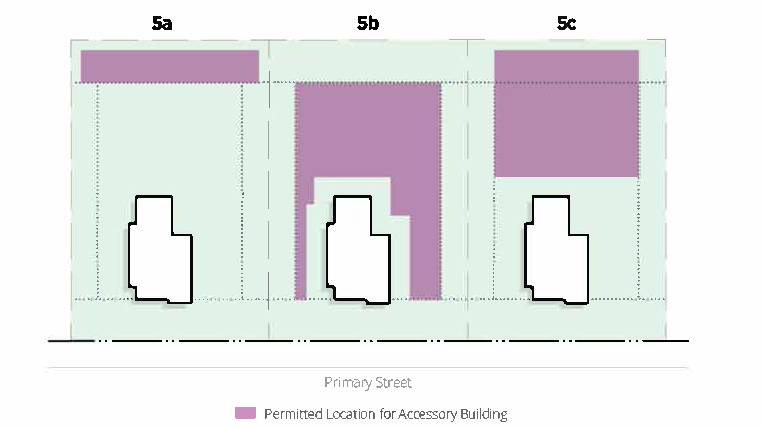
Figure 13-1-132(1): Accessory Building
(b)
Accessory Dwelling Unit.
(1)
One (1) accessory dwelling unit shall be permitted per lot.
(2)
Detached accessory dwelling units shall comply with all standards included in subsection (a) of this section with the exception of subsection (a)(3).
(3)
The primary structure shall be the primary residence of the owner of the property.
(4)
Accessory dwelling units shall not be greater than nine hundred (900) square feet or fifty (50) percent of the size of the principal structure, whichever is less. Internal accessory dwelling units located in a basement shall be permitted to occupy the entire area of said basement.
(5)
Detached and attached accessory dwelling units shall be located to the rear of the primary structure.
(6)
Only one (1) entrance shall be located on the front façade of the primary structure. Entrances to accessory dwelling units must be located on the side or rear façade.
(7)
Both the primary structure and the accessory dwelling unit shall be served by one (1) common driveway connecting the accessory dwelling unit to a public or private road.
(8)
Parking for the accessory dwelling unit shall be in addition to the parking space(s) required for the primary structure. The parking for the accessory dwelling unit shall not be located in the required front yard setback. A tandem parking space, where one (1) car is parked behind another, with the spaces required for the primary structure shall be prohibited.
(9)
Accessory dwelling units shall be similar in character to the primary structure and to abutting properties including roof pitch, eaves, building materials, windows, trim, color, and landscaping.
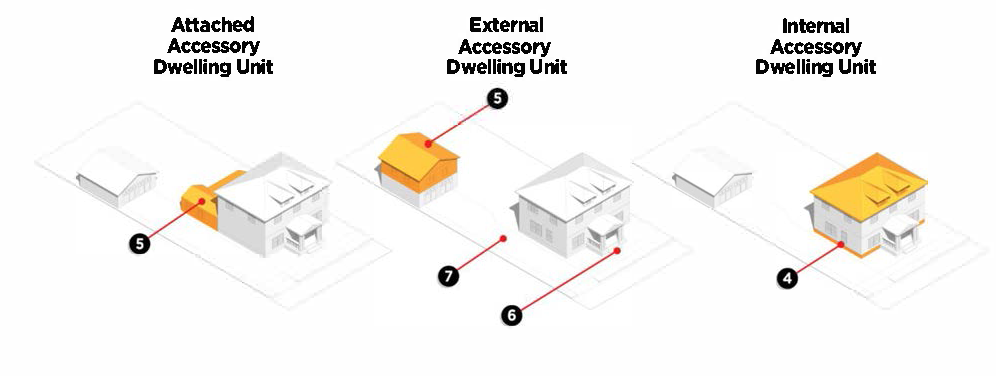
Figure 13-1-132(2): Accessory Dwelling Units
(c)
Accessory Structure.
(1)
One (1) accessory structure shall be permitted per lot.
(2)
An accessory structure shall not exceed one hundred (100) square feet.
(3)
An accessory structure shall not have a permanent foundation.
(4)
An accessory structure shall have a maximum height of eight (8) feet.
(5)
An accessory structure shall be located a minimum of ten (10) feet from the primary building.
(6)
Accessory structures shall be located per the following:
a.
If located entirely within the required rear yard the accessory building must be located a minimum of five (5) feet from side and rear property lines,
b.
If located entirely within the buildable area of the lot the accessory building must not be located between the primary building and the front property line,
c.
If located partially in the required rear yard and partially in the buildable area of the lot the accessory building must maintain the required side yard setback for the full length of the property and be a minimum of five (5) feet from the rear property line, or
d.
As permitted in section 13-1-103Intrusions into Required Yards.
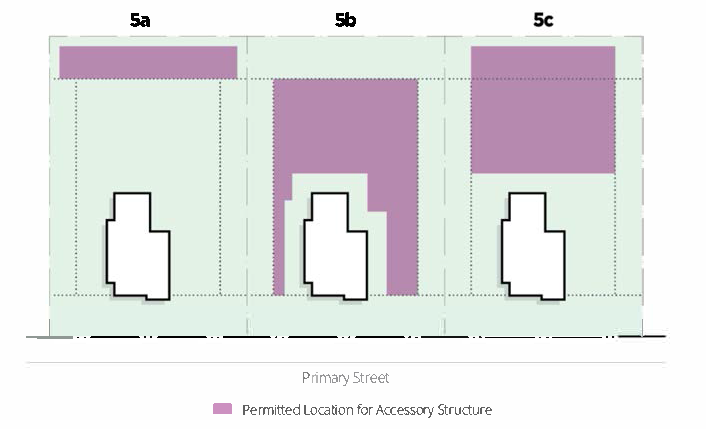
Figure 13-1-132(3): Accessory Structure
(d)
Chickens, Keeping and Raising.
(1)
Chickens shall be permitted on lots in the City. If the property is not owner occupied, the Applicant shall provide the owner's written consent to the keeping and raising of chickens.
(2)
No more than four (4) female chickens may be kept on a property that is under one (1) acre in size and no more than eight (8) female chickens may be kept on a property that is equal to or more than one (1) acre in size.
(3)
Roosters are prohibited.
(4)
The sale of chickens, meat, eggs, or other chicken by-products is prohibited.
(5)
The slaughtering of chickens is prohibited.
(6)
A chicken coop and chicken run shall not be counted towards the maximum number of accessory structures permitted on a lot.
(7)
Chicken coop and chicken run requirements:
a.
Chickens shall be provided a covered roosting area (a chicken coop) and an enclosed area in which chickens are allowed to walk and run (a chicken run).
b.
Chickens shall be kept in the chicken coop of the chicken run at all times on the property.
c.
The chicken run area shall include an area fenced with materials to sufficiently contain chickens. A building permit shall be required for permanent fencing.
d.
The chicken coop and chicken run shall be designed and maintained to be well-drained on the owner's property. There shall be no standing water.
e.
The chicken coop and chicken run shall be kept clean, dry, and free of offensive odors pursuant to the City Ordinance. The owner shall prevent accumulation of chicken waste in the chicken coop and chicken run by properly disposing of fecal matter on a regular basis.
f.
The chicken coop shall not exceed fifteen (15) feet in height and shall be either placed on a paved surface or raised off the ground at least one (1) foot.
g.
The chicken coop shall be located only in rear yards and shall be setback a minimum of fifteen (15) feet from all property lines.
h.
For properties that have frontage on more than one (1) road or street, the rear lot line shall be opposite lot line along which the lot takes access to a street. The chicken coop shall be setback a minimum of fifteen (15) feet from all property lines and twenty-five (25) feet from streets.
(e)
Company Provided On-Site Recreation.
(1)
All structures and actively used outdoor areas shall be located a minimum of fifty (50) feet from any residentially zoned property.
(f)
Compost Bin.
(1)
All compost shall be fully enclosed in a free-standing compost bin. In the SC, CC, NO, and SO districts, compost bins shall be barrels with lids to prevent access to bin contents by animals.
(2)
A compost bin shall be no larger in volume than one hundred (100) cubic feet and shall not exceed a height of four (4) feet.
(3)
A maximum of three (3) compost bins may be located on any lot used for residential purposes.
(4)
Compost bins shall be located in rear yards only and shall be a minimum of ten (10) feet from all property lines. In cases where a rear yard adjoins a street and is not enclosed by a fence, compost bins shall be located a minimum of fifty (50) feet from the street.
(5)
Compost bins shall be maintained so as to prevent the attraction or harborage of rodents and unpleasant odors.
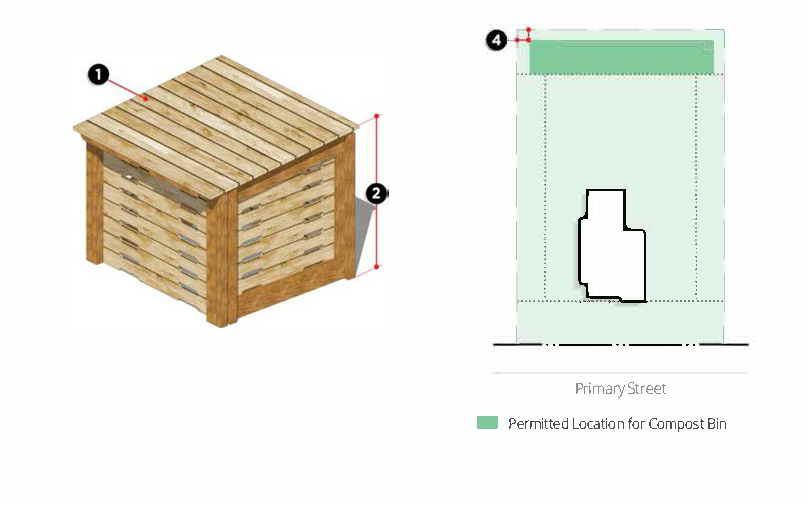
Figure 13-1-132(4): Compost Bin
(g)
Drive Through.
(1)
Clearly marked pedestrian crosswalks shall be provided for each walk-in customer access to the facility adjacent to the drive-through lane(s).
(2)
The drive-through facility shall be designed so as to not impede or impair vehicular and pedestrian traffic movement or exacerbate the potential for pedestrian/vehicular conflicts.
(3)
In no instance shall a drive-through facility be permitted to operate which endangers the public safety, even if such land use has been permitted under the provisions of this section.
(4)
The setback of any overhead canopy or similar structure shall be a minimum of ten (10) feet from all street rights-of-way lines, a minimum of twenty (20) feet from all residentially-zoned property lines, and shall be a minimum of five (5) feet from all other property lines. The total height of any overhead canopy of similar structure shall not exceed twenty (20) feet as measured to the highest part of the structure.
(5)
Any overhead canopy or similar structure shall maintain a uniform and consistent roof line with the building to which the drive-through facility is a part.
(6)
Any overhead canopy or similar structure shall have columns, solid walls or semi-solid walls placed so that they are similar in their relation to the roof as that of the exterior walls of the building to which the drive-through facility is a part.
(7)
Any overhead canopy or similar structure shall be finished with materials consistent with the primary building façade.
(8)
All vehicular areas of the facility shall provide a surface paved with concrete or bituminous material which is designed to meet the requirements of a minimum four (4) ton axle load.
(9)
Interior curbs shall be used to separate driving areas from exterior fixtures such as fuel pumps, vacuums, menu boards, canopy supports and landscaped islands. Said curbs shall be a minimum of six (6) inches high and be of a non-mountable design. No curb protecting an exterior fixture shall be located closer than twenty-five (25) feet to all property lines.
(10)
Drive-through facilities shall be permitted a maximum of two (2) menu boards with a combined maximum area of eighty (80) square feet. Each menu board shall not exceed sixty (60) square feet in area and ten (10) feet in height. Menu boards may utilize electronic message boards for one hundred (100) percent of the permitted menu board area.
(11)
Stacking lanes shall have a minimum depth of twenty (20) feet per stacking space and the following minimum lane widths:
a.
One (1) lane: twelve (12) feet,
b.
Two (2) or more lanes: ten (10) feet per lane.
(12)
Drive-through facilities shall be required to provide a minimum number of vehicle stacking spaces as detailed in Table 13-1-132(f)(12).
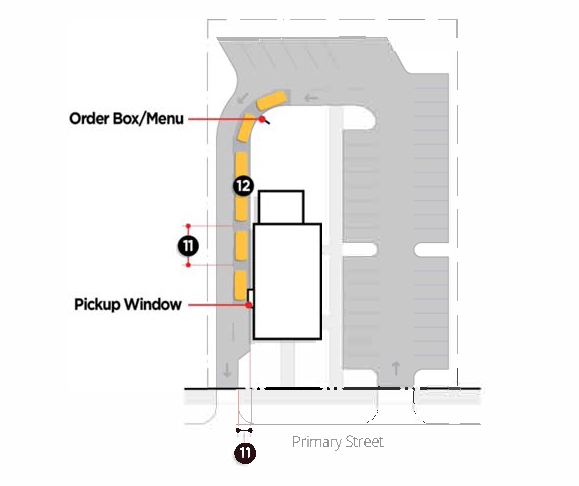
Figure 13-1-132(5): Drive Through Stacking
(13)
Drive Through Screening. The following regulations shall apply to any drive through regardless of the use to which it is accessory:
a.
Drive aisles of drive throughs must be effectively screened from view along the public right-of-way and at the edges of sites adjacent to residential properties to minimize the impact of exterior site lighting, headlight glare, and any menu intercom displays.
b.
Screening must be approved during the conditional use permitting process.
c.
Screening shall be a minimum of six (6) feet in width and must consist of:
1.
An opaque masonry wall or solid wood fence with a minimum height of four (4) feet and a maximum height of six (6);
2.
Ornamental trees installed every twenty-five (25) feet along the exterior of the wall or fence; and
3.
Shrubs installed every three (3) feet along the exterior of the wall or fence to provide a softening effect.
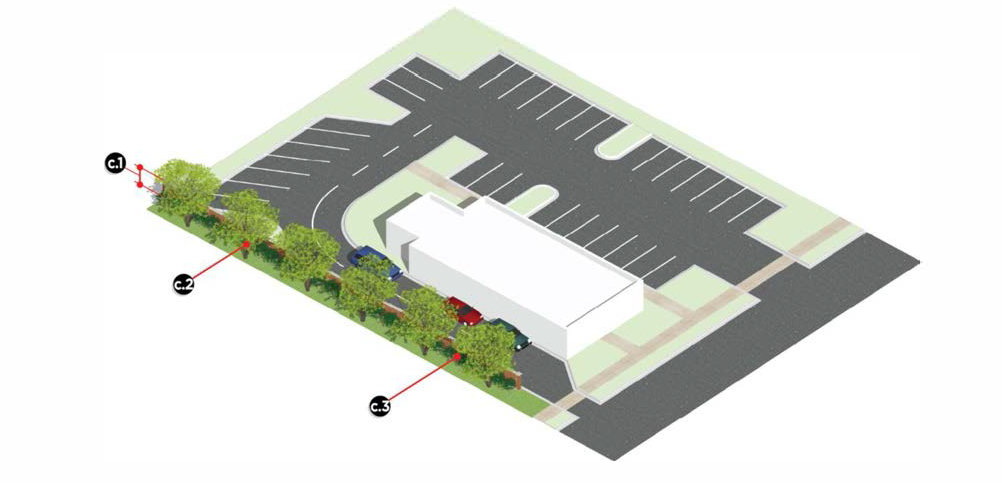
Figure 13-1-132(6): Drive Through Screening
(h)
Home Occupation.
(1)
The home occupation shall be conducted only within the enclosed area of the dwelling unit or an attached garage and shall be subordinate to the use of the dwelling for residential purposes.
(2)
There shall be no exterior alterations which change the character thereof as a dwelling and/or exterior evidence of the home occupation.
(3)
No storage or display of materials, goods, supplies, or equipment related to the operation of the home occupation shall be visible outside any structures located on the premises.
(4)
No home occupation use shall create smoke, odor, glare, noise, dust, vibration, fire hazard, small electrical interference or any other nuisance not normally associated with the average residential use in the district.
(5)
No home occupation shall generate any traffic in excess of what is typical for the district in which it is located.
(6)
No outdoor storage shall be permitted.
(7)
The home occupation use shall not involve the use of commercial vehicles for delivery of materials to or from the premises in excess of the normal amount of the district.
(8)
A permitted home occupation is restricted to a General Service business as defined herein.
(9)
The manufacturing of items or products or the sale of items or products on the premises shall be prohibited except for phone or online sales.
(10)
A permitted home occupation shall not occupy more than thirty (30) percent of the floor area of the dwelling.
(11)
Persons employed by a permitted home occupation shall be limited to the resident family members and no more than one (1) nonresident employee.
(12)
Under no circumstances shall a vehicle repair or body work business qualify as a home occupation.
(13)
The Plan Commission may approve home occupations in residential districts which do not meet the standards above, as conditional uses. The standards in section 13-1-217 shall be applicable.
(14)
The types and number of equipment or machinery used on the conditional use site may be restricted by the Plan Commission.
(i)
Indoor Sales Incidental to Light Industrial Use.
(1)
The total area devoted to sales activity shall not exceed twenty-five (25) percent of the total area of the buildings on the property.
(2)
Restroom facilities shall be provided and shall be directly accessible from the retail sales area.
(3)
Retail sales area shall by physically separated by a wall from other activity areas.
(j)
Light Industrial Incidental to Indoor Sales.
(1)
All activities, except loading and unloading, shall be conducted entirely within a completely enclosed building with all doors, windows, and any other structure openings completely closed. The total area devoted to light industrial activity shall not exceed fifteen (15) percent of the total area of the buildings on the property, or five thousand (5,000) square feet, whichever is less.
(2)
Production area shall be physically separated by a wall from other activity areas and shall be soundproofed to the level required by section 13-1-159(h) for all adjacent properties.
(k)
On-Site Agricultural Retail.
(1)
No structure or group of structures shall exceed five hundred (500) square feet in floor area.
(2)
No structure shall exceed twelve (12) feet in height.
(3)
All structures shall meet all required setbacks.
(4)
Such land use shall be served by no more than one (1) driveway. Said driveway shall require a valid driveway permit.
(5)
The sale of products which are grown or otherwise produced on nonadjacent property under the same ownership, or on property under different ownership, shall be prohibited.
(6)
Structures and fencing shall be located a minimum of three hundred (300) feet from any residentially zoned property.
(l)
Outdoor Activity/Operation, Permanent.
(1)
Any property with permanent outdoor activity or operations shall have a minimum lot size of five (5) acres.
(2)
Outdoor activities and operations shall be conducted between the hours of 7:00 a.m. and 9:00 p.m.
(3)
Outdoor activities and operations shall be located to the rear or side of the primary building on the lot.
(4)
Outdoor activities and operations shall be prohibited in front or exterior side yards.
(5)
Outdoor activities and operations shall be setback a minimum of fifty (50) feet from all property lines when adjacent properties are zoned RA, SC, SI, UI, or PI.
(6)
Outdoor activities and operations shall be setback a minimum of one hundred (100) feet from all property lines when adjacent properties are zoned NR, MR, UR, CC, NO, or SO.
(7)
The following minimum screening requirements shall apply to permanent outdoor activities and operations visible from the right-of-way of an existing or proposed arterial or collector roadway or a property zoned NR, MR, UR, CC, NO, or SO.
a.
A solid wall constructed from materials identical to those used on the exterior of the primary building and not less than six (6) feet and not more than eight (8) feet in height shall be erected to screen those portions of permanent outdoor activity and operations areas visible from an existing or proposed arterial roadway or a property zoned NR, MR, UR, CC, NO, or SO.
b.
A landscape strip, not less than five (5) feet wide shall be located in front of the wall. A minimum of four (4) canopy or evergreen trees shall be planted and evenly spaced per every one hundred (100) lineal feet. A minimum of ten (10) shrubs shall be planted and evenly spaced per every one hundred (100) lineal feet. All landscape maintenance requirements of section 13-1-153 shall apply.
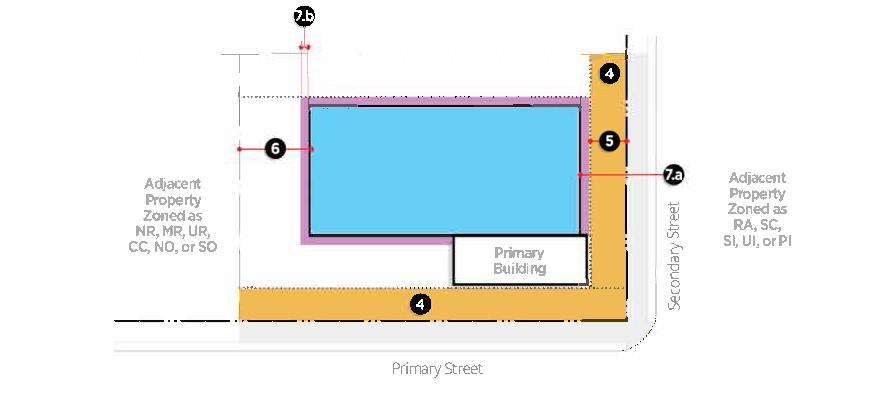
Figure 13-1-132(7): Outdoor Activity/Operation, Permanent
(m)
Outdoor Dining, with alcohol.
(1)
A fence shall be added as a barrier between the outdoor dining area and the pedestrian walkway if alcohol consumption or public safety becomes an issue outside of the designated barriers.
(n)
Outdoor Display of Merchandise, Permanent.
(1)
Only those goods and materials associated with the existing on-site use may be displayed or sold.
(2)
Permanent outdoor display or sales areas shall not be located within any required yard, landscape area, or parking area.
(3)
Permanent outdoor display or sales areas shall be surfaced with an approved hard surface material. Partially paved or unpaved outdoor display or sales areas shall be prohibited.
(4)
Permanent outdoor display or sales areas shall not exceed ten (10) percent of the gross floor area of the primary building on the property unless approved as a conditional use.
(o)
Outdoor Storage, Permanent.
(1)
Outdoor storage of farm equipment in the RA District shall not require conditional use permit approval.
(2)
Permanent outdoor storage areas shall be surfaced with an approved hard surface material. Partially paved or unpaved outdoor storage areas shall be prohibited.
(3)
The following minimum screening requirements shall apply to permanent outdoor storage areas which are visible from the right-of-way of an existing or proposed arterial or collector roadway or from a property zoned NR, MR, UR, SC, CC, NO, SO, or PI.
a.
A solid wall constructed from materials identical to those used on the exterior of the primary building and not less than six (6) feet and not more than eight (8) feet in height shall be erected to screen those portions of permanent outdoor storage areas visible from an existing or proposed arterial roadway, as identified and on file with the City, or from a property zoned NR, MR, UR, SC, CC, NO, SO, or PI.
b.
A landscape strip, not less than five (5) feet wide shall be located in front of the wall. A minimum of four (4) canopy or evergreen trees shall be planted and evenly spaced per every one hundred (100) lineal feet. A minimum of ten (10) shrubs shall be planted and evenly spaced per every one hundred (100) lineal feet. All landscape maintenance requirements of section 13-1-153 shall apply.
(4)
Shipping containers not located on a truck or located on a truck which is kept in the same parking or loading area for more than thirty (30) days shall be considered outdoor storage and shall be subject to all provisions for outdoor storage as found in this section.
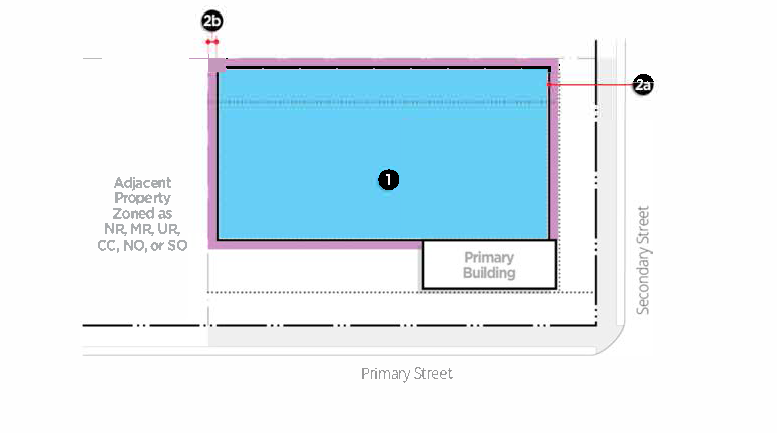
Figure 13-1-132(8): Outdoor Storage, Permanent
(p)
Solar Energy Collection System, Canopy.
(1)
Canopy solar energy collection systems may exceed the applicable maximum accessory structure height if they cover an impervious surface parking area.
(2)
The height of canopy solar energy collection systems shall not exceed the height of the primary building that the parking area serves.
(3)
The minimum height of solar energy collection systems shall allow clearance for emergency and service vehicles.
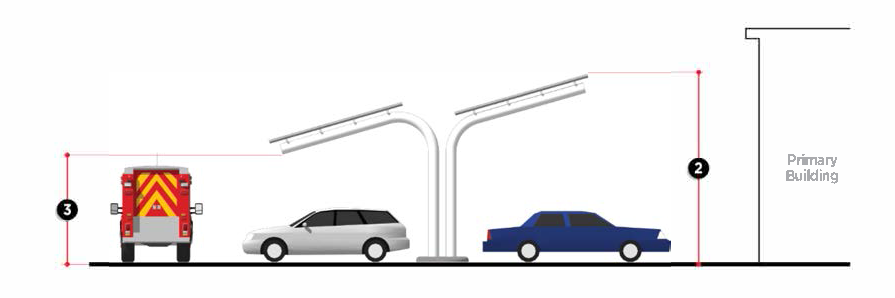
Figure 13-1-132(9): Solar Energy Collection System, Canopy
(q)
Solar Energy Collection System, Ground Mounted.
(1)
Ground mounted solar energy collection systems shall be permitted in to the rear of the principal building.
(2)
An unlimited quantity of panels is permitted on all zoning lots with the exception of any residential zoning lot thirty thousand (30,000) square feet or less in size, which are limited to a total of one hundred (100) square feet in area of panels.
(3)
The maximum height of ground mounted solar energy collection systems shall be fifteen (15) feet in height, measured from the grade at the base of the pole to the highest edge of the system.
(4)
Minimum clearance between the lowest point of the system and the surface on which the system is mounted is twelve (12) inches.
(5)
All parts of the freestanding system shall be set back ten (10) feet from the side and rear lot lines and shall not be located in a public utility easement.
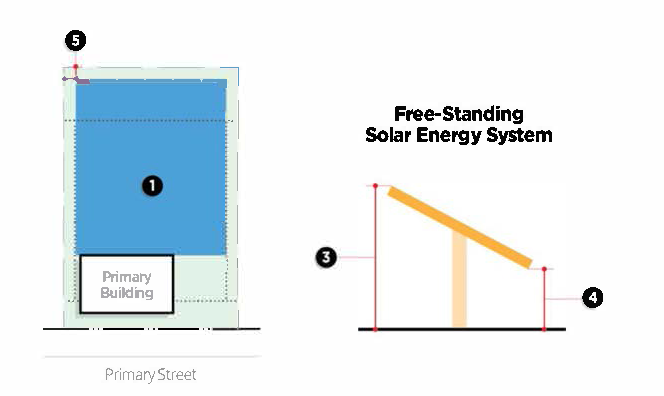
Figure 13-1-132(10): Solar Energy Collection System, Ground Mounted
(r)
Solar Energy Collection System, Roof Mounted.
(1)
Roof mounted solar energy collection systems may be located on any roof face of principal or accessory buildings. Systems should be flush mounted when possible.
(2)
Systems on residential structures shall not extend beyond twelve (12) inches parallel to the roof surface of a pitched roof or flat roof. Systems on nonresidential structures shall not extend beyond thirty-six (36) inches parallel to the roof surface of a pitched roof or flat roof. Systems on all structures shall not extend above the highest peak of a pitched roof.
a.
Height is measured from the roof surface on which the system is mounted to the highest edge of the system.
(3)
All materials used for racking, mounts, mounting clamps, and flashings shall be of a color consistent with the color of the roof surface to minimize visibility.
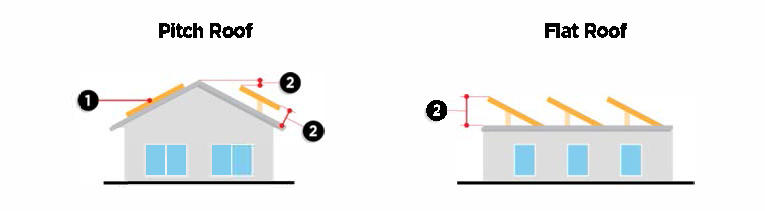
Figure 13-1-132(11): Solar Energy Collection System, Roof Mounted
(s)
Urban Garden.
(1)
Urban gardens located in front or corner yards shall:
a.
Not utilize hoop houses, cold frames, or other structures.
b.
Not have any plant material which exceeds four (4) feet in height within sight lines.
c.
Not include any plant material that could interfere with a public sidewalk.
d.
Be setback a minimum of three (3) feet from all applicable property lines.
(2)
Urban gardens located in side or rear yards may utilize hoop houses, cold frames, or other structures if they are setback a minimum of three (3) feet from all property lines.
(Ord. No. 21-980, 5-10-21; Ord. No. 22-1002, 4-11-22; Ord. No. 22-1005, 4-11-22; Ord. No. 24-1048, § 1, 3-11-24)
Sec. 13-1-133 - Specific Temporary Use Standards.
(a)
Outdoor Assembly.
(1)
Activities shall not obstruct pedestrian or vehicular circulation, including vehicular sight distances.
(2)
Signage shall comply with the requirements for temporary signs in section 13-1-187.
(3)
Adequate parking, drinking water, and toilet facilities shall be provided, and shall be described in the application.
(4)
If subject property is located adjacent to a residential area, activities shall be limited to daylight hours.
(5)
Adequate provisions for crowd control shall be made and shall be described within the application.
(6)
Shall comply with section 13-1-218, standards, and procedures applicable to all temporary uses.
(b)
Outdoor Display of Merchandise, Temporary.
(1)
Temporary outdoor display or sale of merchandise shall be located on the same lot and in conjunction with the primary use of the lot.
(2)
Temporary outdoor display or sale areas shall occur:
a.
On the sidewalk area at the foundation of the primary use, limited to the free space, and not including a five-foot wide pedestrian way.
b.
In a portion of the parking lot, which shall not exceed twenty (20) percent of the parking spaces required for the operation of the primary use.
(c)
Portable Outdoor Storage Device.
(1)
A permit shall be obtained prior to the setting of the portable outdoor storage device on the property. A site drawing shall be submitted showing the location on the property where the unit will be placed, size of the unit, and distance to all applicable property lines and all other buildings and structures. The permit shall be prominently displayed on the storage device.
(2)
No portable outdoor storage device shall be greater than:
a.
Twenty (20) feet in length,
b.
Eight (8) feet in width, or
c.
Eight (8) feet in height.
(3)
The temporary portable outdoor storage unit cannot encroach on City property, City right-of-way, neighboring property, sidewalk, or be placed in the street. The unit must be sited on asphalt, concrete, or hard paved surface between the front property line and the rear building line of the principal building.
(4)
The visual distance between the portable outdoor storage device and the side yard property line shall be four (4) feet or upon the approval Zoning Administrator and as agreed upon by written consent by the neighboring property owner.
(5)
Portable outdoor storage devices may be placed in a residential district for no more than thirty (30) days in any consecutive twelve-month period. Extensions beyond the thirty-day limit may be granted by the Zoning Administrator.
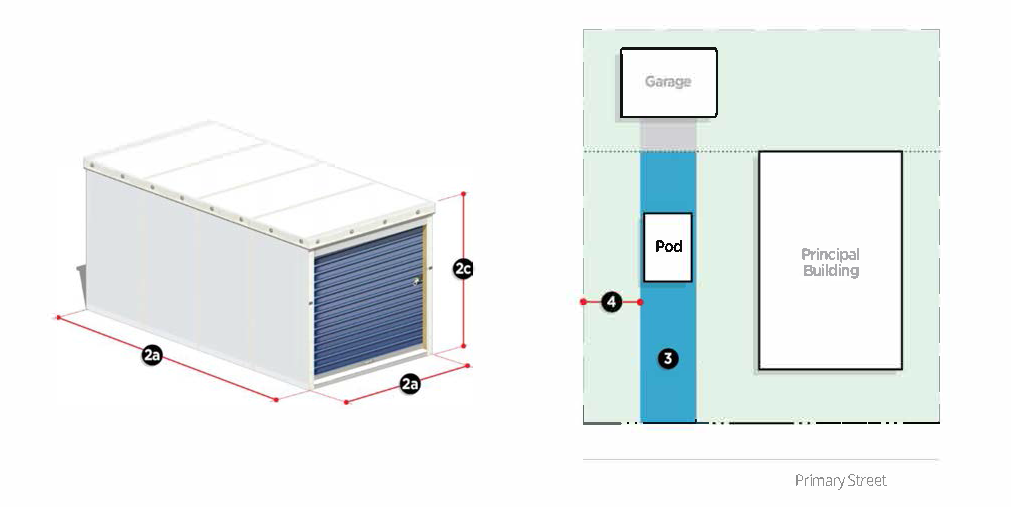
Figure 13-1-133: Portable Outdoor Storage Device
(d)
Seasonal Sales.
(1)
Seasonal sales shall include the outdoor display or sale of seasonal merchandise not otherwise associated with the principal use of the lot.
(2)
Seasonal sales shall be permitted for a period not to exceed forty-two (42) days per calendar year.
(3)
Seasonal sales areas shall utilize a maximum of twenty (20) percent of the parking spaces required for the operation of the primary use.
(e)
Short Term Rental.
(1)
The residential dwelling in which short term rental is offered shall be the primary residence of the property owner.
(2)
The short term rental period shall be a minimum of seven (7) consecutive days and a maximum of one hundred and eighty (180) consecutive days in any one (1) visit.
(Ord. No. 21-980, 5-10-21; Ord. No. 25-1081, § 1, 12-18-25)

